Posts Tagged: herons
Hank Comes Through, Otters Romp, and a Late Look at the Eastons
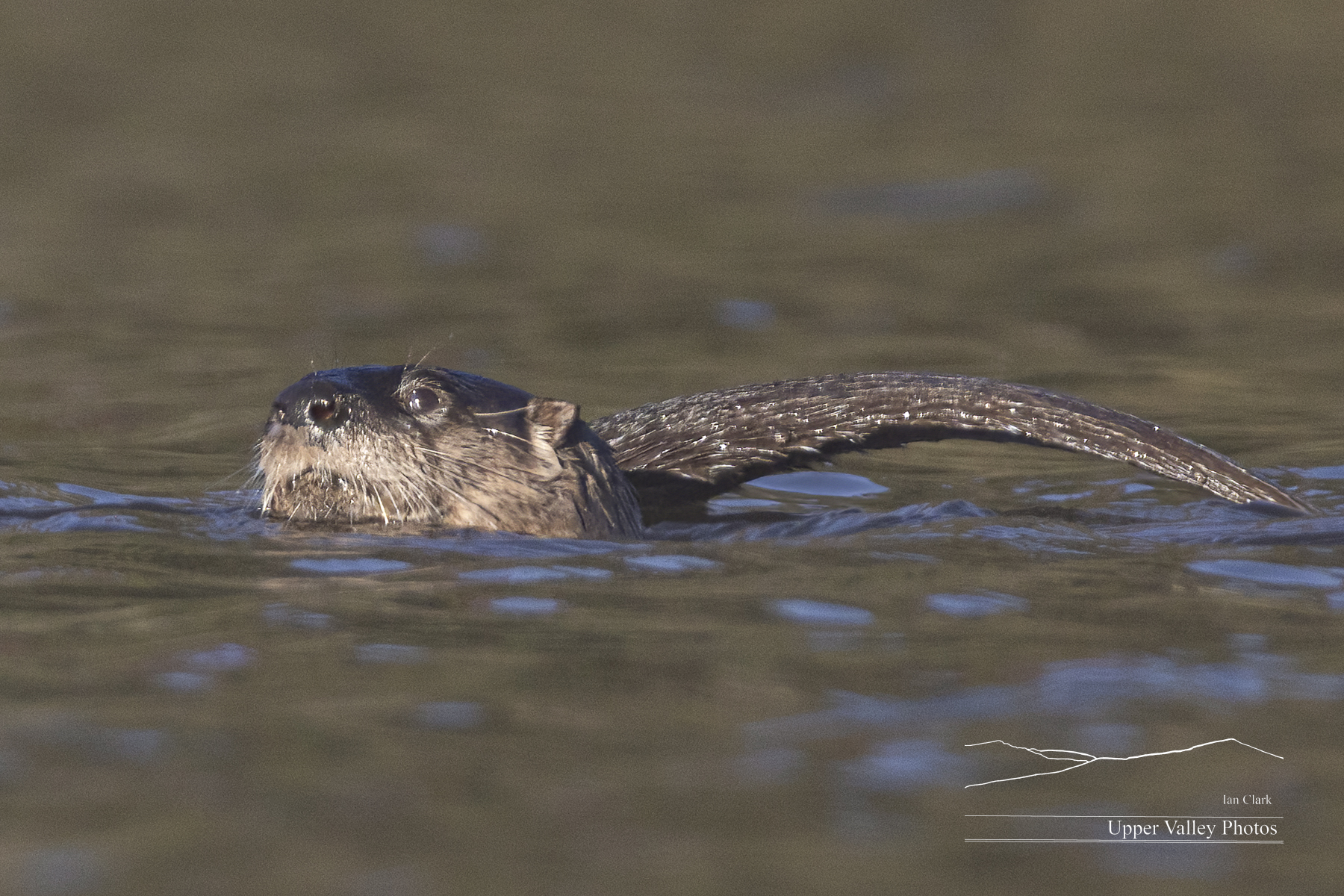
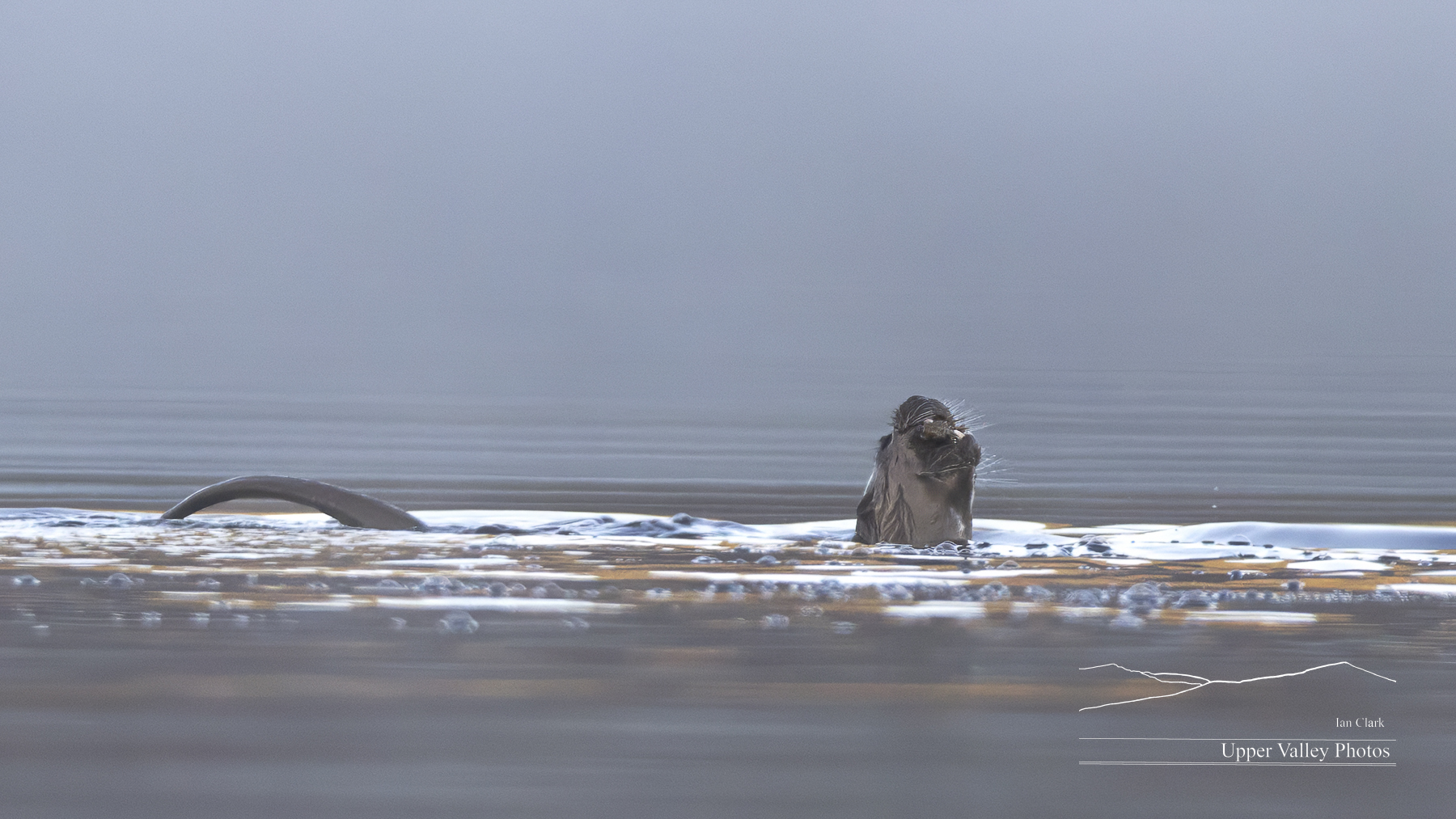
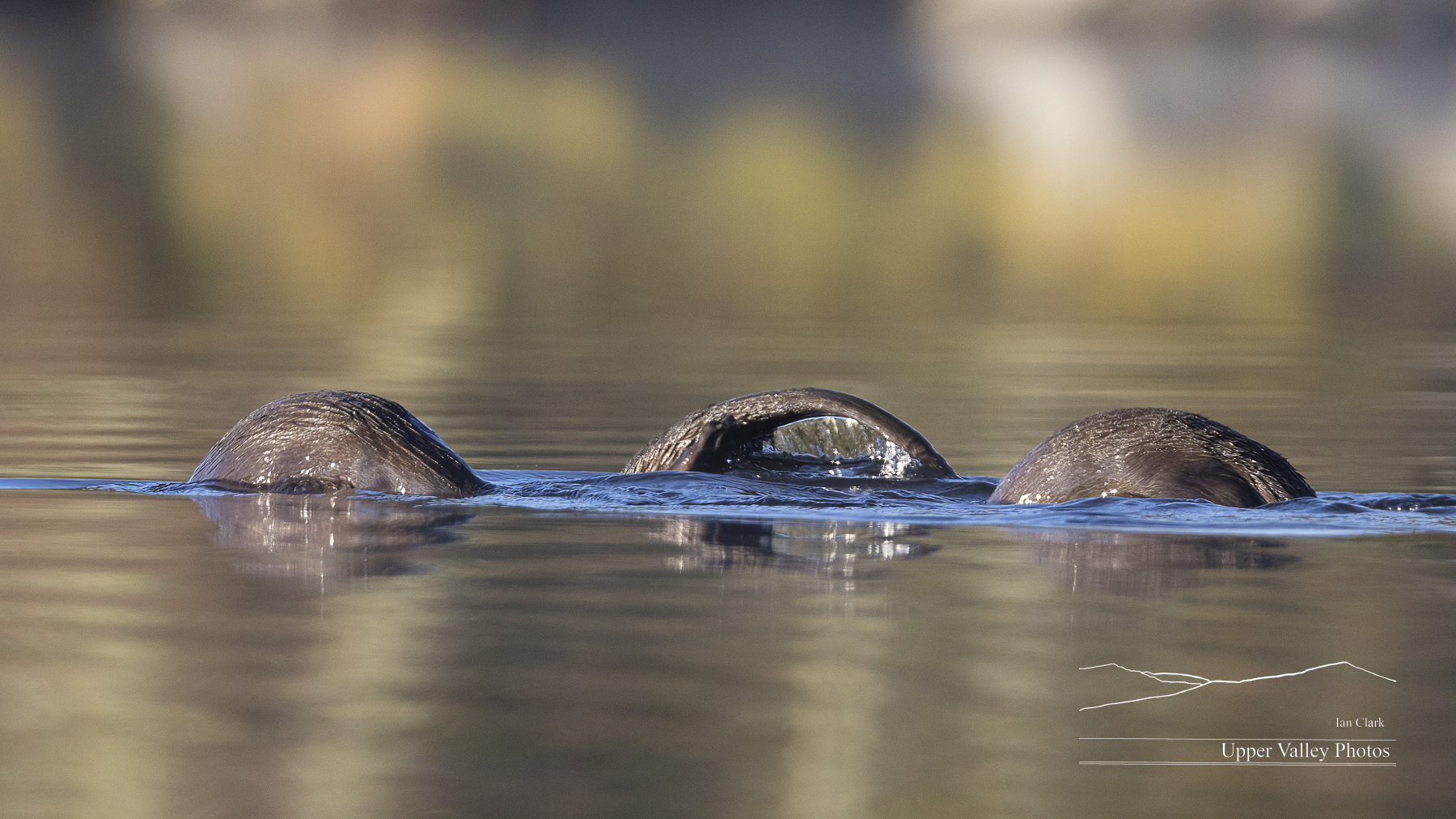
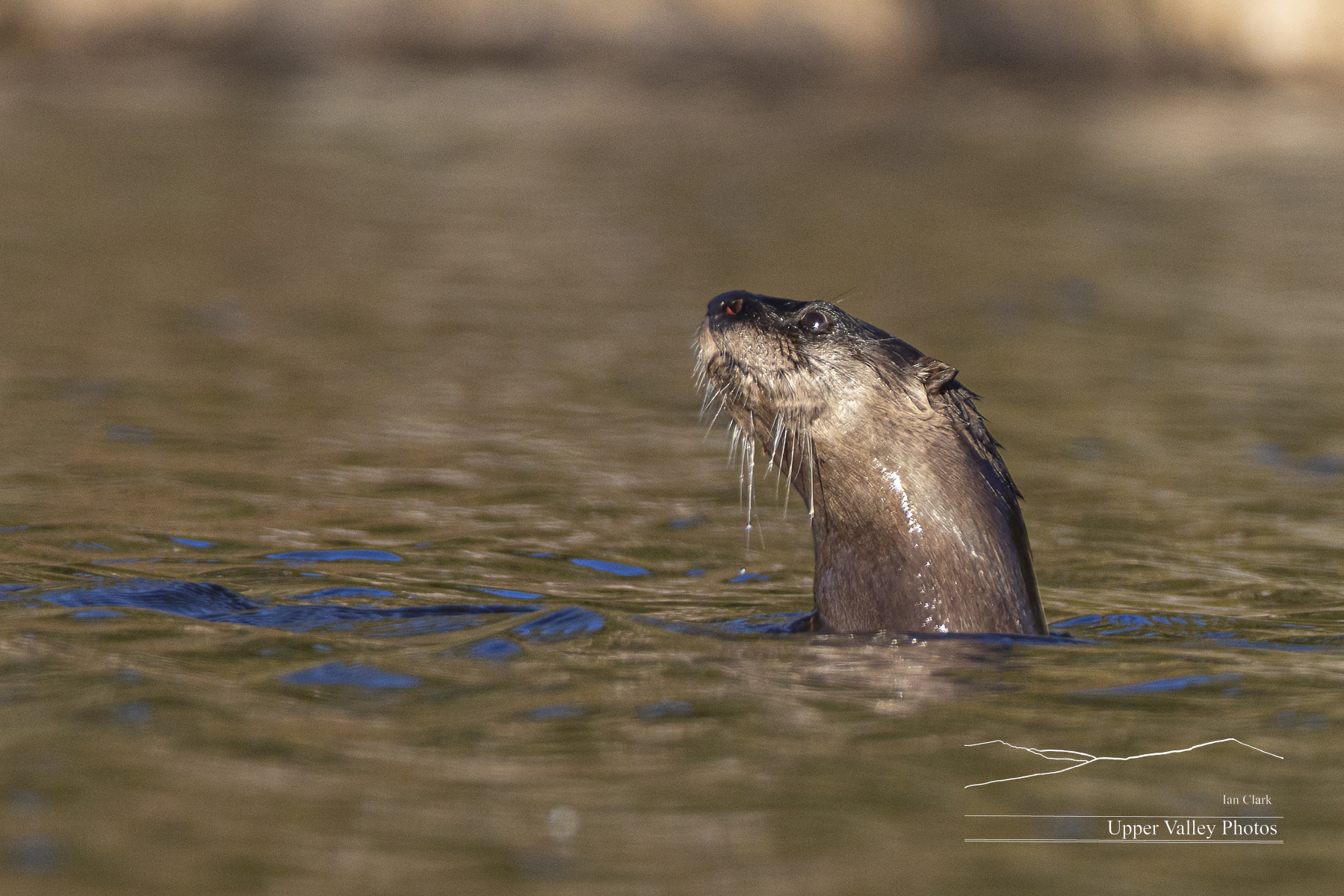
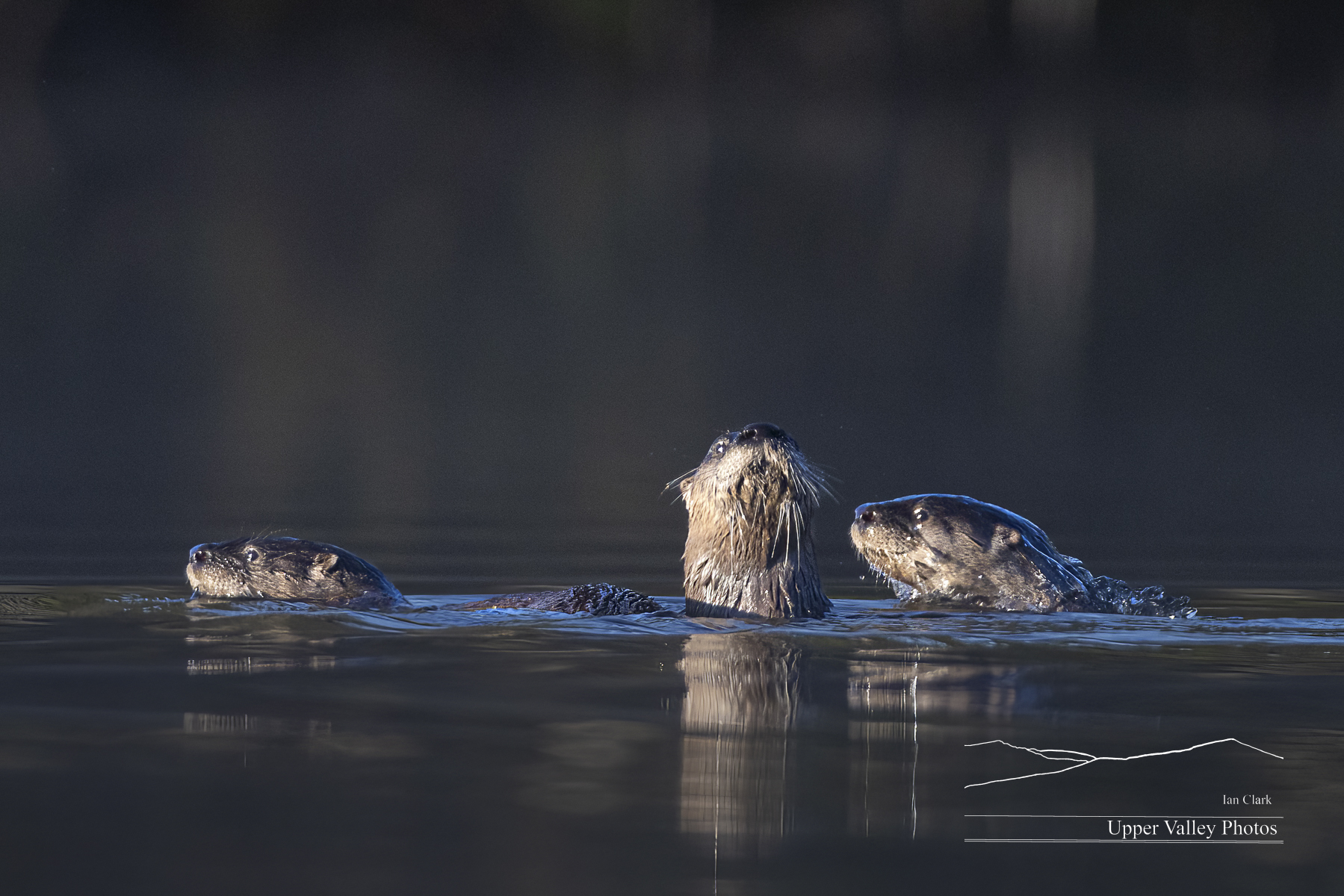
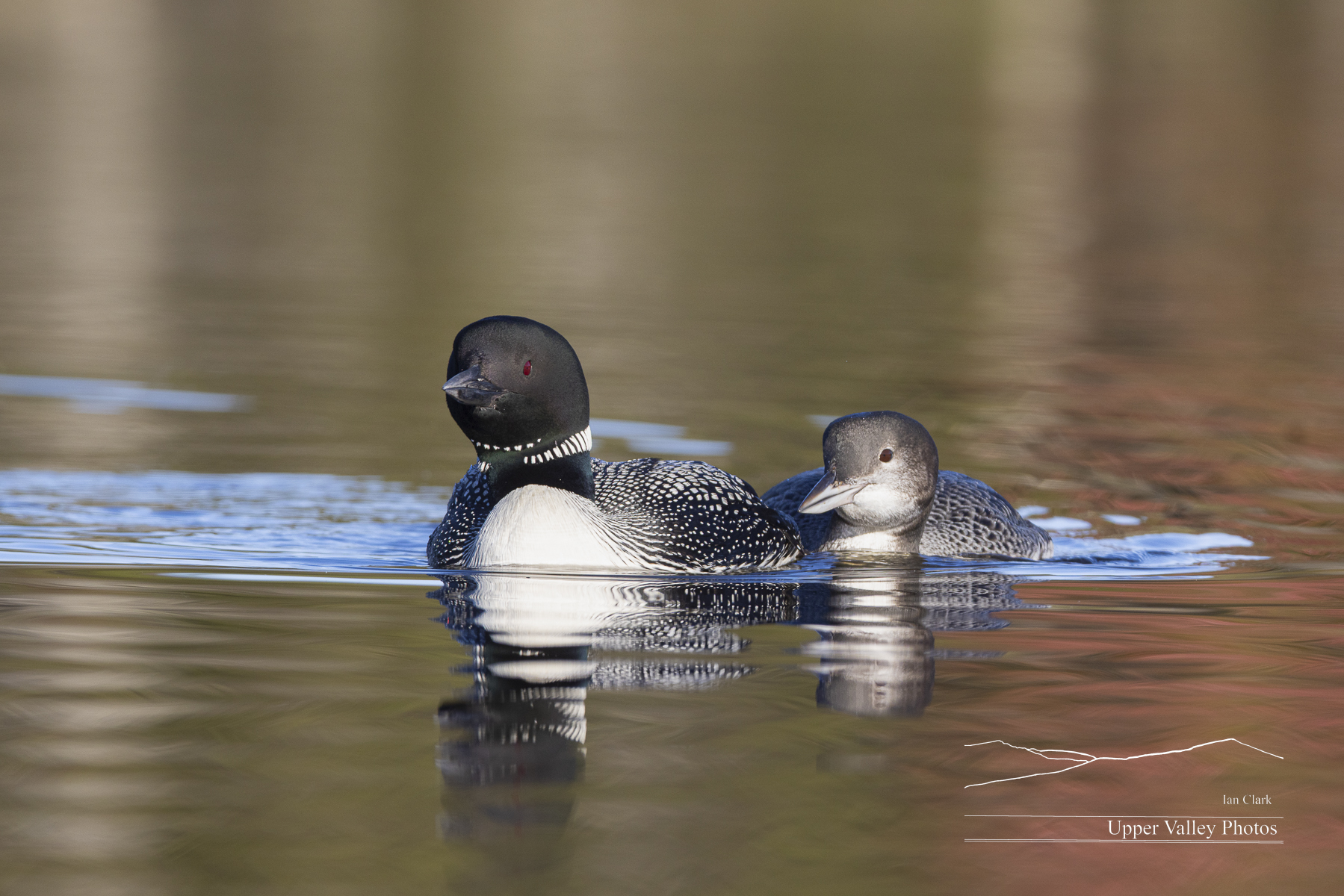
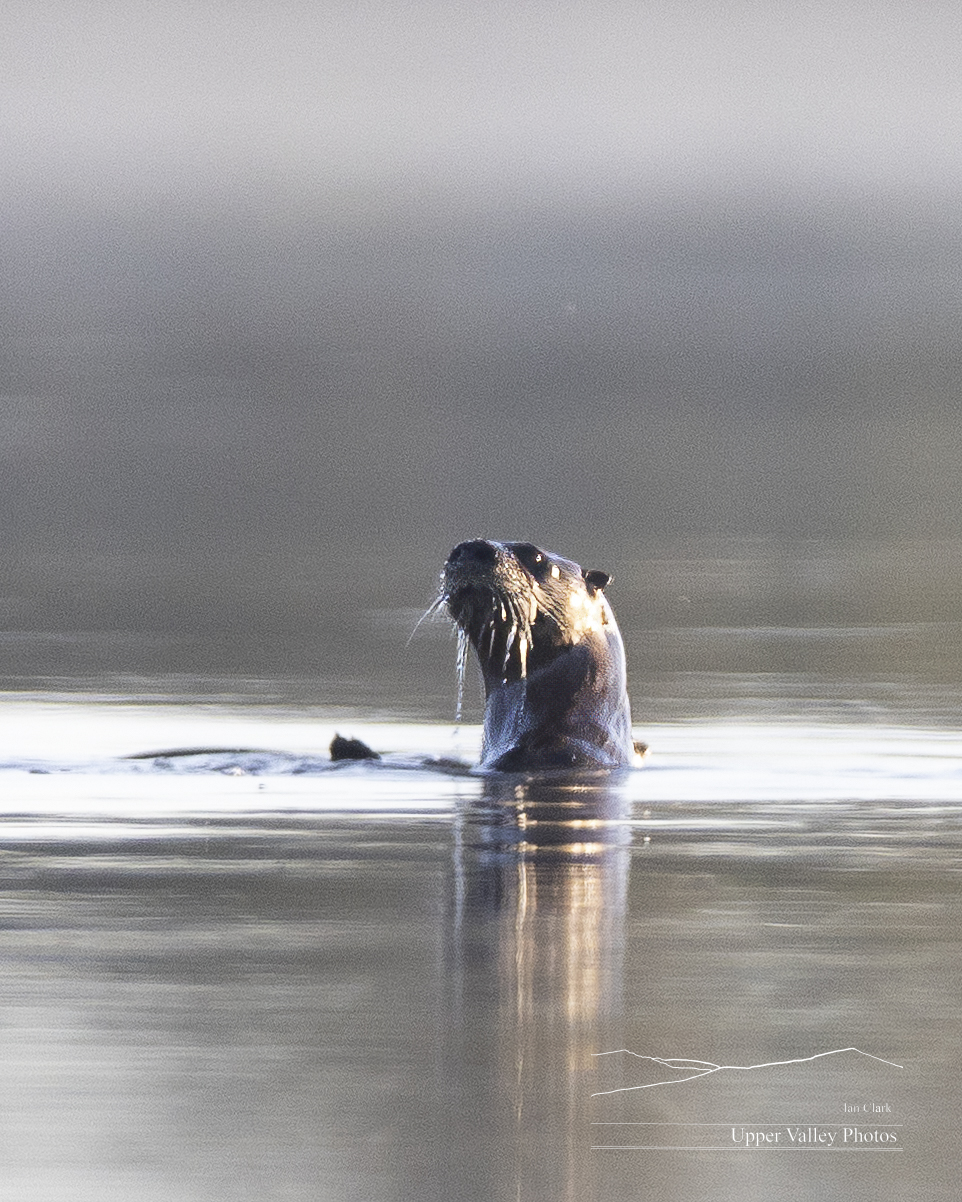
Hank teased me along the river this week. And when I went to visit the Eastons, the otters were romping around the pond.
The Vermont North By Hand Tour is coming up fast. Artists around the Upper Valley will be exhibiting. Some in their studios. Those of us without a proper studio have to make other plans. I’ll be set up at Sue Martin’s Farm on Route 5 on the Bradford – Fairlee town line. The tour map online still isn’t updated, but trust me, that’s where I’ll be. Sue will be showing off her stained glass and Carole Kitchel Bellew will be set up with her ceramic art. The map of the other artists is here. The tour is a great way to spend the day. Hope to see you there.
Wednesday evening I wasn’t feeling very energetic. It seemed like a nice evening to sit on the deck and finish my book. But one of the downsides of being a photographer is that you have to get going and, well, photograph things. The weather was perfect and I couldn’t come up with a good enough excuse to not go visit Hank, et al.
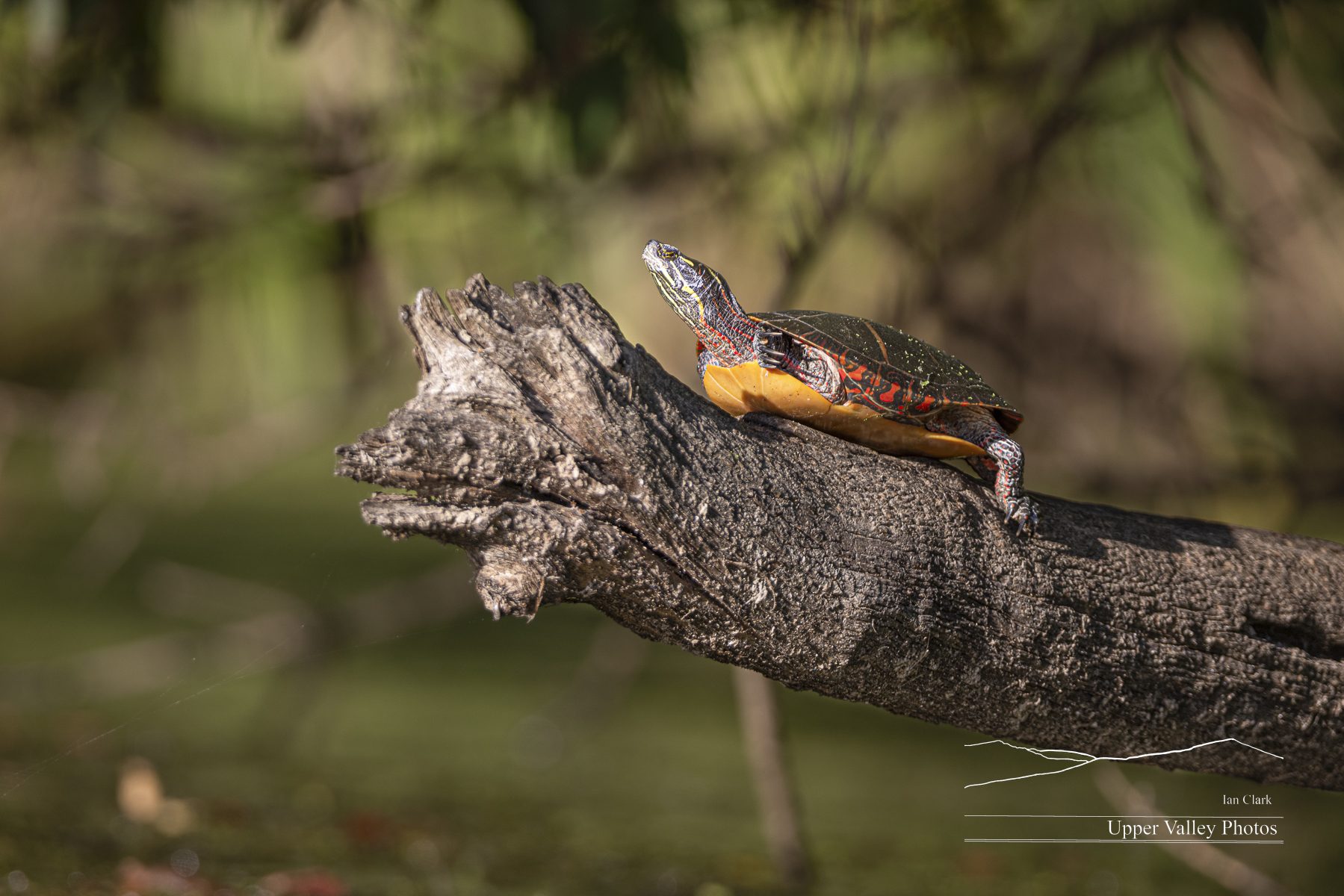
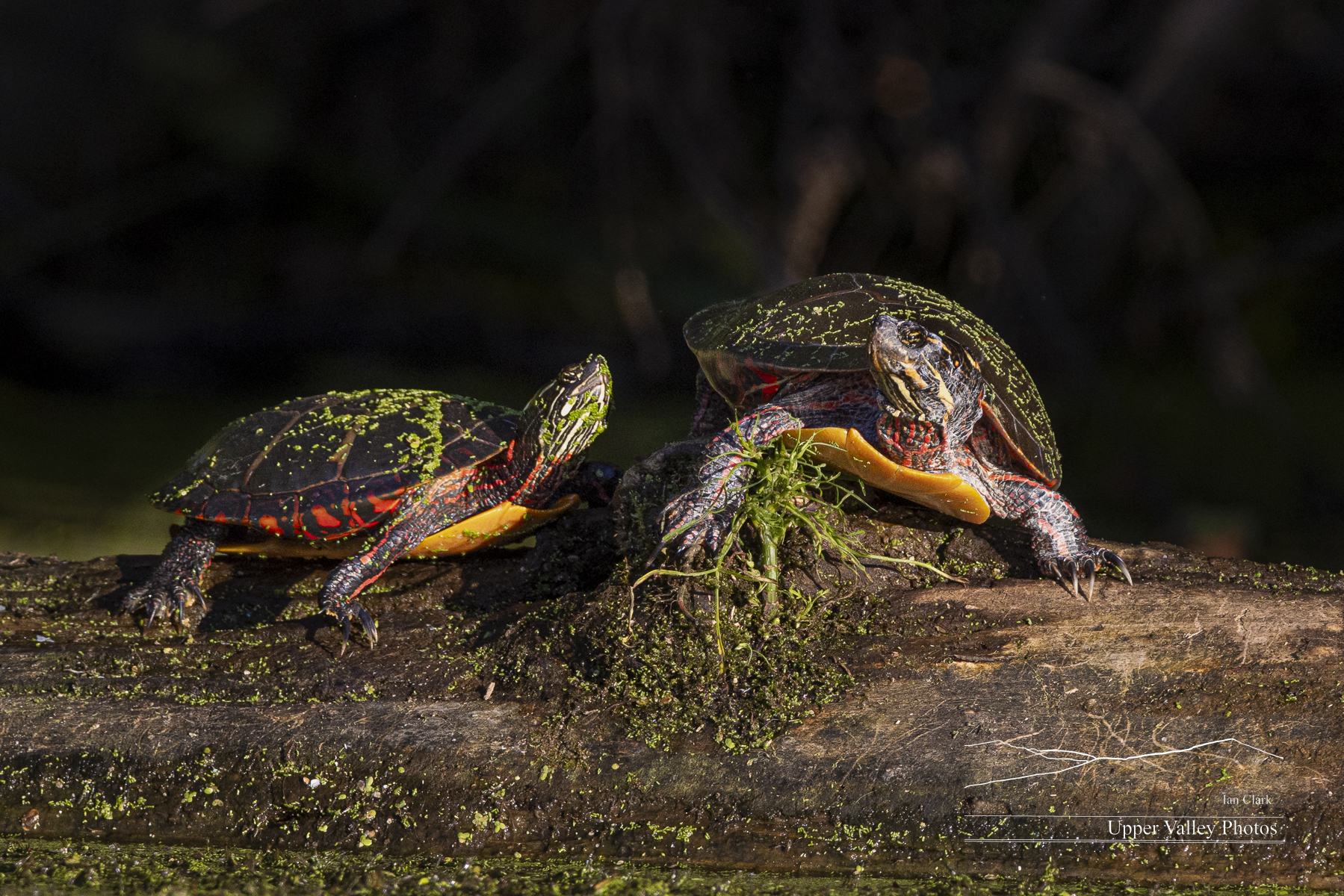
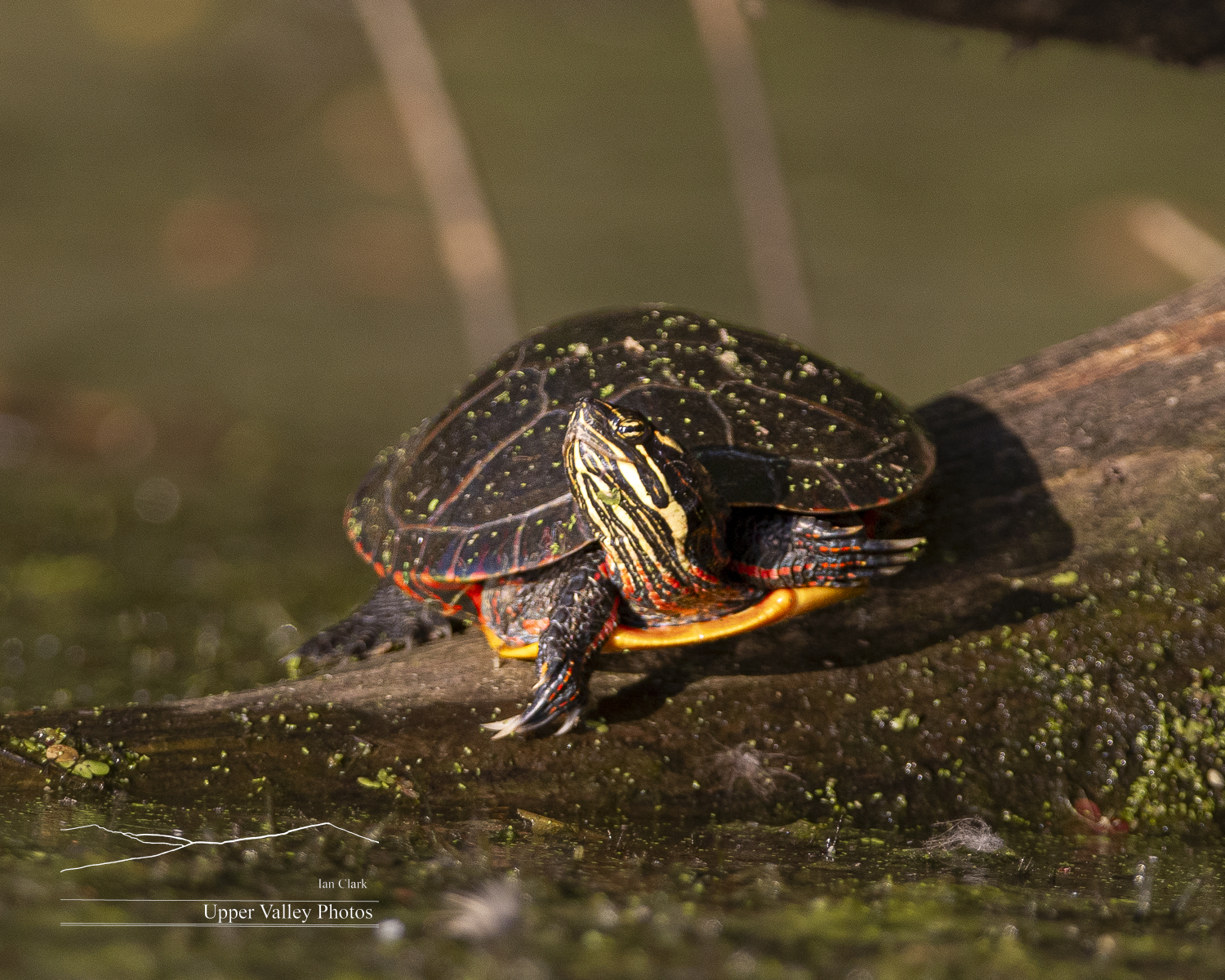
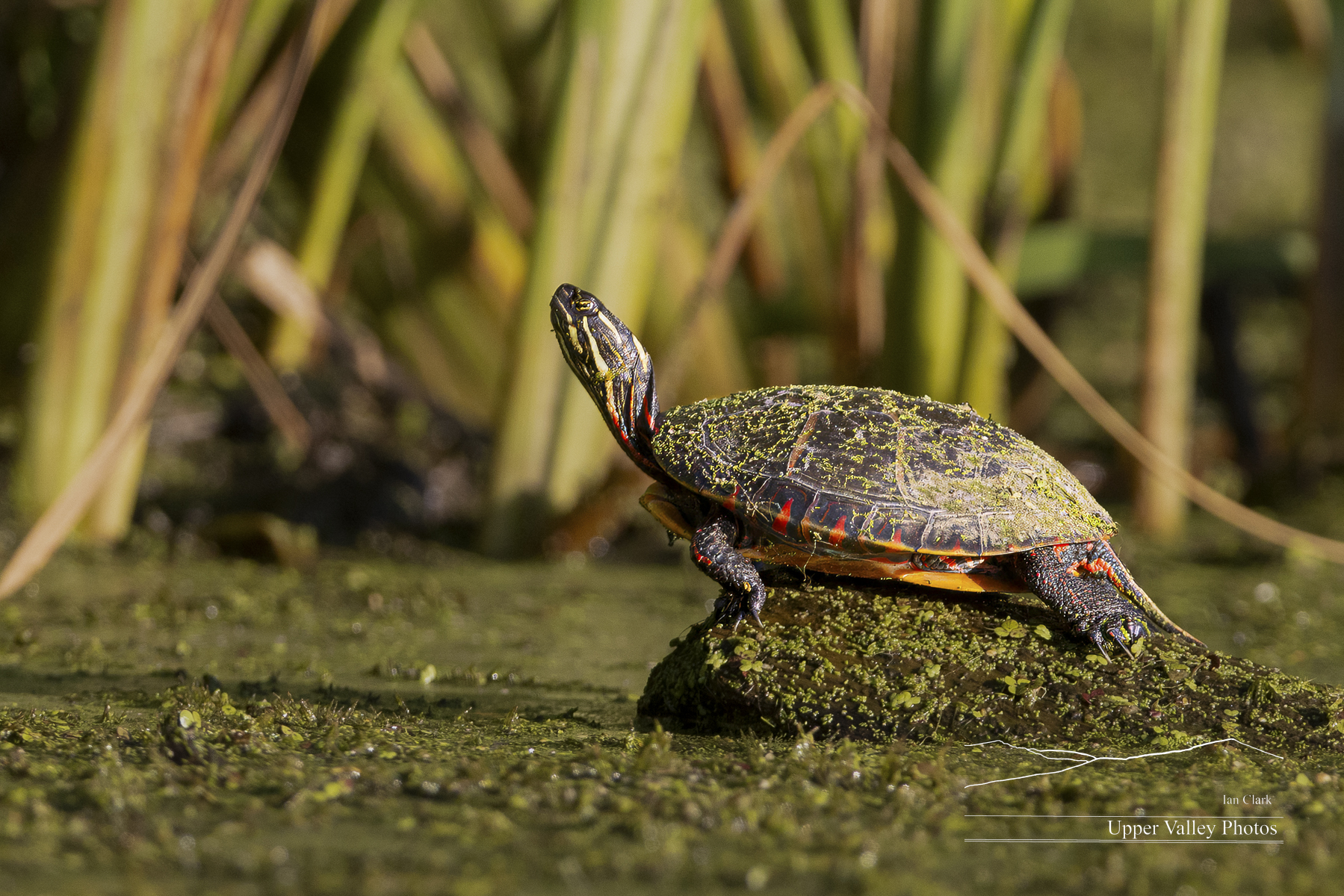
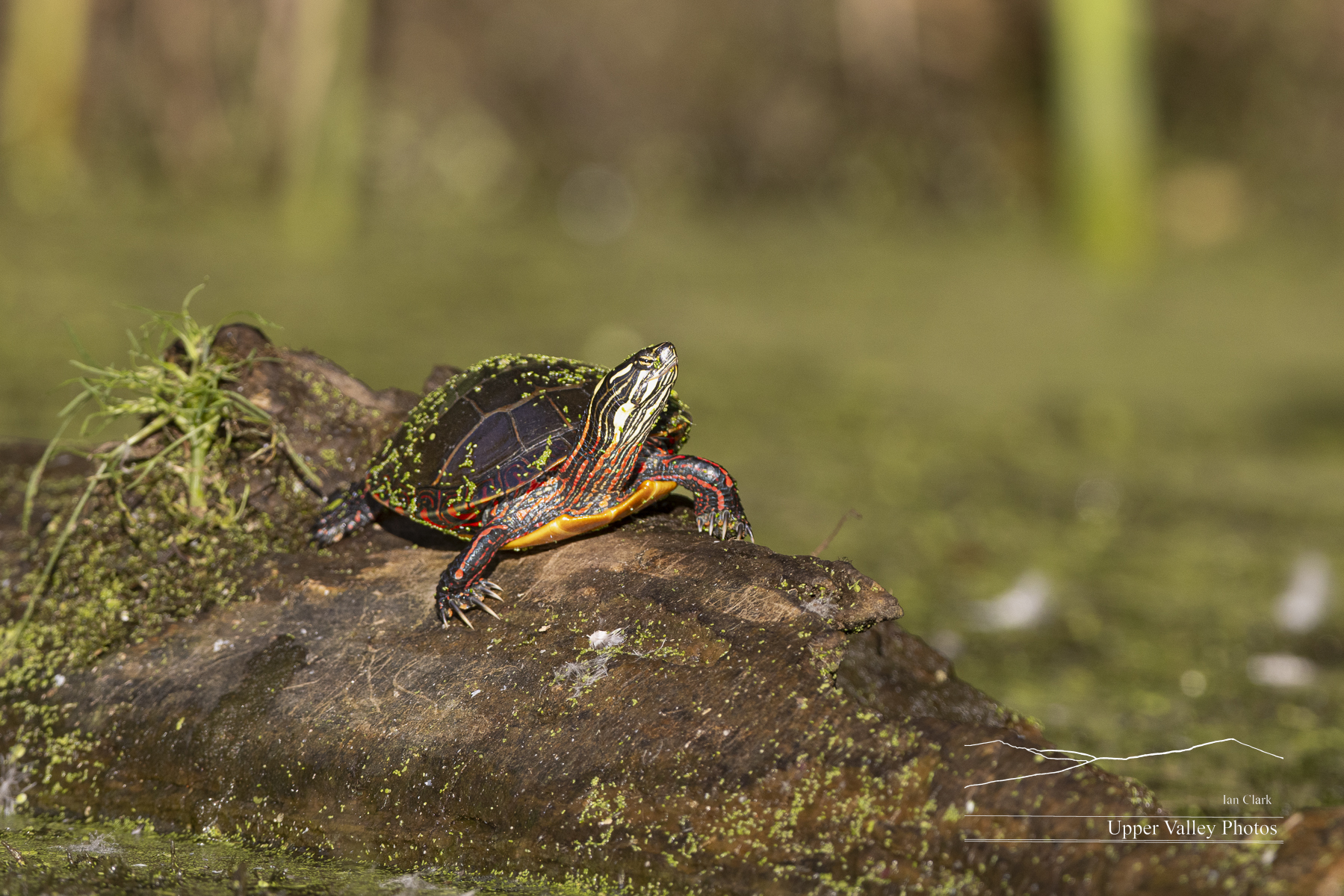
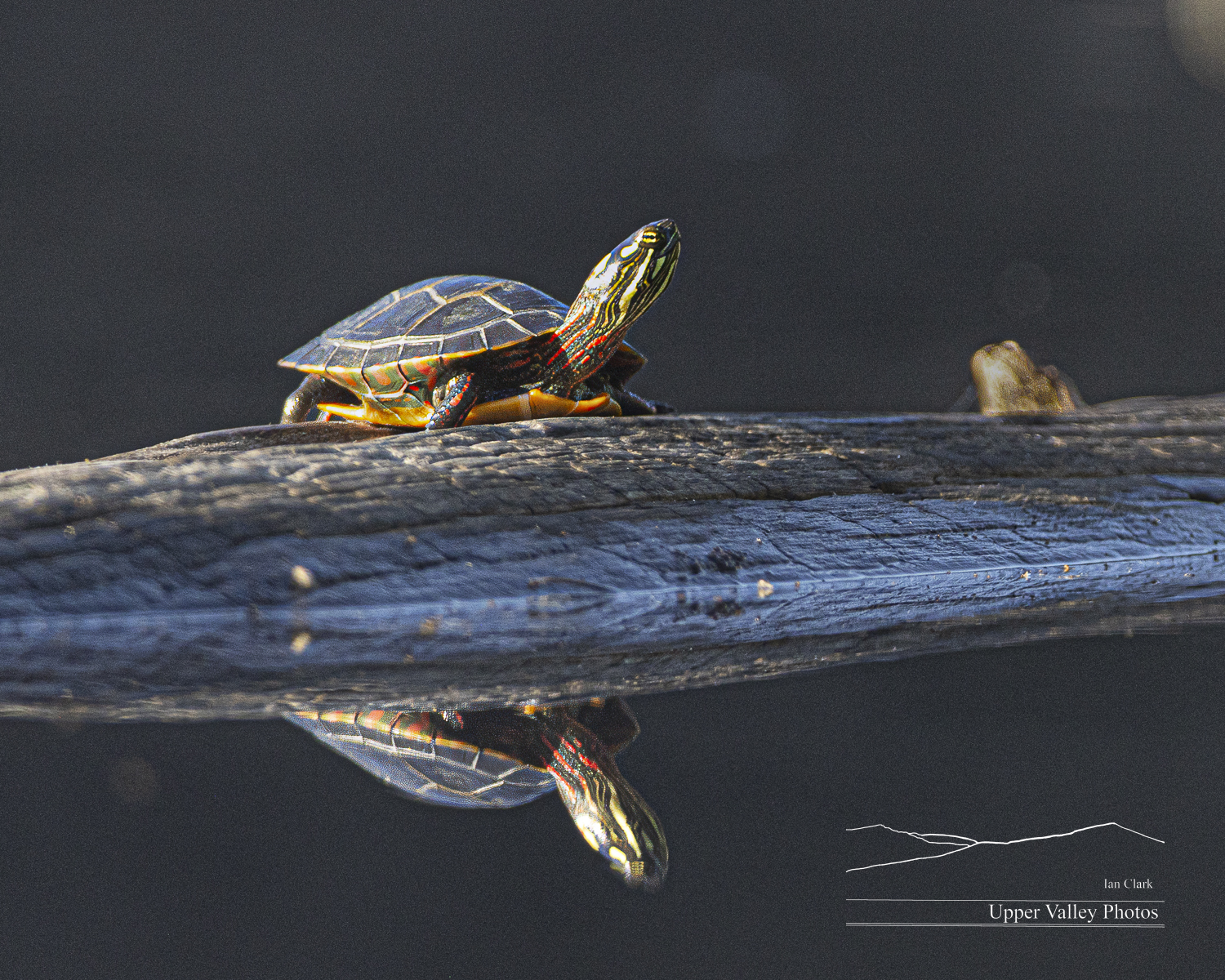
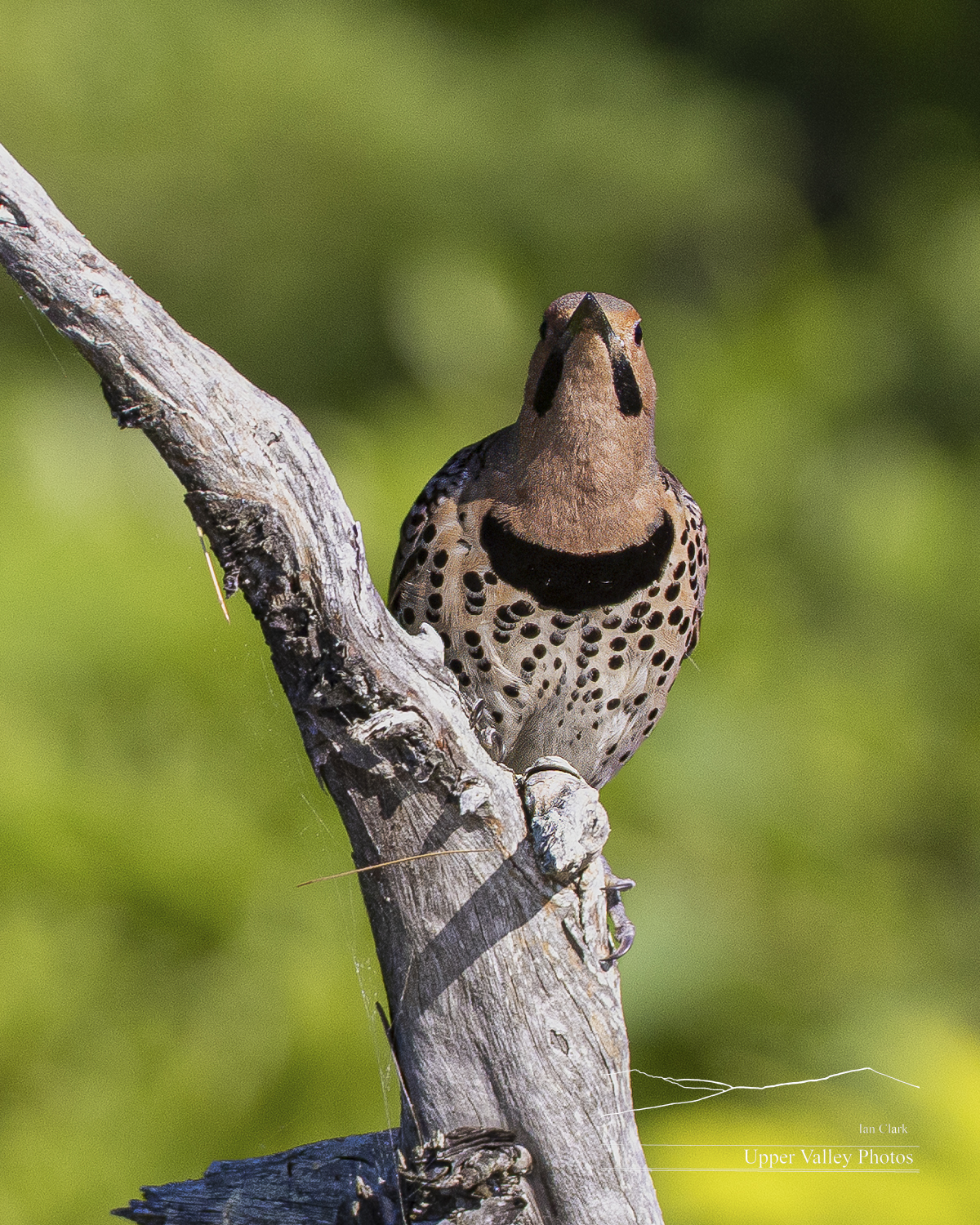
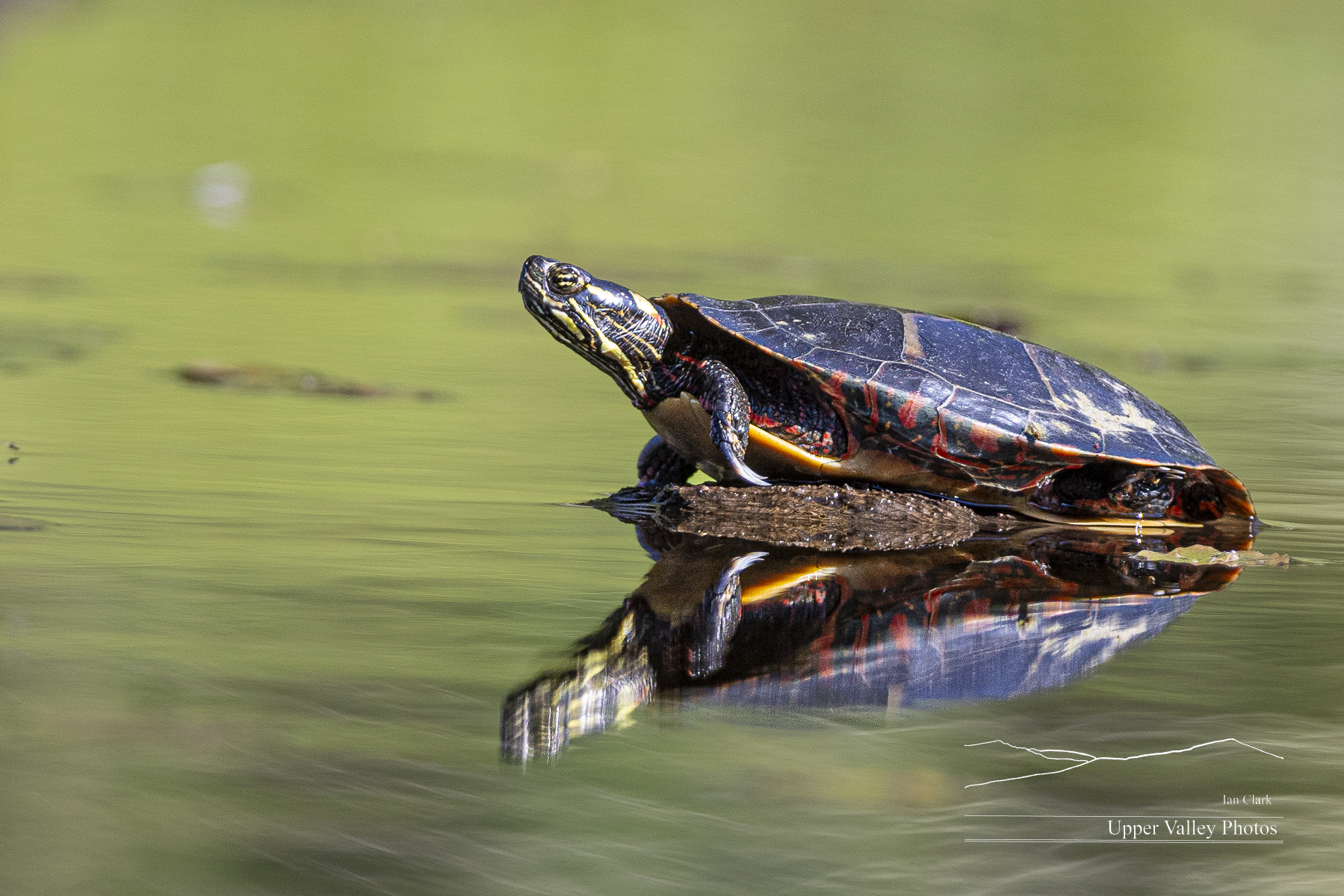
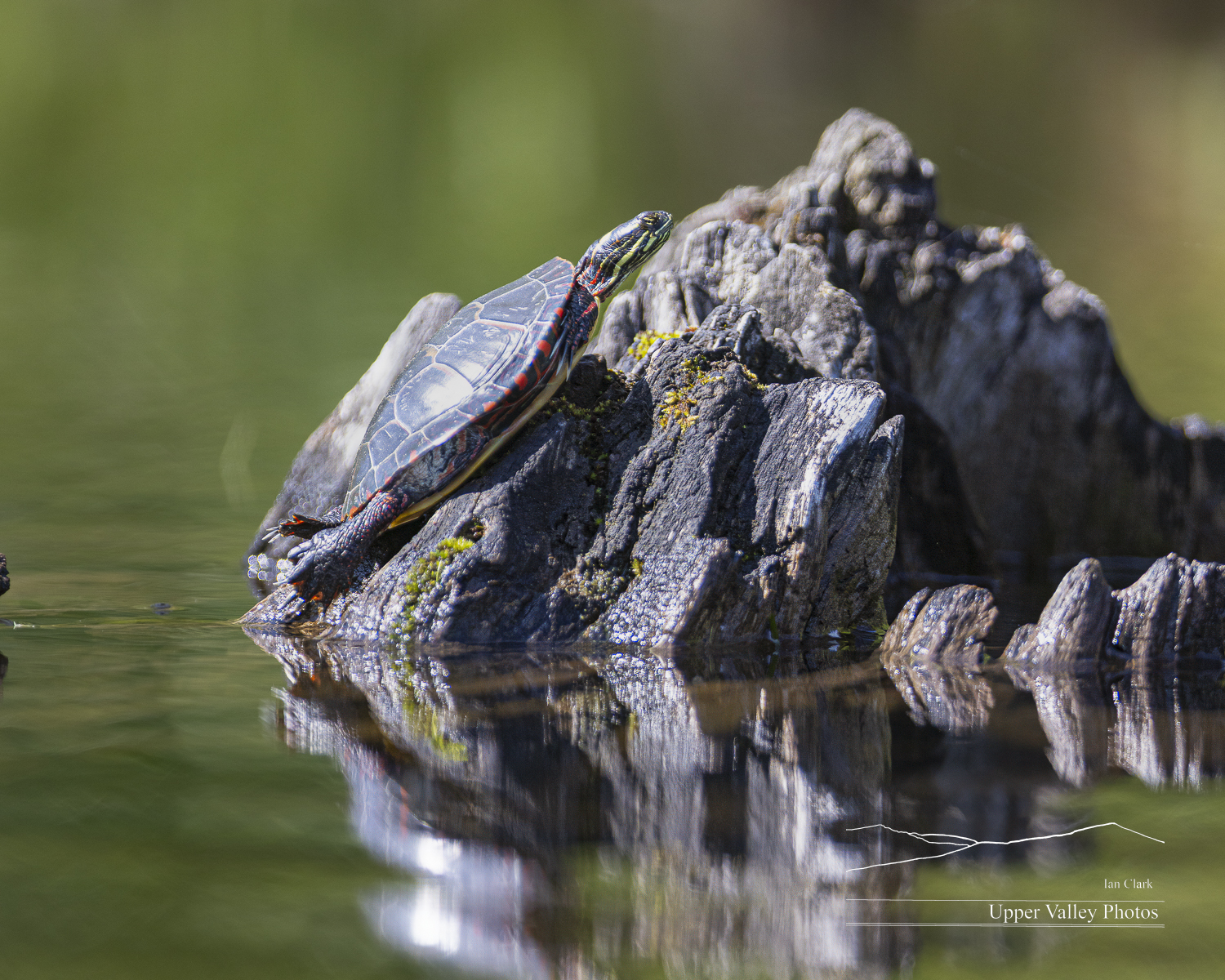
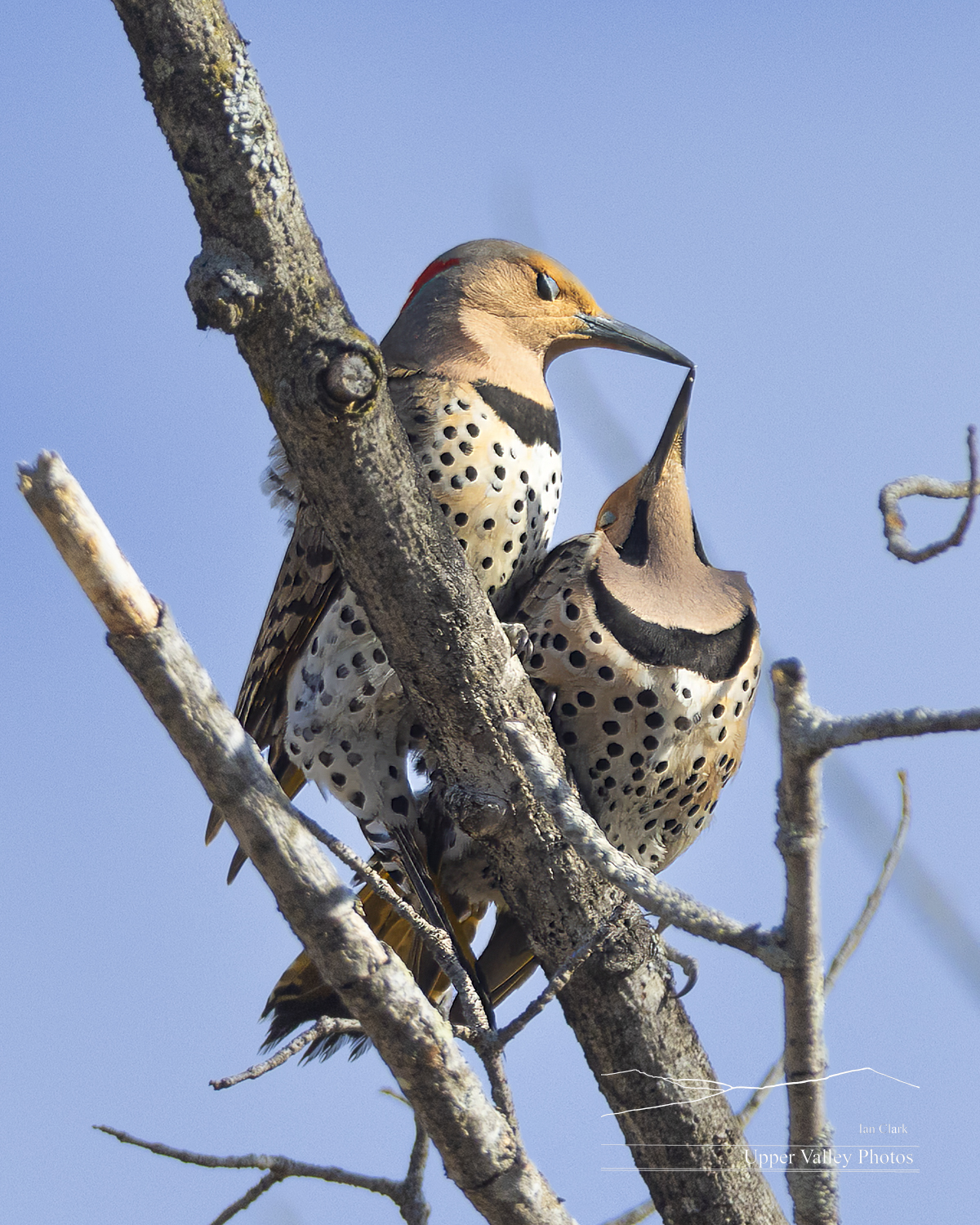
As I was putting the boat in the river, a lady paddled upstream. She said Hank was ‘just around the corner.’ He’d moved on by the time I made it around the corner. The river was pretty quiet. A couple northern flickers were chatting. And a green heron flew downstream, squawking as he went. I took the boat into the marsh to the section of shore that I’ve had such great luck finding the herons. There were a couple painted turtles basking. And starlings everywhere in the reeds. But no herons.
I sat and waited a bit. Still no herons. There was a cloud on the horizon and the sun was heading behind it. There was still time to work on that book. I headed home.
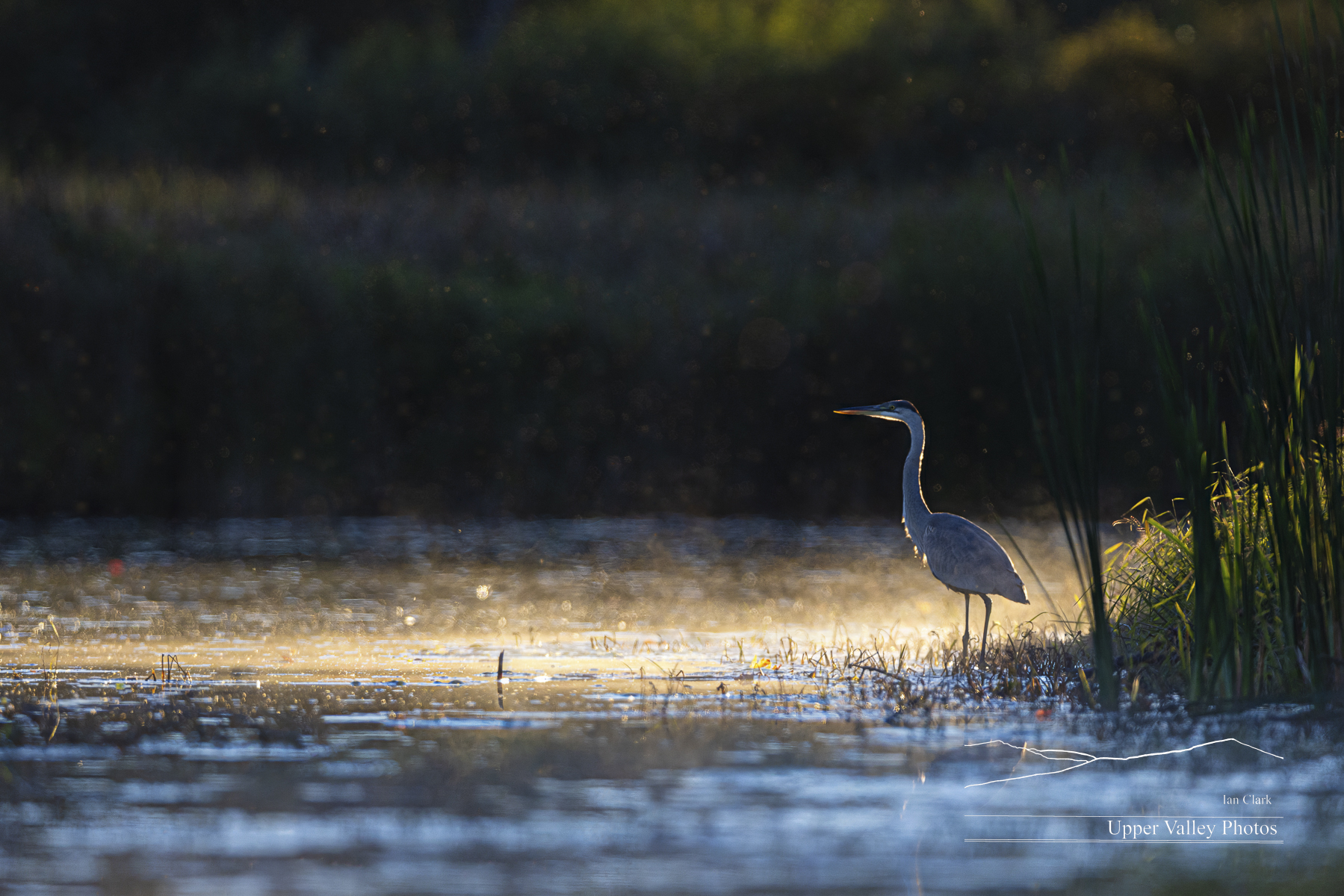
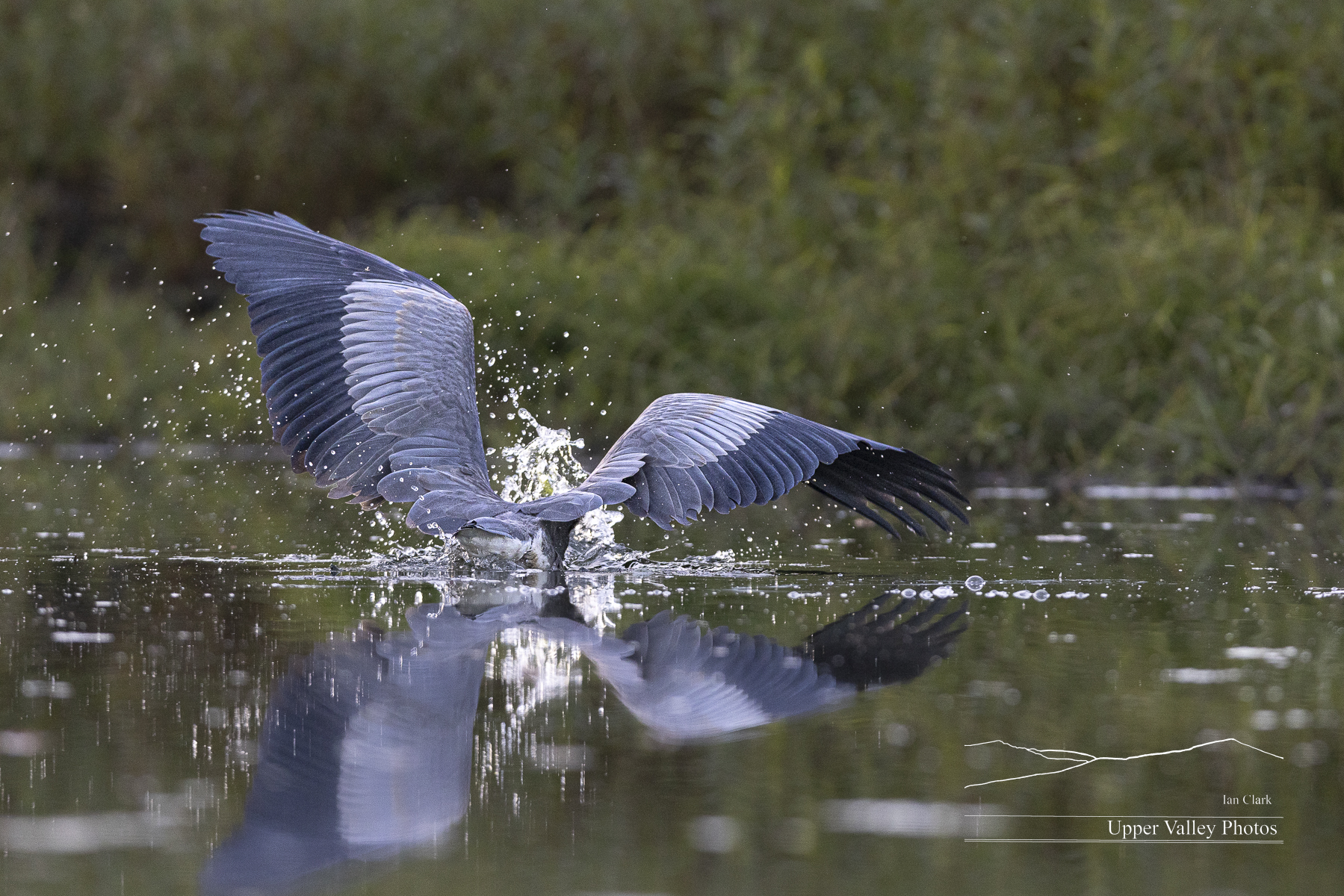
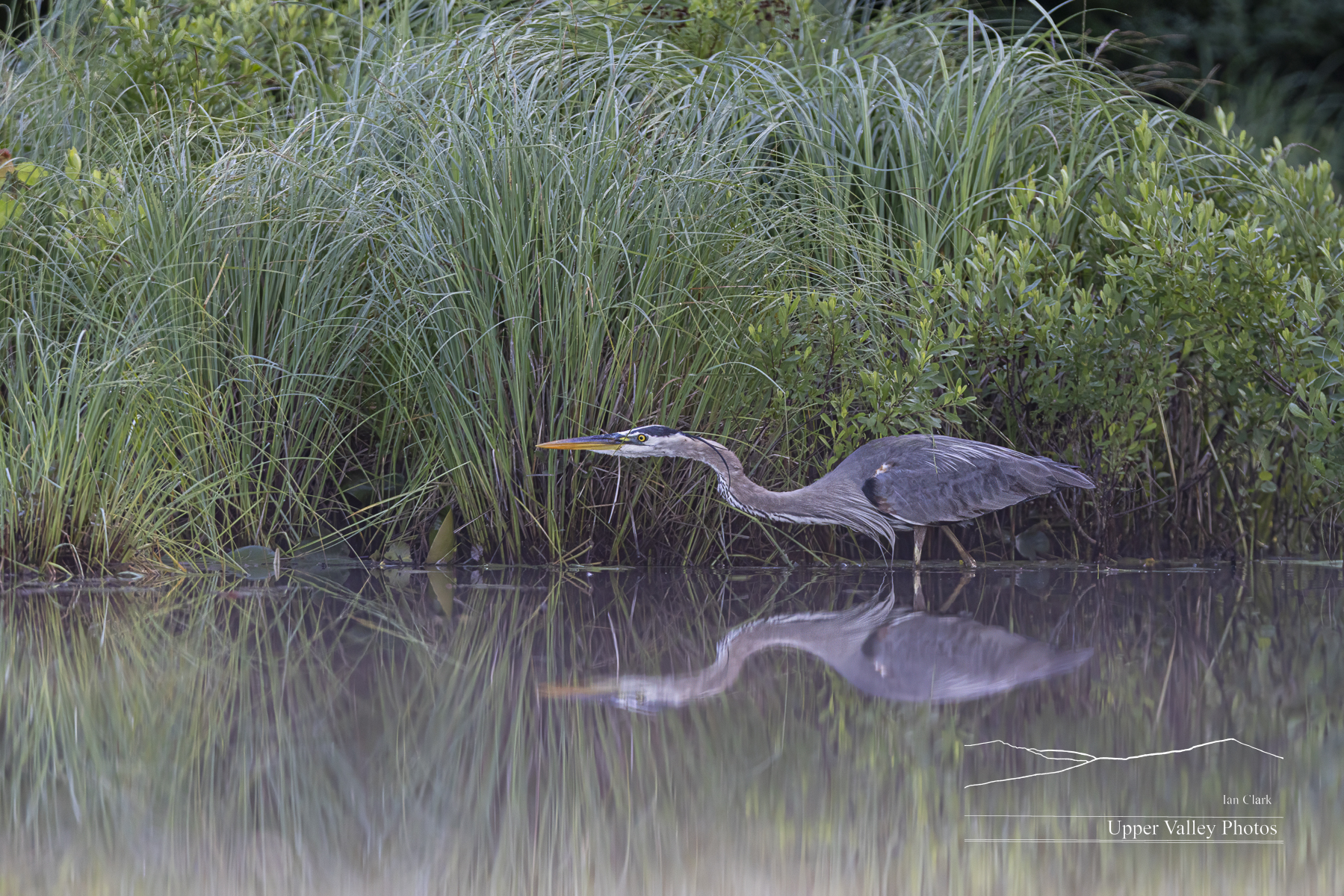
As I got back to the river, Hank flew in and landed in the shadows just upstream. There was a patch of sun along the shore between us and another upstream where the shore juts out a bit. I figured the odds were low of Hank cooperating and moving into the sun. But I waited. The sun came back out – barely above the hill. Hank did the inscrutable heron thing and stood stock still staring into the water.
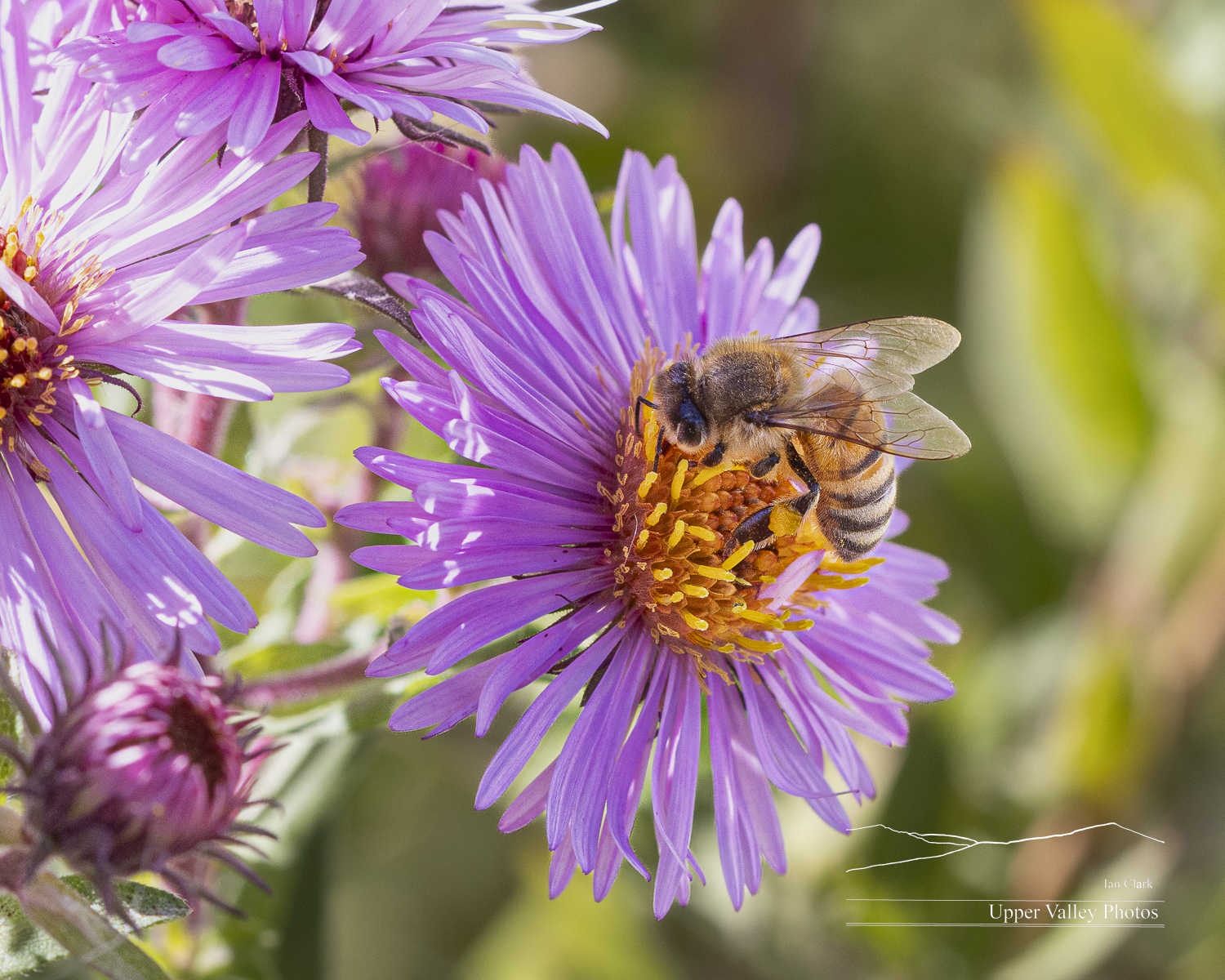
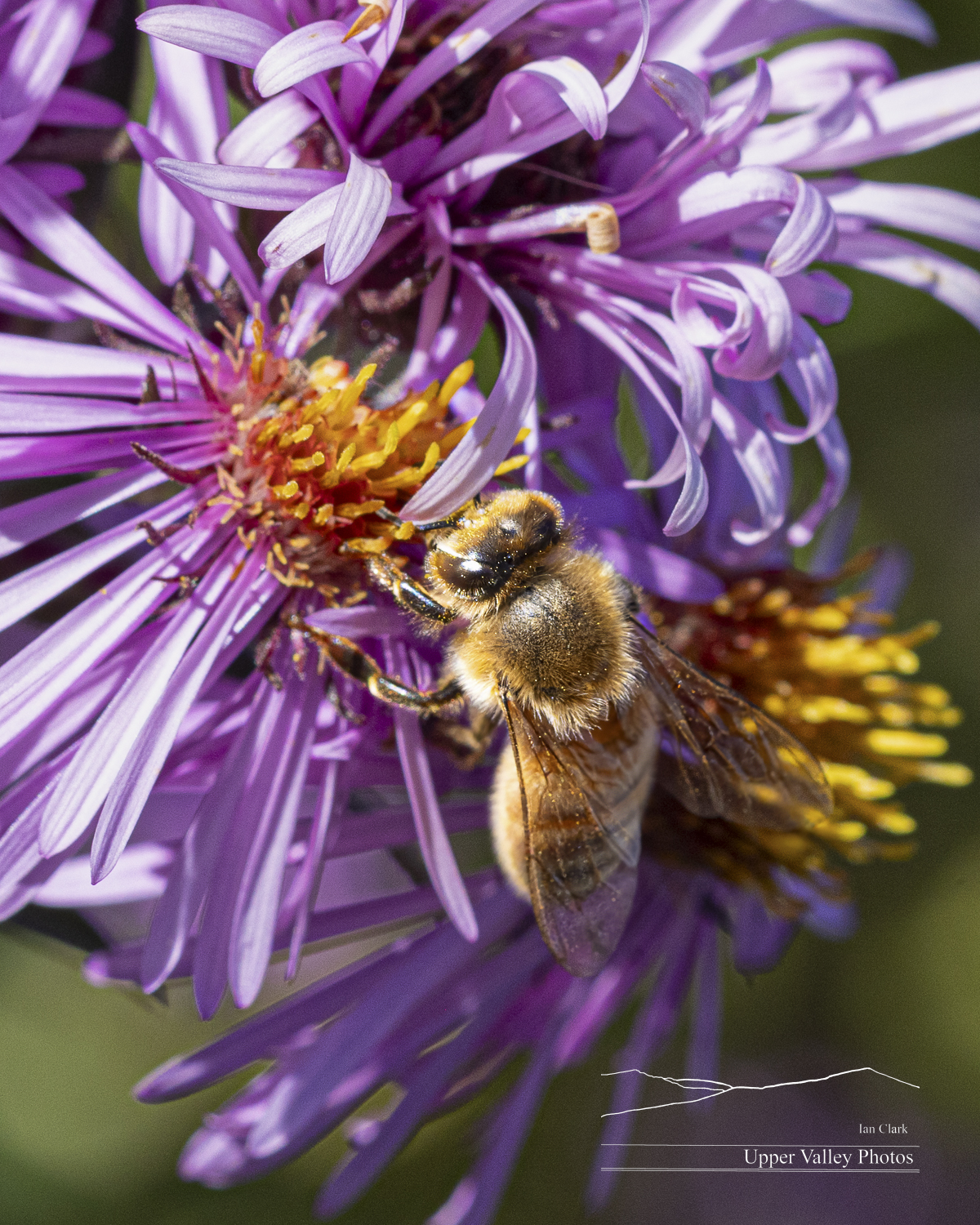
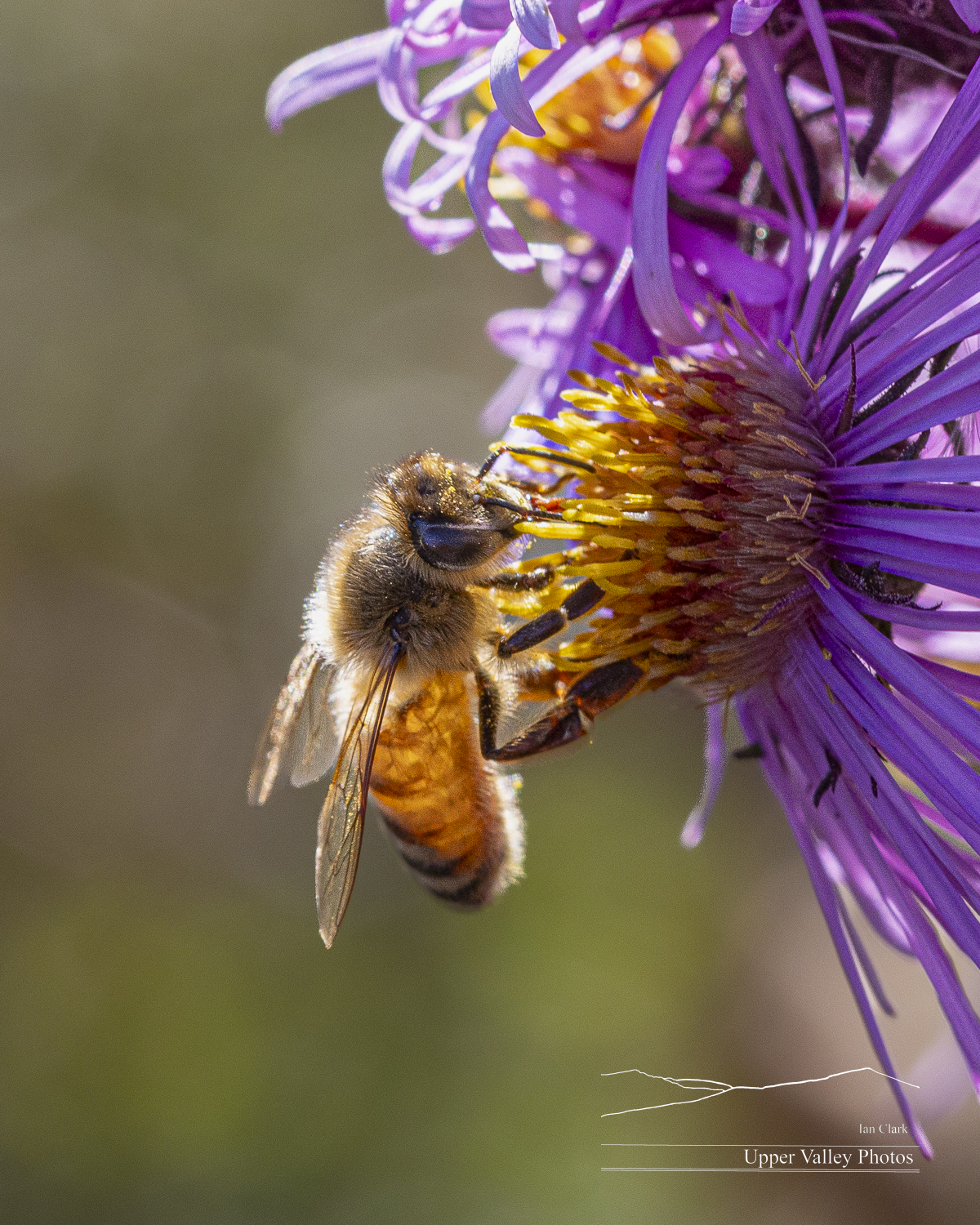
Thursday was another nice evening. As I tossed the boat on the car, I noticed bees working on the last of the asters along the drive.
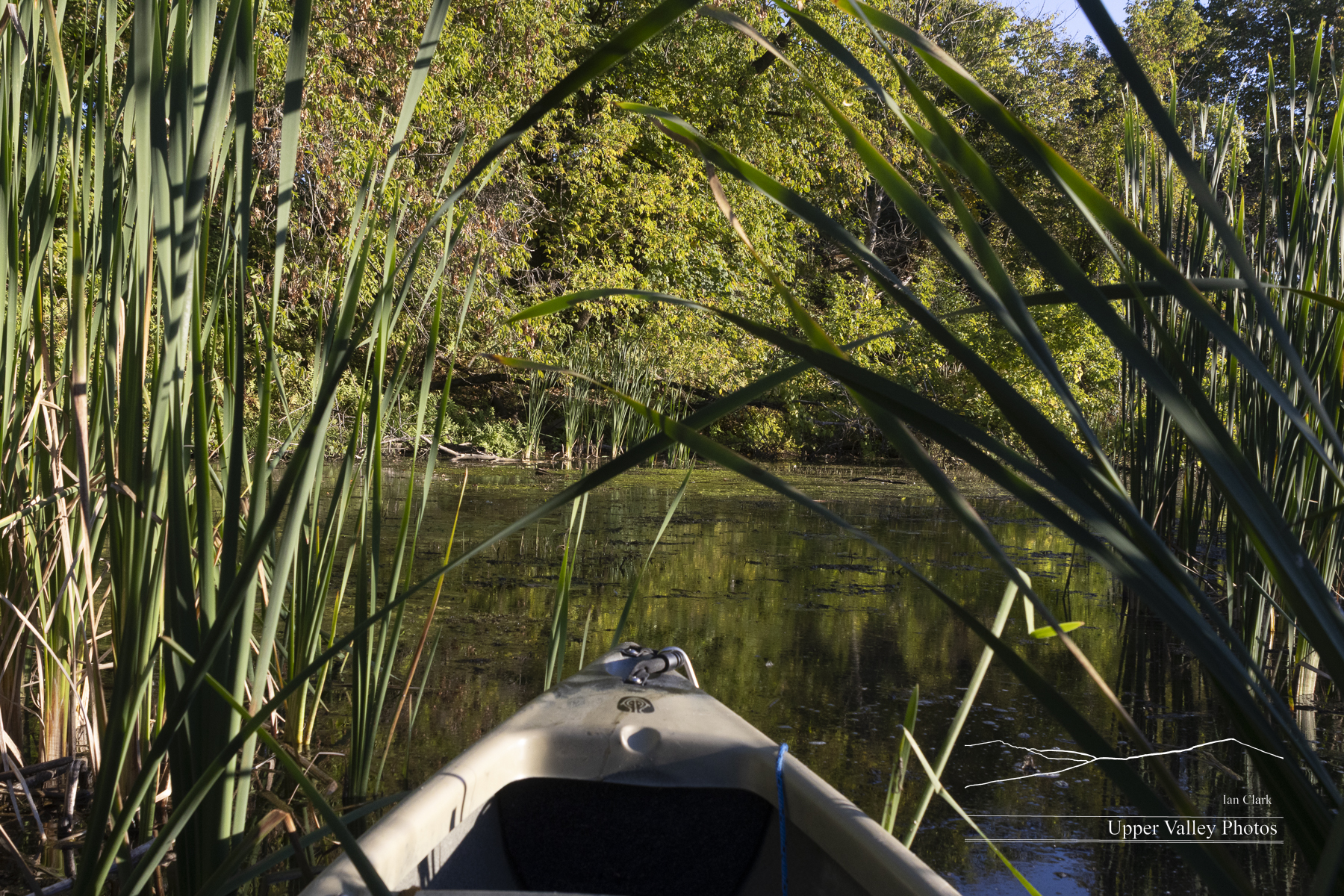
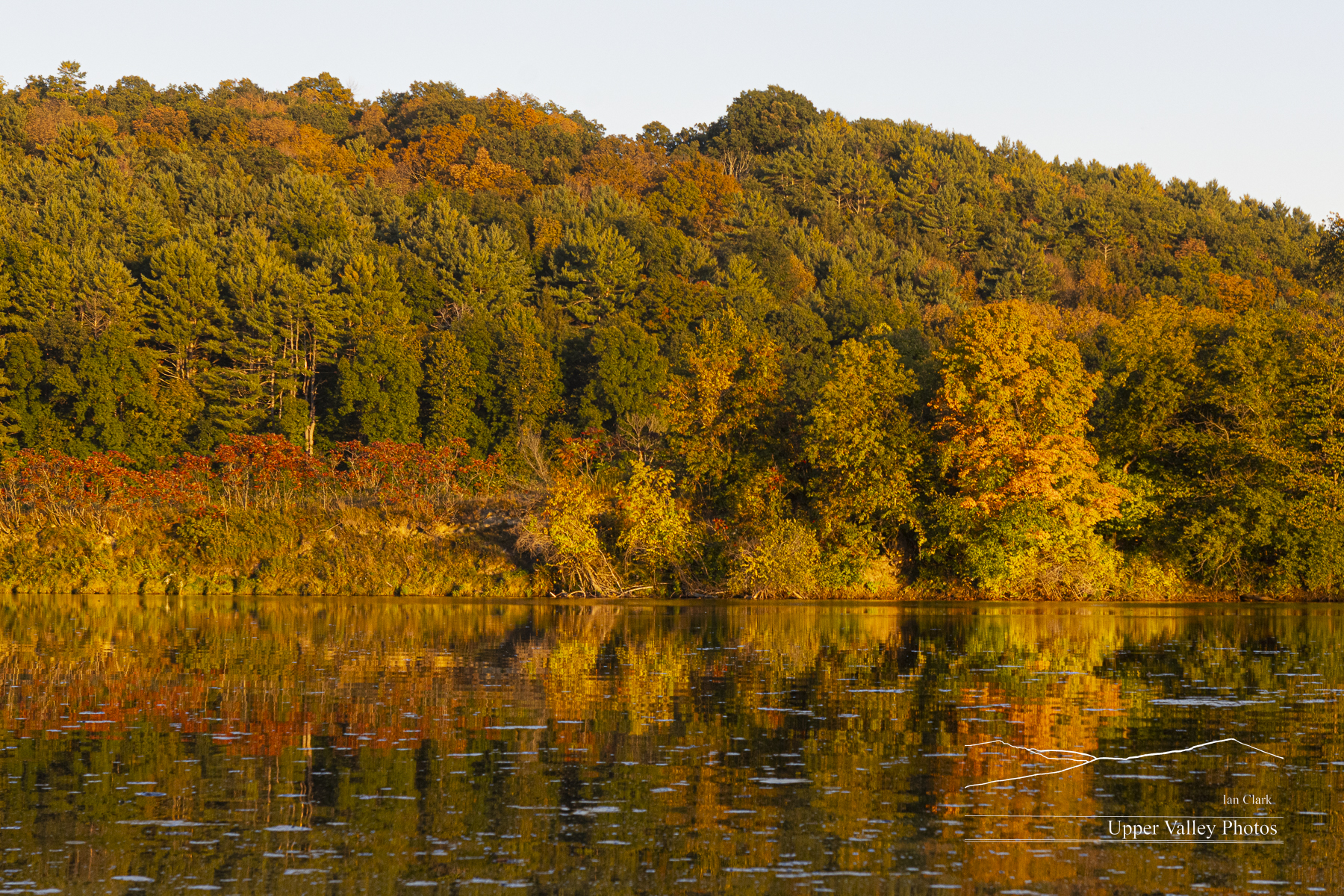
Friday morning I headed up to visit the Eastons. It was an invigorating 38° when I put the boat in the water. It is getting time for the adults to move on.
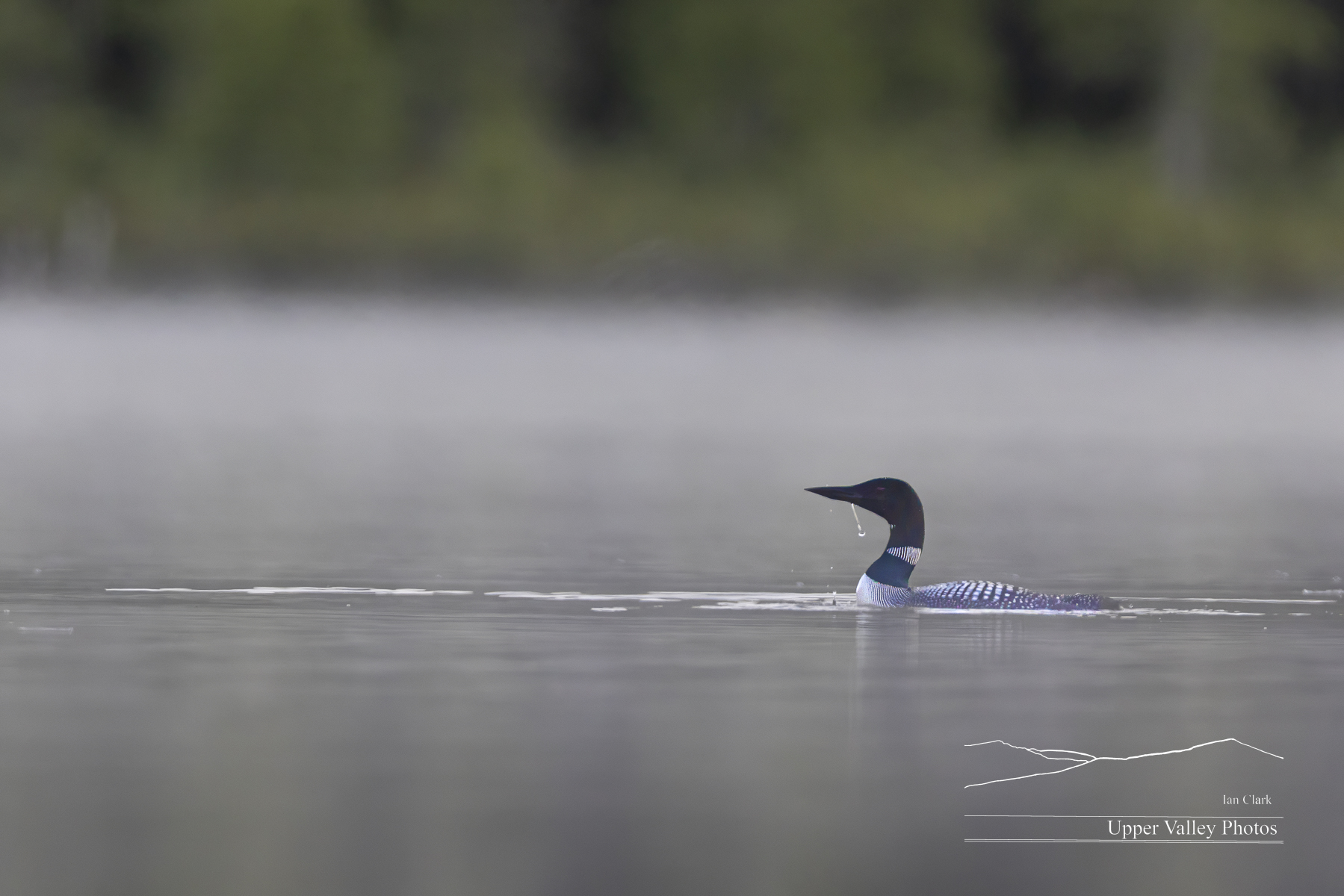
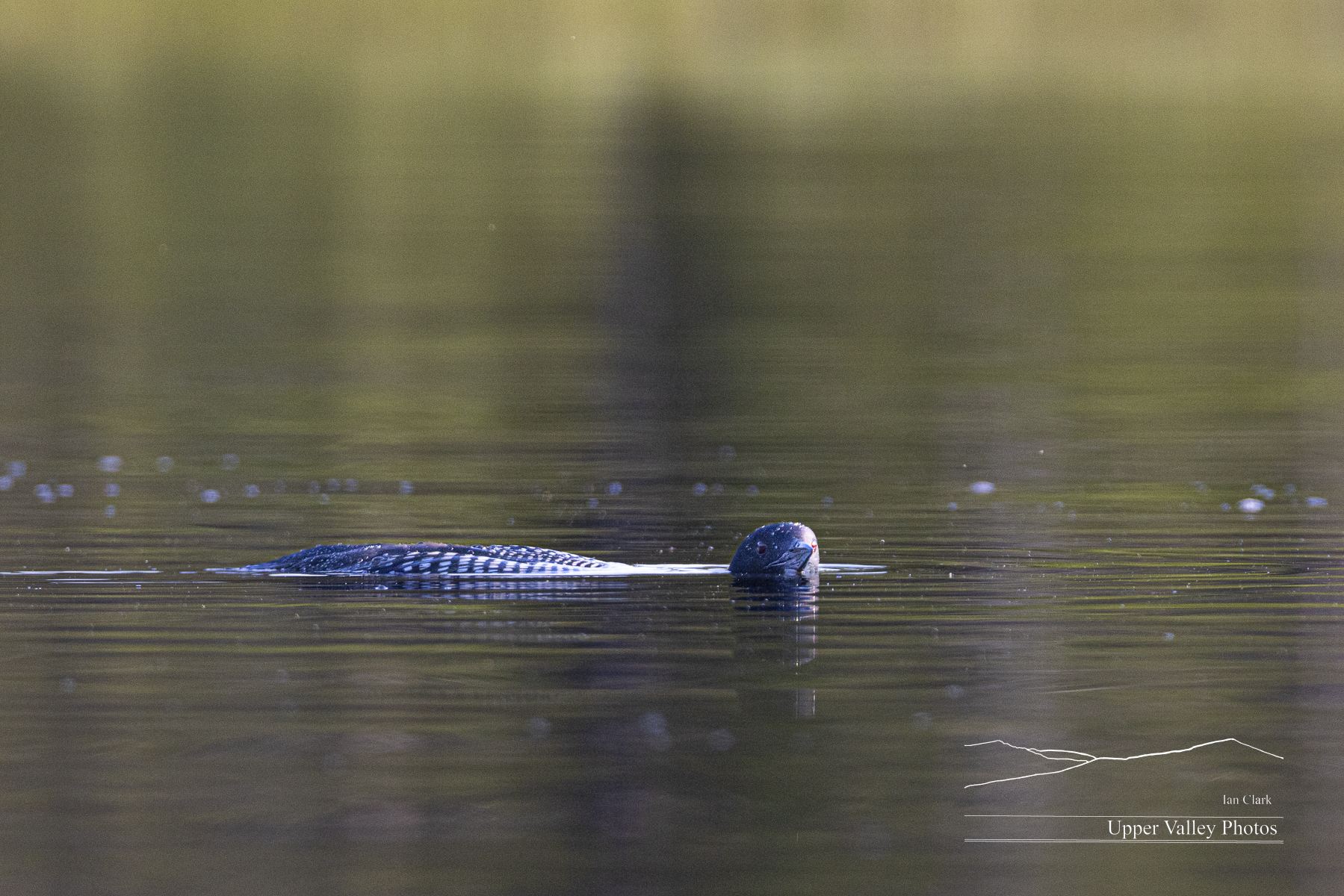
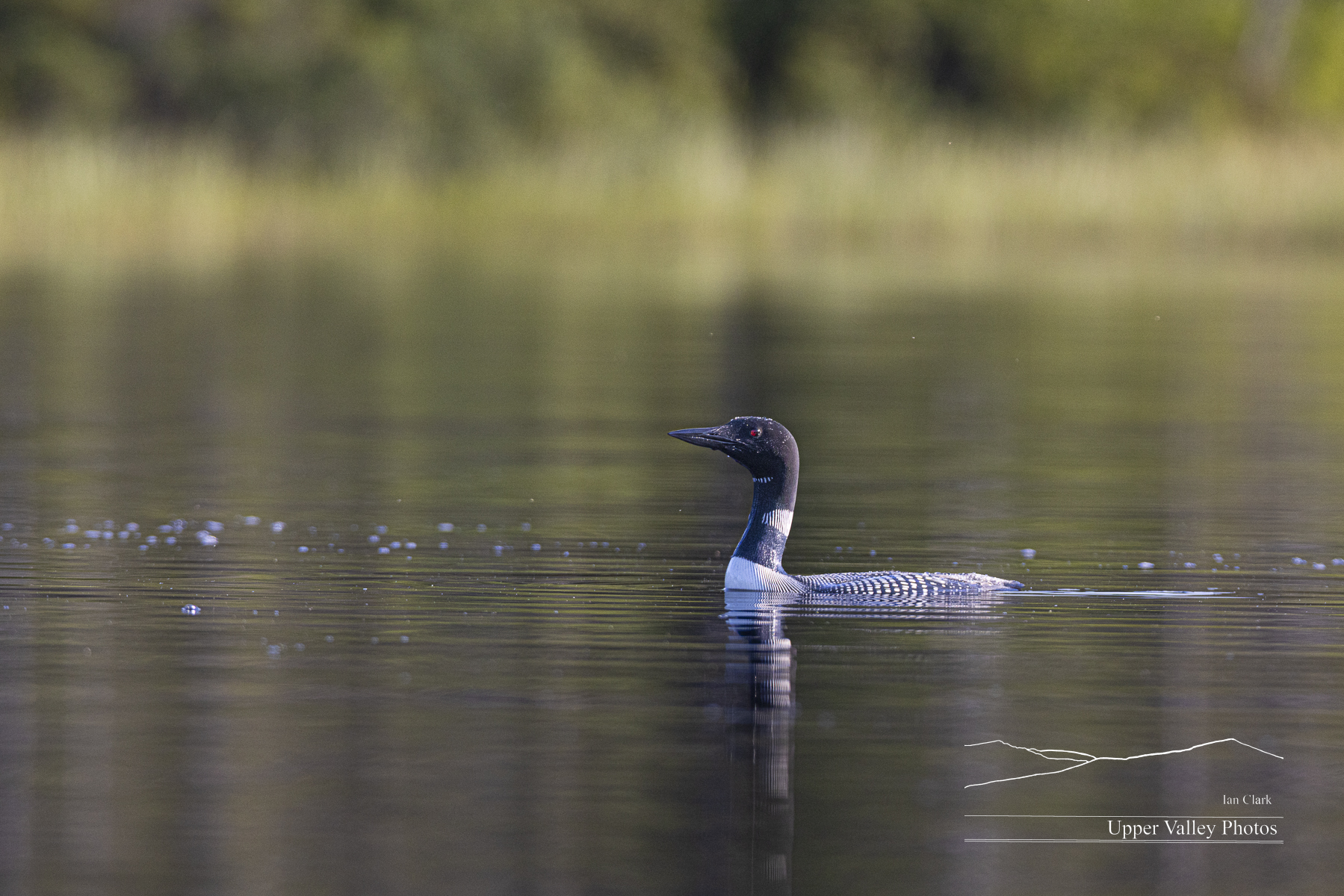
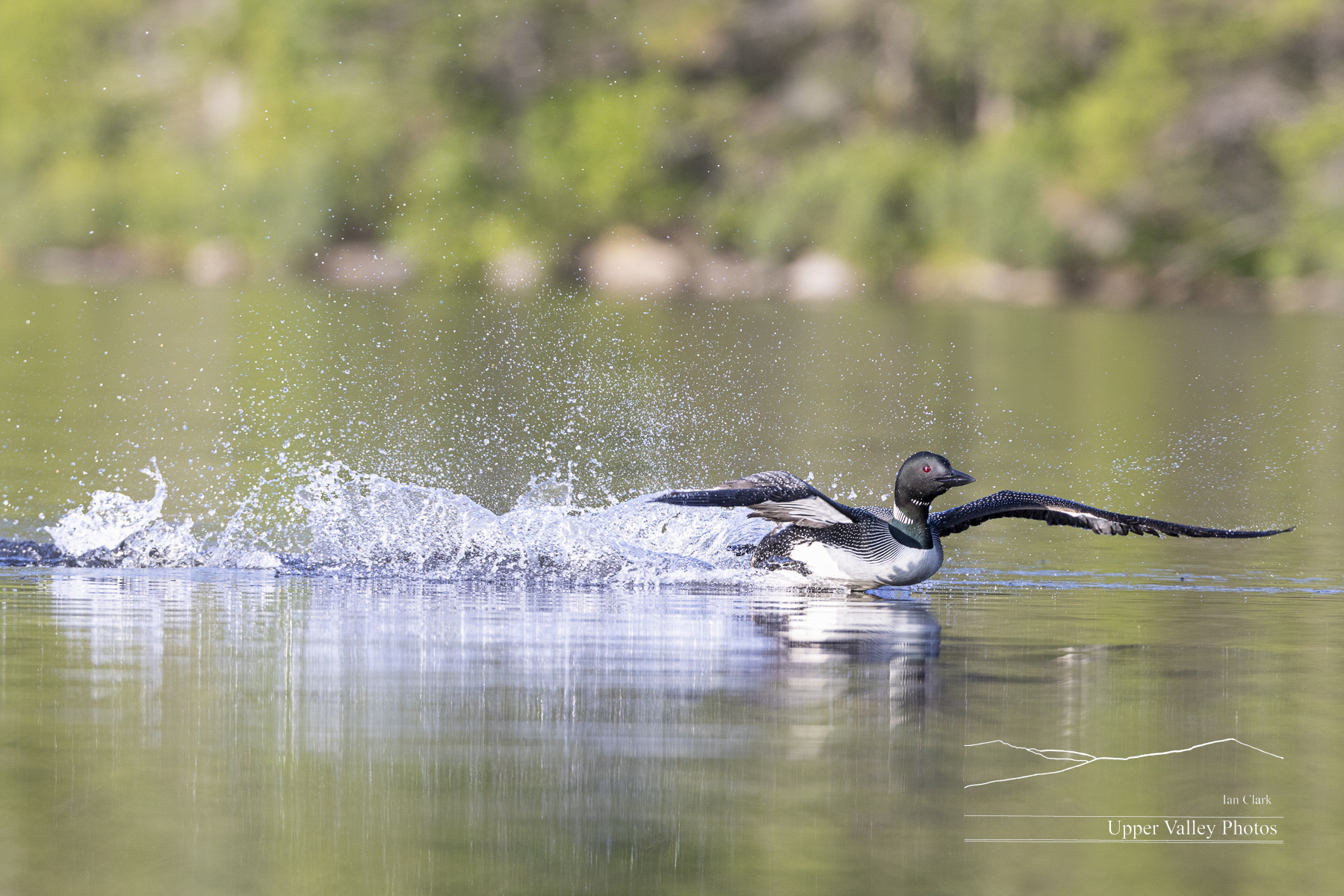
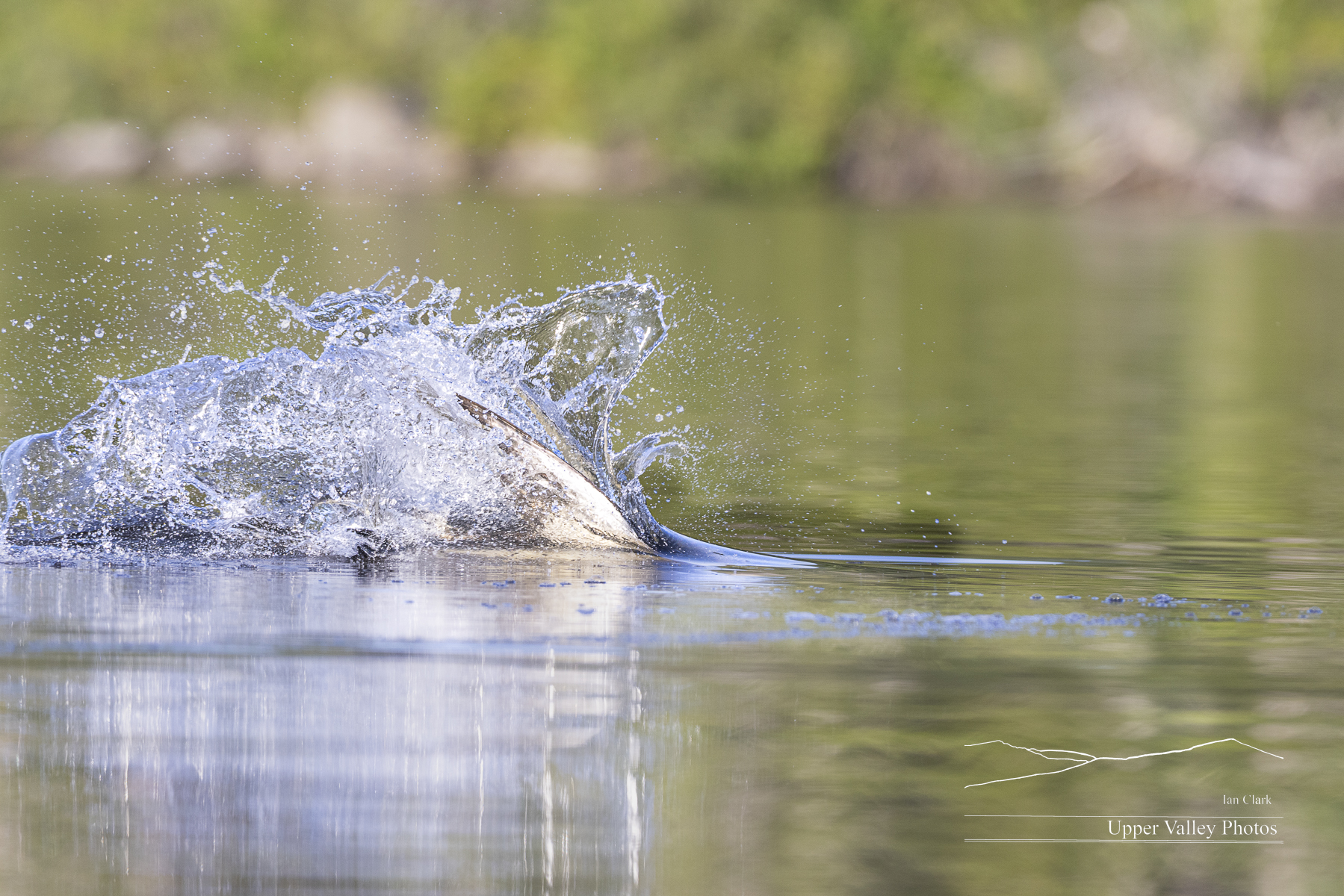
I paddled down the pond without seeing any loons. I turned around and came back up the pond. Without seeing any loons.
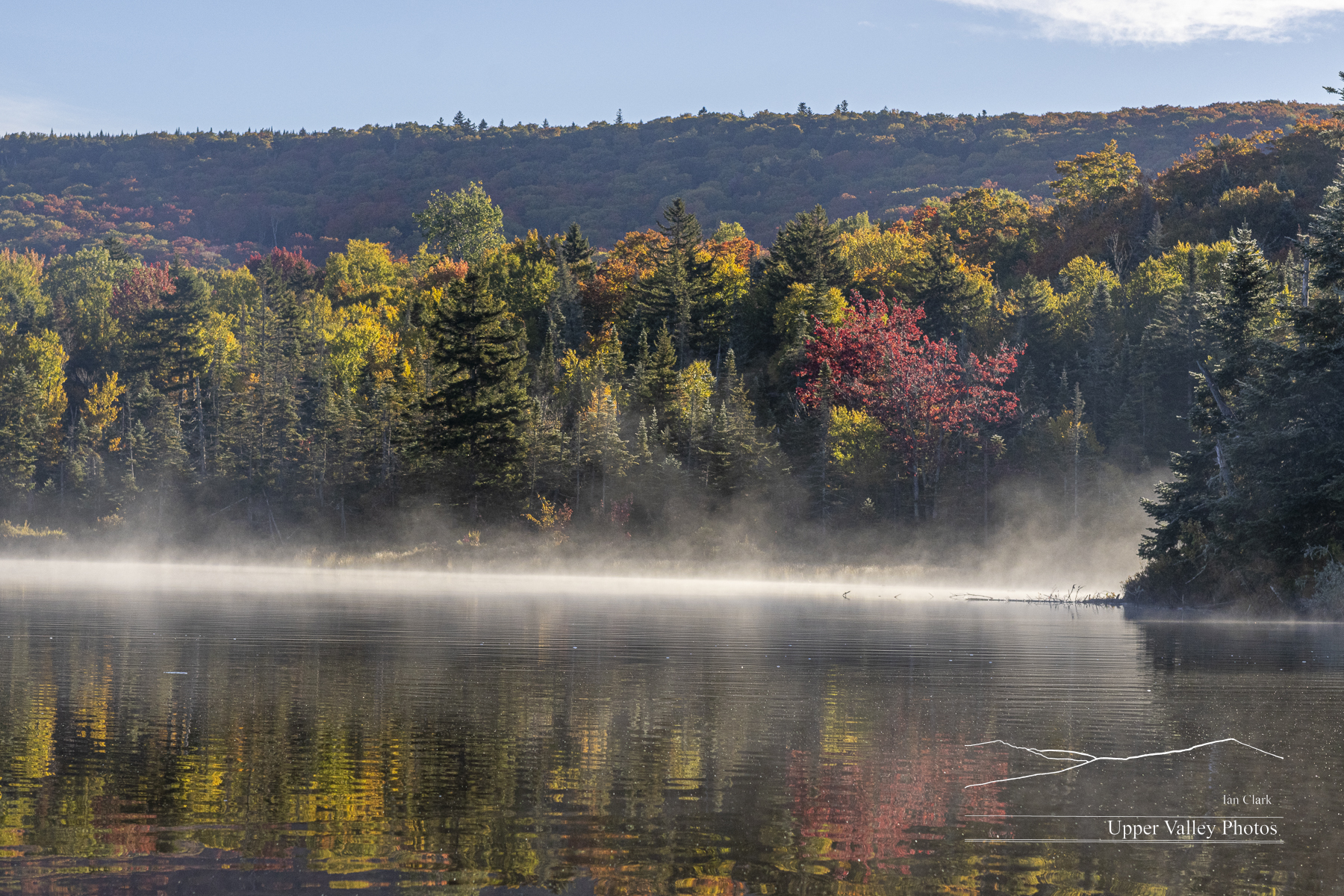
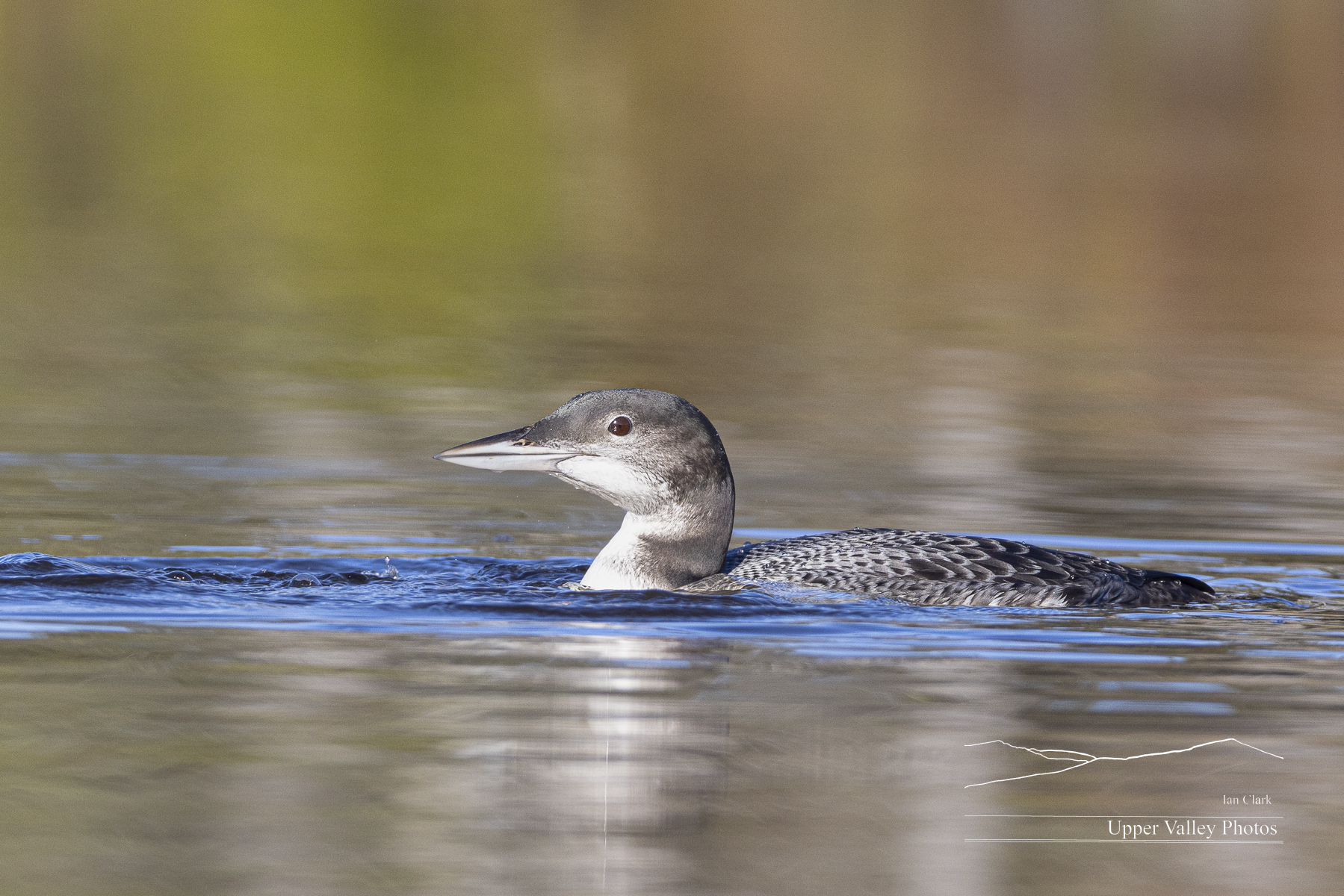
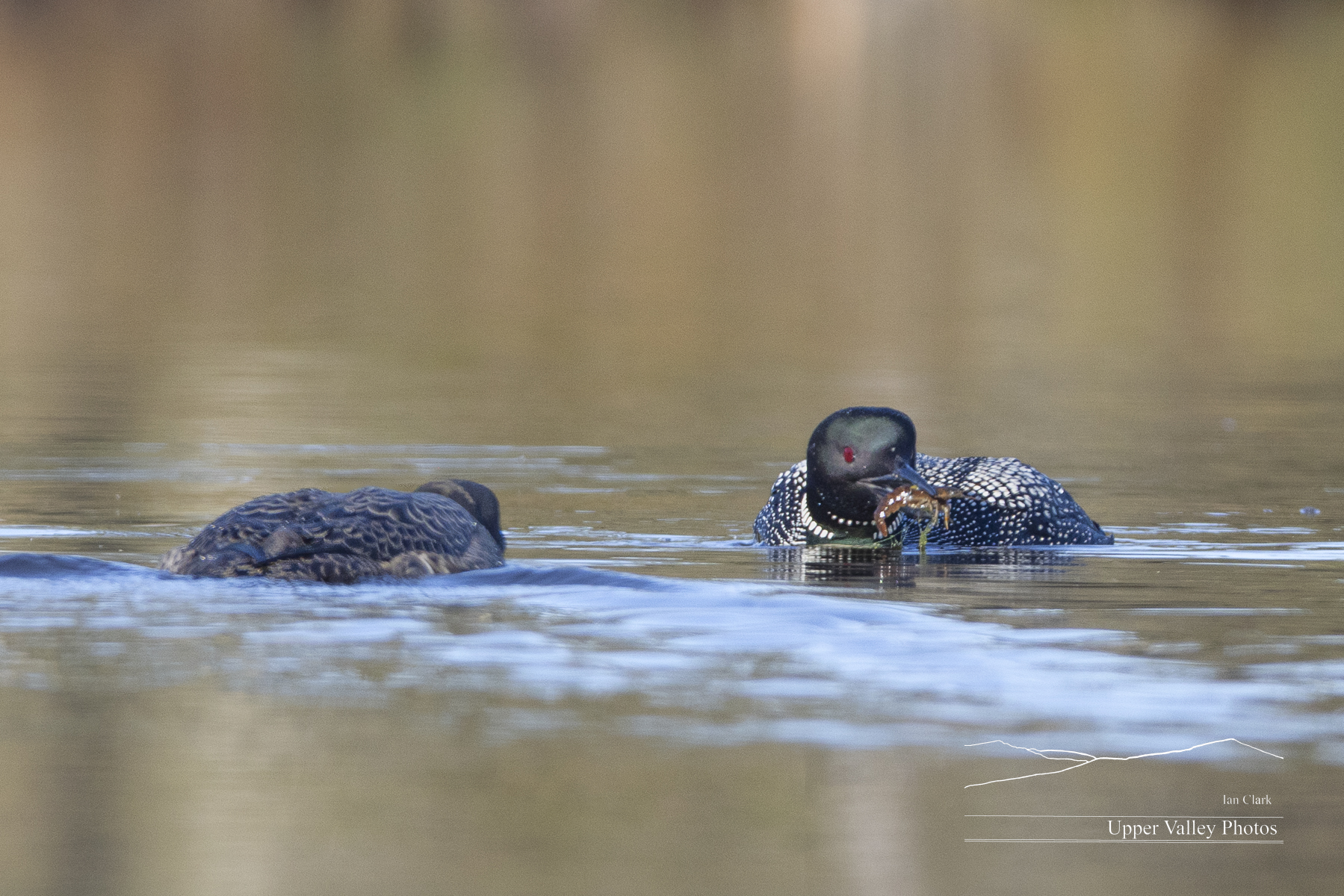
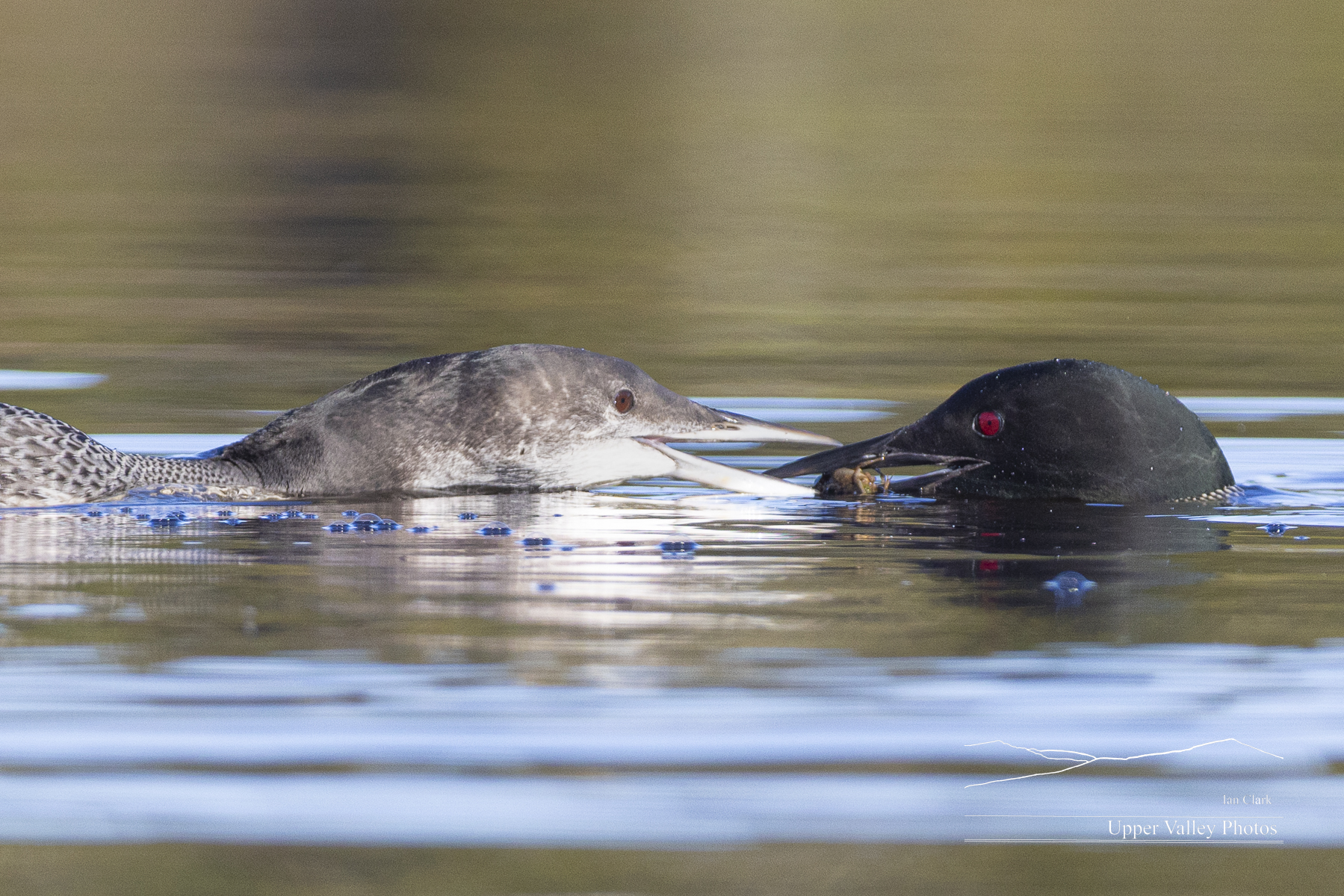
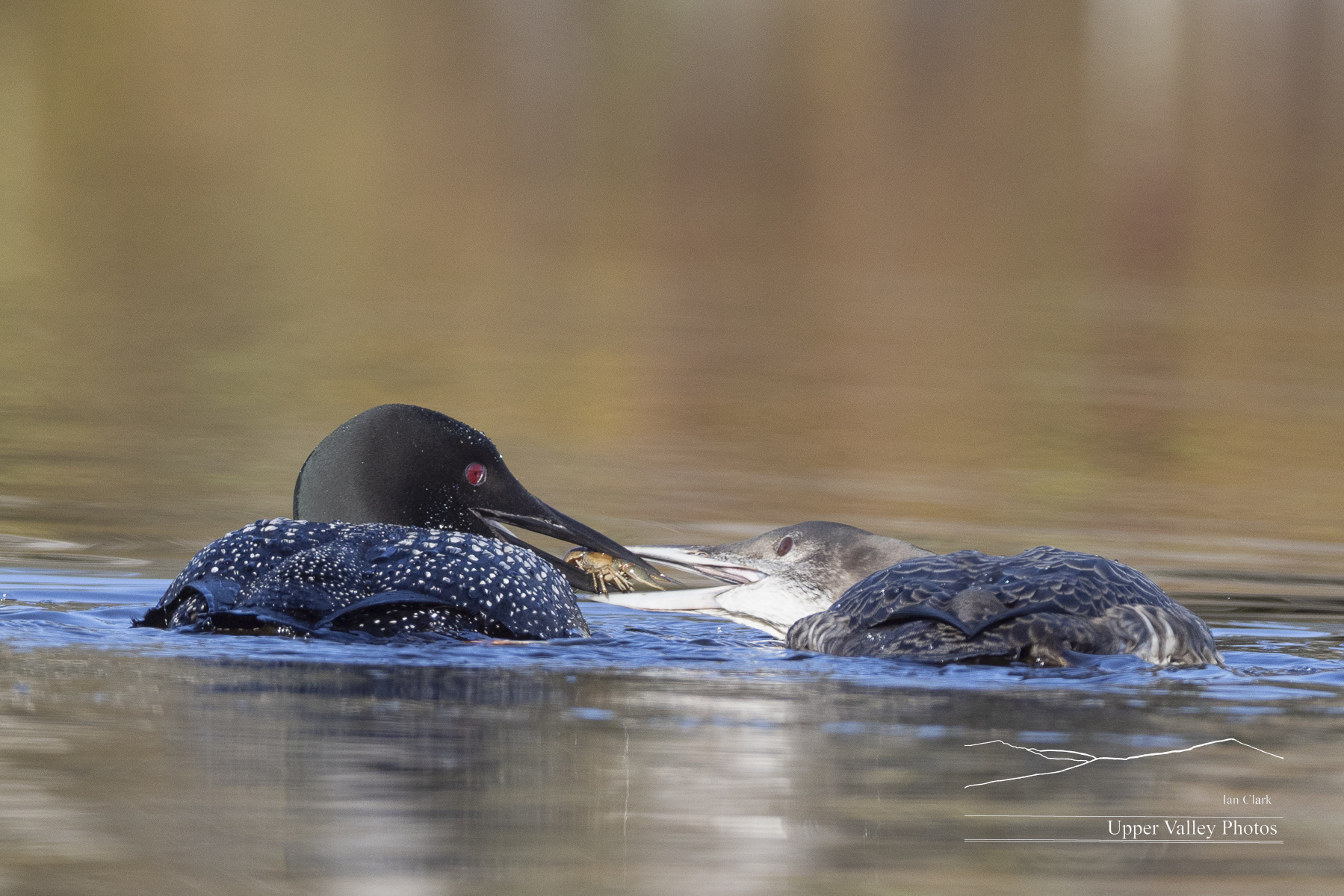
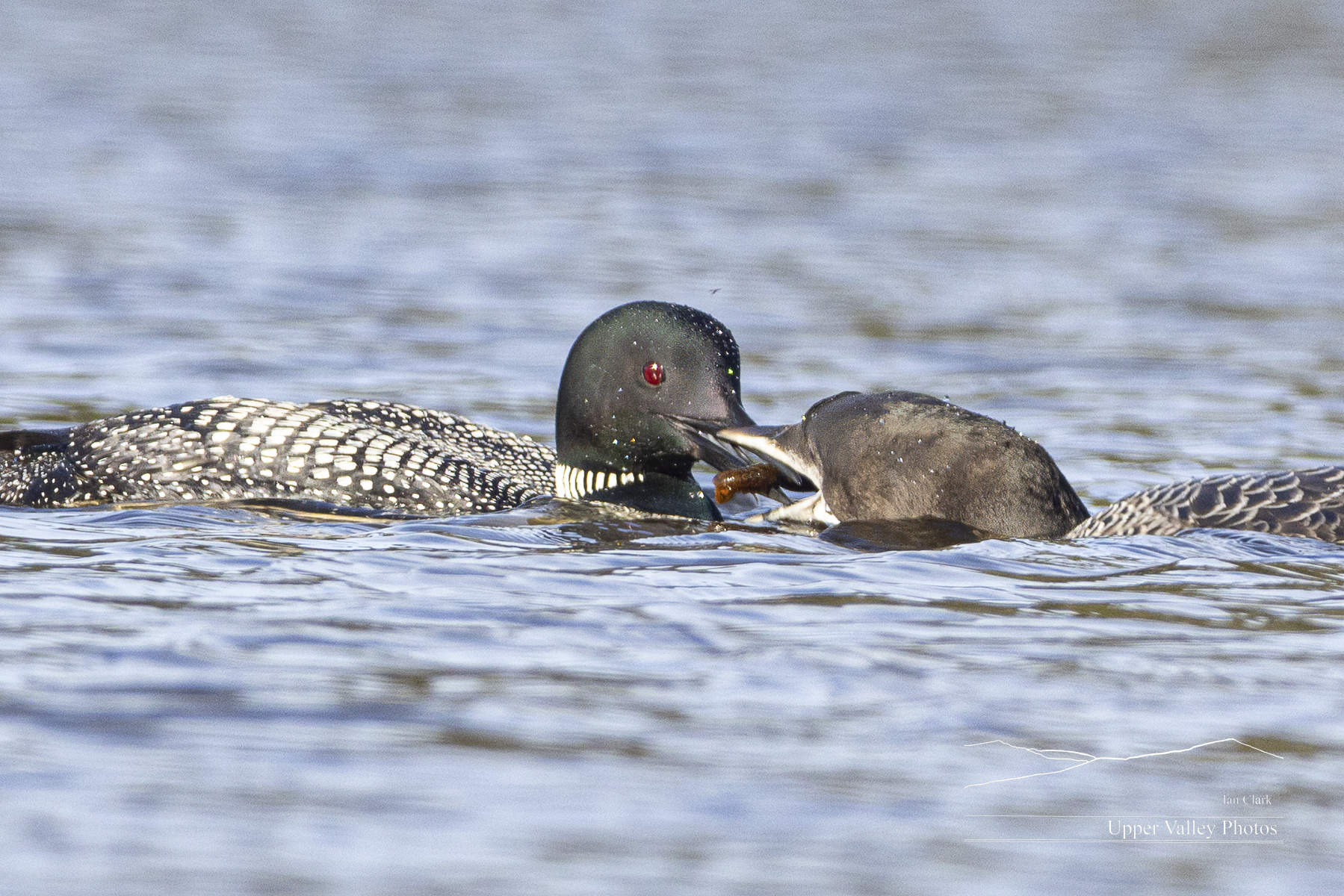
I hope everyone is well above water level. The nor’easter can’t decide if it is going to do much in Vermont or not. The wind picks up and dies down and we’ve had a few sprinkles. So far, not much to talk about. Hopefully it stays that way for everyone.
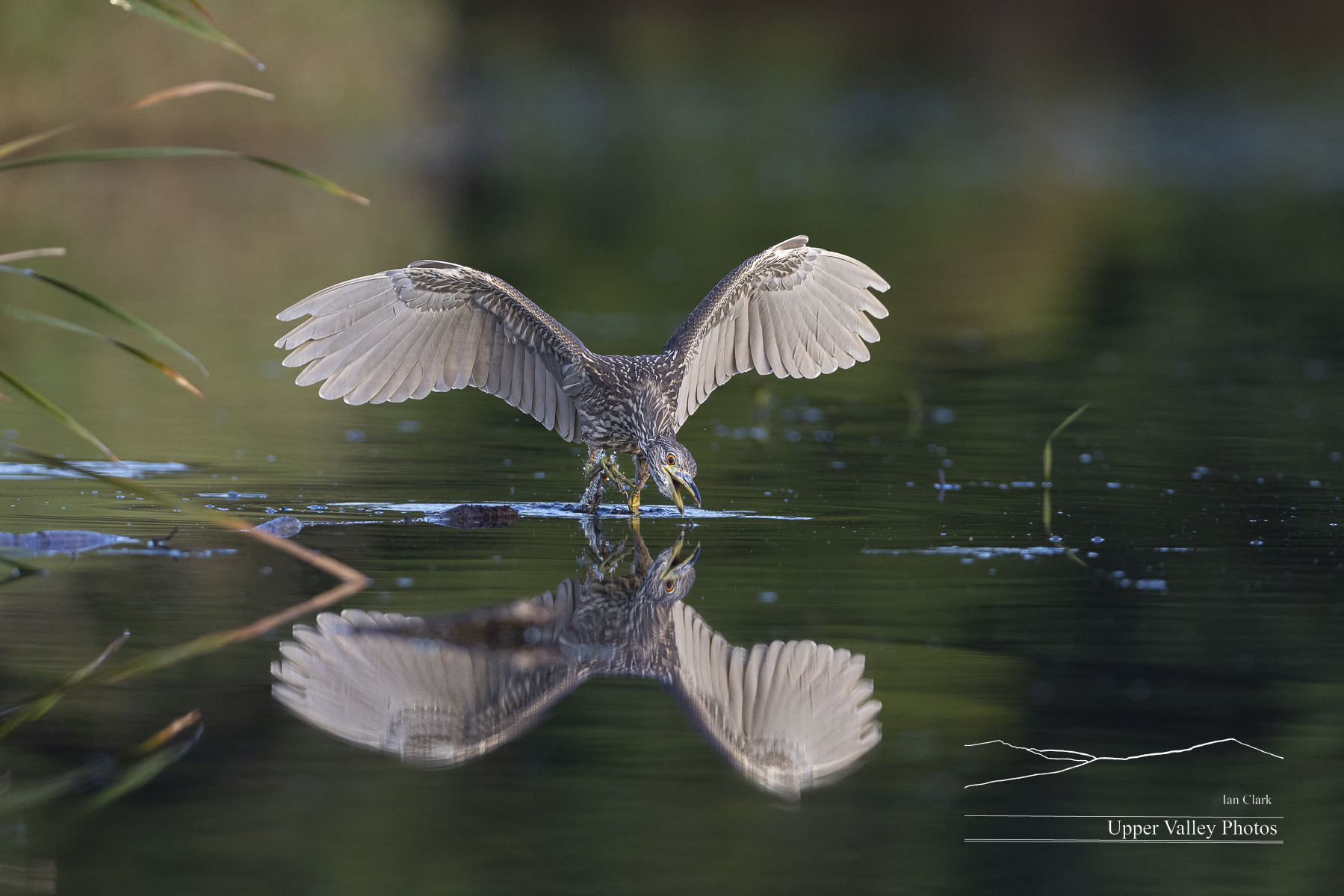
More Herons, More Eastons
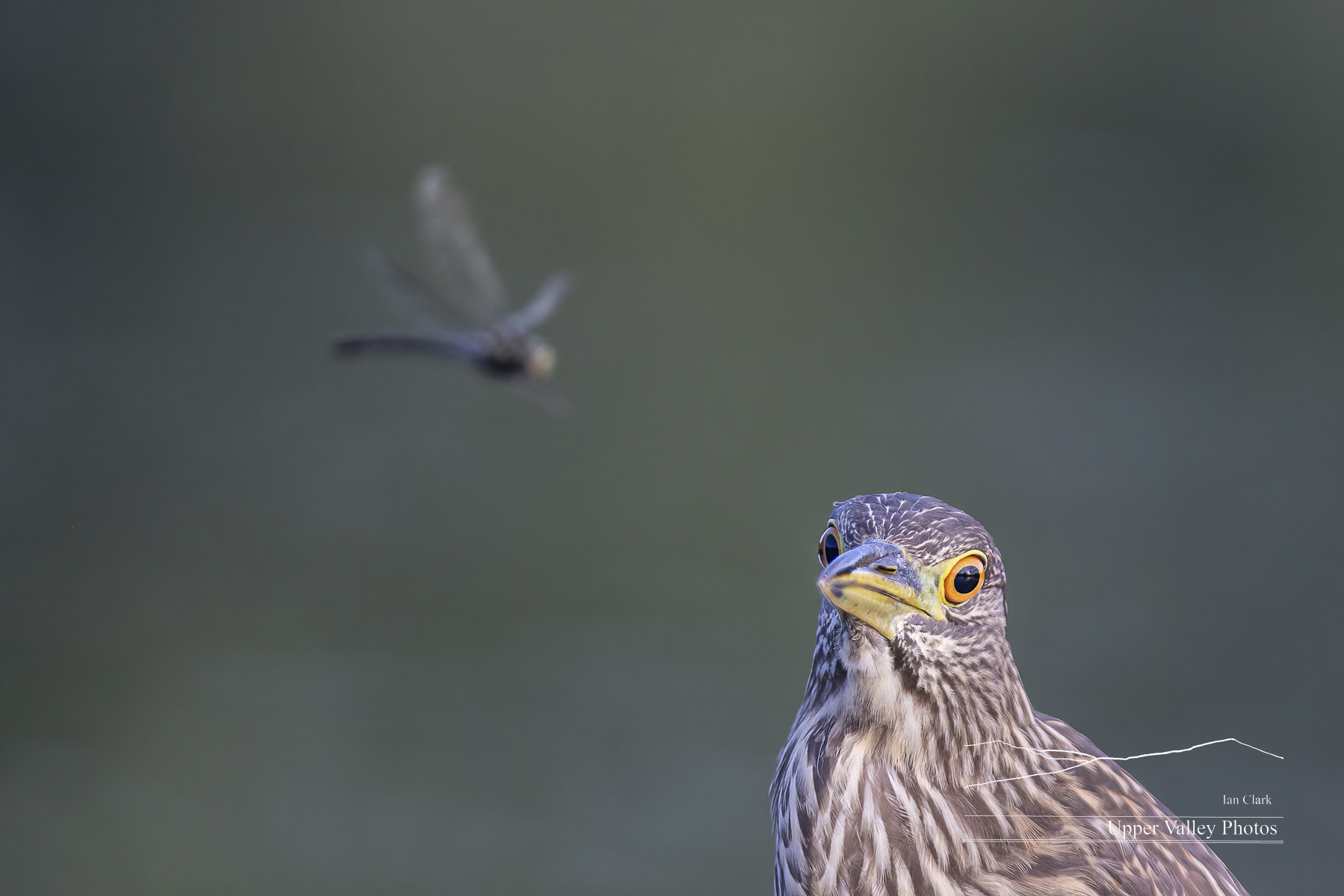
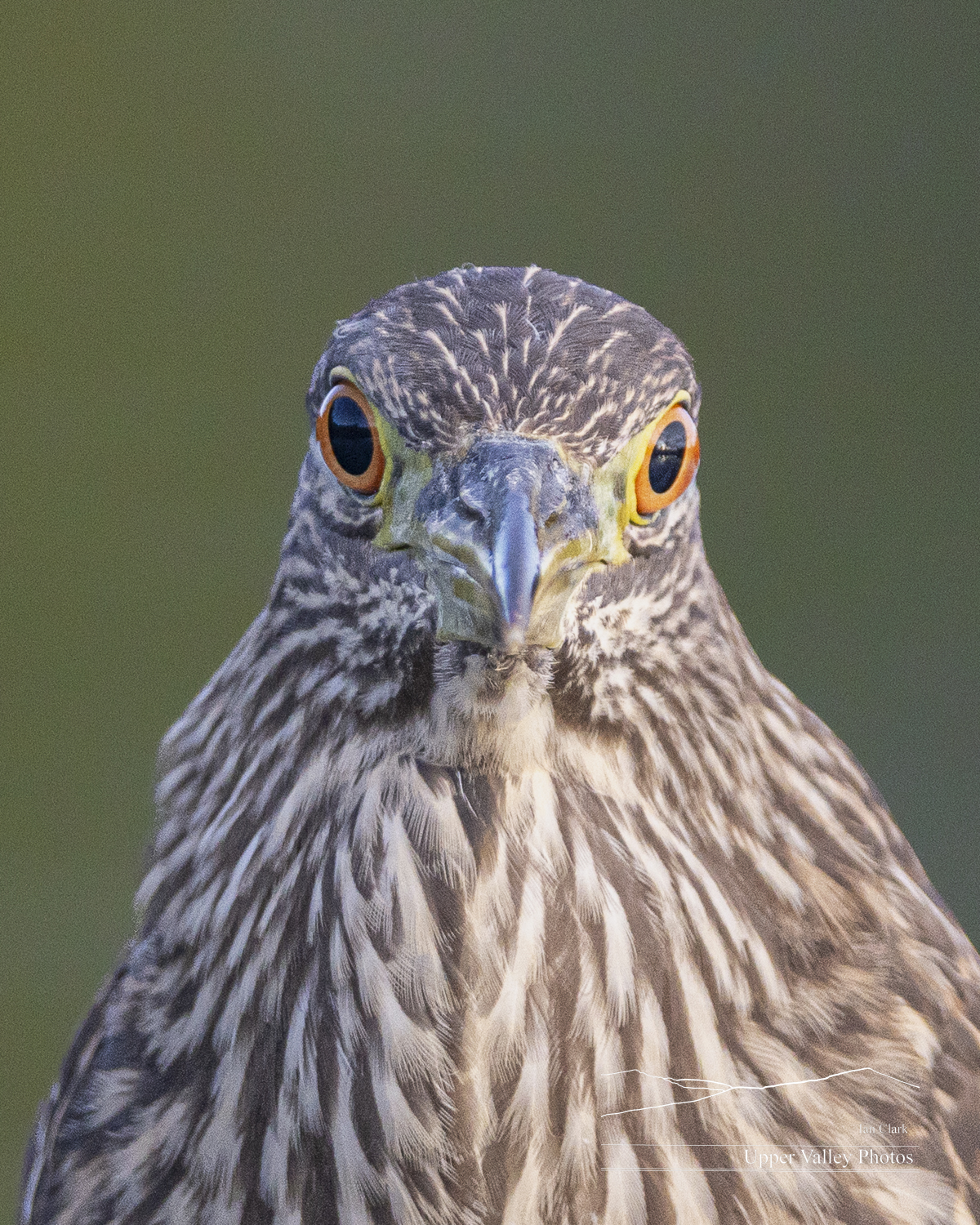
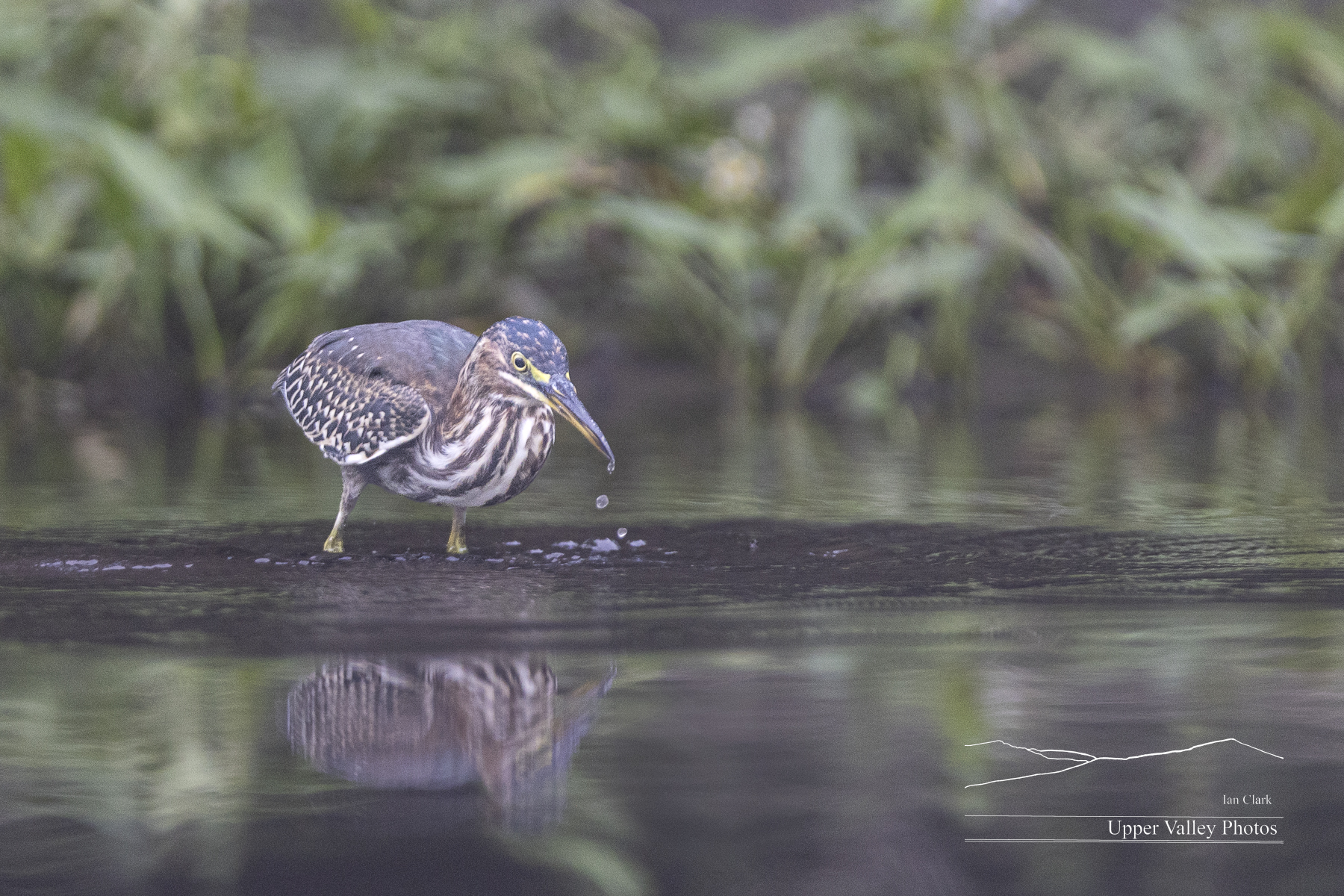
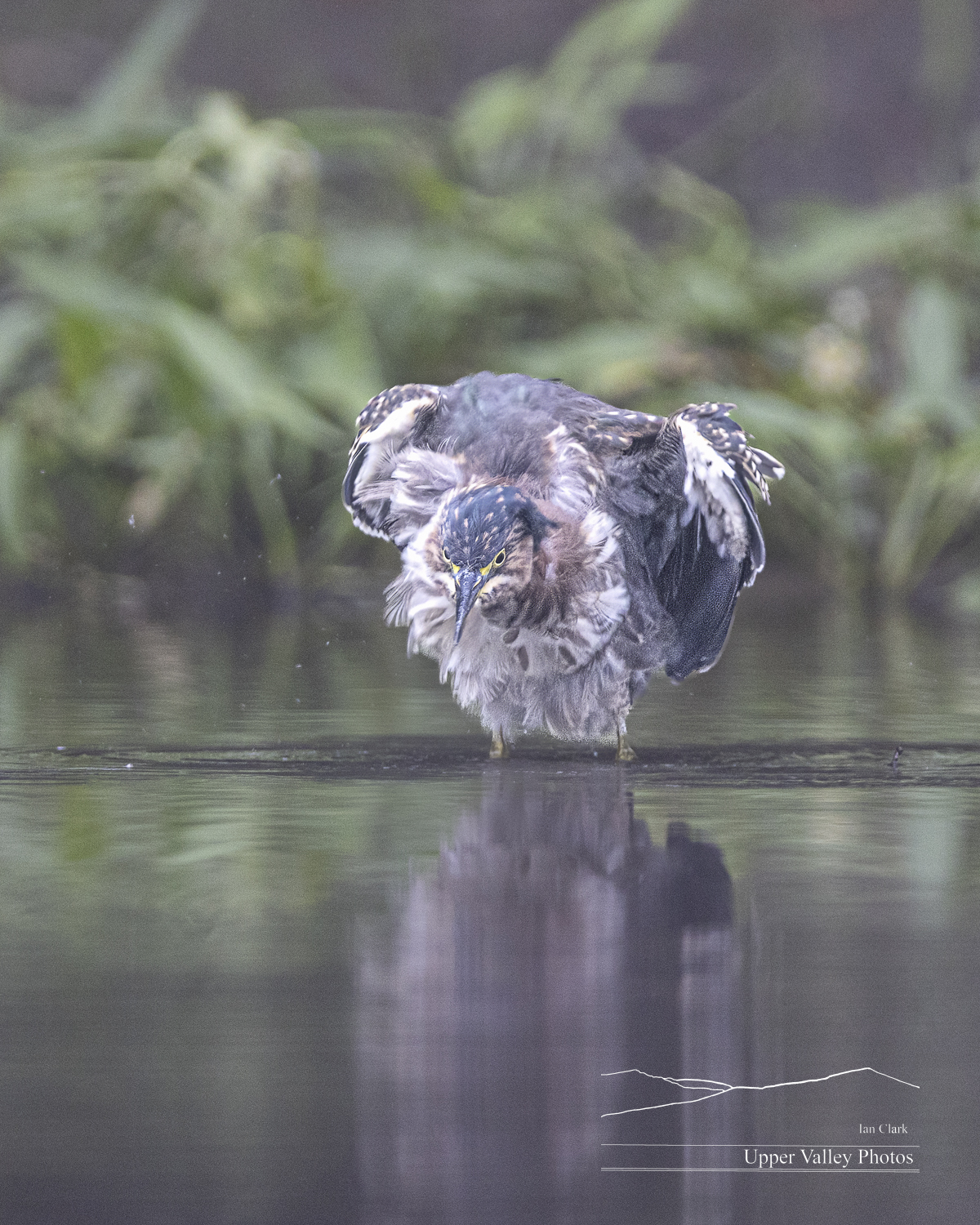
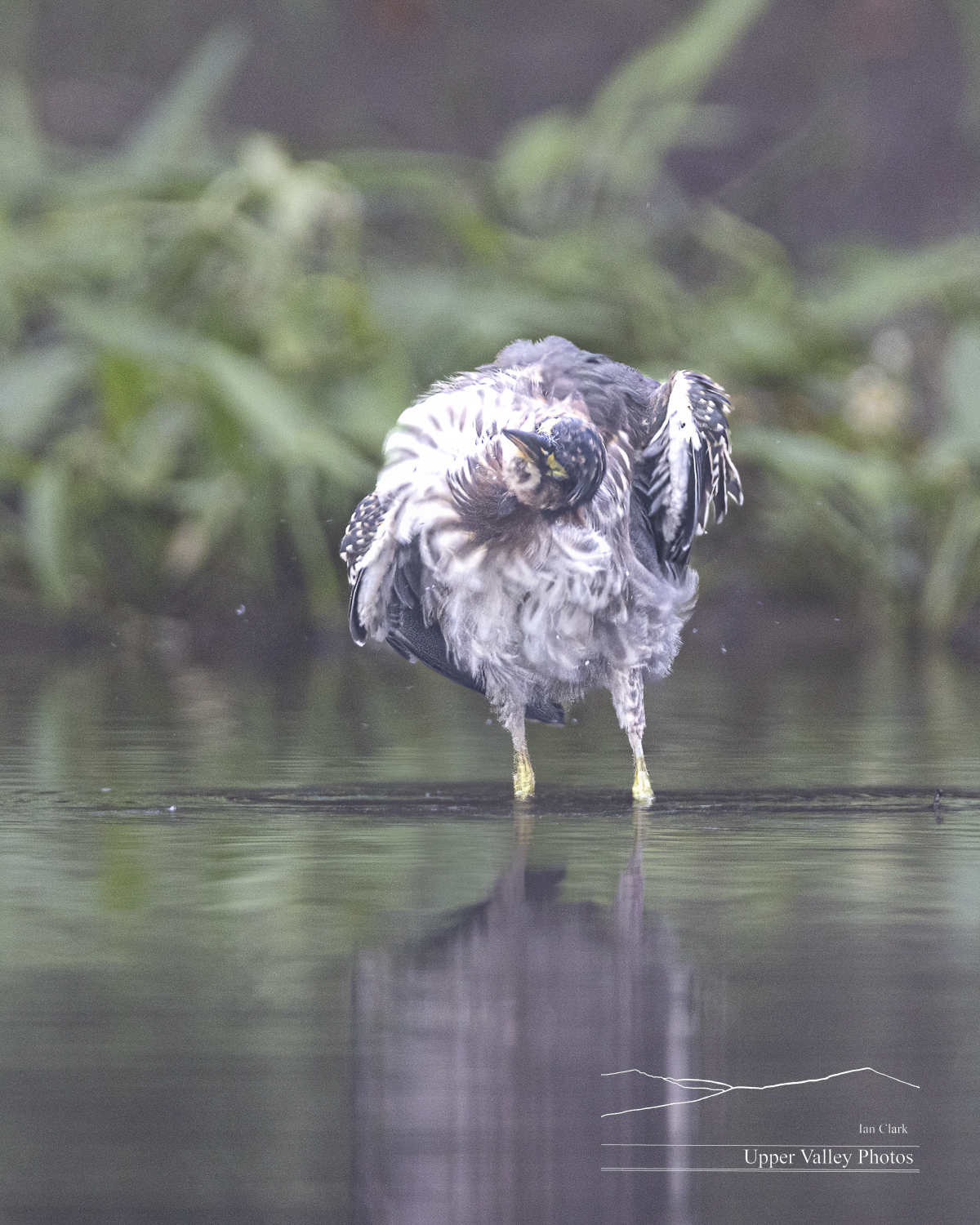
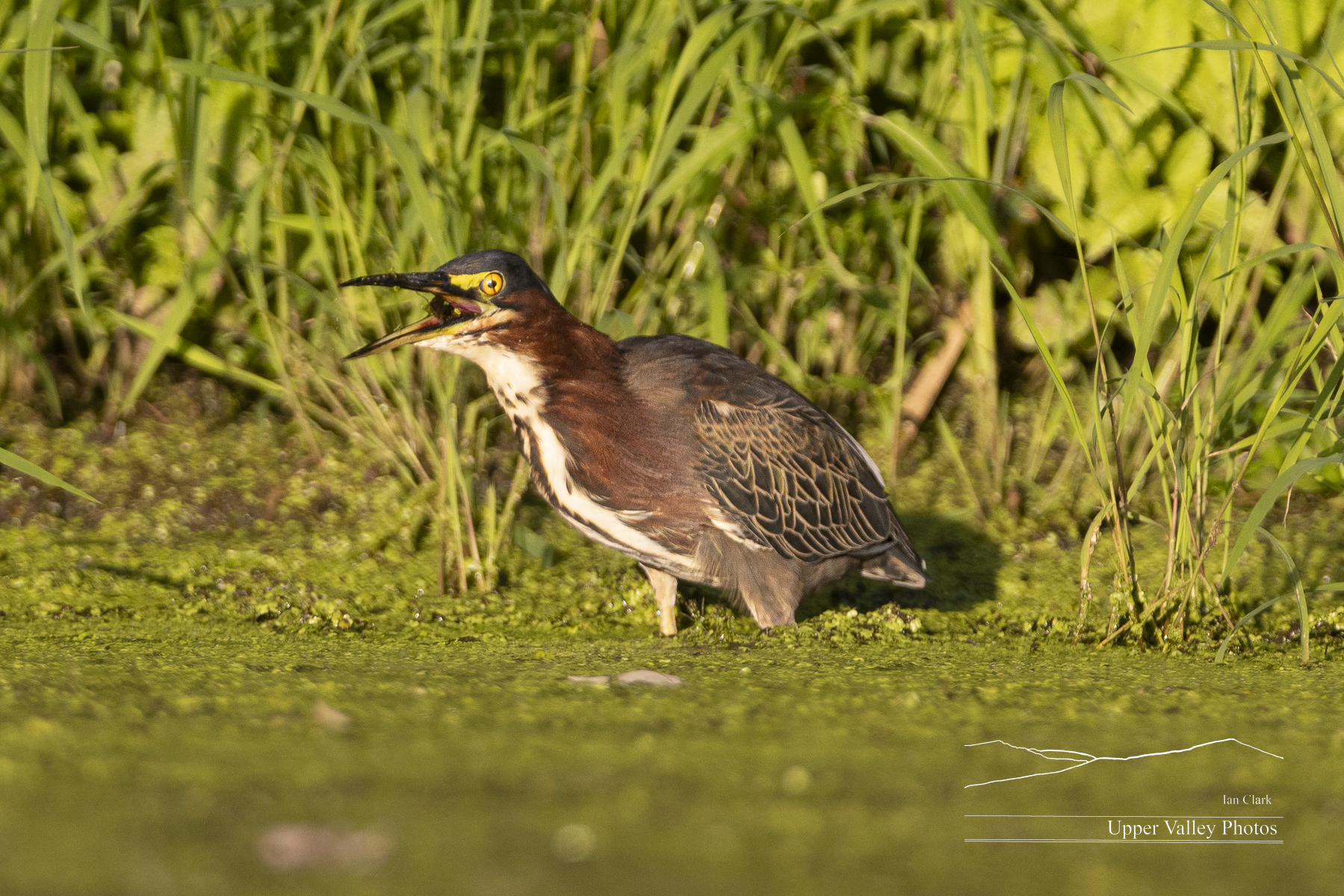
Edit – I originally identified one of the birds as a green heron. I’ve gotten a couple emails saying it is a juvenile black-crowned night heron. I’ve updated the captions. Thanks for the correction.
Two recent mornings found me on the Eastons’ pond and two evenings found me visiting the herons. The Easton chicks should be trying to fly by now, maybe even flying. I’ve yet to catch them in the act. The herons provided either feast or famine.
I’m getting ready for the Vermont North By Hand Open Studio Tour, October 10 & 11. Artists around the Upper Valley will be opening their studios and showing their work. Since I don’t have a studio, I’ll be at the Martin Farm. It doesn’t yet show on the online map, it is right on the Bradford-Fairlee town line on Route 5. Sue Martin will be showing her stained glass and Carole Kitchel Bellew will have her stoneware at the Farm as well.
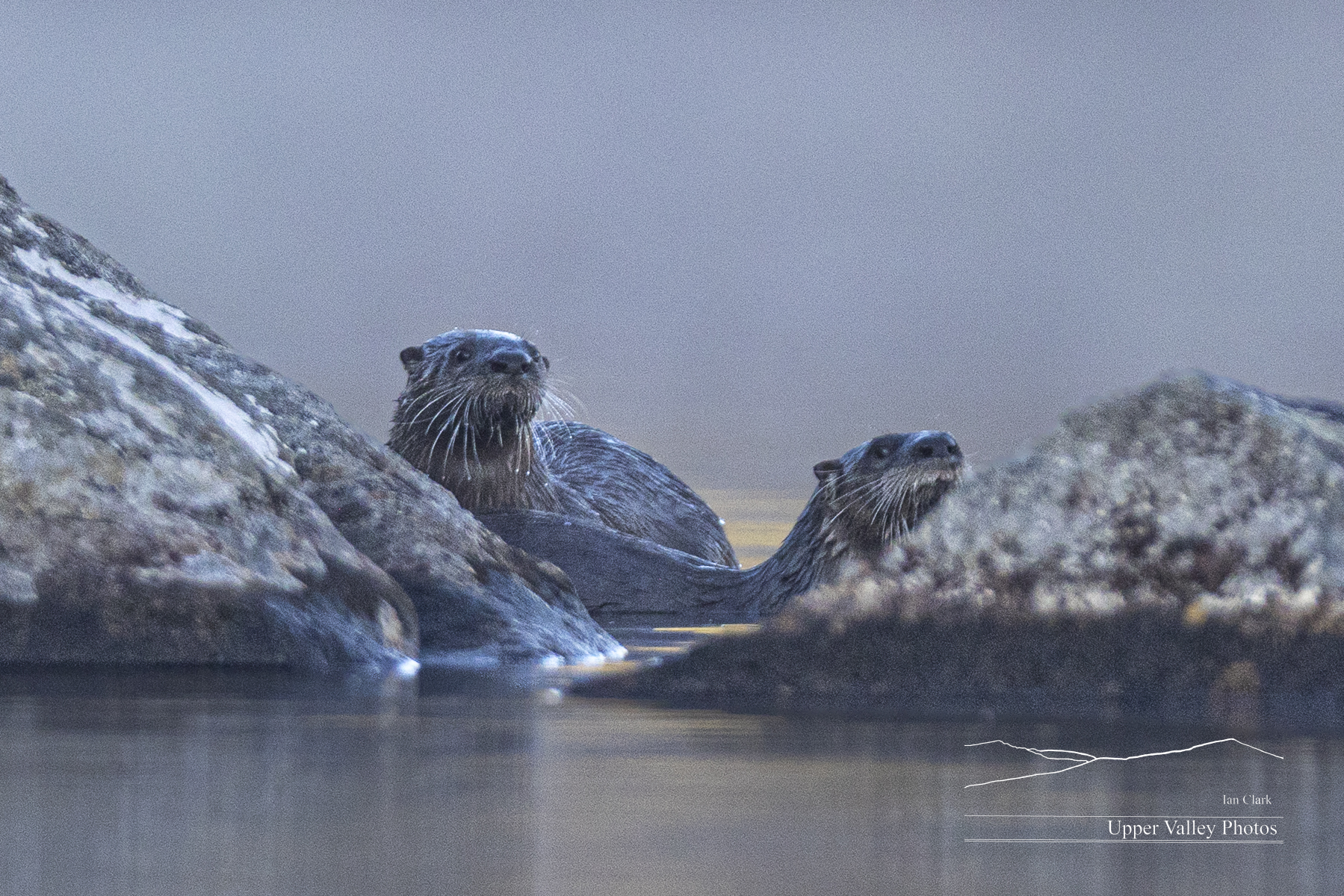
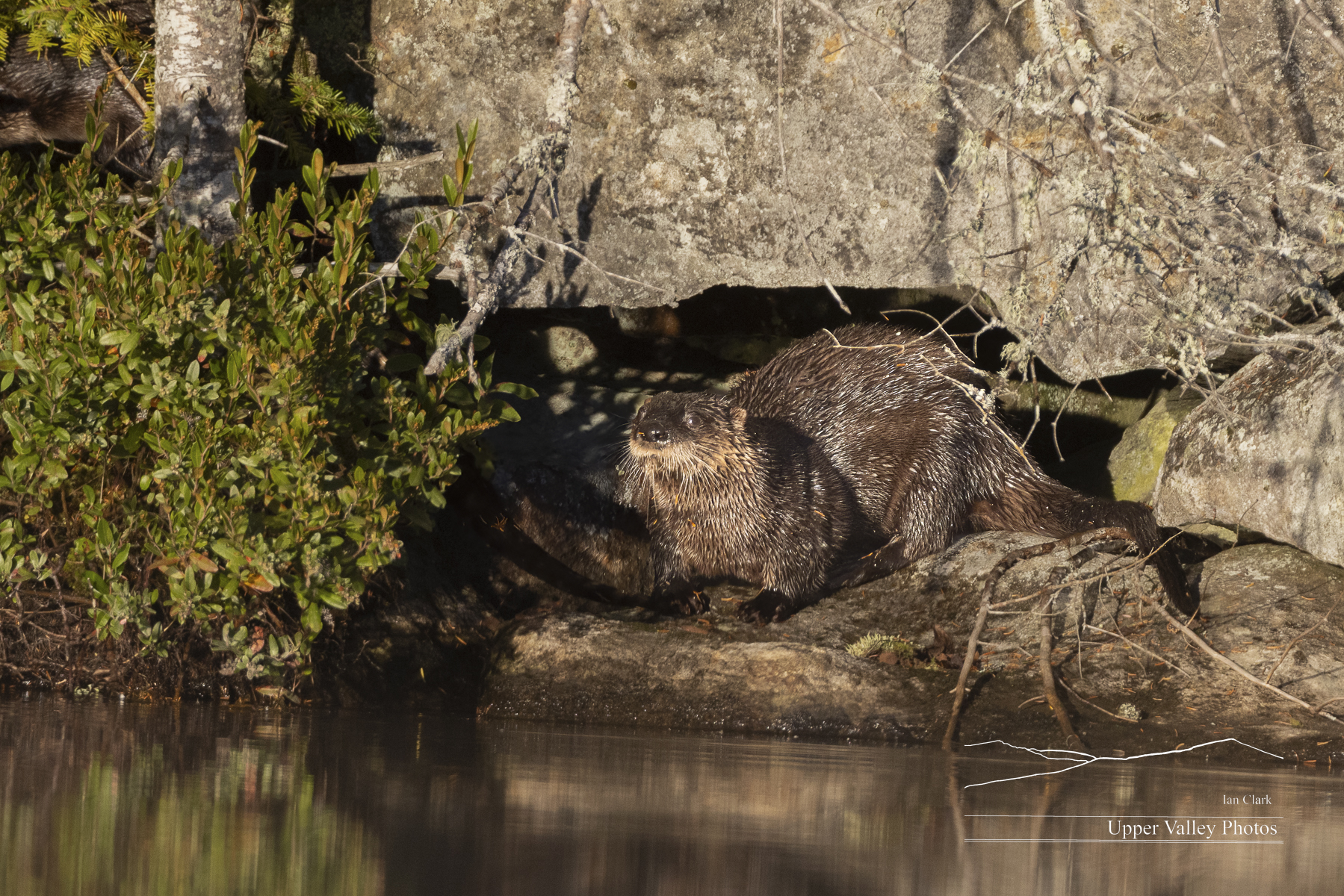
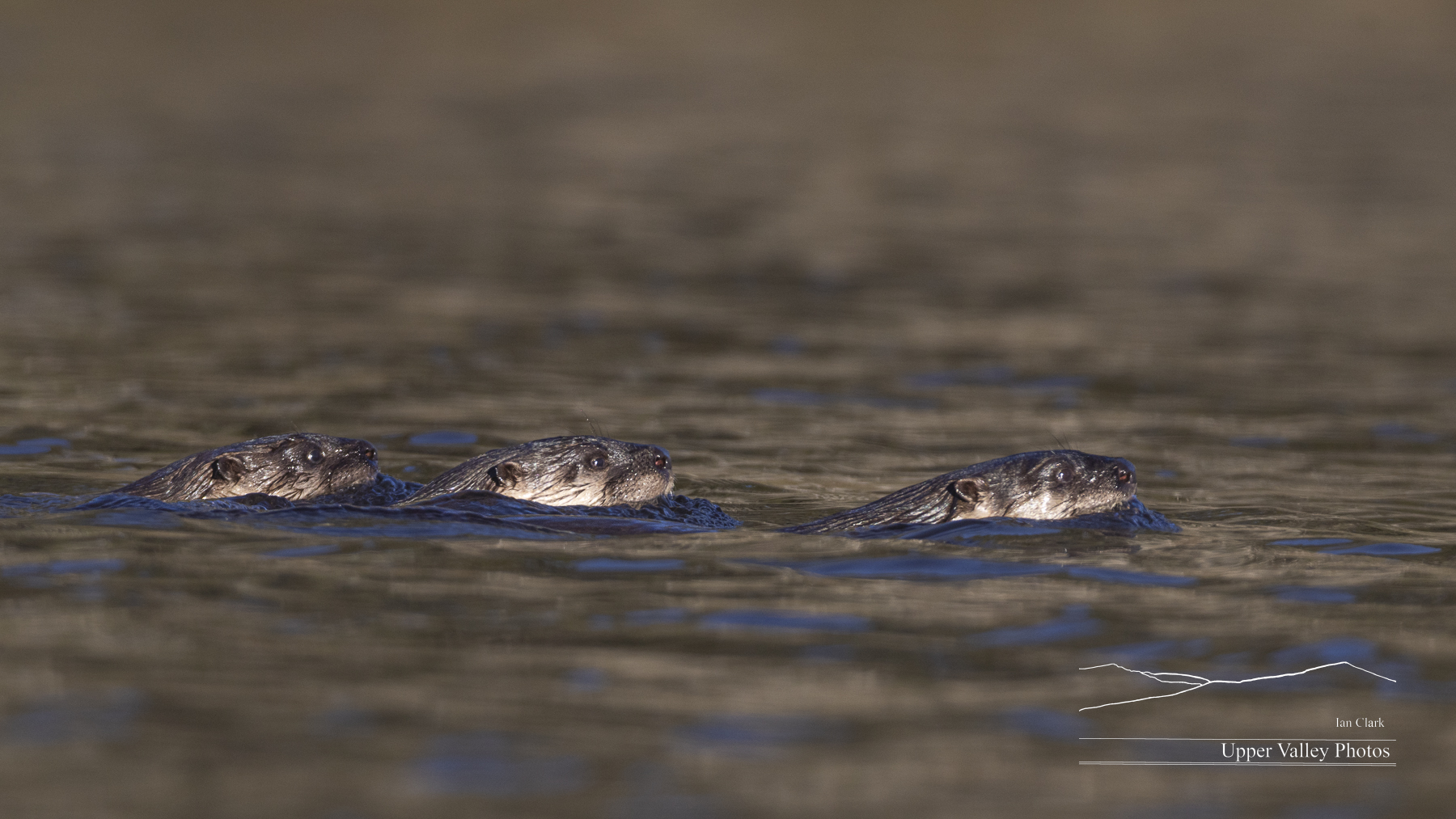
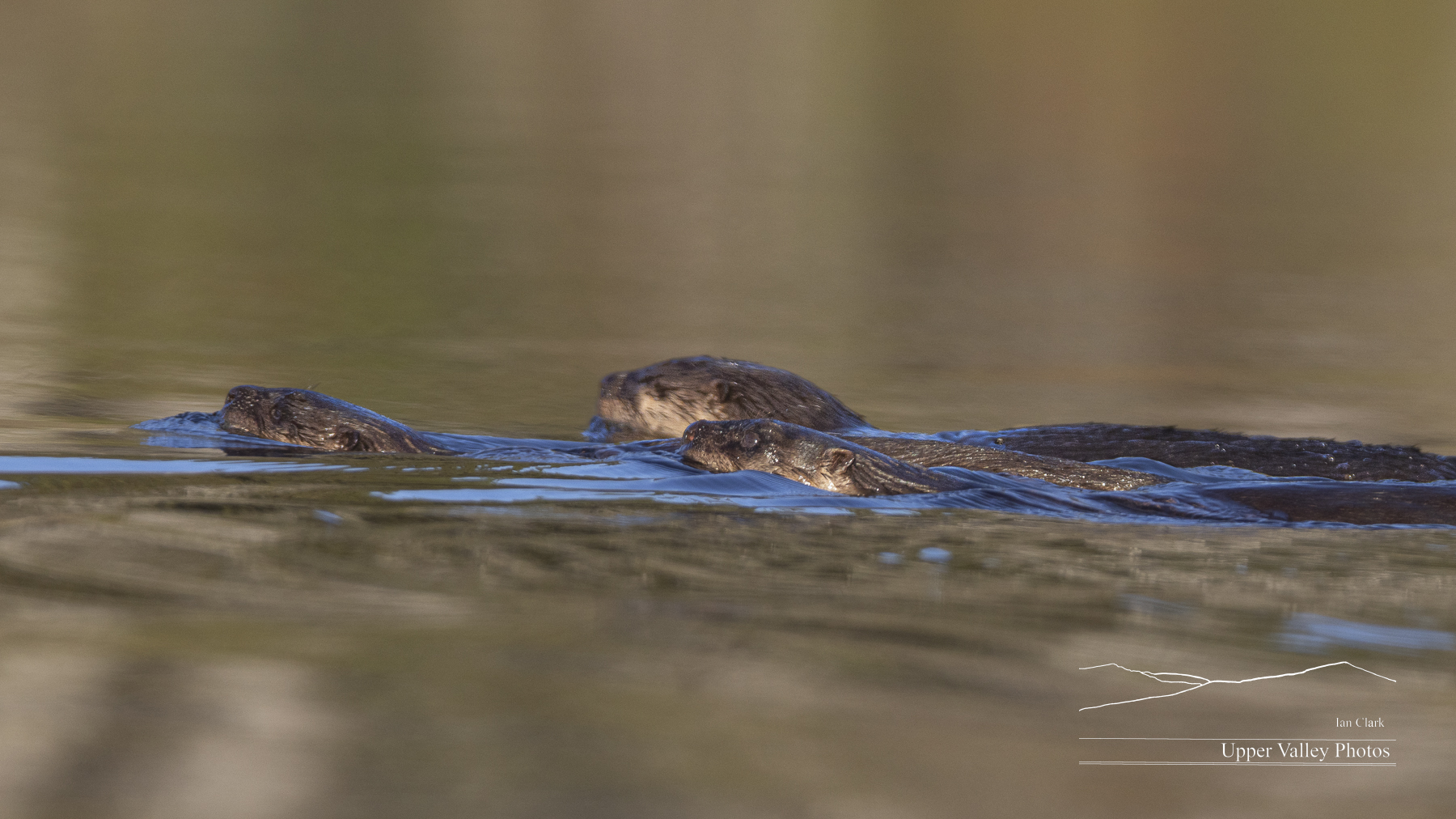
Fall had arrived when I made it to the Eastons’ pond on the 29th. When I got to the pond, it was still above the fog. A brisk 46° when I put in had me digging out a sweatshirt. Mom was tending the chicks. Dad was off the pond somewhere to start the morning. The chicks were off on their own – they’re old enough to take care of themselves. The otters were feeding and romping along the shore. They disappeared before the sun came up.
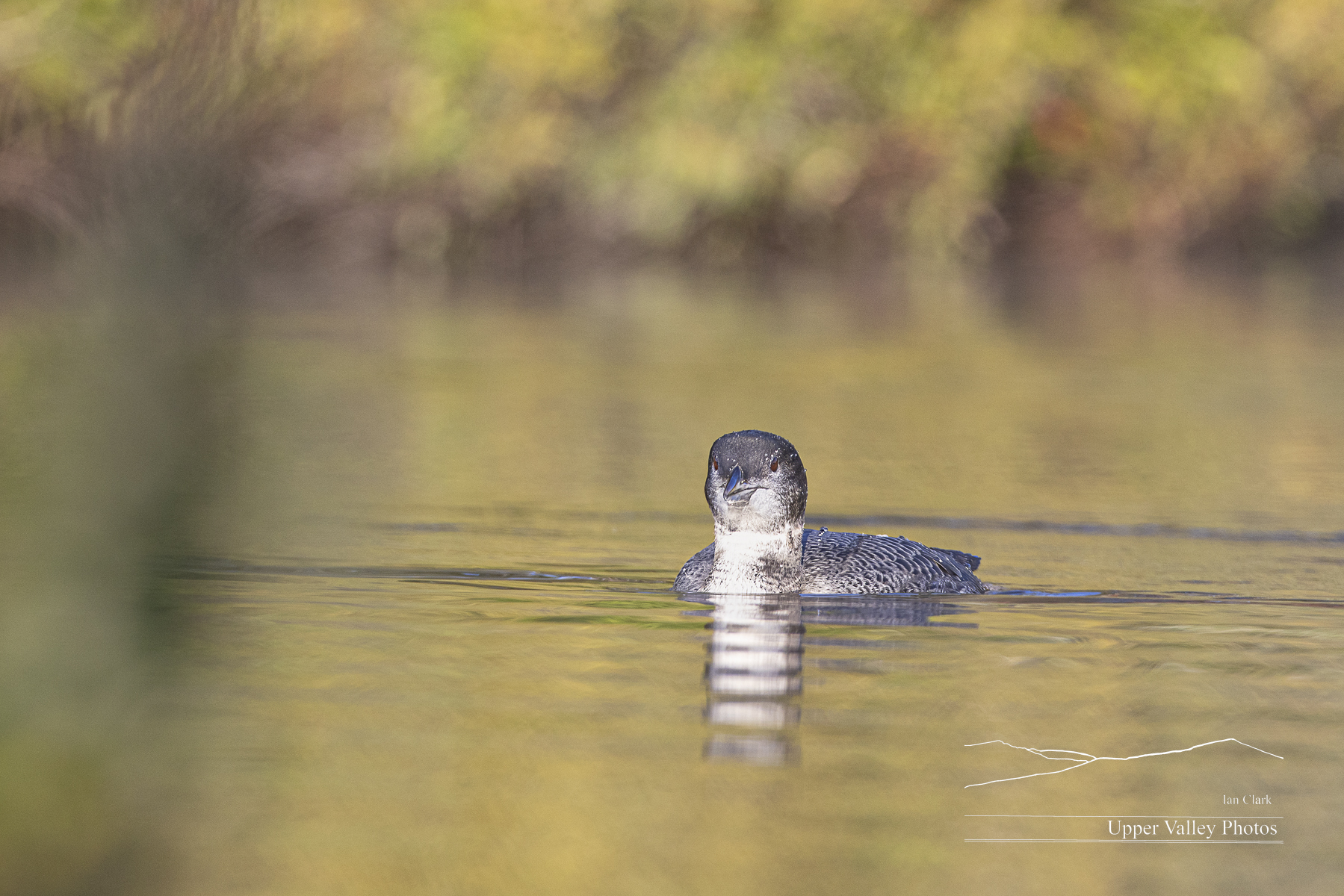
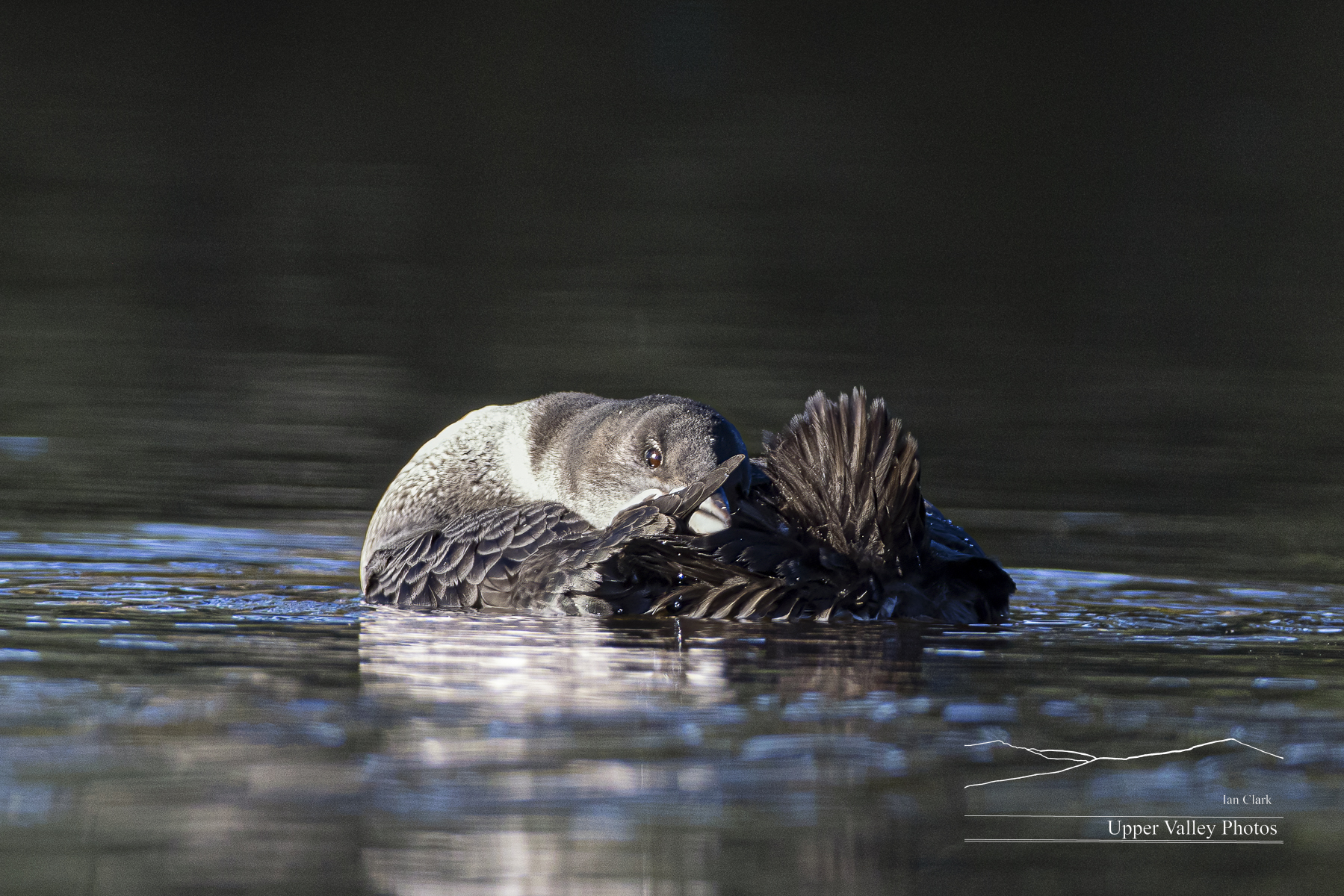
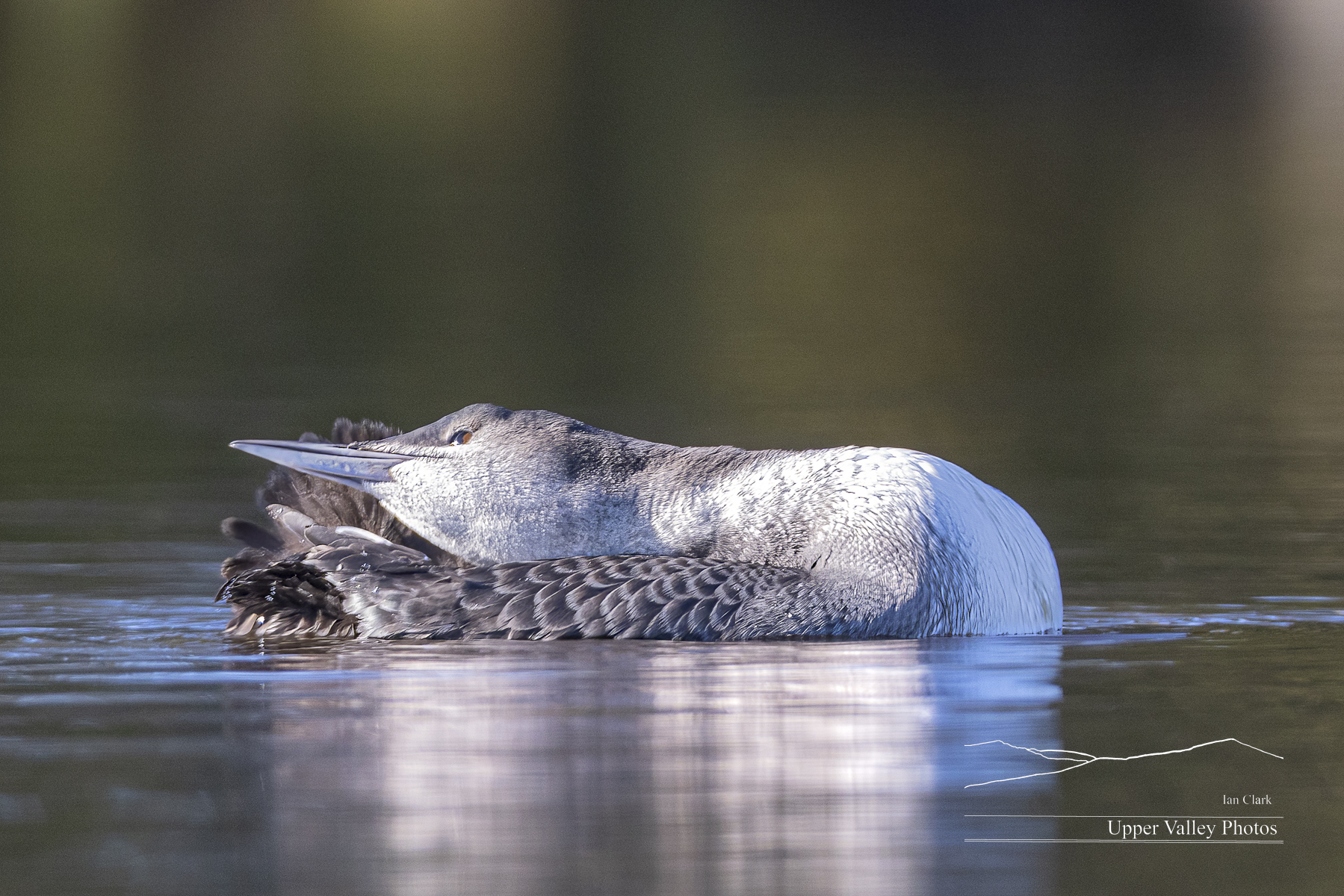
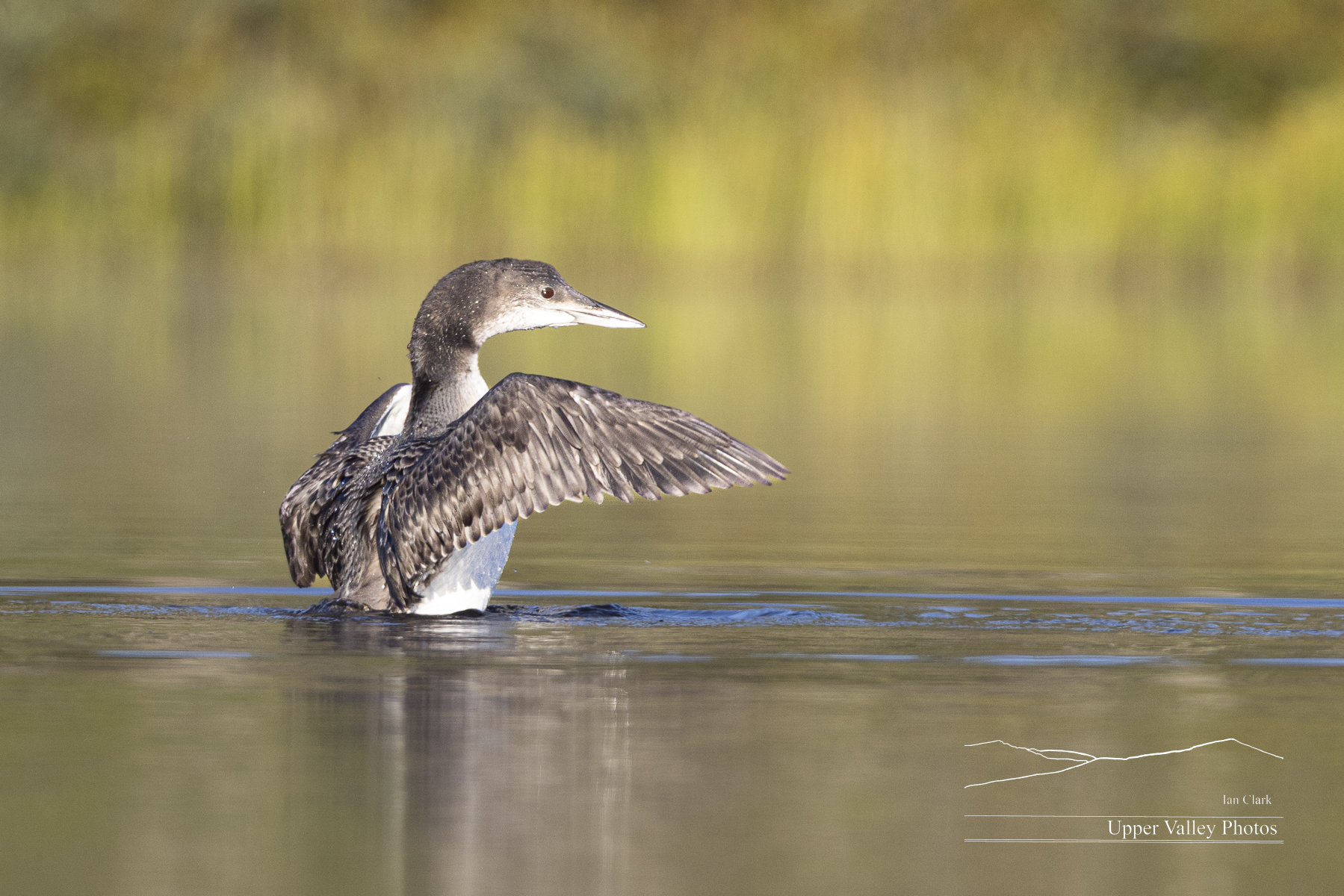
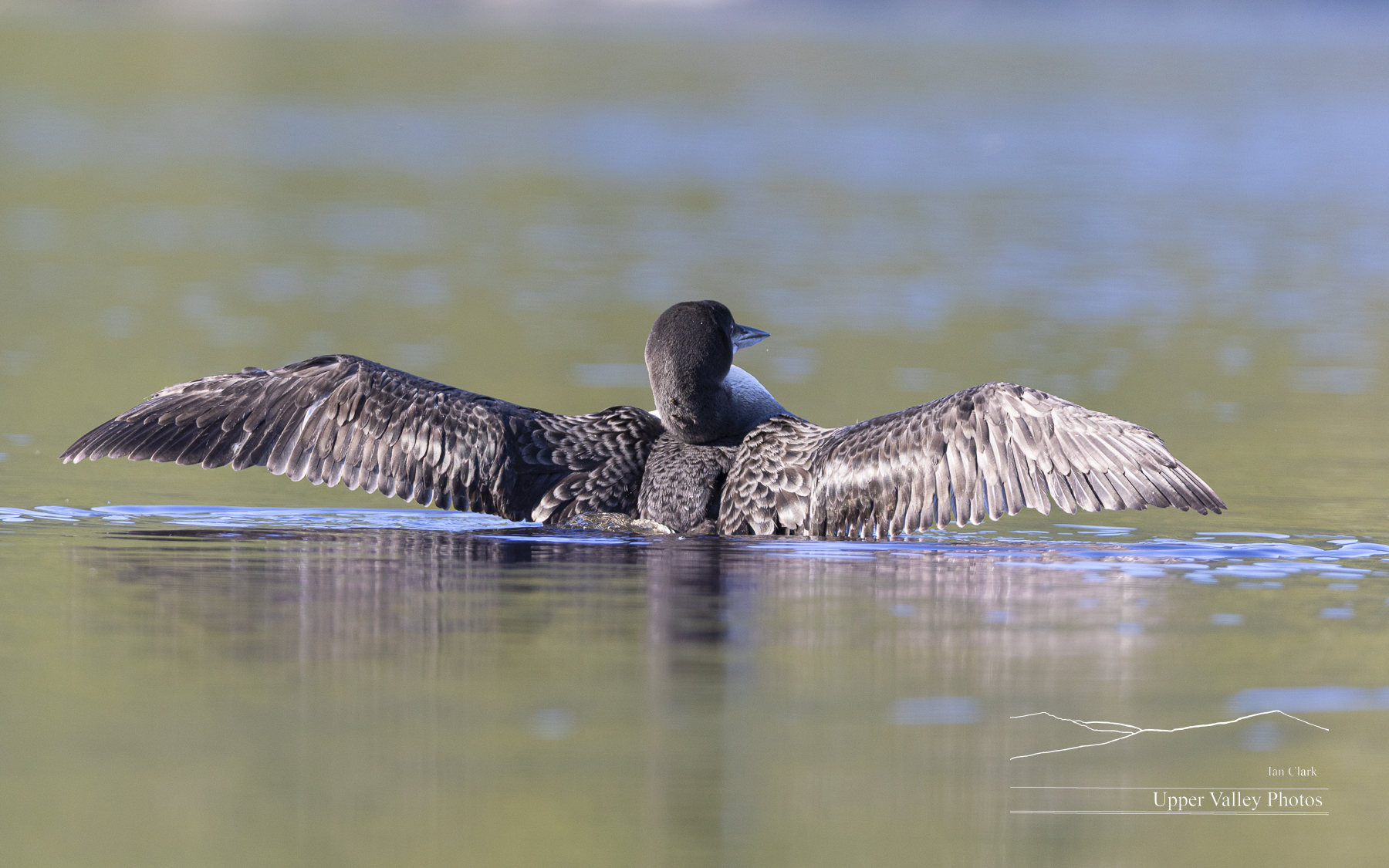
That evening, I headed down to the river to see if I could catch the heron in action.
The next morning found me back on the Eastons’ pond. It was once again in the high 40s when I put in. The hill to the west of the pond has turned slightly rusty and there were a couple trees around the pond that have already turned. Once again, the otters were playing along the shore, but didn’t stick around for photos. Both loon parents were on the pond, but trying to leave the chicks to fend for themselves. They succeeded for a time.
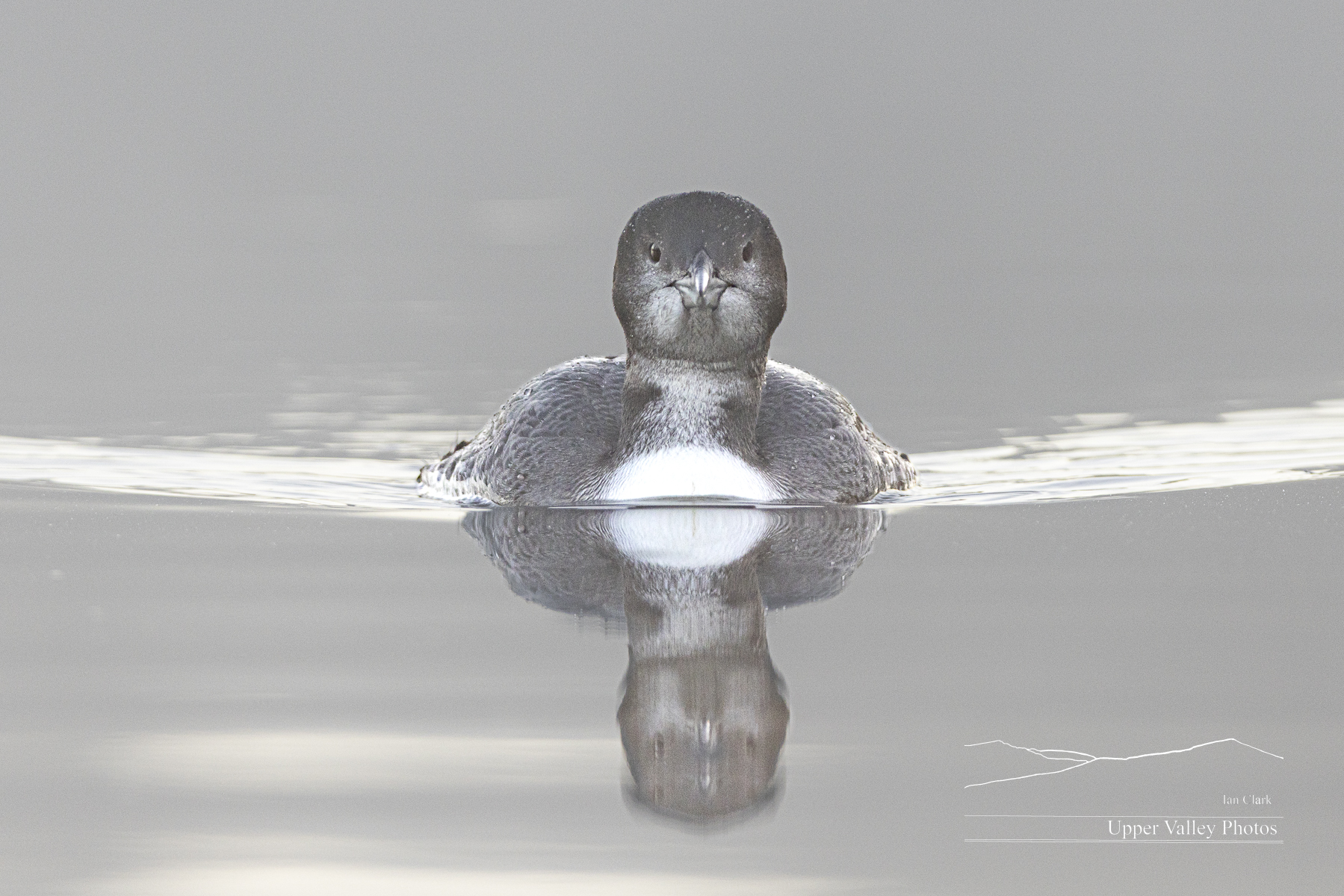
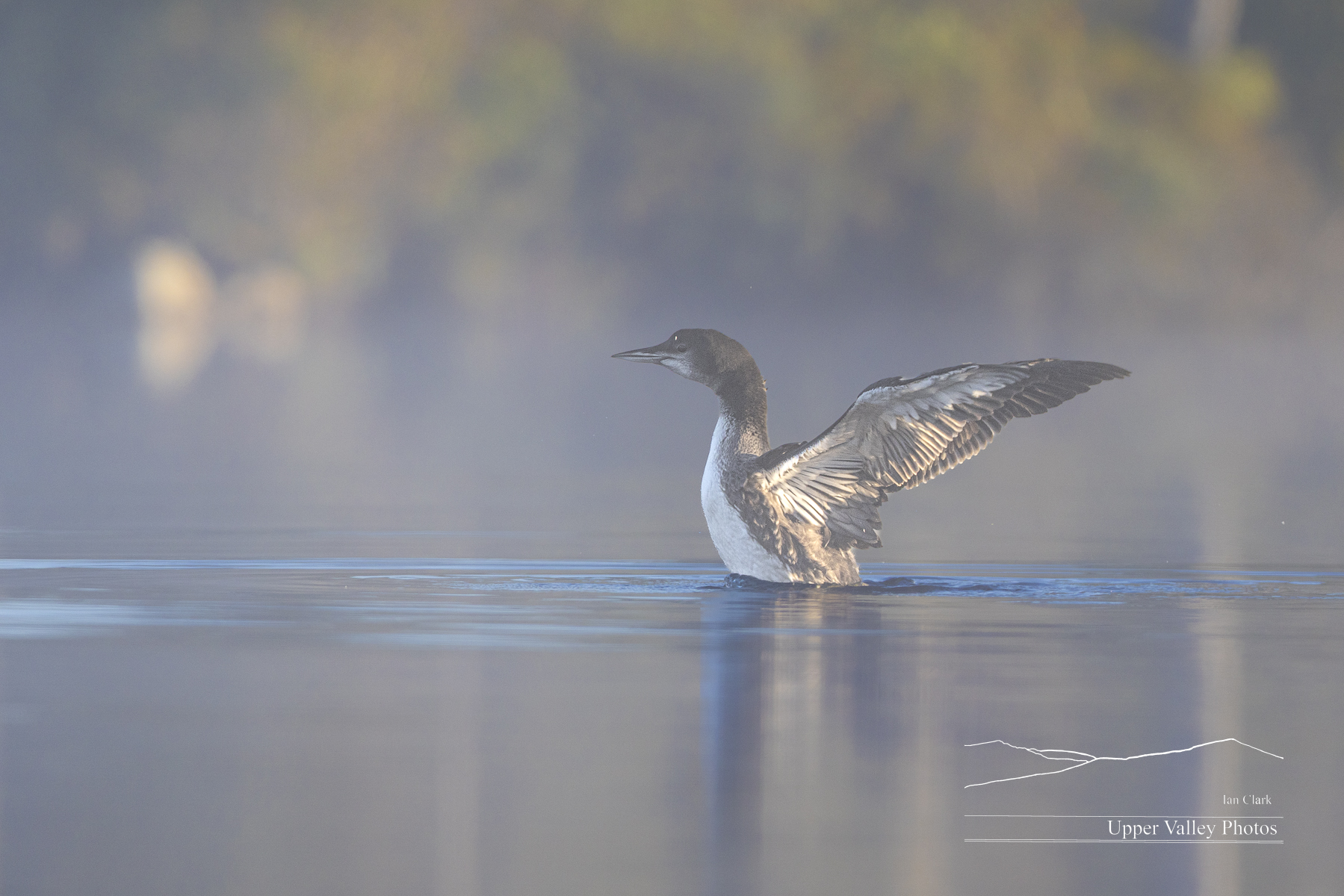
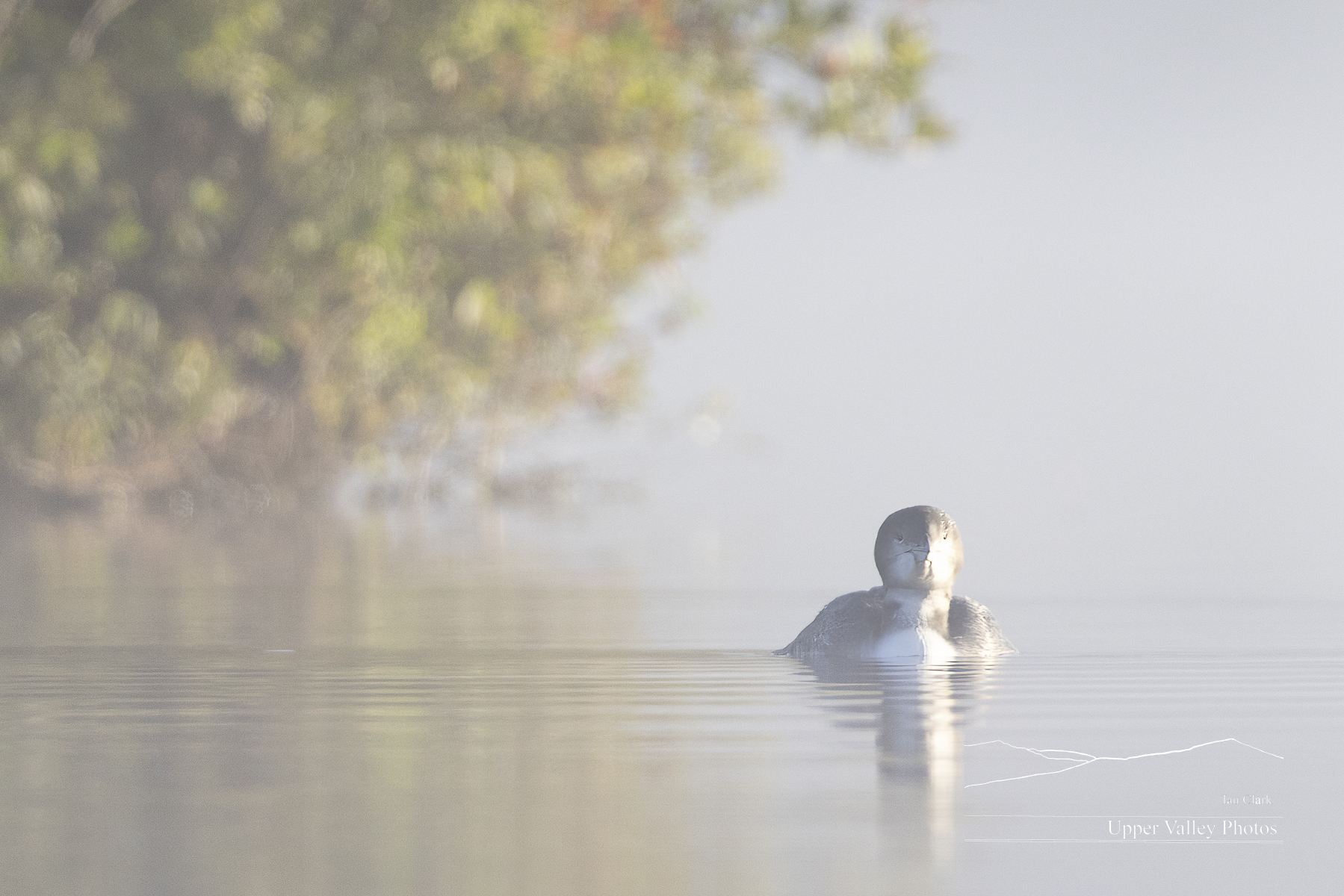
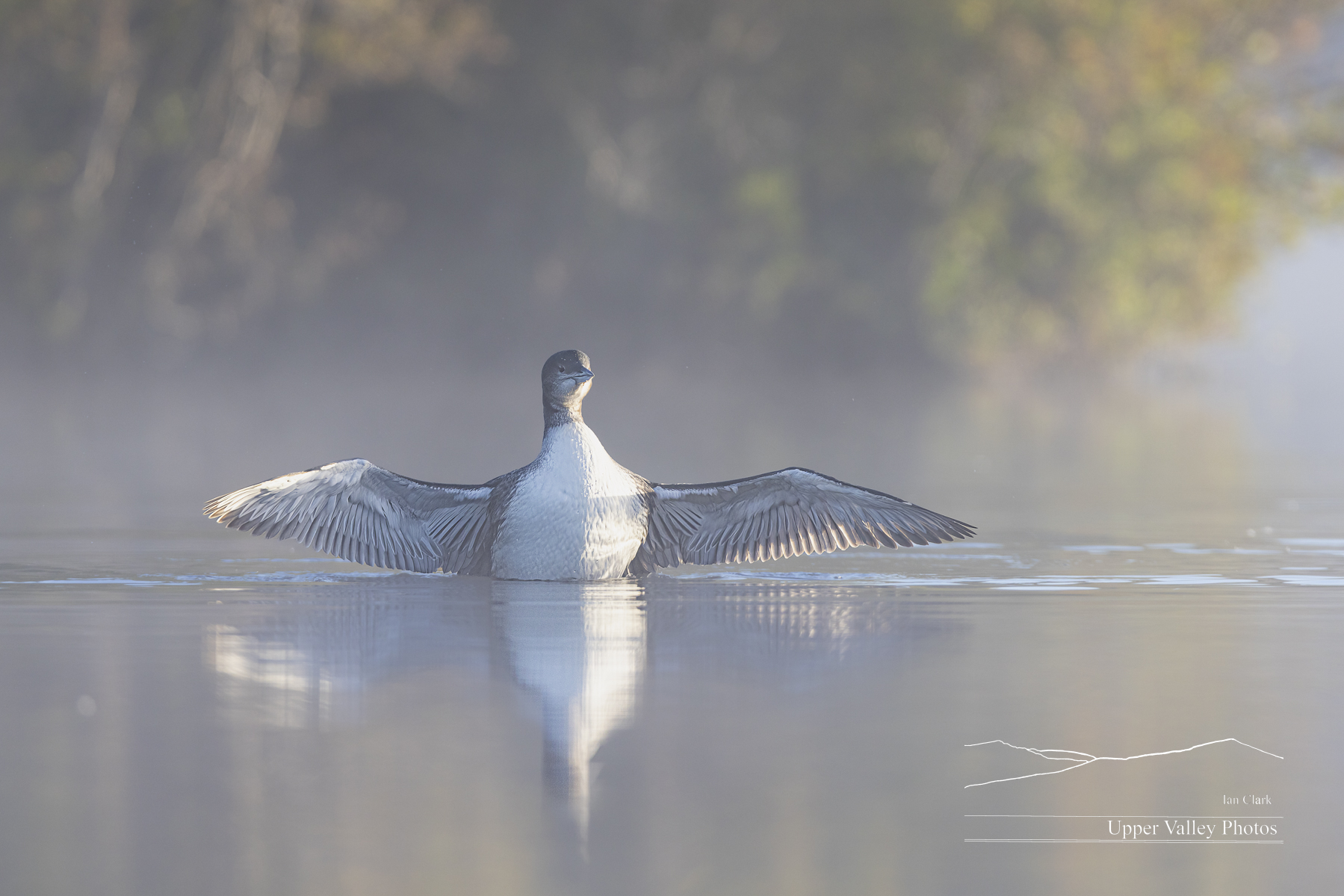
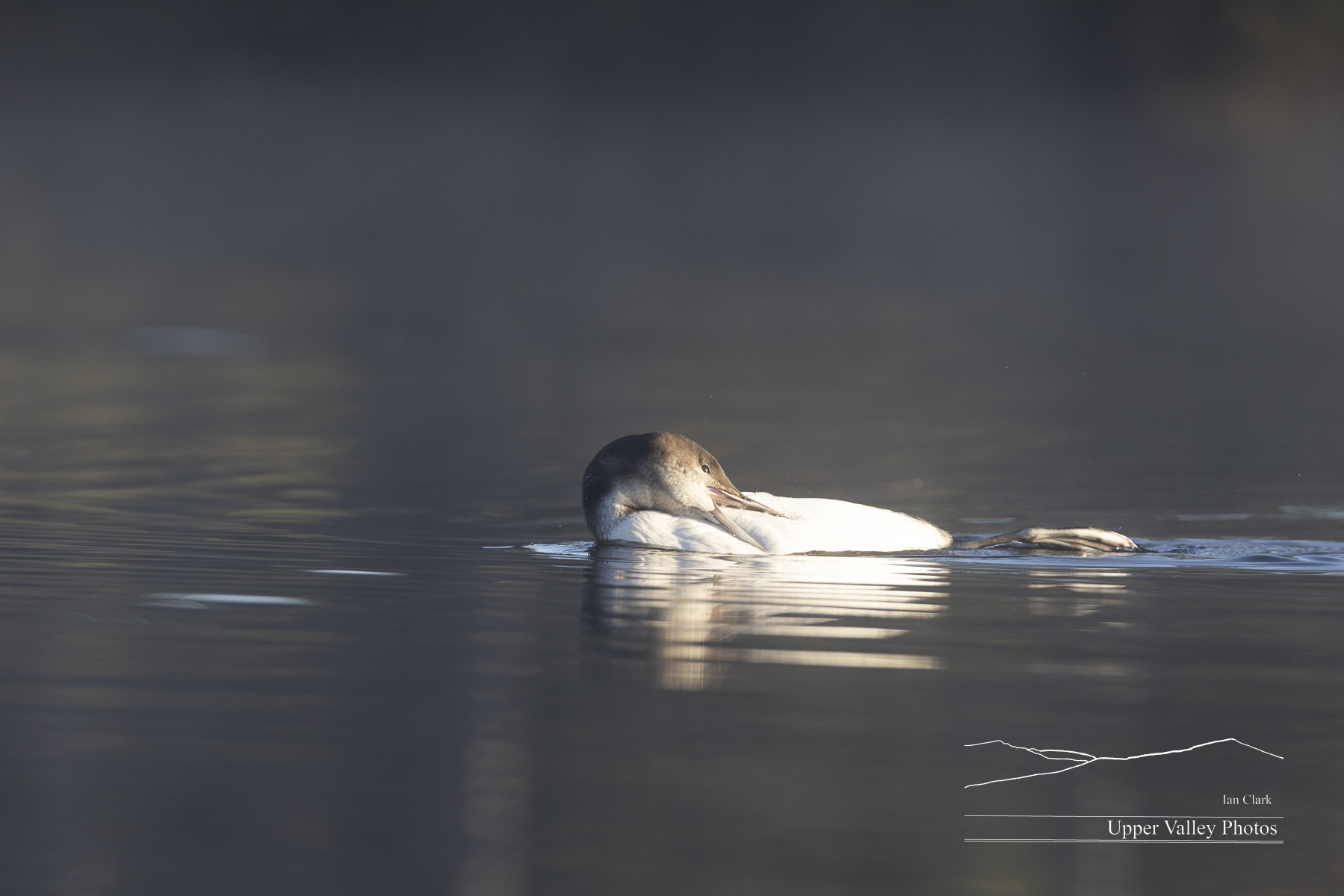
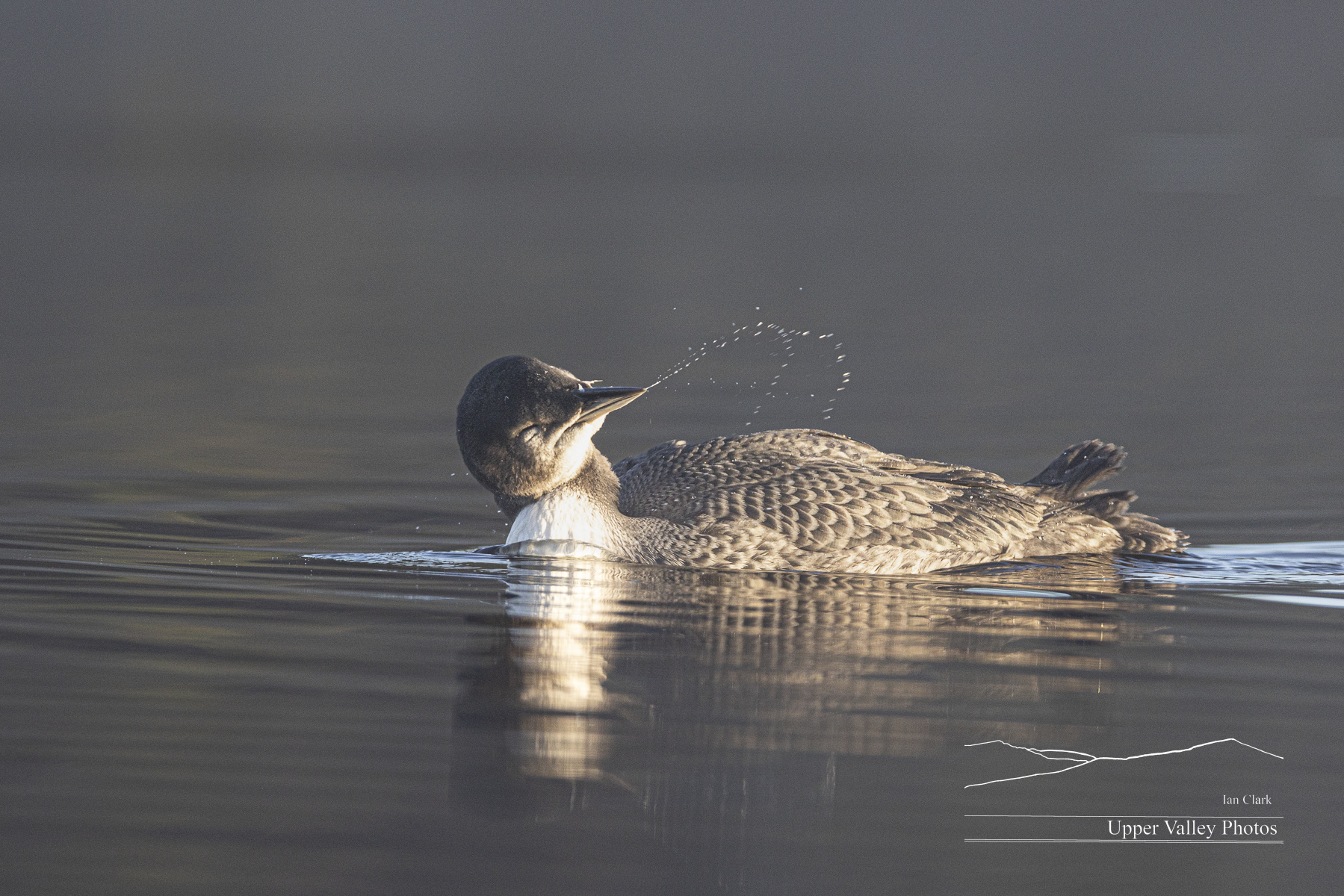
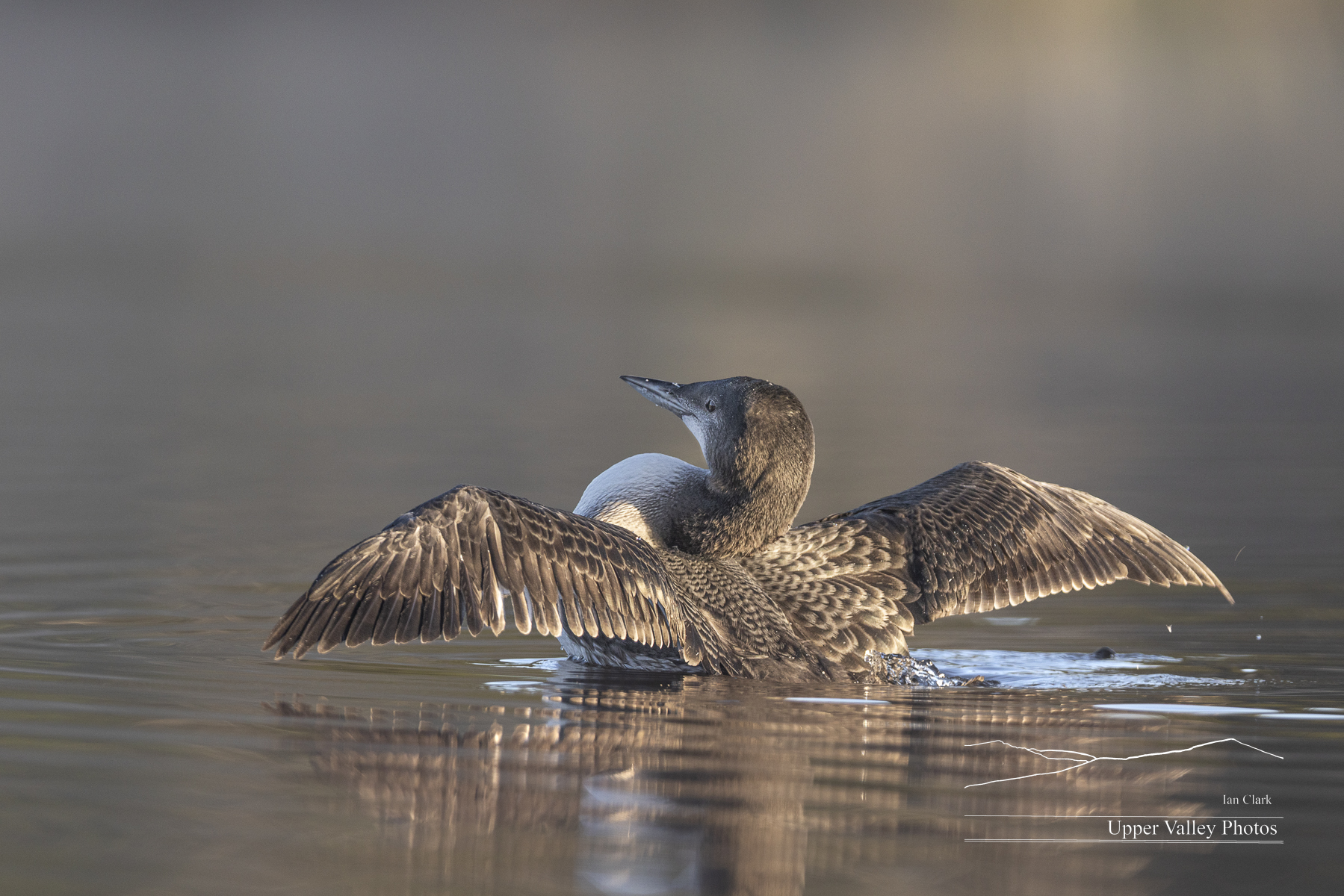
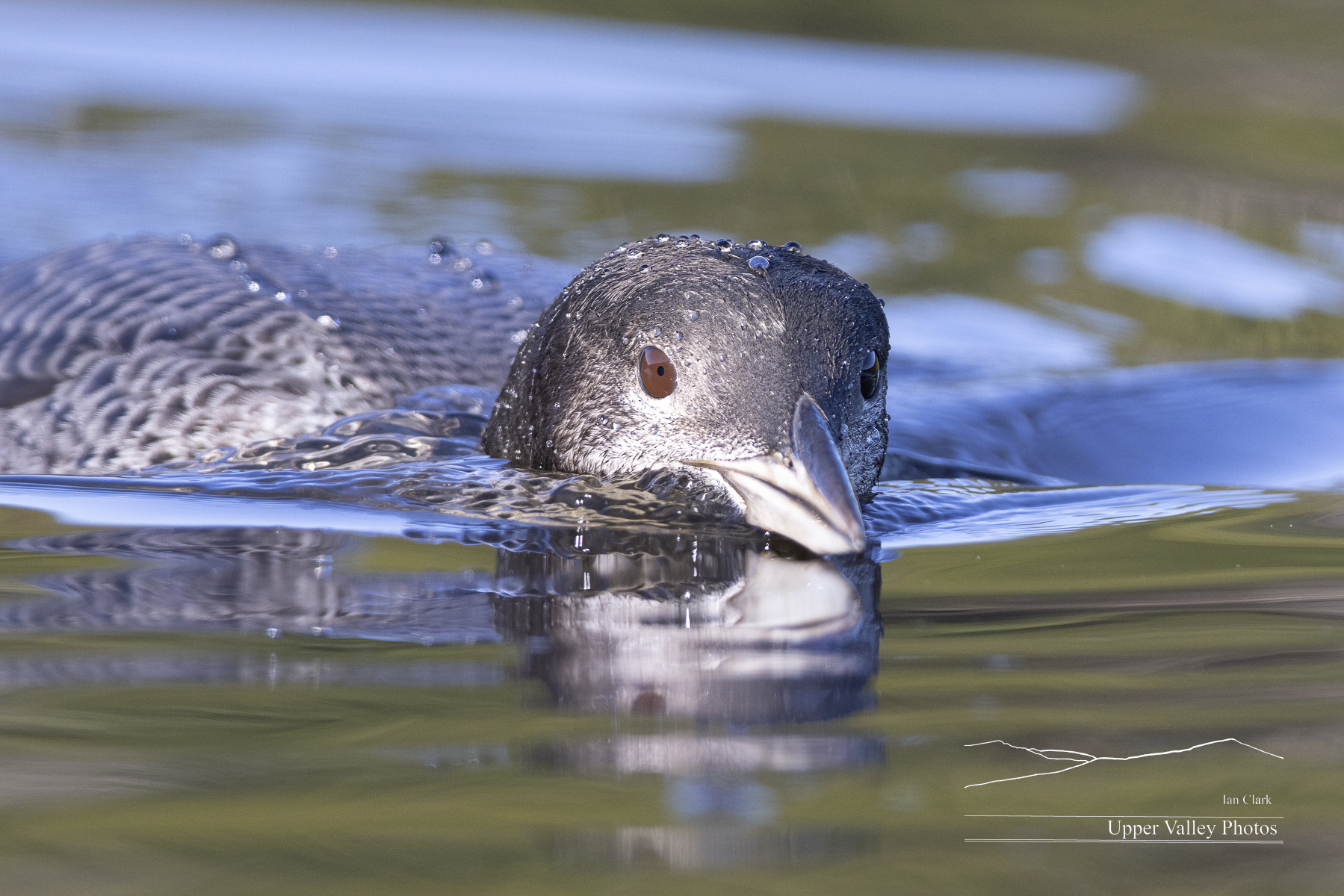
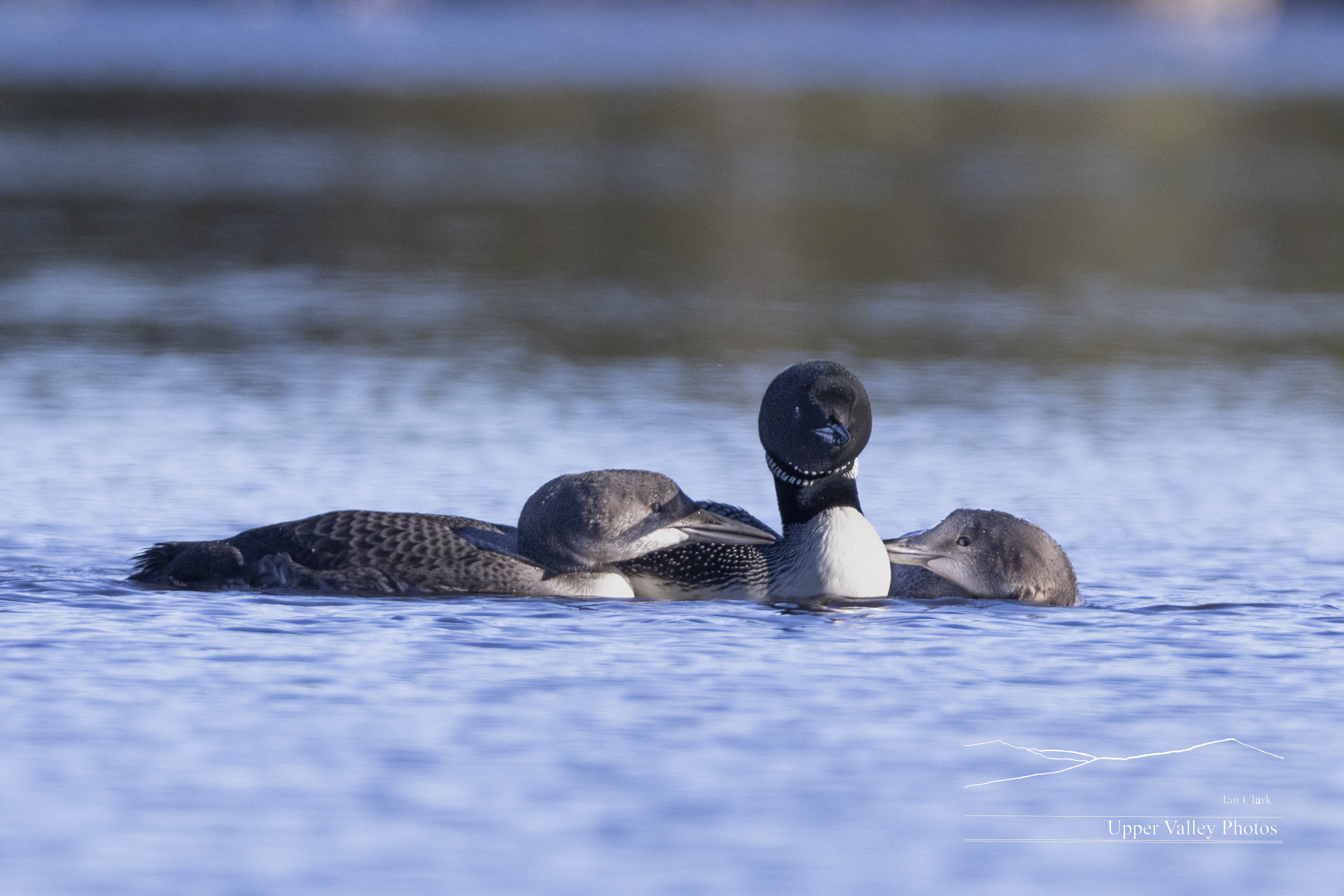
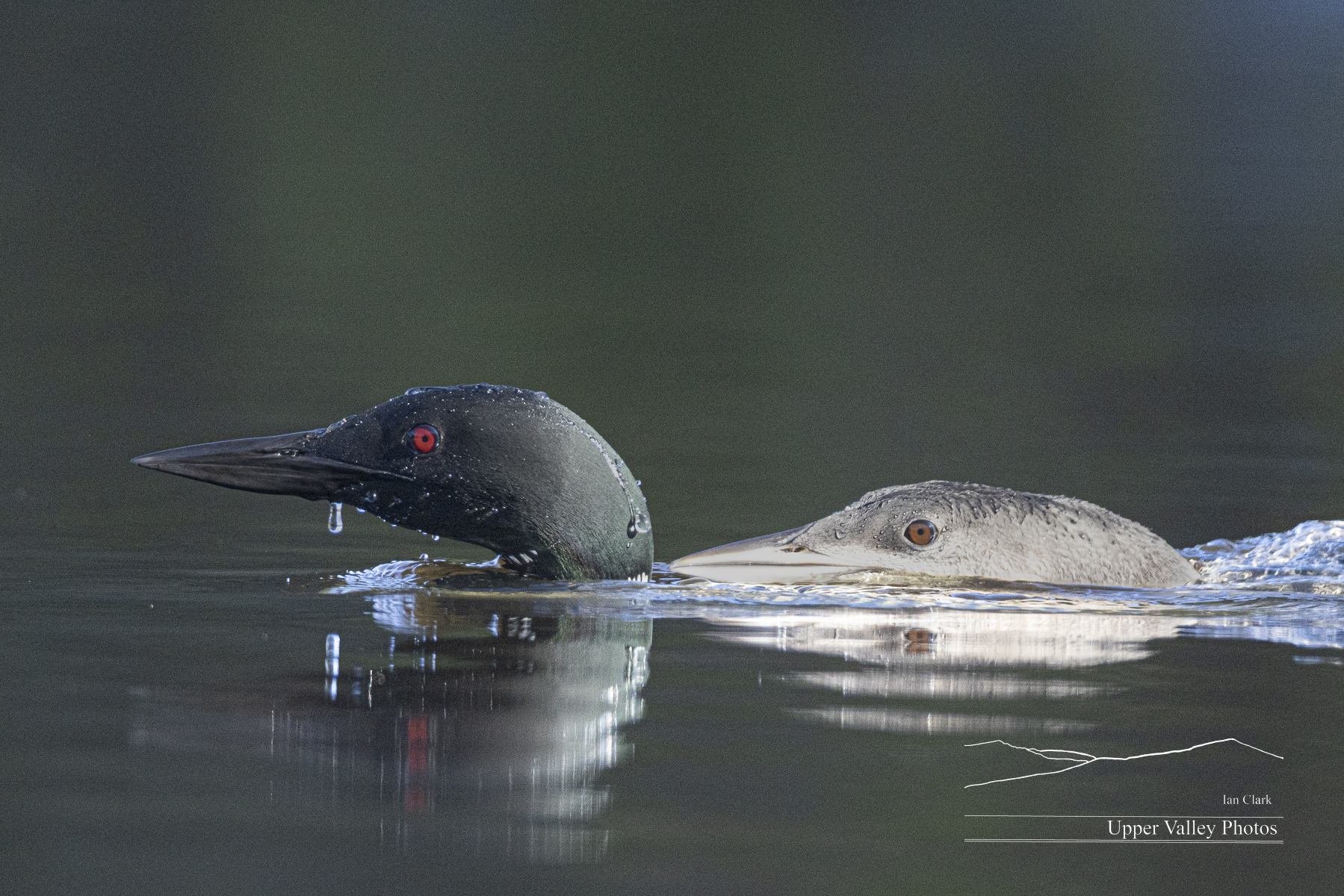
I waited a time after the wind picked up. Neither chick showed an inclination to try flying so I headed in.
That evening I headed back to the river to see if the green heron would cooperate this time.
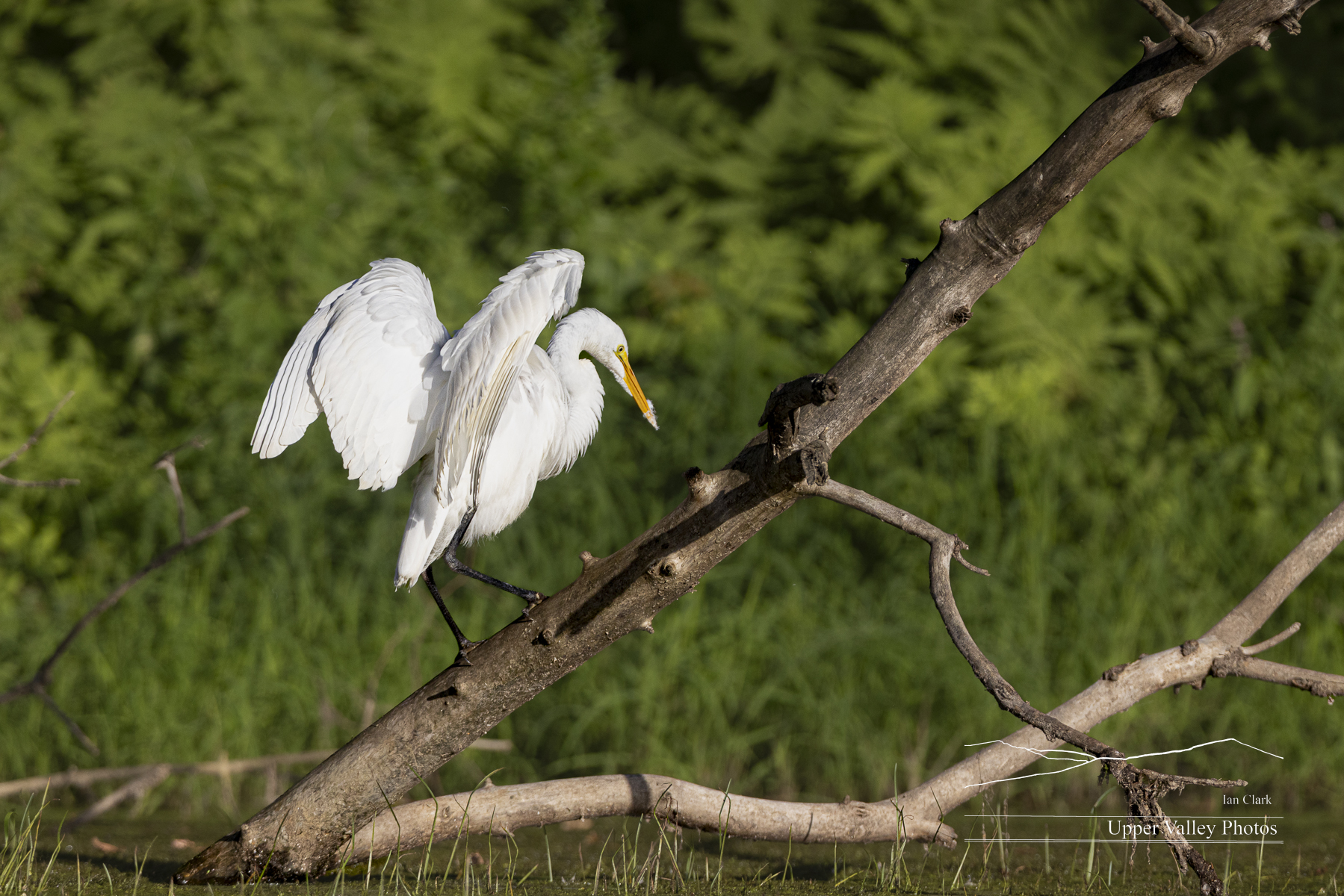
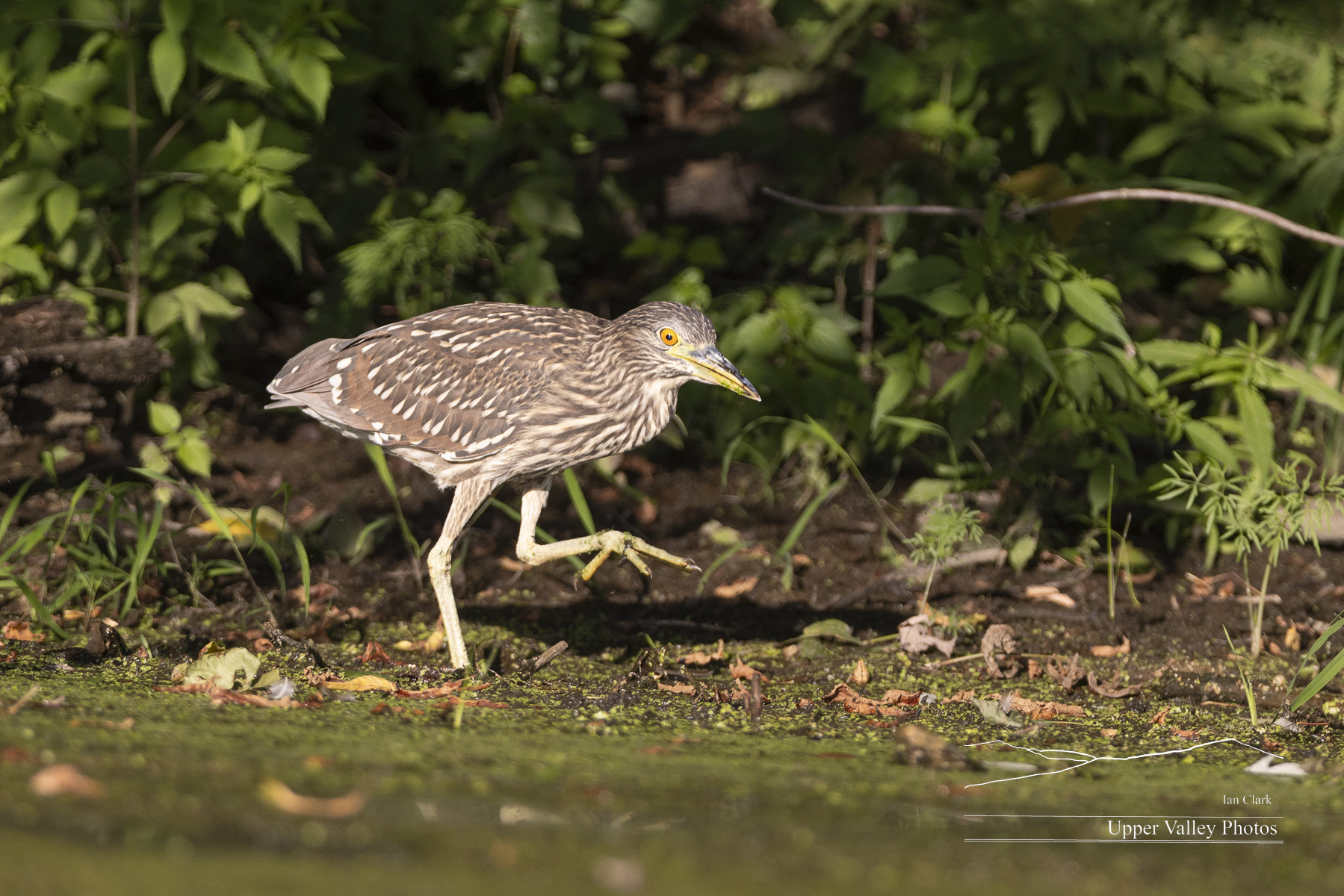
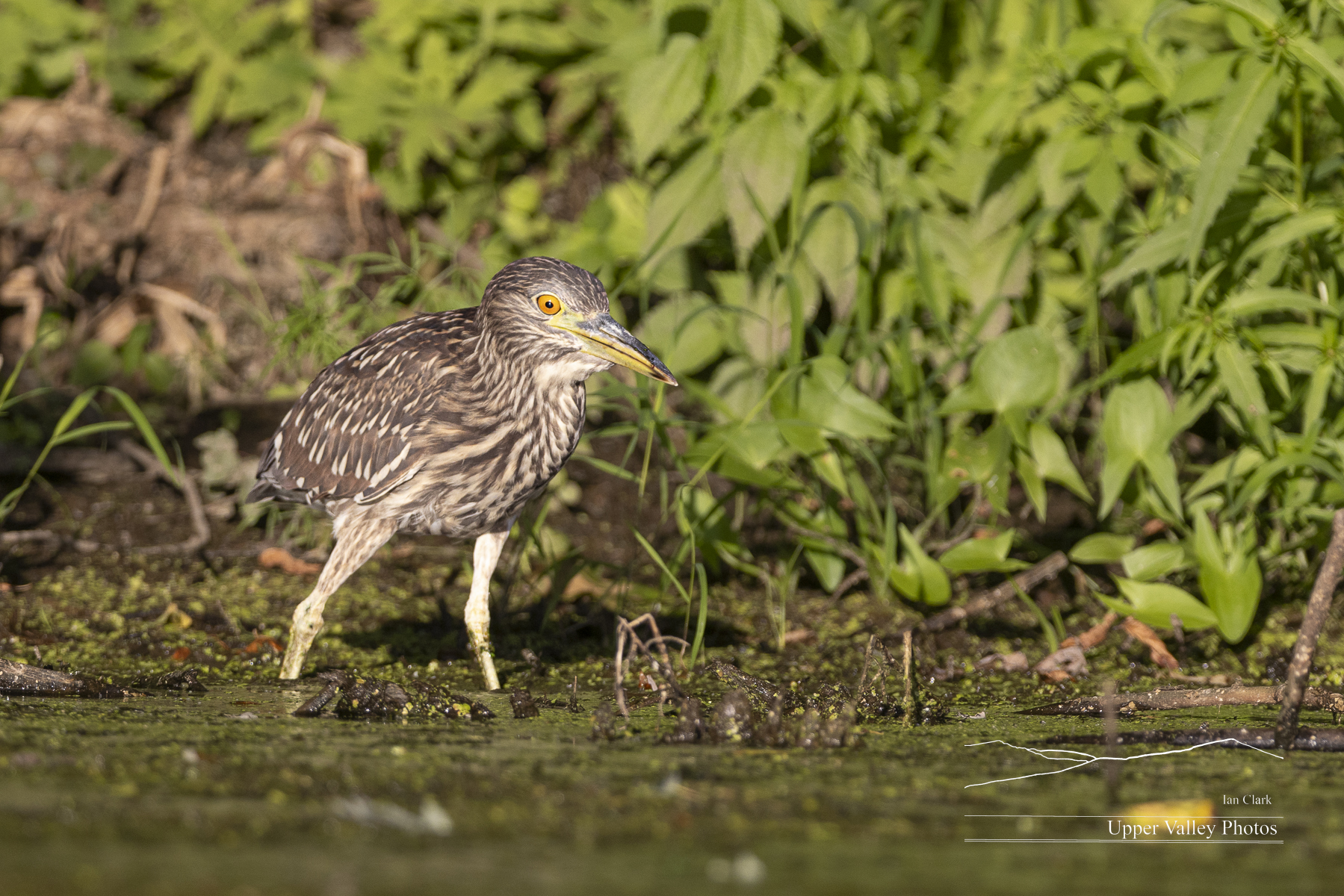
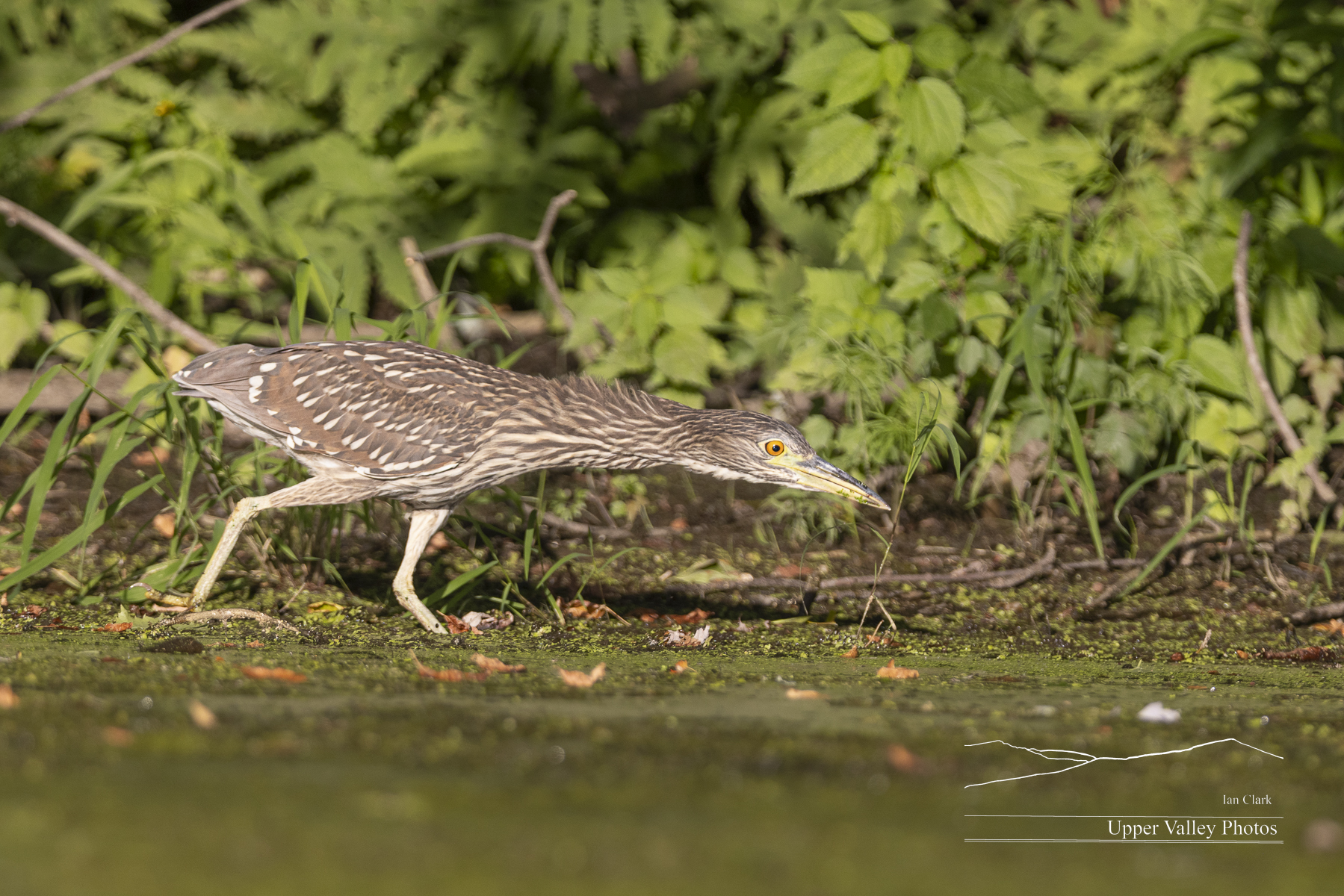
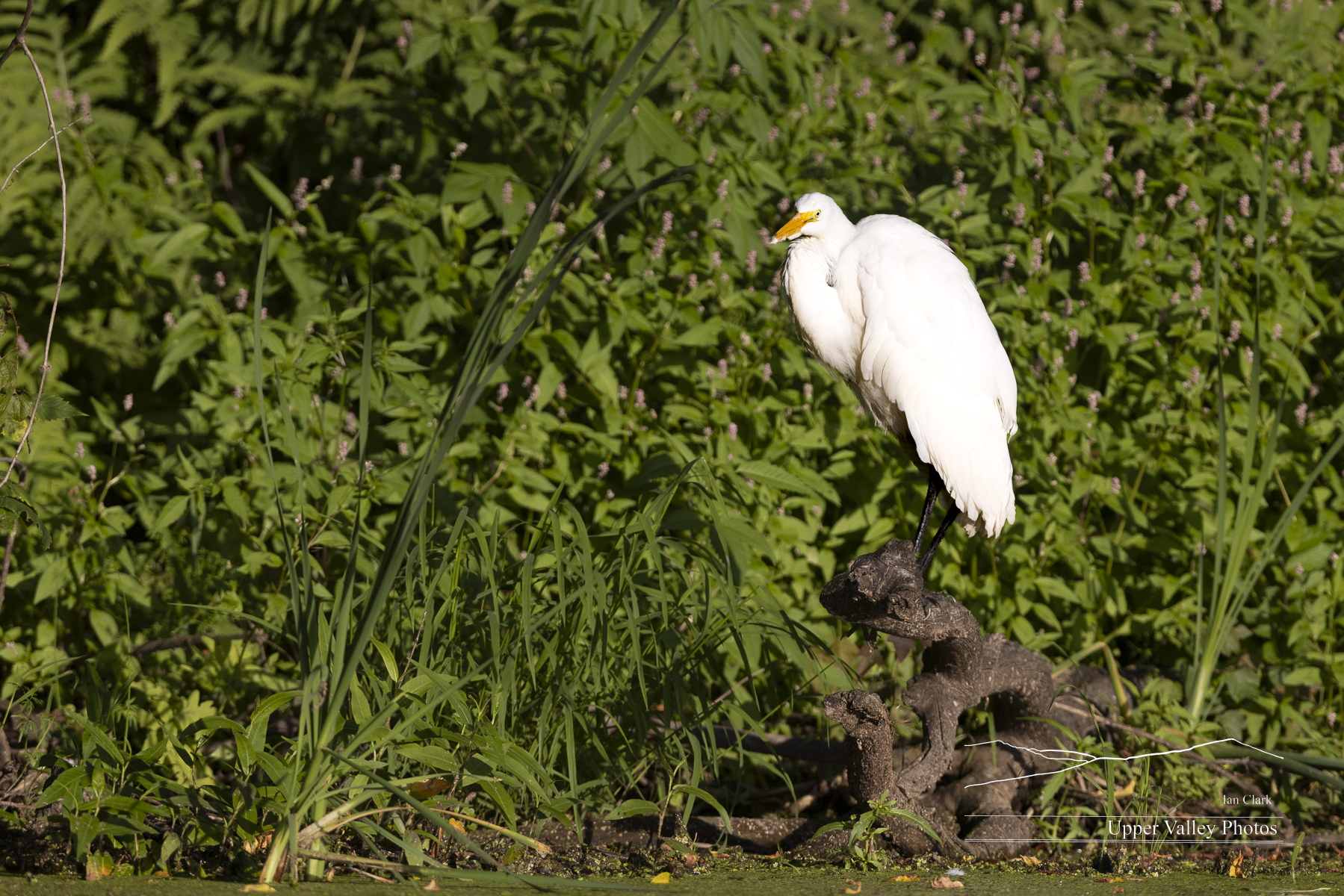
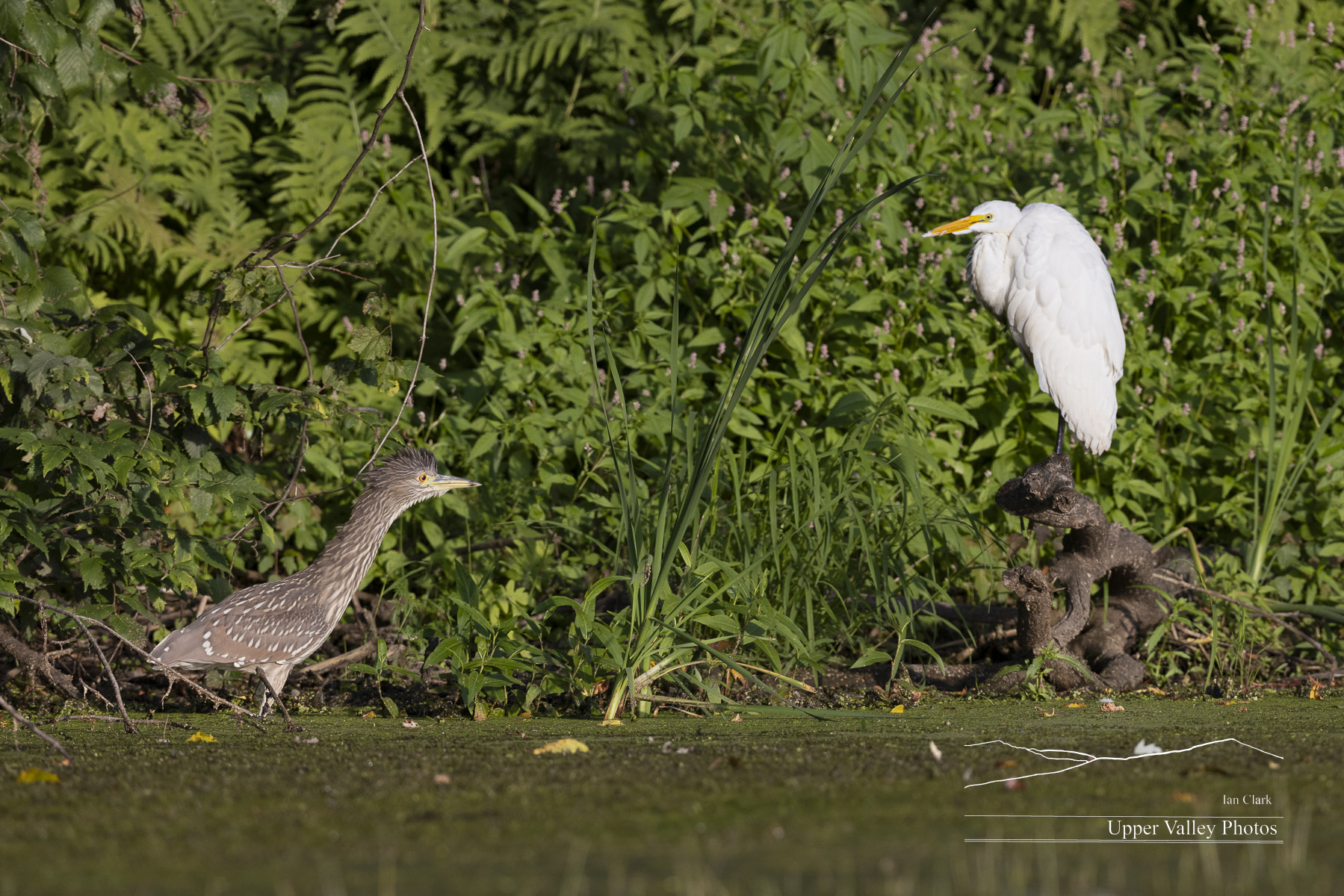
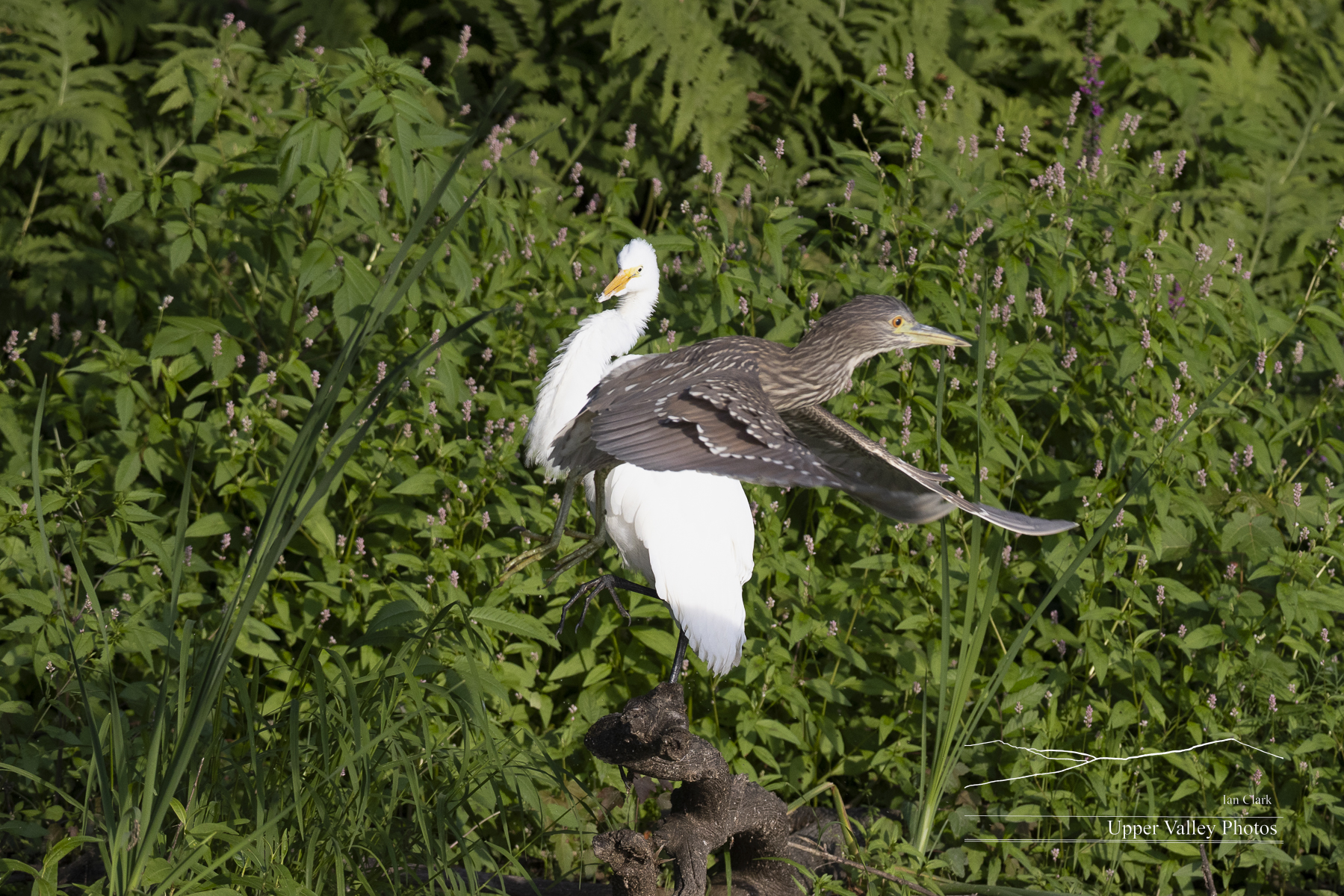
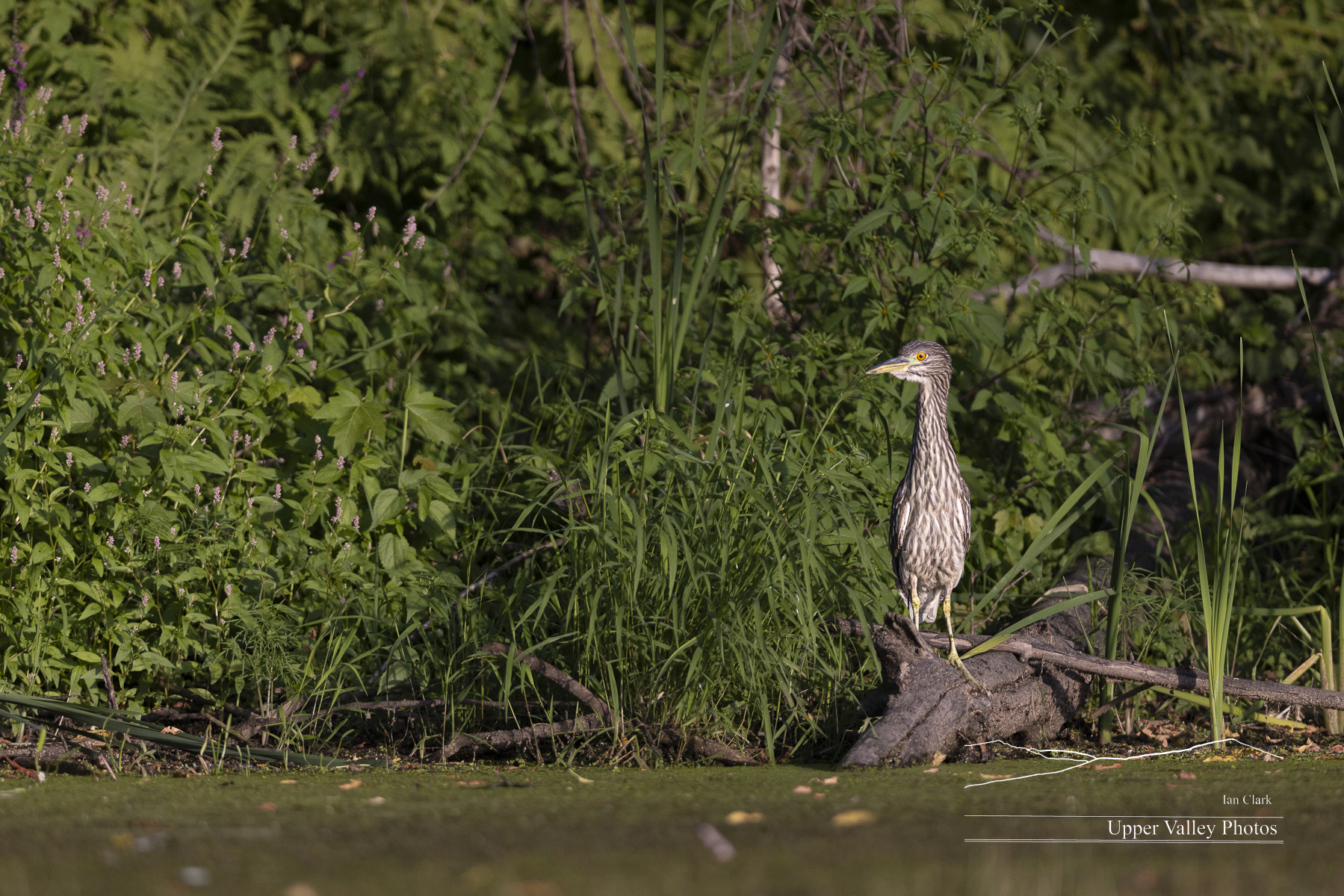
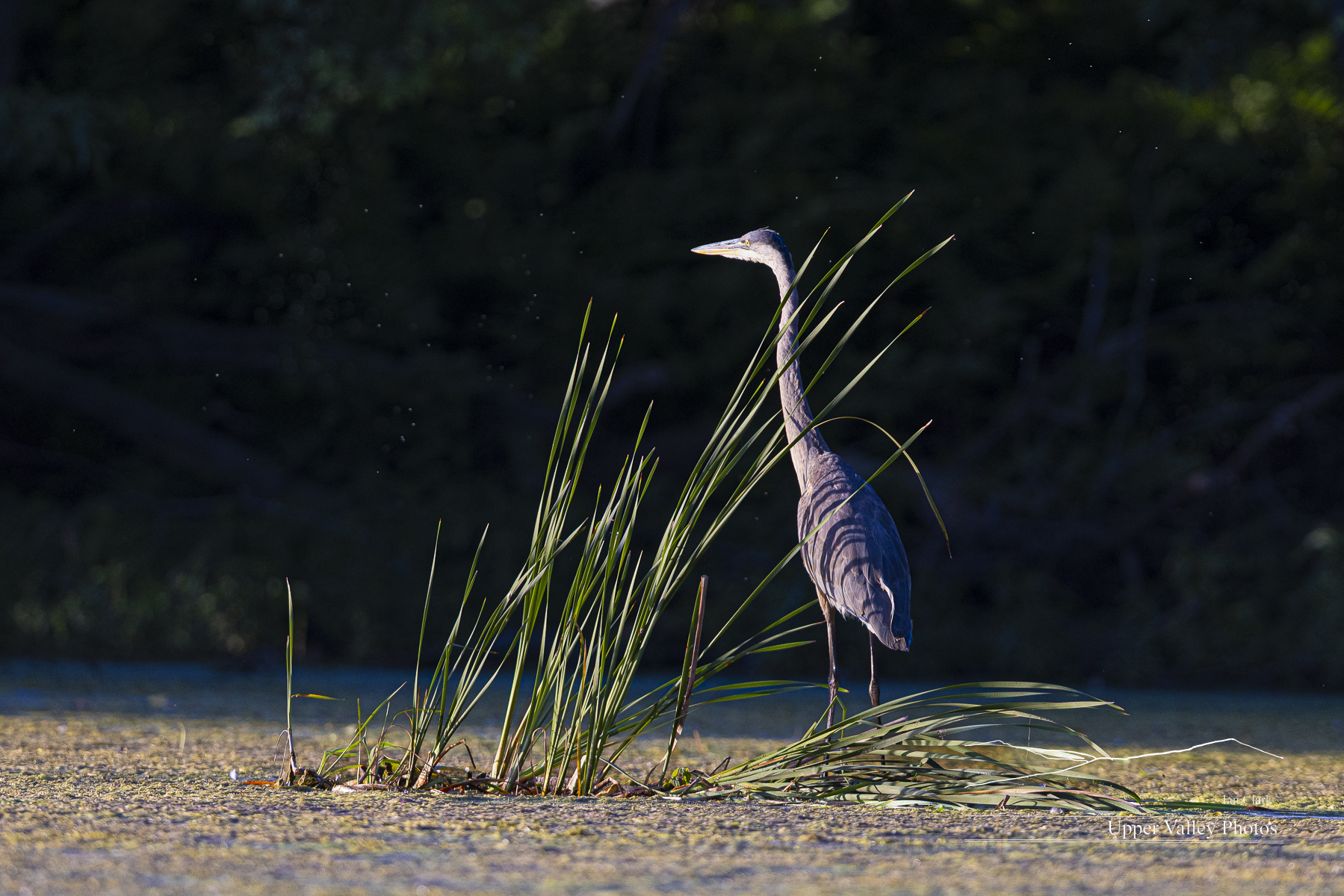
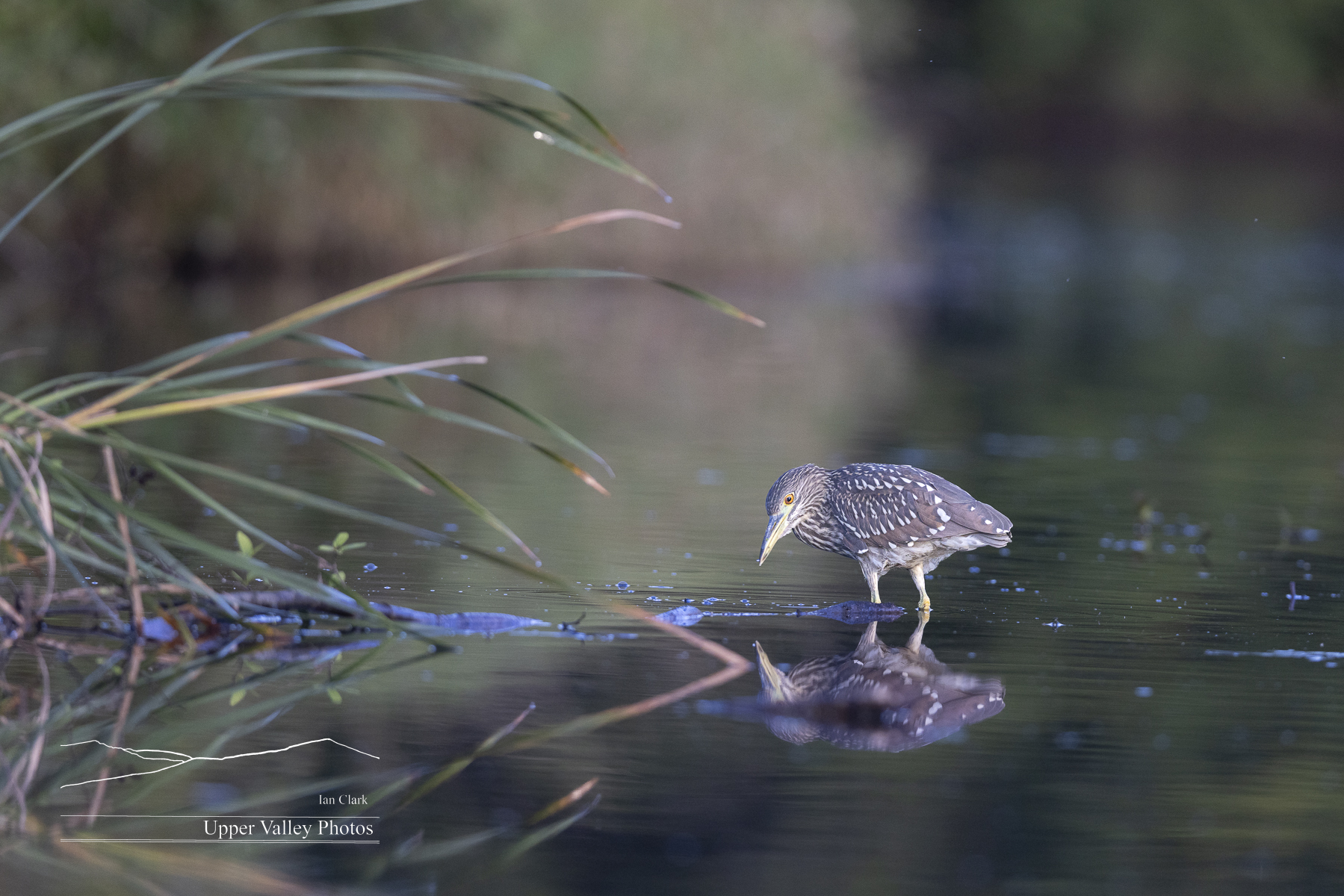
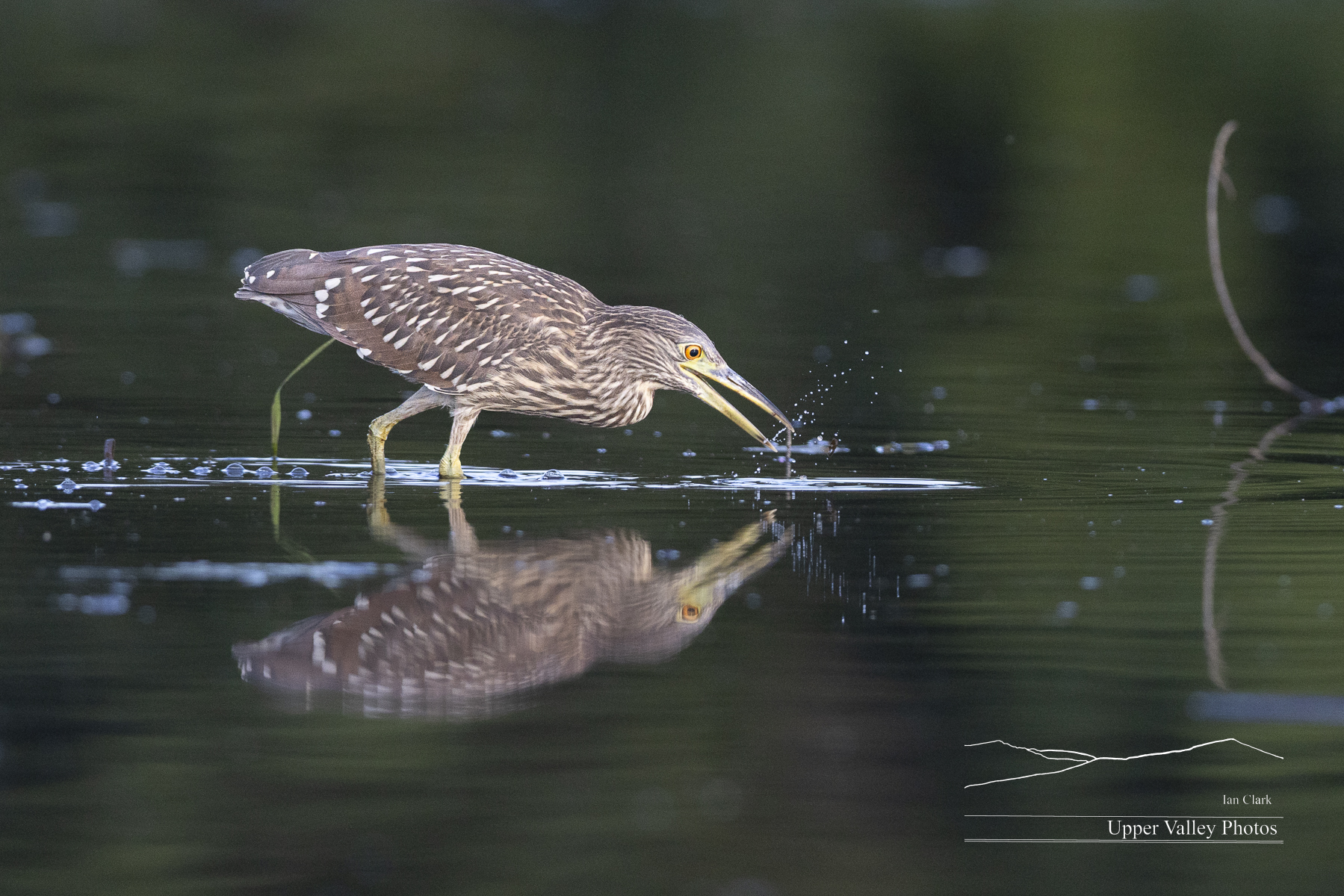
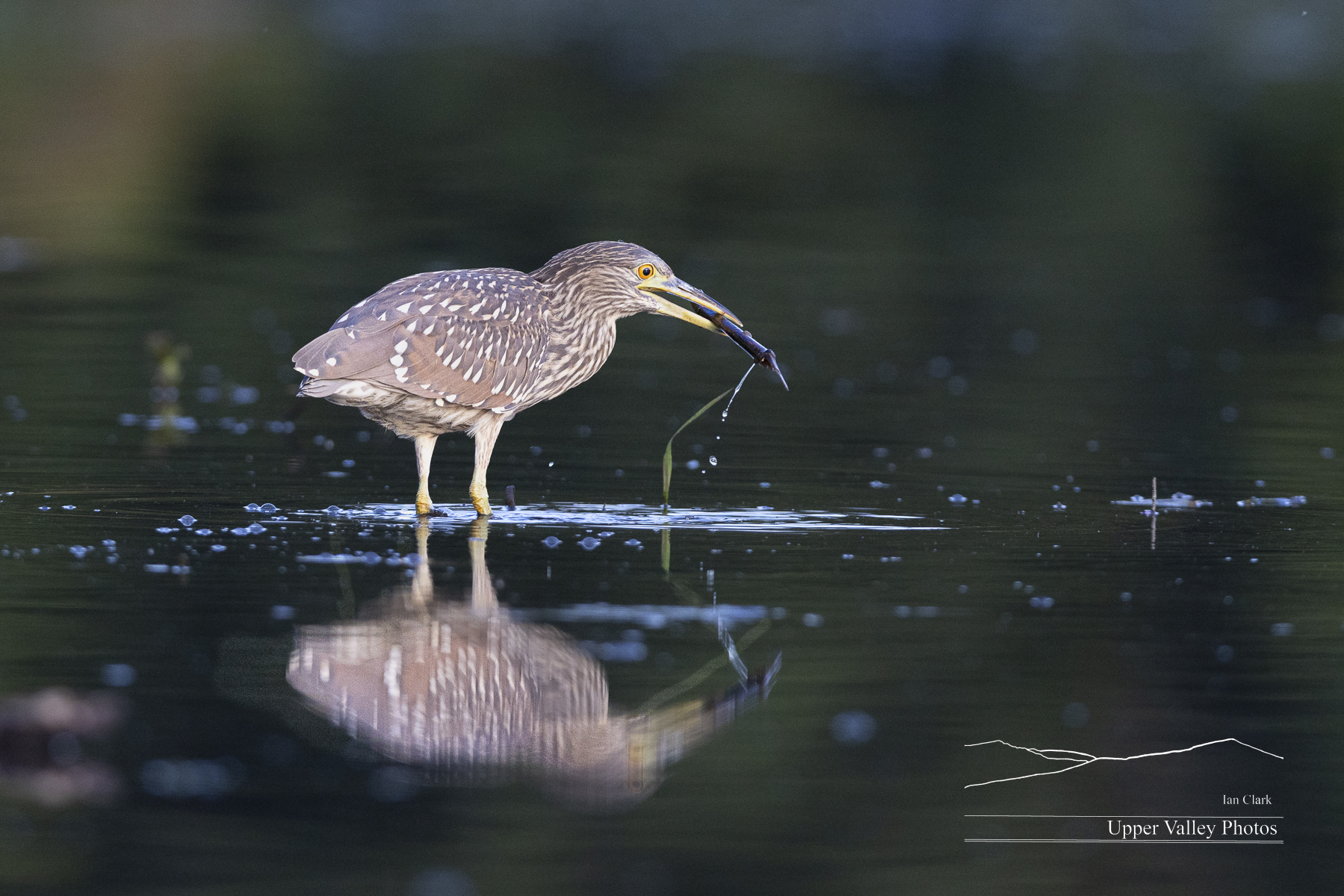
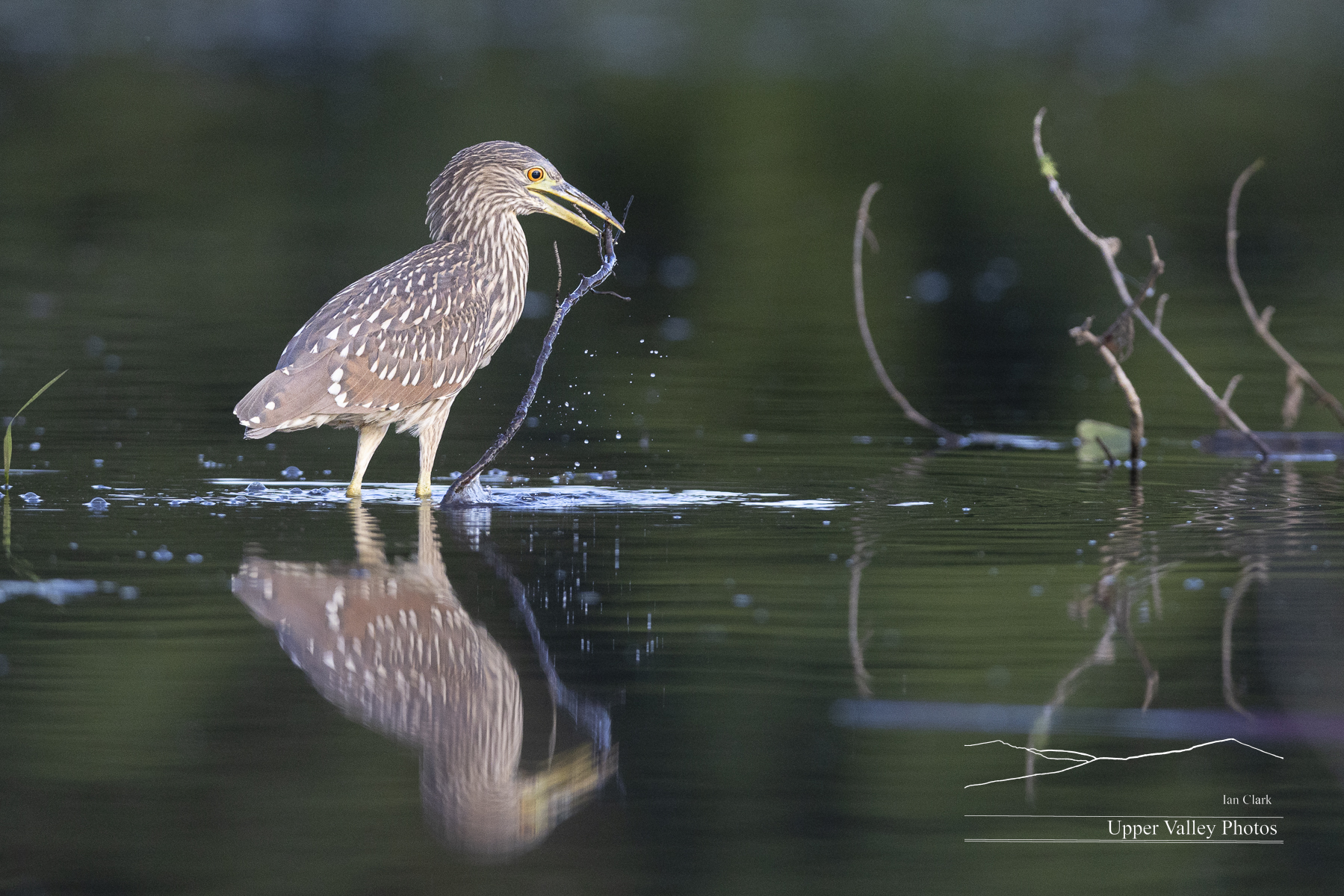
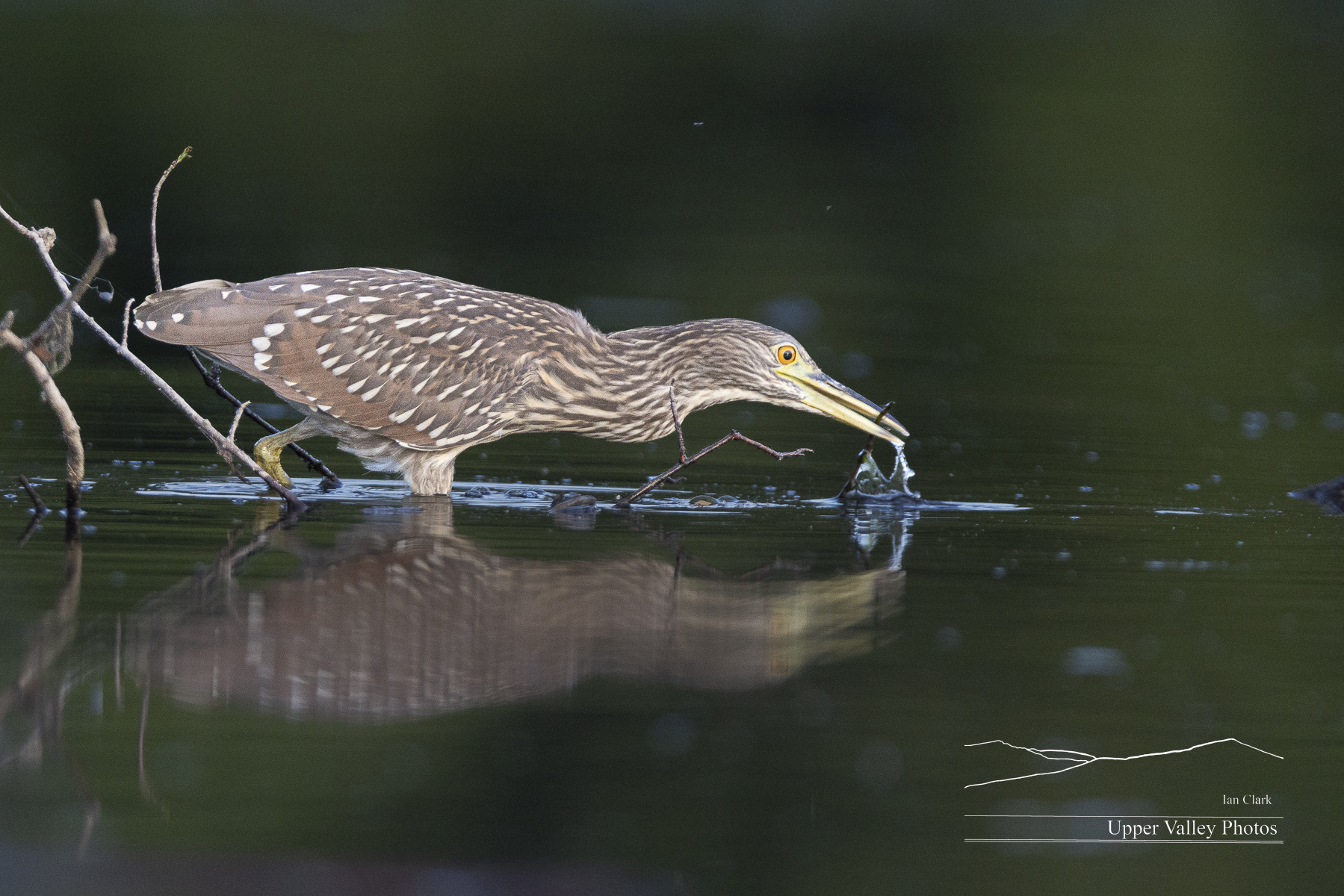
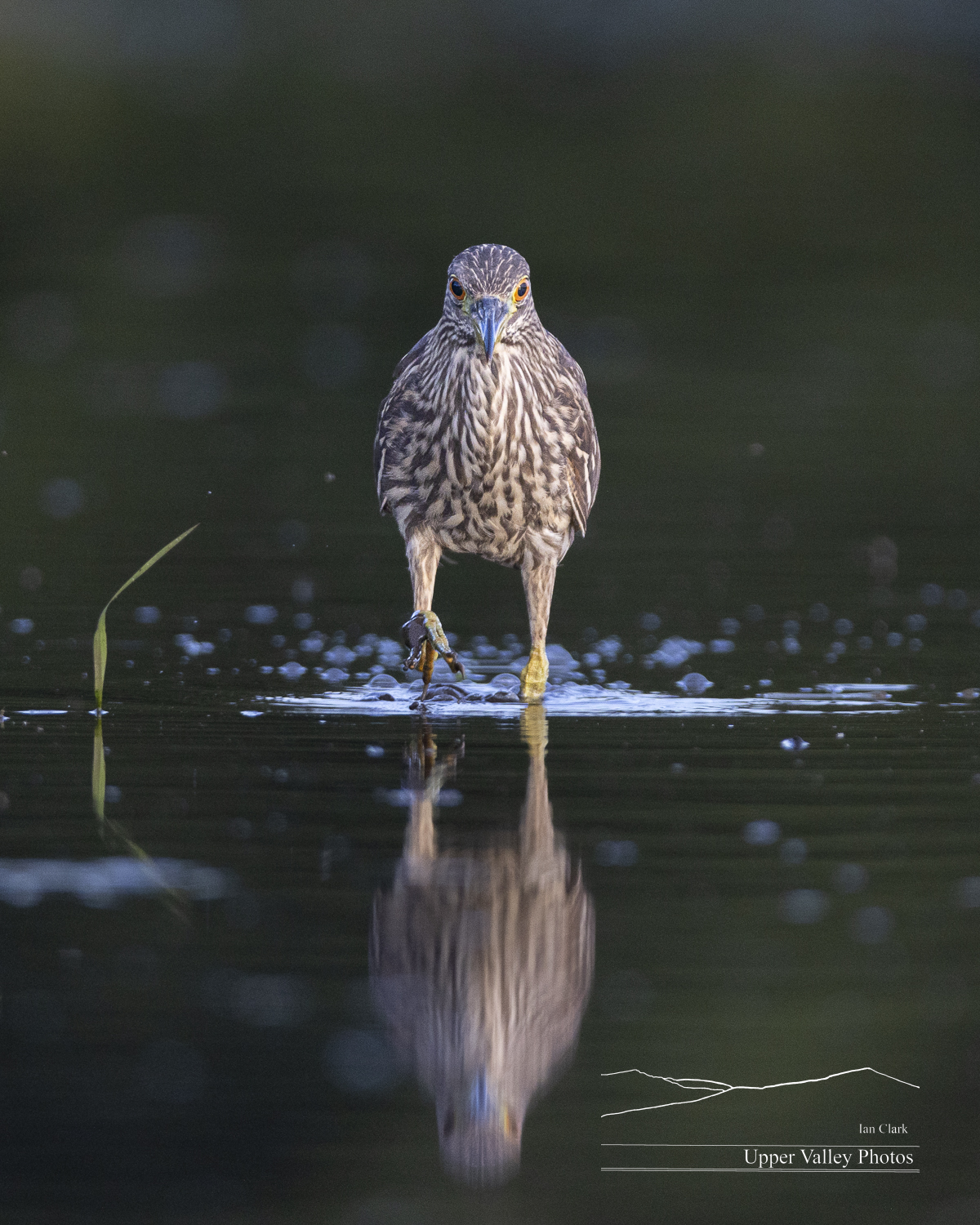
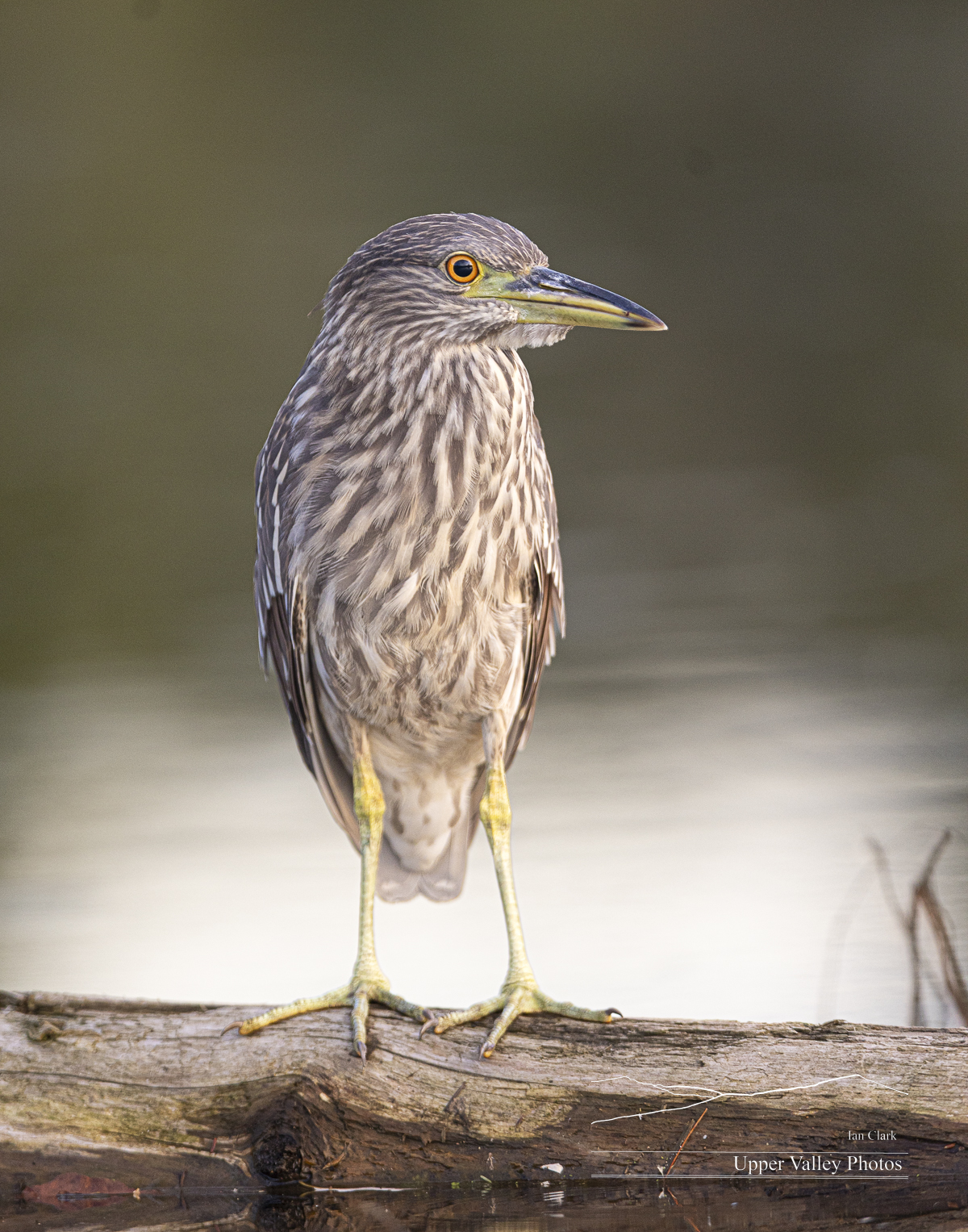
The sun was dipping below the hills to the west; I’d fed the mosquitoes their fill; it was time to head home.
Have a happy Labor Day!
More Easton Kerfuffles, Hank and His Neighbors
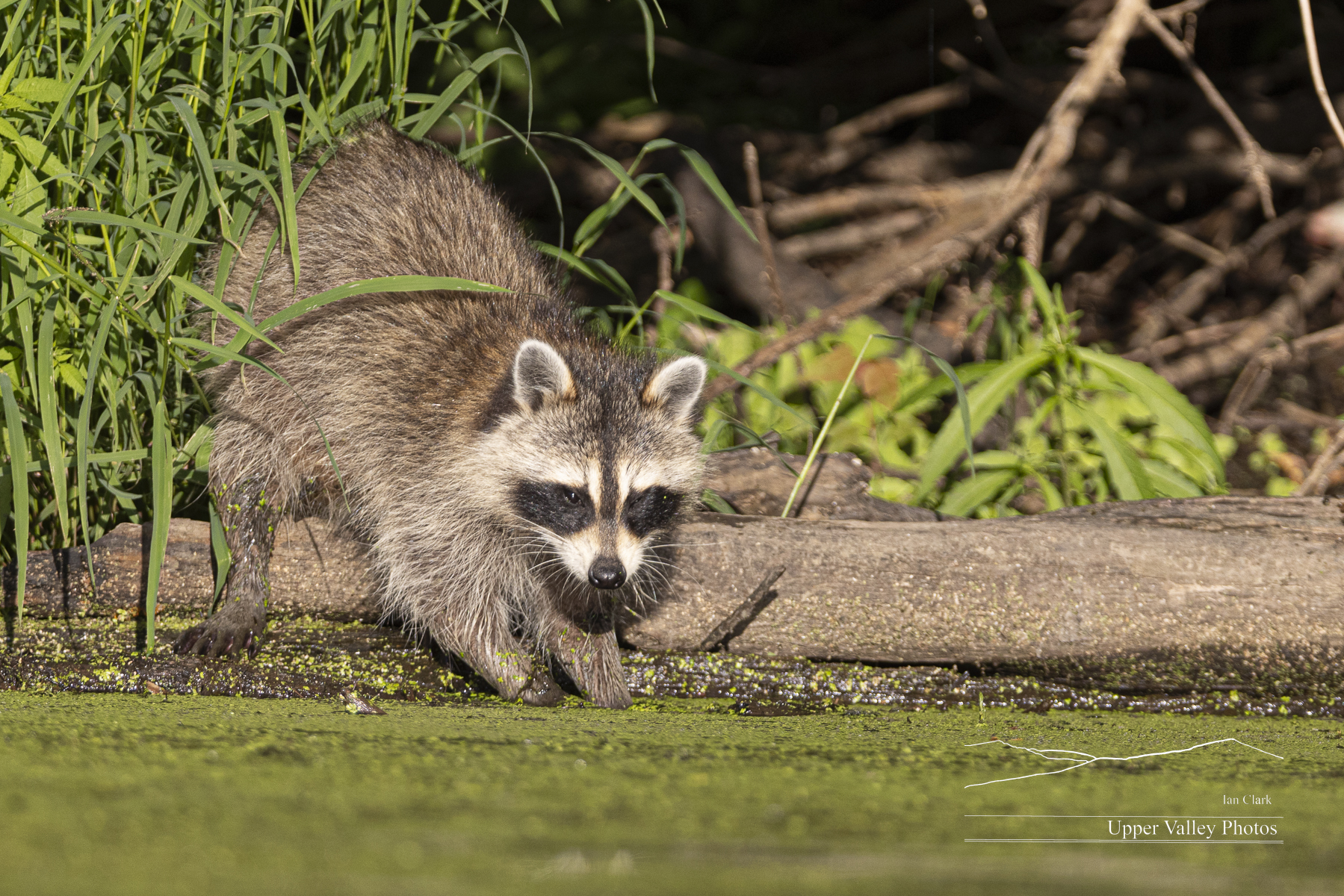
The Eastons have a very productive territory – the loons on the pond have been very successful at fledging chicks. Other loons in the area have taken note. And want to take the territory over. Mrs. E has been fighting off an intruder that has repeatedly come in to try to force her off the pond. My previous visit found a male intruder also interested in the territory. I made it up to check on them last Friday. And I’ve made several trips to the Waits River to see what Hank Heron, et al, have been up to.
The Vermont Handcrafters have an exhibit opening at Court Street Arts in Haverhill, NH on Friday, August 28. The reception is from 5 to 8 pm at Court Street Arts (Alumni Hall). We’re getting ready for our Open Studio Tour over Columbus Day Weekend, October 10 & 11, 2026. I’ll have a couple pieces at Court Street Arts and will be set up at the Martin Farm right on the Bradford – Fairlee line for the open tour. Sue Martin, who creates beautiful stained glass is kindly letting me have space near her studio. Stop by to check us out.
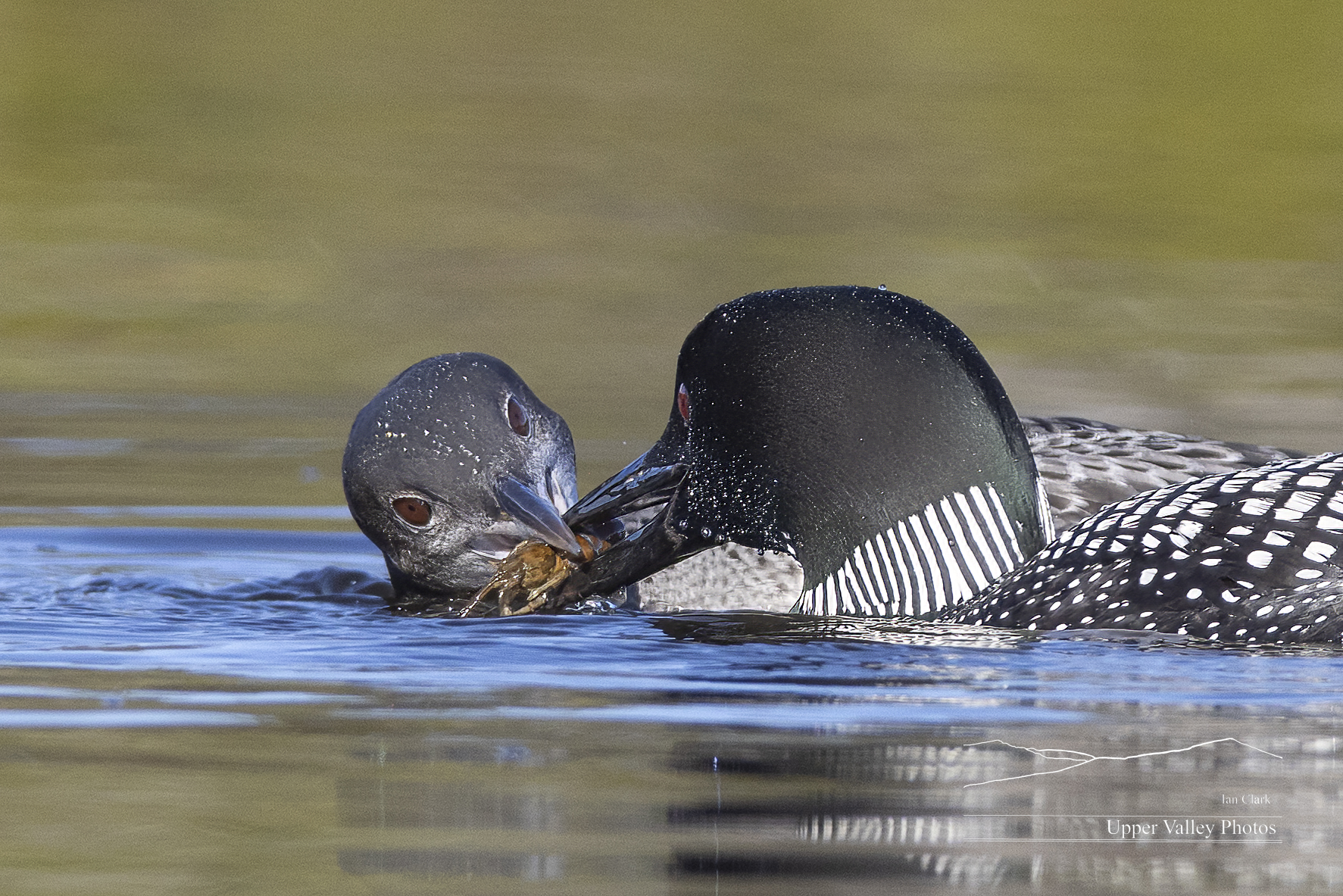
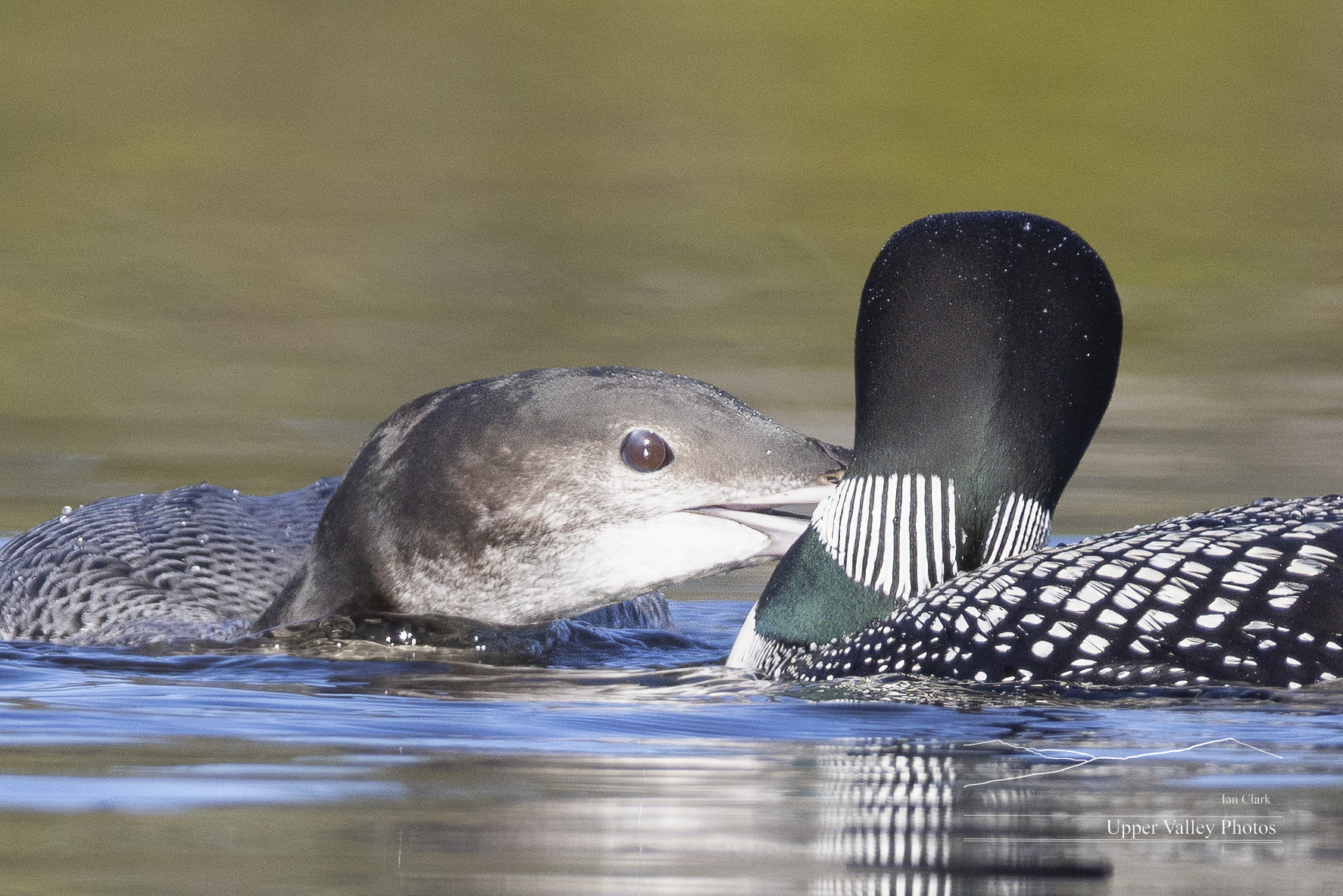
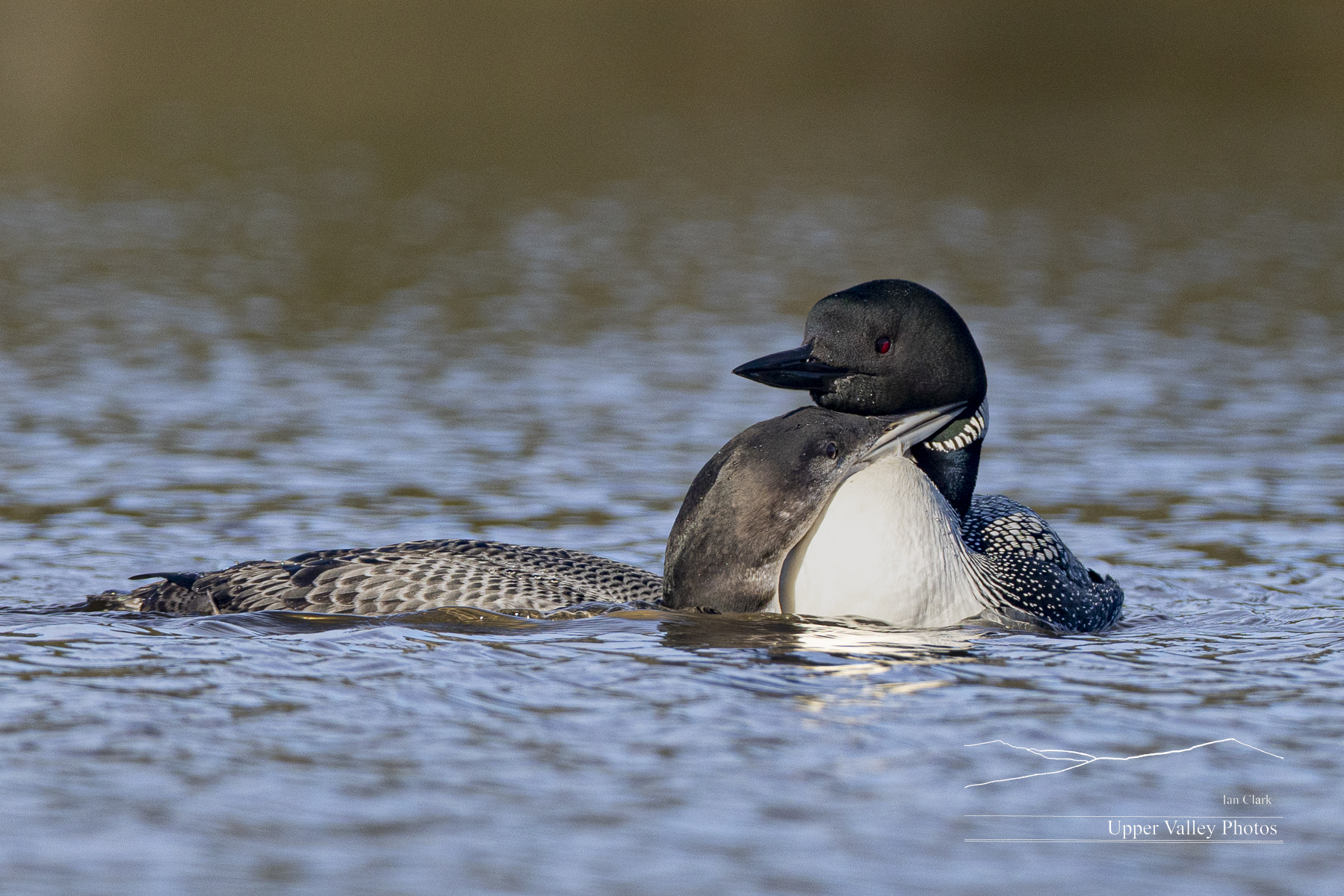
Friday morning was a beautiful, if chilly morning. It was 48° when I put the boat in. I kinda wished I’d thought to bring a sweatshirt. The Eastons were feeding the chicks when I arrived before sunup. After watching a bit, Mr. E alerted to something. He lowered himself in the water and headed out stalking something.
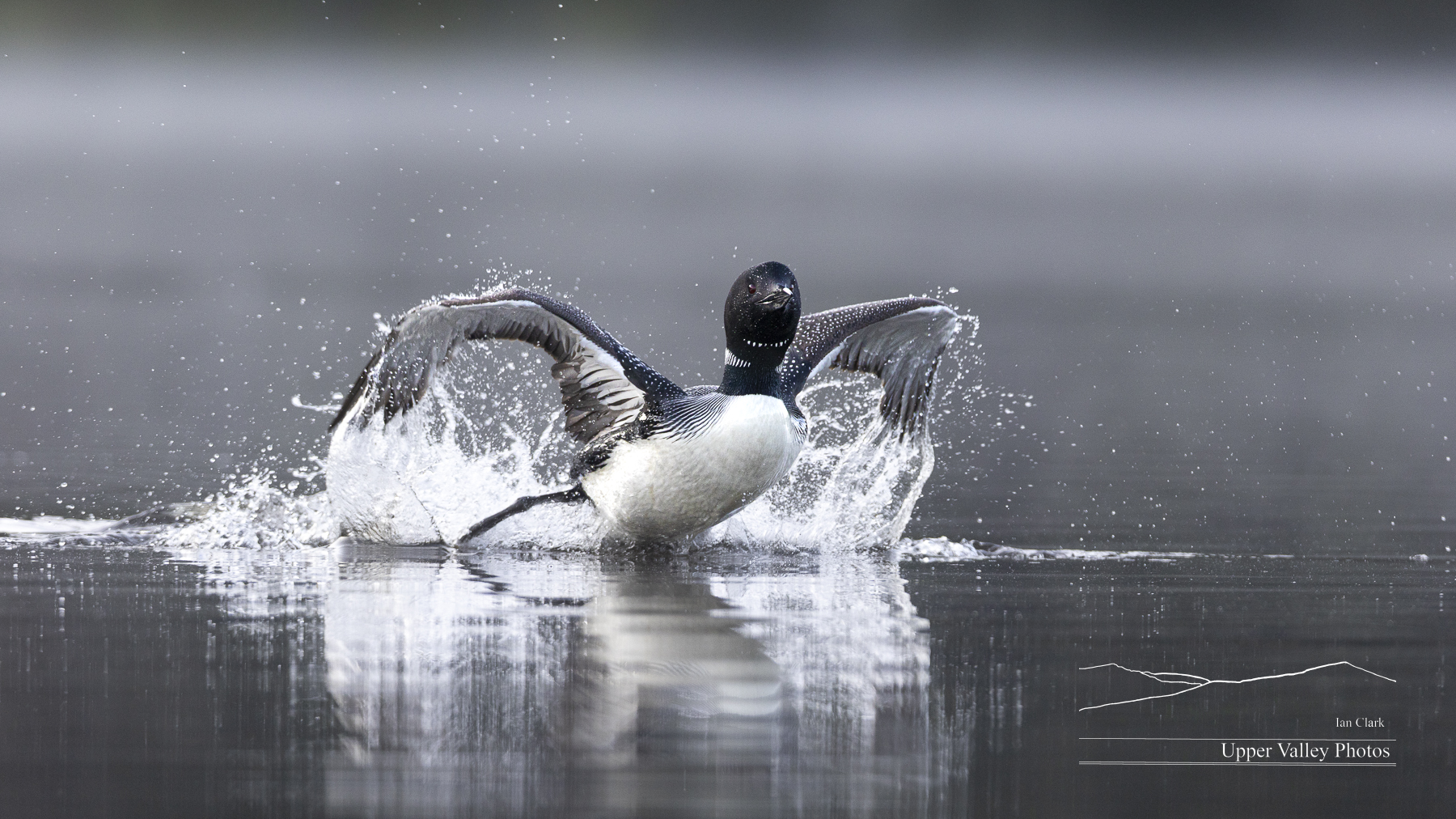
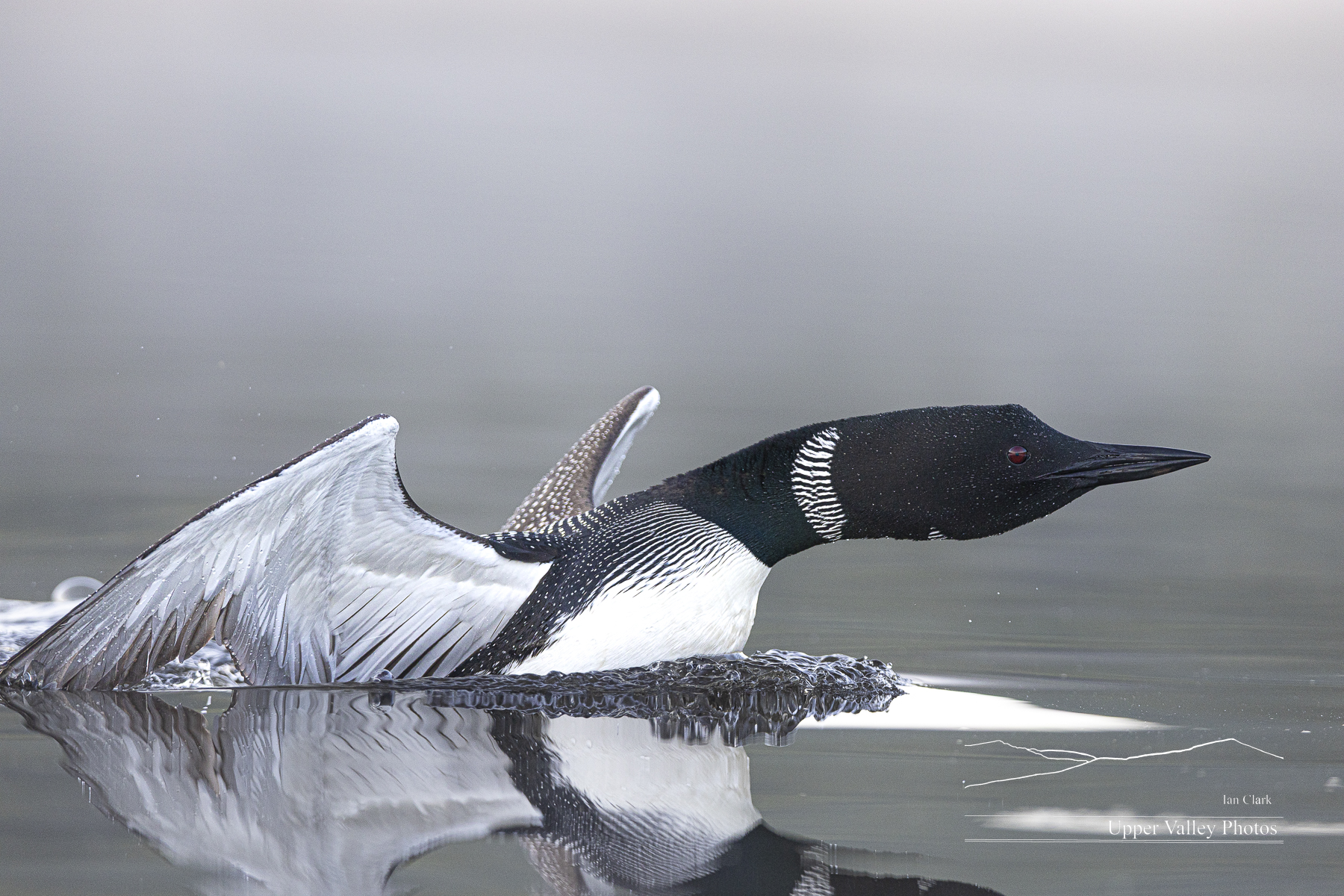
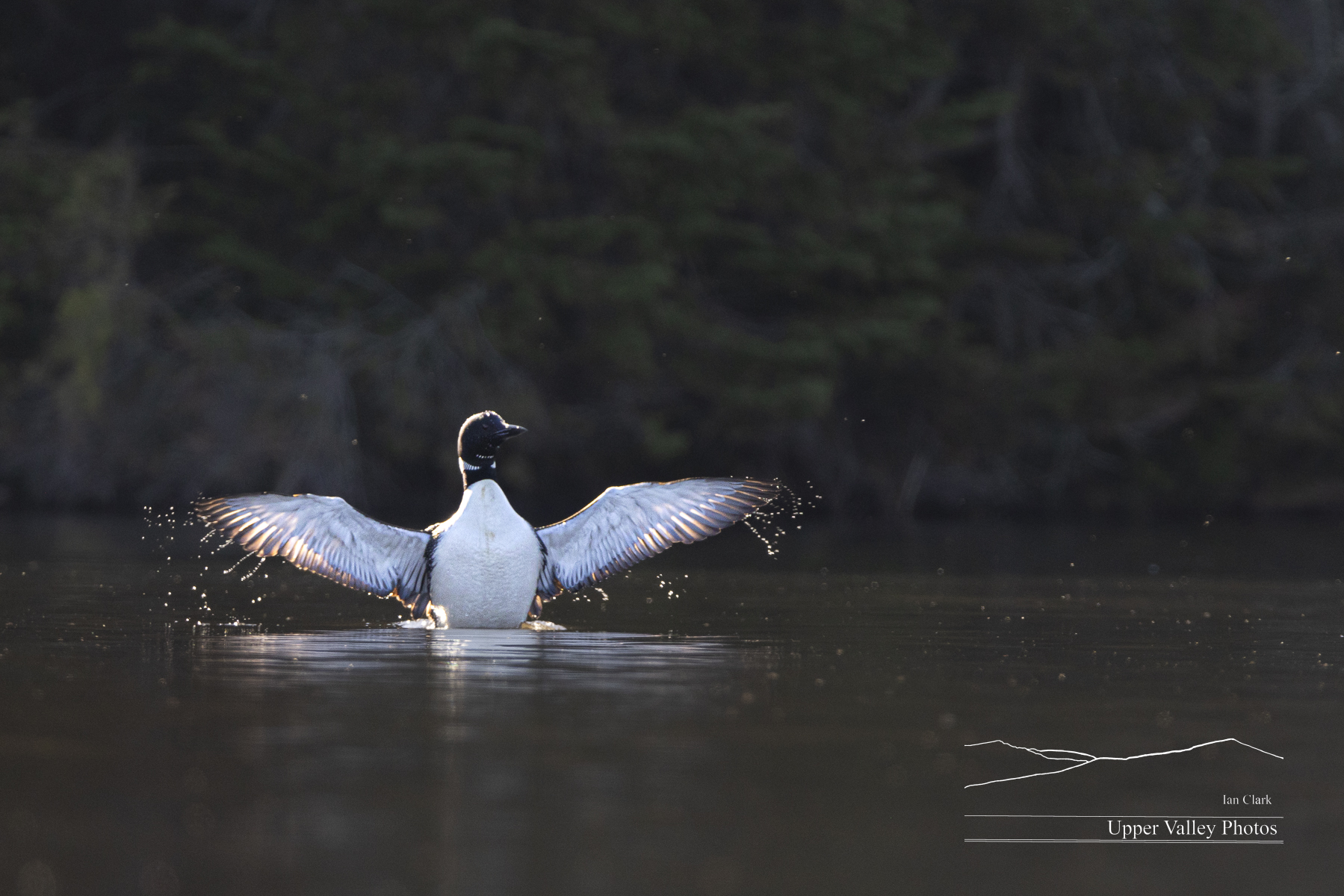
Just as the otters were convinced that they wouldn’t have any peace in the neighborhood, an intruder flew in.
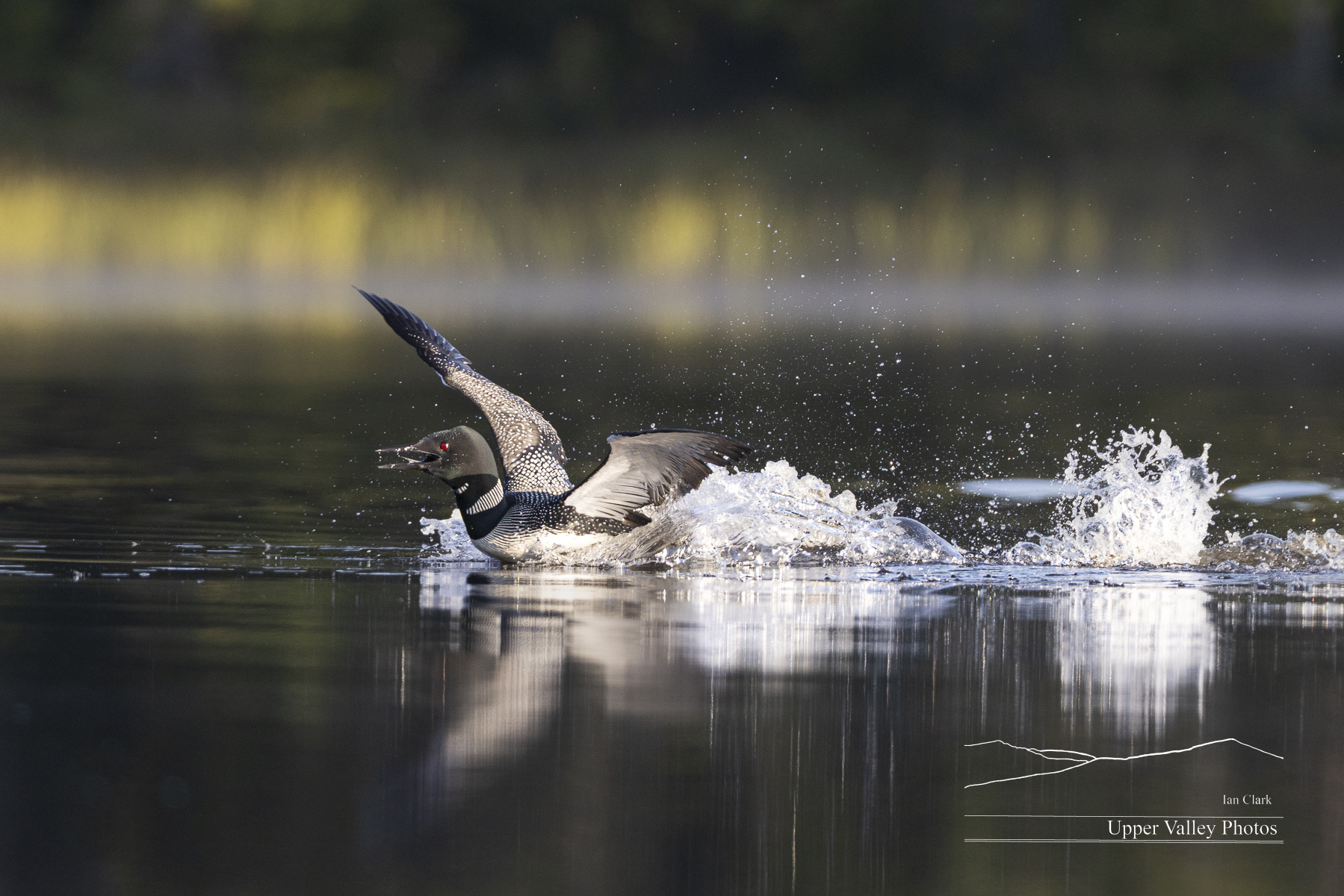
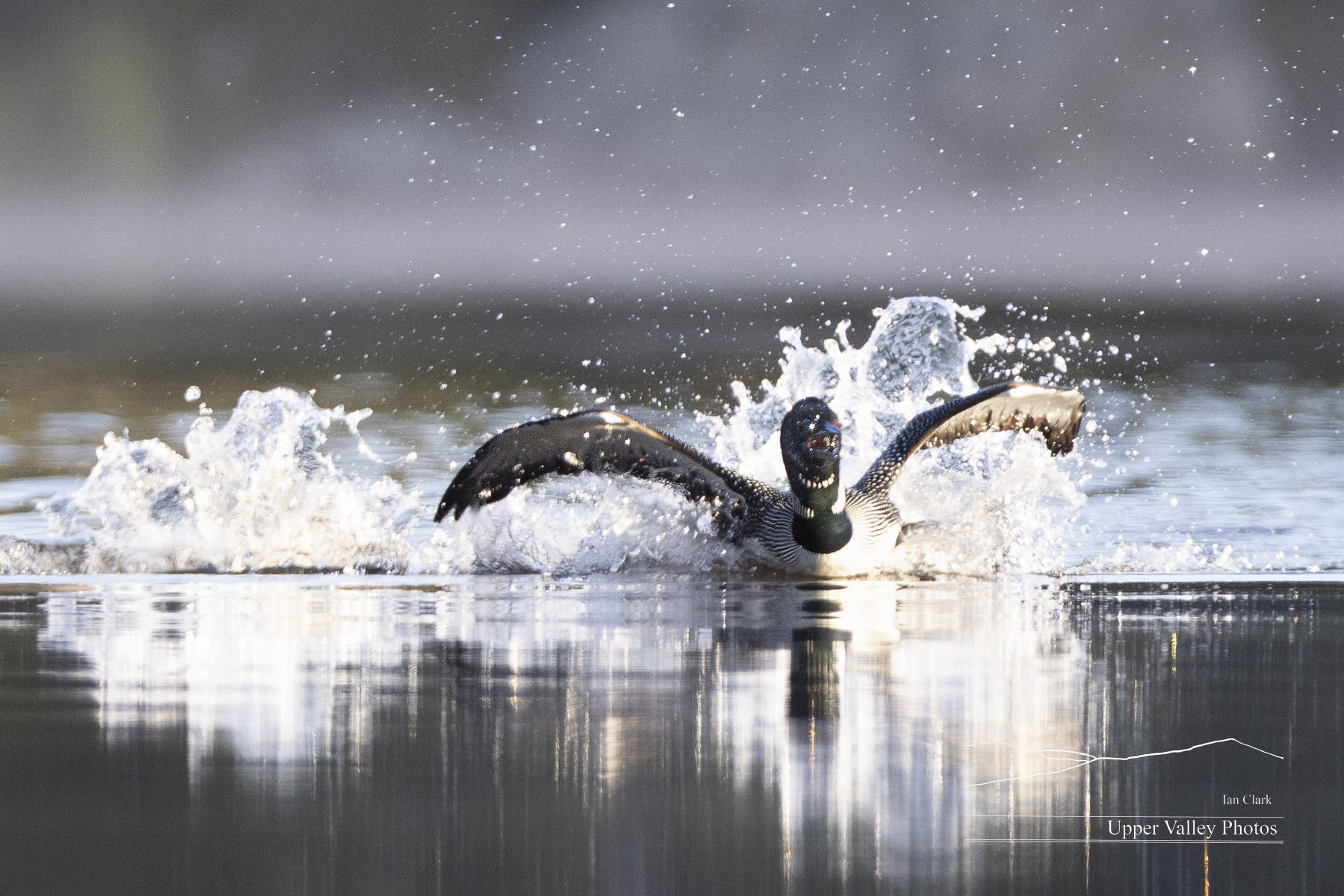
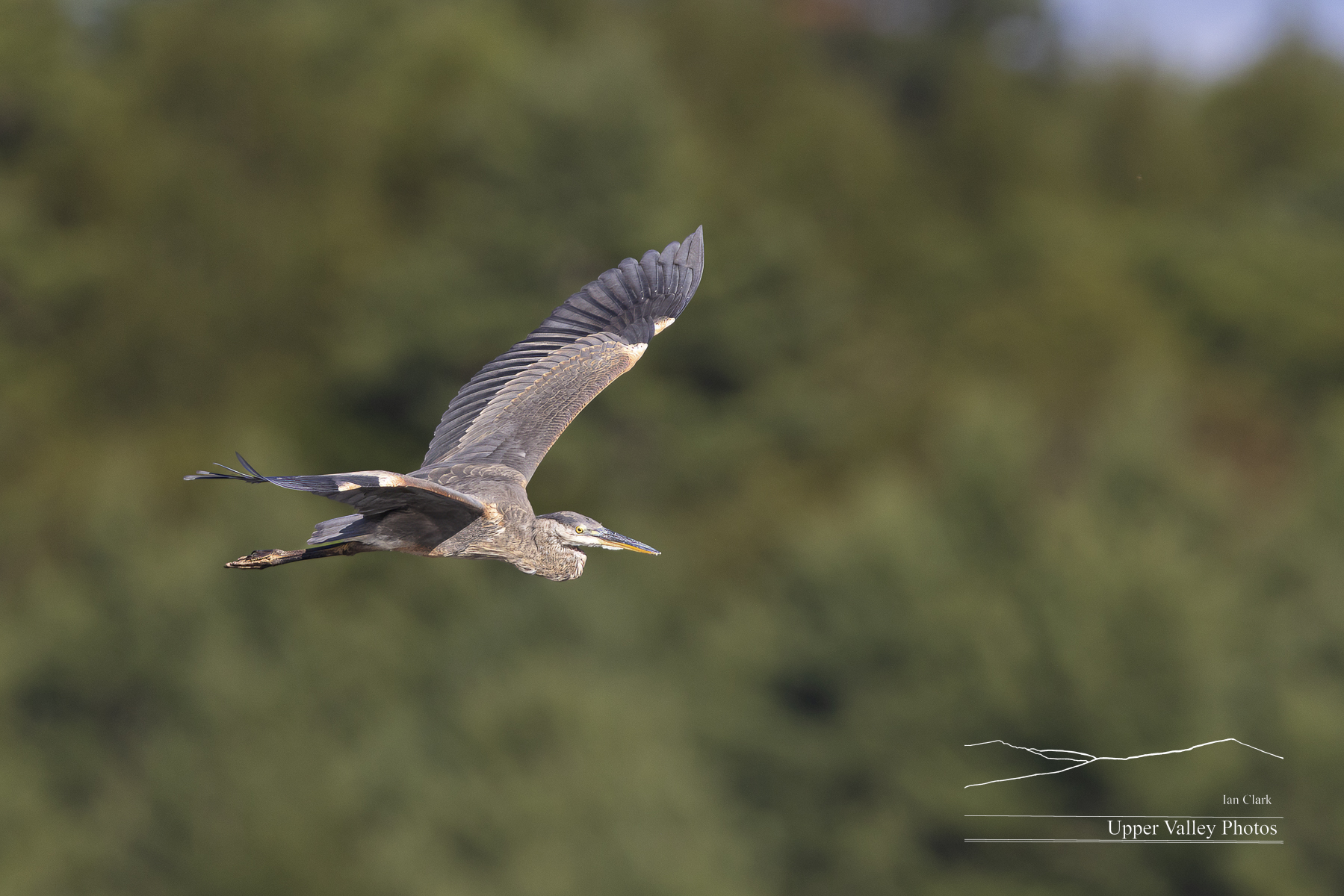
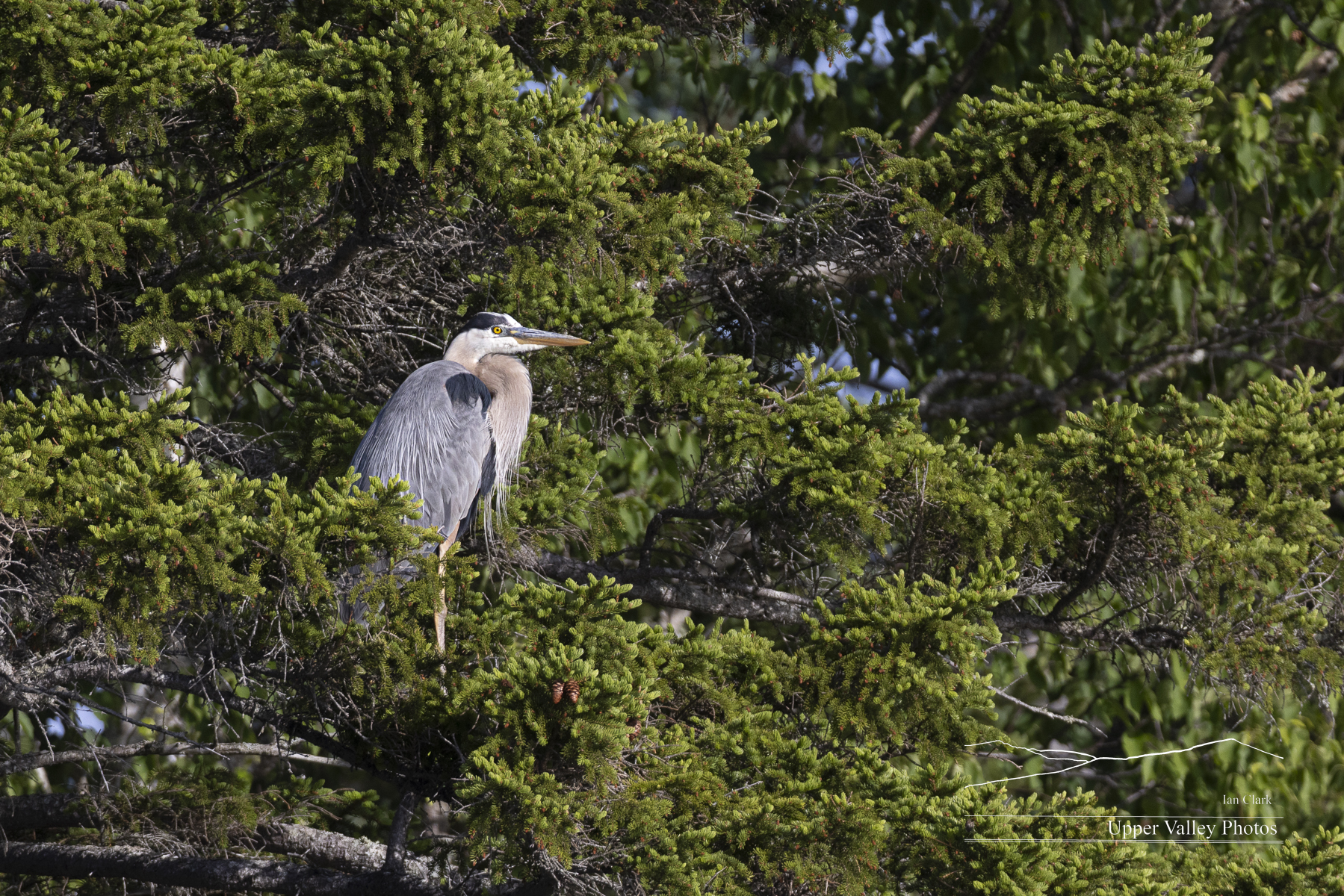
Friday evening, I went down to the Waits to see if I could get the herons without all the fog. I paddled downstream. As soon as I passed under the railroad, there were great blue herons flying everywhere.
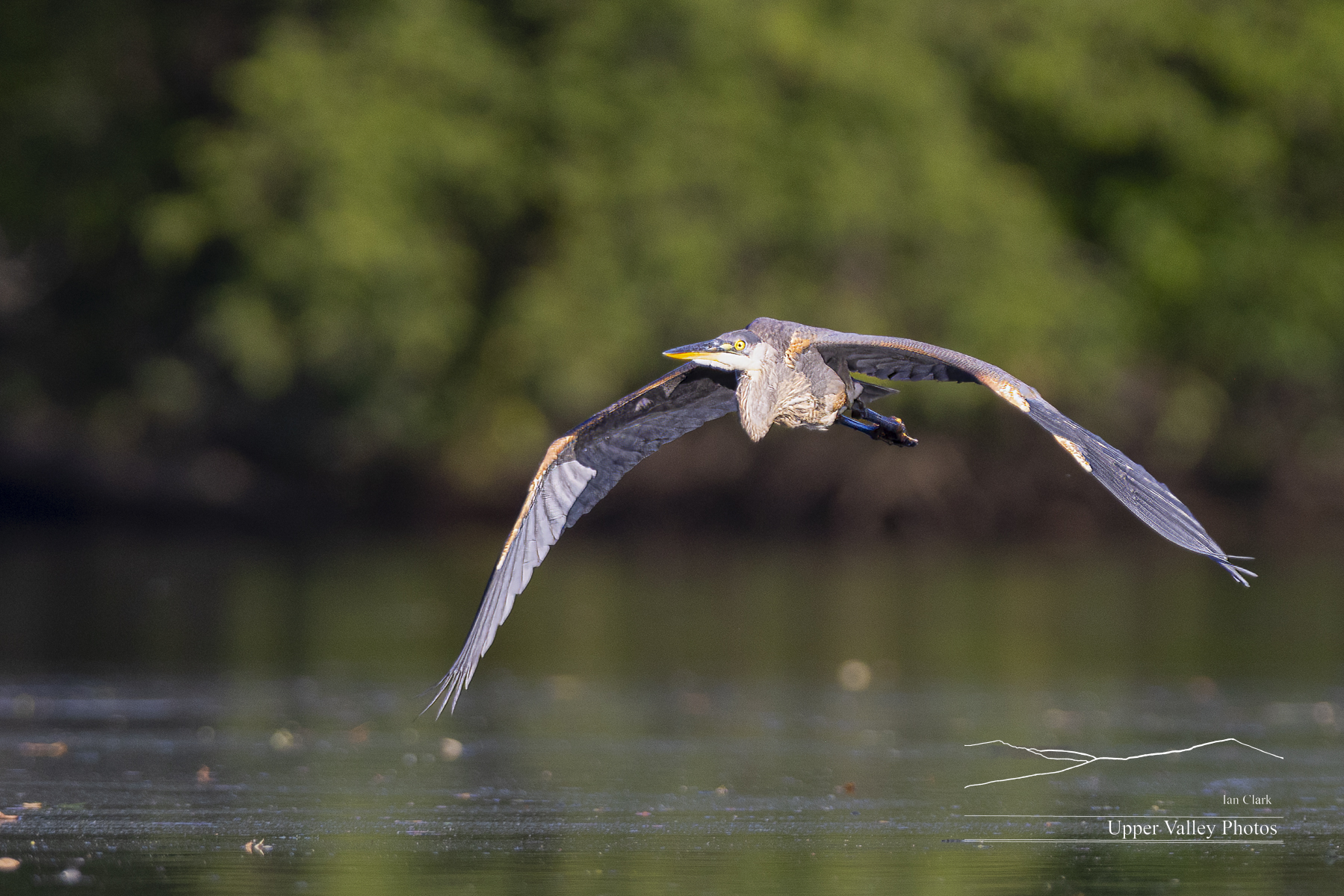
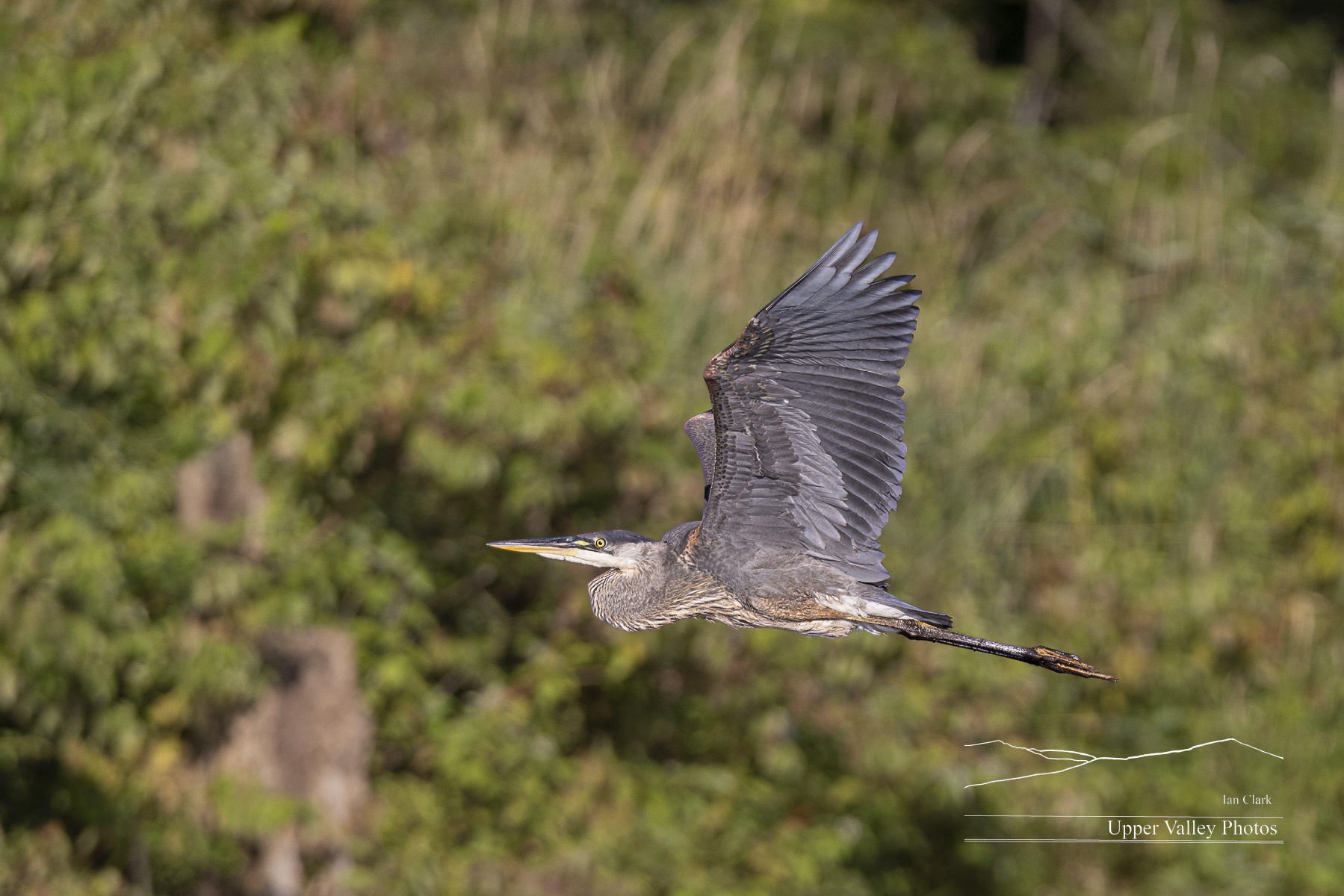
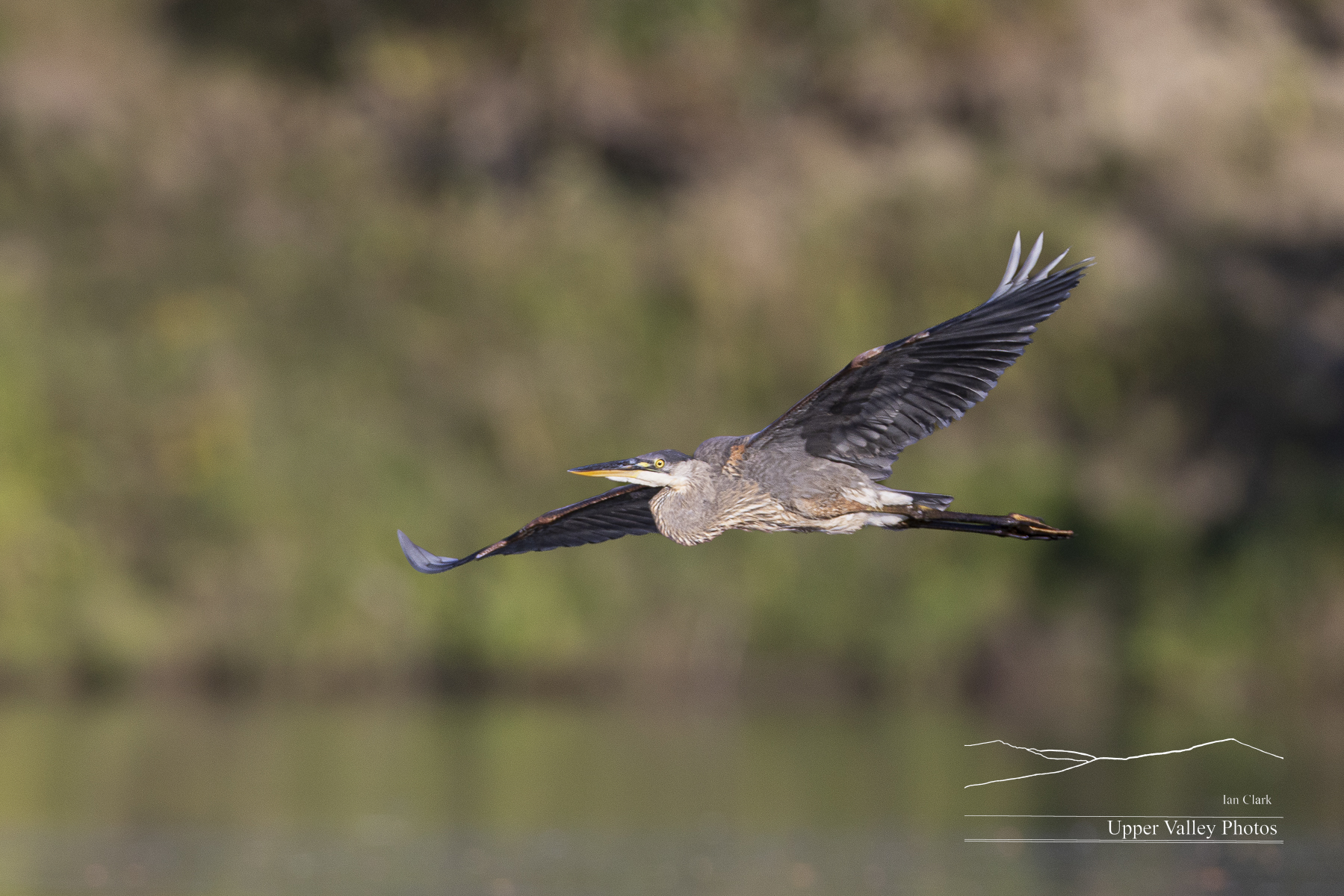
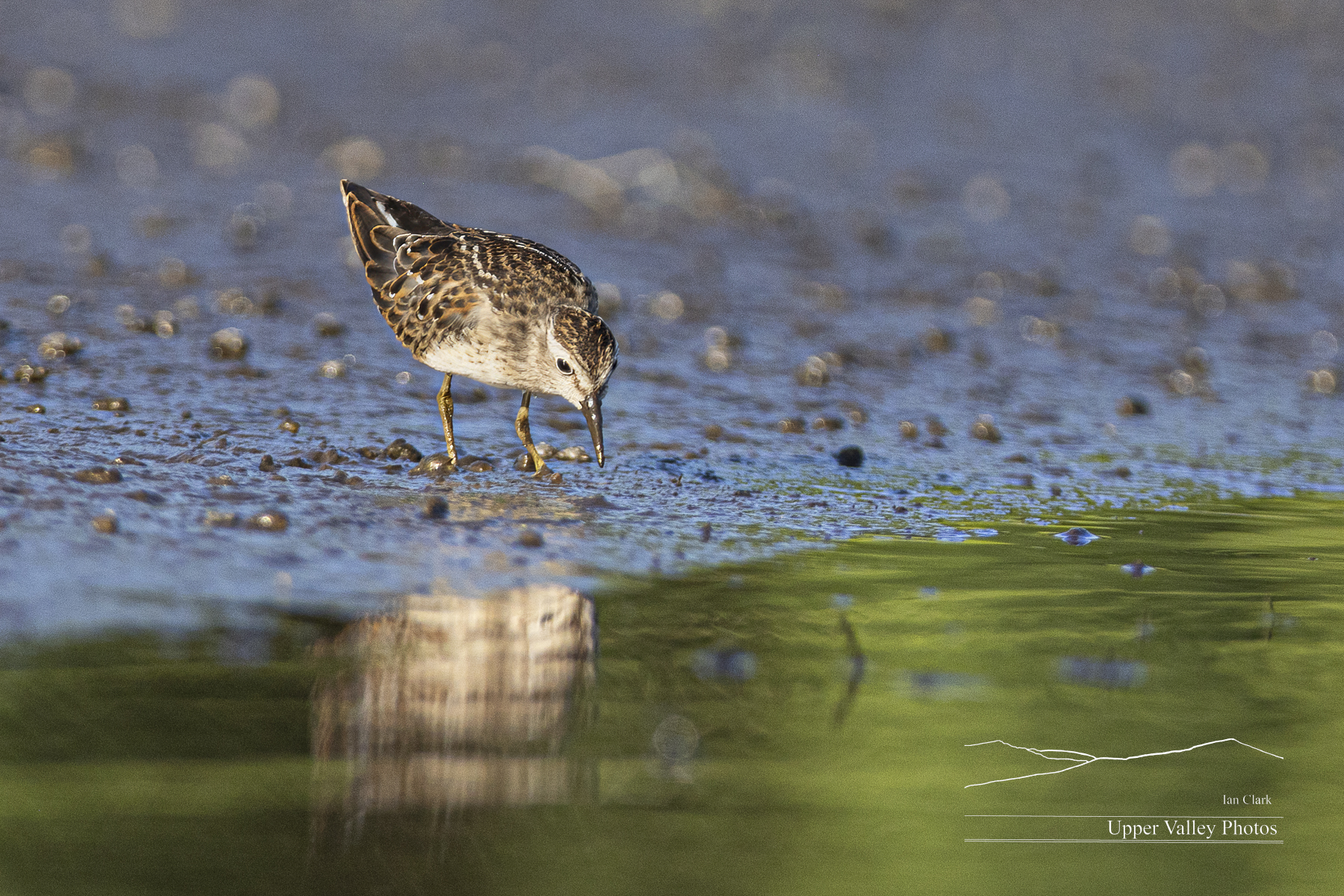
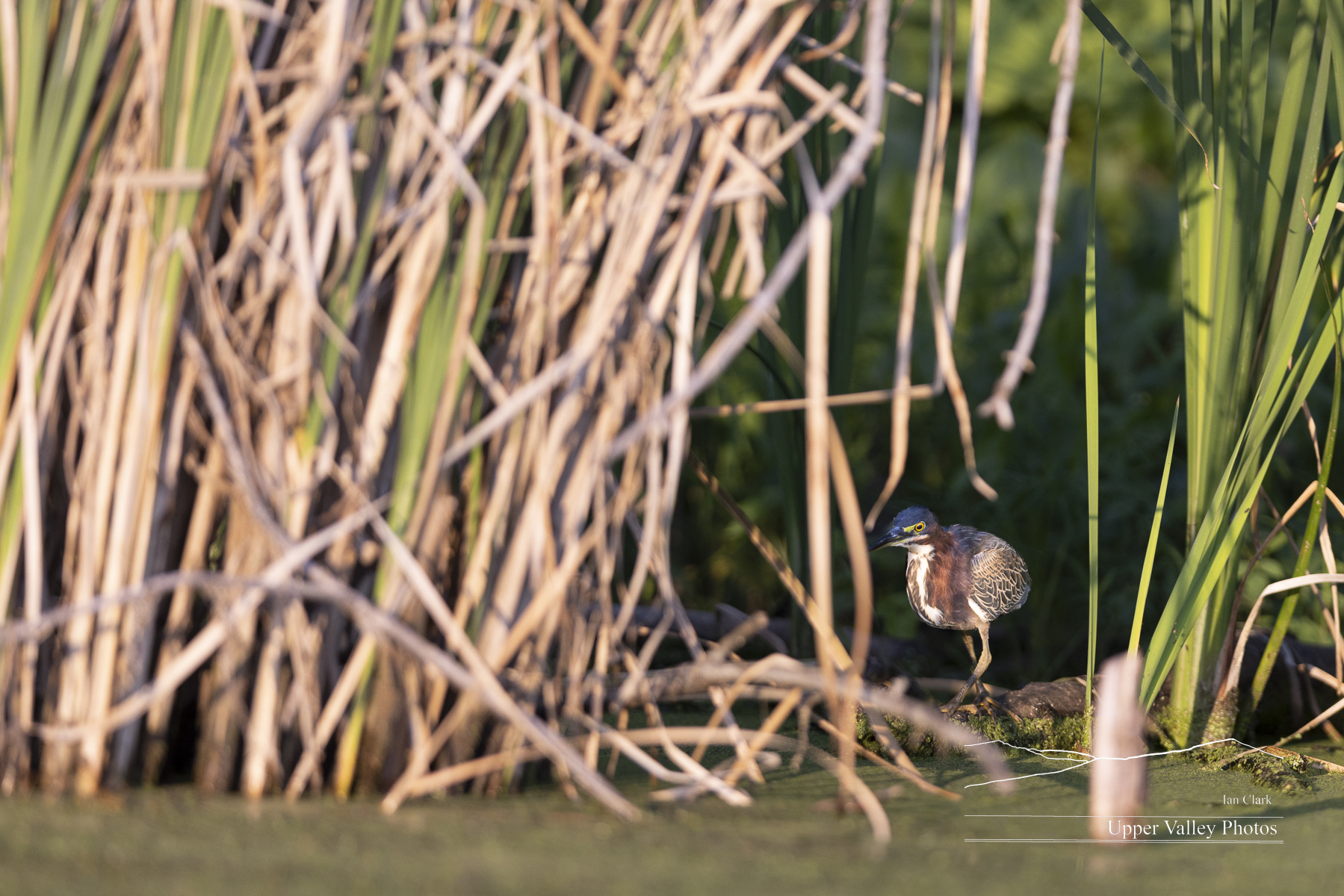
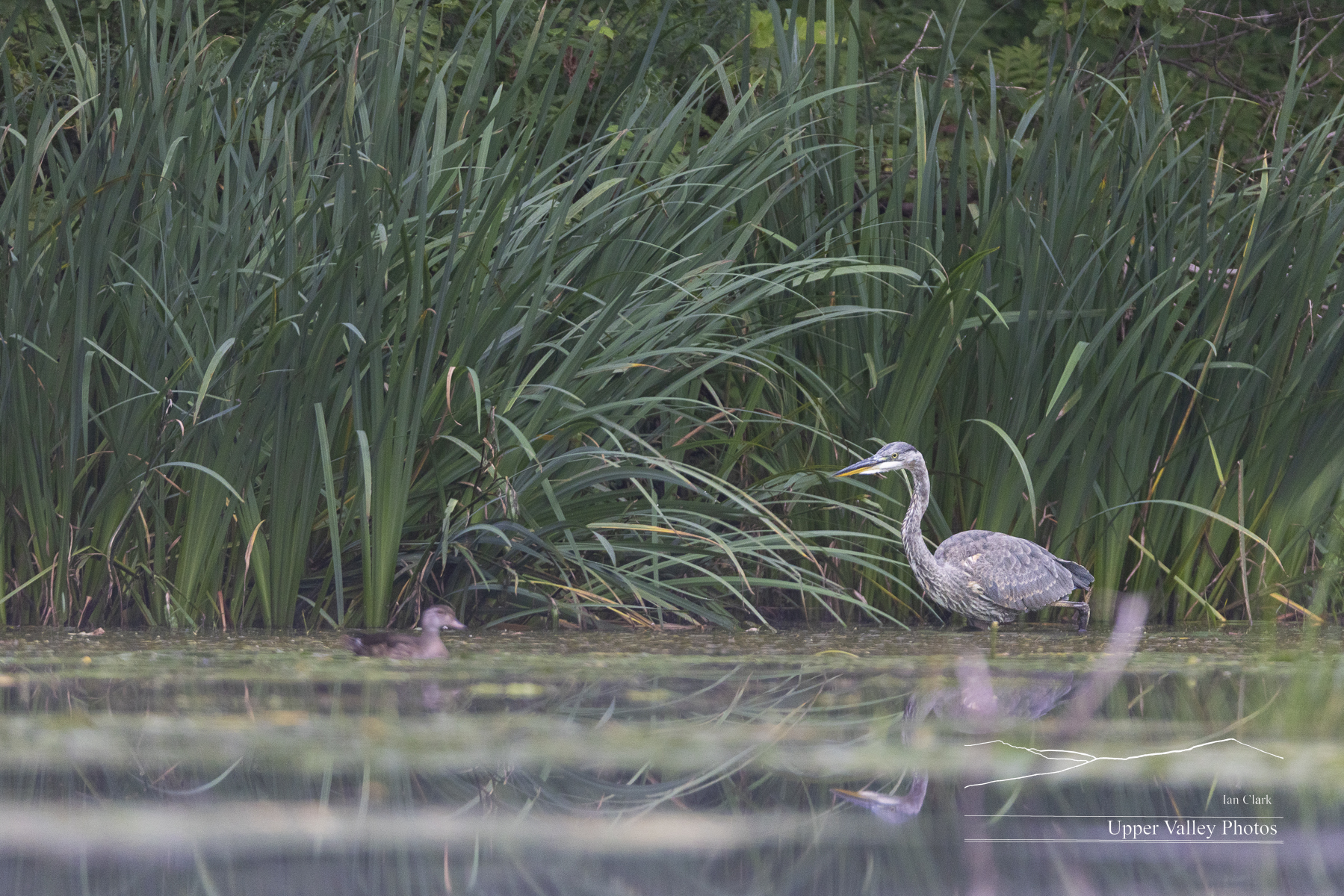
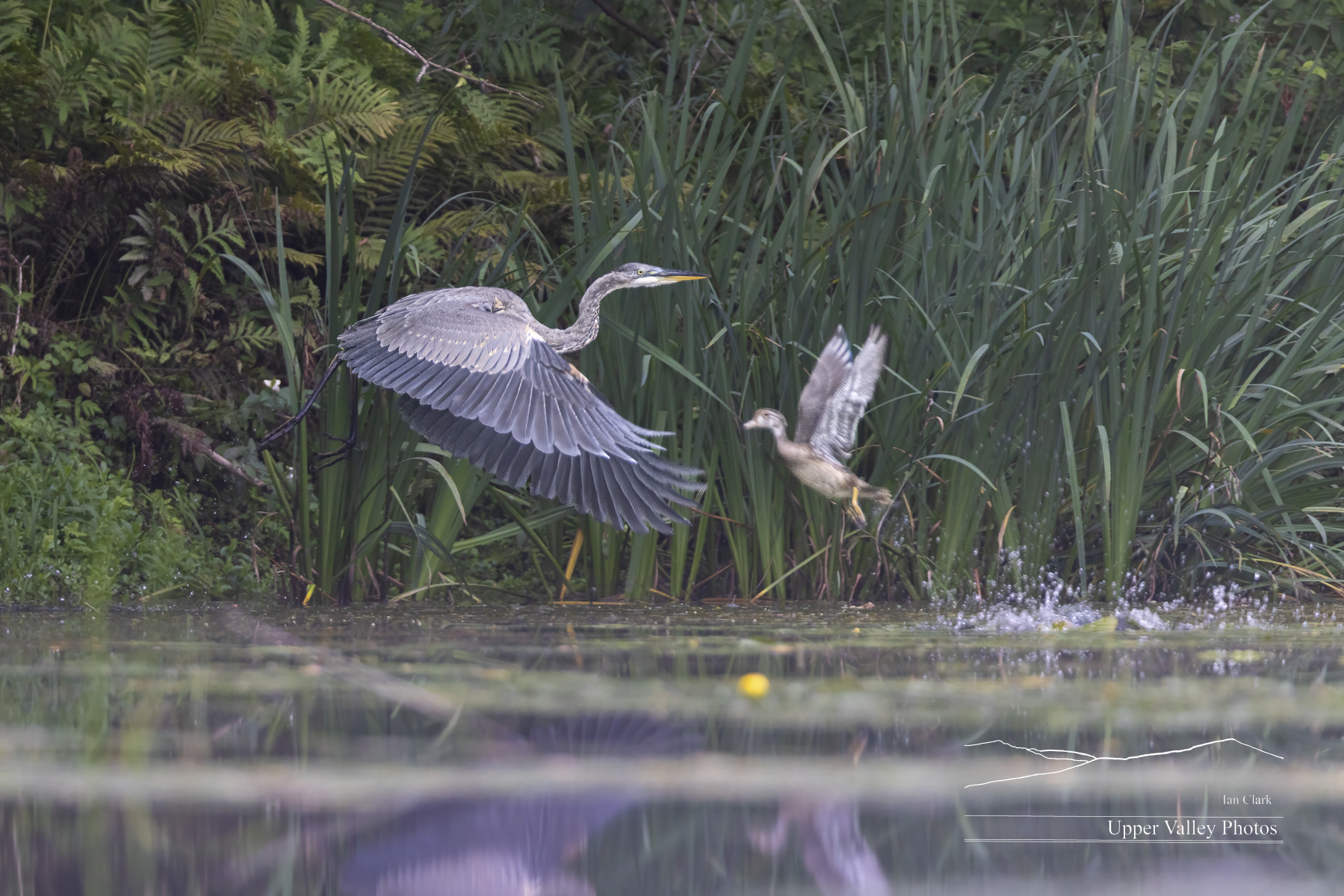
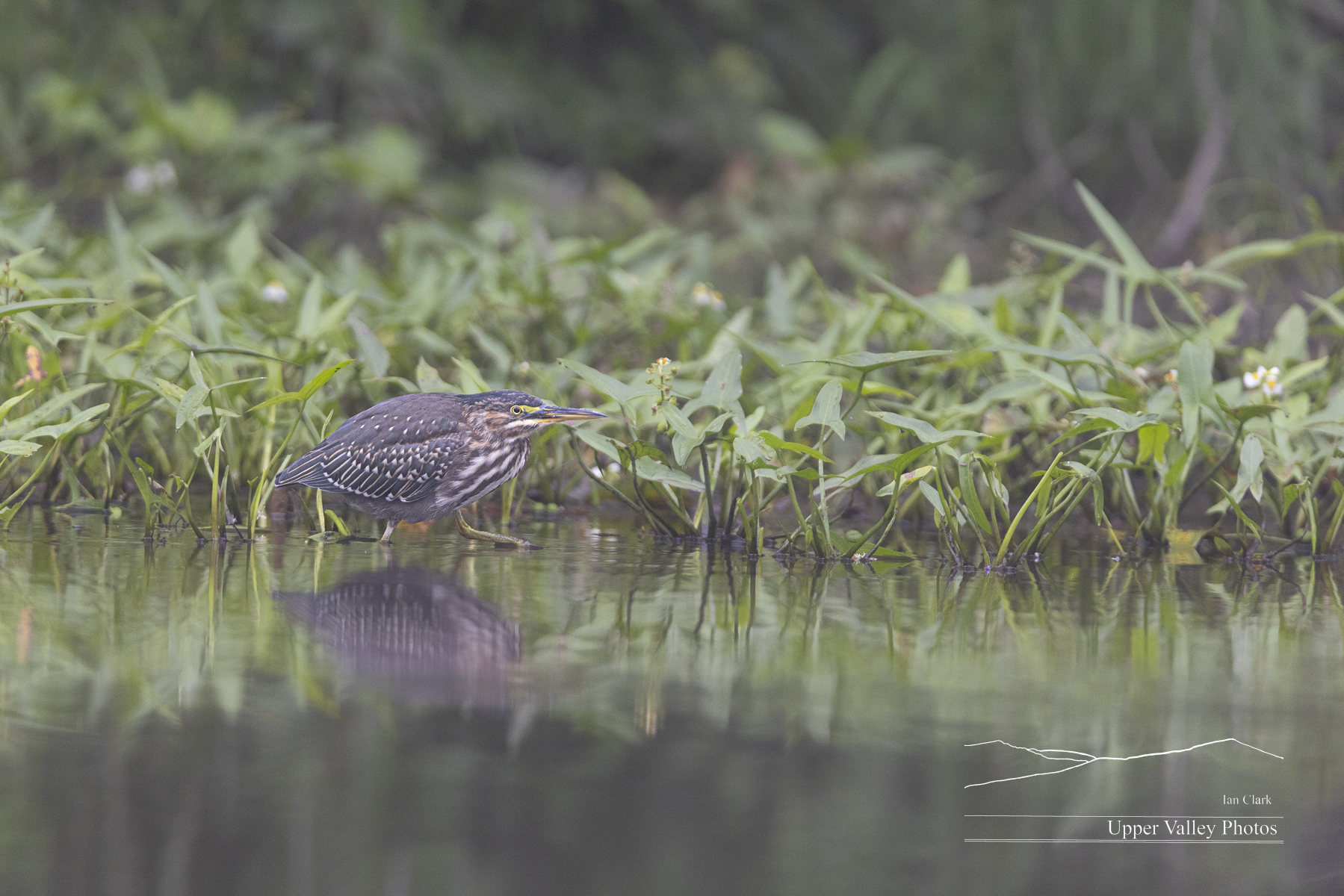
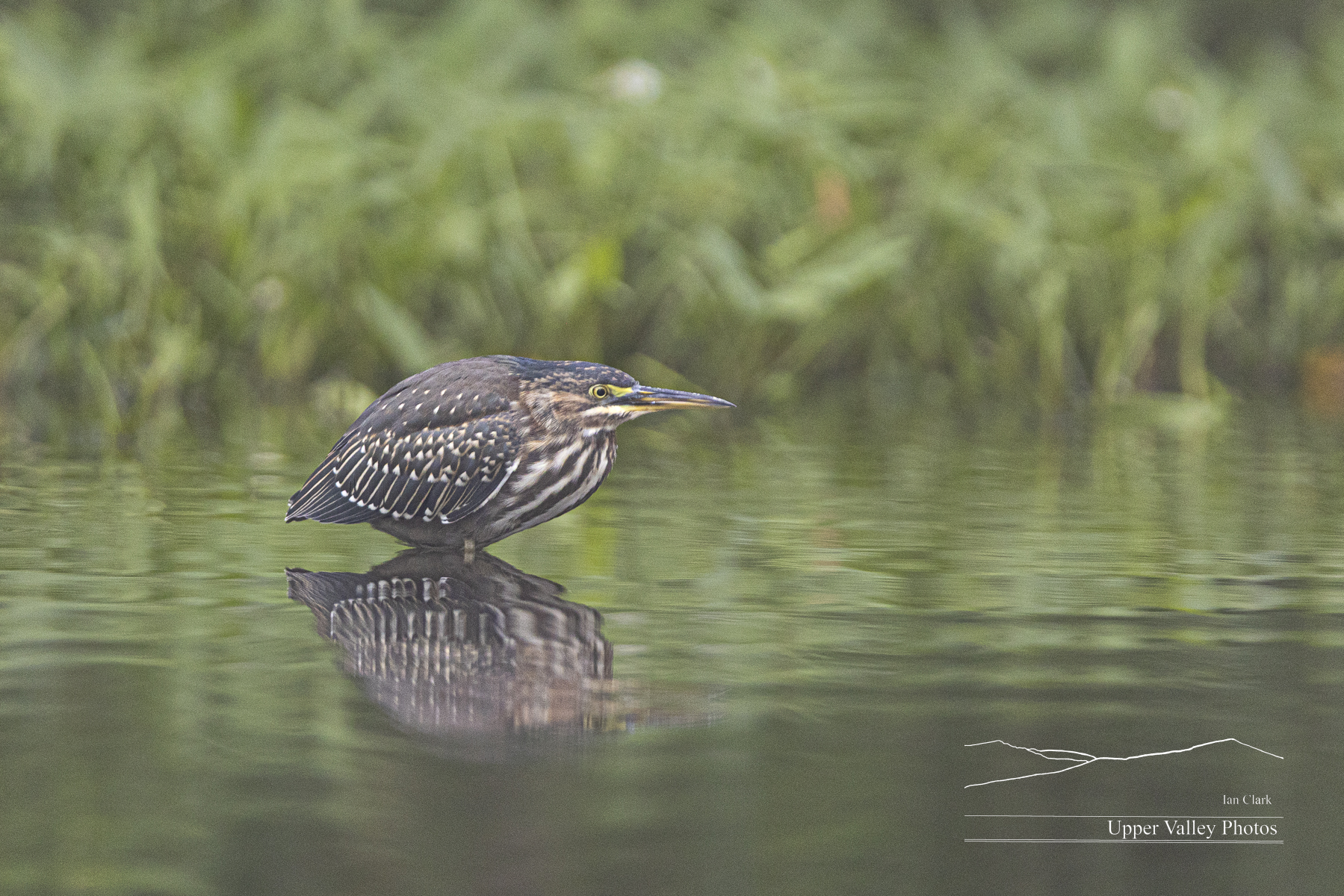
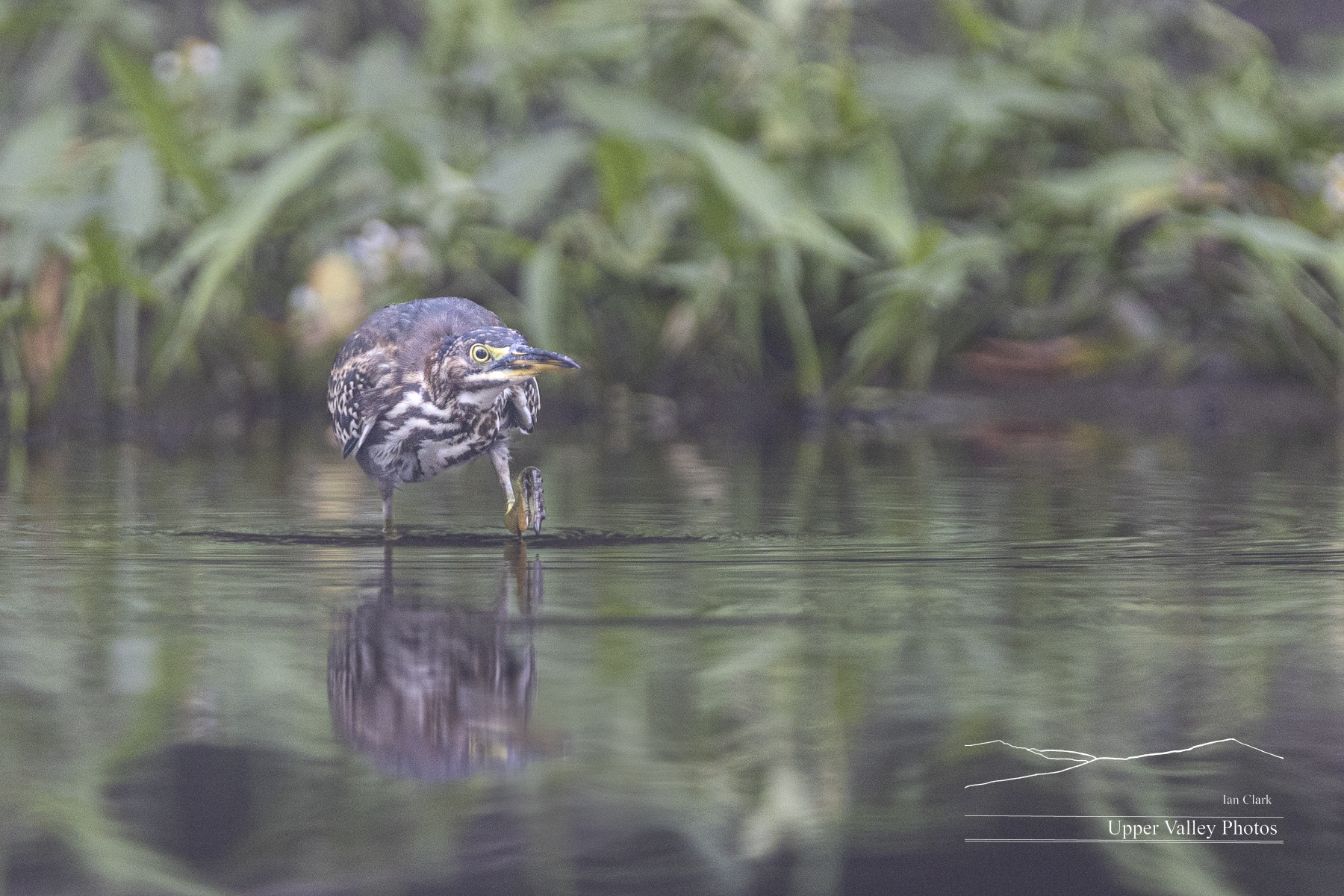
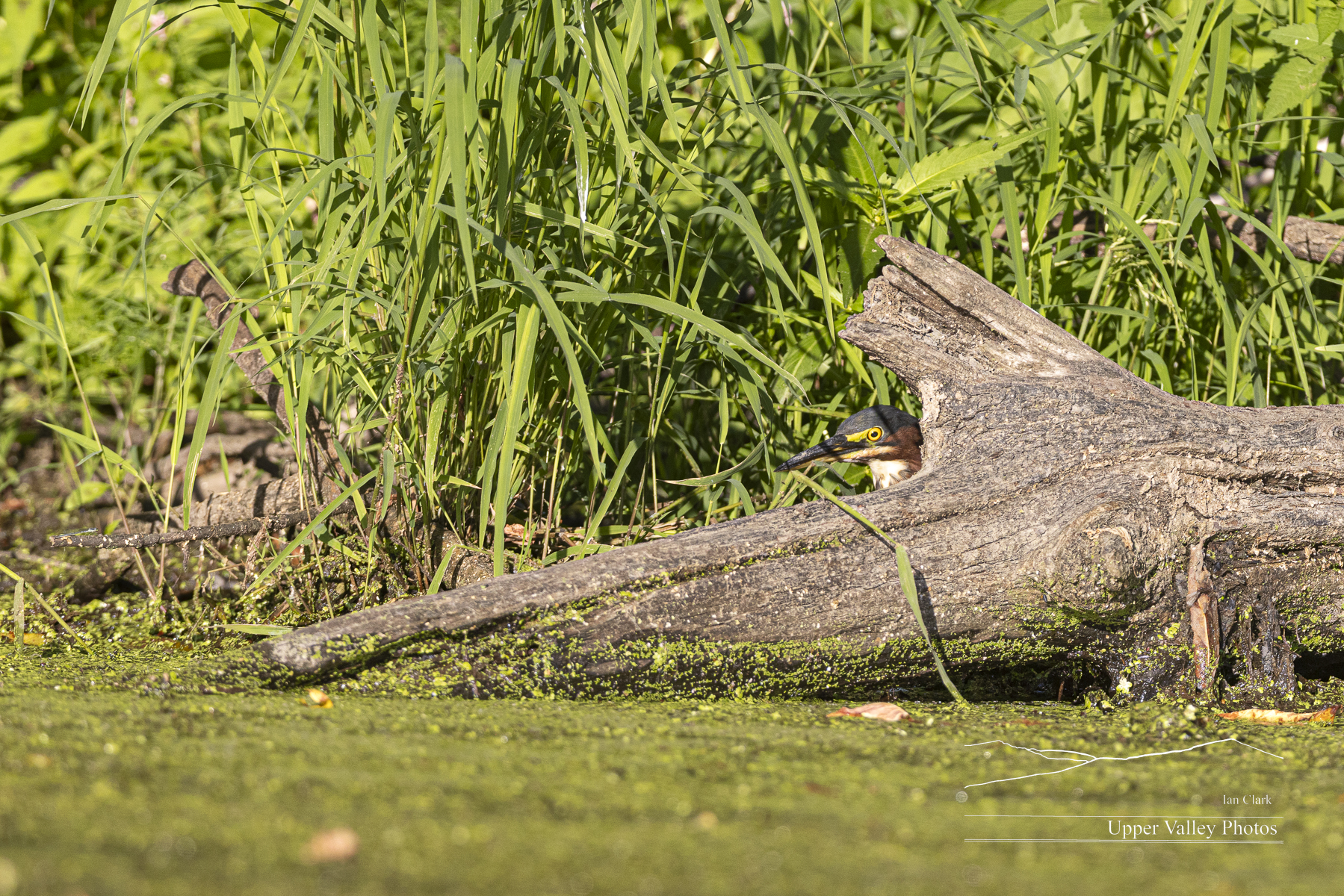
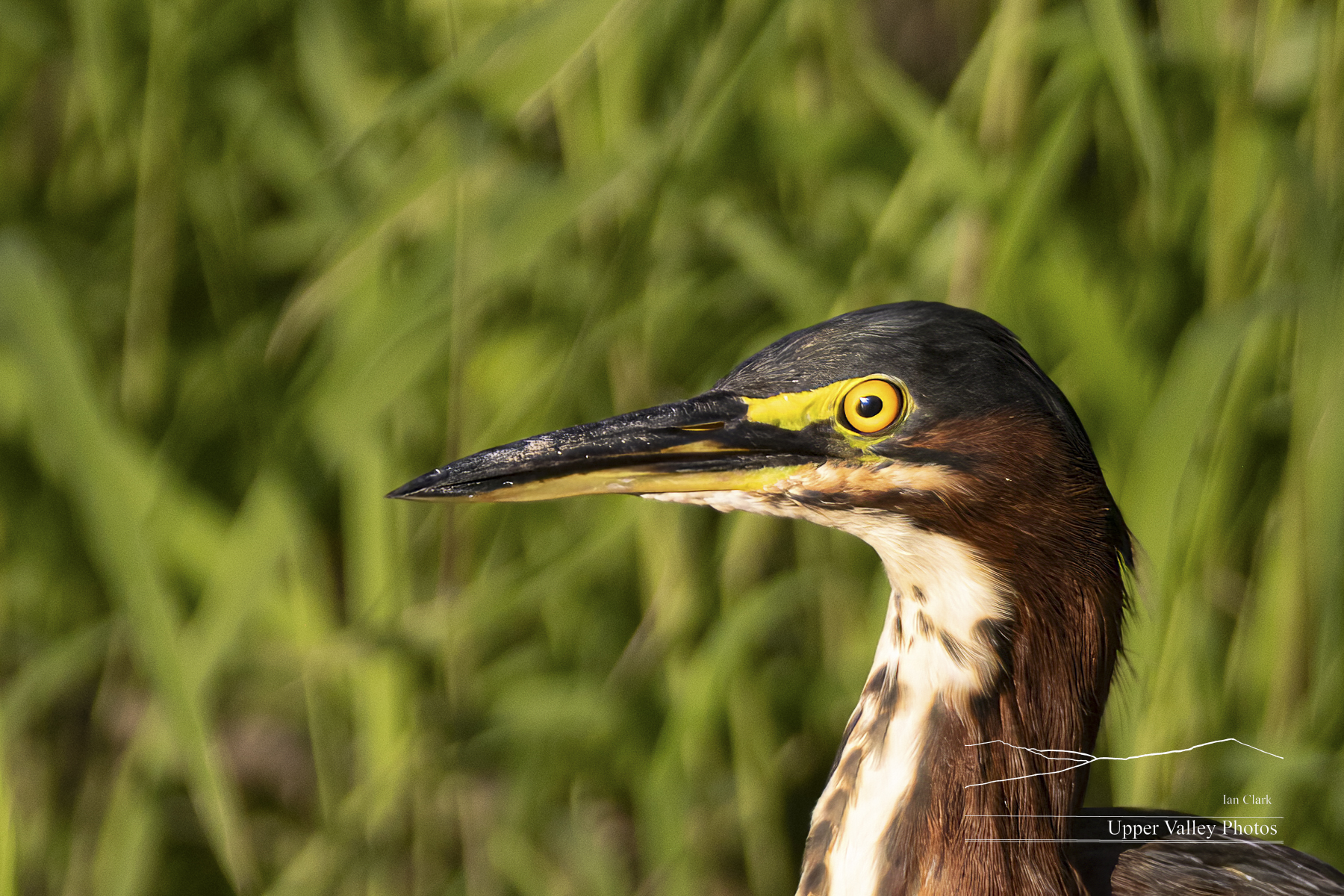
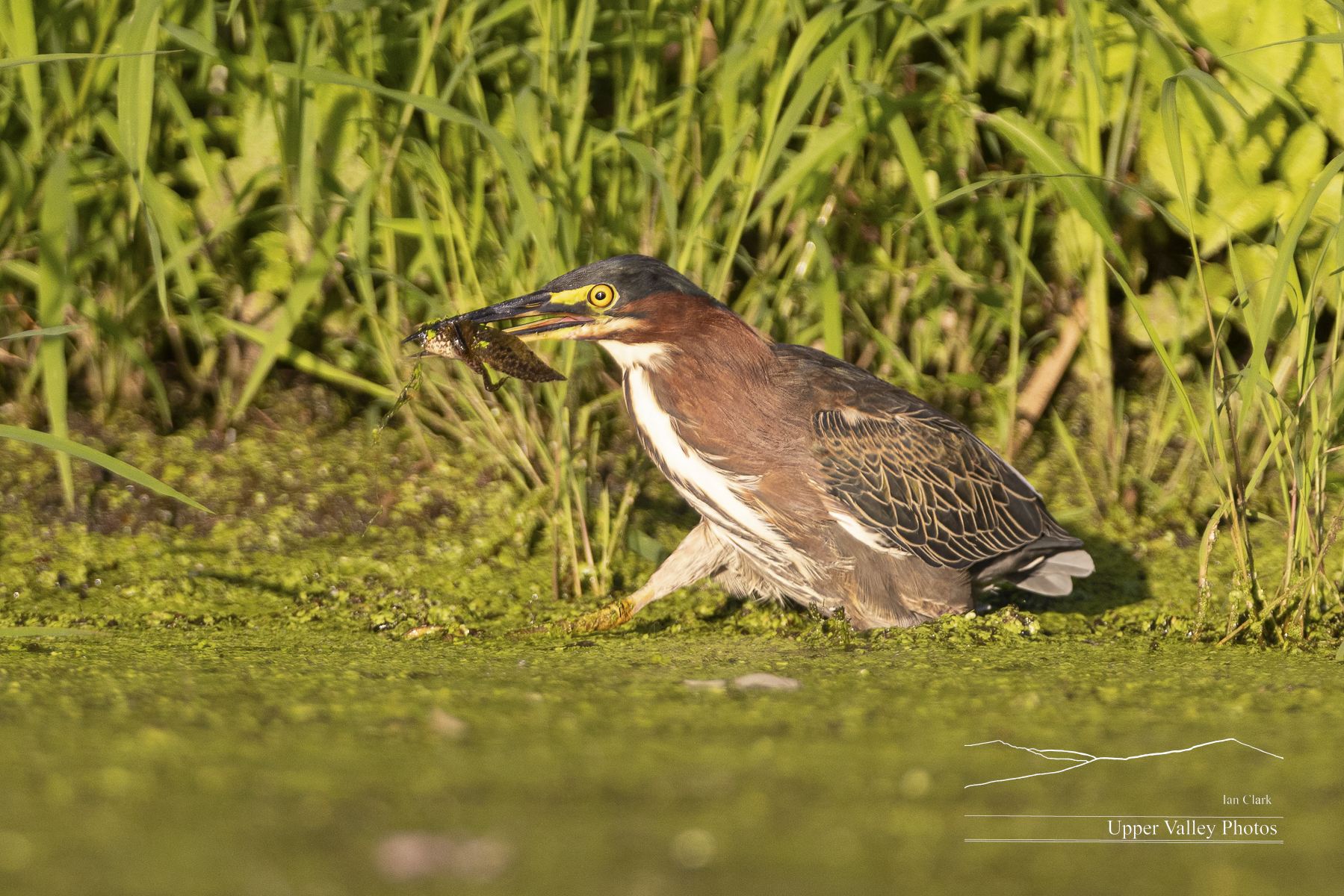
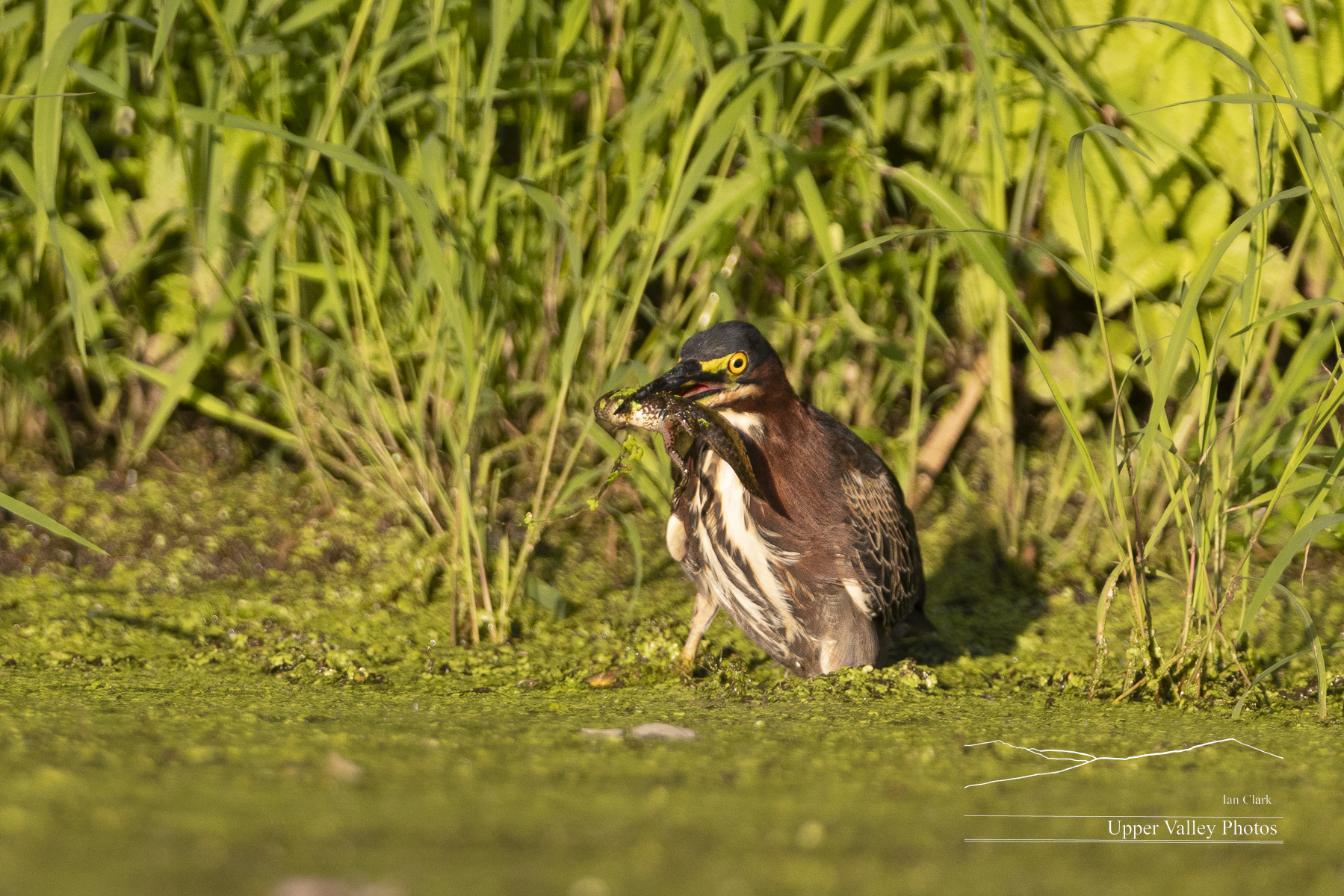
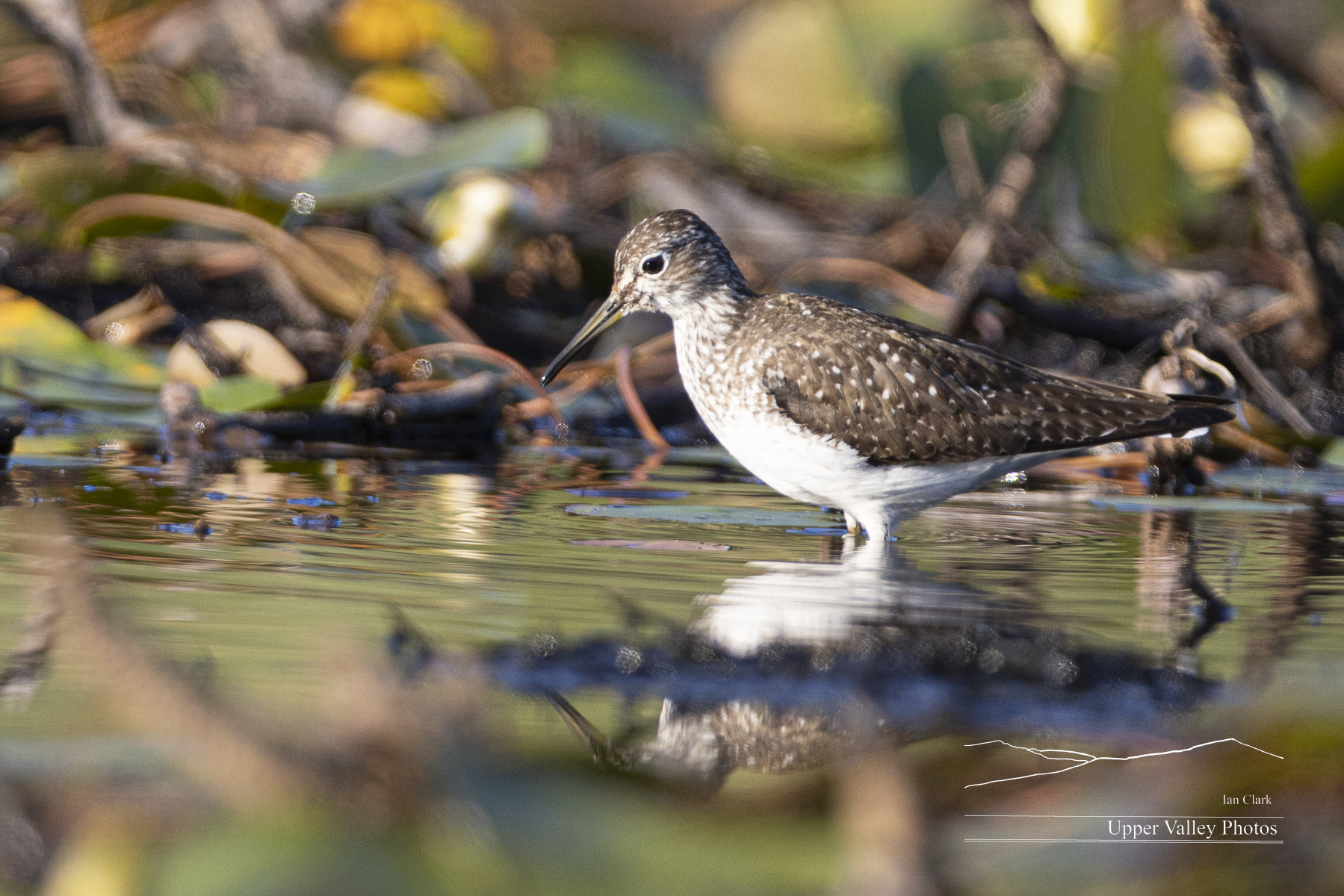
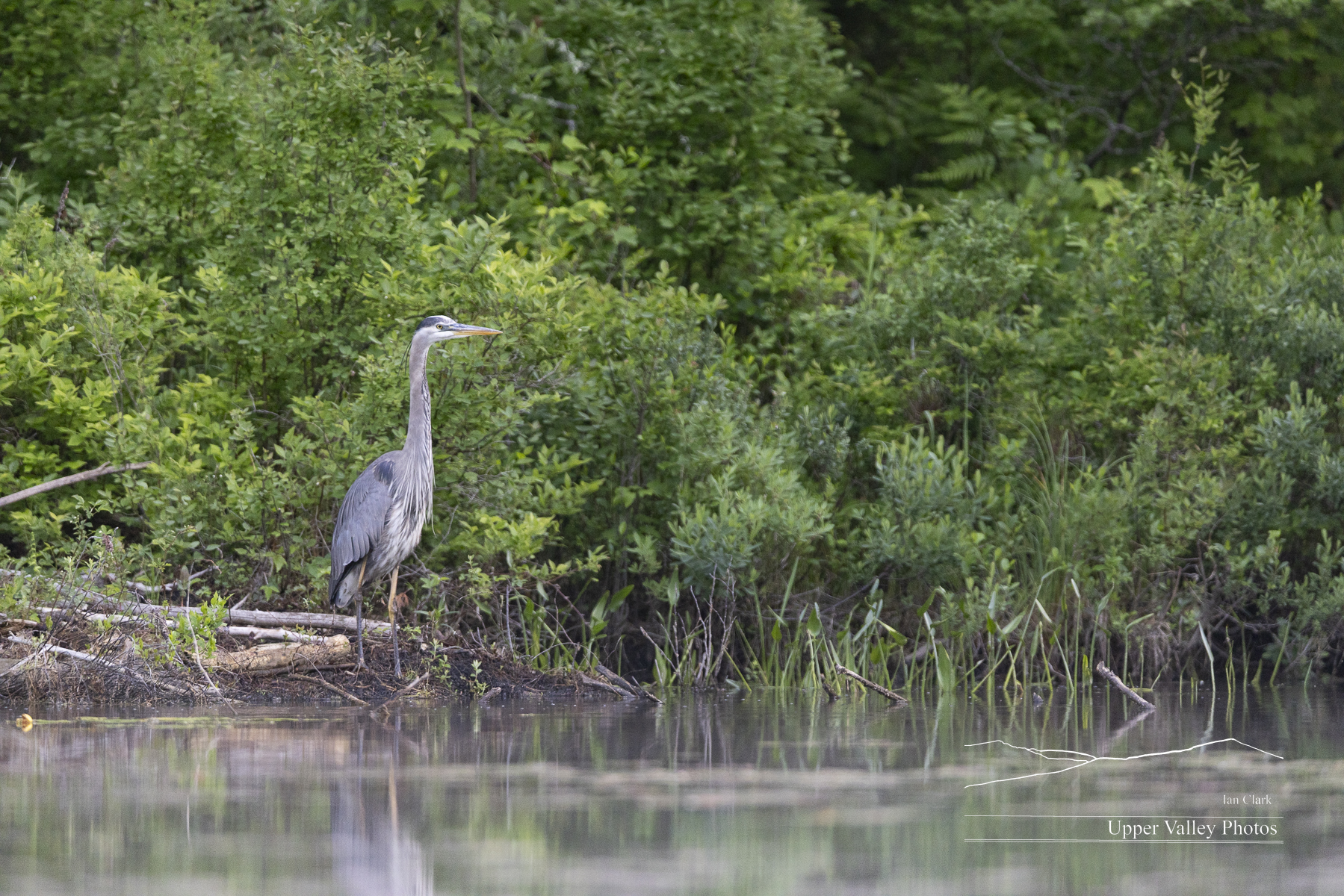
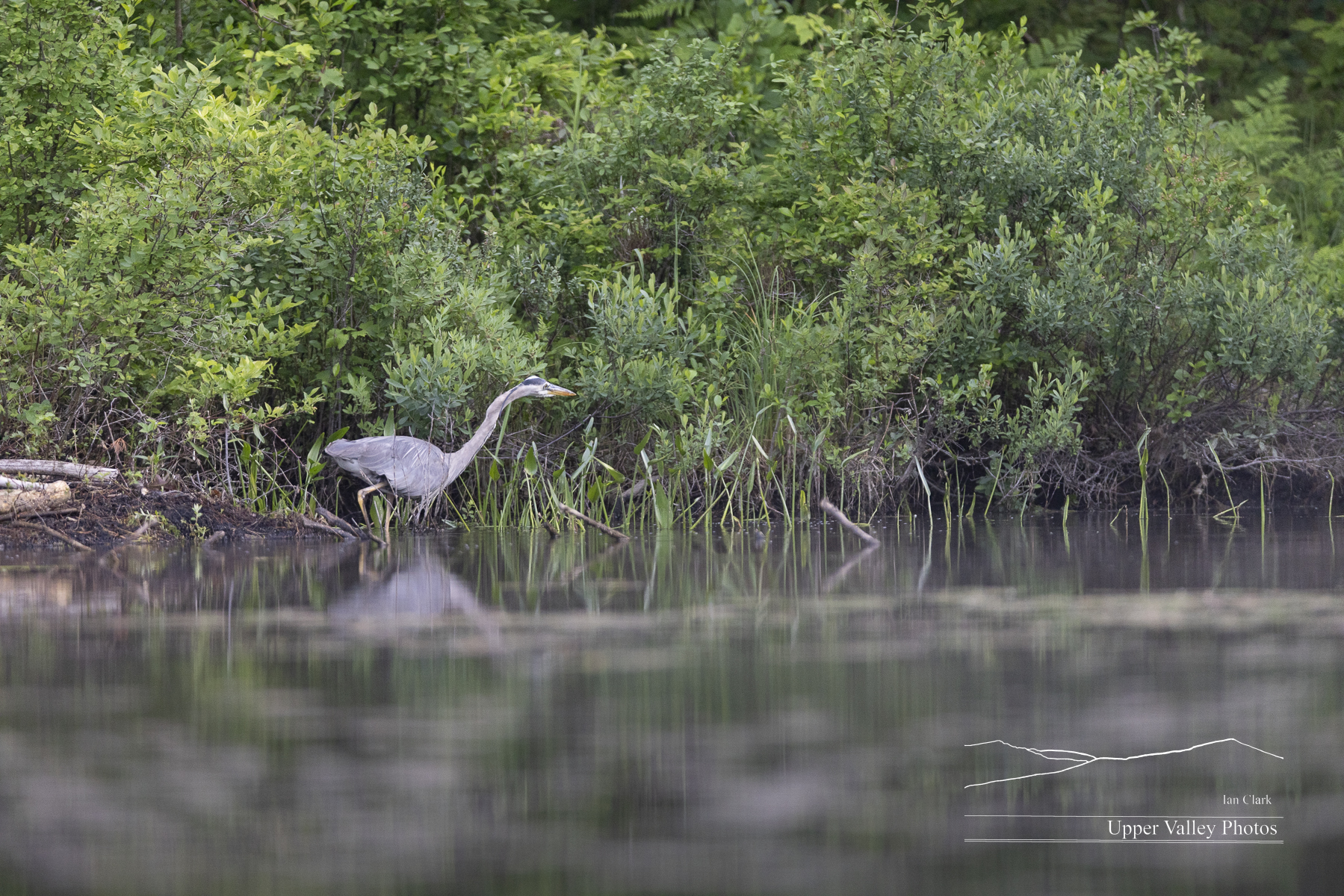
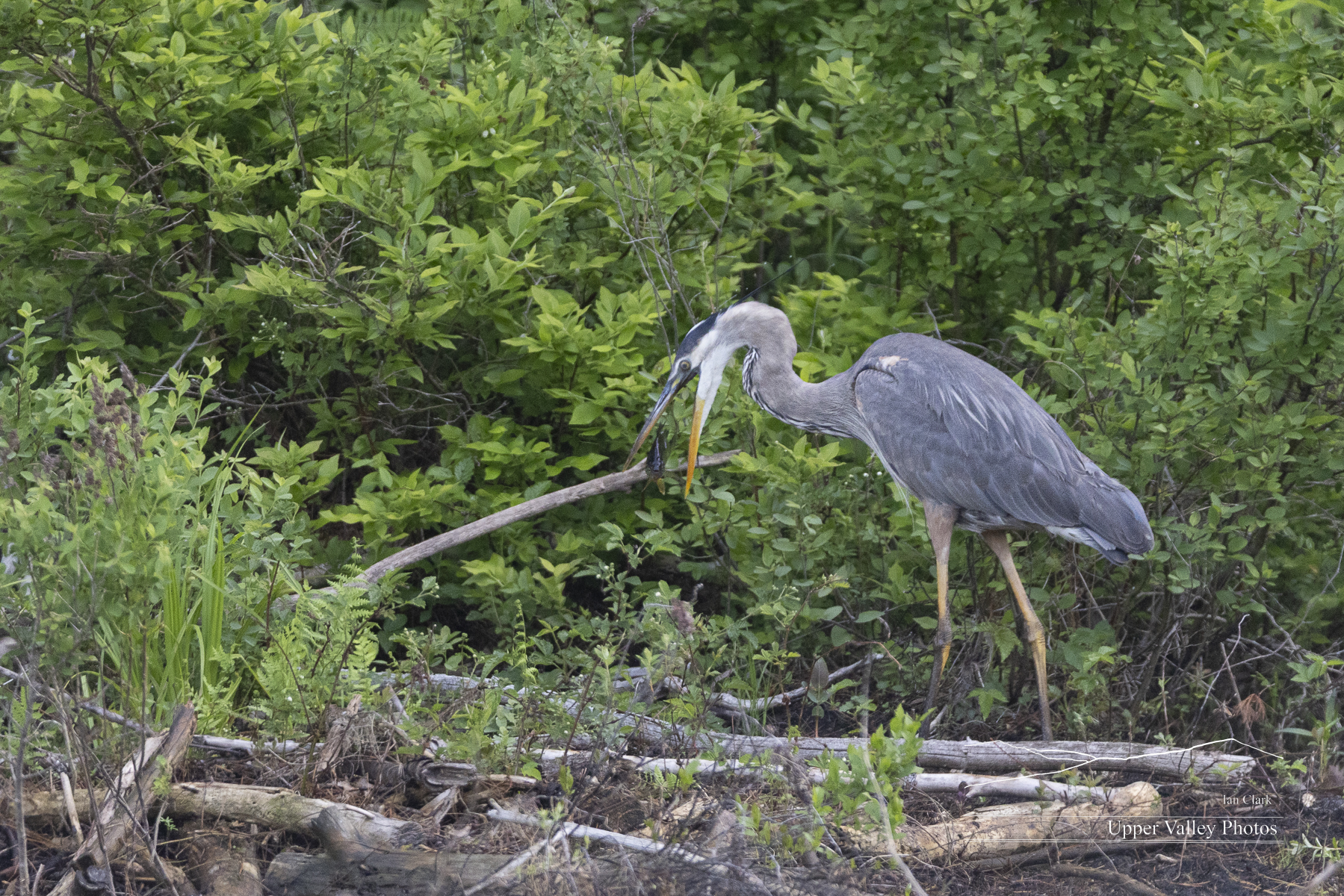
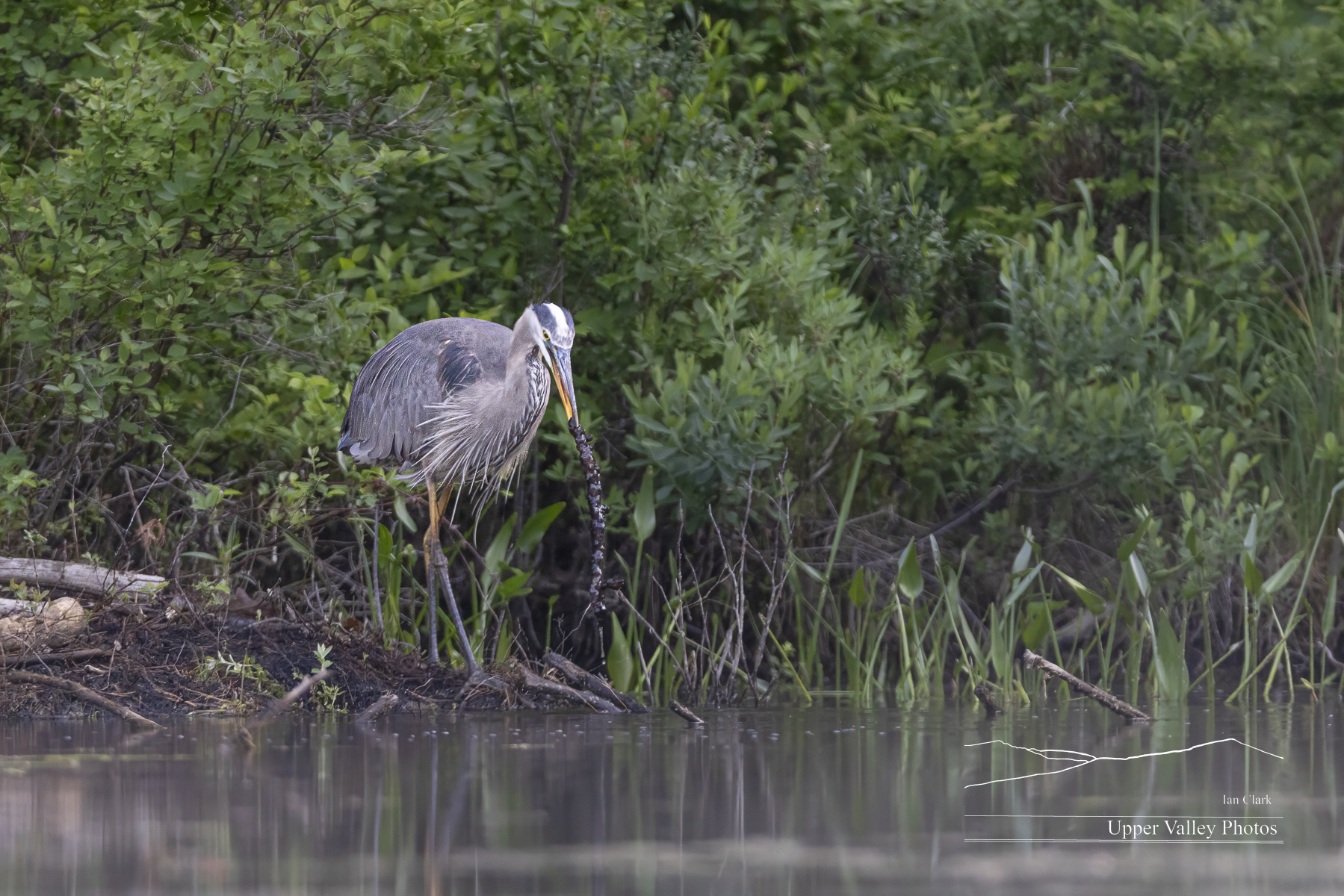
I went back Tuesday evening. The sky was clear of herons on my way downstream. After some looking, I found the green heron in the shadows under a tree. I settled in to wait for him to come out closer to the water – and hopefully into the light. He headed inland. After a few minutes, the heron and a wood duck hen I hadn’t seen both squawked and came hustling out of the brush. My guess was they’d surprised each other moving around.
I went back twice yesterday. I was out in the thick fog before sunup and returned late in the afternoon.
If you enjoy my blog, please help me out by sharing it with a friend or on social media. Thanks!
Update on the Usual Suspects
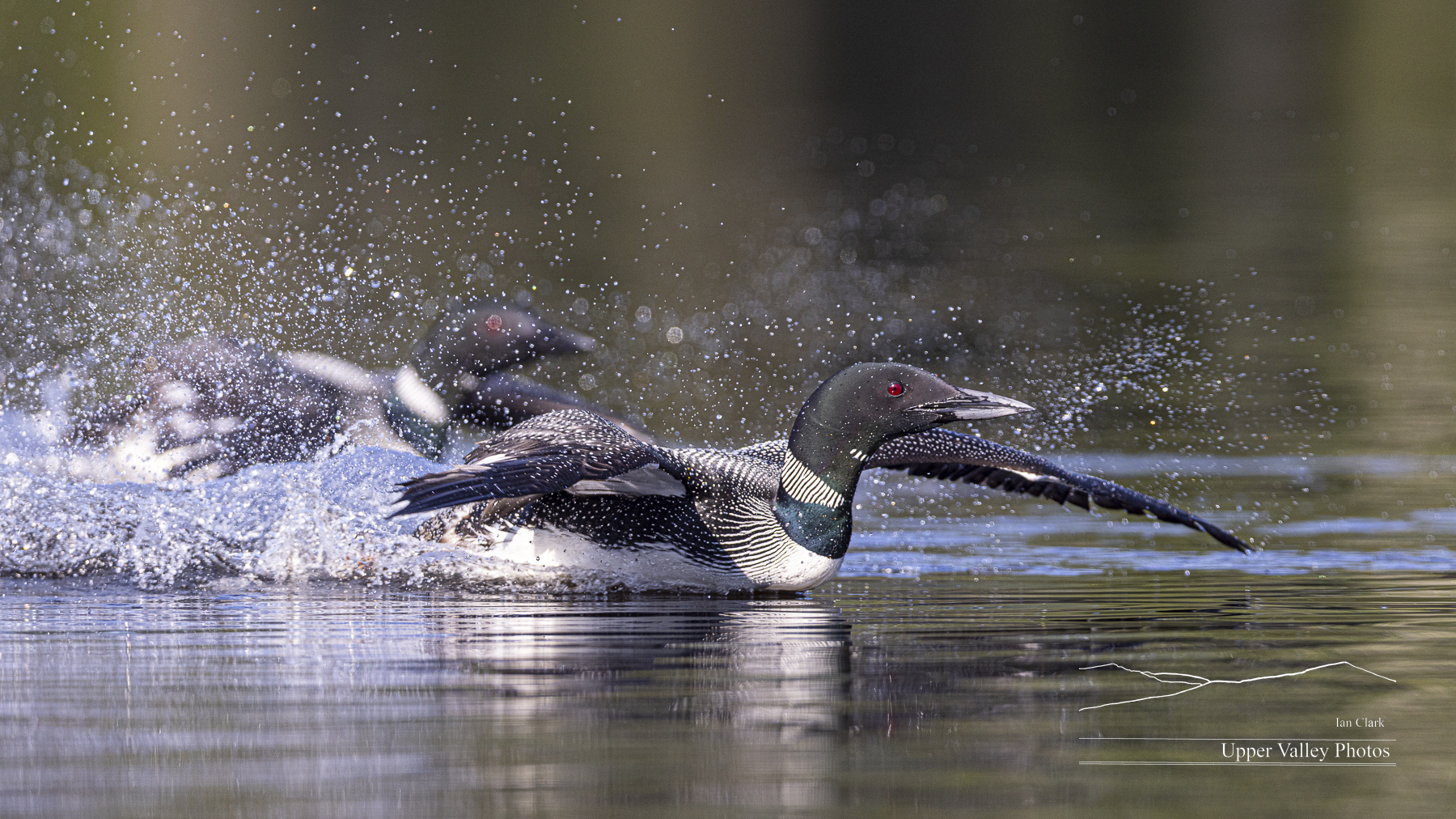
OK, this one will be a bit long as I try to catch up on all the loon families and the heron rookery. Please keep going, we’ll check in with the loons, Hank Heron, our moose returned and a few of our other friends.
Thanks to everyone for all the kind words on the Tall Ships post. Perhaps I should give up on the critters and take up marine photography?
I’m looking for a field of sunflowers to try to get some shots of indigo buntings. If you know of one relatively near Newbury, VT, I’d love to know about it.
It is time again for the The 93rd Annual League of New Hampshire Craftsmen’s Fair . It opens this Saturday, August 1 and runs through Sunday August 9. I won’t have a booth this year, nine days is just too much for me anymore. But, I’ll have note cards, my 2027 Wildlife Calendar and a few prints in The Shop At The Fair at the League Fair. And everything is available on my web site, www.IanClark.com. If you don’t see what you’re looking for, please send an email or give me a call. And, be sure to visit all the other craftspeople at the Fair – there’s lots of amazing work to see.
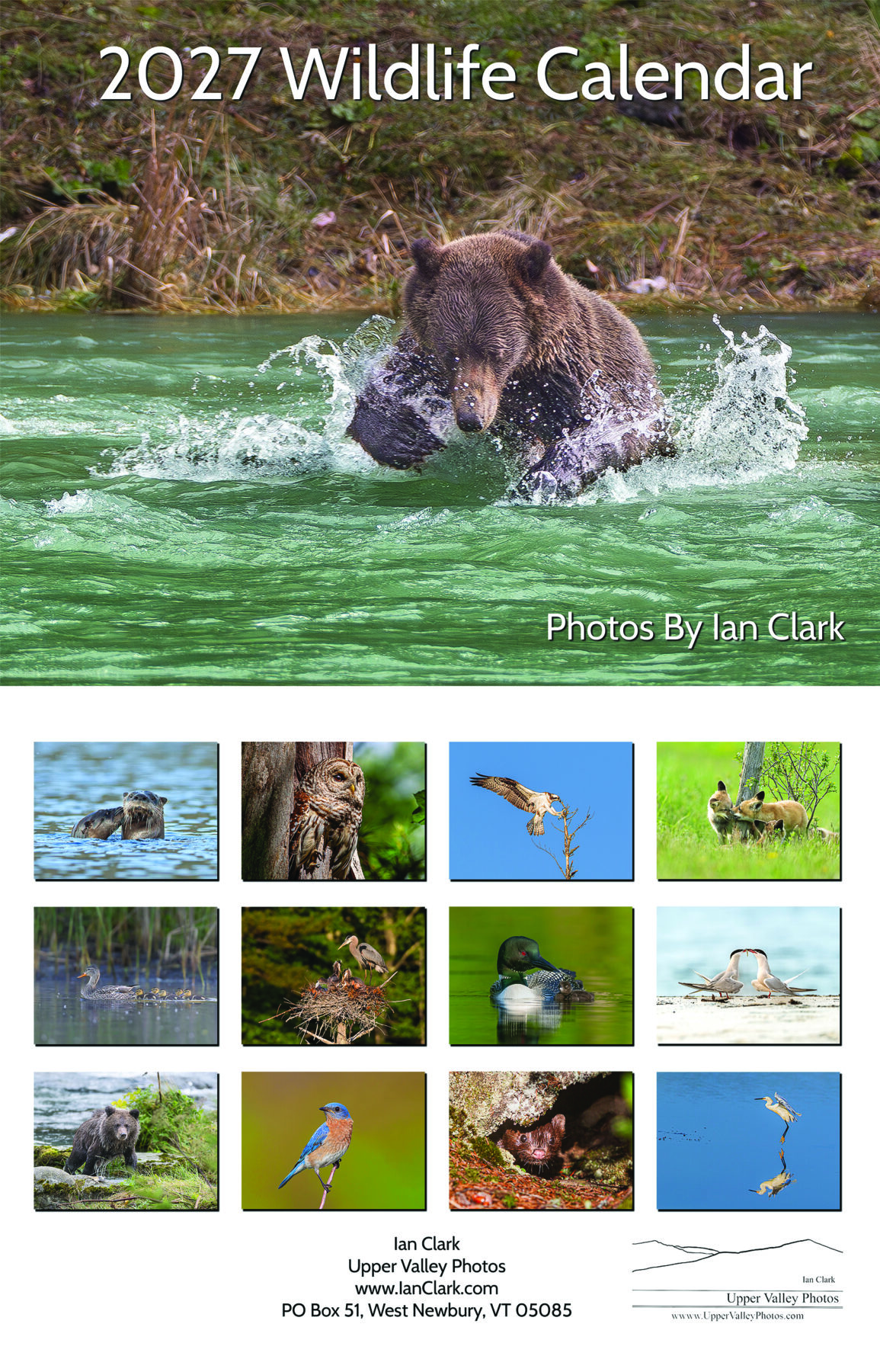
My 2027 Wildlife Calendar has arrived! They’re available on my site at www.IanClark.com. This year, I’ve added a couple photos of bears from my trip to Alaska last fall, including a cuddly-looking little first-year cub I wanted to bring home. But, while never specifically stated, I’m sure that would have broken at least one of my wife’s rules.
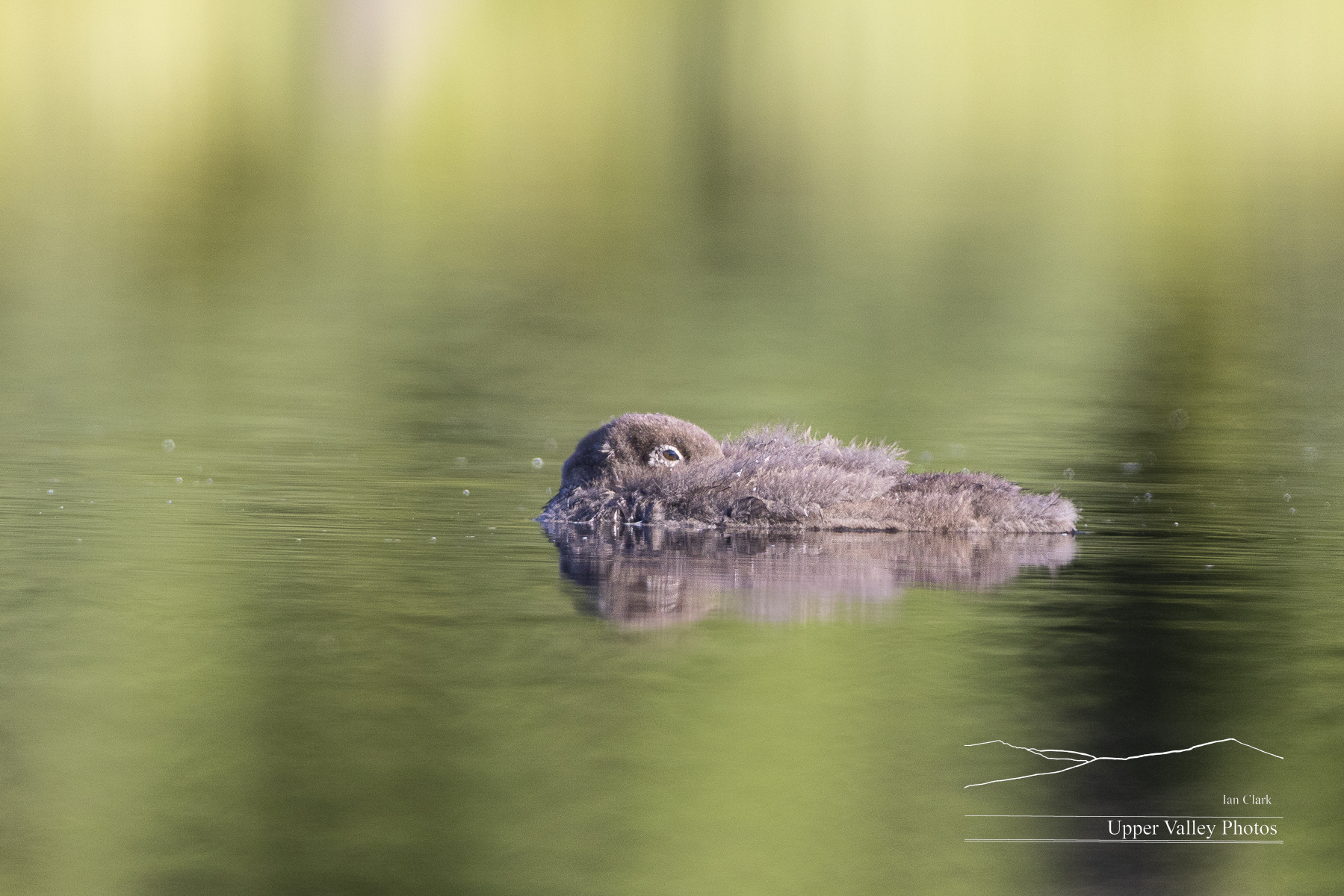
When we last checked on the loon families, the Westons had hatched two chicks, the Middletons had abandoned their first nest and were sitting on a second clutch and the Eastons’ chicks had hatched in the last days of June. The heron chicks were getting big.
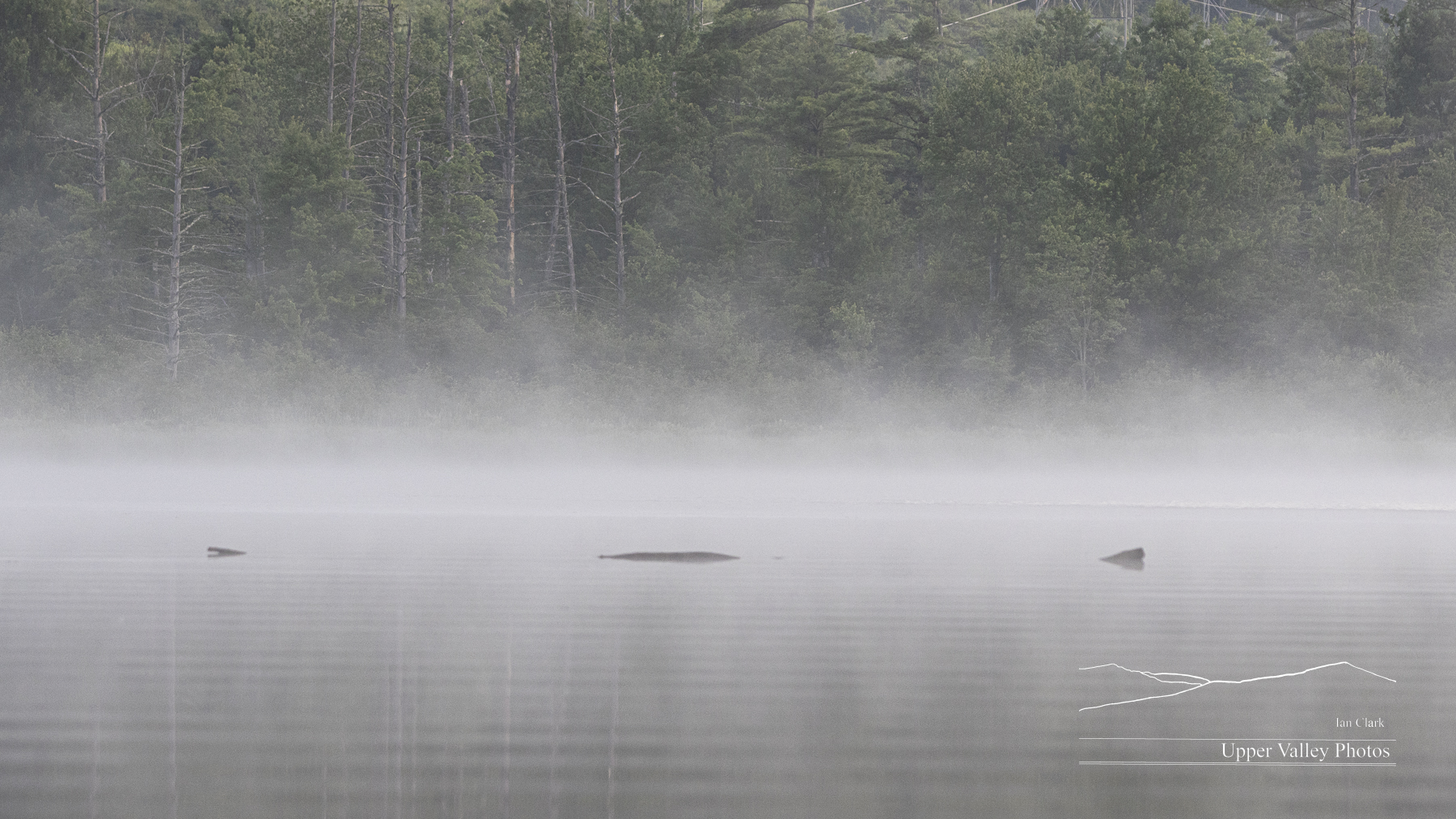
I went to check on the Middletons on July 8. It was a chilly morning with thick fog.
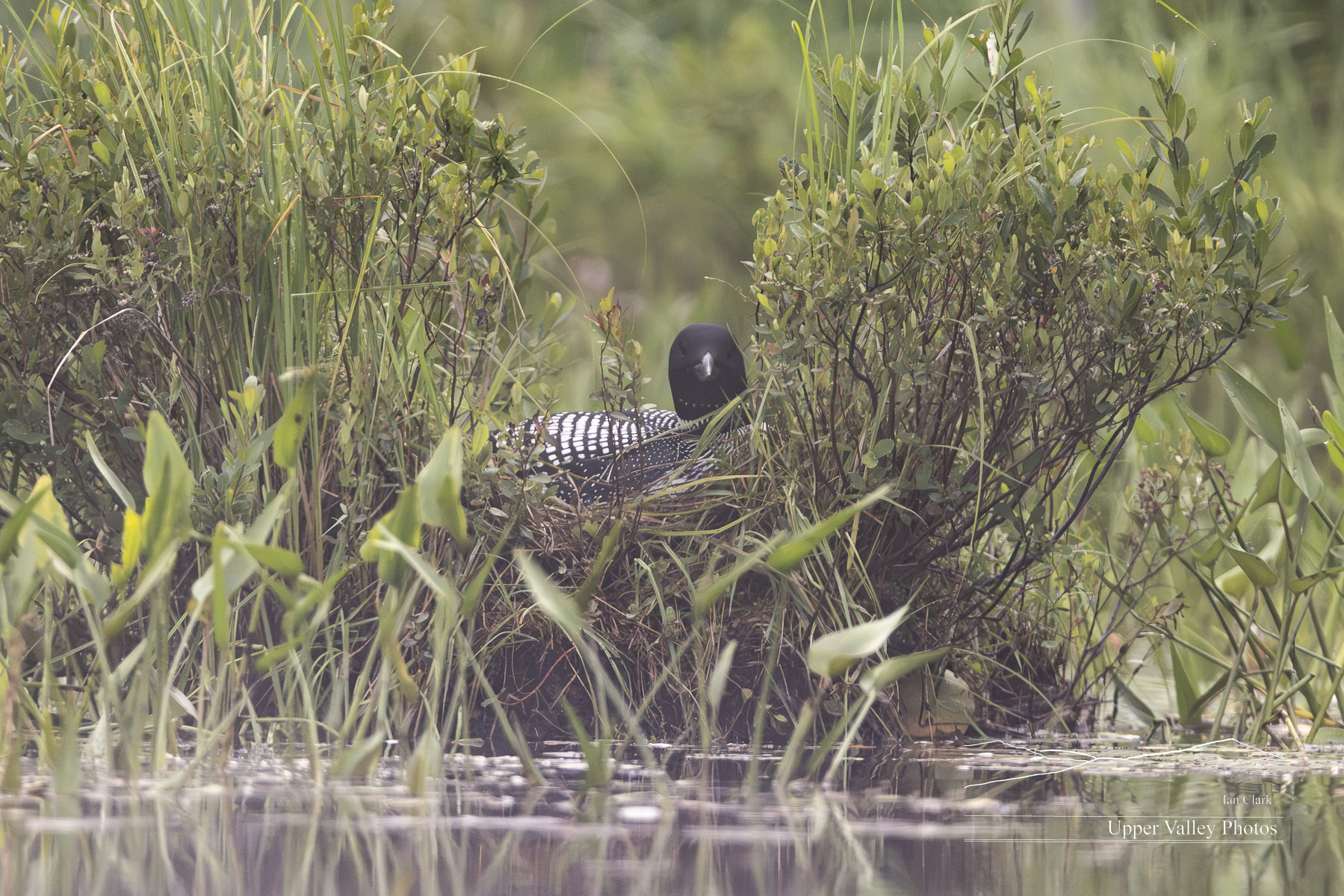
On the 9th, I headed up to check on the Eastons.
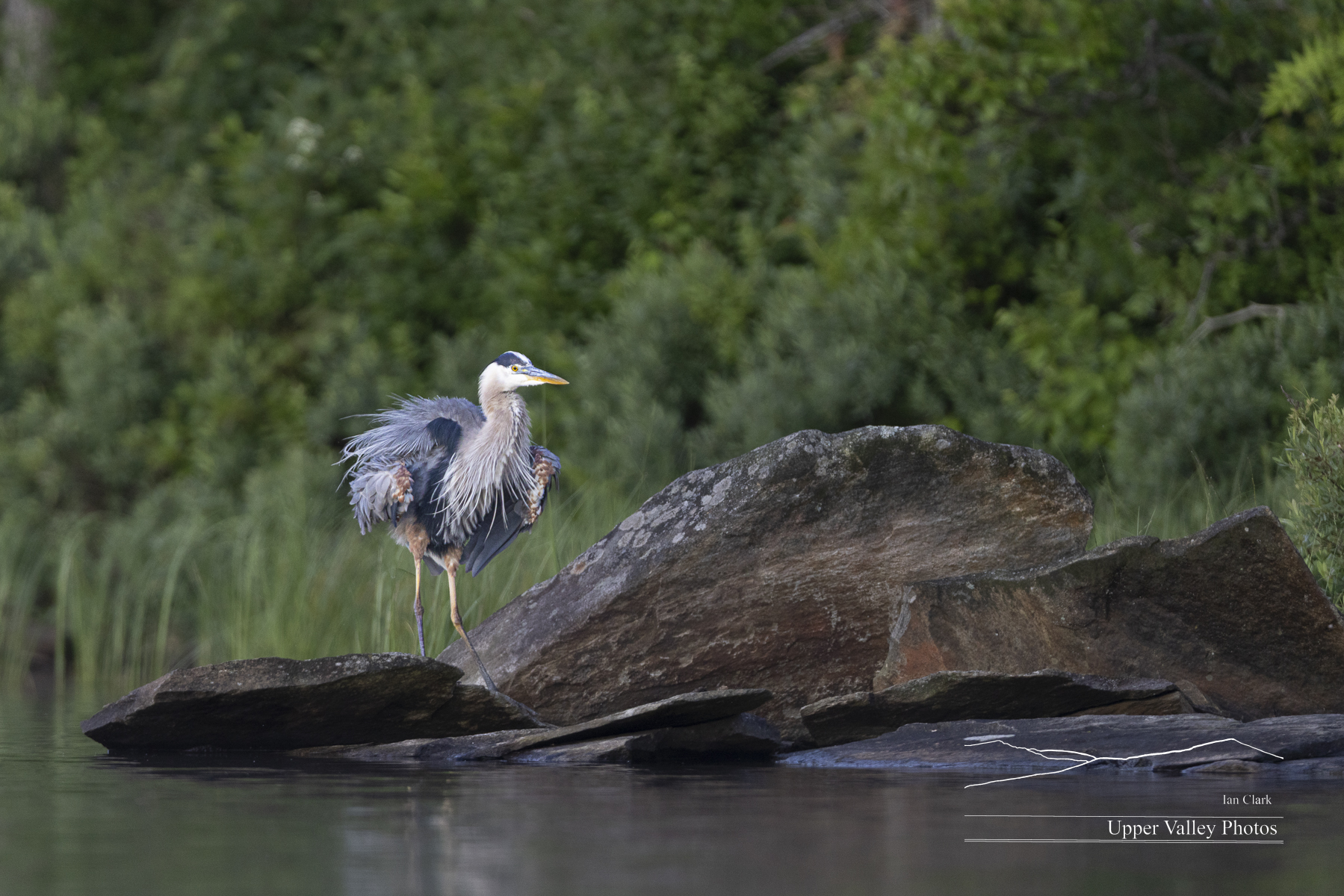
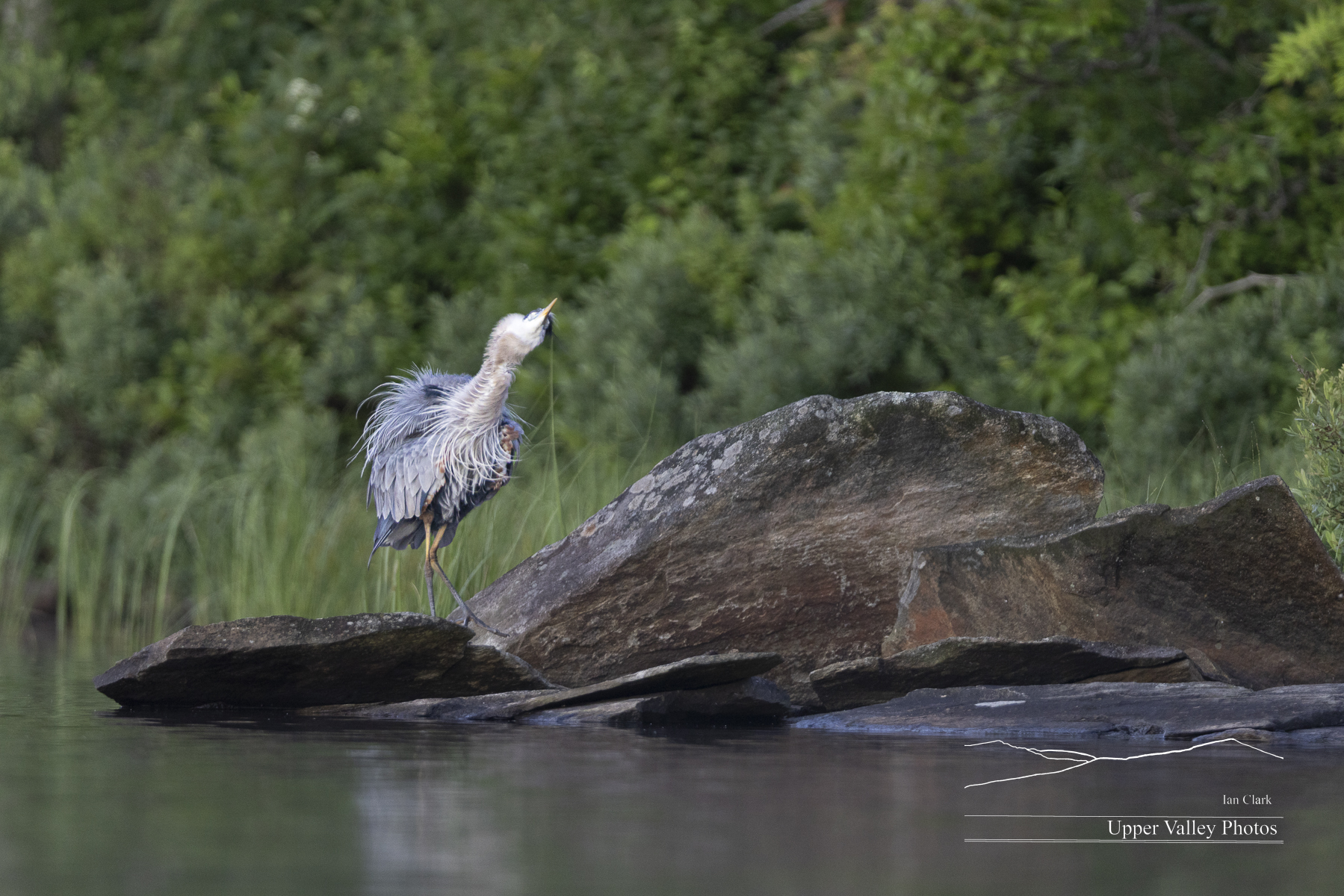
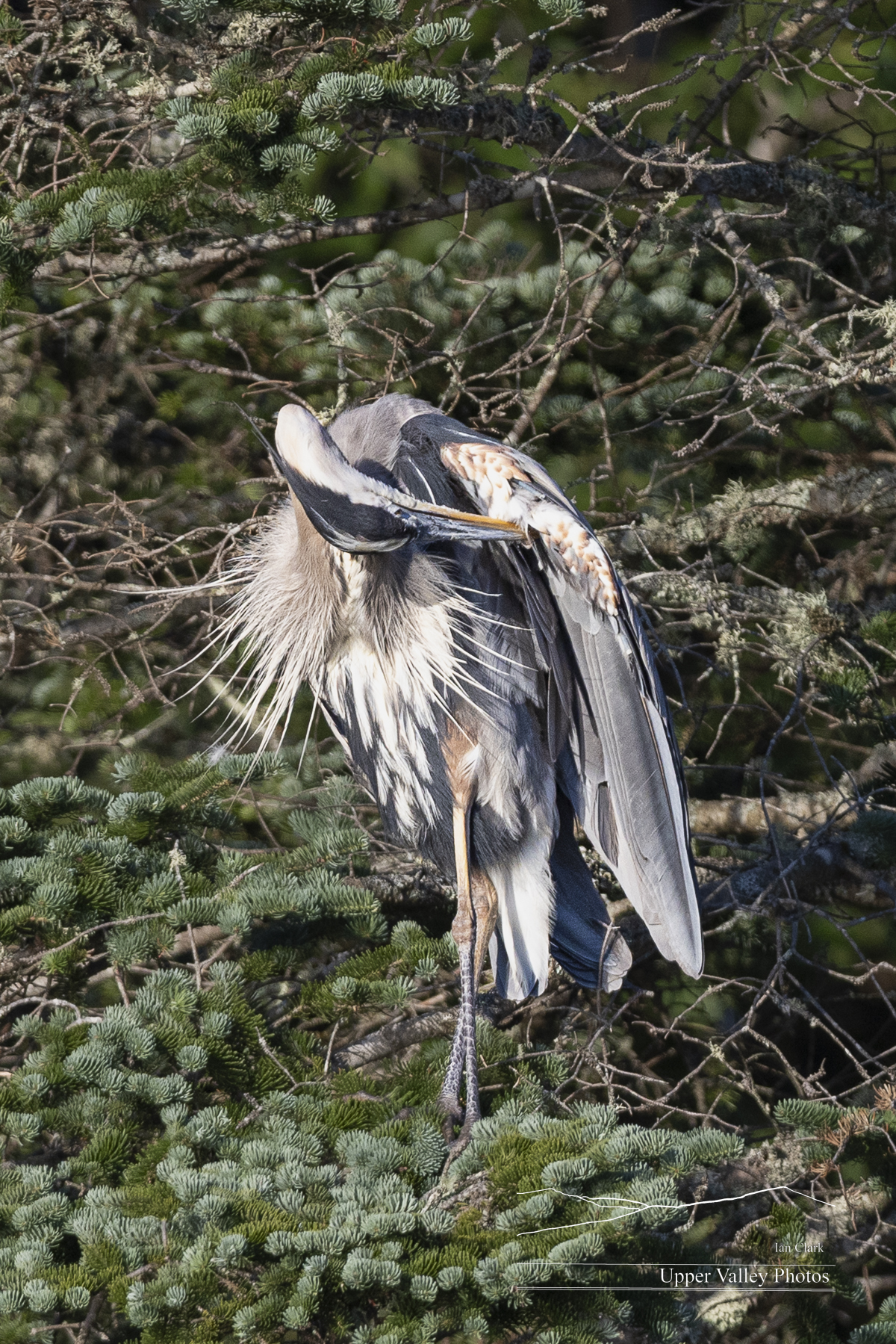
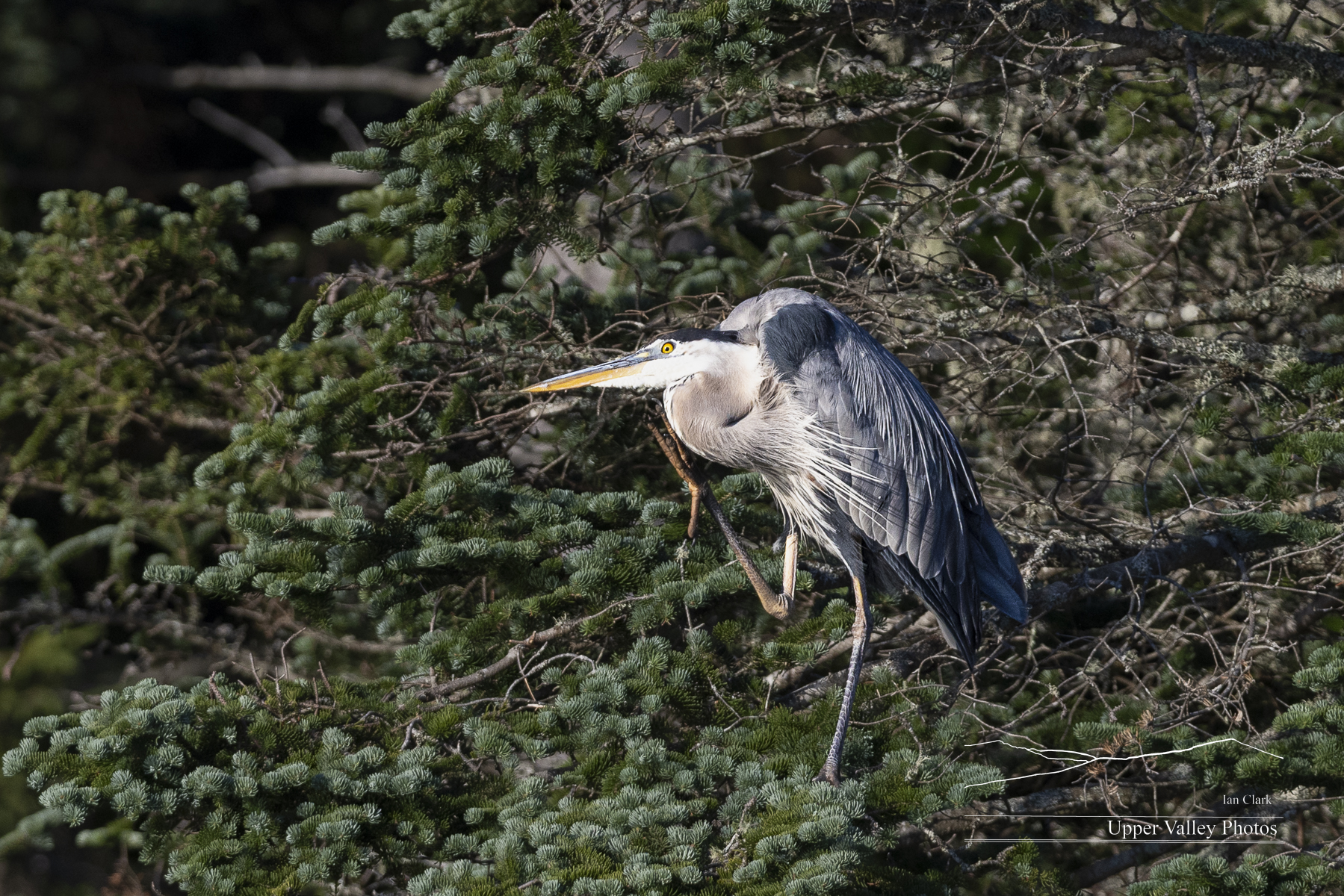
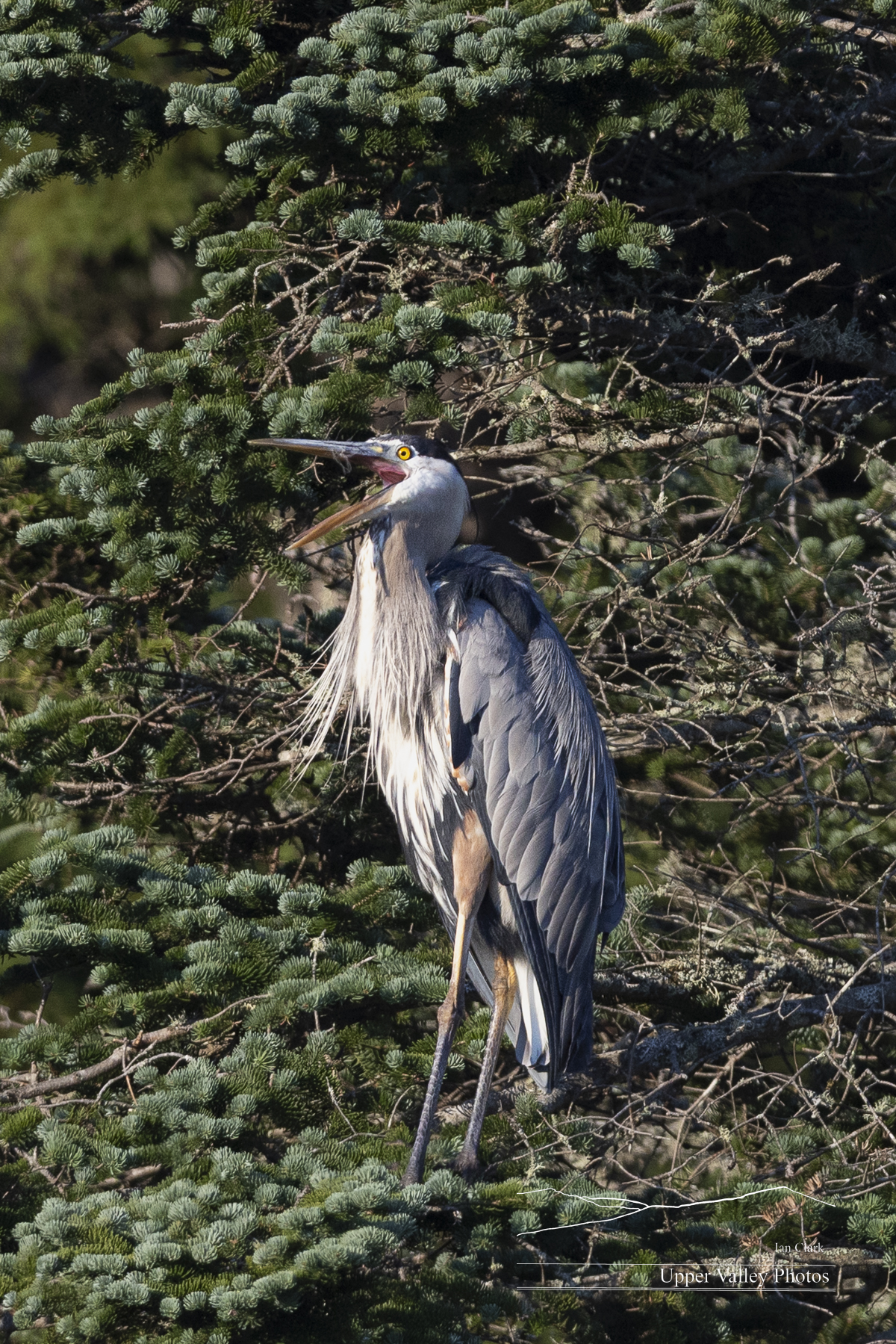
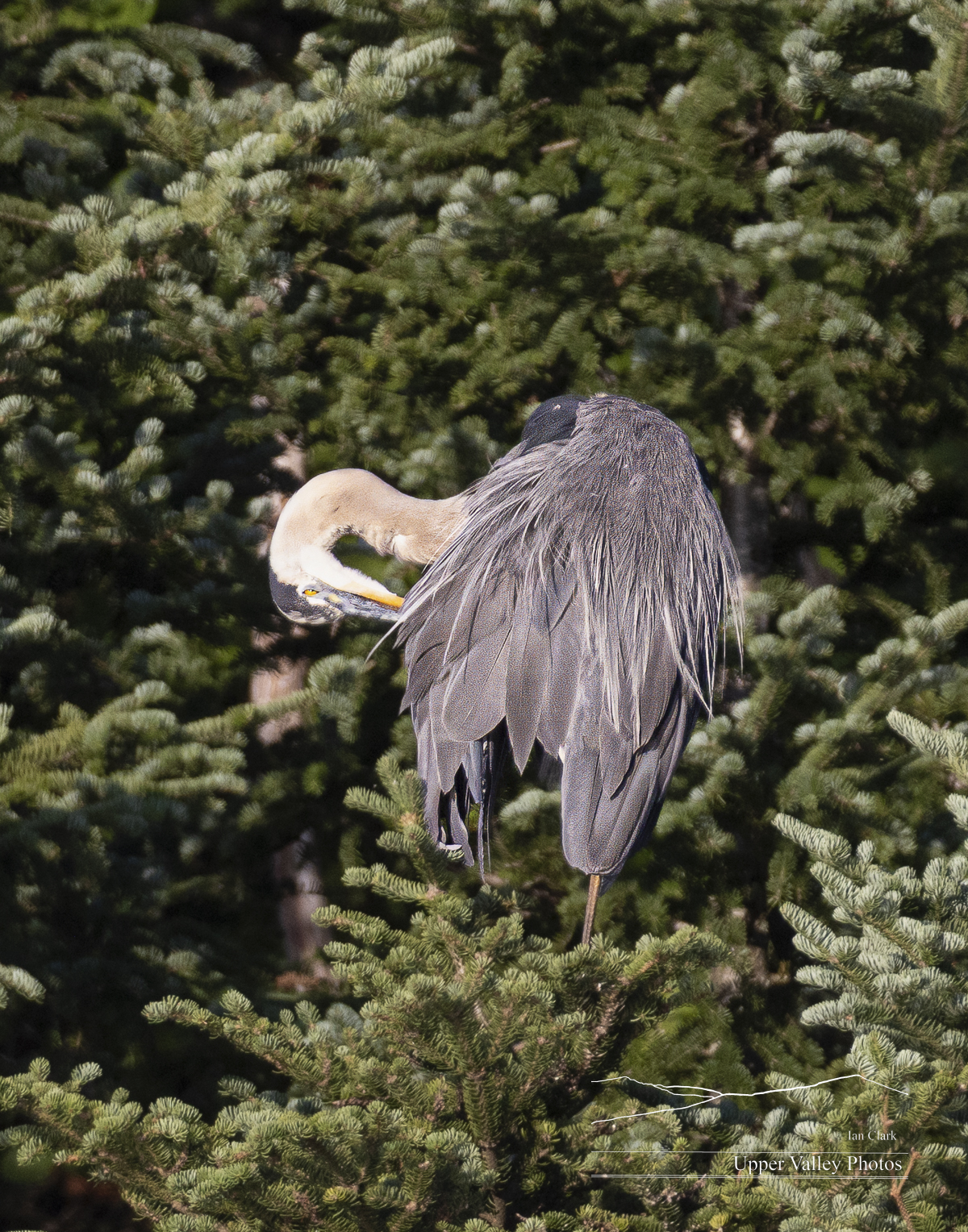
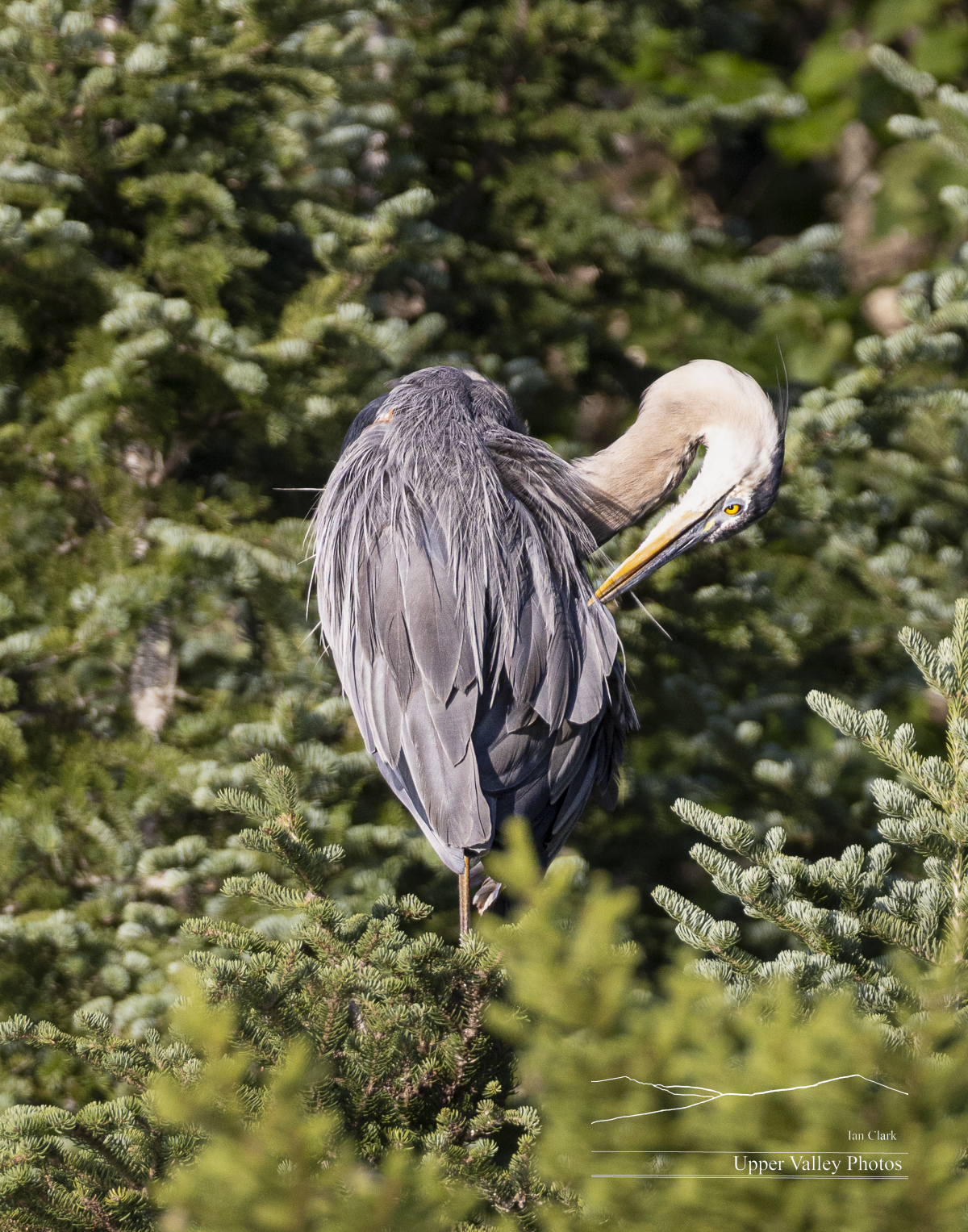
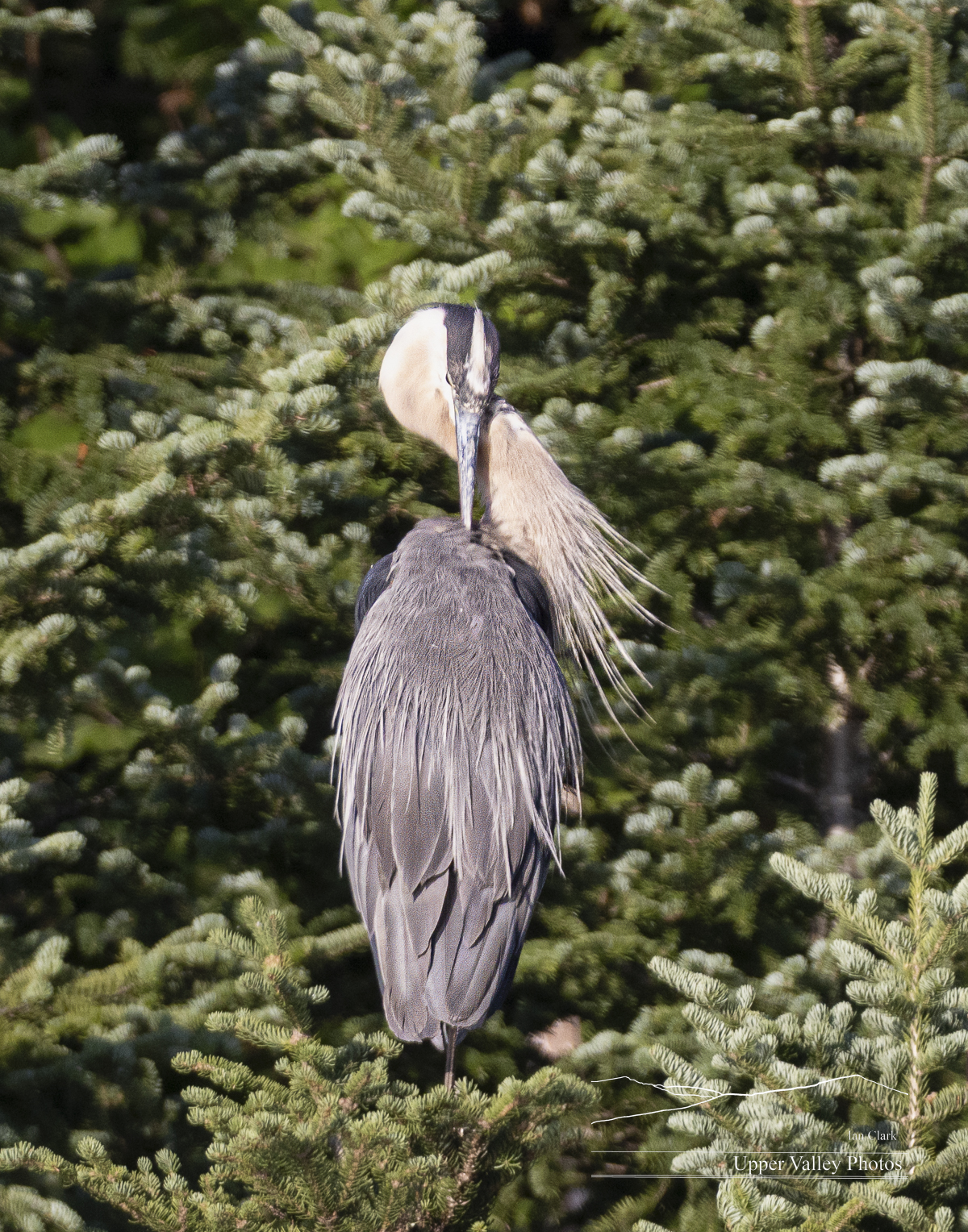
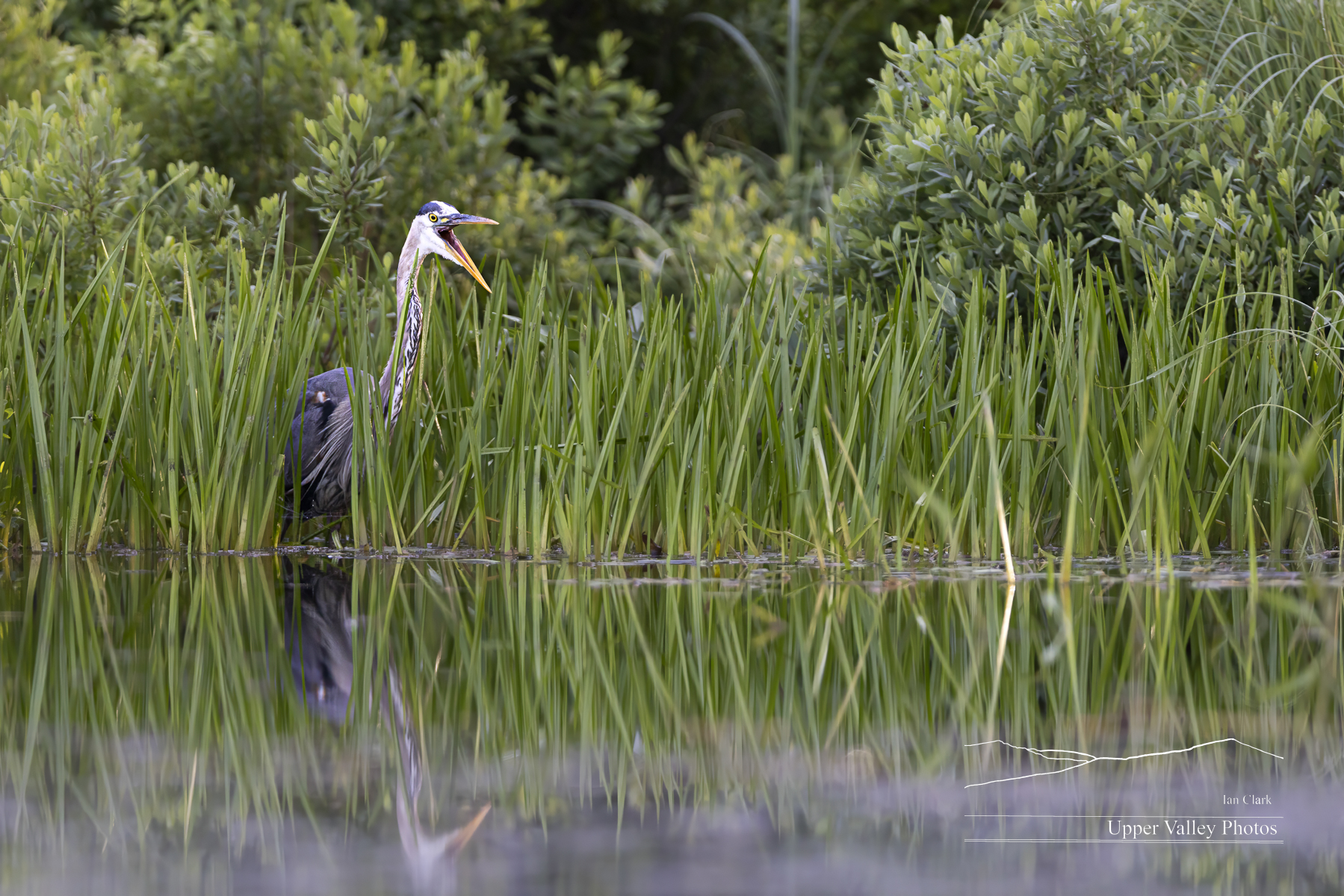
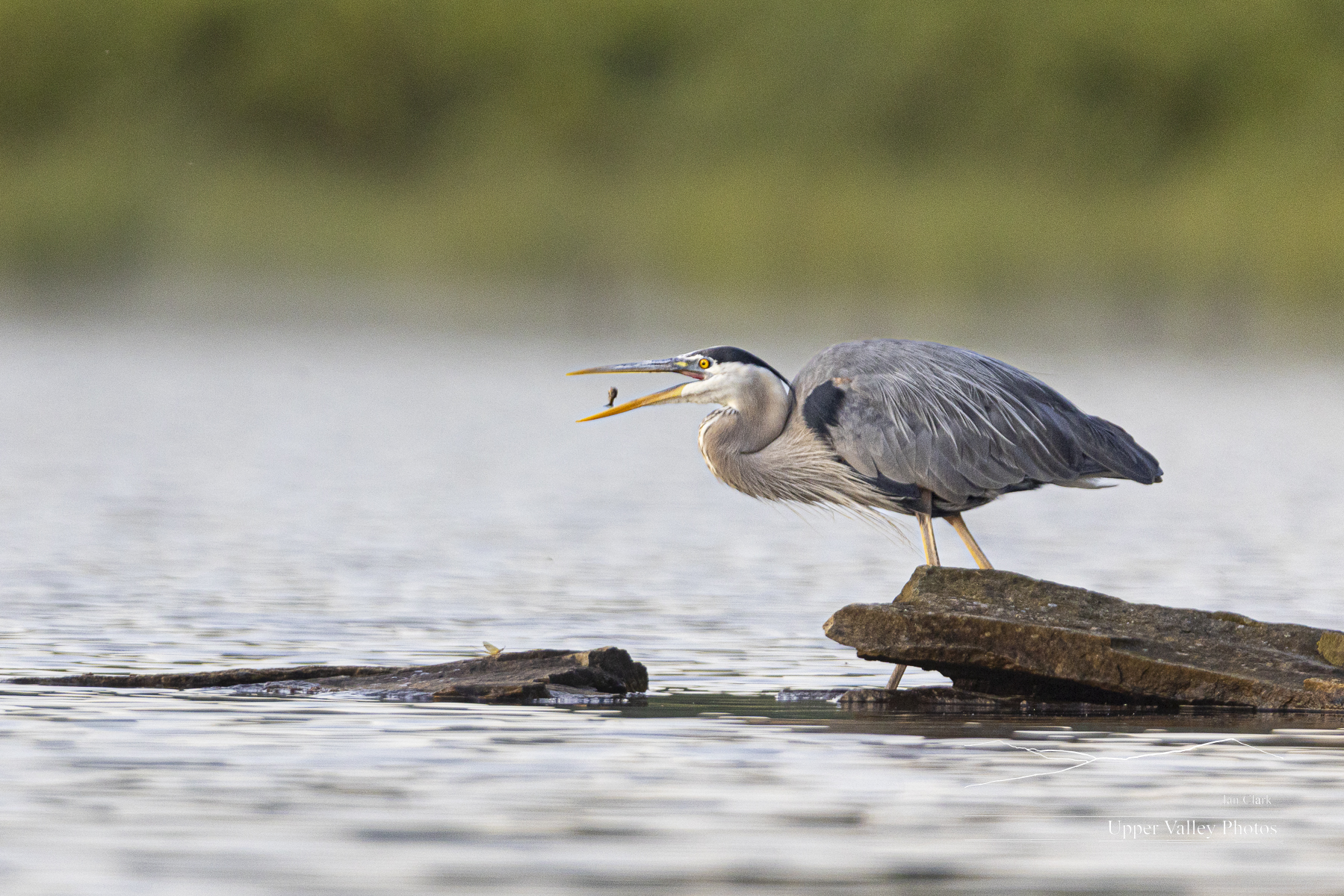
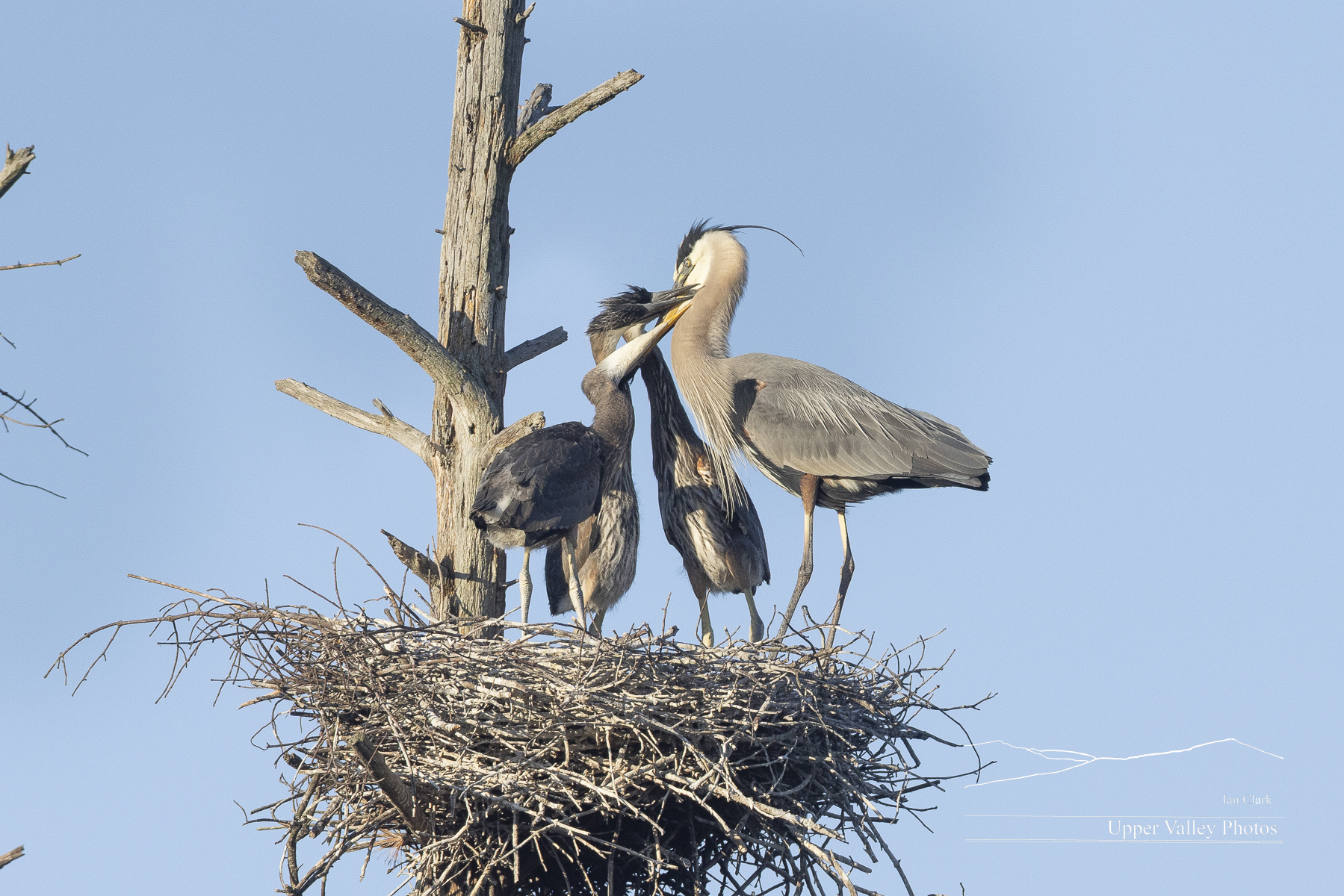
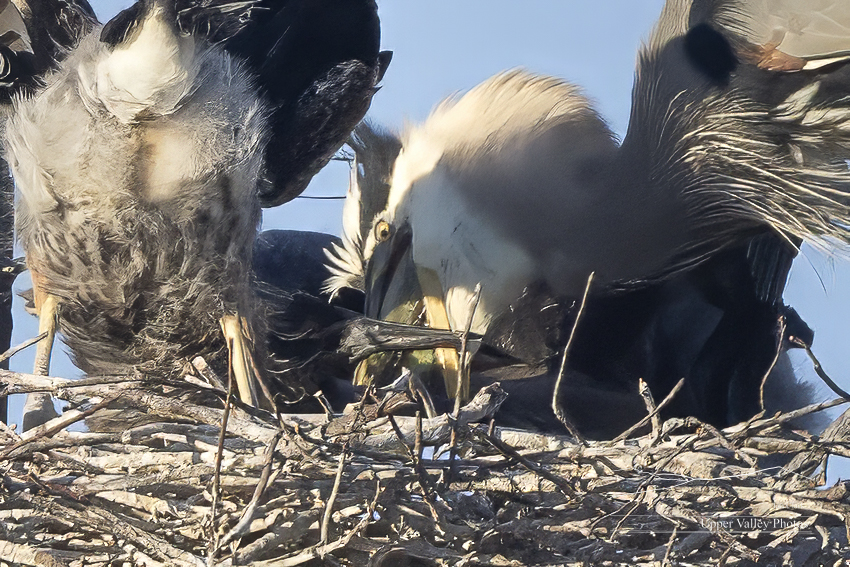
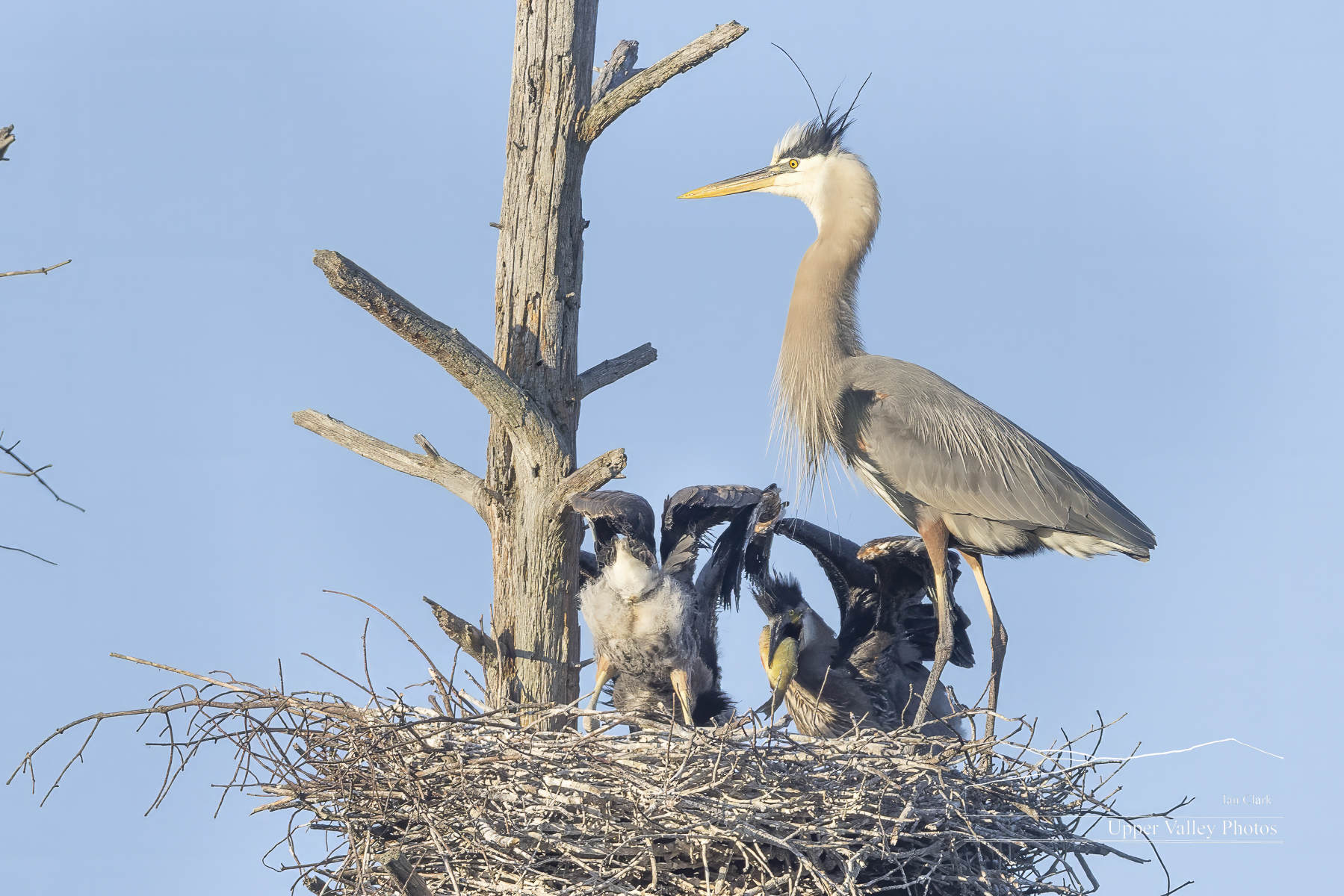
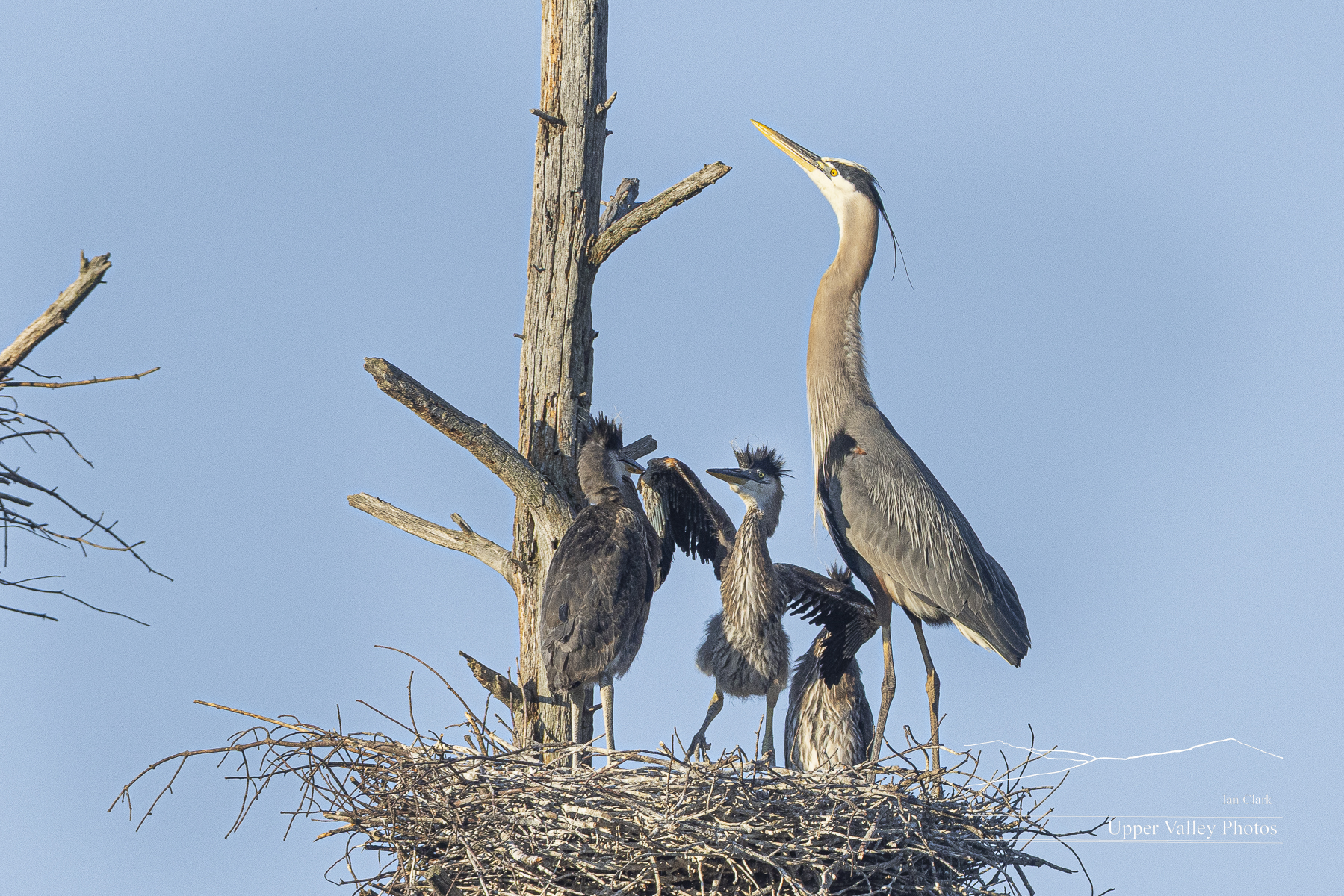
I’m not sure what herons are doing when they open wide. They often stretch their necks high up before doing it. I wonder if it is a burp or a stretch or maybe trying to reposition food in their gullet. Sometimes they stand with their mouths open when it is warm, that would seem to be panting to cool. But they’ll often open wide for a few seconds and then return to what they were doing. And wildlife photographer jokes aren’t that funny.
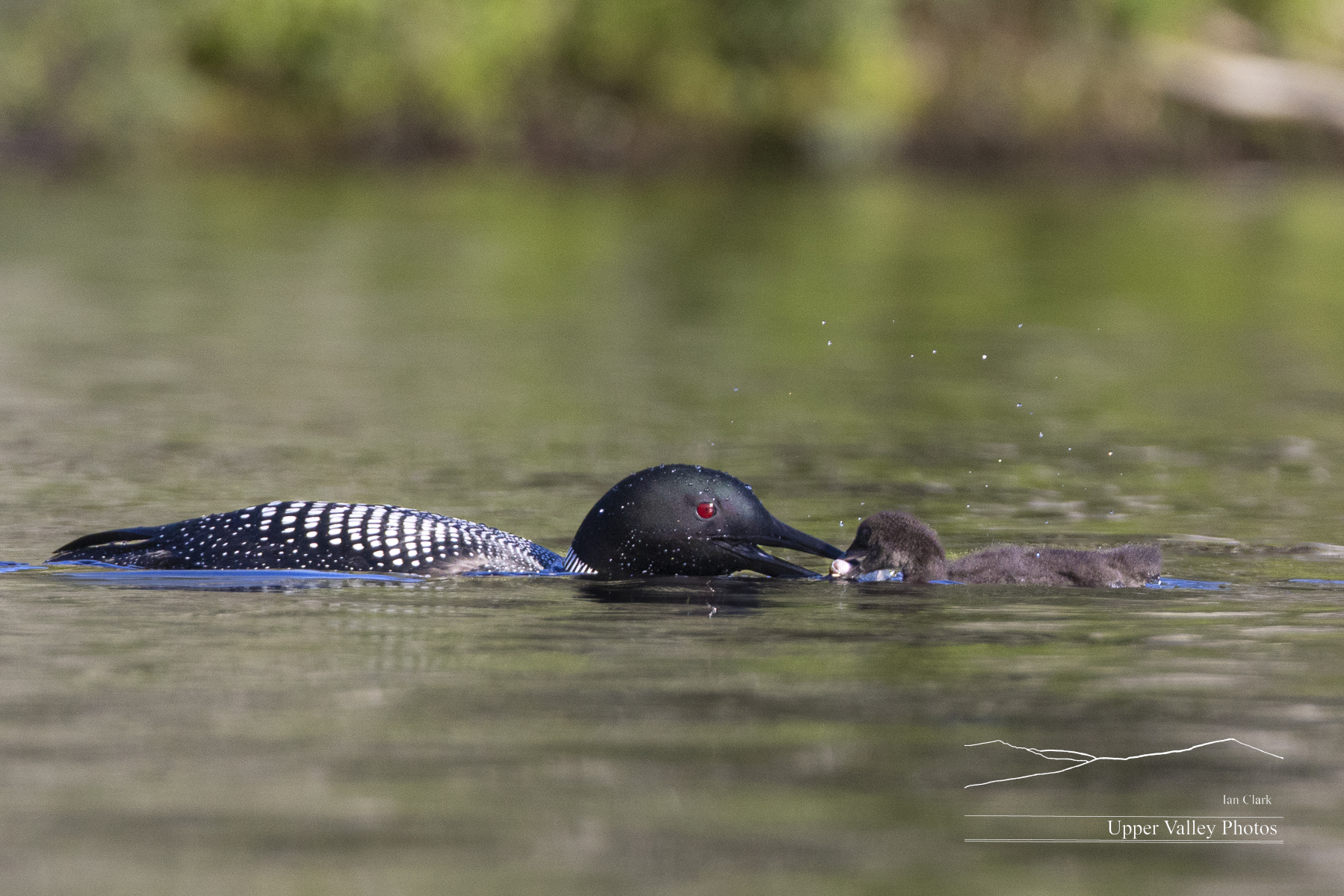
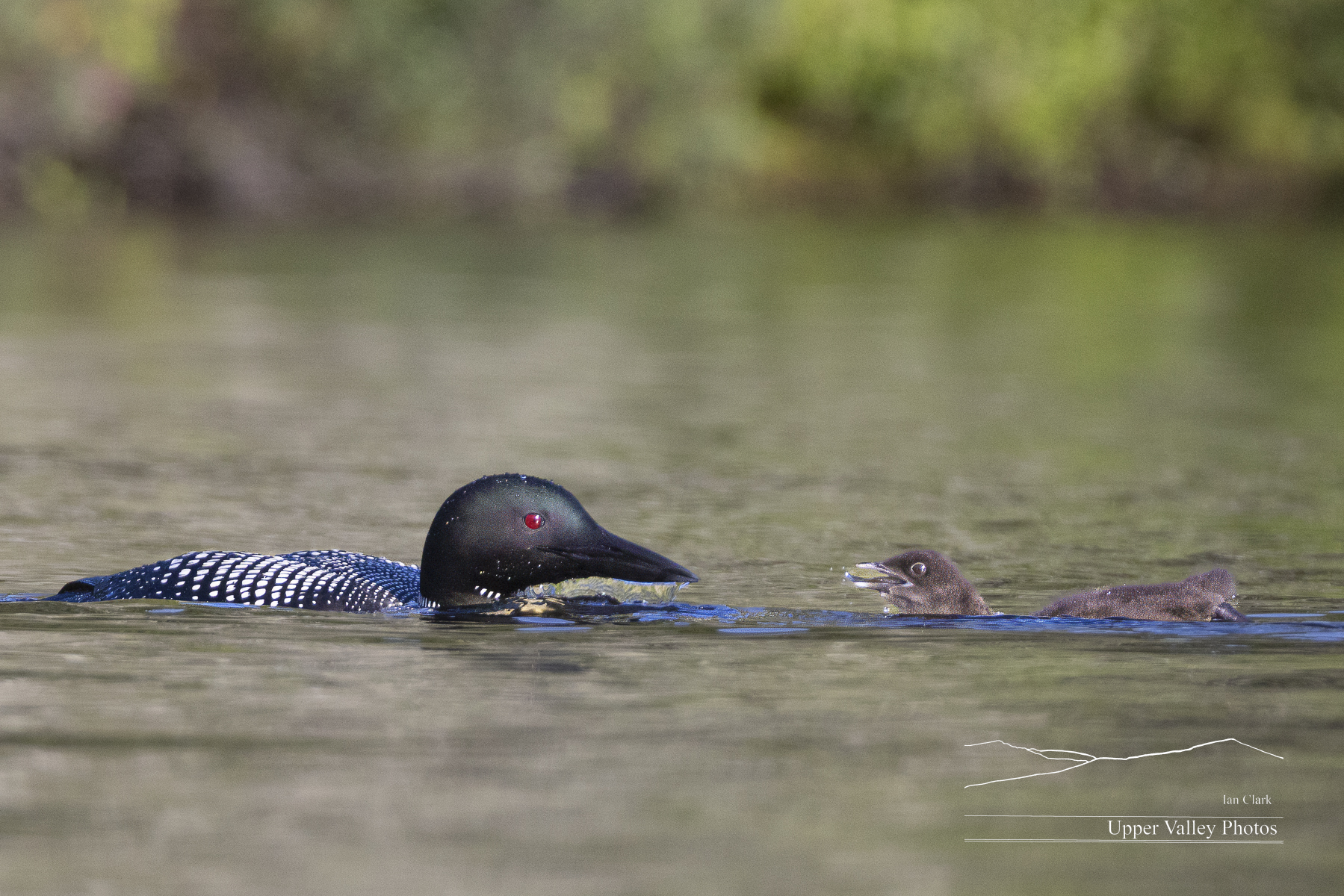
I’ve heard back from the Loon Preservation Committee’s intern. Our banded bird this year is last year’s Mrs. Easton. They banded her late in the season after I’d headed to Alaska.
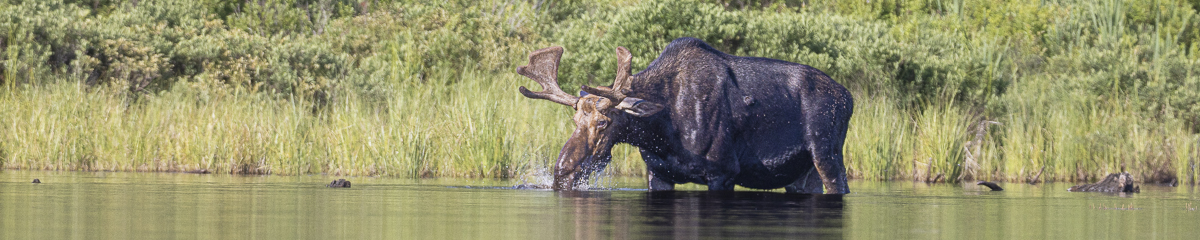
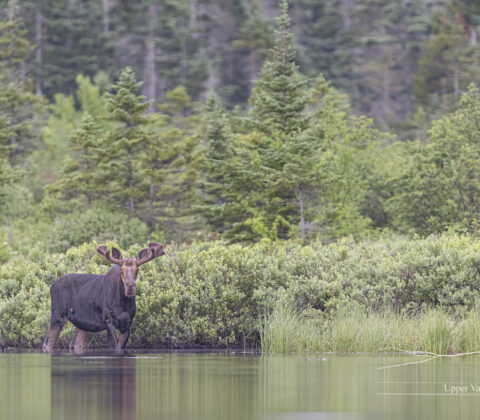
Watching the Eastons I was interrupted when I noticed a visitor to the salad bar at the far end of the pond.
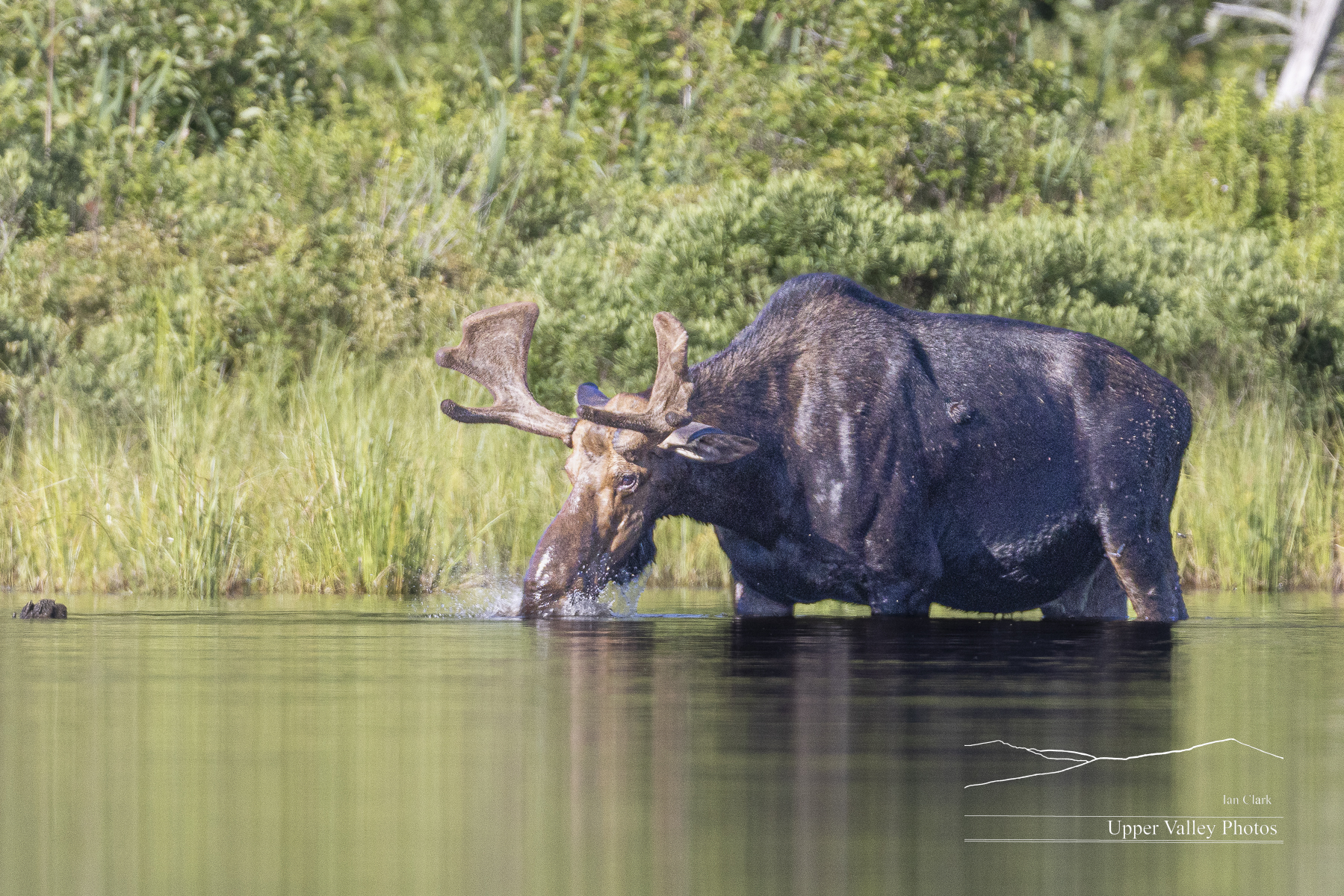
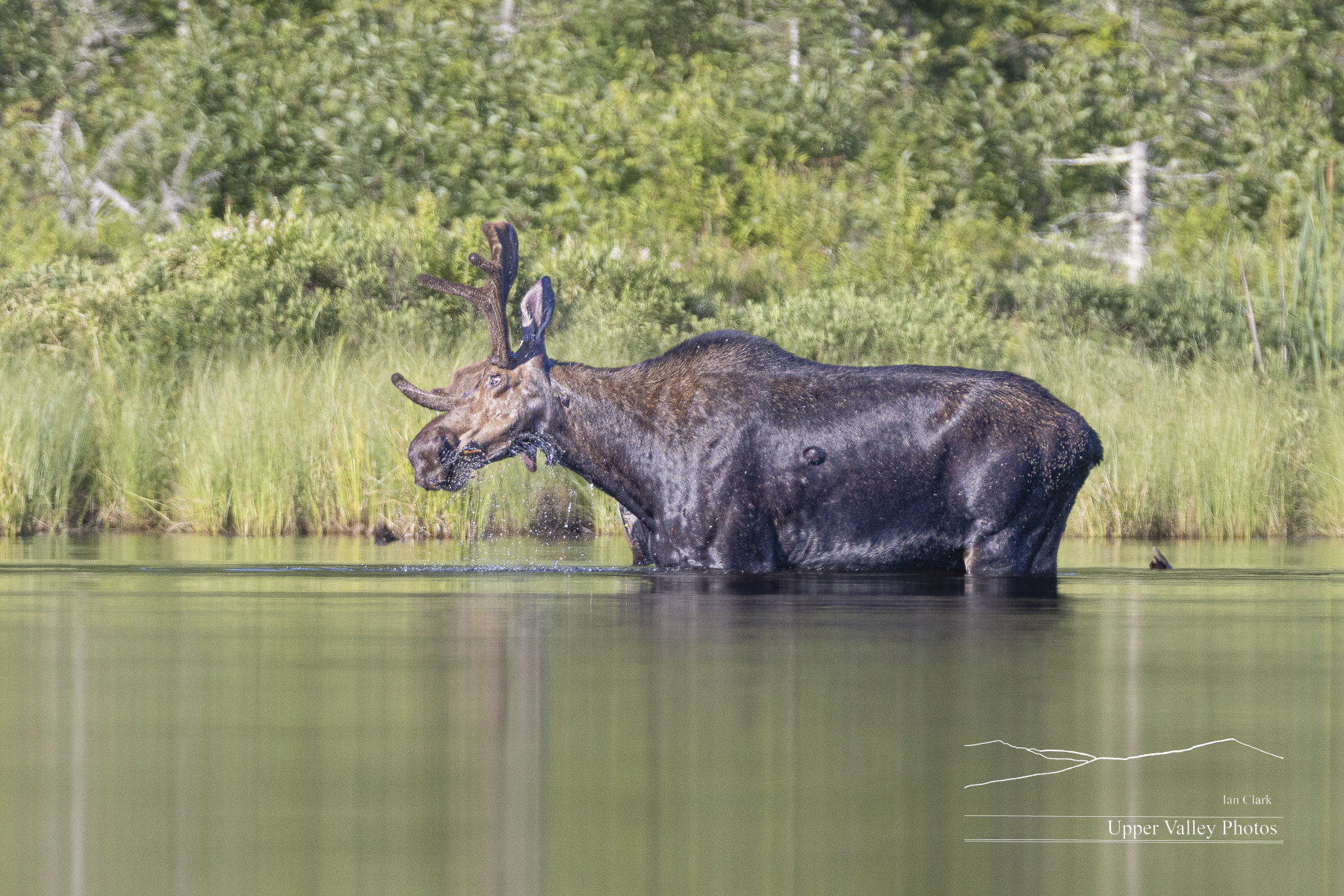
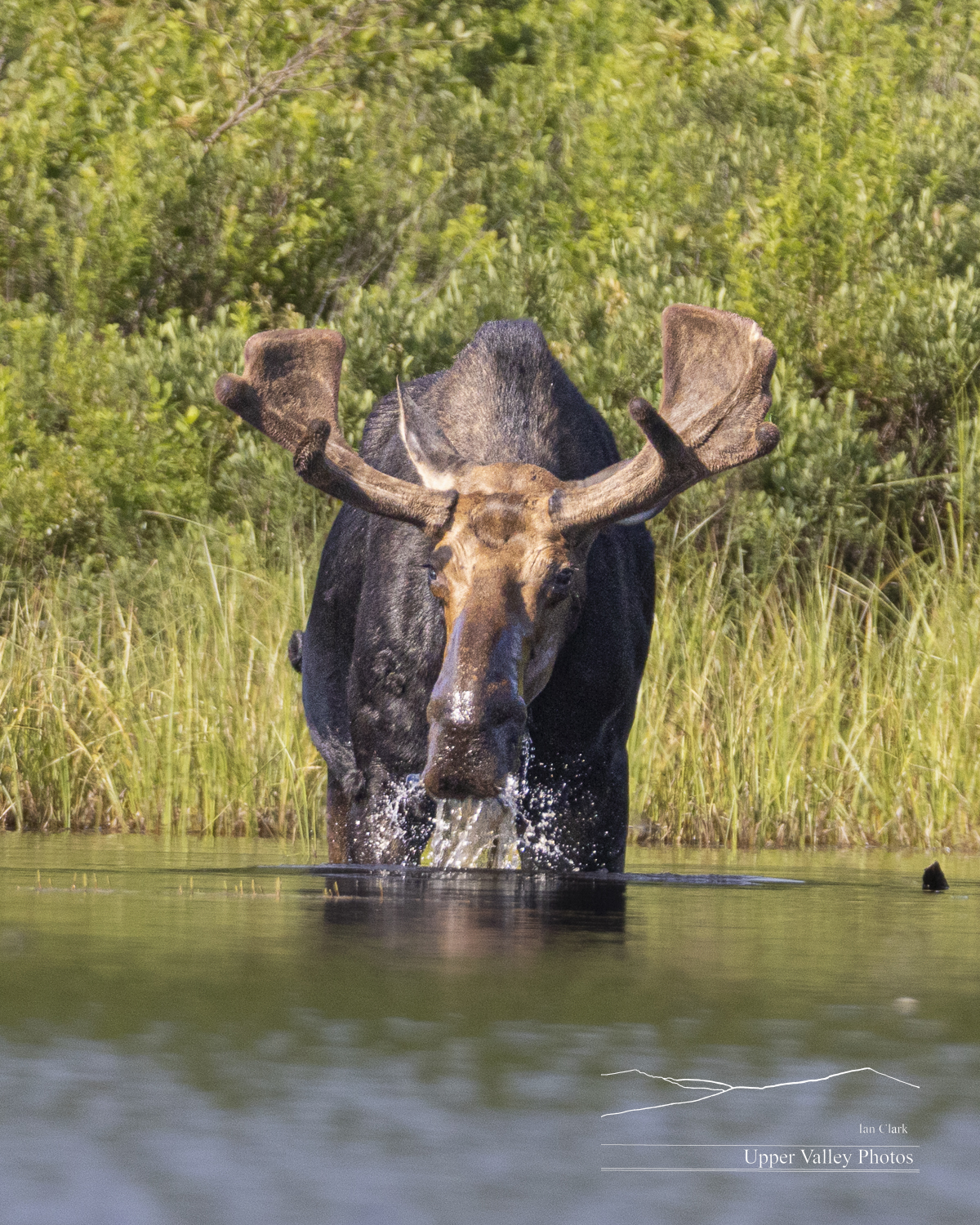
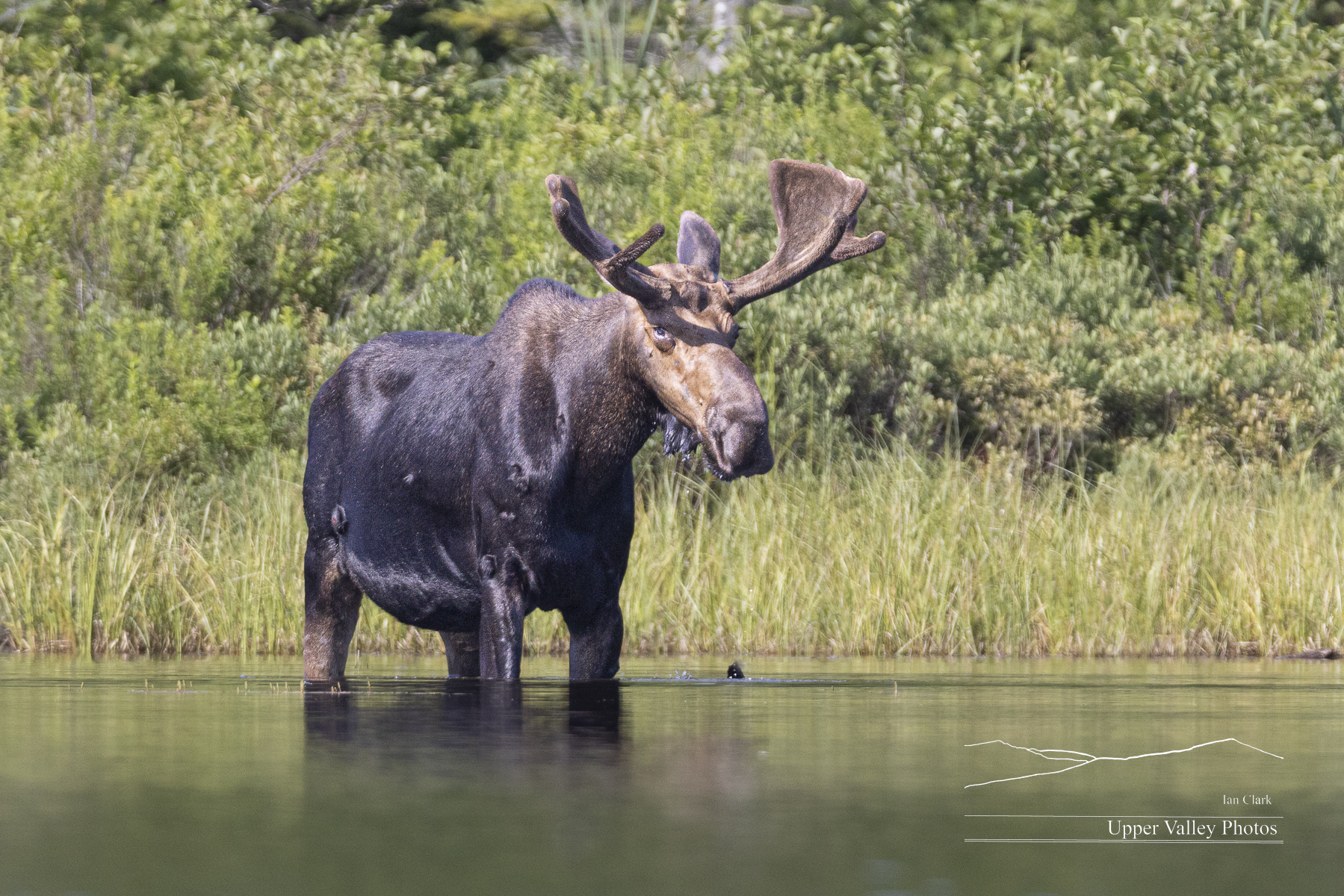
I think the sores on his leg and flank are from botfly larvae. I wrote to NH Fish & Game’s Moose Biologist. I’ll update when I hear back.
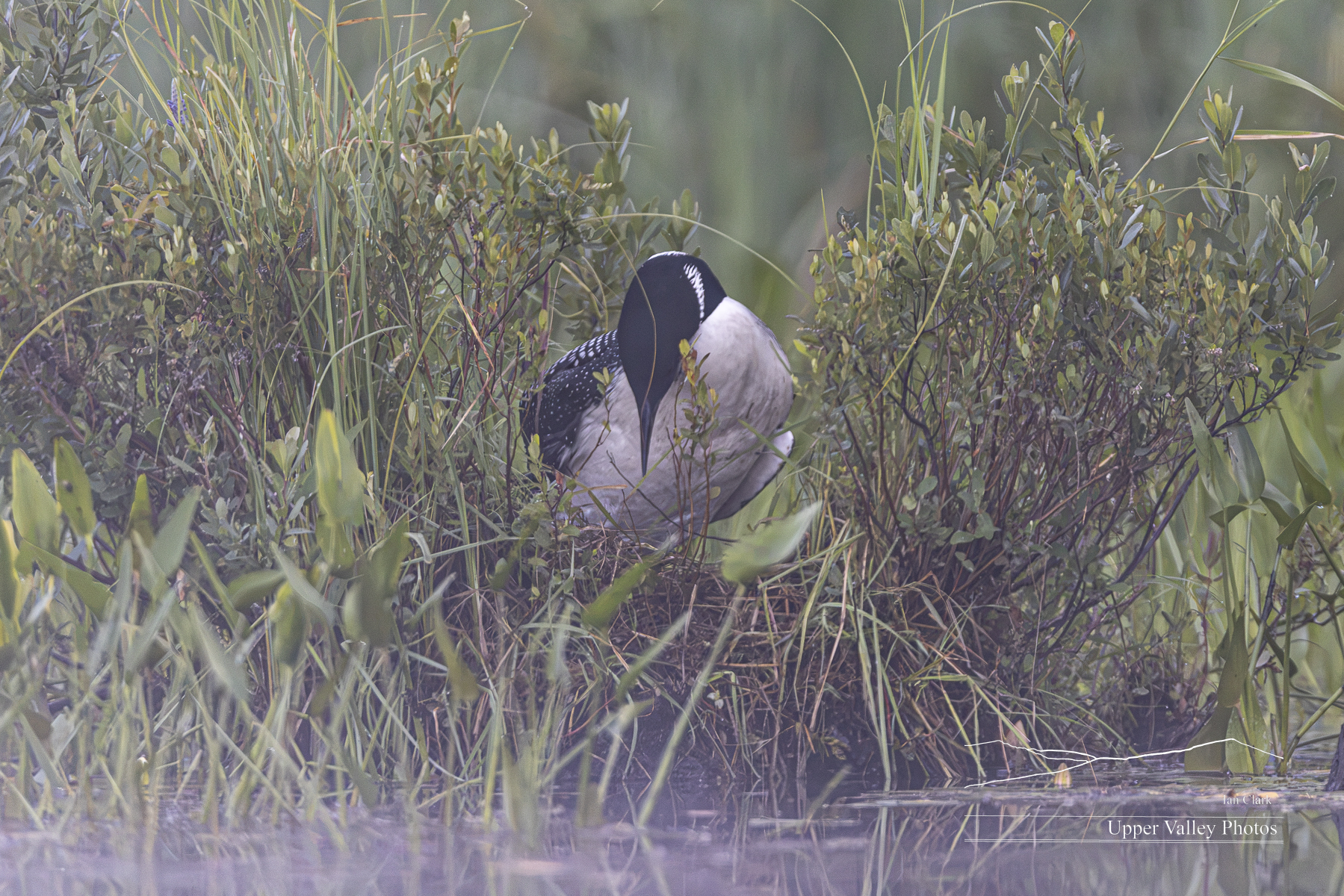
There wasn’t any news from the nest by the time I had to head home. The next day, LPC emailed to tell me someone on the pond had spotted the Middletons with a chick.
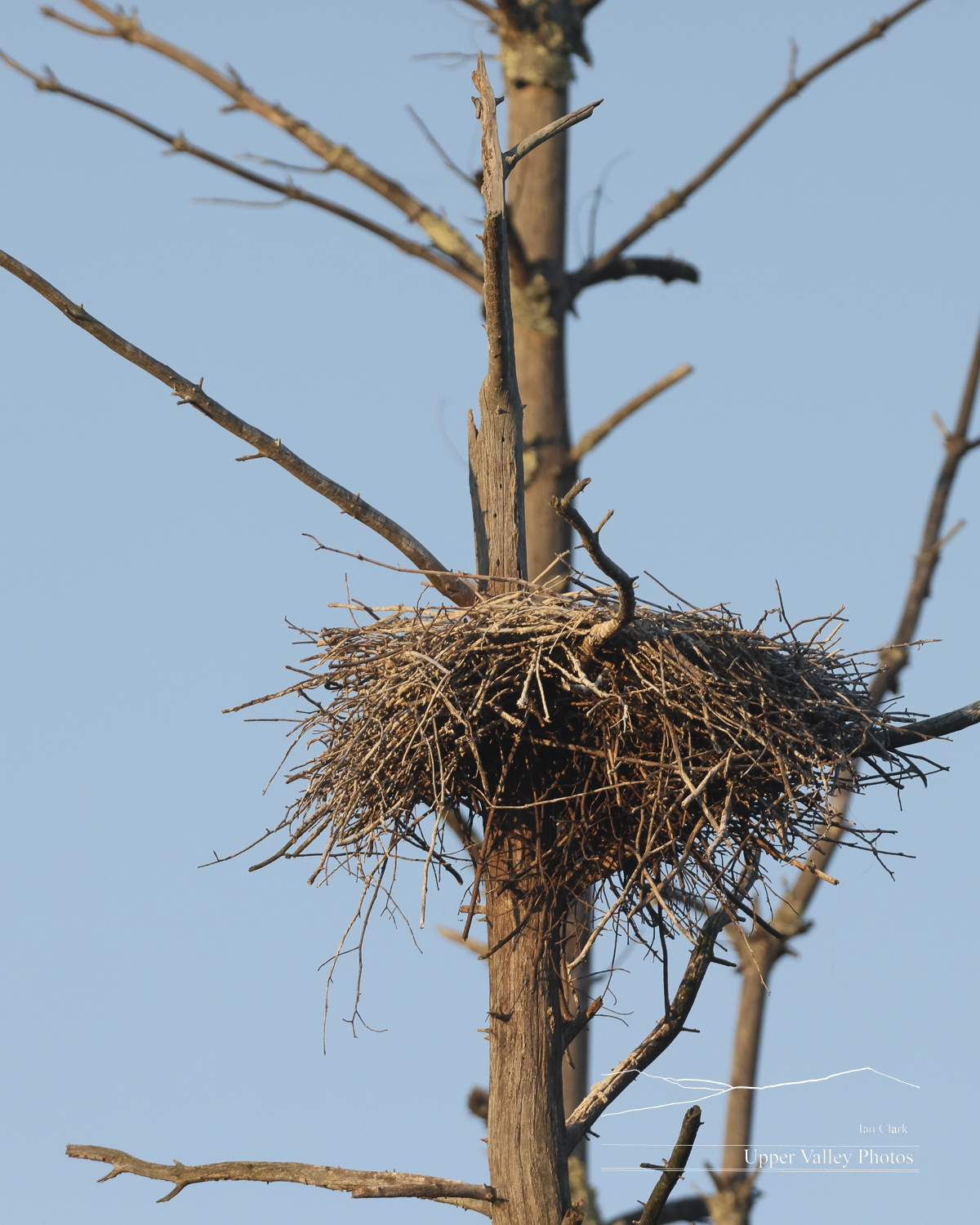
All too early on the 13th I was up and driving two hours to check in on the heron rookery.
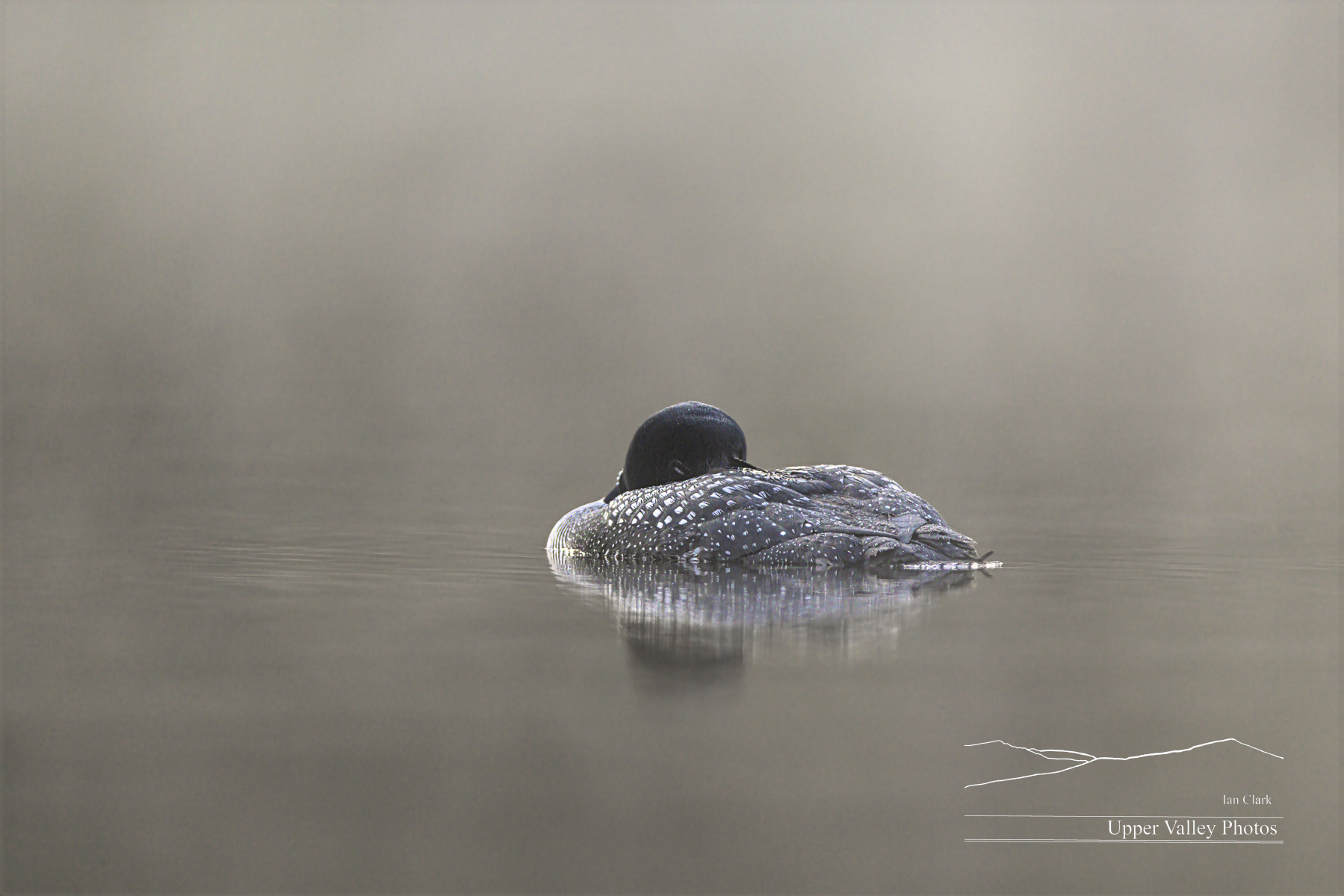
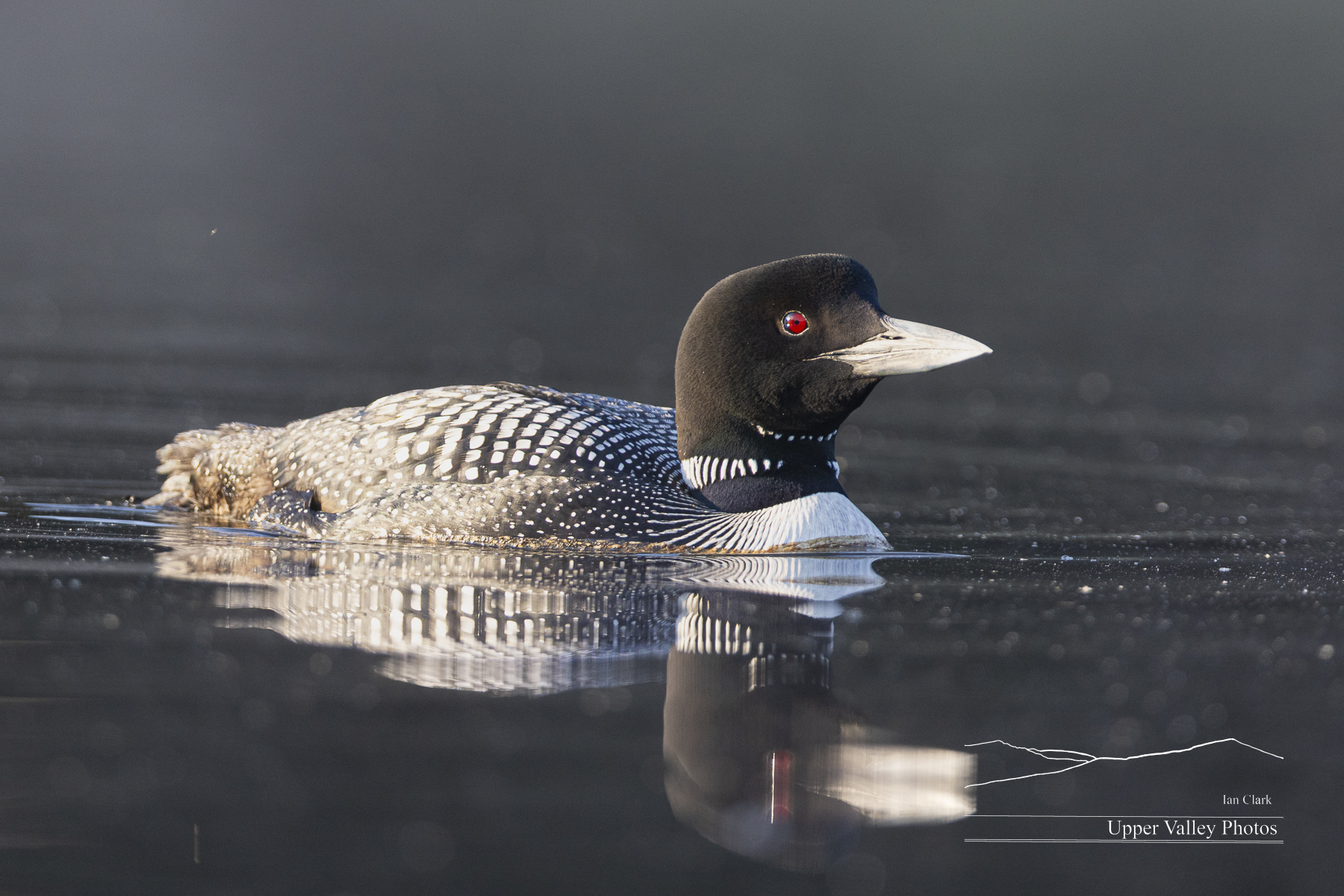
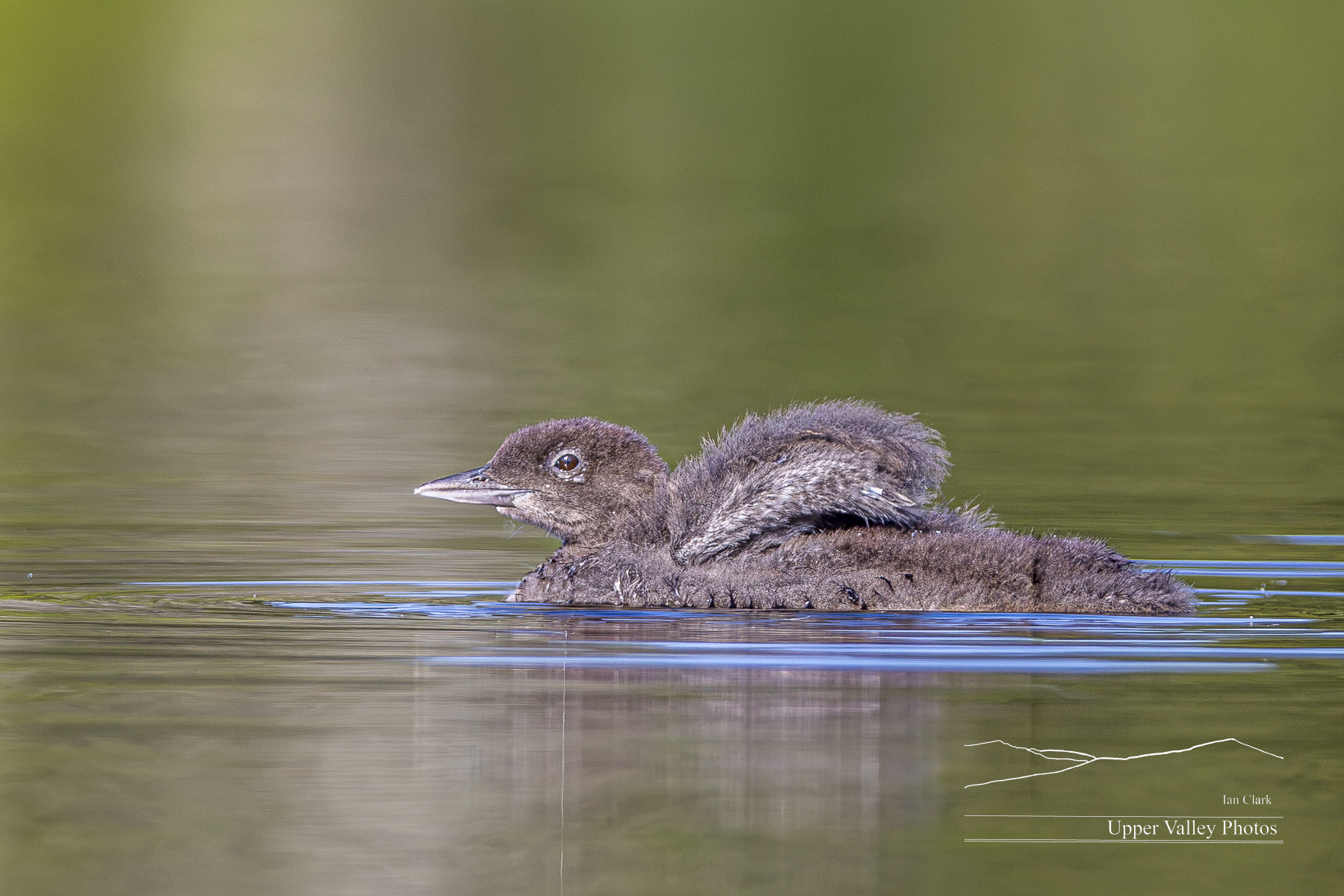
I didn’t get a chance to get back to the Middletons until the 16th.
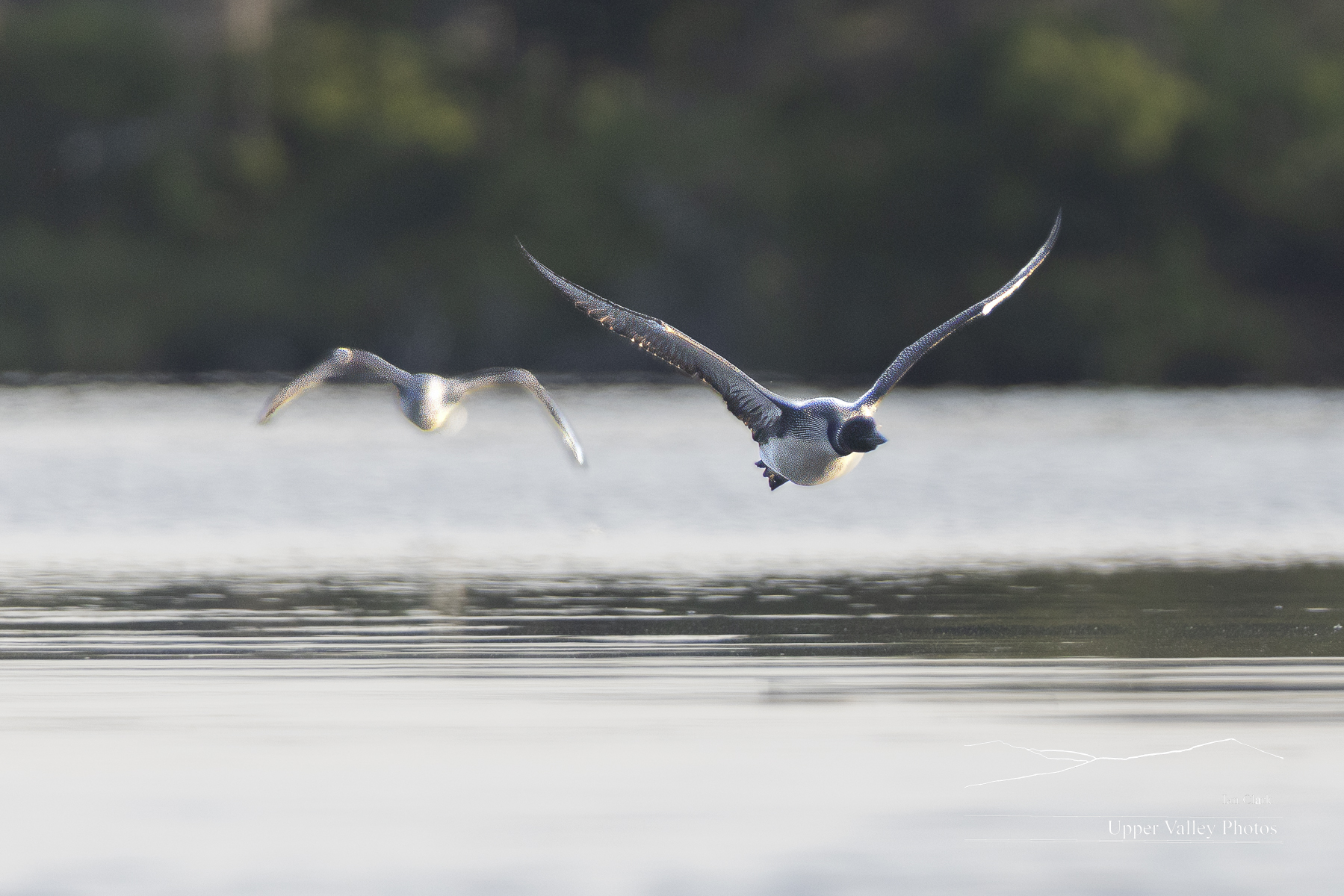
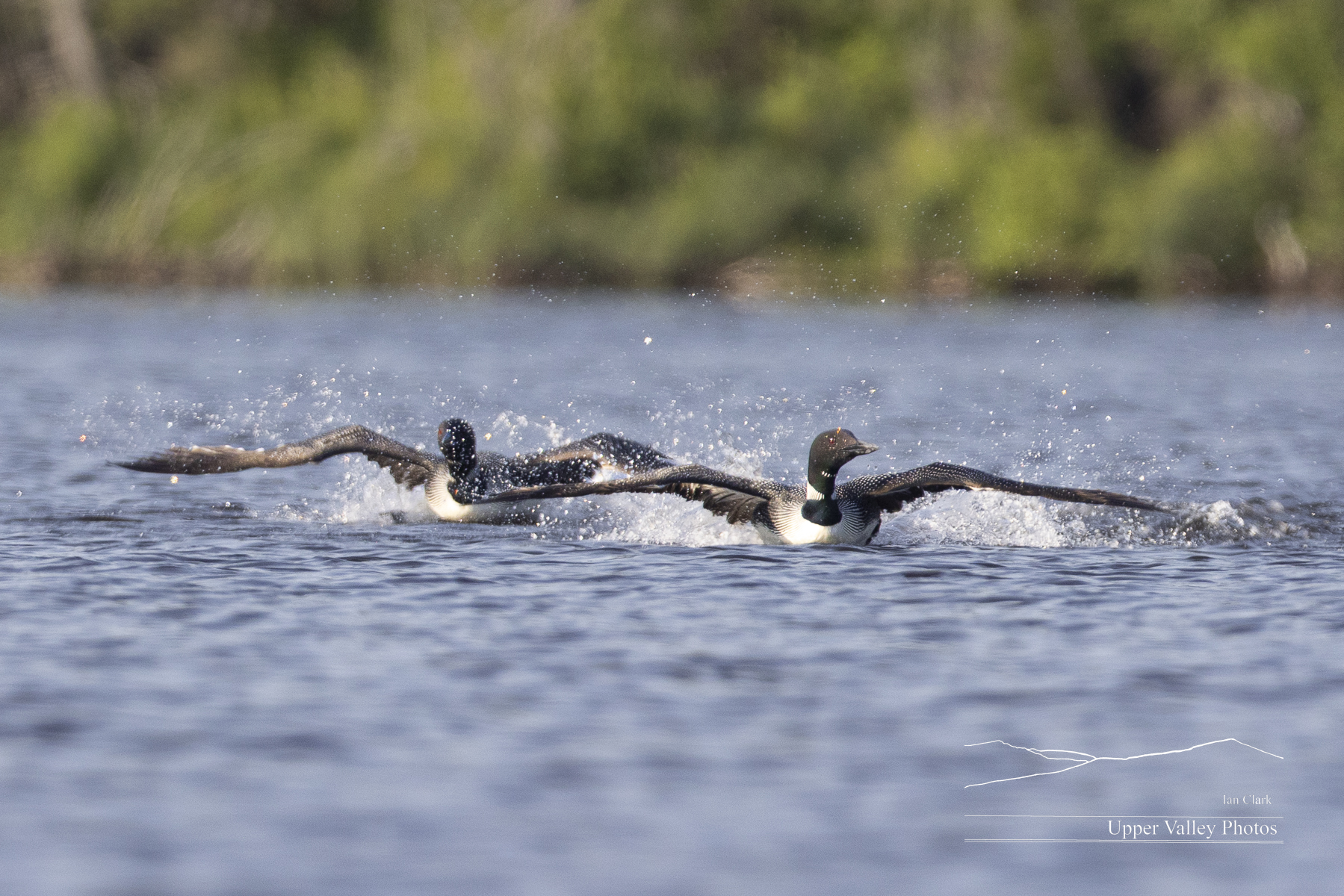
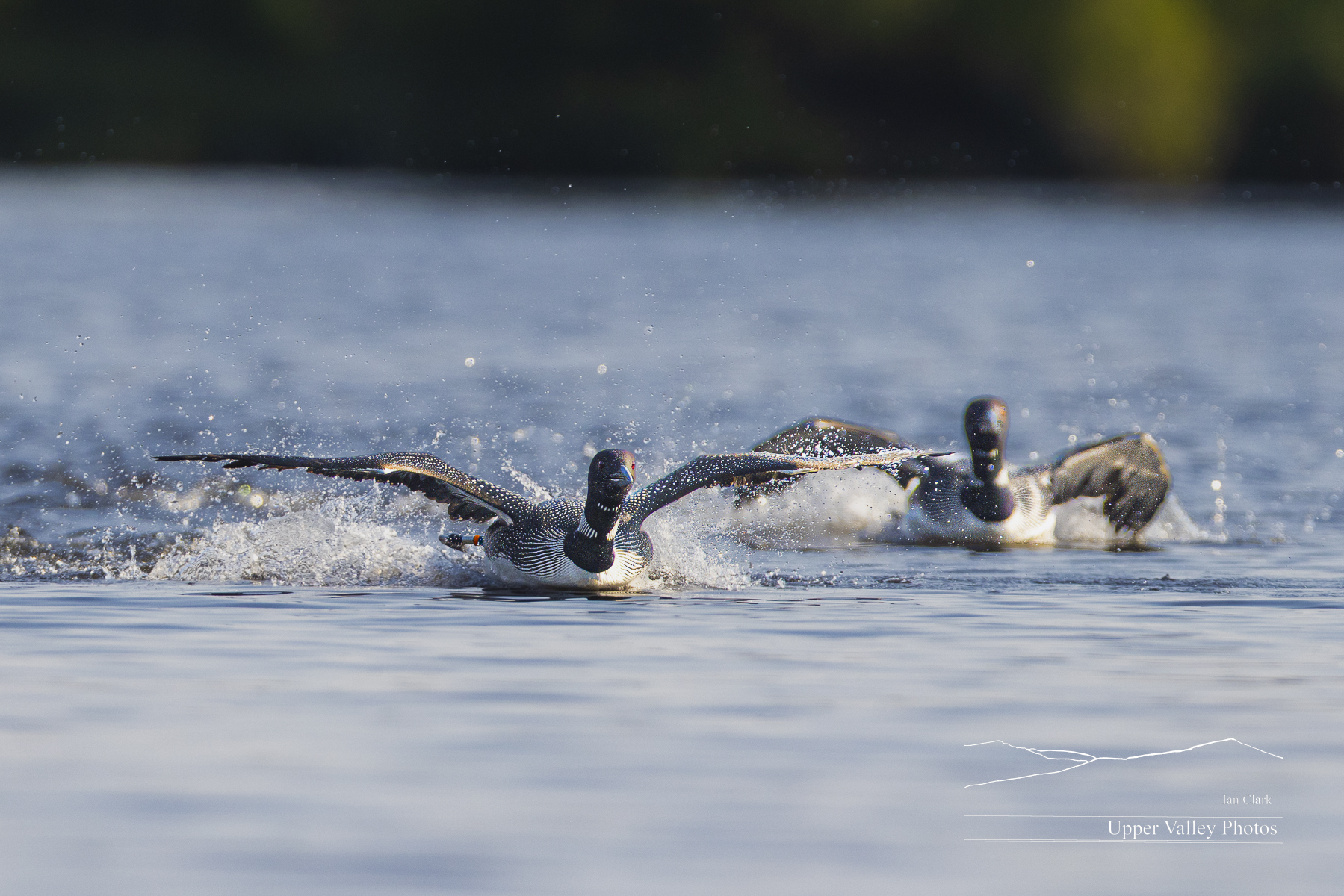
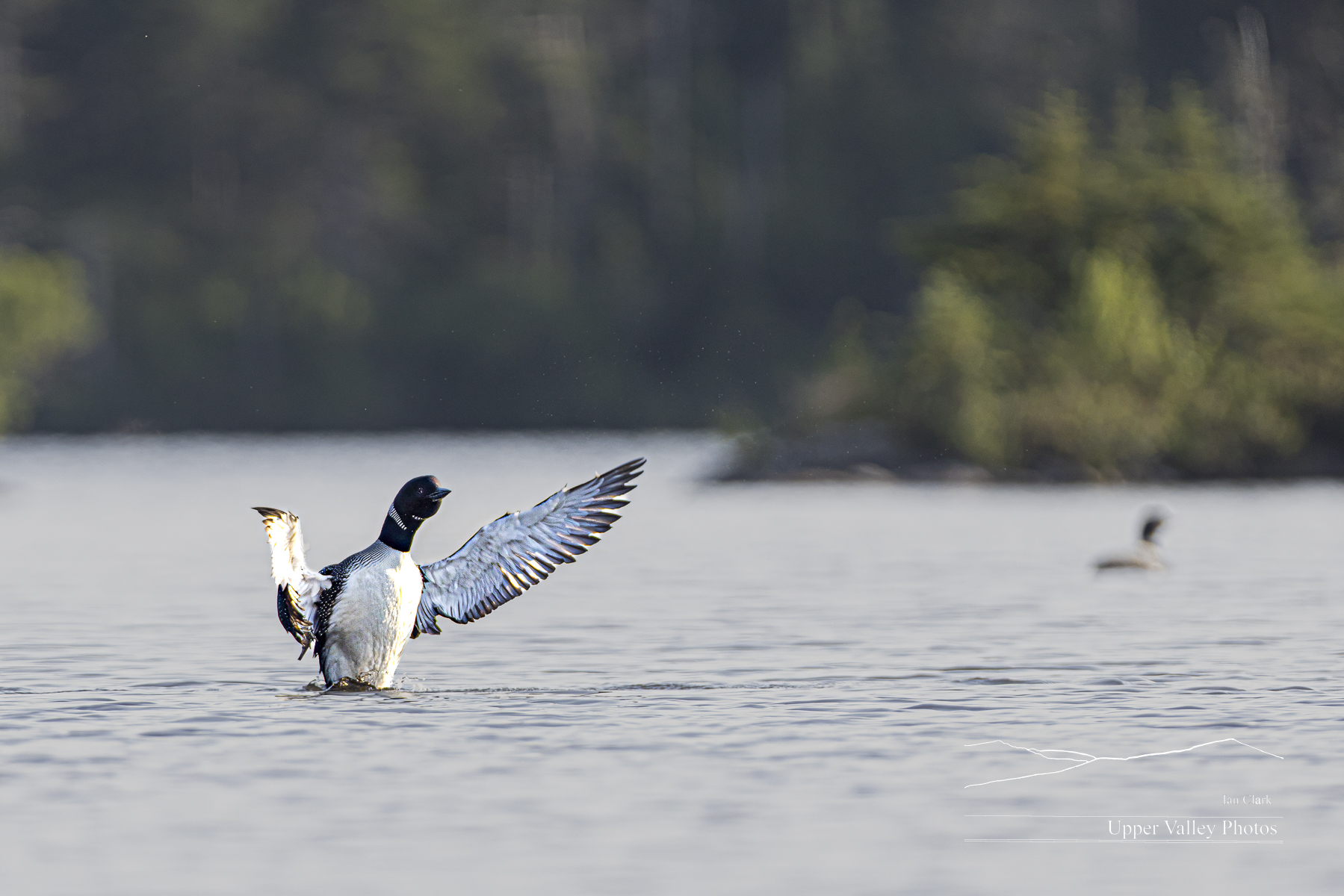
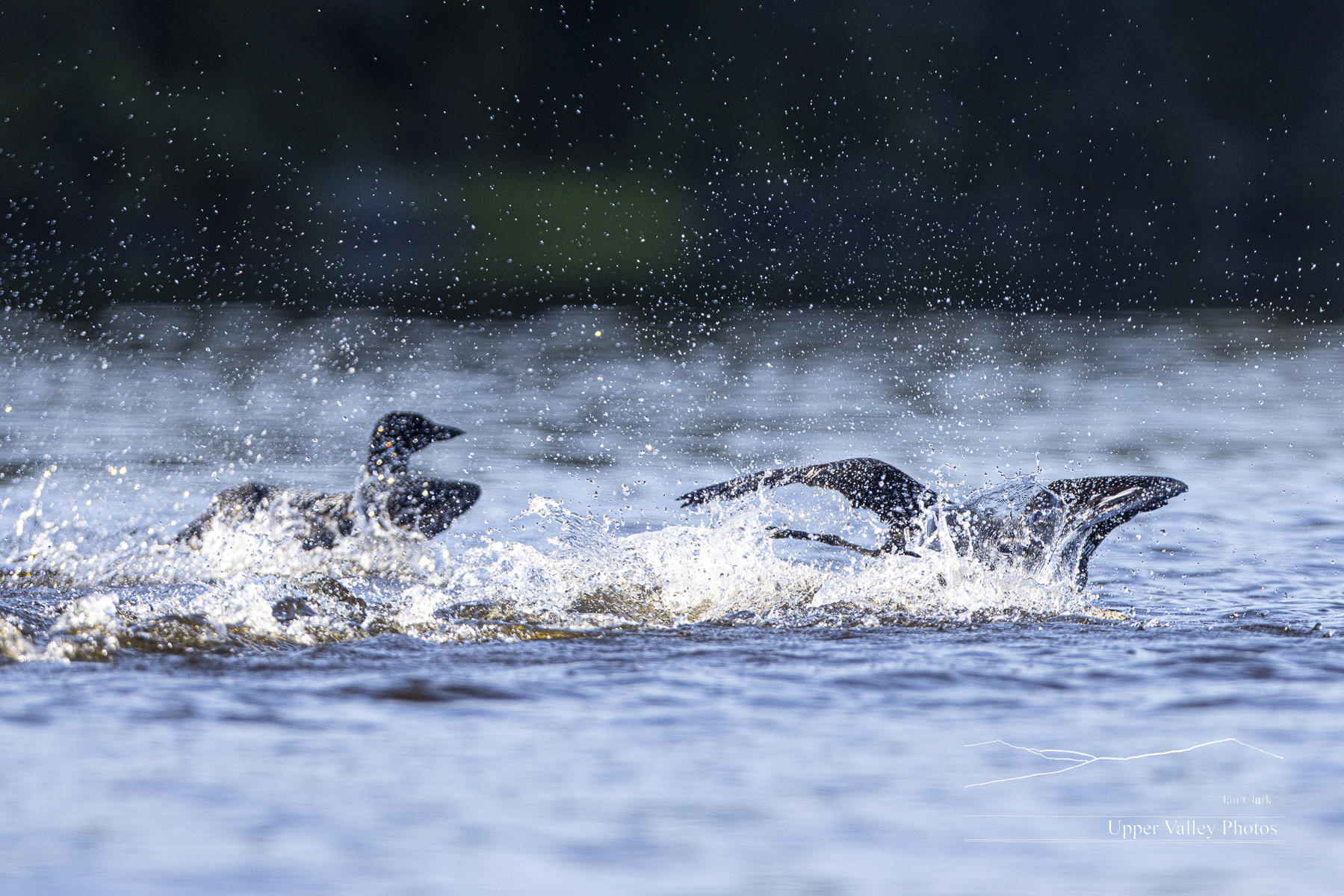
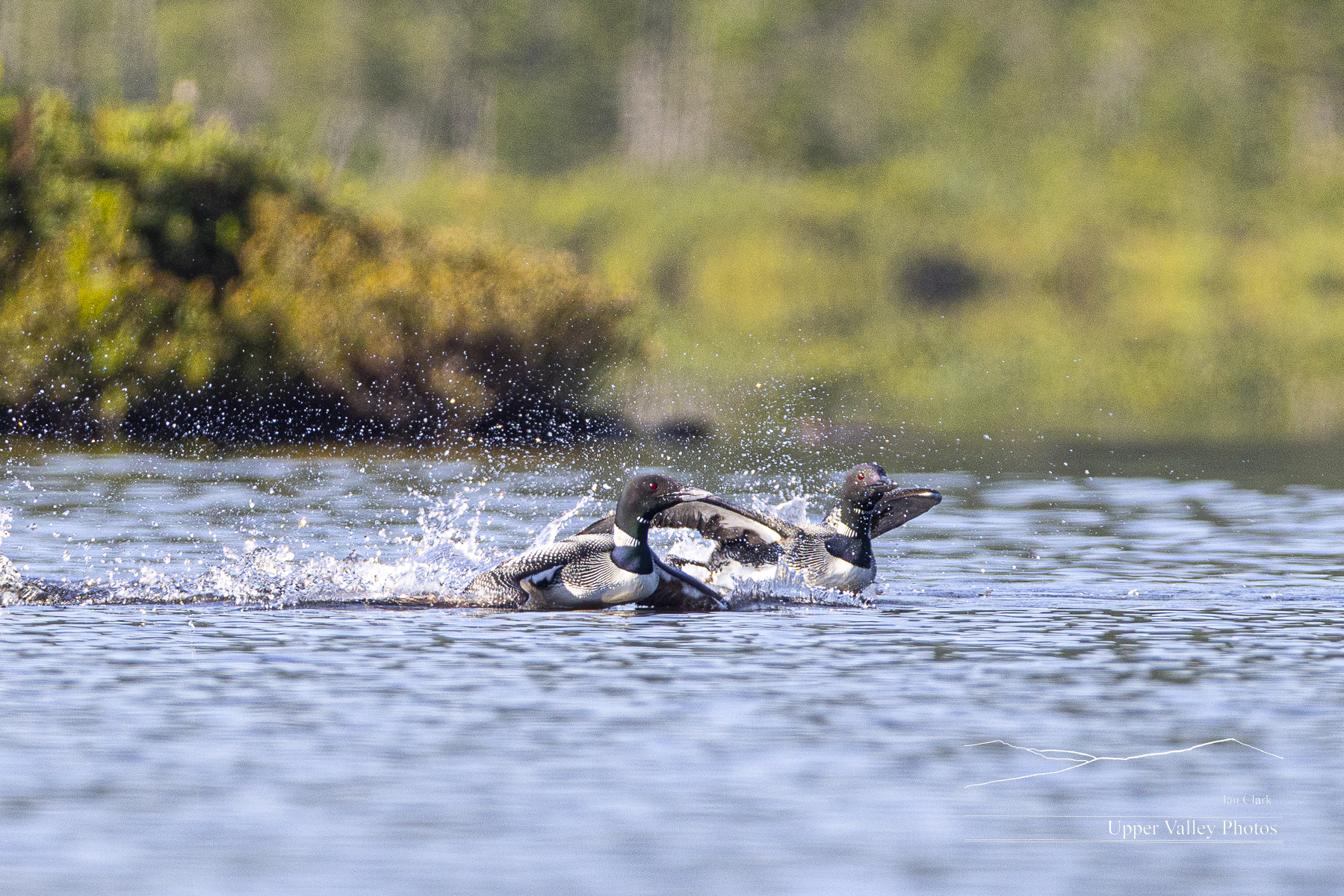
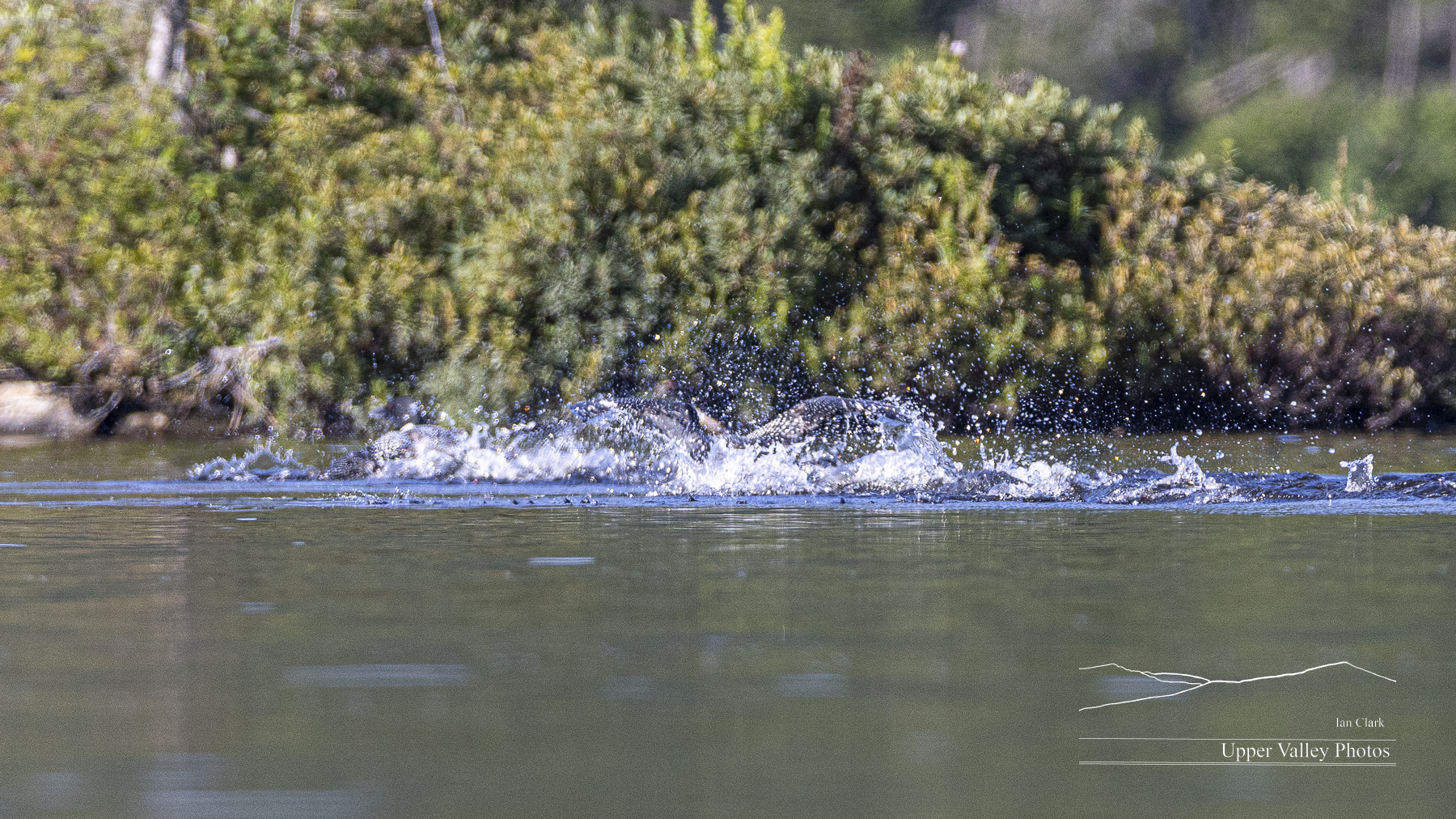
But things soon took a turn for the worse.
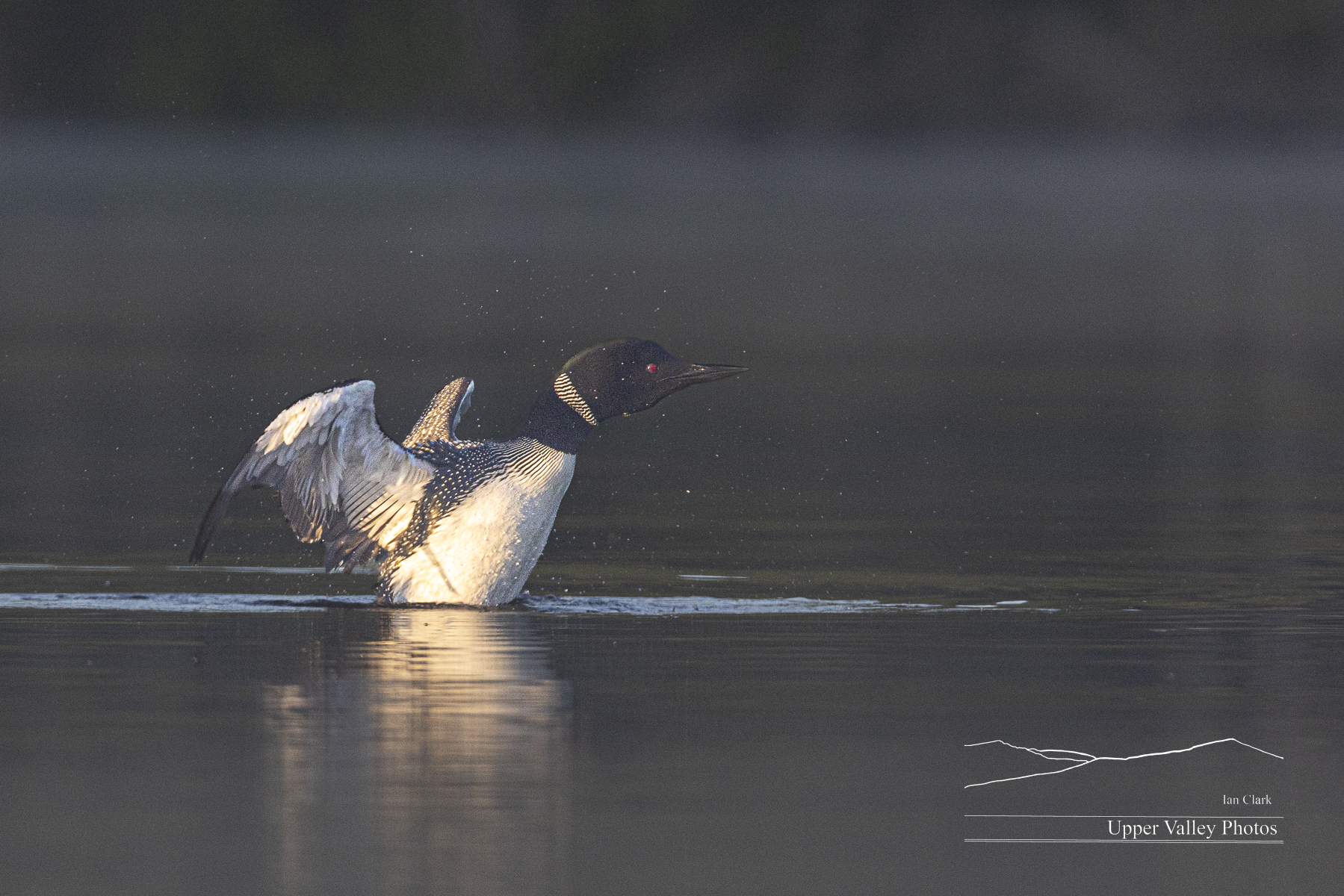
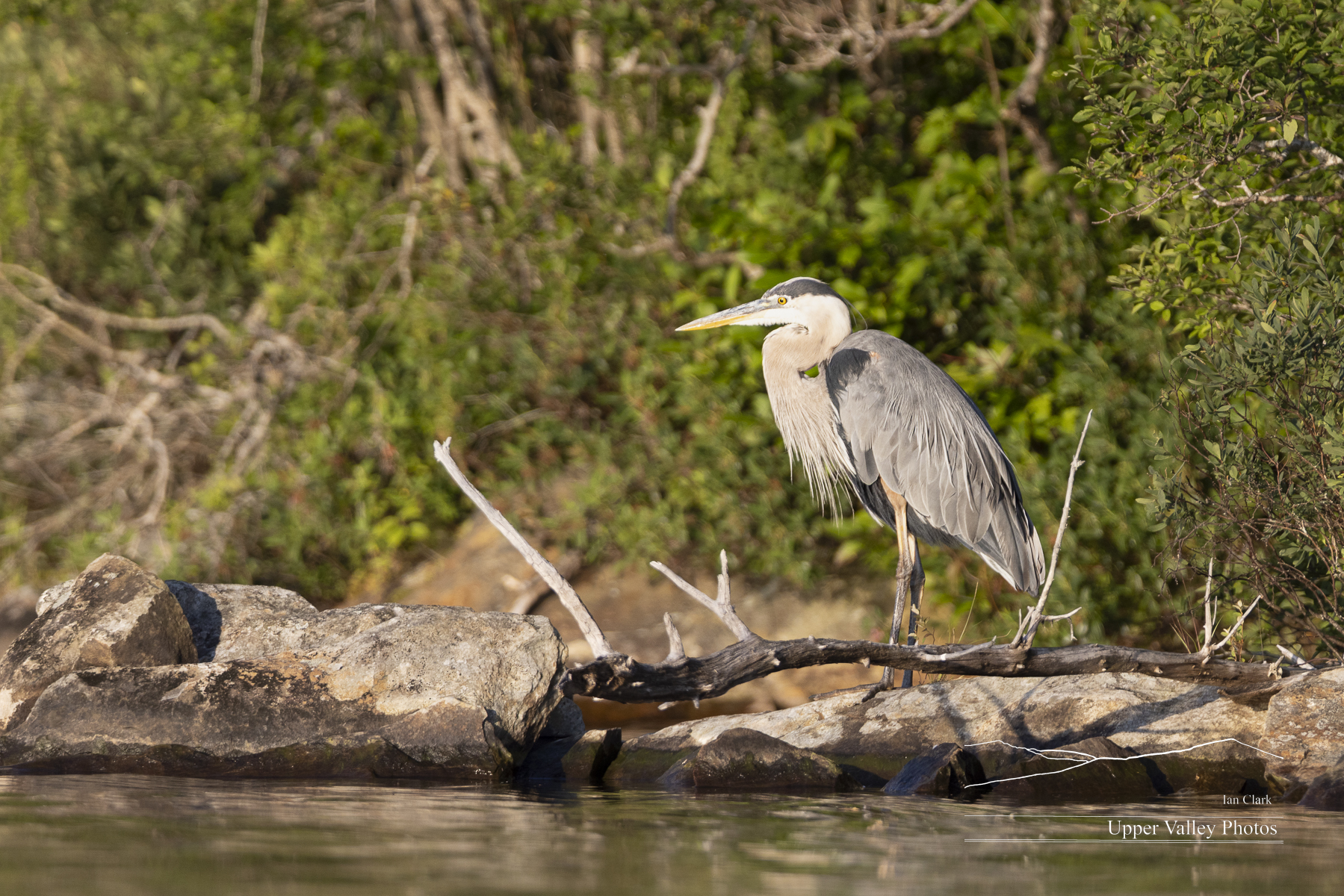
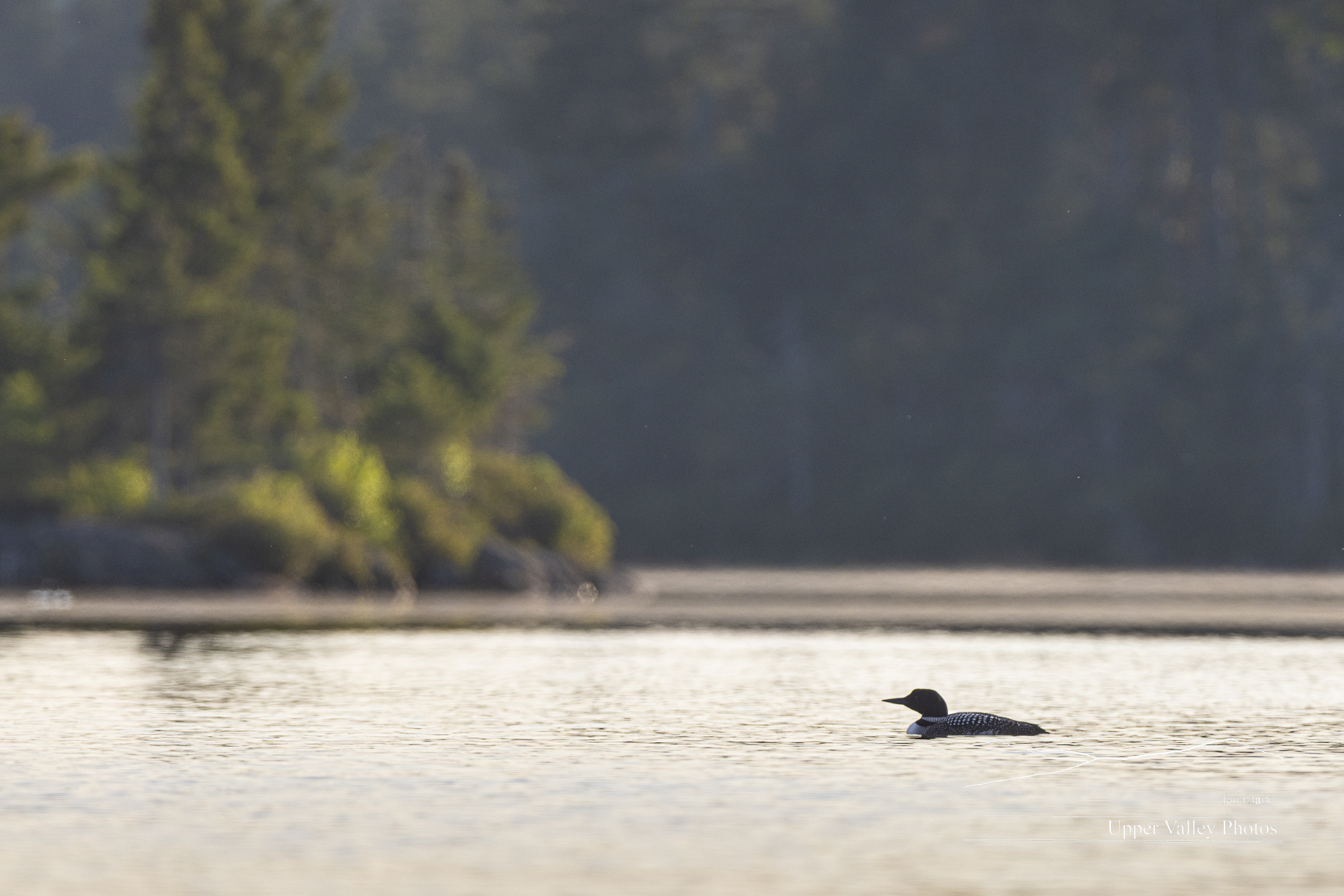
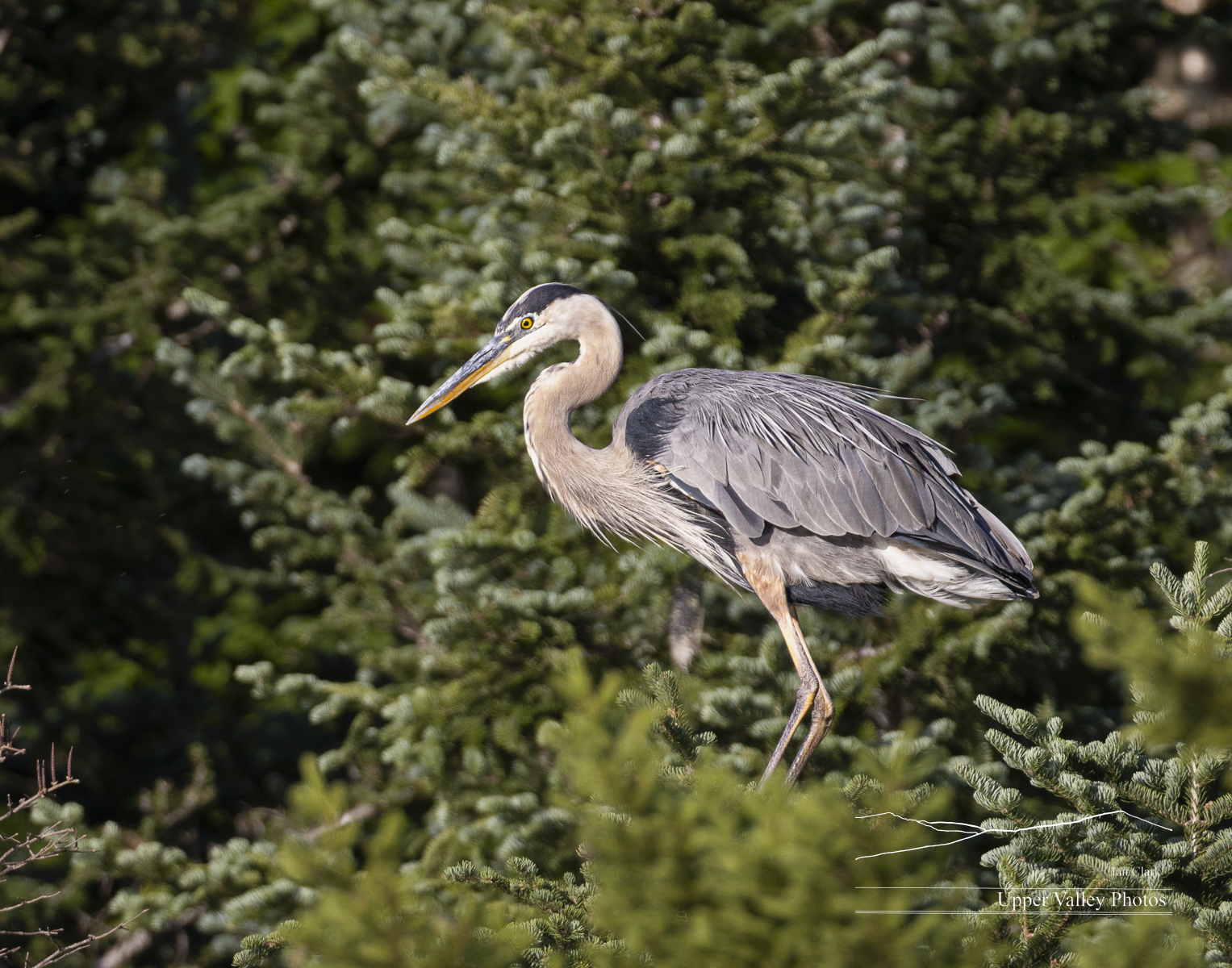
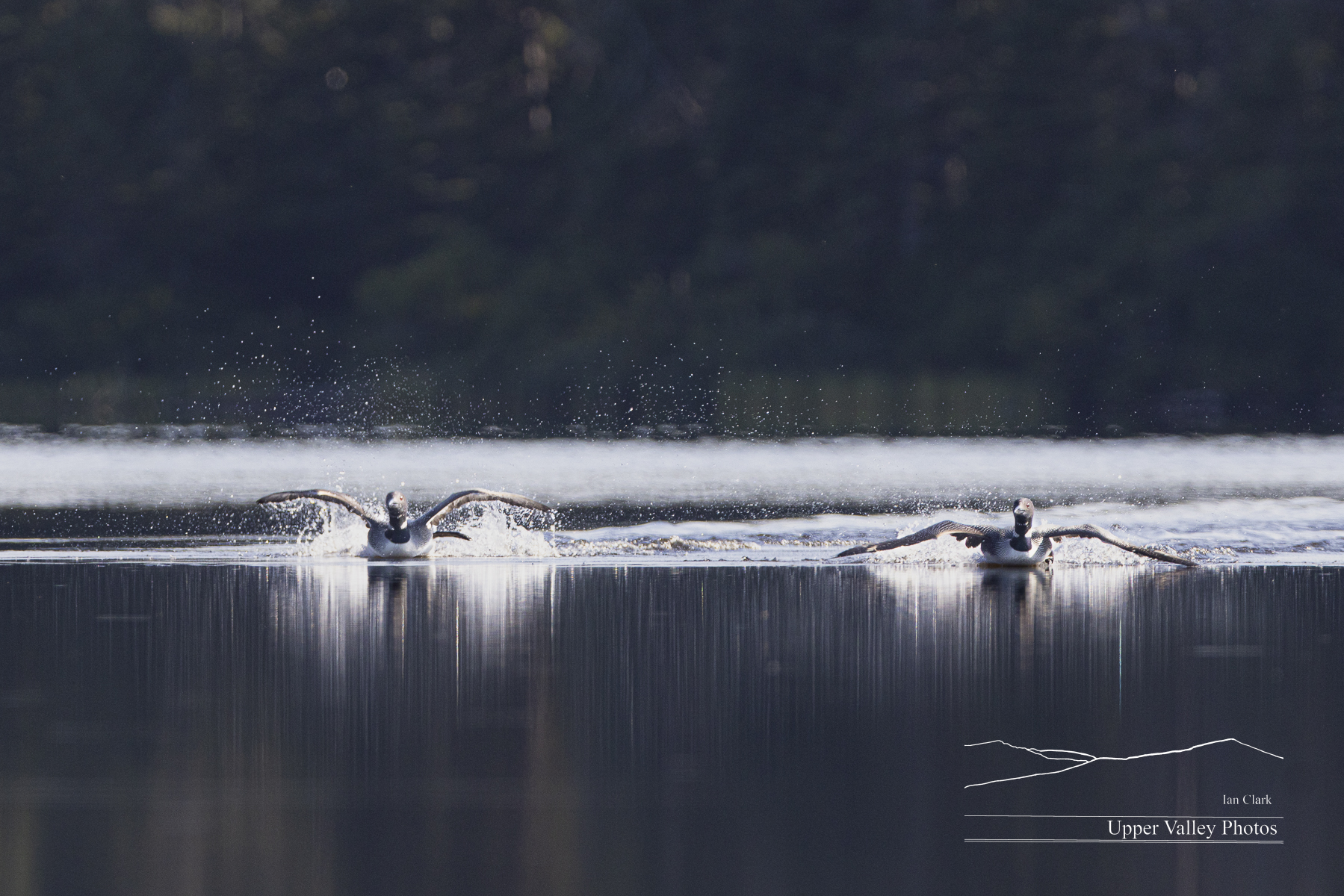
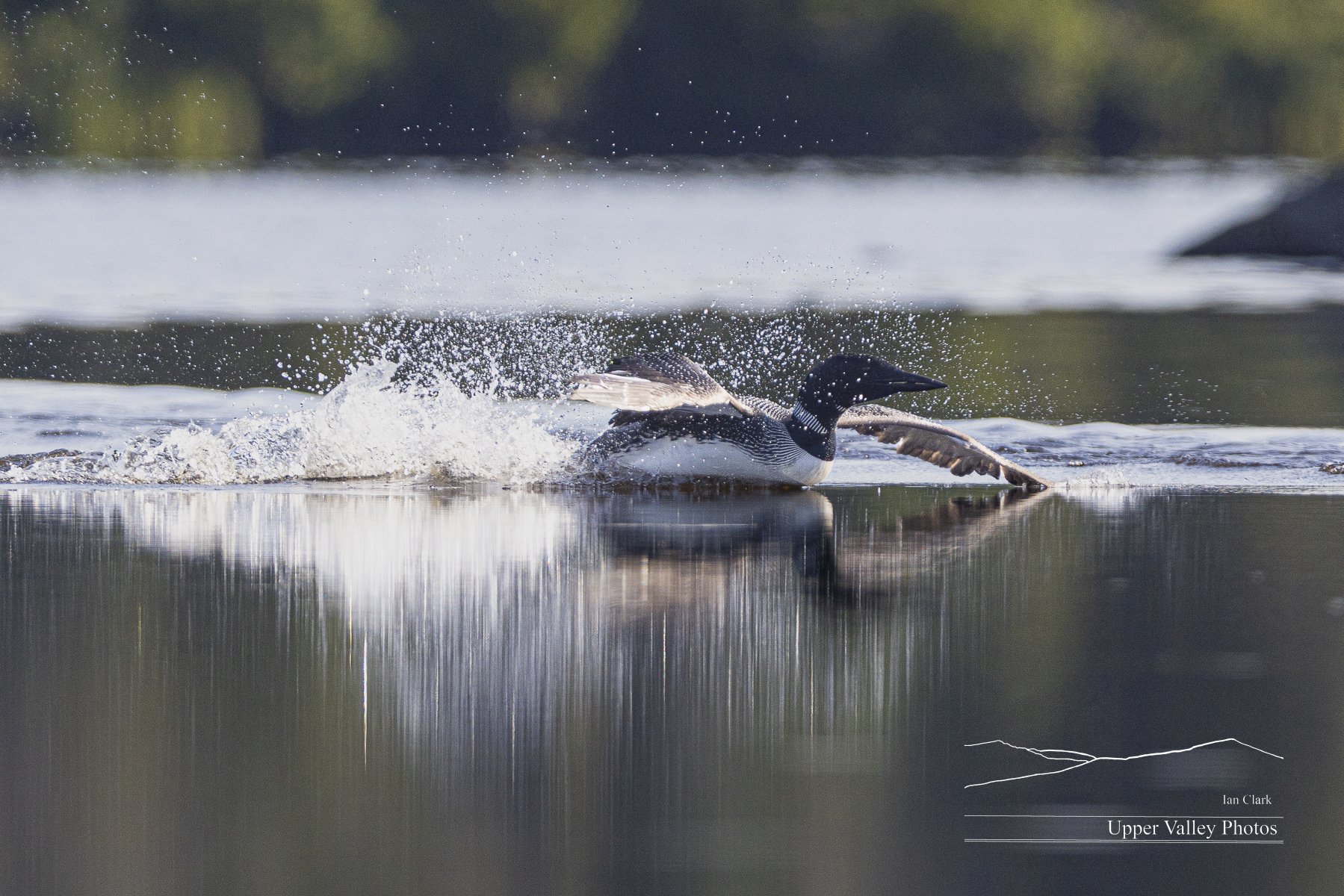
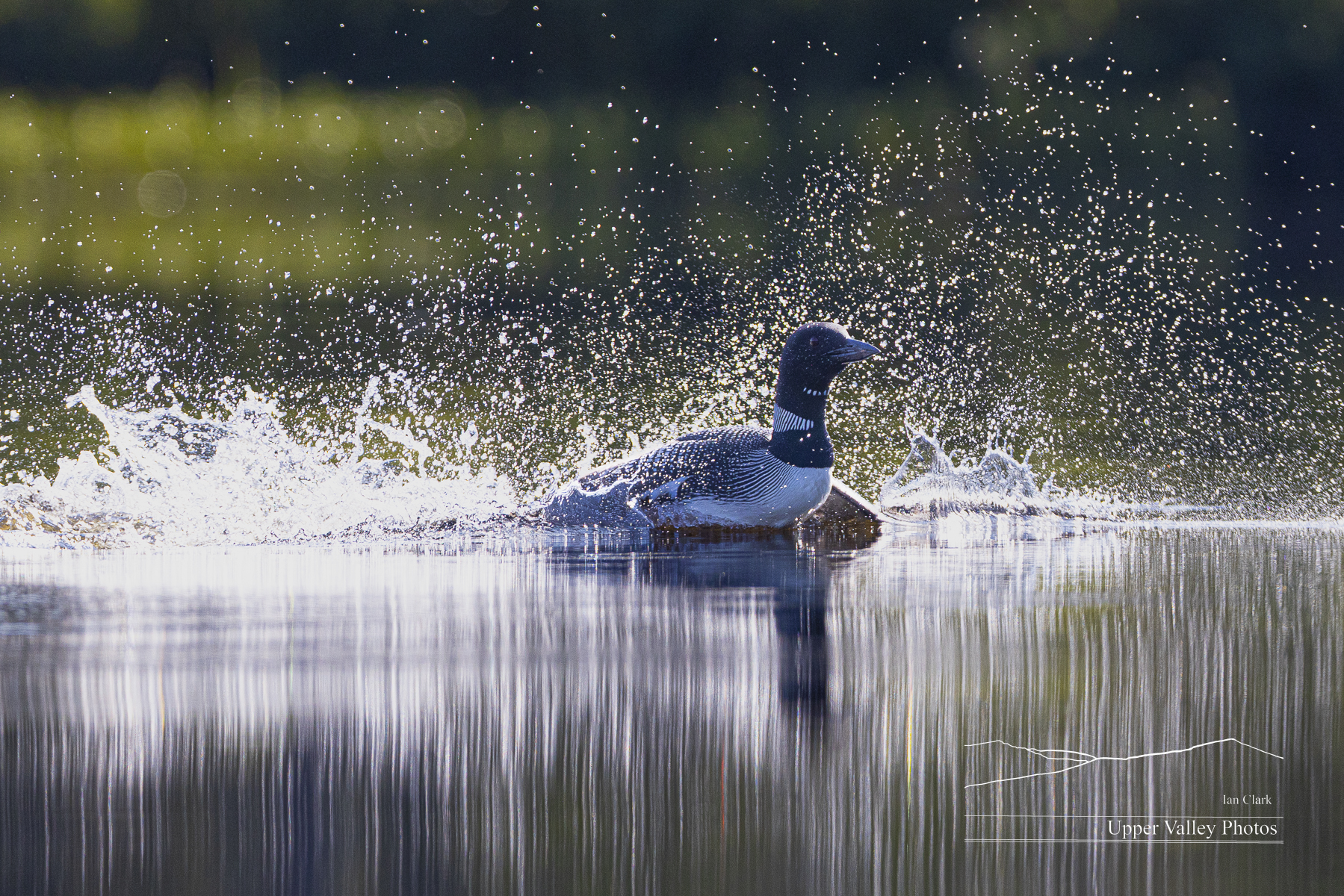
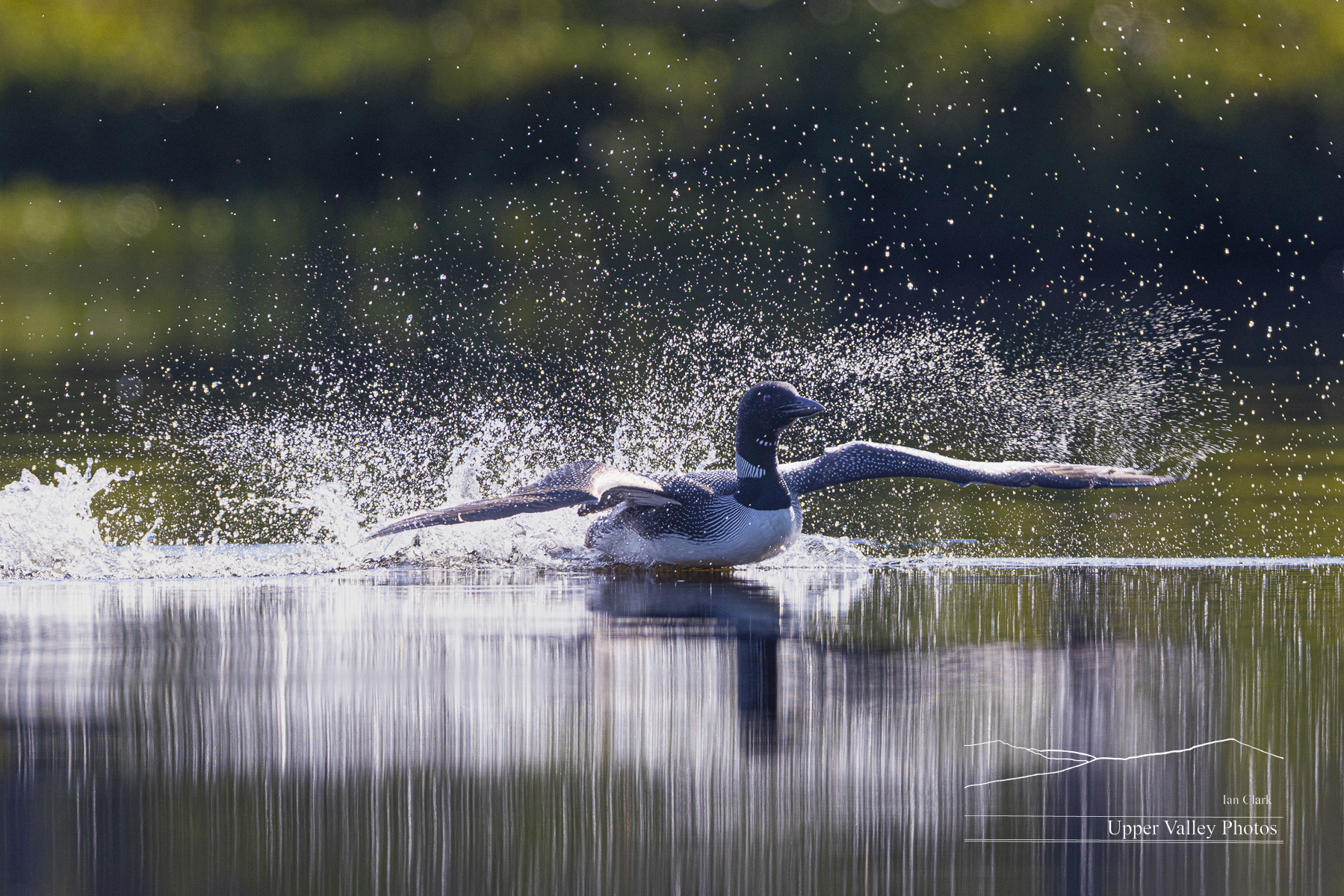
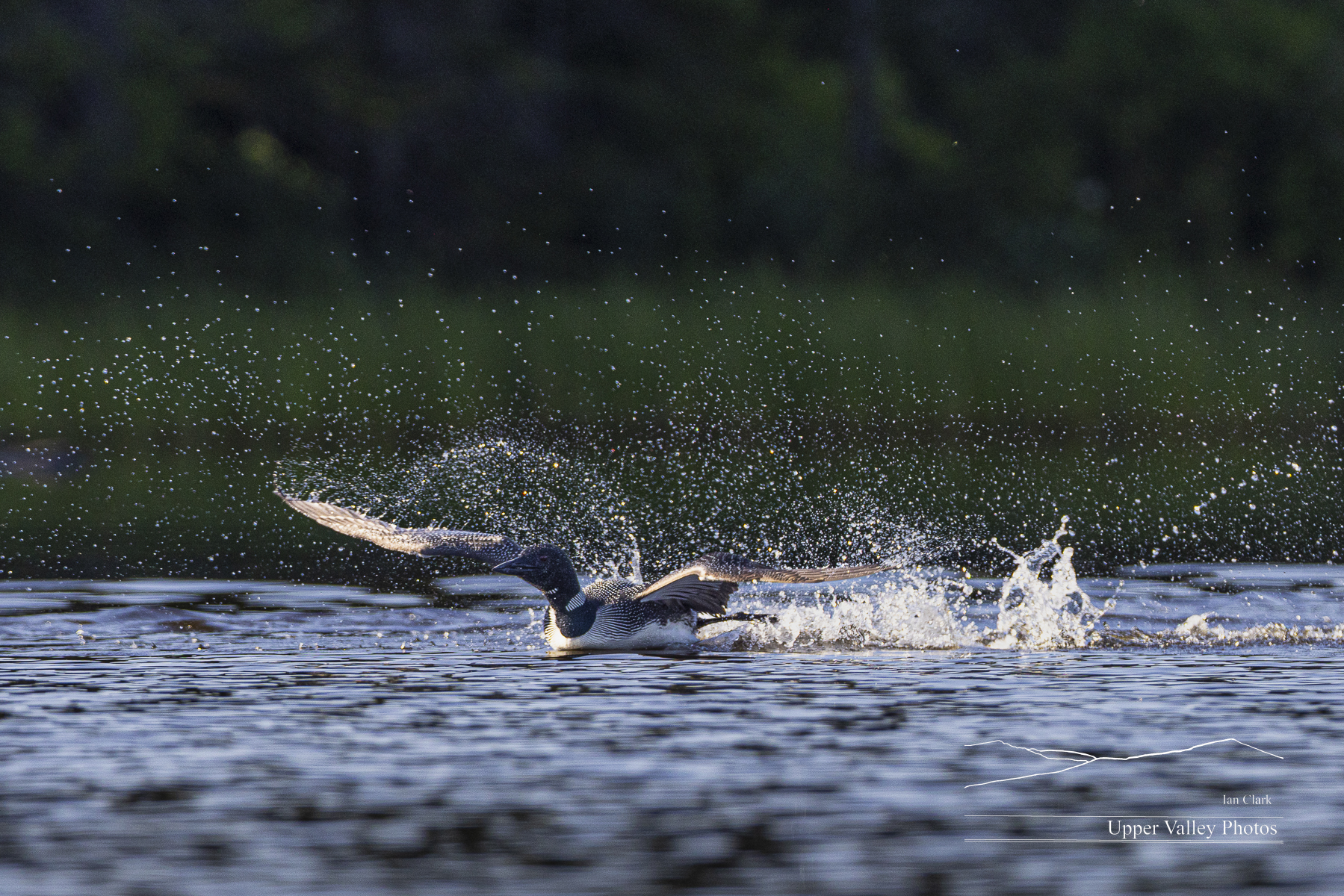
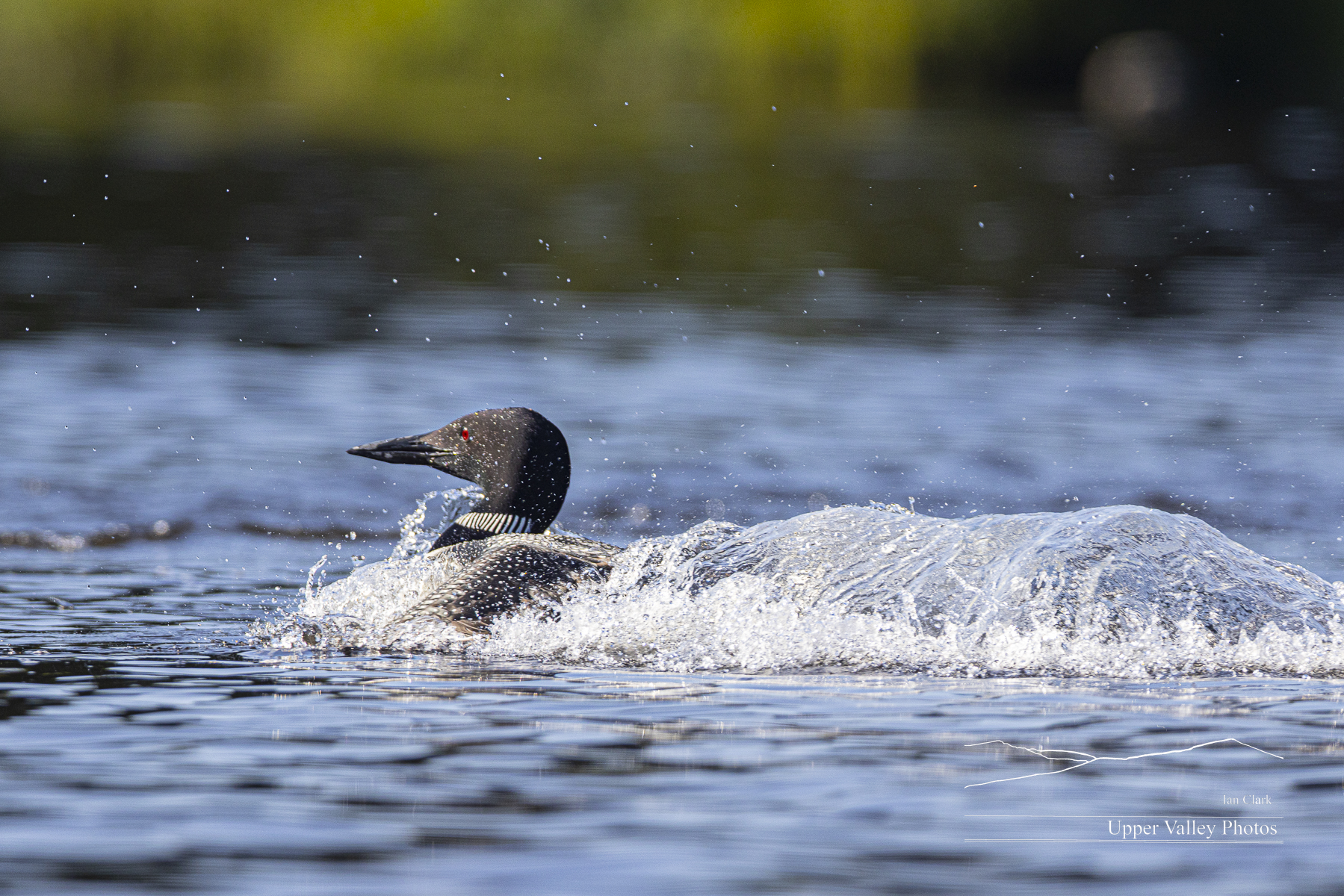
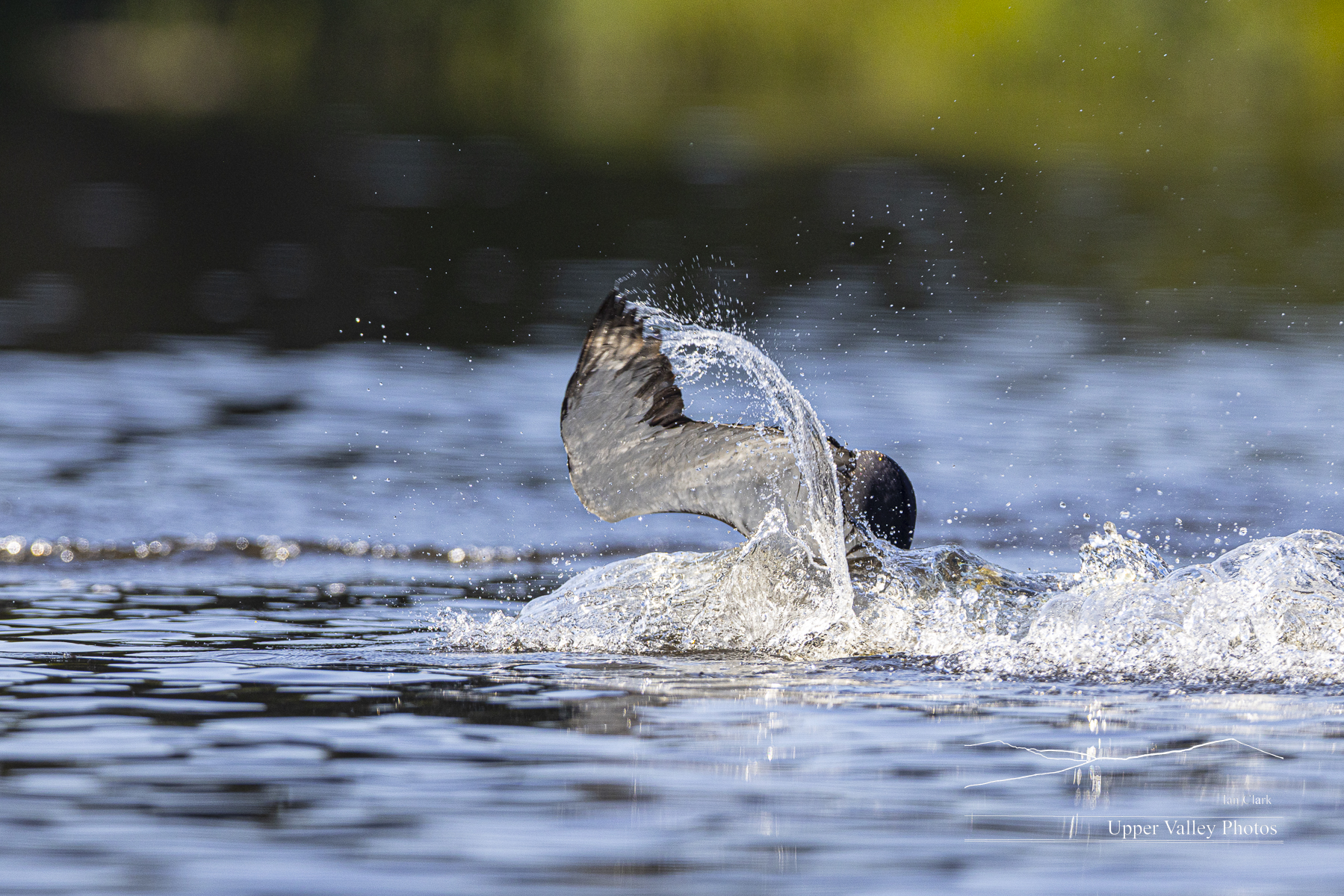
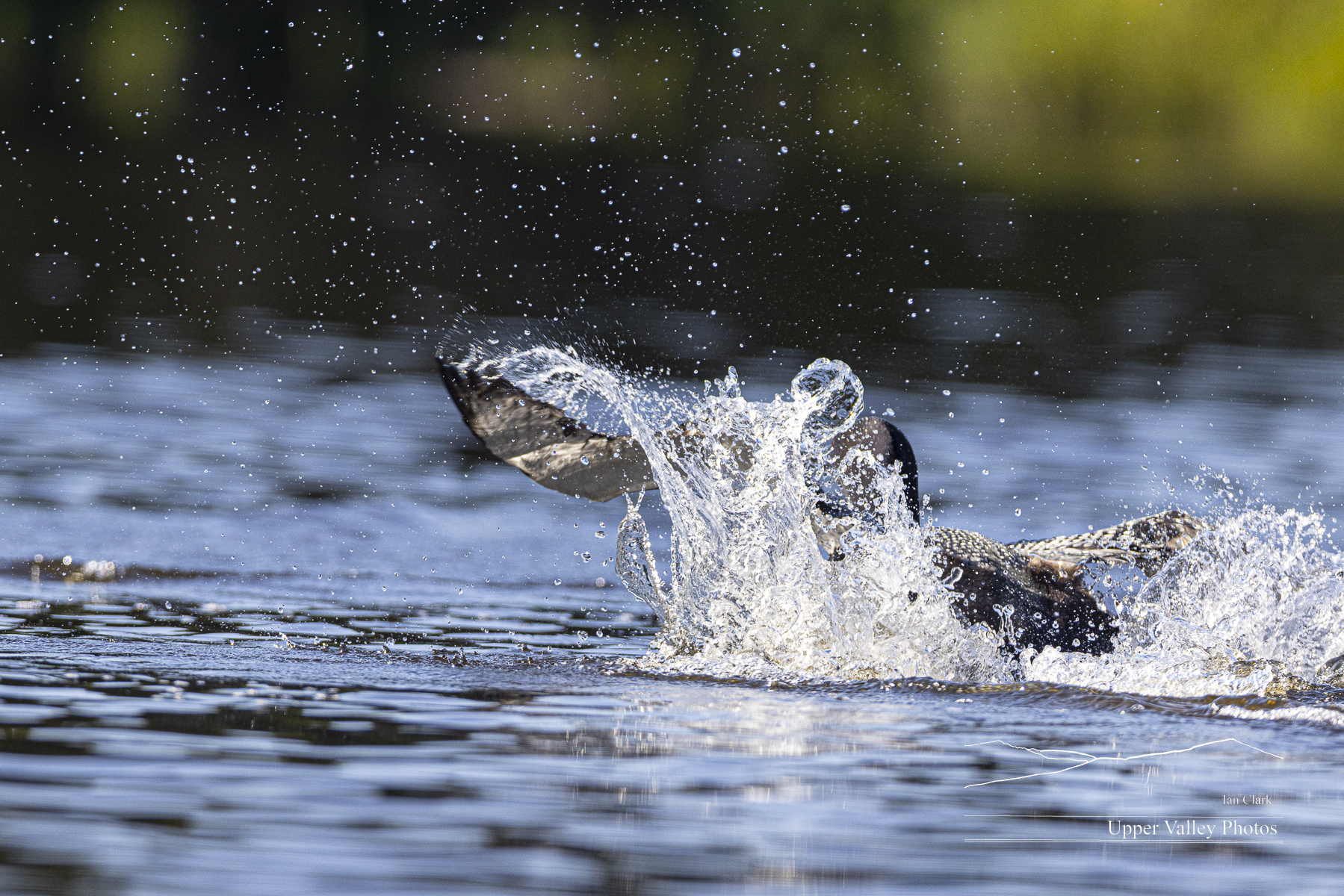
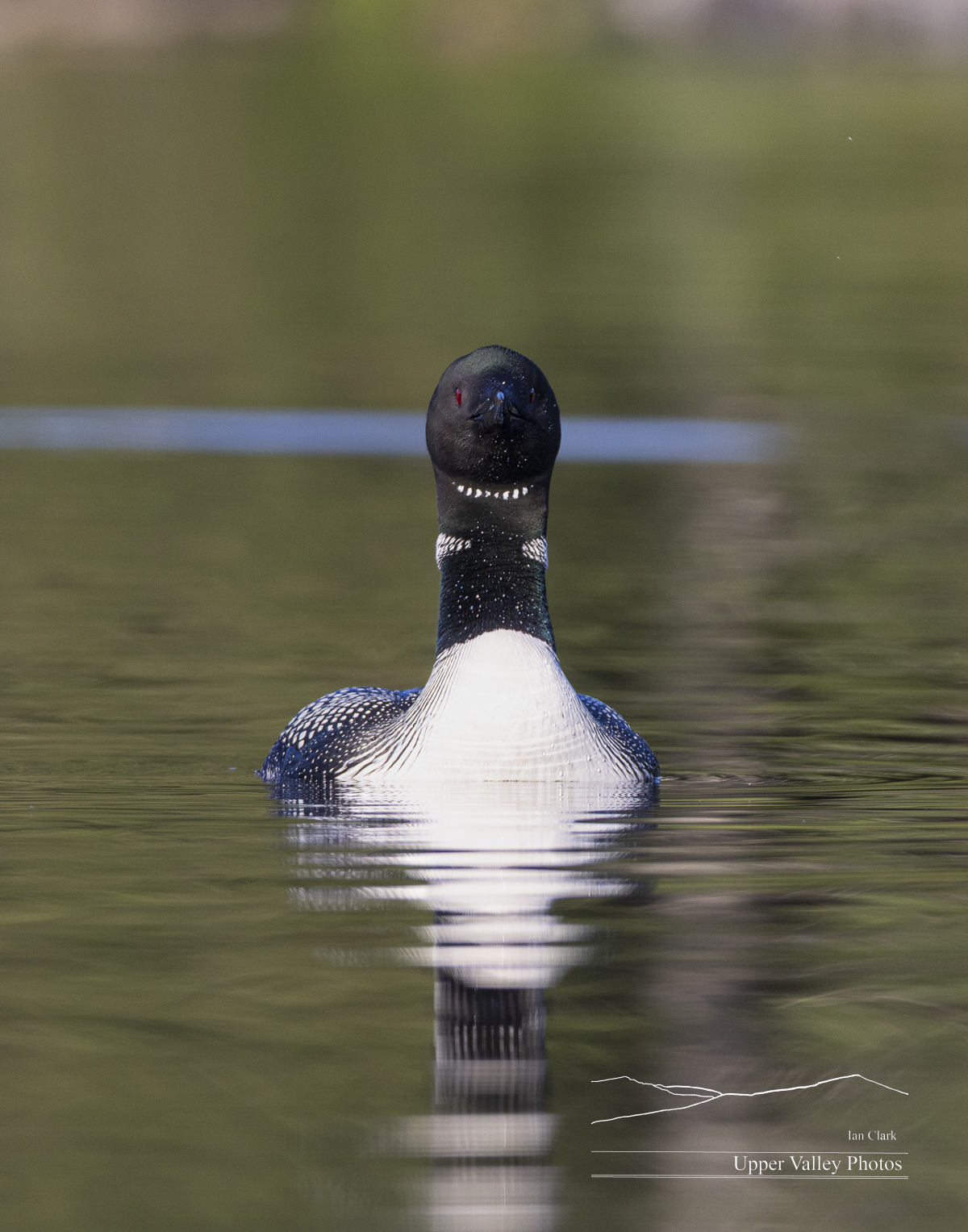
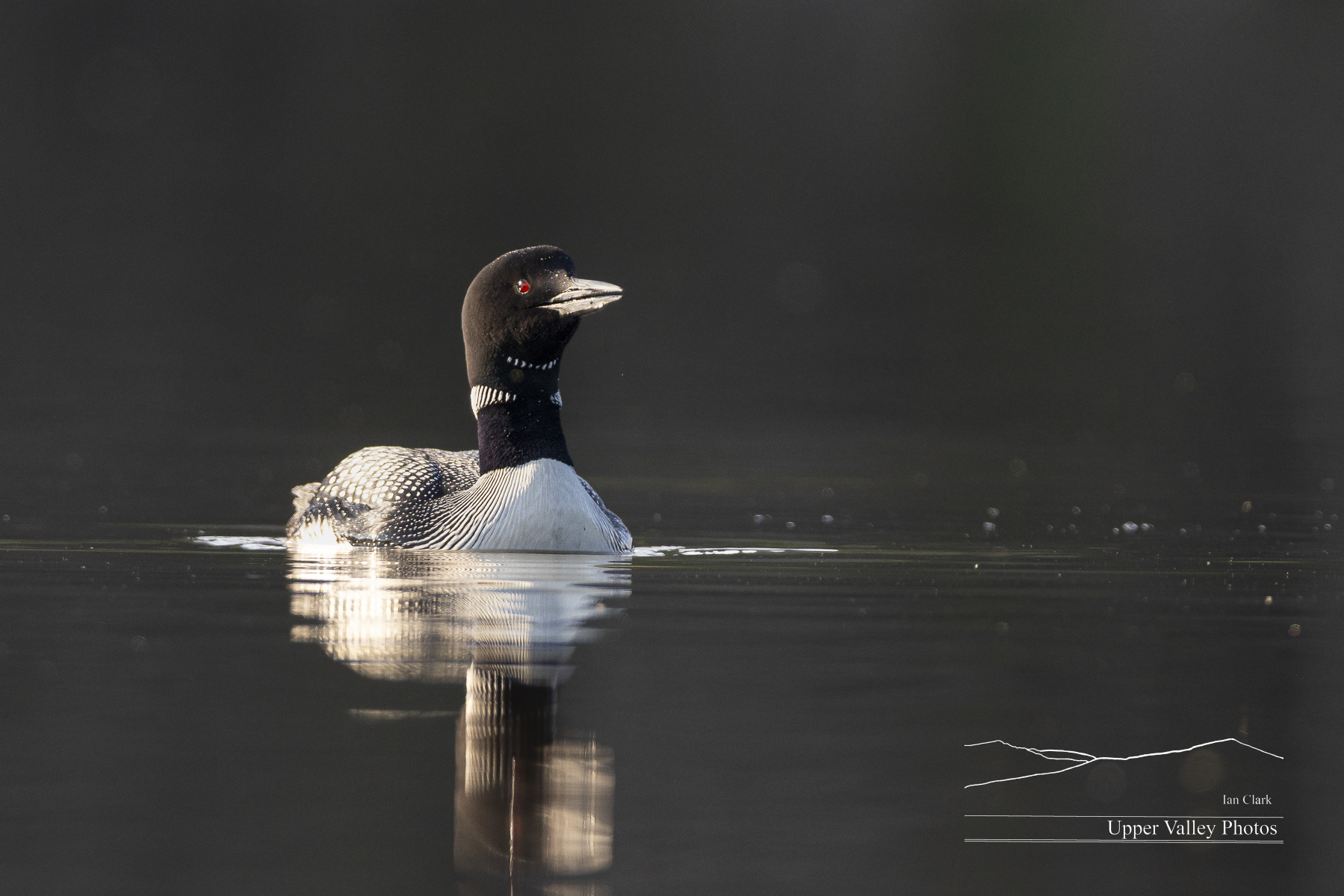
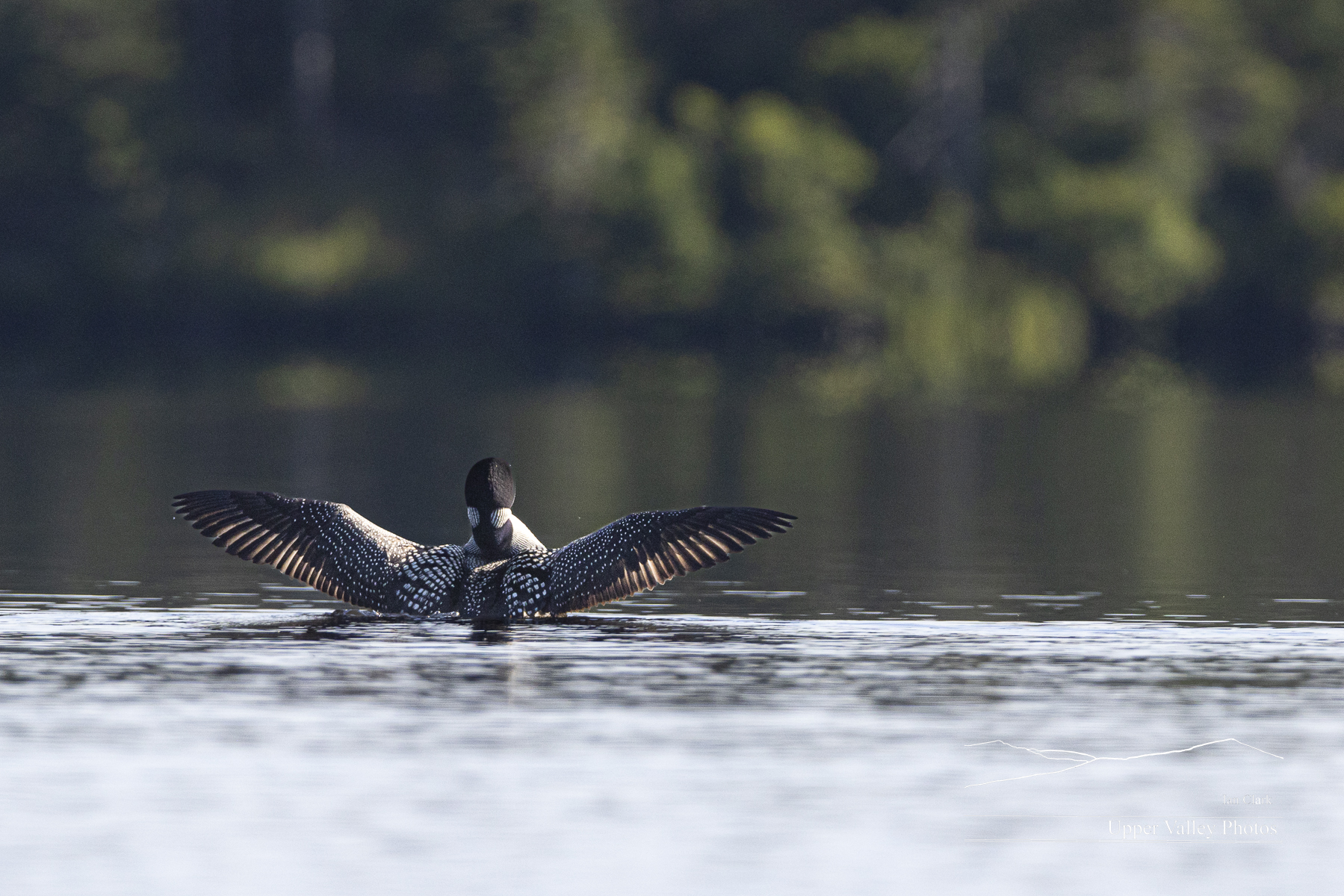
You can follow me on Facebook or @uppervalleyphotos on Instagram.
If you enjoyed this post, please subscribe to get notified of future posts with the form below. I won’t share or sell your info, you’ll just get an email when I add a post. And you can help me out by sharing this on social media or with your friends. Thanks!
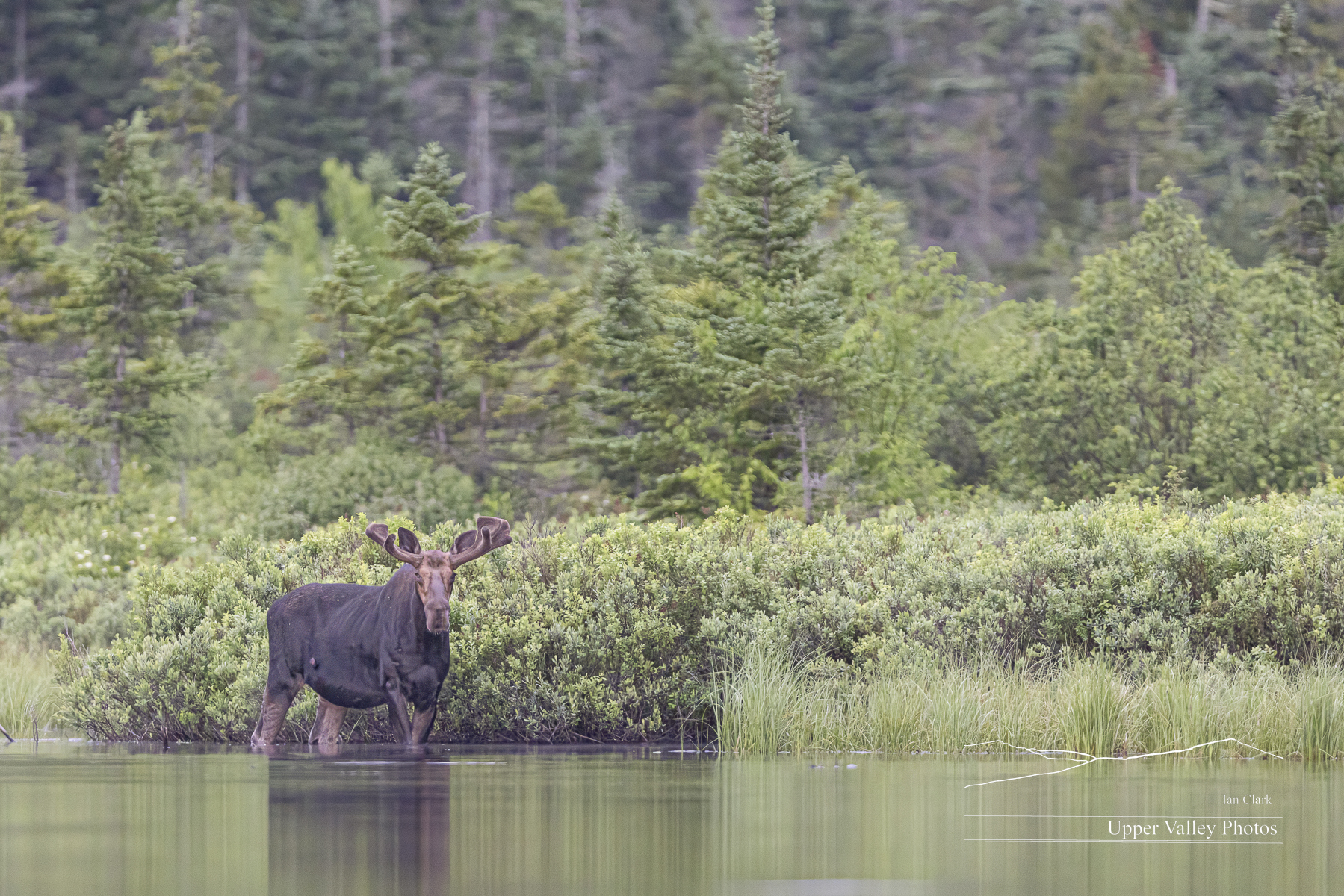
Checking in With The Gang
It’s been a busy couple of weeks since my last post. I’ve managed to visit the Eastons and Westons twice each, the Middletons once and the heron rookery once.
The trailer is all packed for an early morning departure to the Berkshires Arts Festival at Ski Butternut in Great Barrington, MA. We’ll be there Friday, Saturday & Sunday. I’d love to meet more of you, please stop by booth 212 in the air conditioned Upper Lodge.
When I checked the spot they’d been building, I found an empty nest and no loons.
I heard from another Weston Family watcher. She’d paddled the pond and couldn’t find the family. I headed up on the 28th to see what was up.
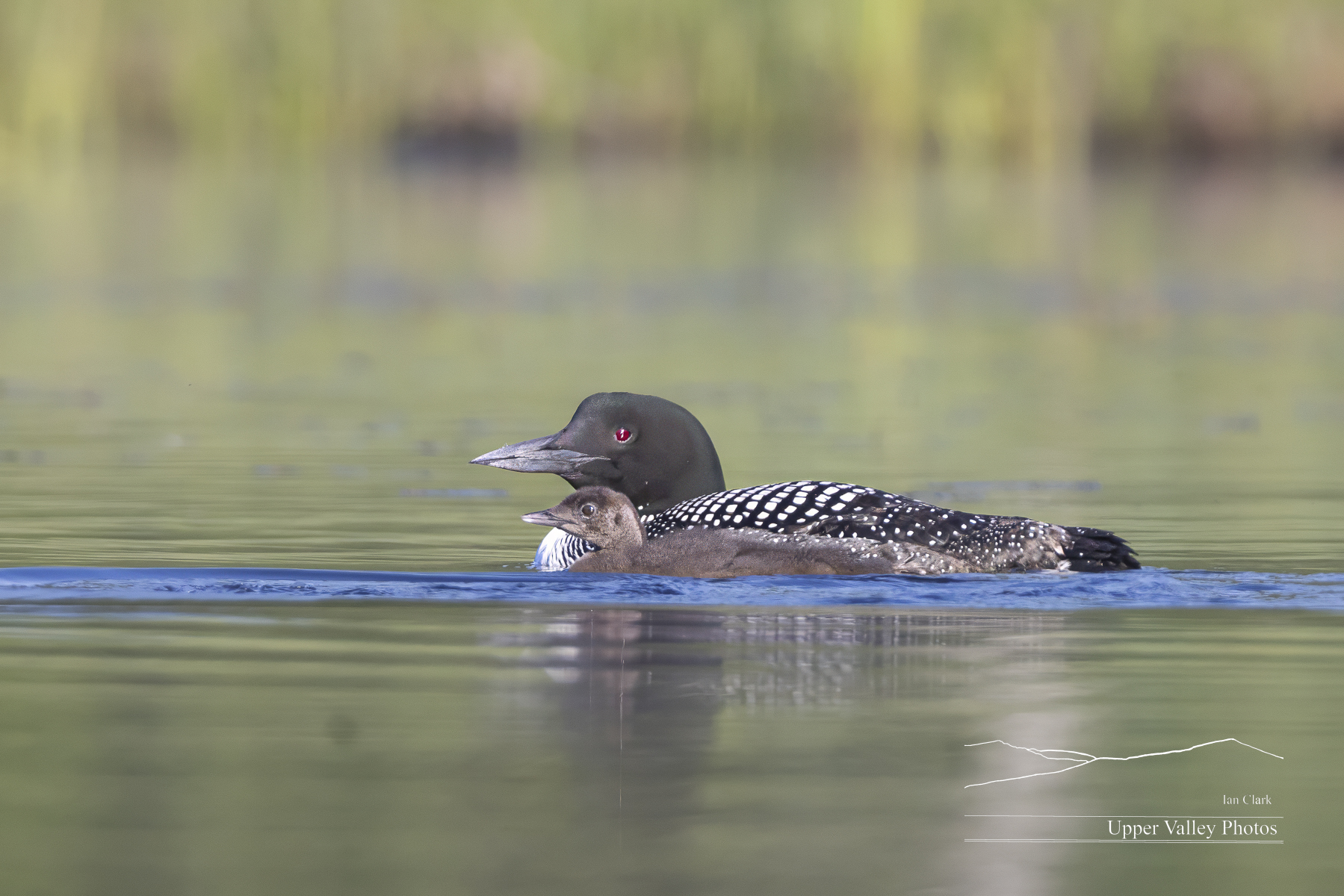
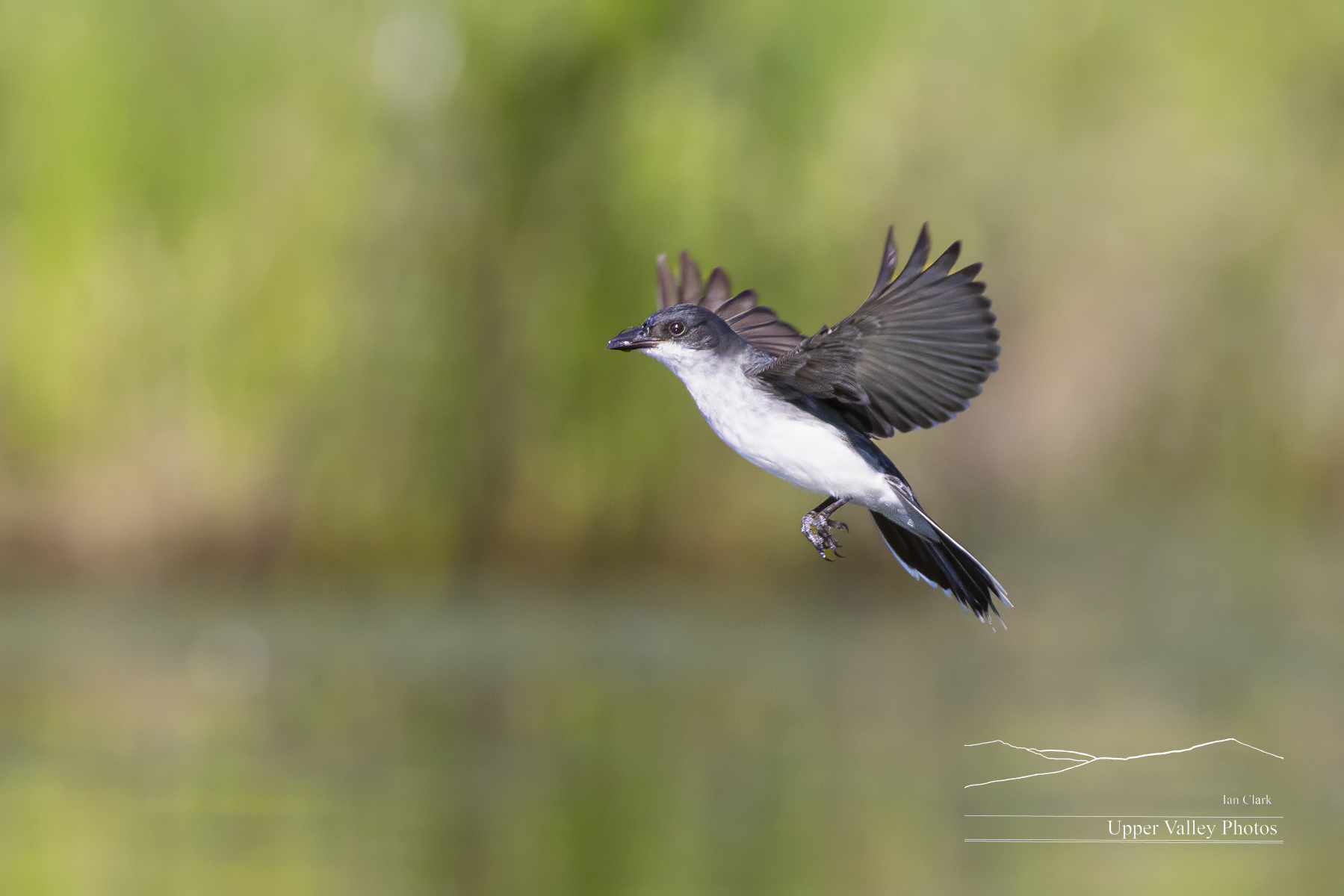
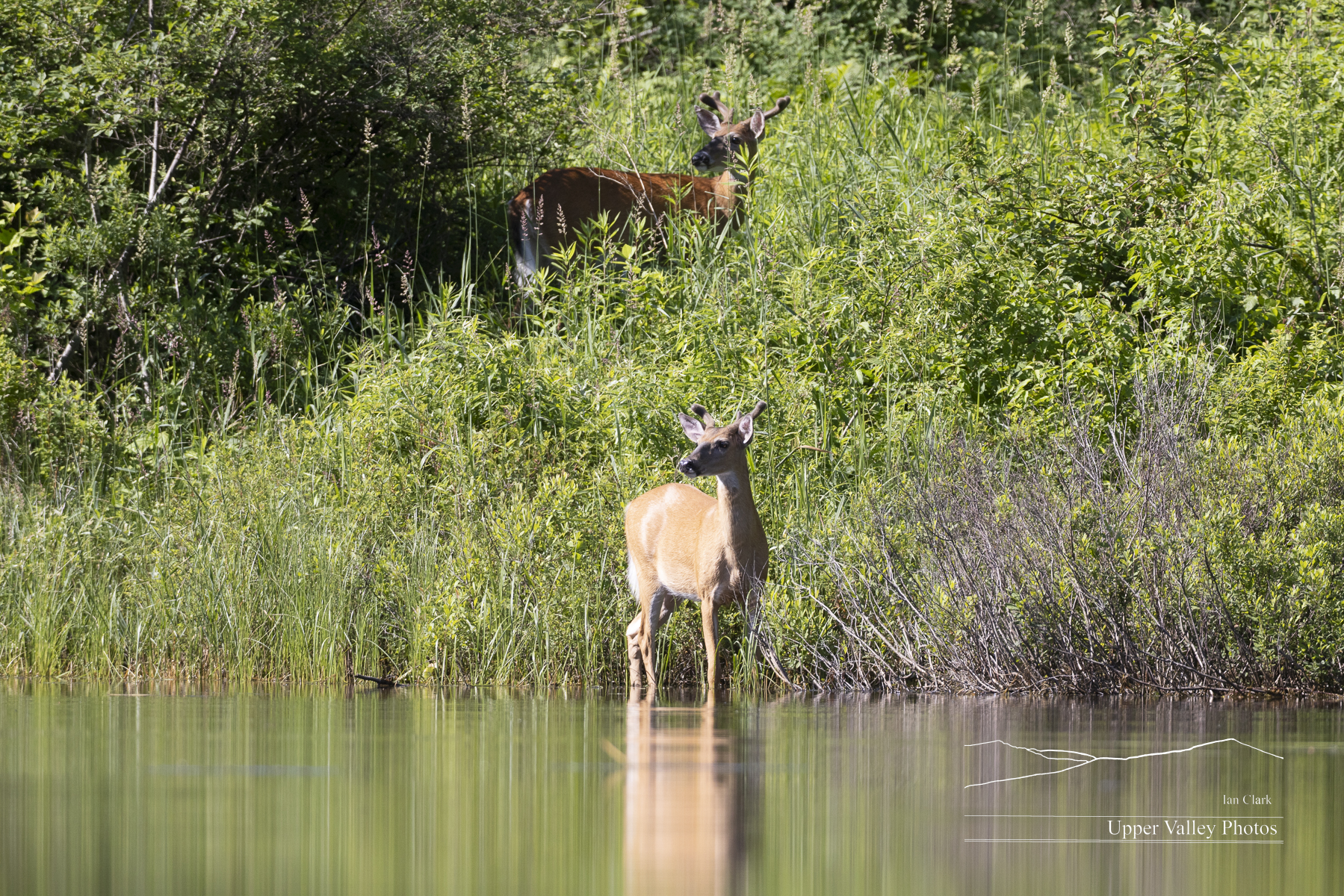
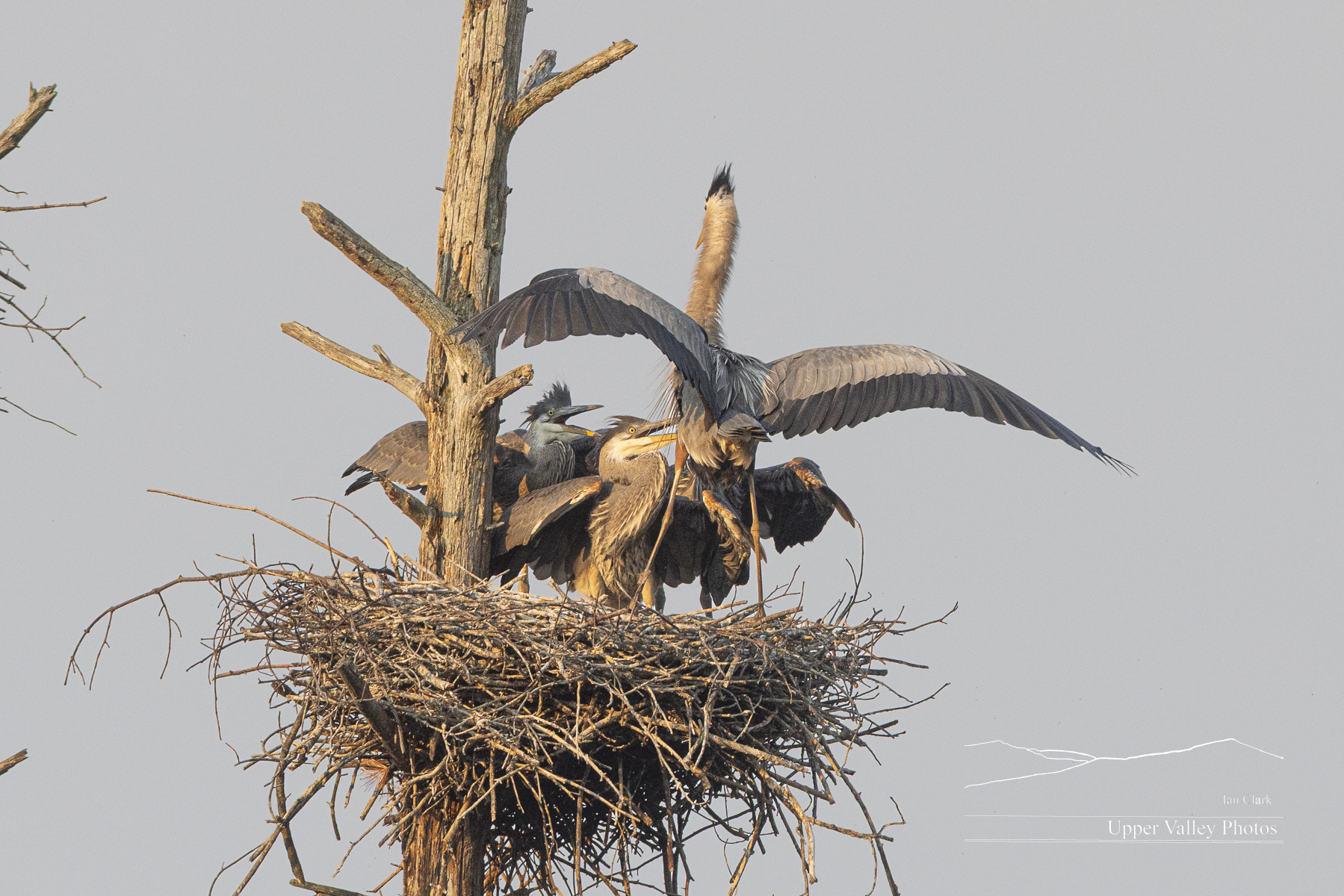
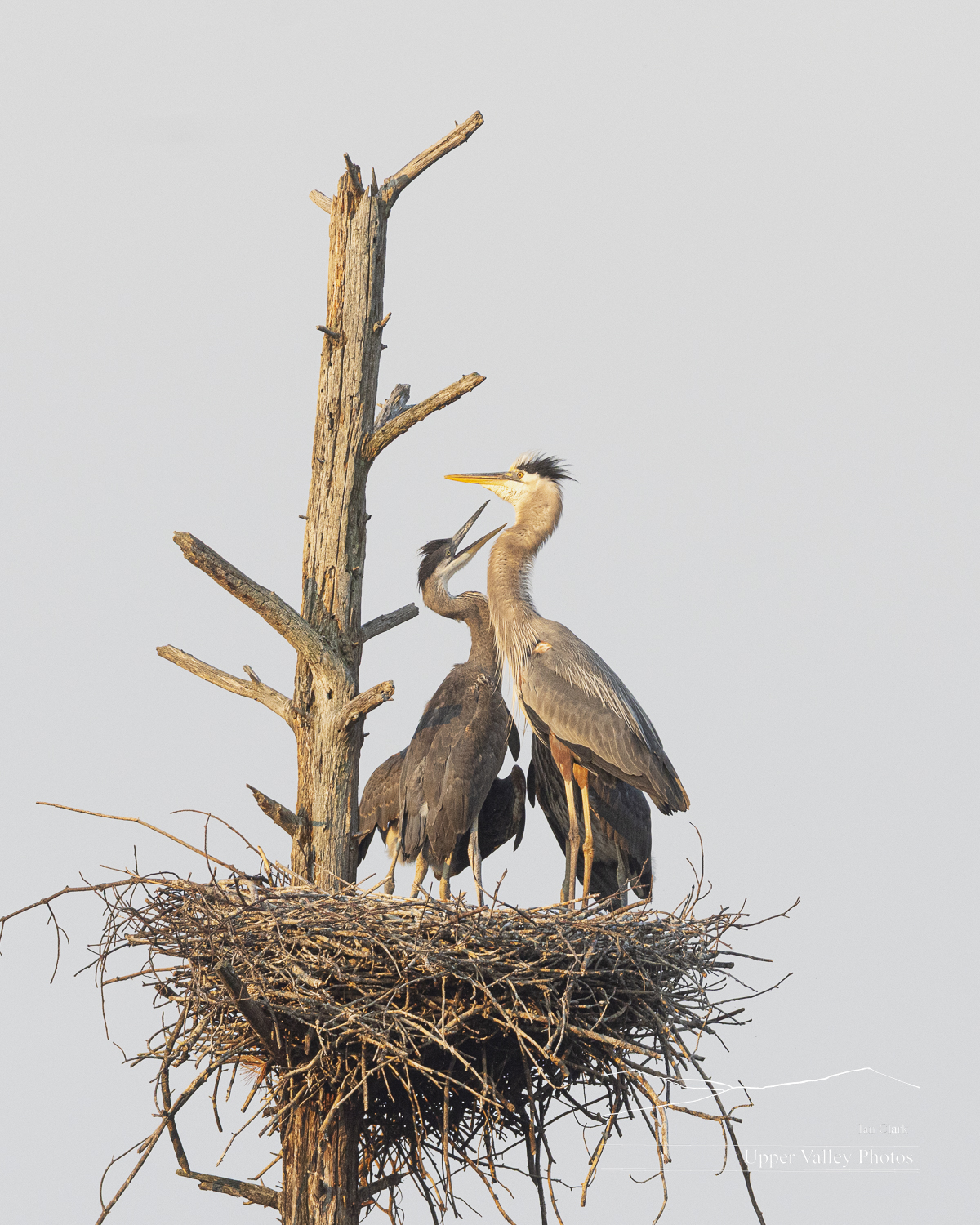
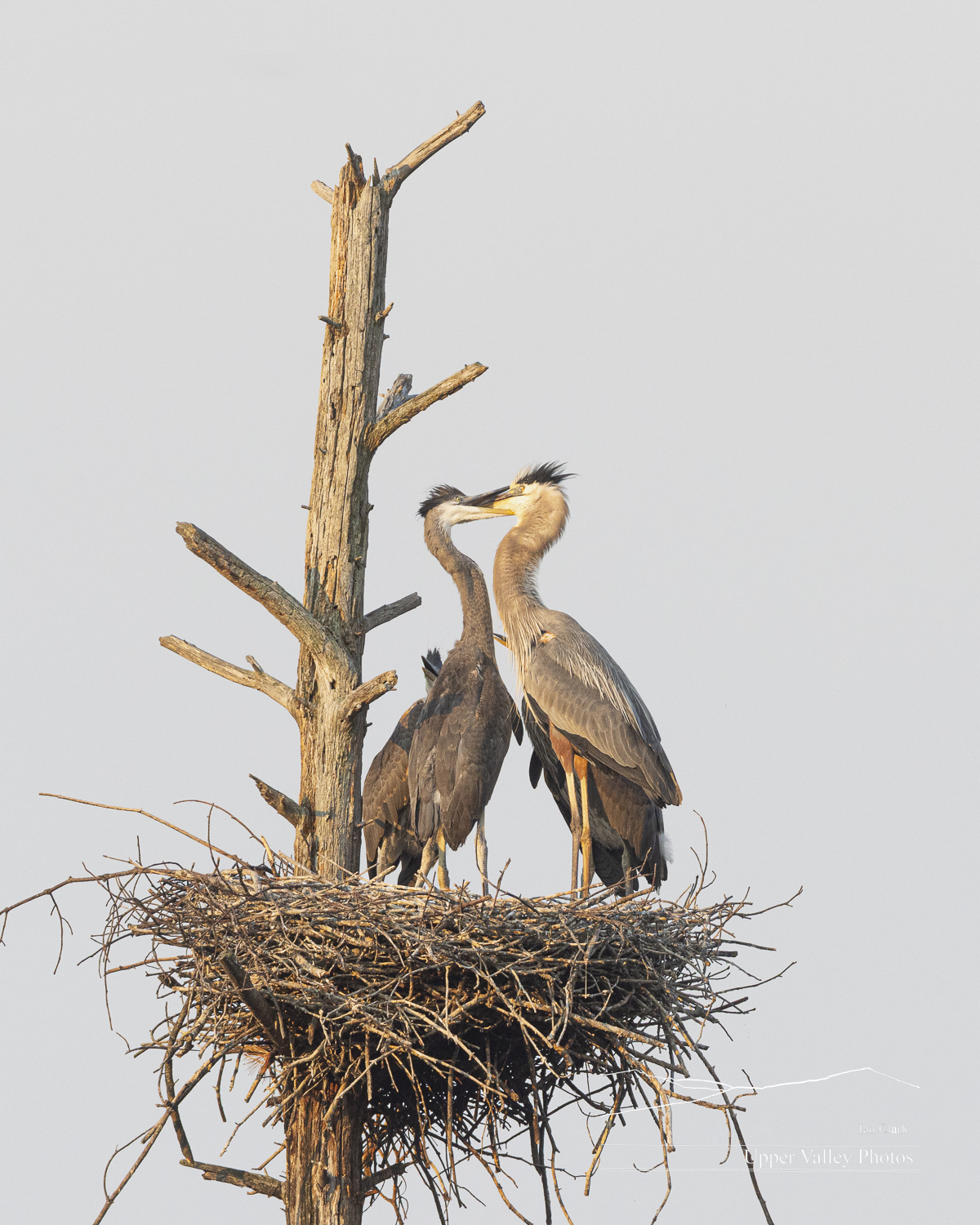
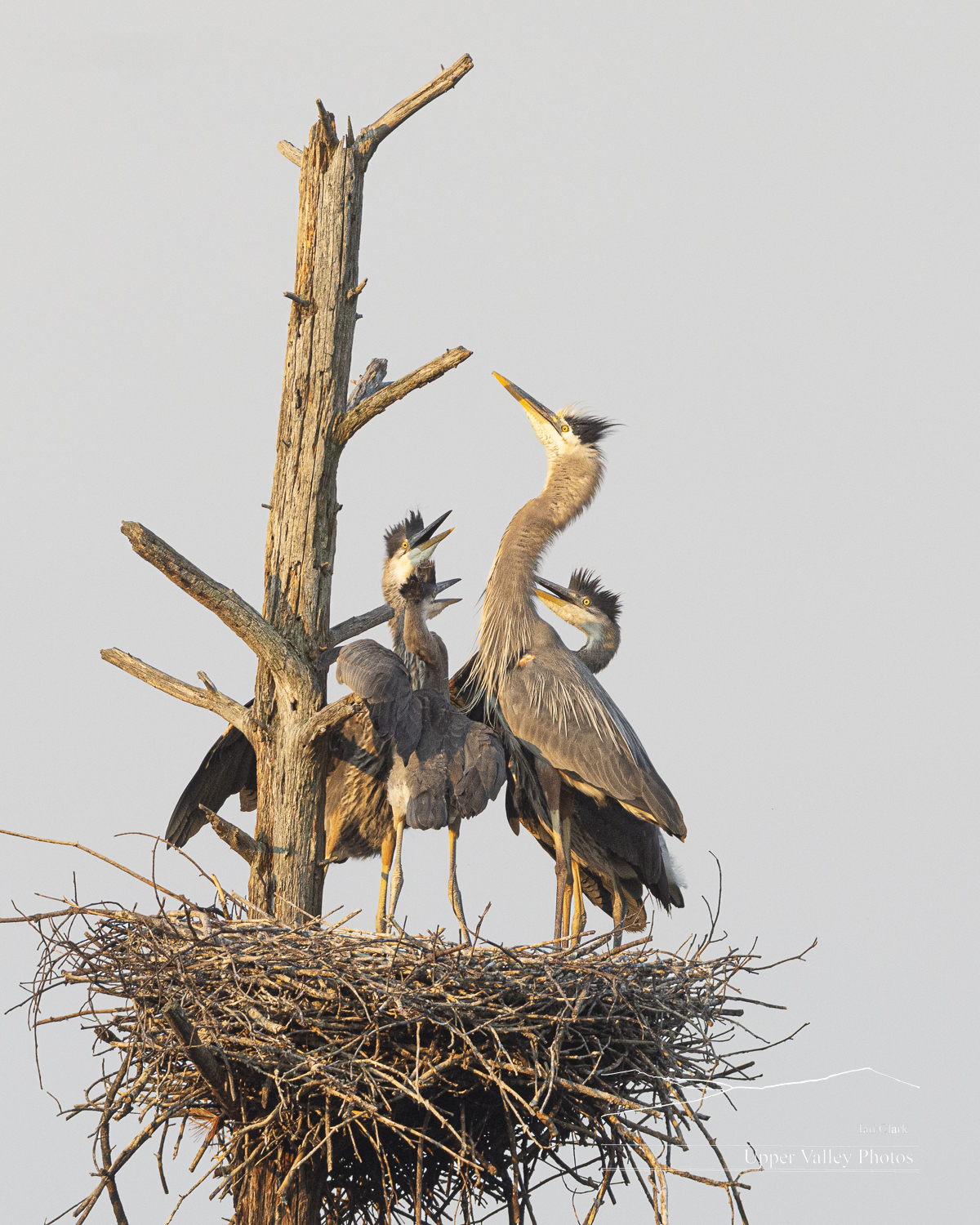
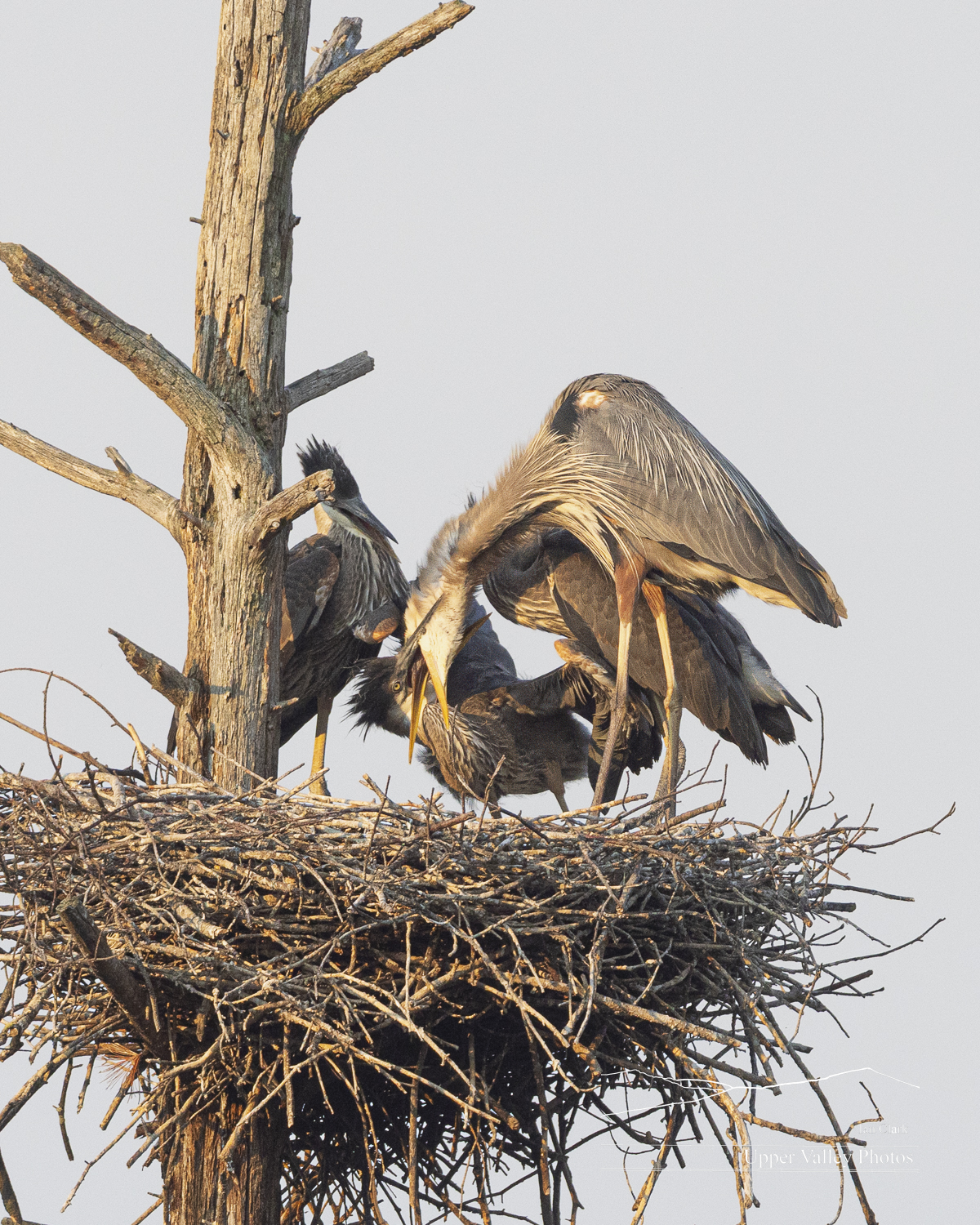
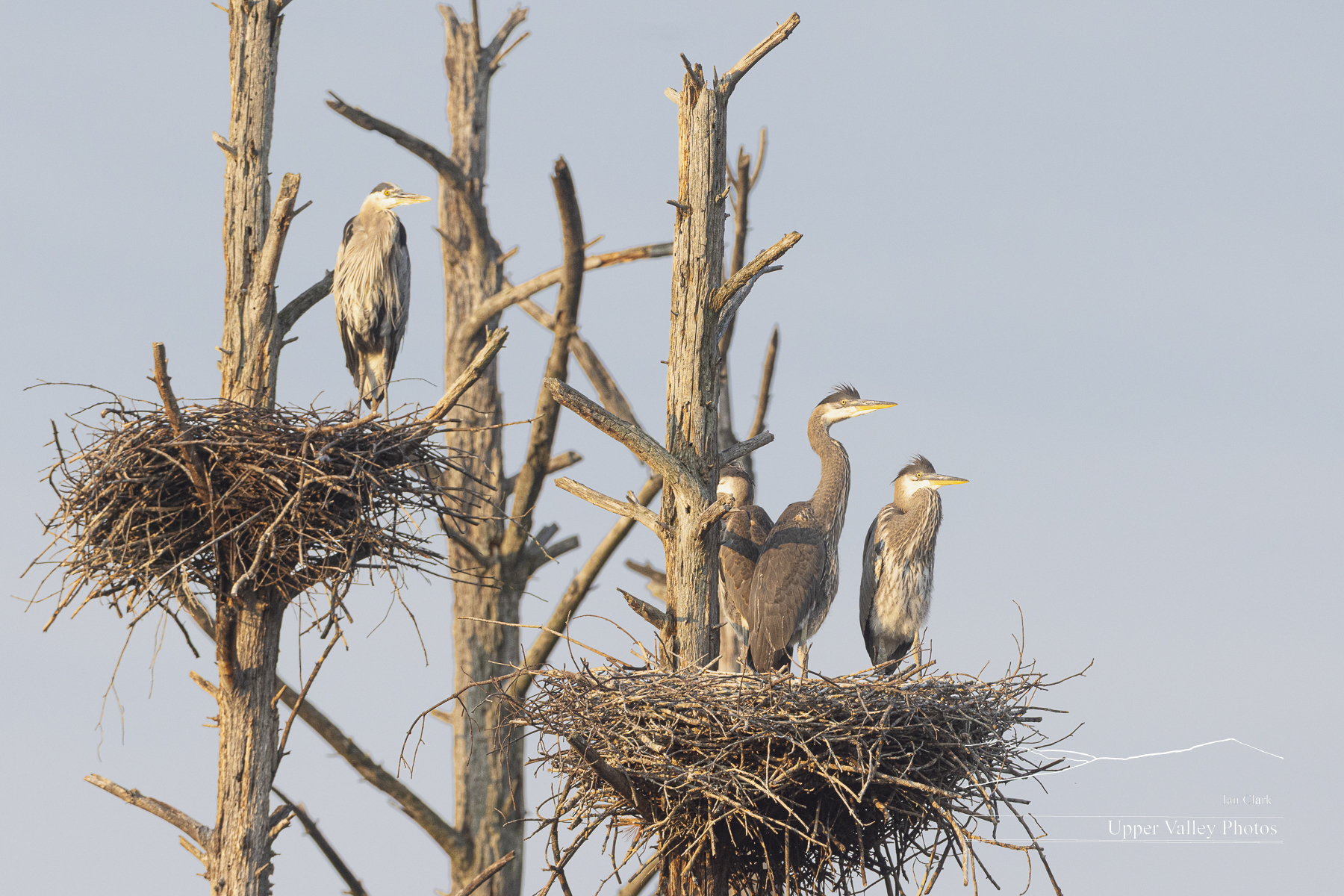
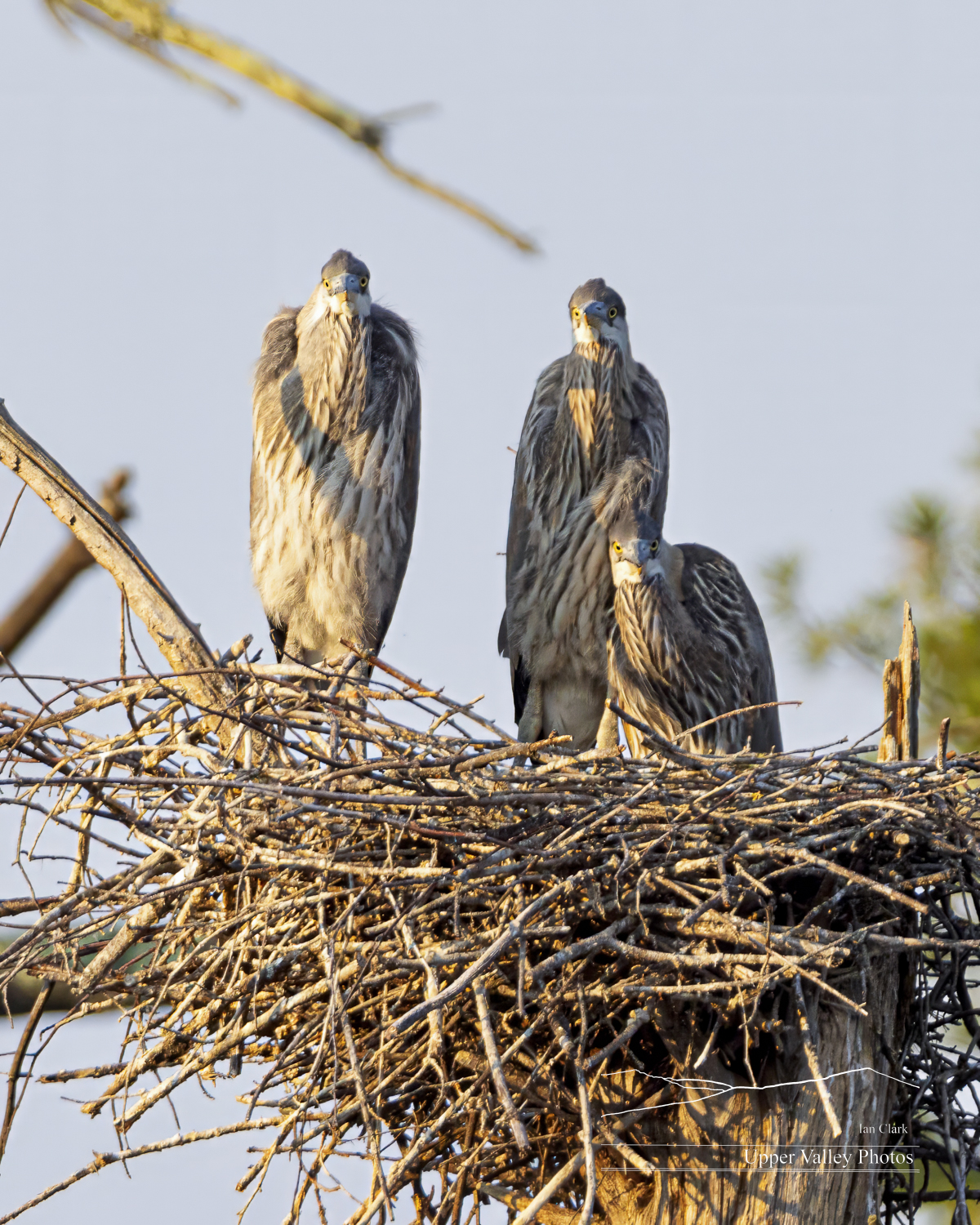
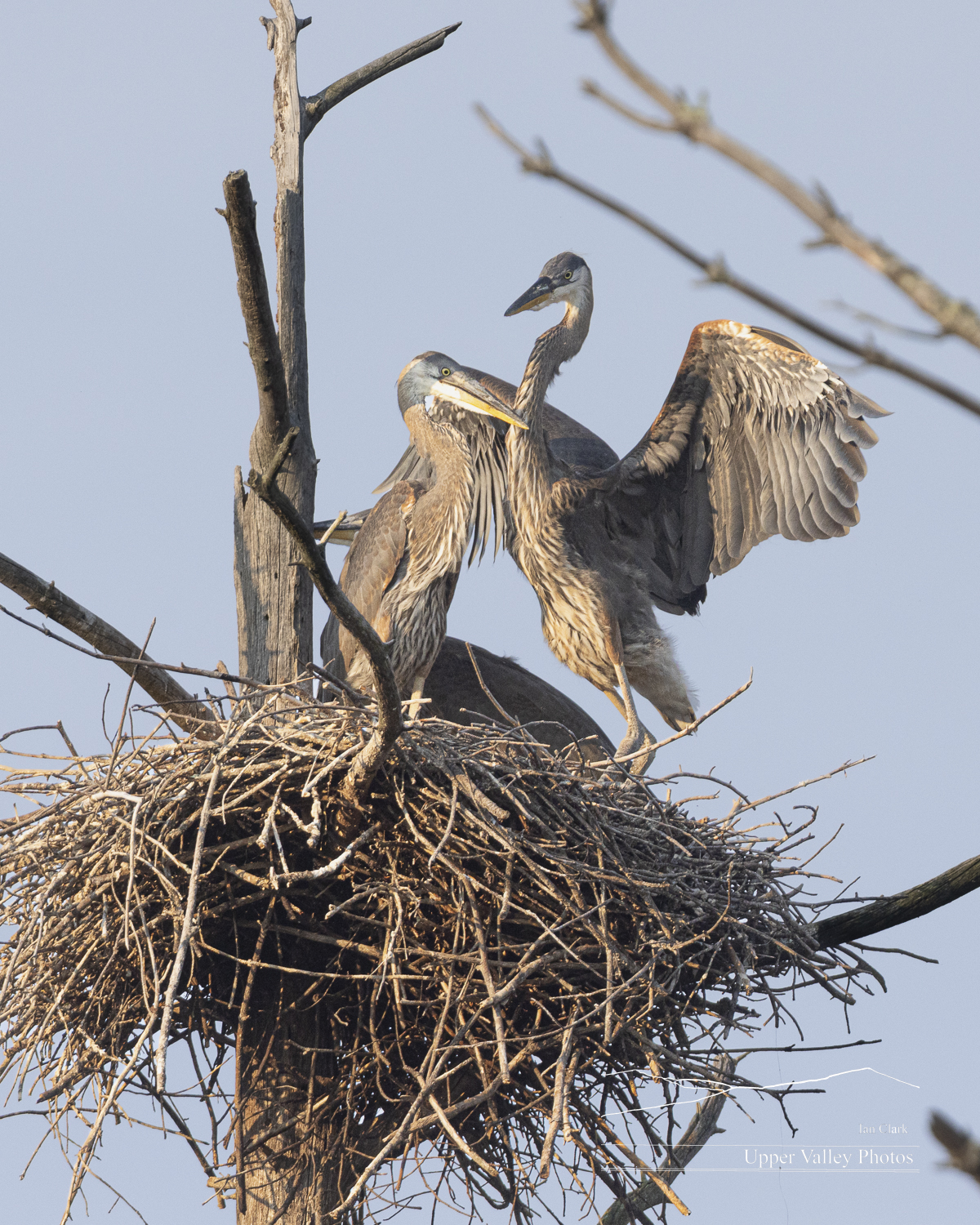
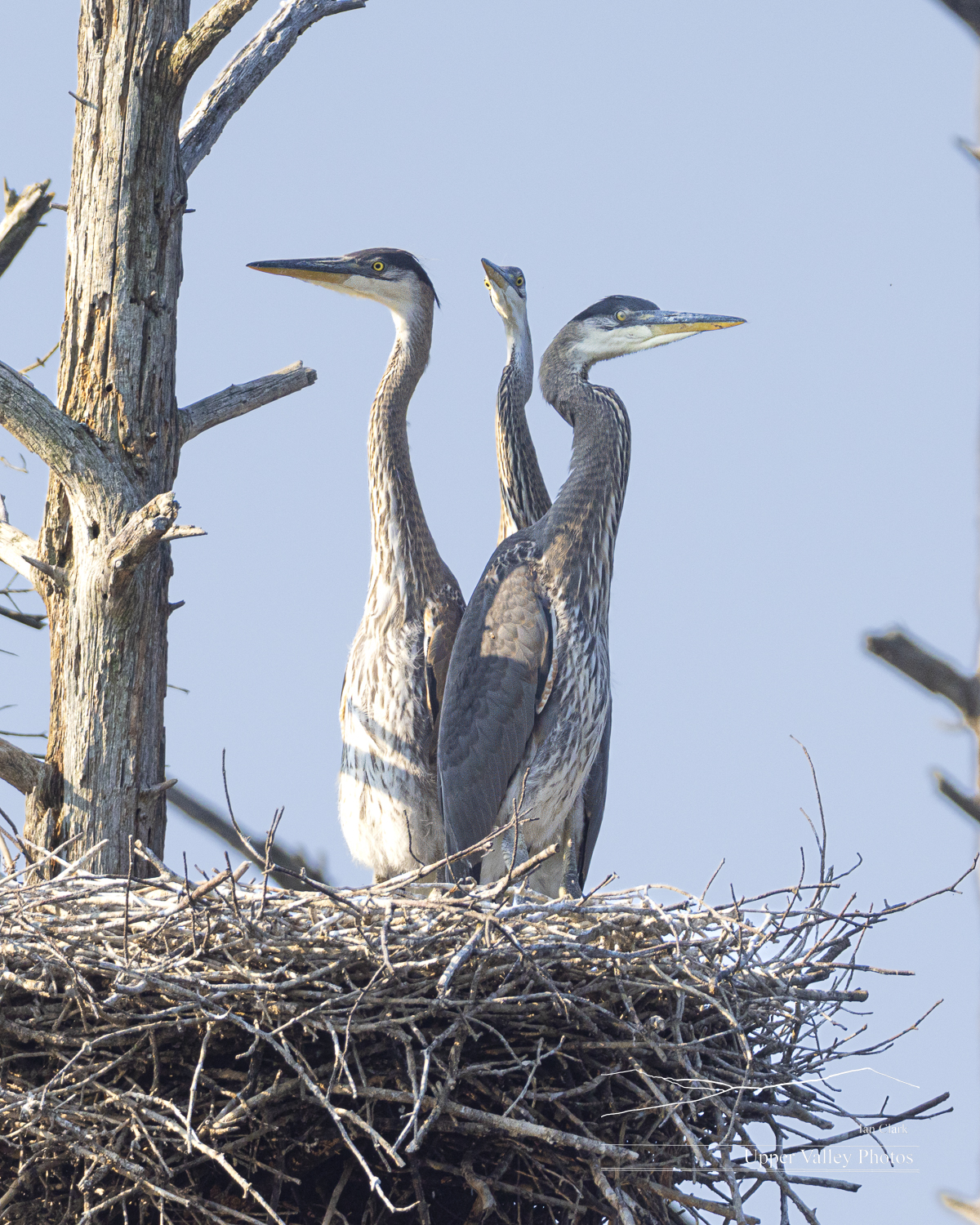
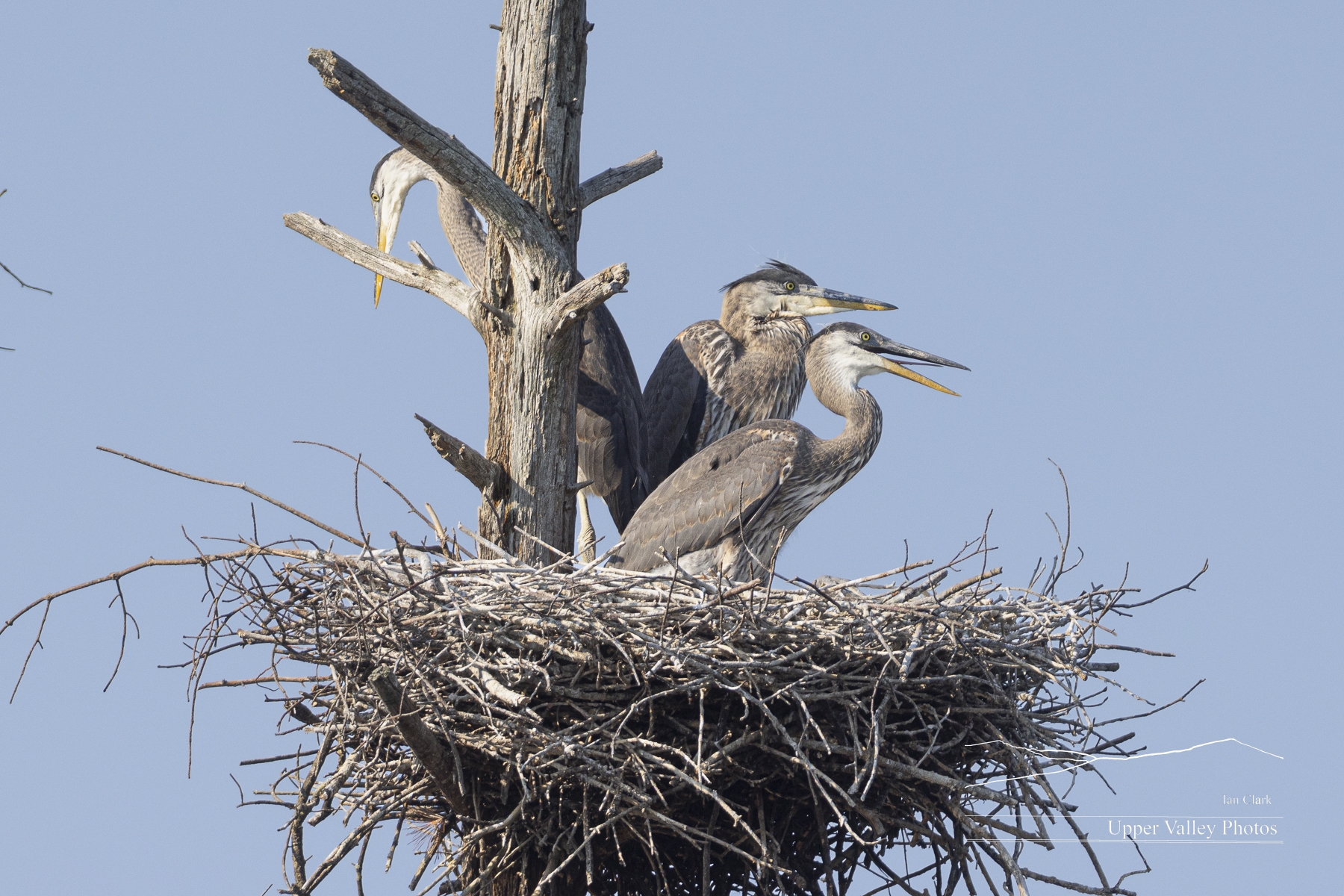
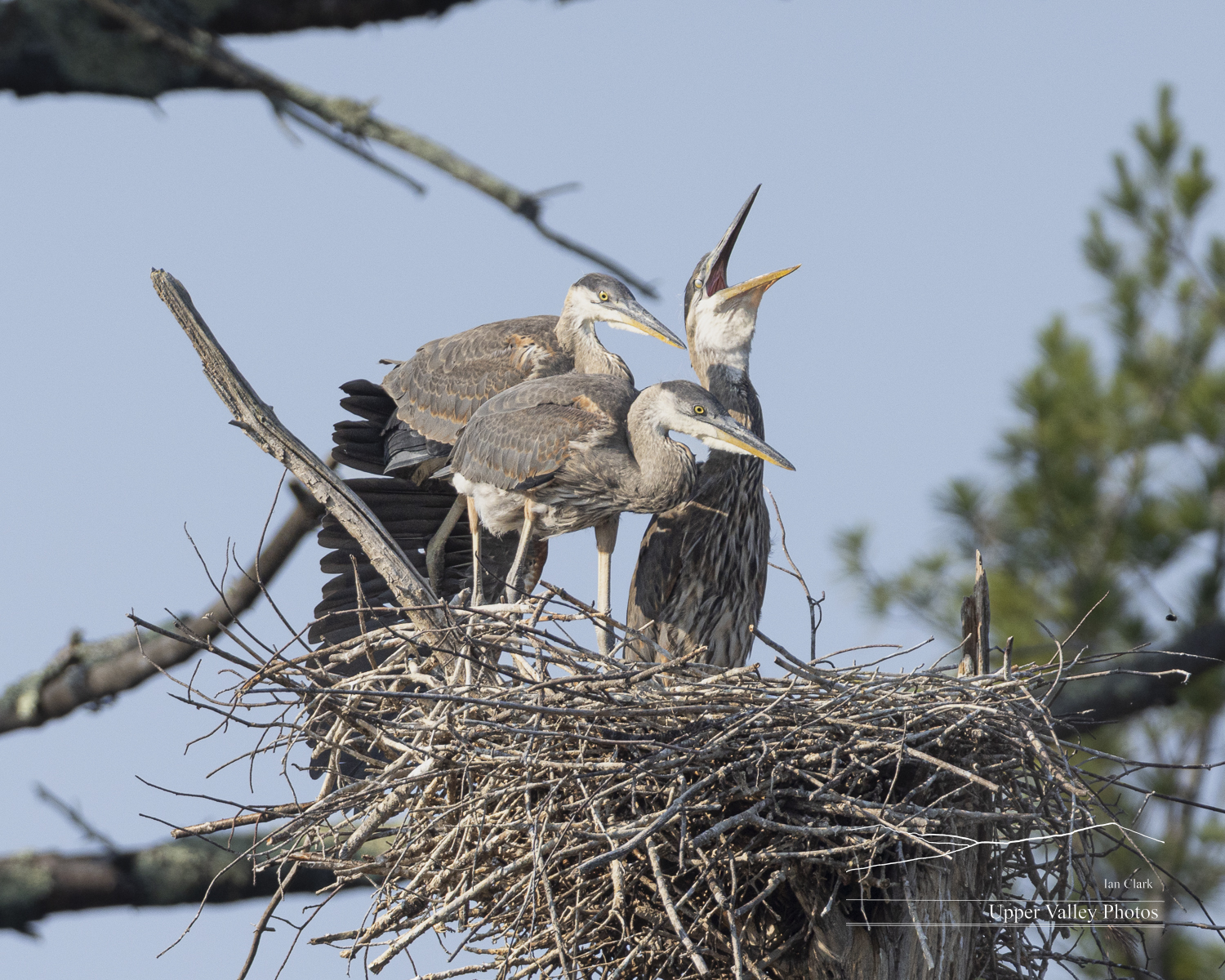
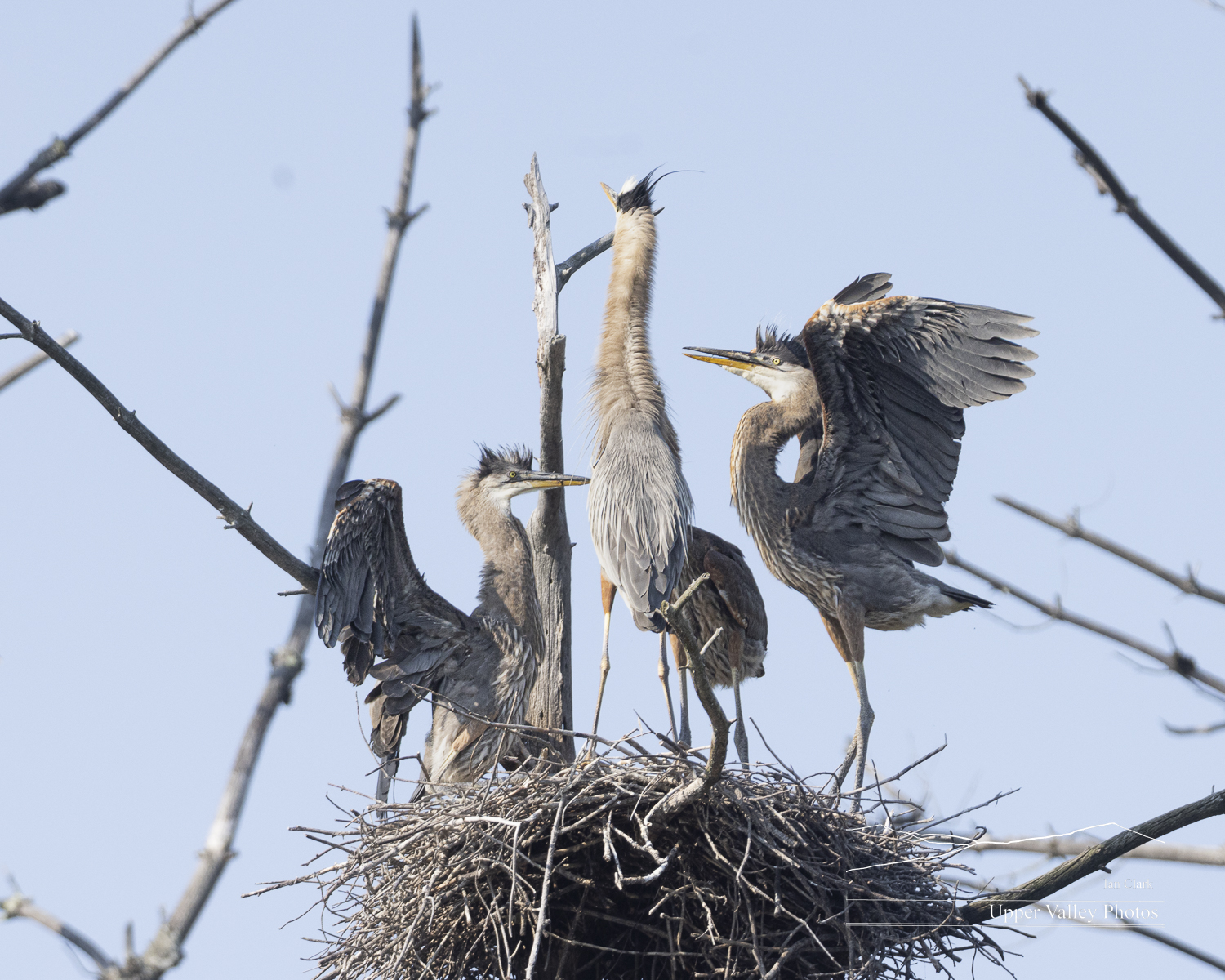
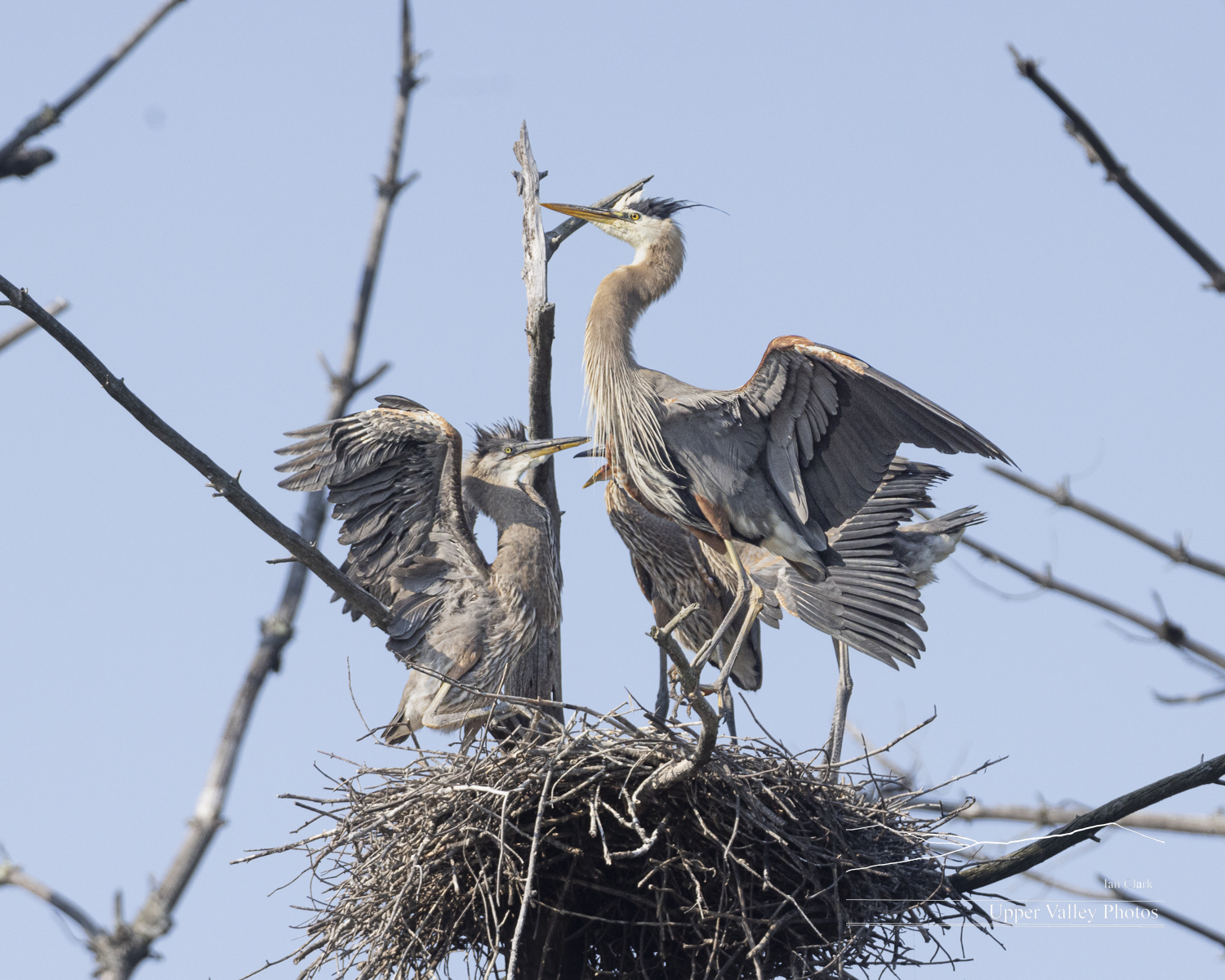
I checked the Eastons’ nest. There was an eggshell in the bottom of the nest, but no one was home. I went looking for them.
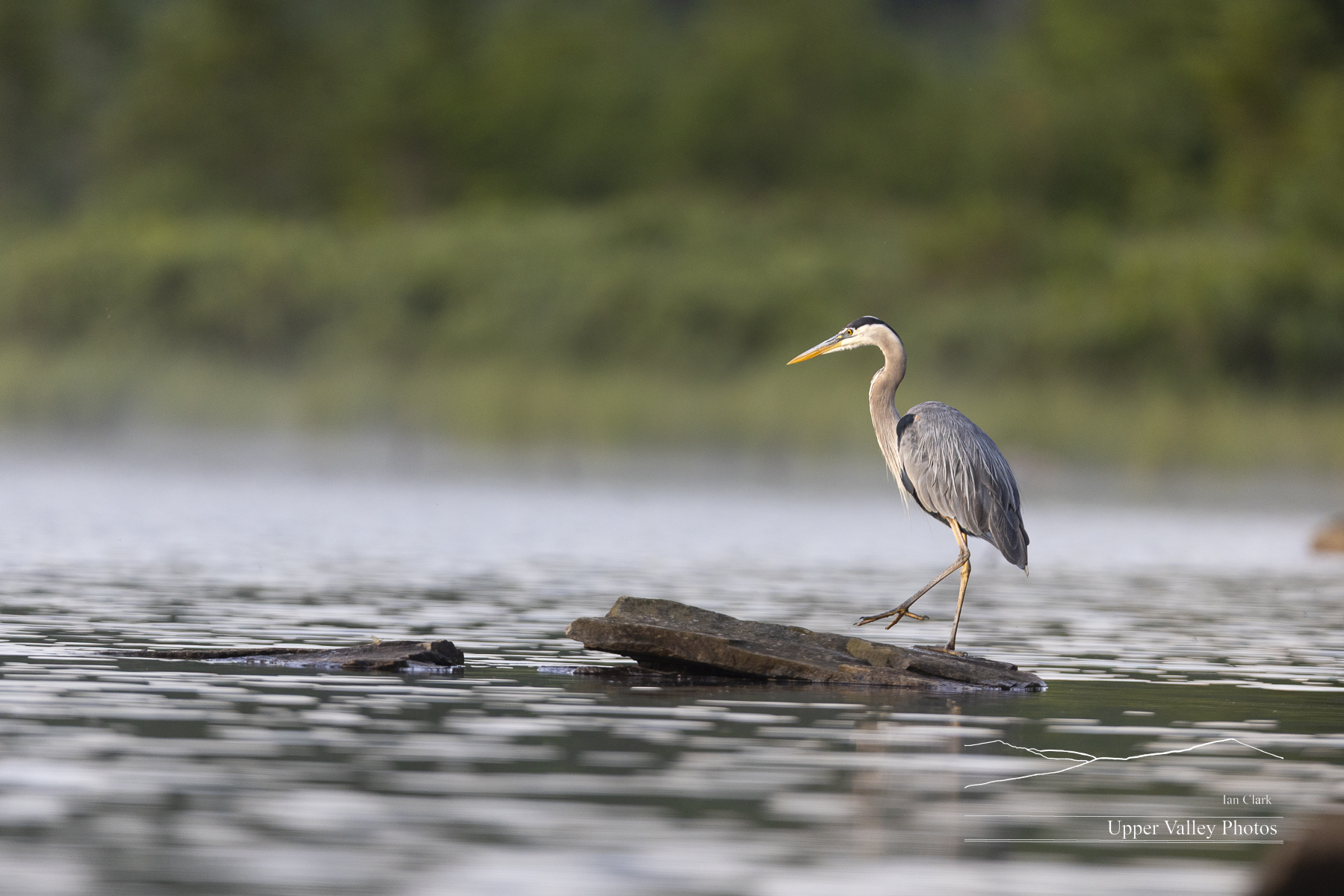
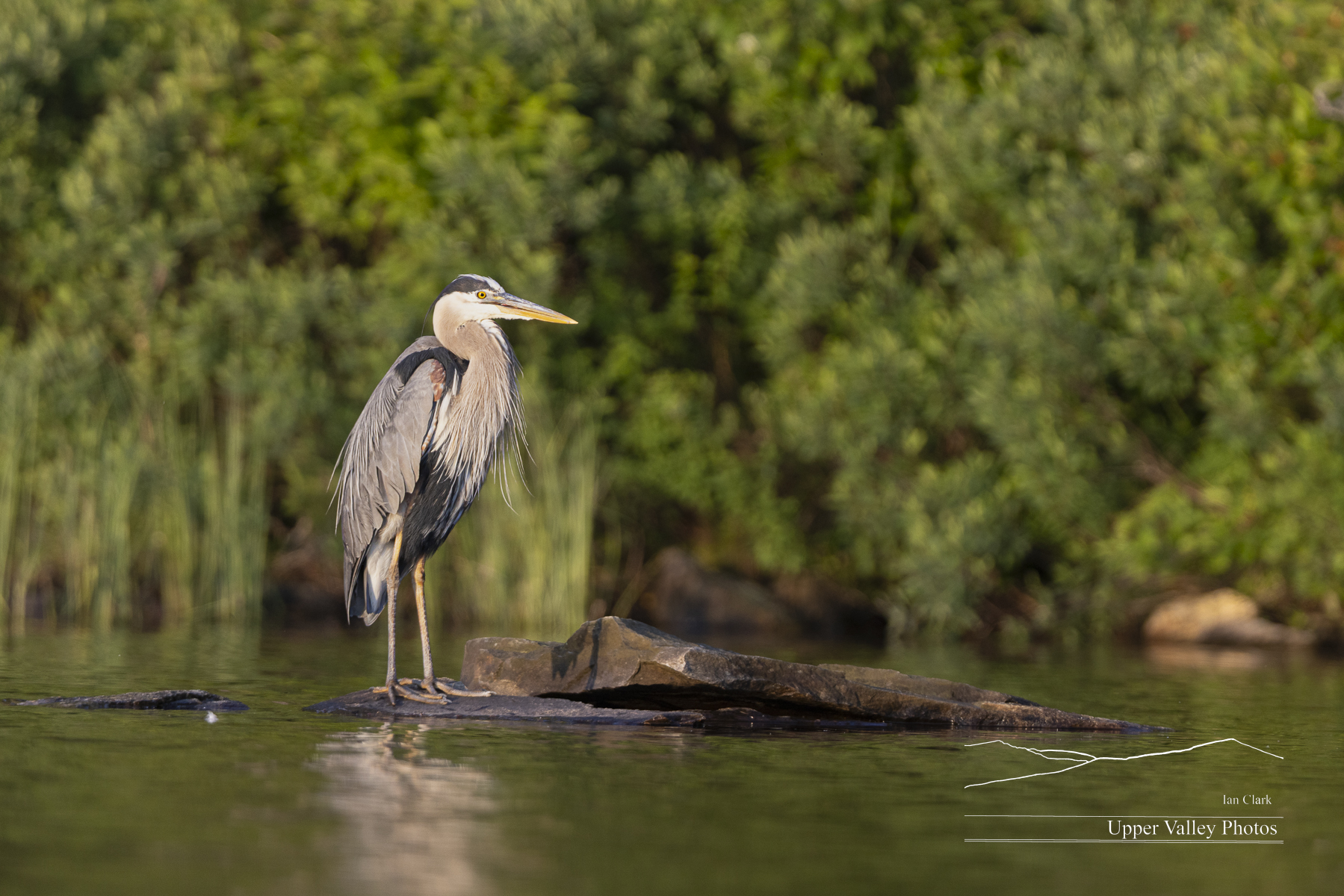
Before I found them, I found Hank out strutting his stuff looking for breakfast.
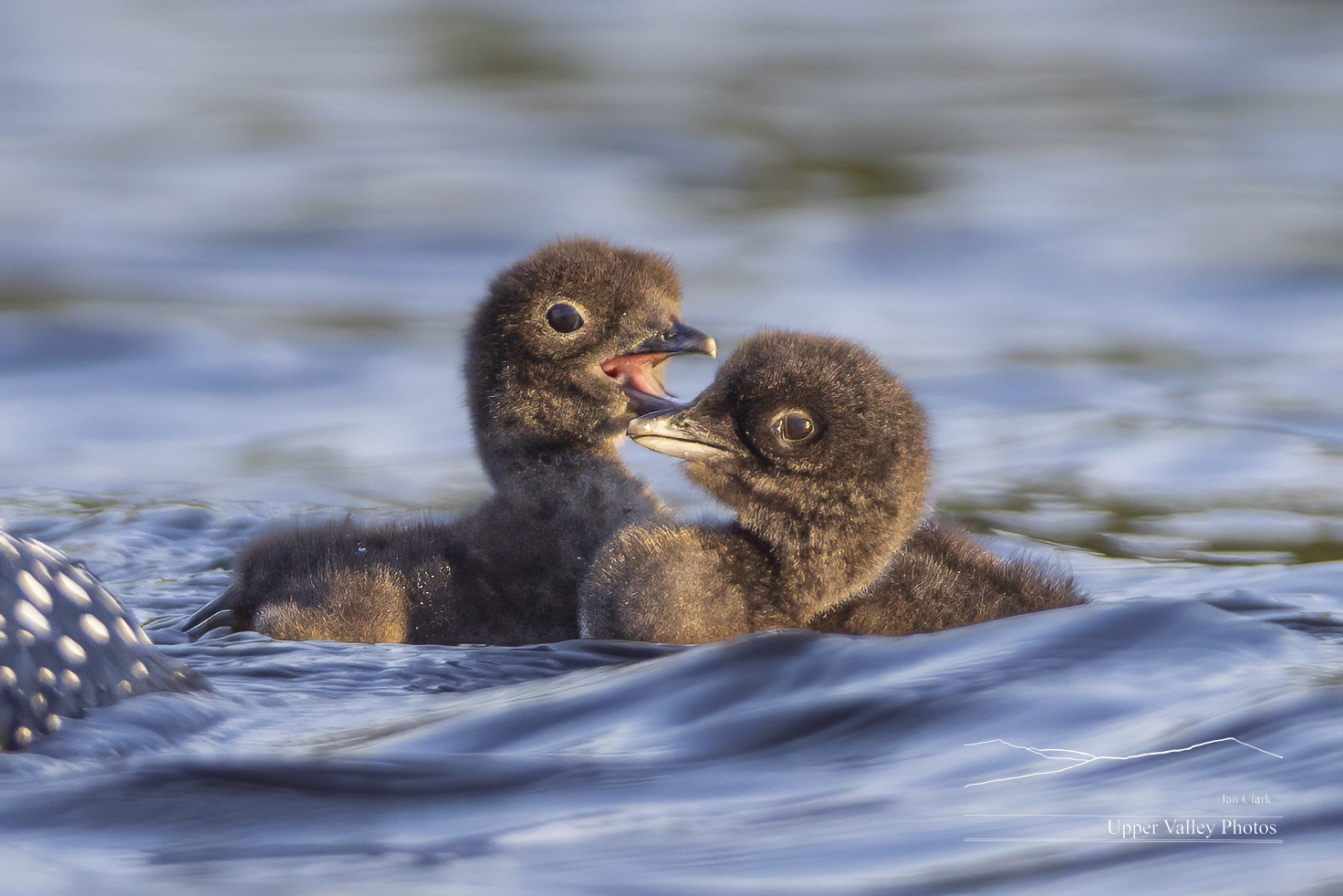
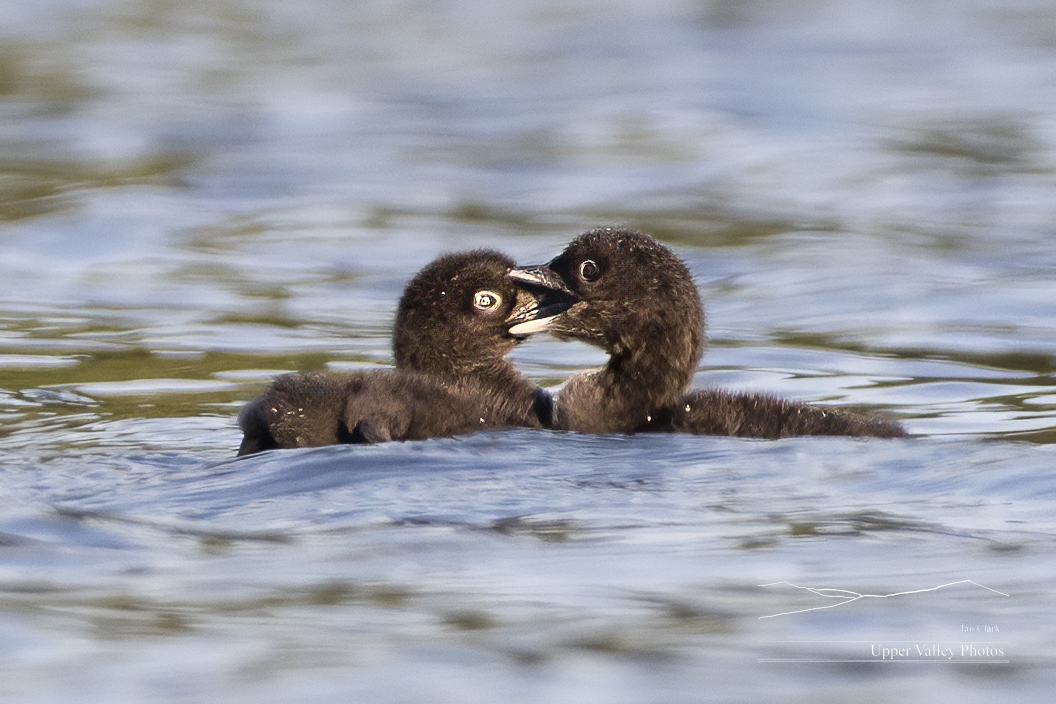
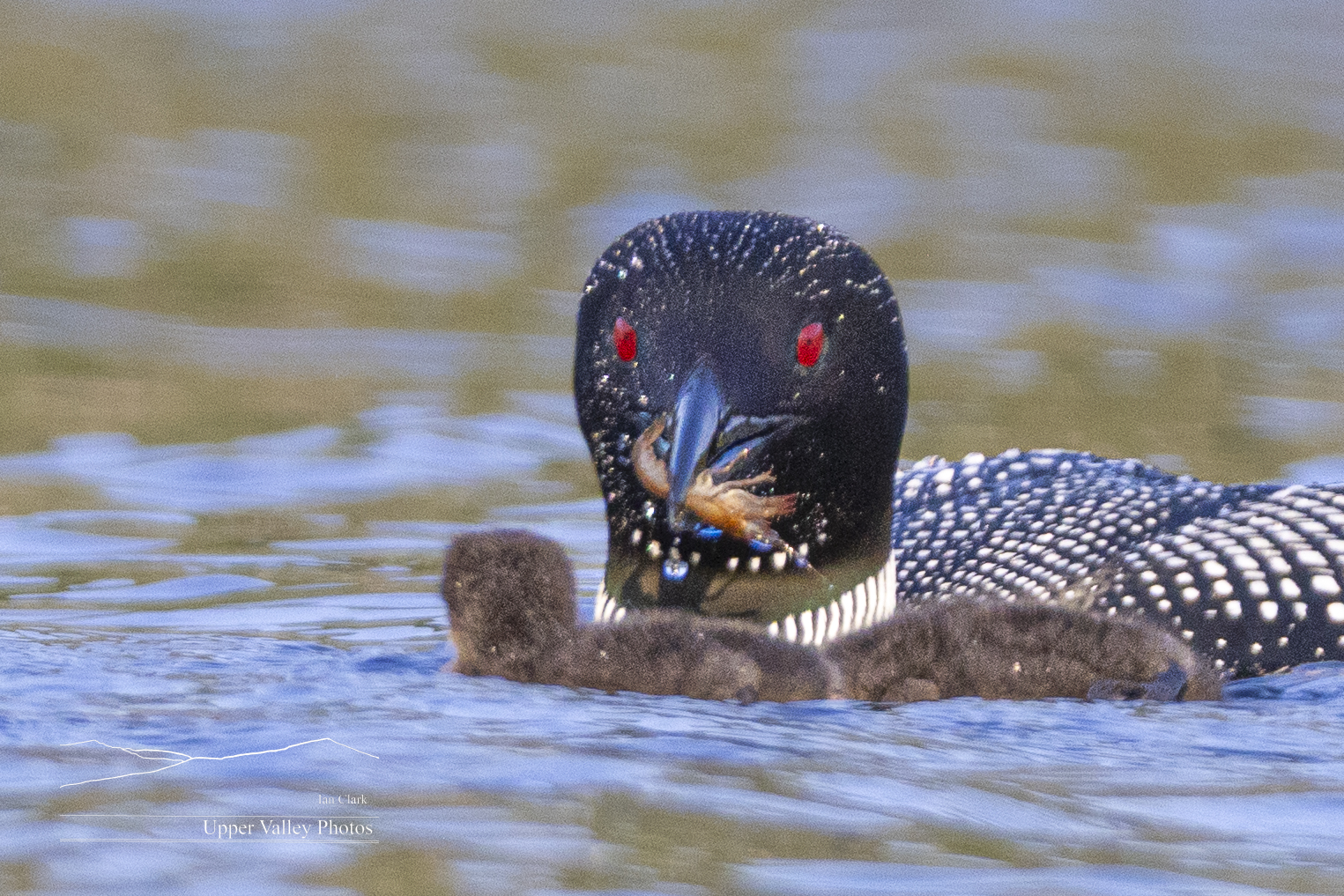
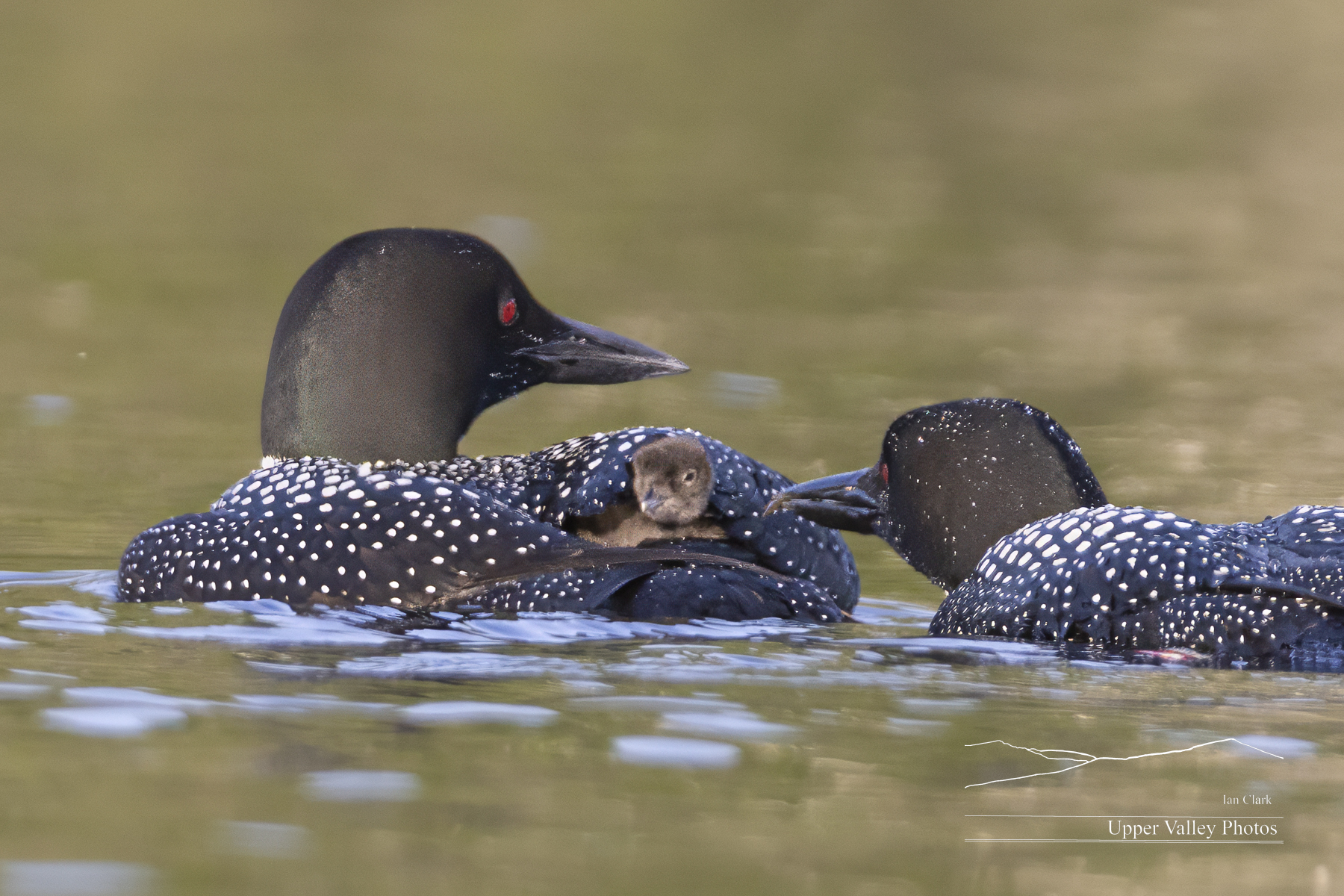
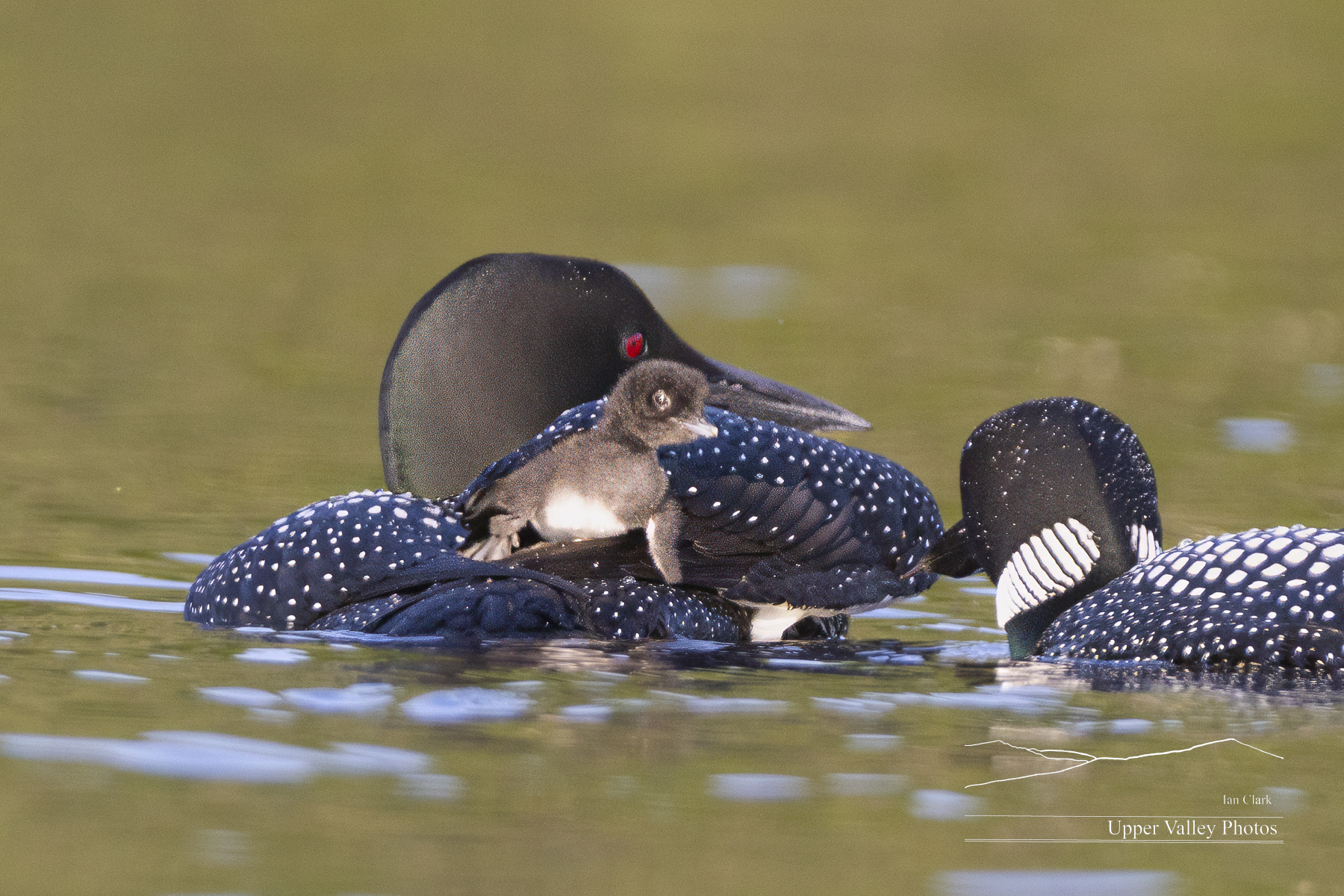
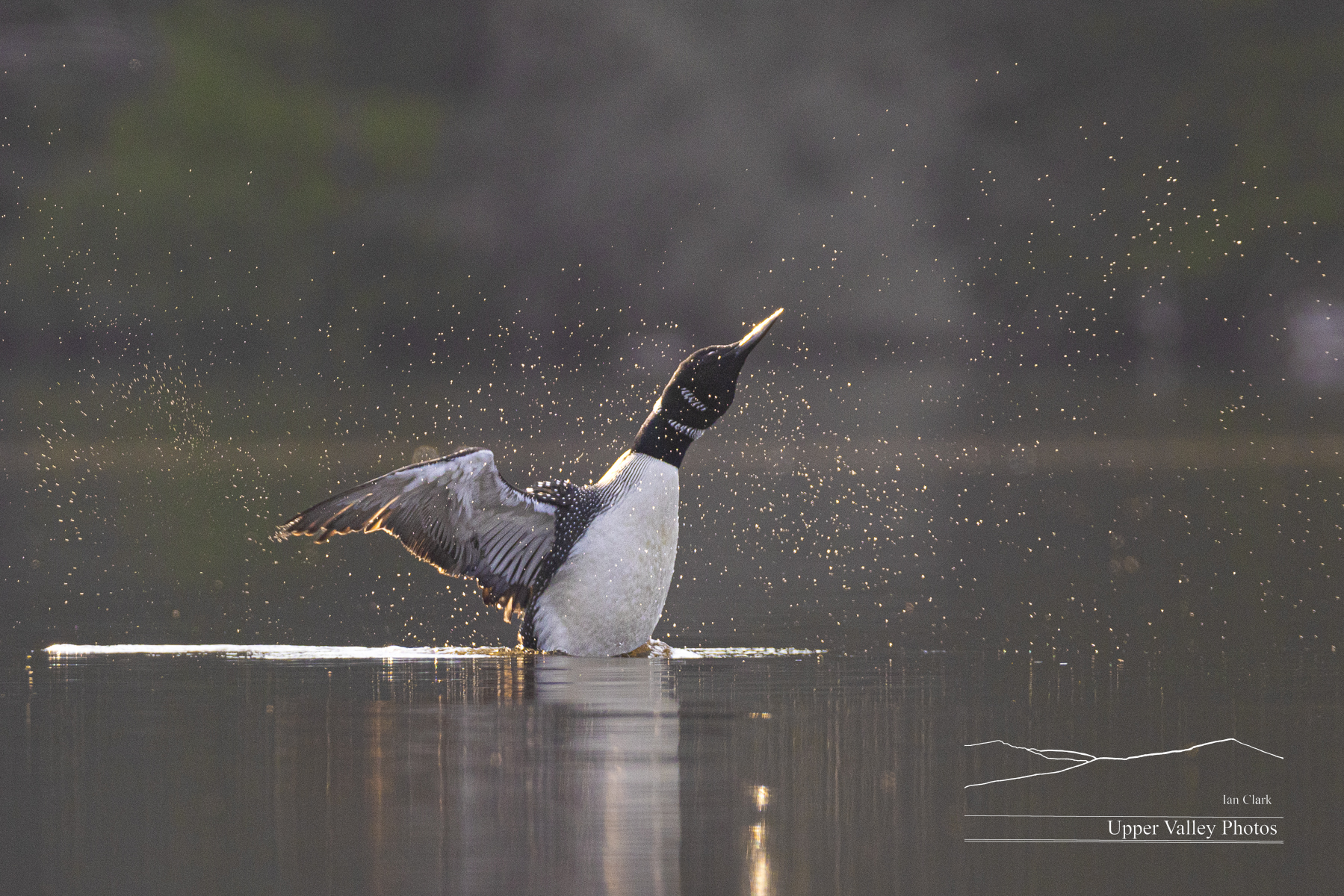
It will be late next week before I have a chance to get out again. I’ll let you know how all the chicks are doing.
If you enjoyed this post, you can subscribe to get an email when I add a new post with the form below. And, you can help me out by sharing my blog with your friends or on your social media. Thanks!
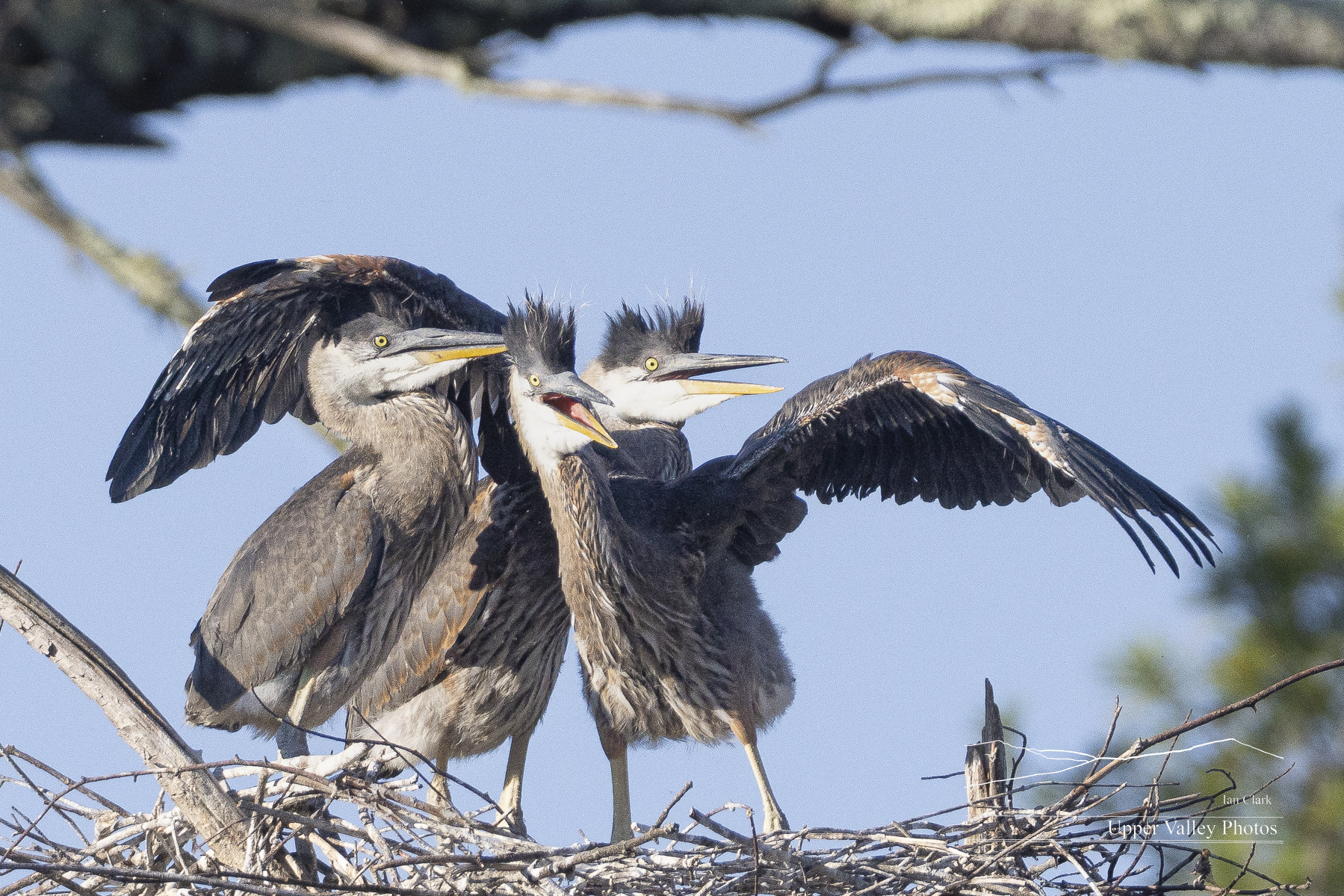
We Have Loon Chicks, Heron Chicks Getting Big
Another busy week visiting all three loon families and the heron rookery. The Westons’ chicks have hatched, the Eastons are sitting on their nest, the Middletons continue to look for a new spot. And the heron chicks are getting big. Very big.
The Berkshires Art Festival is coming up in Great Barrington, MA on July 3, 4 and 5. I’ll have note cards and prints large and small for sale. I’ll be in booth 212 in the Upper Lodge. Please come by and have a look. My 2027 Wildlife Calendar went to the printer. If all goes well, I’ll have them at the show.
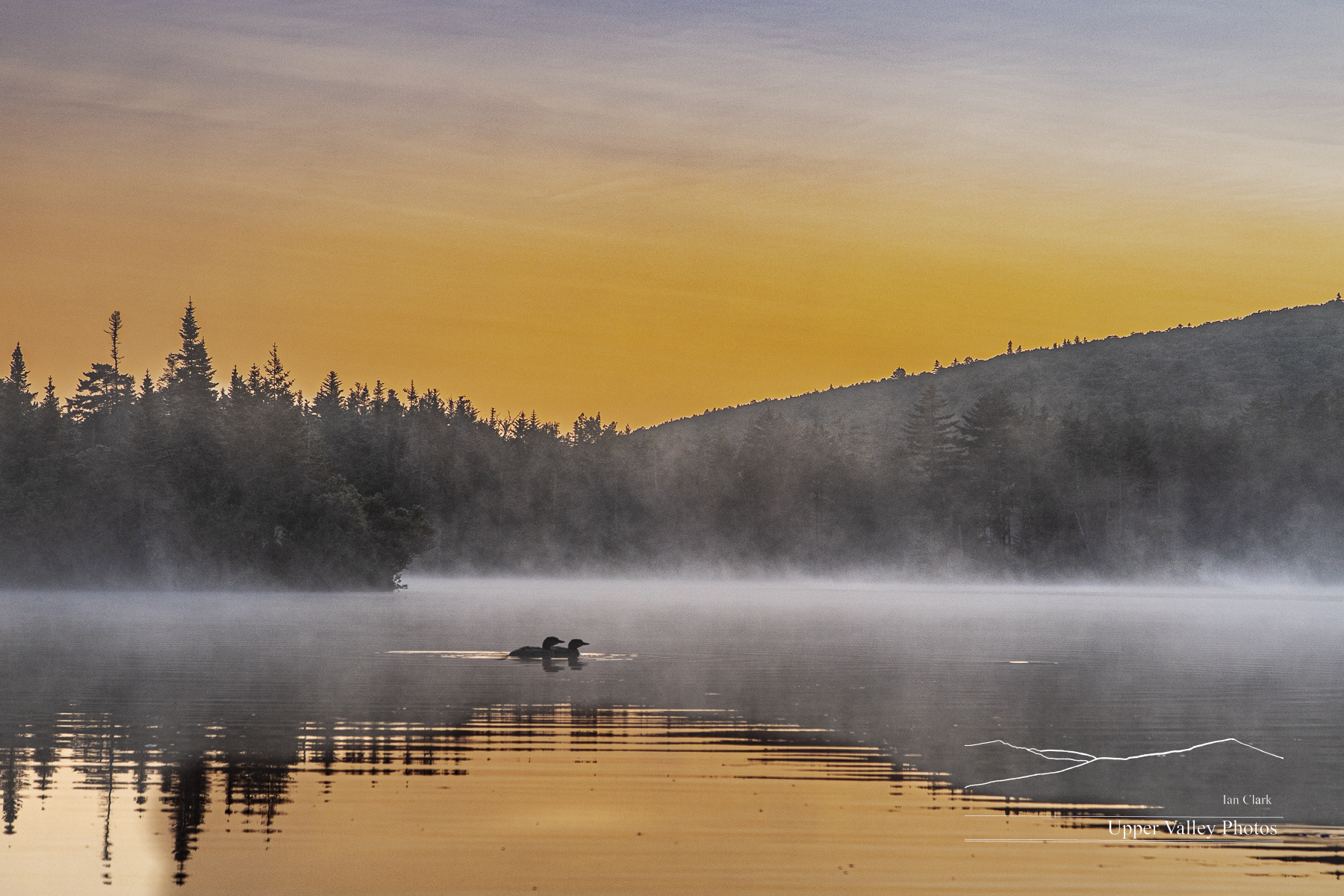
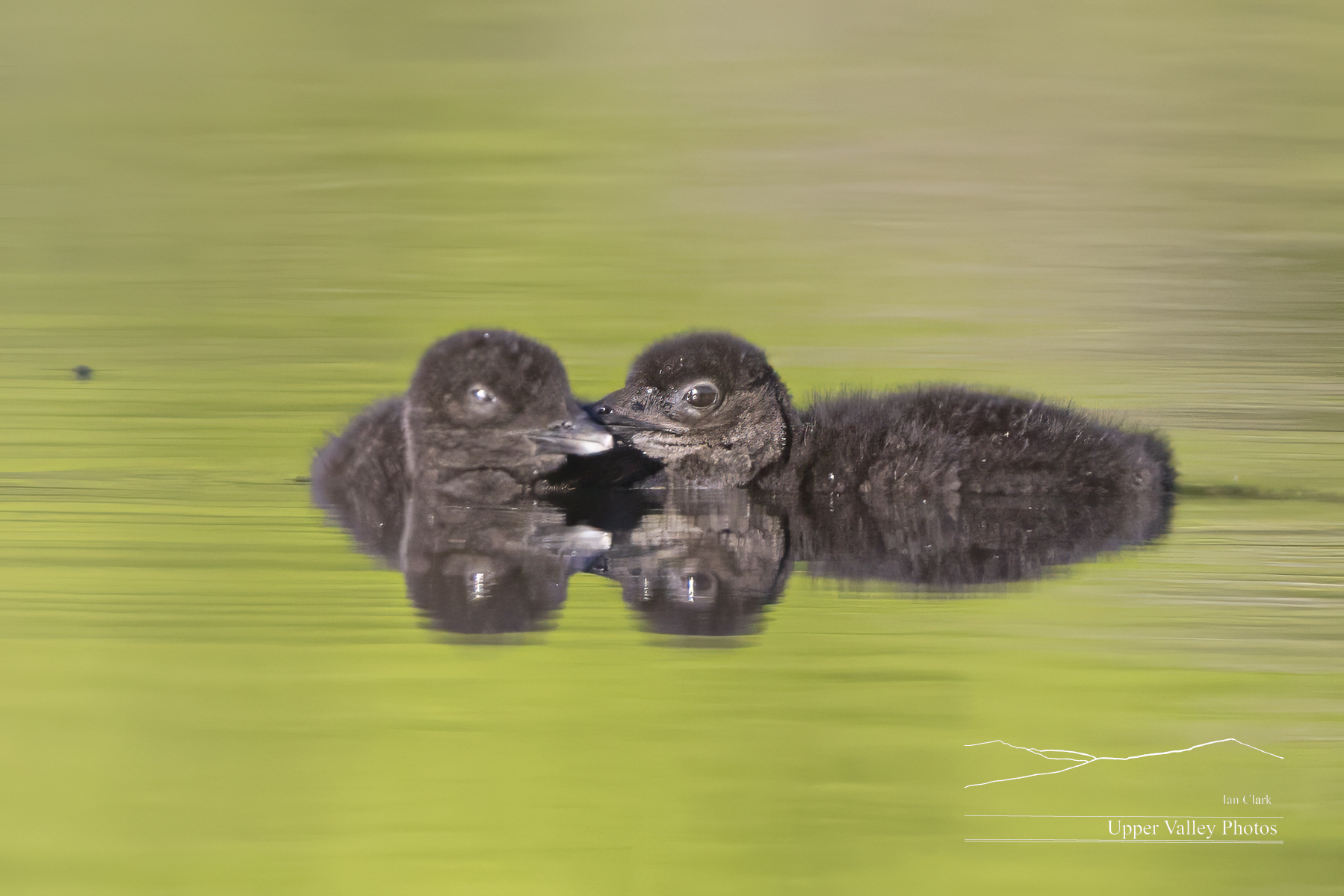
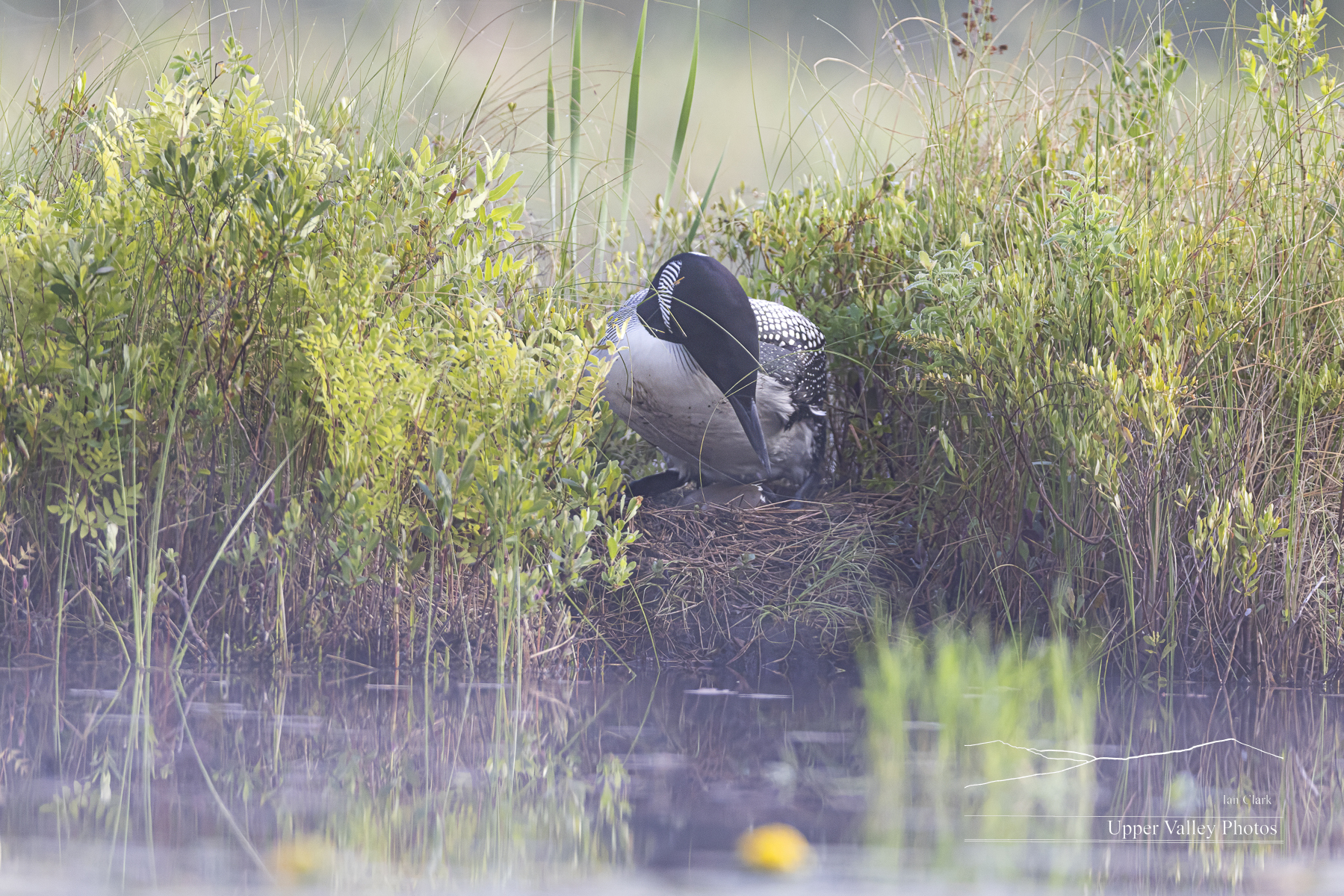
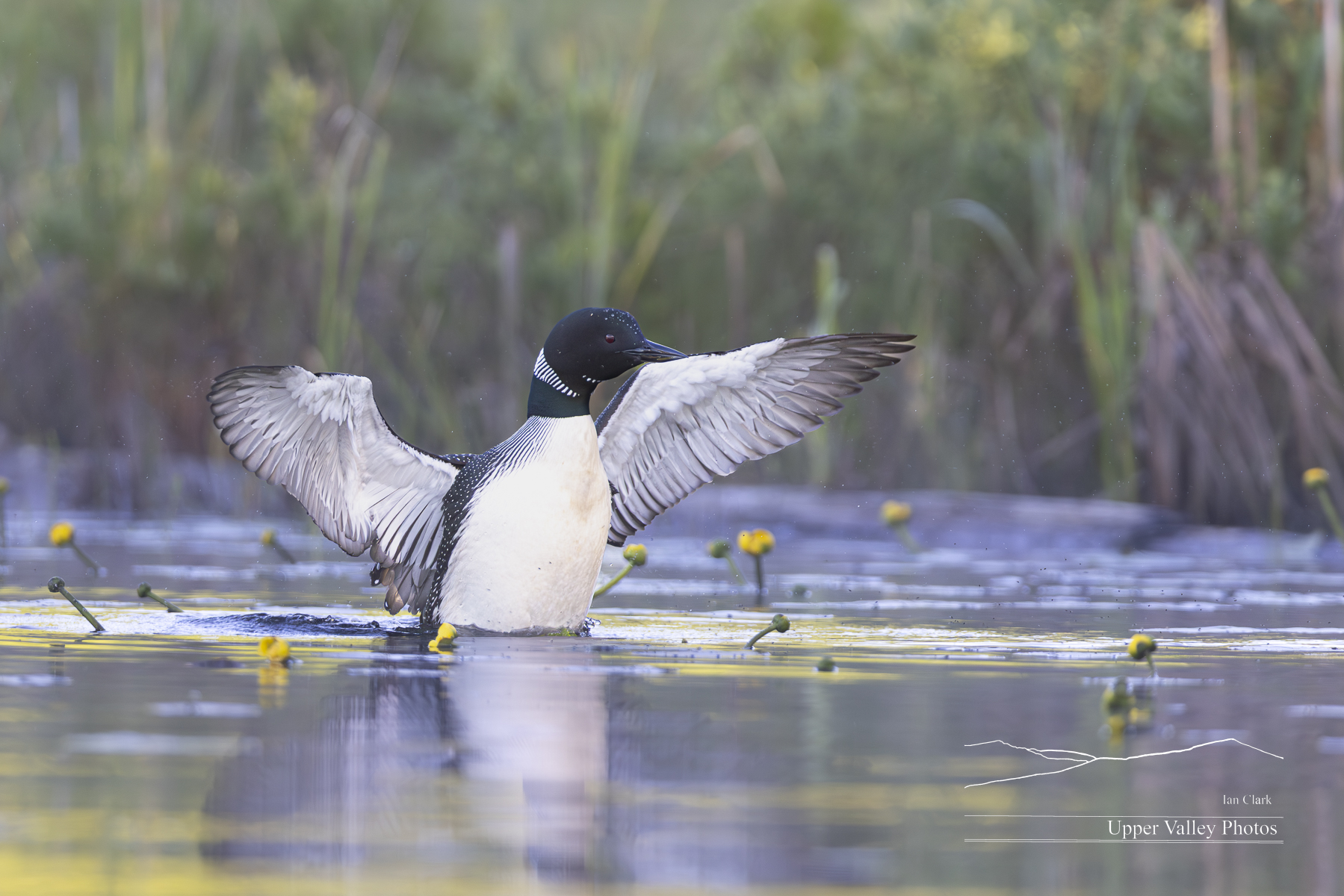
The Westons laid their eggs sometime during a week I couldn’t visit. I’d expected the eggs to hatch last weekend. Monday morning I headed out early and found the pond in thick fog. I paddled up the pond and back down before running into Mr. Weston on his own. Mrs. Weston was still on the nest. And squirming regularly. (Dad is banded in this pair. When I can see a leg, I can tell who is who.)
Every spring, I get questions about my camera gear. I’m using a Canon EOS R5 with an 800mm f5.6 lens. 800mm lets me sit well back from the loons – and most of the images in my posts are cropped.
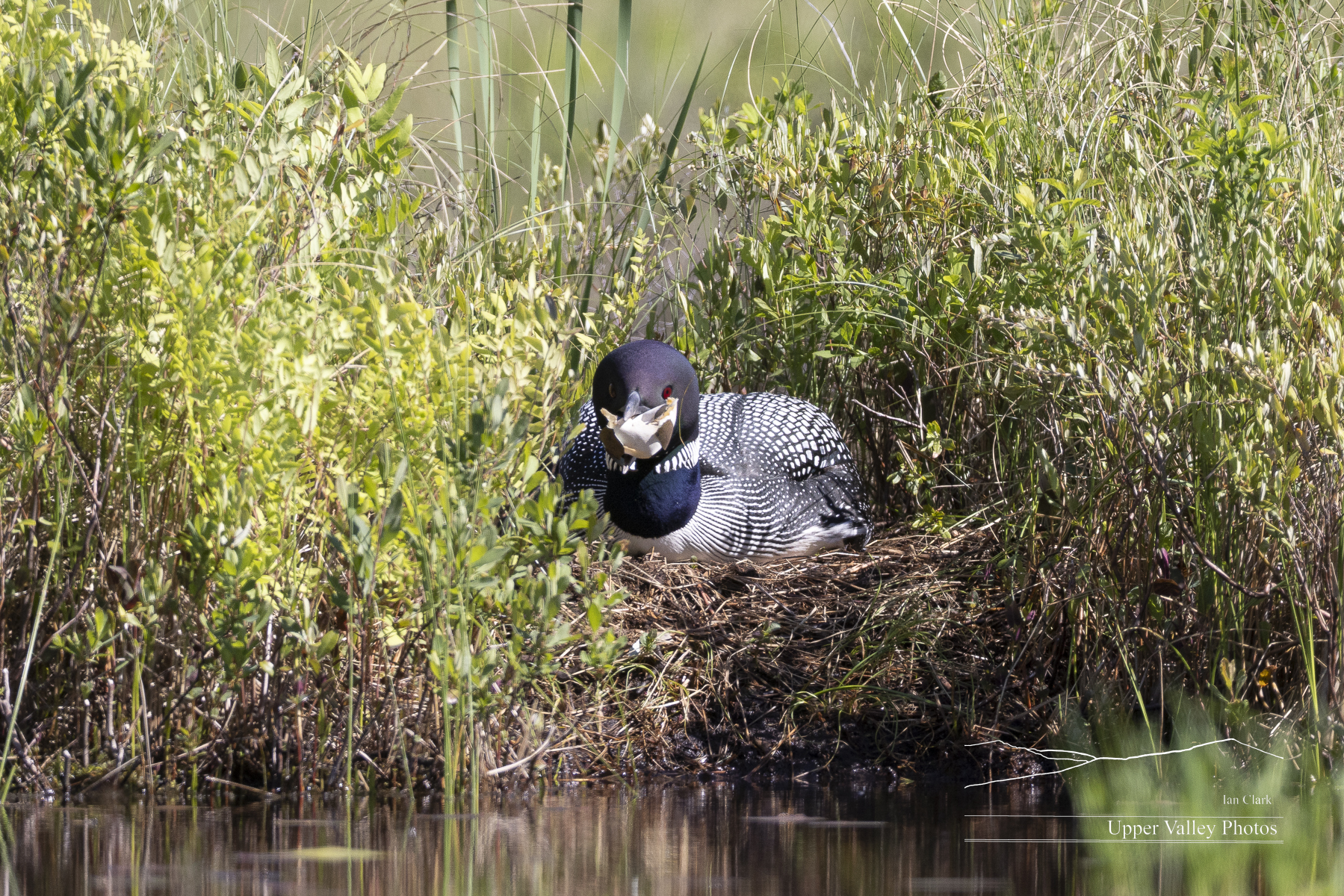
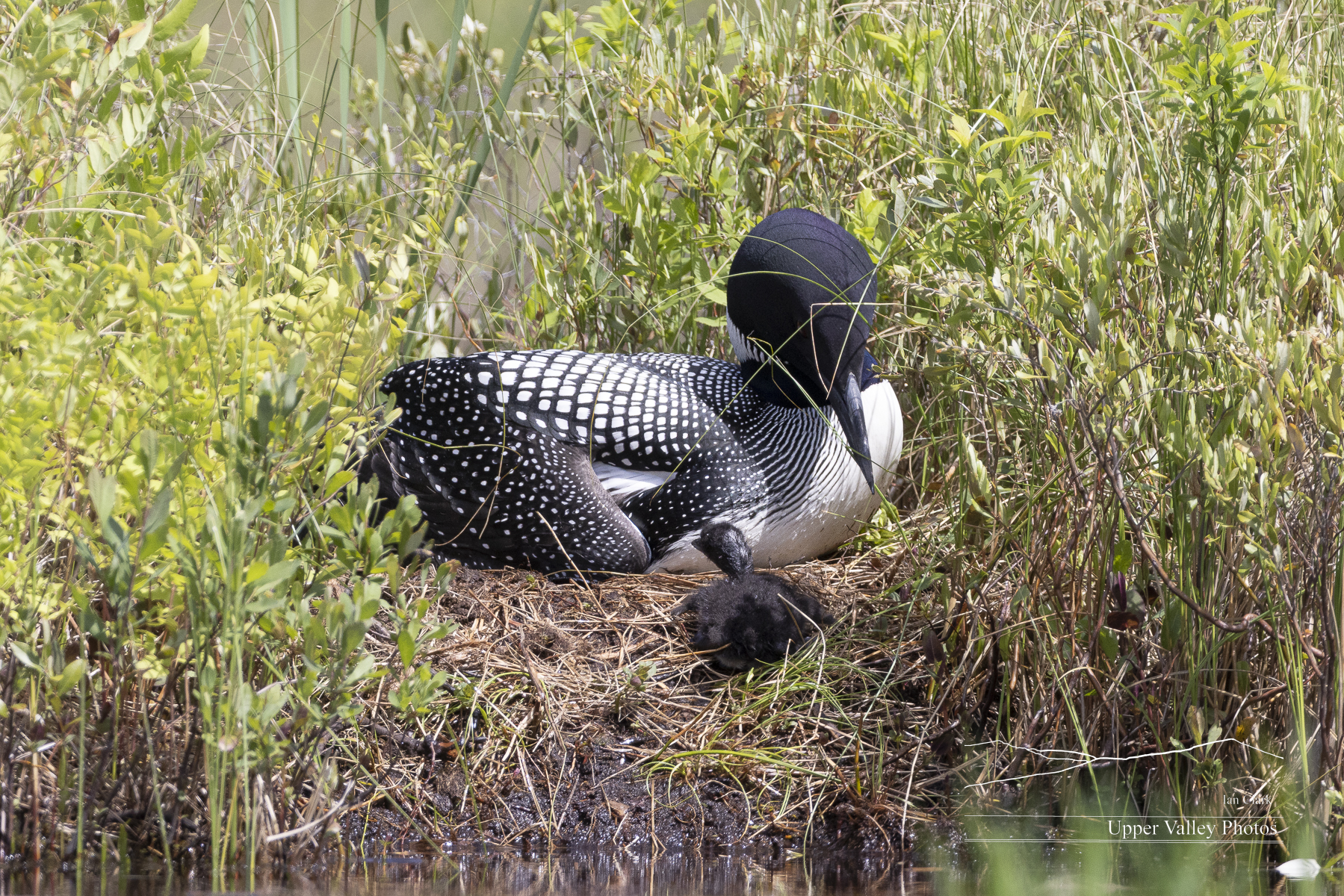
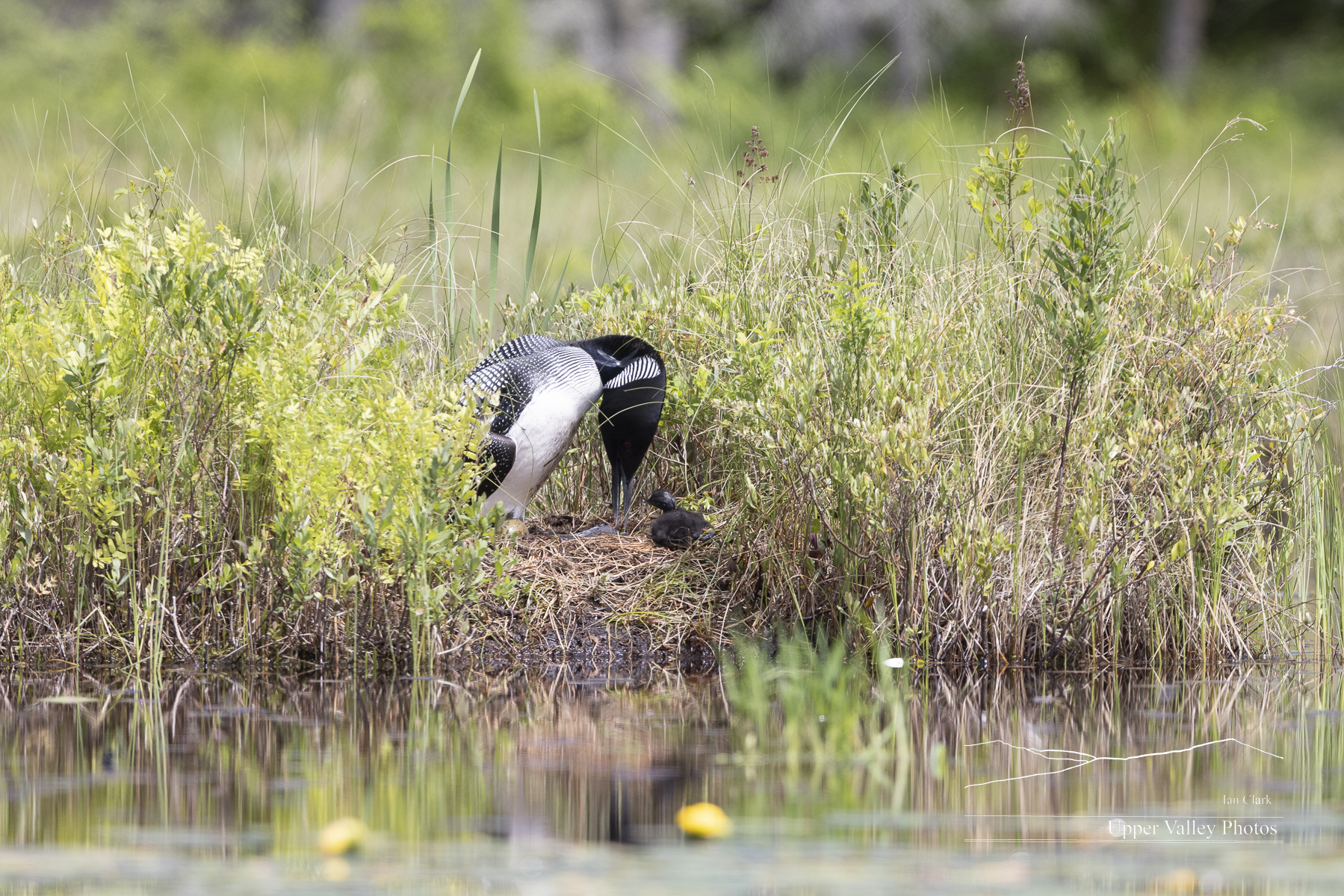
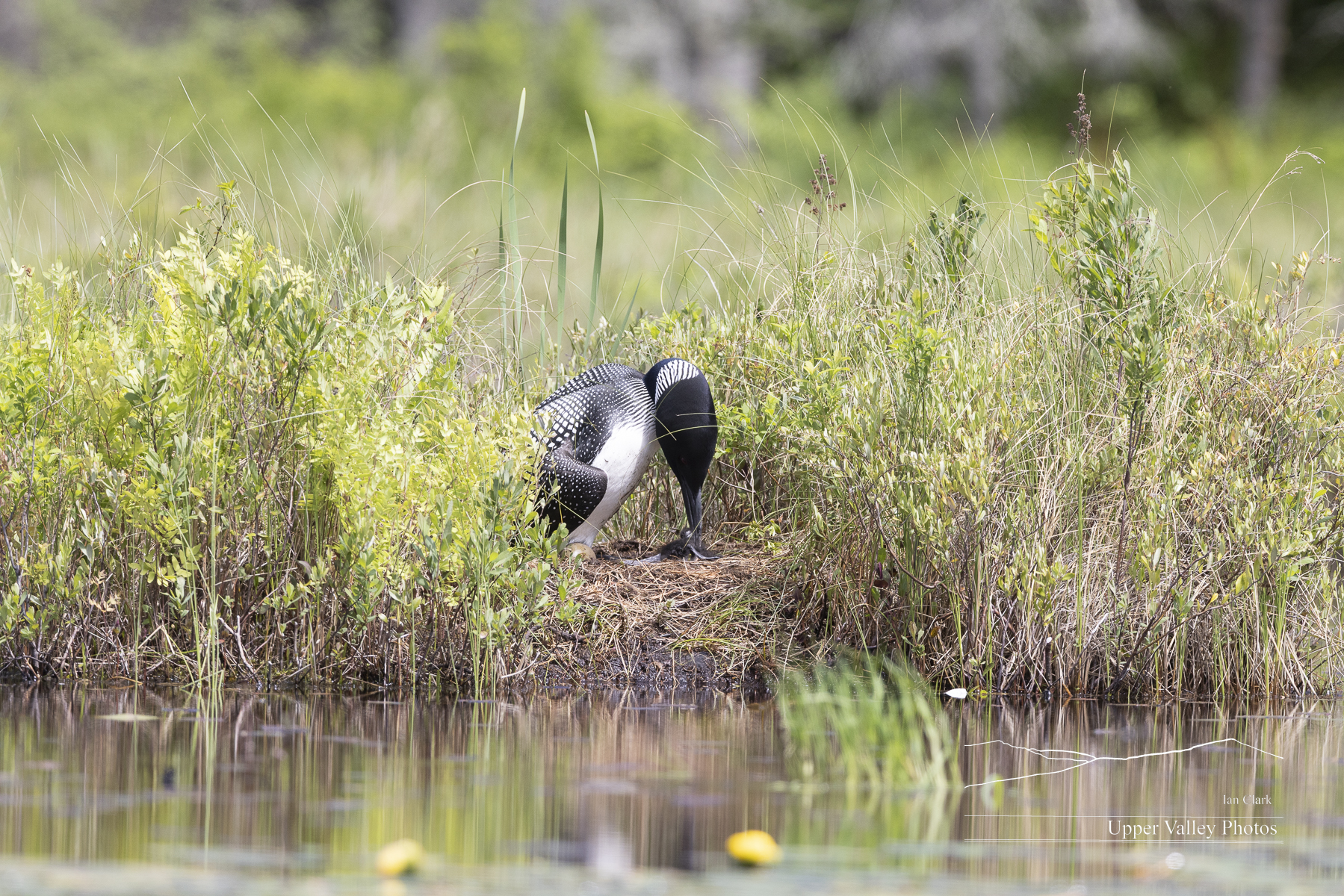
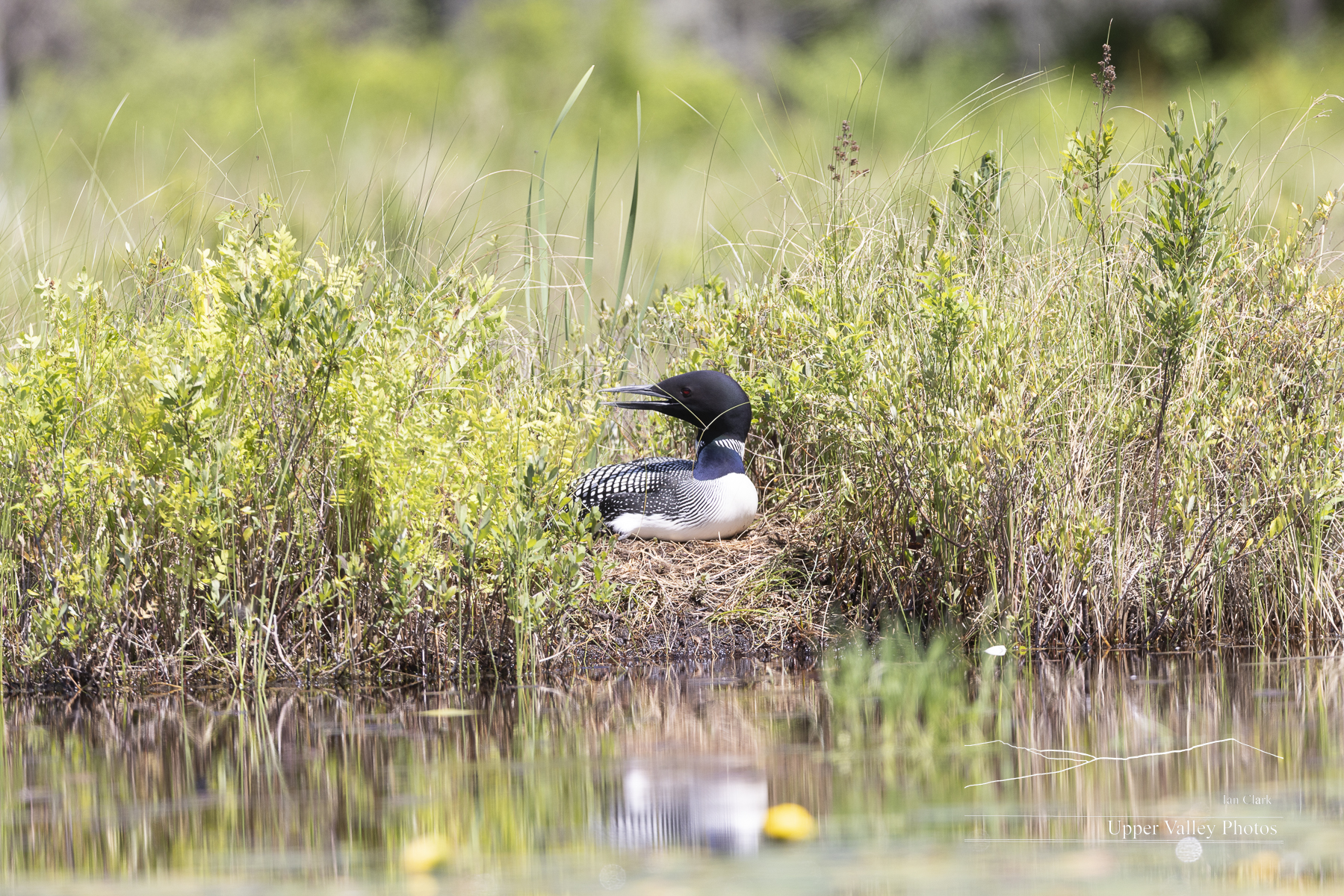
I went back Tuesday morning to see if I could meet the second chick. The fog was thicker than the day before.
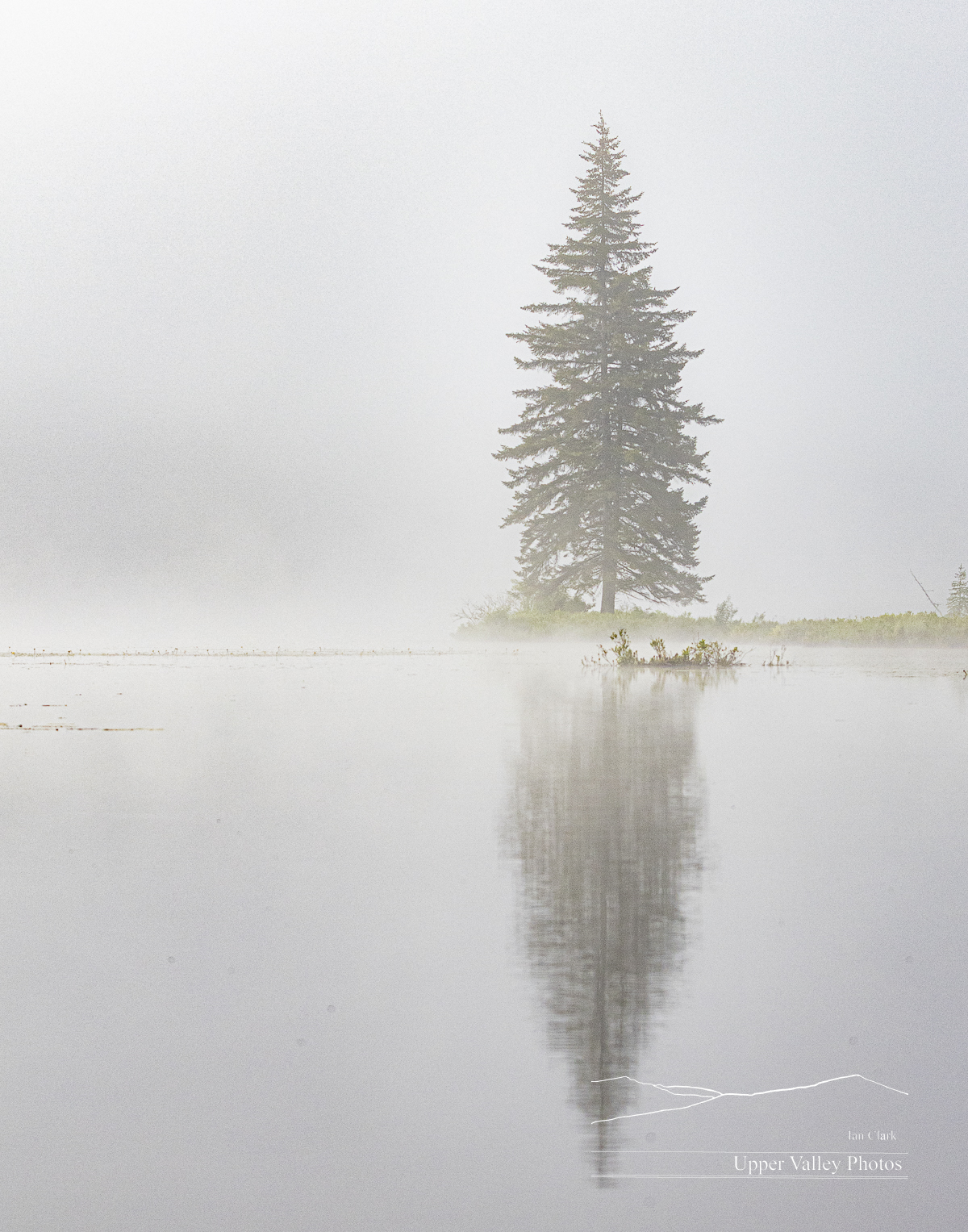
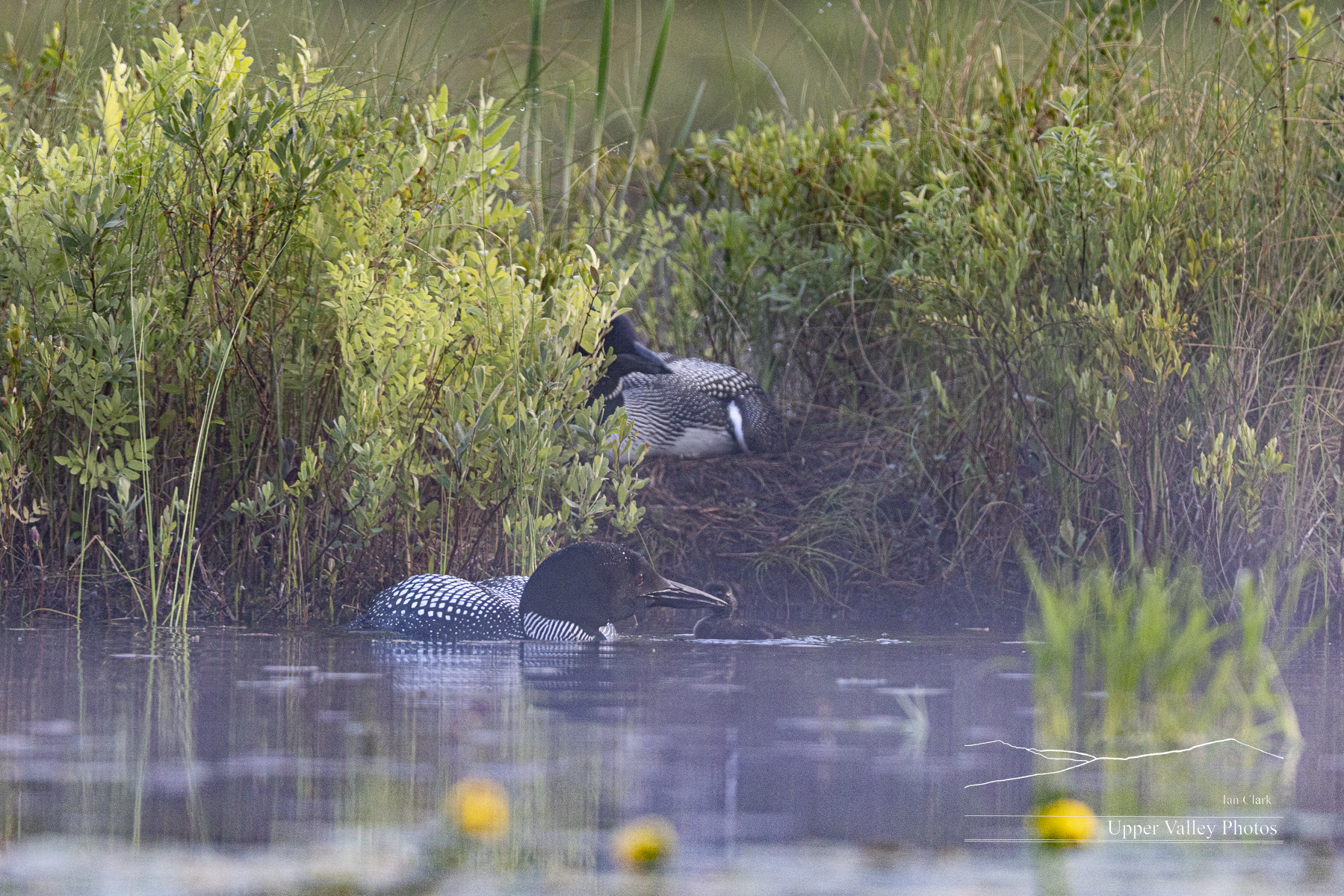
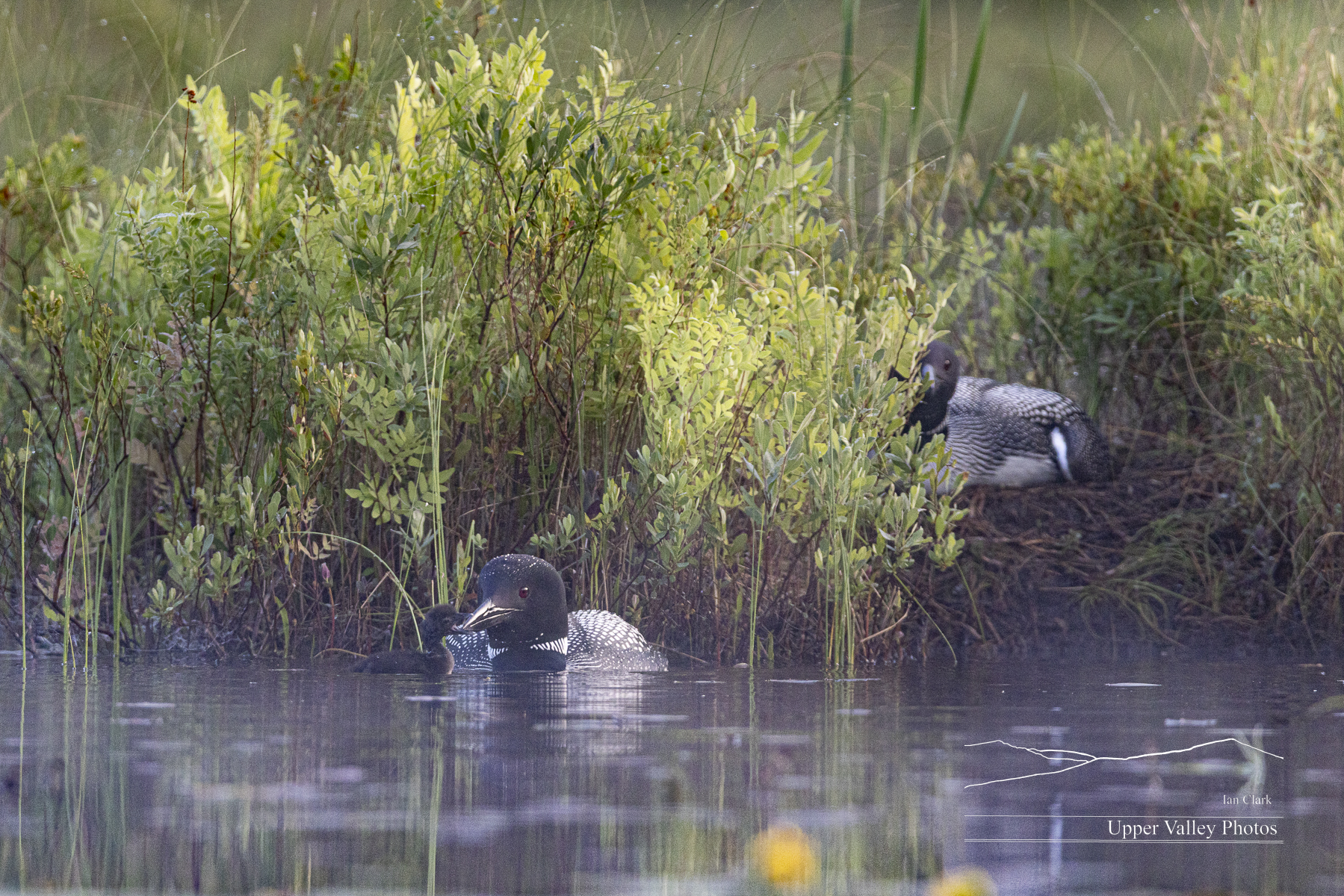
The Westons have always pretty much ignored me until about time for the chicks to hatch. Then, everyone has to go. They’ll wail at people, beavers, any large bird flying over and even lots of small birds in the brush along the pond.
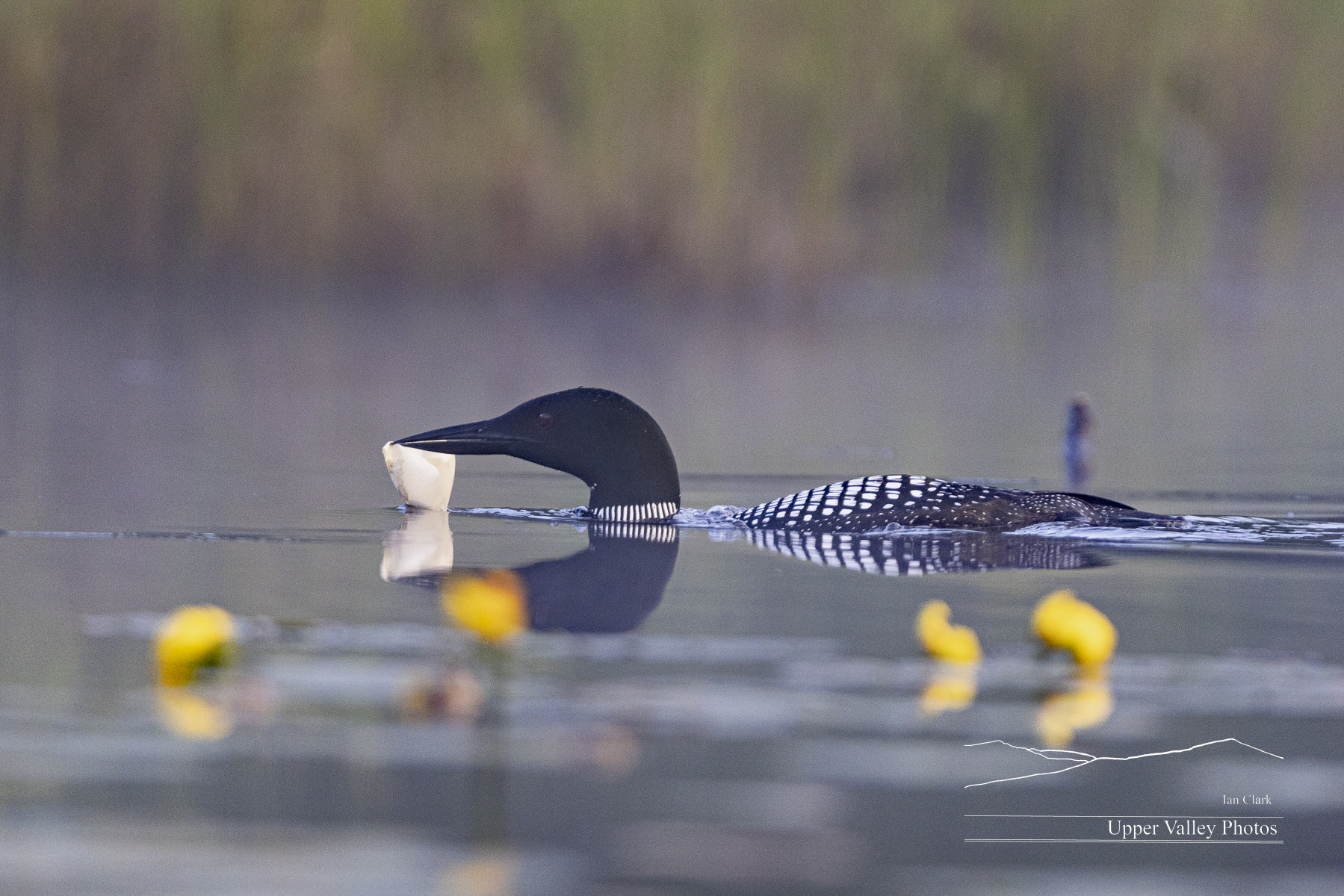
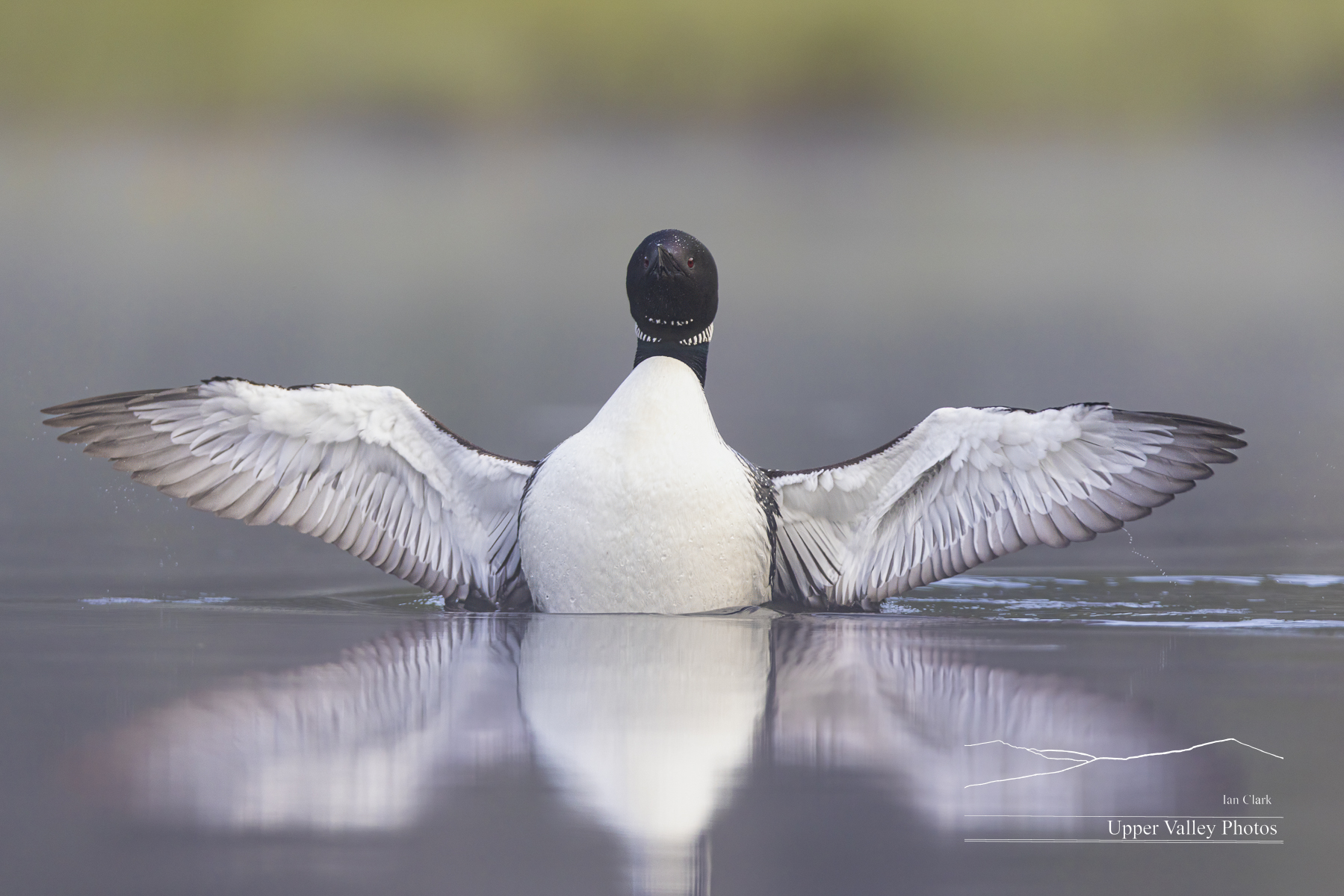
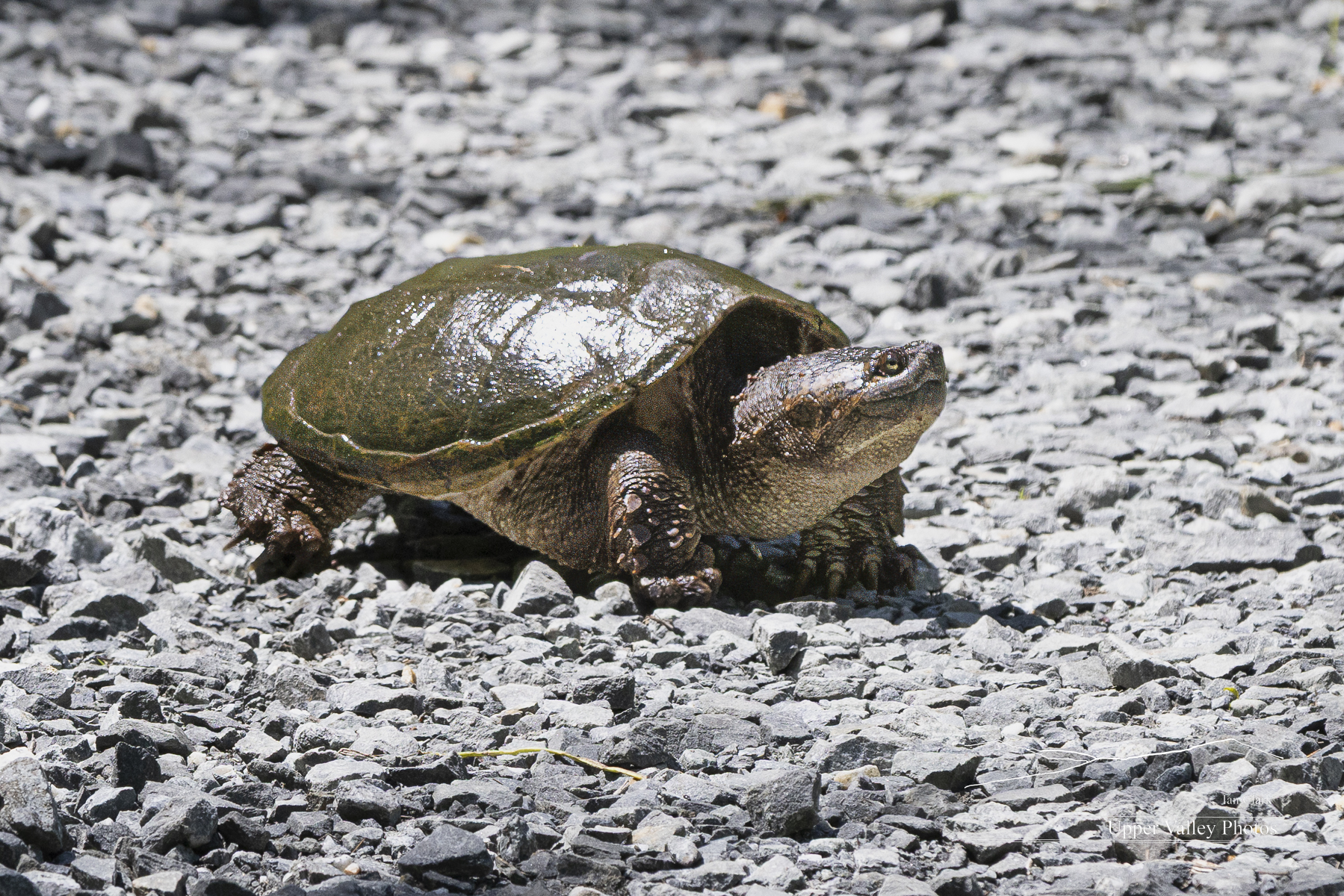
Wednesday morning I headed to visit the Middletons. On my last visit, I discovered they’d abandoned their first nest and were looking for a site to try again.
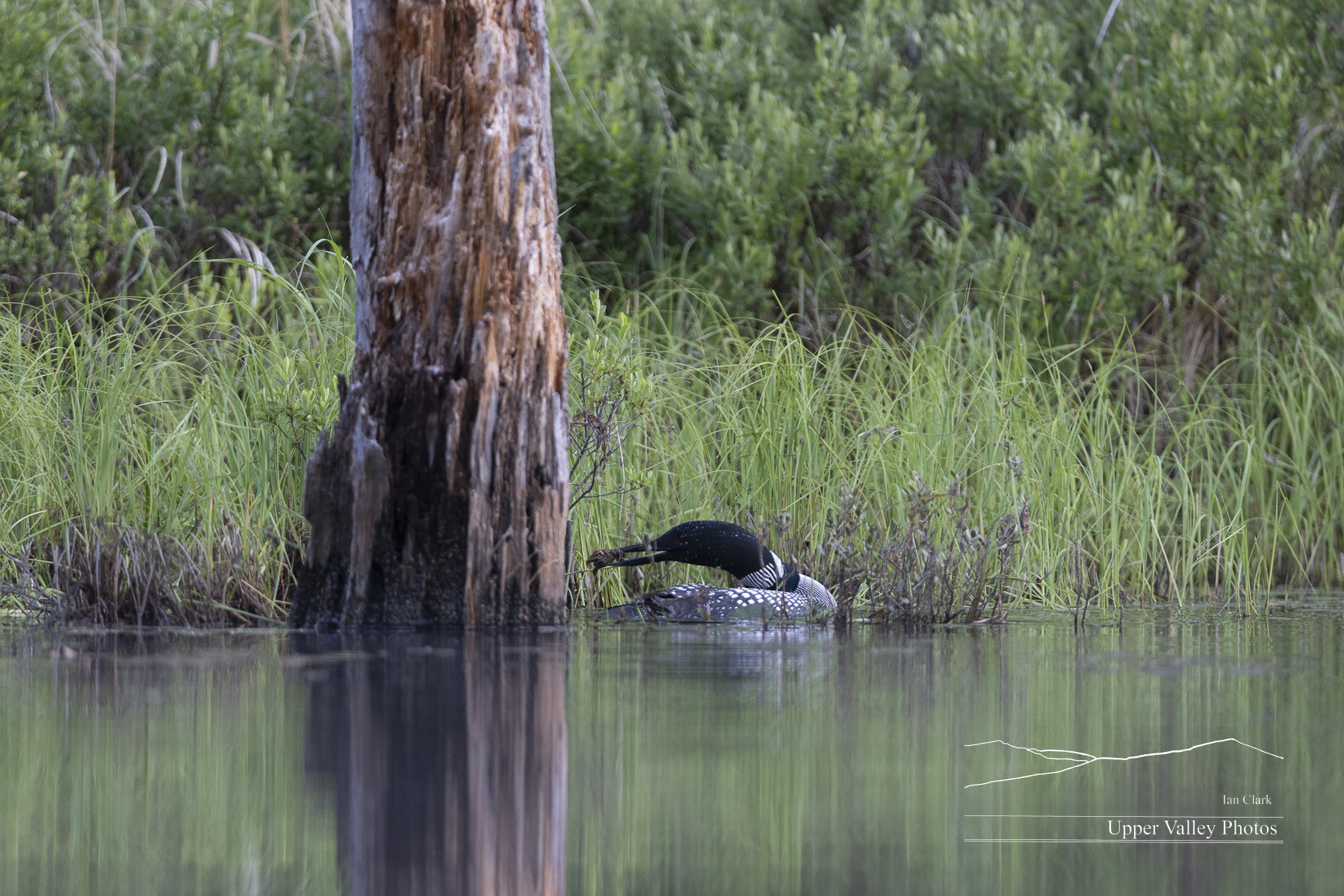
After a bit, he gave up and went to find a snack. Mrs. M tossed some vegetation herself before deciding a snack sounded good.
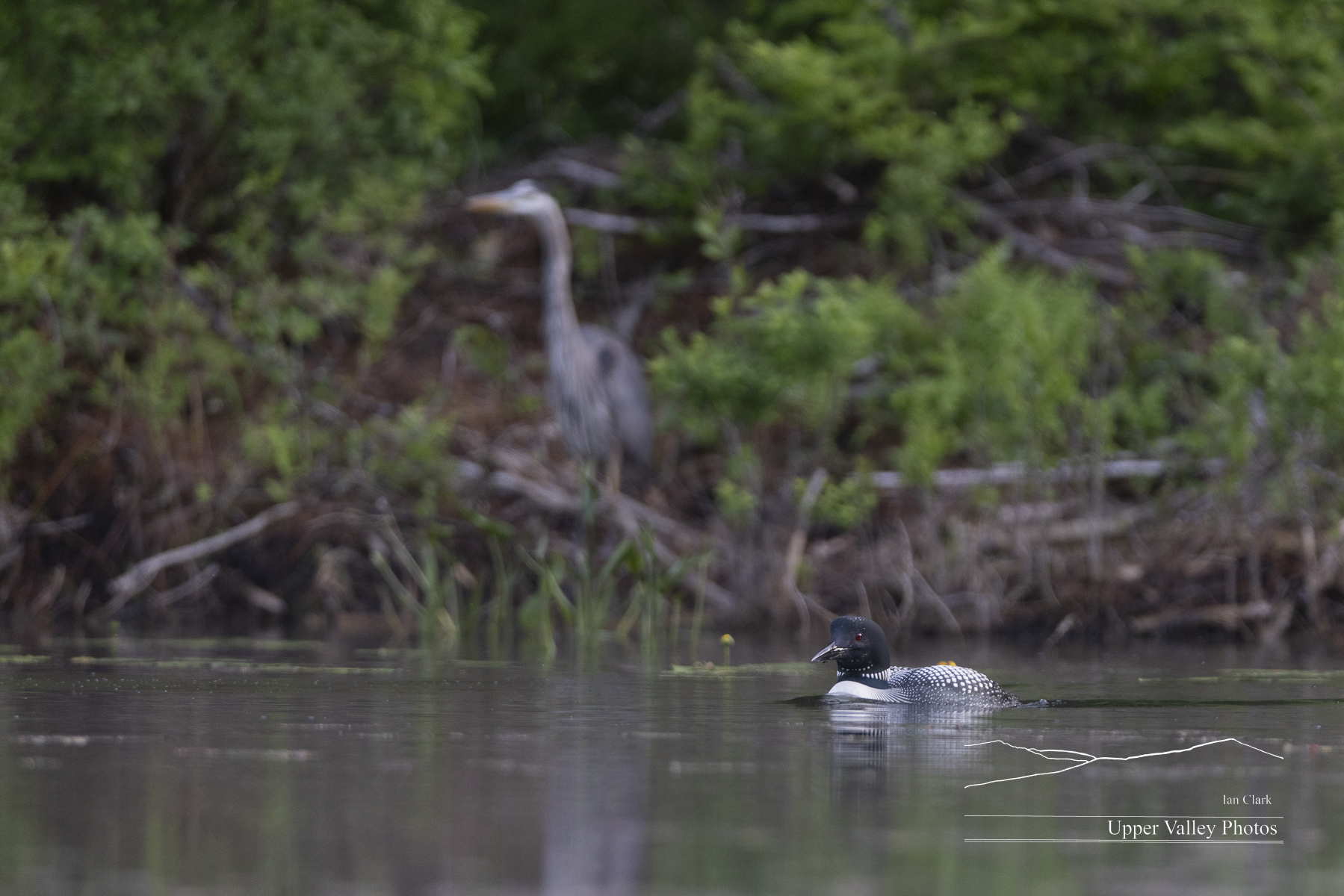
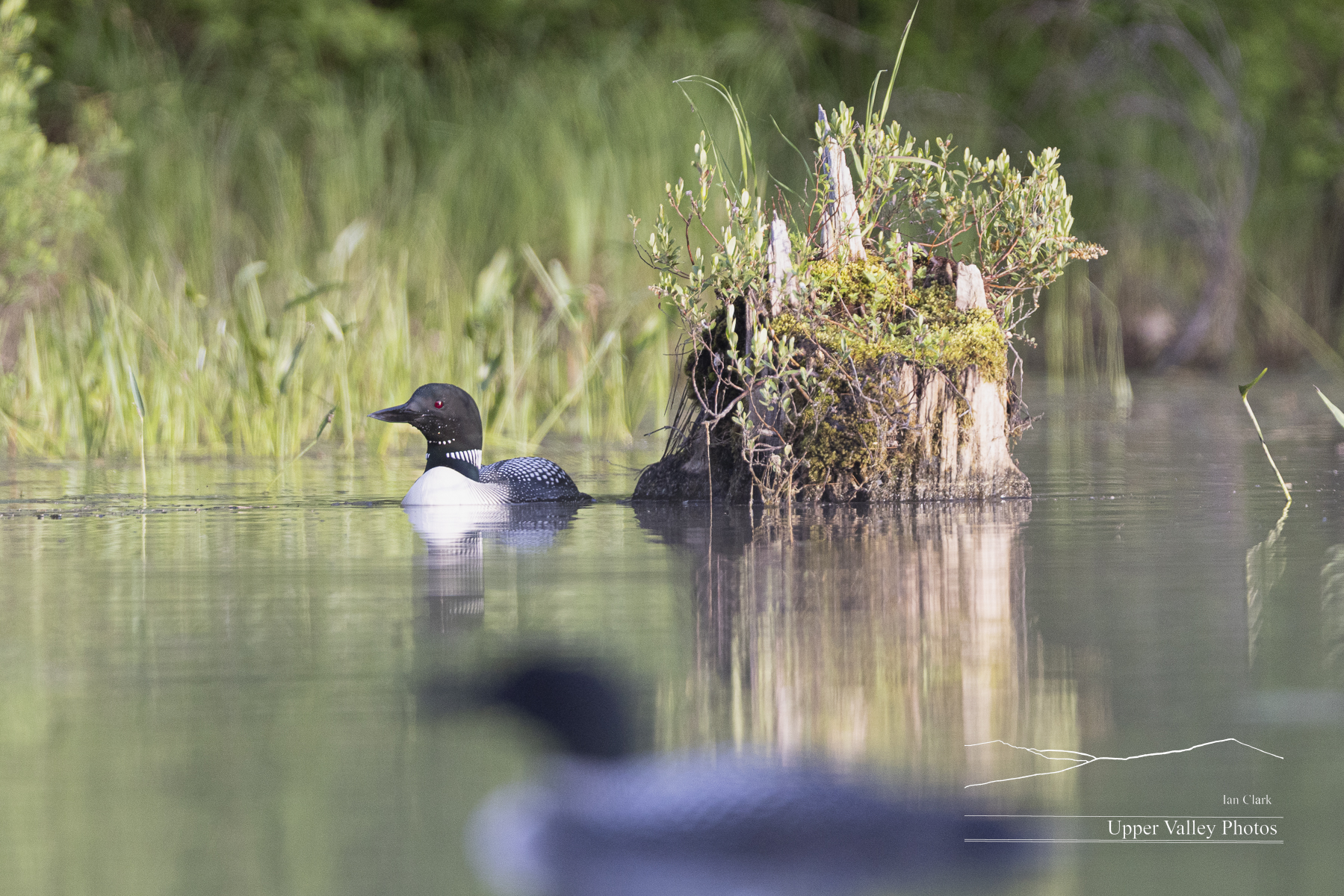
I went to check to see what the Middletons were up to.
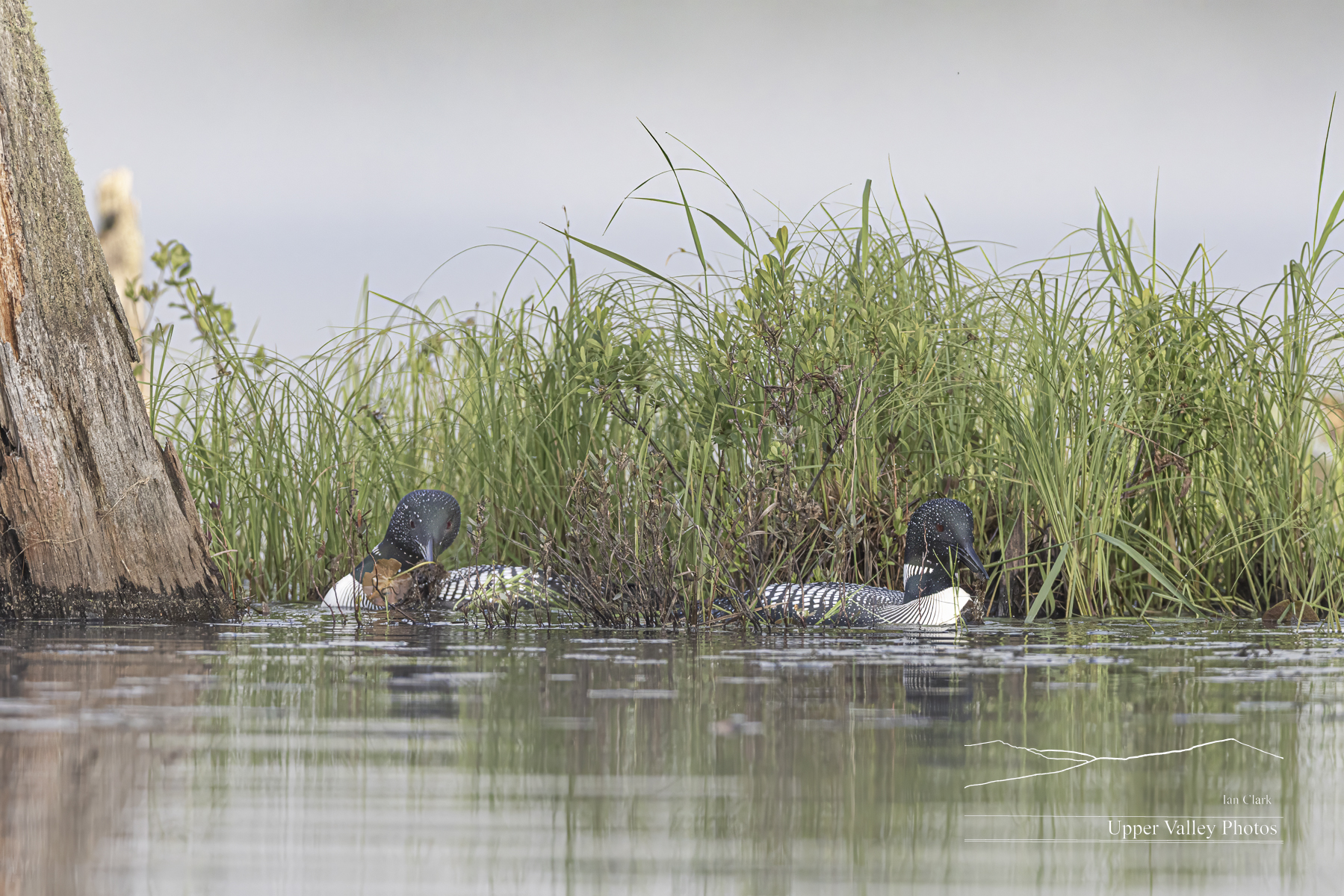
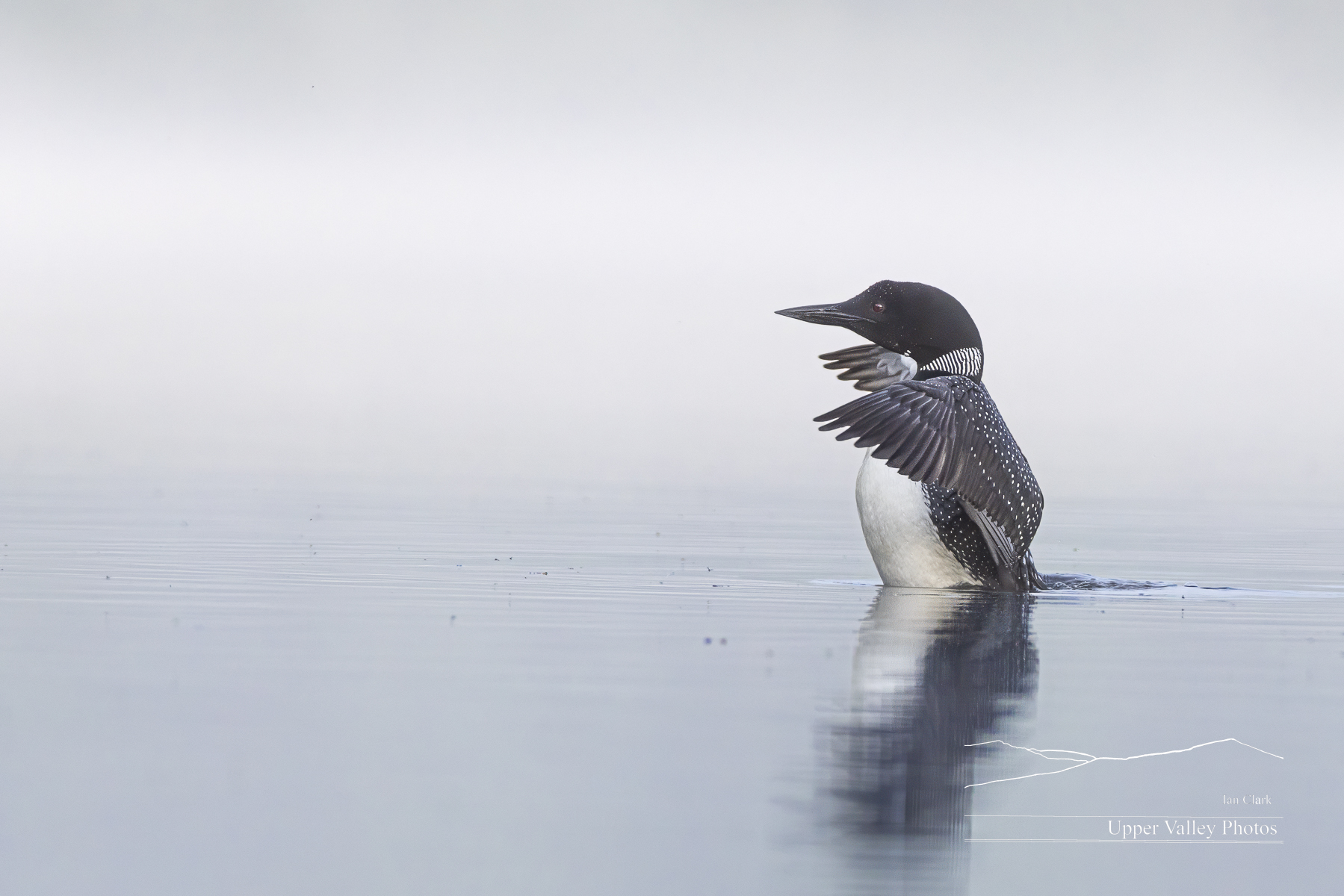
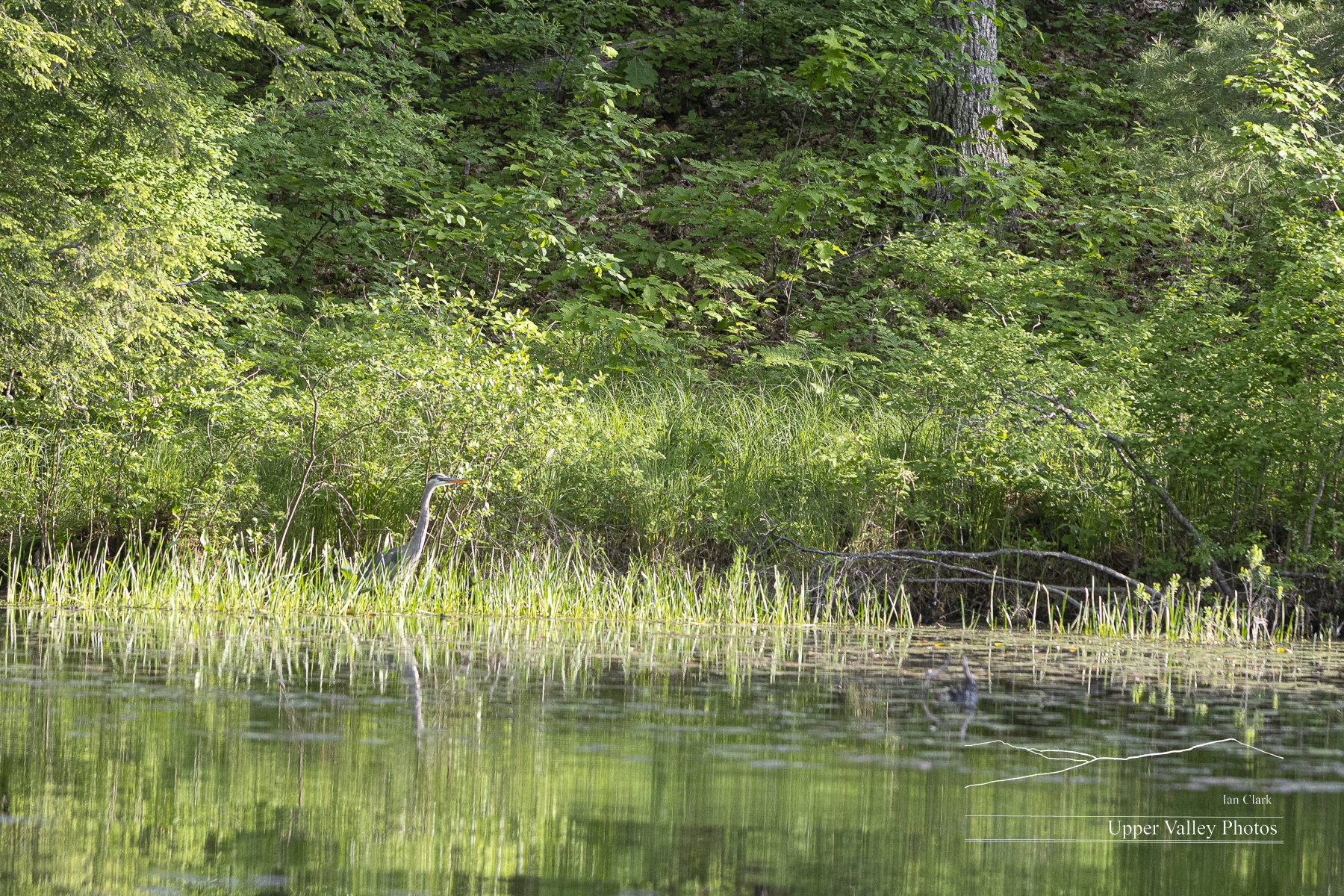
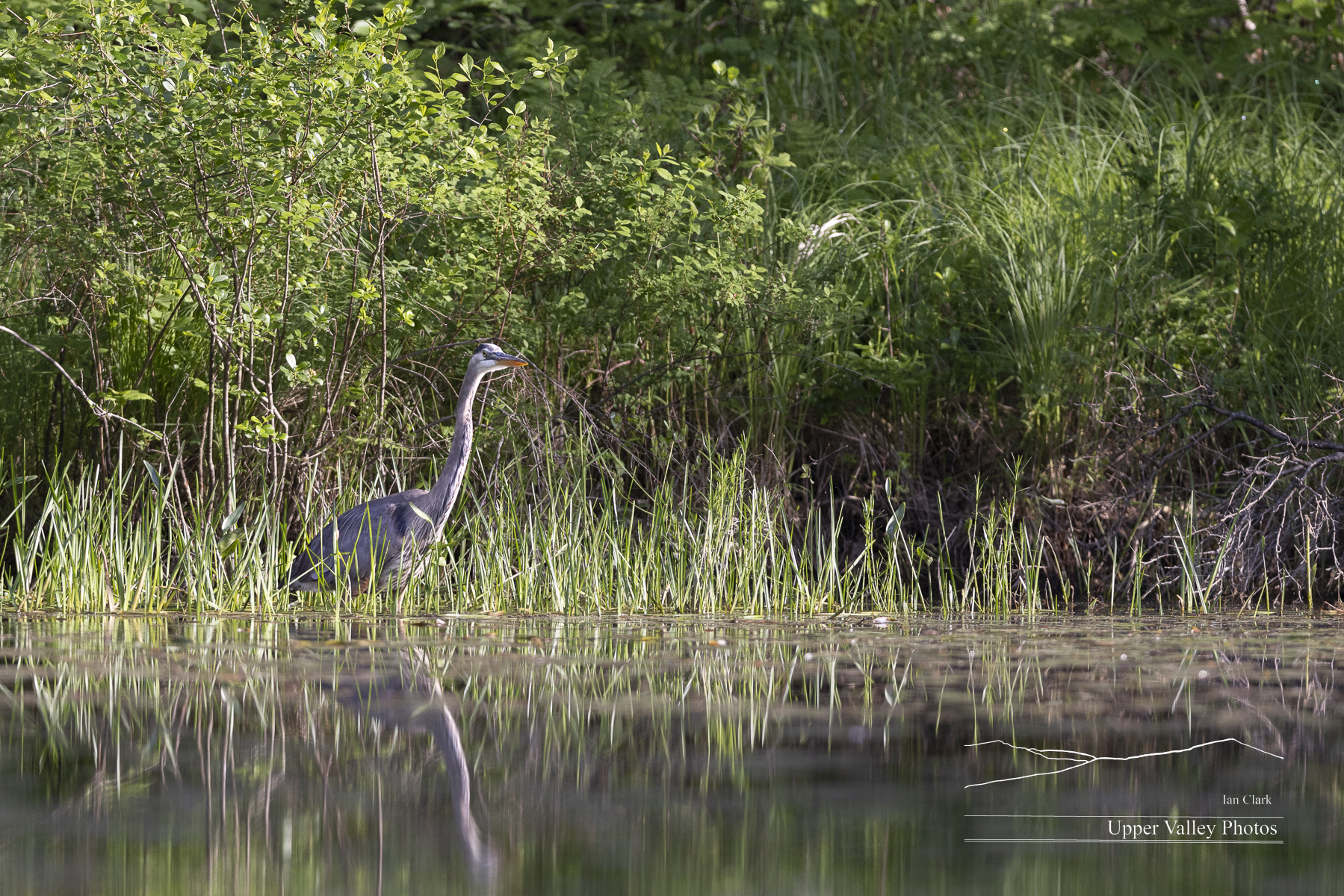
Yesterday morning I called on the Eastons. On my last visit there appeared to be a pair of loons defending a nesting spot with a banded loon challenging one of them for the territory. The Mr. Easton we’ve been following since 2019 wasn’t to be found. Mrs. Easton isn’t banded, she may be back.
Saturday morning found a pair of loons with a nest. The banded loon I’d seen the last time has taken over the territory. There was at least one challenger on the pond. After a brief skirmish, the challenger departed.
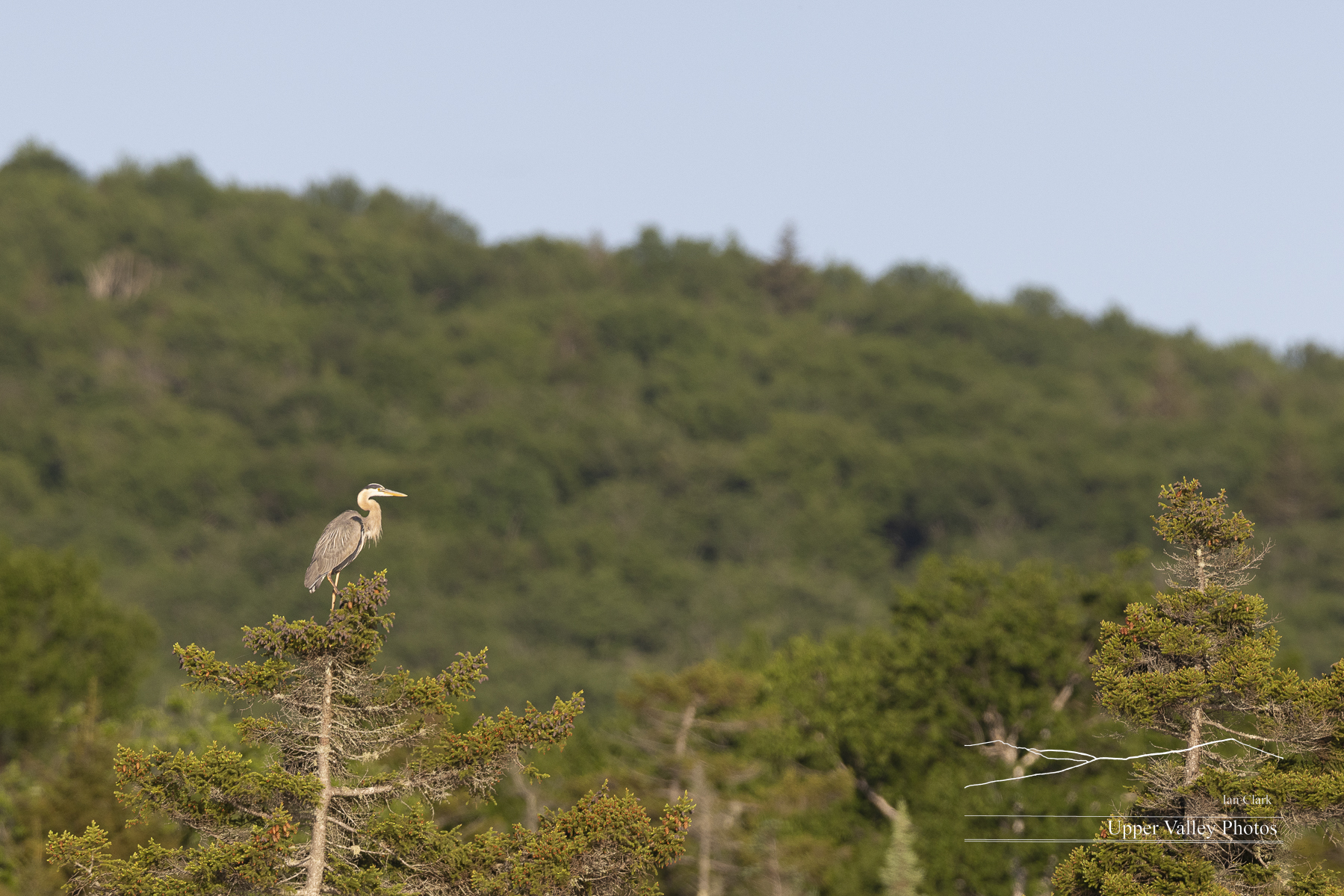
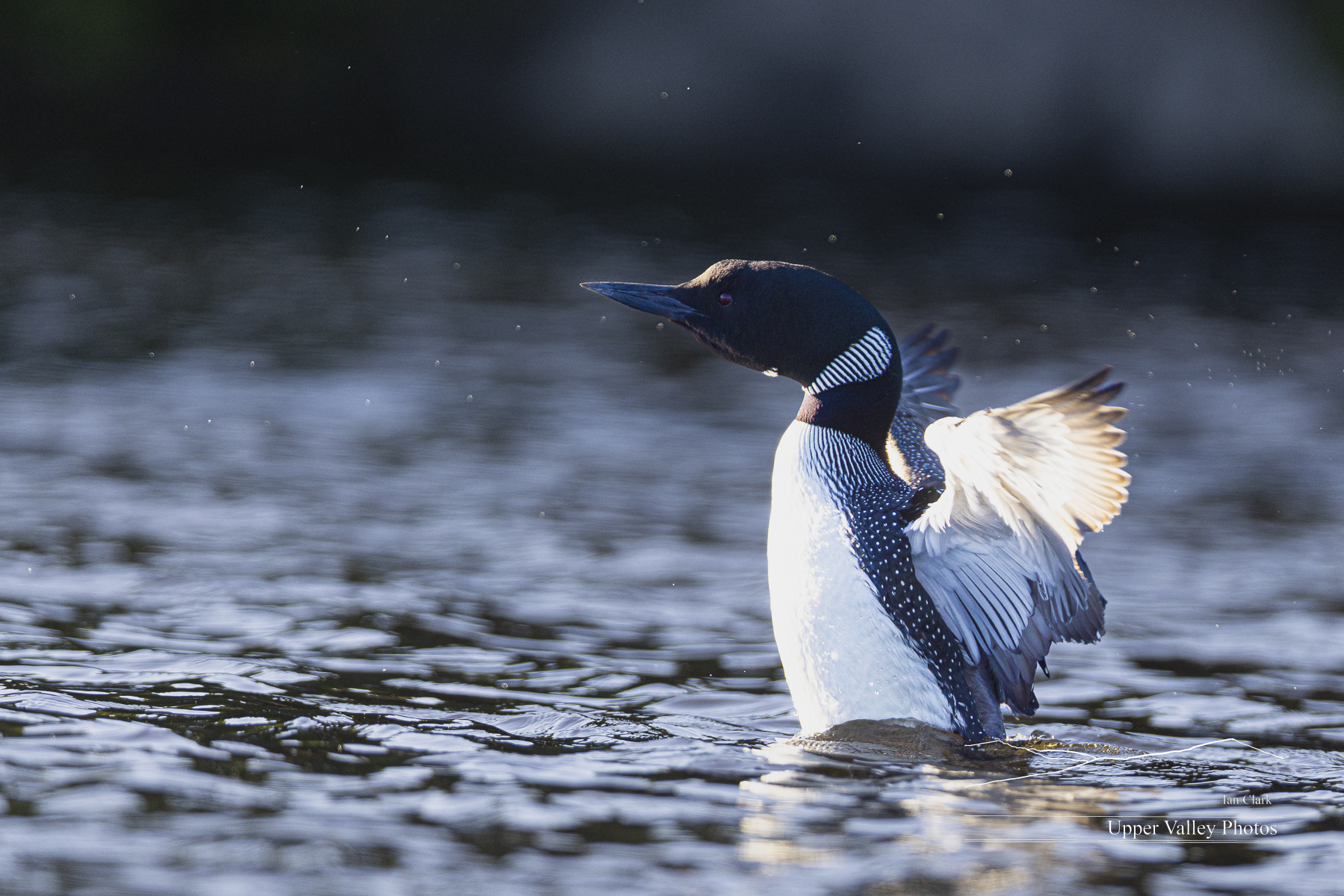
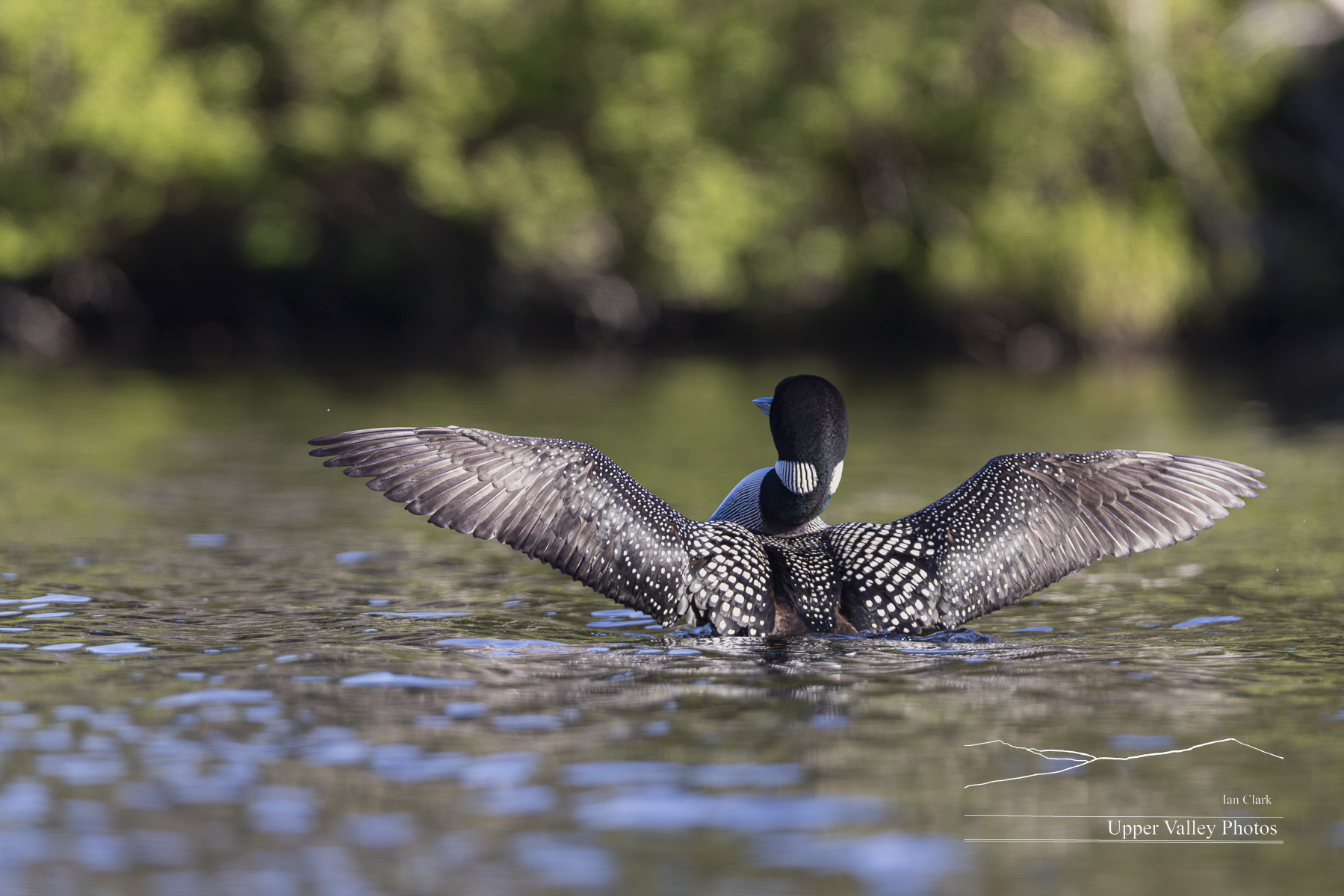
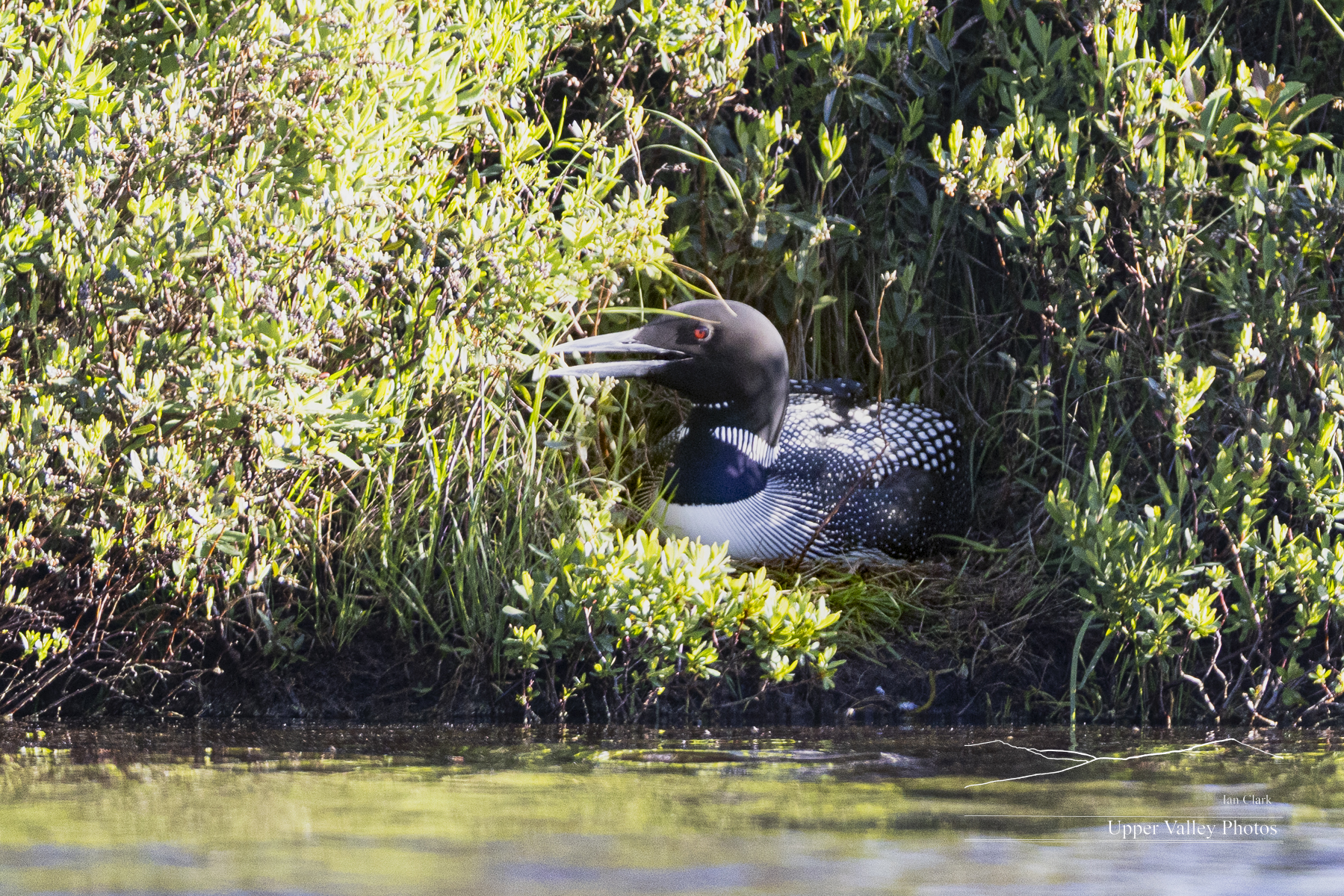
The intruder returned and drew both of the home team to the far end of the pond. I snuck a look at the nest with my binoculars and they’ve got two eggs.
The intruder promptly left the pond.
I expect to dodge wildlife on the road in the early hours. This past week, I’ve seen bears, foxes, a racoon and an opossum along with deer, more deer and even more deer. To change things up this morning, I met a horse trotting west as I was going east.
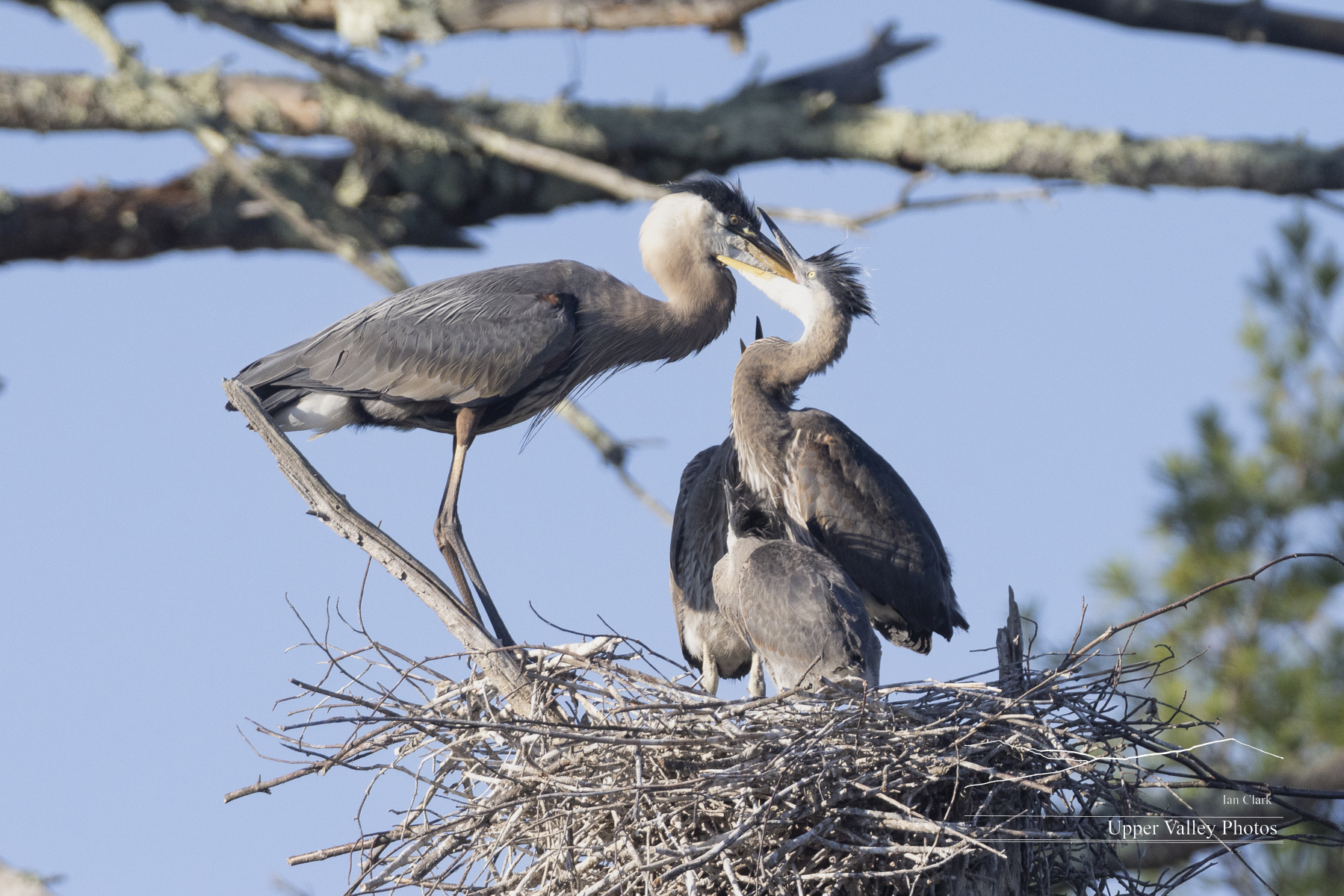
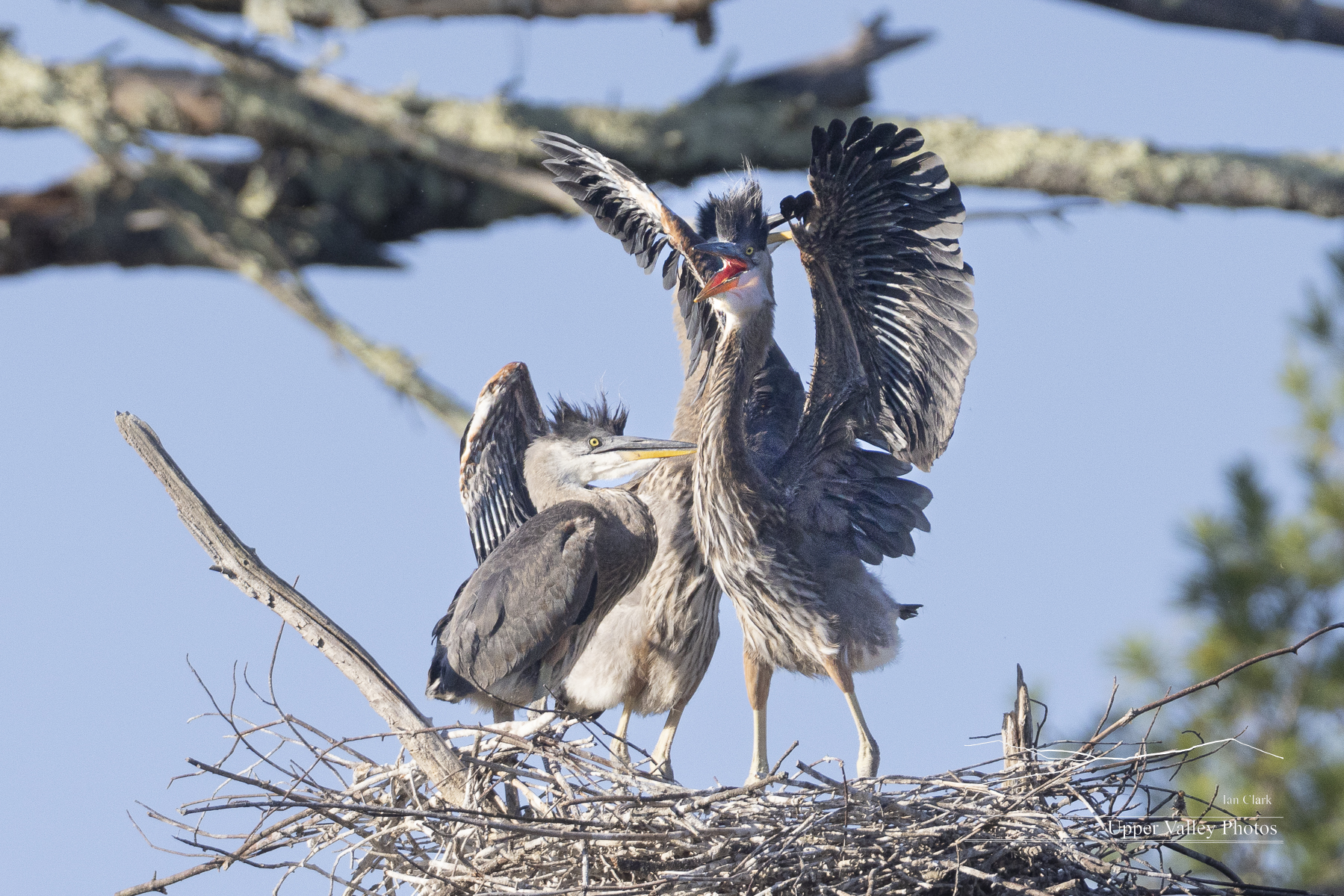
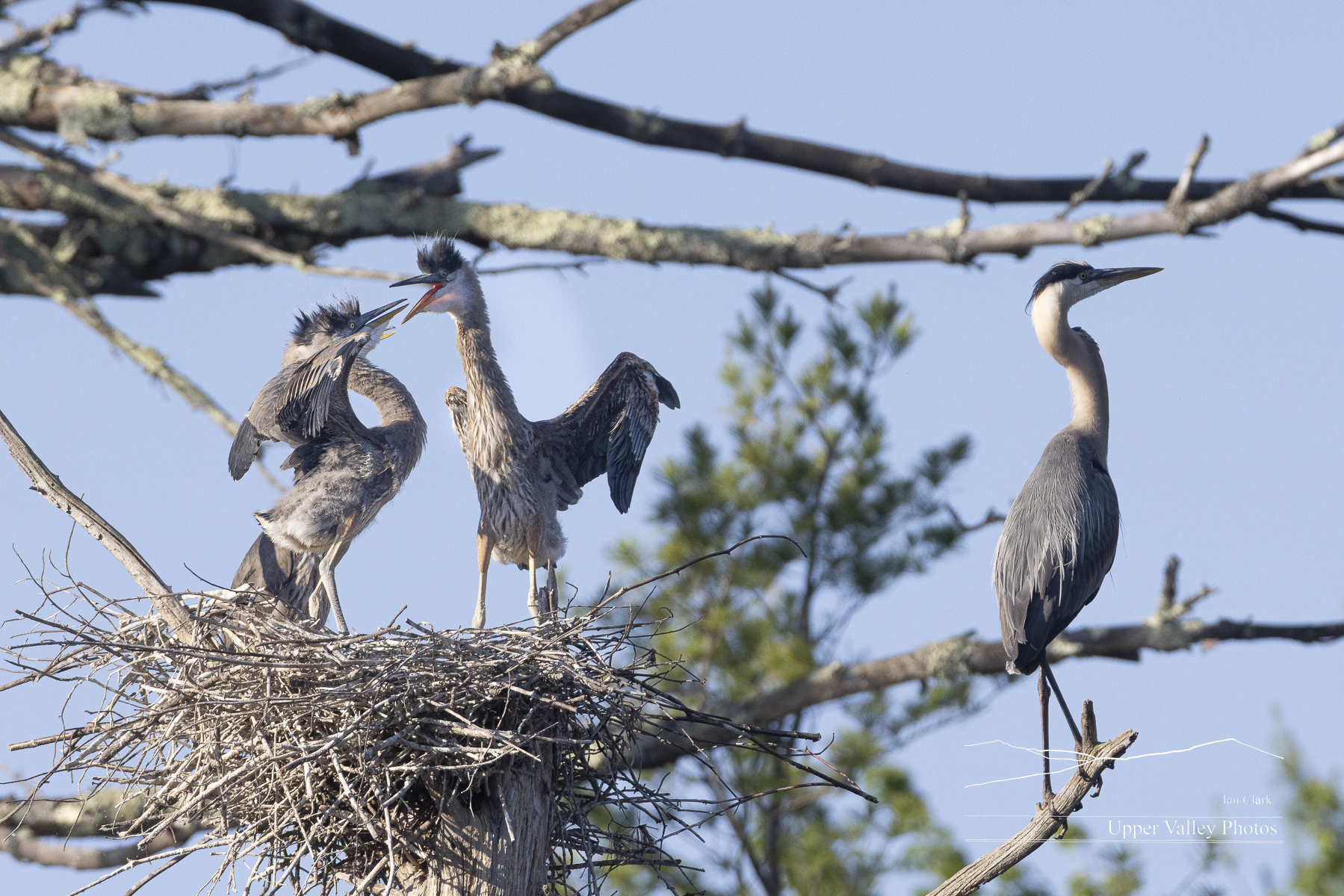
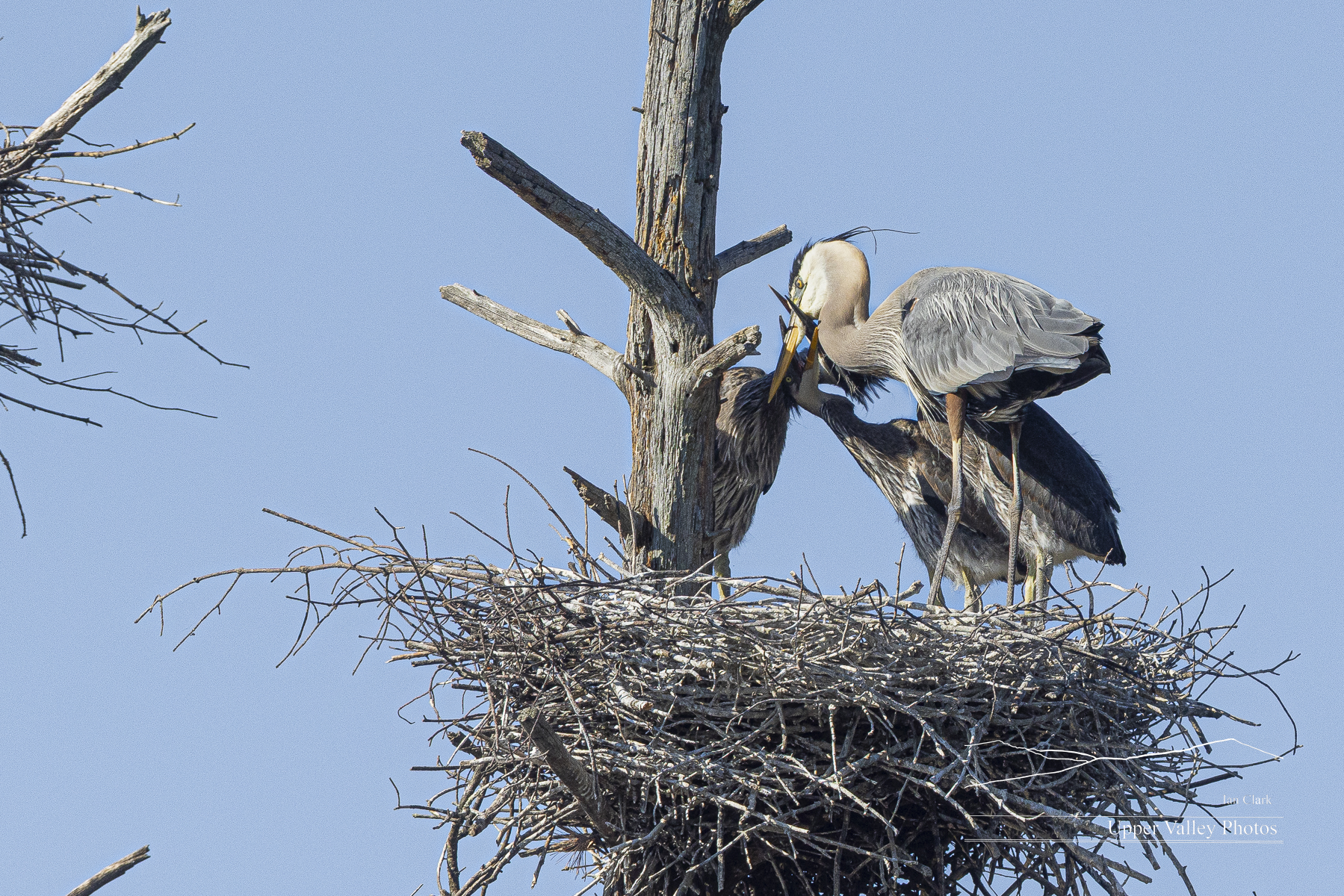
Last week, it looked like a wren had taken over the bluebird box where they raised a family earlier this year. In the last couple days, the bluebirds have reappeared. Ownership of the box appears undecided. I’m kinda rooting for the bluebirds. The wren’s song was cute the first couple days, but she over does it.
If you enjoyed this post, please subscribe to get notified of future posts with the form below. I won’t share or sell your info, you’ll just get an email when I add a post. And you can help me out by sharing this on social media or with your friends. Thanks!
News from the Eastons and Middletons
The road to the Easton’s pond is again more or less passable and I got out to visit them and I made a call on the Middletons a couple days later. Let’s see what they’ve been up to.
And I’ve been printing and framing new images for the Berkshires Art Festival in Great Barrington, MA on July 3, 4 and 5. I’ll have note cards and prints large and small for sale. Please come by and have a look.
Tuesday morning well before dawn, I headed out to visit the Eastons. I’d stopped by the pond the last time I went past. The dirt road is passable, but grading would be a big help.
On my way to the pond, I passed a bear and her cub enjoying a meal from a curbside trash can. I’m not sure curbside trash pickup and bears are a good mix. The story won’t end well for the bears if they get used to finding breakfast in the trash.
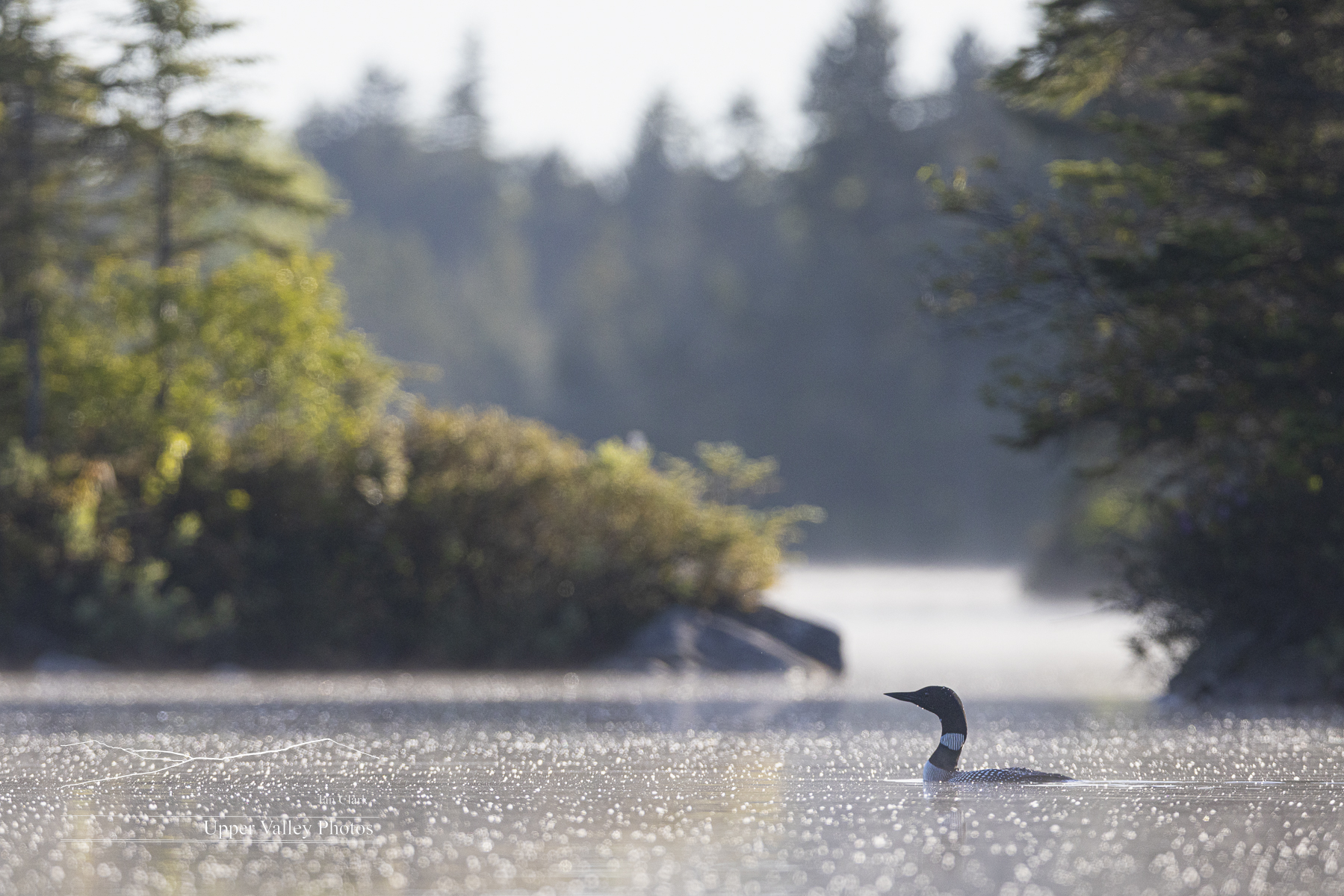
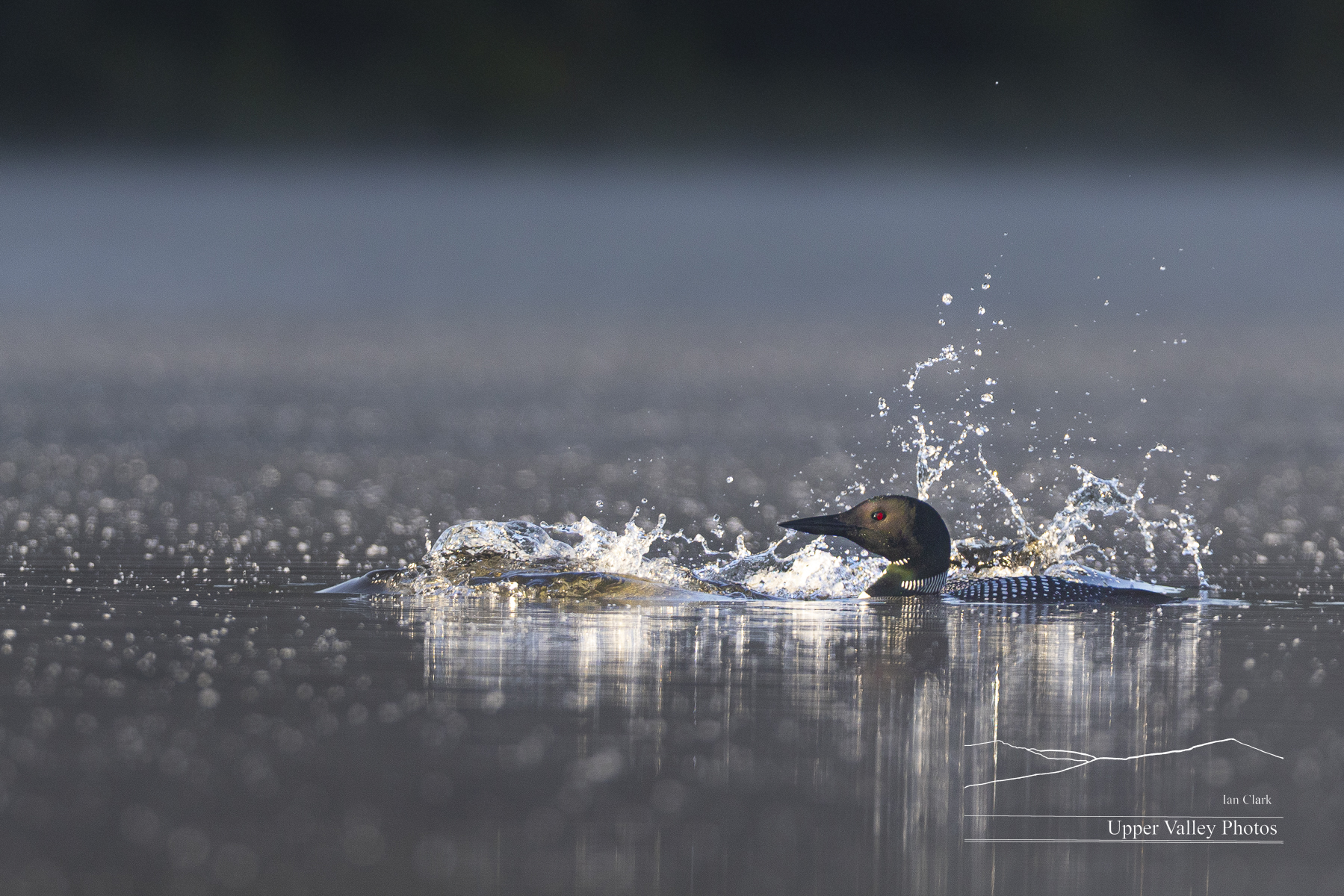
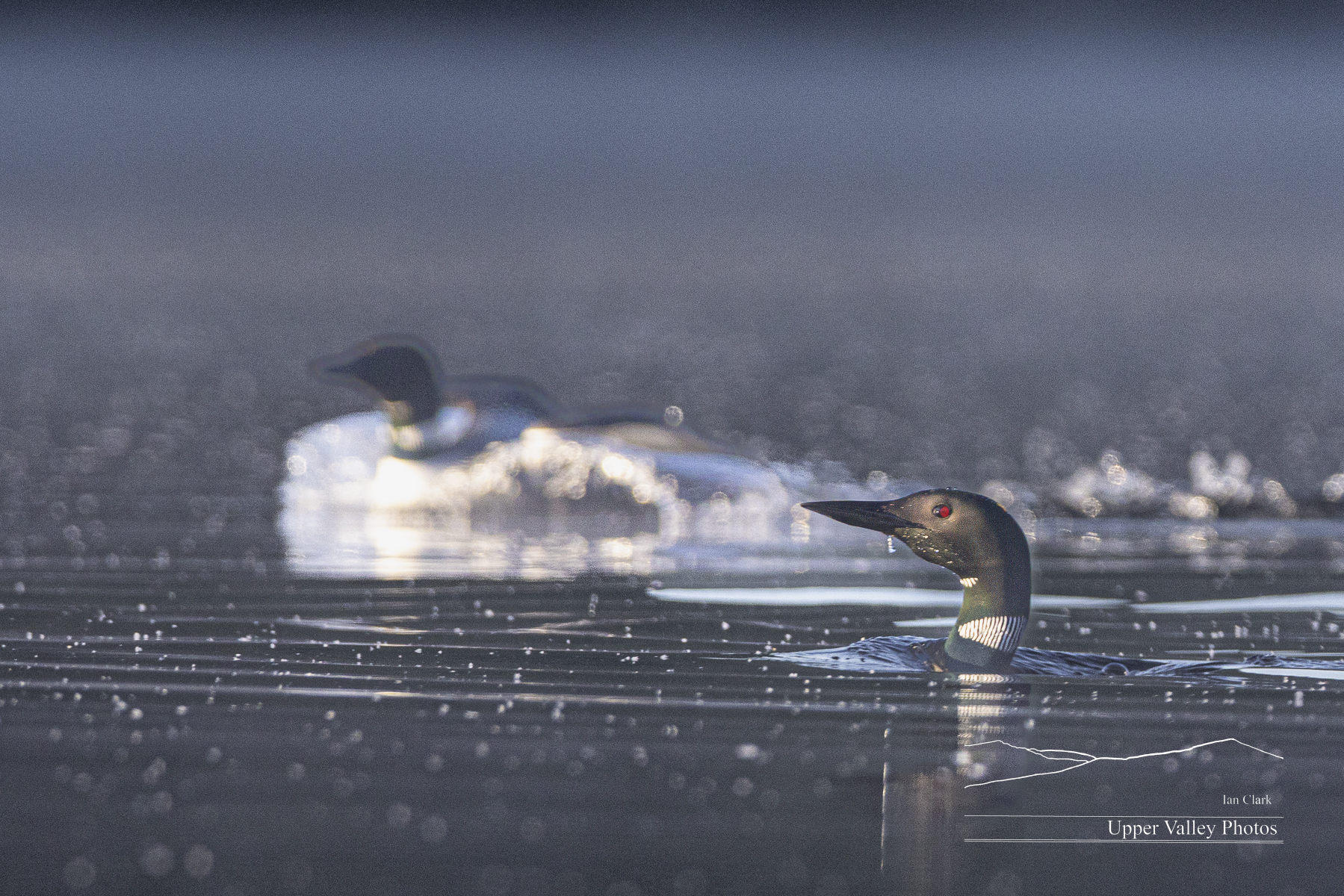
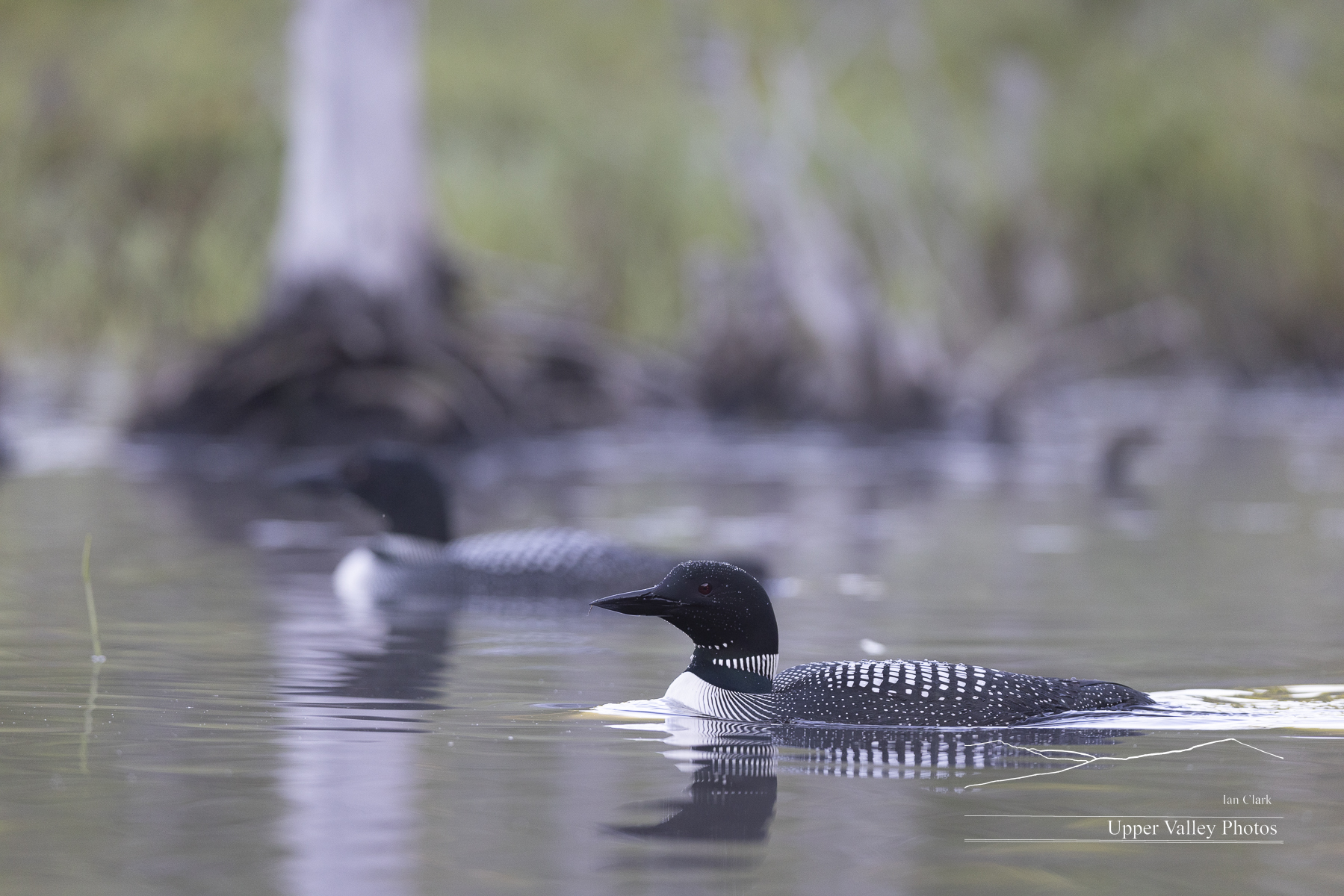
There were three loons on the pond when I paddled out. Two were defending a territory on one of the islands, the intruder was holding back a bit. There were skirmishes throughout the morning.
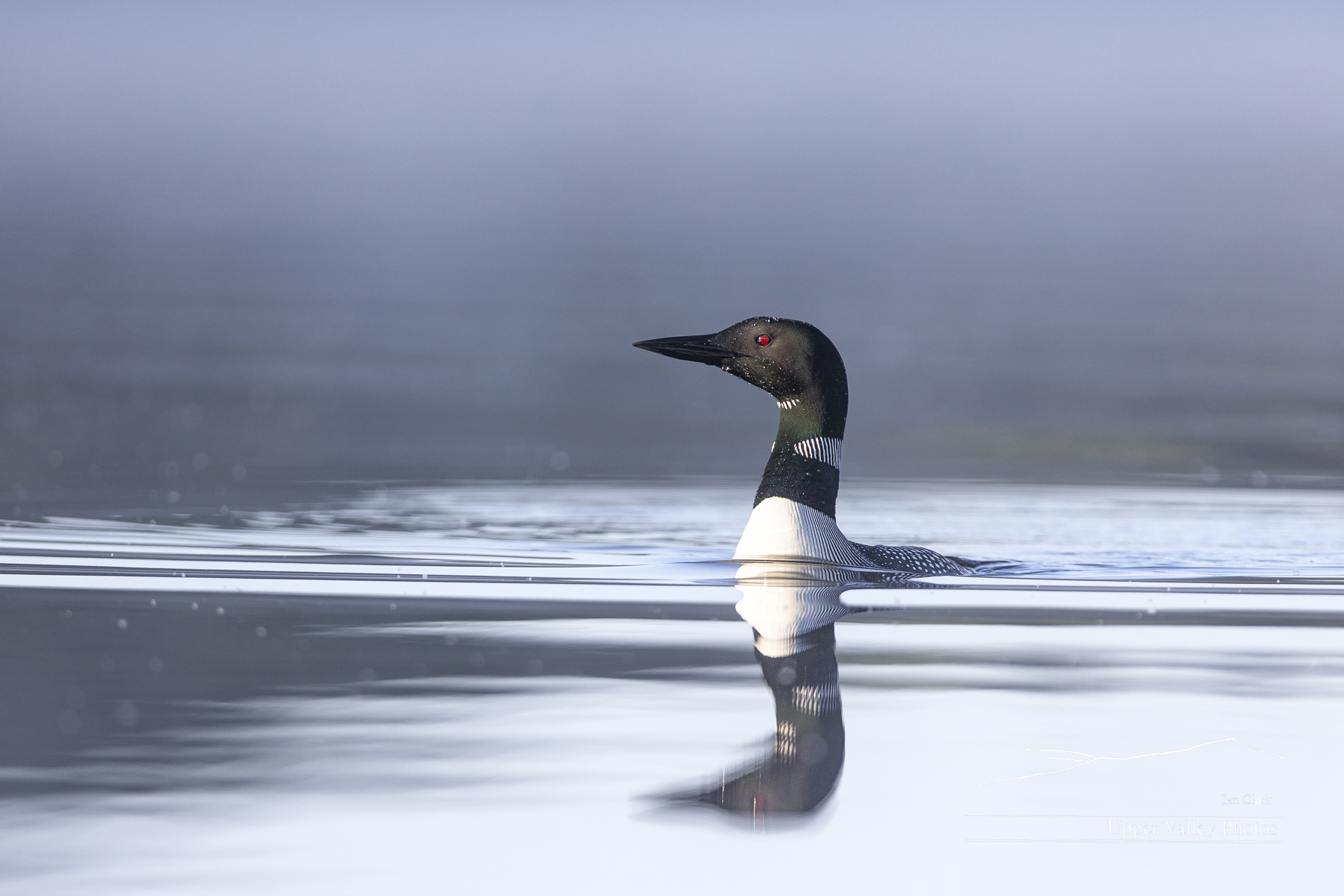
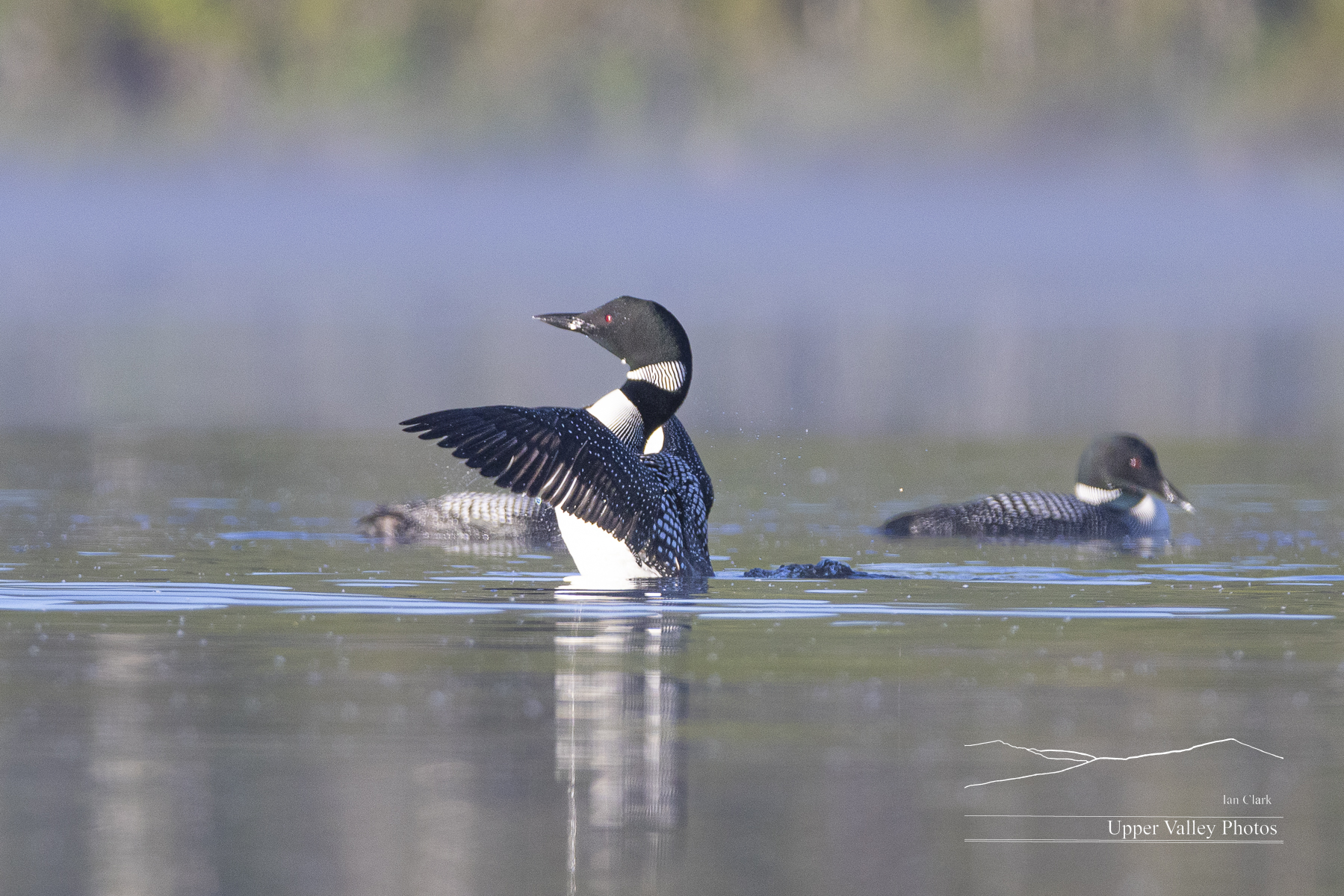
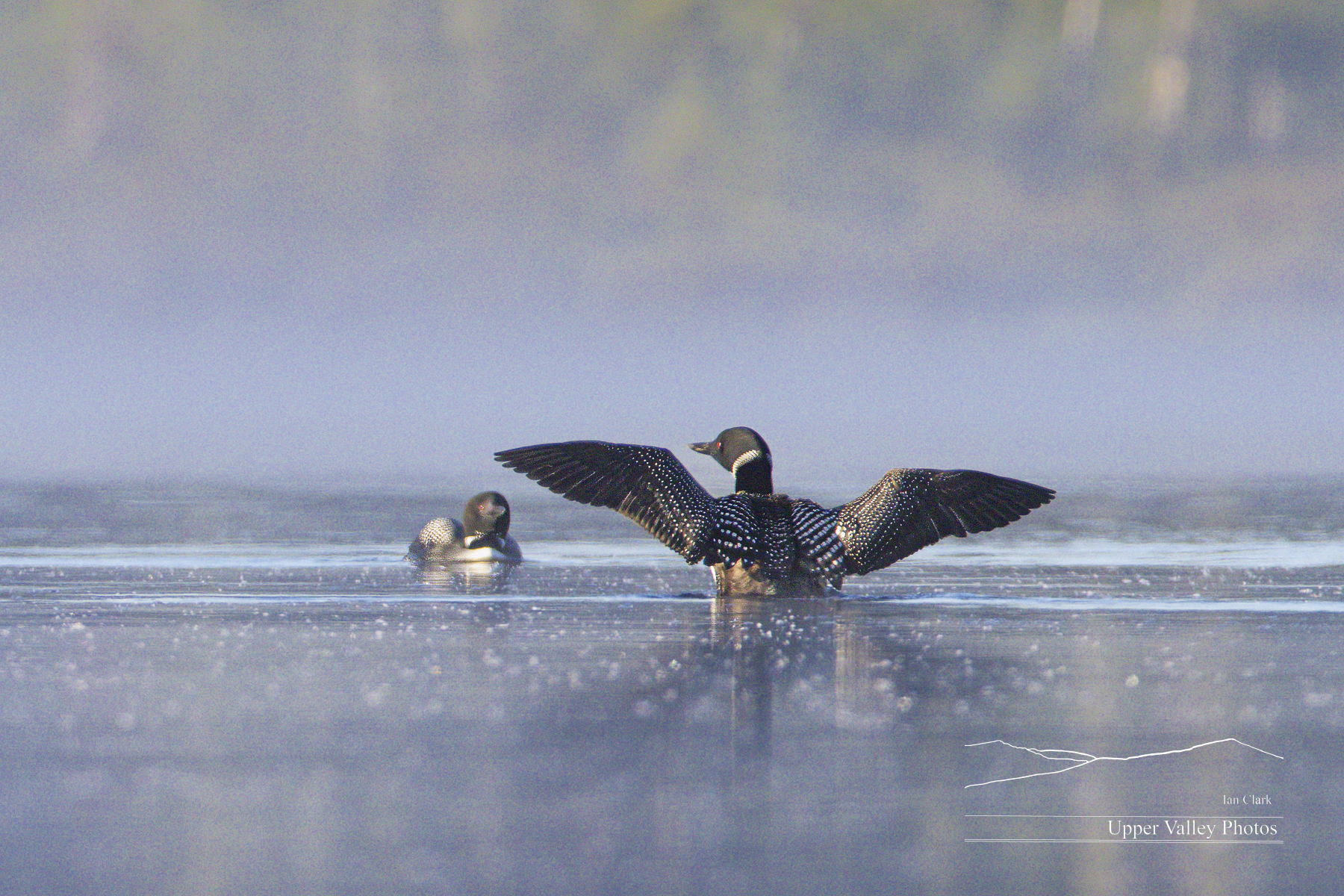
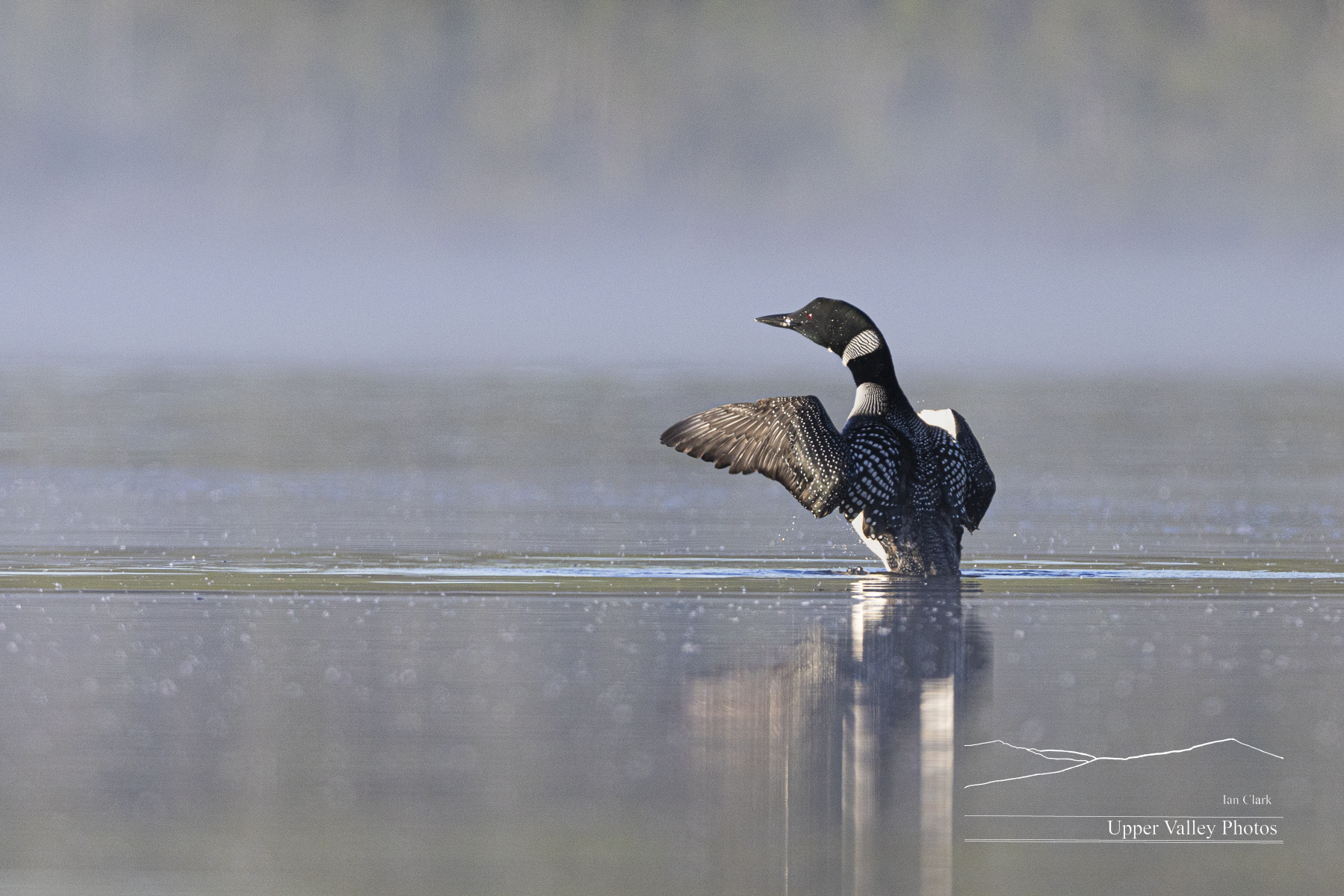
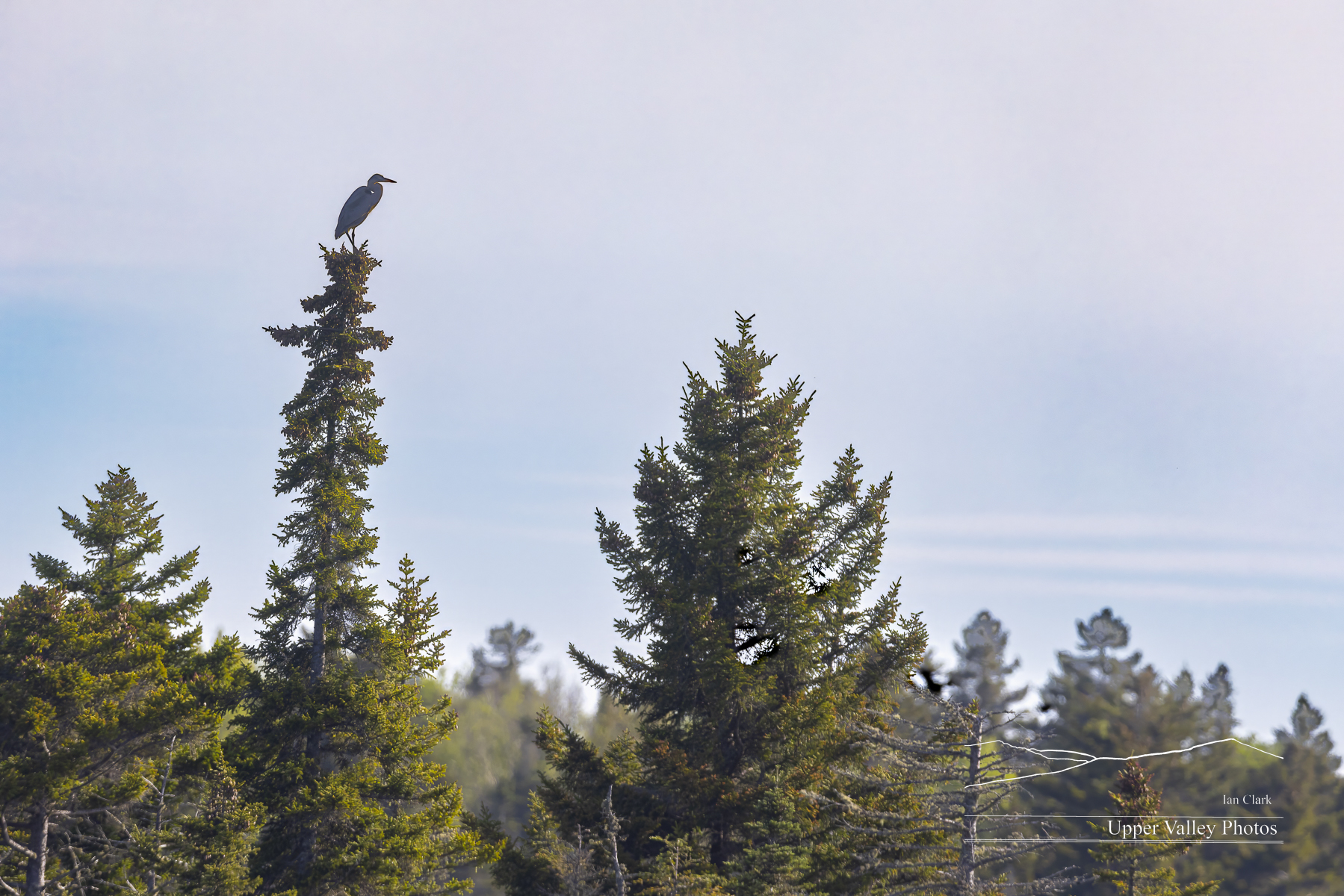
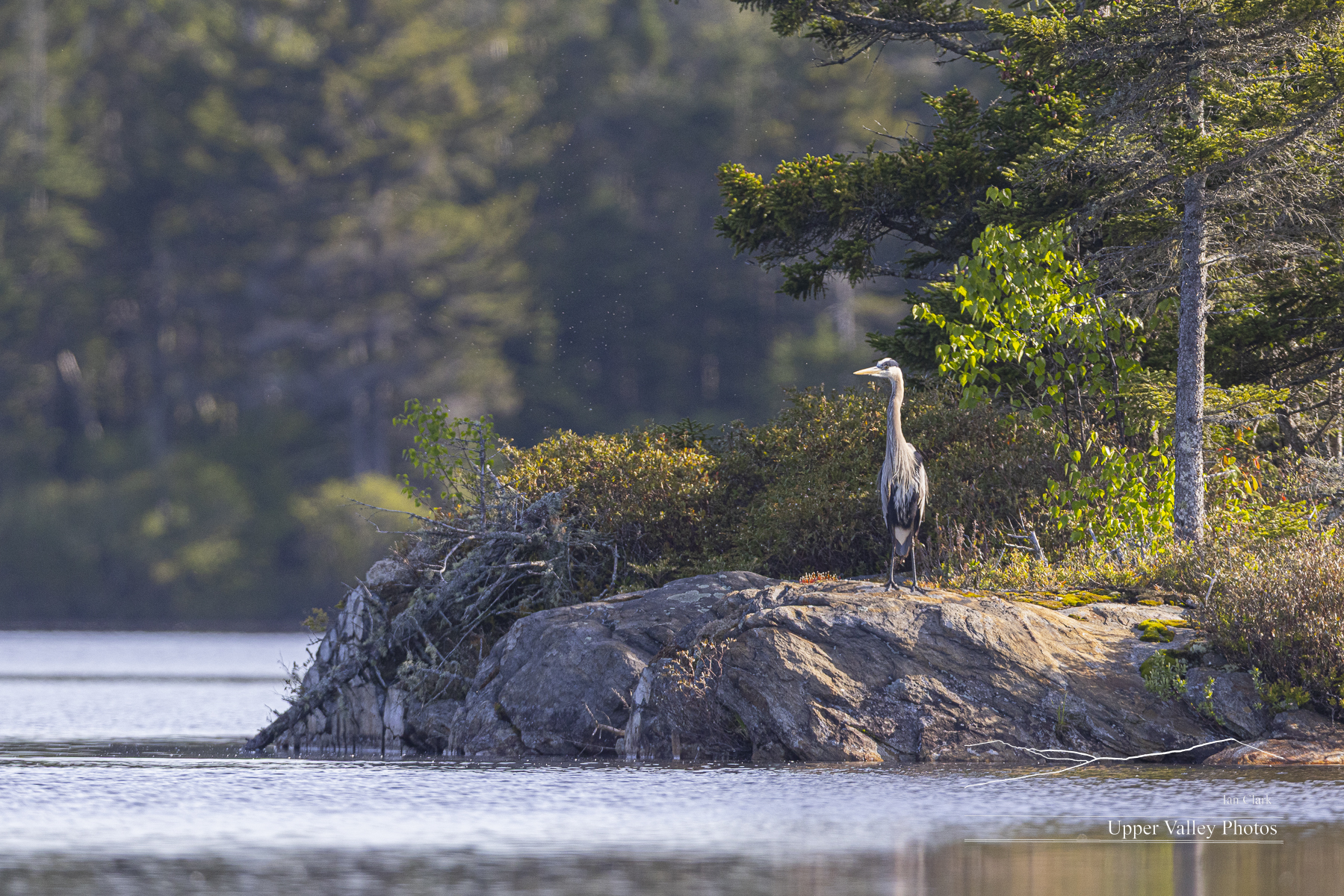
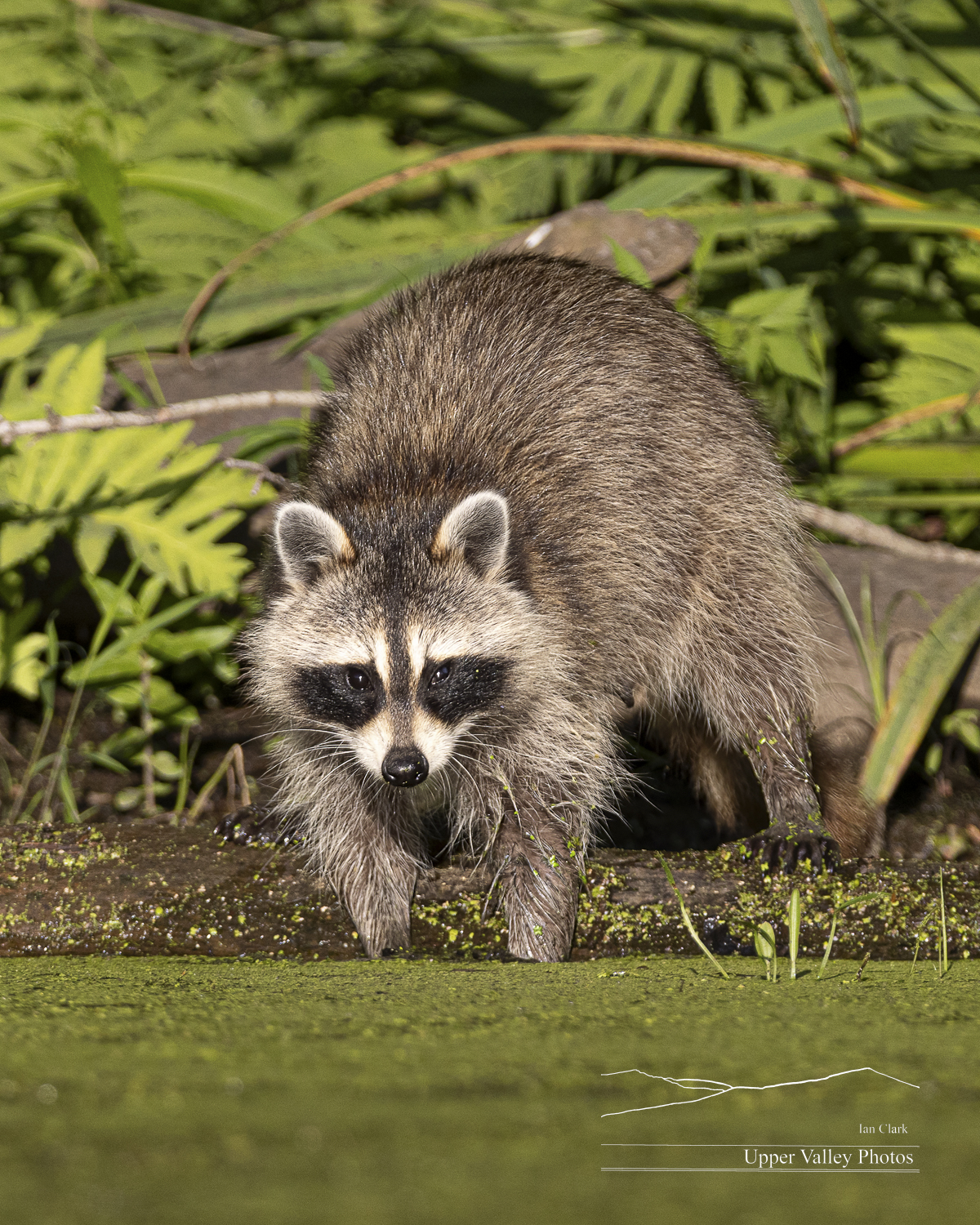
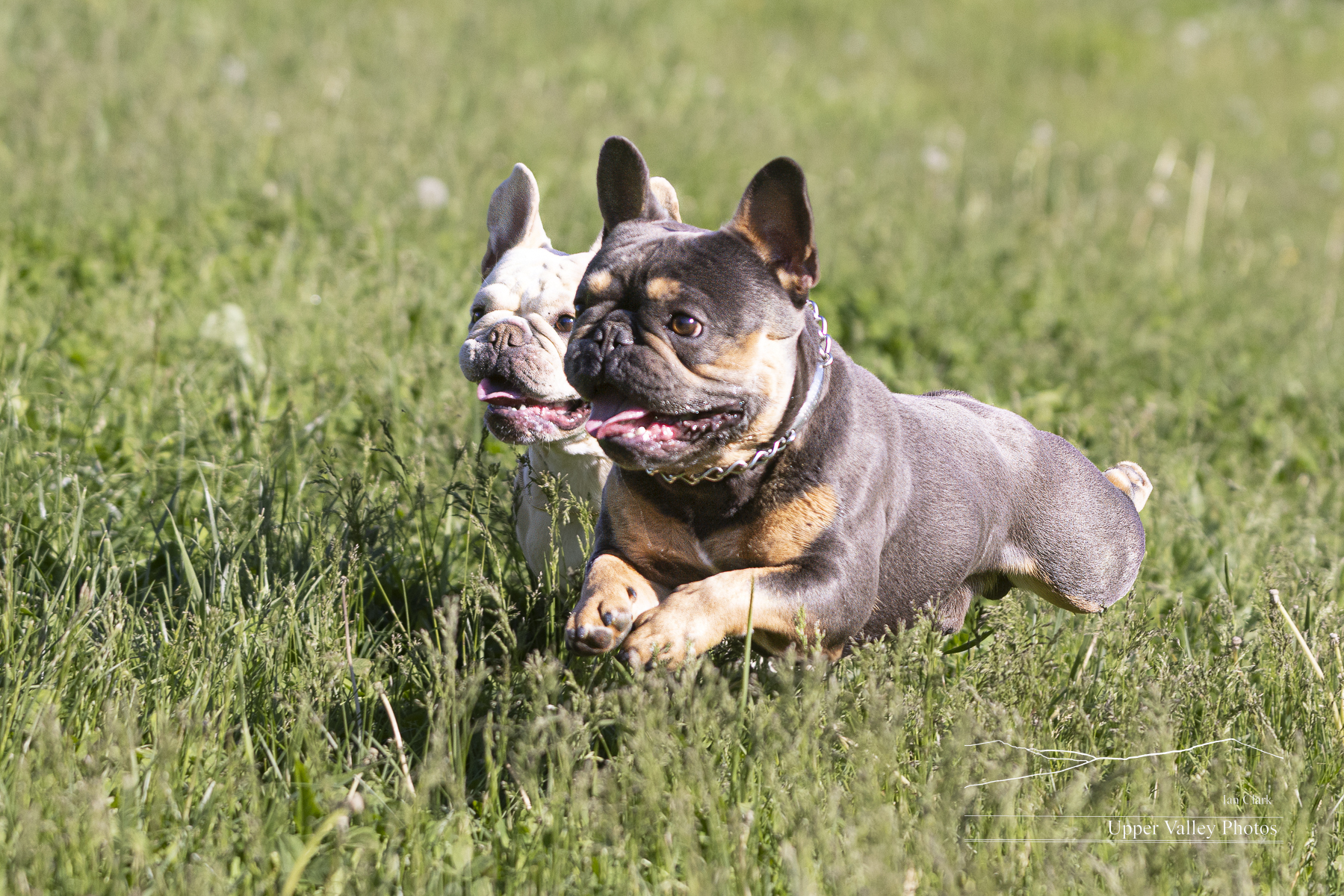
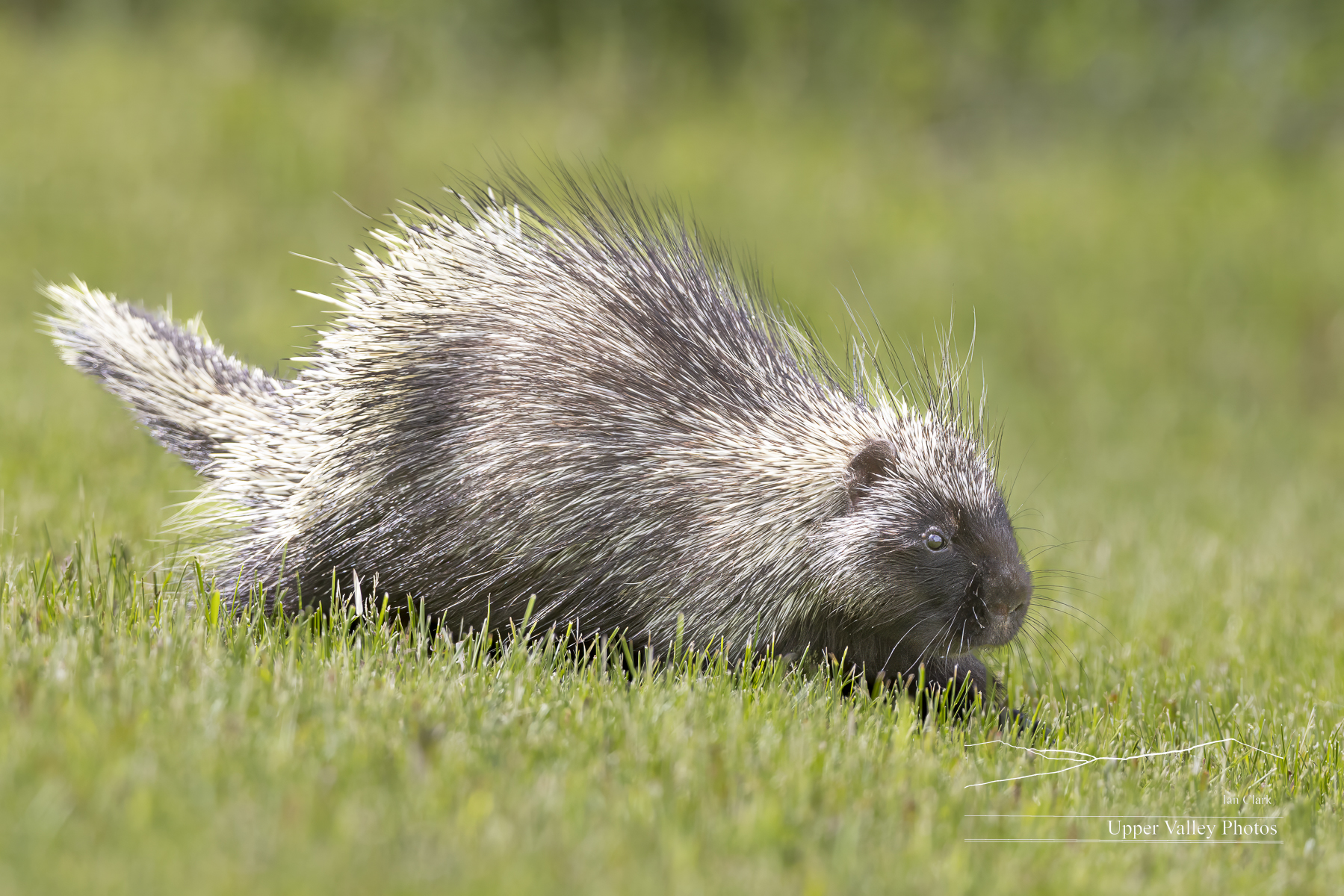
Sometimes I get lucky and have a critter make photos easy. Wednesday, my dogs were out back and started making noise. That’s not surprising, they’re huskies and feel the need to talk about almost everything. I let them in and happened to look out the window.
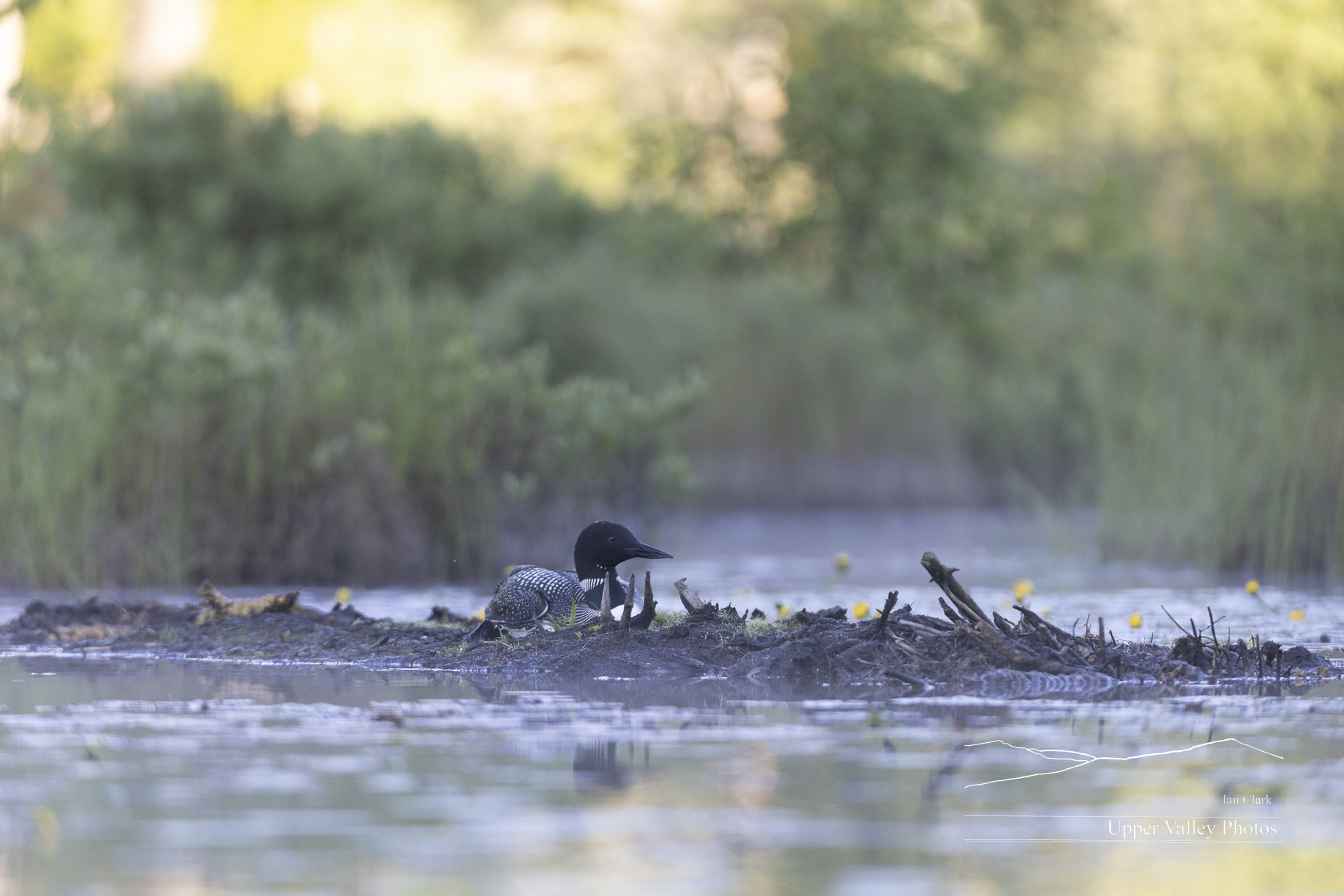
Thursday morning I was on the Middleton’s pond before sunup. On my last visit, they’d been sitting on their nest. A friend on the pond had messaged saying she was seeing both loons together for long periods on the pond. When I arrived, I discovered they’ve abandoned their first nest. The water level has dropped several inches since my last visit. They probably don’t have enough water to come and go from the nest underwater and decided to give up on it.
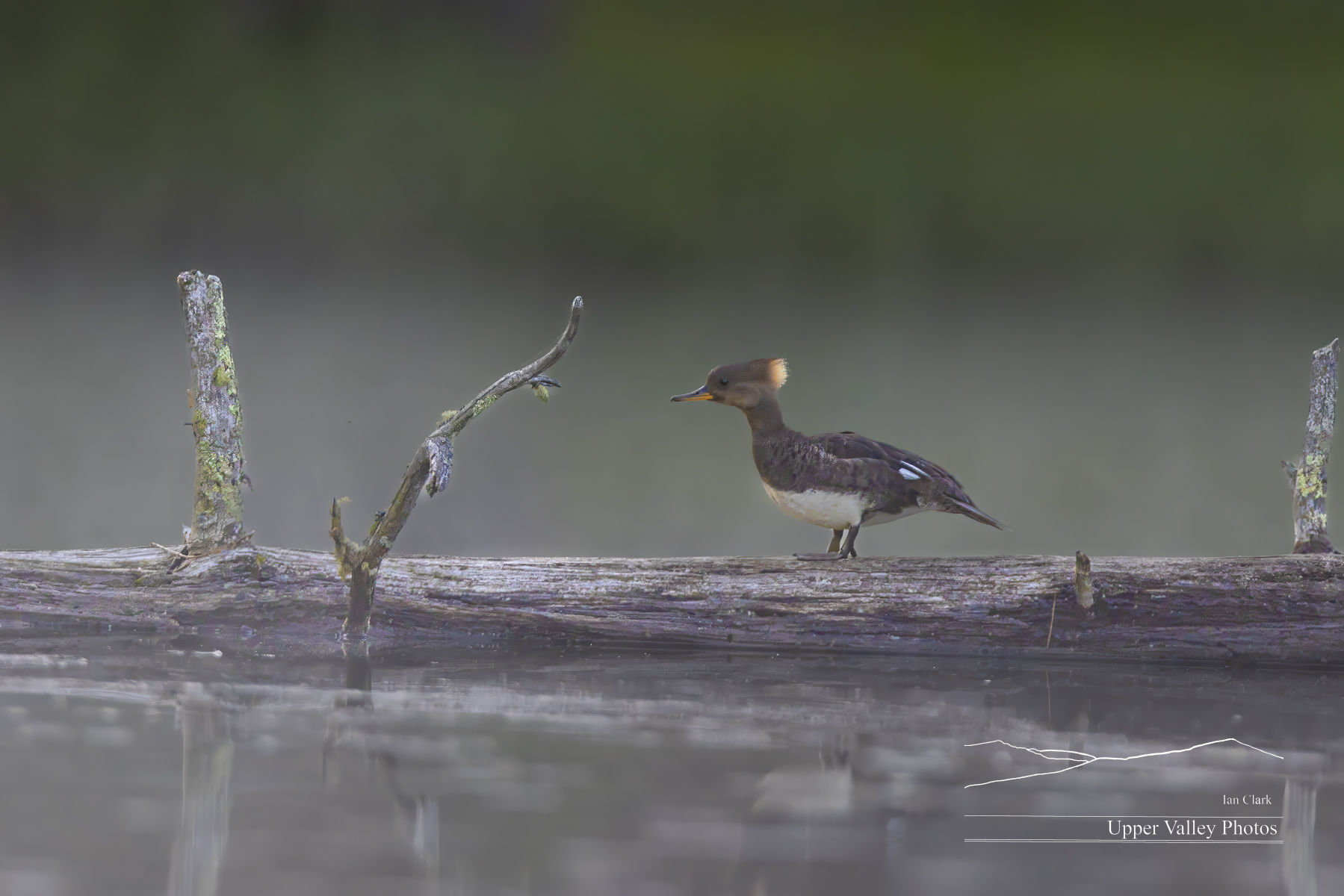
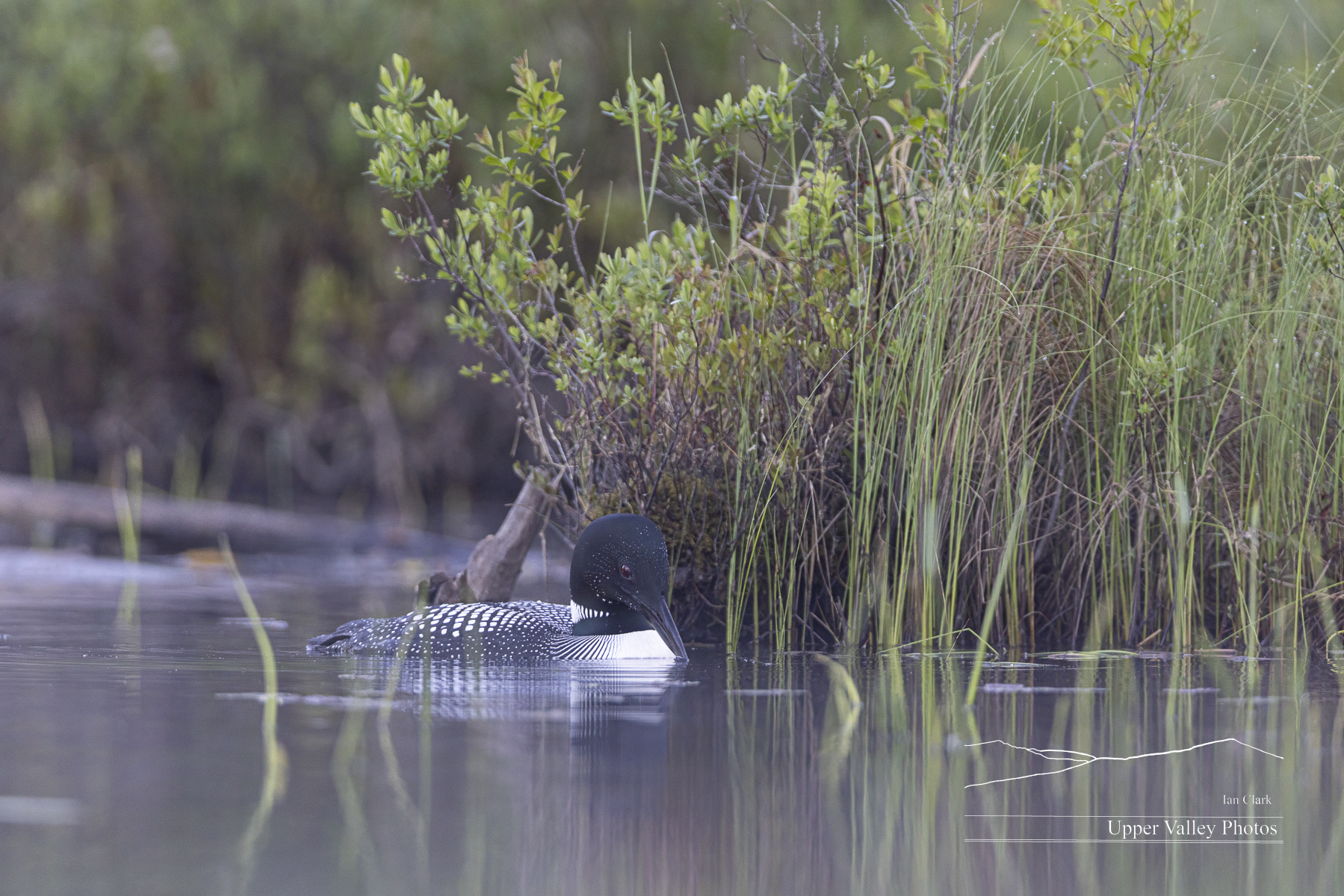
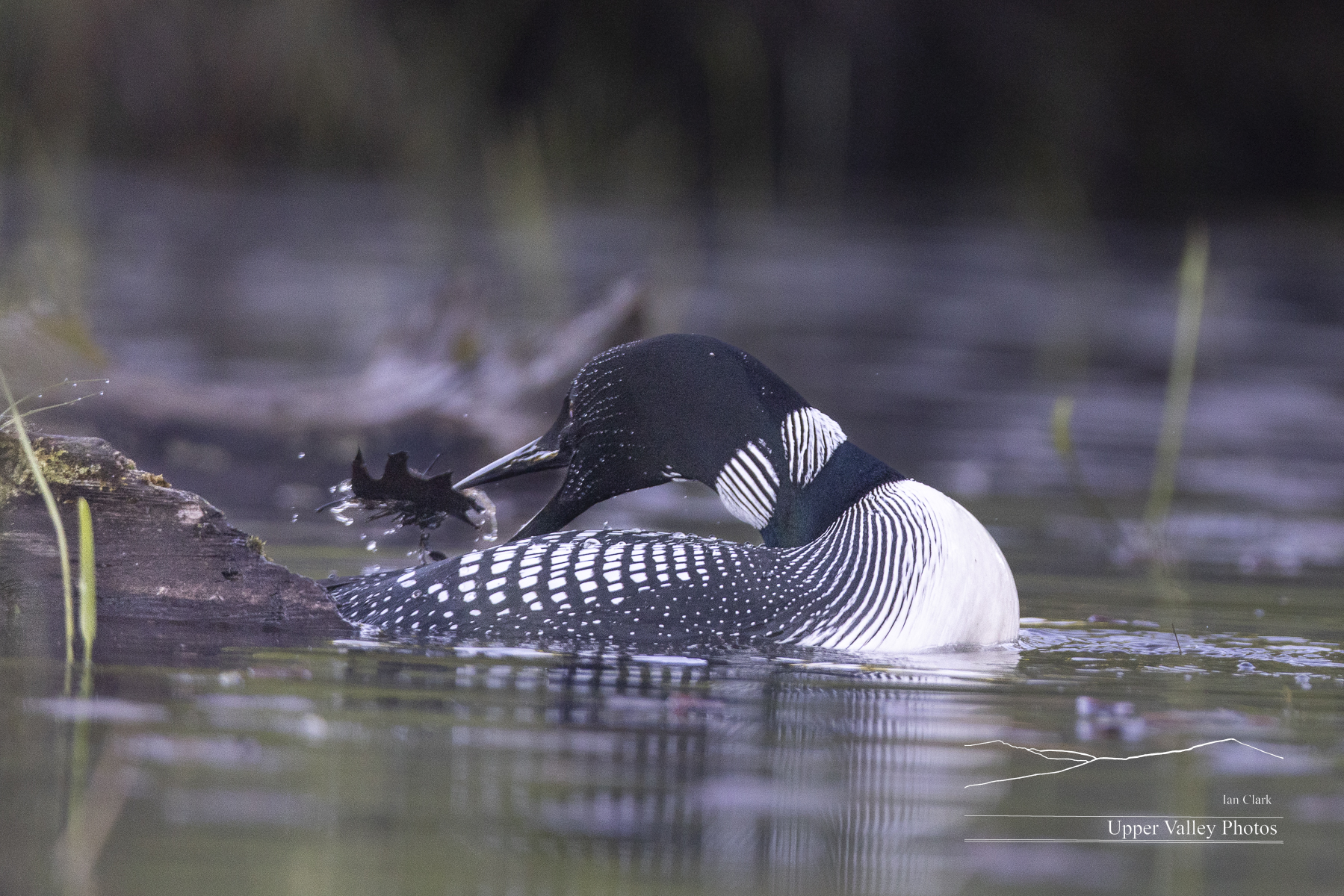
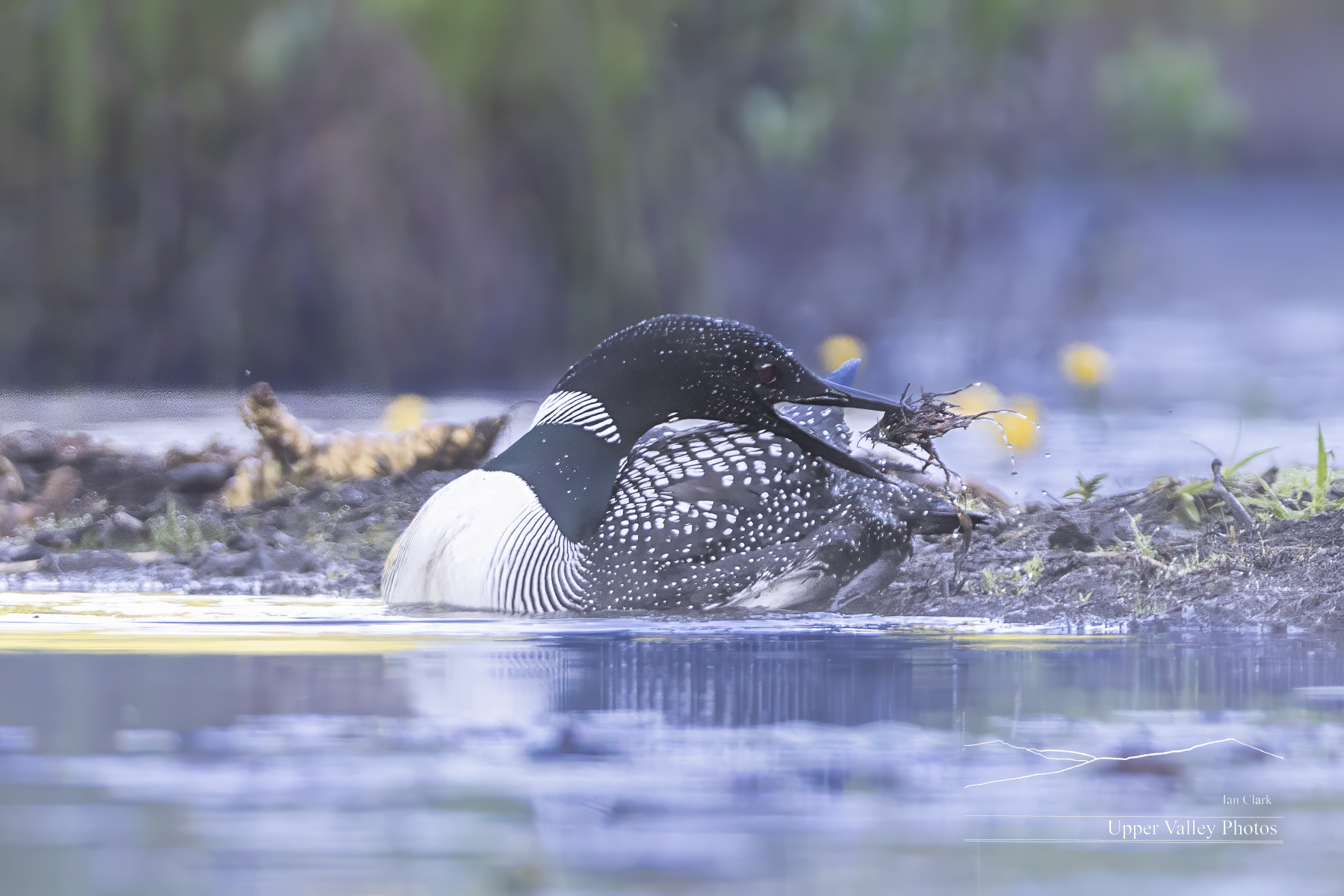
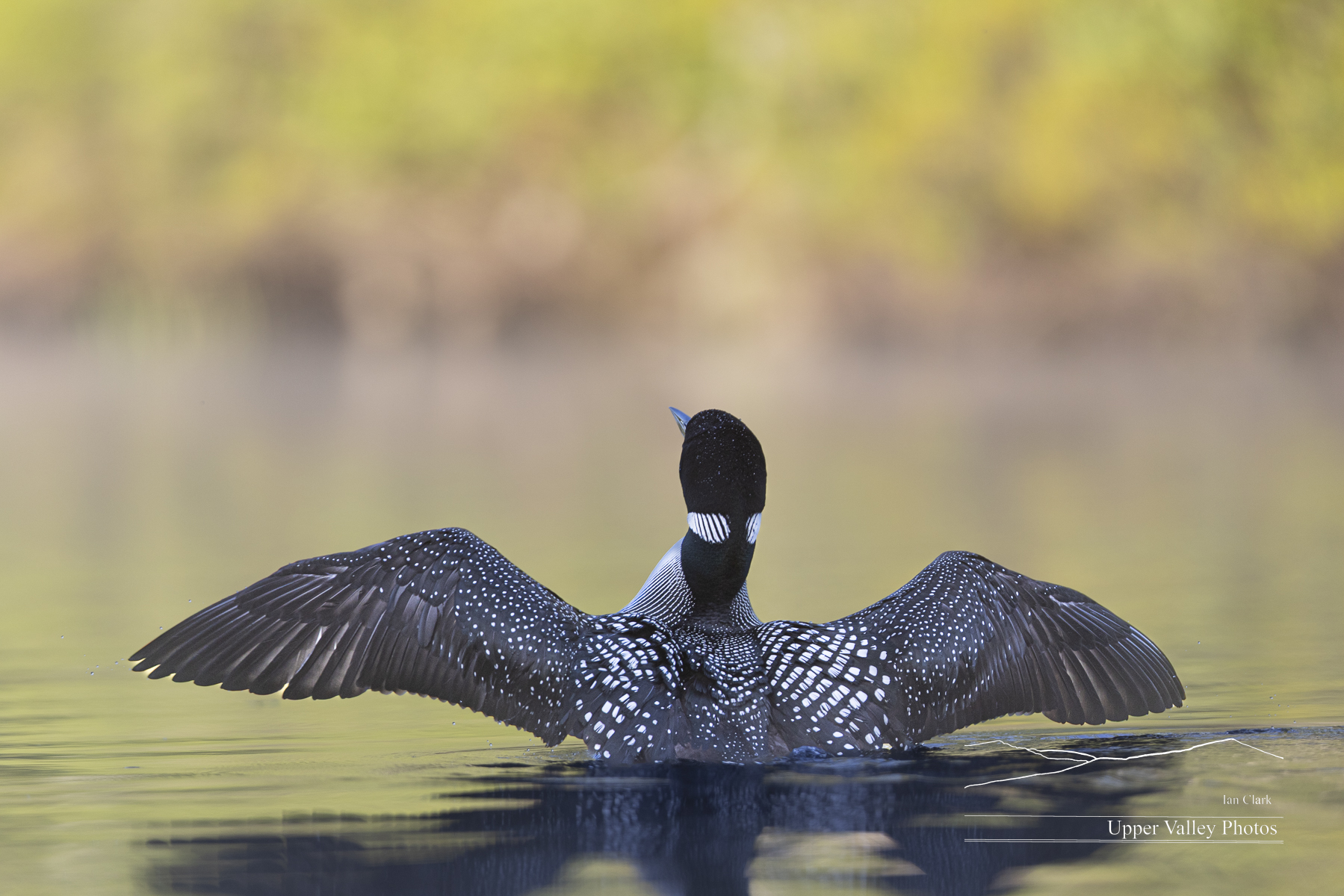
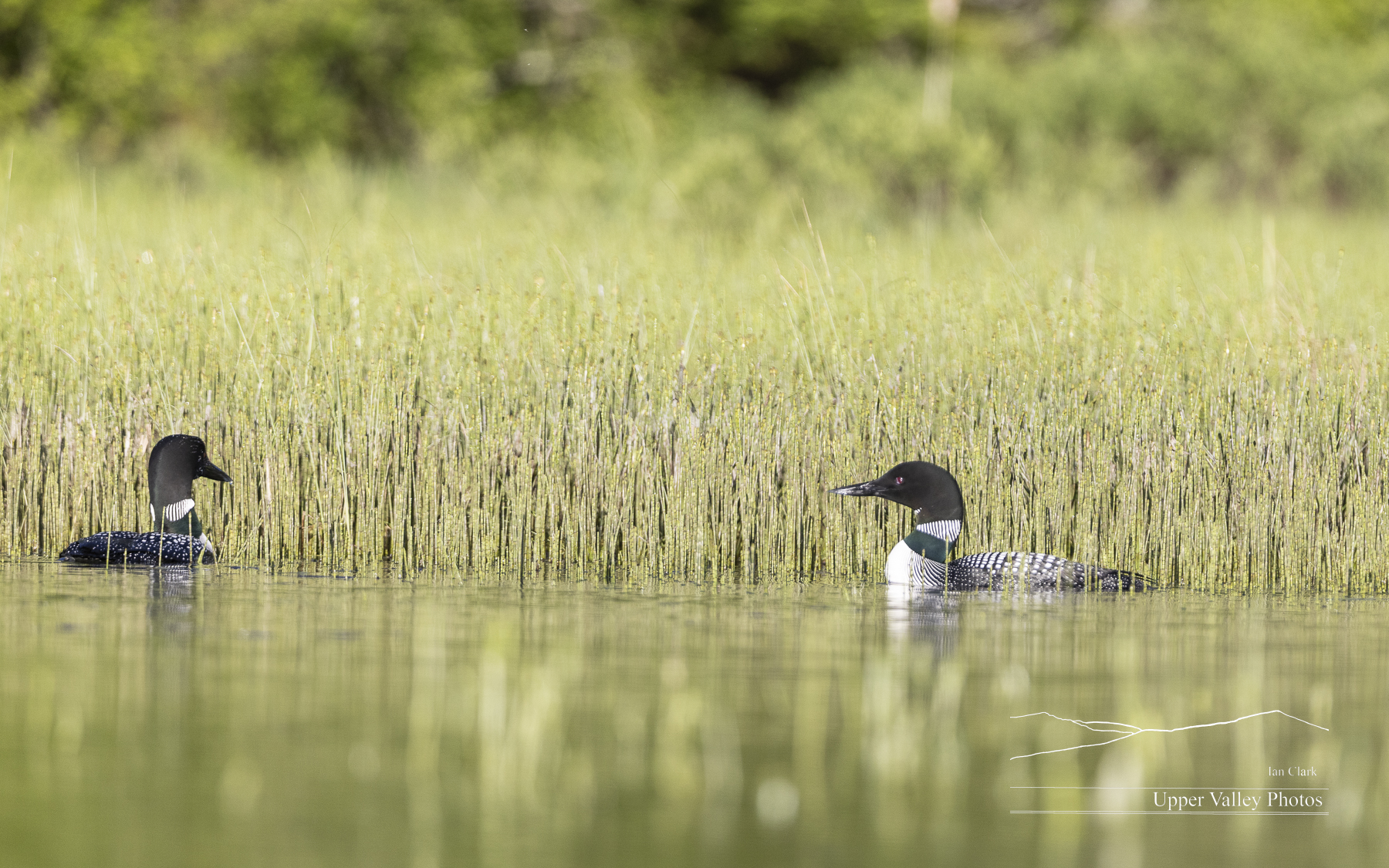
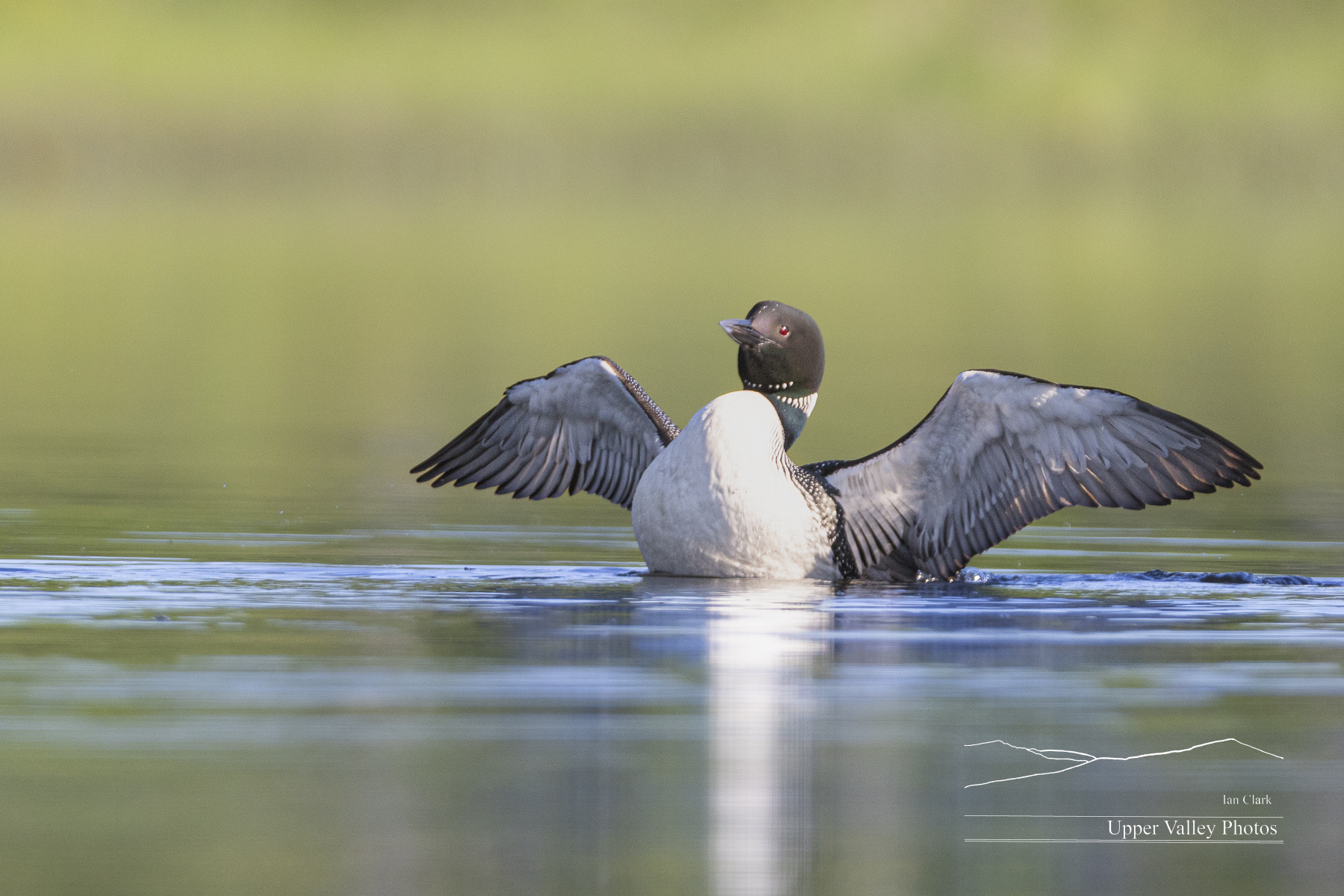
The Weston’s chicks should have hatched this weekend. I’ll be off to visit as soon as we get a nice morning.
Our bluebirds are around the yard, keeping busy feeding the fledglings. A wren is working in their box this morning.
If you enjoy my posts, please sign up below to get notified when I add a new post. I’m not going to share or sell your email, you’ll just get an email when I add a post. And you can help me out by sharing my blog on your social media or directly with your friends. Thanks!
A Visit to the Westons and Heron Chicks
A slower week this past week. I had a chance to visit the Weston loon family on a foggy morning and visited the great blue heron rookery.
I’ll be at the Berkshires Arts Festival at Ski Butternut in Great Barrington, MA on July 3, 4, 5. I’ll be in booth 212 lots of prints and note cards. Stop by and have a look.
Tuesday morning found blue skies over the hill in West Newbury and the Weston’s pond in deep fog.
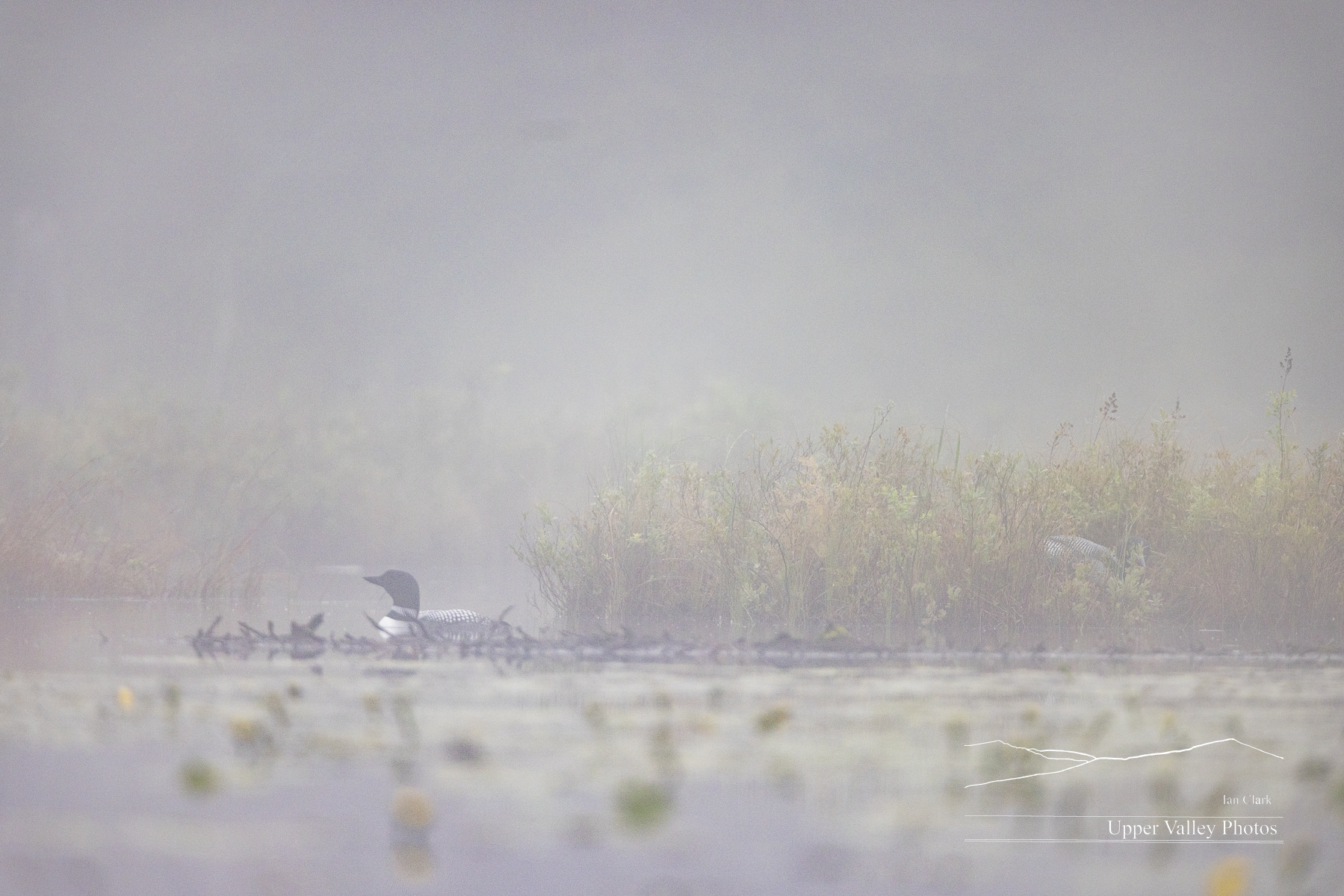
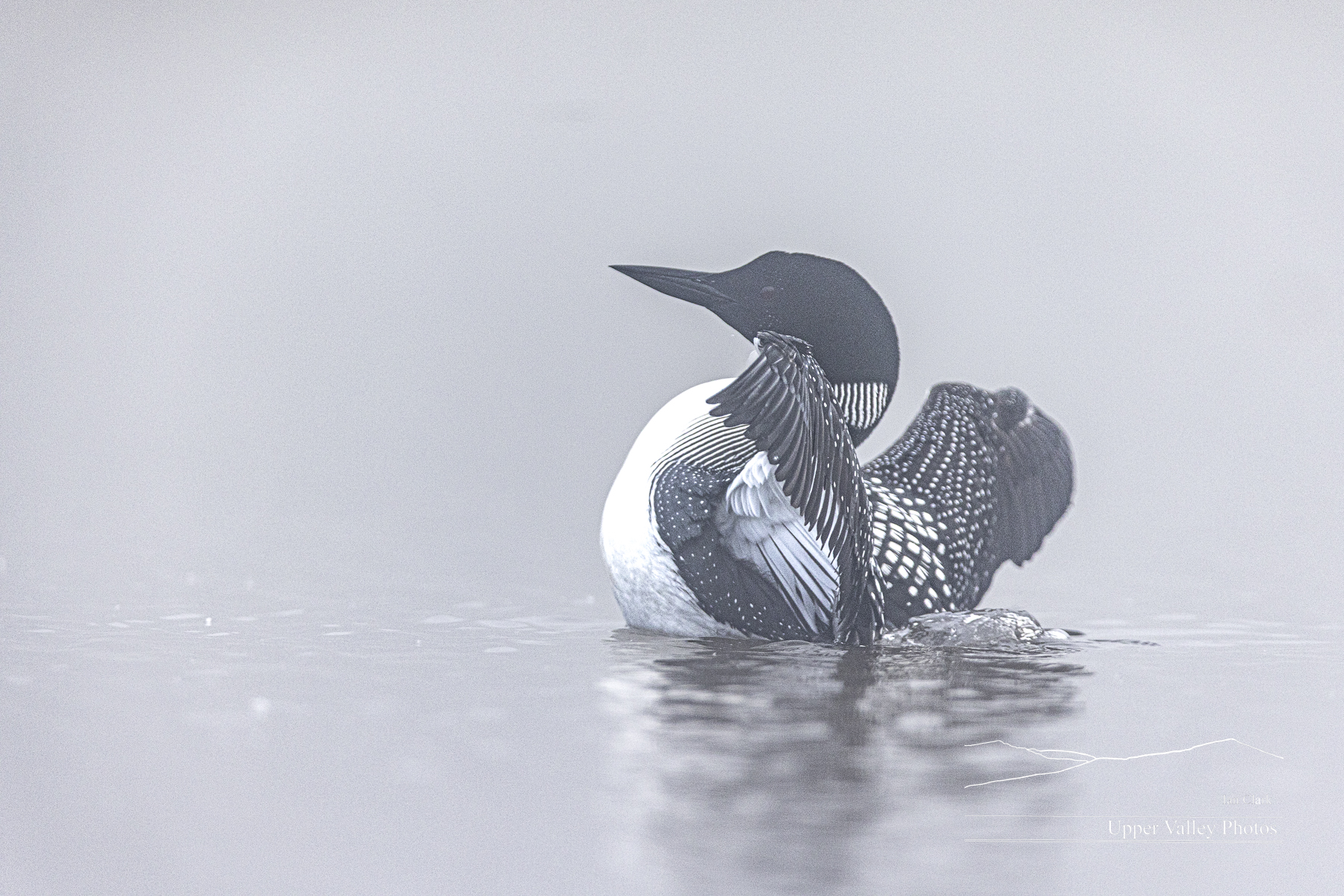
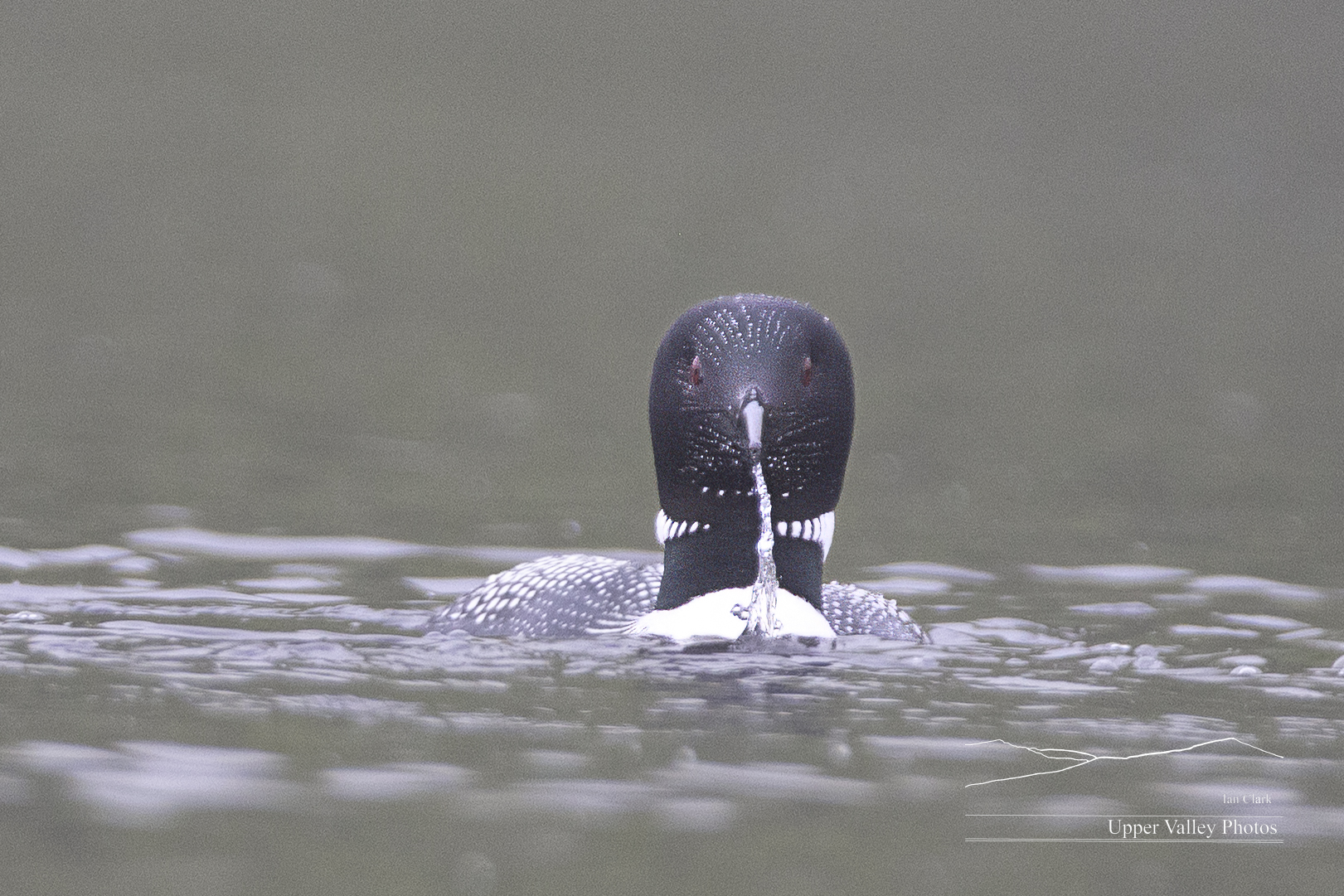
An outsider loon flew over and called which set the Westons to tremoloing. The outsider flew on and the pond quieted. Very quiet. I paddled around looking for photos. Seems most of the critters had taken the morning off.
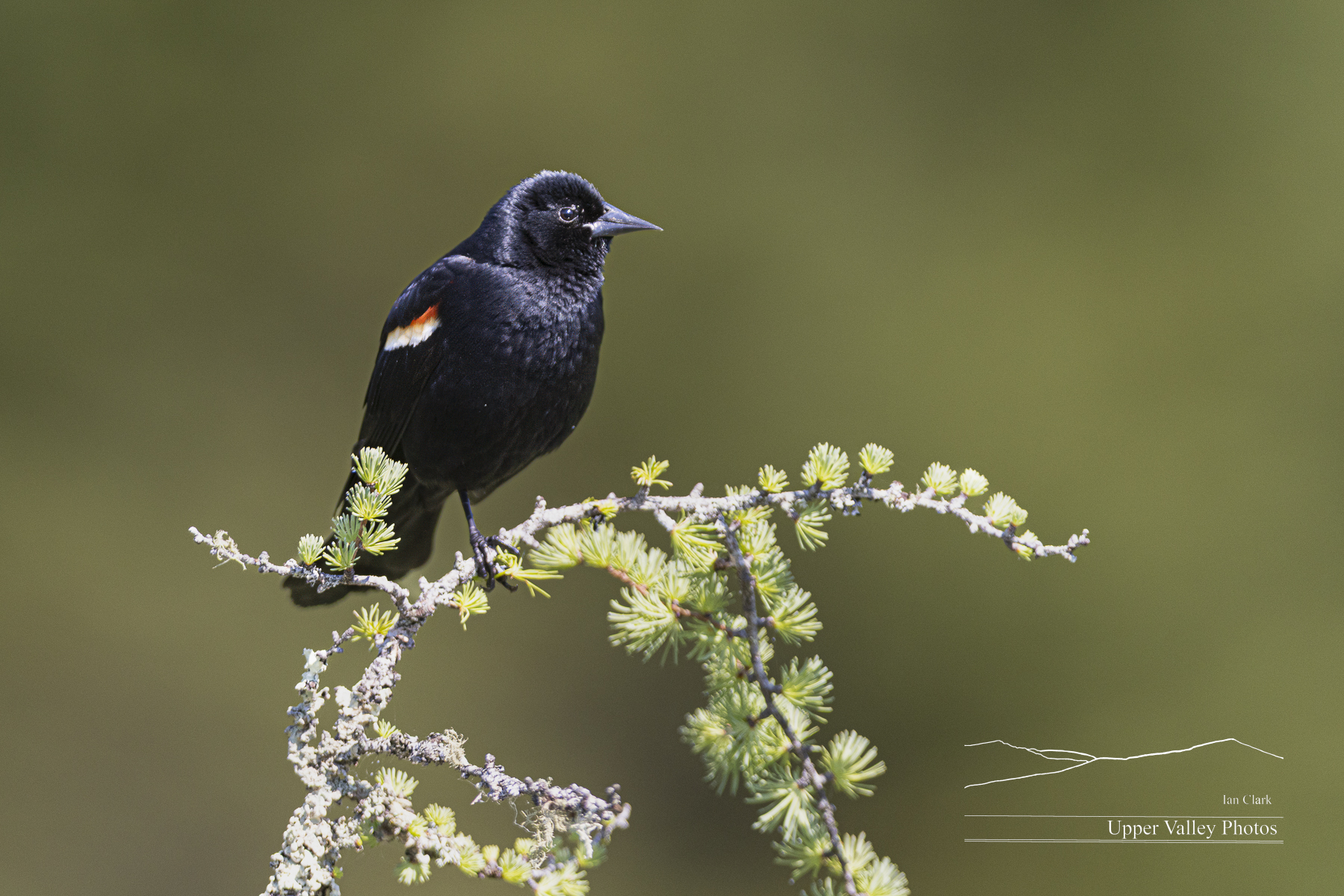

The outsider loon returned and landed well up the pond. All three loons started calling. The loon on the nest left the nest to join the other home team loon on the main part of the pond. They were well separated from the intruder. I snuck back into the cove with their nest to see if I could see how many eggs they have. I took a quick look to find two and turned around to leave the cove.
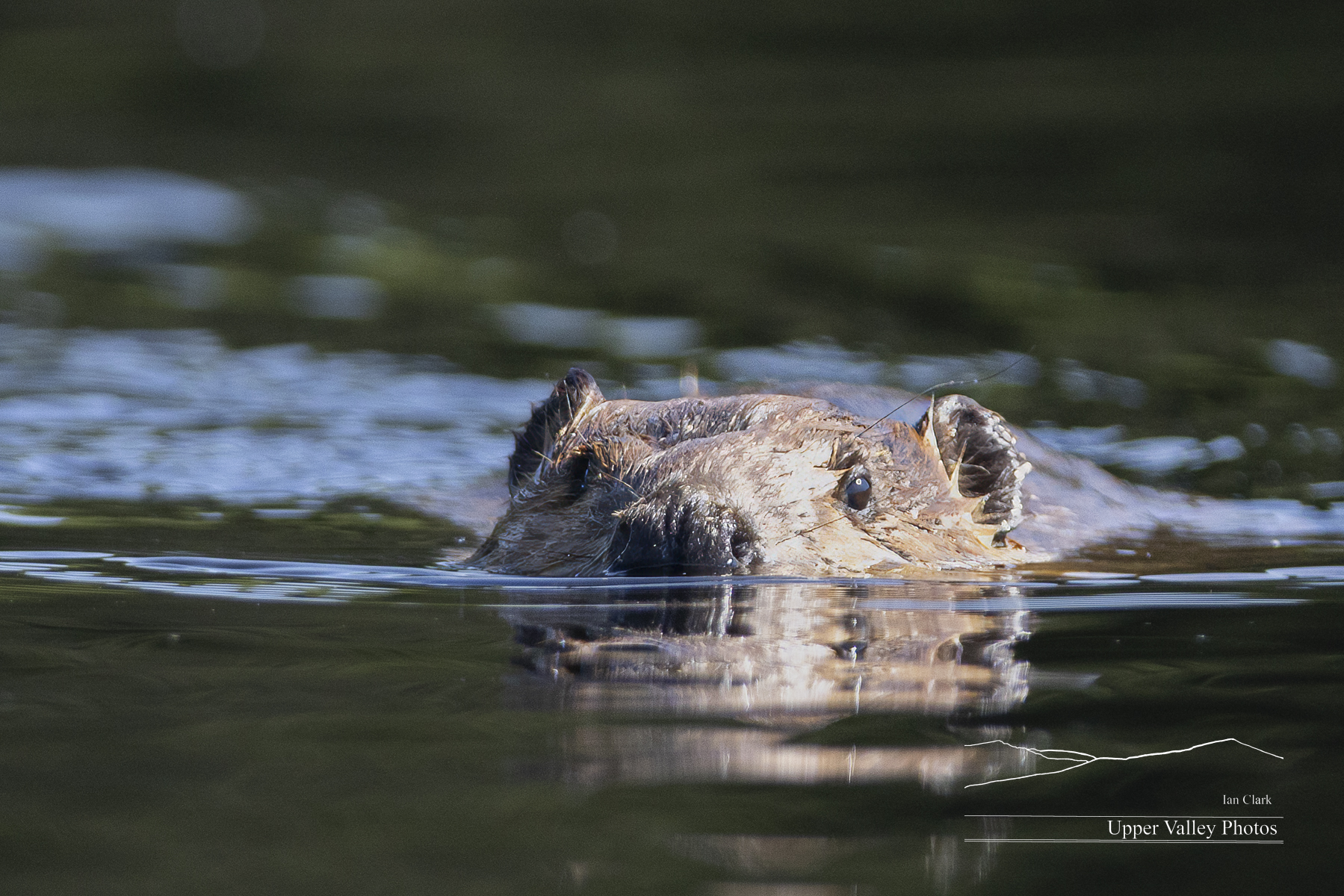
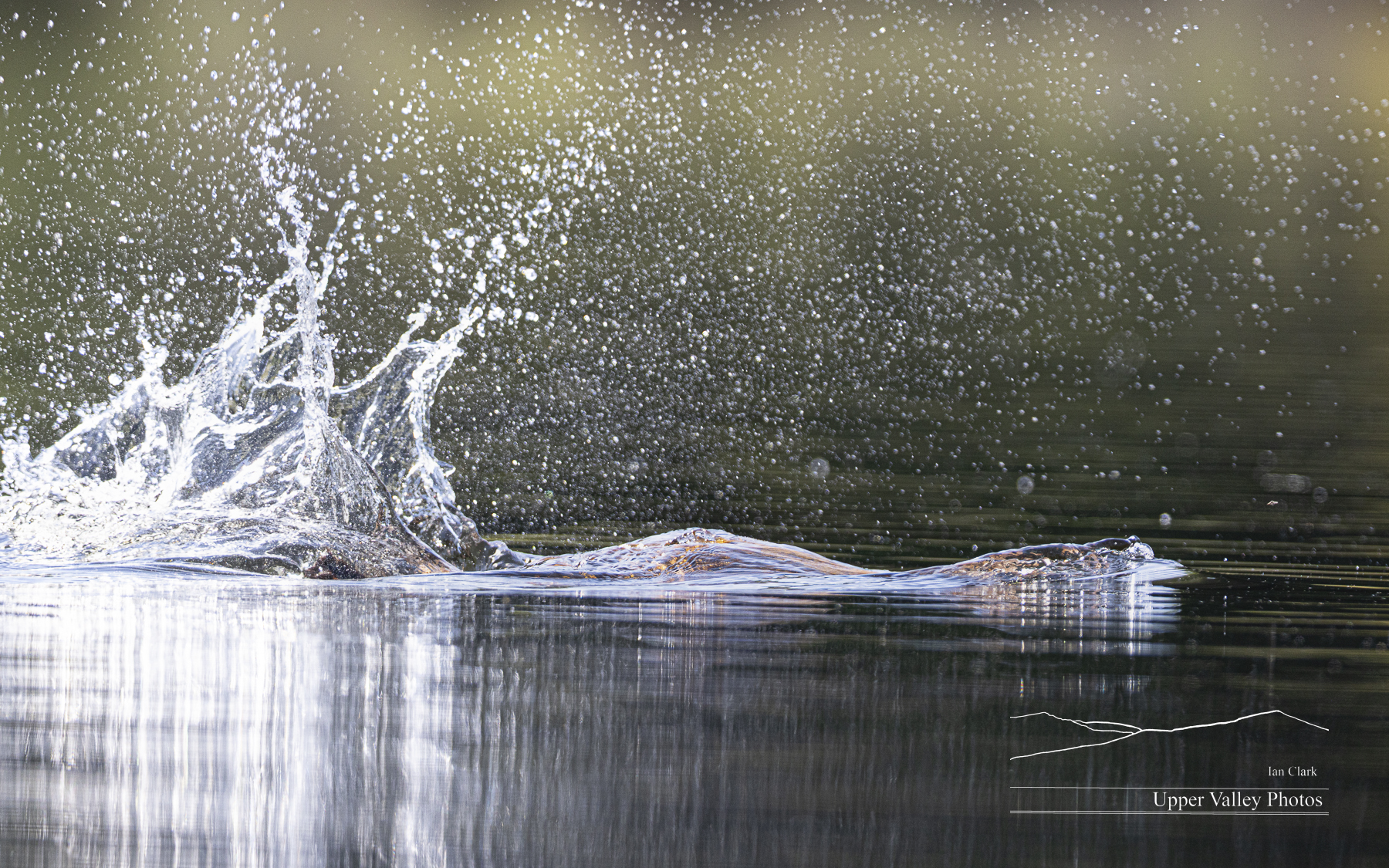
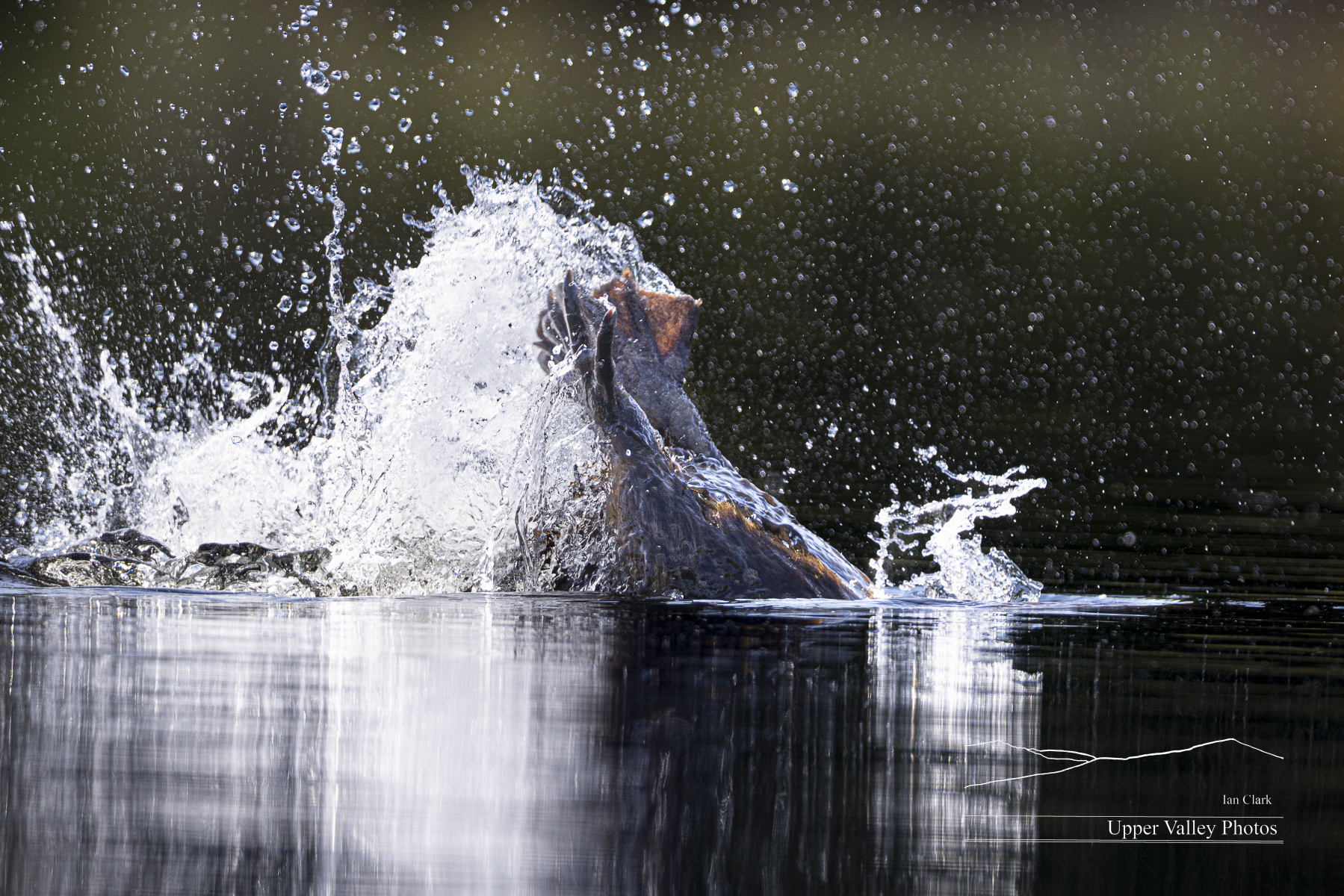
The loons mostly called at each other before a brief skirmish with some wing rowing before the intruder departed.
Thursday morning, I was up early and headed to see the great blue heron rookery. I’ve been inundated with requests for the location of the rookery. I think I’ve answered everyone. I’m reluctant to share locations with folks I don’t know. Most are likely to be responsible, but the internet has more than a few bad apples.
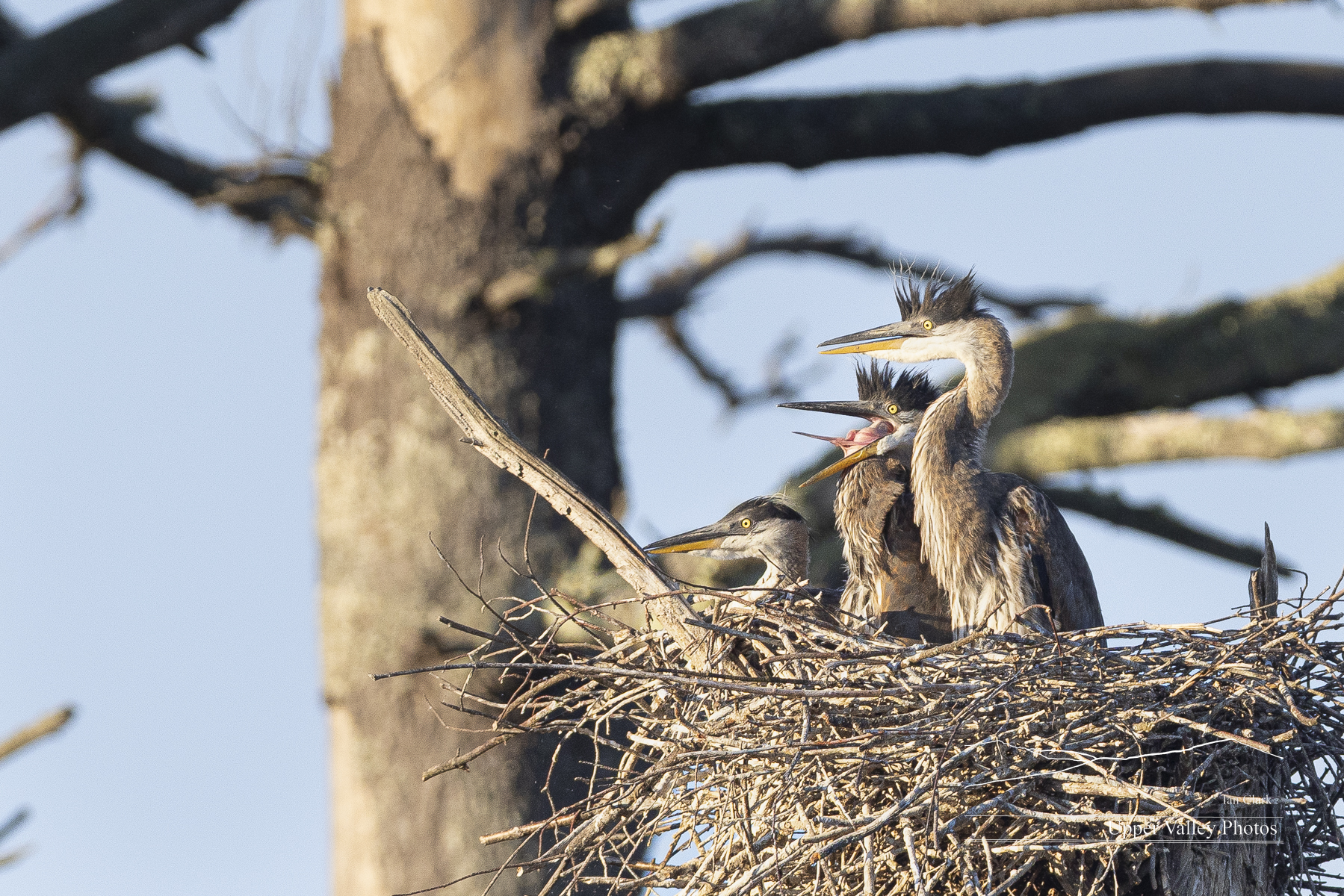
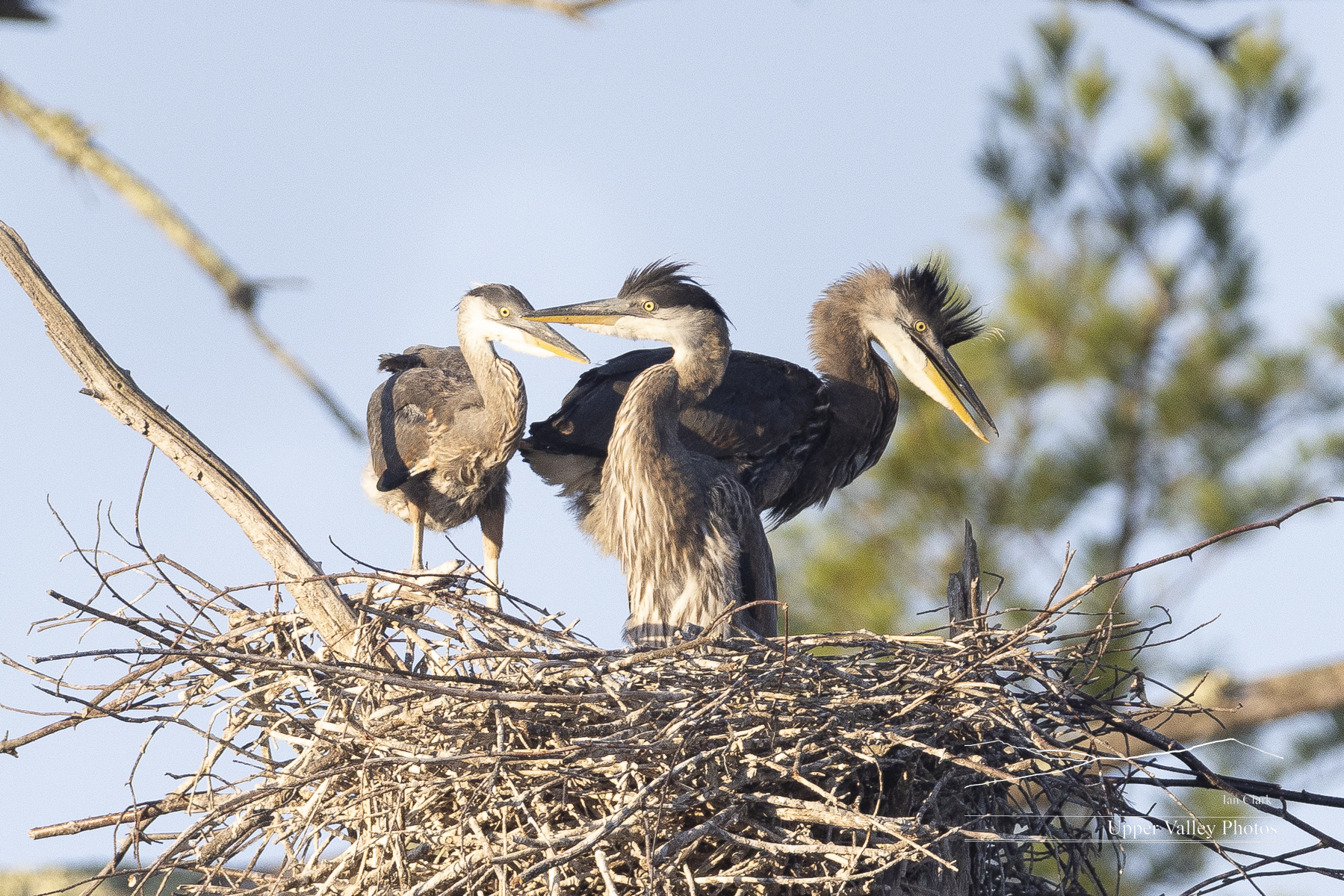
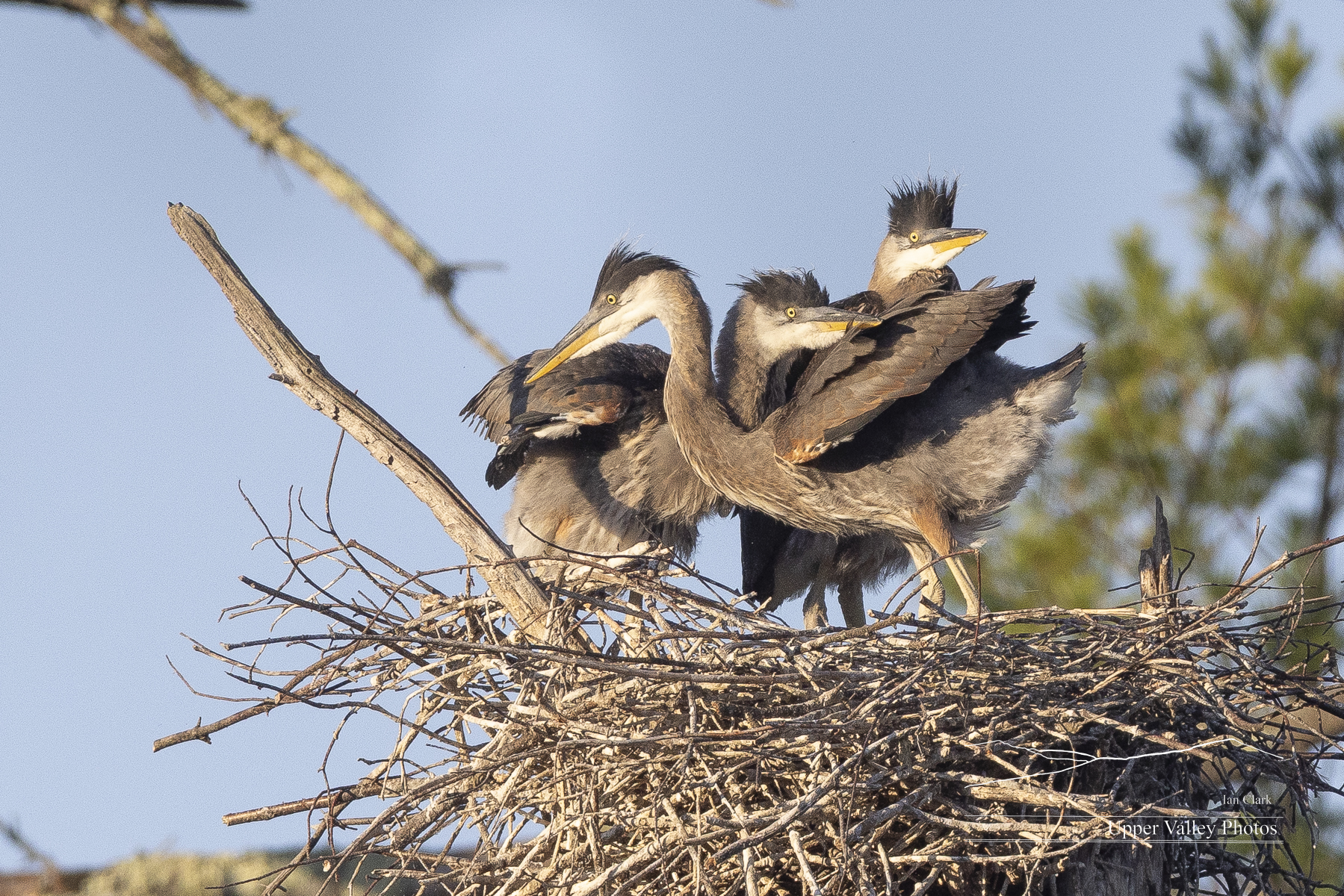
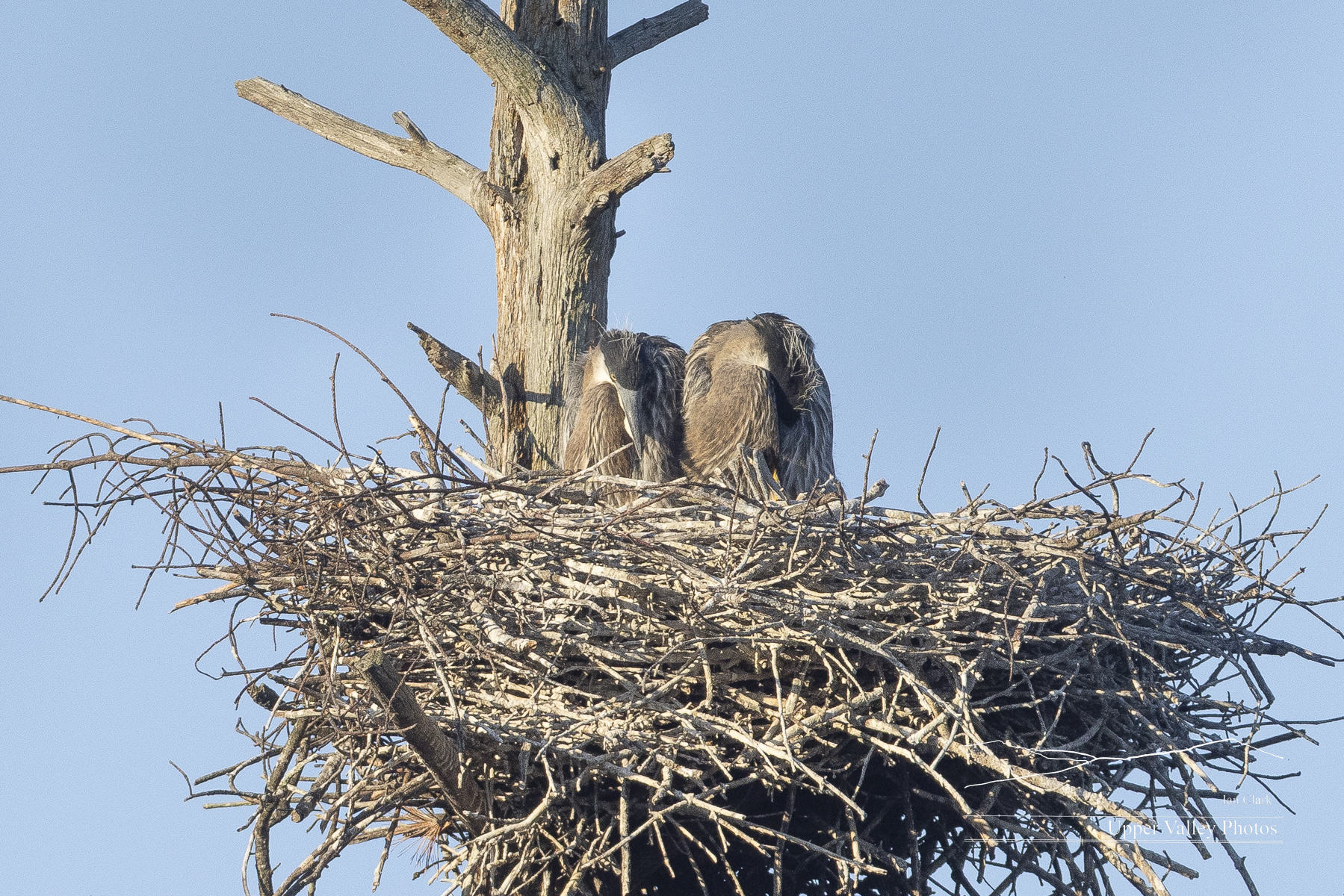
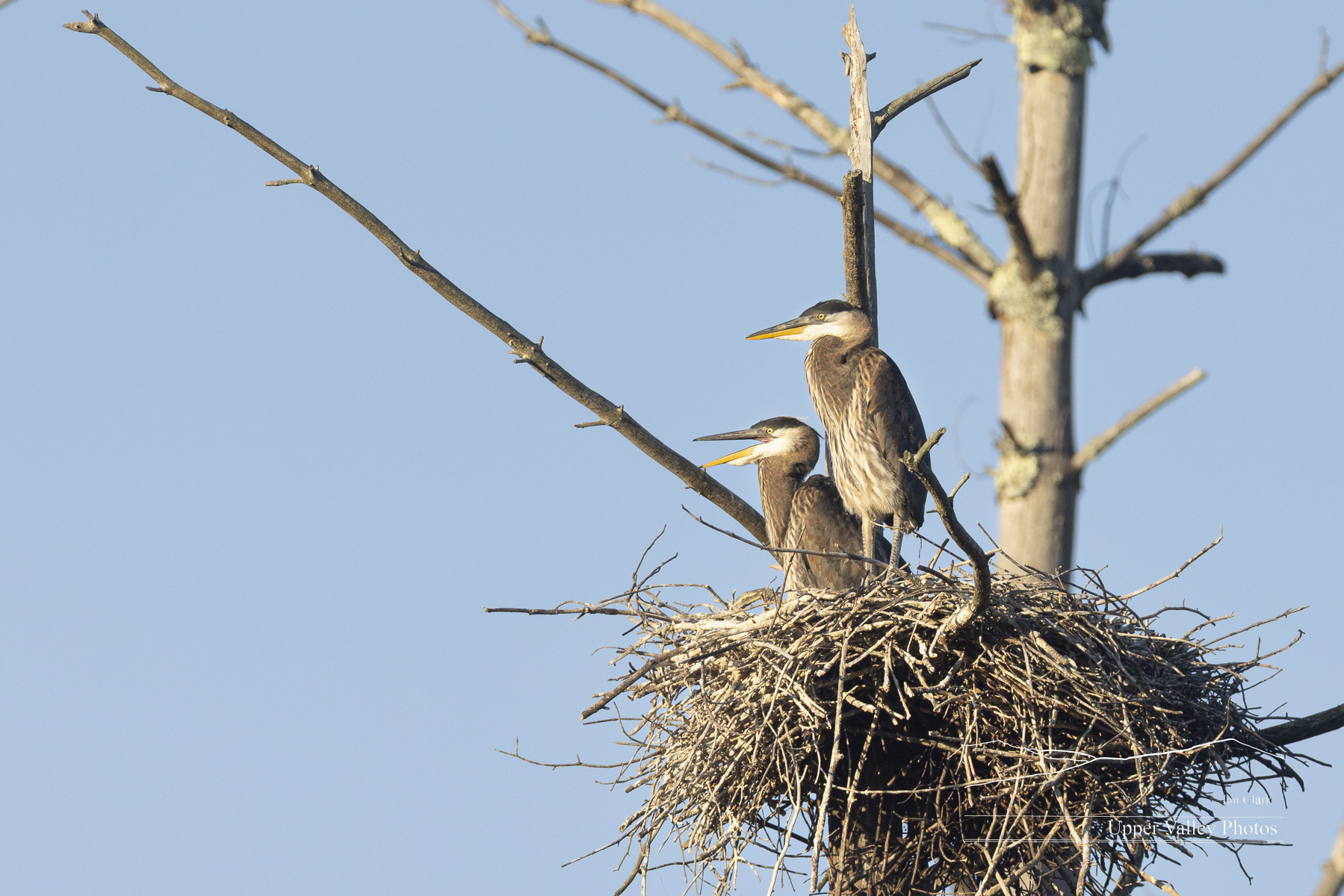
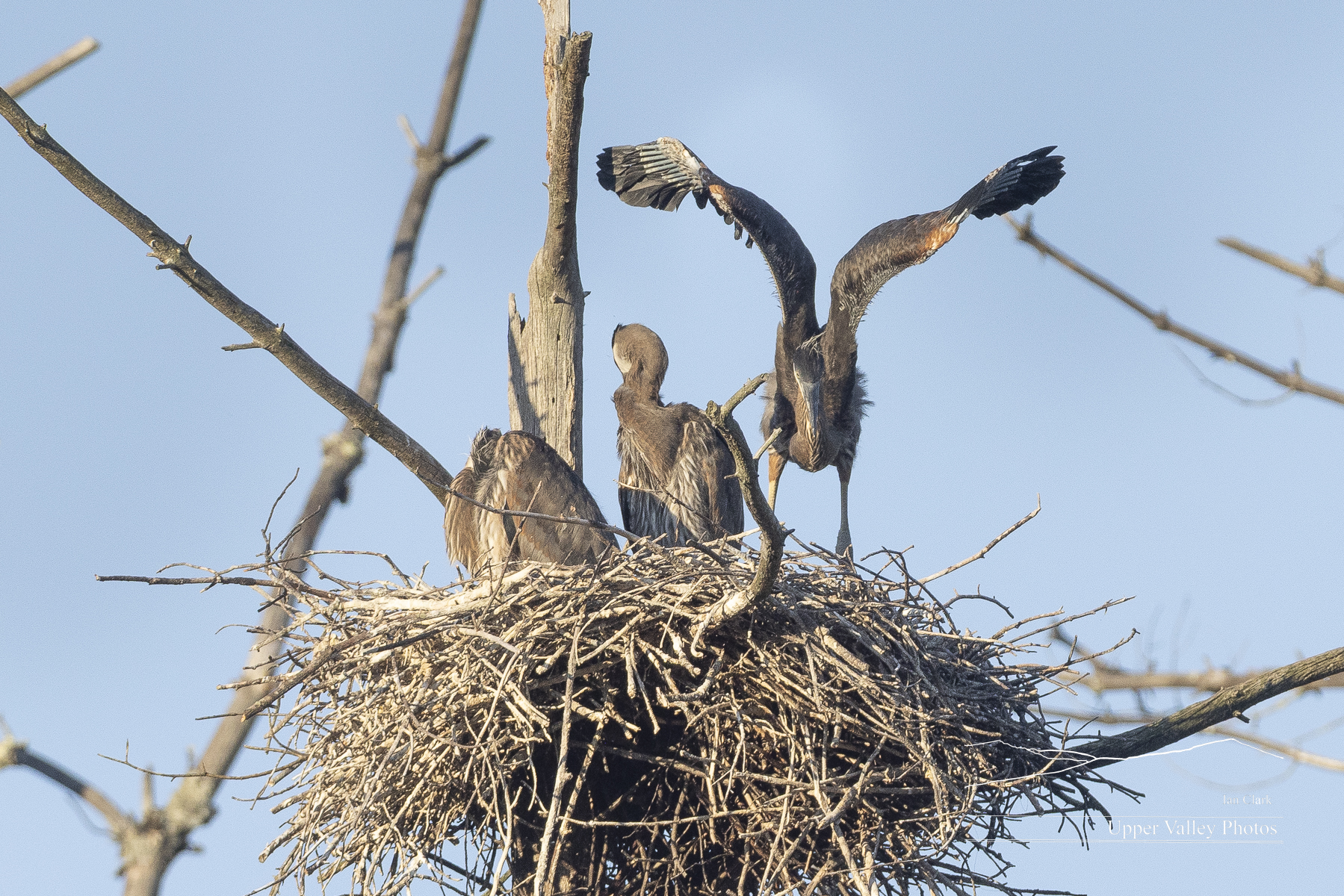
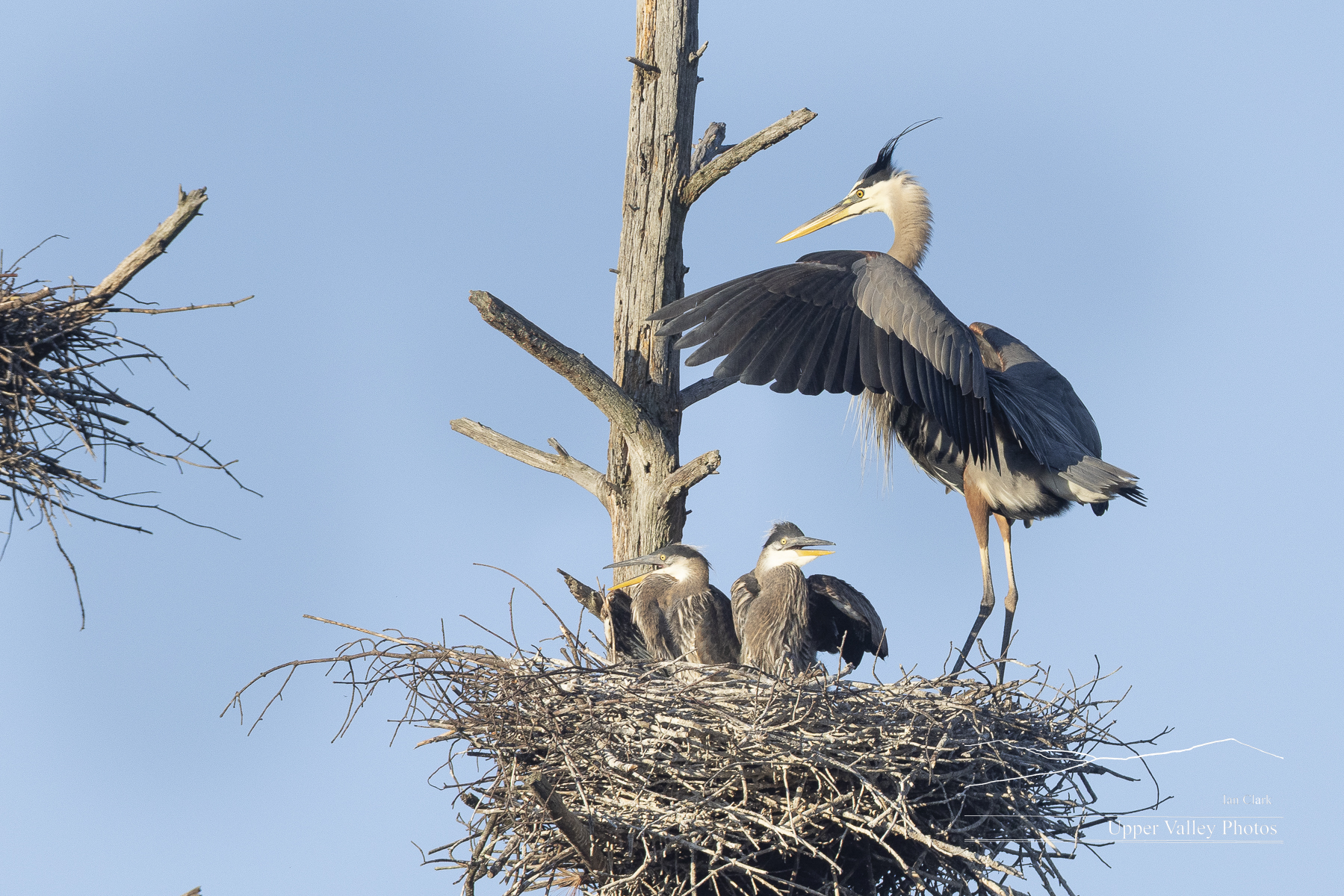
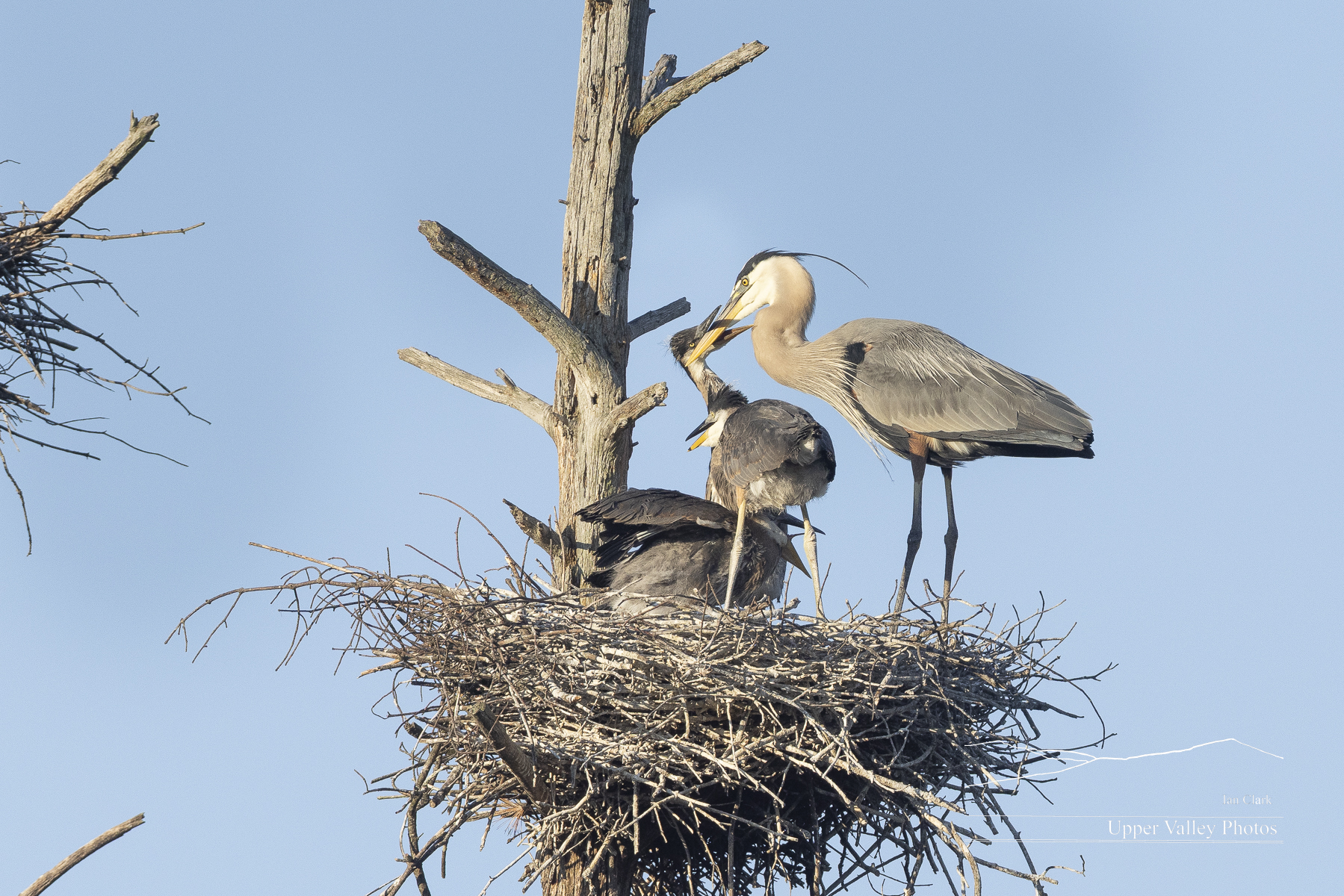
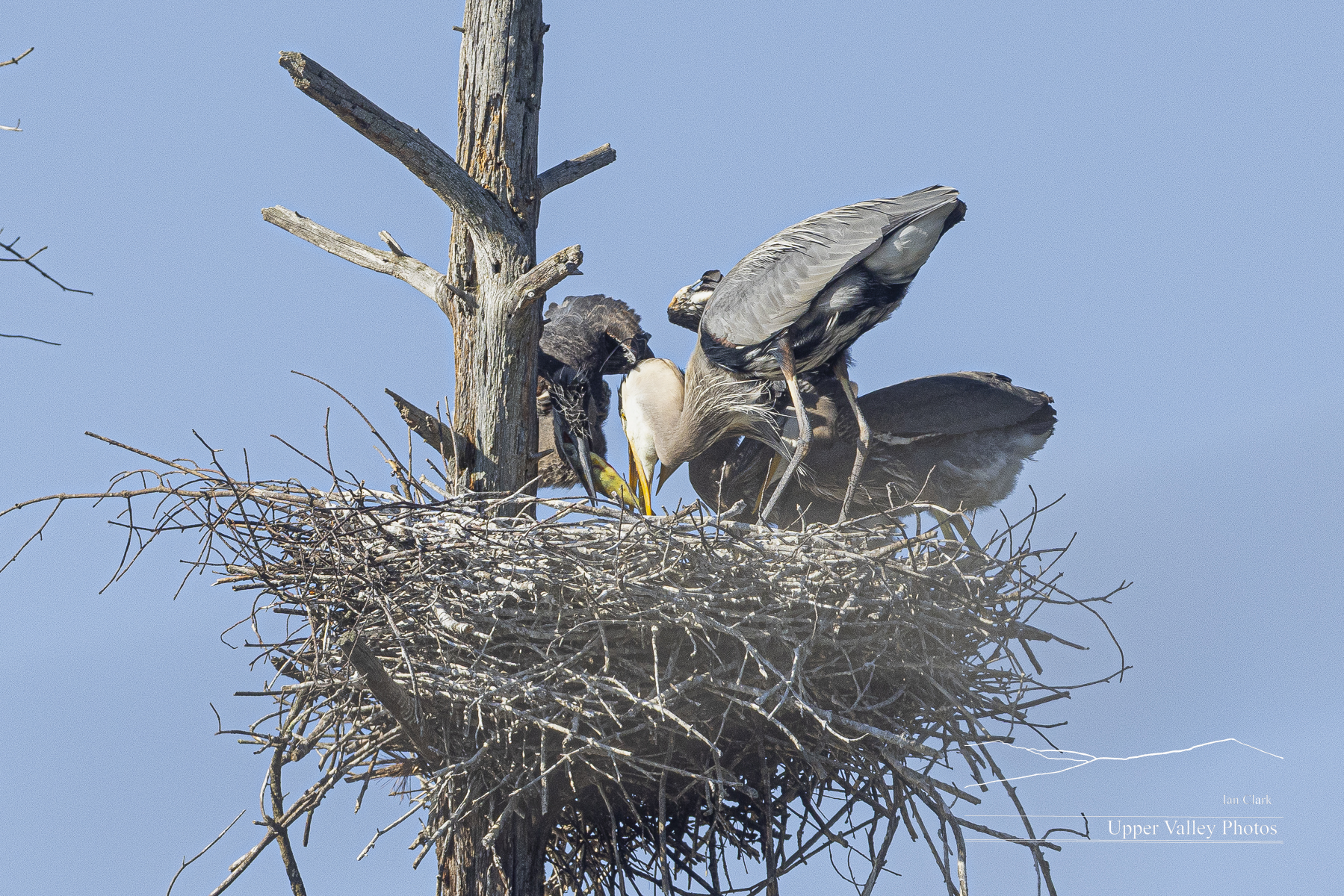
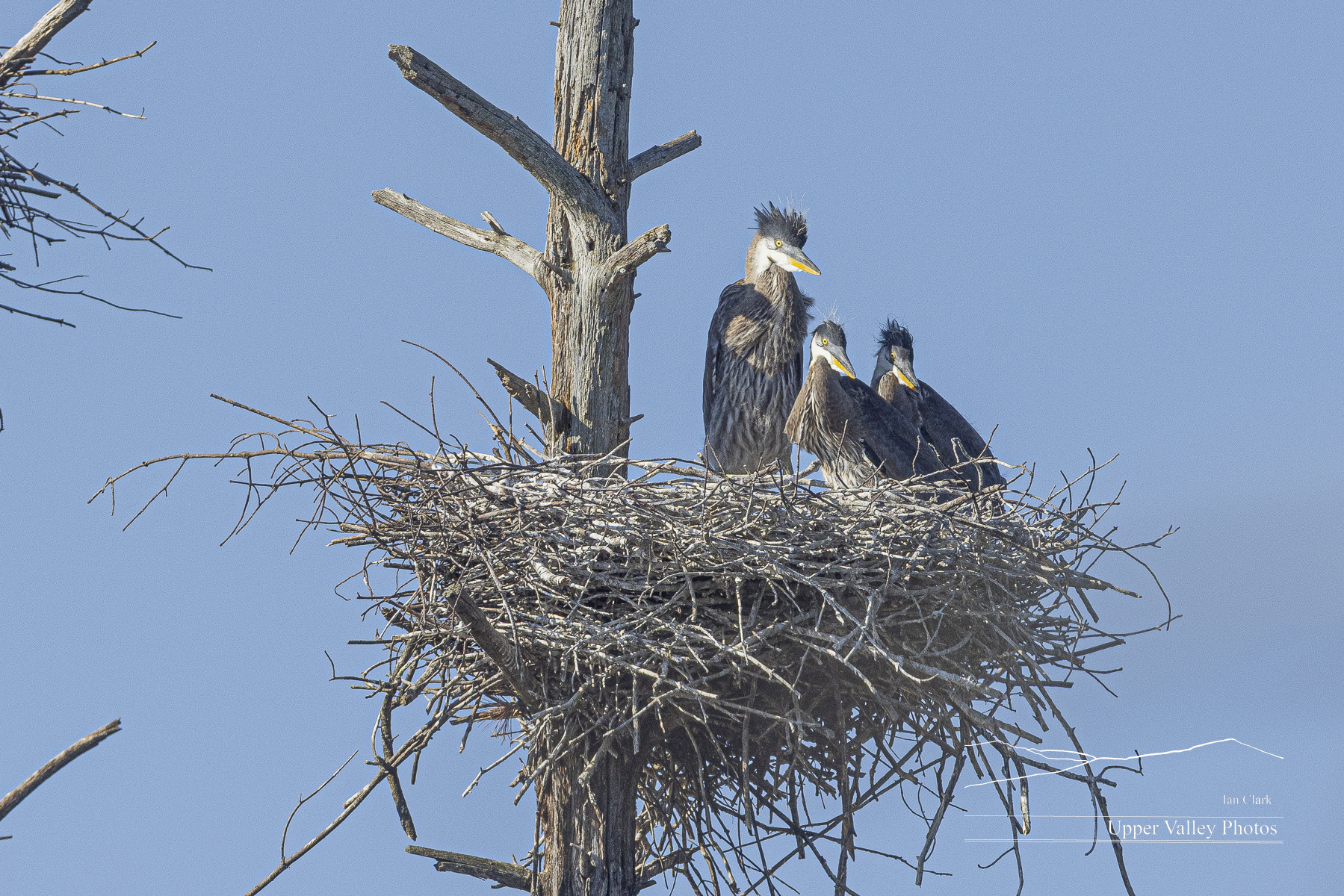
On three of the four nests with herons, an adult was standing on the edge of the nest. The fourth had a heron still sitting.
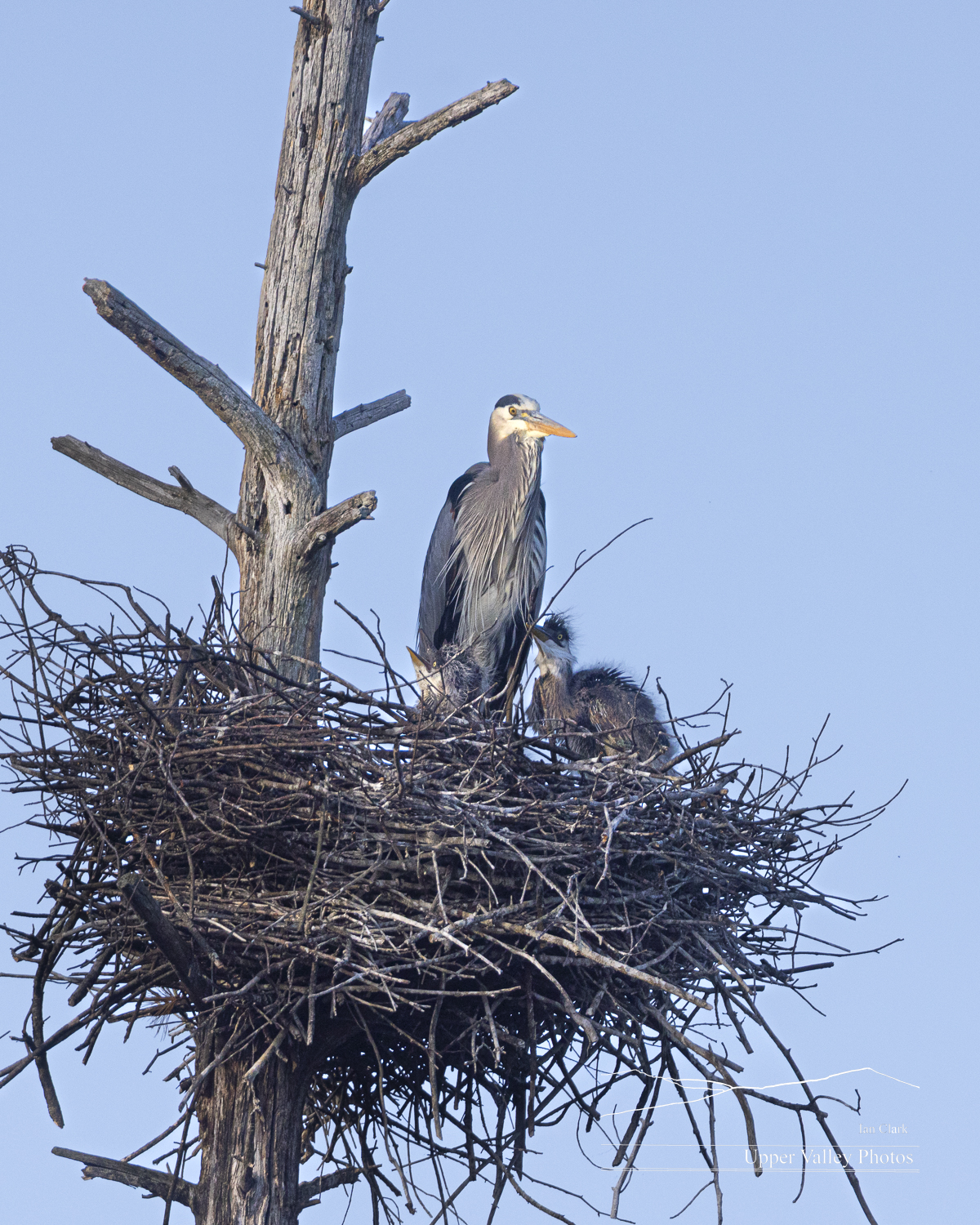

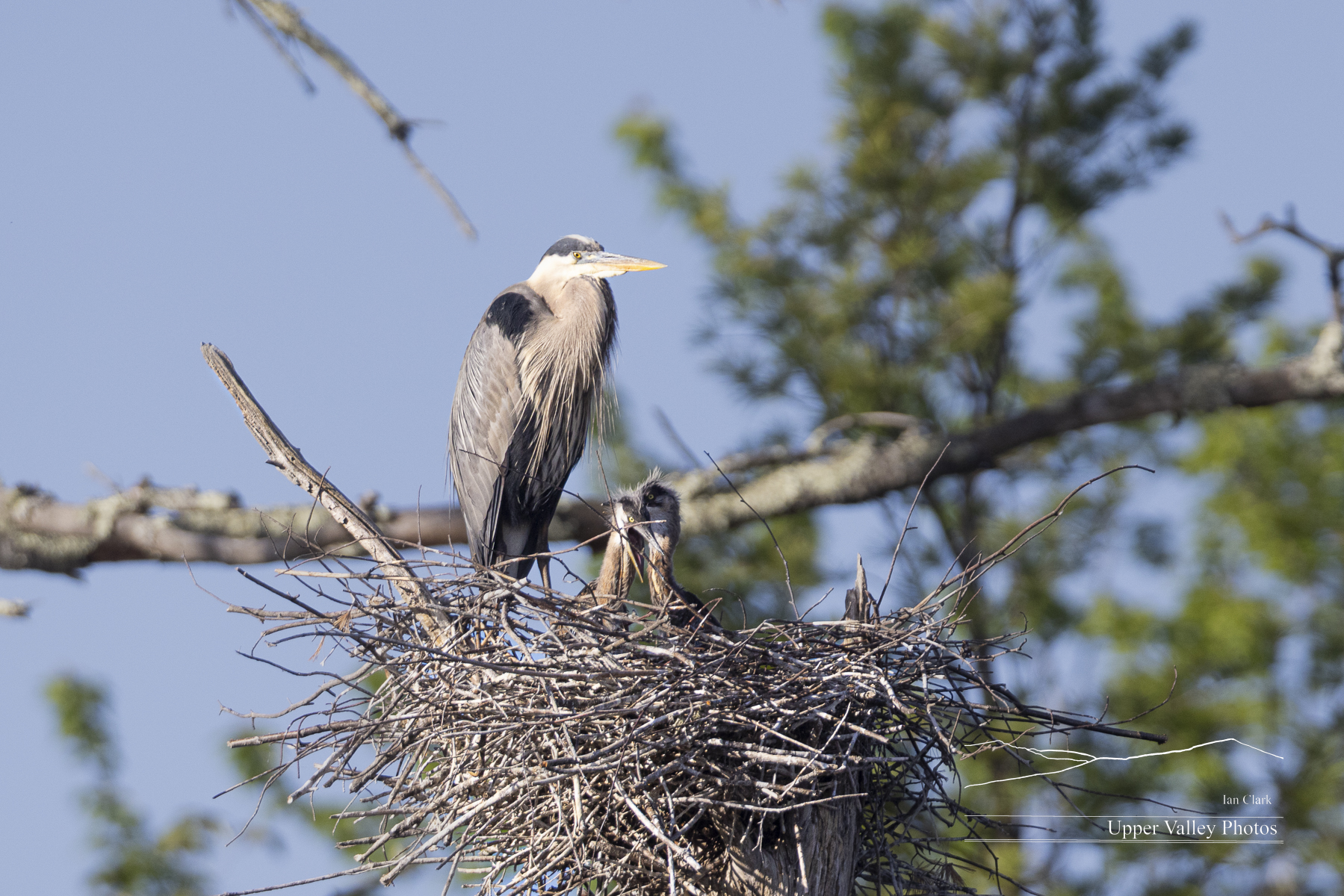
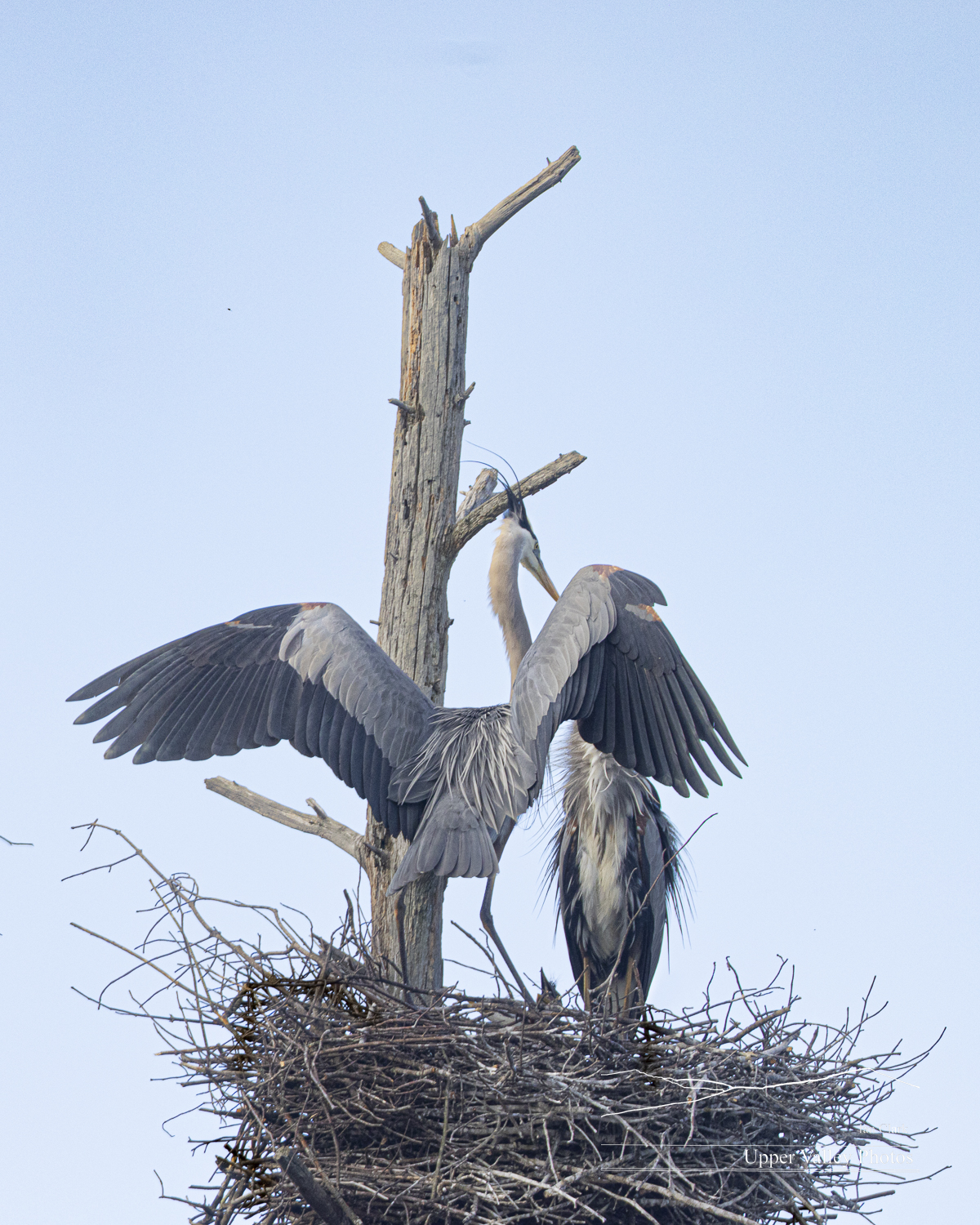

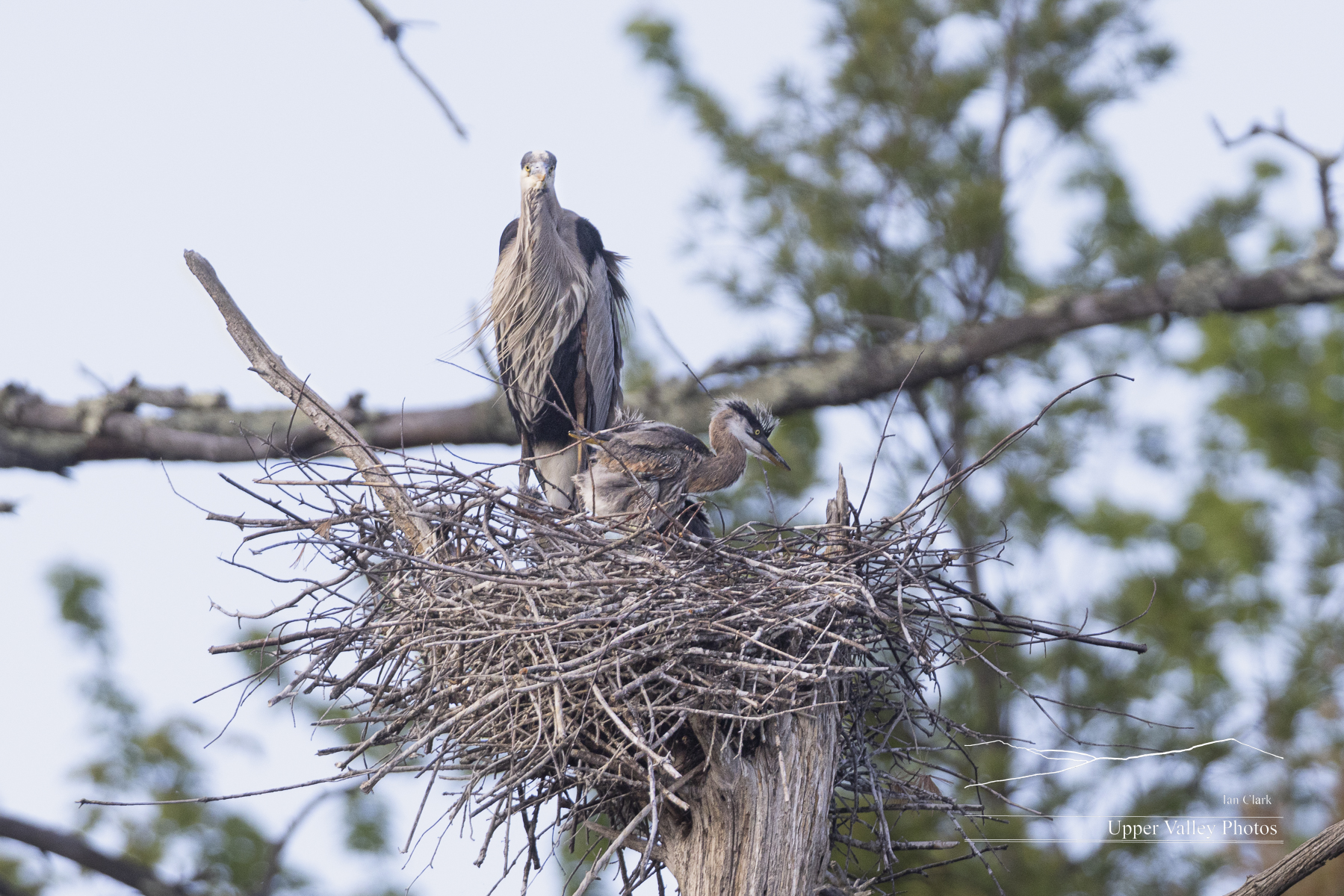

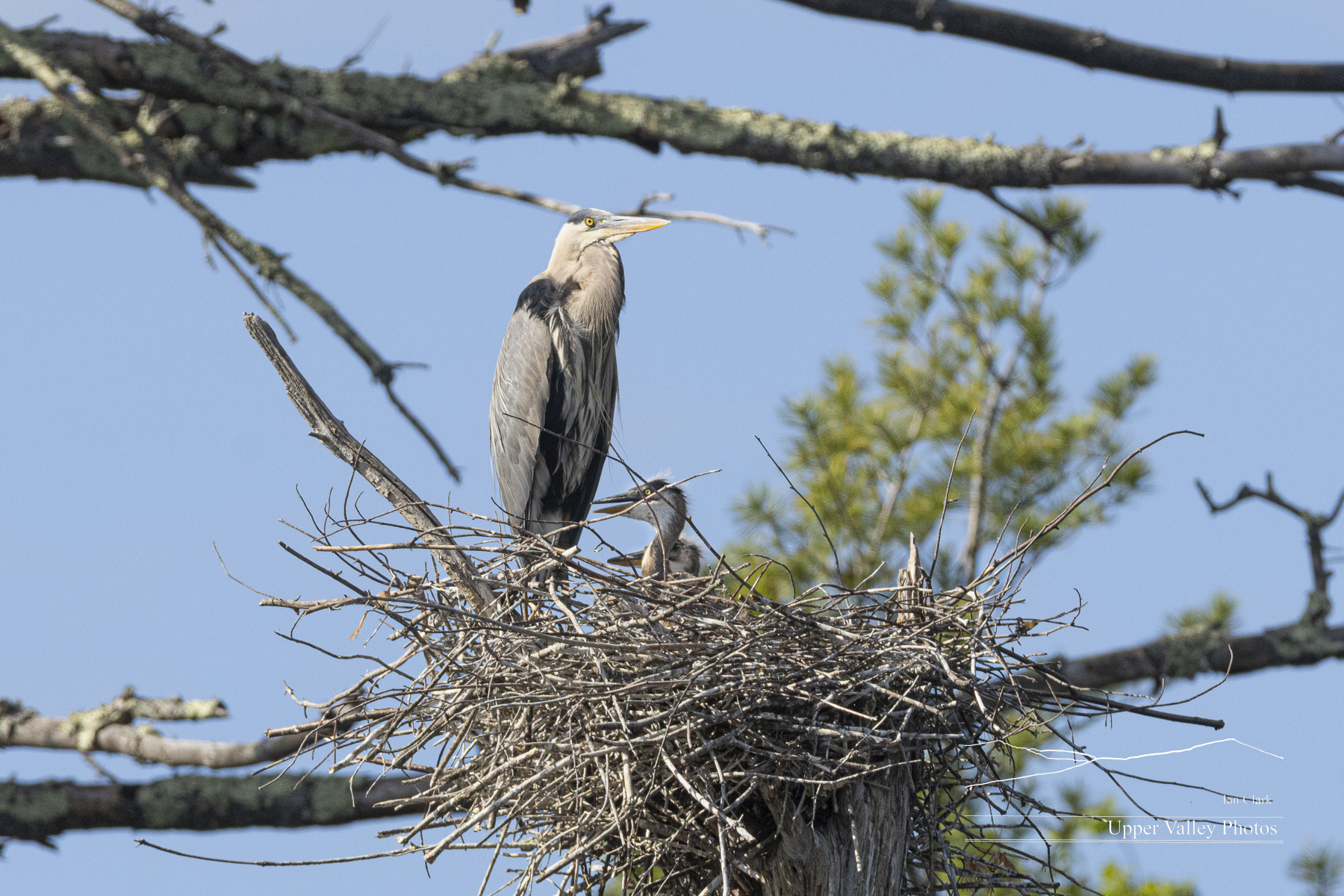

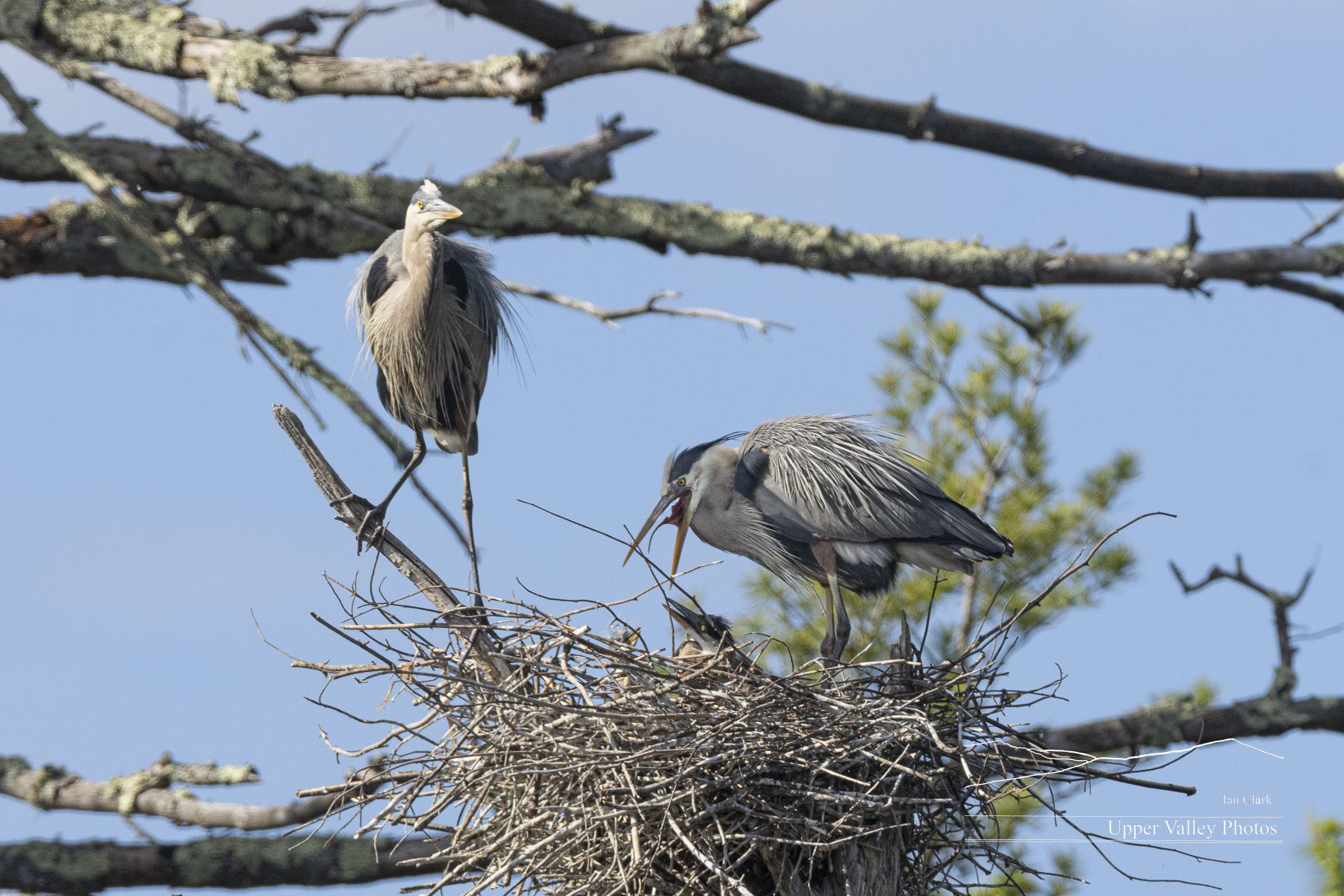
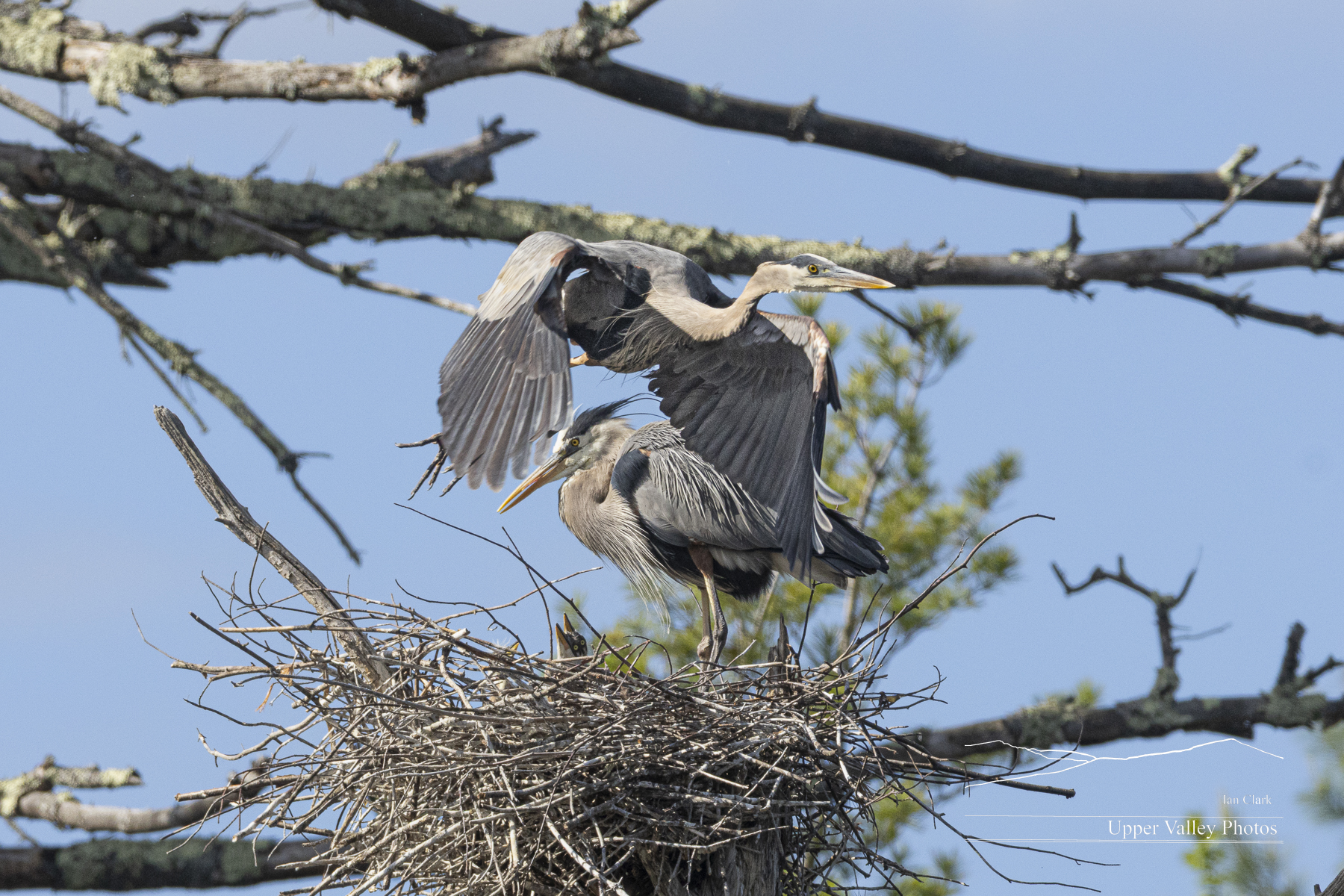
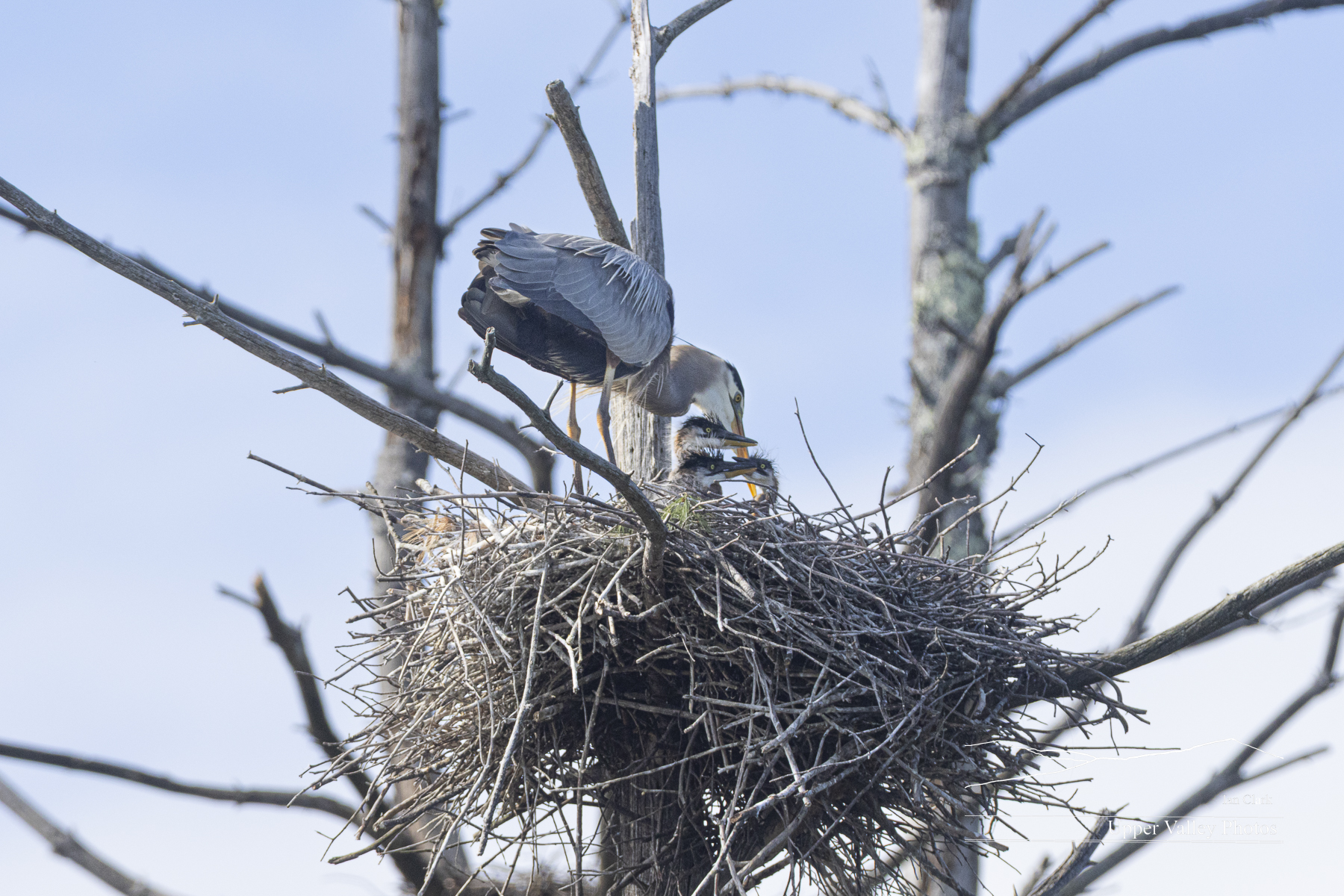
The fourth and fifth nests had parents return, but I didn’t see any chicks. Guess I’ll have to go back.
And we’ve hosted bluebirds in one of the boxes on our deck again this year. I haven’t been posting, it seems like many people have cameras in their bird houses now. And, something is amiss with mine, the video quality has degraded. But, here’s a clip of the chick’s final few minutes as our guests before they fledge.
If you enjoy my posts, please sign up to get notifications when I add a new post. I won’t sell or share your info. You just get an email from me when I add a post. And you can do me a favor by sharing my blog with your friends by email or on social media. Thanks!
A Busy Week for the Critters
With a week with mostly nice weather, I was able to get out and visit both the Middletons and Westons as well as the heron rookery and a couple fox dens.
This week, you’ve got two chances to see my slideshow, Travels with Ian 2025, with some of my favorite images from last year. We’ll see lots of wildlife around New England and lots of brown bears from Alaska – including Brown Bear no. 925 who made ursine history last year. There are even images of a steam locomotive working in the incredible scenery along the White Pass & Yukon Route Railway.
The first show will be at the Bugbee Center in White River Jct. Wednesday May 27 at 1:30 pm. The second presentation will be at the Blake Memorial Library in Corinth, VT Friday May 29 at 6 pm. The Library would appreciate an RSVP sent to khotellingbml@gmail.com. Both are free and open to the public.
And I’ll be exhibiting at the Berkshires Art Festival in Great Barrington, MA on July 3, 4 and 5. I’ll have note cards and prints large and small for sale. Please come by and have a look.
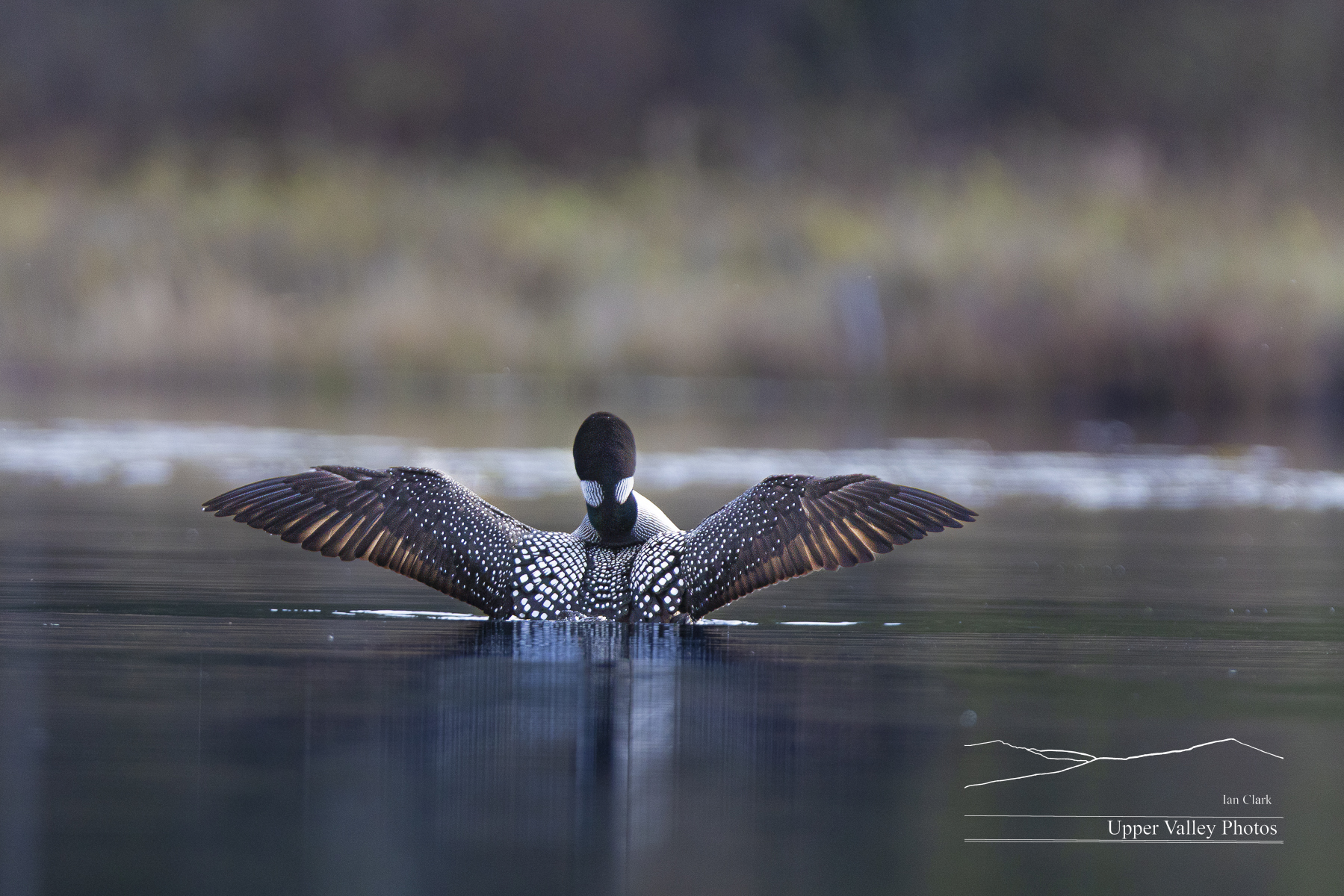
A week ago Saturday, I called on the Westons. One was feeding at the south end of the pond, the other turned out to already be sitting on the nest towards the north end of the pond. I wandered off to see who else might be around.
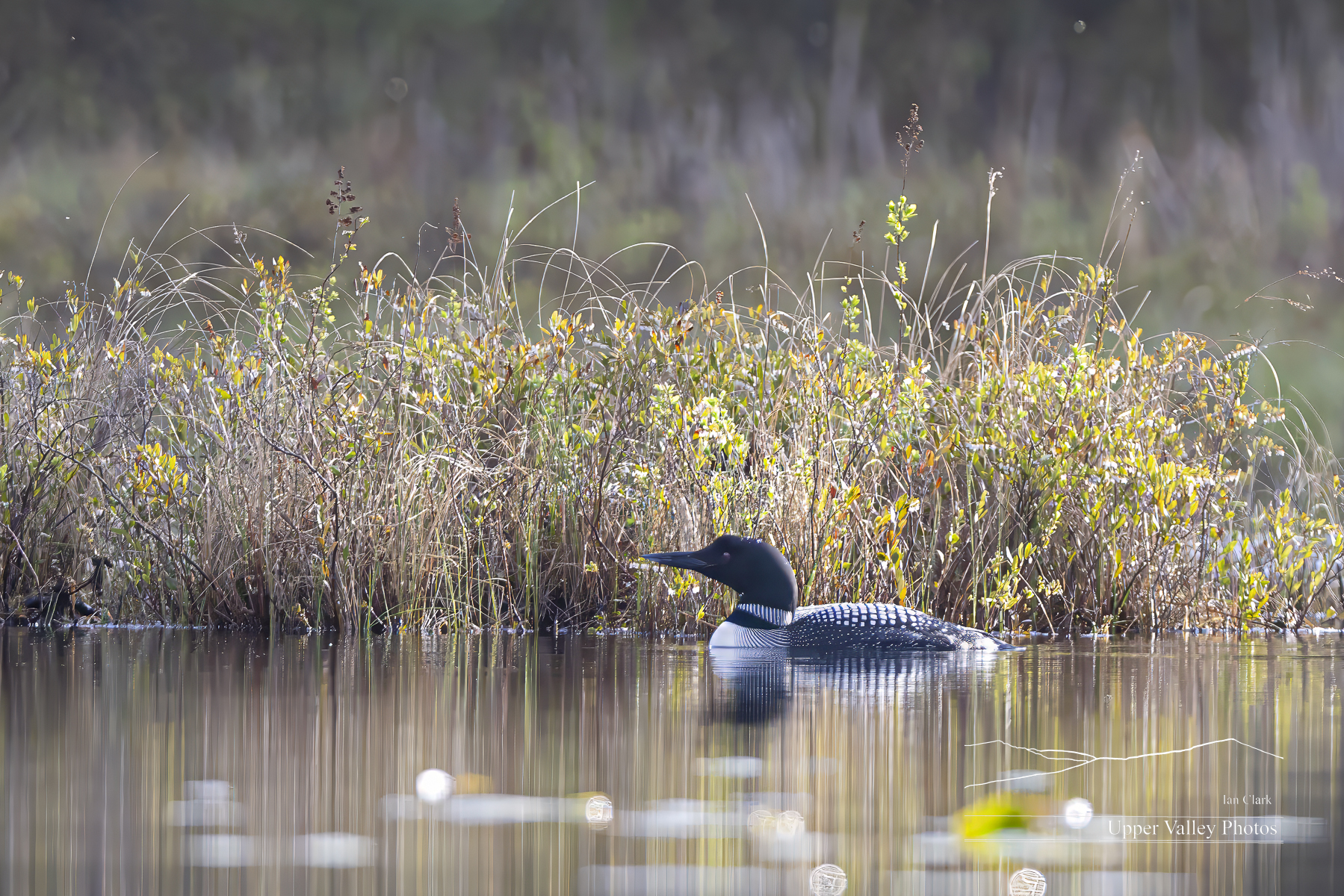
Dad is hidden in the brush. His head is the dark spot in the brush above mom’s head.
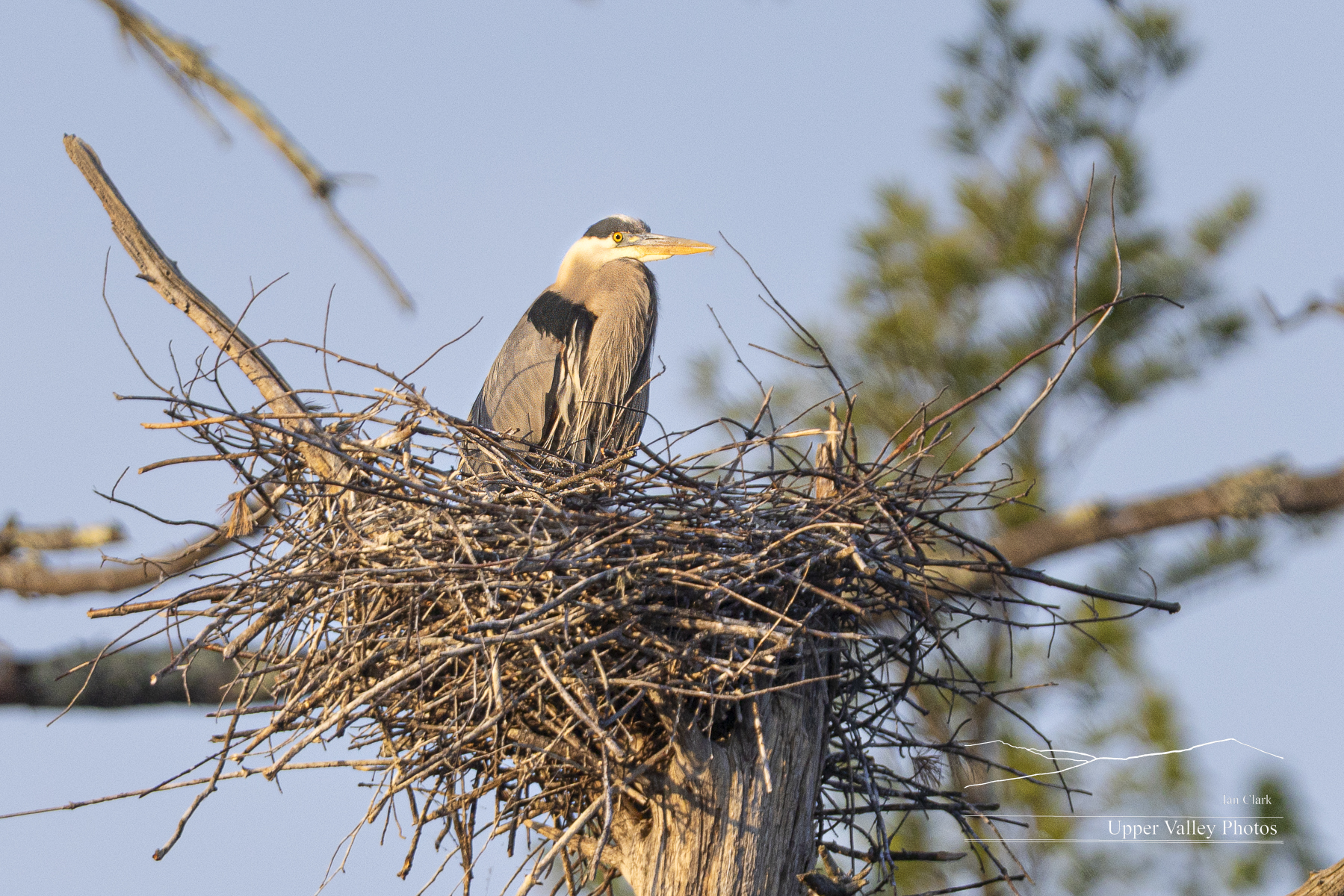
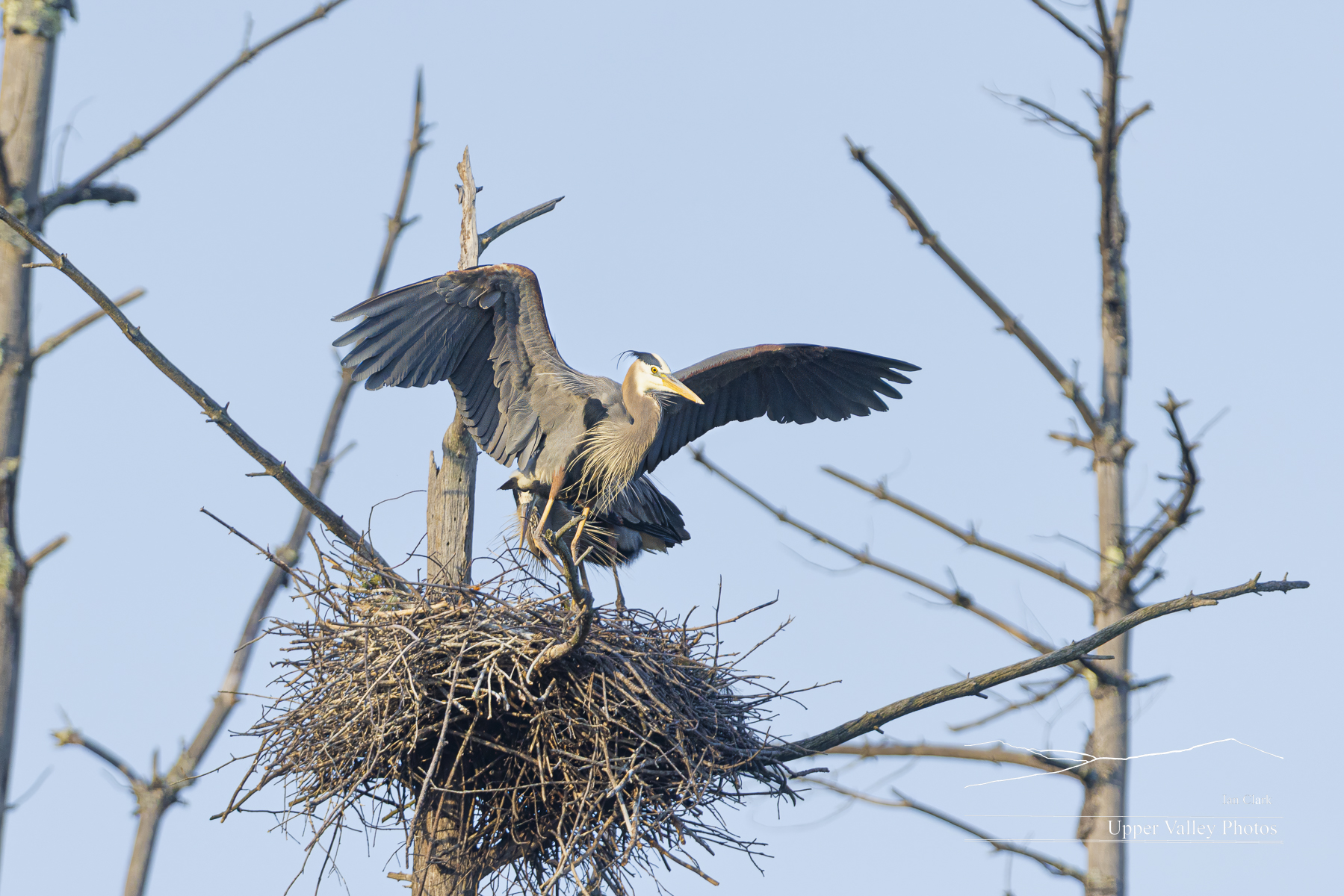
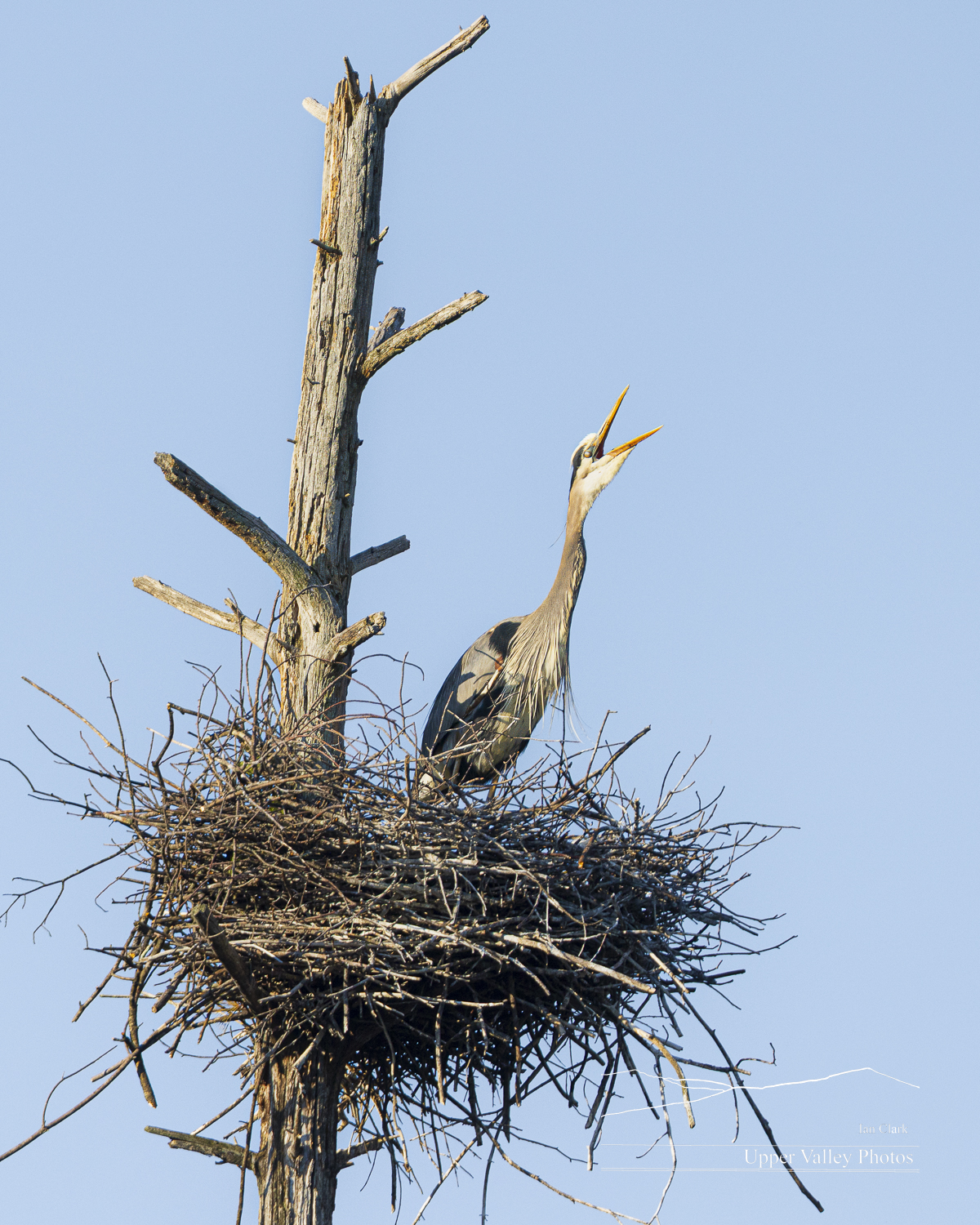
Tuesday morning, I was on the road early to visit the heron rookery. I missed when they started sitting on the nests. I was hoping for chicks. No such luck, the latest they should hatch is early this week.
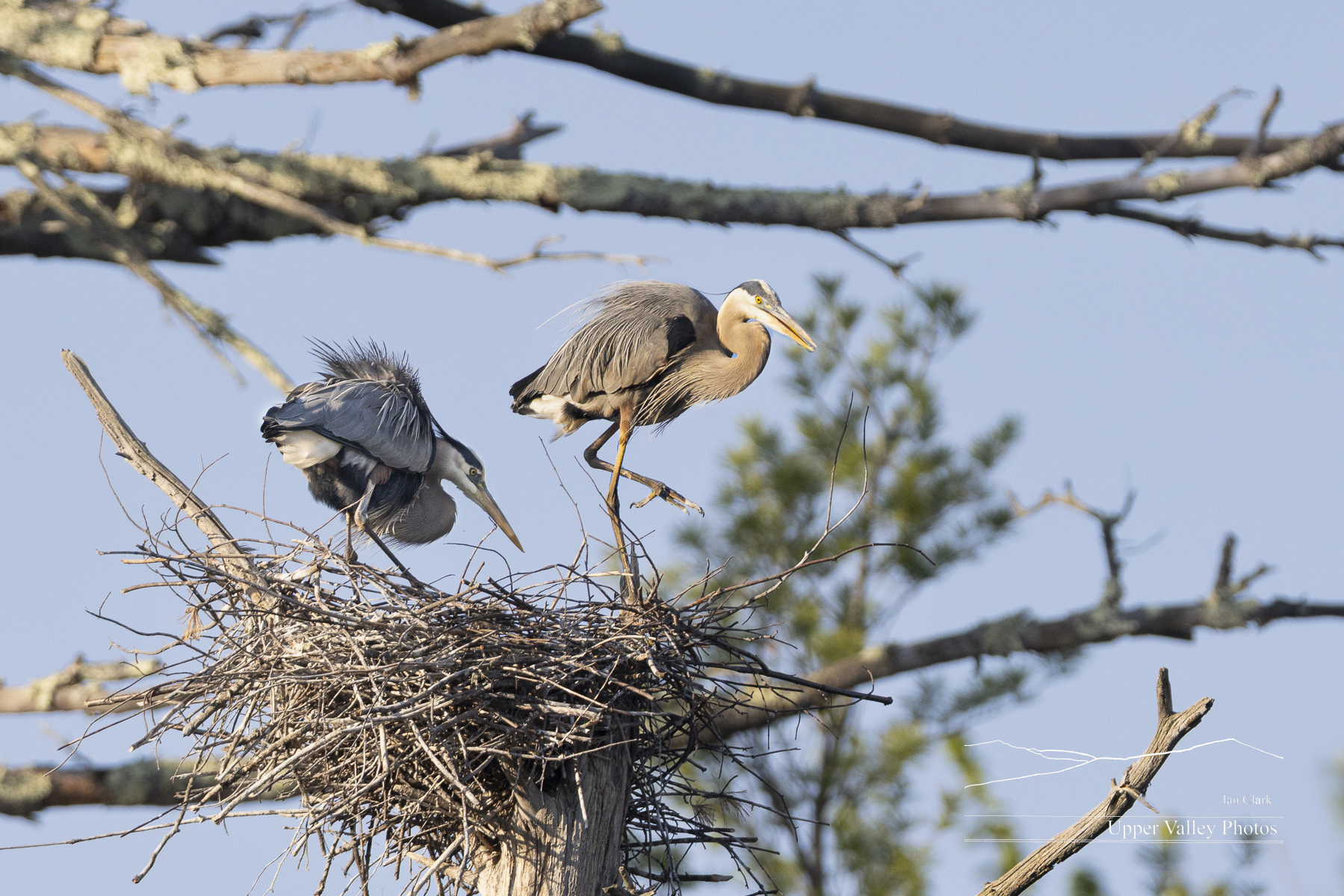

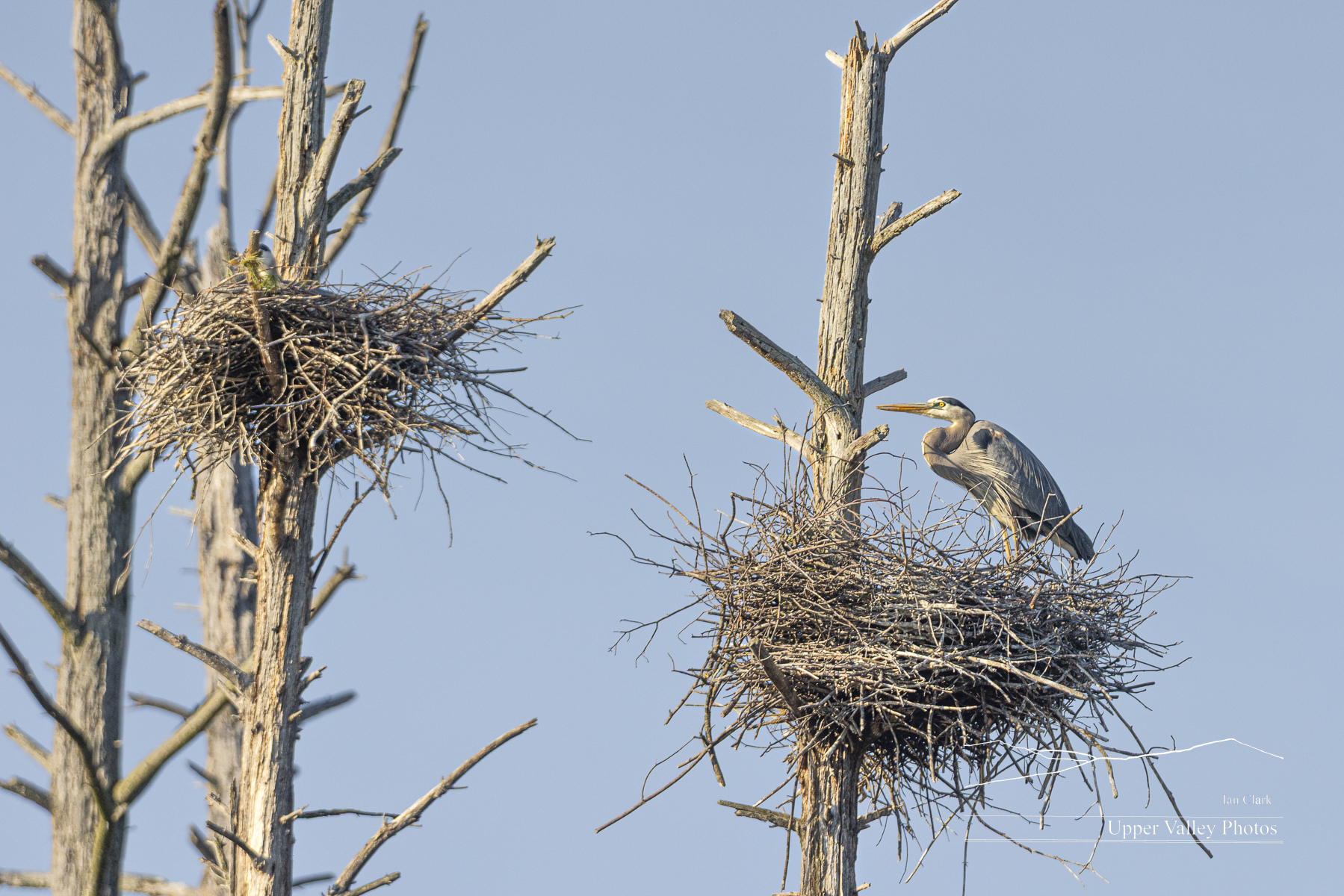
On the way home, I stopped to visit the foxes again. They weren’t to be found.
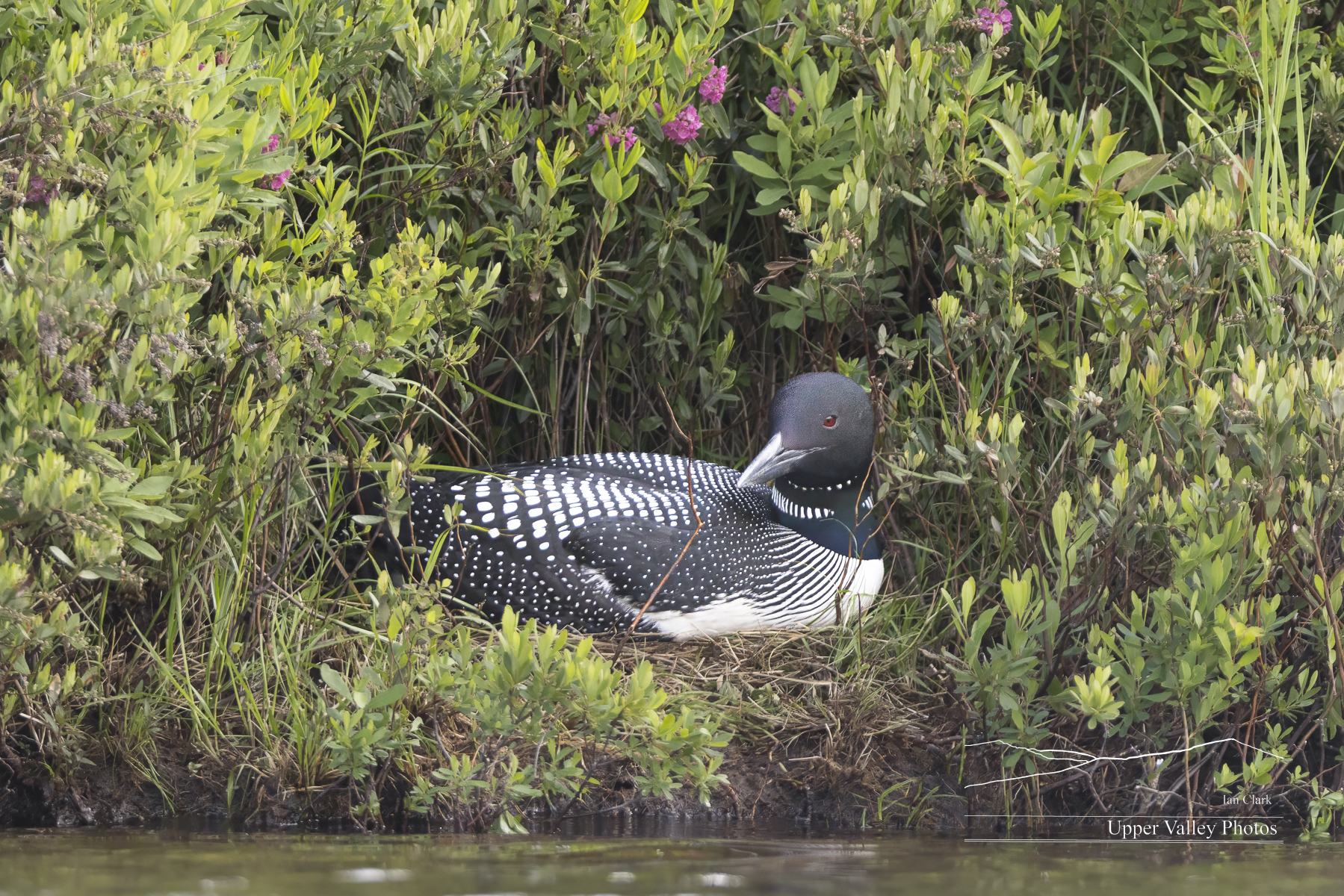
The next morning I headed out to see what the Middletons were up to. They’re sitting on their nest. They’ve moved from where the nest has been for several years. They’ve found a new spot on a hummock deep in the brush and are well hidden. I didn’t see the nest until Mrs. Middleton relieved Mr. Middleton.
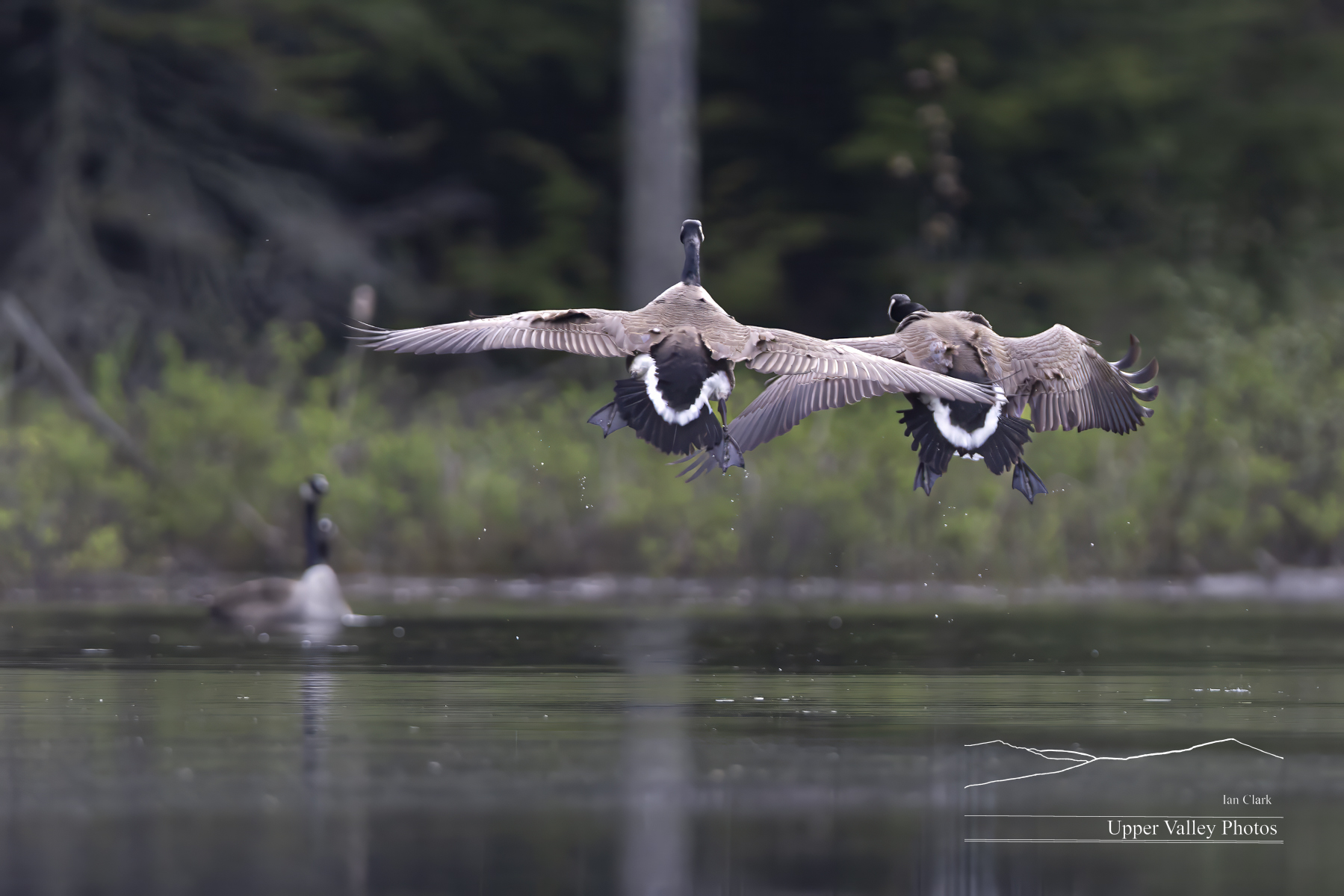
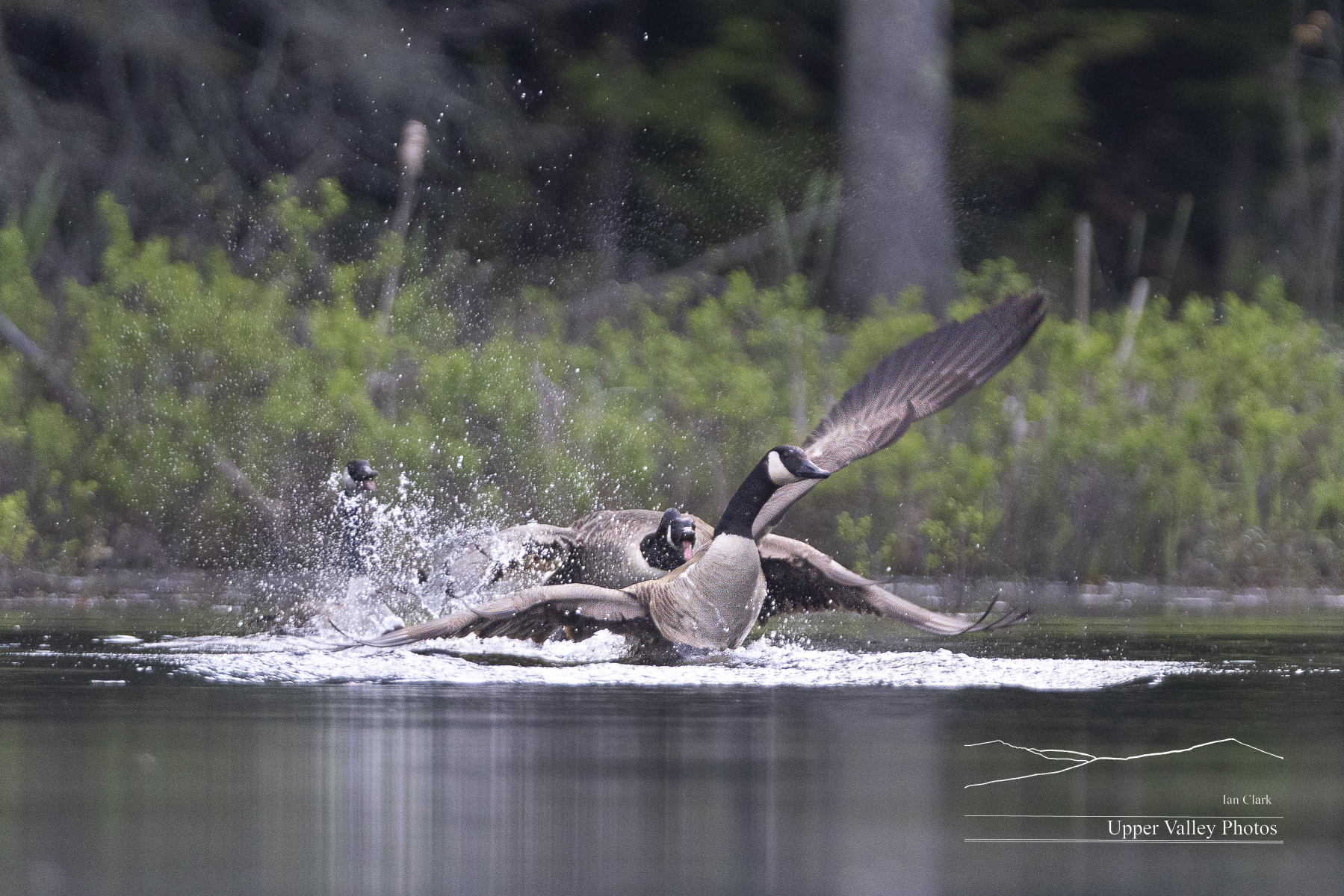
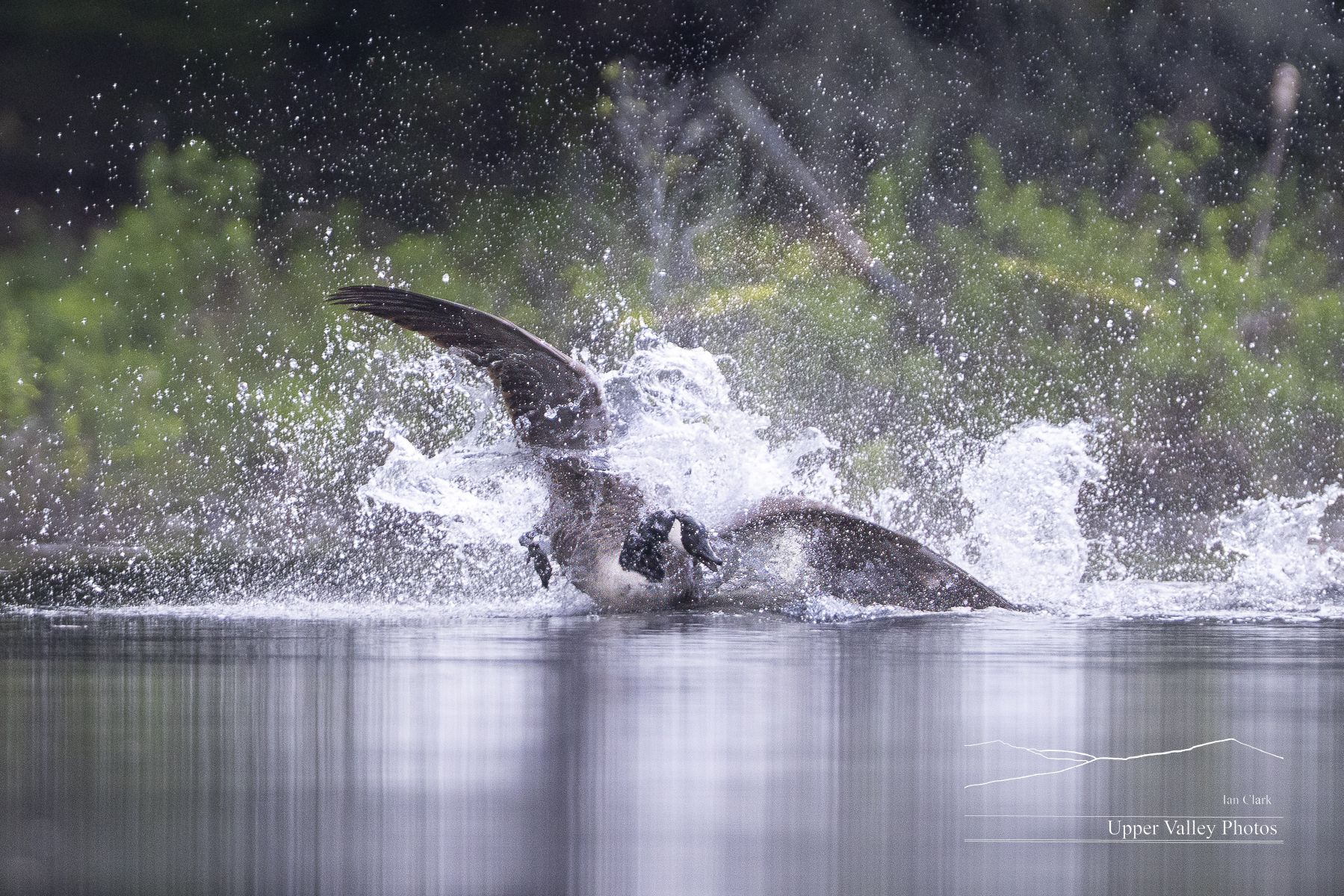
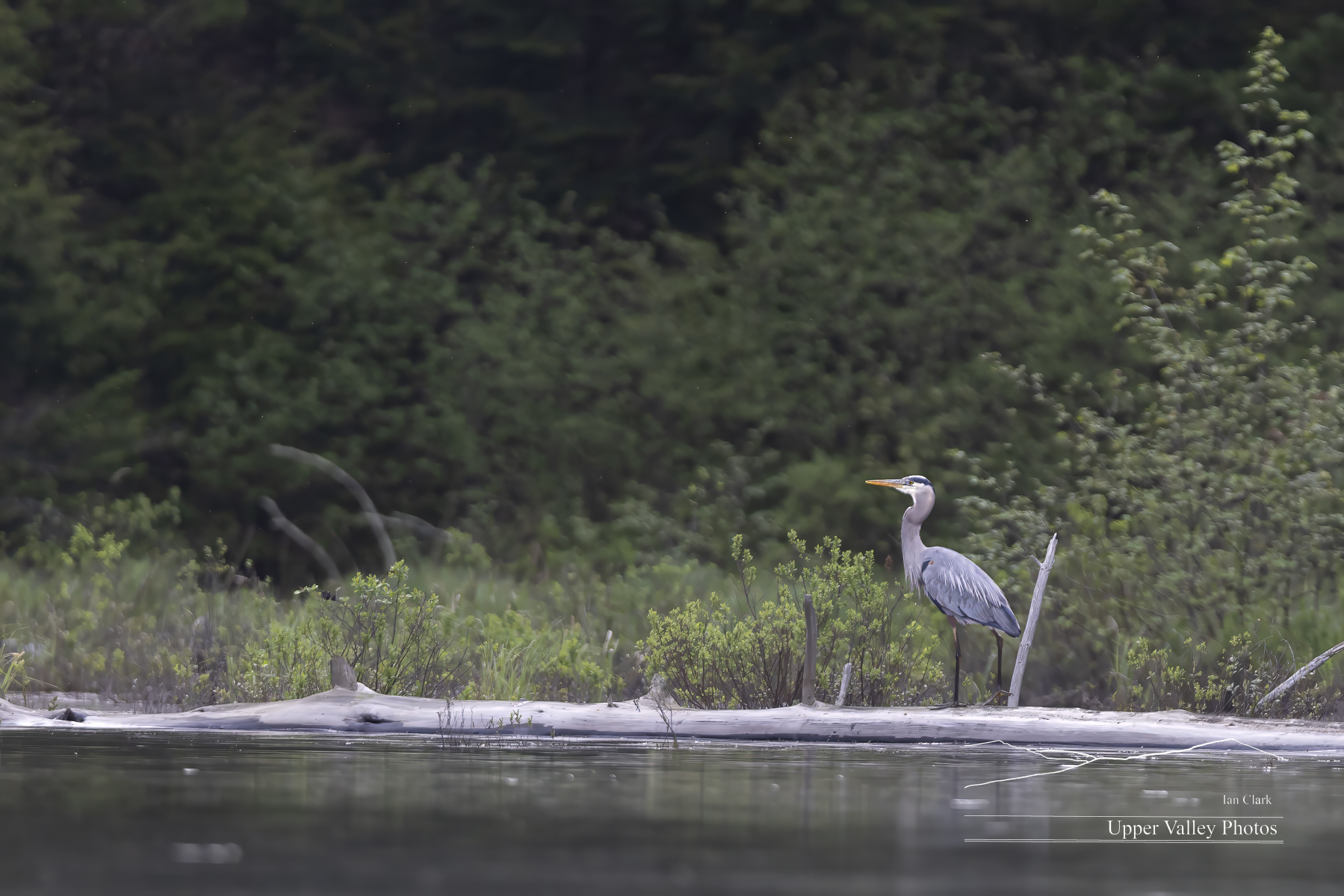
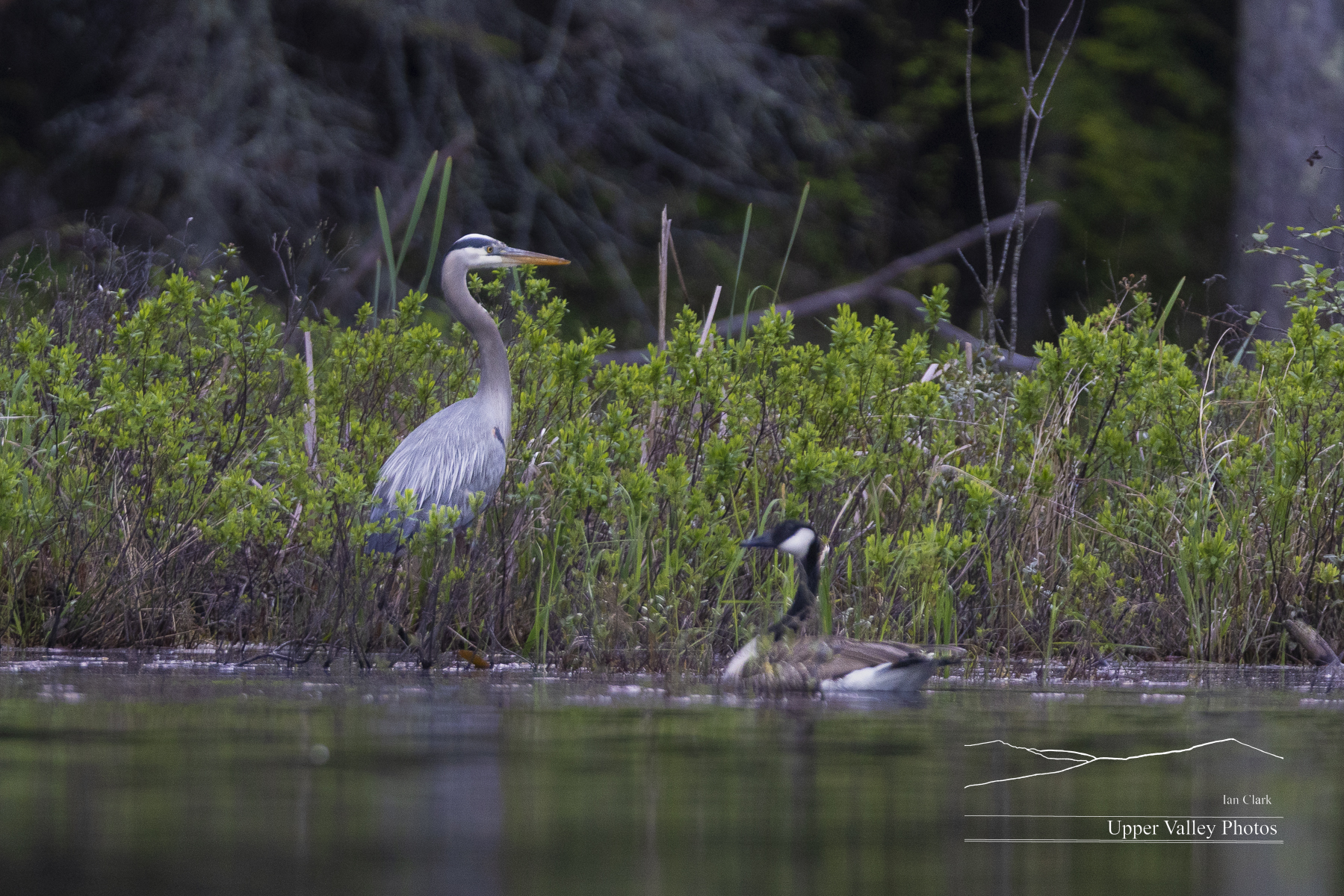
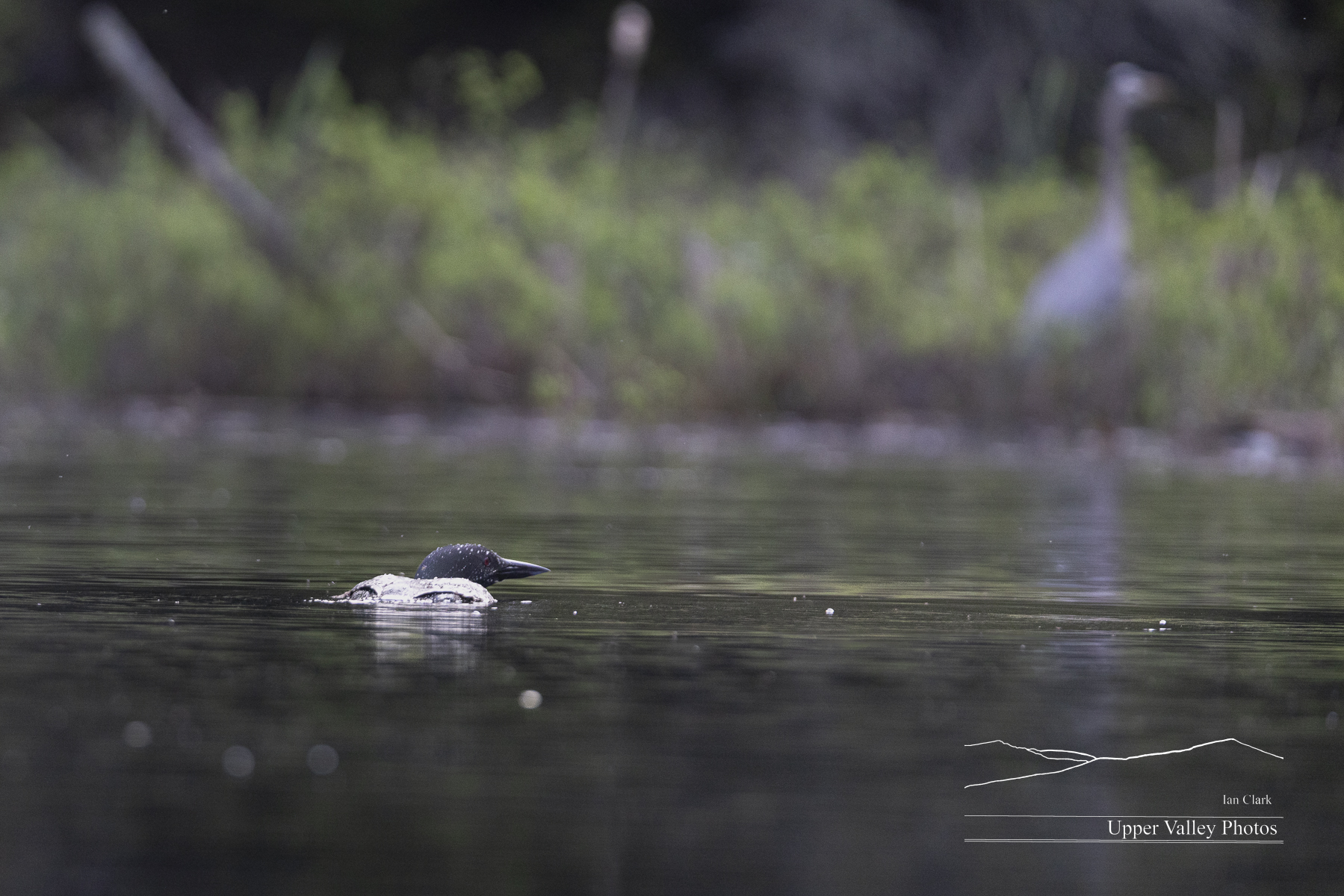
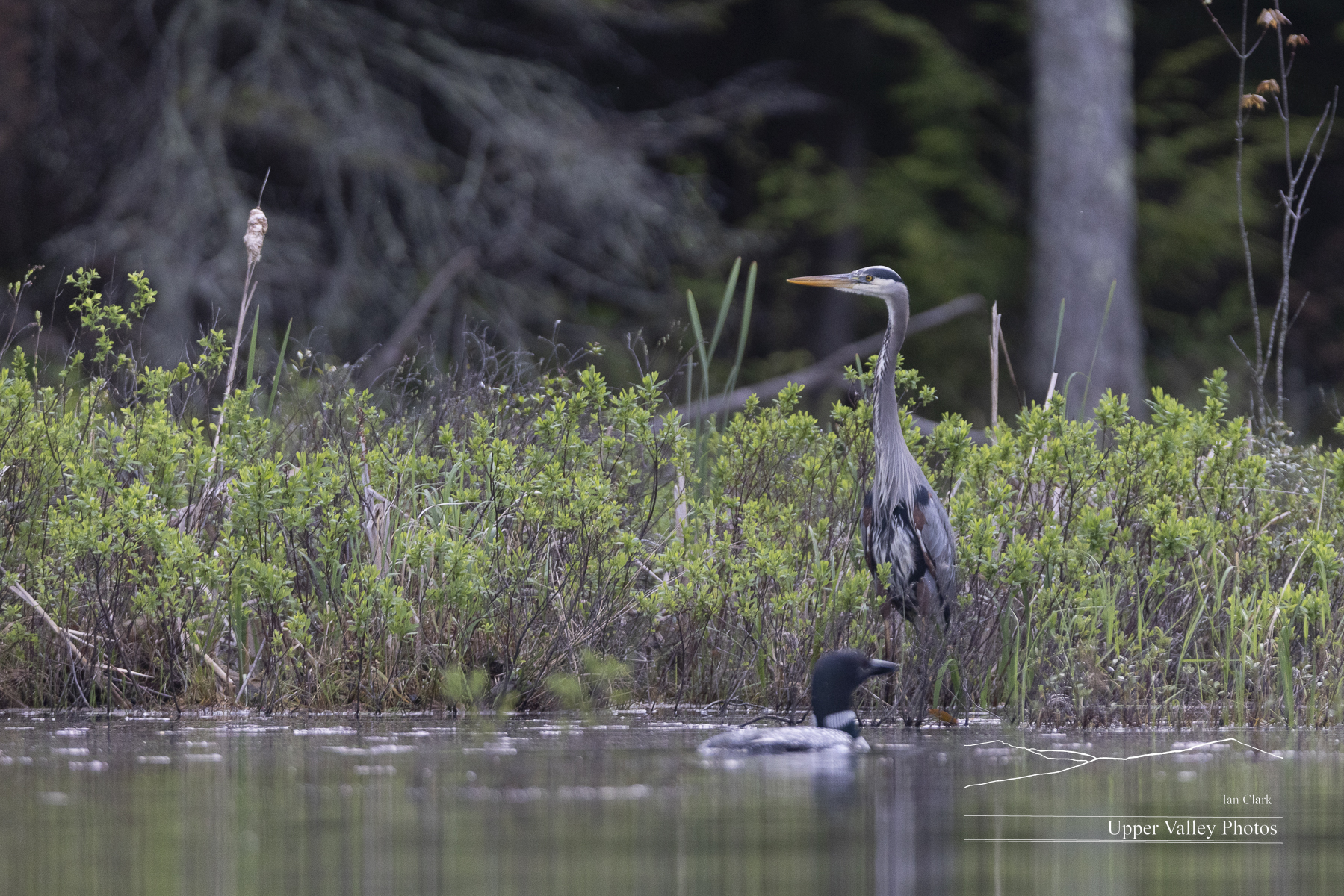
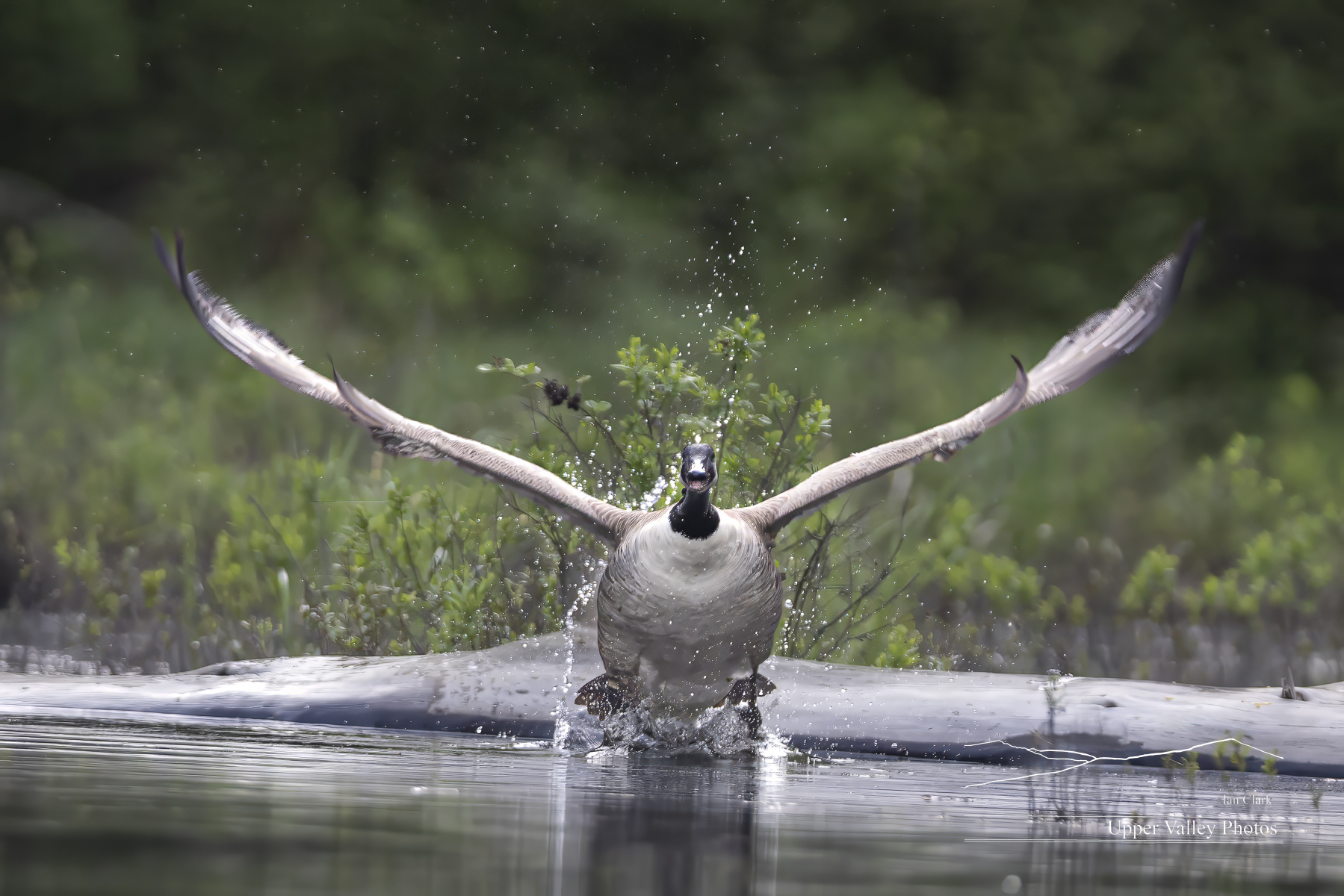
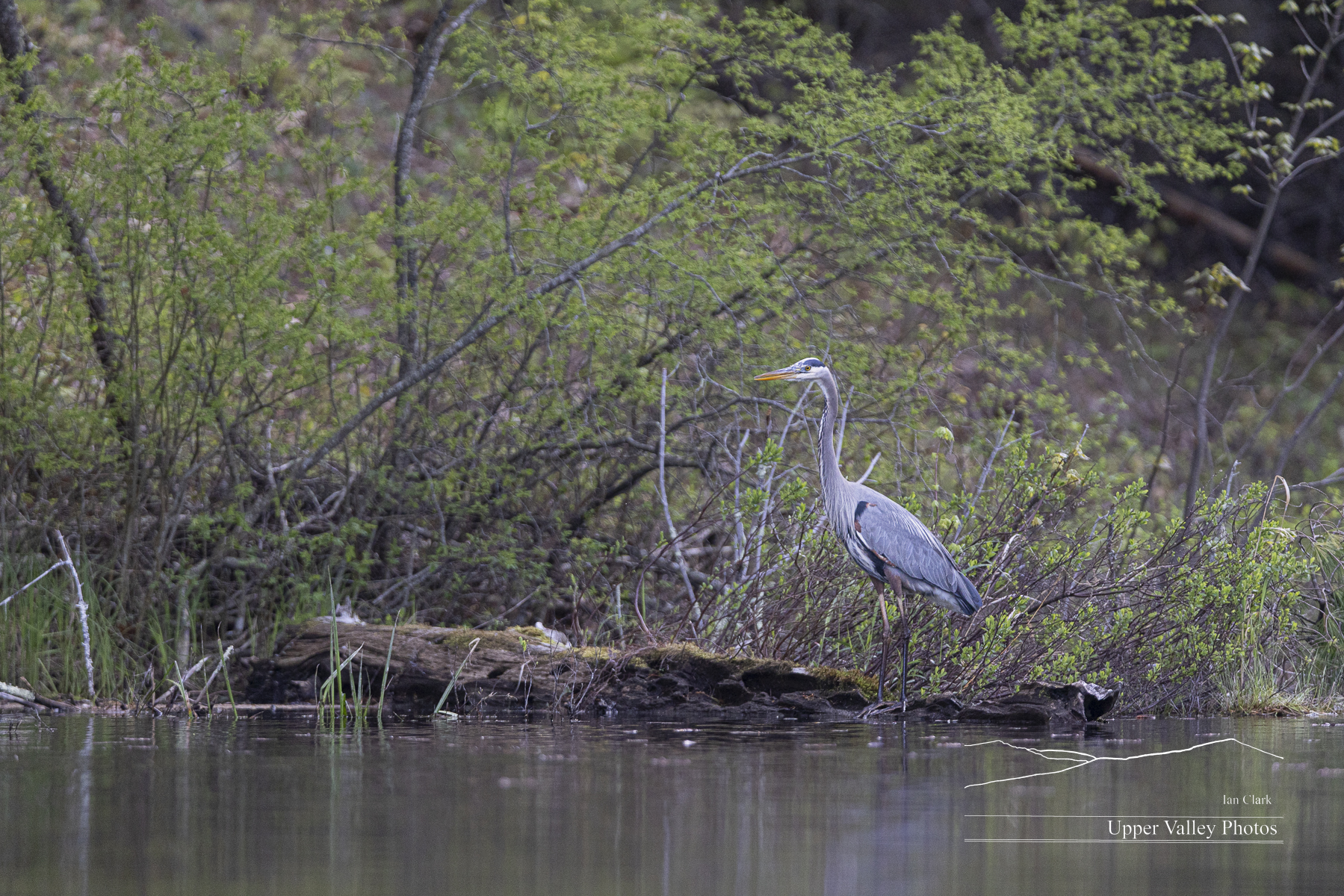
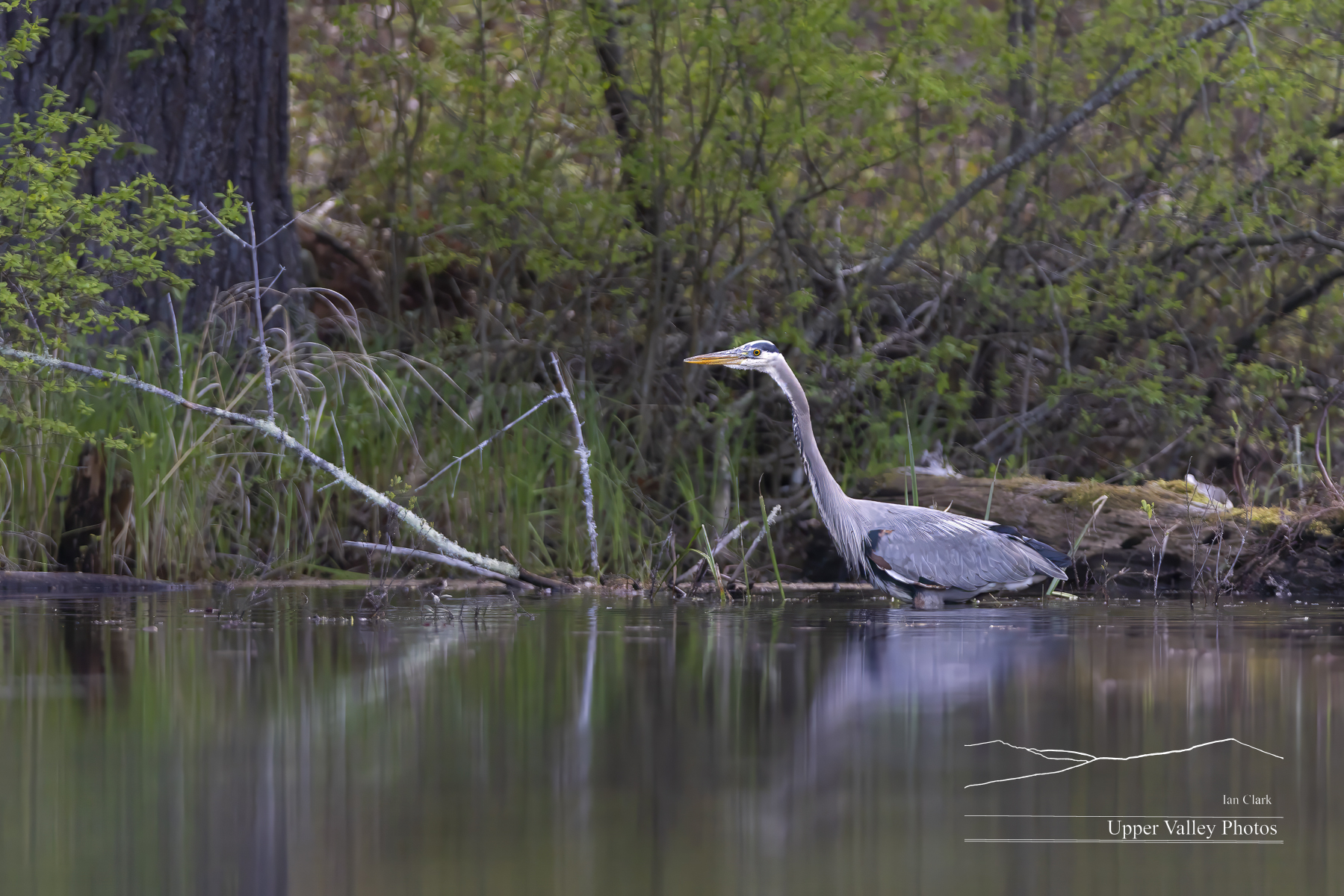
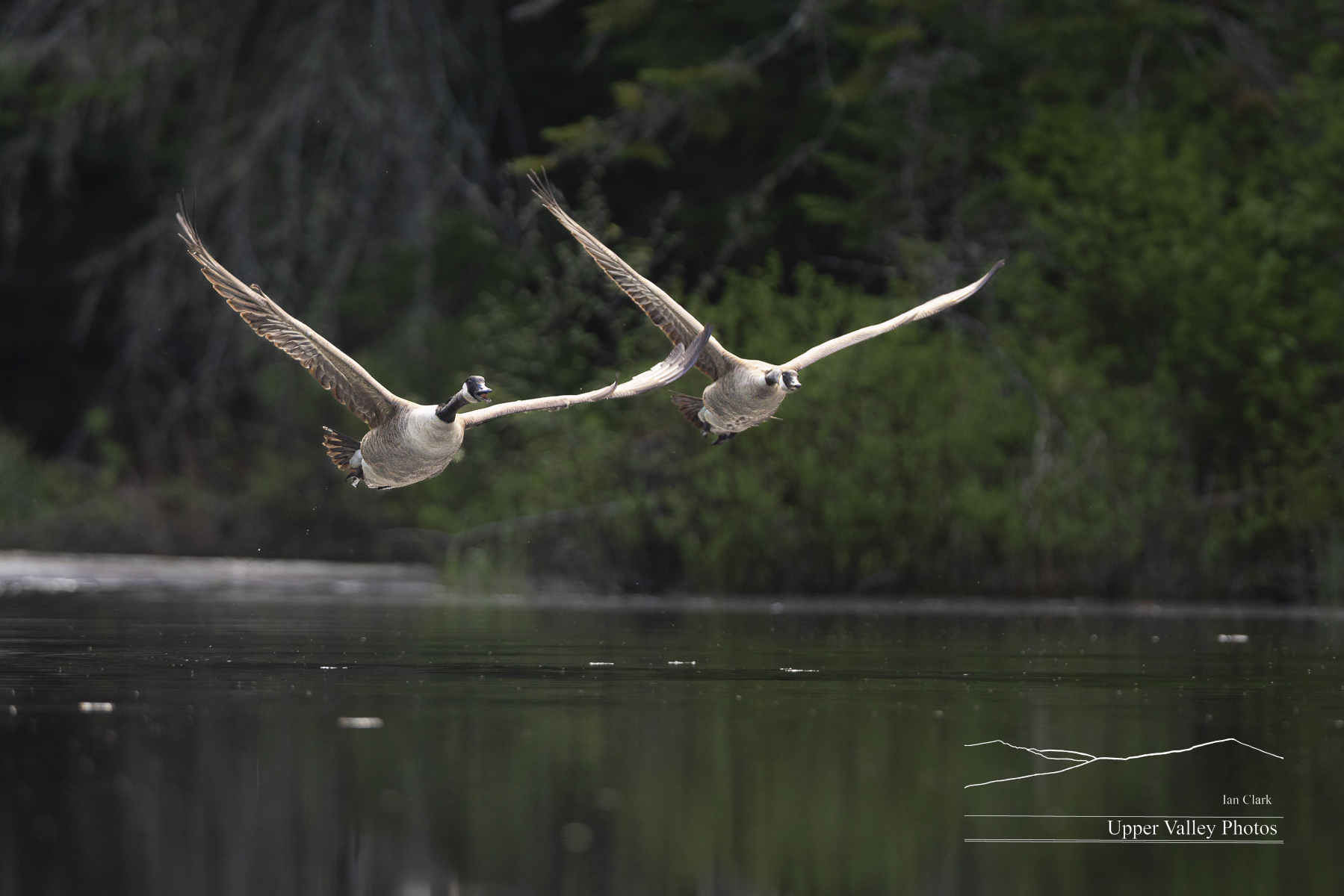
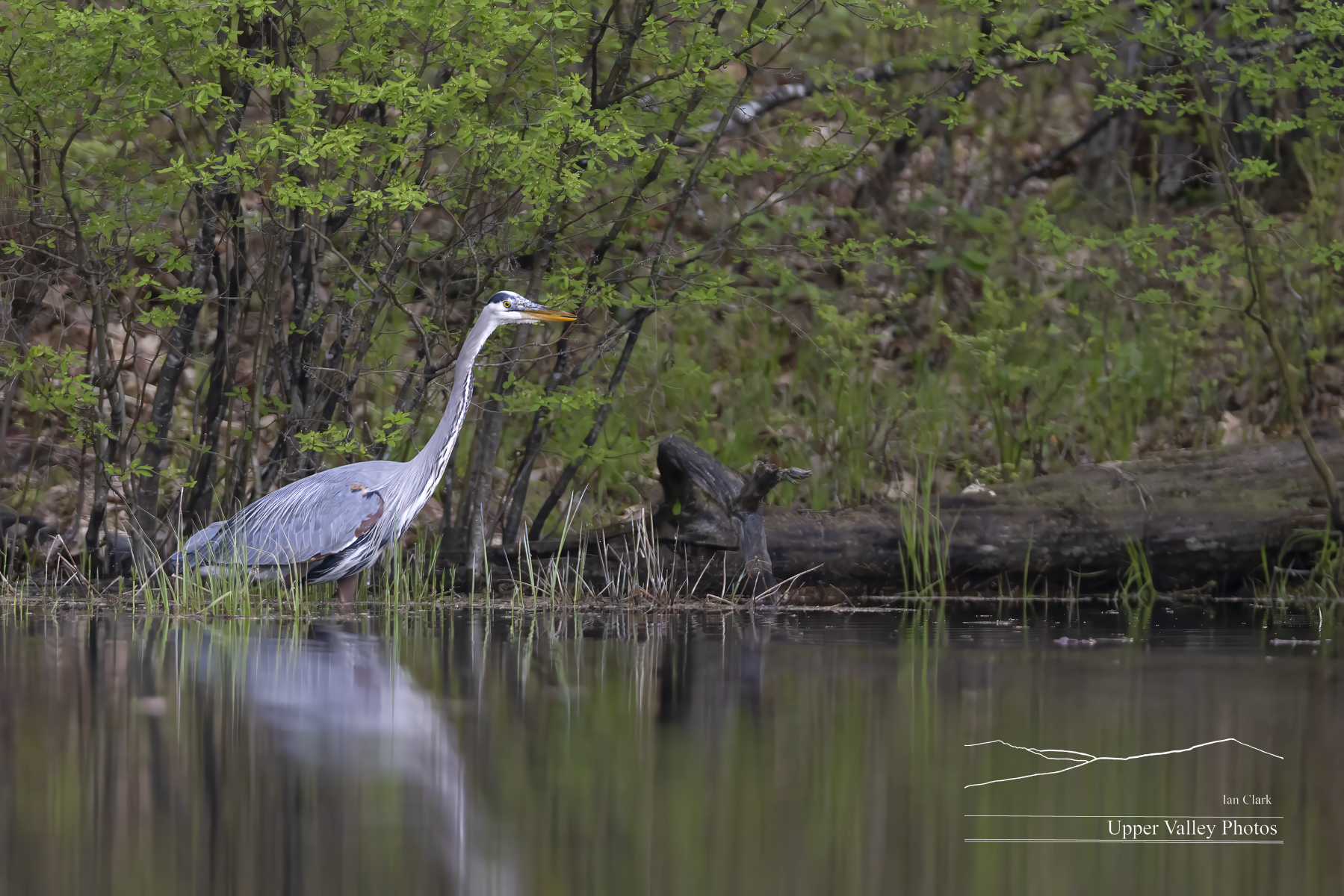
A chilly Friday found me paddling down the Waits River before dawn.
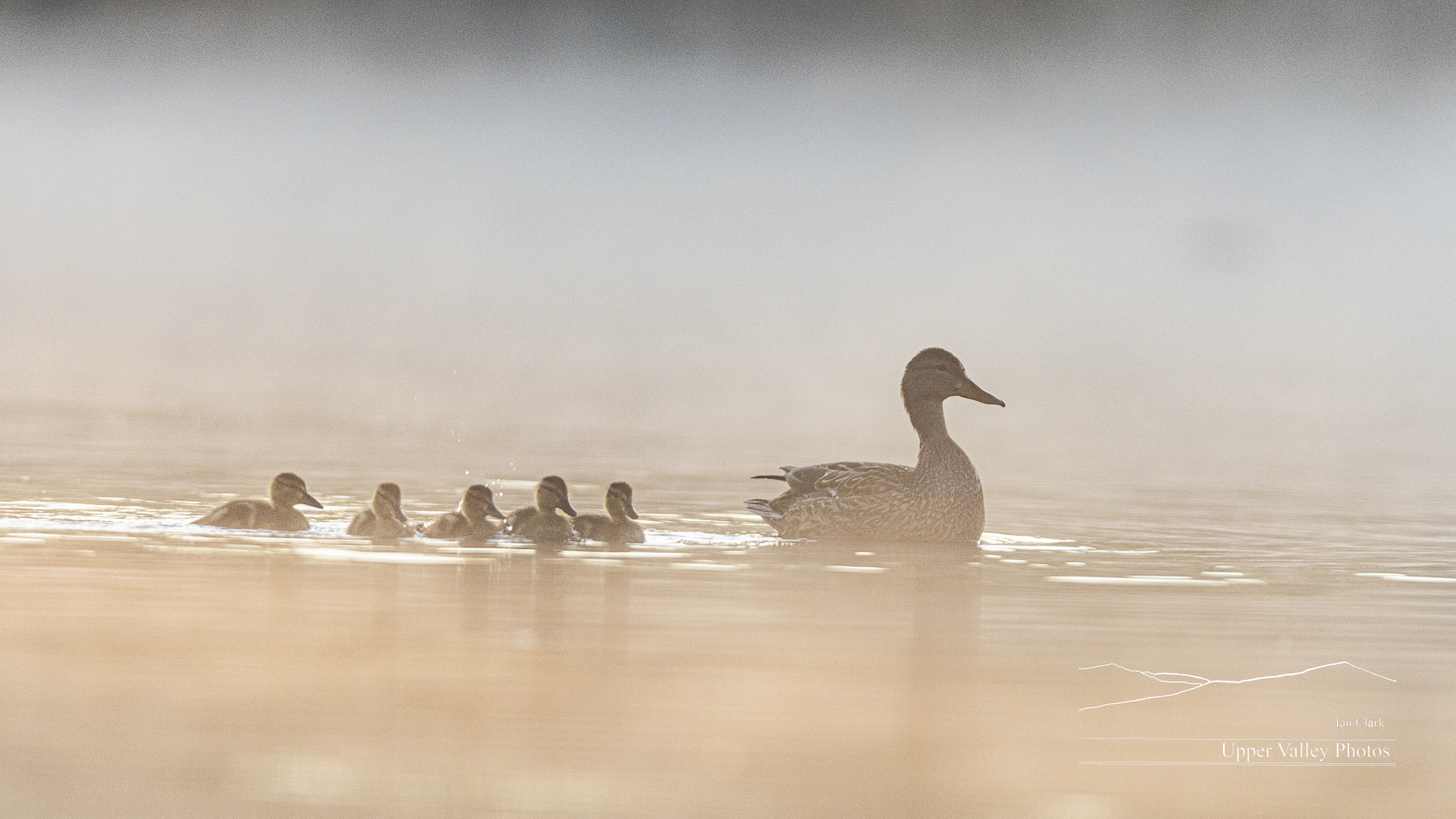
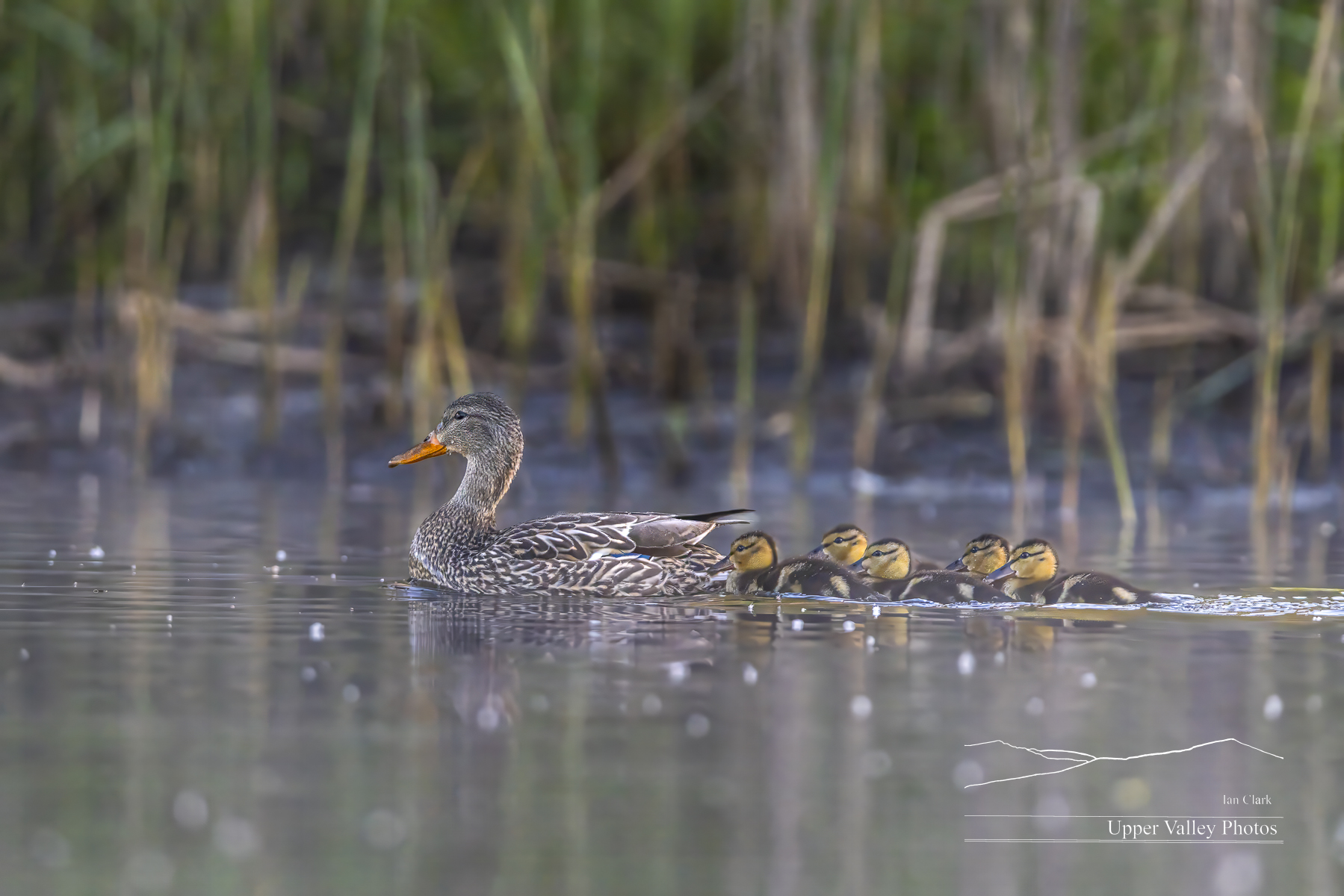
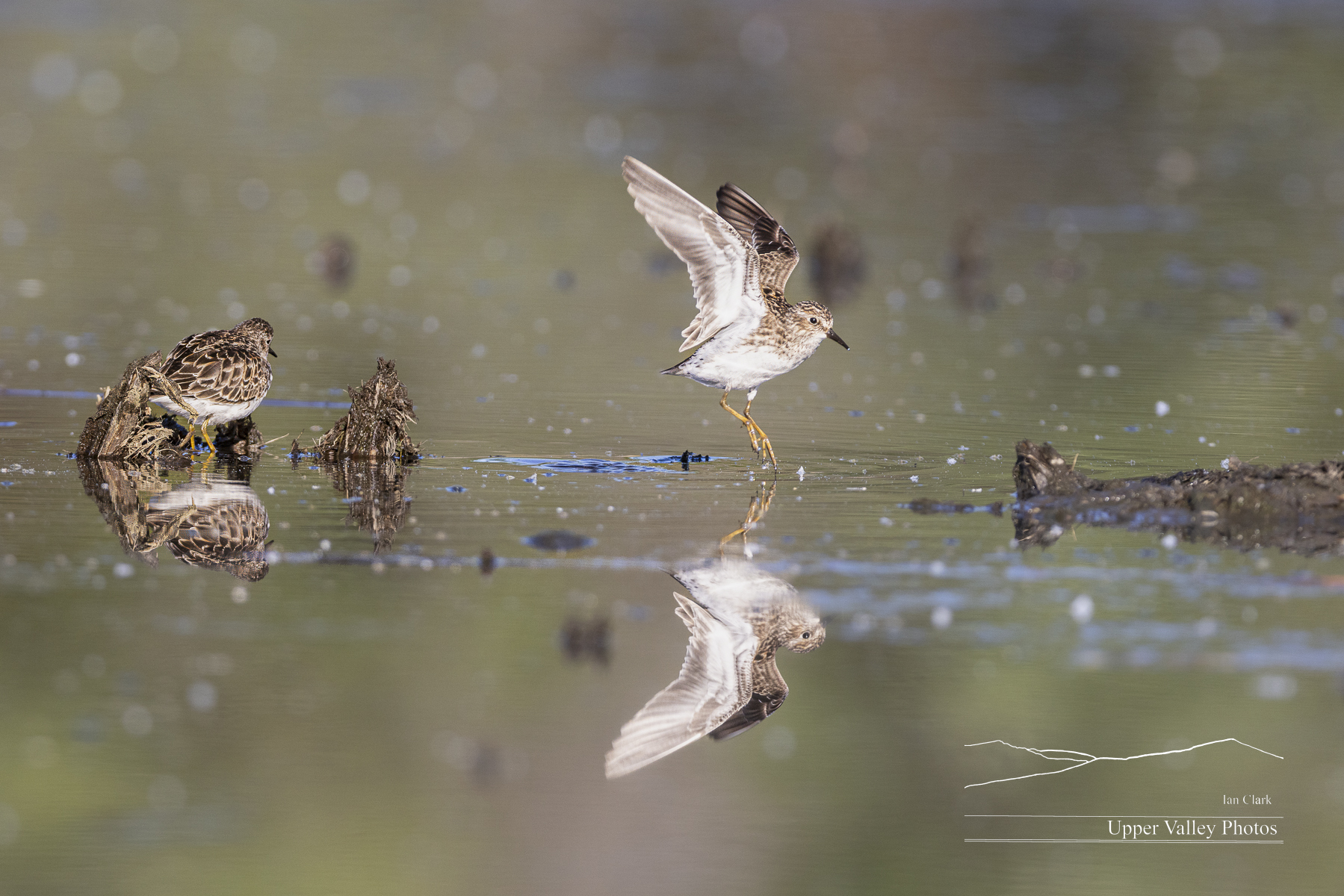
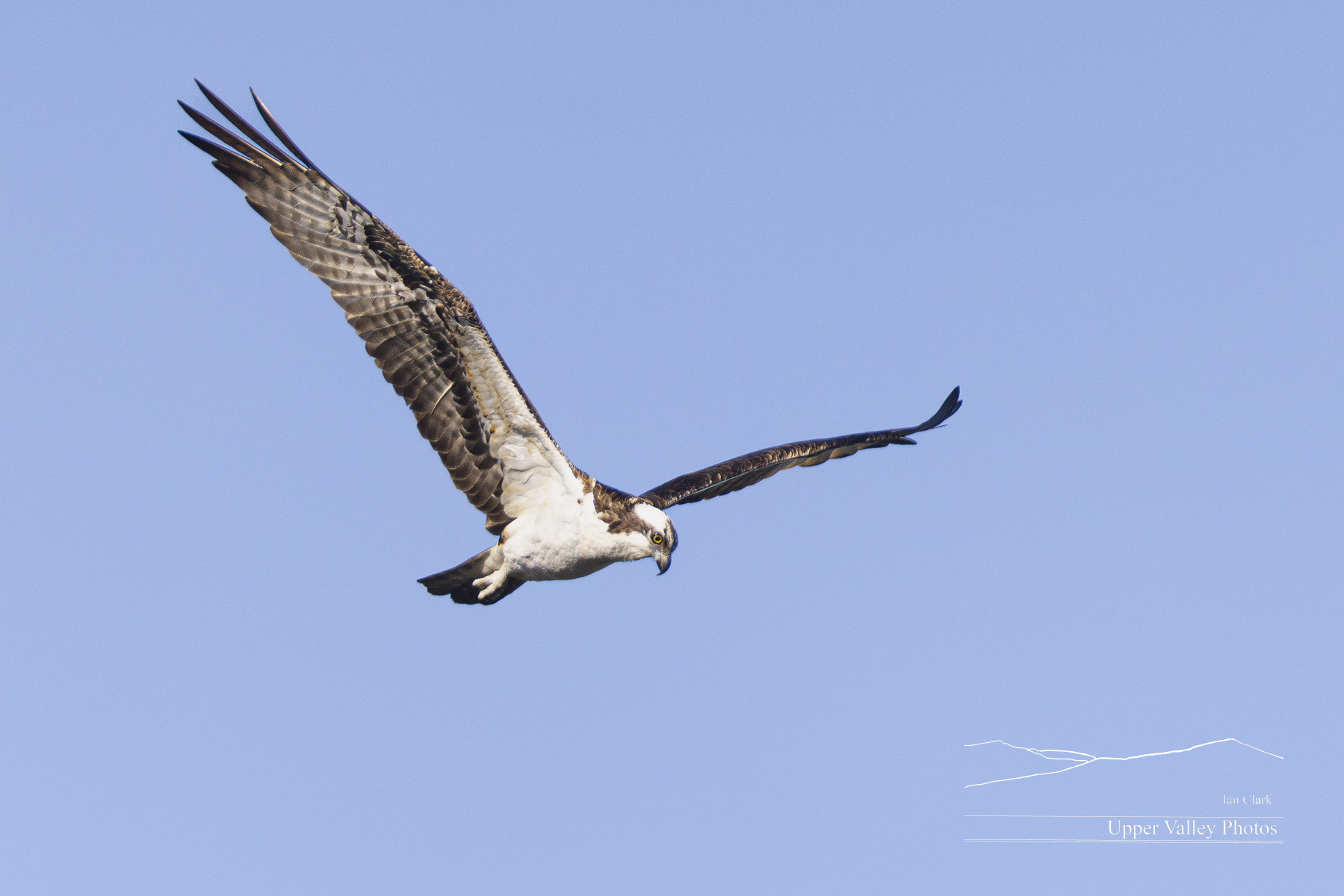
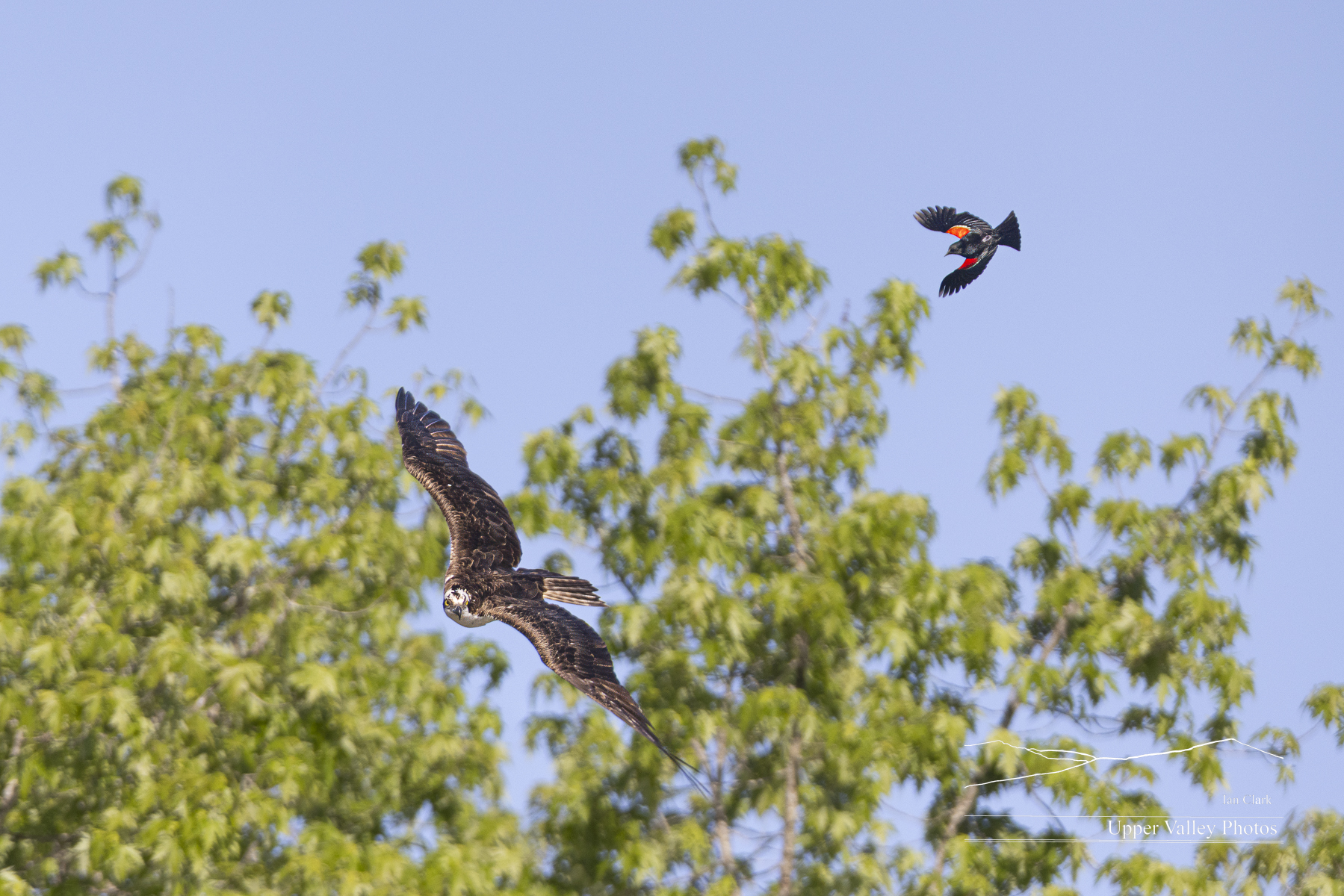
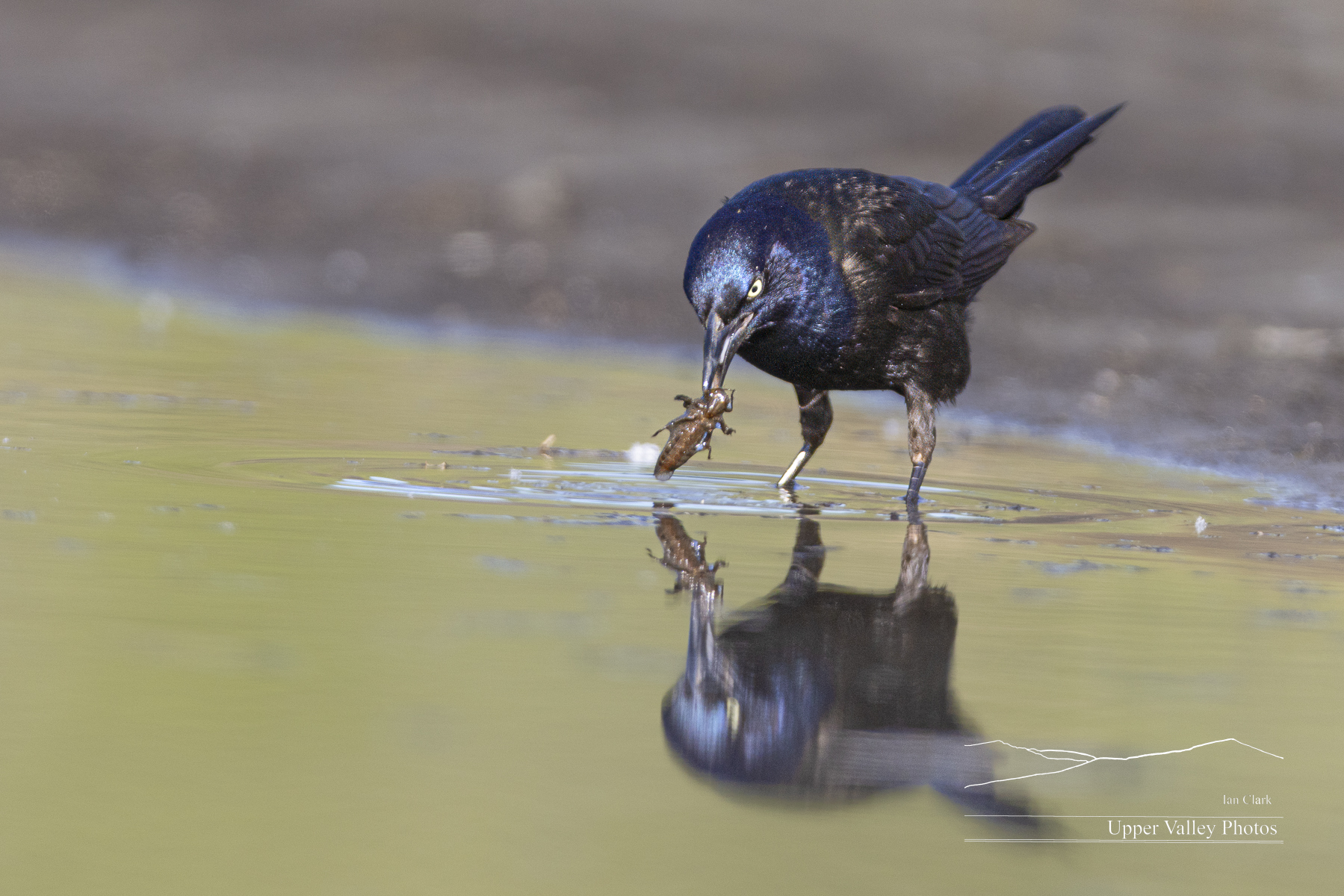
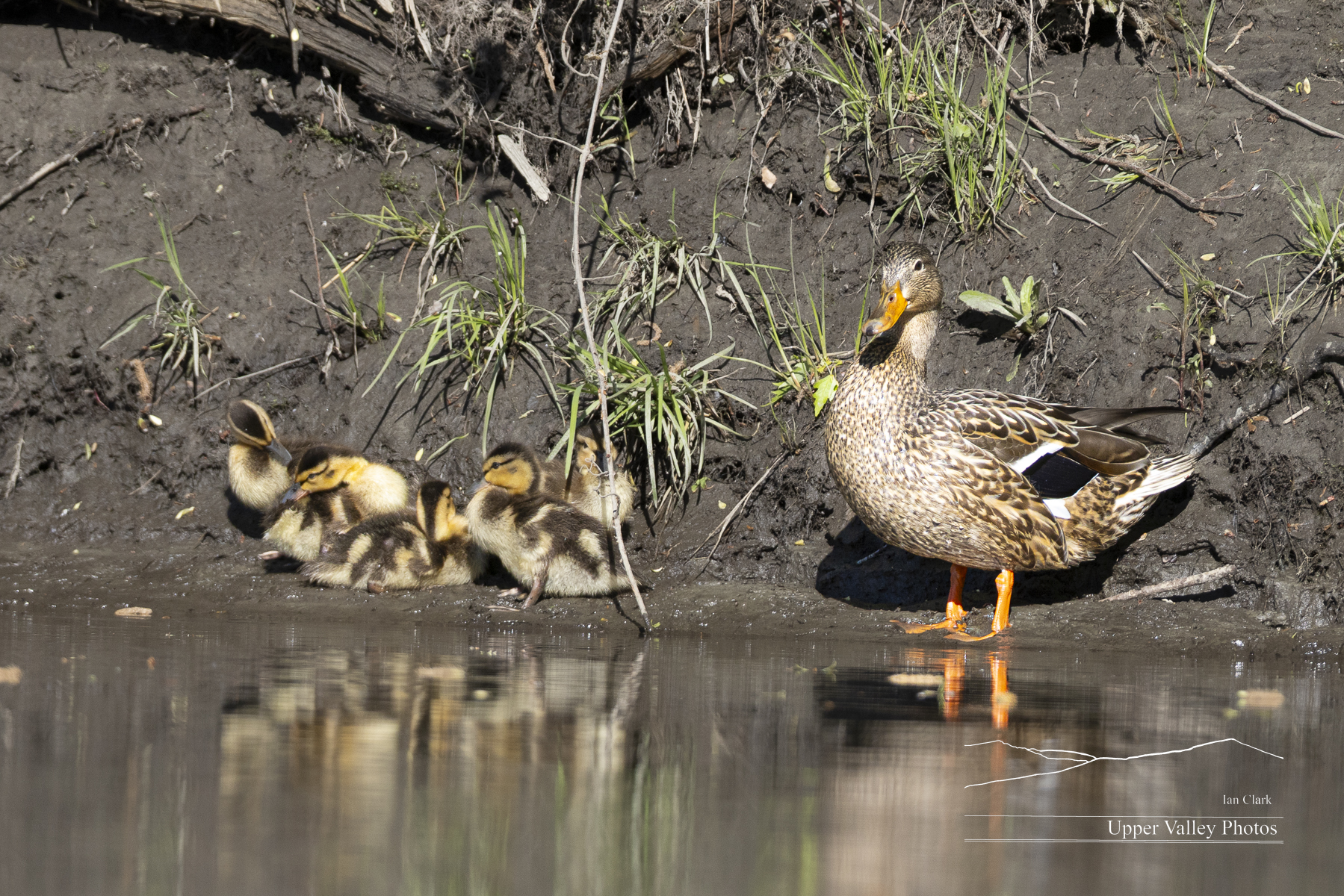
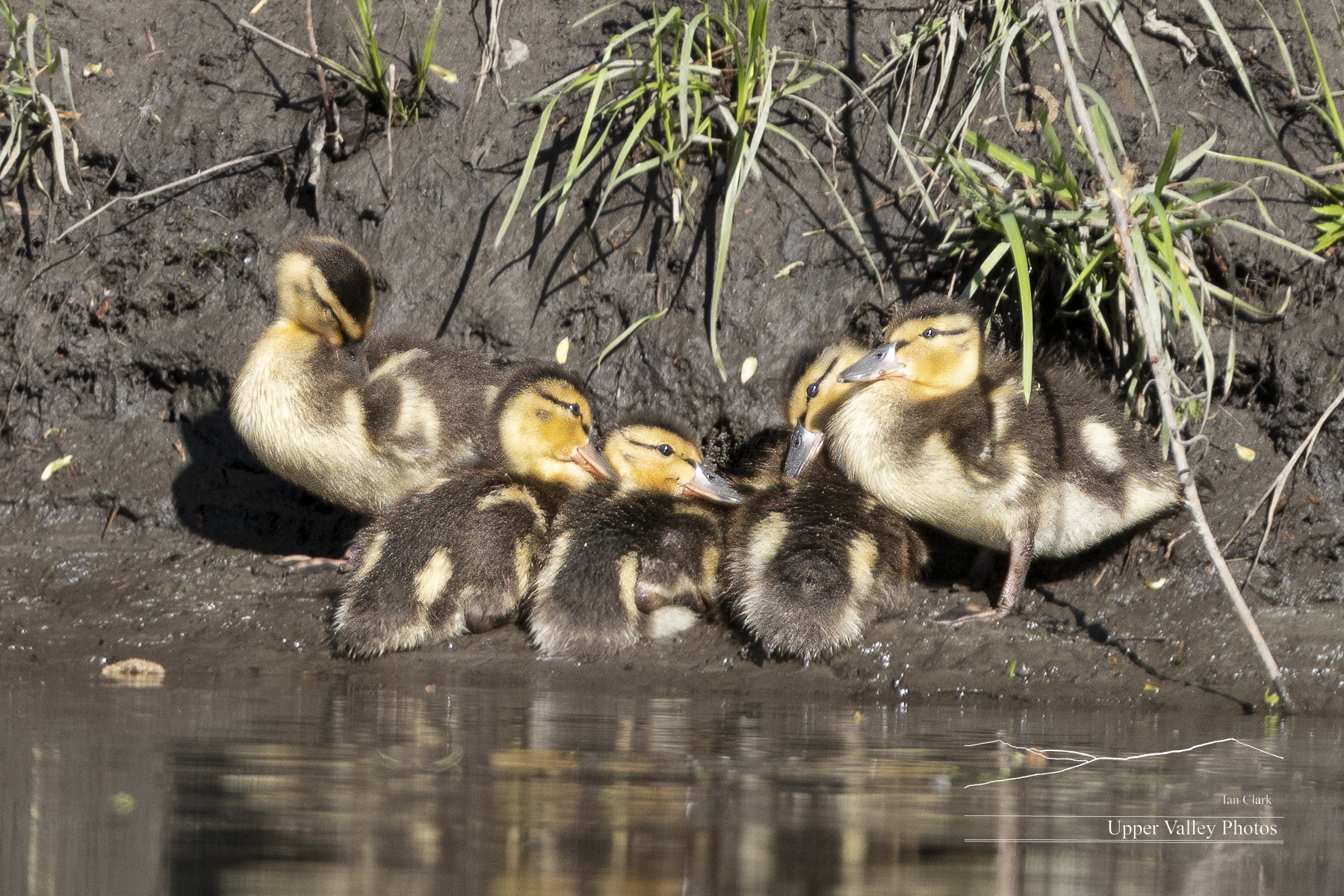
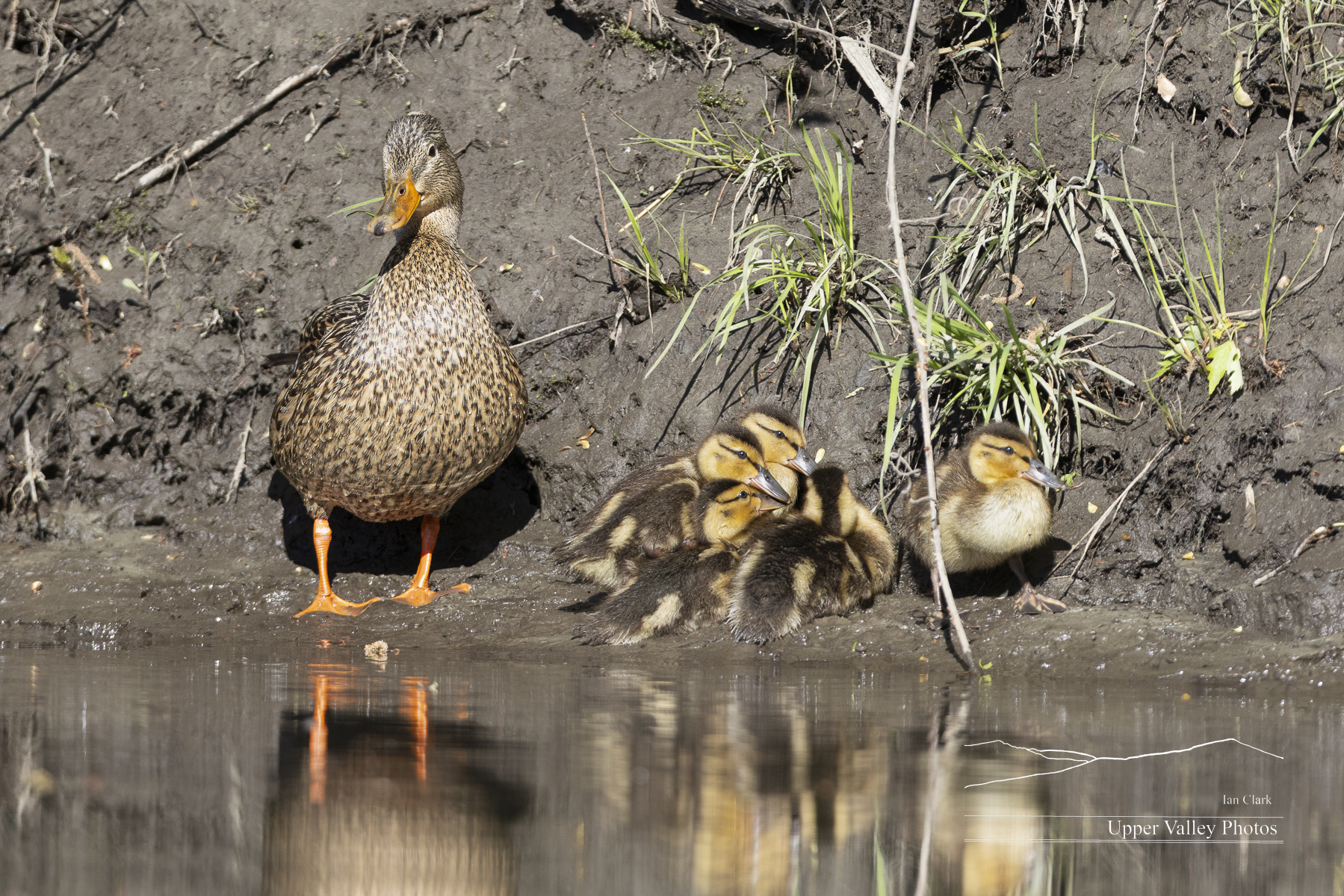
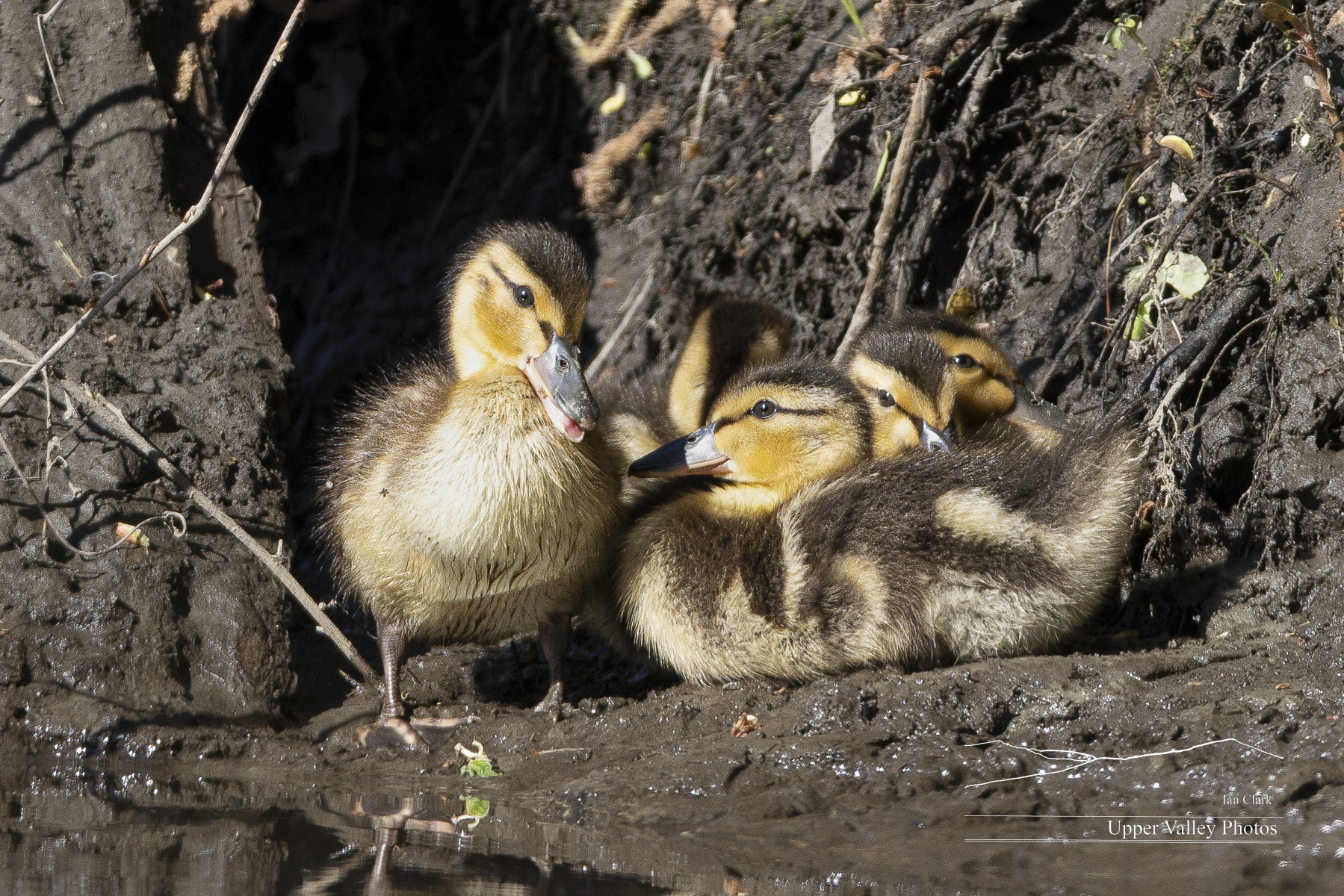
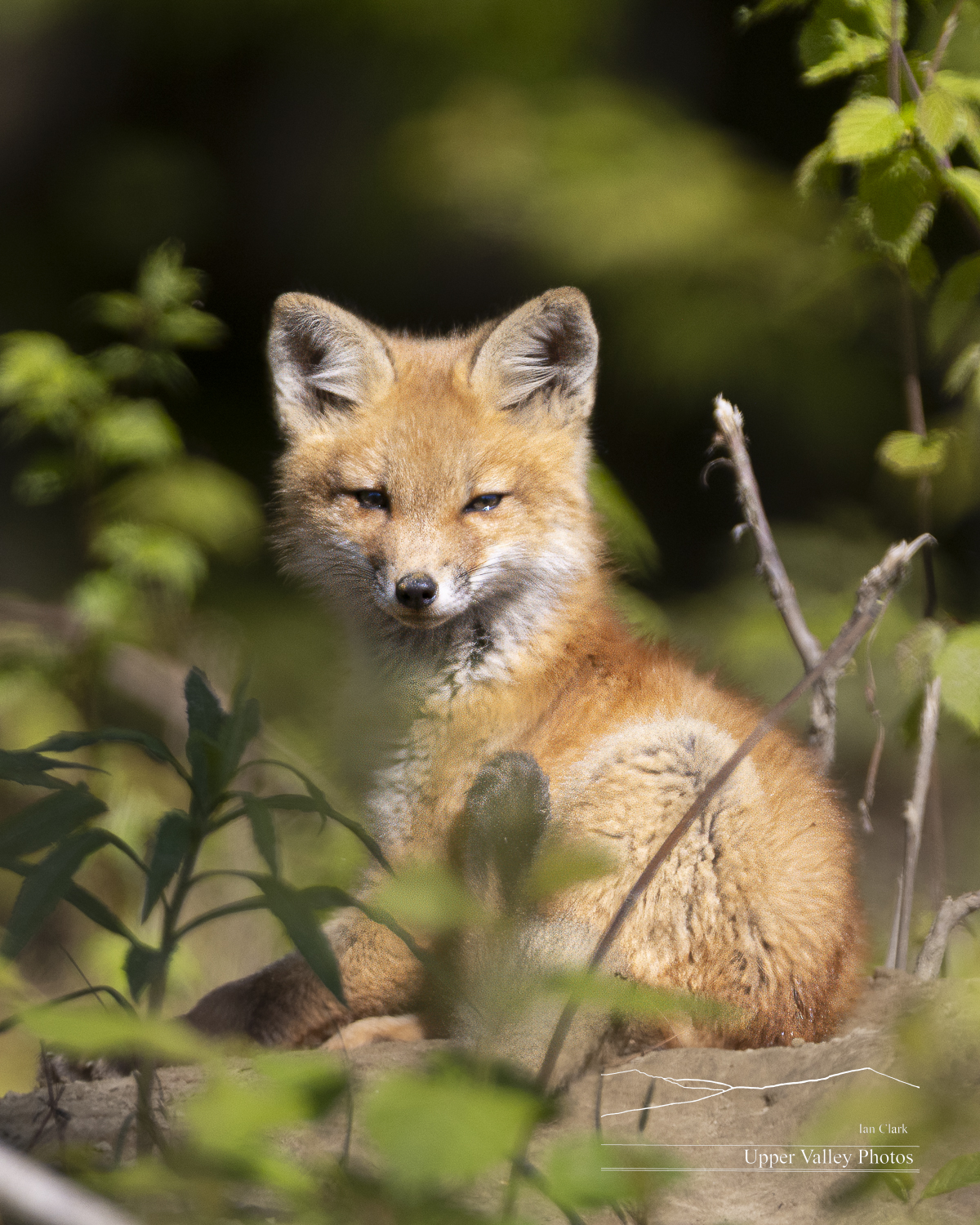
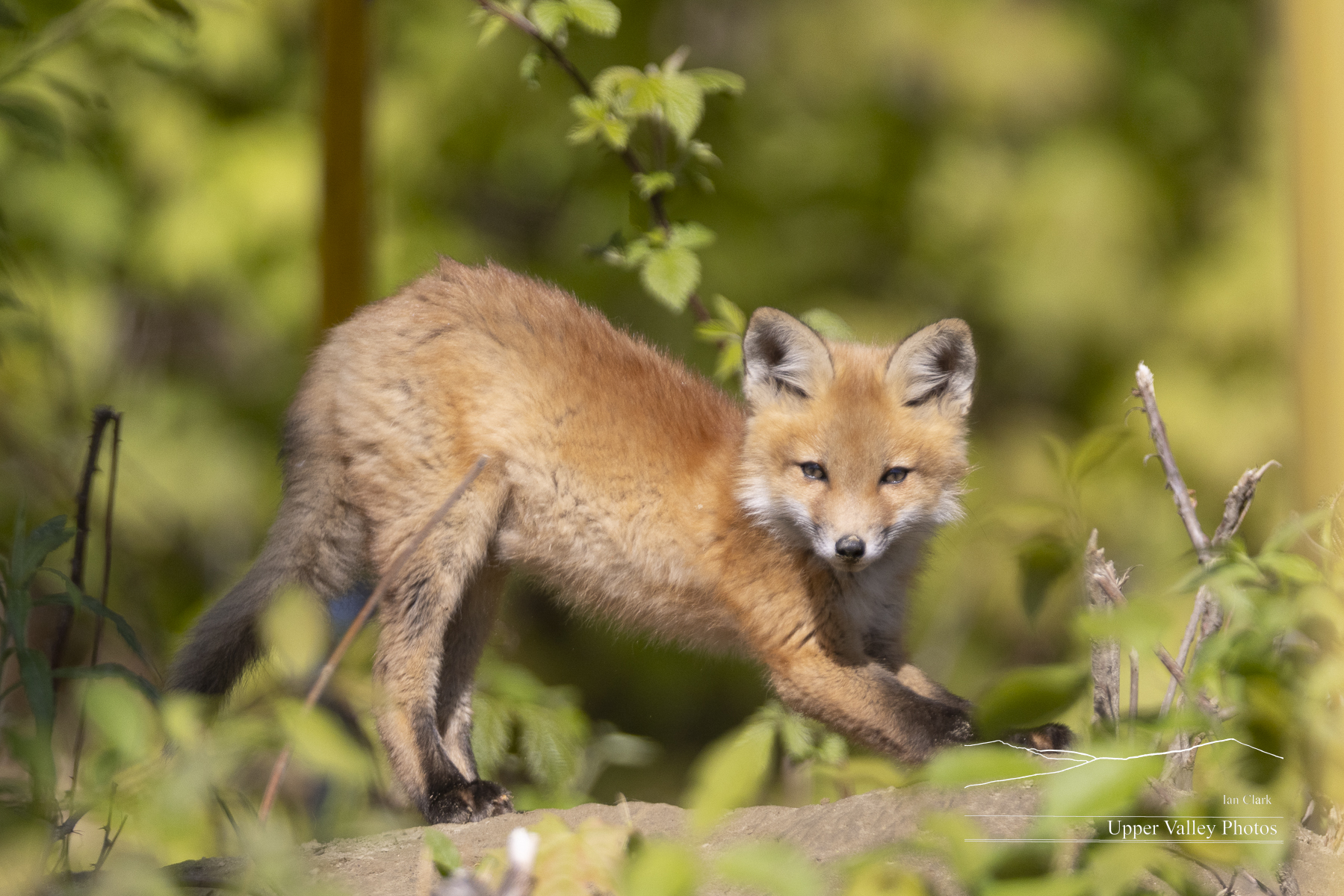
Yesterday I headed back to check on the fox kits.
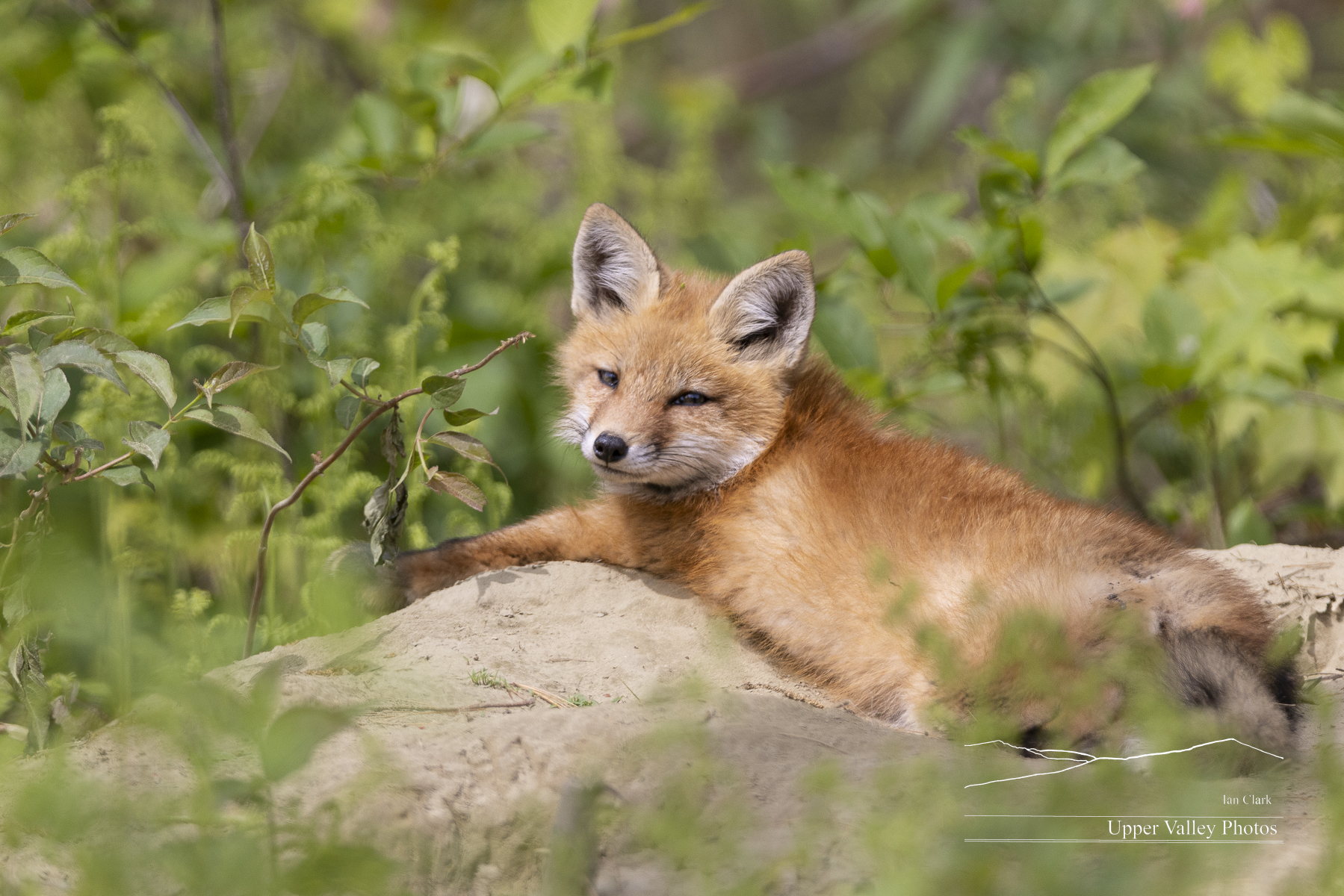
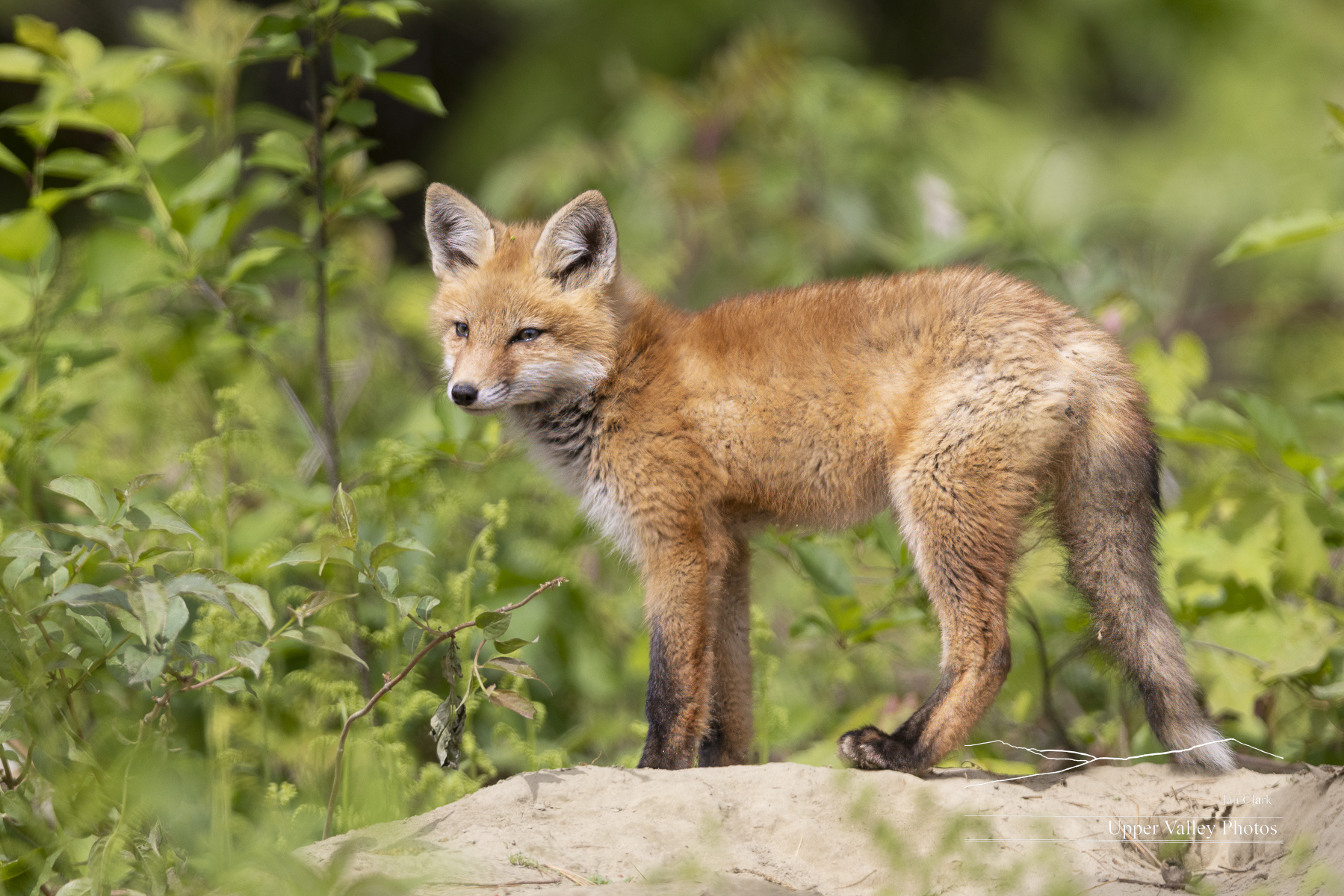

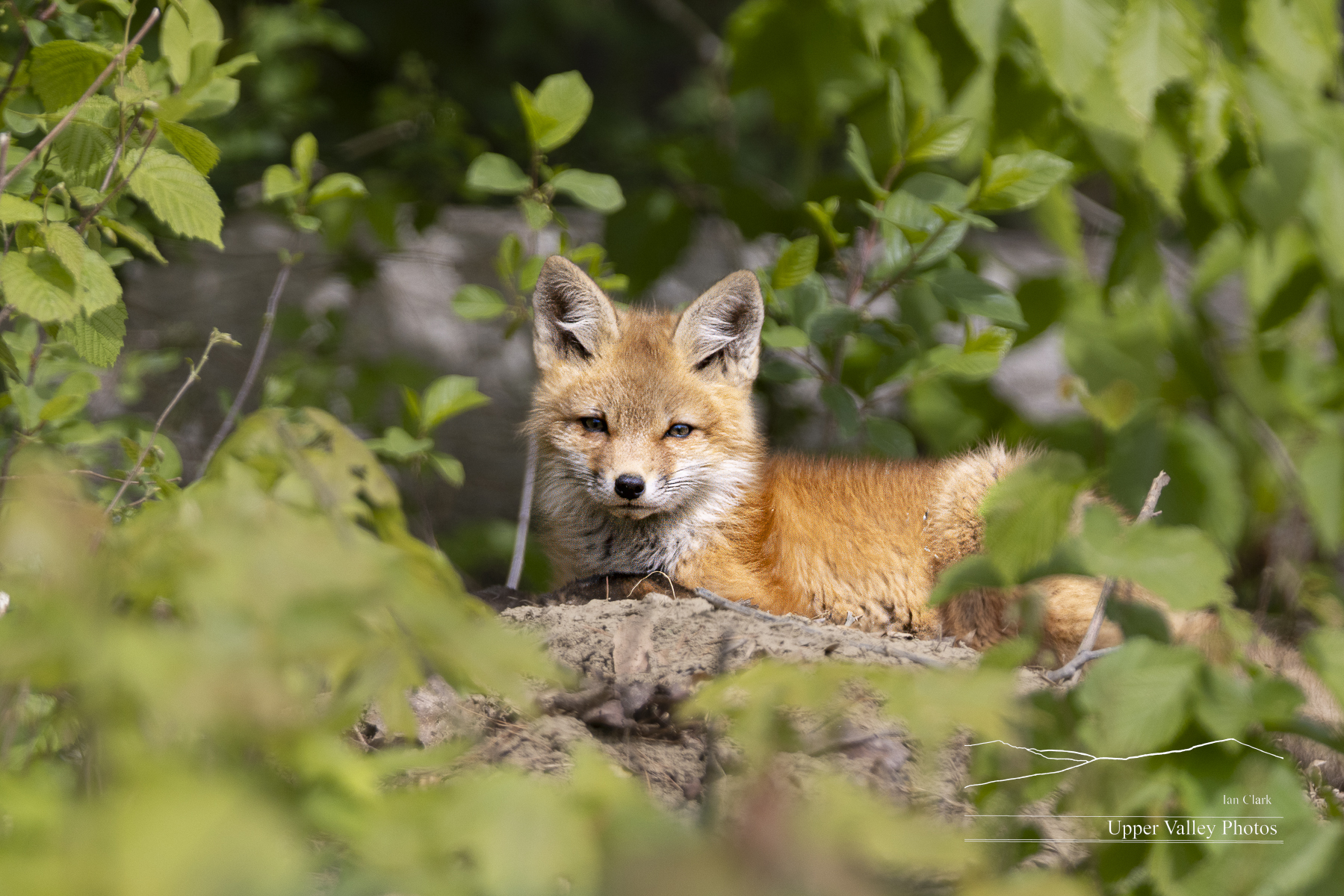
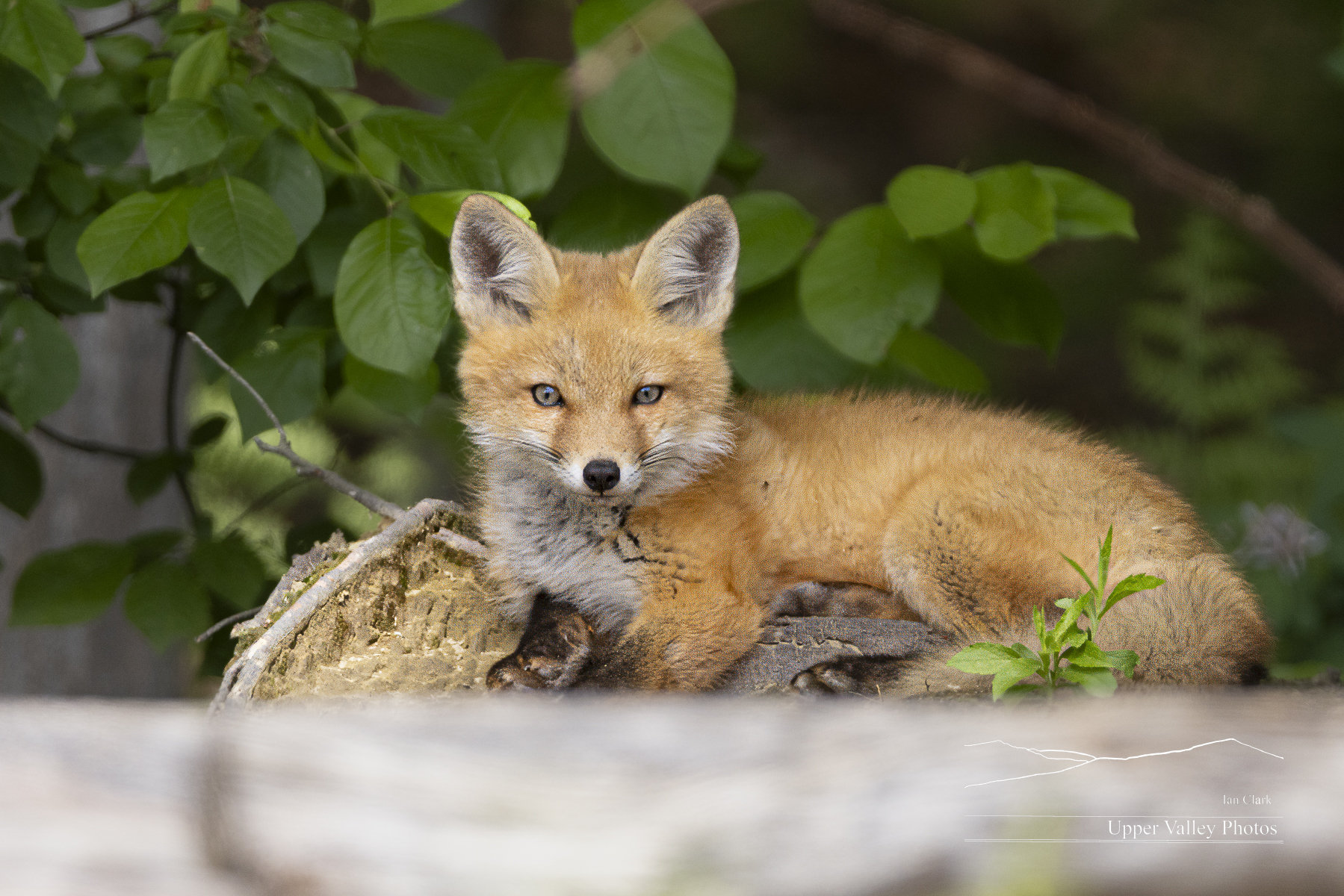
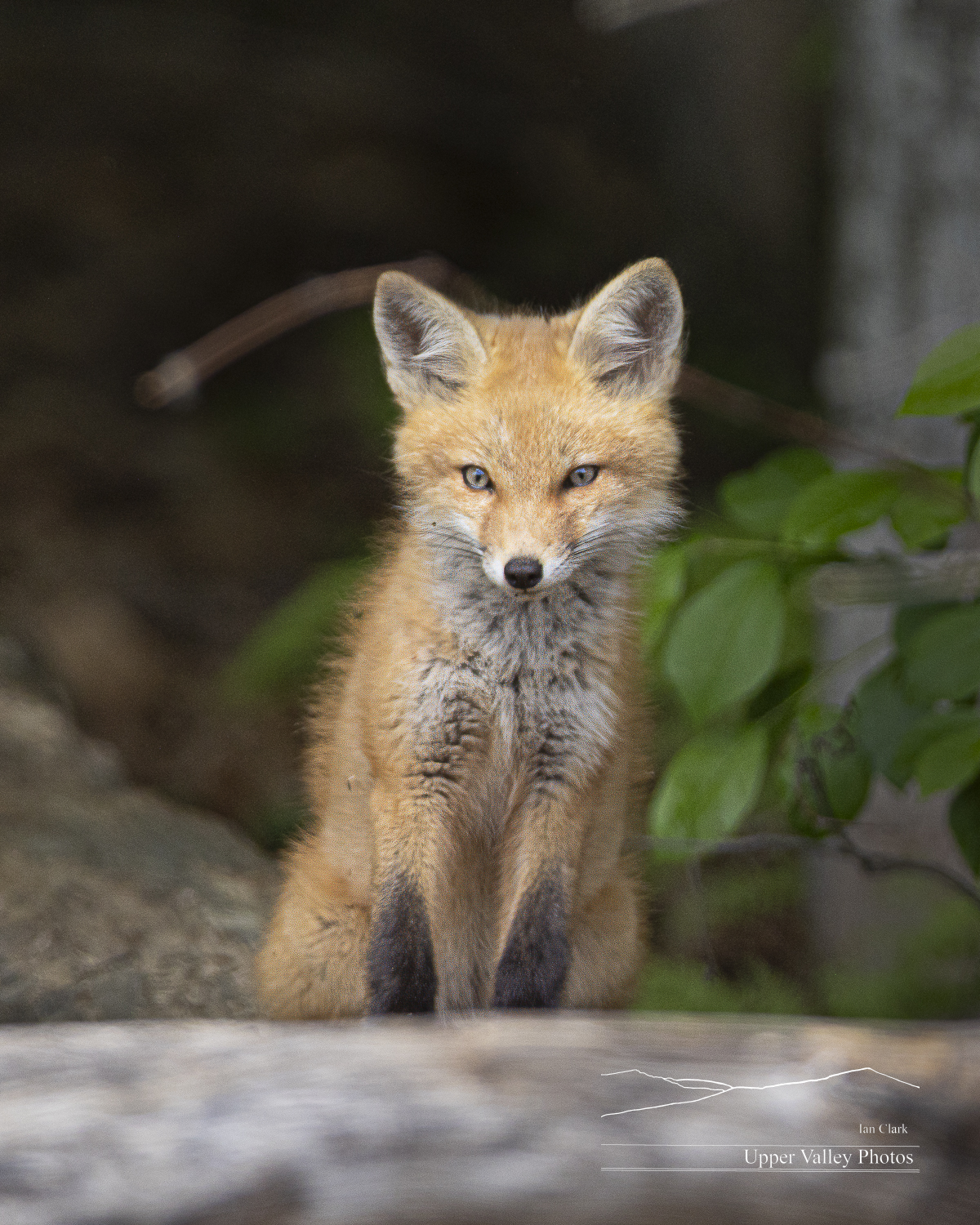
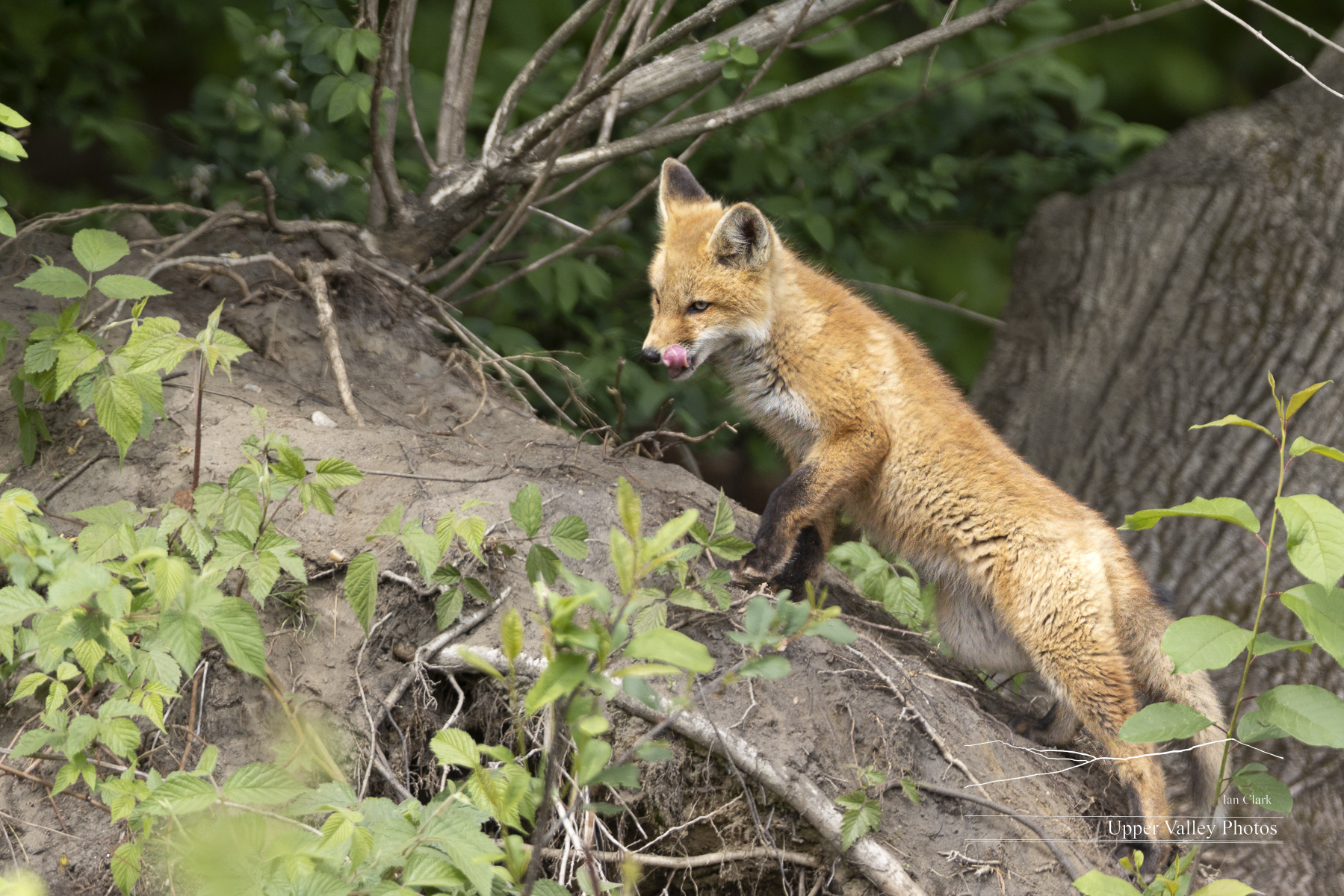
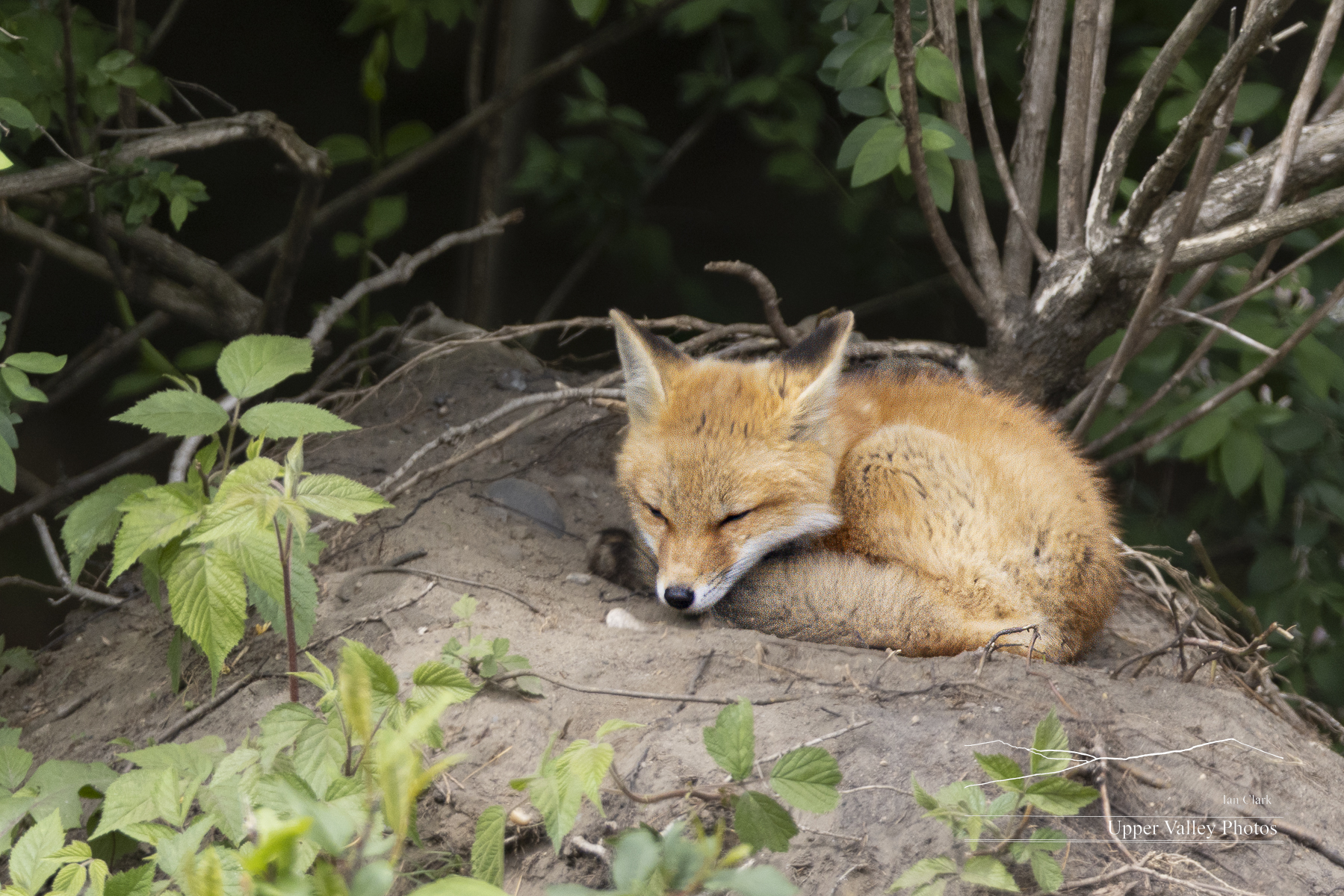
The clouds were moving in rapidly and the light was fading, I headed home.
You can sign up below to get an email when I add a new post. I won’t sell or share your info, all you’ll get is the occasional note that I put up a post. And, if you enjoy my posts, please share them with your friends and on your social media. Thanks!
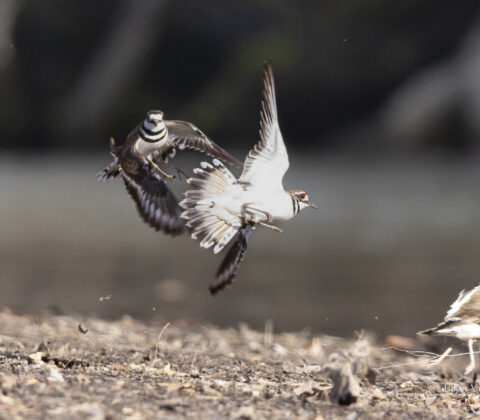
Rounding Up the Usual Suspects
The run of nice mornings let me get out several times since my last post. I’ve called on the Middletons and the Westons, visited the falcons and the heron rookery as well as paddled in the Connecticut. This is a roundup of what I saw.
I’m still looking for fox, coyote and bobcat dens. And other mammals bigger than a squirrel. If you’ve got them hanging around where I won’t be in the way photographing them, I’d love to know.
I’ll be giving my slideshow An Uncommon Look at the Common Loon at the Rockingham, Vermont, Library this Saturday May 2, at 11 am. Free and everyone welcome. And I have prints of some of my favorite loon photos hanging in the Library now. Stop in and have a look. Later in the month, I’ll be doing my slideshow of my favorite shots from 2025 at the Bugbee Center in White River Jct. at 1:30 pm on Wednesday May 27 and again at the Blake Memorial Library in Corinth, VT at 6:00 pm on Friday May 27. On to the critters…
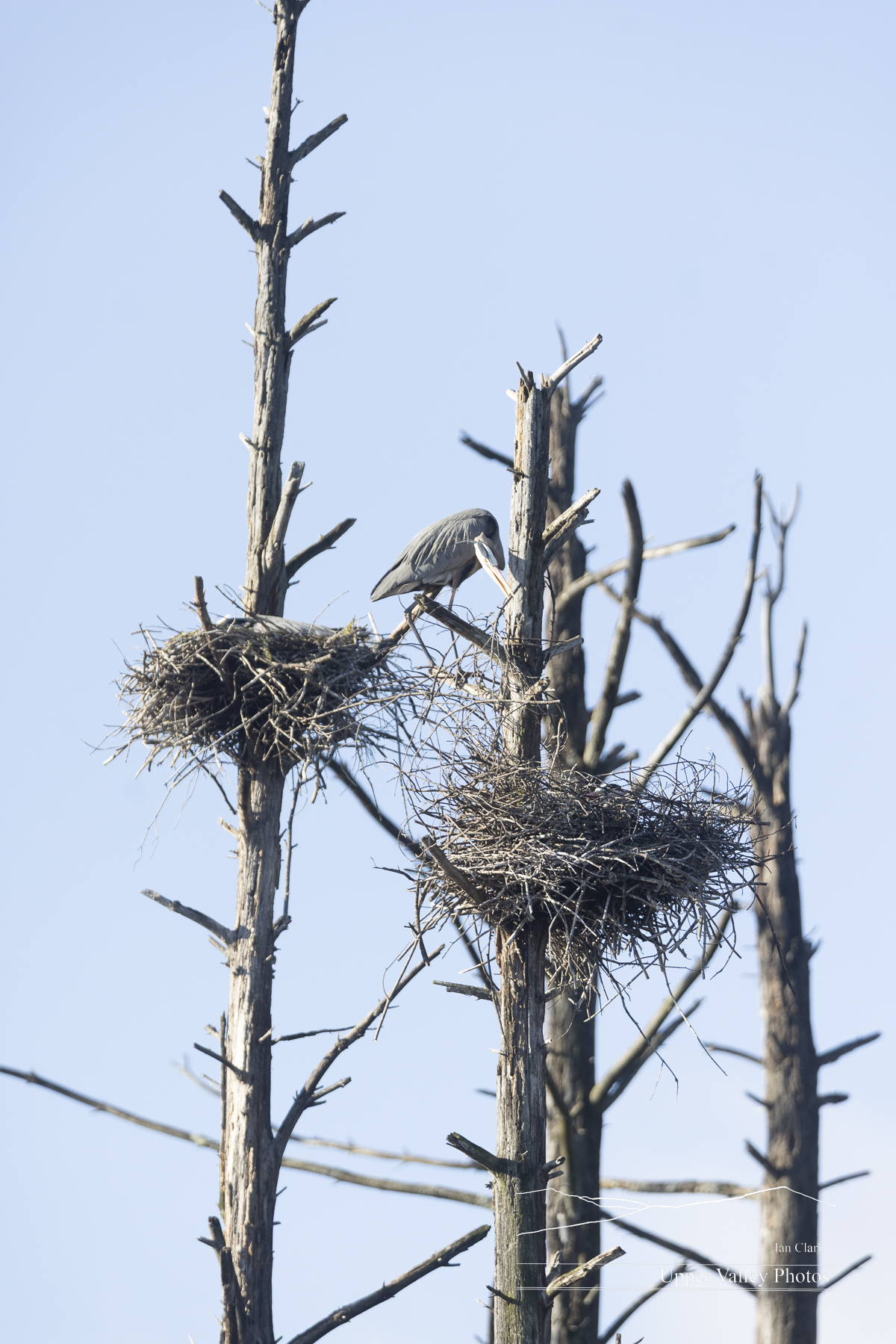
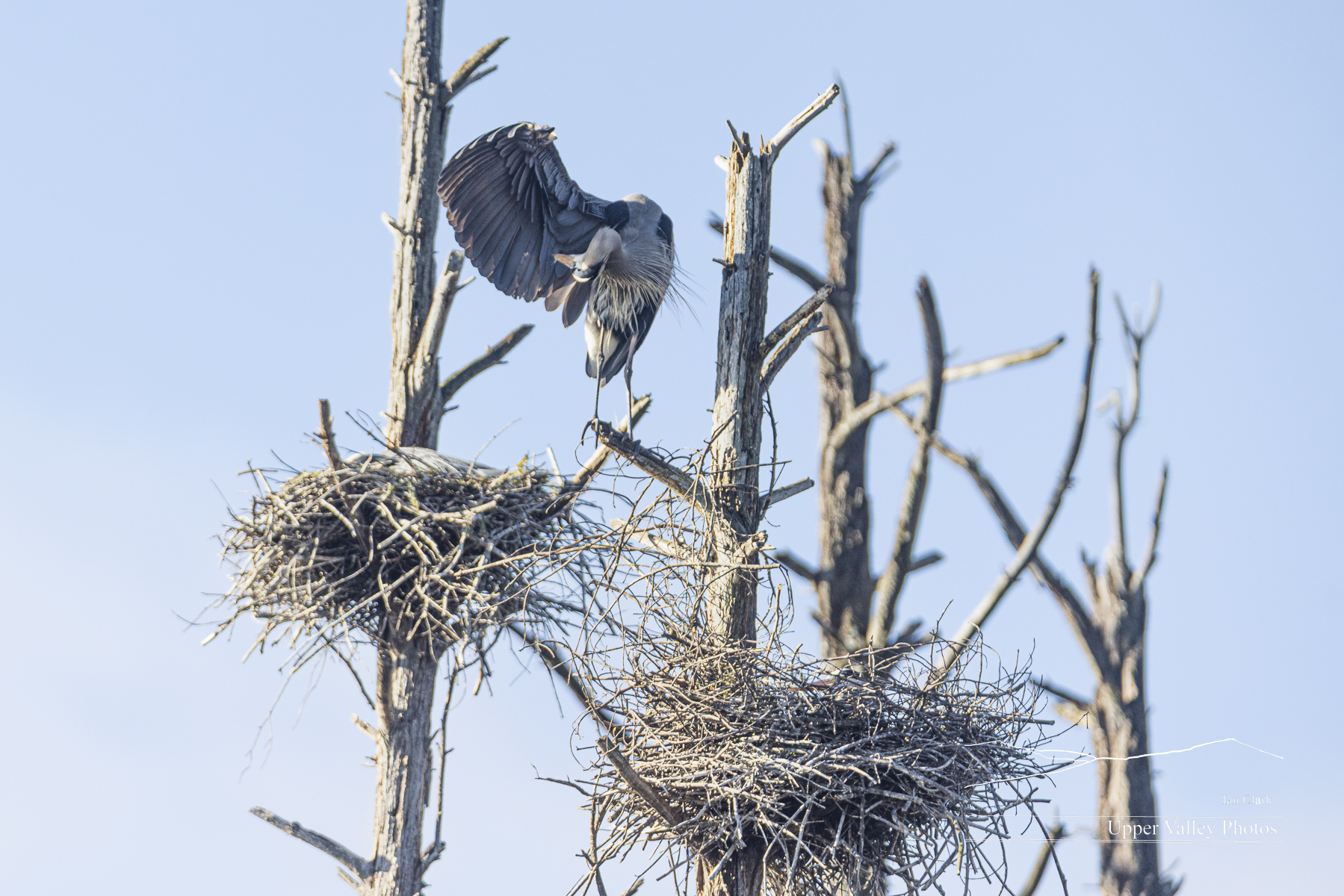
I’ve managed to visit the herons twice. The first visit found some herons sitting on their eggs and the others putting the finishing touches on their nests.
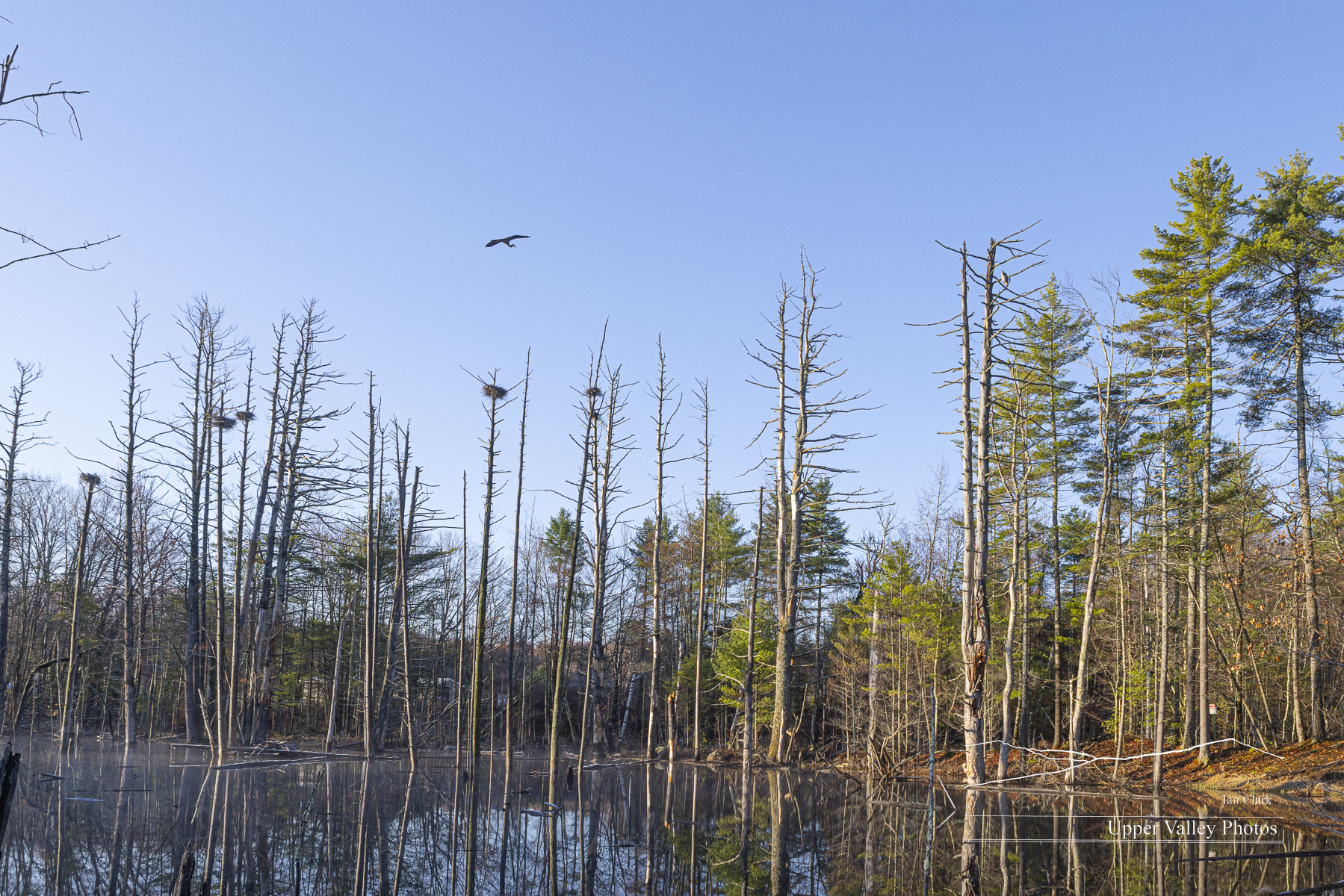
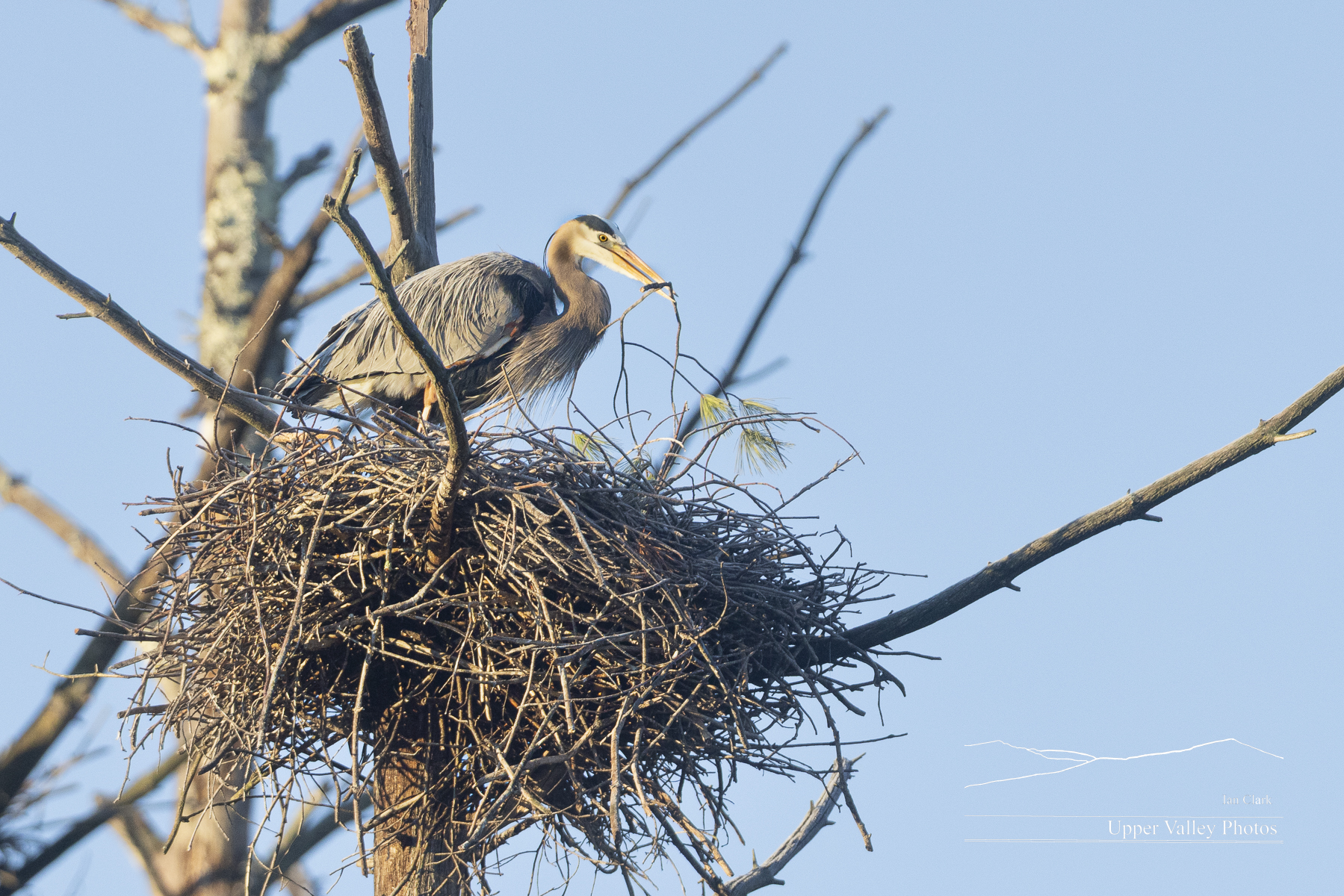
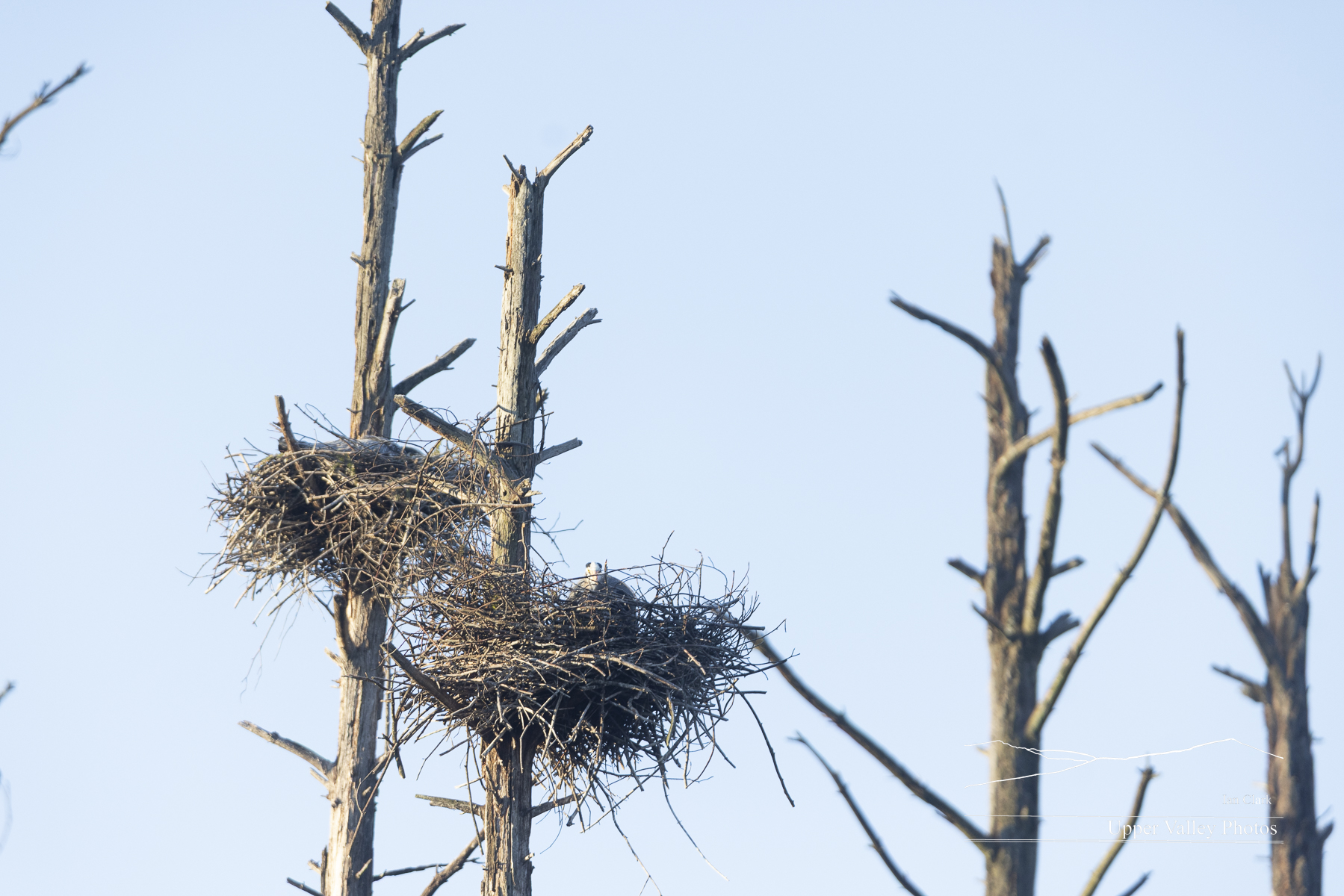
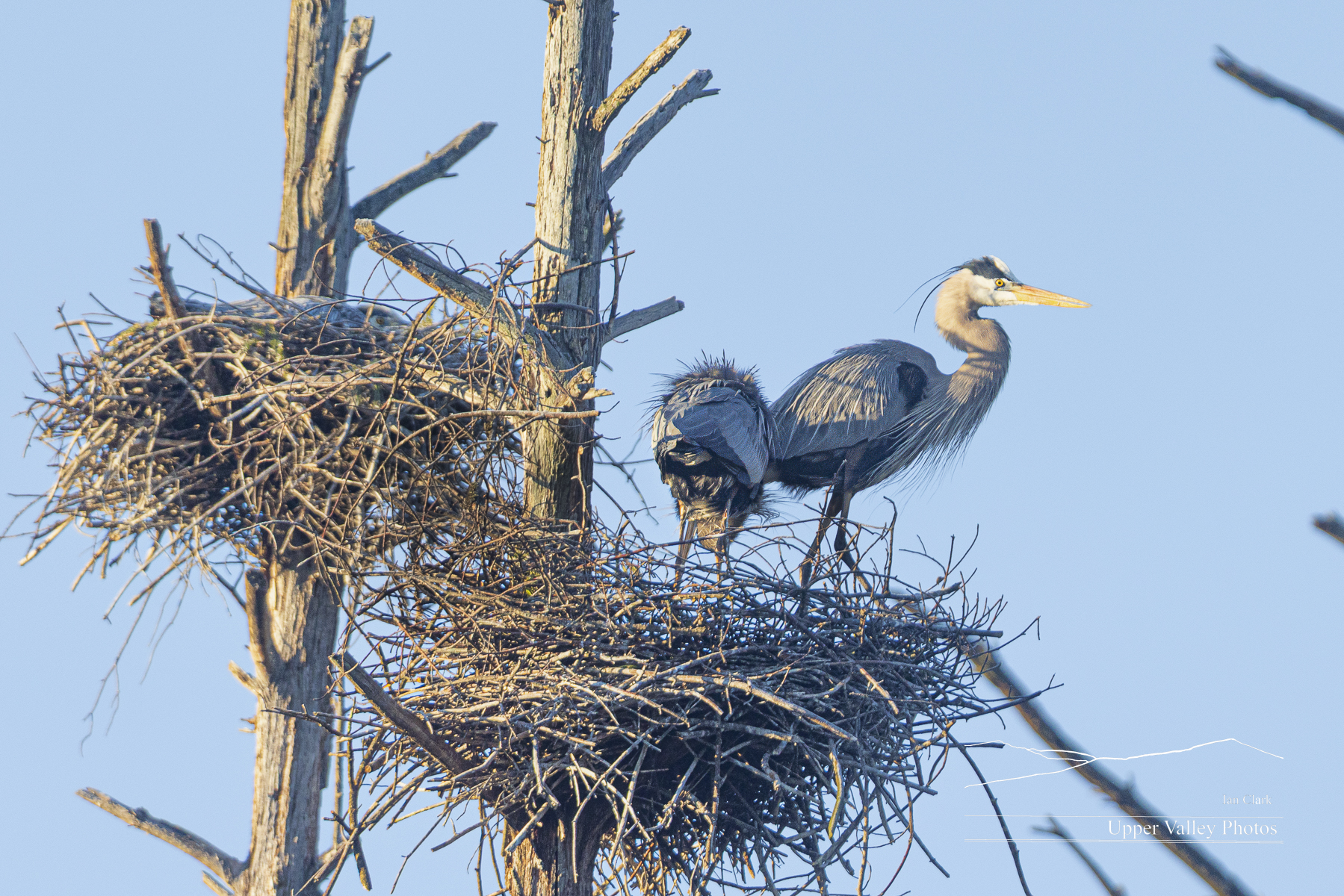
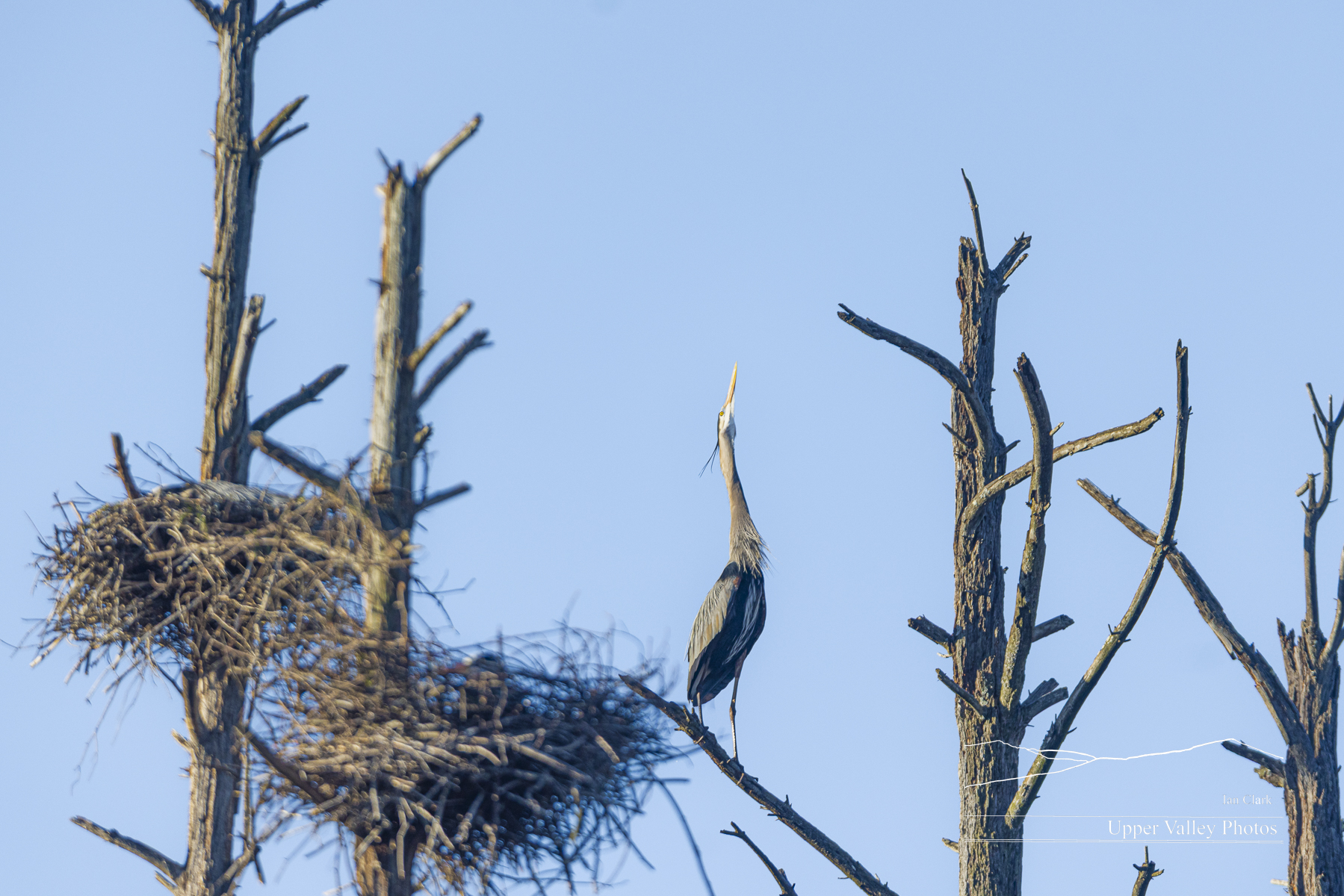
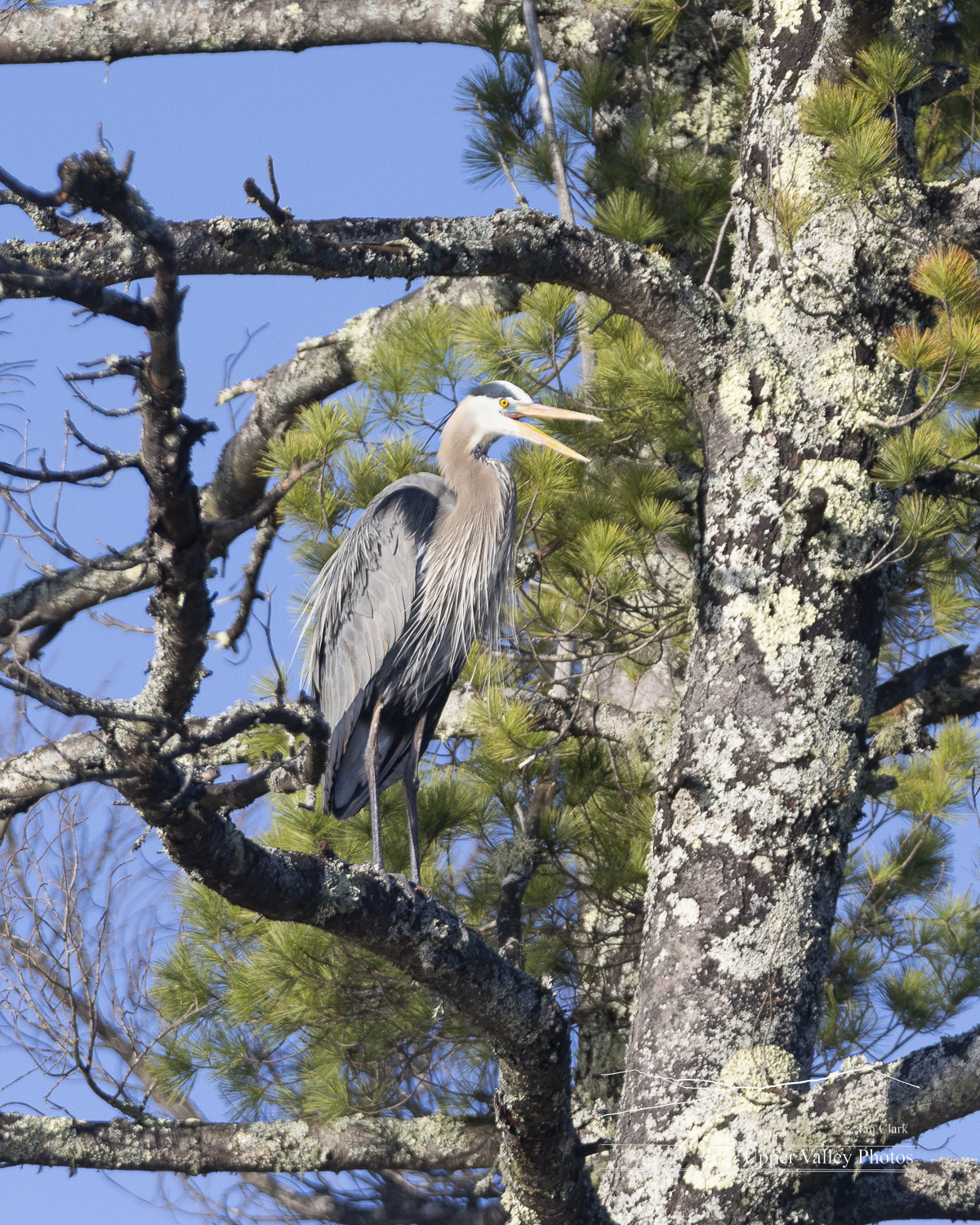
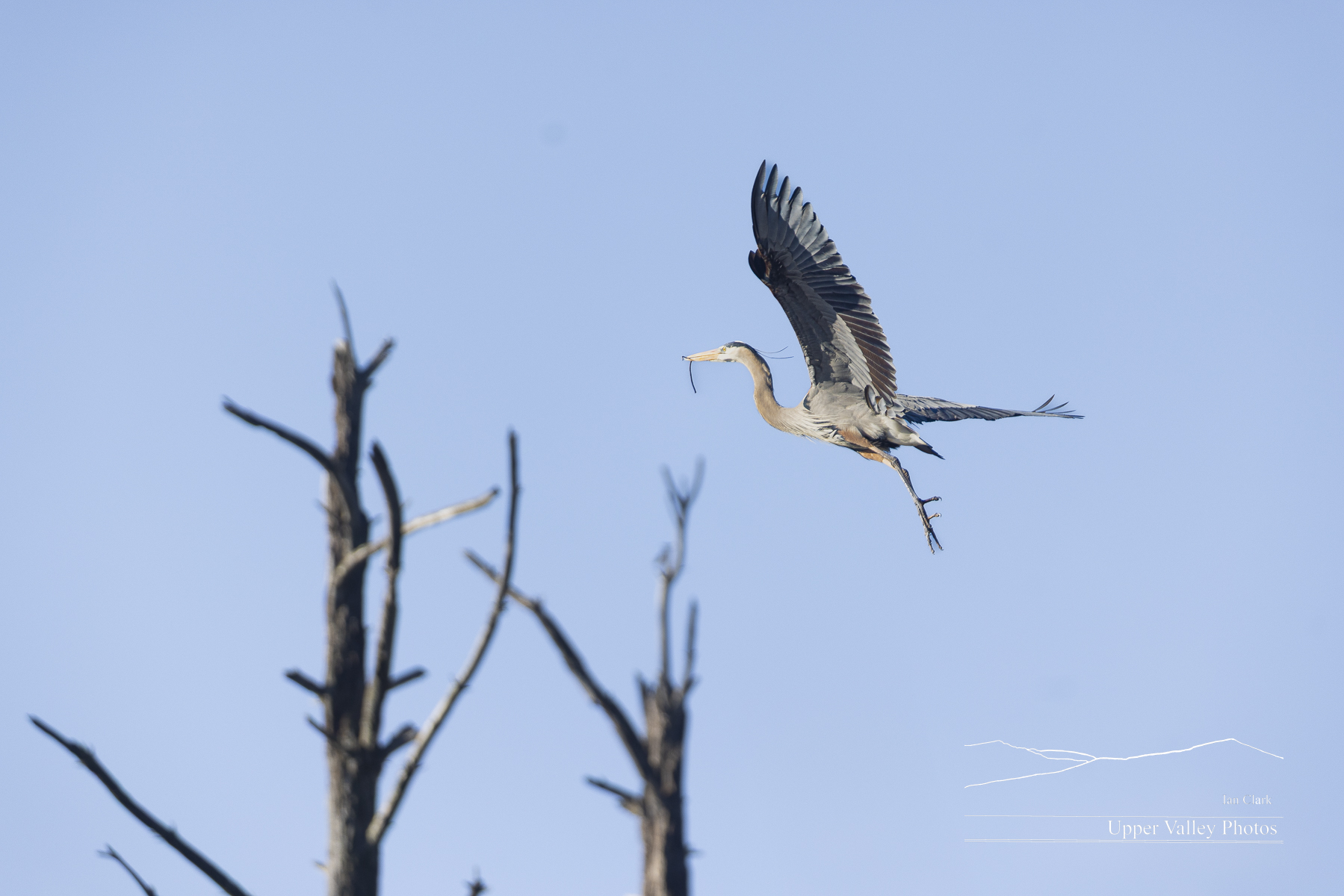
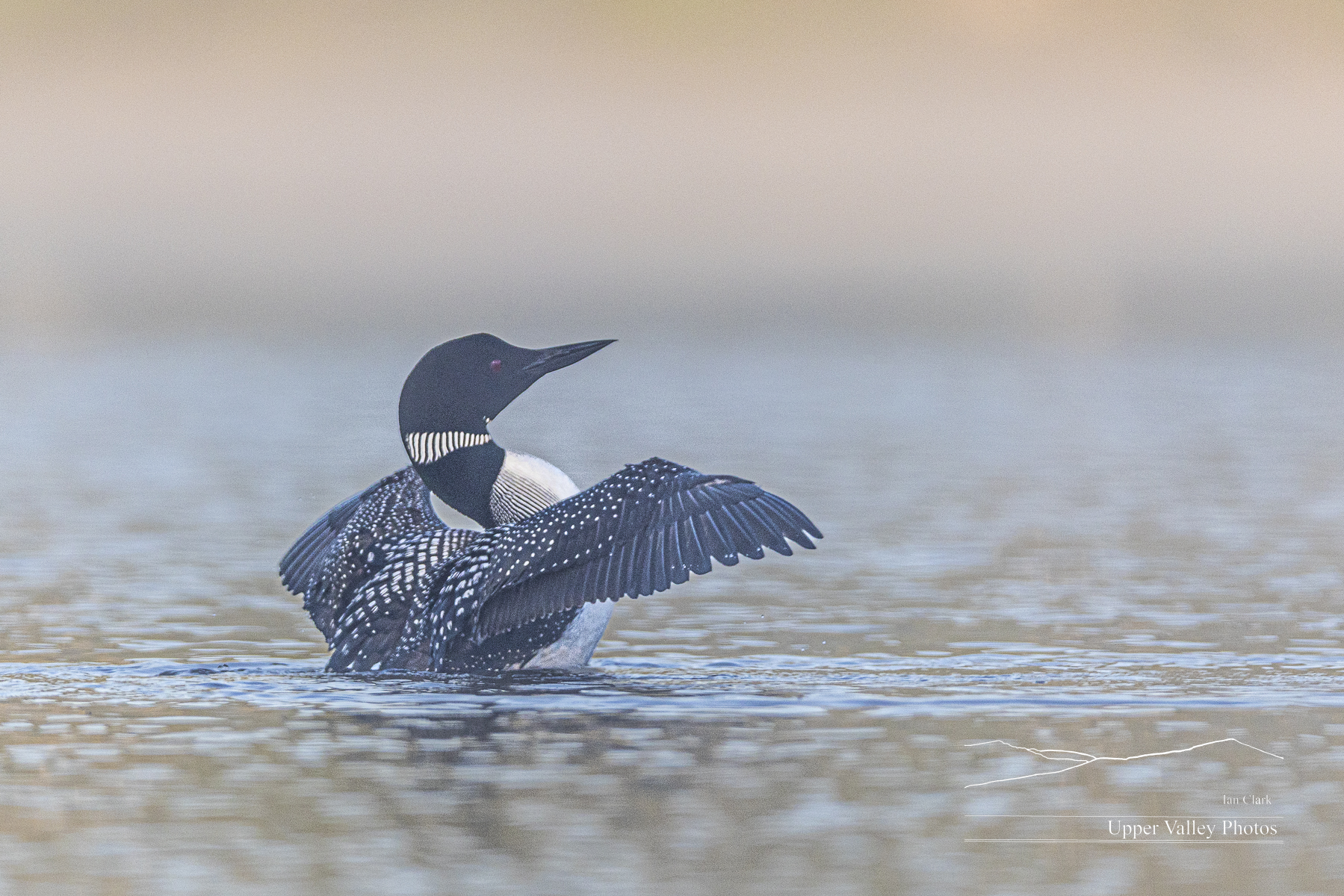
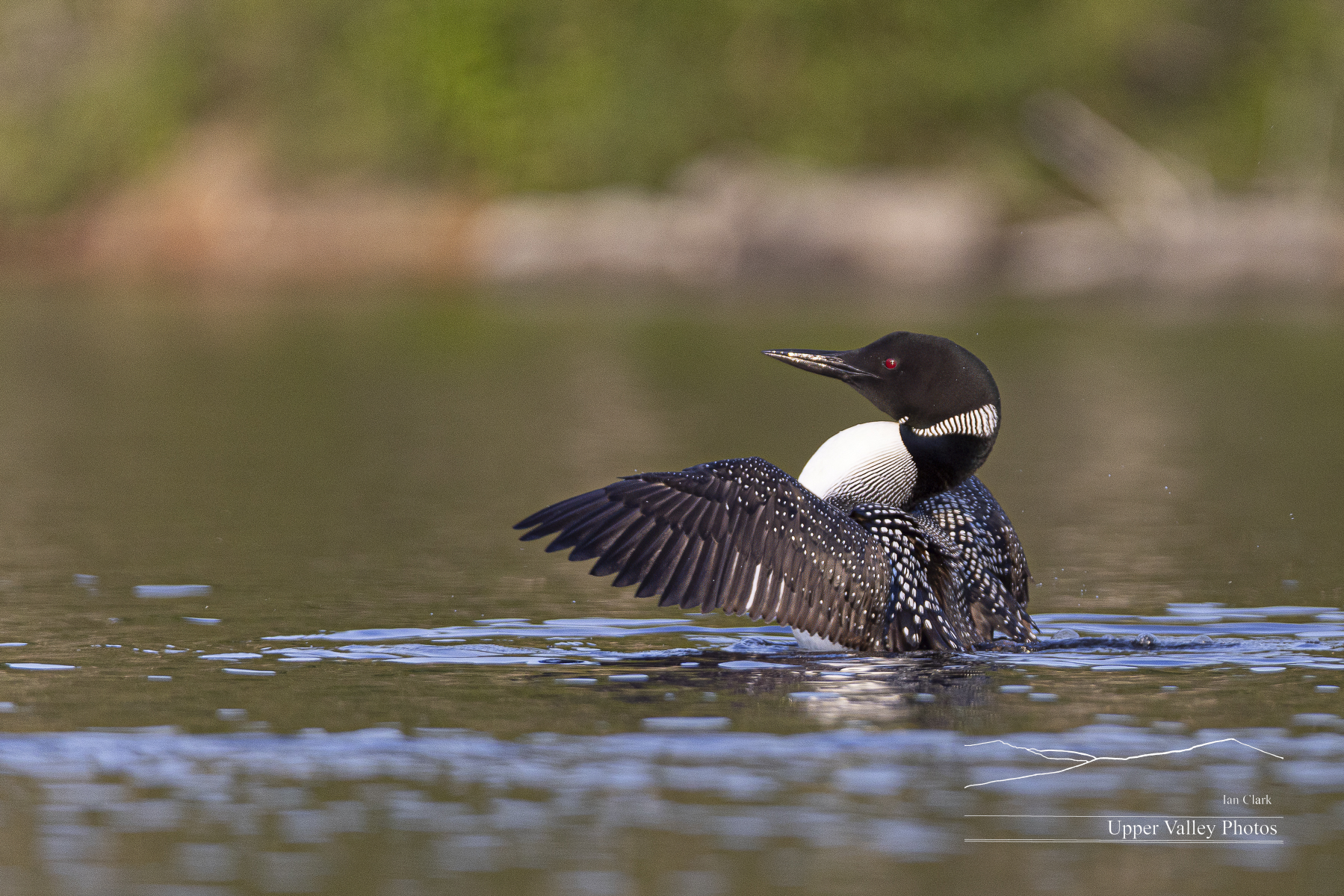
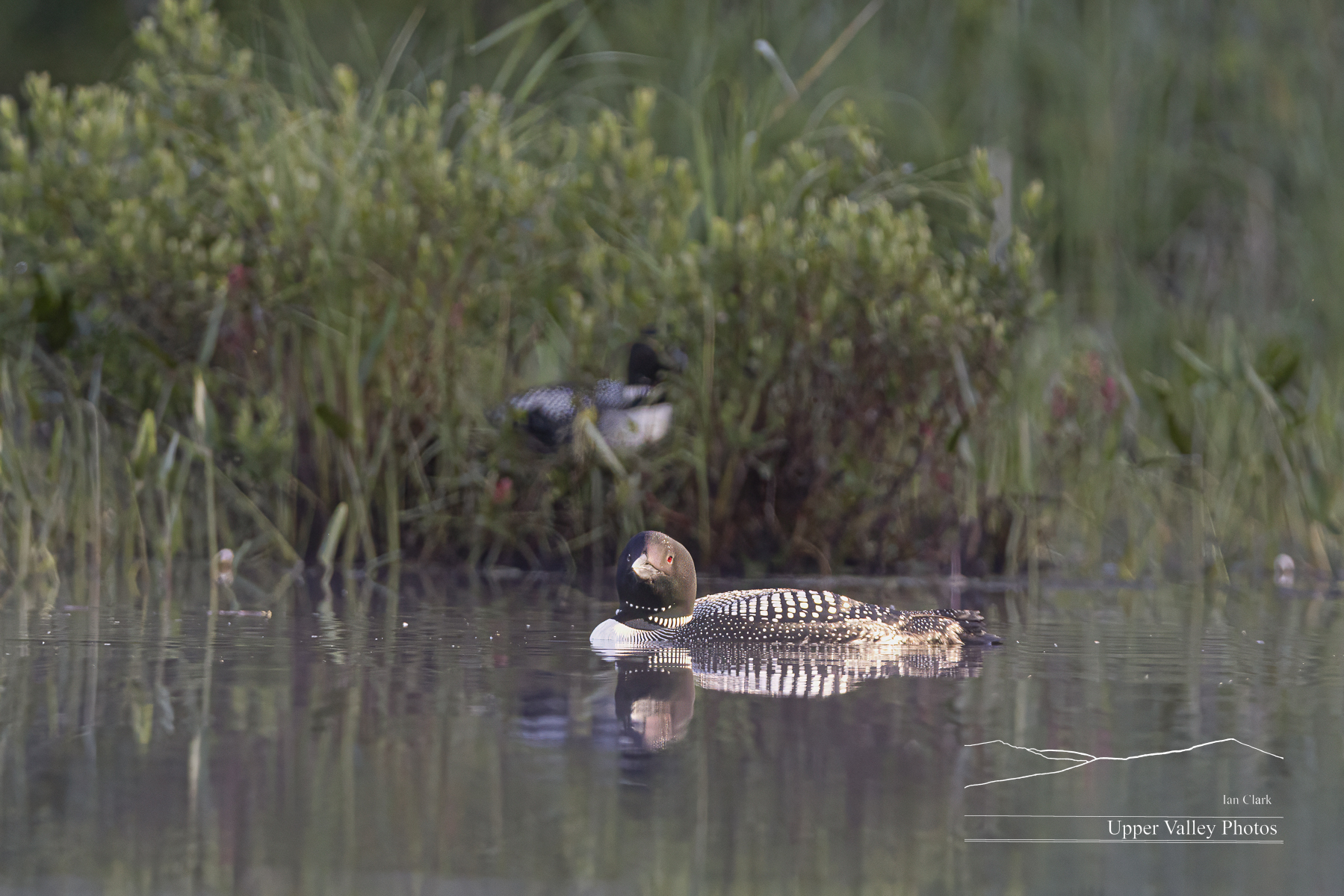
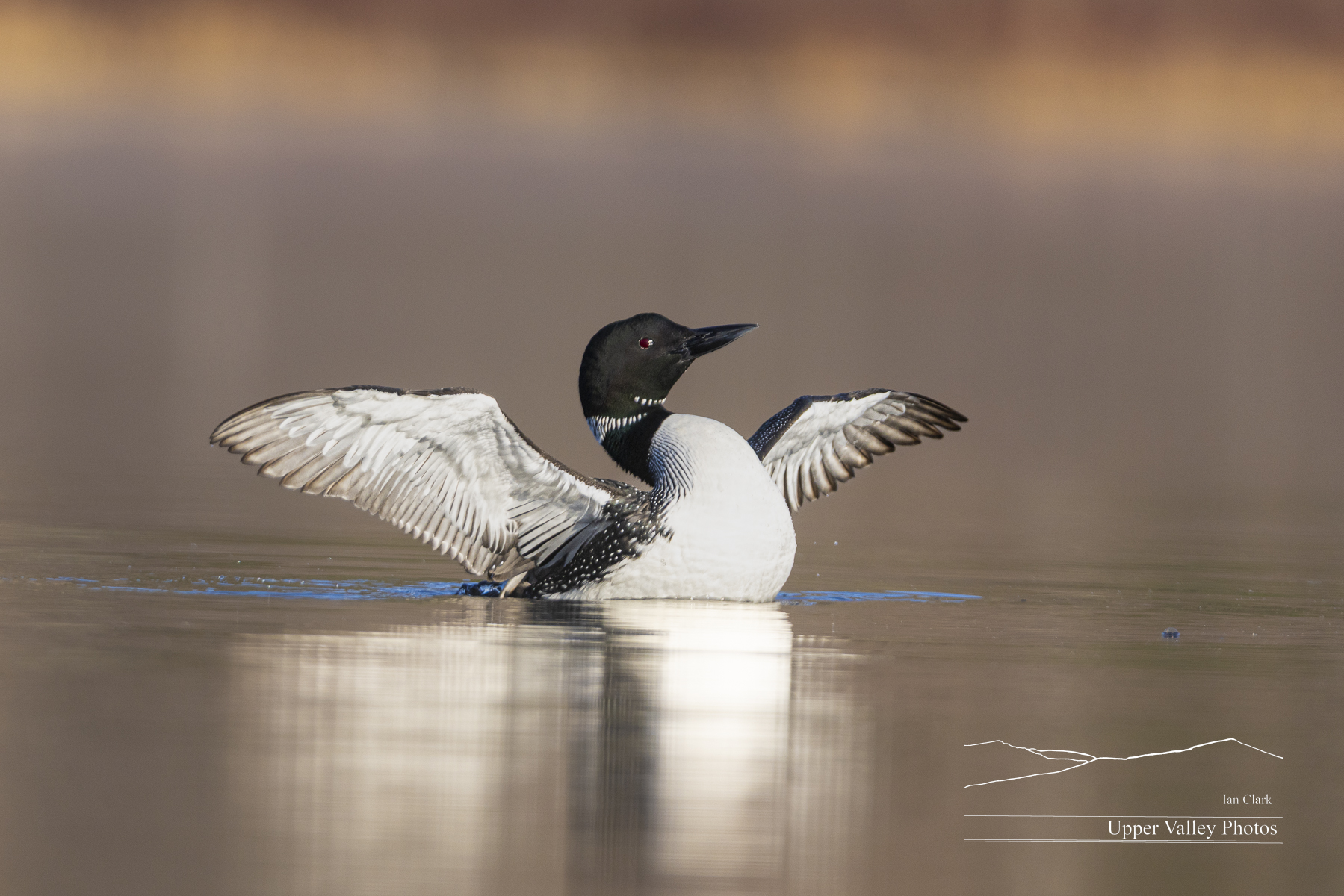
The next trip had me visiting the Middletons. There were two loons on the pond. Somewhat embarrassingly, I caught up with them before they finished their ablutions. Mr. Middleton waved his leg, letting me see his bands telling me he was who he claimed to be.
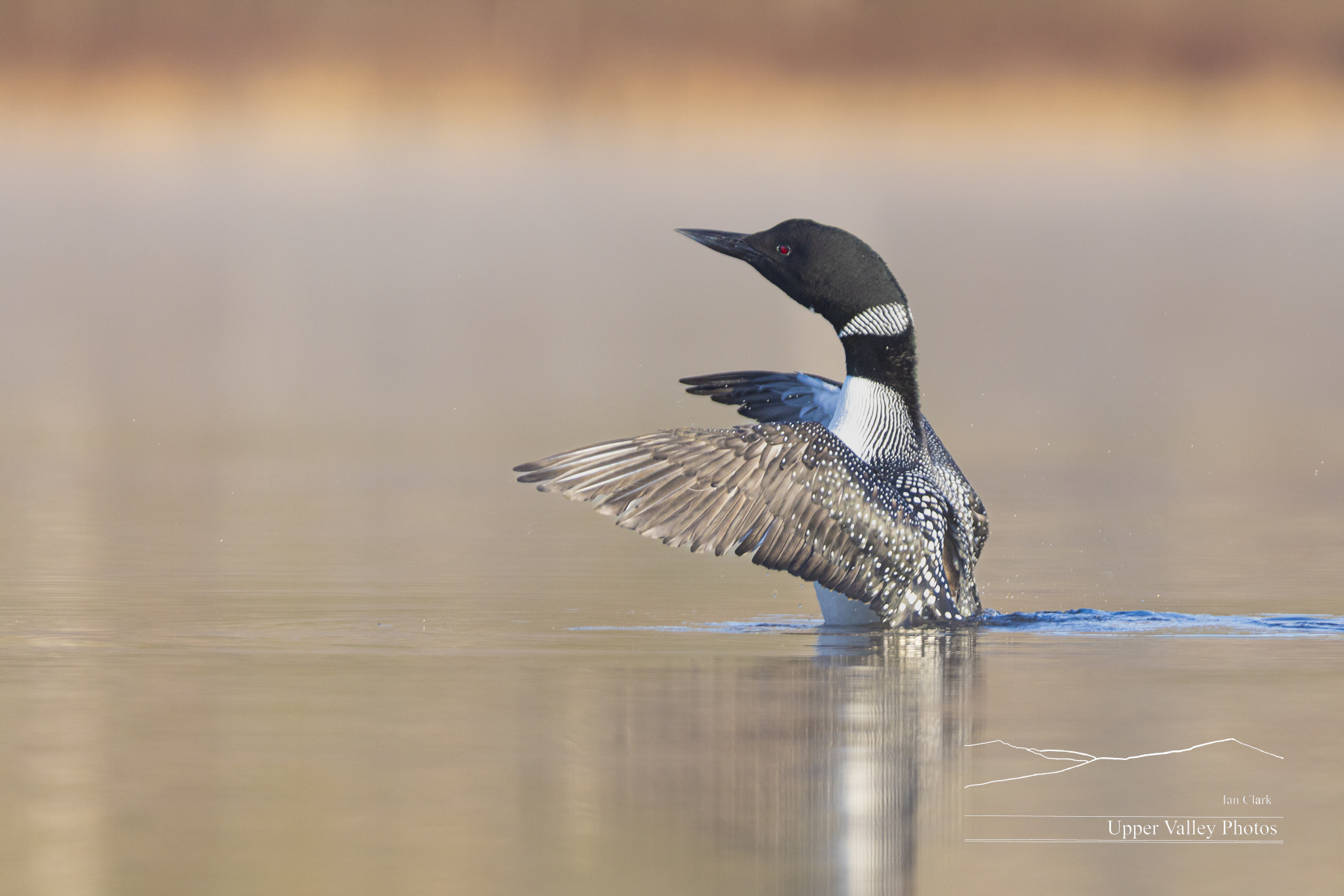
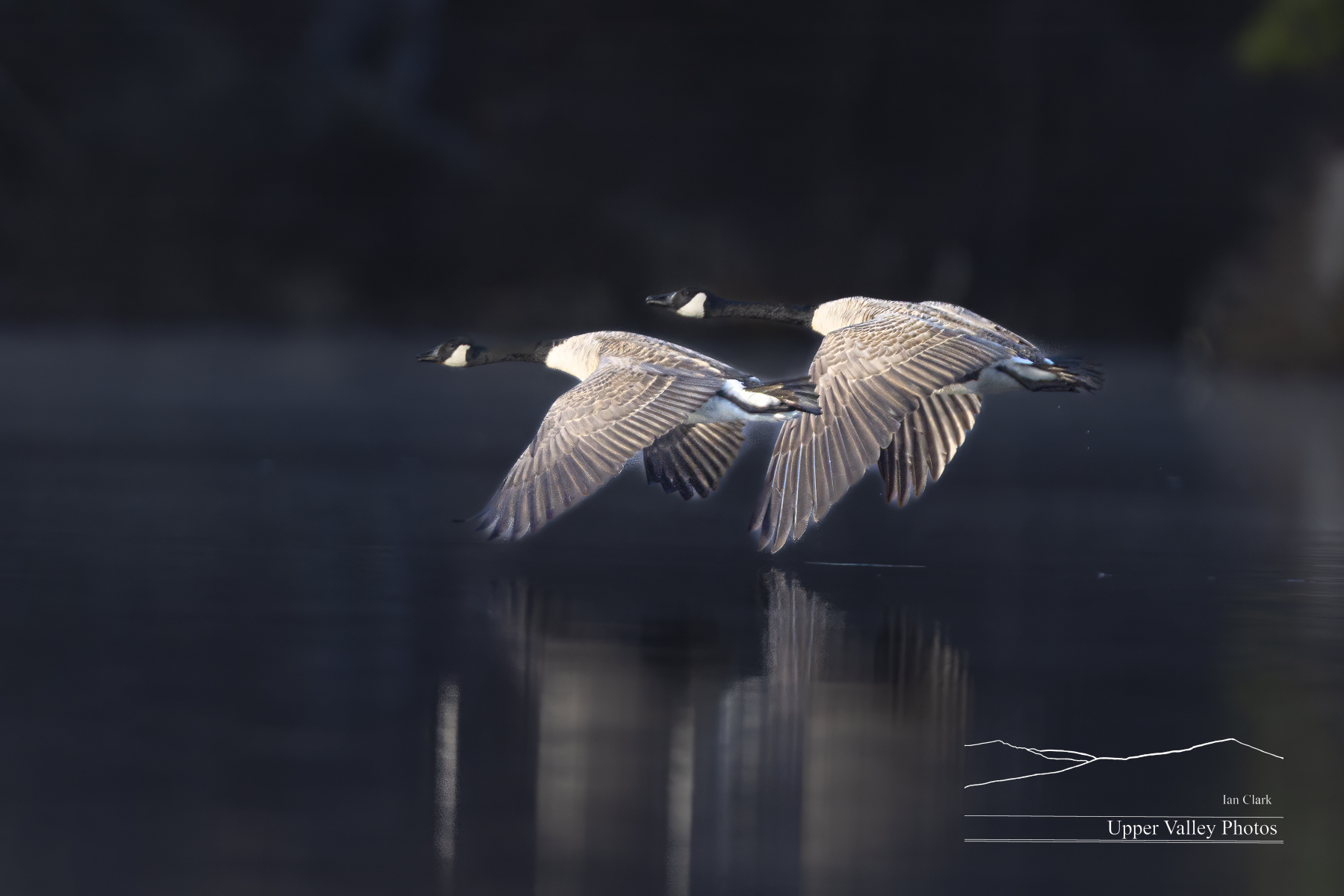
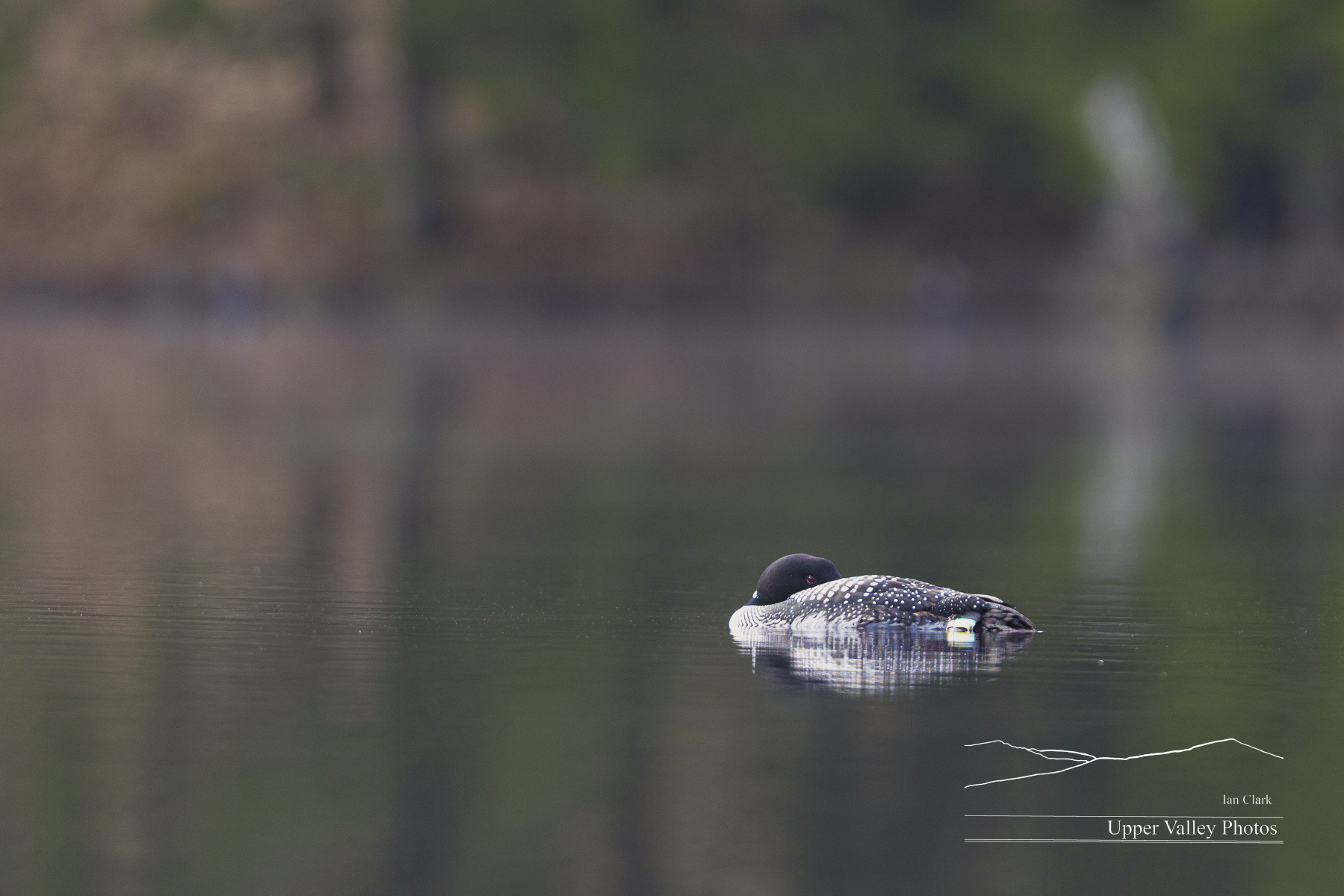
The next couple outings took me to the Weston’s pond. The Westons are often not in the mood for visitors and keep their distance. I try to respect their moods and keep my distance when they want to be left alone. There was a pair of loons on the pond. Mrs. Weston disappeared in early August last year and wasn’t seen again. We probably have Mr. Weston back with a new mate.
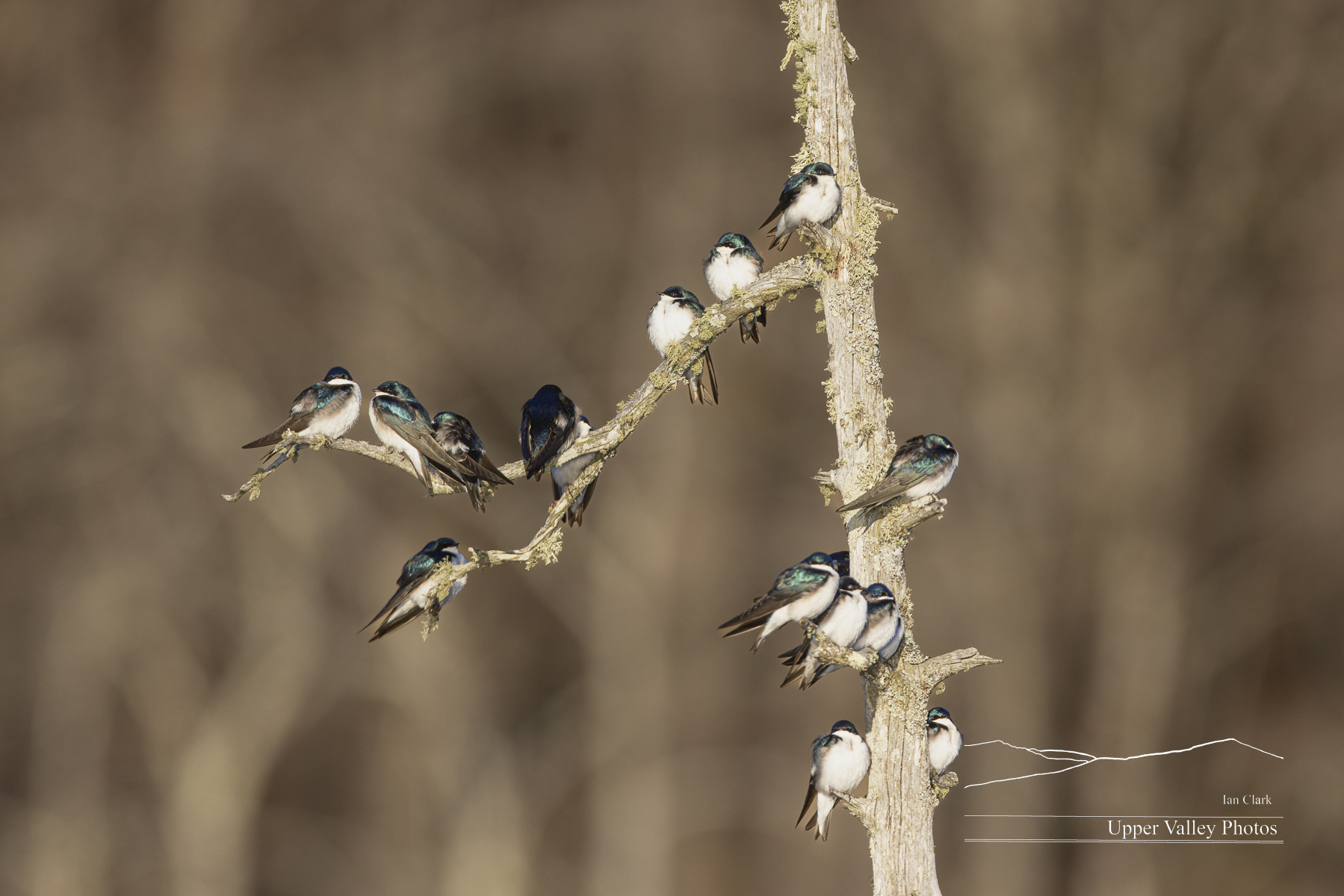
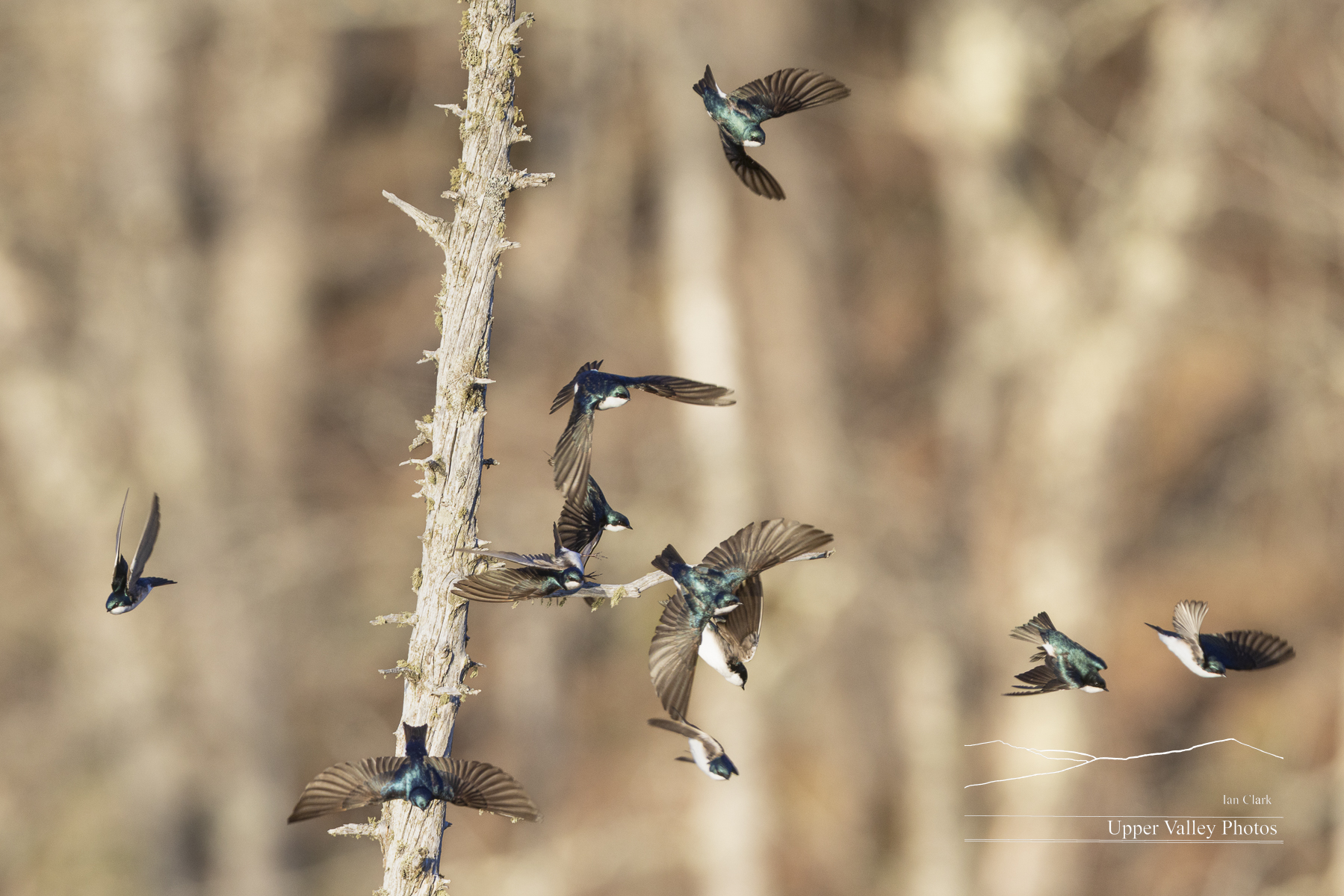
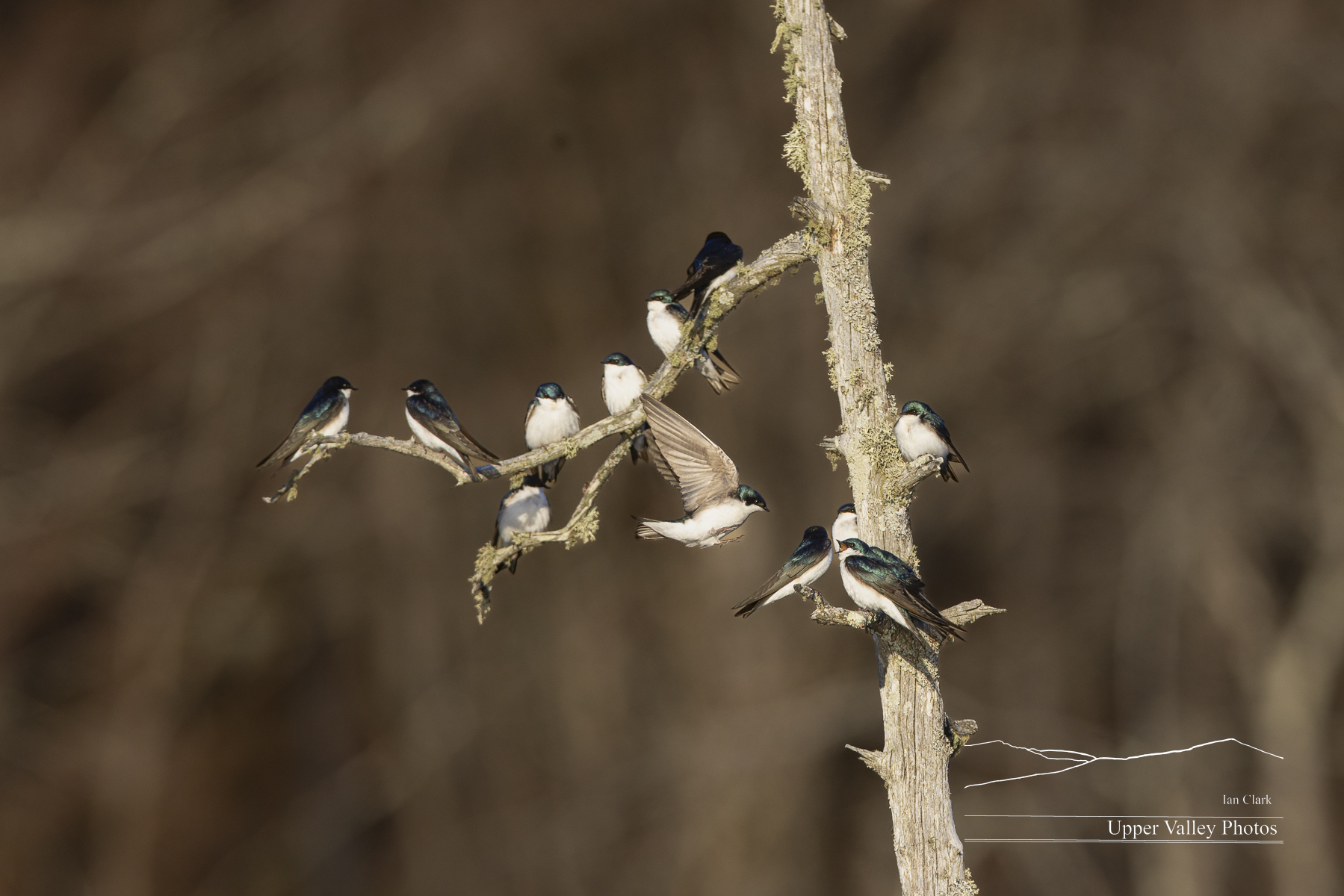
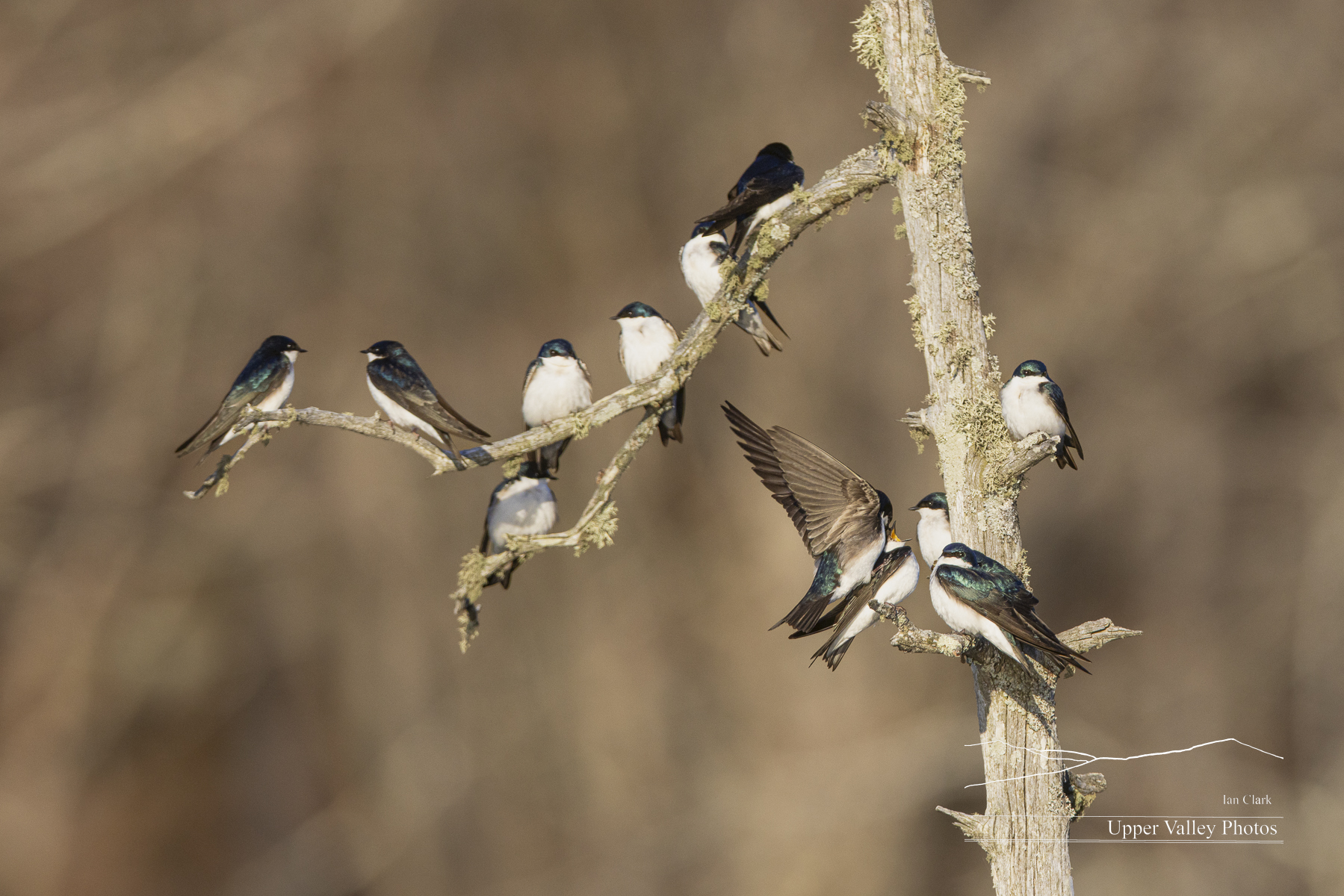
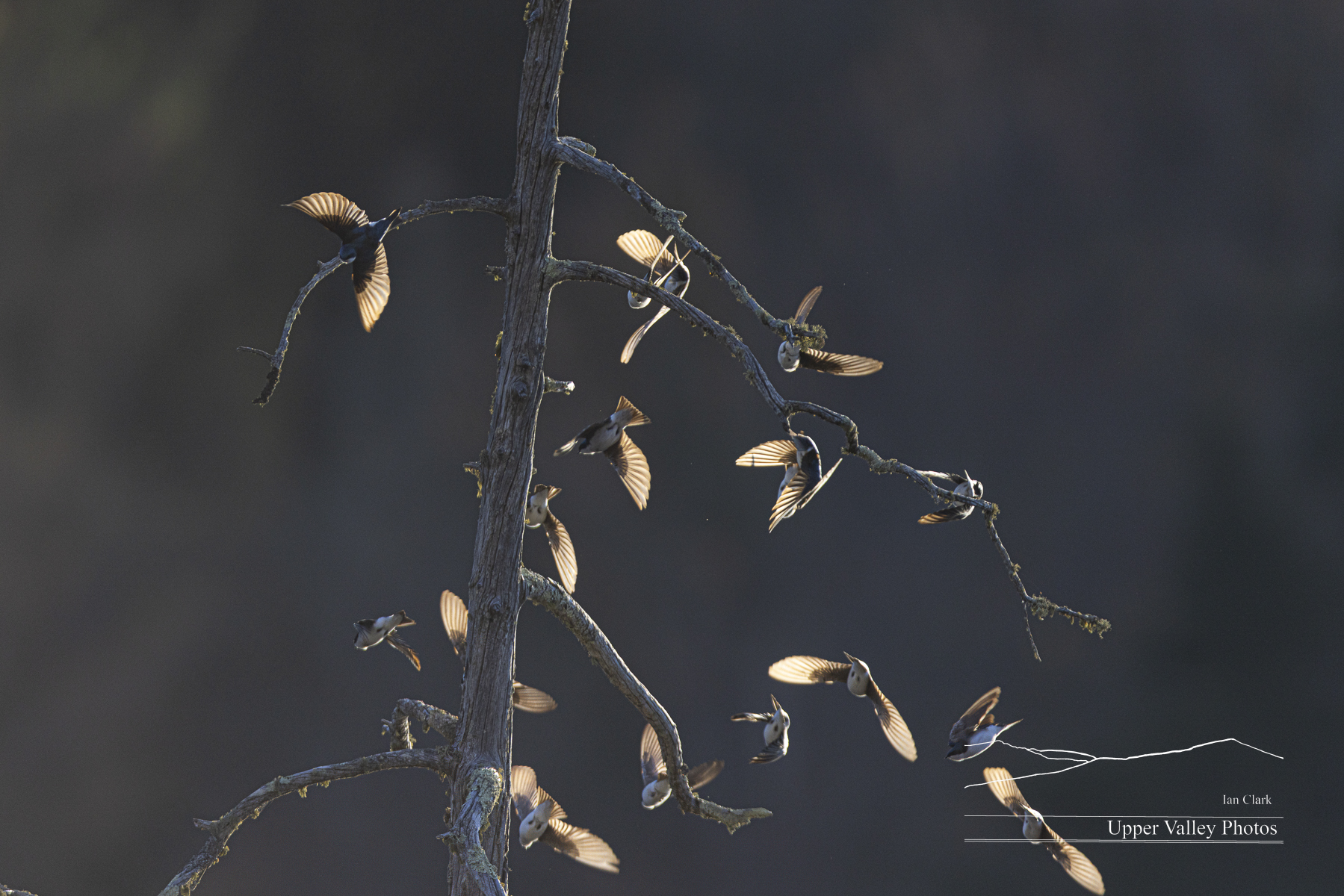
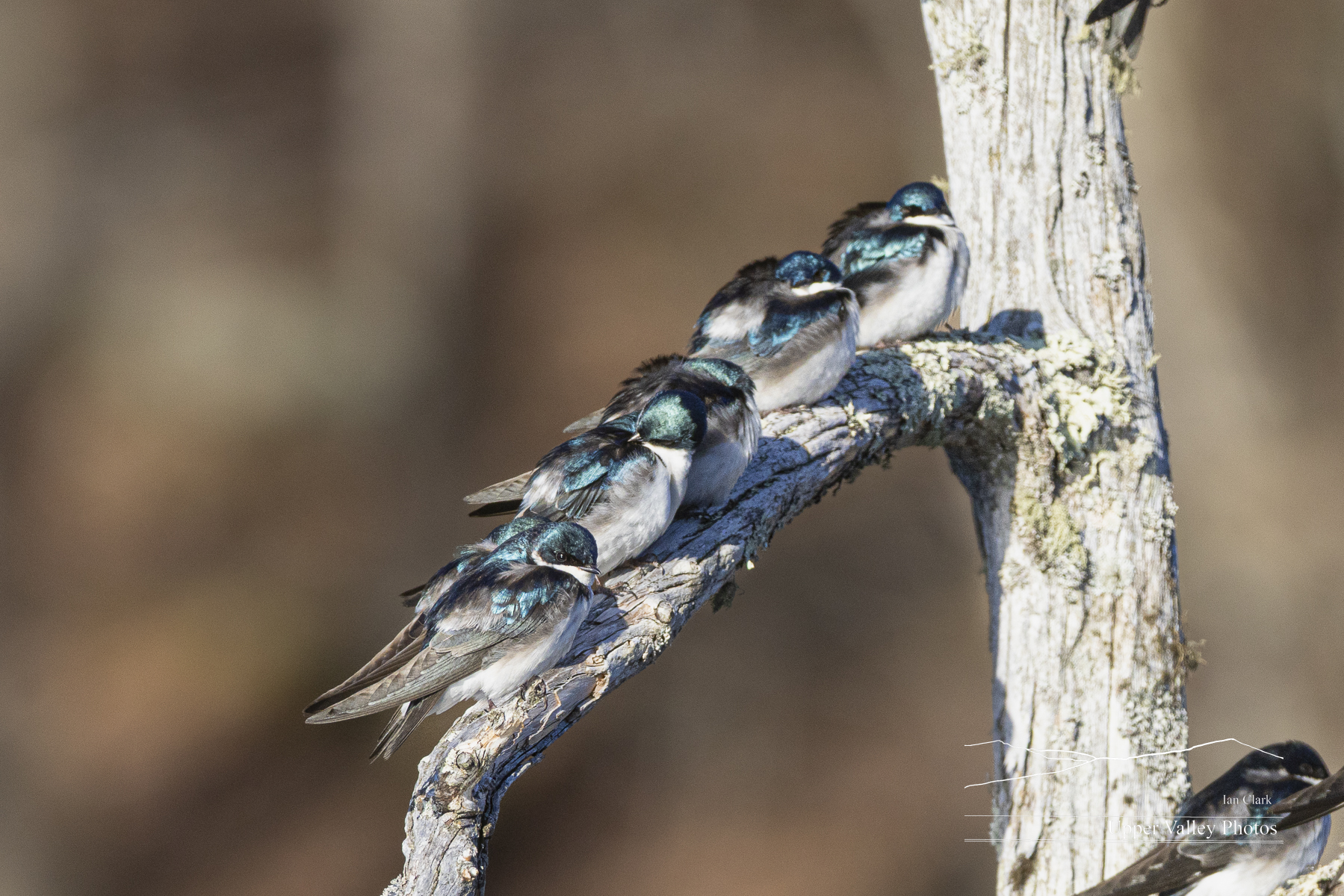
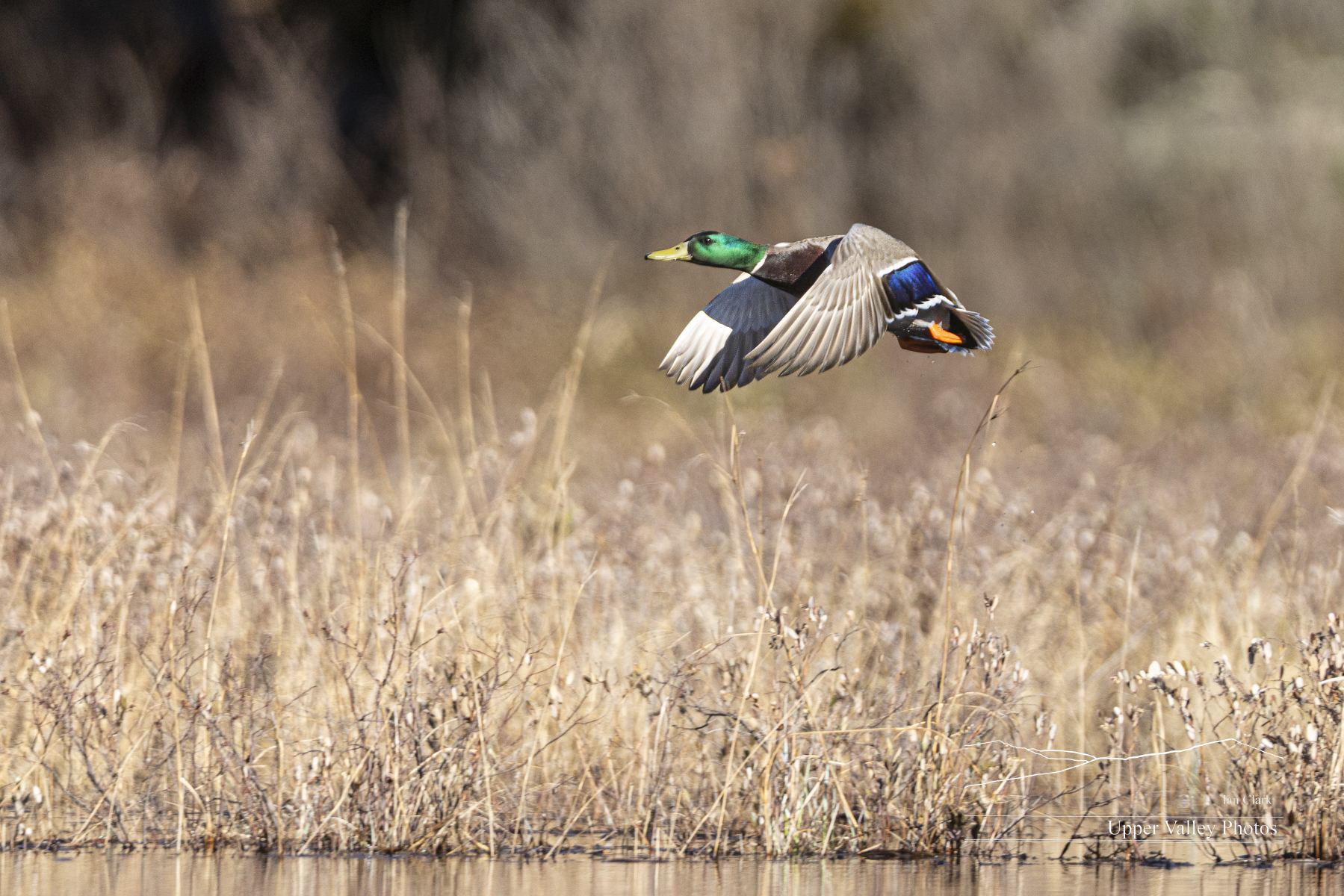
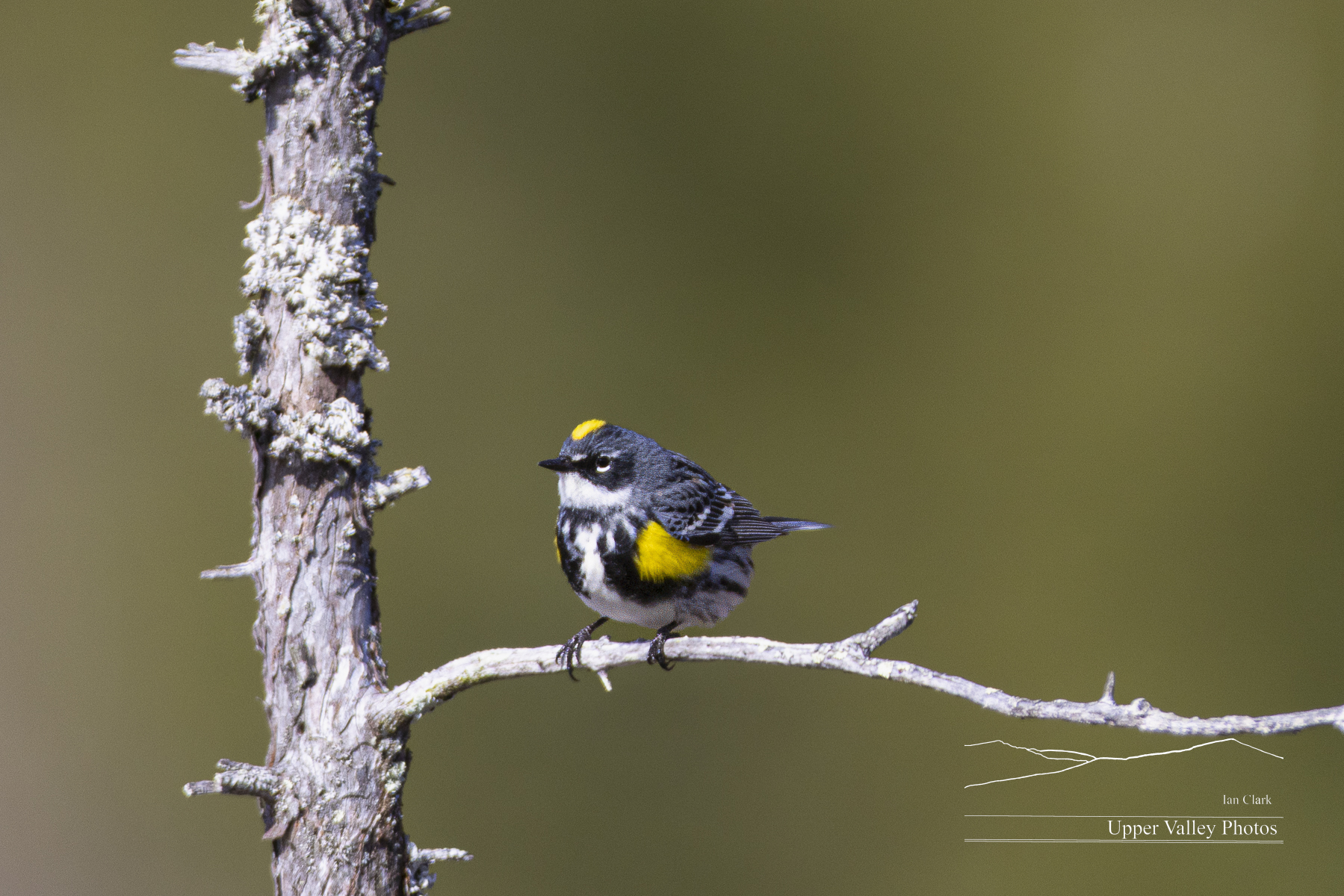
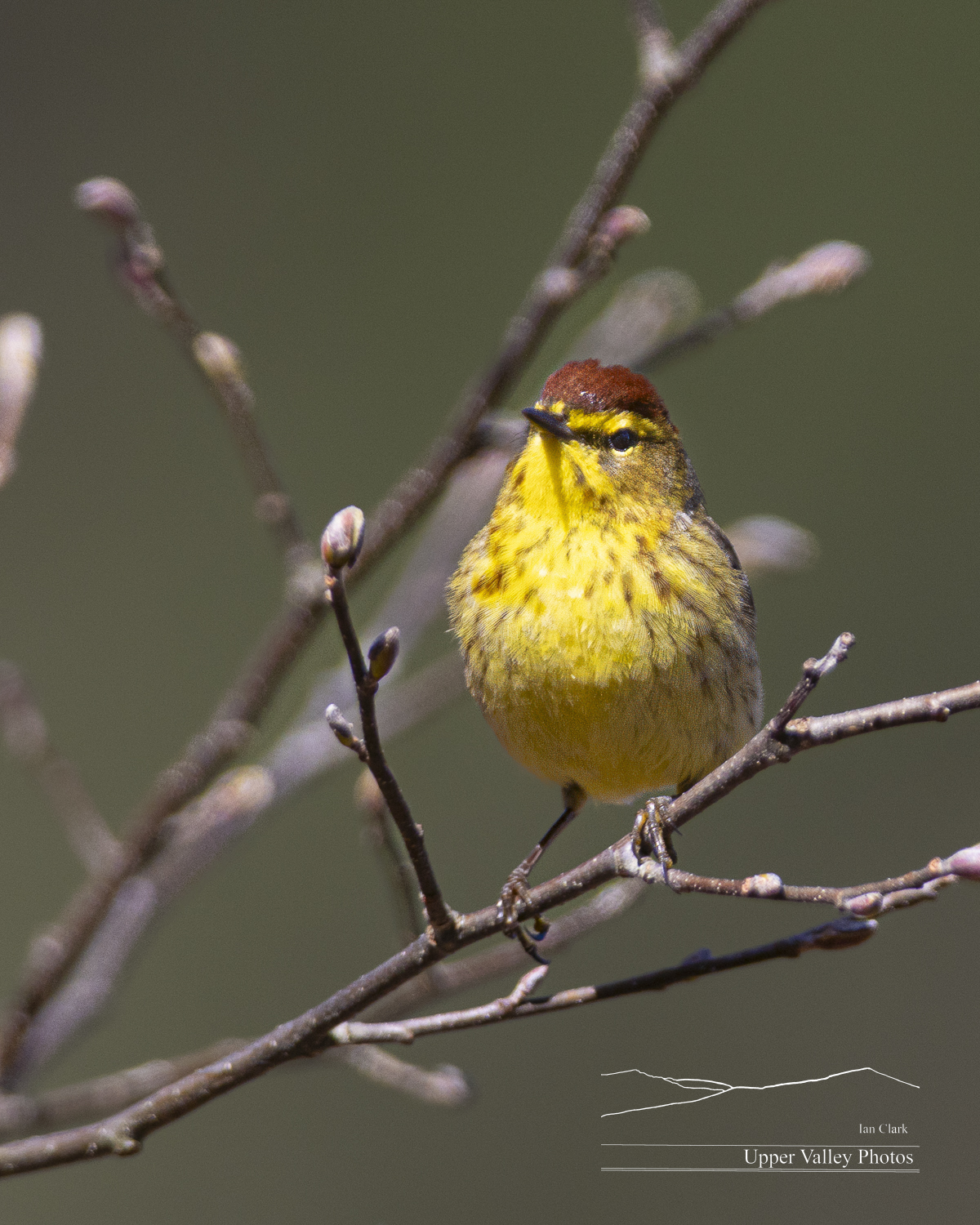
The next trip out was to visit the Middleton’s pond again.
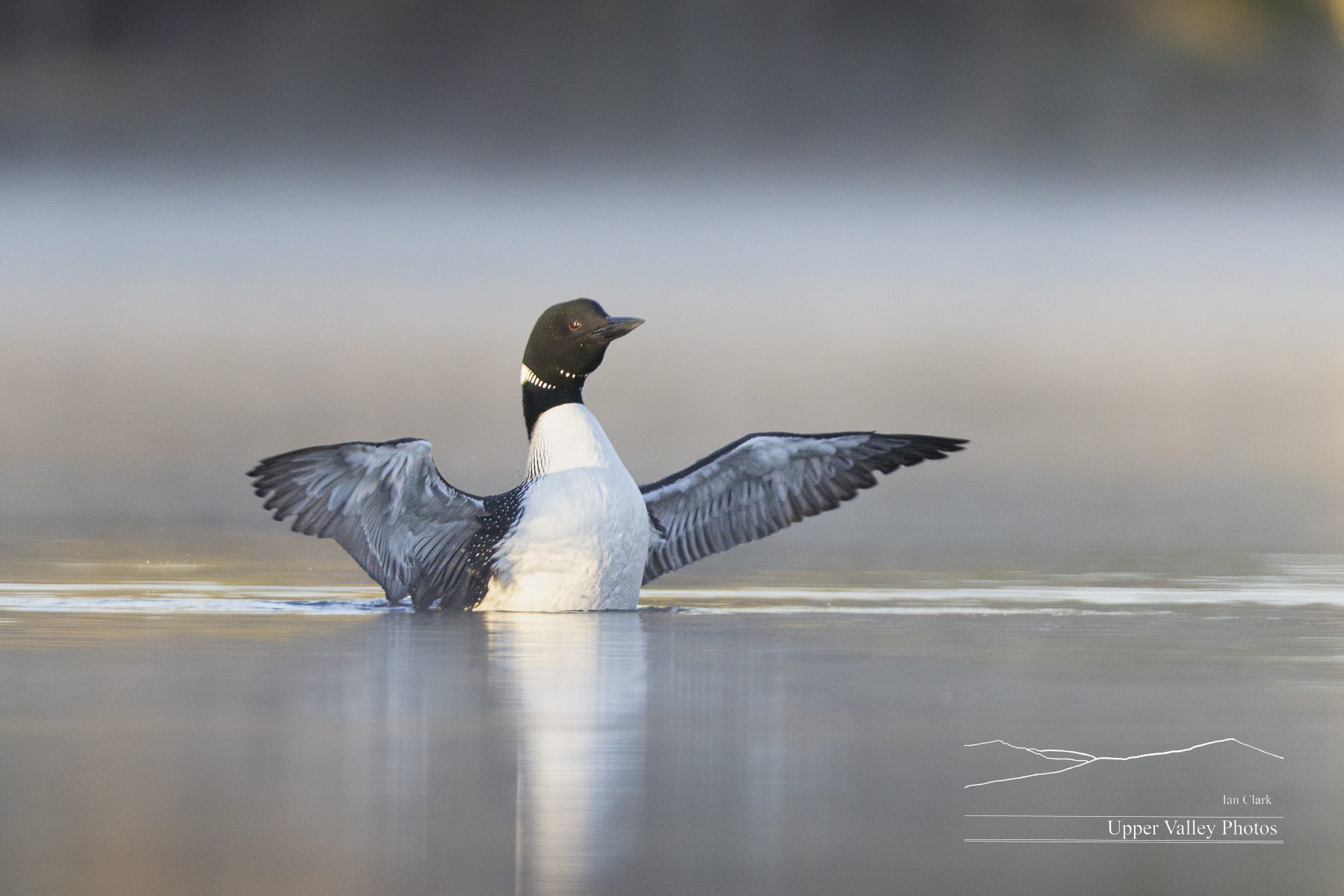
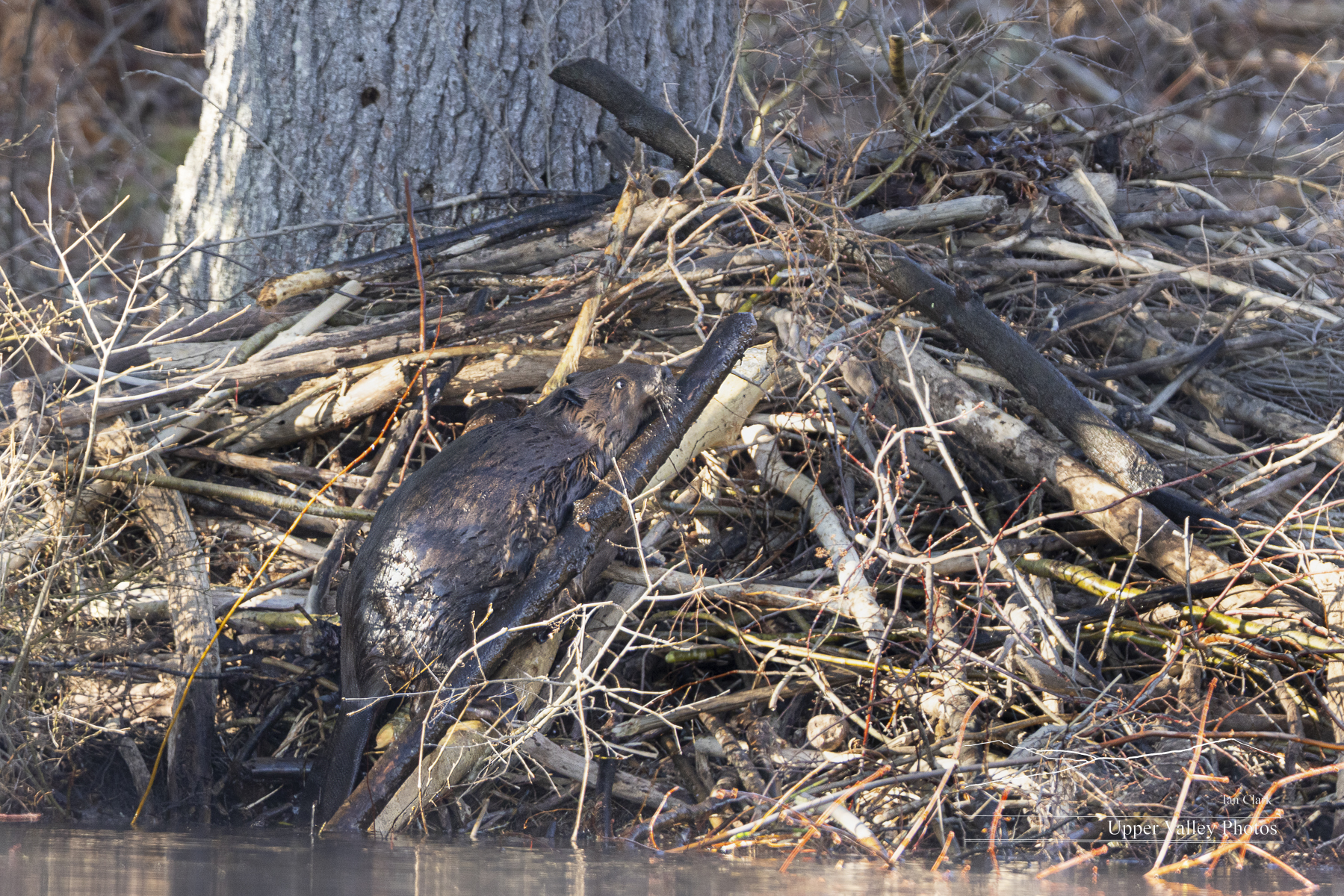
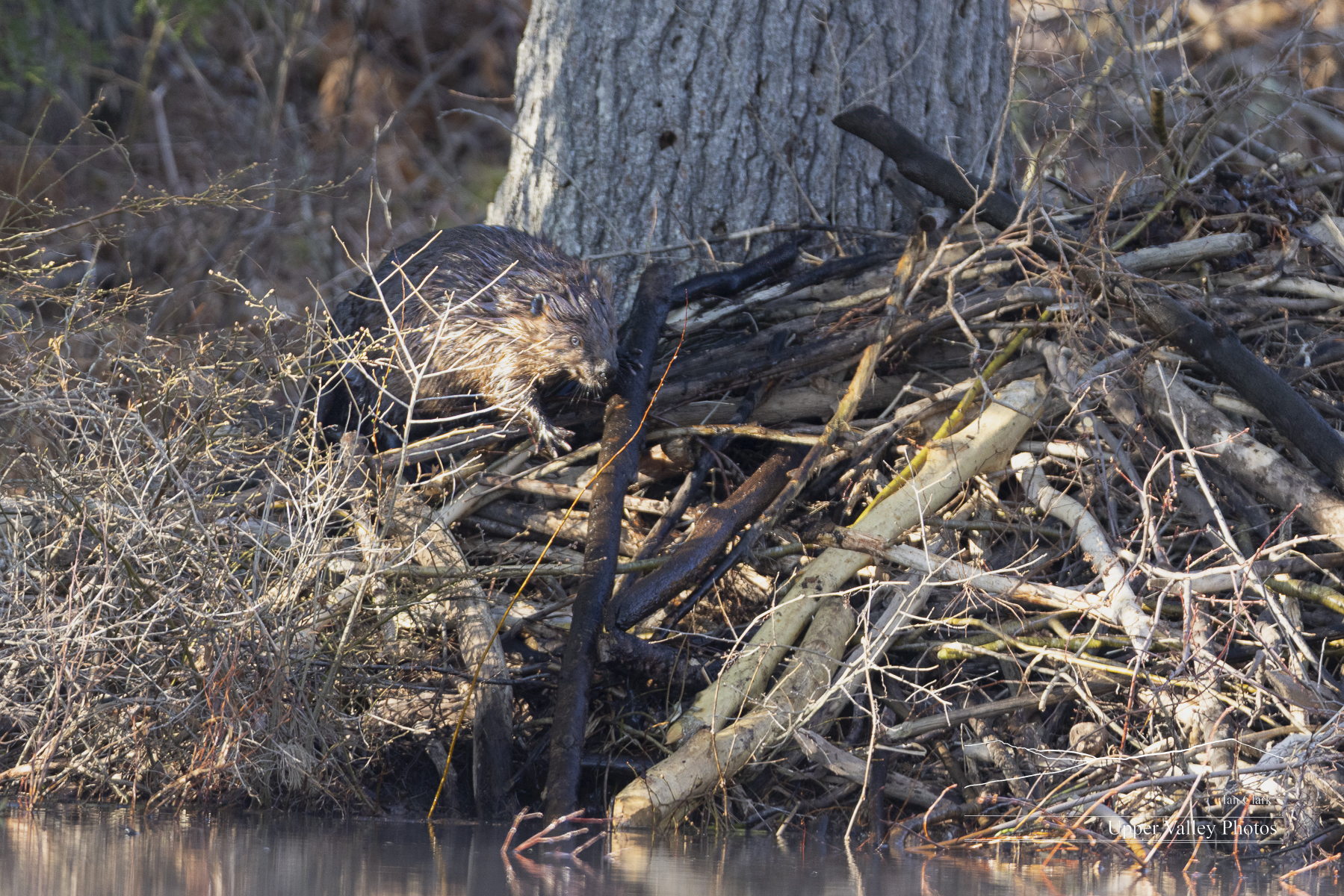
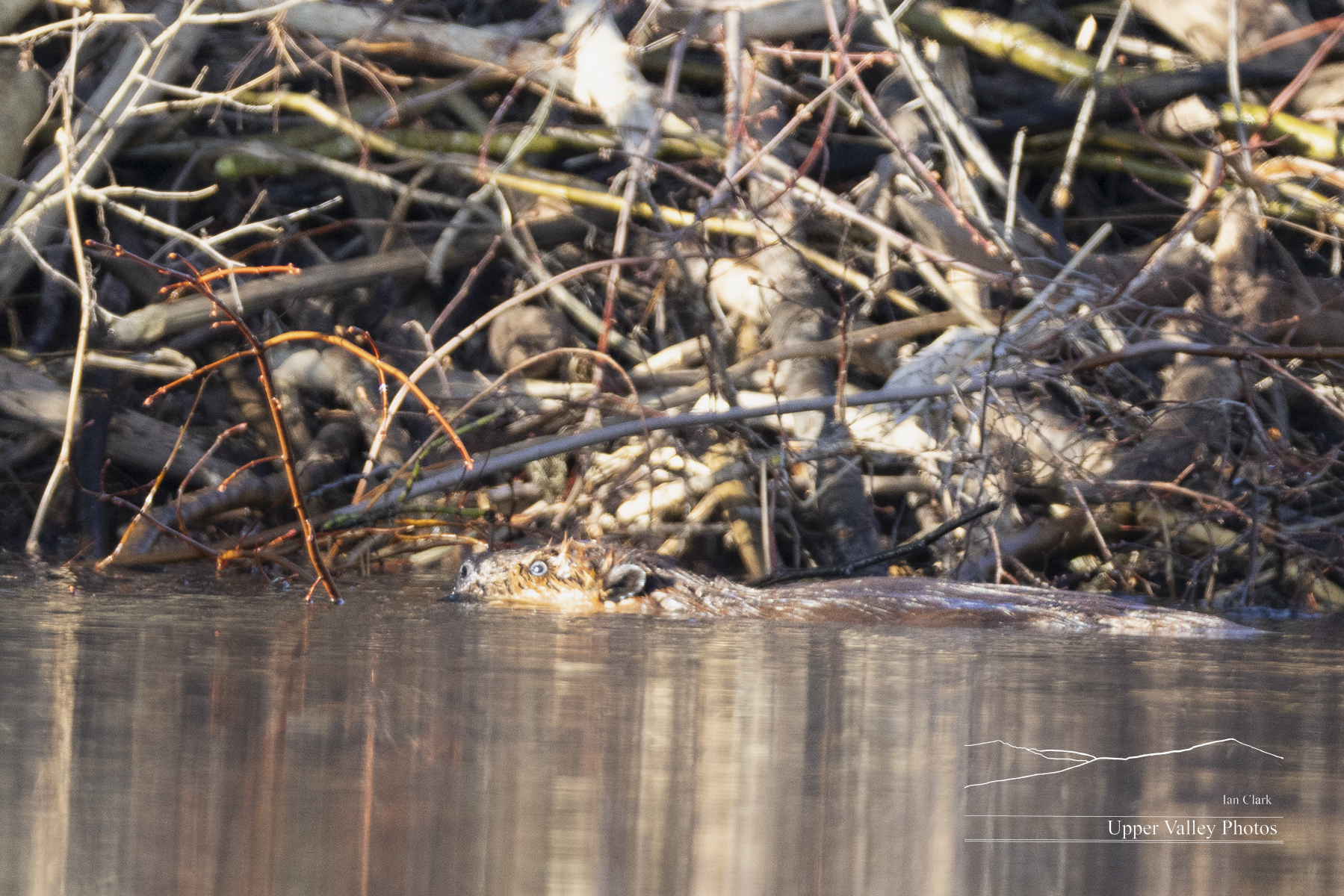
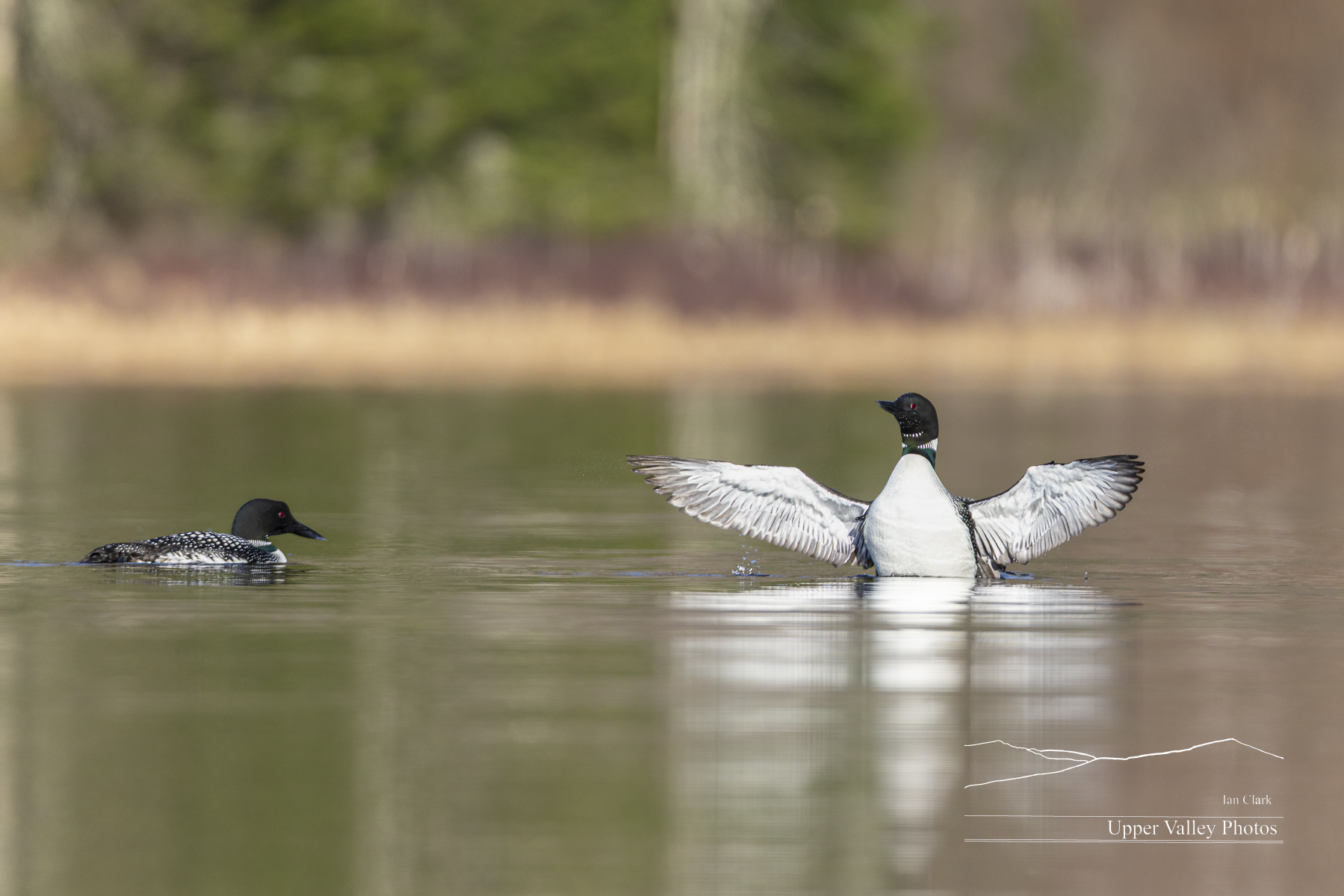
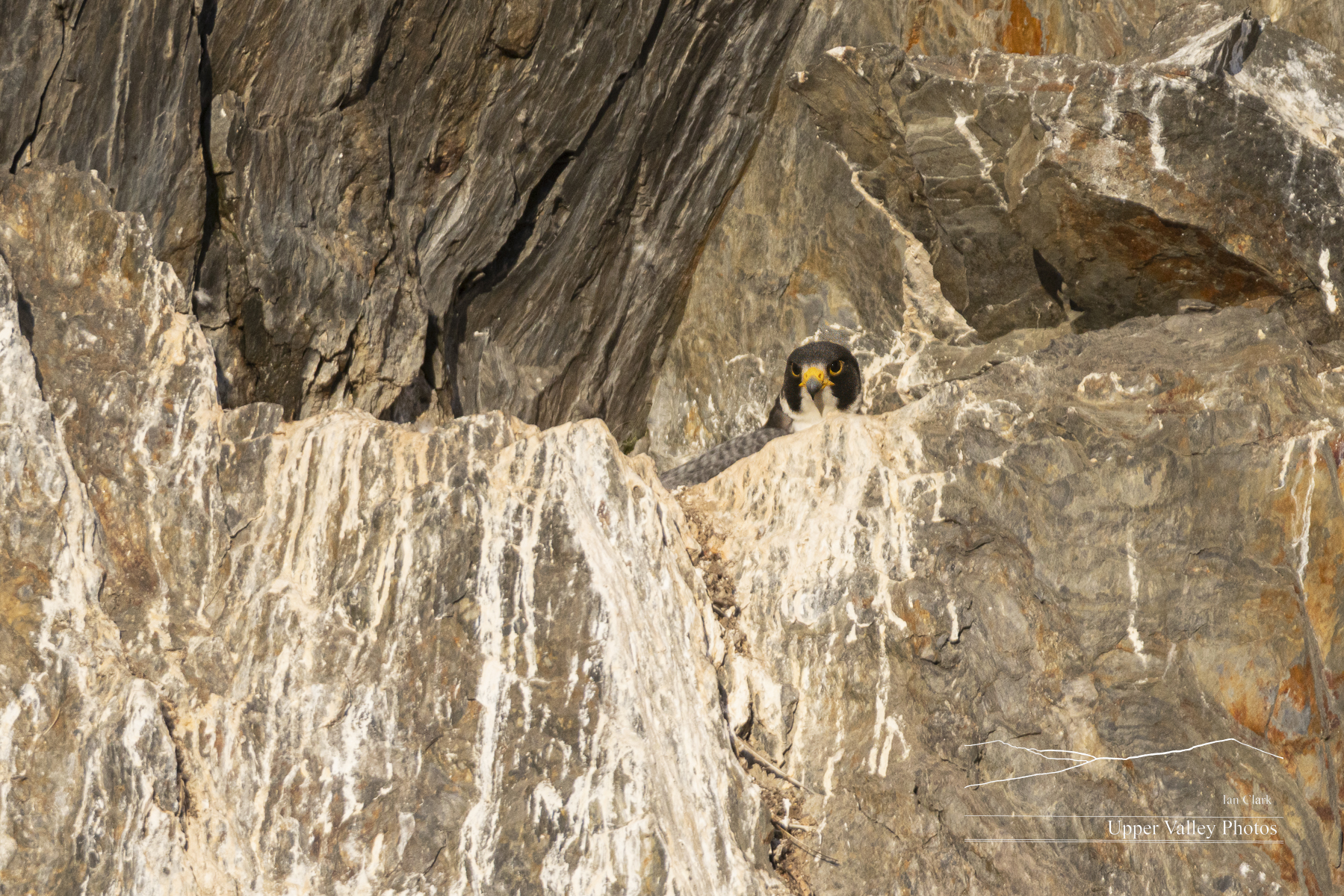
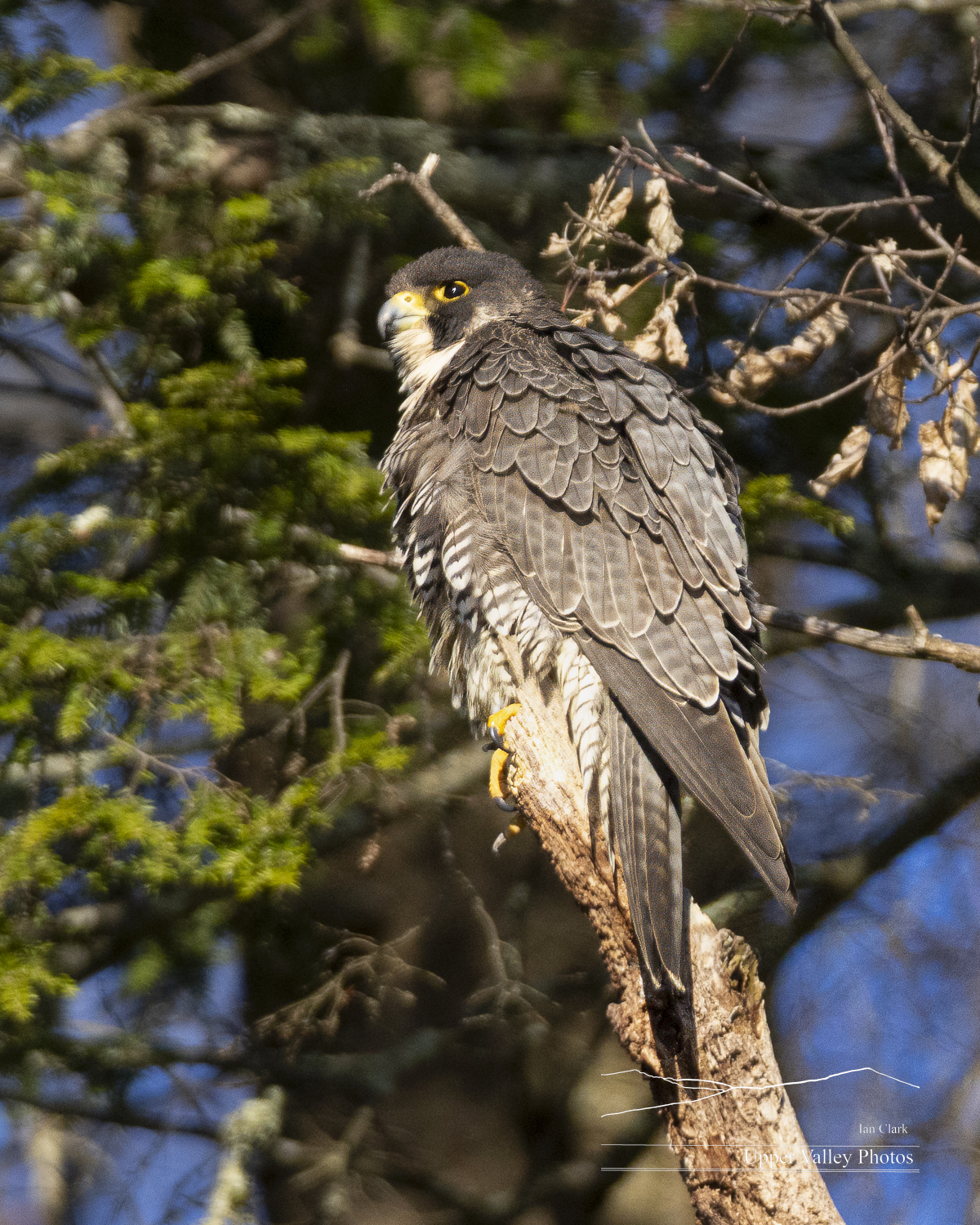
The next morning found me checking in on the falcons.
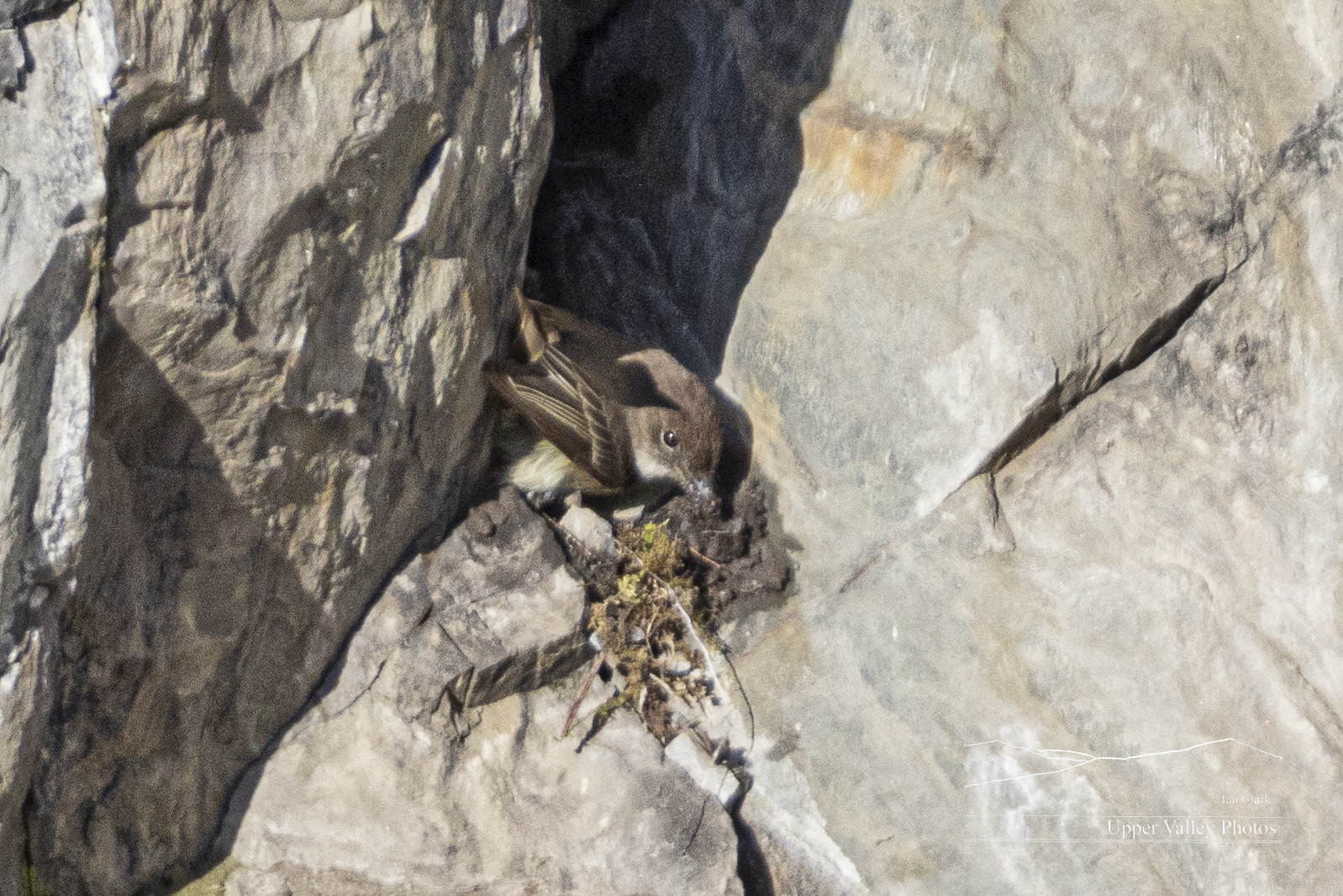
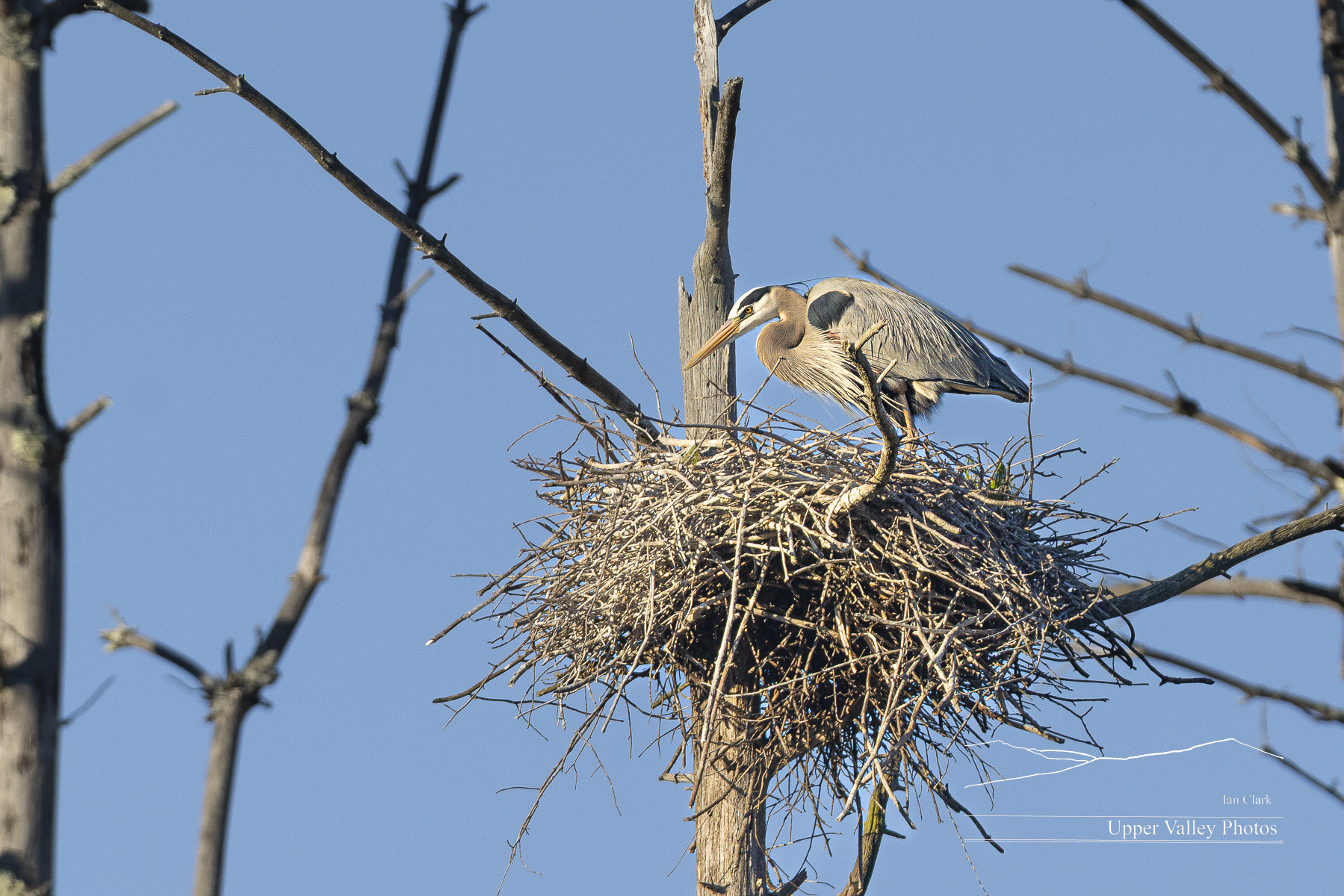
And the next morning found me back at the rookery.
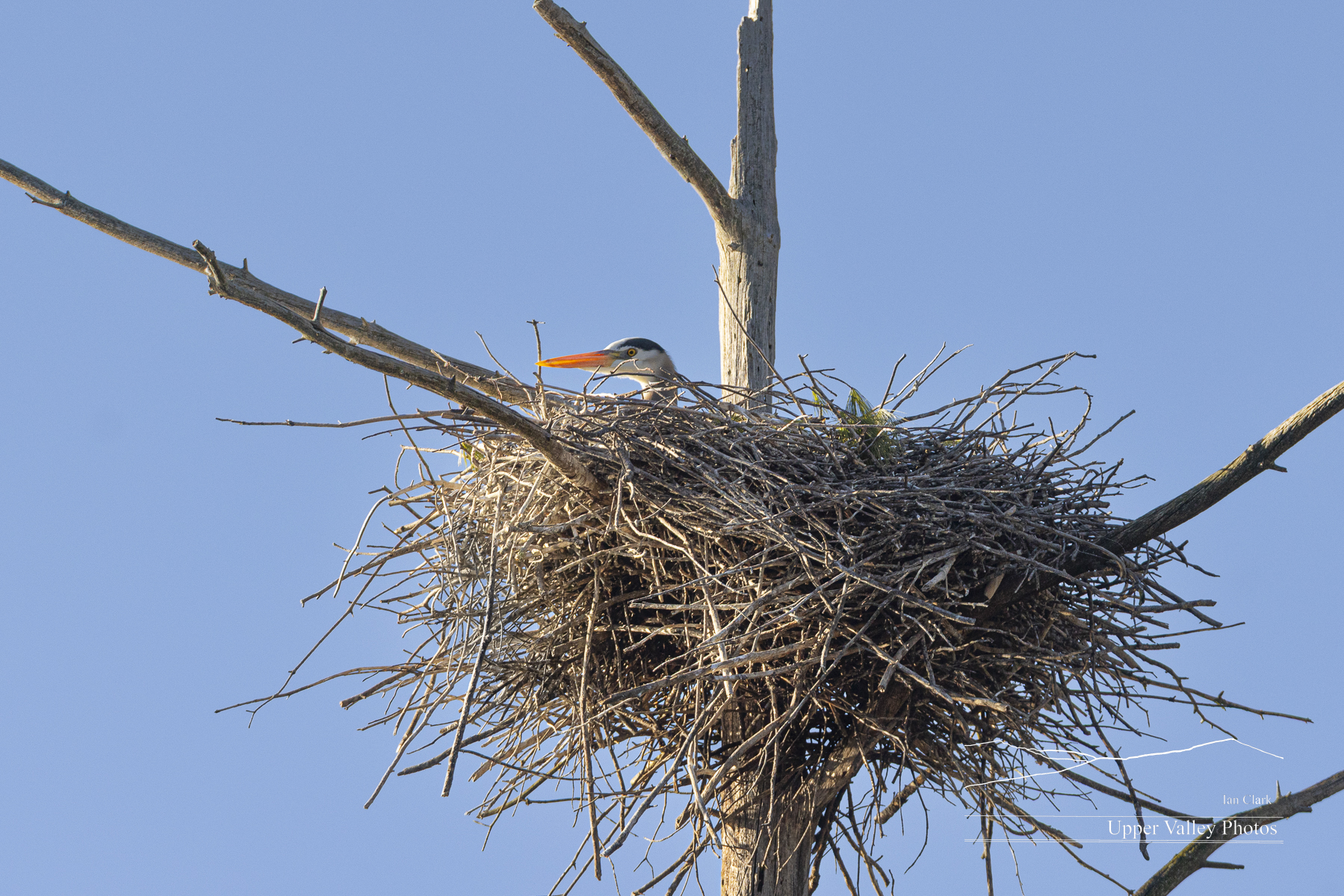
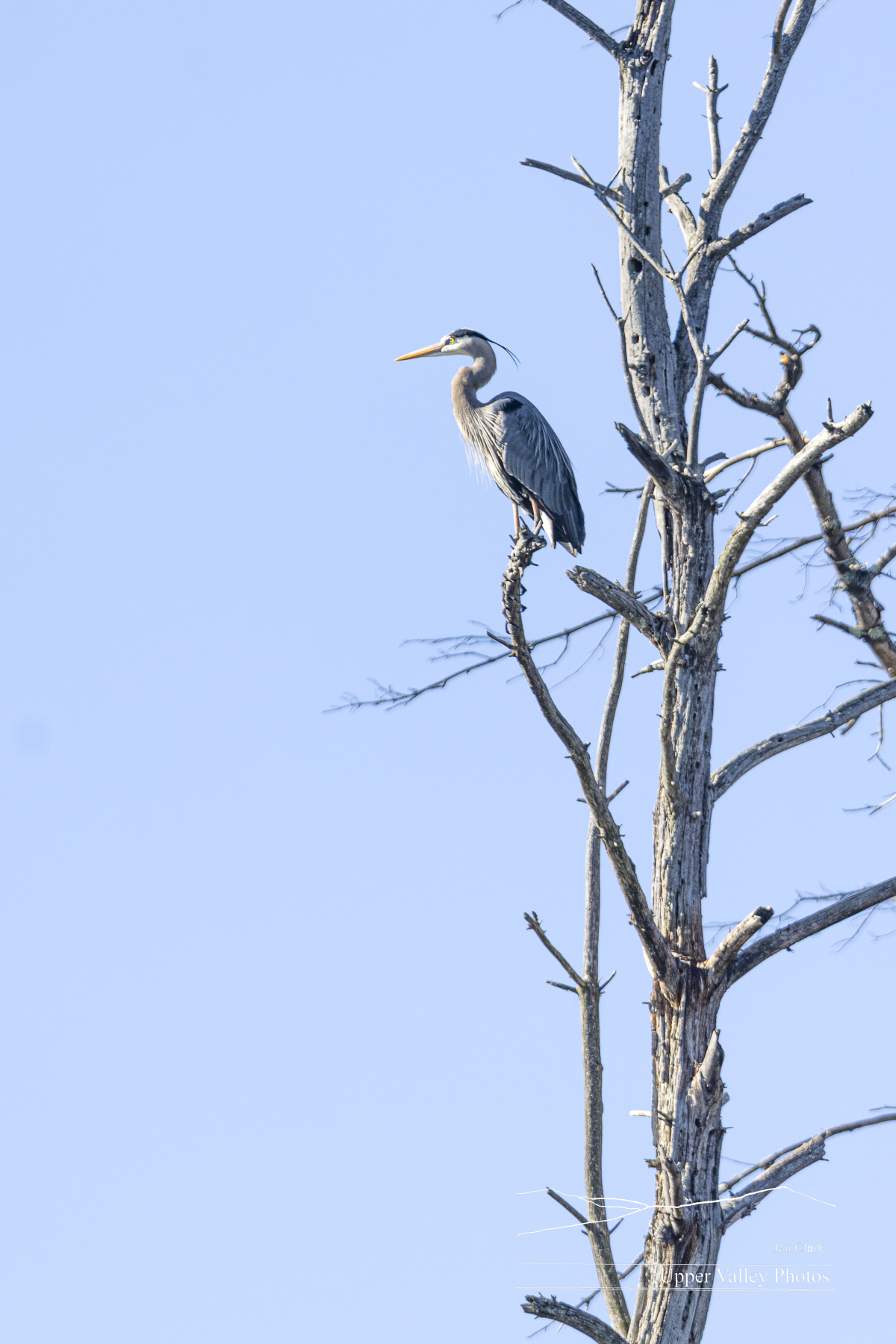
The Waits and Connecticut Rivers have been too high for me to be comfortable paddling. Earlier this week, it had dropped enough for me to venture out. When I got out Wednesday morning, the water had dropped to the point where navigating anywhere but the deepest part of the Waits was difficult.
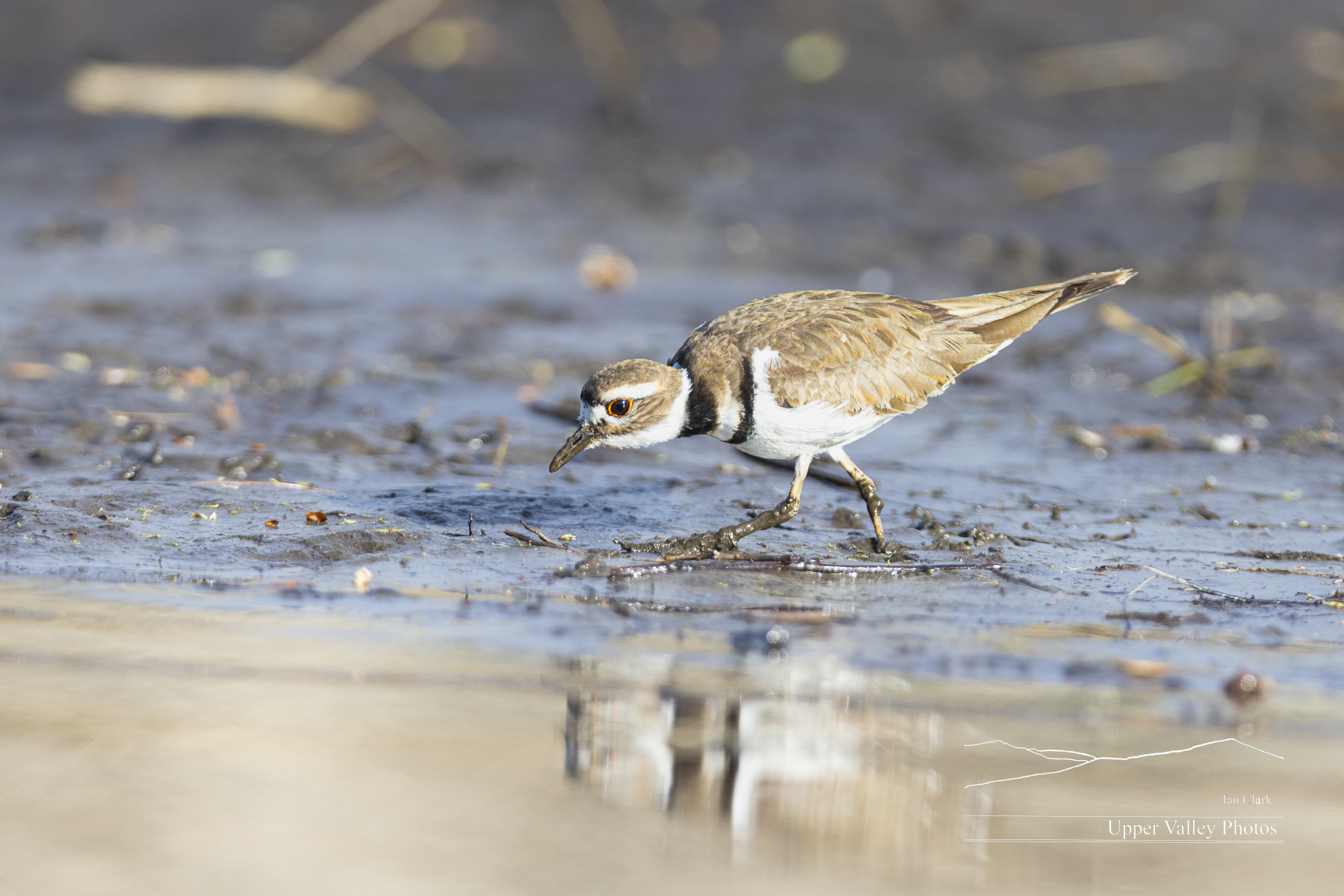
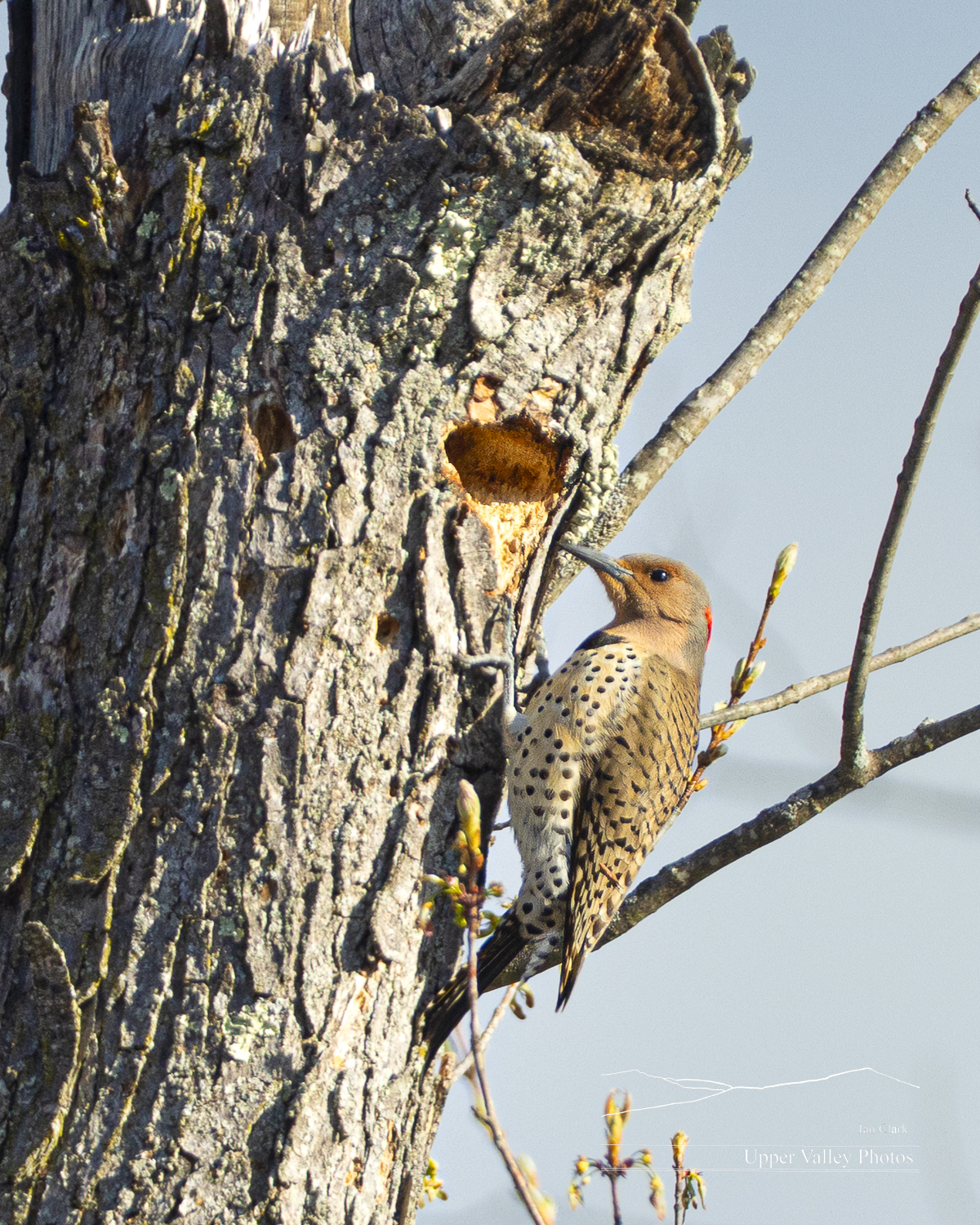
If you enjoy my posts, you can sign up to get a notification when I add a new post. I’m not going to share your info, I just use it to let you know I’ve got a new post up. And, you can help me out a bit by sharing your favorite posts with friends or on social media. Thanks!