A quick post with some of the birds I’ve found out and about in May.
I’ll be giving my slideshow, Travels with Ian 2025, of my favorite shots from 2025 twice before the end of the month. There’s lots of wildlife from around New England and shots from my trip to Alaska to see brown bears and the steam locomotive on the White Pass & Yukon Route Railway. Both are free and open to the public. The first show will be at the Bugbee Center in White River Jct. Wednesday May 27 at 1:30 pm. The second presentation will be at the Blake Memorial Library in Corinth, VT Friday May 29 at 6 pm. The Library would appreciate an RSVP sent to khotellingbml@gmail.com.
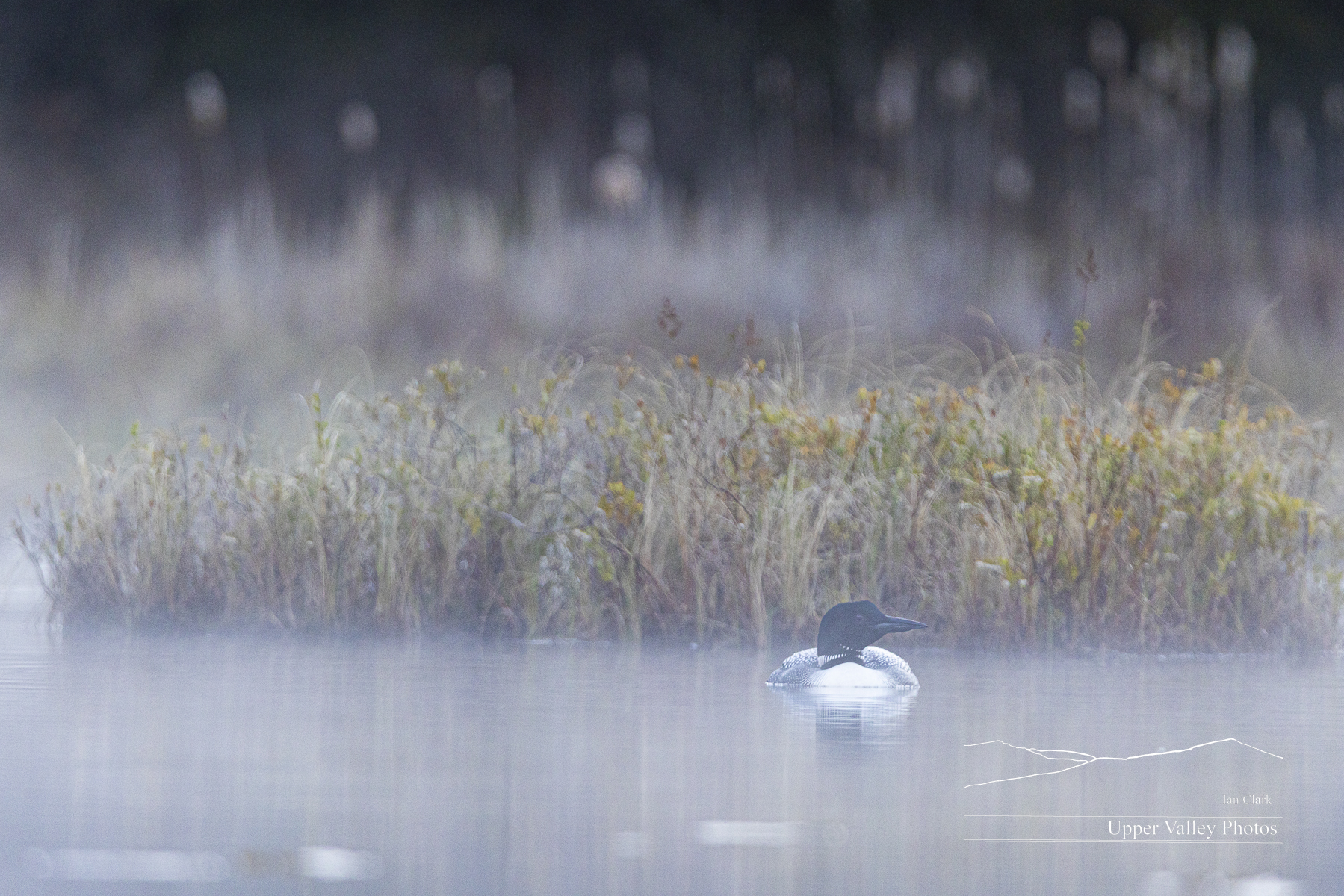
Back on May 8, I went out to visit the Westons and their neighbors. The Westons slept in and I went looking to see who else might be around.
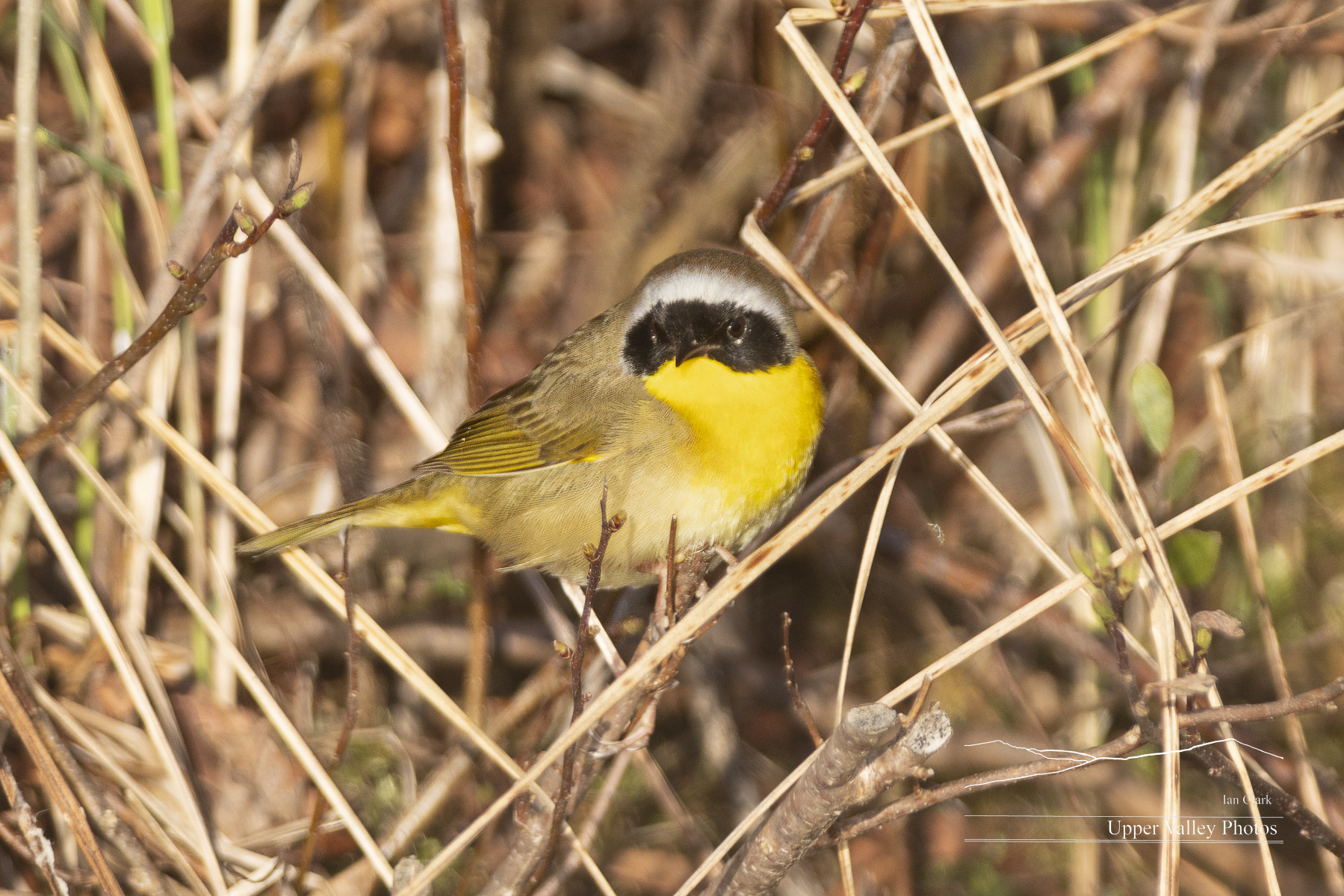
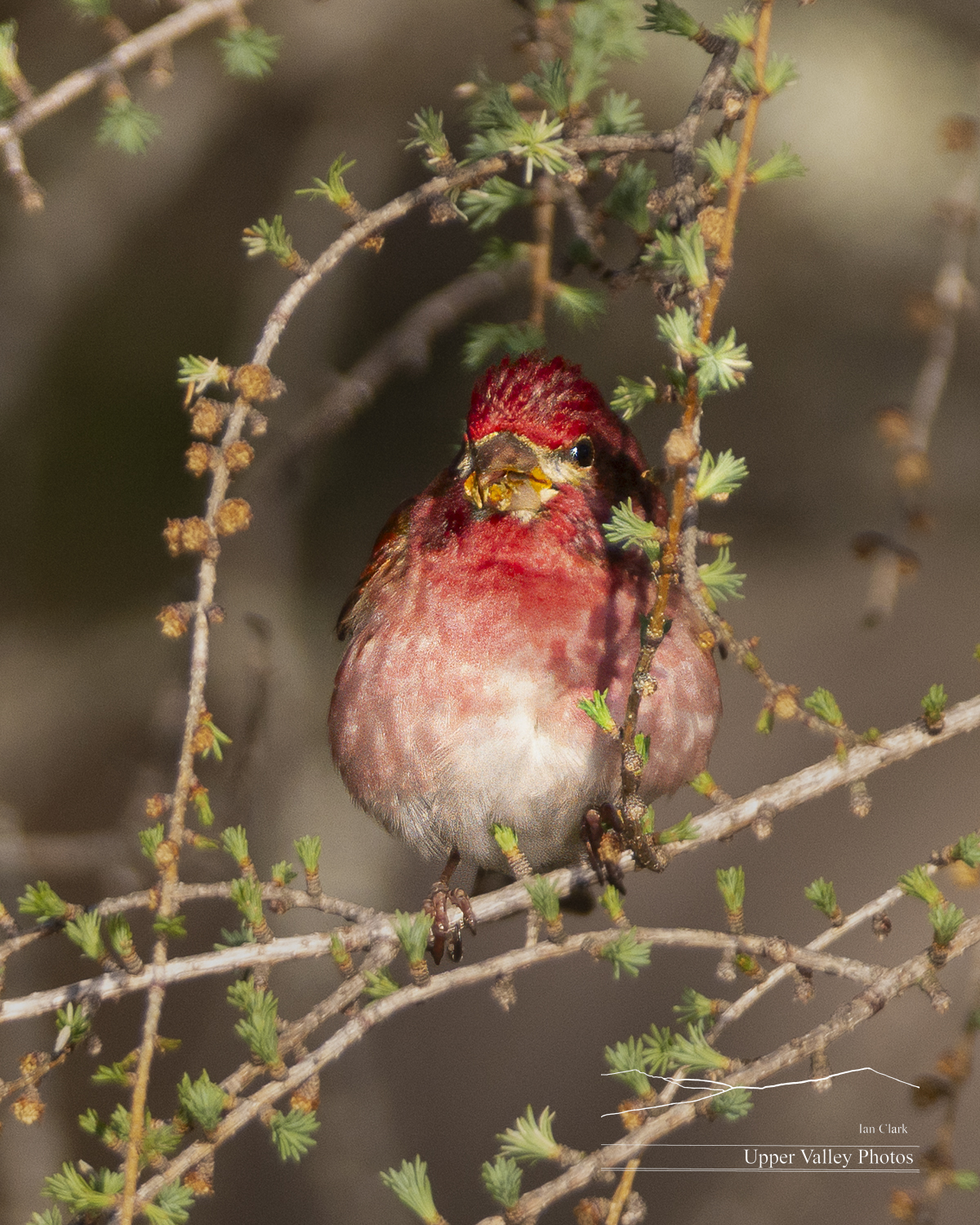
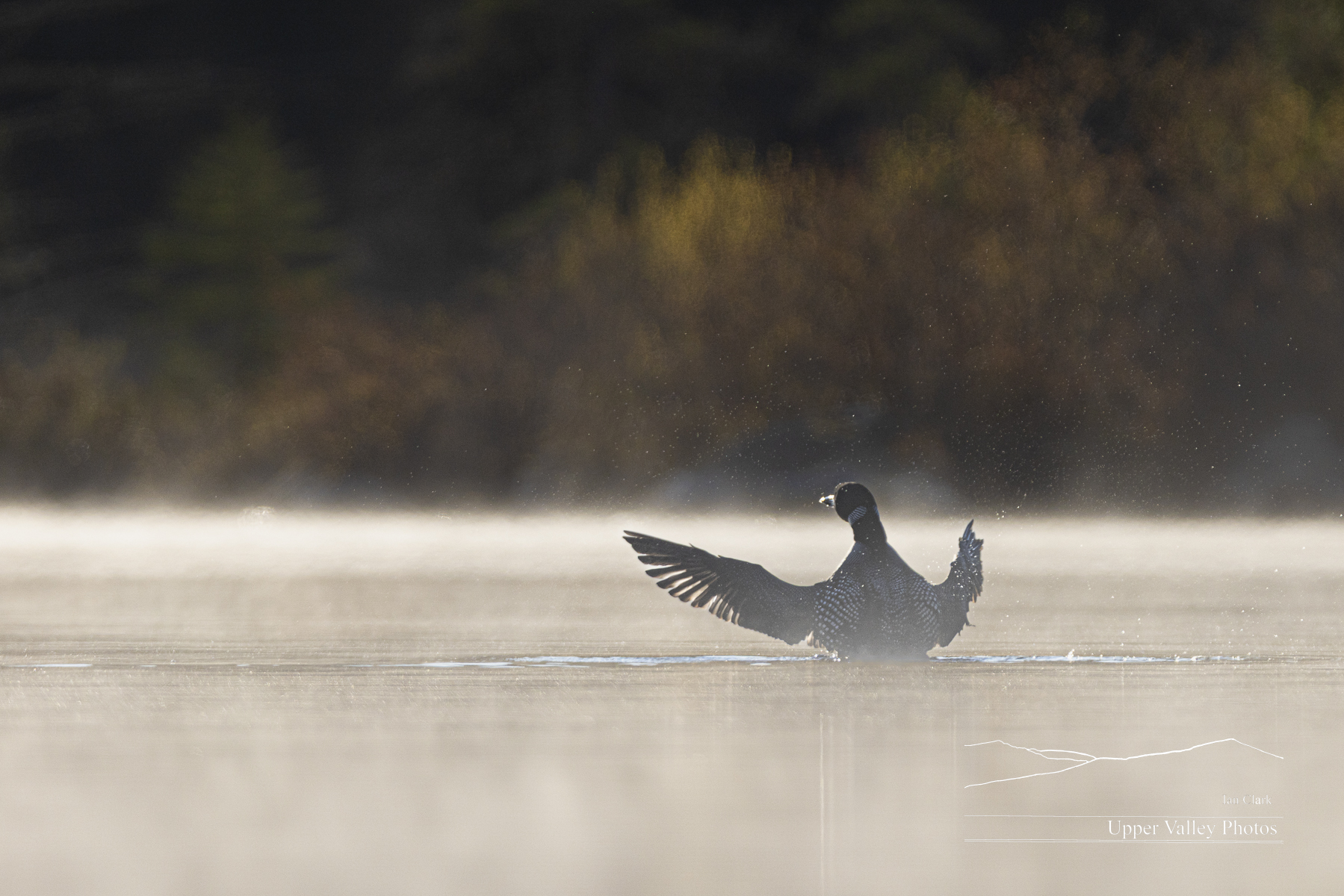
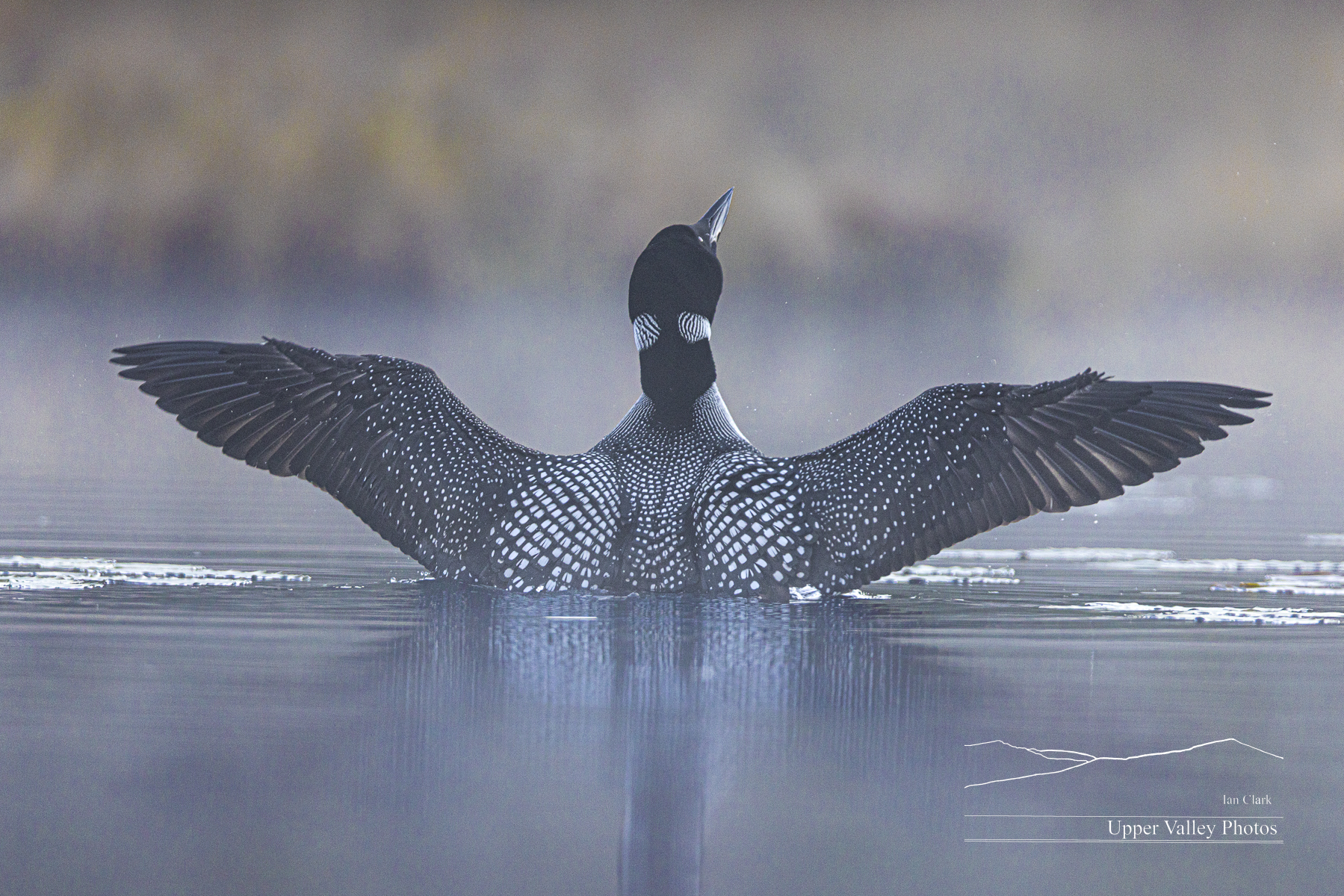
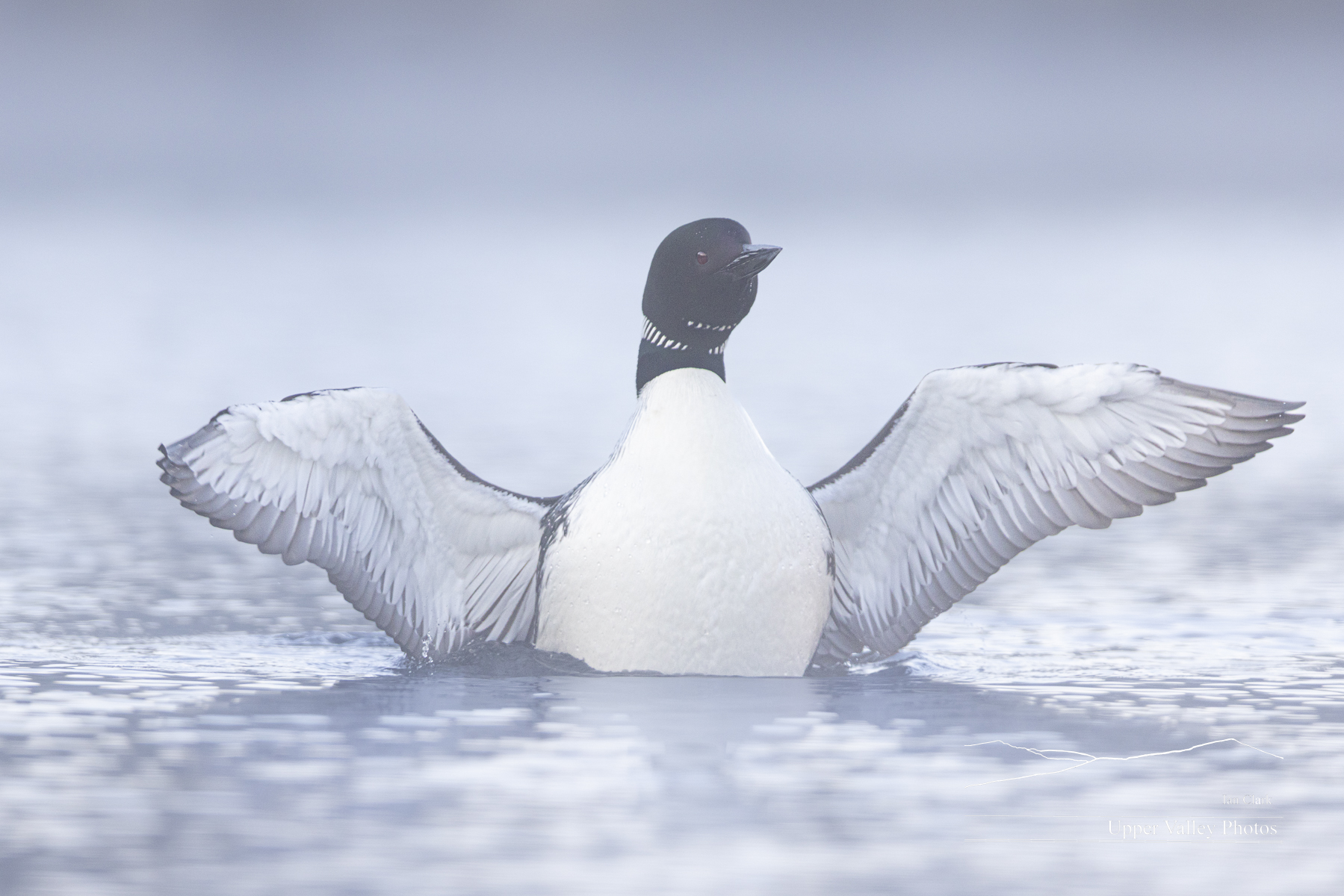
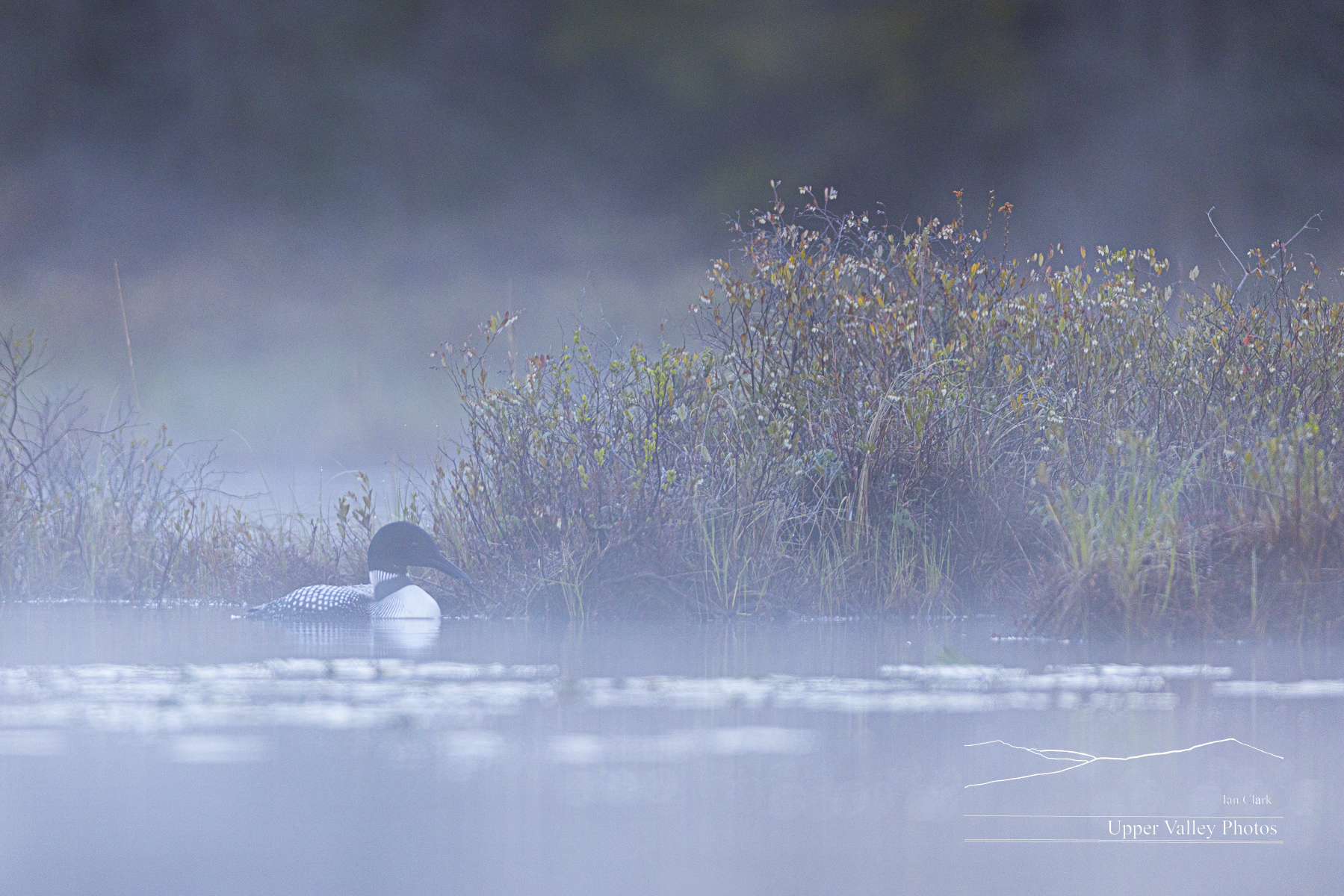
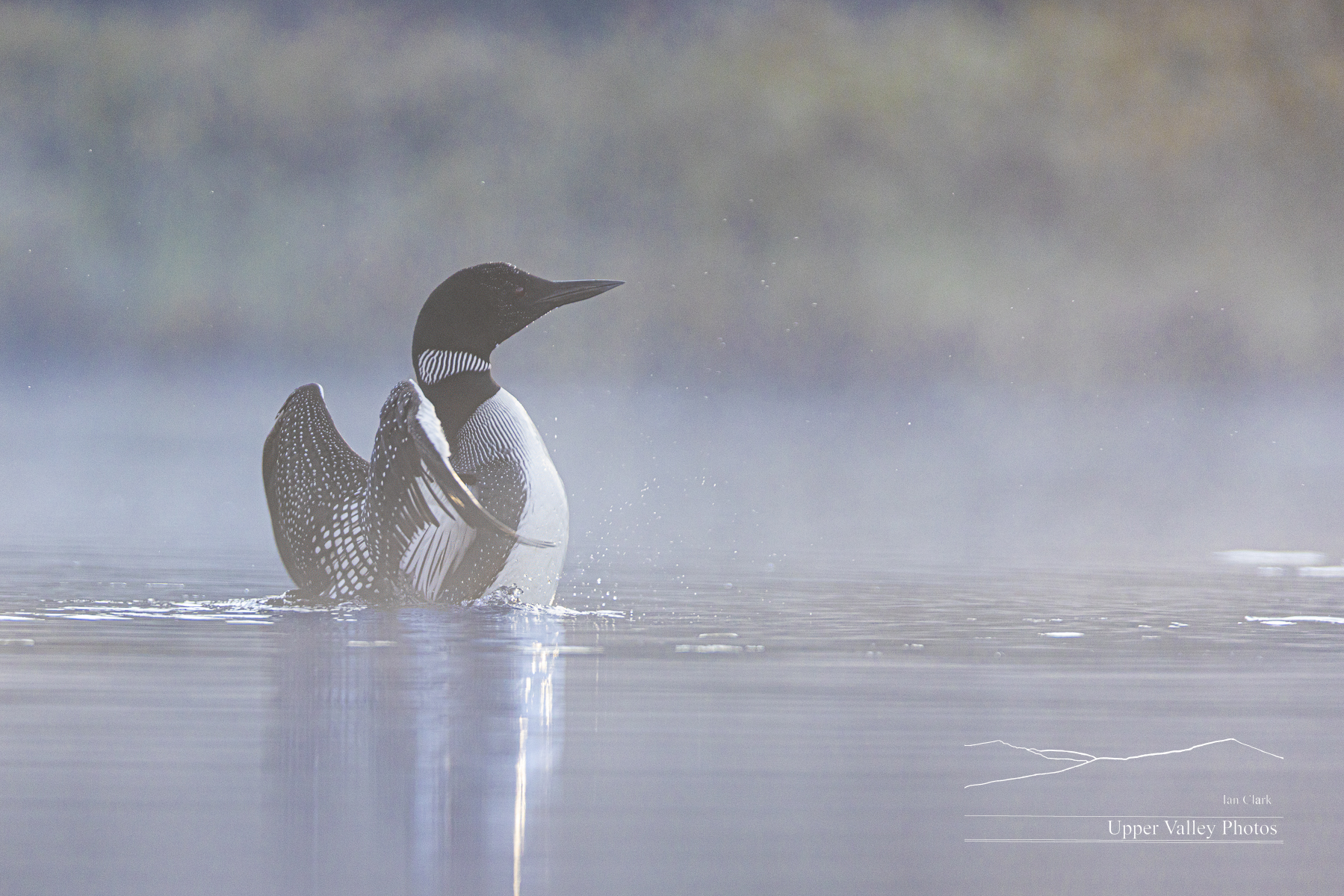
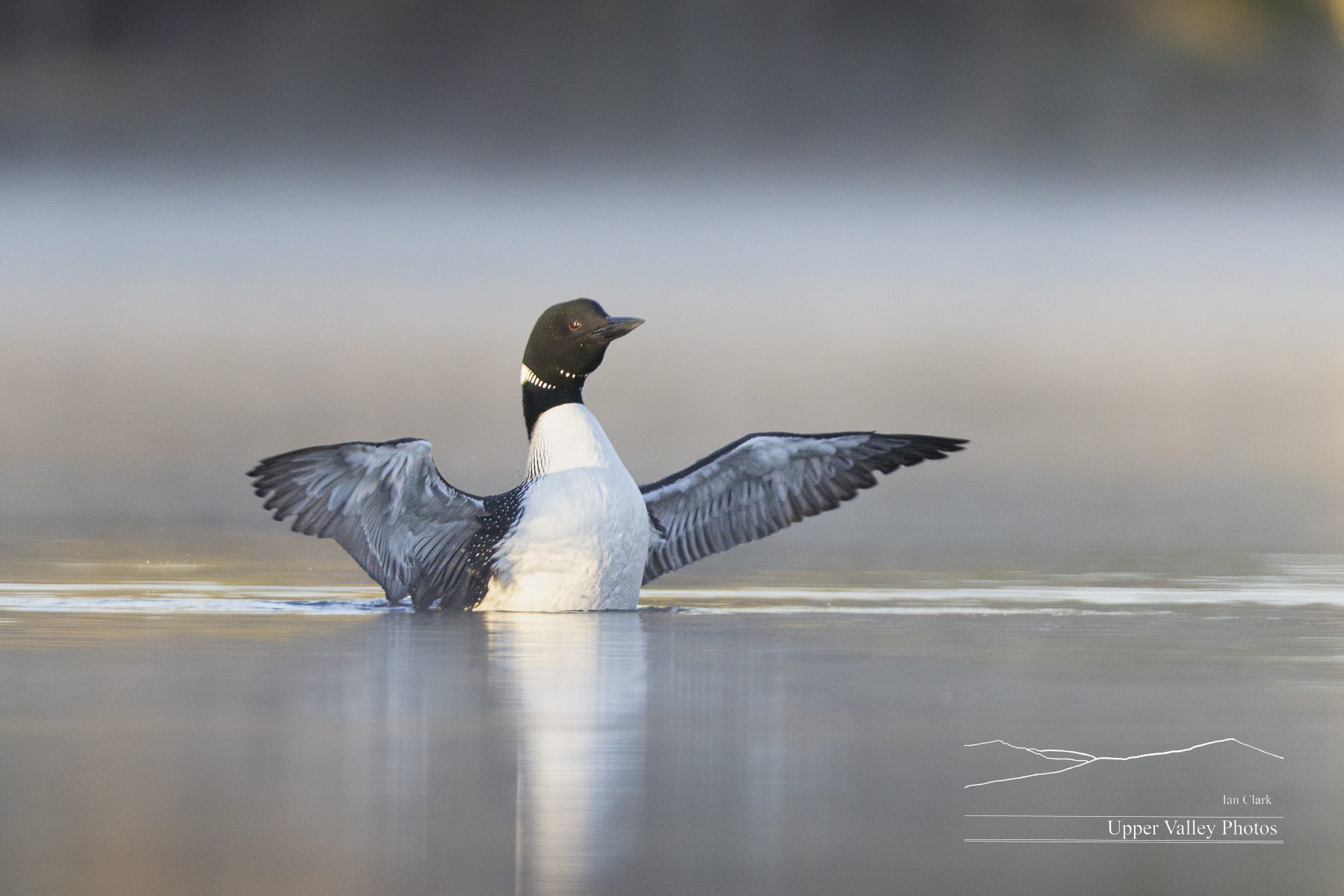
Warblers are back and there was a good-sized flock foraging along the shore. Most were too high in the trees for good shots, but this common yellowthroat was working just about water level. This purple finch (Harold, he says my number came up) was eating tamarack seeds. The Westons finally stirred and one gave a nice stretch before heading off to the far end of the pond for breakfast.
I went back to visit them again the next day.
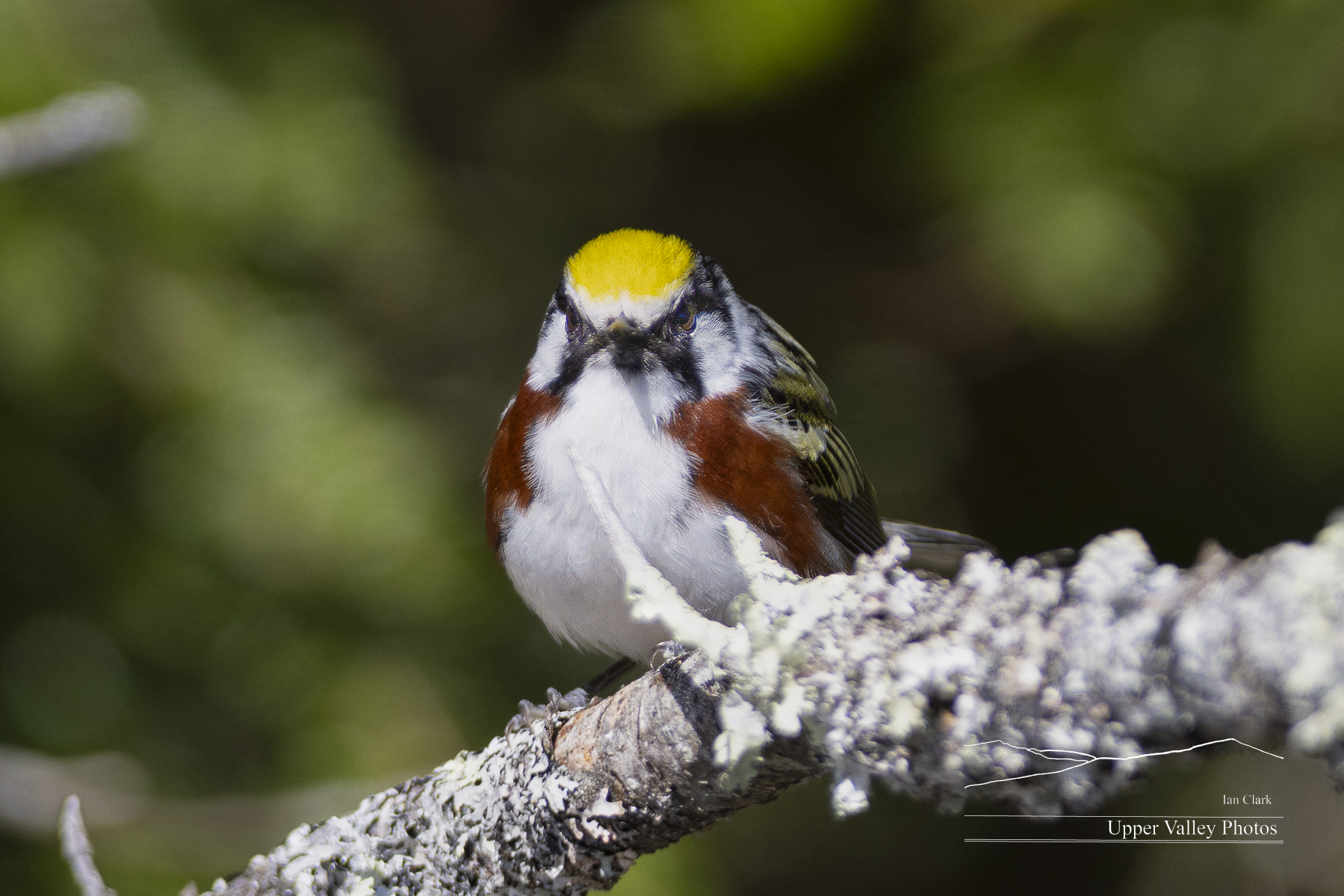
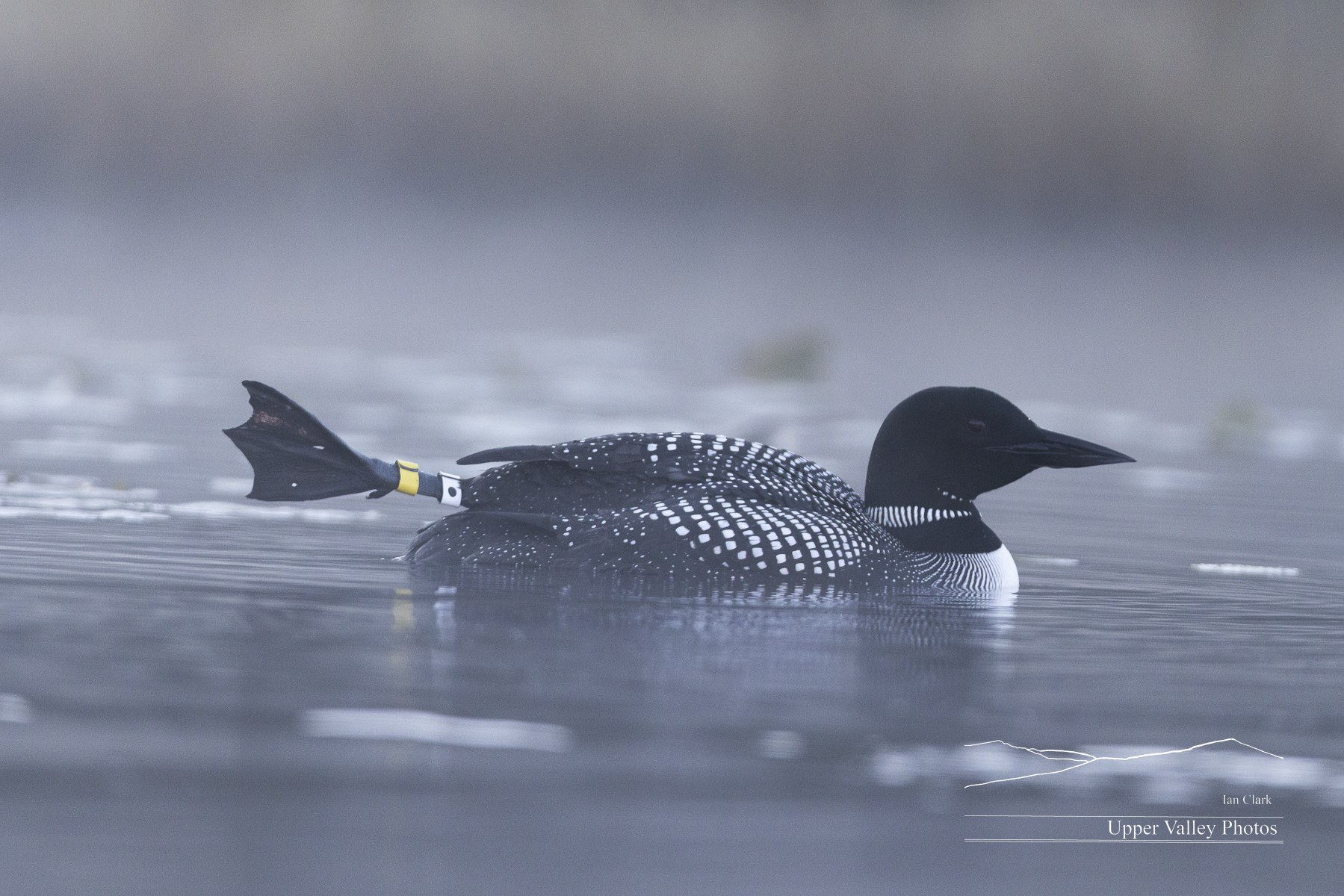
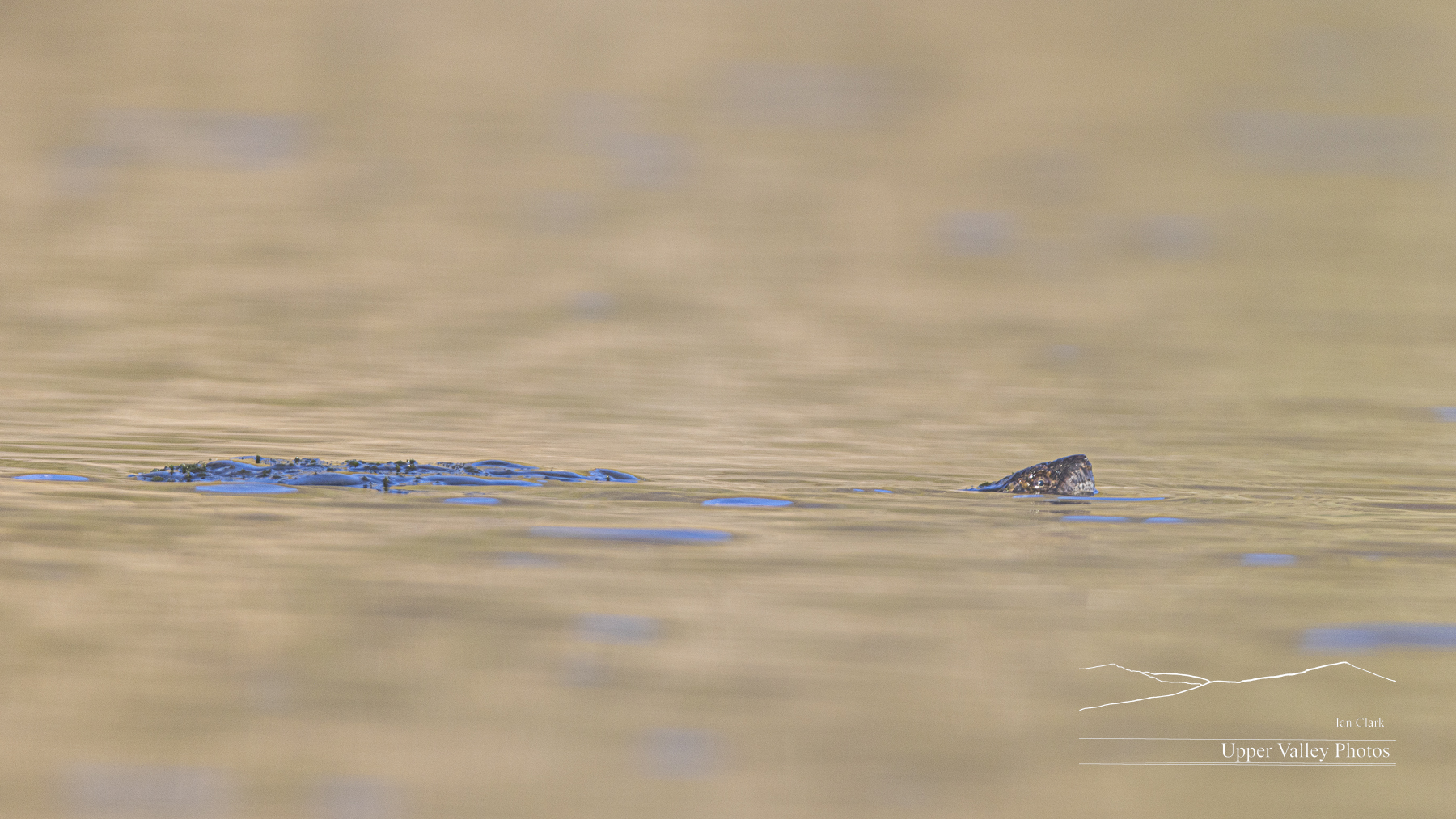
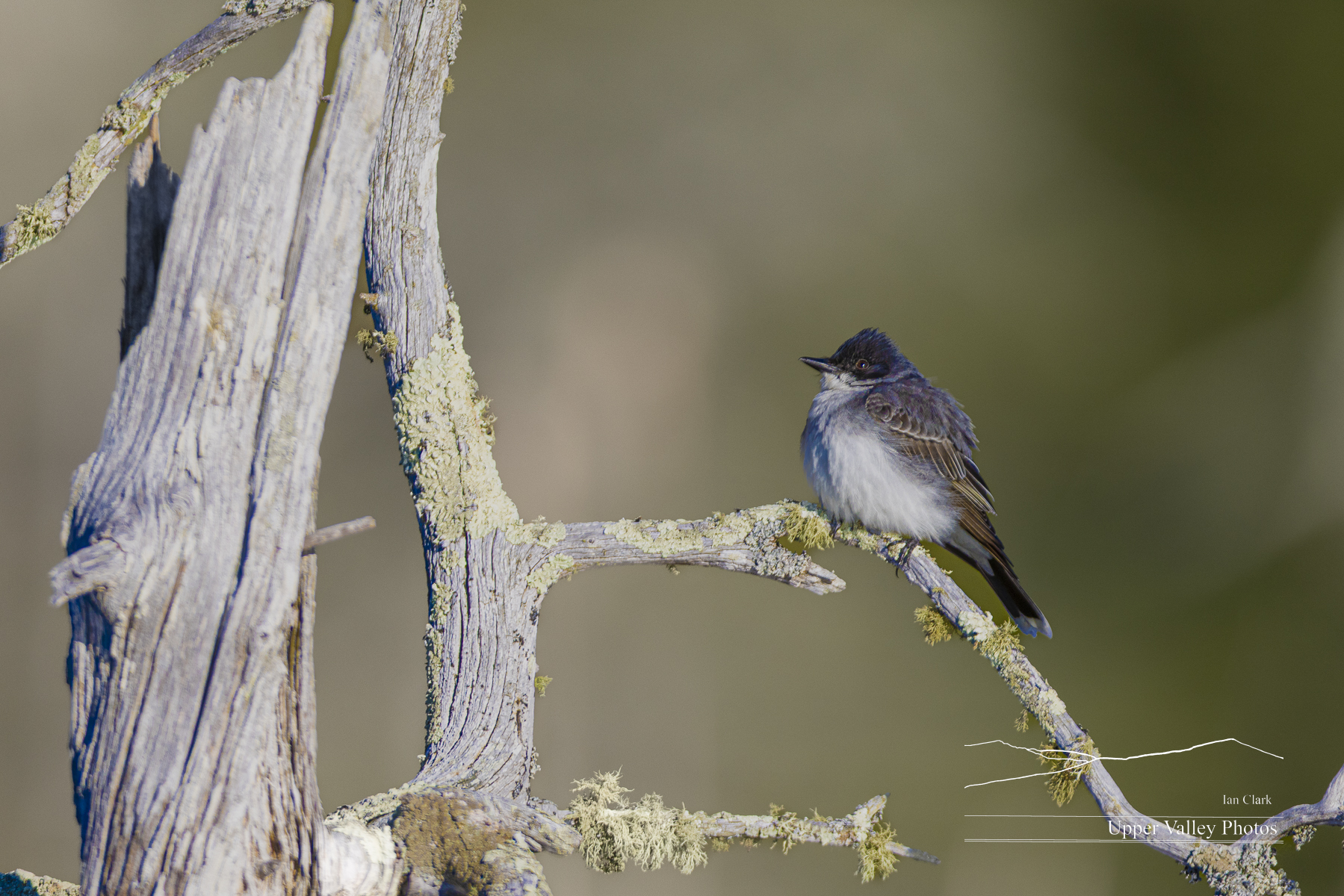
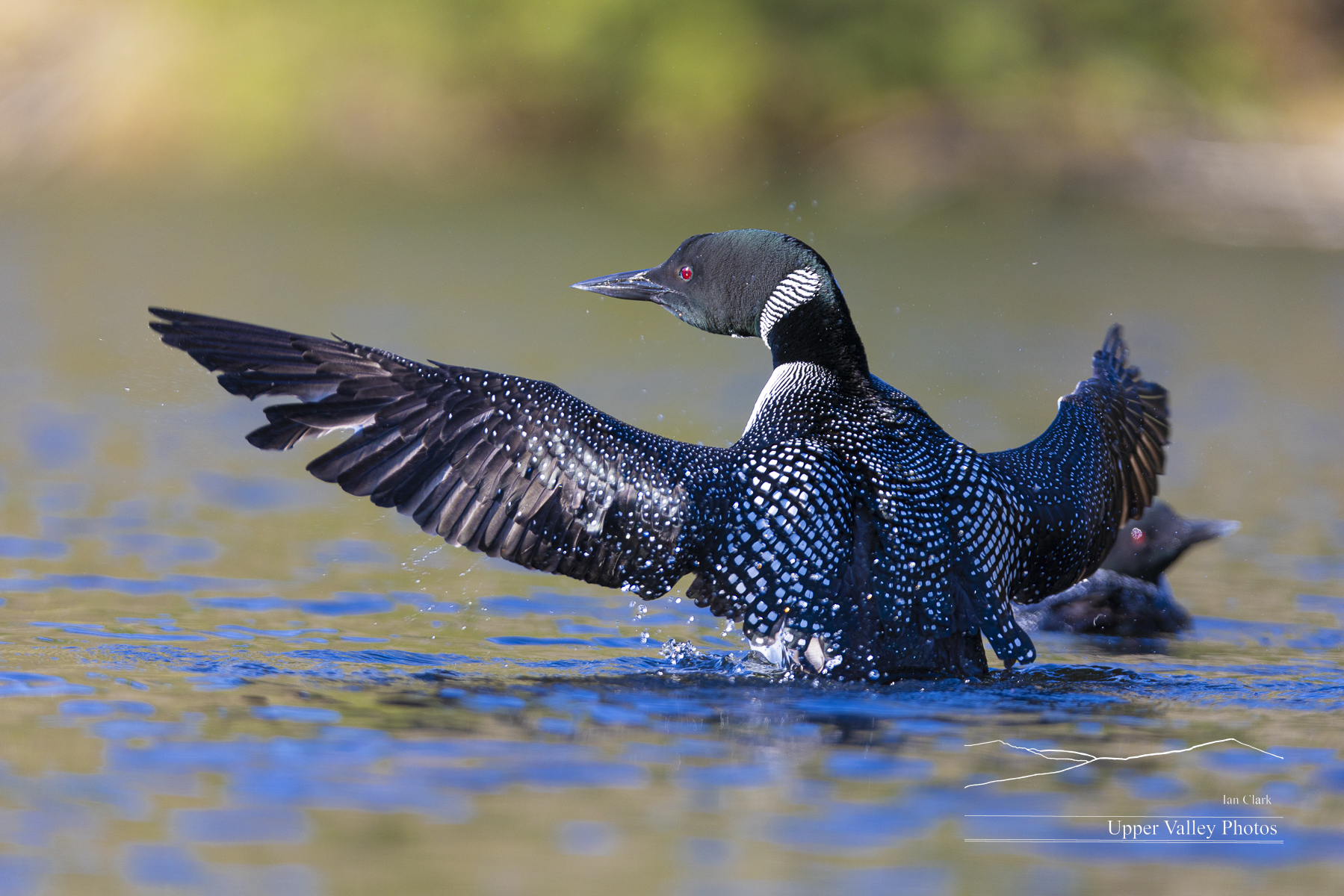
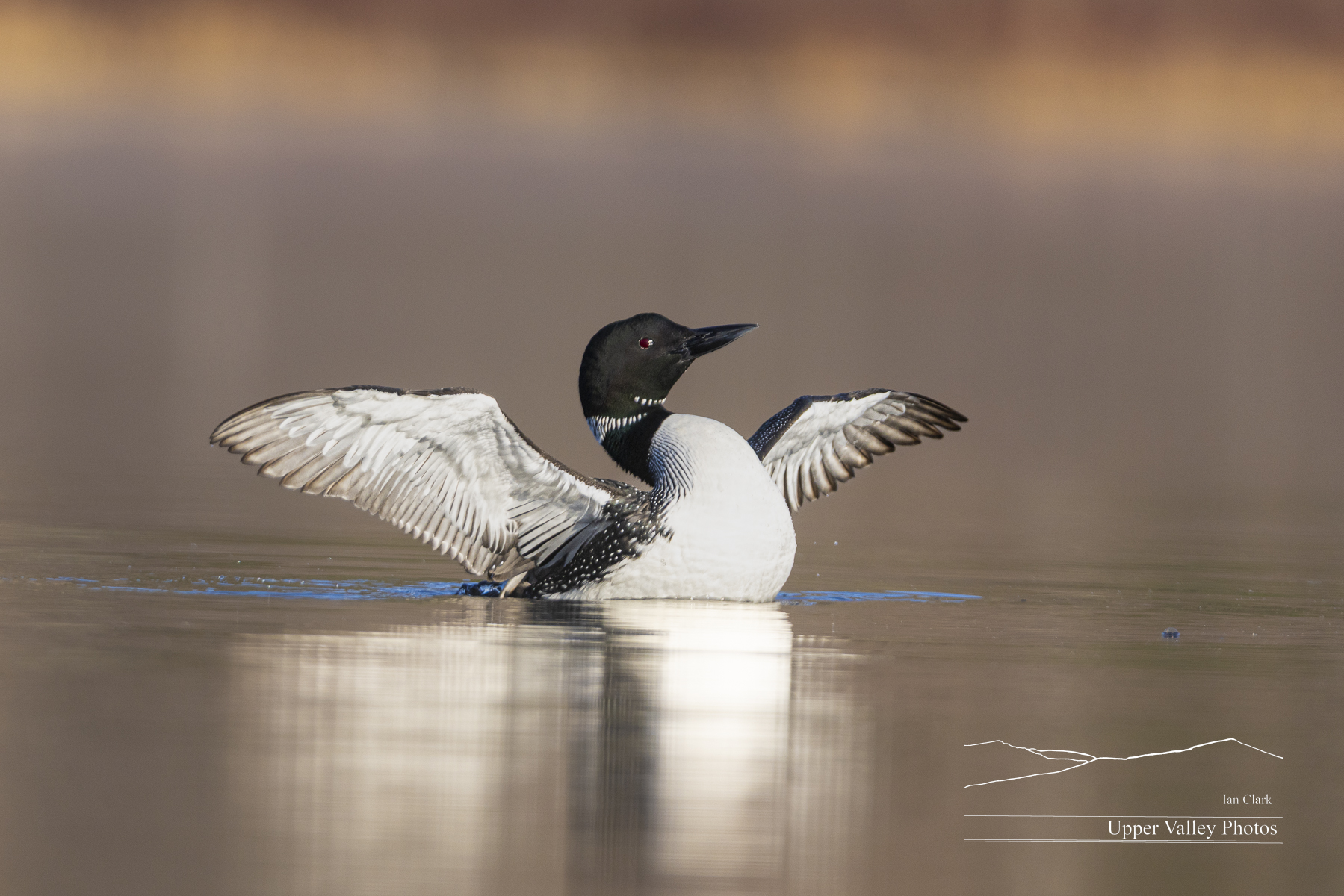
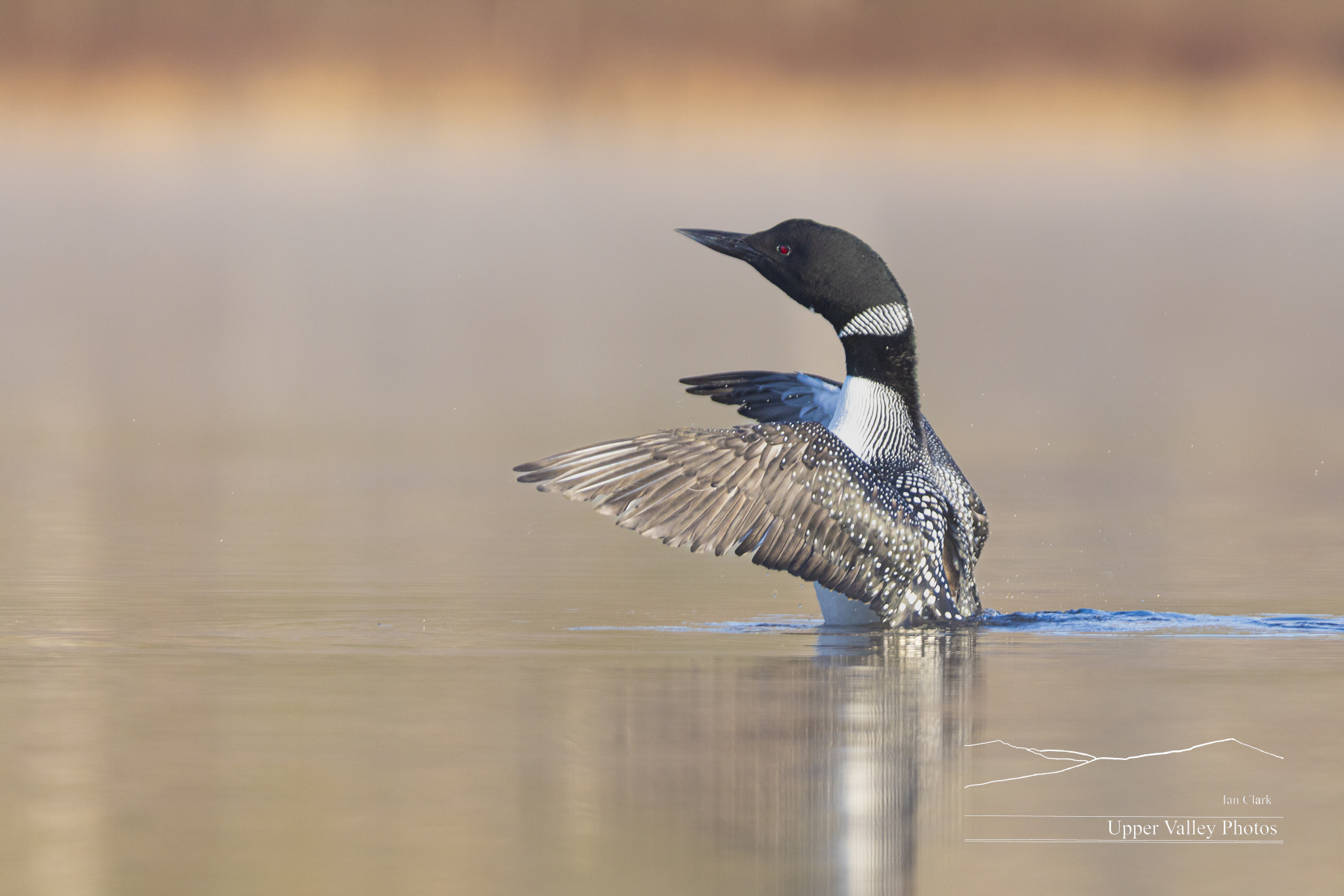
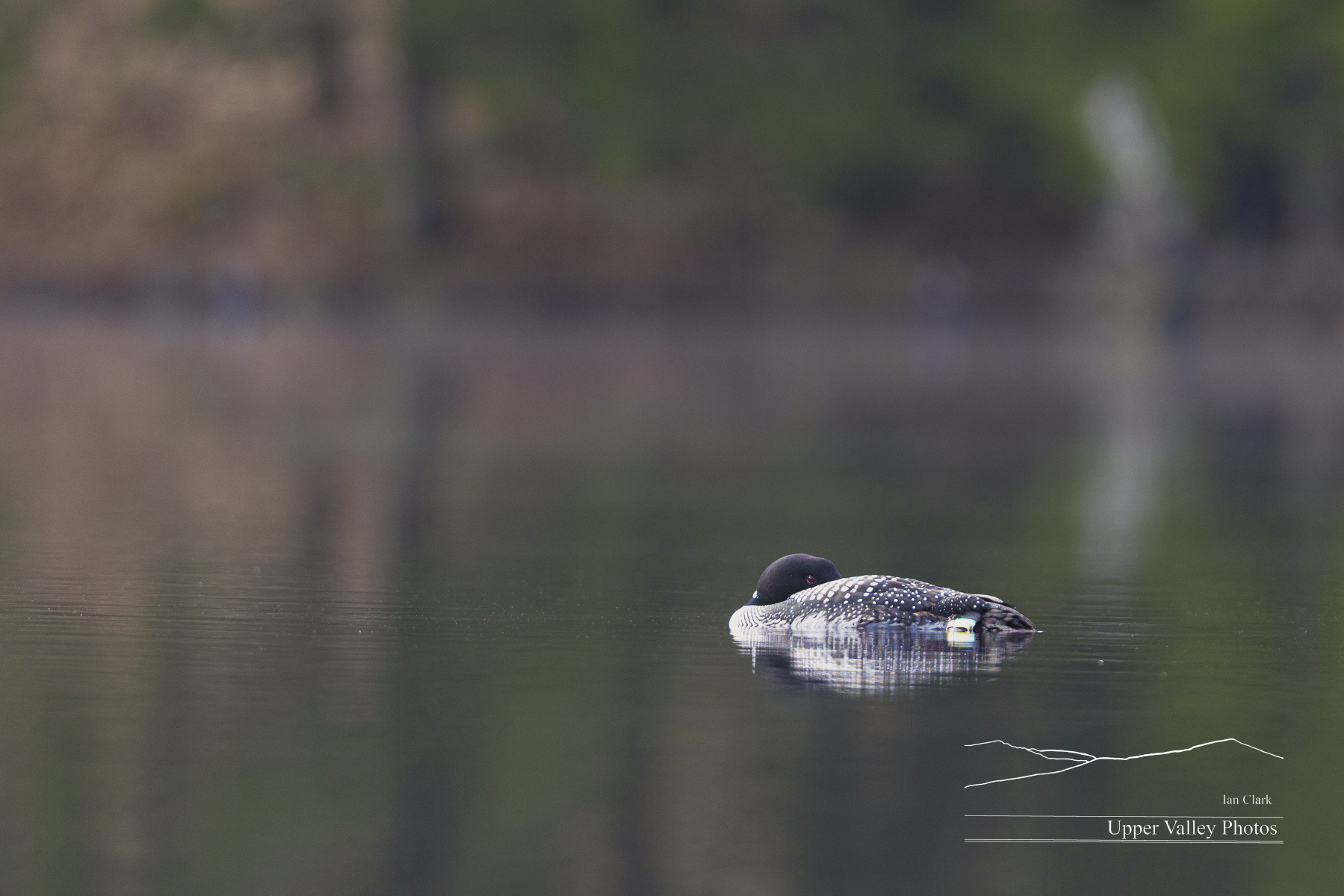
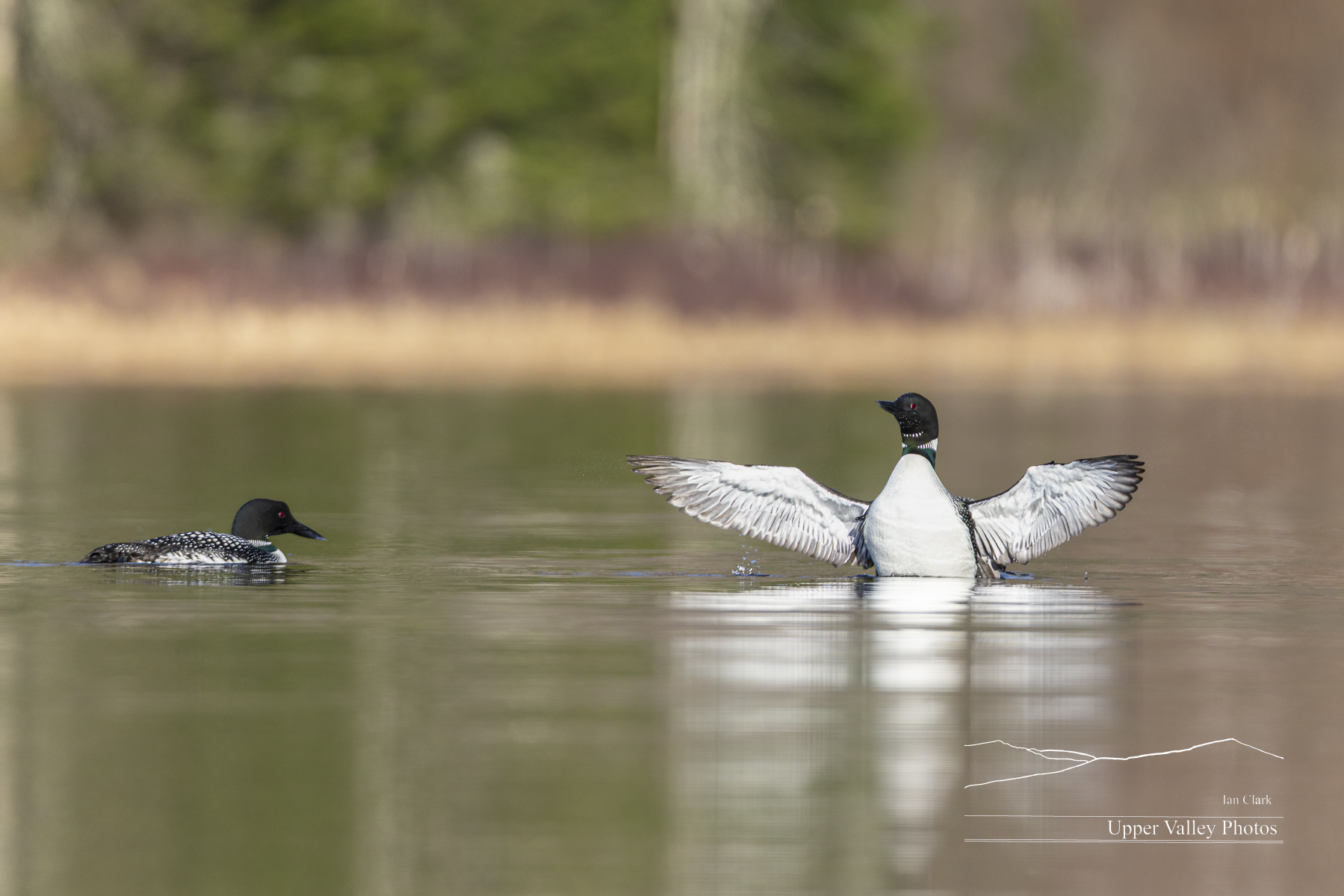
They were up before the dawn and checking out the real estate looking for a nesting site. They discussed the spot where the nest has been for the last several years but didn’t seem to come to a conclusion. The literature says the male picks the nesting site. But, watching it seems to be a joint decision. Much like how I decided on the colors to paint the kitchen. One of the birds stretched a leg and showed he was banded. Last year, the female disappeared from the pond in early August and wasn’t seen again. I suspect that wasn’t good news, that’s early for her to have left voluntarily. The male stayed on the pond and faced off against a challenger every time I visited. My first thought was we had a new female on the pond. I reported the banded bird to the Vermont Center for Ecostudies, Vermont’s loon researchers. They told me that the banded bird was a male that had landed in someone’s driveway. The Center sent someone to rescue the bird. They banded him and released him in a pond without a nesting pair of loons. We’ll never know if it was Mr. Weston or the challenger that was chased off the pond. I’m hoping this is the same bird that I’ve likely been watching for years. Mr. Weston gave me a nice stretch. Or he was throwing his wings up in frustration…. Mrs. Weston answered with her own stretch. Then they resumed the search for a nest site. It didn’t look like they came to a decision on where to nest. Mr. Weston stretched again and they headed out for breakfast. The Westons’ pond has a good population of snapping turtles. I’ve had three great looks at turtles in shallow water so far this year. All three turtles were large, but nowhere near the size people claim they’ve seen. They actually top out with a carapace – the upper part of the shell – about 20″. This turtle appears to be basking. Snappers like to stay in the water rather than climb out to bask. They’ll float along with their head and top of their shell exposed. The tree swallows and barn swallows were back on their favorite perch, waiting for the insects to get out and about. Eastern kingbirds (Elvis, the King) are back and paired up. They seem to prefer dragonflies for their diet. Dragonflies are scarce in the early spring, kingbirds feed on smaller insects until the dragonflies return or emerge. Some dragonflies migrate, in other species the adults die out in the fall leaving larvae to survive overwinter. I spent some more time trying for the warblers. This chestnut-sided warbler teased me for several minutes before pausing in the open for his photo. One of the Westons gave a stretch as I head out for the morning.
On May 11, I put the boat in the Waits River in Bradford, VT to see who might be around.
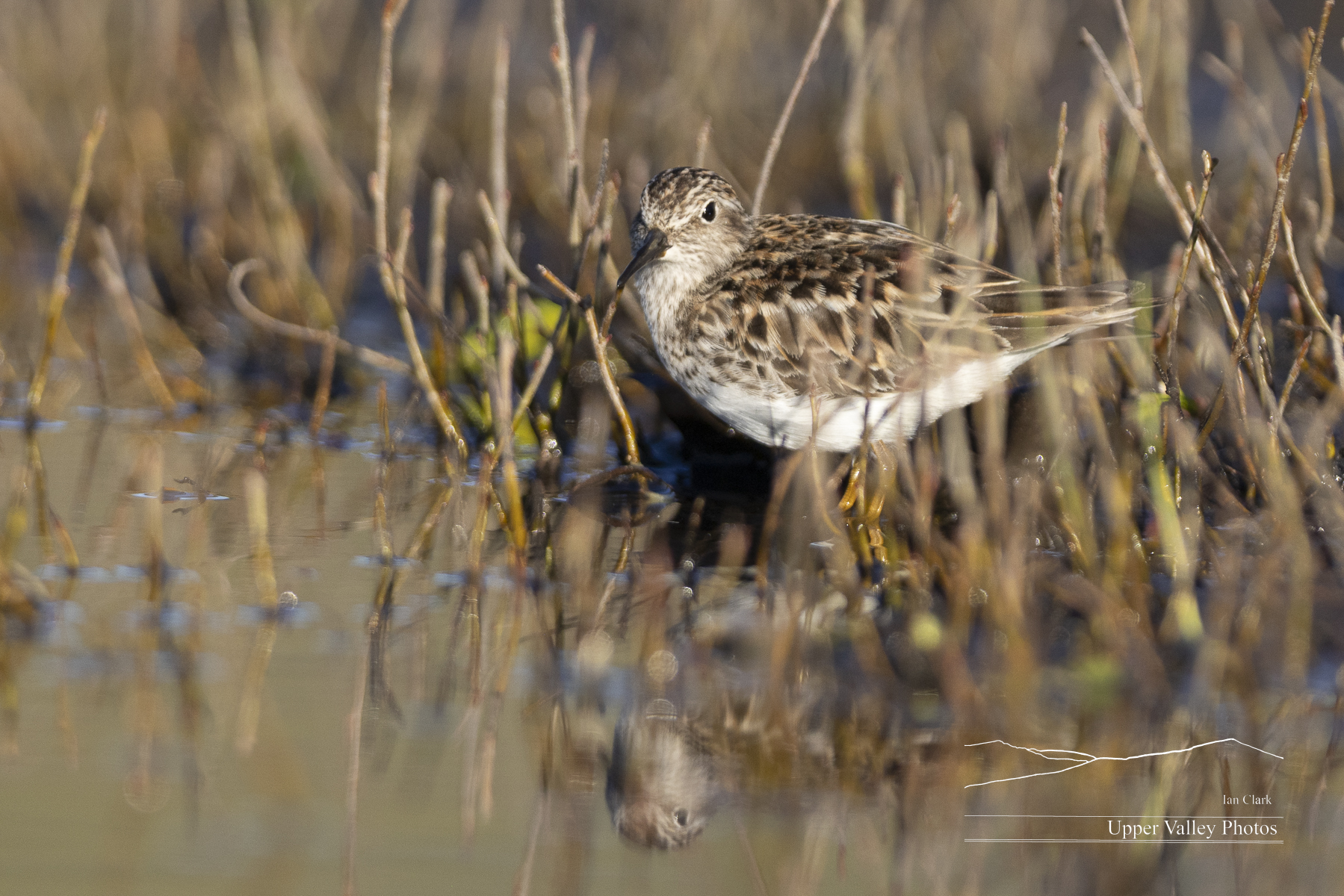
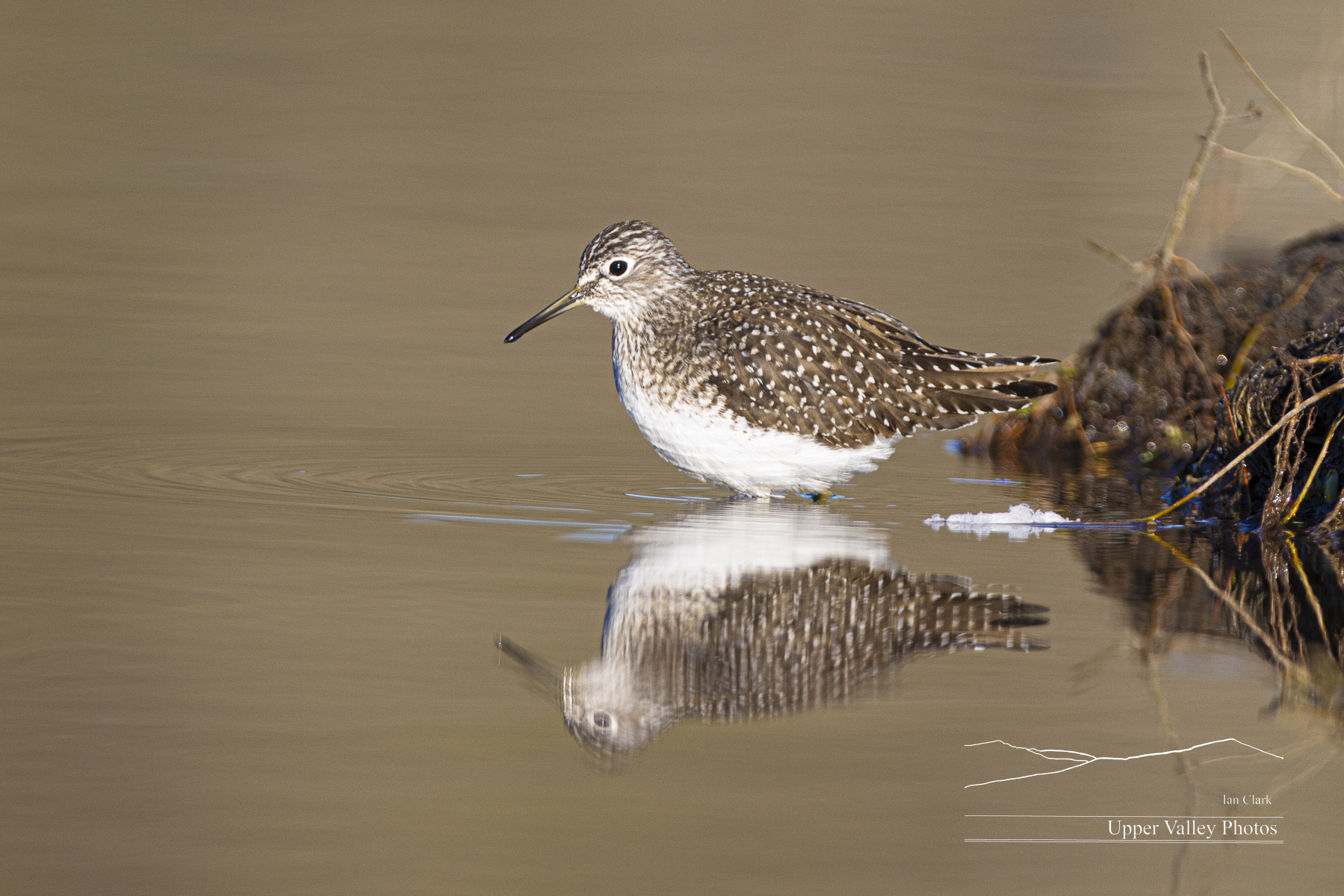
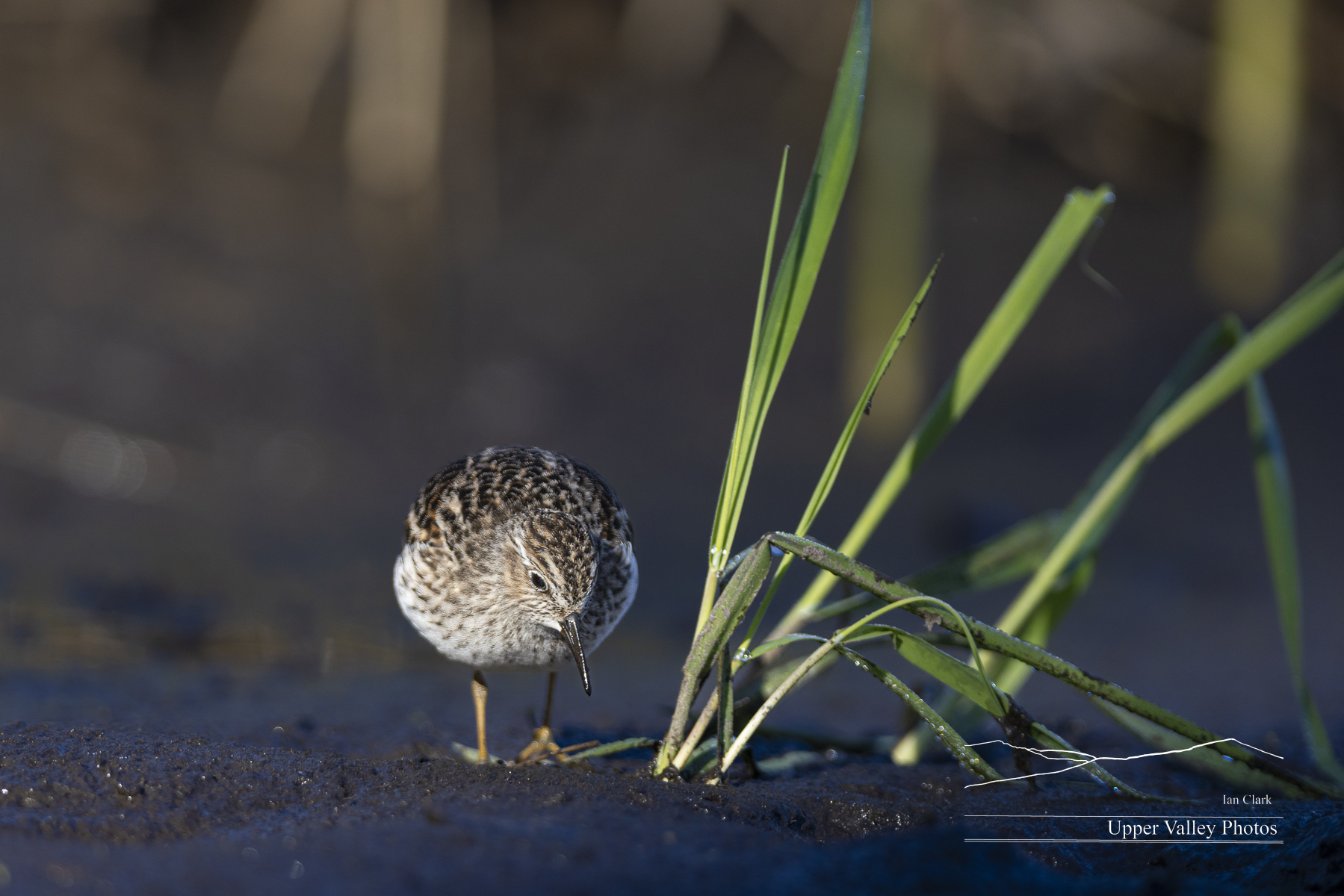
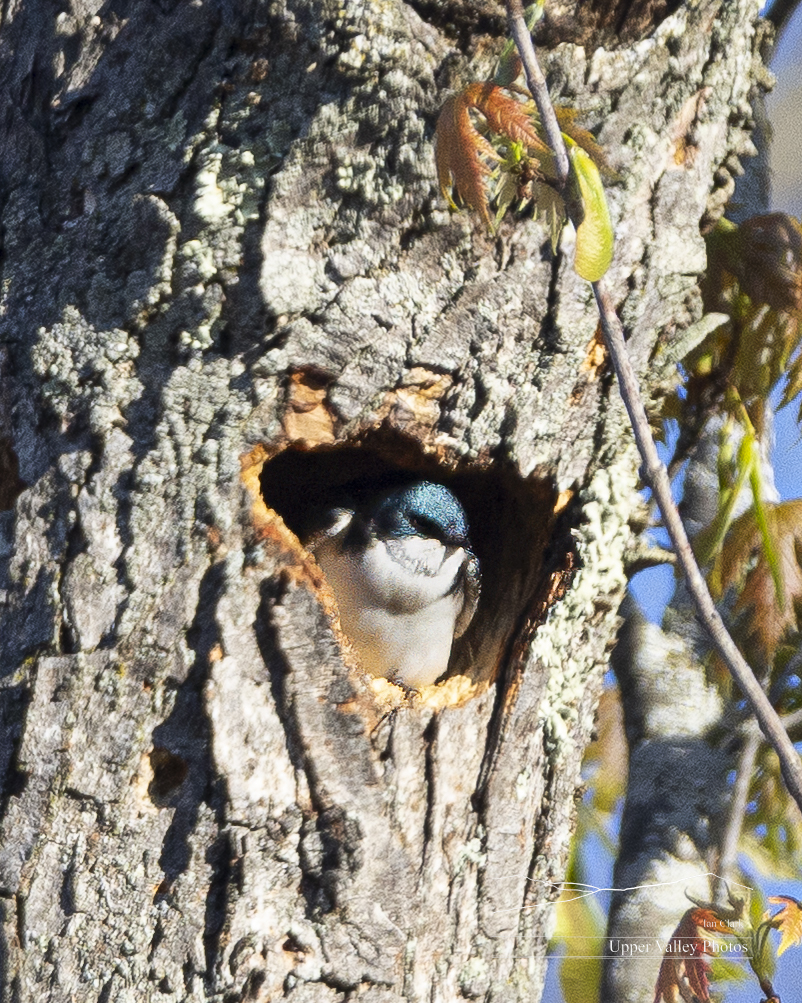
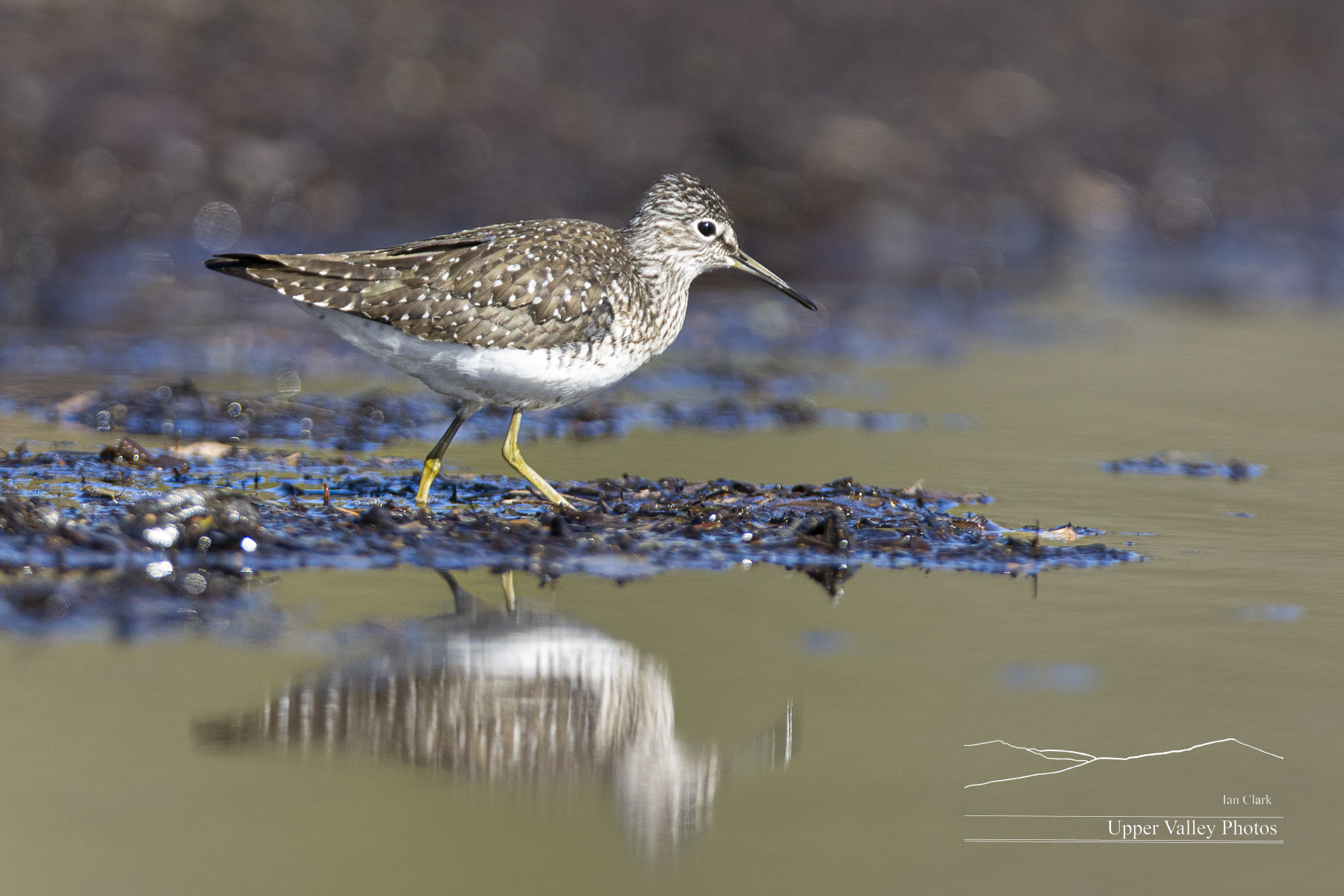
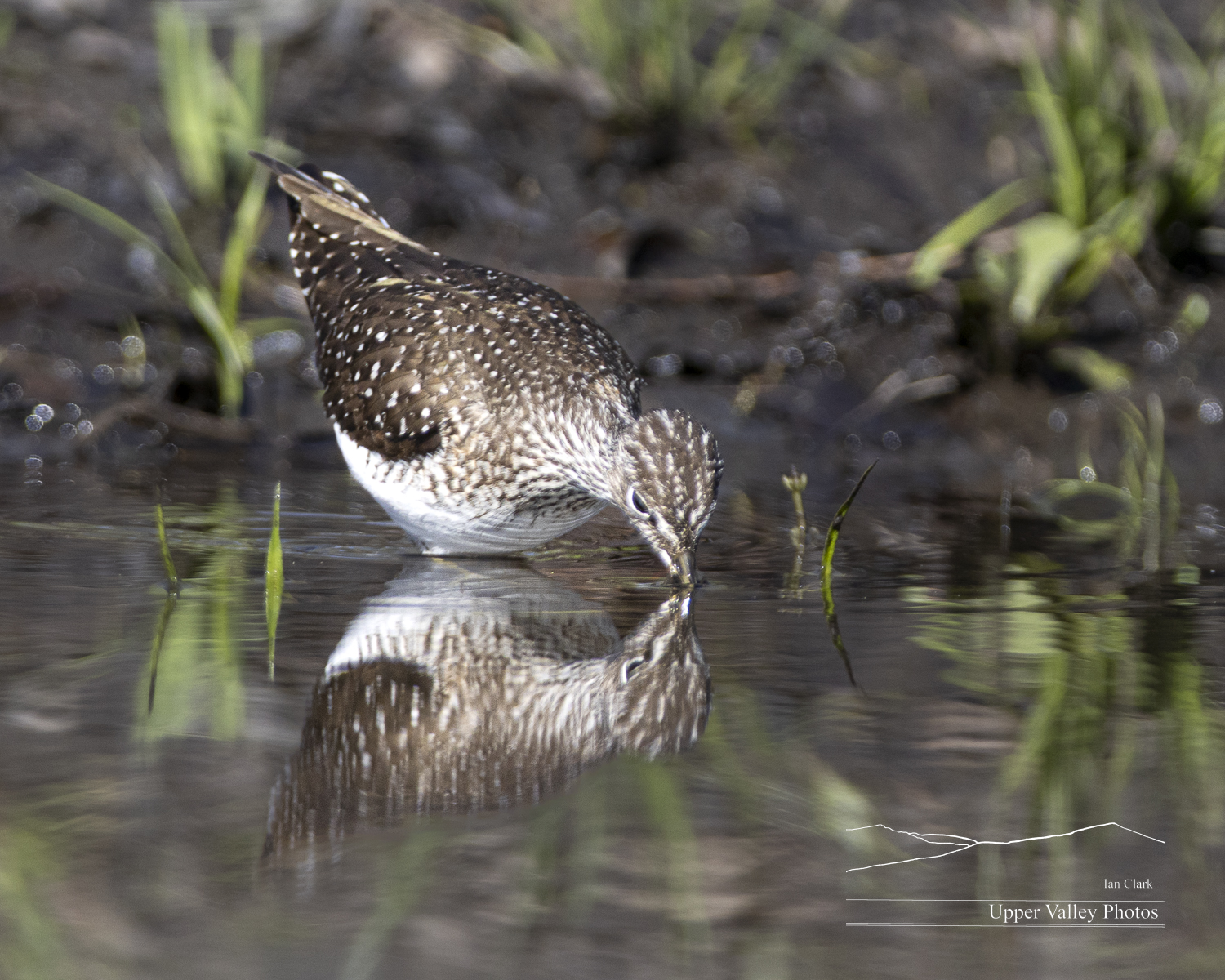
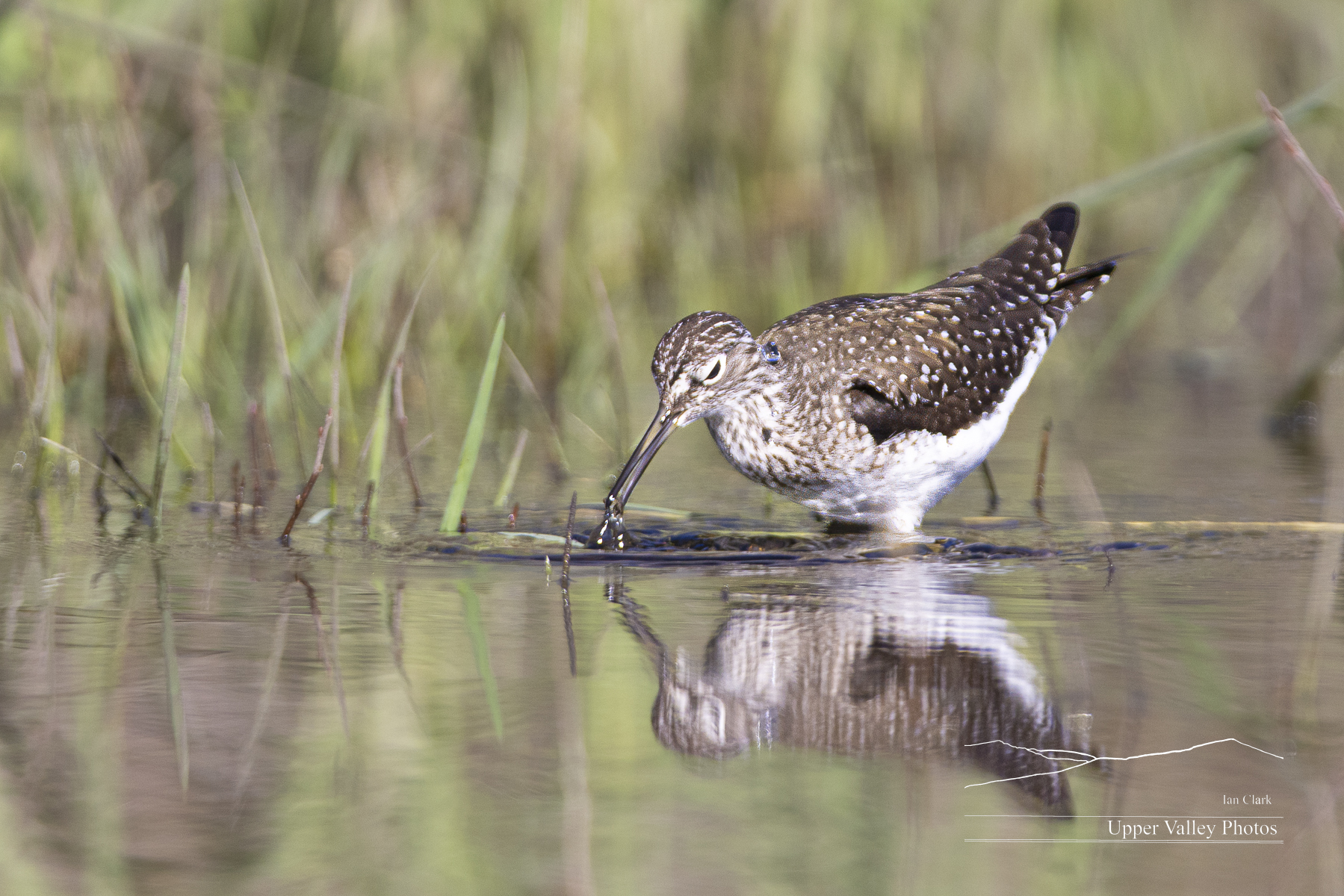
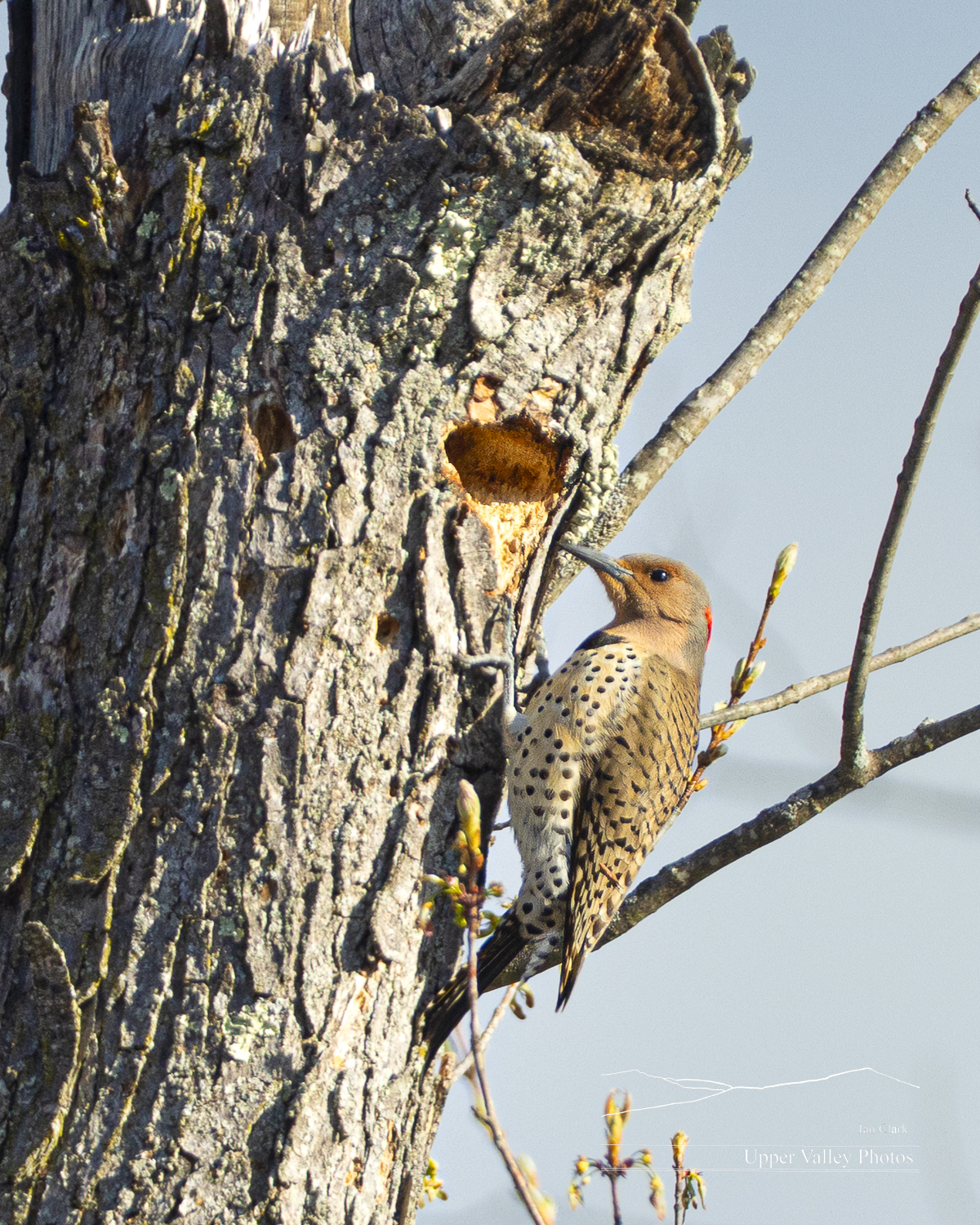
There were a couple dozen sandpipers around, this least sandpiper was foraging for breakfast in the reeds along the shore. There were several solitary sandpipers foraging as well. Another least sandpiper. Least sandpipers are allegedly the world’s smallest shorebirds. They’re often called ‘peeps’ for their size and call. As I floated by, I checked to see how our northern flickers were doing. Only to be surprised to see a tree swallow in the nest the flickers had been working on. There were flickers calling in the area, but I don’t know where the couple from the last post settled. I beached the boat and watched this solitary sandpiper foraging for some time. The same sandpiper finding a snack. And the same bird with another catch.
I’m watching the weather, looks like we’re going to have a nice weekend, I’ll be back out early.
If you enjoy my posts, please sign up to get notified when I add a new post. I won’t sell or share your email, you’ll just get an email when I add a post. And you can do me a favor by sharing my blog with your friends by email or on social media. Thanks!
The run of nice mornings let me get out several times since my last post. I’ve called on the Middletons and the Westons, visited the falcons and the heron rookery as well as paddled in the Connecticut. This is a roundup of what I saw.
I’m still looking for fox, coyote and bobcat dens. And other mammals bigger than a squirrel. If you’ve got them hanging around where I won’t be in the way photographing them, I’d love to know.
I’ll be giving my slideshow An Uncommon Look at the Common Loon at the Rockingham, Vermont, Library this Saturday May 2, at 11 am. Free and everyone welcome. And I have prints of some of my favorite loon photos hanging in the Library now. Stop in and have a look. Later in the month, I’ll be doing my slideshow of my favorite shots from 2025 at the Bugbee Center in White River Jct. at 1:30 pm on Wednesday May 27 and again at the Blake Memorial Library in Corinth, VT at 6:00 pm on Friday May 27. On to the critters…
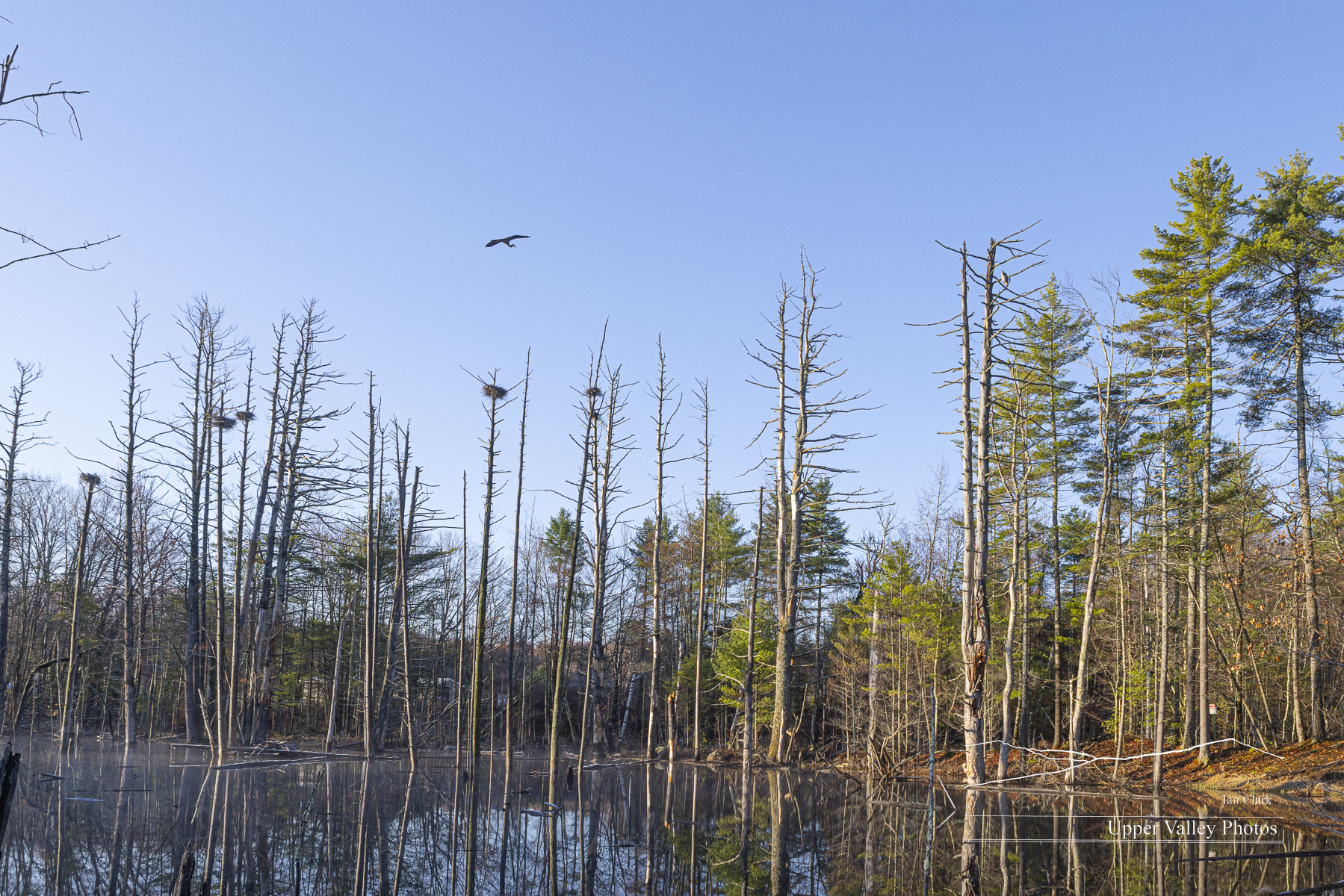
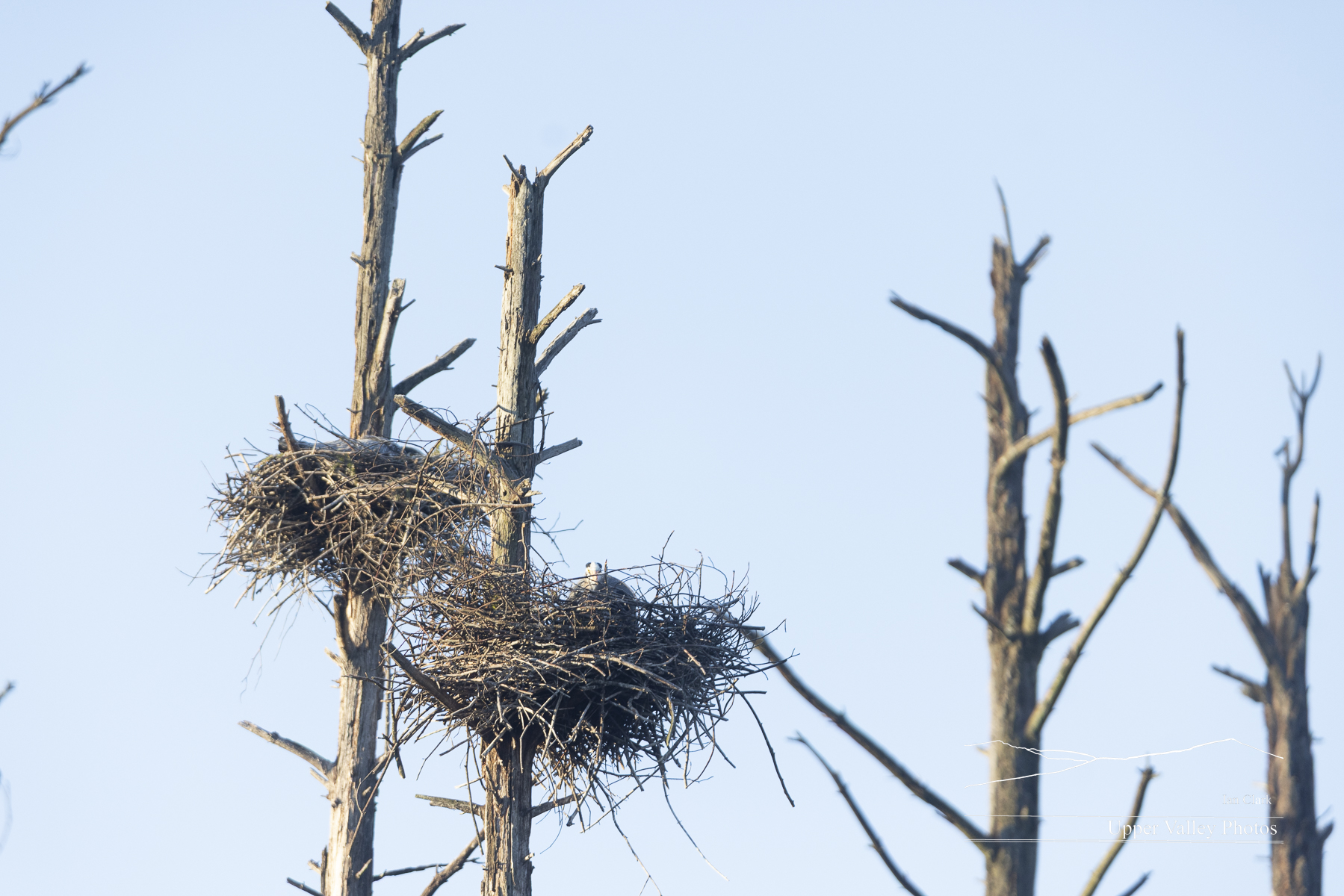
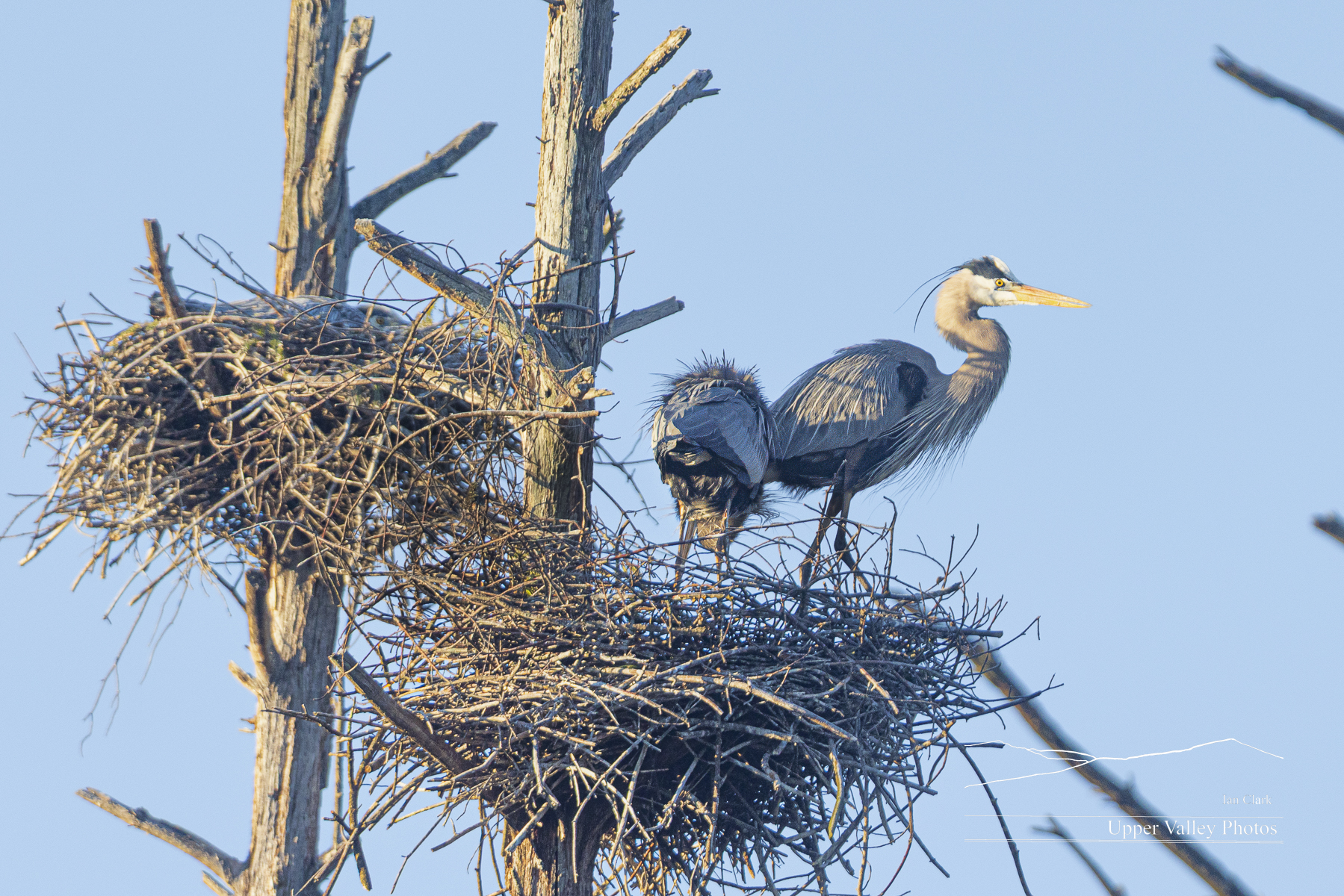
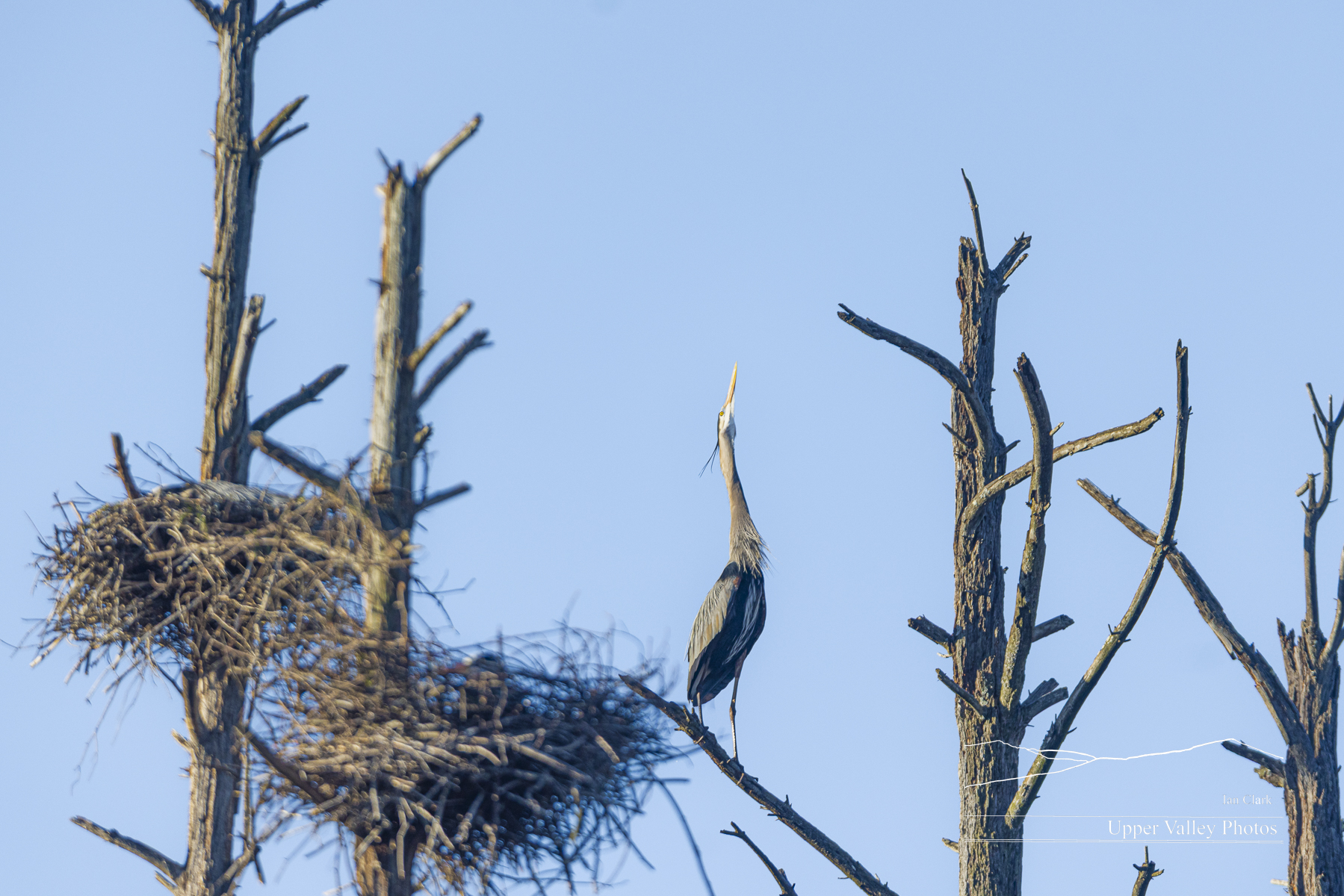
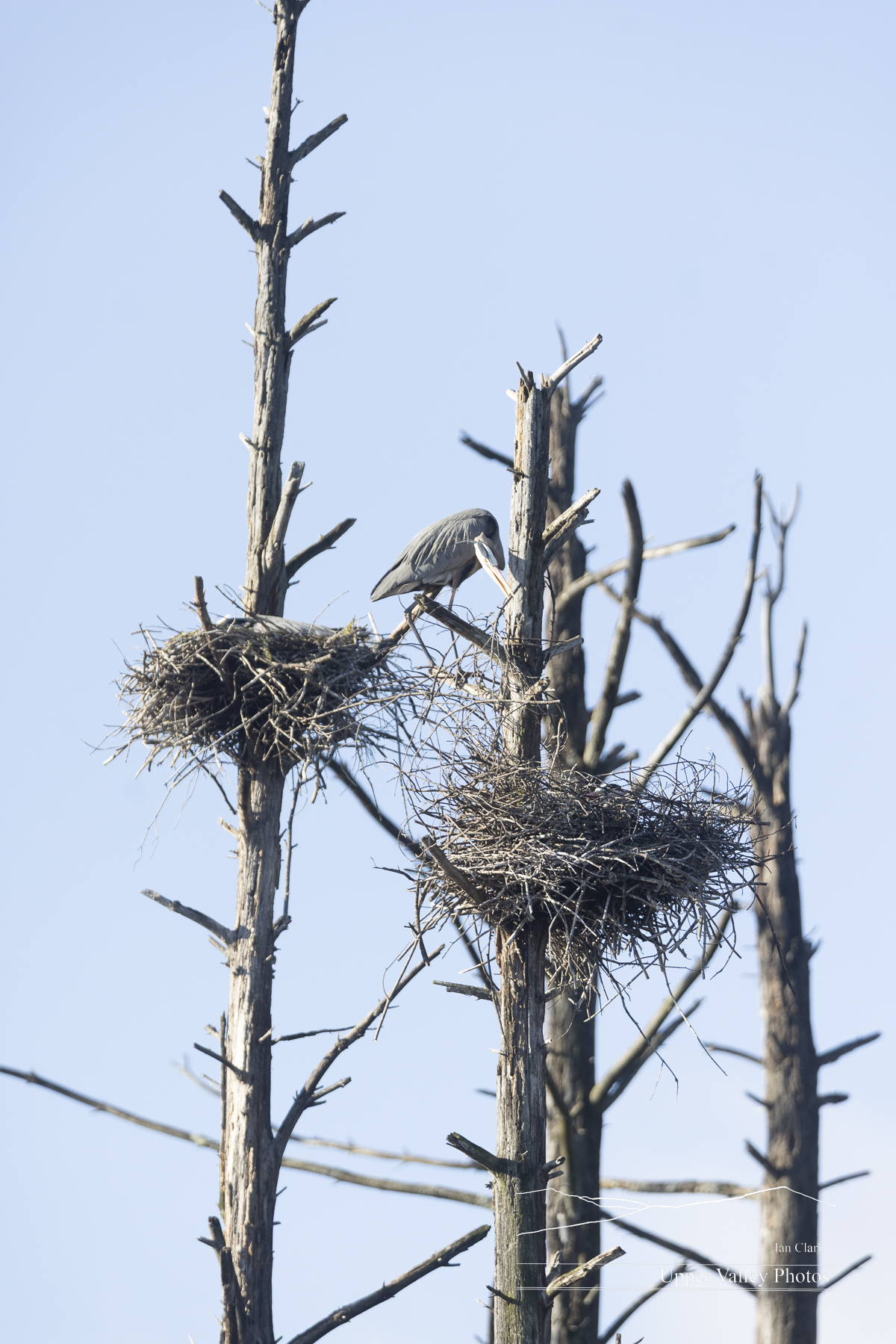
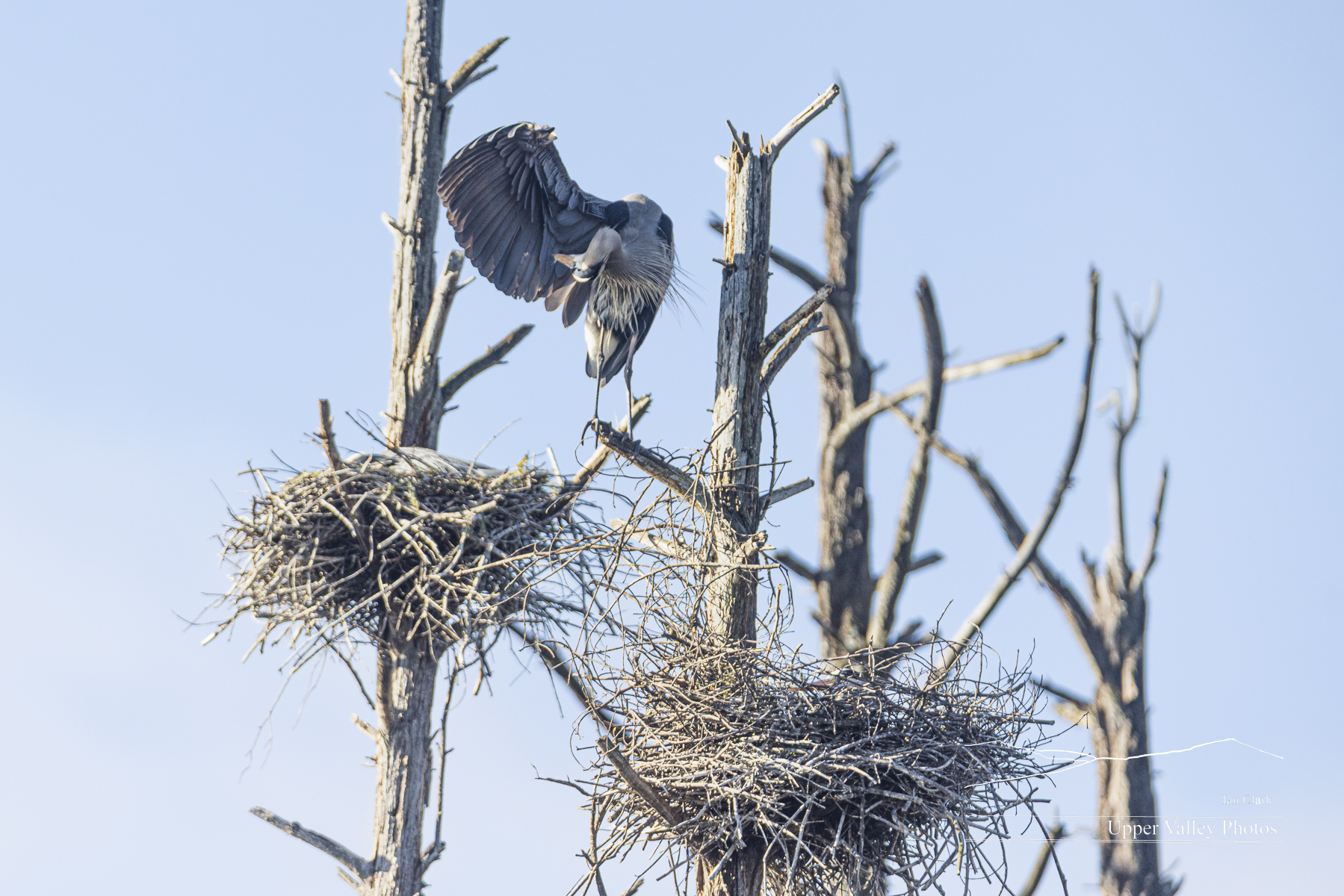
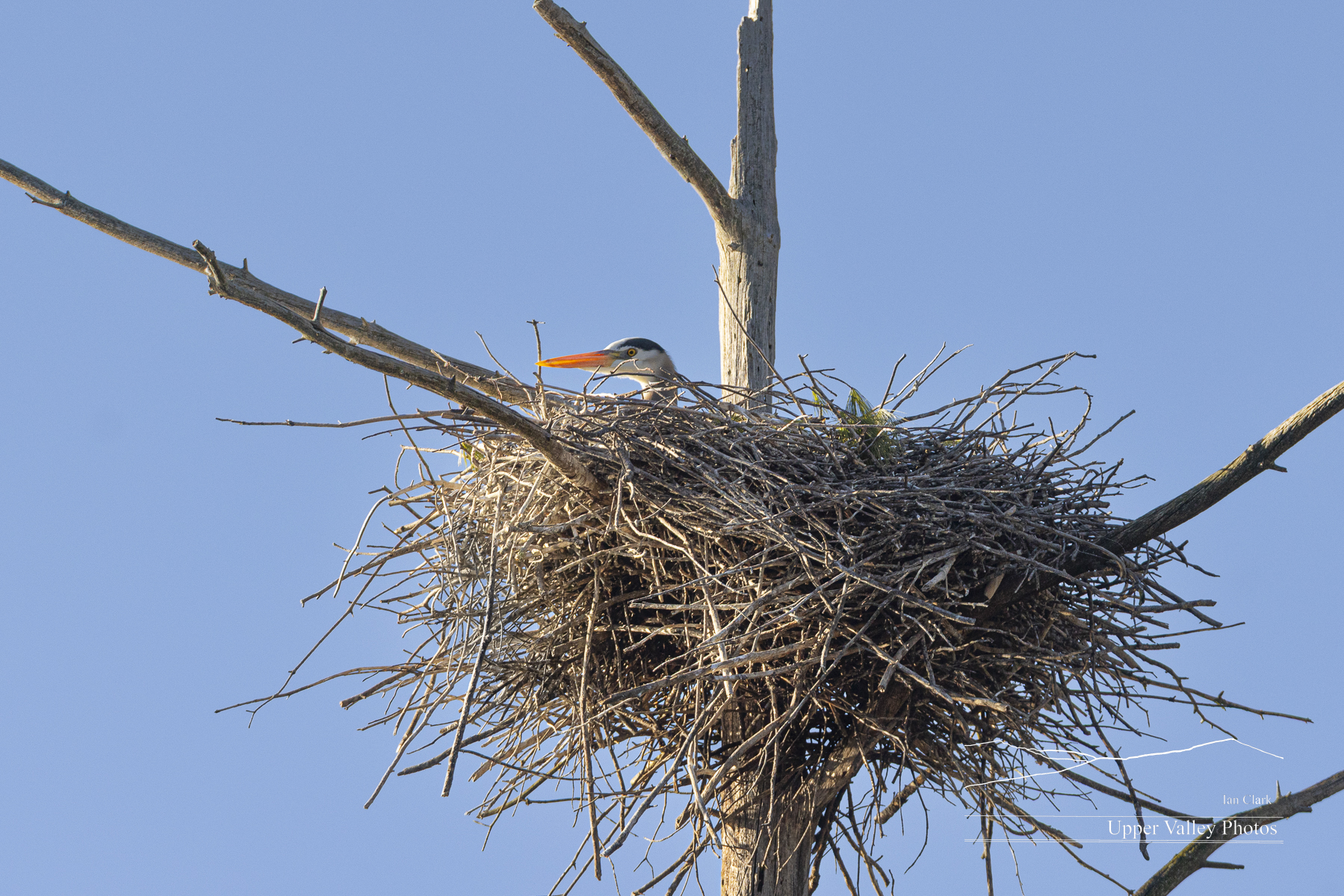
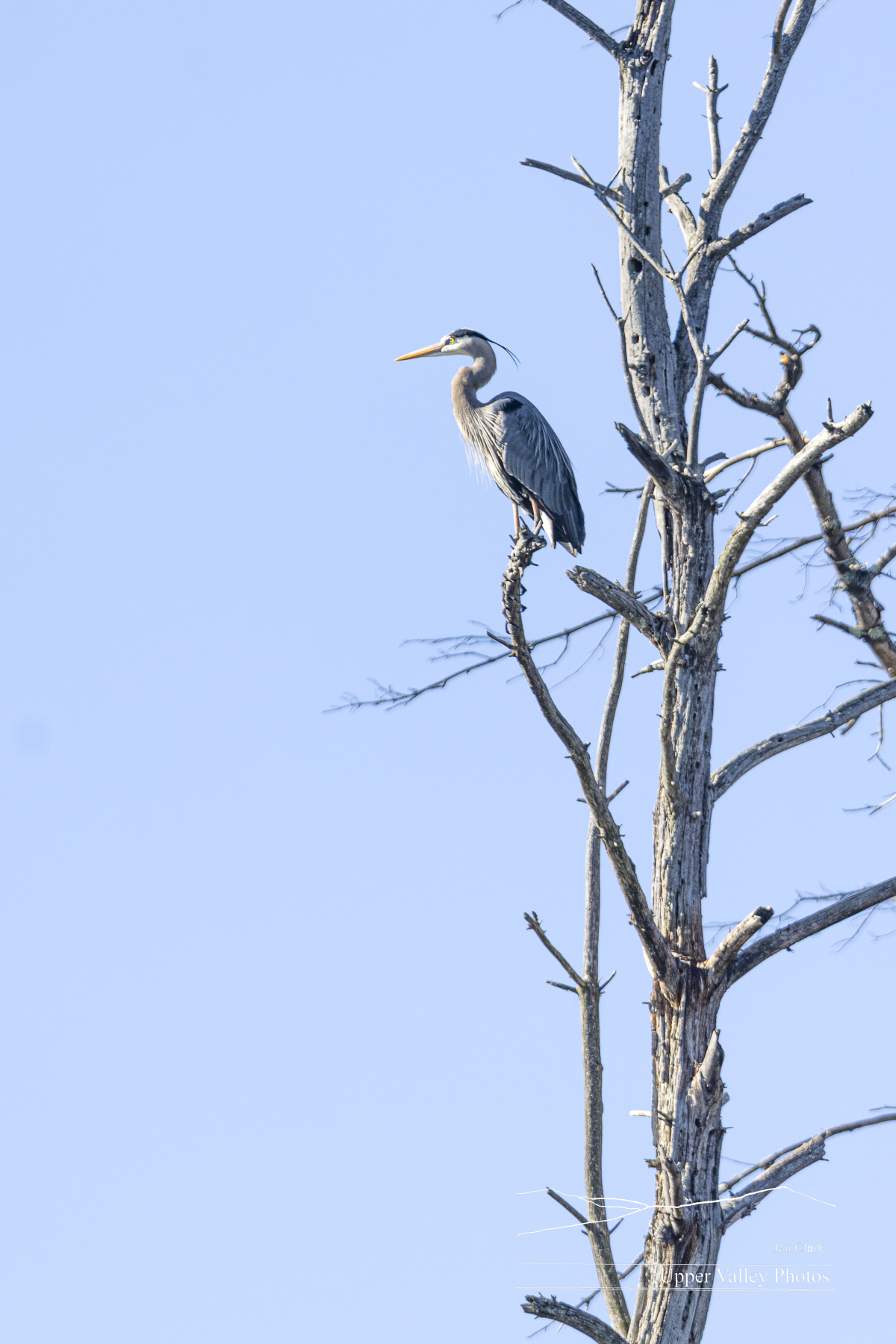
I’ve managed to visit the herons twice. The first visit found some herons sitting on their eggs and the others putting the finishing touches on their nests.
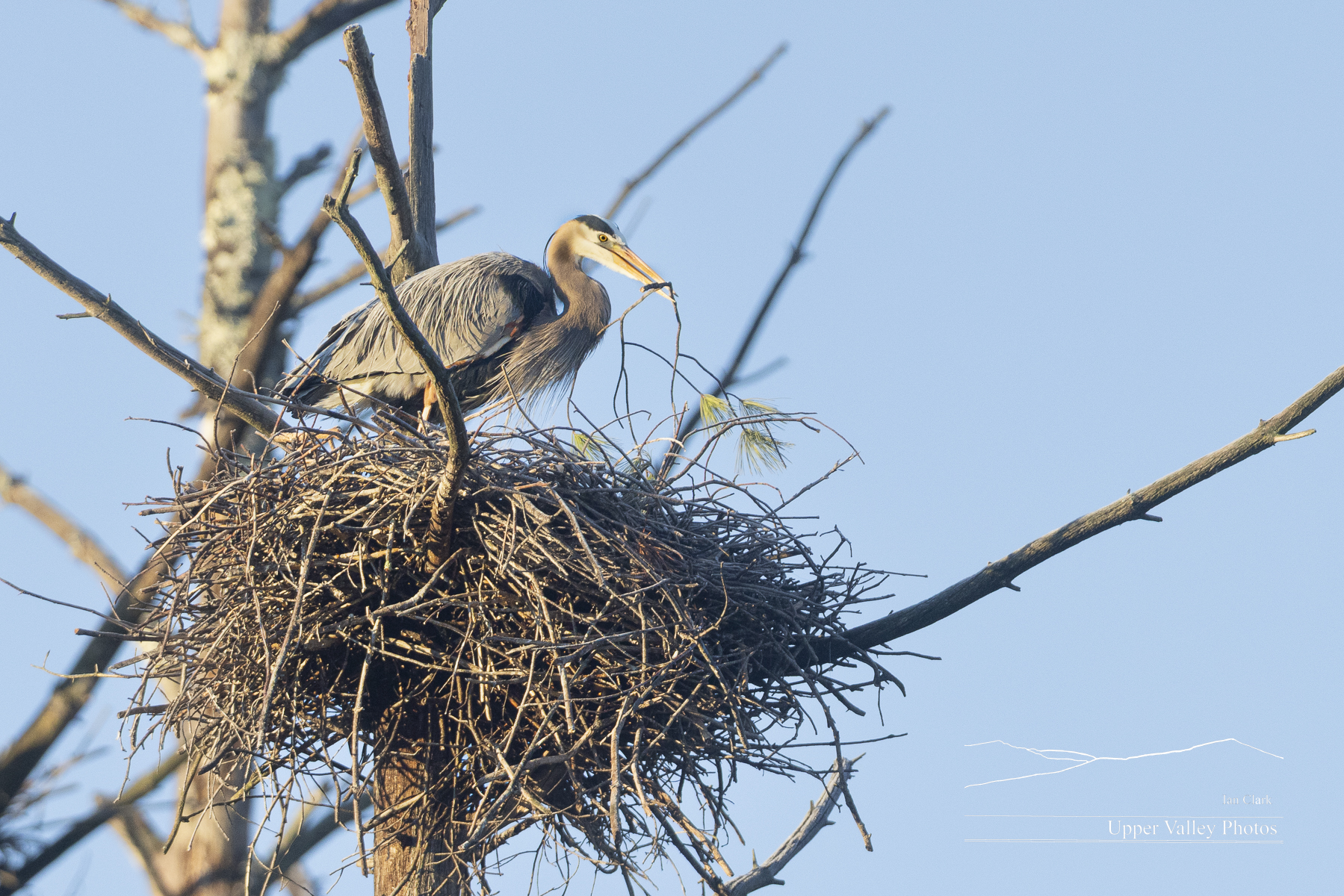
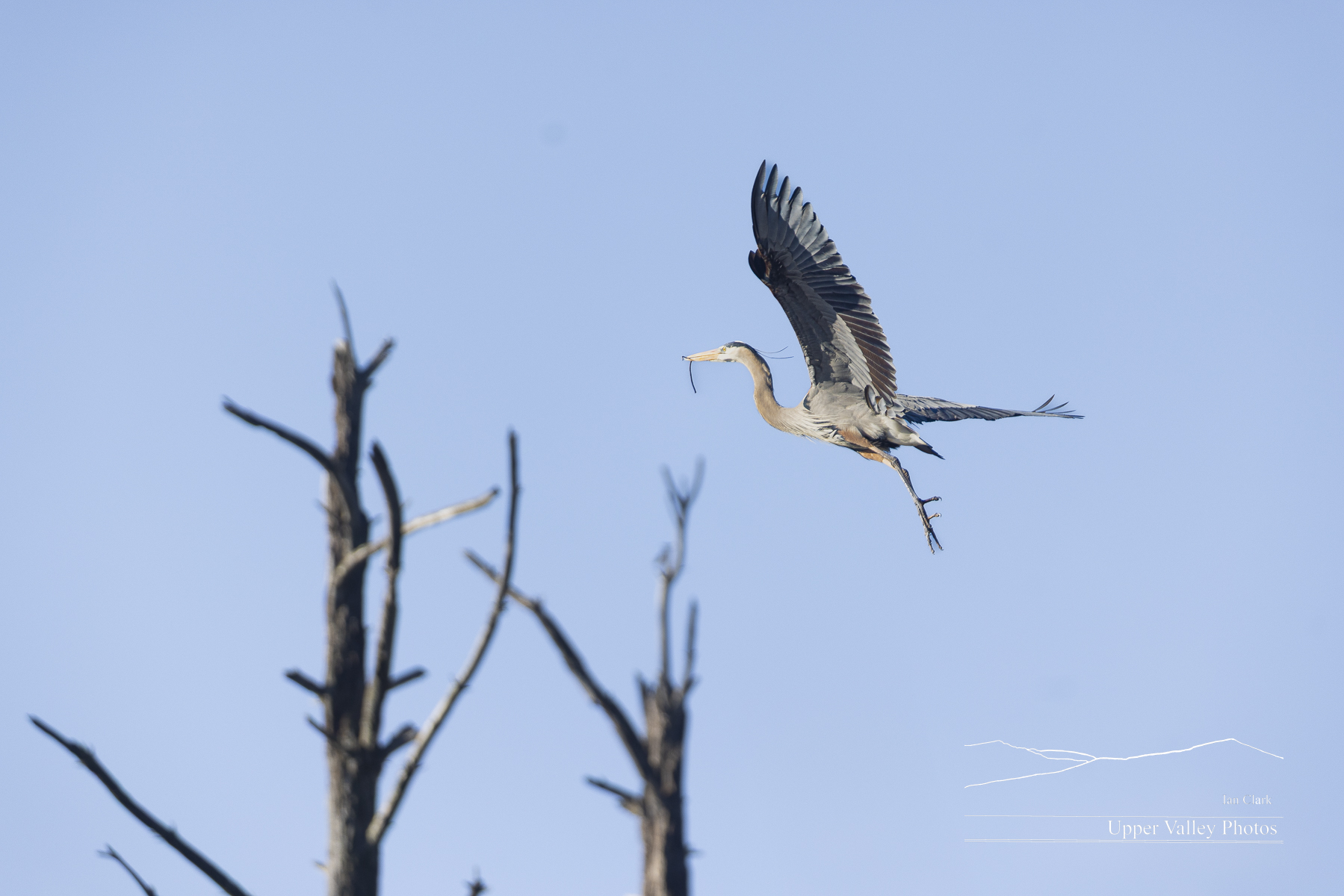
The rookery with a heron inbound. They take great care in how they place the sticks. I suppose if you know you’re going to be sitting on them for a few weeks, you want to make sure all the pointy bits are well tucked away.
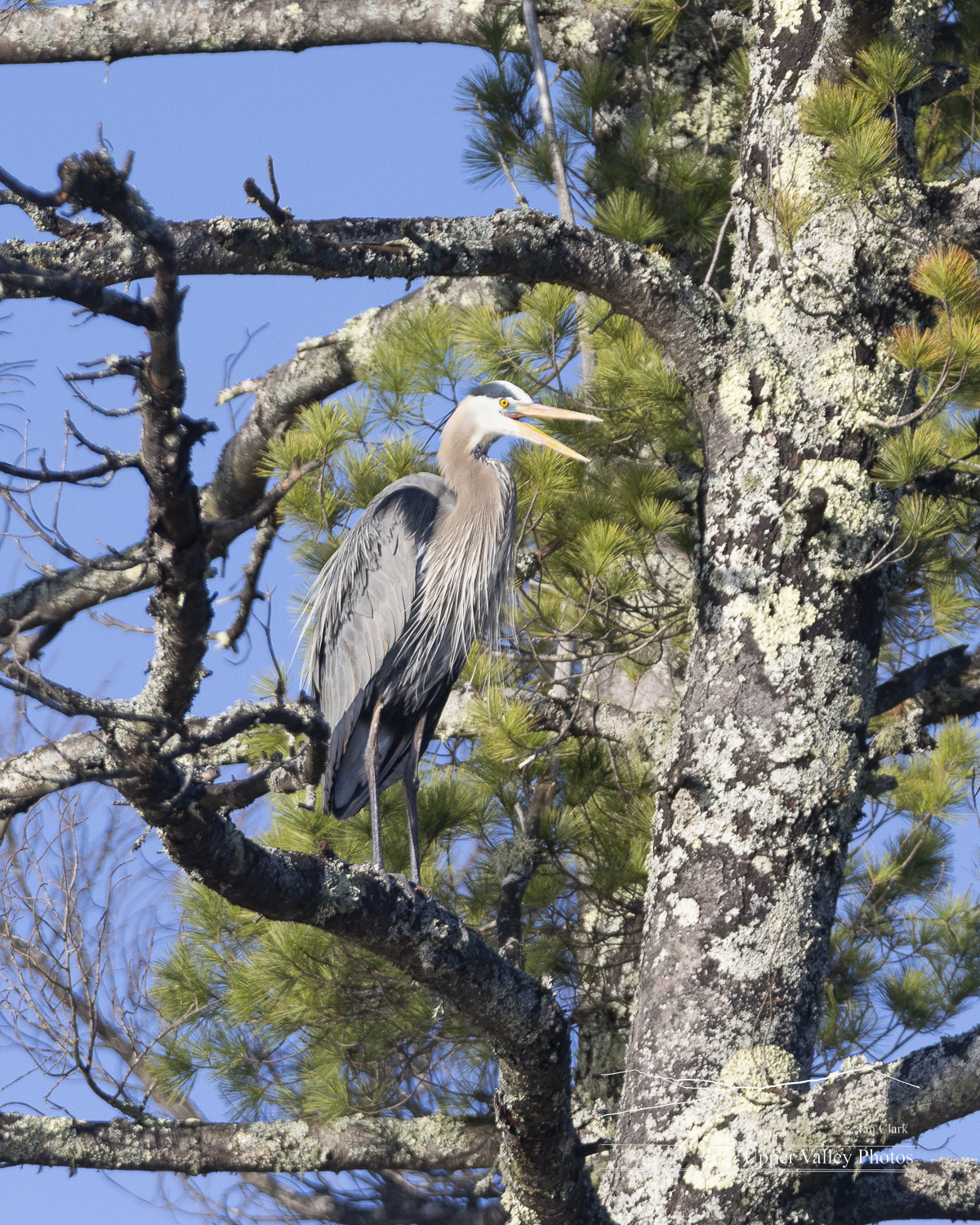
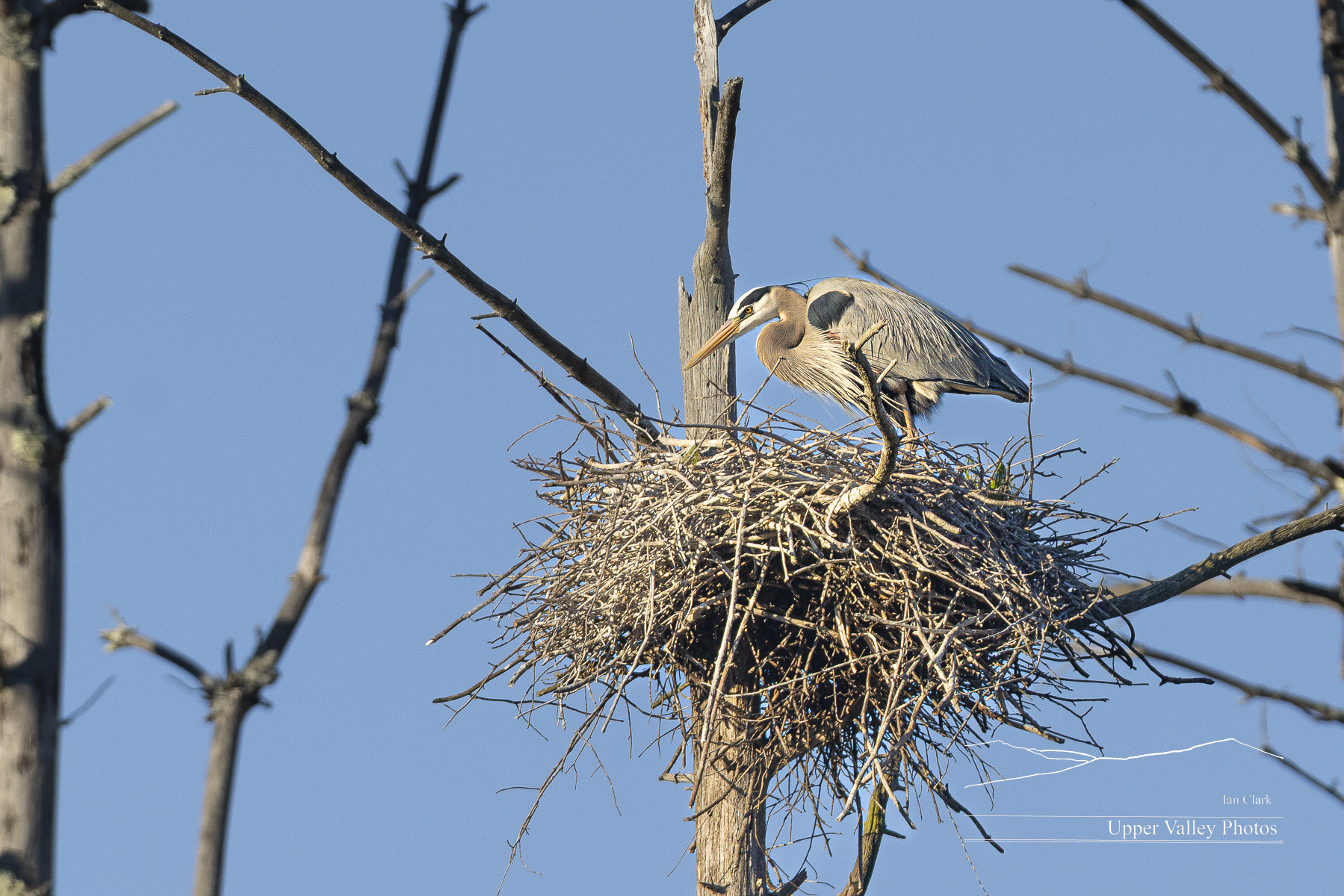
Finishing up the details on the nest. There’s a heron sitting on the nest to the upper left. The mate showed up as the first bird was finishing up. You can’t tell him from her by looking, and both birds are involved in building the nest and incubating the eggs. The member of the pair that flew in as the work was finishing up stretched in a courtship display. Another heron sat just outside the rookery and provided commentary. One of the males with a nest in the rookery arrived with the very stick they needed for the nest. The males gather the sticks and deliver them to the nest. The females will nod if they find the stick worthy of being added to the nest. The female of the pair wasn’t around, so the male stashed the stick near the nest. He took a few minutes to preen, which seems a challenge standing on a small branch.
The next trip had me visiting the Middletons. There were two loons on the pond. Somewhat embarrassingly, I caught up with them before they finished their ablutions. Mr. Middleton waved his leg, letting me see his bands telling me he was who he claimed to be.
Mr. Middleton greeted me with open wings. And this appears to be the new Mrs. Middleton. The previous Mrs. Middleton died shortly after being driven from the pond by a female challenging her for the territory. Neither the challenger nor this bird were banded, so we can’t tell for sure, but it is likely this is the challenger from last year.
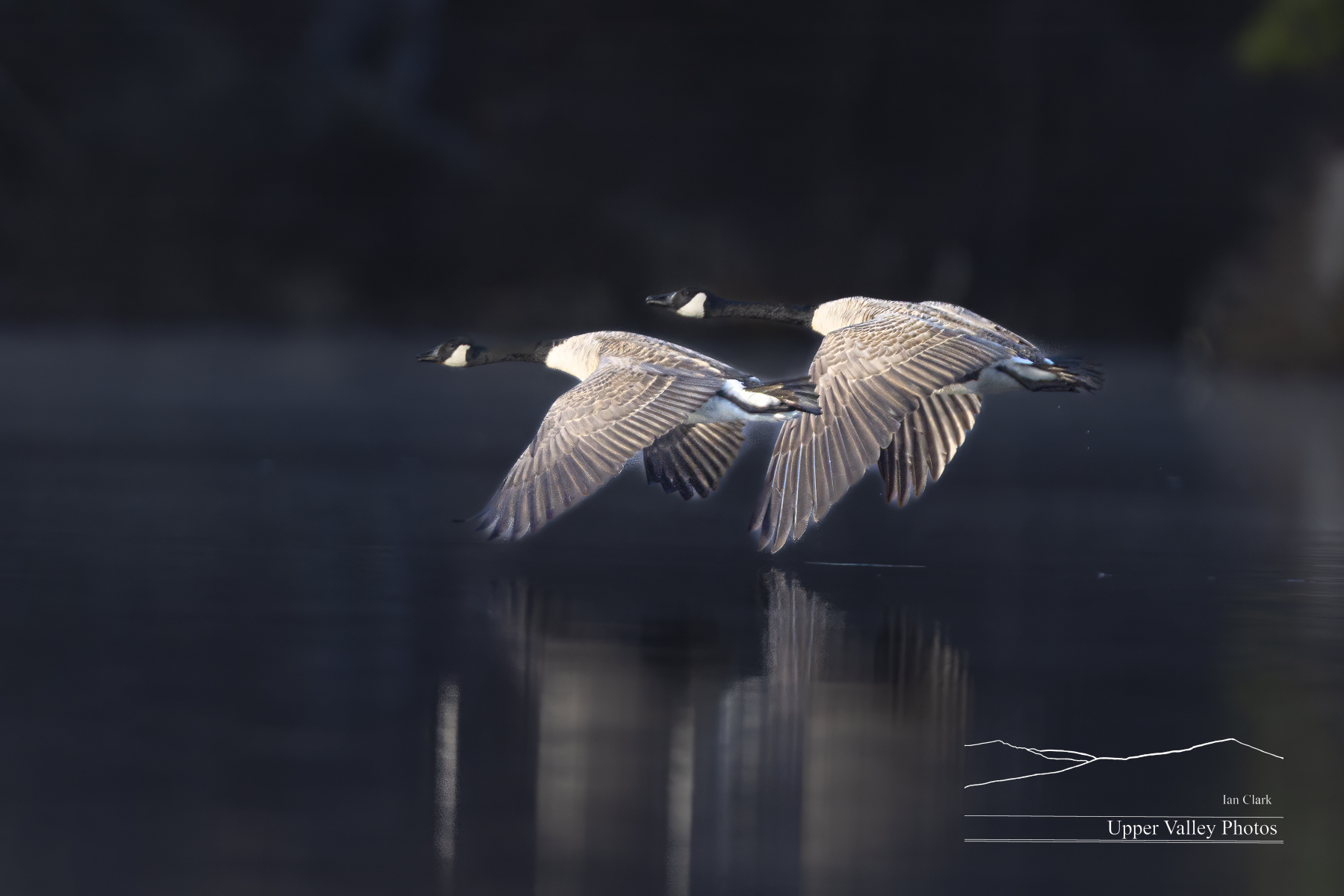
I typed too soon in the last post when I said there didn’t seem to be many Canada geese around. They’re back in force.
The Middletons finished breakfast and tucked in for a nap. You can see Mr. M’s bands on his leg.
The next couple outings took me to the Weston’s pond. The Westons are often not in the mood for visitors and keep their distance. I try to respect their moods and keep my distance when they want to be left alone. There was a pair of loons on the pond. Mrs. Weston disappeared in early August last year and wasn’t seen again. We probably have Mr. Weston back with a new mate.
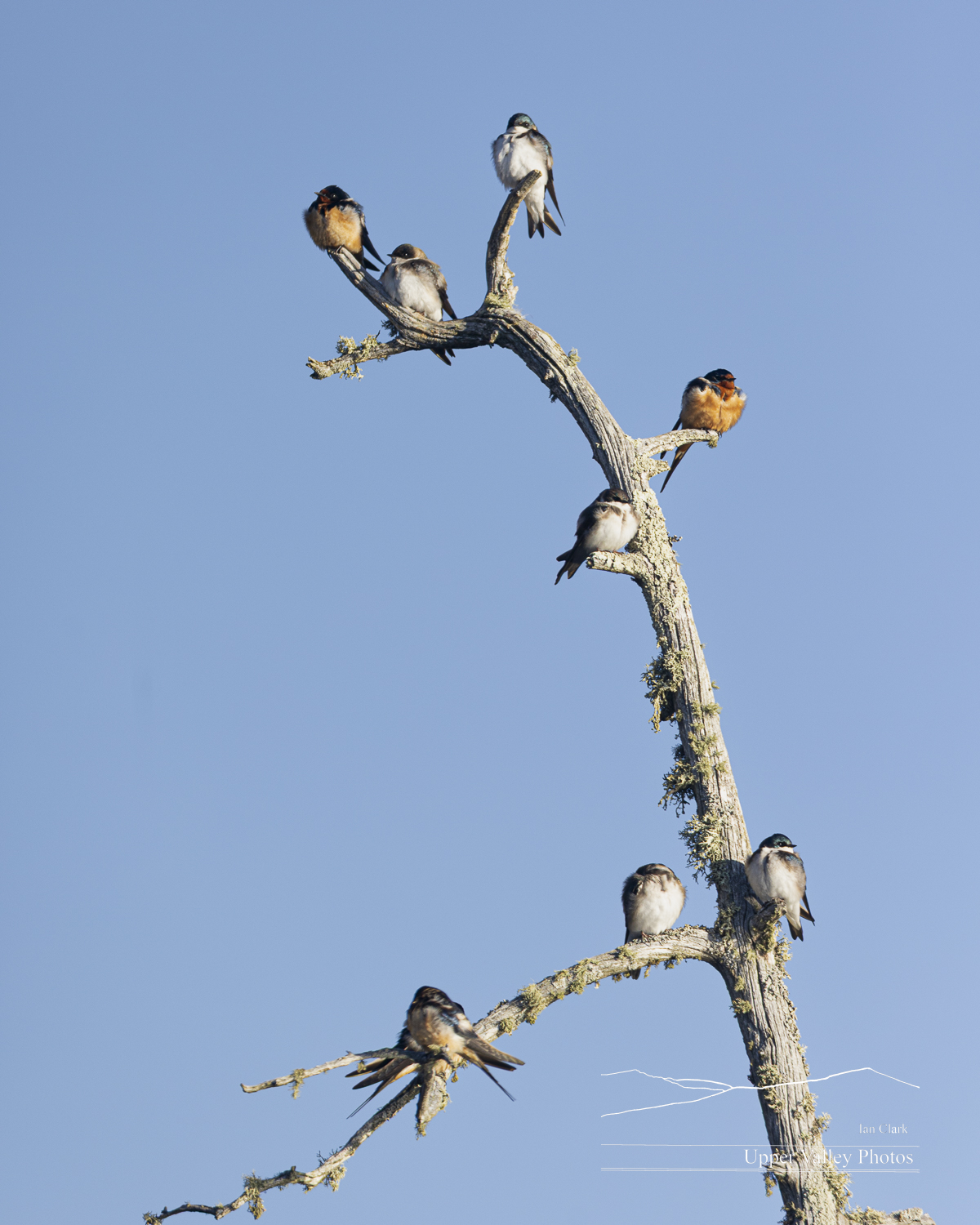
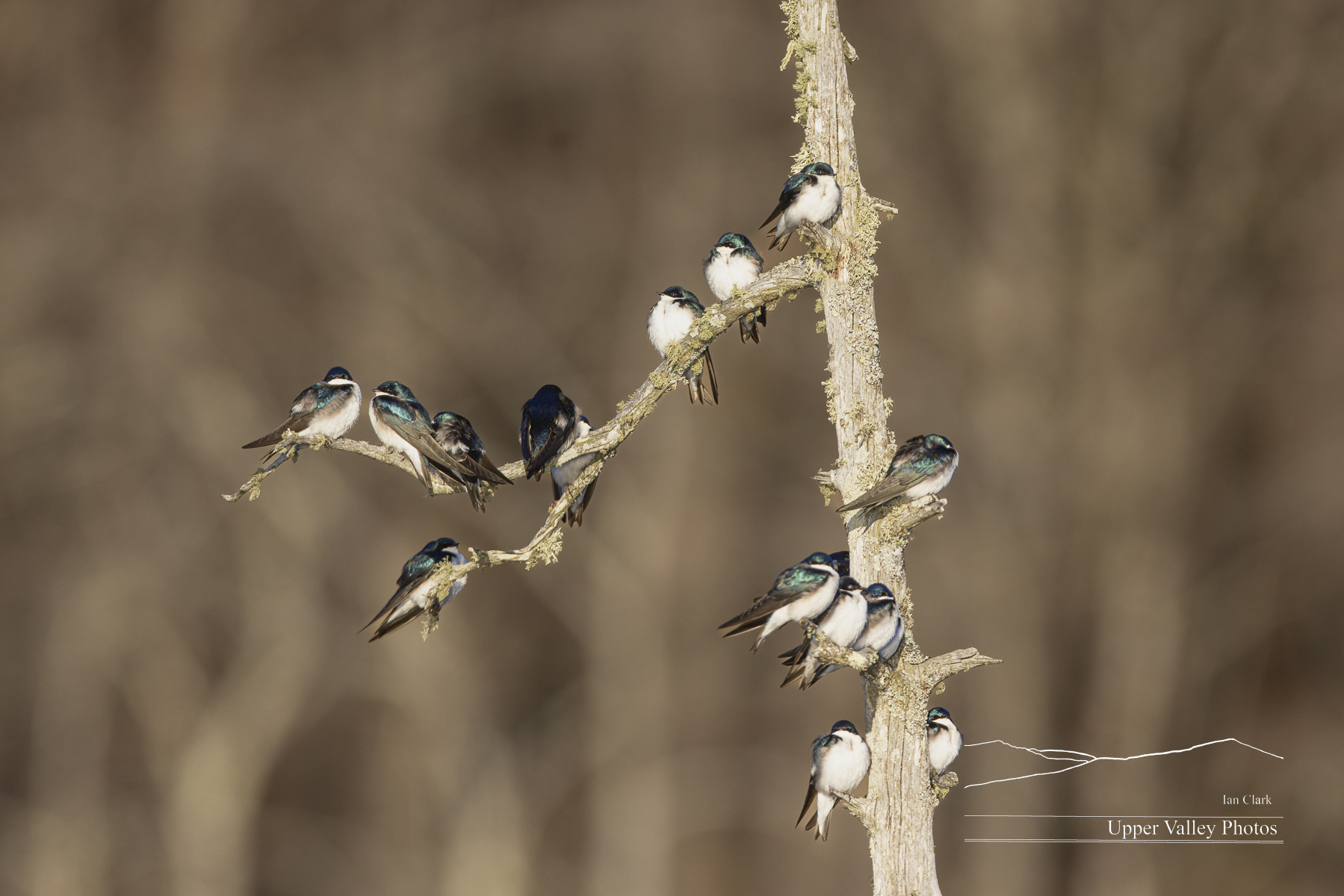
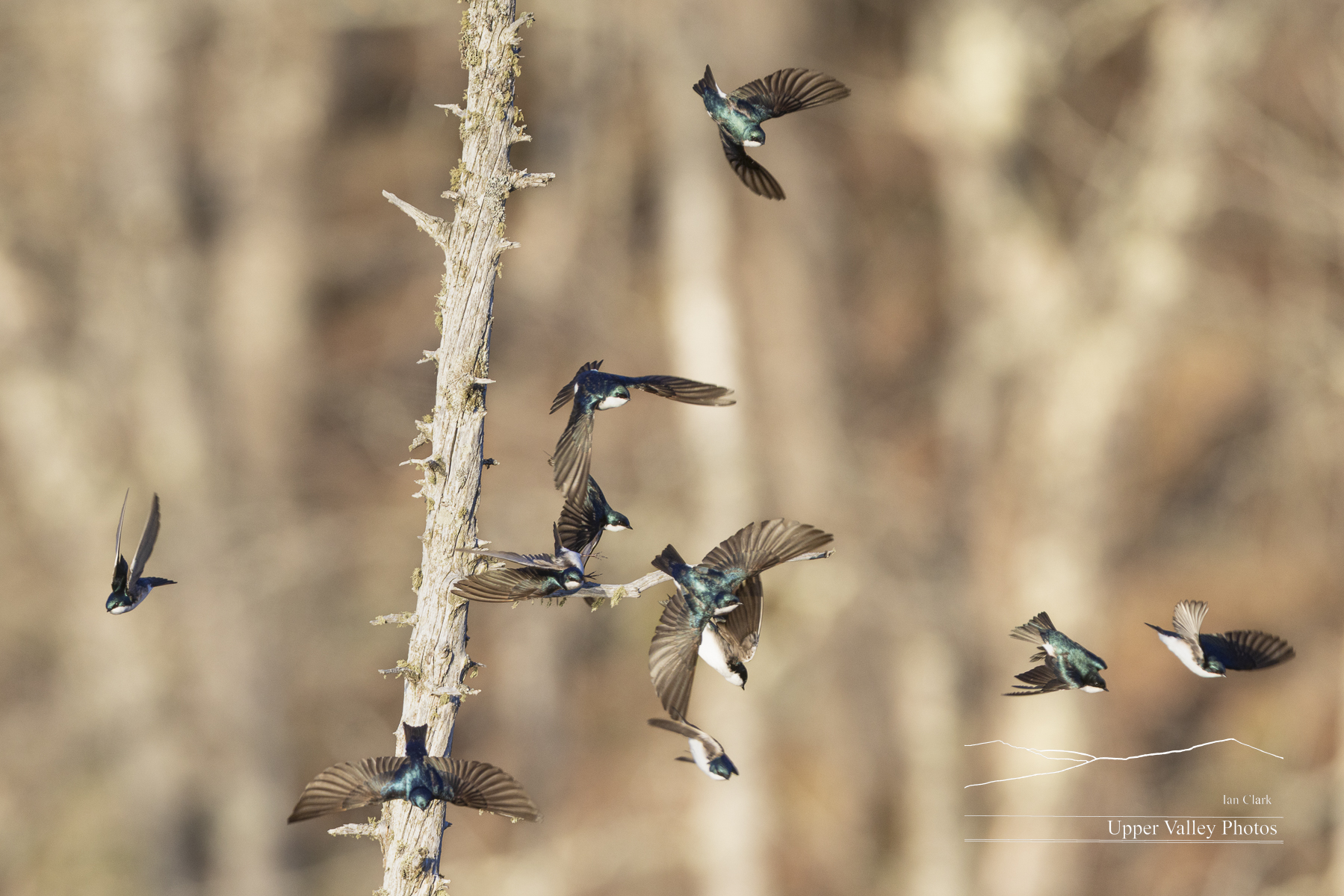
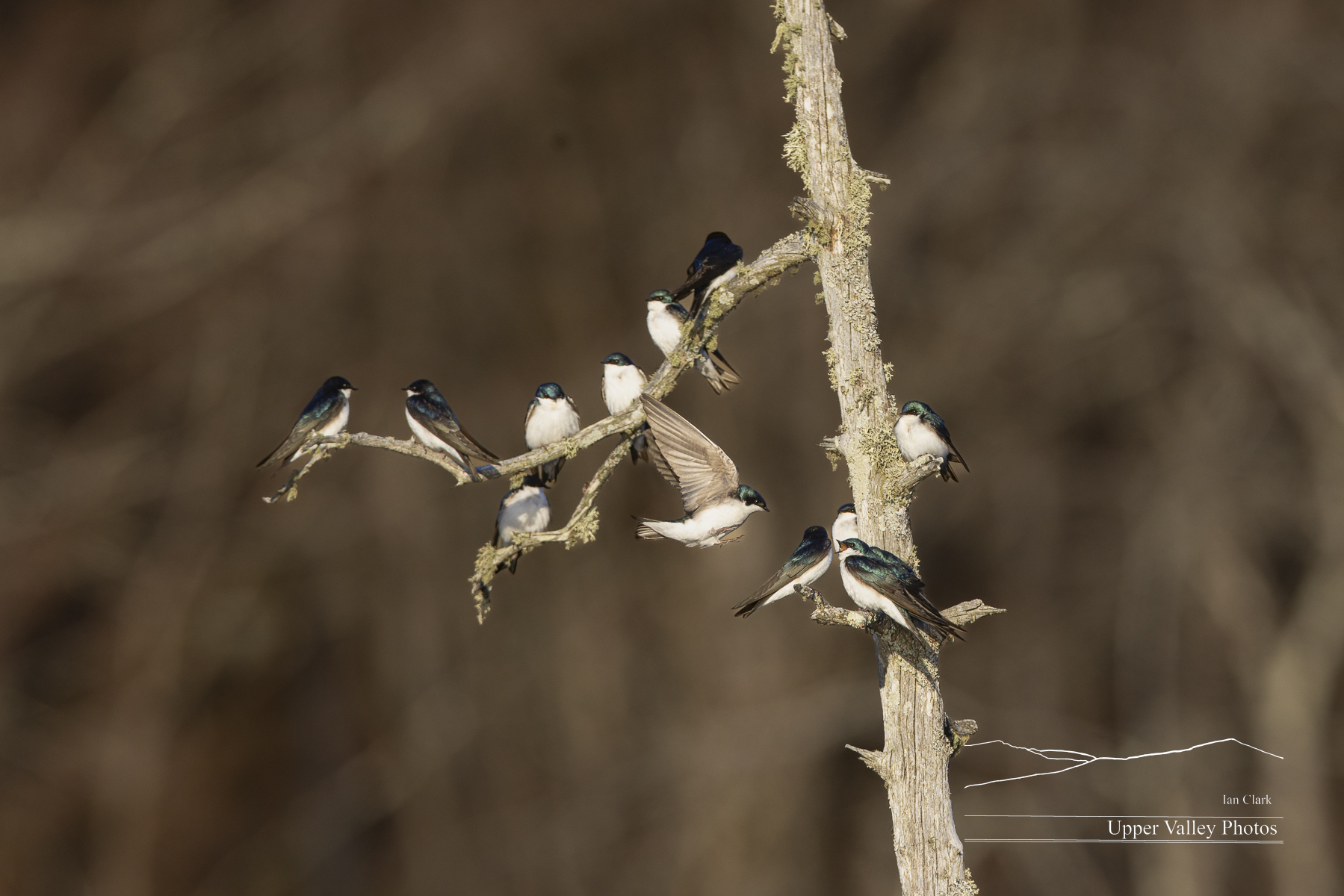
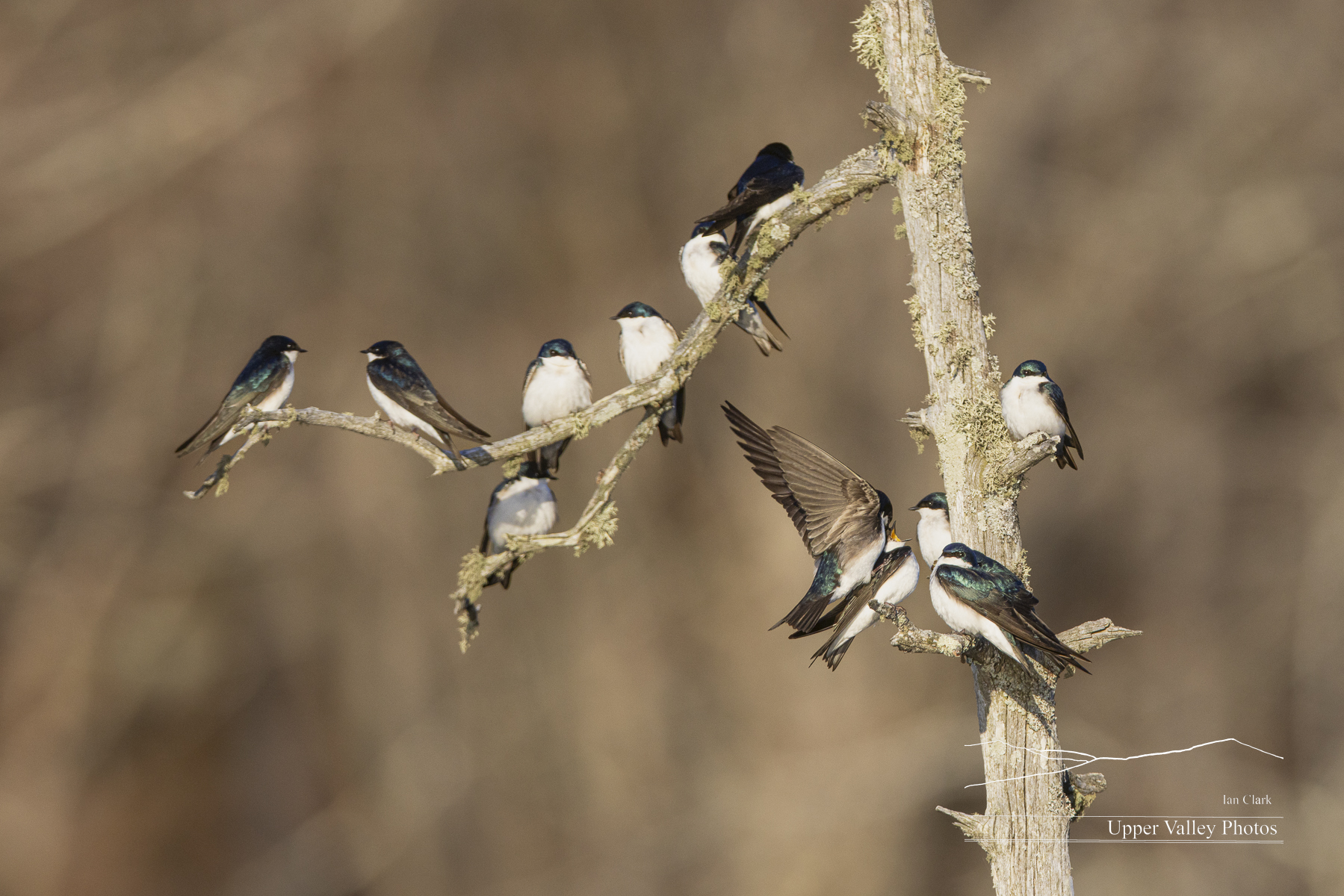
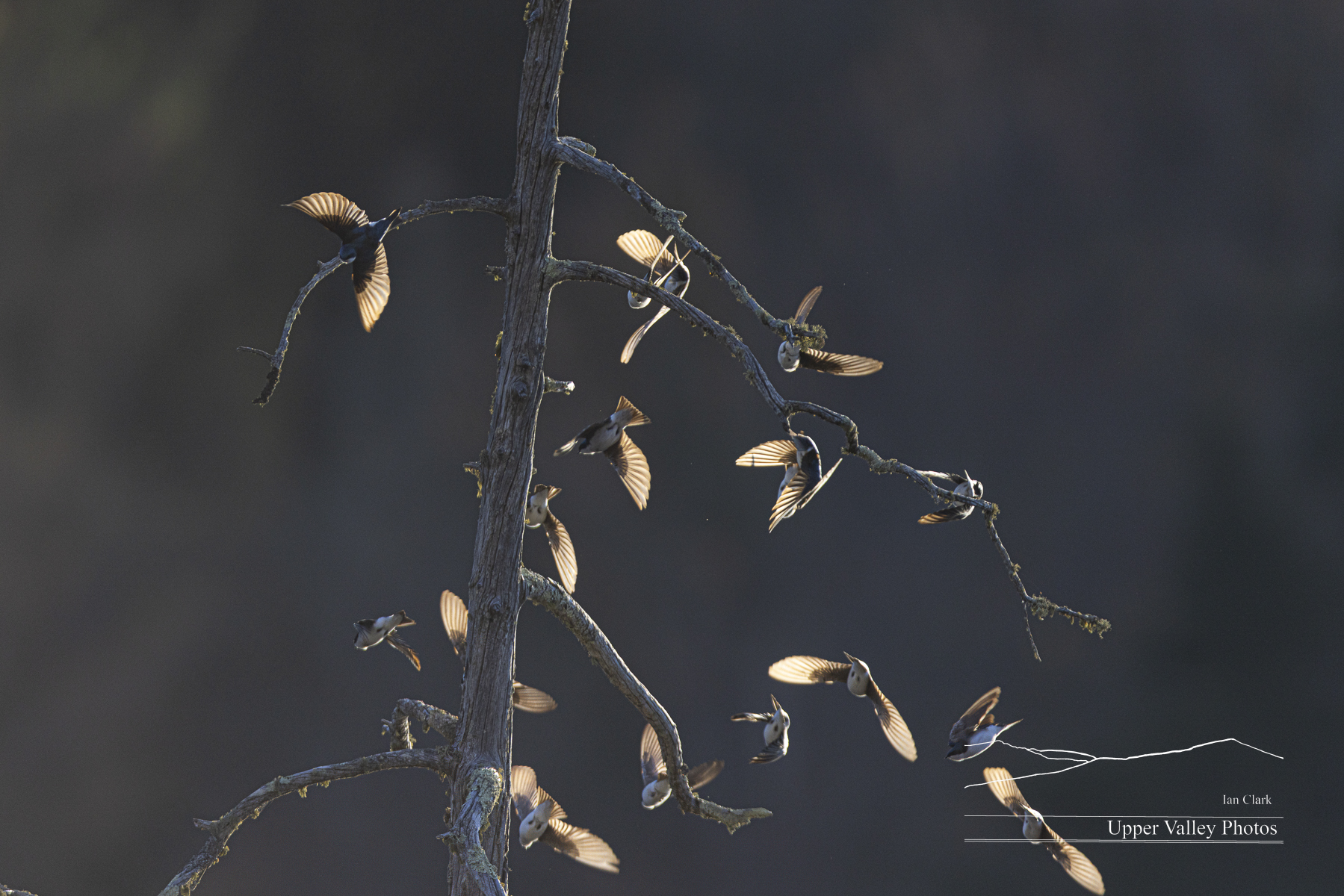
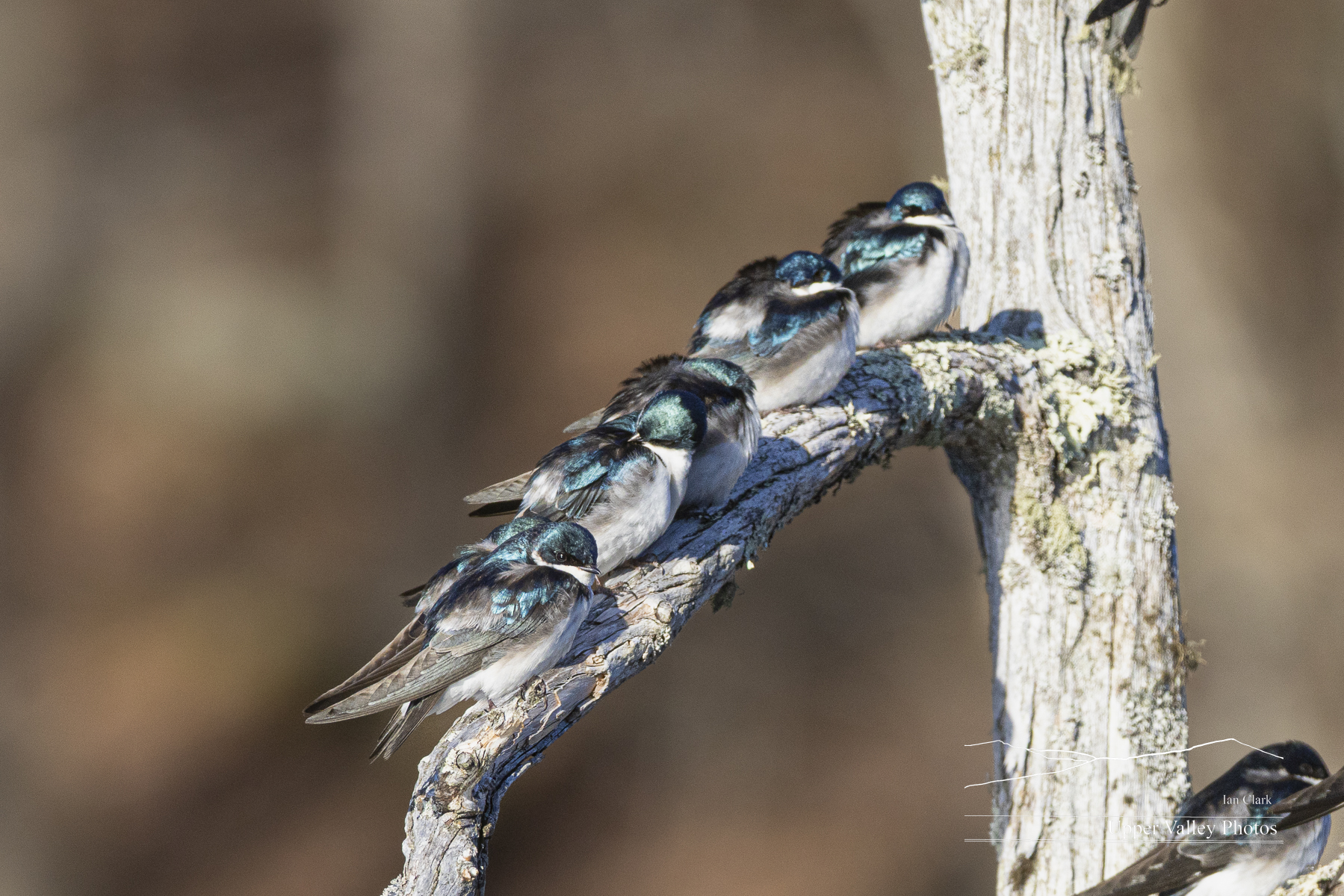
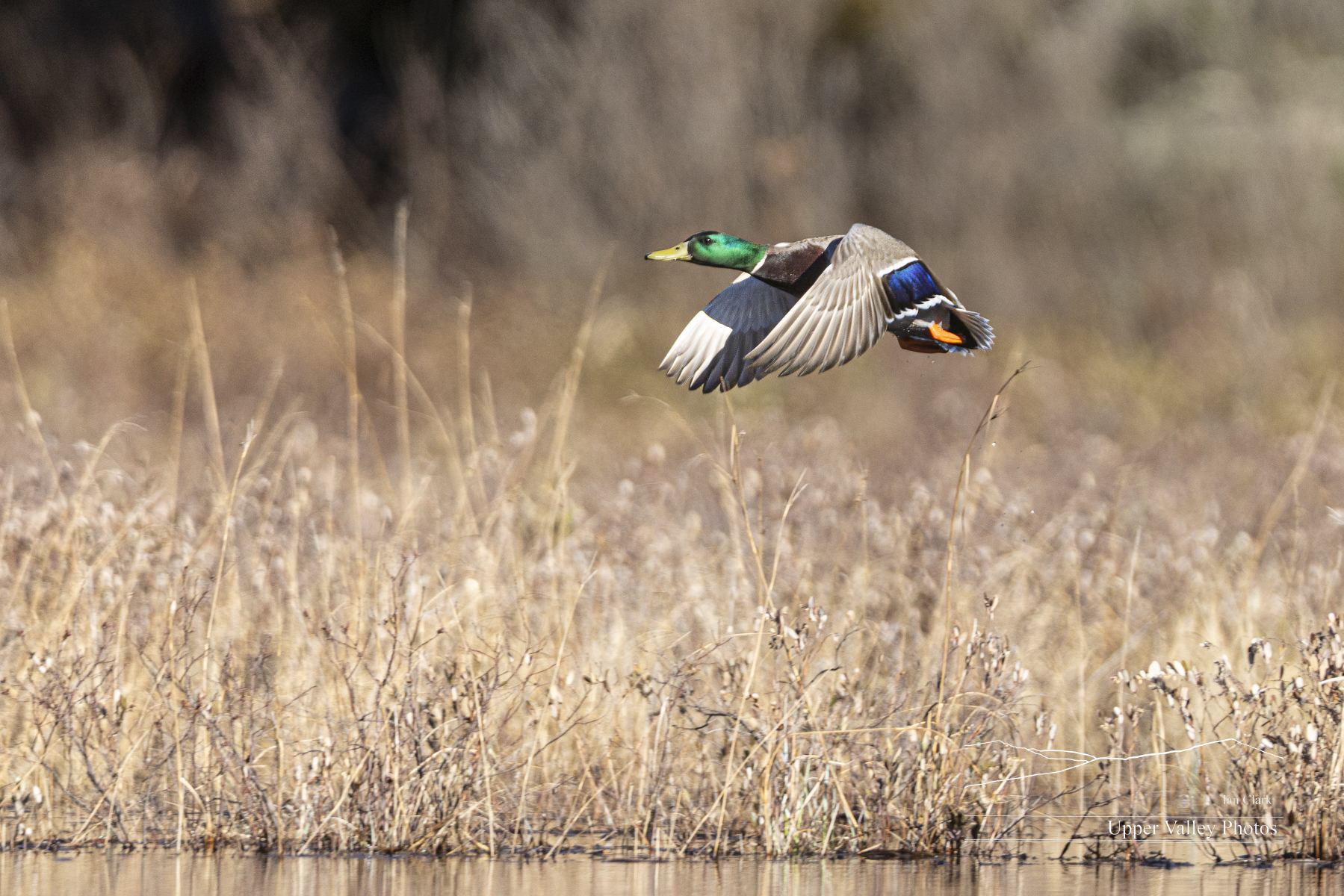
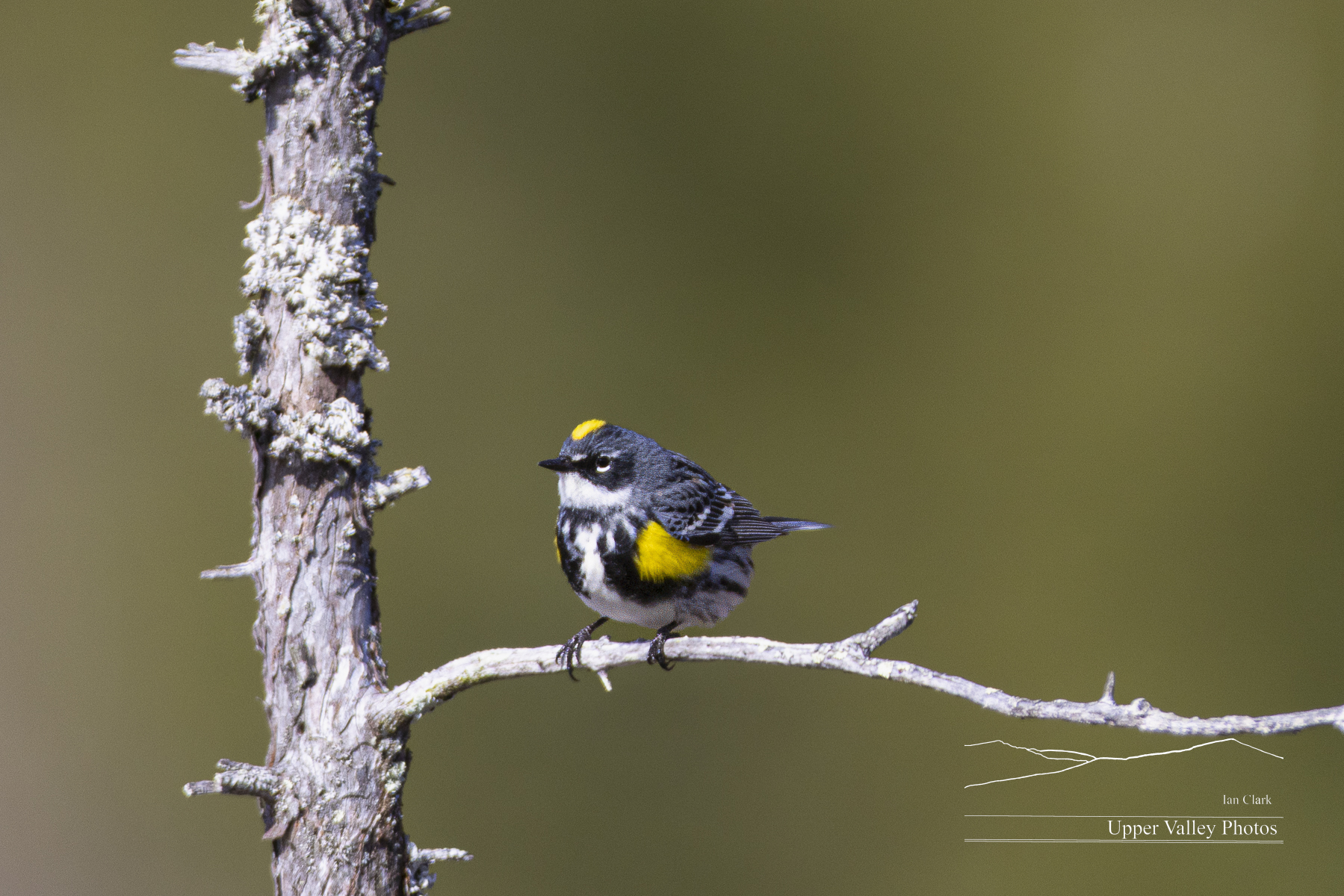
There was a flock of about 35 swallows – mostly tree swallows with a couple barn swallows for color. They were using this tree for a perch. They’d – more or less – settle for a bit before something got them going and they’d depart en masse. They’d fly out a ways before promptly returning to the tree. I couldn’t spot what got them going but suspect that one had spotted a tasty looking insect and went to nab it – with everyone following along. Quick! Breakfast! Over there! Flocks of birds never completely settle. Someone is always looking for a better spot. And there were at least a couple of couples intent on making little swallows in the mix. Off for another meal! And settled back in for a quick nap. Mr. Mallard had some place elsewhere he needed to be. Warblers are back. Here’s the first yellow-rumped warbler (aka butter butt) of the season.
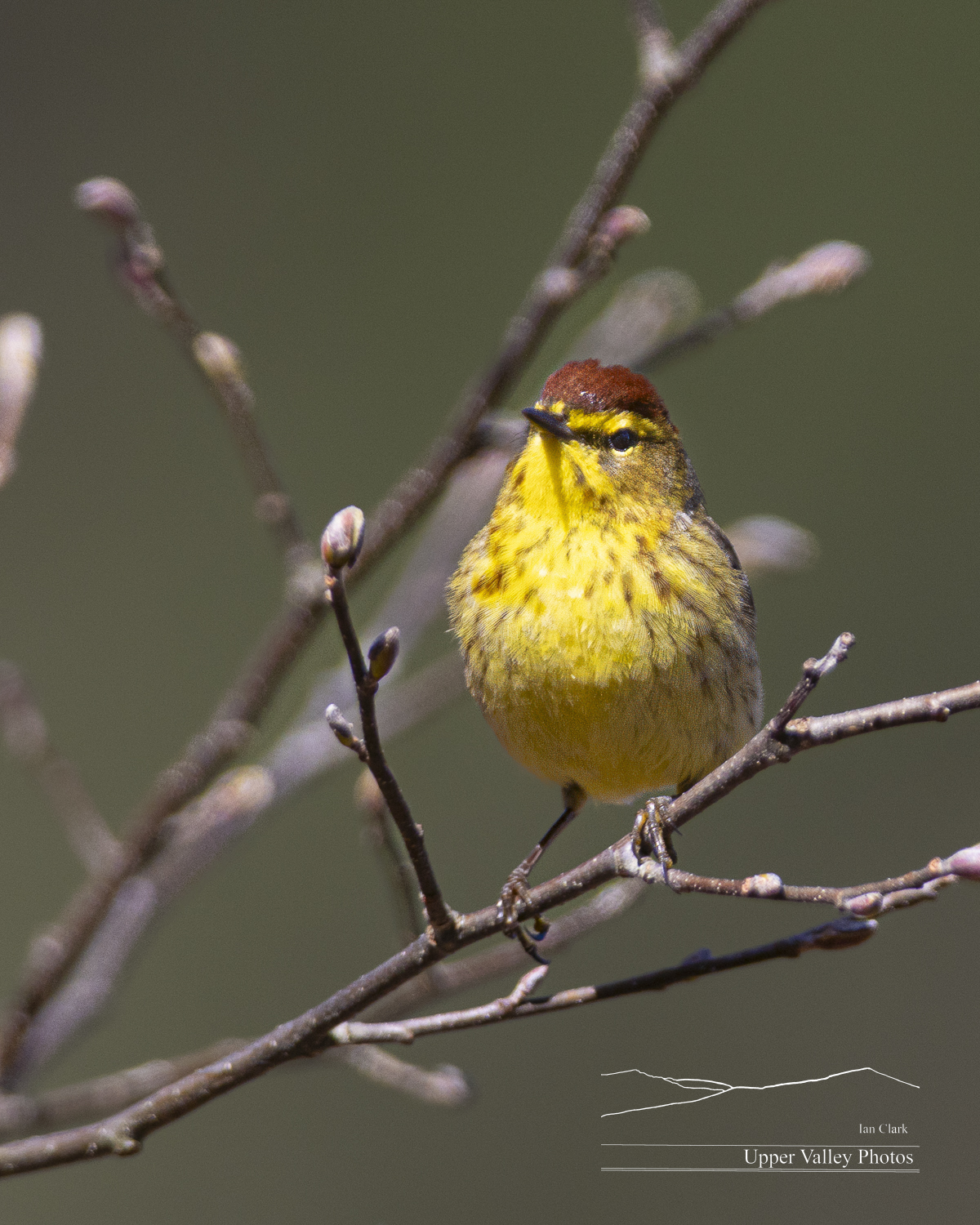
And what appears to be a disapproving palm warbler.
The next trip out was to visit the Middleton’s pond again.
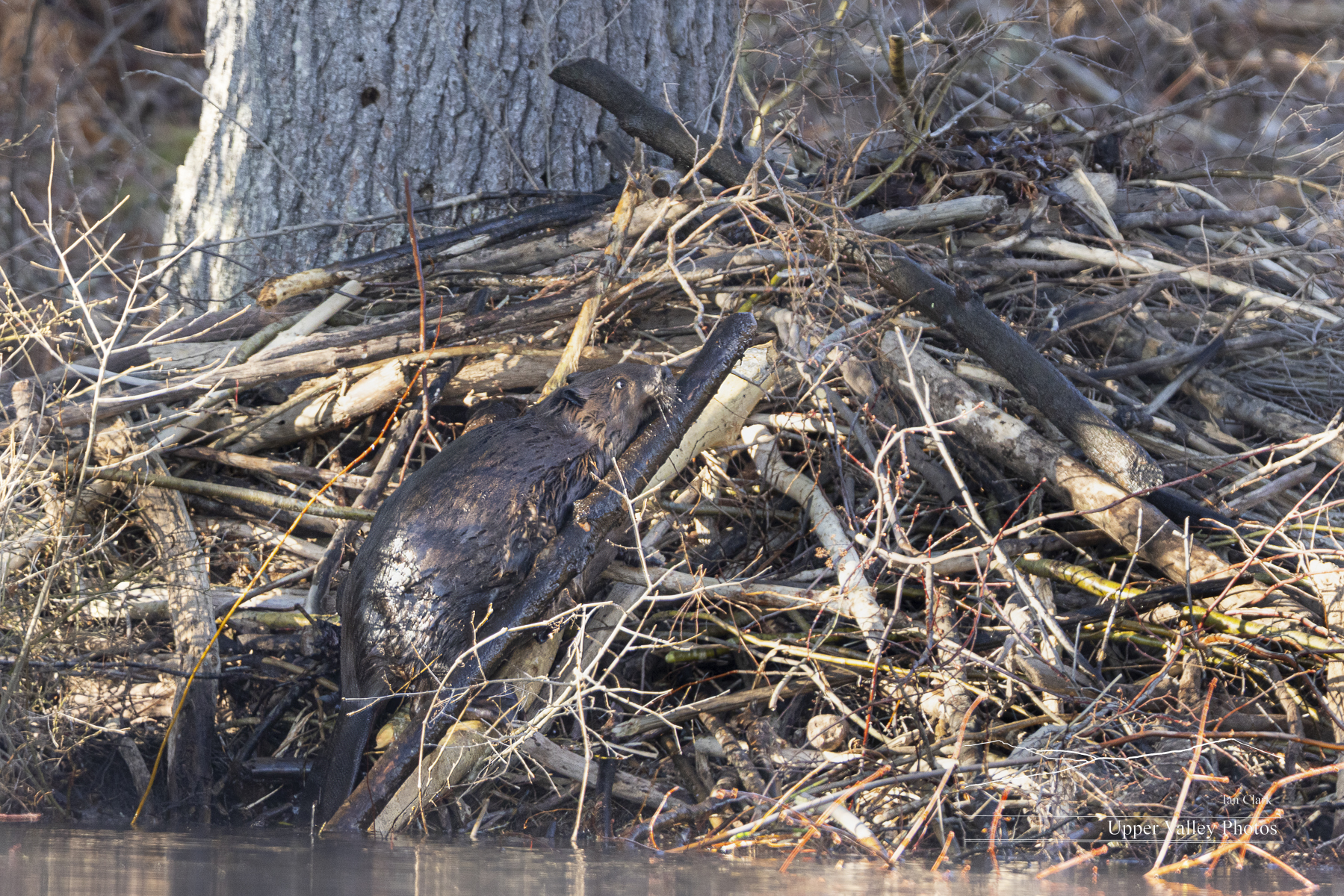
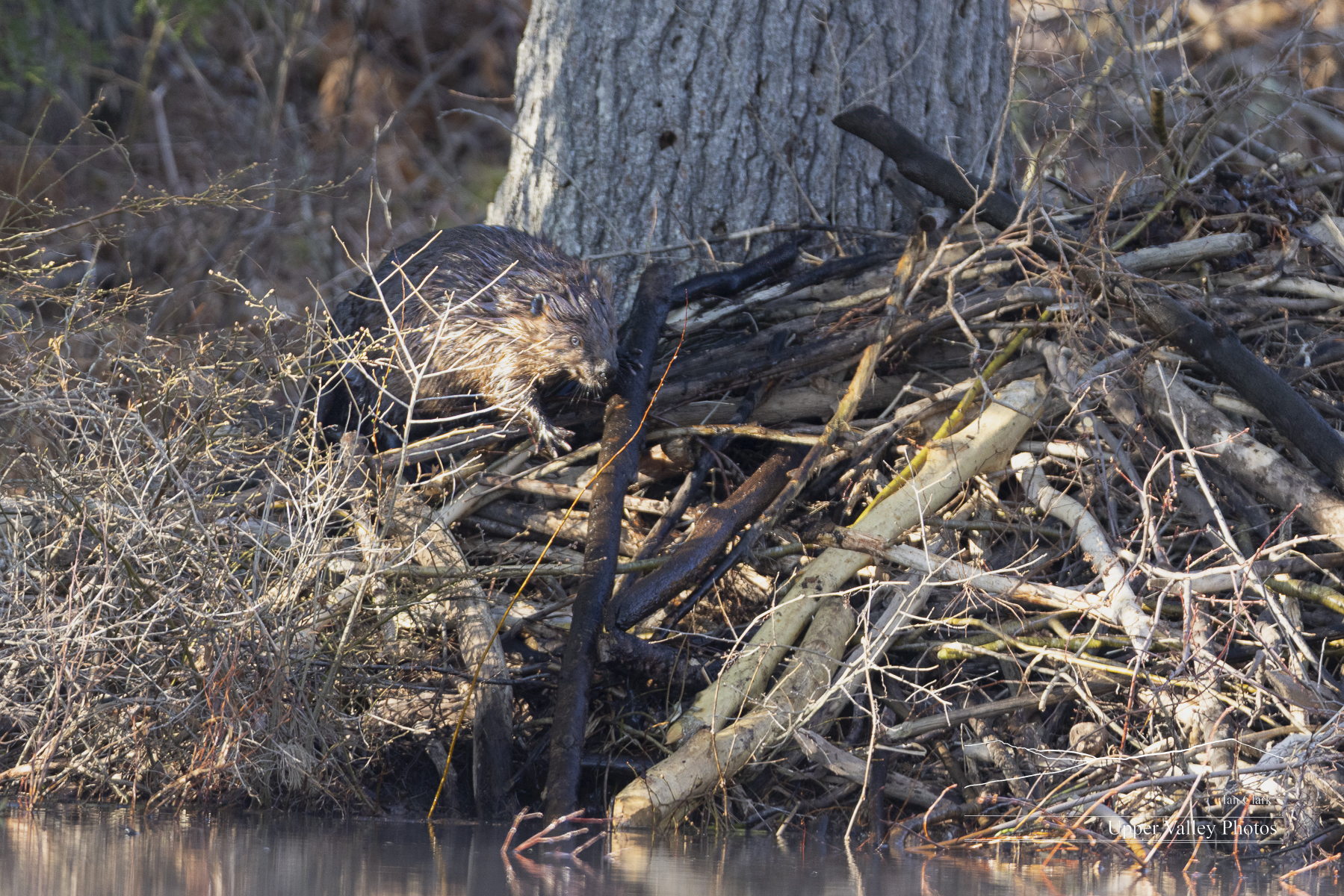
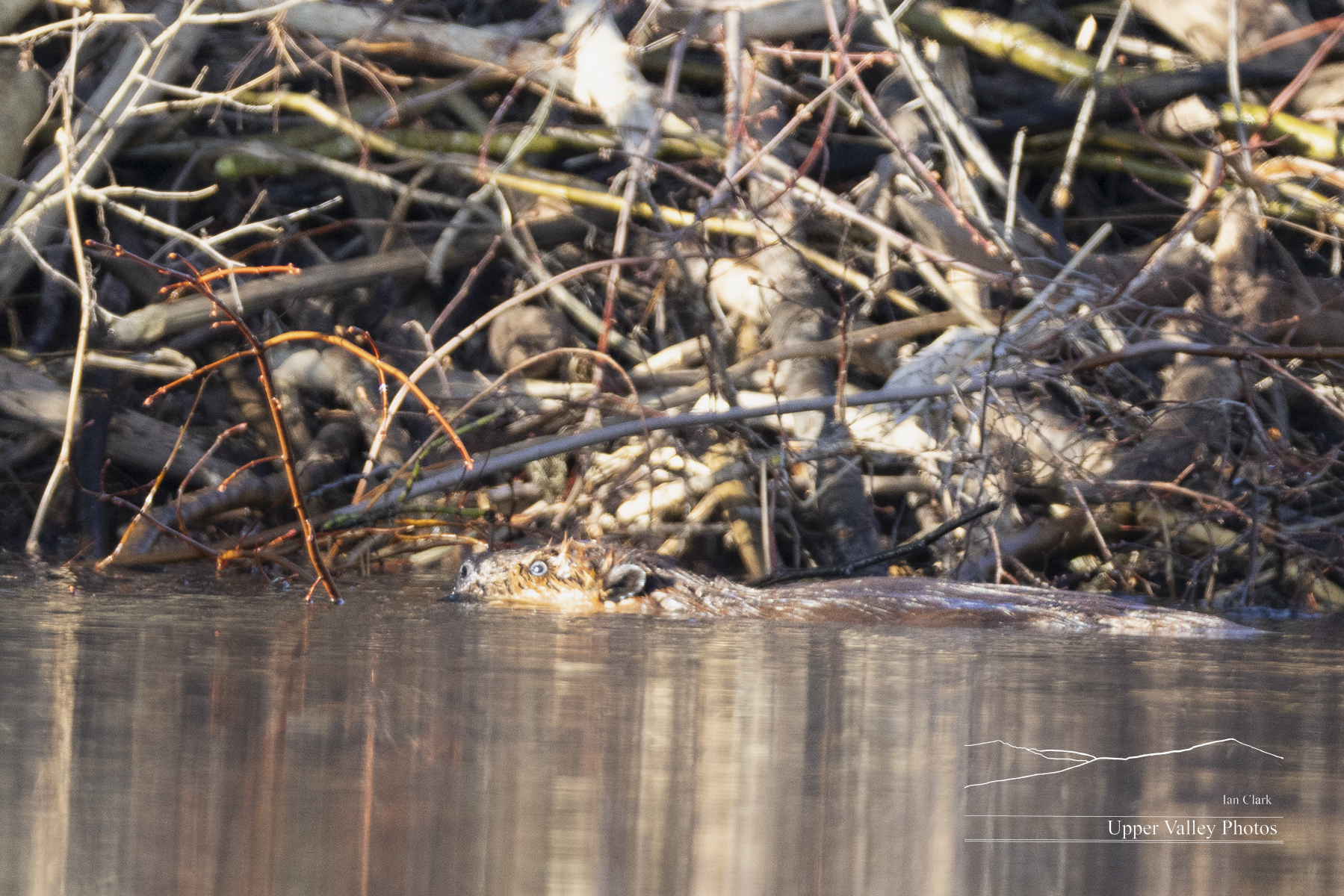
One of the Middletons was up and ready to get going at dawn. They were covering lots of ground while foraging for breakfast. I wandered off to see who else might be out and about. One of the resident beavers was as busy as himself and was making a quick improvement to the roof of his lodge. He dragged this stick to the lodge and pulled it out of the water. Carefully adjusting it for the proper pitch and angle. With his chores done, he stopped for some breakfast. Beavers eat the bark off of branches and trees. That’s why I’ve named this guy – wait for it – Chewbarka. One of the Middletons gave a good stretch as I was heading out.
The next morning found me checking in on the falcons.
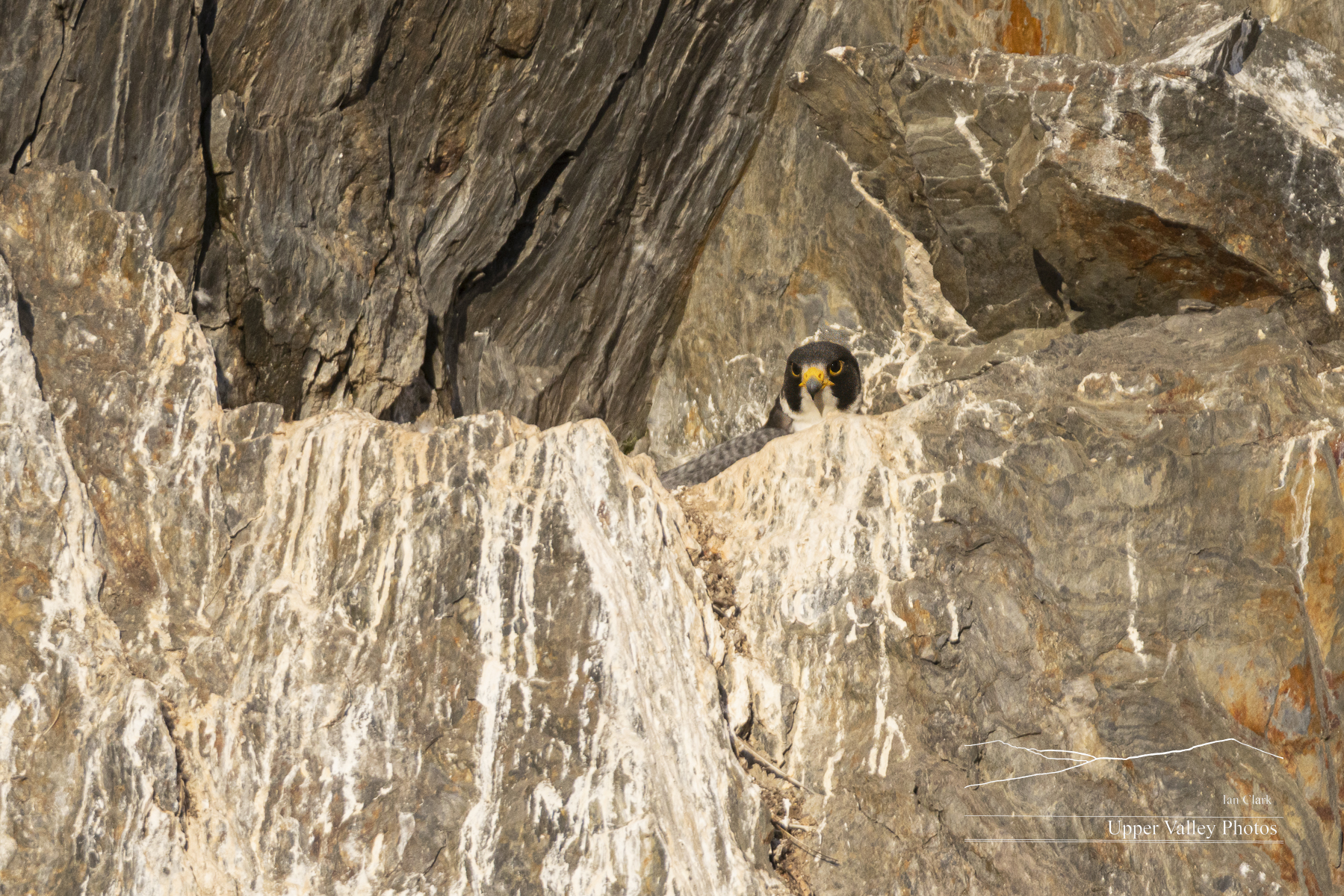
They’re sitting on their eggs, so there wasn’t much going on to photograph. The on nest duty bird did peer out above the lip of the shelf with the nest.
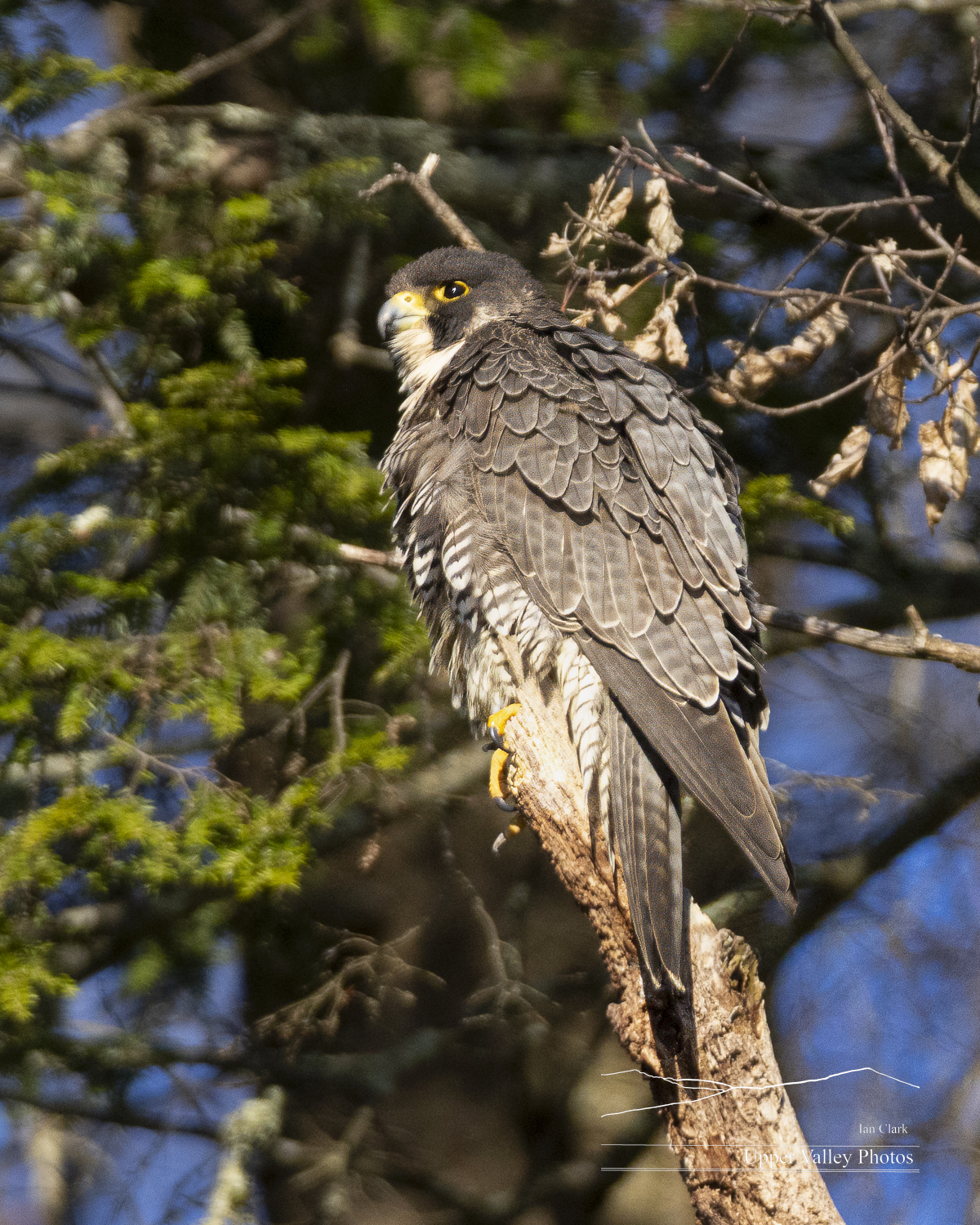
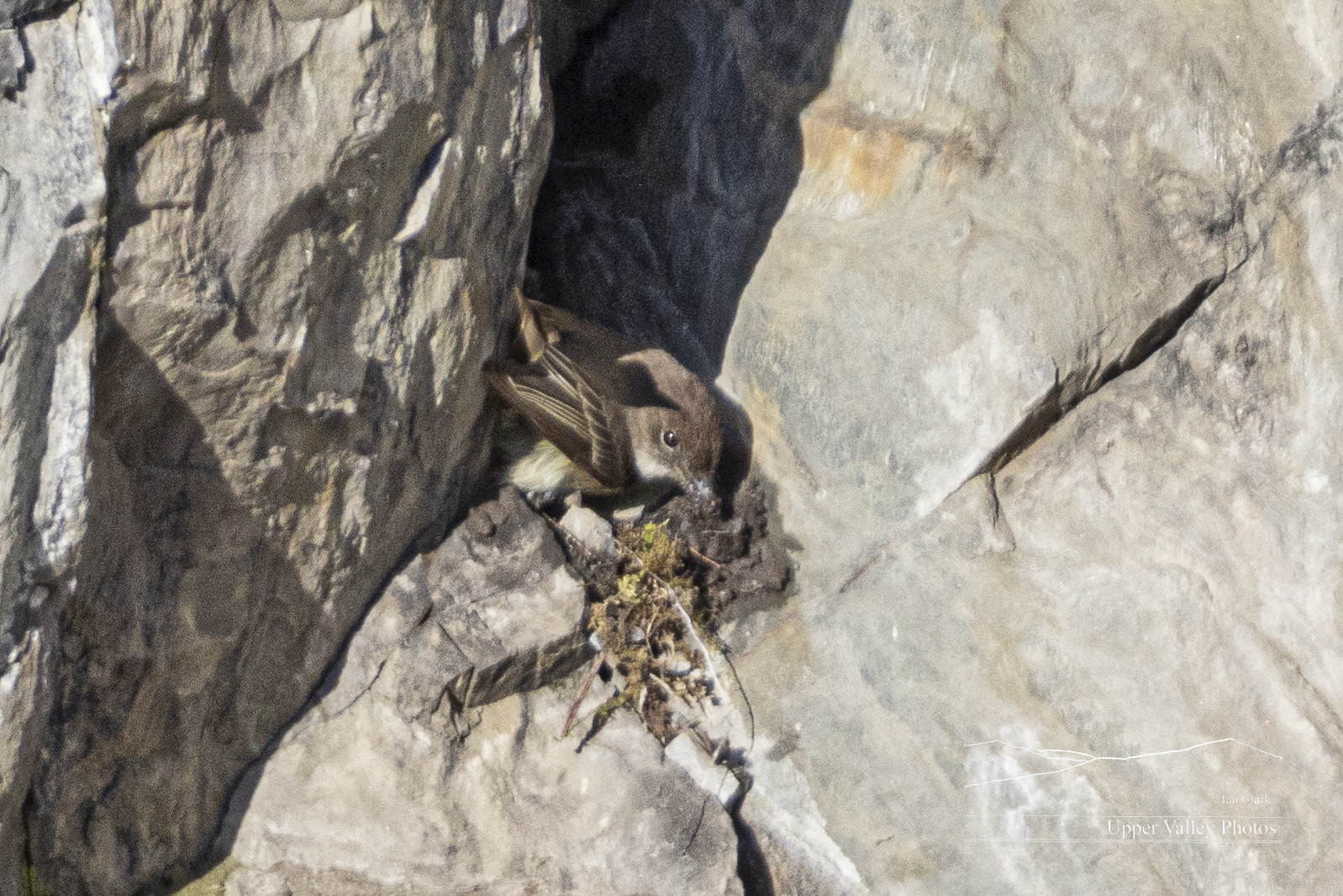
The mate sat in a tree above the nest, mostly preening and snoozing. There is a brave pair of eastern phoebes nesting on the cliff about 20 feet below the falcon’s nest. I’m surprised at the number of song birds in the area. Steering clear of where falcons frequent would seem to be a good idea. The smaller birds in the area must know the falcons are there. The small birds seem to keep low and close to the cliff – making it impossible for the falcon to stop before hitting the ground if it went after them. I thought of J.R.R. Tolkien’s advice, “It does not do to leave a live dragon out of your calculations, if you live near one.”
And the next morning found me back at the rookery.
All the nests had birds sitting on their eggs. Again not an exciting morning watching birds just sitting. This heron did pop up several times to adjust the sticks in the nest. Sticks back in their proper place, the bird settled back in. Someone’s mate came back from his favorite watering hole and stood guard at the edge of the nursery.
The Waits and Connecticut Rivers have been too high for me to be comfortable paddling. Earlier this week, it had dropped enough for me to venture out. When I got out Wednesday morning, the water had dropped to the point where navigating anywhere but the deepest part of the Waits was difficult.
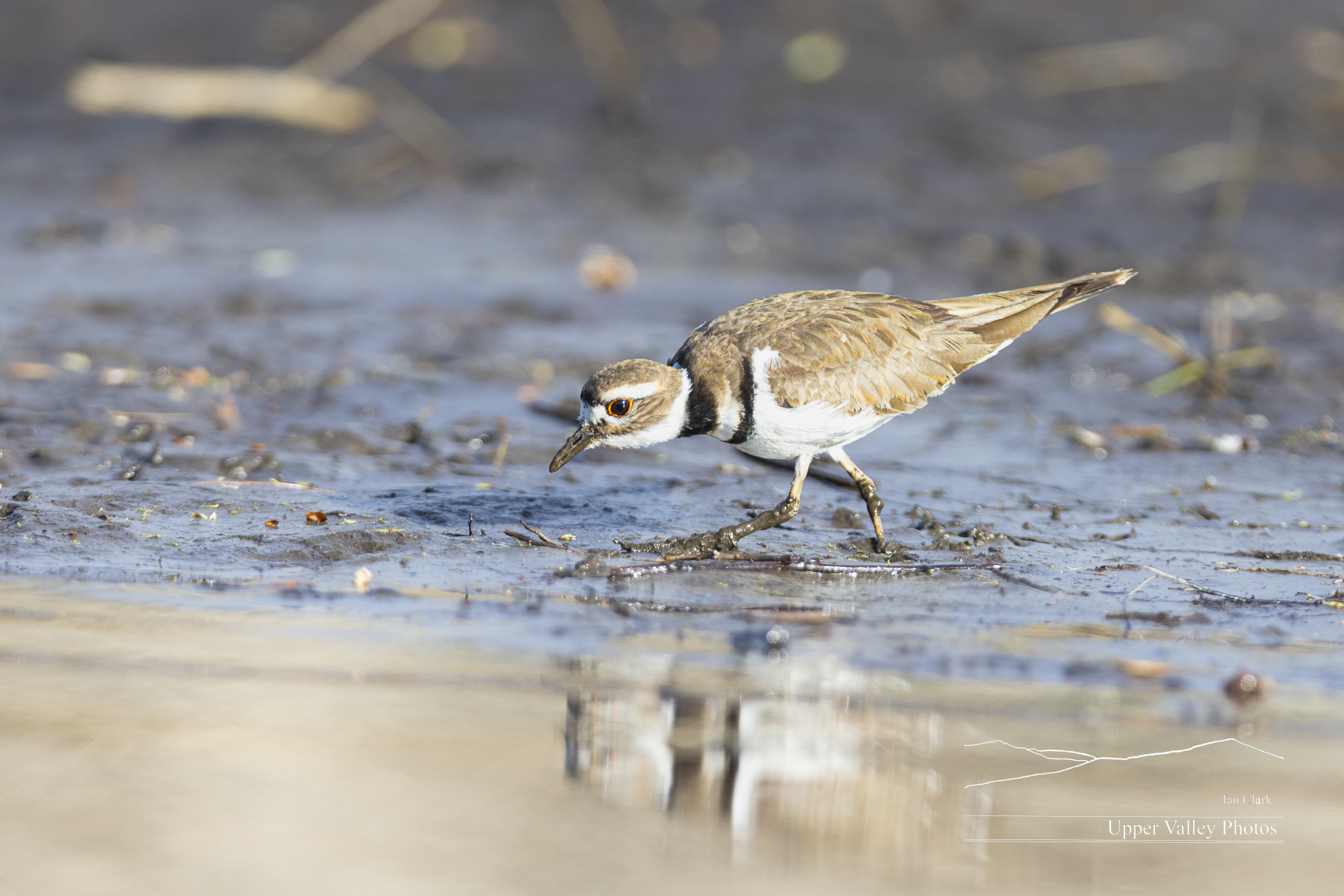
There were several killdeer out foraging along the mud at the water’s edge. There were lots of grackles and red-winged blackbirds and a few ducks around. A murder of crows mobbed a red-tailed hawk every time he dared fly over. With the low water, I saw several large snapping turtles foraging. A pair of northern flickers were cleaning up a nesting hole. Tree swallows looked like they were going to move in downstairs in the same tree.
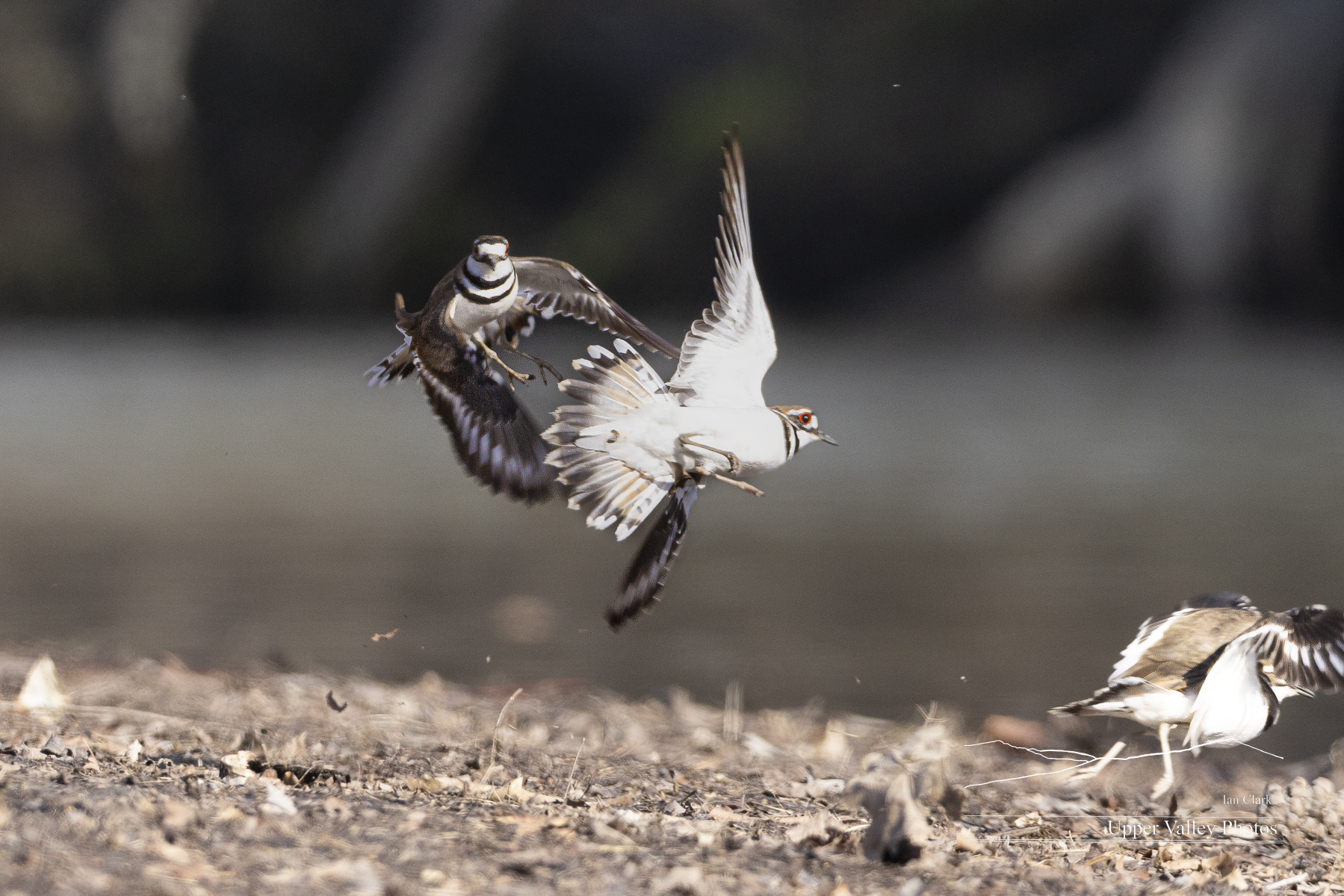
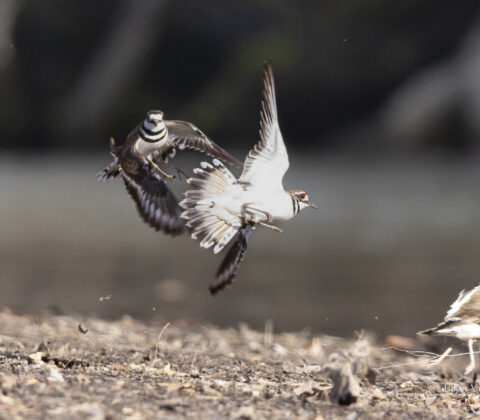
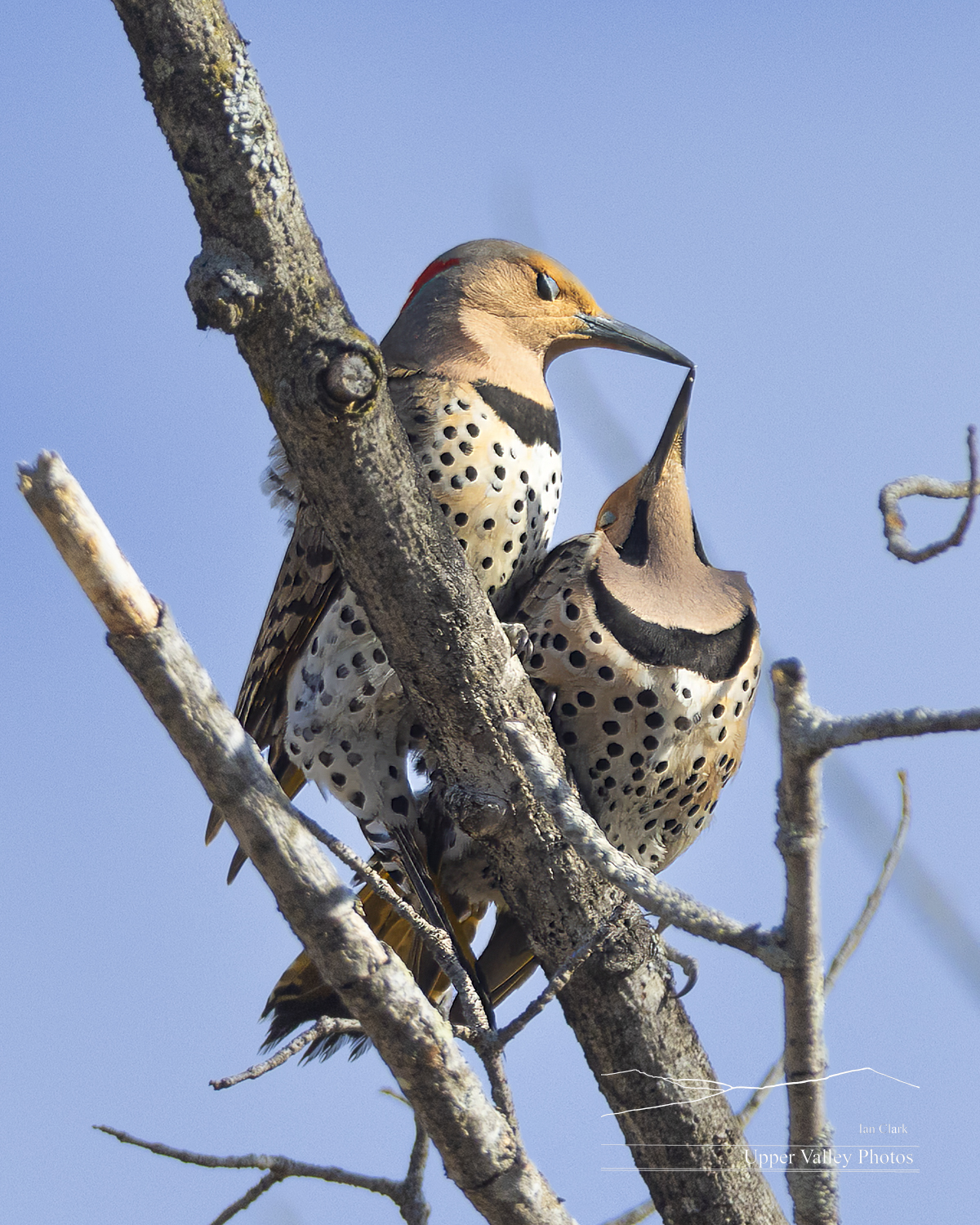
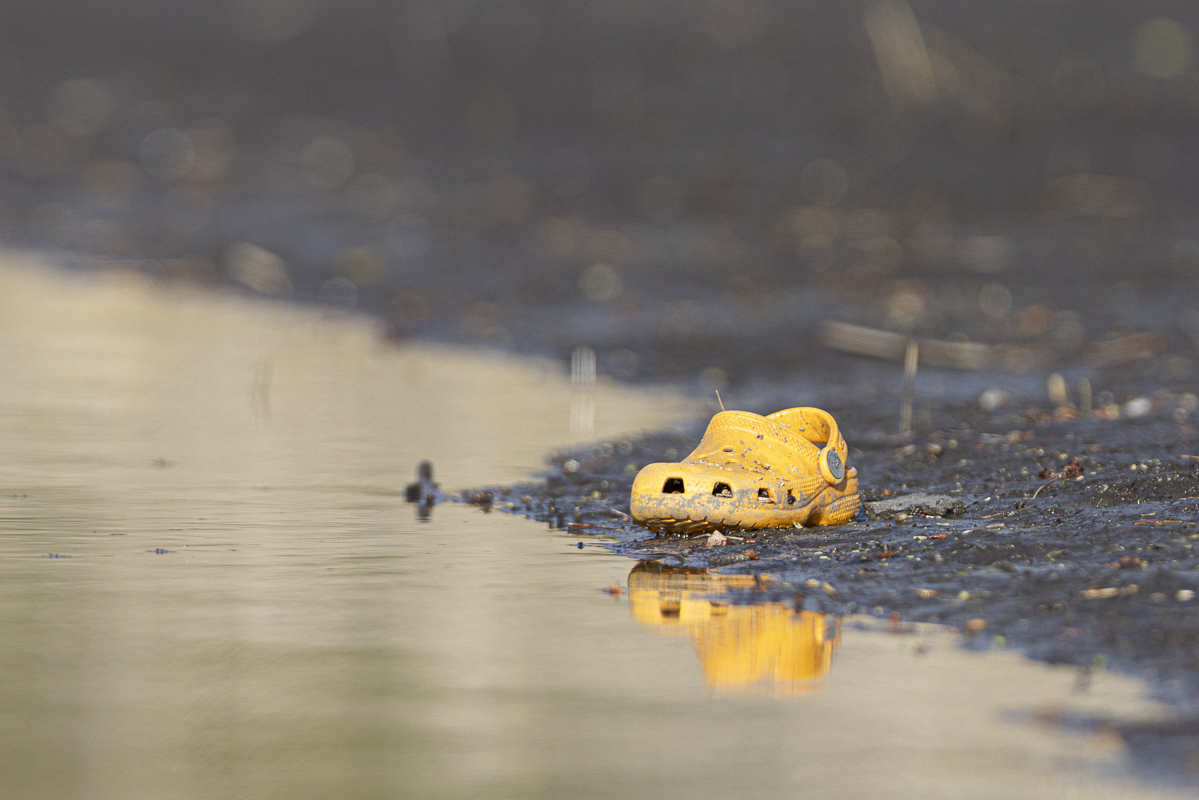
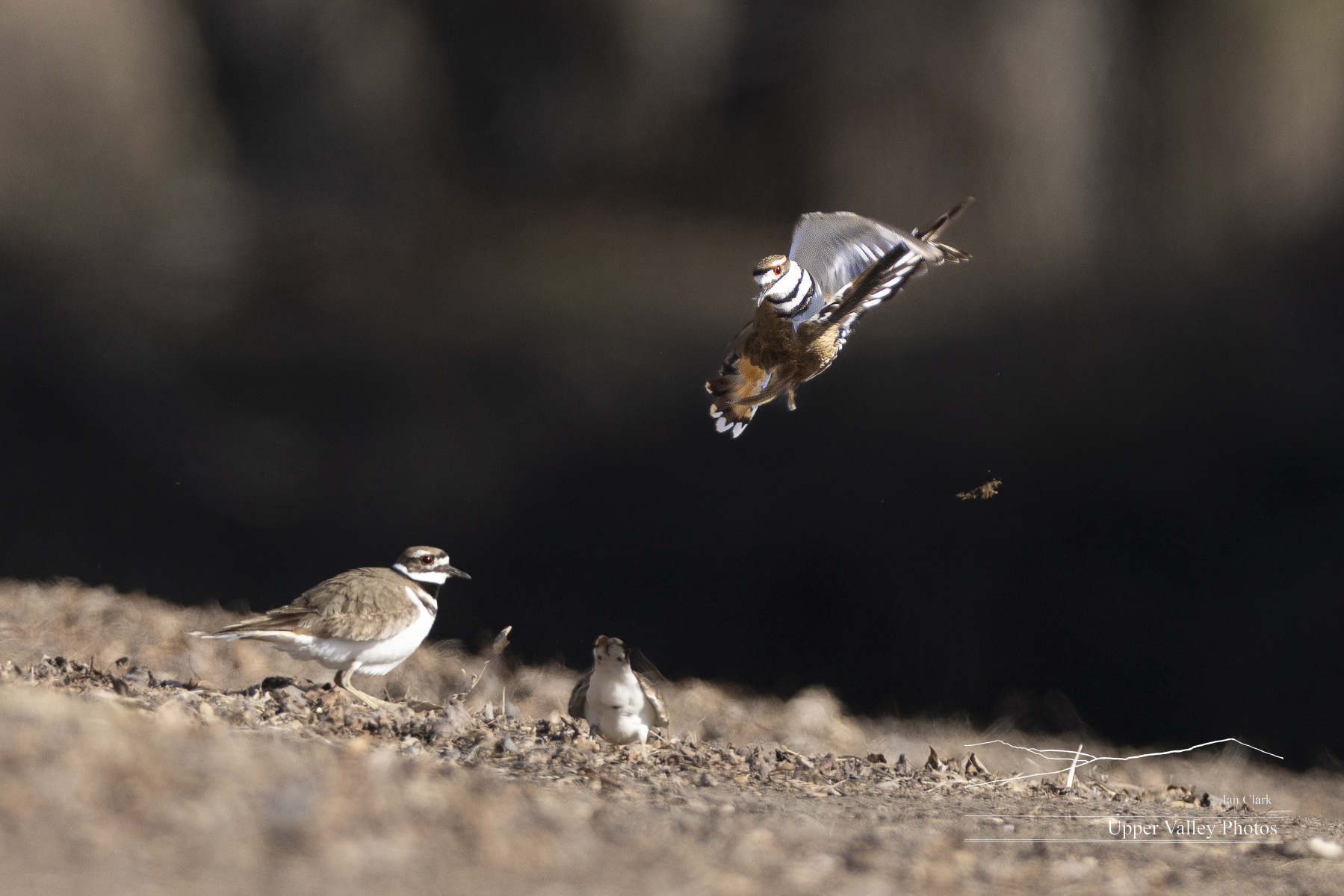
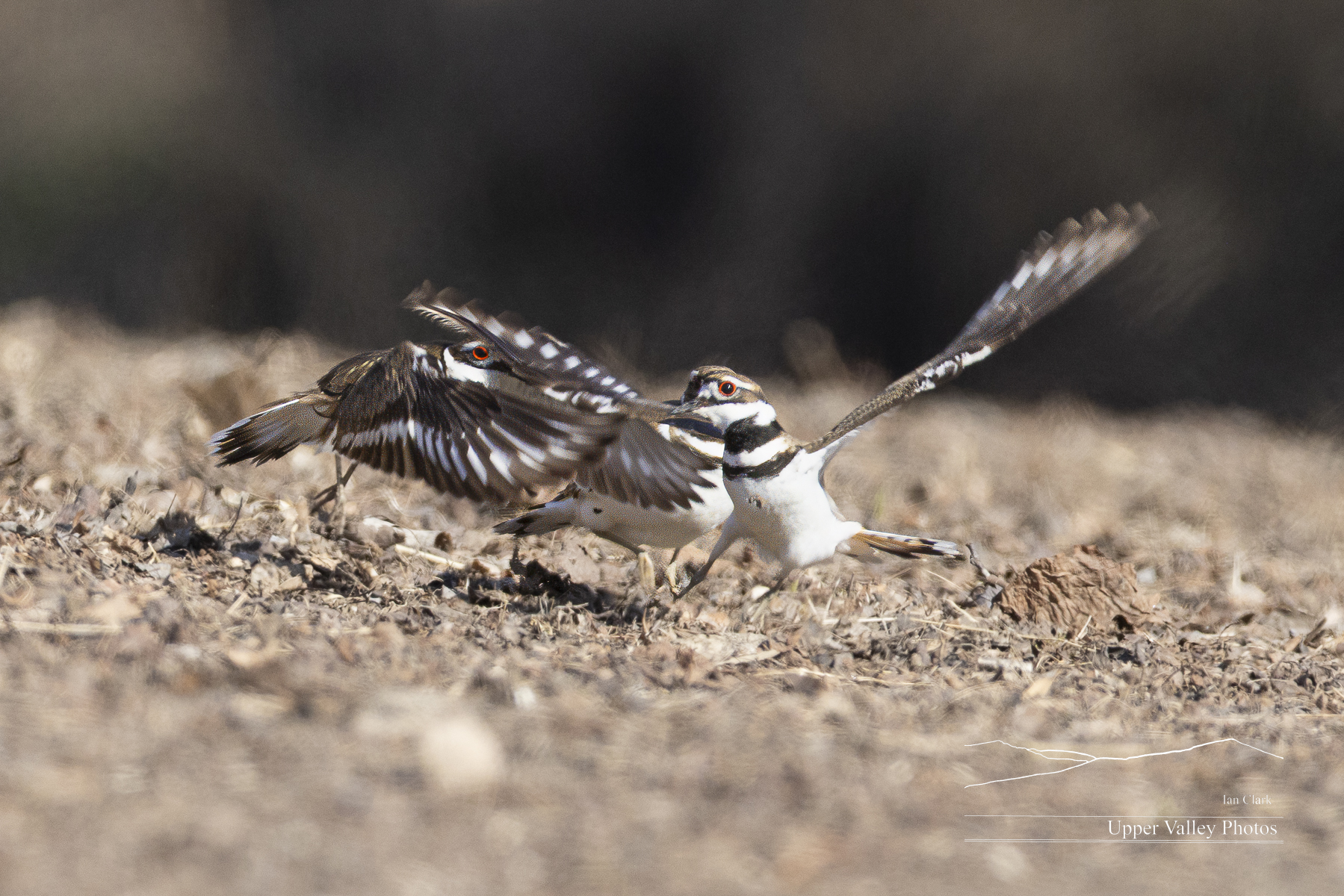
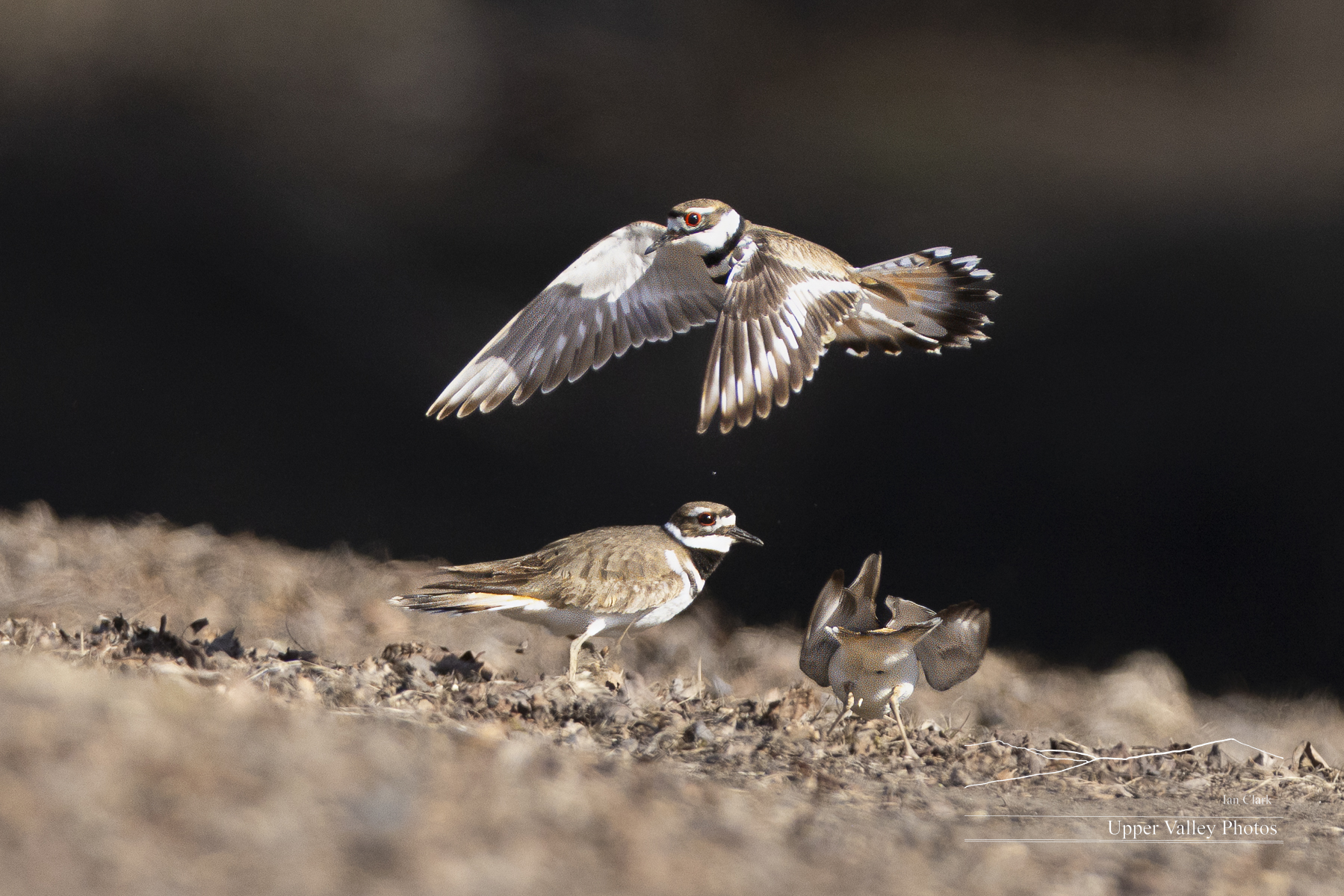
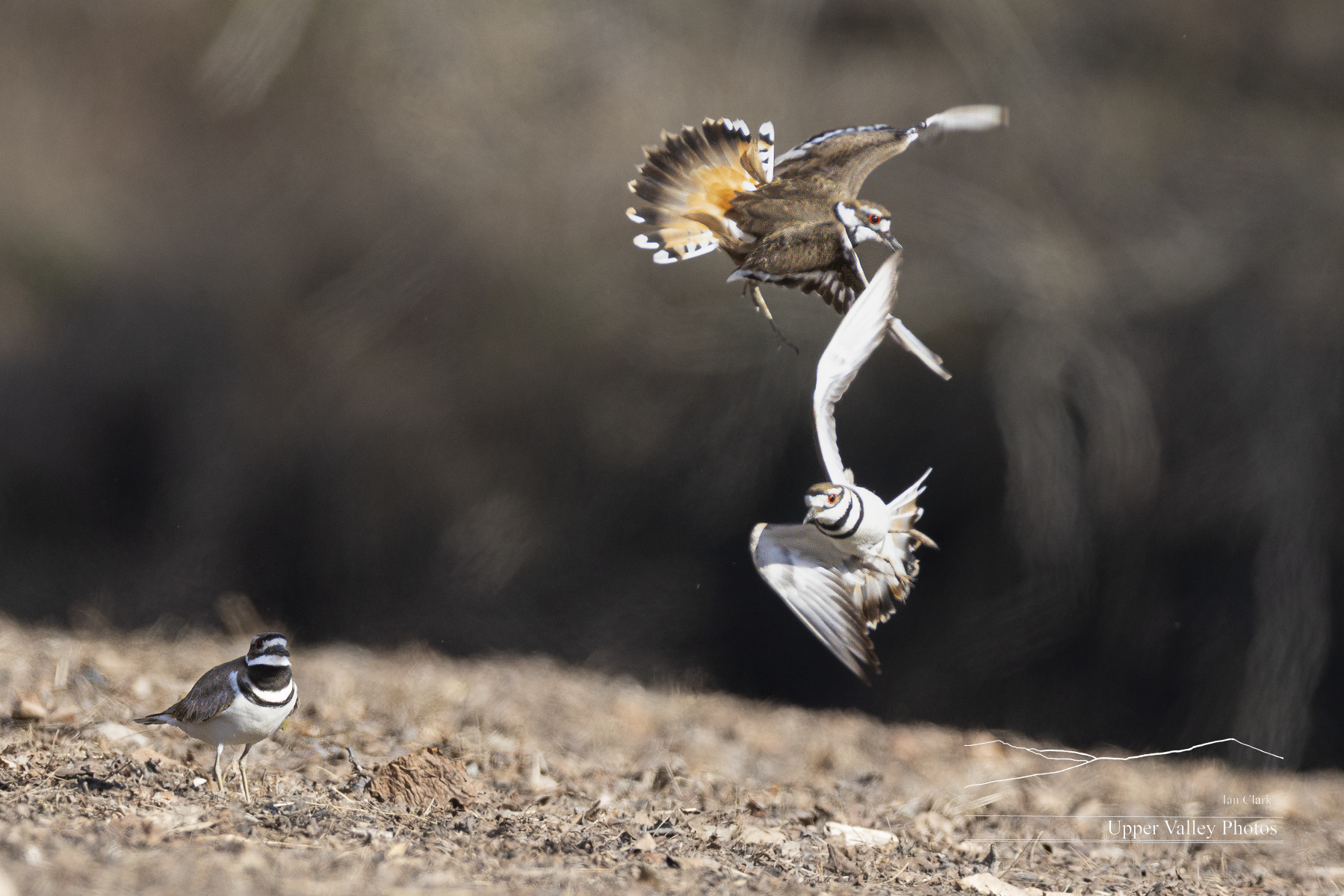
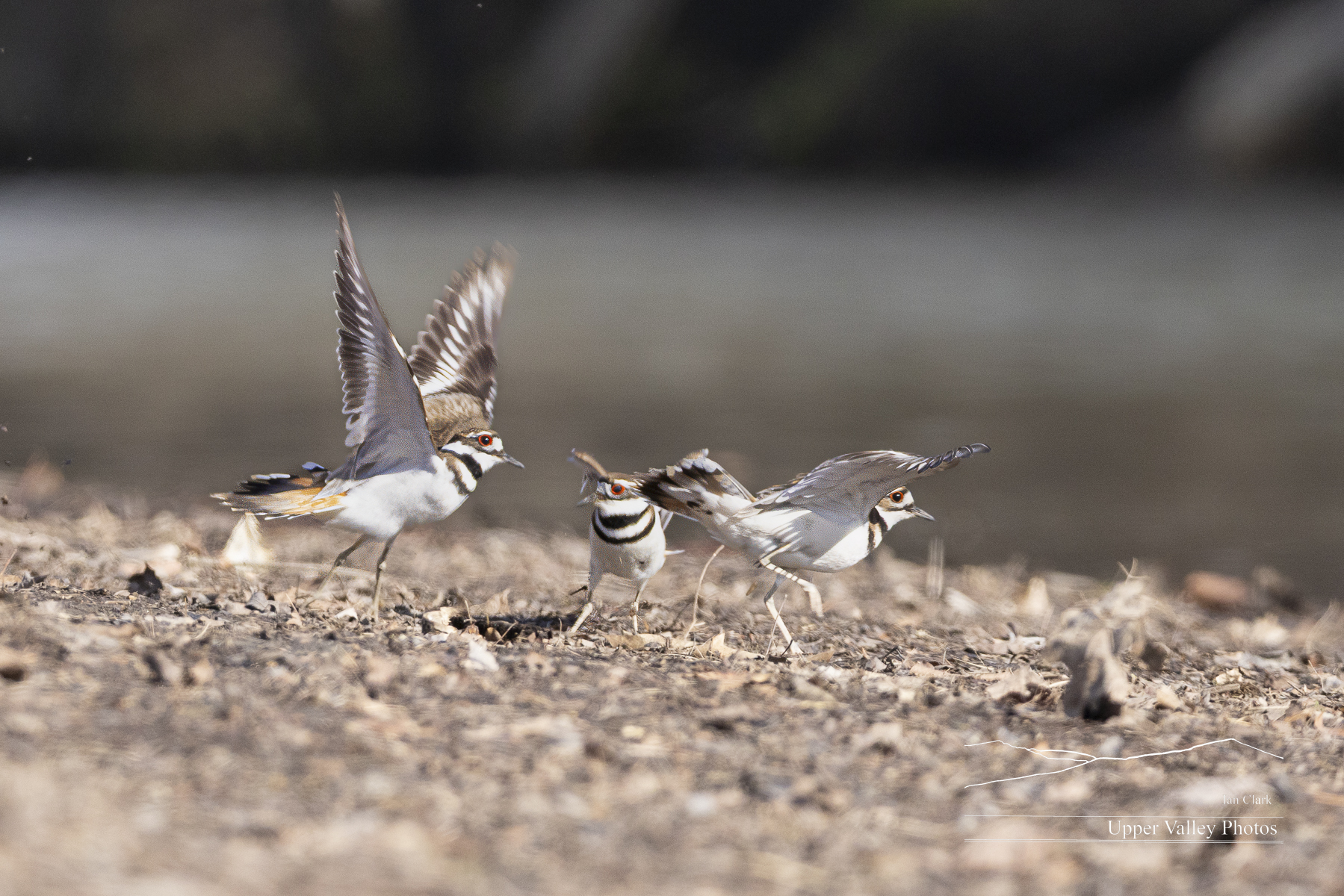
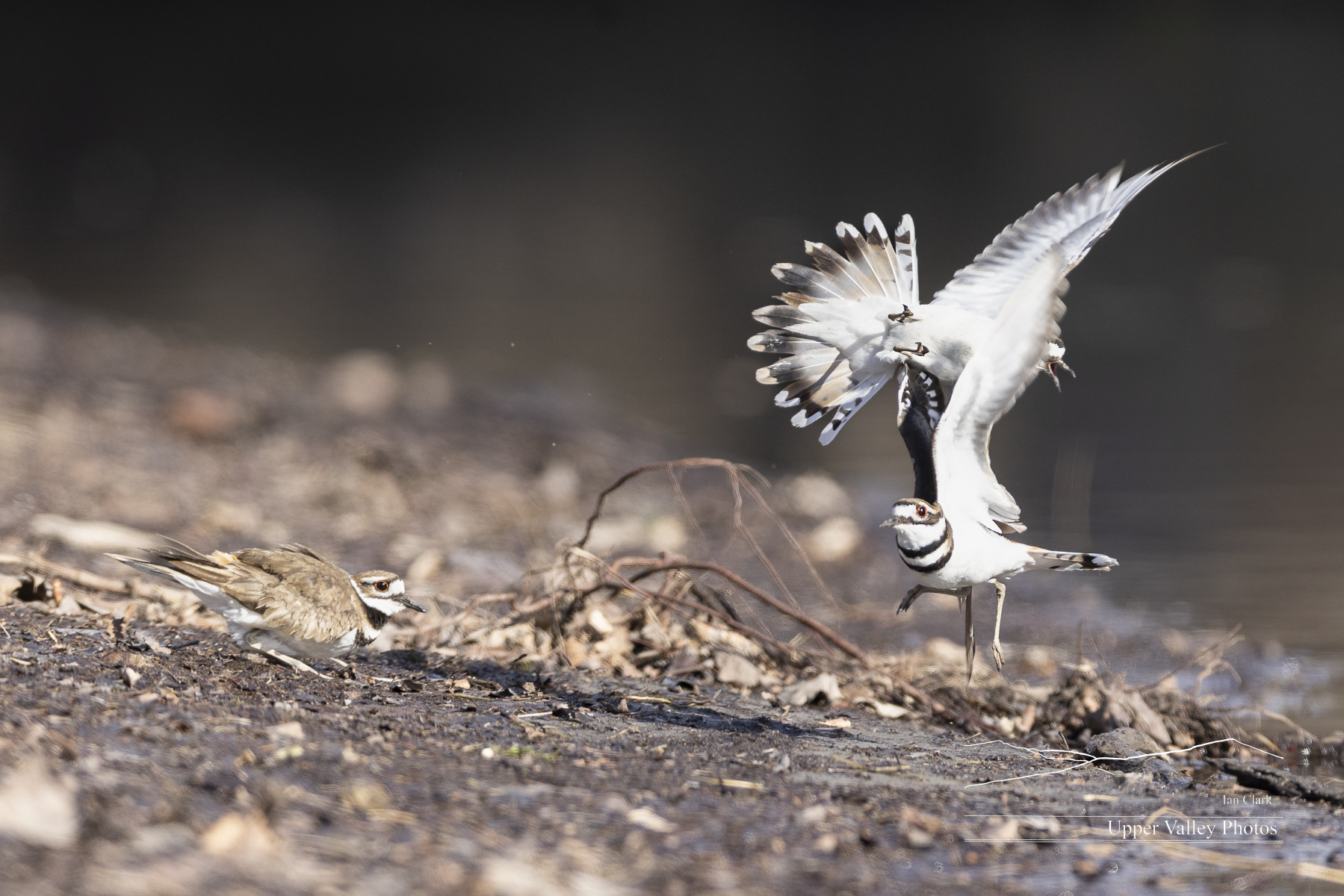
The flickers took a break to make little flickers and share a moment afterwards. There was a bit of a close call when rounding a curve in the river, I surprised a croc basking on the riverbank. The killdeer were creating a ruckus calling and flying around. After a time, I found four of them in a kerfuffle. I couldn’t figure out the cast. There was at least one female that presented repeatedly. There were at least two that would charge her when she did. Often one or both would take a short flight, often with an attack while in air. Sometimes it appeared the kerfuffle was two on two and sometimes three on one.
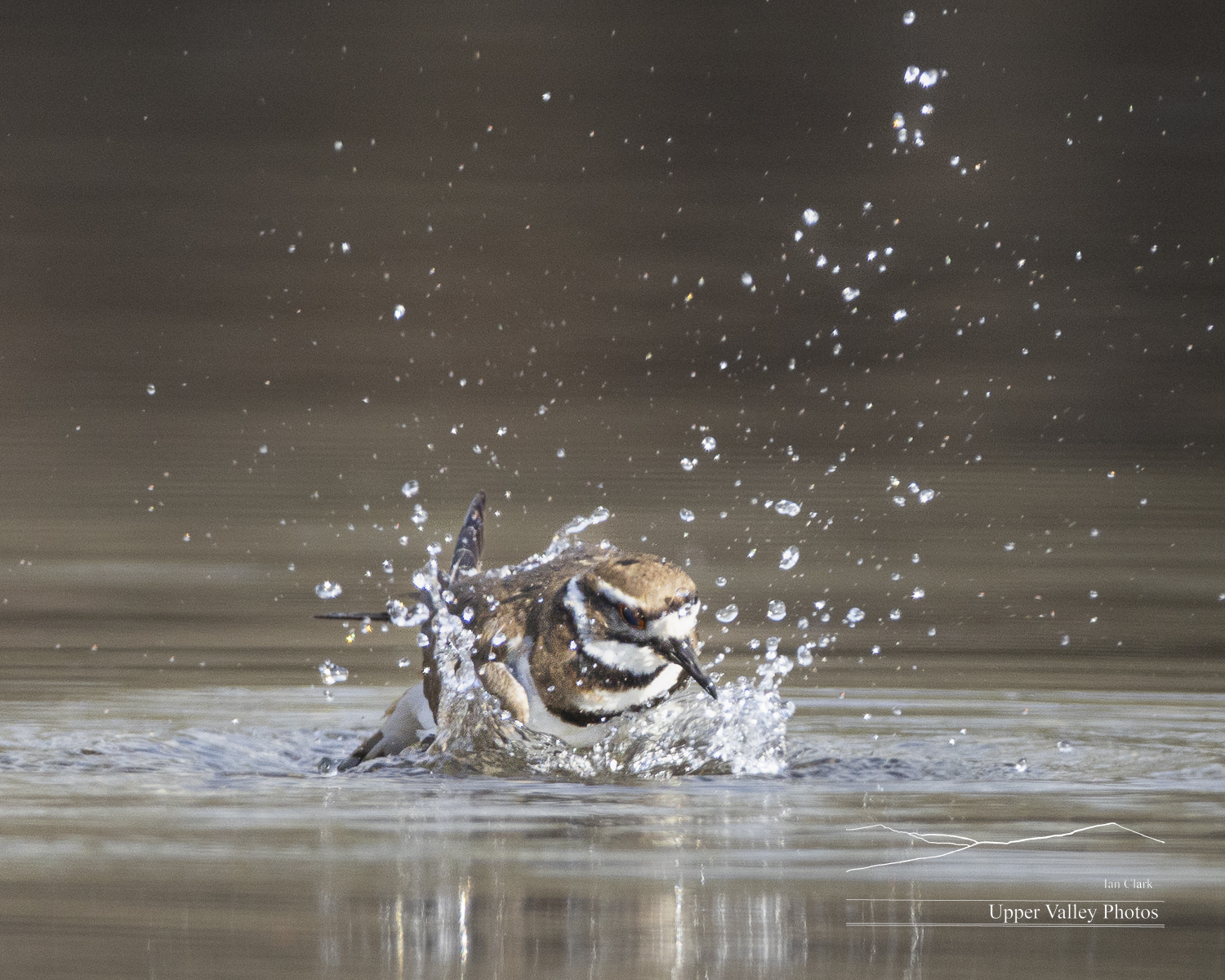
Three of the killdeer disagreeing on something. Someone has just charged the flying bird causing it to take flight. The bird in the back right seems to be presenting. A midair skirmish. Pretty clear this is ‘get outta here!’ Which led to another midair skirmish. The midair skirmishes seemed to be mostly threatening, without any actual contact. The kerfuffle came to some conclusion I couldn’t figure out. The lady that had been presenting throughout took time for a bath and all the birds wandered off.
If you enjoy my posts, you can sign up to get a notification when I add a new post. I’m not going to share your info, I just use it to let you know I’ve got a new post up. And, you can help me out a bit by sharing your favorite posts with friends or on social media. Thanks!