Posts in Category: Loons
Updates and photos as Ian follows the local loon families
A Look Back at Our Loons in 2022
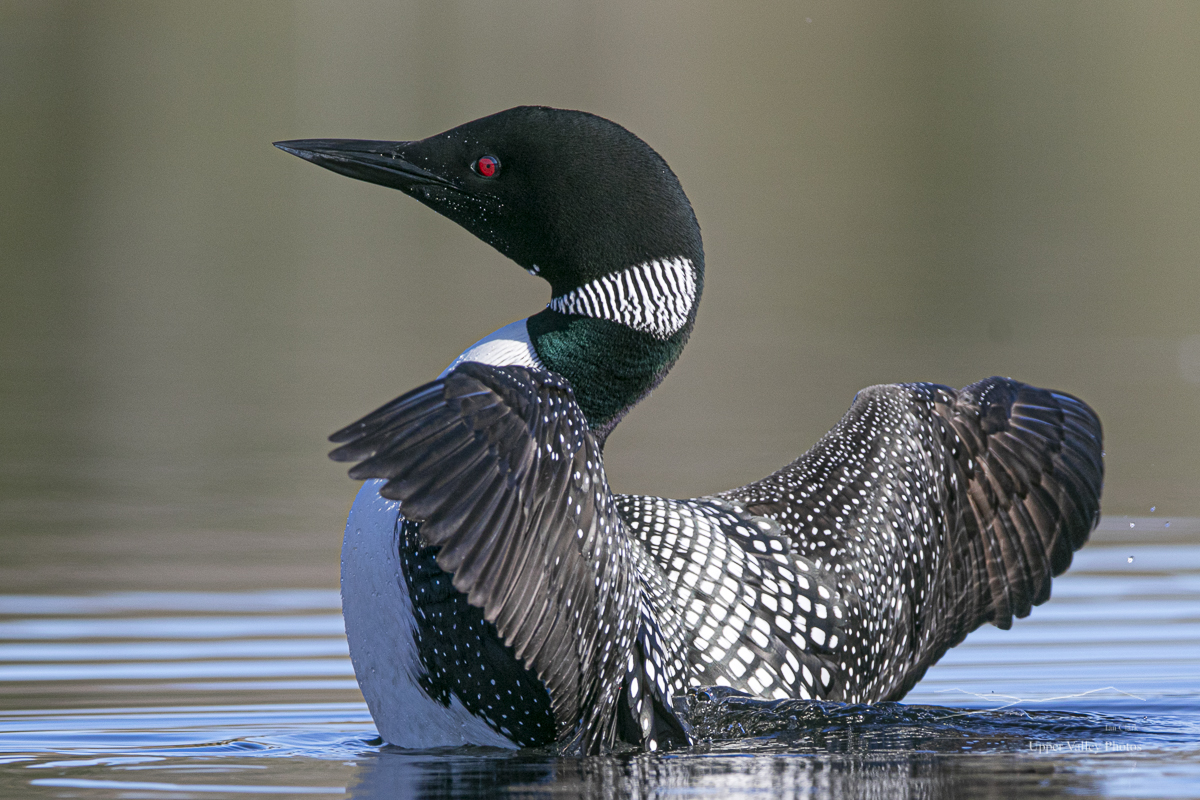
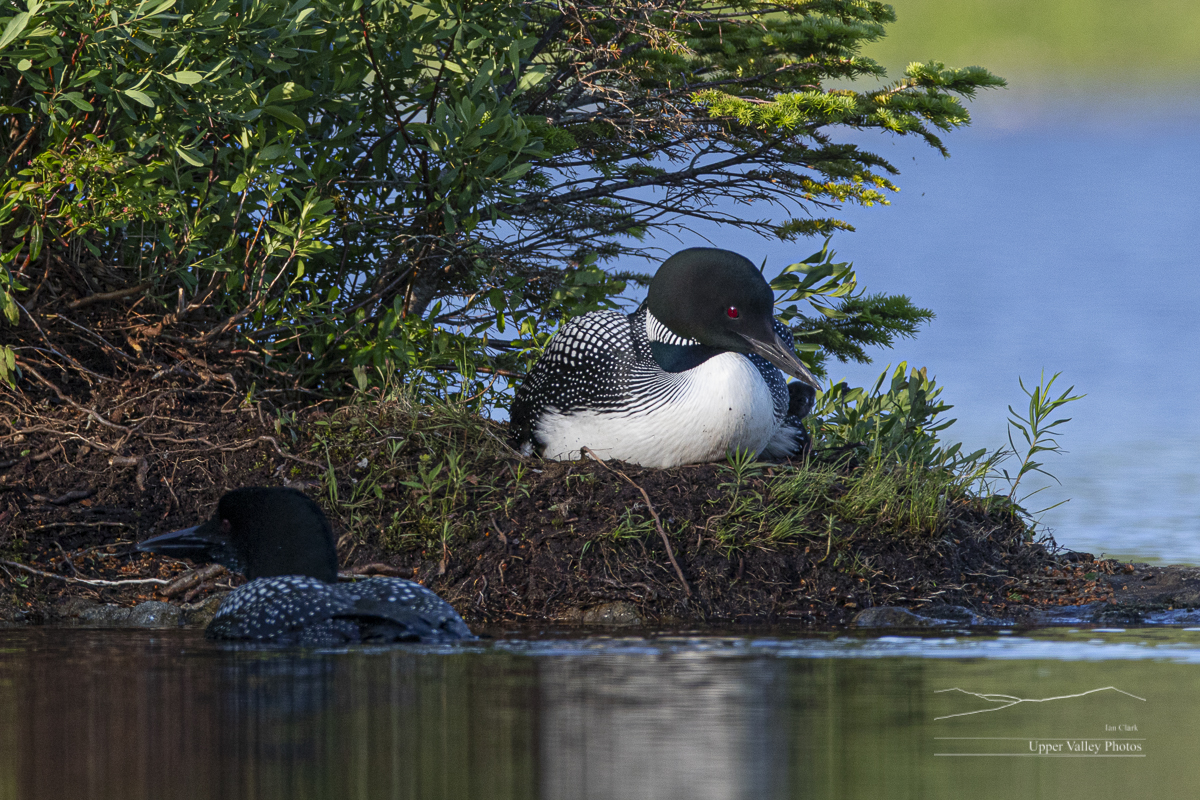
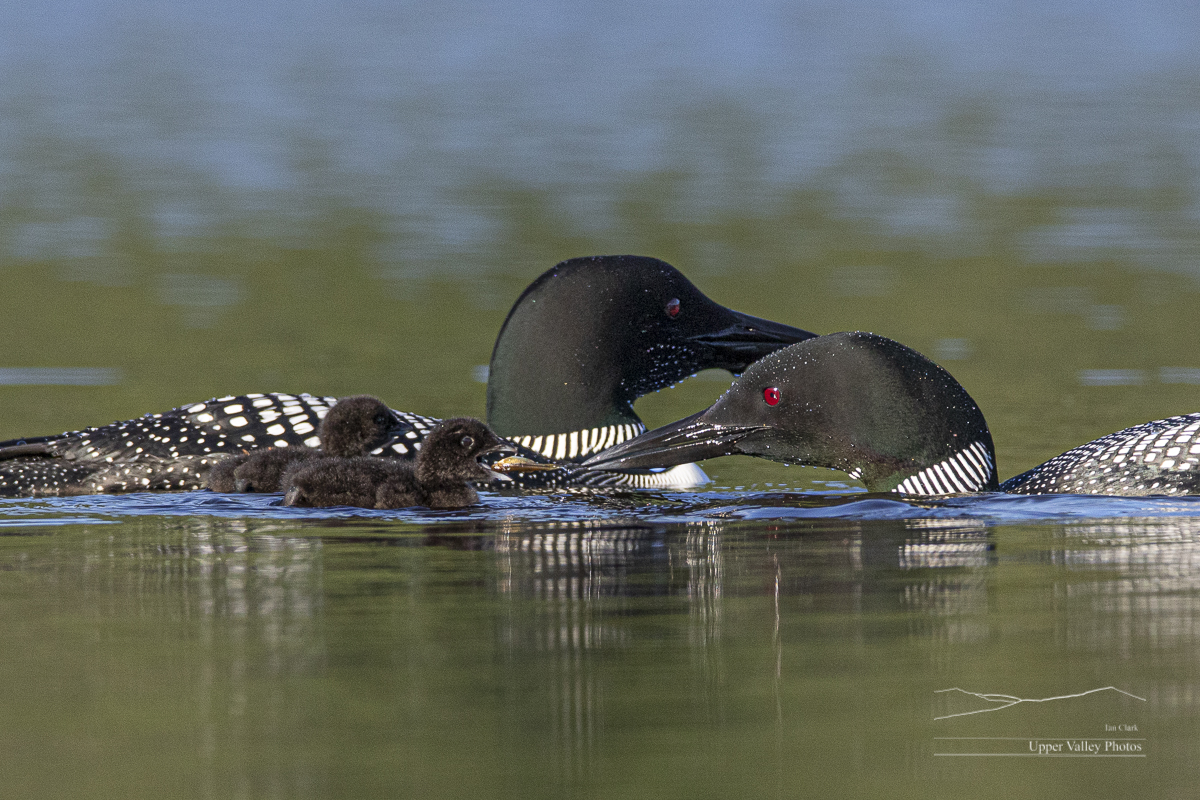
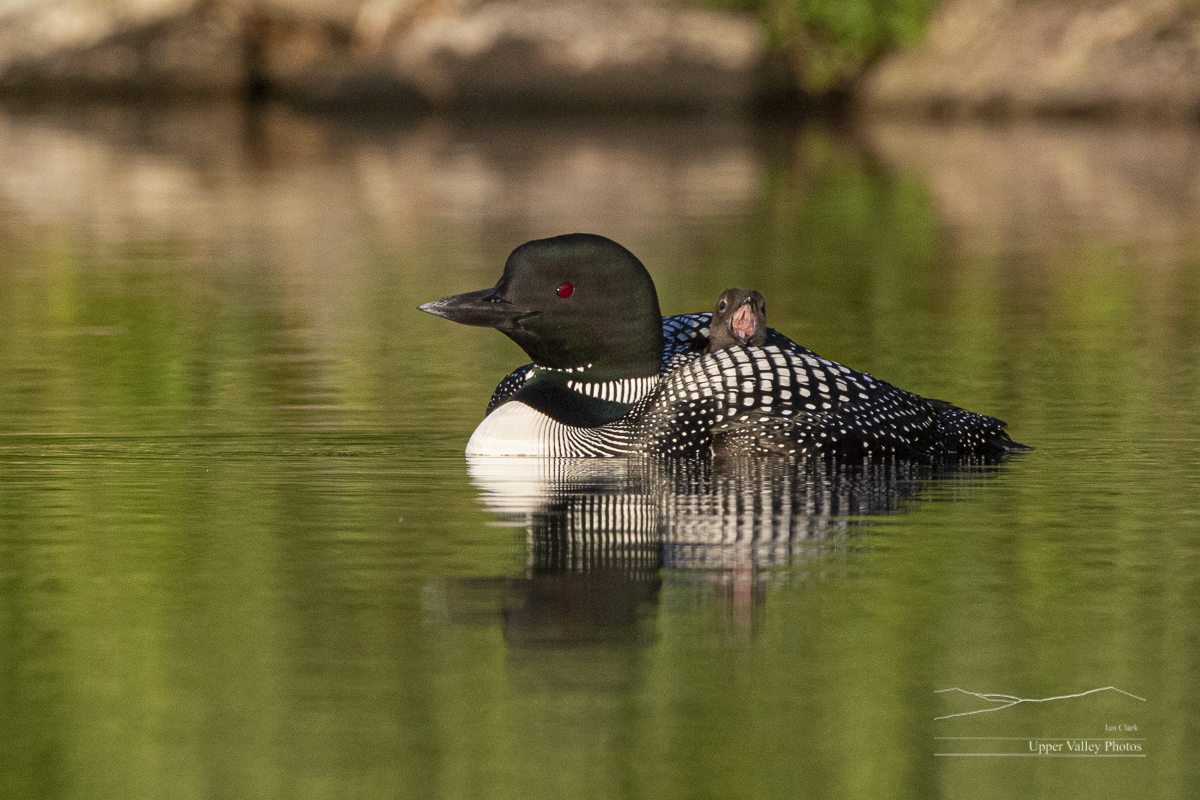
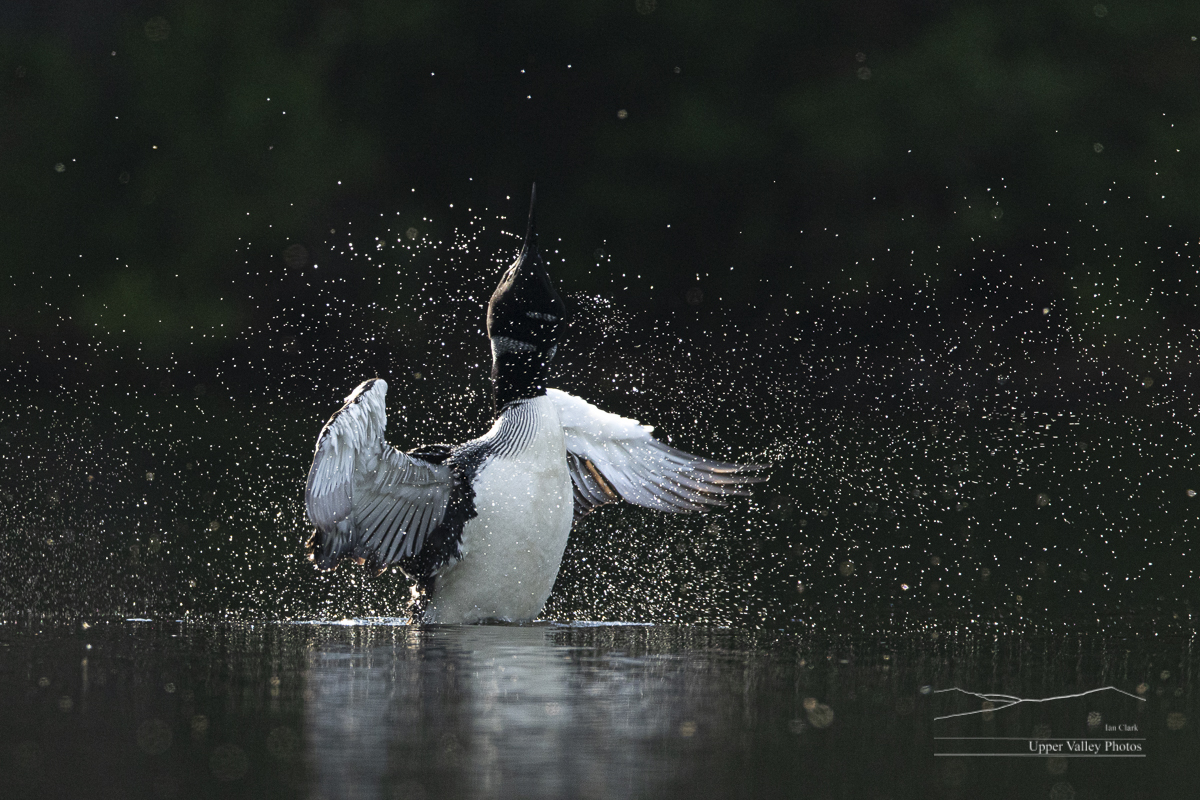
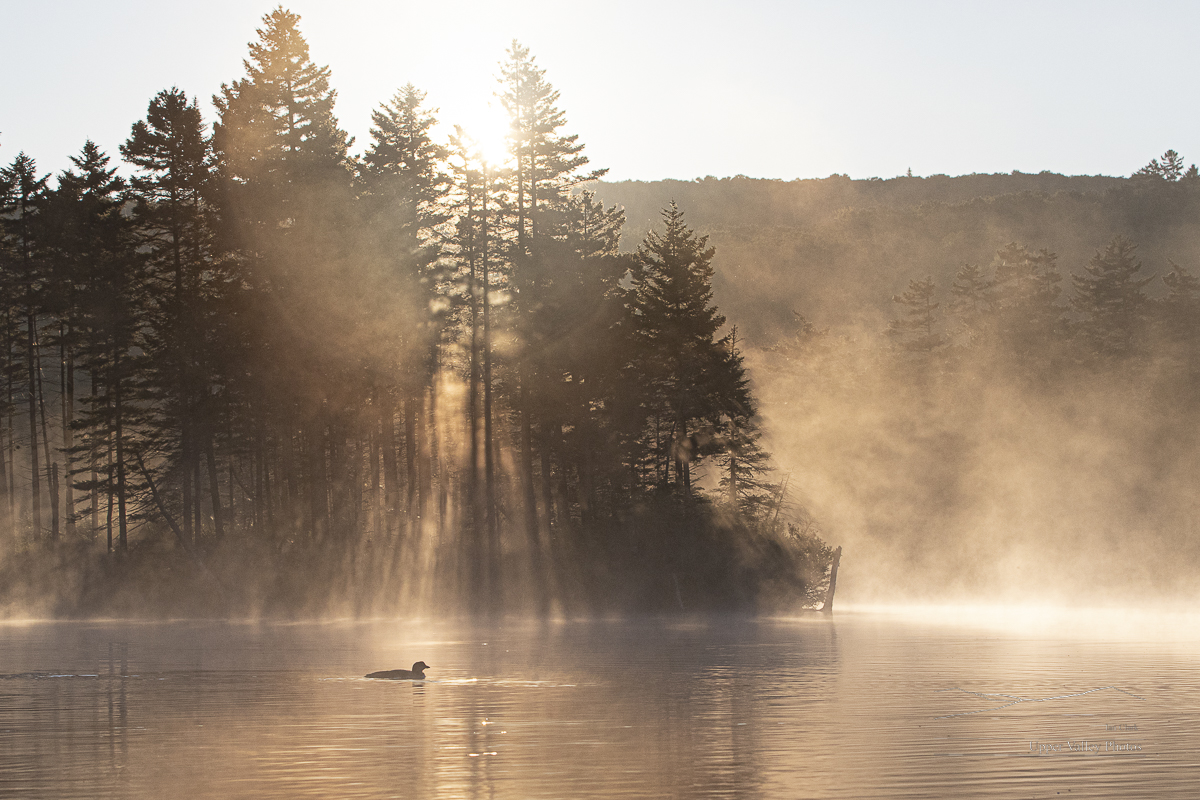
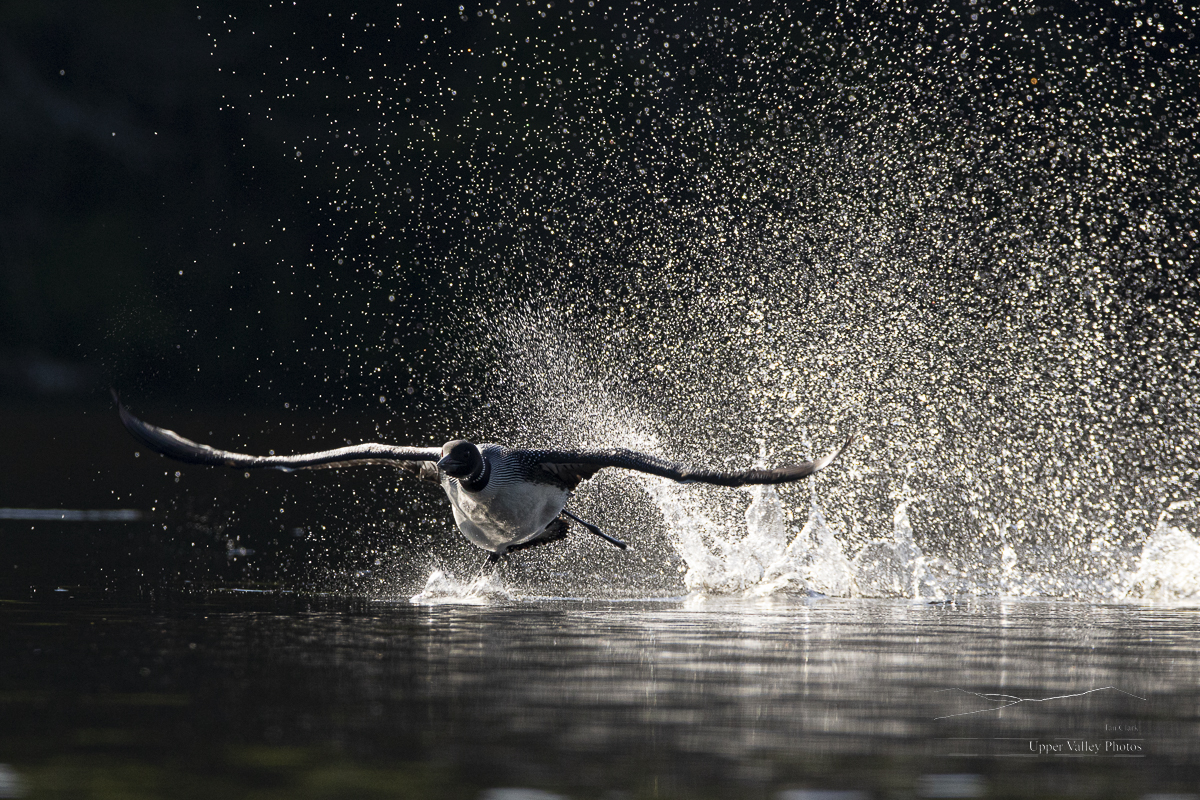
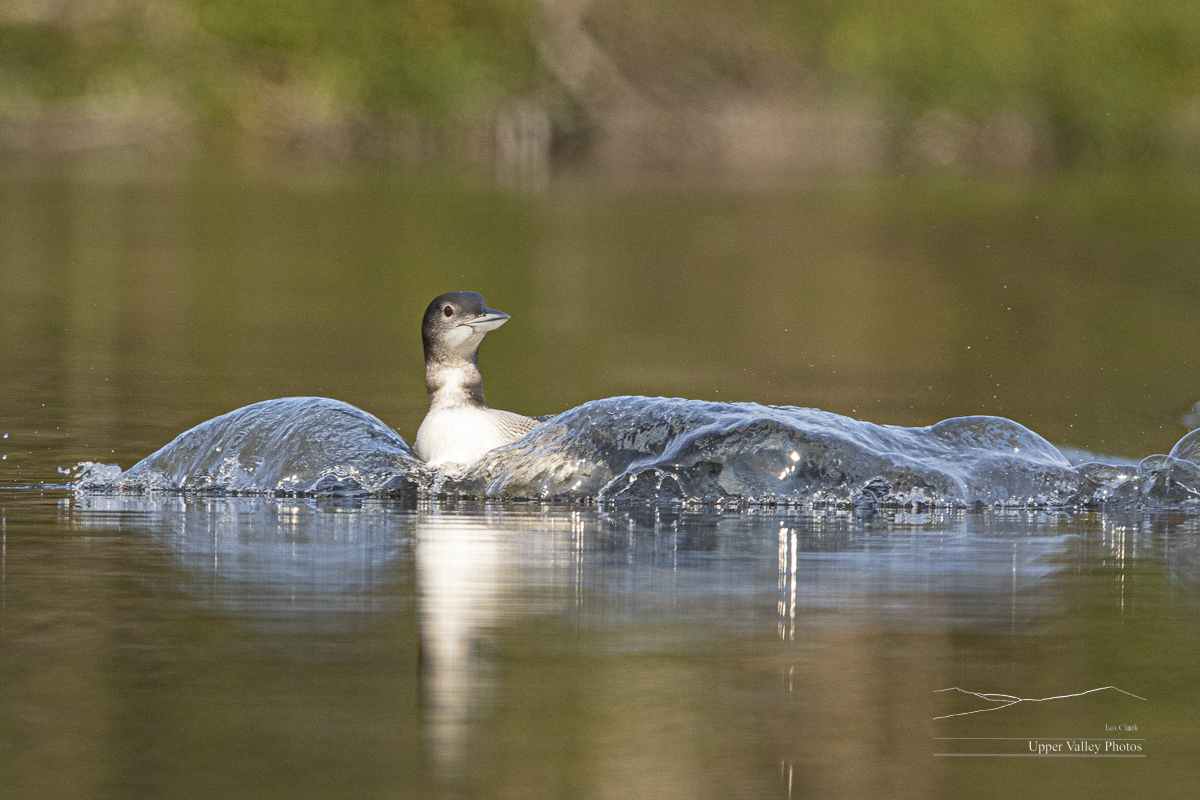
Lazy photographers everywhere squeeze an extra post out of their favorite pix of the previous year. Why should I be different? Let’s look at some of my favorite pix of our loon families from last summer.
If you liked following the loons on my blog, you might be interested in seeing my presentation An Uncommon Look at the Common Loon. I’ve put together a PowerPoint presentation with some natural history of loons and we’ll follow a loon family from nest to the chicks in flight. I’ll be giving the presentation a couple times this week.
The first presentation will be at the Thompson Center in Woodstock, VT, this Thursday, January 12, at 1:00 p.m. The second presentation will be at the Blake Memorial Library in East Corinth, VT, this Friday, January 13, at 6:30 p.m. Both are free and everyone welcome.
And, if your interests include steam locomotives, I’ll be giving my presentation Under Steam at the Bugbee Senior Center in White River Jct., VT, on Wednesday, January 25 at 1:00 p.m. We’ll take a look at some of the US’s remaining operating steam locomotives. I’ve been tracking down the last steam engines since the 1970s, this show looks at the highlights from coast to coast. Also free and everyone welcome.
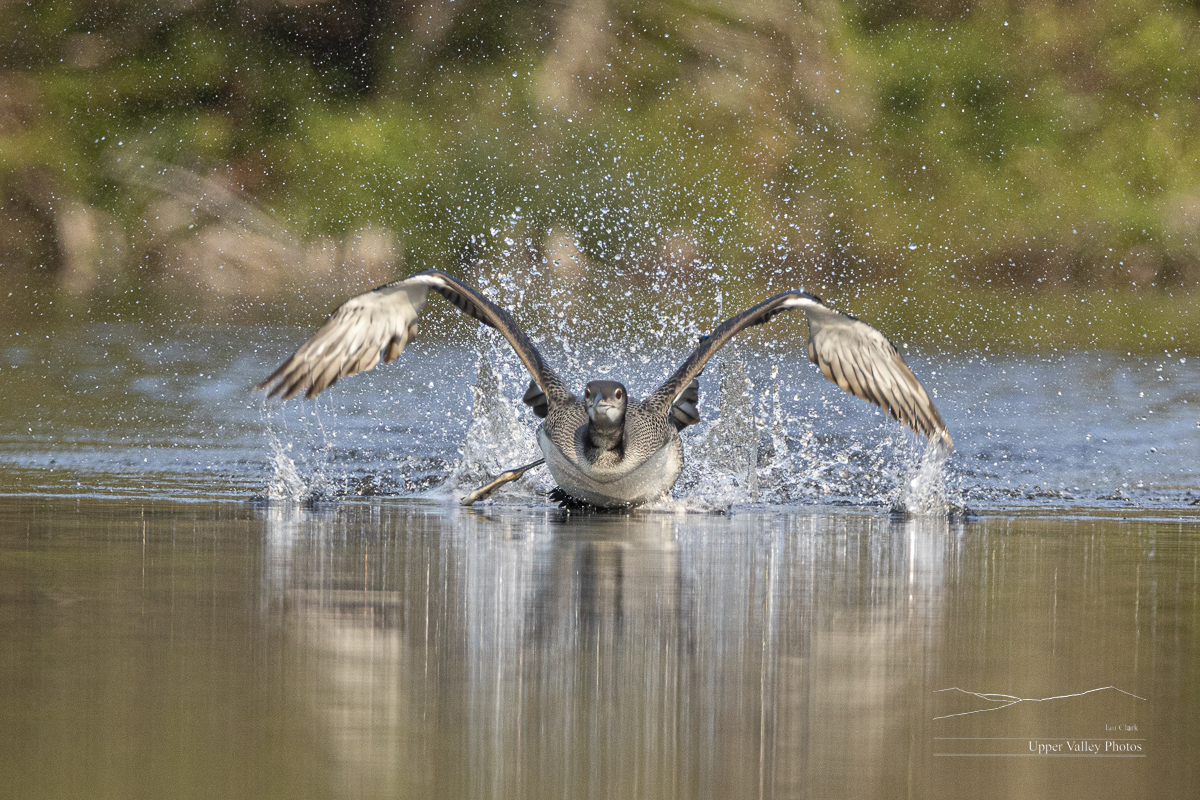
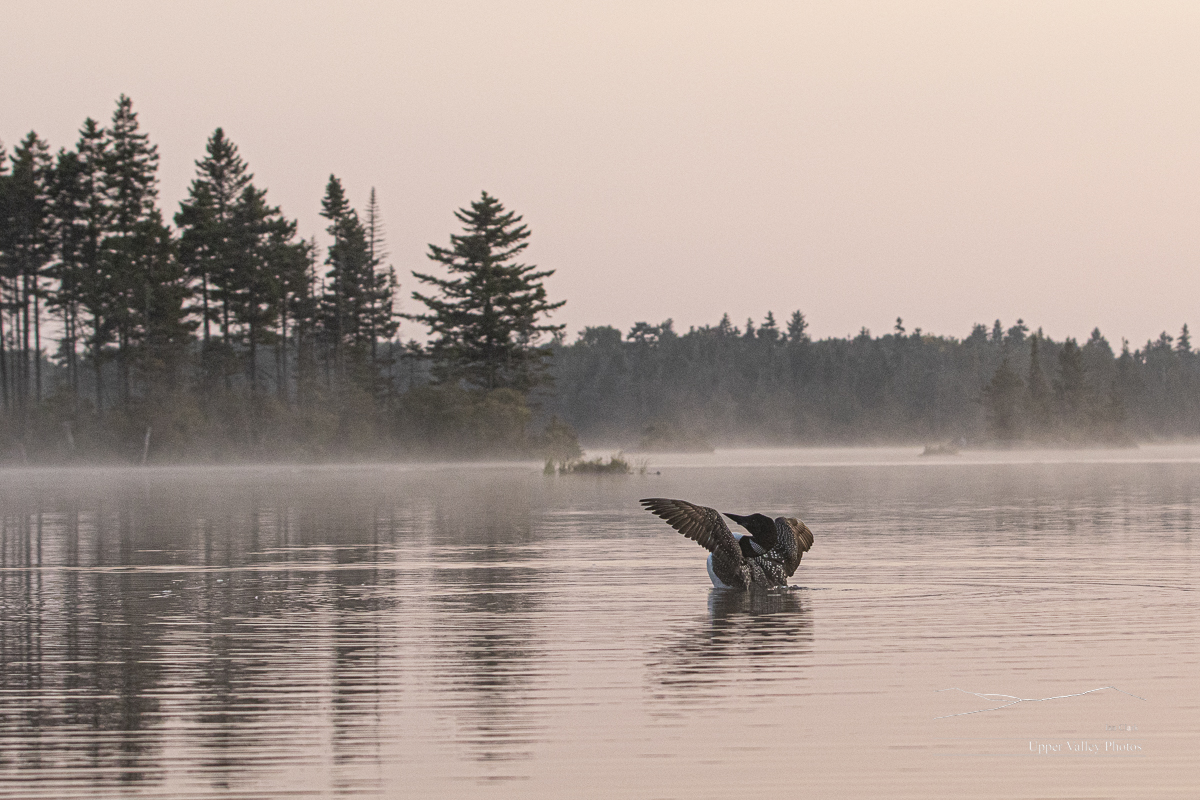
One Loon Family Still Here
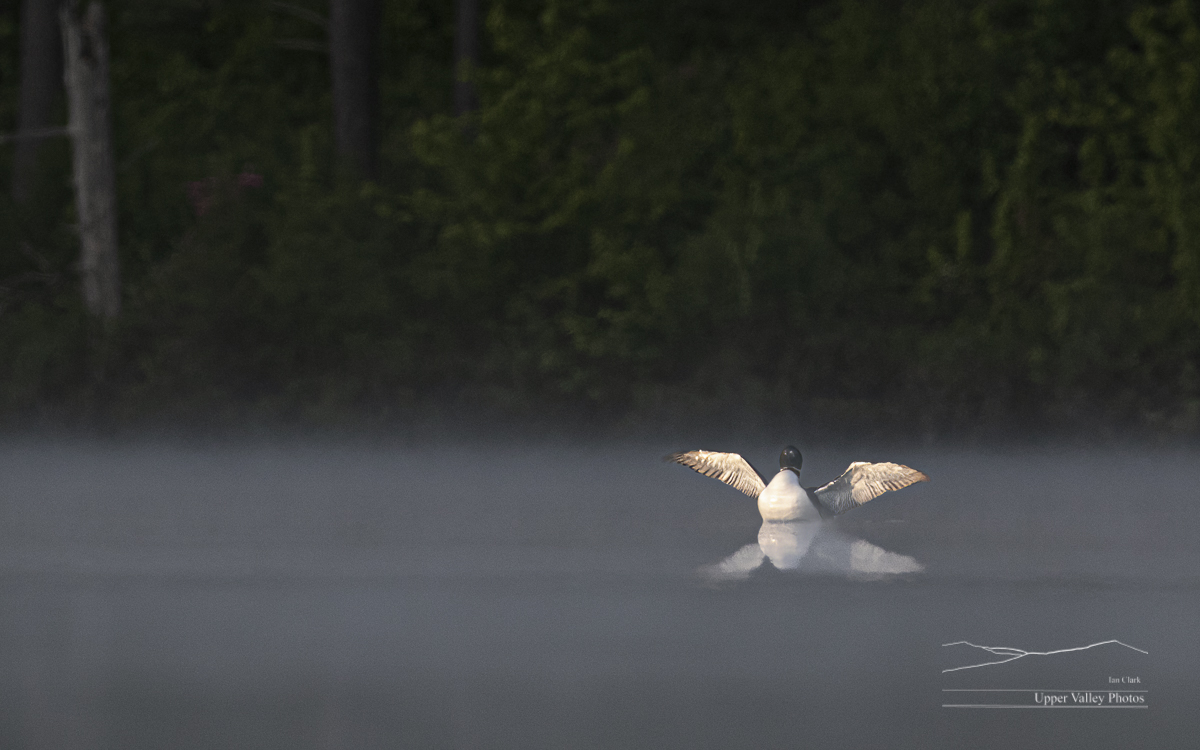
Dawn yesterday found a cloudless sky and with the temperature here on the hill at 32°, I figured I could get the kayak around the pond. I headed north to check on the Westons. This is the family that faced intruders for several weeks in the spring. They hatched two chicks and one survives and is 15 weeks old.
I’ve got a couple appearances coming up. Wednesday October 26, I’ll be at the Bugbee Senior Center at 1:00 p.m.with my slideshow An Uncommon Look at the Common Loon. The show is open to the public, see the details on their site: https://www.bugbeecenter.org/activity/special-events/bugbeetalks/.
There’s a photographic print version of An Uncommon Look which I’ll be hanging at the Kellogg-Hubbard Memorial Library in Montpelier on November 1. It will stay up until November 30. I’ll be giving An Uncommon Look at 6:30 p.m. on November 9 at the Library. Free and open to the public.
And, I’ll be at Craft Vermont November 18-20, 2022 at the DoubleTree in South Burlington. Come on by and say hello.
When I got to the loon’s pond, the sun had yet to hit the tops of the trees along the west side of the pond and it was a refreshing 29°. There was only the slightest trace of ice along the shore, no problem for a kayak.
While I was launching the kayak, I noticed what looked to be a large hawk land in a tree towards the other end of the pond. Too far away for a good ID and with the loons talking I headed out to find them.
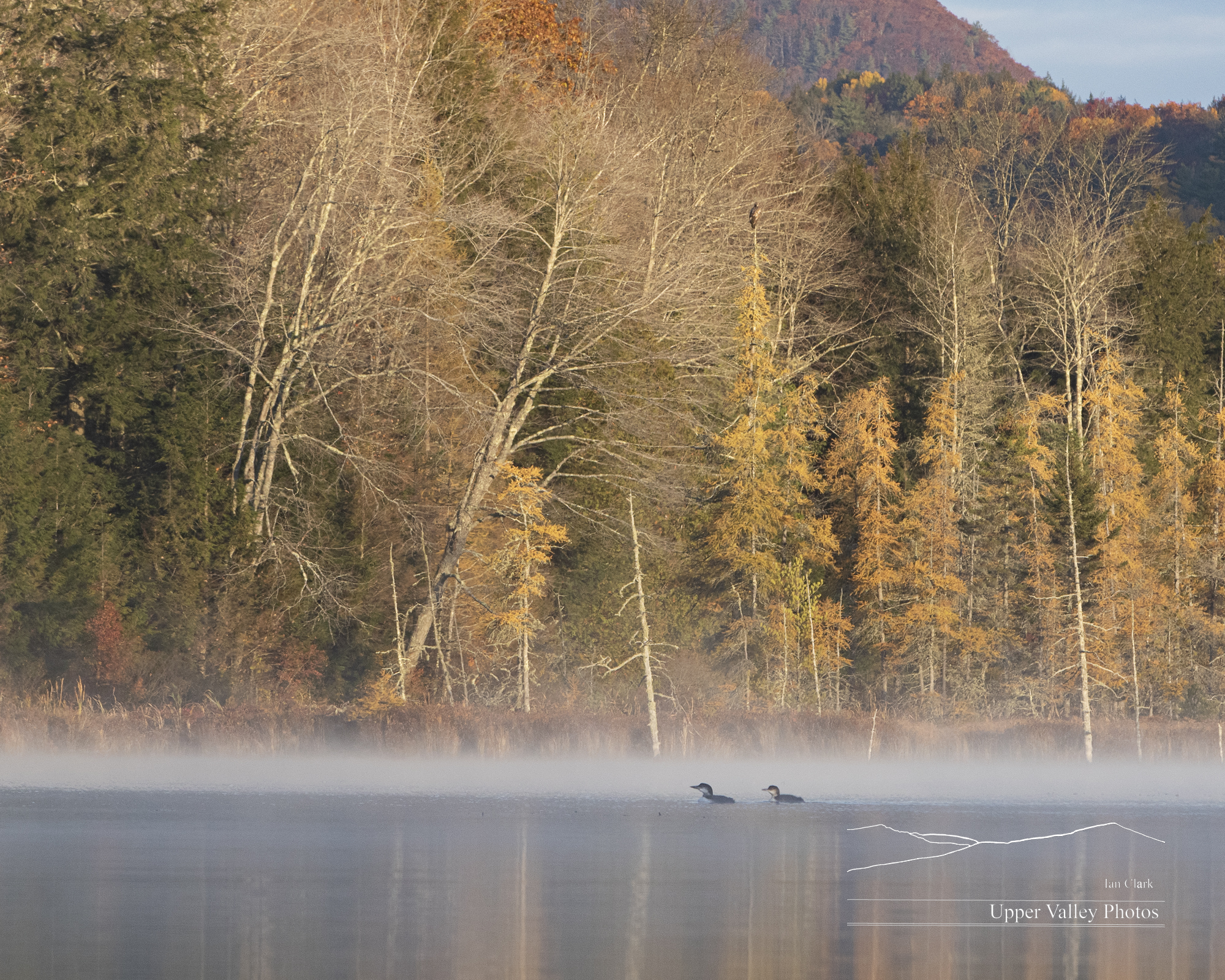
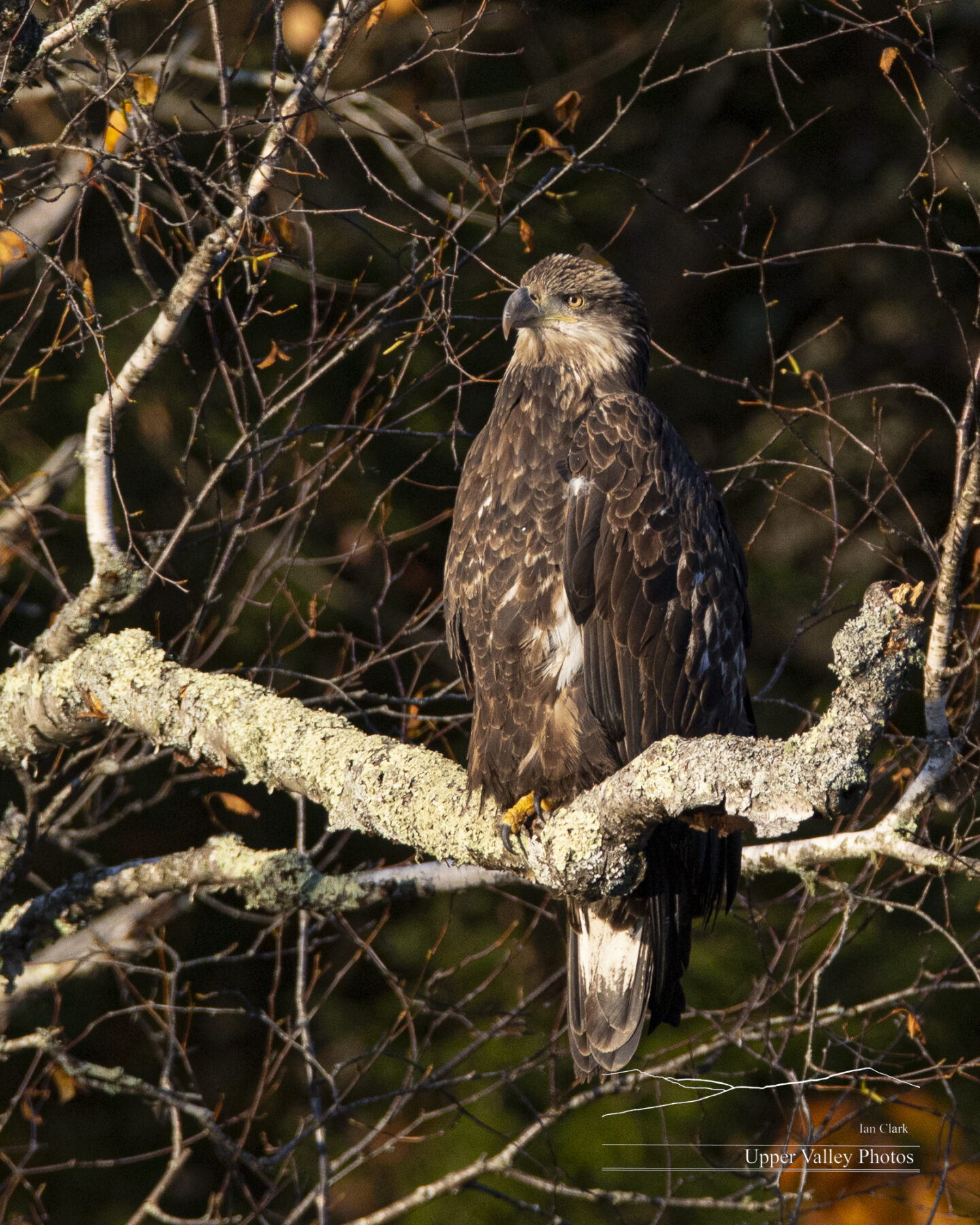
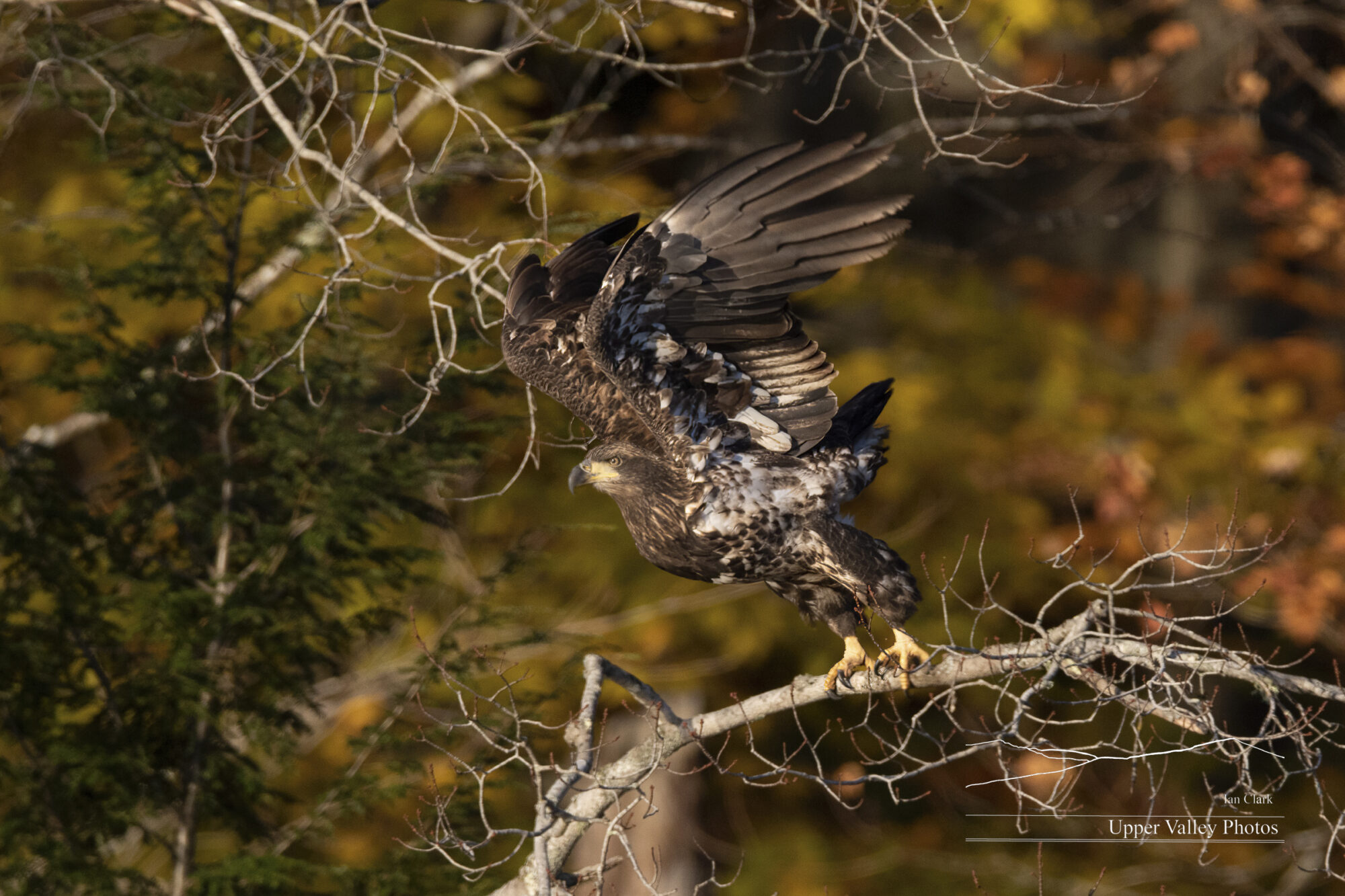
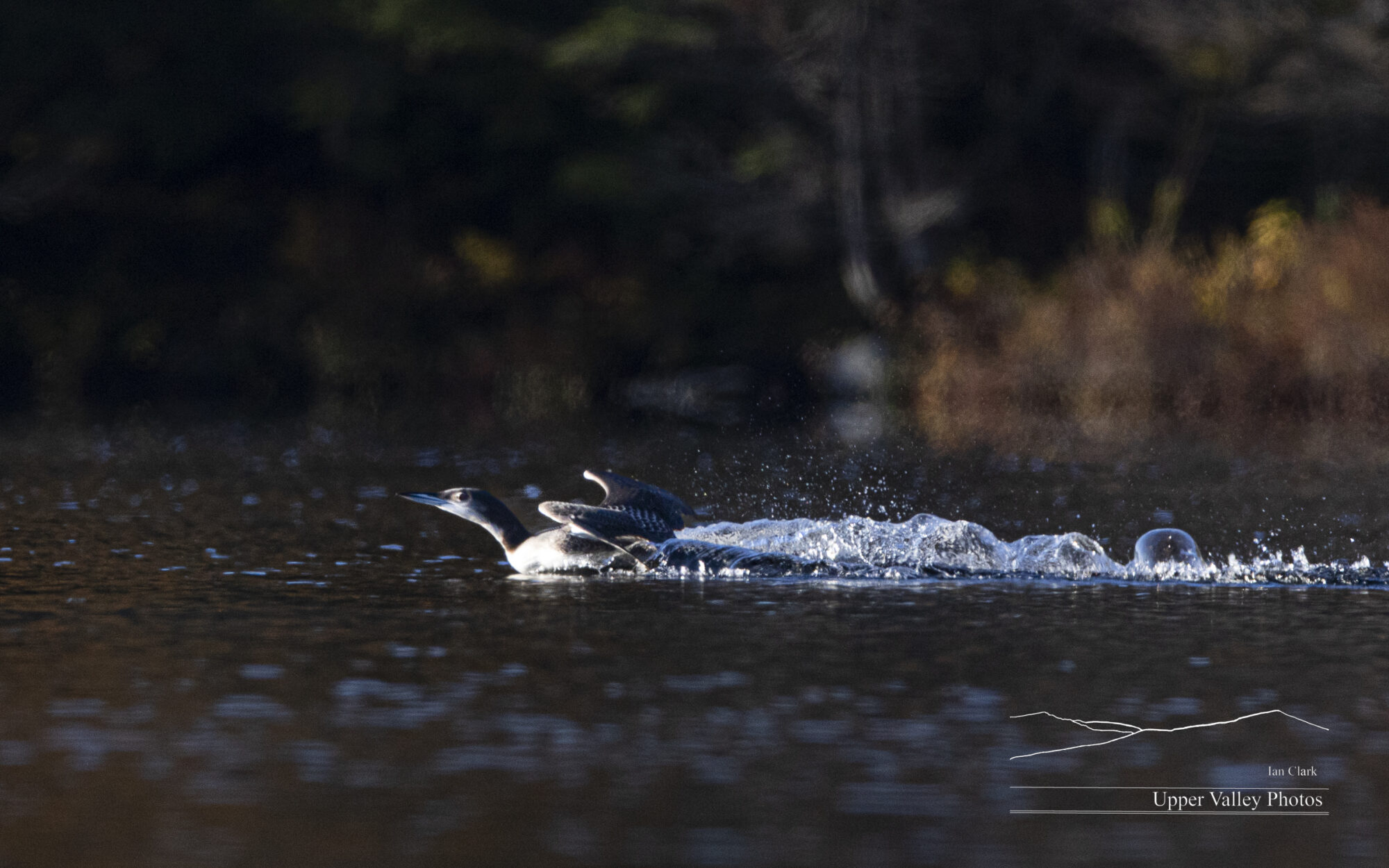
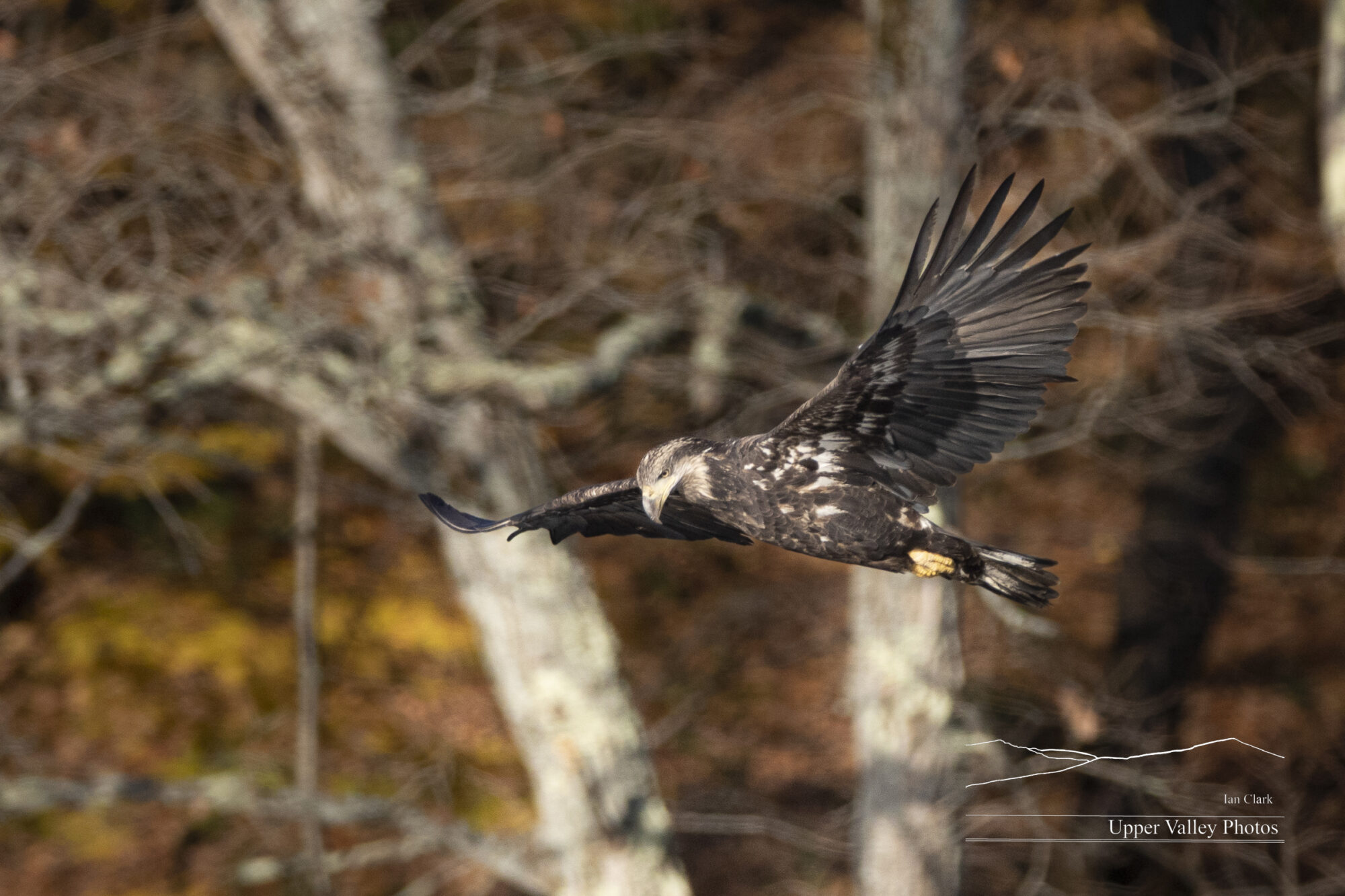
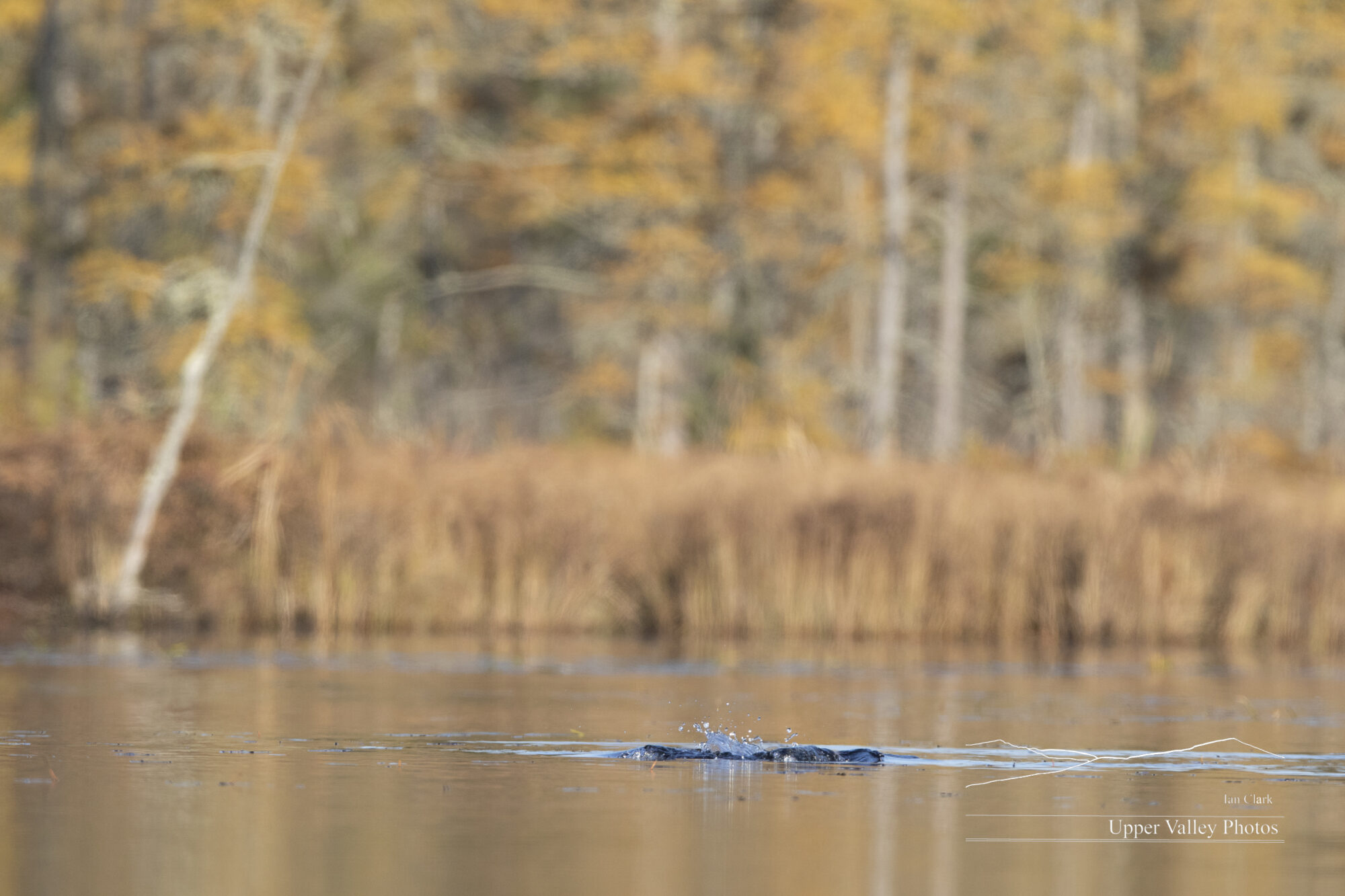
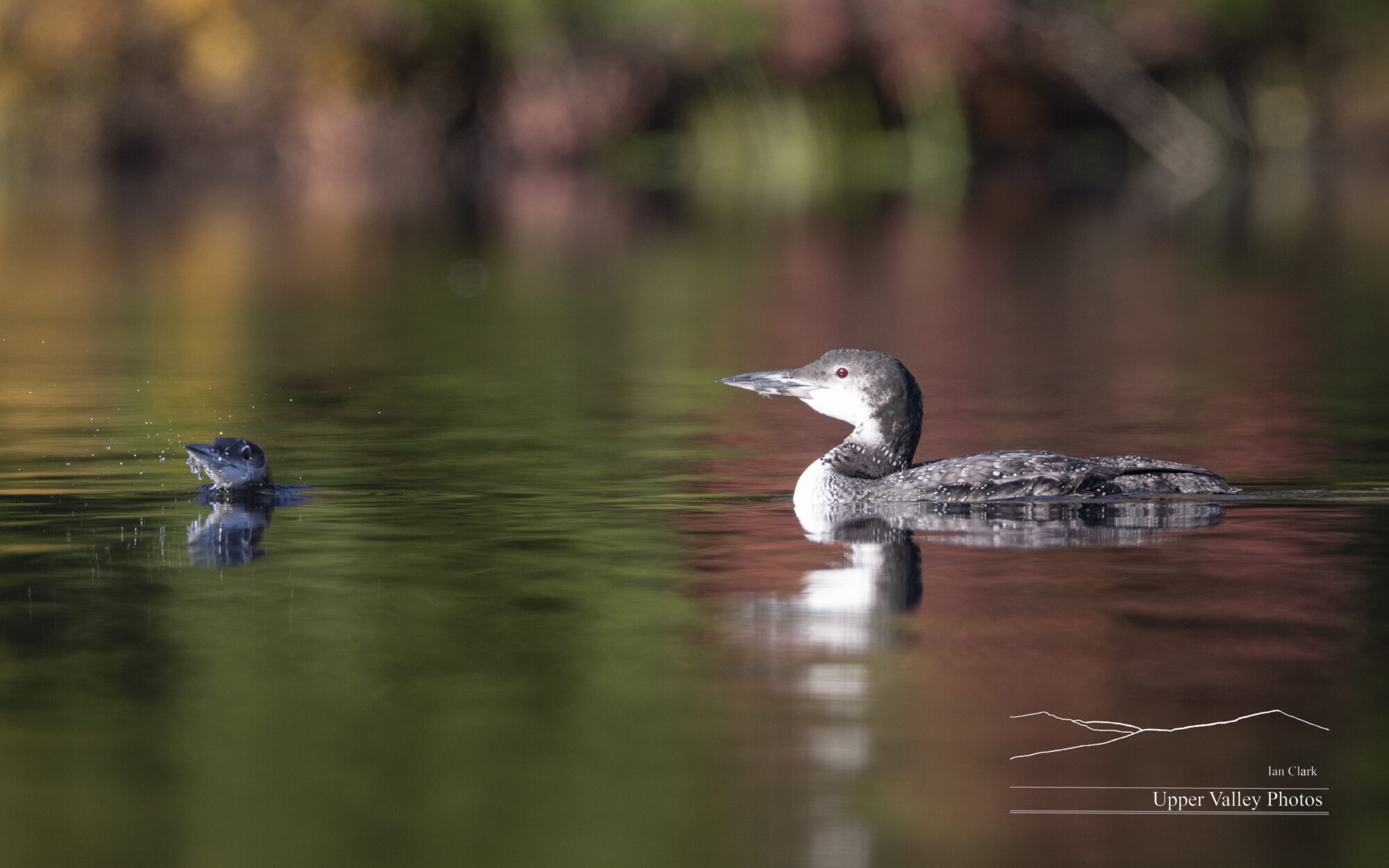
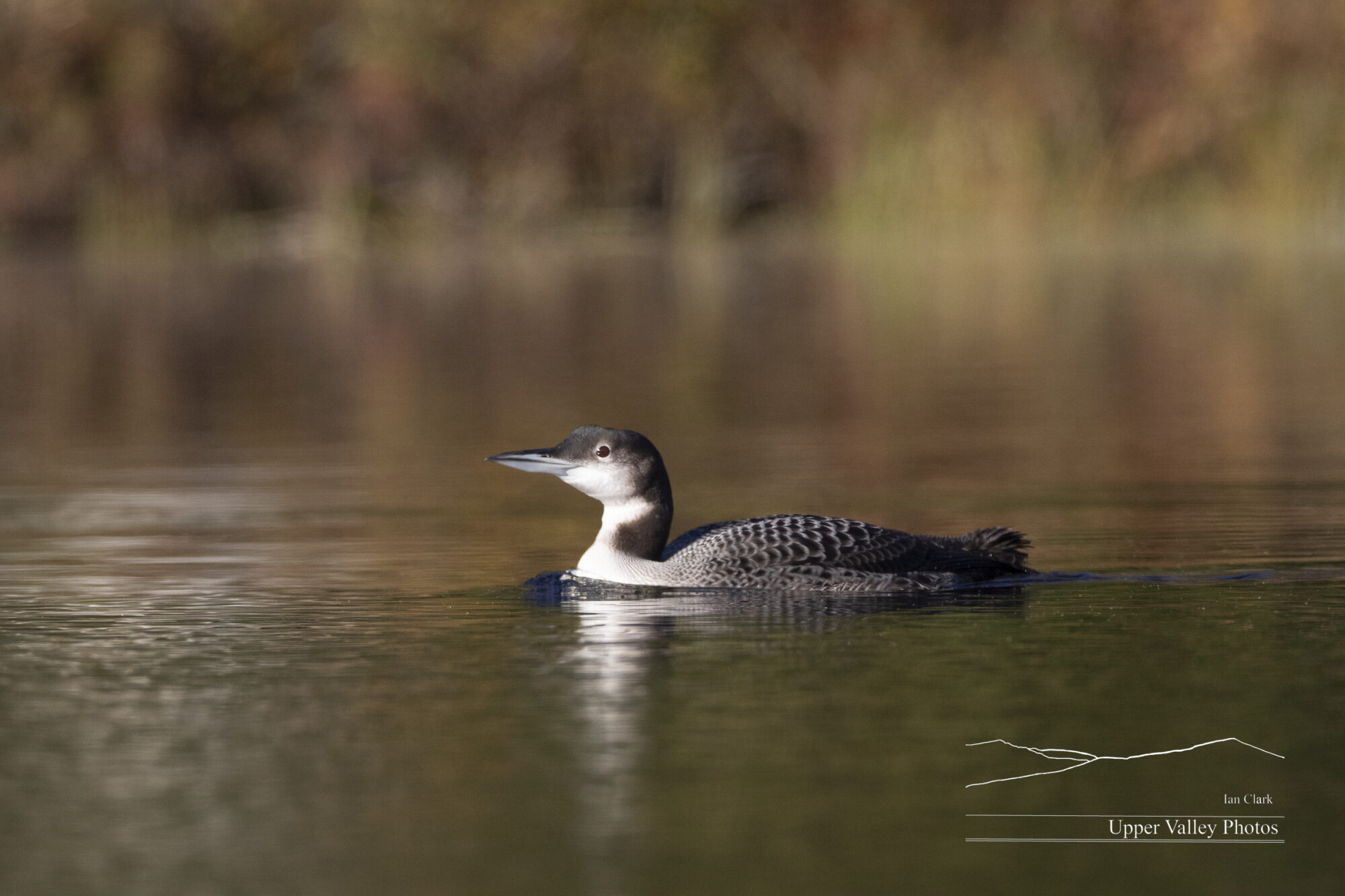
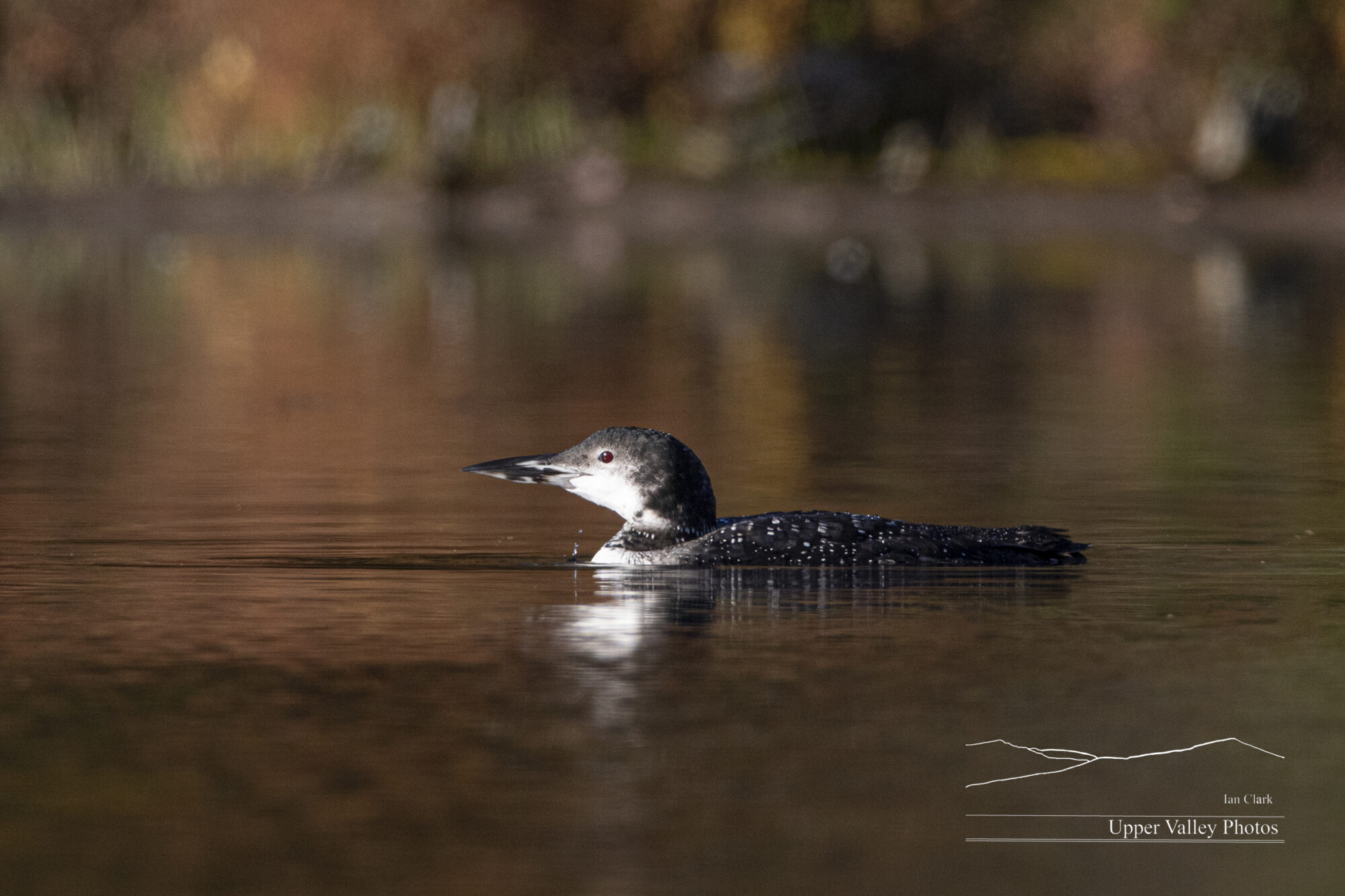
There were two loons on the pond. One I suspect is mom, the other is our surviving chick. When I found thems, they appeared agitated. They were swimming back and forth, fairly rapidly and making low hooting calls. After I watched for a few minutes, it occurred to me to check that hawk out. It turned out to be a juvenile bald eagle. One of the residents on the pond told me earlier that a young eagle had been harassing the chick. The eagle is at the top of the tree just right of center.
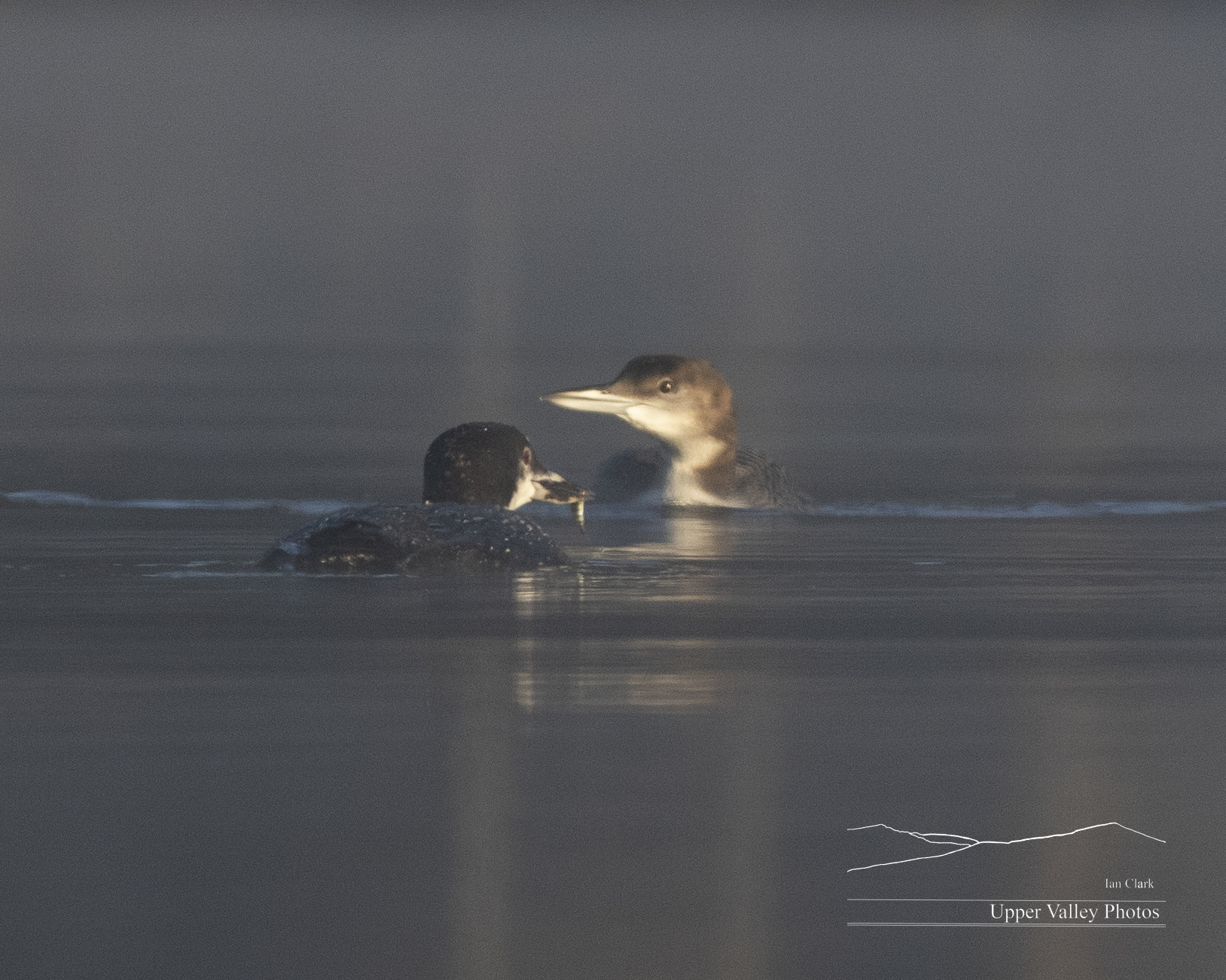
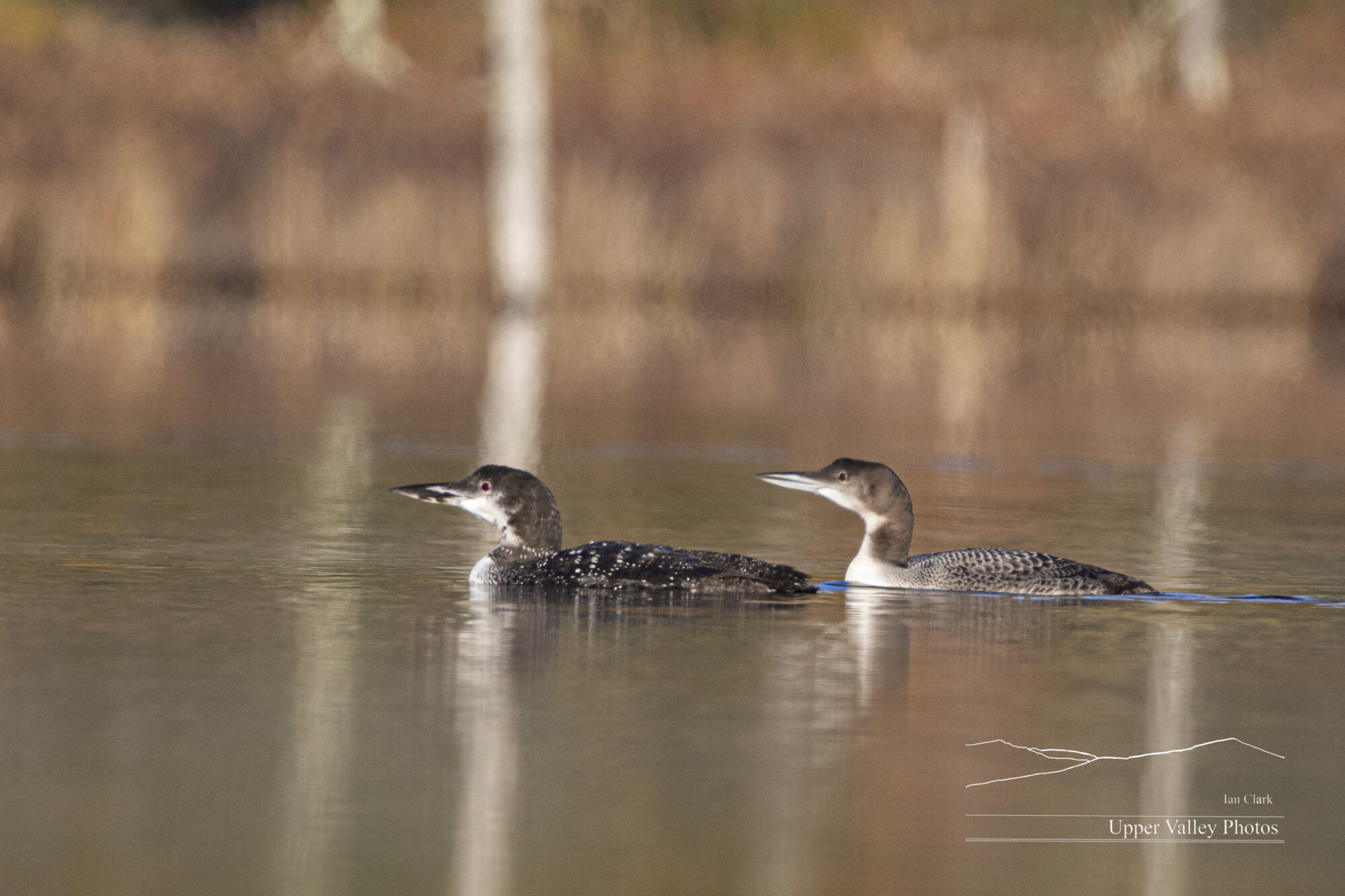
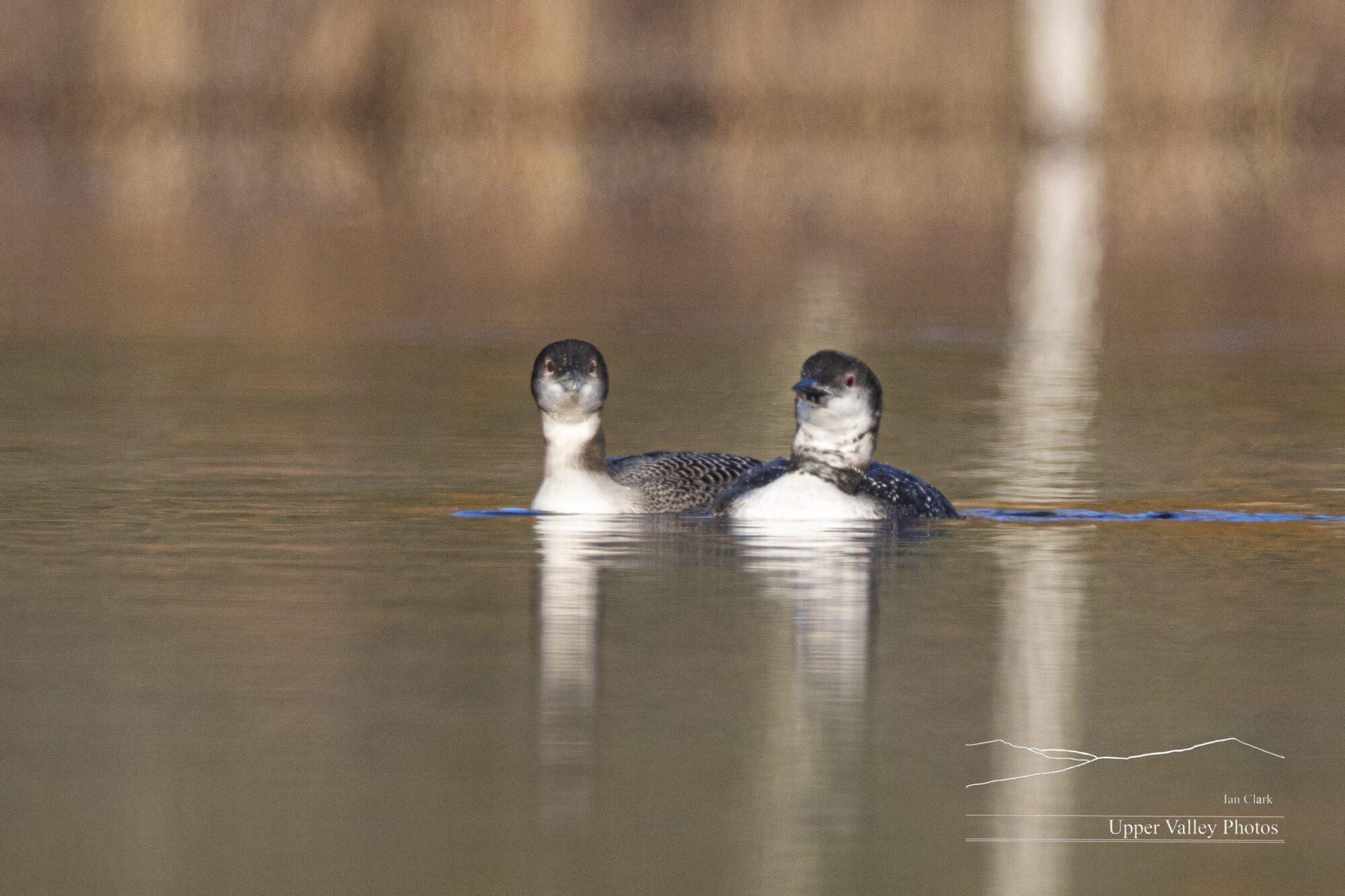
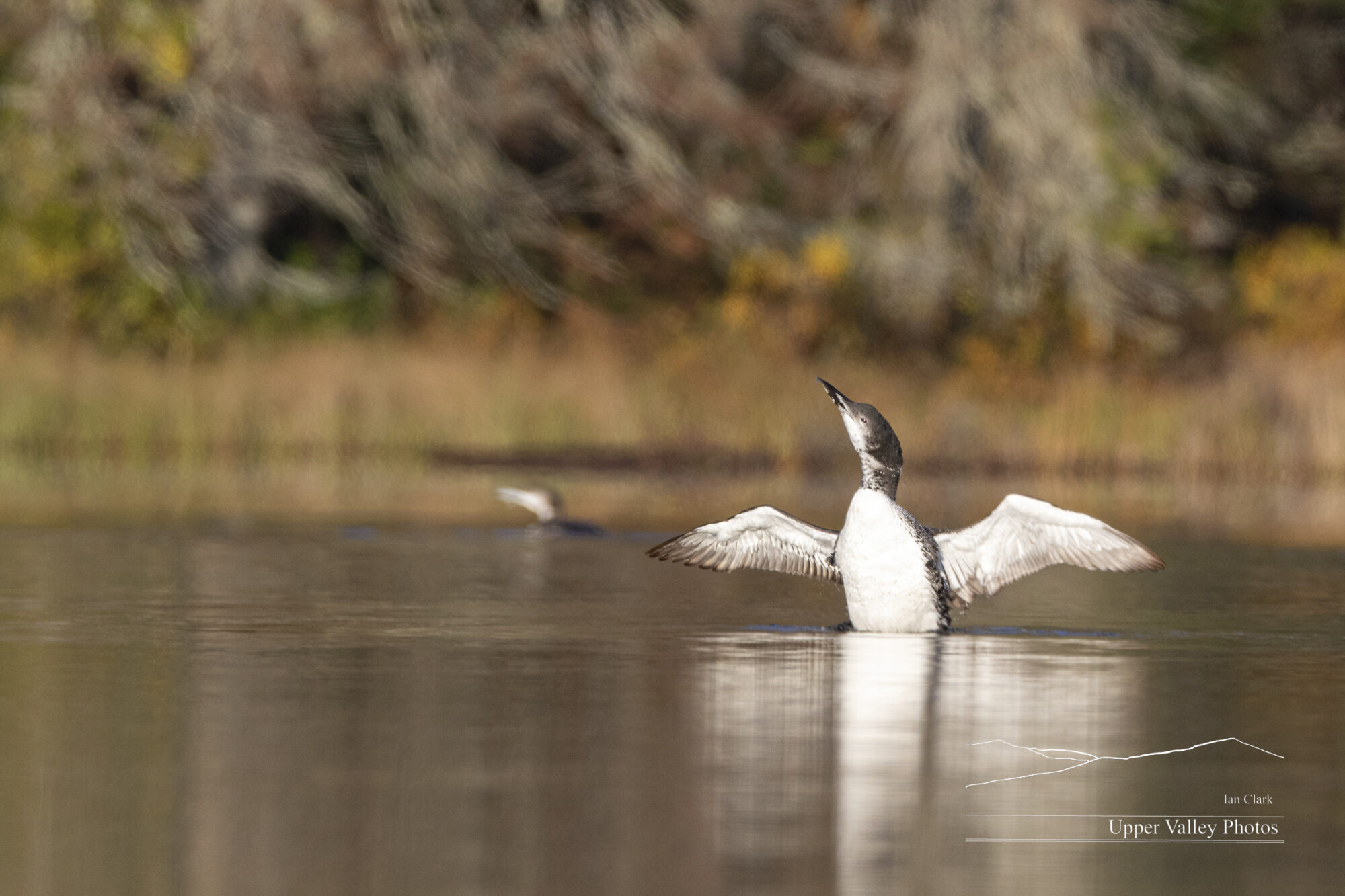
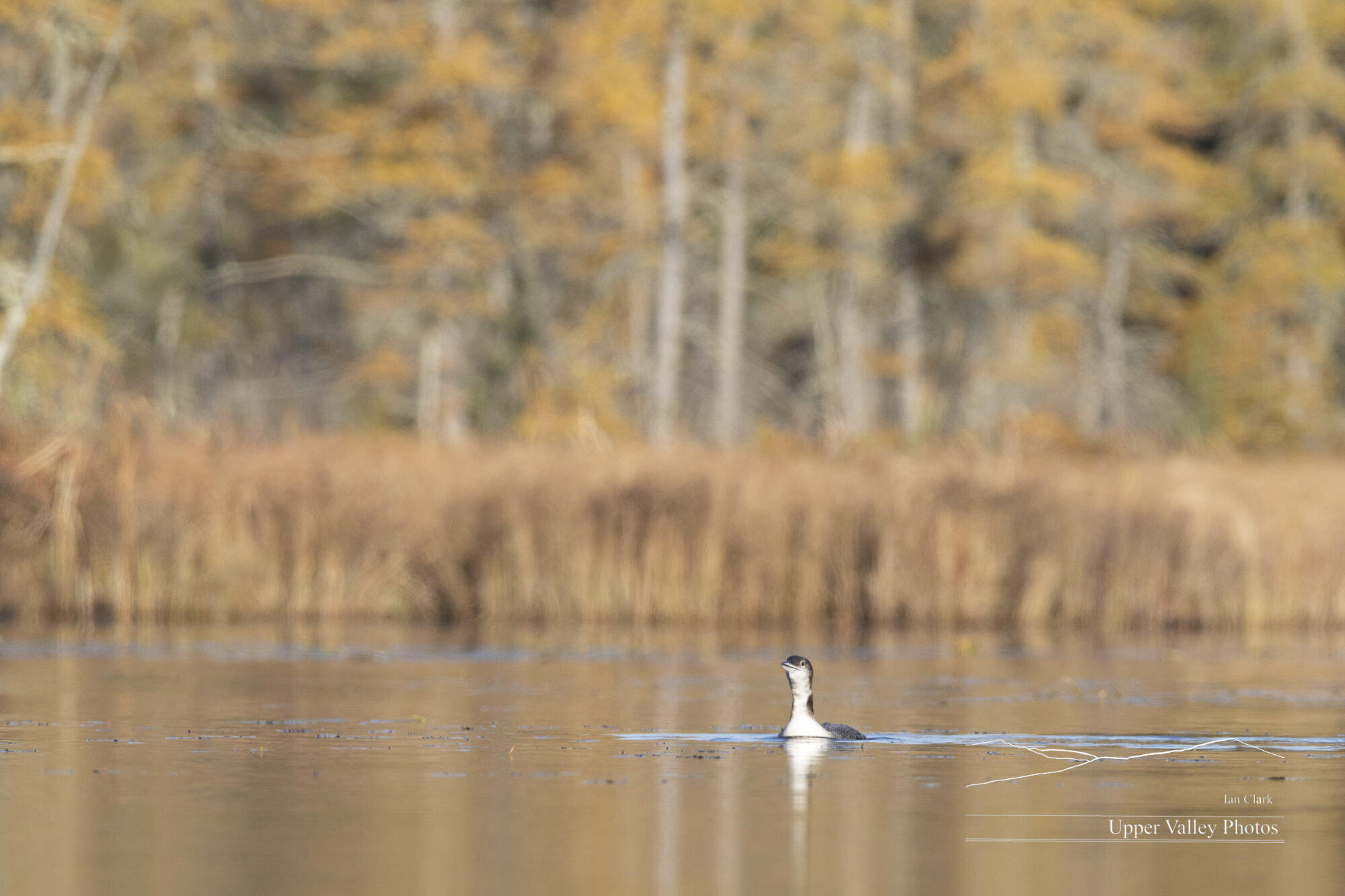
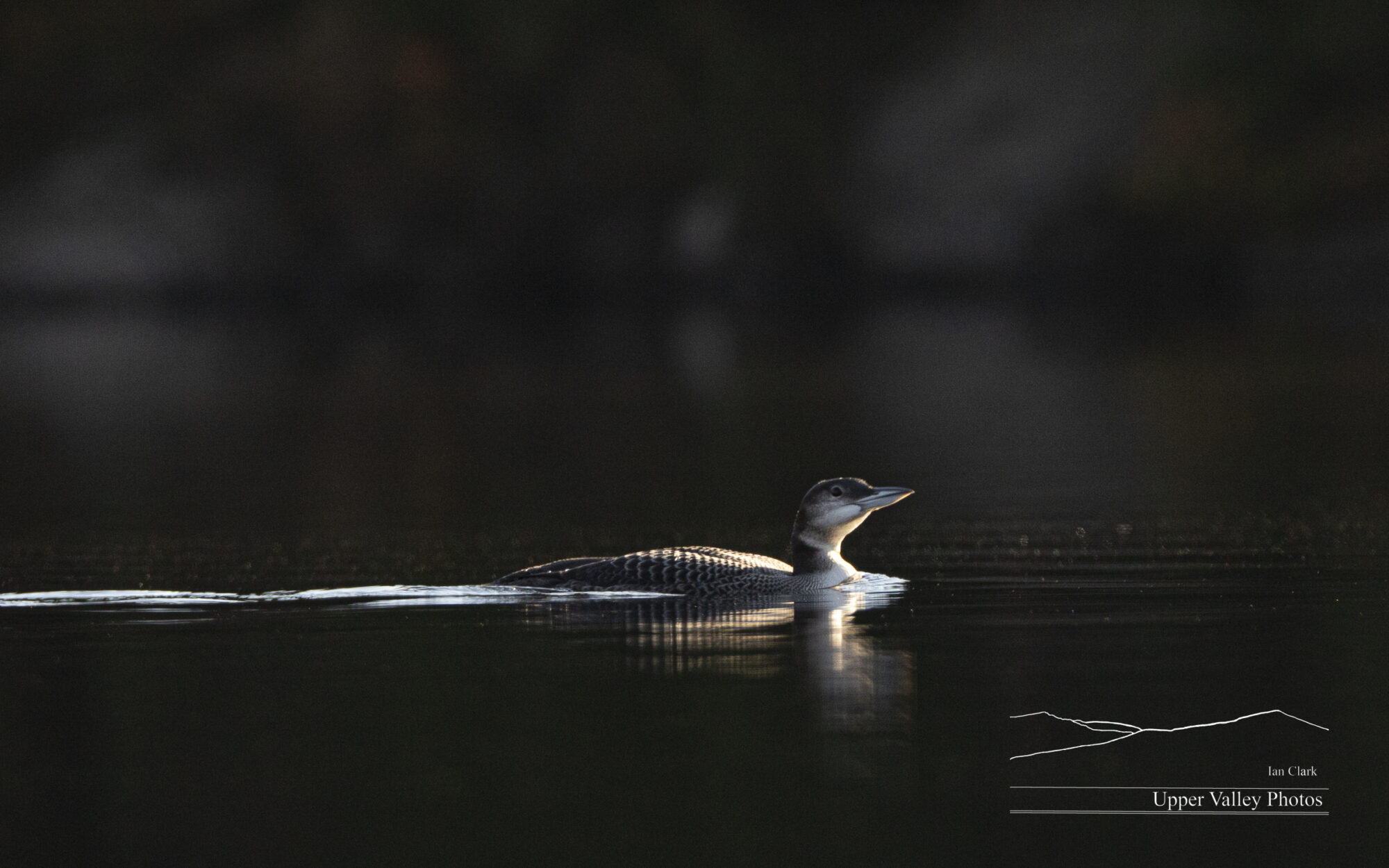
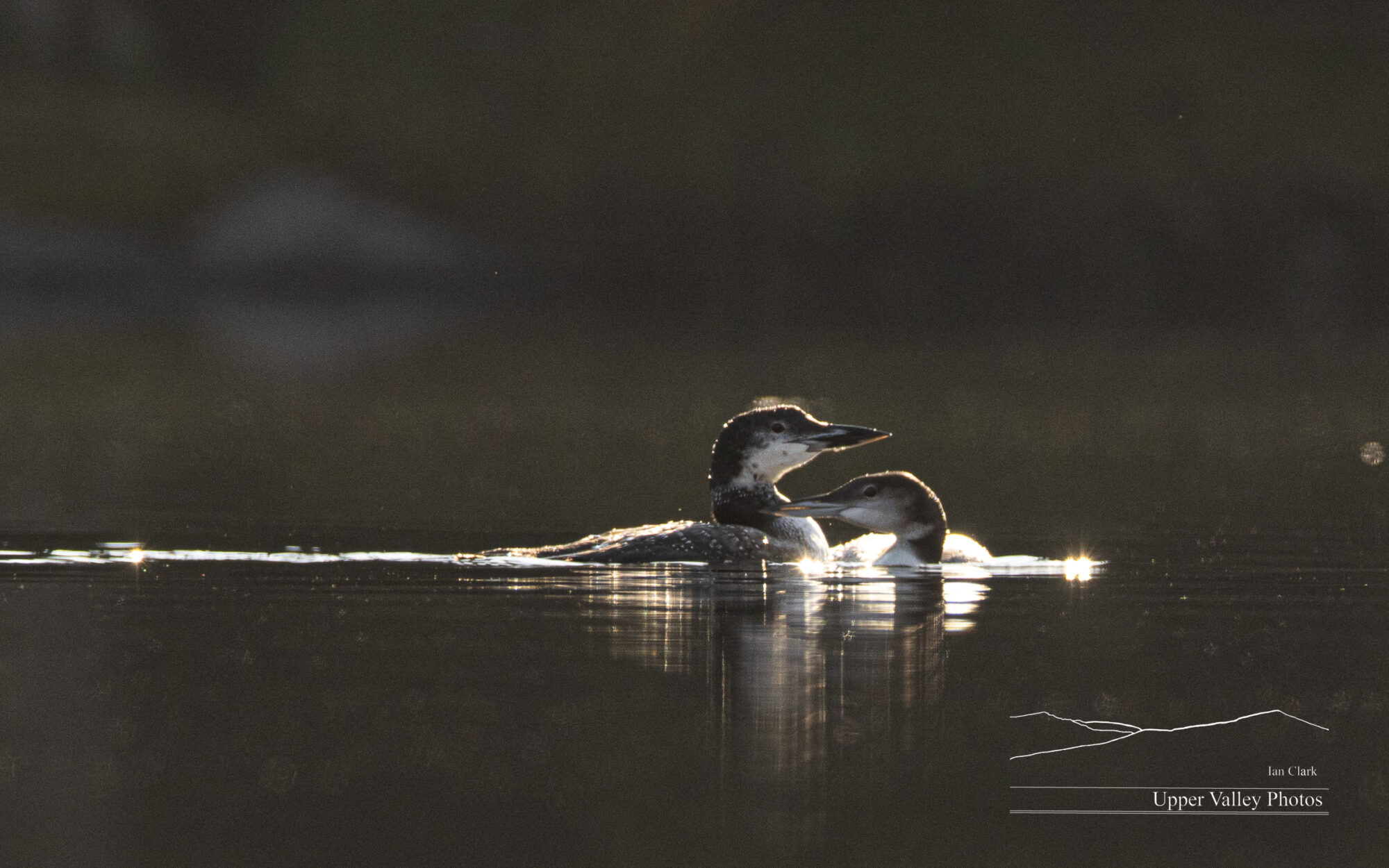
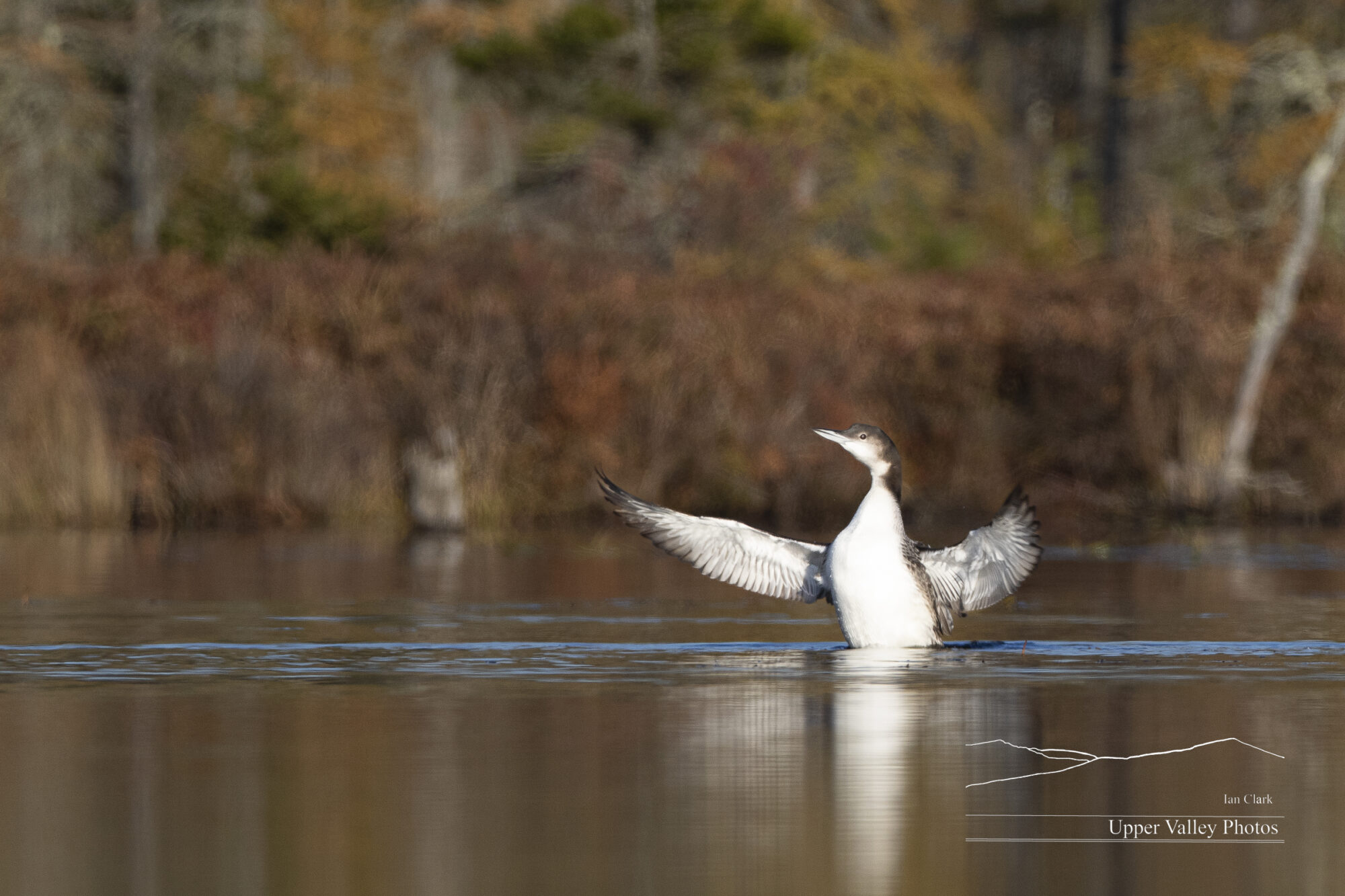
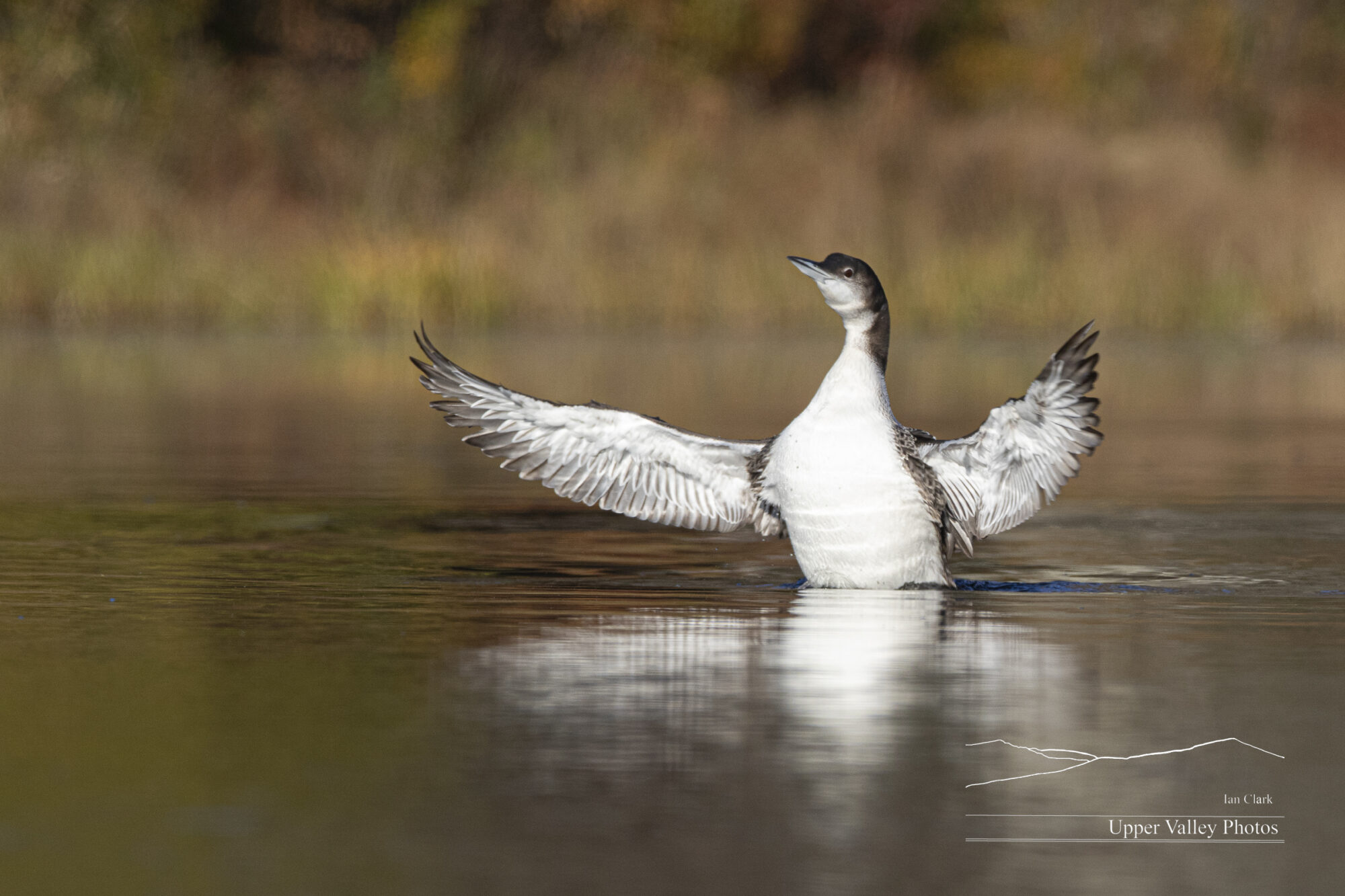
I suspect that’s mom in front. My guess is based on not hearing the adult loon yodel. The male on the pond this year was not shy about yodeling at eagles or most anything that moved along the shore. Our chick is a male, he tried a couple of yodels that didn’t impress the eagles. Note that mom has pretty much changed into her winter plumage.
Checking in on the Loon Families
I had a chance to check in on two of our loon families this weekend. Let’s see what’s up.
The Paradise City Arts Festival in Northampton, MA, is this coming weekend, October 8, 9& 10. I’ll be there in booth 220 with lots of photos of loons, owls, fox kits and other critters.
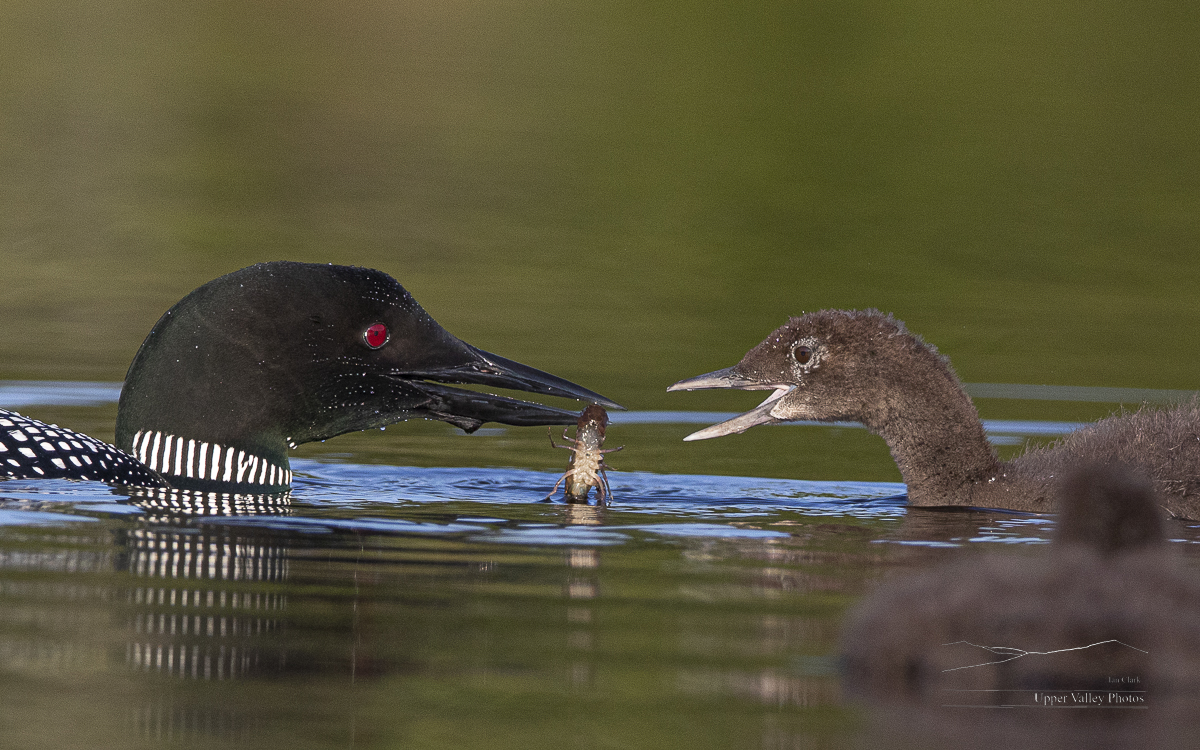
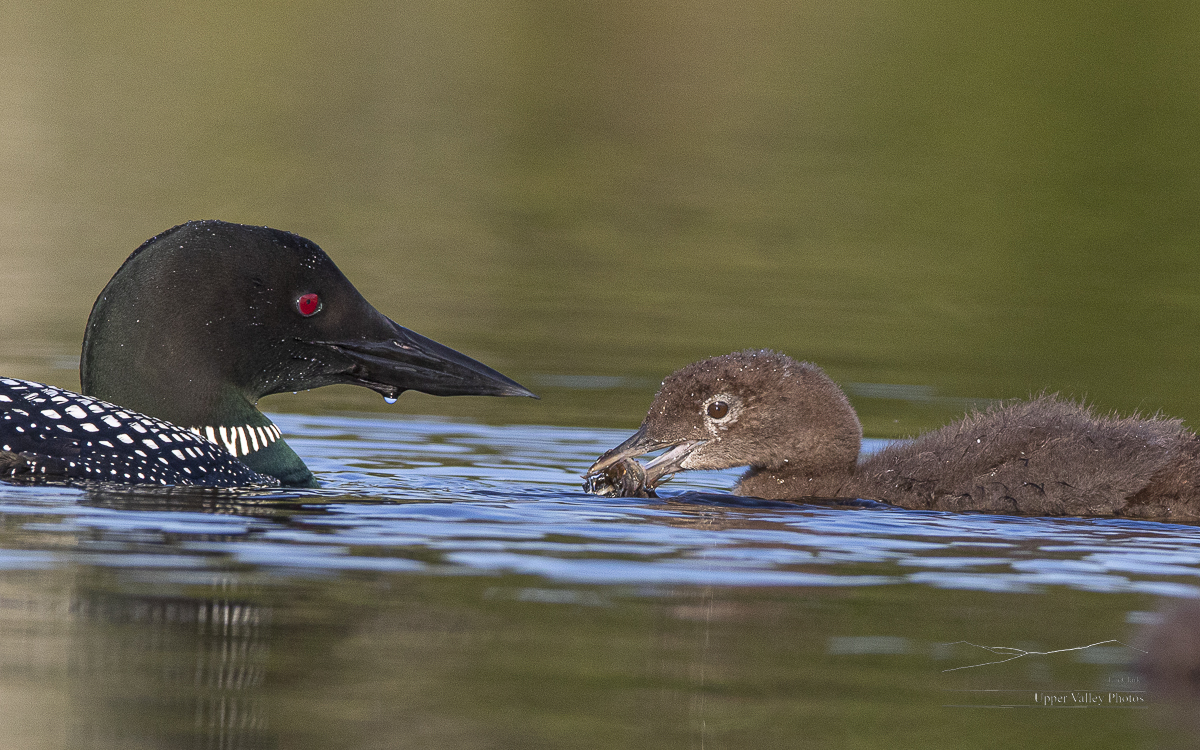
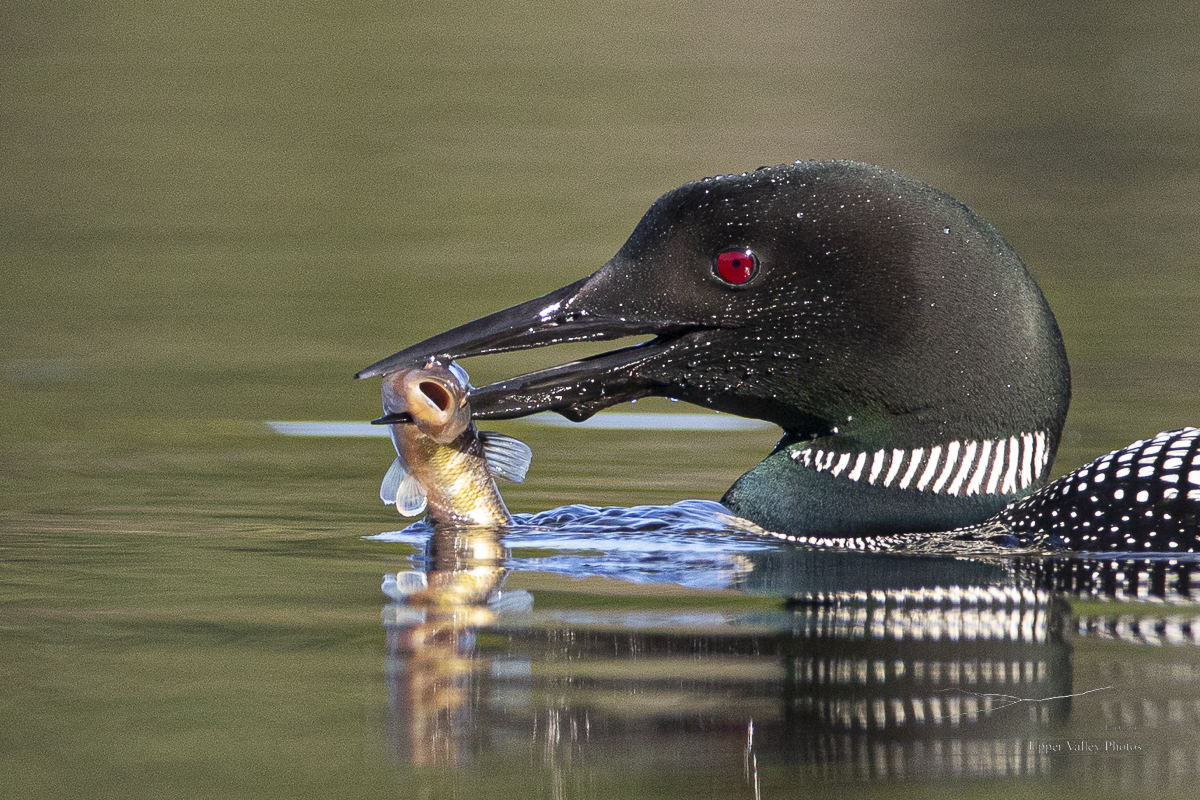
Friday morning, after scraping ice off the windshield, I headed east to check on the Eastons. This is the family that last I saw them, the chicks were practicing takeoffs, but were not yet airborne. This pond is almost 2,000 feet above sea level. The loons usually depart from this pond much earlier than the nearby ponds at lower elevations. This year, I wondered if fish were scarce; the parents seemed to feed the chicks more crayfish than other loons and in the last couple visits, the parents delivered only a couple fish of any size. Anecdotal evidence from fisherpeople also suggests that fish are scarce, but when has anyone fishing complained of there being too many fish?
One loon flew over the pond about half an hour before sunup, and that was the only sighting for the day. The loons have moved on. They’re likely to have moved to a lower pond where they’re likely to stay until the ice starts forming. Once the ice appears, they’ll head to the coast.
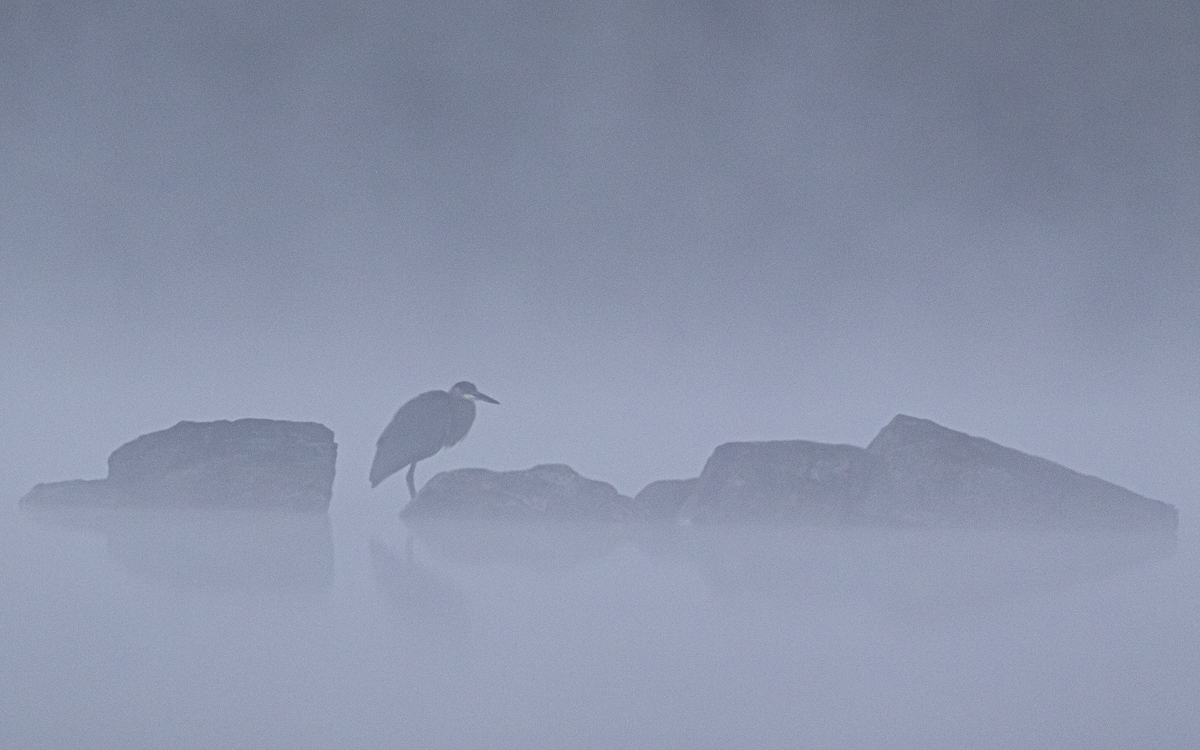
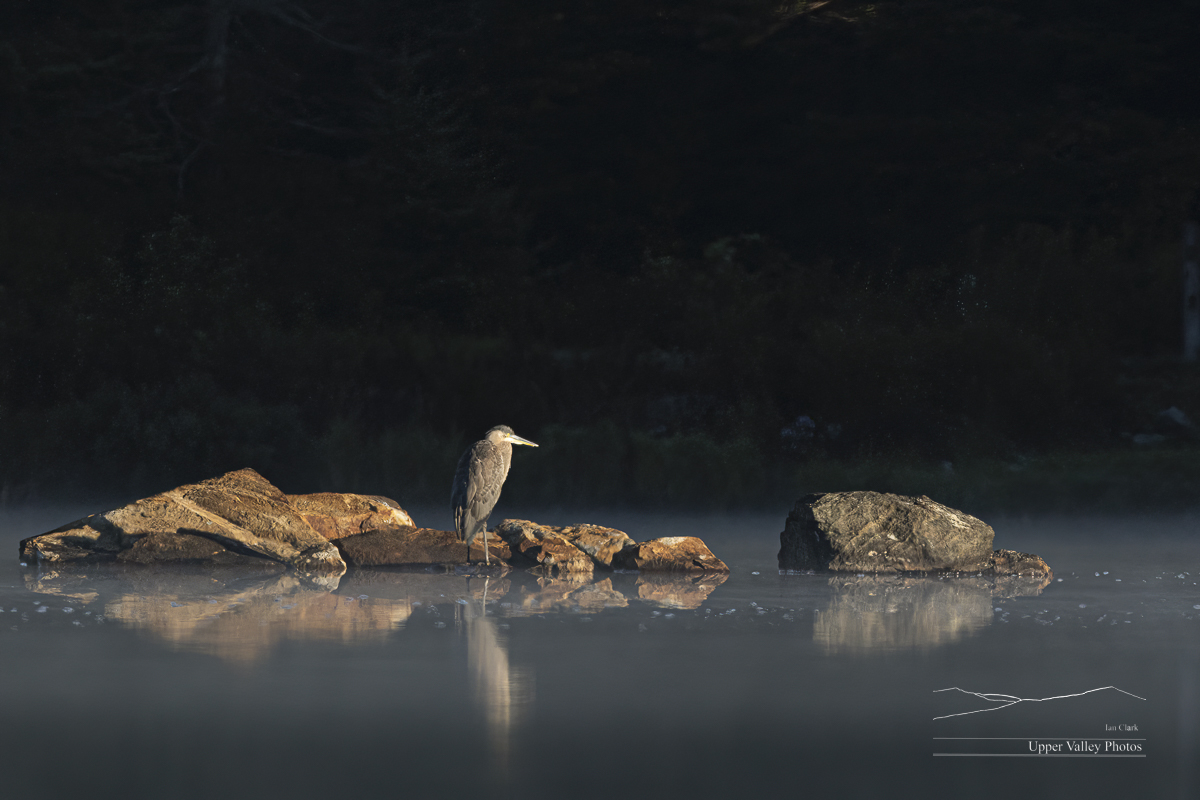
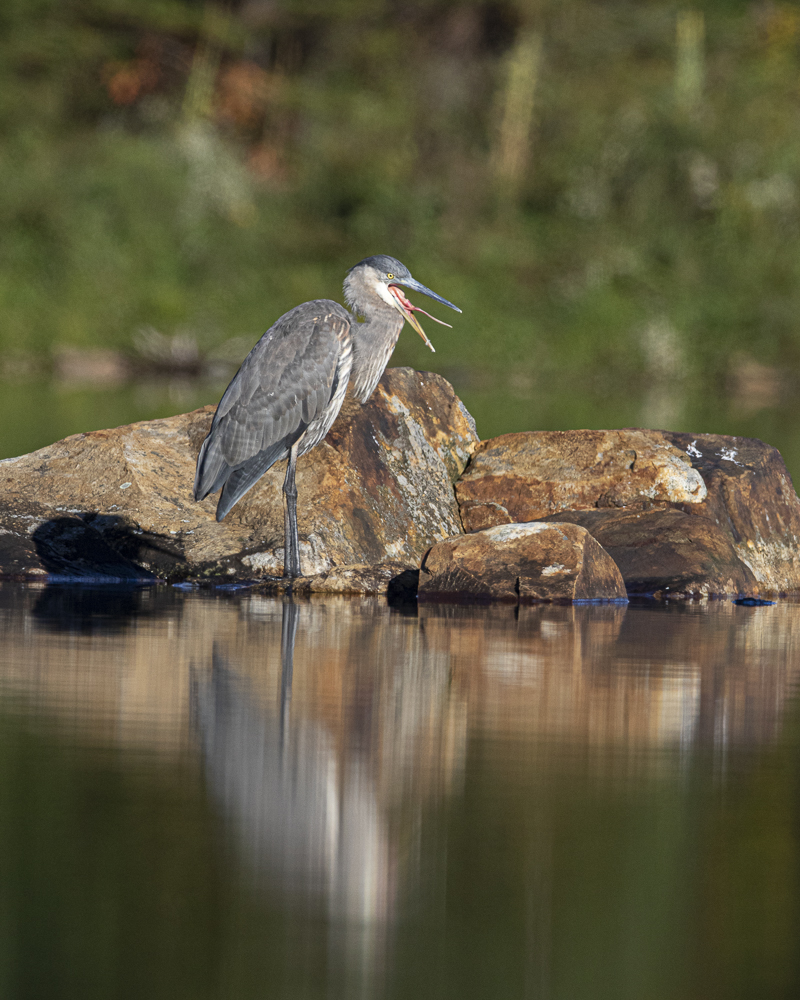
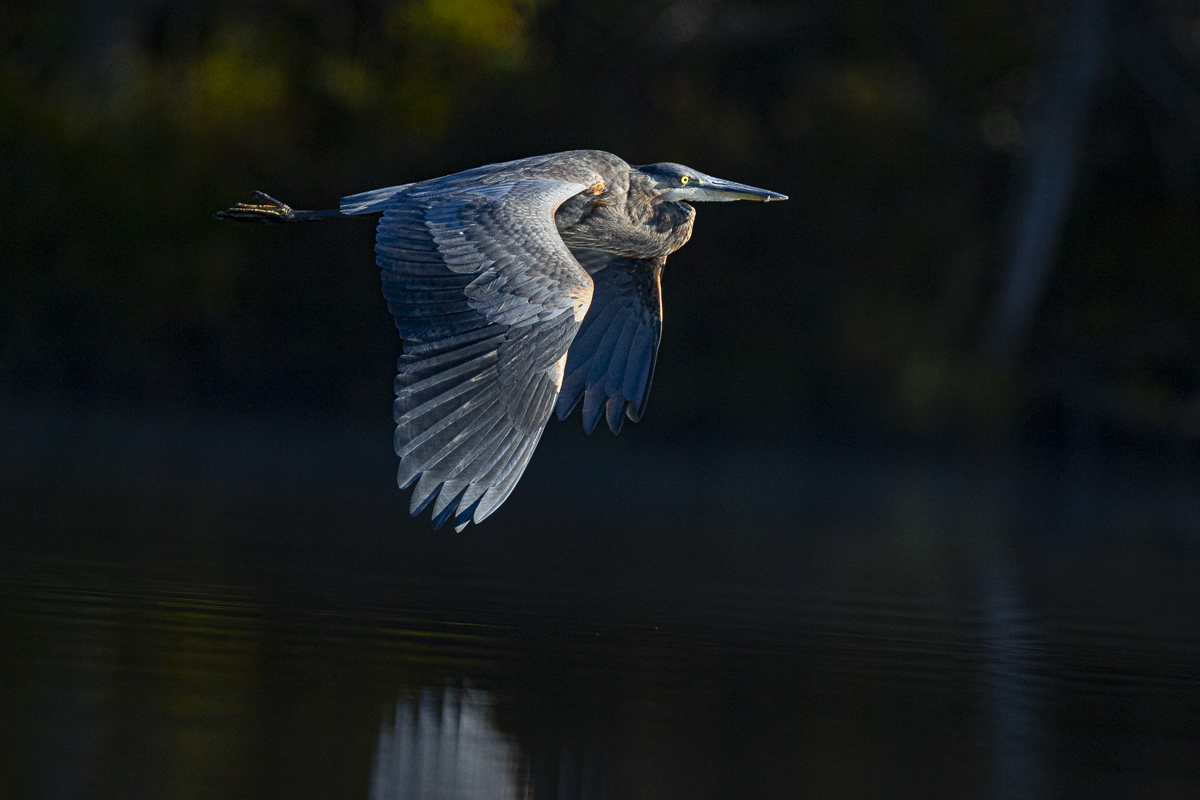
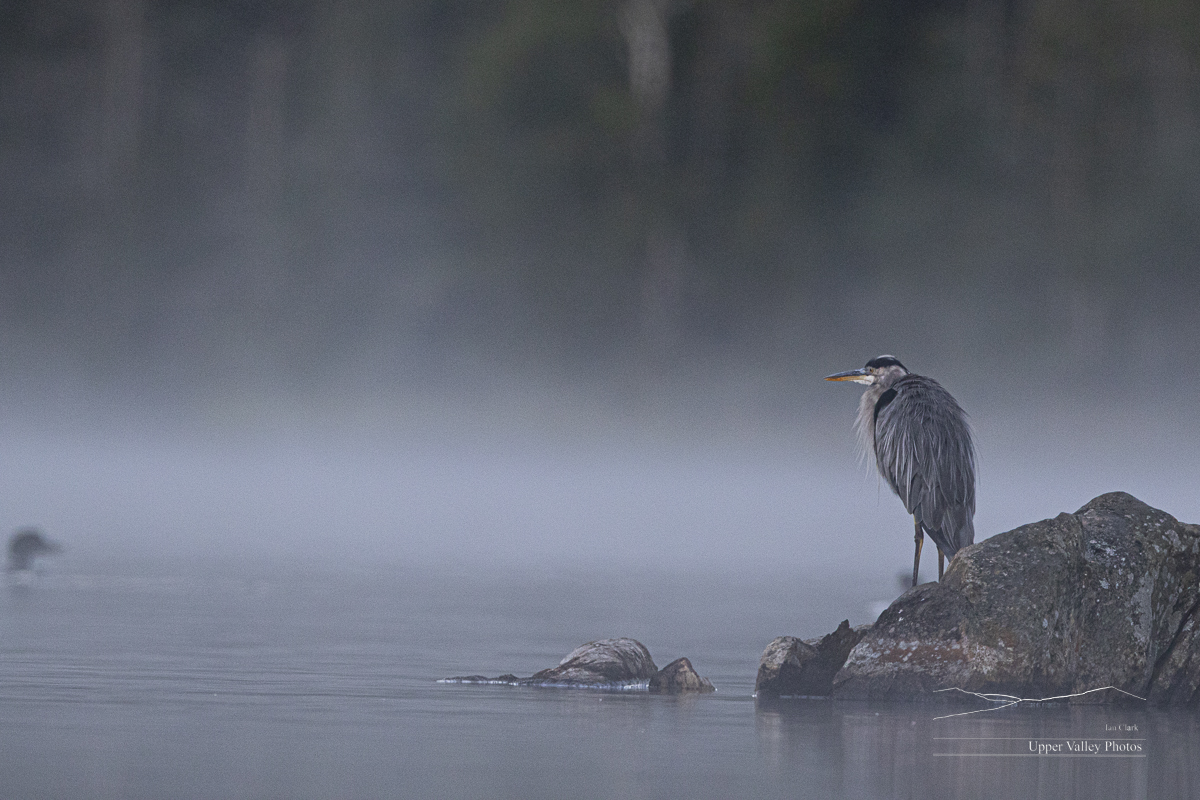
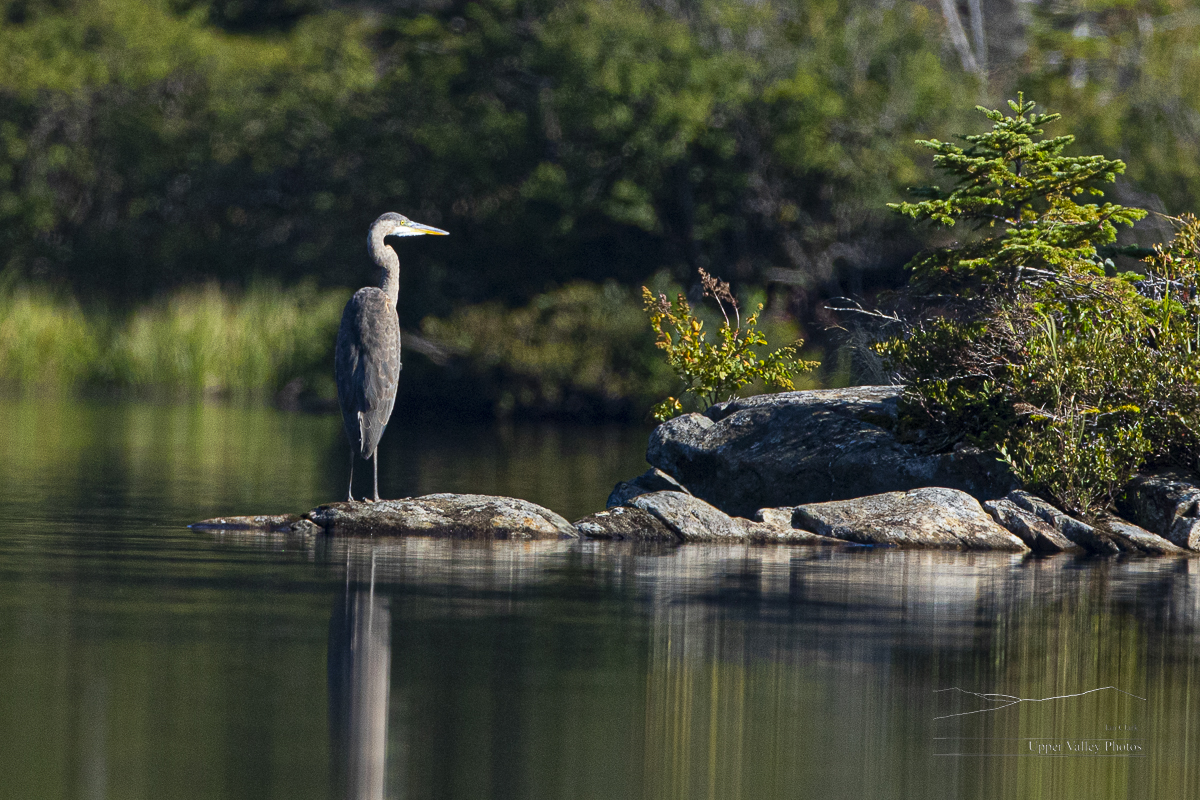
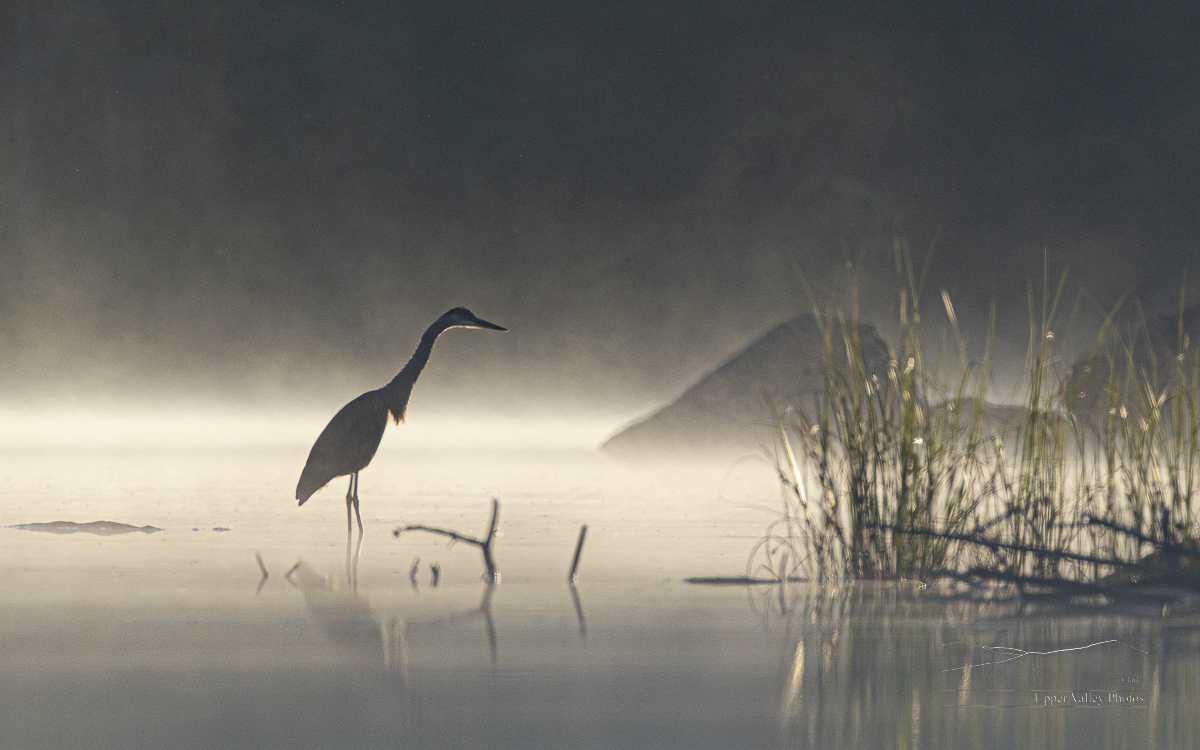
Our heron was around to give me the consolation prize.

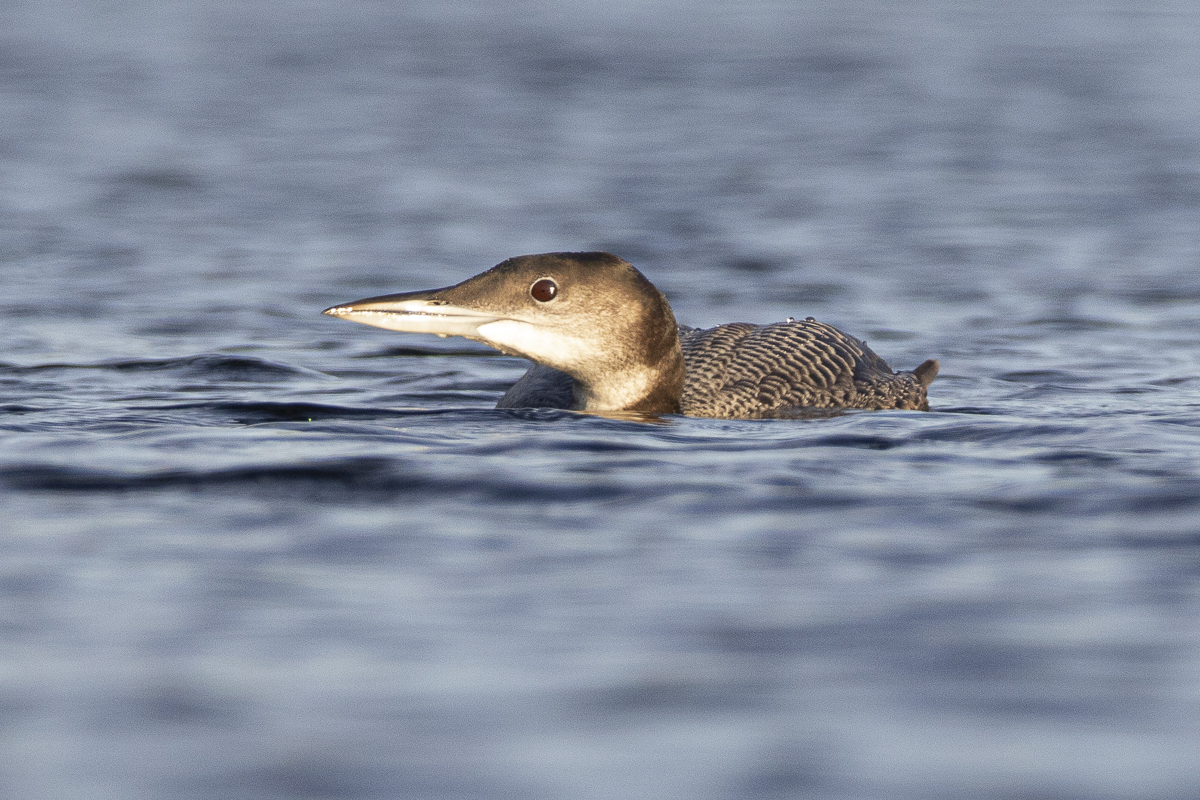
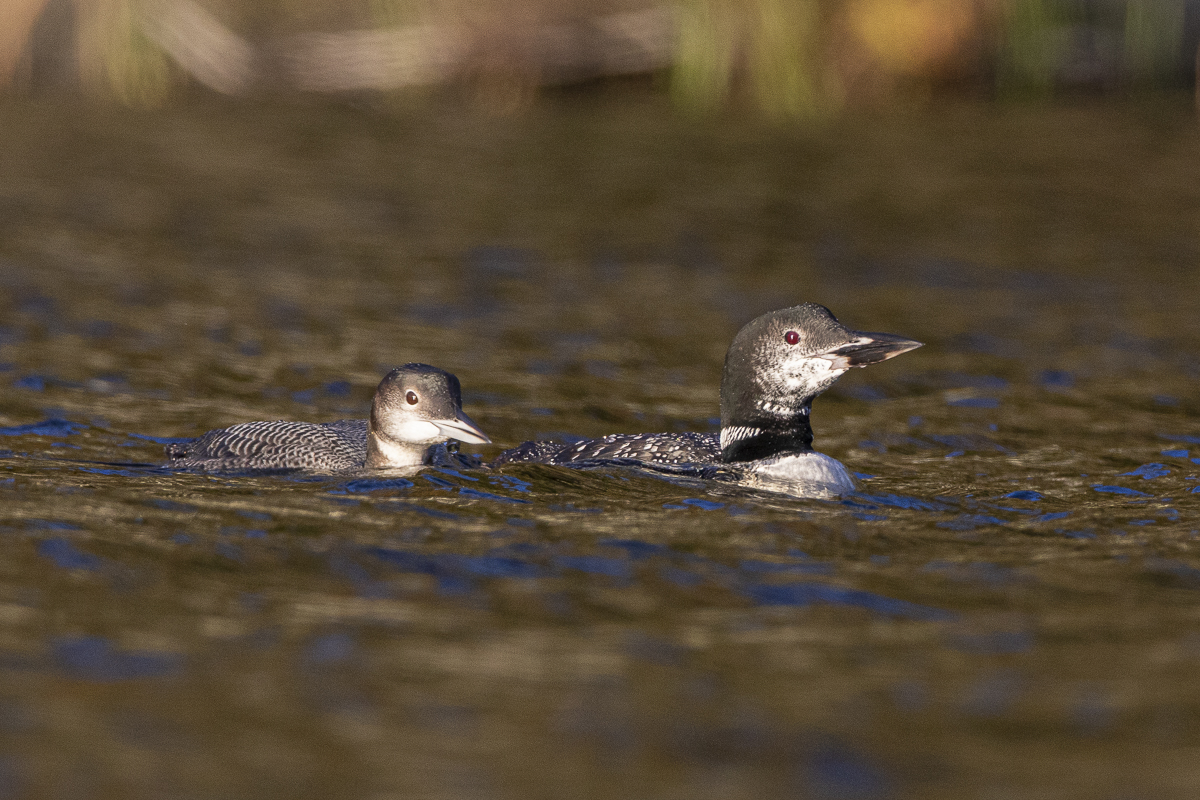
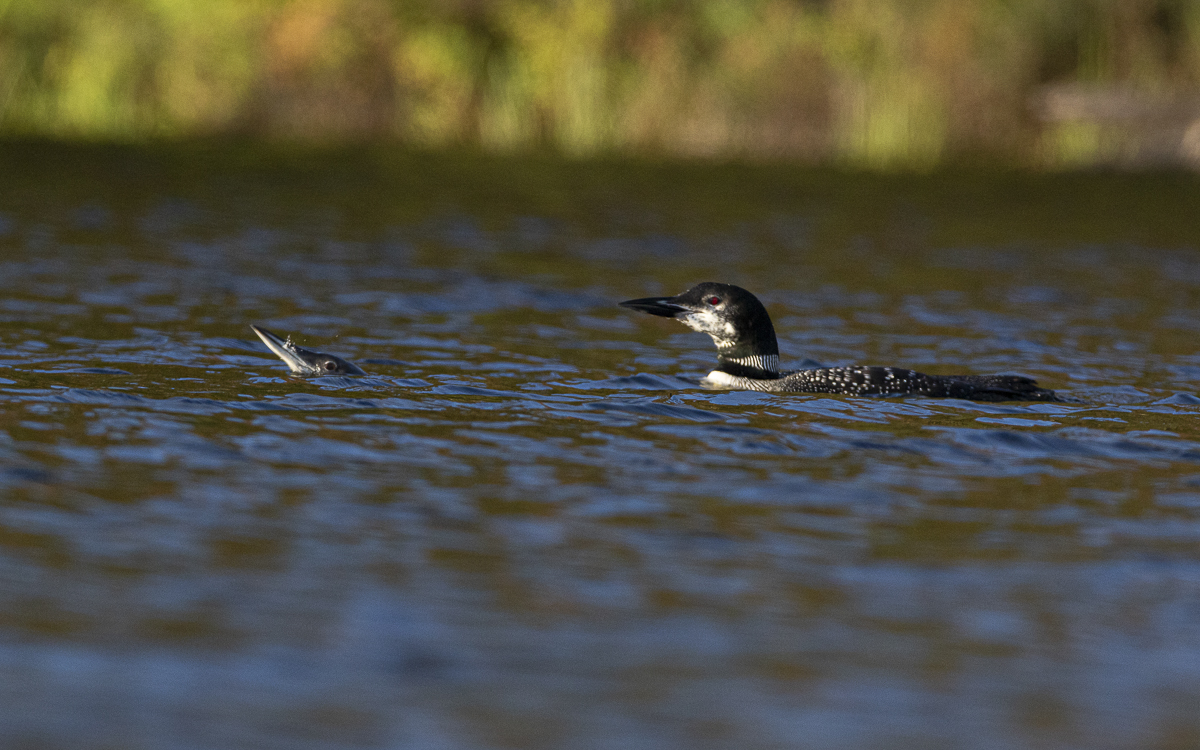
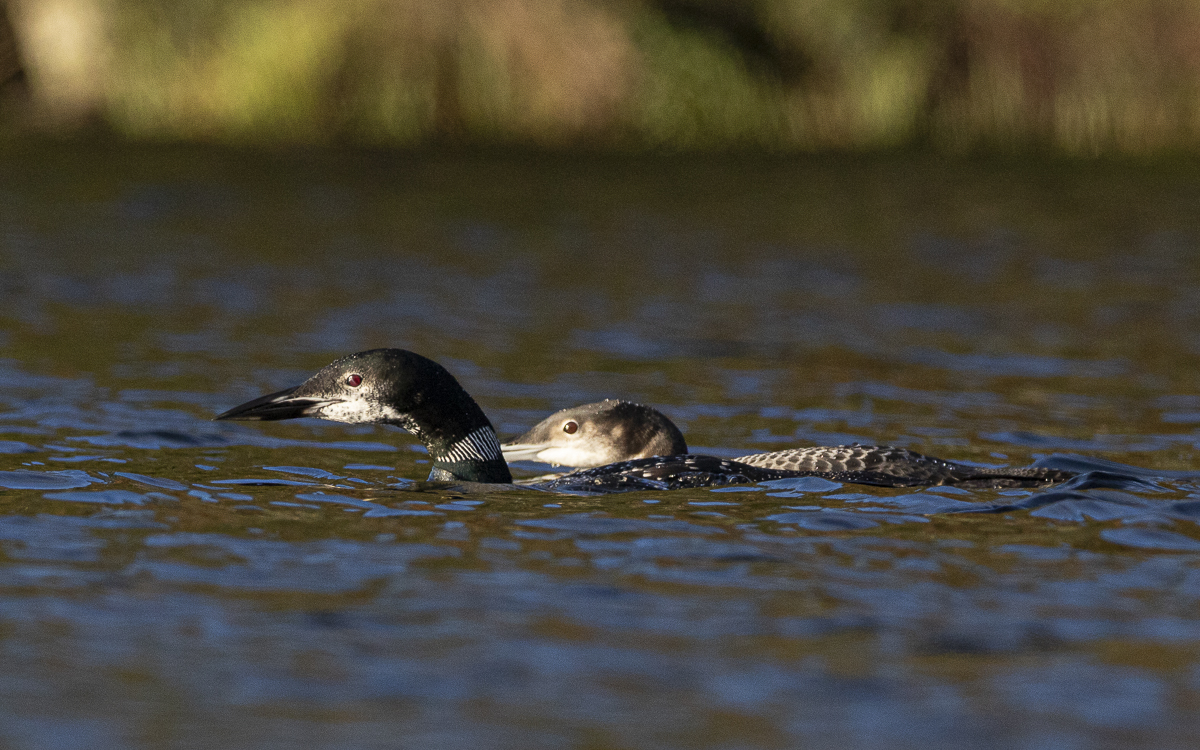
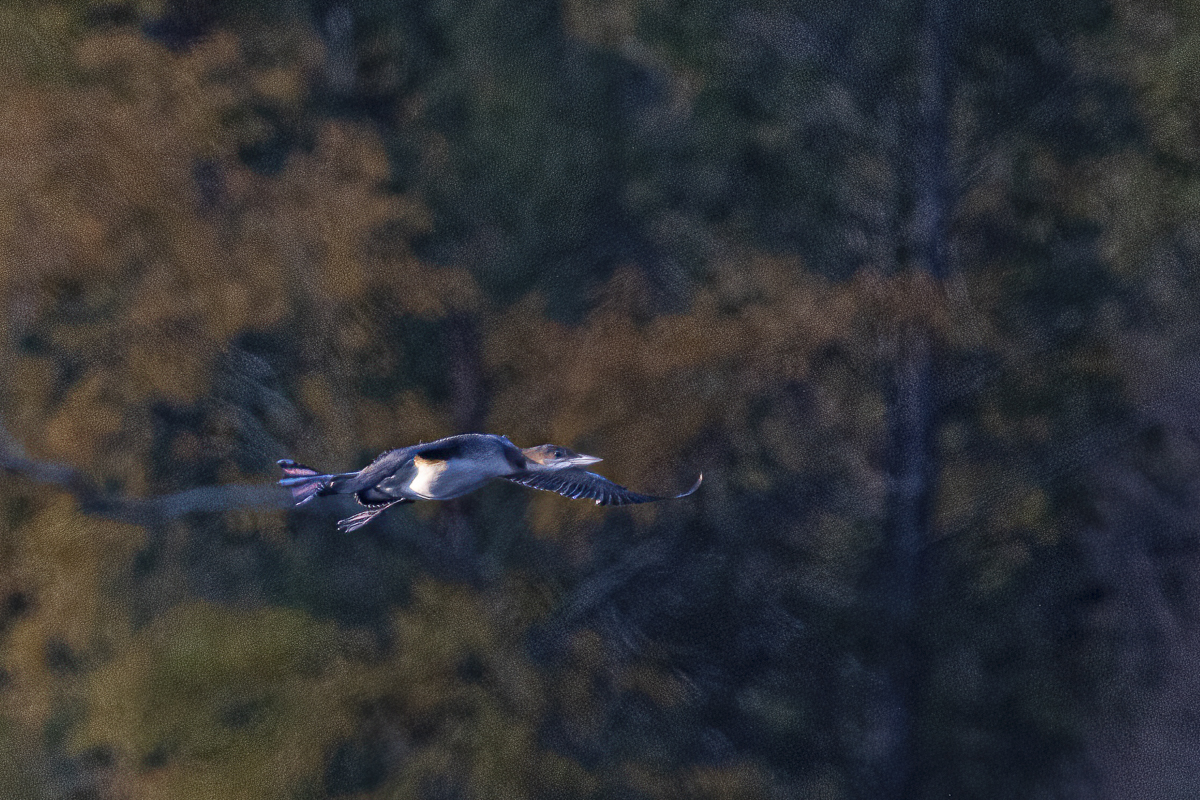
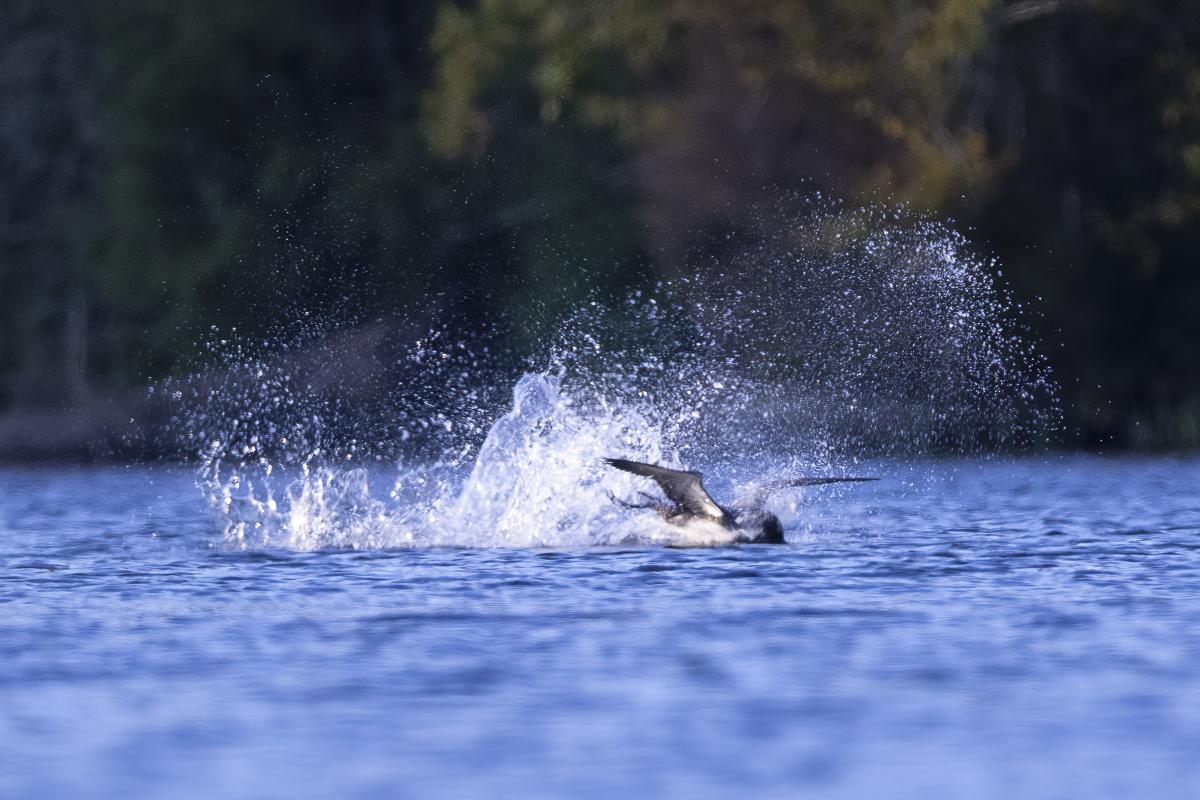
This morning, I visited the loons to the west, the Westons. Their pond is much lower, about 870′ ASL. And, much warmer, at 47 when I arrived. There was one adult and the surviving chick on the pond. The chick is 13 weeks old this weekend.
One of the residents on the pond tells me that the chick has had a busy week with an juvenile eagle repeatedly harassing him. No sign of the eagle this morning, but I wasn’t out long.
Anyone have a bear coming after the last of the apples?
Loon Chicks at 11 Weeks
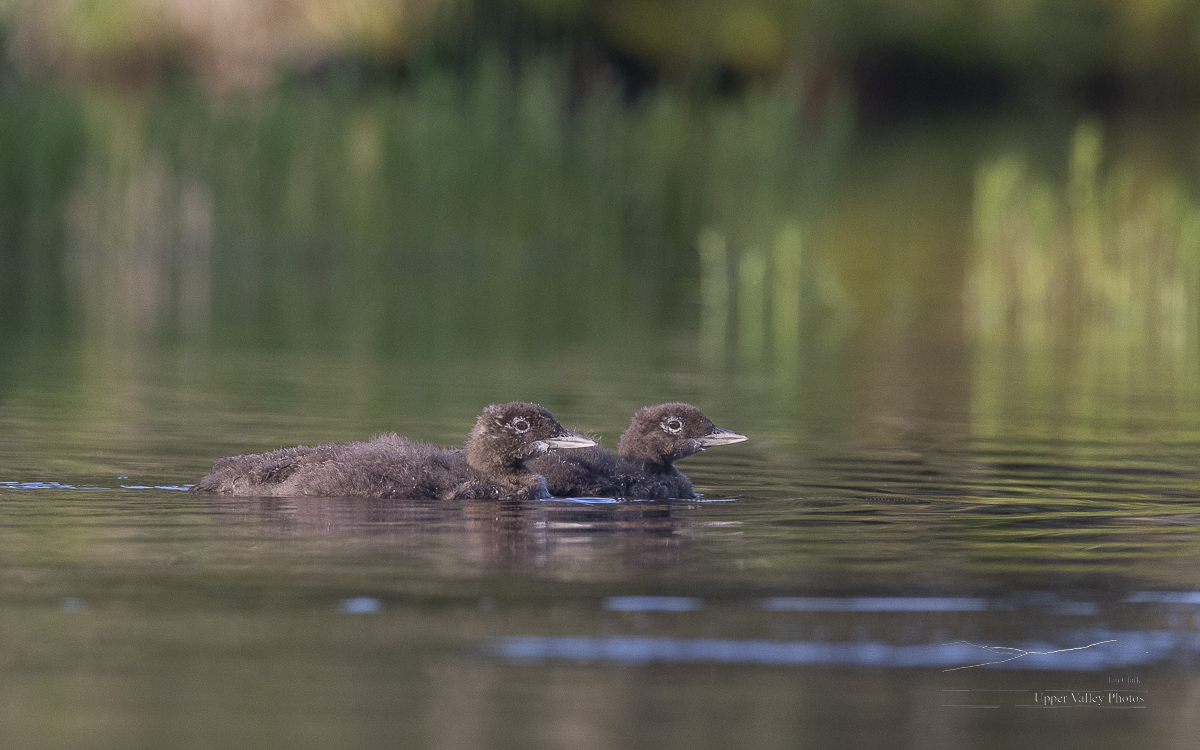
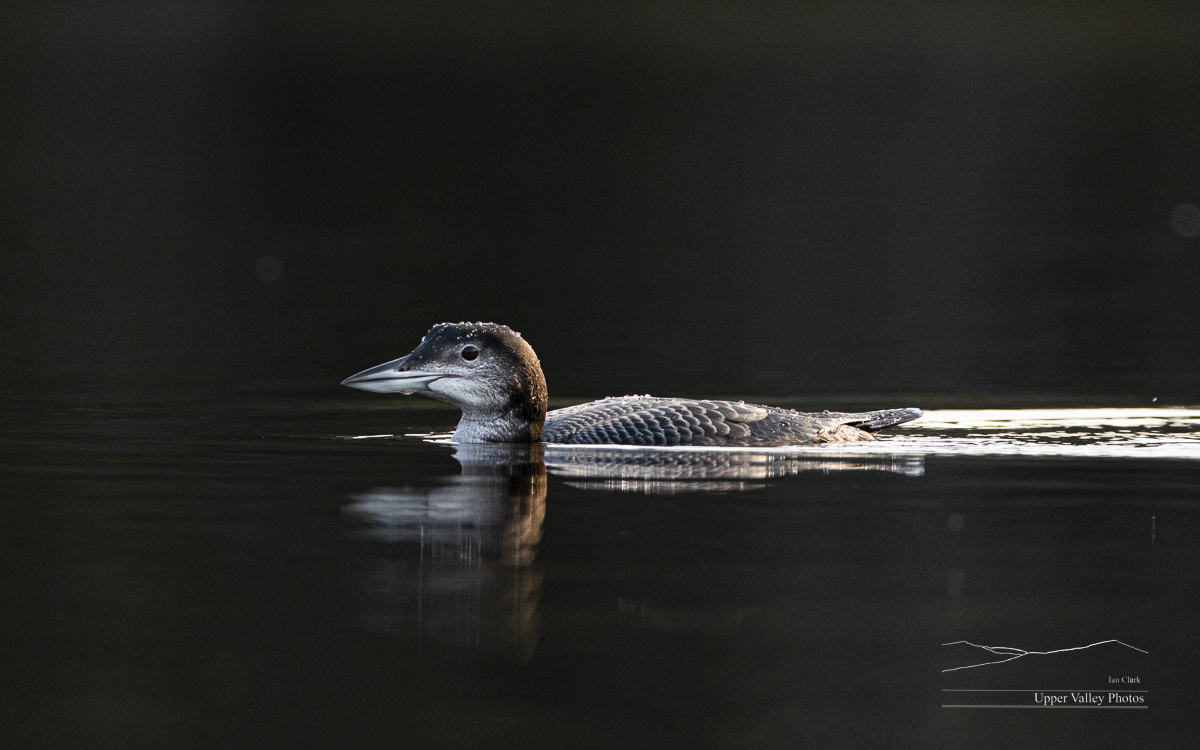
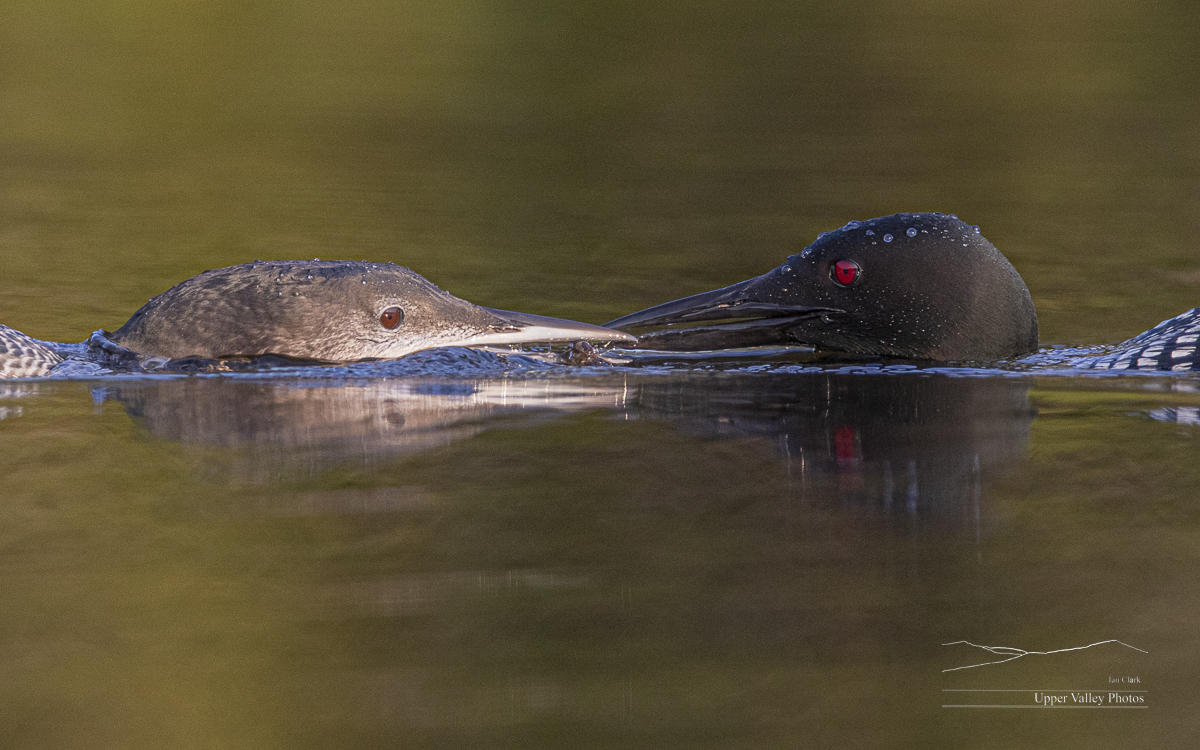
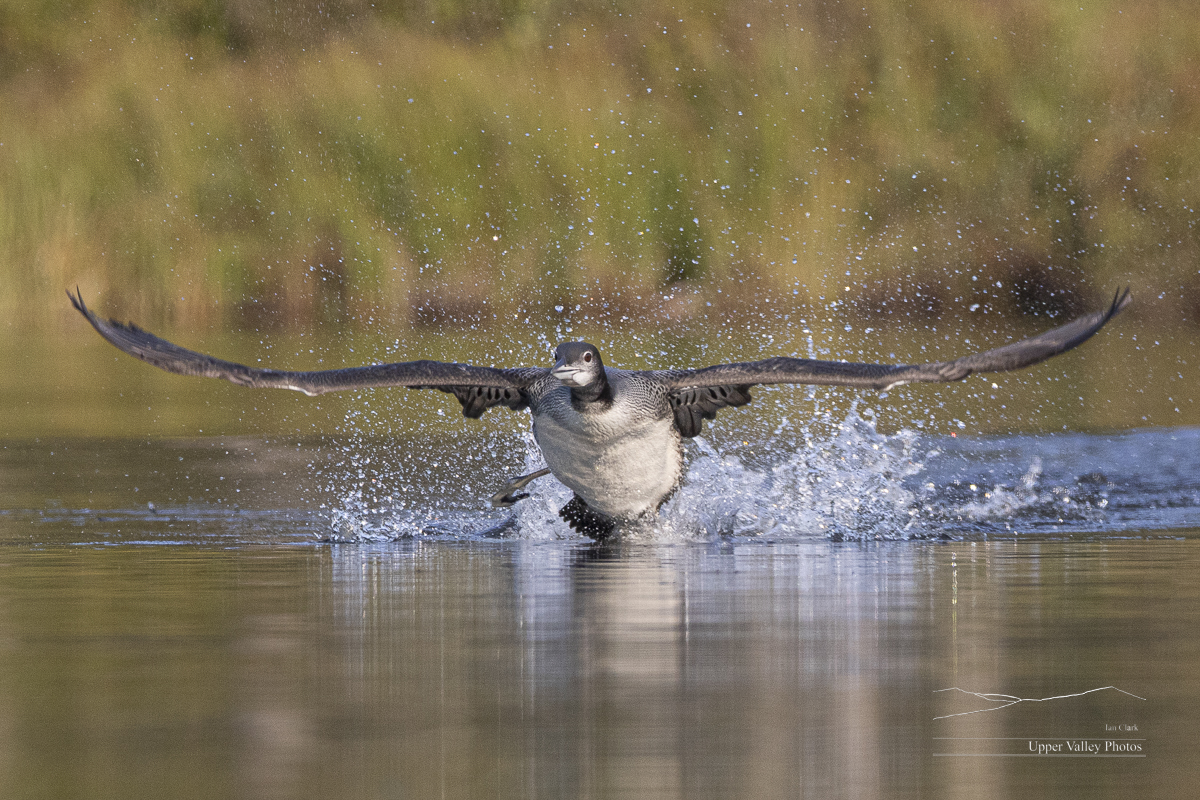
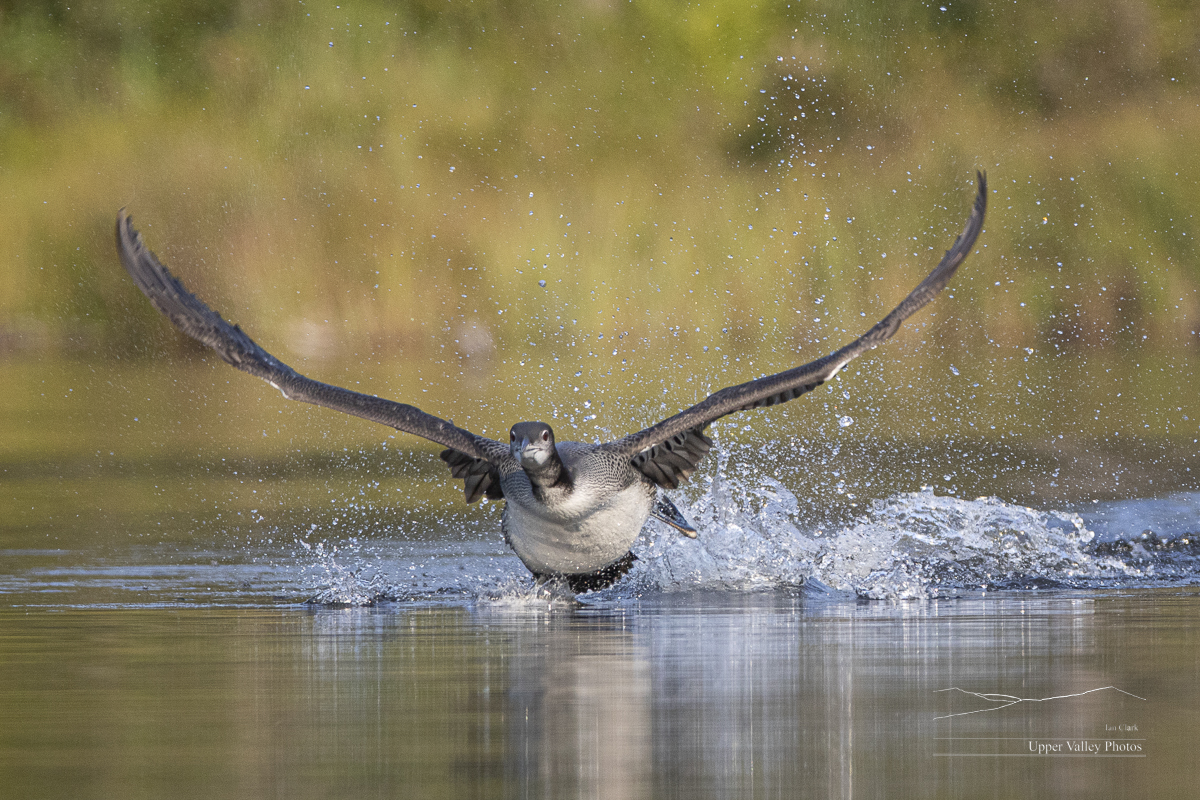
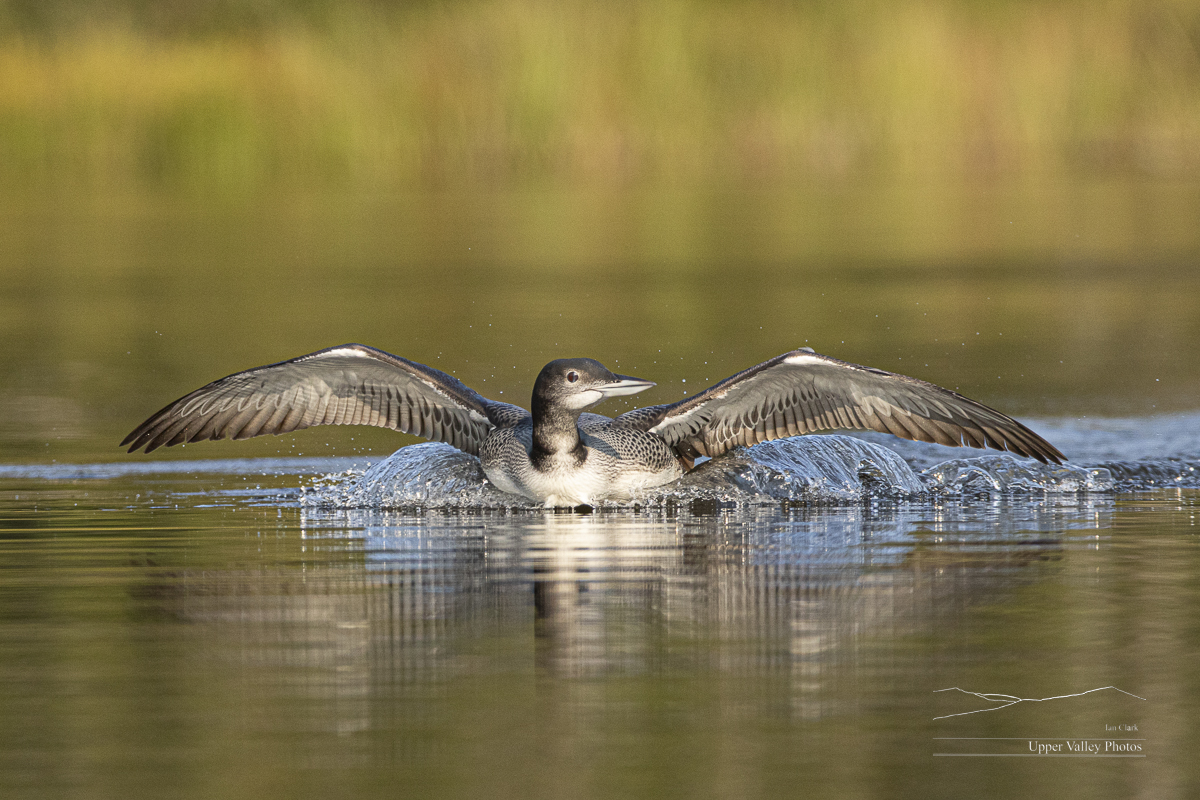
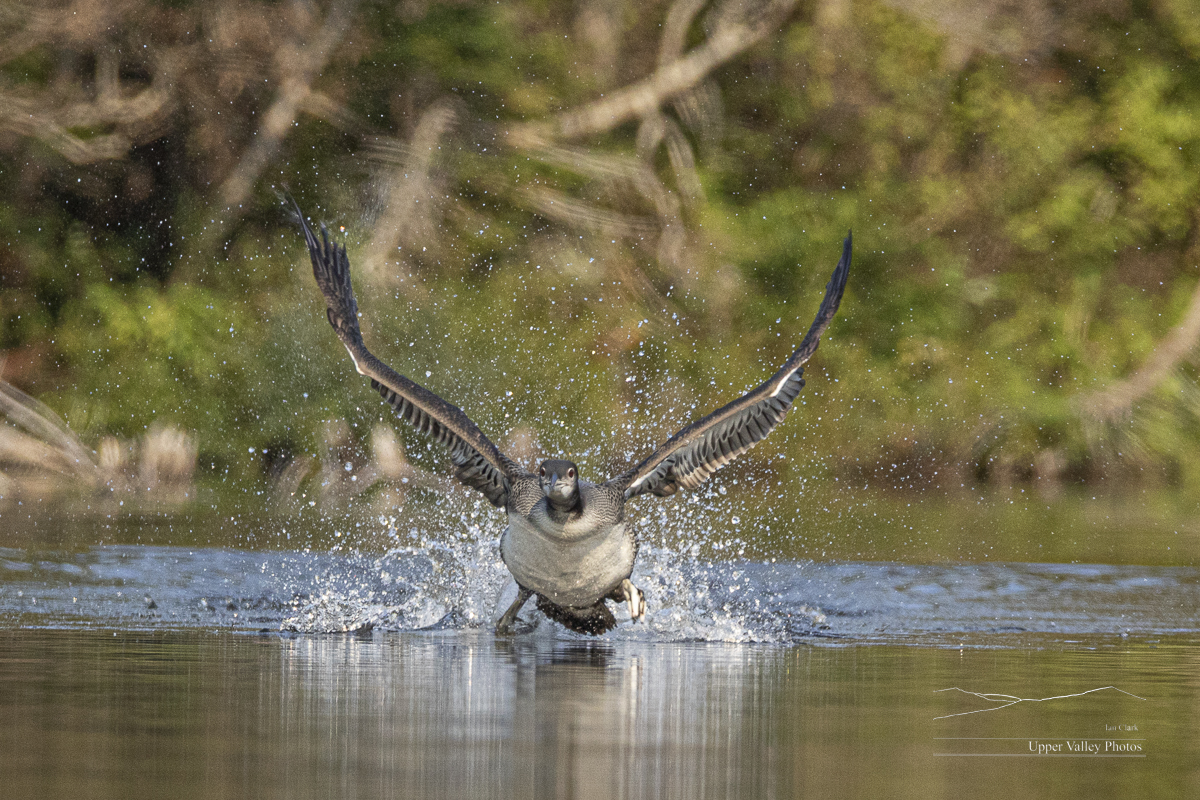
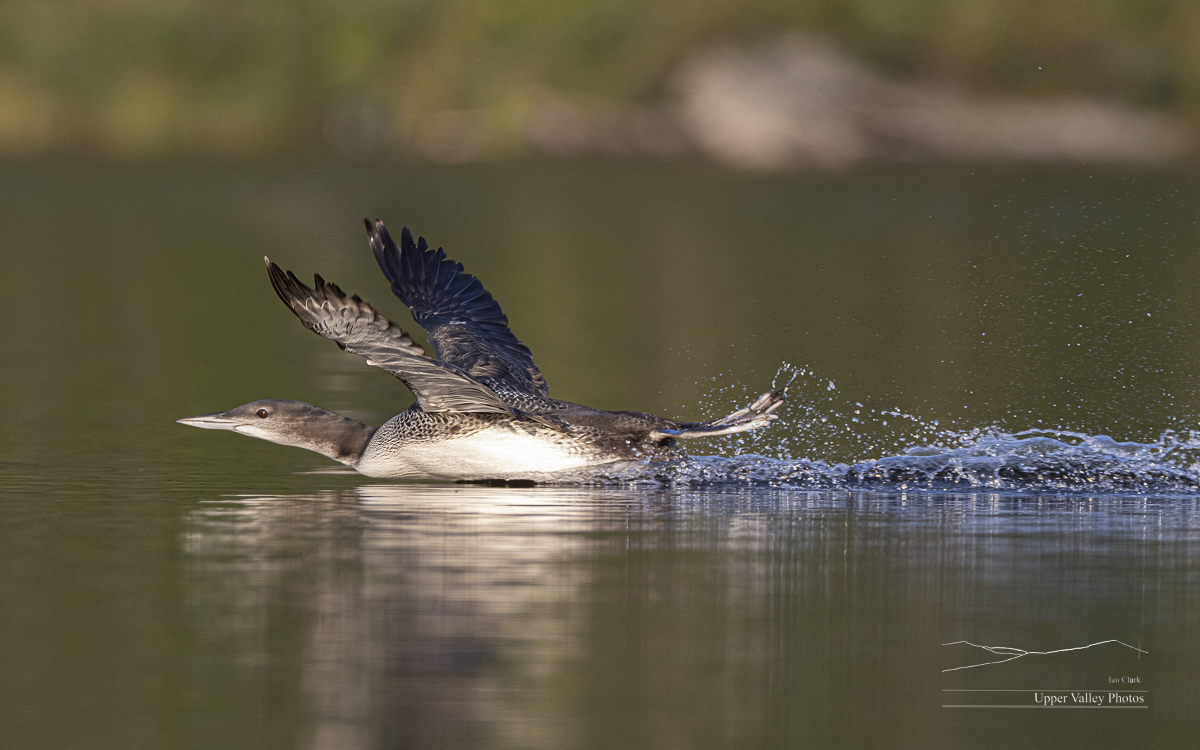
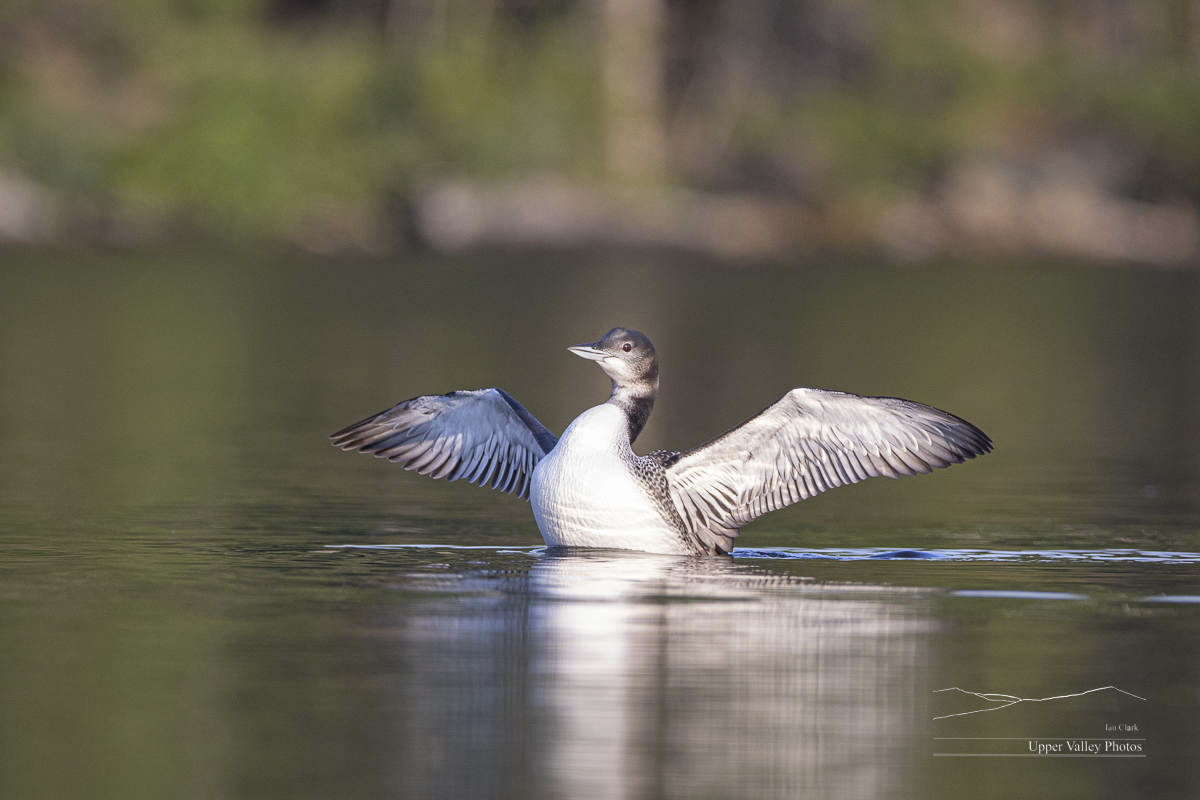
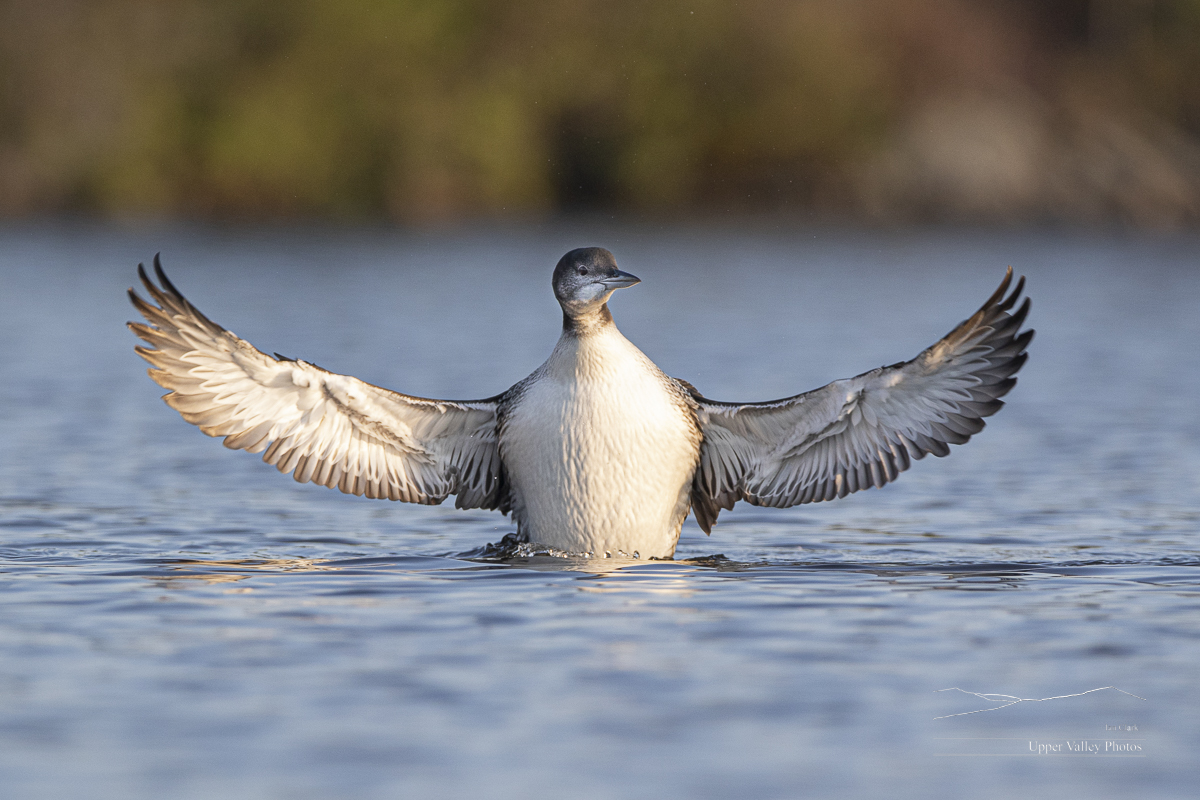
This pair of loon chicks is 11 weeks old this weekend. There was thick fog on the hill this morning when I checked the weather. Hoping the loons would be above the fog, I headed out. We went from fog to haze before a beautiful day broke out. The chicks’ big project continues to be to learn to fly.
I’ll be down at the Capital Arts Festival in Concord, NH September 24 & 25 with lots of wildlife photos and note cards. Come by and say hello. The event is free, much of the activity is on Main Street. You can find the details here.
Another Visit With The Loons
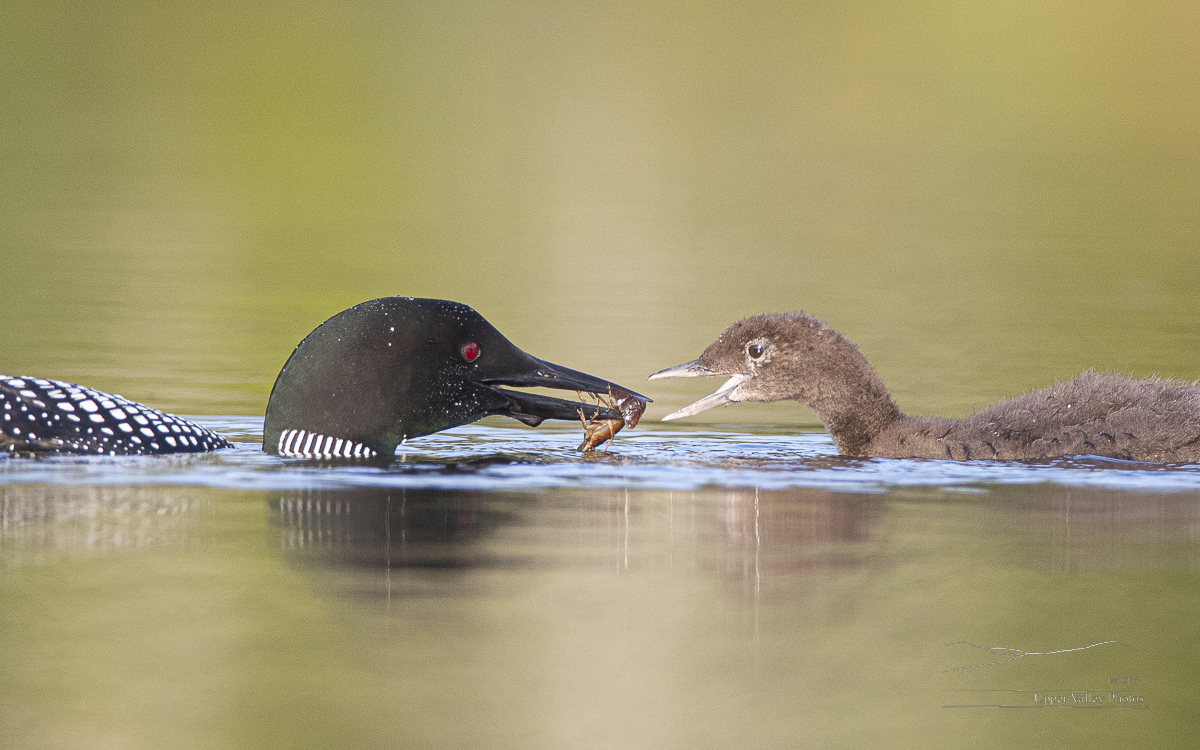
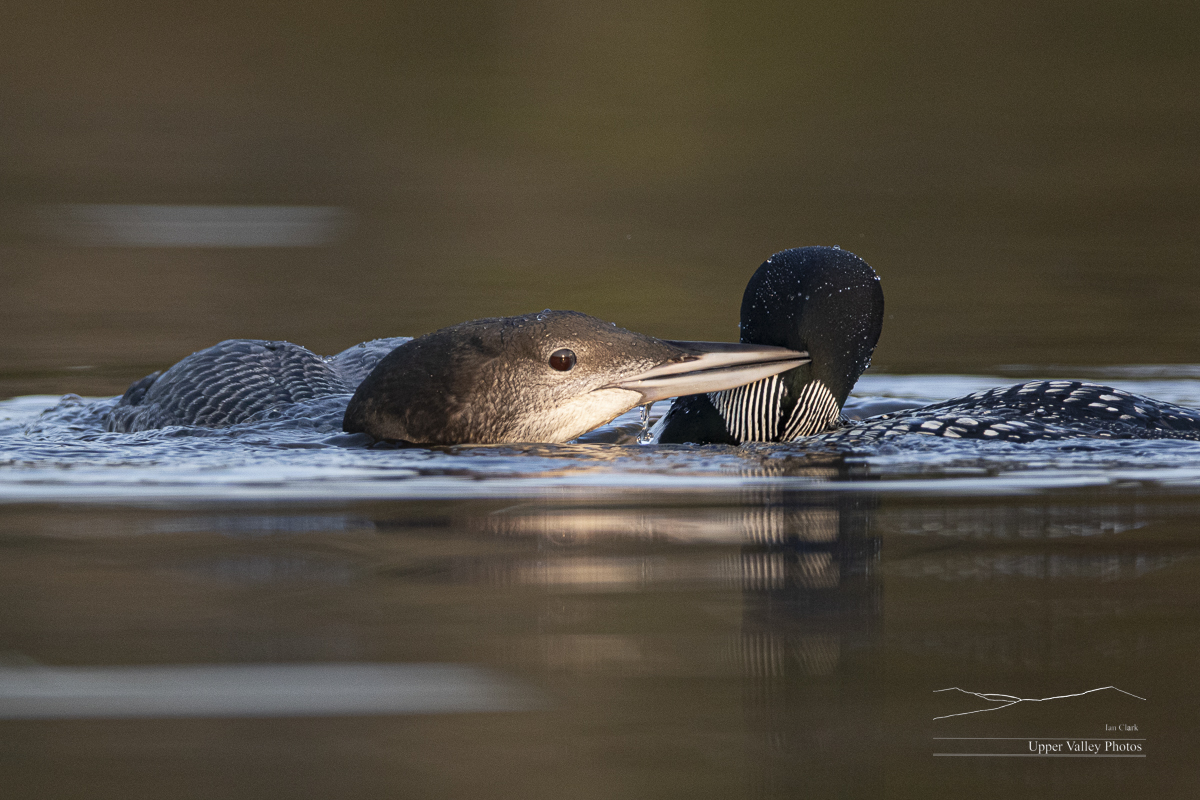
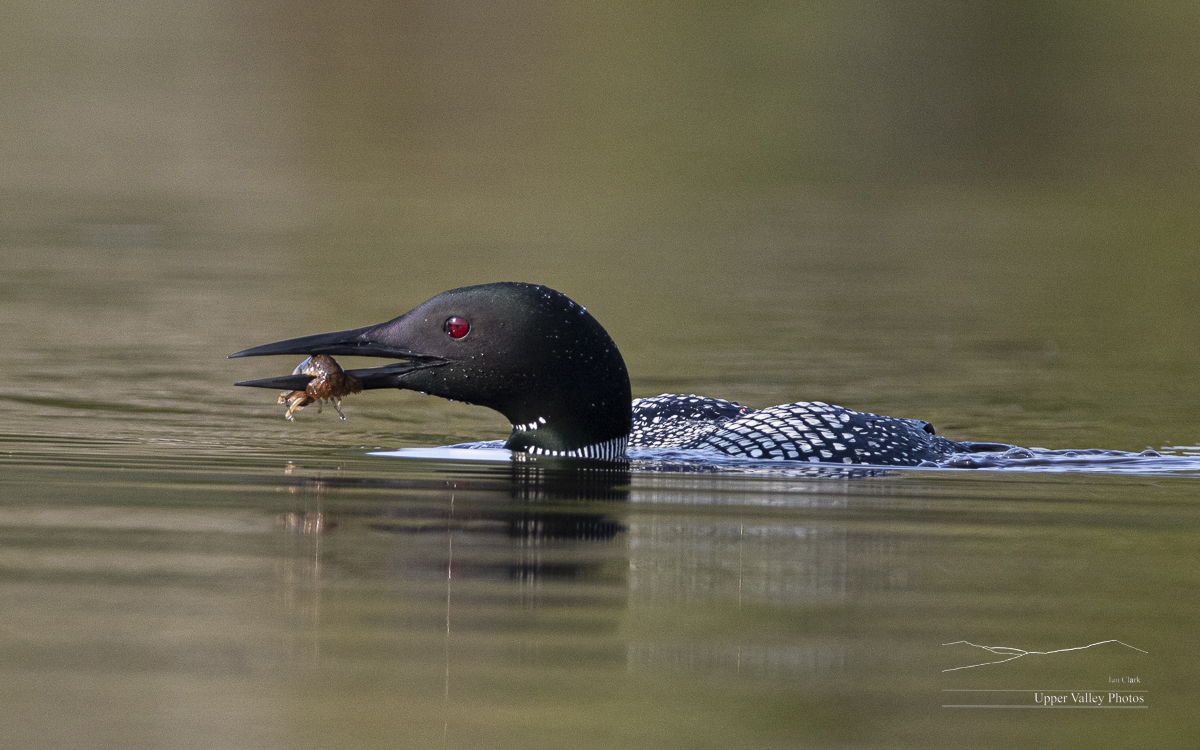
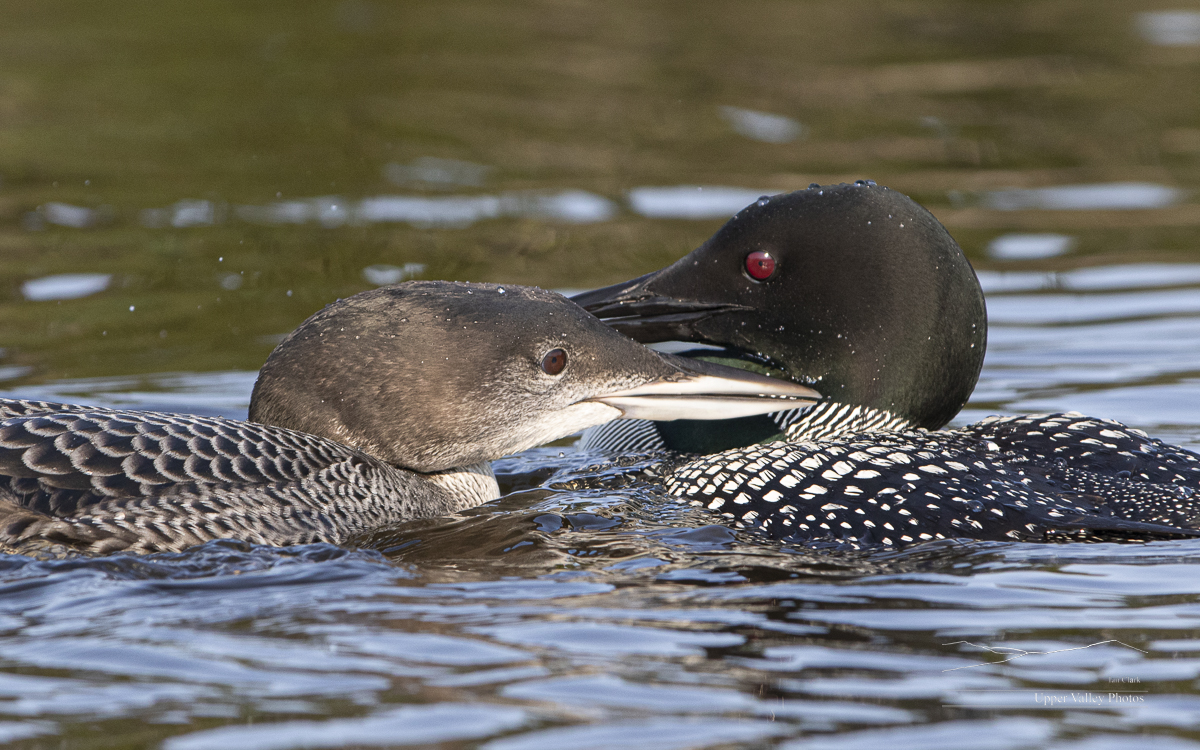
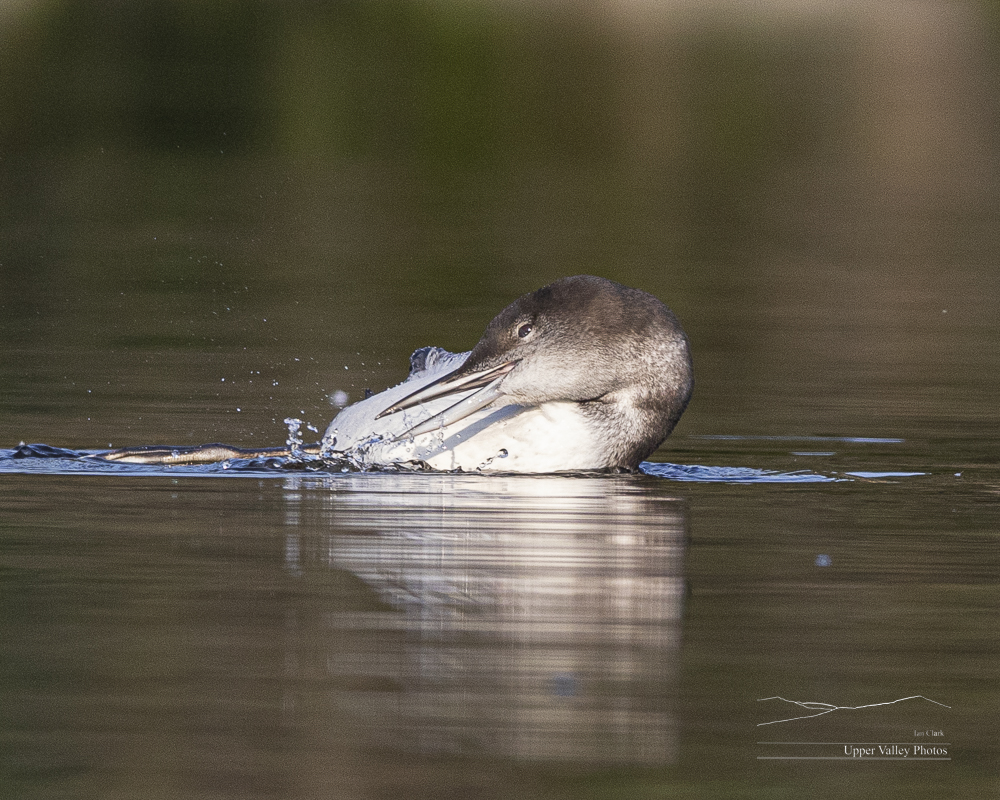
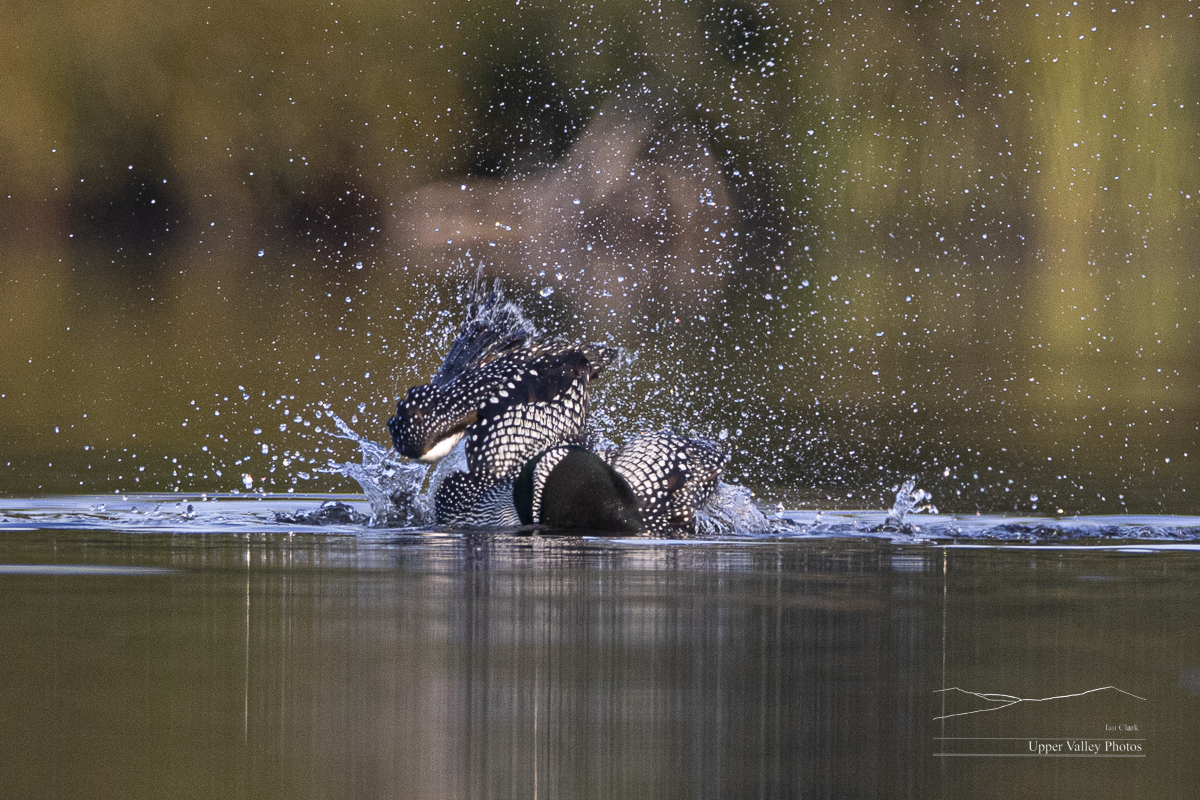
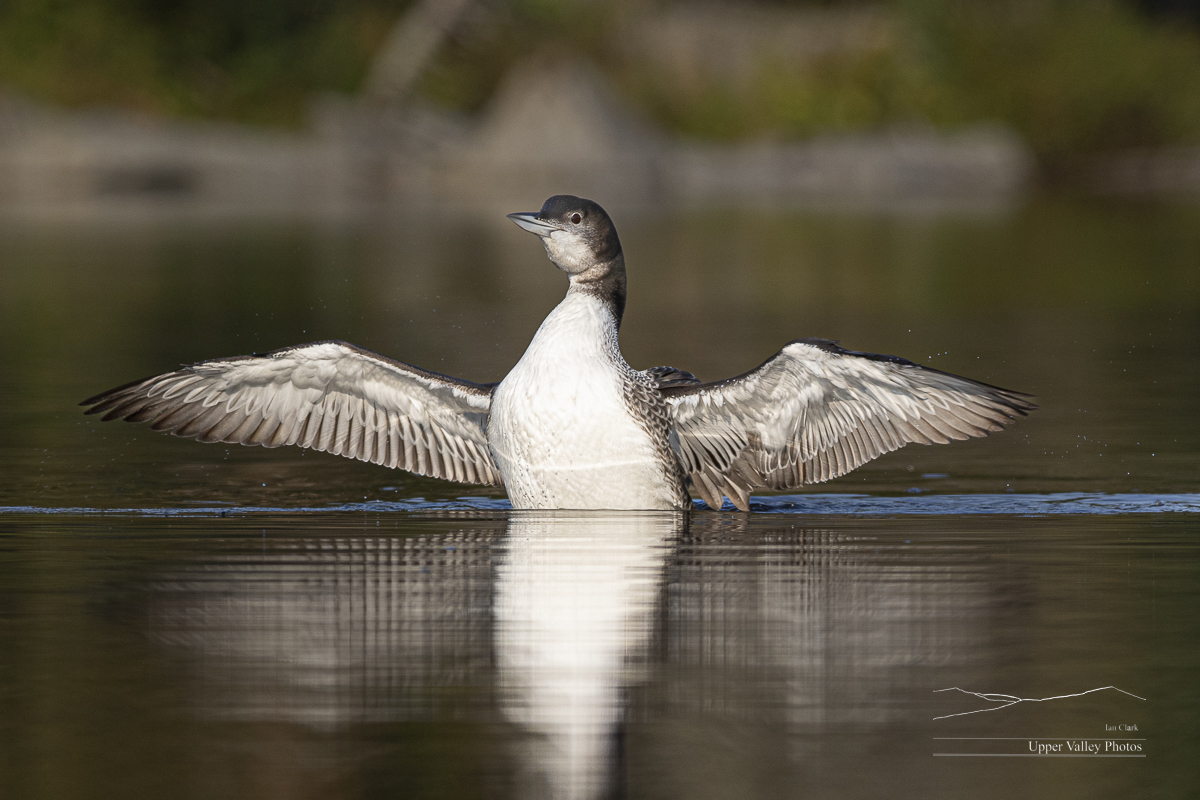
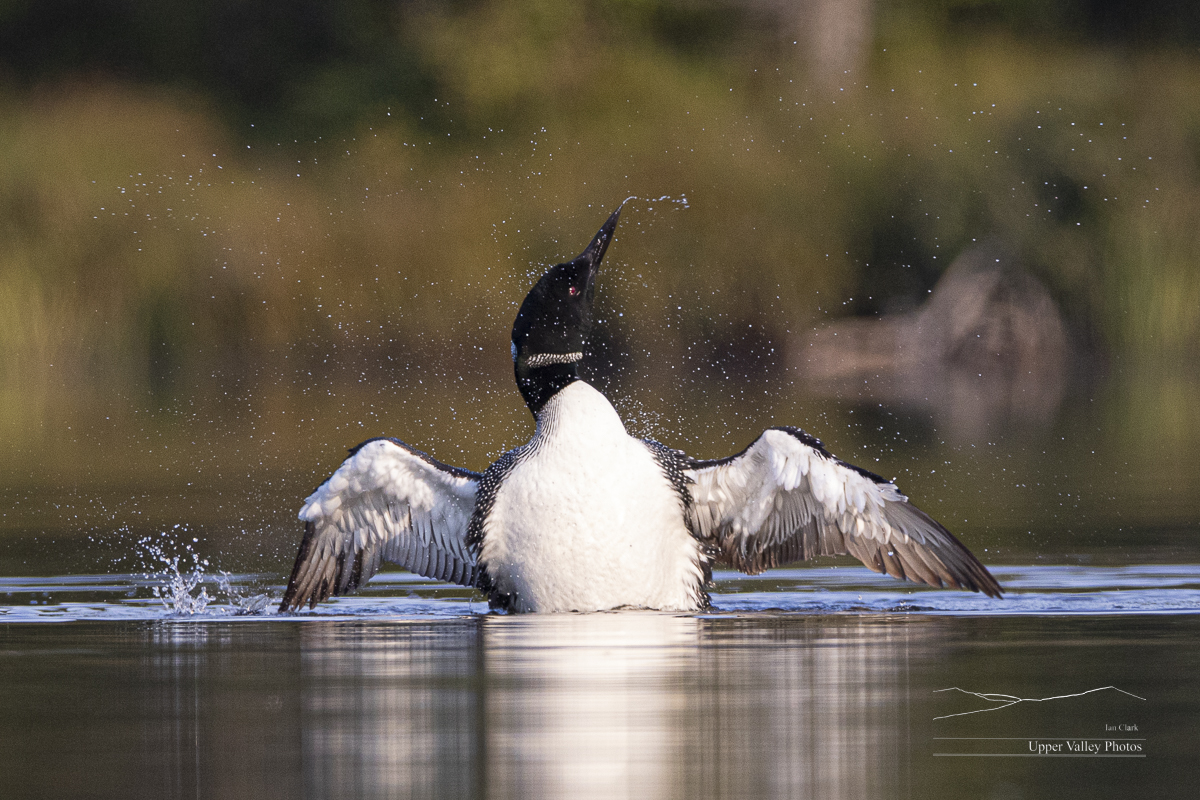
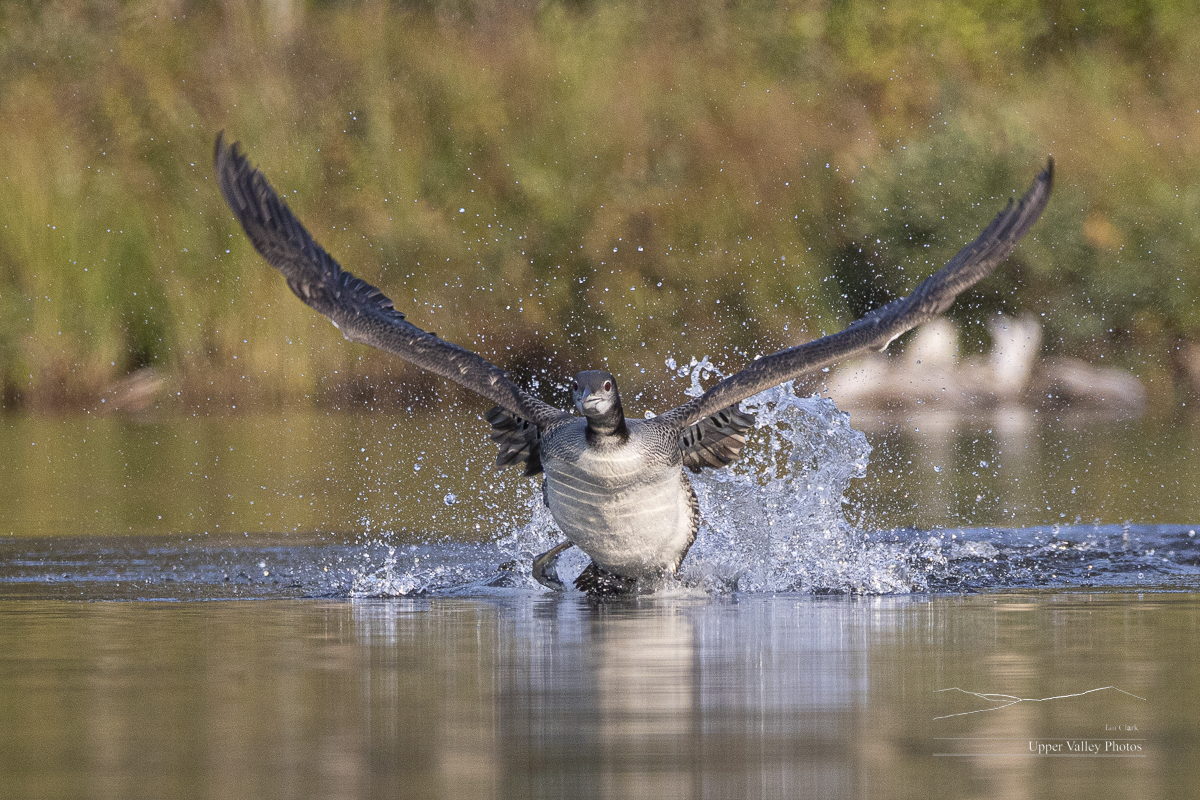
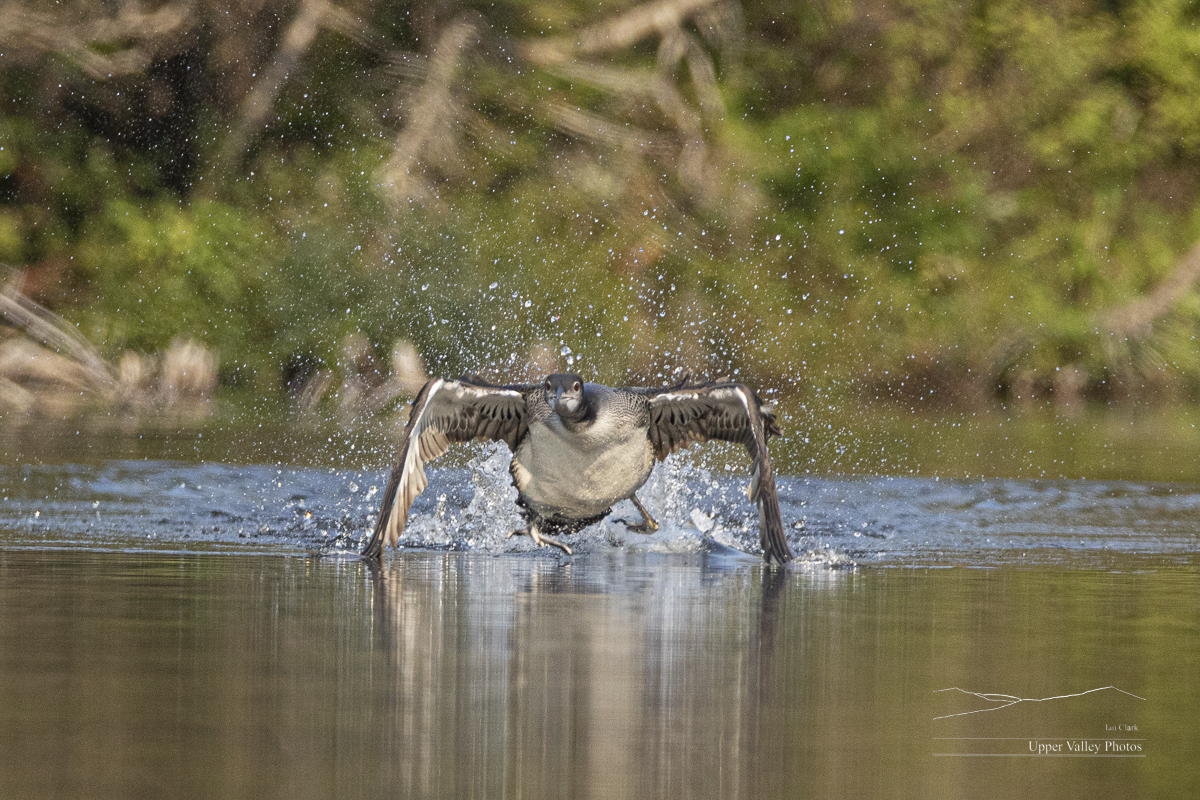
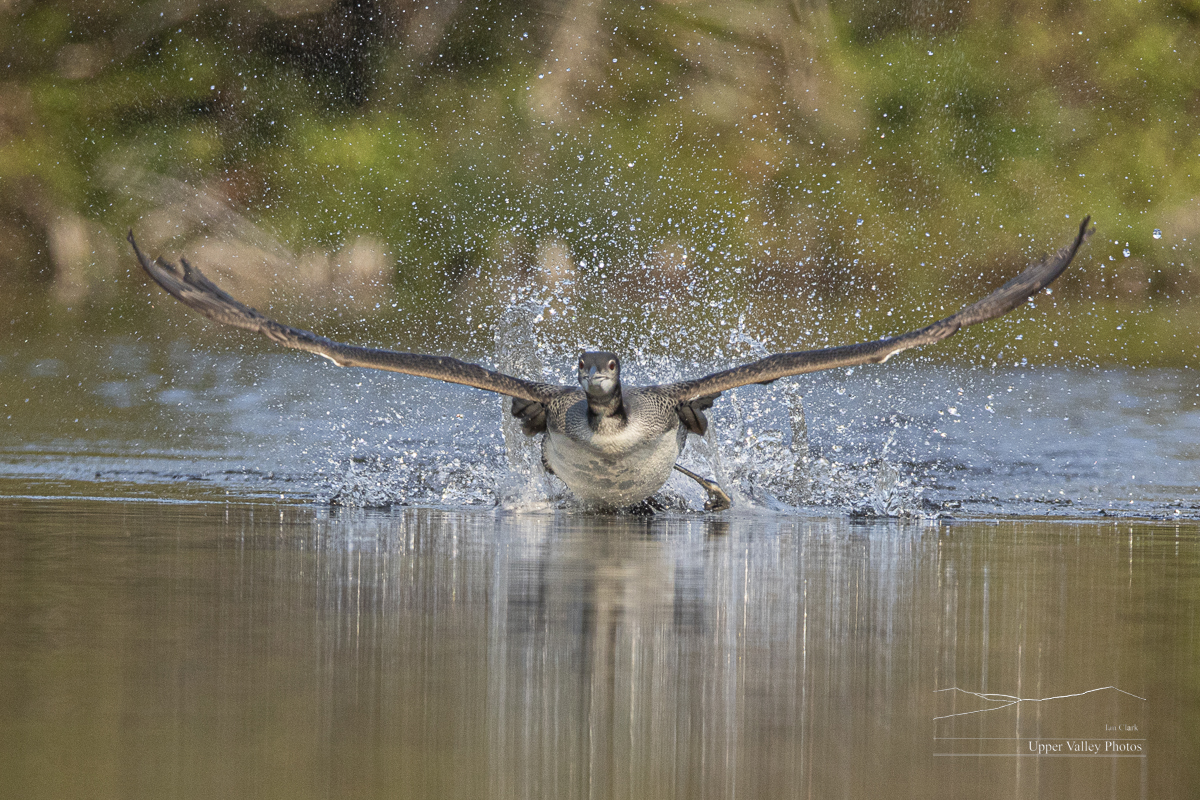
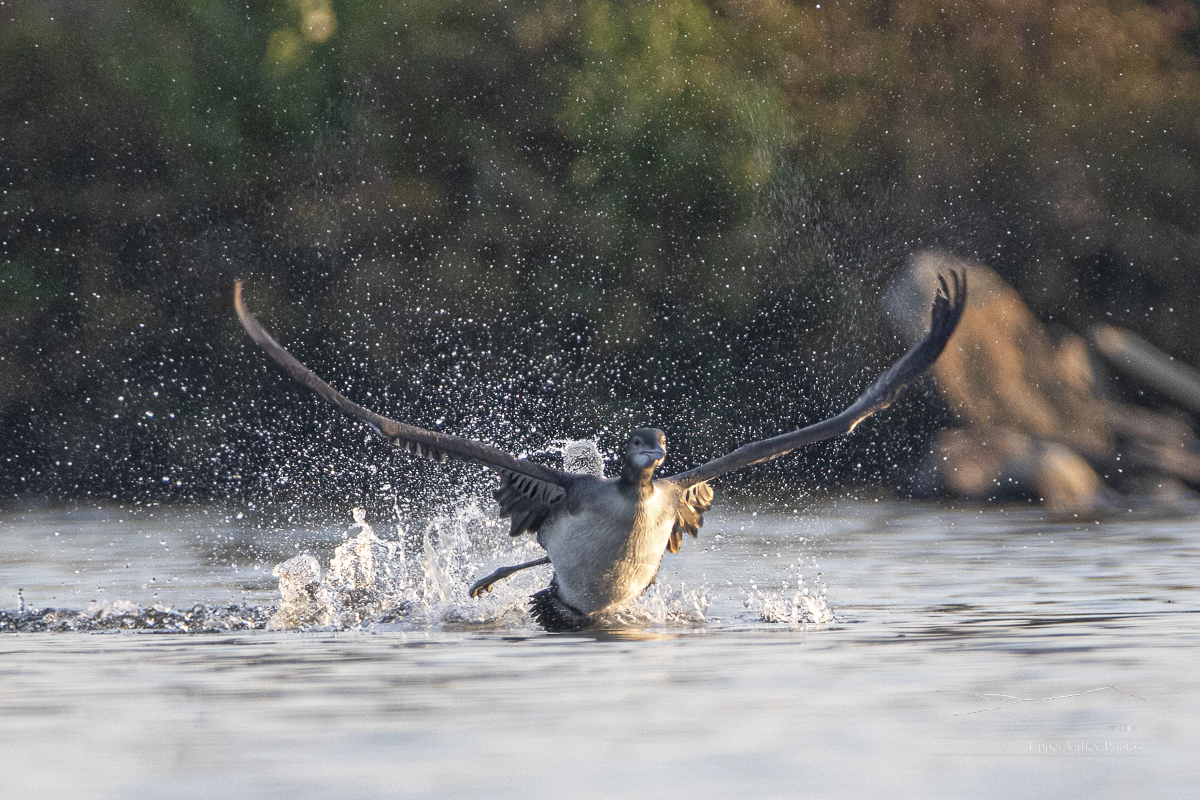
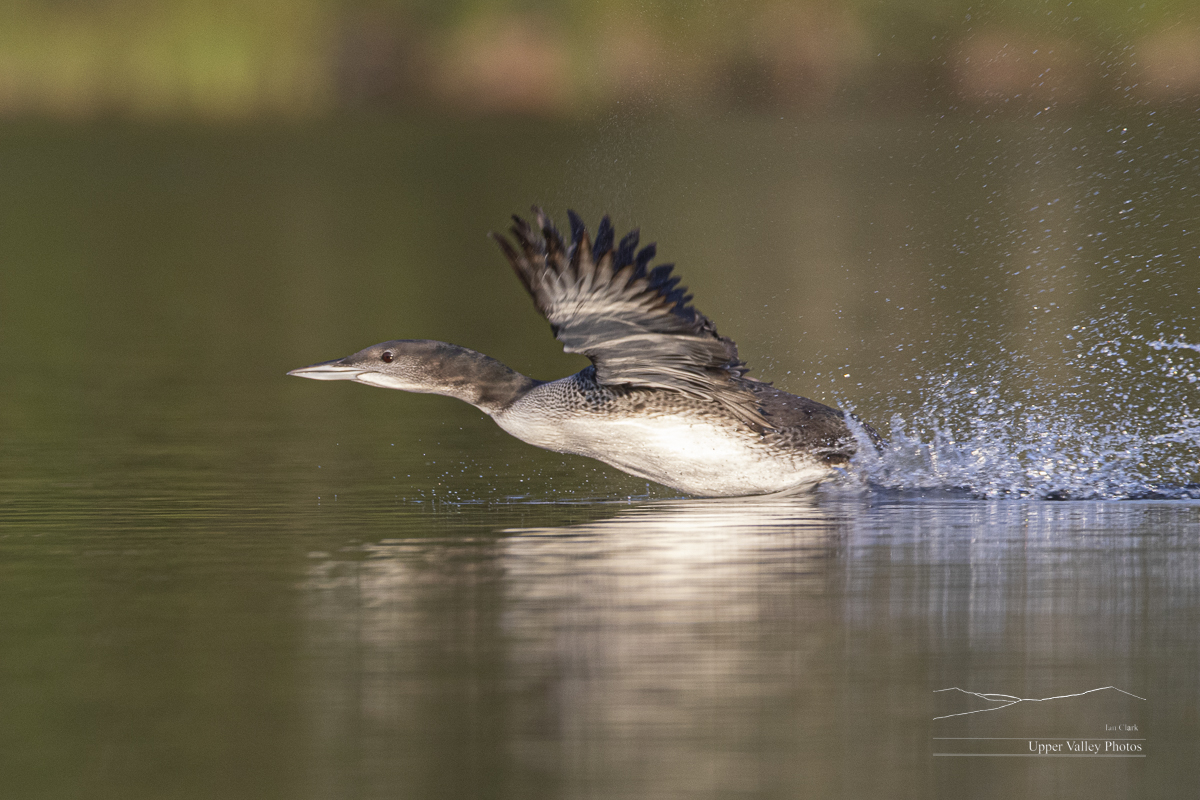
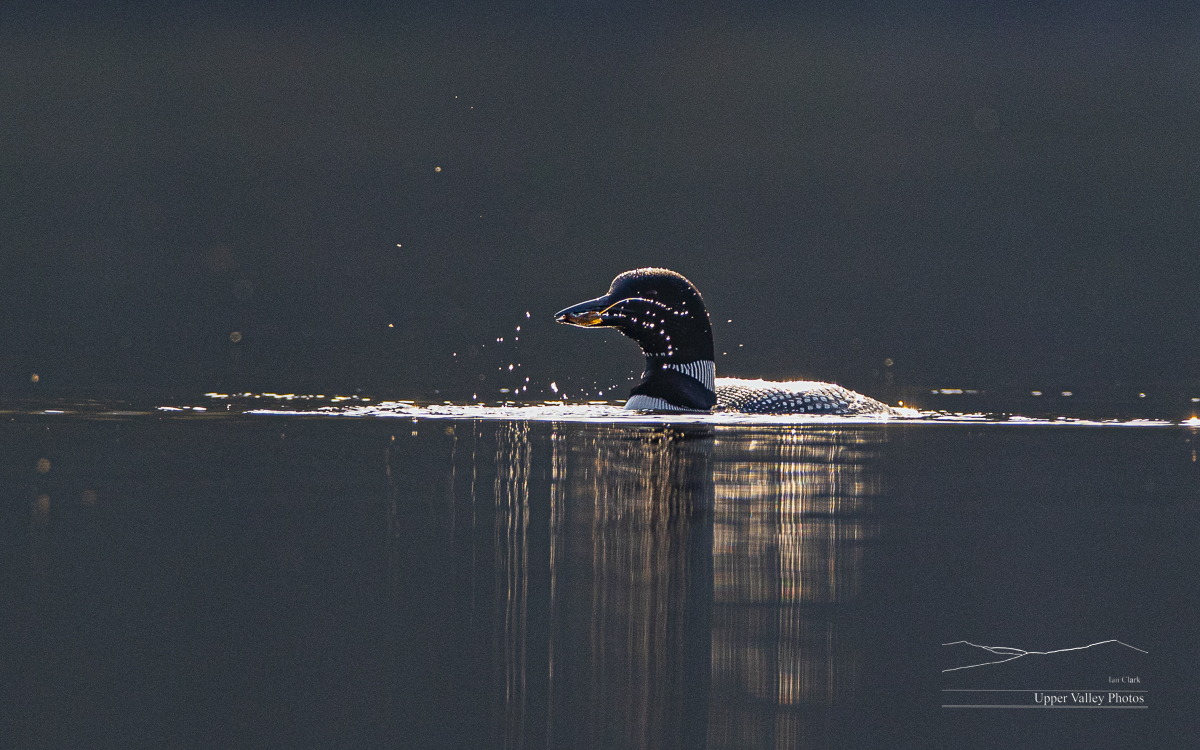
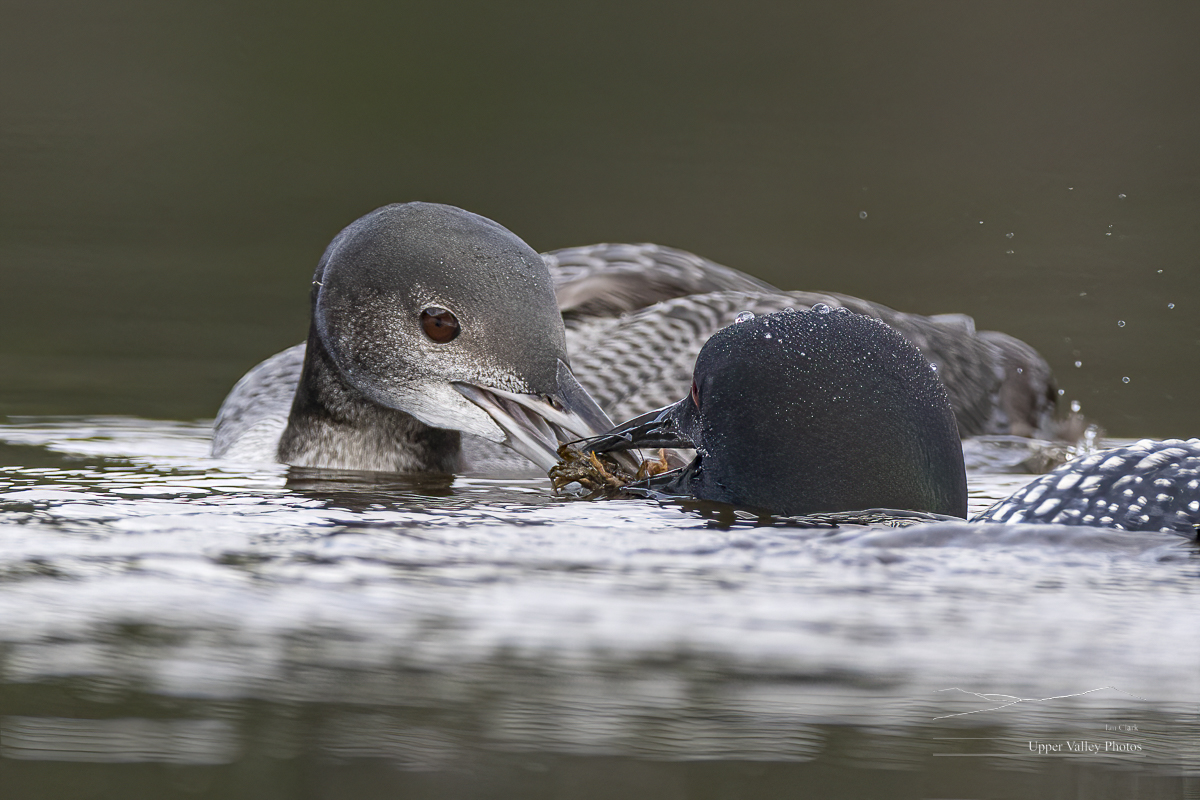
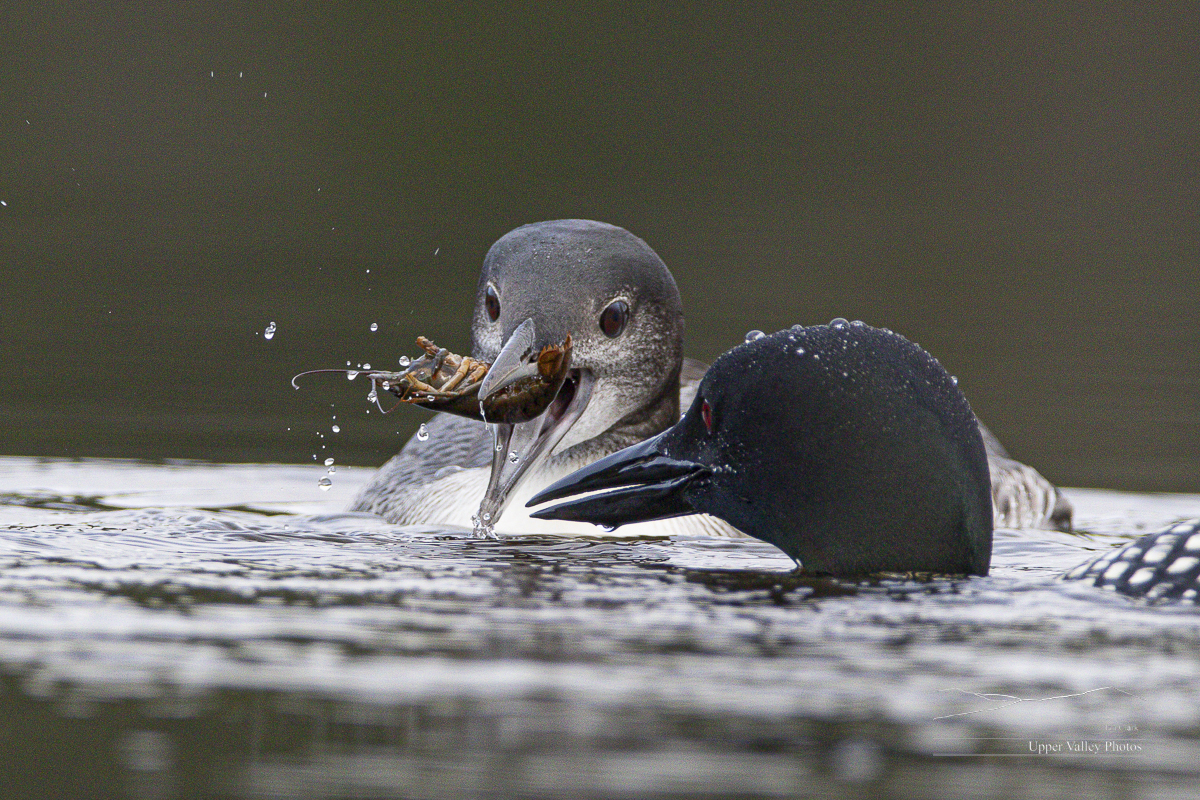
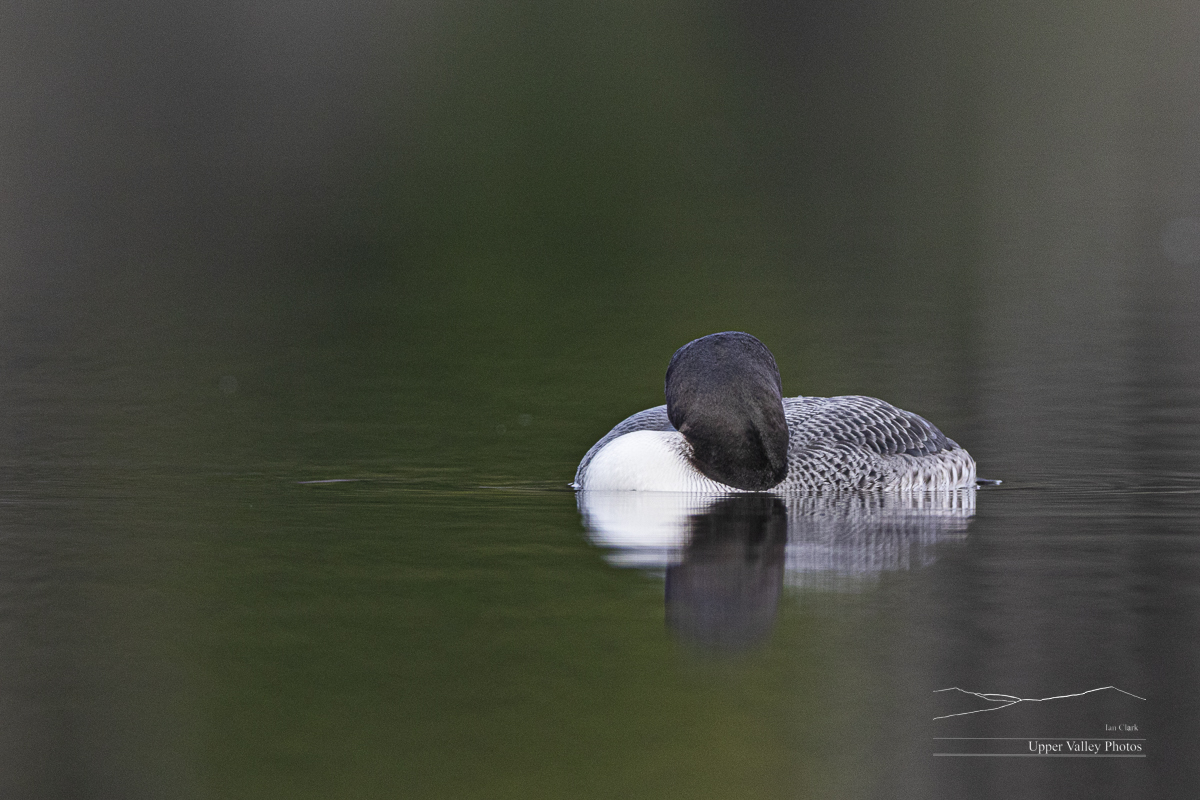
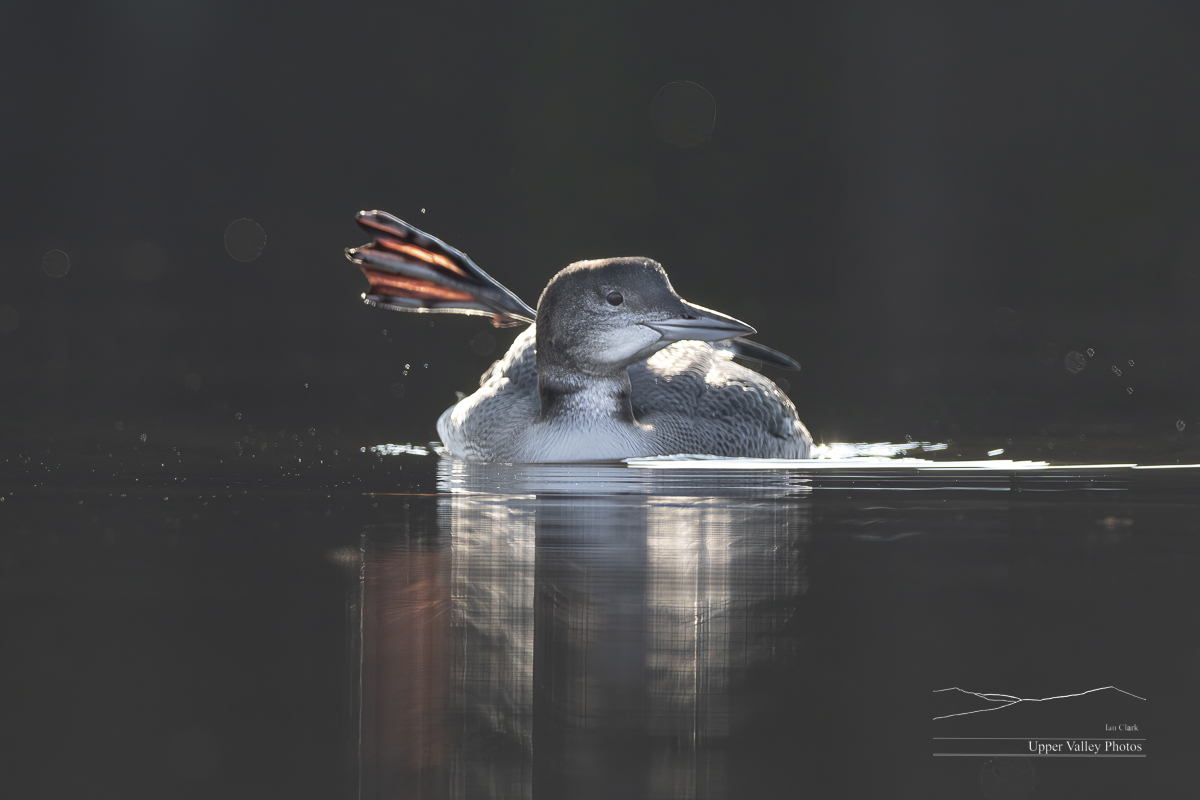
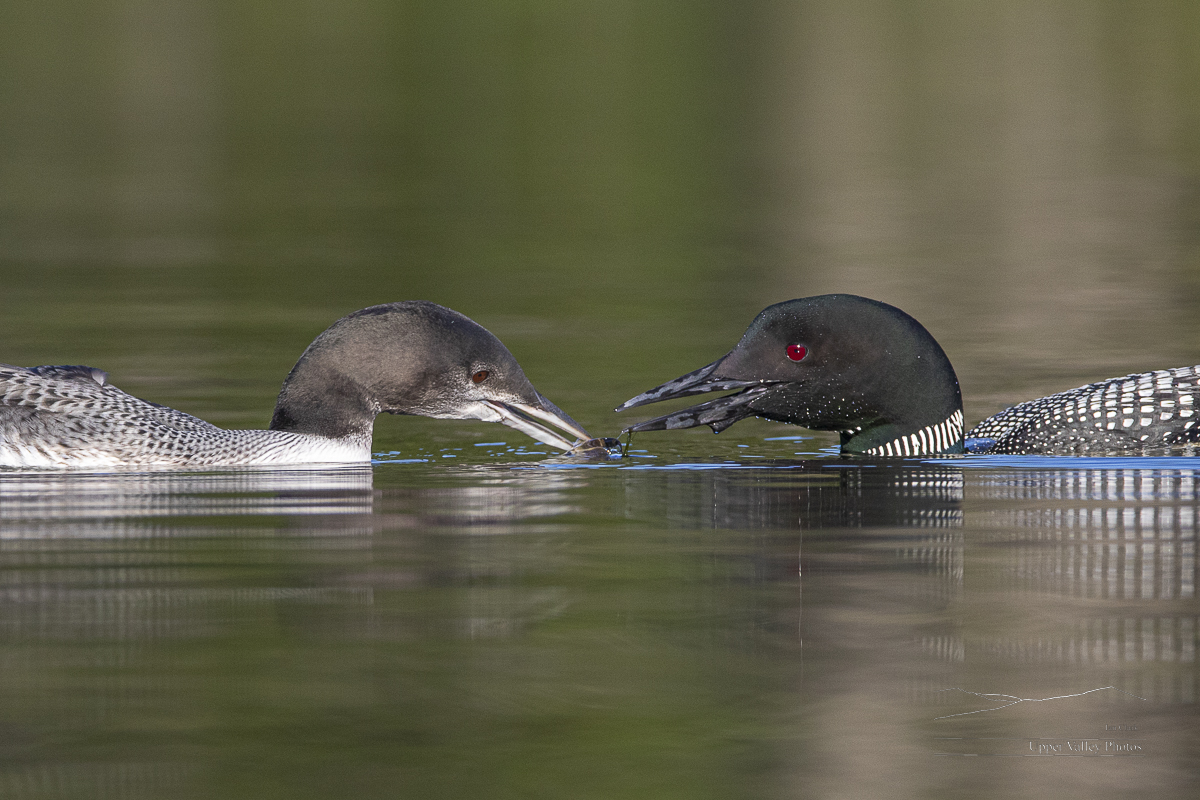
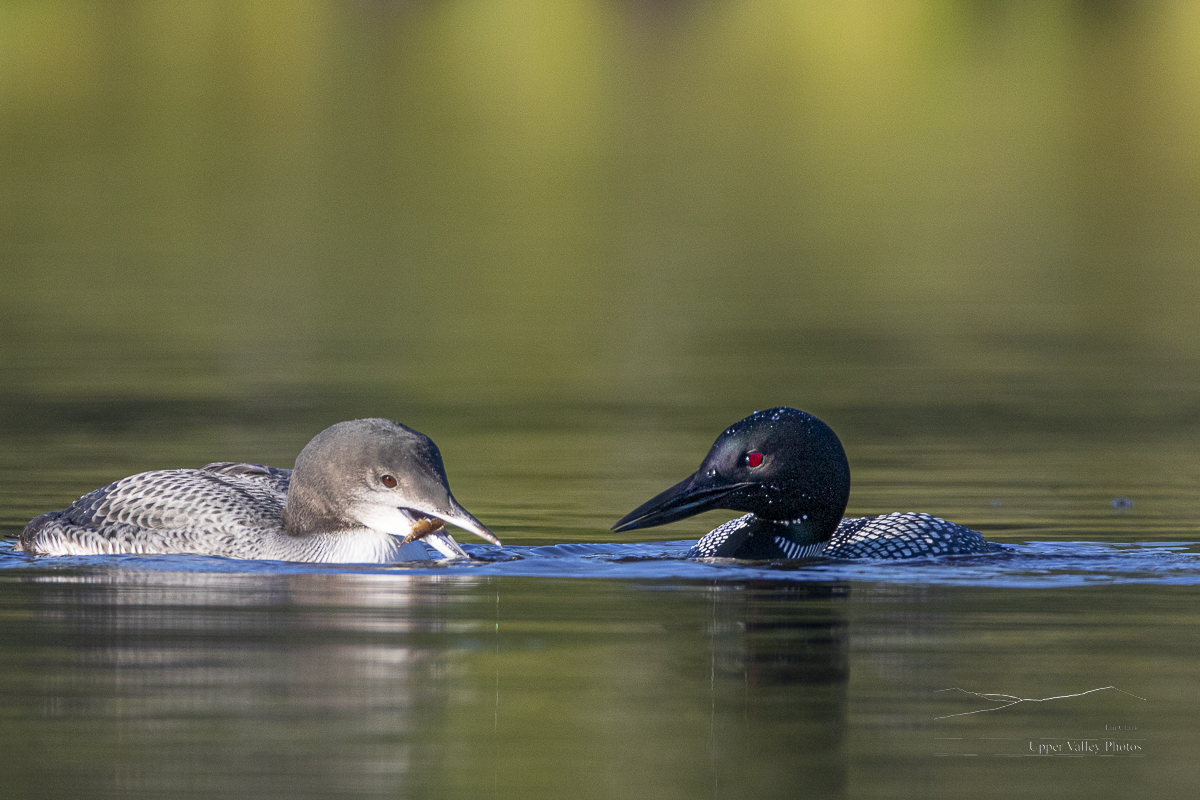
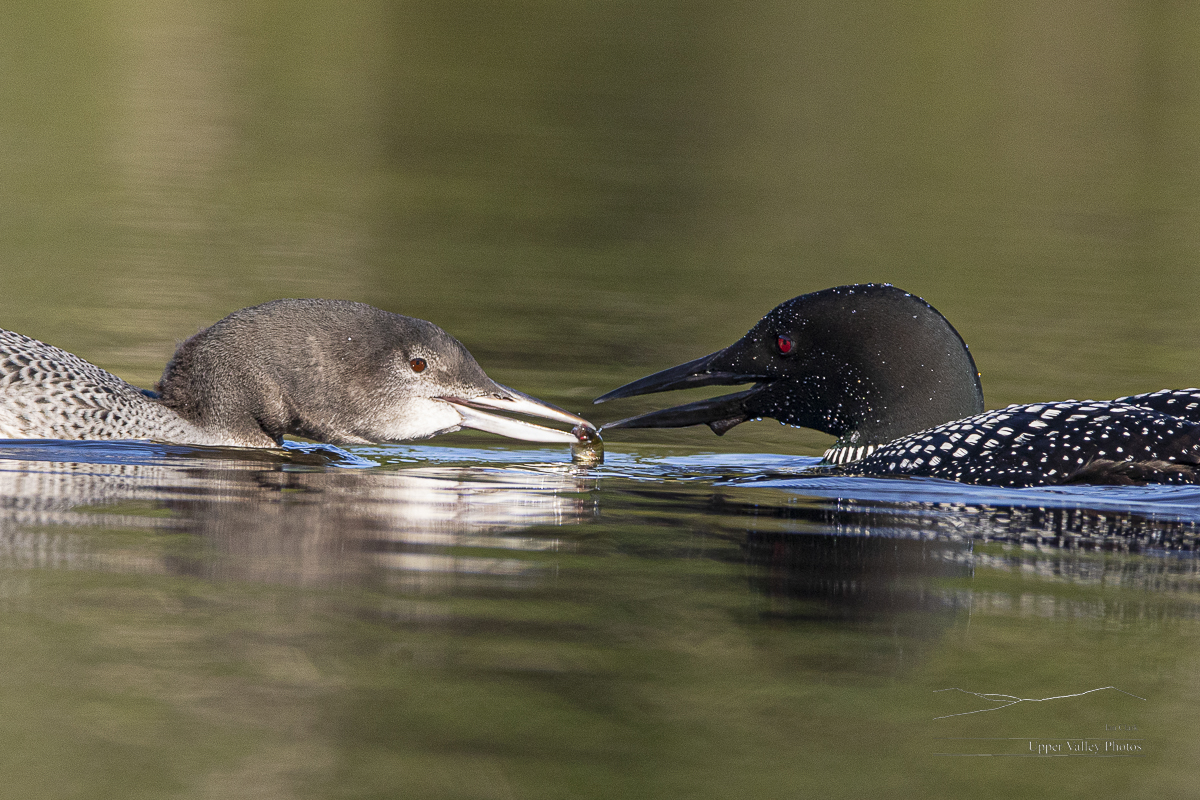
This morning provided better weather for visiting the loons than Friday. I headed out before dawn to see what they were up to. The chicks were ten weeks old this weekend. They’re mostly foraging for themselves now, they can make prolonged dives. But they’re still happy to have their parents rustle up a meal for them.
Know an organization in need of programs? I’ve got several PowerPoint shows, one on the surviving steam locomotives in the US, visiting the puffins on Machias Seal Island, one on getting started with wildlife photography and one on loons. For educators, I’ve got a program about career opportunities in photography. Email for more info.
Loon Chicks at Ten Weeks
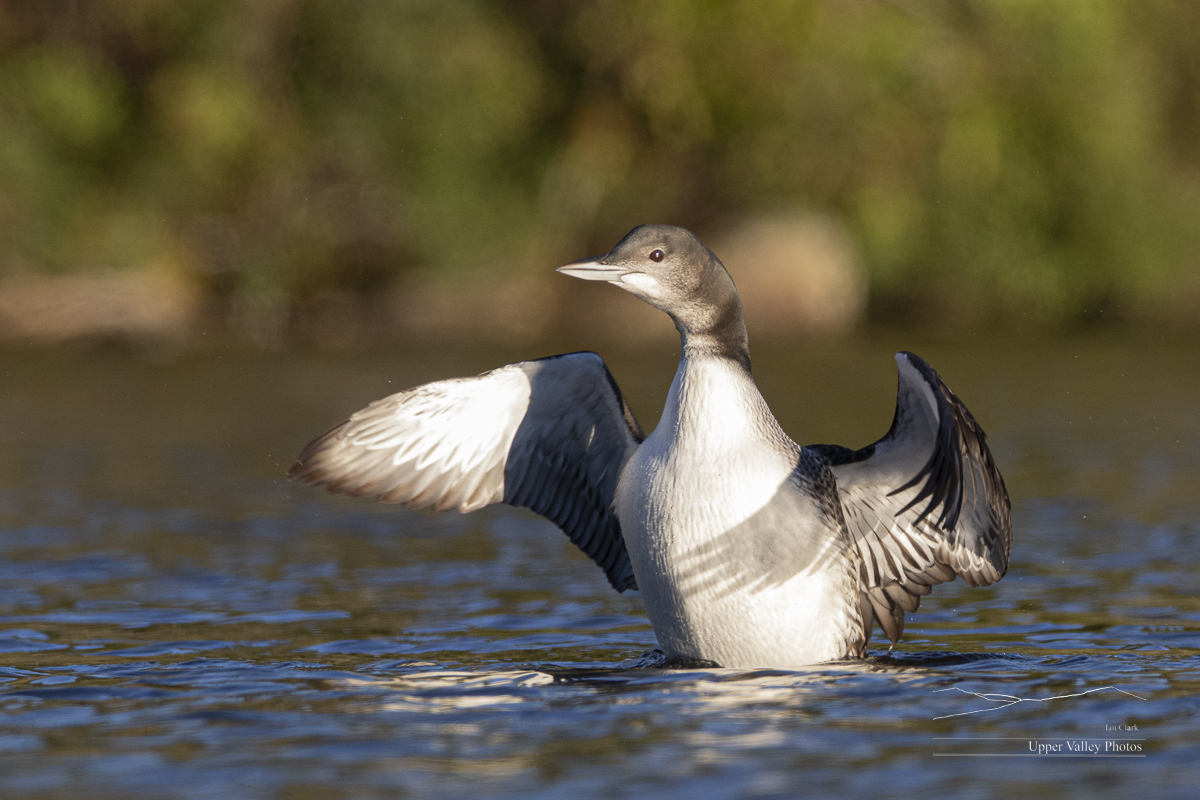
This morning, I was able to pay a quick visit to our loon family where our chicks are now ten weeks old. It was a brisk 38° when I put the boat in, with a light breeze making it feel colder. It seemed a long time before the sun crept up to light the pond. The wind only got worse, making photography difficult.
Are you in an organization that needs programs? I’ve got several PowerPoint presentations available. Under Steam gives a look at many of the US’s surviving steam locomotives, Puffin Stuff is about visiting and photographing the Atlantic Puffins on Machias Seal Island, Photographing the Critters in Your Yard is geared towards camera clubs and gives lots of ideas on how to get started with wildlife photography. And, An Uncommon Look at the Common Loon rounds up my best loon photos.
For educators, I’ve got a PowerPoint on Careers in Photography which introduces many lesser known career paths in photography. Students usually have interesting questions about my time managing NASA’s Photographic Section.
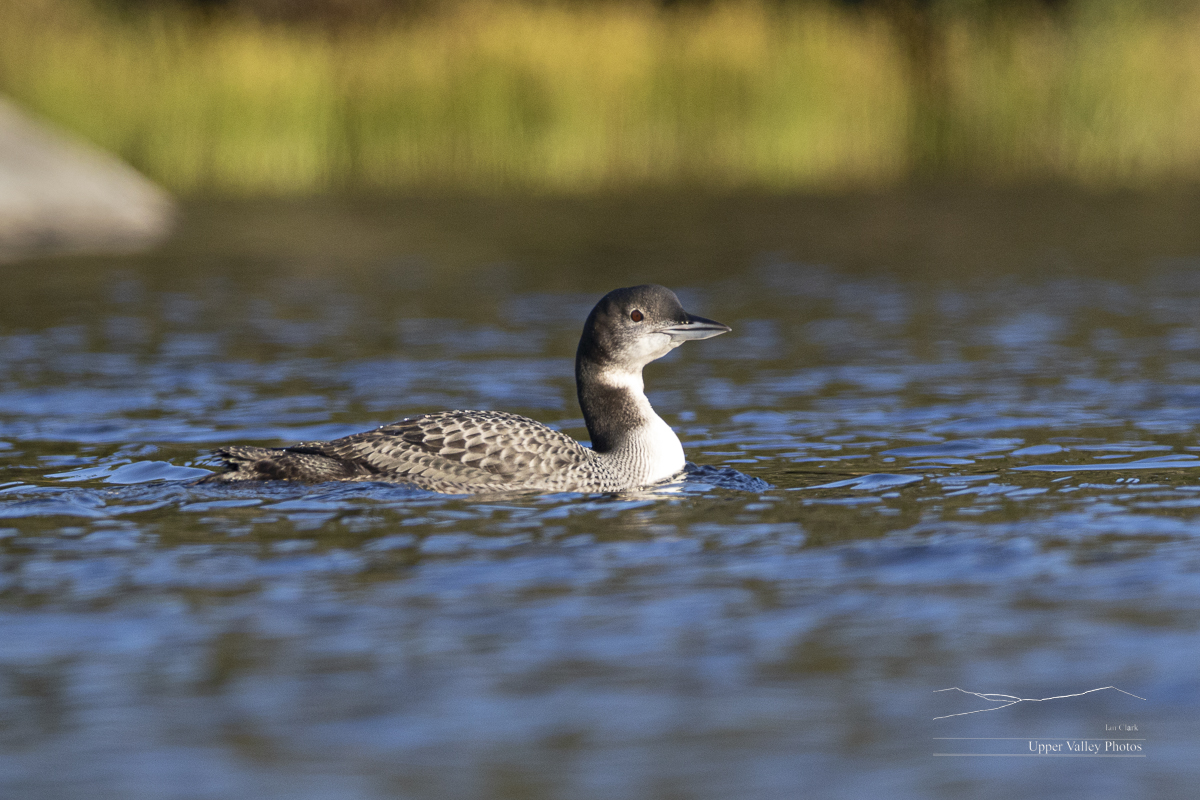
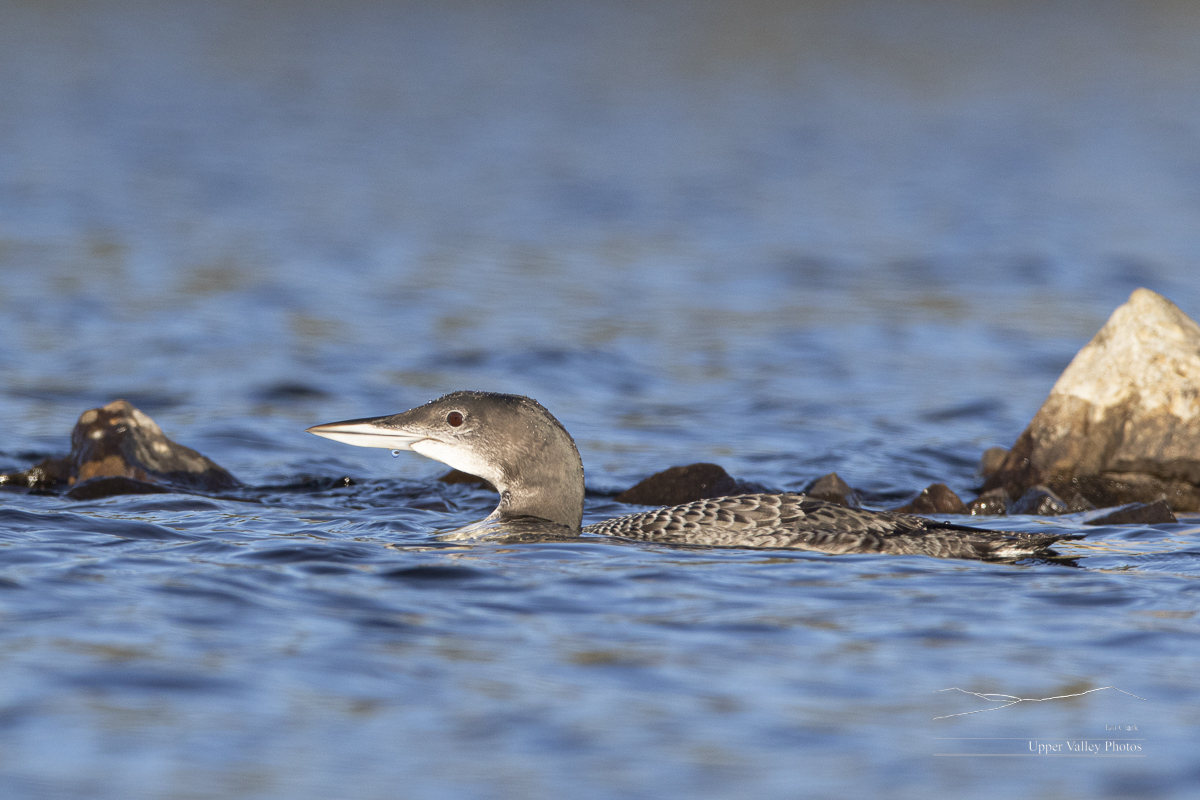
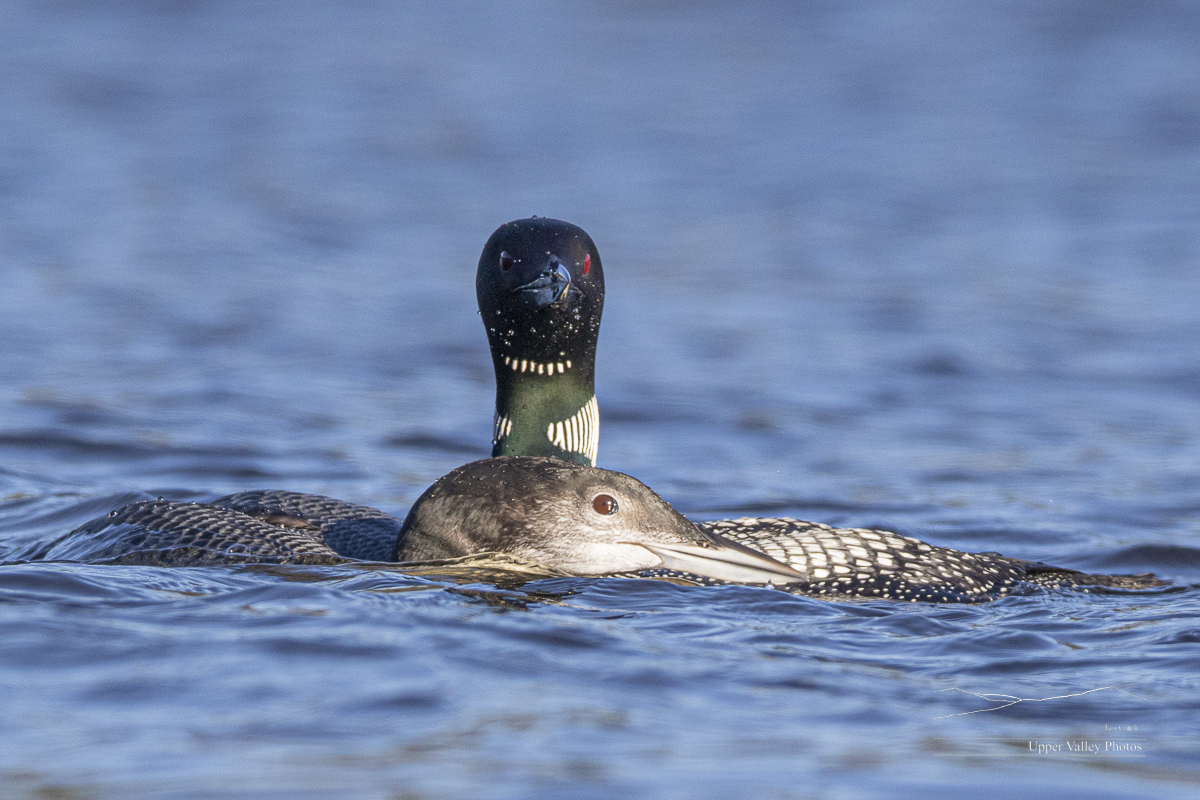
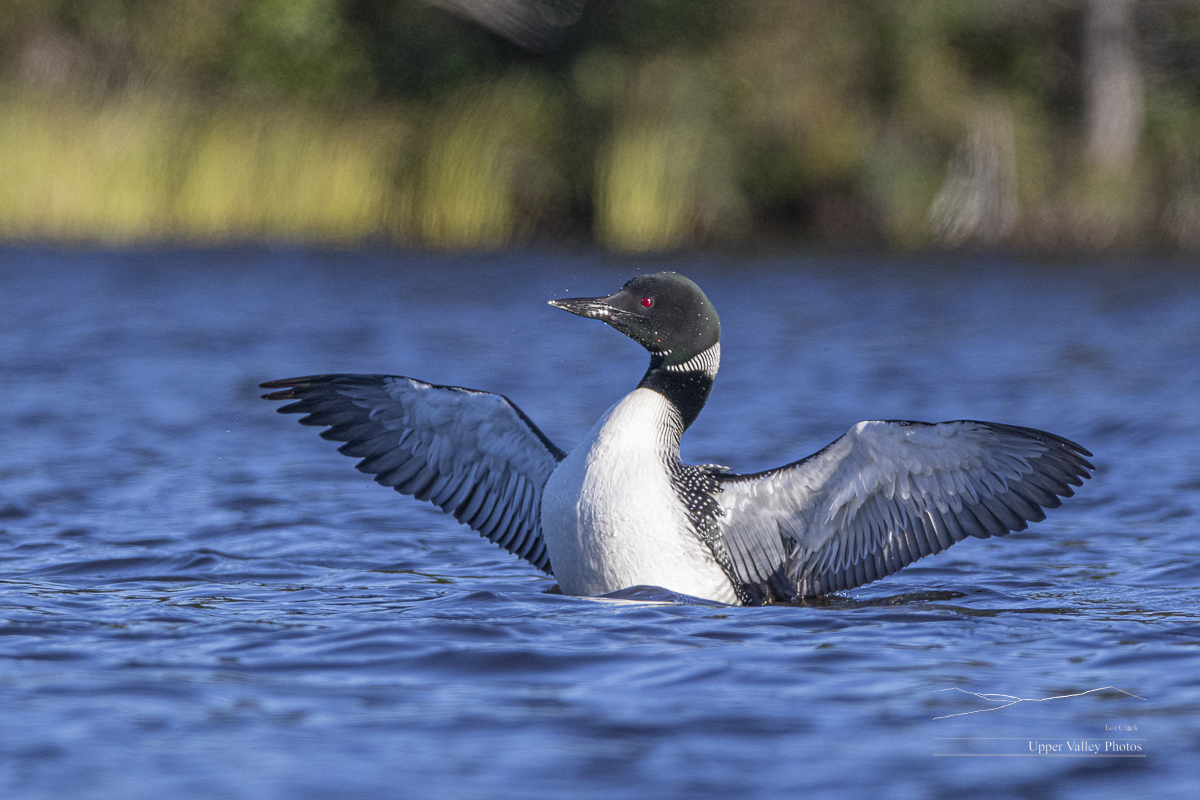
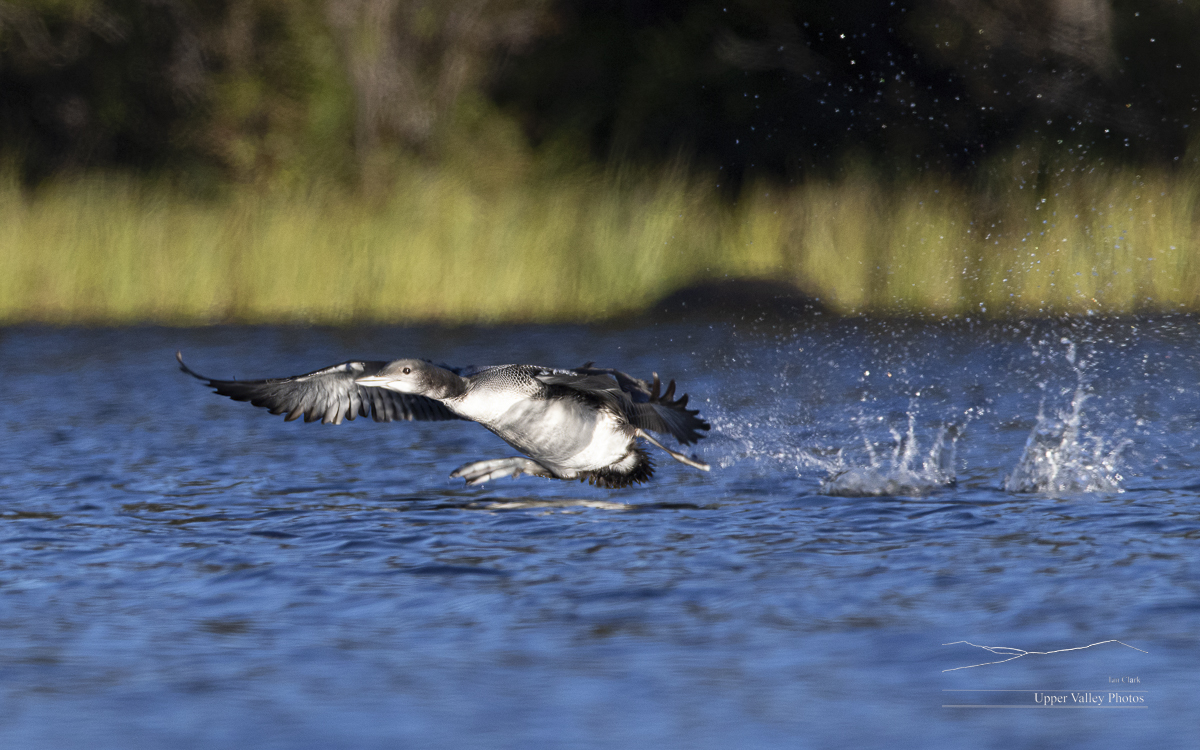
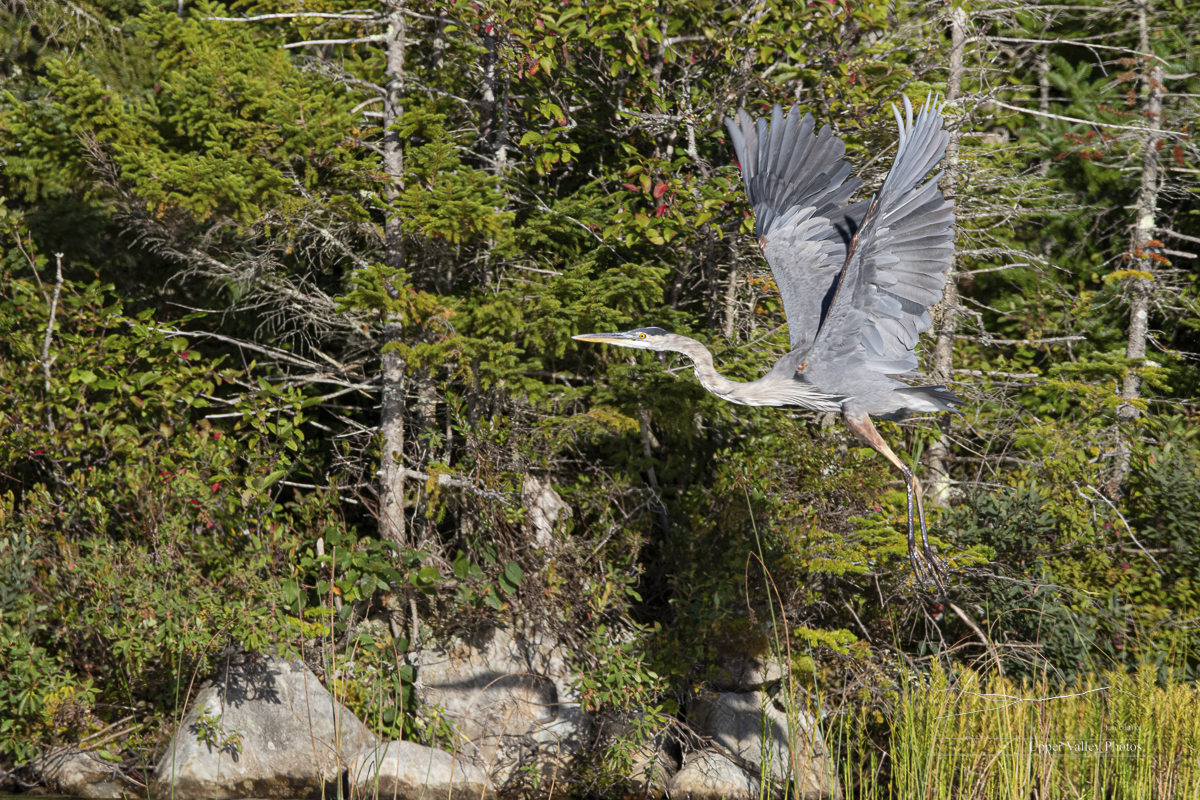
UPDATE: I was able to get back out to visit this family again Sunday morning, and the weather was more cooperative. More pix at: Another Visit With The Loons.
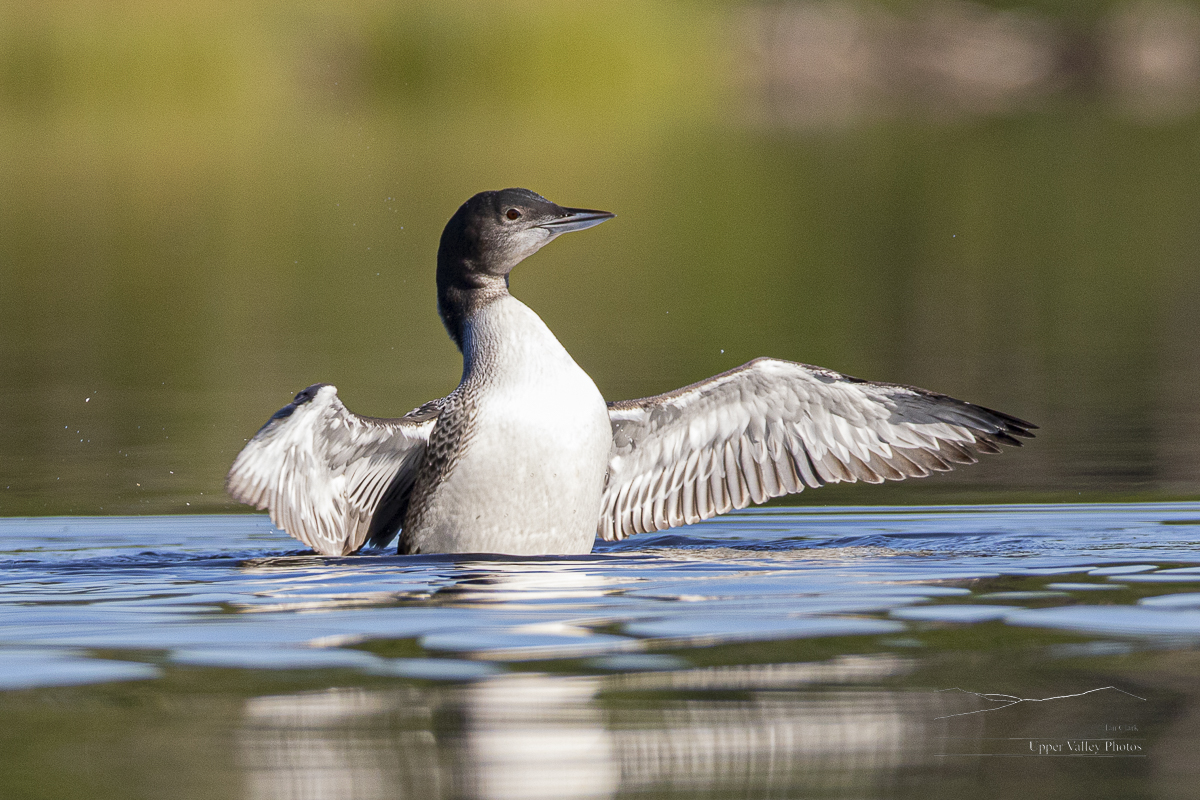
Loon Chicks Now Eight Weeks Old
Thanks to everyone who stopped by at the League of New Hampshire Craftsmen’s Fair. Nice to know people are actually reading the blog. My next show is the Capital Arts Fest, September 24 & 25 in Concord, NH.
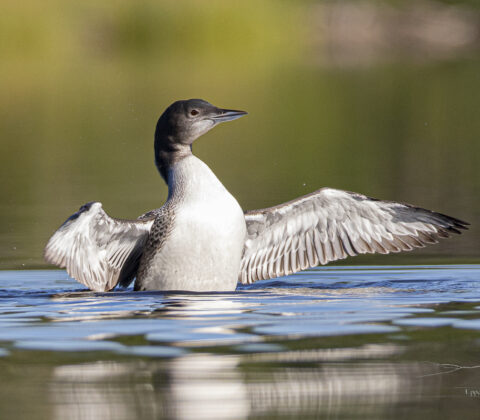
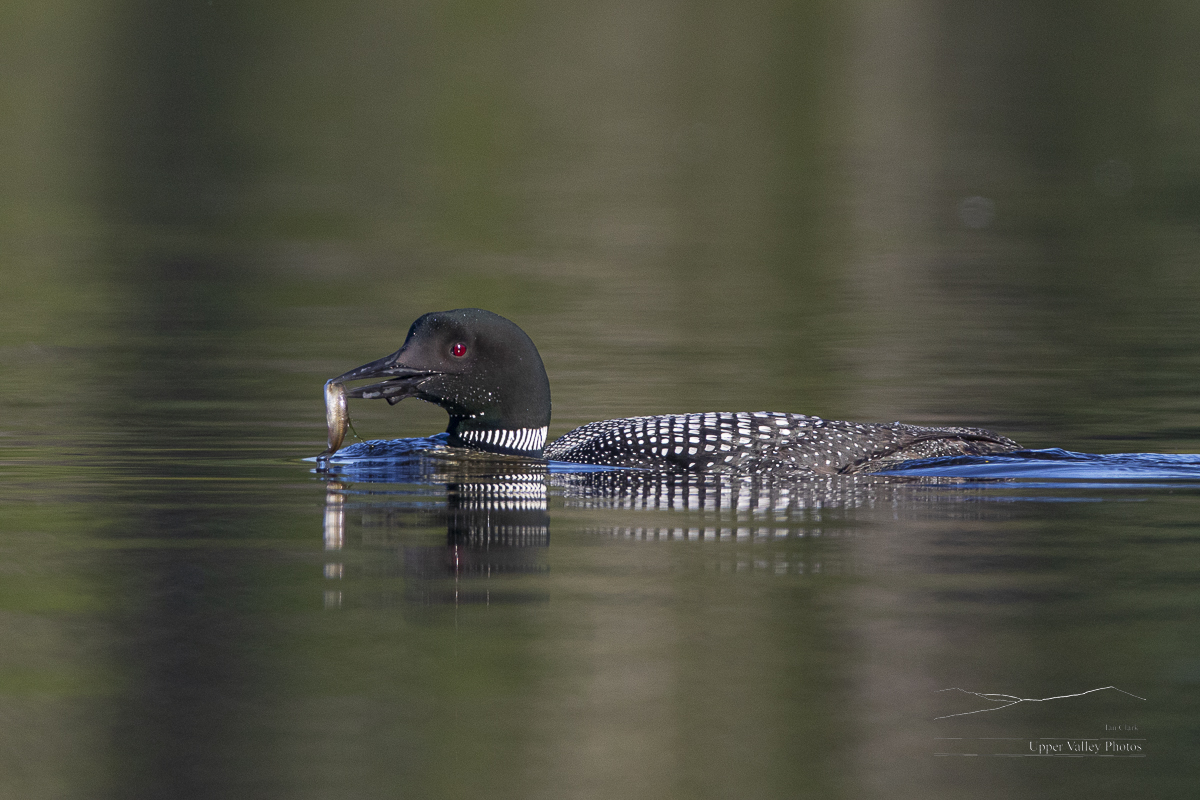
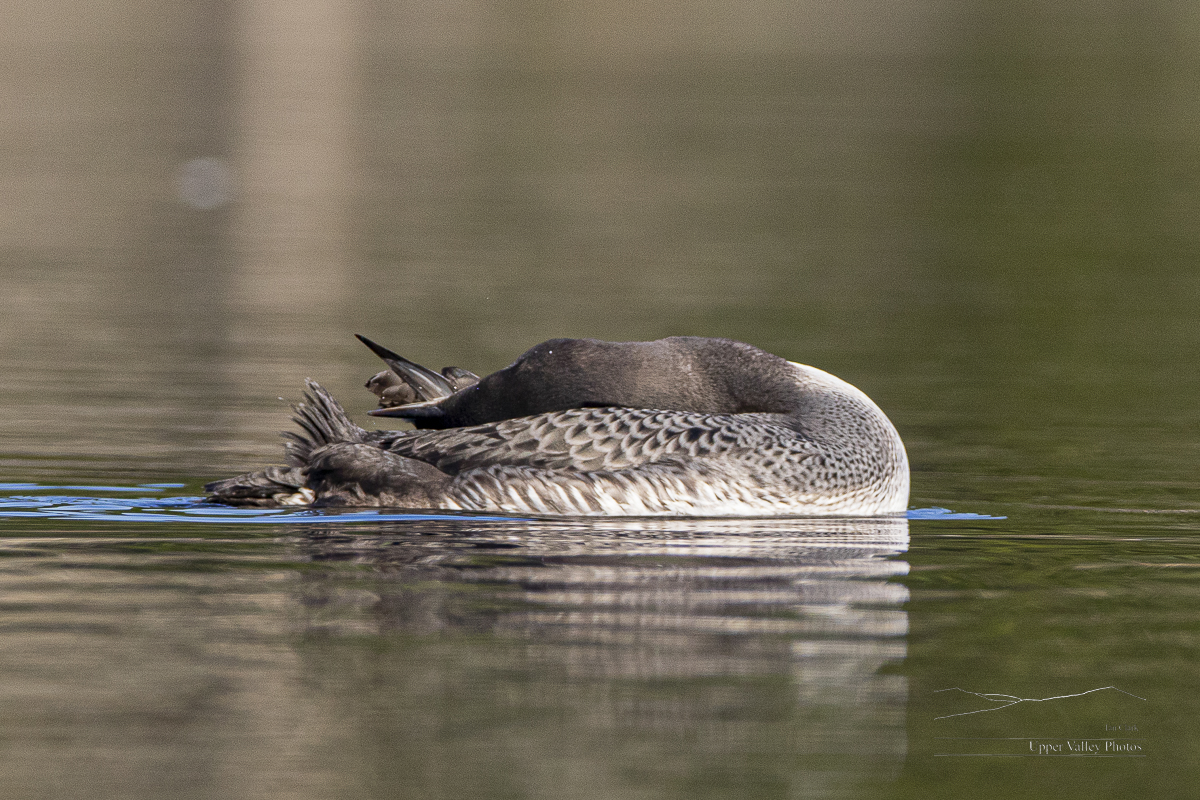
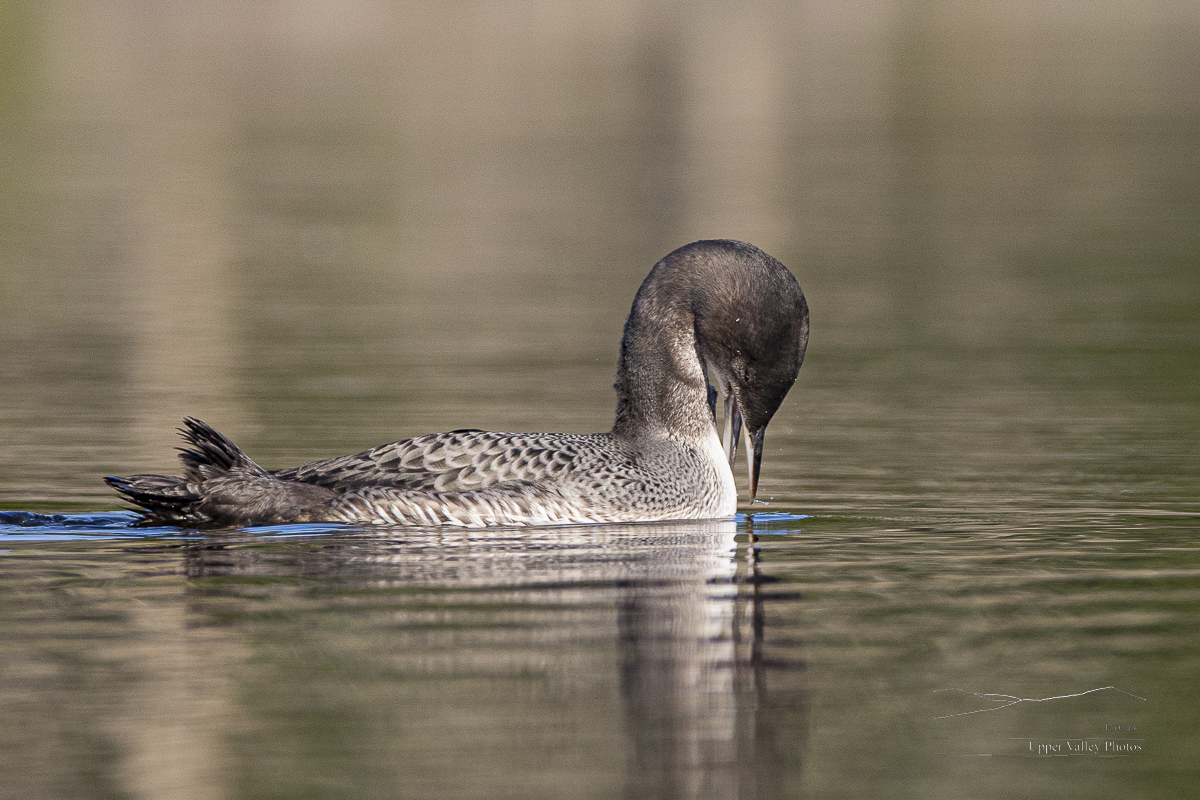
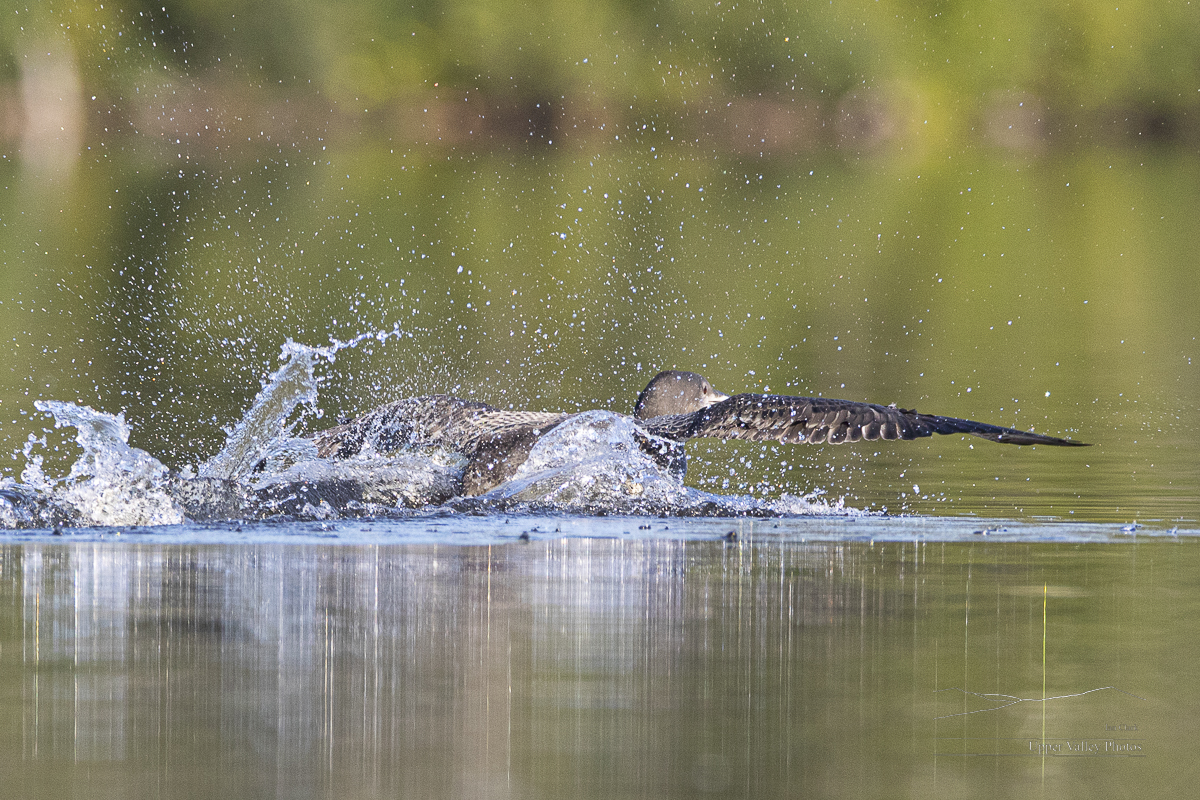
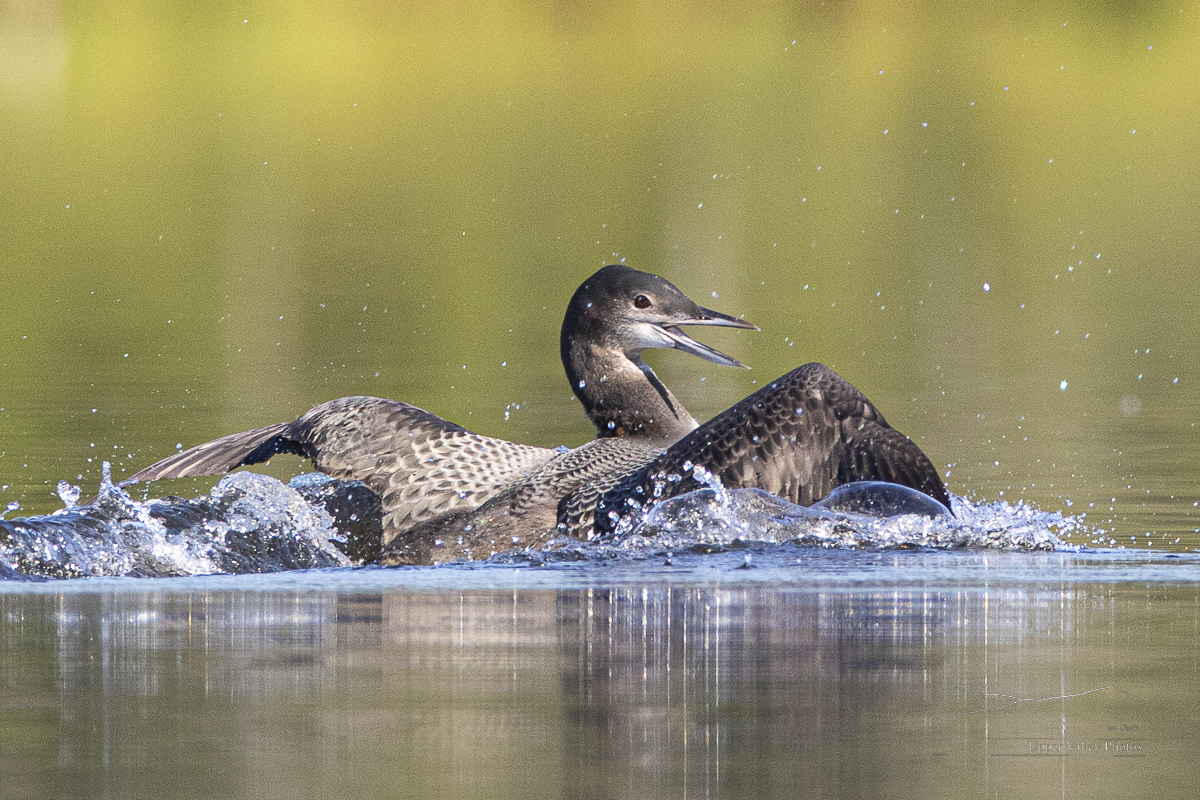
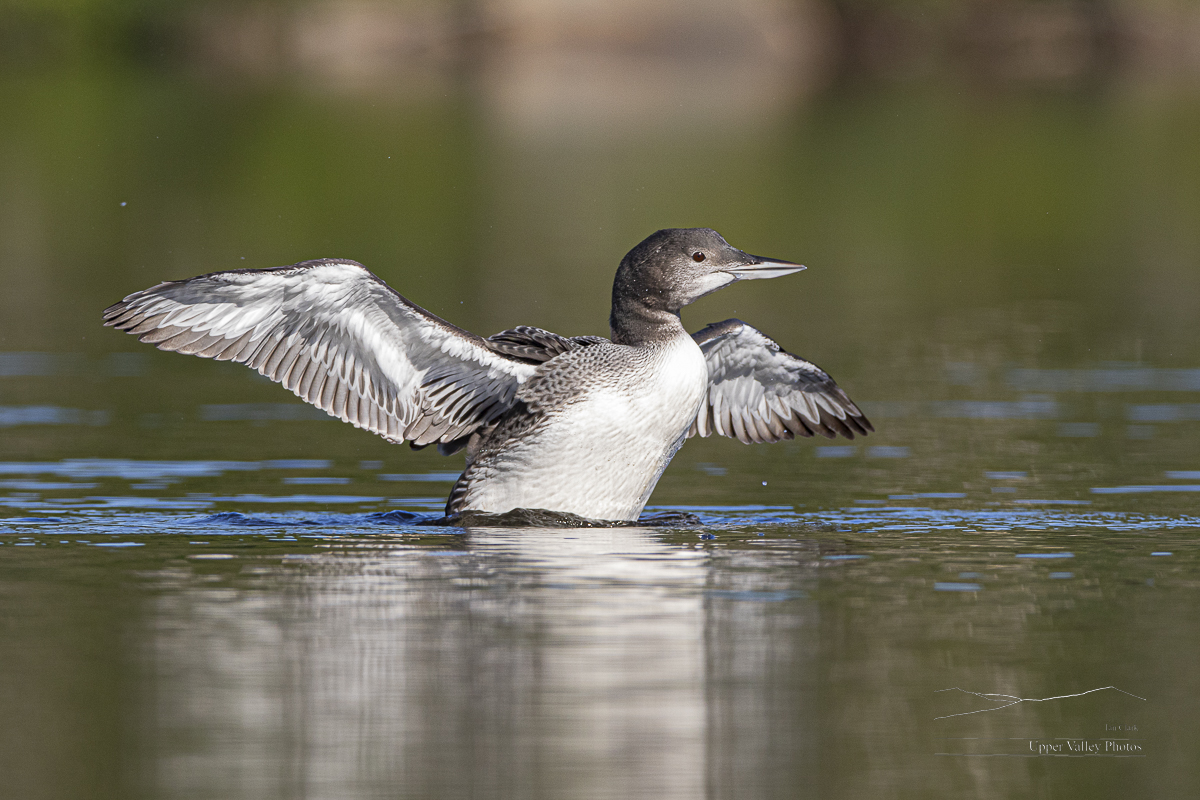
Yesterday, I got a chance to check up on the Eastons. The chicks are now eight weeks old and seem to be doing well. They’re big – nearly as big as their parents. Their feathers have grown in and their bills have elongated. They’re diving and foraging for themselves, but still expect their parents to feed them. They’re getting independent, for much of the morning the family was spread out over something like a third of a mile.
The morning started out with a beaver swimming by the family. The chicks were curious and swam to intercept the beaver. The beaver passed just a couple feet in front of them before circling back and slapping. Both parents rapidly arrived on scene. The parents keep a good eye out under water as the family retreated.
I’ll get out to check on our other families as promptly as I can, stay tuned!
Loon Chicks at Five and Six Weeks
Two of our loon families chicks are now six weeks old, the other family’s chick is five weeks. Let’s check in to see how they’re doing, as well as seeing what a few other critters are up to.
I’m going to miss posing next week, I’ll be down at the League of New Hampshire Craftsmen’s Fair in Sunapee. I’ll have lots of new prints and cards, I’m in booth 725, stop by and say hello.
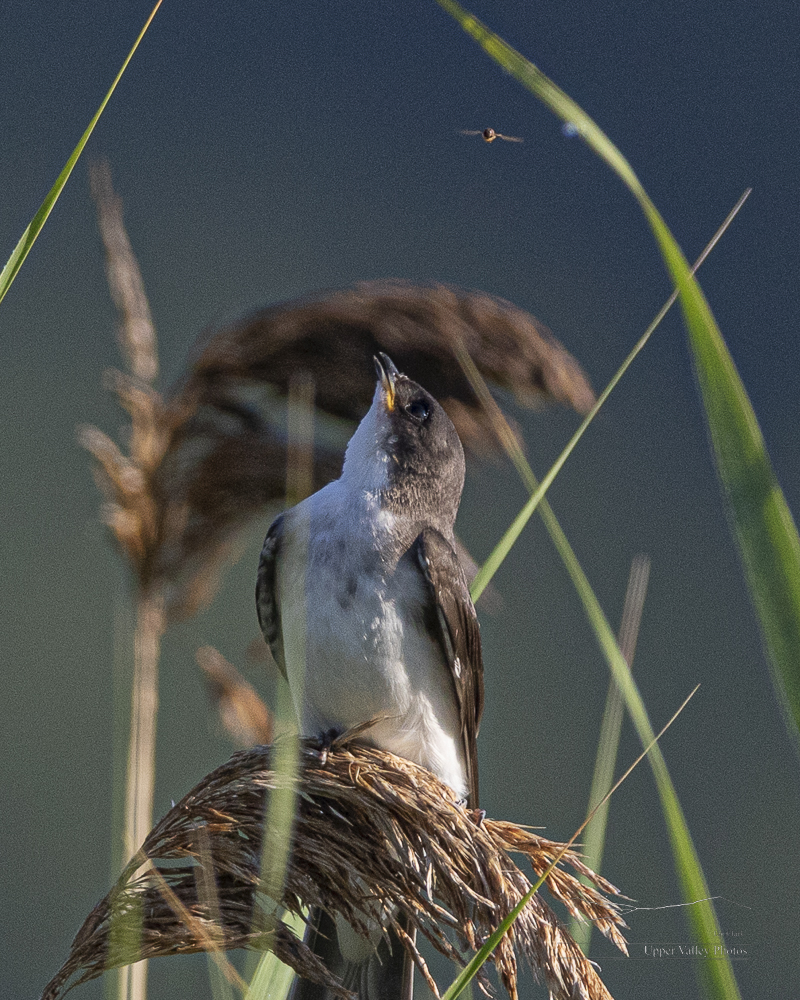
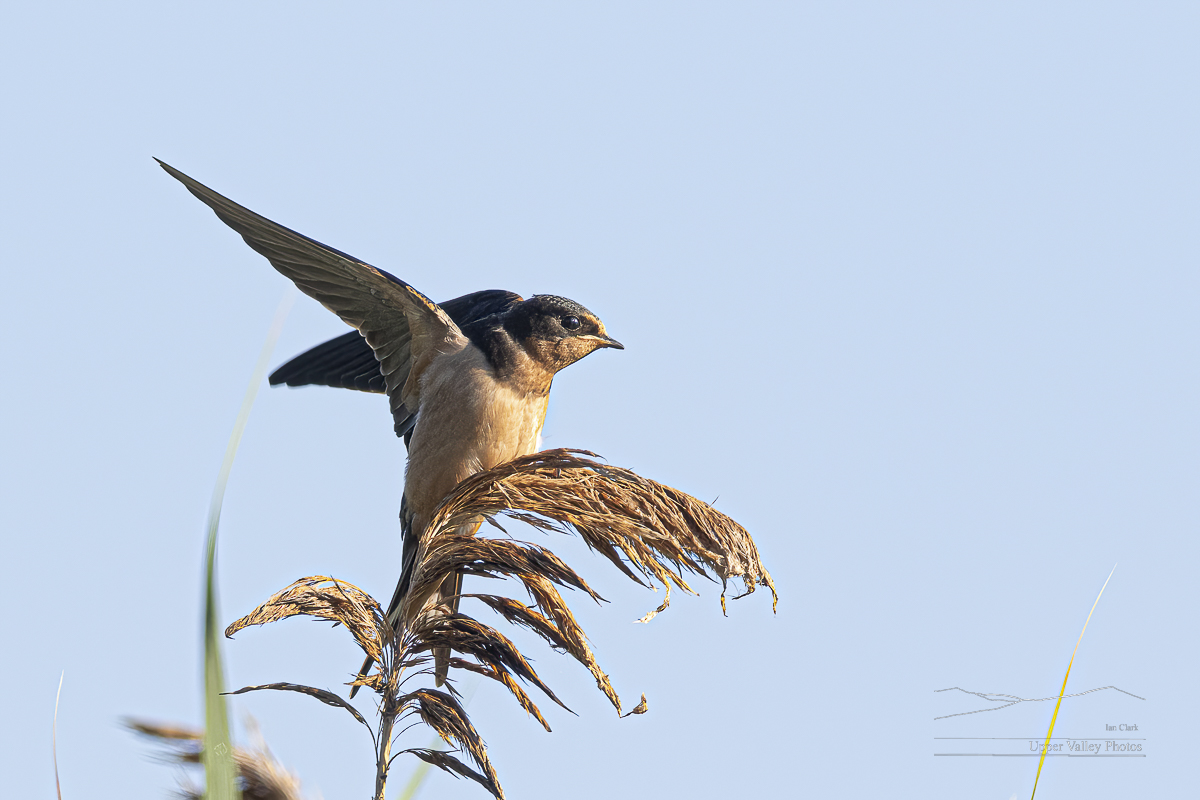
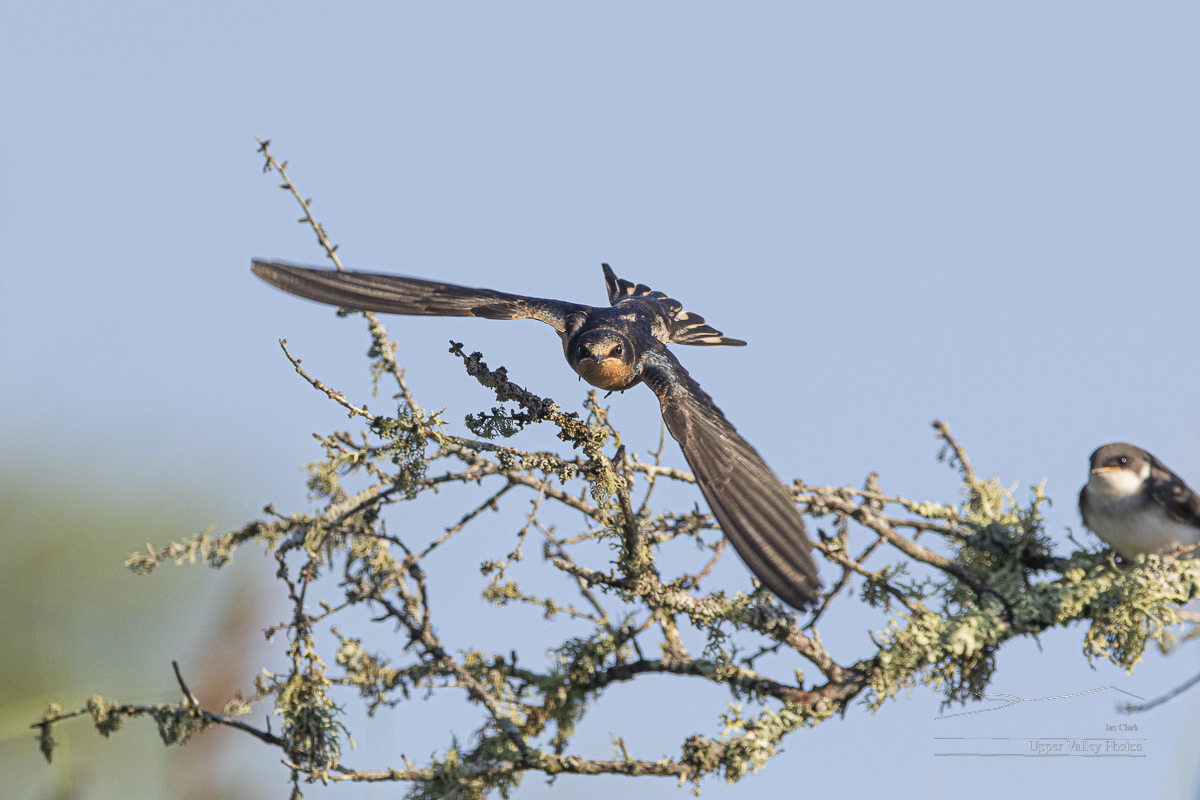
And, yes, yes that bee hovering above the swallow from my last post did survive to buzz another day. Apparently, I should have added that to the caption…. Surprising how many people were concerned for the bee…
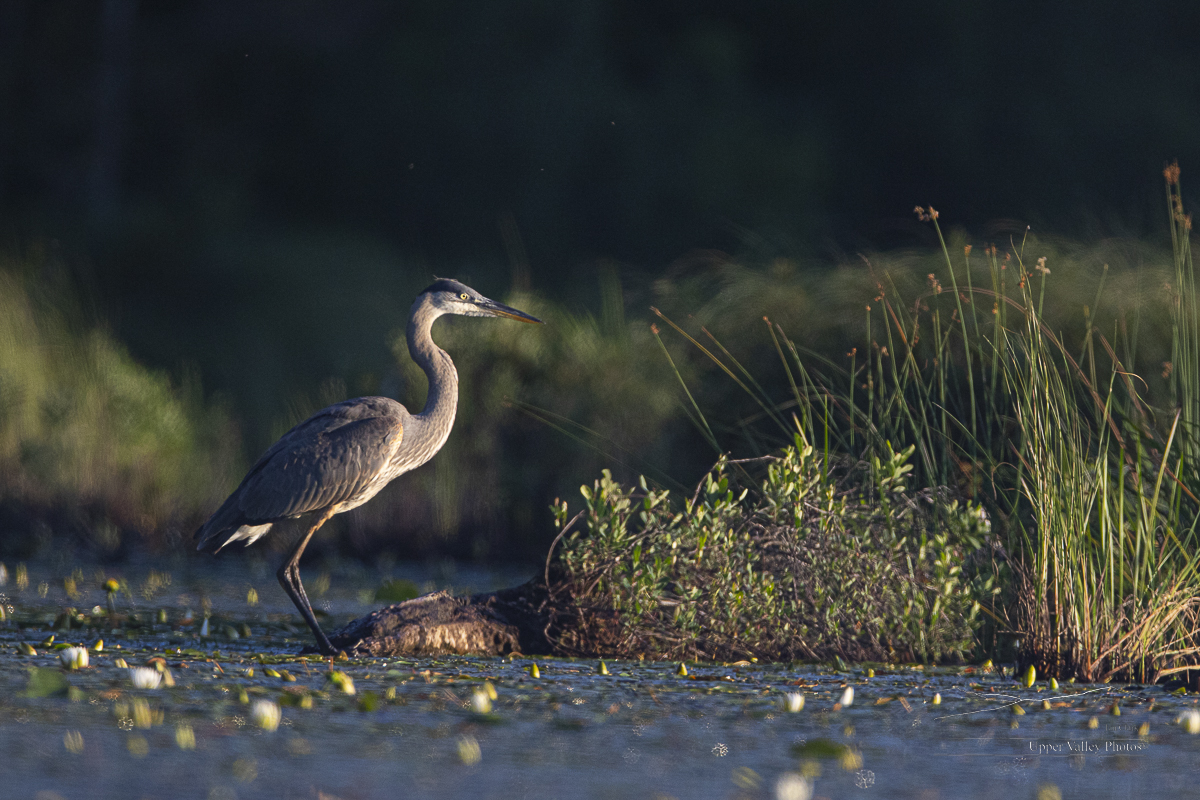
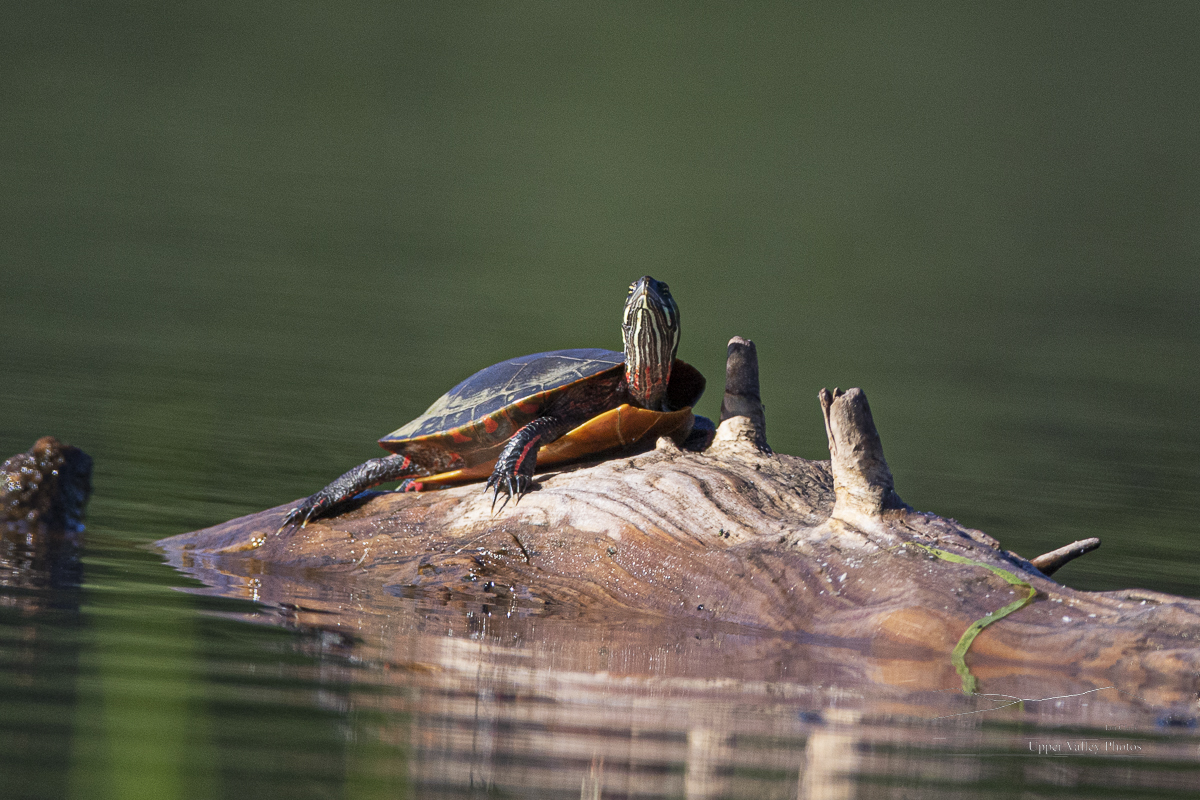
The Weston’s remaining chick (on the western pond I’m watching) is doing well. There was an intruder in the neighborhood again, the parents were alerted and searching for him. I didn’t see any interaction with the intruder and the chick made only brief appearances while mostly hiding in the brush. There were a few other animals around.
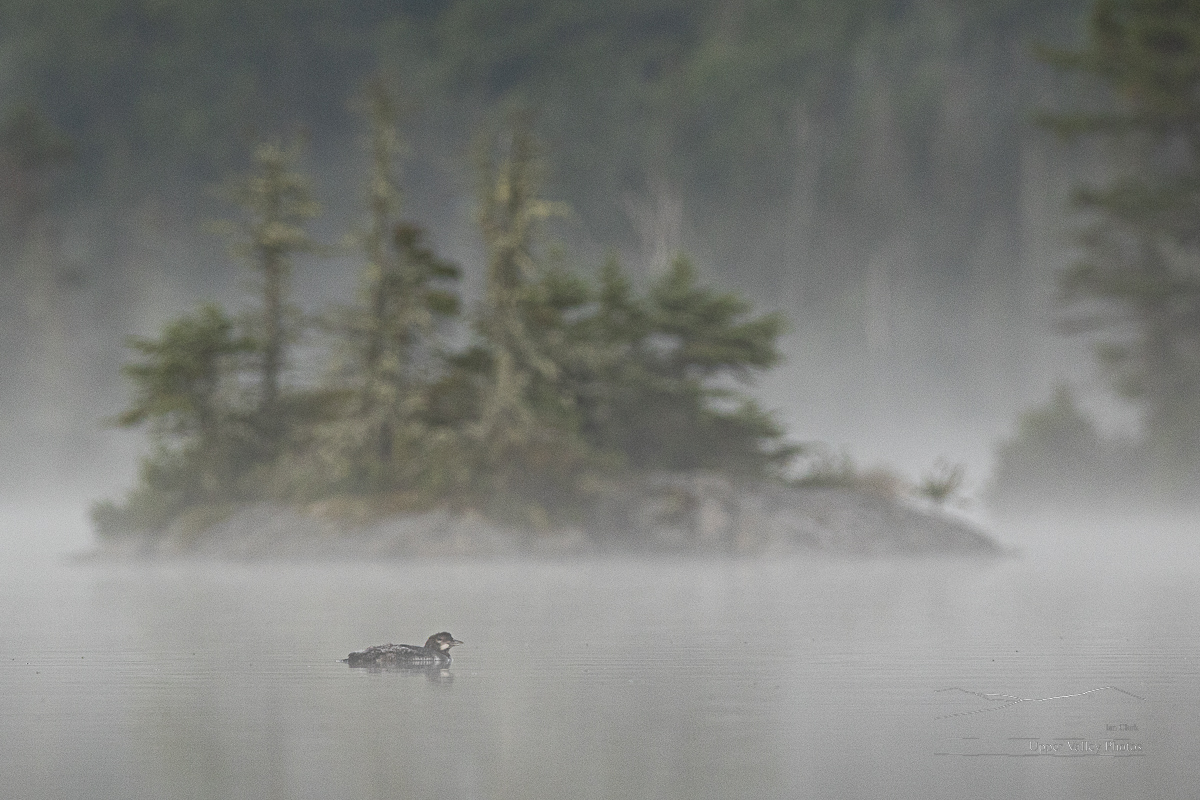
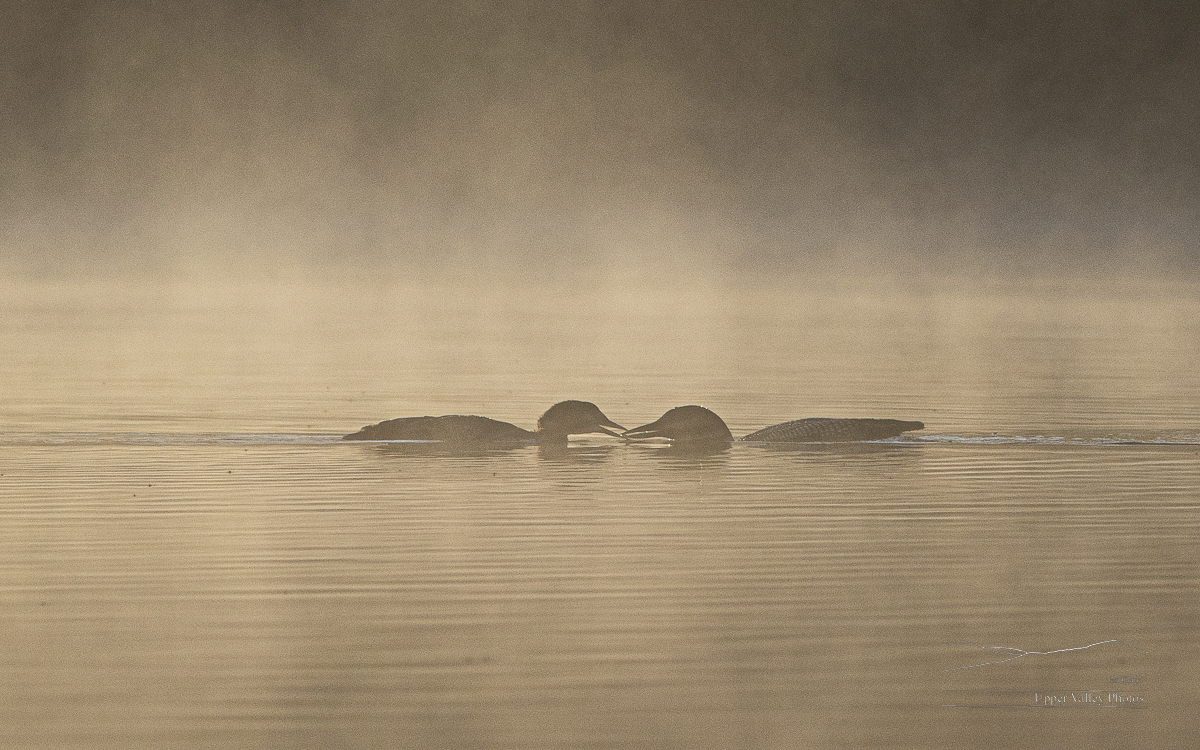
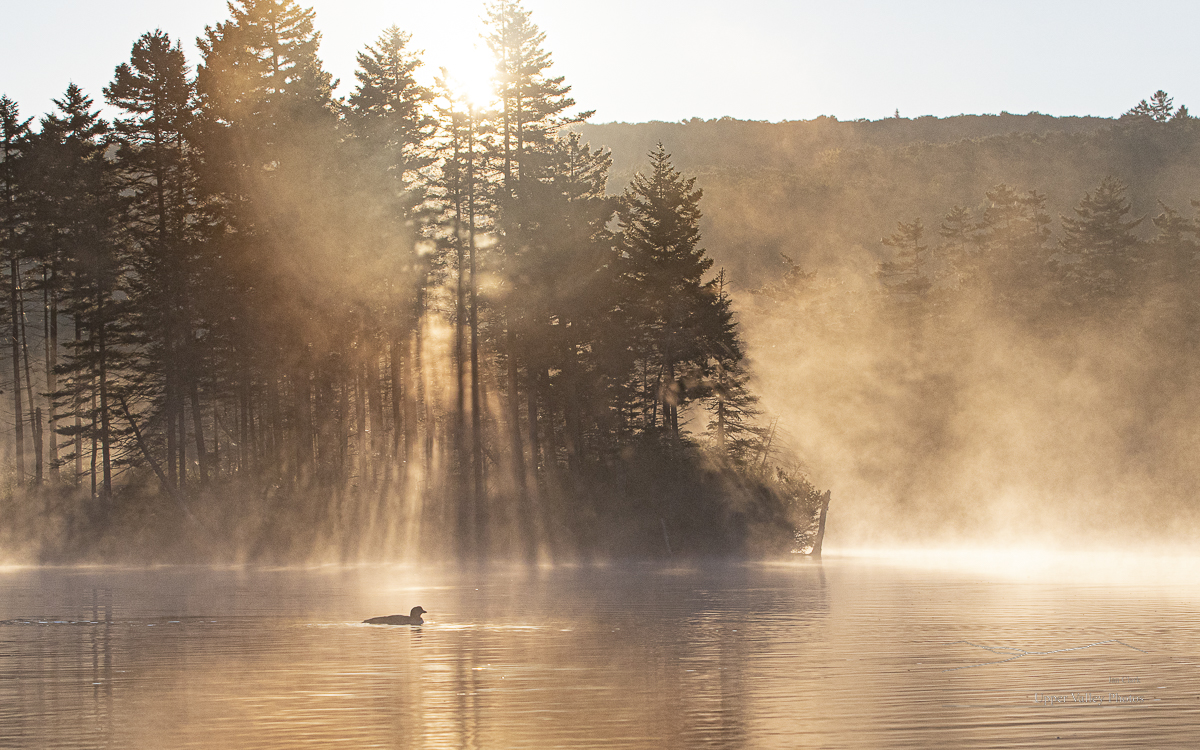
I made three visits to the Eastons before getting good conditions for photography. The first two mornings were peaceful, this morning they faced an intruder.
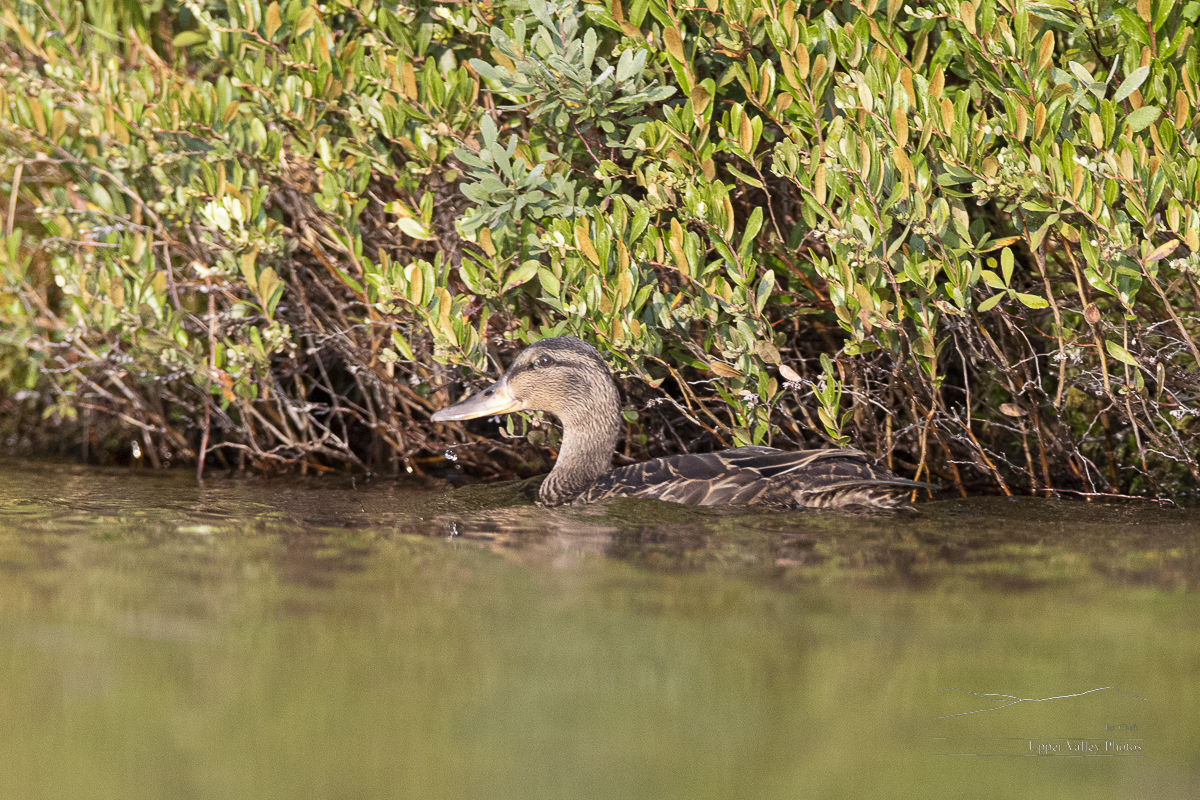
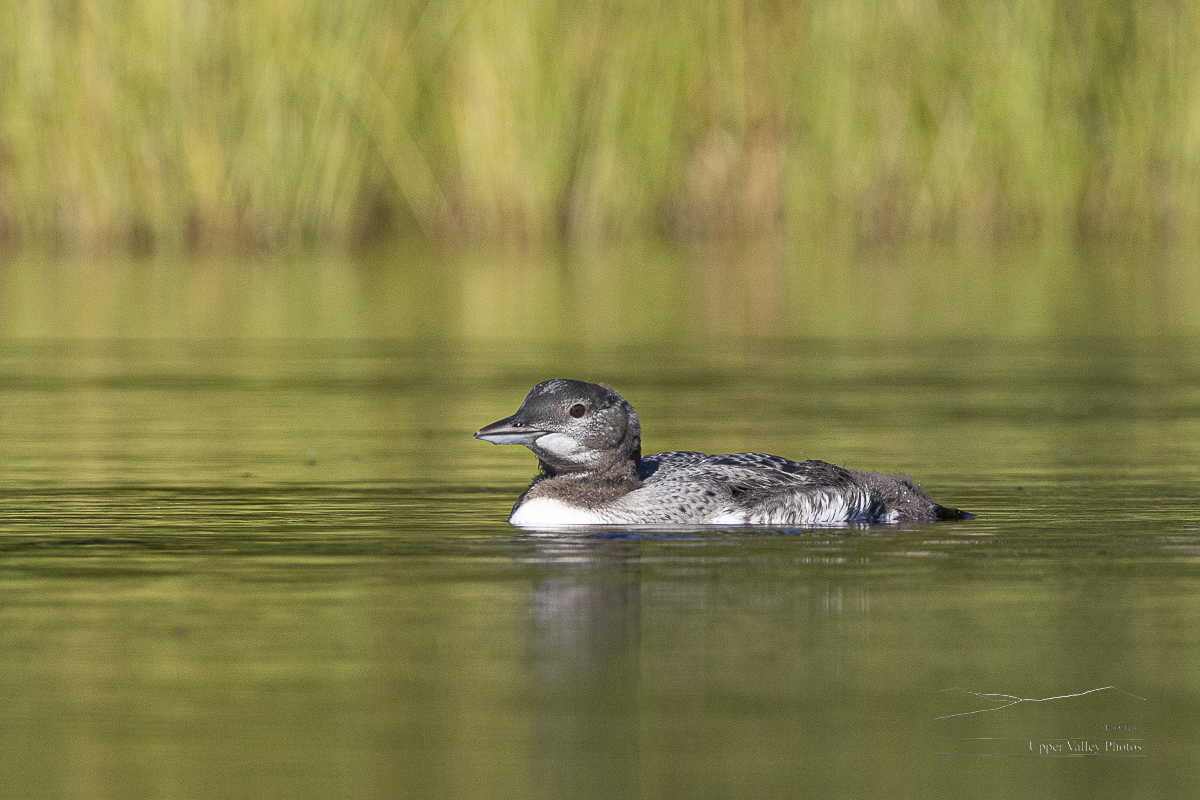
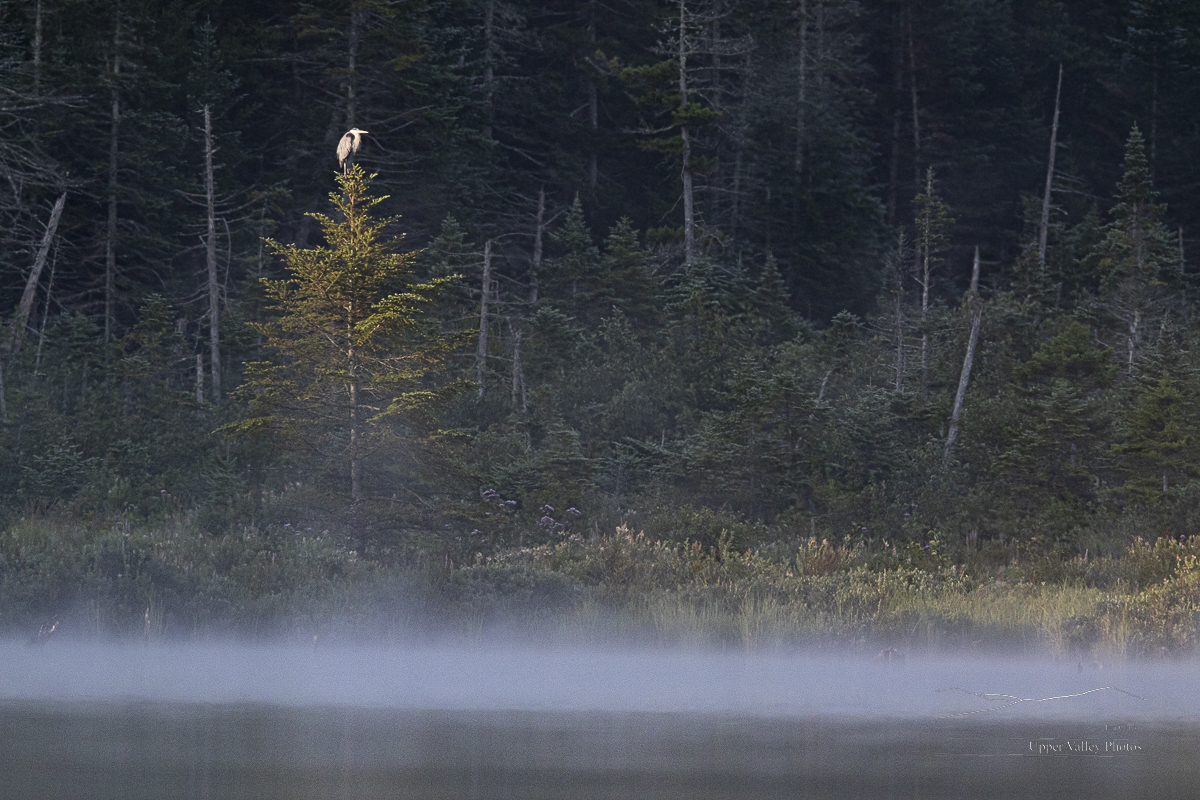
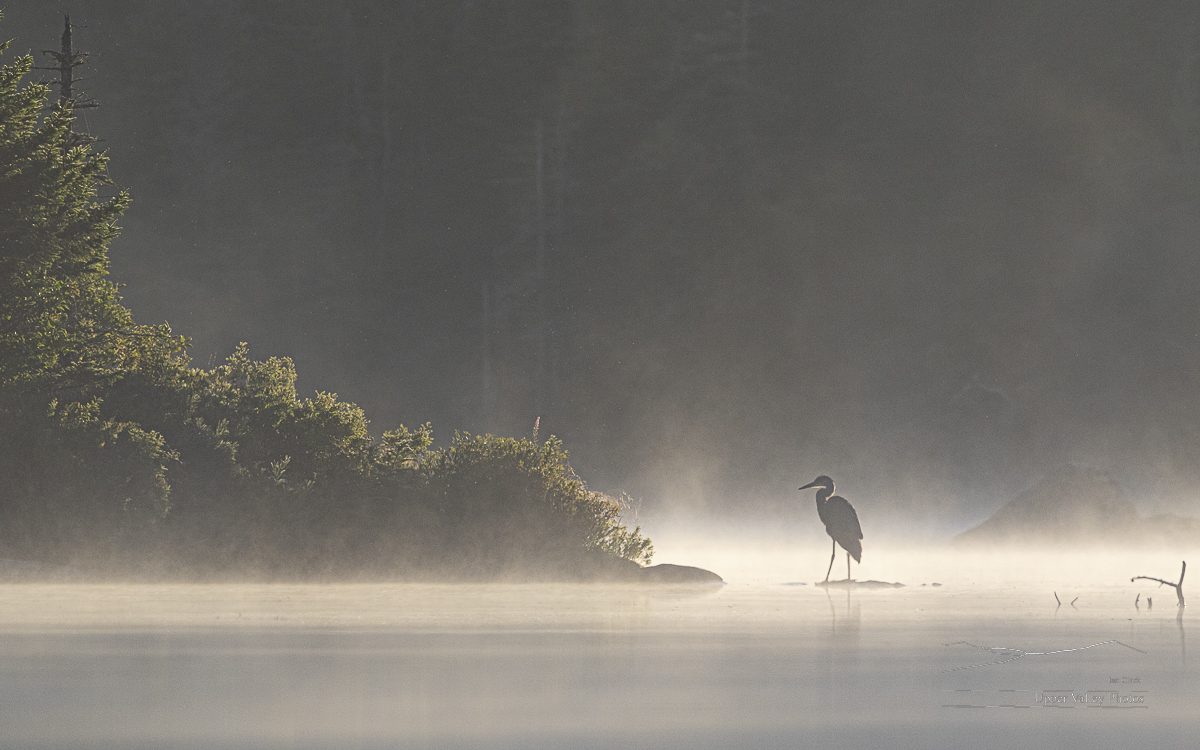
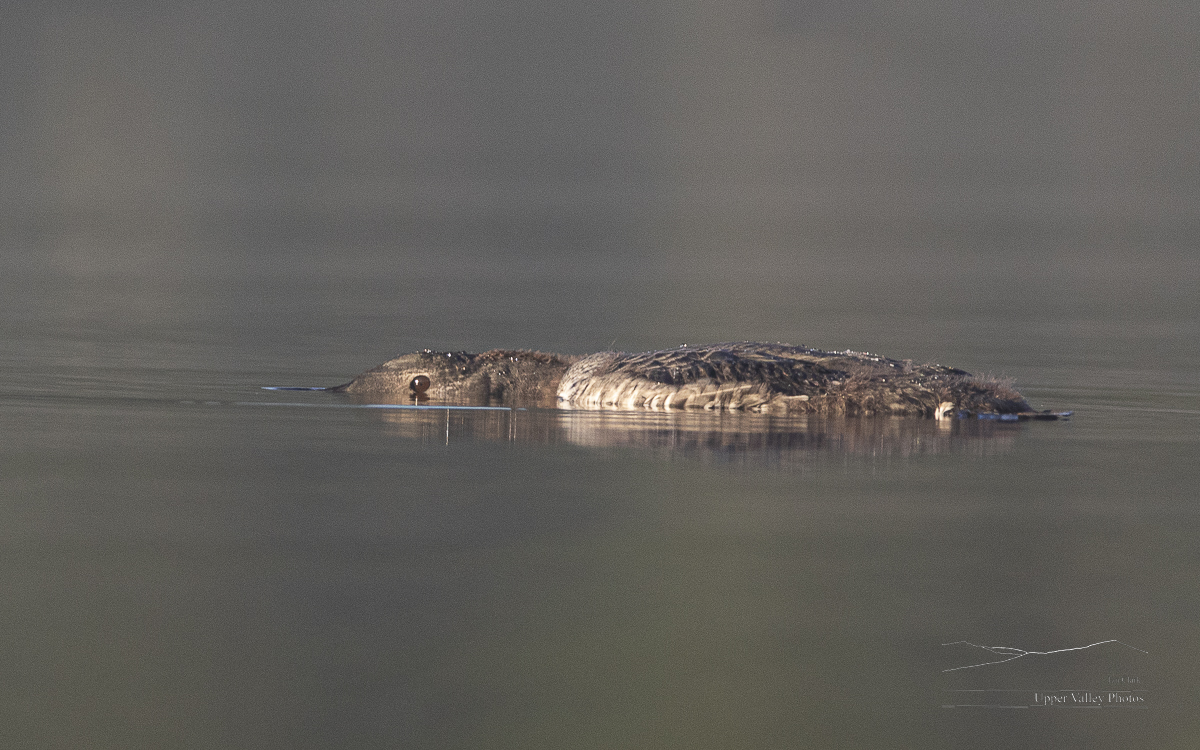
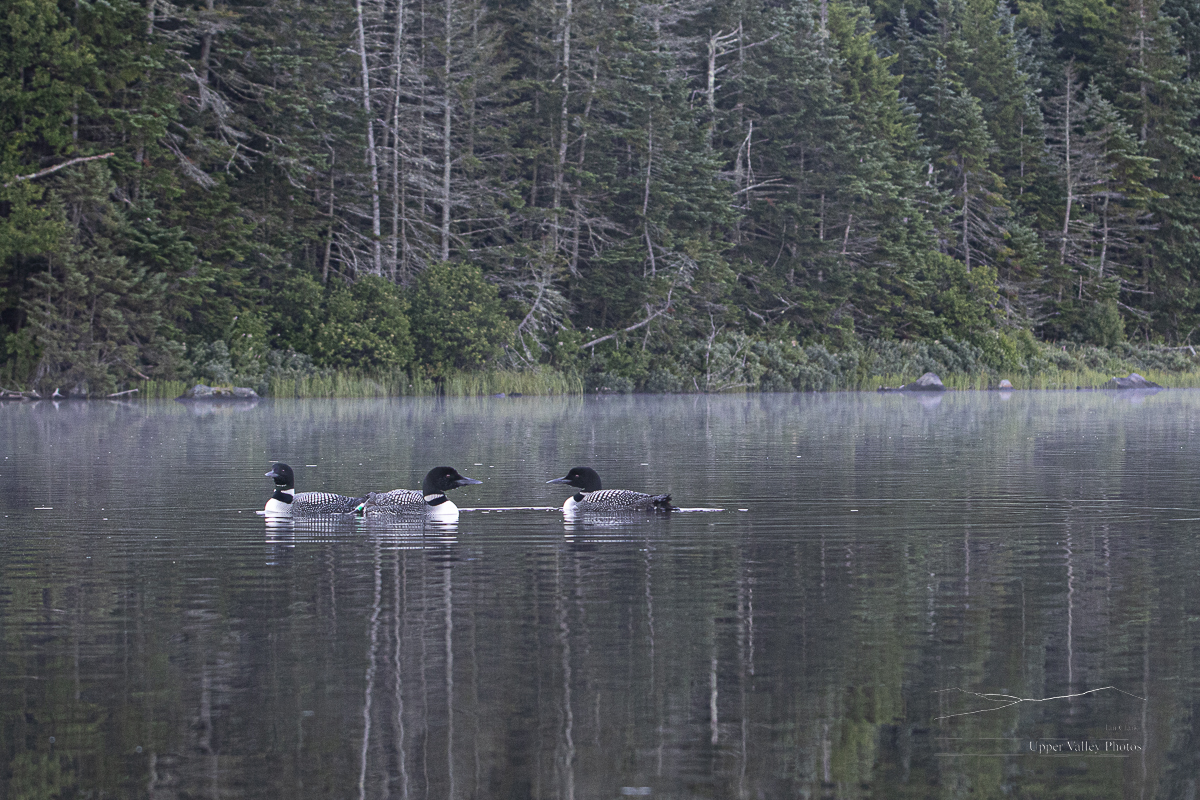
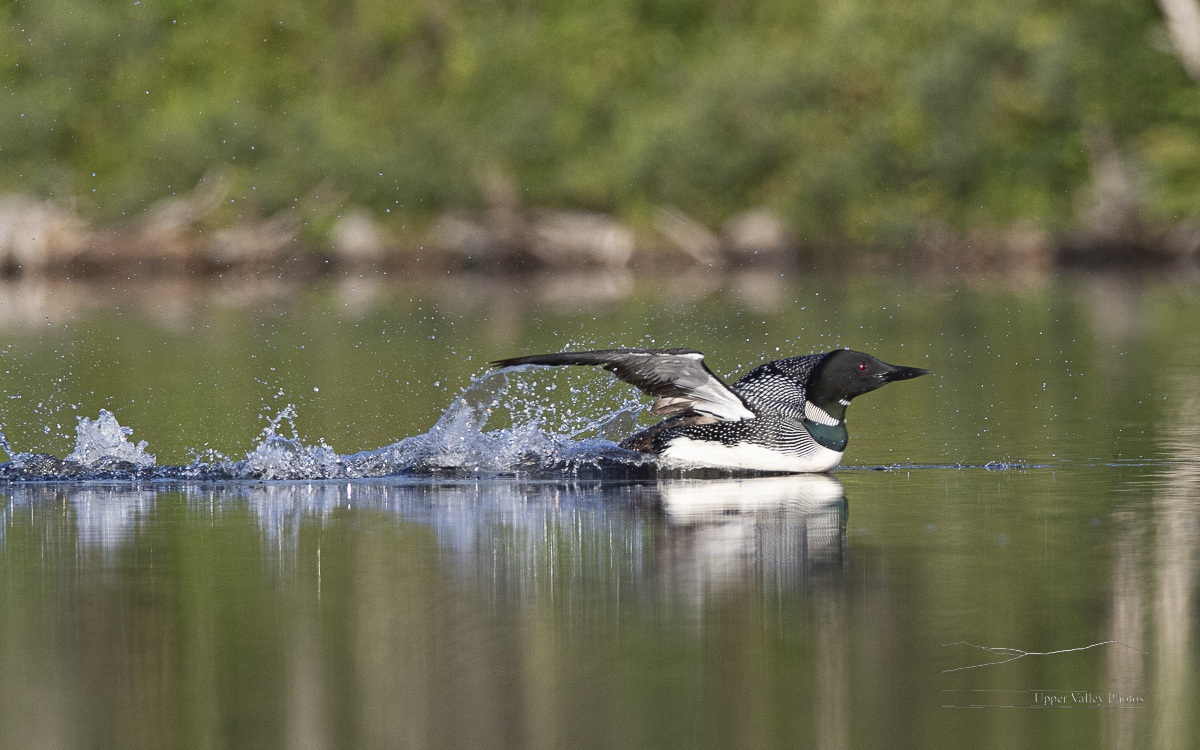
“
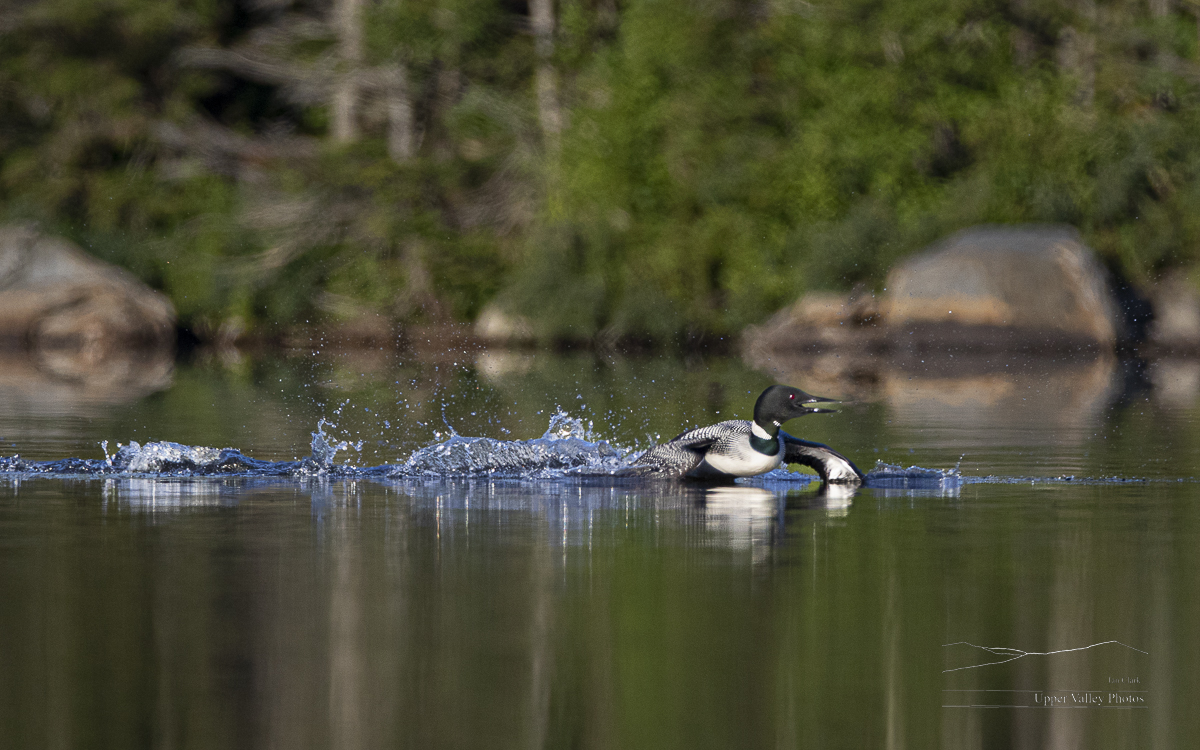
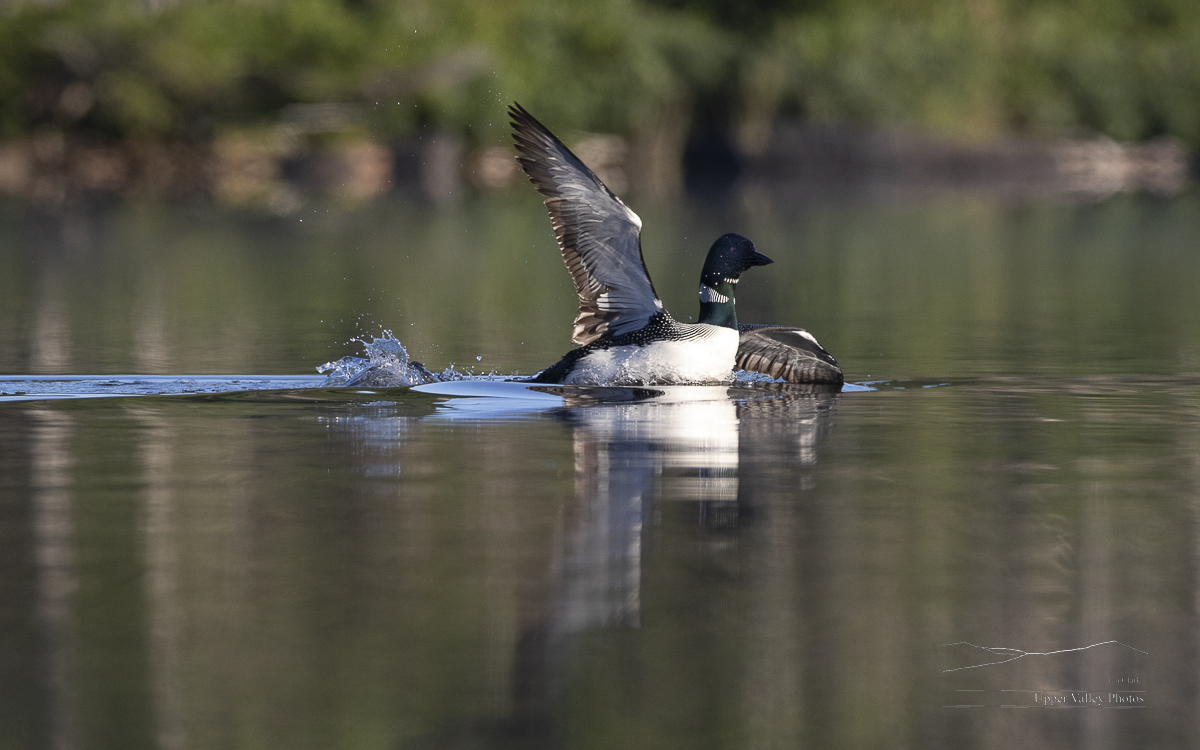
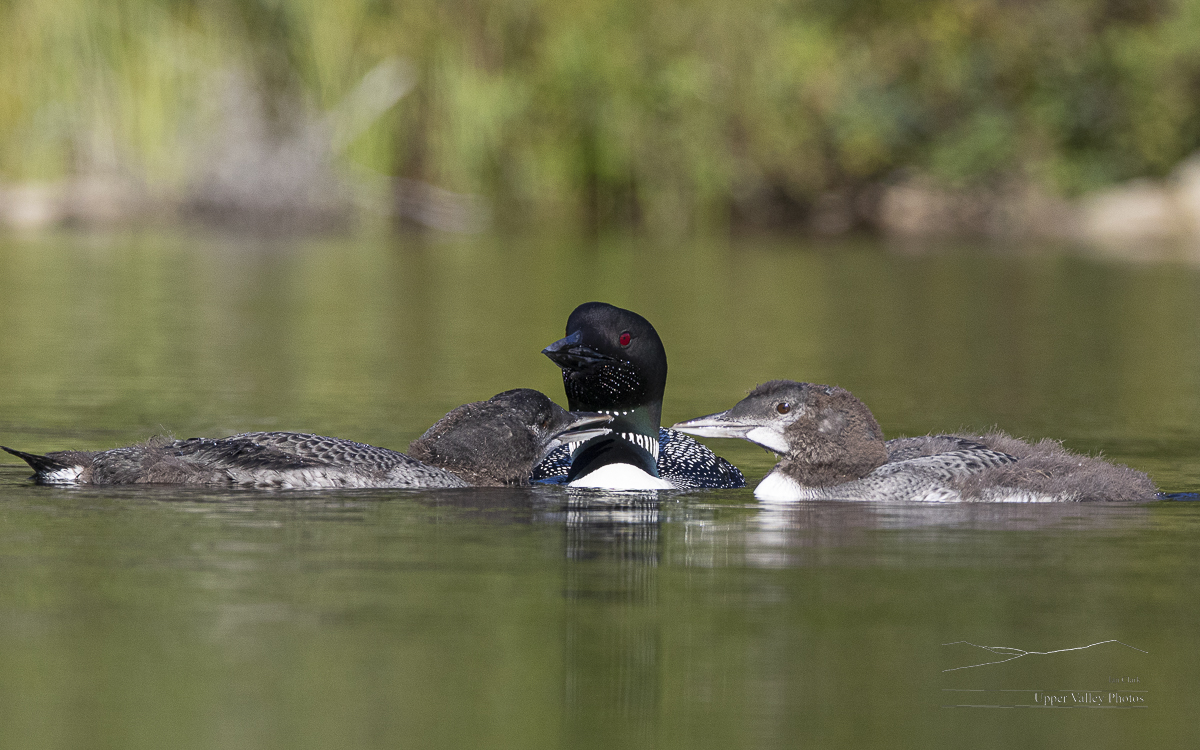
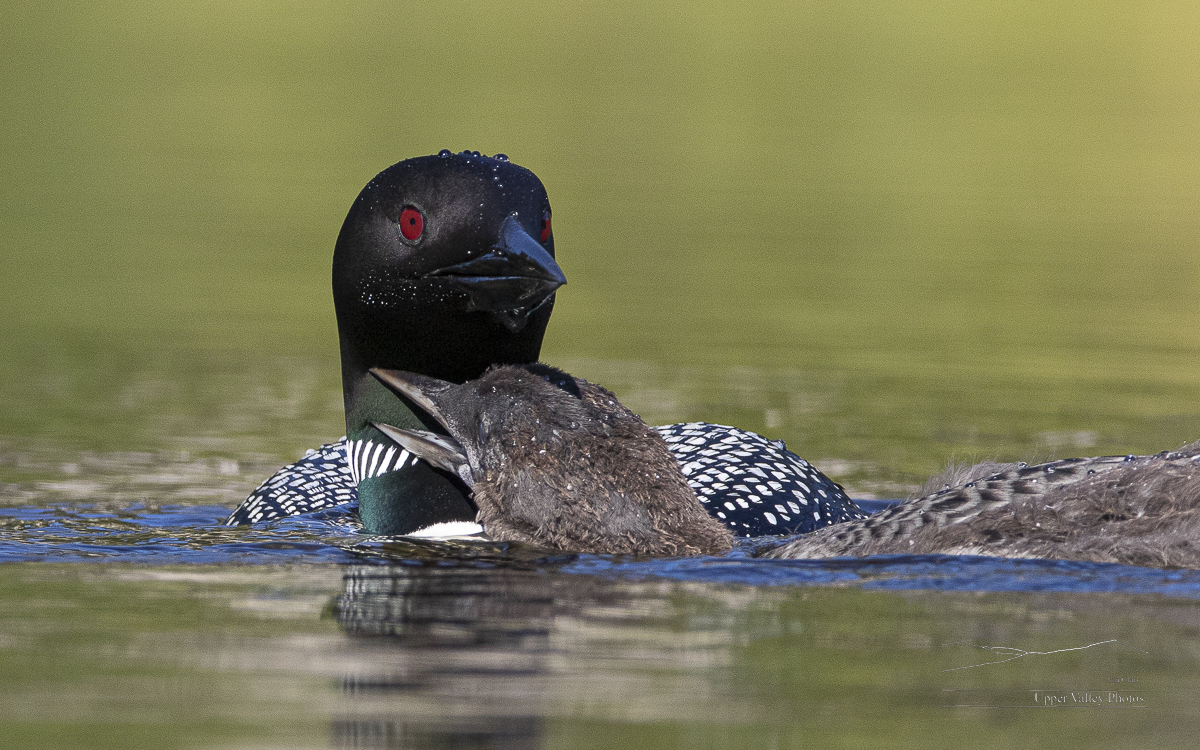
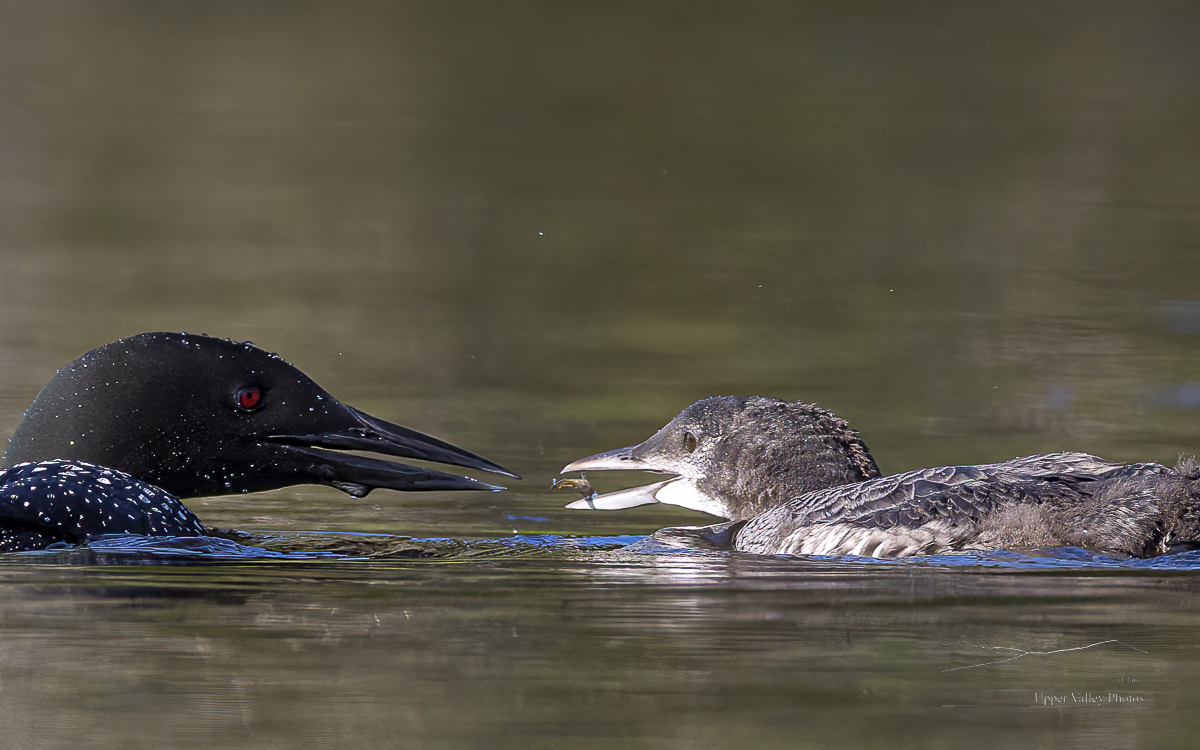
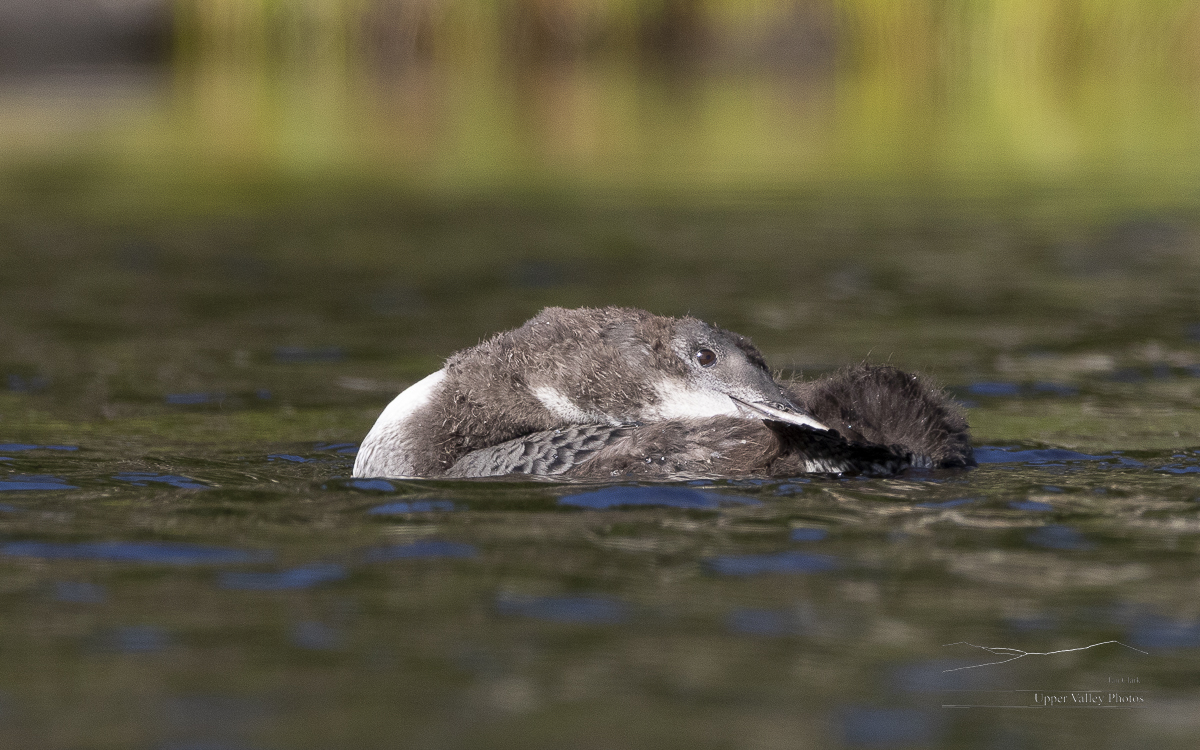
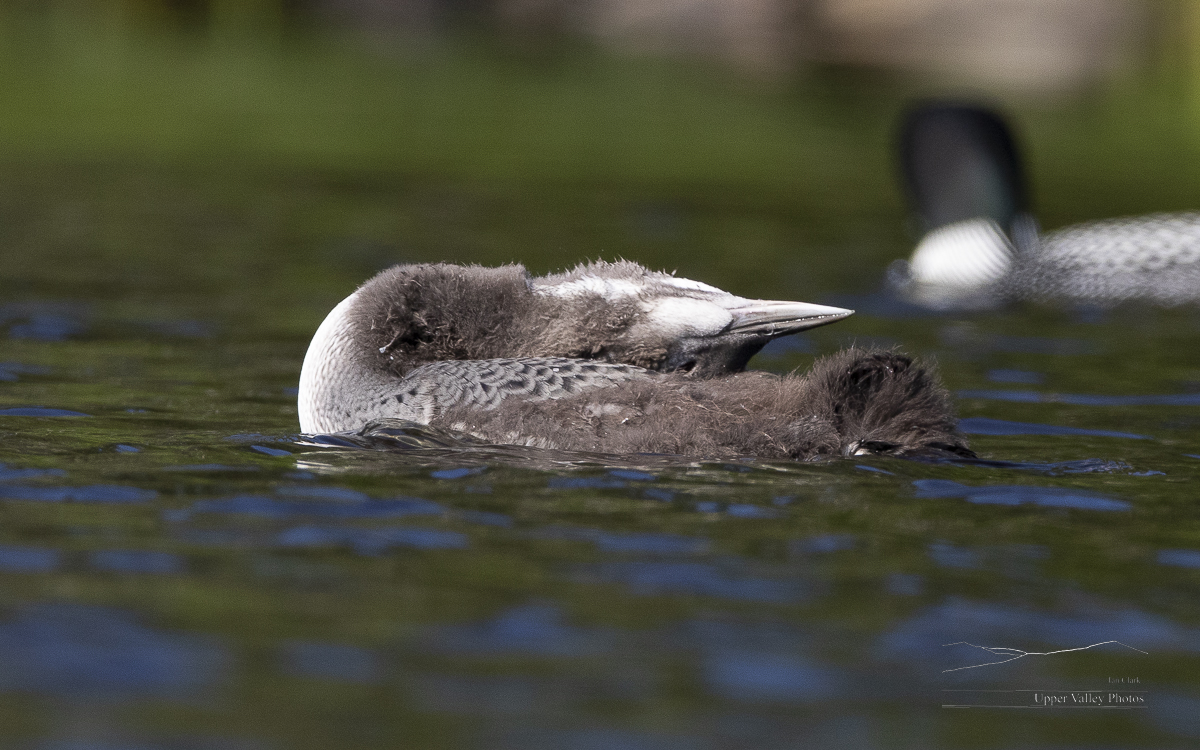
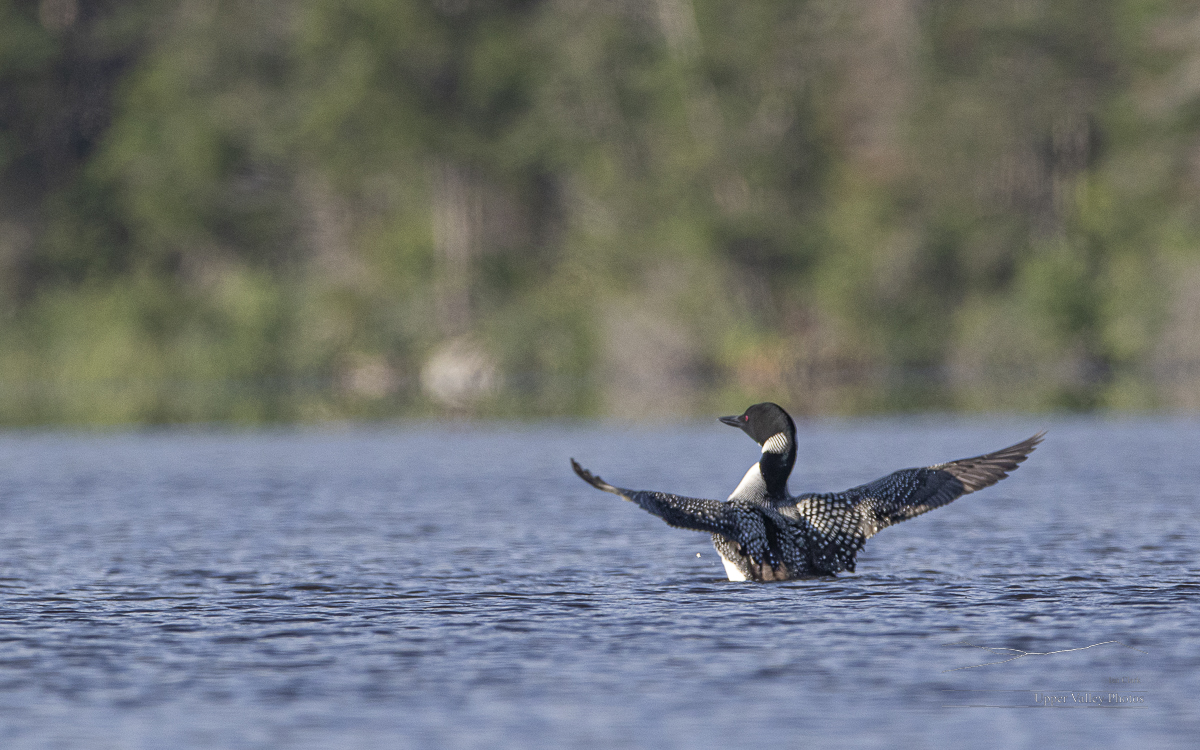
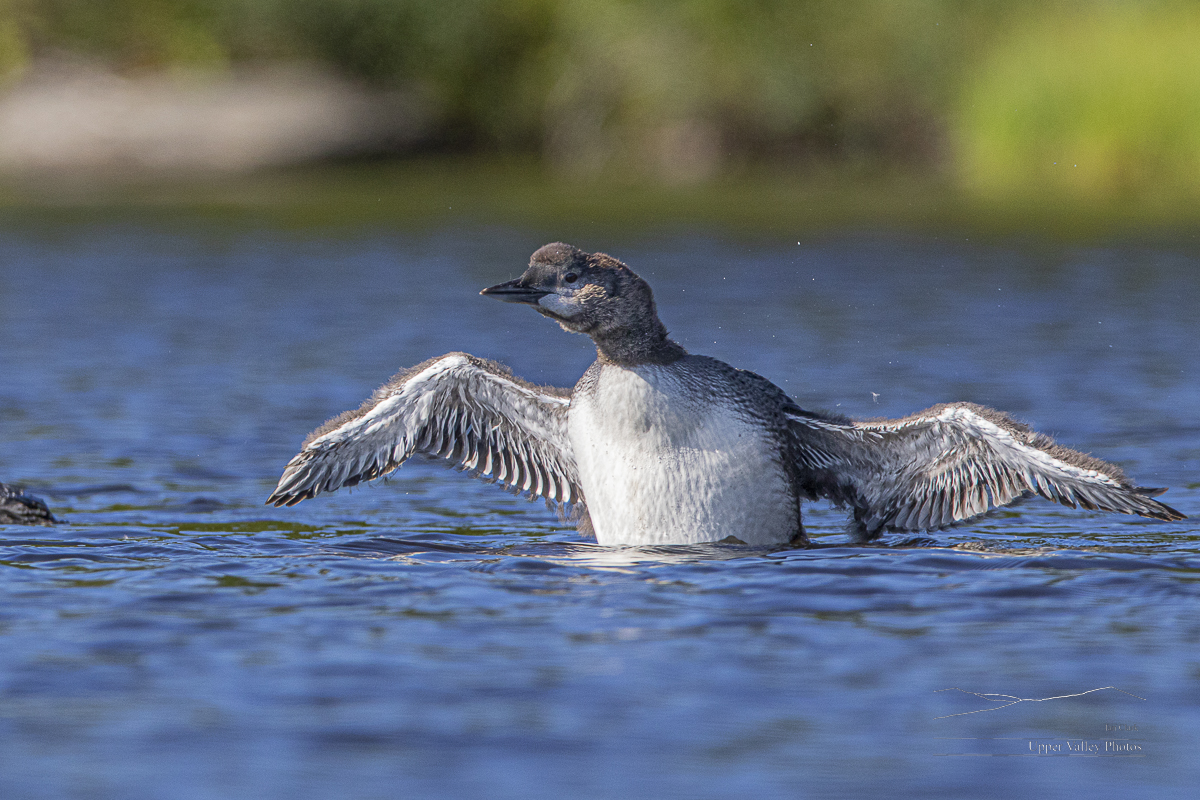
The intruder stayed at the far end of the pond for the remainder of the time I was on the pond. I’m looking forward to getting back up to visit them again.
If you like my posts, please feel free to share them on your social media with the really annoying buttons on the left (they shouldn’t be showing up on mobile devices).
Loon Chicks At Four And Five Weeks
The loon chicks to my east are five weeks old this weekend. All four on both ponds, the ‘Eastons’ and the ‘Middletons,’ seem to be doing well. The pond to my west, the ‘Westons,’ has sad news, the parents have lost a chick.
Our bluebirds’ second brood is ready to fledge. Wednesday afternoon the adults started calling to the chicks to leave the box. Thursday they were more insistent. Friday they sounded impatient. Saturday morning, two of the four chicks left the box. This morning their are still two chicks in the box. Mom and dad have stopped calling, they’re busy feeding the two that fledged. The two in the box are looking out the door, trying to get up the courage to make the leap.
The League of New Hampshire Craftsmen’s Fair is August 6-15, I’ll be there with lots of wildlife prints, cards and more. Other images are available through my web site, www.IanClark.com. It takes me some time between capturing an image and getting prints made. If you see a photo that you’d like in one of my posts, send me an email and I’ll bump that image to the head of the queue.
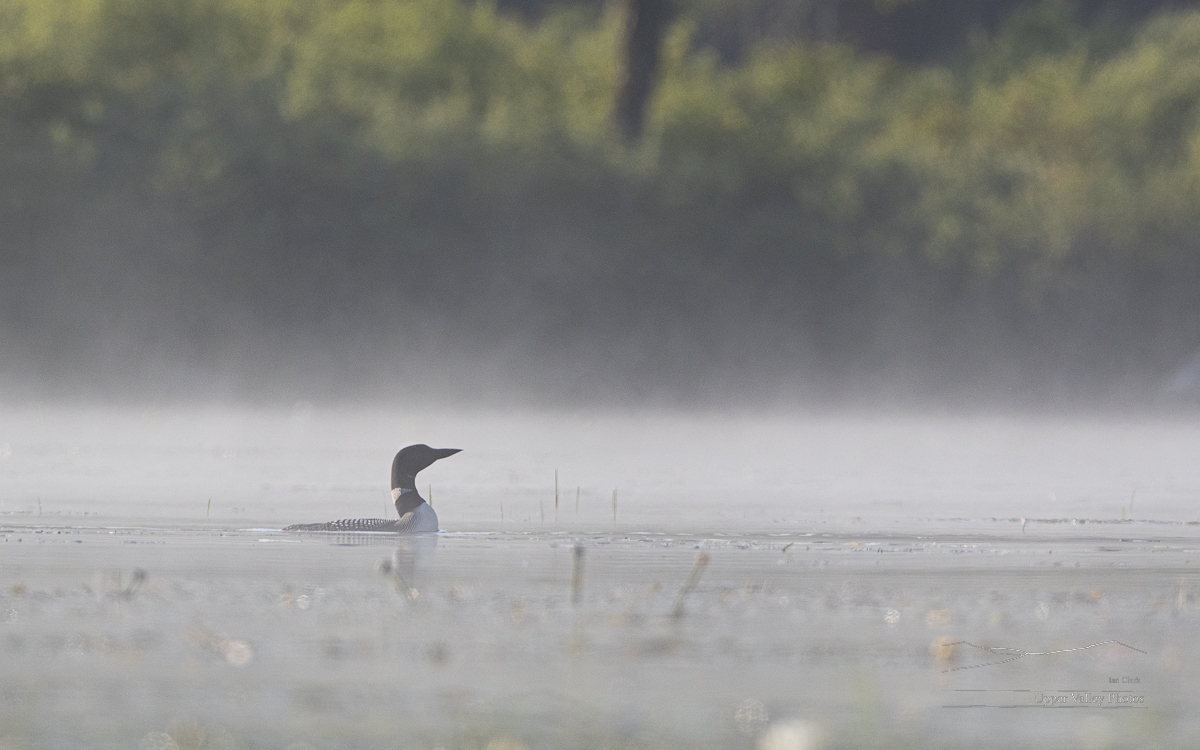
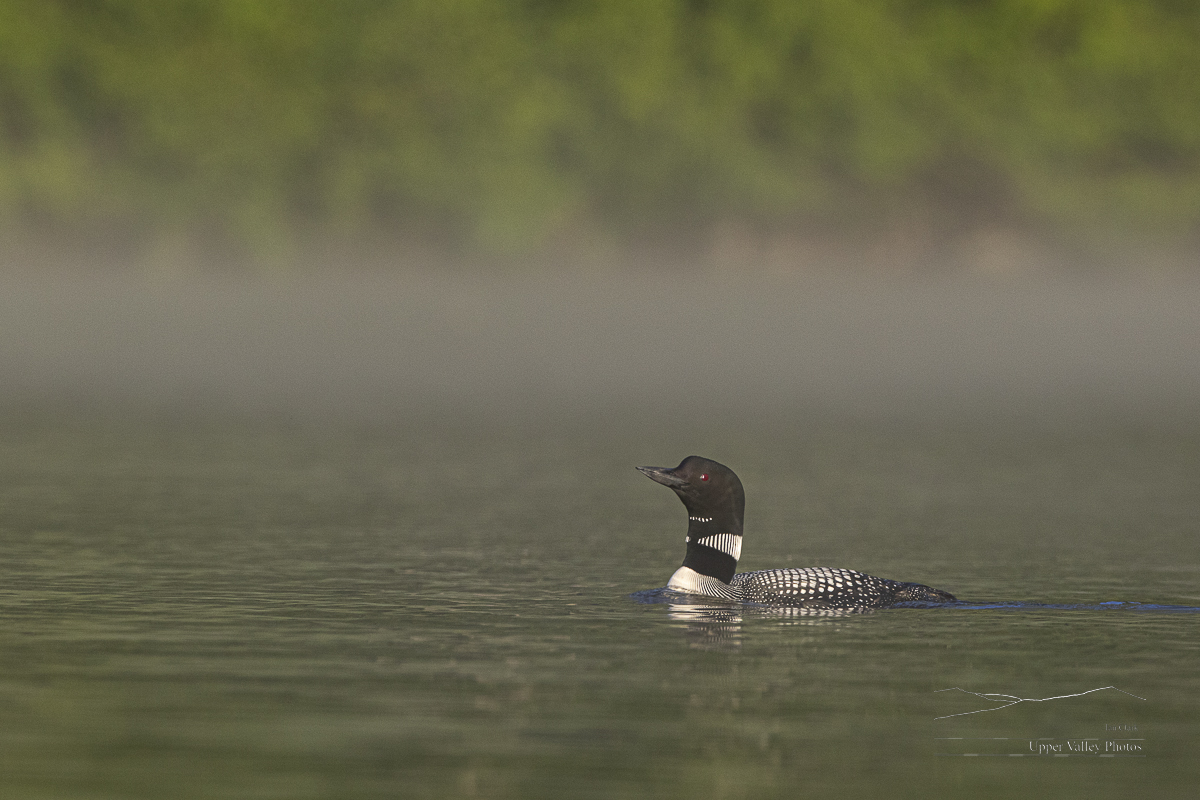
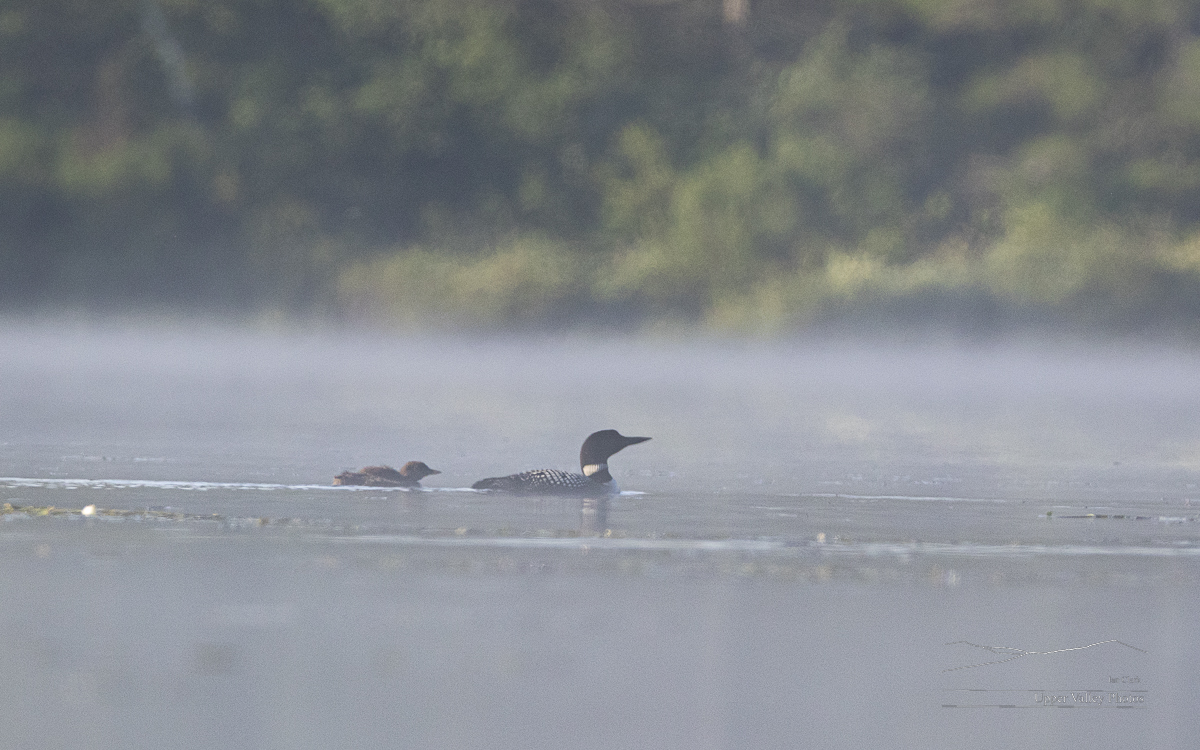
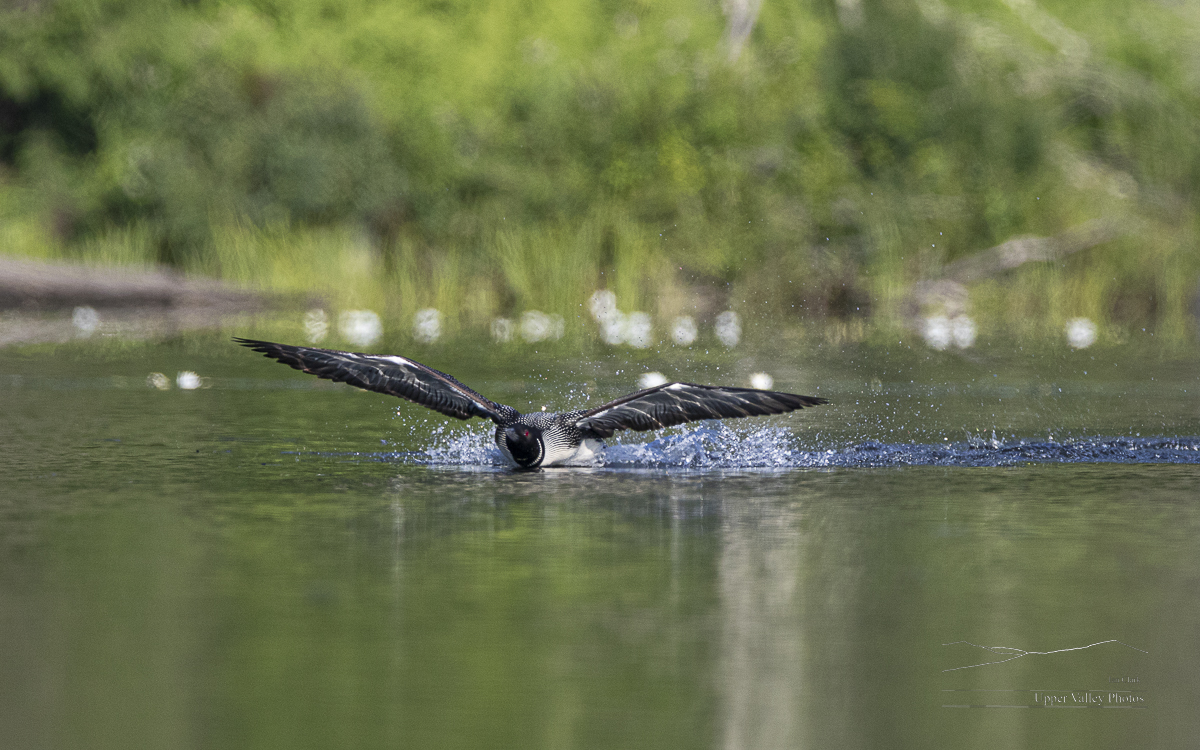
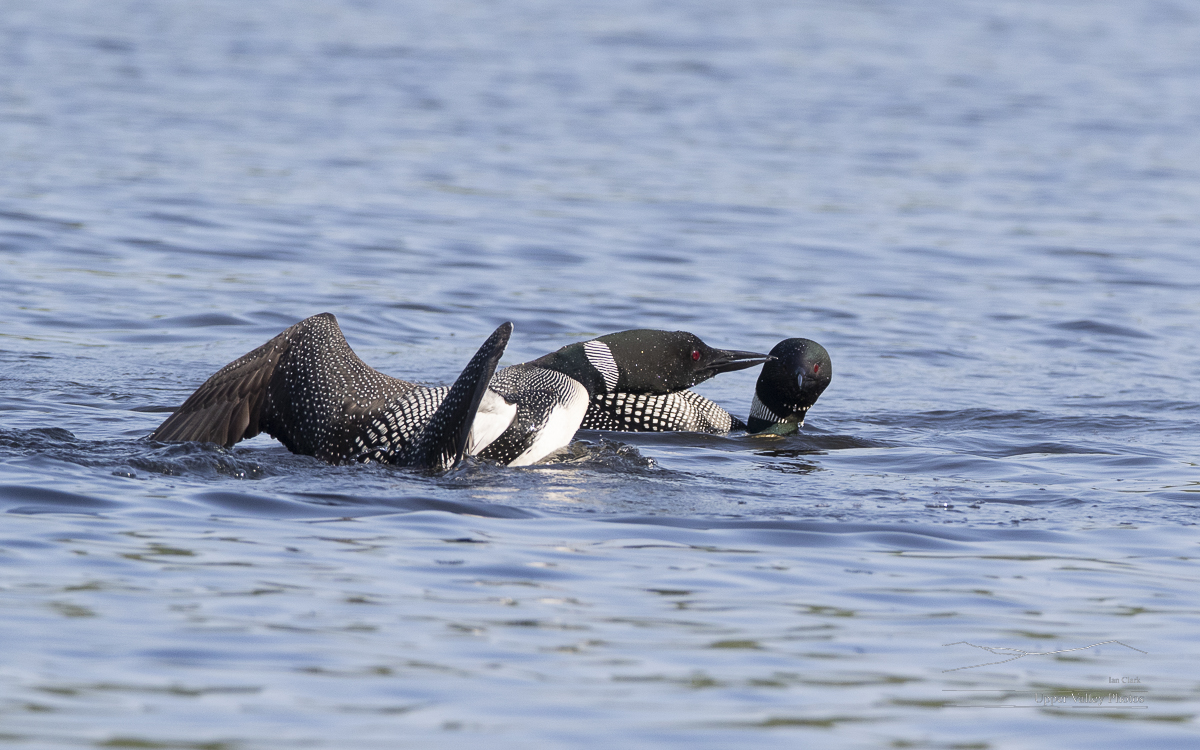
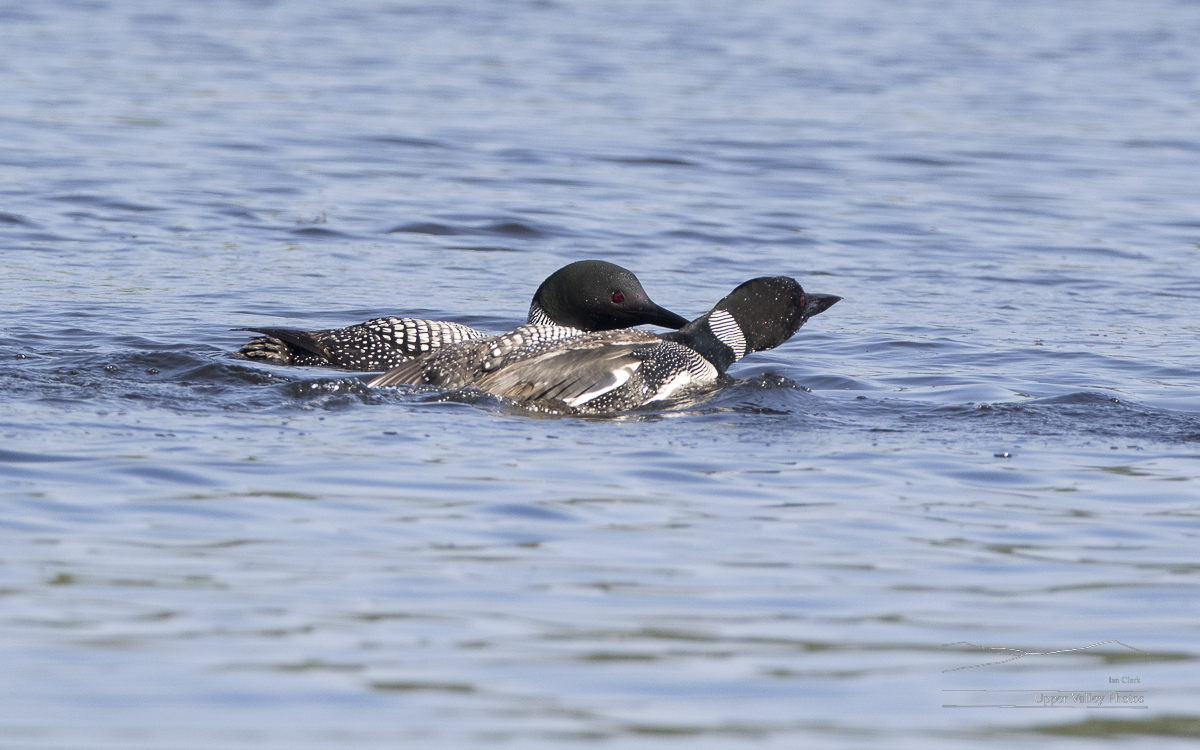
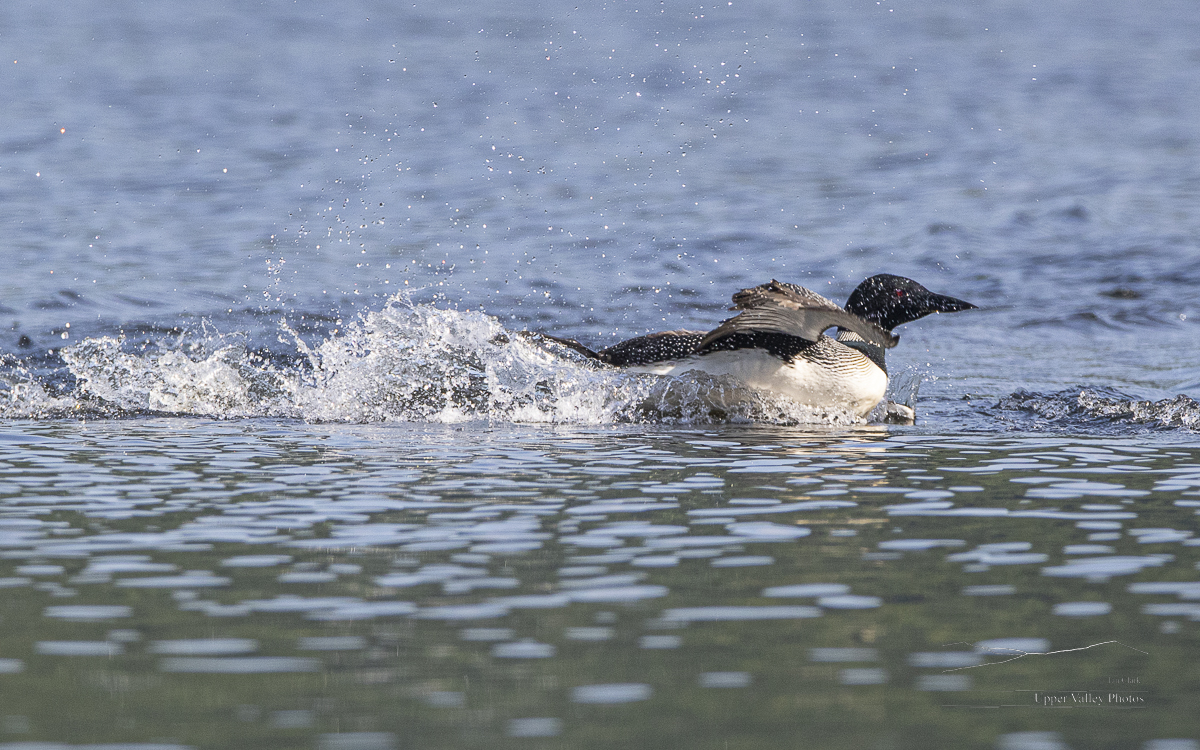
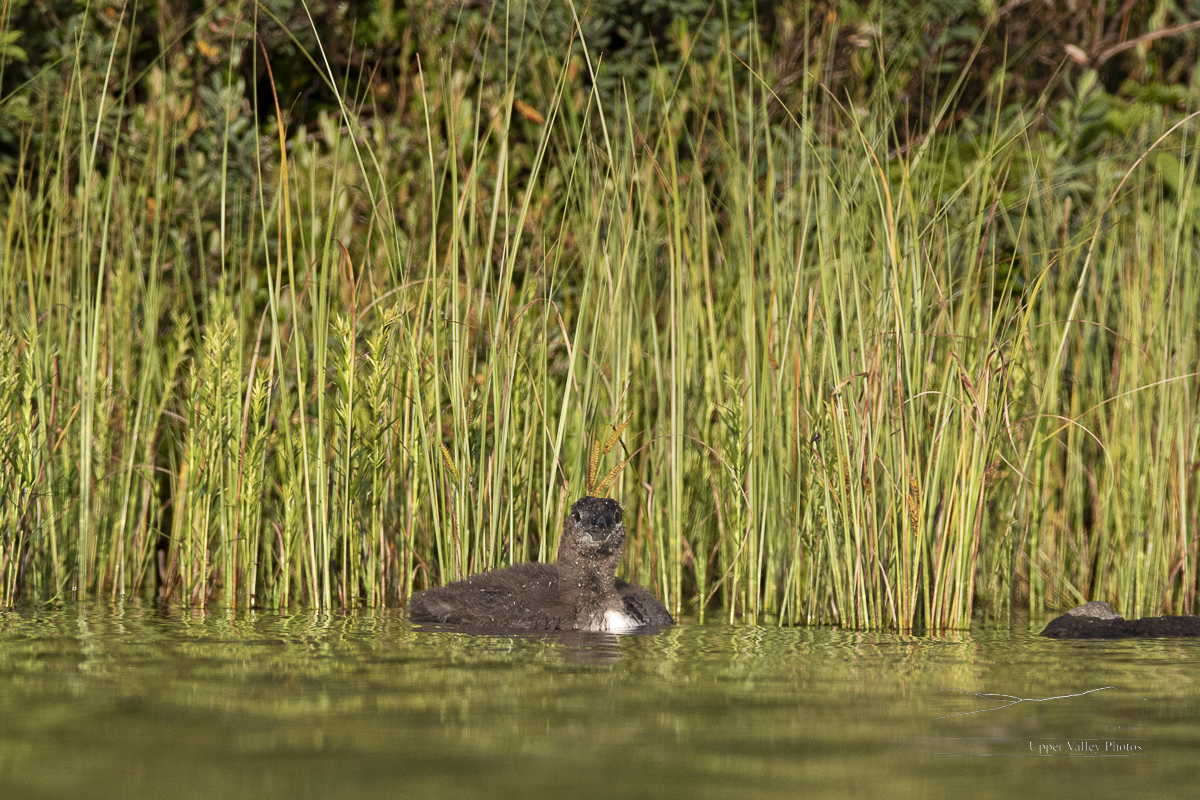
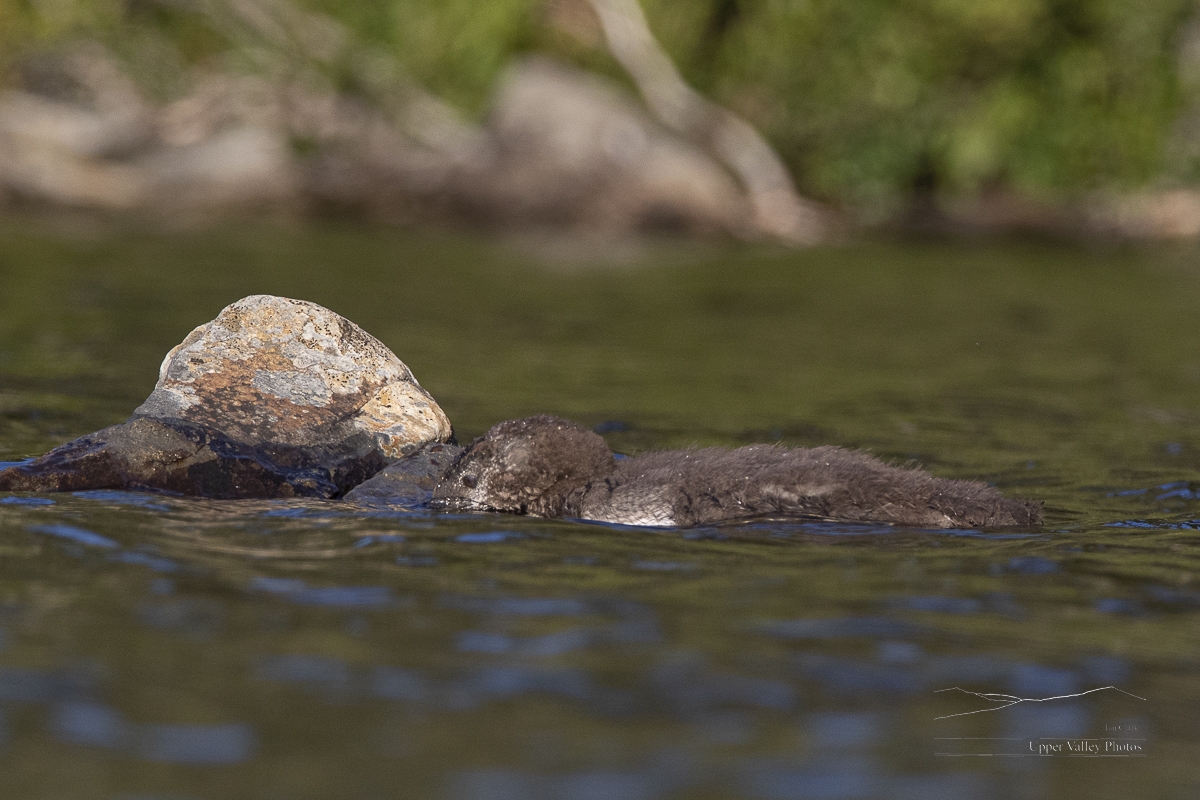
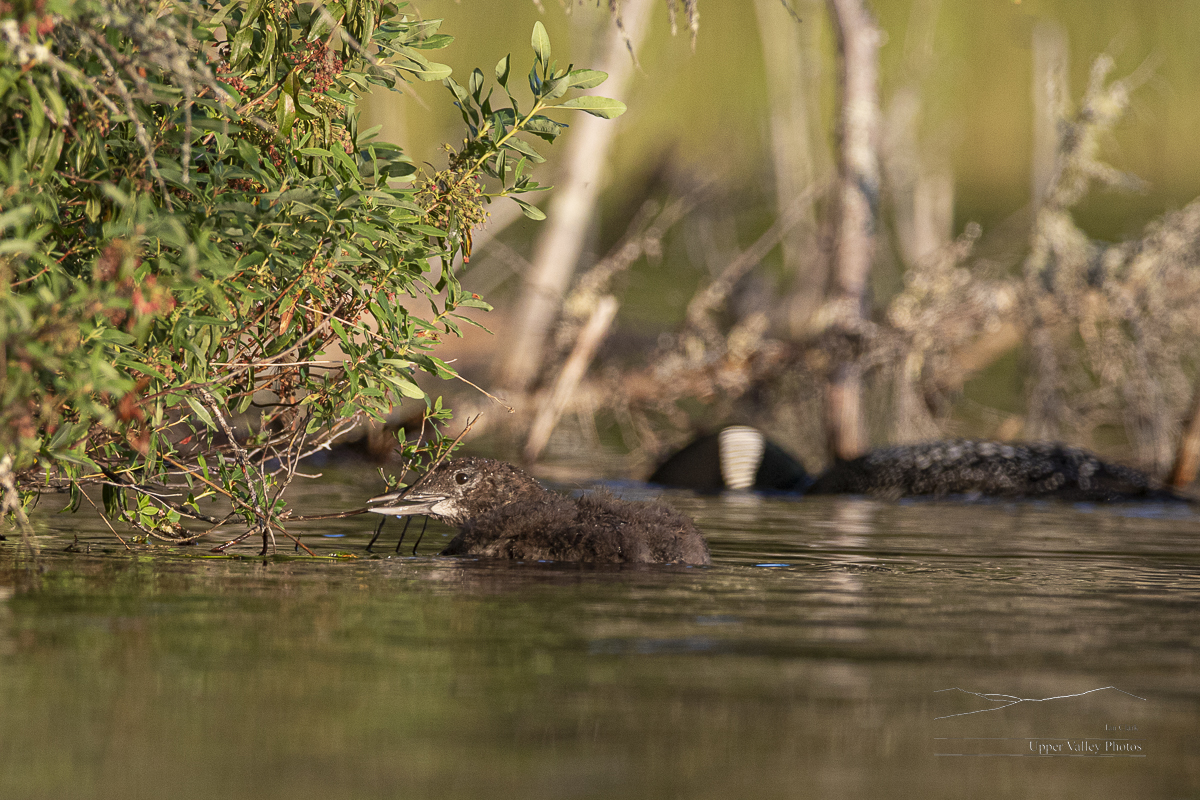
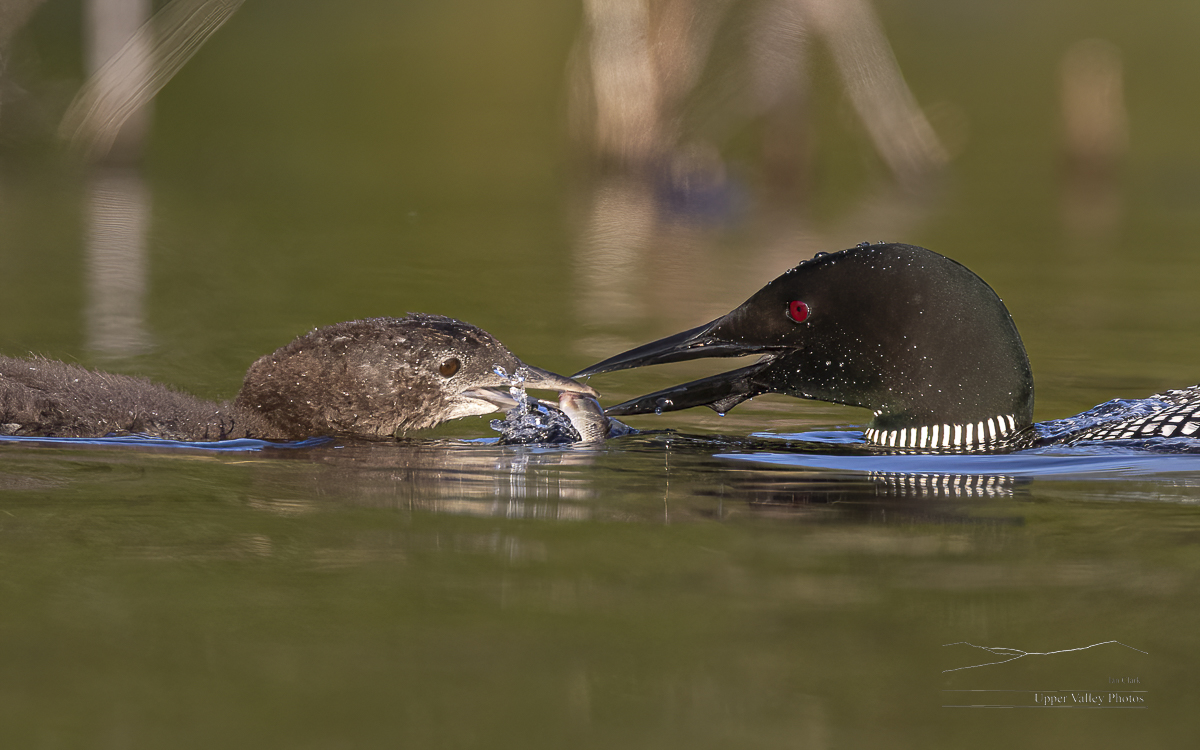
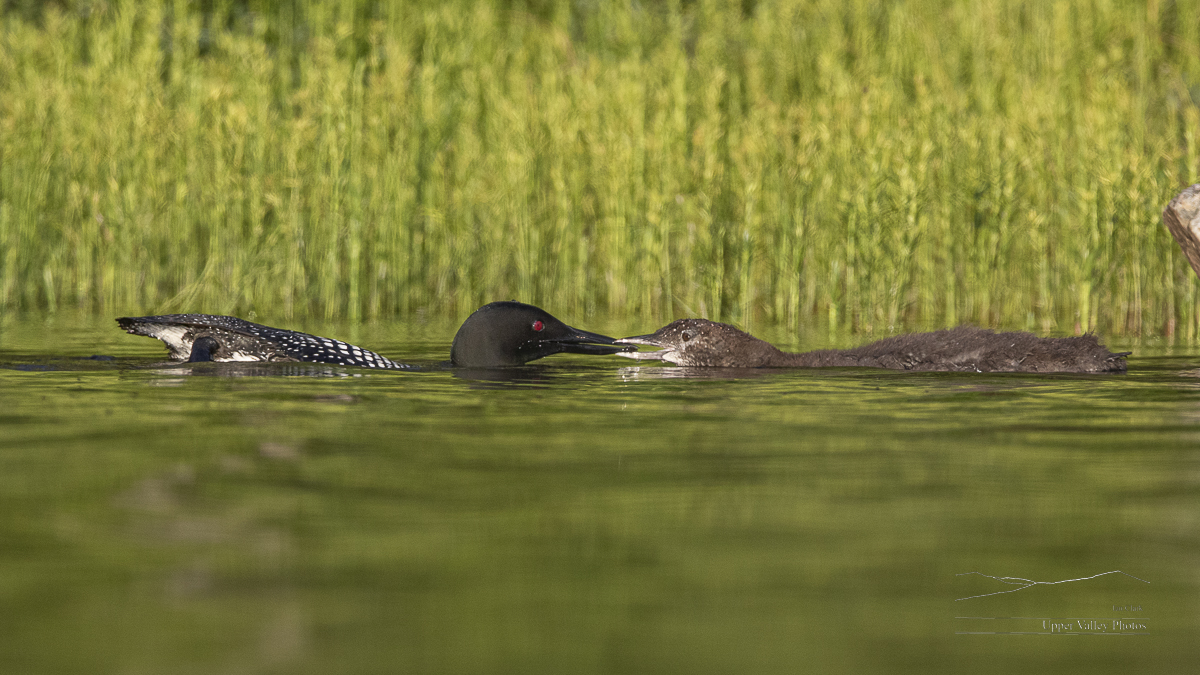
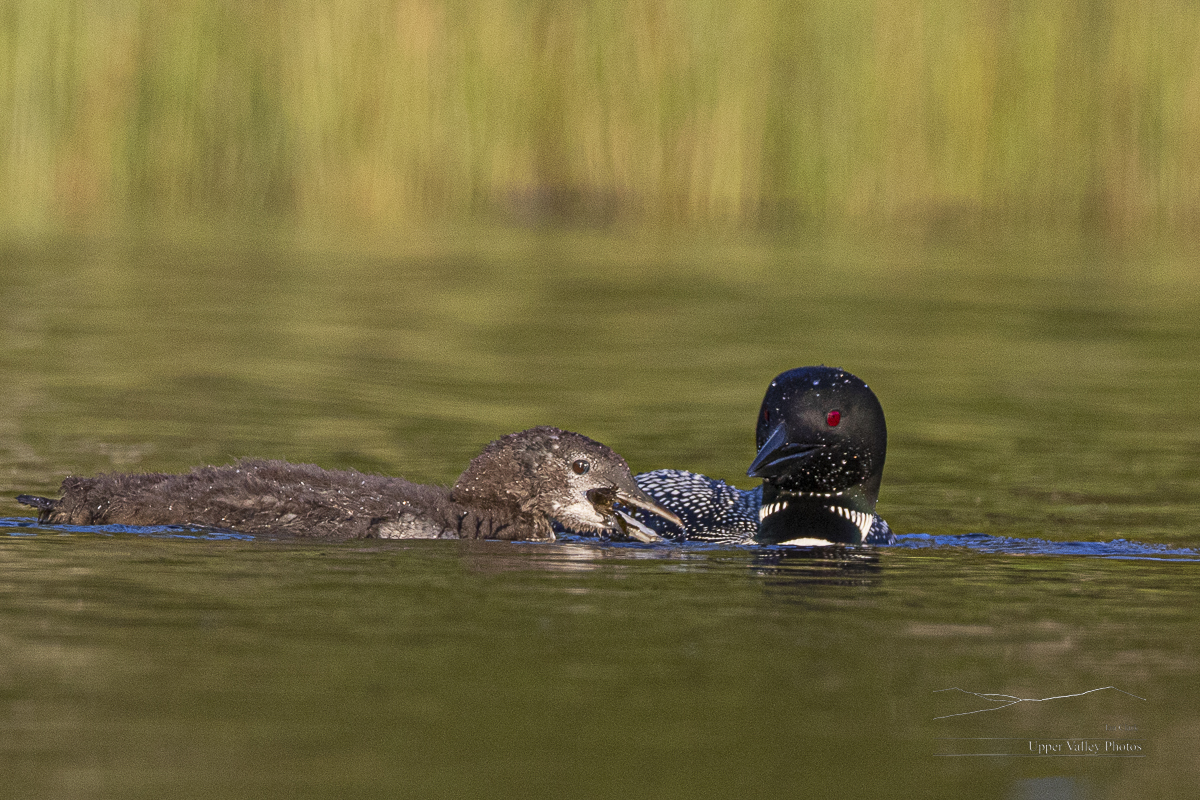
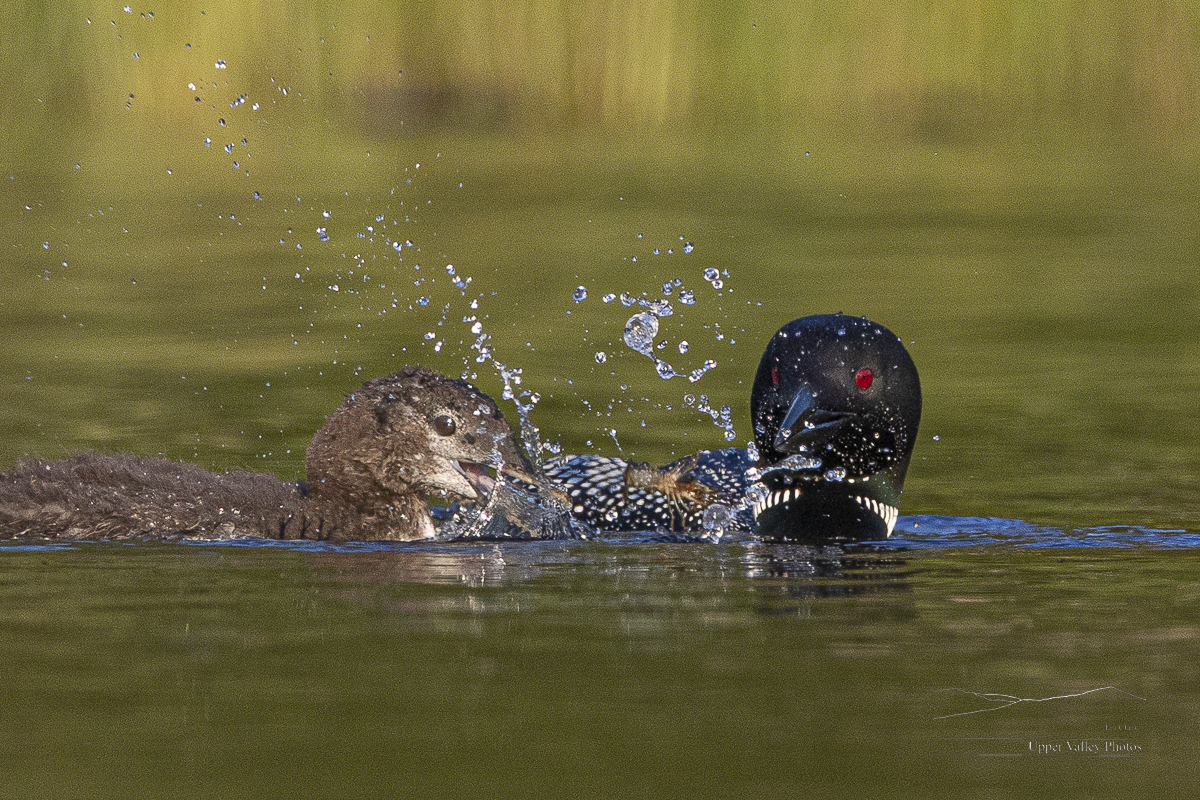
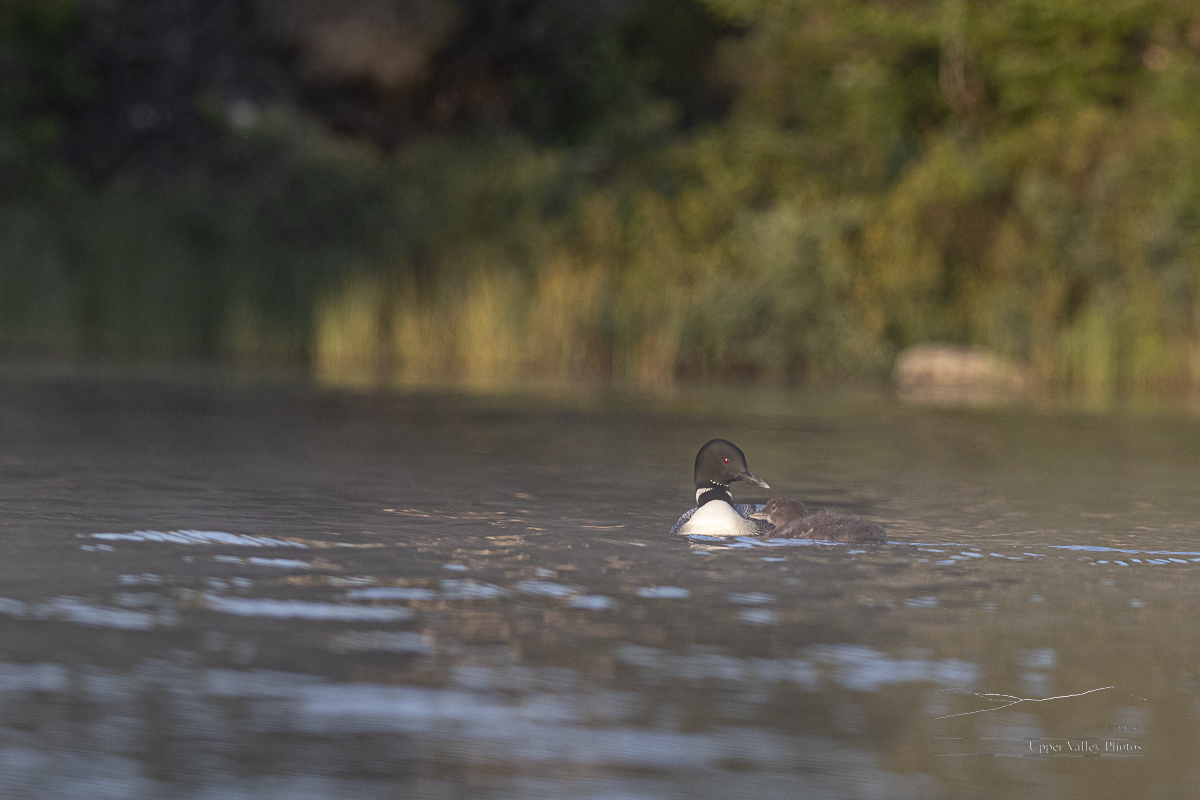
The Weston family couldn’t be found during last week’s census. They’ve been under pressure from intruding loons all spring. They’re on a small pond, not being found in 90 minutes of searching was worrisome. I love how people watch out for ‘their’ loons, I heard from folks who live or have camps on the pond, worried that they hadn’t seen the loons for a couple days. A couple that live on the pond set out Monday to have another look and found the adults and one chick hidden in a remote part of the pond, a much better outcome than we’d feared. I visited Friday the pond Friday morning.
We’ll never know what happened to the missing chick. There are lots of threats, eagles, otters, coyotes if they get too close to shore and more. The intruding loon is also a likely suspect.

Know someone who might like my blog? Please share it with them or on your social media.
Loon Chicks at Four Weeks And More
Sunday morning was a beautiful time to pay a visit to the Eastons – the loons in the eastern most pond I visit regularly. The chicks were four weeks old this weekend. Both seem to be doing well.
Our bluebirds have four chicks in their second brood, they should fledge this week. There are at least three chicks from the first brood still around. The like to hunt from the roof of the house, they come and go past my office window regularly.
The loons had another visitor before dawn.