Posts in Category: Loons
Updates and photos as Ian follows the local loon families
Checking In On Our Loon Families
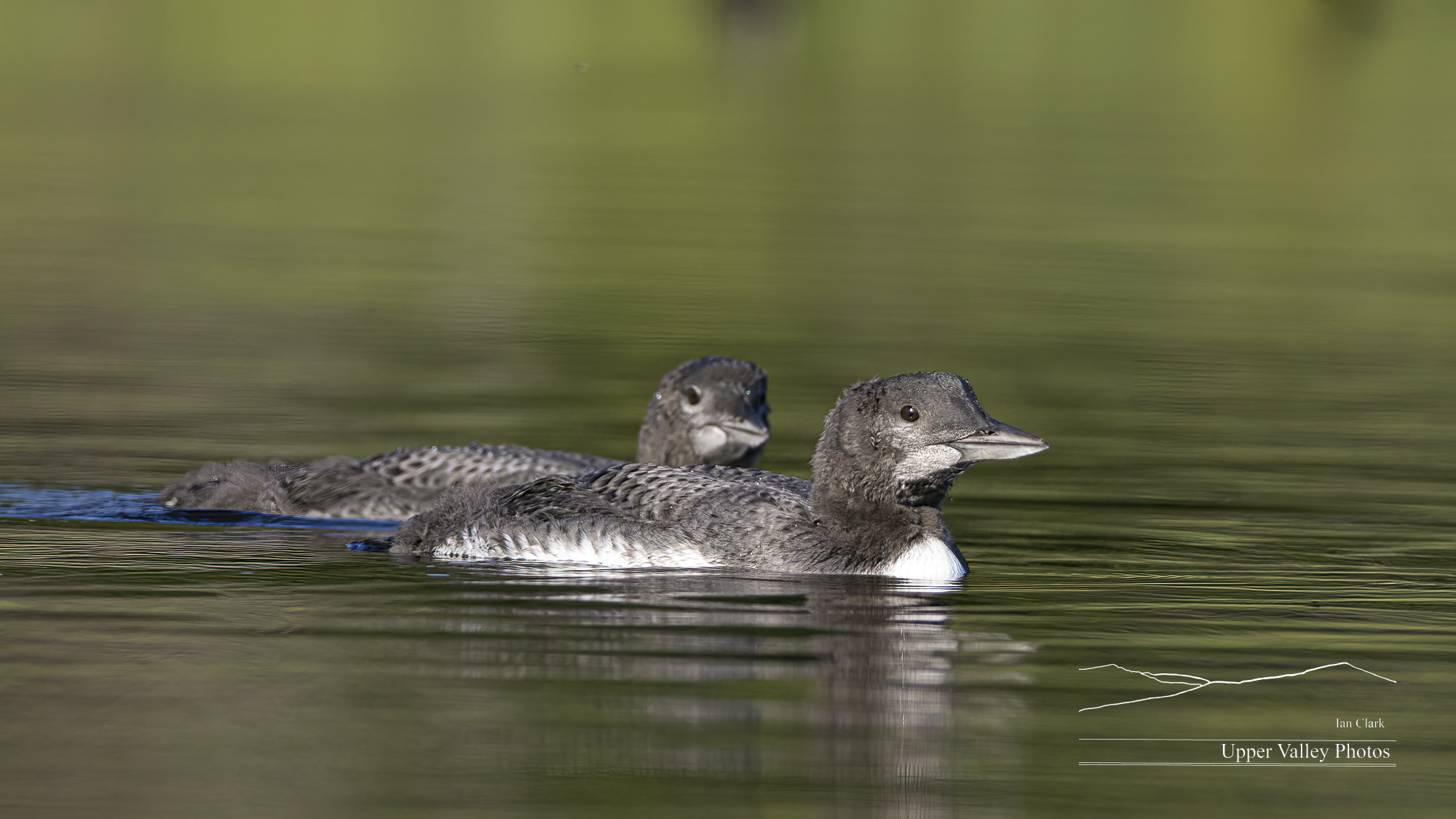
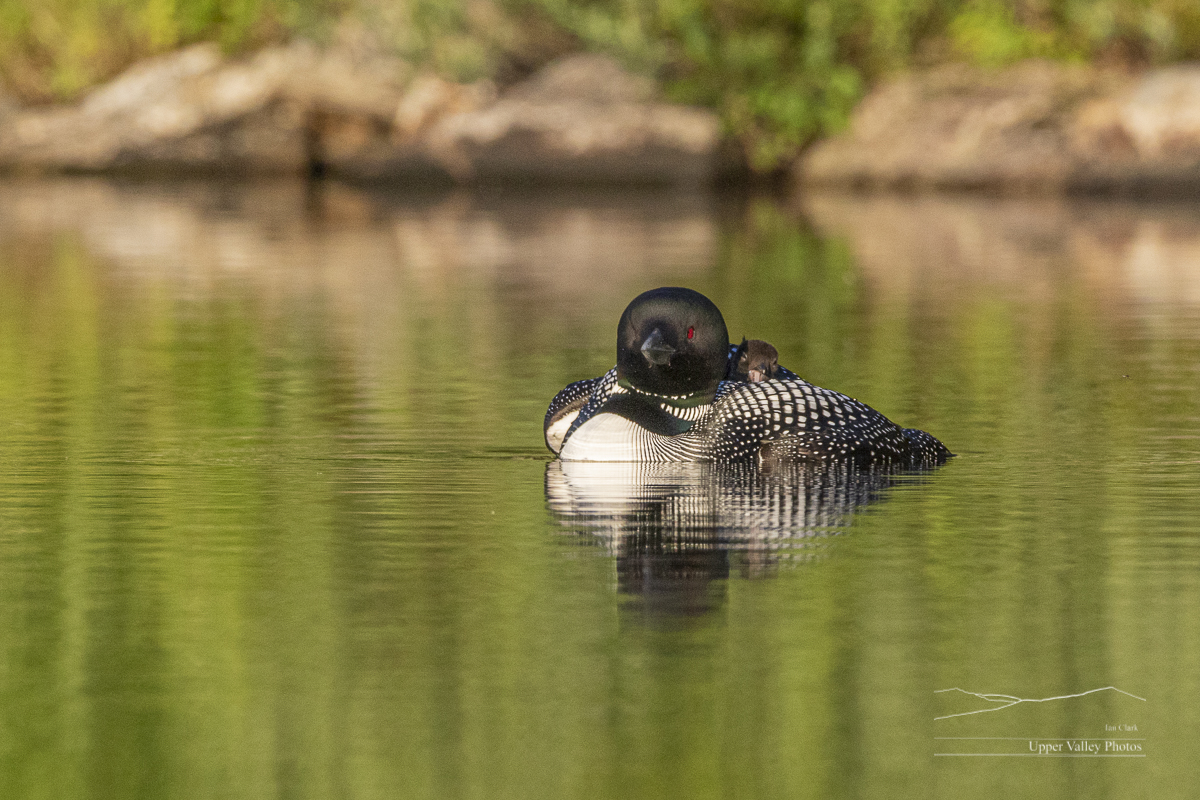
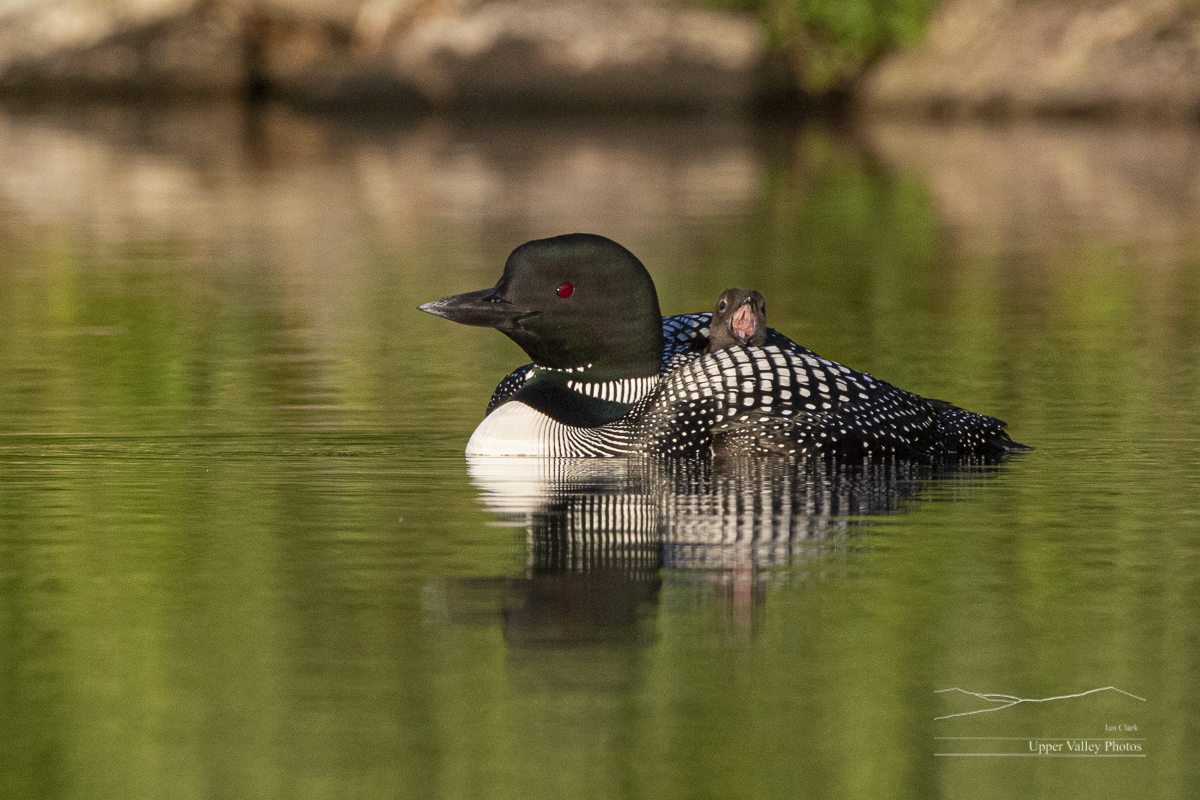
Our loon chicks were two and three weeks old this past weekend. I got out to visit the Eastons and the Westons (the families at the east and west ends of my travels) this week.
This coming Saturday, July 16. Loon conservation organizations ask for volunteers to count loons on their ponds and report how many there are. The Loon Preservation Committee for New Hampshire info is here. For Vermont, see the Vermont Center for Ecostudies info here. For the Adirondacks, the Adirondack Center for Loon Conservation info is here. For other states, a quick web search for ‘loon census 2022’ should find the info.
The League of New Hampshire Craftsmen’s Fair is coming up August 6-14 in Sunapee. I’ll be there with lots of prints and note cards. Lots of loon images, many more critters, landscapes and some of my steam locomotive photos. Stop by and say hello.
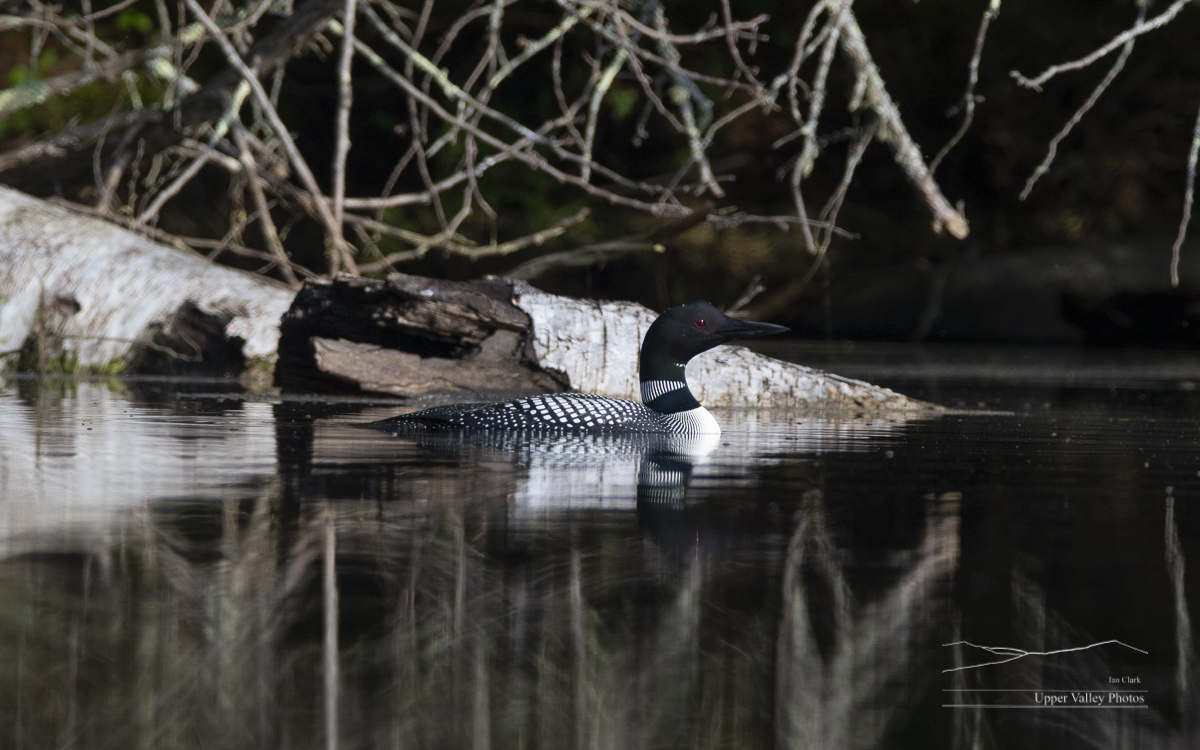
Thursday morning, I headed east. Our loon family had a quiet morning.
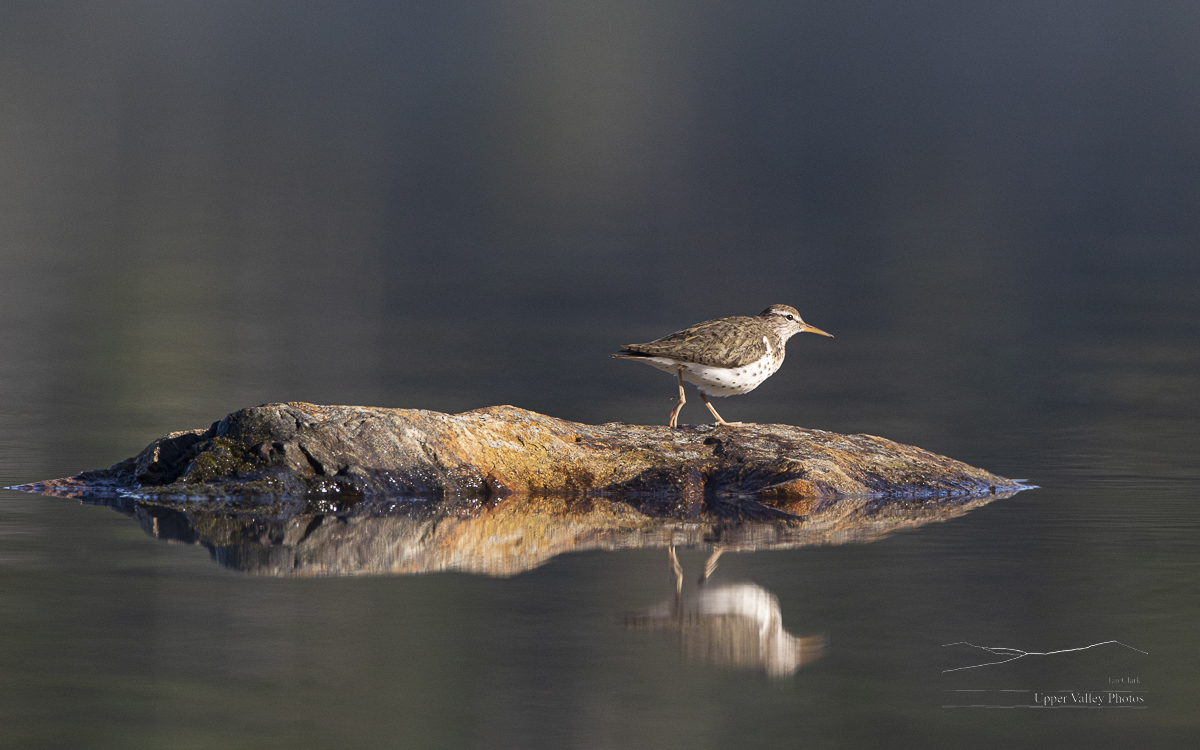
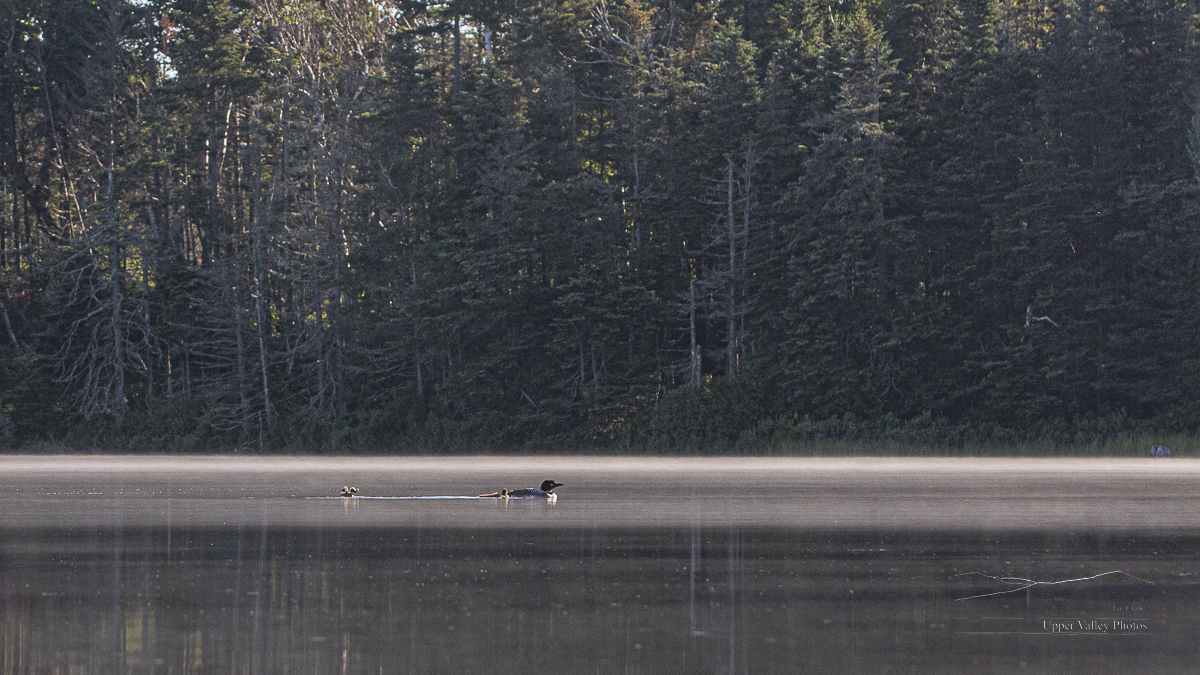
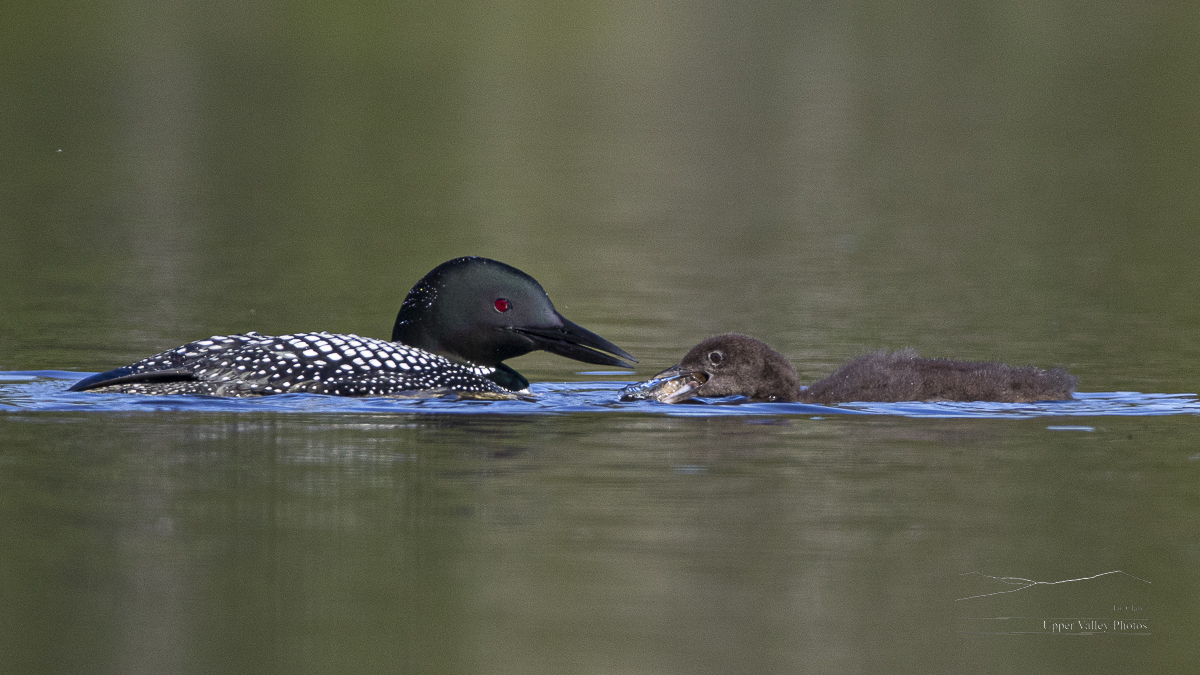
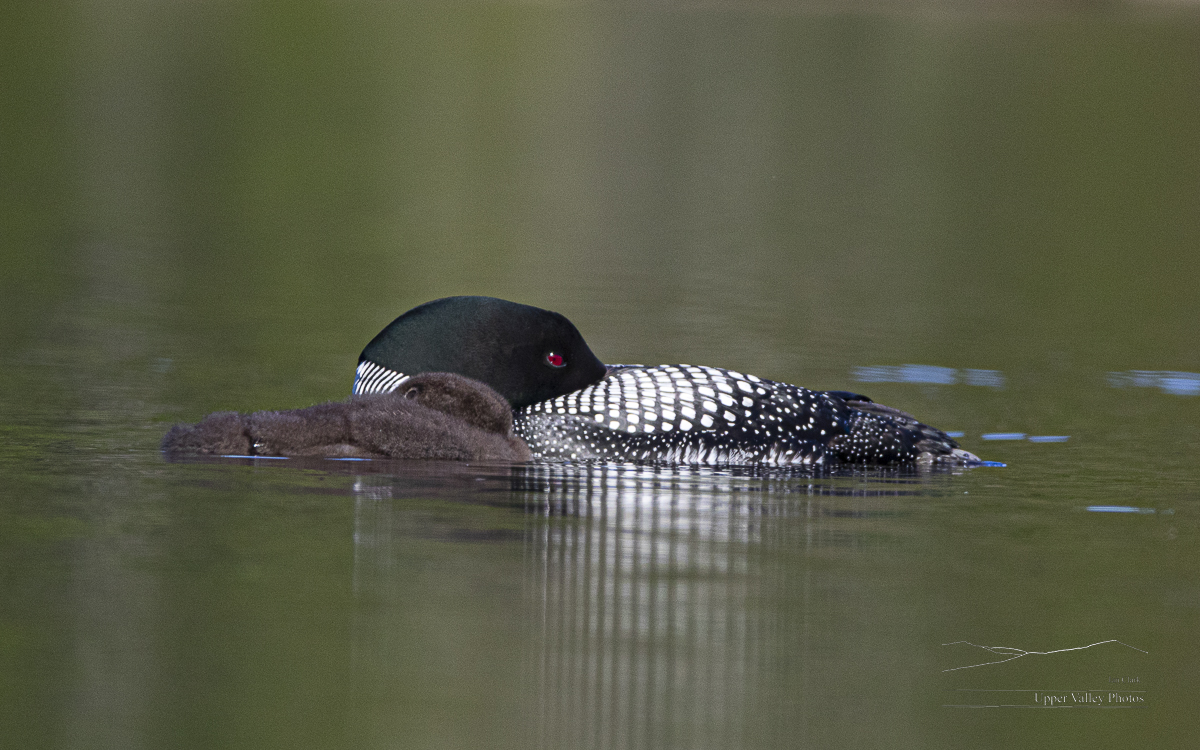
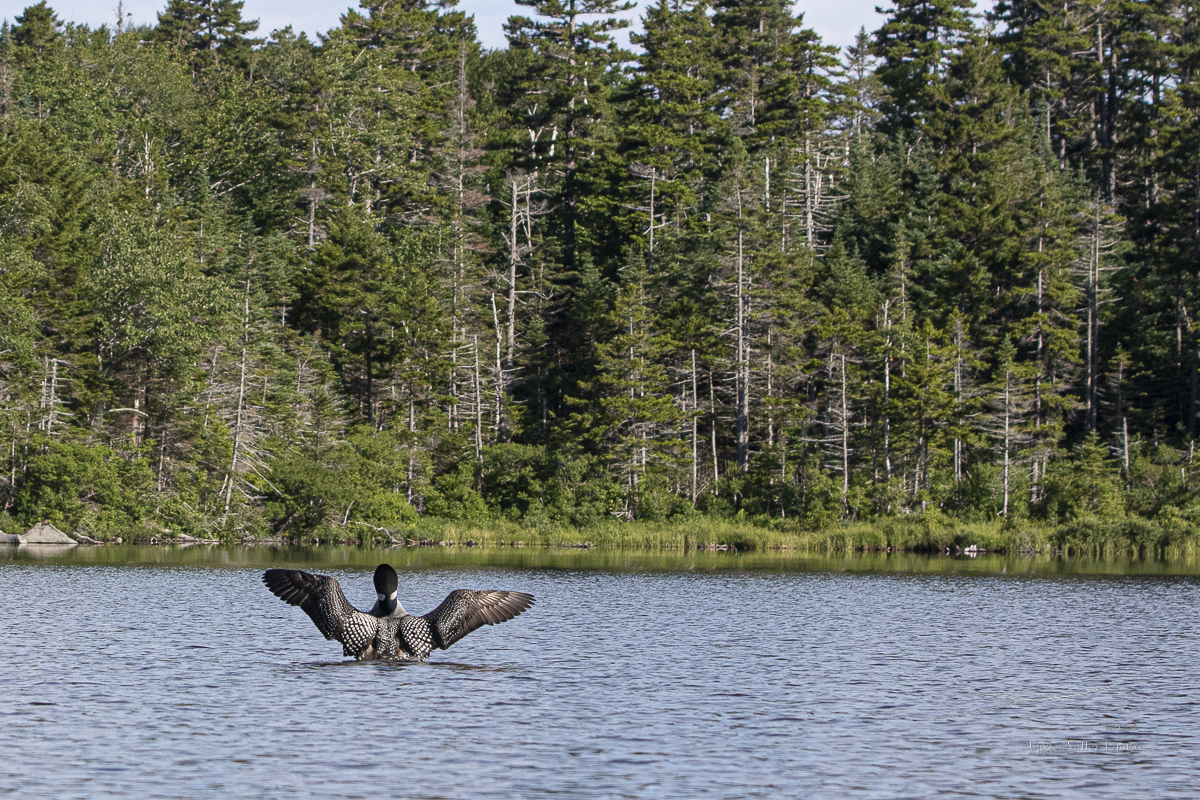
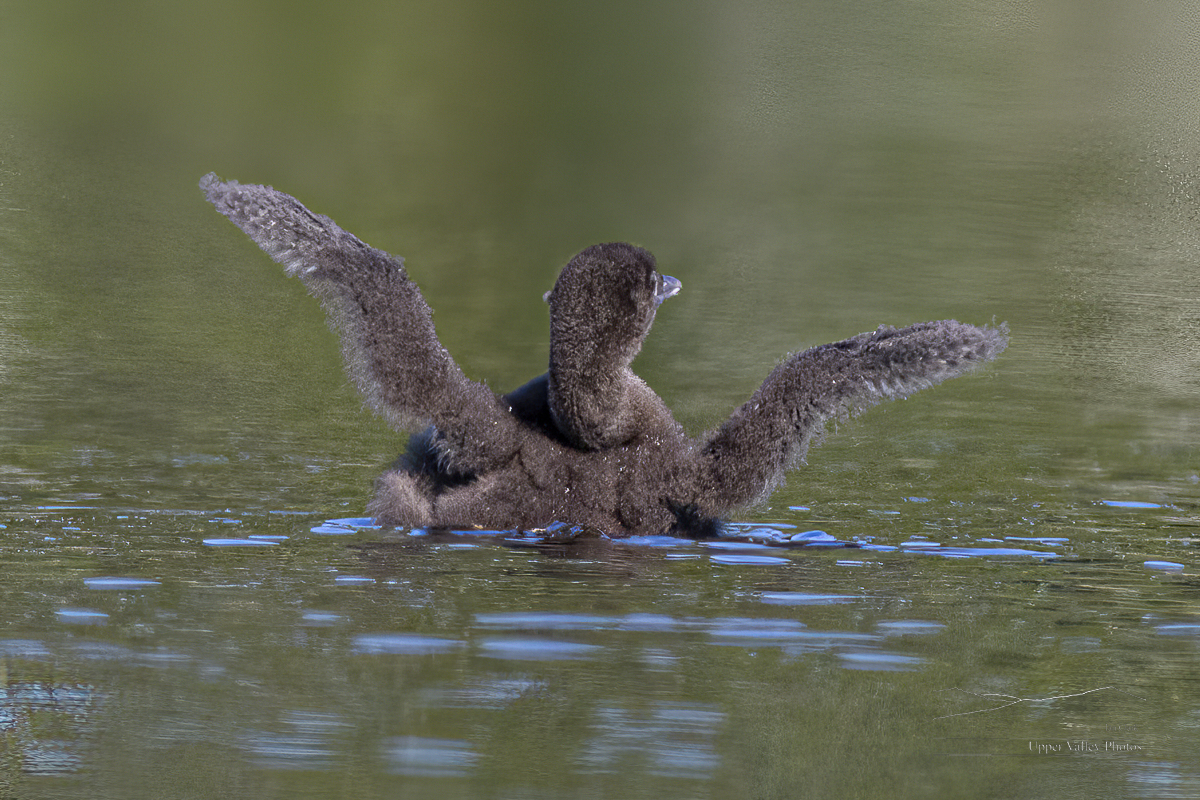
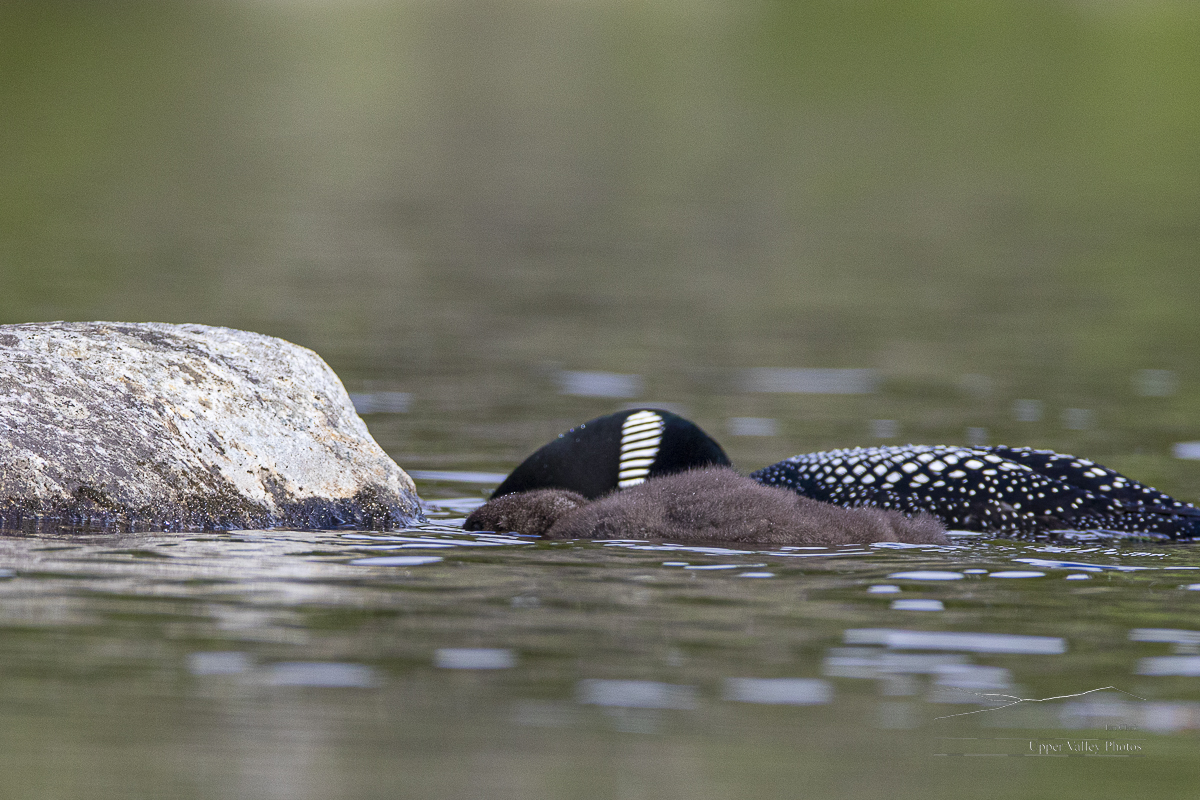
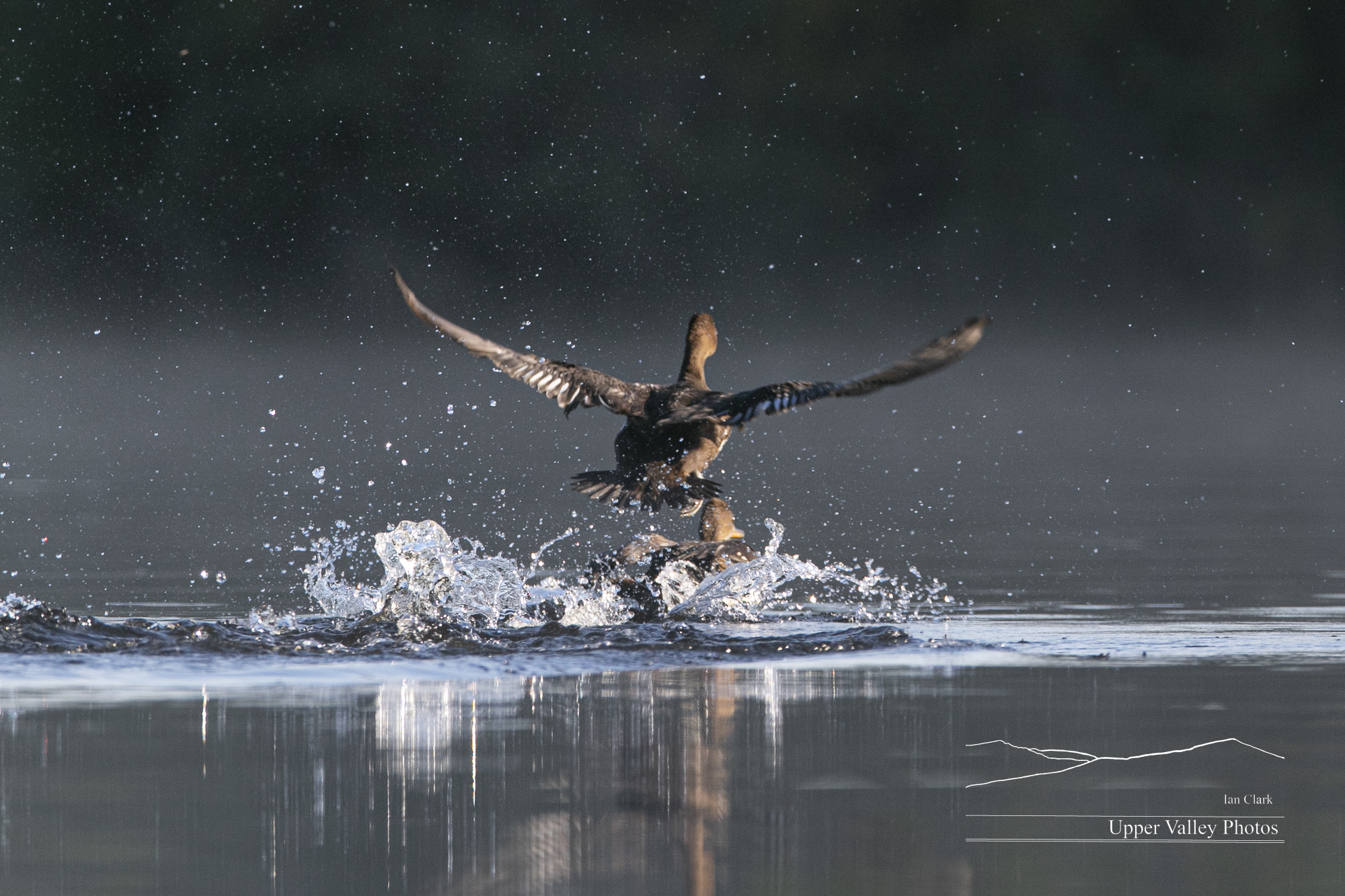
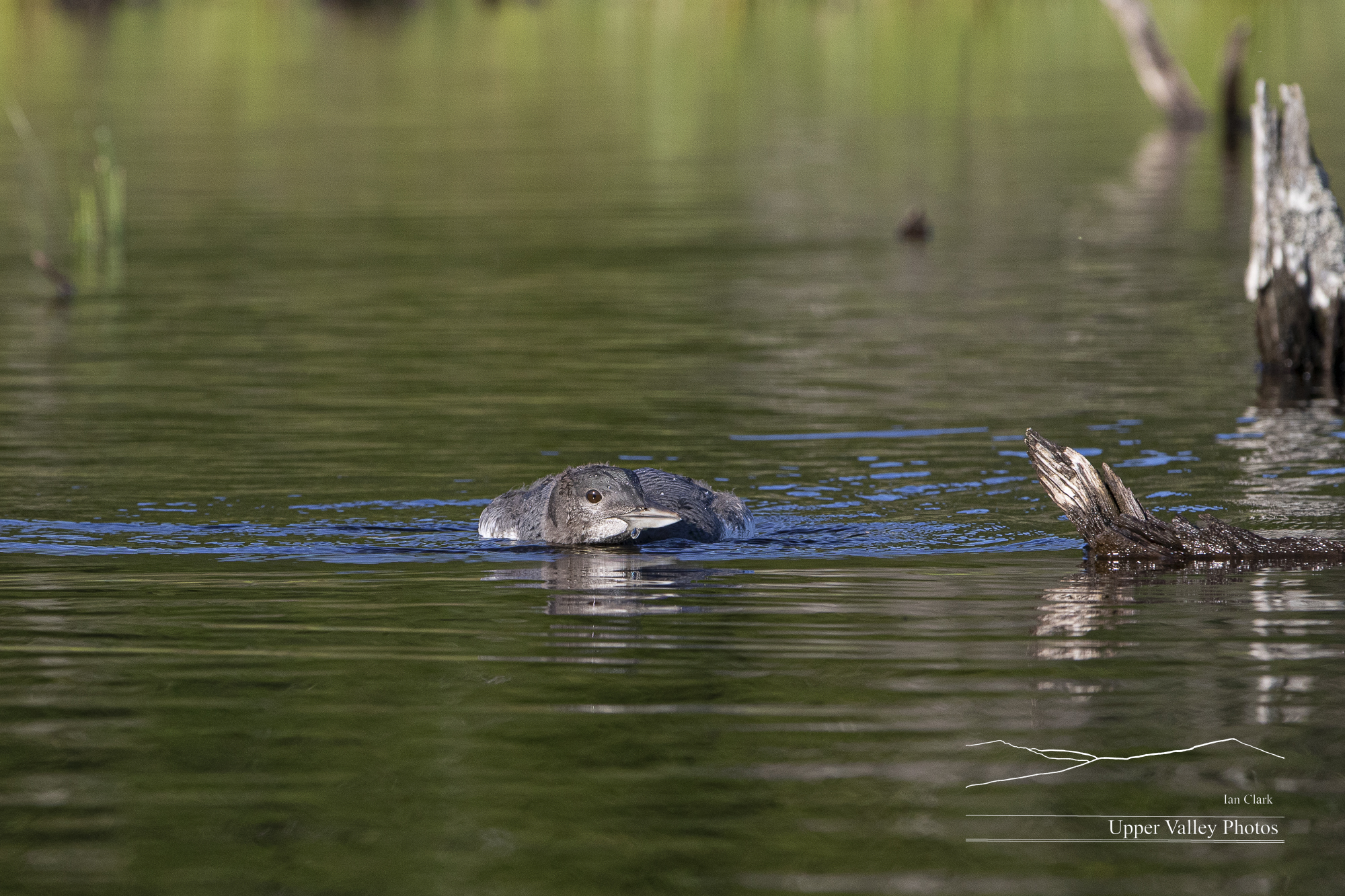
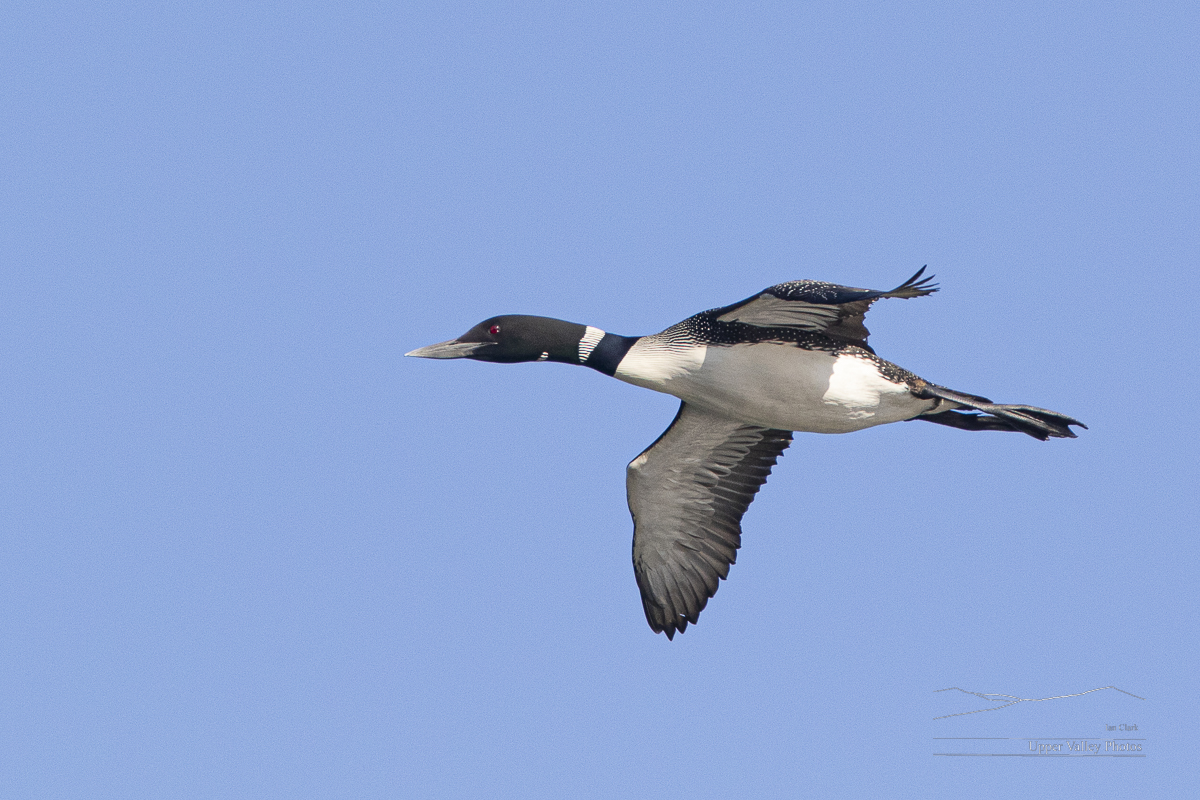
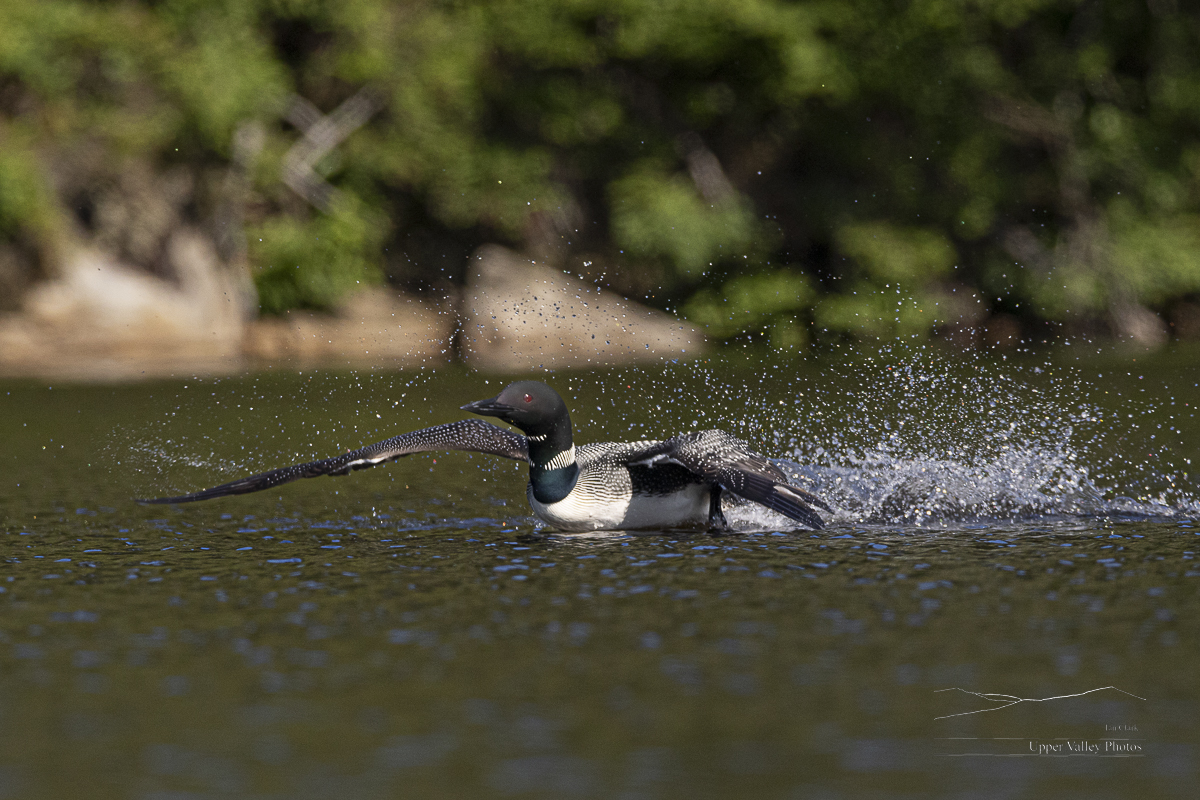
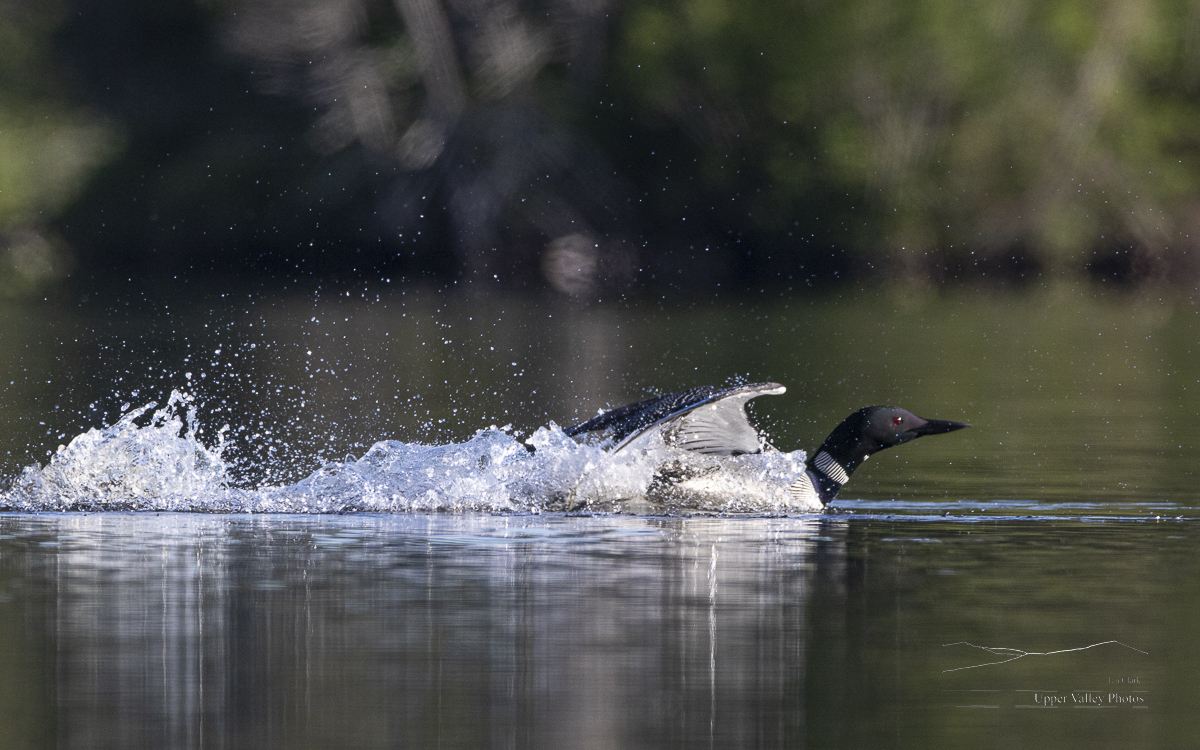
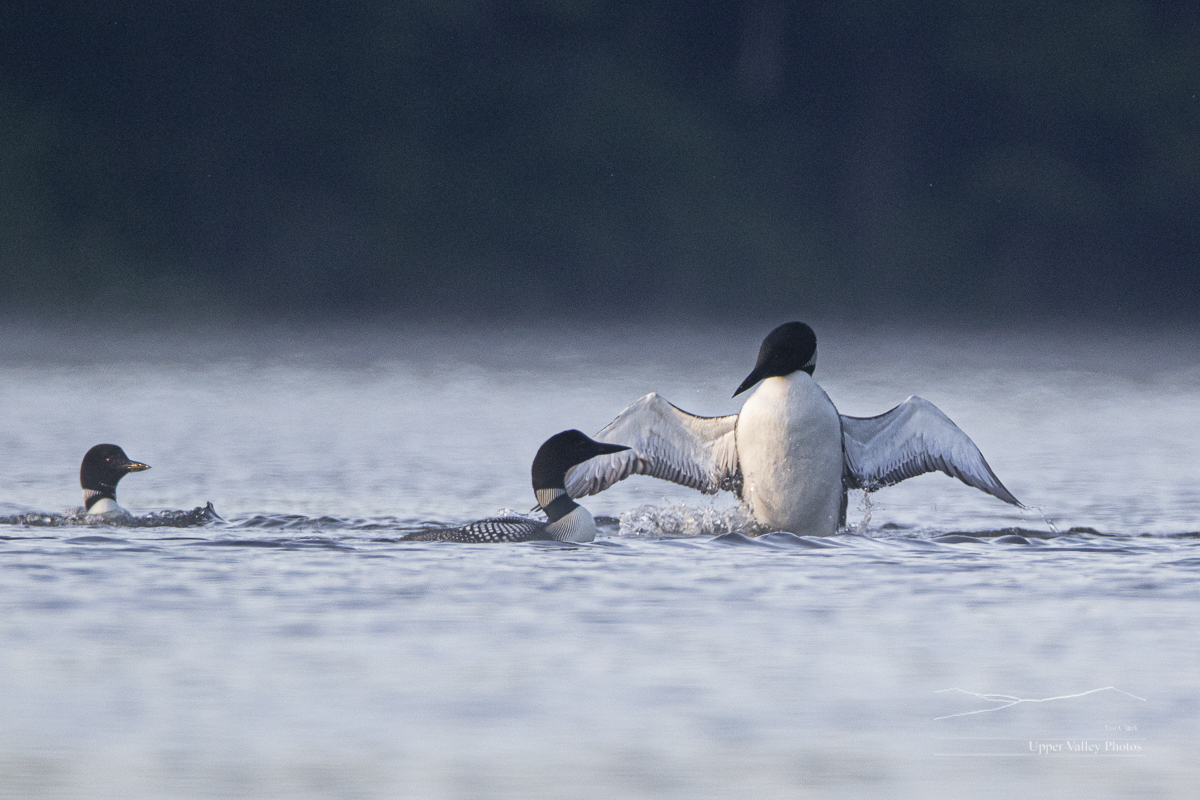
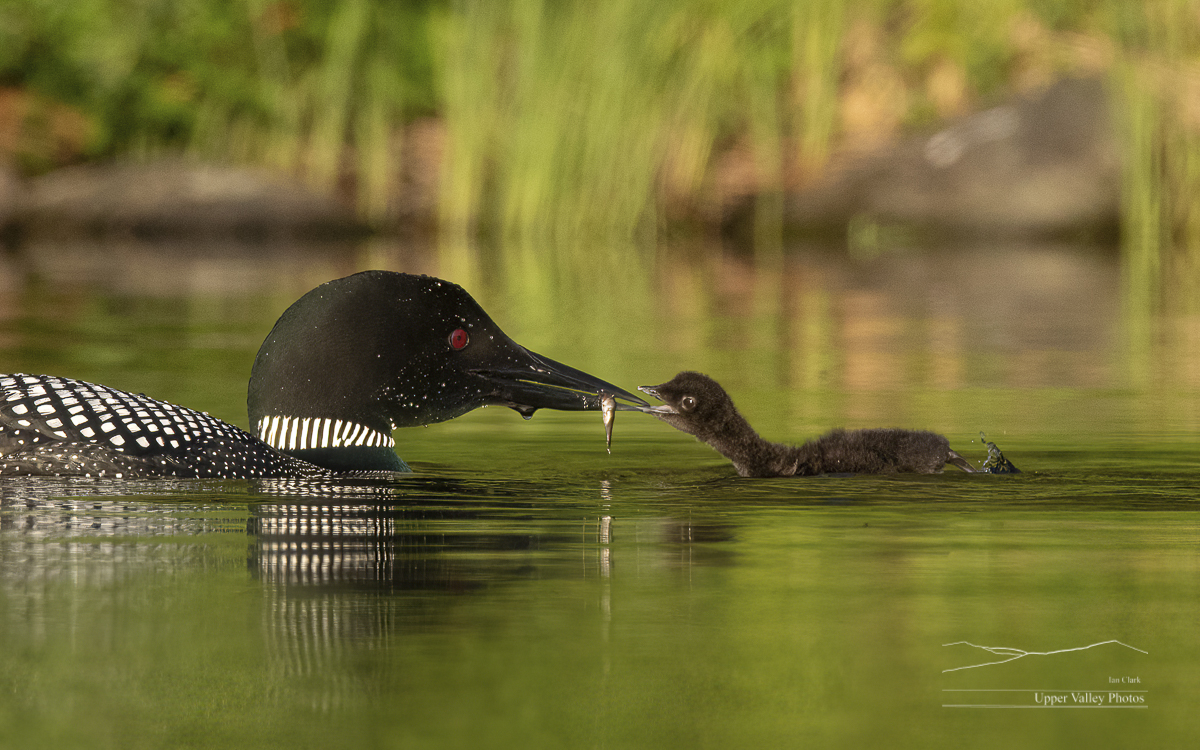
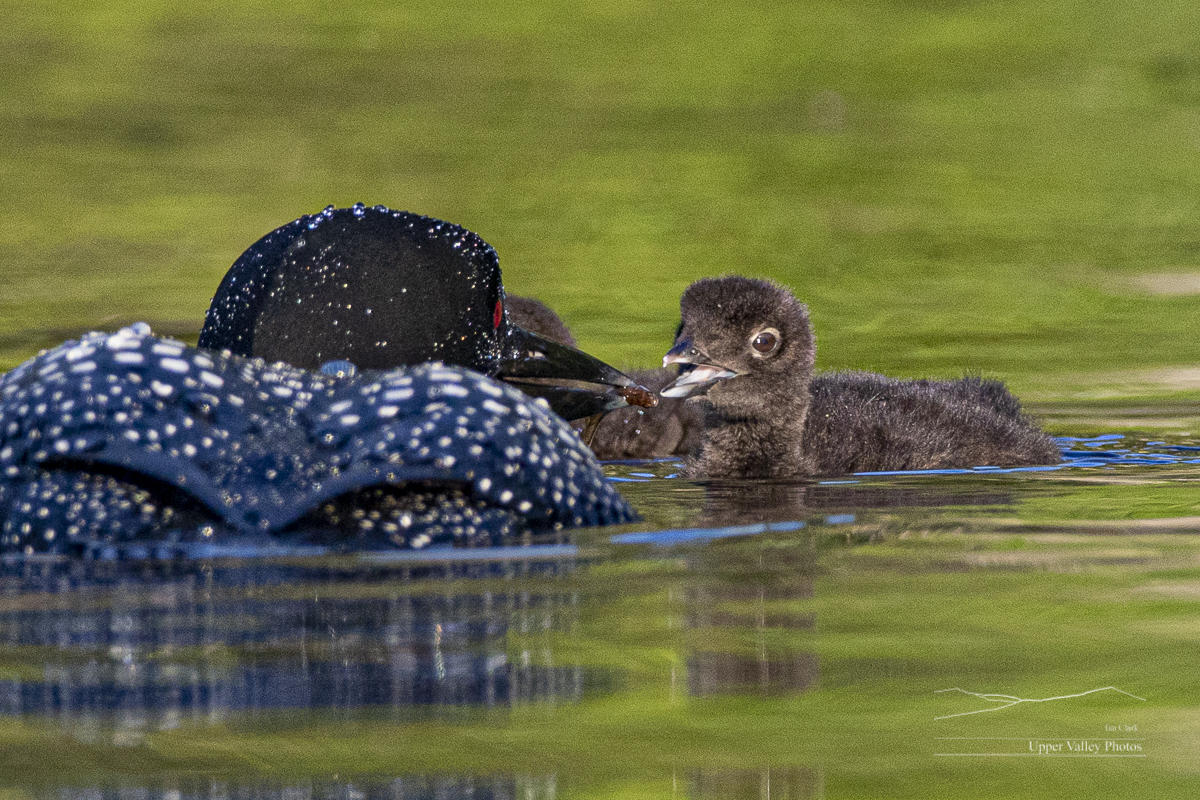
Saturday took me to the pond on the west end of my range. The two chicks there were two weeks old this weekend and seem to be doing well. This pond has had at least one intruder most every day I’ve visited. The morning started off quietly, with the parents foraging for the chicks. Just as the sun was clearing the hills, an intruder flew in.
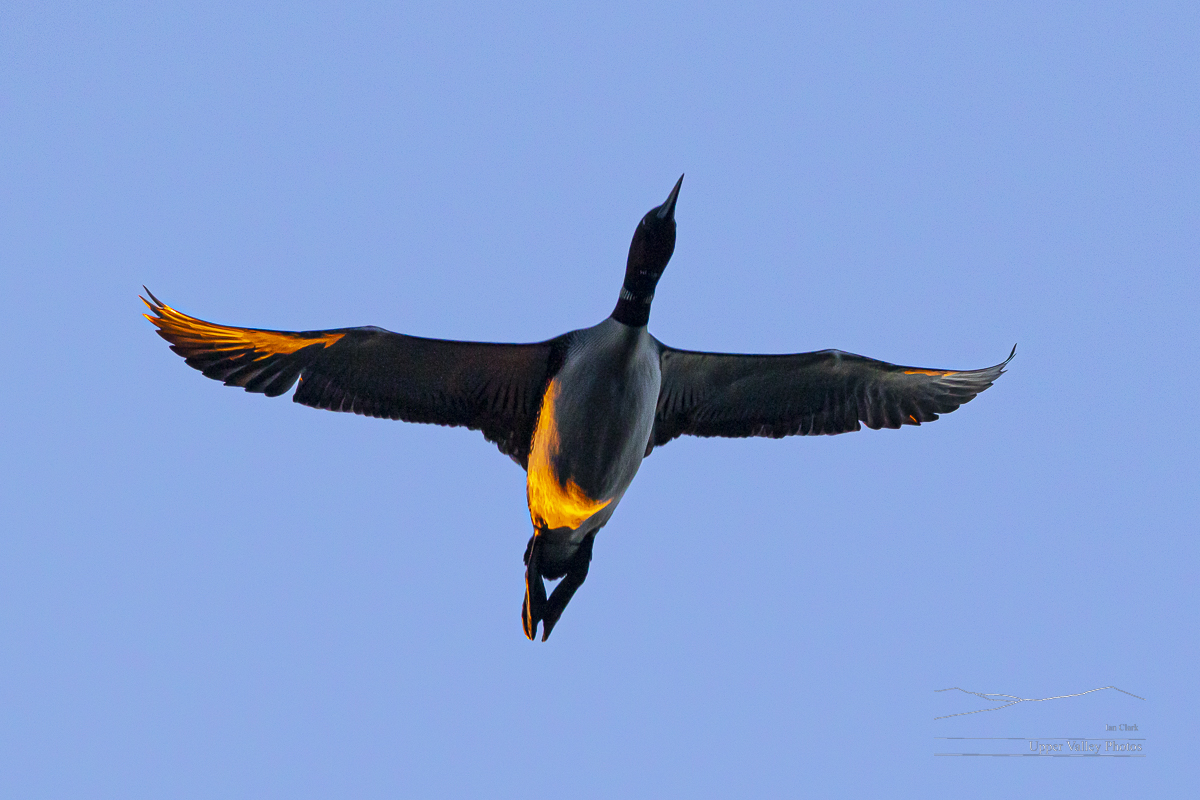
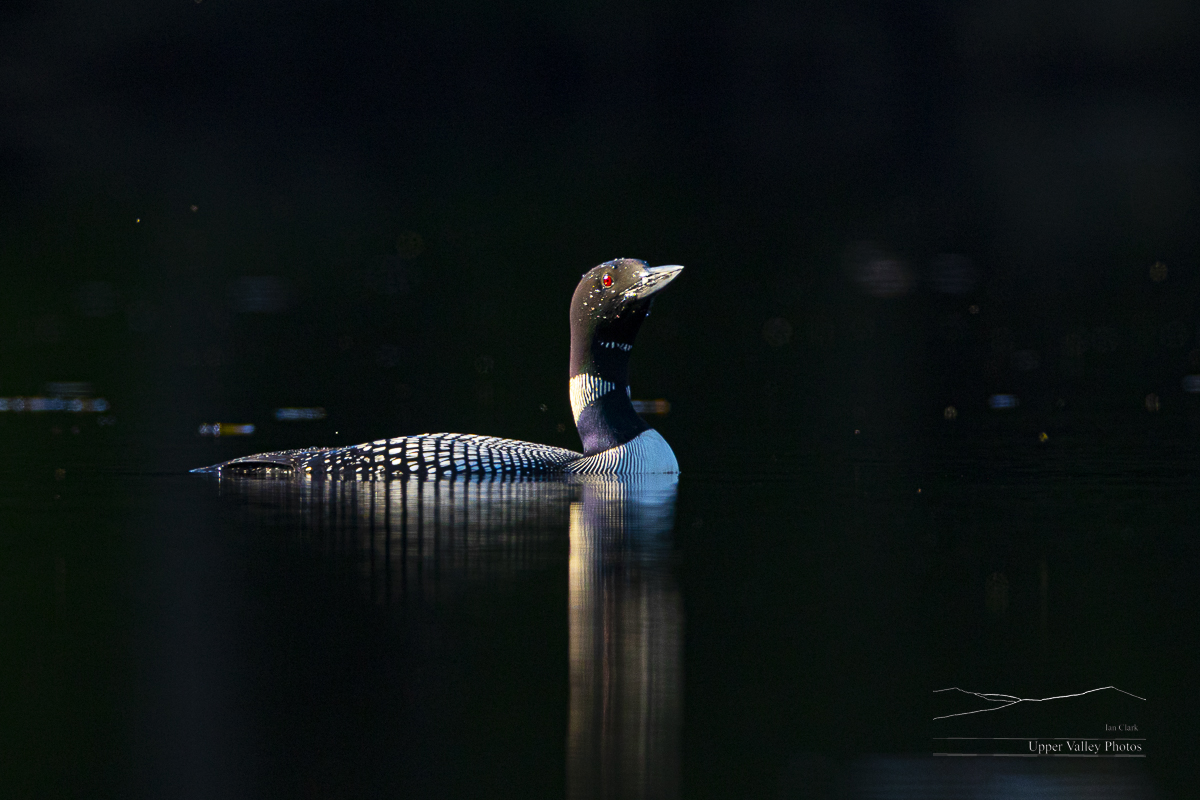
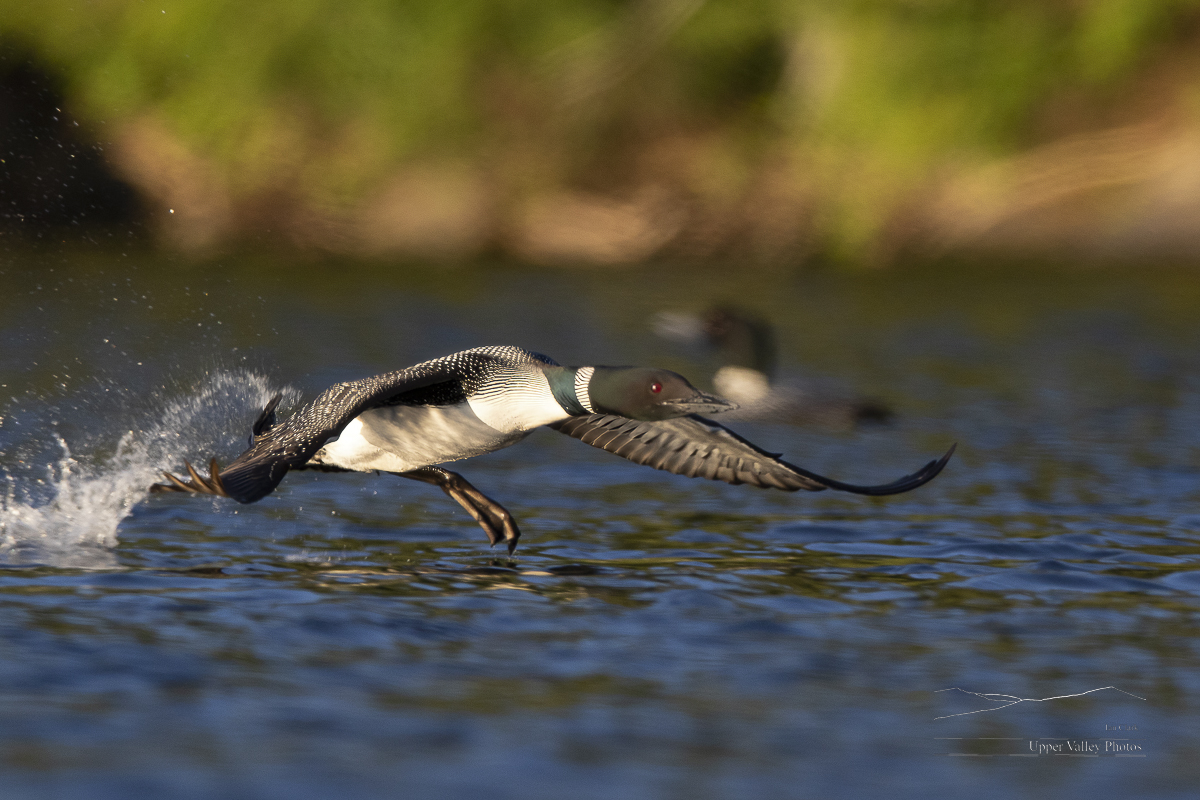
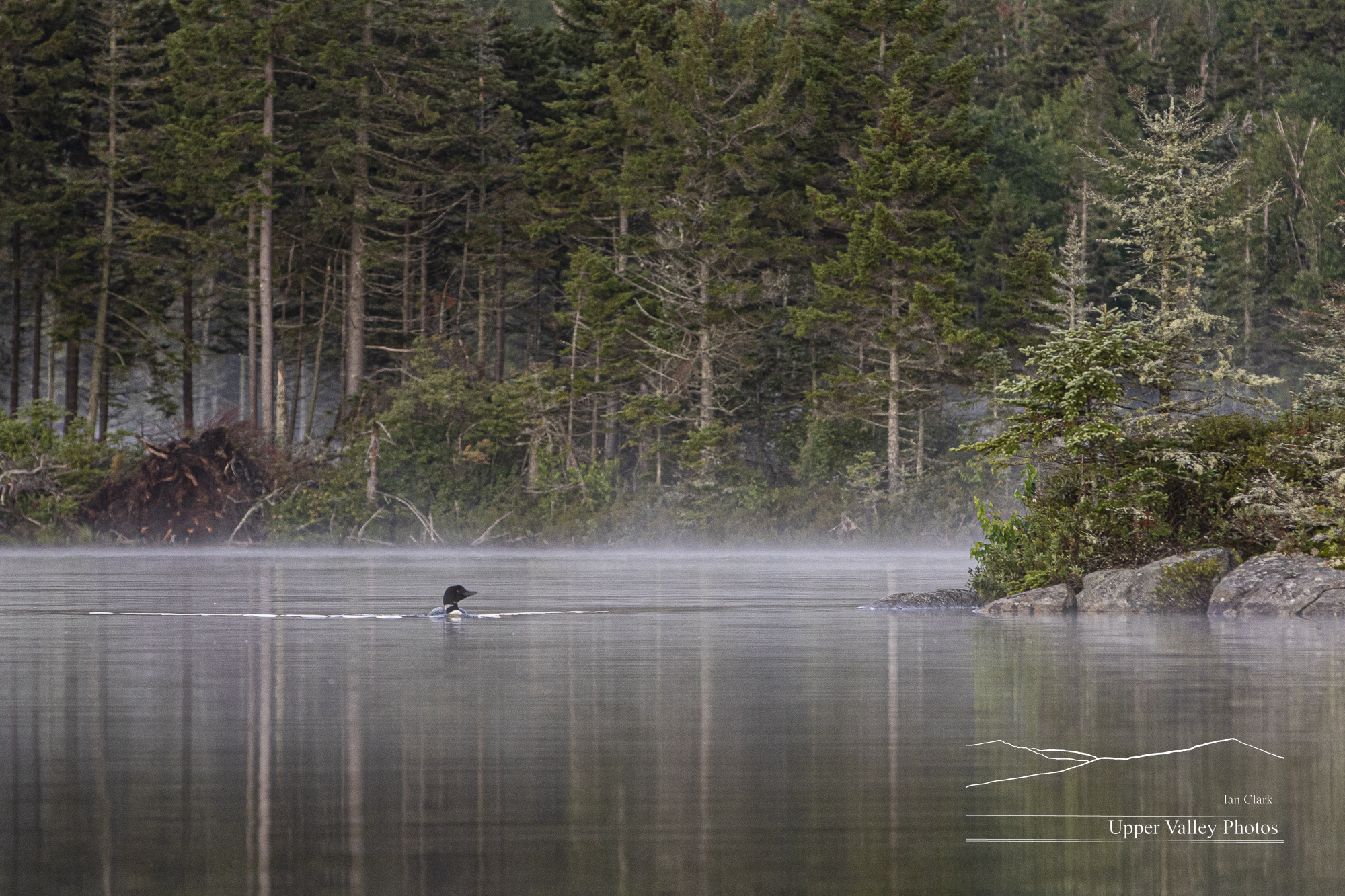
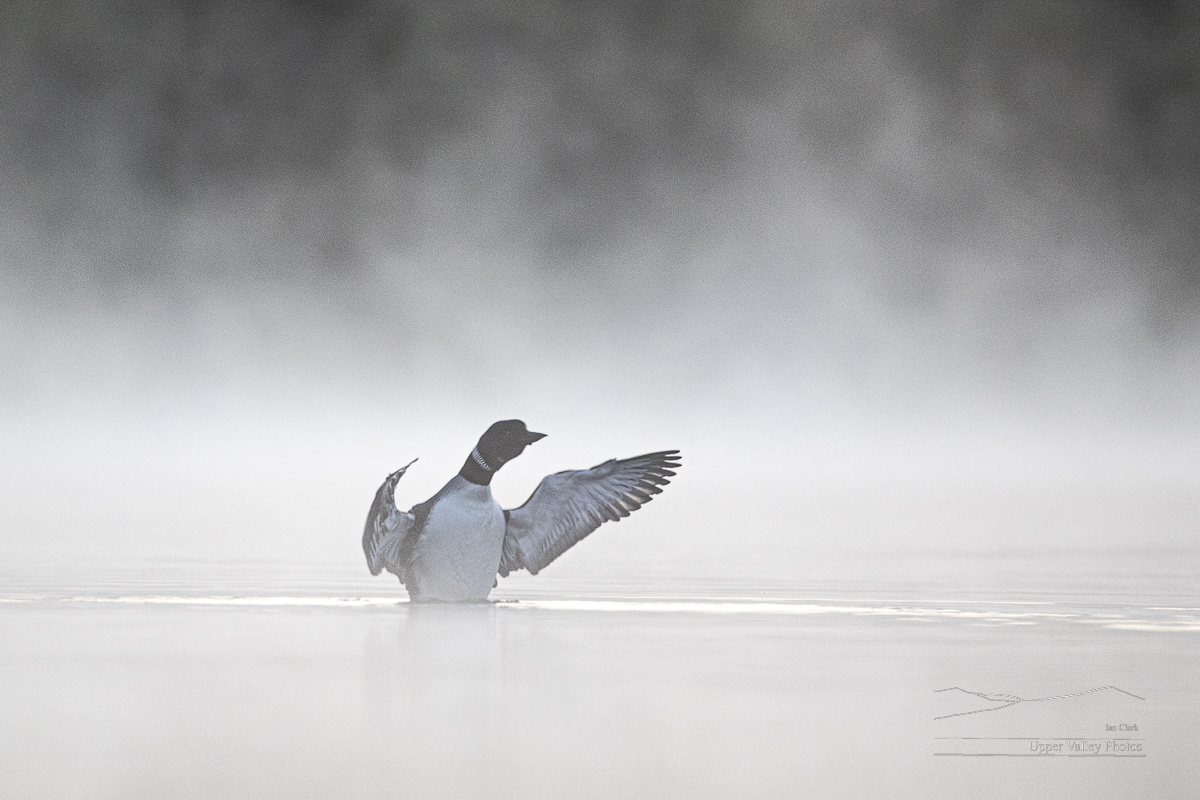
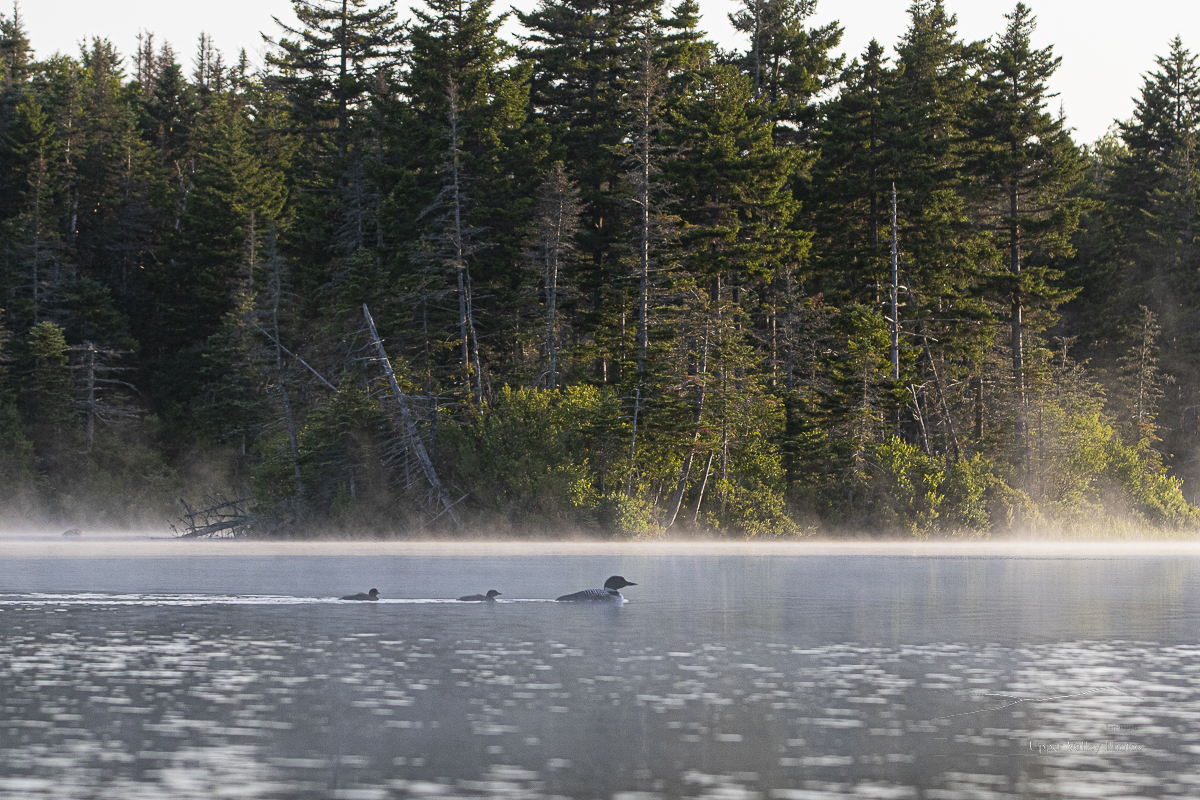
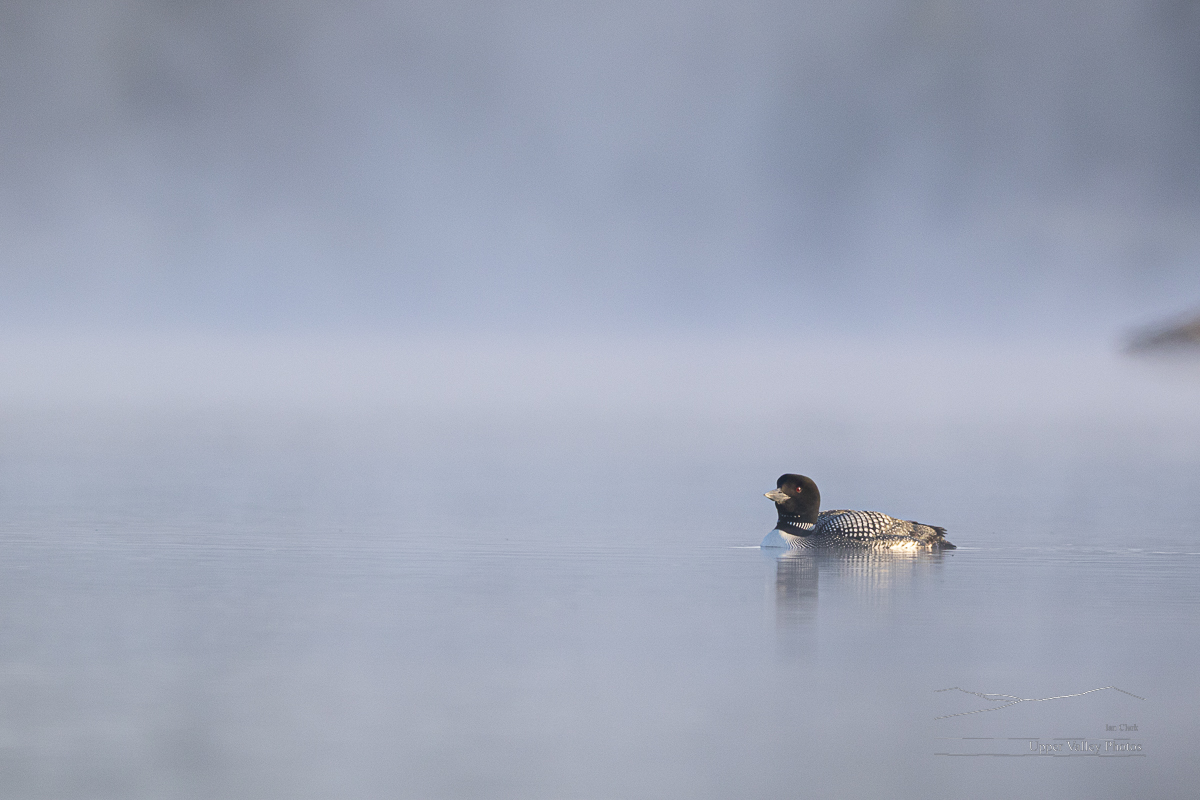
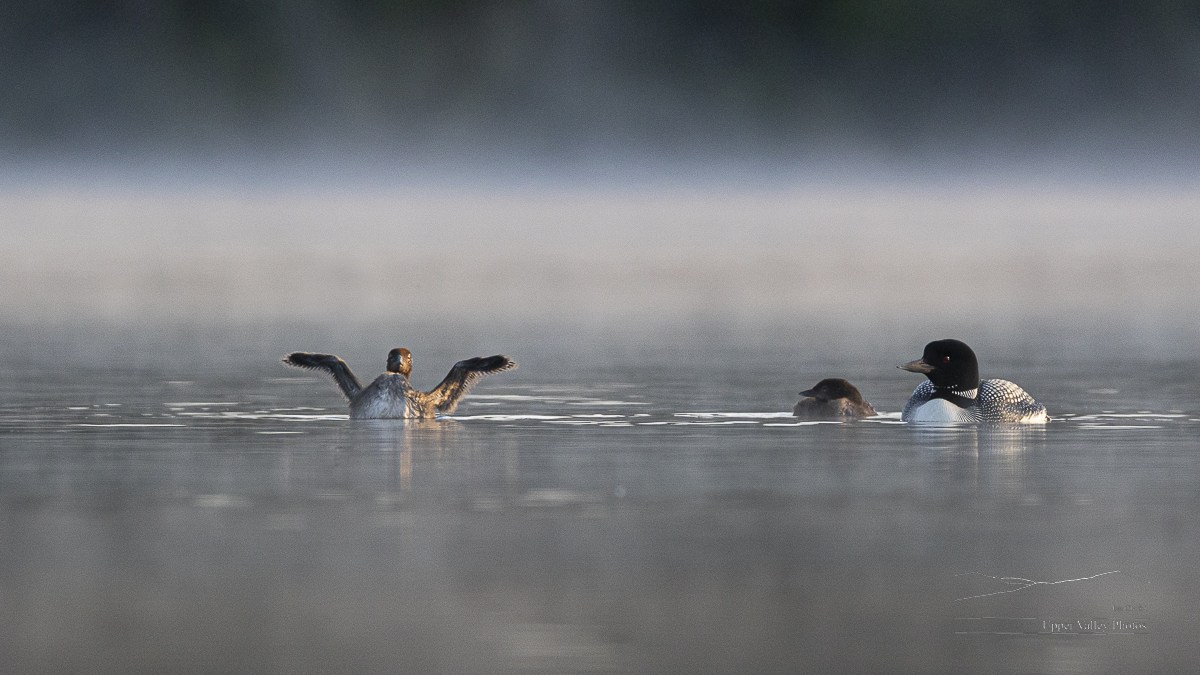
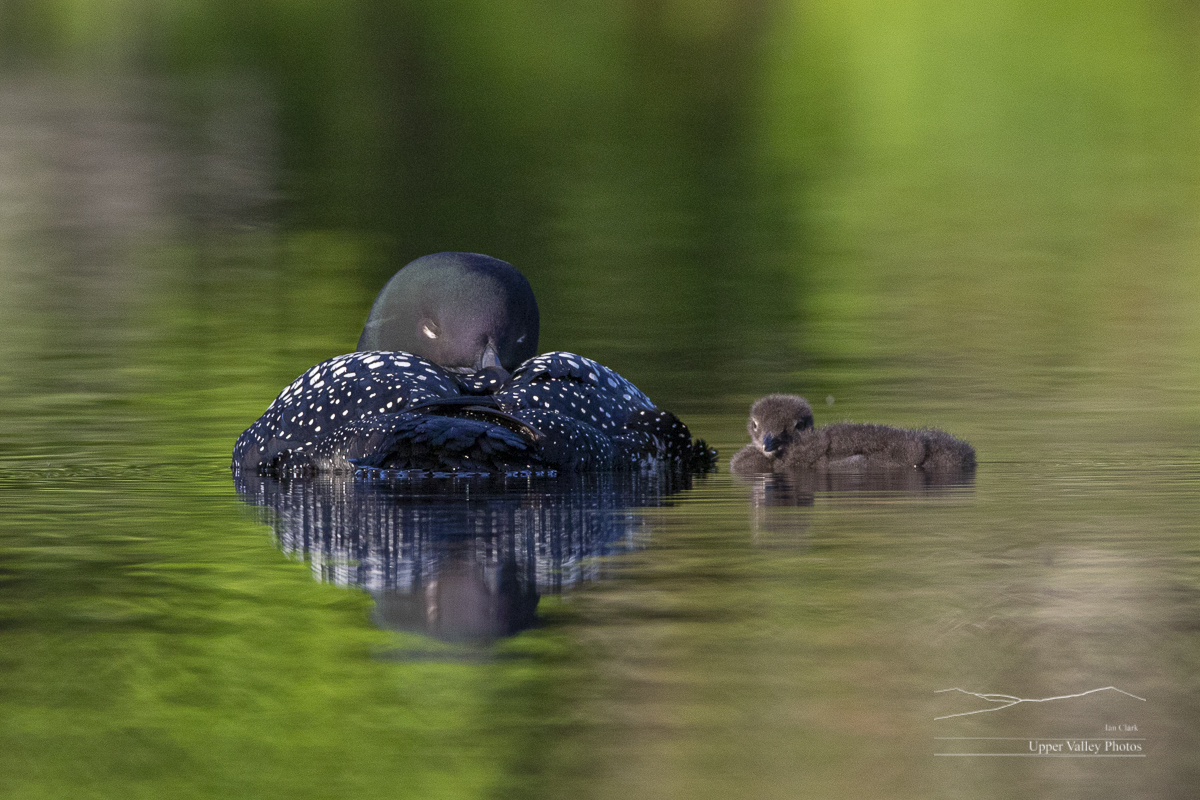
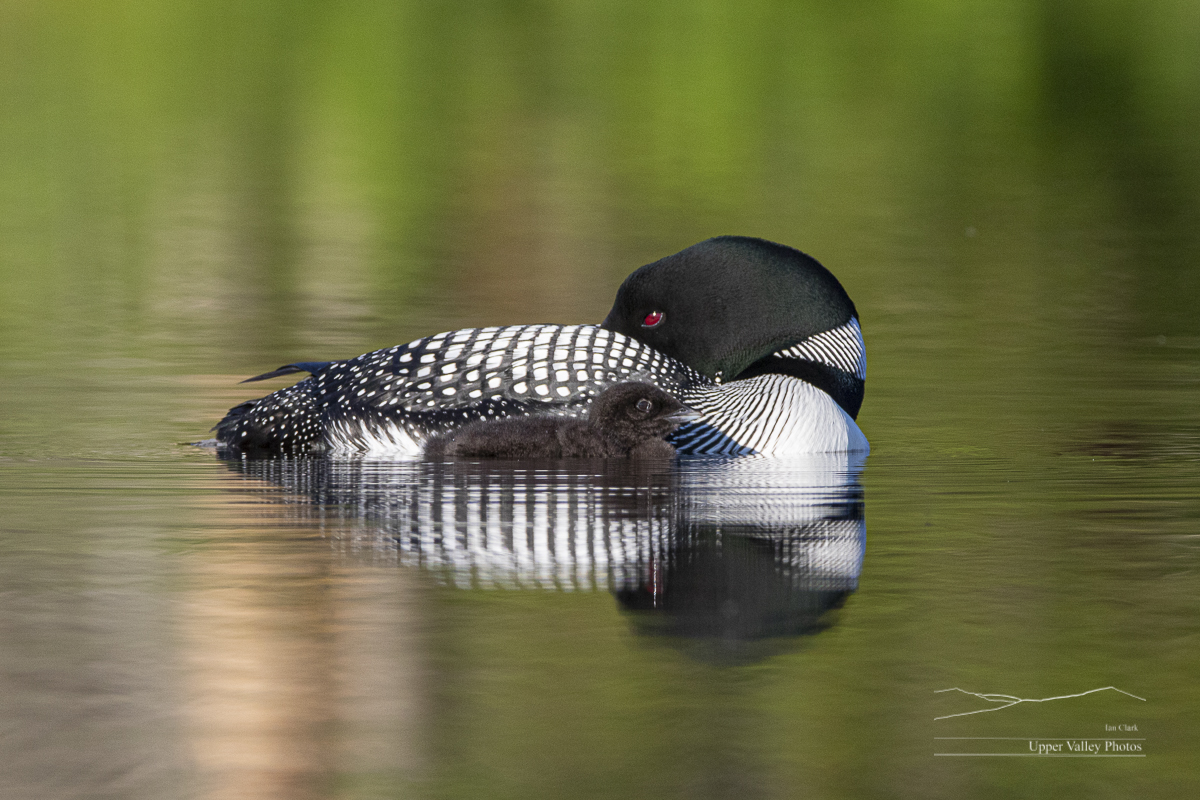
Sunday found me back on the east end. The morning started out foggy, with our family lazily foraging, snoozing and slowly swimming around one of the coves on the pond.
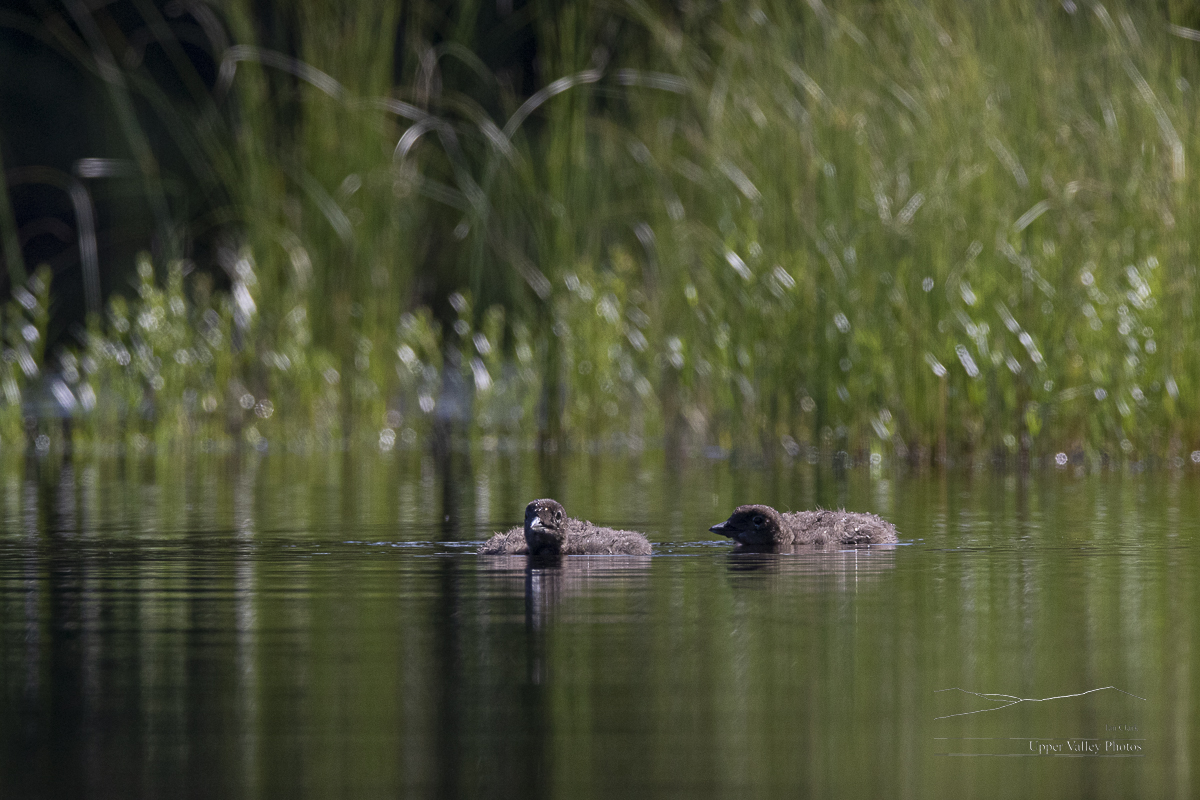
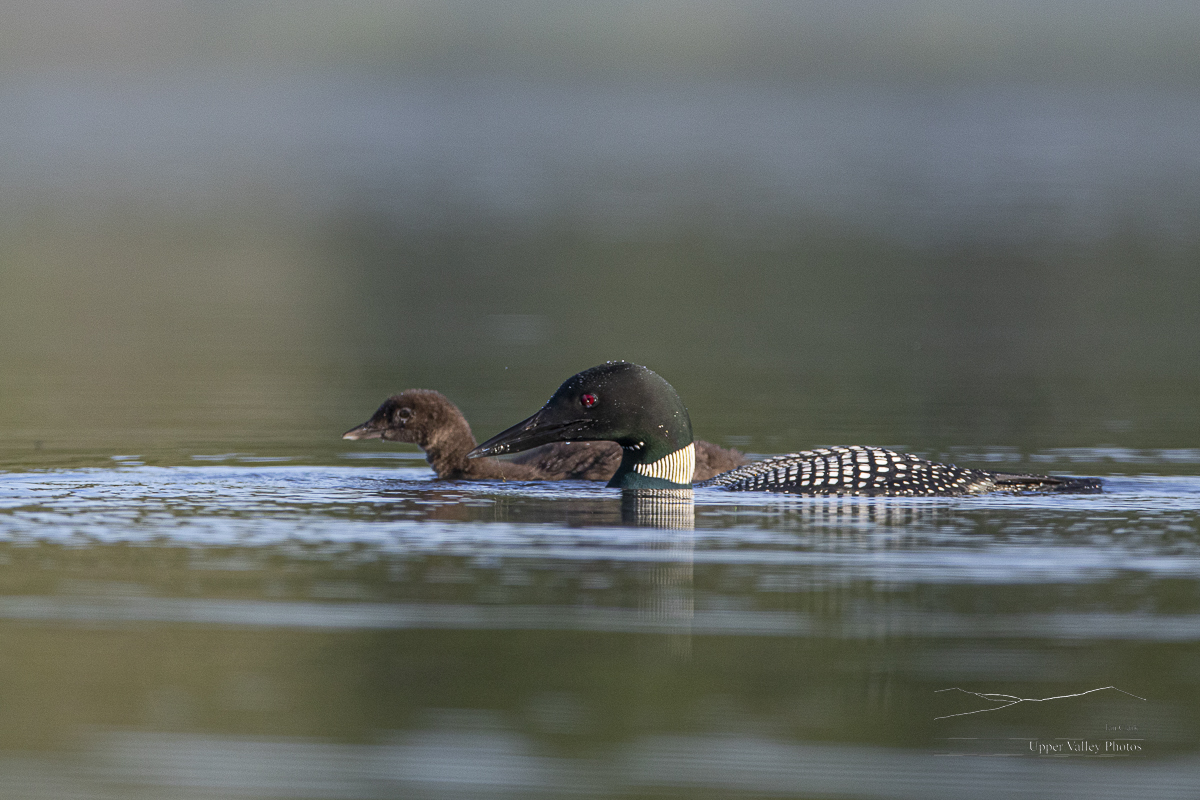
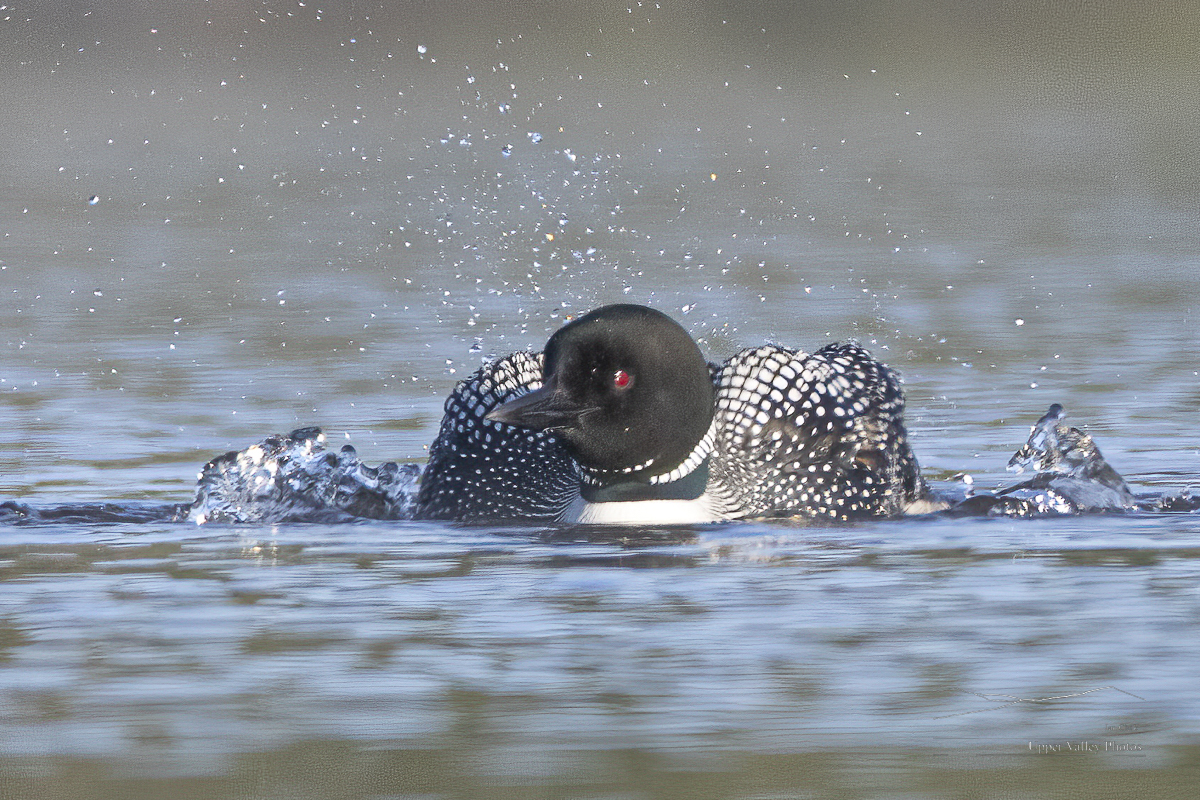
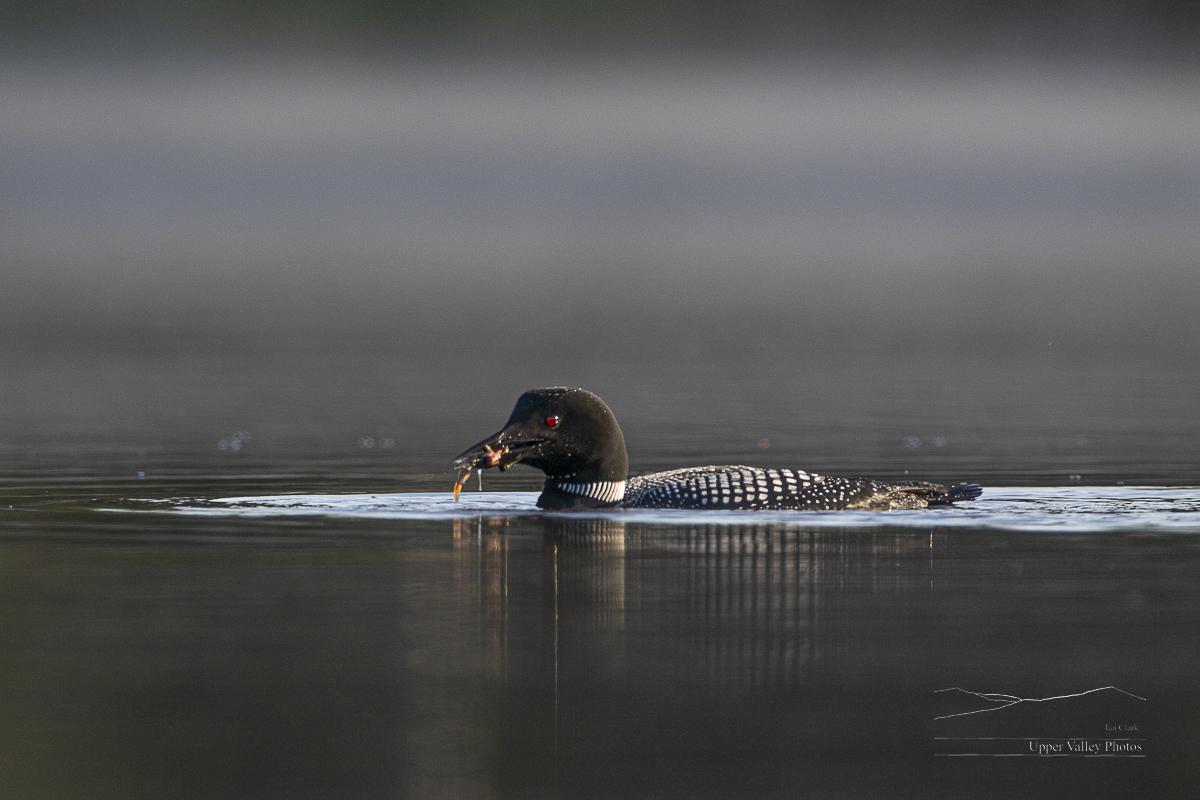
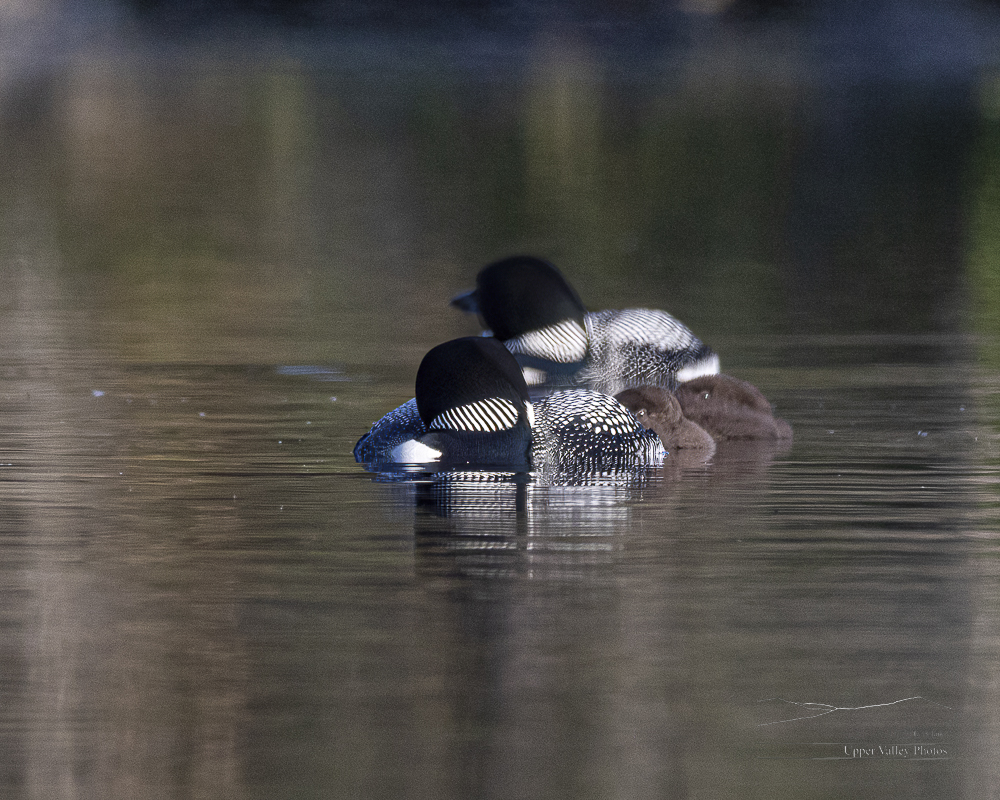
Loon Chicks At Two Weeks
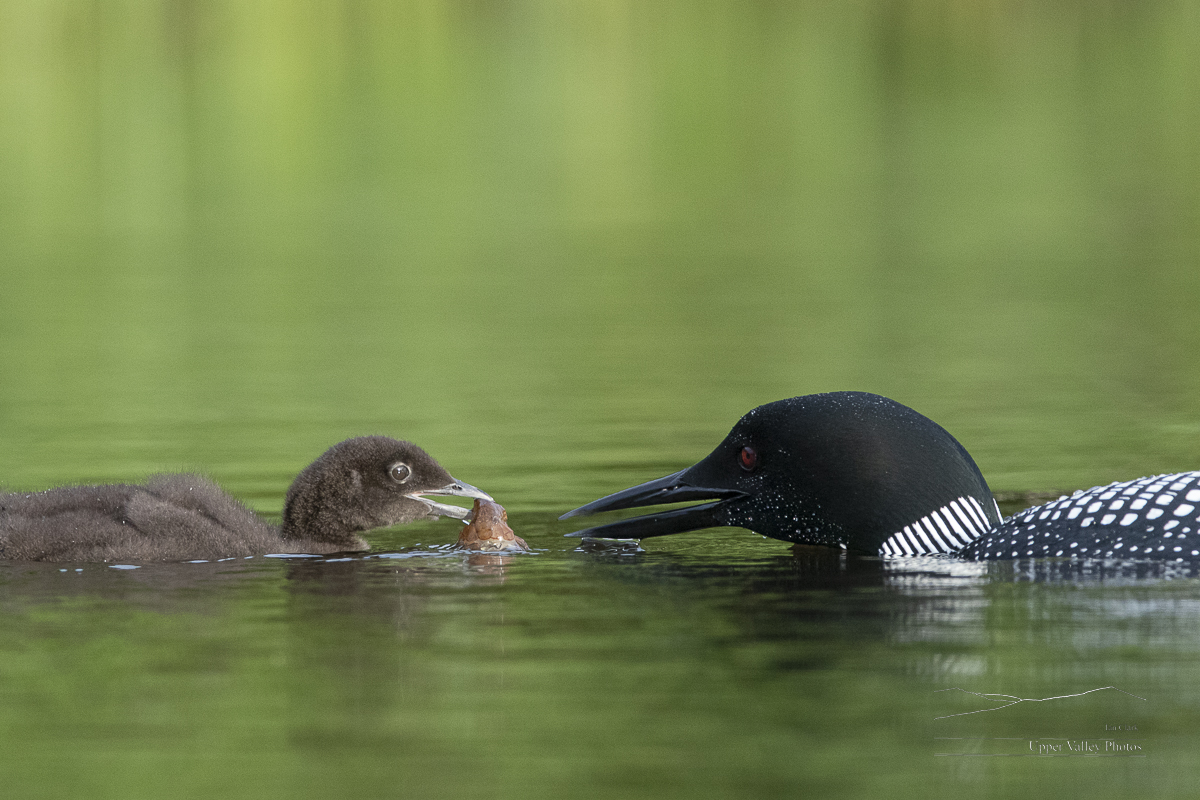
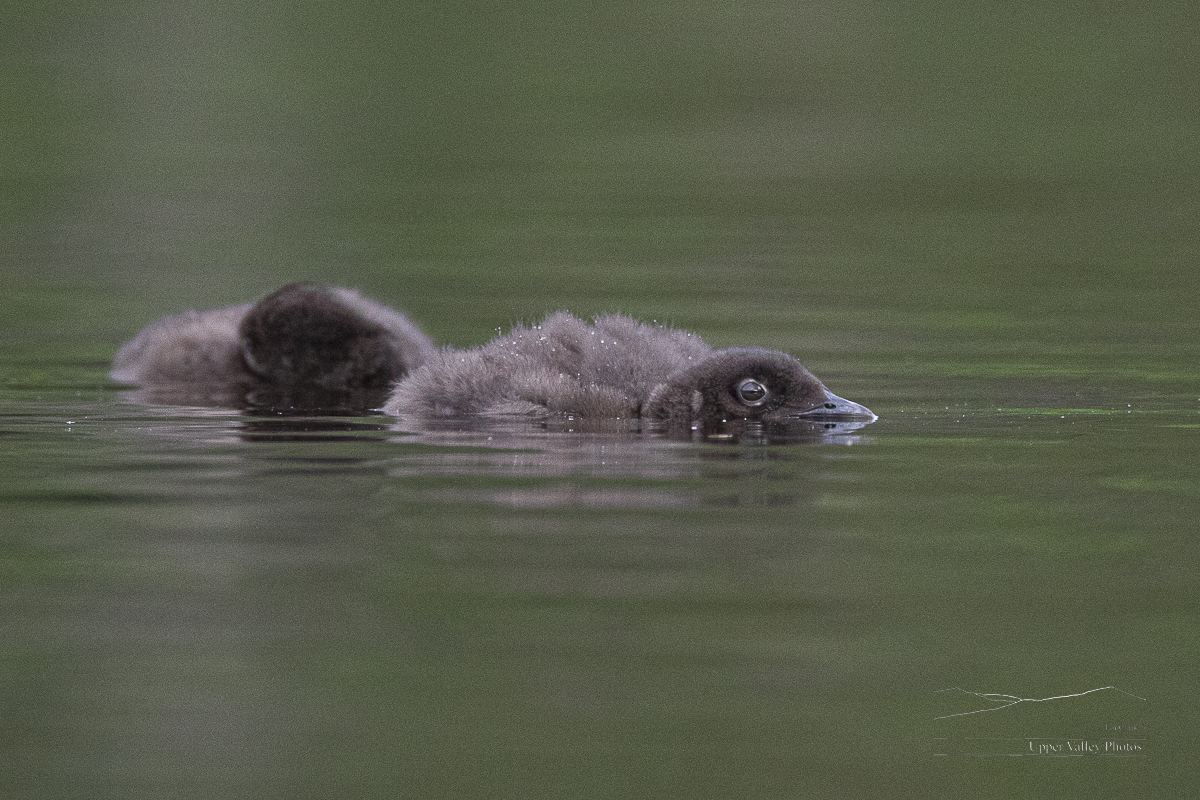
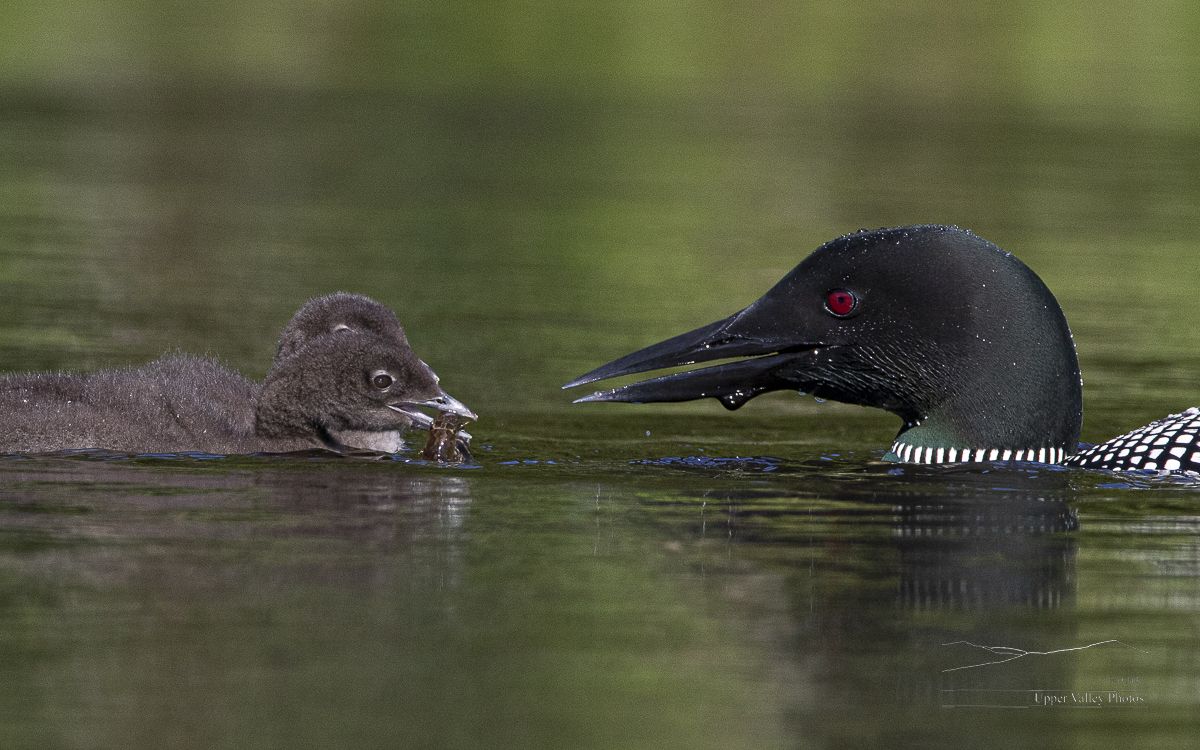
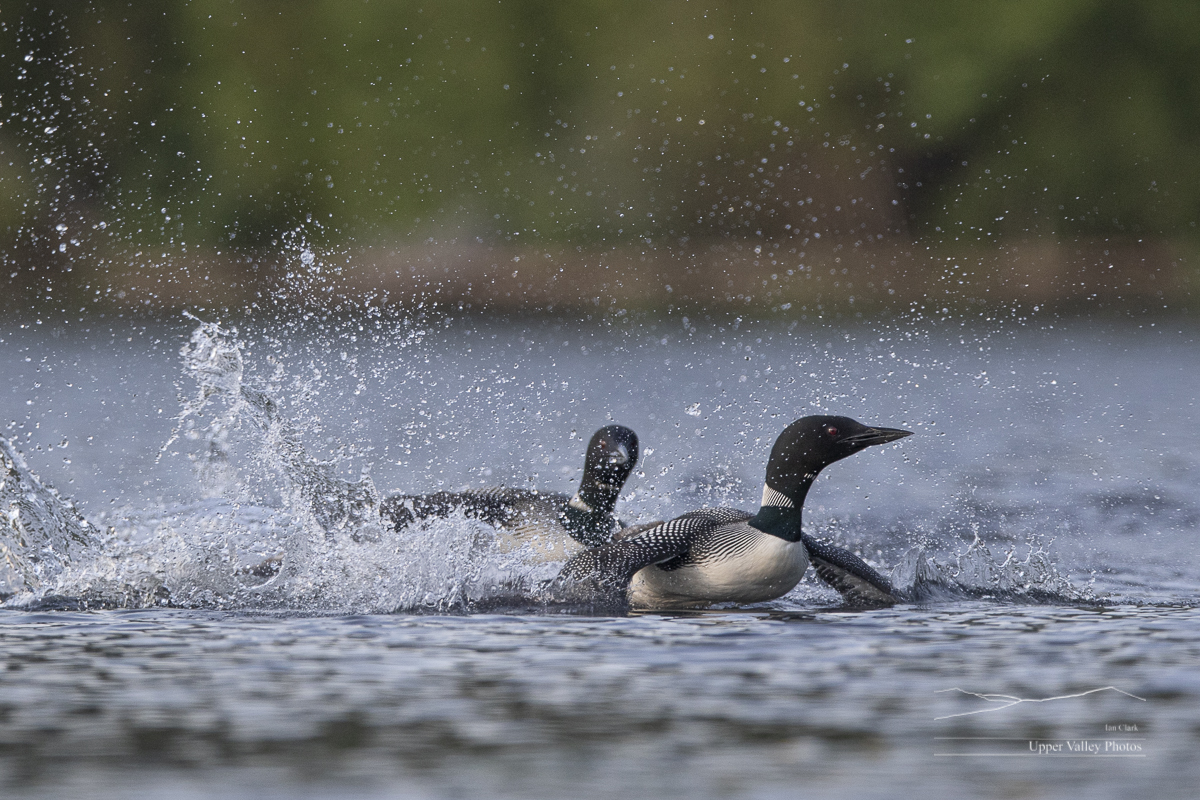
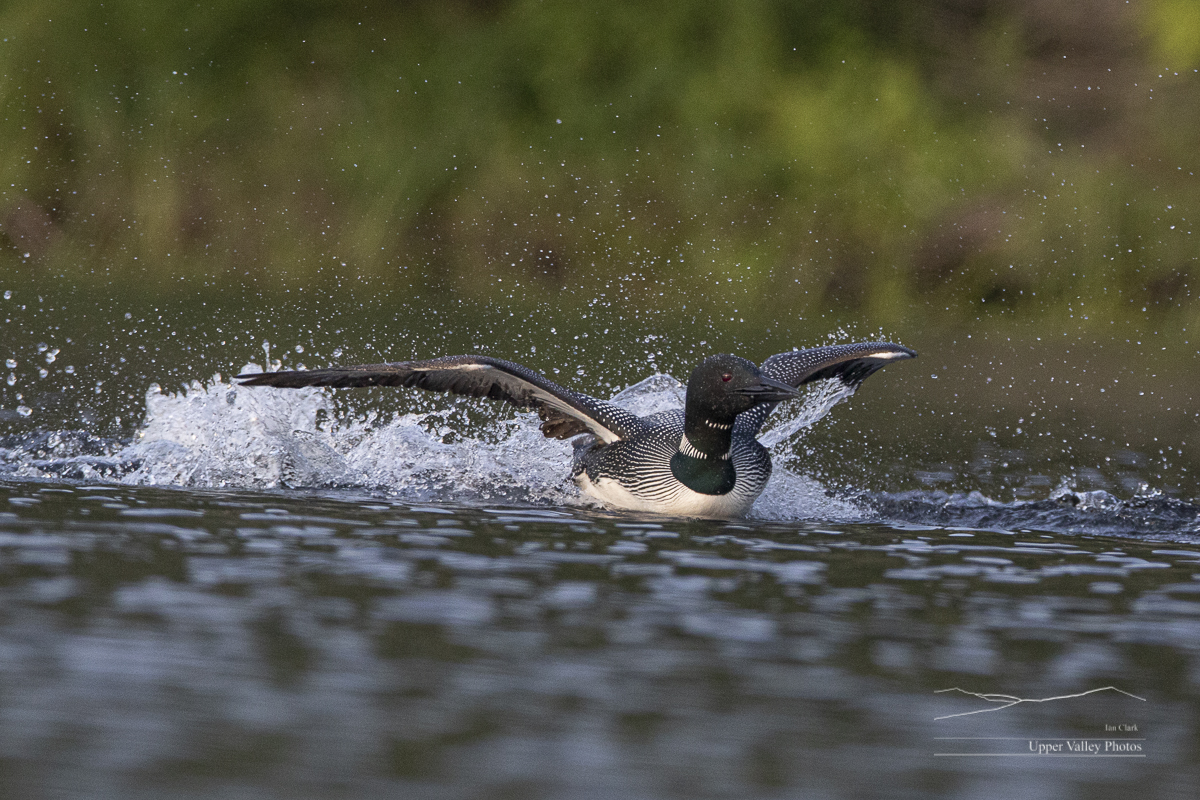
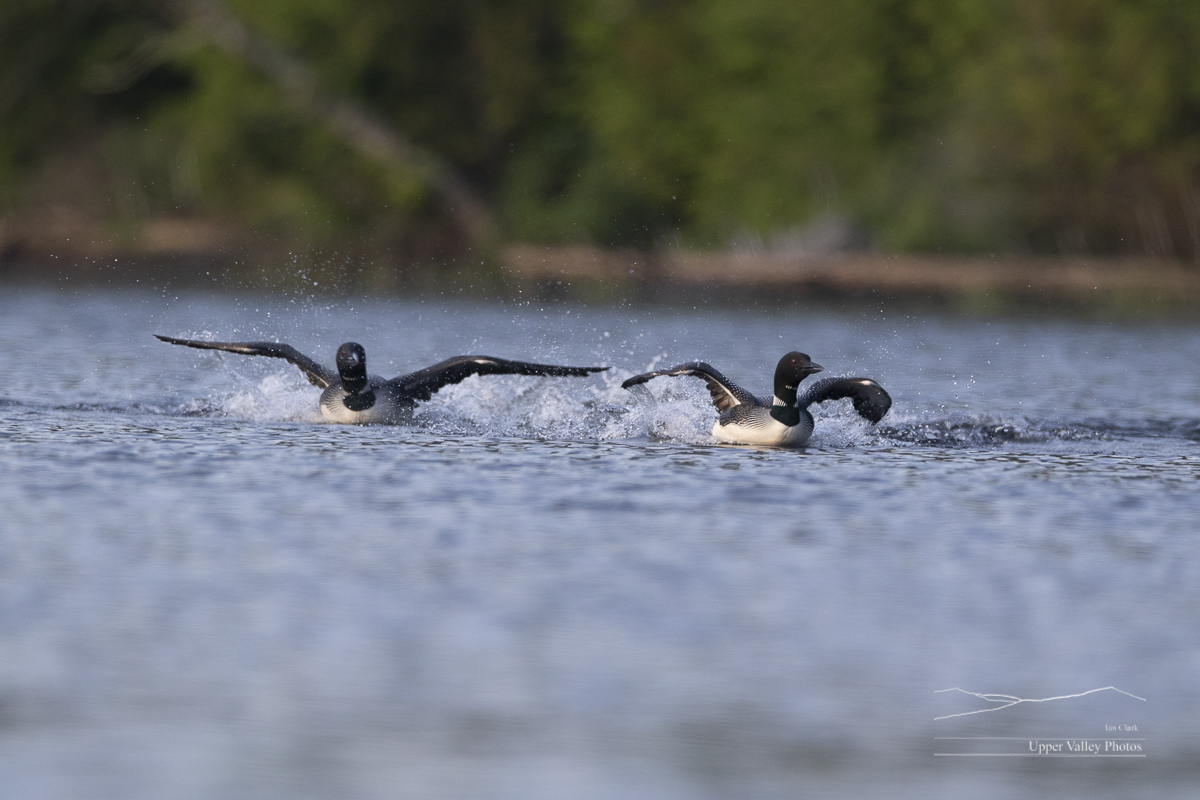
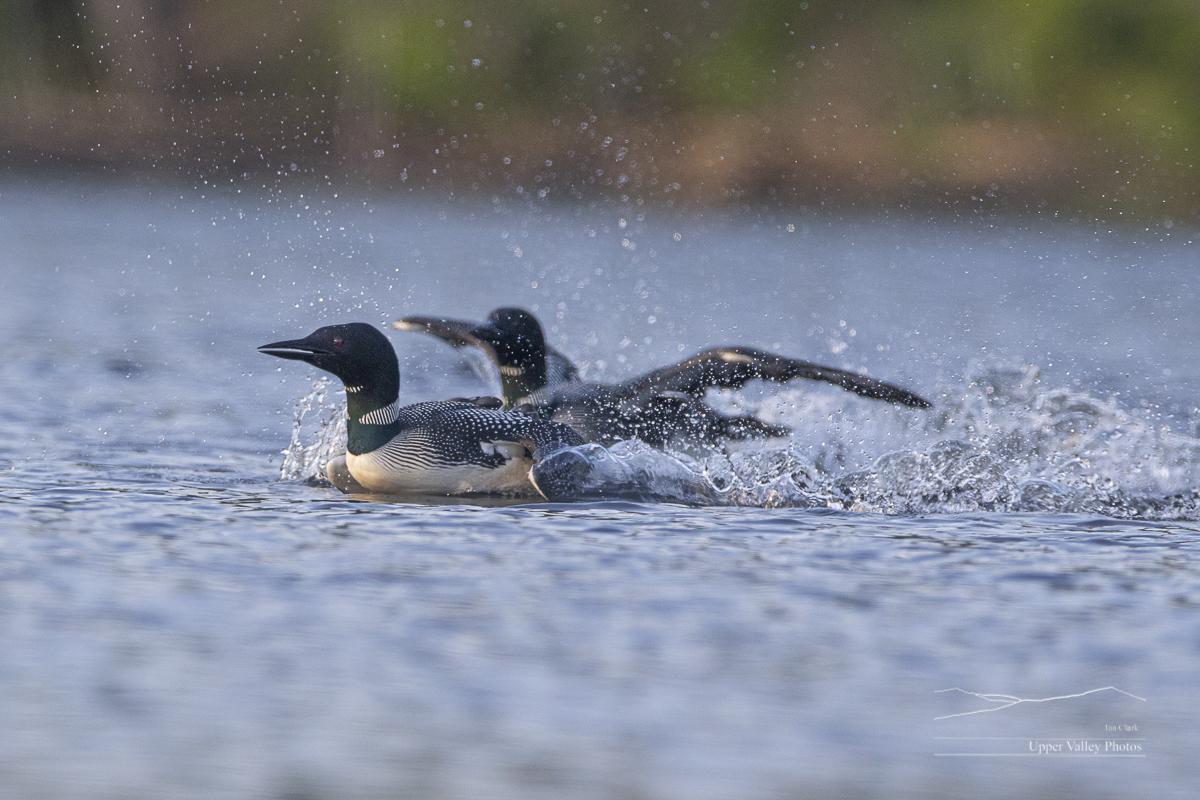
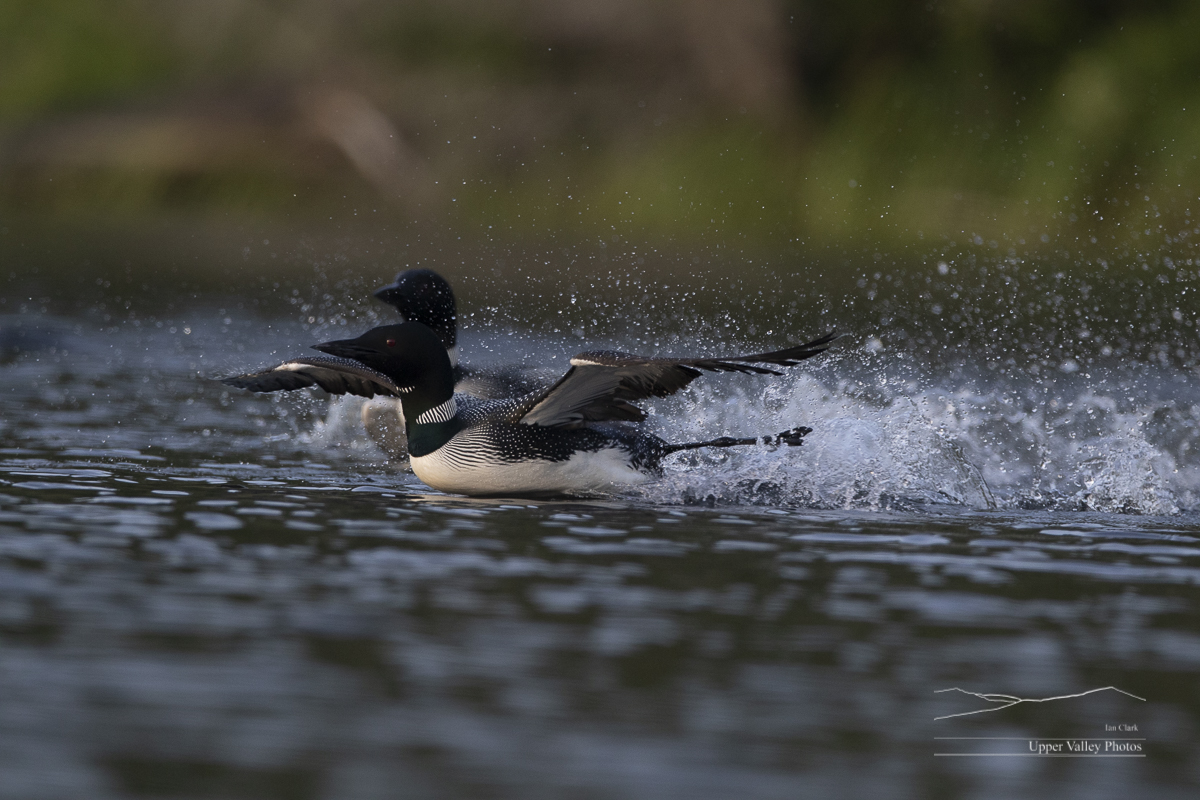
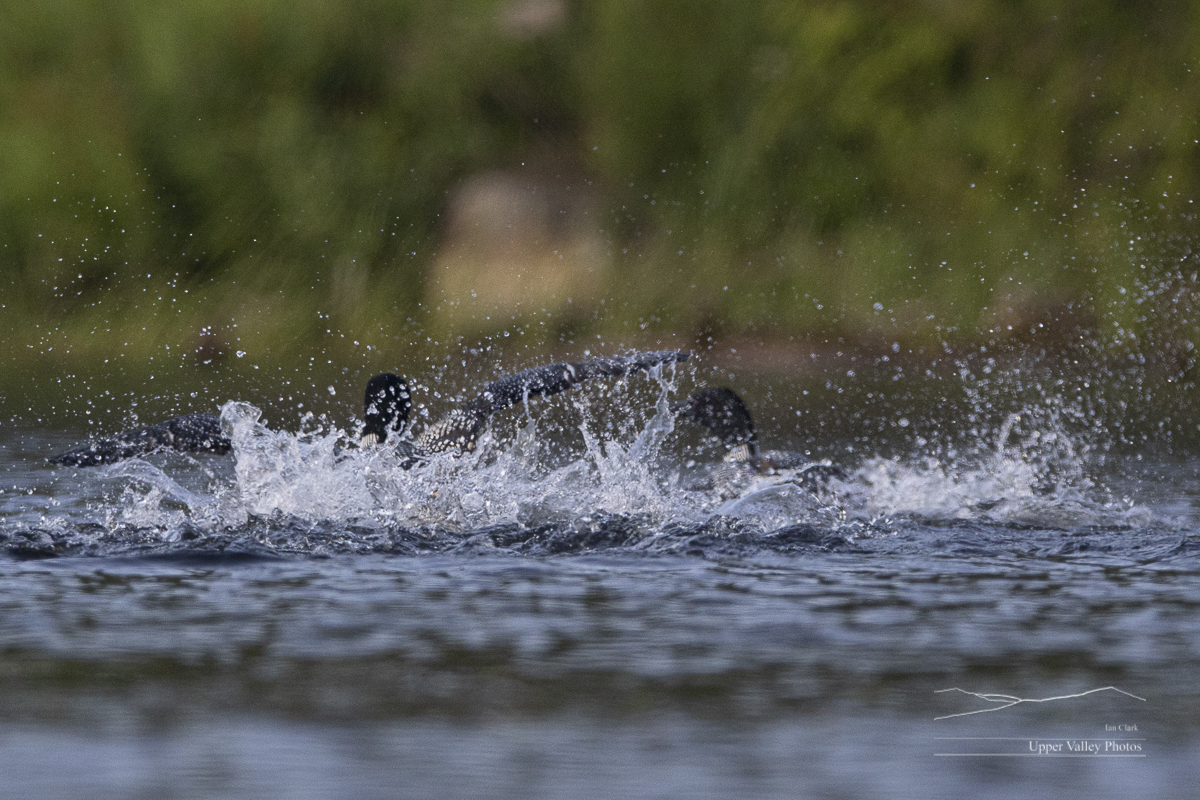
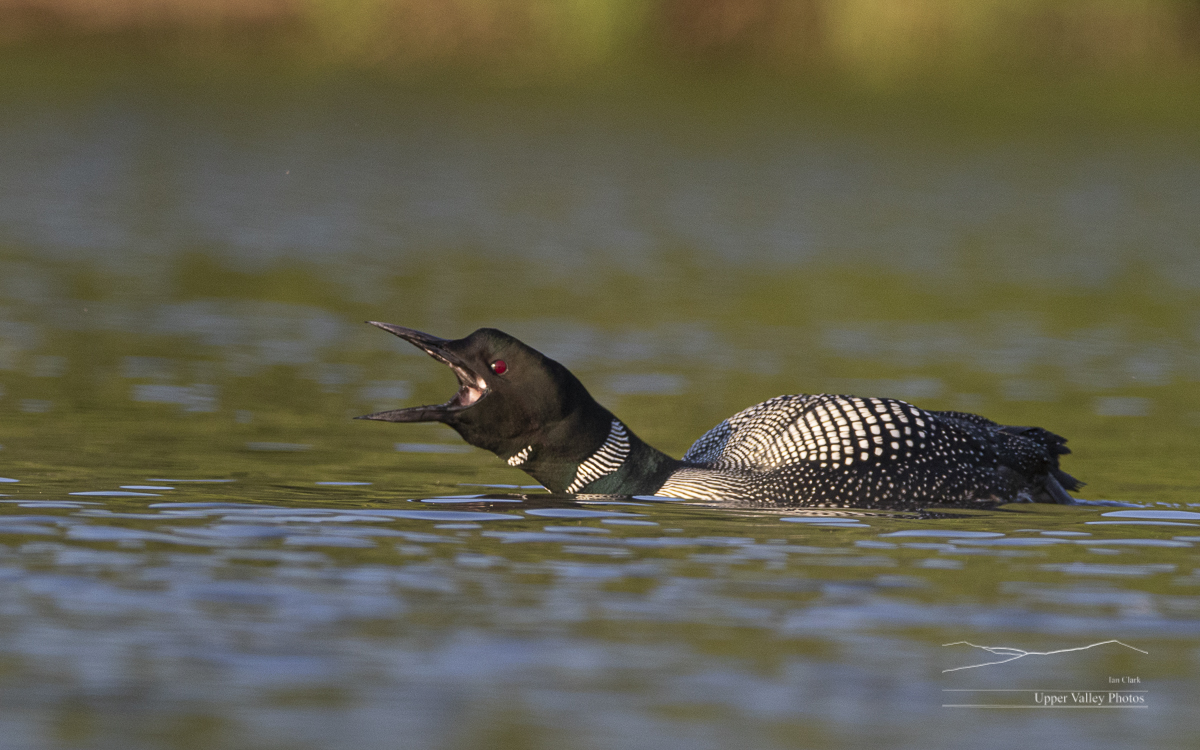
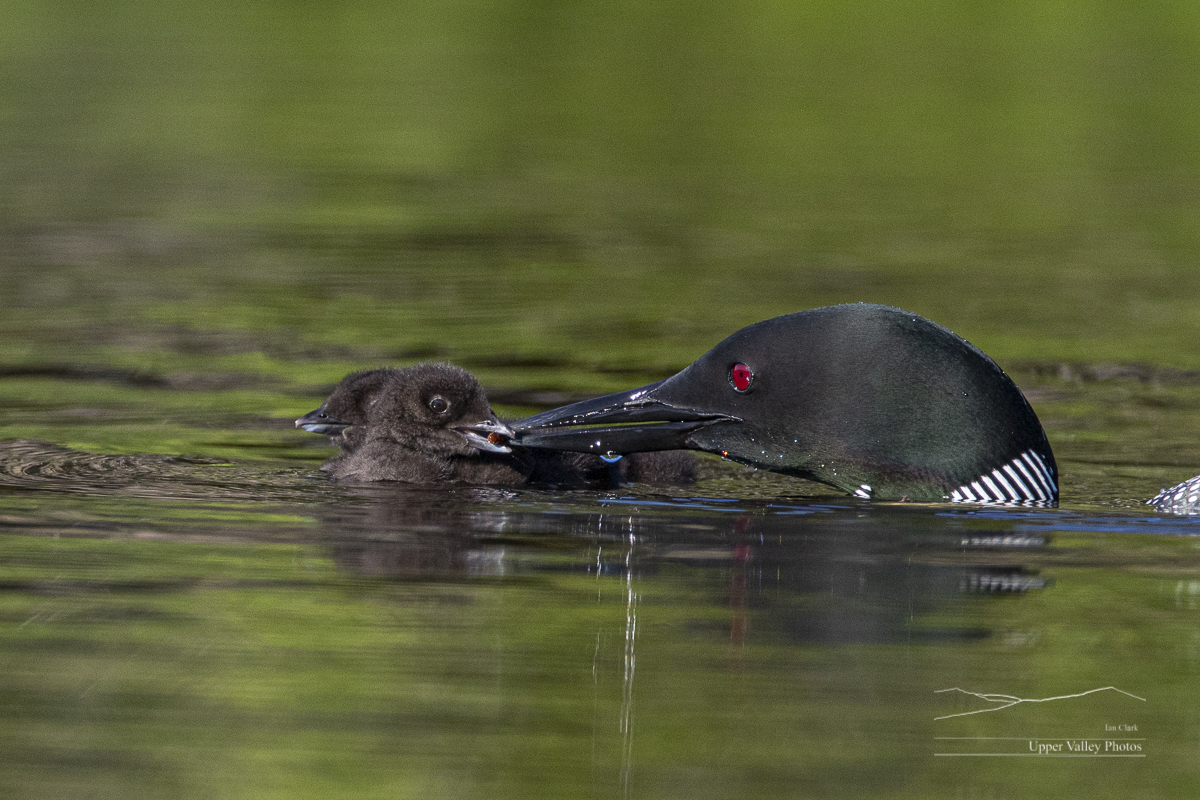
Our loon chicks on the easternmost pond I’m following, the ‘Easton’ family, are now two weeks old. There was lots of excitement on the pond this morning, with an intruding loon prompting a fairly active fight. This is the pond with the banded bird. The banders were unable to determine his sex when they banded him. He yodeled repeatedly this morning, identifying him as the male.
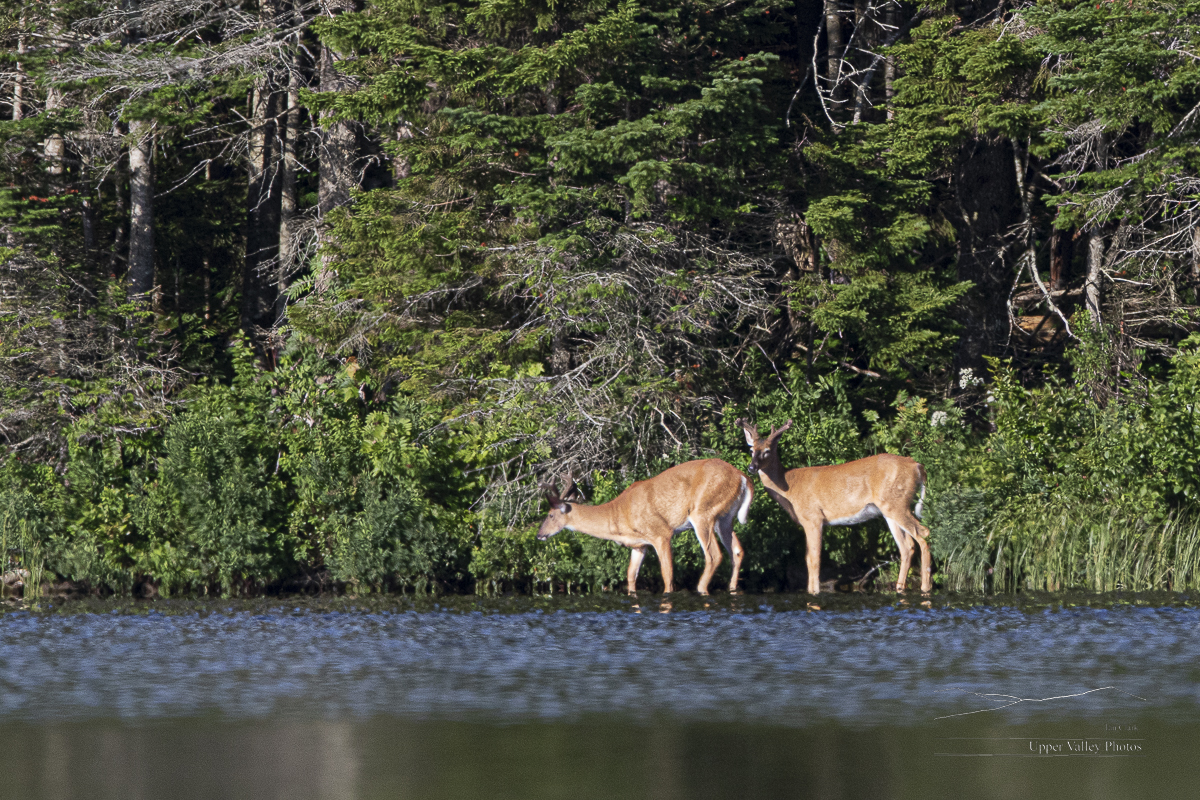
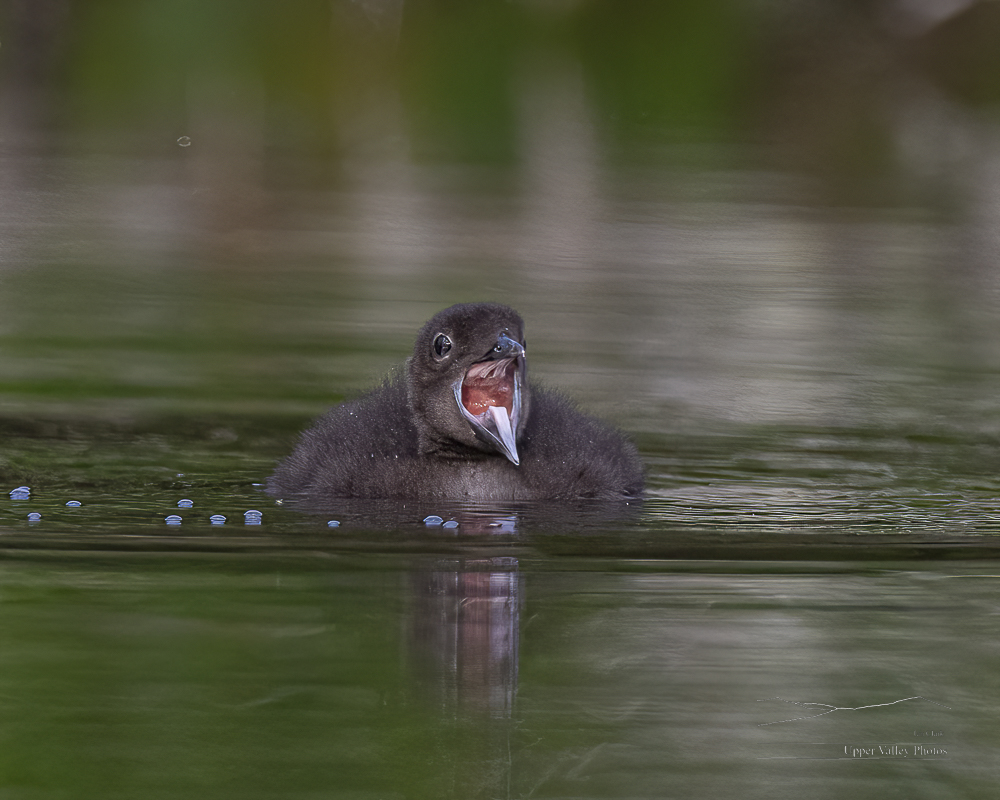
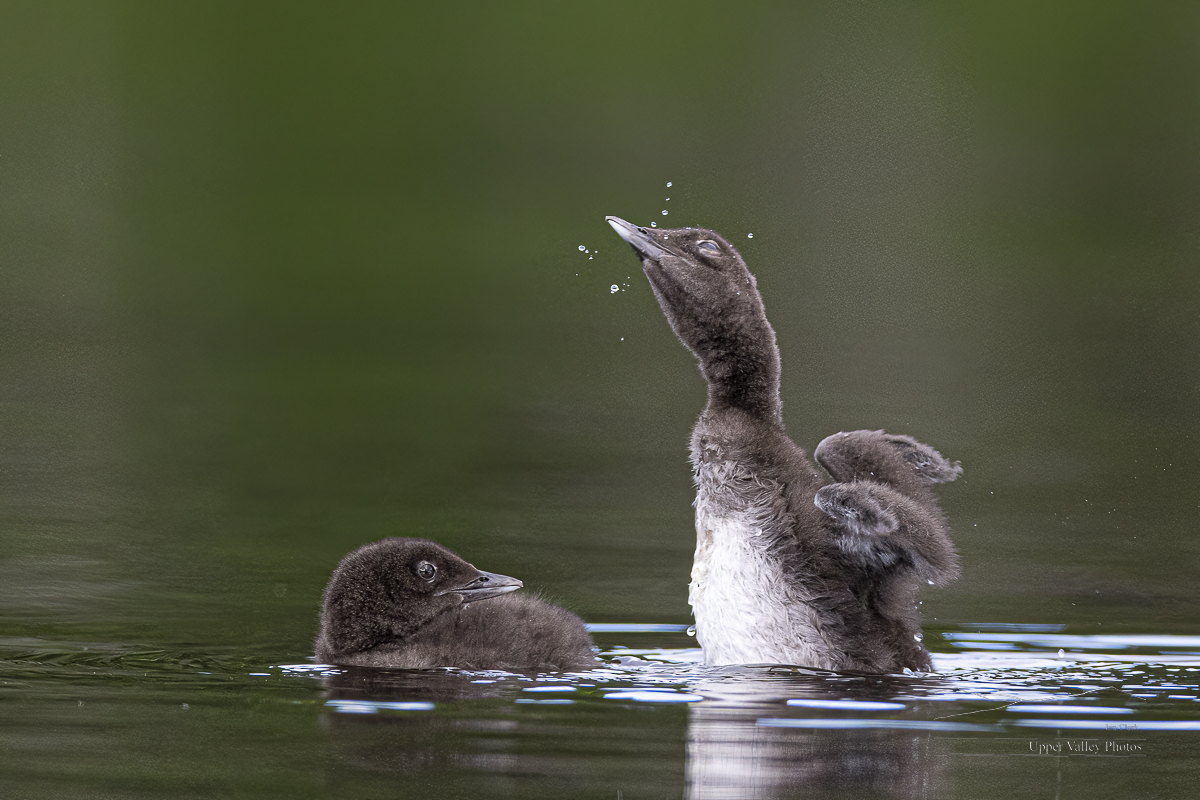
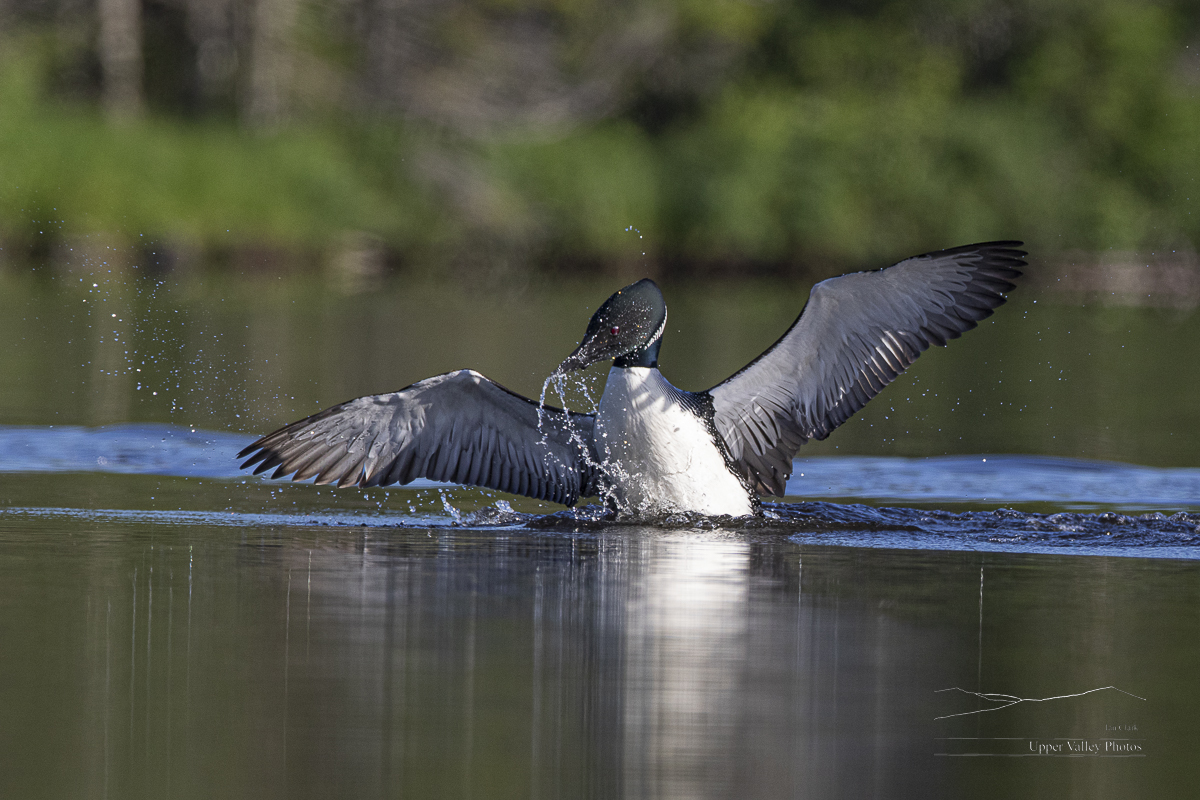
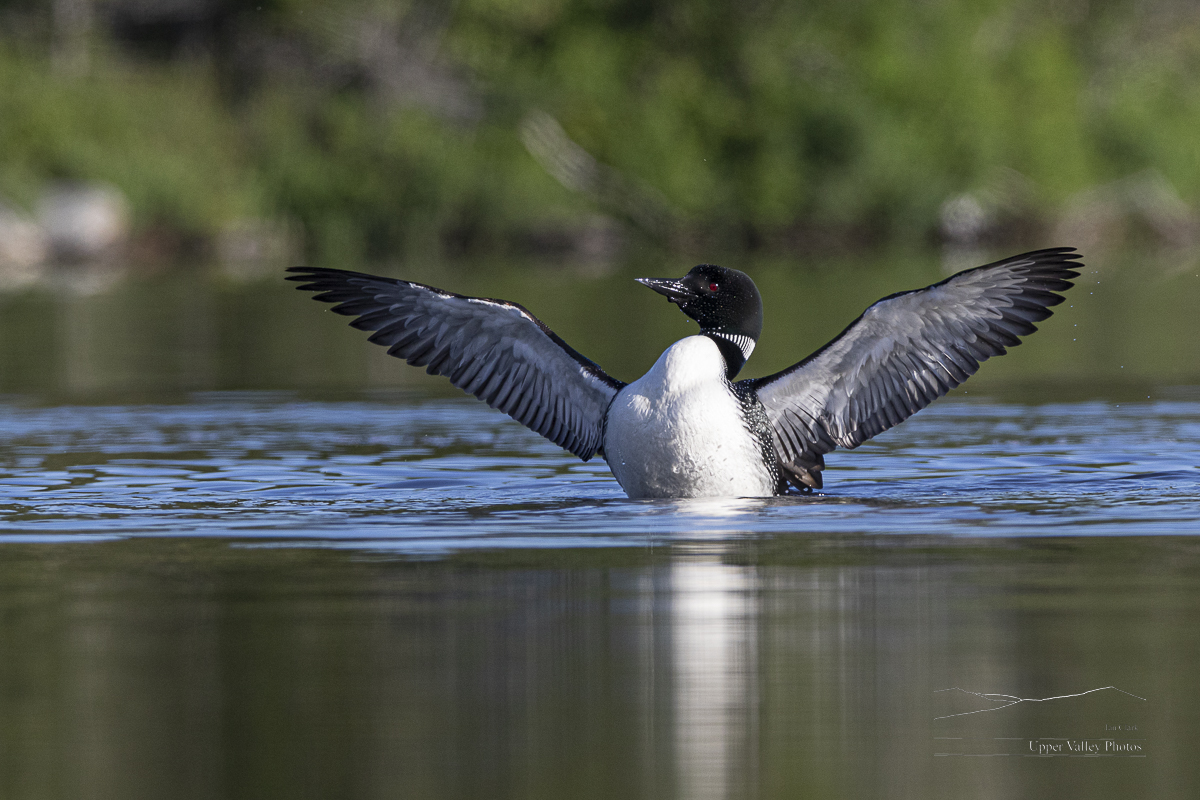
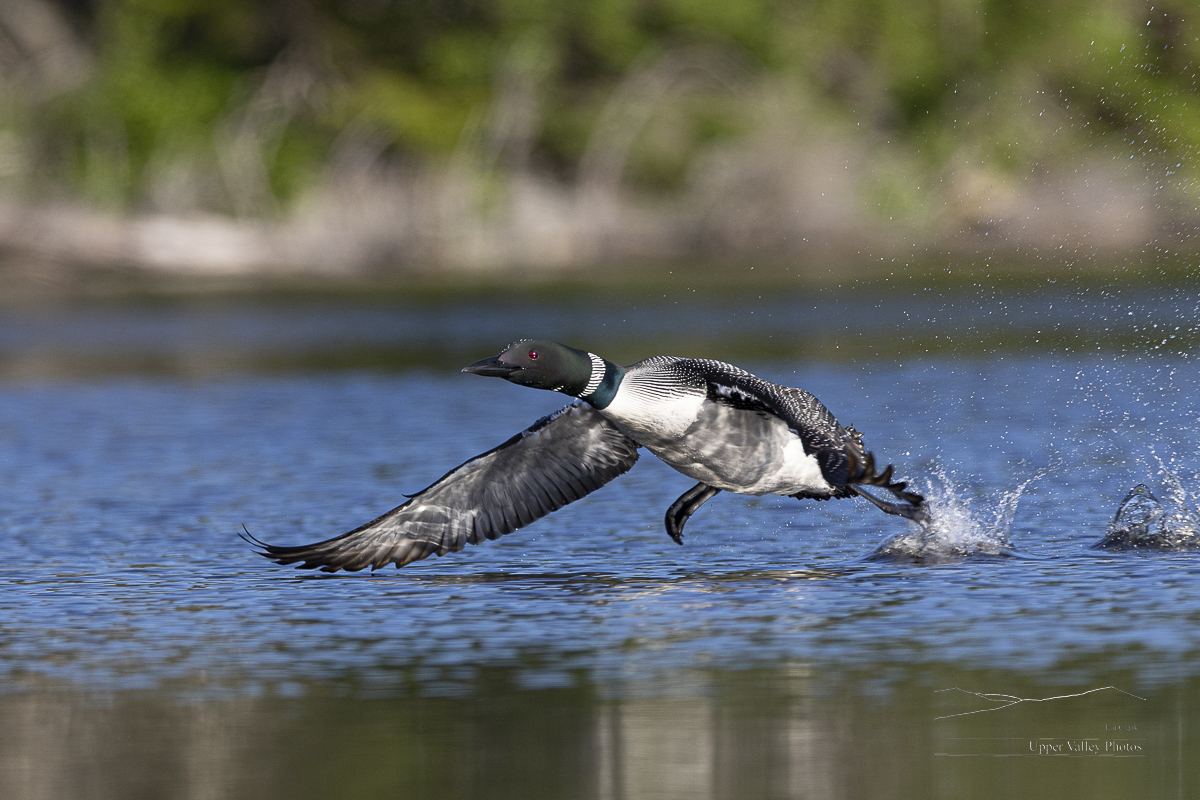
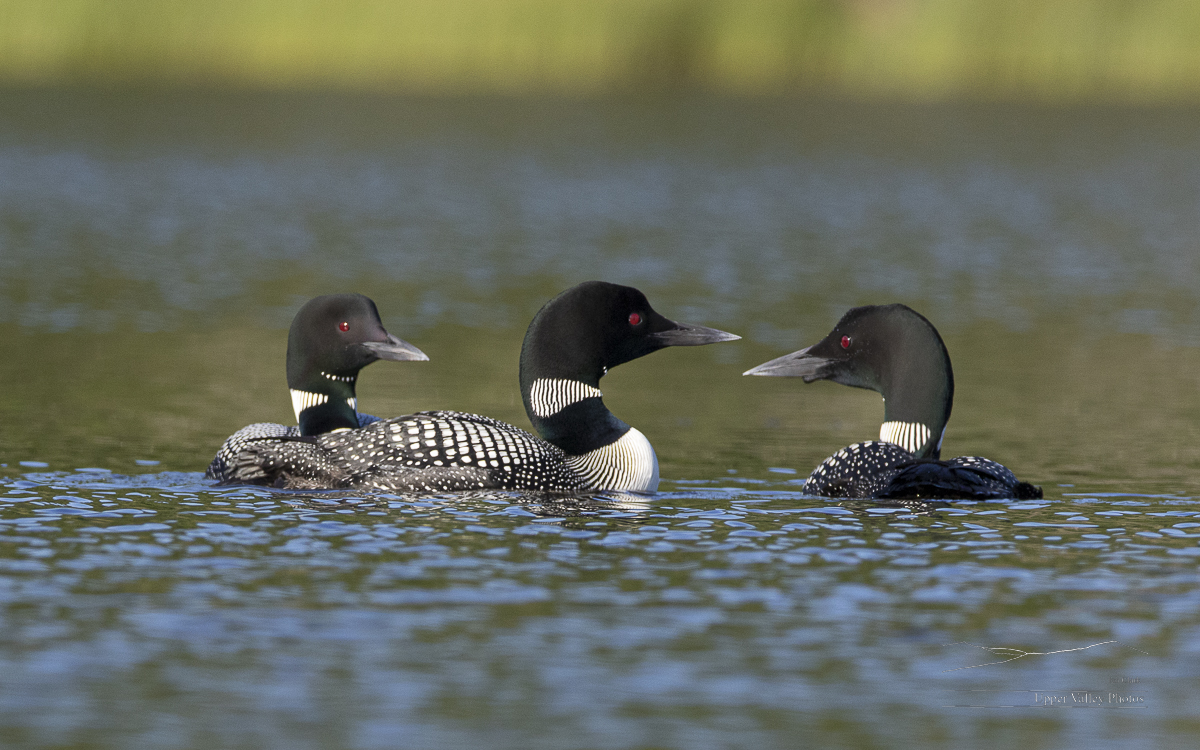
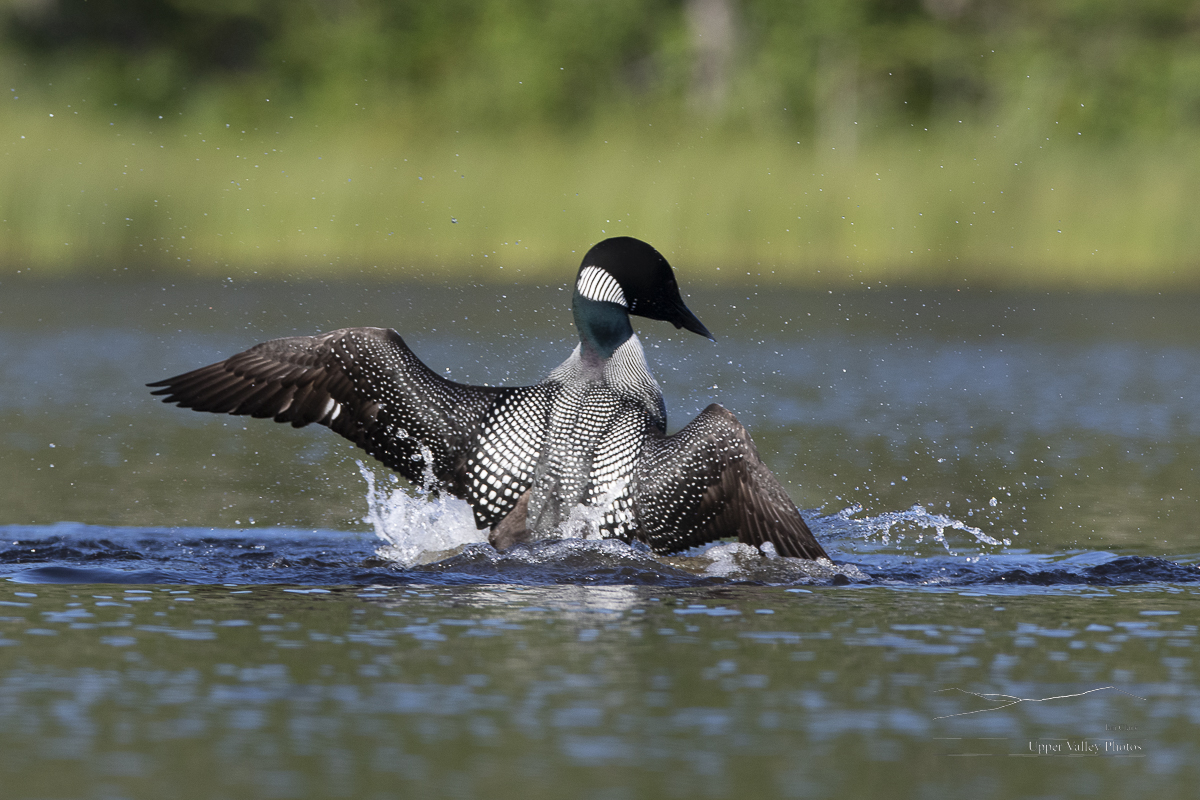
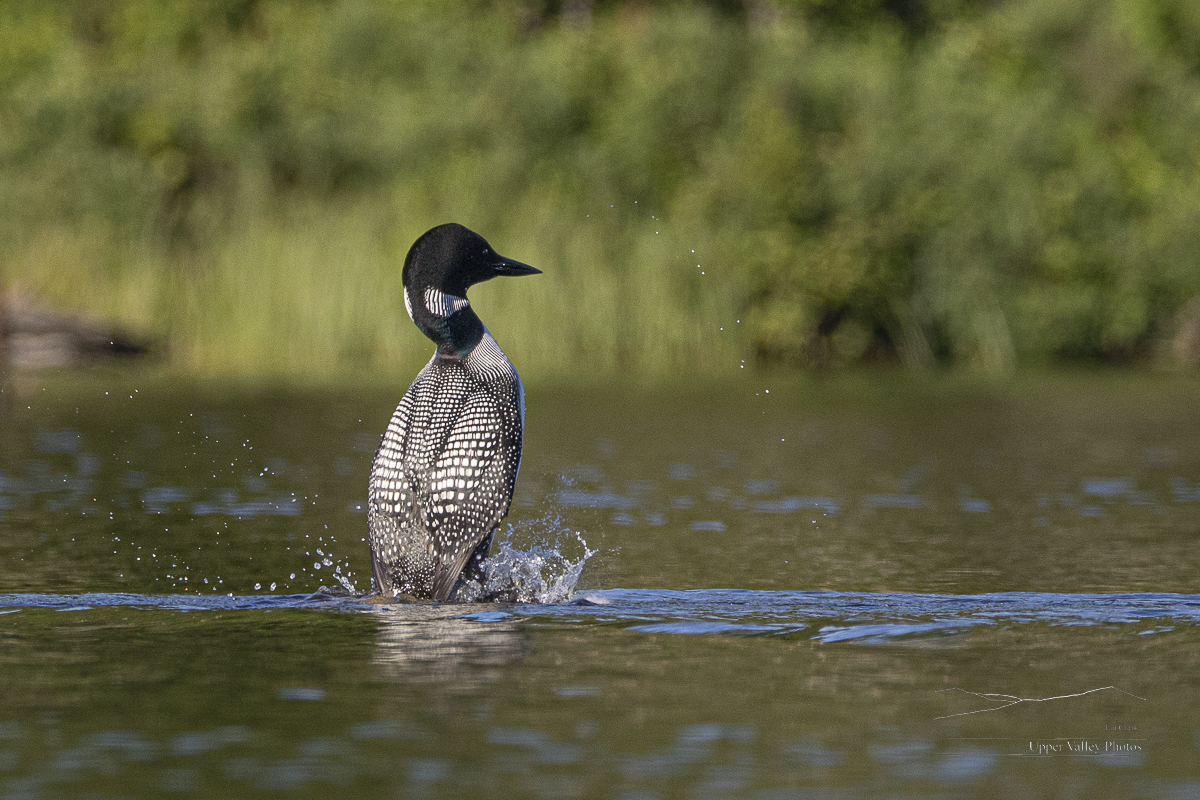
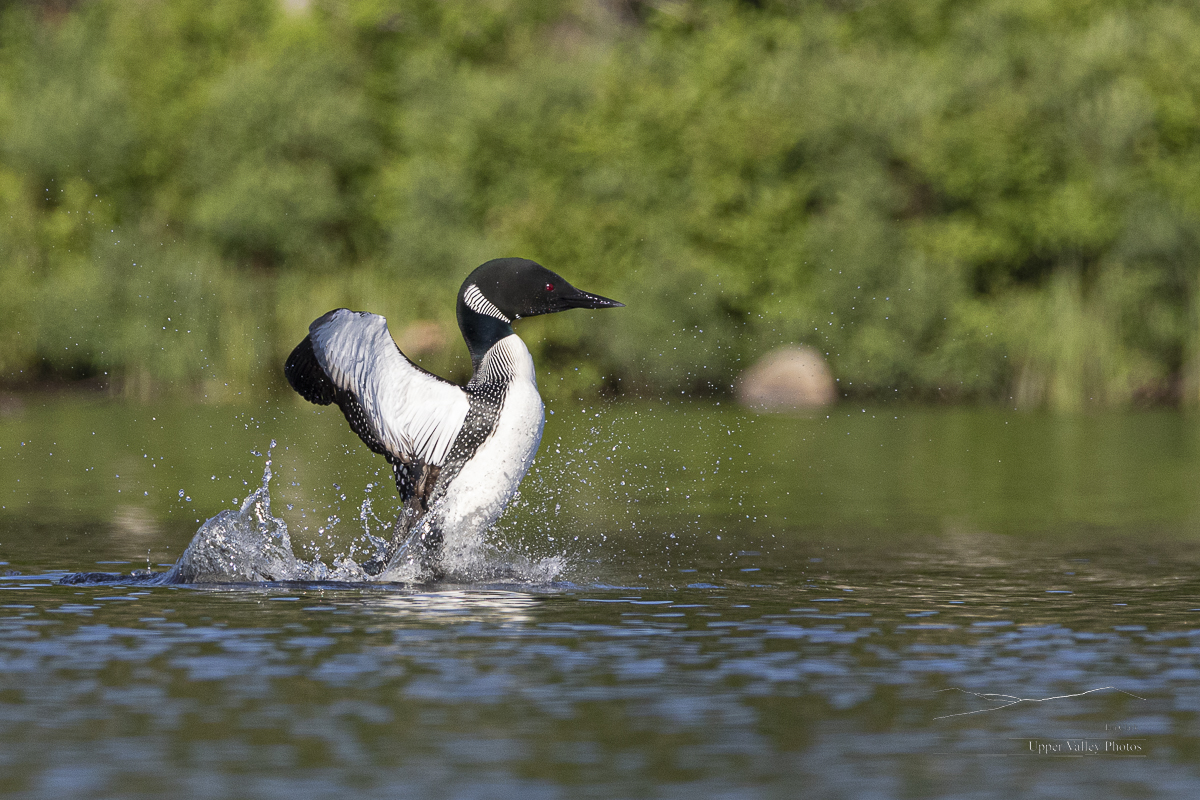
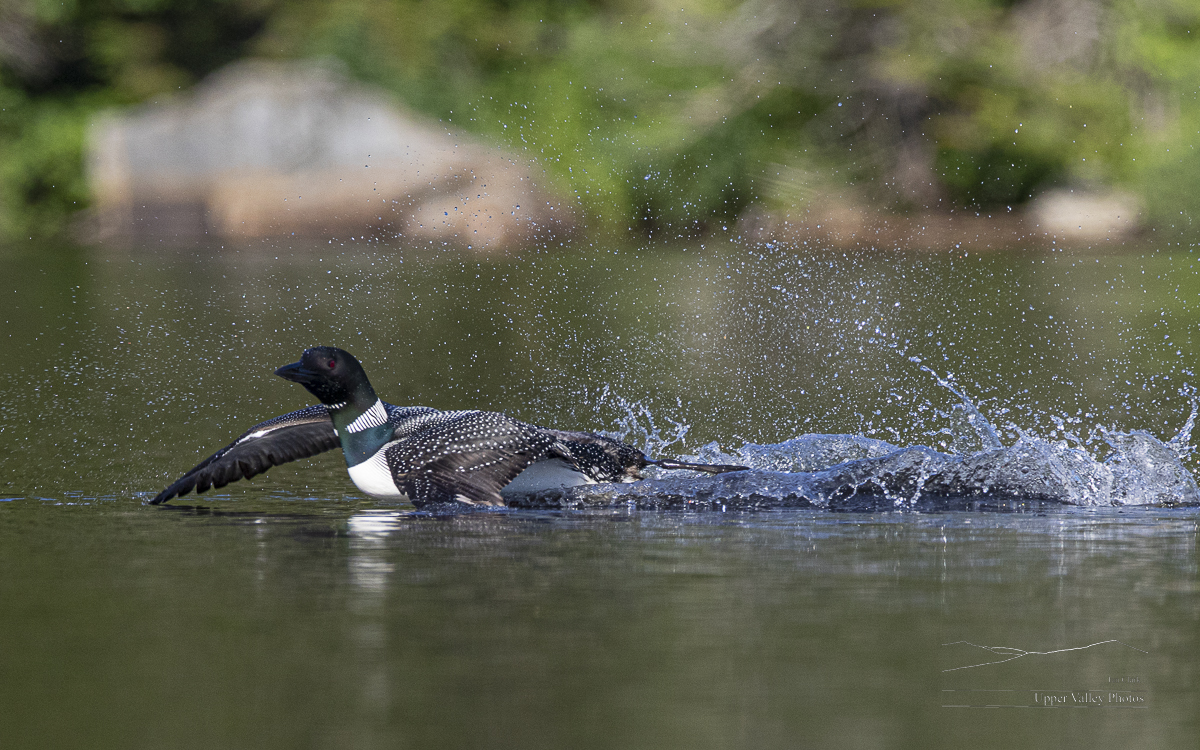
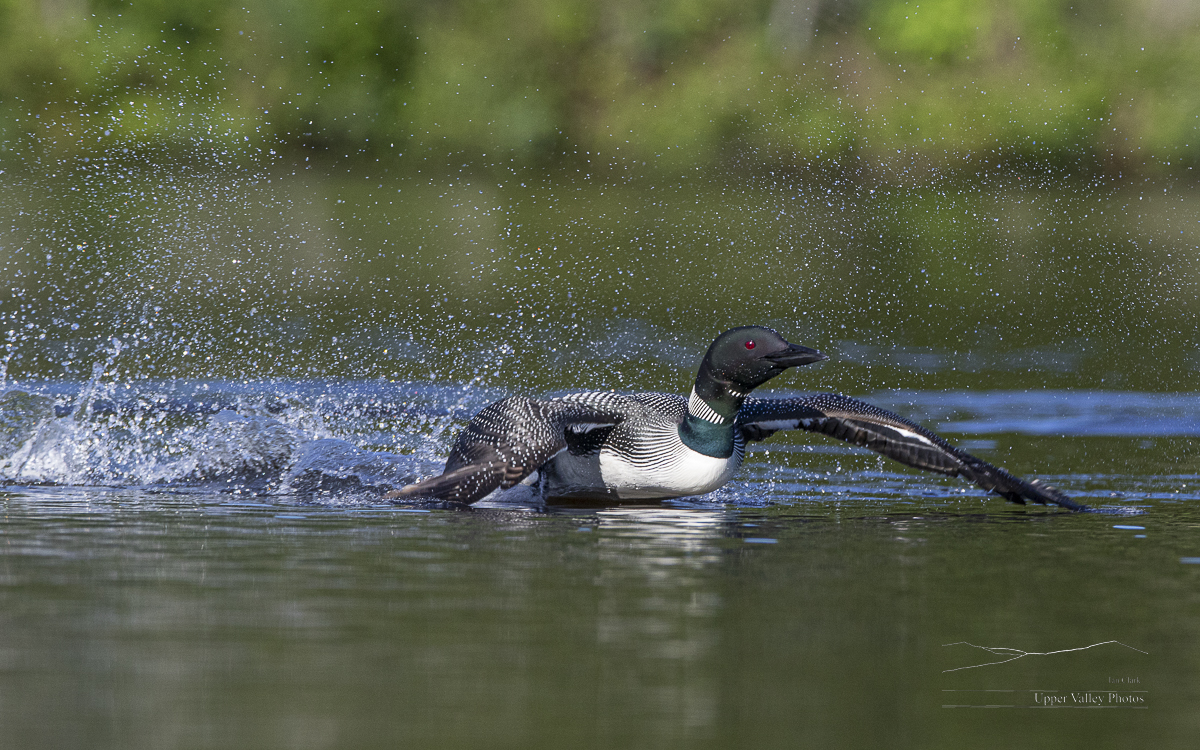
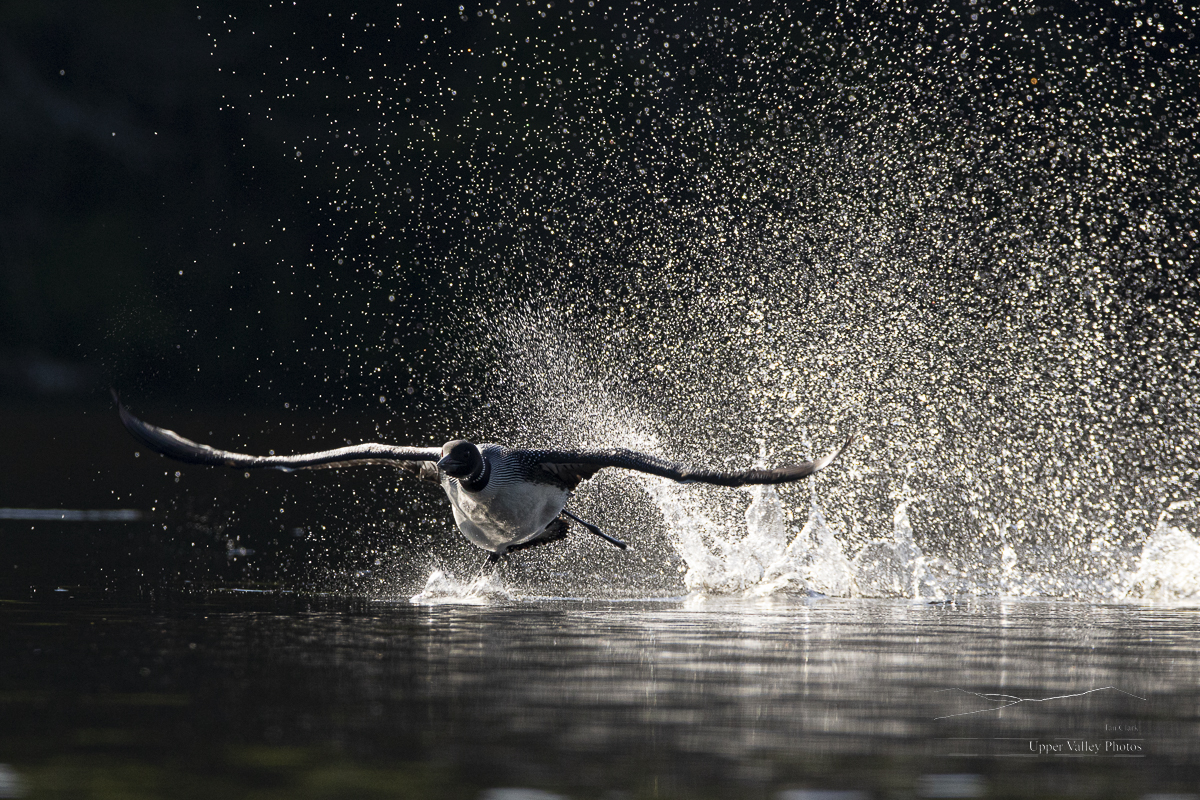
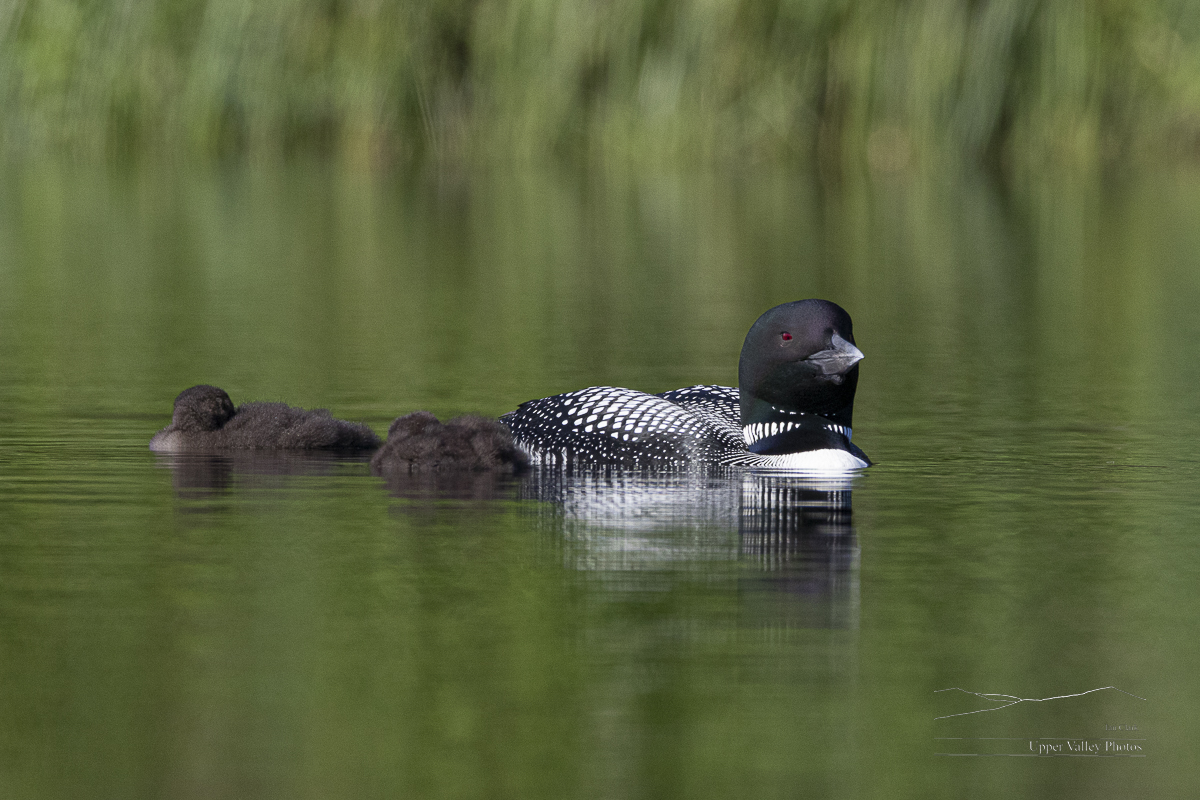
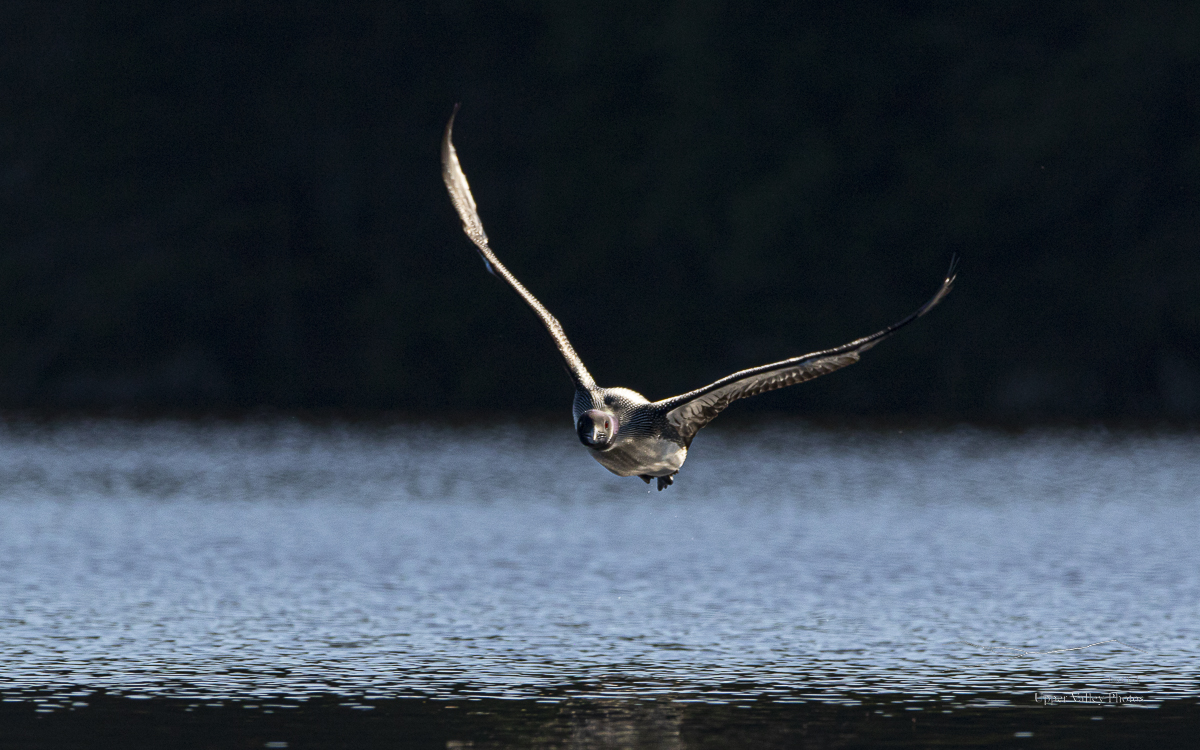
Loon Fight For Territory
Today was another beautiful day to get out to check on the loons. I headed to the pond where the chicks had yet to hatch when I visited Friday. This is the westernmost pond that I’ve been watching, so these birds are the ‘Westons.’
There was a single loon floating by itself near the boat launch, and a long way from the nest. This is the pond that has had intruders challenging the home team for the territory this spring.
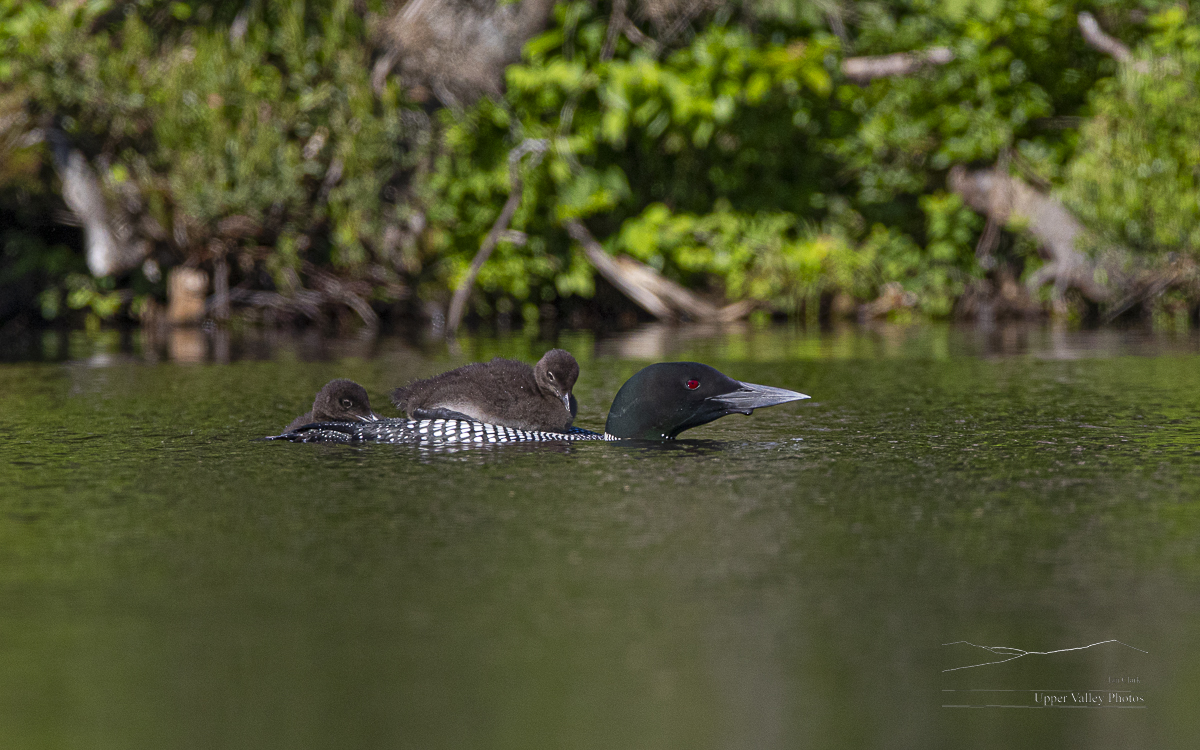
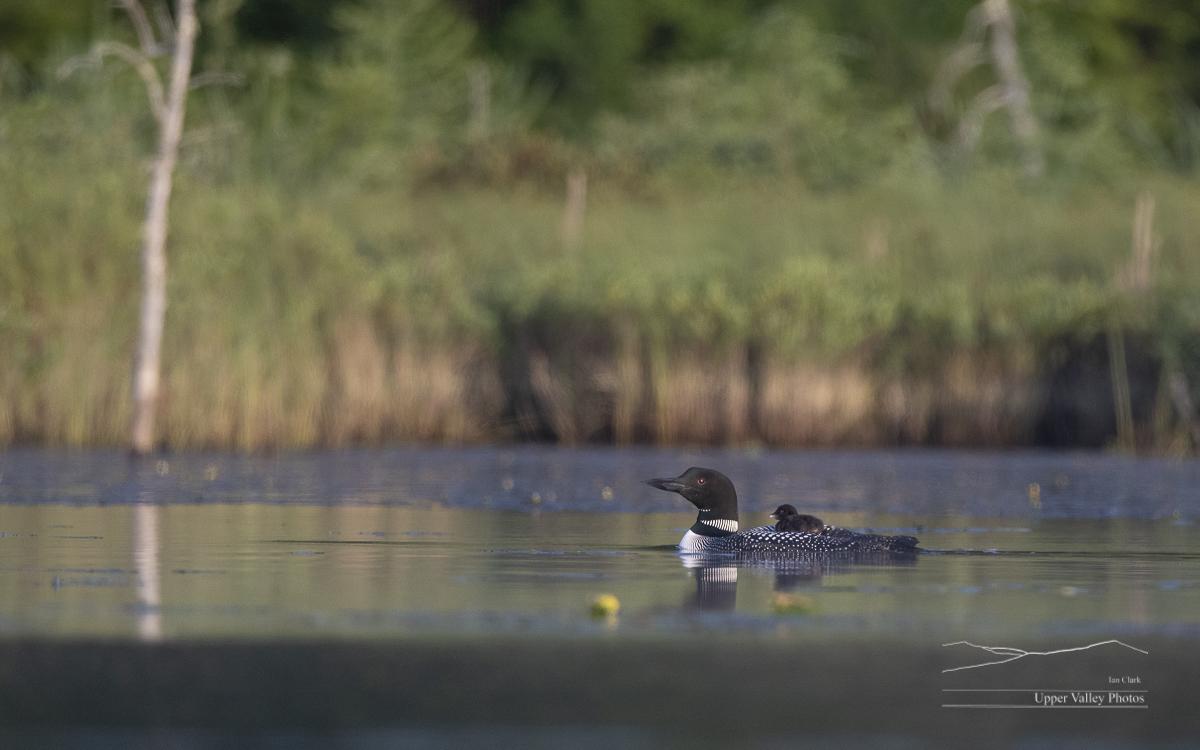
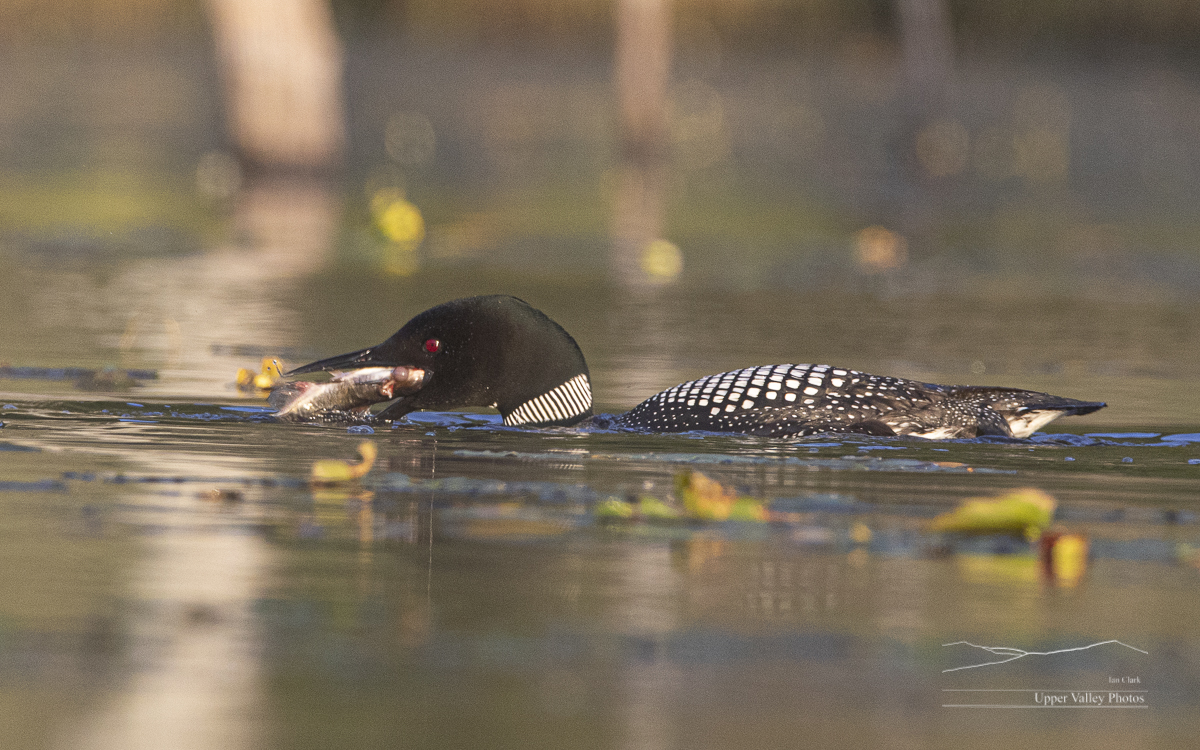
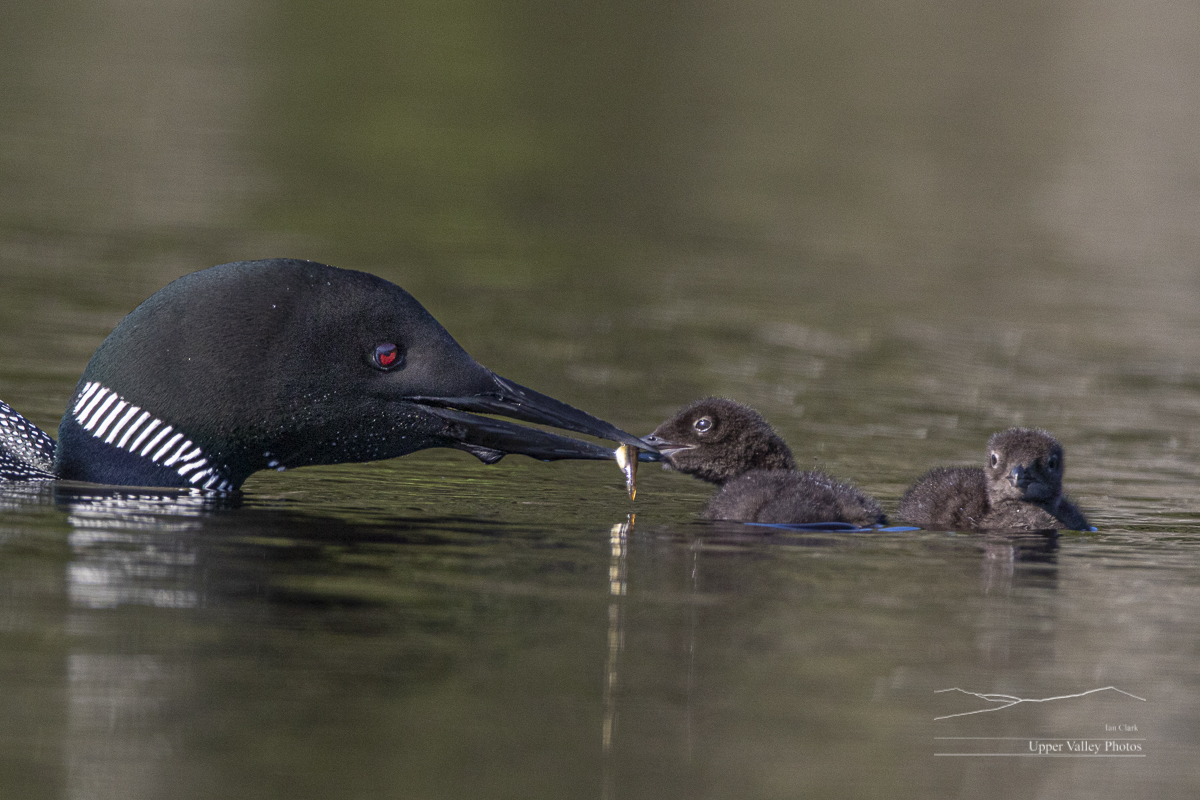
A ways down the pond, I found the home team lazily foraging with two chicks.
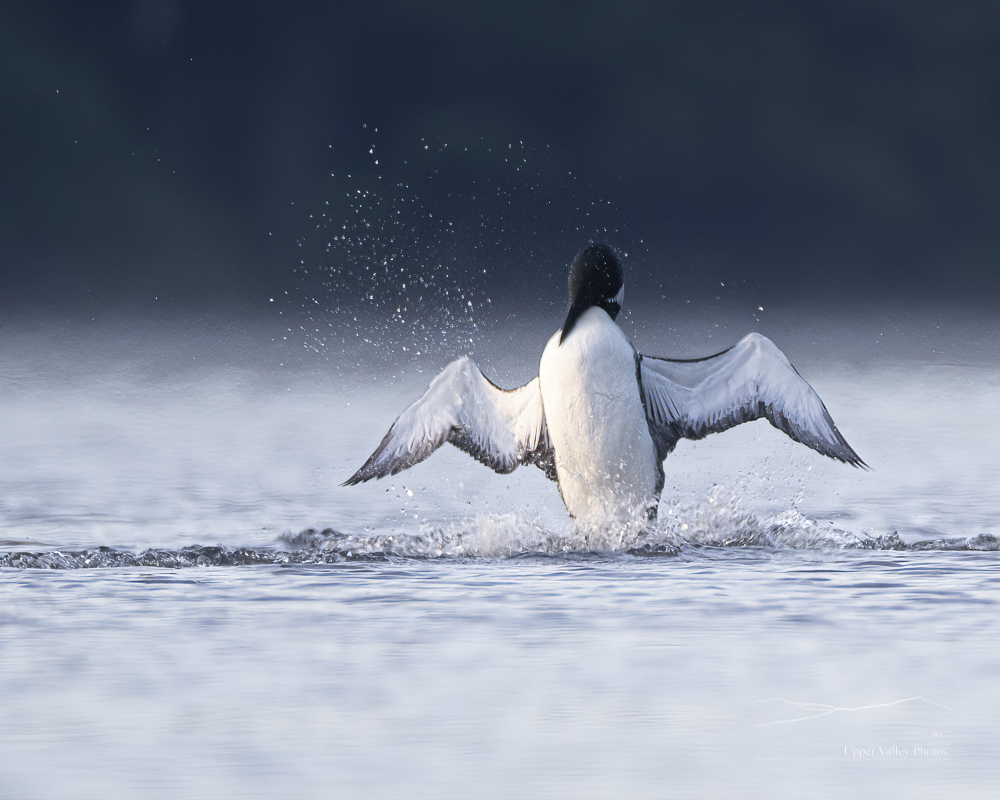
Our family drifted out towards the middle of the pond when things got exciting.
Loon Chicks At One Week
This morning was a perfect morning to be a loon on an Upper Valley Pond. Well, I can’t know that for sure, but it was a great day to be a loon photographer… The family I visited – I’m going to call them the Eastons – had the chicks hatch Friday and Saturday a week ago.
I’m trying to follow three families again this summer. Last year, I kept trying to sort out which family we were looking at by the number of chicks. That’s not going to work this year, the first two families each hatched two chicks. (The third is due… yesterday.) So, This family, that had the two chicks last year is now the ‘Eastons.’ The second family in the last post is now the ‘Middletons.’ And the family still sitting is now the ‘Westons.’ (I’ve learned the hard way to be circumspect about where I’m working. I’m now getting something like 10,000 visitors a month and not all of them have the loons’ best interest at heart.
Let’s take a quick peek to see how the Westons are doing.
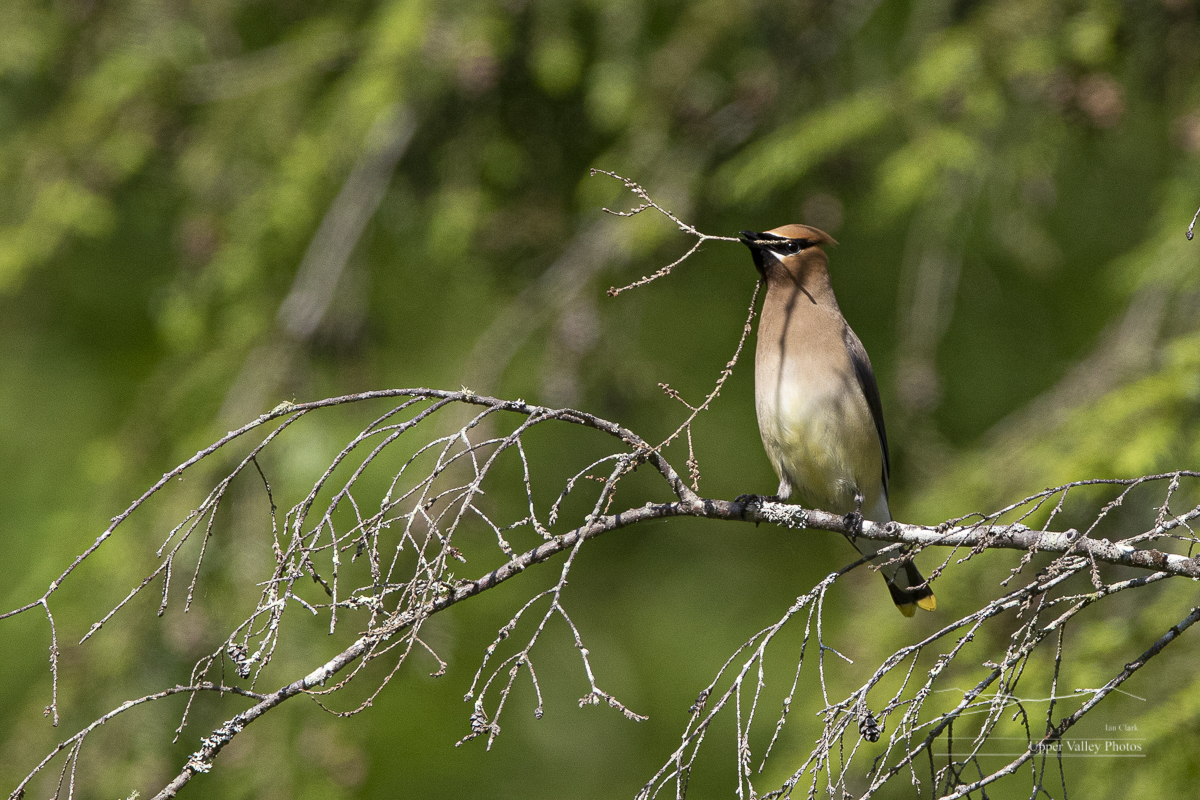
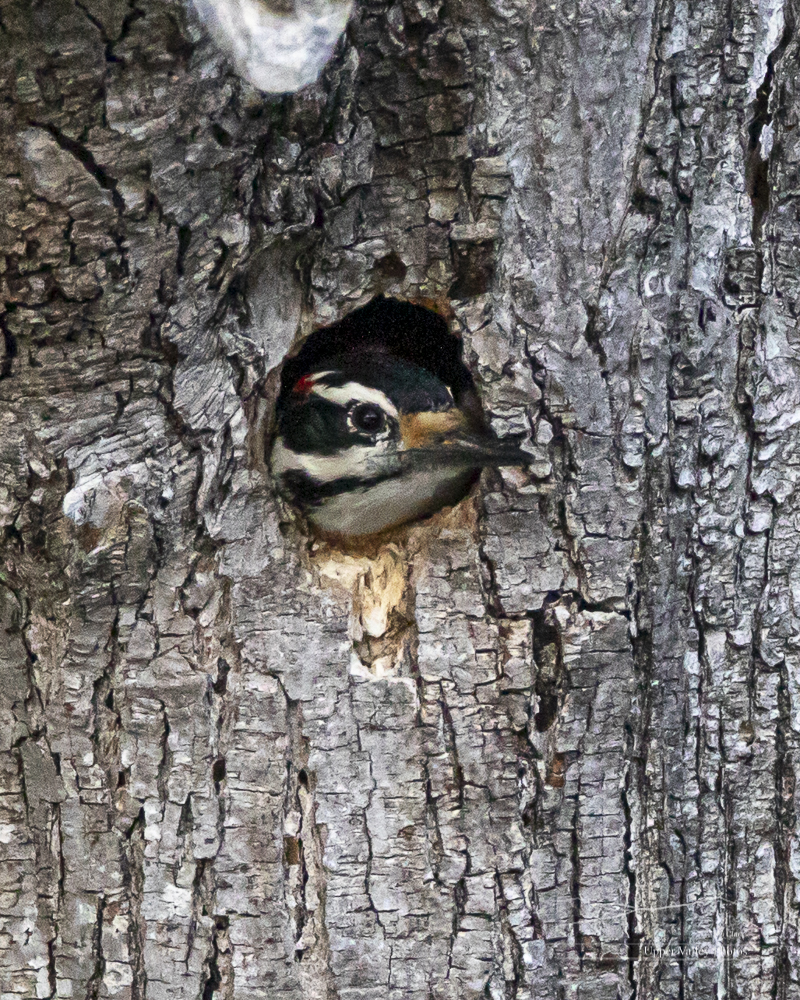
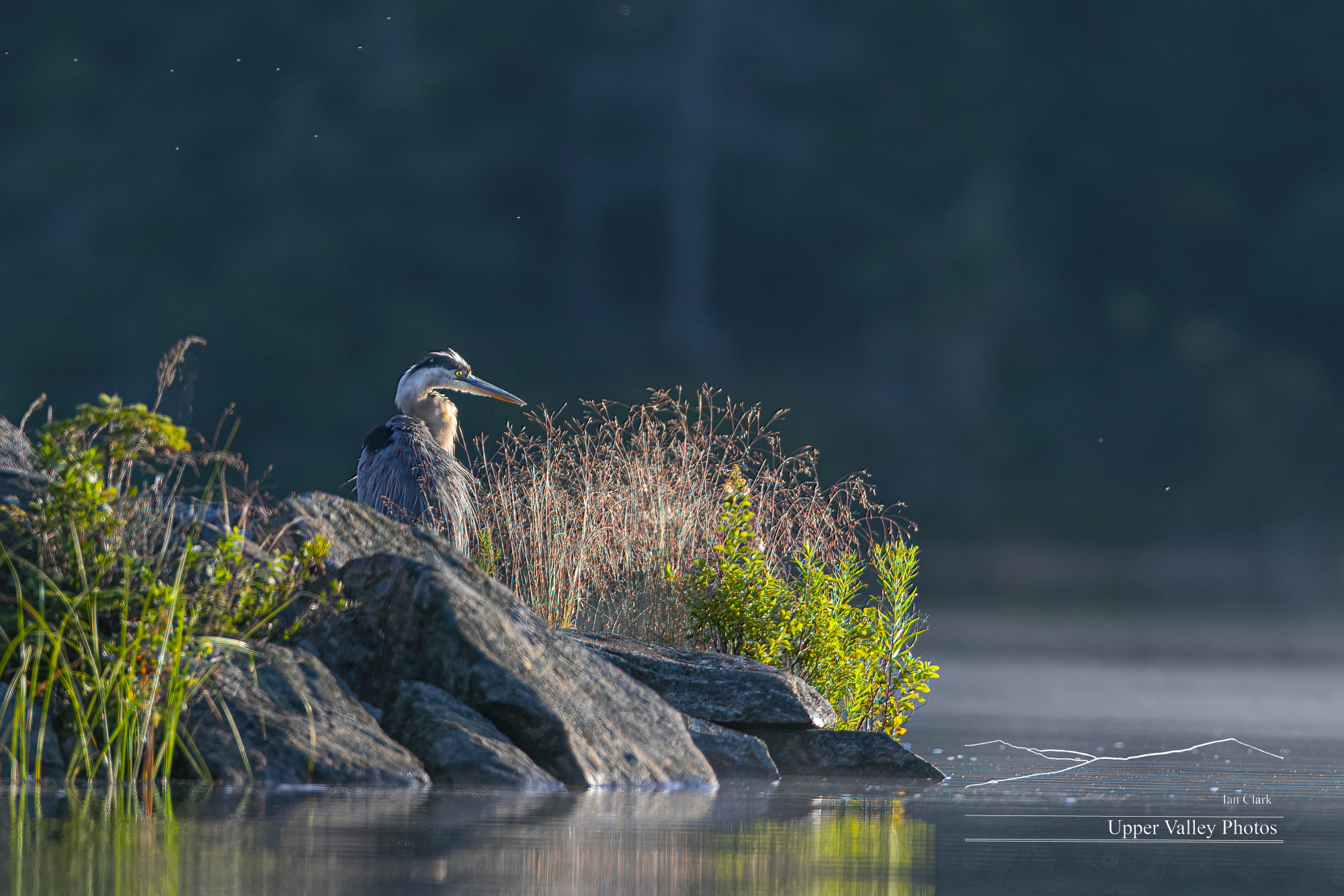
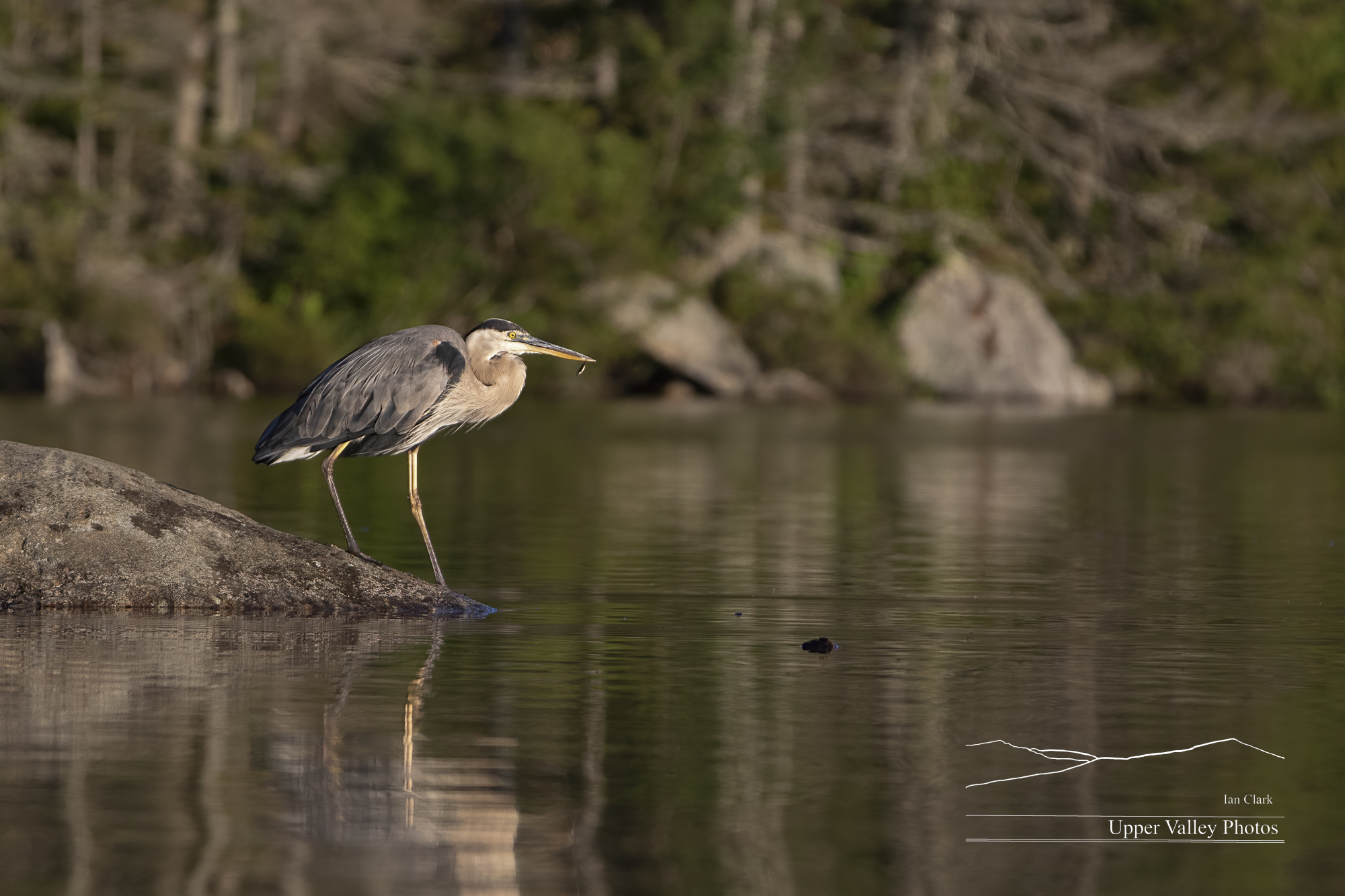
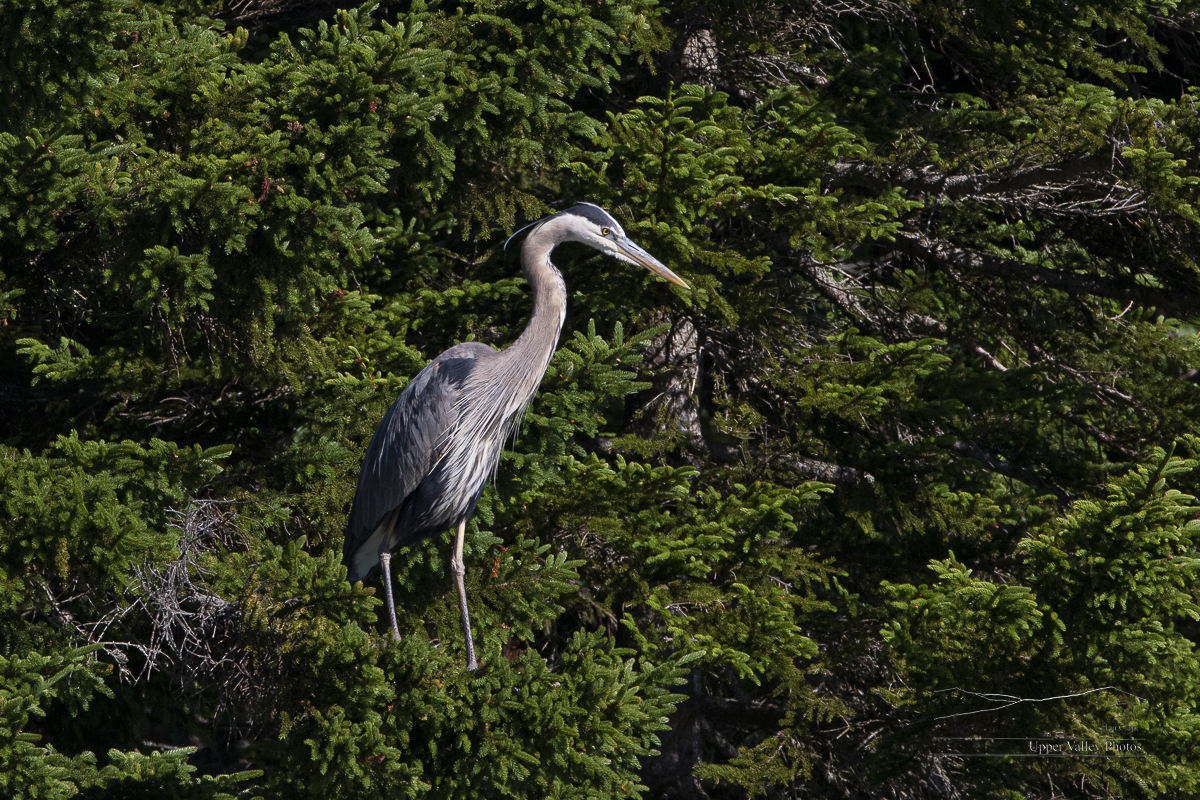
Moving east to this morning’s outing, one of the great blue herons on this pond usually gives me two nice photo ops a year. I think I collected one of them today.
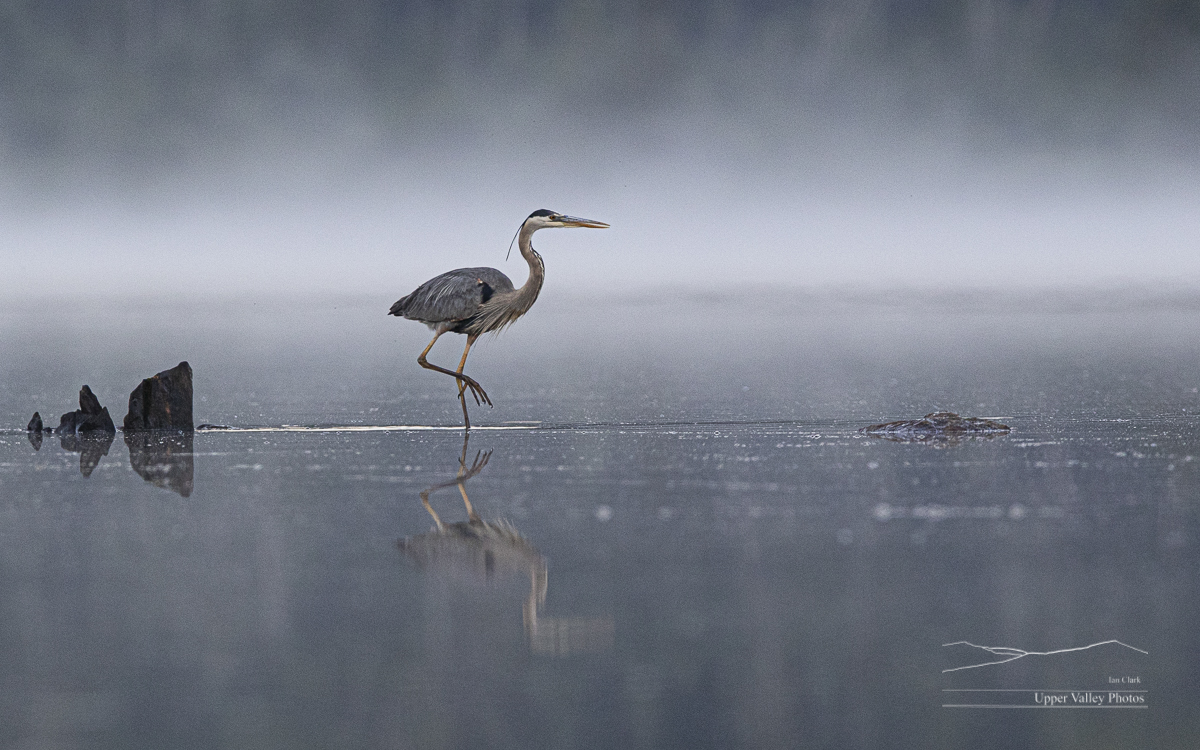
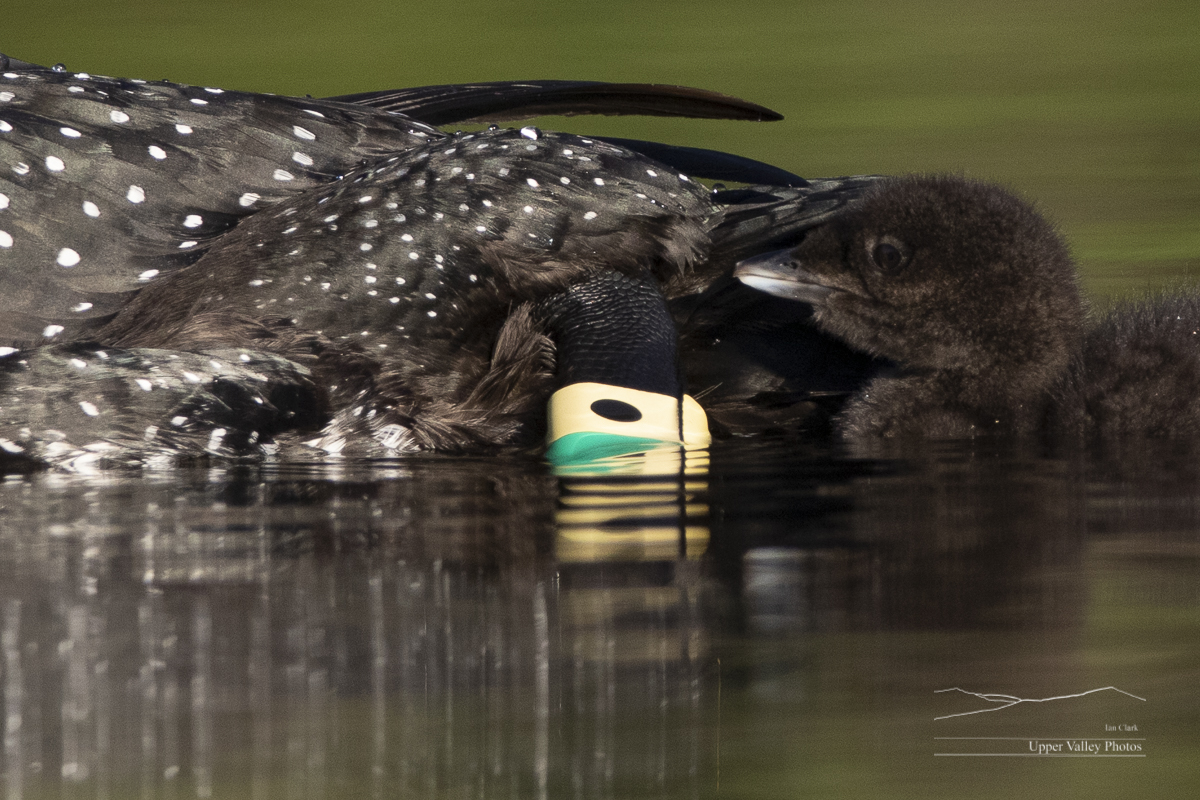
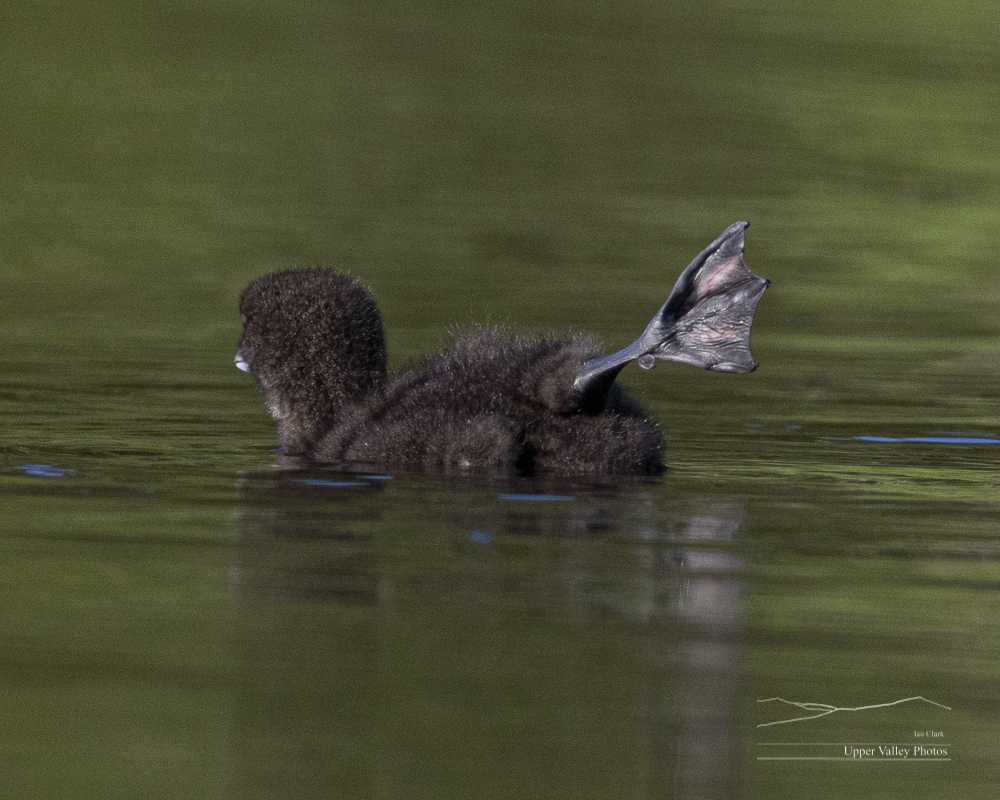
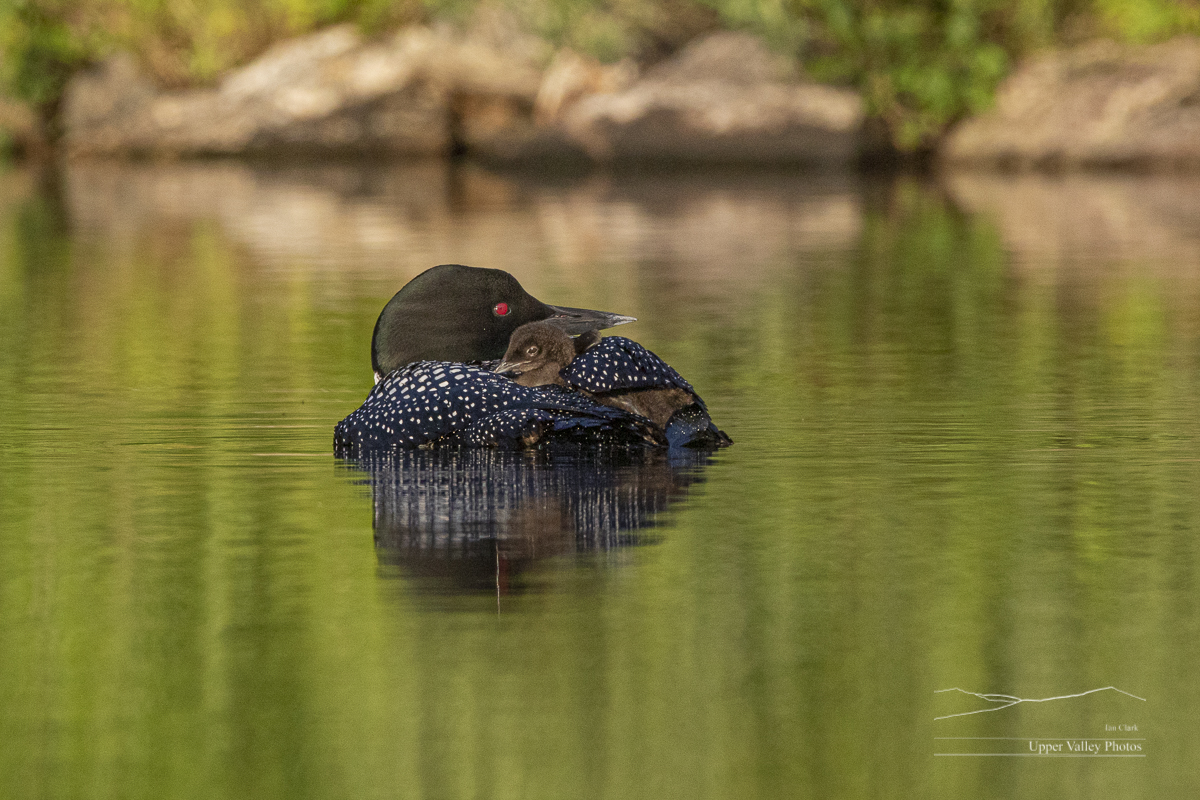
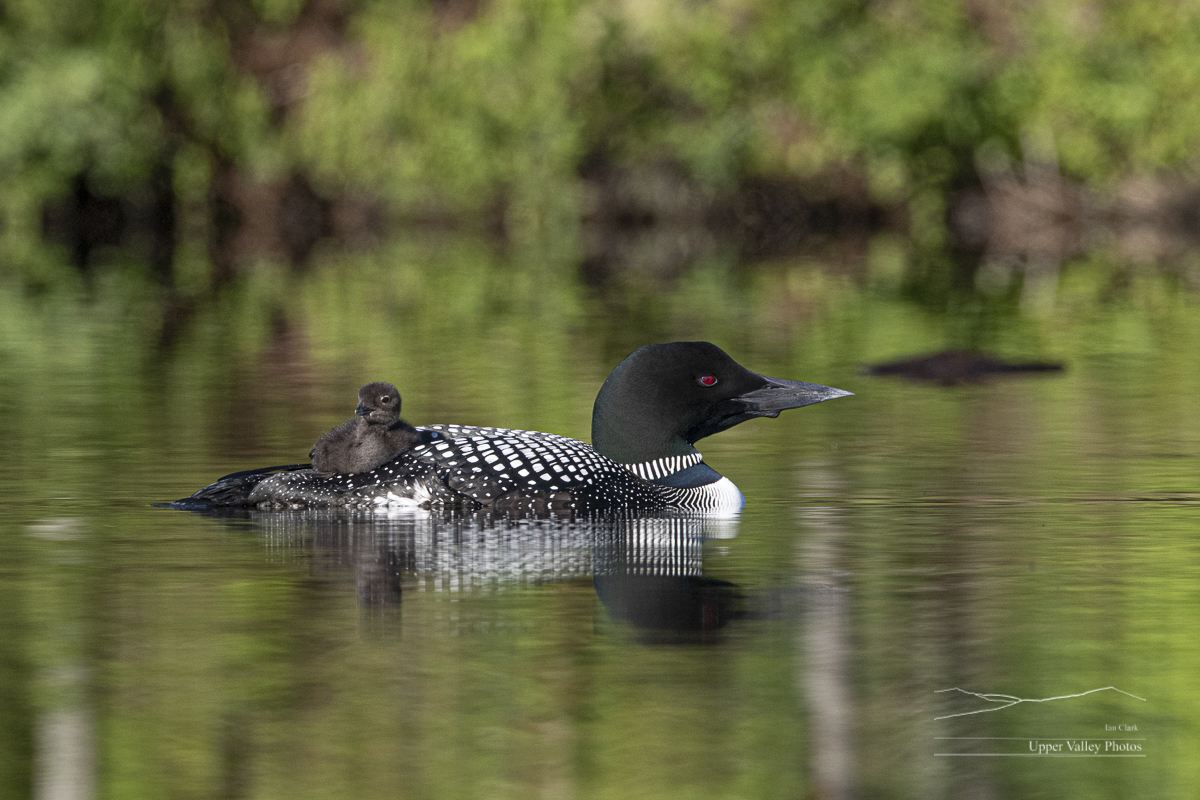
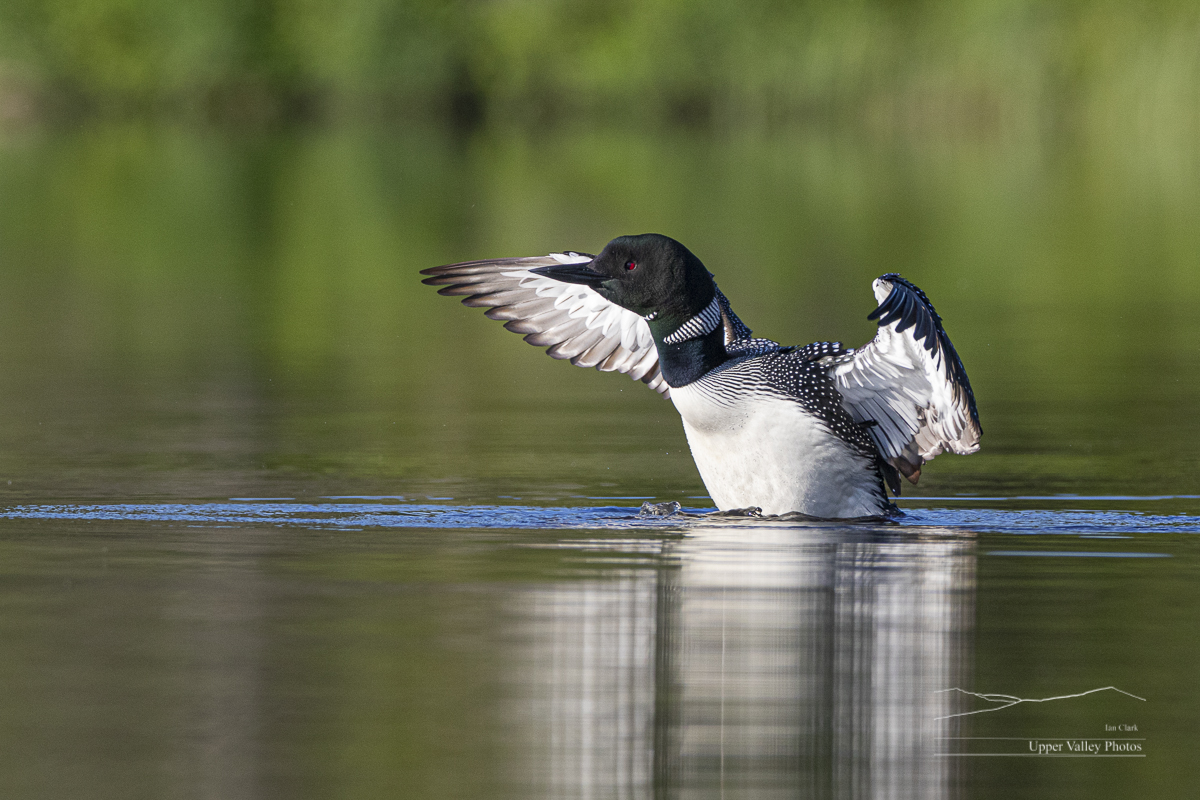
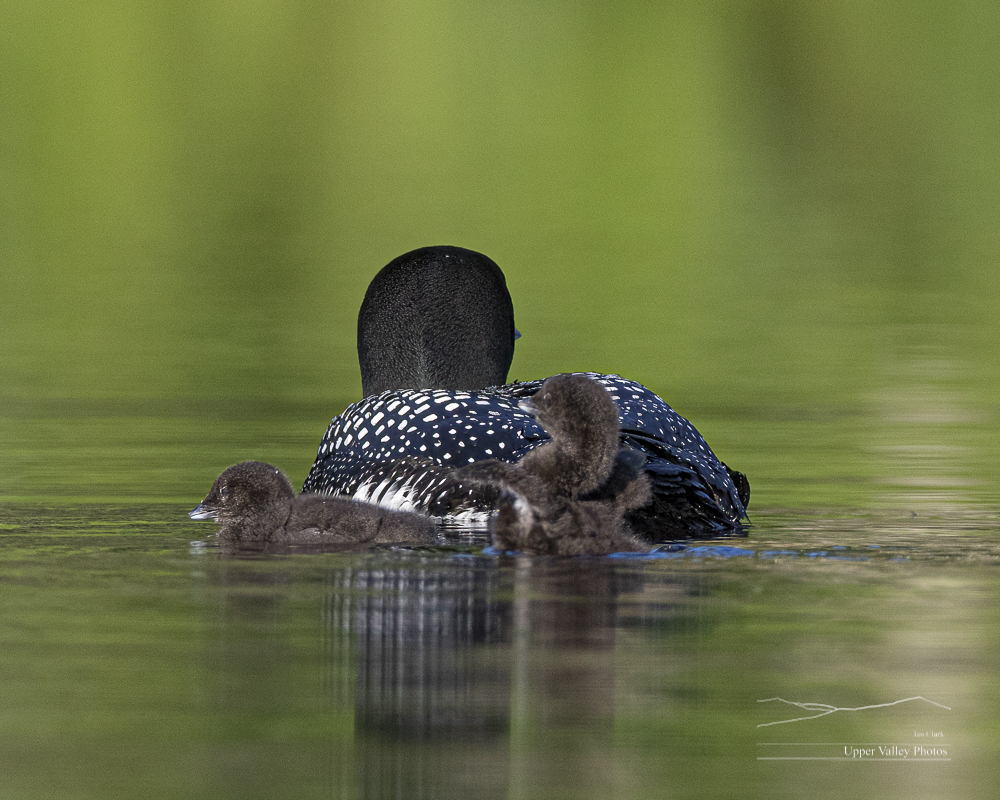
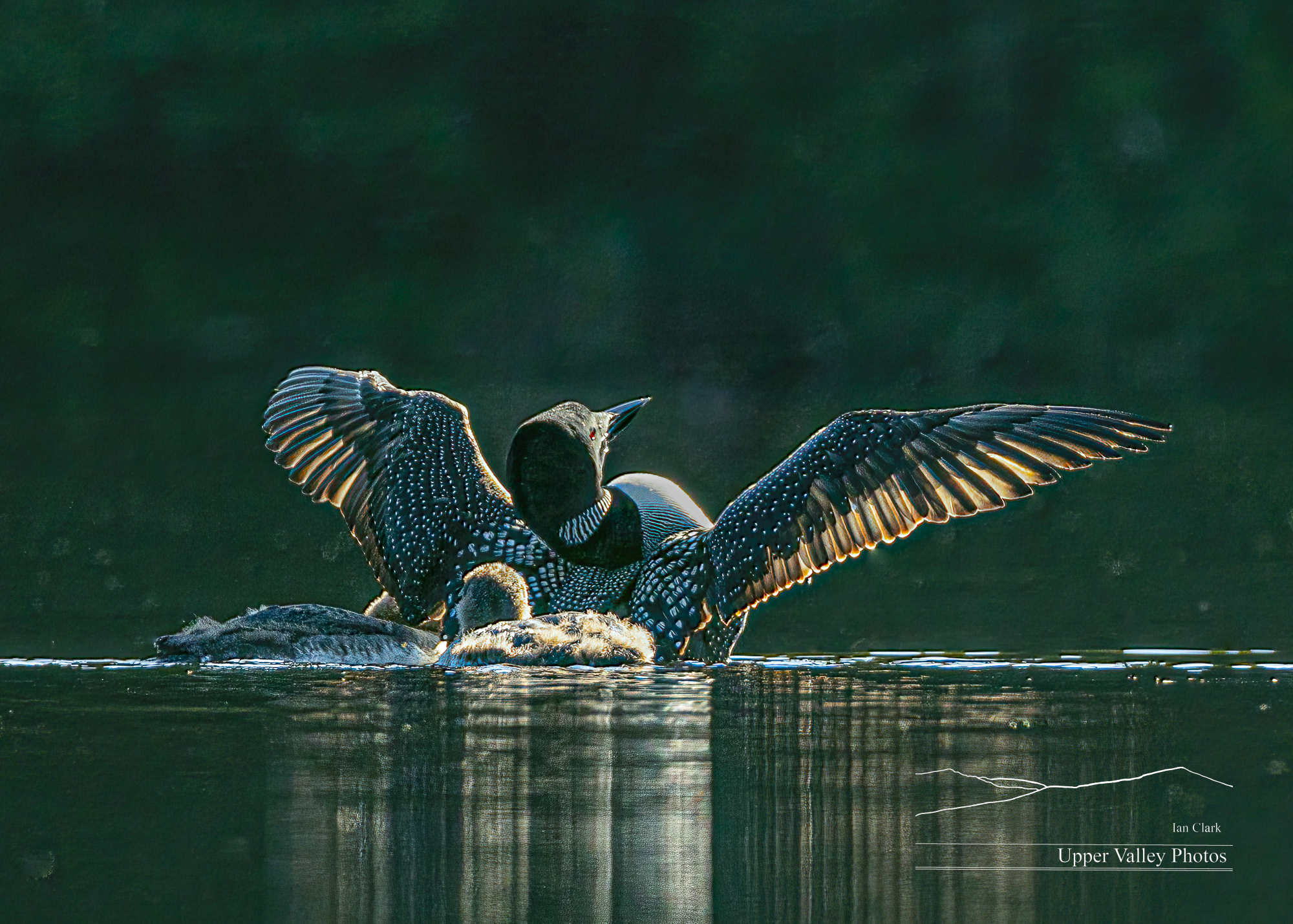
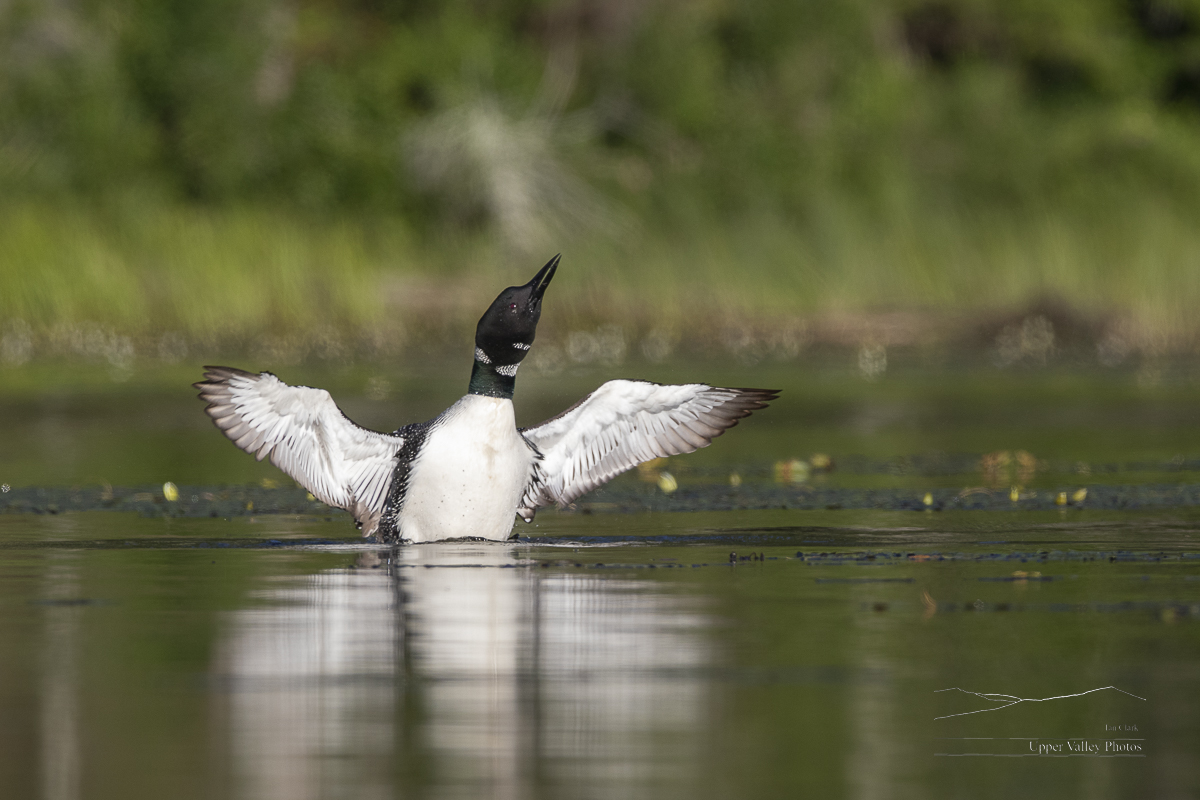
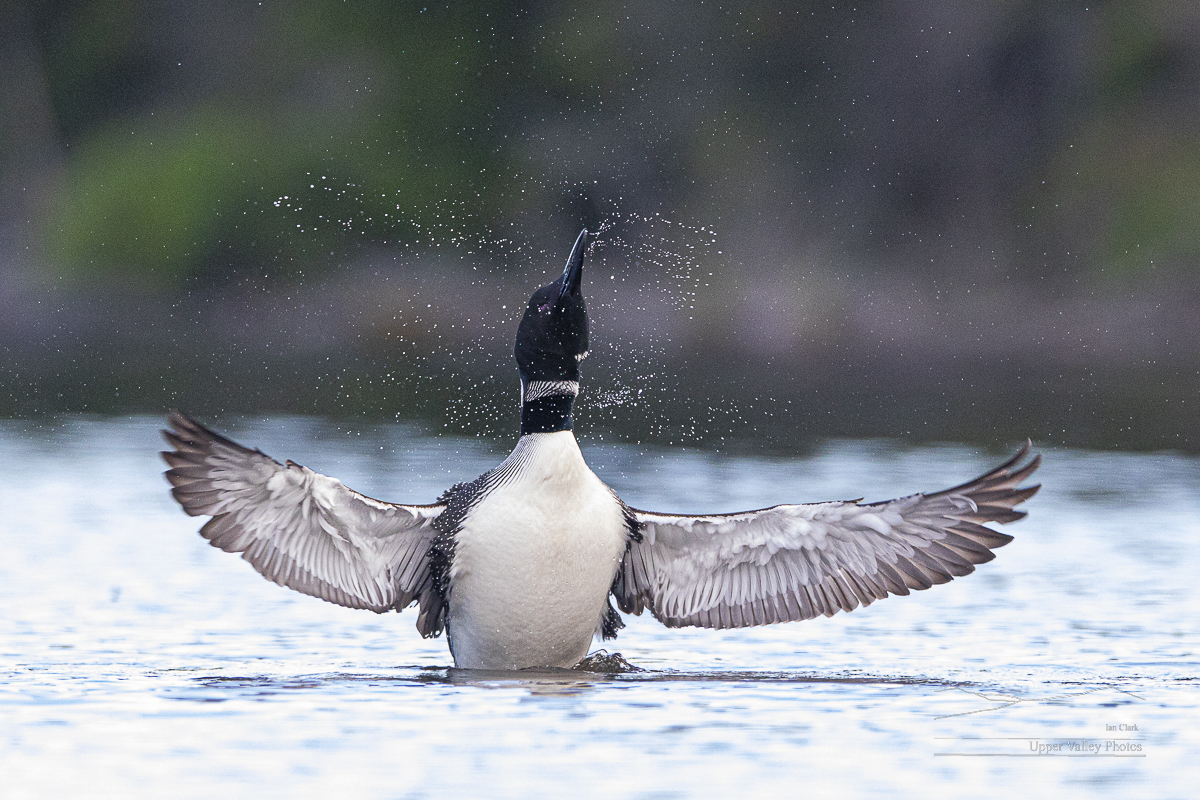
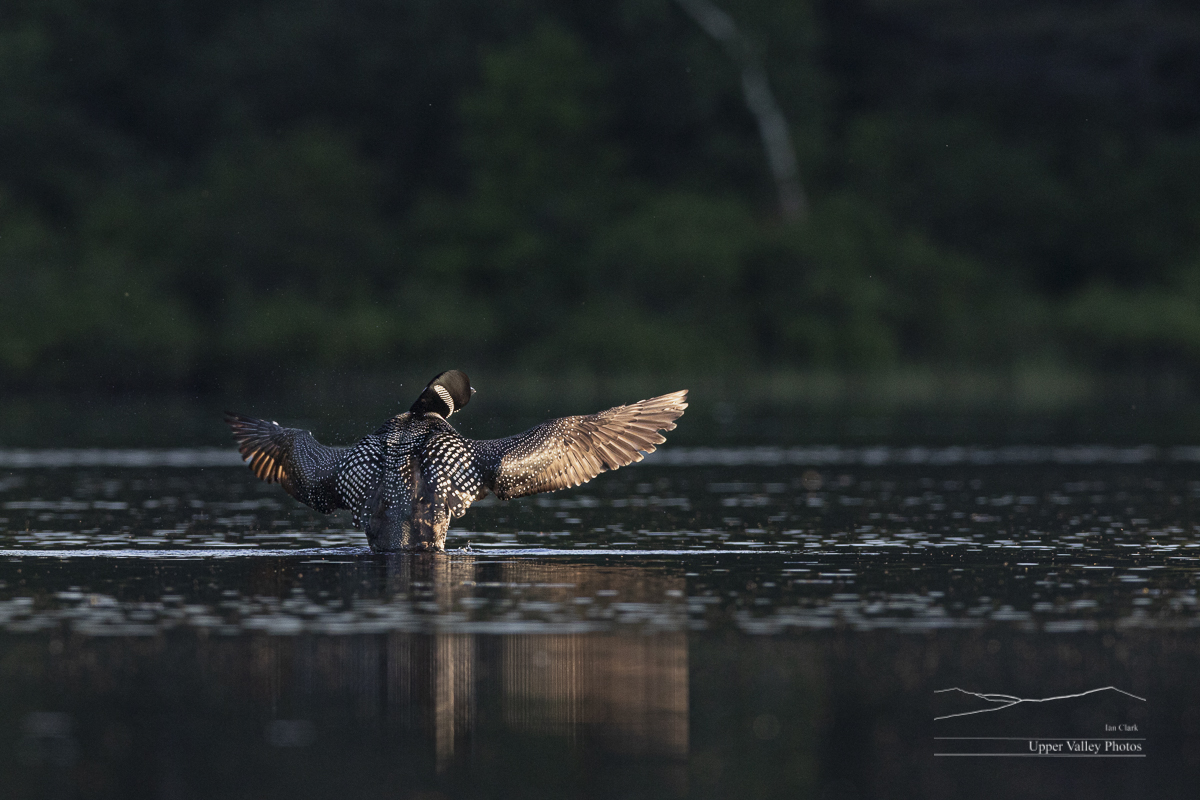
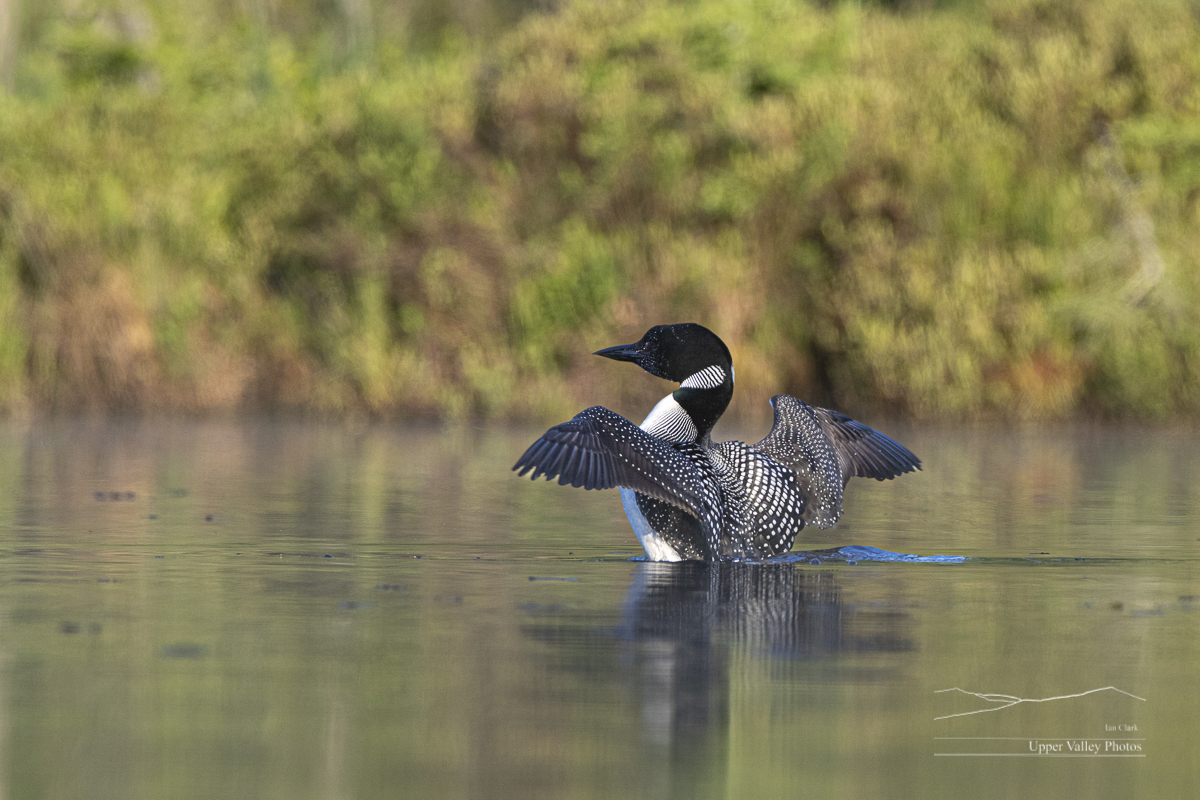
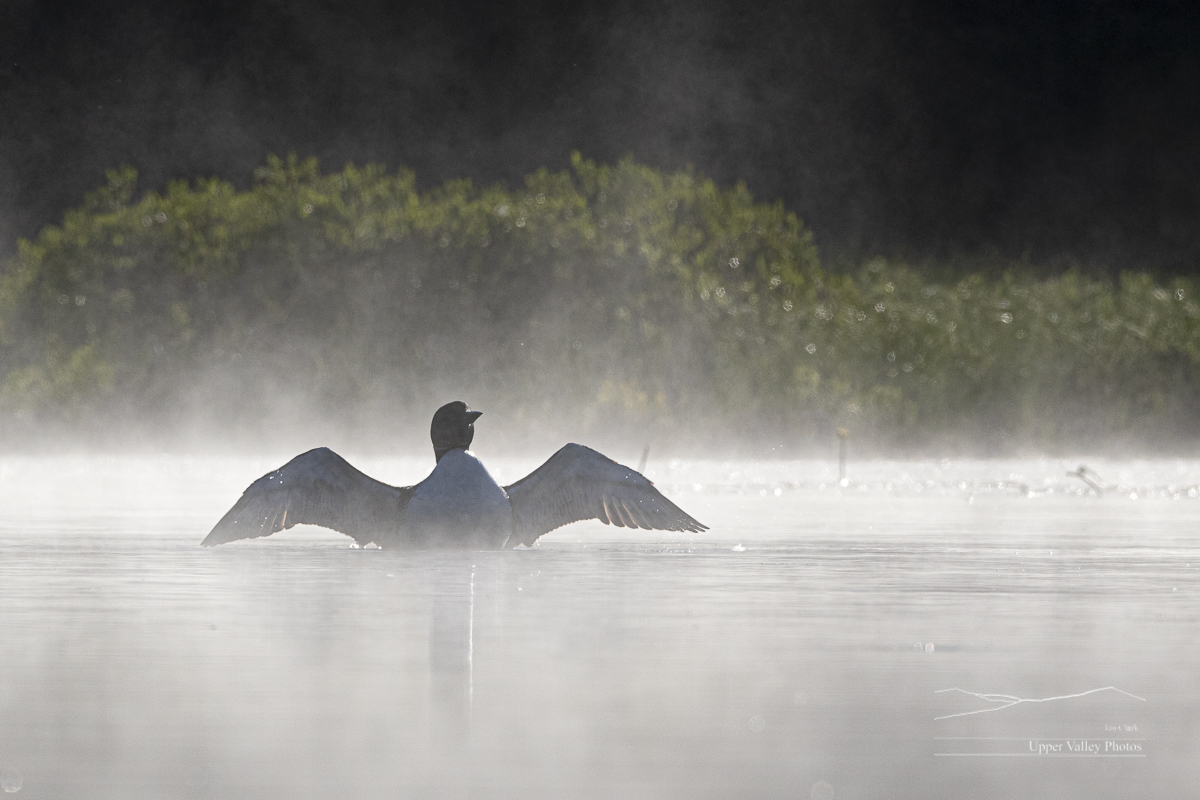
And a few more stretching shots, just because they’re fun…
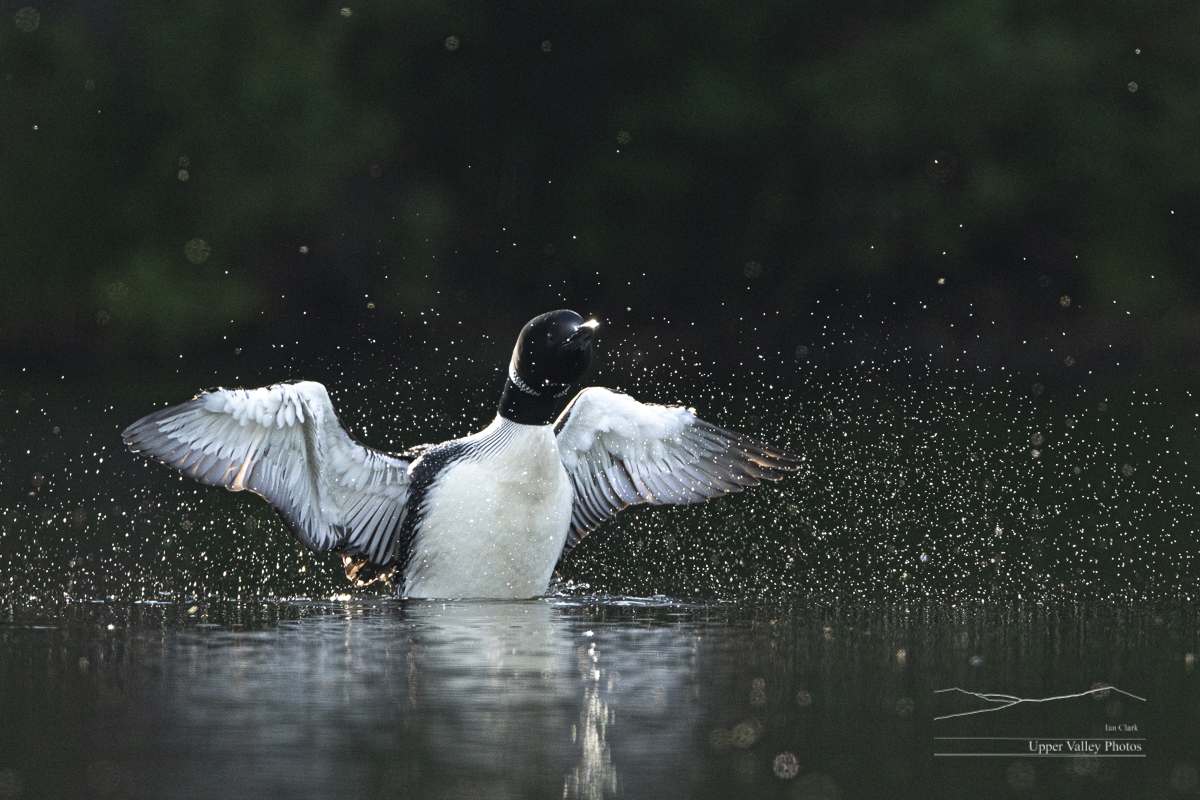
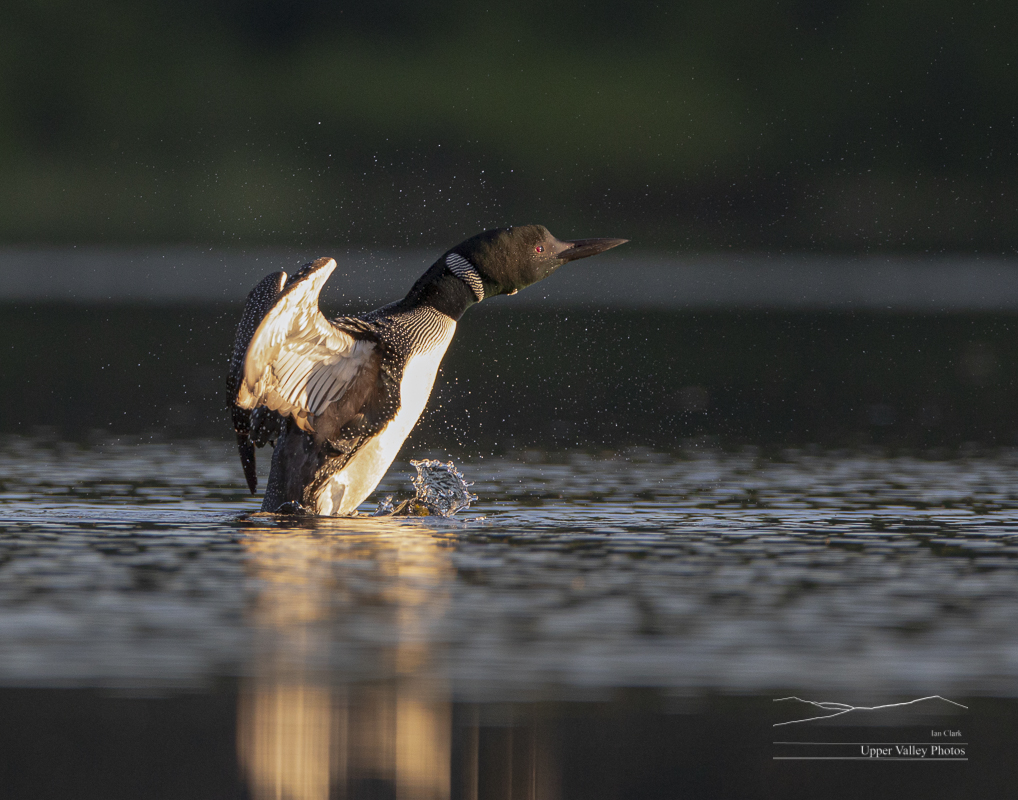
Loon Chicks Have Hatched
The strong winds over the weekend kept me home – pacing wondering how the loon chicks were doing. This morning, the wind was calm, and when I got to the pond, it was fully five degrees above having to worry about breaking ice while kayaking. I was able to check on two loon families.
First, our bluebirds are back for a second clutch. I’m not going to post daily updates for them this round, just too many things going to keep up with them.
If you’d like to see loons, take a look at the Loon Preservation Committee’s site, they host paddling trips where you visit lakes where they know there are loons with one of their biologists.
All the loon photos are taken with long telephoto lenses and cropped to let me shoot without disturbing the birds.
When I arrived on the pond, I found one adult preening and lazily foraging by itself and couldn’t see anyone on the nest. As I paddled down the pond, I found the second adult still on the nest. But the chicks should have hatched already….
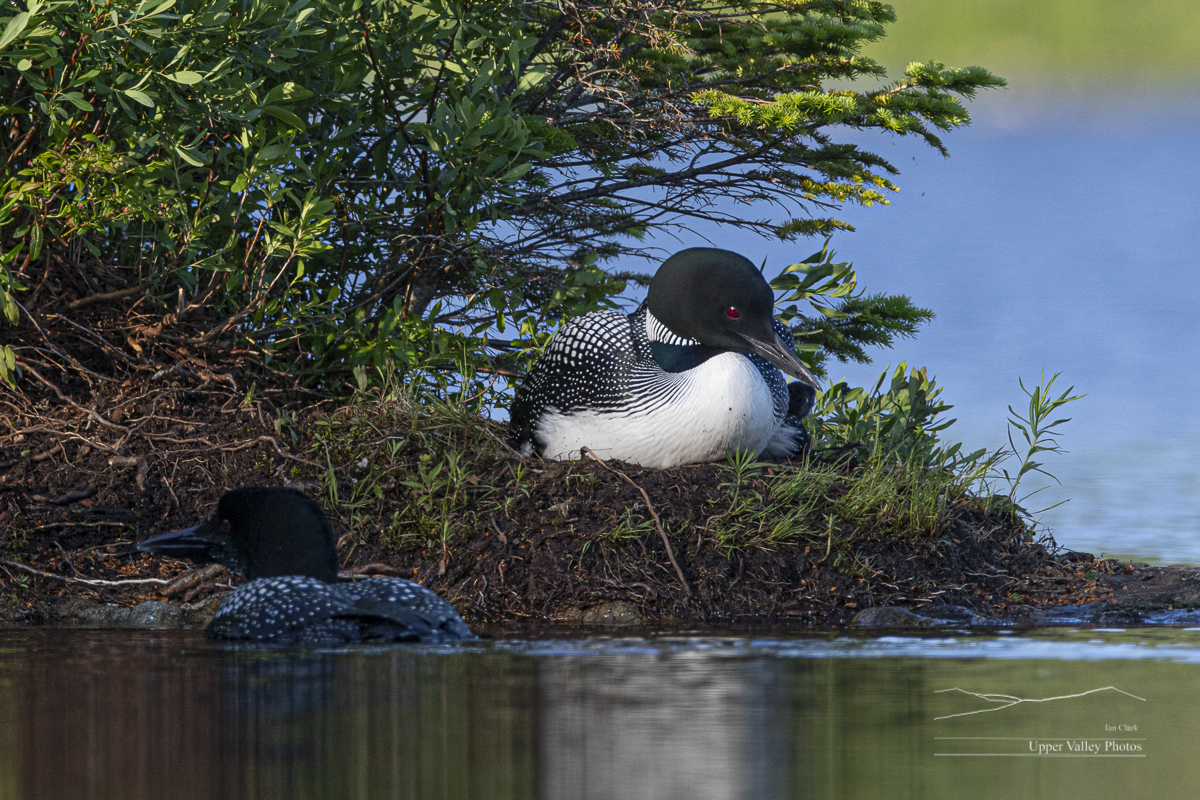
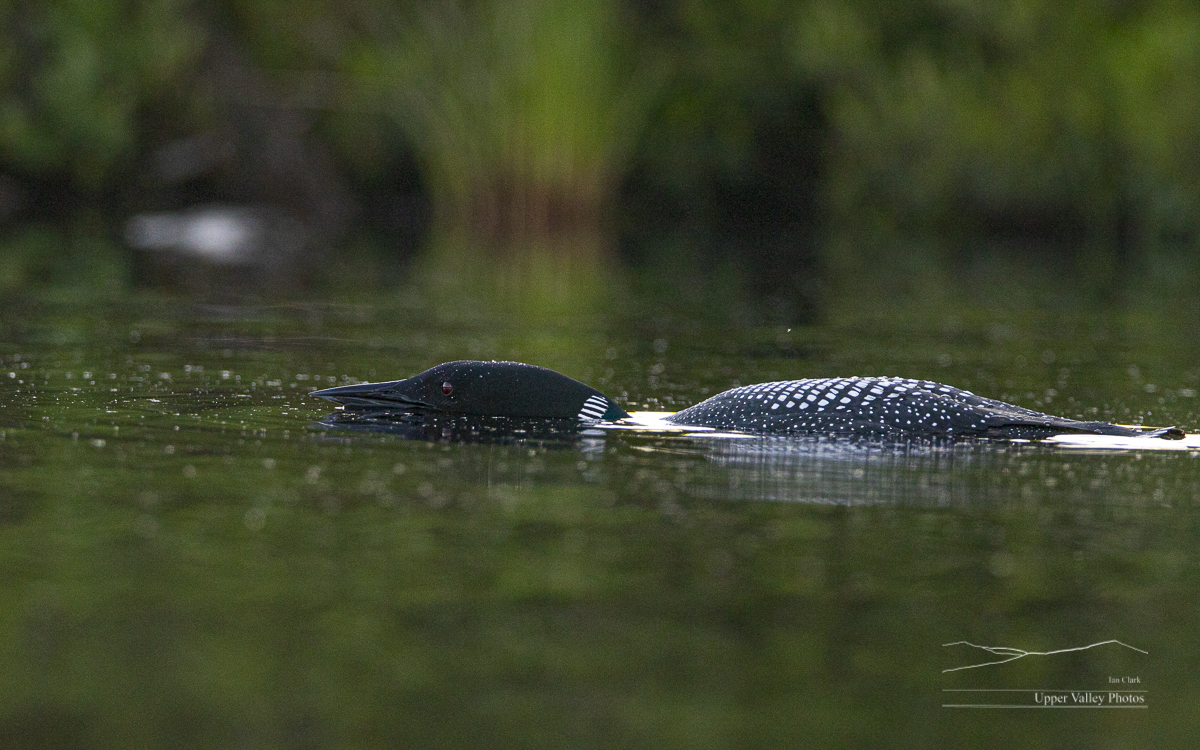
With the chicks still in the nest, the odds are that one hatched Saturday and the other Sunday. Loons will leave the nest shortly after the second chick hatches. If it is late in the day, they may spend the night on the nest before heading out. The adult on this pond waited for the sun to get almost to the nest before heading out with the chicks.
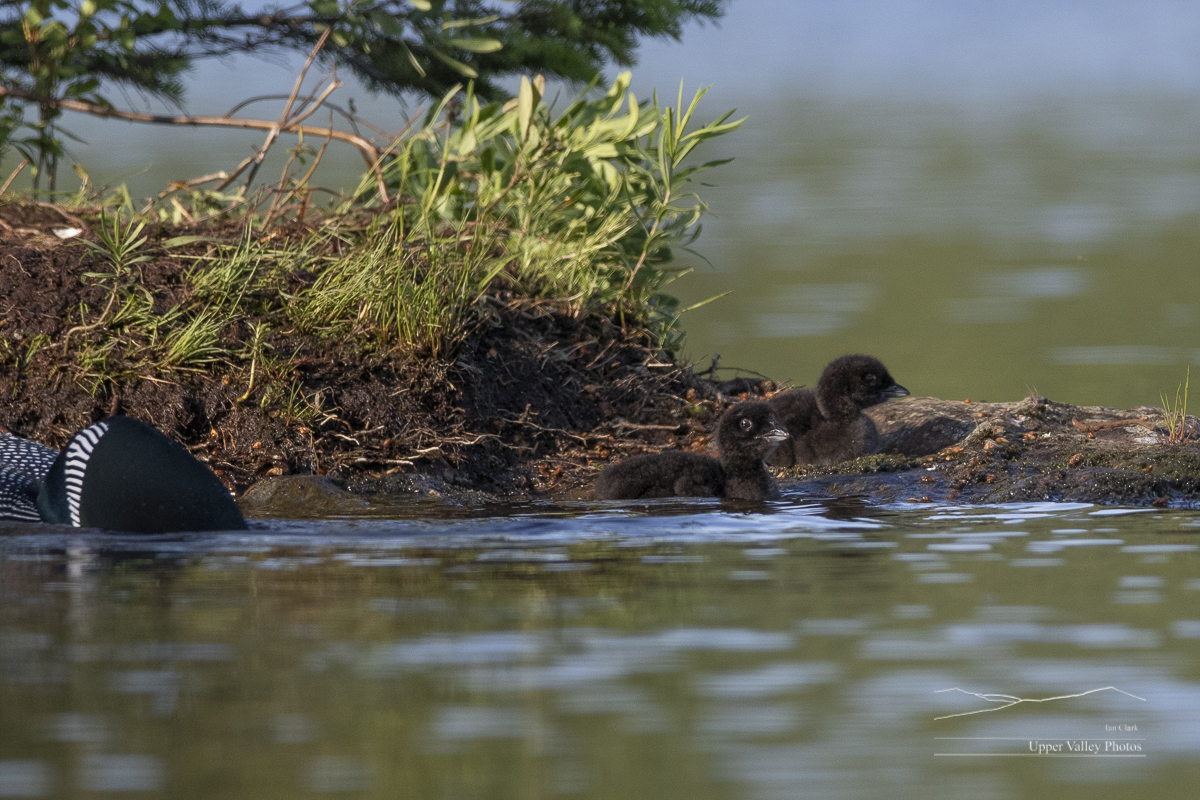
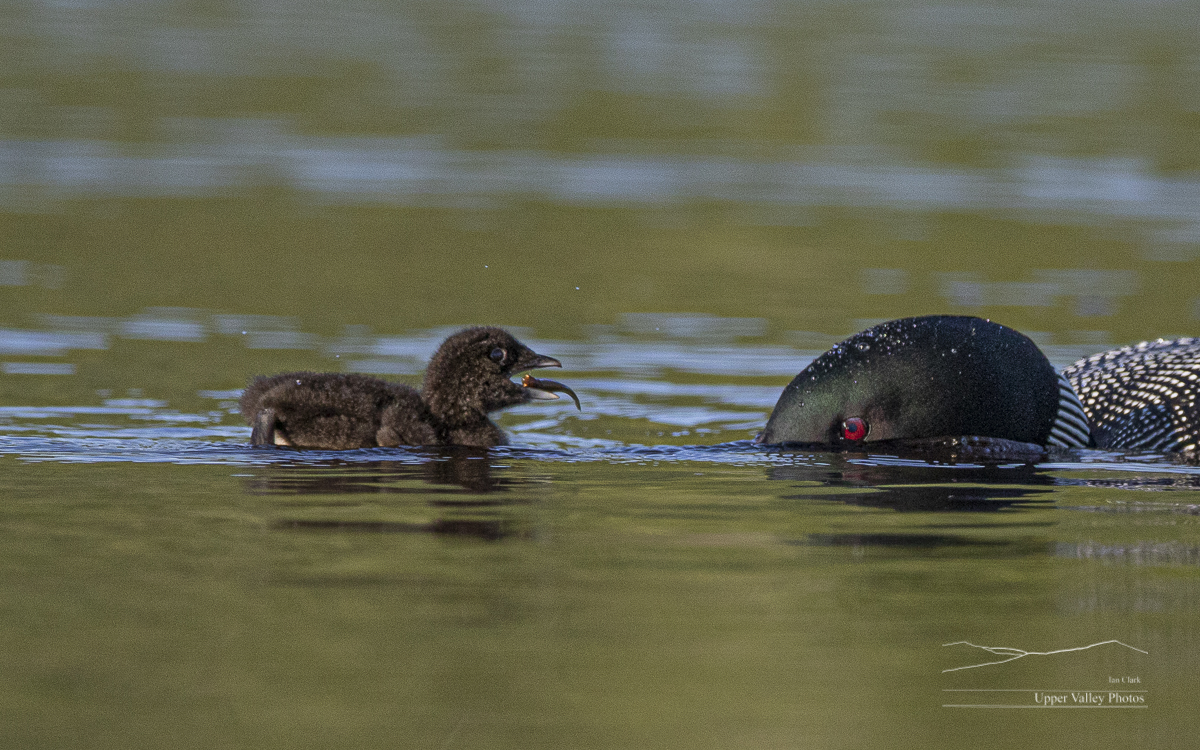
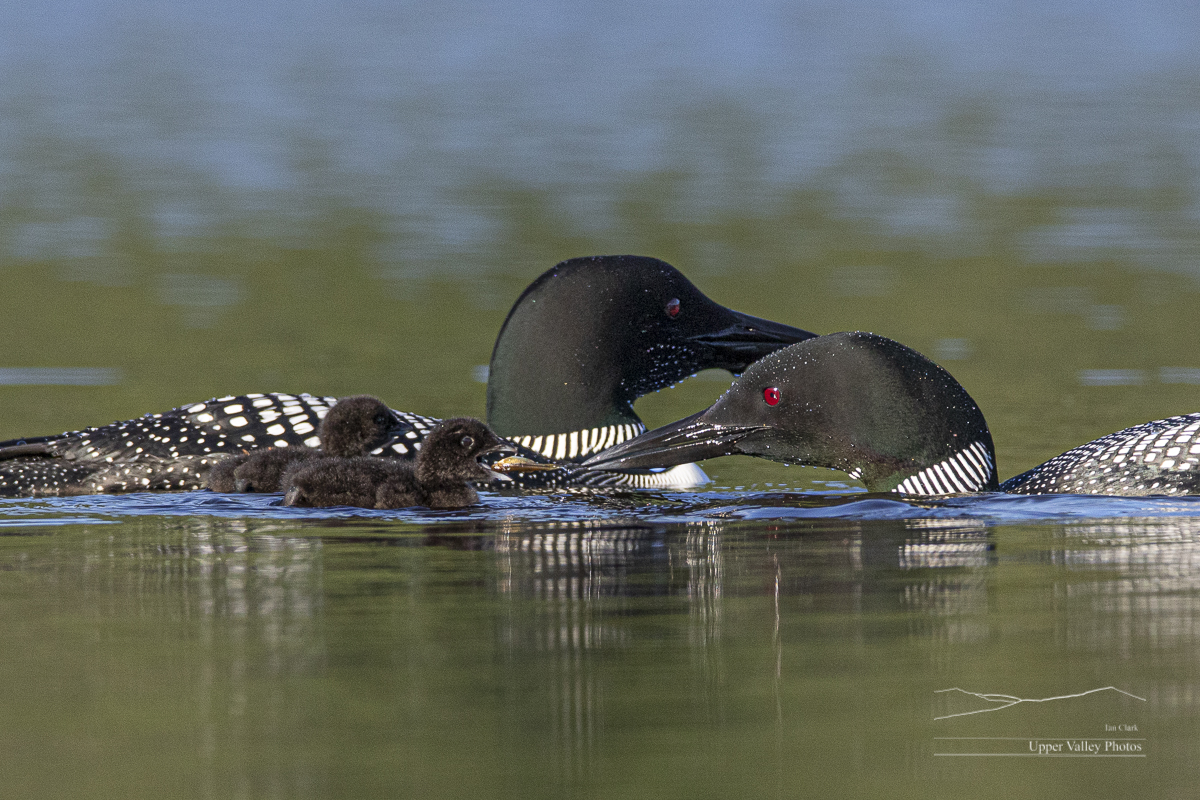
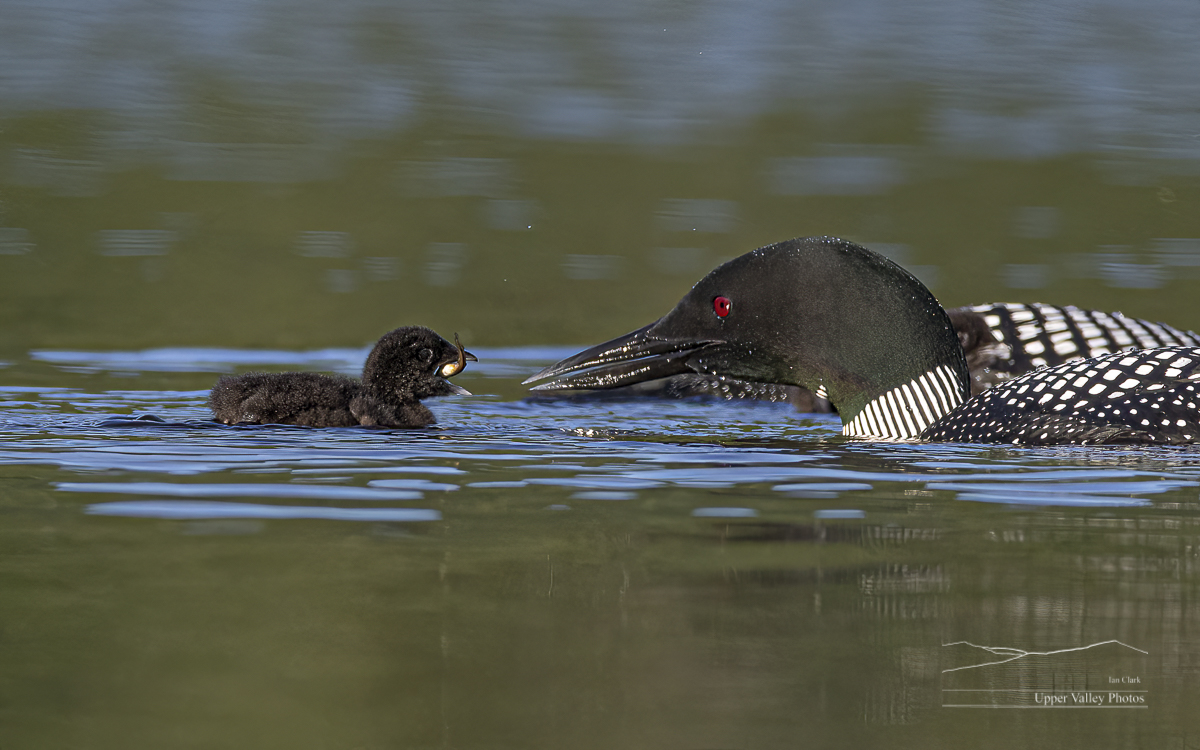
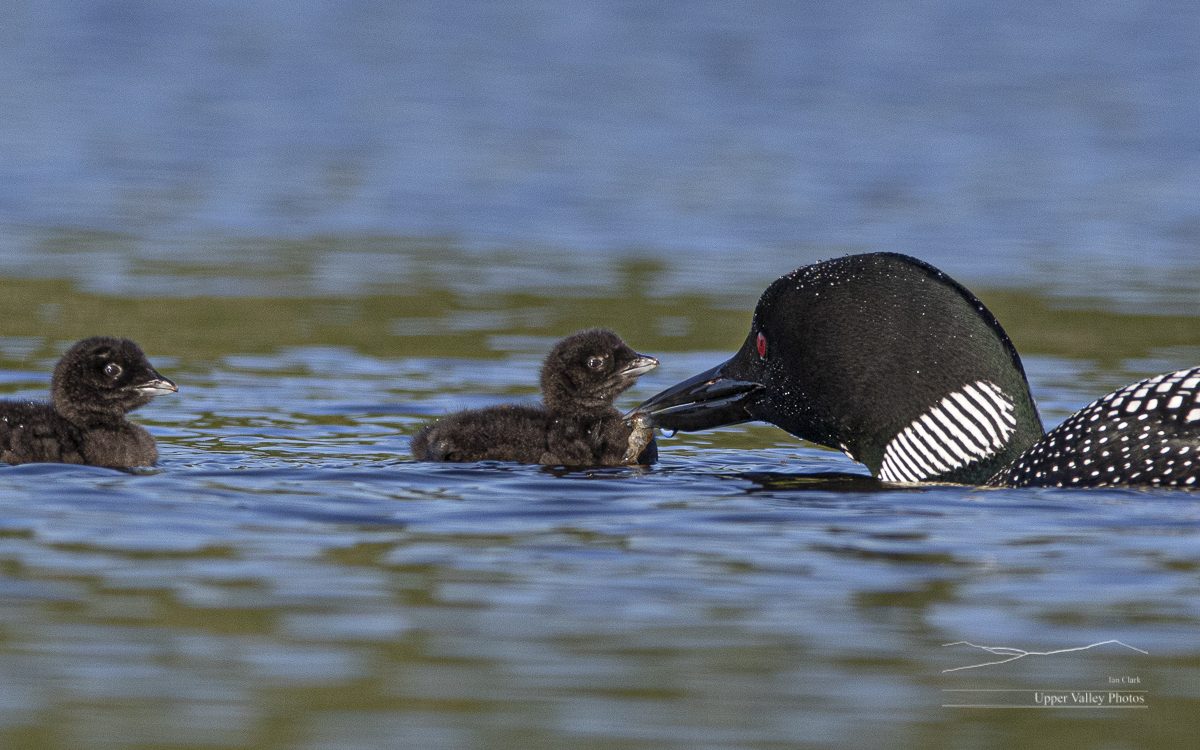
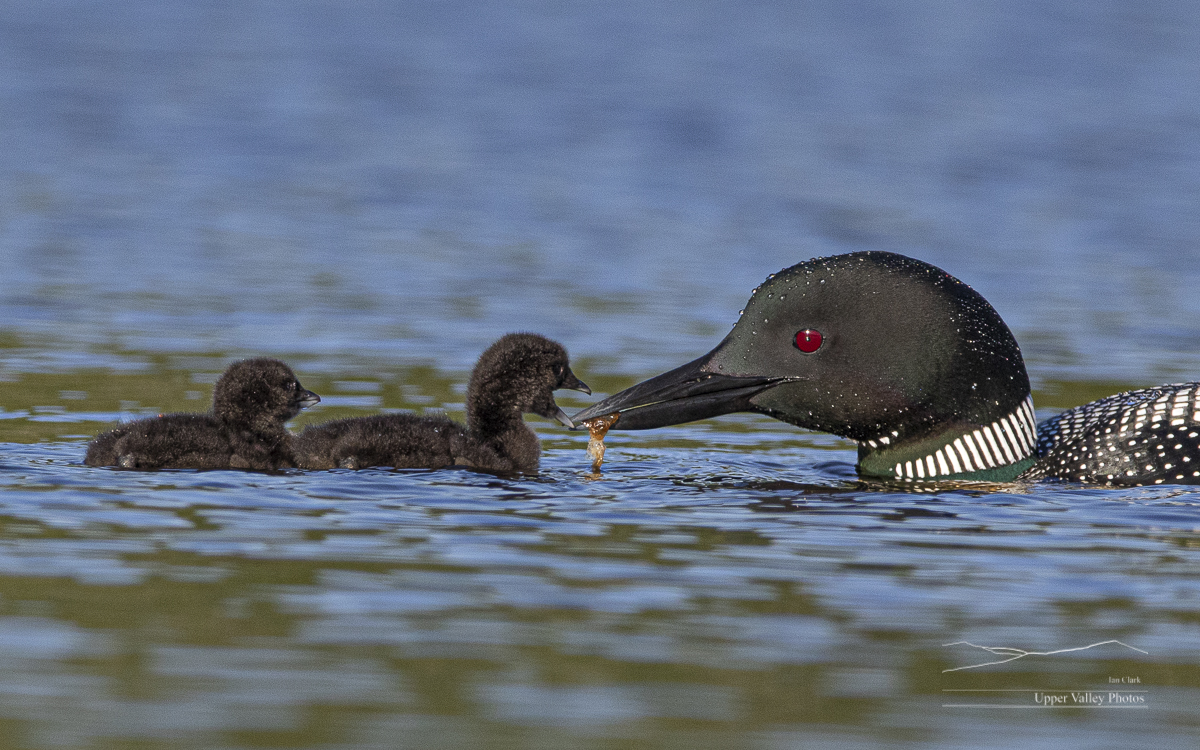
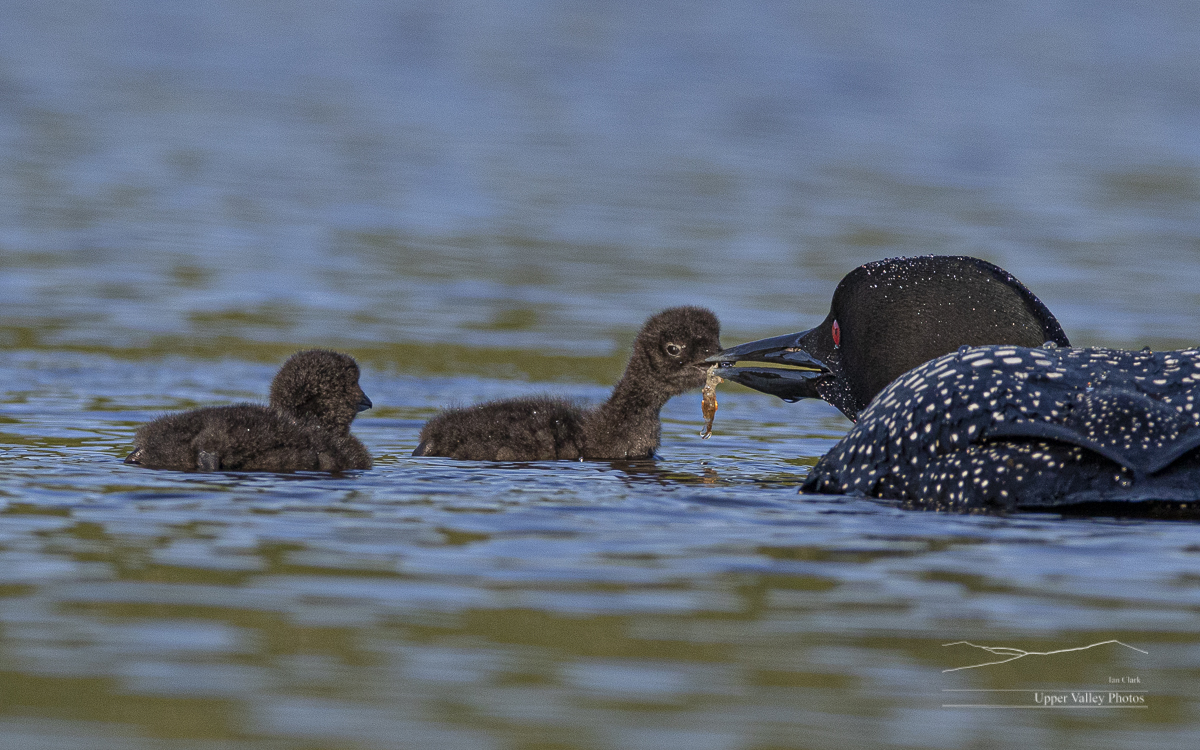
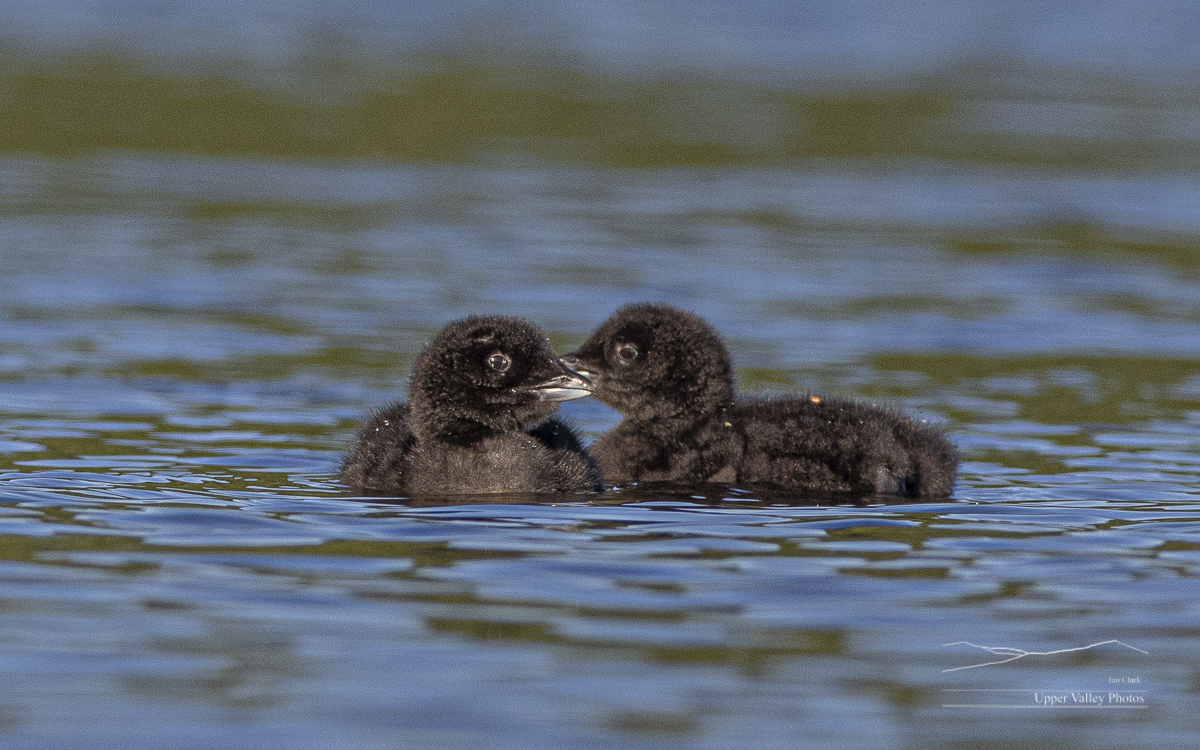
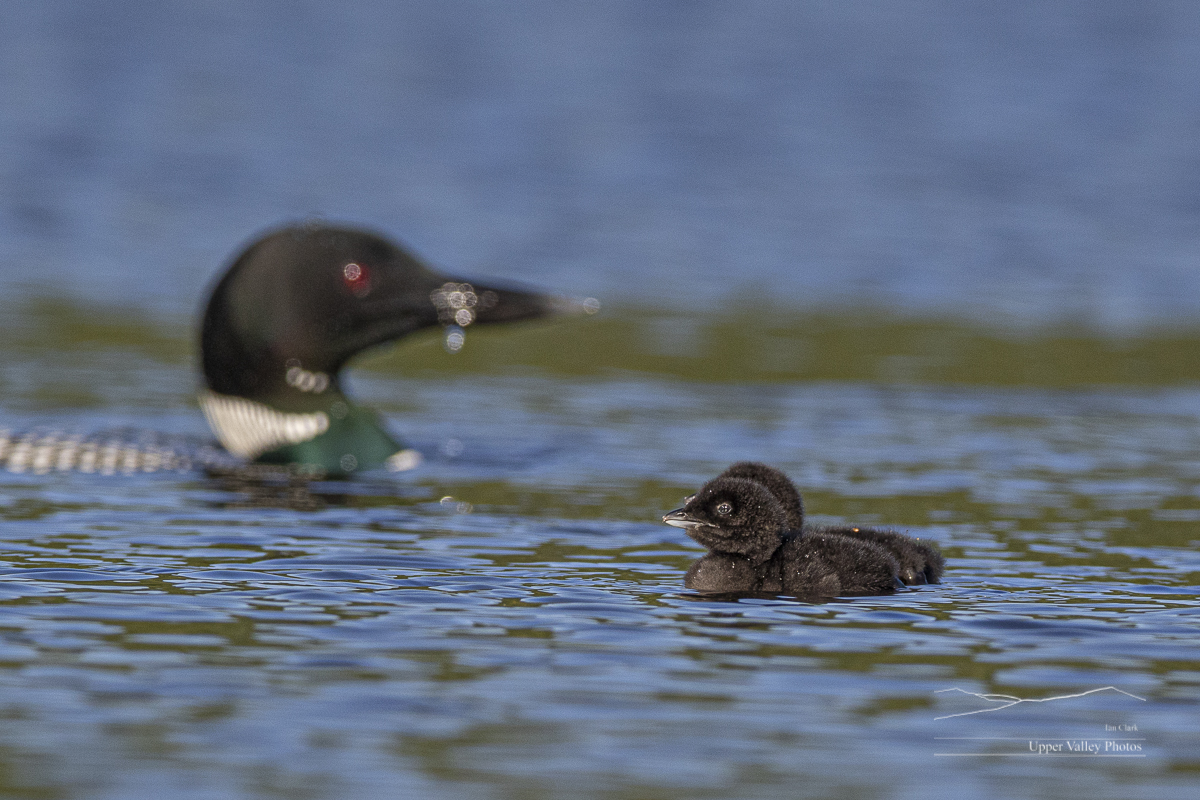
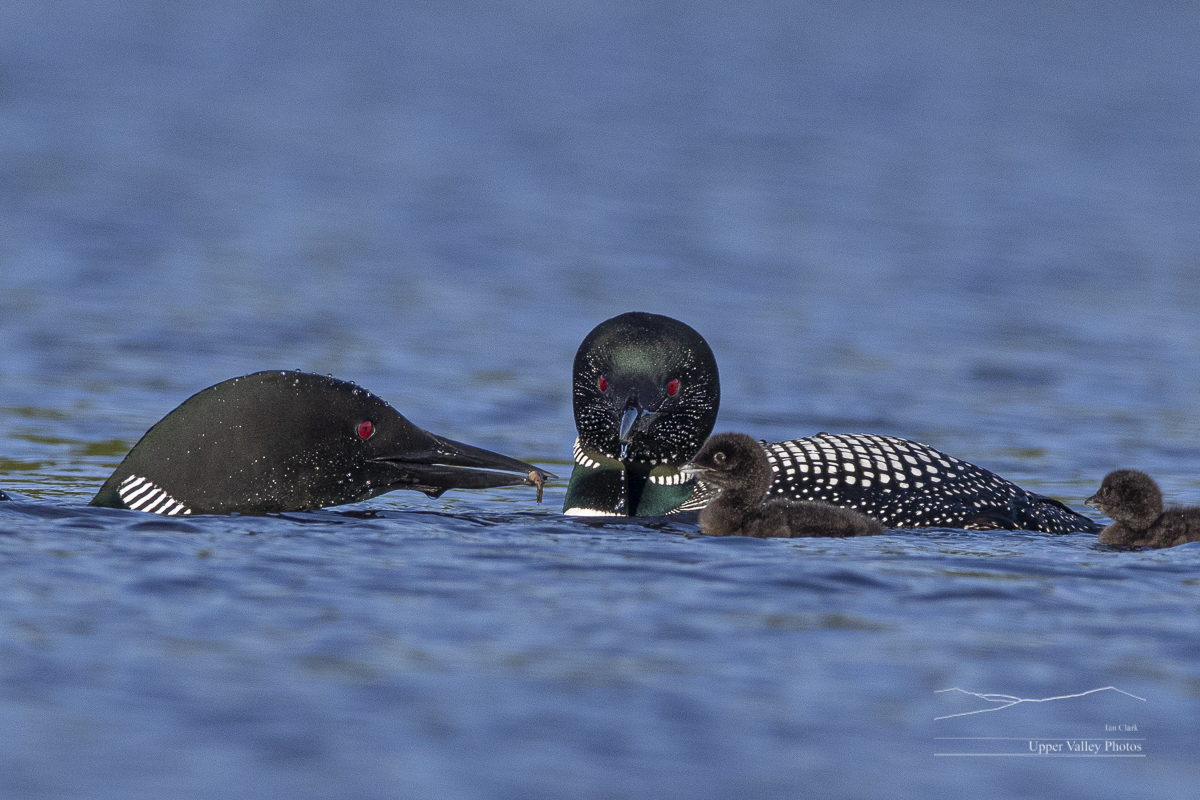
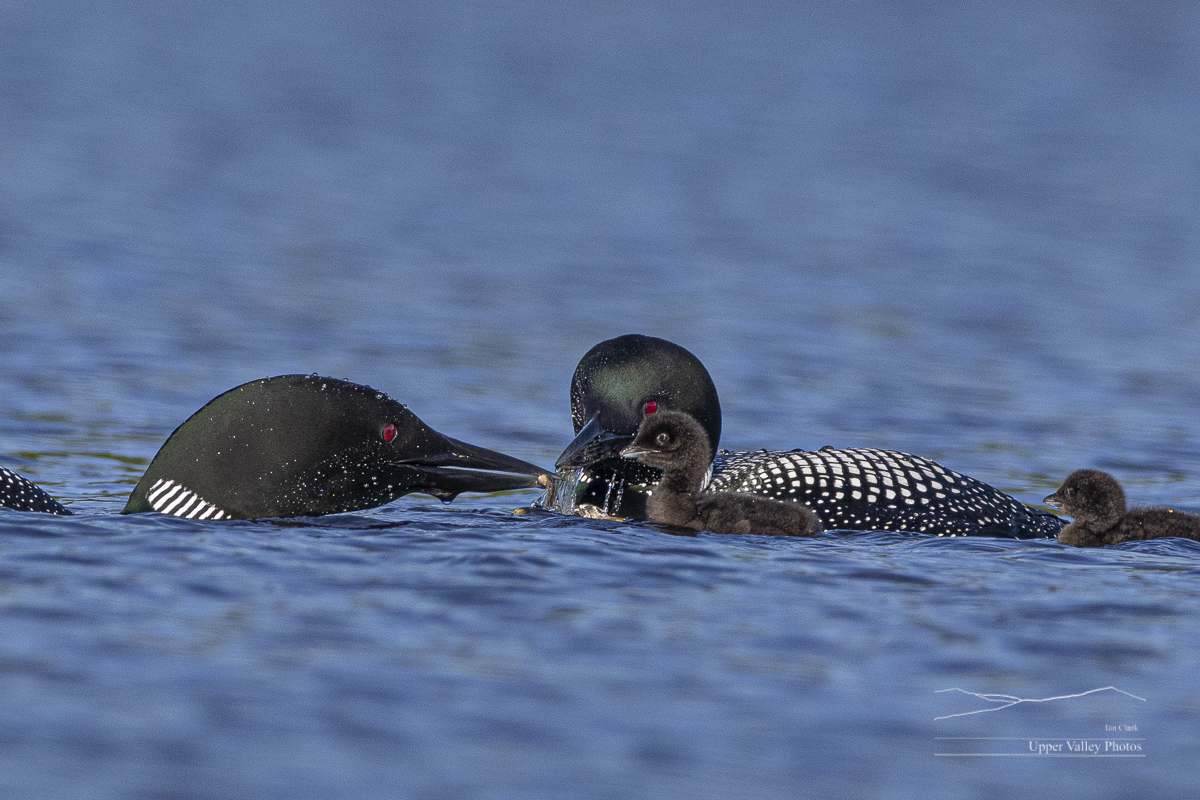
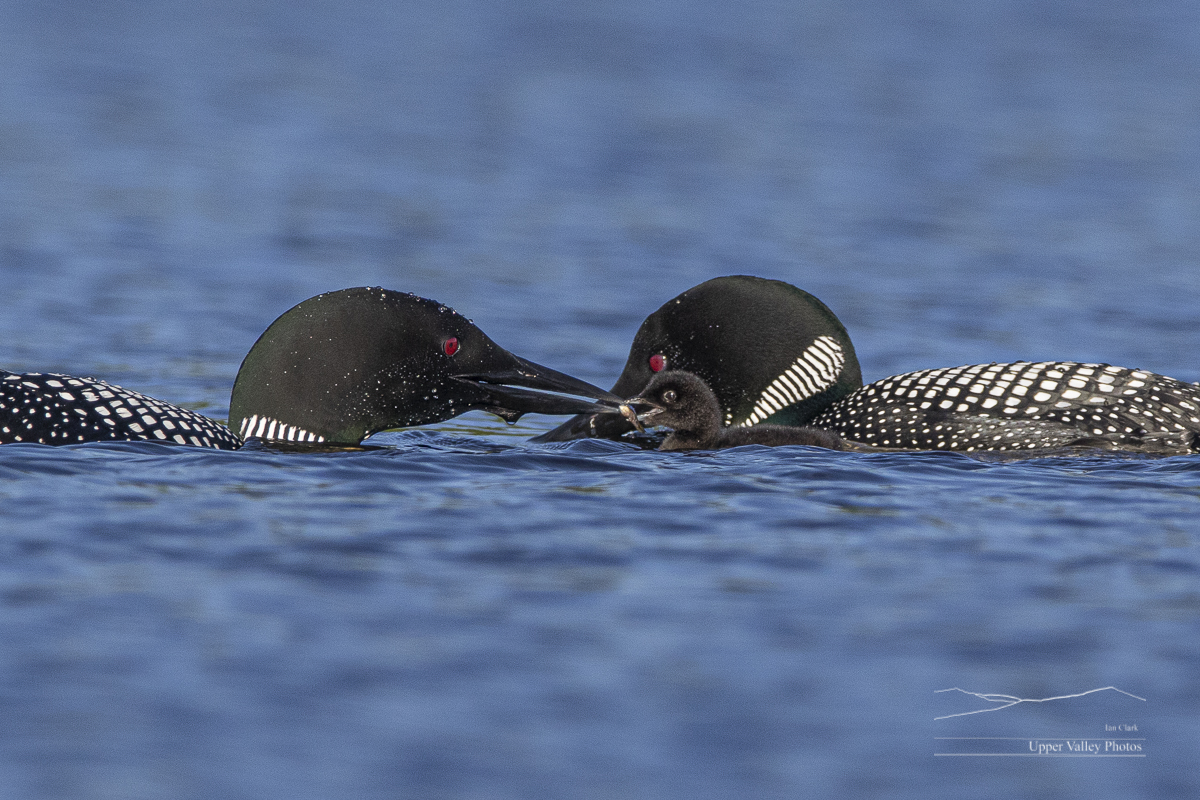
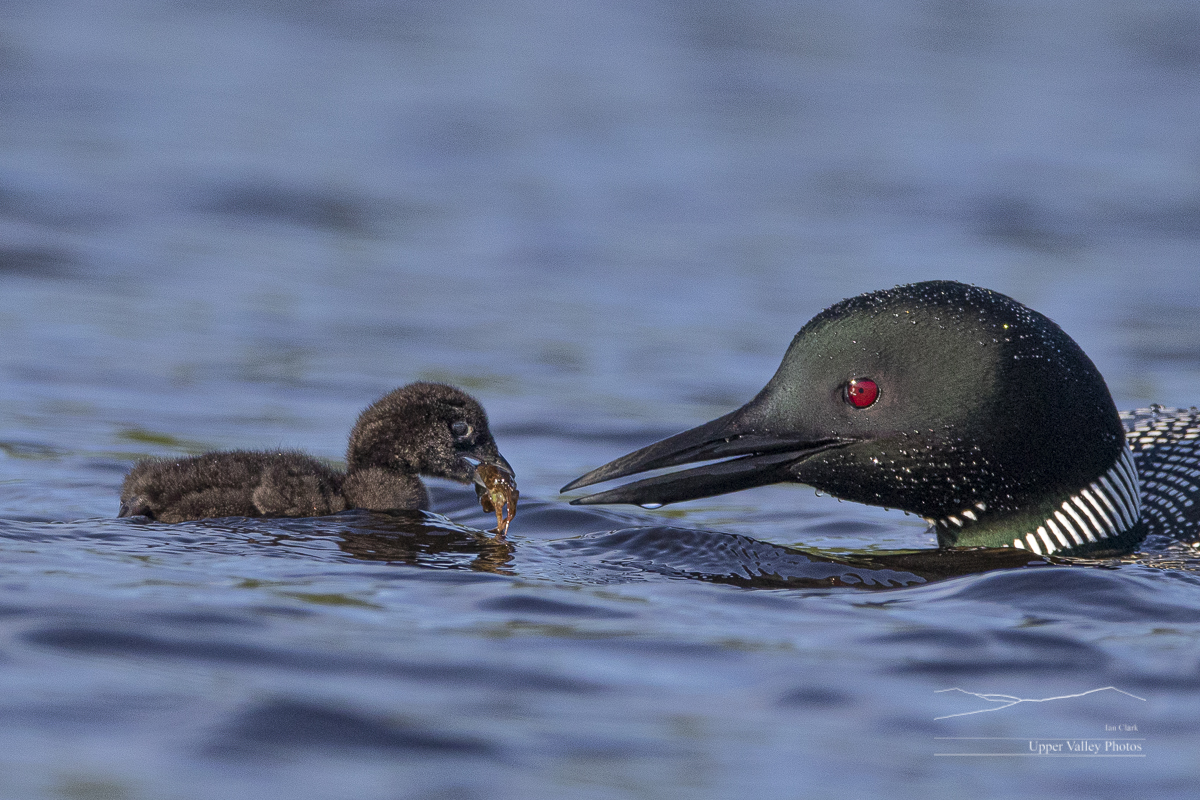
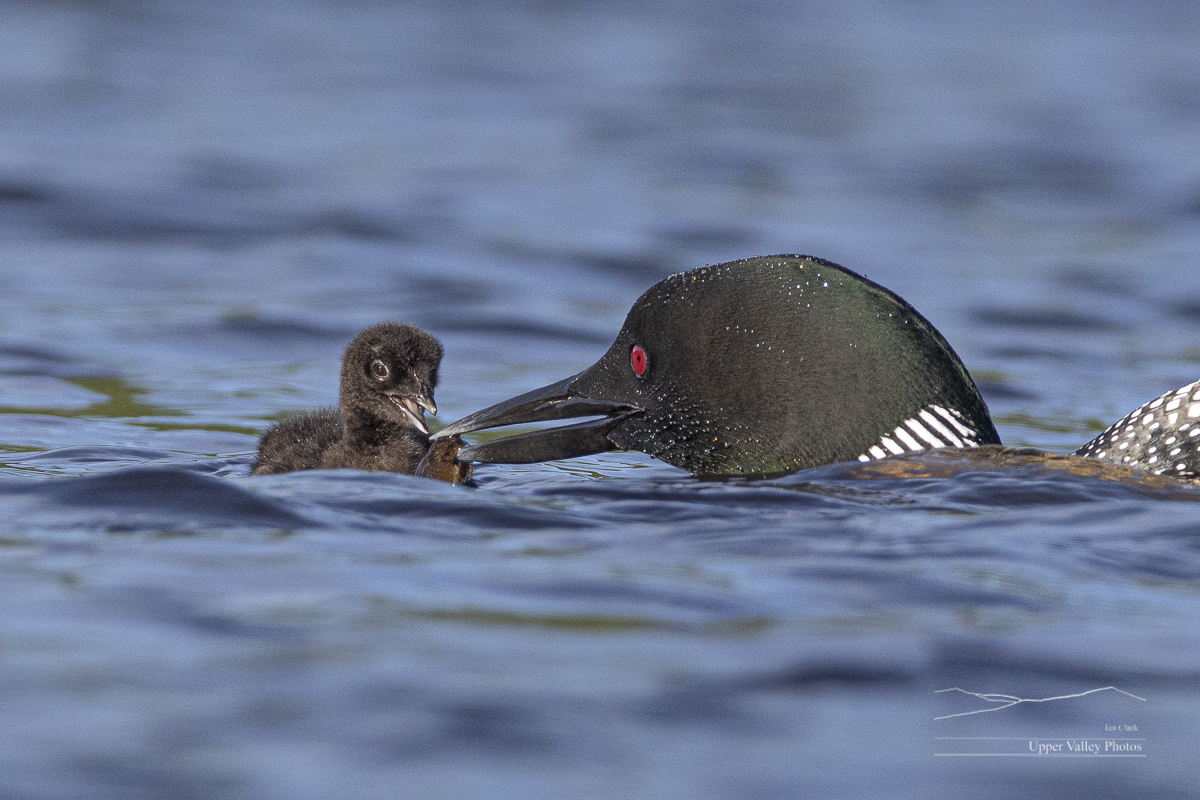
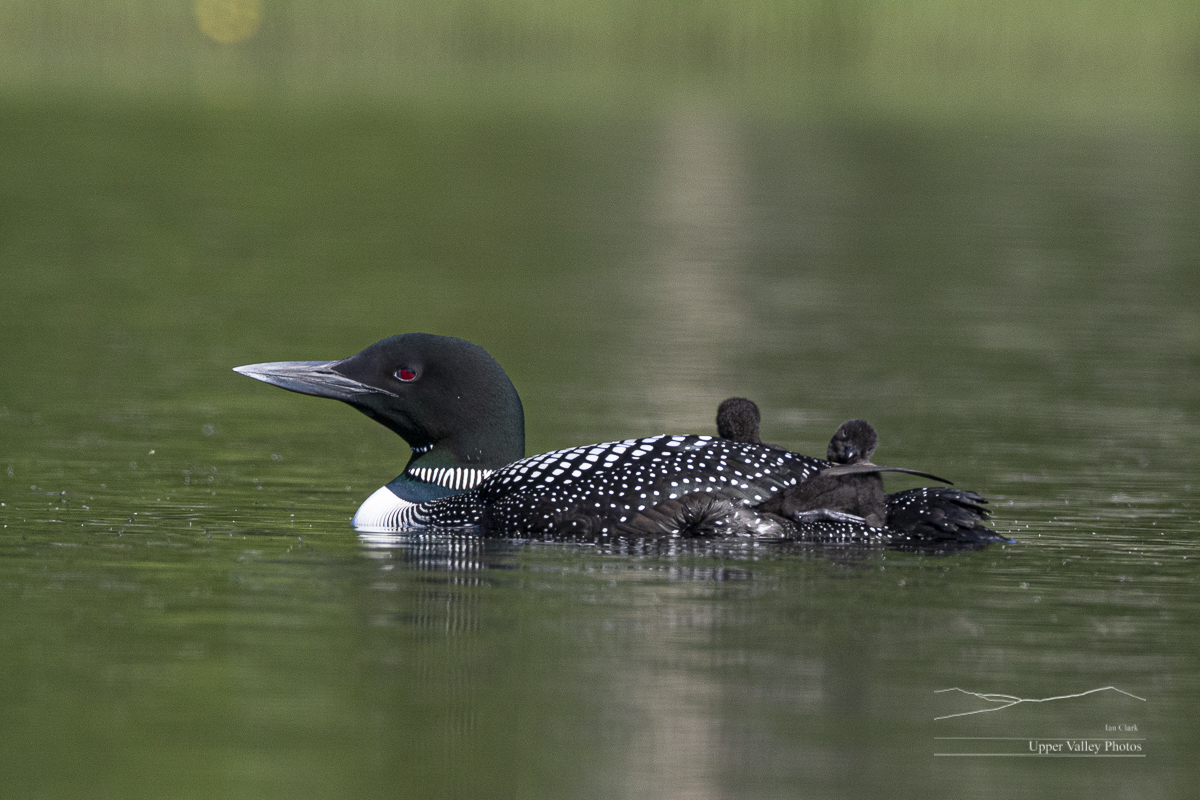
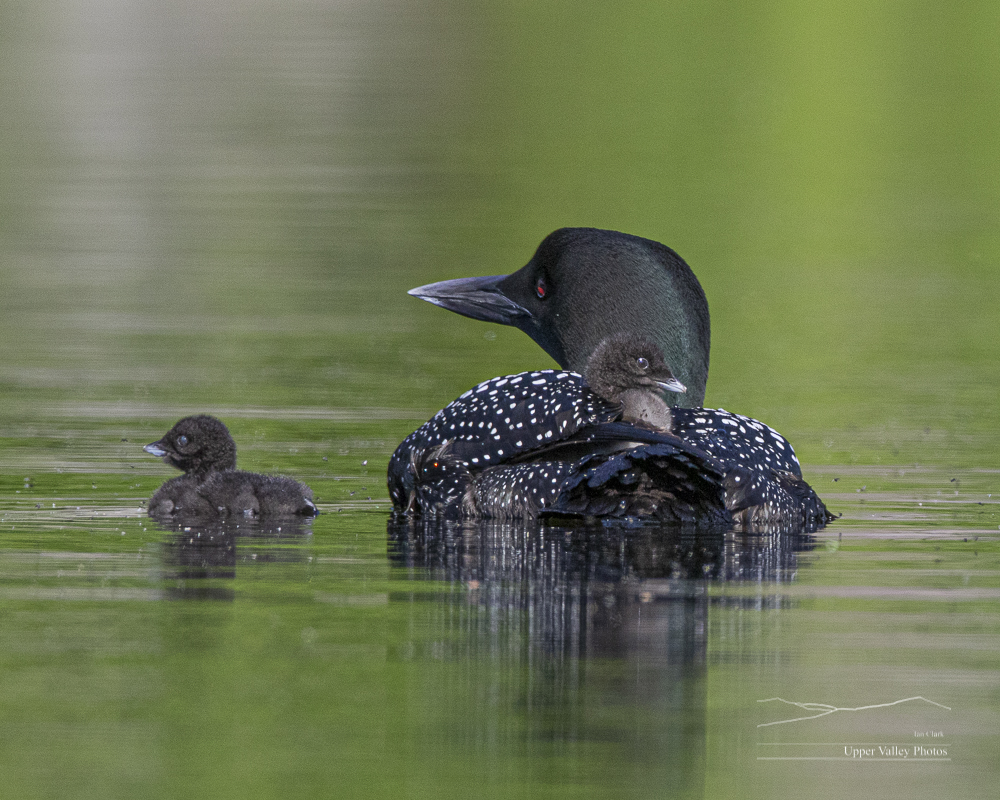
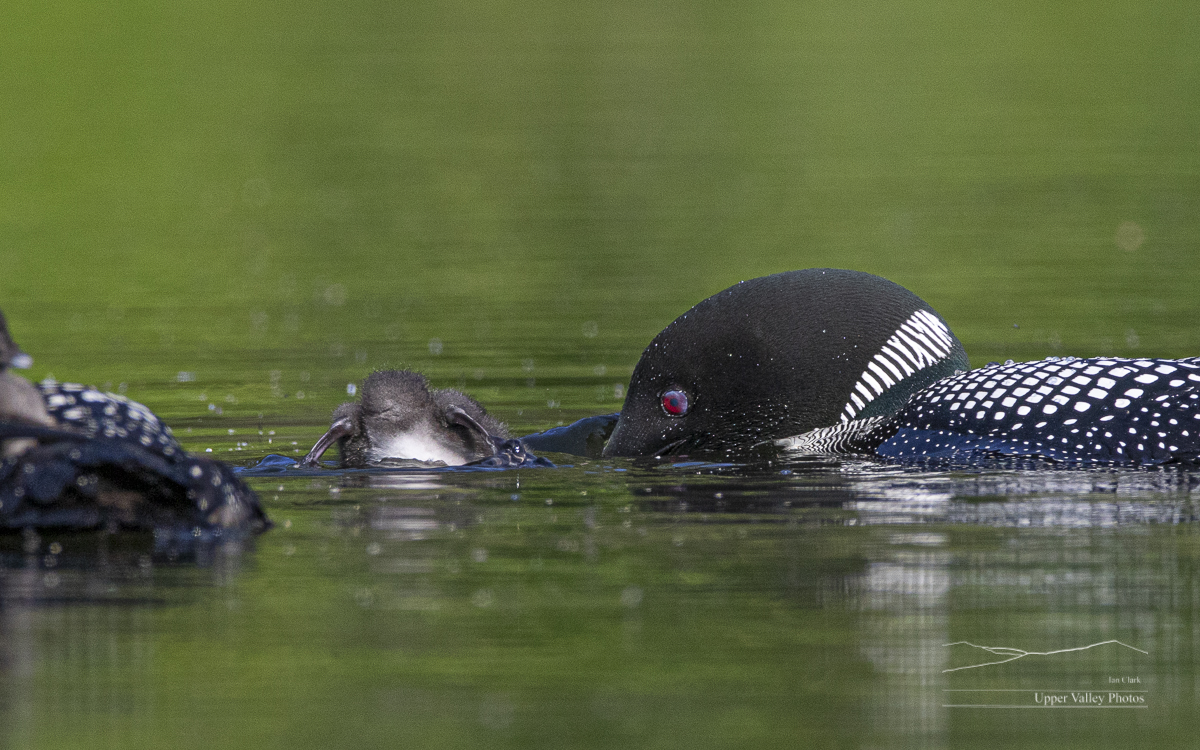
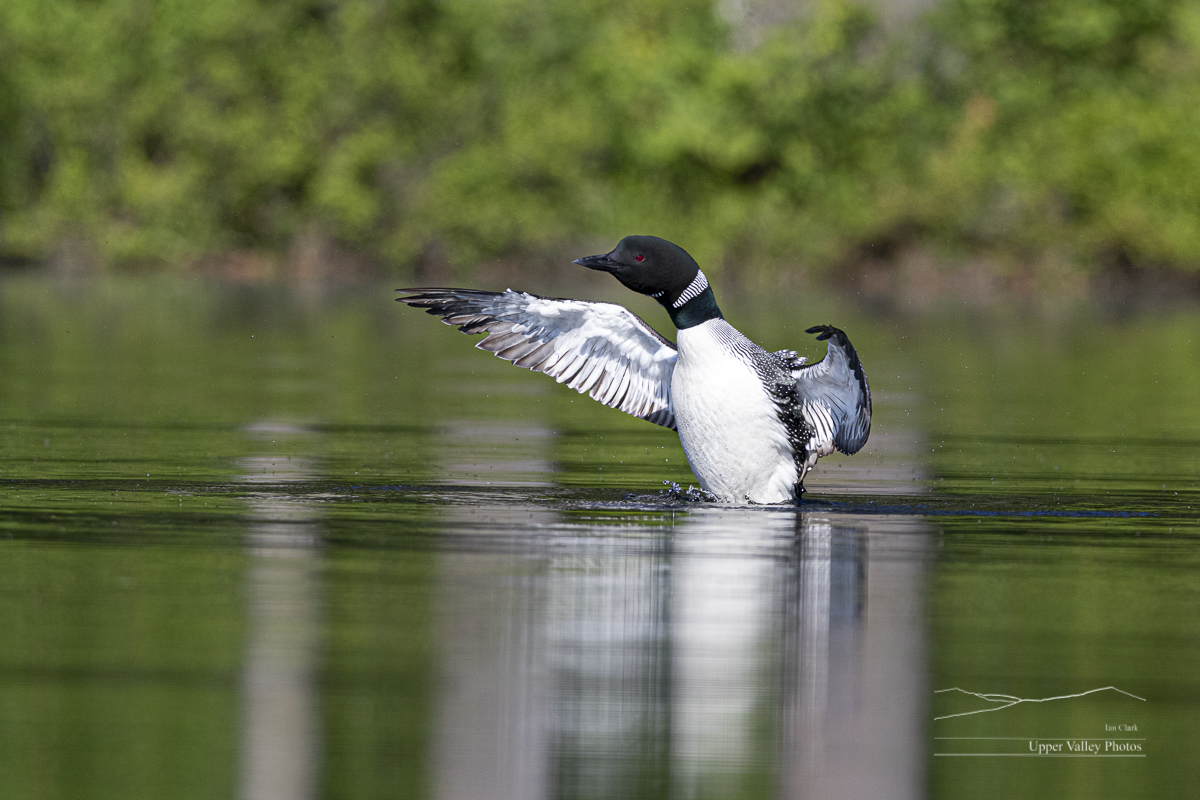
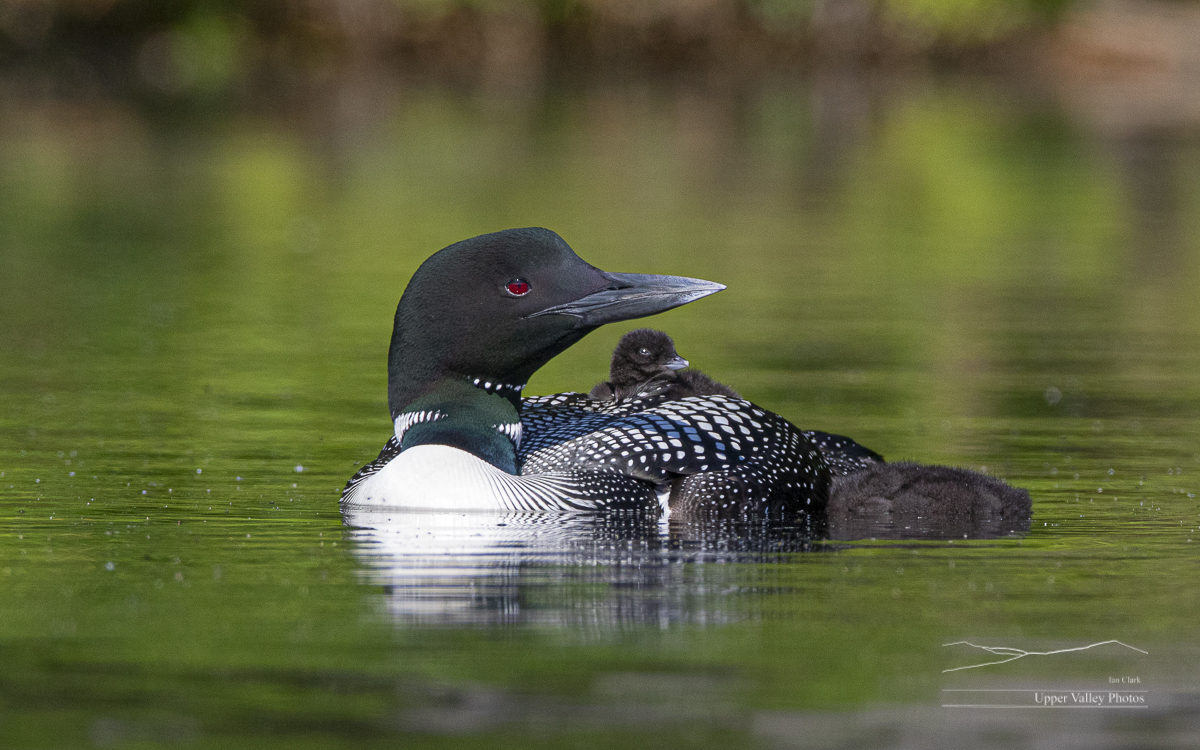
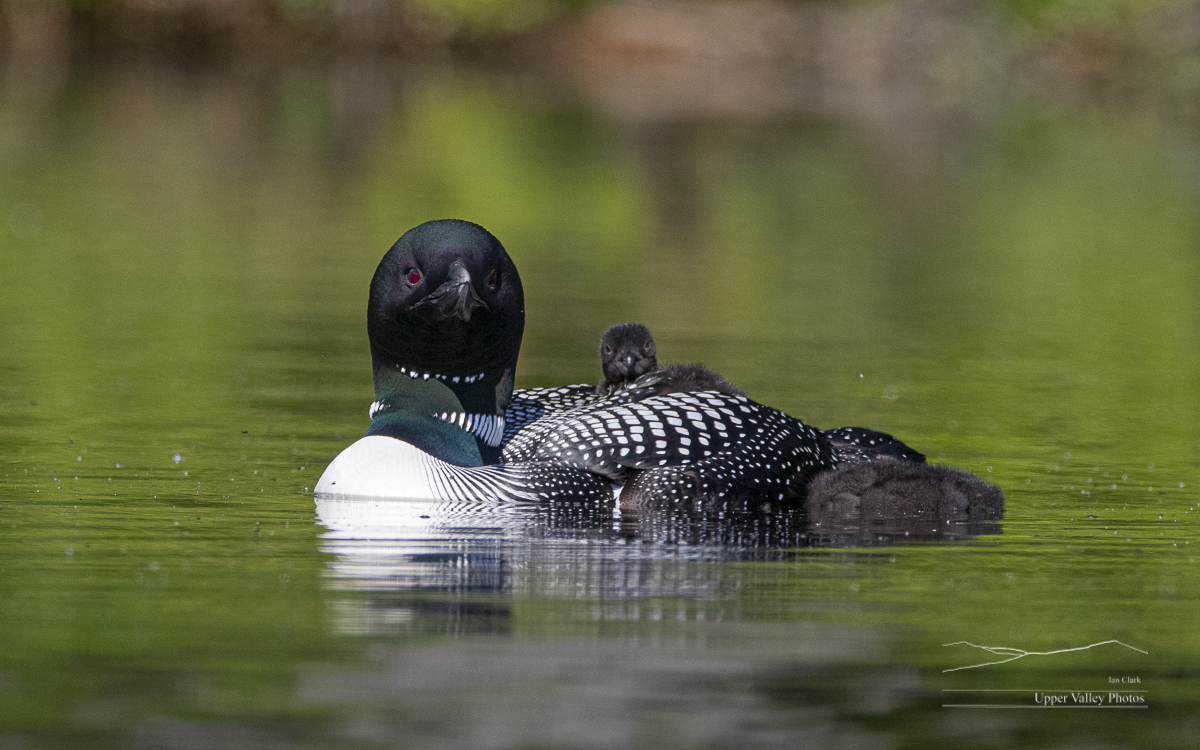
I hope to be able to follow these two families and a third through out the season. To watch them grow, sign up for updates when I add a post.
Local Wildlife
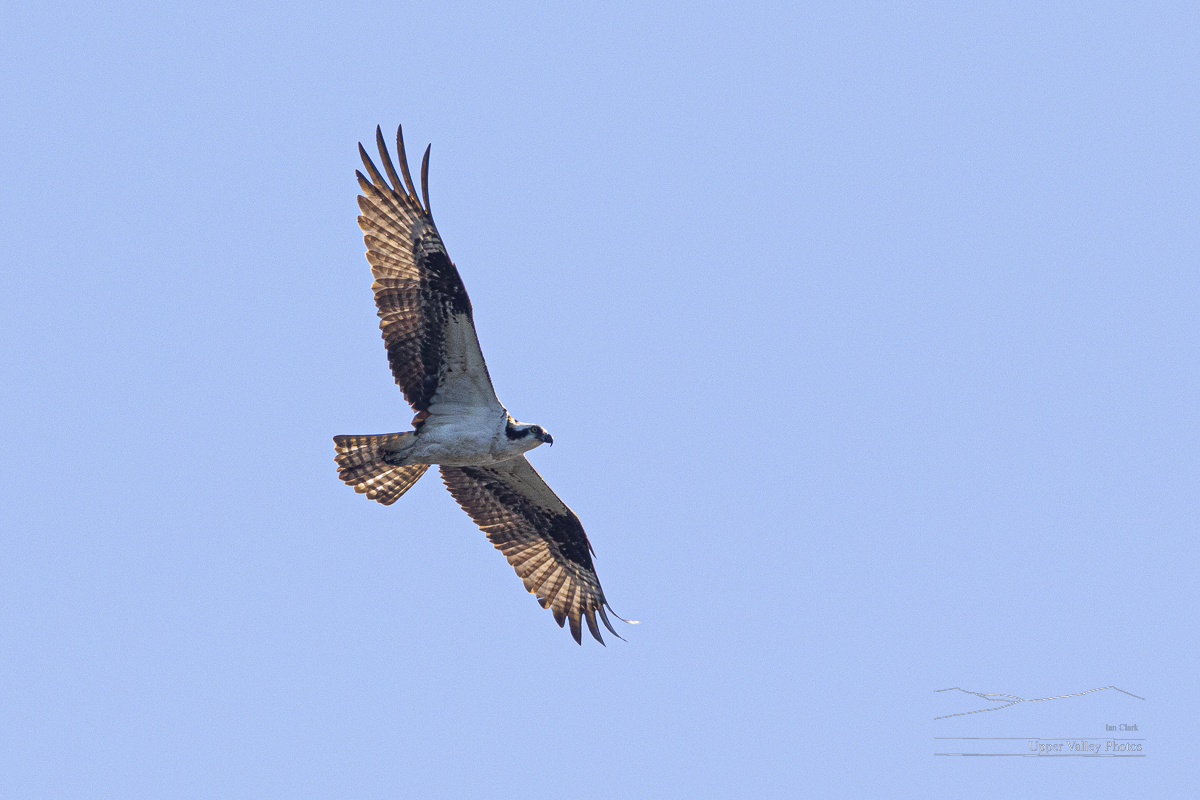
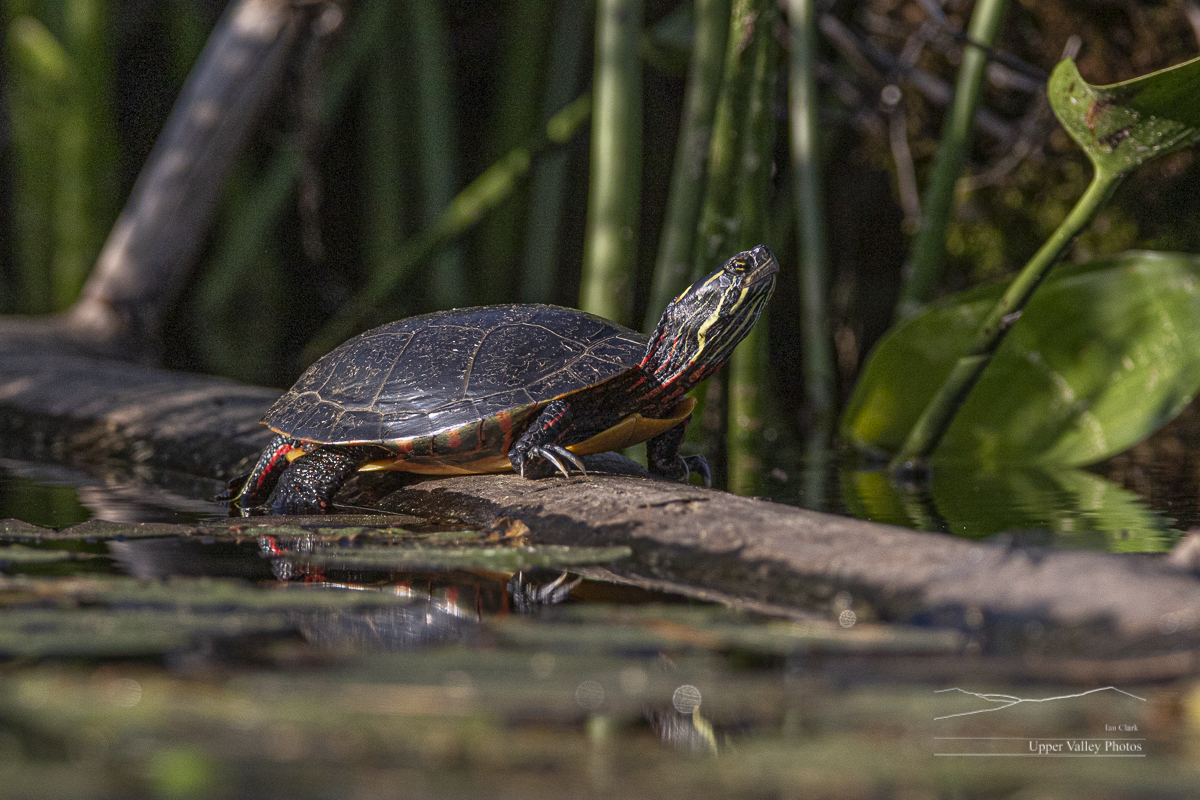
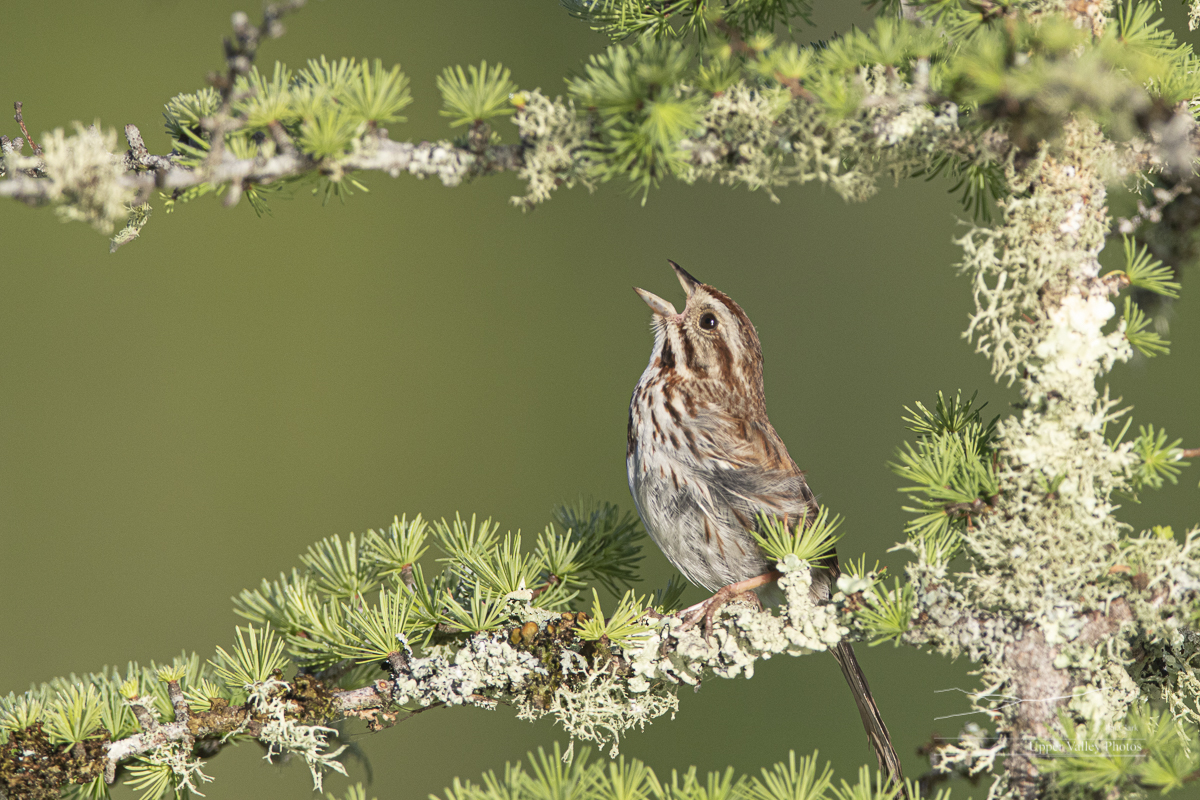
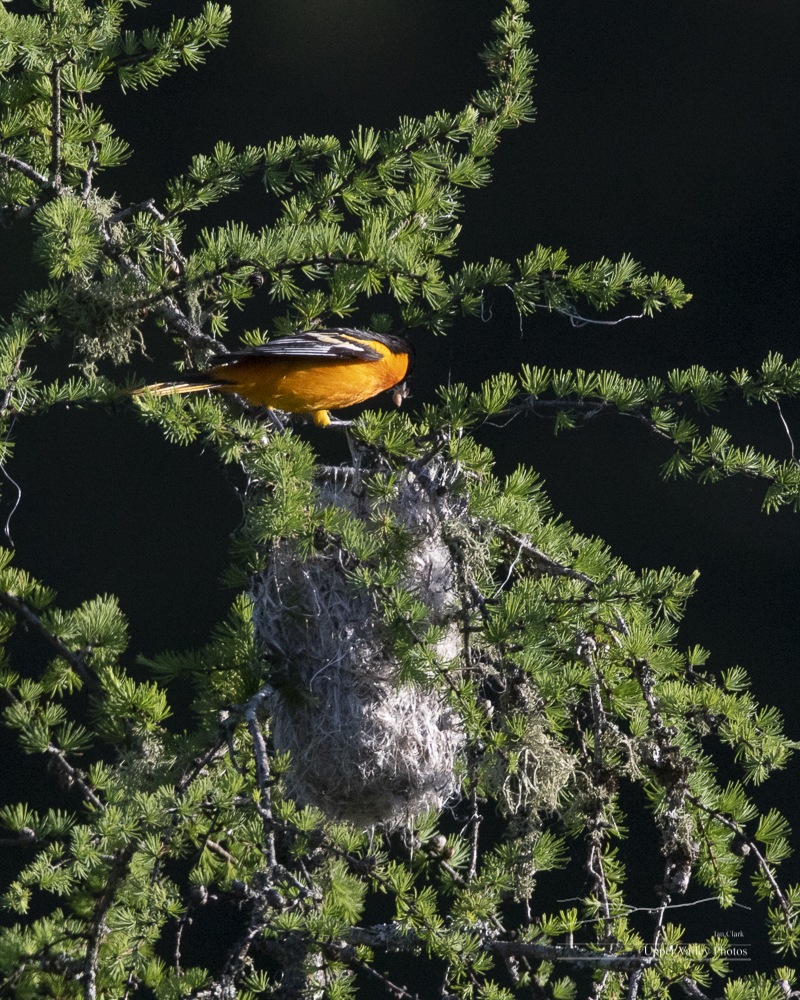
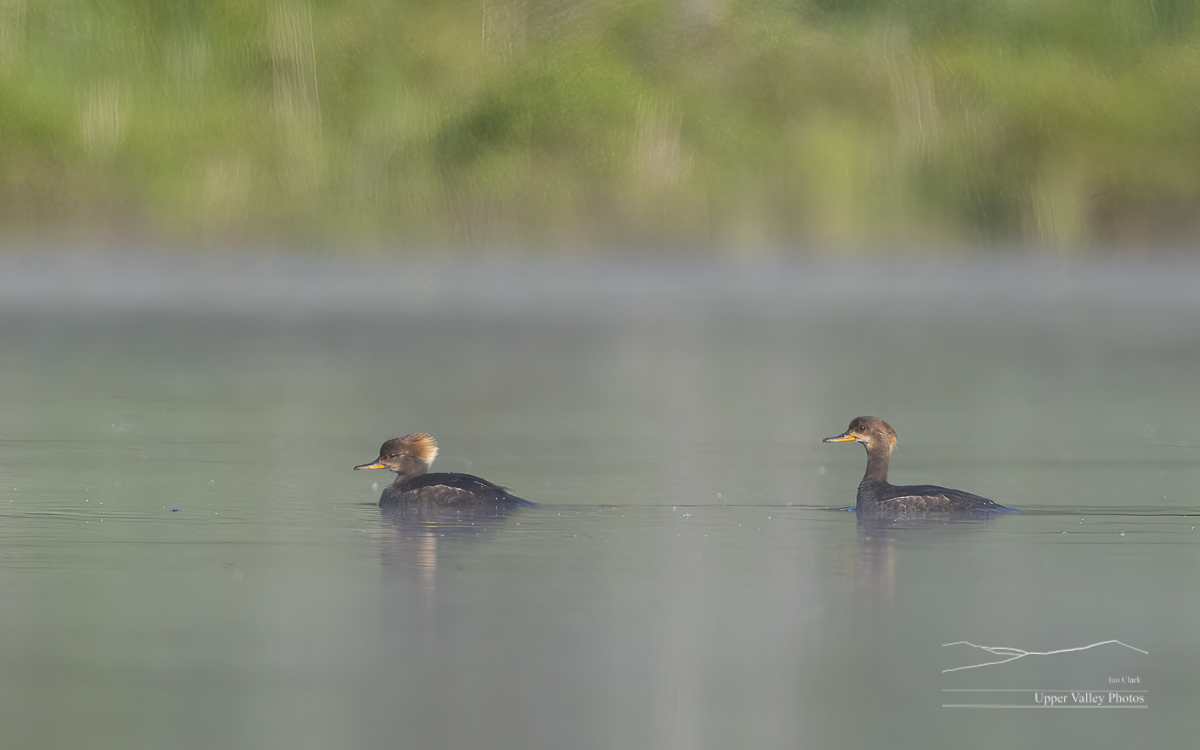
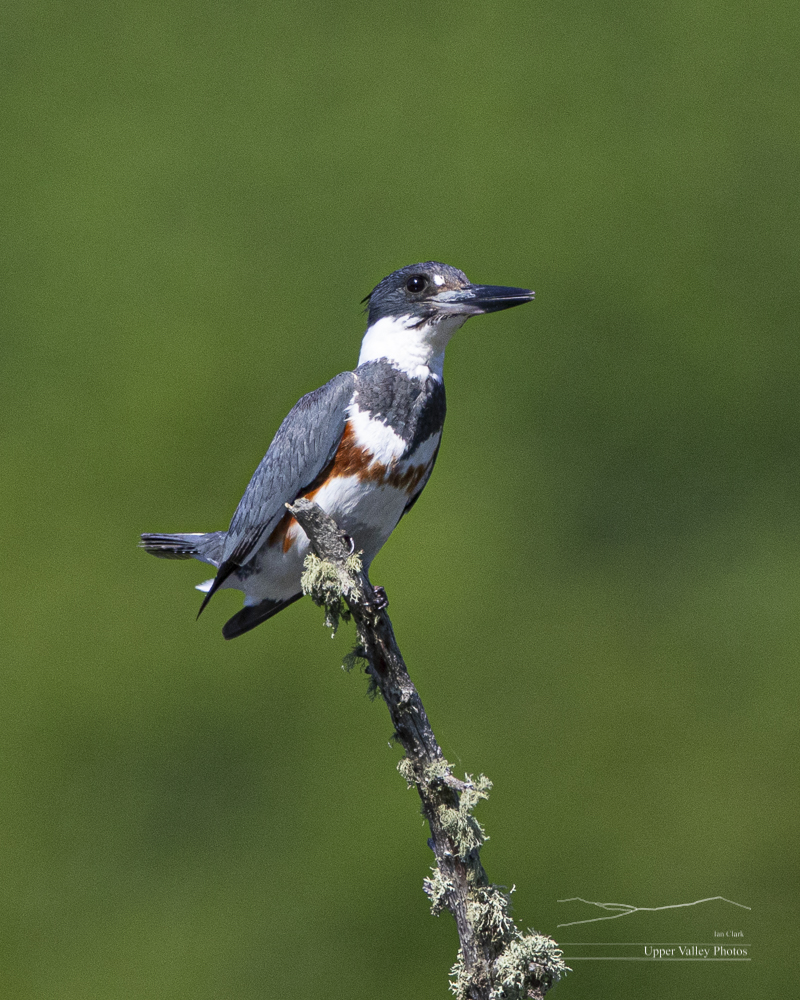
Many of the birds around the marsh are nesting, there are lots of parents hauling groceries back their nests, others still sitting on their eggs. The Canada geese have mostly moved on, making the local ponds much quieter places. Let’s see who was out and about this past week.
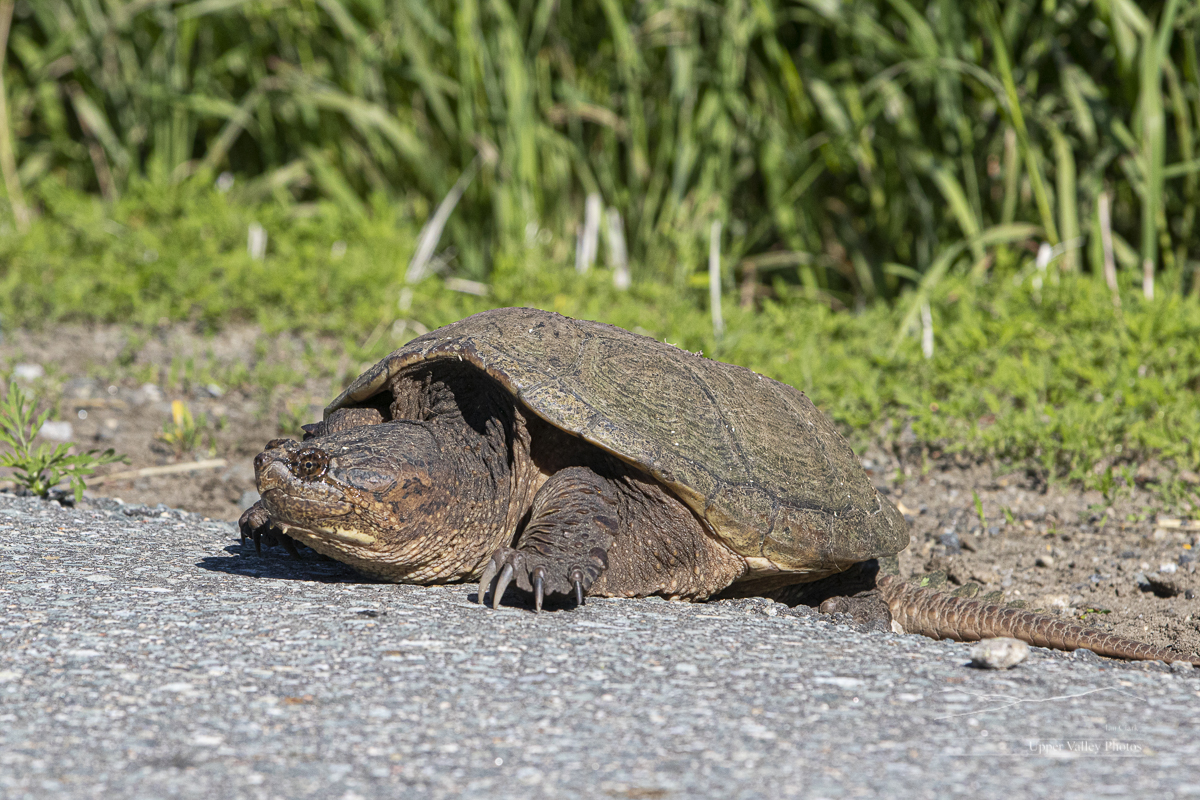
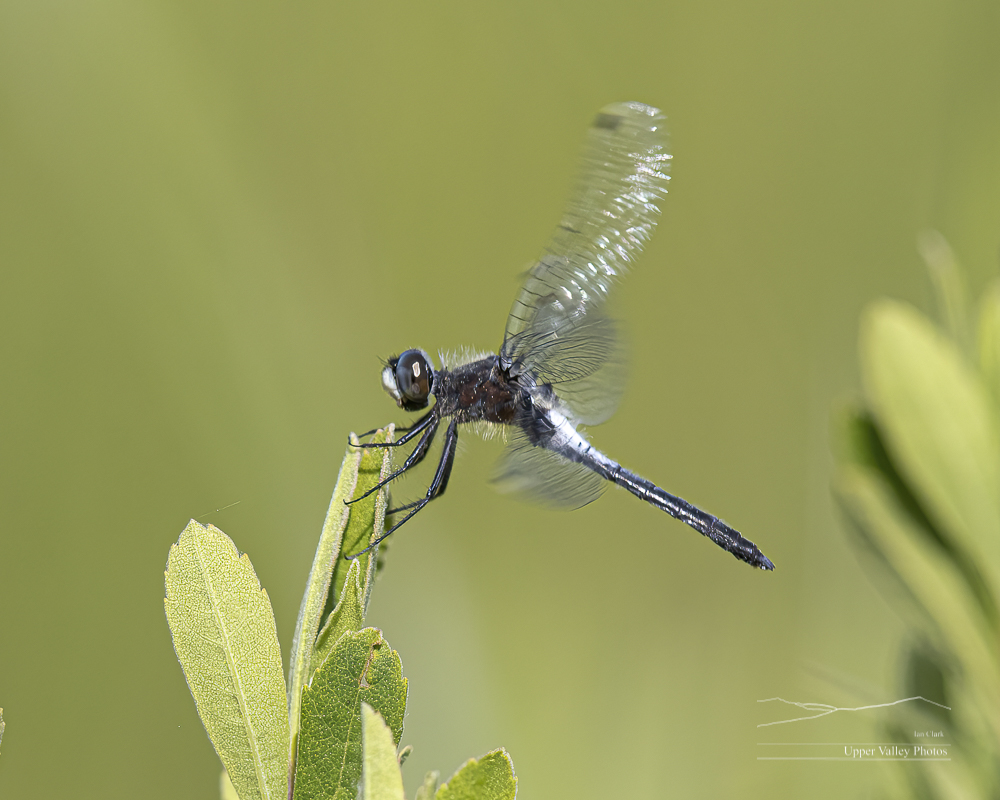
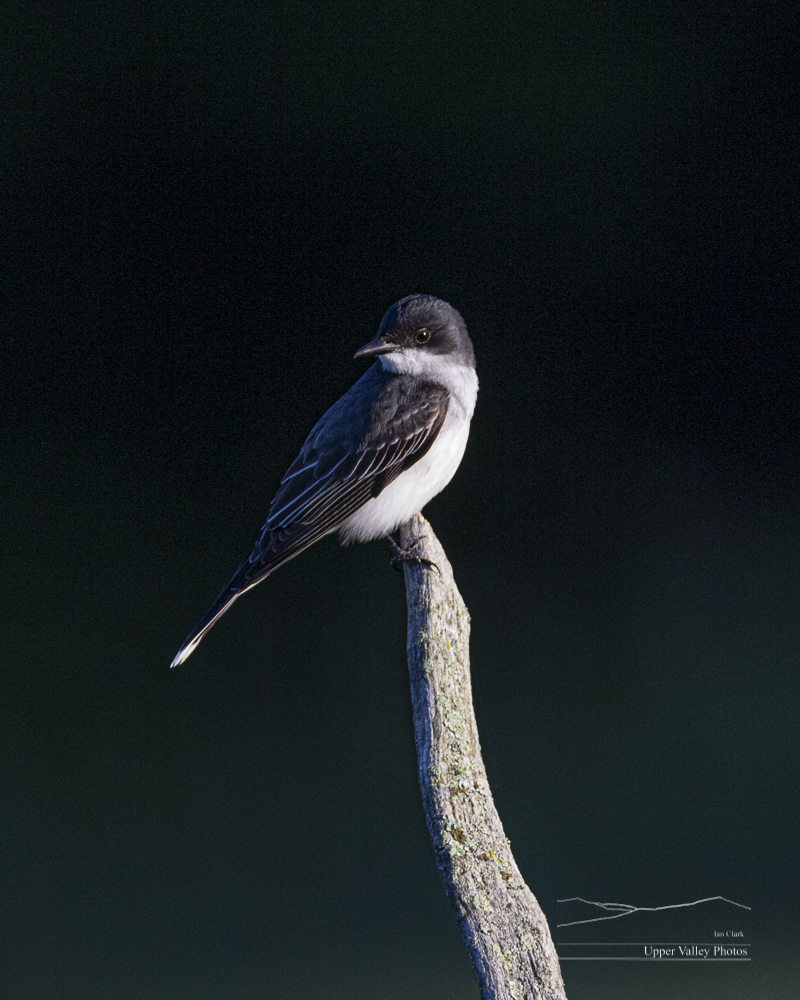
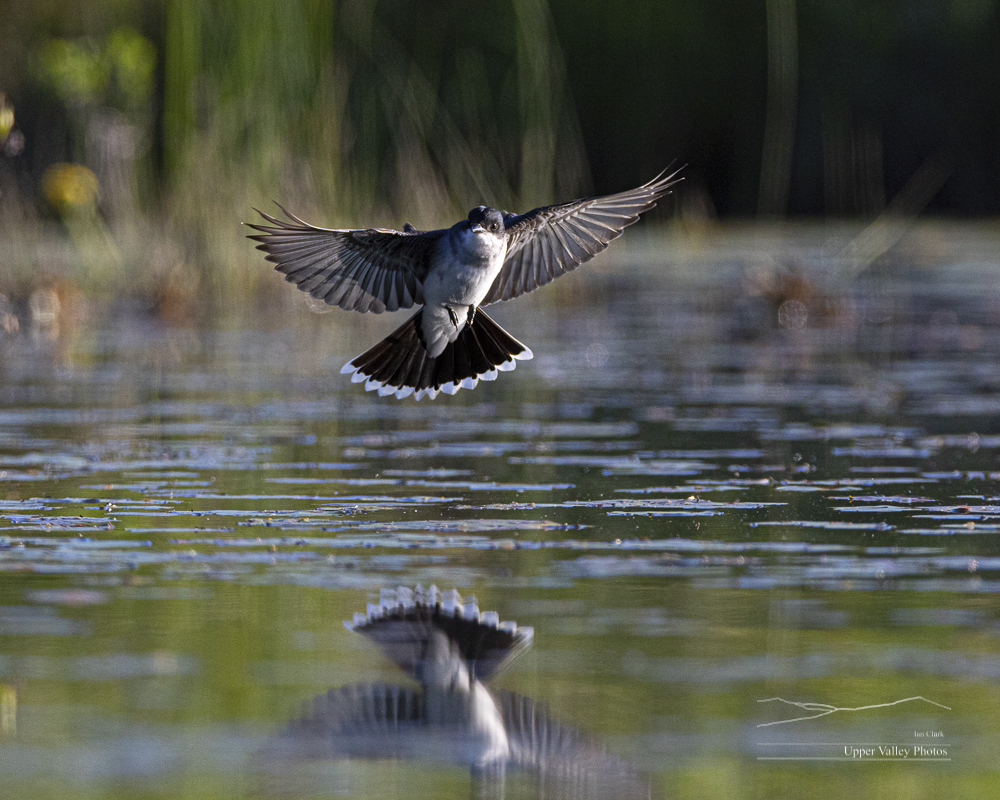
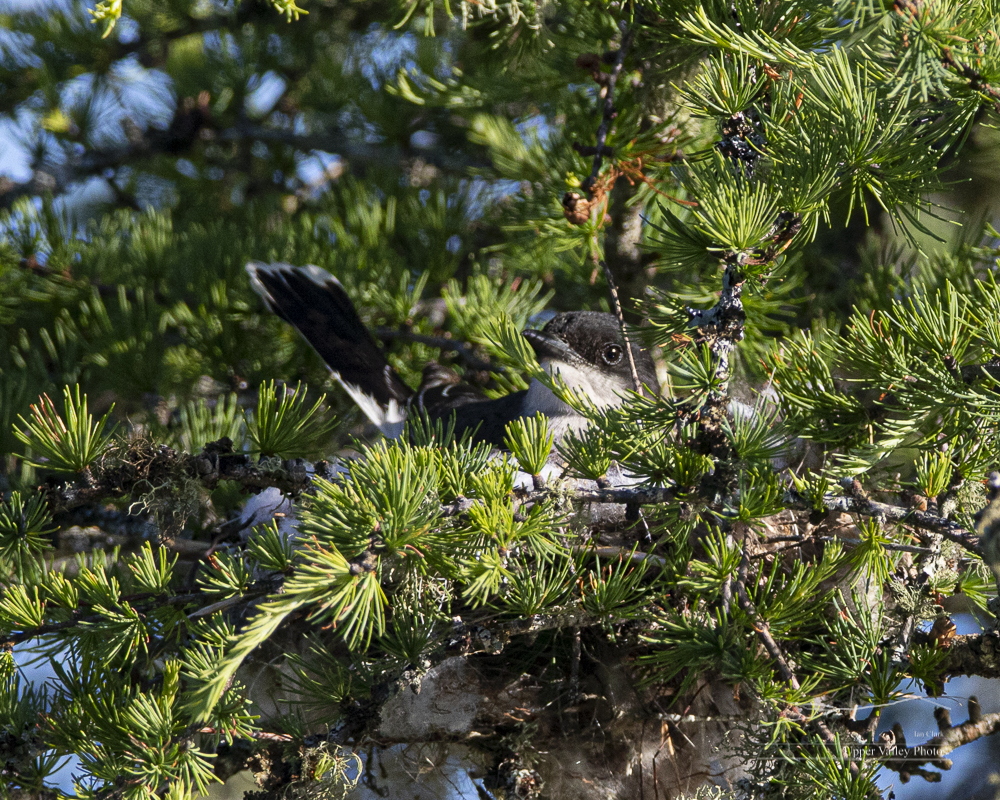
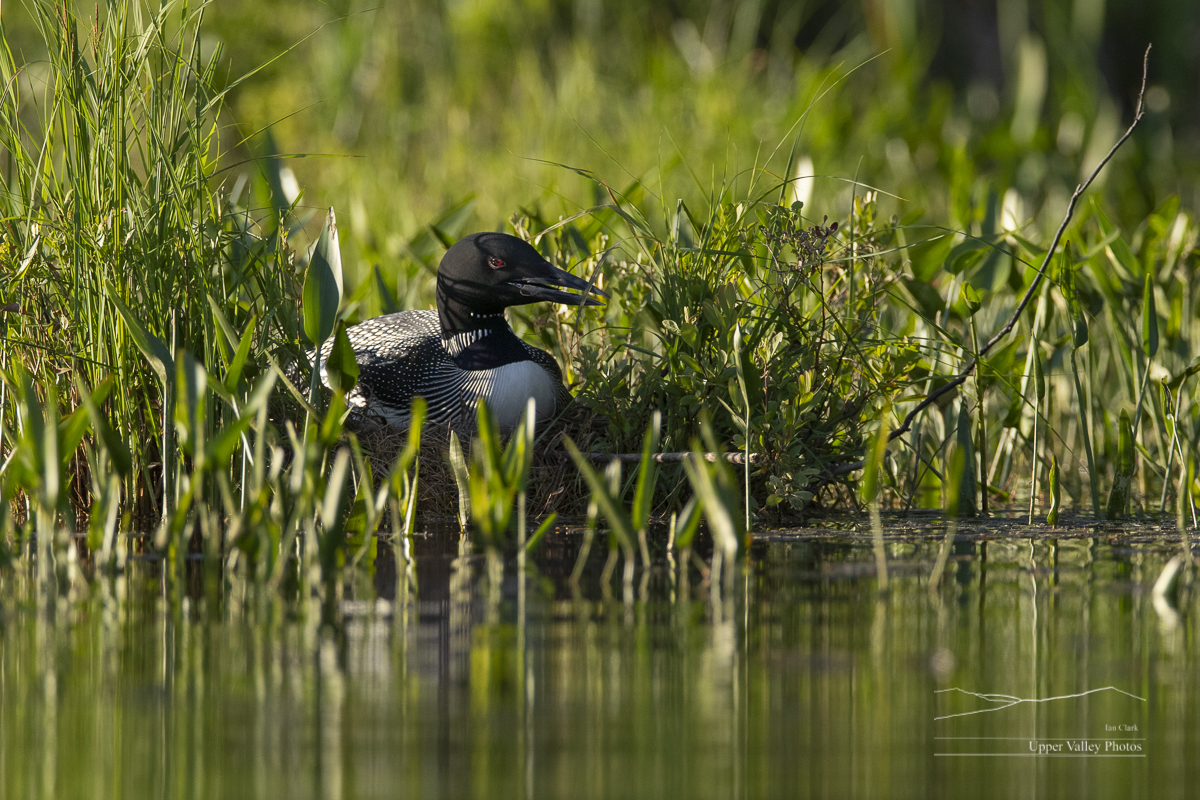
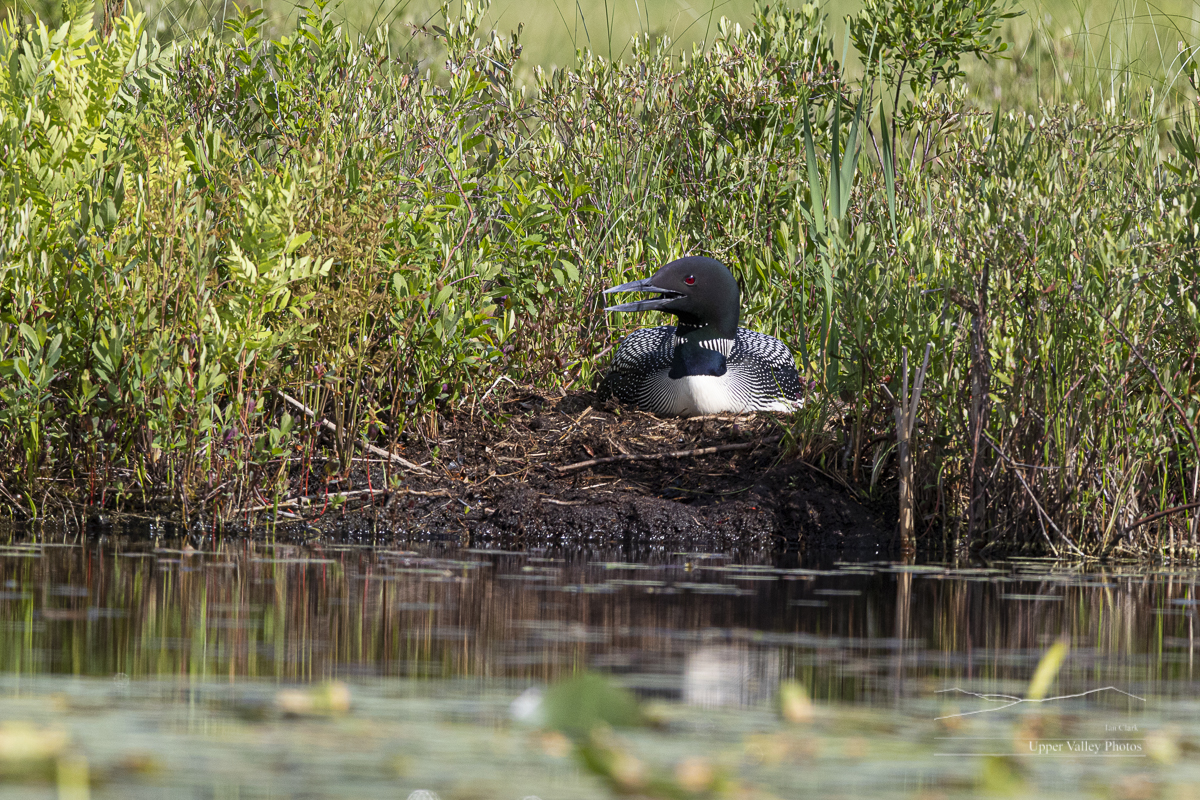
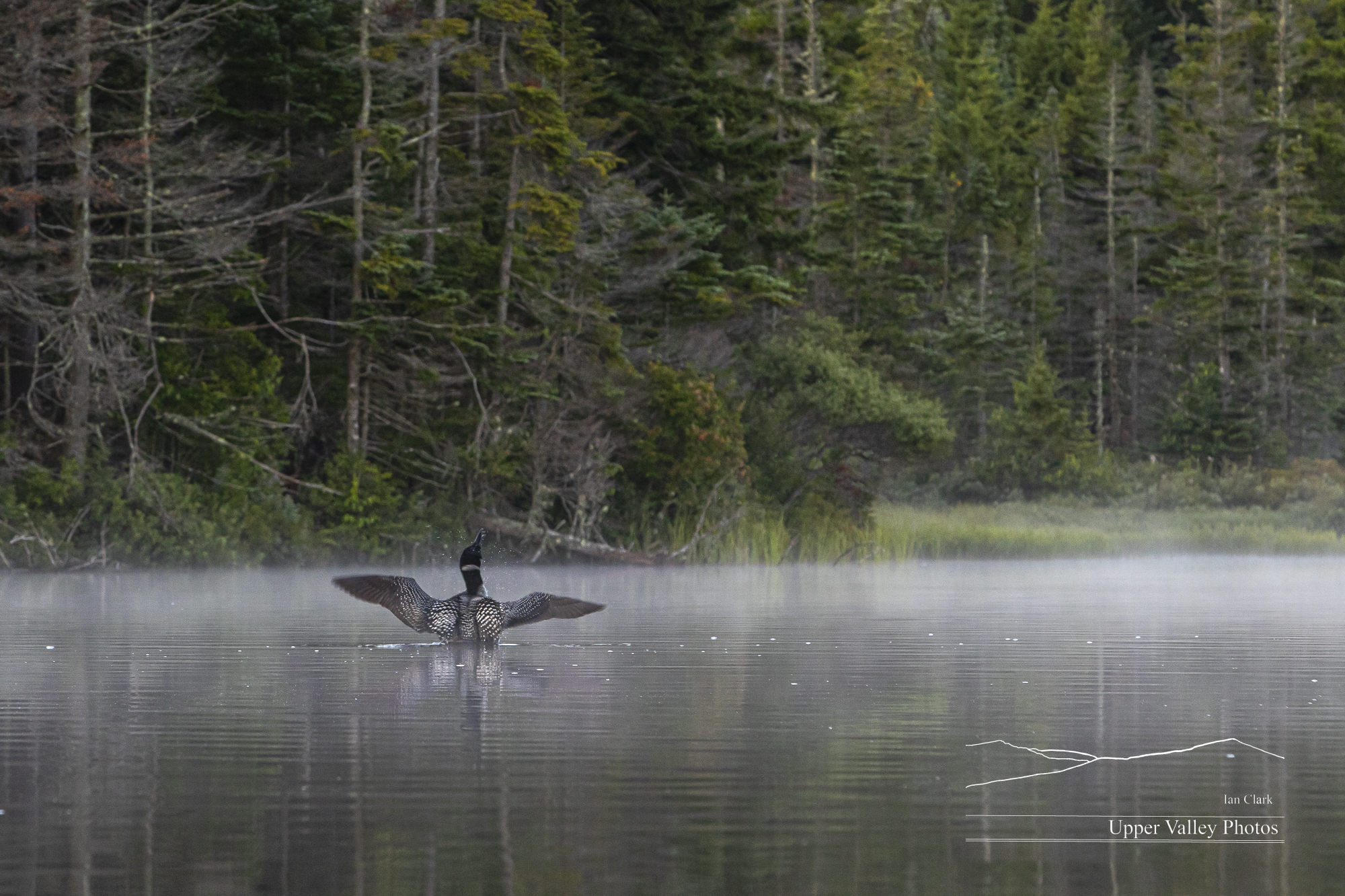
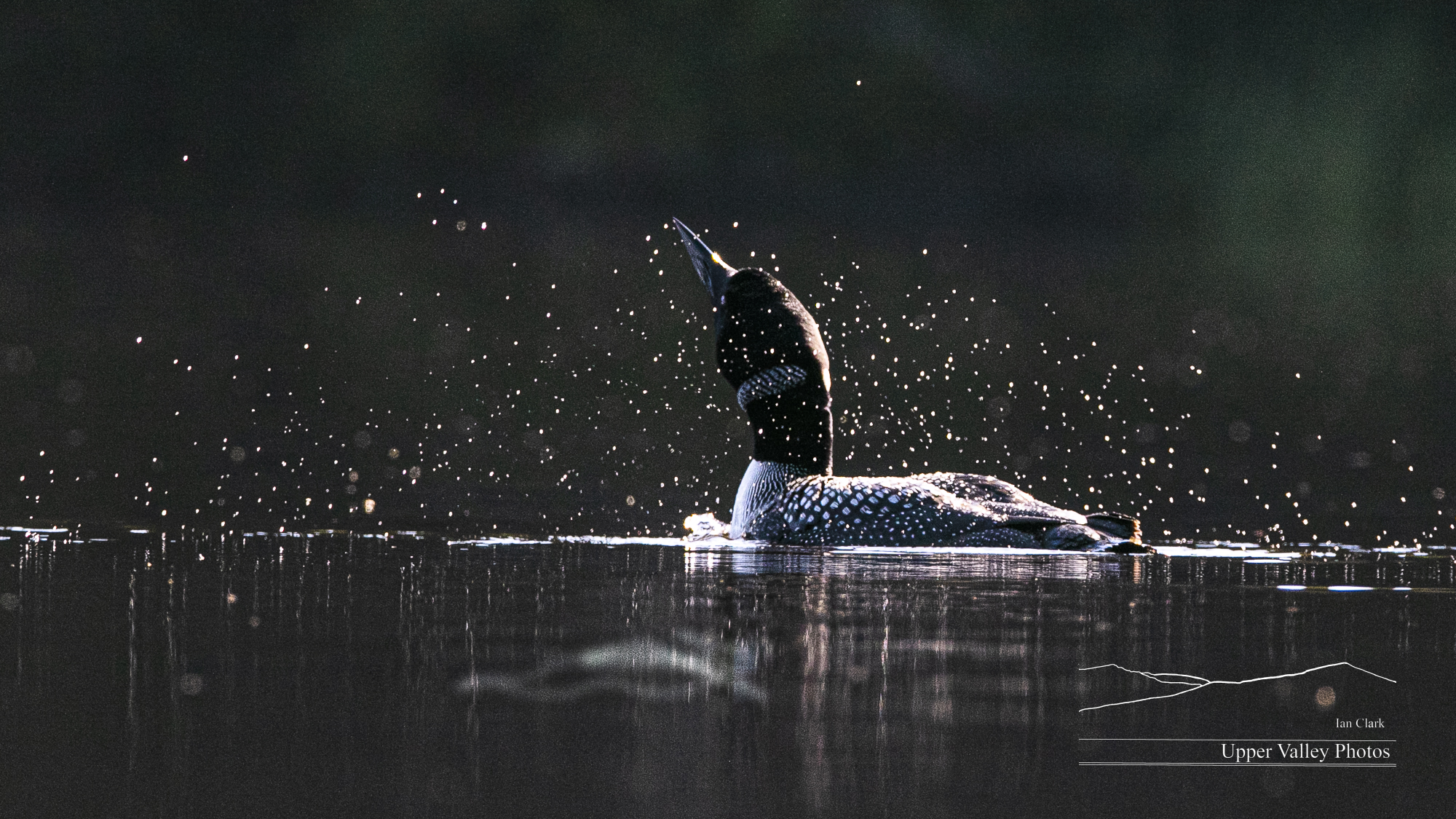
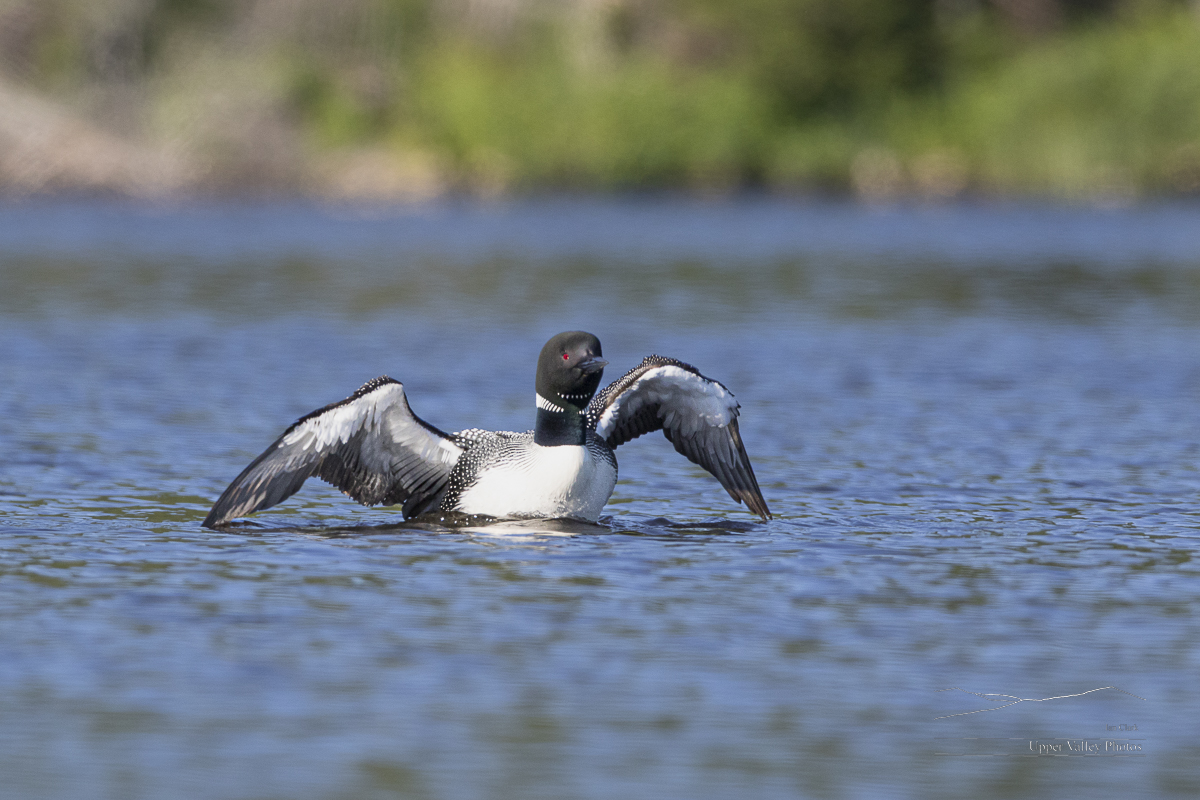
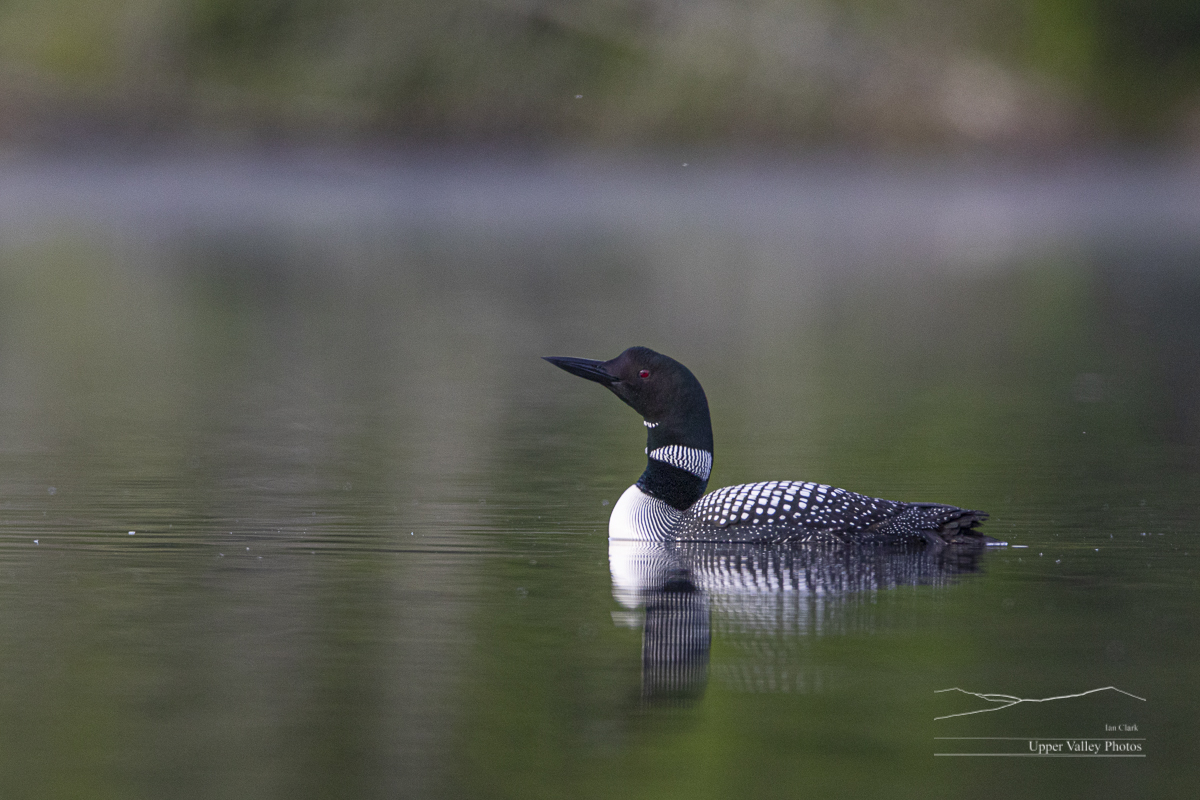
And, of course, no visit to the pond is complete without a couple photos of the loon stretching.
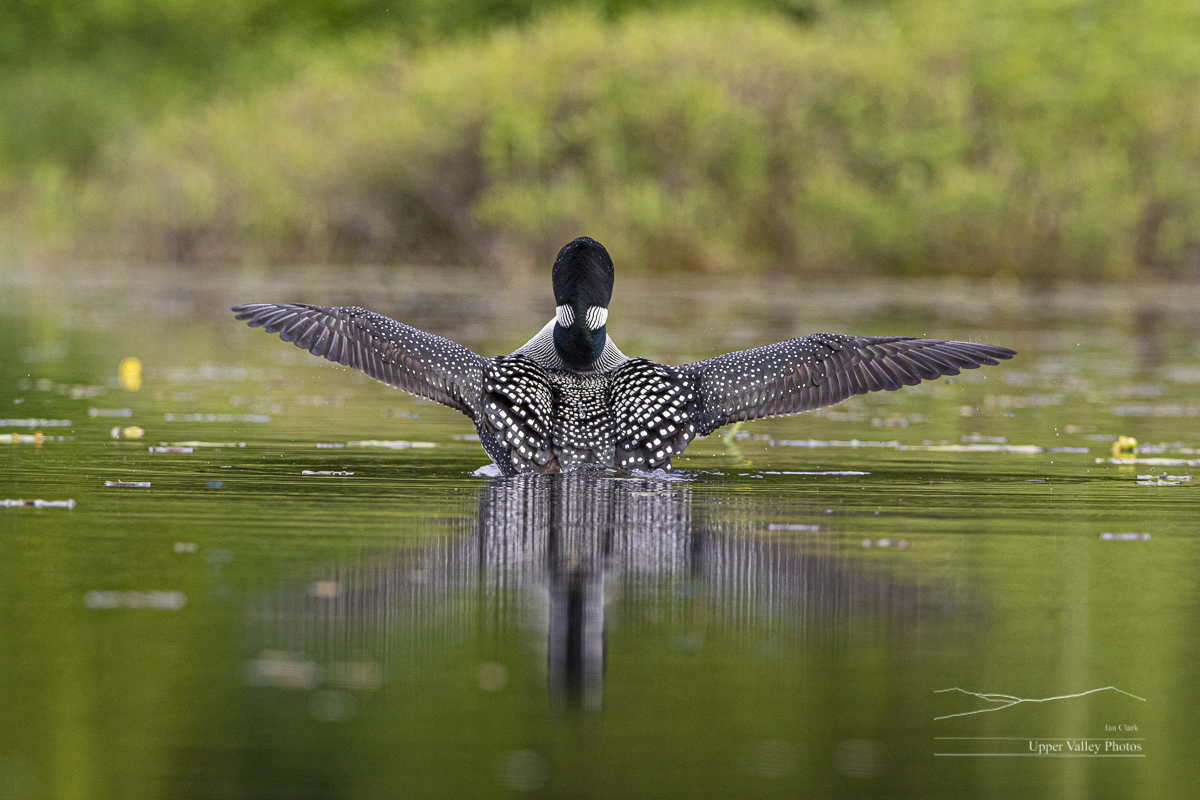
A Peaceful Morning With The Loons, et al, June 8, 2022
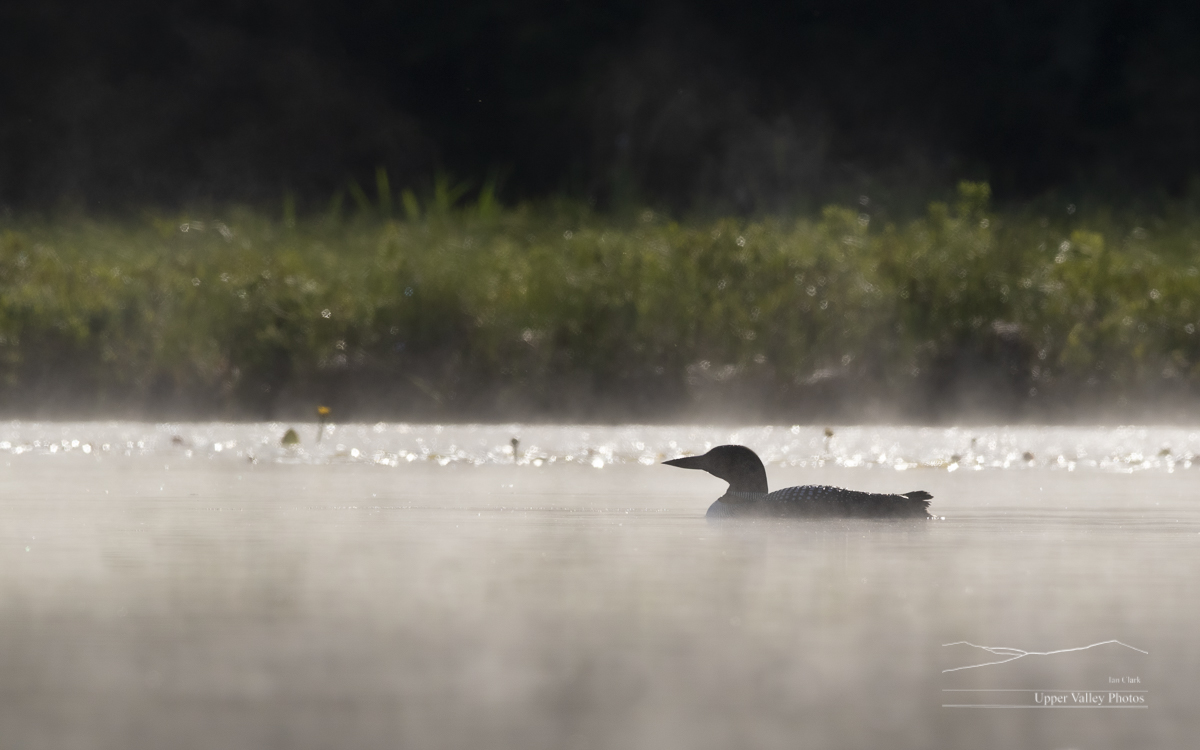
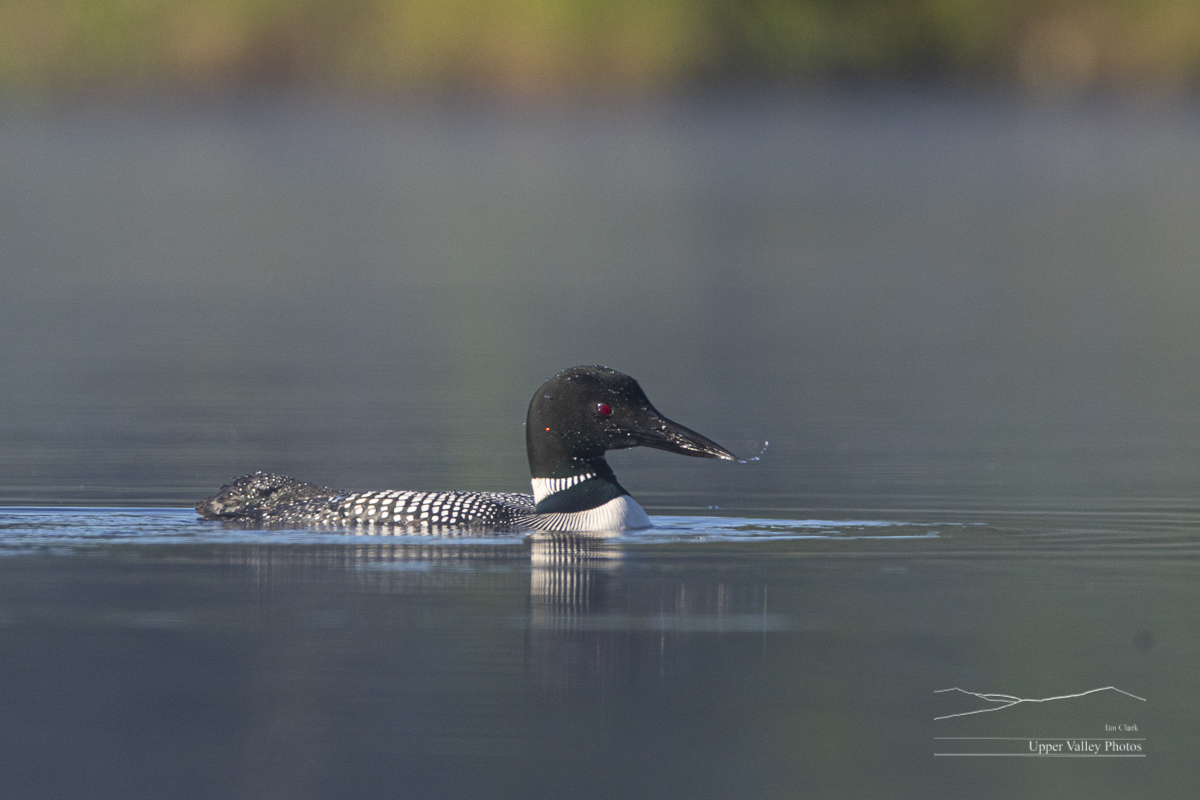
Monday morning was a beautiful spring morning to visit the loons and friends. Provided one doesn’t object to paddling about in 42° weather. Let’s see what I found.
The Adirondack Loon Center is raffling off a Hornbeck Canoe to raise funds for loon preservation in the Adirondacks. Hornbeck boats are beautiful, very light weight boats, worth taking a look.
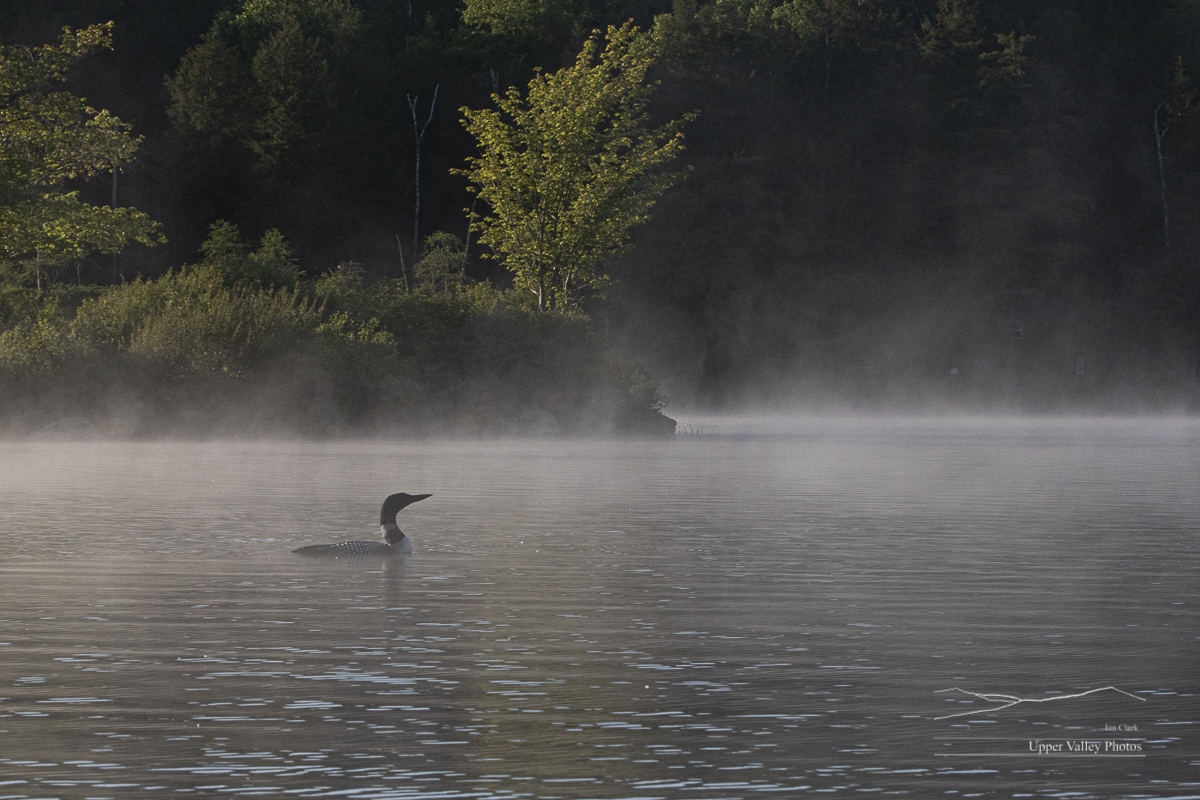
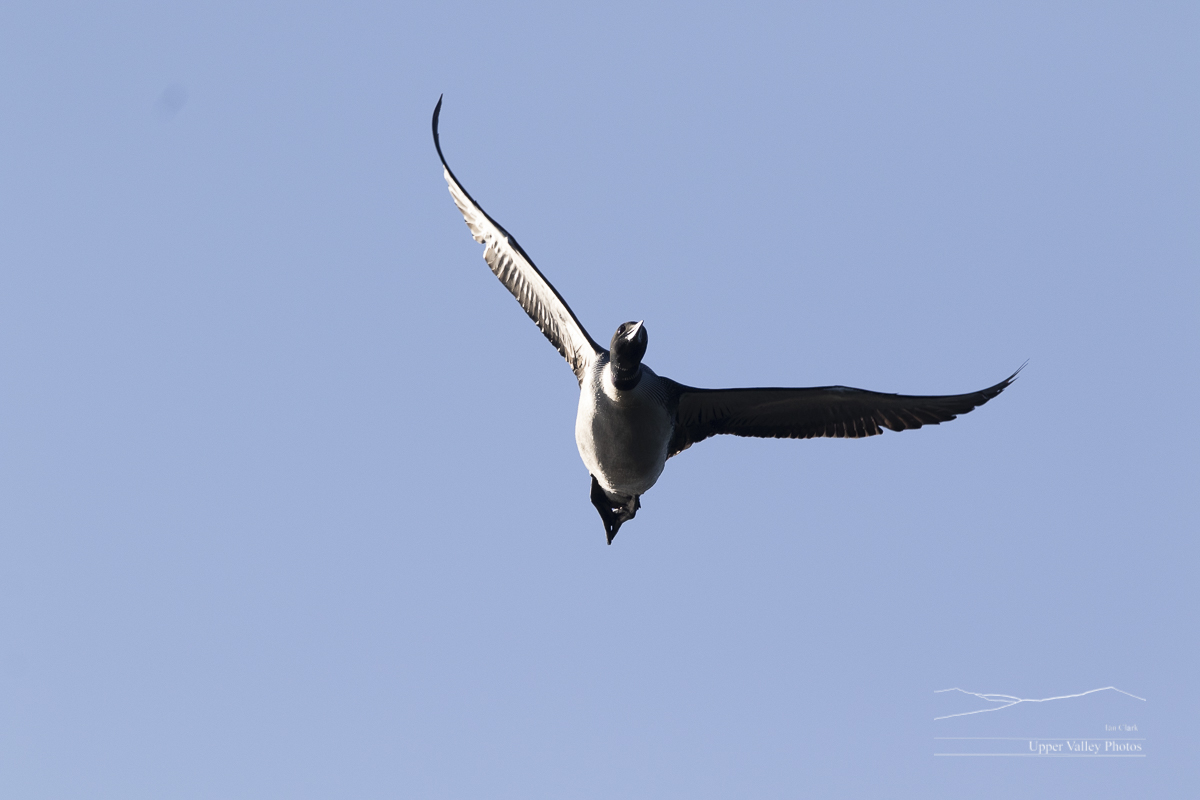
Loons Are Nesting, May 31, 2022
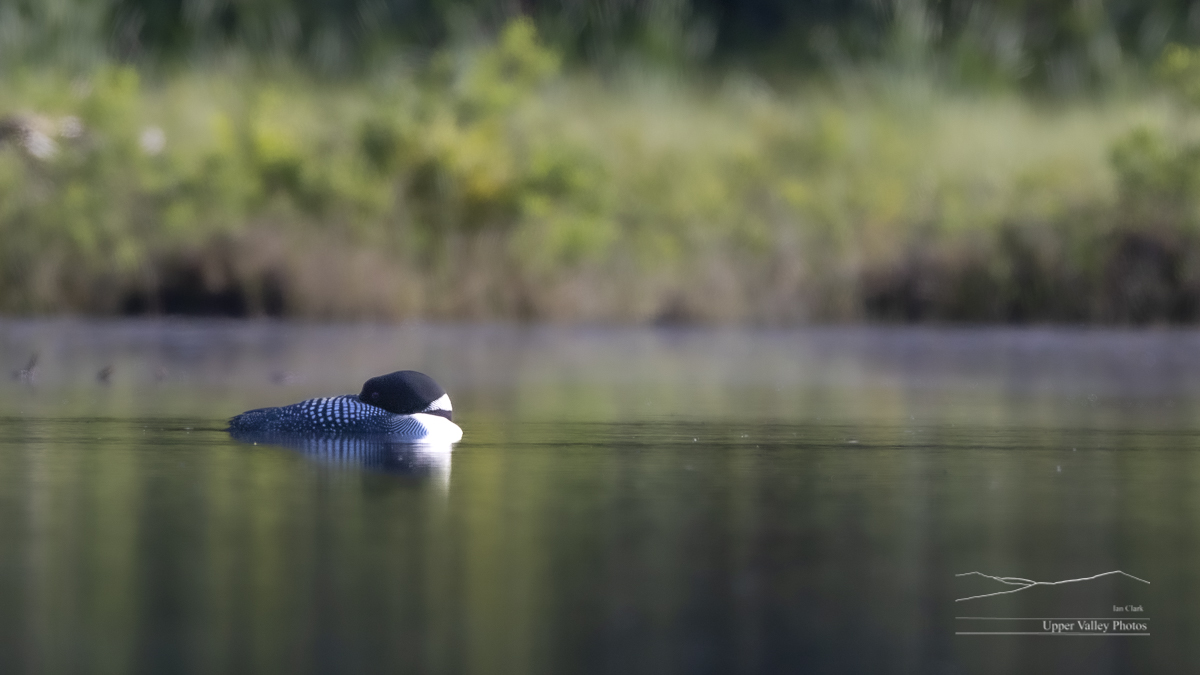
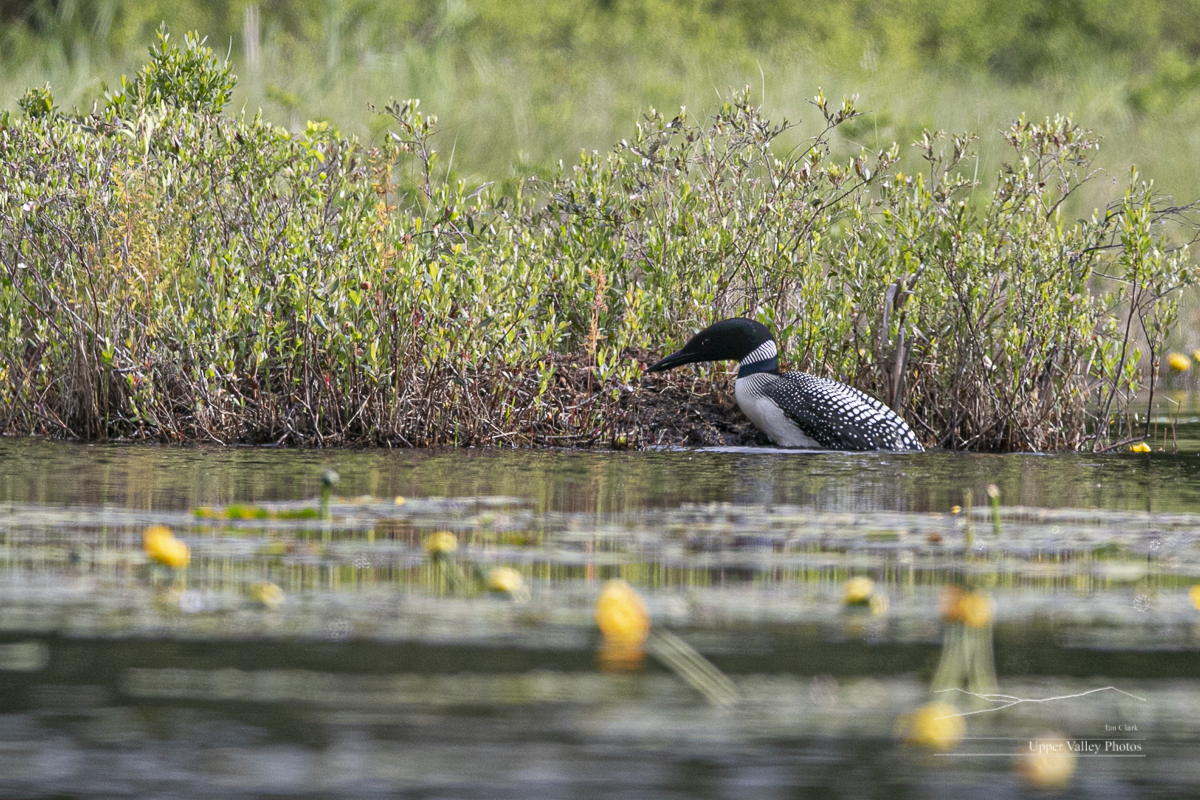
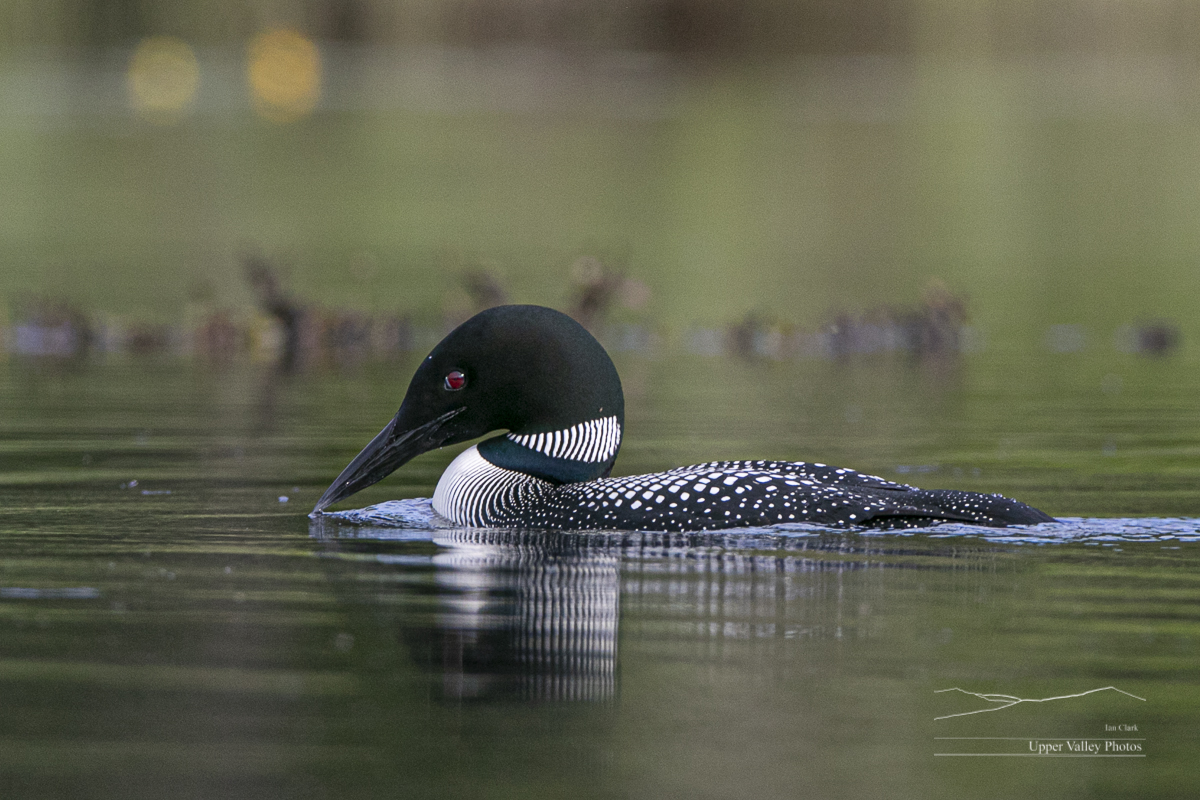
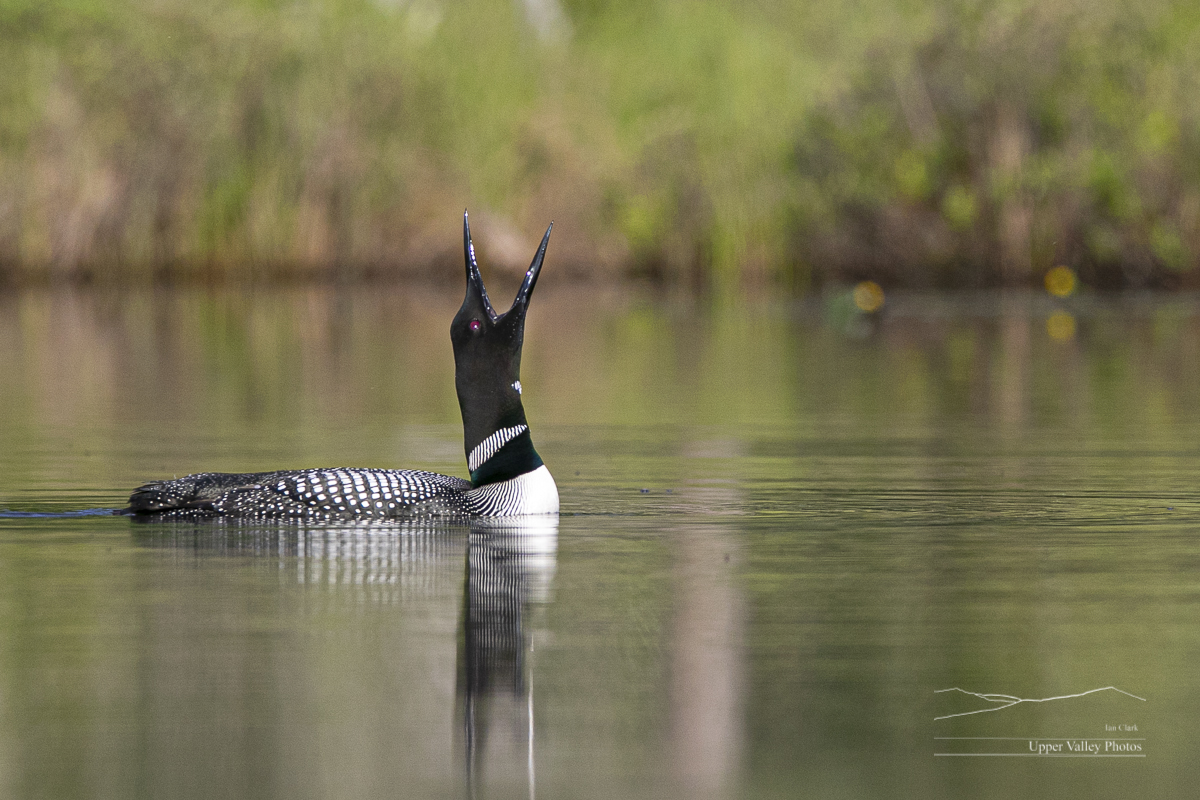
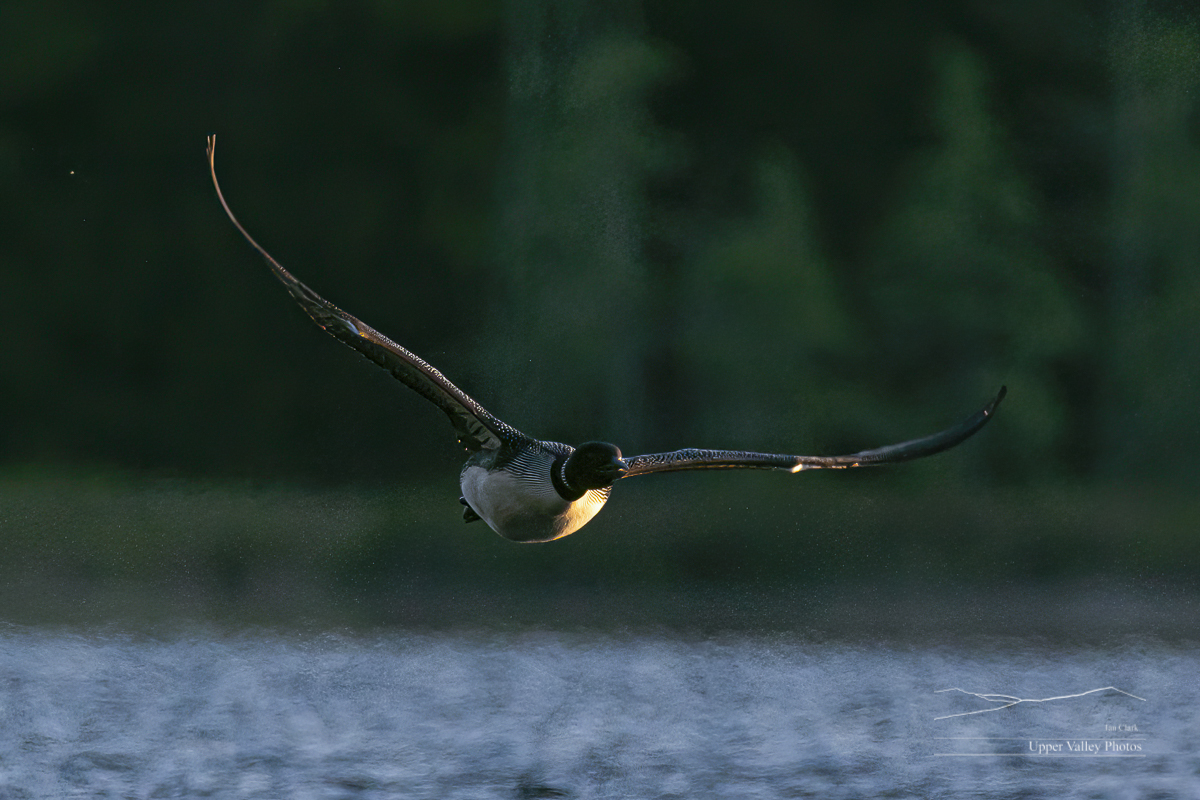
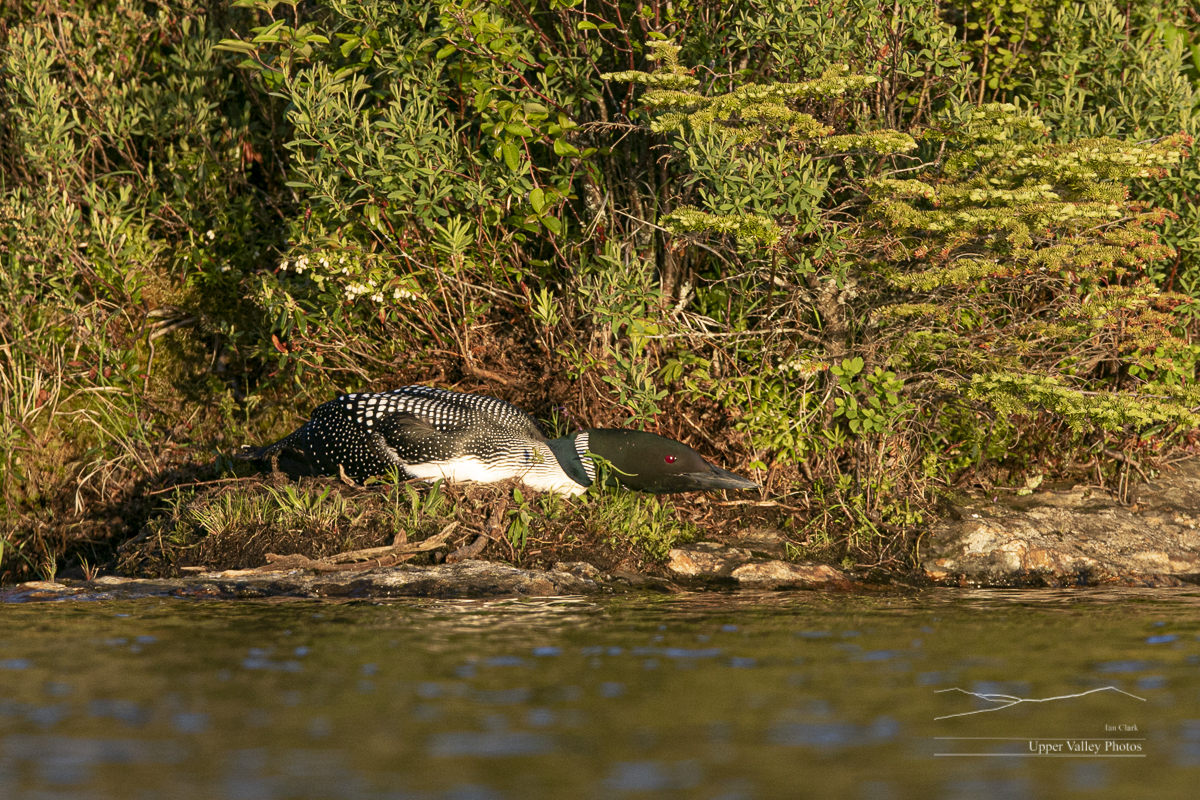
Many of the loons around the area have laid their eggs and are sitting on their nests. I’ve been out on several ponds this last week, checking on them and in some cases, putting out the loon nesting signs. Let’s see what I saw along the way.
Just a reminder to let the loons be. You may have the best intentions, but the loons don’t know what you’re up to and approaching them may stress them. And, while it may be harmless for you to approach the nest to have a quick peek, remember you could be the 20th person getting close enough to stress the loons. All the photos of the loons on or near their nest were shot with a 800mm lens and cropped – I’m back well over 100′.
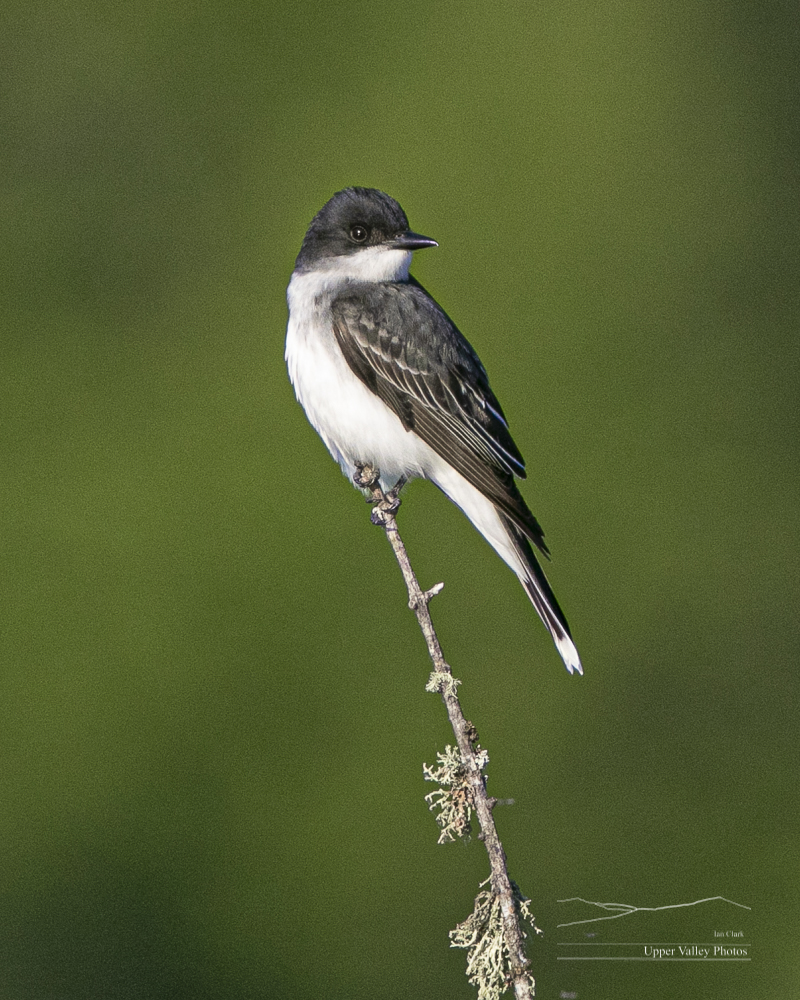
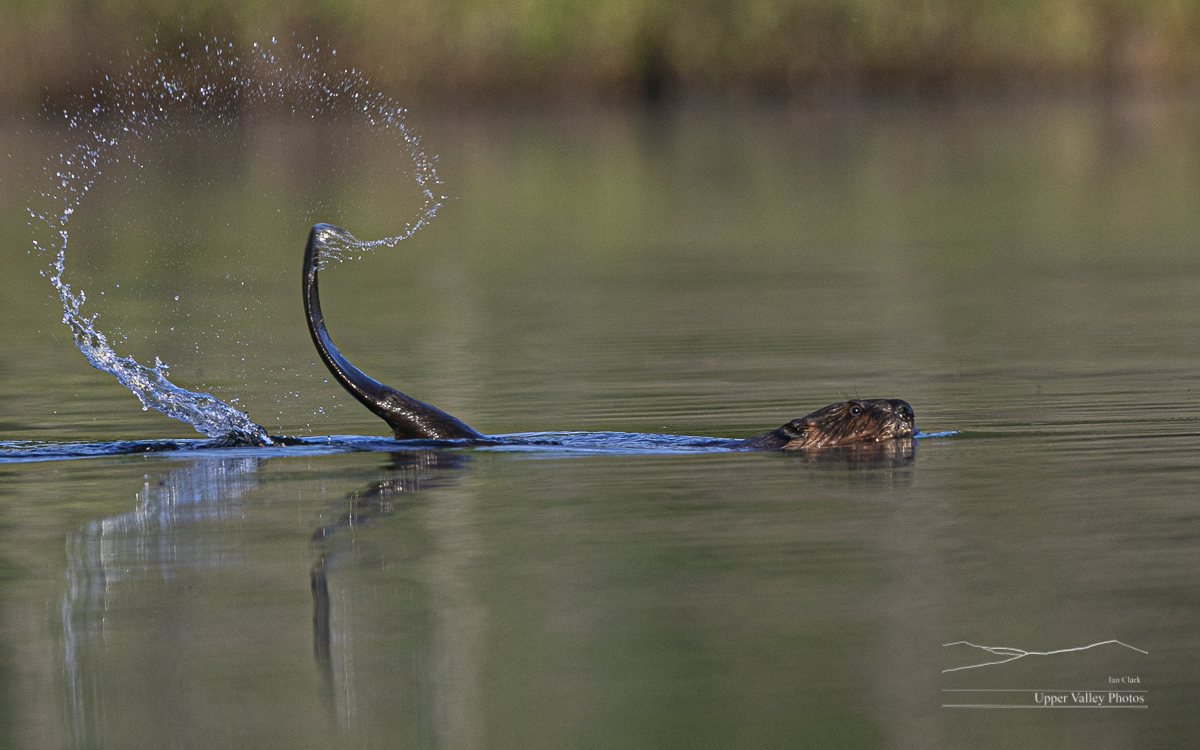
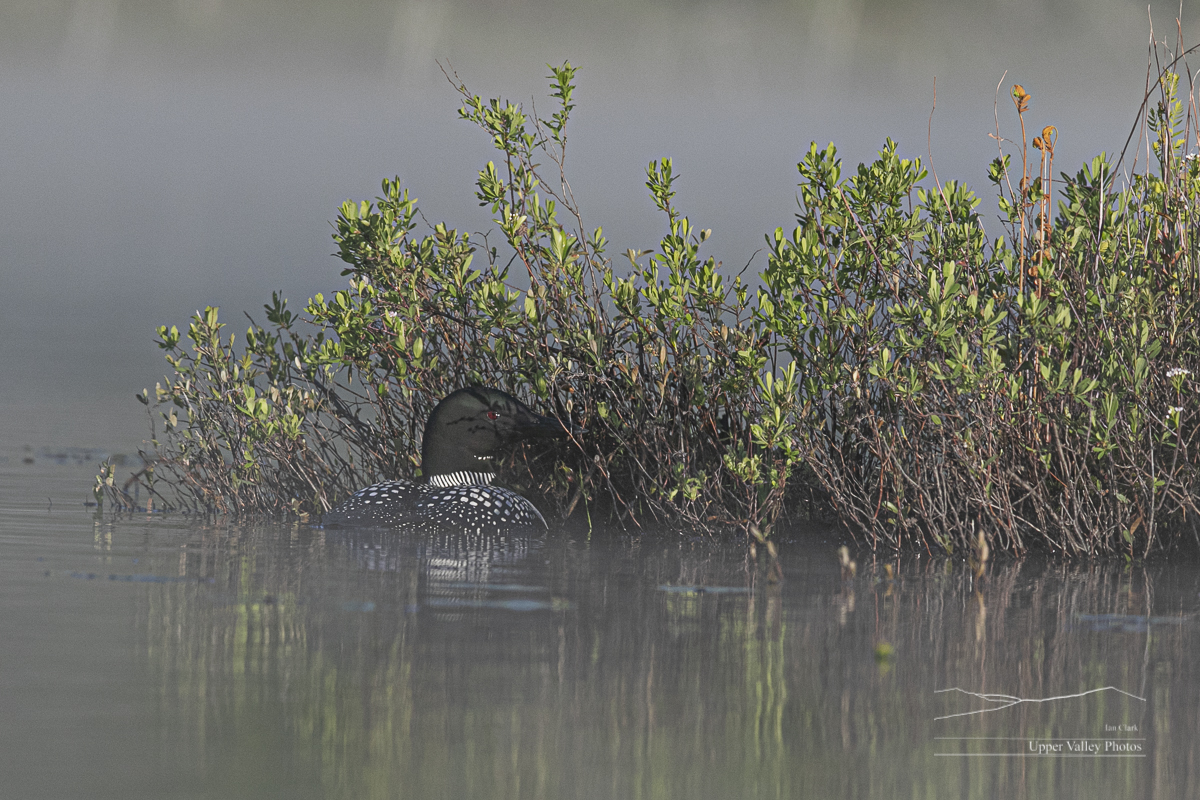
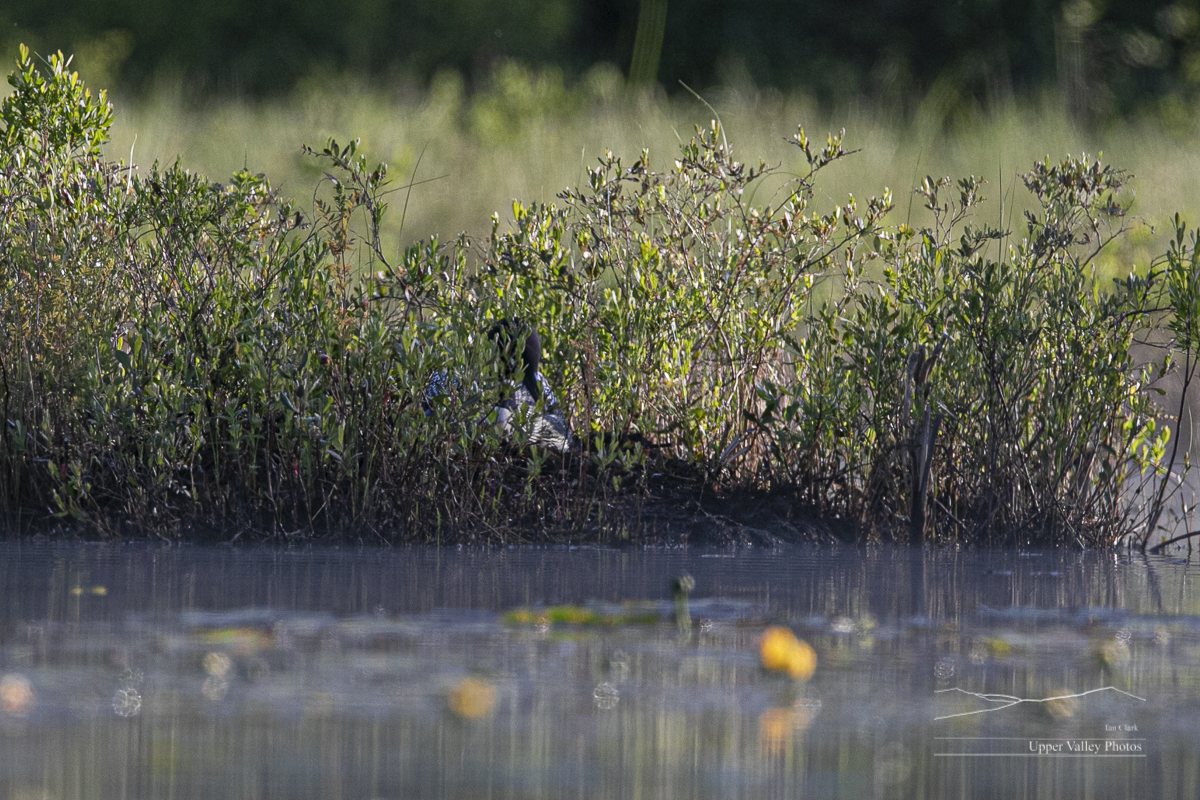
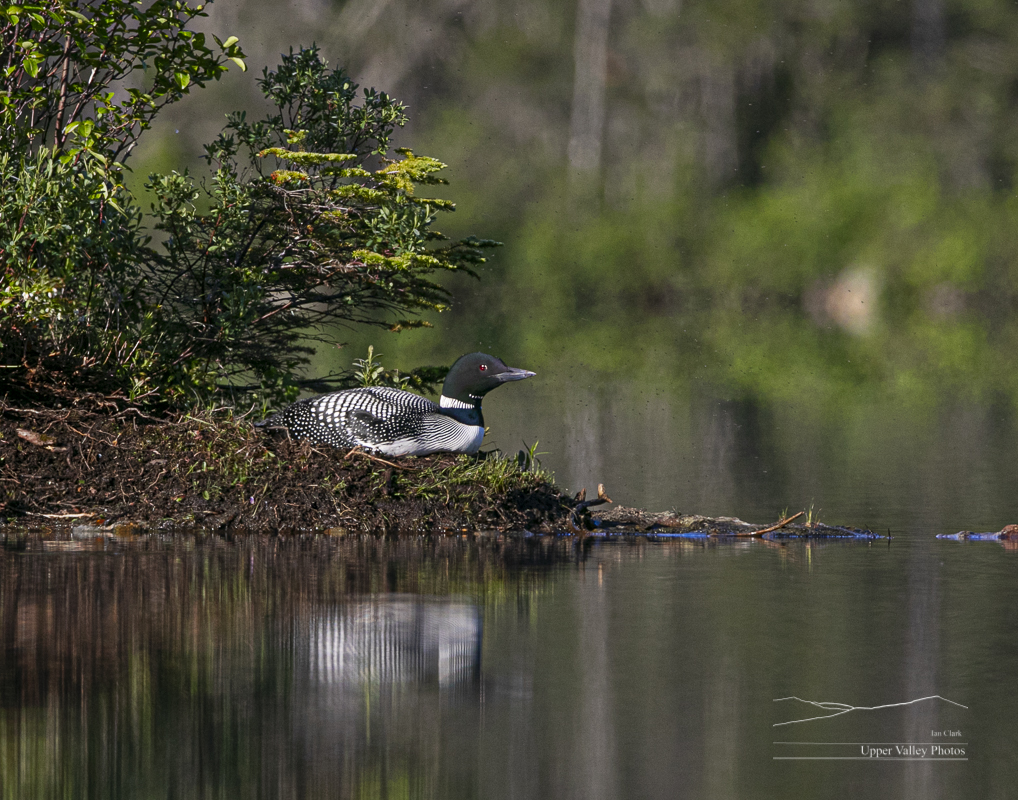
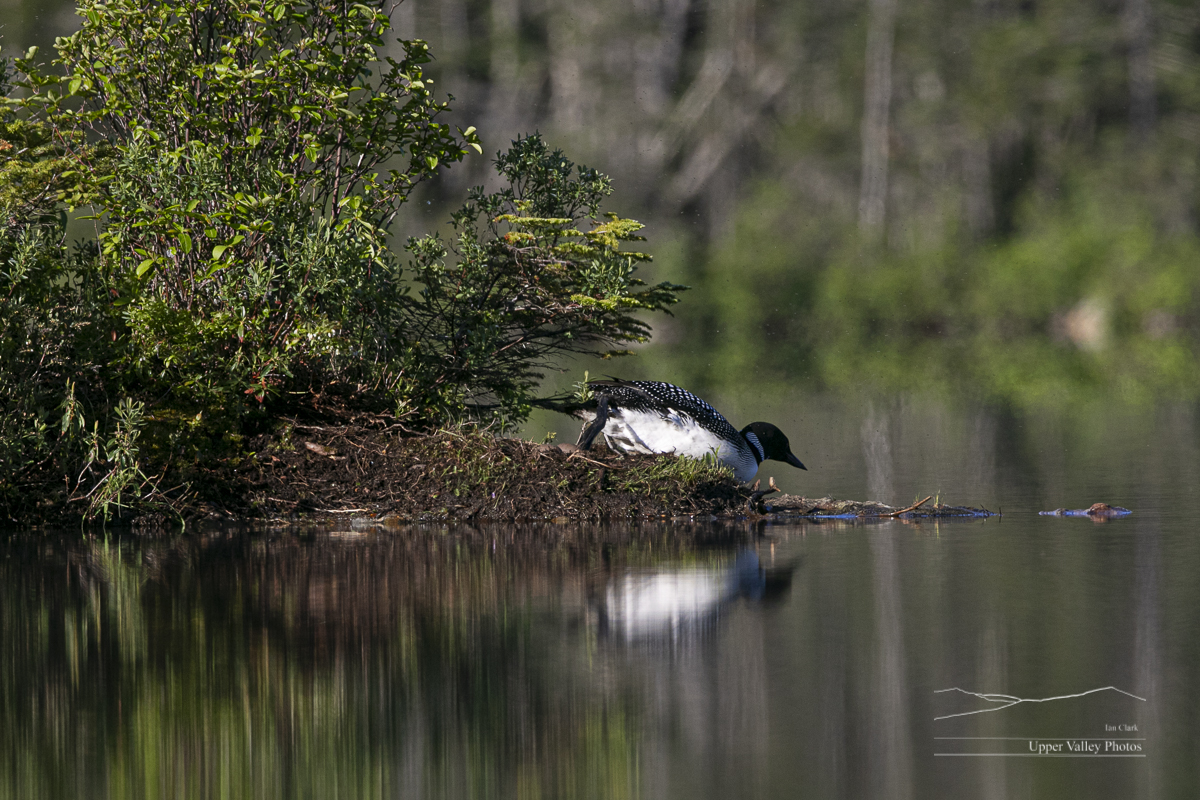
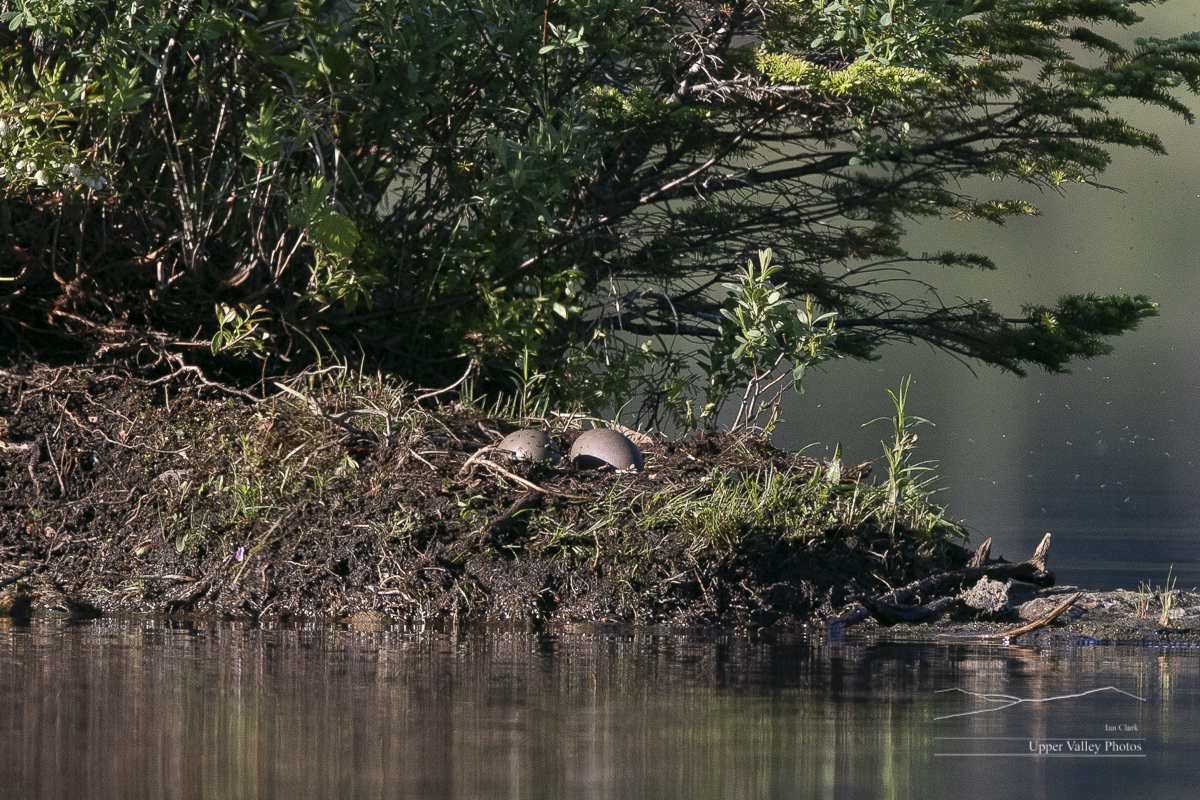
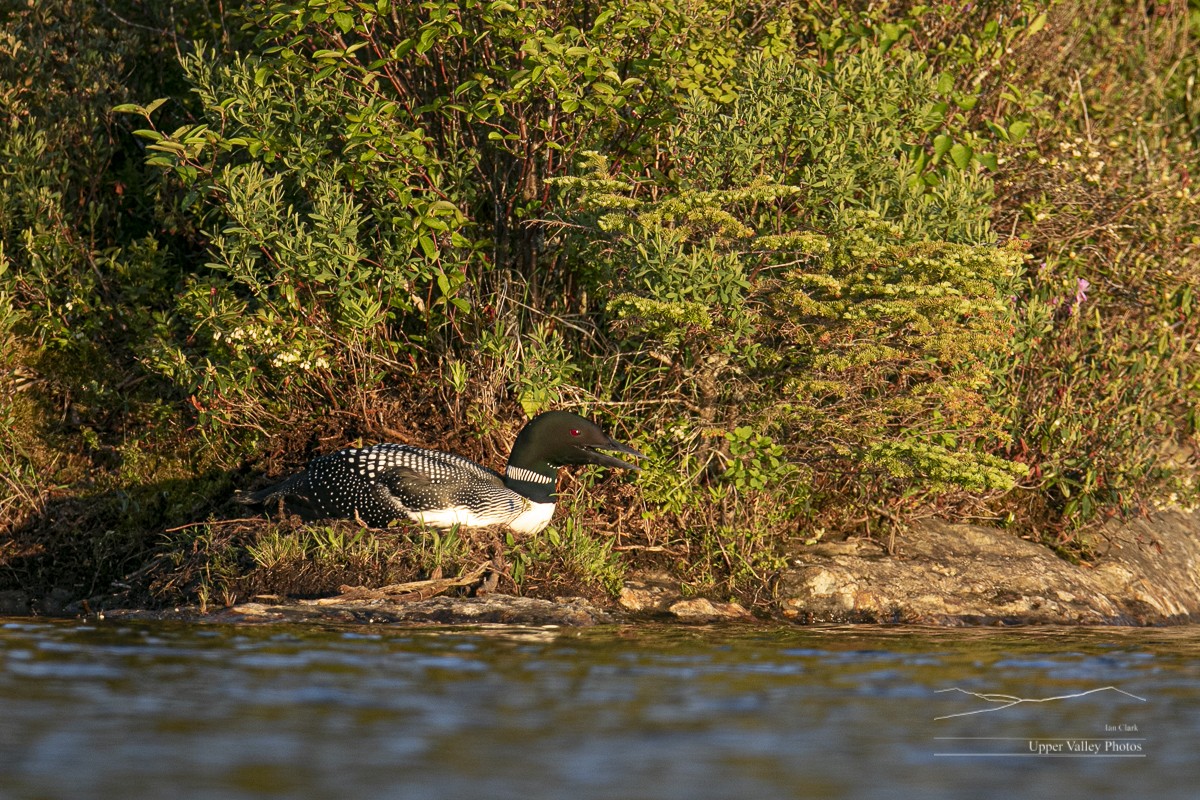
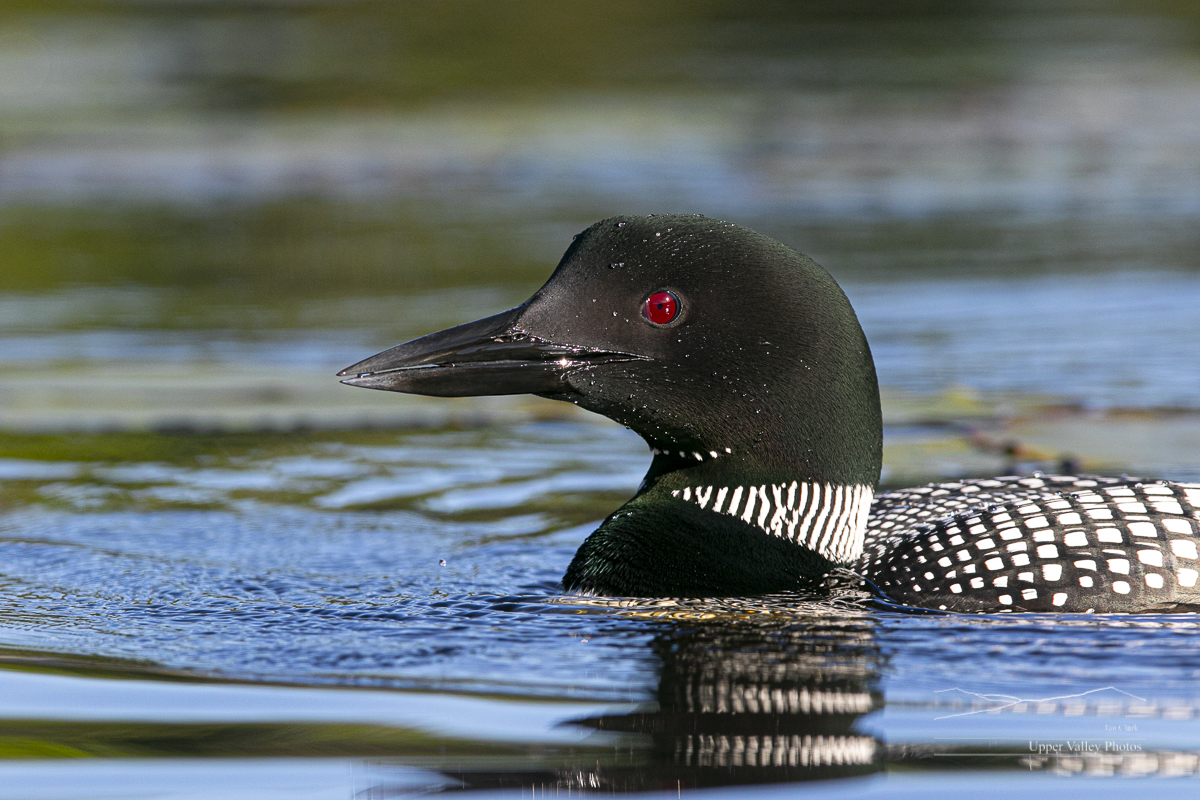
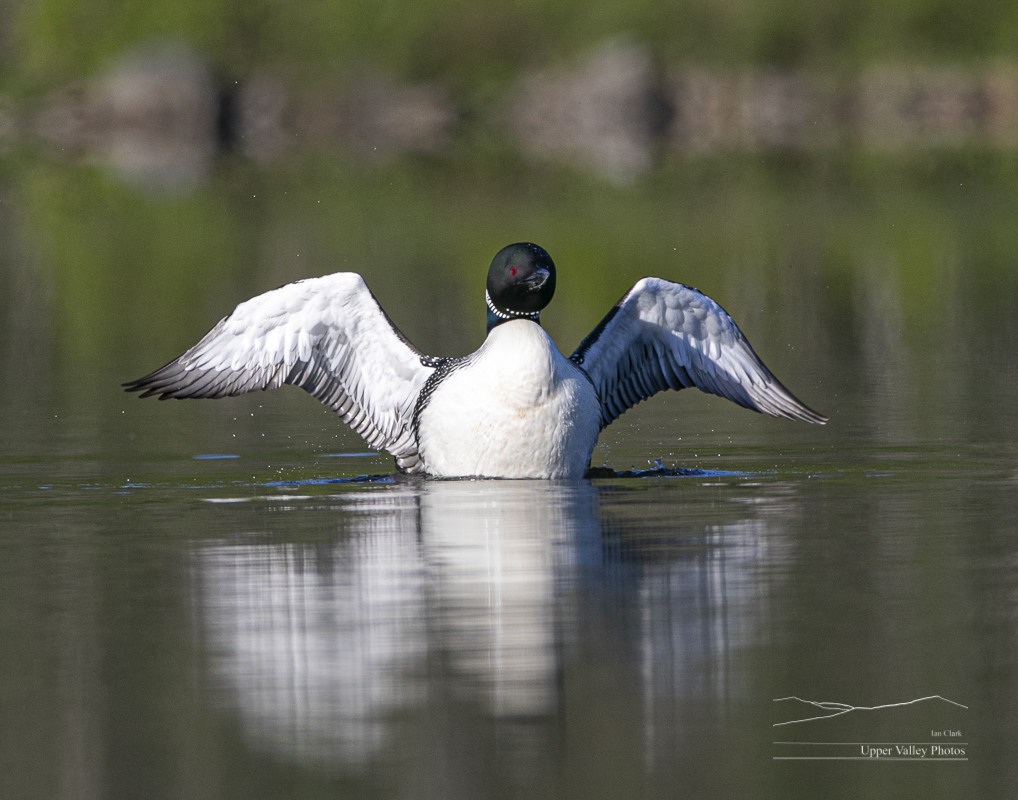
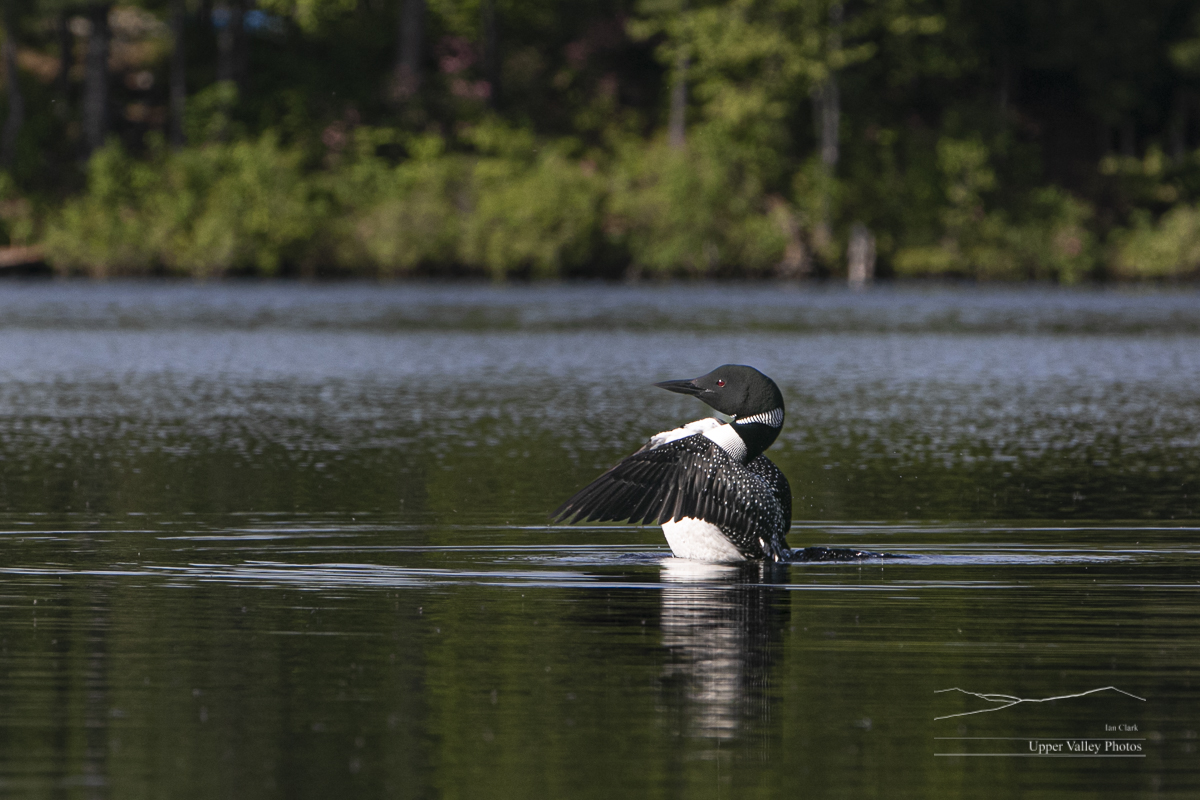
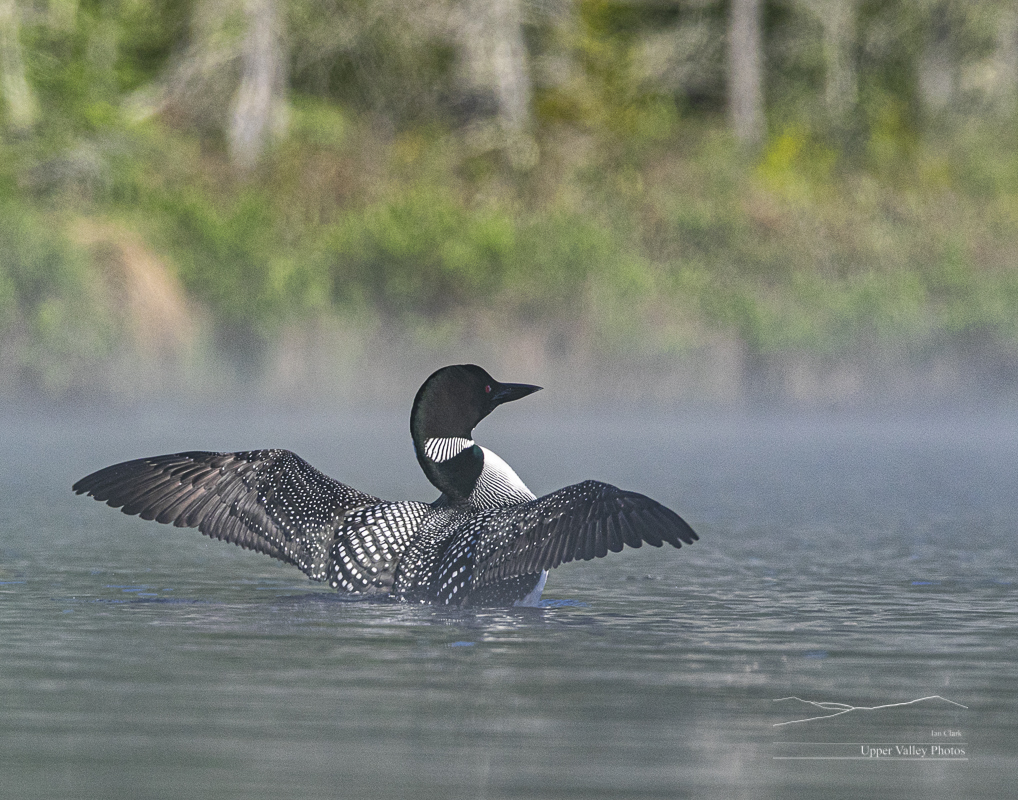
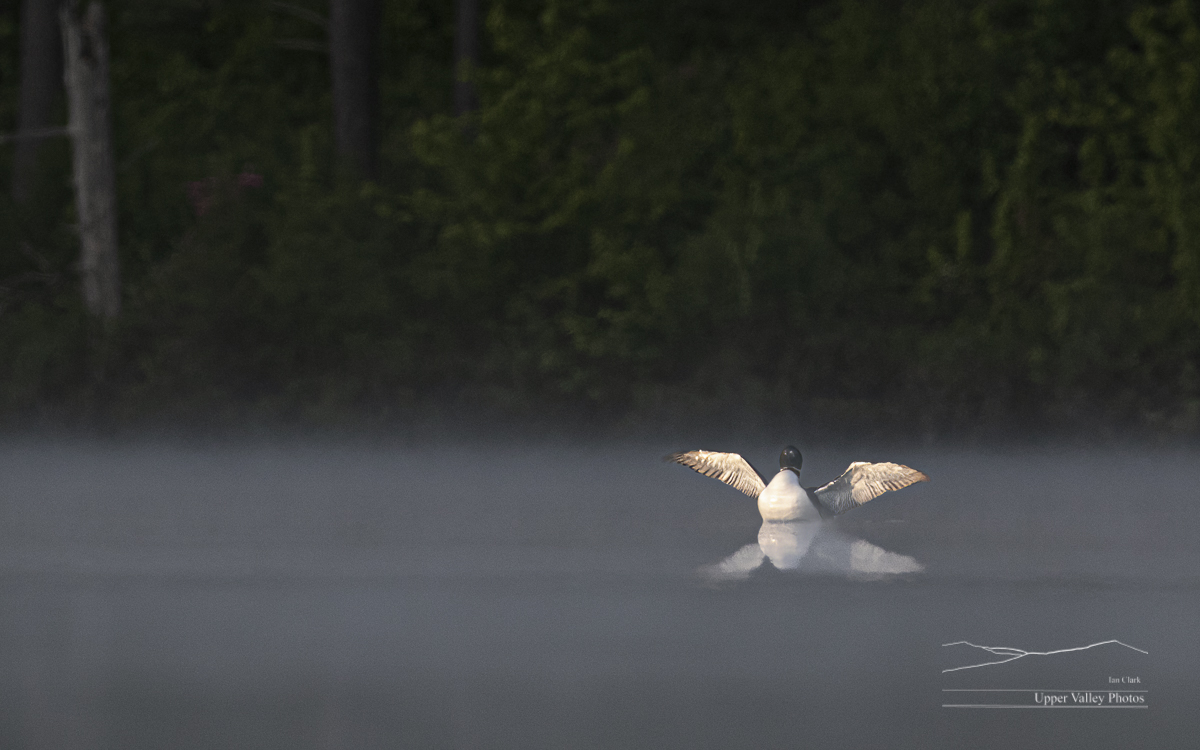
I hope to follow a couple of loon families for the rest of the summer again. Sign up for post updates to keep up with how they’re doing.
You can learn more about loons and conservation efforts on their behalf on the Loon Preservation Committee’s site, the Vermont Center for Ecostudies site or the Adirondack Center for Loon Conservation site.
Loon Chicks at Ten Weeks, September 7, 2021
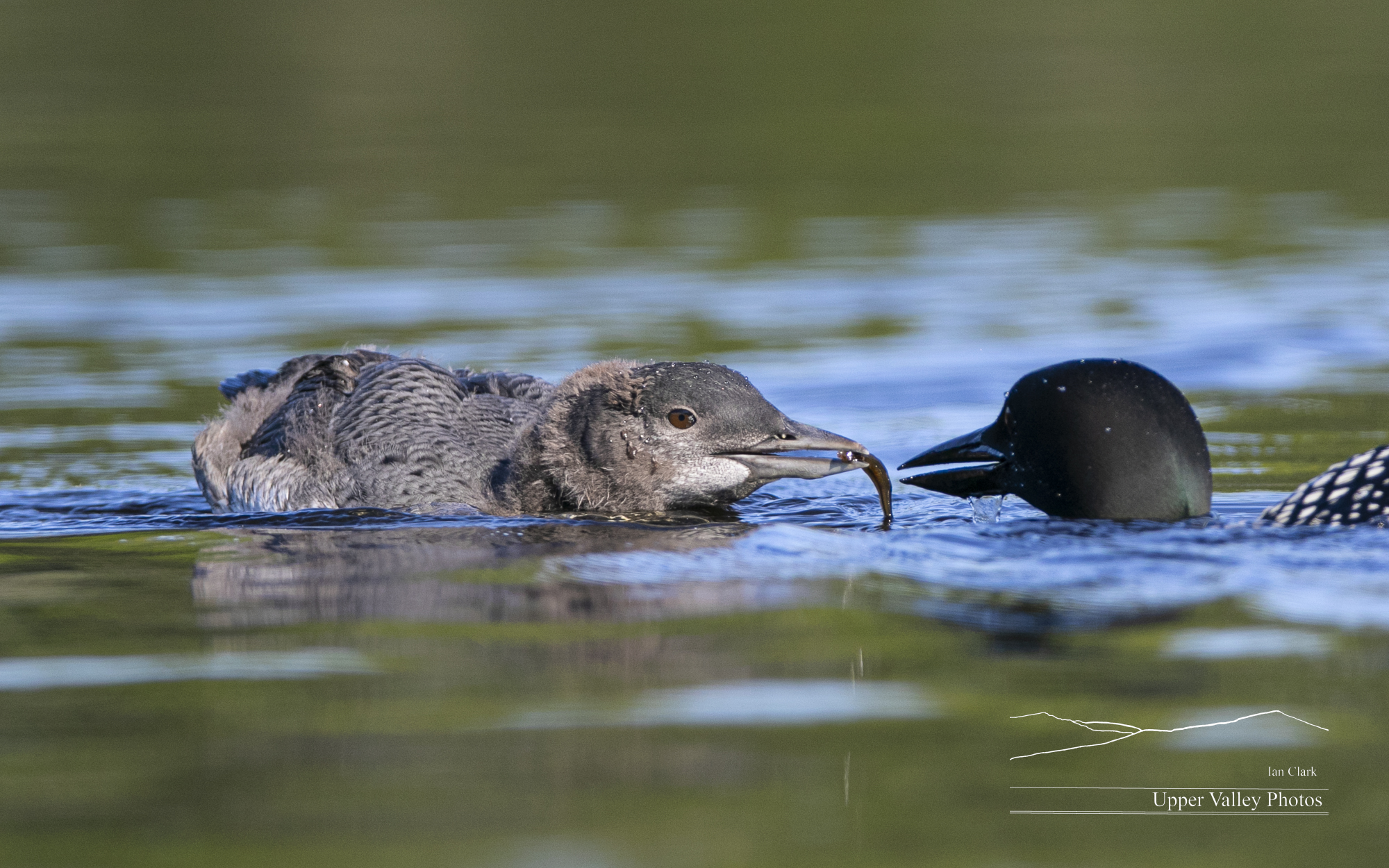
Our loon chicks are now about ten and a half weeks old. I had a chance to catch up with them this morning. Both chicks seem to be doing well. They’re growing fast. Both are feeding on their own – as well as pestering their parents for food.
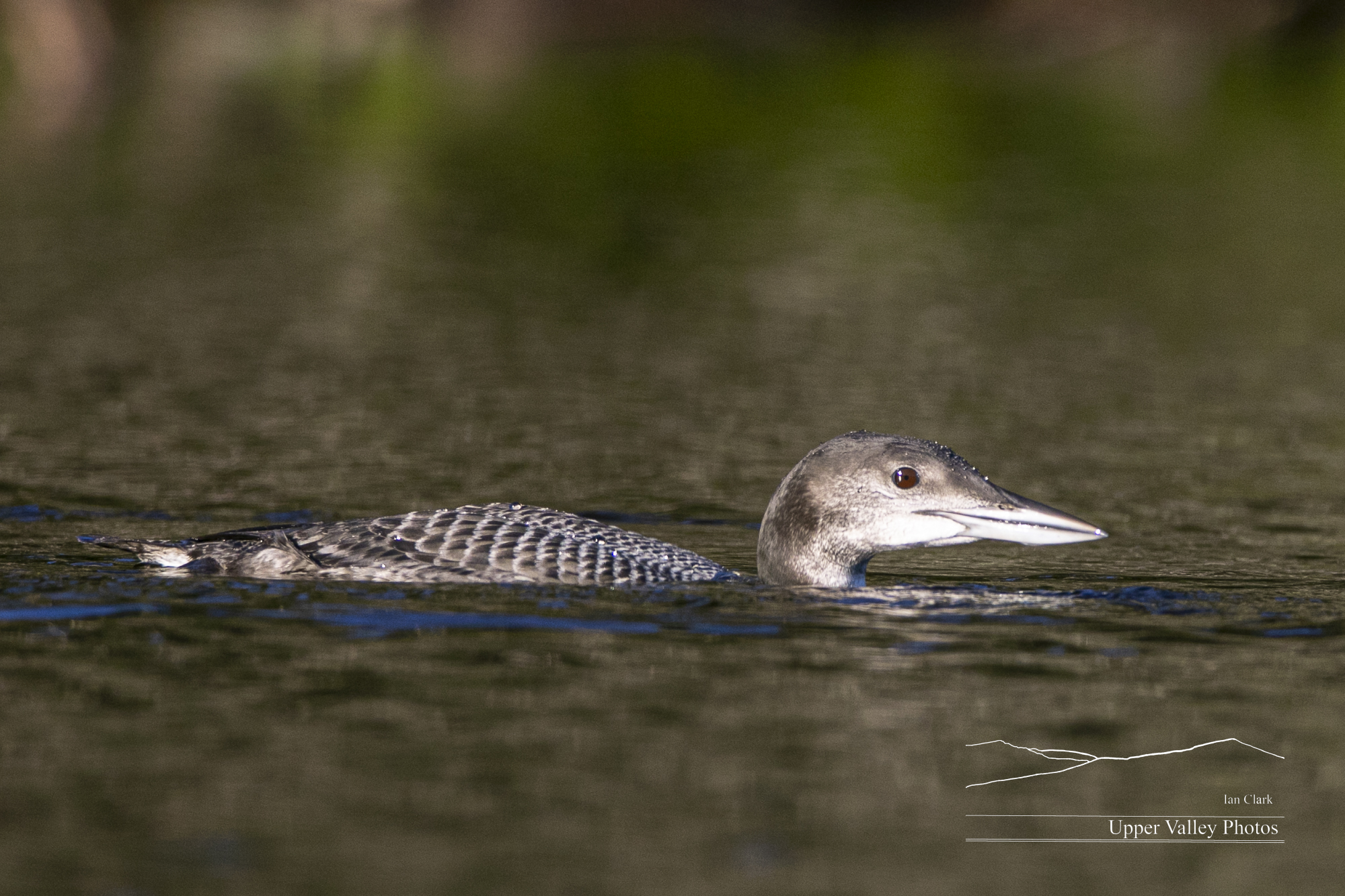
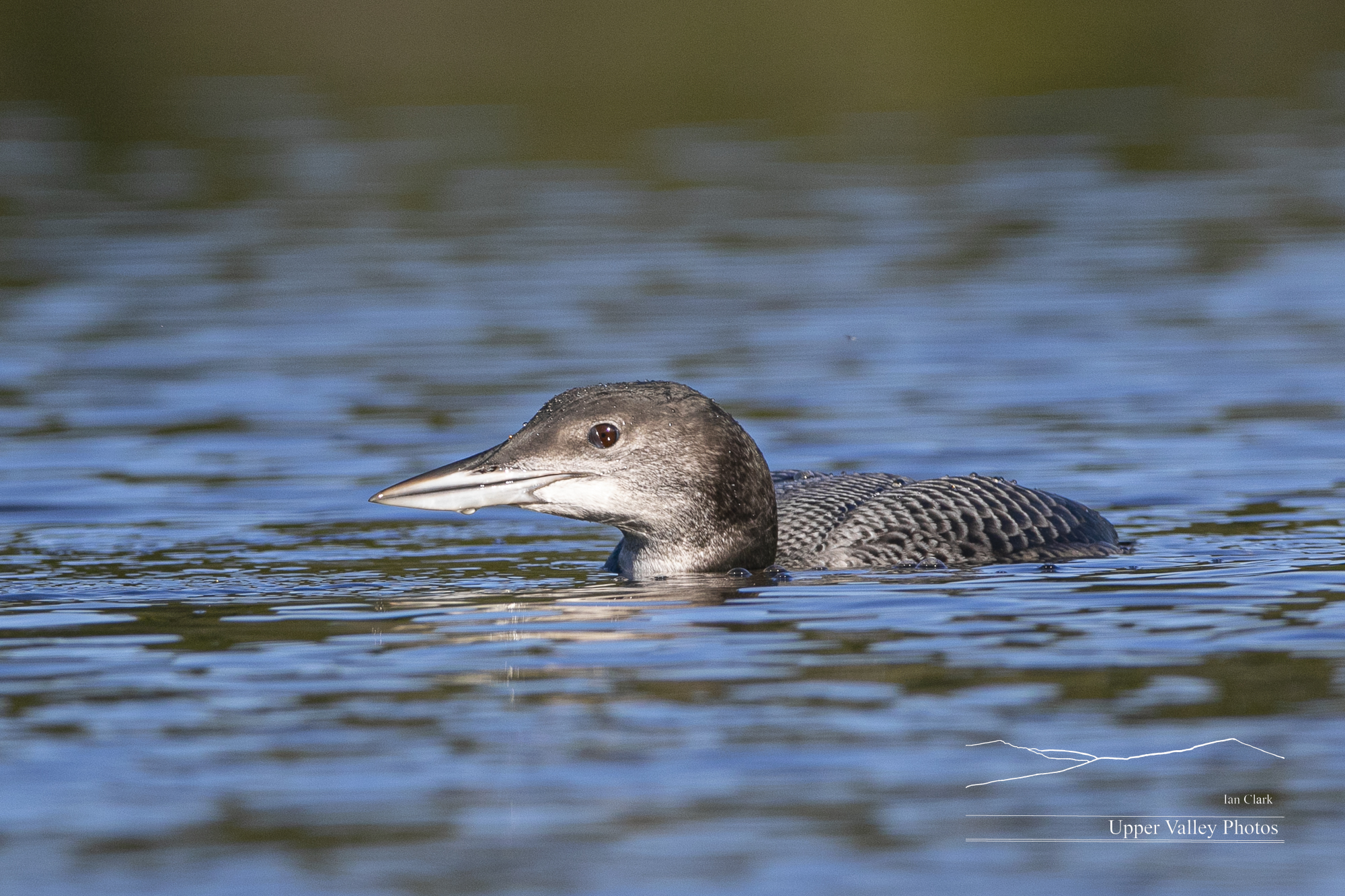
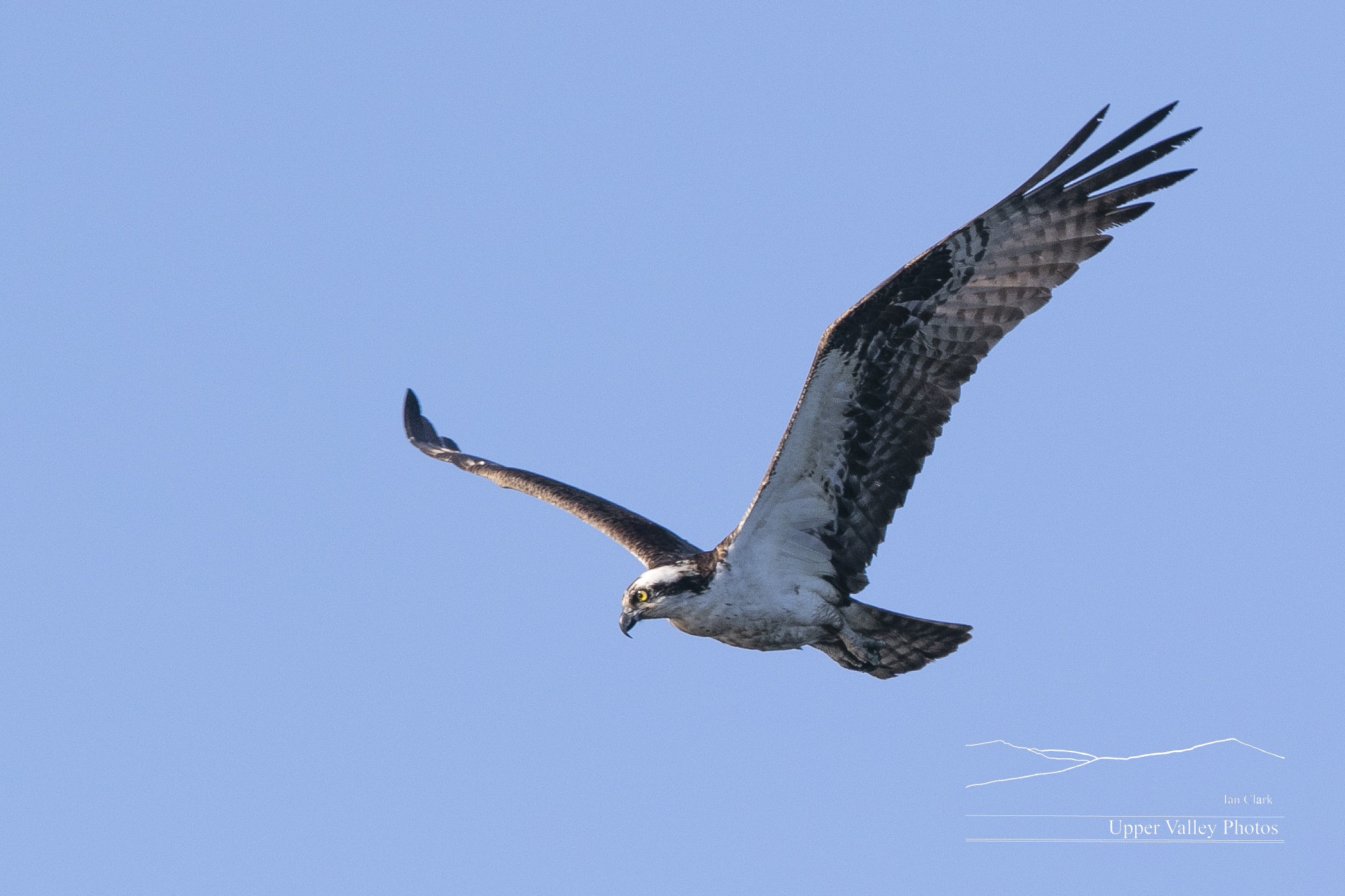
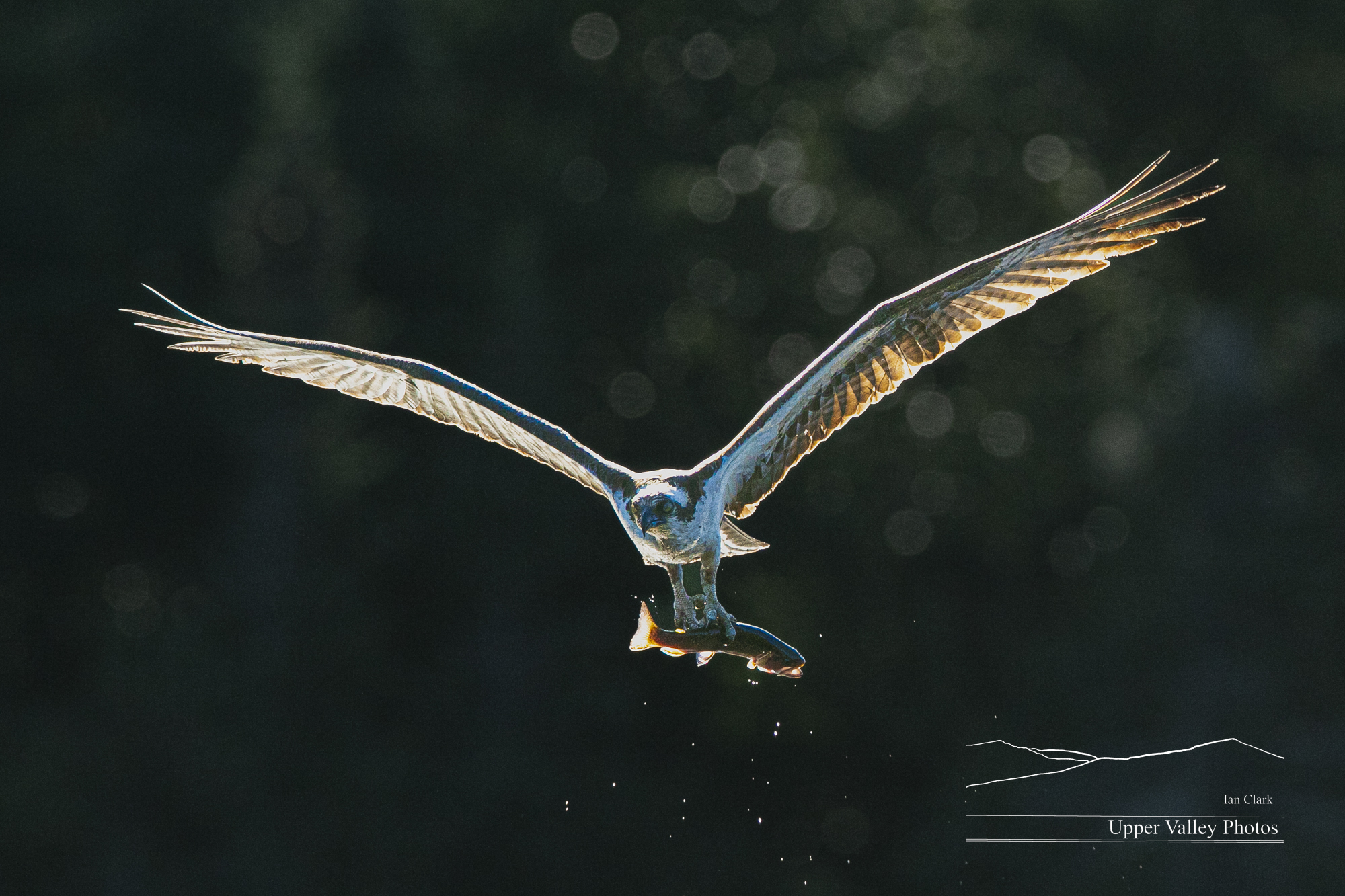
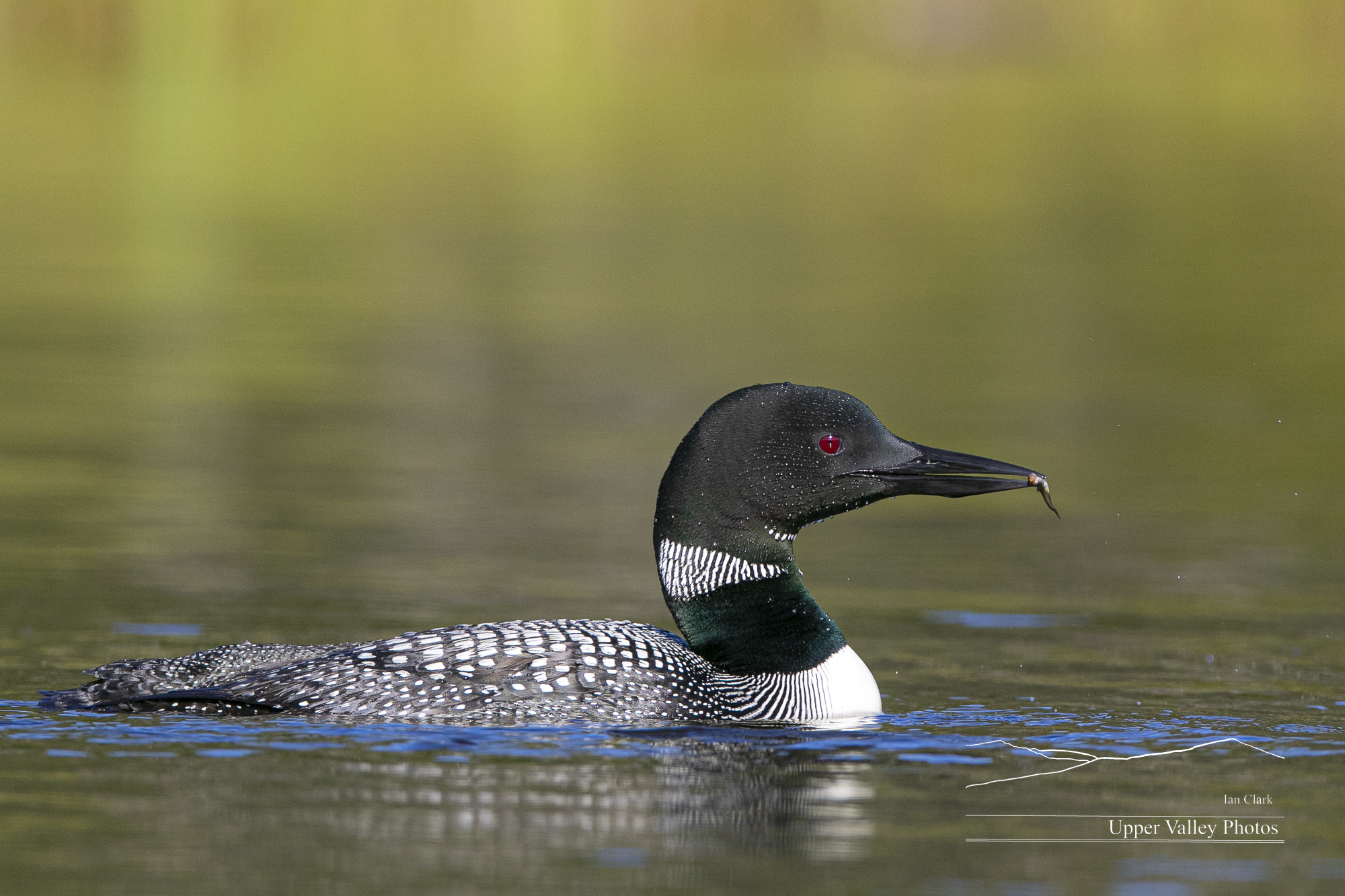
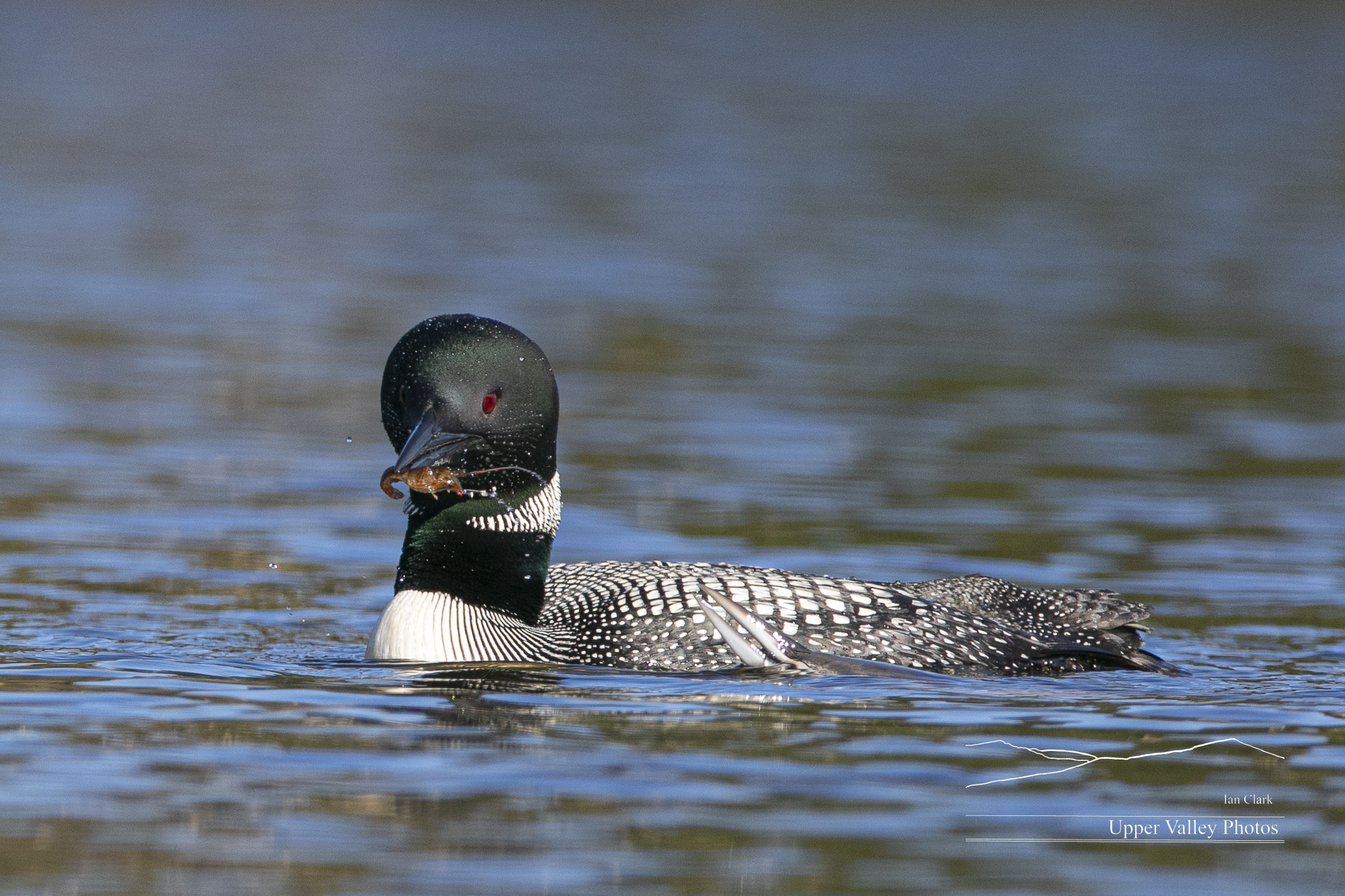
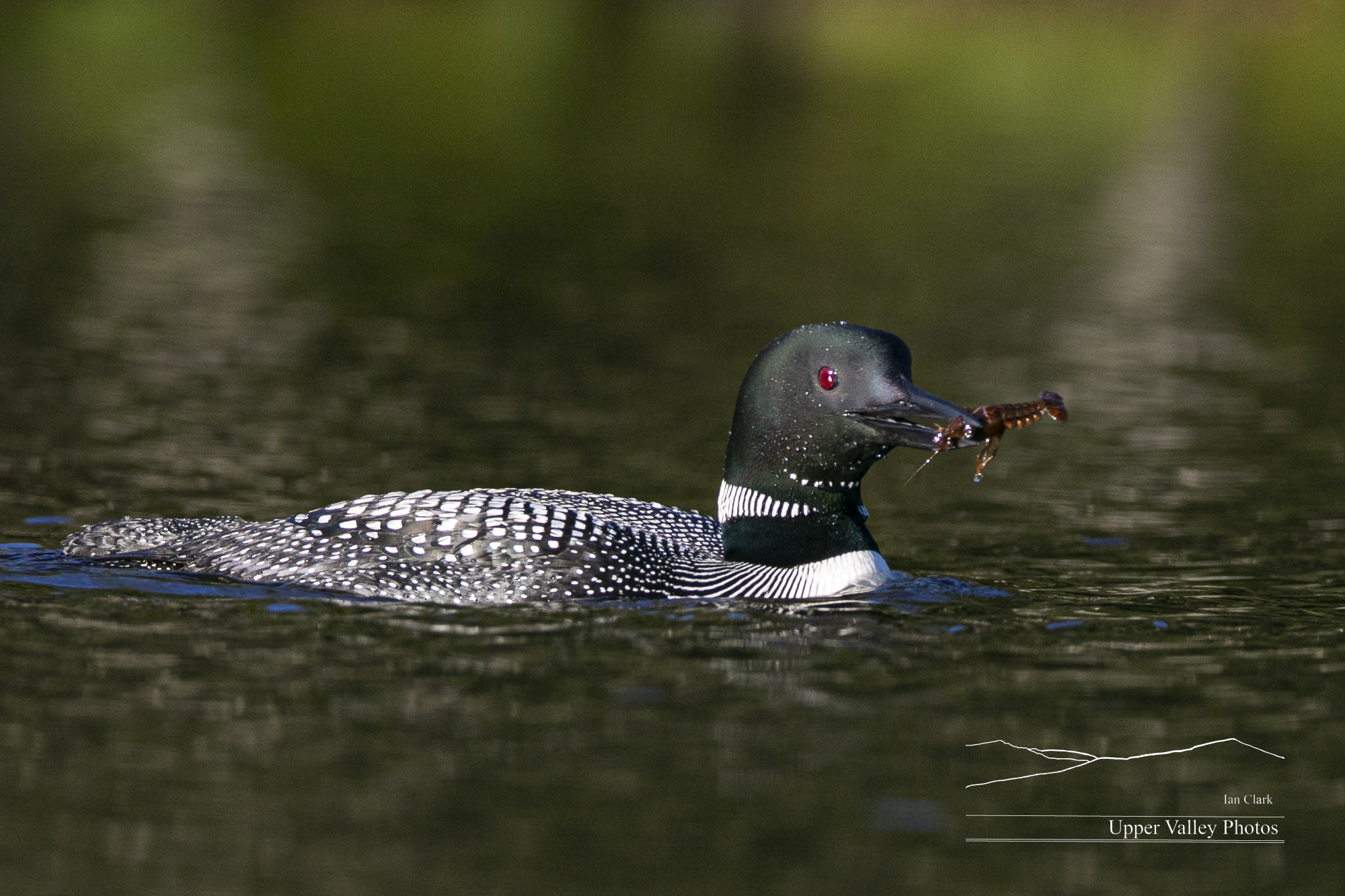
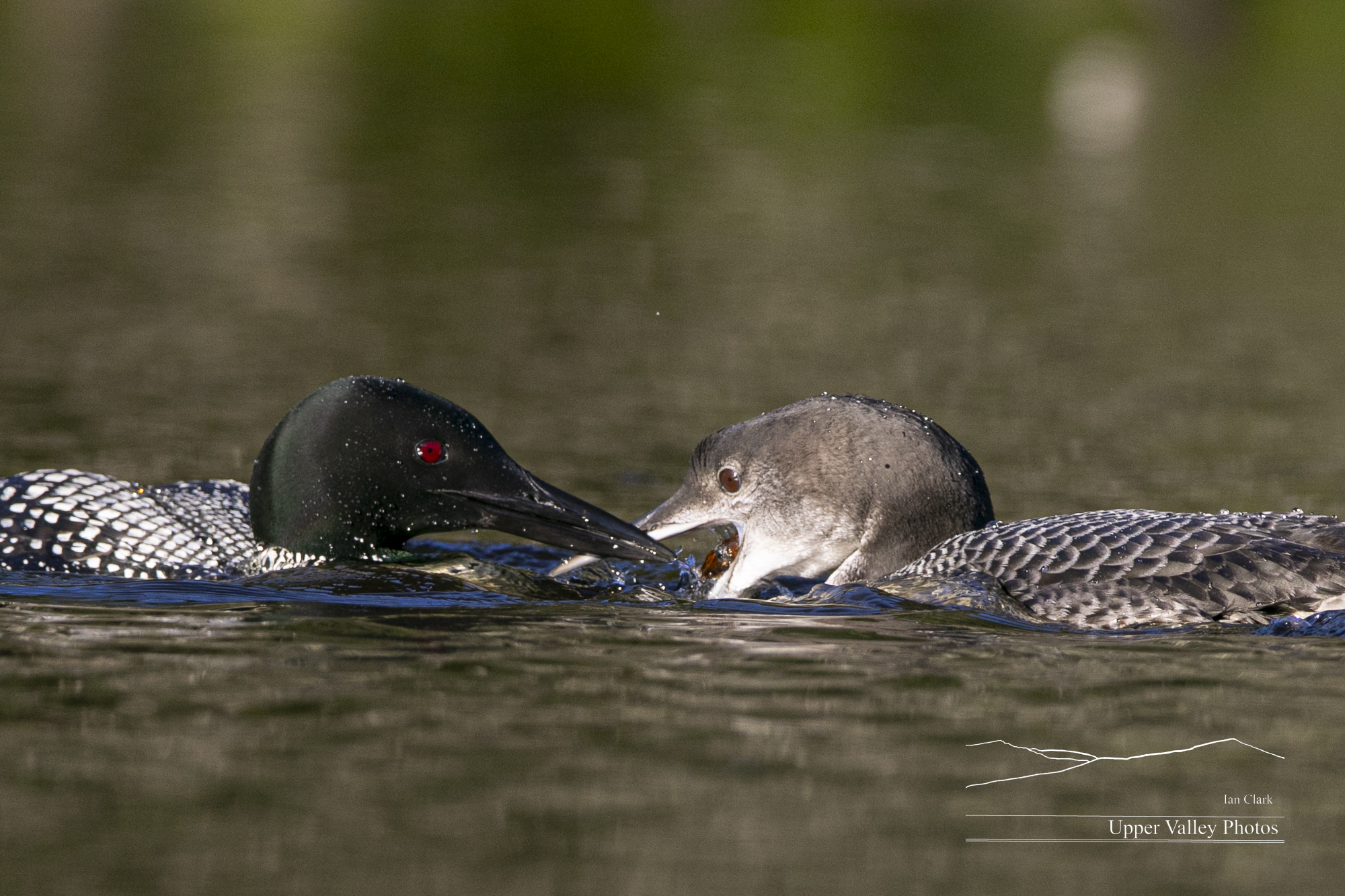
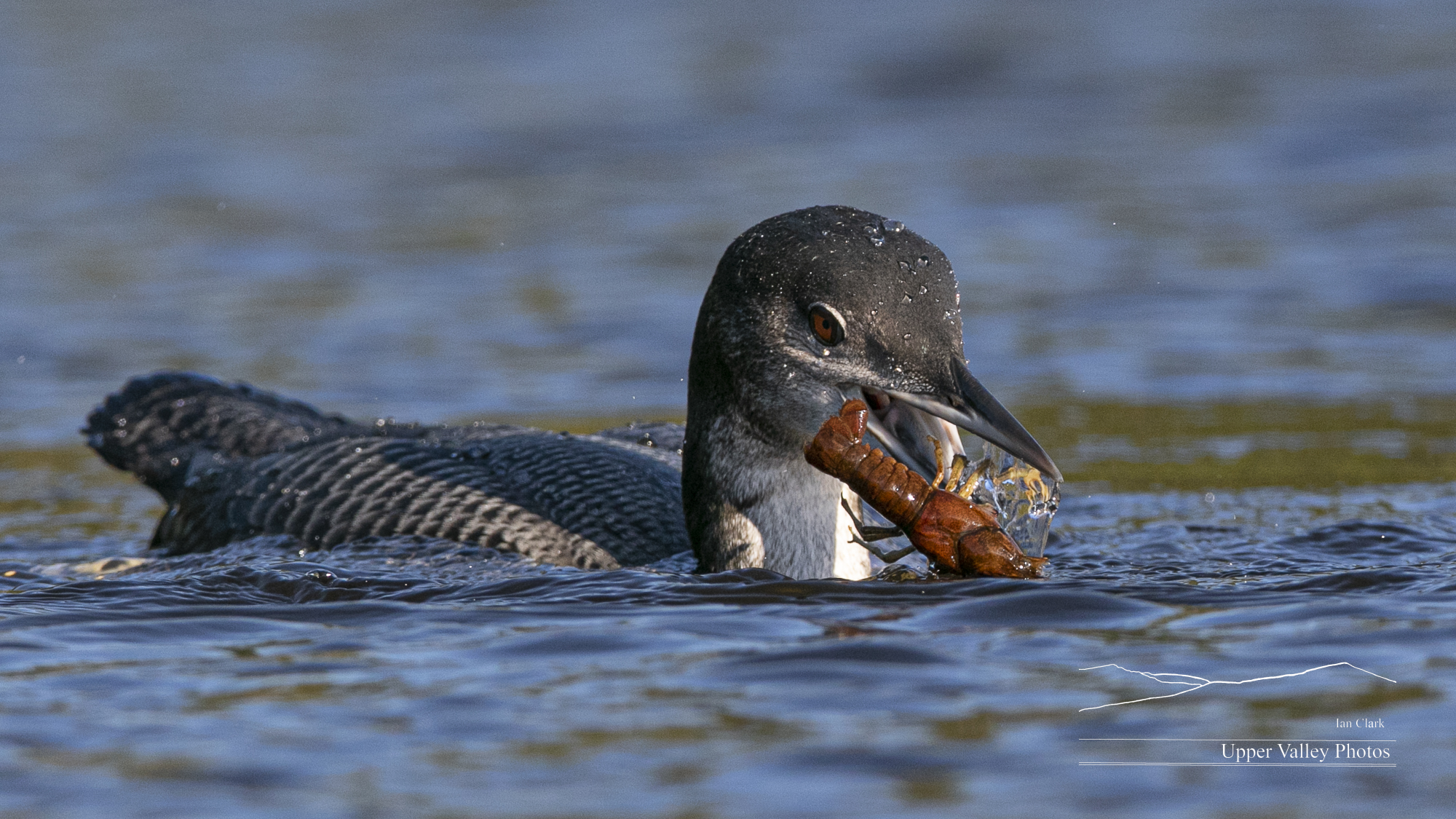
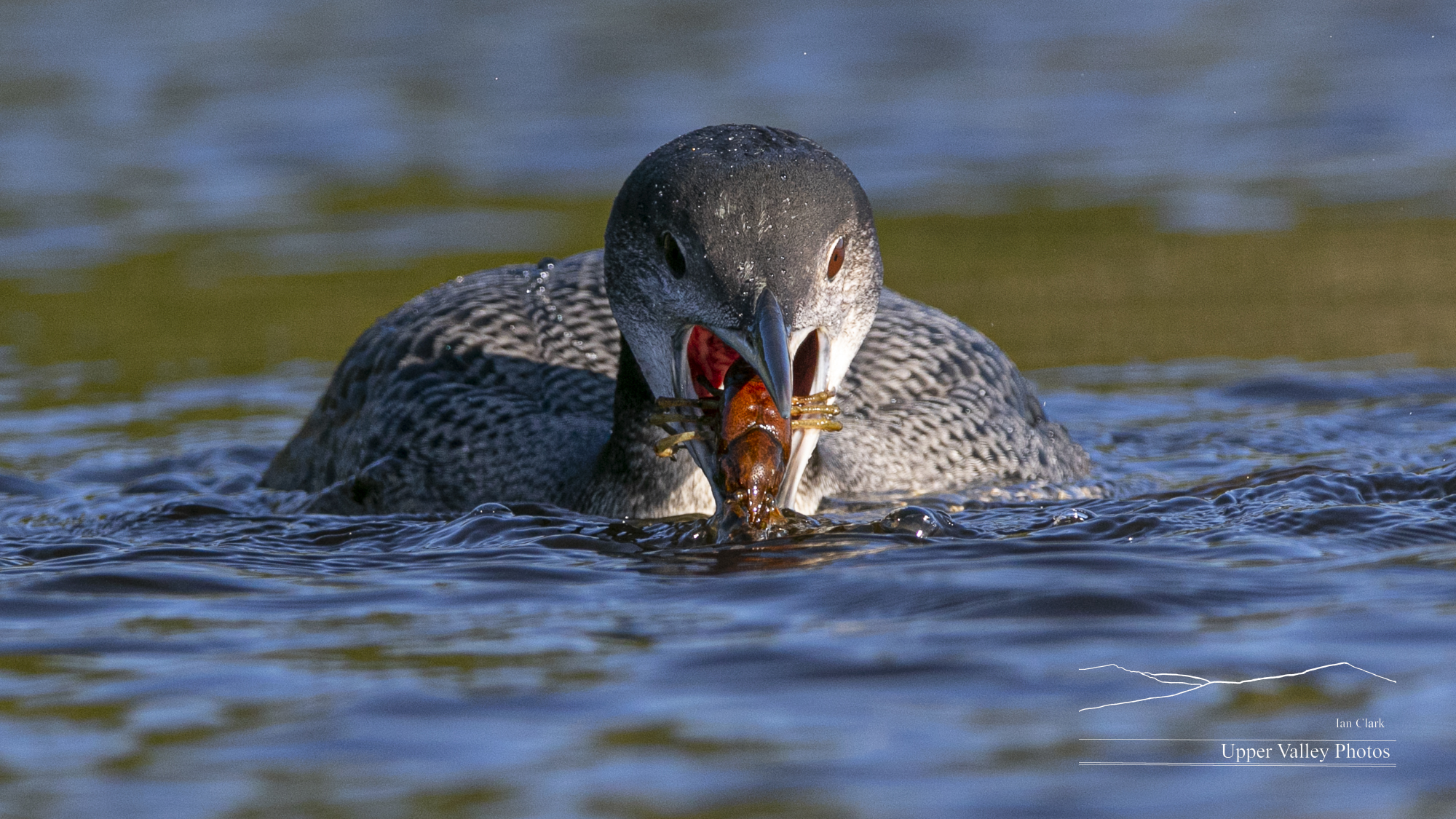
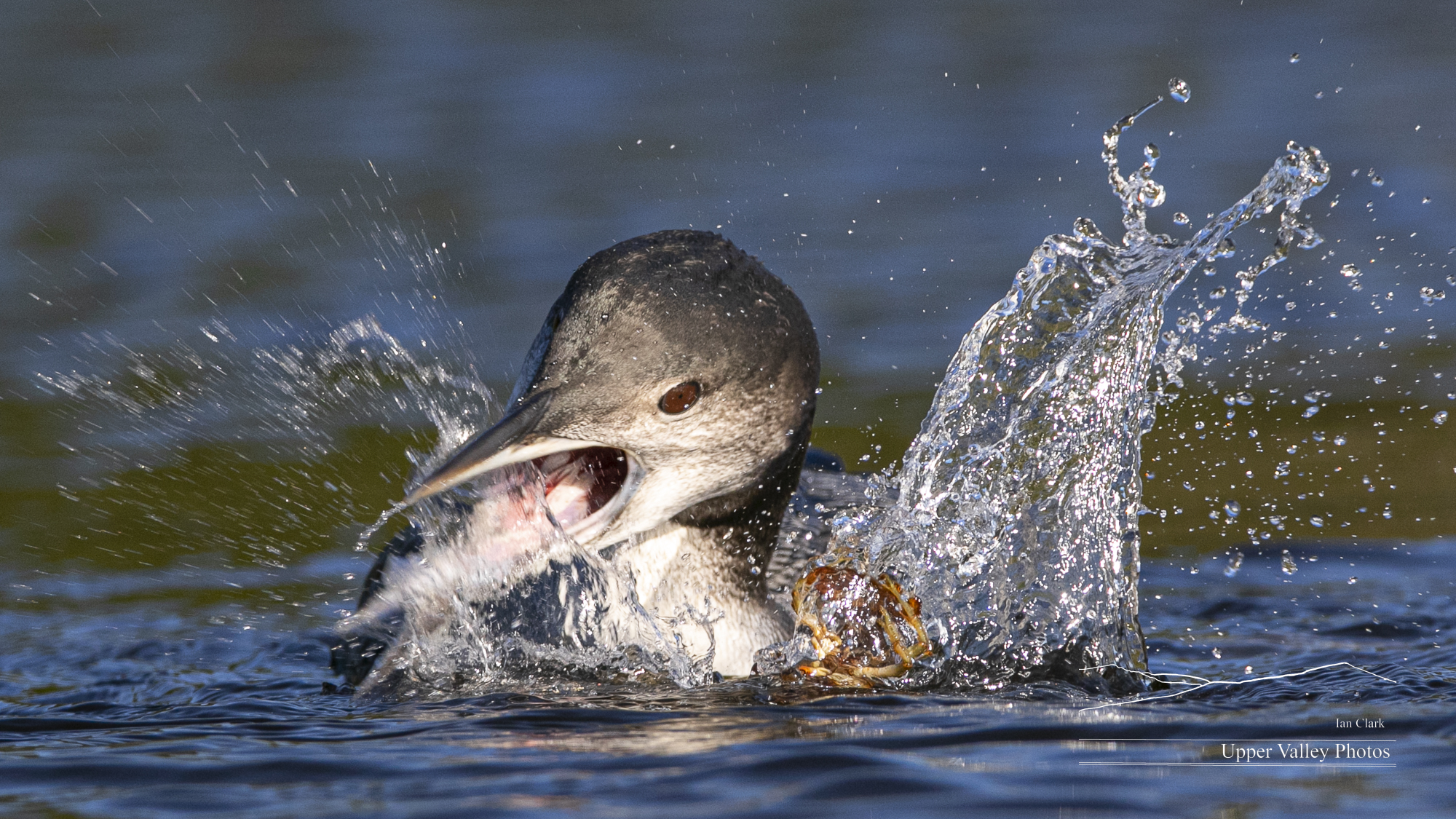
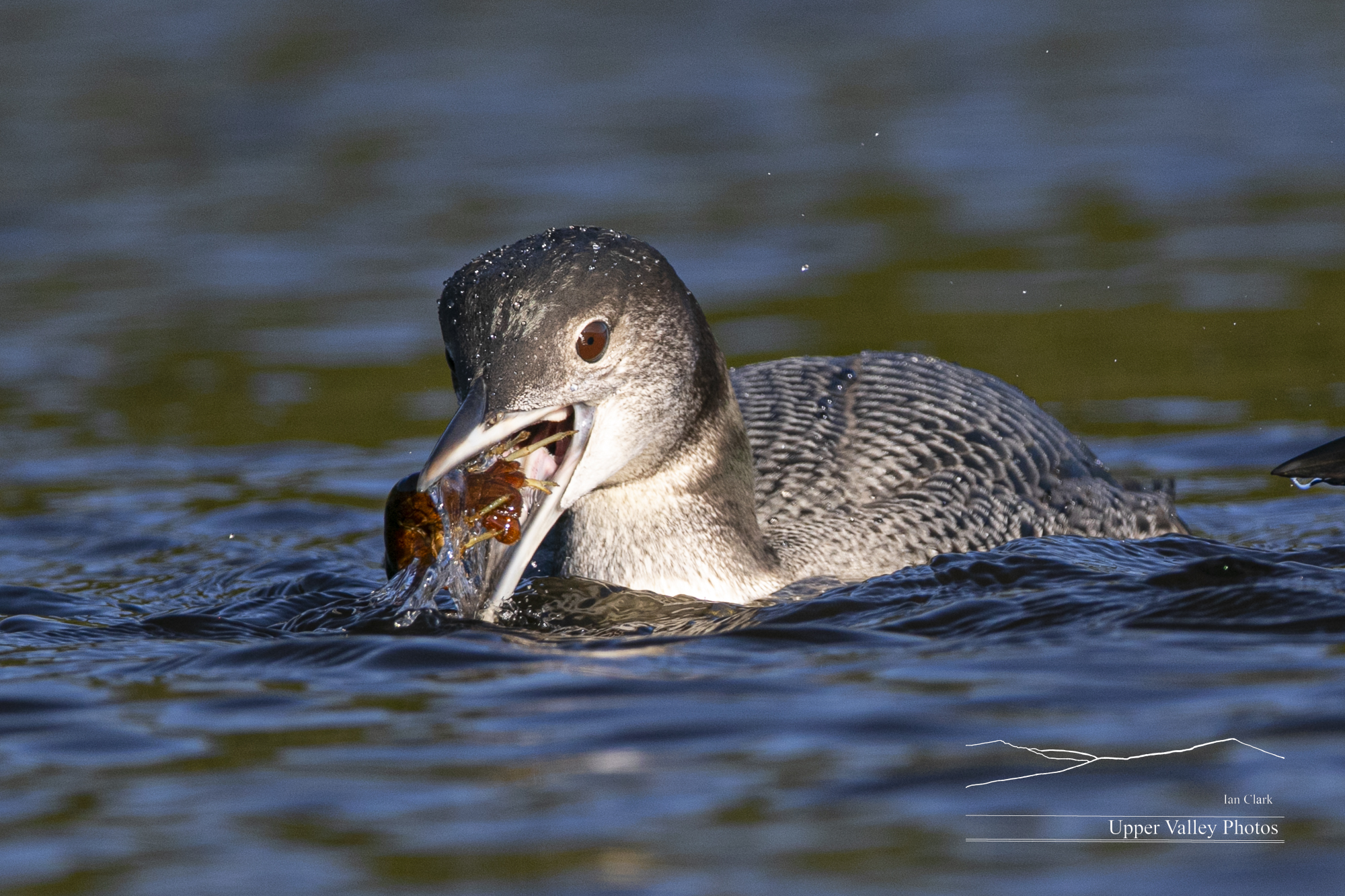
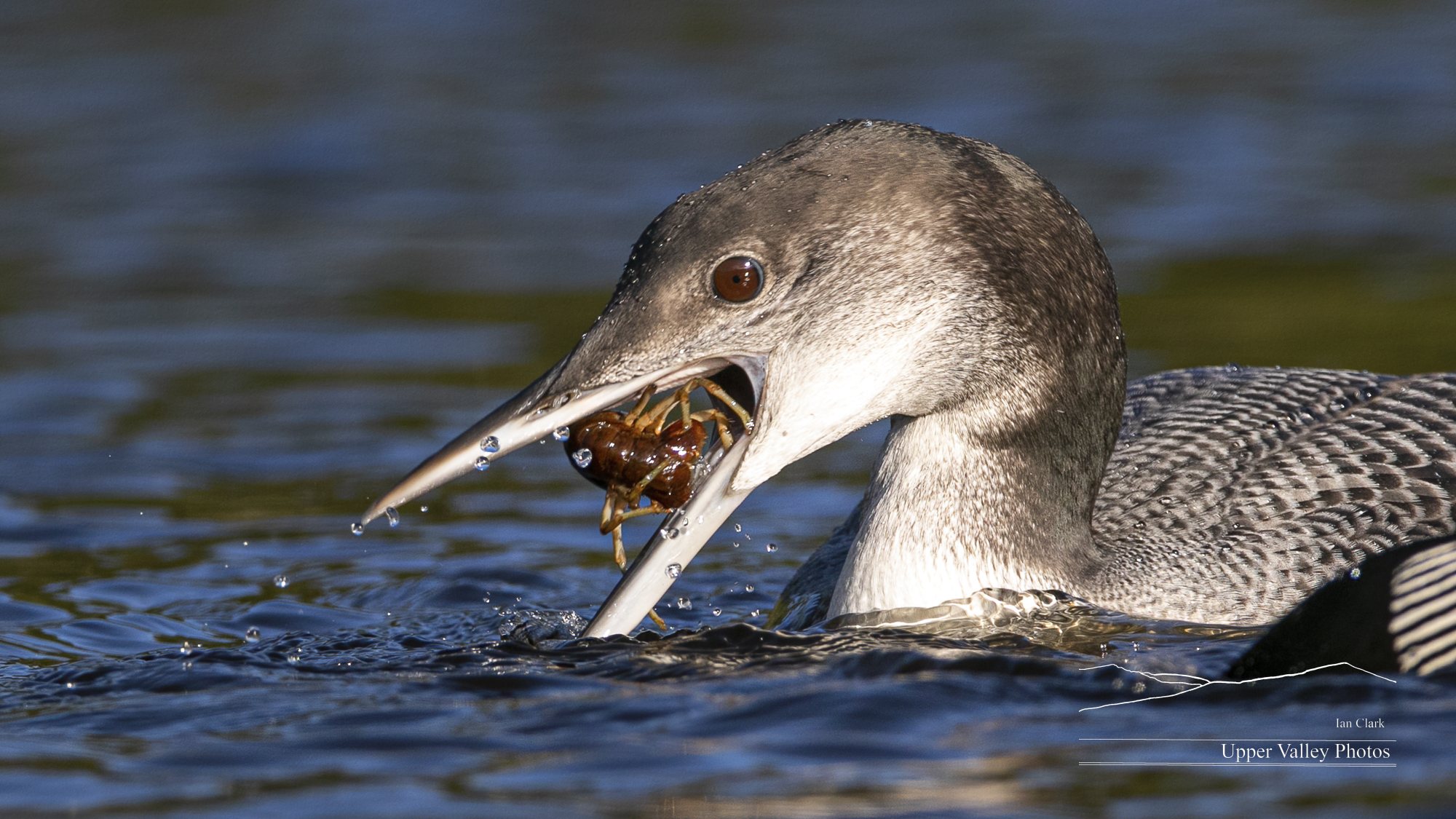
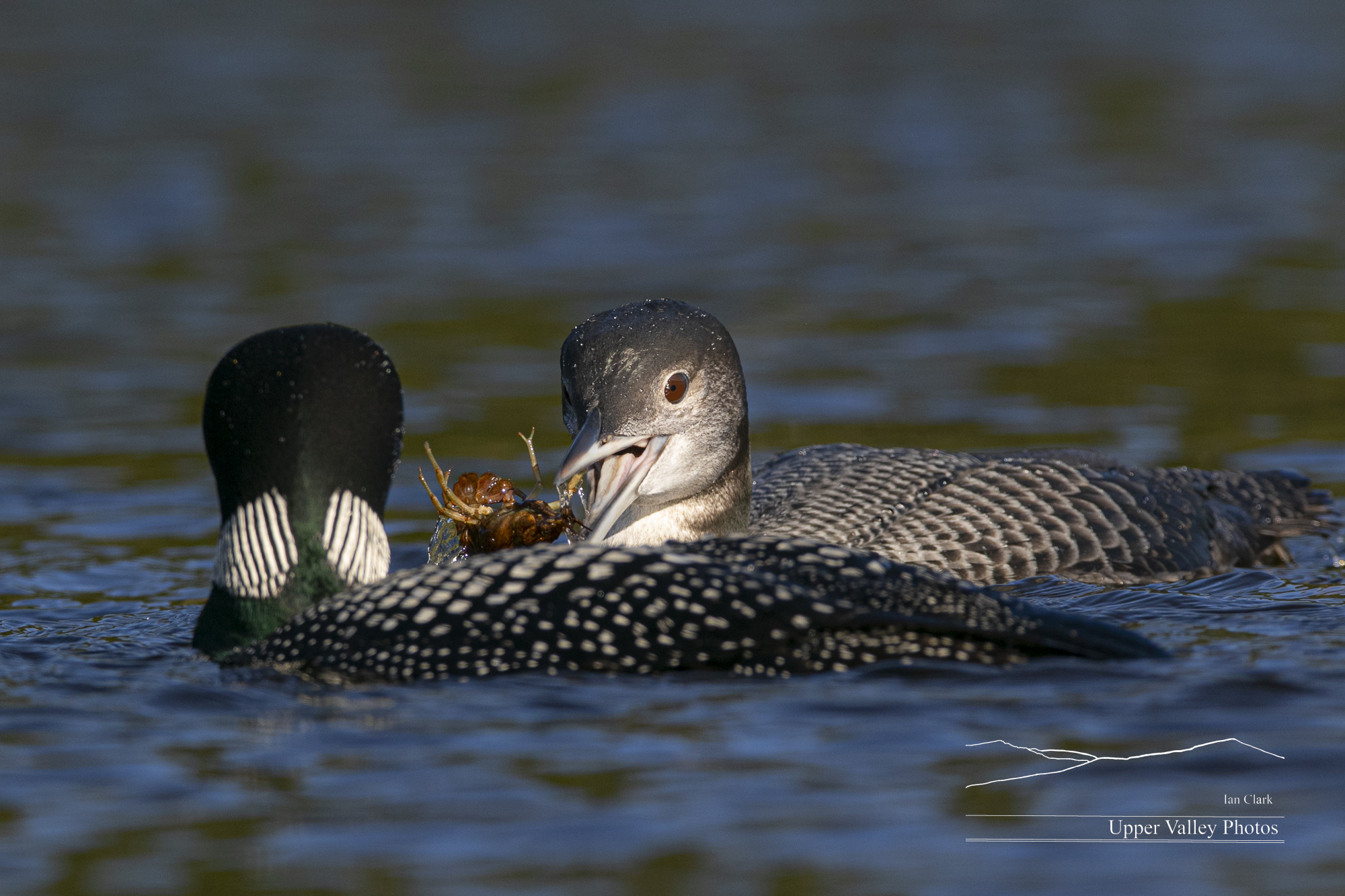
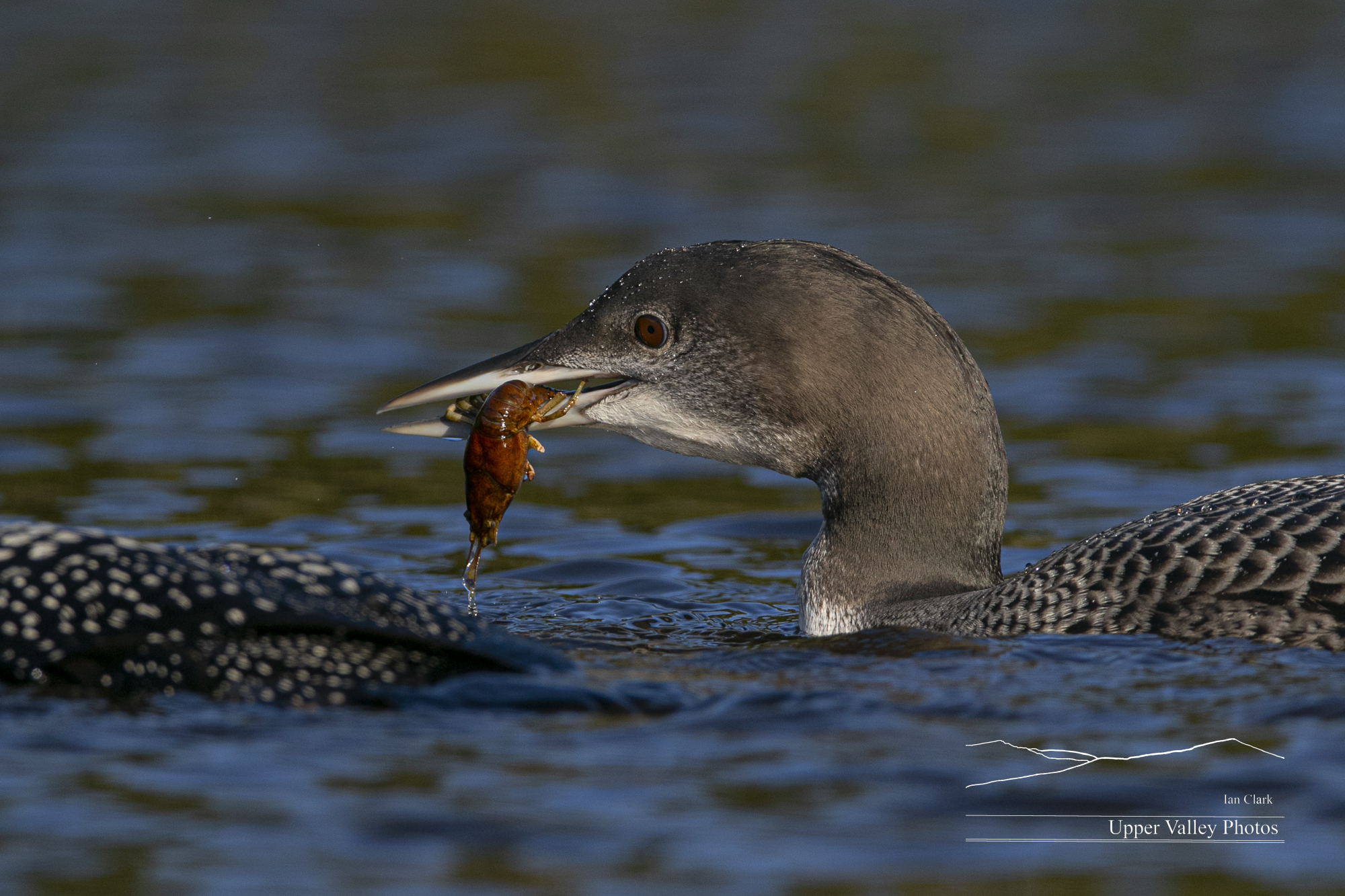
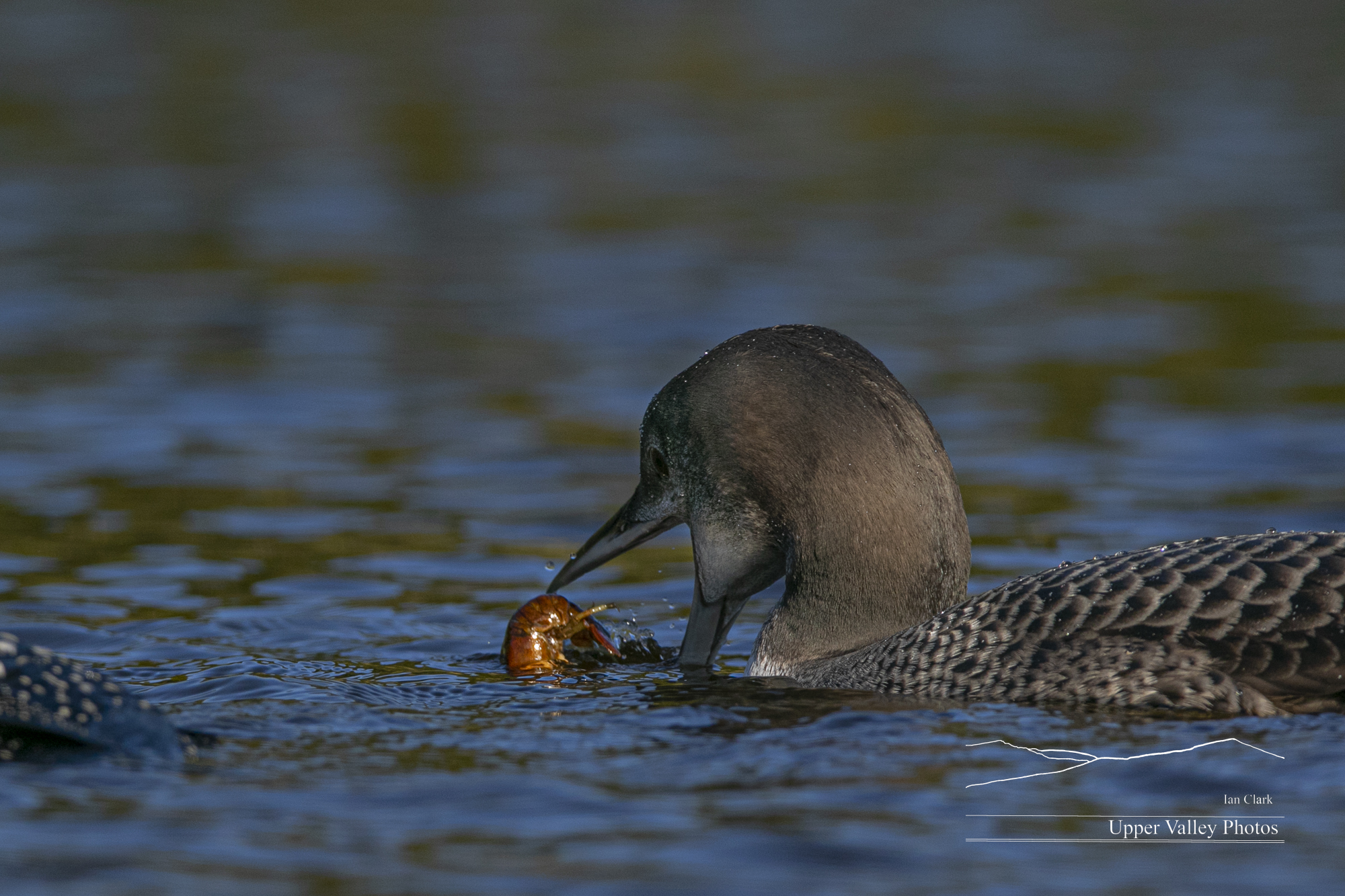
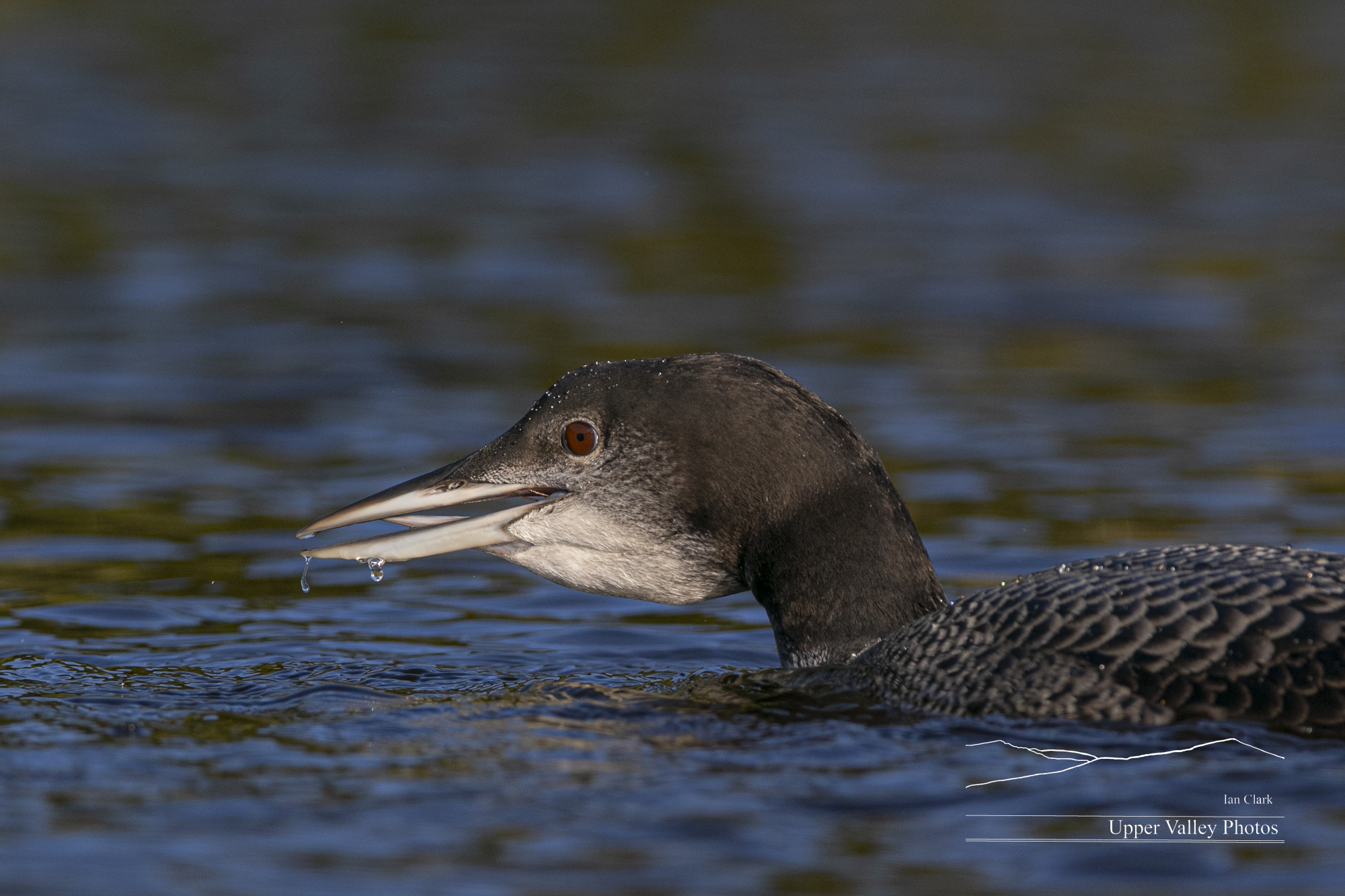
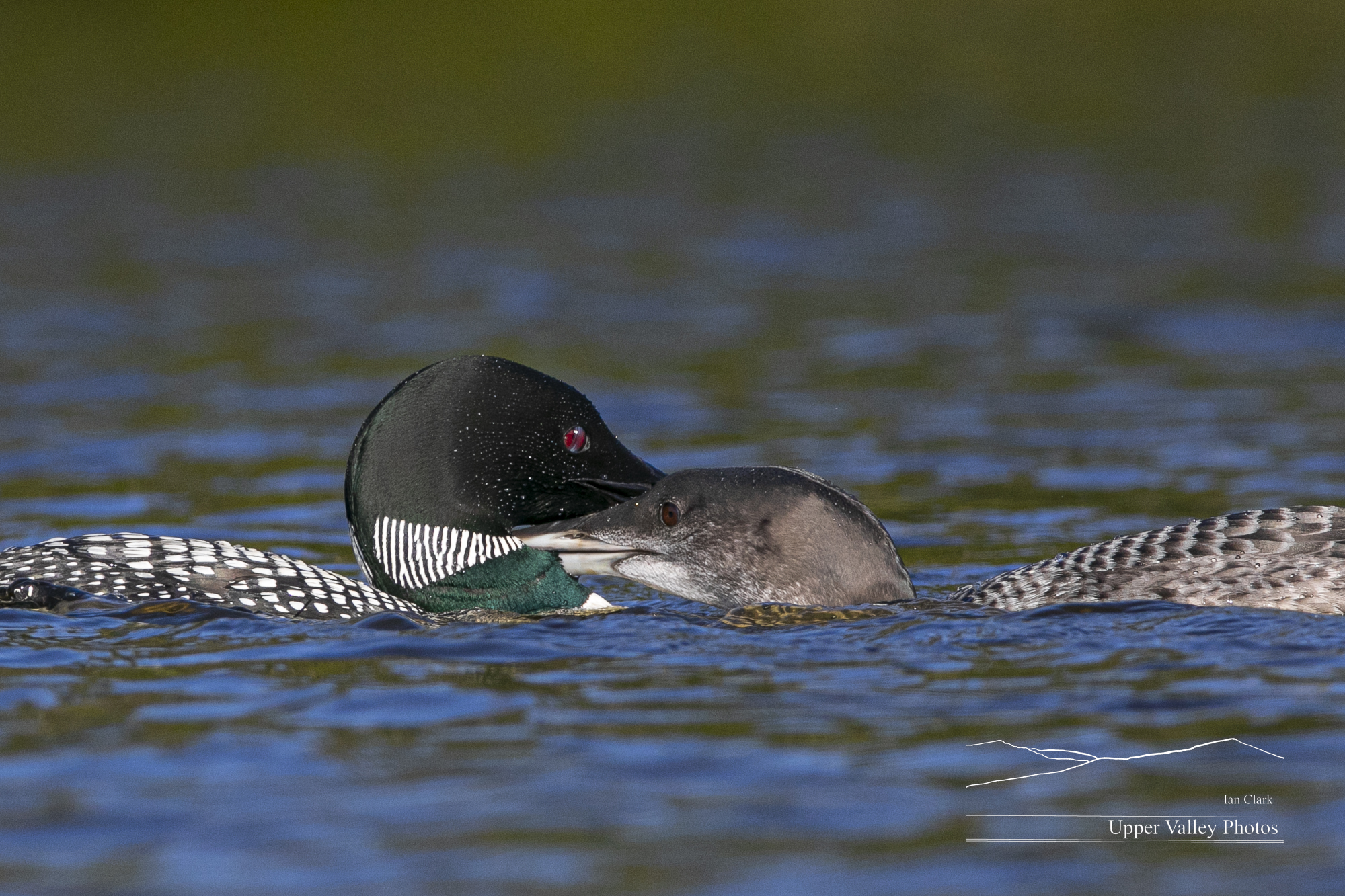
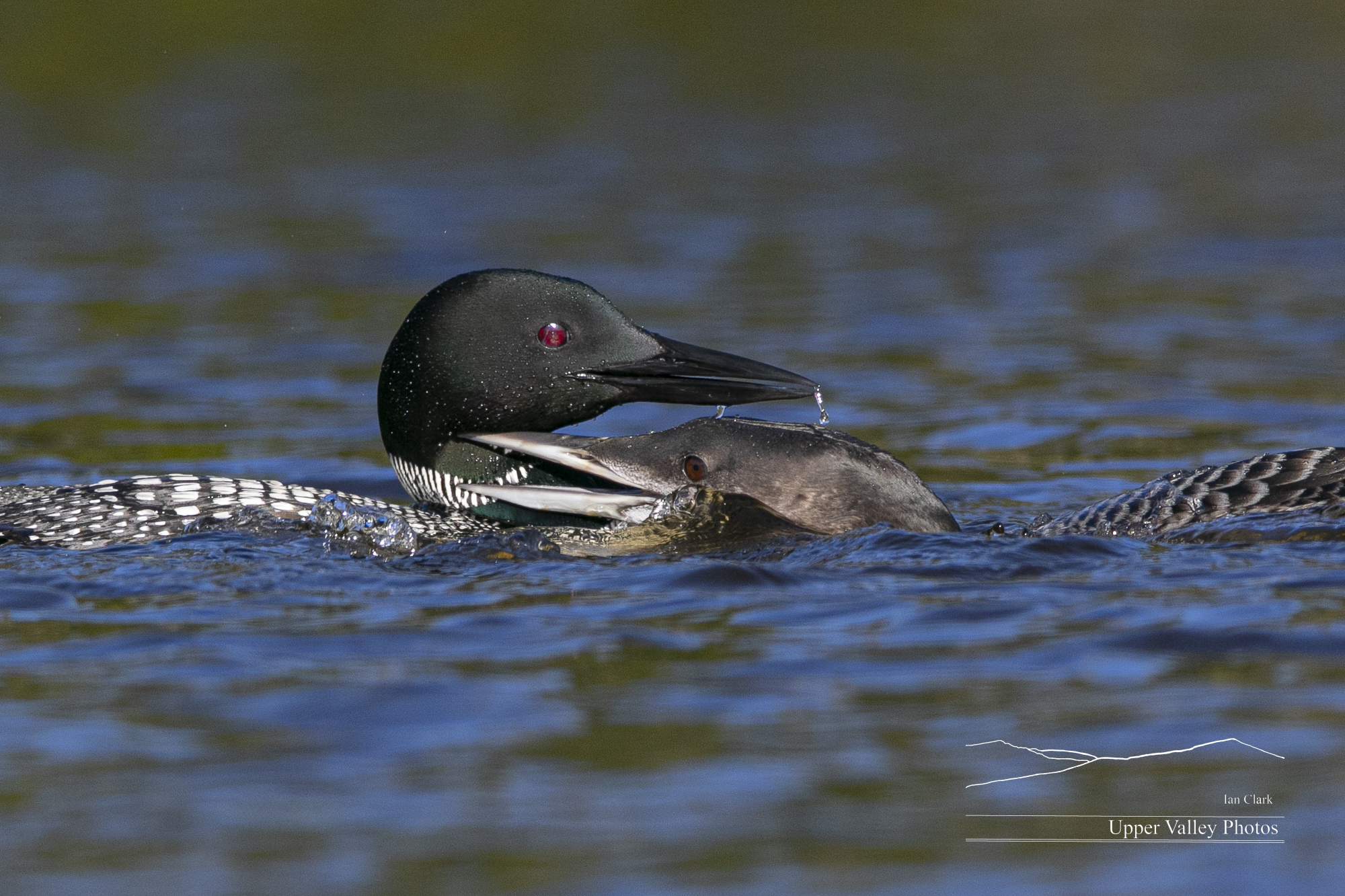
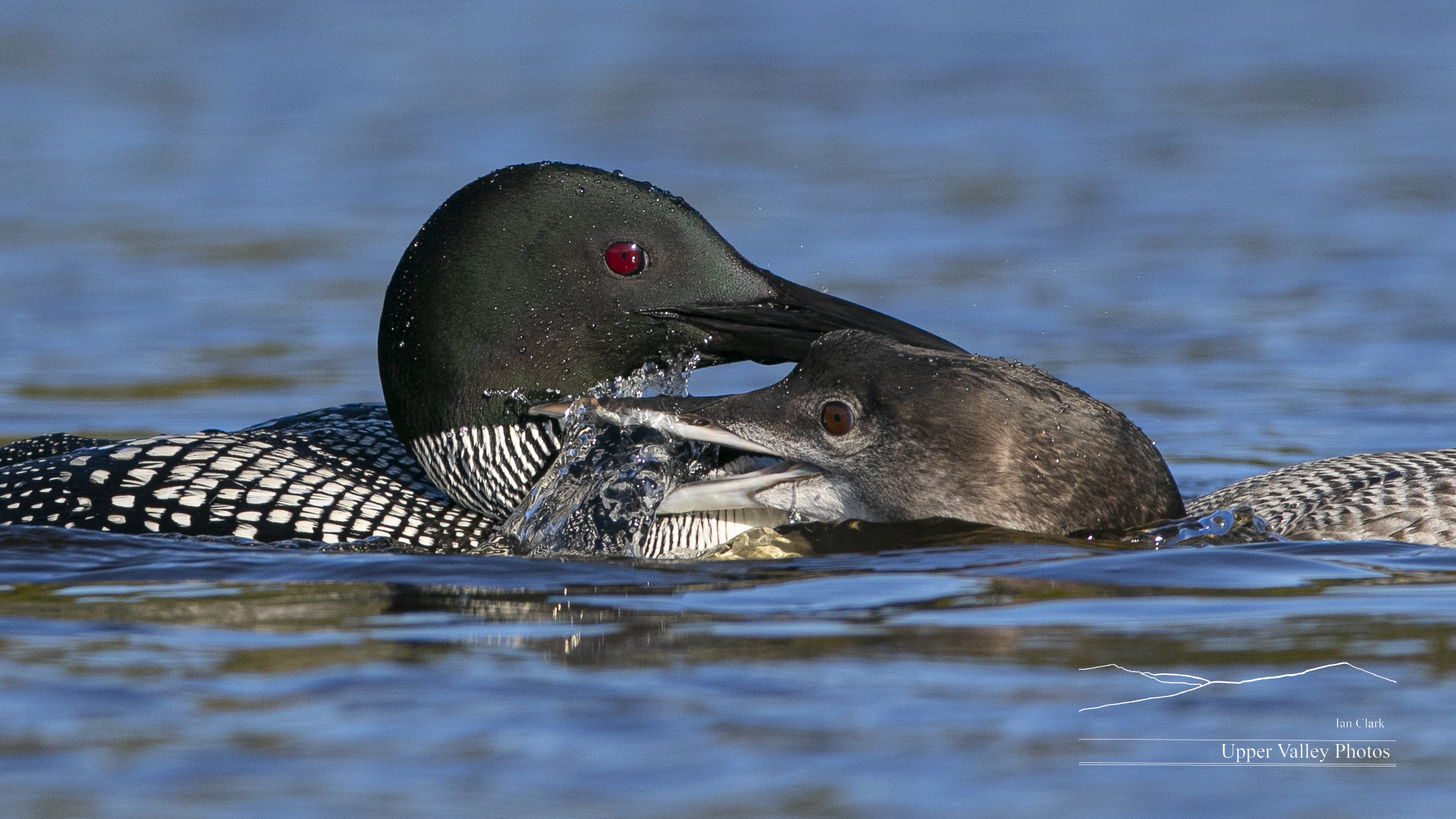
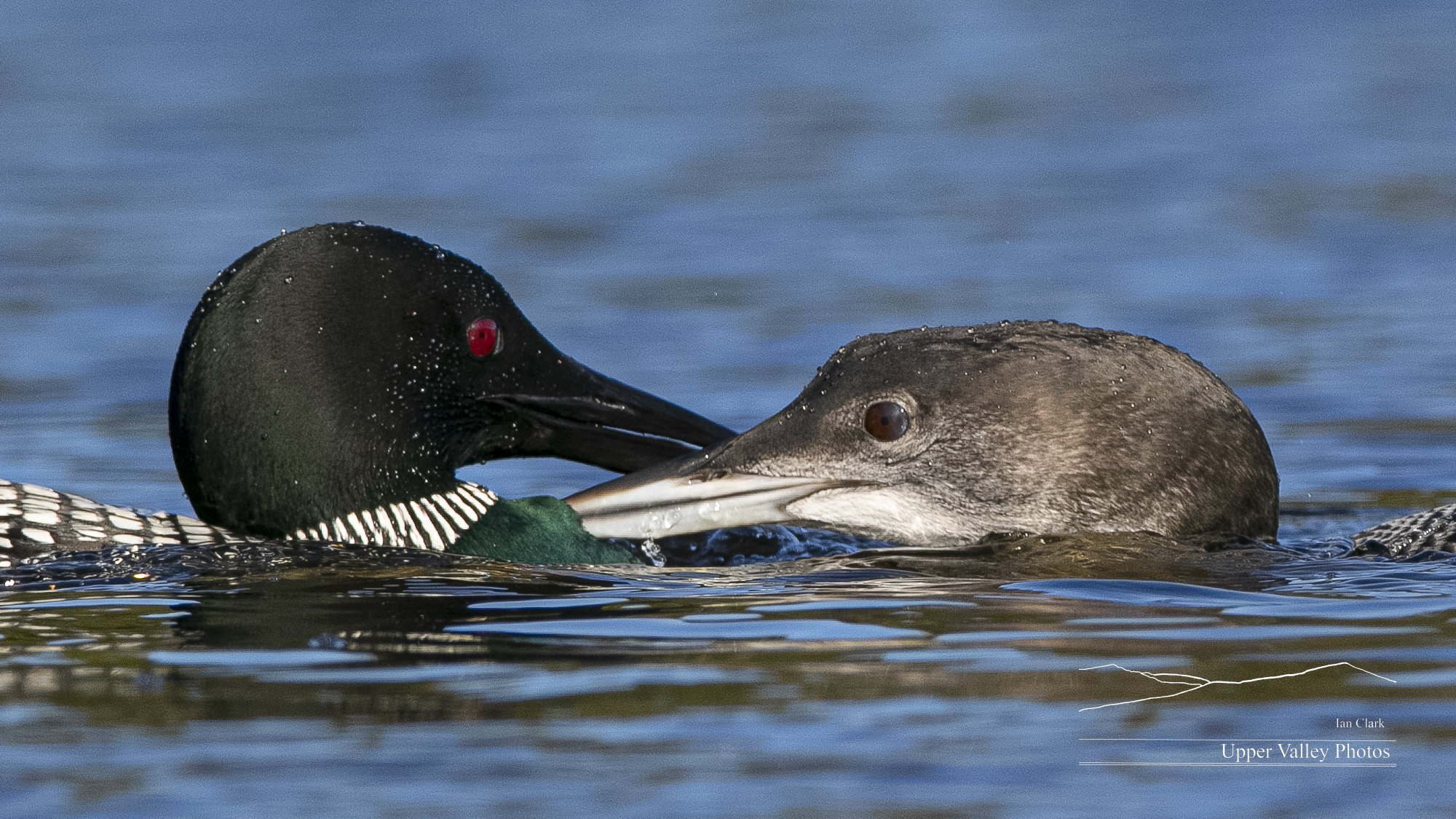
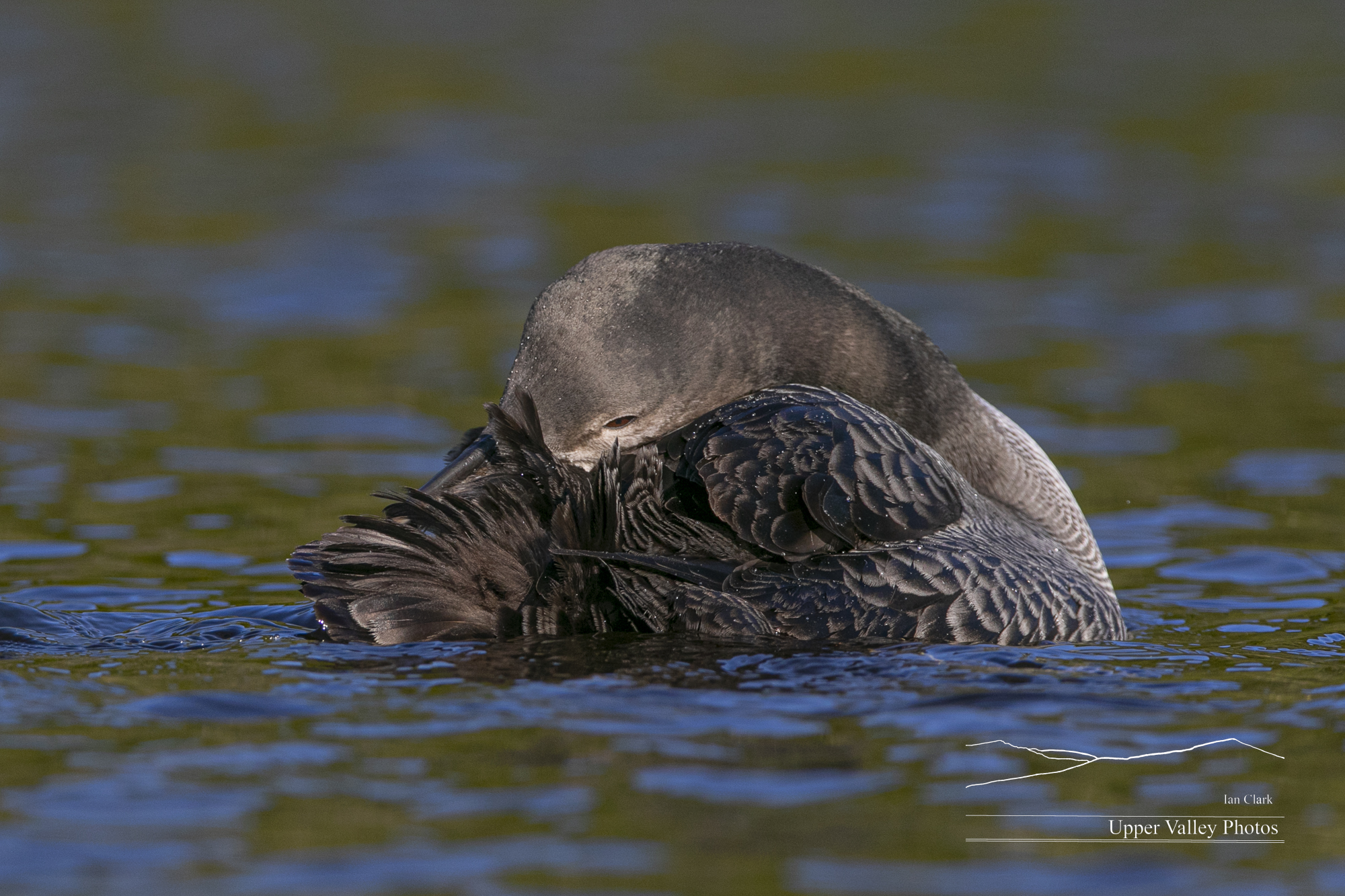
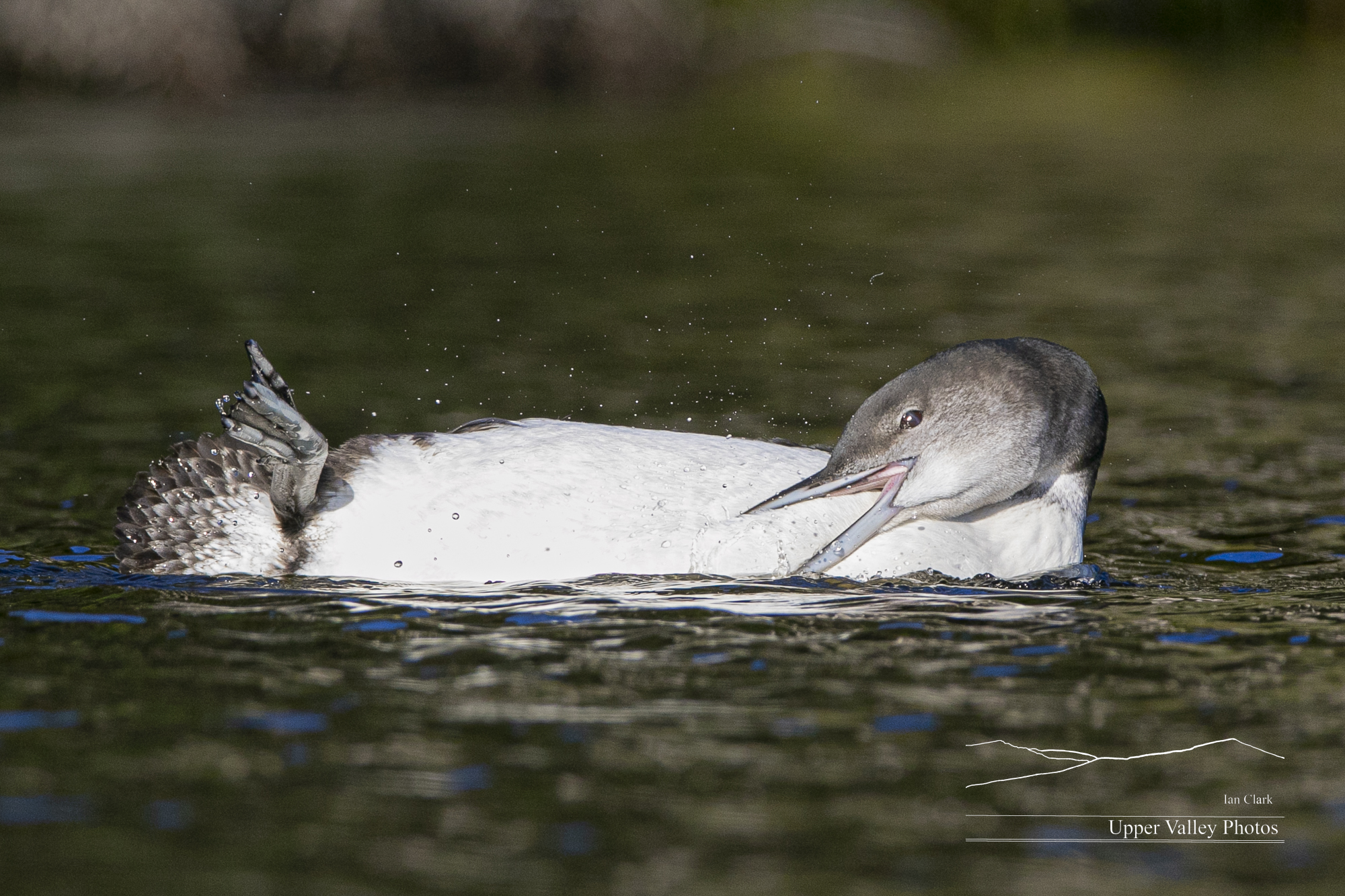
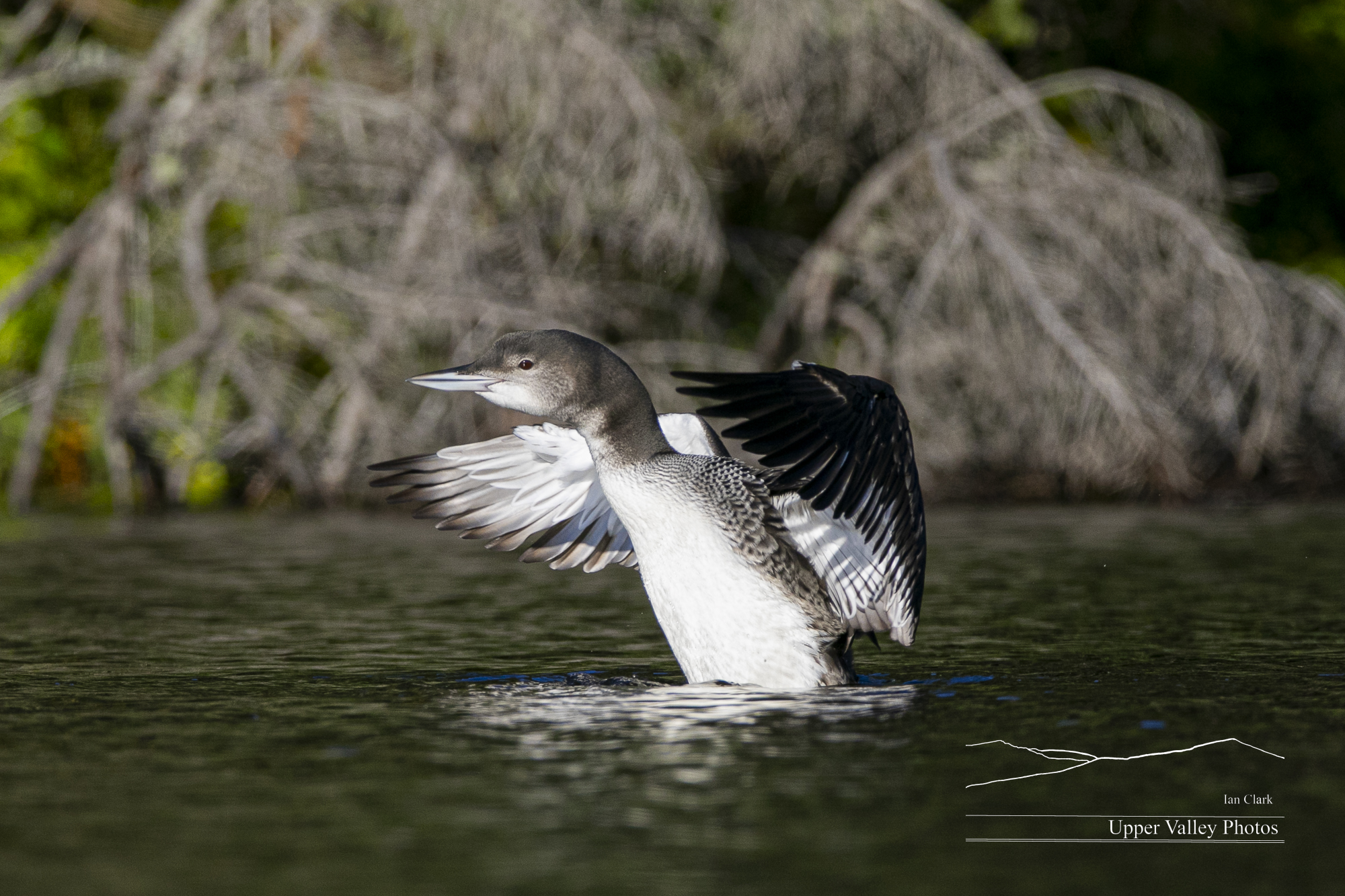
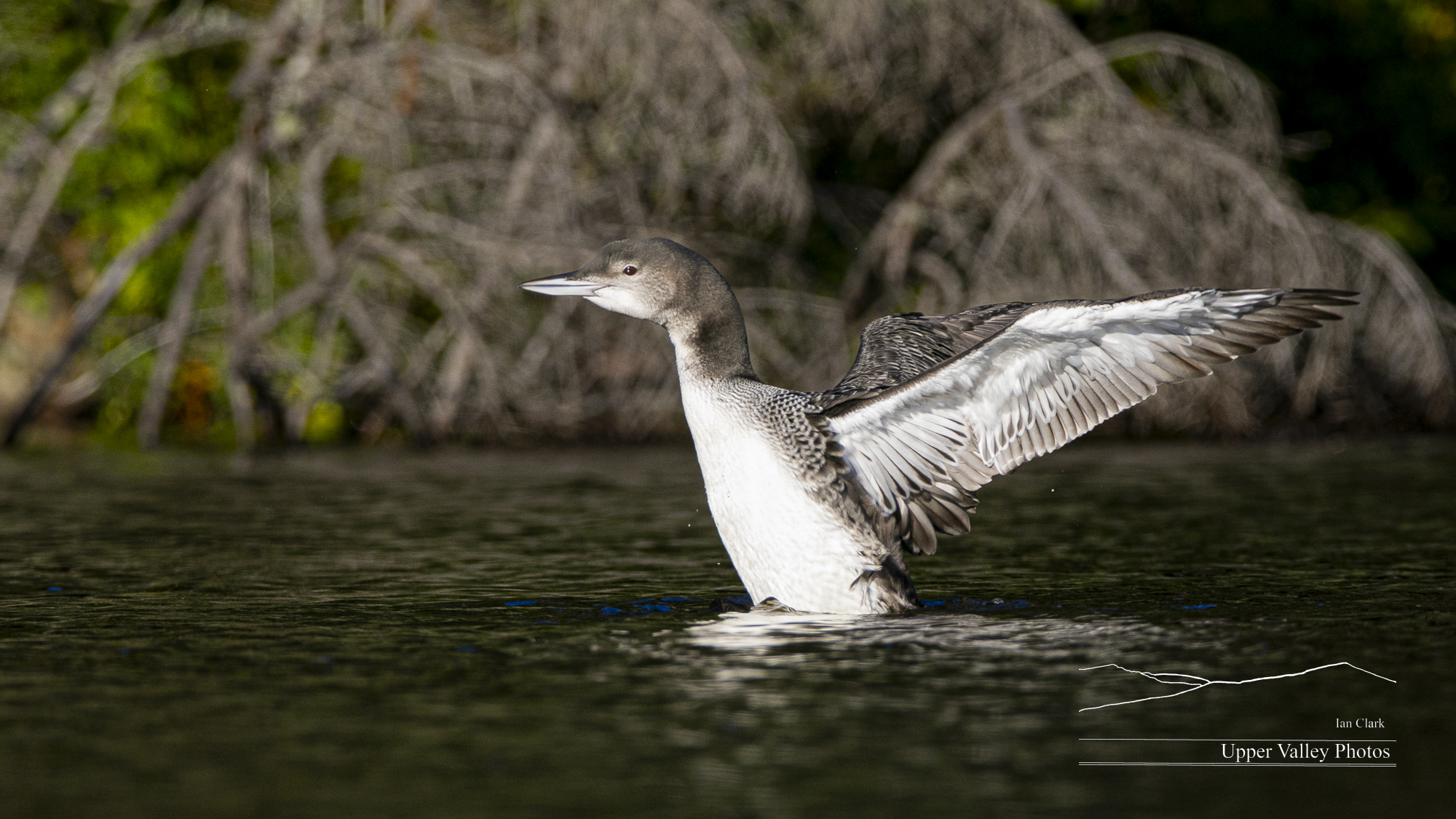
The trees on the hills around our pond are already turning a little rusty. We’ve got just a few weeks left before our family moves on.
Checking In With The Loons, August 4, 2021
Our loon family with two chicks was receiving visitors yesterday morning, August 3. The chicks are now 46 & 47 days old. They both appear to be doing well. They’re diving, and occasionally catching food, on their own. But, they’re always hungry and encouraging the parents to feed them.
The loons will have to take a brief hiatus. I’ll be down at the League of New Hampshire Craftsmen Fair for through August 15. I’ll resume the story as soon as possible after the Fair.