Posts in Category: Herons
A Visit to the Westons and Heron Chicks
A slower week this past week. I had a chance to visit the Weston loon family on a foggy morning and visited the great blue heron rookery.
I’ll be at the Berkshires Arts Festival at Ski Butternut in Great Barrington, MA on July 3, 4, 5. I’ll be in booth 212 lots of prints and note cards. Stop by and have a look.
Tuesday morning found blue skies over the hill in West Newbury and the Weston’s pond in deep fog.
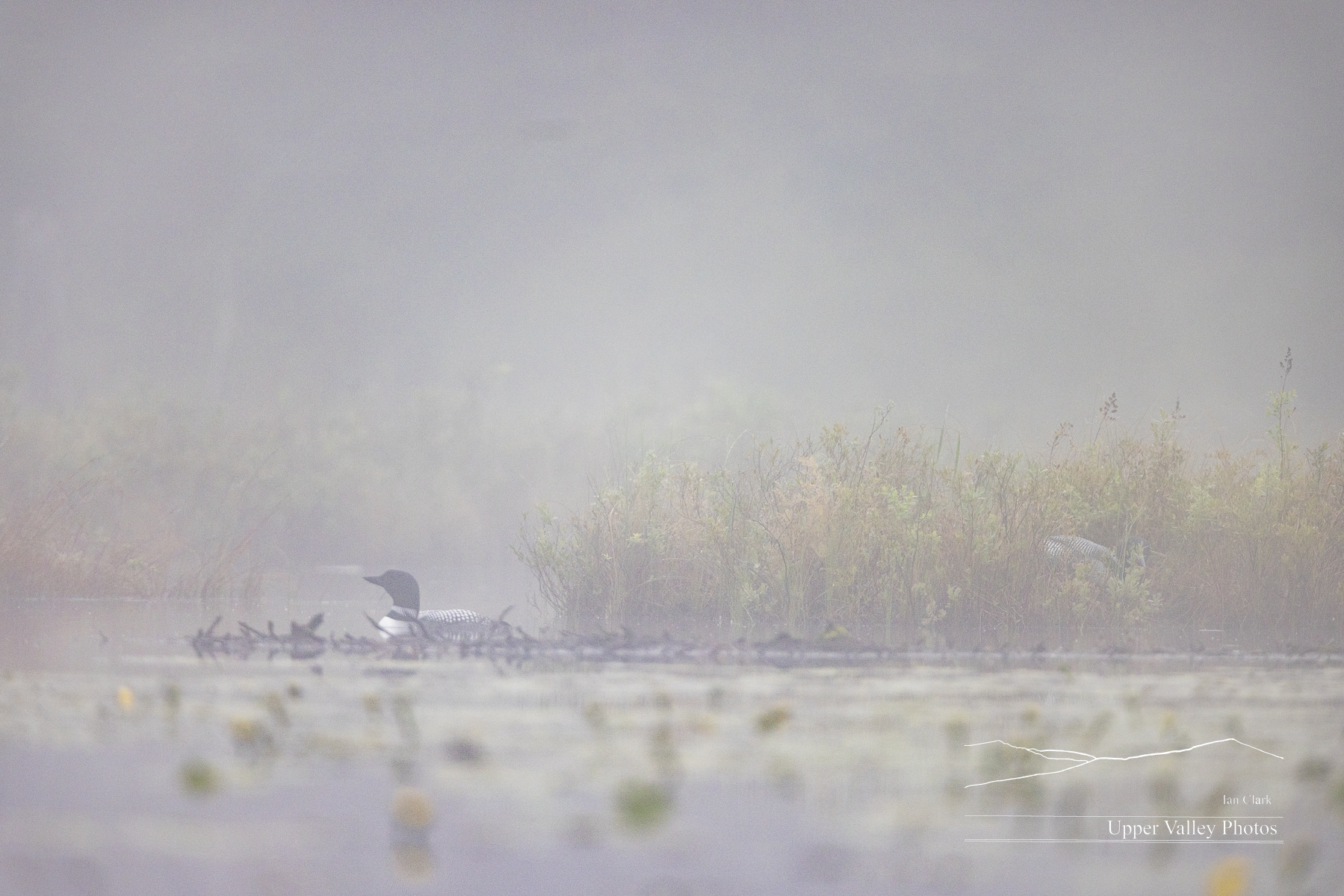
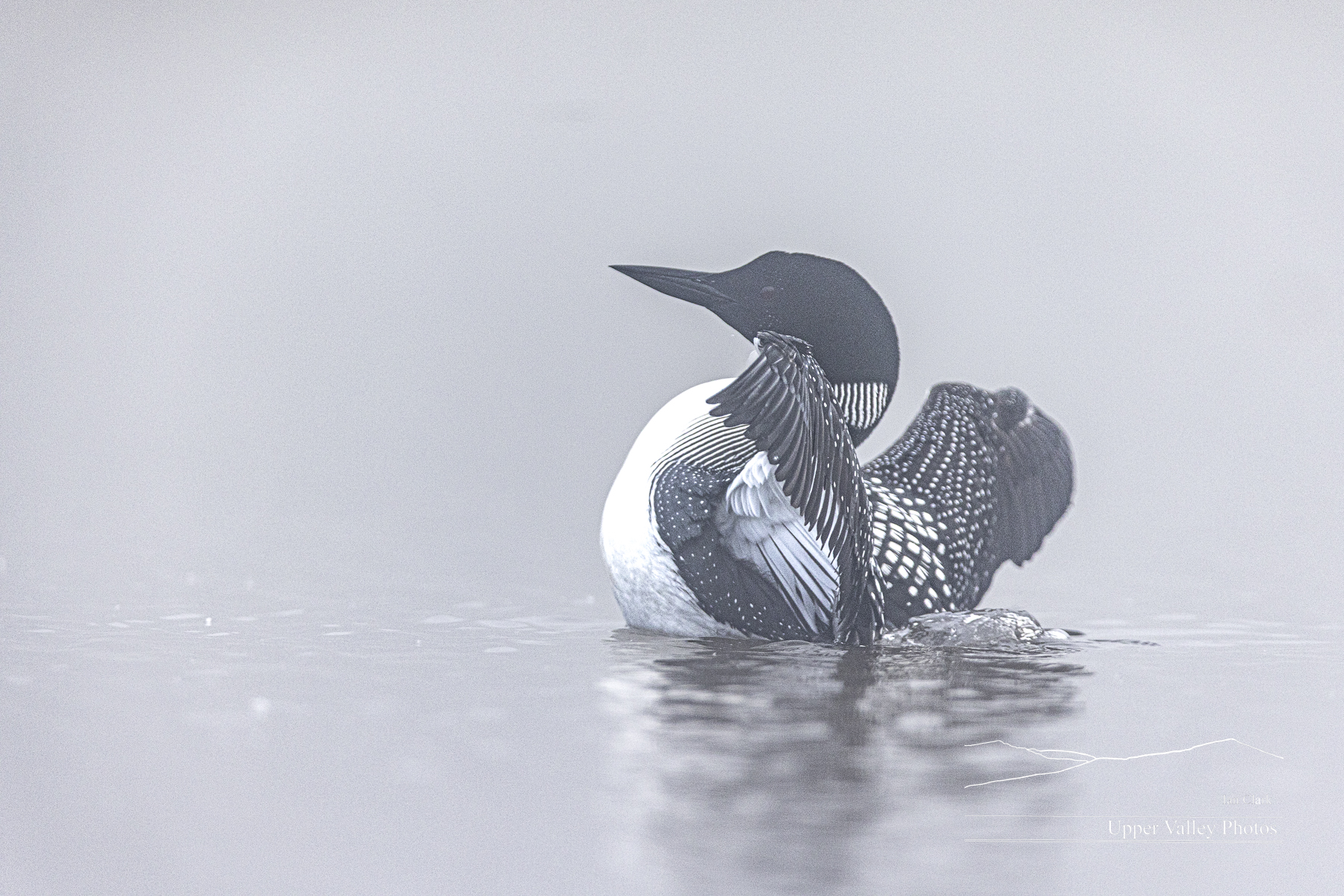
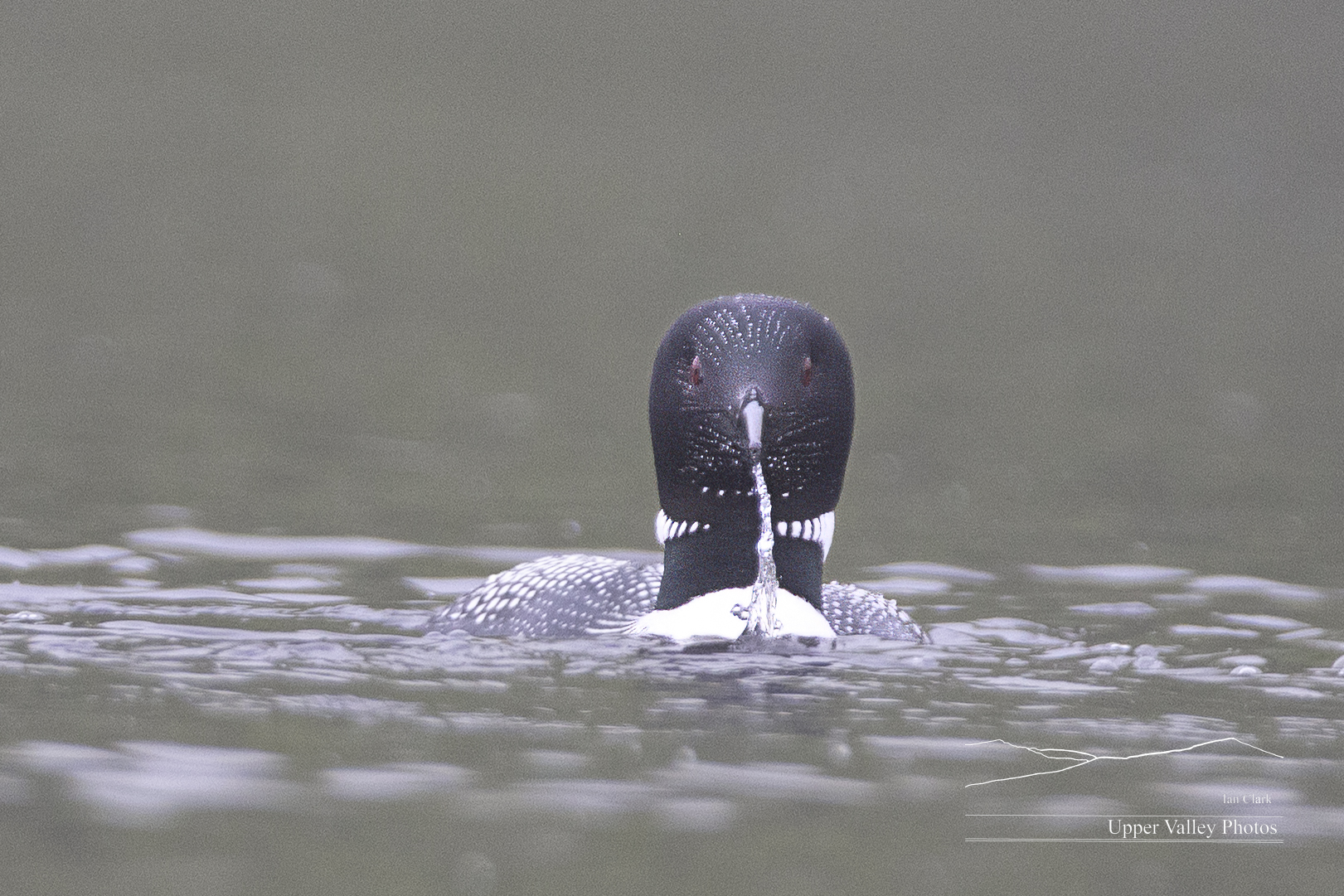
An outsider loon flew over and called which set the Westons to tremoloing. The outsider flew on and the pond quieted. Very quiet. I paddled around looking for photos. Seems most of the critters had taken the morning off.
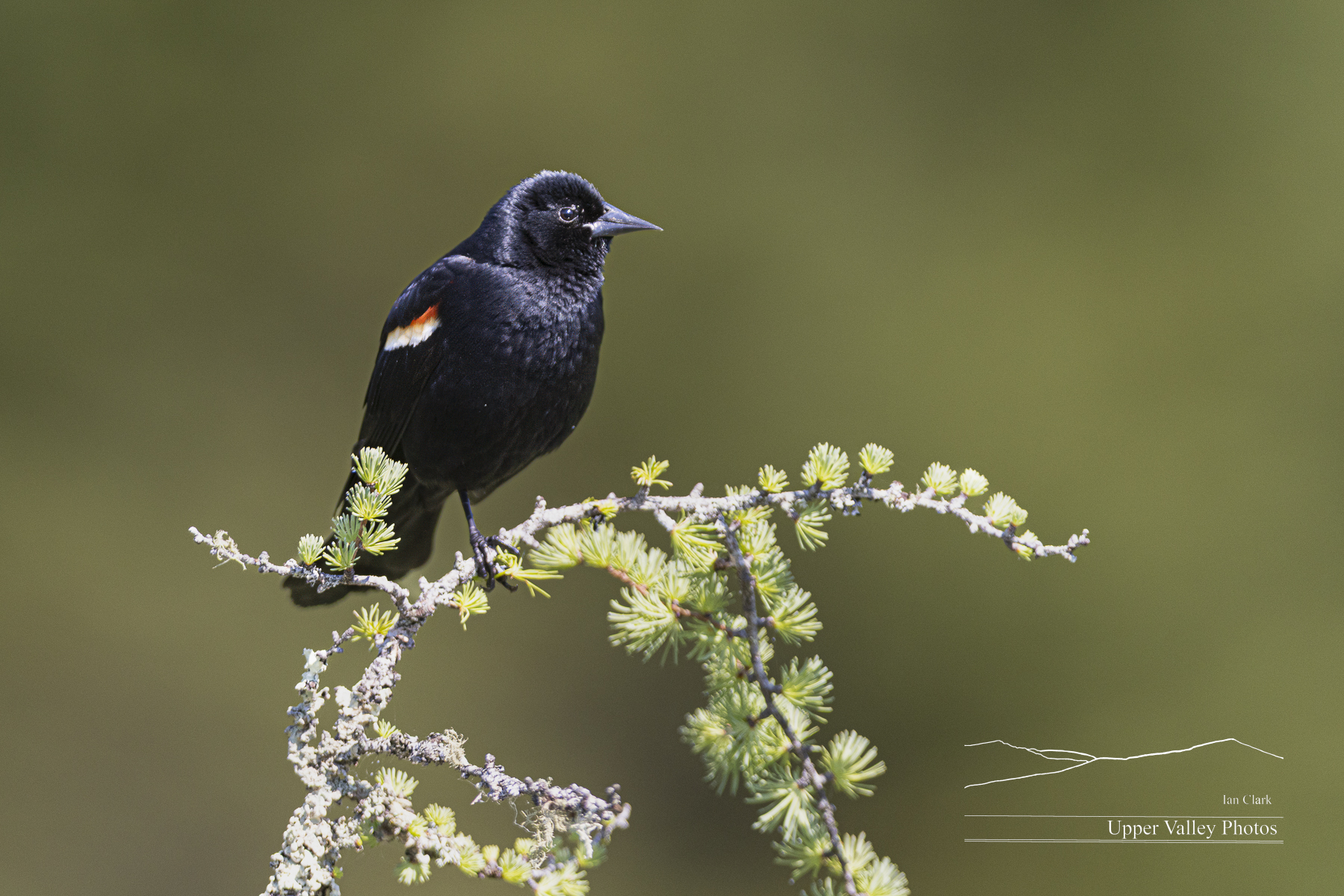

The outsider loon returned and landed well up the pond. All three loons started calling. The loon on the nest left the nest to join the other home team loon on the main part of the pond. They were well separated from the intruder. I snuck back into the cove with their nest to see if I could see how many eggs they have. I took a quick look to find two and turned around to leave the cove.
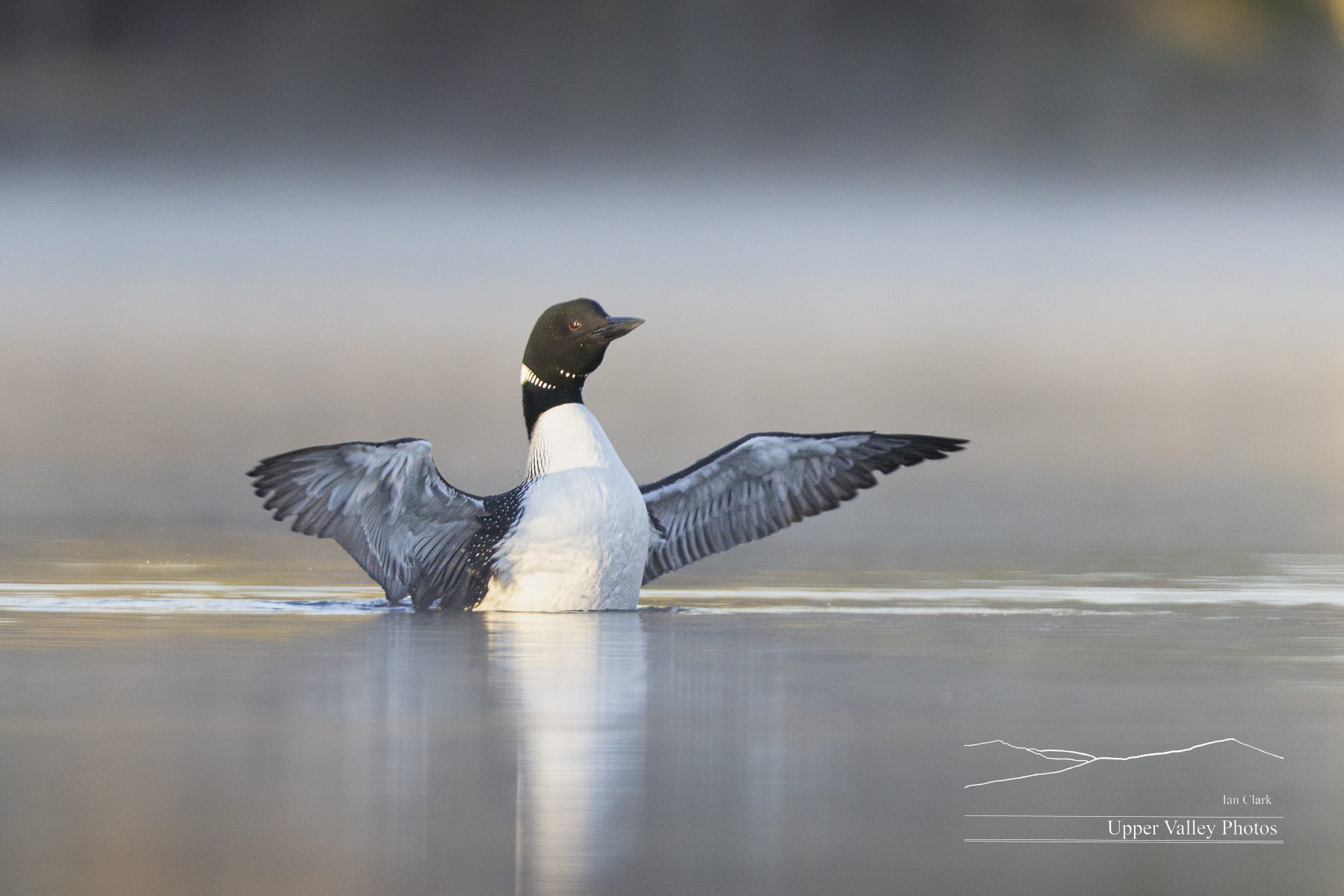
The loons mostly called at each other before a brief skirmish with some wing rowing before the intruder departed.
Thursday morning, I was up early and headed to see the great blue heron rookery. I’ve been inundated with requests for the location of the rookery. I think I’ve answered everyone. I’m reluctant to share locations with folks I don’t know. Most are likely to be responsible, but the internet has more than a few bad apples.
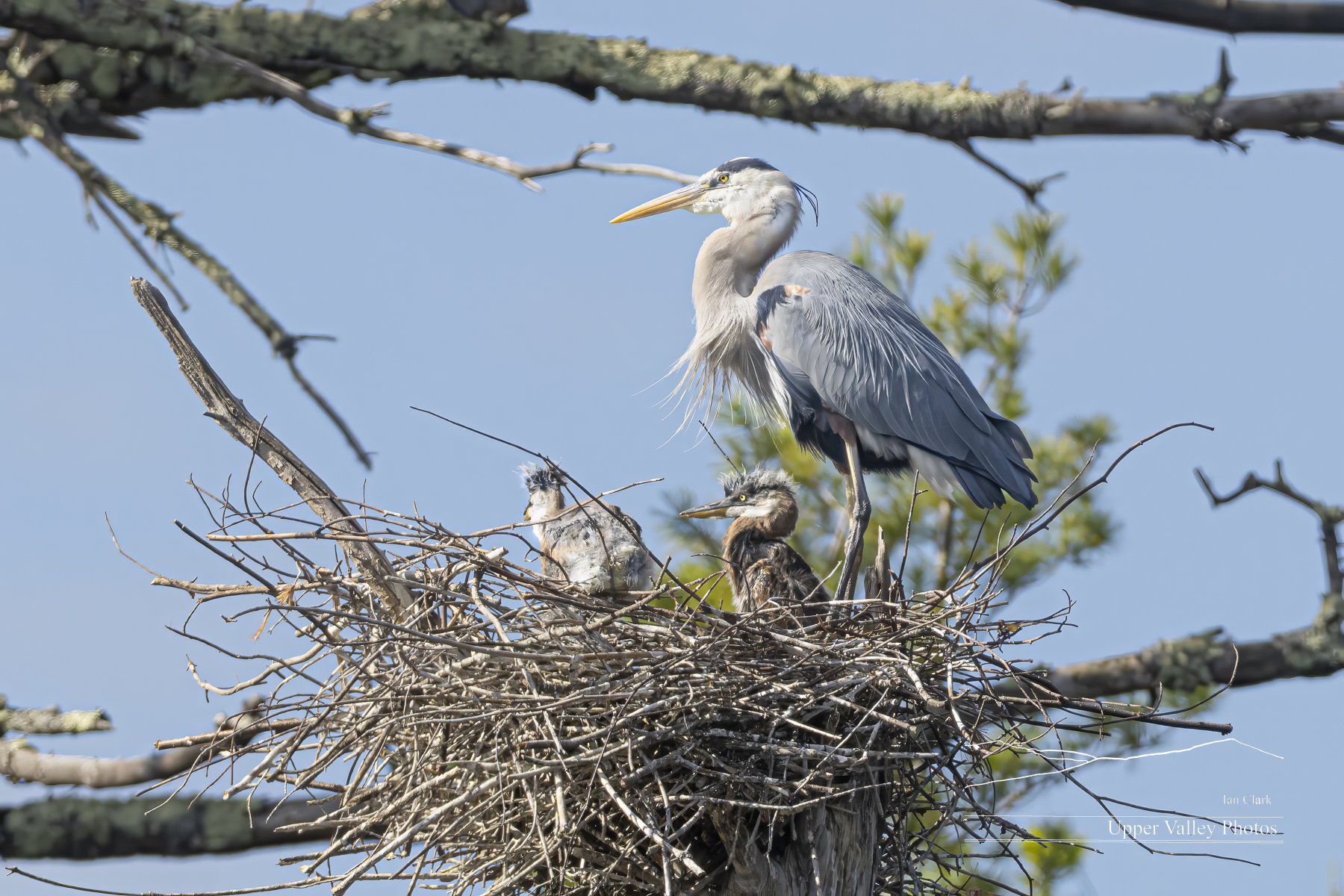
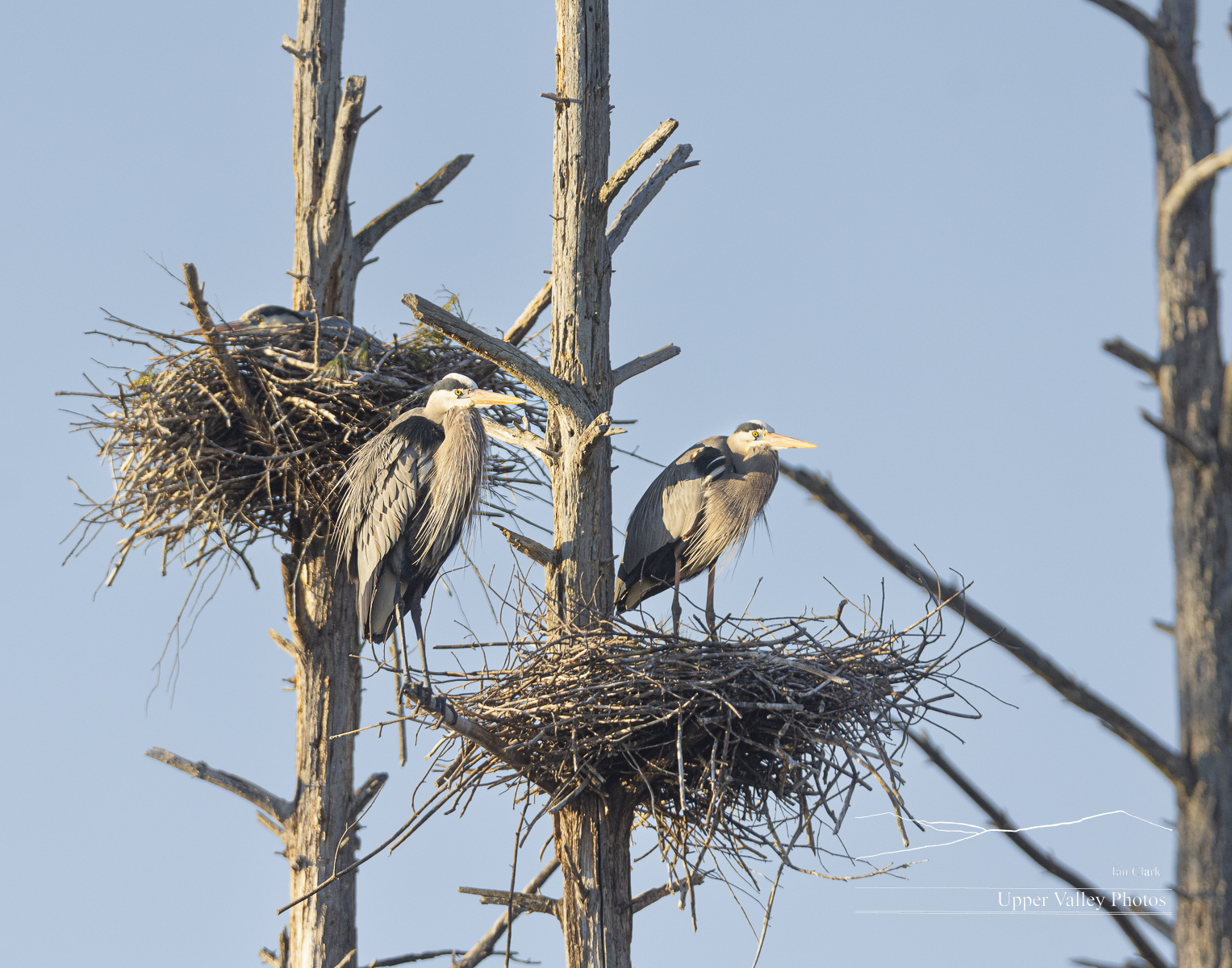
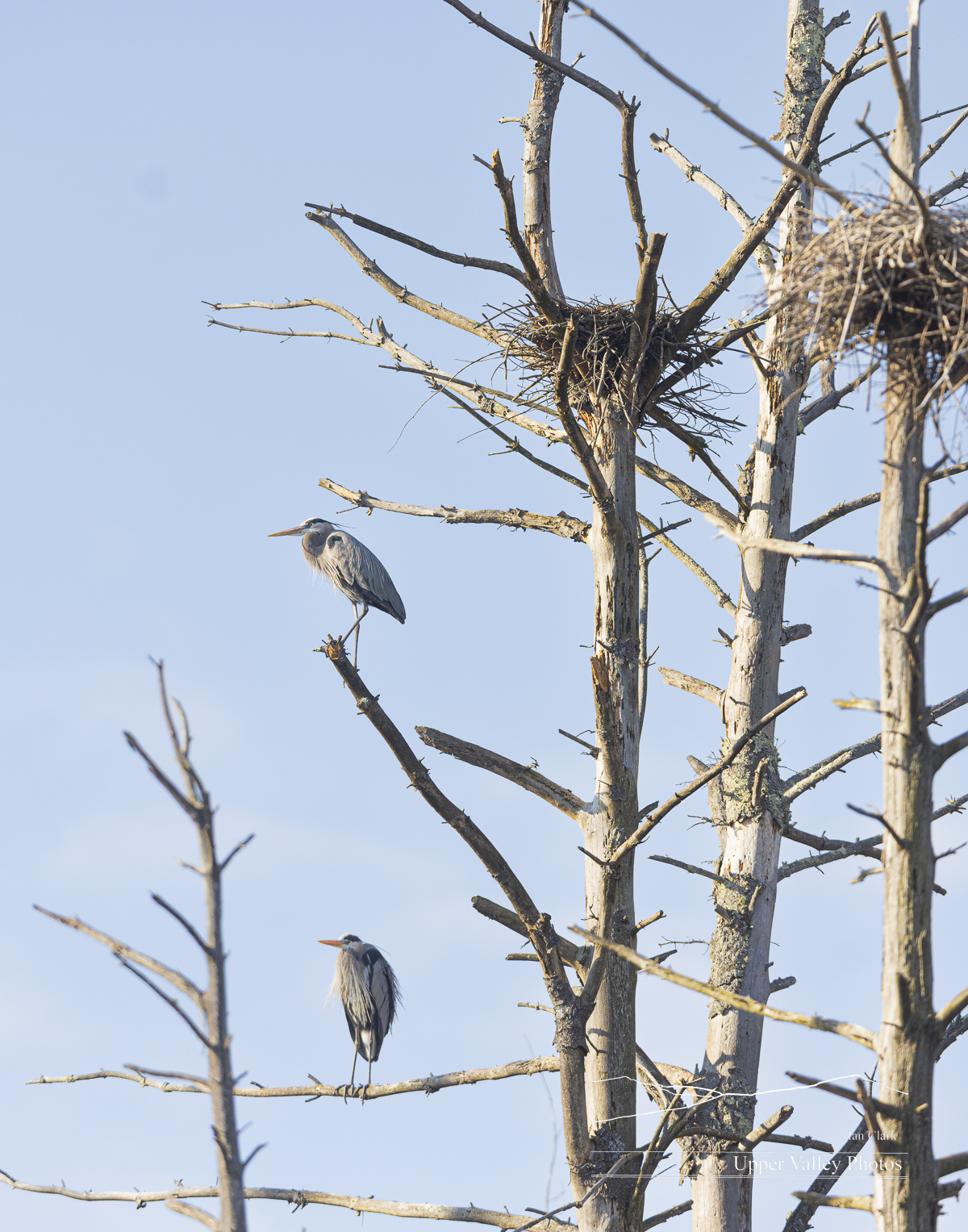
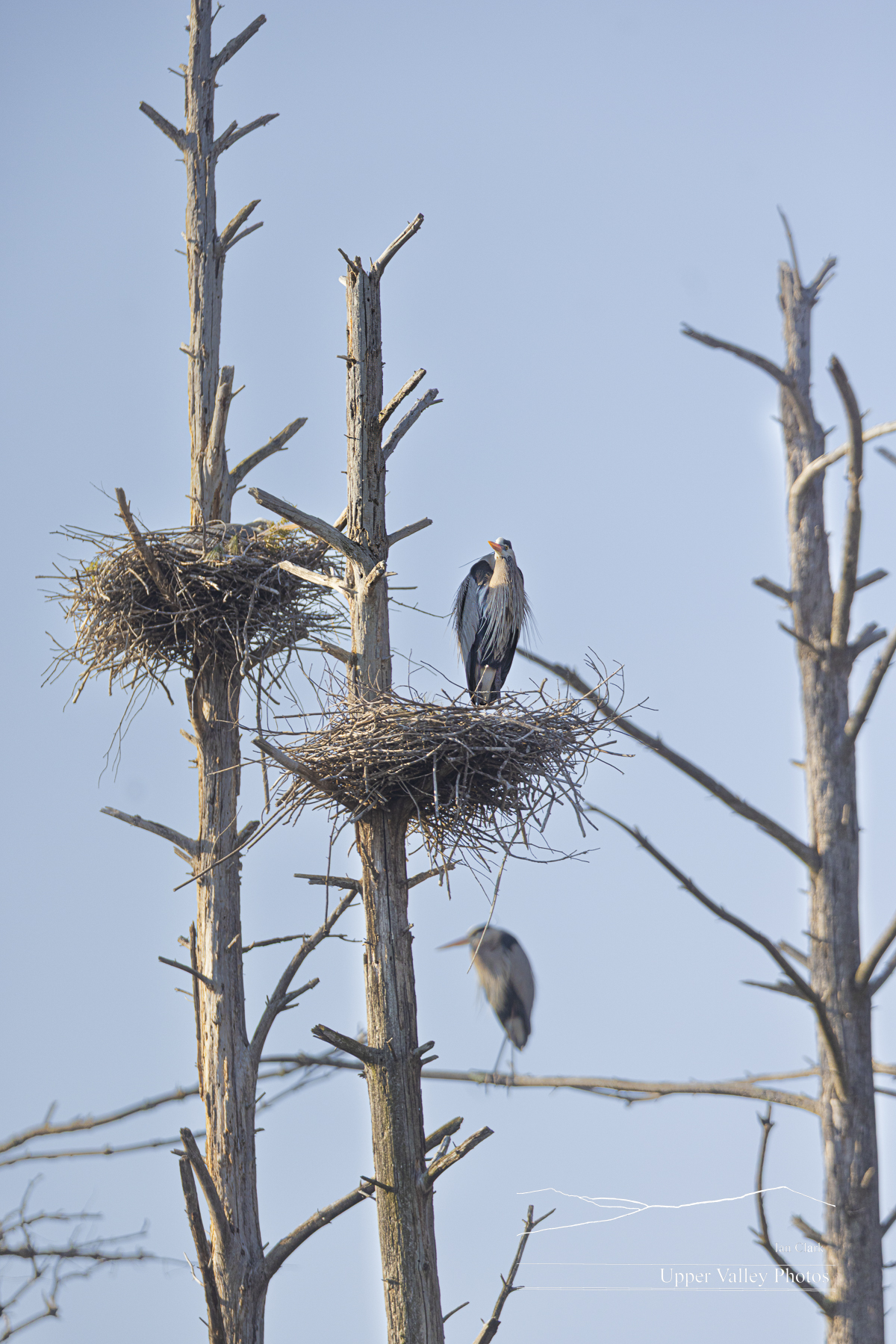
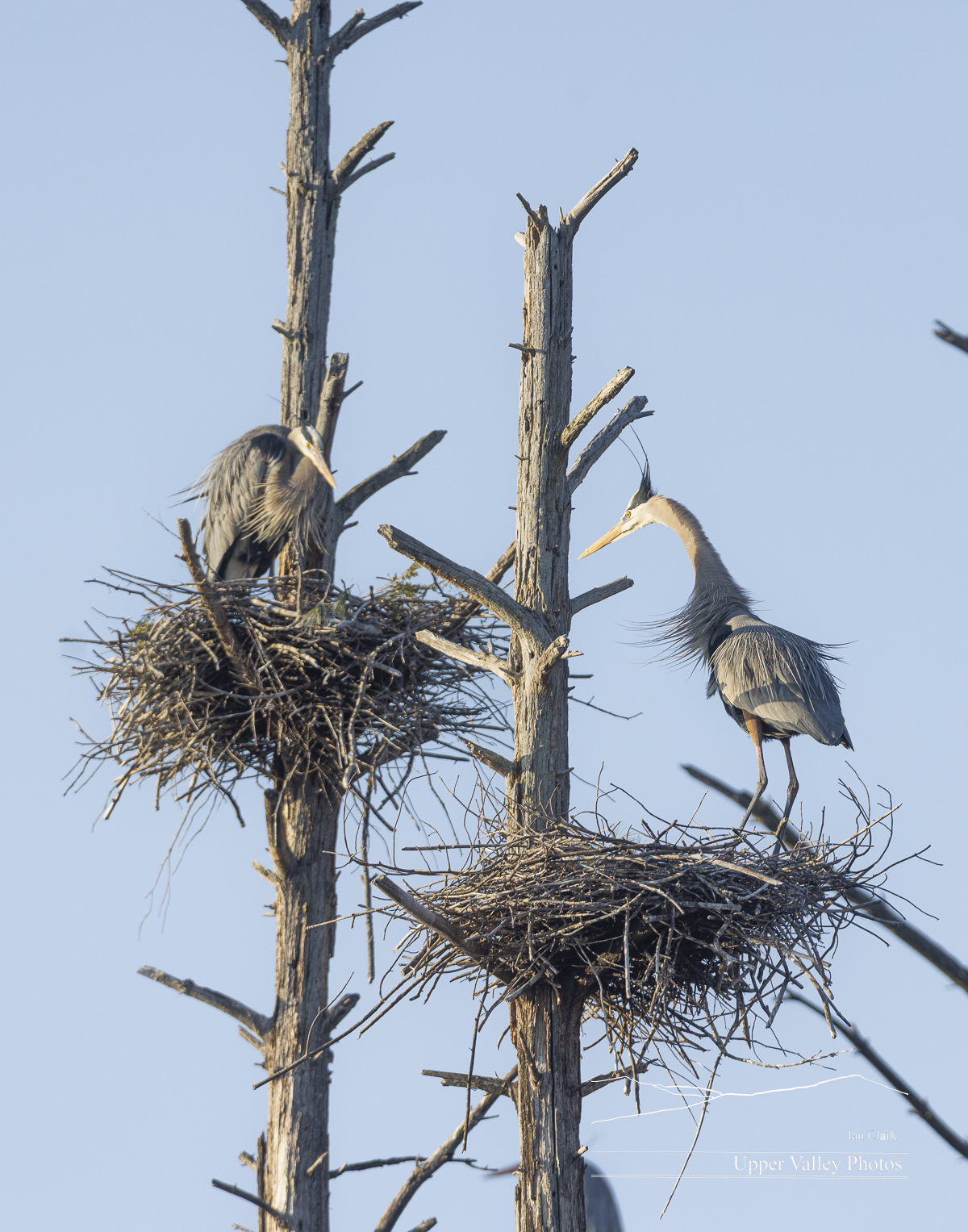
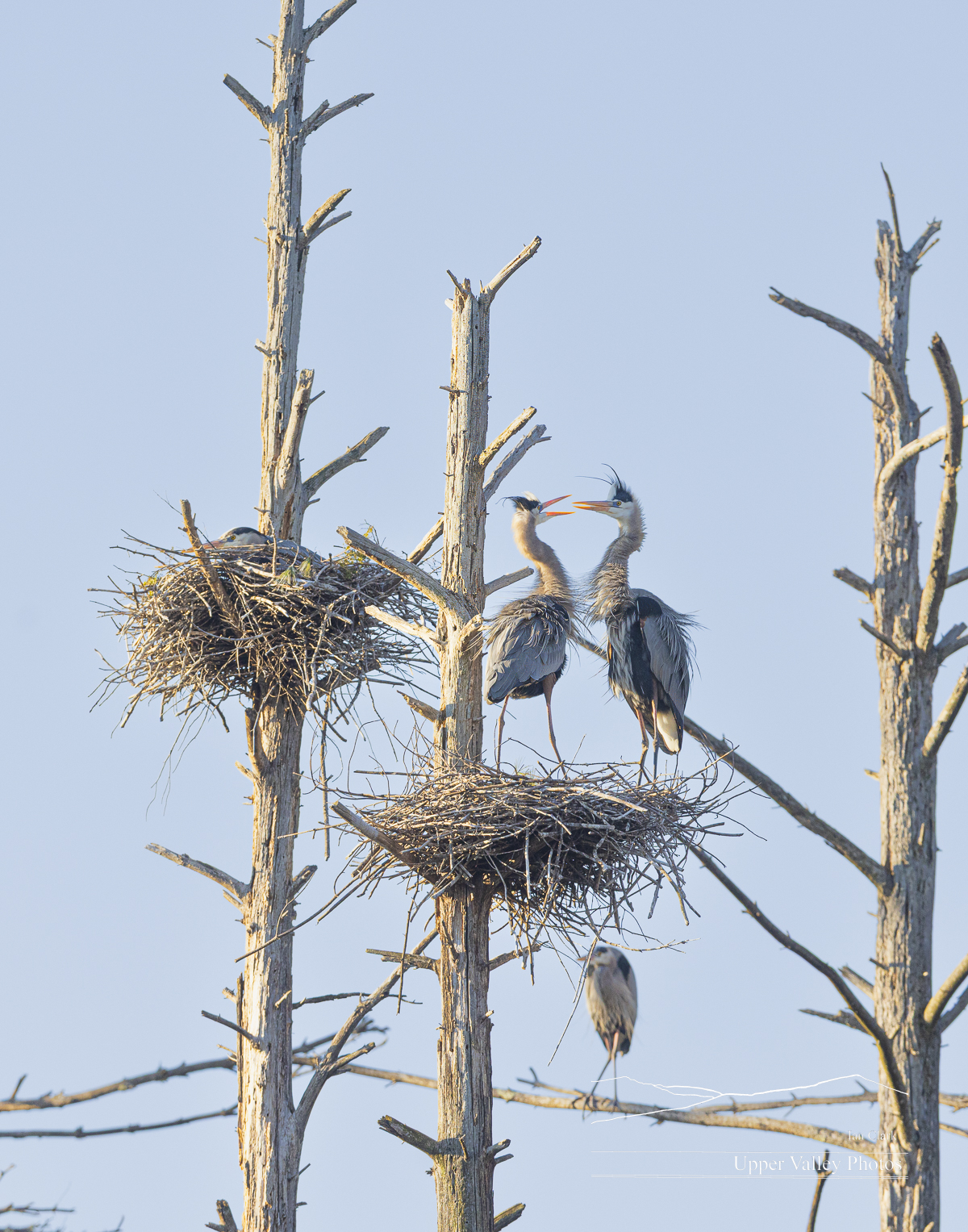
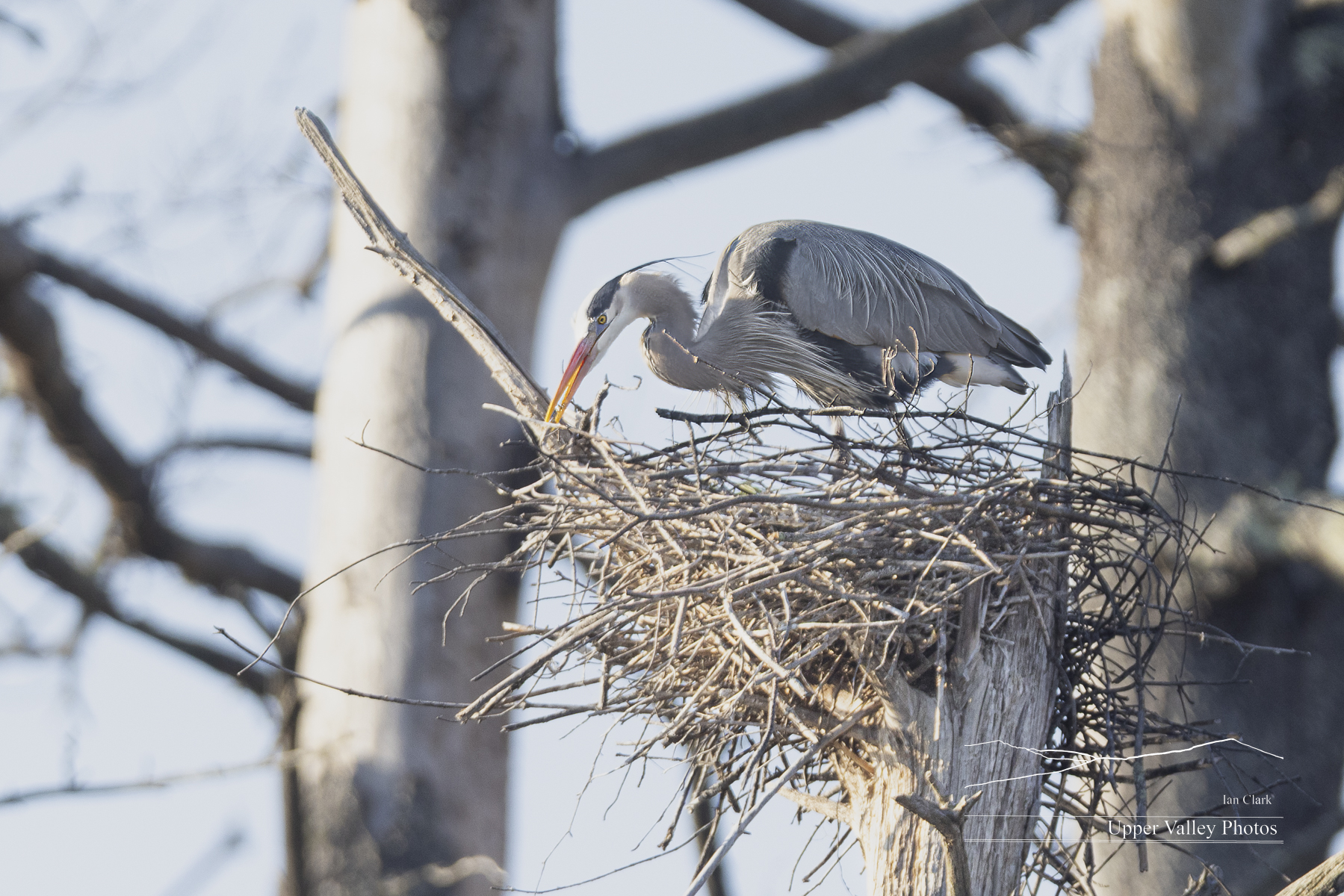
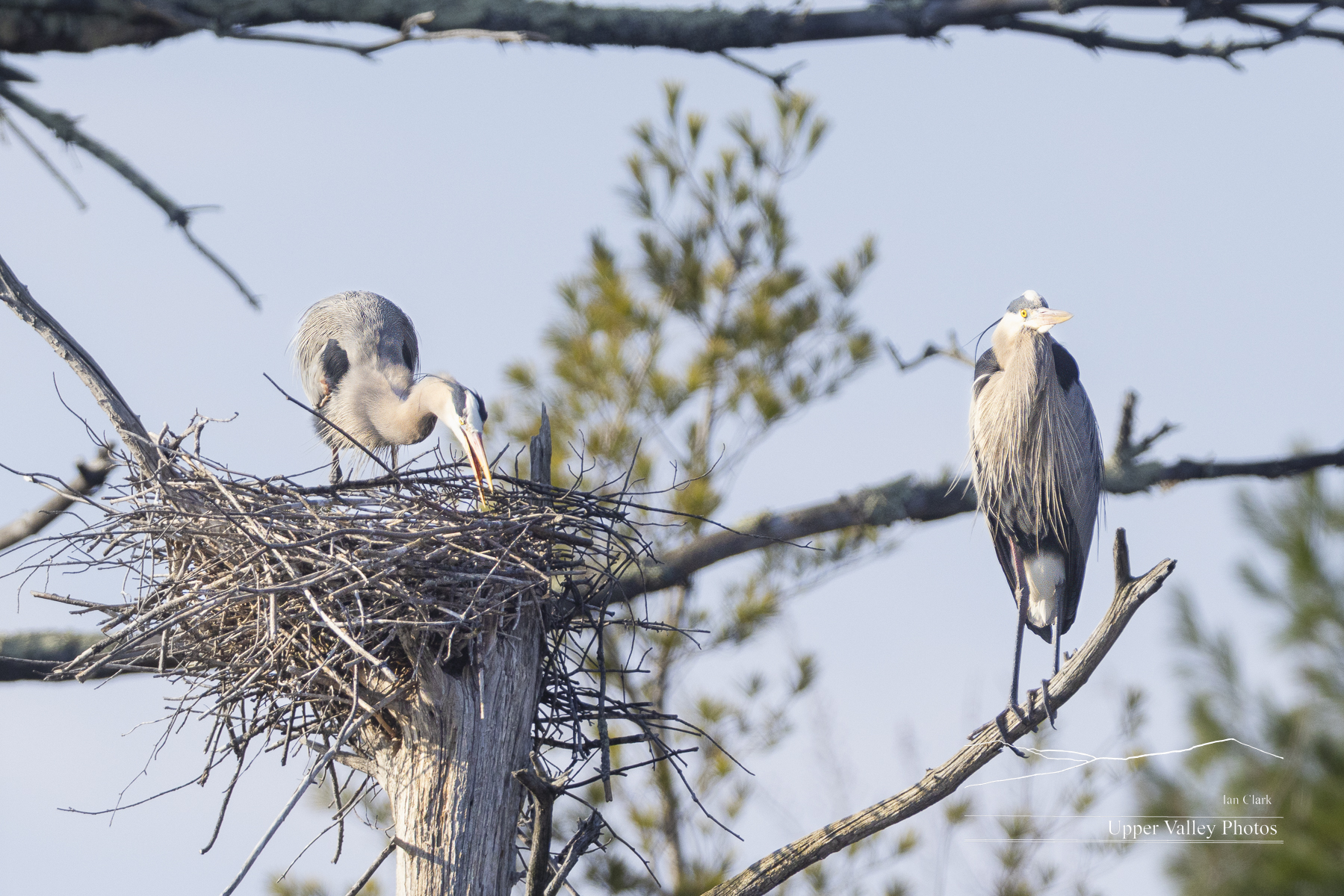
On three of the four nests with herons, an adult was standing on the edge of the nest. The fourth had a heron still sitting.
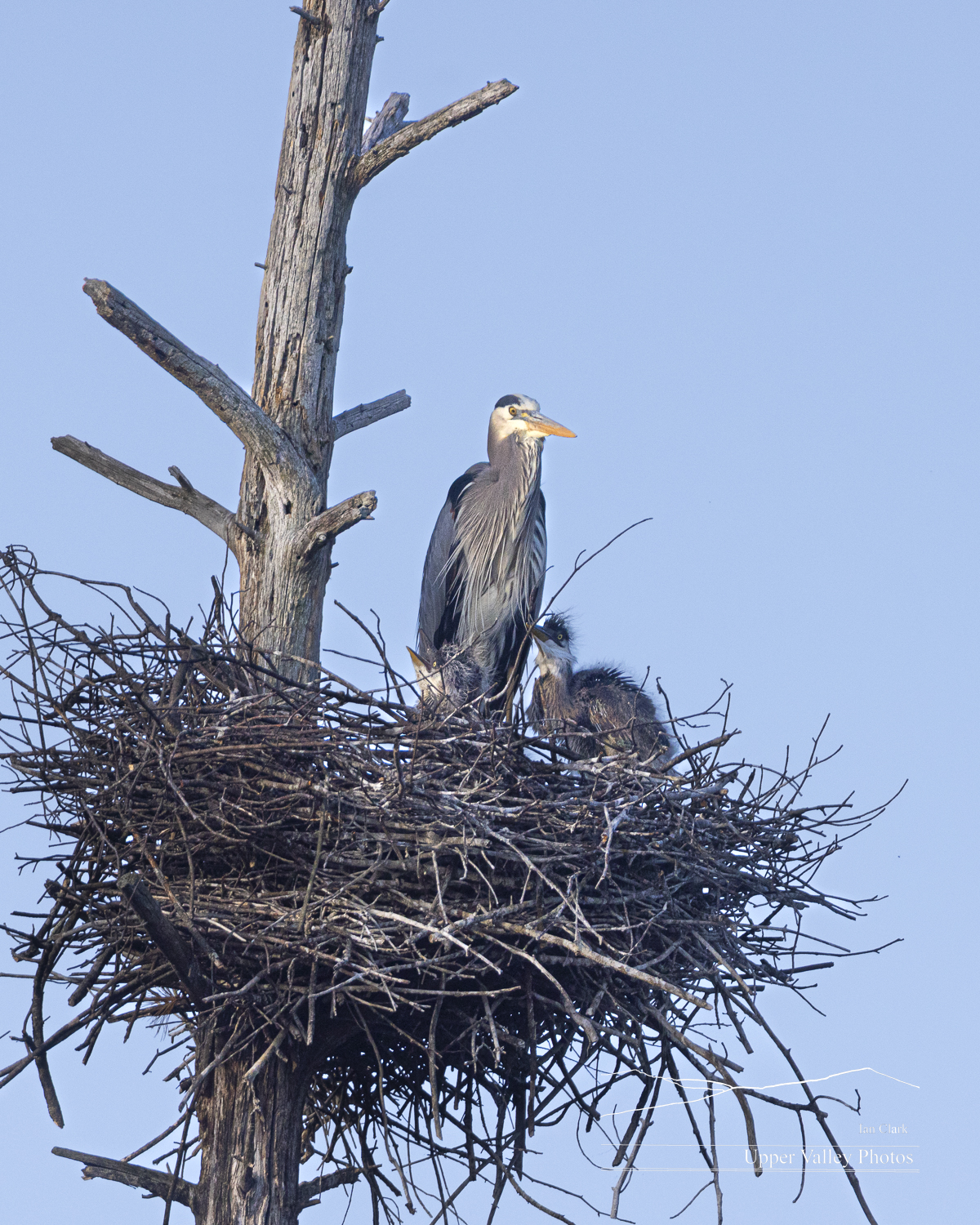

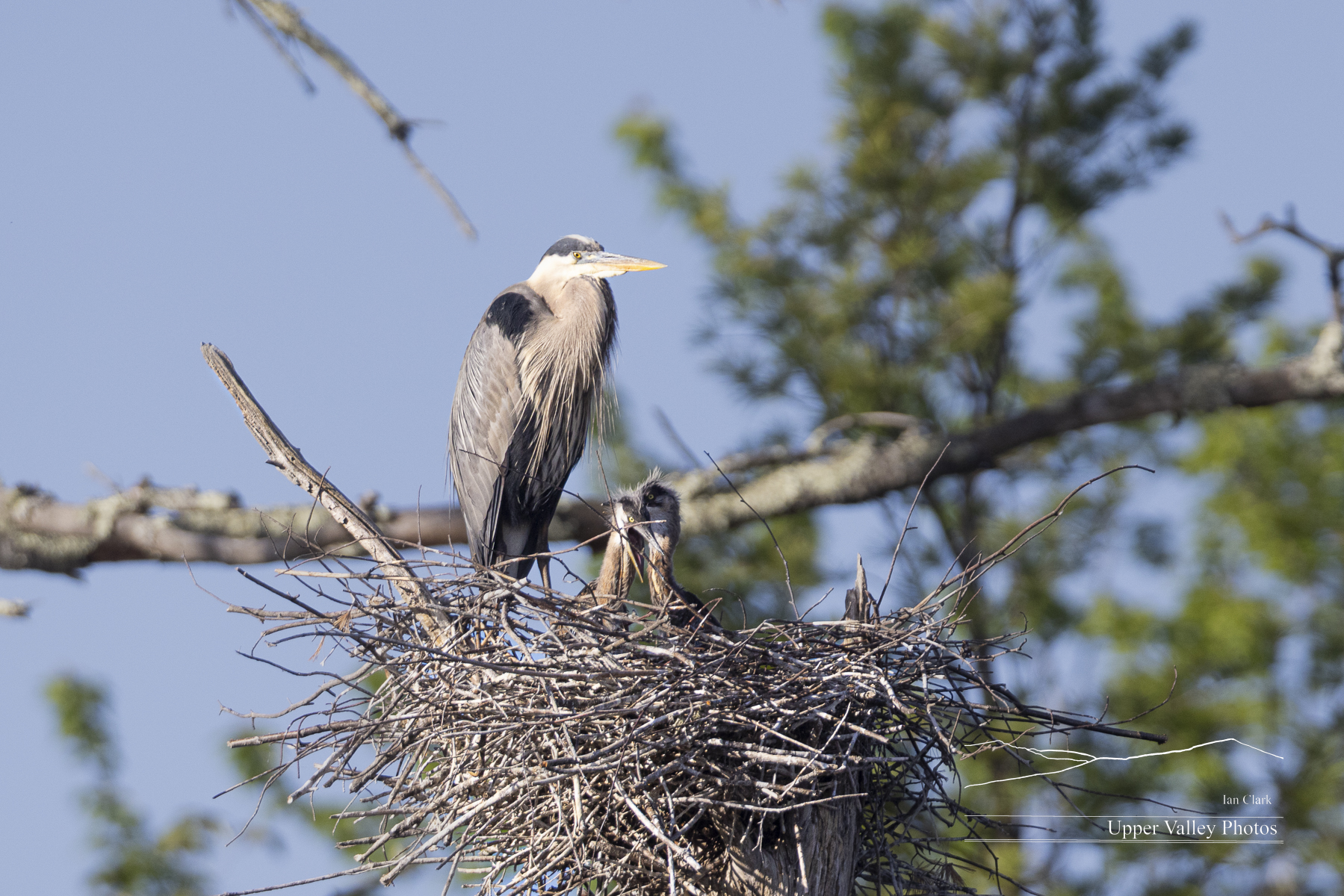
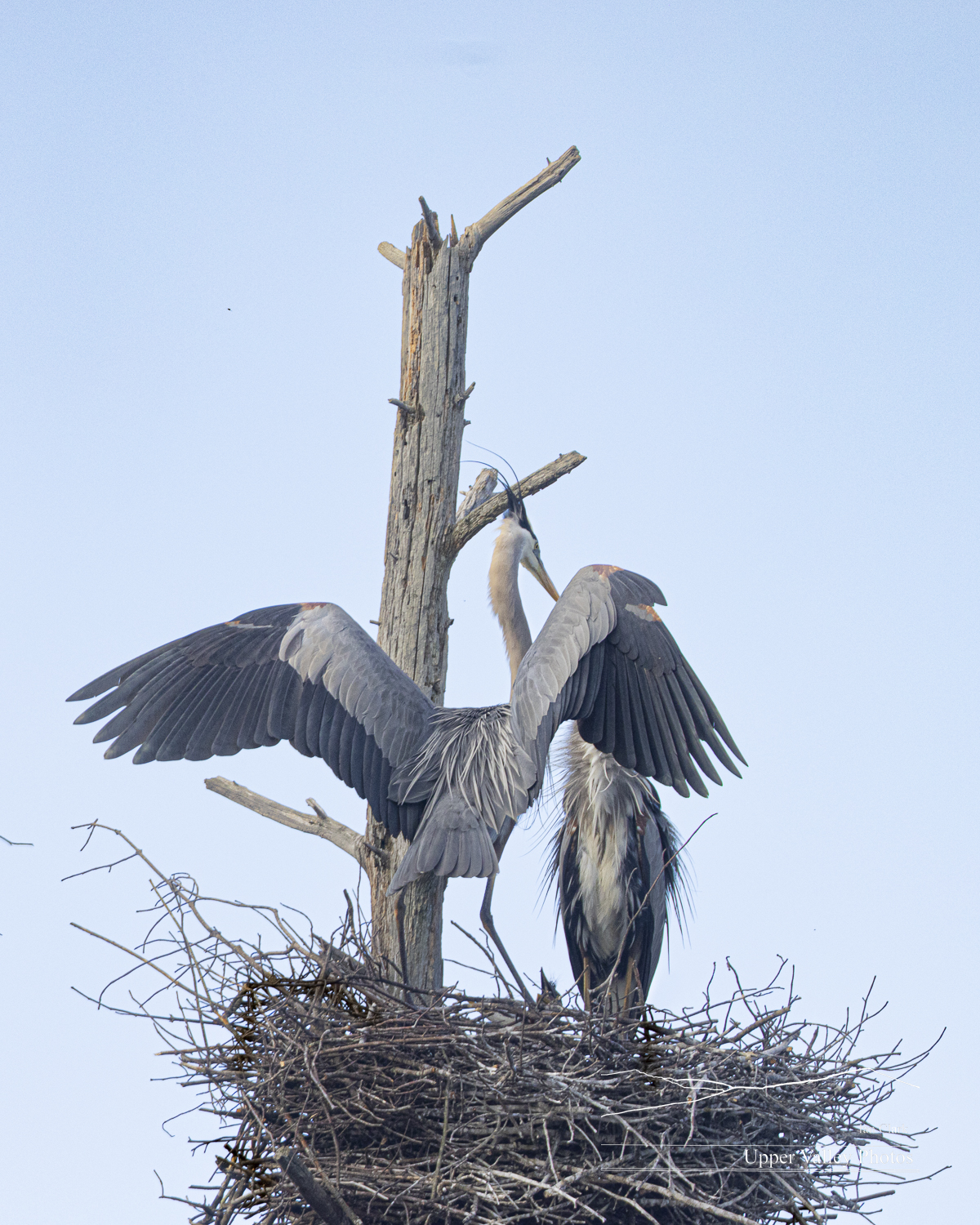

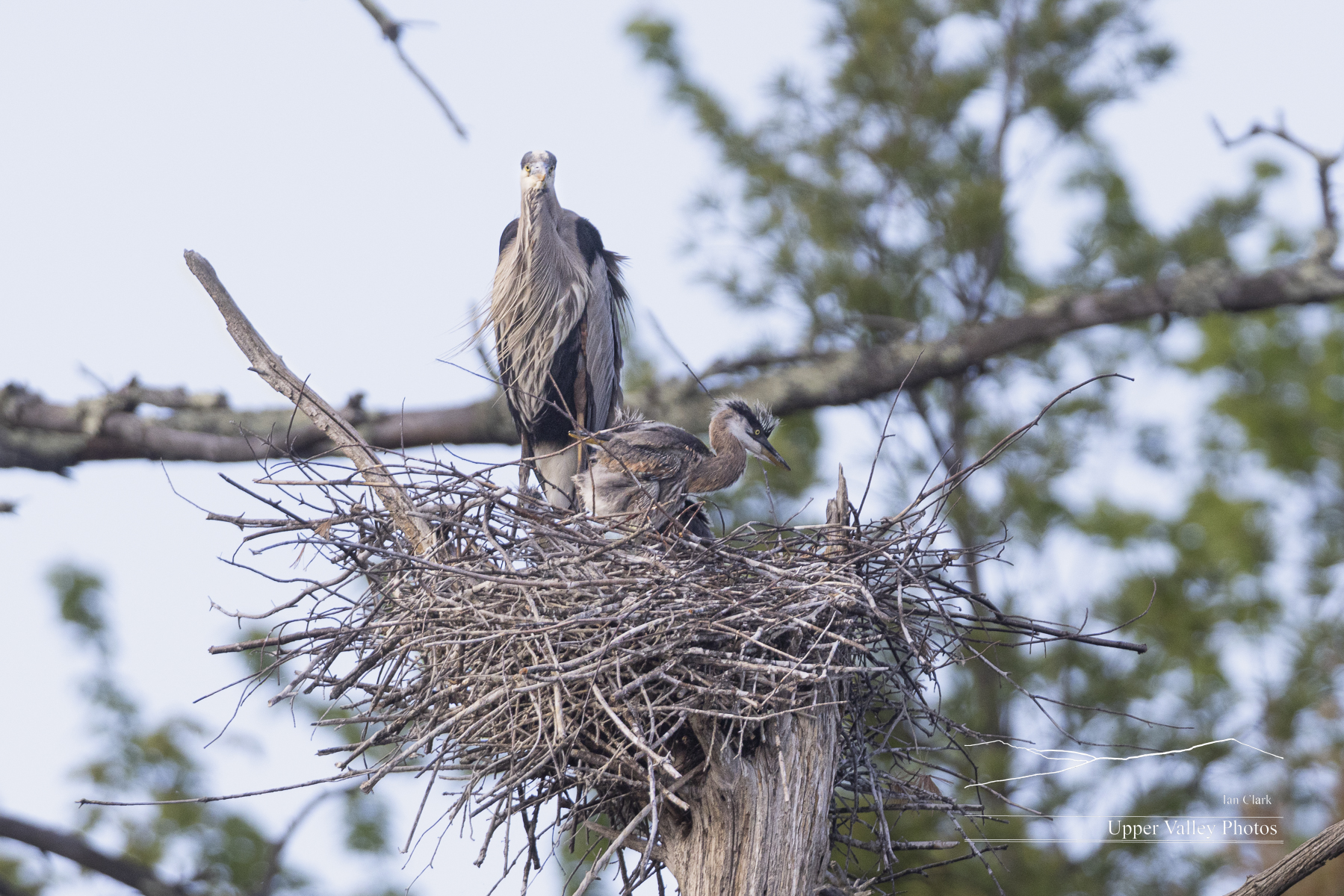

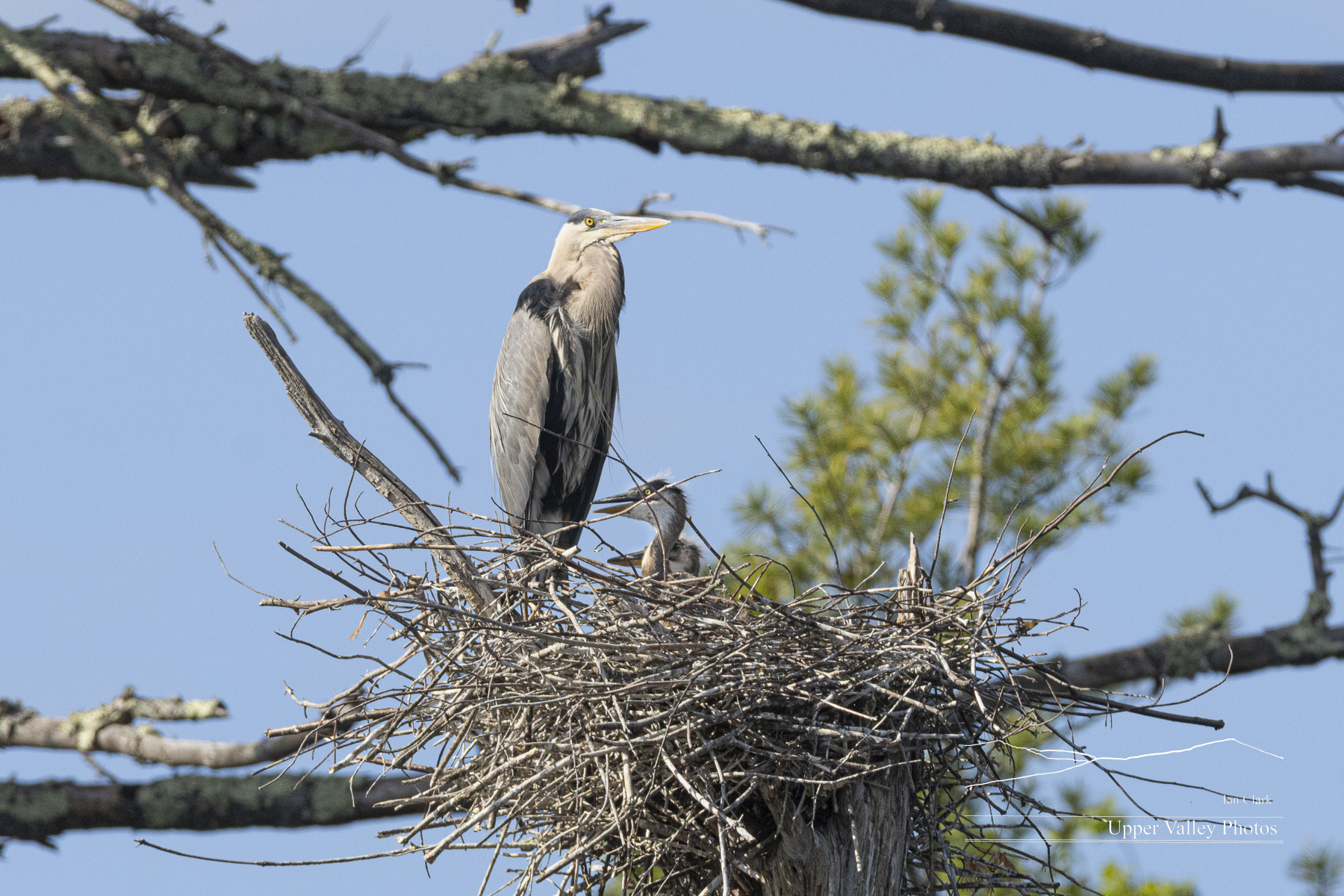

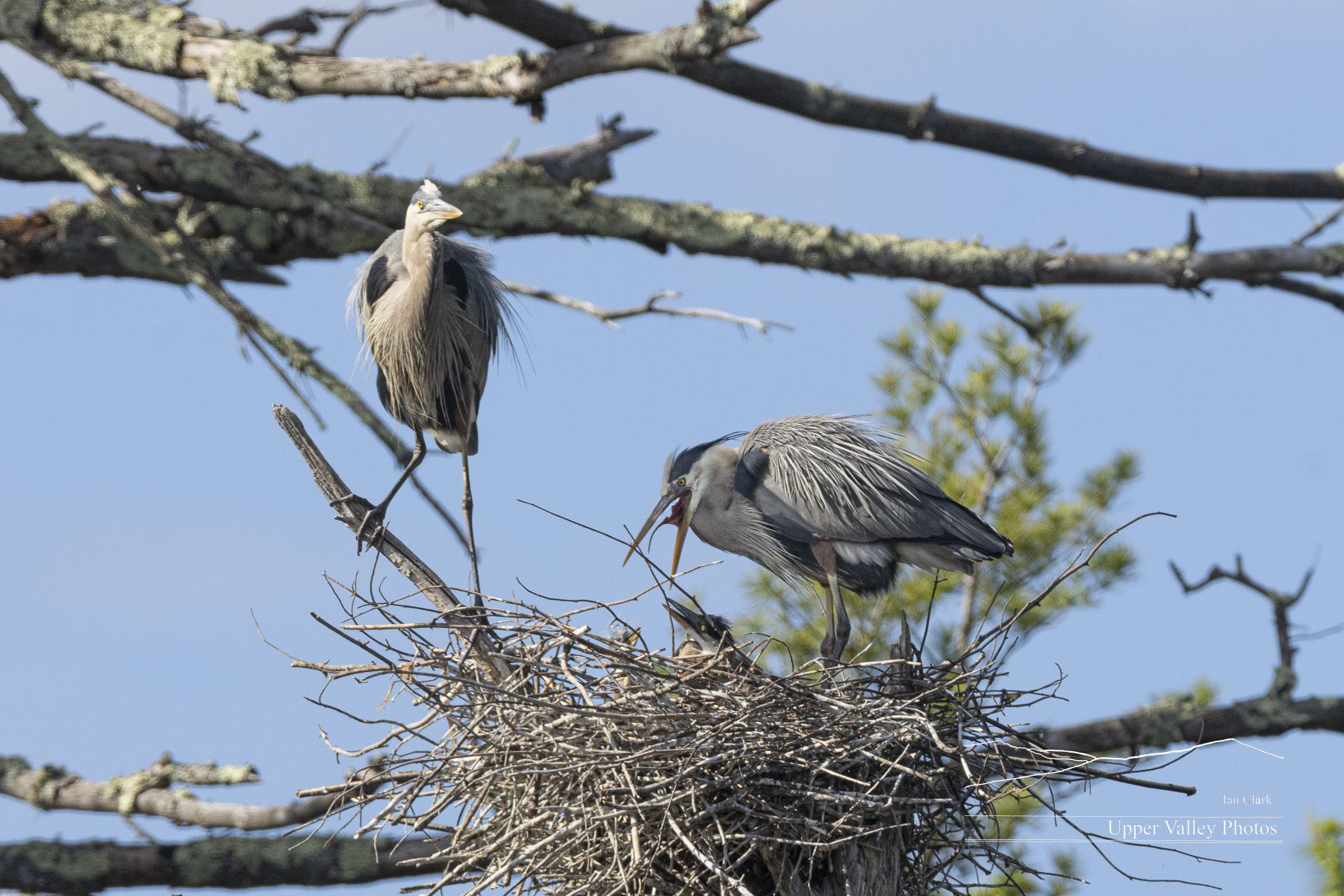
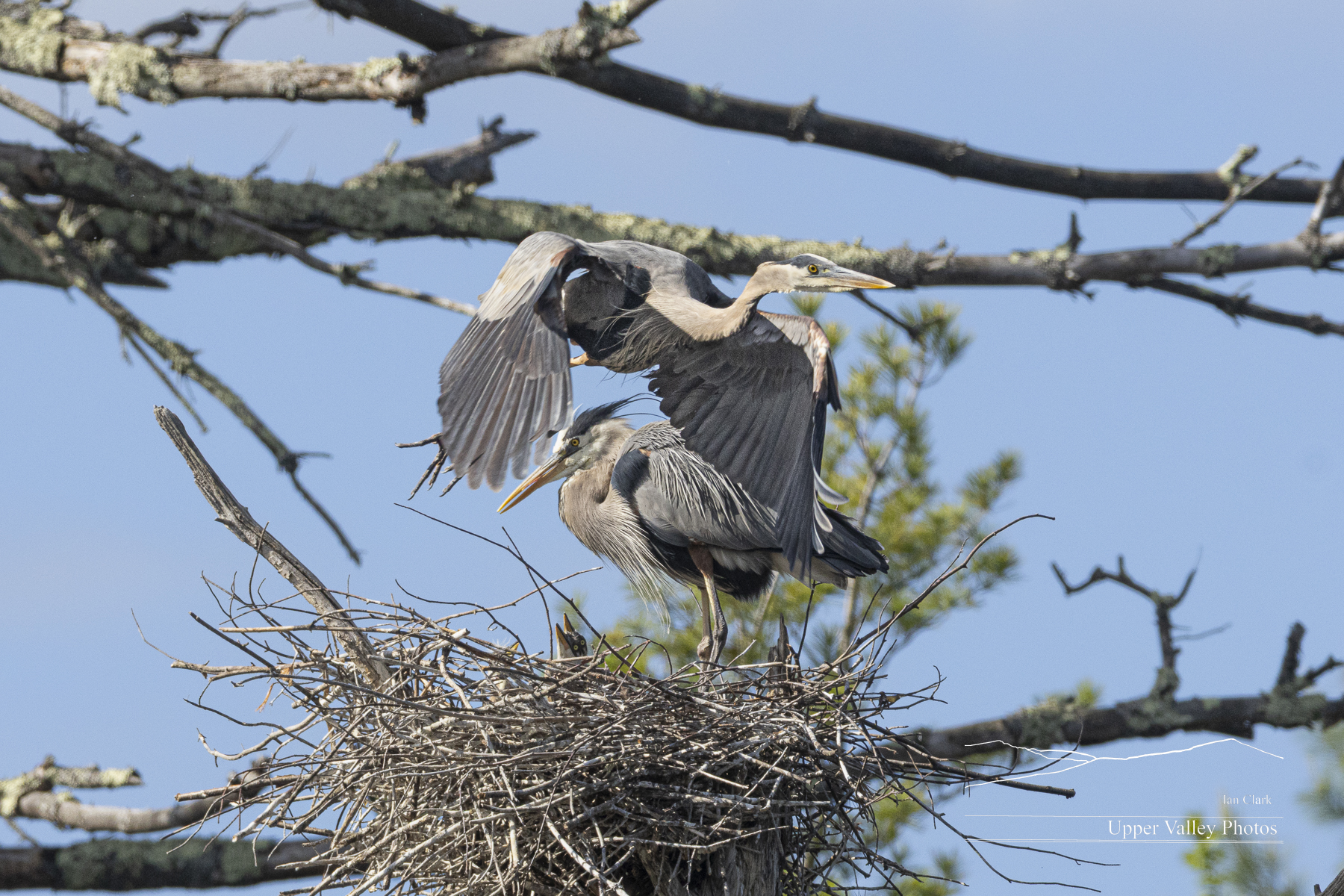
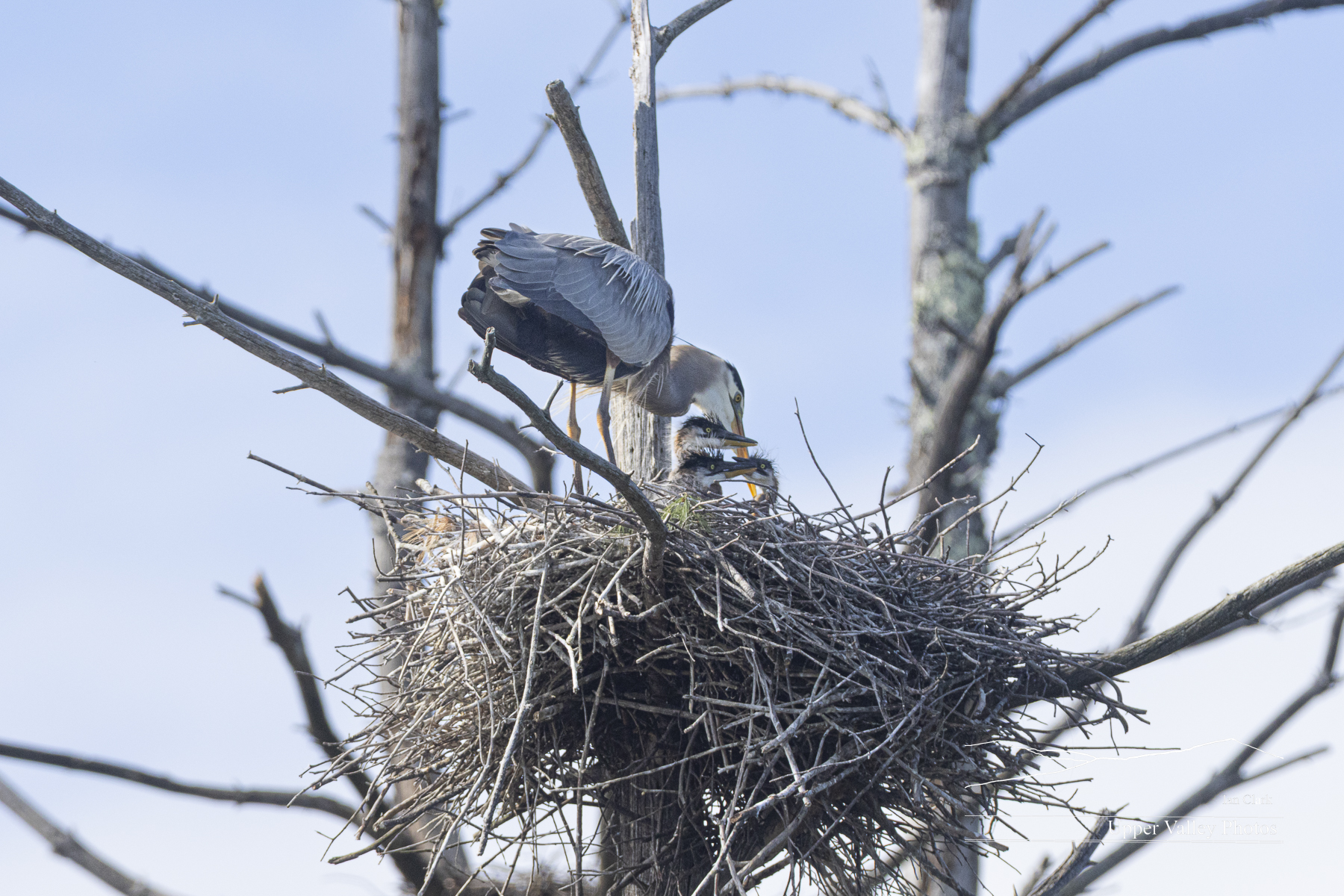
The fourth and fifth nests had parents return, but I didn’t see any chicks. Guess I’ll have to go back.
And we’ve hosted bluebirds in one of the boxes on our deck again this year. I haven’t been posting, it seems like many people have cameras in their bird houses now. And, something is amiss with mine, the video quality has degraded. But, here’s a clip of the chick’s final few minutes as our guests before they fledge.
If you enjoy my posts, please sign up to get notifications when I add a new post. I won’t sell or share your info. You just get an email from me when I add a post. And you can do me a favor by sharing my blog with your friends by email or on social media. Thanks!
A Busy Week for the Critters
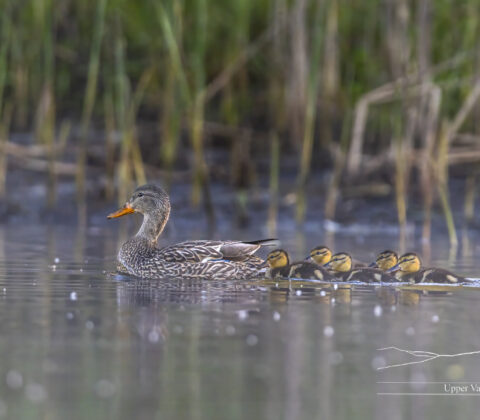
With a week with mostly nice weather, I was able to get out and visit both the Middletons and Westons as well as the heron rookery and a couple fox dens.
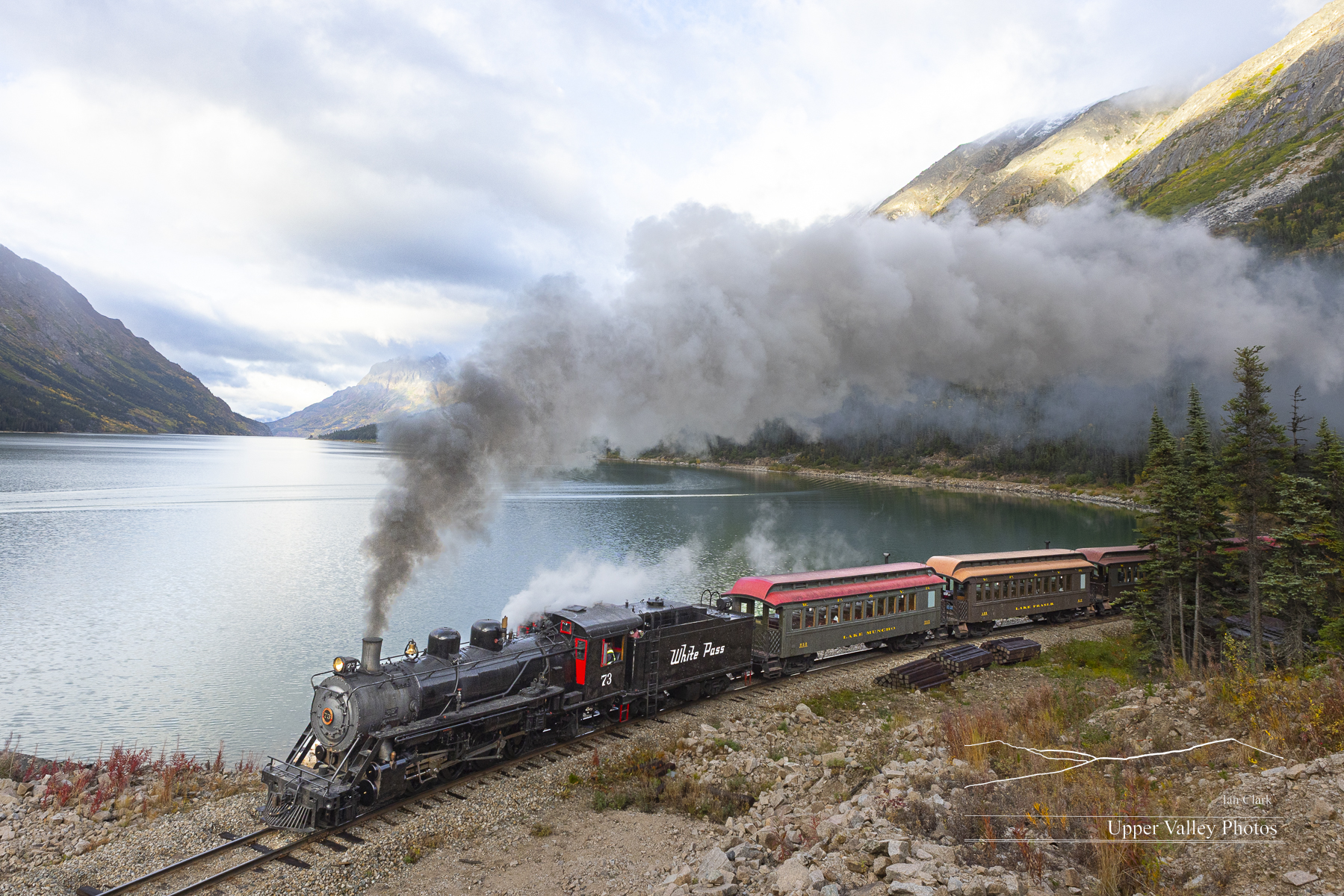
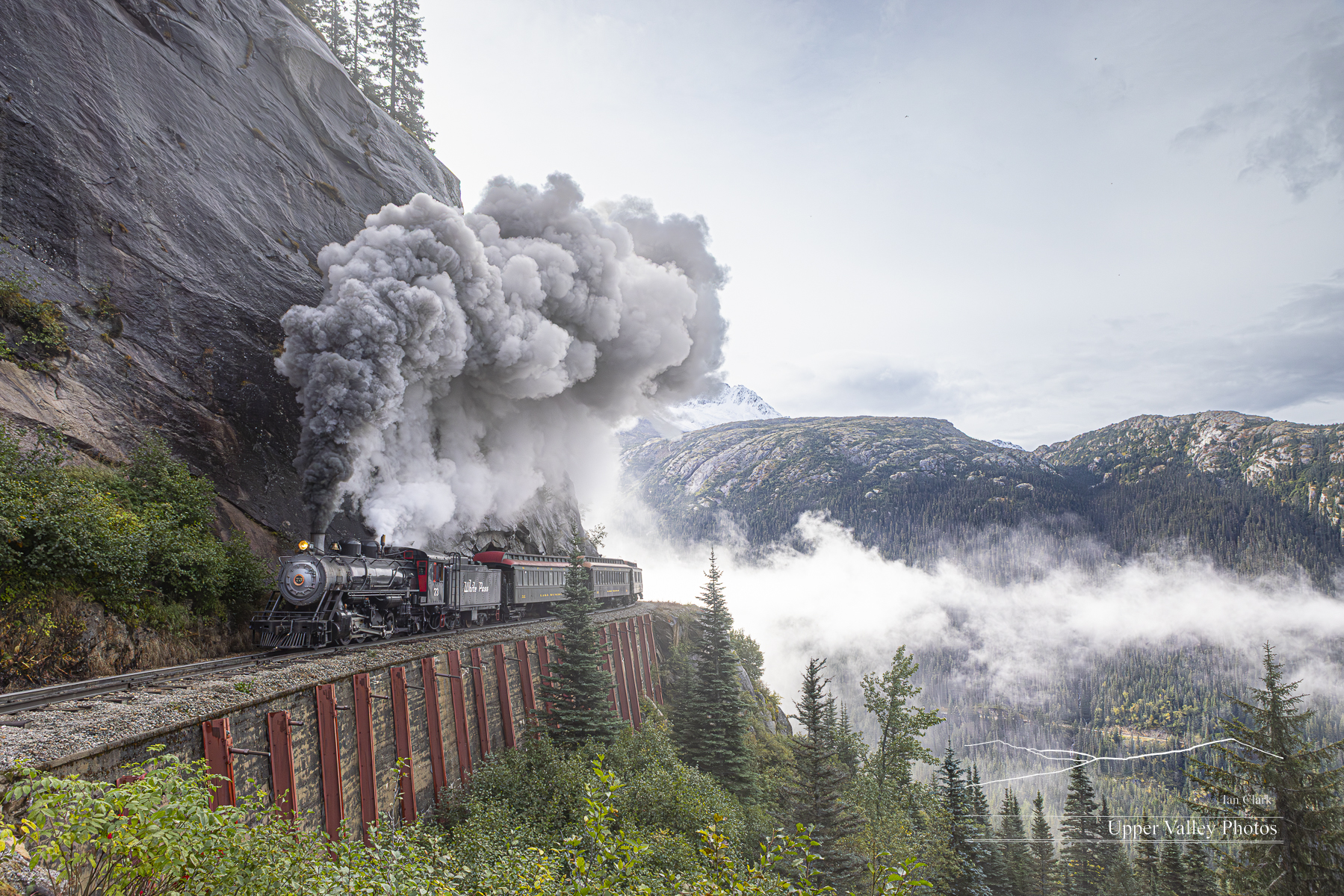
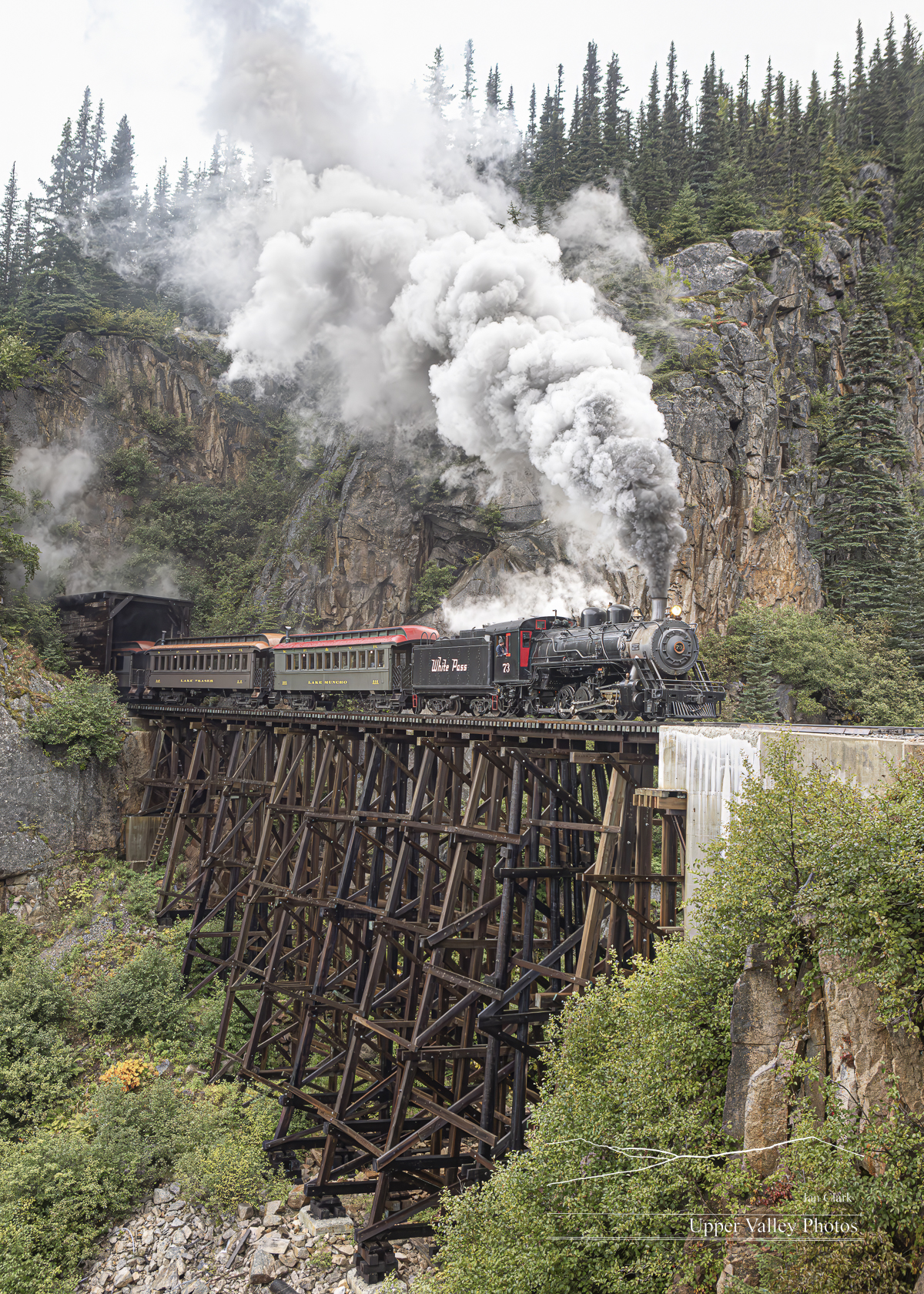
This week, you’ve got two chances to see my slideshow, Travels with Ian 2025, with some of my favorite images from last year. We’ll see lots of wildlife around New England and lots of brown bears from Alaska – including Brown Bear no. 925 who made ursine history last year. There are even images of a steam locomotive working in the incredible scenery along the White Pass & Yukon Route Railway.
The first show will be at the Bugbee Center in White River Jct. Wednesday May 27 at 1:30 pm. The second presentation will be at the Blake Memorial Library in Corinth, VT Friday May 29 at 6 pm. The Library would appreciate an RSVP sent to khotellingbml@gmail.com. Both are free and open to the public.
And I’ll be exhibiting at the Berkshires Art Festival in Great Barrington, MA on July 3, 4 and 5. I’ll have note cards and prints large and small for sale. Please come by and have a look.
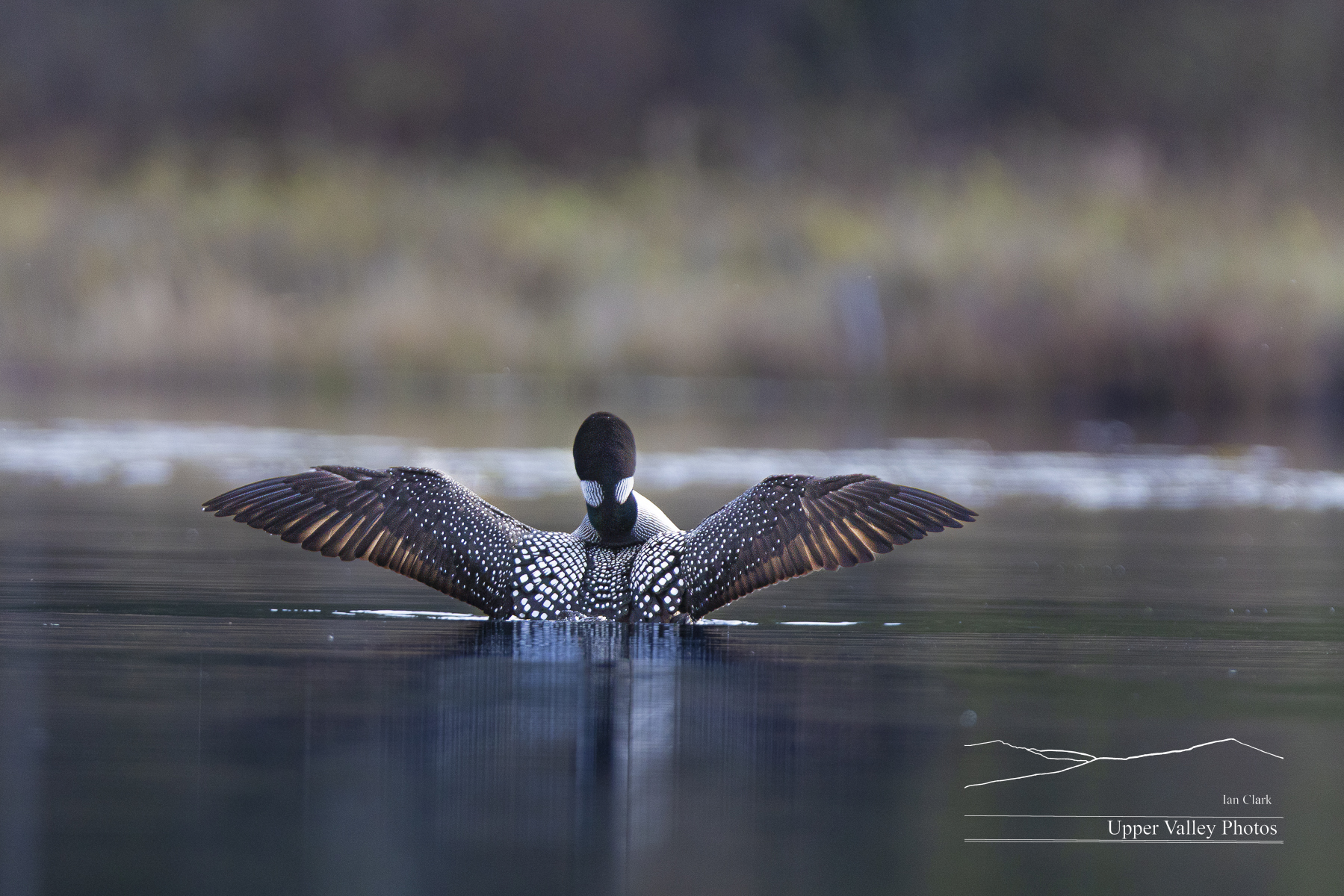
A week ago Saturday, I called on the Westons. One was feeding at the south end of the pond, the other turned out to already be sitting on the nest towards the north end of the pond. I wandered off to see who else might be around.
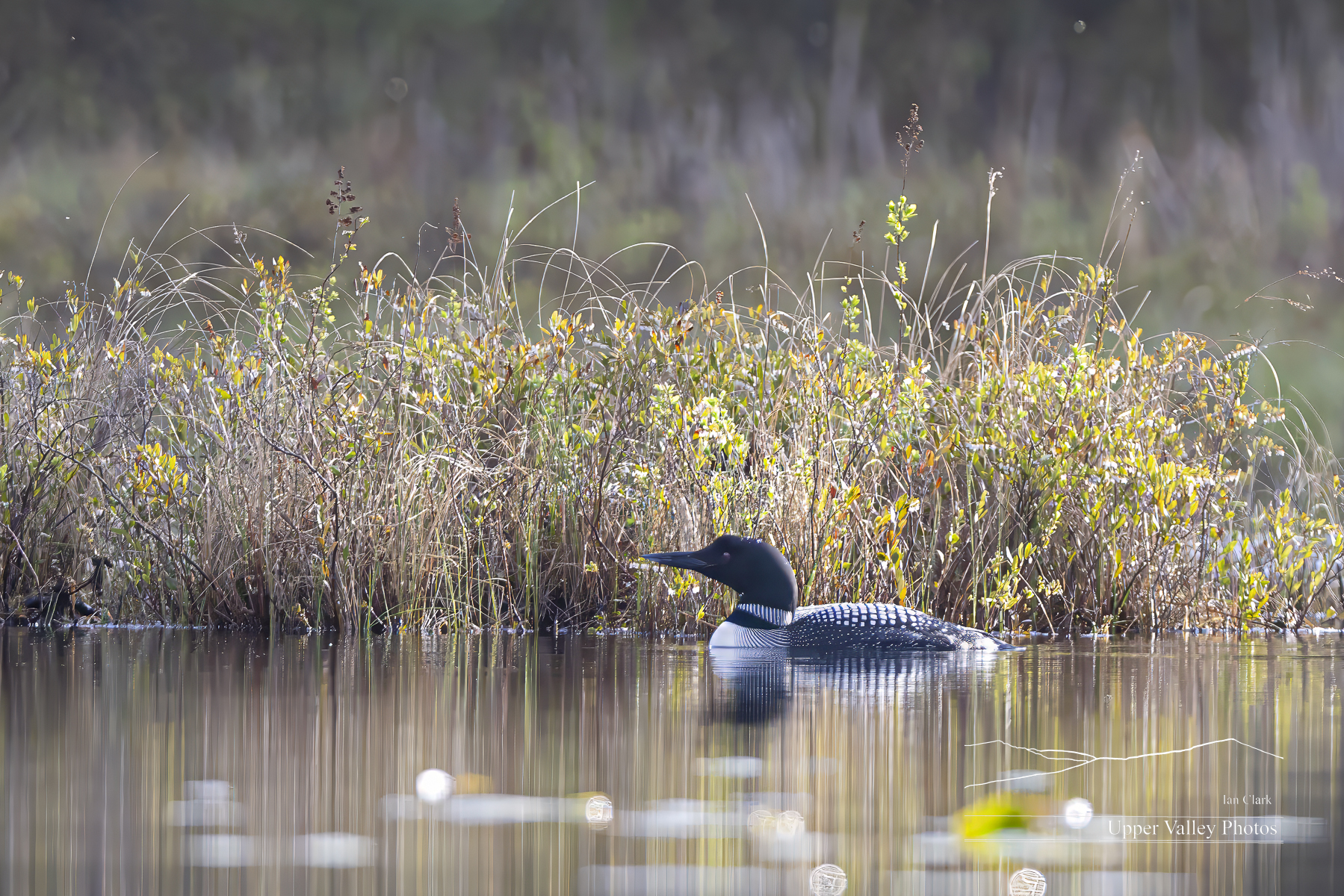
Dad is hidden in the brush. His head is the dark spot in the brush above mom’s head.
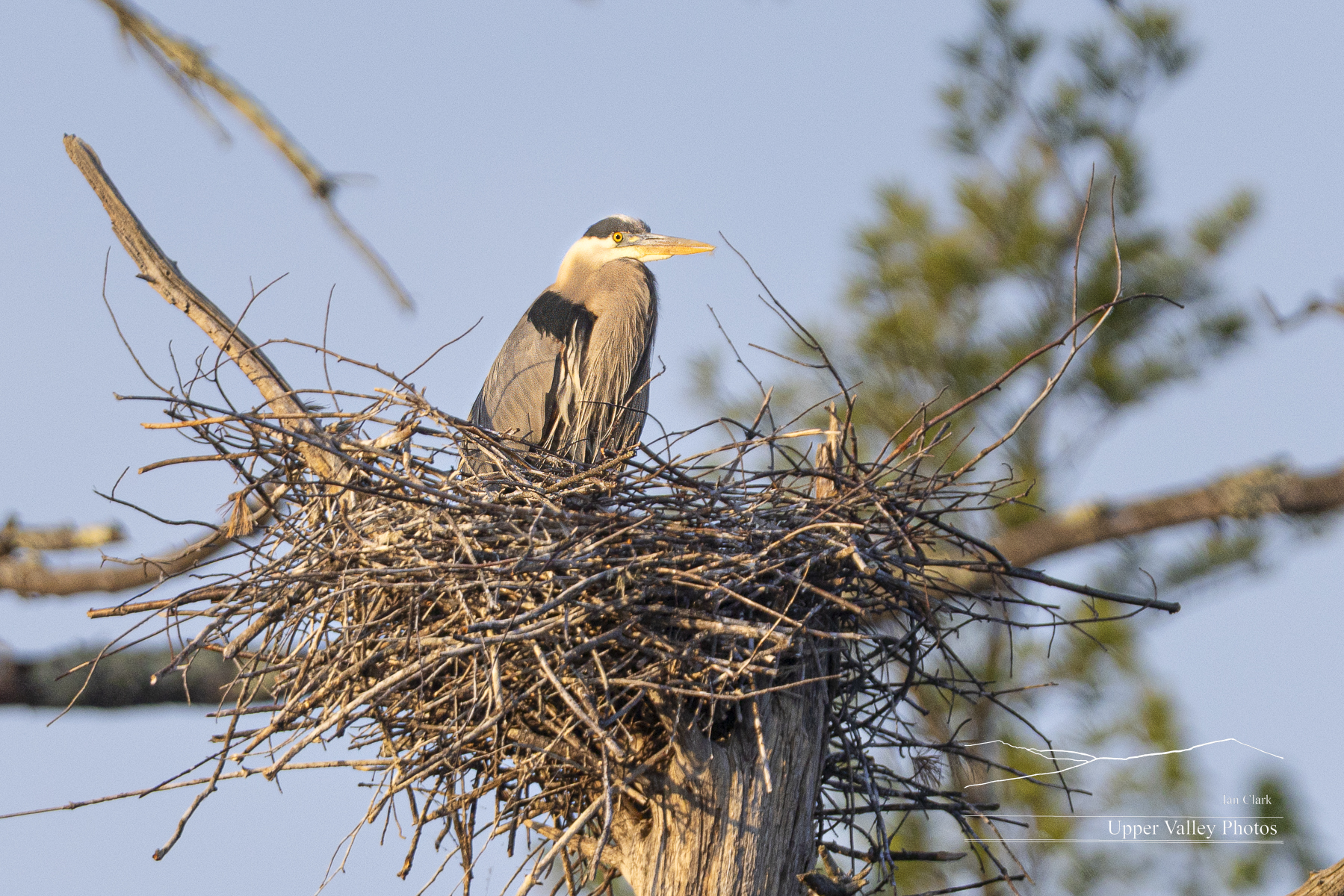
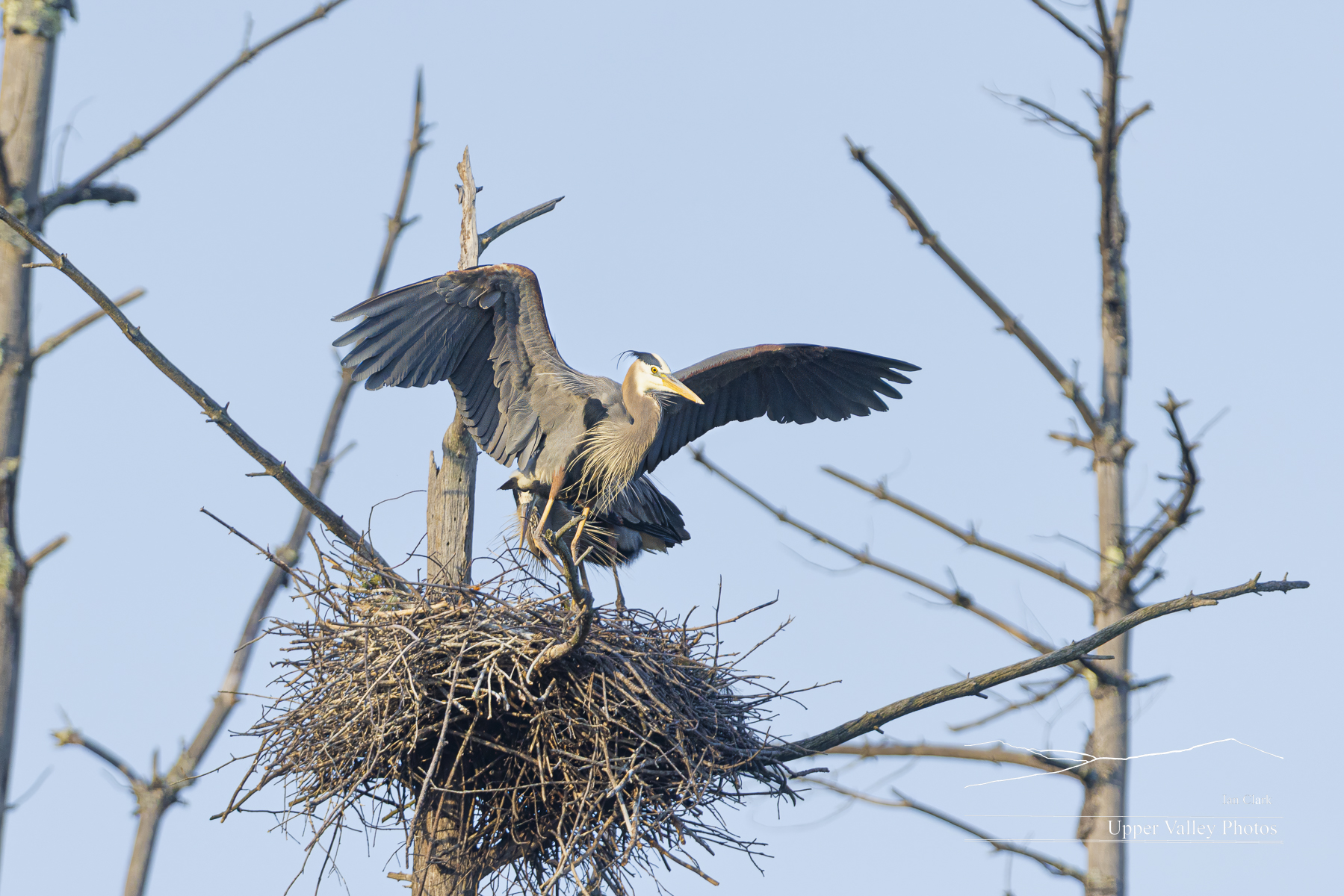
Tuesday morning, I was on the road early to visit the heron rookery. I missed when they started sitting on the nests. I was hoping for chicks. No such luck, the latest they should hatch is early this week.
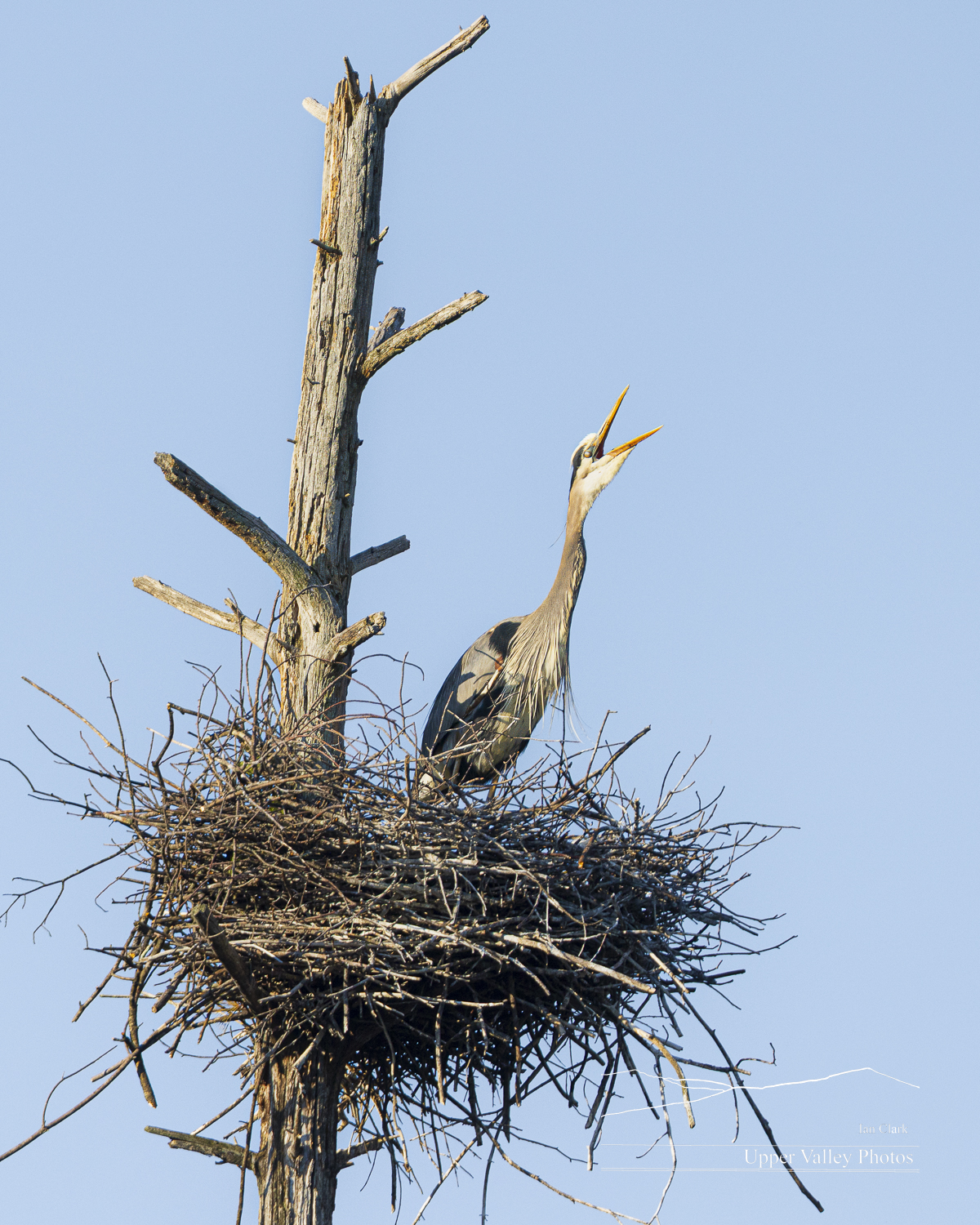
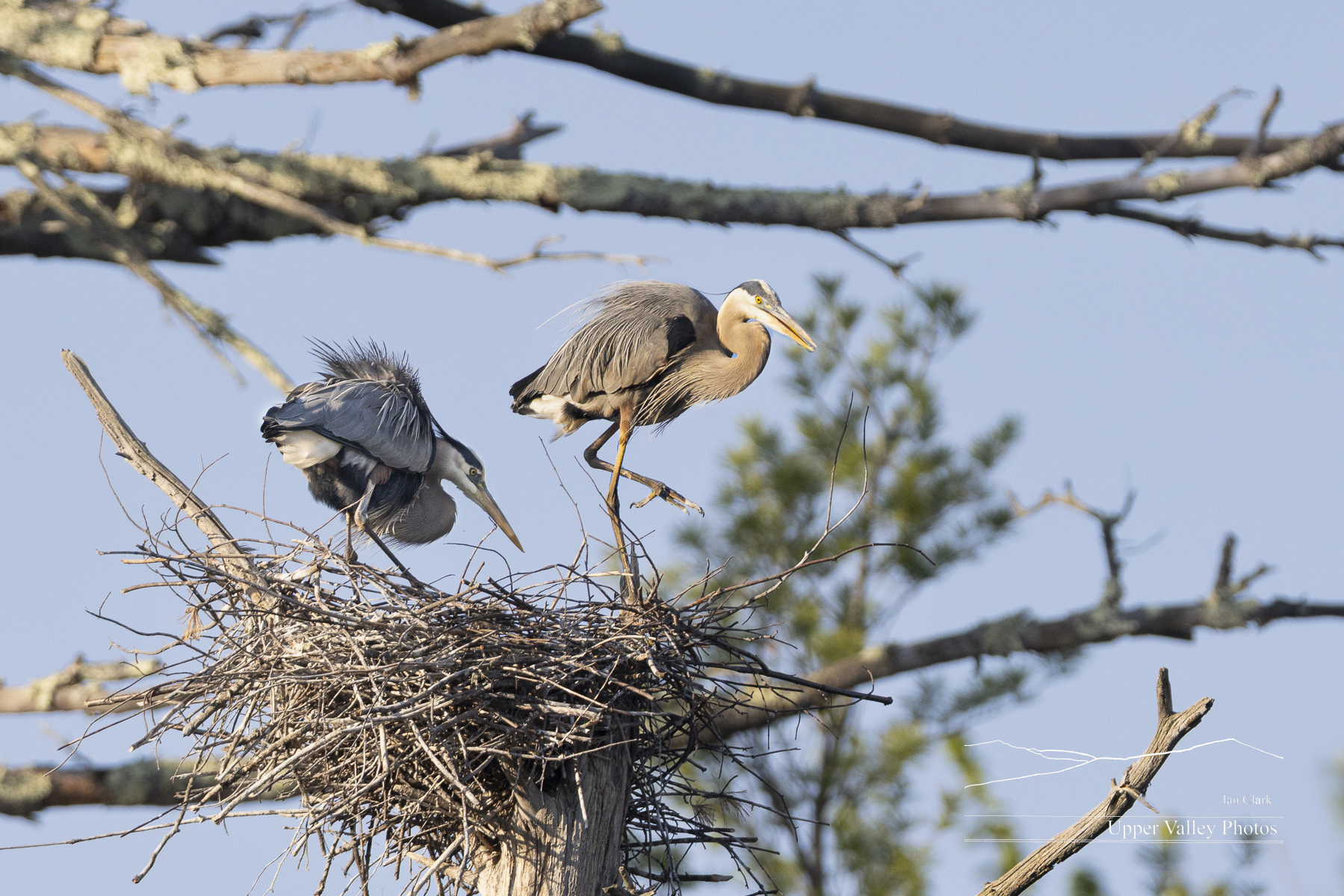

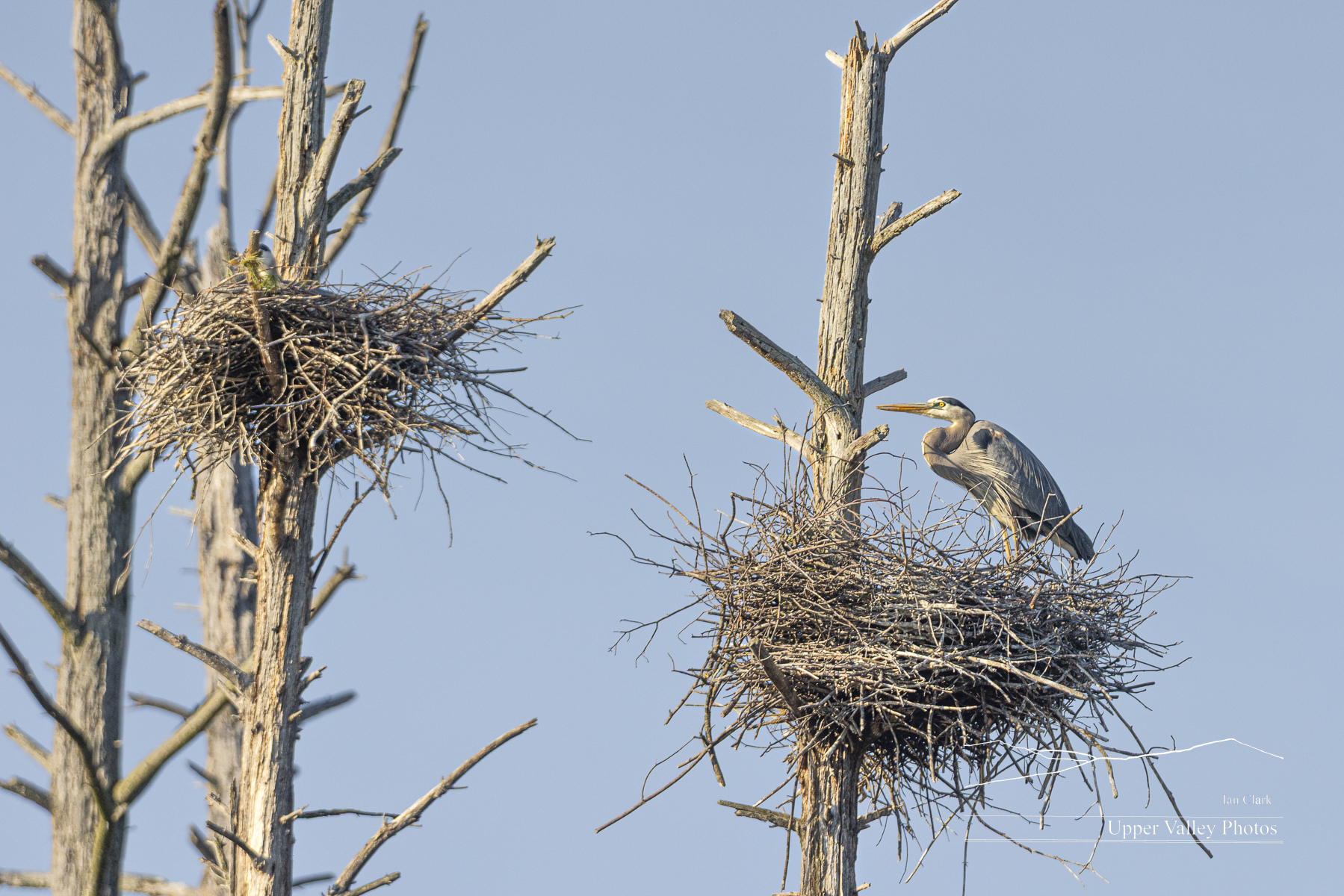
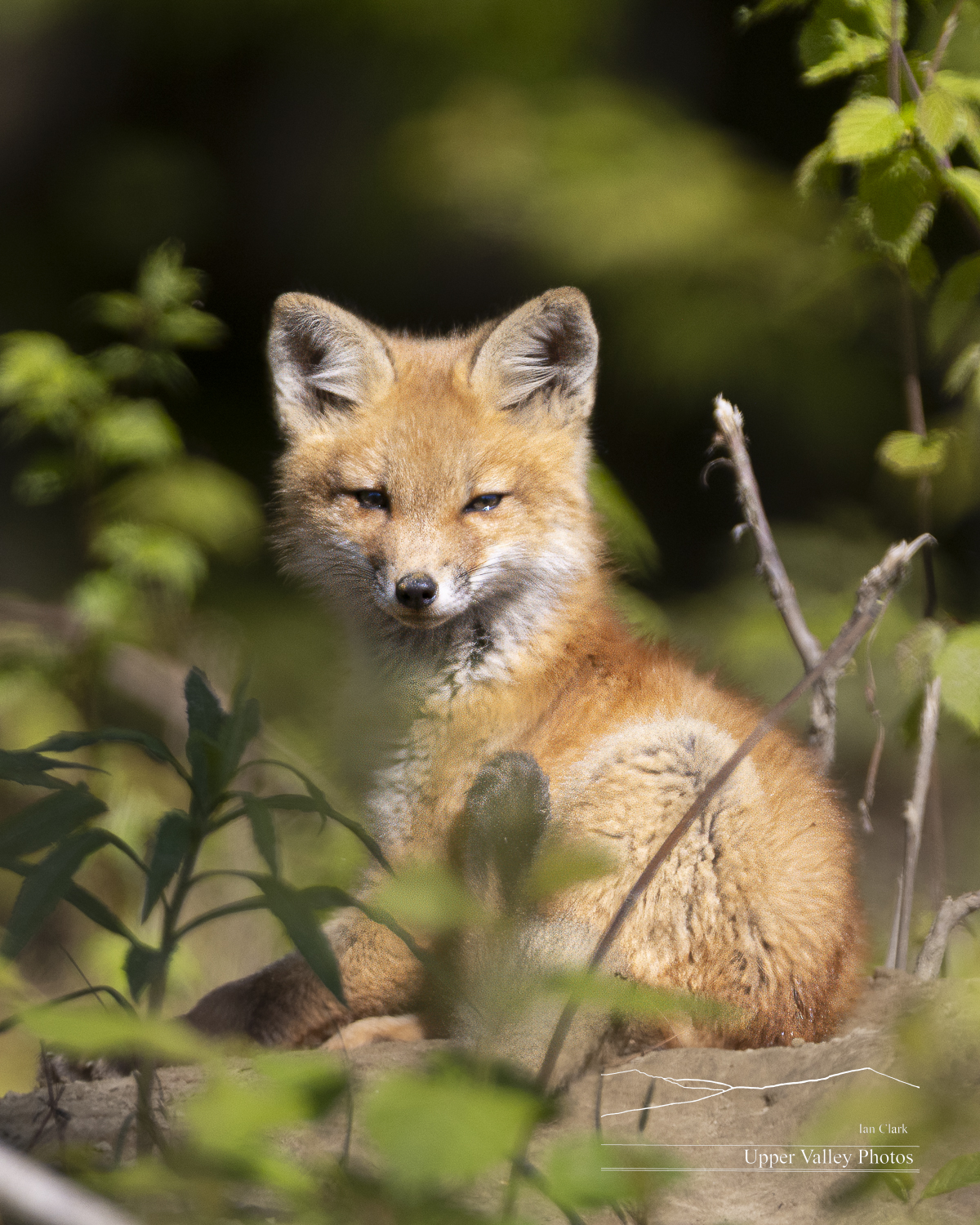
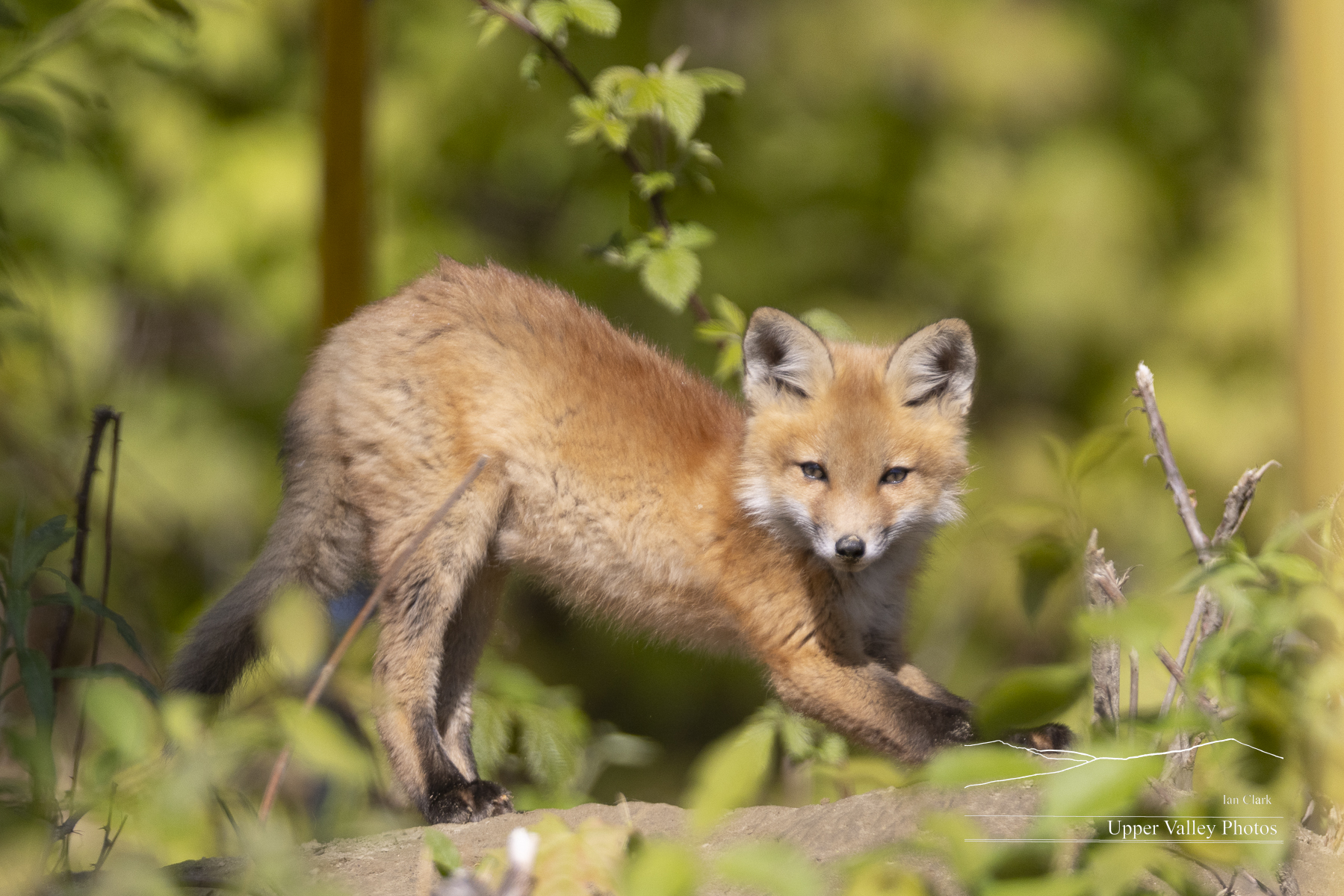
On the way home, I stopped to visit the foxes again. They weren’t to be found.
The next morning I headed out to see what the Middletons were up to. They’re sitting on their nest. They’ve moved from where the nest has been for several years. They’ve found a new spot on a hummock deep in the brush and are well hidden. I didn’t see the nest until Mrs. Middleton relieved Mr. Middleton.
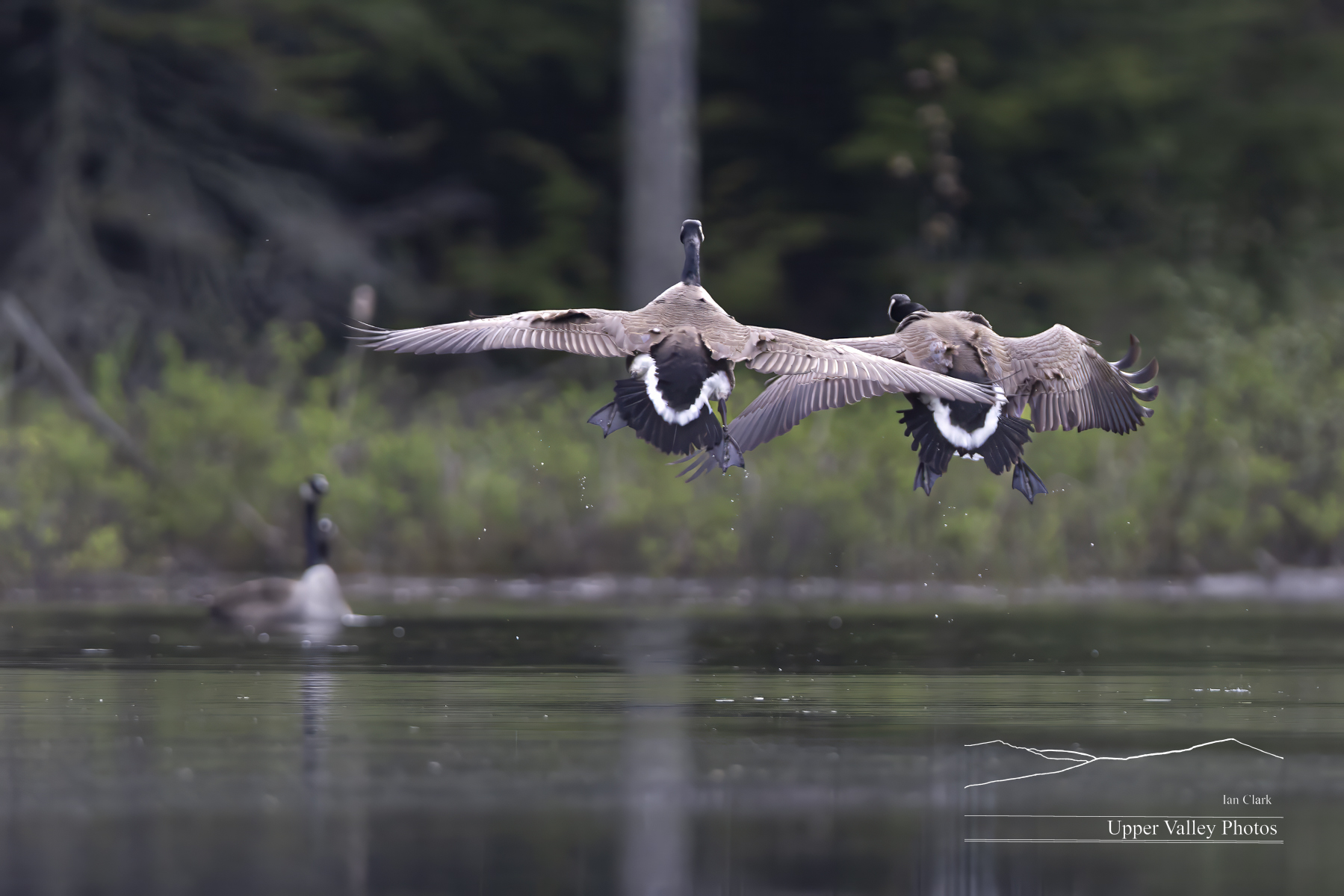
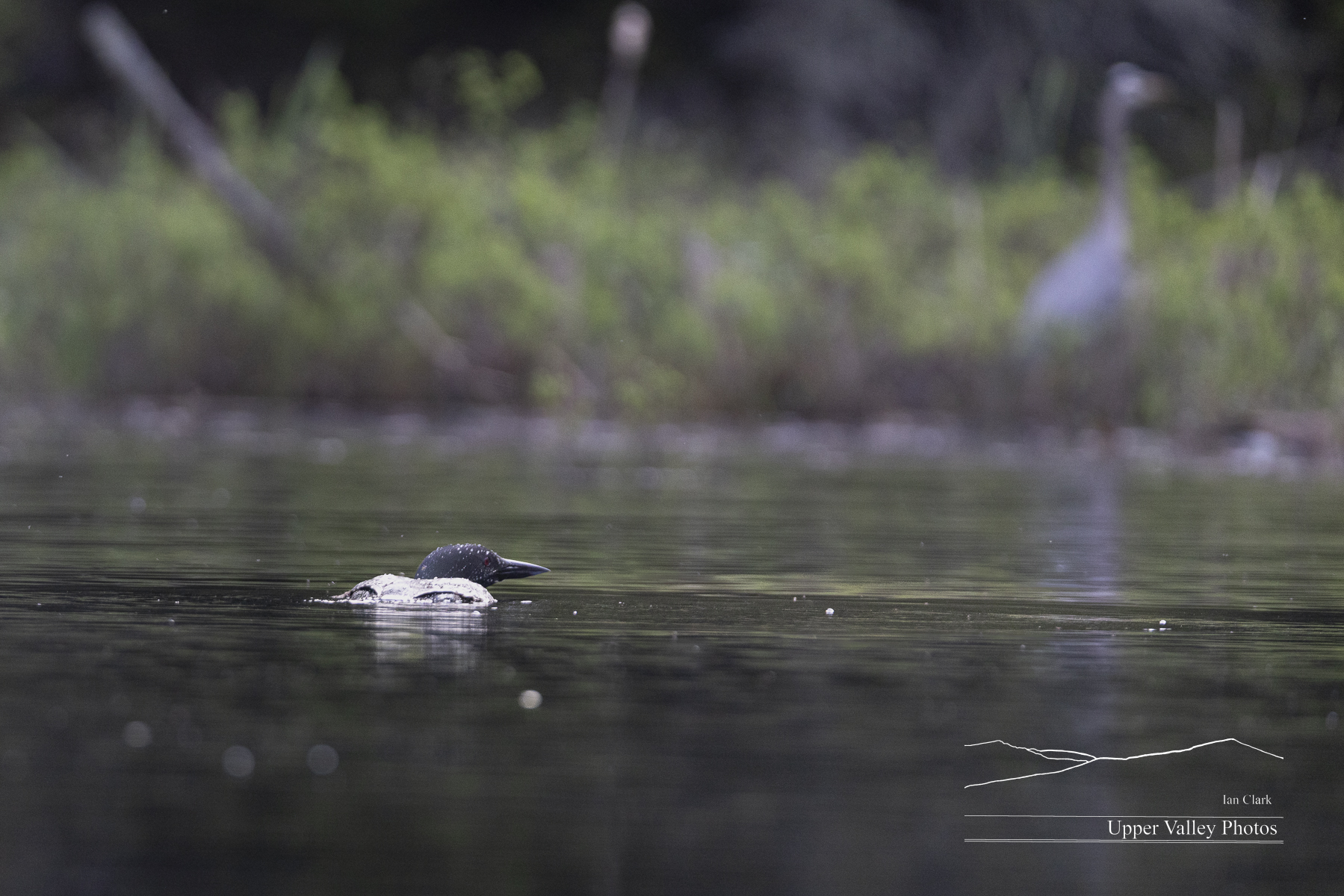
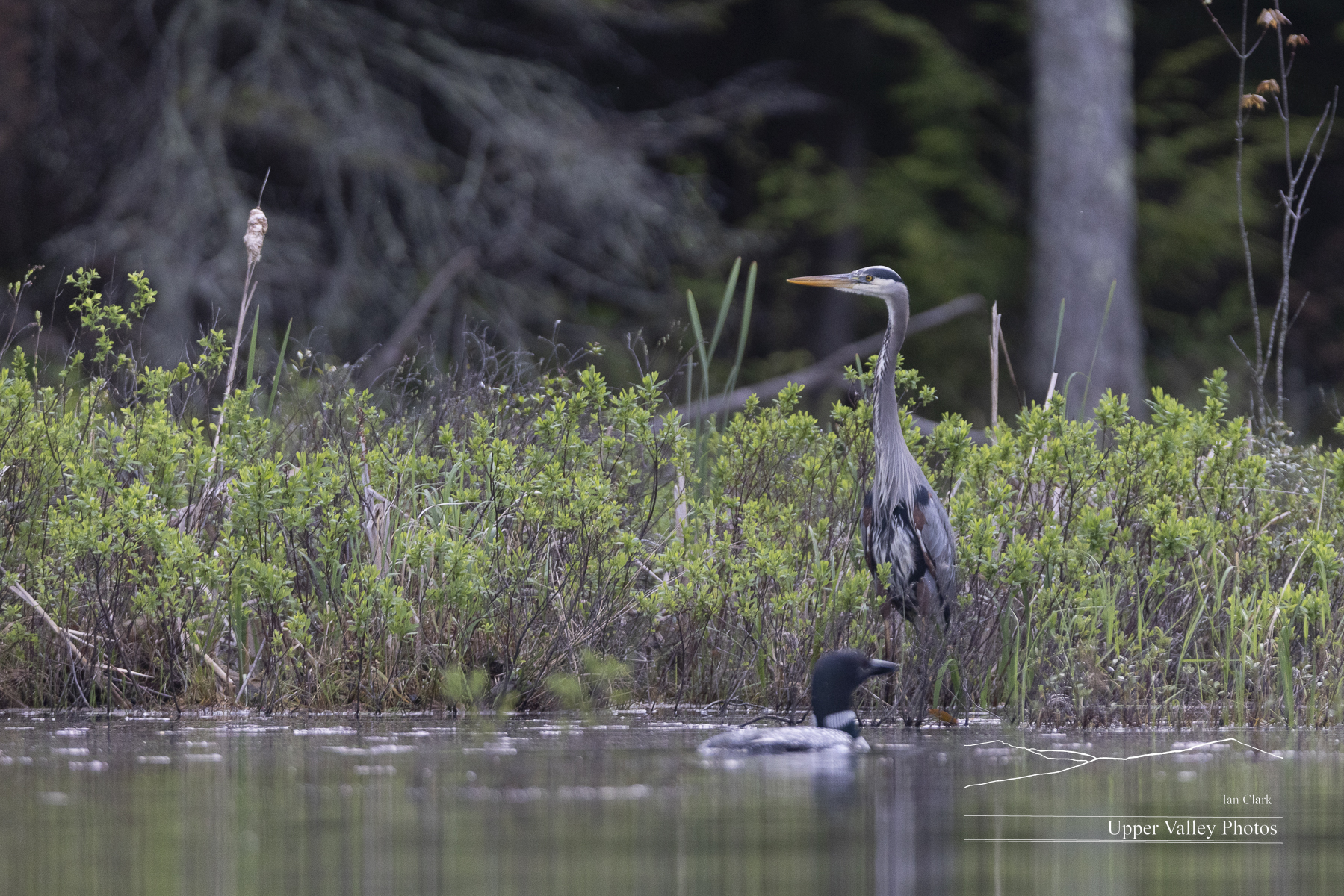
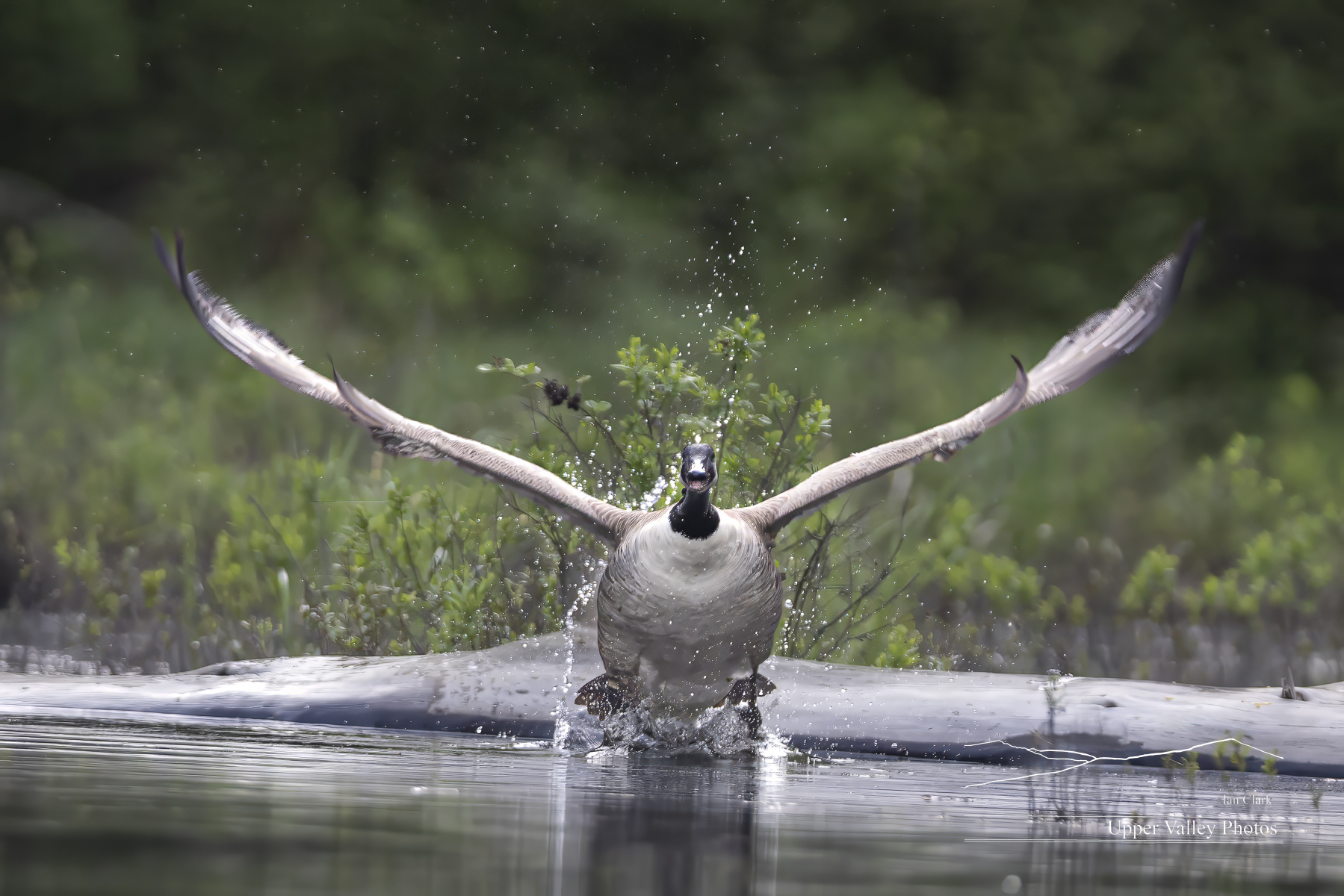
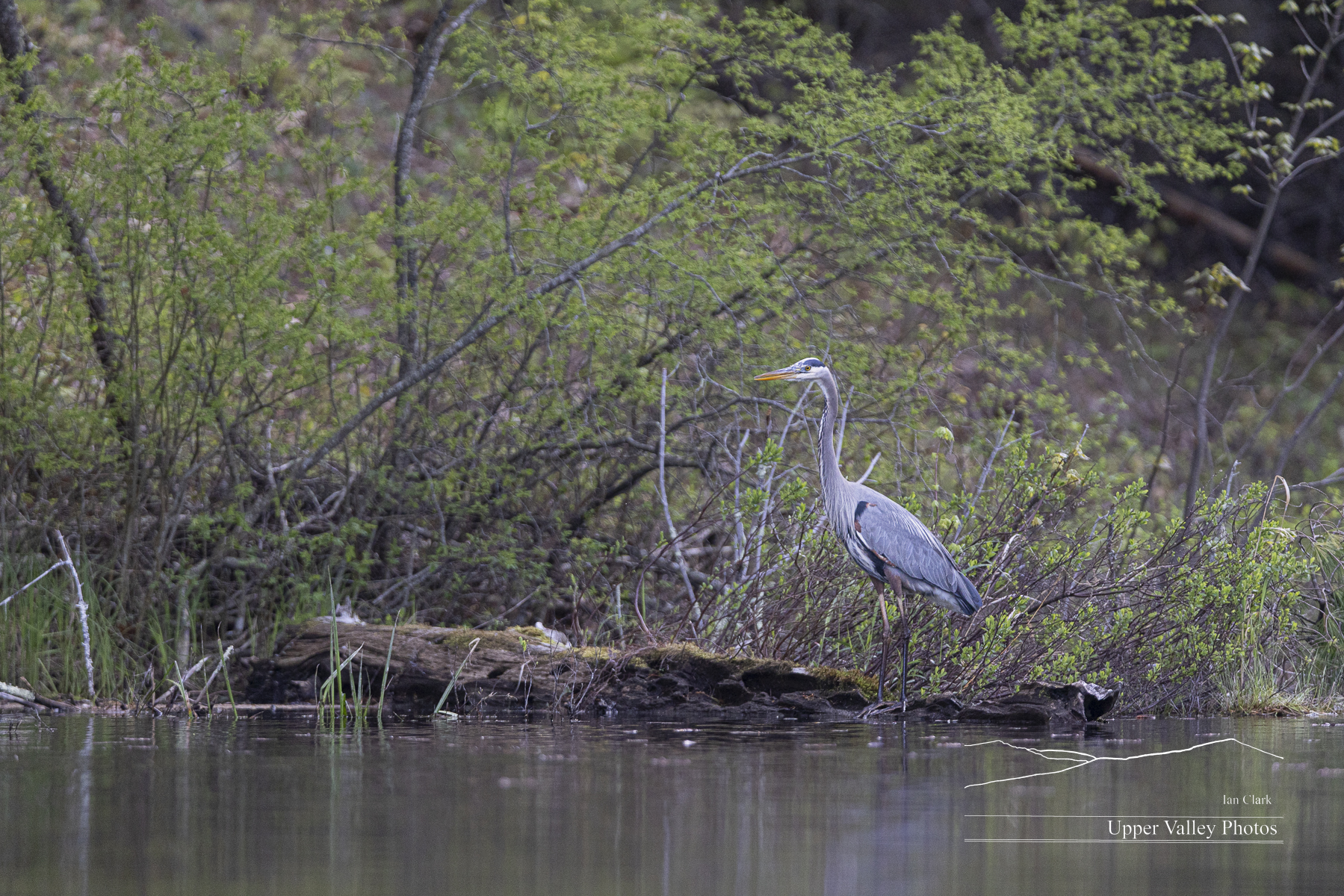
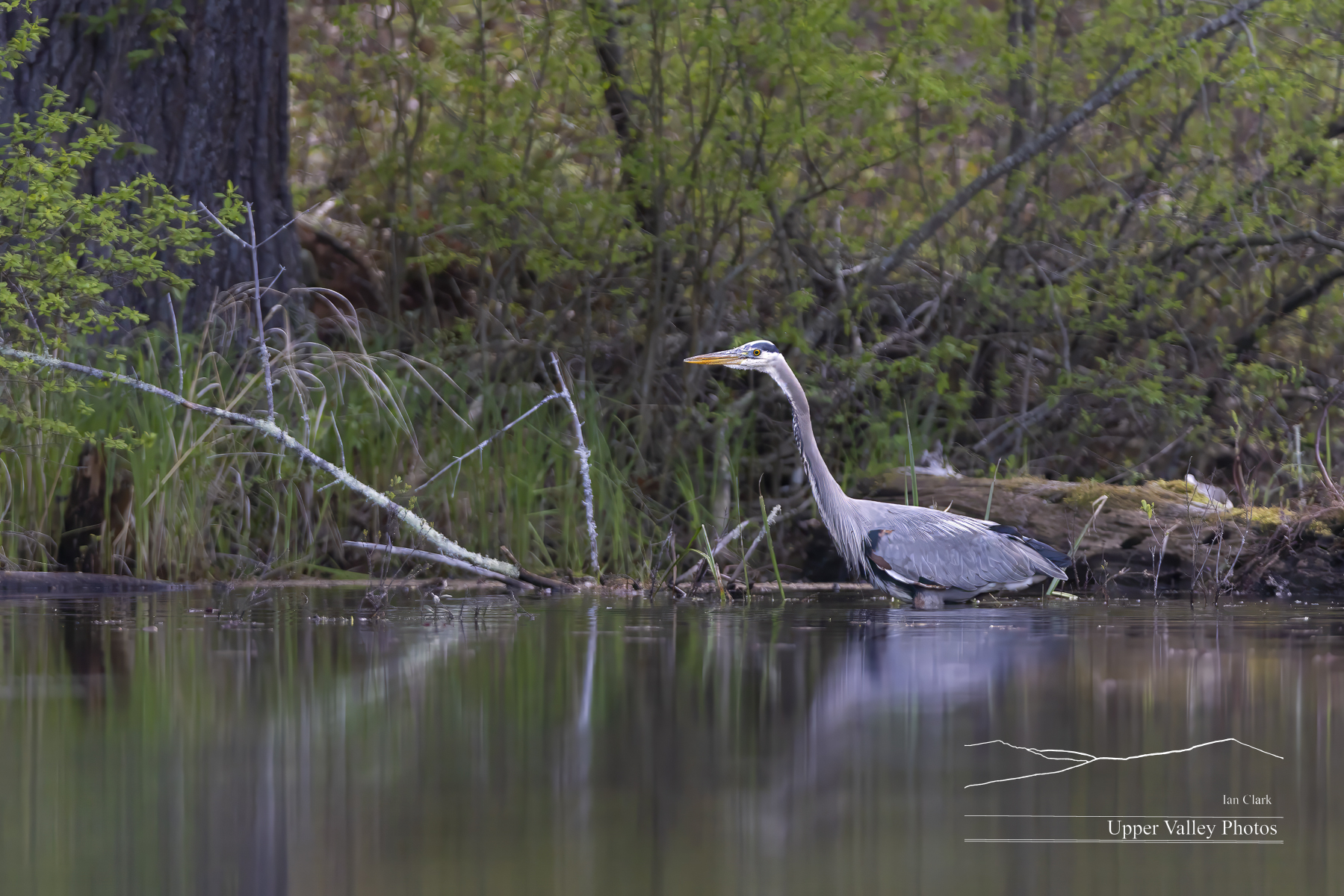
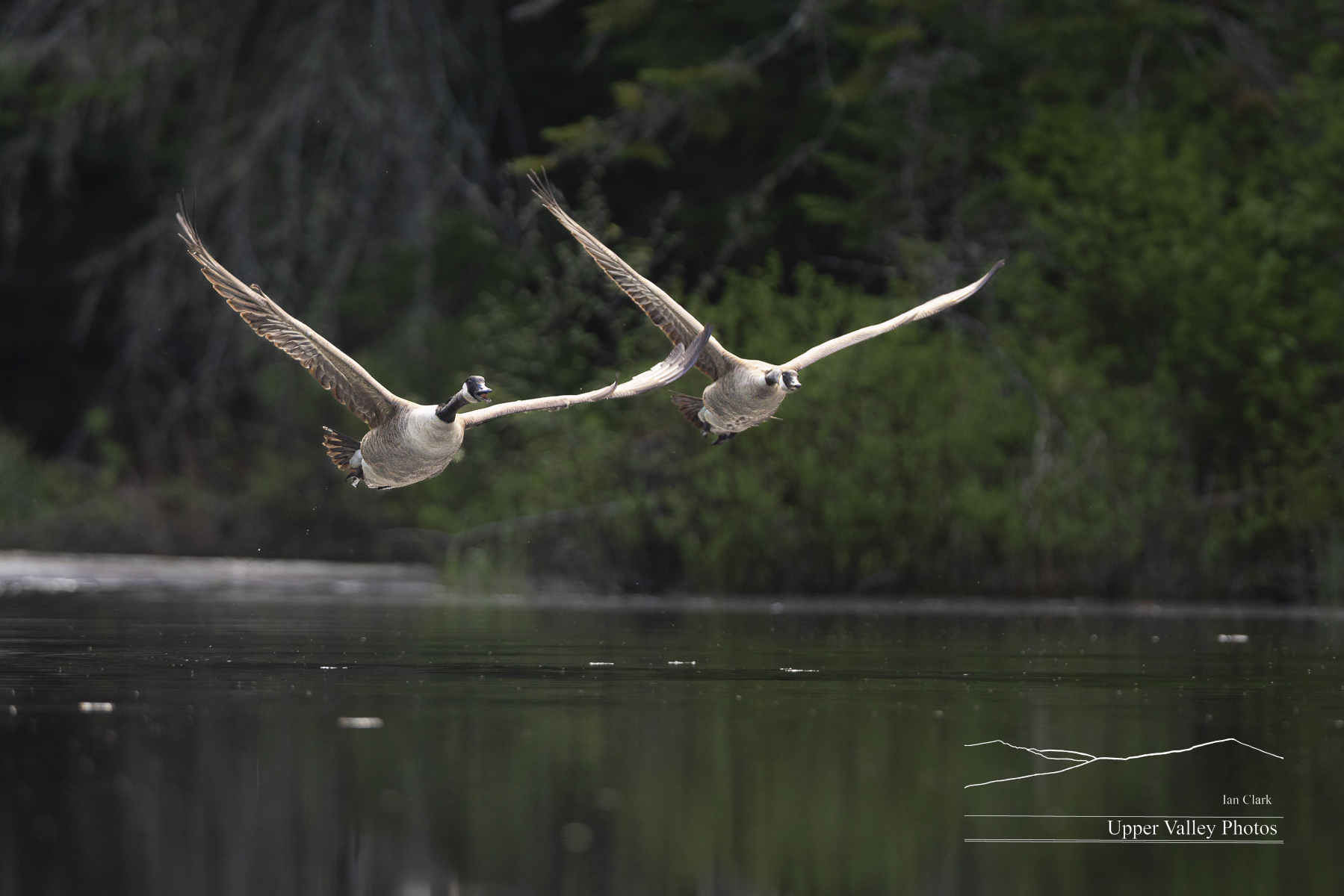
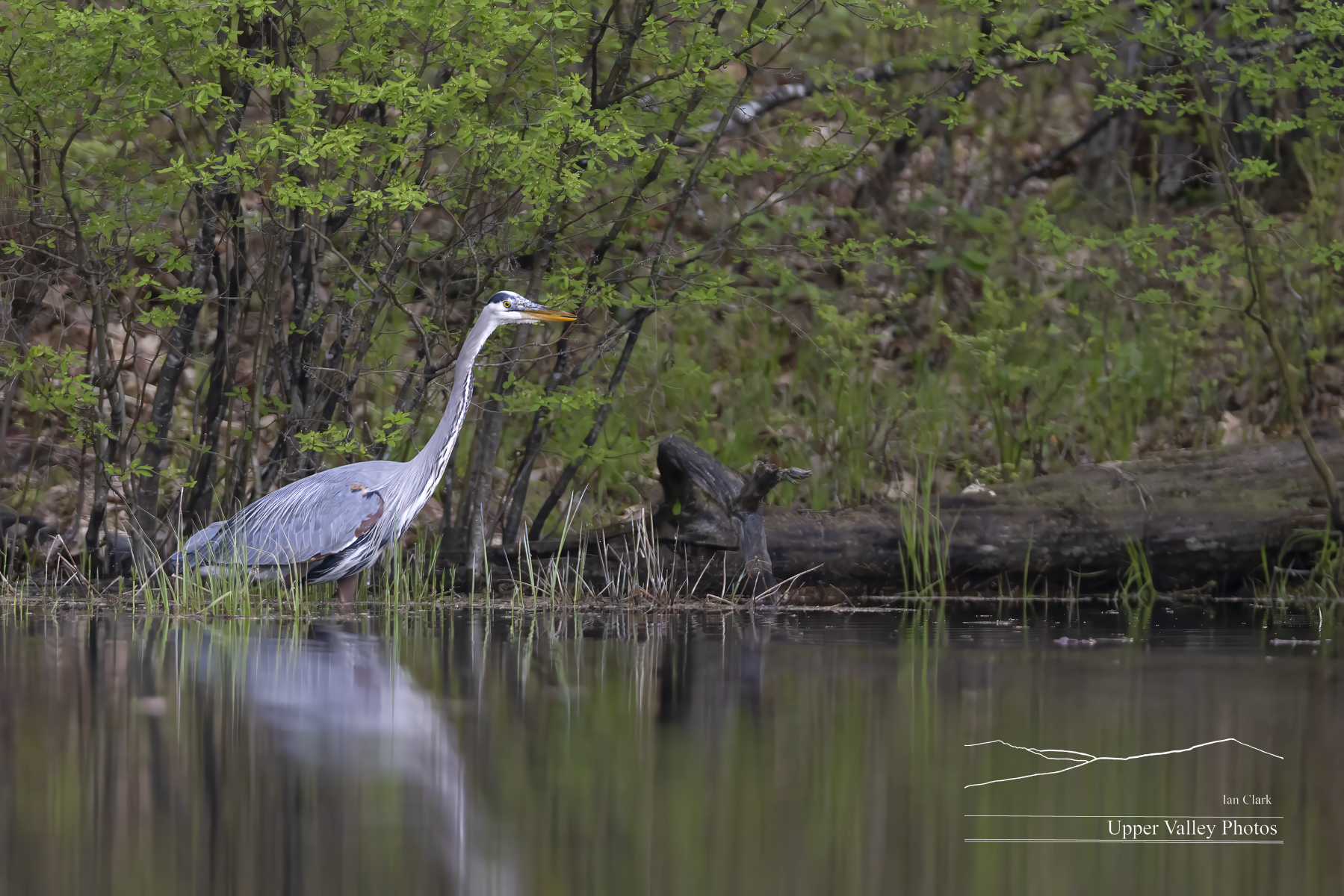
A chilly Friday found me paddling down the Waits River before dawn.
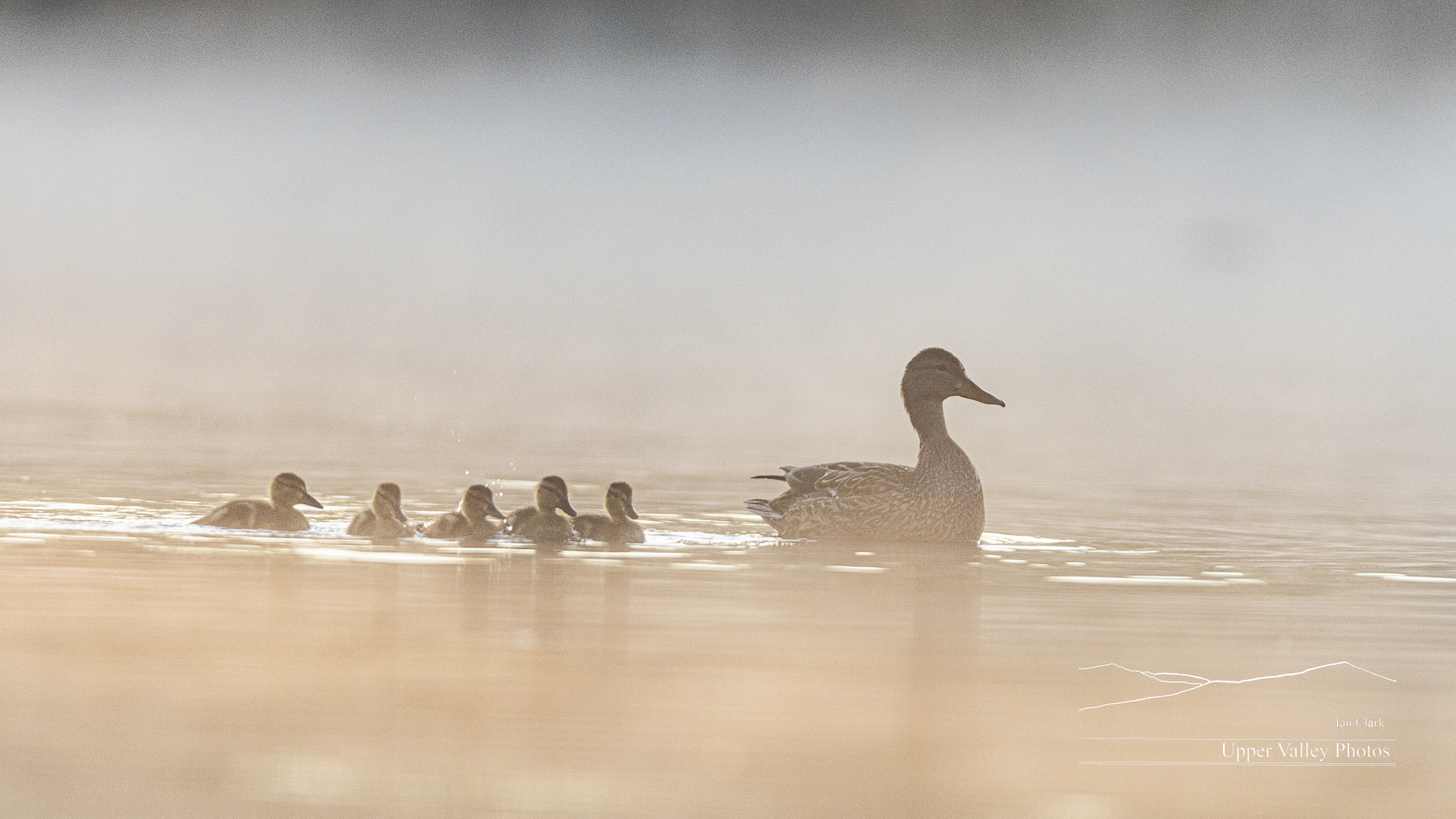
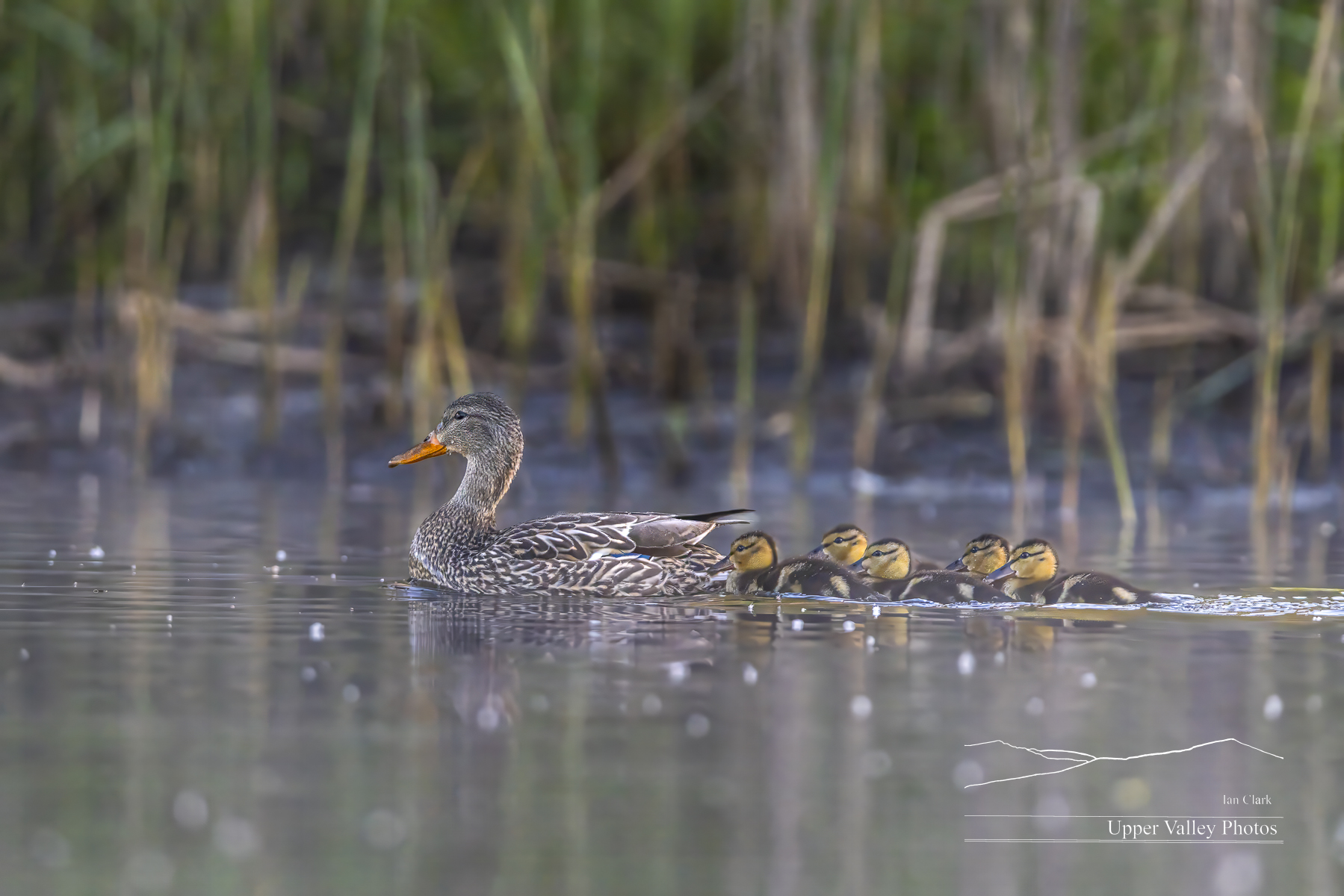
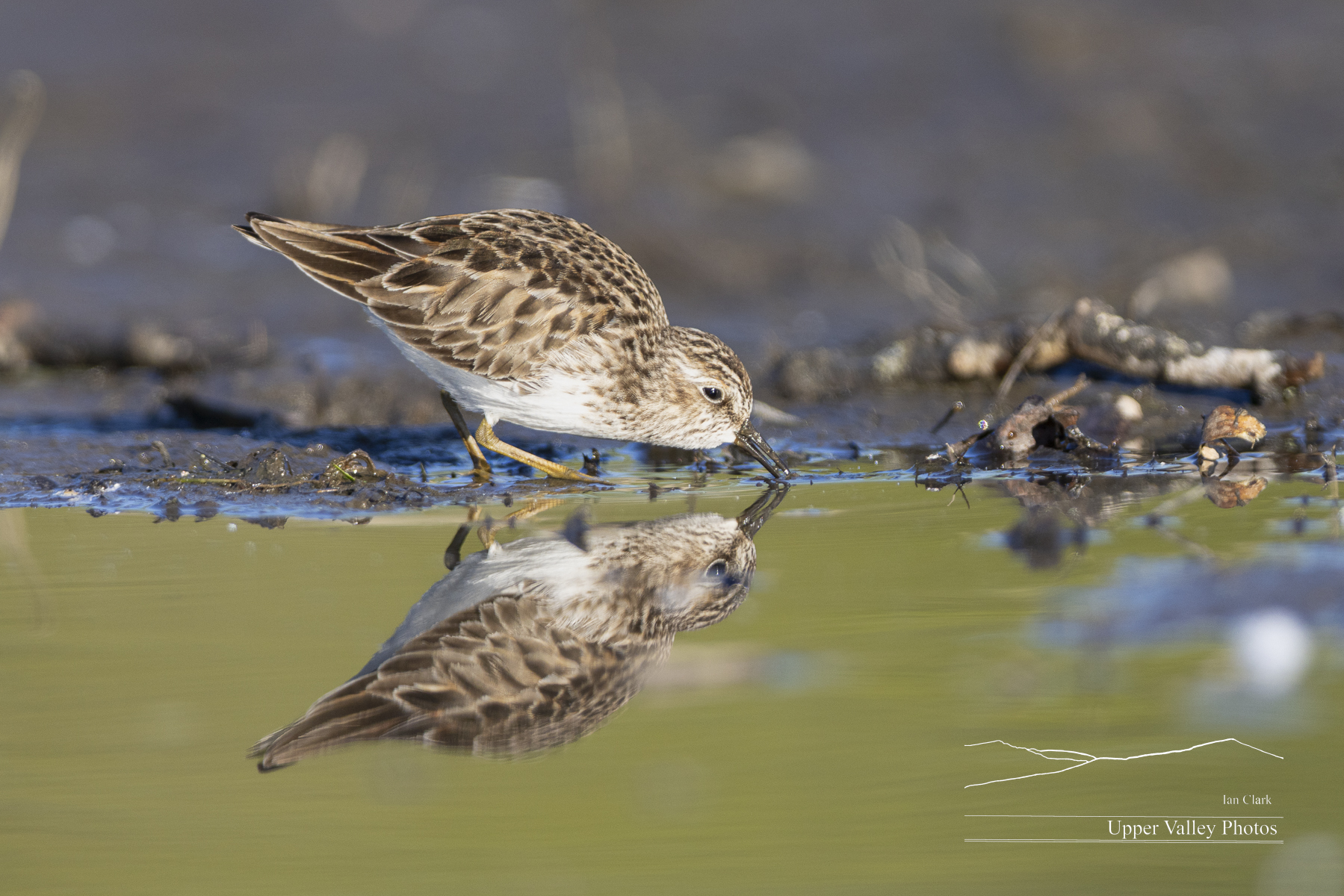
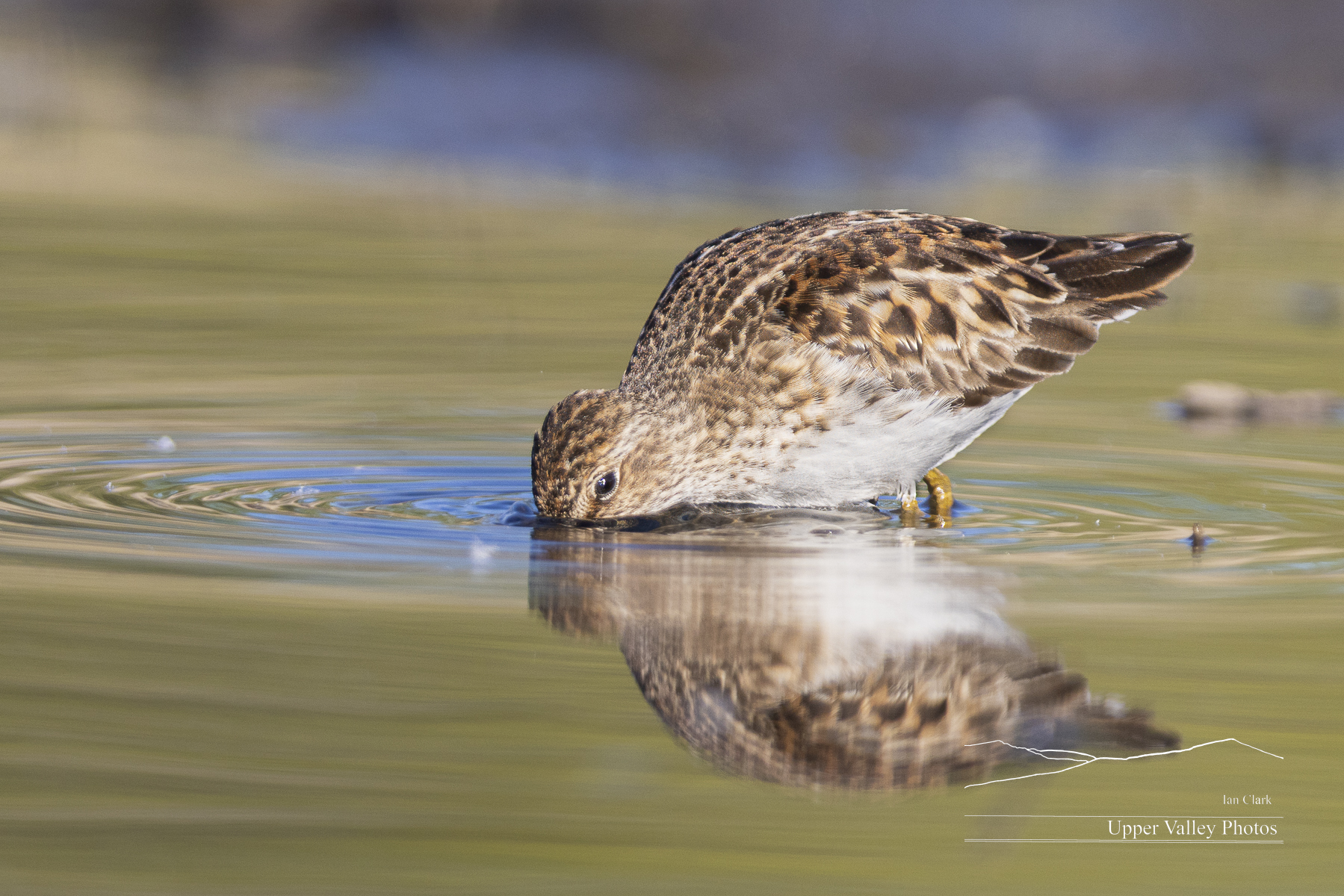
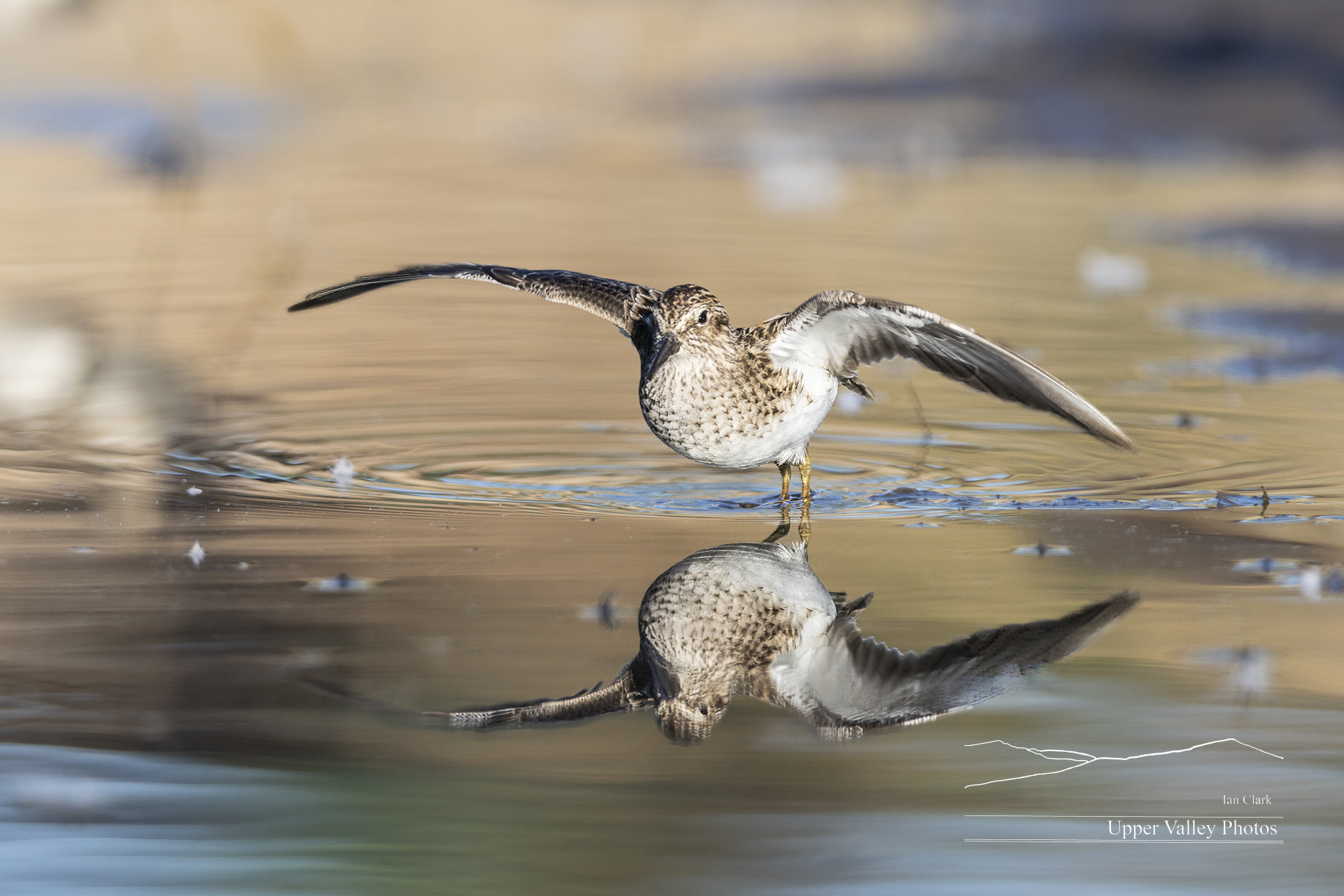
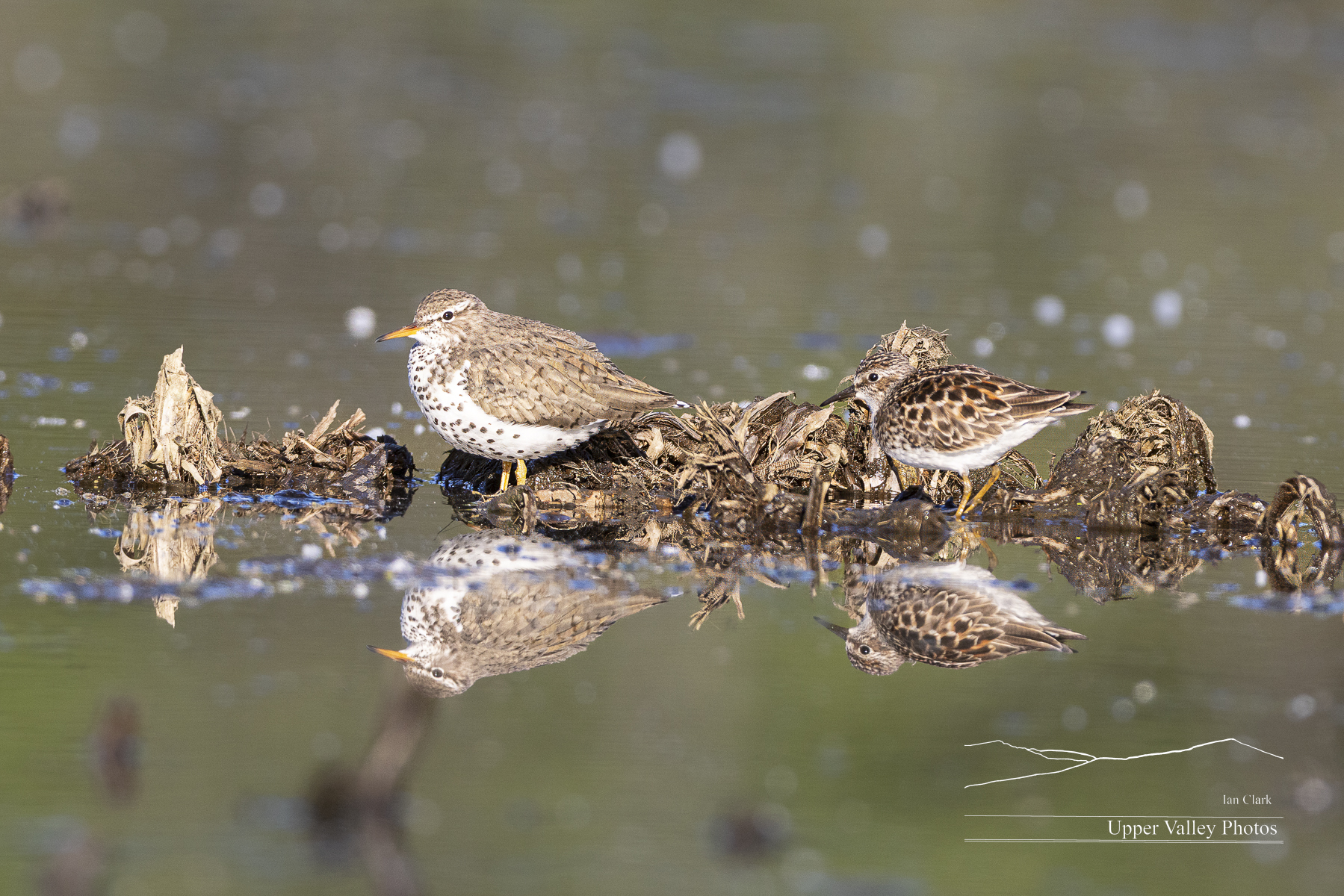
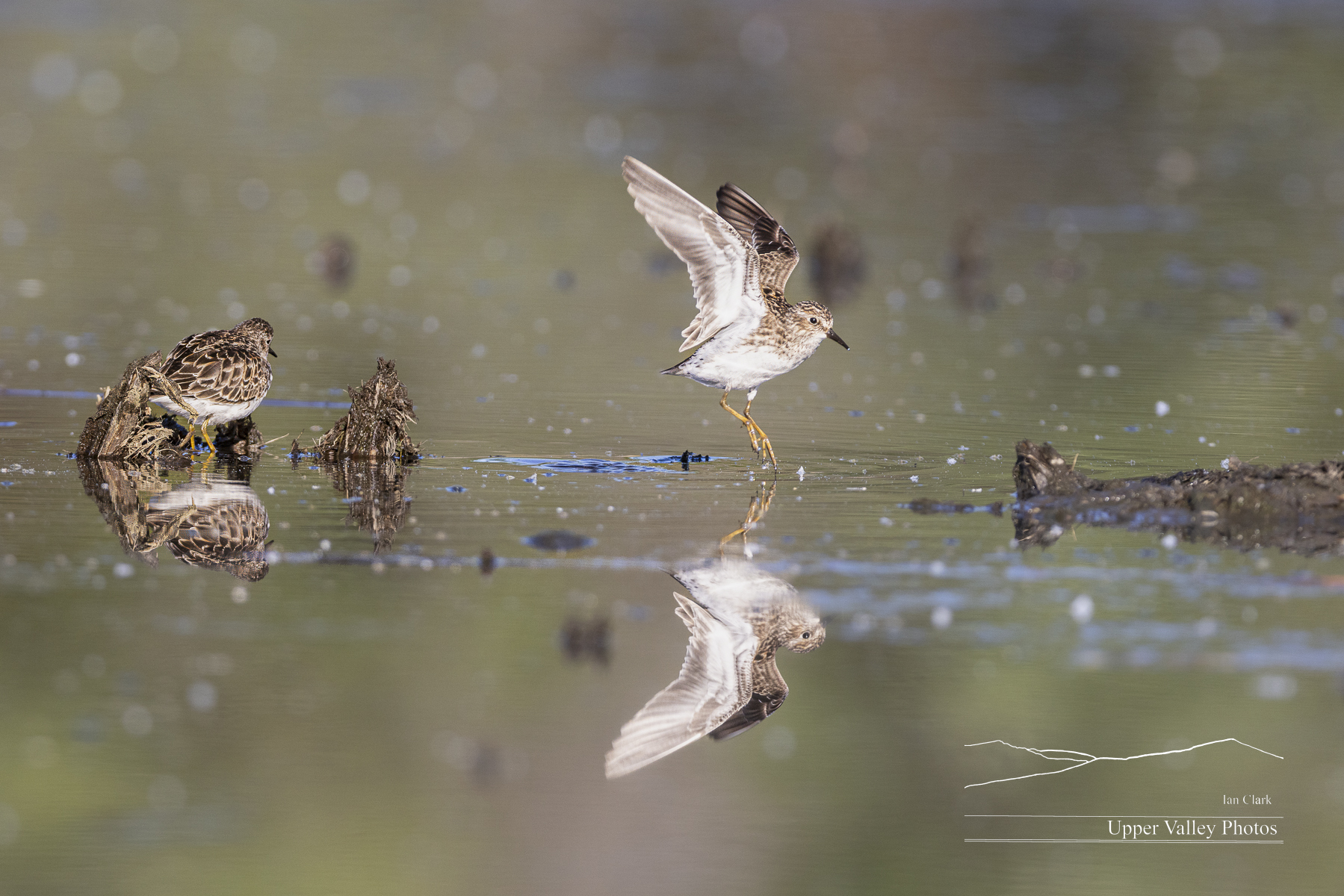
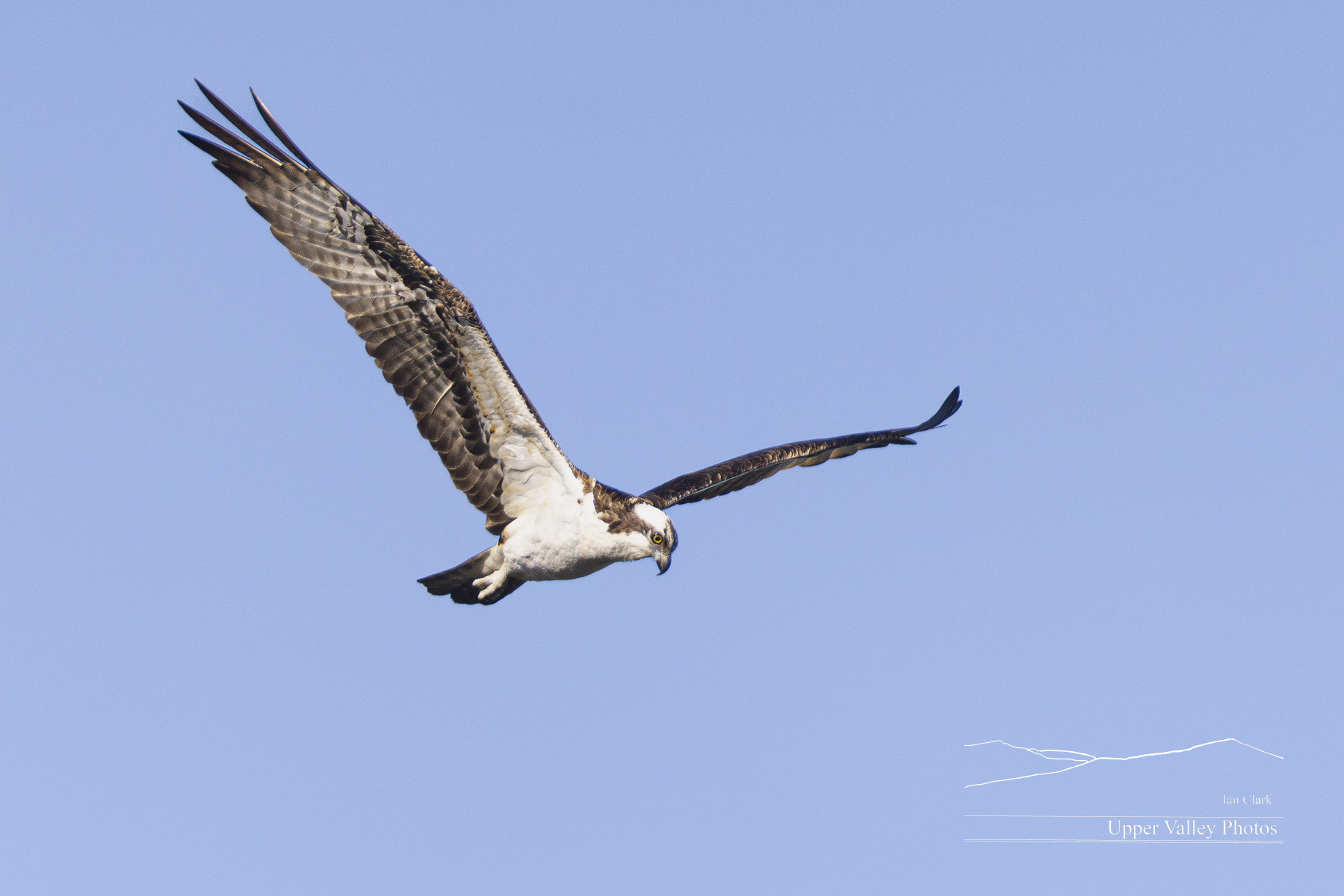
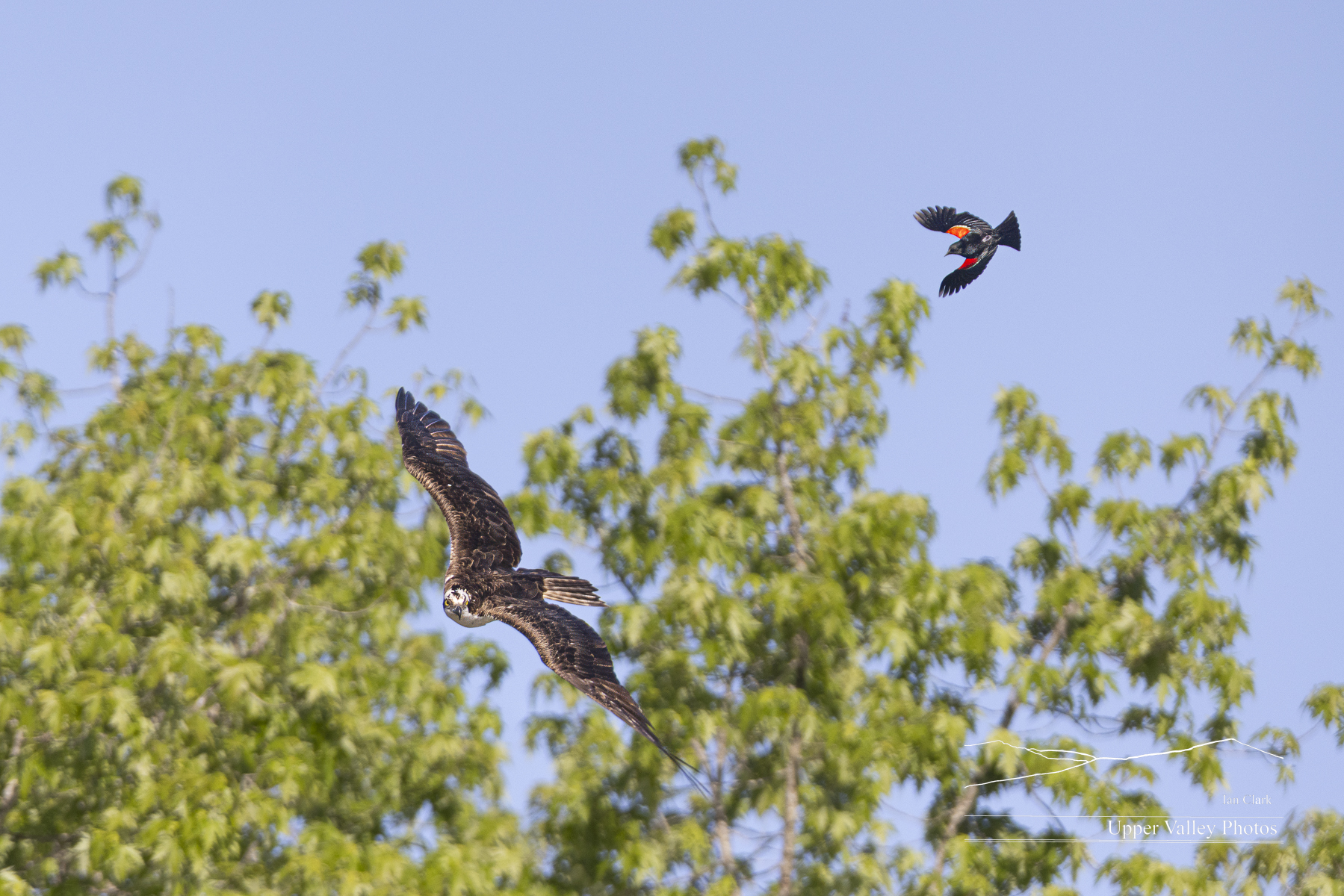
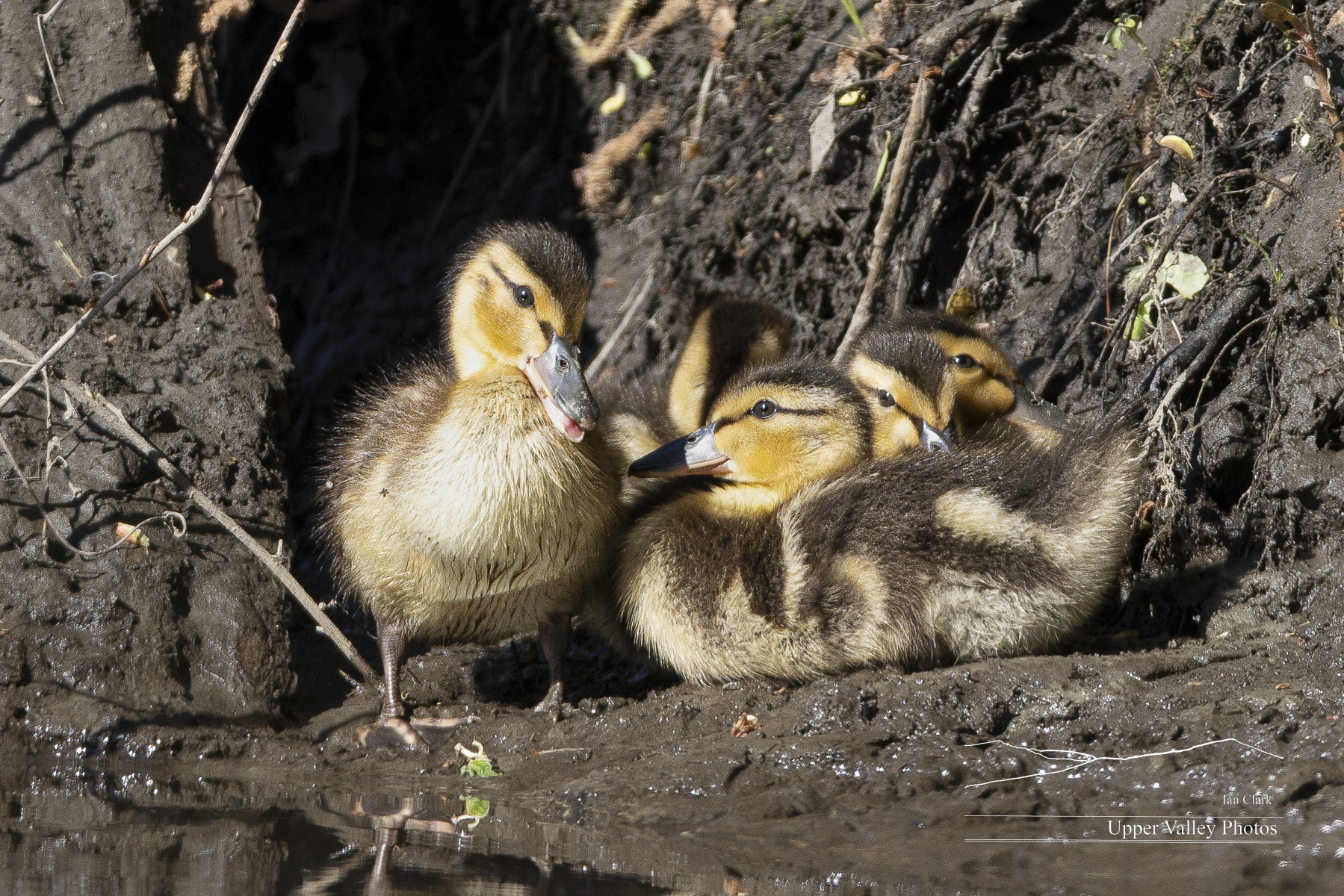
Yesterday I headed back to check on the fox kits.
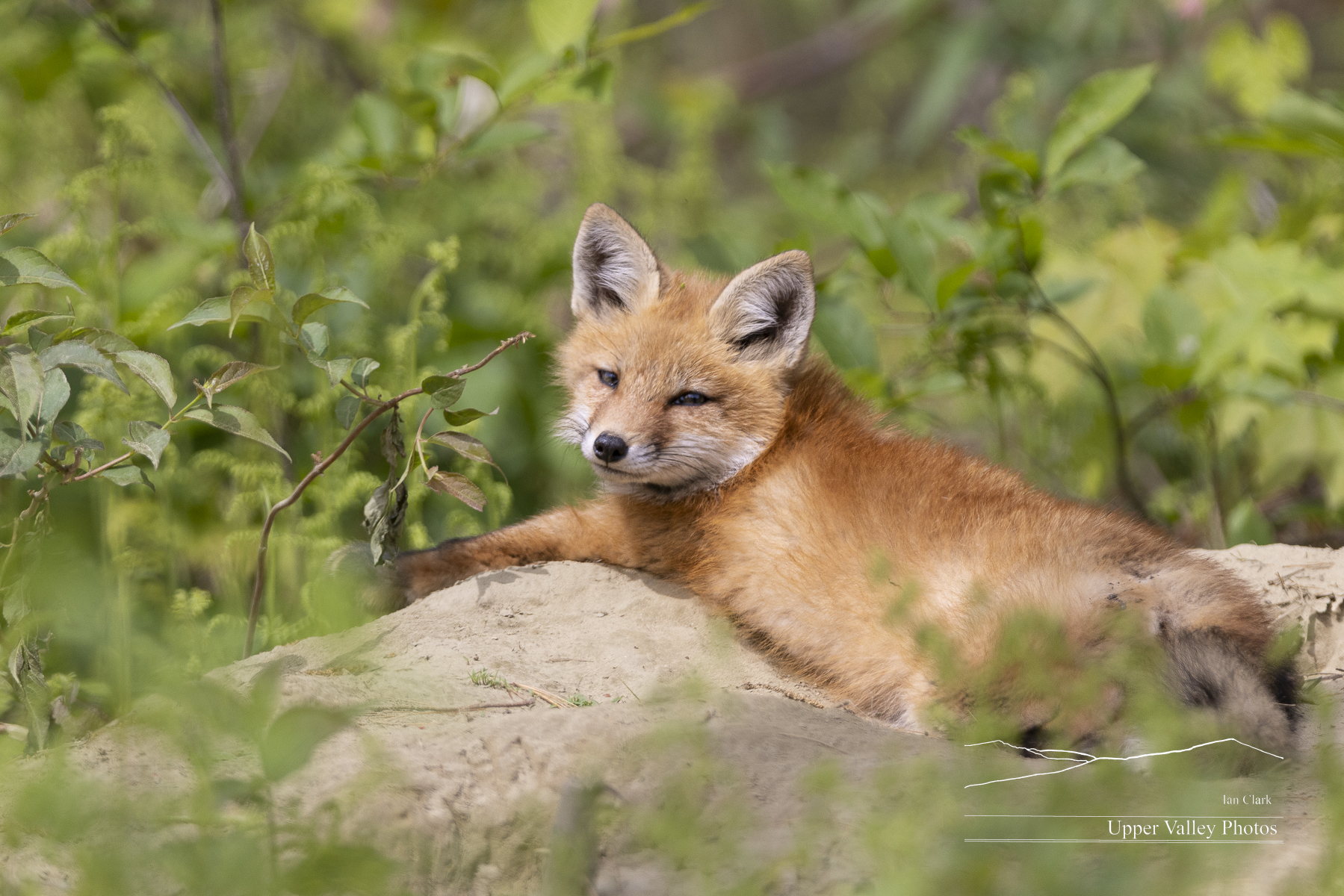
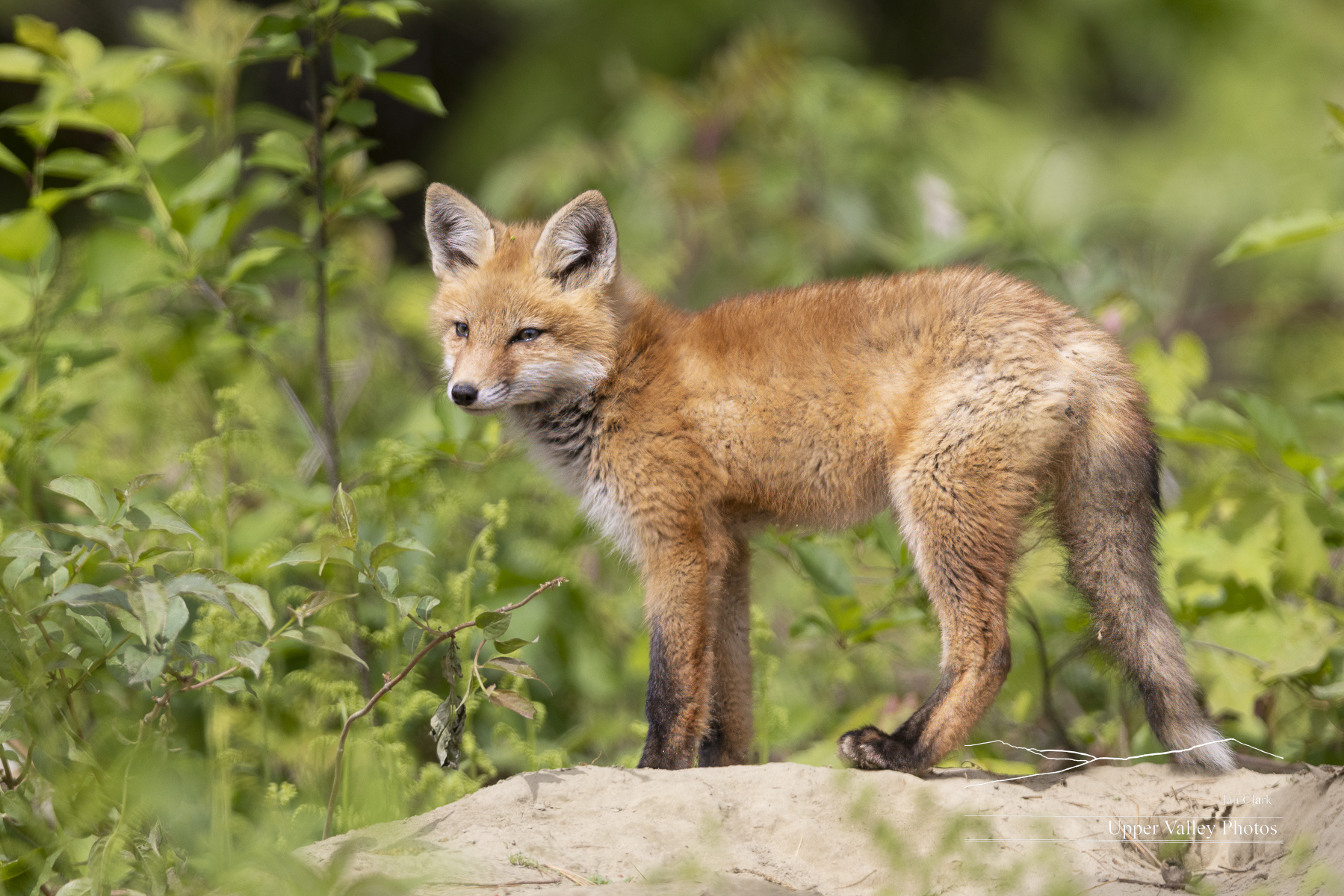

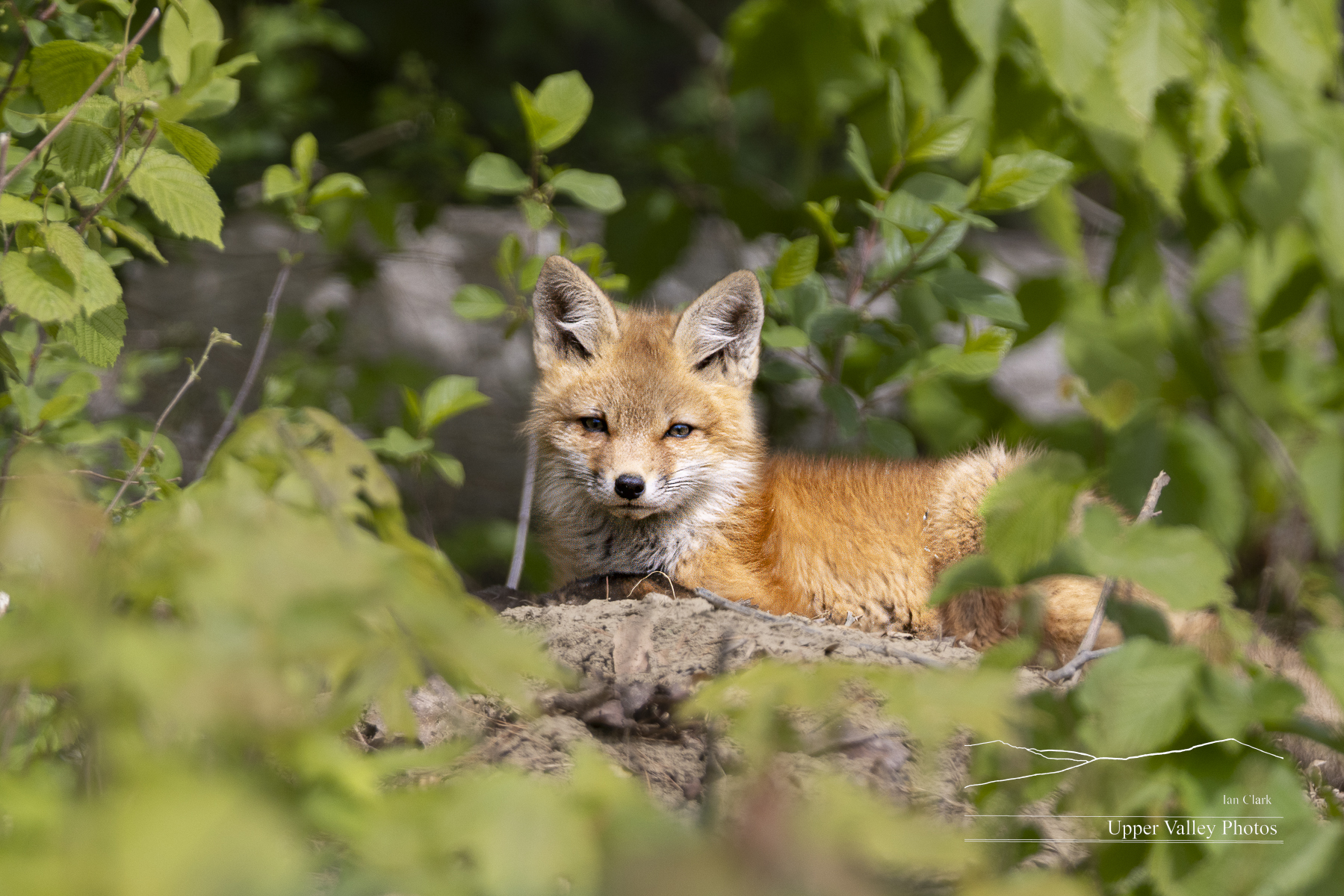
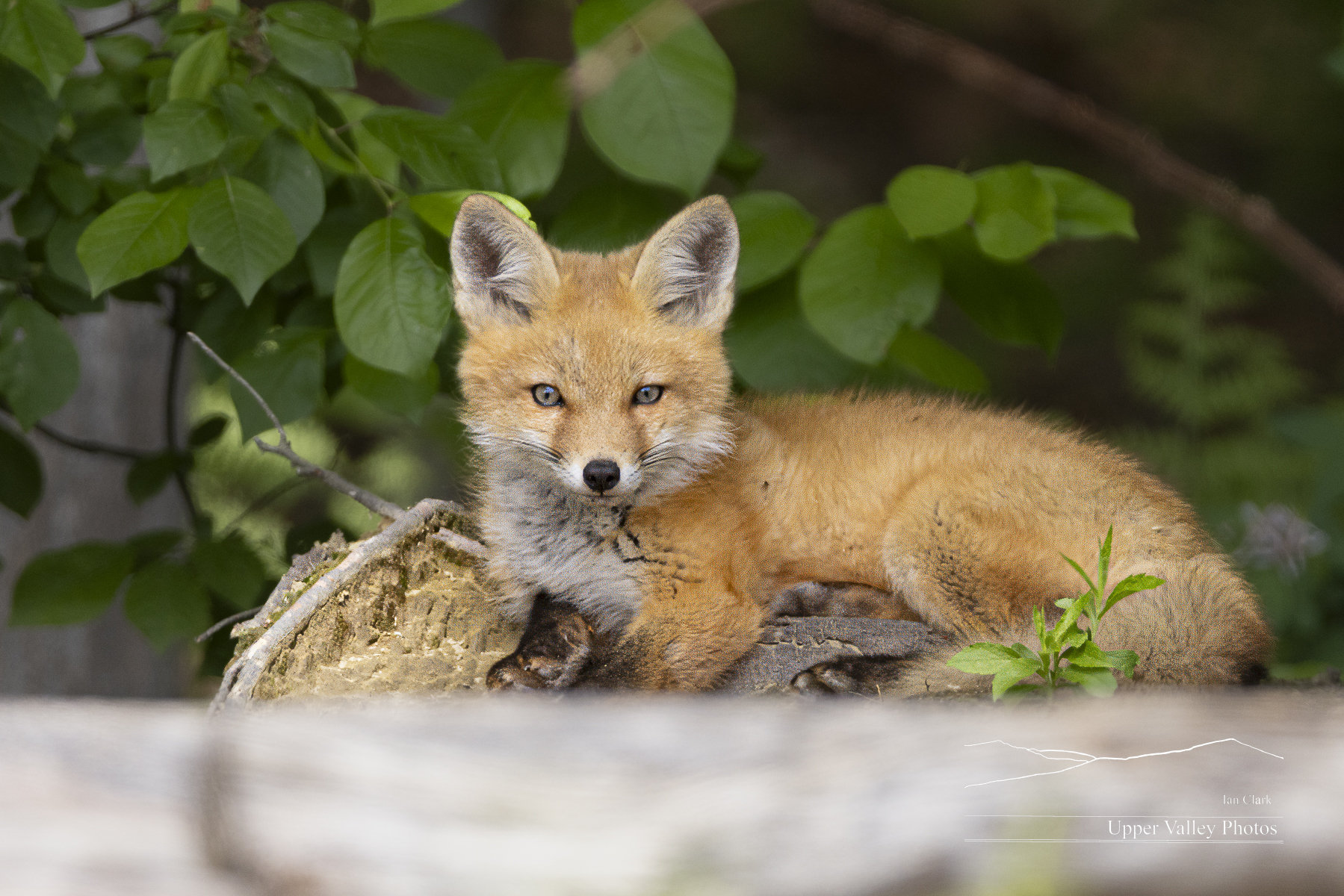
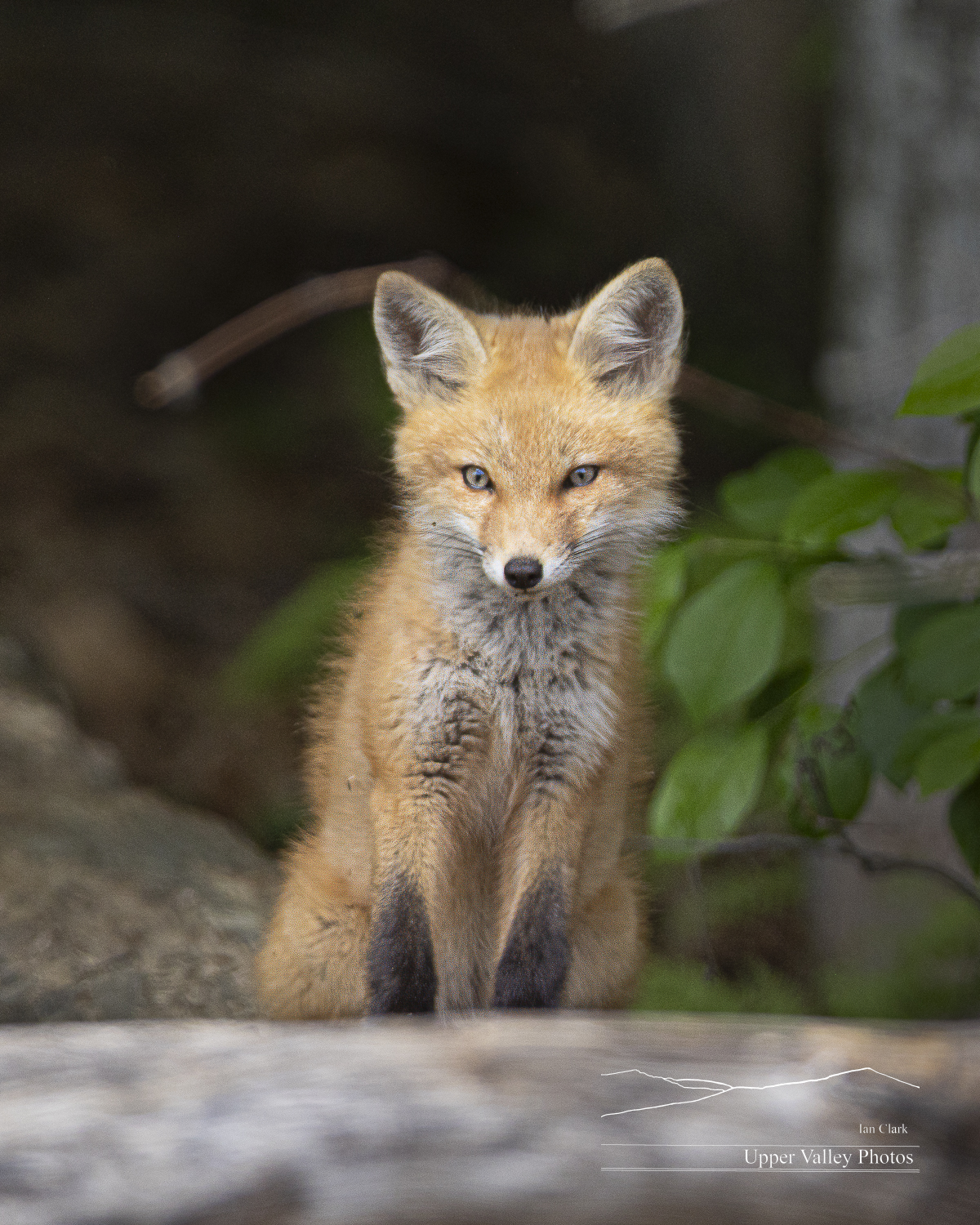
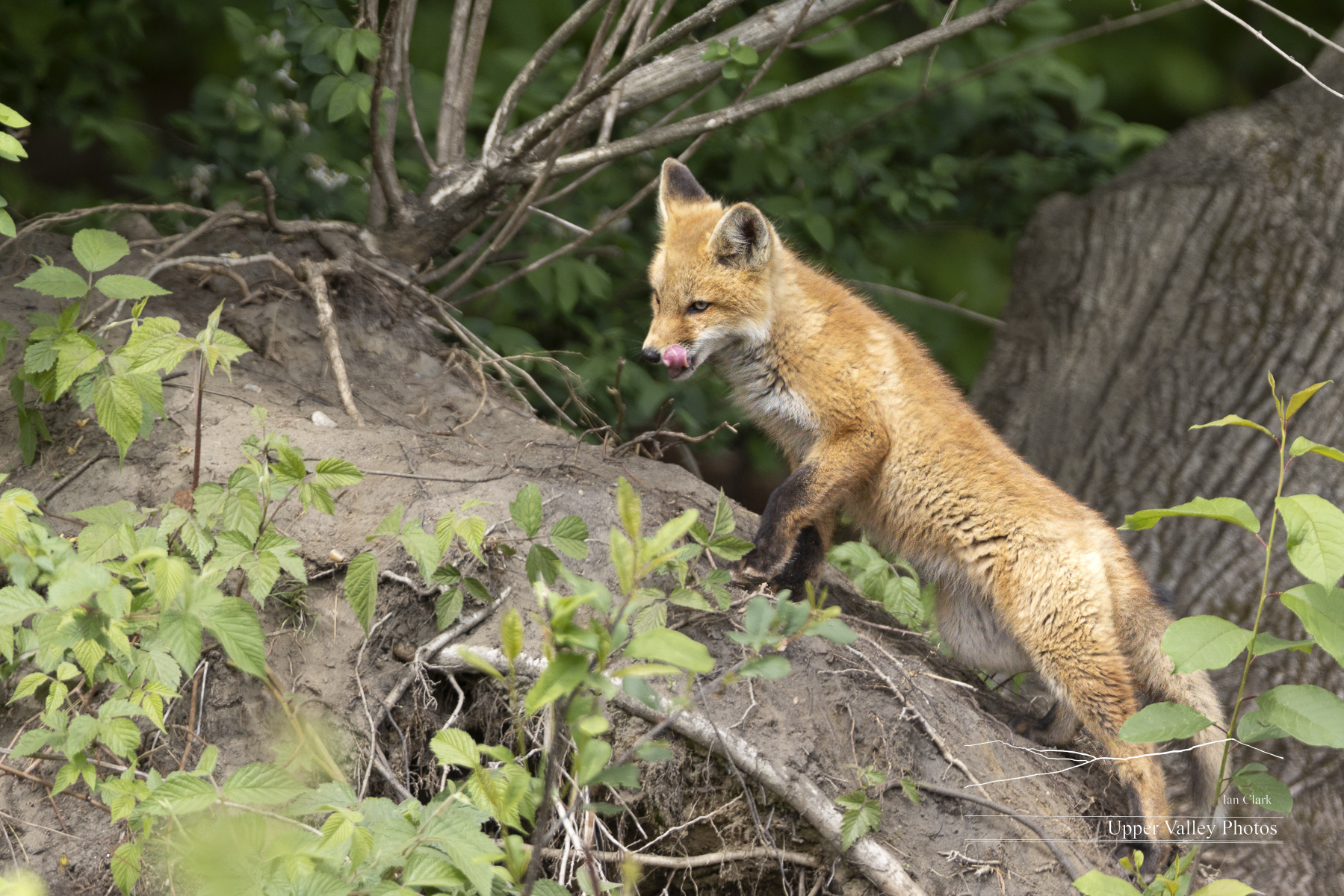
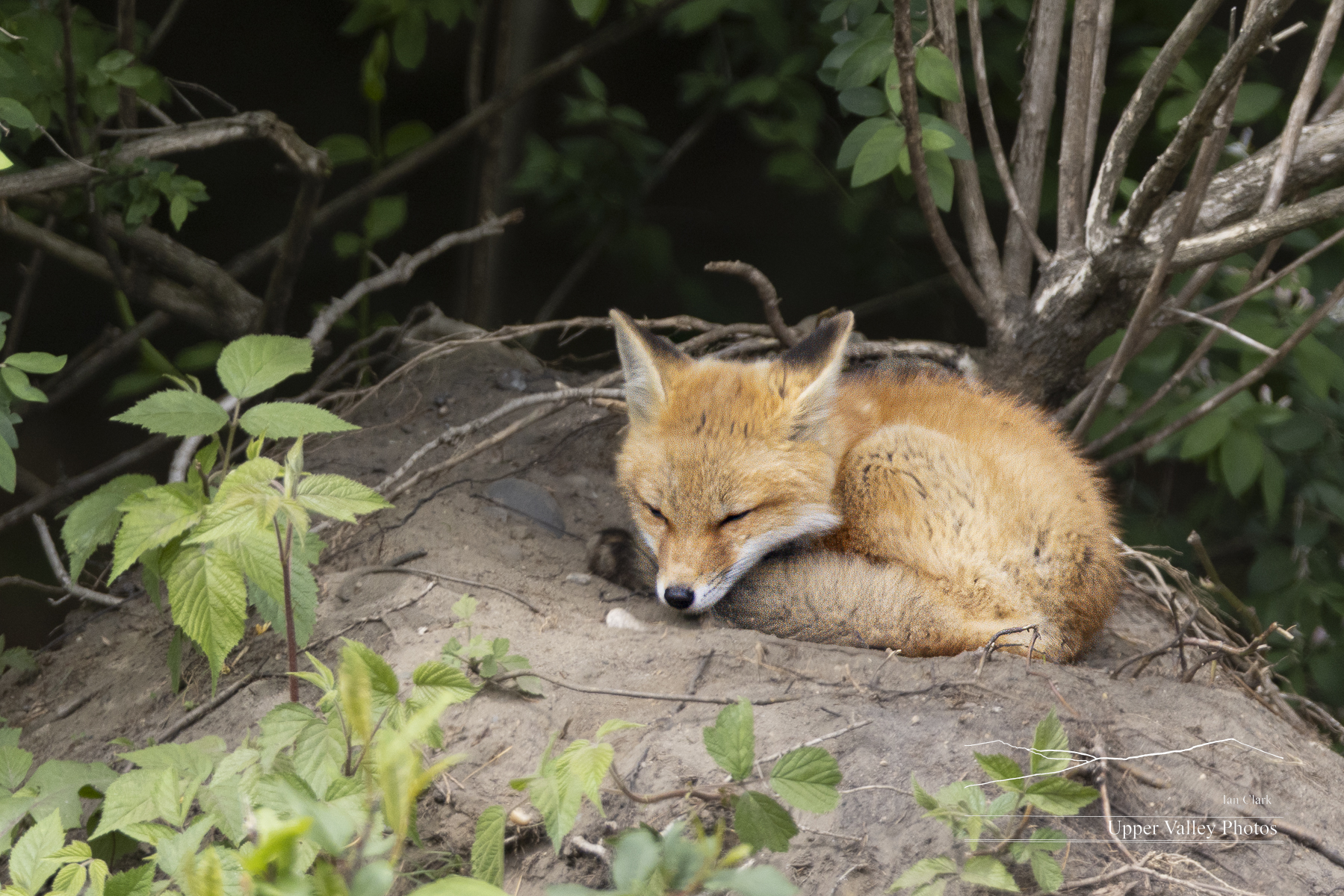
The clouds were moving in rapidly and the light was fading, I headed home.
You can sign up below to get an email when I add a new post. I won’t sell or share your info, all you’ll get is the occasional note that I put up a post. And, if you enjoy my posts, please share them with your friends and on your social media. Thanks!
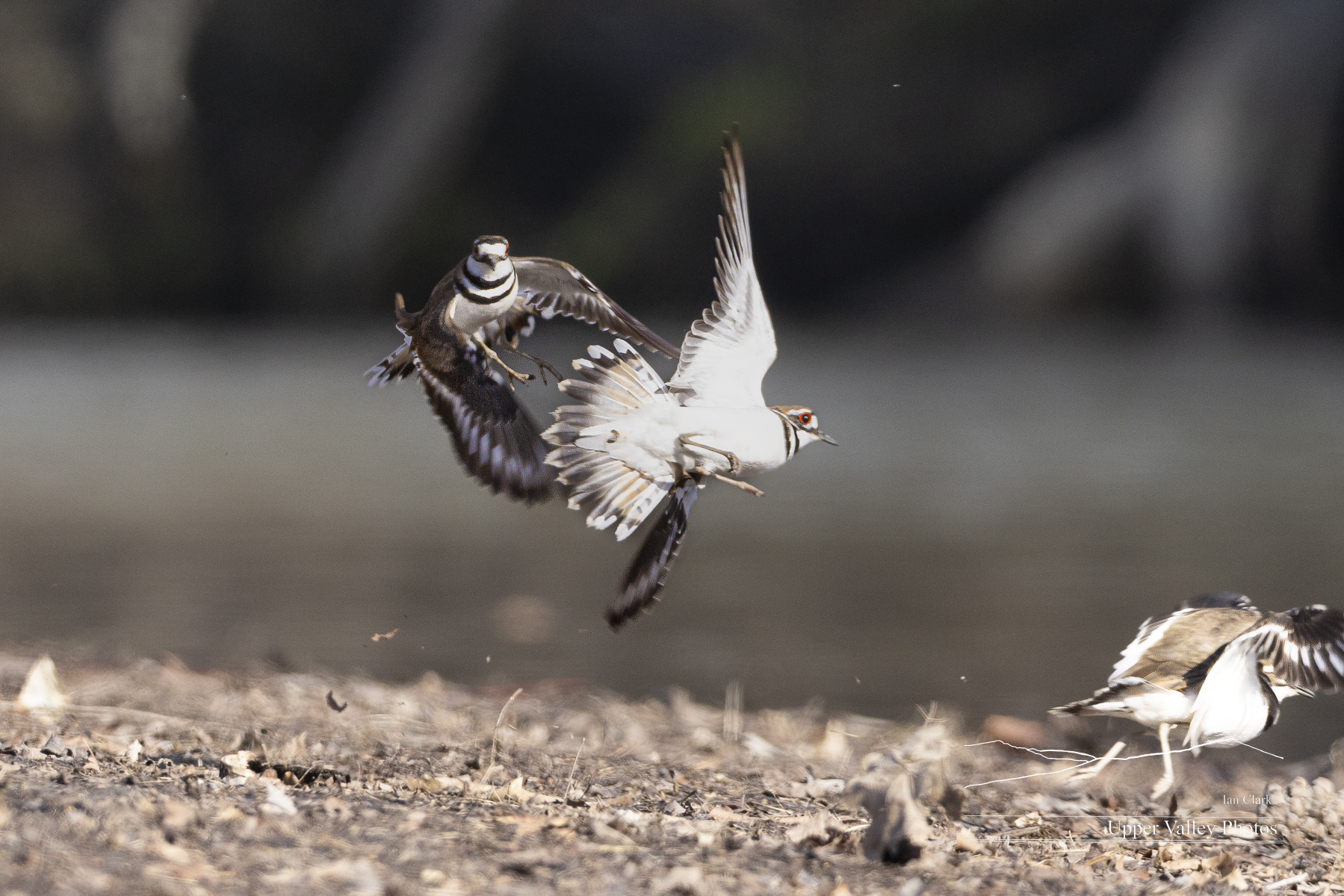
Rounding Up the Usual Suspects
The run of nice mornings let me get out several times since my last post. I’ve called on the Middletons and the Westons, visited the falcons and the heron rookery as well as paddled in the Connecticut. This is a roundup of what I saw.
I’m still looking for fox, coyote and bobcat dens. And other mammals bigger than a squirrel. If you’ve got them hanging around where I won’t be in the way photographing them, I’d love to know.
I’ll be giving my slideshow An Uncommon Look at the Common Loon at the Rockingham, Vermont, Library this Saturday May 2, at 11 am. Free and everyone welcome. And I have prints of some of my favorite loon photos hanging in the Library now. Stop in and have a look. Later in the month, I’ll be doing my slideshow of my favorite shots from 2025 at the Bugbee Center in White River Jct. at 1:30 pm on Wednesday May 27 and again at the Blake Memorial Library in Corinth, VT at 6:00 pm on Friday May 27. On to the critters…
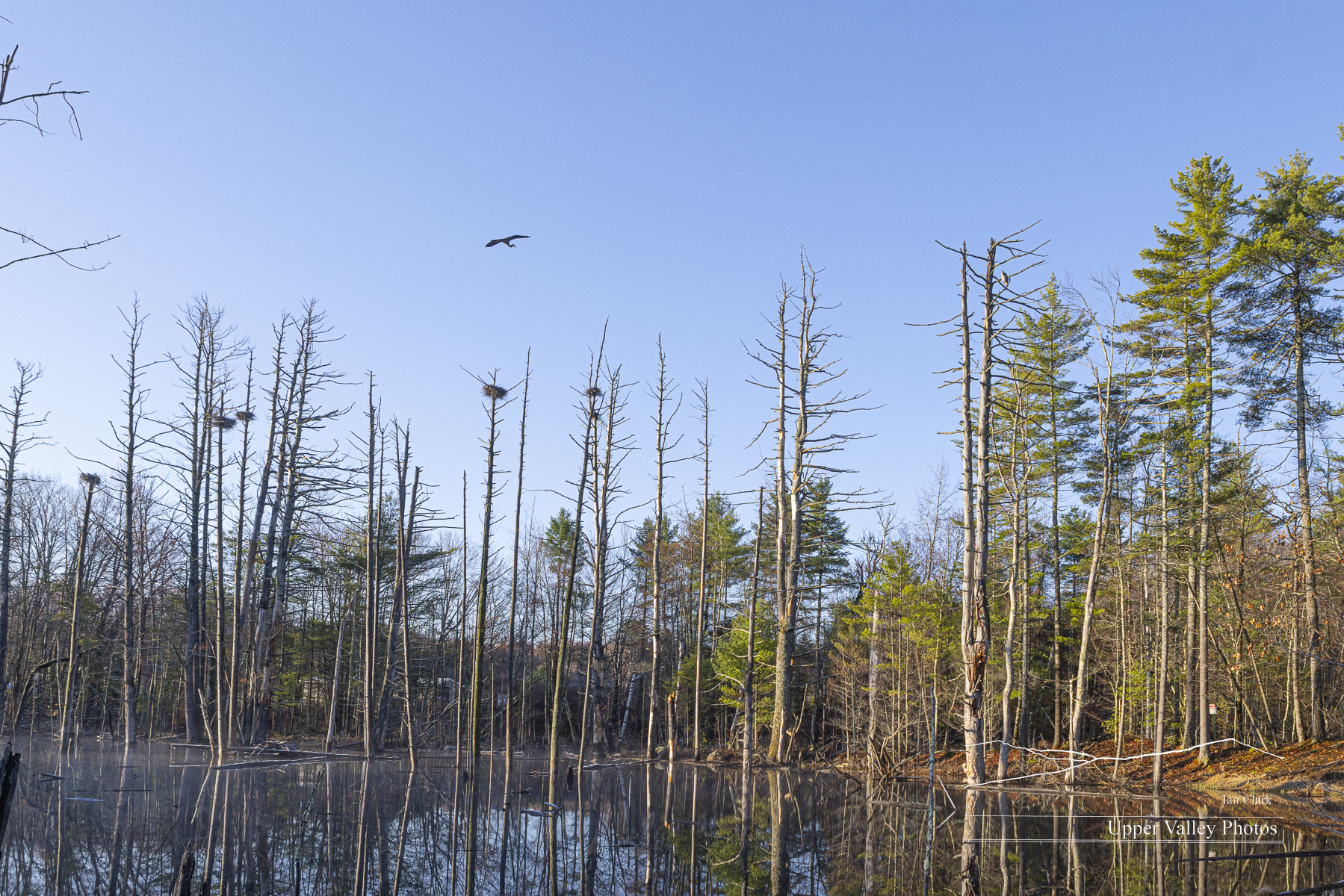
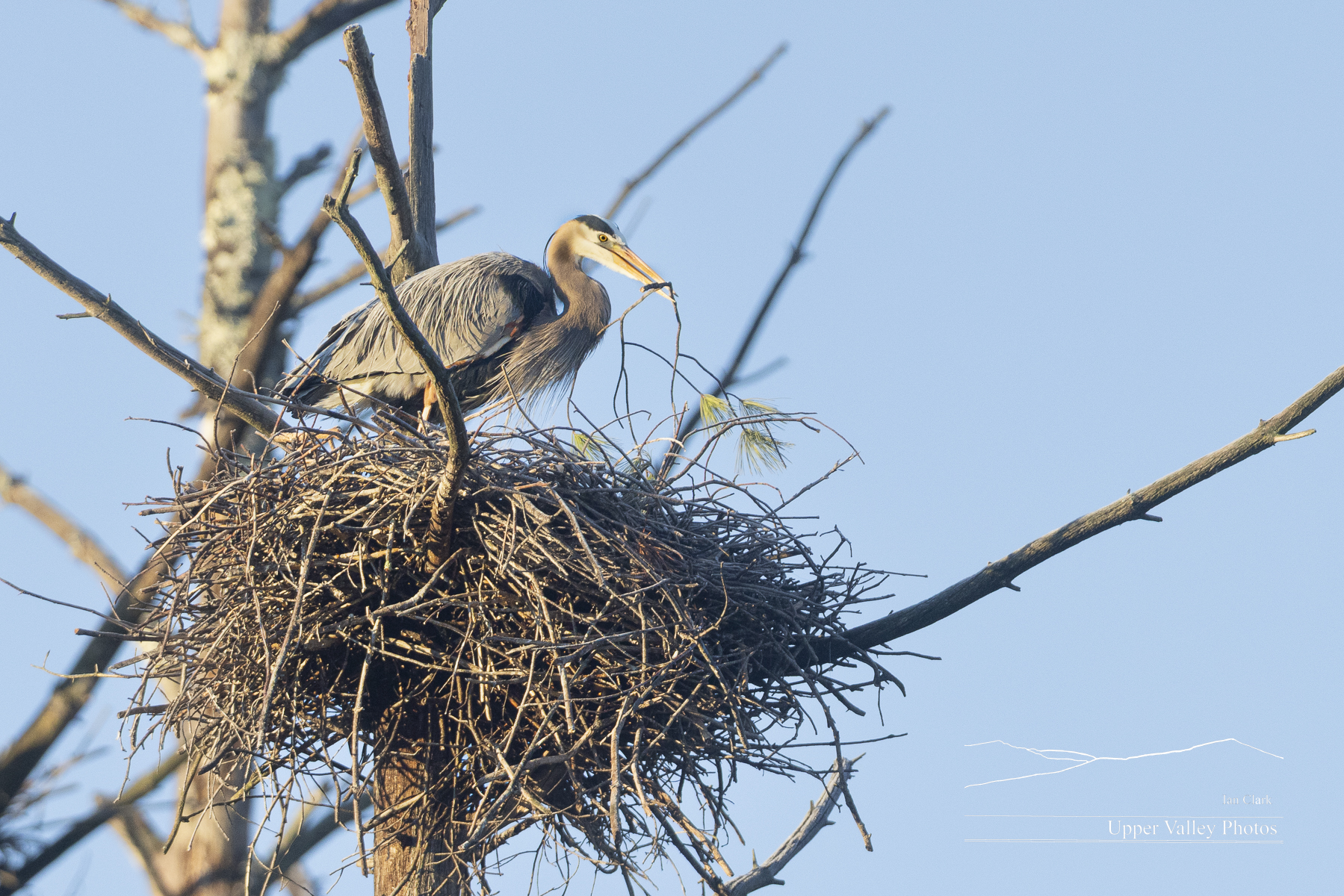
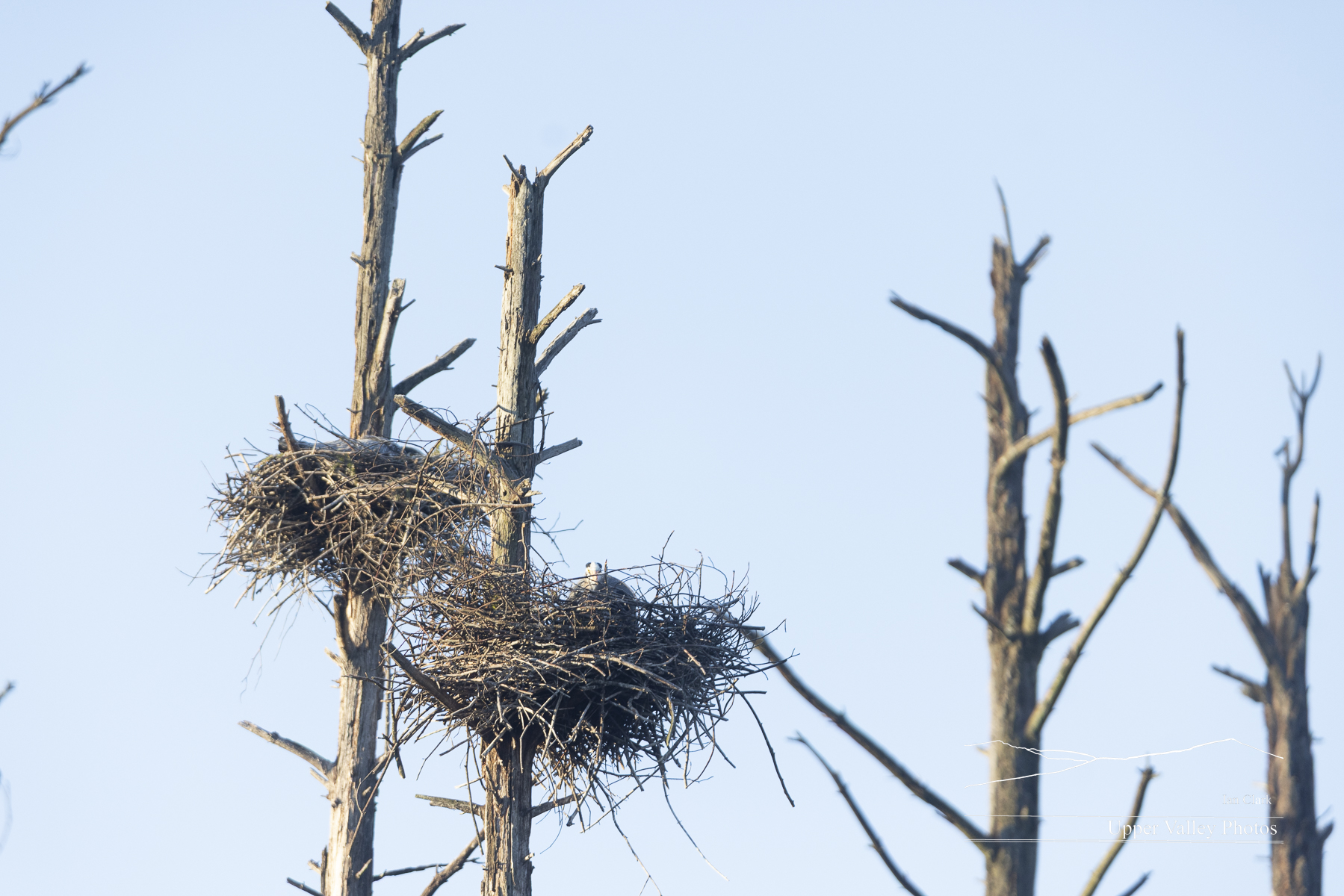
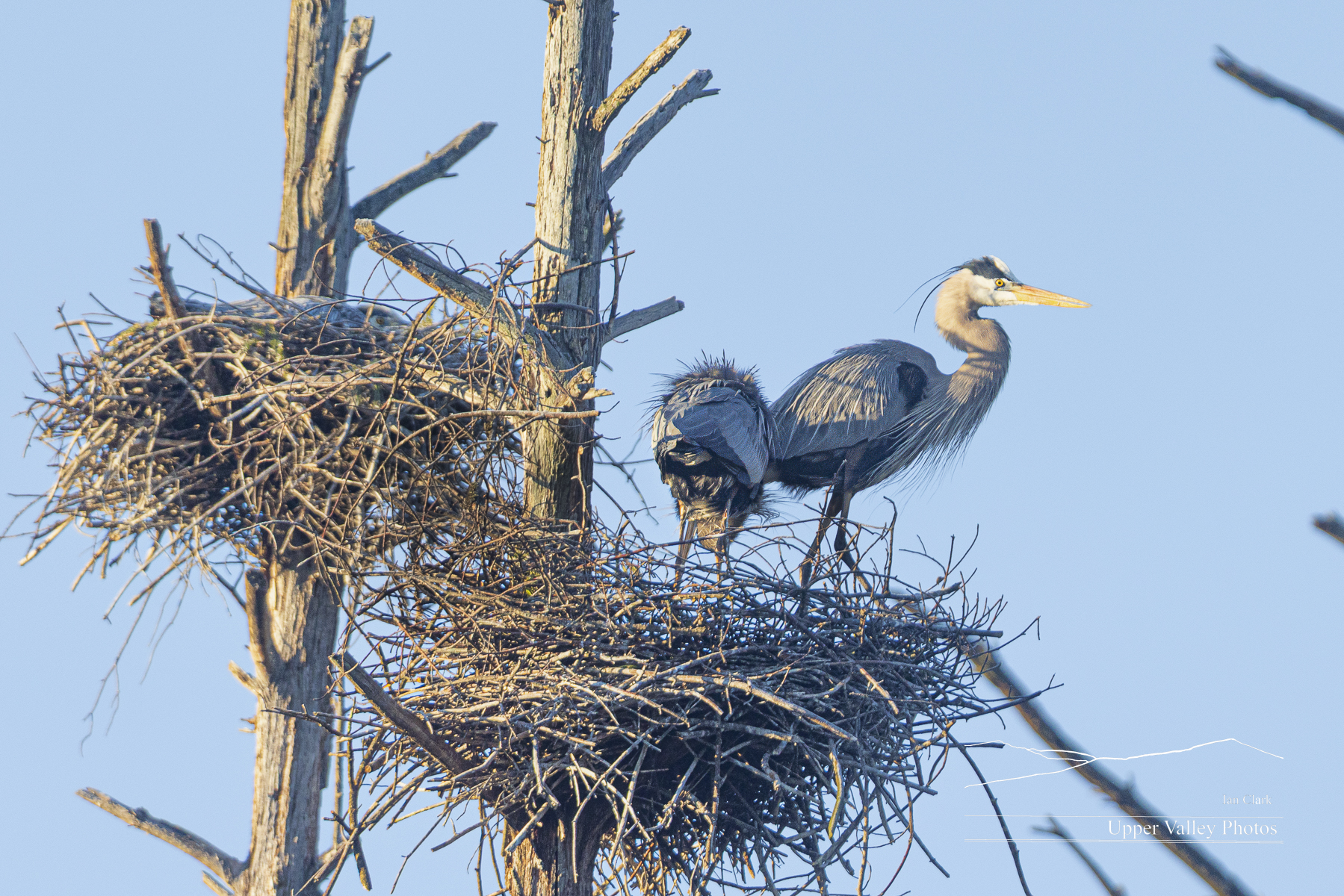
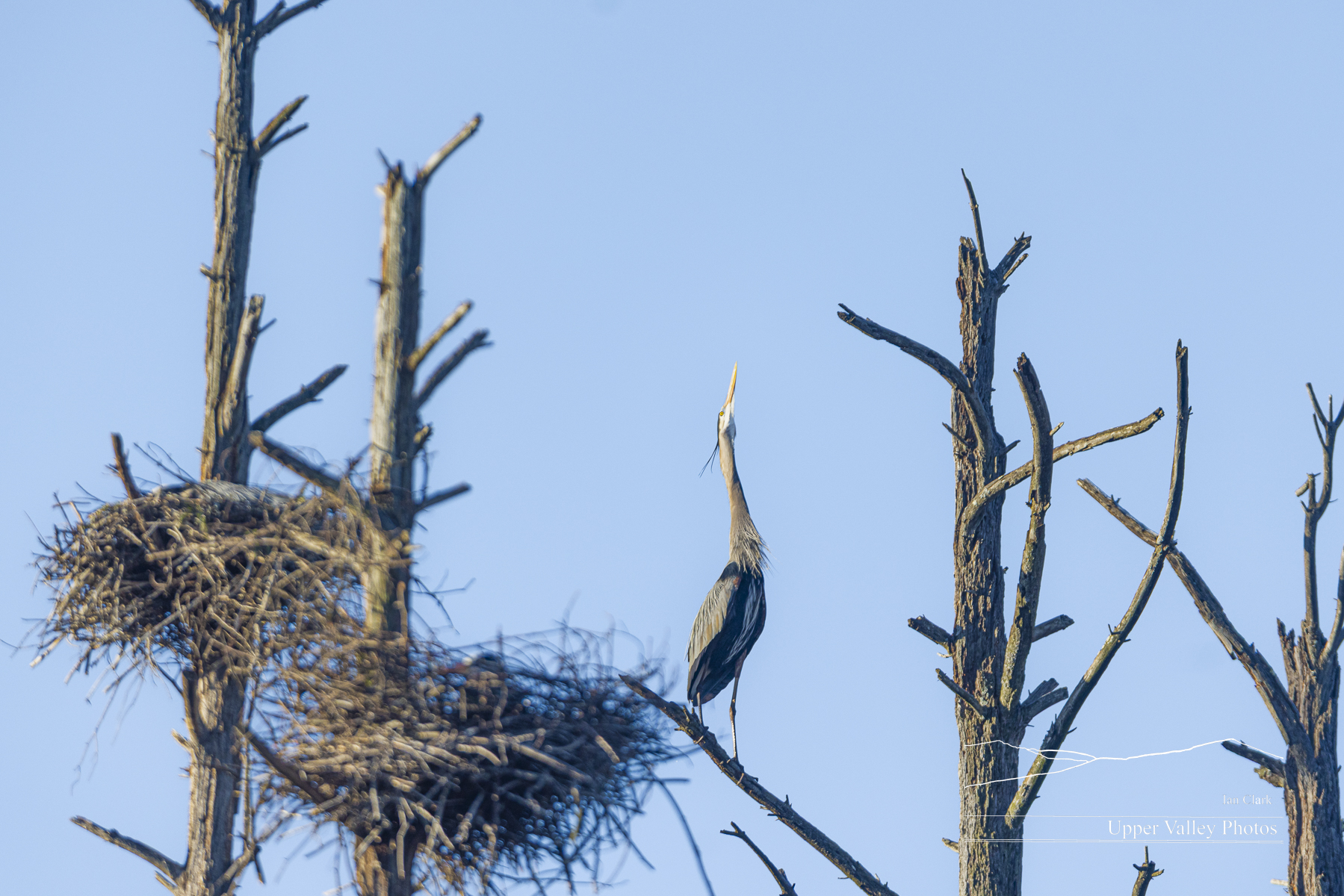
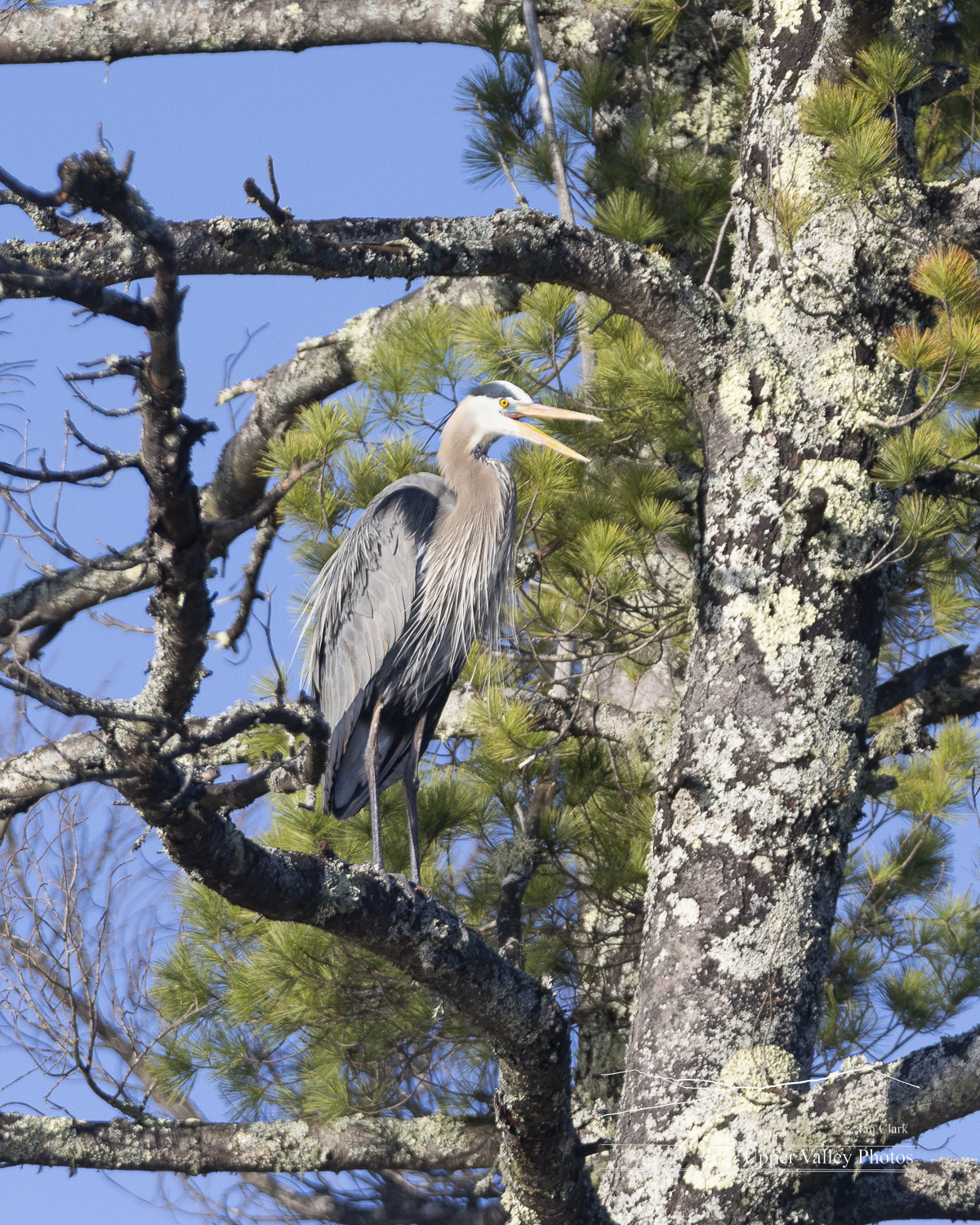
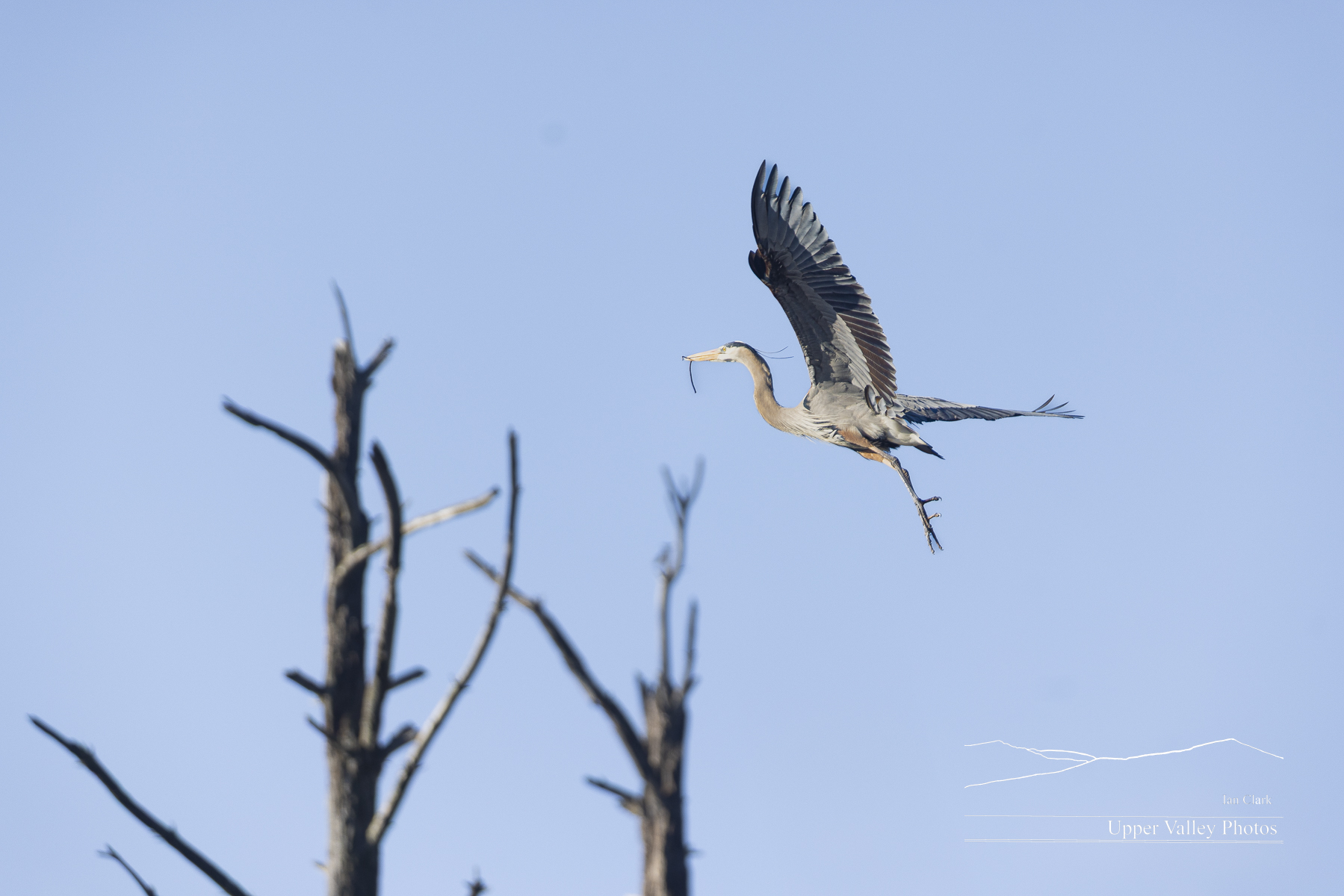
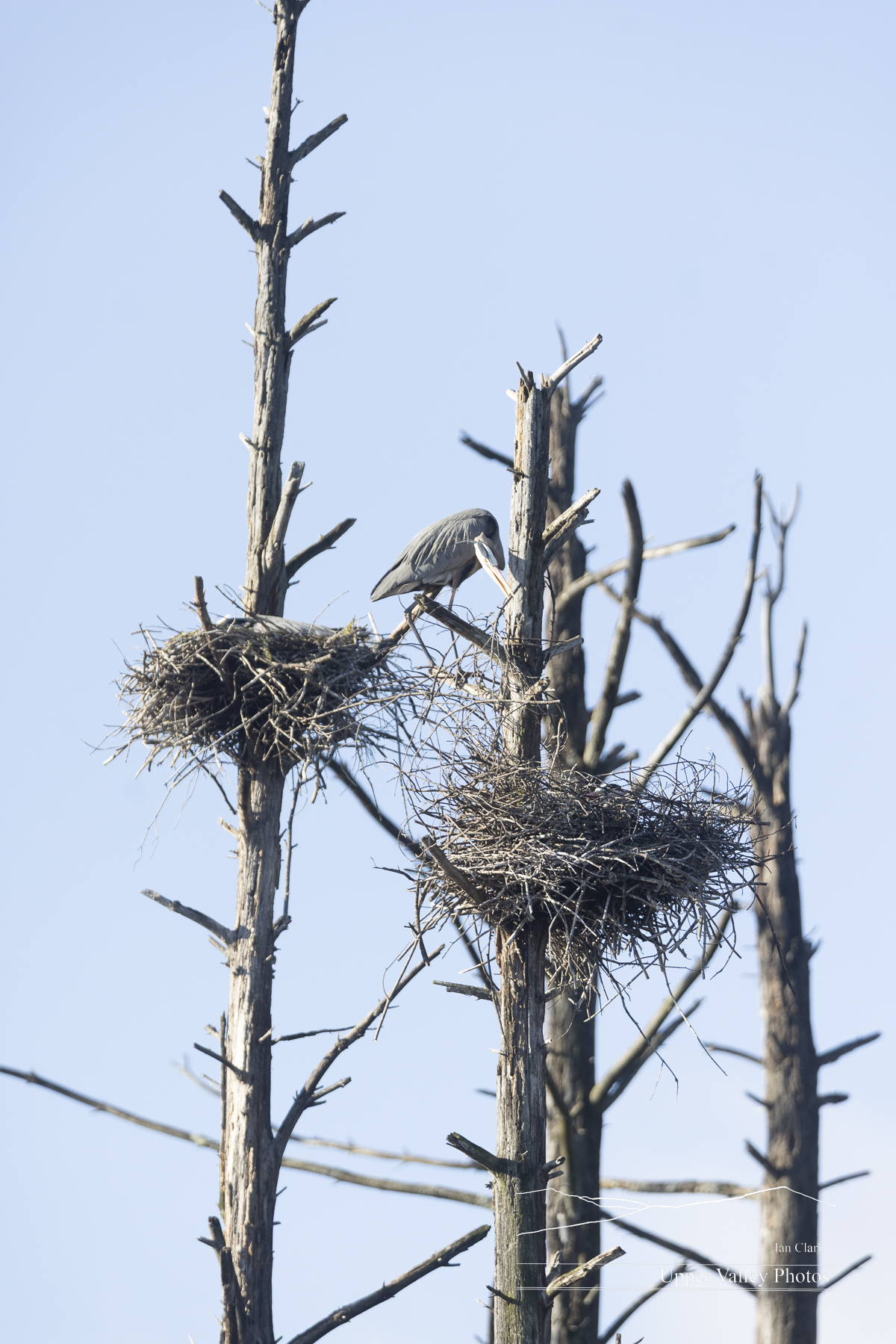
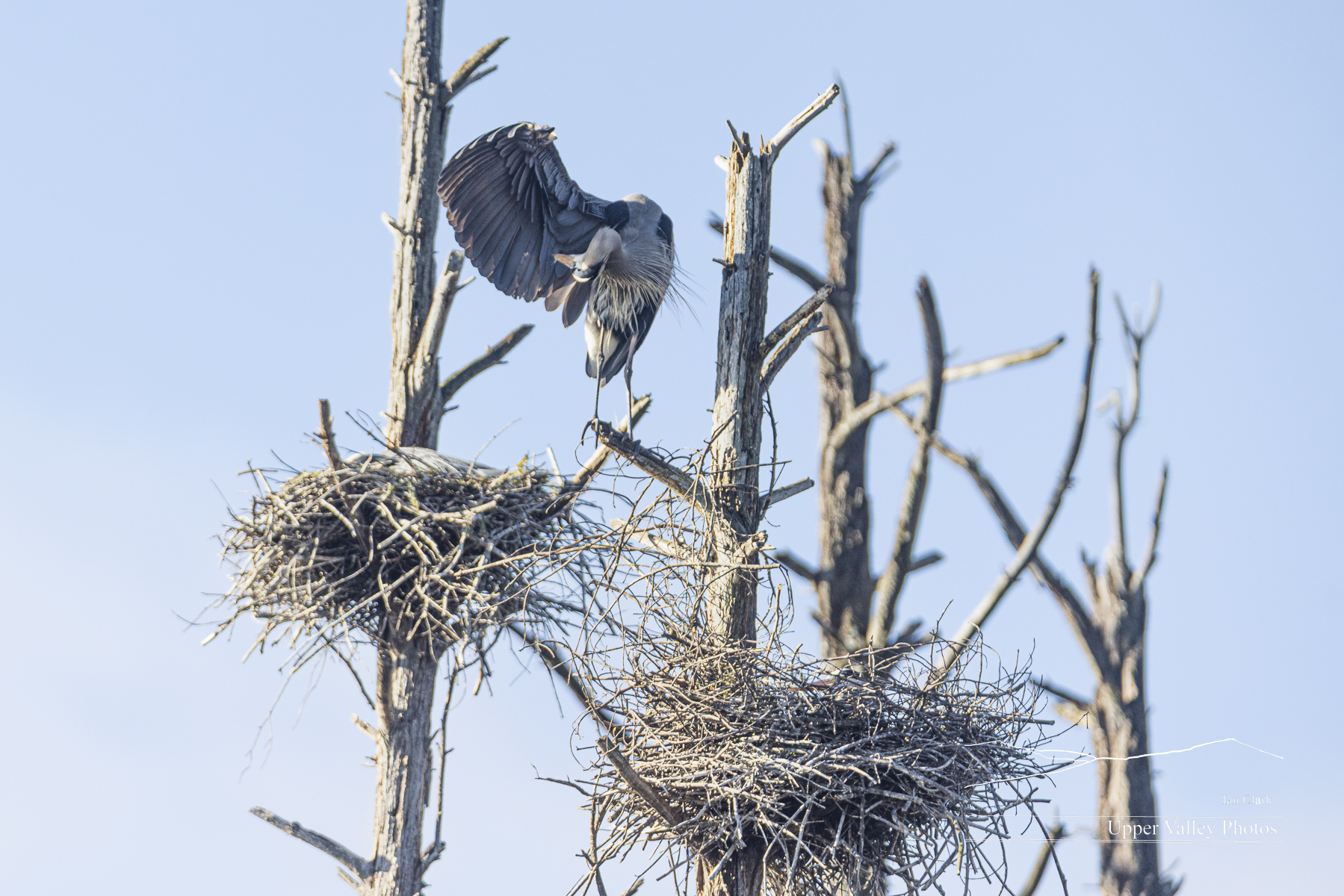
I’ve managed to visit the herons twice. The first visit found some herons sitting on their eggs and the others putting the finishing touches on their nests.
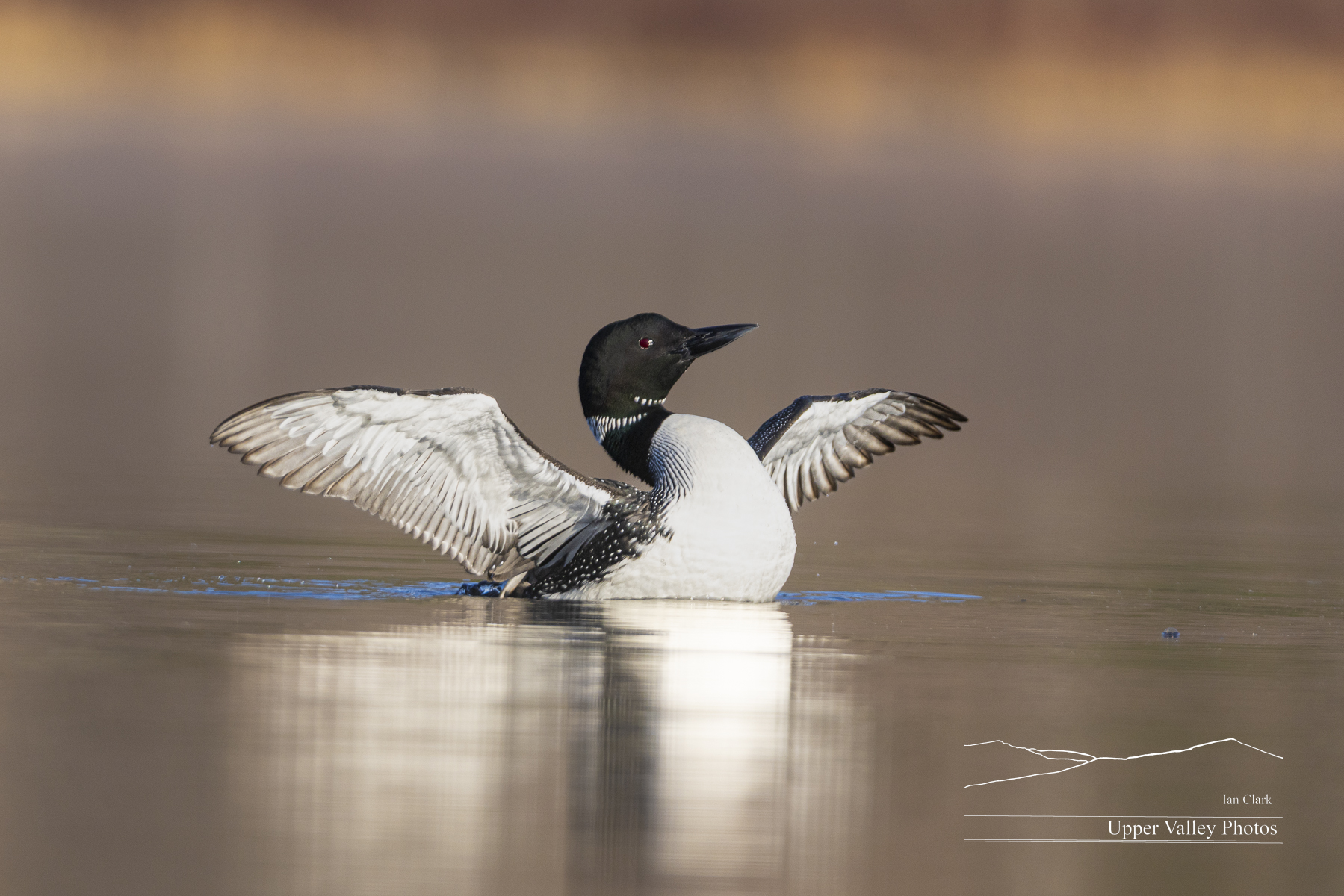
The next trip had me visiting the Middletons. There were two loons on the pond. Somewhat embarrassingly, I caught up with them before they finished their ablutions. Mr. Middleton waved his leg, letting me see his bands telling me he was who he claimed to be.
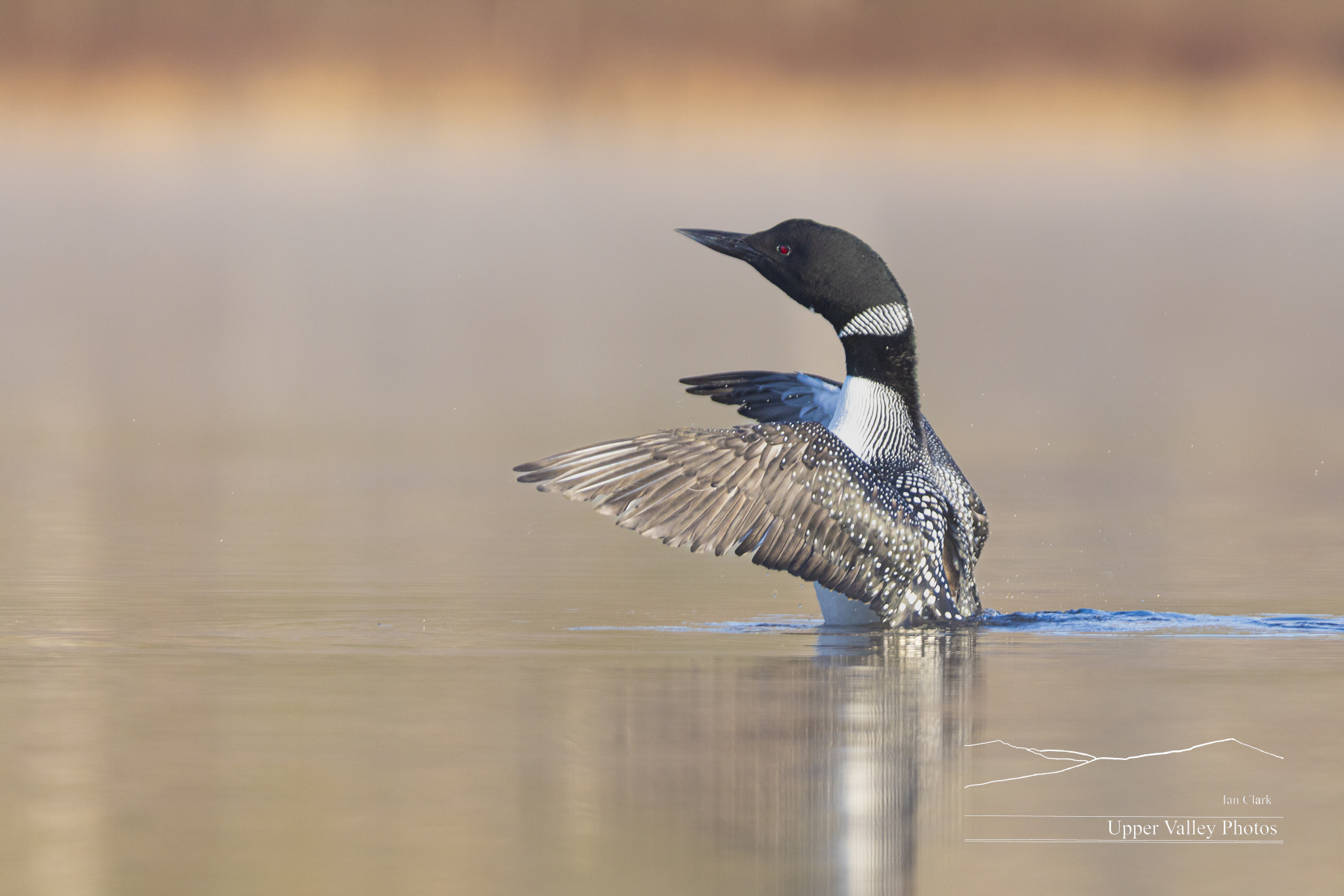
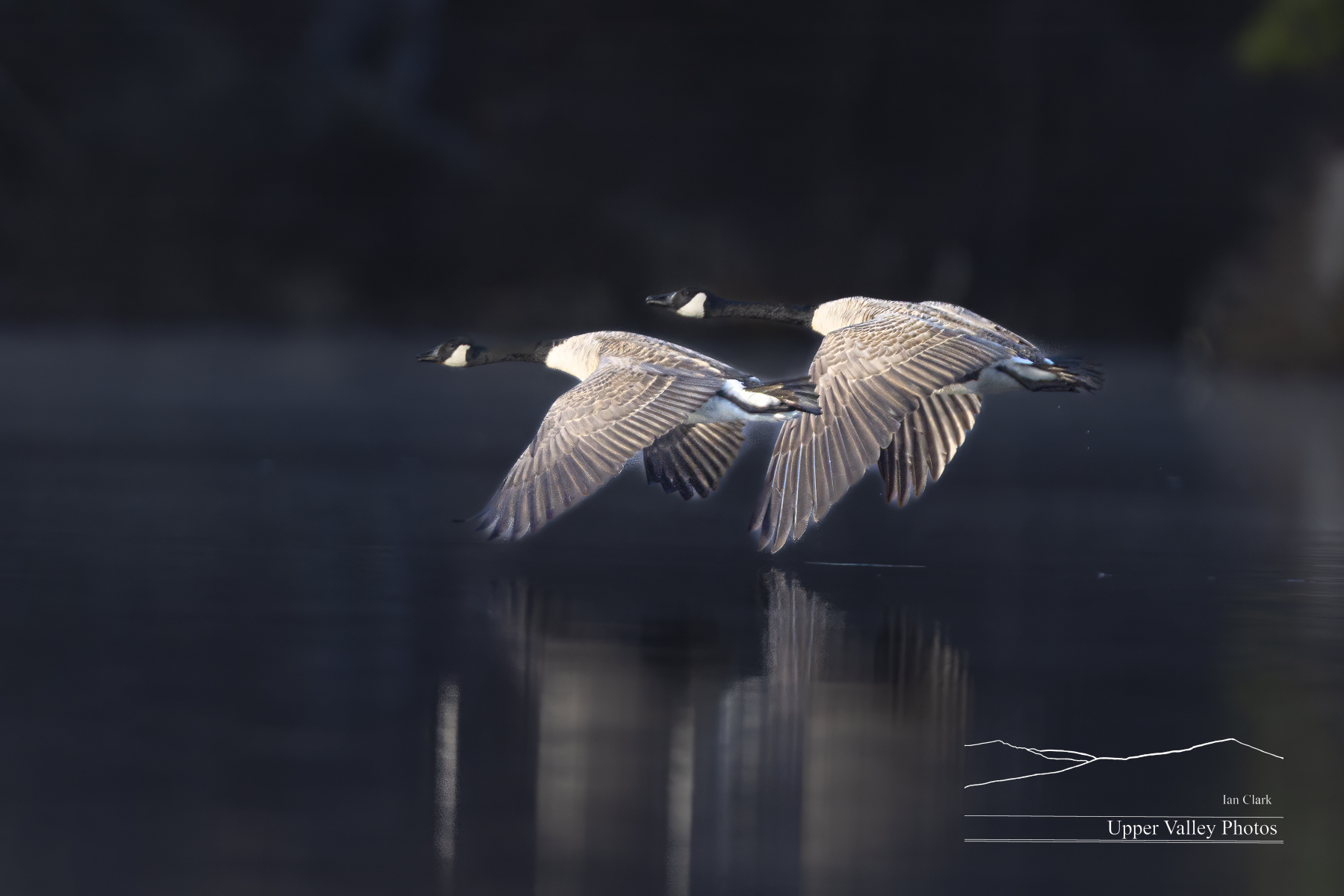
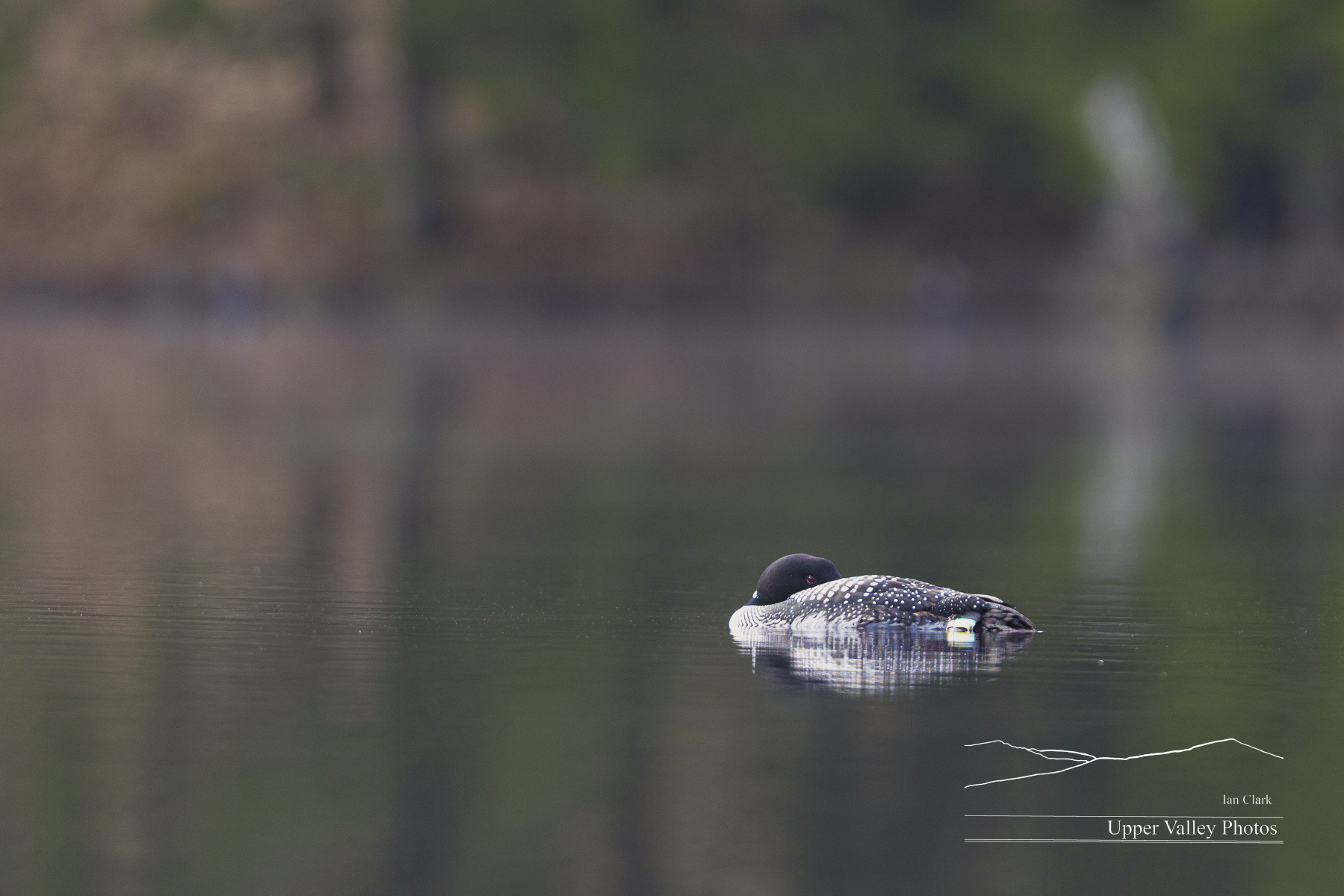
The next couple outings took me to the Weston’s pond. The Westons are often not in the mood for visitors and keep their distance. I try to respect their moods and keep my distance when they want to be left alone. There was a pair of loons on the pond. Mrs. Weston disappeared in early August last year and wasn’t seen again. We probably have Mr. Weston back with a new mate.
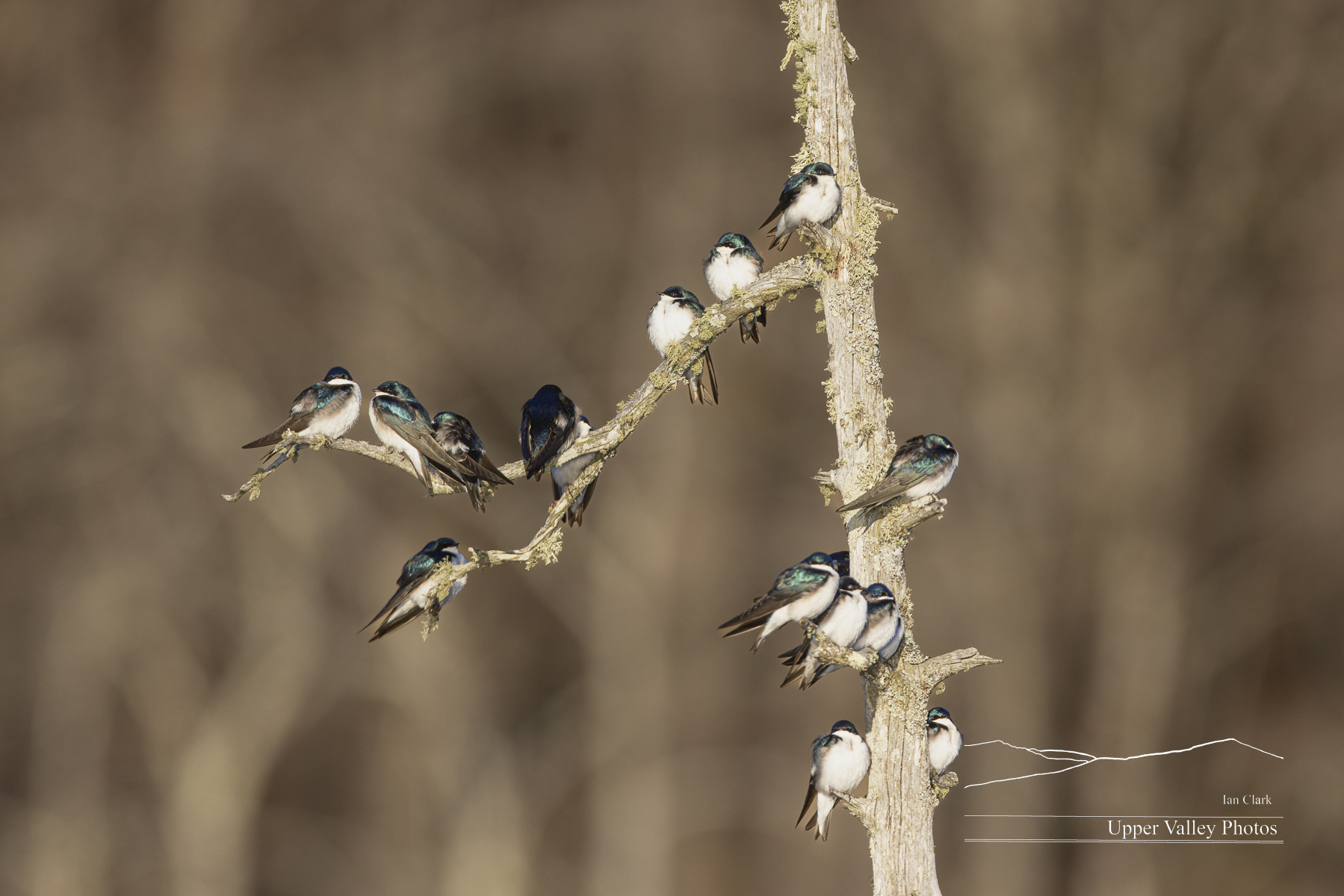
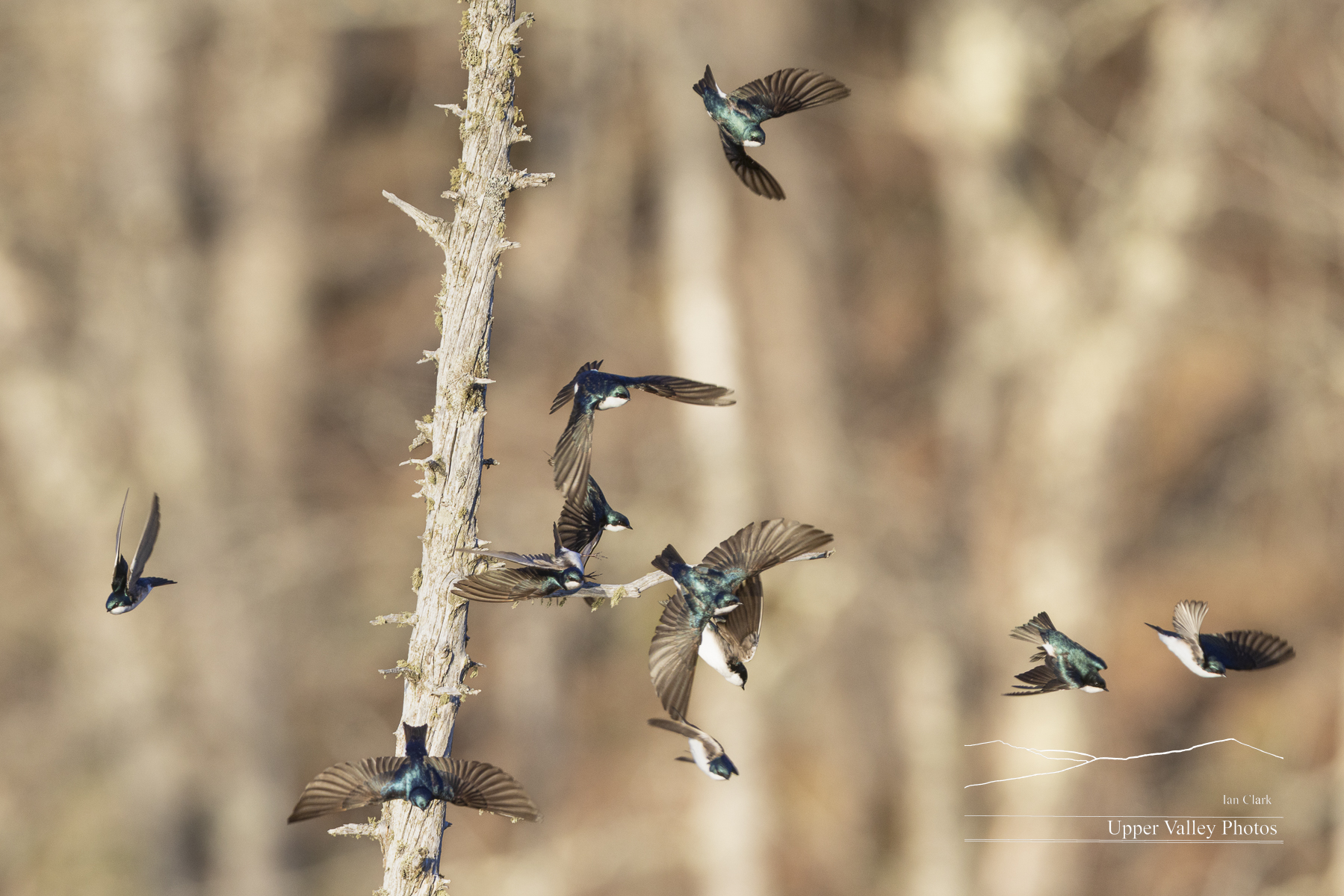
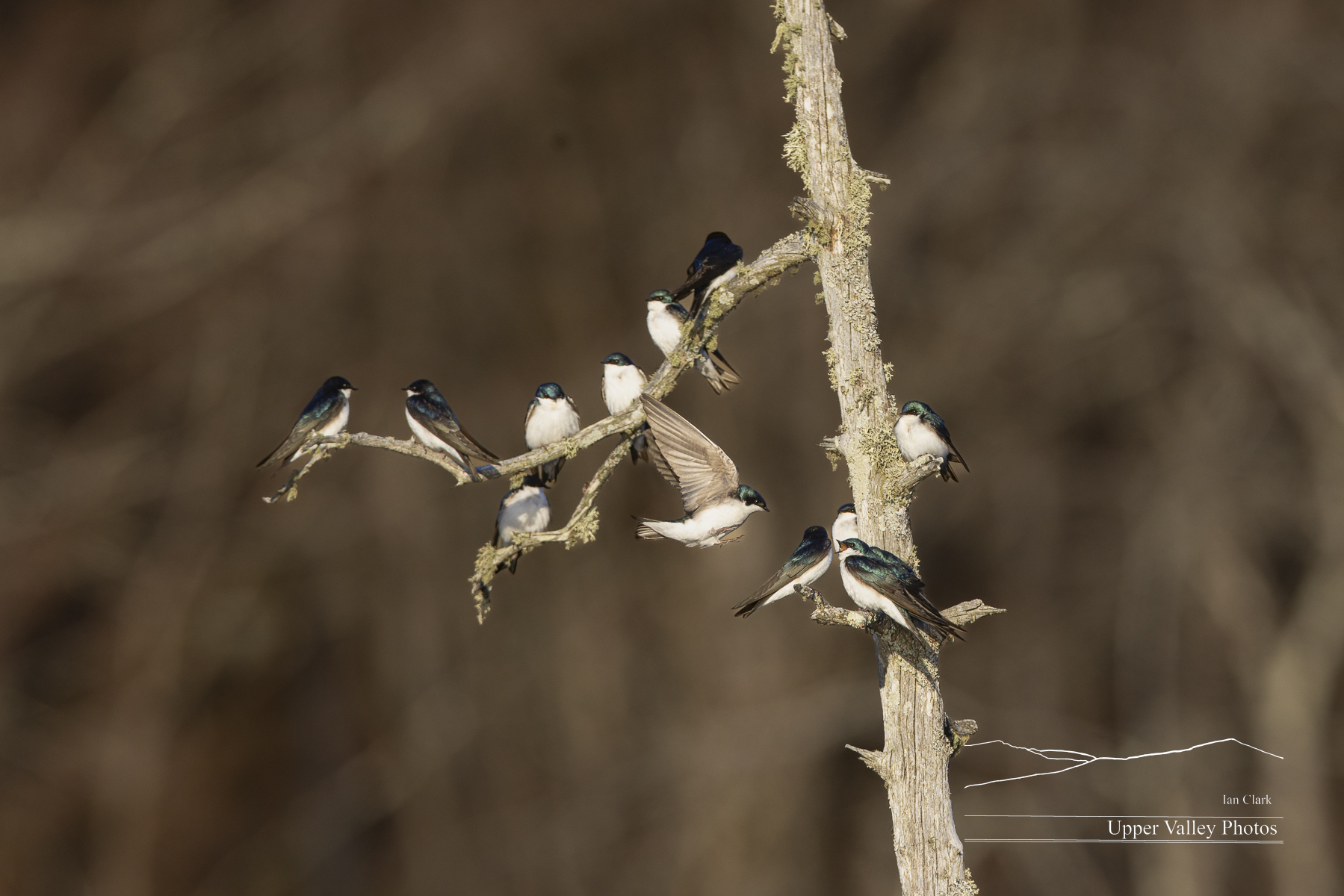
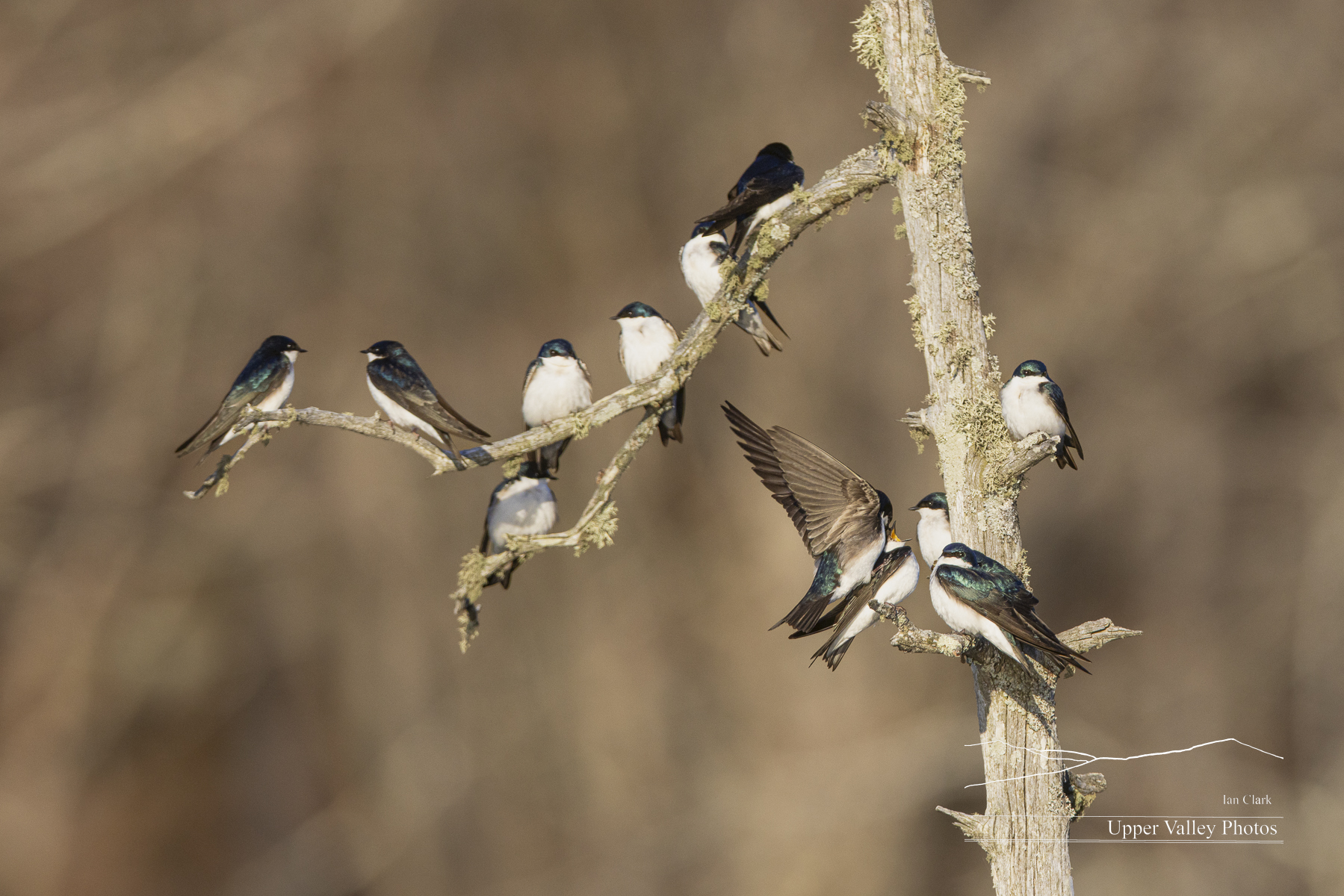
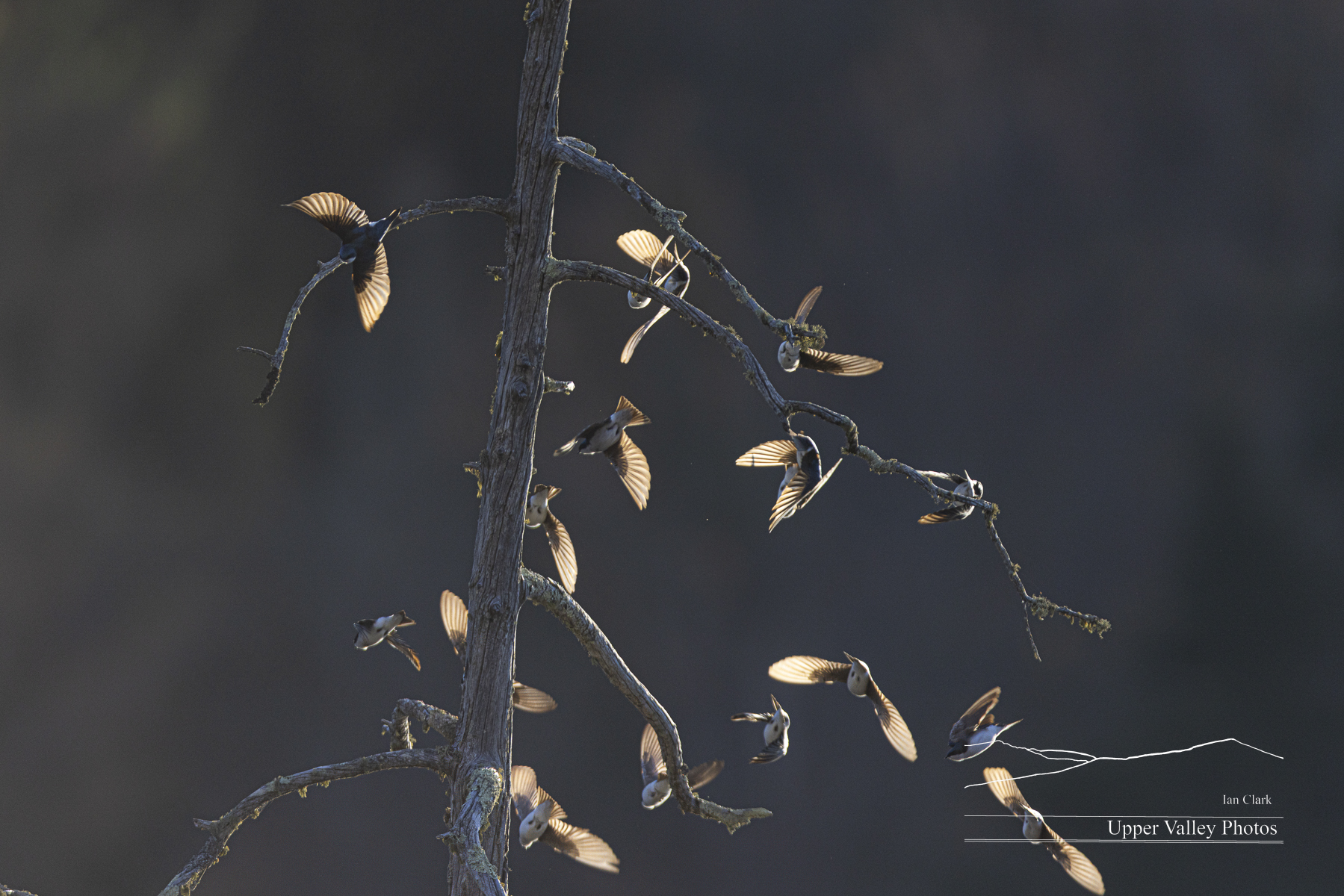
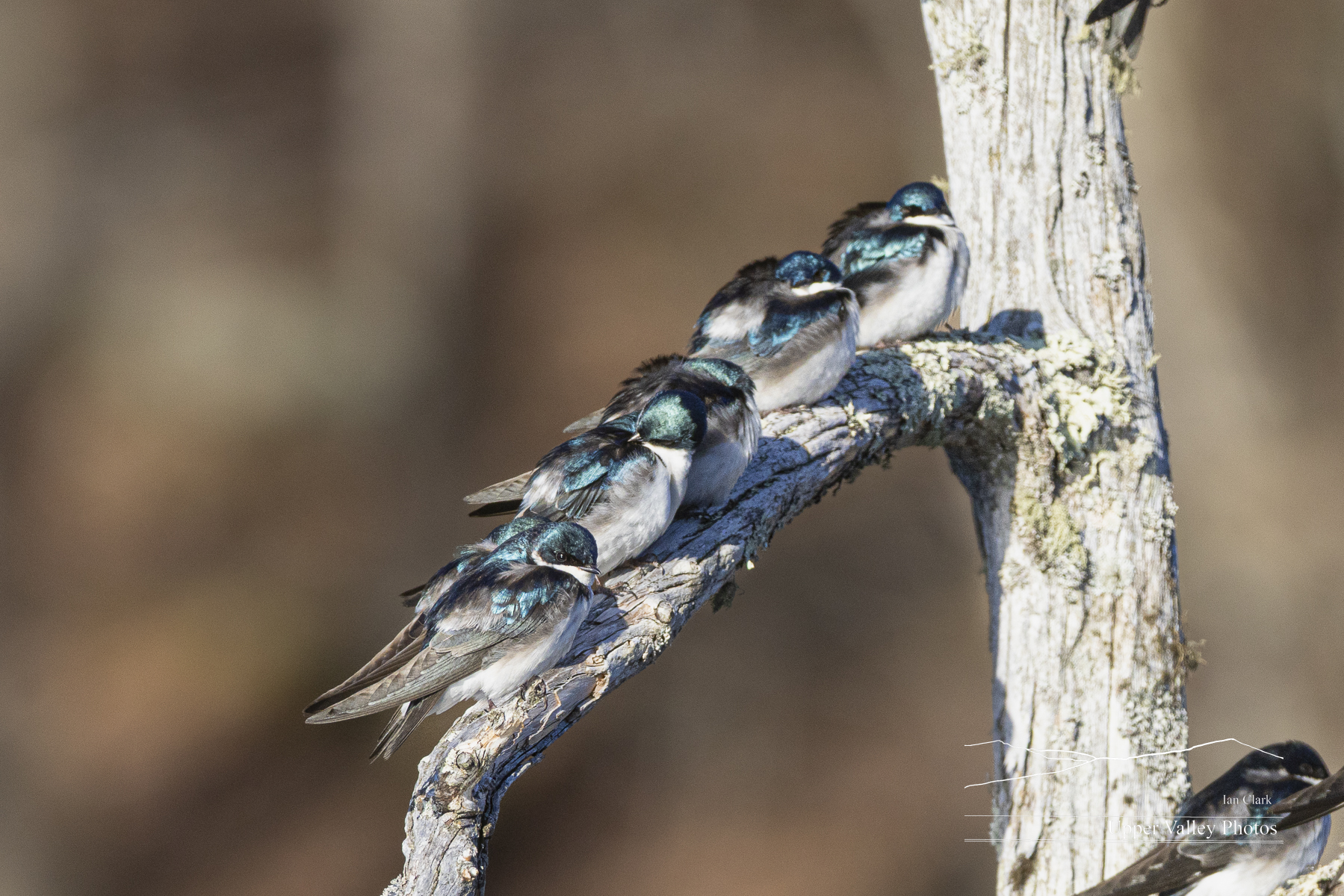
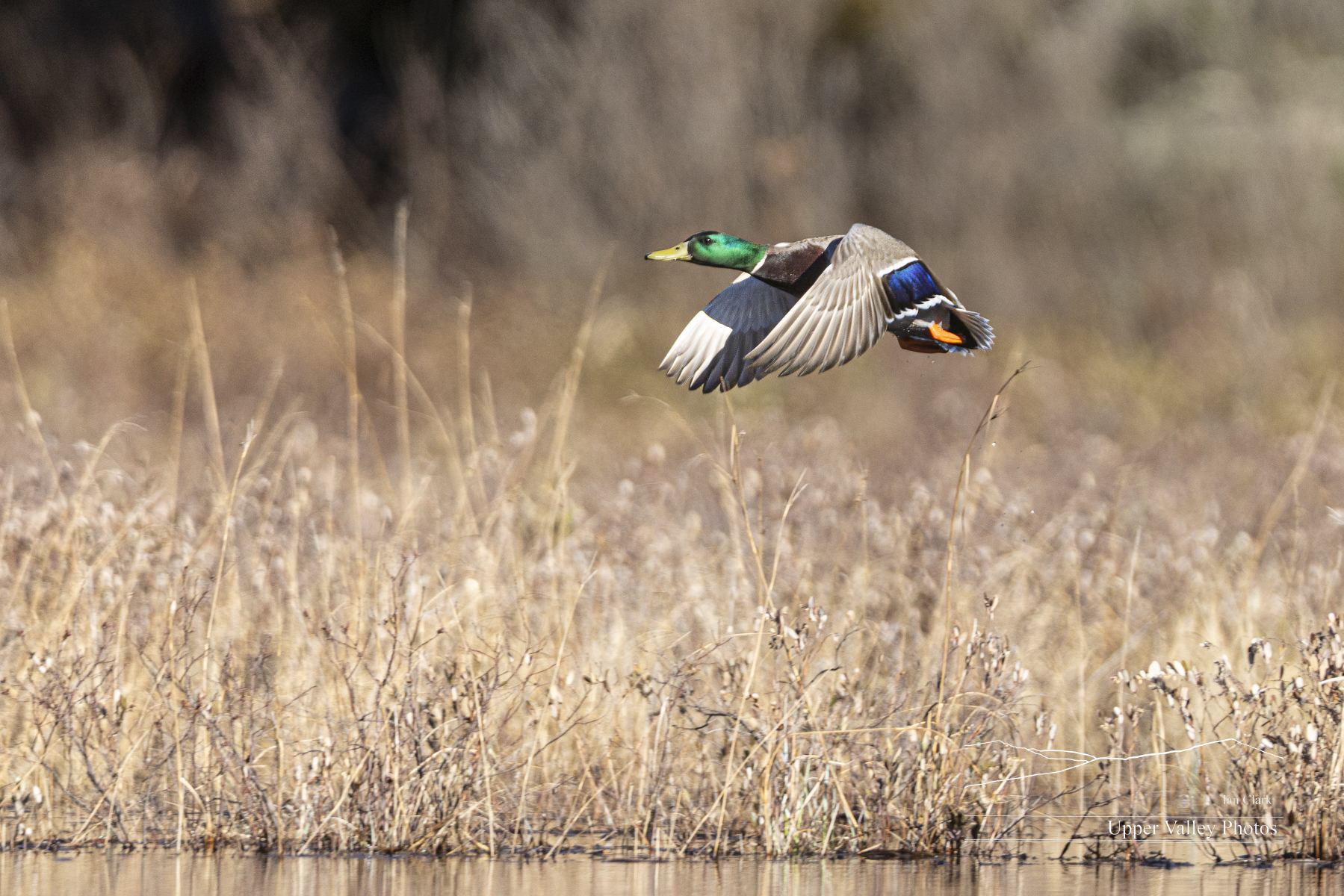
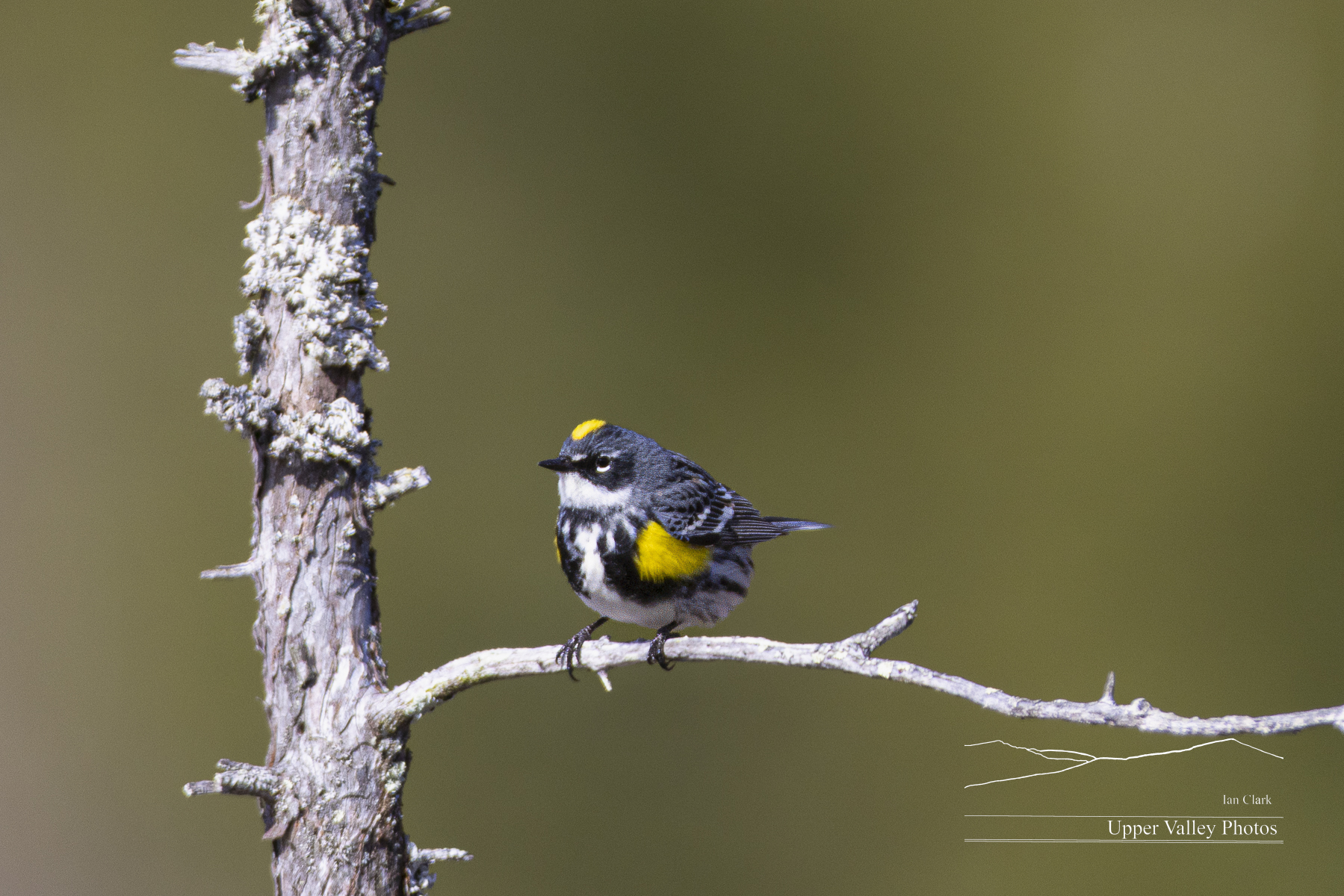
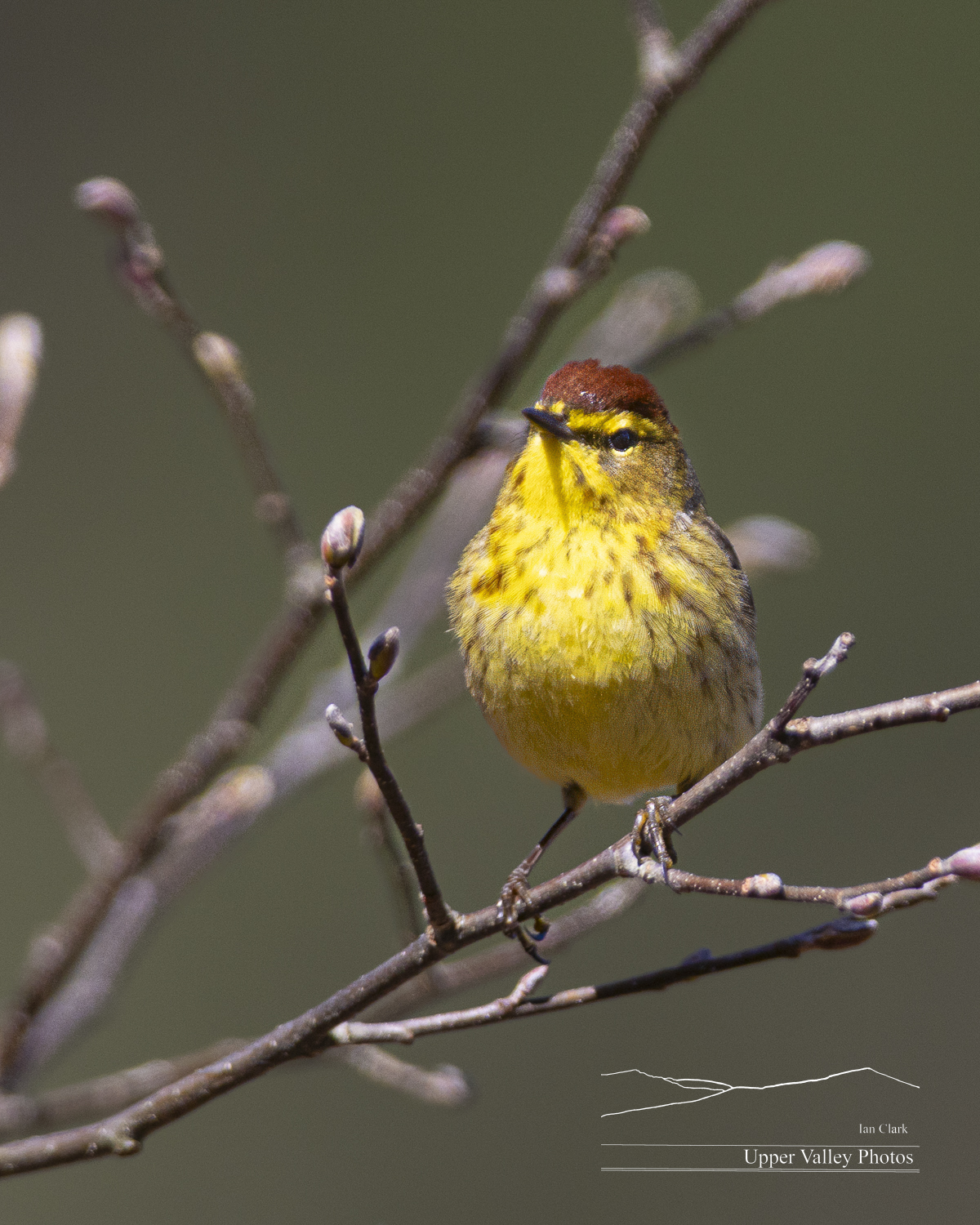
The next trip out was to visit the Middleton’s pond again.
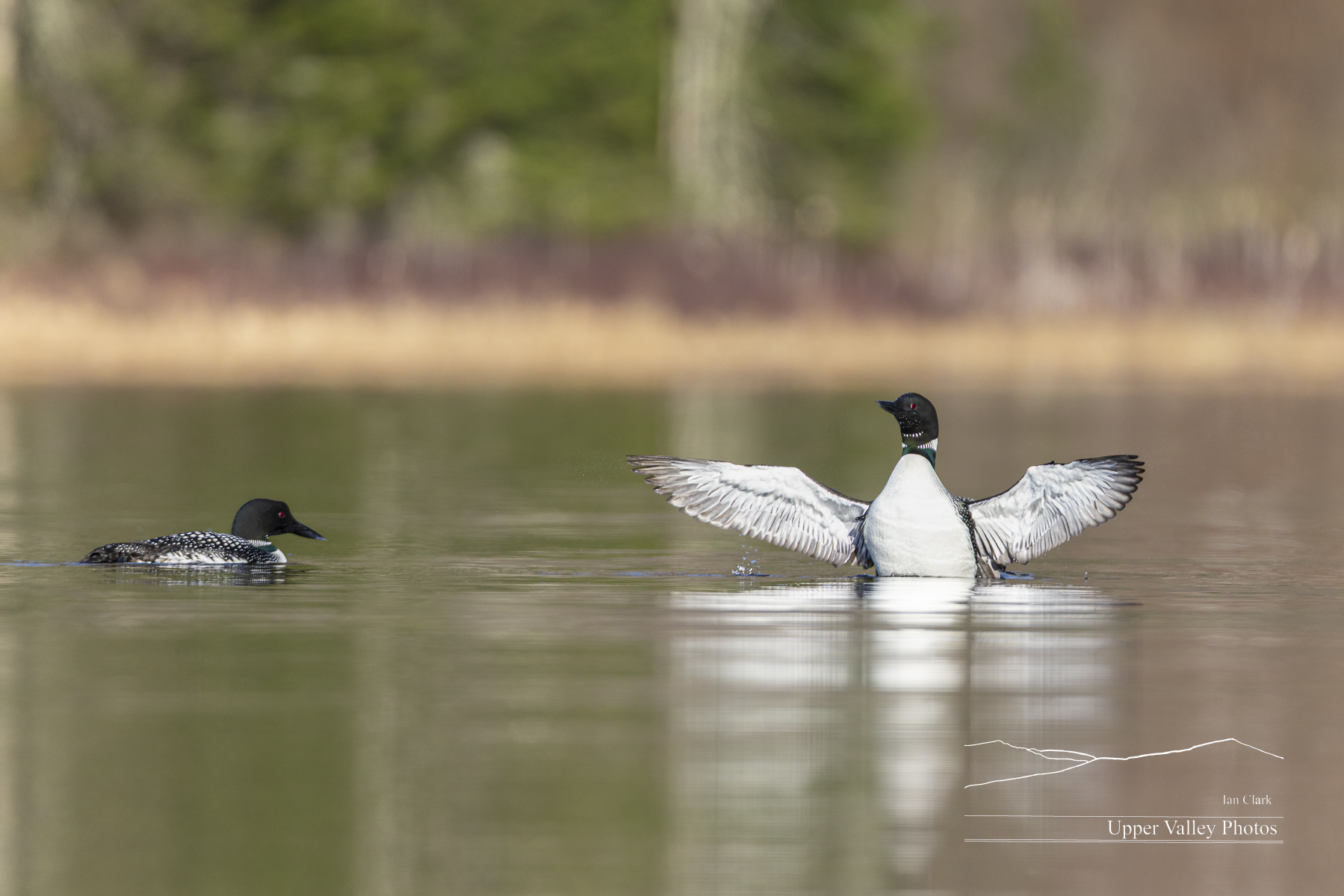
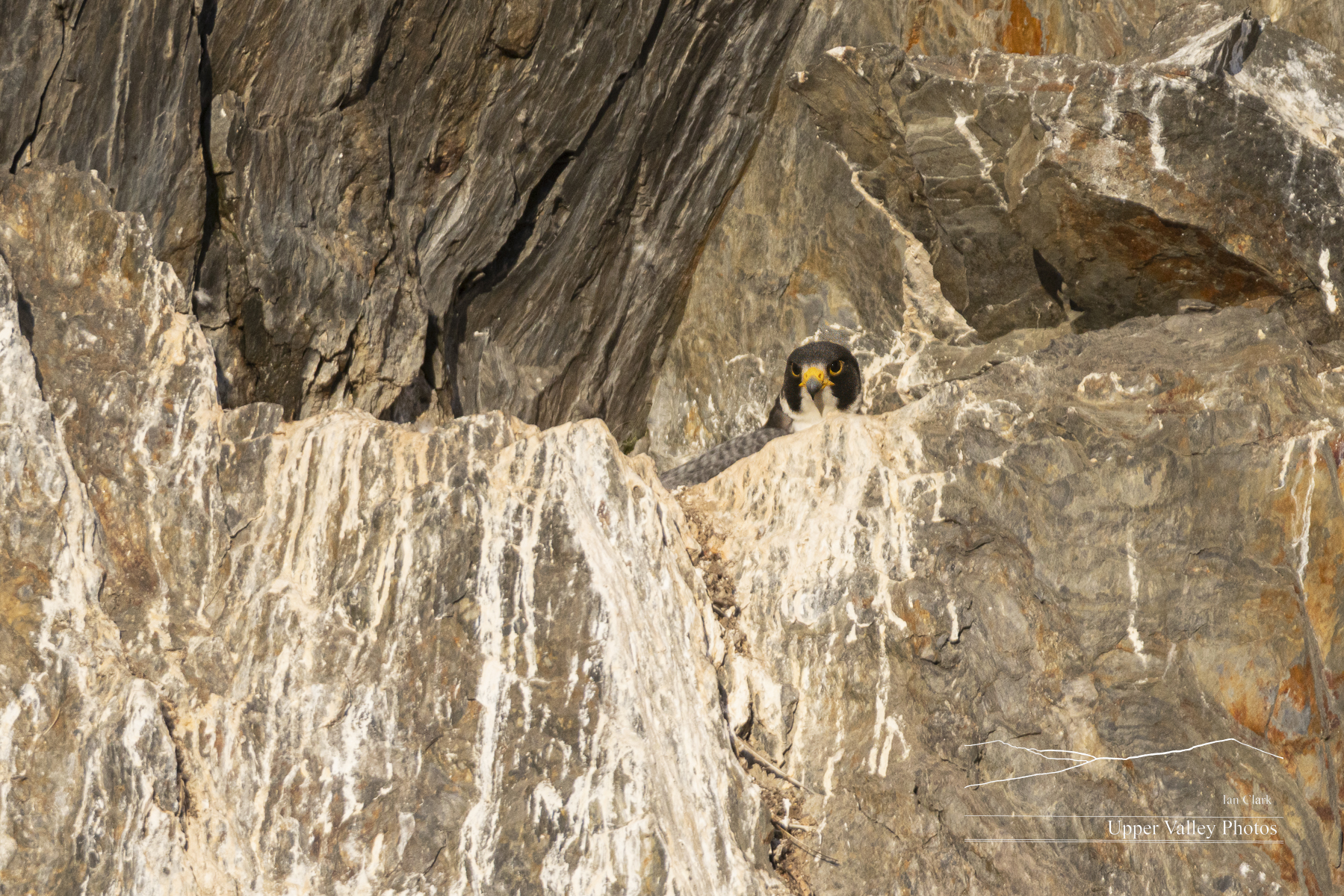
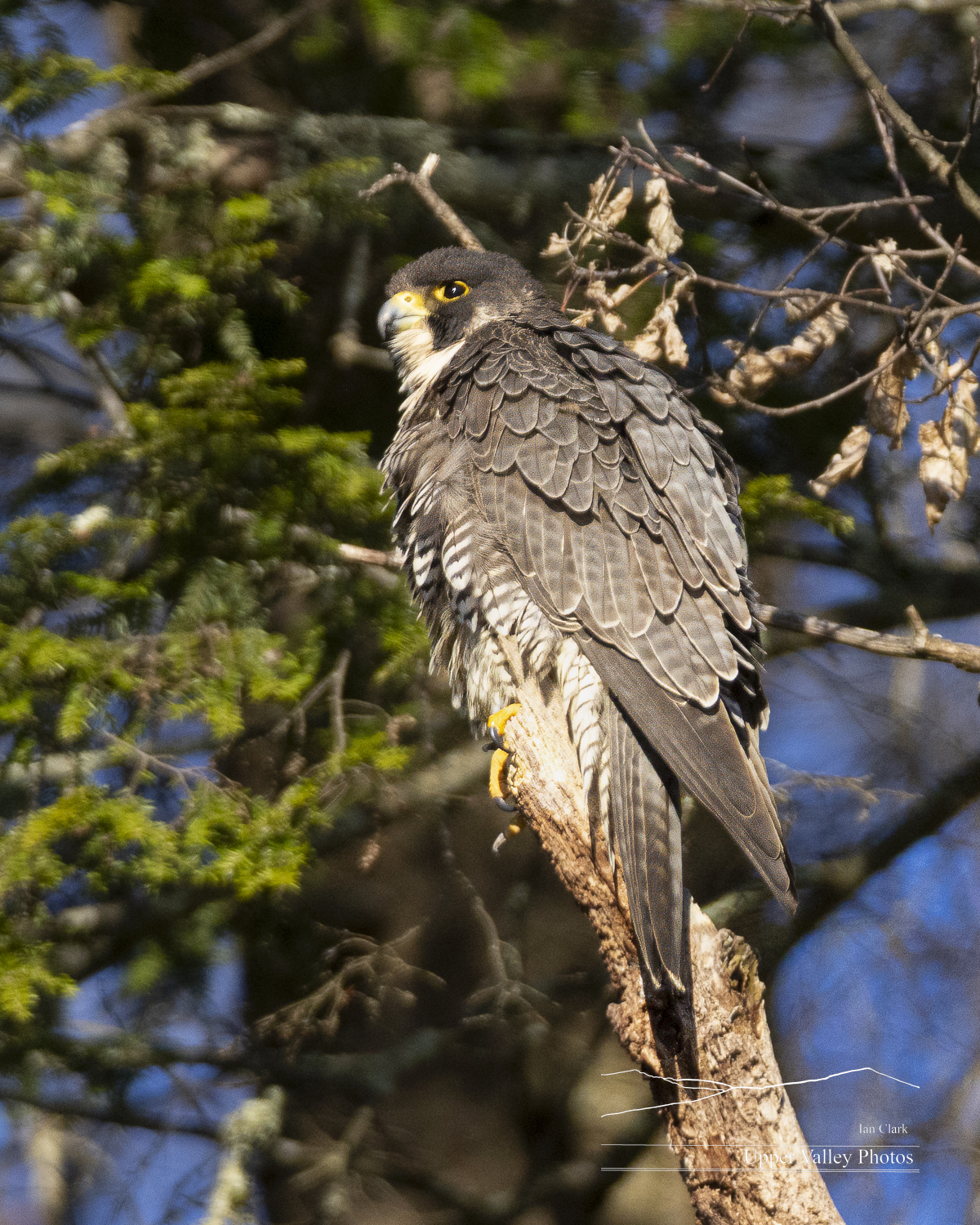
The next morning found me checking in on the falcons.
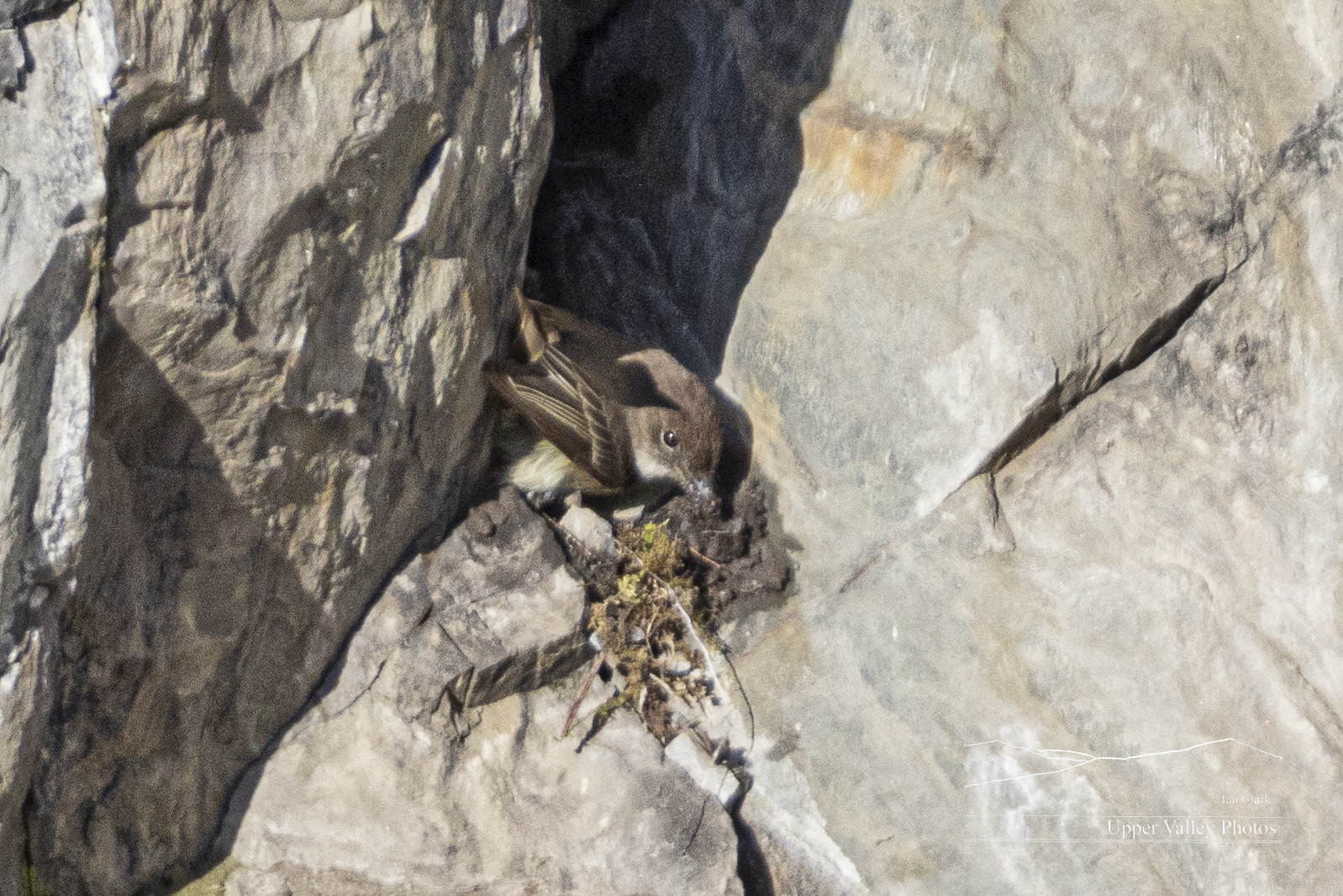
And the next morning found me back at the rookery.
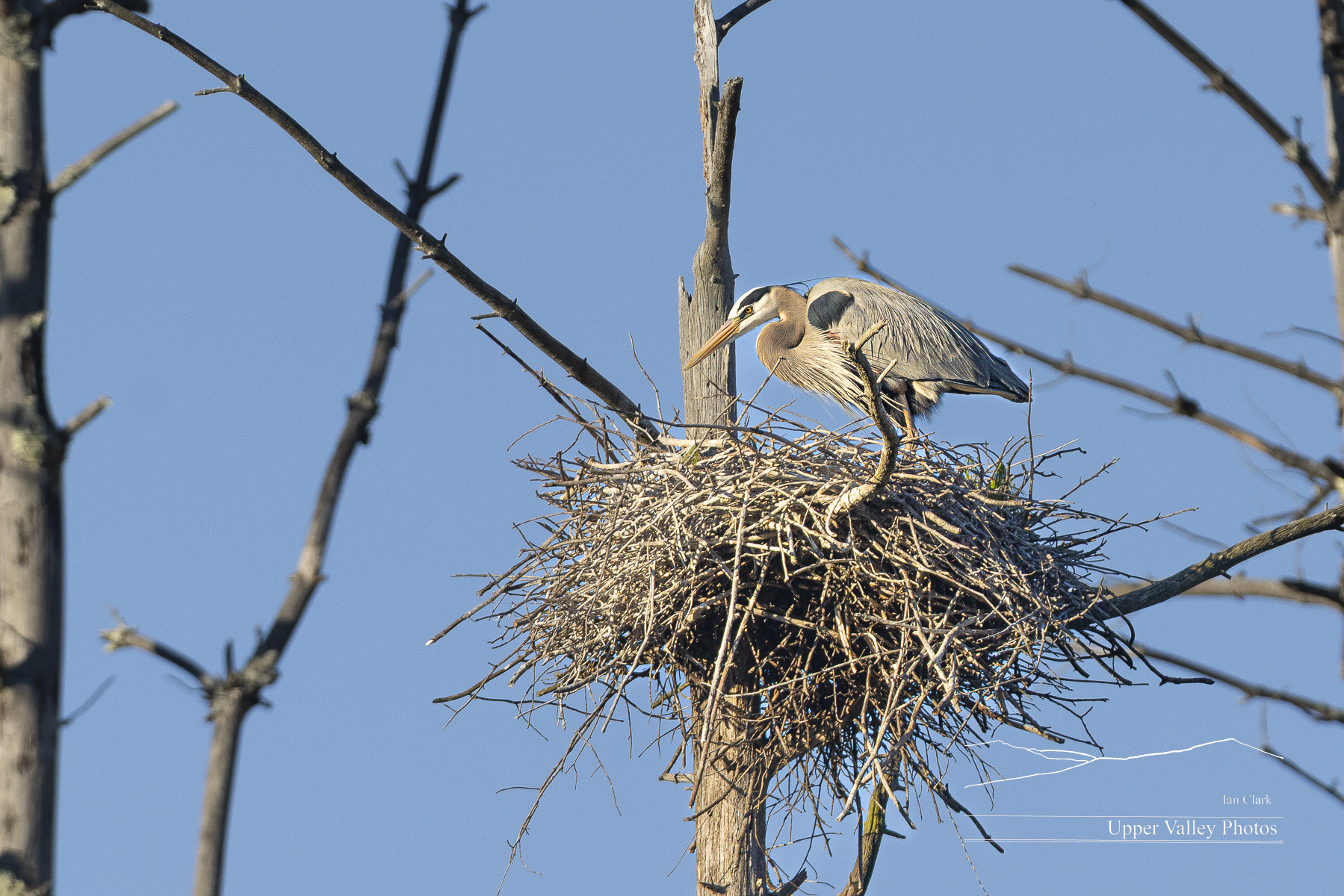
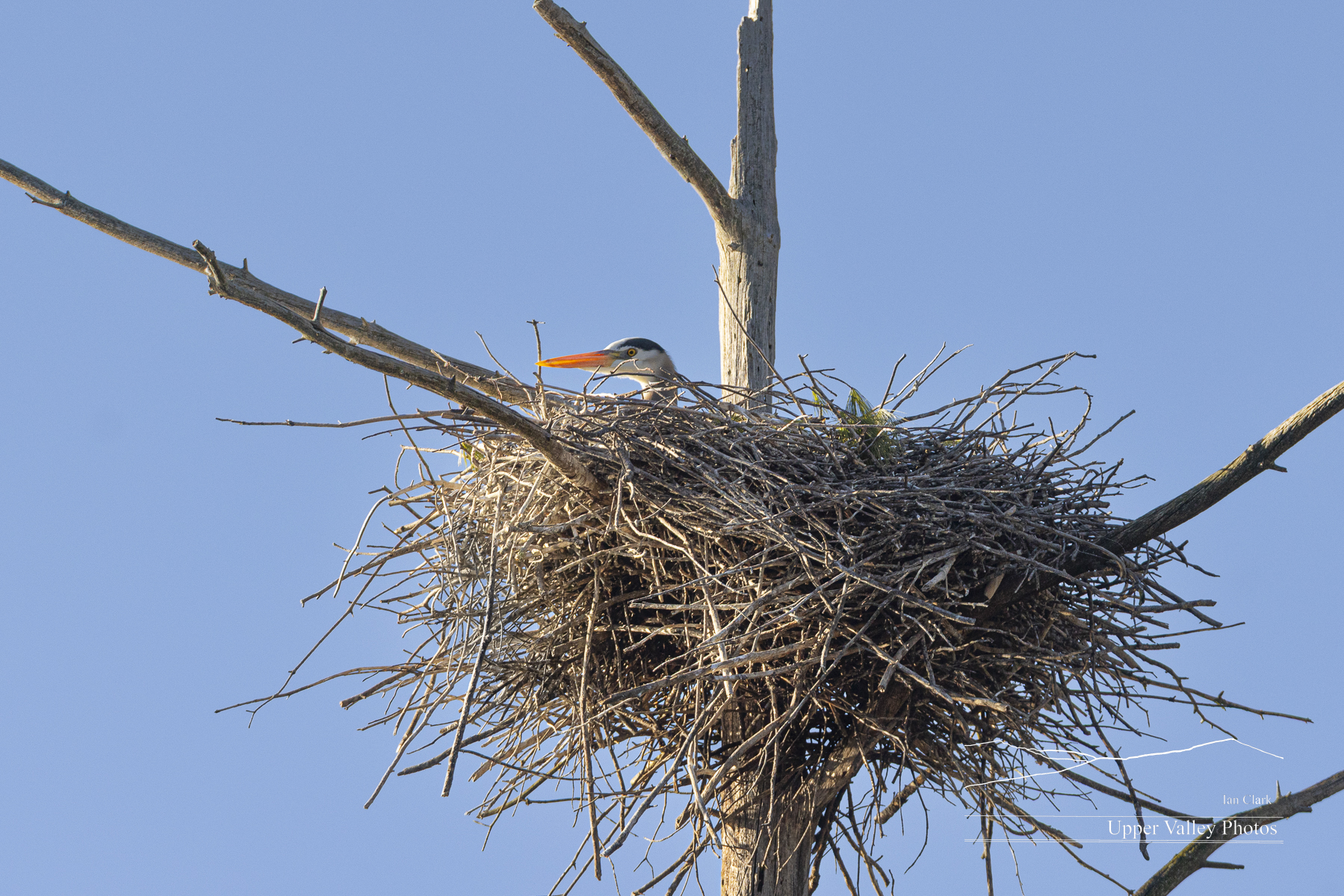
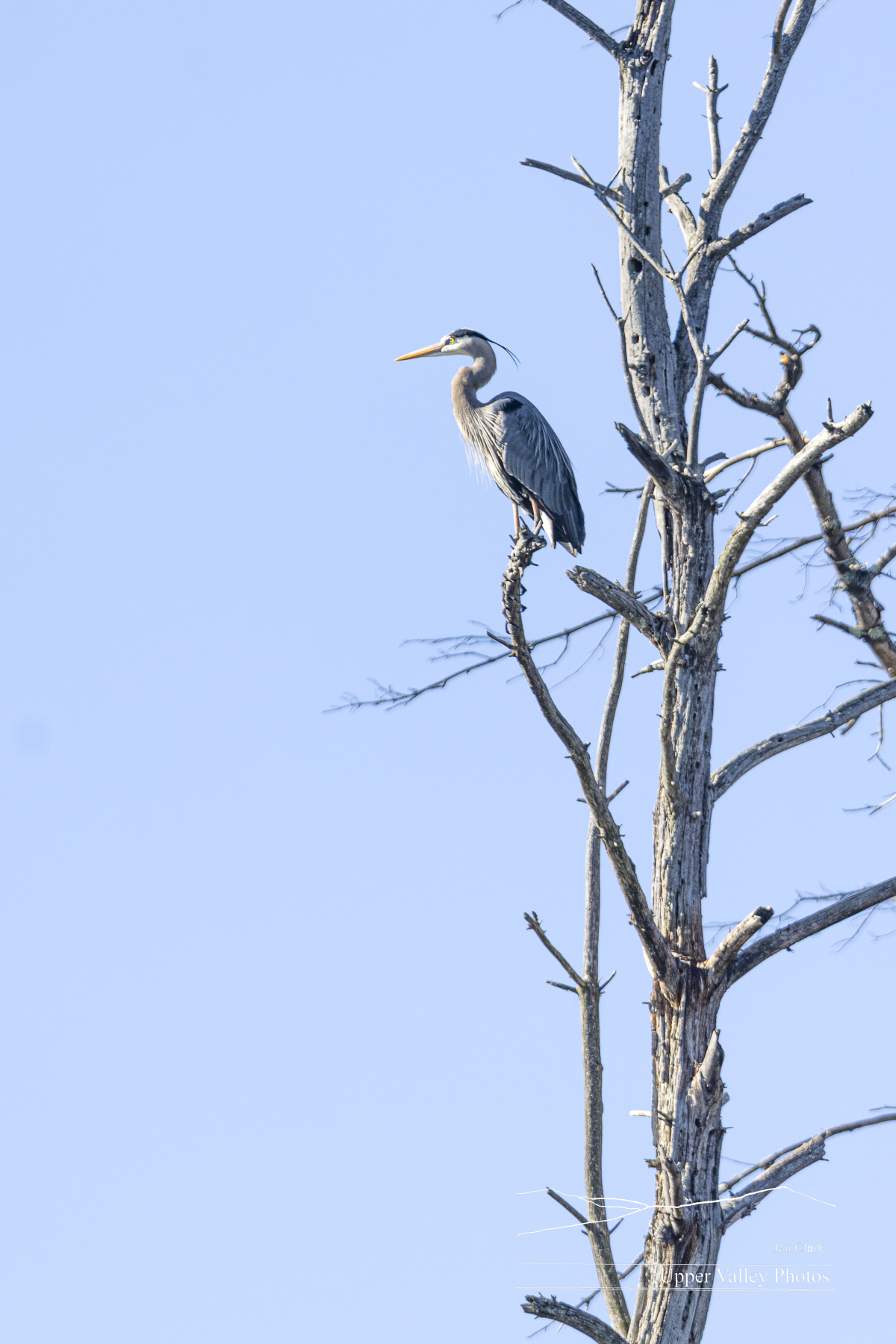
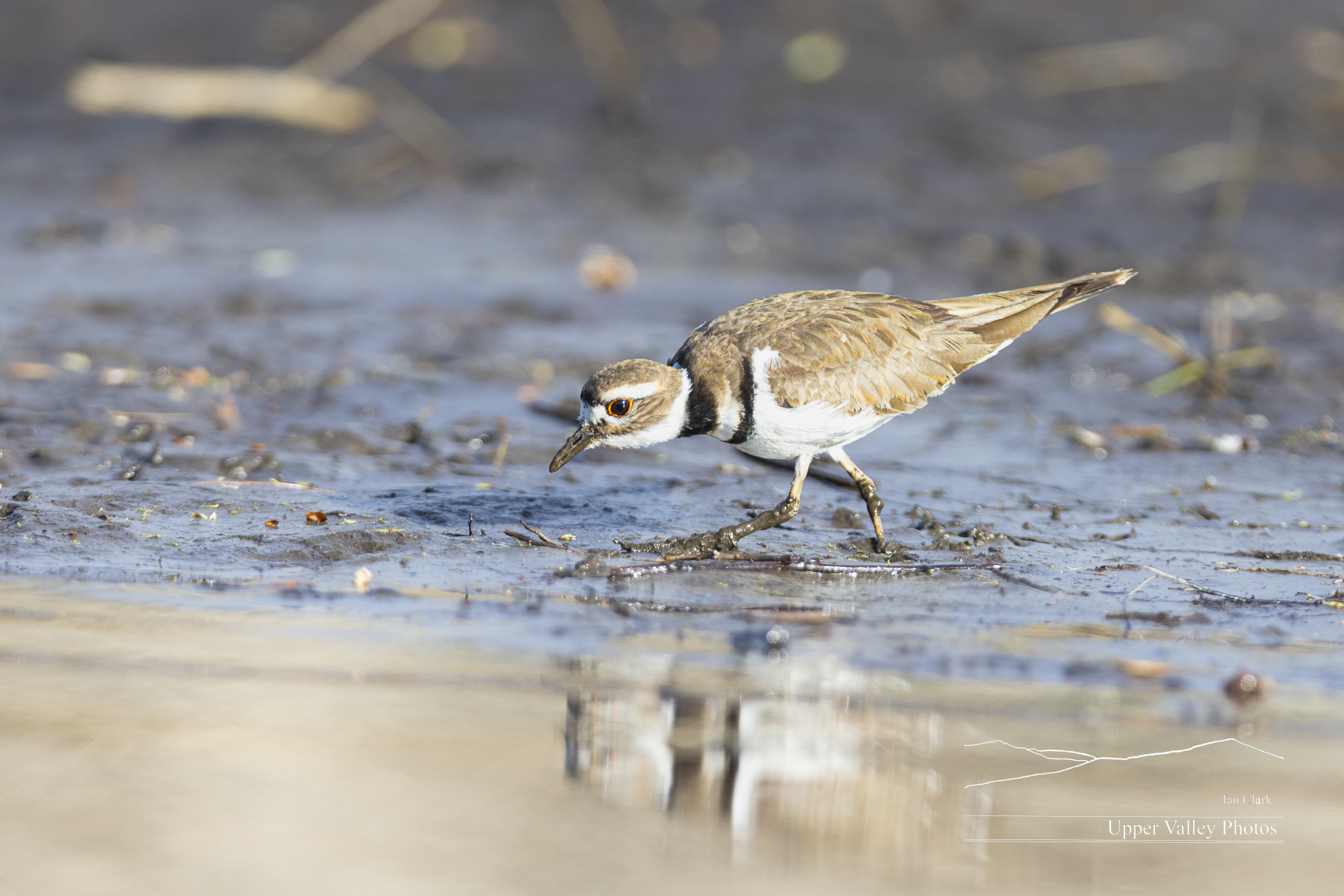
The Waits and Connecticut Rivers have been too high for me to be comfortable paddling. Earlier this week, it had dropped enough for me to venture out. When I got out Wednesday morning, the water had dropped to the point where navigating anywhere but the deepest part of the Waits was difficult.
If you enjoy my posts, you can sign up to get a notification when I add a new post. I’m not going to share your info, I just use it to let you know I’ve got a new post up. And, you can help me out a bit by sharing your favorite posts with friends or on social media. Thanks!
Spring Brings Everyone Back to the Upper Valley
I’ve managed to get out a couple of times this spring, finding mixed success. Let’s see who’s out and about.
It is that time of year again where I ask for help finding critters. I’m always looking for mammals bigger than squirrels. I’m still looking for a fox den and would love to find coyote or bobcat dens. If you get a bear showing up daily when they get fully up and around, I’d love to know. Owls and a woodpecker nest are on my list too. If you’ve any of them showing up regularly where I can come and go without disturbing them or you, I’d love to know.
I’ll be giving my slideshow An Uncommon Look at the Common Loon at the Rockingham, Vermont, Library Saturday May 2, at 11 am. Free and everyone welcome. And I have prints of some of my favorite loon photos hanging in the Library now. Stop in and have a look.
Regular readers will know that I’ve been trying to get a good shot of the long-eared owls down on the coast. There have been three of them wintering there for the last several years. They hang out in what can’t be more than half an acre of trees. I’ve made several trips down to try to catch them where they can be seen. To make things worse, every photographer east of the Mississippi seems to have a nice shot of all three posing nicely together in the clear – and they all stop by to show you their shot on their phone….. I tried again in March.
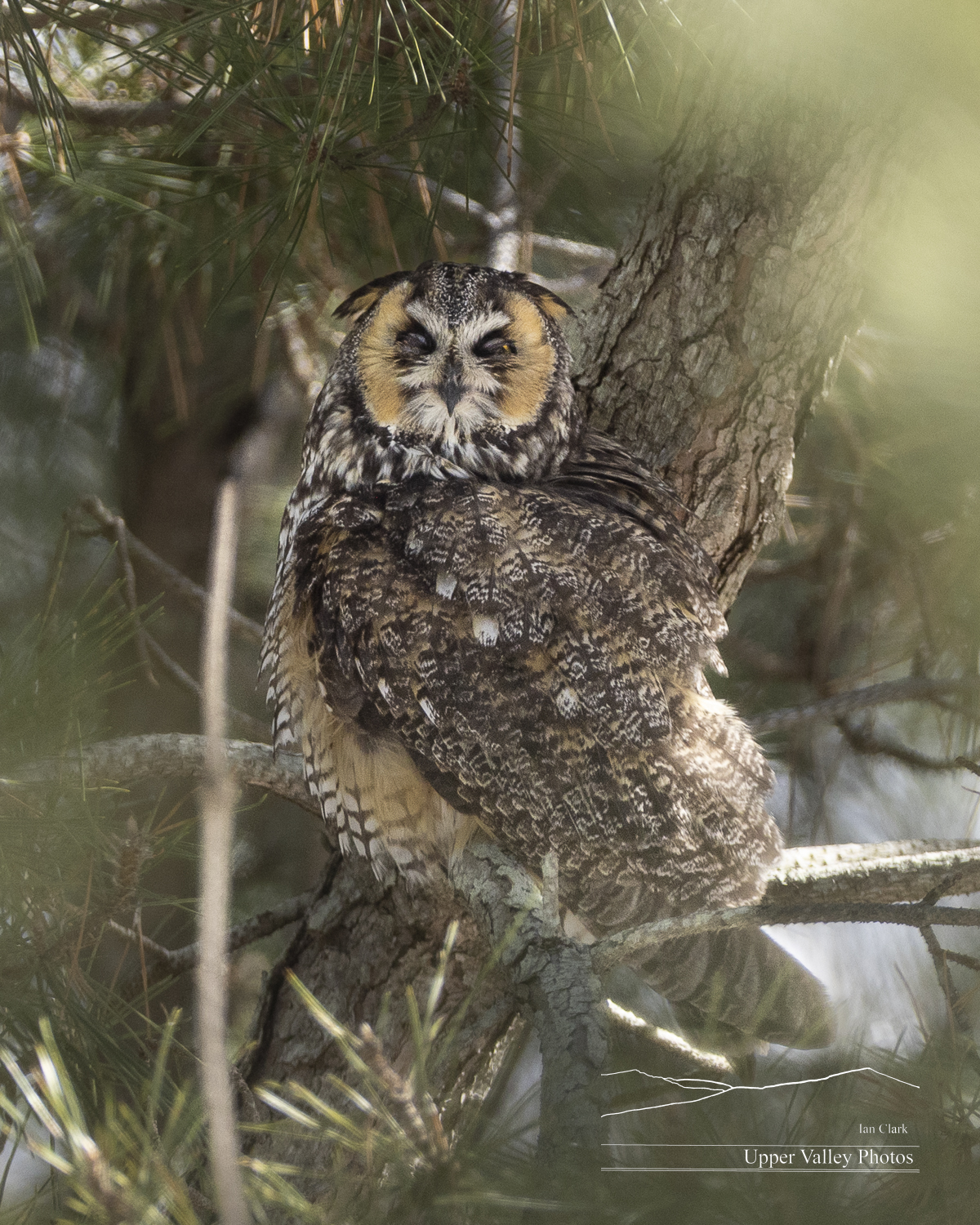
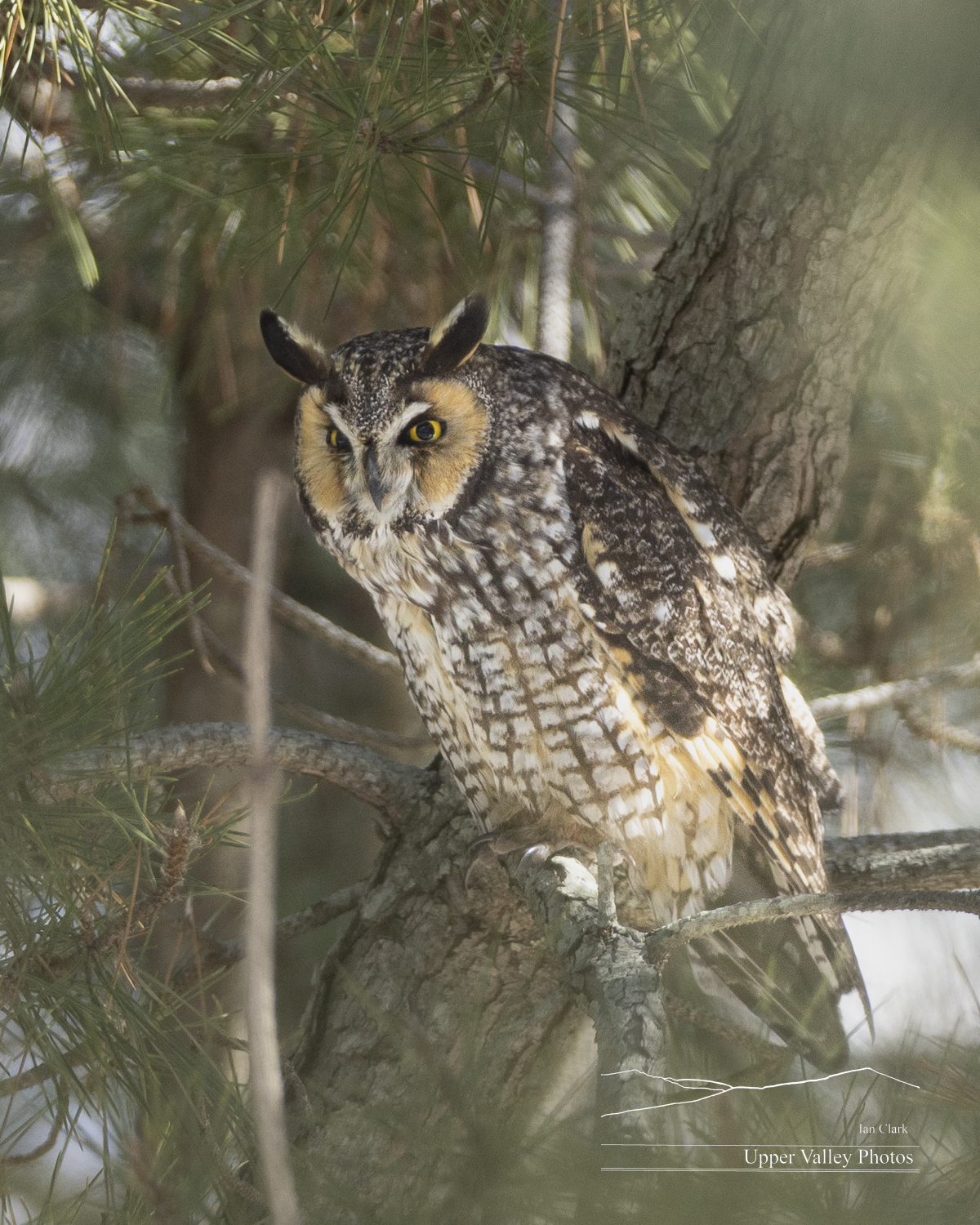
There’s always next year….
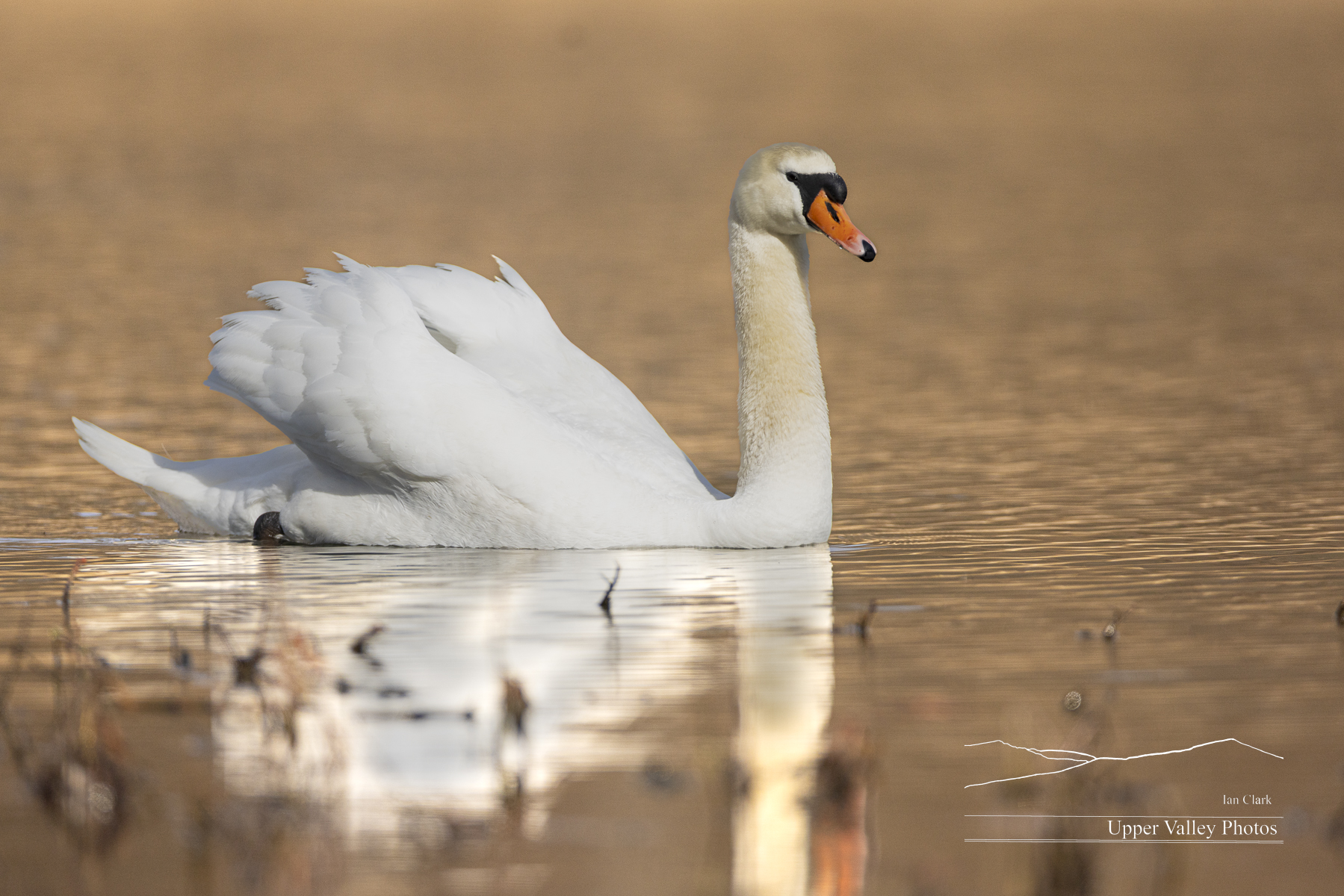
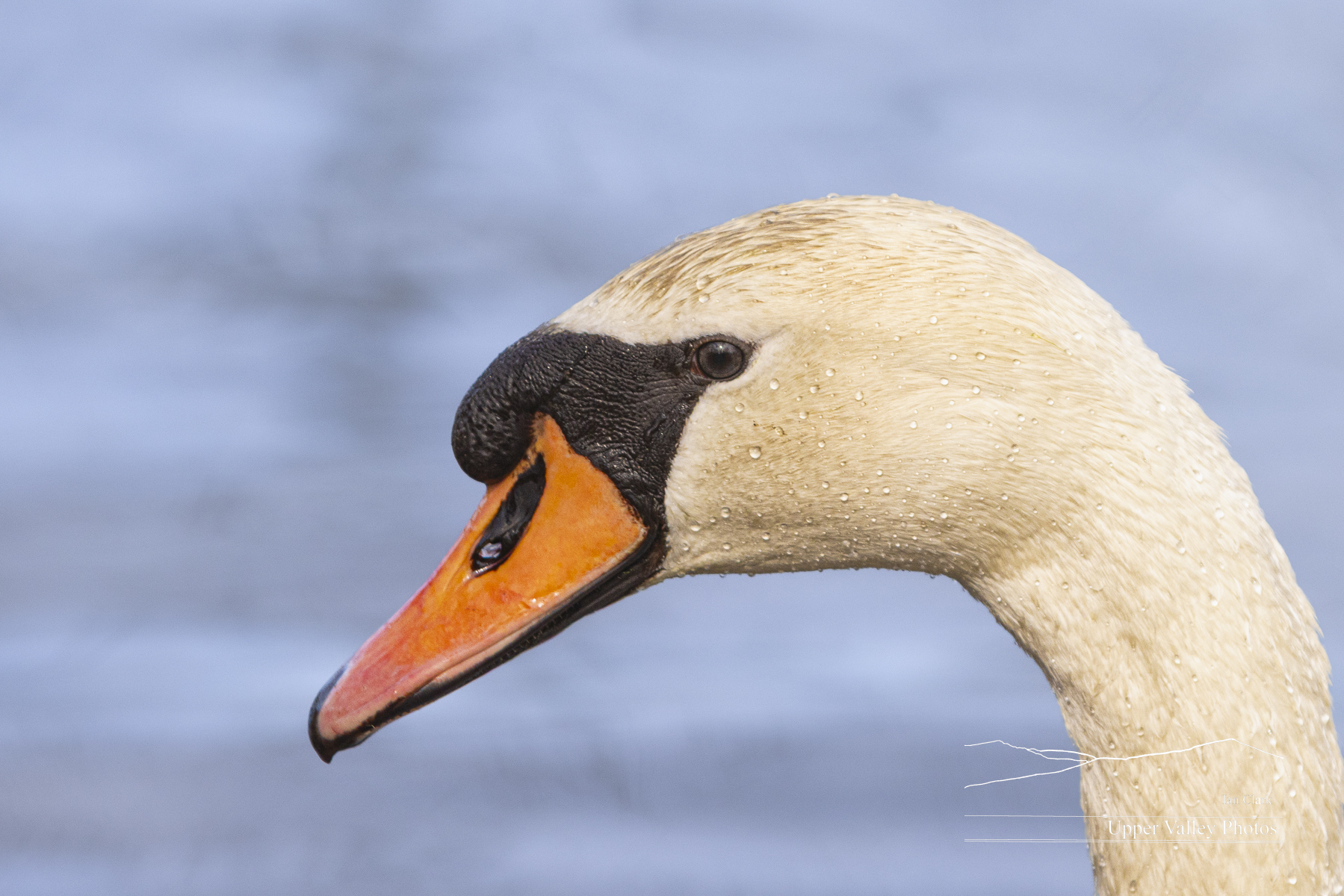
I went searching for a likely couple. I ventured down to the Fannie Stebbins Memorial Wildlife Refuge. They’ve hosted families the last few years. There were two swans to be found – and apparently not a couple.
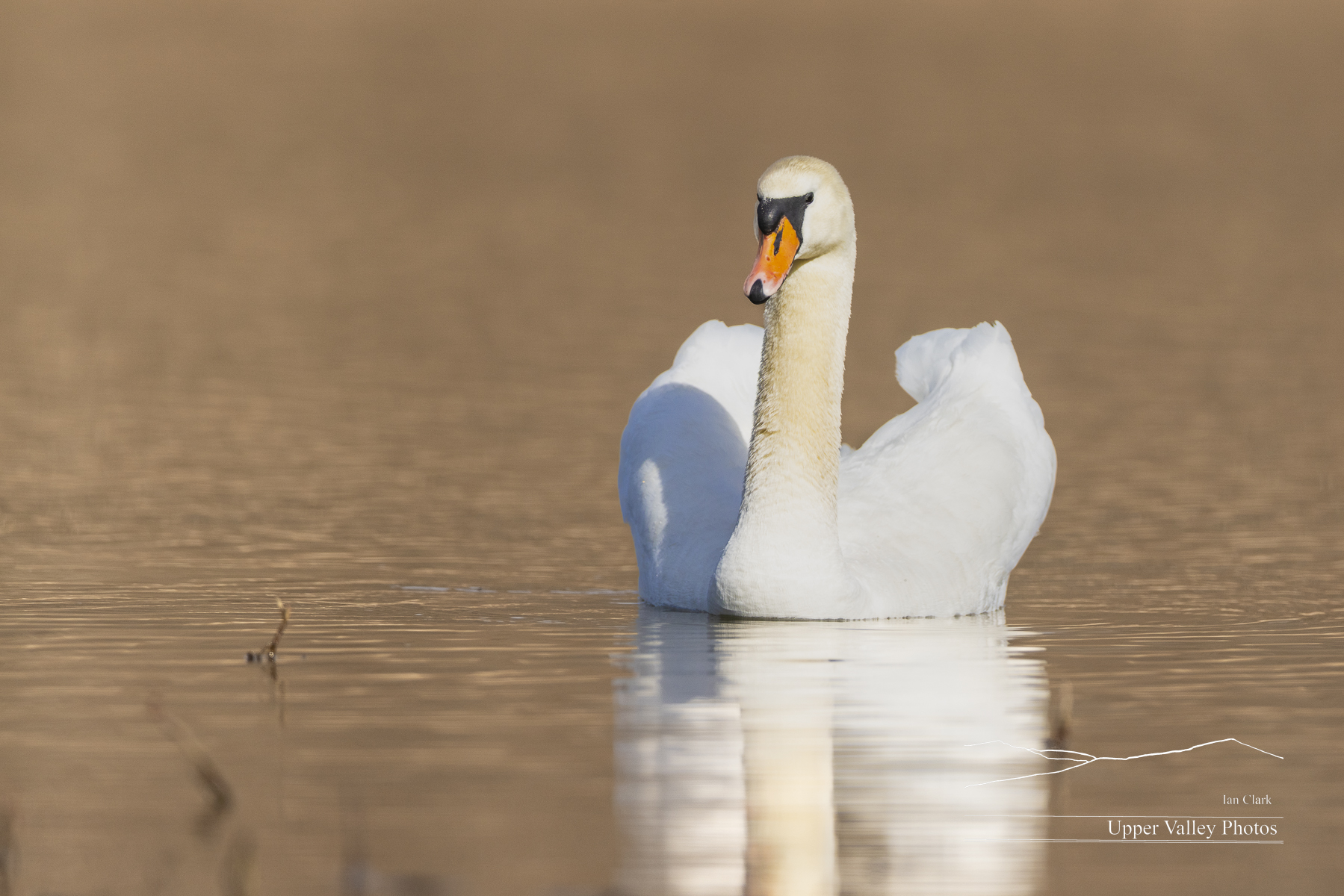
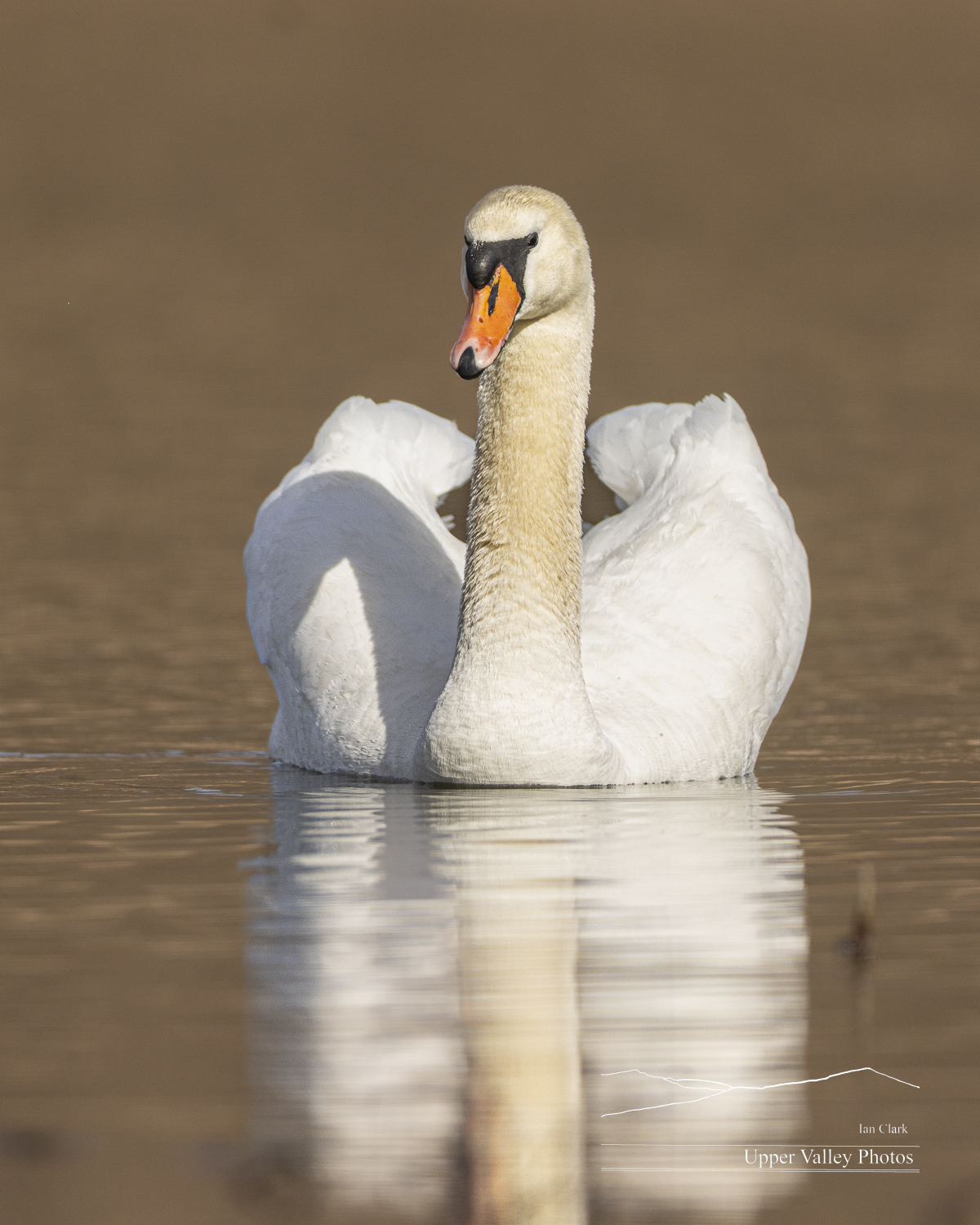
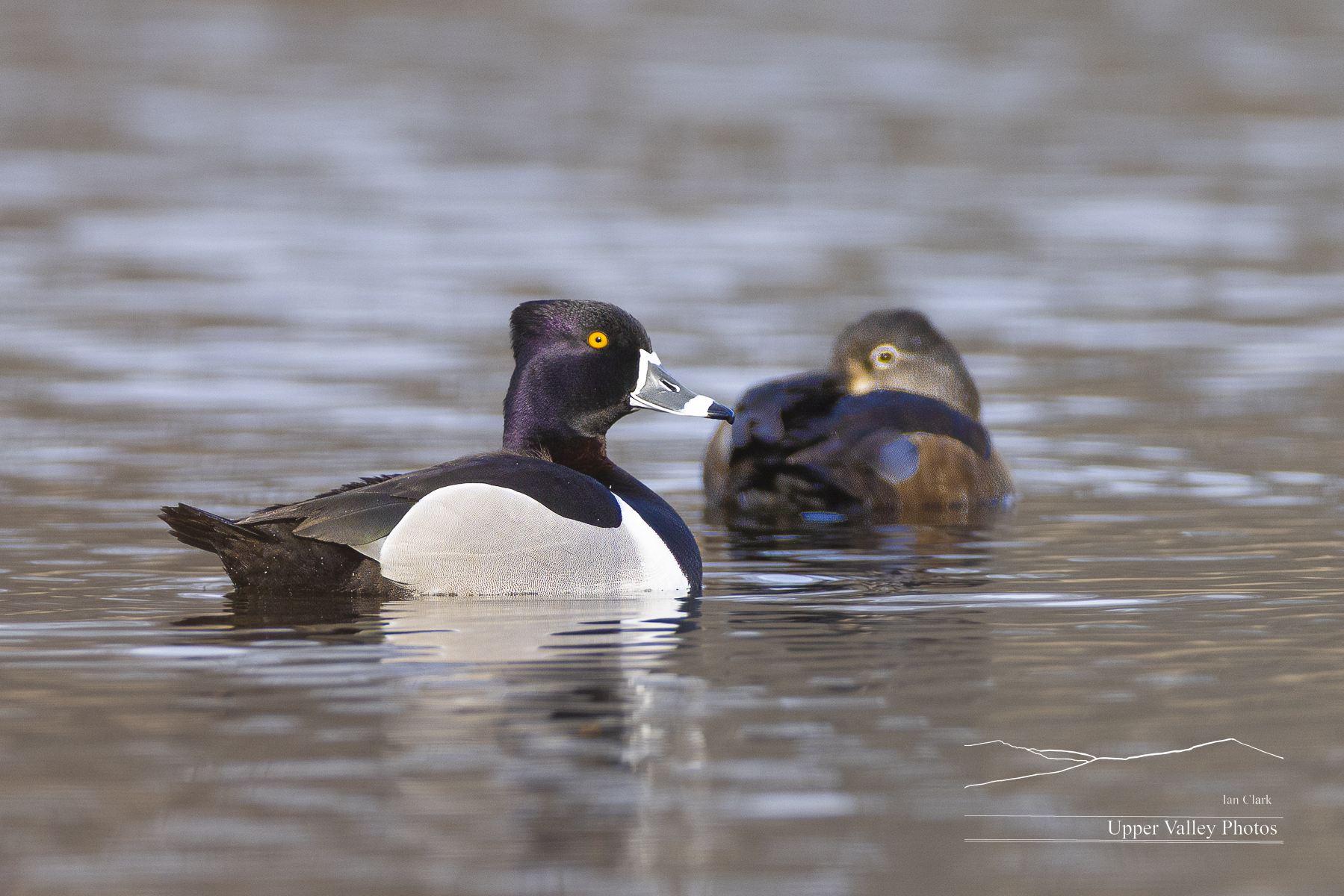
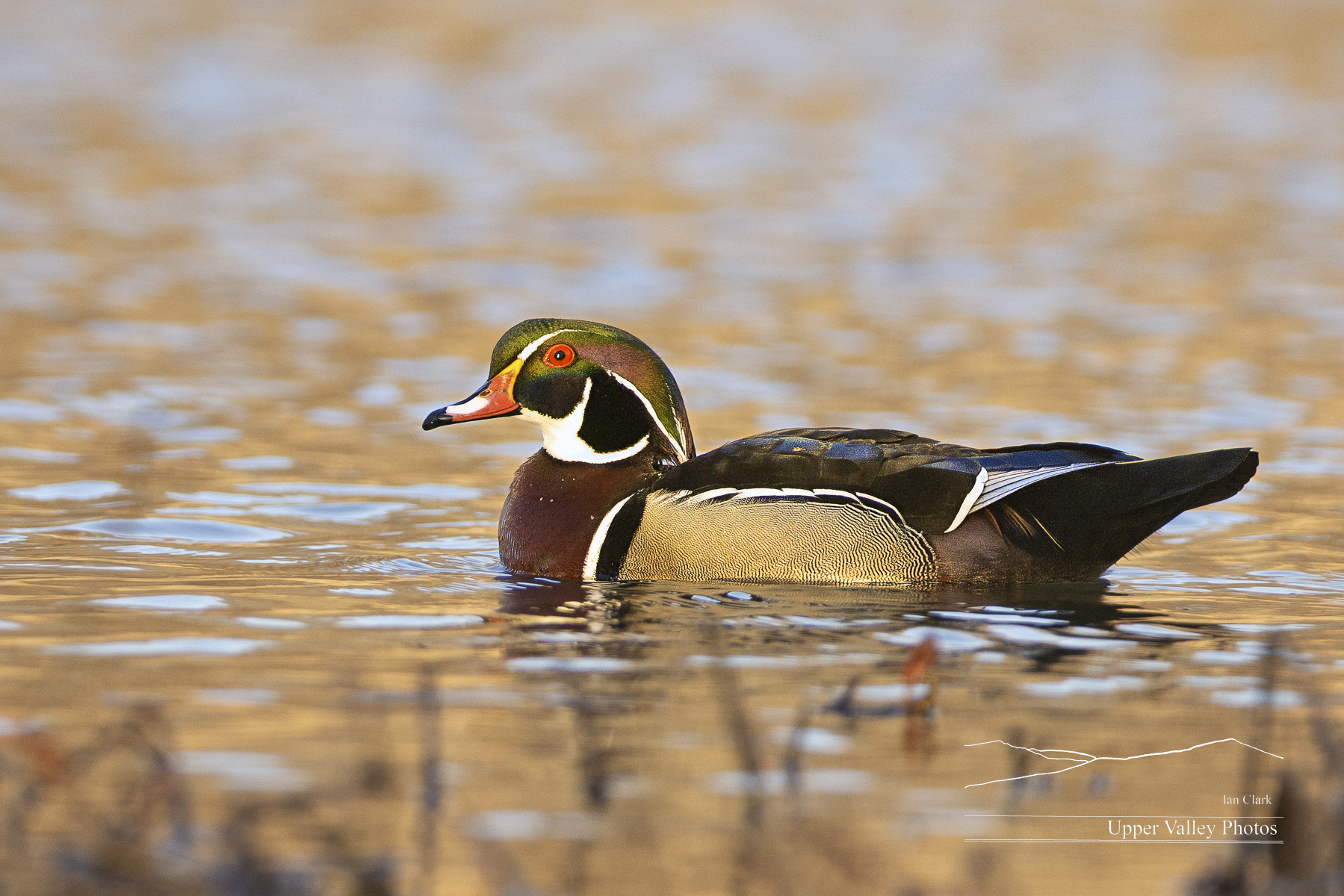
On the way home, I found two loons on the Connecticut River, a hopeful sign.
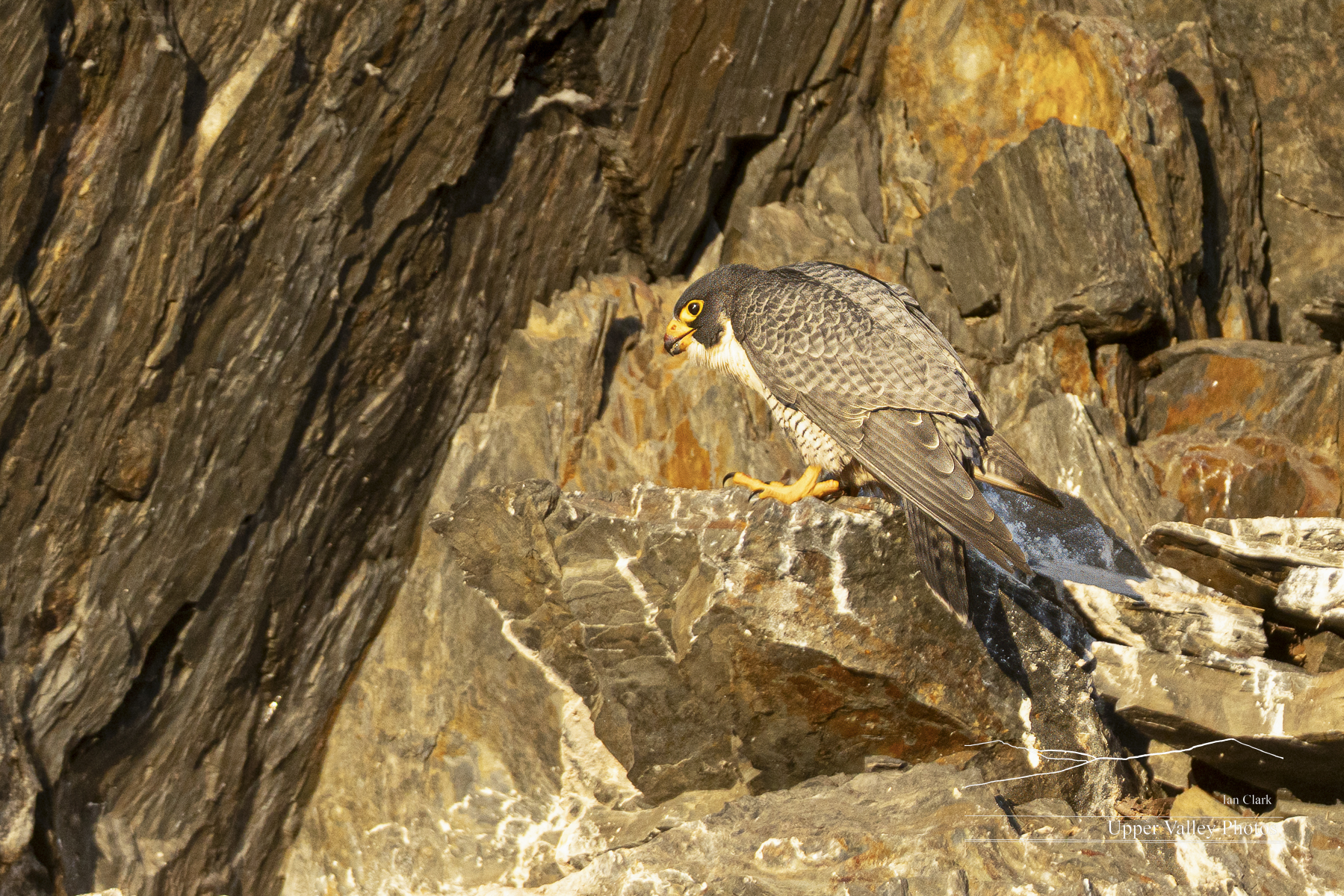
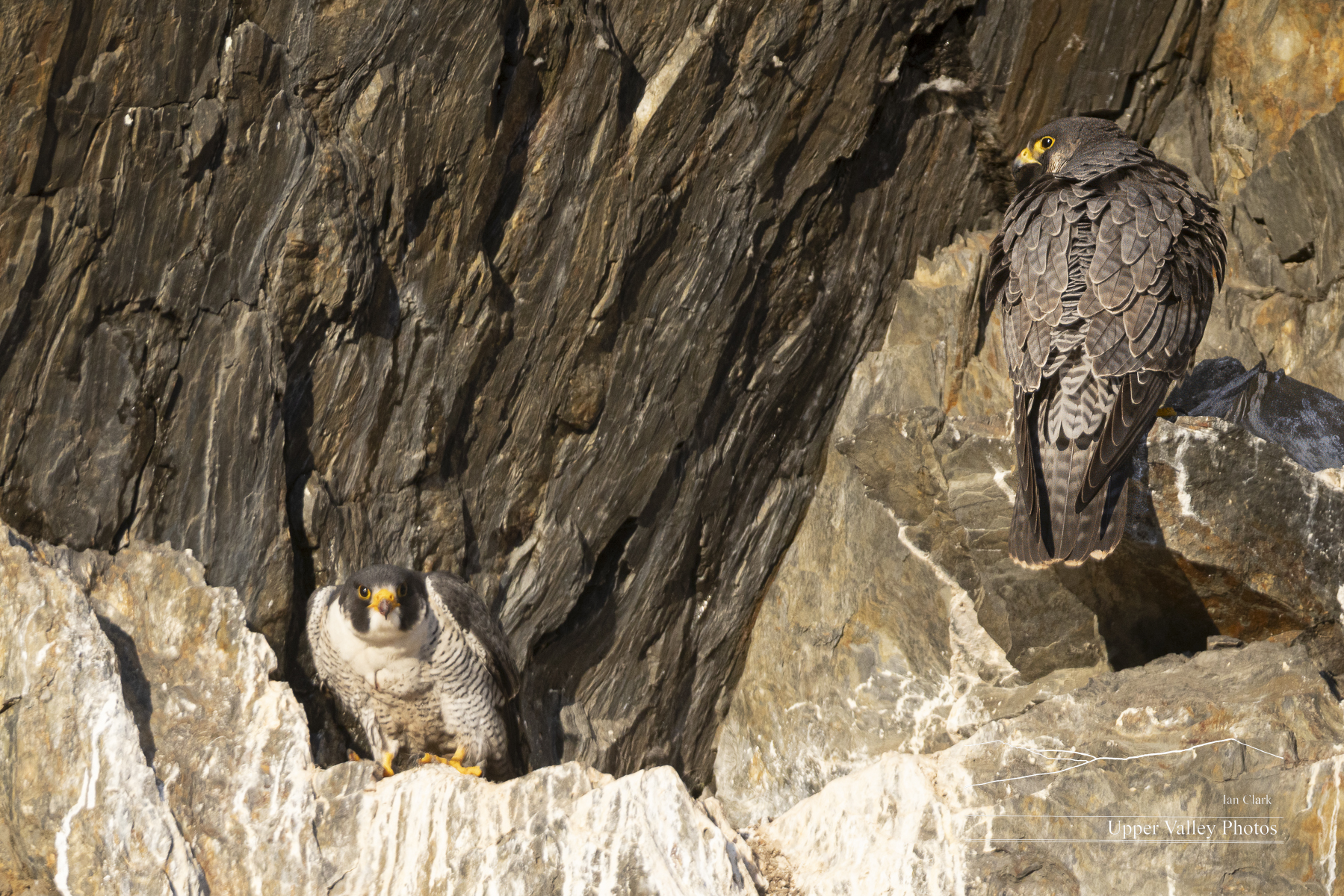
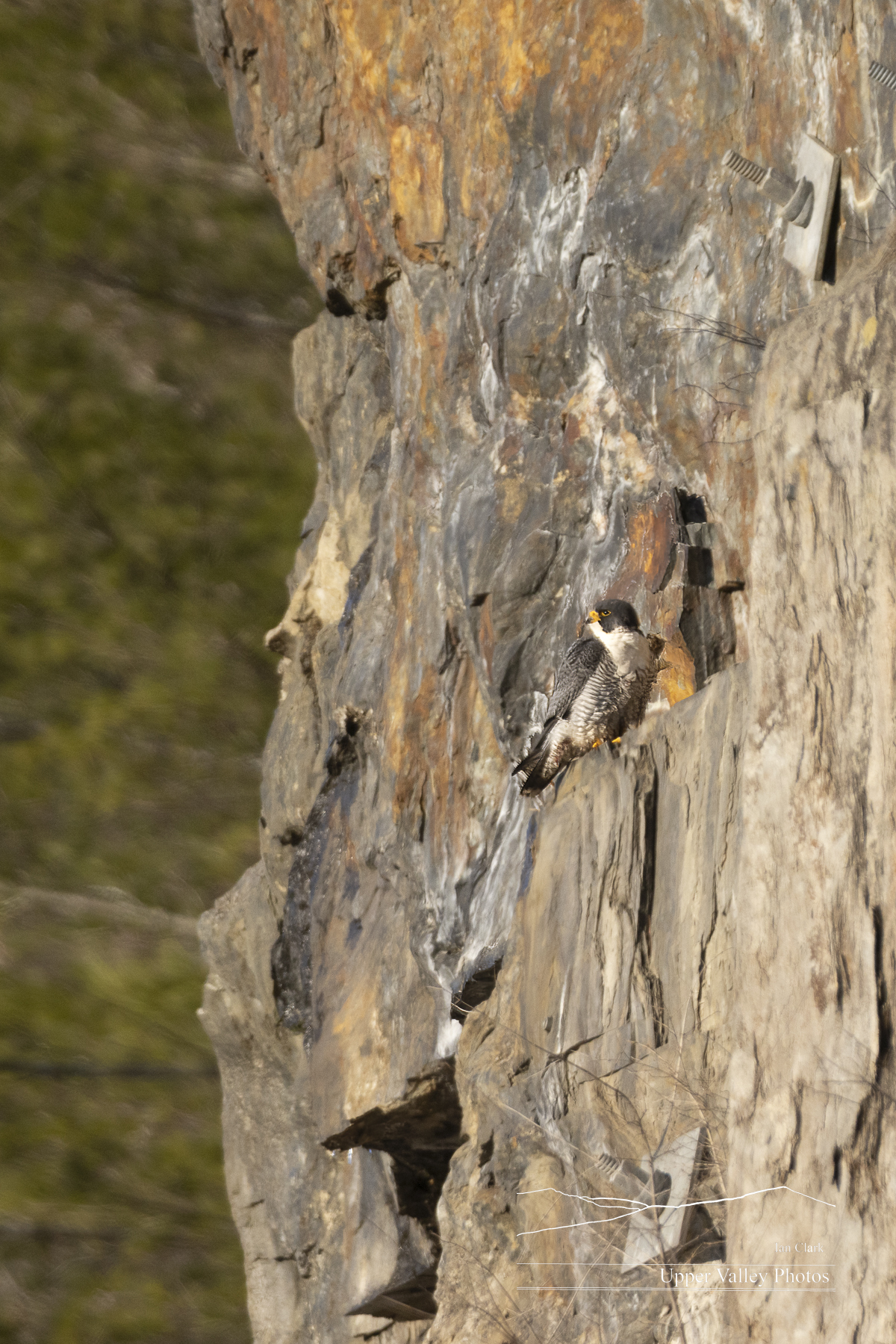
The bolts in the rocks are rock bolts drilled into the cliff to keep rocks from falling.
I’ve been checking on the Middleton’s pond – usually the first to ice out in the spring. Last Saturday afternoon there was a loon snoozing on the pond. I went home and got the boat ready to go.
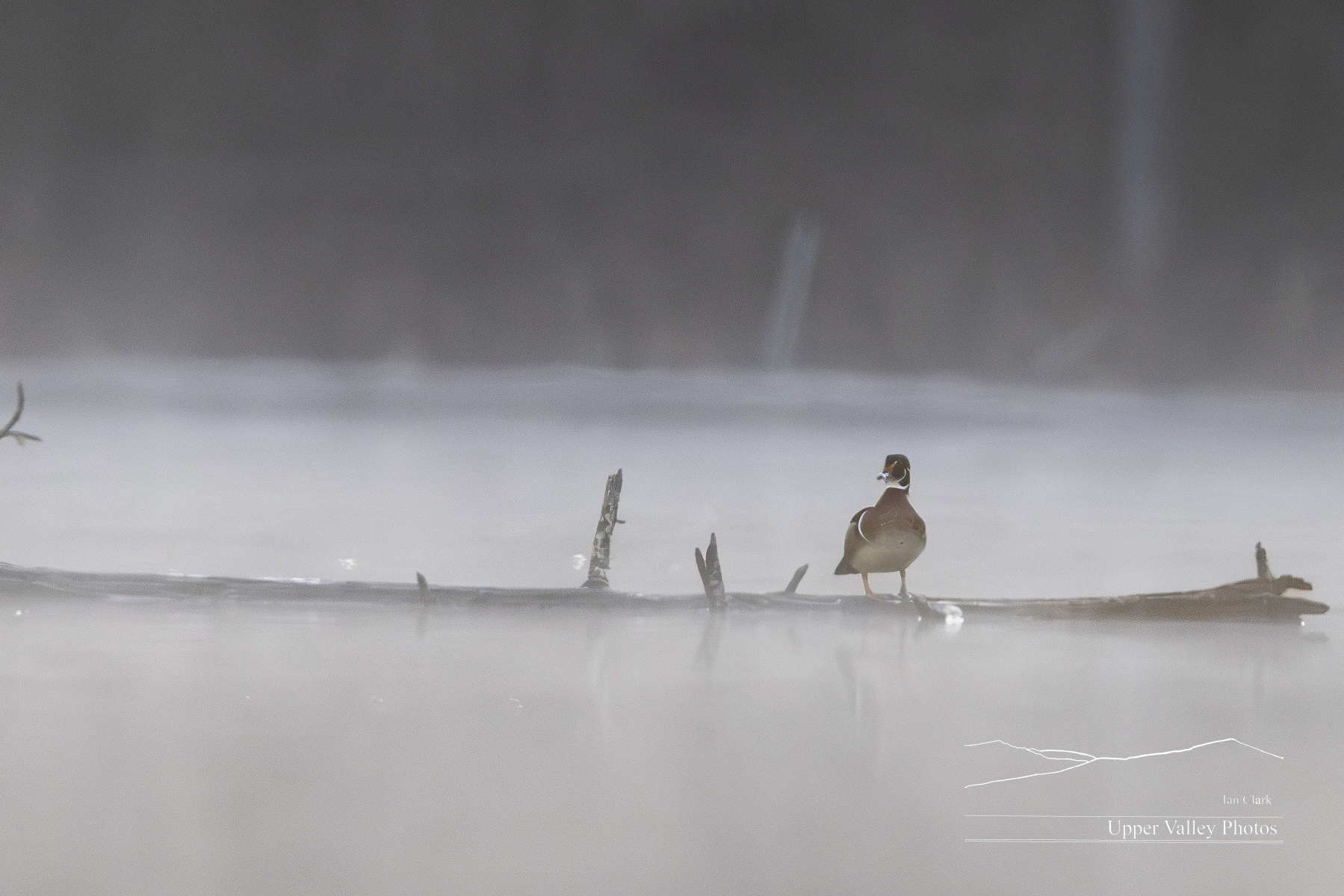
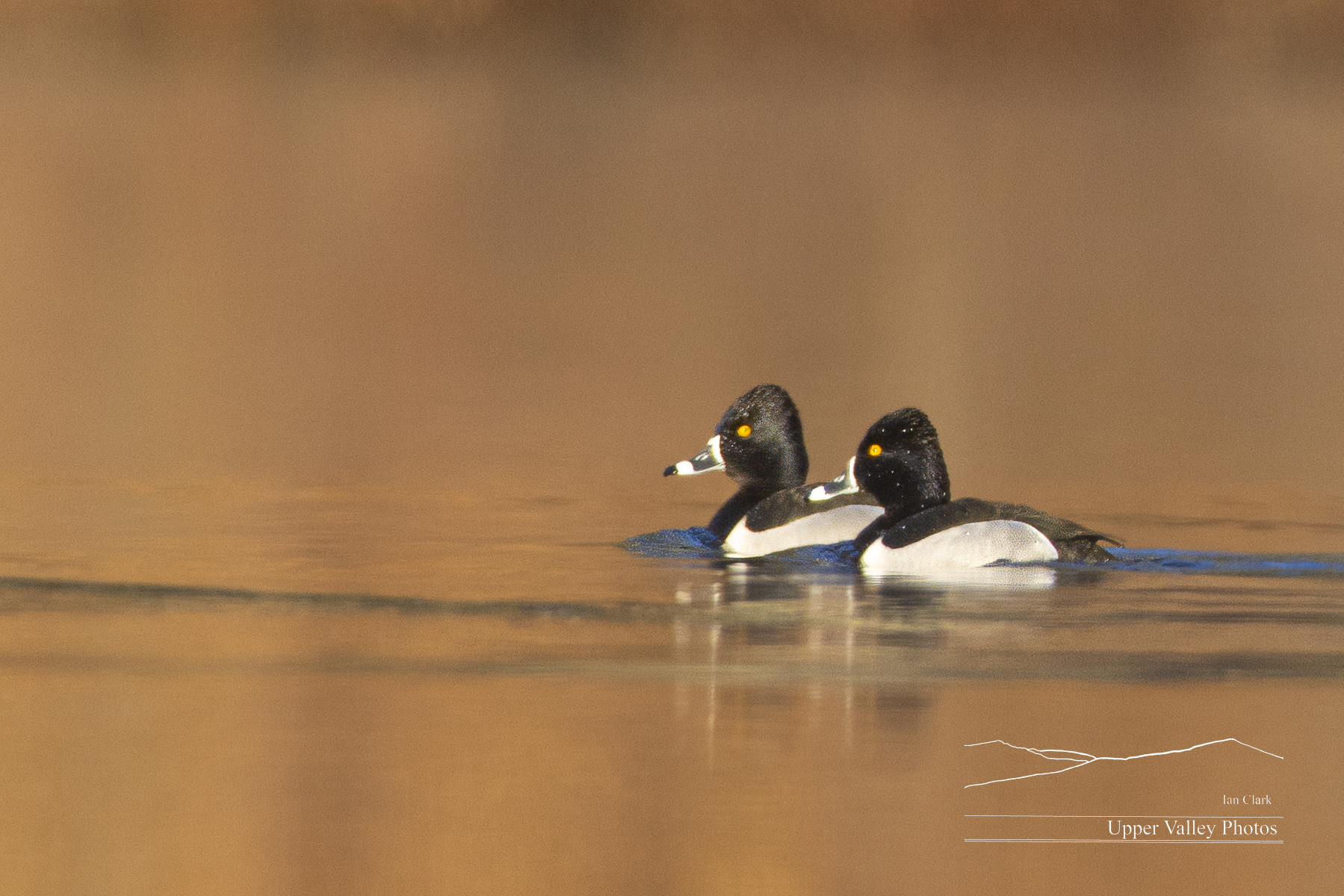
Dawn on Sunday found me on the pond. But no loon. It was probably on a scouting mission to see if his pond was open and he’d just stopped off to rest a bit. Other pond residents were out and about.
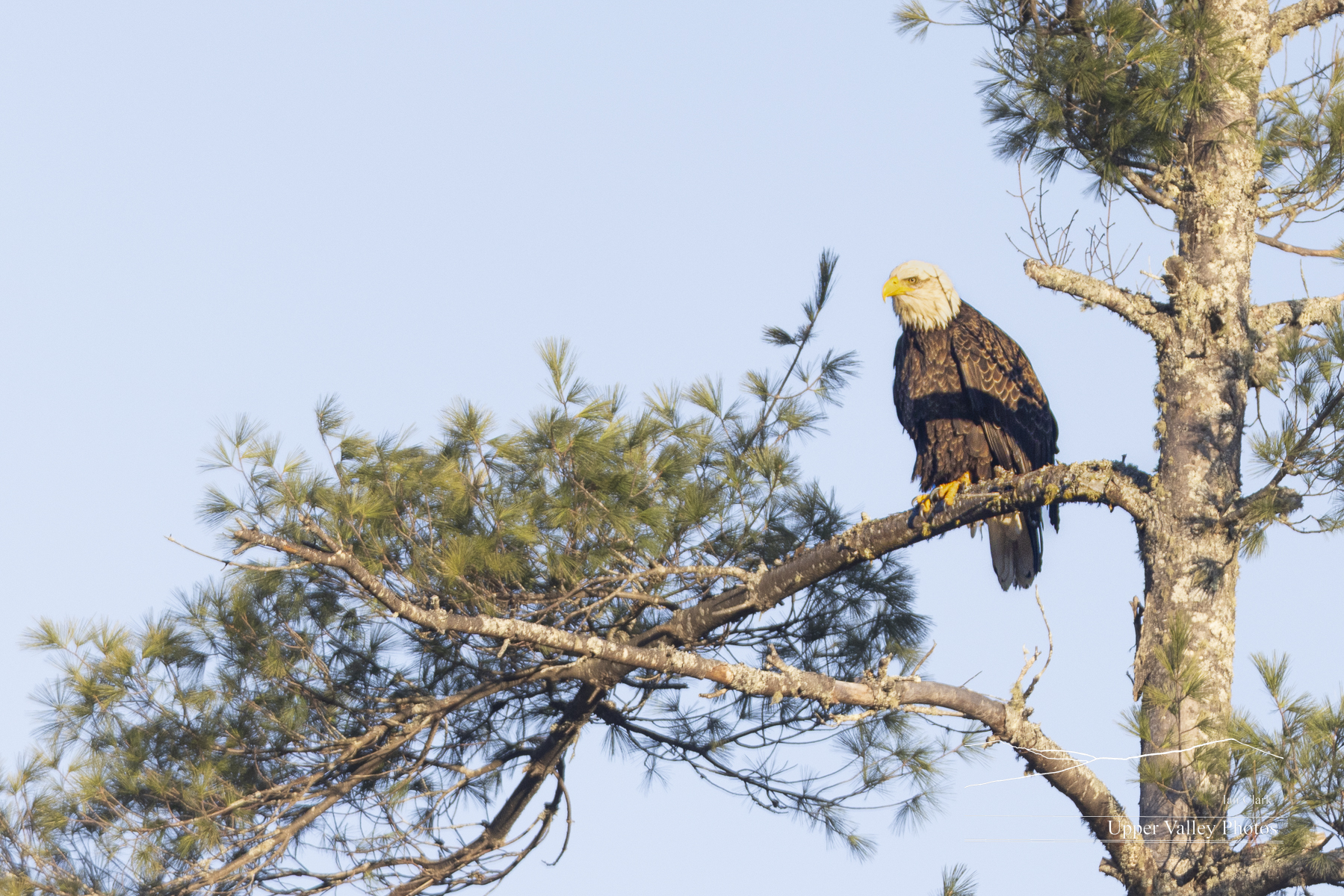
A loon showed up again on the Middleton’s pond on Wednesday. I made it out this morning.
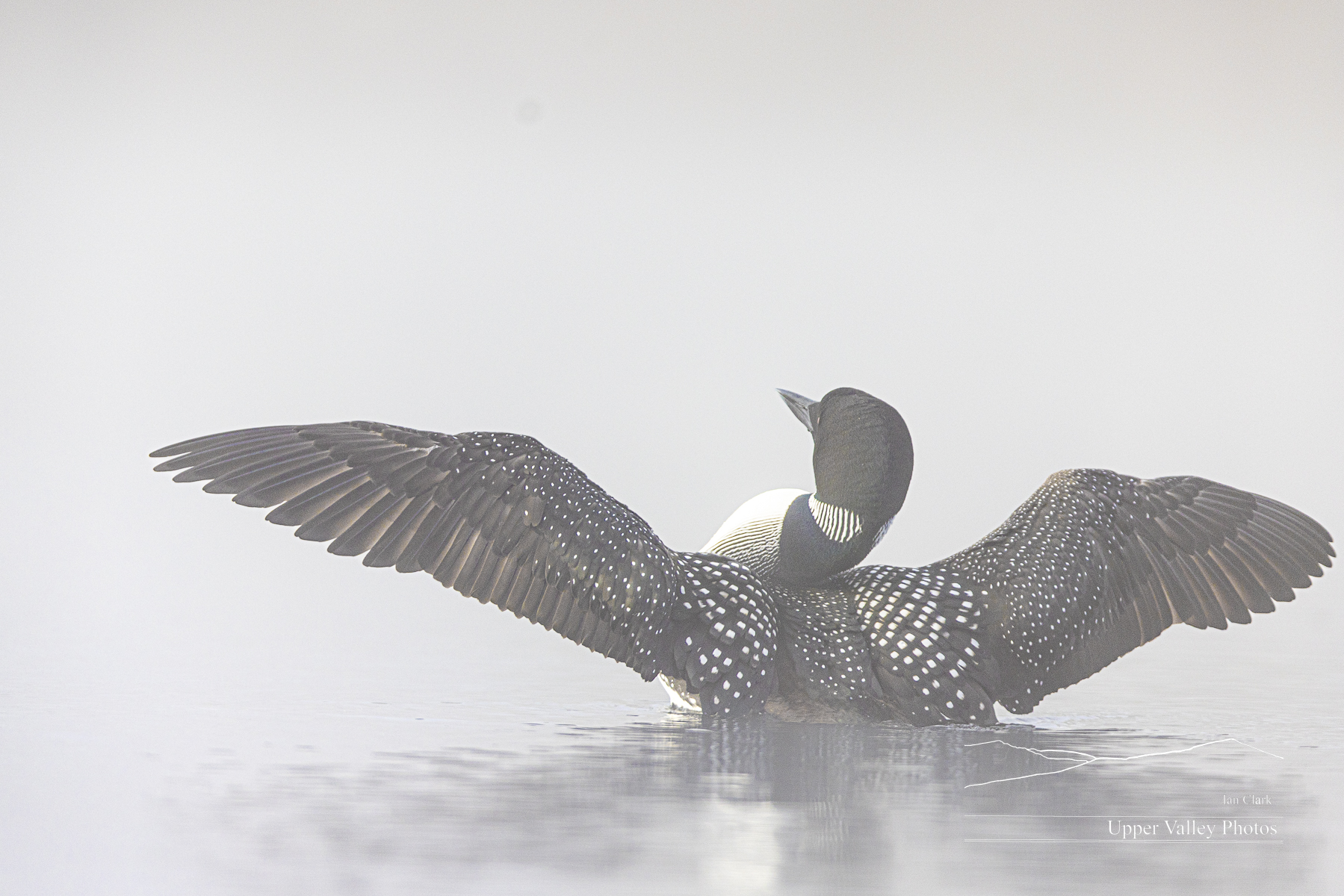
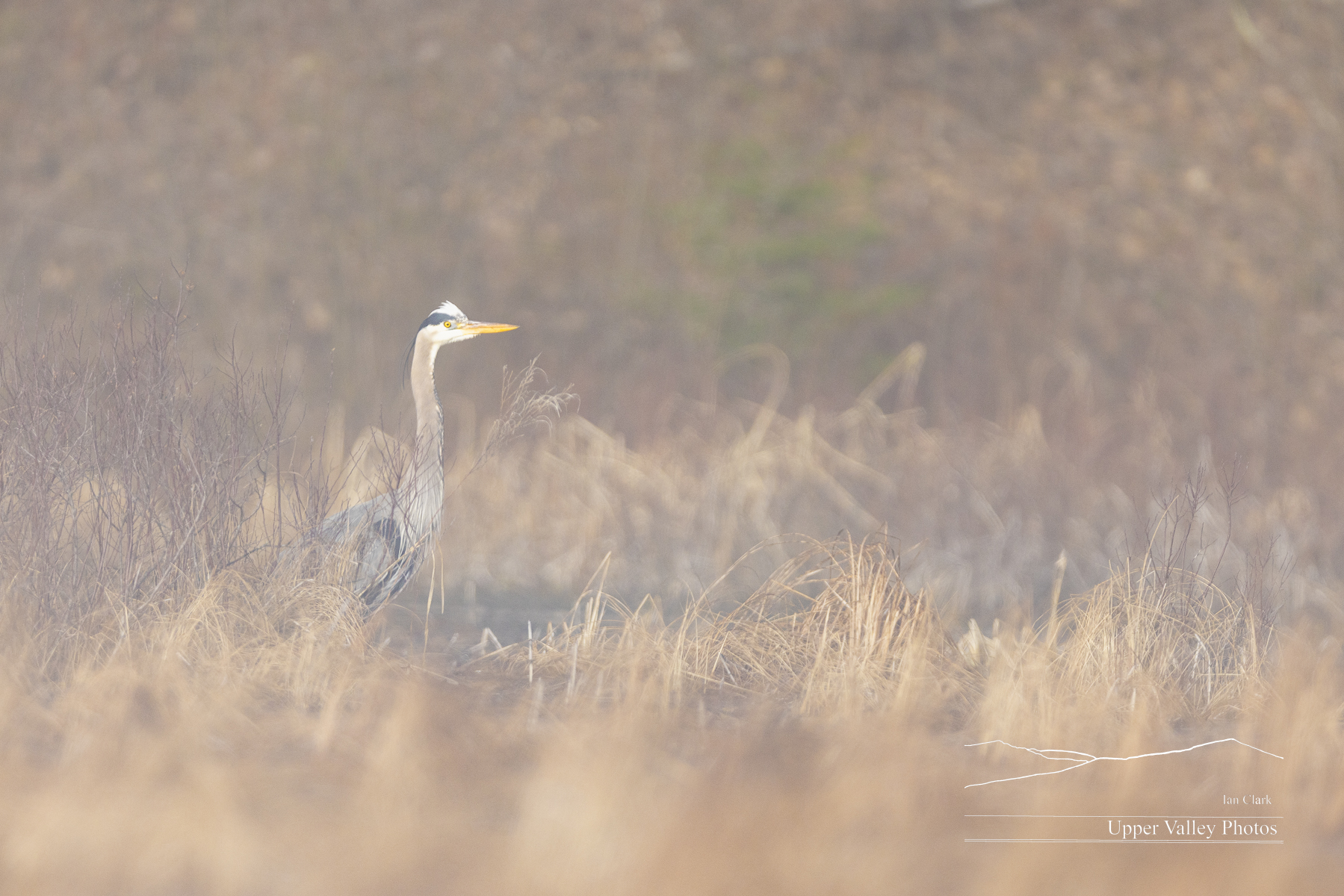
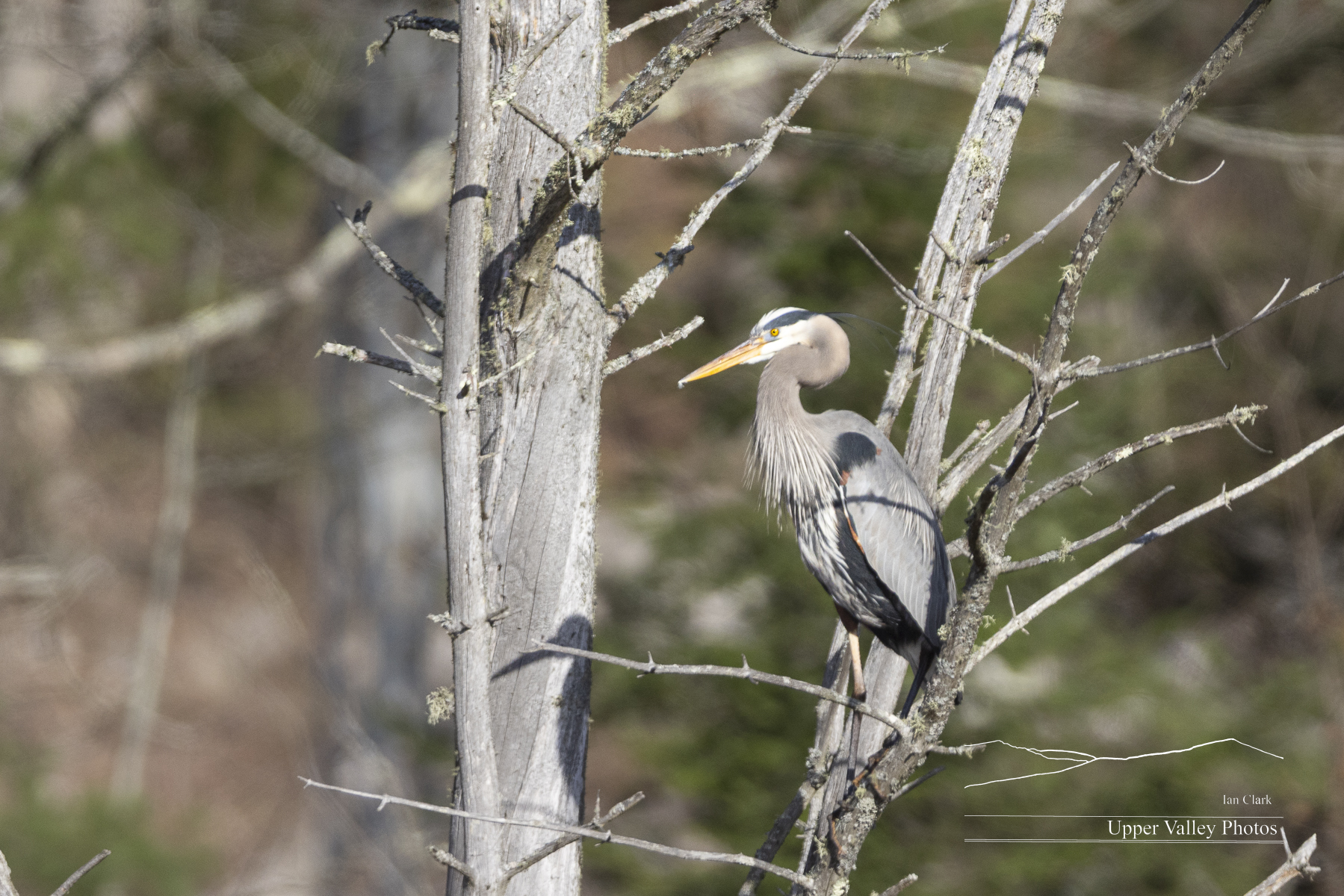
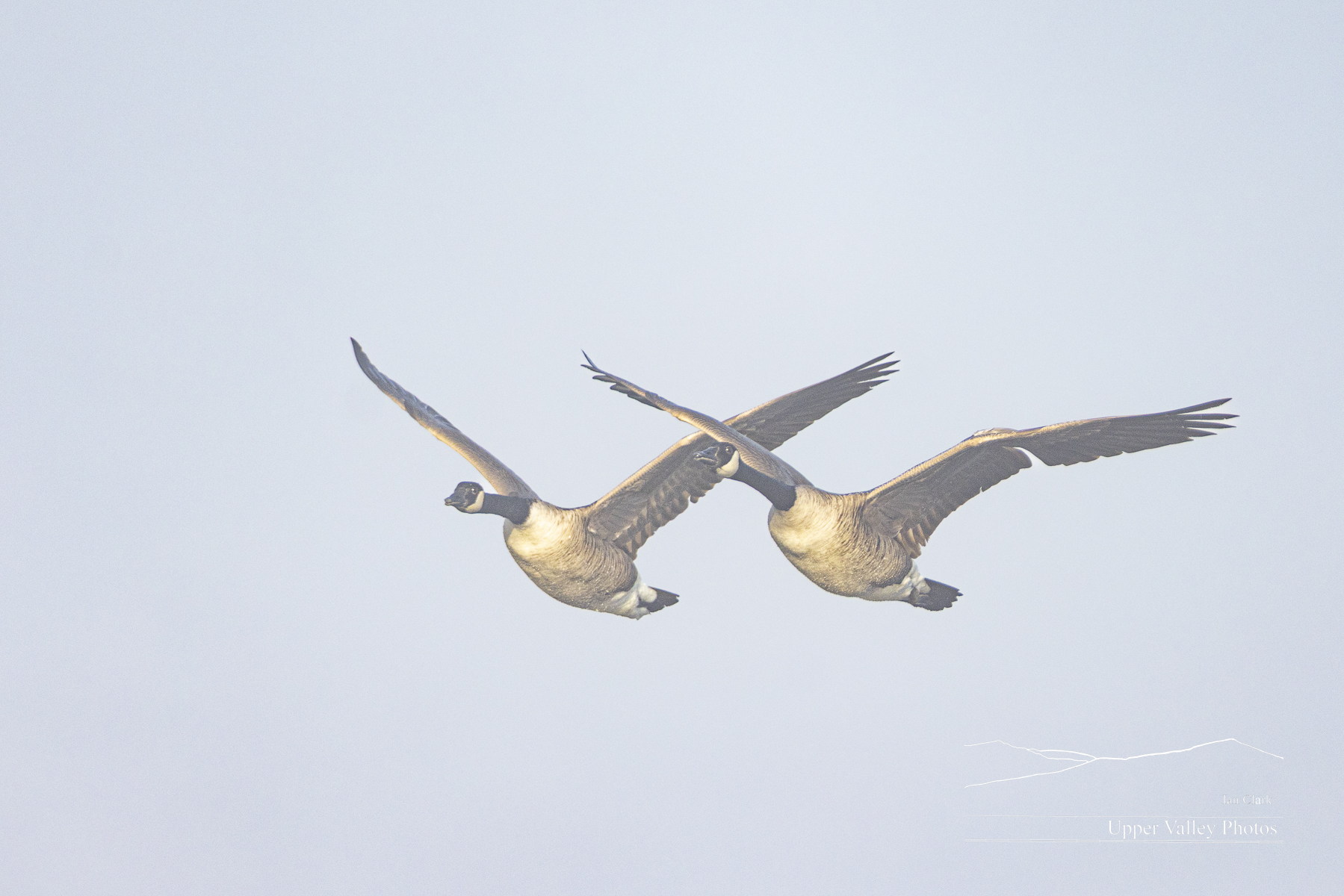
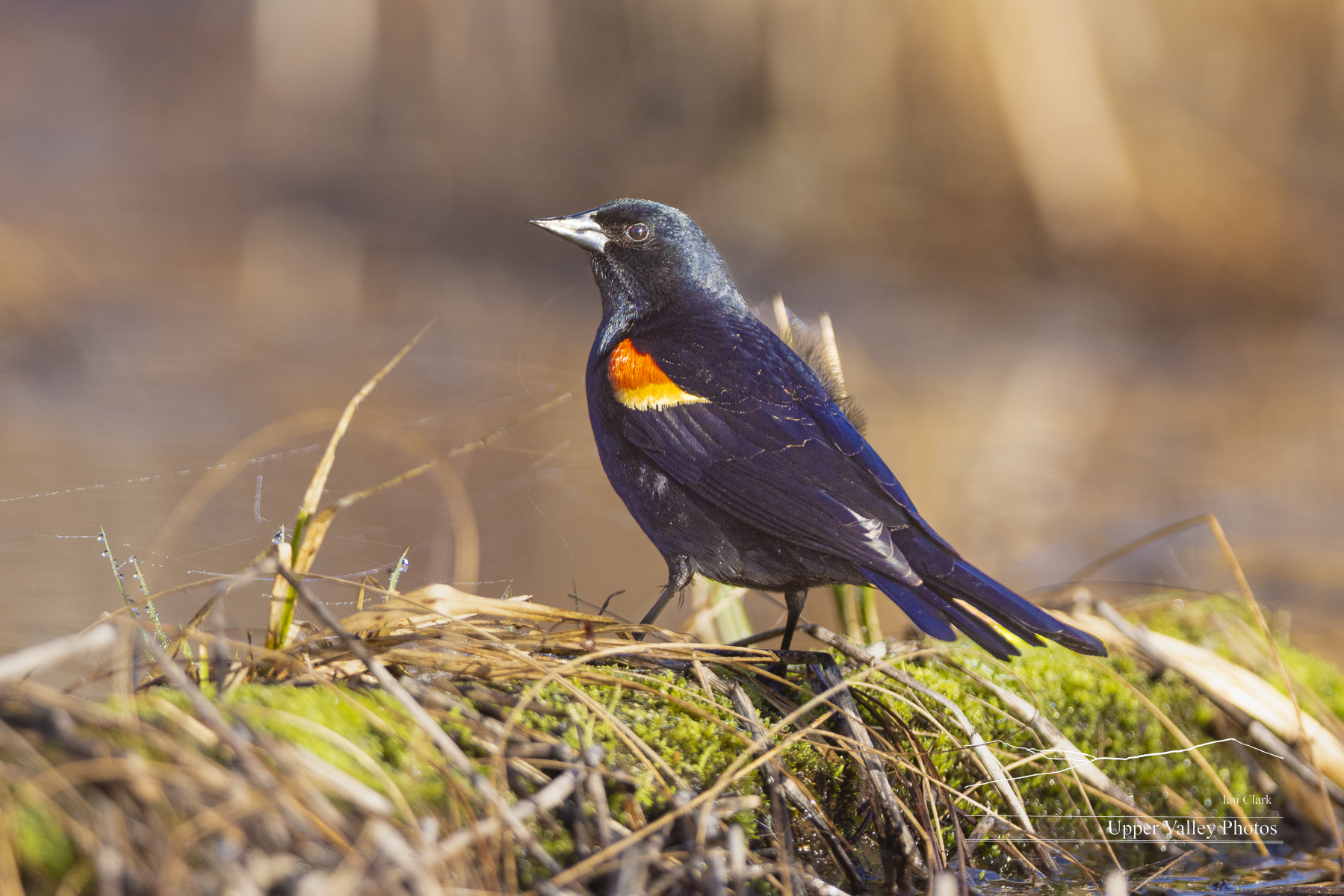
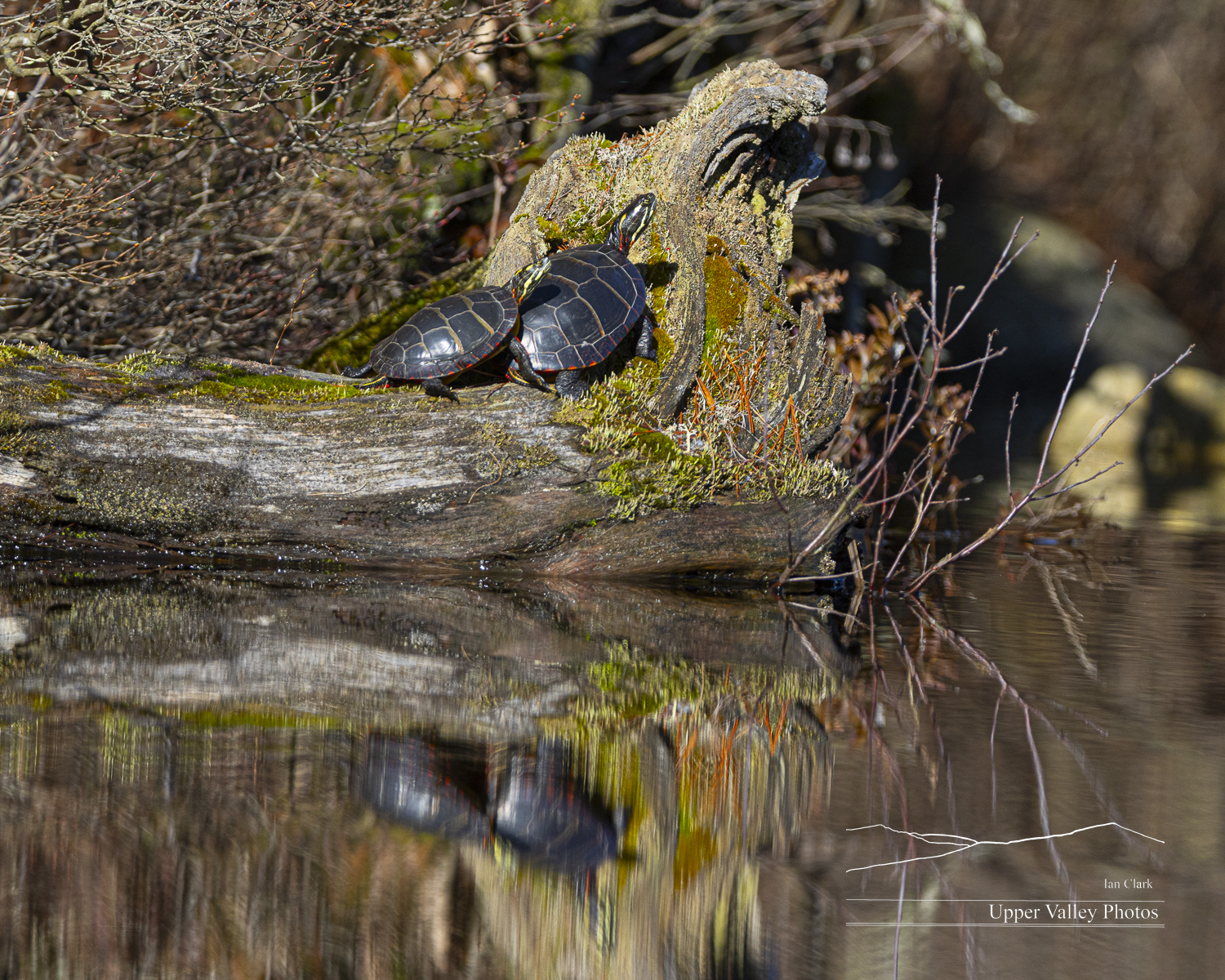
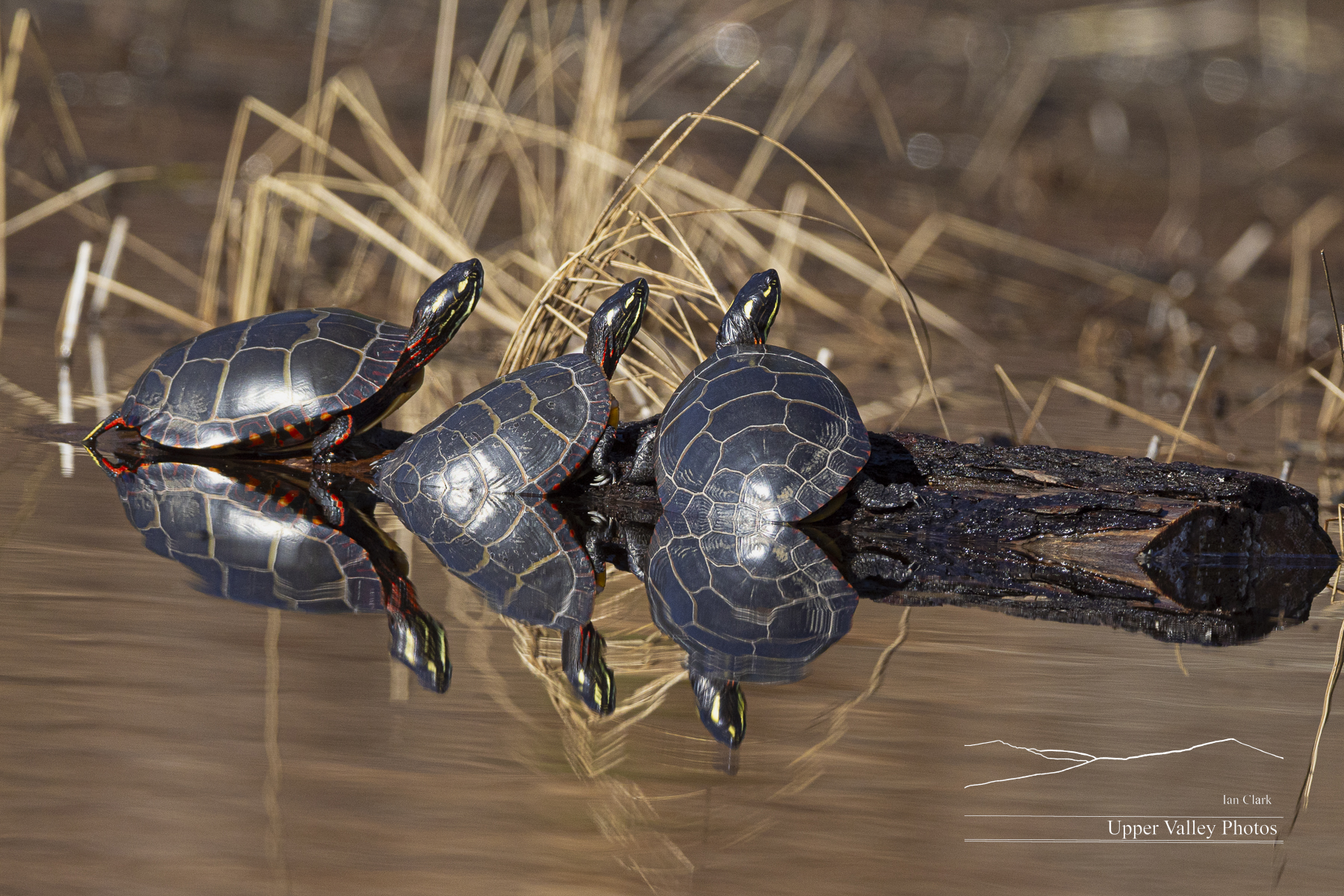
You can sign up below to get notifications when I add a new post. I’ll never share your info, you’ll get the new post notifications and nothing else.

My 2025 Favorite Photos
Here’s a roundup of my favorite photos from my adventures in 2025.
I’ll be showing my slideshow on visiting the puffins on Machias Seals Island at 2:30 pm on Sunday March 22 at the Tenney Memorial Library, Route 5, Newbury, VT. Free and everyone welcome. And, stay tuned, the Piermont, NH, Library wants me do a slideshow of the best of 2025. We’re checking the dates the hall is available. It should be one of the first three Sundays in March.
And it is last call for my 2026 Wildlife Calendar. I’ve got only a few left, you can get yours on my site here. There are lots of images available in many sizes from note cards to wall art.
OK, the critters….
Last winter, I took several trips to the Maine, New Hampshire and Massachusetts coasts. The goal was to find owls.


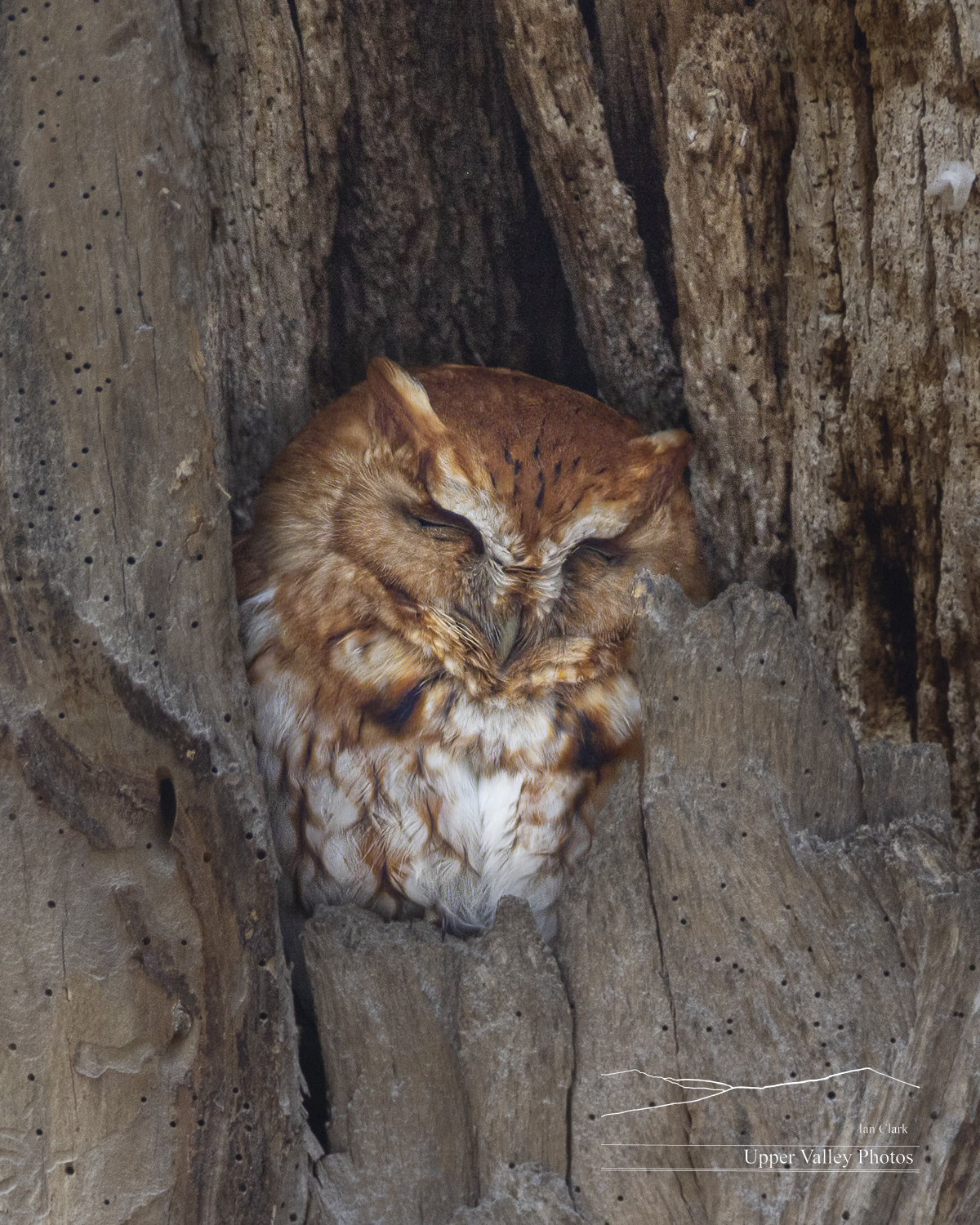
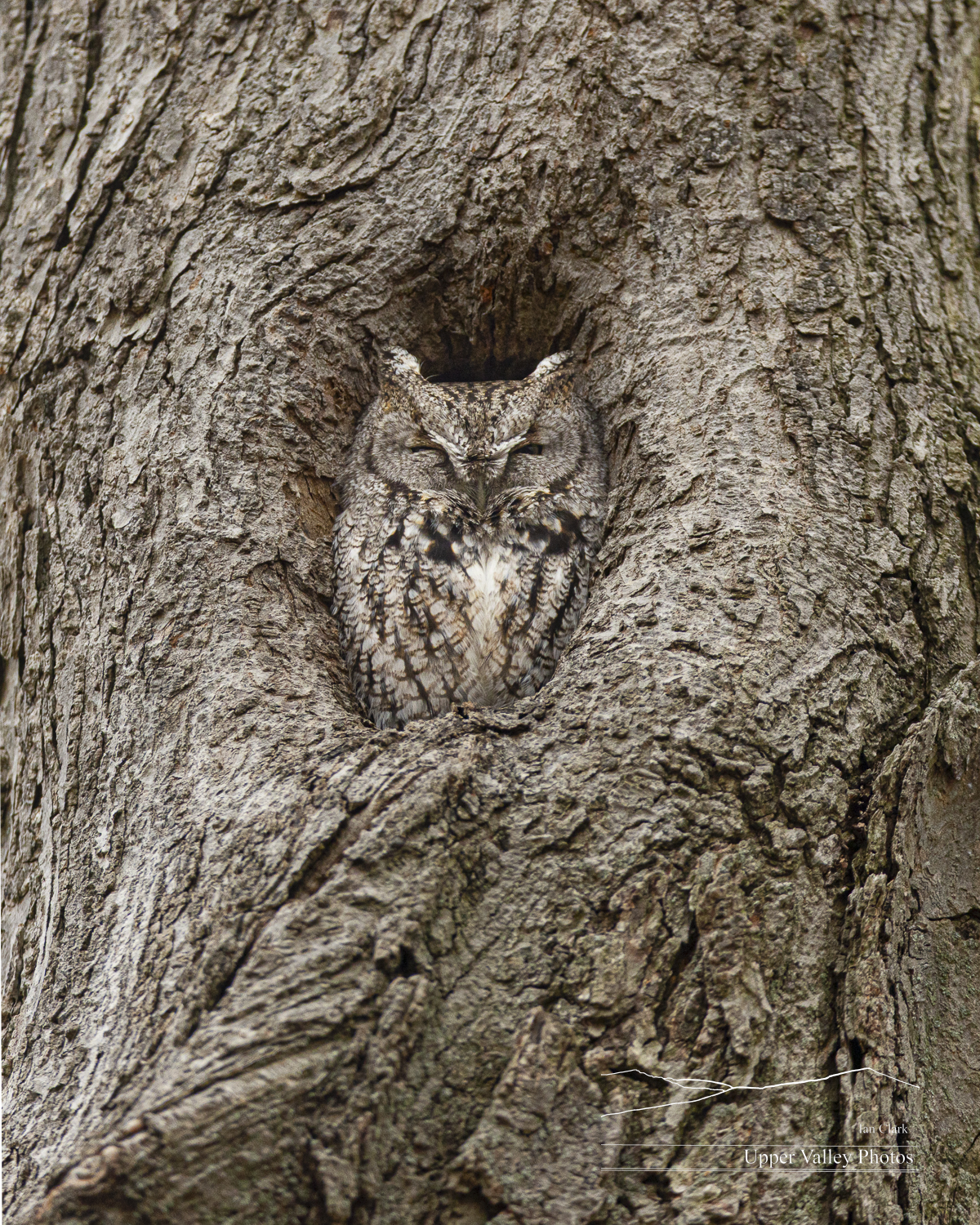
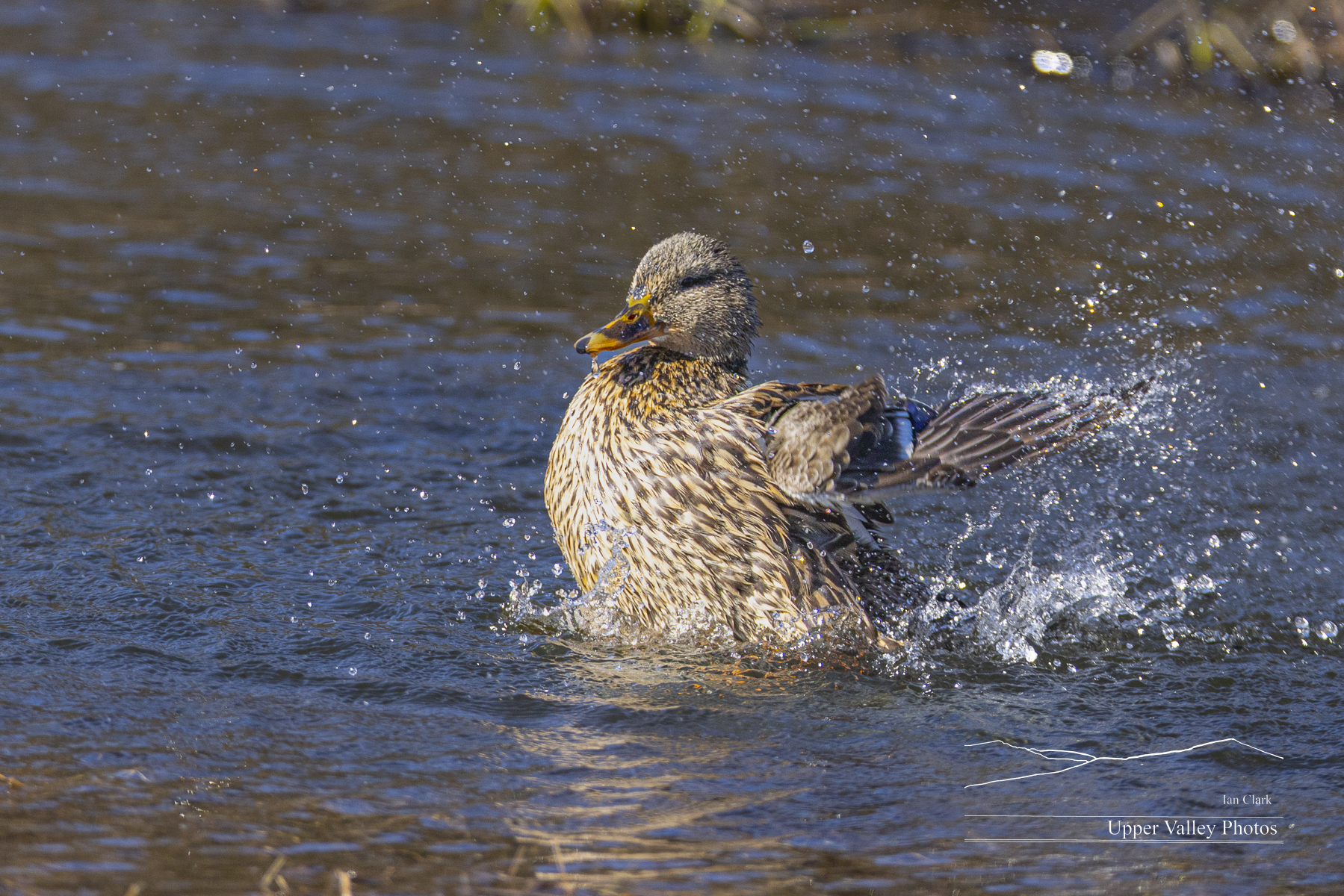

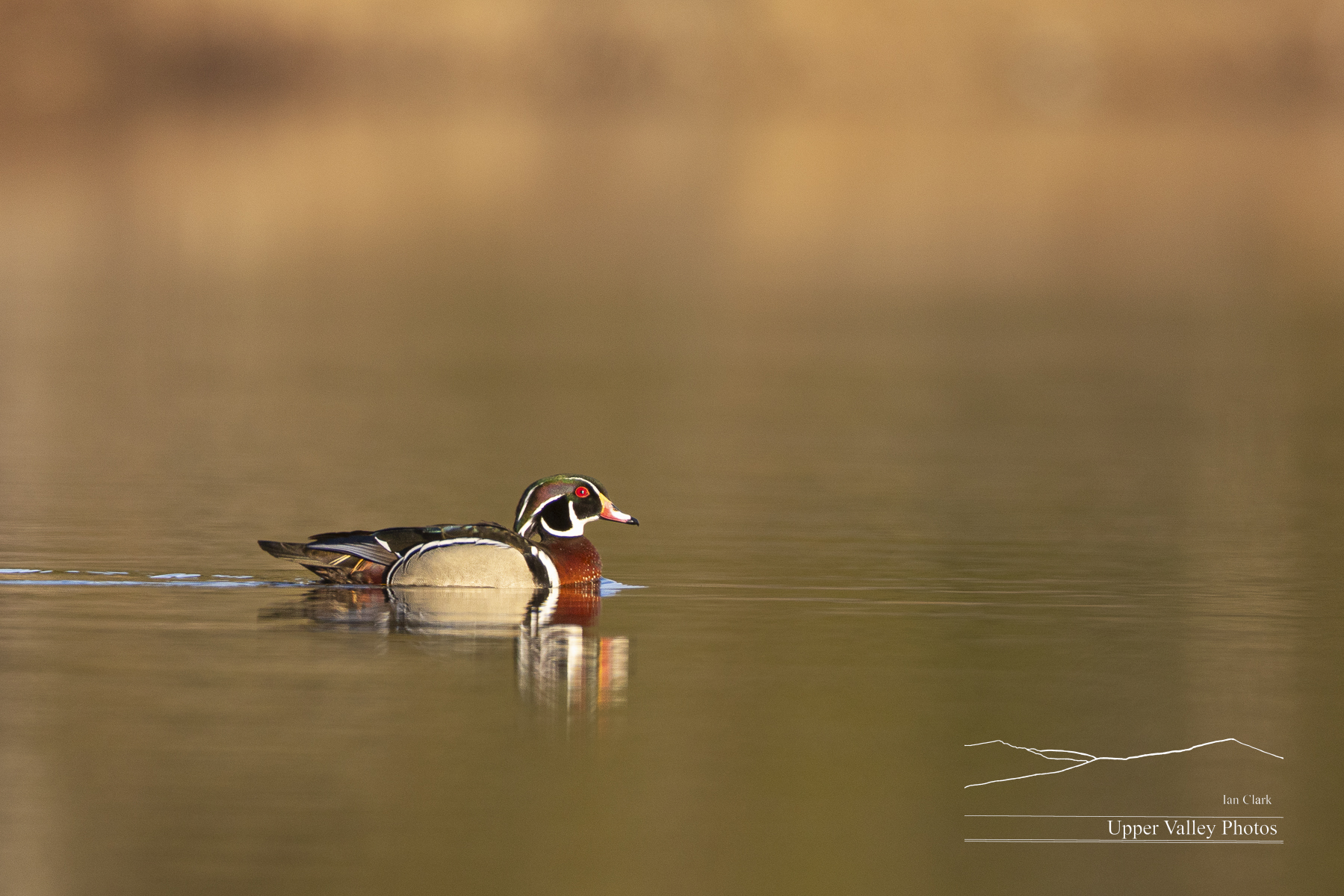
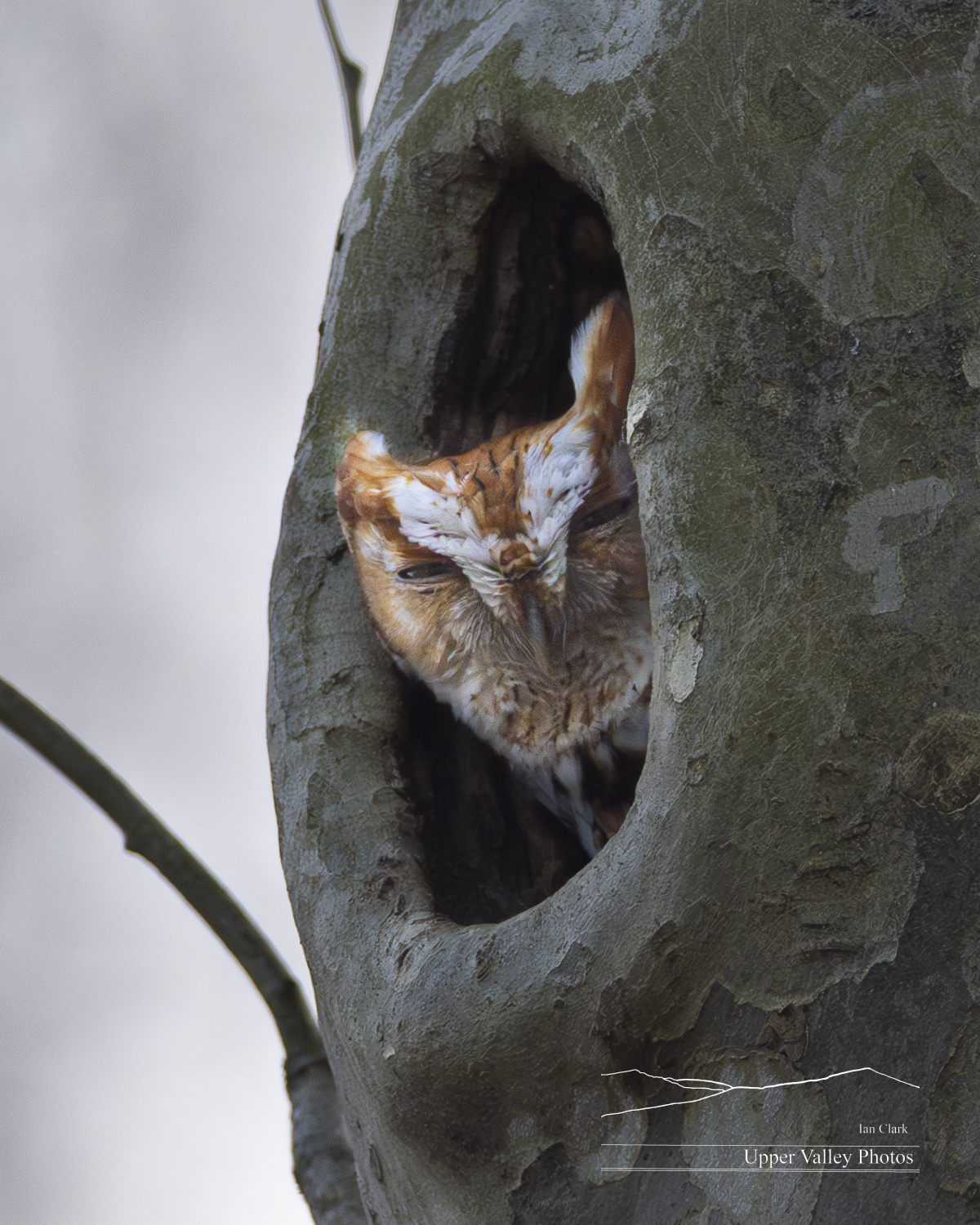
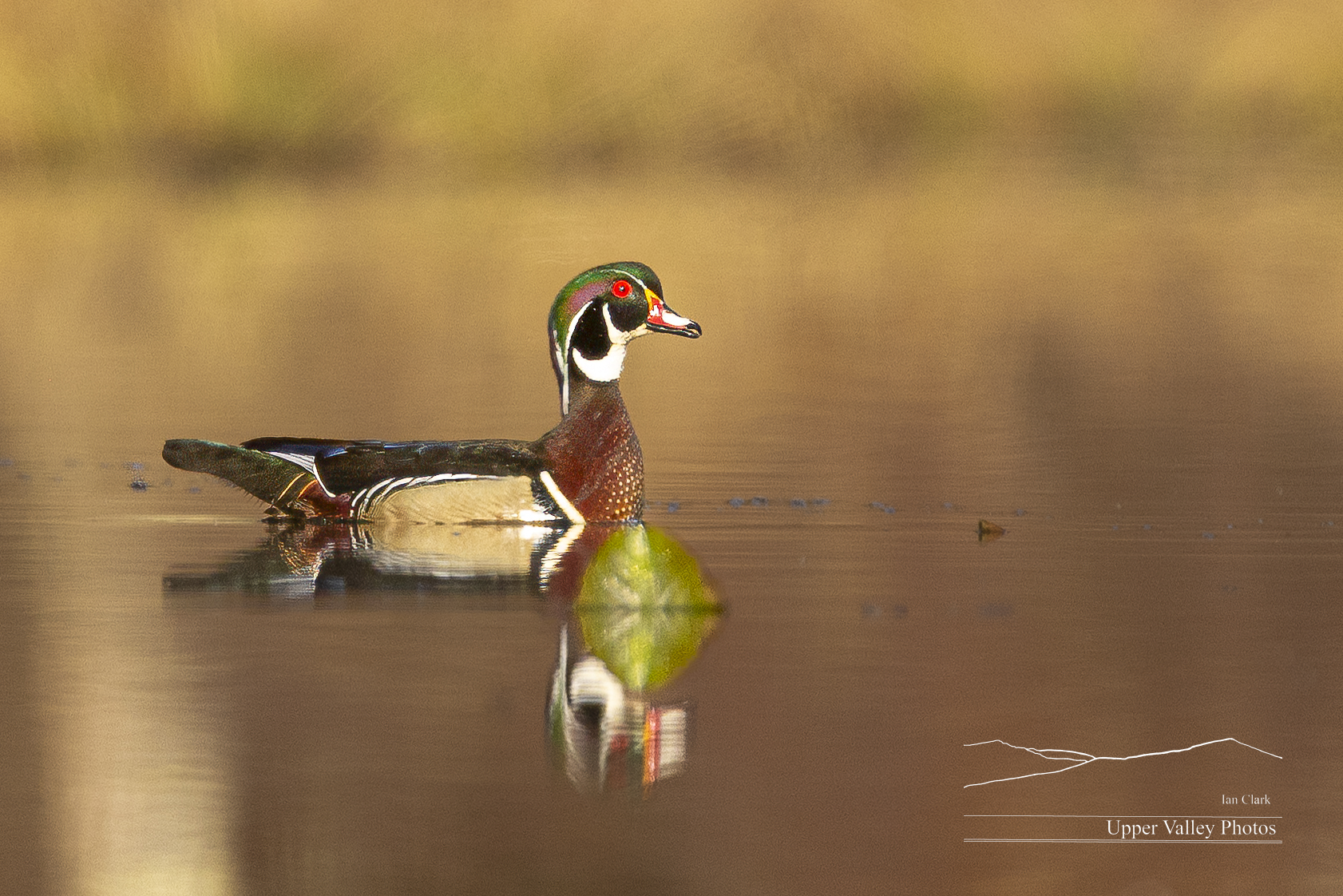
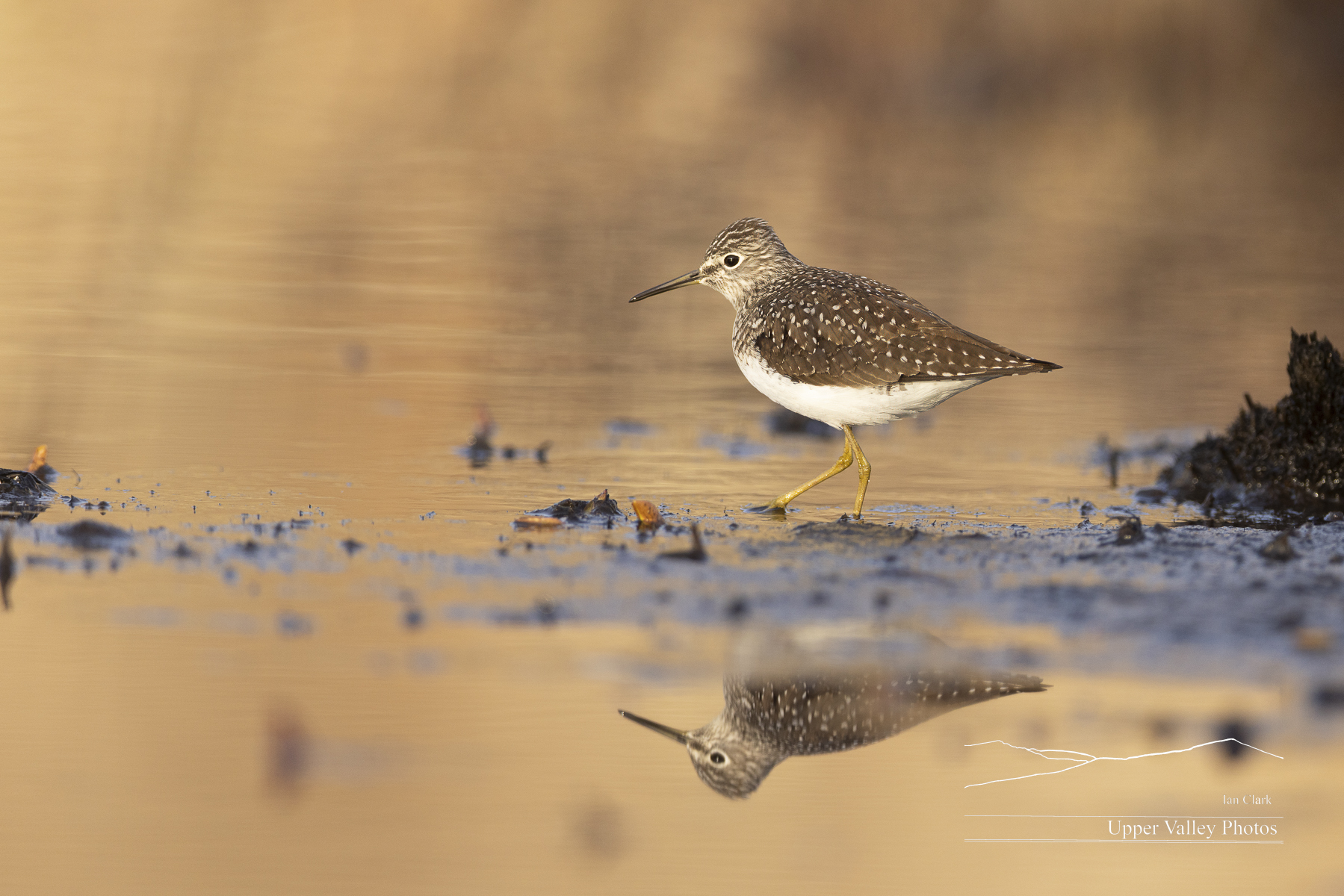
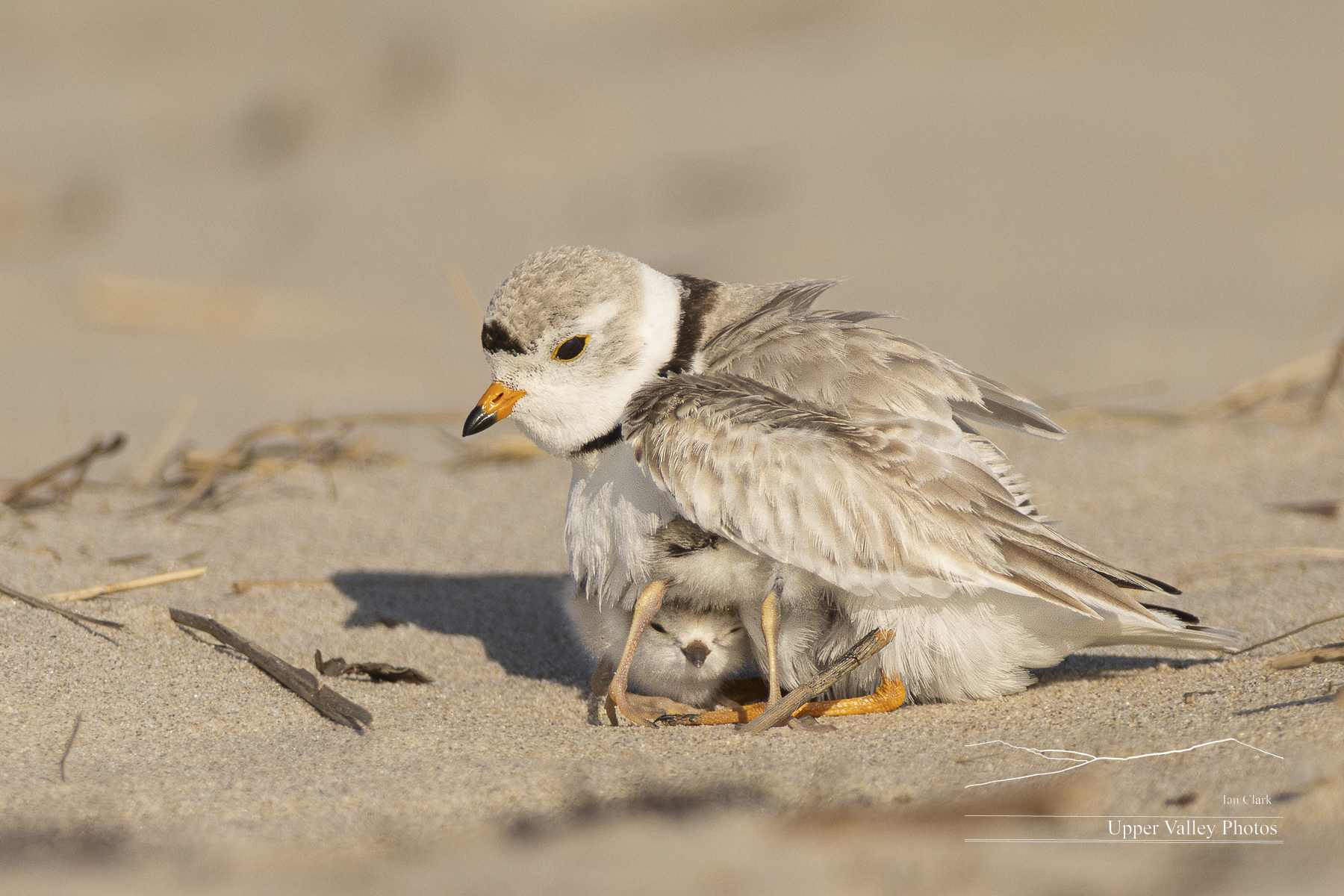
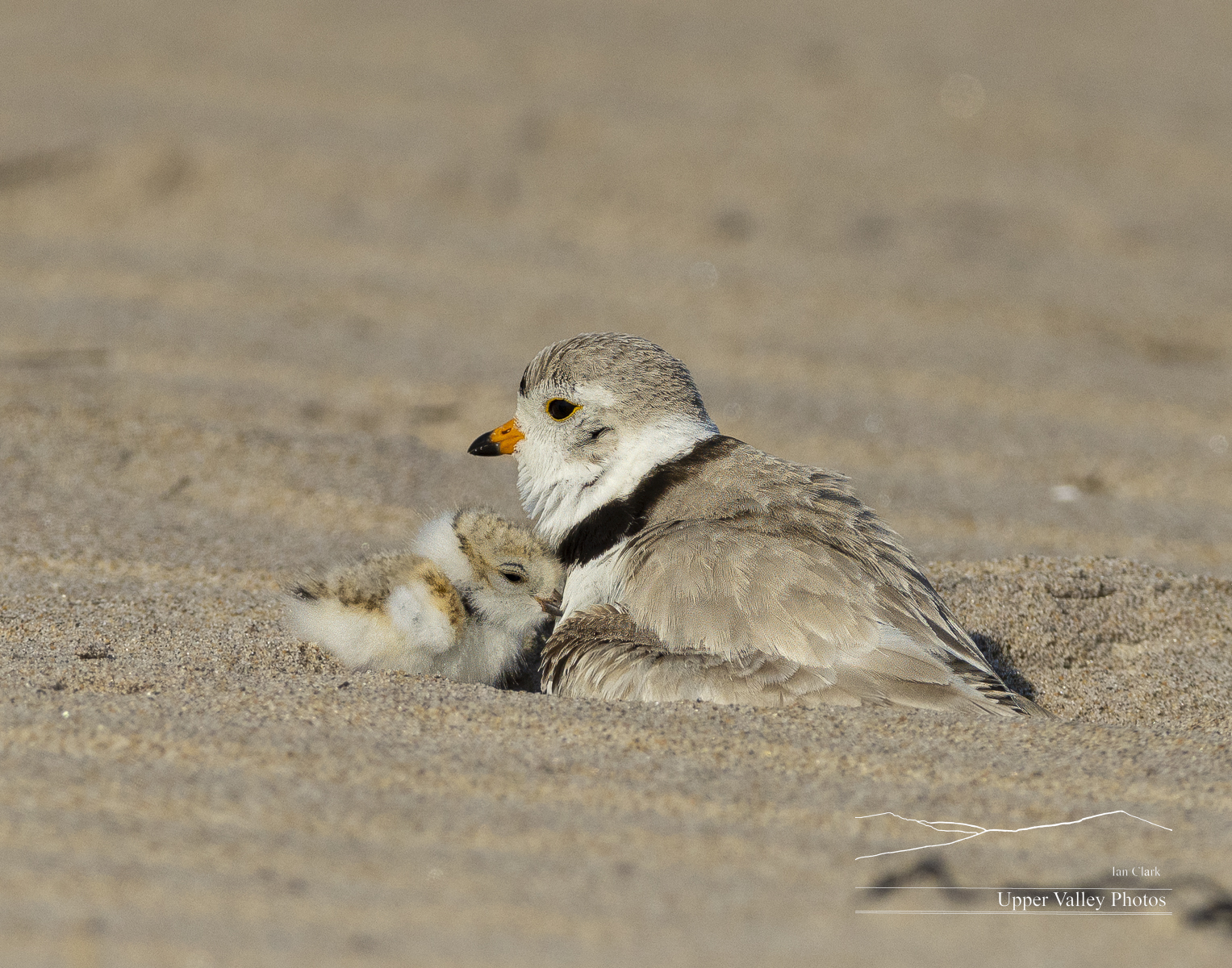
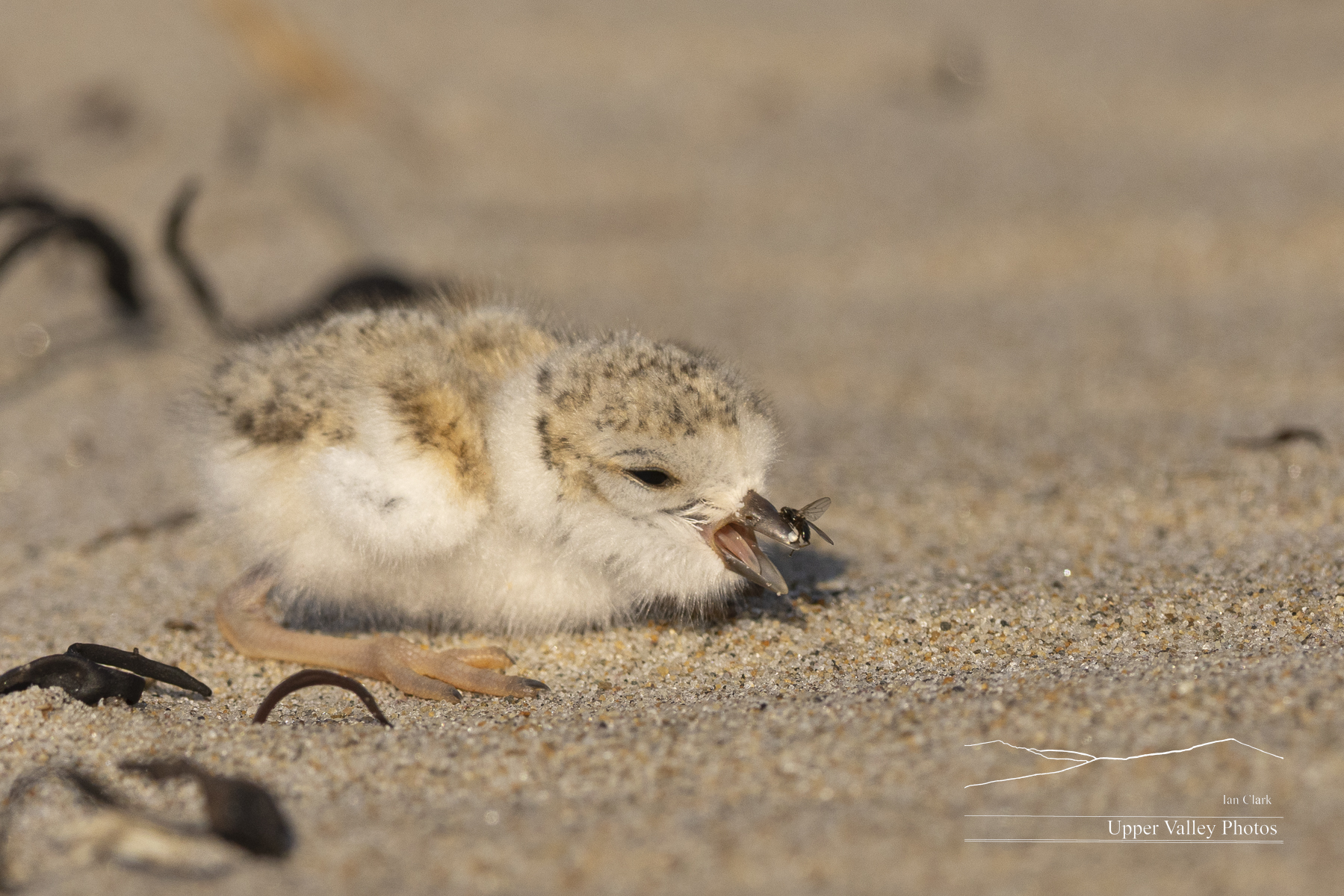
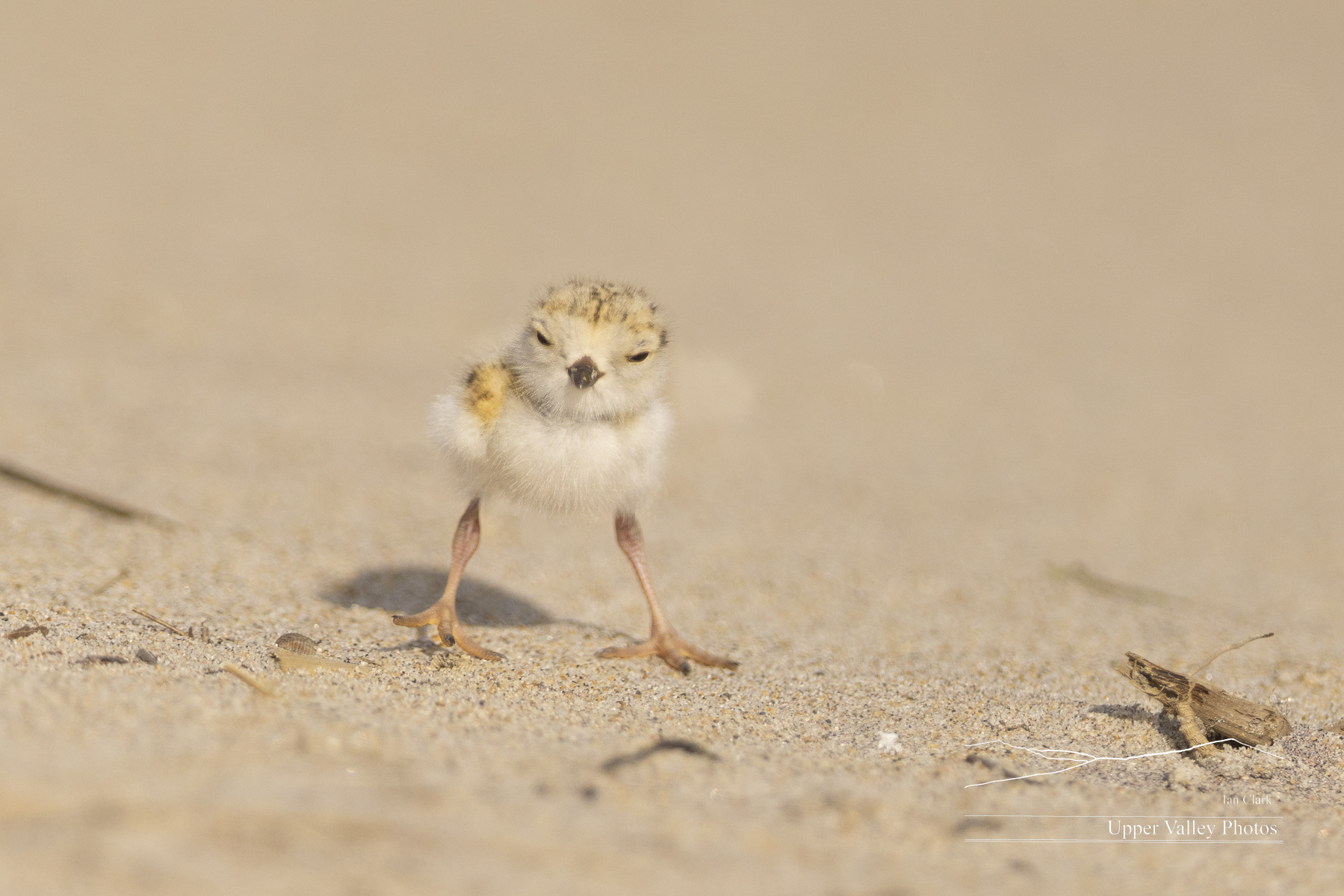
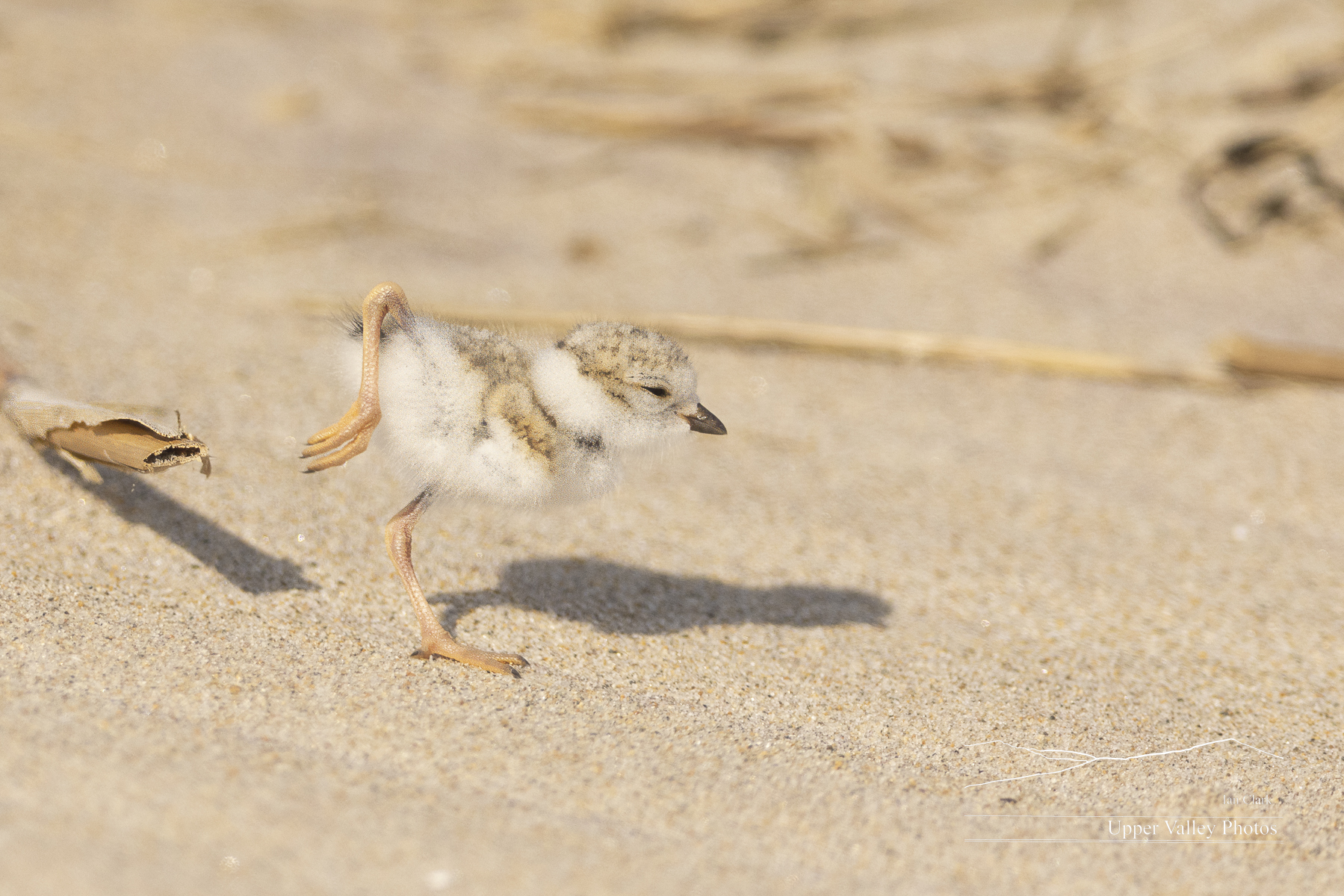
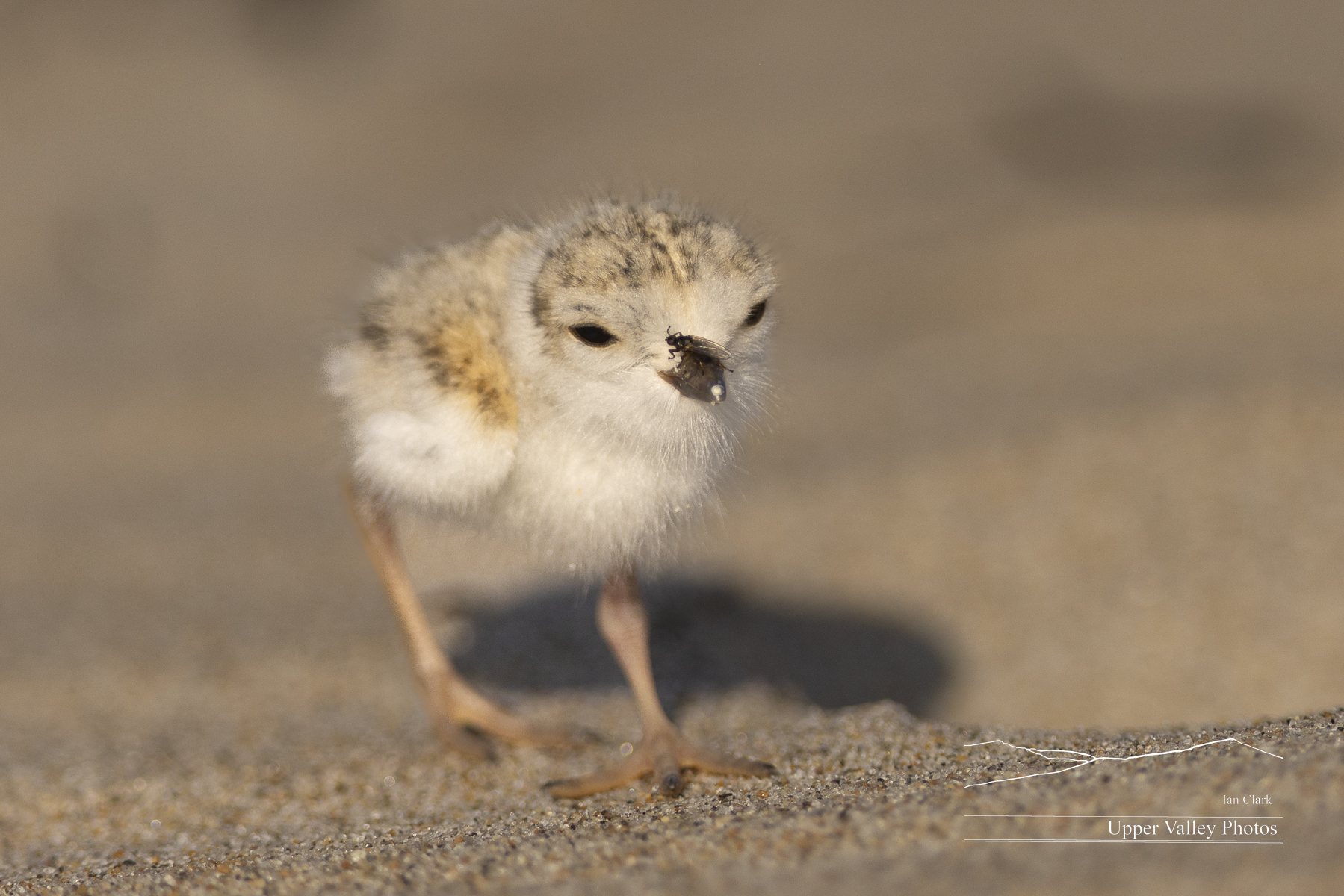
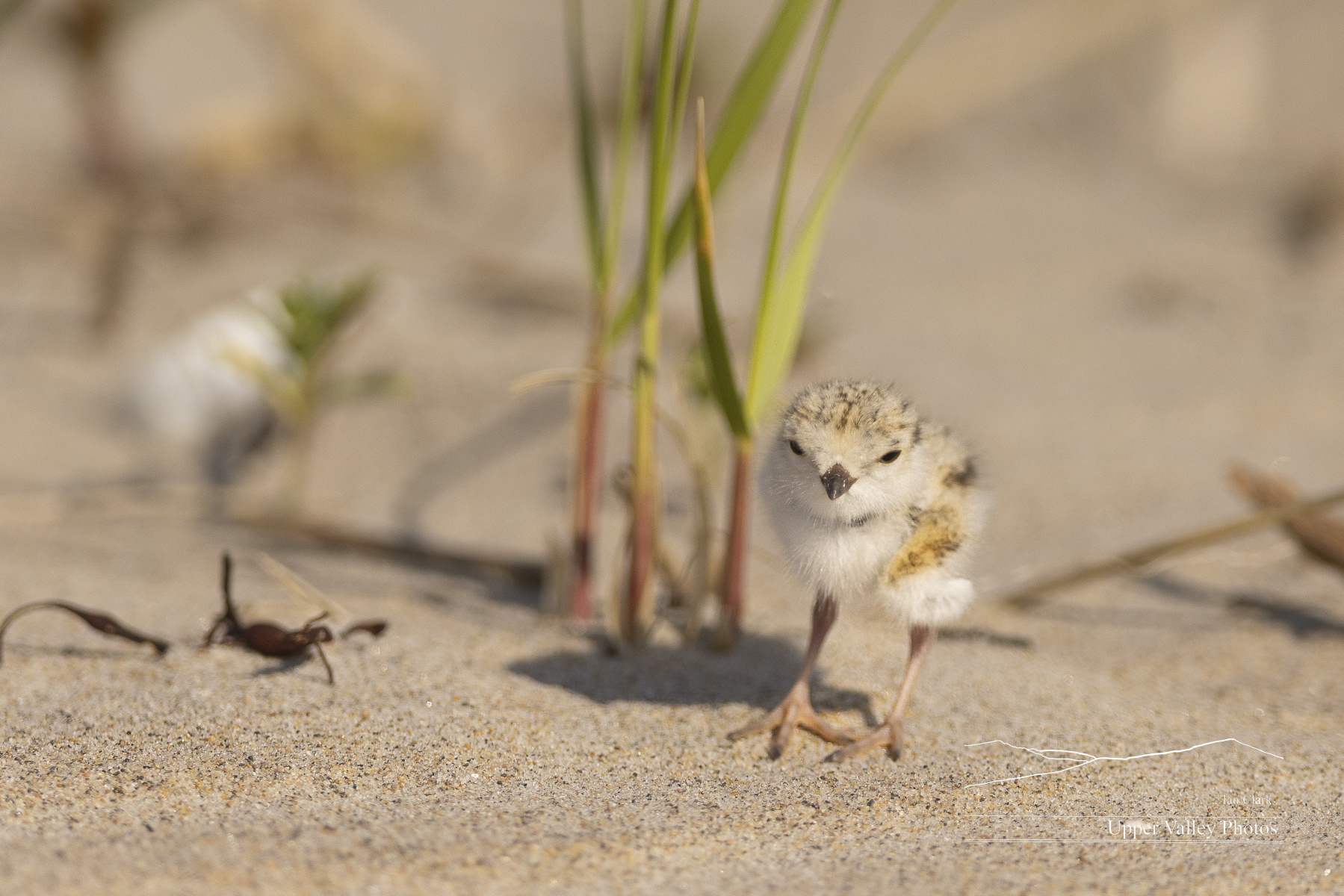
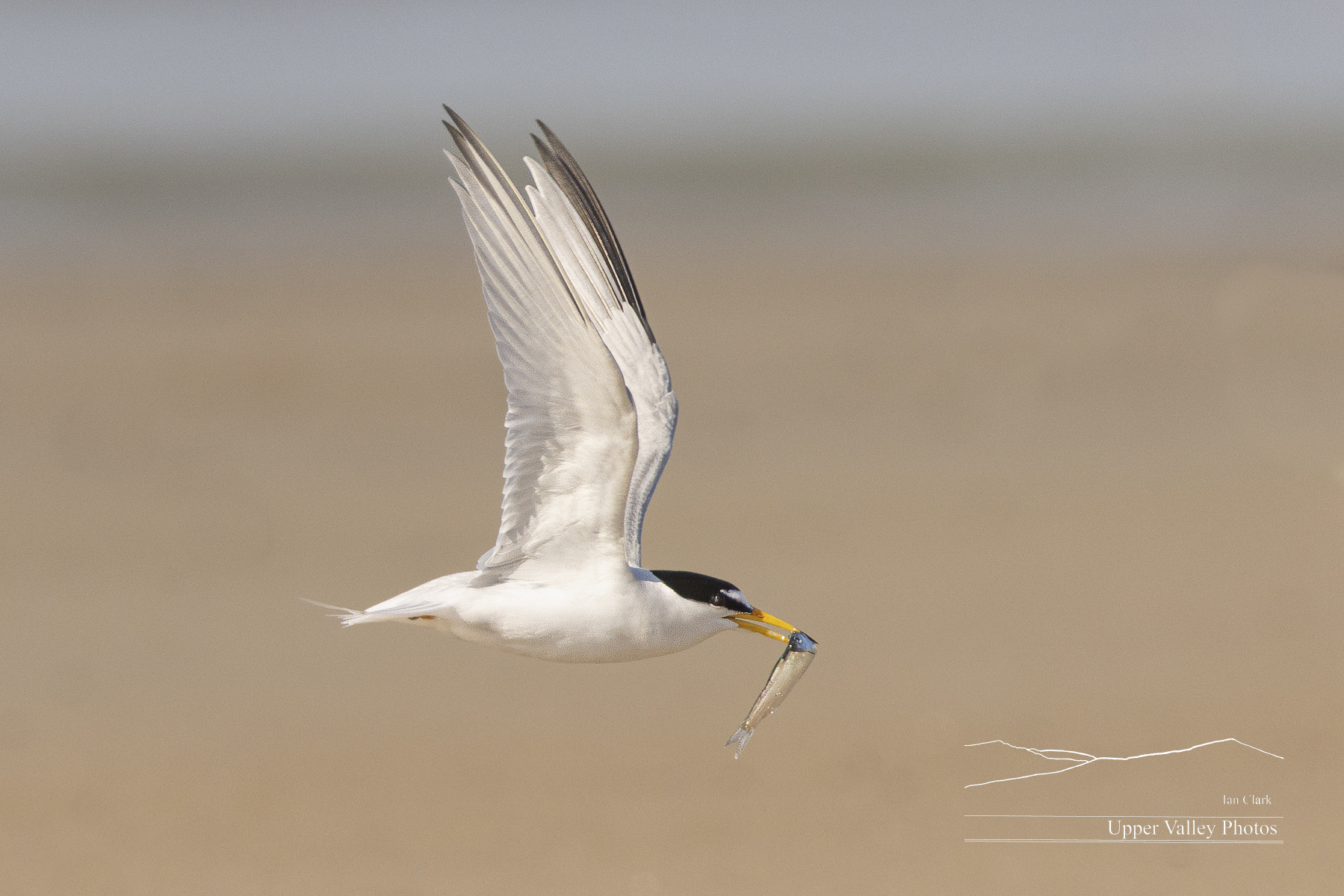
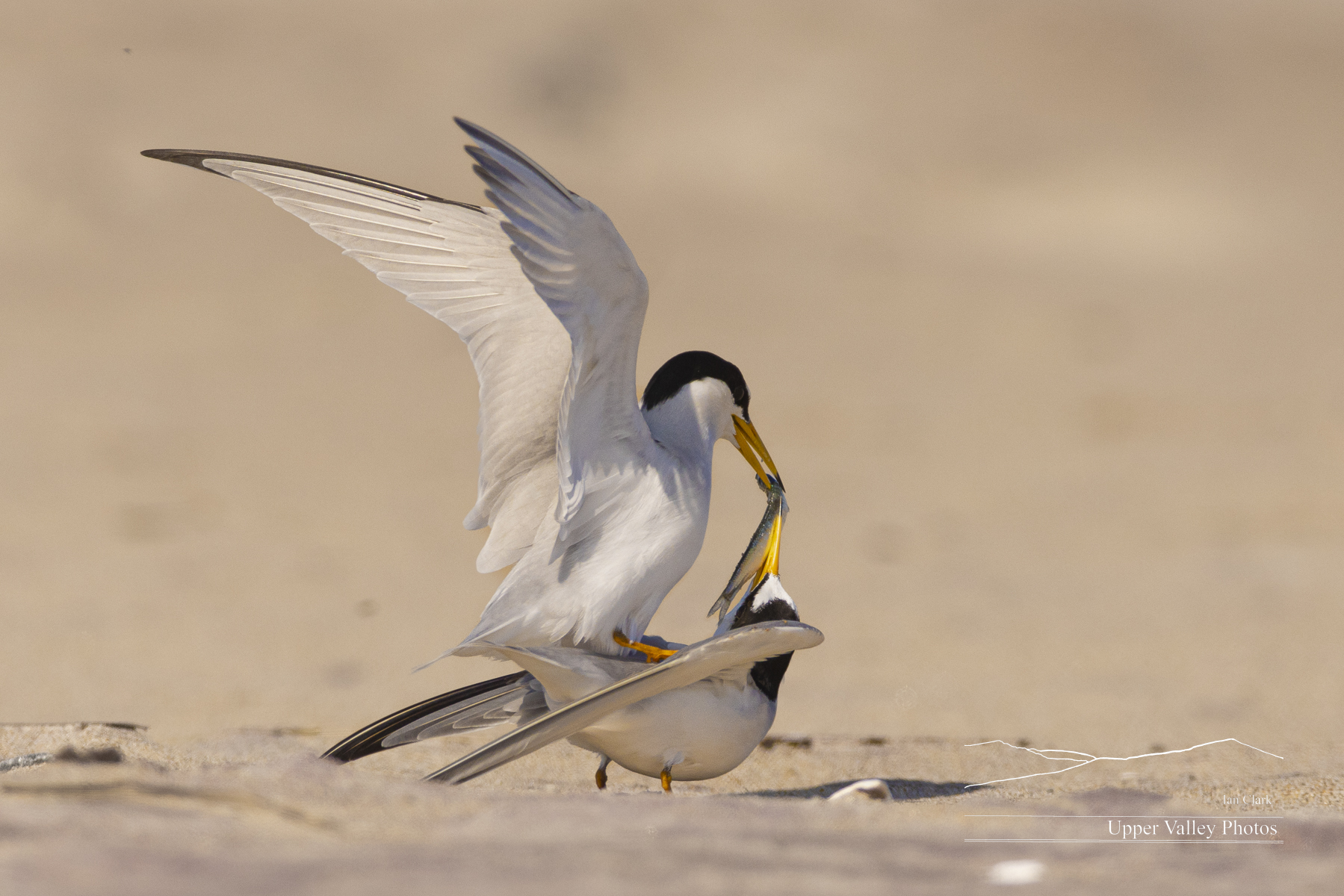
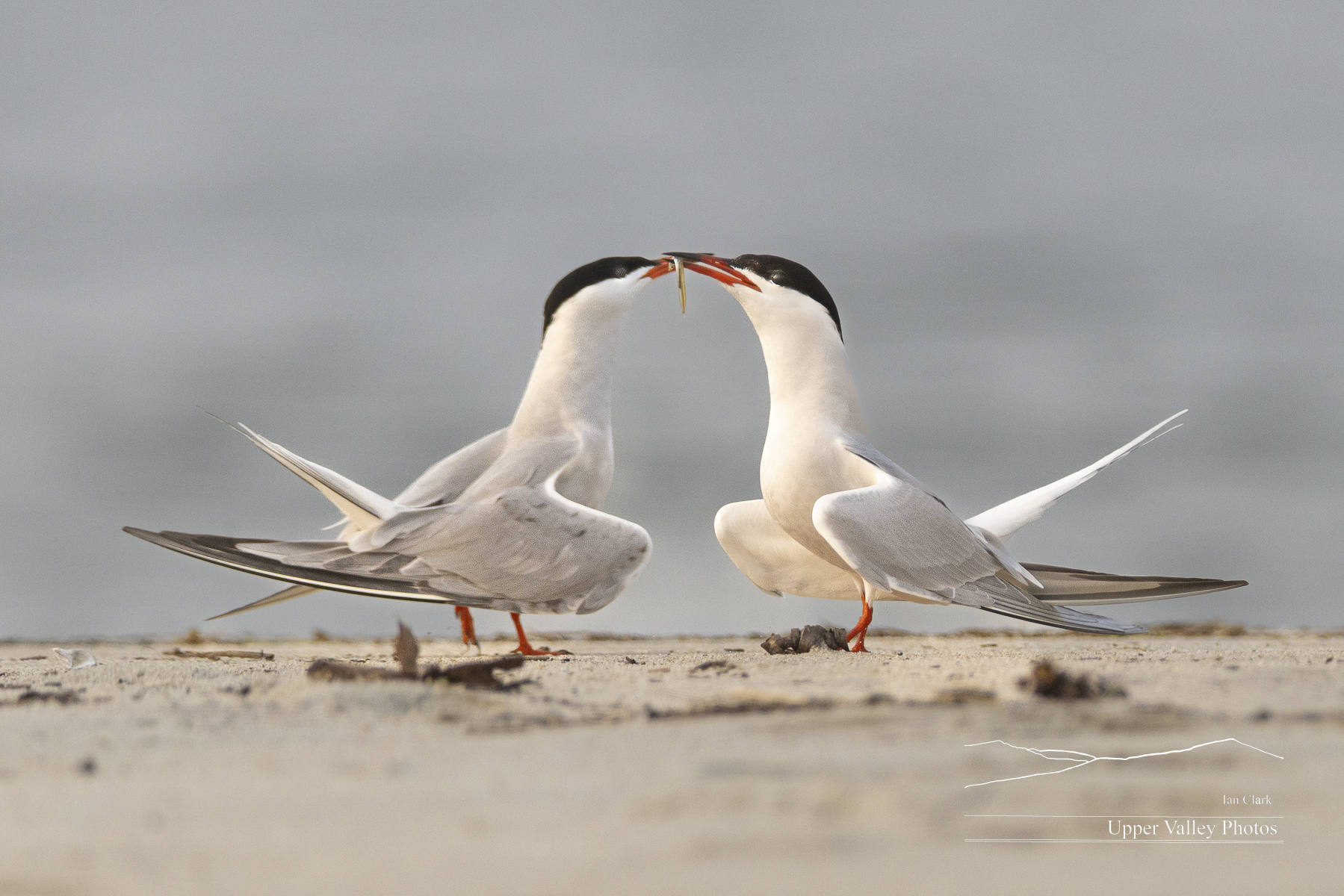

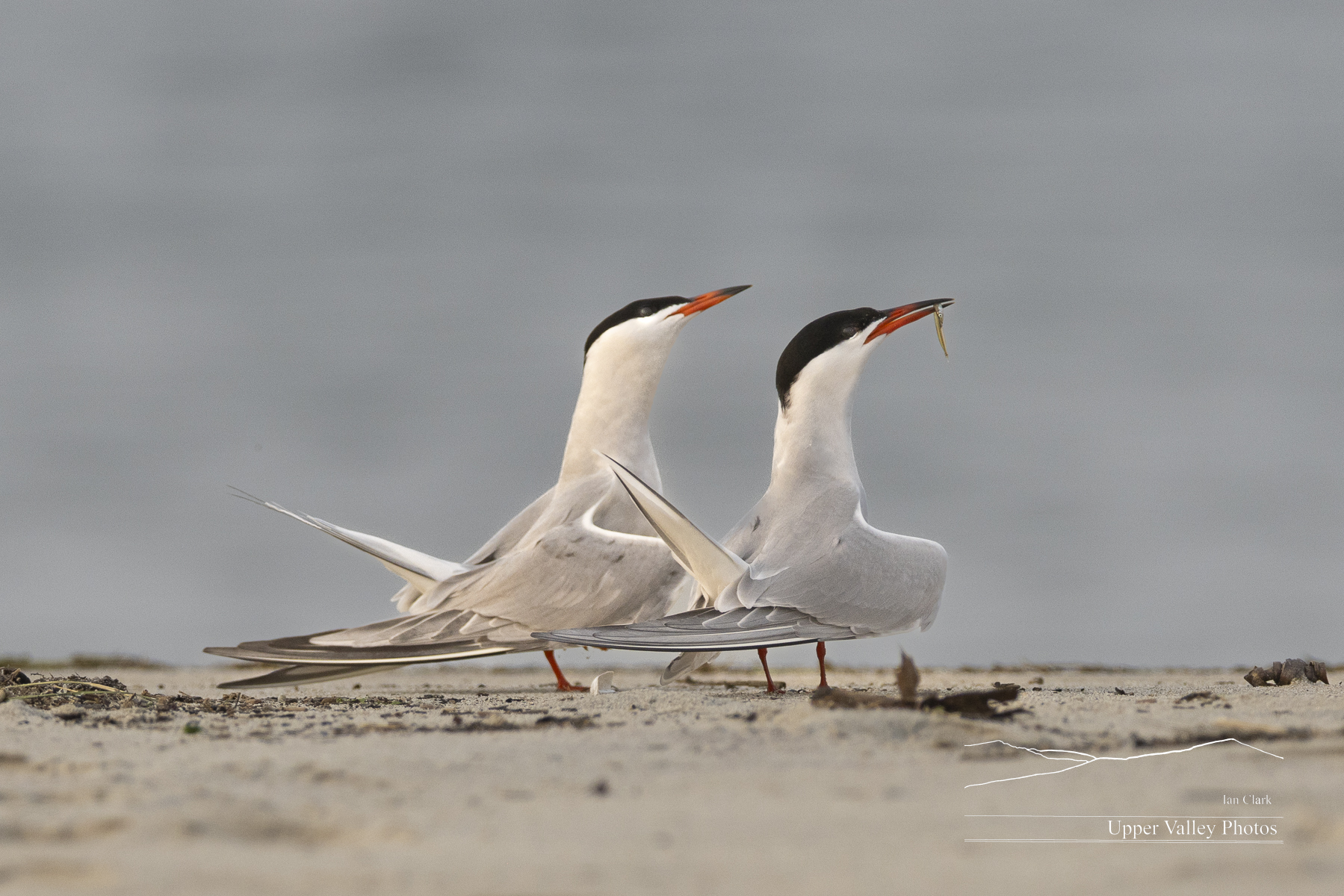
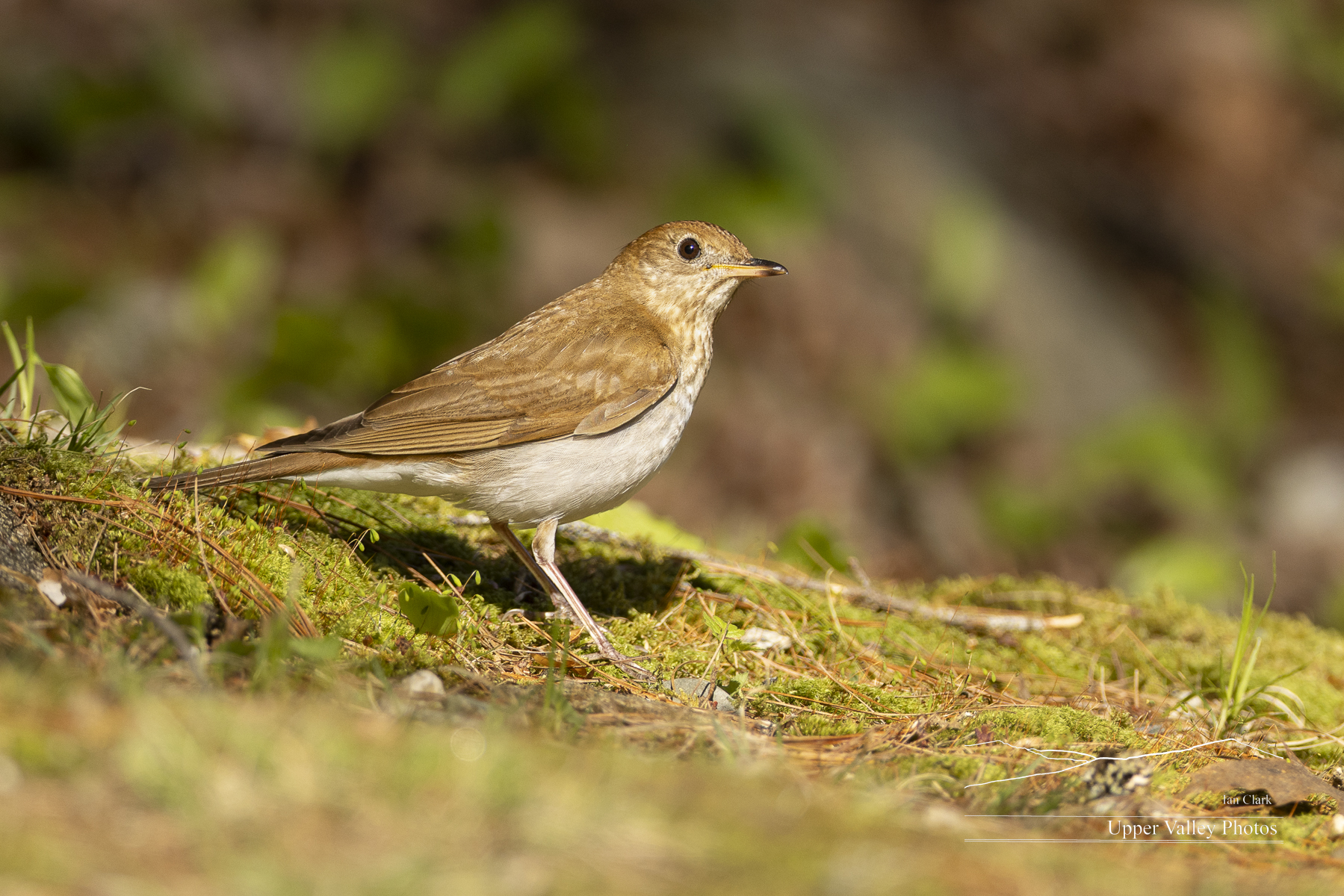
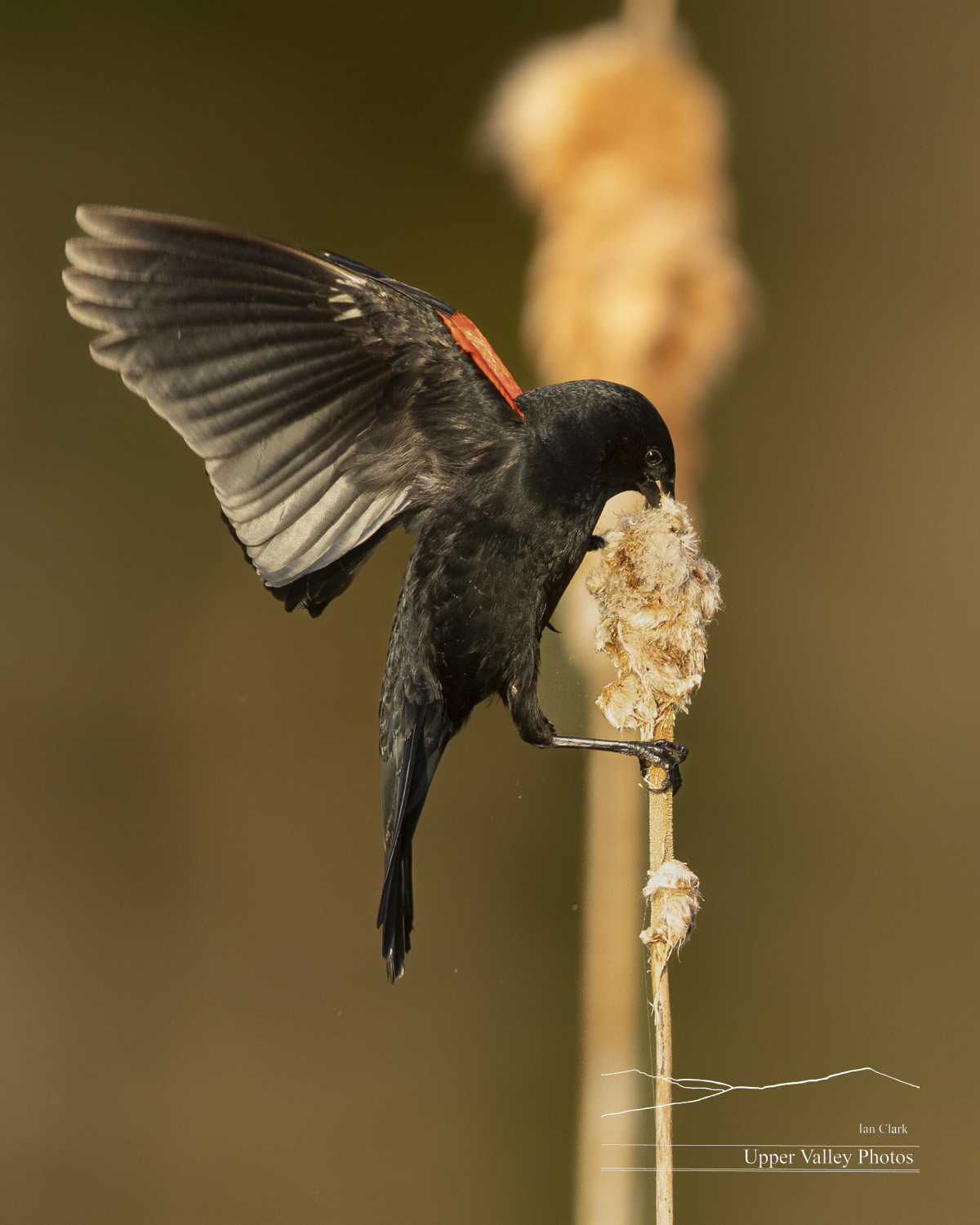
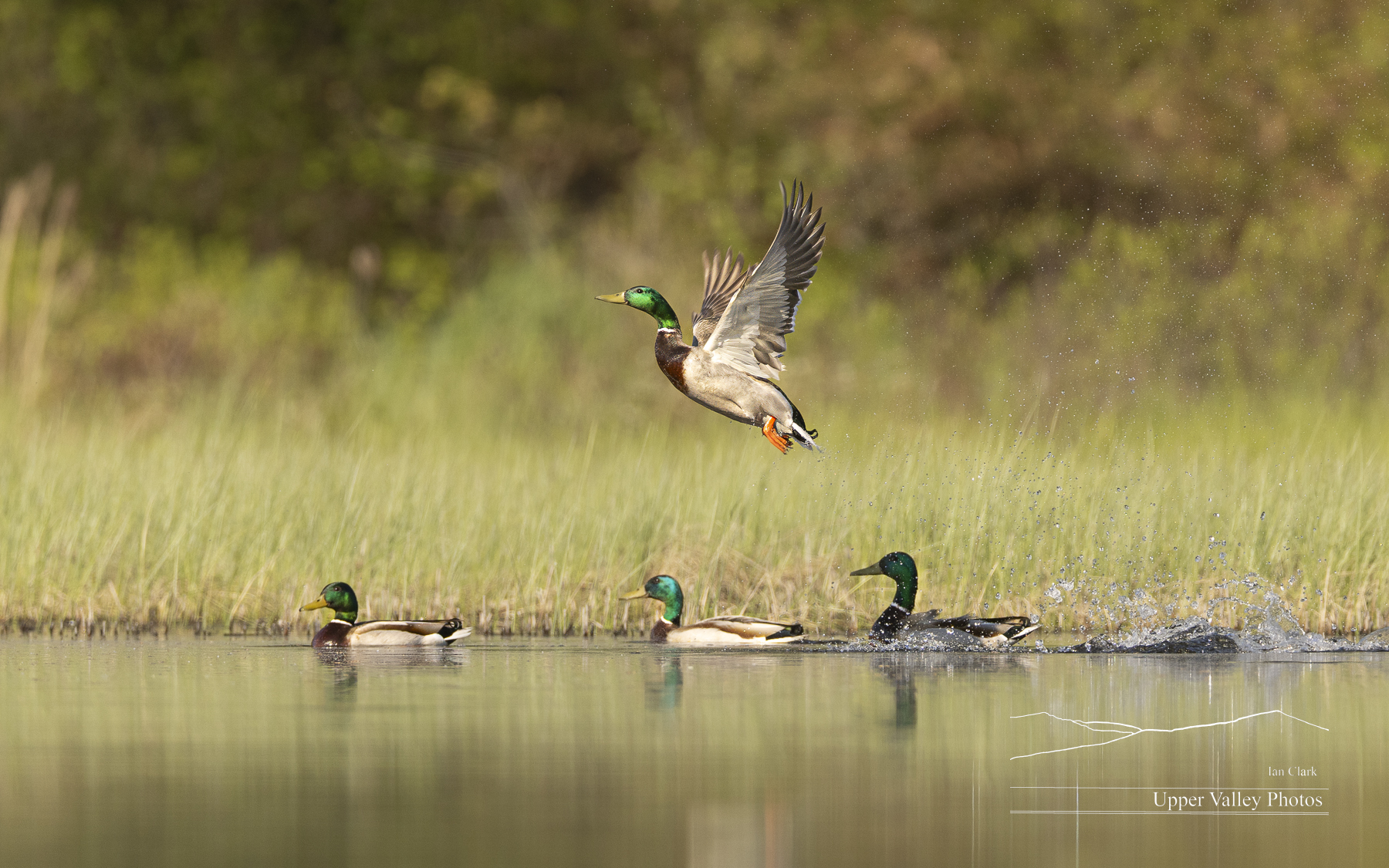

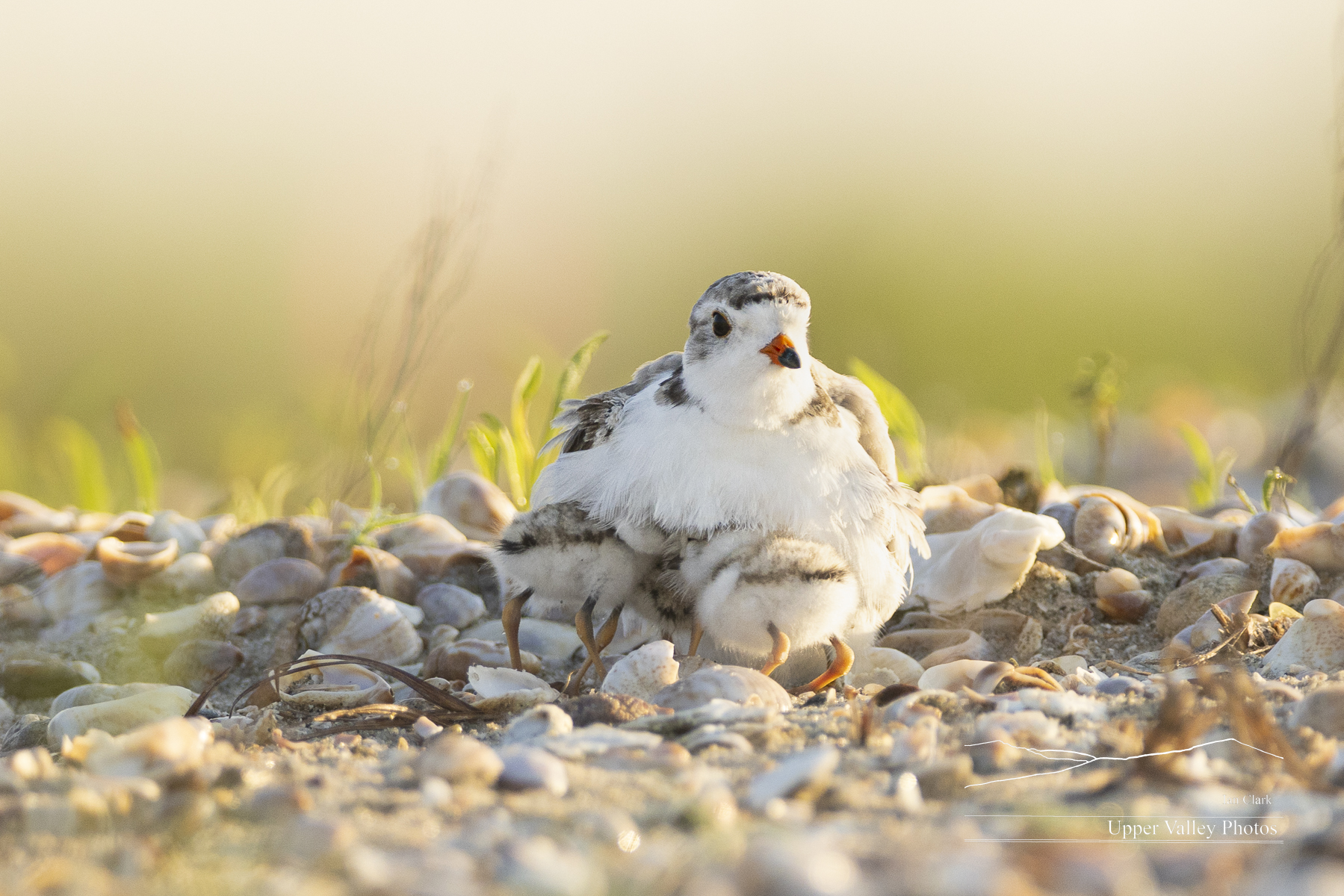

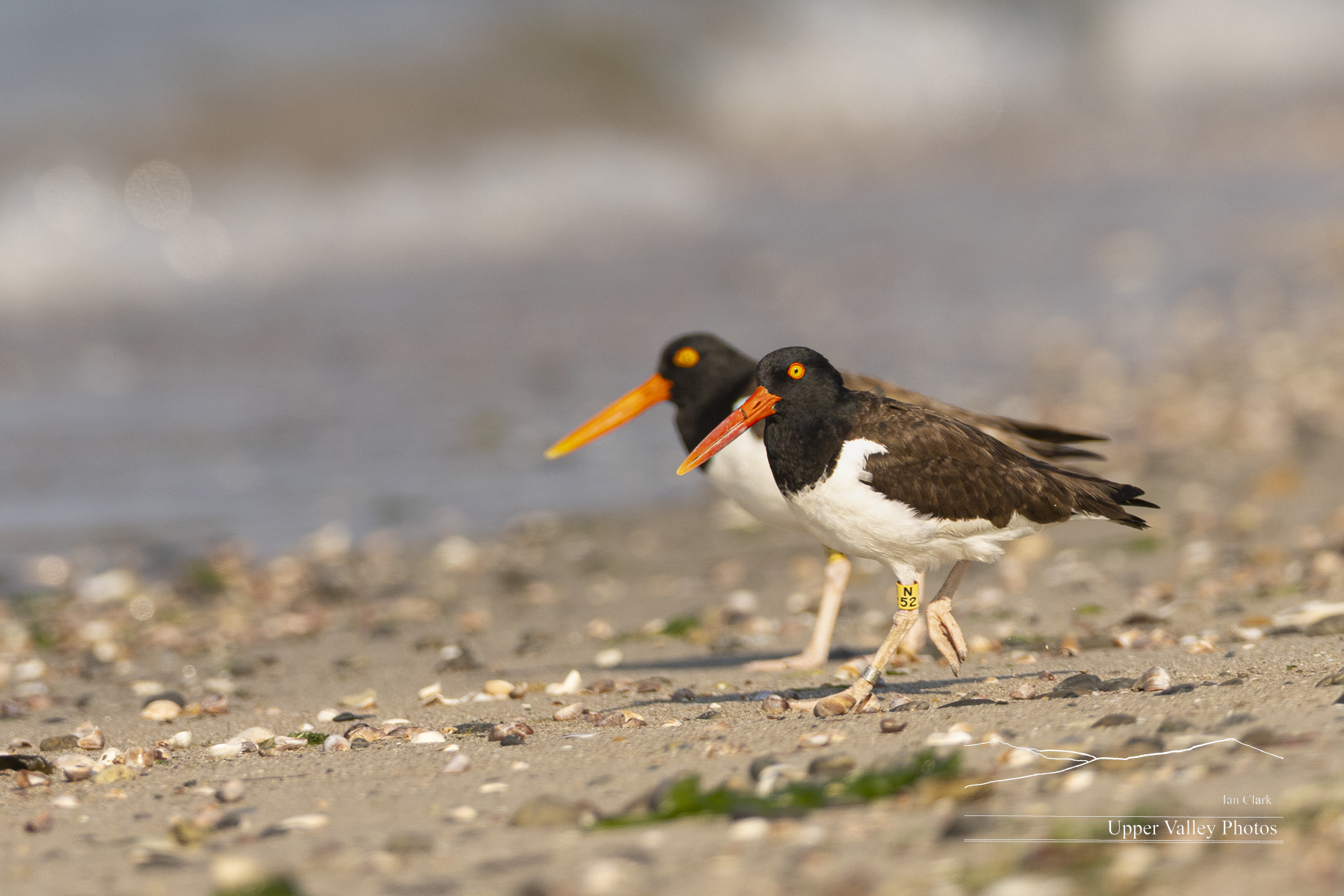
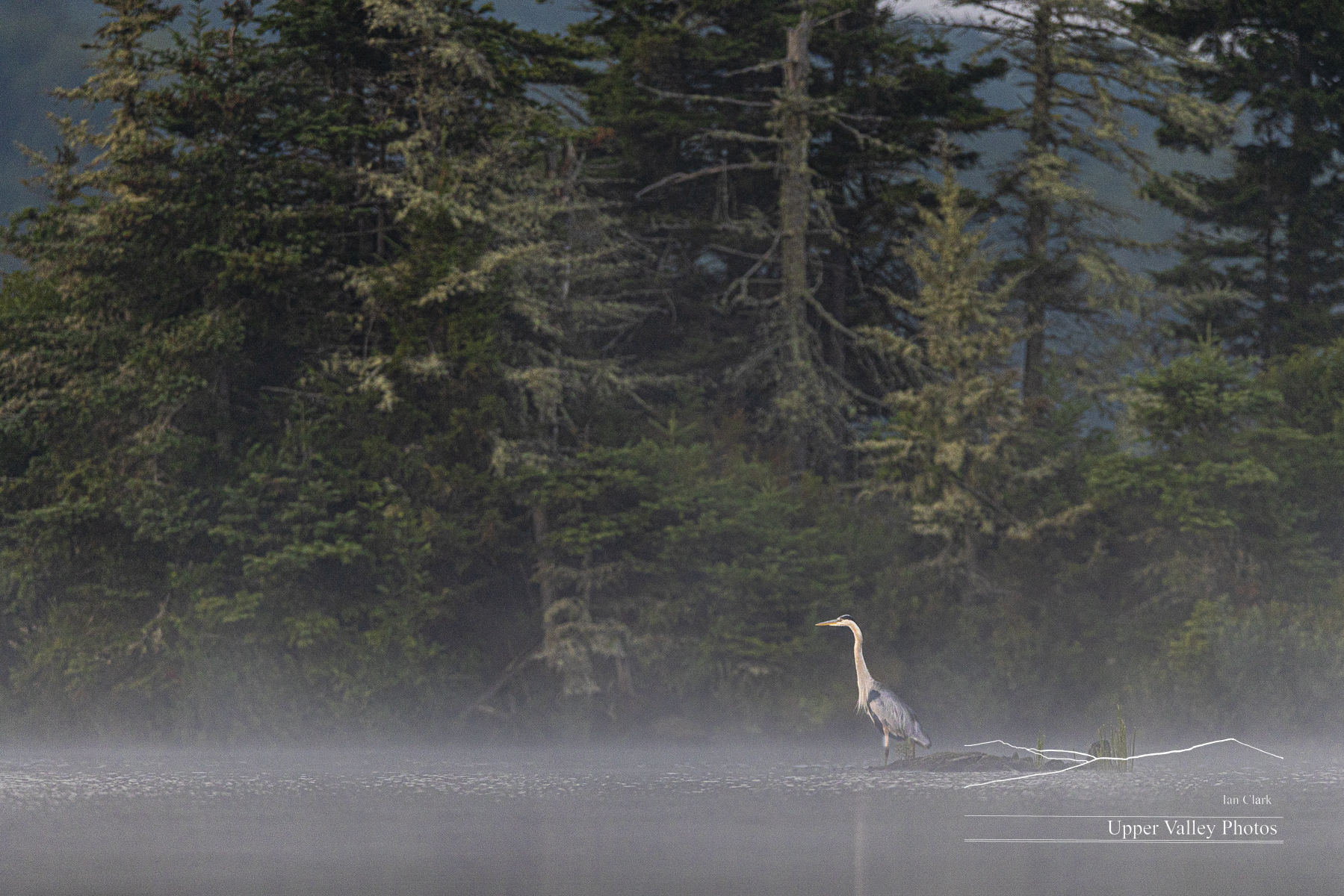
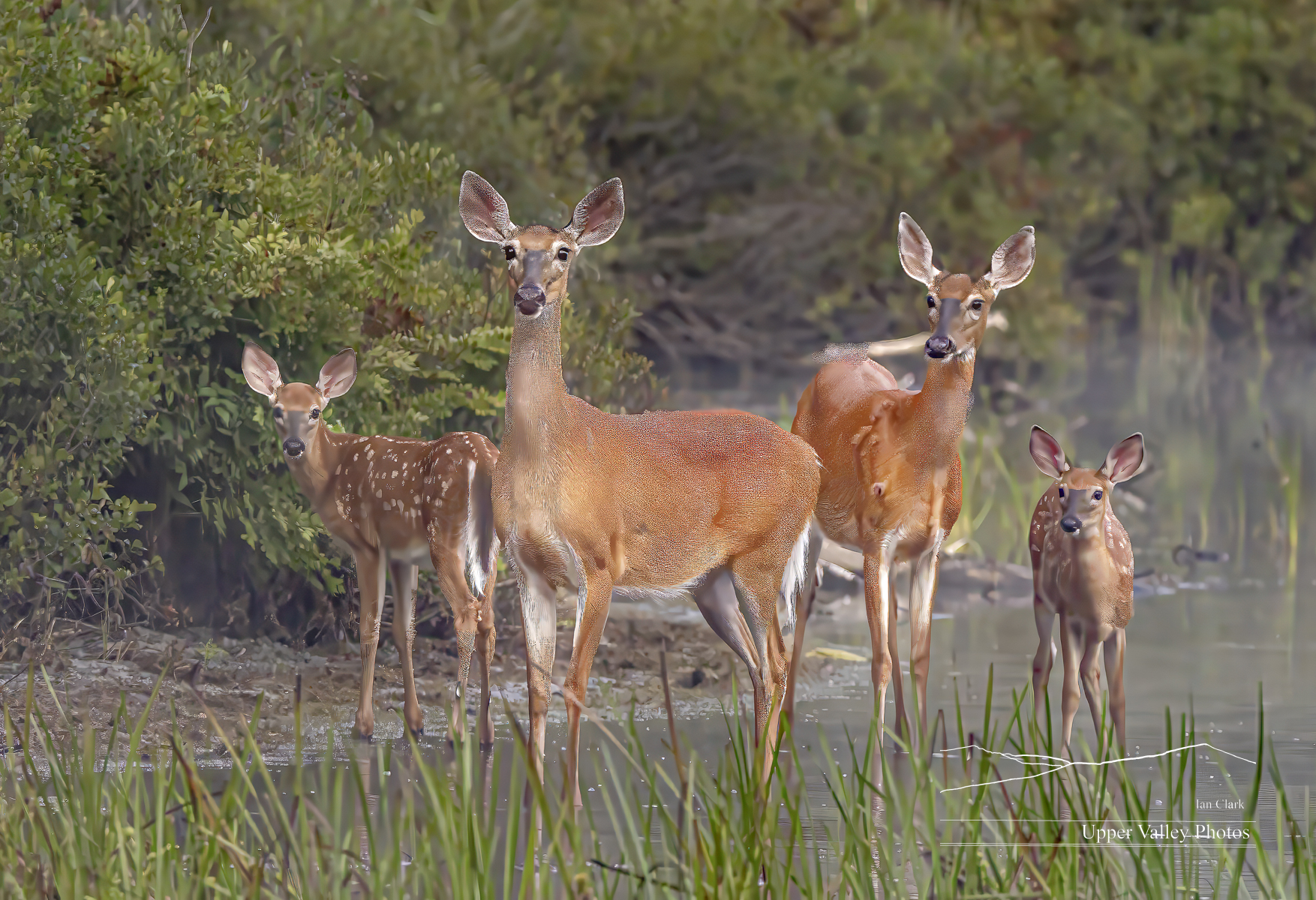
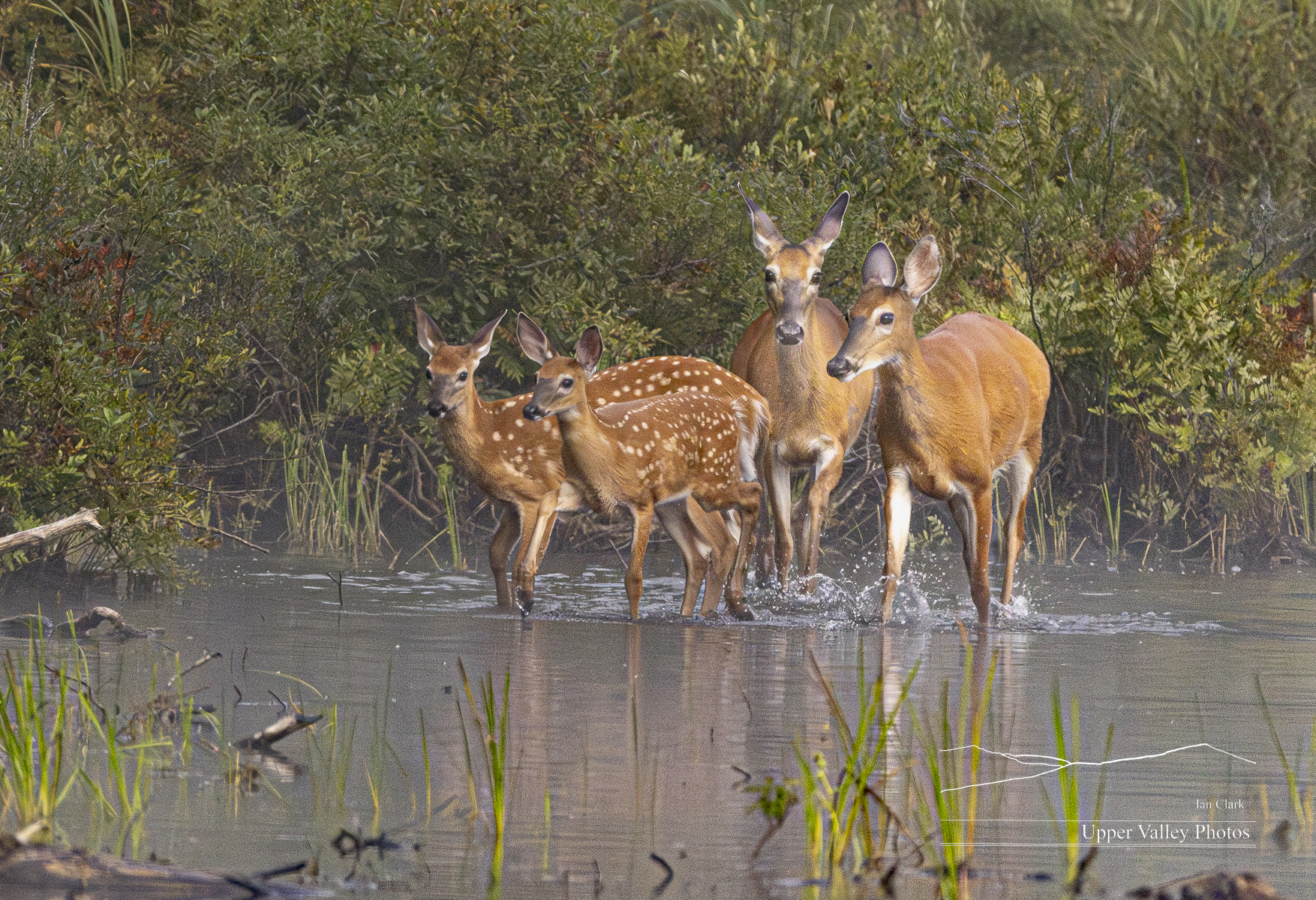
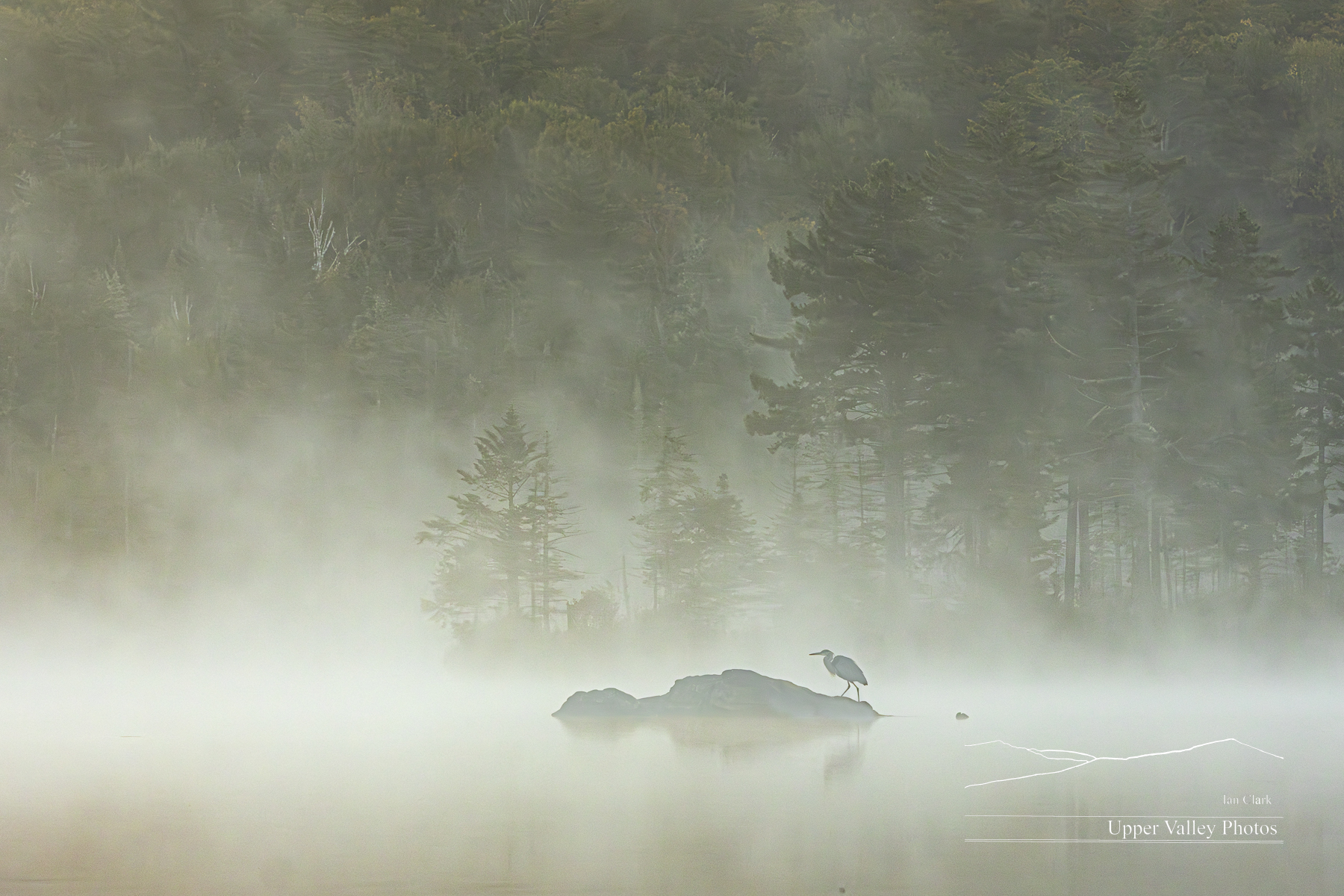
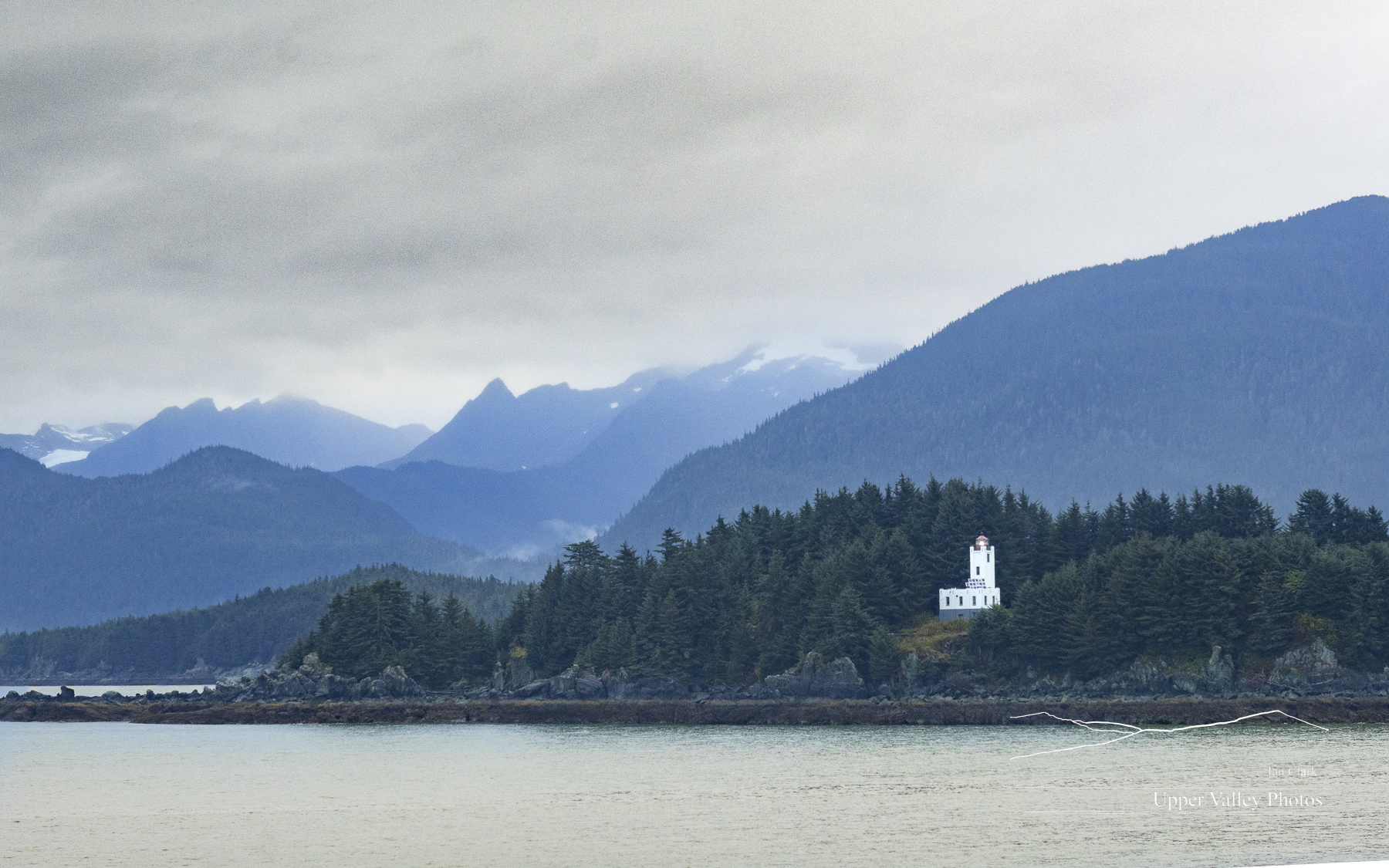
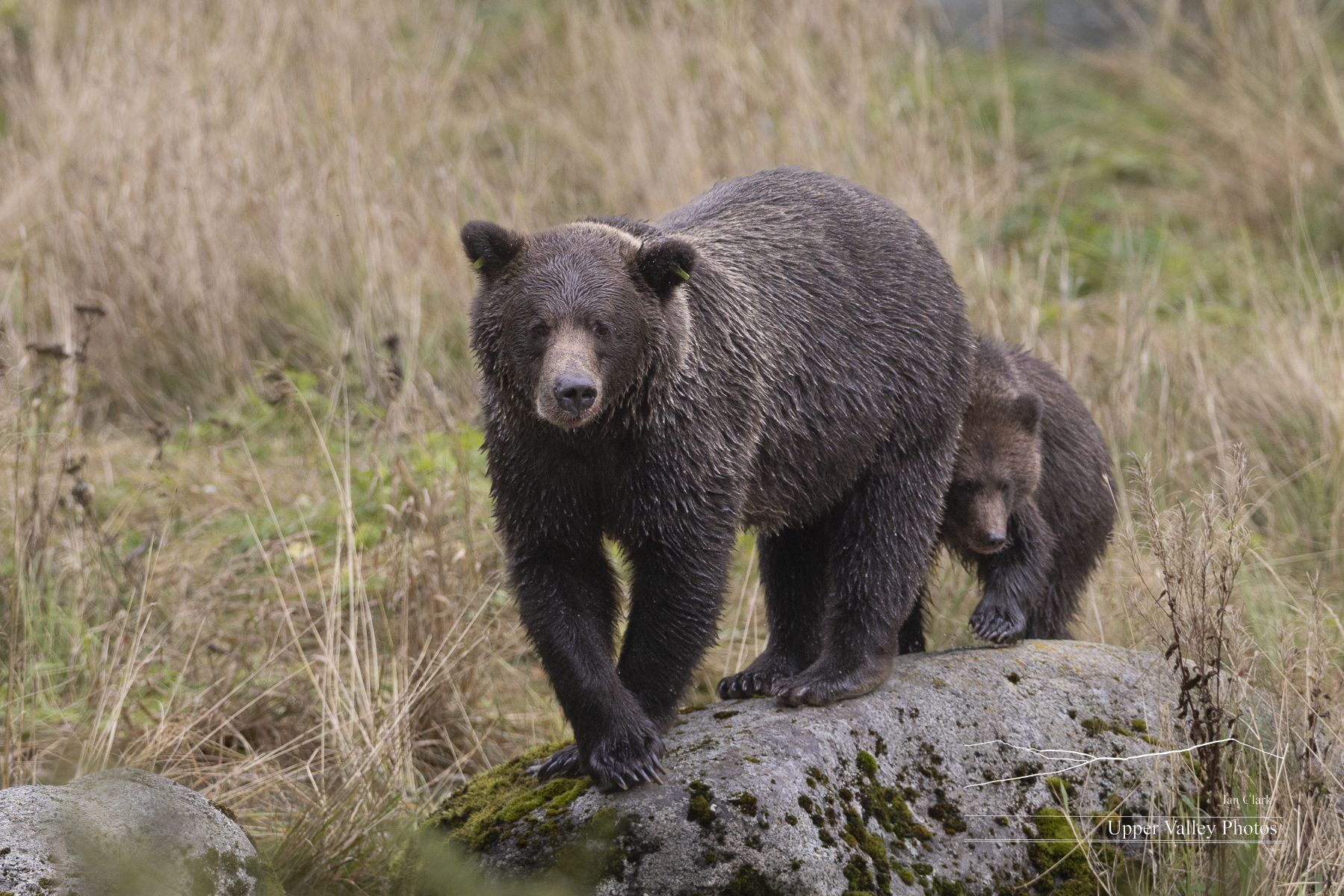

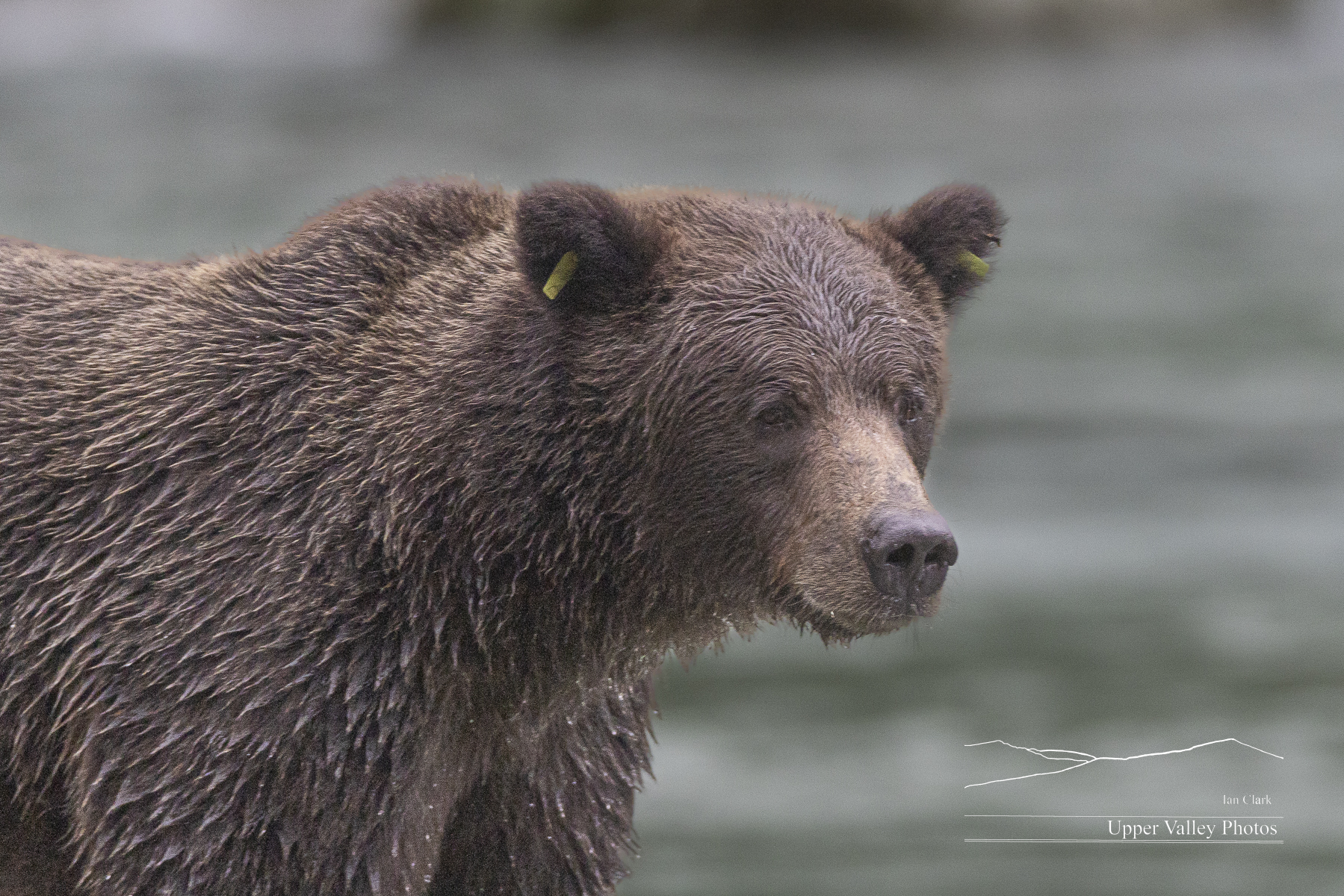
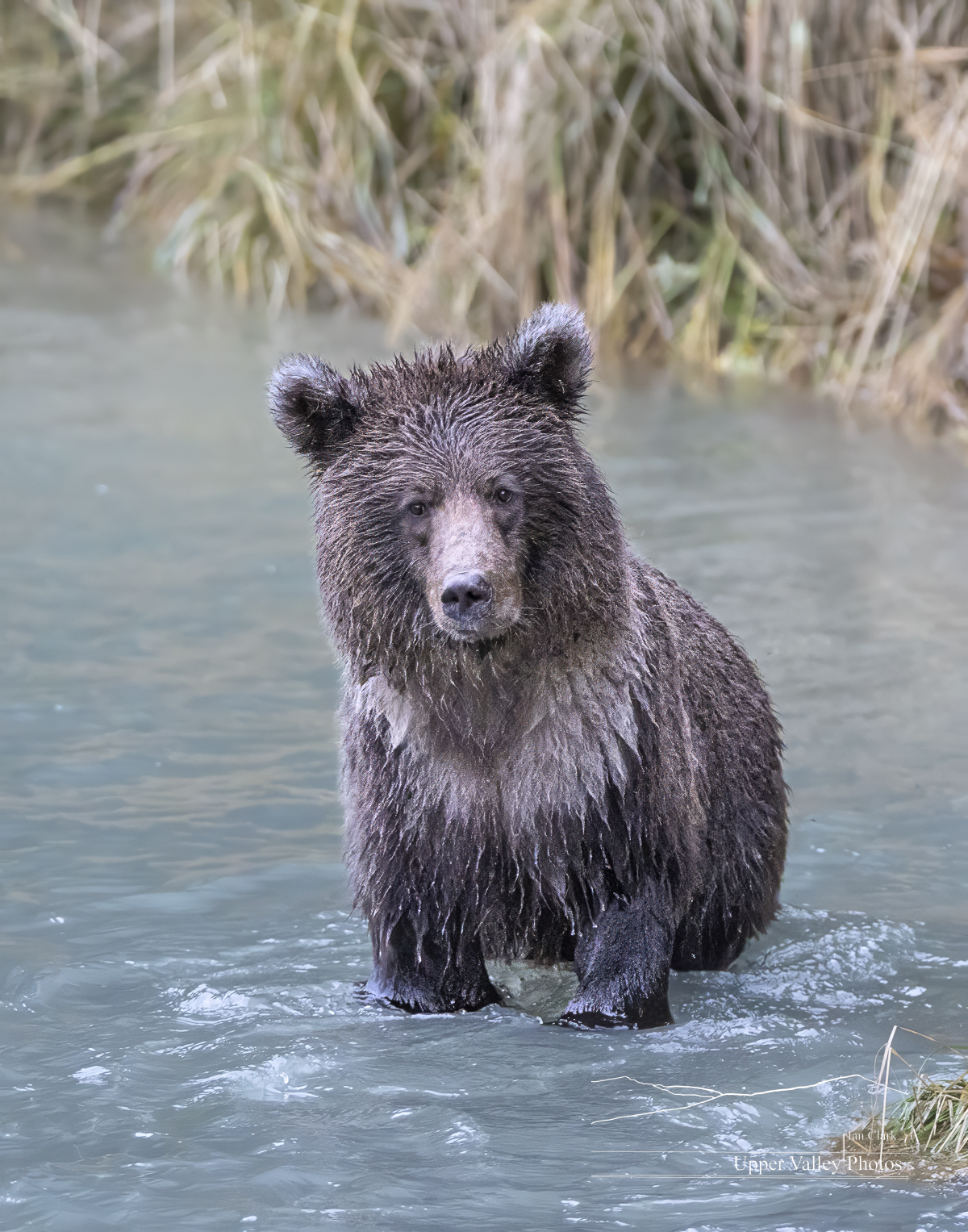
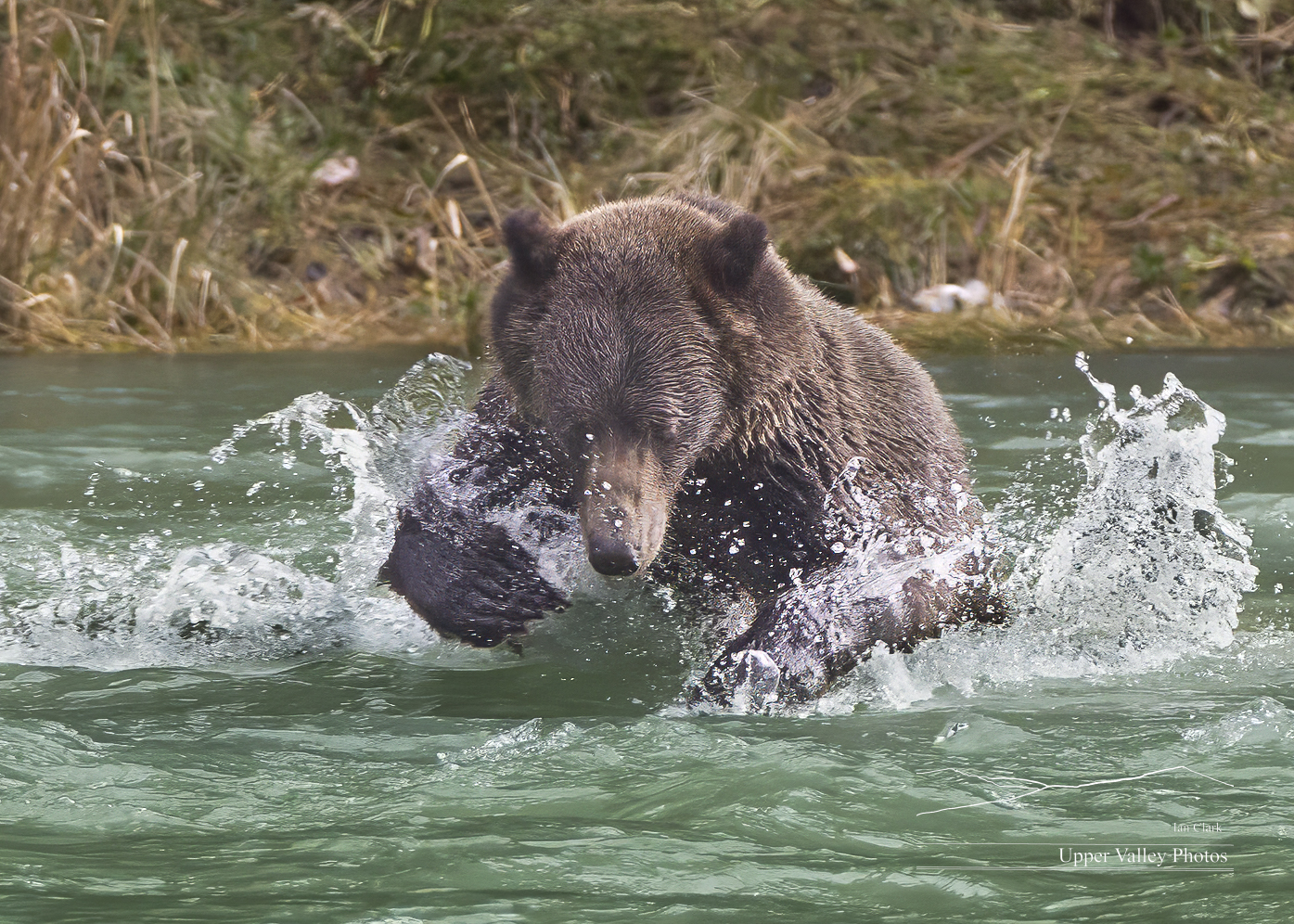


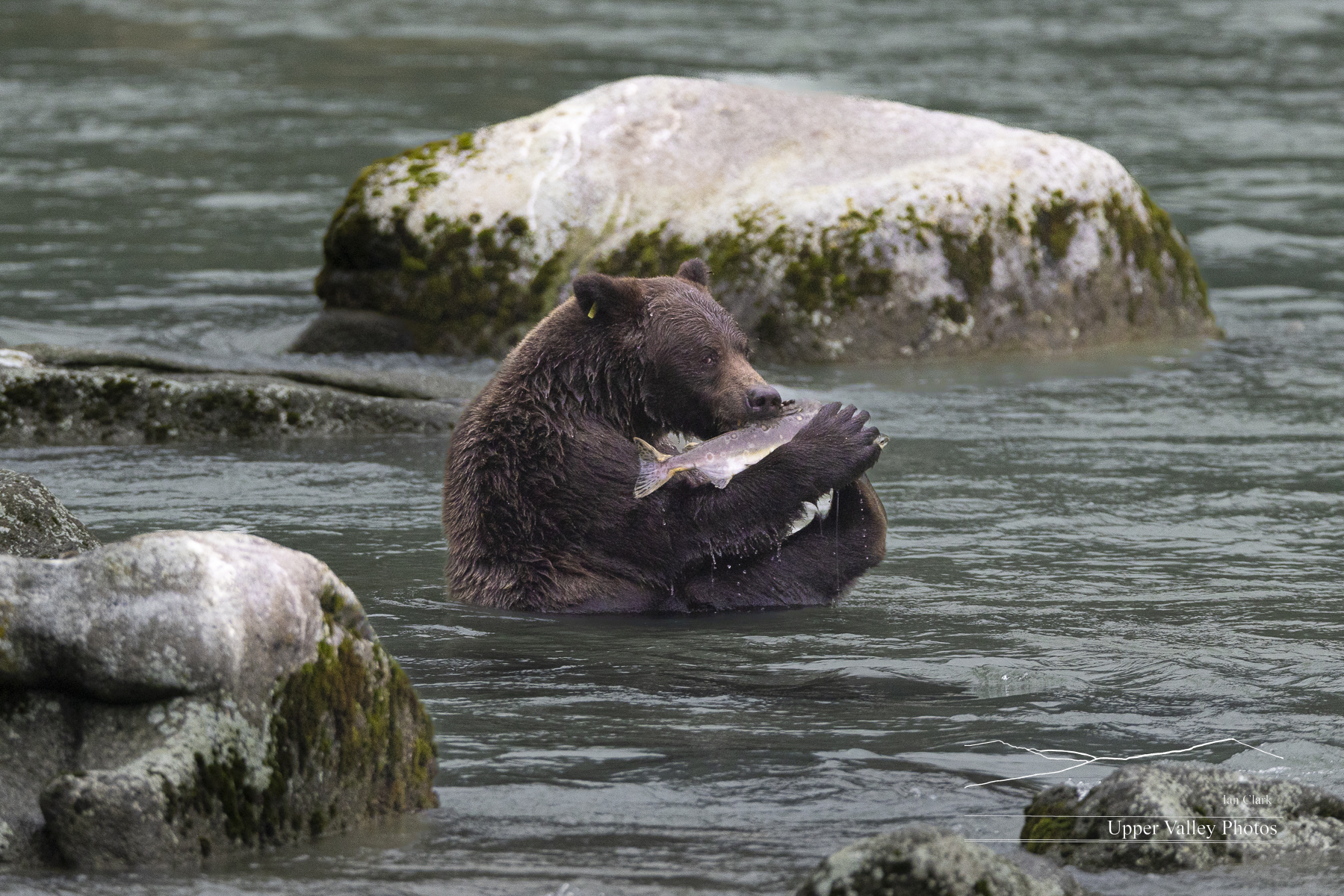
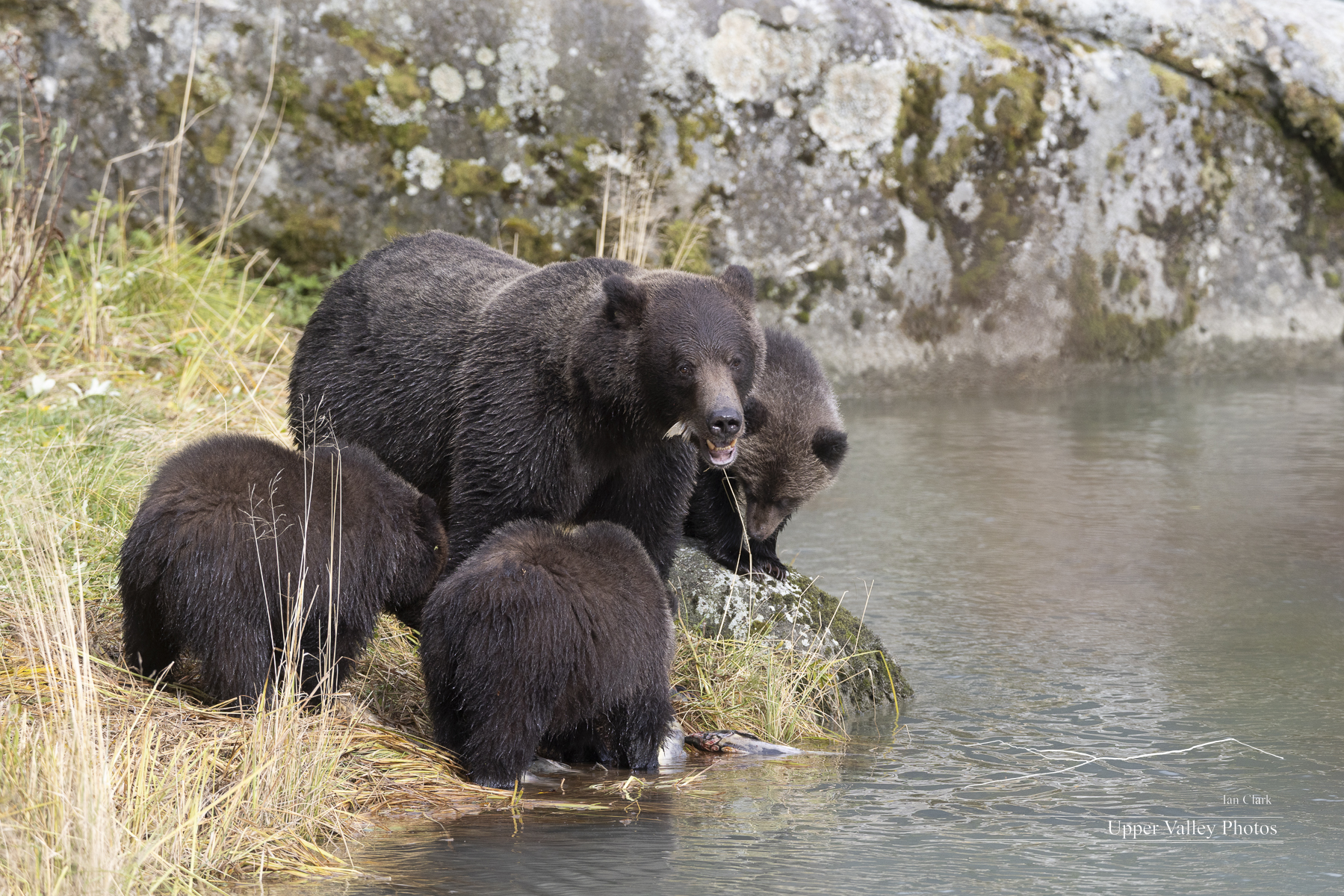
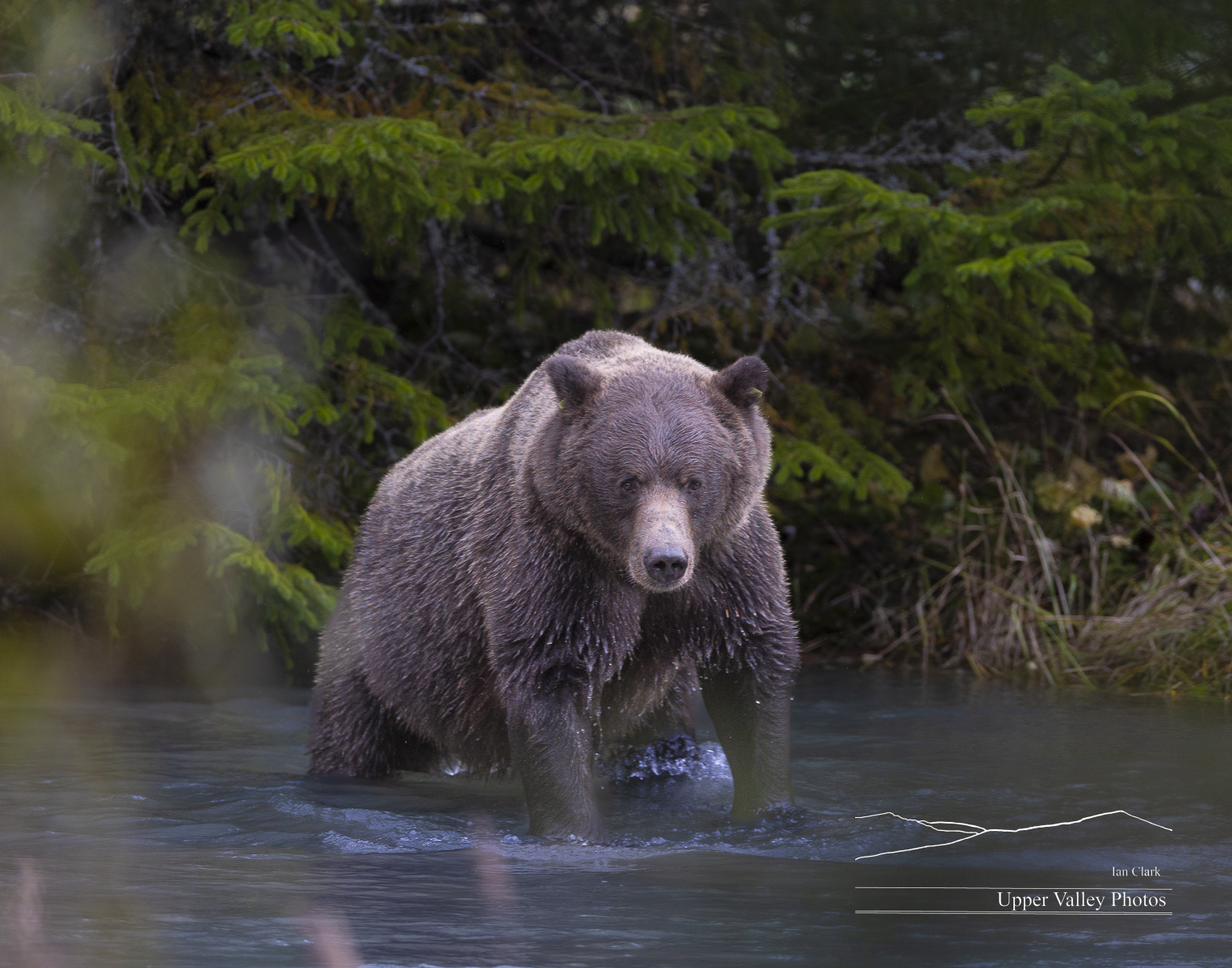
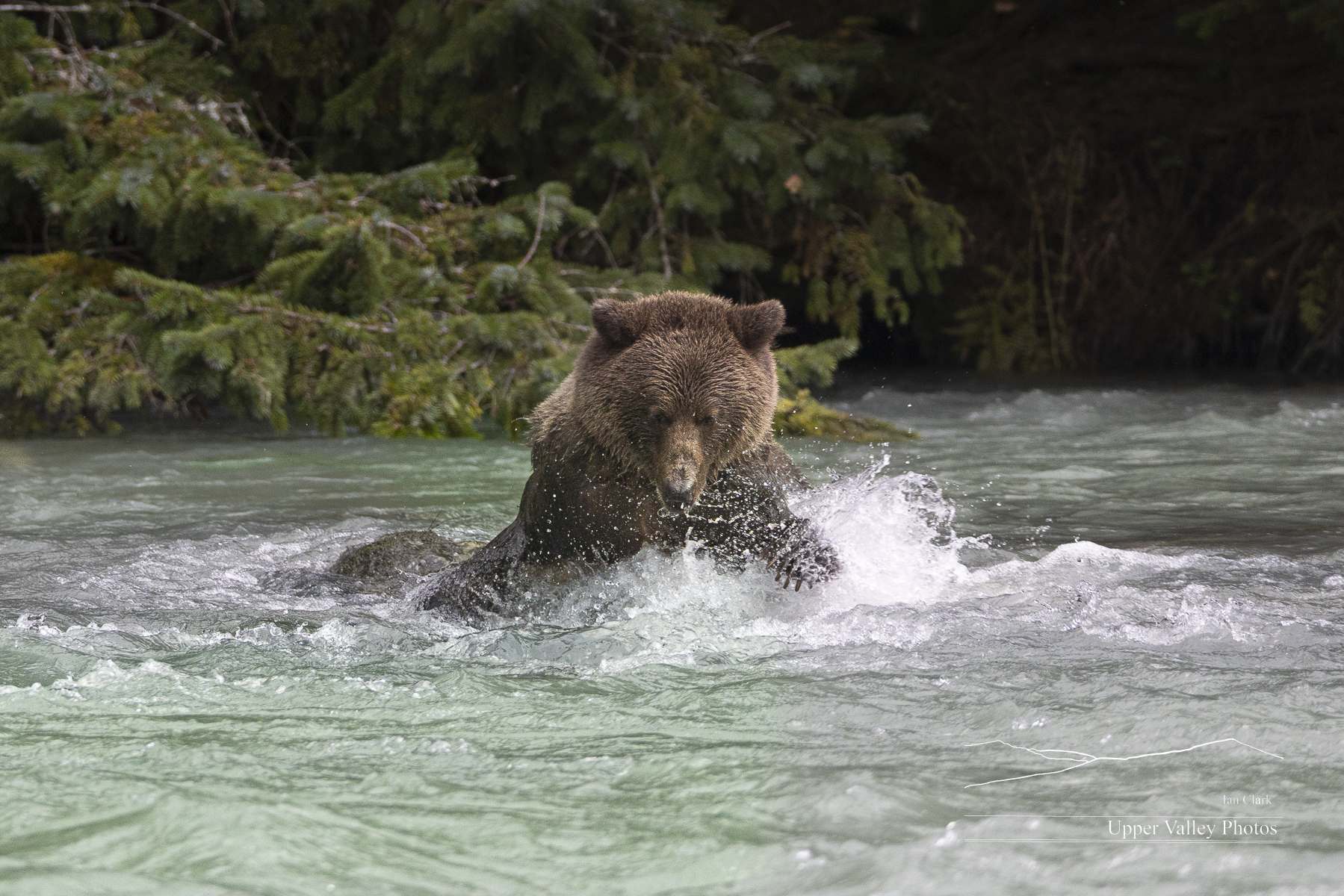




Back in Vermont, I again headed to the coast to hunt for owls.
Happy New Year! Best wishes for 2026!
The Loons Are Moving On
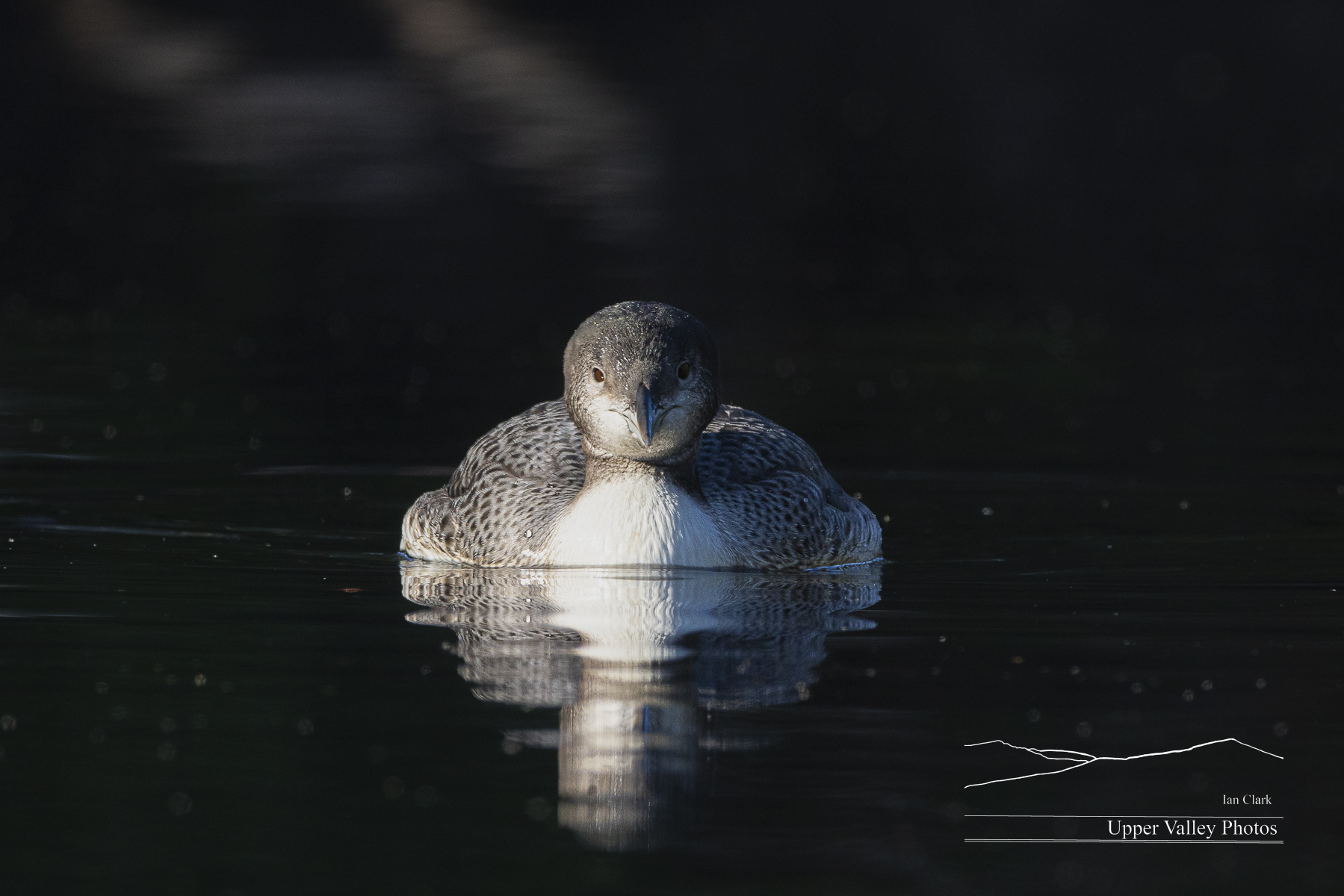
We’re coming to the end of the season with the loon families. It looks like I’ve had my final visit with the Westons and Littleton is likely to leave soon. This may be the last loon post for the season. I’m going to try to get out a couple more times. But, I’m preparing to depart for an adventure next Thursday. One that – hopefully – will get enough photos for a few posts.
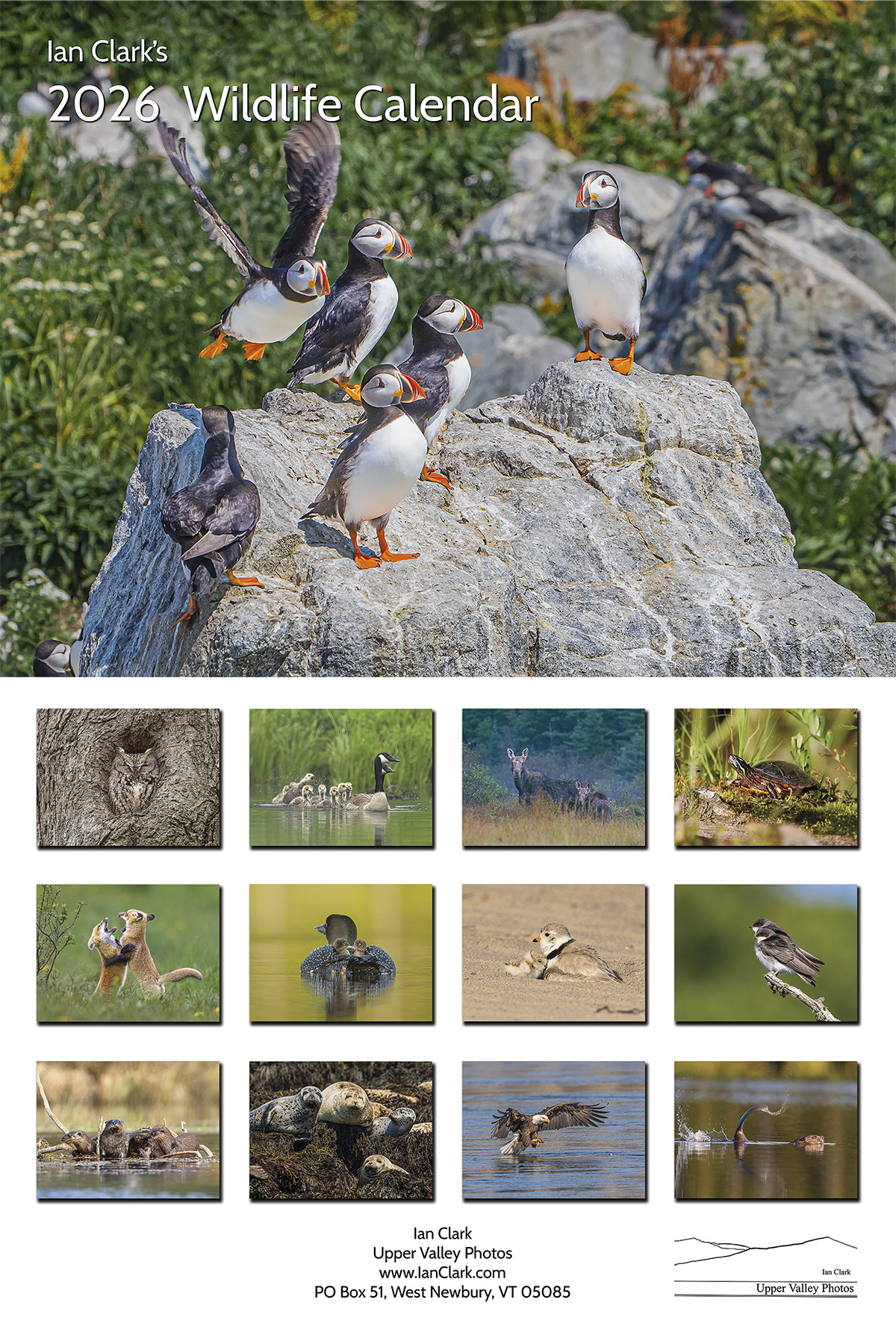
I’m still promoting my 2026 Wildlife Calendar, they’re available online at https://www.ianclark.com/product/2026-9-x12-wildlife-calendar-of-ians-photos/554?cs=true&cst=custom or if you’re local, I’ve got a supply in the car.
On to the loons, et al.
Back on the fourth, I dropped in to visit the Middletons. Dad wasn’t to be found (we lost mom in August) and Littleton was on his own. Dad has likely moved to a nearby pond for some rest and is likely to come and go from his pond for a couple more weeks.
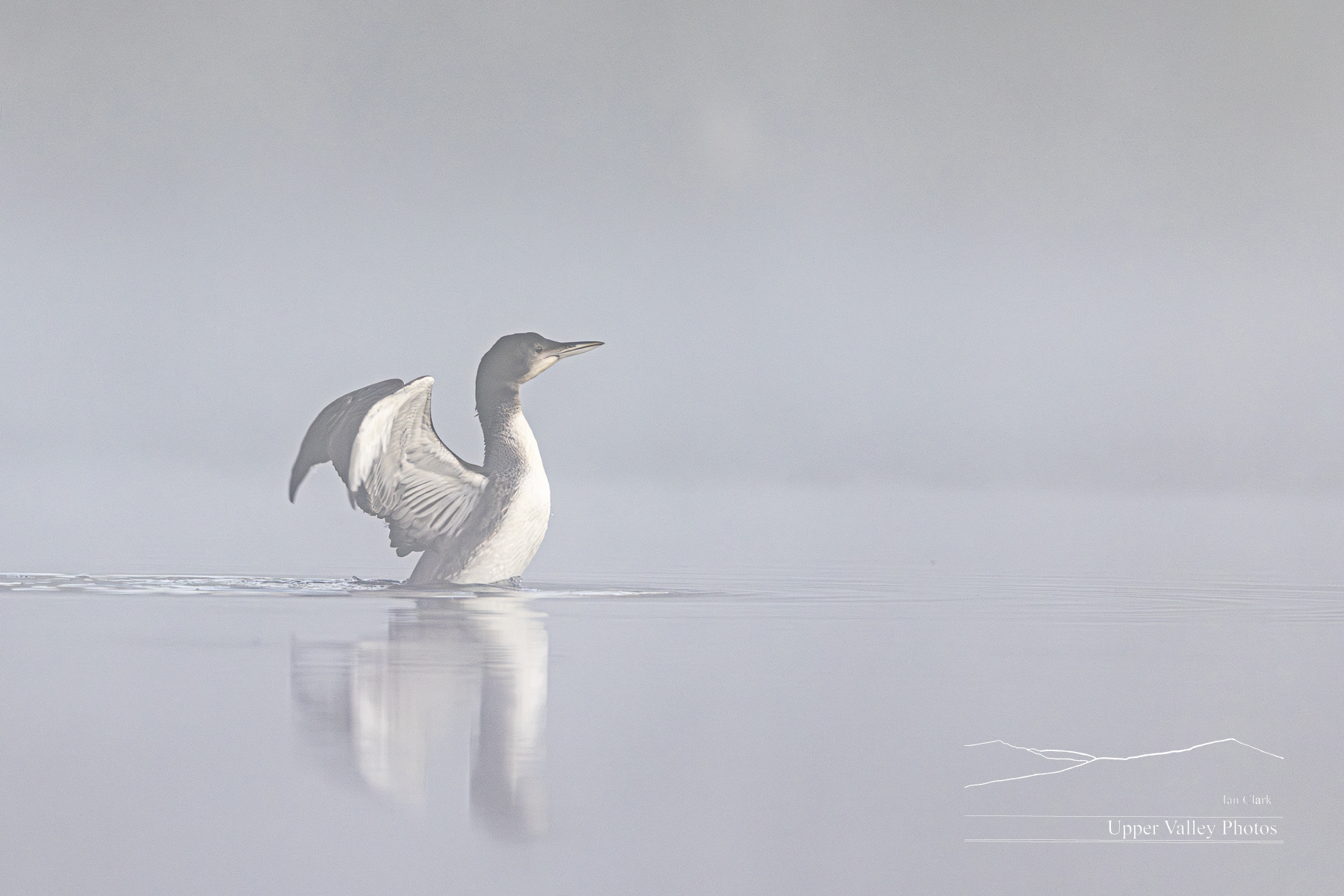
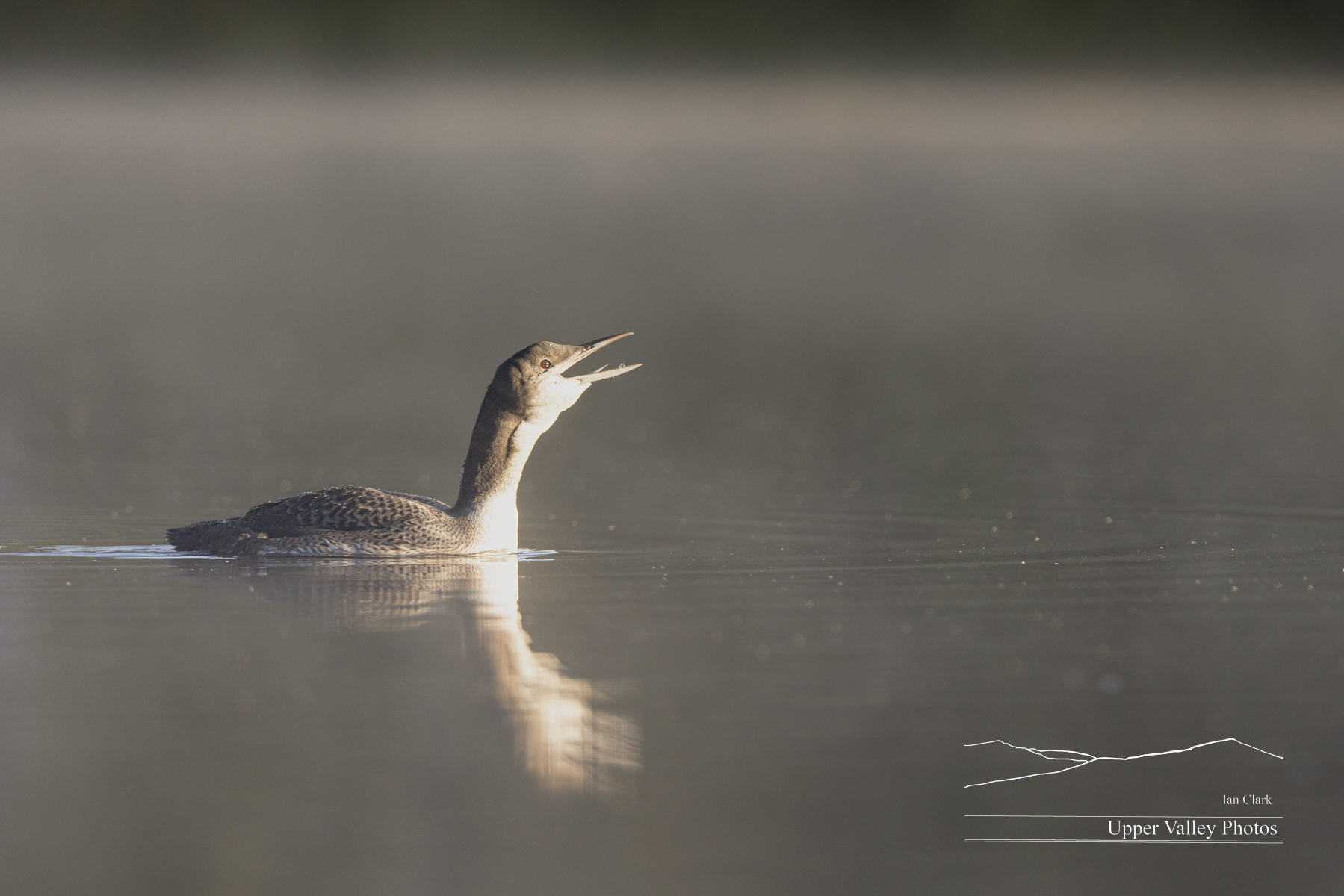
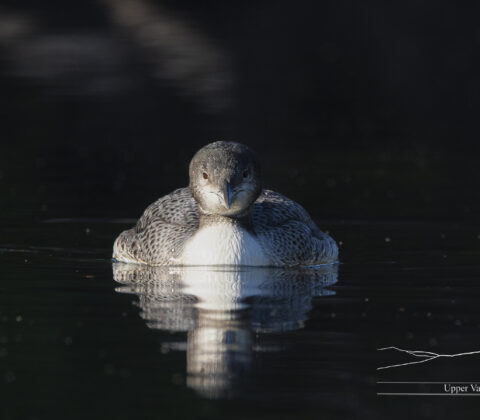
Littleton also made a few attempts to fly. His first of the morning was pathetic – he made it about 10 feet before appearing to trip over something and splashing down. He wasn’t deterred and kept trying throughout the morning.
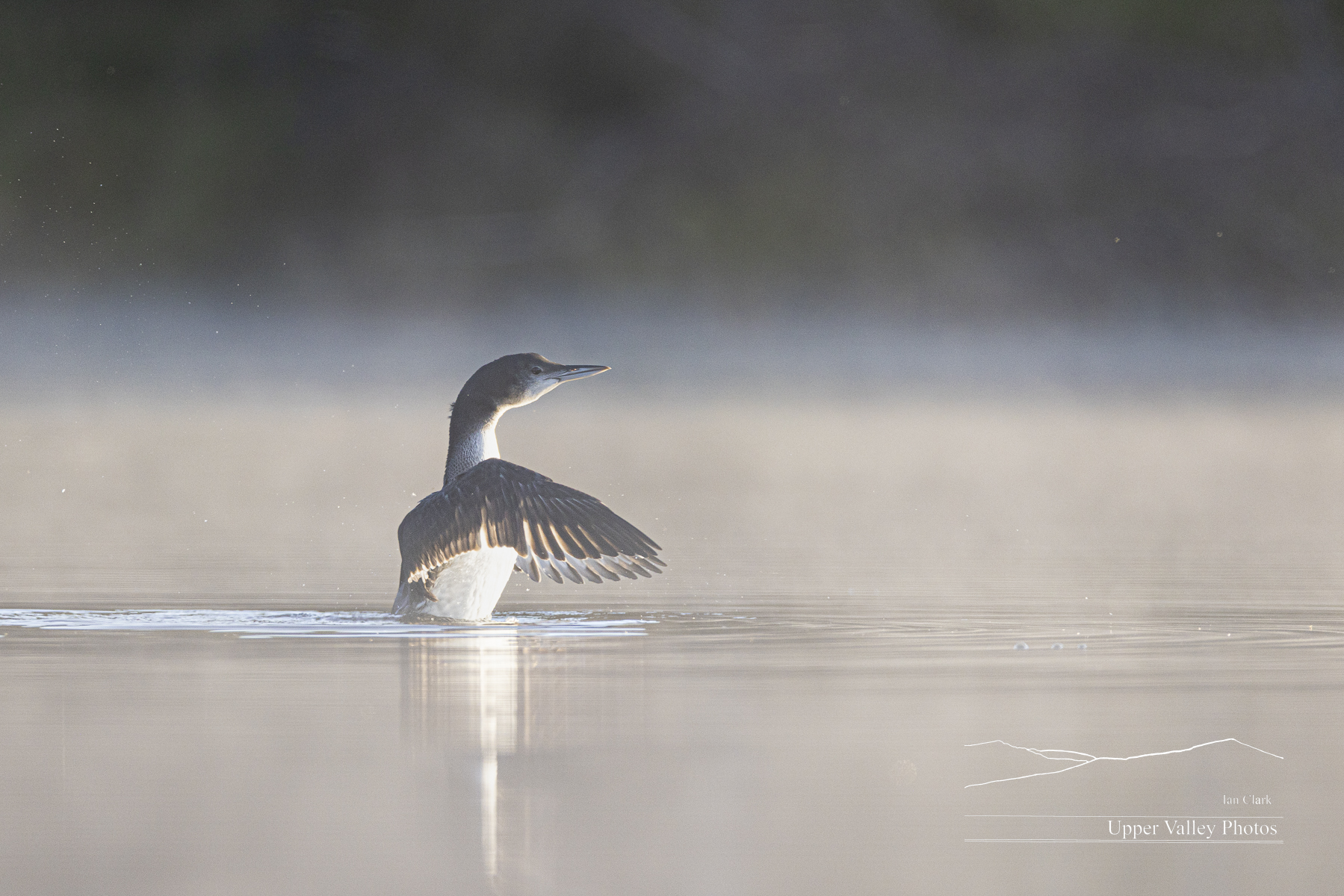
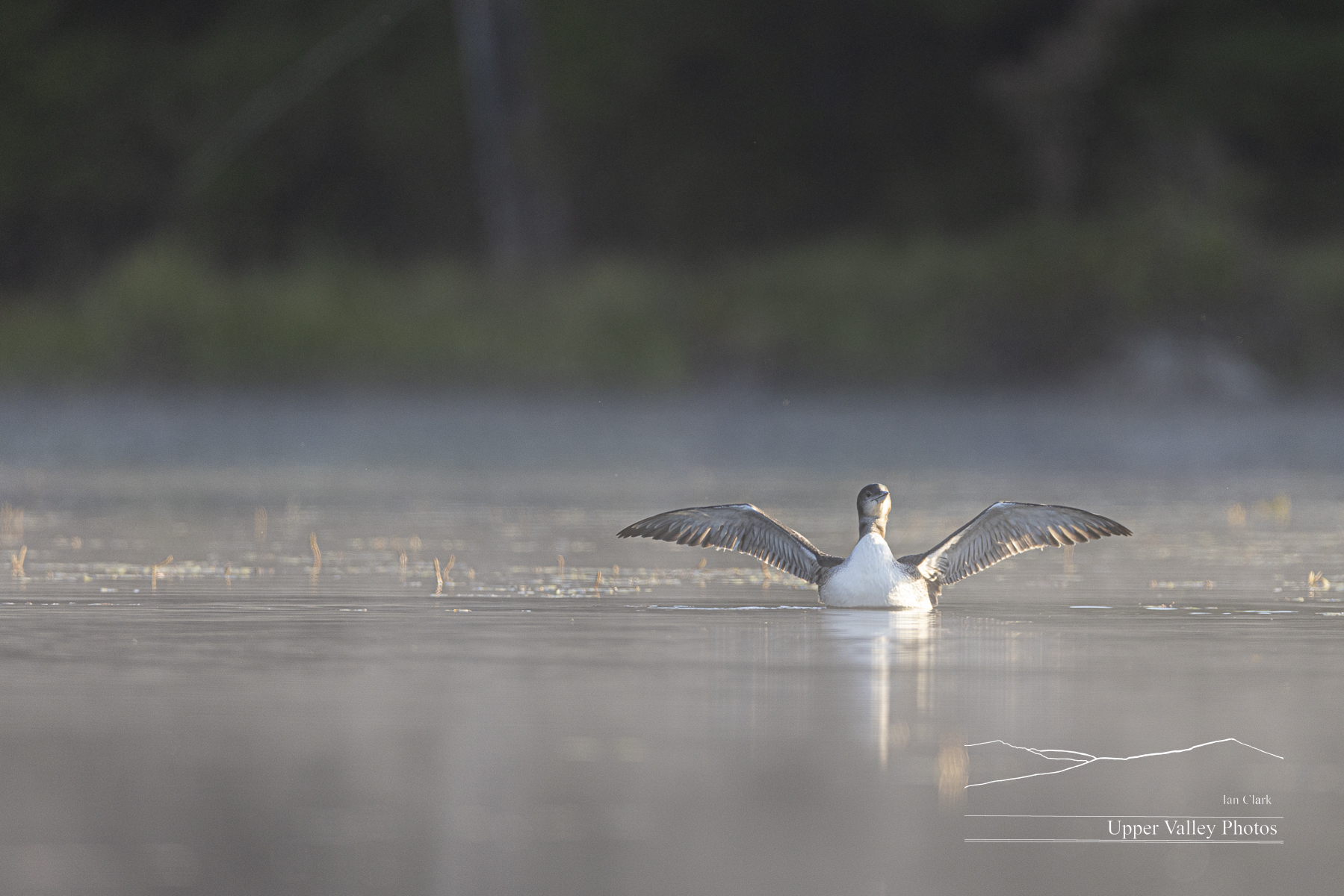
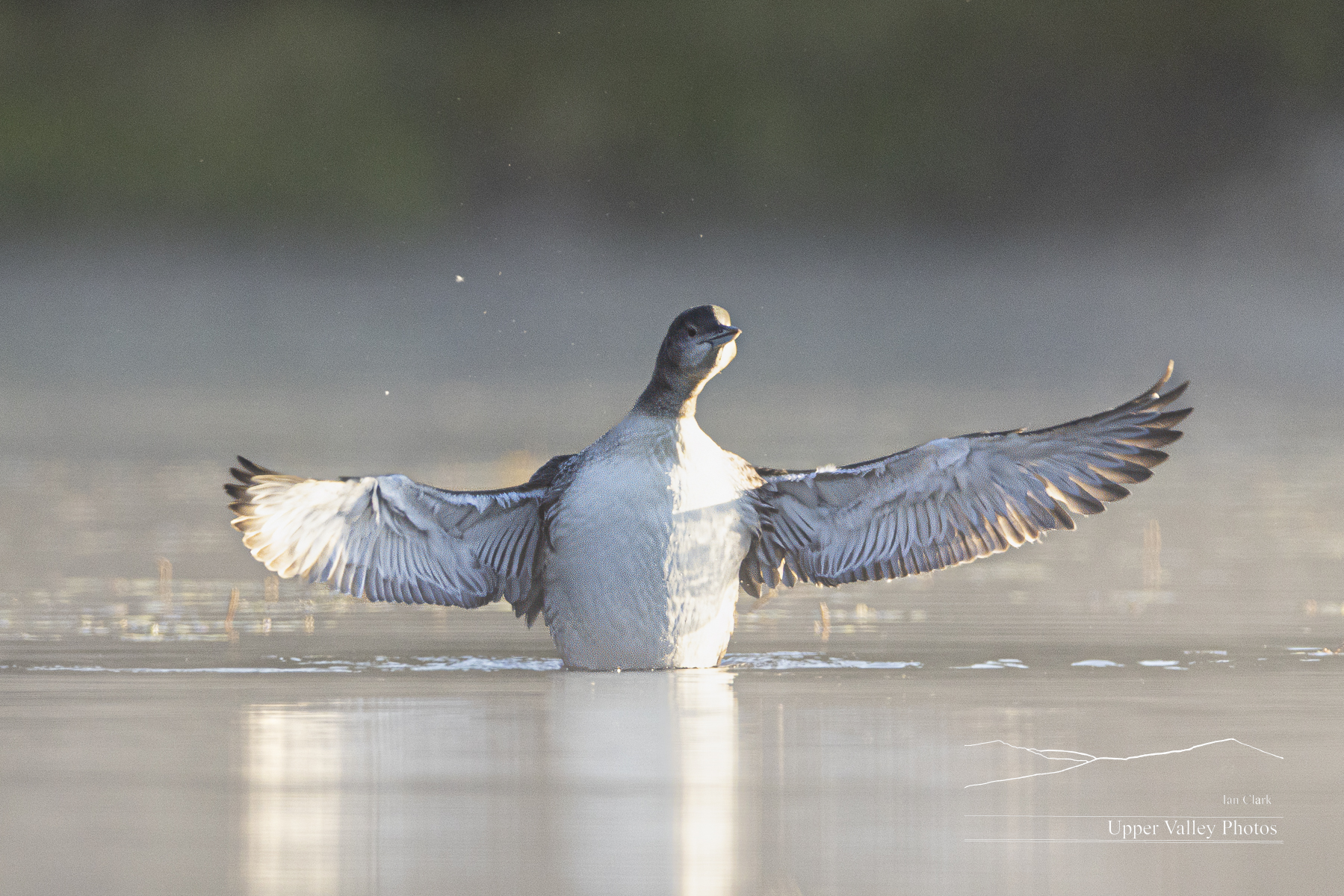
Littleton moved further away to forage. I drifted through the one sweet spot on the pond that has cell service and took a second to check my messages.
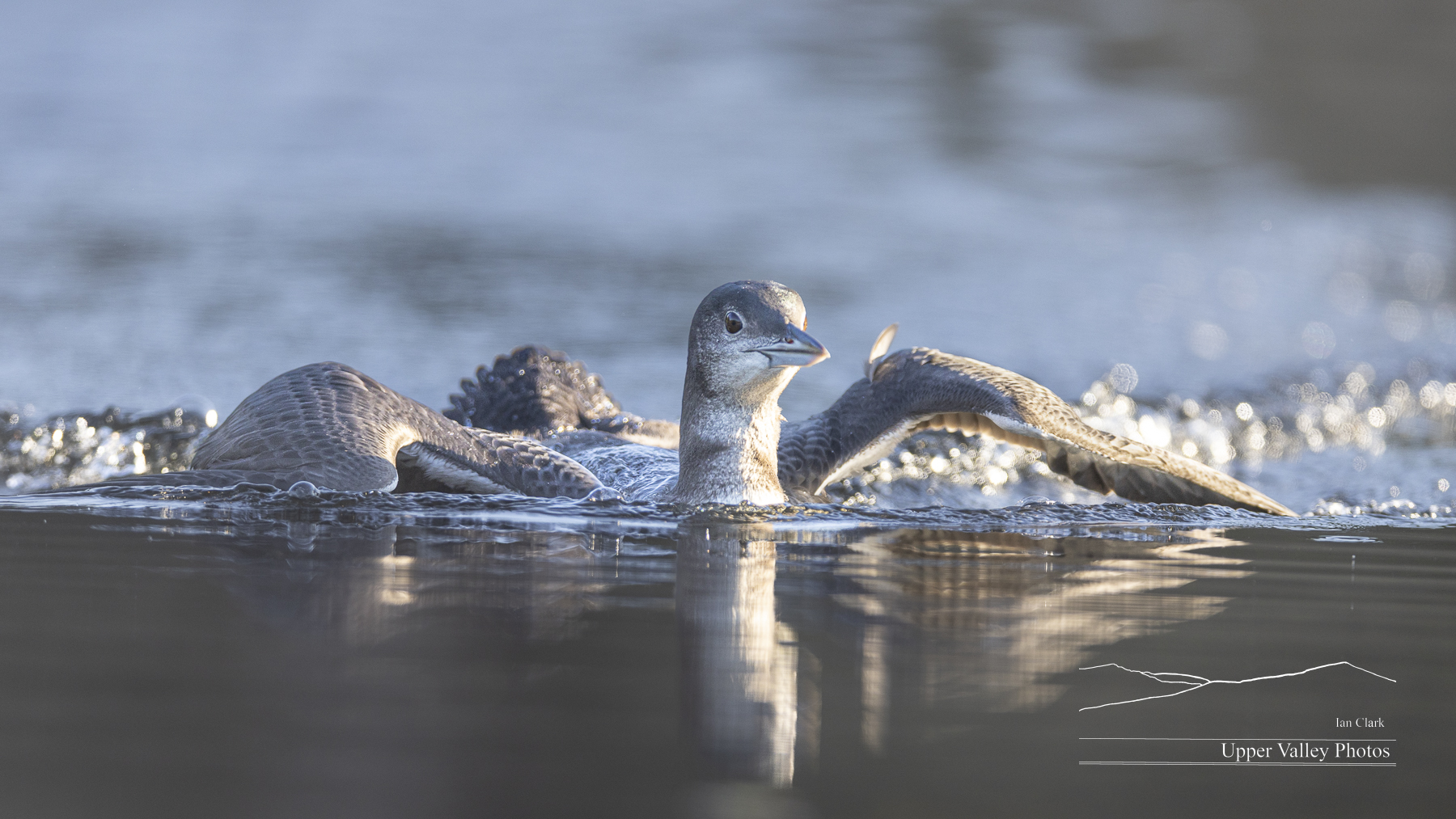
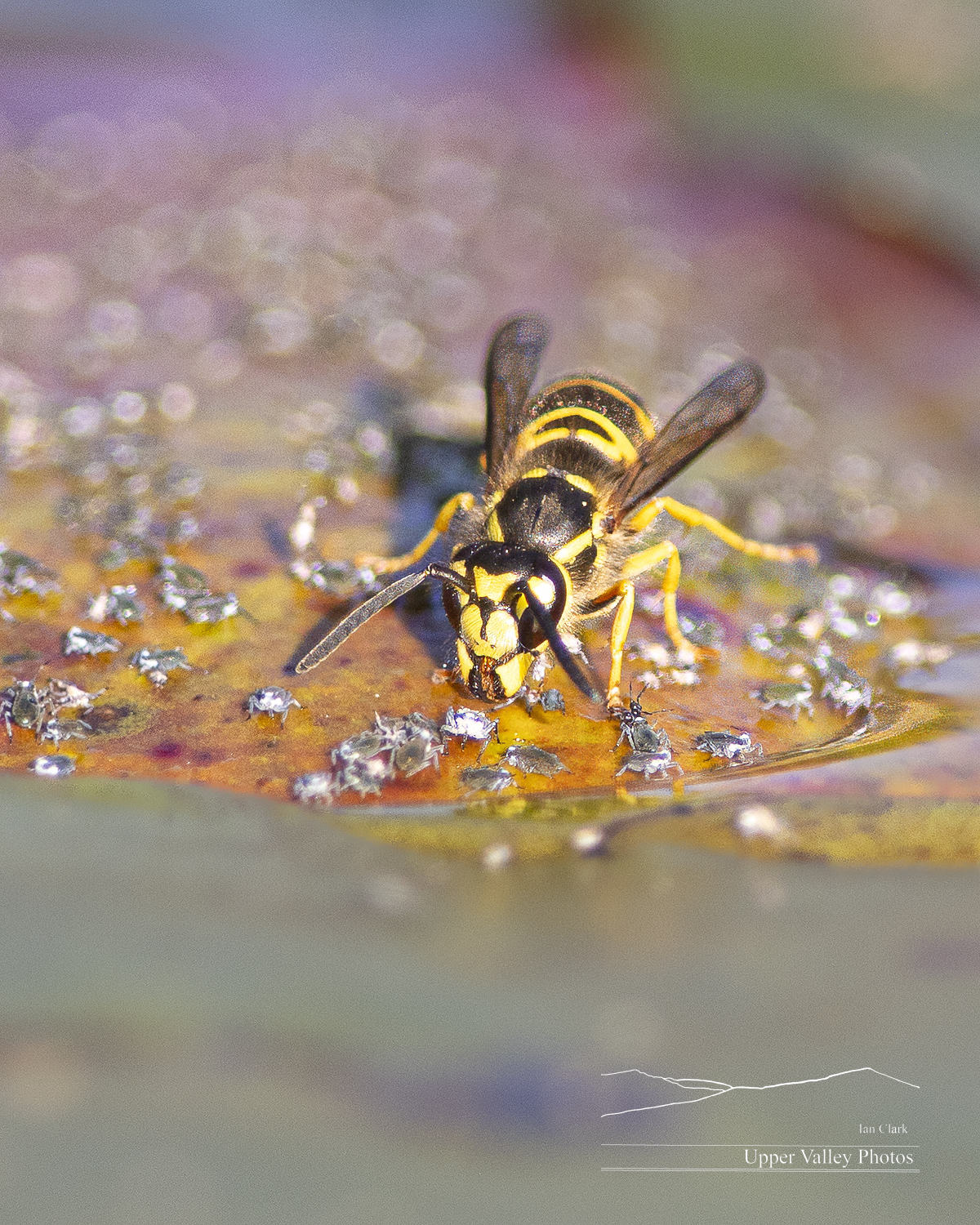
On the eighth, I headed up to visit the Eastons. It was a delightful 38° when I put in with fog coming off the pond. Mom wasn’t to be found. She has a history of scooting early and leaving dad to tend the chicks.
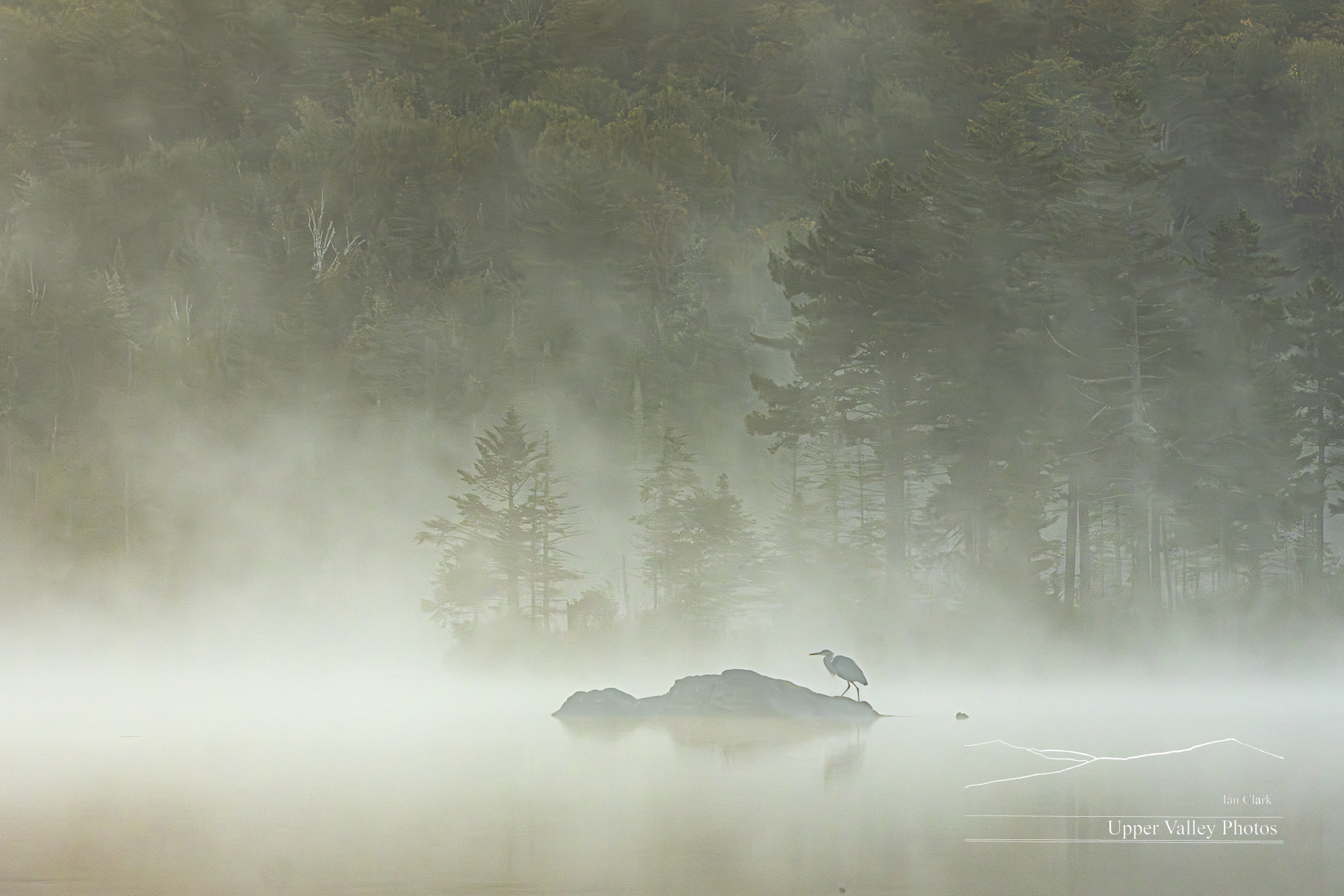
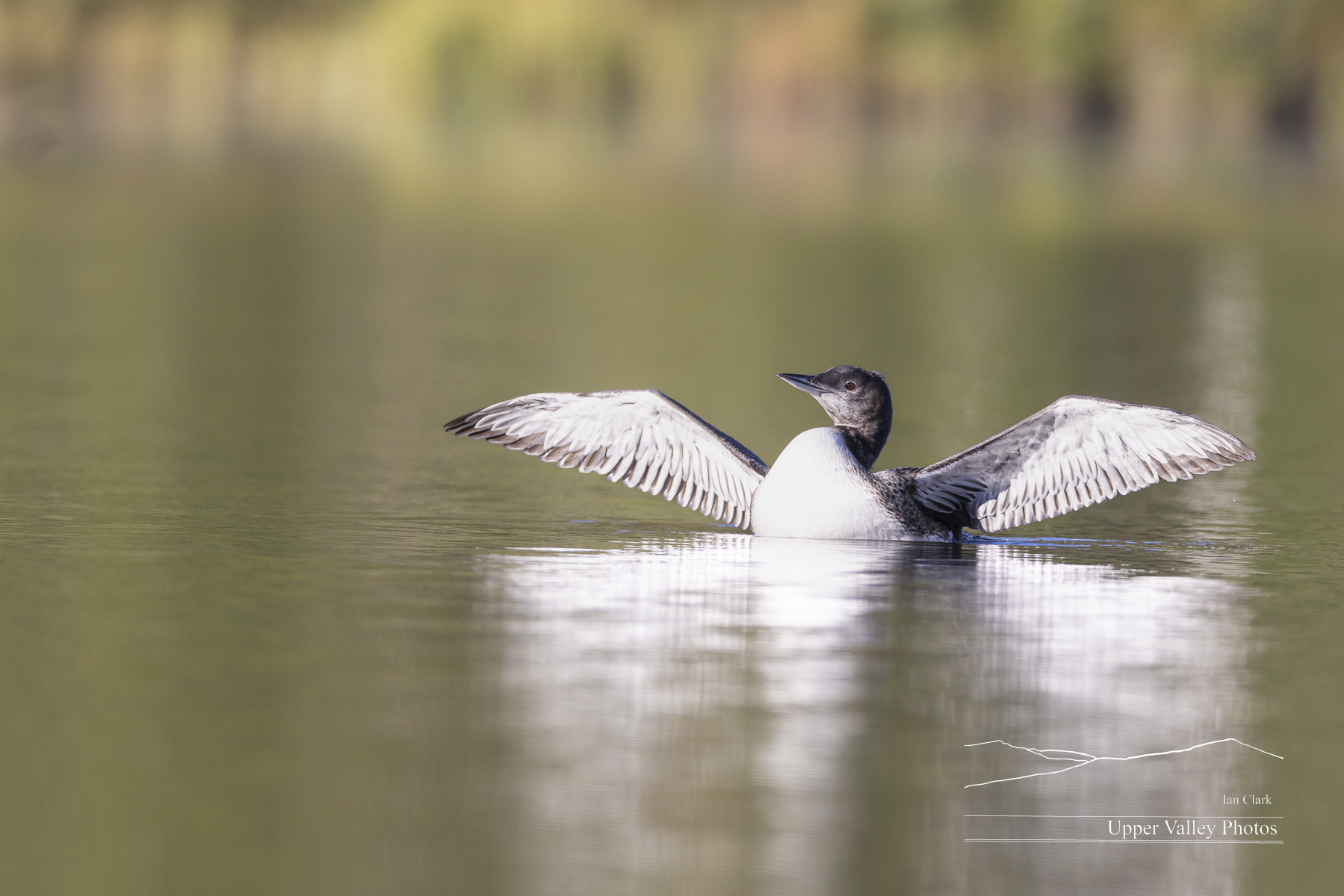
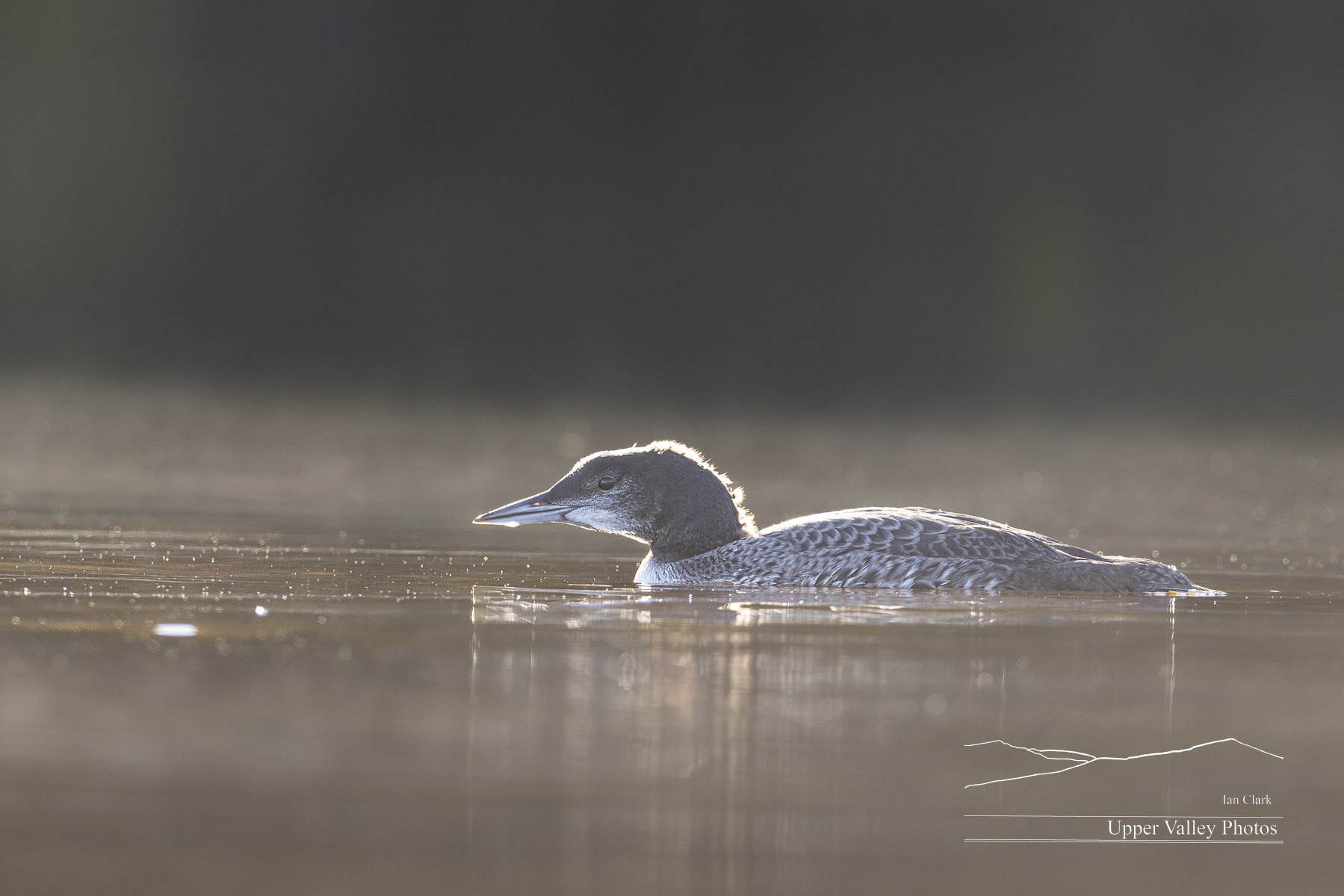
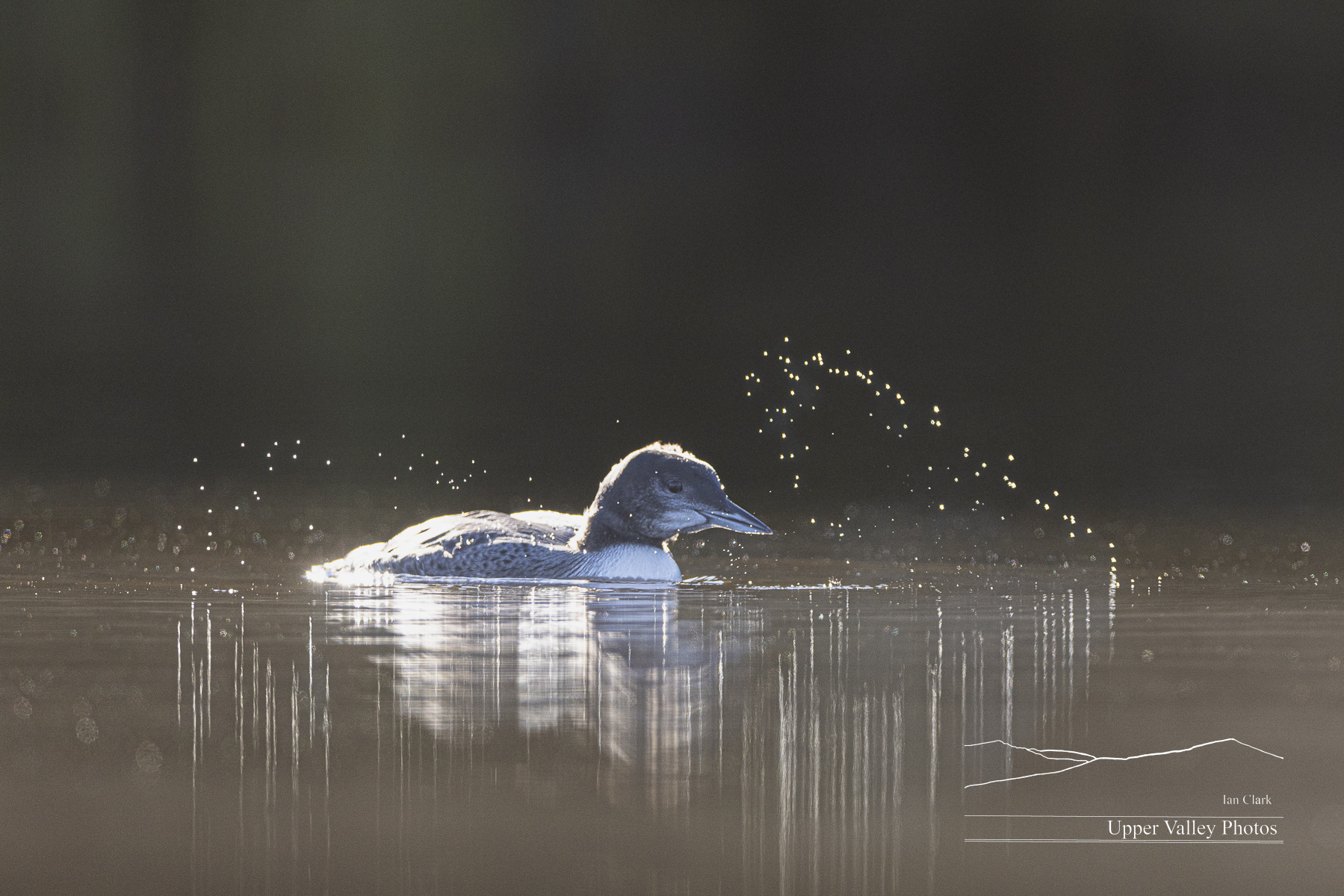
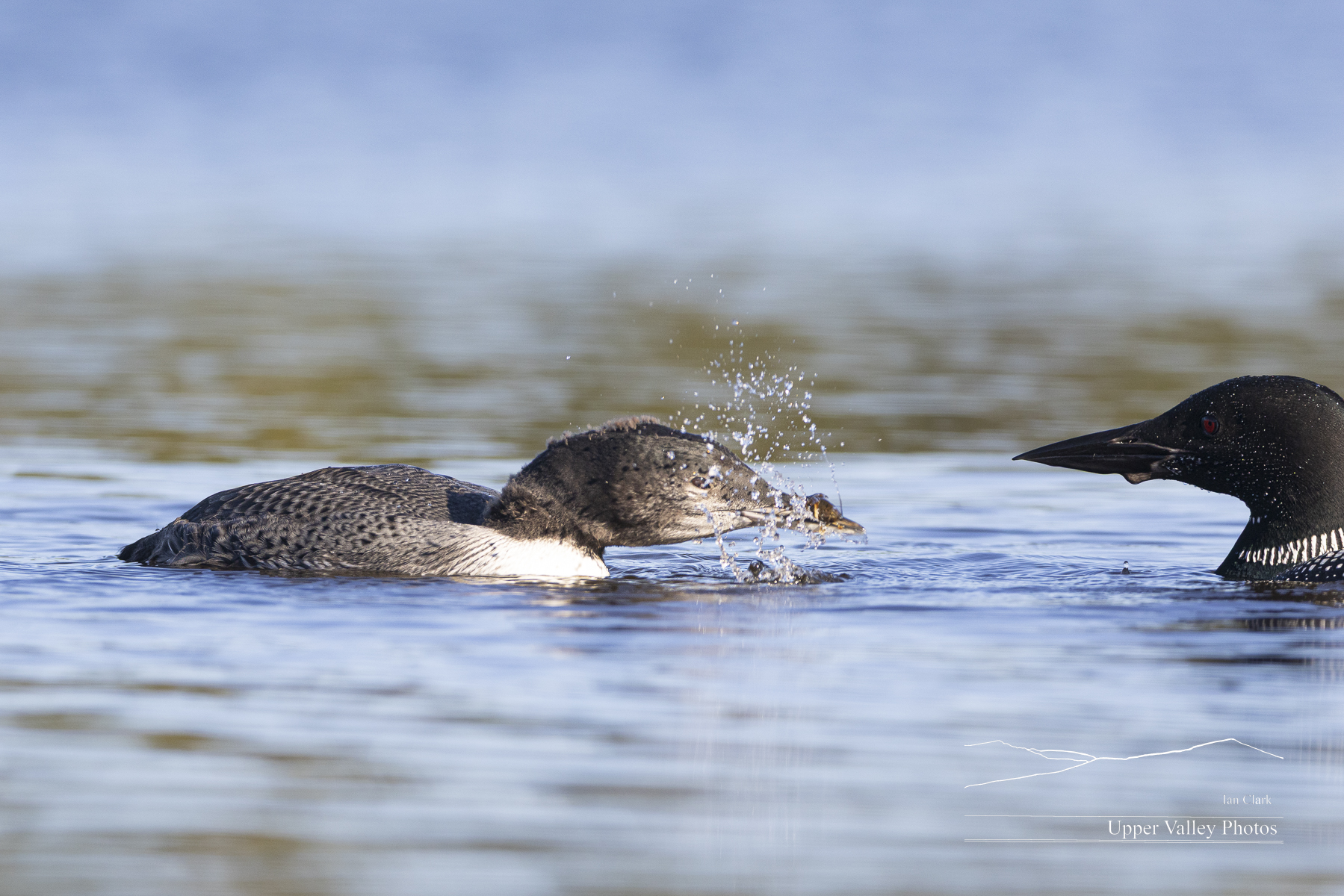
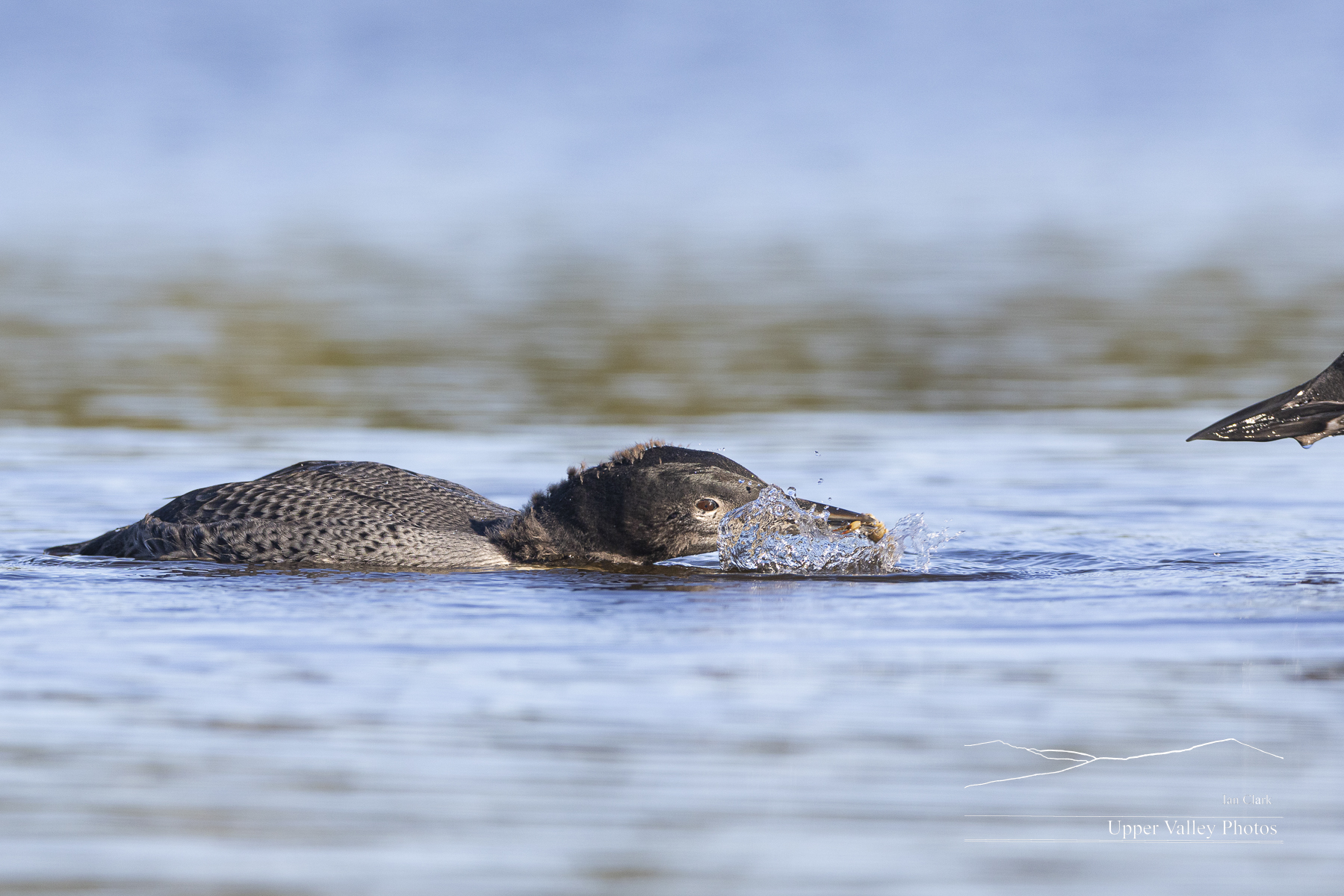
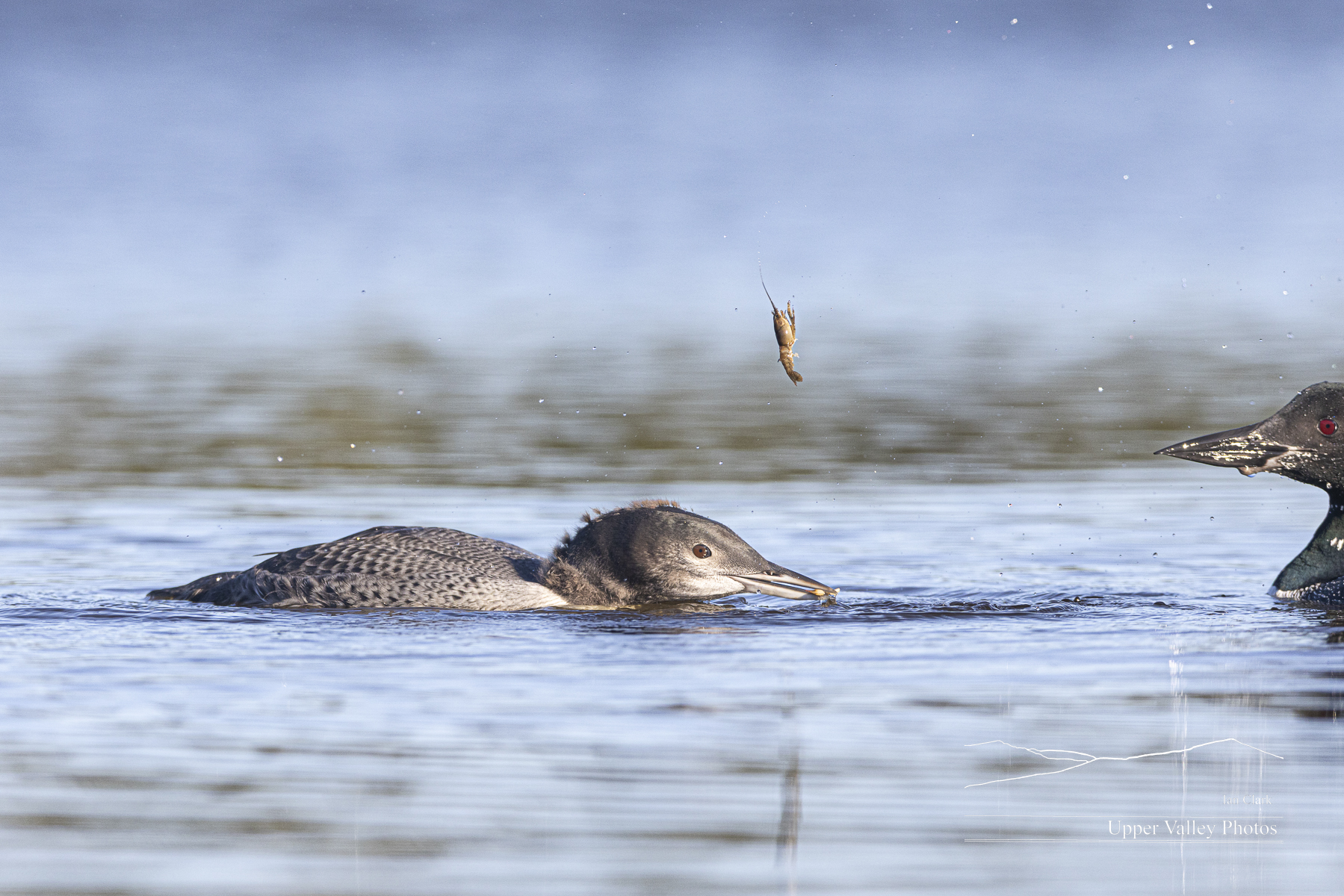
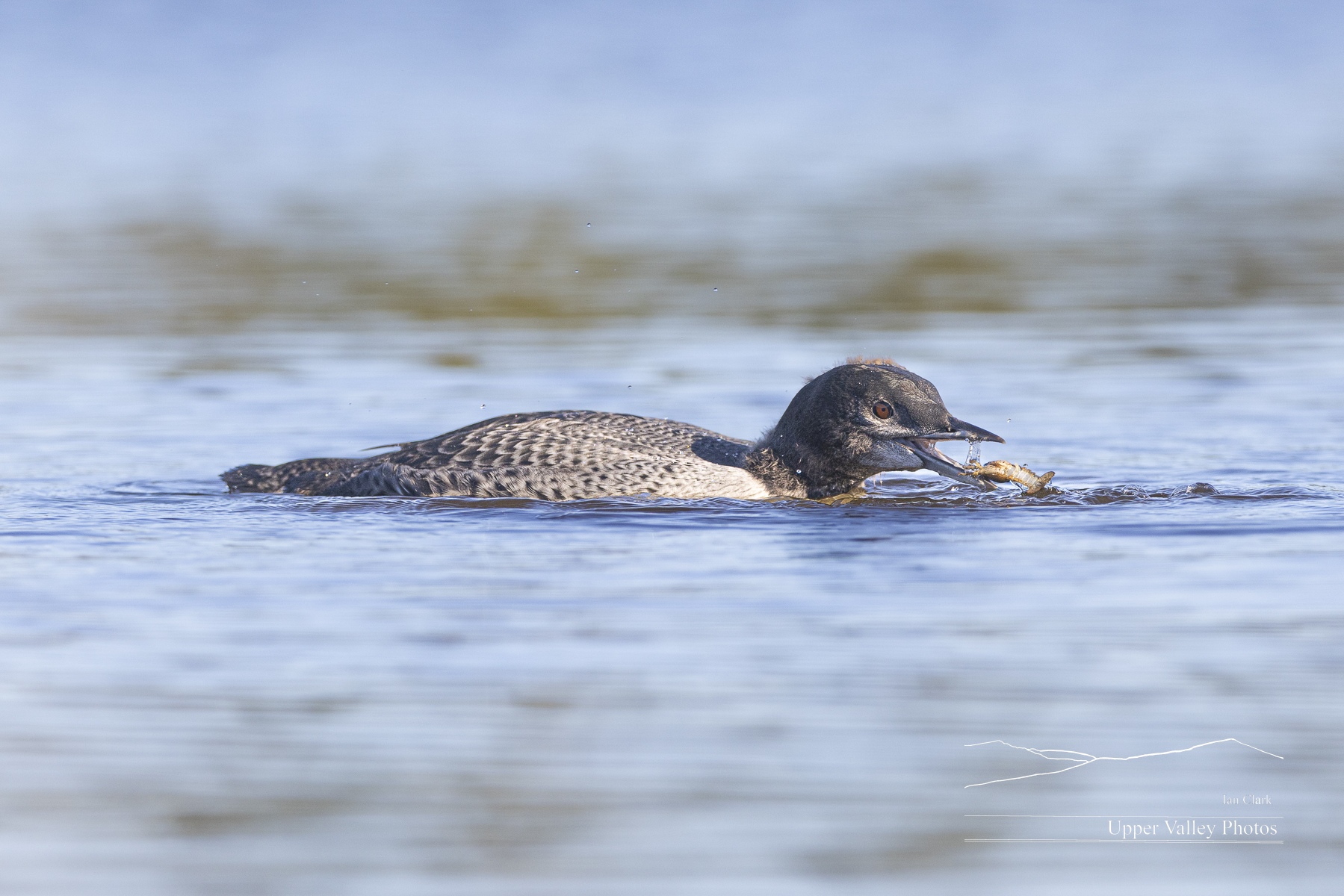
Littleton should start to try to fly this week. I’m going to try to get back to see how he’s? doing.
Tuesday was a beautiful morning on the hill, with fog hugging the Connecticut below me. I headed off to check on the Westons.
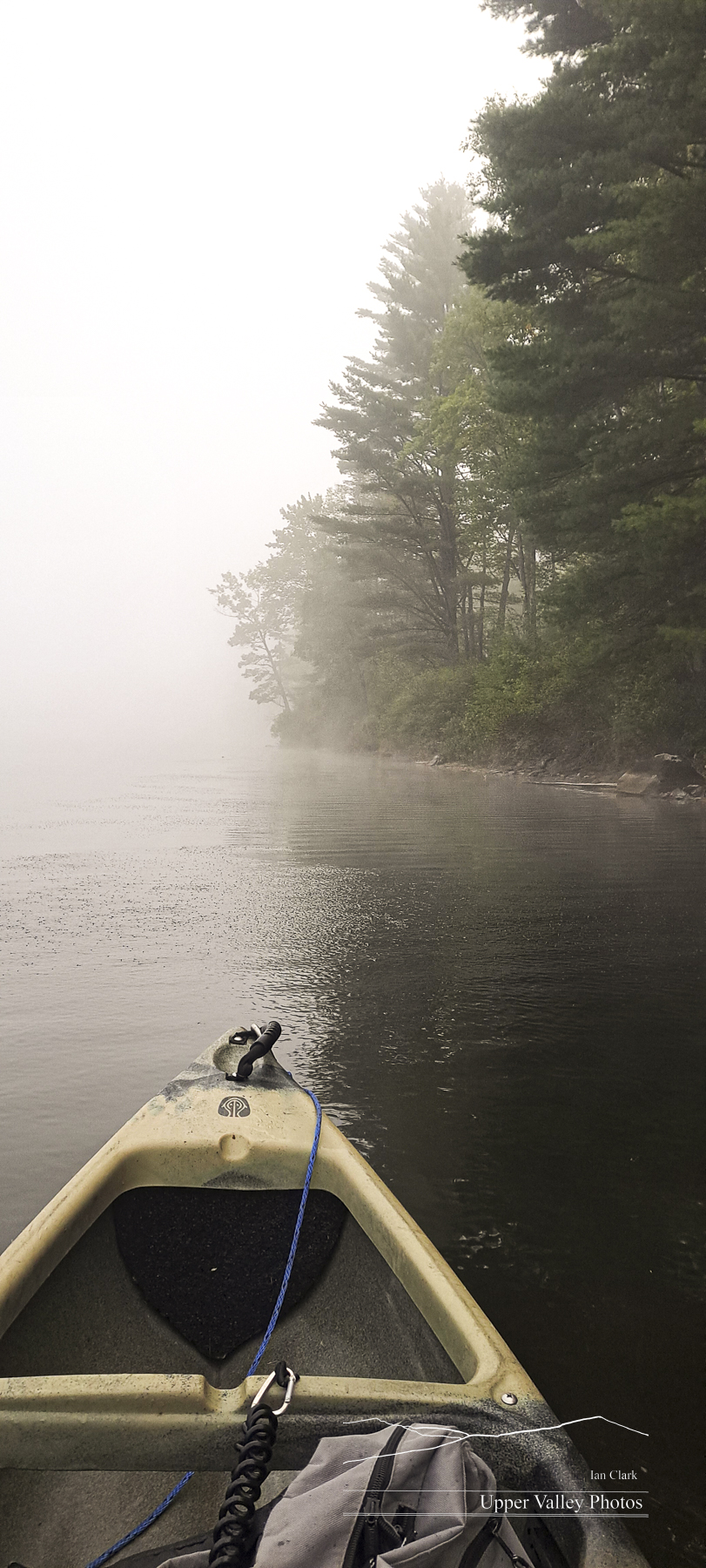
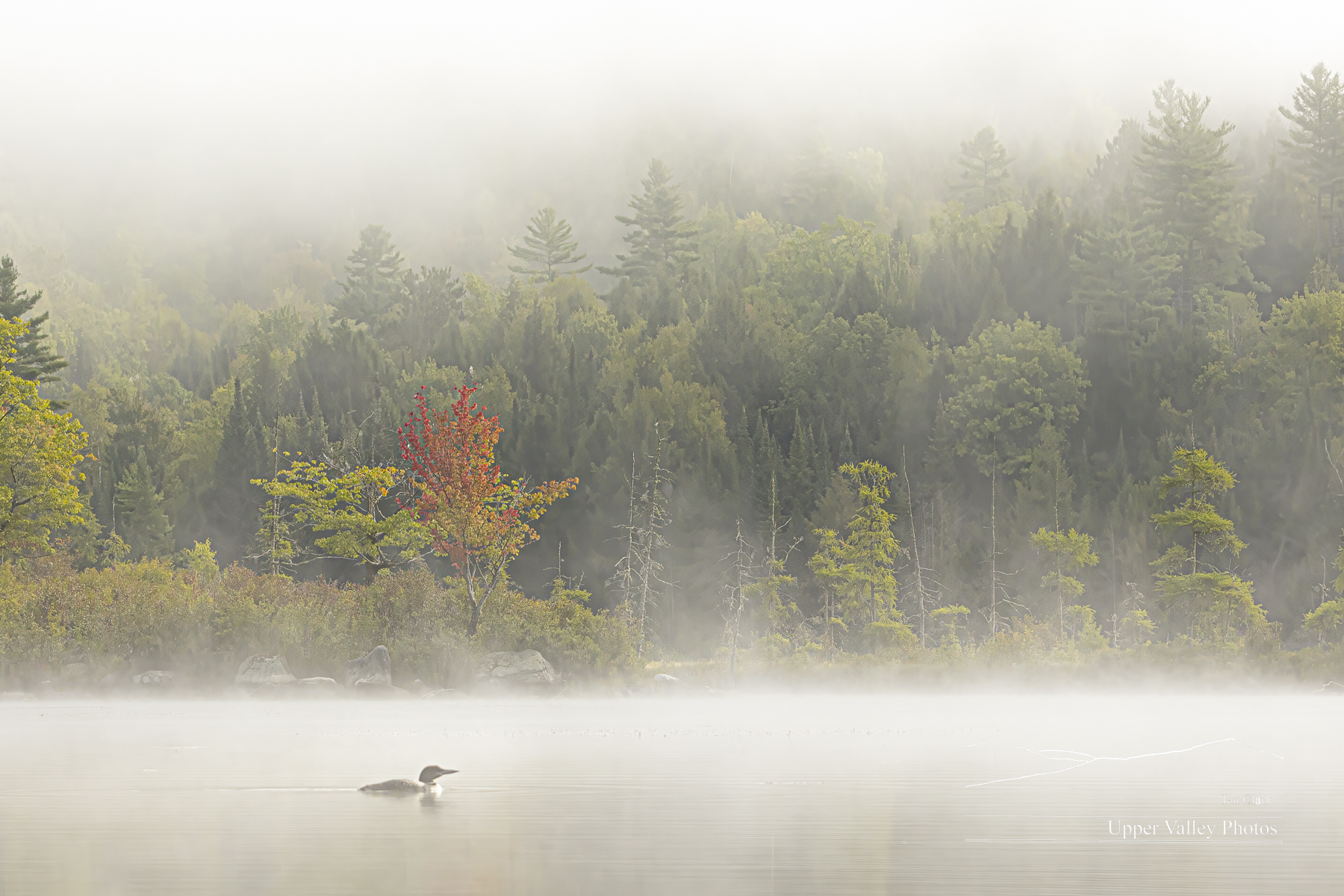
Yesterday, I went back to visit the Middletons. Again, I found only Littleton on the pond. He? seemed restless, swimming around and back and forth on his pond. He disappeared off into the fog, I went looking to see who else might want to be photographed.
I headed into one of the coves on the pond and heard something sizeable splash into the water. Too big for a turtle, too small for a deer. As I continued on, a soggy racoon appeared out of the brush, chattering at me. I have no idea what the chatter meant, but I’m fairly certain there’s now a curse on my family.
A doe and a pair of fawns were in the brush along the shore, poking their heads out randomly, never long enough for me to photograph. A pair of pileated woodpeckers worked the trees along the shore – staying hidden or in deep shadows.
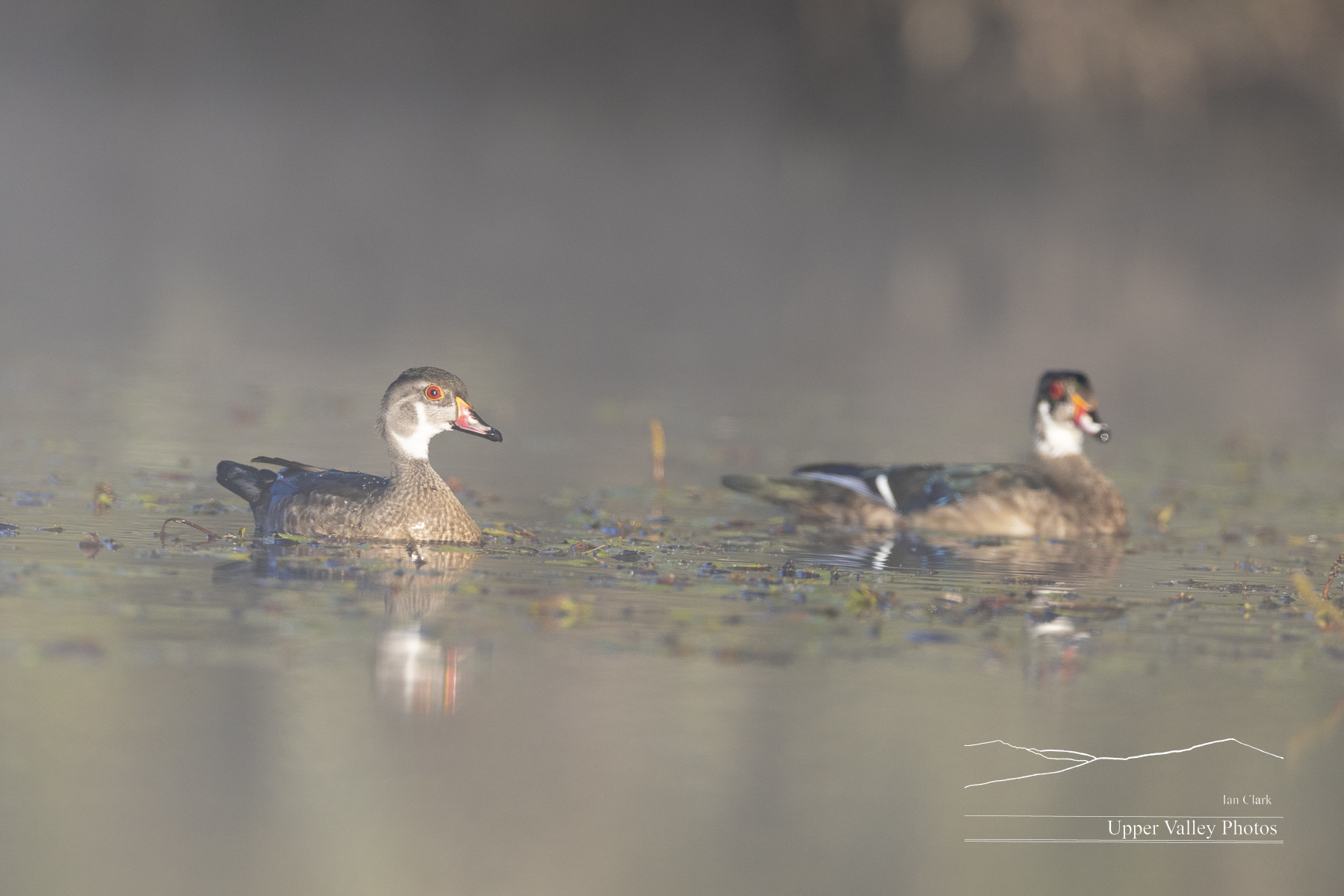
I heard Littleton make a few practice flights, getting as far as flying most of the way across the small pond. I headed down the pond to another cove that has an easy way to let me ground the boat and get out and duck behind a tree… Littleton was out on the main part of the pond when I pulled in. When I got back in the boat and got turned around, I was looking for him in the pond. It took me a few seconds to realize he’d followed me into the cove. I backed up and grounded the boat to watch.
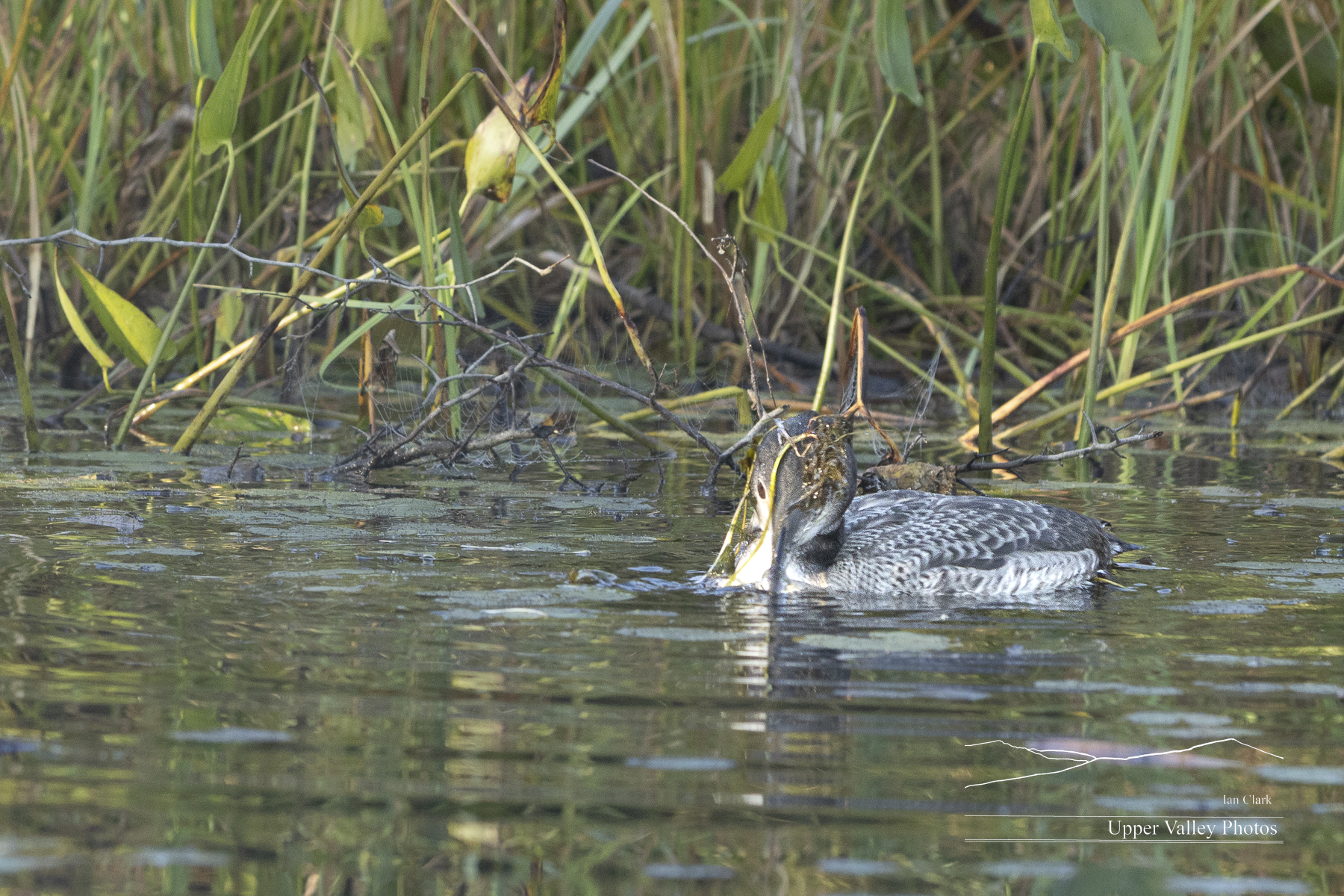
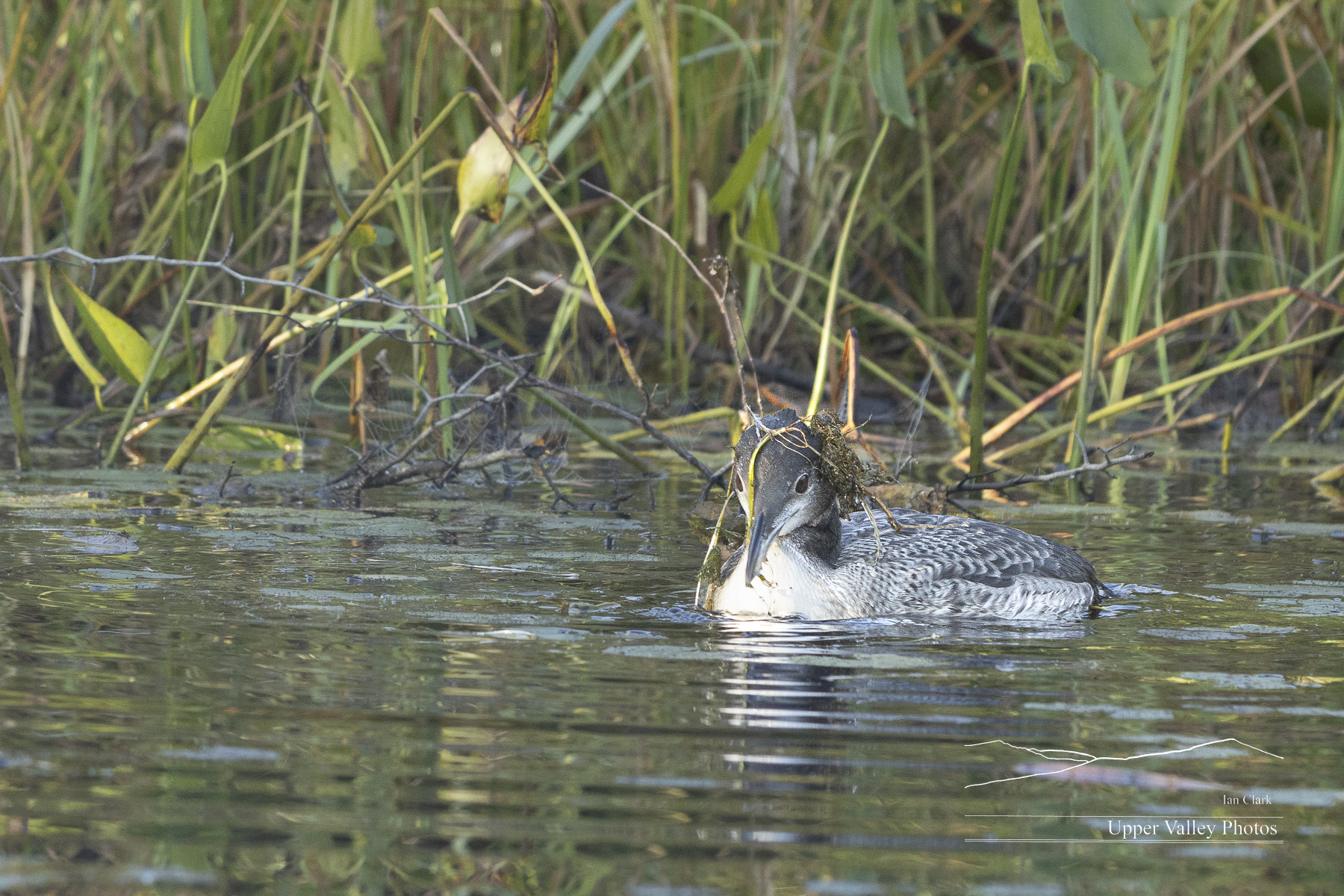
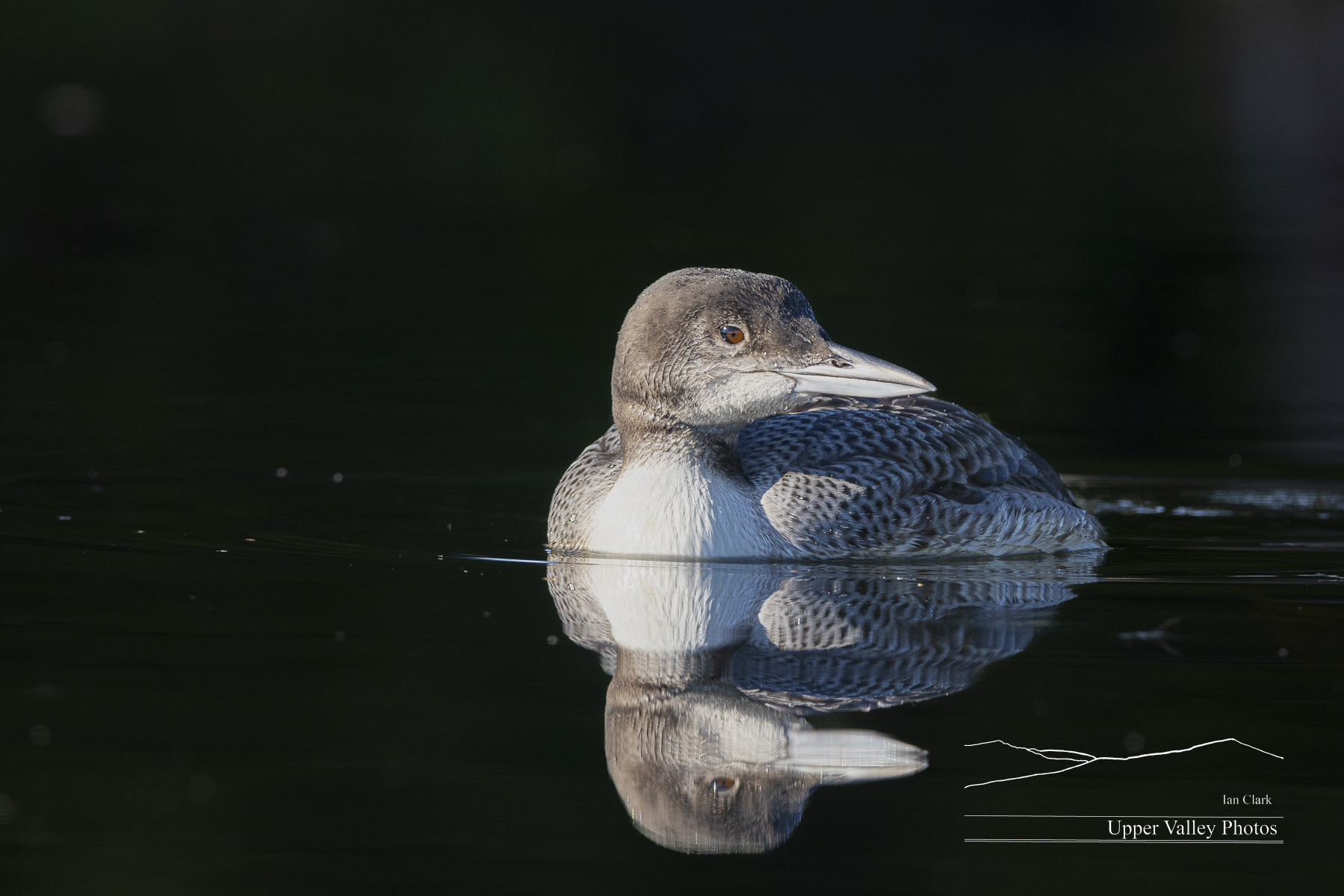
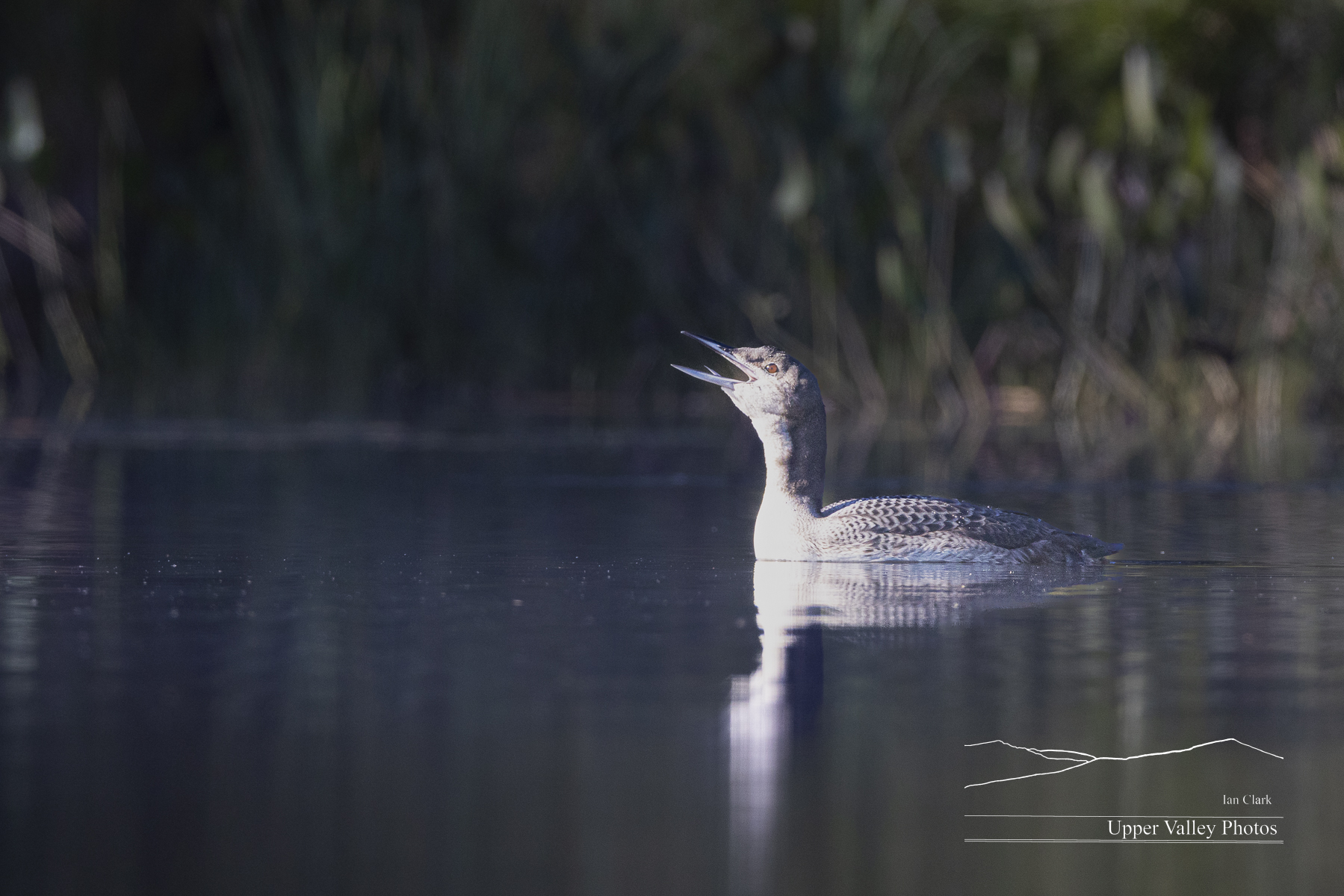
A few minutes later, an adult loon flew relatively low over the pond and made a tight loop overhead over Littleton. Littleton let out a wail – a good, adult sounding wail. The other loon didn’t answer and continued on his way. He was too far away for me to see any bands. Could this have been dad checking on him? Maybe encouraging him to try to fly? Or just a random loon on the way to somewhere else?
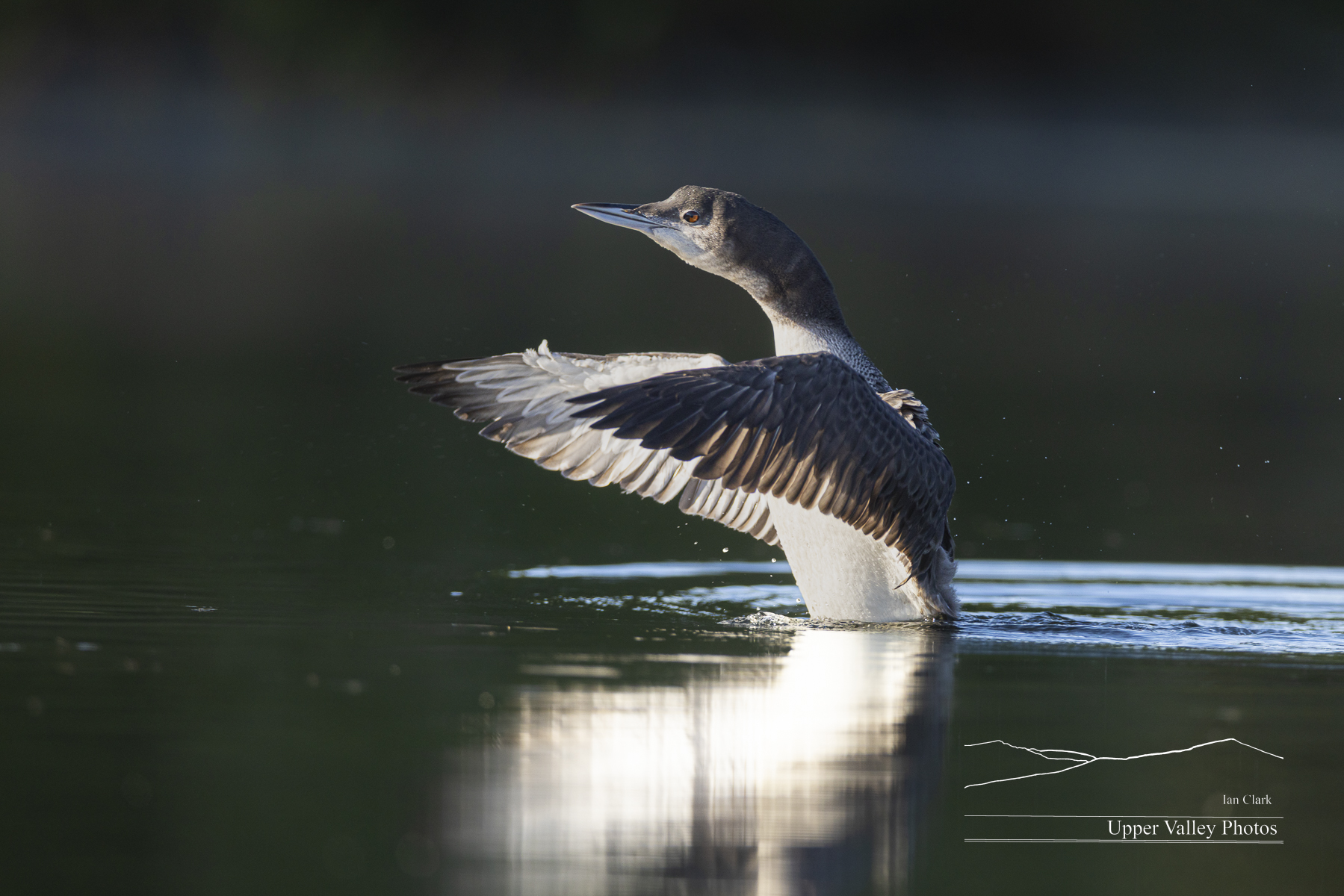
Littleton sat 20-25 feet from my boat for a bit before diving and swimming a couple circles under my boat. I had my GoPro – packed in my backpack. I cursed myself for not having it out and having missed the encounter. But, I didn’t get the camera out. Littleton repeated the dive and circling under the boat. I may have used strong words. And then I got the camera out. The next time Littleton dove, I was ready. And the next….
He surfaced close to the boat, and stayed a couple minutes before swimming downwind across the pond.
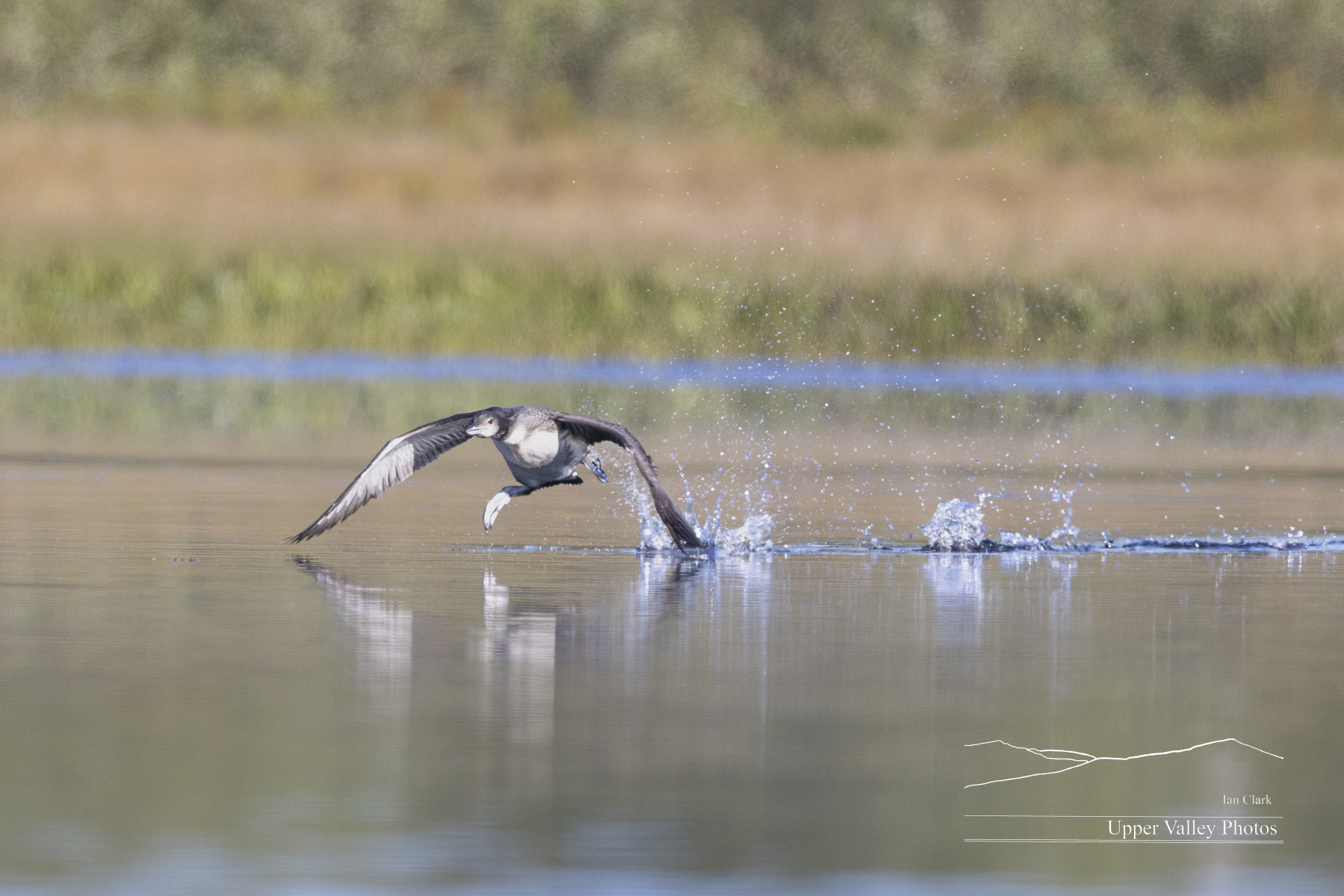
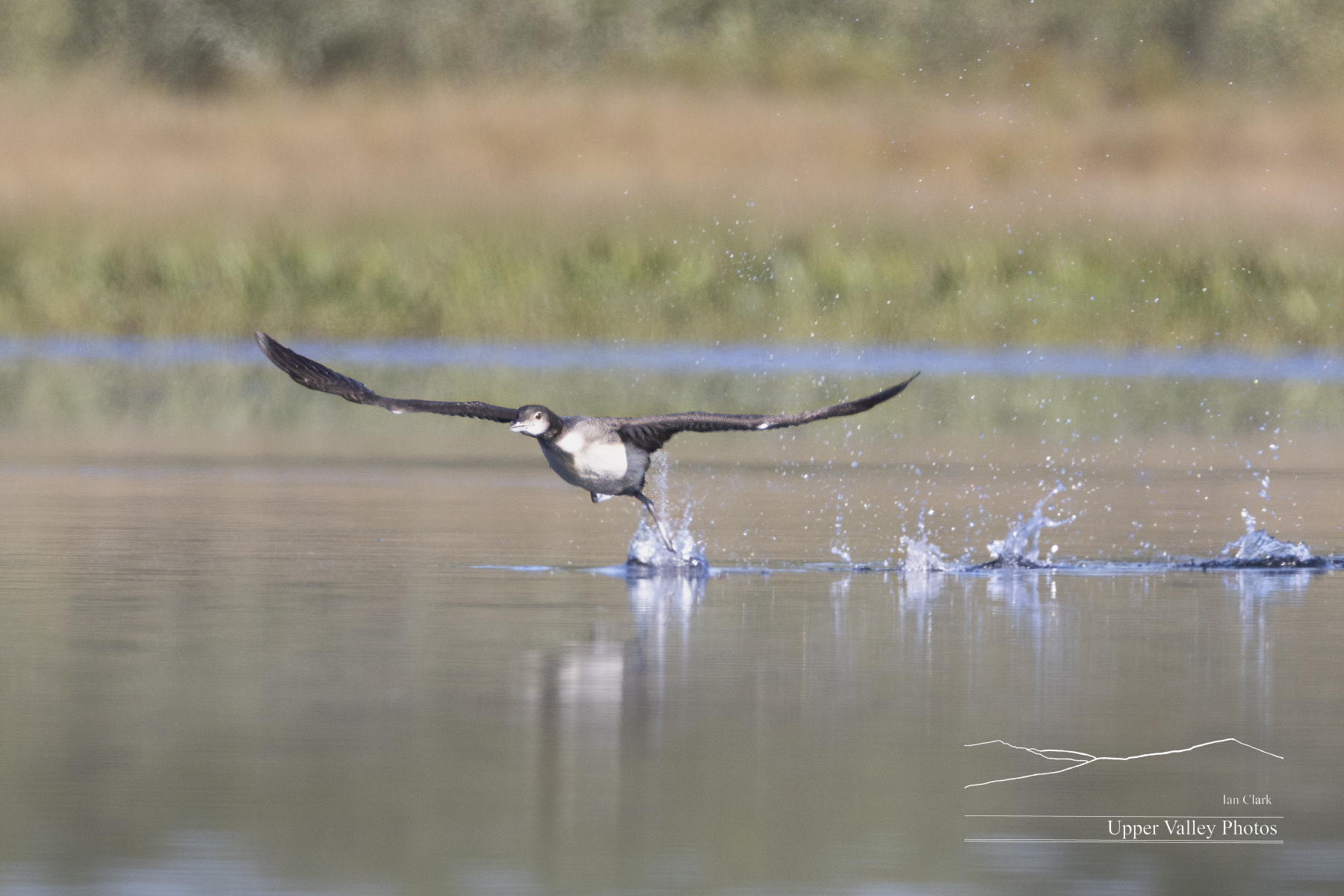
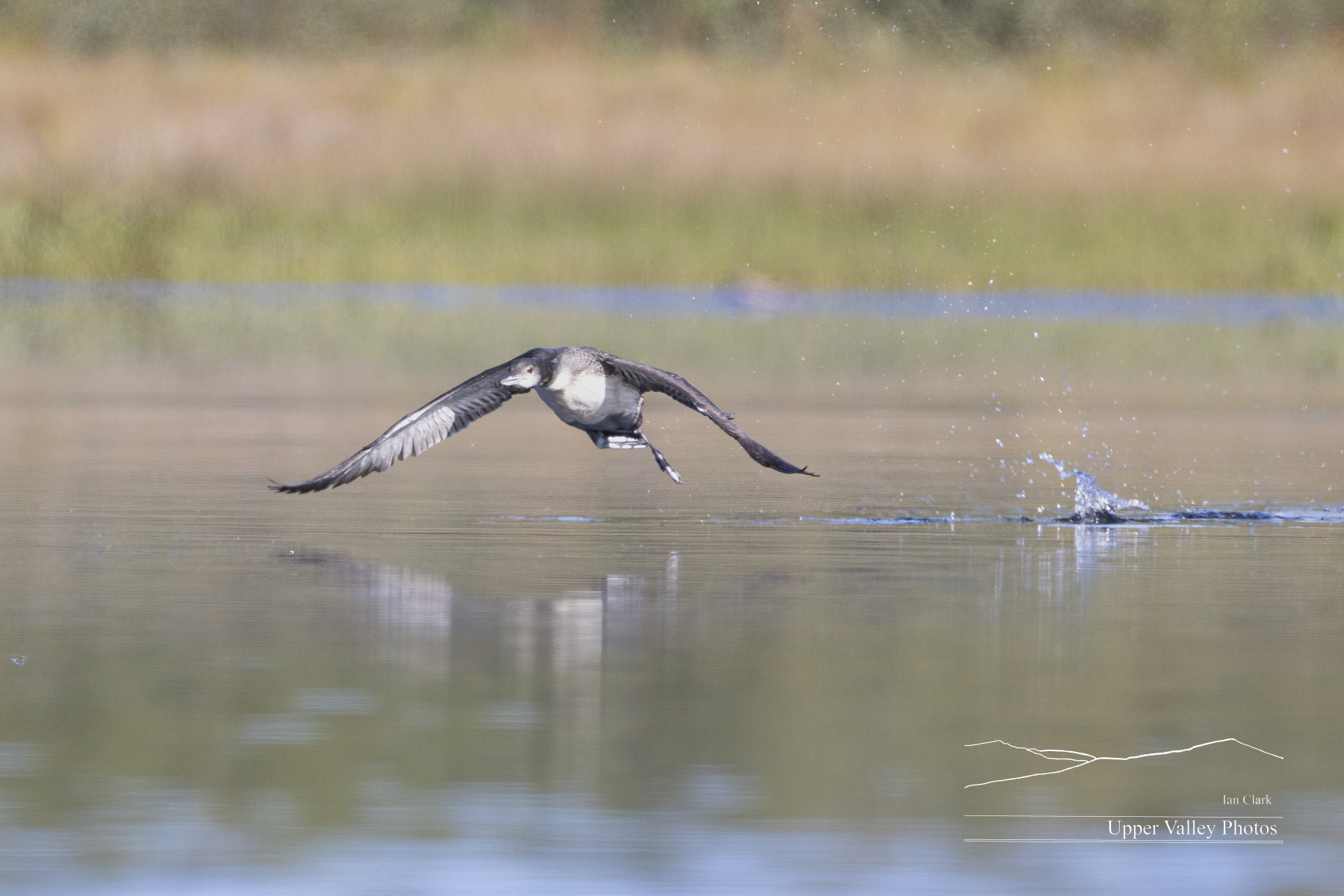
The adult loons in our neighborhood usually stick around, more or less, on their territory until the last week of September or the first few days of October. I suspect they’ll show up now and then until the end of the month. The chicks usually move on about a week or 10 days after the parents leave. Most of New England’s loons will make their way to the Atlantic for the winter. Most will stay between Cape Cod and Maine. Some will venture down further south. And, there are always a few that are adventurous and can show up anywhere.
I’m going to try to call on the Eastons again before I head out, but this is likely the last of story for this season.


Updates from the Eastons & Middletons
The Eastons and Middletons are doing well. I had a couple chances to visit the Eastons and one opportunity to visit the Middletons.
This will be my last post until mid-August. I’ll be at the League of New Hampshire Craftsmen’s Fair at the Mount Sunapee Resort in Newbury, NH Saturday August 2 through Sunday August 10. The Fair is open 10-5 daily. My 2026 calendars are scheduled to arrive this Wednesday and I’ll have them at the Fair. I’ve also got new note cards and prints, along with some favorites from past years. I’m in booth 718, please come by and take a look. If you can’t make it to the Fair, you can purchase my work through my web site at www.IanClark.com. All the details about the Fair are on the League’s site and you can buy your tickets at a discount online here.

There are a few more of the images I’ll have at the Fair at the bottom of the post. On to the loons….
On July 22, the Eastons’ pond was a pleasant 48° and foggy when I put the boat in.


In the previous skirmishes, dad had gone to fight off the intruder. Studies of banded birds suggest that most territorial fights are between loons of the same sex. This time mom went out to challenge the intruder. A different intruder? Mom was closer to the intruder when he landed and dad was closer to the chick. Maybe they were just being practical and let the closest loon handle it. Either way, there was a brief period of displaying before the intruder departed.


Or maybe they were just waving goodbye as I gave them best wishes and headed for home.
The next morning dawned with clear skies above home, with fog down in the Valley. I headed down to visit the Middletons, hoping the fog would lift.

The Middletons spent about half an hour foraging in their favorite breakfast cove. Without appearing to catch anything. At least nothing they surfaced with. The parents seemed to get agitated at the lack of success. When loons are foraging, they usually dive and surface gracefully, not making much of a splash. When they’re agitated as when there’s an intruder, they dive more aggressively with large splashes. This morning as they foraged, they started kicking up large splashes.
Mrs. Middleton swam close by my boat. I could see her coming and had a chance to get my GoPro in place. The bubbling sound is air bubbling out of my cheap selfie stick.


Yesterday morning, my wife joined me as we headed back to check on the Eastons.
The Loon Preservation Committee had invited me to accompany them to band Mrs. Easton on Thursday evening. I couldn’t make it and was curious to see if they’d been successful catching and banding her.


Just after stretching, dad dove. I assumed he’d gone downstairs to find some breakfast. But soon there was fast moving wake headed my way. Dad was just under the surface and making good time.
He surfaced just behind me, keeping low to stalk something. He dove again and again surfaced keeping low. I couldn’t see what he was after.


The Loon Preservation Committee manages to band something like 30 loons every summer. With a population of roughly 750 loons in New Hampshire, they’re getting a sizeable portion of the population banded. That lets them study things like how many of the loon pairs stay together year after year, how old the loons are when they’re observed doing things like nesting. There’s lots to be learned from LPC’s work.


And a few more of the images I’ll be exhibiting at the League Fair:


A pair of Guernsey cows greet visitors to their pasture.


A favorite from past years. This is dad Easton resting with the chicks as the sun rises over their pond. This image is offered in a limited edition of 12 prints.

A great gray owl shows off his camouflage against a tree. Great grays are rare visitors to New England, this one visited Newbury, VT in 2018.

I’ll have lots more images along at the fair, including lots of loons. Come have a look.


The Eastons Have a Chick, Littleton Getting Big
I made it up to visit the Eastons Tuesday morning and met their chick. Wednesday found me back visiting them and yesterday I dropped in on the Middletons.
The League of New Hampshire Craftsmen’s Fair is coming up quickly. We’ll be at the Mount Sunapee Resort in Newbury, NH from Saturday August 2 to Sunday August 10. I’m in tent seven with note cards, my 2026 calendar and lots of prints. I’m busy printing new images including loons, herons, owls, a lighthouse and more. Stop by and have a look.

The Eastons got off to a late start this spring. The Middletons did too. I wonder if all the rain delayed their plans? The Eastons hatched their chicks the third weekend in June for several years. Last year, they lost their first clutch of eggs, the second clutch didn’t hatch until the third week of July. This year they laid two eggs, one didn’t hatch.
When I arrived, mom was foraging near the boat launch. She disappeared while I was unloading the boat.


Just a reminder, I’m using a 600mm lens and sitting well back to avoid bothering the loons. This image is heavily cropped.


Dad was staying away longer than usual, he was back up the pond somewhere near the boat launch. I figured I’d see him on my way out.
As headed in, I saw what I thought was dad at a distance. He was low in the water – stalking something. I had only a brief glimpse before he dove. A few seconds later, there was a loon in another direction. It seemed like he’d moved very quickly – likely too quickly. I looked around where I’d seen the low riding loon. While I was looking behind me, a ruckus broke out in front of me!


The intruder hid behind my boat for a few moments before diving. Dad dove too and I lost track of both of them. Over the next half hour, I got brief glimpses of both surfacing – staying low – stalking each other. They hadn’t come to any conclusion by the time I had to leave.
Yesterday’s forecast was for thunderstorms at dawn. When I got up and looked out, we had clear skies with some fog down in the valley. I headed out to call on the Middletons. I found the family foraging in their favorite breakfast cove well before sunup.
Mom dove. I thought she was just foraging. She popped up outside the cove. That was a bit unusual.


The clouds were moving in and the wind came up. I headed home to get to work.


Out and About in the Boat
I’ve been able to get out to visit the Middletons and Westons a couple times in the past couple weeks. Spring is in full swing on the ponds, let’s see who else is around.
Every spring, brings new subscribers, welcome. I’ve been following loons on three ponds since 2012. My blog has gotten popular enough that I’ve learned to be vague about the loons’ homes to protect them. There’s a pond to my west that hosts the Weston family, a pond to my east that hosts the Eastons and the pond in the middle hosts the Middletons. I’m photographing from a kayak, using Canon gear, with lenses from 400mm to 800mm.
On Saturday, May 3, at 1:00 pm, I’ll be at the Rockingham, VT, Public Library to give my slideshow ‘An Uncommon Look at the Common Loon.’ Free and everyone welcome. The details are on the Library’s site: https://rockinghamlibrary.org/northern-loon/.
On to the photos.
Monday April 14 was a chilly 27° when I put the boat in to visit the Middletons. One of them was swimming leisurely on the east end of the pond when I put in. I headed the other way and never caught up with that loon again.


On the 18th, I was on the Westons’ pond at dawn – a chilly 23° had me breaking a skim of ice to get out from the boat launch.


Dawn on the 21st found me back on the Westons’ pond, this time it was pleasantly fully 35°.
Mr. Weston was in the process of escorting an interloper from the pond as I set out. The intruder left without much encouragement. Mr. Weston yodeled at him as he circled the pond on his way out. Only male loons yodel, giving us a clue as to who is who.


I was back to visit the Middletons on the 23rd. There was a heat wave and it was 39° when I put in. The Middletons were sleeping in again.
I heard an American bittern singing in the reeds and headed over to see if I could spot him. He made a short flight as I approached, landing behind some brush. But, I knew where he was down to a couple dozen square feet. When I came around the brush, I spent several minutes looking for him before seeing him in plain sight in front of the reeds. But, with a branch interfering with the shot. I took my eyes off him for 15 or 20 seconds while I moved the boat. When I looked again, I was sure he’d flown when I wasn’t looking. After about 10 minutes searching, I found him – when he took off from the same spot he’d been standing the whole time.


The Loon Preservation Committee banded the pair of adult loons on this pond last summer. I was curious to see if the same pair returned. I watched and waited while they preened to see if I could spot the bands.


Loons seem to be very practical about mating. If a pair is successful hatching chicks one year, they’re likely to pair up again the next year. And they often choose the same nest site. If they’re unsuccessful, they’re likely to change partners the next year.
Reporting banded birds is a great way to help the study of the population. If you see a banded loon, the conservationists would love to know. Loons get four bands of different colors, you need to see all four to identify the individual. One of the bands will be silver with a unique number registered with the US Geological Survey. If the bird is banded as an adult, the USGS tag goes on the right leg. If they’re banded in their first year, this band goes on the left leg. You won’t be able to read the number unless you’re very close to the bird, and the birds disapprove of that.
Since the number is next to impossible to read, the birds get three more bands of various colors, often with a stripe or shape in a contrasting color. This let’s you ID the bird at a distance to avoid bothering them.
IF you can get photos of all four bands – with along lens and not disturbing the birds – the researchers love to be able to confirm the bands.
On the 26th, I headed back to visit the Westons.

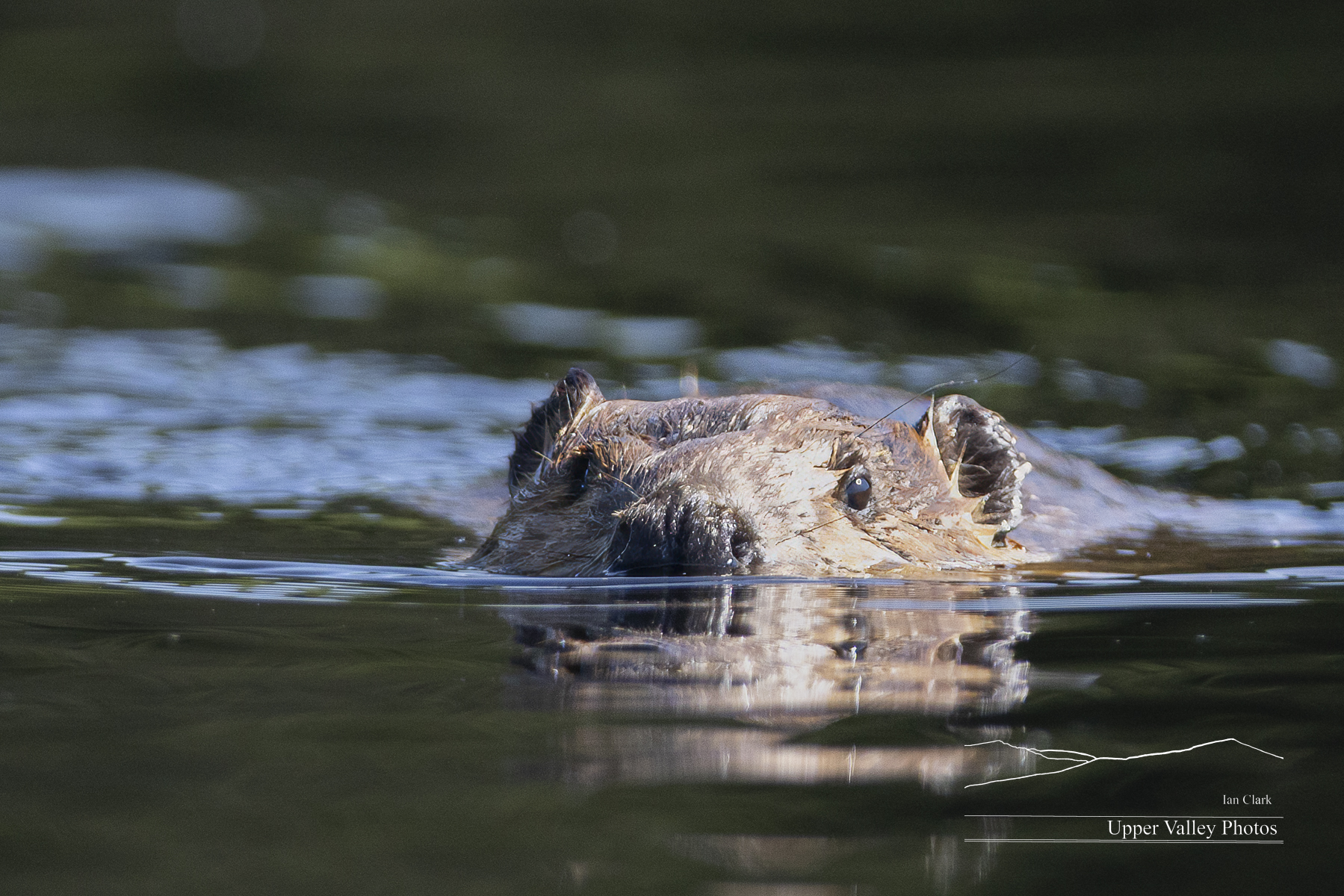
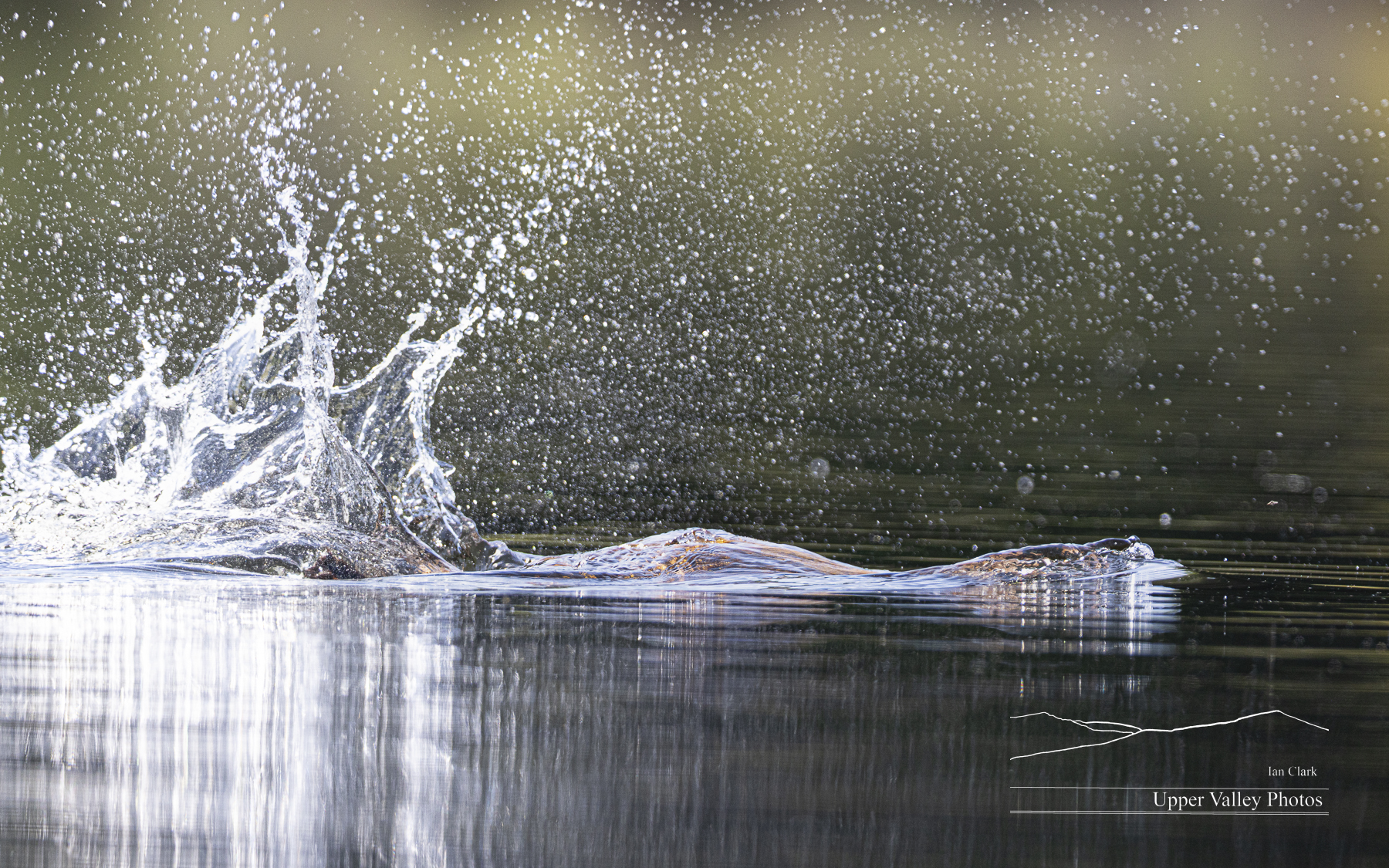
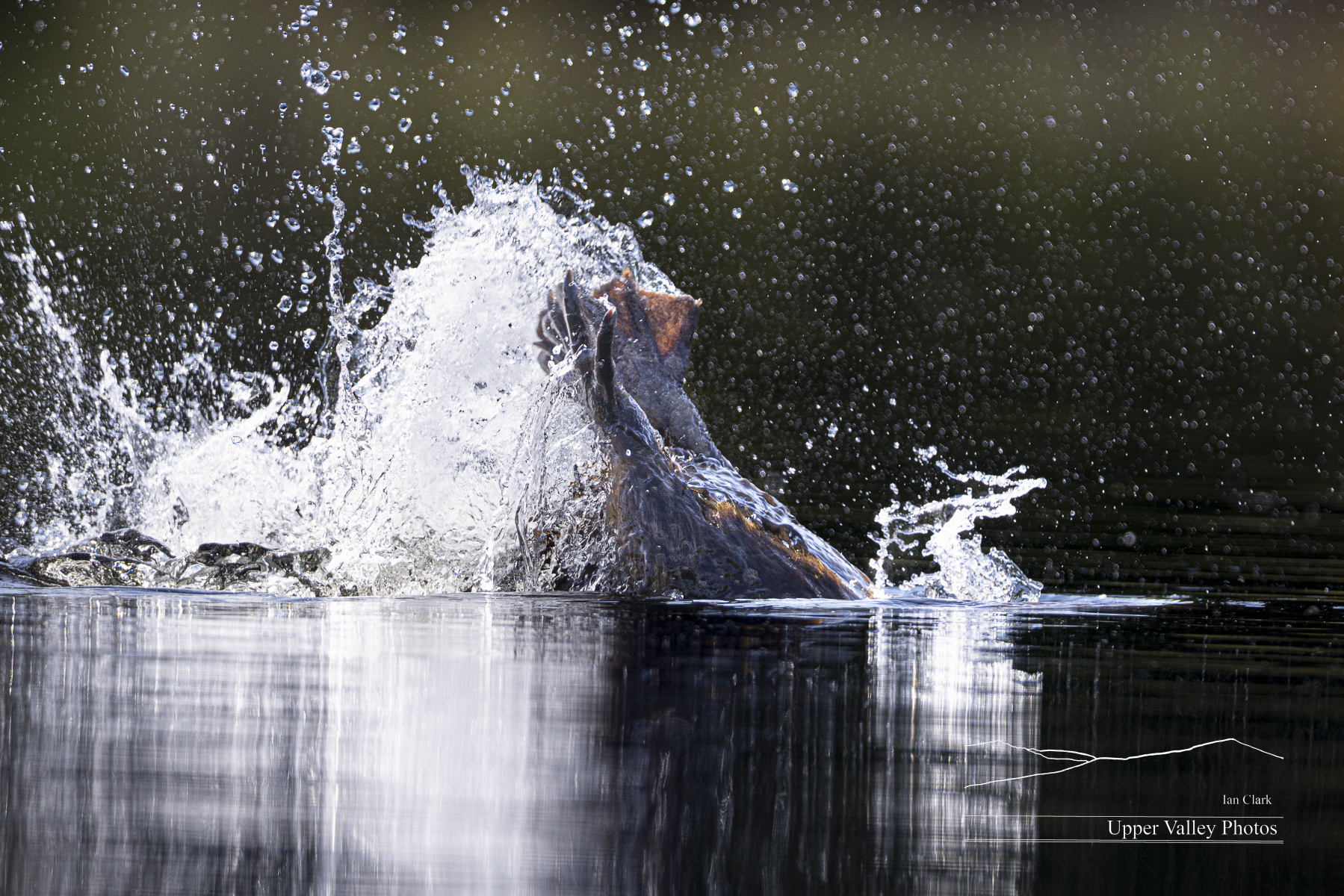
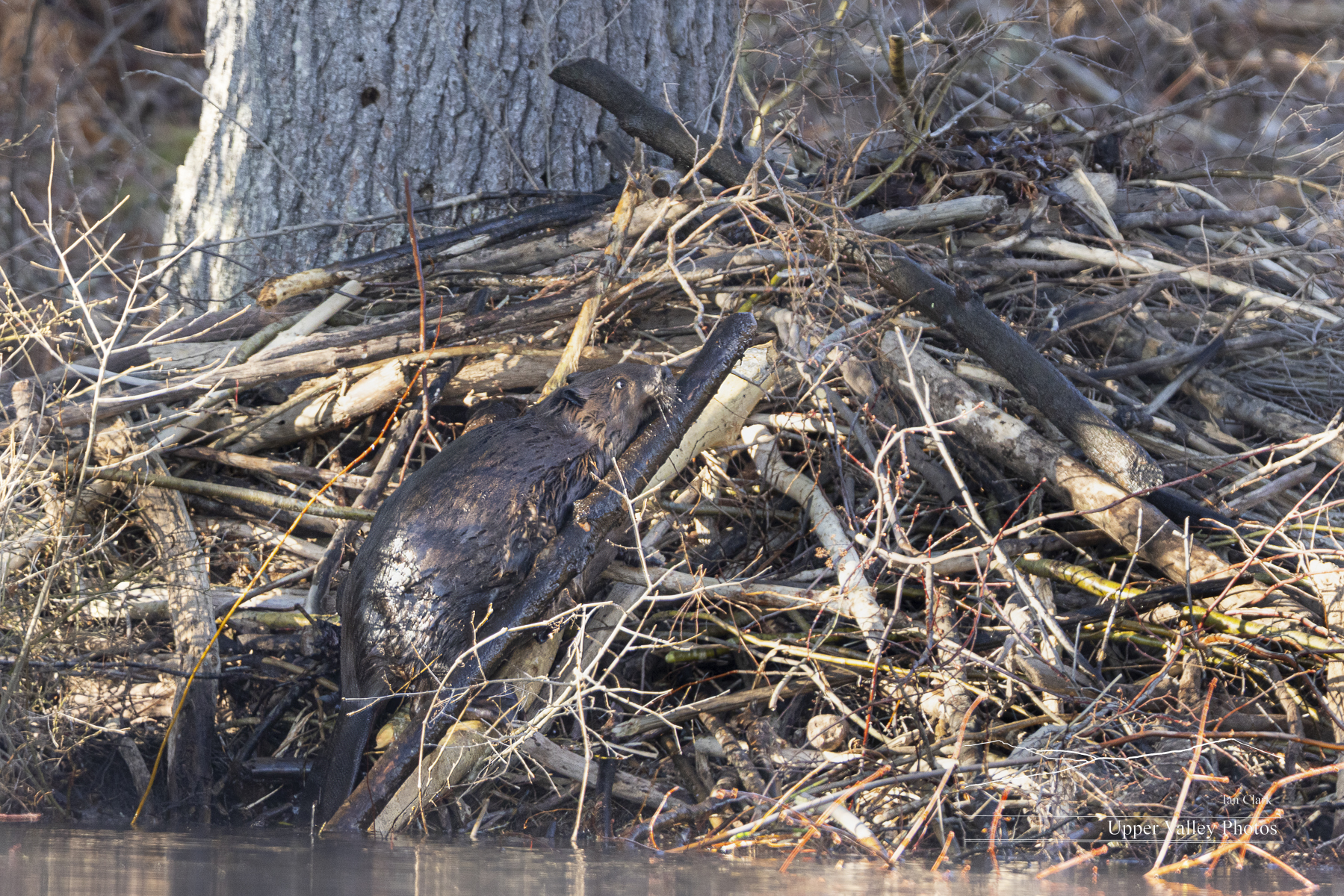
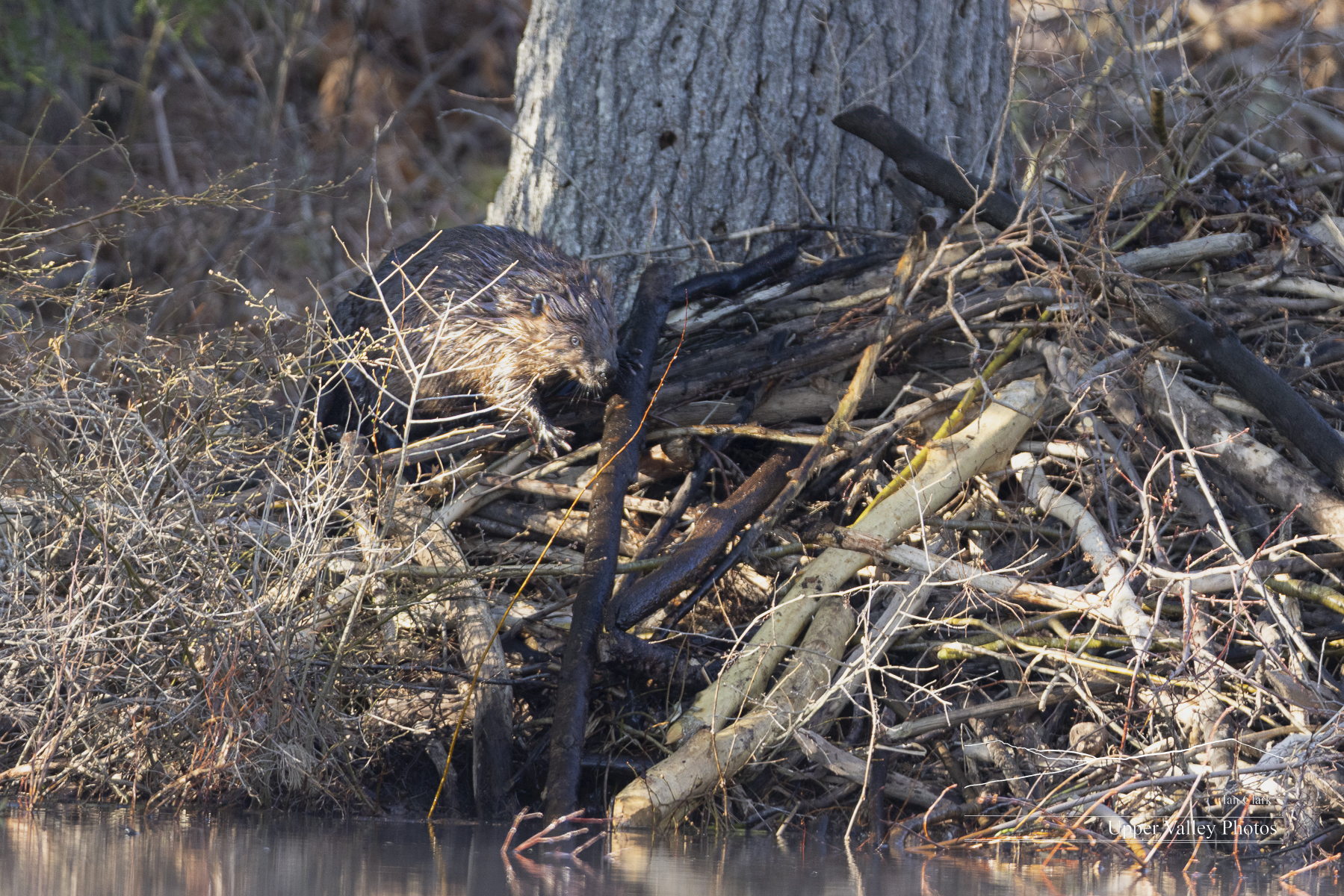
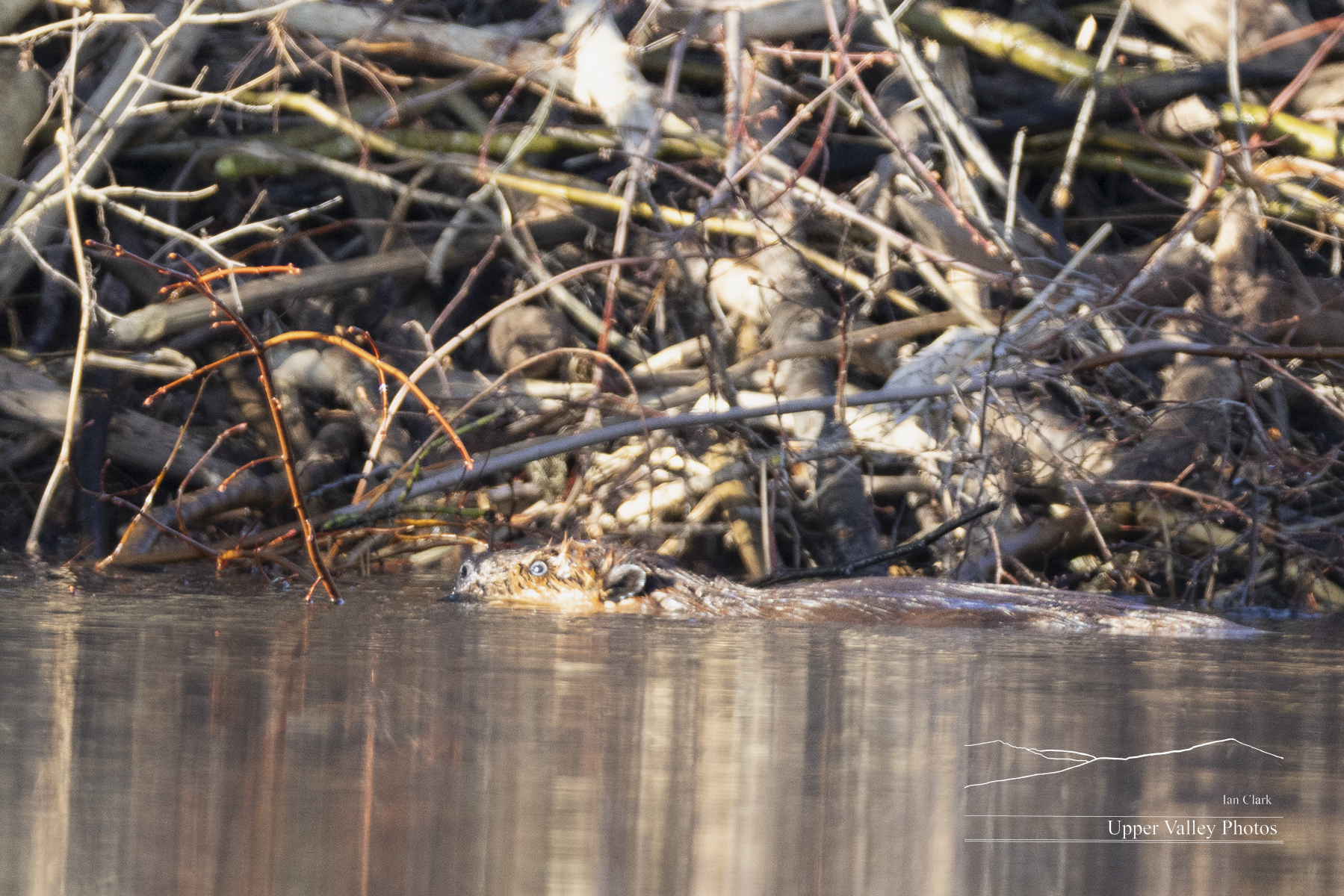
This beaver was unconcerned about me. I stopped and photographed him? for several minutes without disturbing him. He had his butt towards me, not the best angle for photos. I gave up and moved on. After a bit, I noticed he’d turned around and went back to get more photos. He chewed contentedly for a bit before heading out. He stashed the tasty stick behind a some rocks. I looked down at my camera gear and it was only as I was getting wet from the splash that I realized he’d surfaced four or five feet from my boat and gave a good tail slap.


Looking Back at the Herons
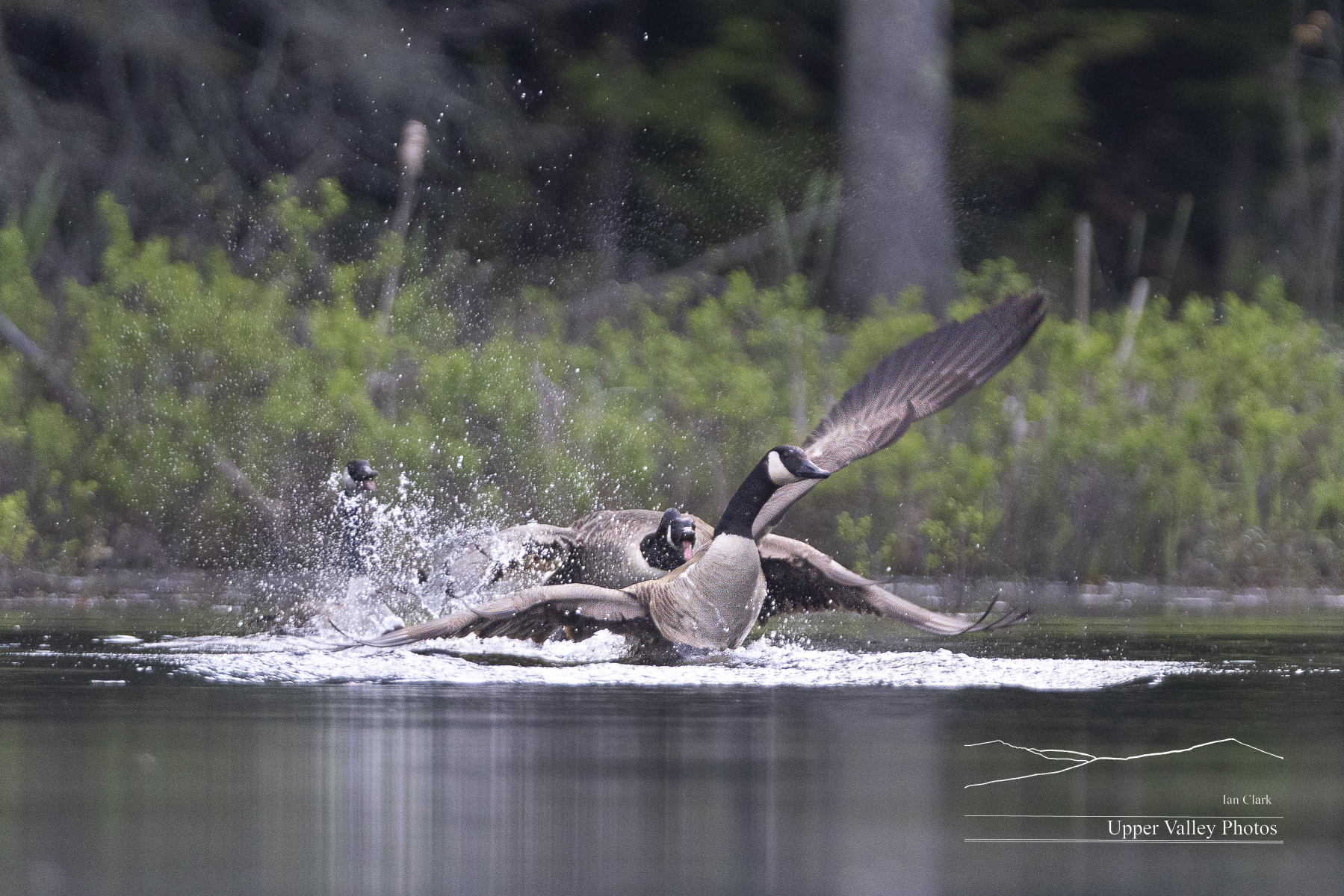
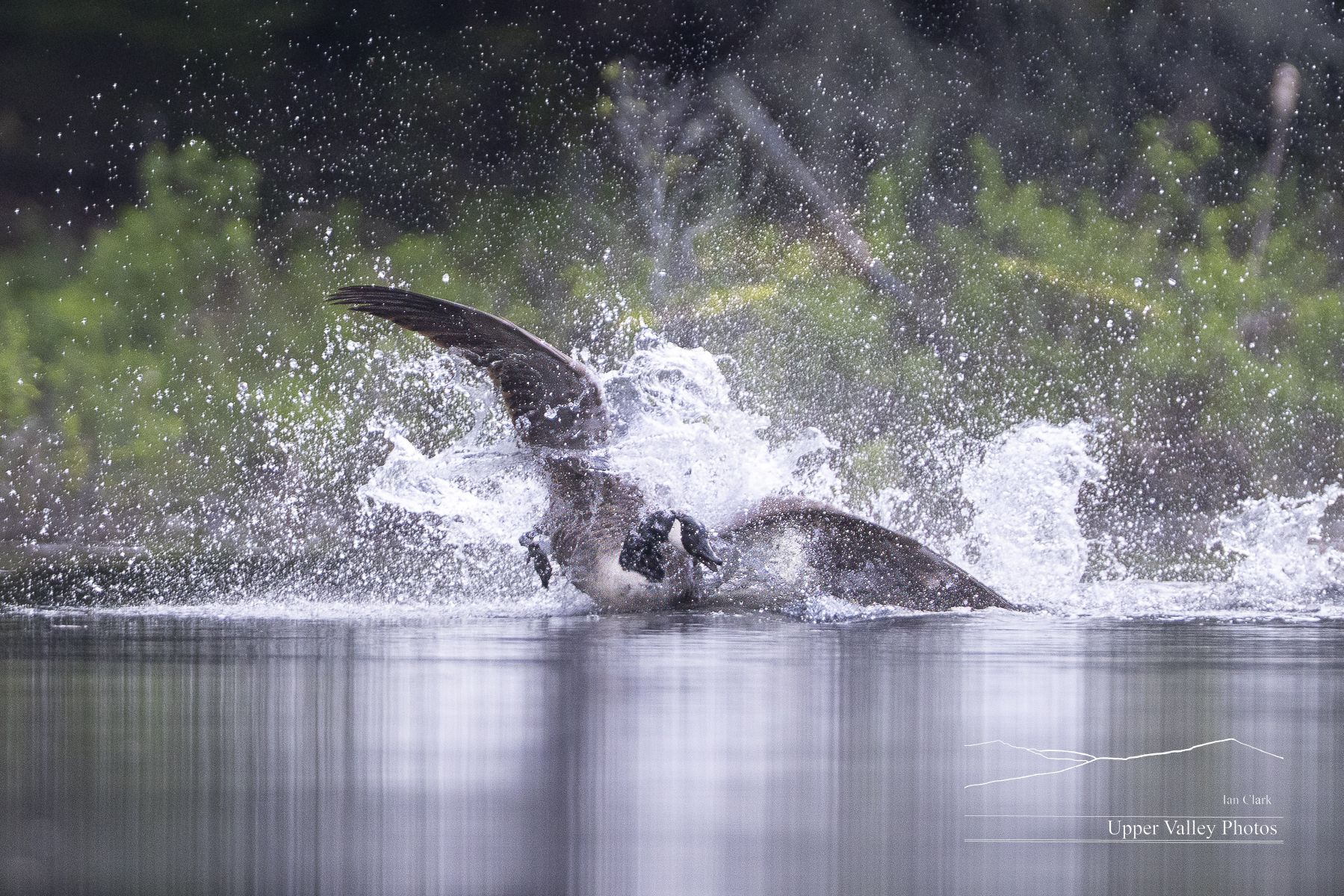
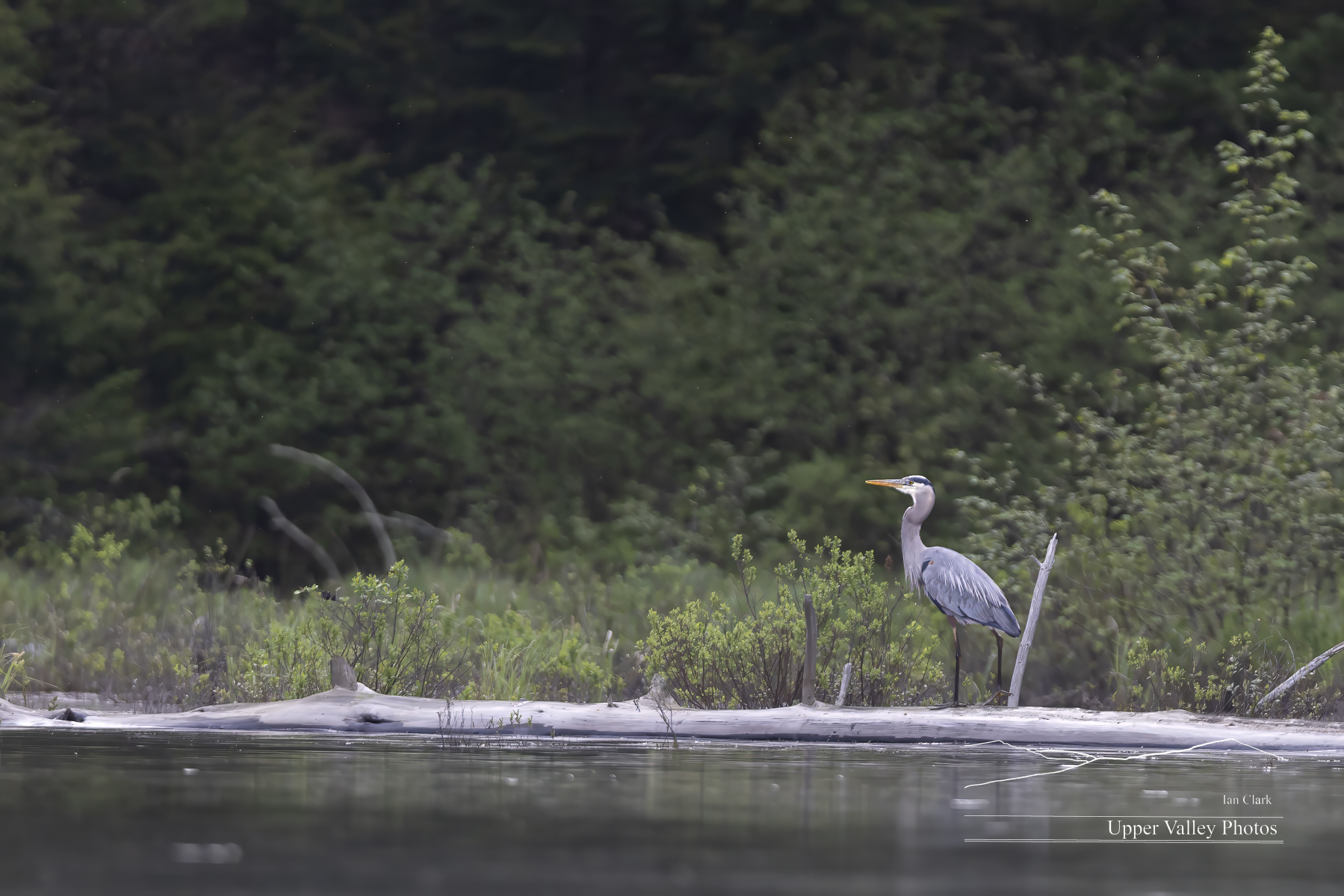
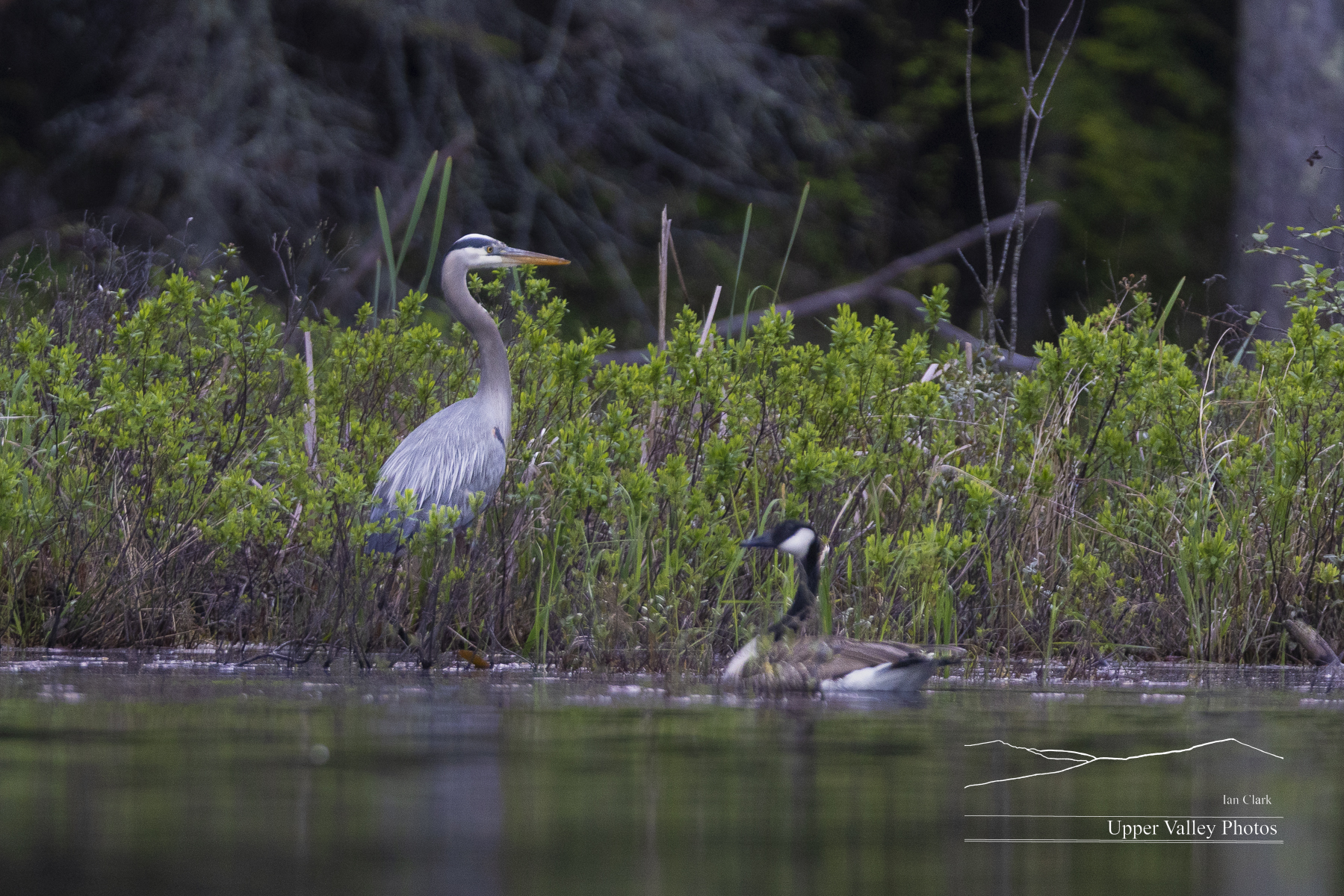
Great blue herons are pretty common around the Upper Valley. All three of the loons’ ponds host great blues each year. Over the years, I’ve gotten a number of good shots of them. I’m pondering a ‘Heronscapes’ exhibit and have been digging through the archives to see what I’ve got. Let’s take a look.
The Hartland, VT, Public Library will host me to present my slideshow, An Uncommon Look at the Common Loon, this Wednesday, November 6 at 6 p.m. Free and everyone welcome. My print exhibit of loons is hanging in the Library through the end of November.
And my 2025 calendar is available:

On to the herons.


