Here’s a roundup of my favorite photos from my adventures in 2025.
I’ll be showing my slideshow on visiting the puffins on Machias Seals Island at 2:30 pm on Sunday March 22 at the Tenney Memorial Library, Route 5, Newbury, VT. Free and everyone welcome. And, stay tuned, the Piermont, NH, Library wants me do a slideshow of the best of 2025. We’re checking the dates the hall is available. It should be one of the first three Sundays in March.
And it is last call for my 2026 Wildlife Calendar. I’ve got only a few left, you can get yours on my site here. There are lots of images available in many sizes from note cards to wall art.
OK, the critters….
Last winter, I took several trips to the Maine, New Hampshire and Massachusetts coasts. The goal was to find owls.
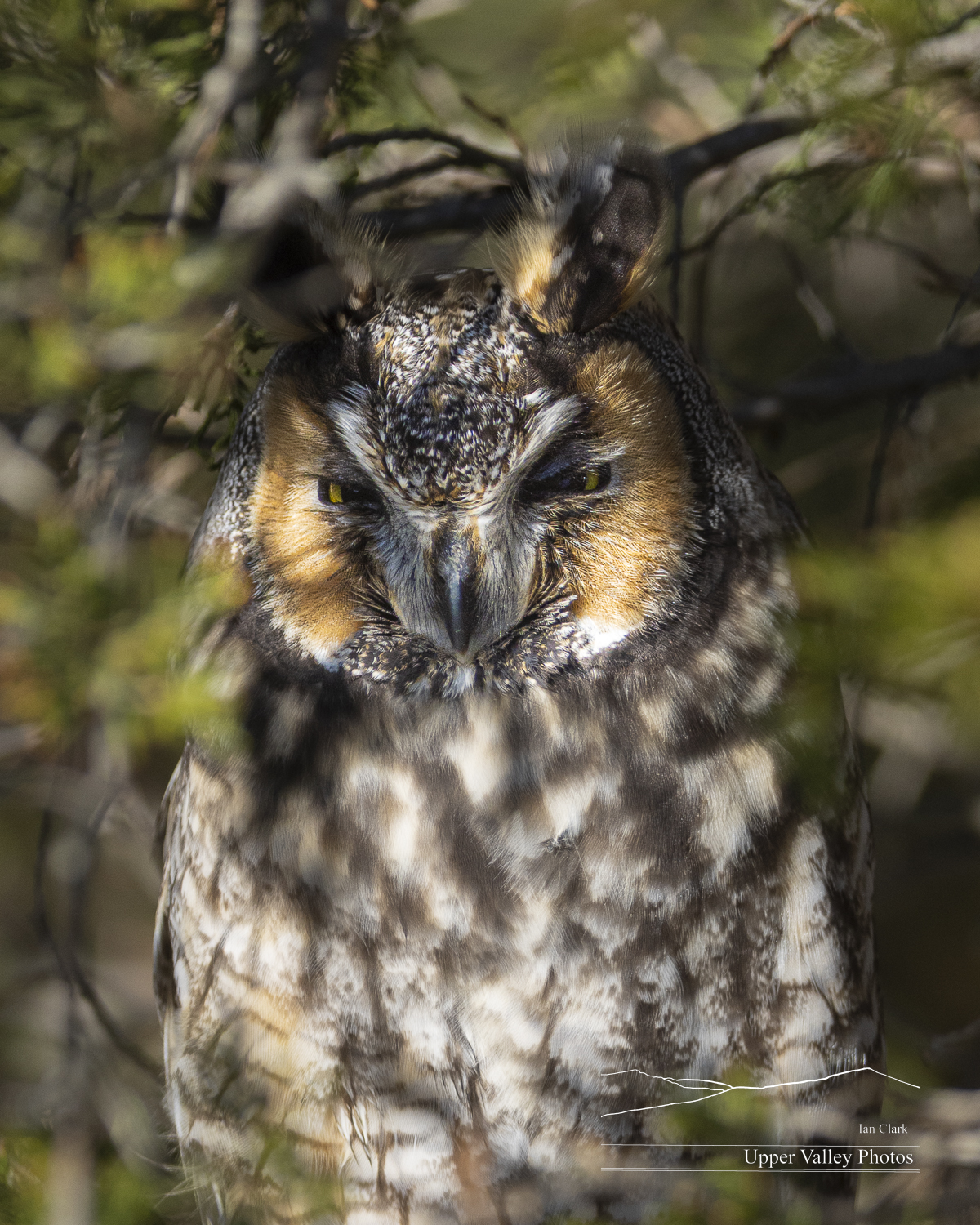
This is Leo, the long-eared owl. He’s on my list. There were three long-eared owls living in about half an acre of trees alongside a parking lot. Even in that small a hideout, they were discouragingly hard to find. I spent about 40 hours waiting for them to move out to sun themselves. Without success. And, it didn’t help that every photographer east of the Mississippi would stop by to show me shots they’d taken of all three owls sitting together in perfect light in the open. This was the clearest shot I could get.
There were several snowy owls around the coast. They all seemed to have found perches that kept the crowds at a distance.
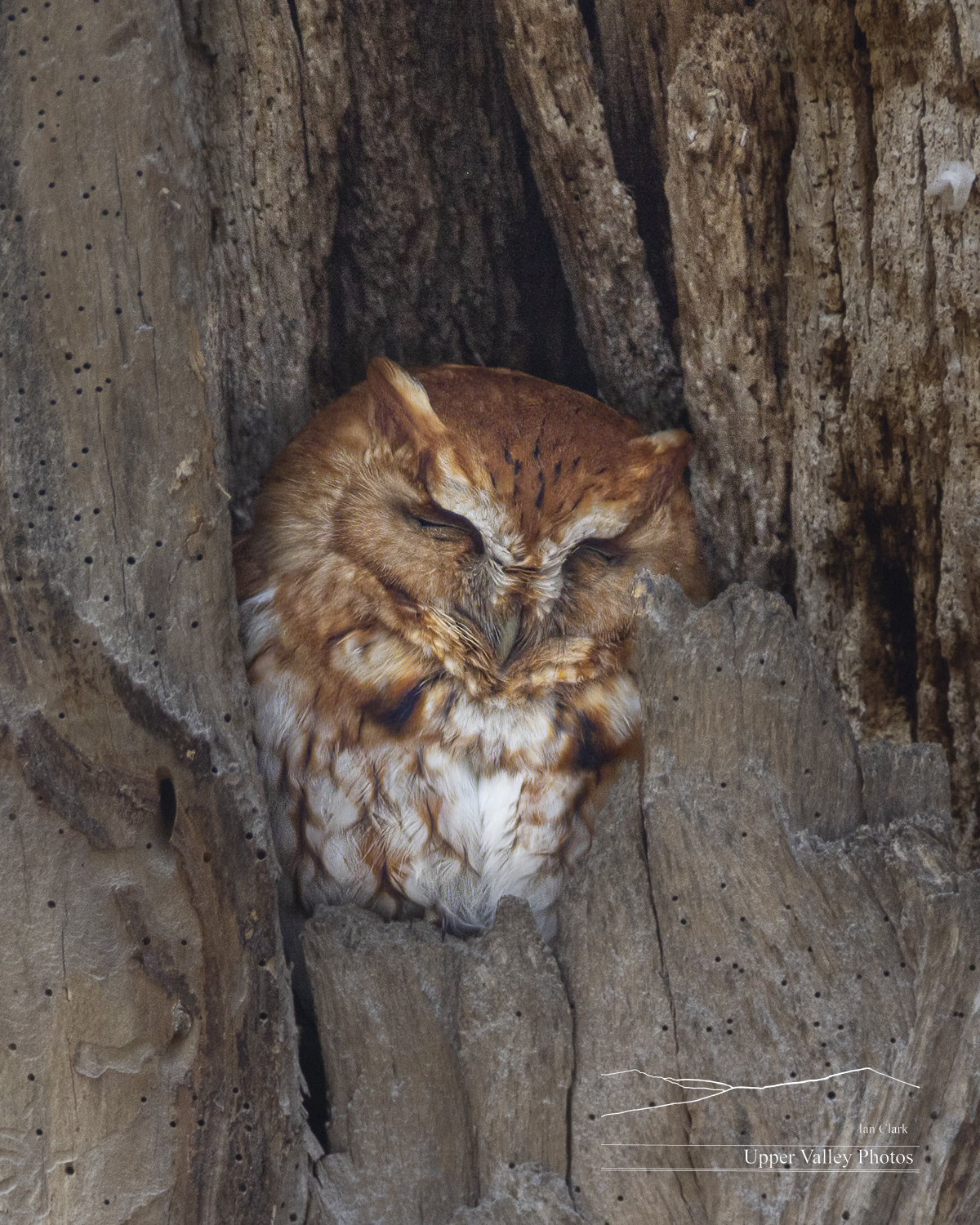
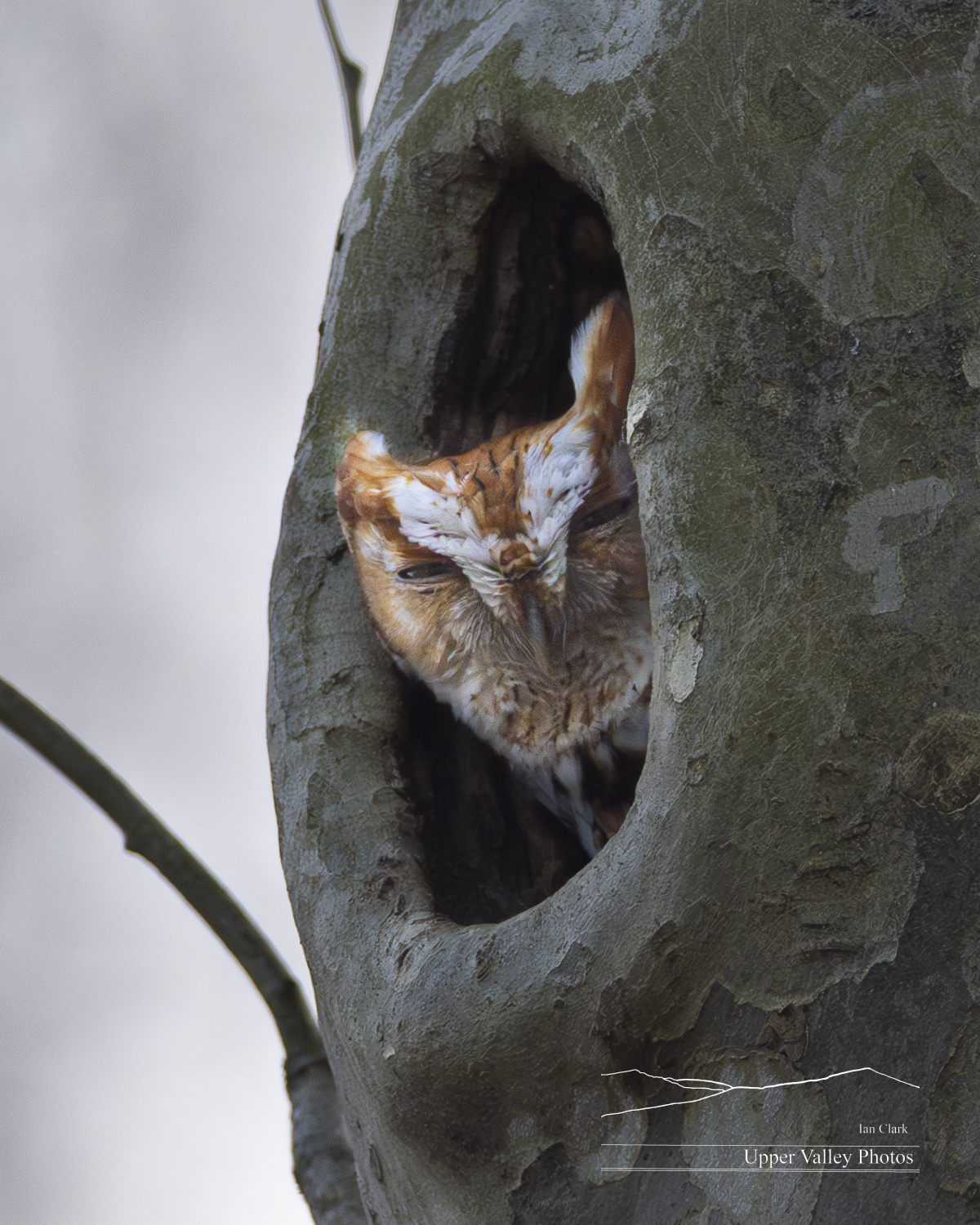
There are a couple screech owls that have gained fame with the photographers. They were more kind, snoozing in openings of their nests.
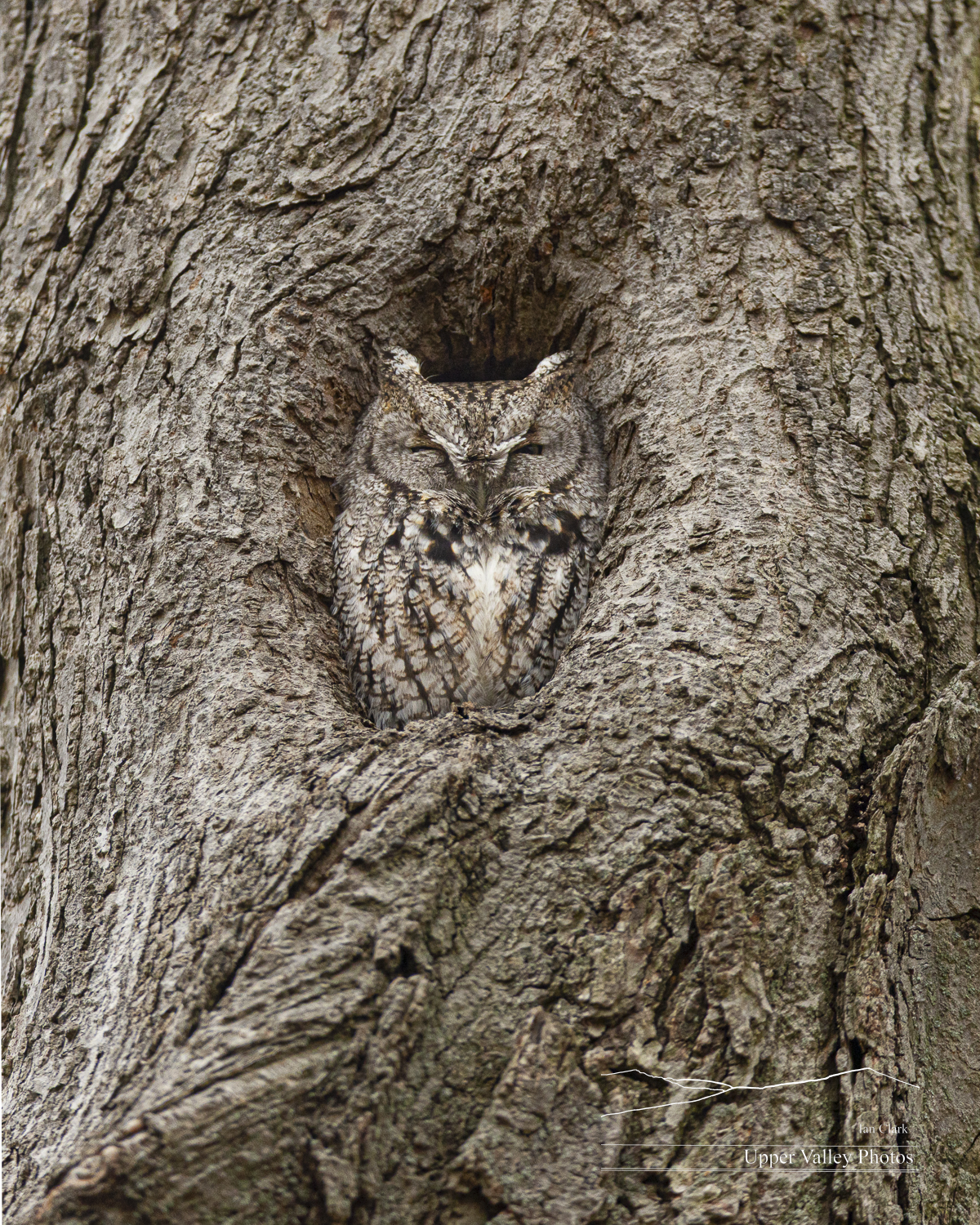
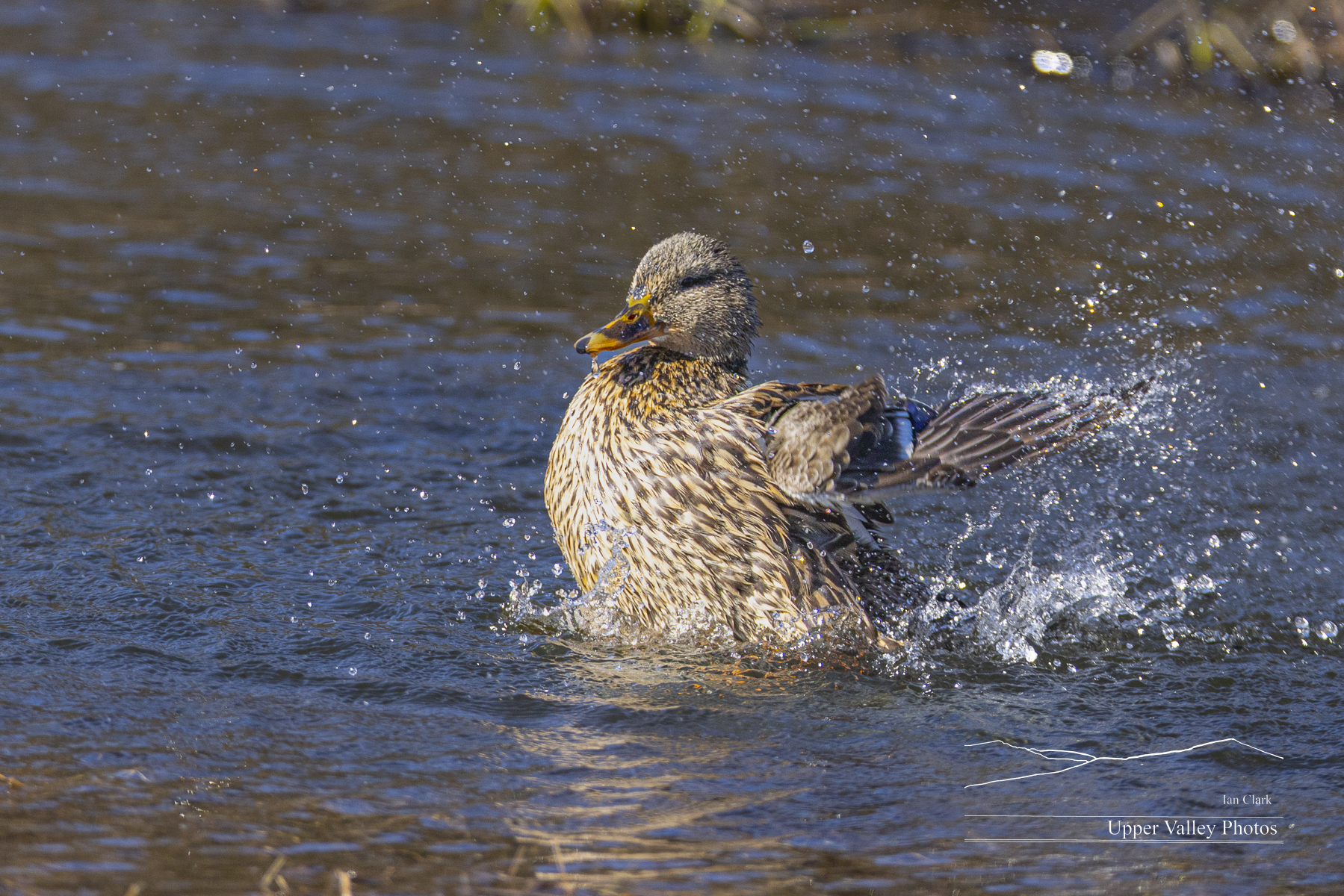
Another screech owl snoozing in his doorway. My first few excursions out in the spring found the early ducks returning. Here’s Mrs. Mallard taking a bath.
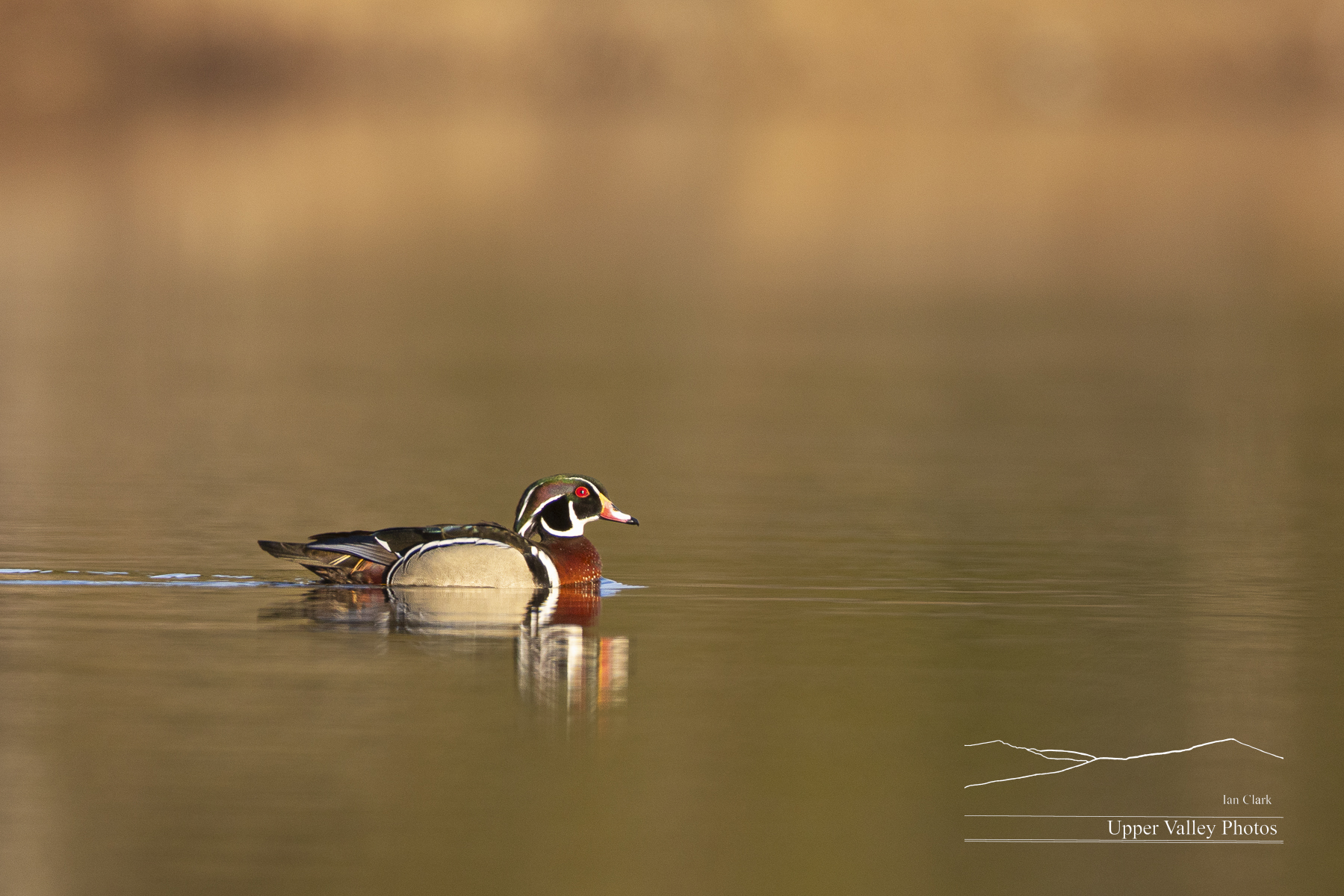
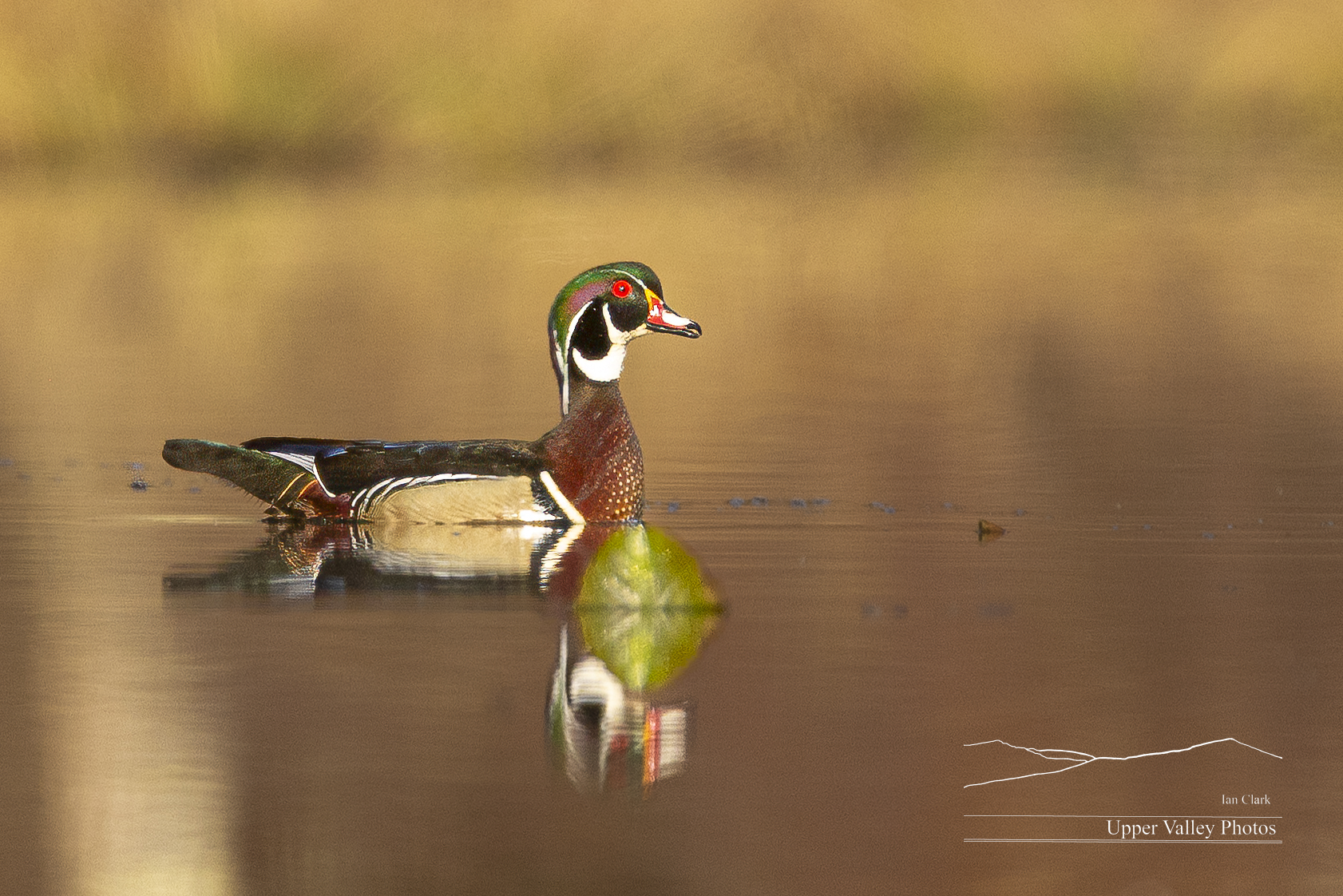
And Mr. Mallard got a little too rambunctious while bathing…..Wood ducks are always a treat to photograph.Another screech owl, this time peering out as he gets ready for an evening out.
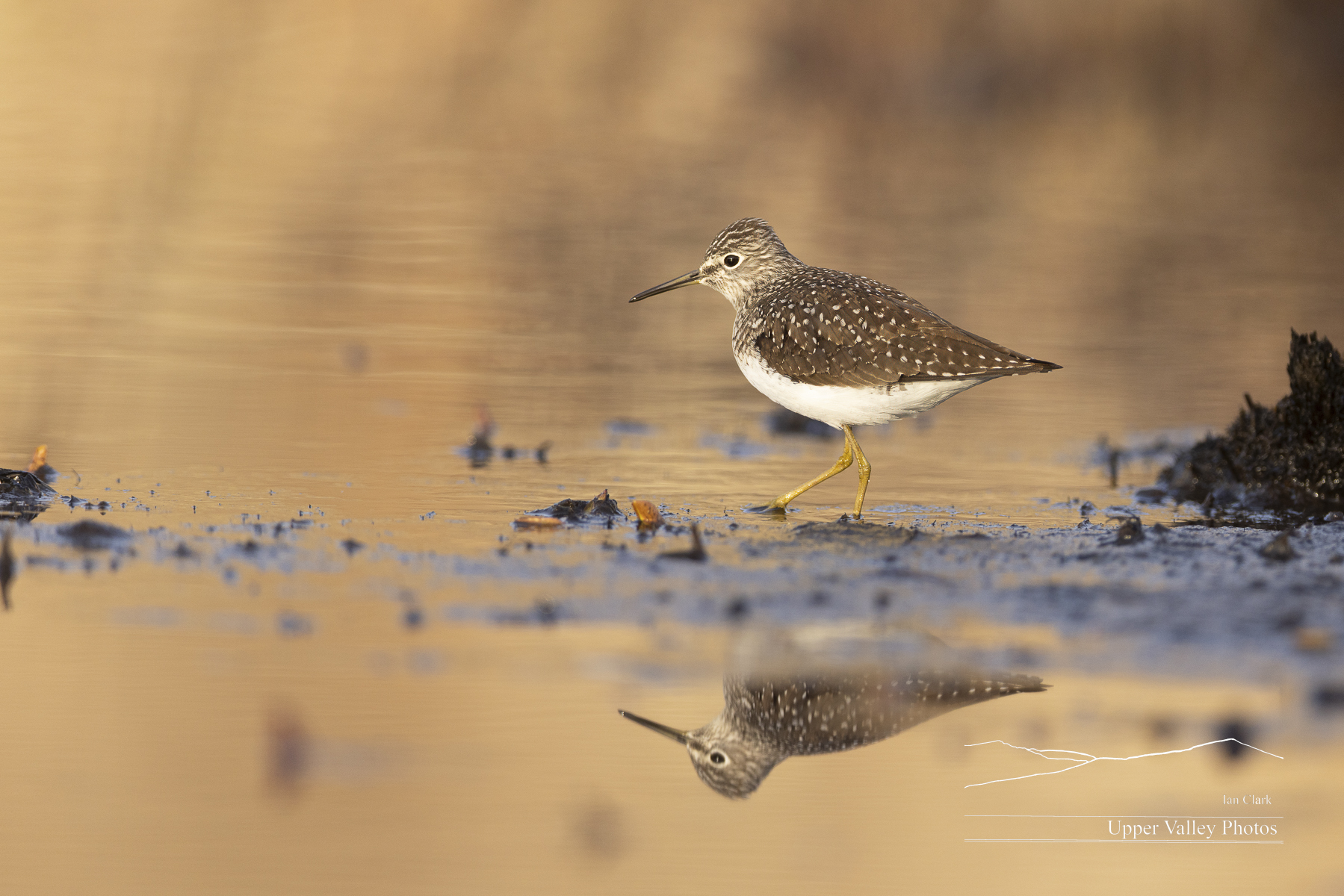
Another trip out found another wood duck.And a solitary sandpiper.
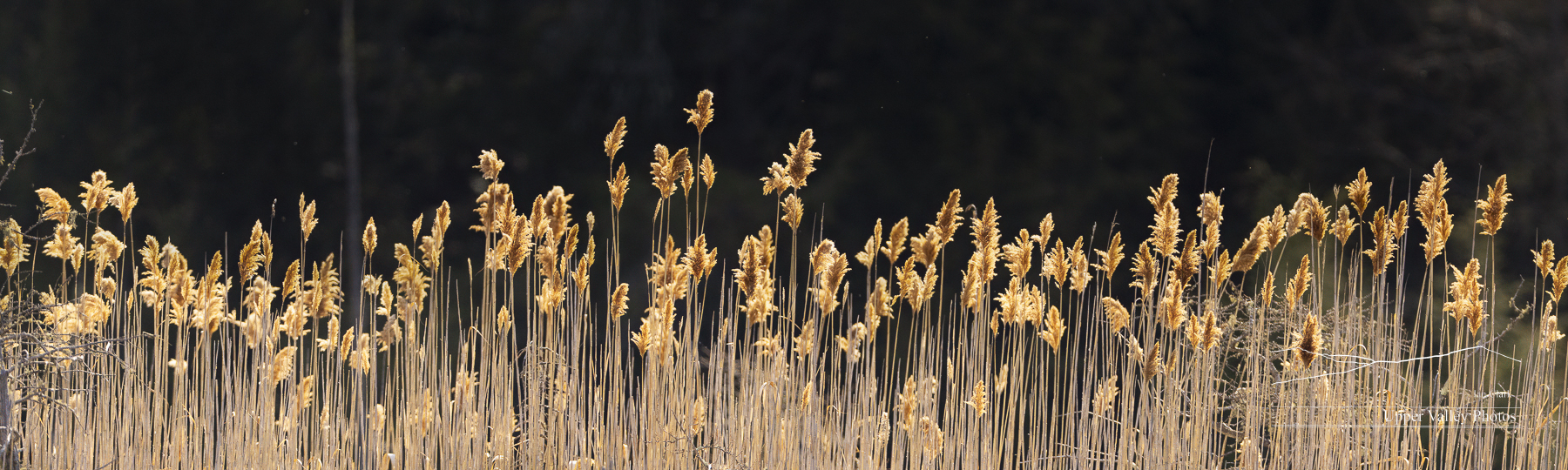
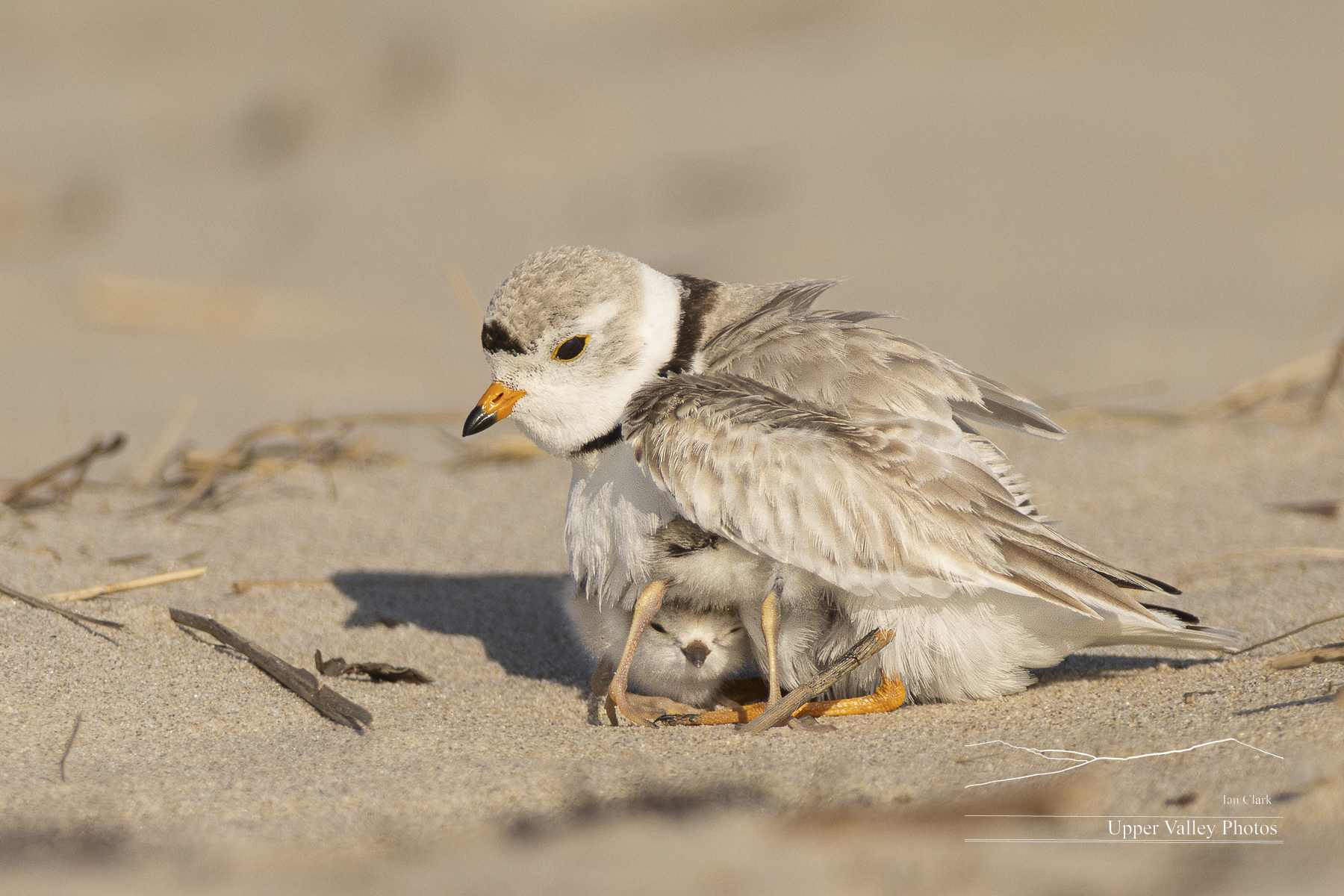
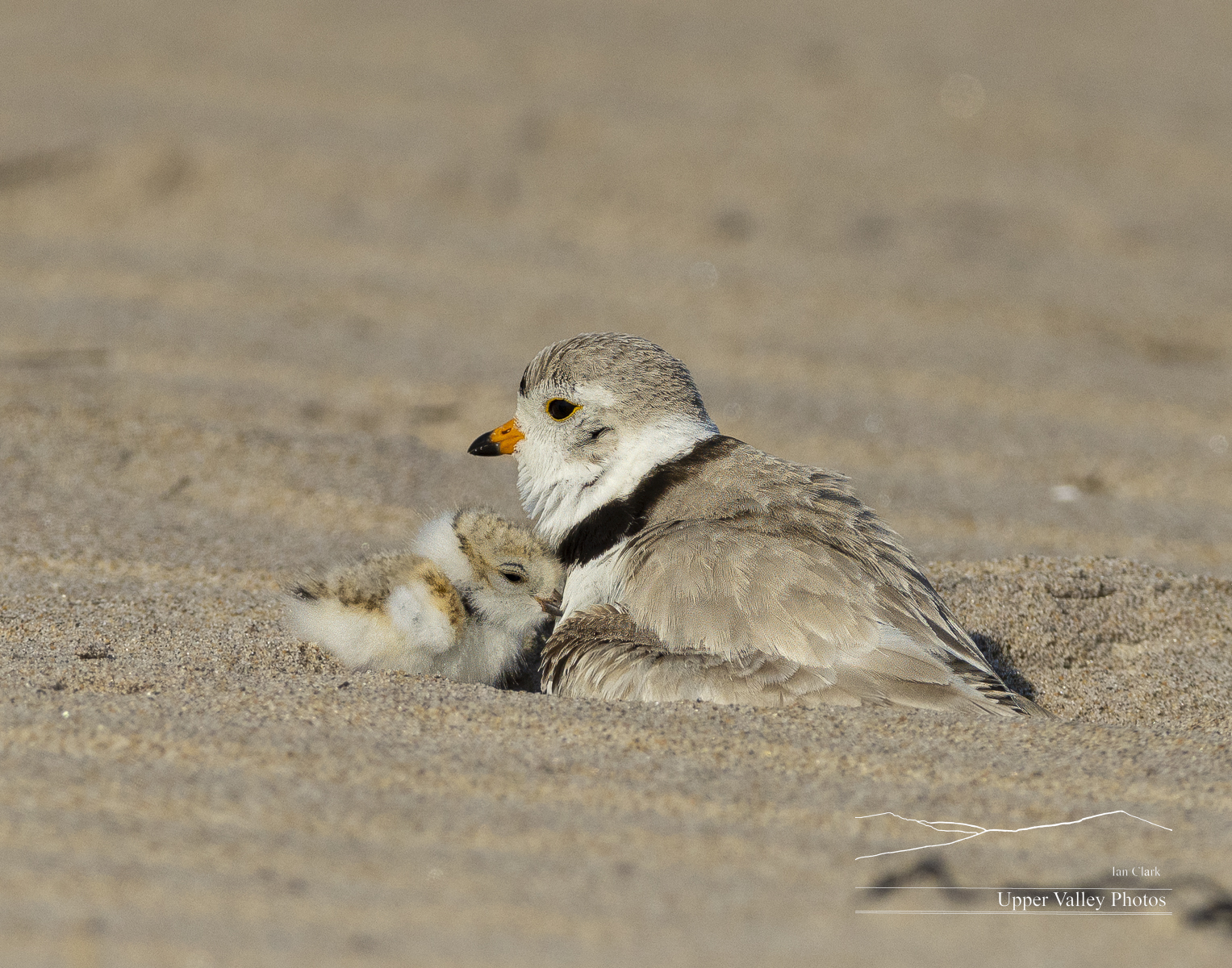
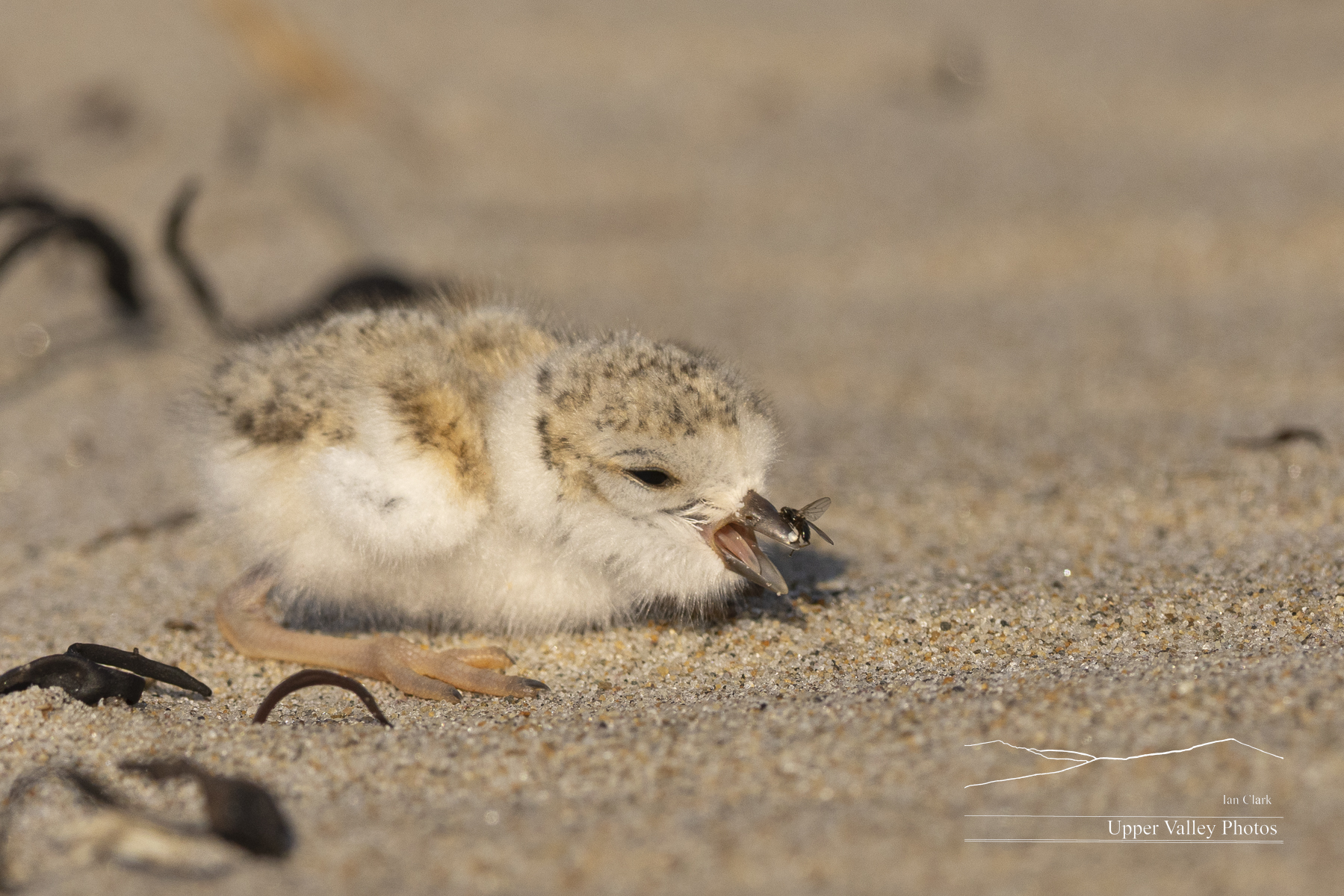
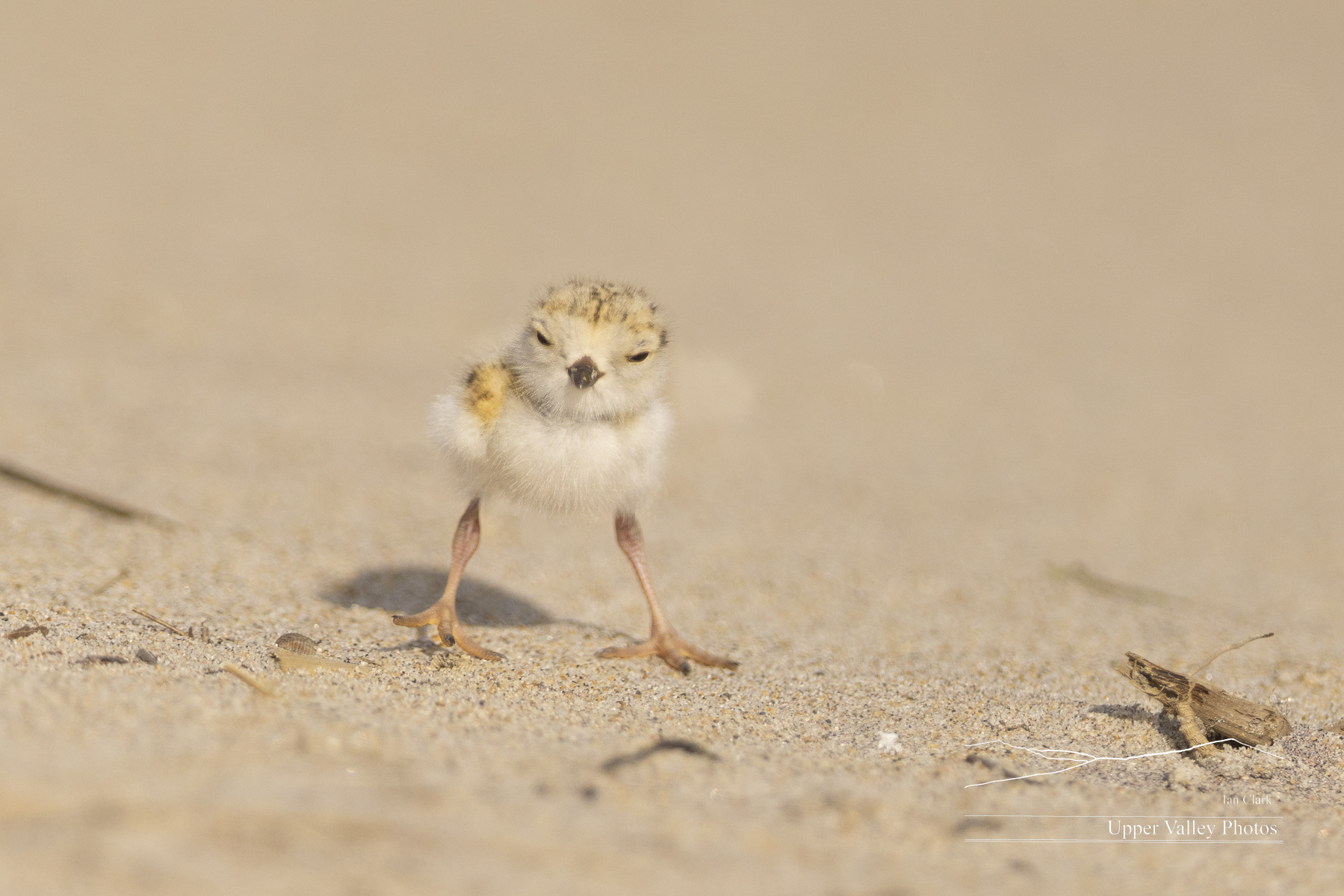
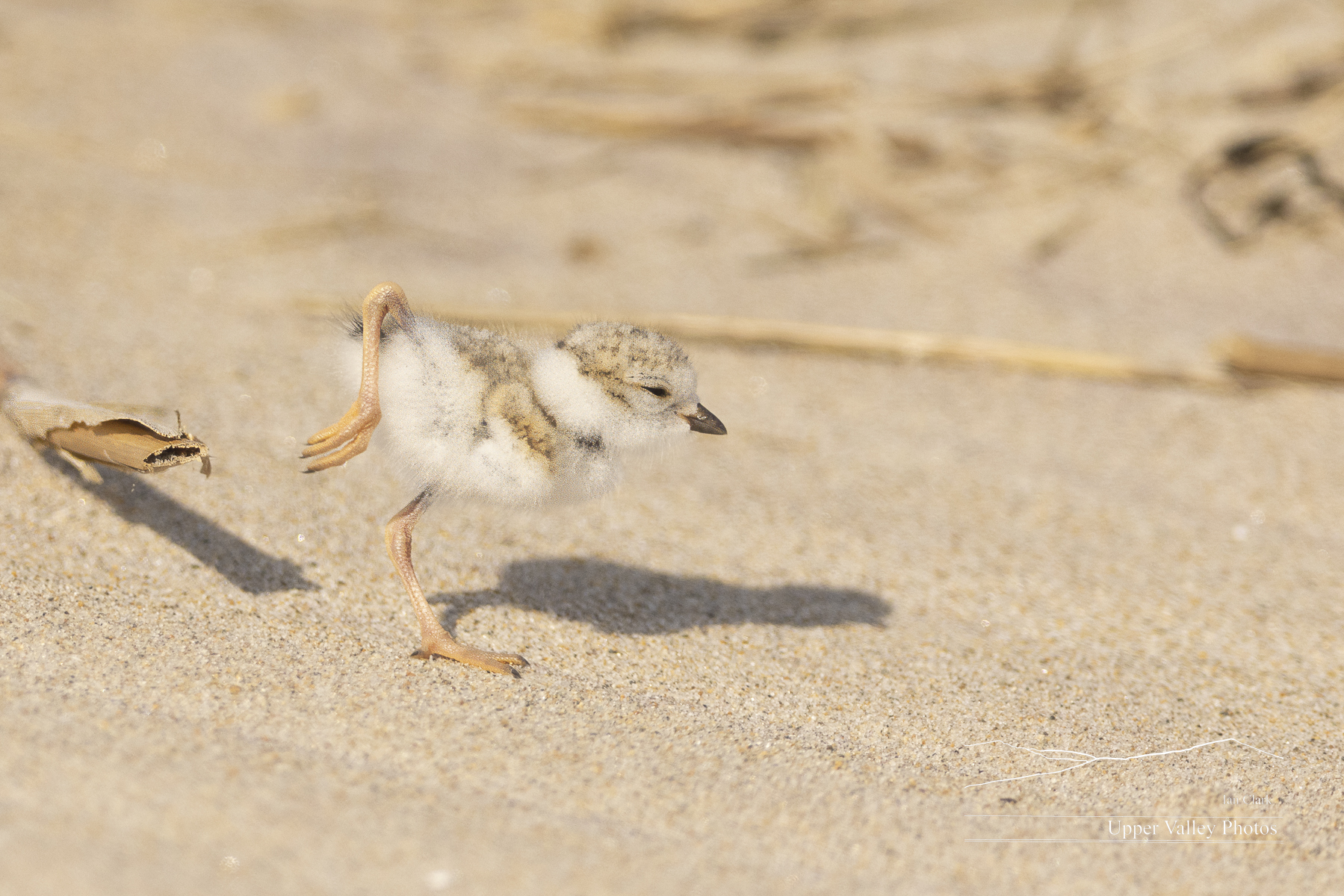
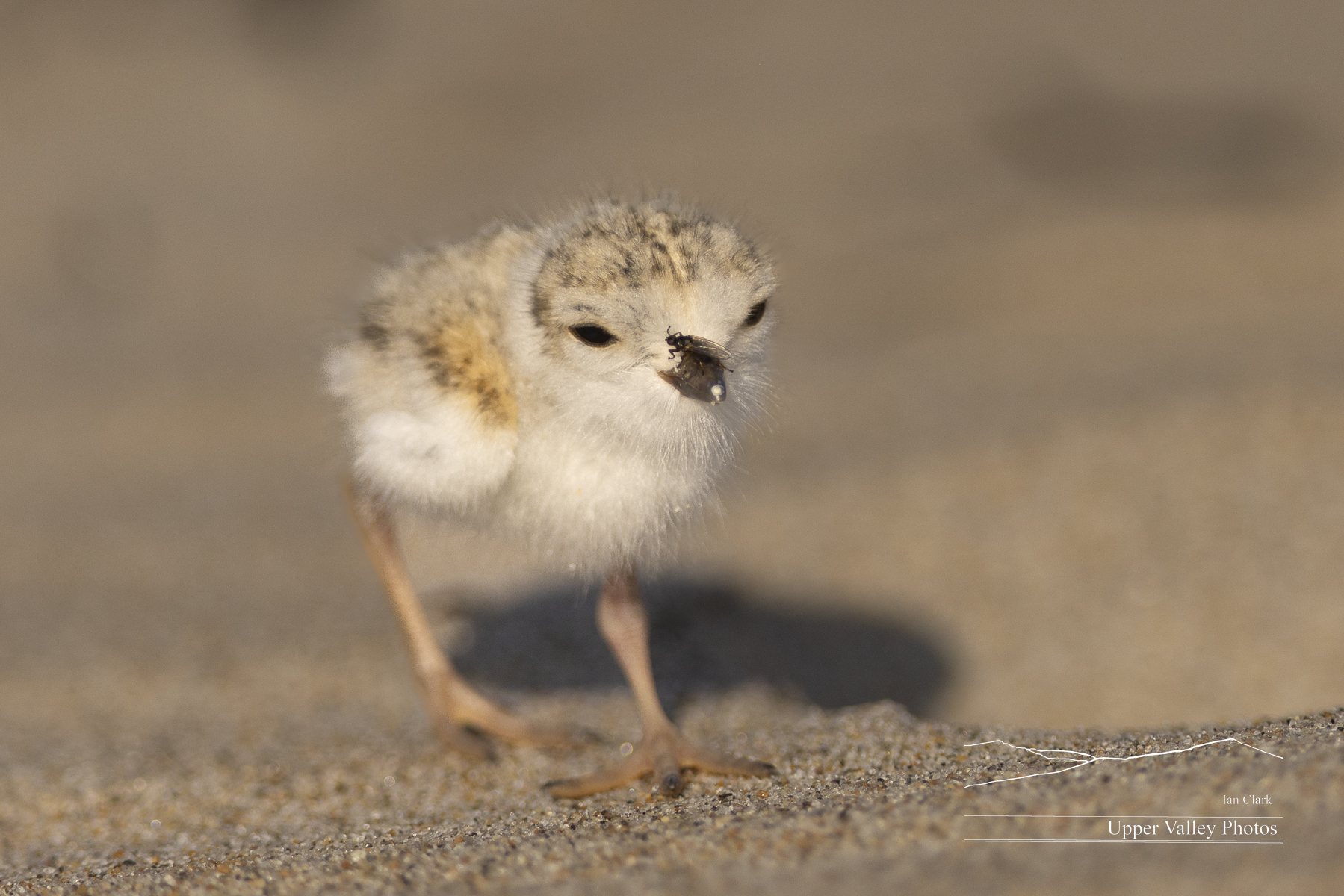
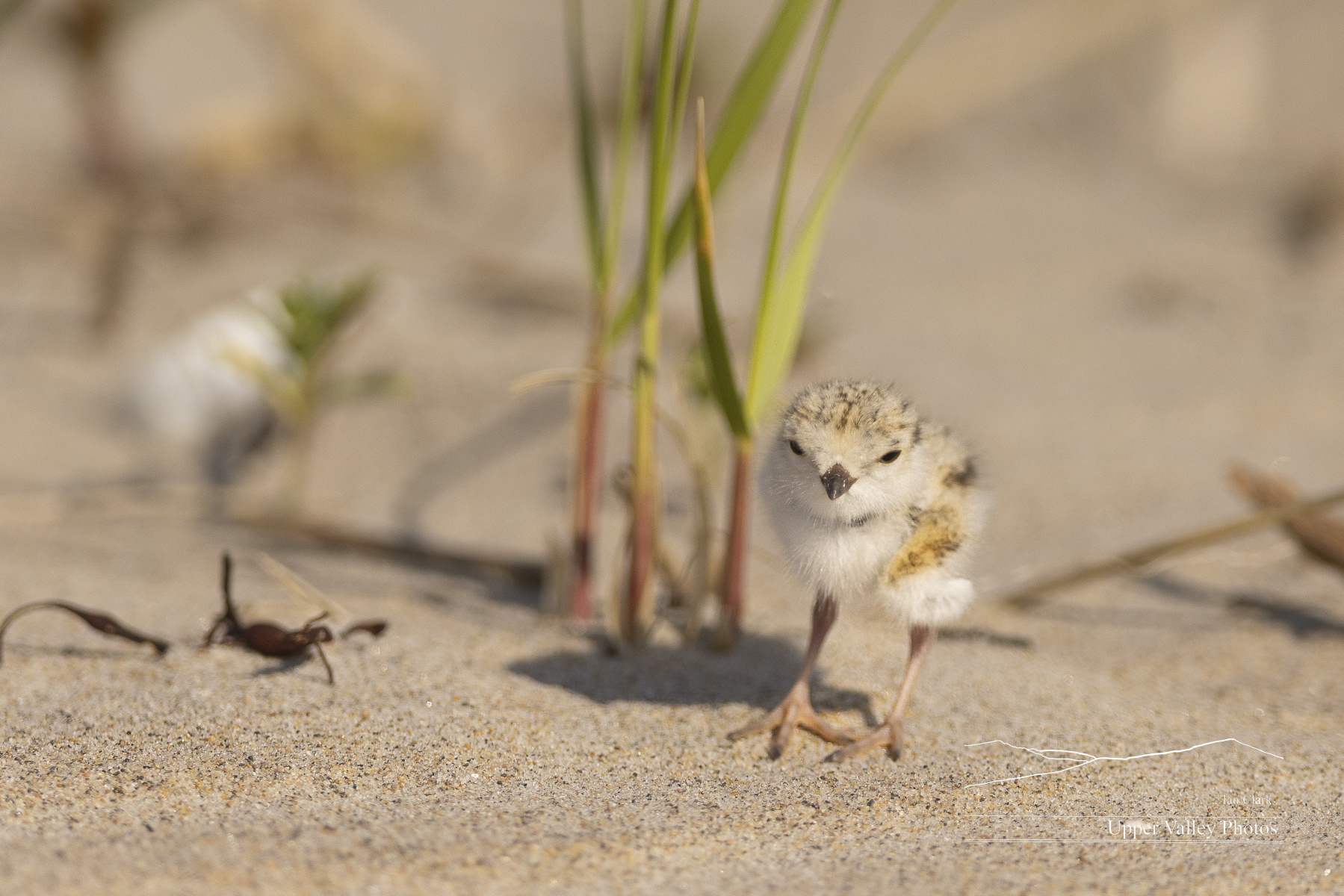
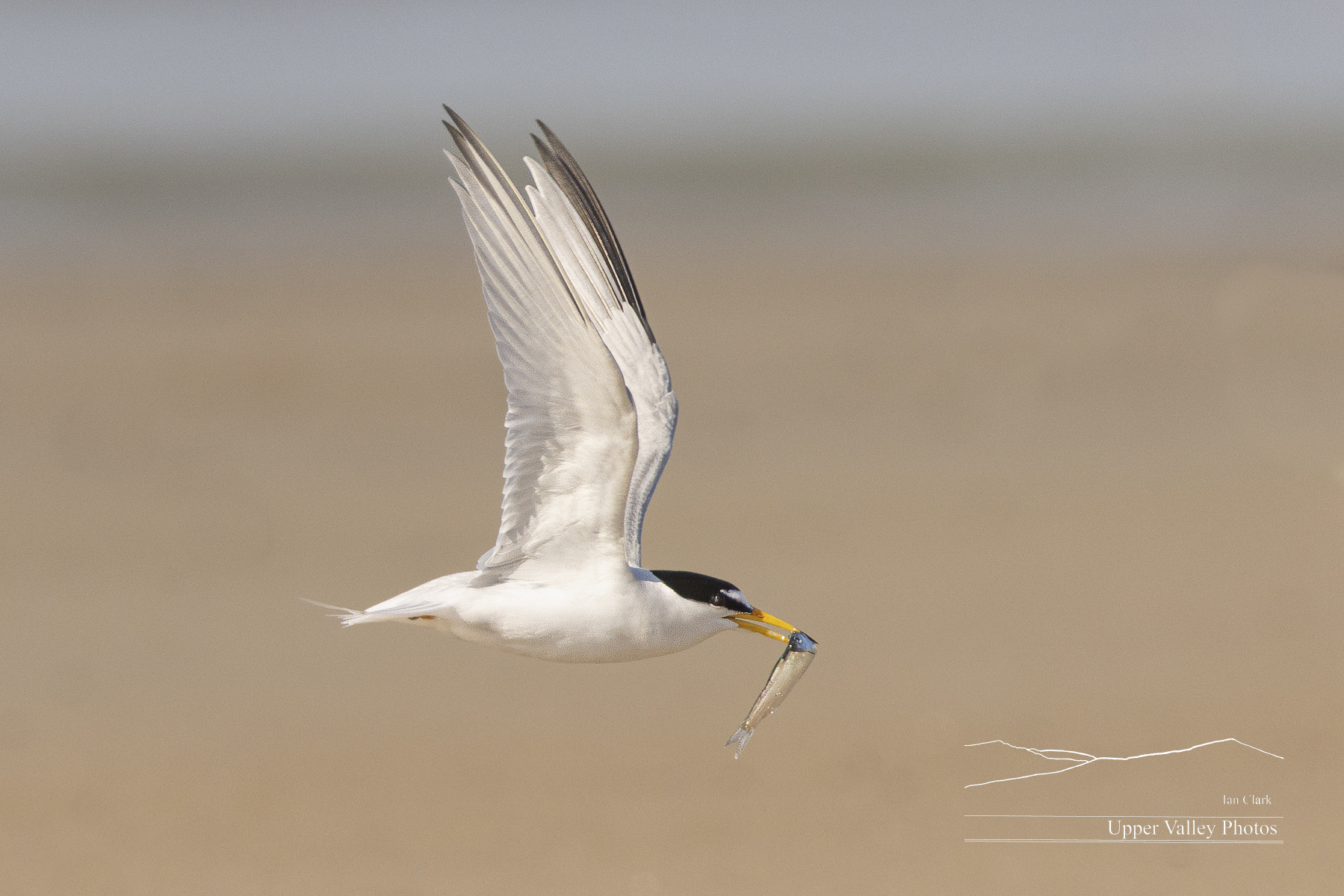
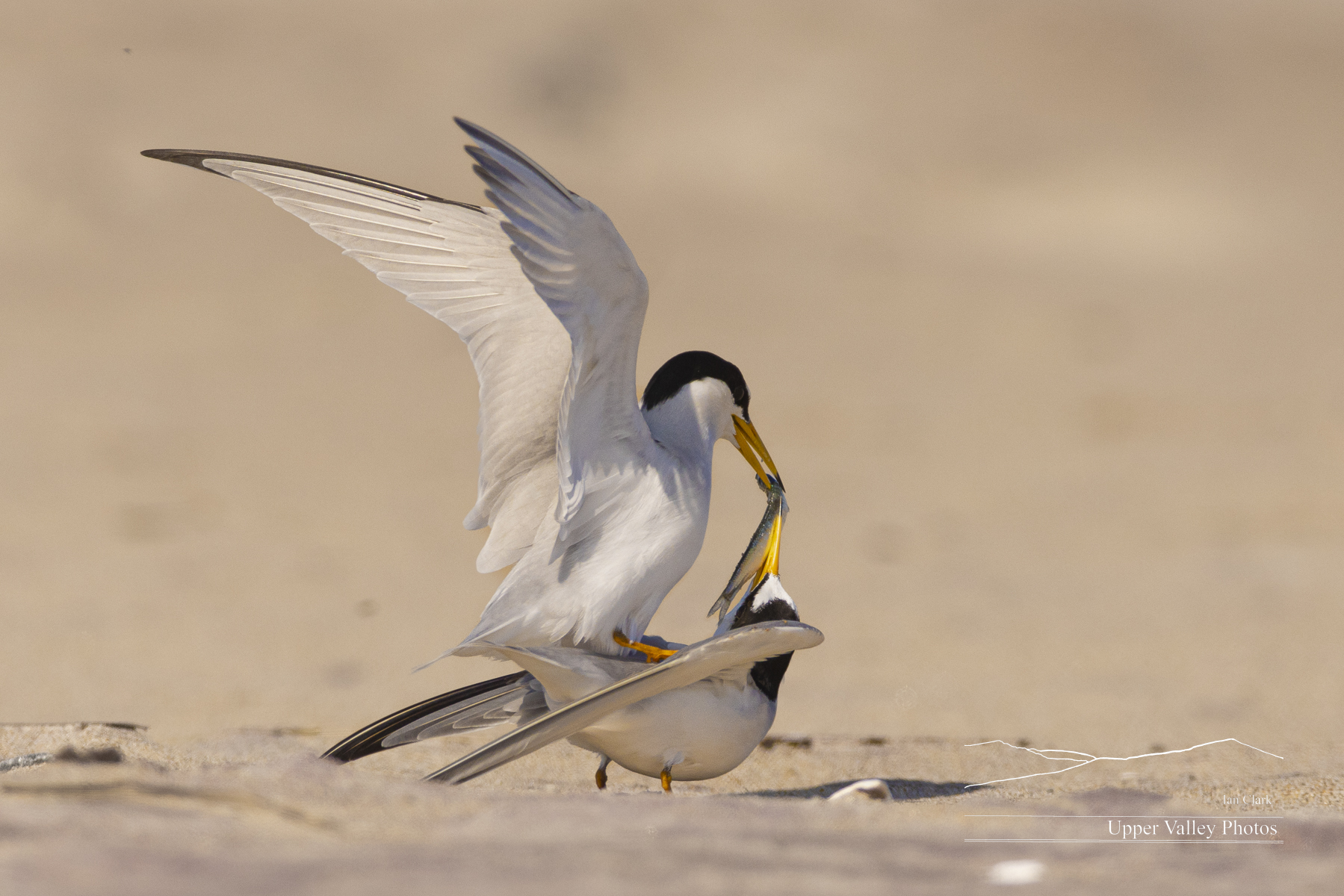
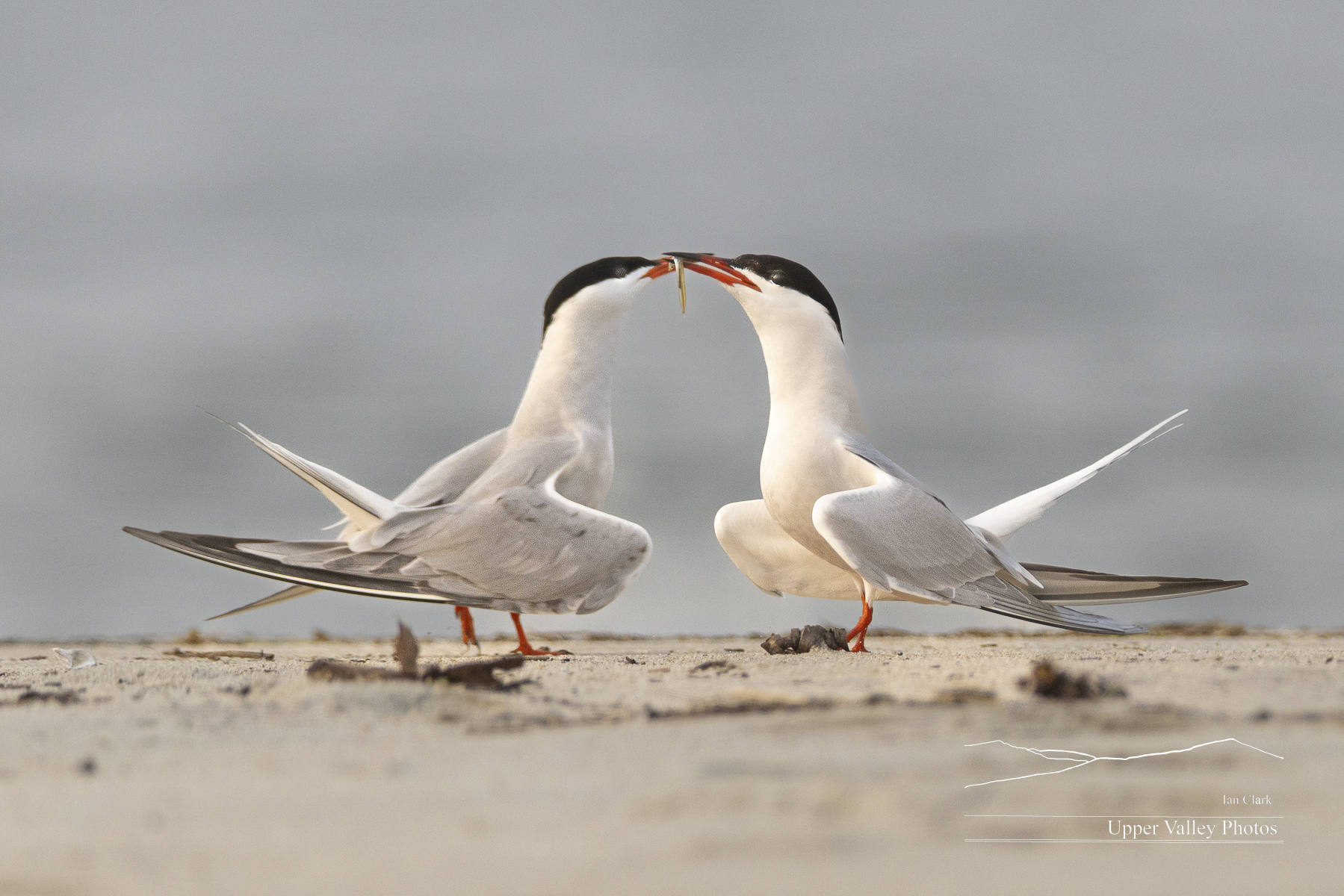
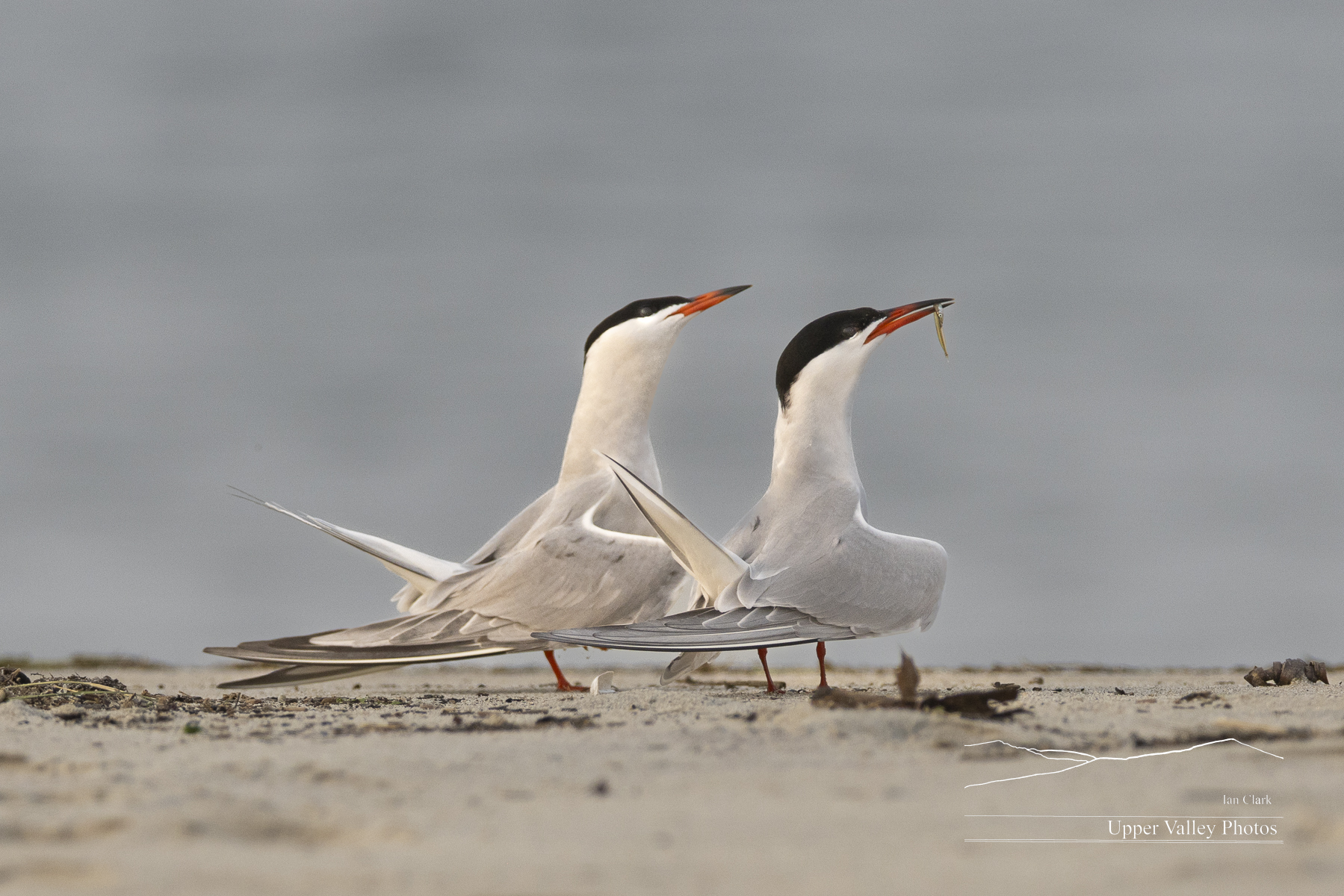
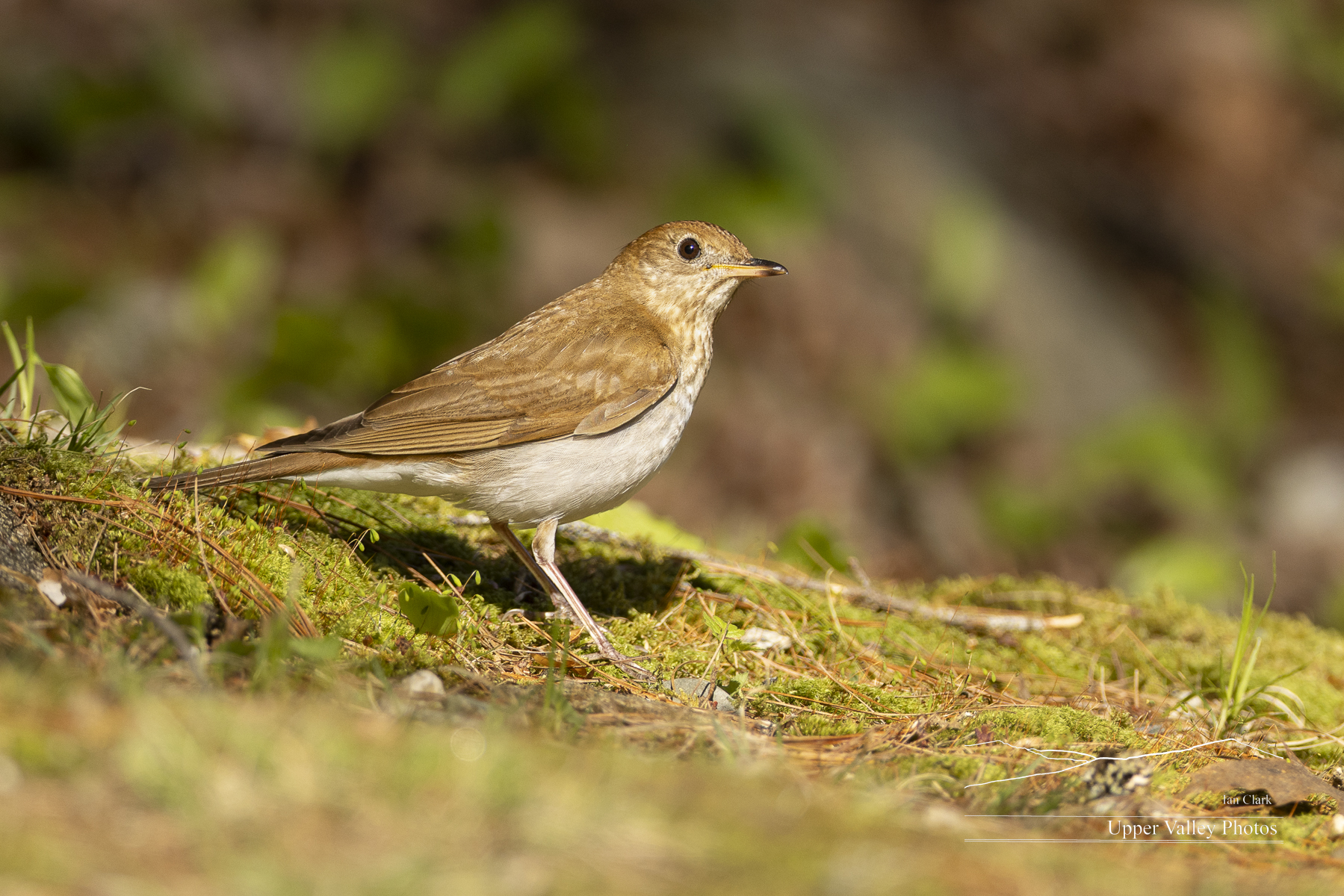
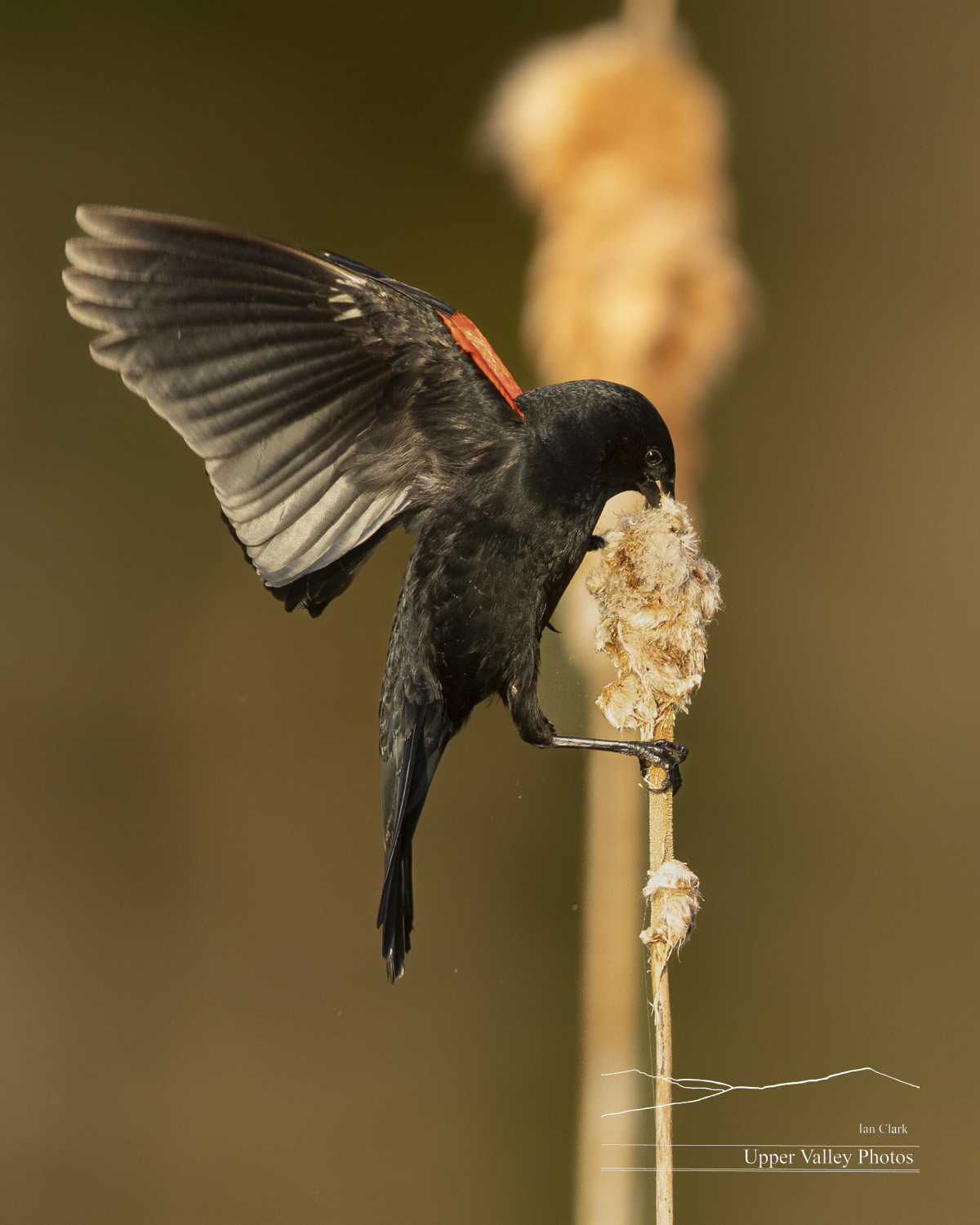
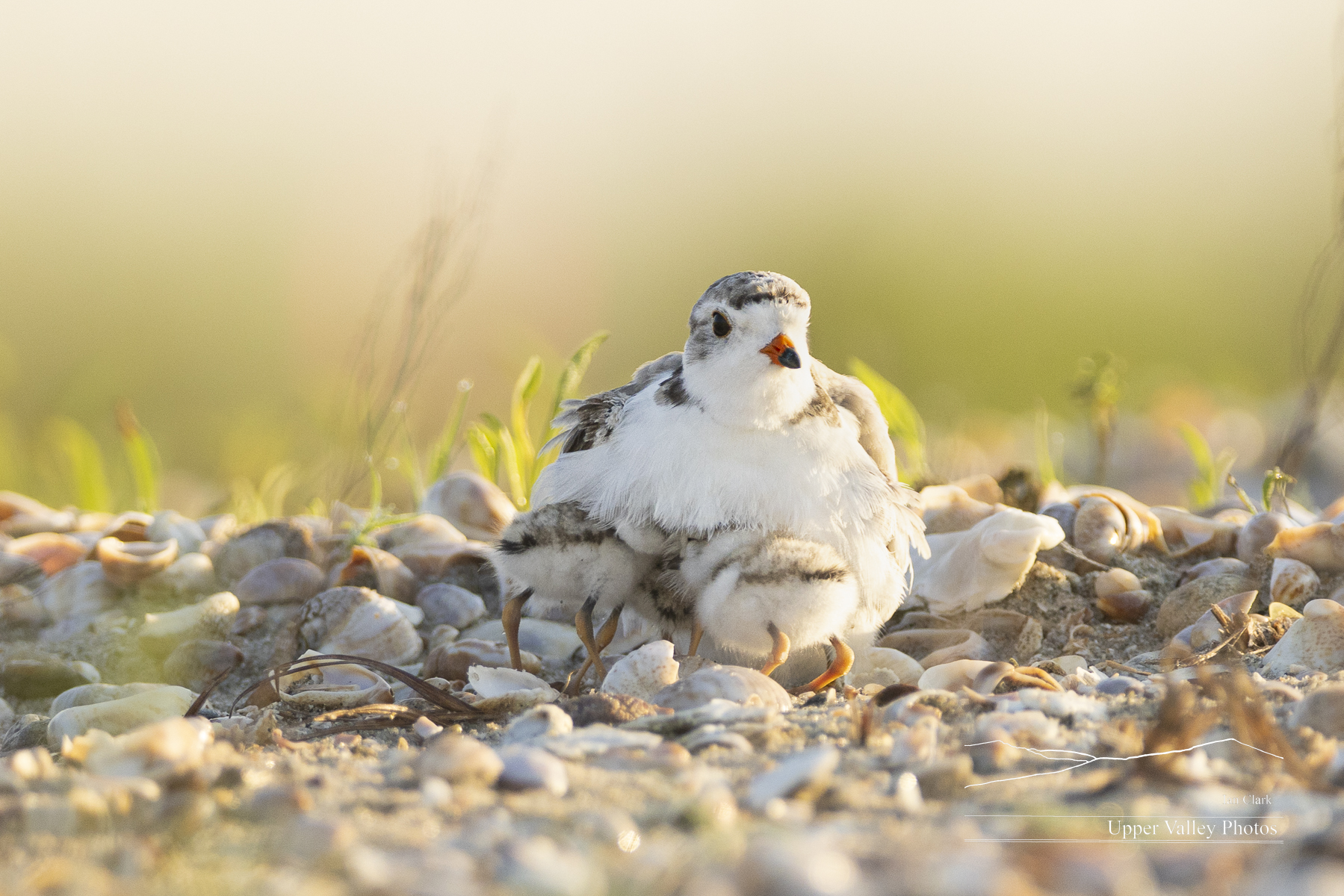
Sometimes you don’t even need a cute critter to make a nice photo.In early June, I retuned to the shore, just in time to catch the first piping plover chicks hatching. These chicks are one day old. The chicks hide under their parents for protection and to keep warm. But they’re capable of foraging by themselves. This chick attempted to nab a fly. The fly was lucky, and managed to climb atop the chick’s bill. The chick wore the fly around a bit before the fly took off to live to fly another day.The chicks are only about the size of cotton ball and don’t seem to fit their legs. They’re capable of short bursts of speed but often look awkward when they’re walking. He’ll soon get the hang of this walking stuff….This guy looks like he’s got it down.. The chicks scoot along the beach using the grass as cover. The beach also had a large colony of common and least terns. They’re constantly coming and going. And, they’re not shy about dive bombing anyone that disturbs them. The males carry fish around to present to the ladies. If the lady accepts the fish, they become a pair for the season. This may be the world’s most inept male tern. He presented the fish to his lady and she showed she was receptive. But the male didn’t catch on for some time, with the female presenting and chirping away until he figured it out. Here’s a pair of common terns doing a synchronized dance as a courtship display. And more dancing…And completing the dance just before mating. On one of my early trips out in the kayak, this veery showed up as I was loading up. He? sat on a branch that was overhanging my car, just about at eye level. He was unperturbed when I put the boat on the roof, and soon was foraging almost underfoot. I took the hint and got the camera back out. Male red-winged blackbirds are early arrivals. They’re easy to spot before the reeds grow up. This guy was finding small bugs in last year’s cattails.
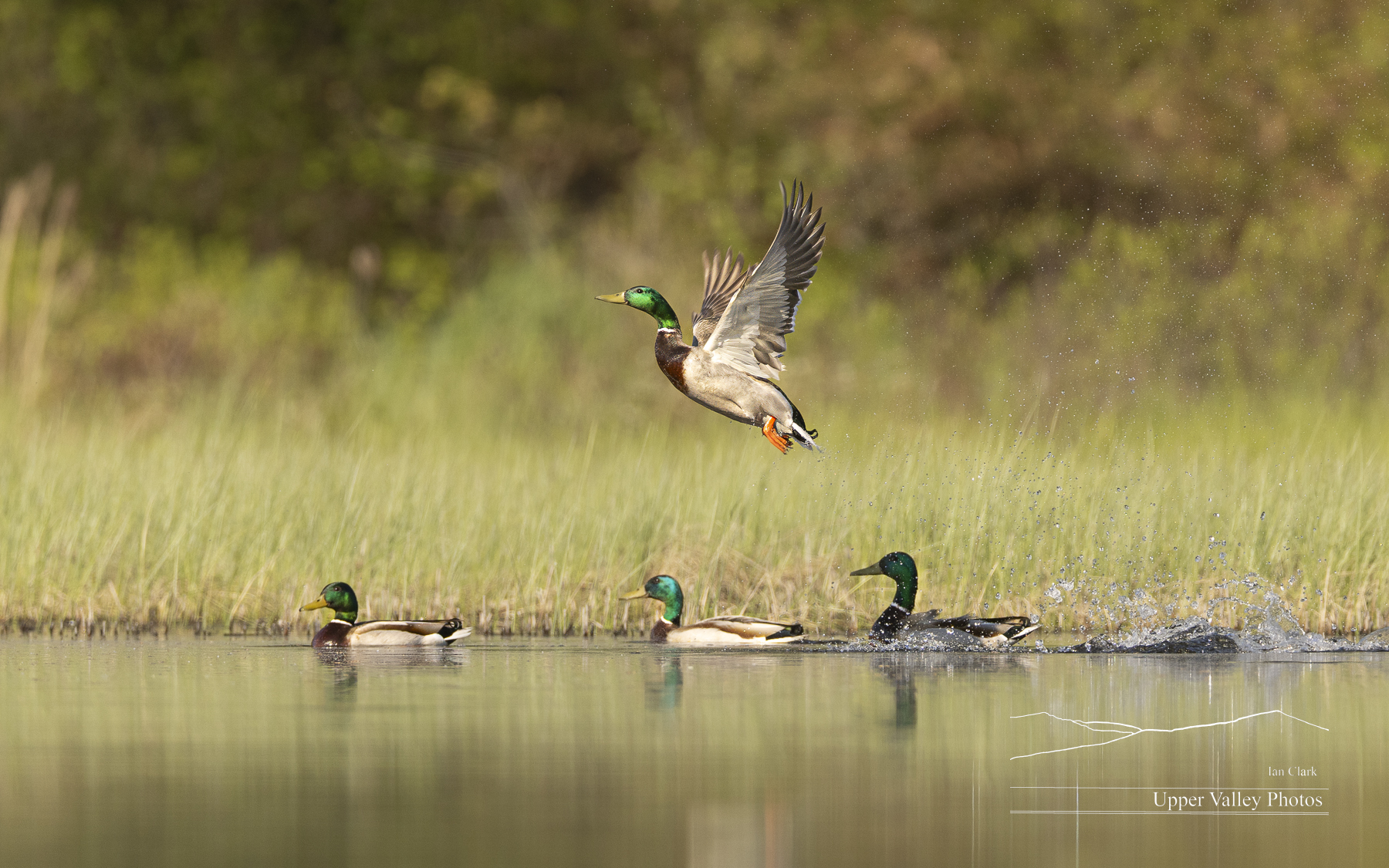
And, just when I thought I had my ducks in a row…..
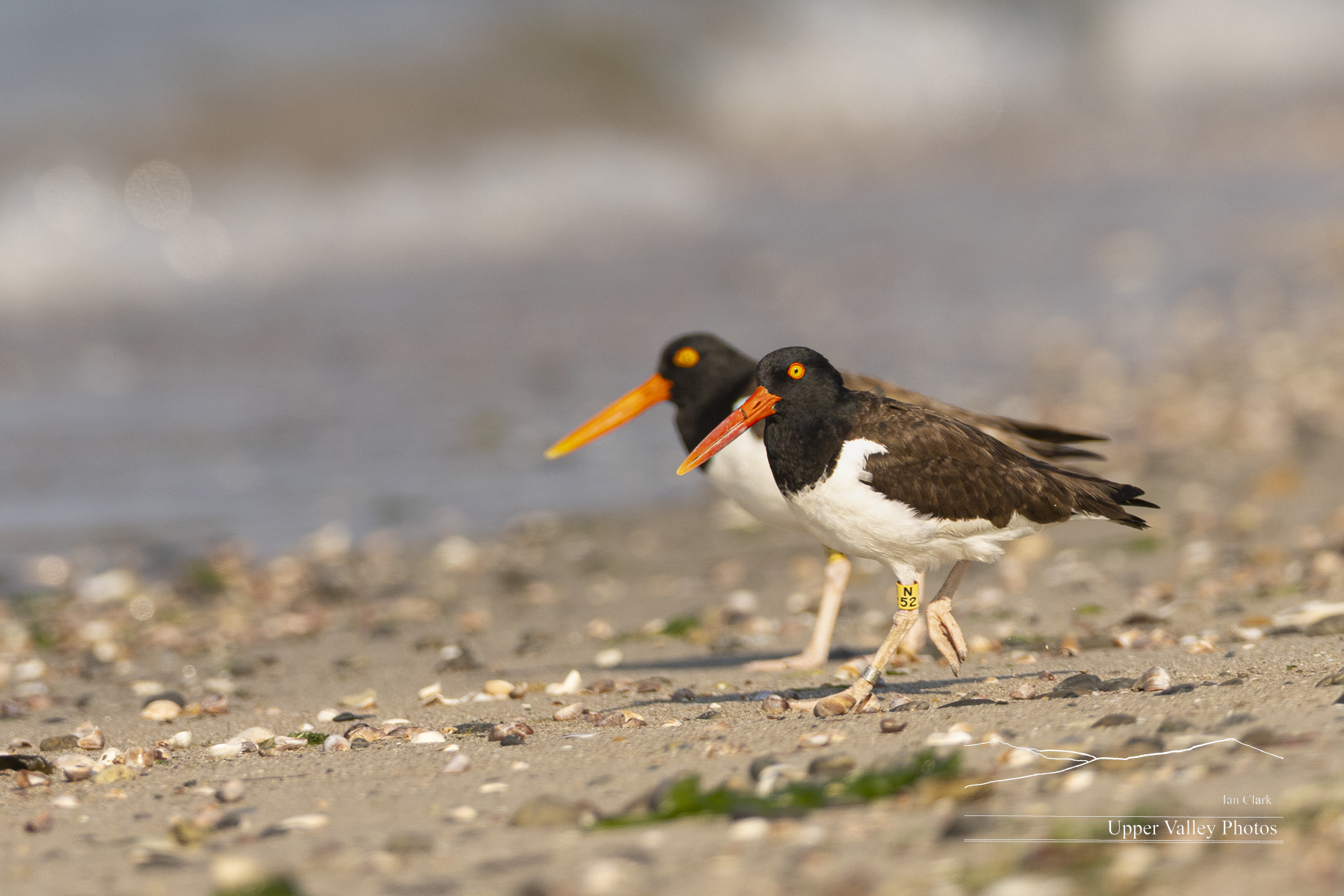
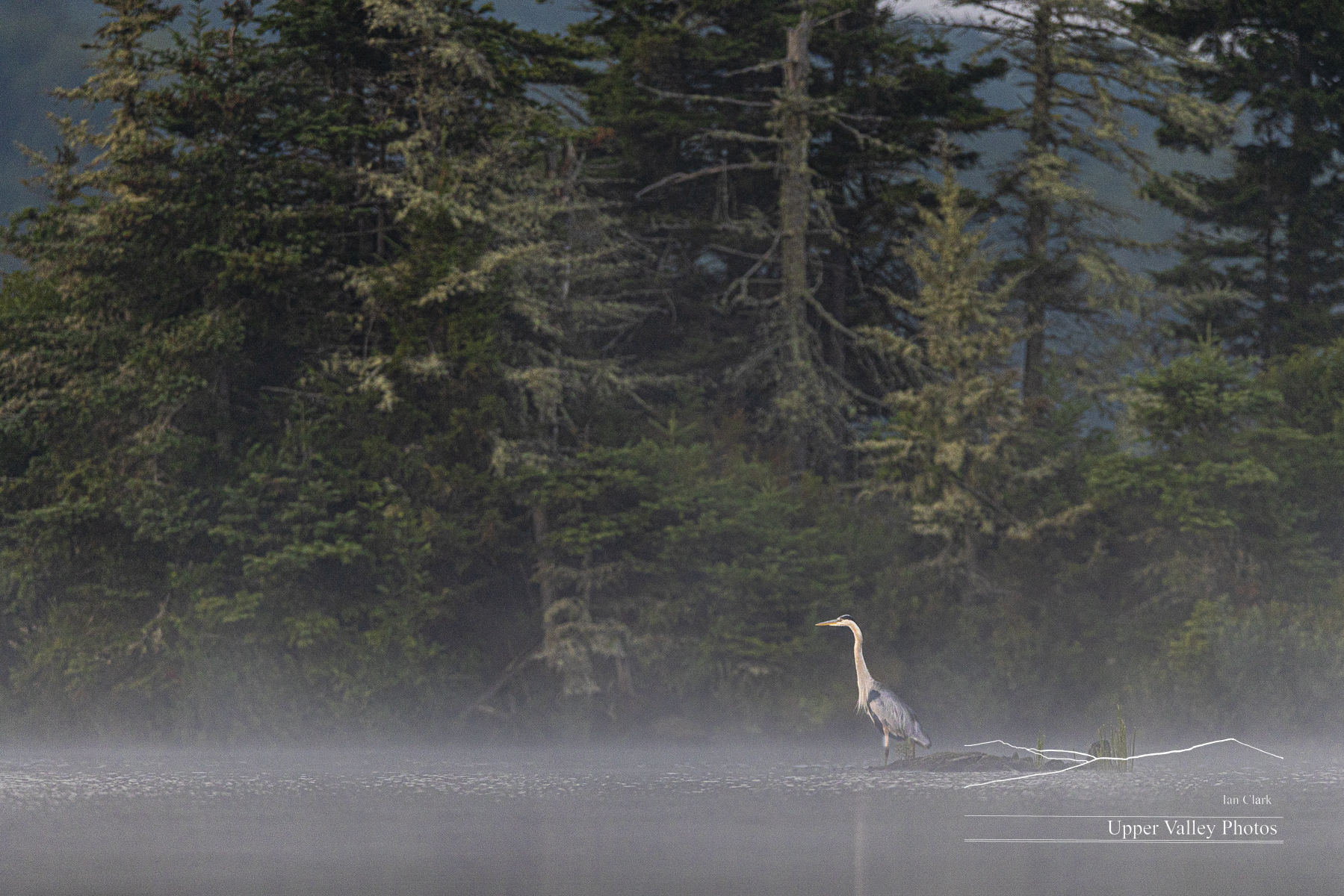
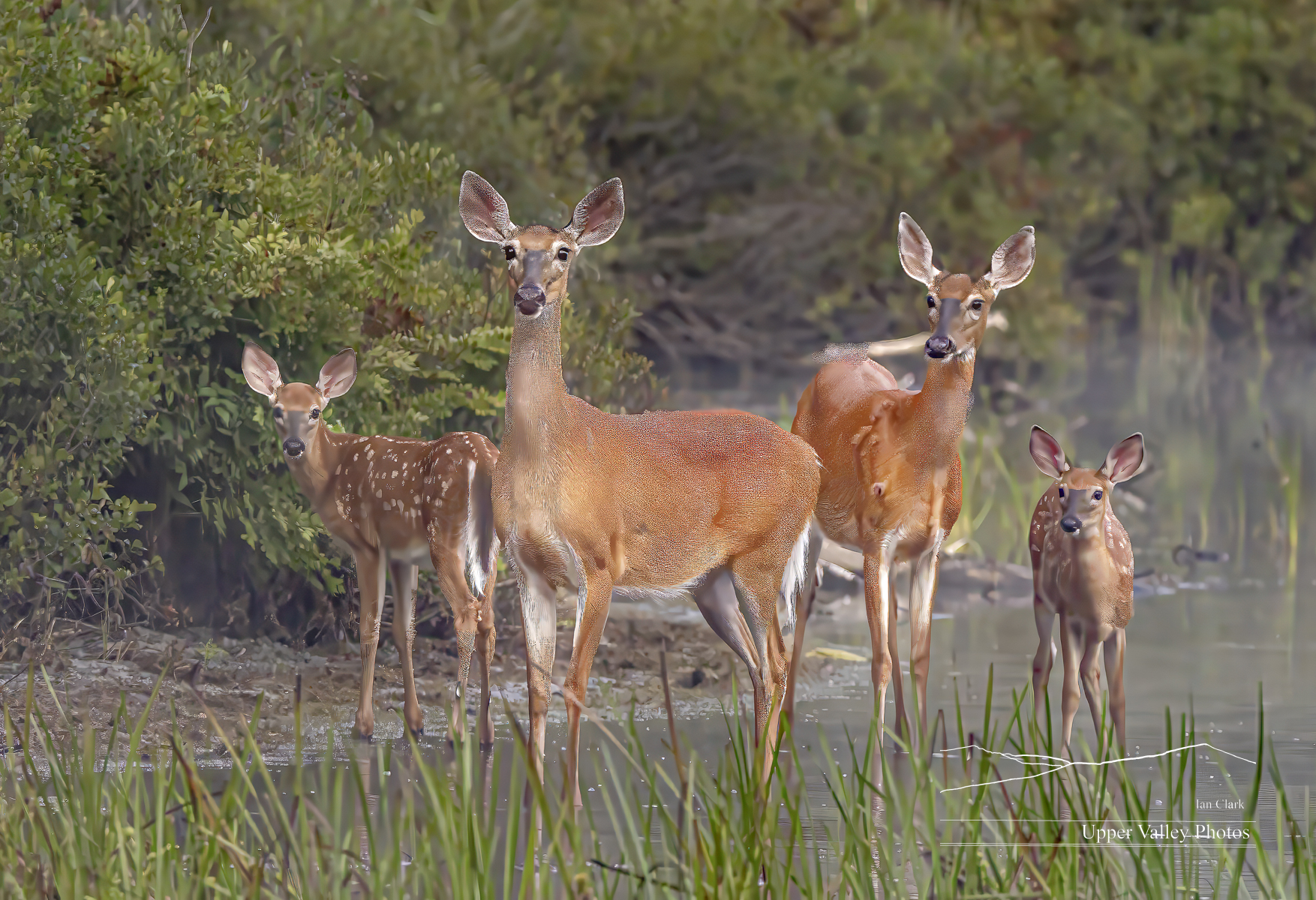
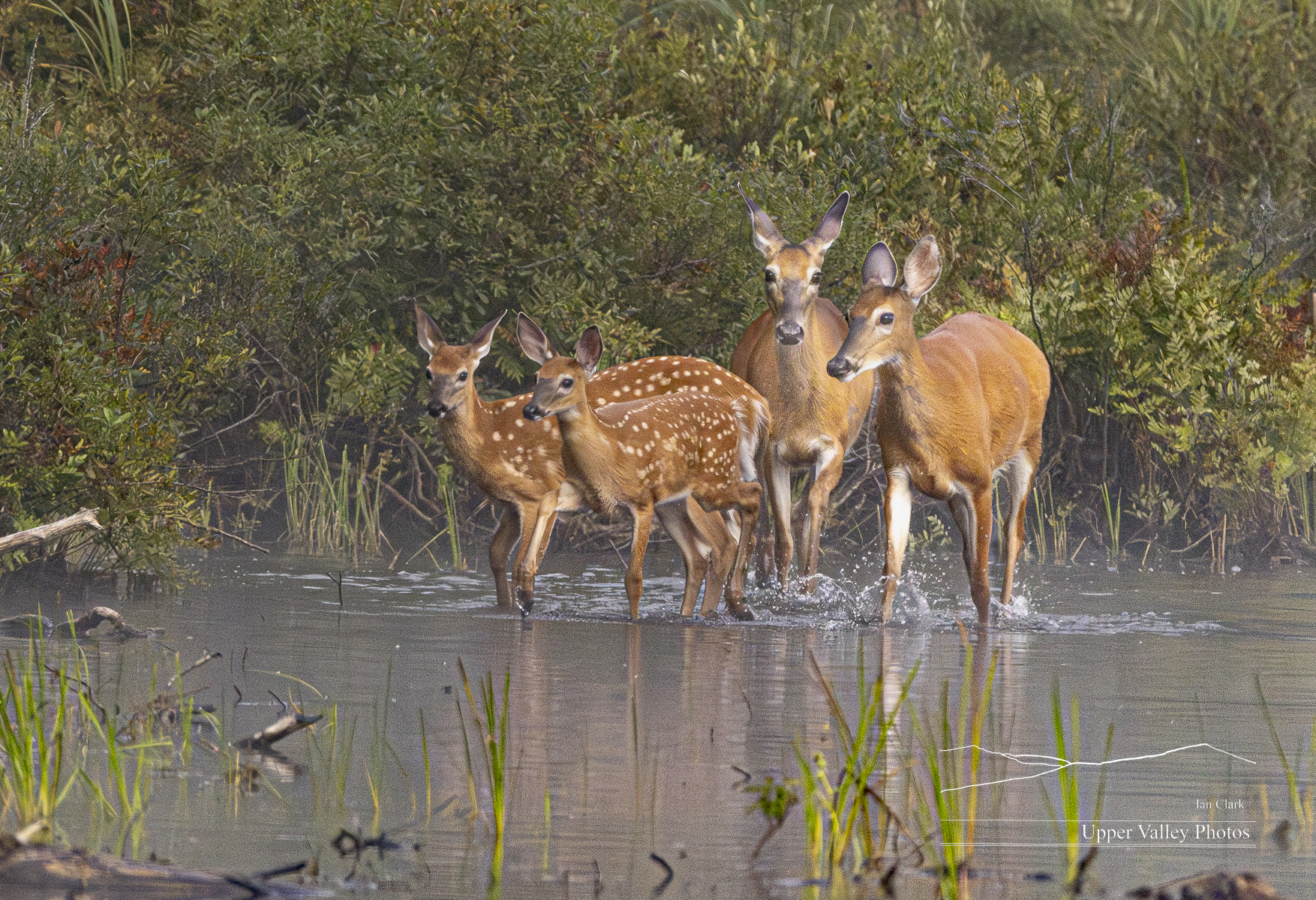
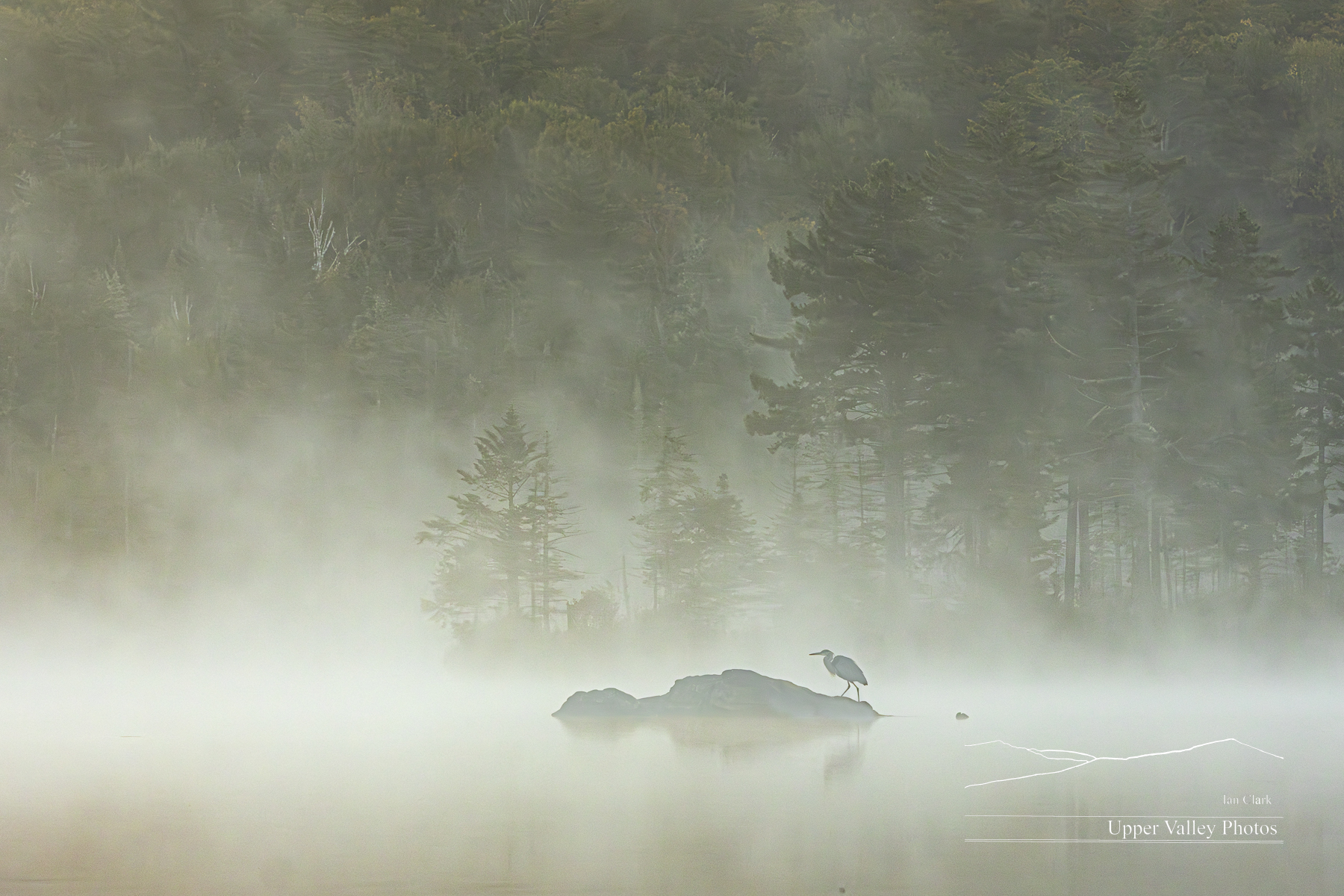
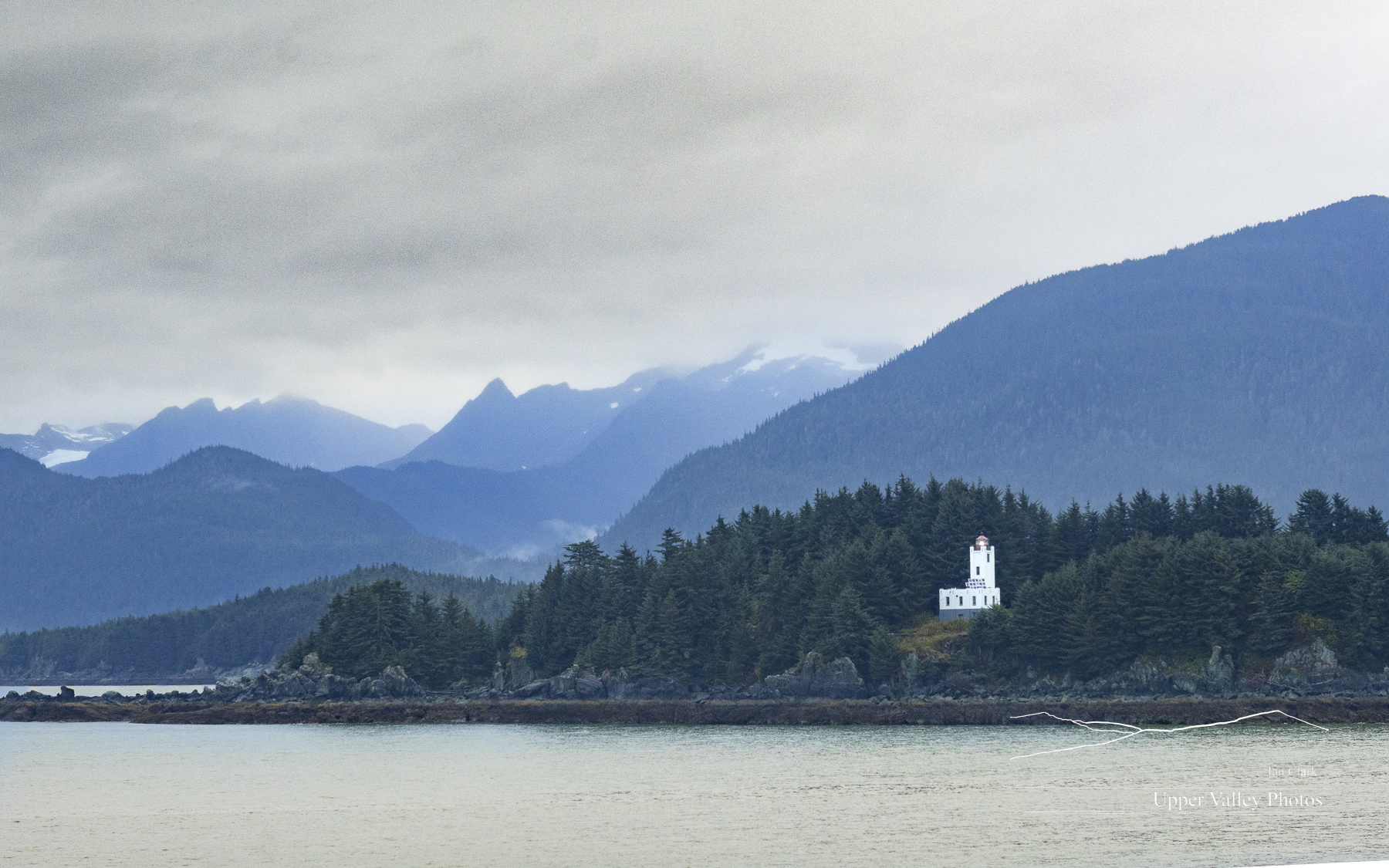
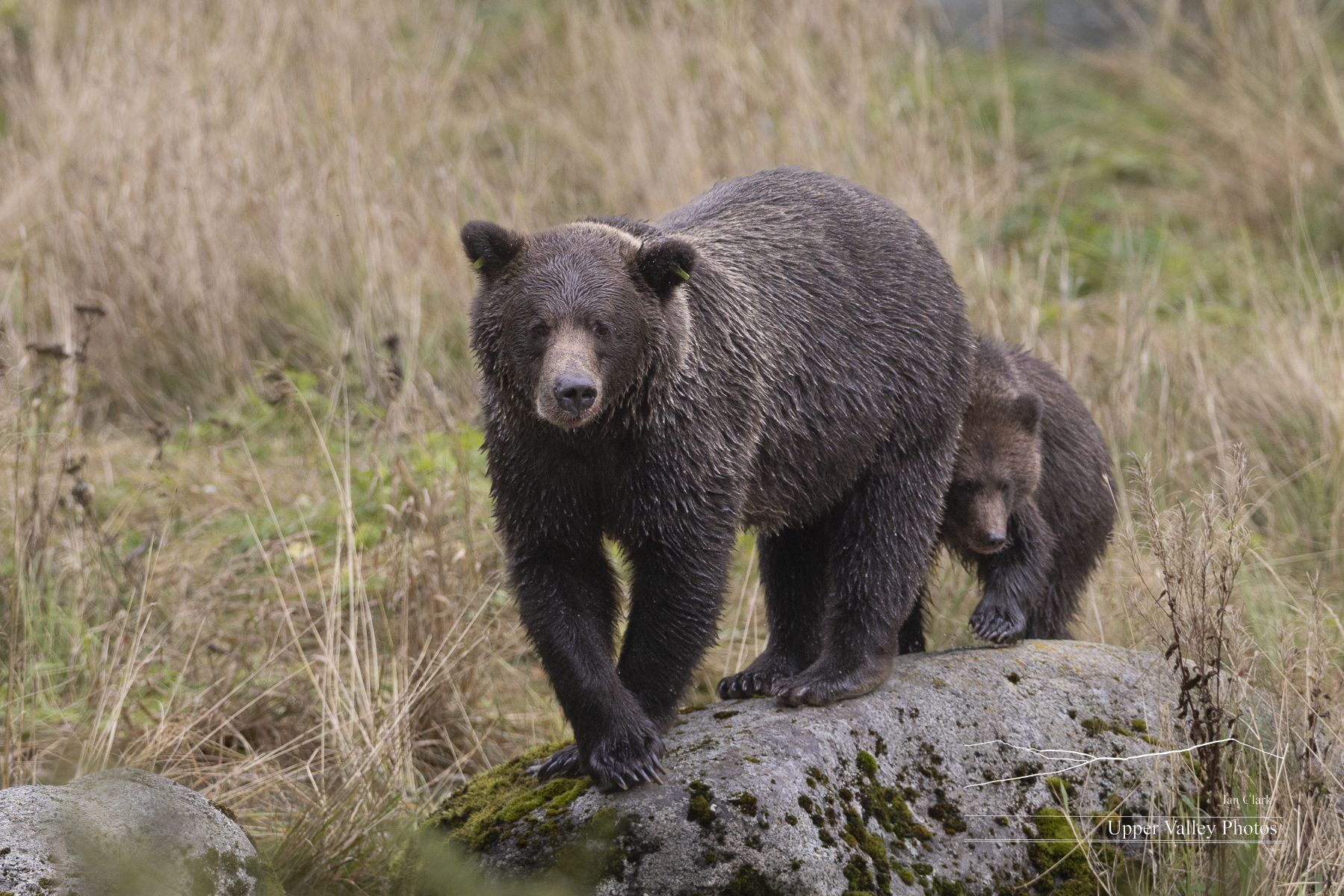
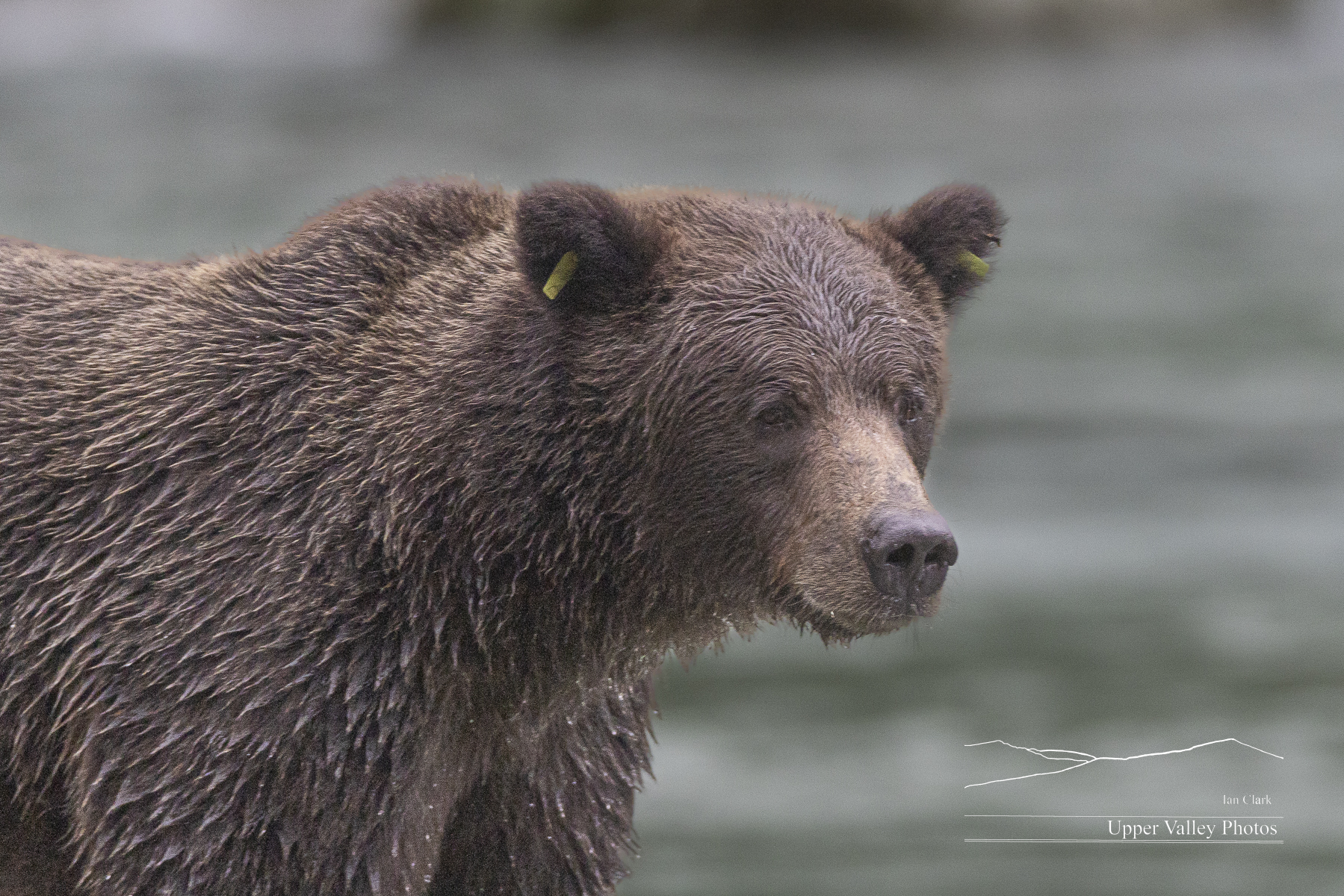
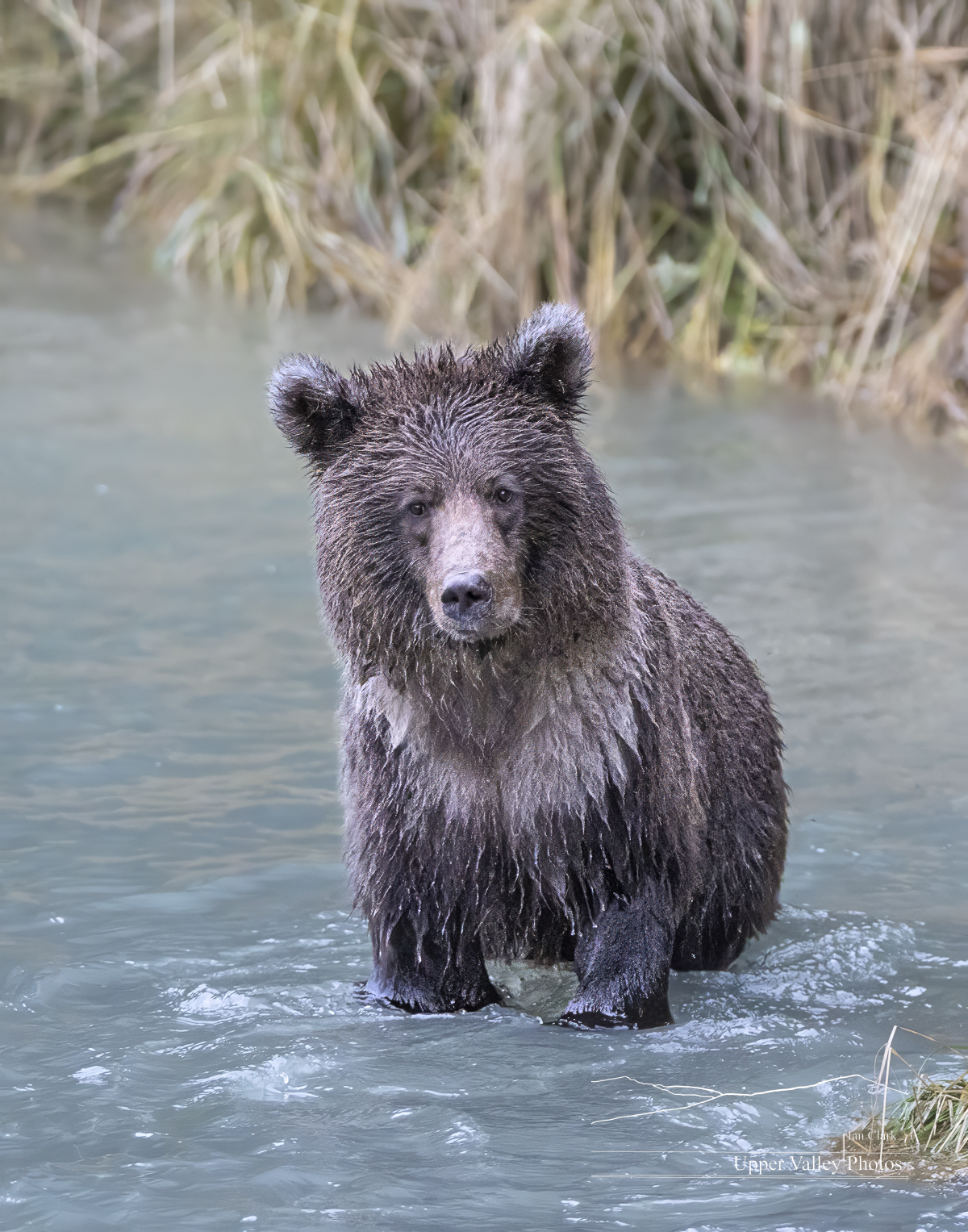
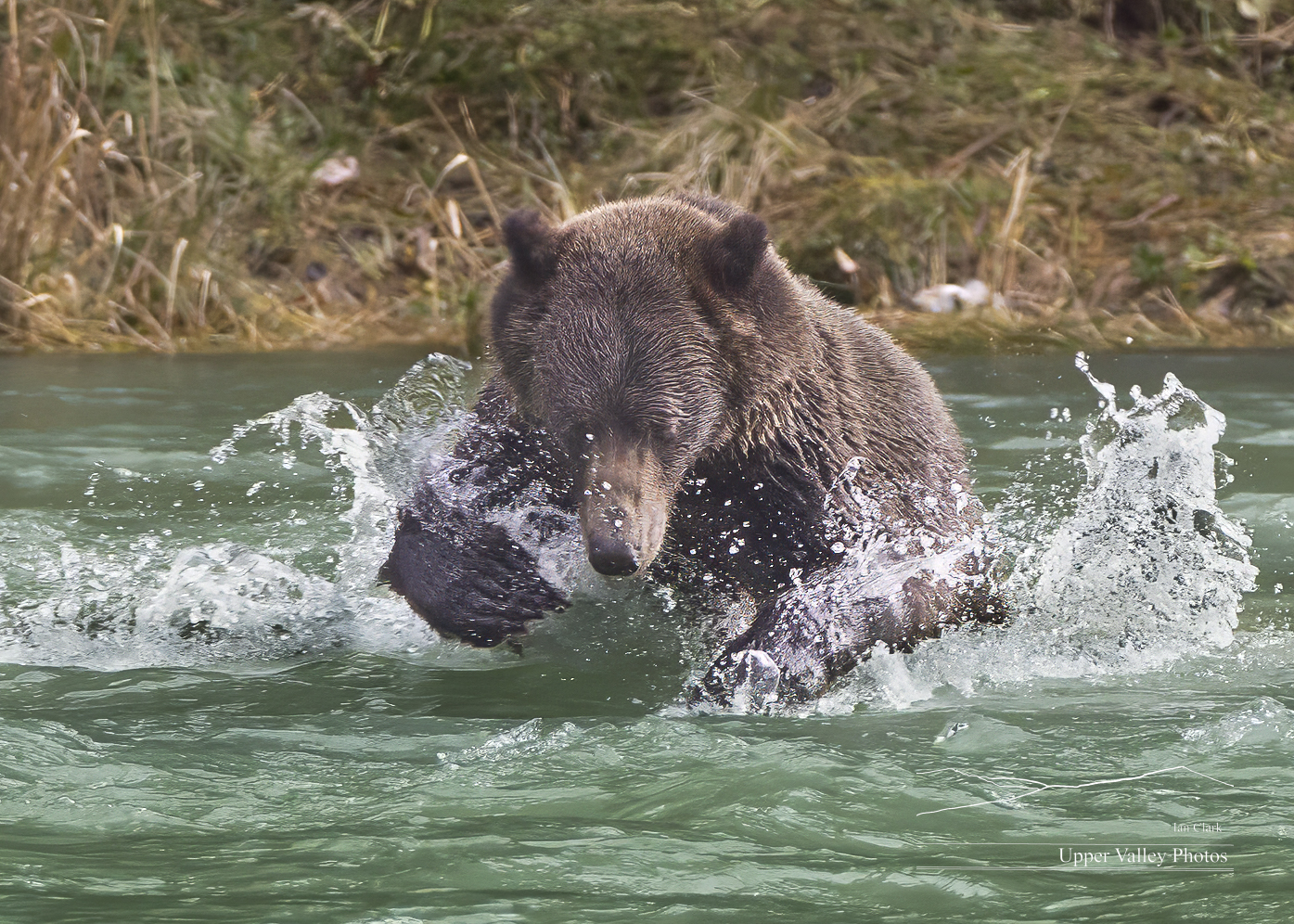
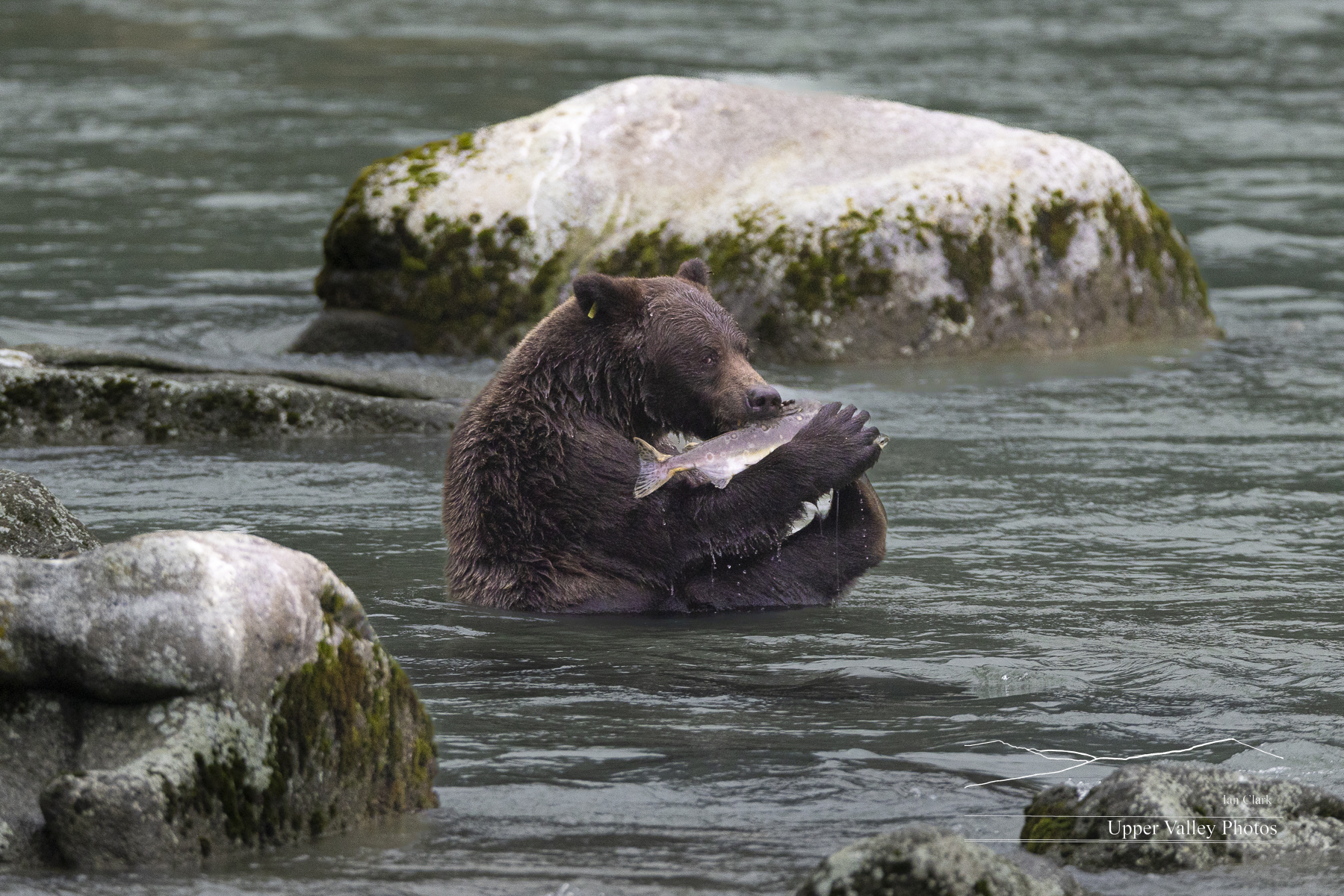
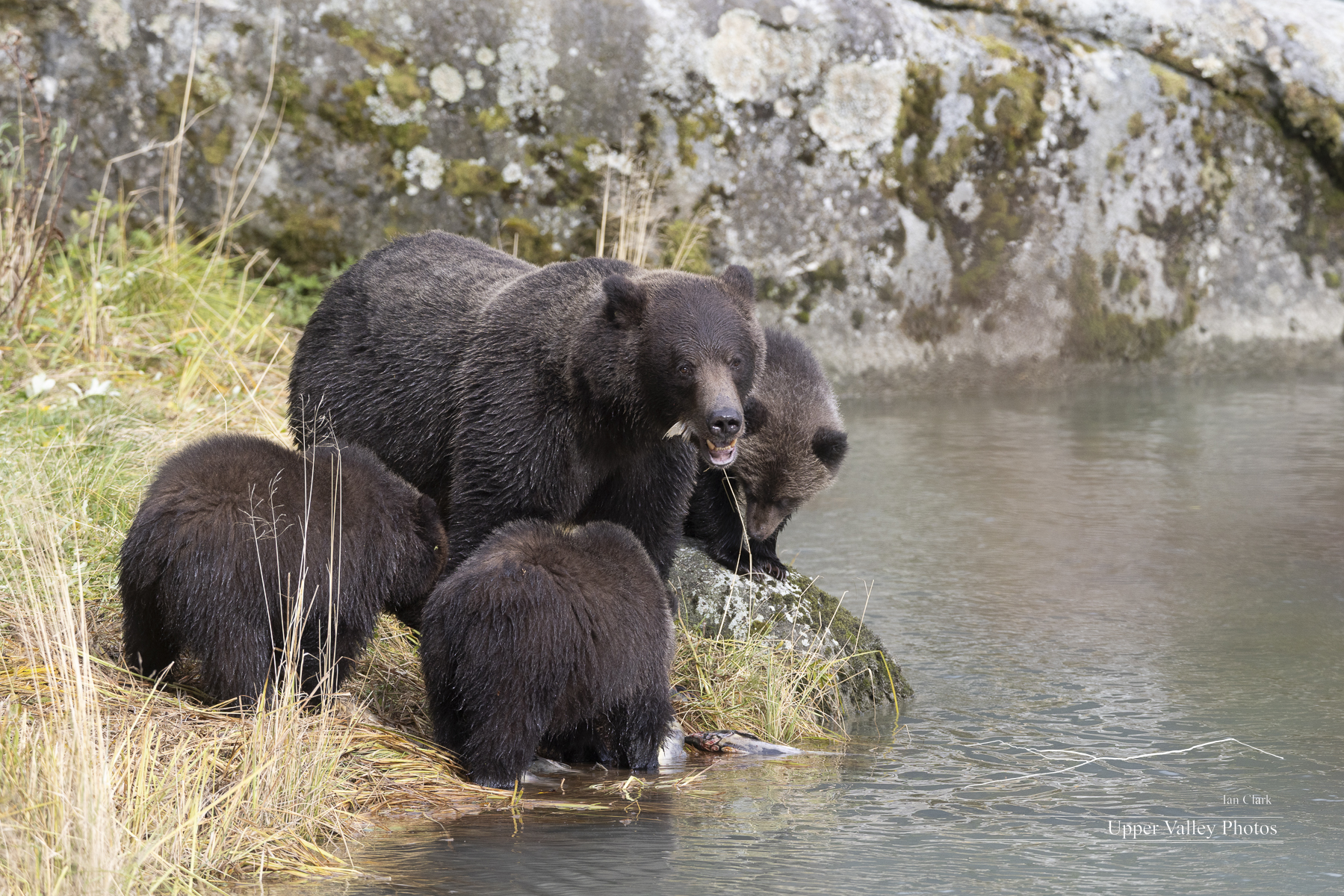
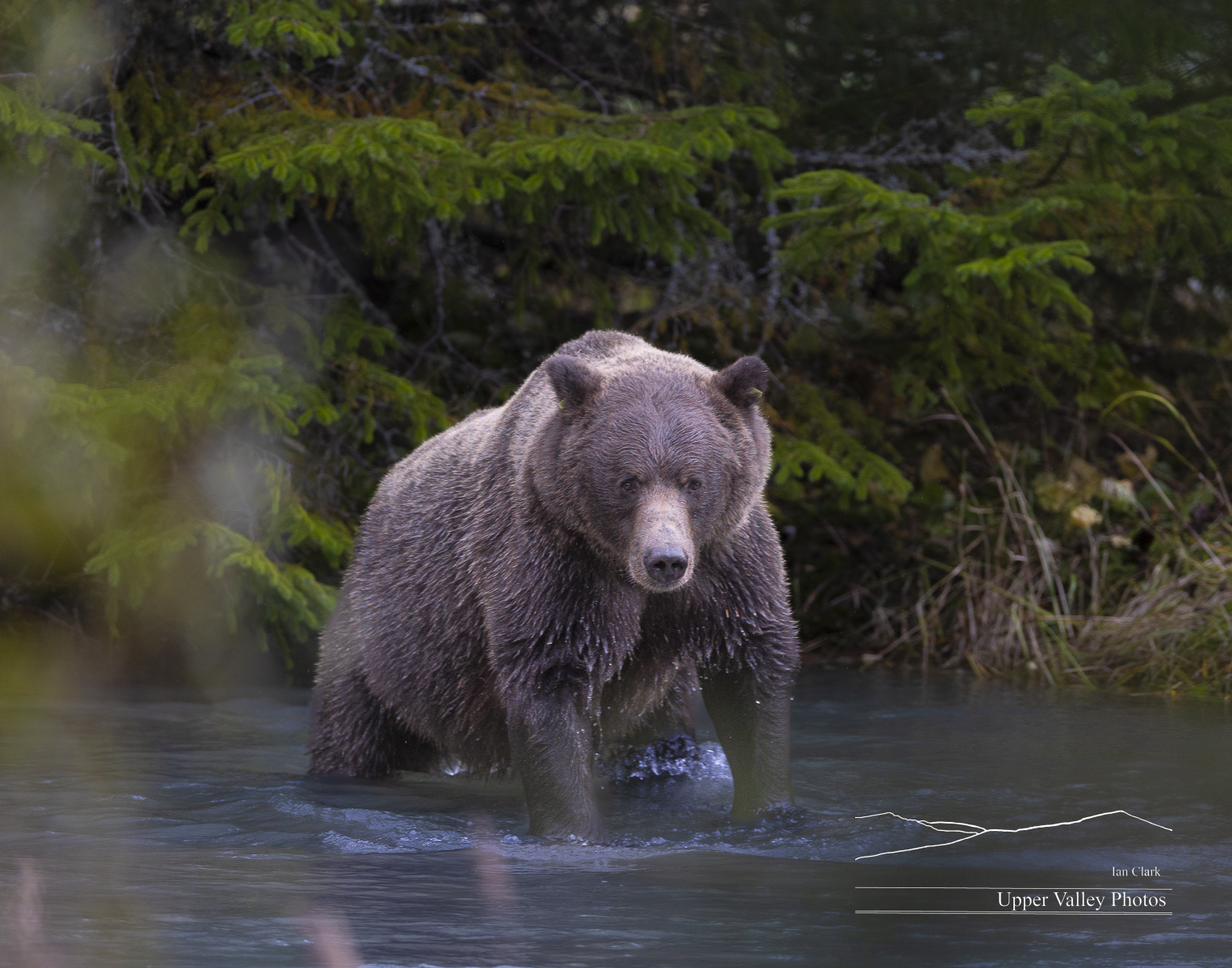
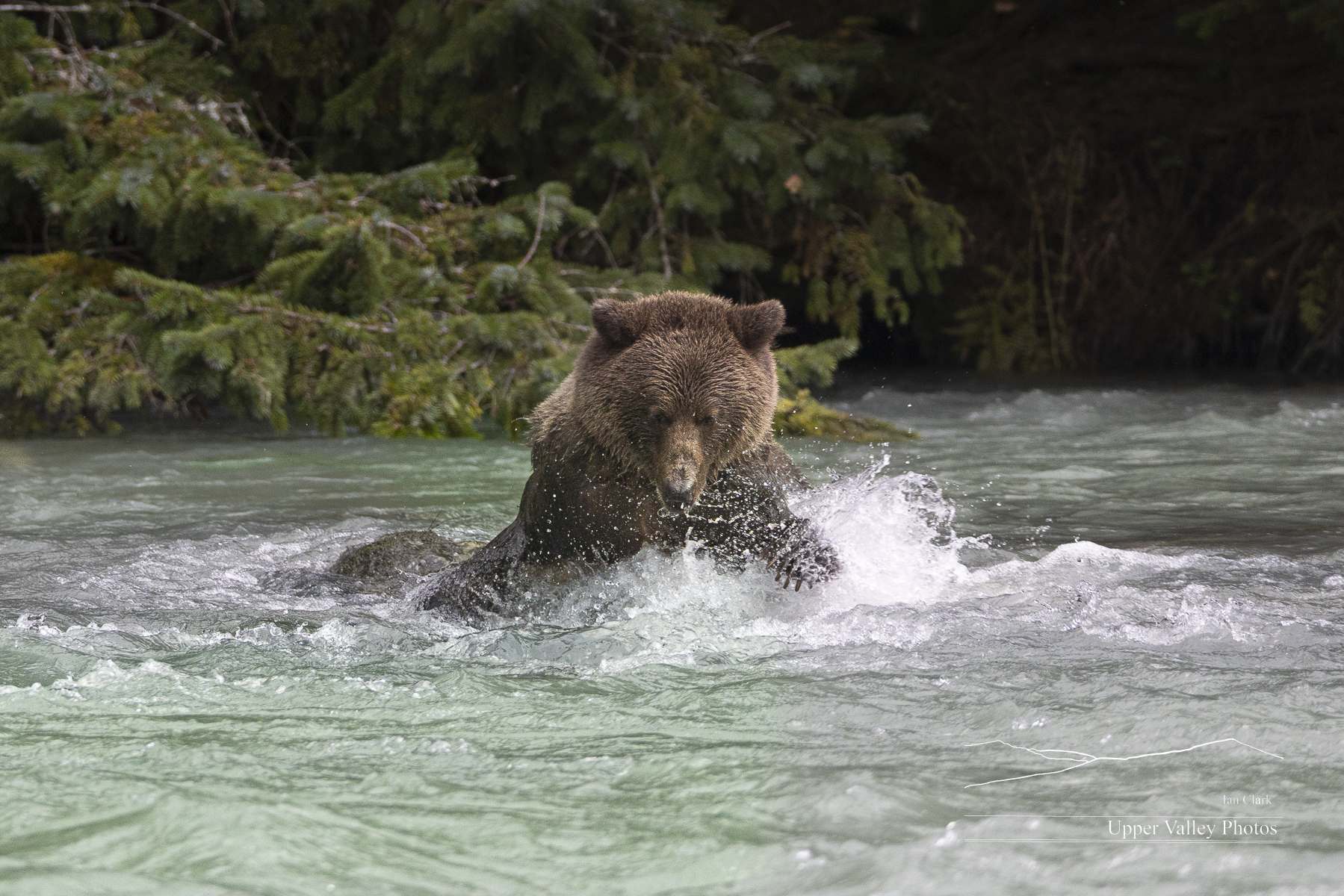
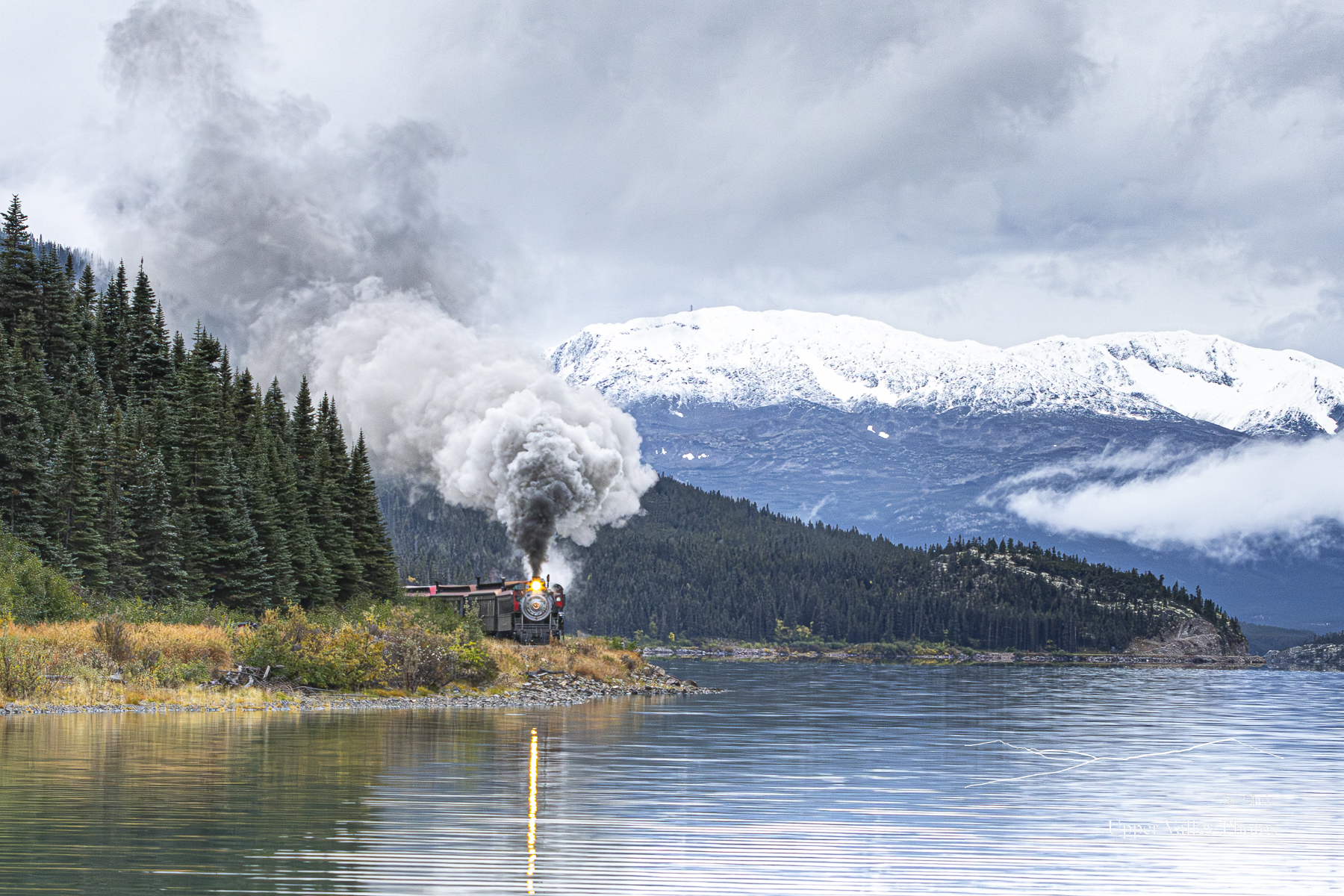
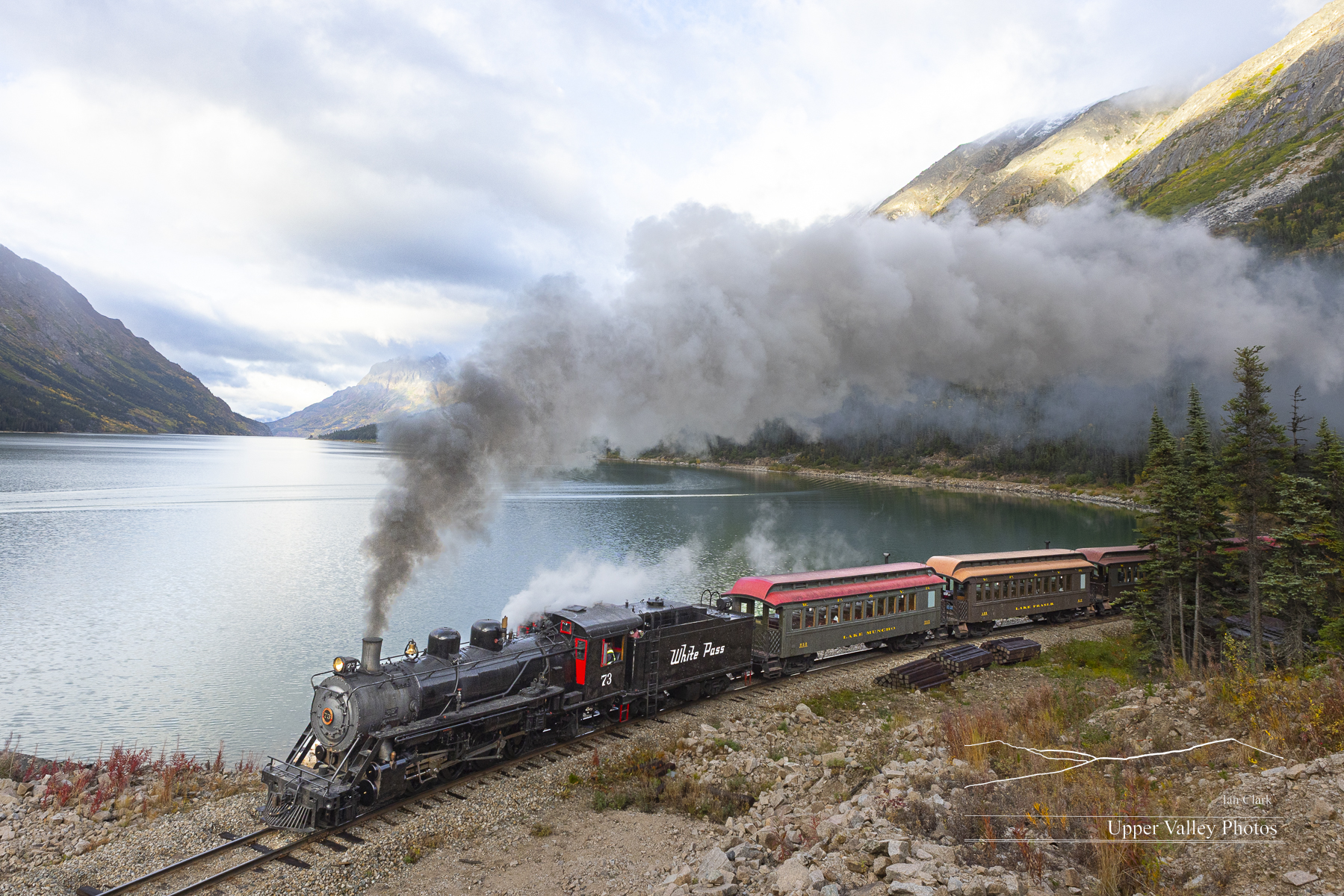
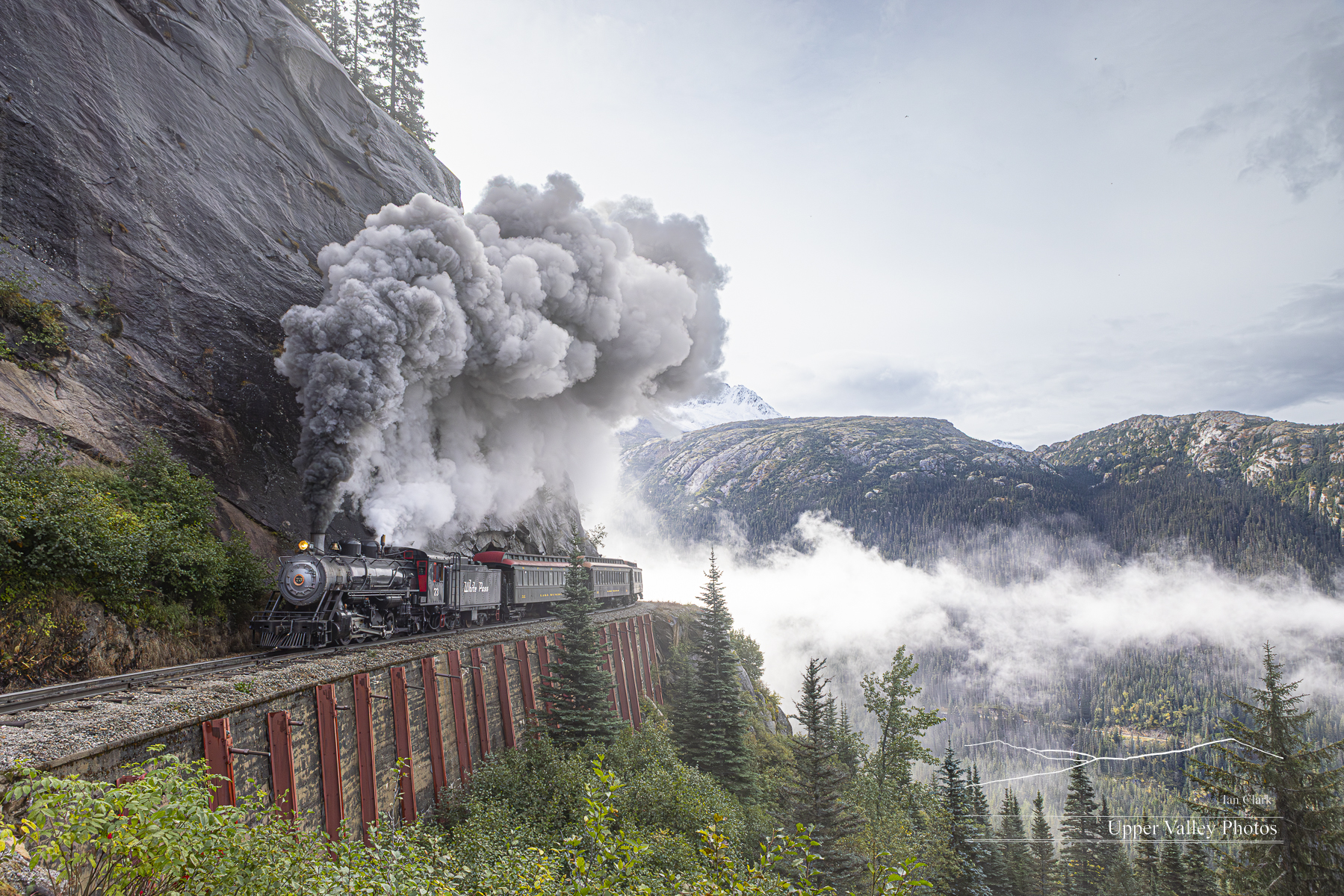
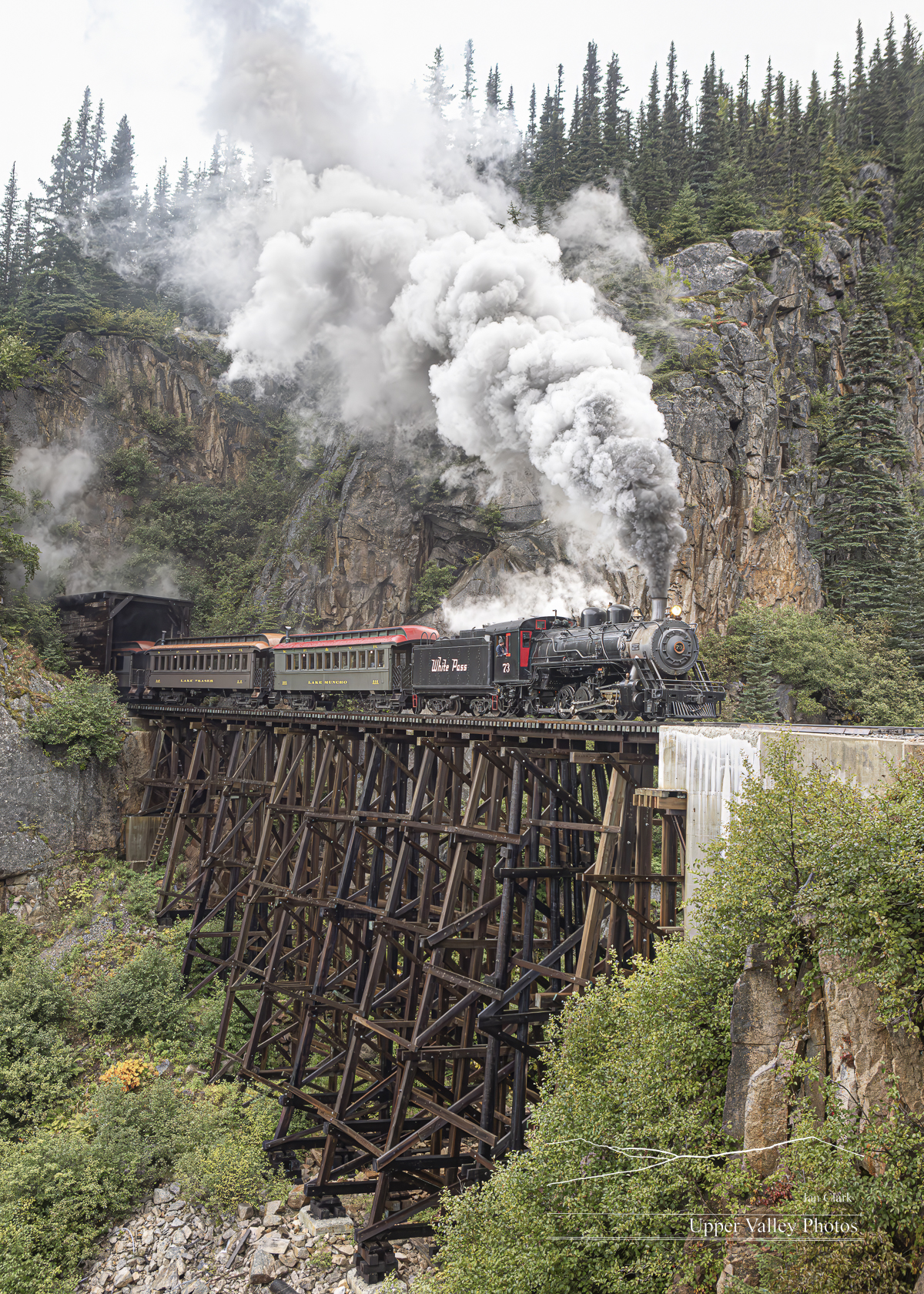
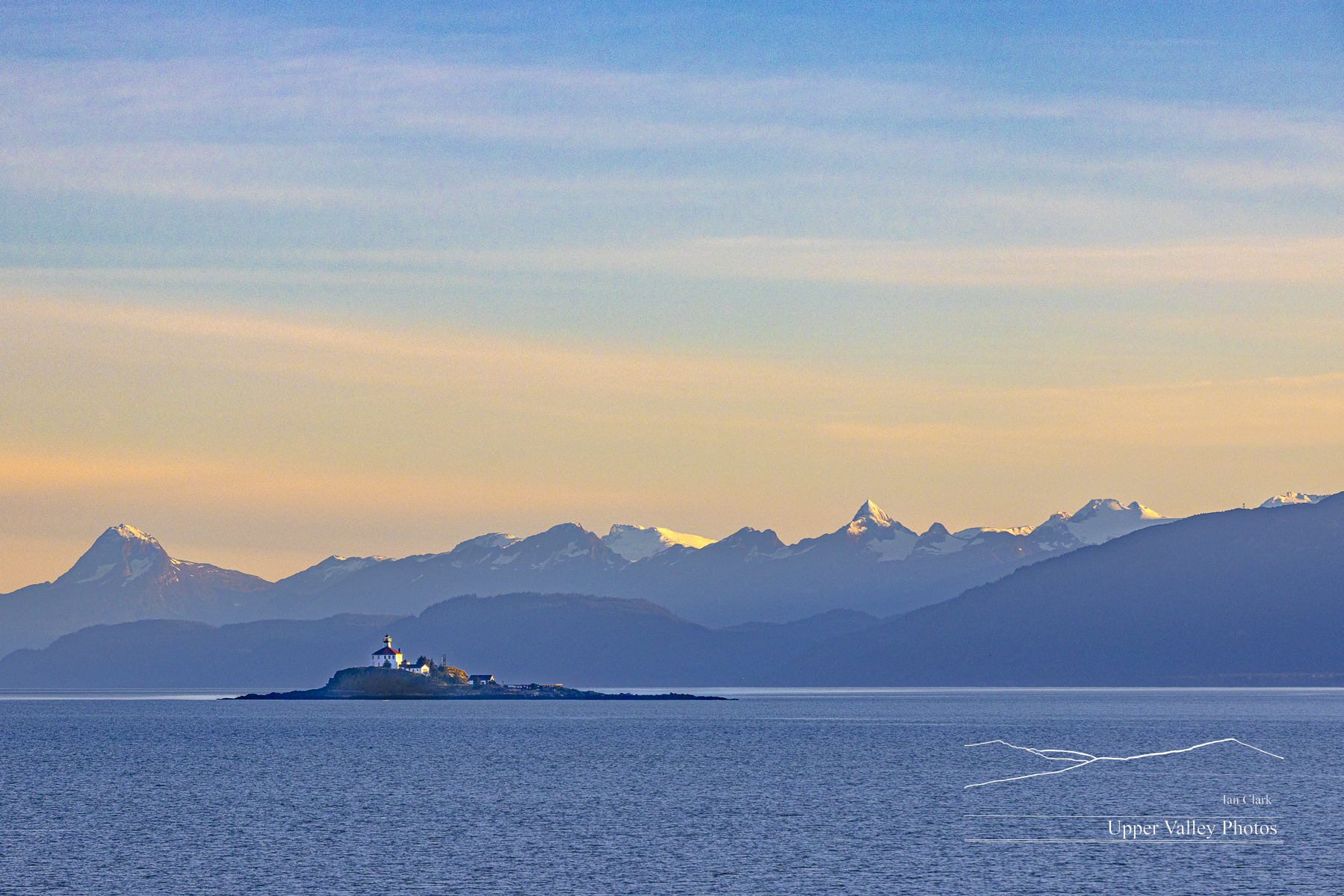
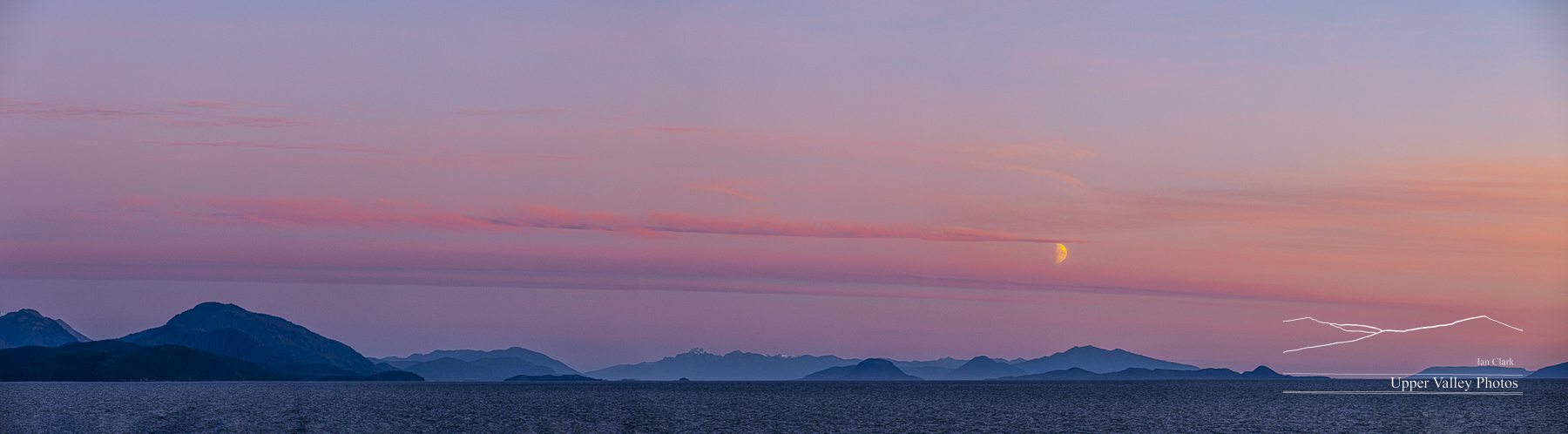
I watched a fox den for a time in the spring. There were two or three kits, but usually only one would come out at at time. A little later in the summer, I explored some of the beaches along the Connecticut shore and found more piping plover chicks. And several northern diamondback terrapins out laying eggs above the high-water mark. There were several pairs of American oystercatchers on the beaches. The oystercatcher banders are good at banding – I couldn’t find one that wasn’t banded. Hank heron made himself scarce in the spring, but by early summer he was back at his post along the loons’ pond. One foggy morning, I took just a couple photos of the loons through the thick fog. I pulled the boat out and had it atop the car when I noticed these deer had come out of the brush along the shore. I’m amazed they hadn’t spotted me in the open. I ducked behind the car and had about 20 minutes watching them forage and frolic before they finally did spot me. I think the fawns are twins, and a second doe was traveling with the family. Another morning finds Hank again posing nicely. In September, I visited southeastern Alaska. I took the ferry from Juneau to Haines before going on to Skagway. The scenery from the ferry is amazing. Here’s the Sentinel Island Lighthouse we passed north of Juneau. The attraction in Haines is the brown bears. I was able to spend four days – four rainy days – along the Chilcott River watching the bears fishing for salmon. This is a first-year cub. One of a litter of four, a real rarity for bears. This is brown bear 925 to the Alaska Fish and Wildlife Department’s biologists. Her friends call her Lulu. She’s the mother of the four cubs. There were several families around, Lulu with her four cubs, another mother with three second-year cubs and at least three mothers with twins. This is a second year cub. Still traveling with mom, but getting ready to head out on his own. One of the mothers chasing down a salmon in the river. And one of the mom’s with her catch. I double-dog dare you to try to take it away from her. One of the second-year cubs chases after a salmon. Lulu enjoying her catch while sitting in the river. I love that the fish is big enough that she has to use her back leg to help hold it up. Lulu with her four cubs. Another mom heading out to go fishing. And one of the moms in action in the water. Moving on to Skagway, I spent four days photographing the White Pass & Yukon Route Railroad. The have a working steam engine, 2-8-2 no. 73. No. 73 is a three-foot gauge Baldwin, built in Philadelphia, Pennsylvania in May 1947. The railroad put on quite a show for us. Here we’re in Pennington, British Columbia, along Lake Bennett.Still on the WP&Y, this time in Bennett, BC.The next day, again at Bennett, BC, with Lake Bennett in the background. This time in Fraser, BC with Teepee Peak and Jack Peak in the background.And back in Skagway, crossing the East Branch of the Skagway River. And no. 73 clinging to the Mountain at Inspiration Point in Skagway. And in a classic shot, we’re back in Skagway with the train coming out of a tunnel and crossing a beautiful trestle. Heading back to Juneau and my flight home, the ferry passed passed Eldred Rock Lighthouse.And we had a beautiful moonrise not long before we reached Juneau. There was a great display of the northern lights later that night – so I hear. With an early flight out, I was tucked in bed.
Back in Vermont, I again headed to the coast to hunt for owls.
Leo had just returned for the winter. He still wouldn’t cooperate. I’m not giving up….