Bluebird Update April 10, 2022
Our bluebirds continue to work on their nest this morning.
You can now follow me on Instagram at https://www.instagram.com/uppervalleyphotos/
There are some background noises that you may hear in the videos. There’s often the wind making a rushing or roaring sound. The thumps and scratches you may hear are one of the birds on the outside of the house.
I’ve built bird boxes with cameras installed in them to allow us to watch the birds without disturbing them.
More Work on the Bluebird Nest
Another busy morning for our bluebirds. Mrs. has been hauling in building material and is starting to form the ‘cup’ in the nest for the eggs. She’s pressing her underside down into the grass and fluttering her wings to get the right shape for the cup. Mr. Bluebird peeks his head in from time to time to make sure everything is going well.
I’ve installed cameras in several bird nesting boxes in the yard to allow us to watch the birds without disturbing them.
Bluebird Nest Progress, April 8, 2022
Mrs. Bluebird got an early start on nest building this morning and is still at it midmorning. This clip shows her making several trips into the box and sort things out. Dad makes an appearance to see how things are going.
I’ve built several nesting boxes with cameras install in them to let us keep track of their progress without disturbing the birds.
Mrs. Bluebird Works On Her Nest
Today is the third day that Mrs. Bluebird has been working on her nest in our camera equipped nesting box. She made several trips in with material this morning before taking a midmorning break.
I installed a camera inside the box to let us watch their progress without disturbing them. Today’s video is in black and white because the camera has a automatic exposure sensor that switches to B&W in low light. We’re having a gloomy morning here in Vermont and there isn’t much daylight.
Our Bluebirds Have Returned!
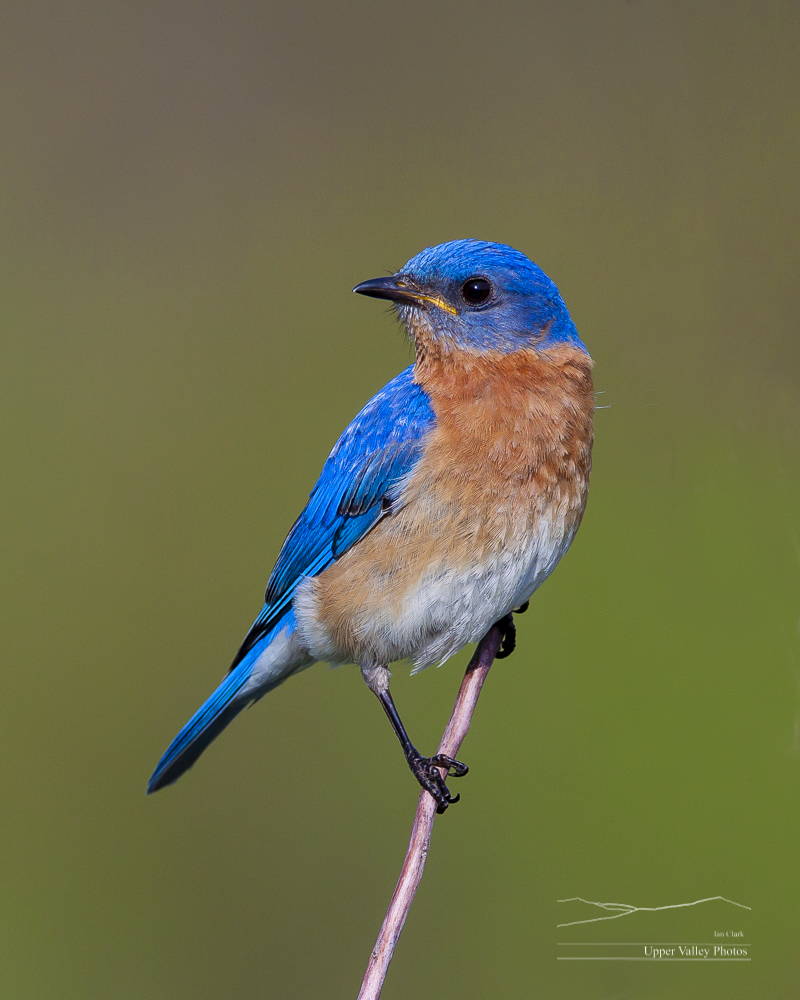
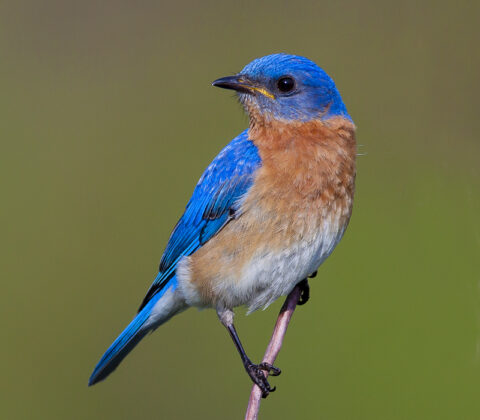
Our bluebirds are back and they’ve selected a bird box for their nest. They’ve started building this week. Check back regularly for updates as we follow their progress.
I put a small video camera in the box to let us watch without disturbing the bluebirds. I’ll post updates regularly while their building the nest and raising their family.
Know someone who might like this? Please share it with them or to your social media.
Sometimes I Think They’re Hiding From Me
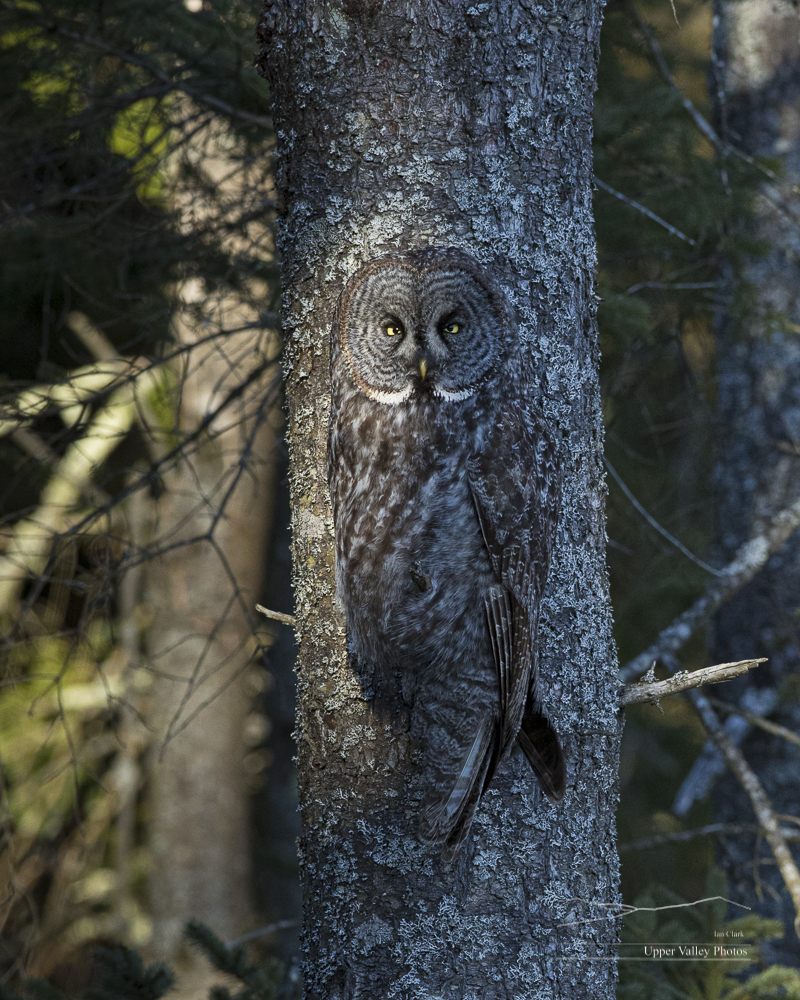
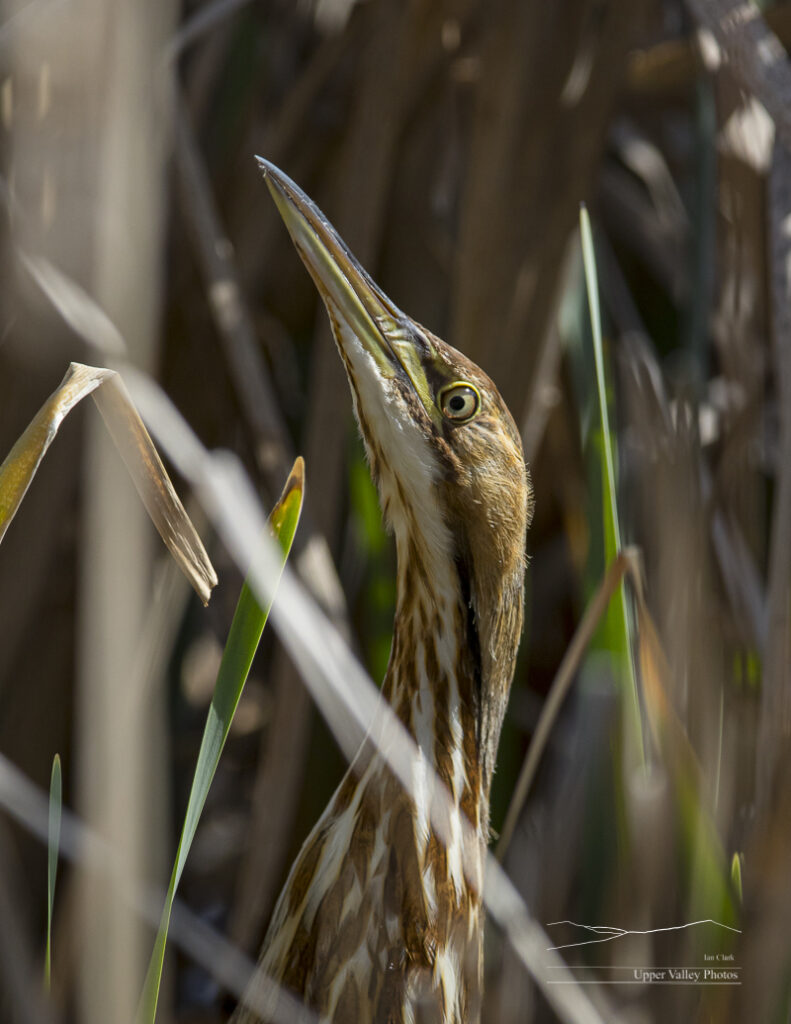
One of the toughest challenges for a nature photographer is to show how well a critter’s camouflage works. If the critter has blended-in nearly perfectly, they’re hard to highlight. Here a couple examples and how I handled them.
The great gray owl was almost invisible against that evergreen tree he was in. With his eyes closed, or nearly so, there wasn’t much of a shot. Patience paid off when he finally opened both eyes while half in the sunlight.
With the American bittern, the solution was to get in close (actually with a 500mm lens and a big crop) and use a wide aperture (small F-stop number) to blur the foreground and background.
Attract More Birds With Homemade Suet
You can make homemade suet quickly and easily to attract more birds to your yard. You’ll find lots of birds love suet, not just woodpeckers. Here’s a recipe you can make at home.
Our woodpeckers love our suet!
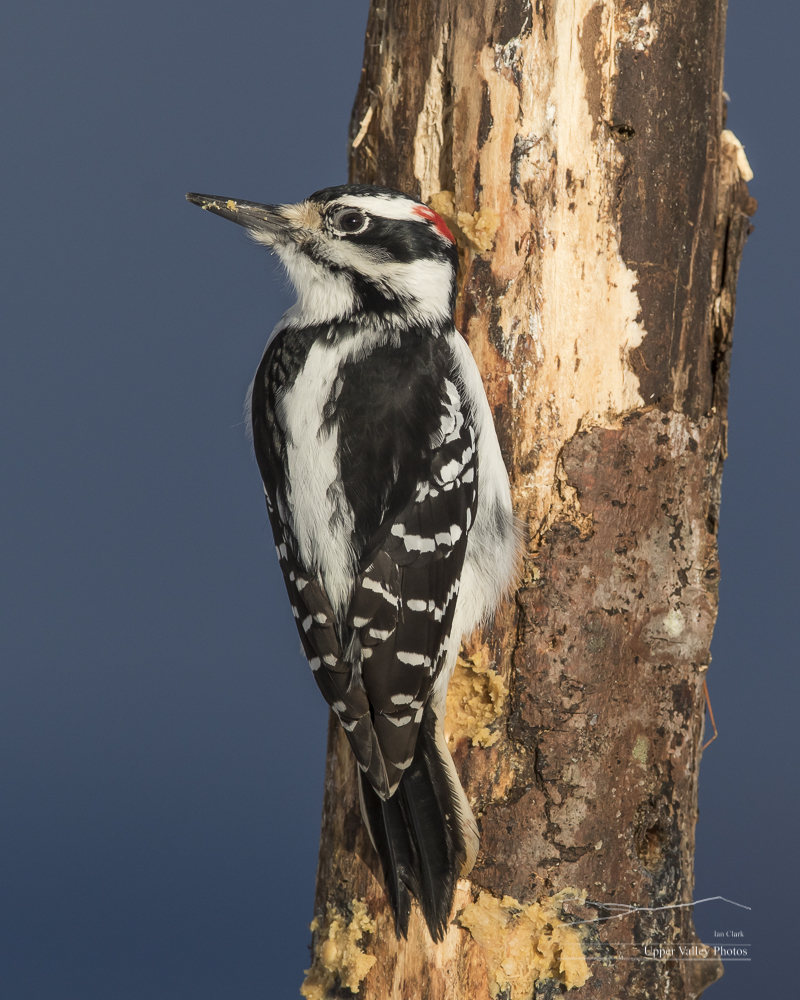
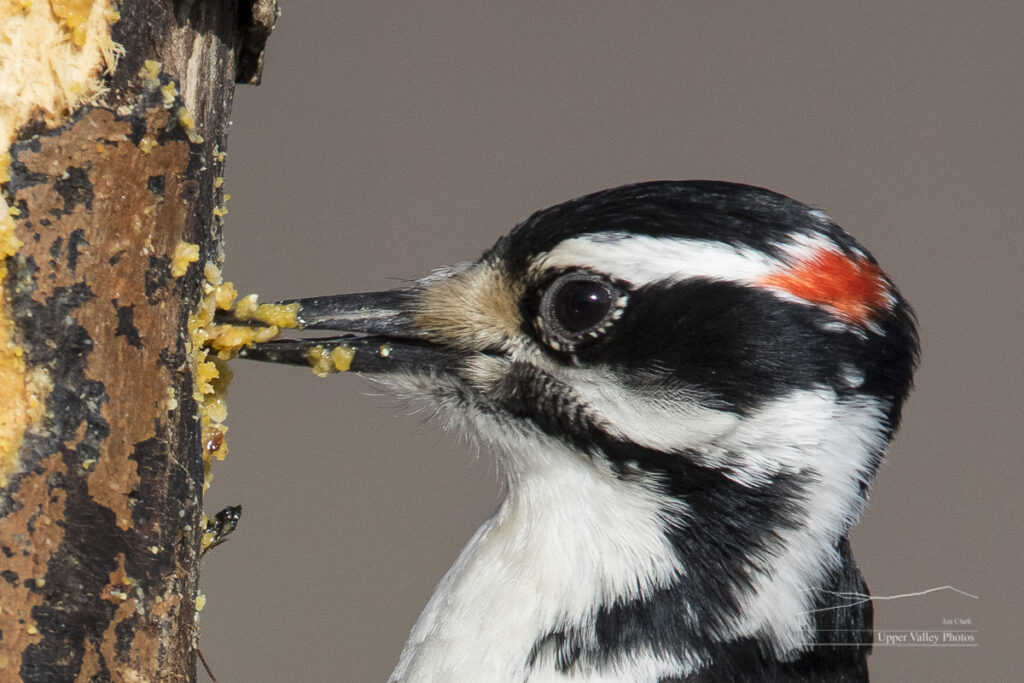
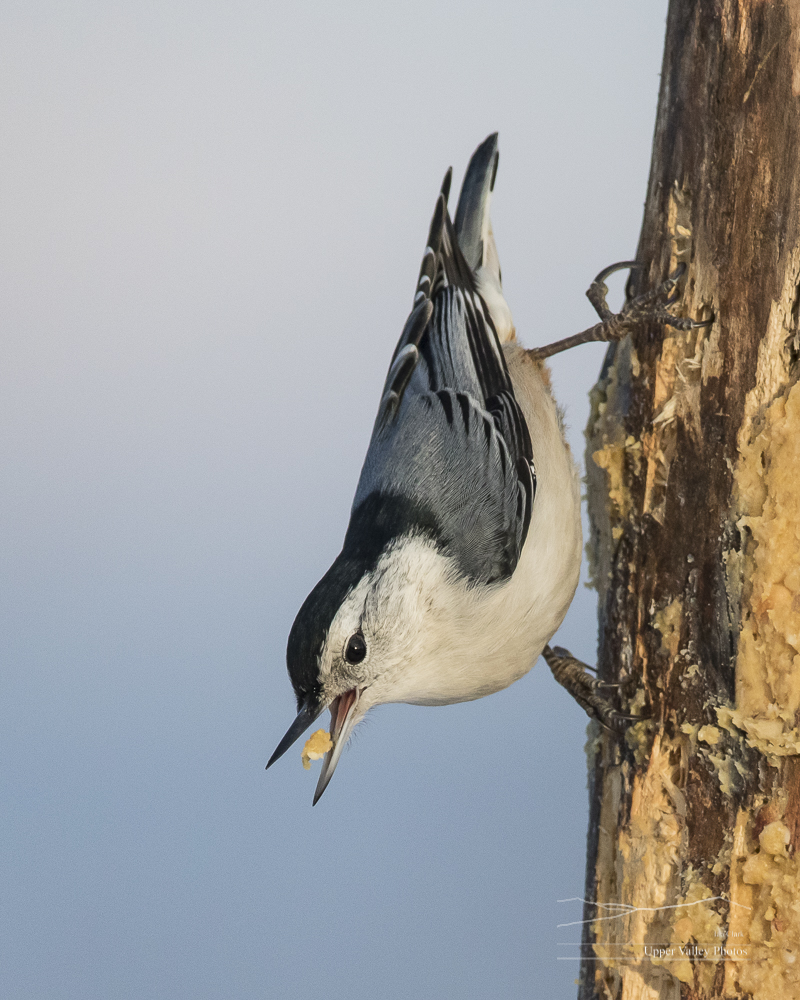
We’ve had thrashers, nuthatches, chickadees, titmice and more feeding at our suet feeder.
Yield: 5 cups
Time: 10 Minutes
Ingredients
2 cups quick-cooking oats
2 cups cornmeal
1 cup flour
1 cup lard or melted suet
1 cup peanut butter
Directions
Melt the lard and peanut butter together over medium-low heat on the stove. Keep the heat low, cleaning up scorched peanut butter is a mess.
Combine the dry ingredients.
Add the dry ingredients to the melted fats.
The original recipe suggests pouring into a square pan about 2 inches deep. I found a few commercial yogurt containers (that hold a couple gallons). I make a double batch in one of them. It stores nicely in an unheated garage.
To serve, just scoop out some of the mix and press it into a rough square and put it in like a commercial suet cake.
Options
Some people use bacon grease instead of the lard. I’ve seen suggestions that the salt may be bad for birds. I suspect few birds live long enough to worry about atherosclerosis, but you may want to err on the side of caution.
Several of the recipes I found suggest chopping up raw peanuts. I substituted crunchy PB.
You can add dried fruit, berries or mealworms to the mix. I’ve experimented with a variety. Birds eat it readily with or without the additions.
Norfolk Southern 11R at Tunnel, NY
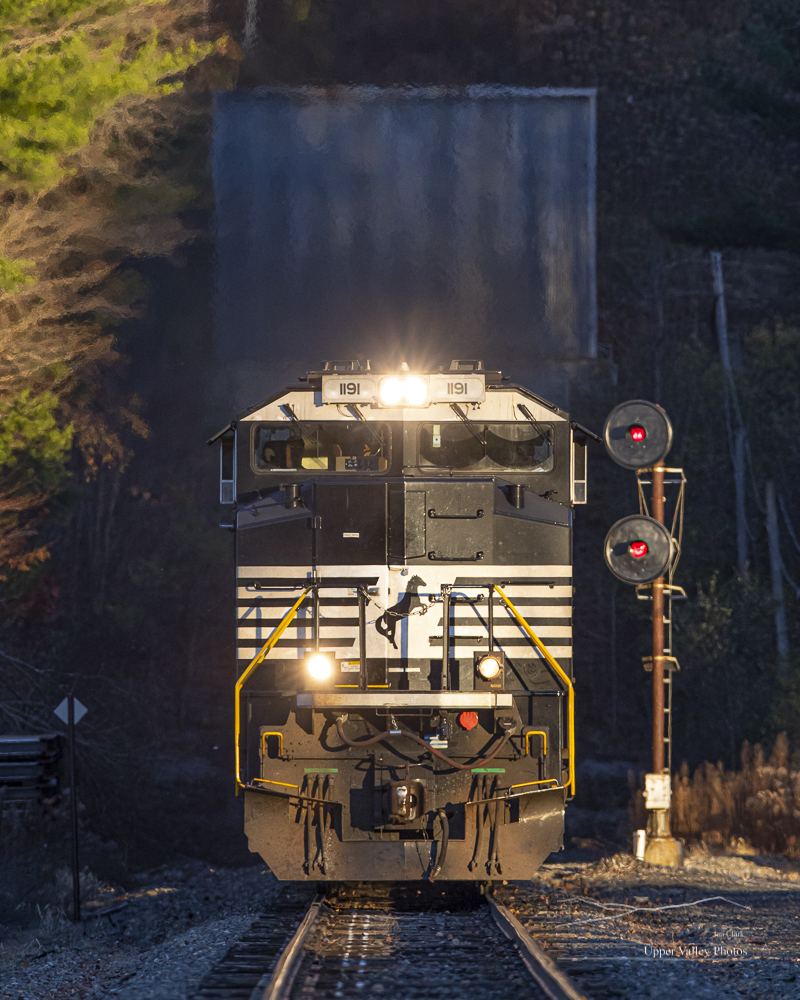
Norfolk Southern train 11R (Ayer, MA to Harrisburg, PA) emerges from the tunnel in the aptly named Tunnel, NY, behind SD70ACe 1191 on November 4, 2020. This is a perfect example of why you need to ‘be prepared’ and camera ready at all times.
I was on my way to Cass, WV, and driving down route 88 and as I passed Oneonta, my scanner gave a burst of static. I got several more useless squawks as I went south, eventually getting close enough to figure out there was a train stopped by the hot box detector near Unadilla. Dropping down onto NY 7, I found him just before he got going south again.
Track speed isn’t what it was back in the real D&H days, staying ahead of a train on the main is much more of a challenge these days, the grab a shot, stop for gas, head for the next spot days are gone. I took off and headed to Tunnel, hoping there would still be some light.
Luck was with me, there was one spot of late afternoon light left just before the signals. With the 400mm, the framing was right for a nice vertical with the tunnel as the background. The rail gods cooperated and he managed to arrive before the light died.
So, after a short detour, I ended up with pretty nice shot on the fly, no planning. Packing the scanner and gear proved worthwhile.
Turkey Shoot – Photographing Wild Turkeys
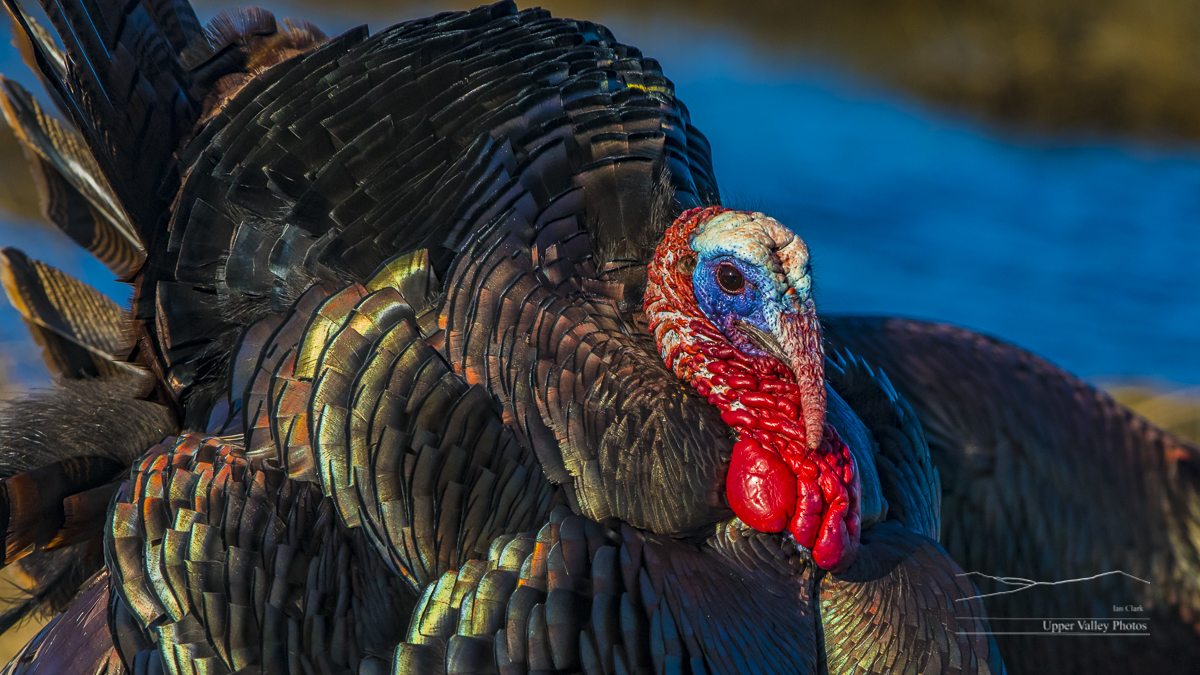
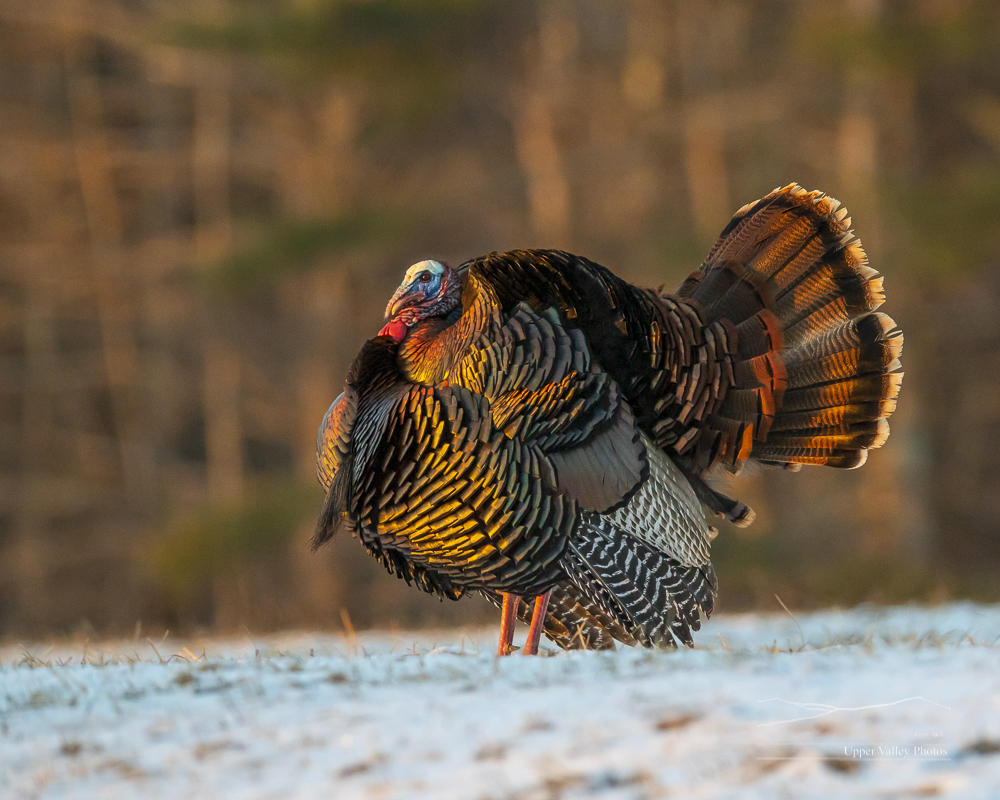
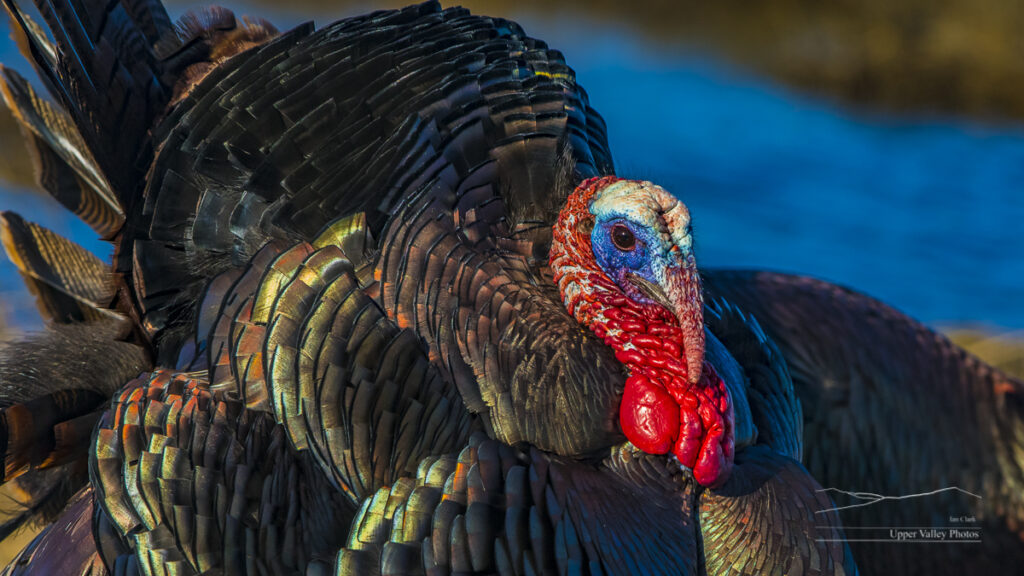
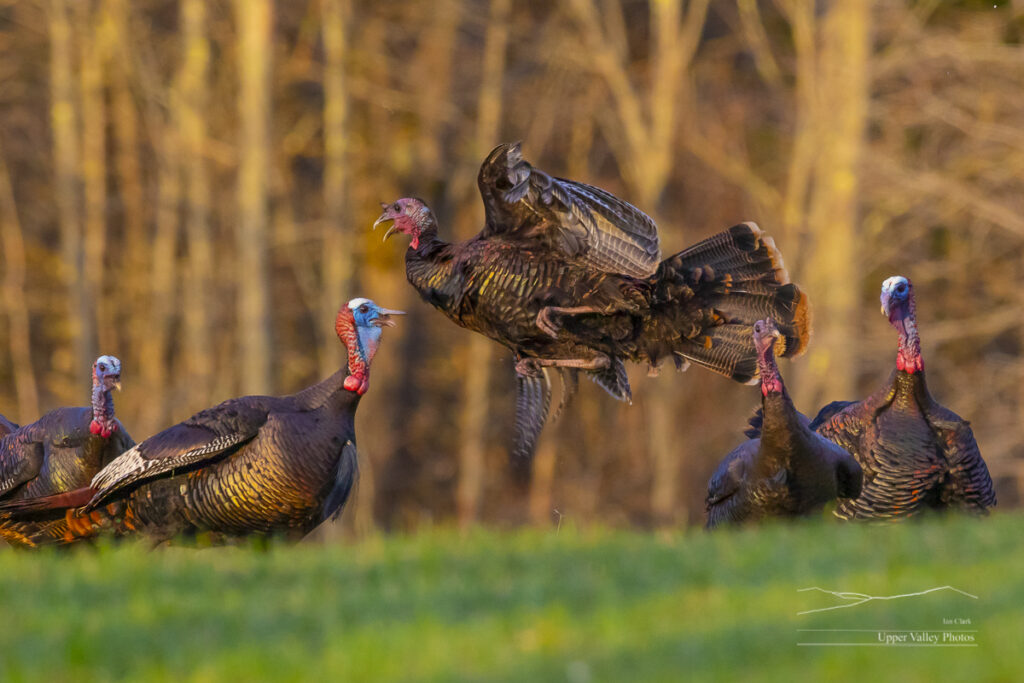
Wild turkeys are starting to strut here in Vermont. Strutting is a display by the males to attract the ladies. They’ll fan their tailfeathers and keep moving around to be in in front of the females. This is a great time to photograph them. Not only are the males showing their finery, but you’ll often see fights as the males try to drive each other away from the flock.
The light on turkeys makes or breaks the image. With low angle, early morning light, turkeys are iridescent and the male’s face and wattle are brightly colored. Wait a few minutes after sunup and they appear a drab brown. Shooting just after dawn is critical.
Finding turkeys is relatively easy. They’re sort creatures of habit. You’ll usually find a flock working through the same field(s) every morning. They roost in trees come dusk. You can hike along the edge of the field you’re planning to shoot the evening before to see where they’re roosting to give you an edge the next morning.
Turkeys are hunted regularly and are very wary of people. For the best photos, you’re going to need a blind. Fortunately, there are lots of blinds made for turkey hunters. They’re perfect for photography. If you have to hike in to your spot, a chair blind is easy to carry. If you’re shooting not far from your car, a larger tent style blind gives you more room. (Vermont is still chilly, having more room to pour some tea out of my Thermos is a big plus.)
You’ll want a relatively high, 1/1000th or faster, shutter speed to be ready when the kerfuffles start. Mounting your camera on a tripod with a ball or gimbal head saves the hassle of holding the camera and lets you pan to the action.
Be sure to check your local hunting laws, you don’t want to be in the field with hunters. If you’re on private land, you can usually coordinate with the landowner to keep you and the hunters apart.
So, get out and get some turkey pix. If you’re timing it right, you’ll be home early enough for a good breakfast.
Loon Chicks at Ten Weeks, September 7, 2021
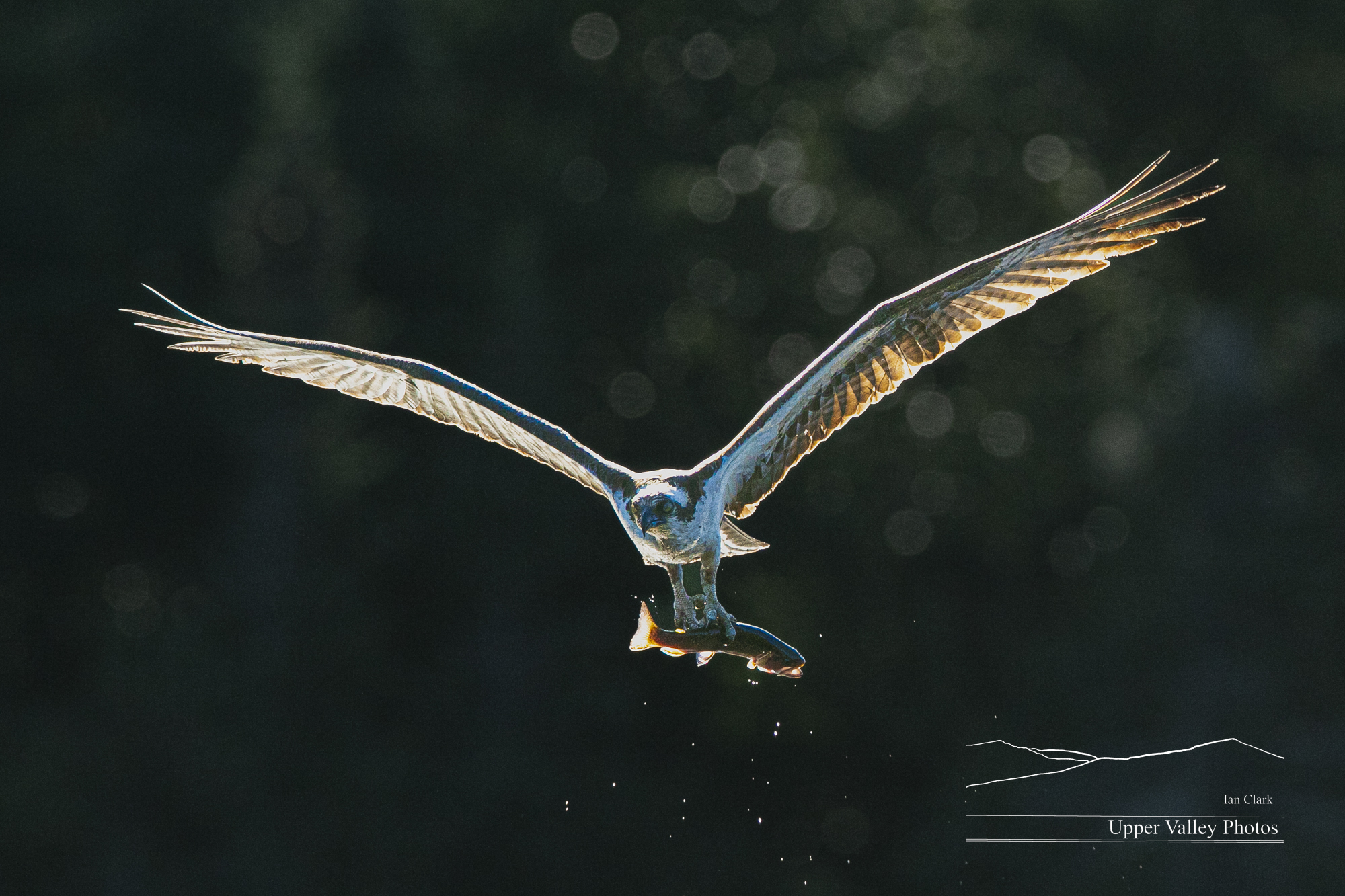
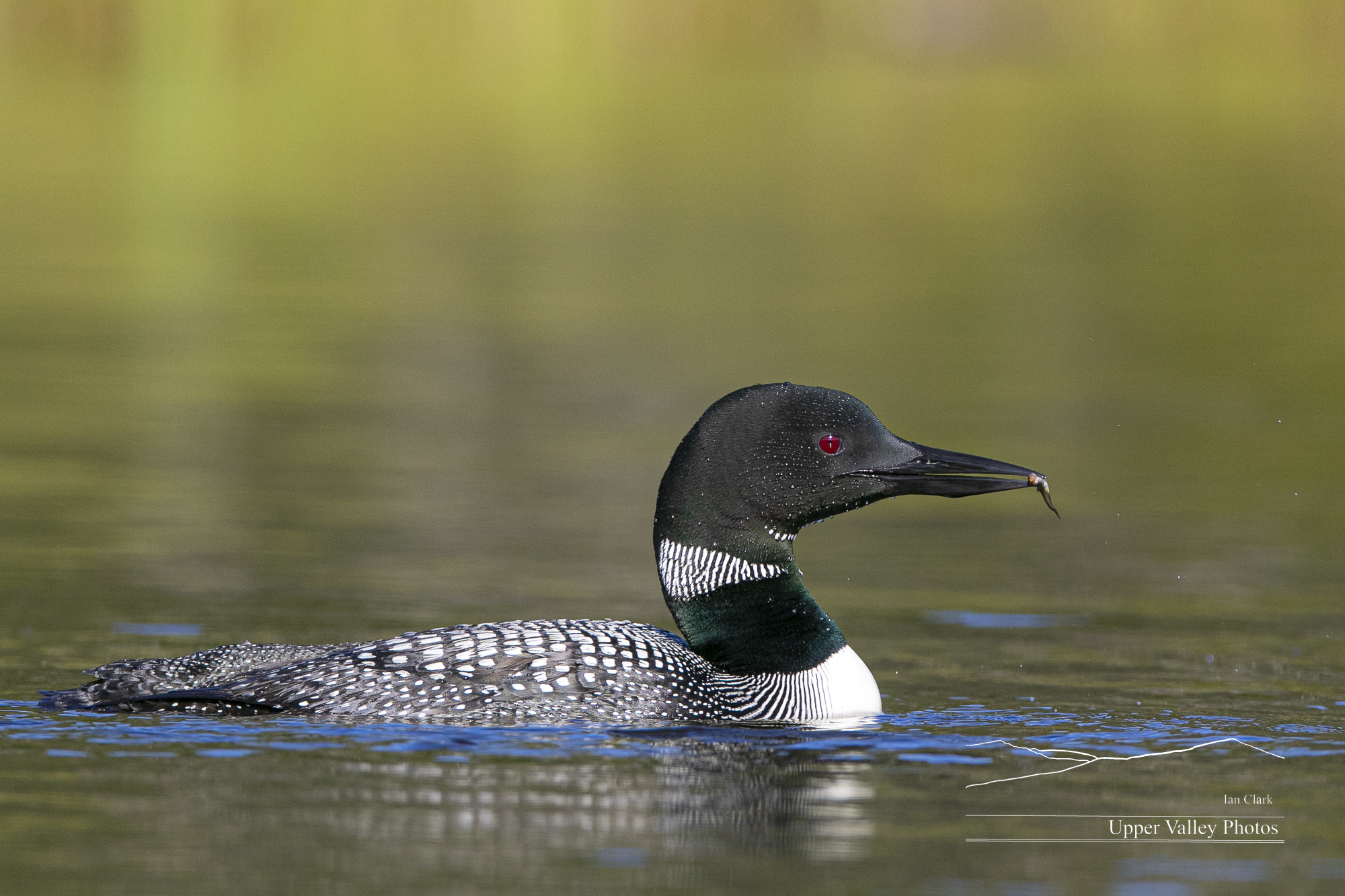
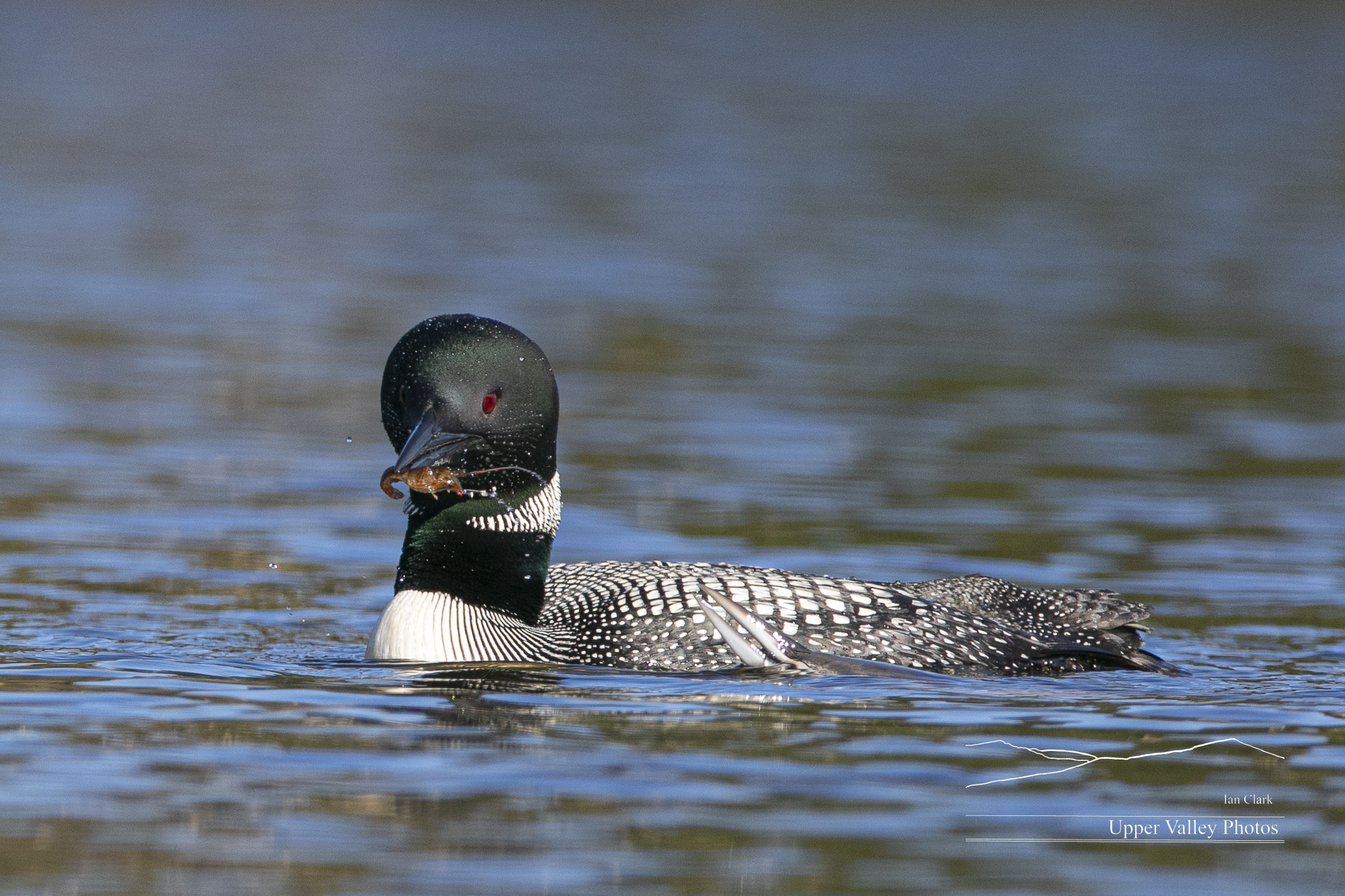
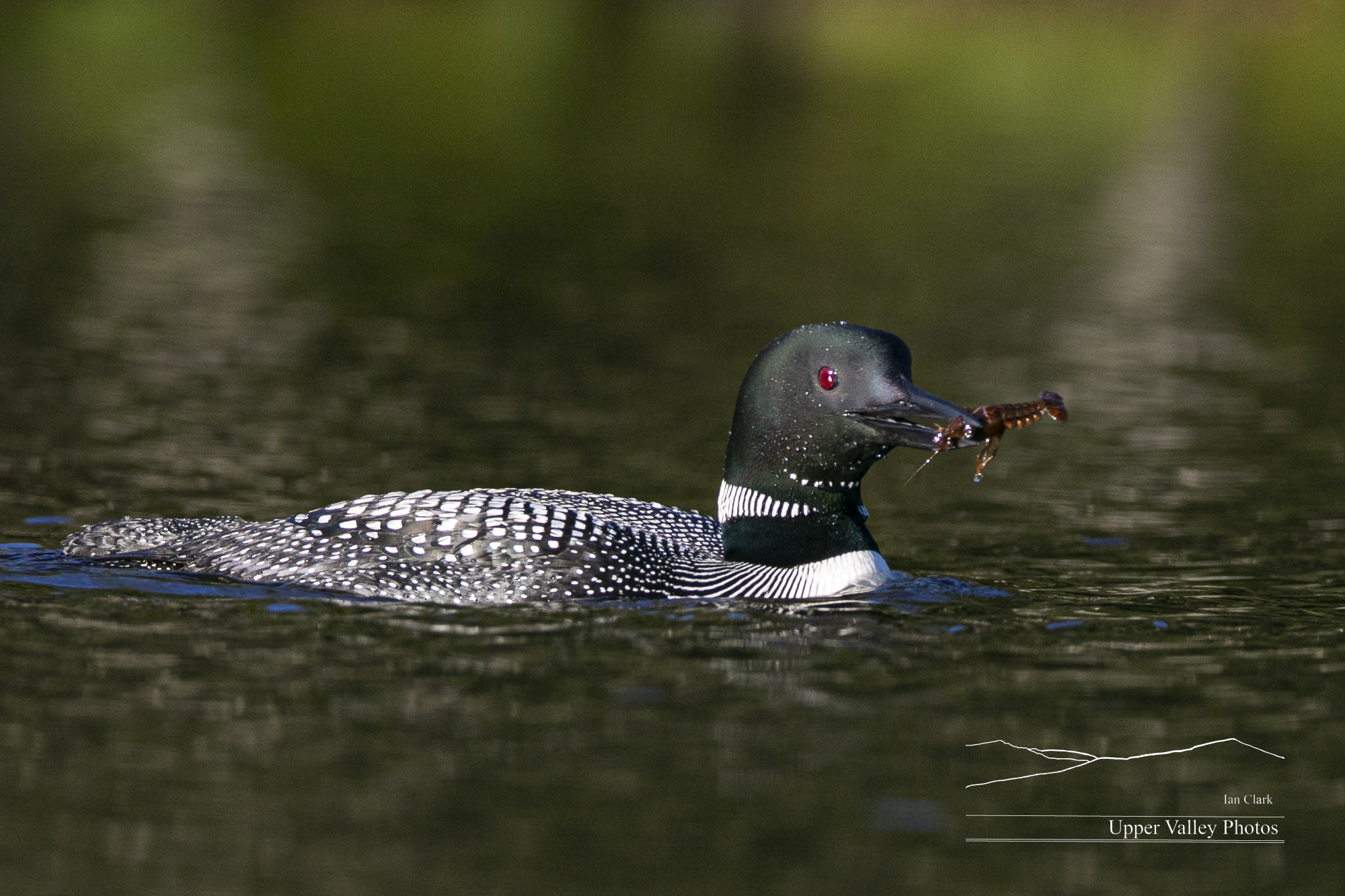
Our loon chicks are now about ten and a half weeks old. I had a chance to catch up with them this morning. Both chicks seem to be doing well. They’re growing fast. Both are feeding on their own – as well as pestering their parents for food.
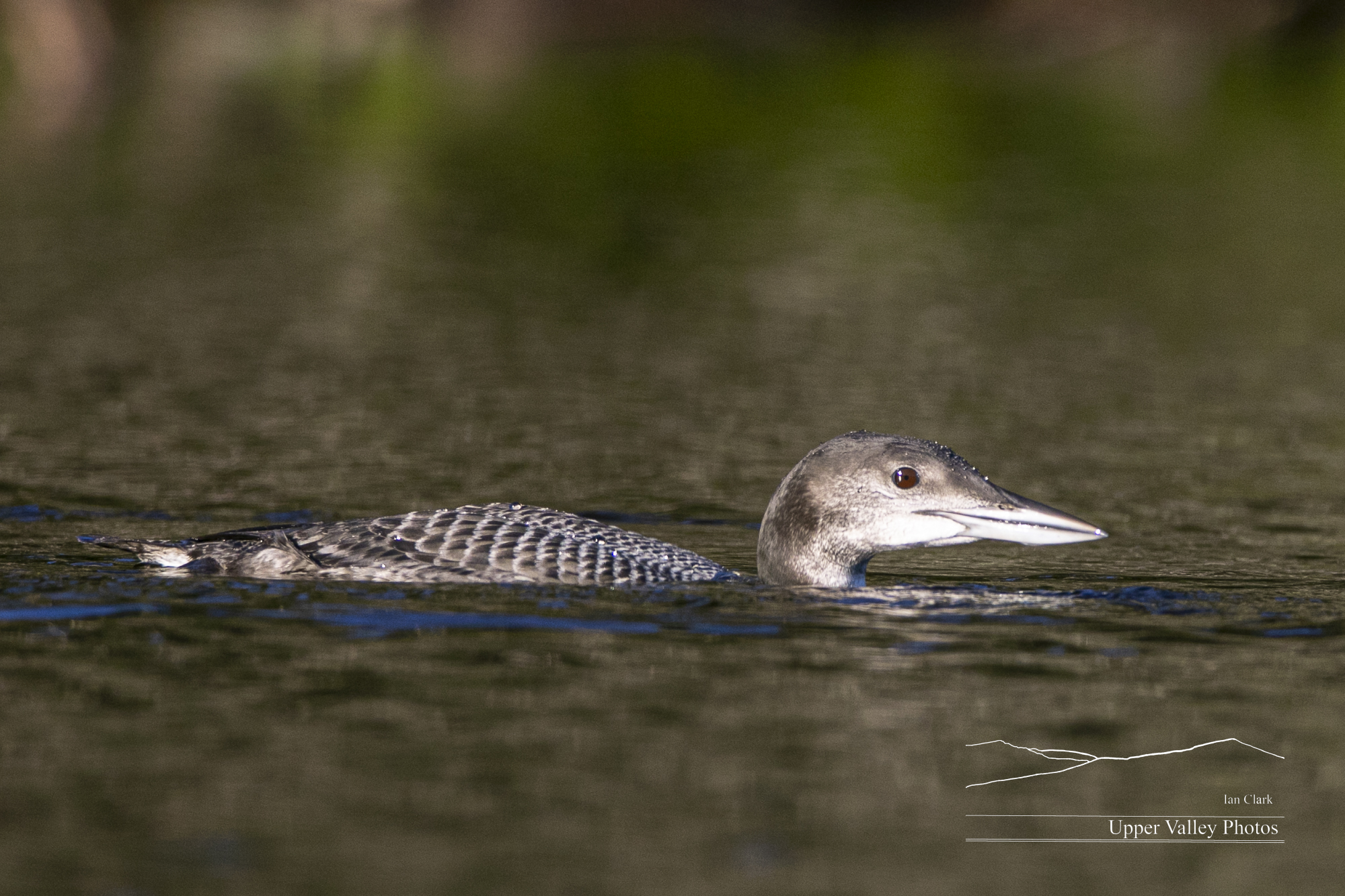
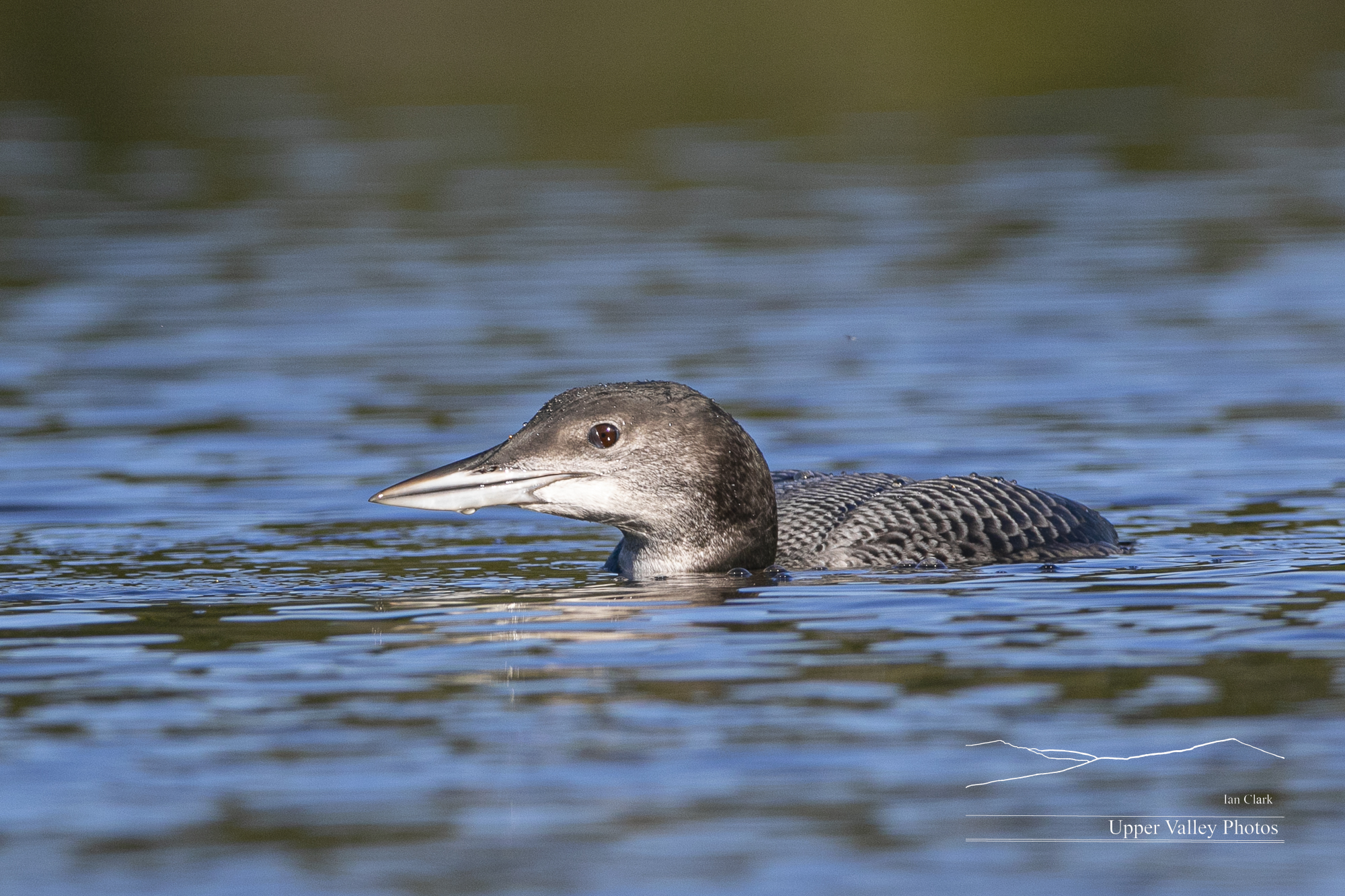
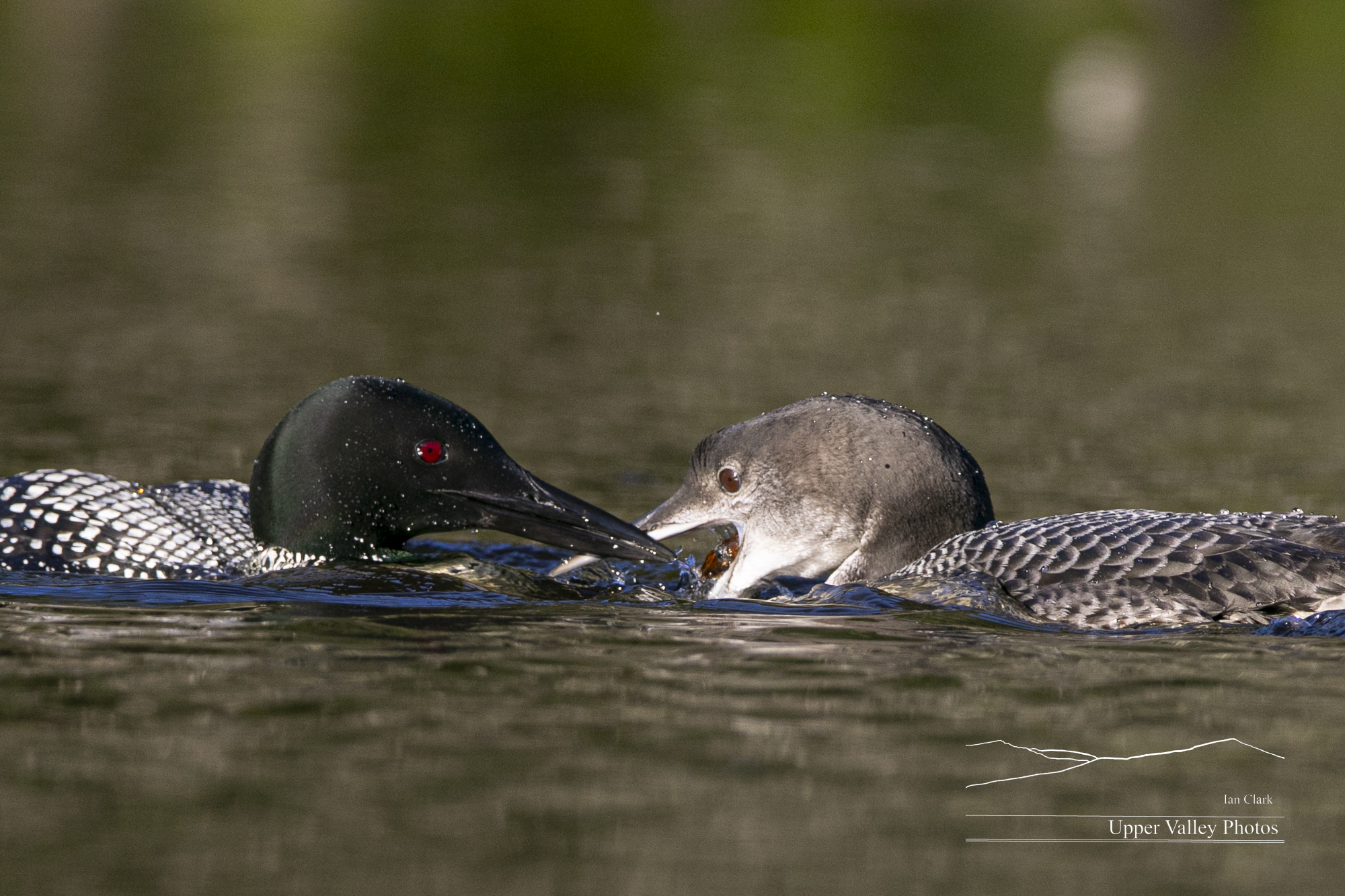
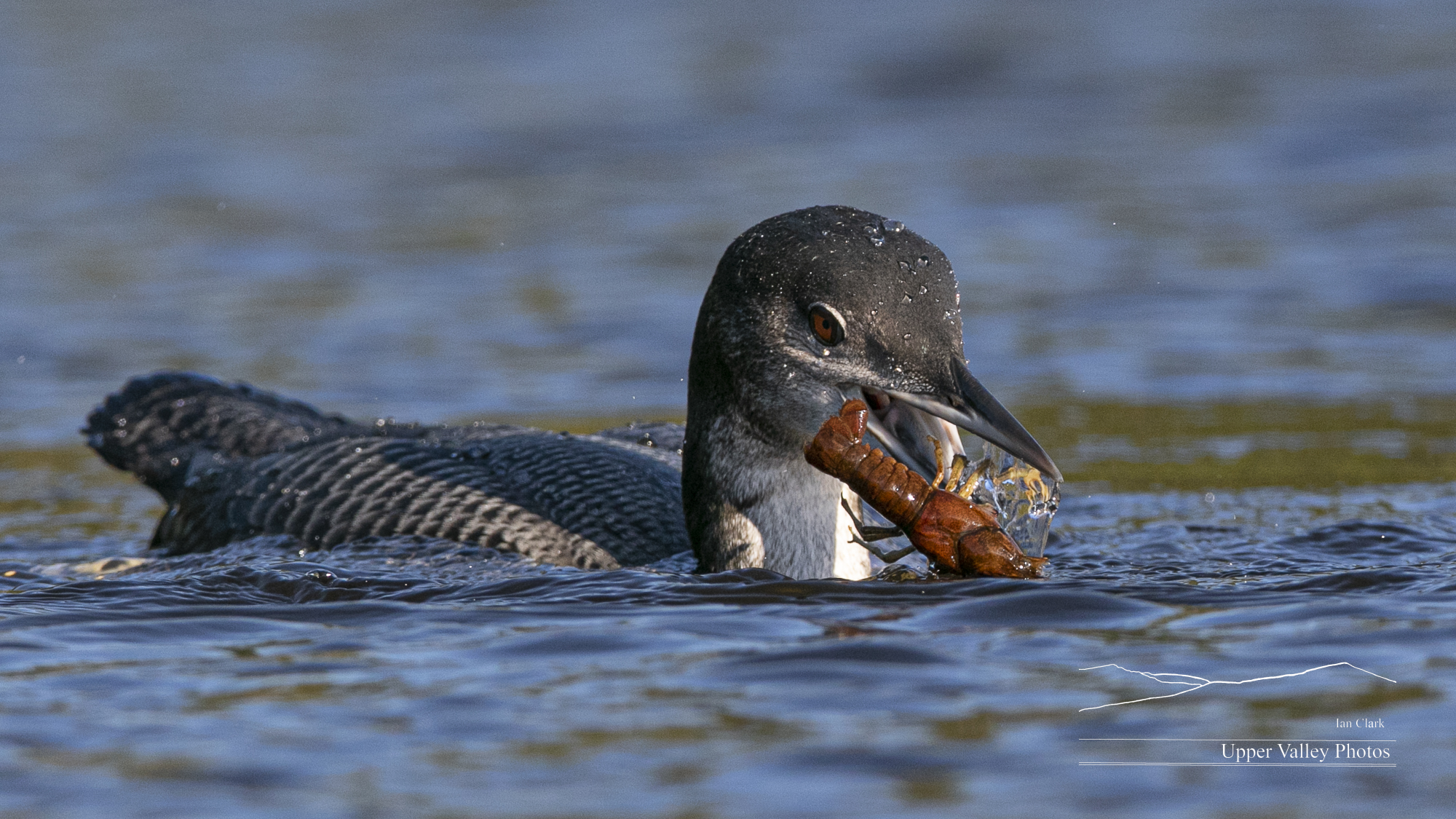
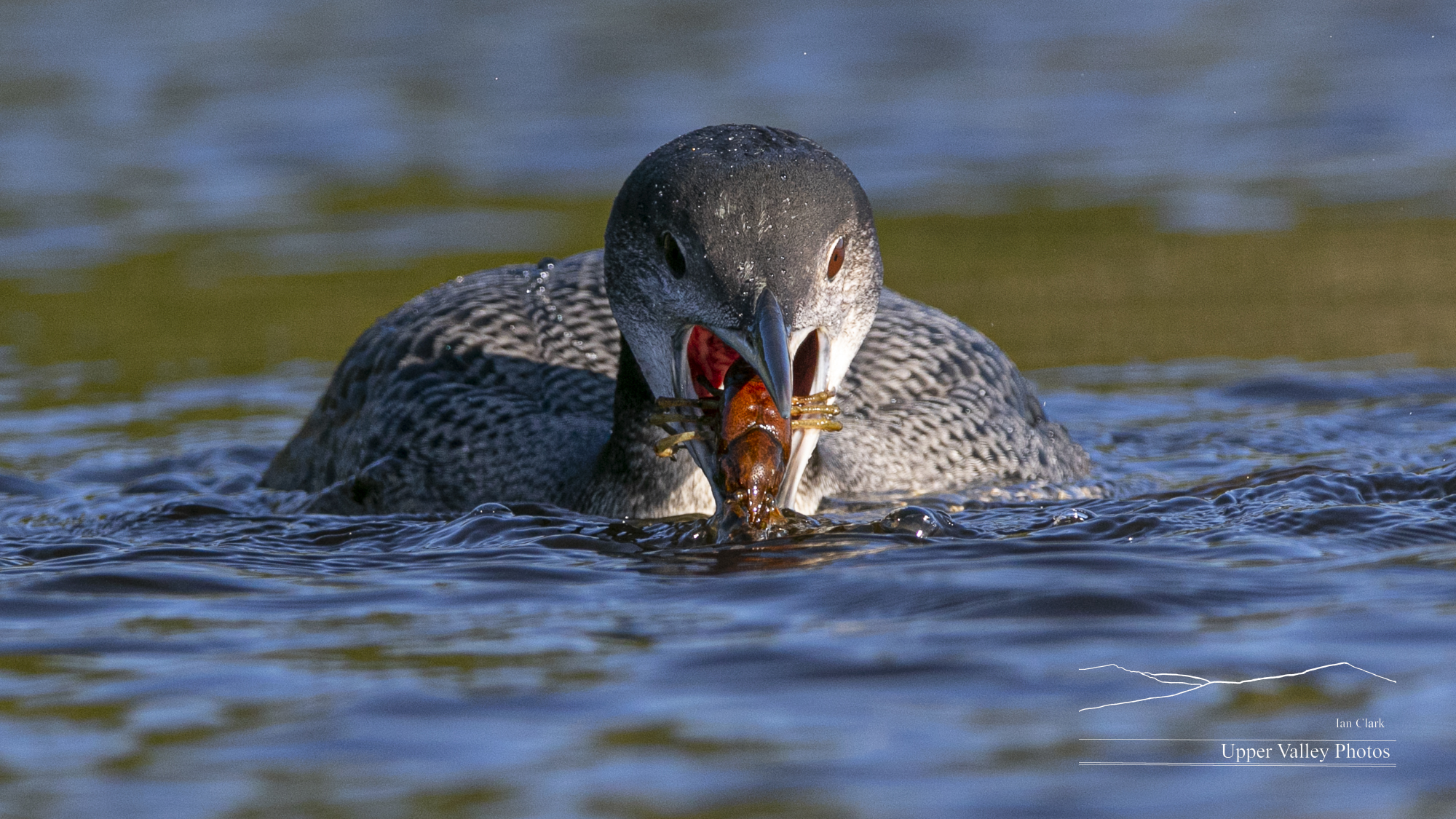
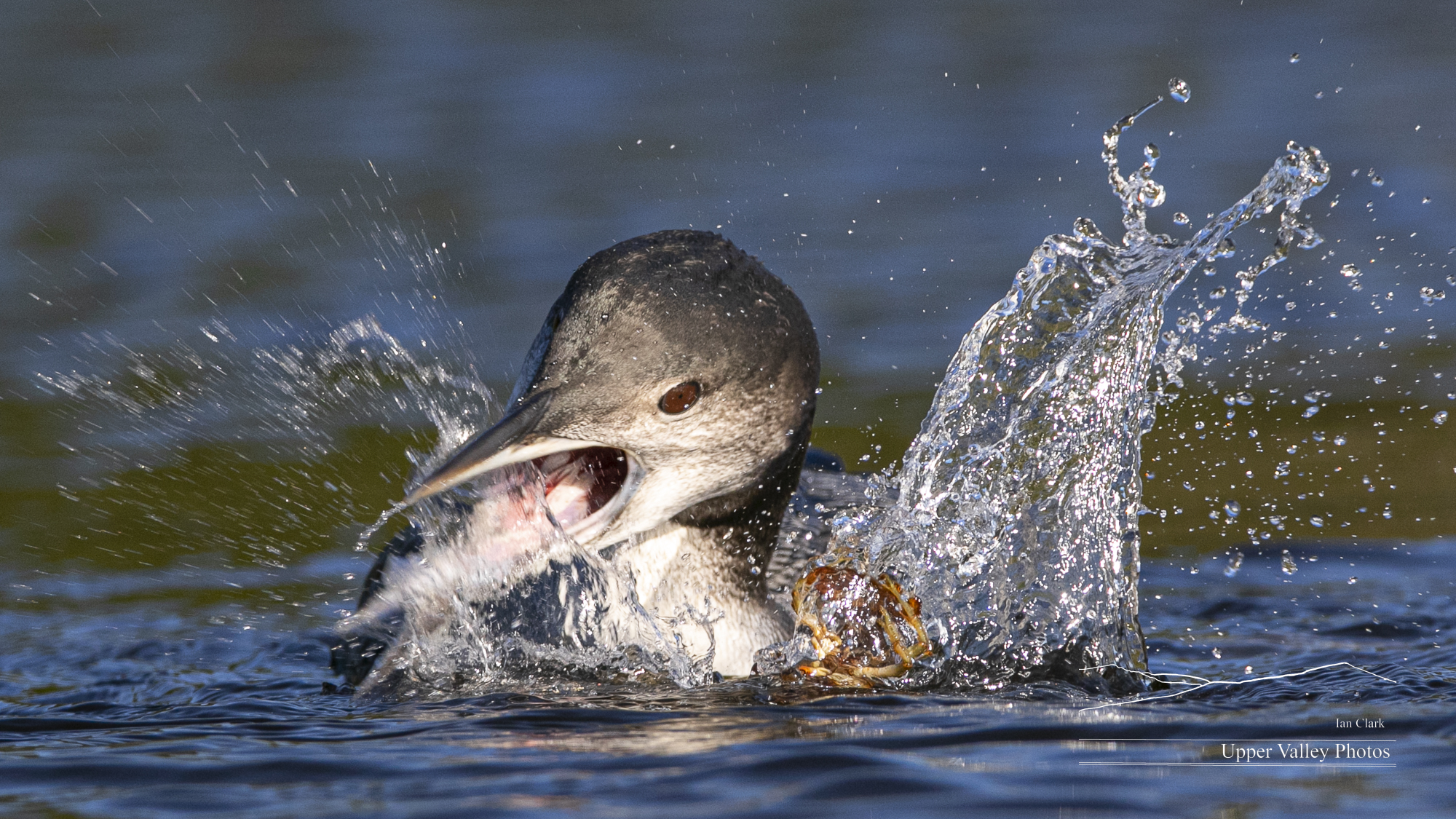
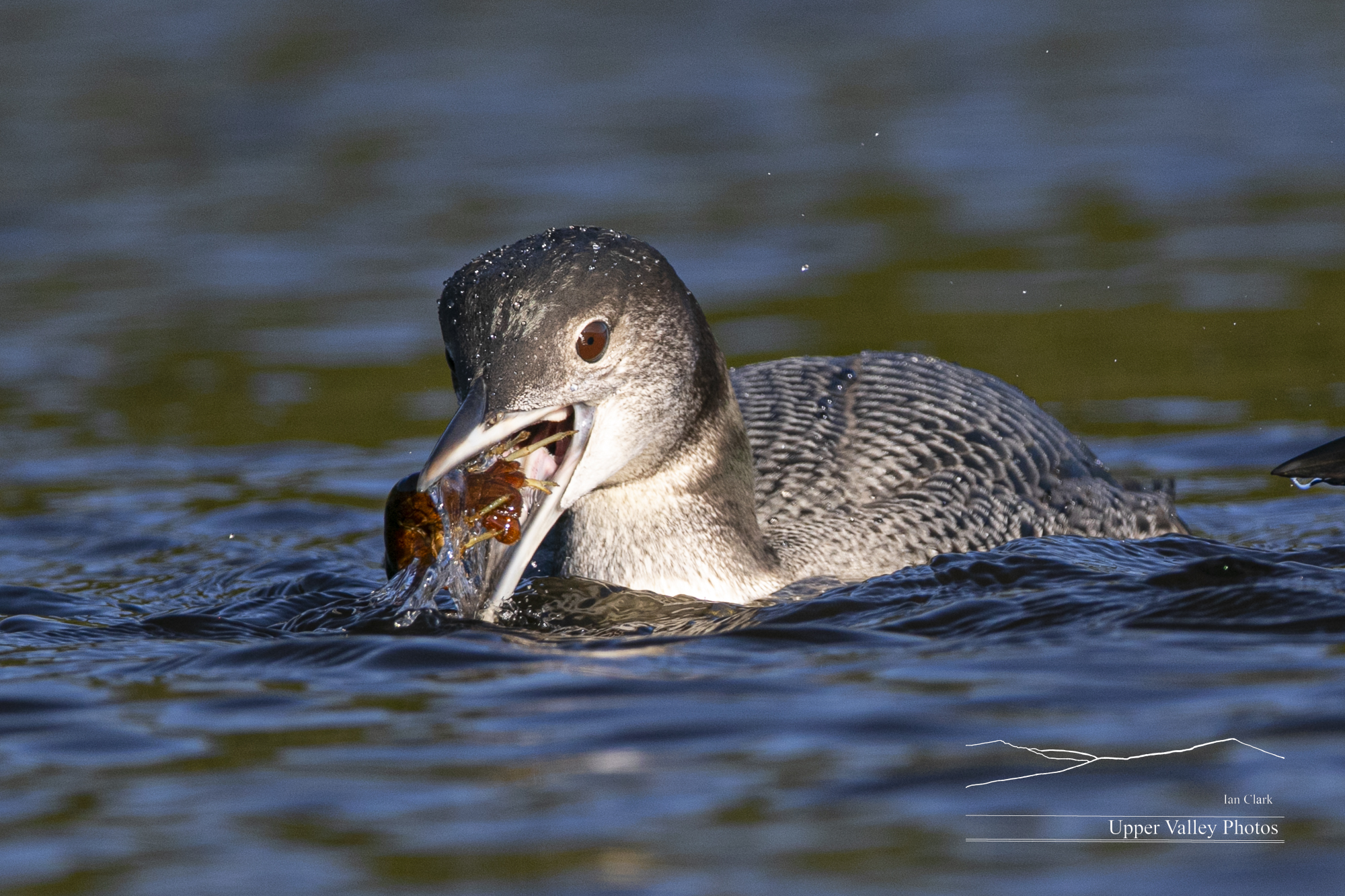
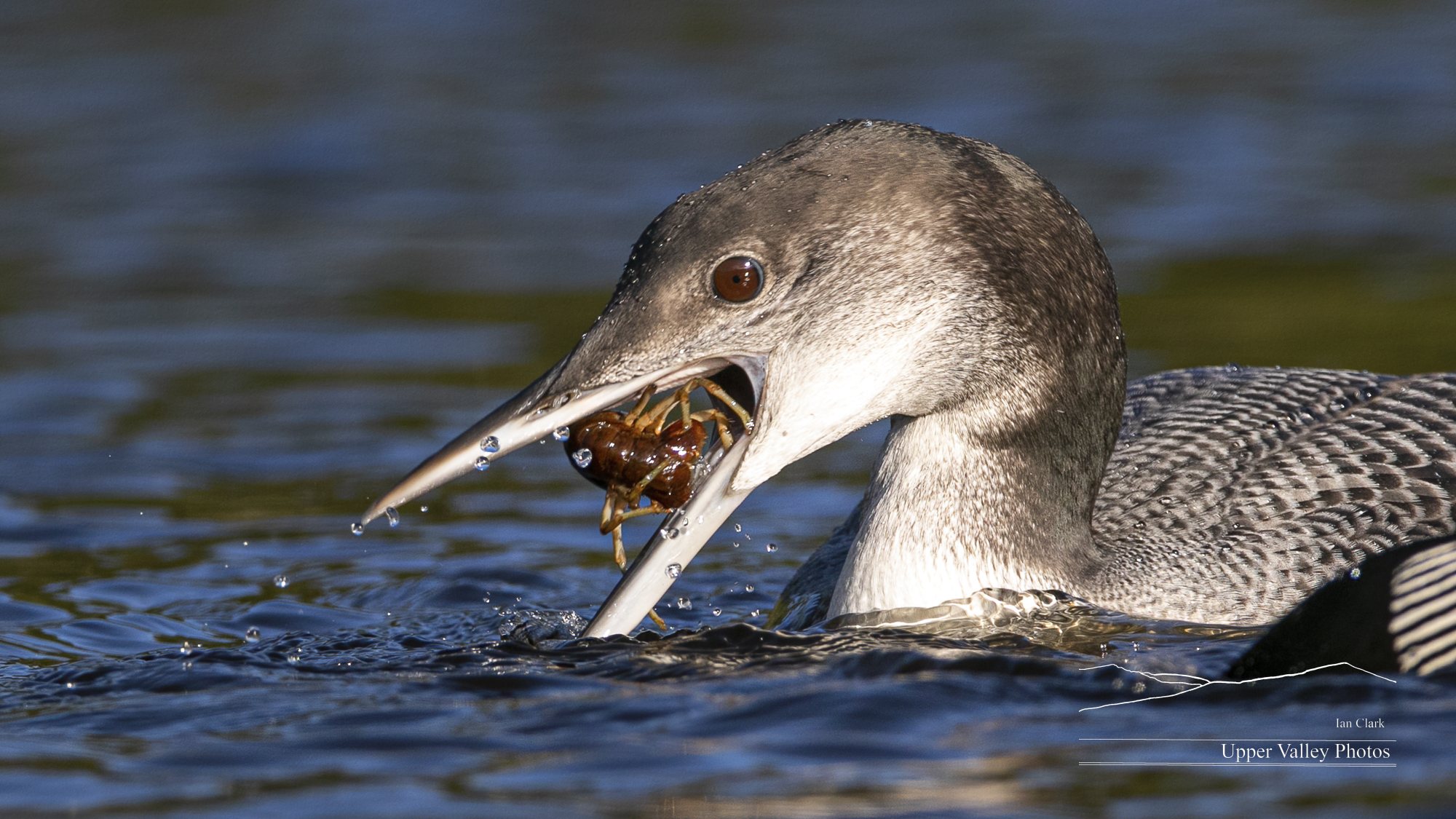
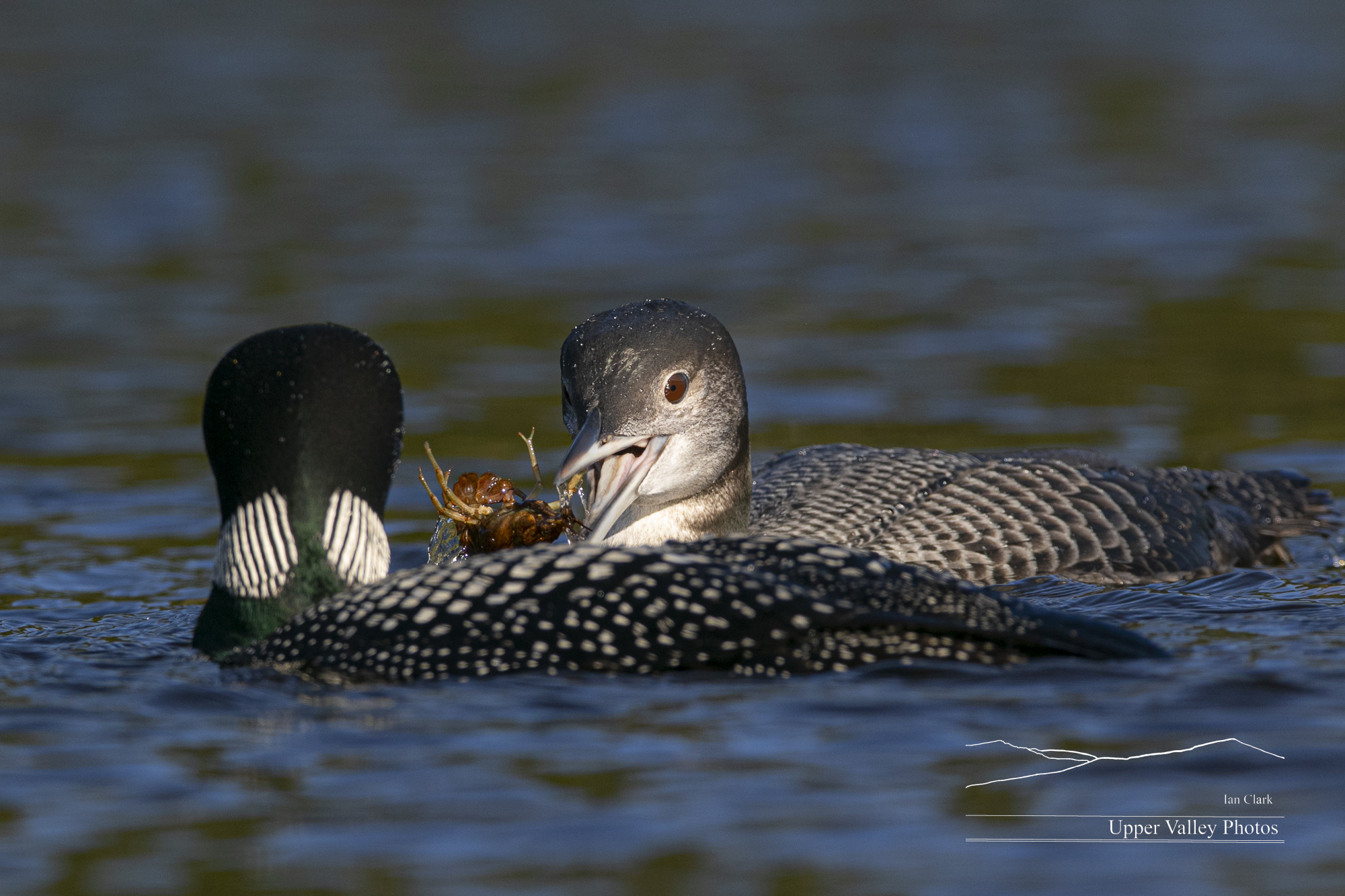
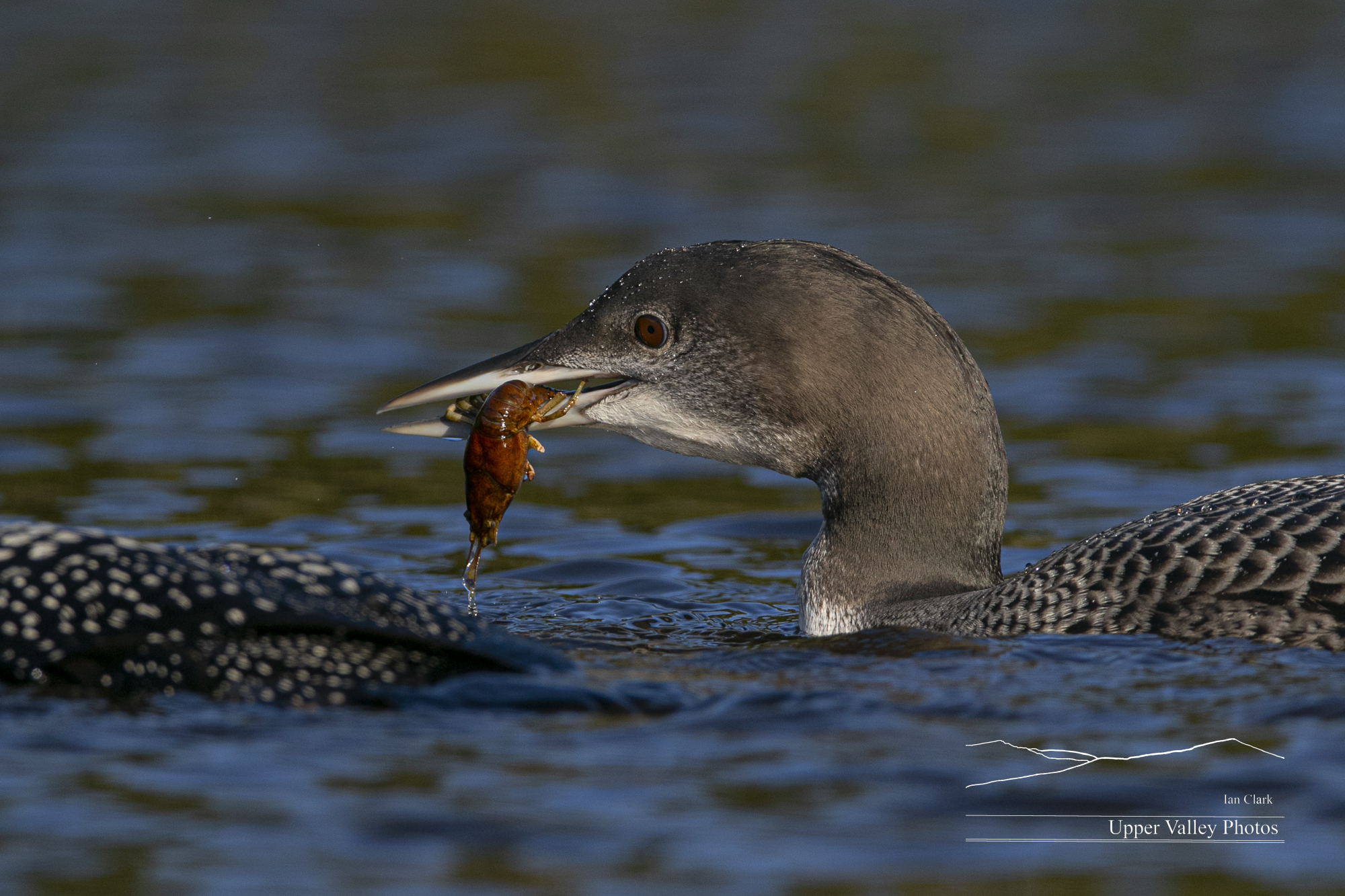
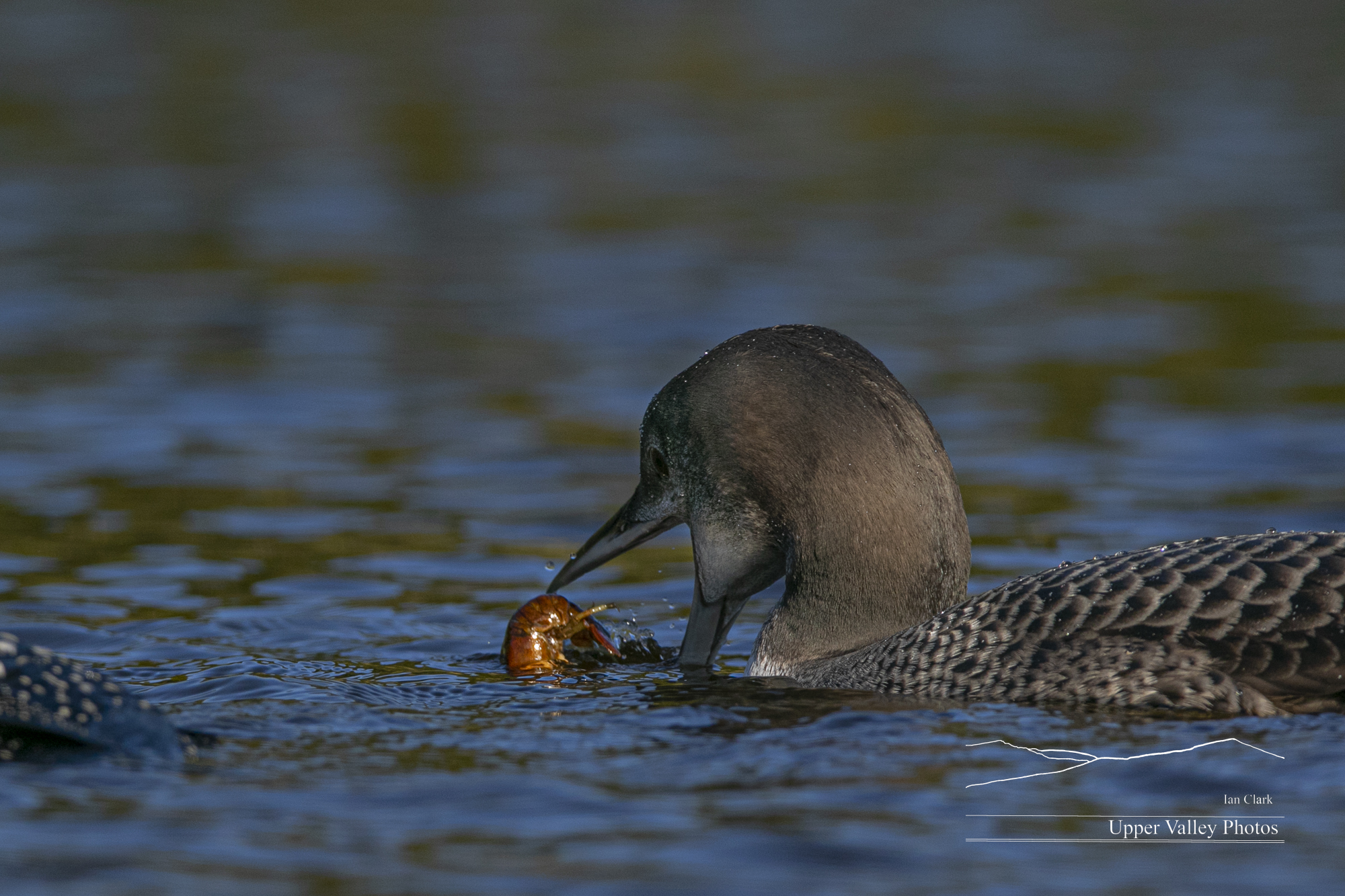
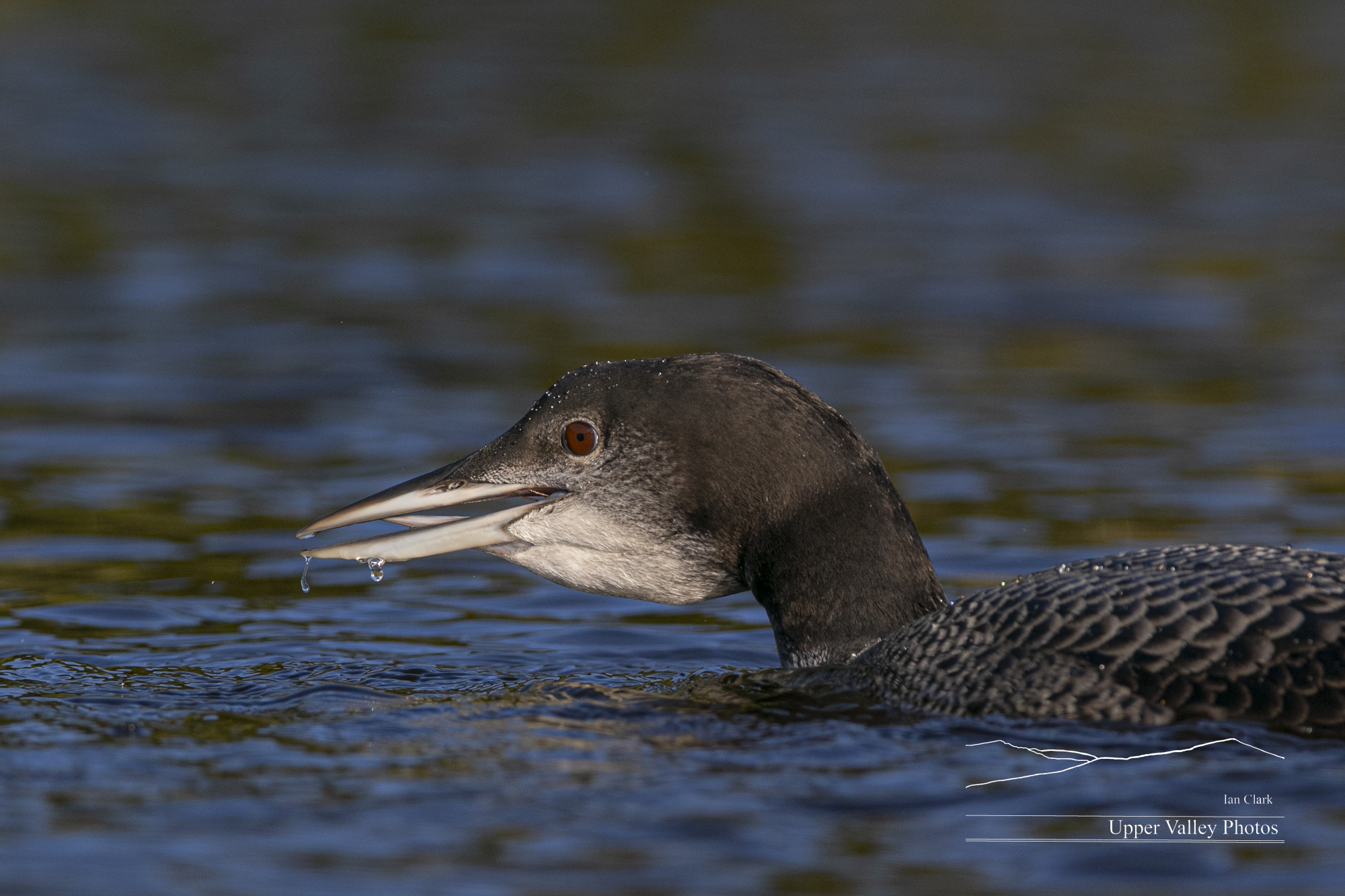
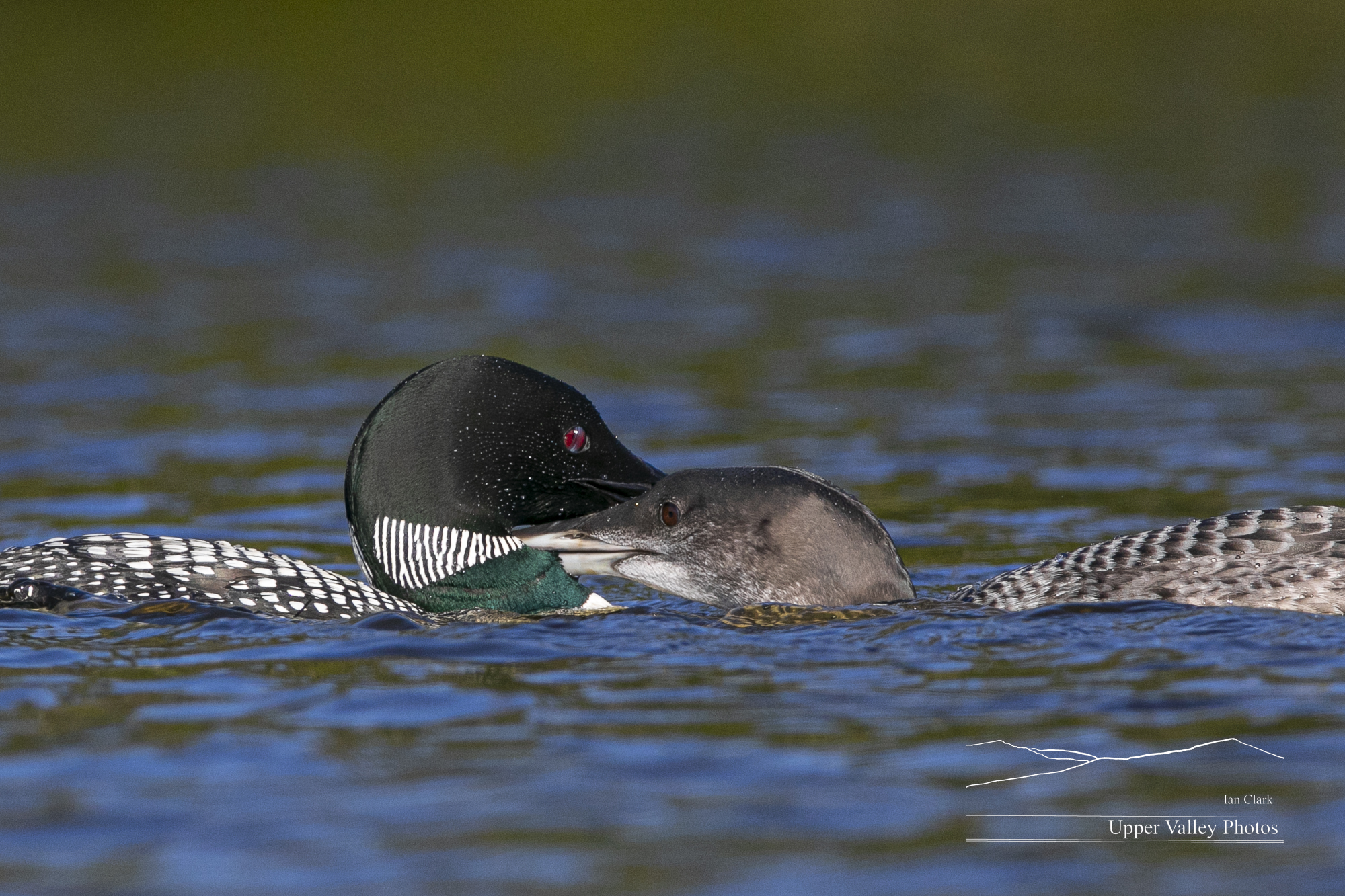
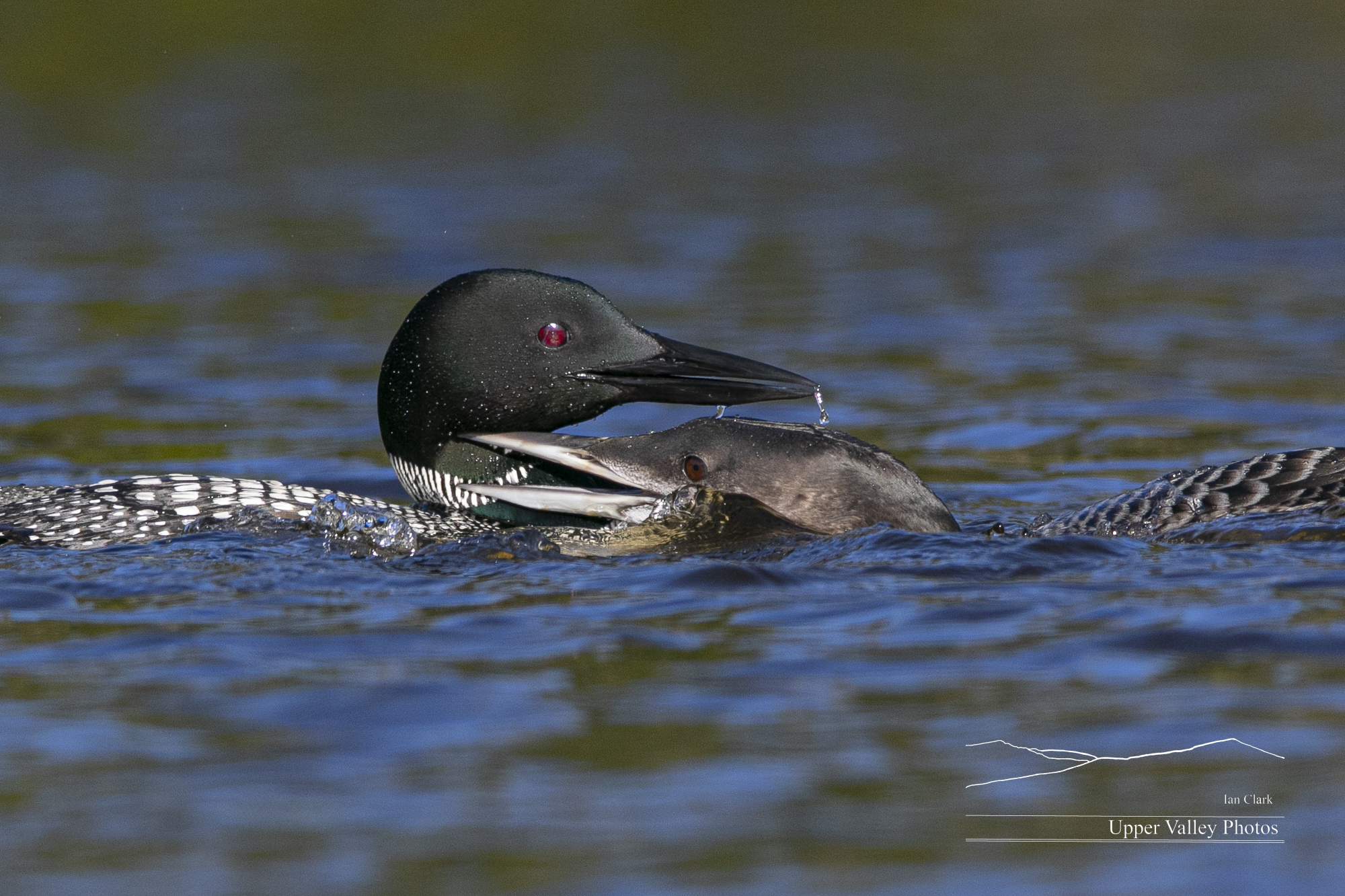
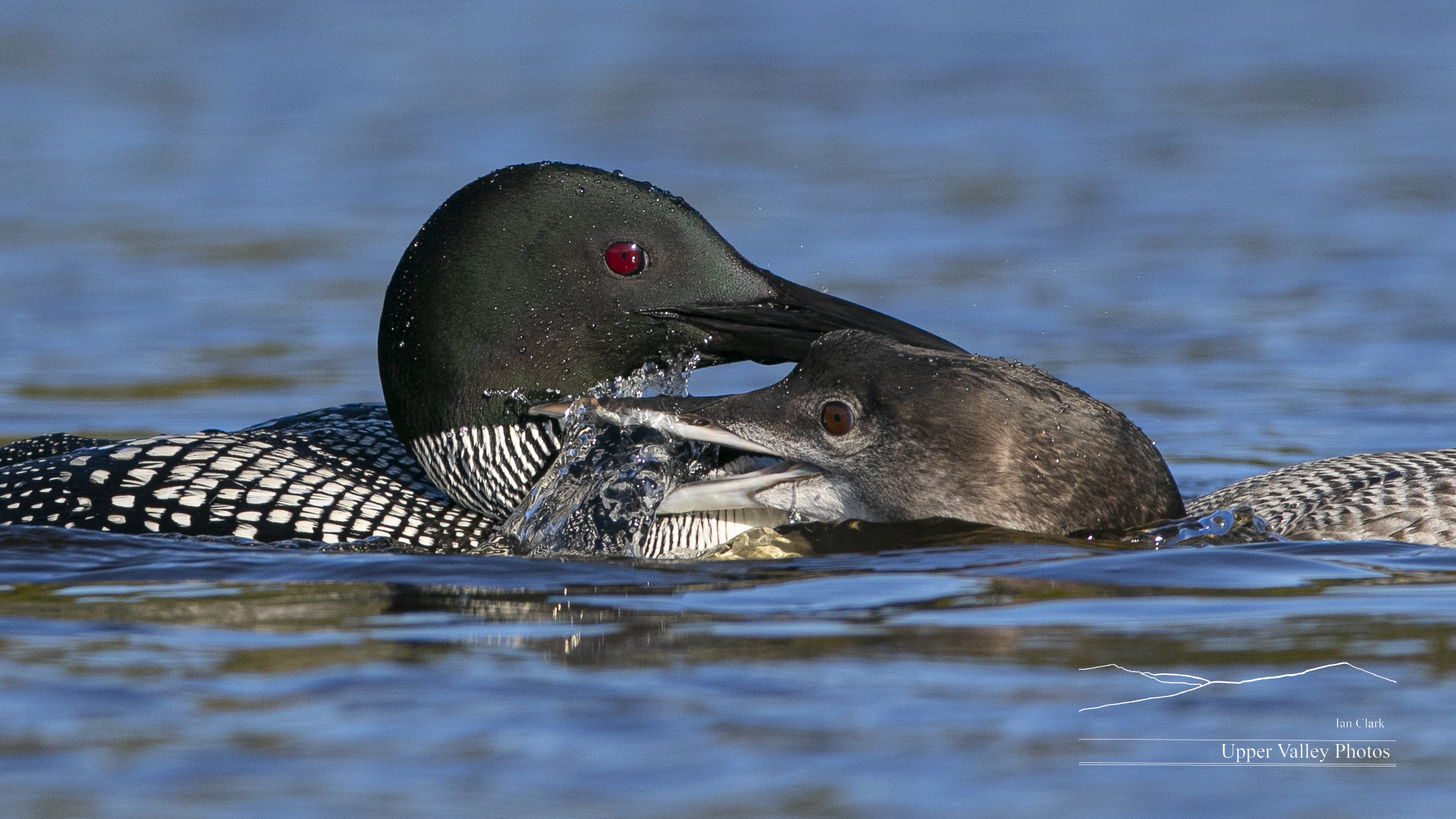
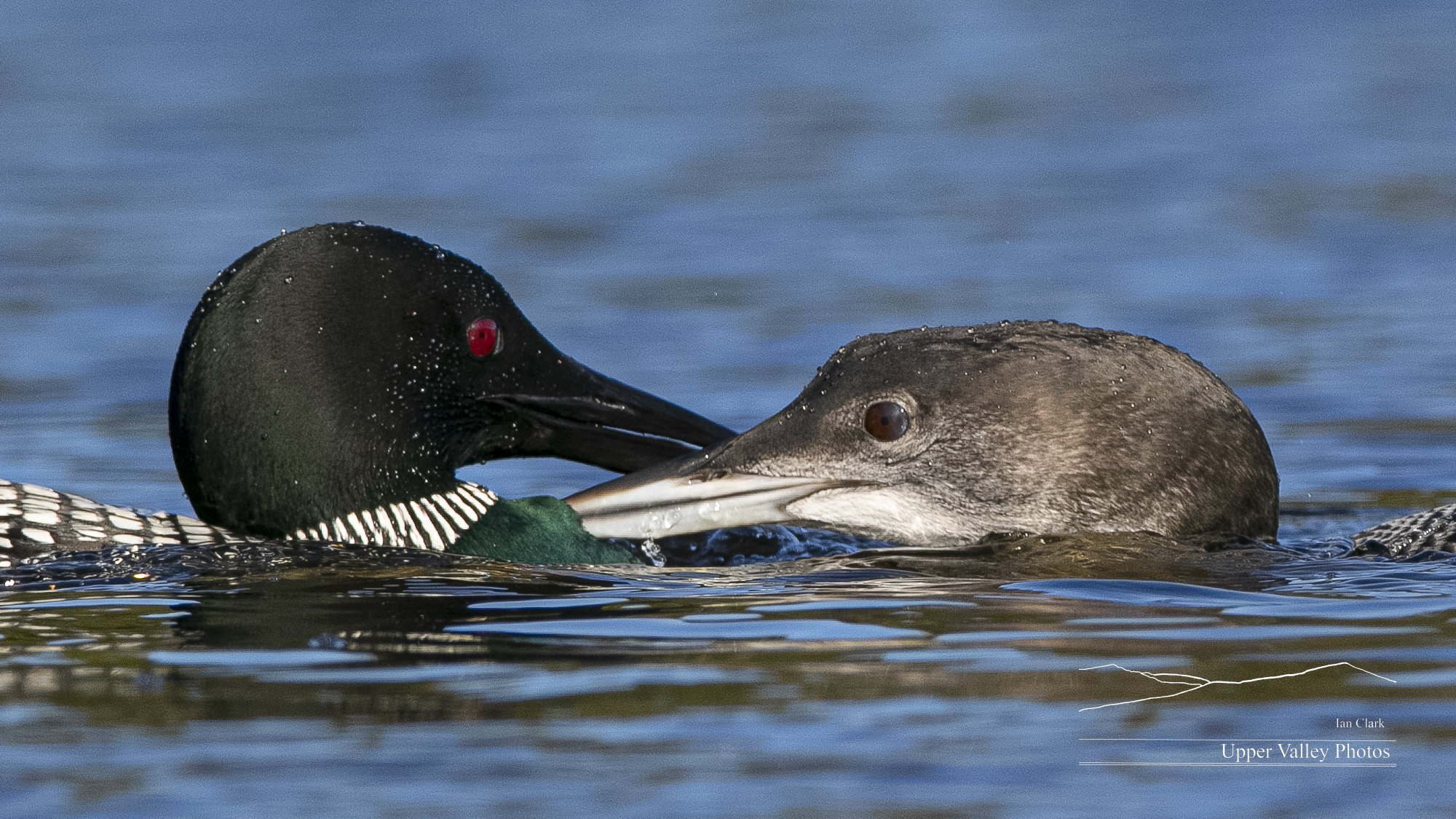
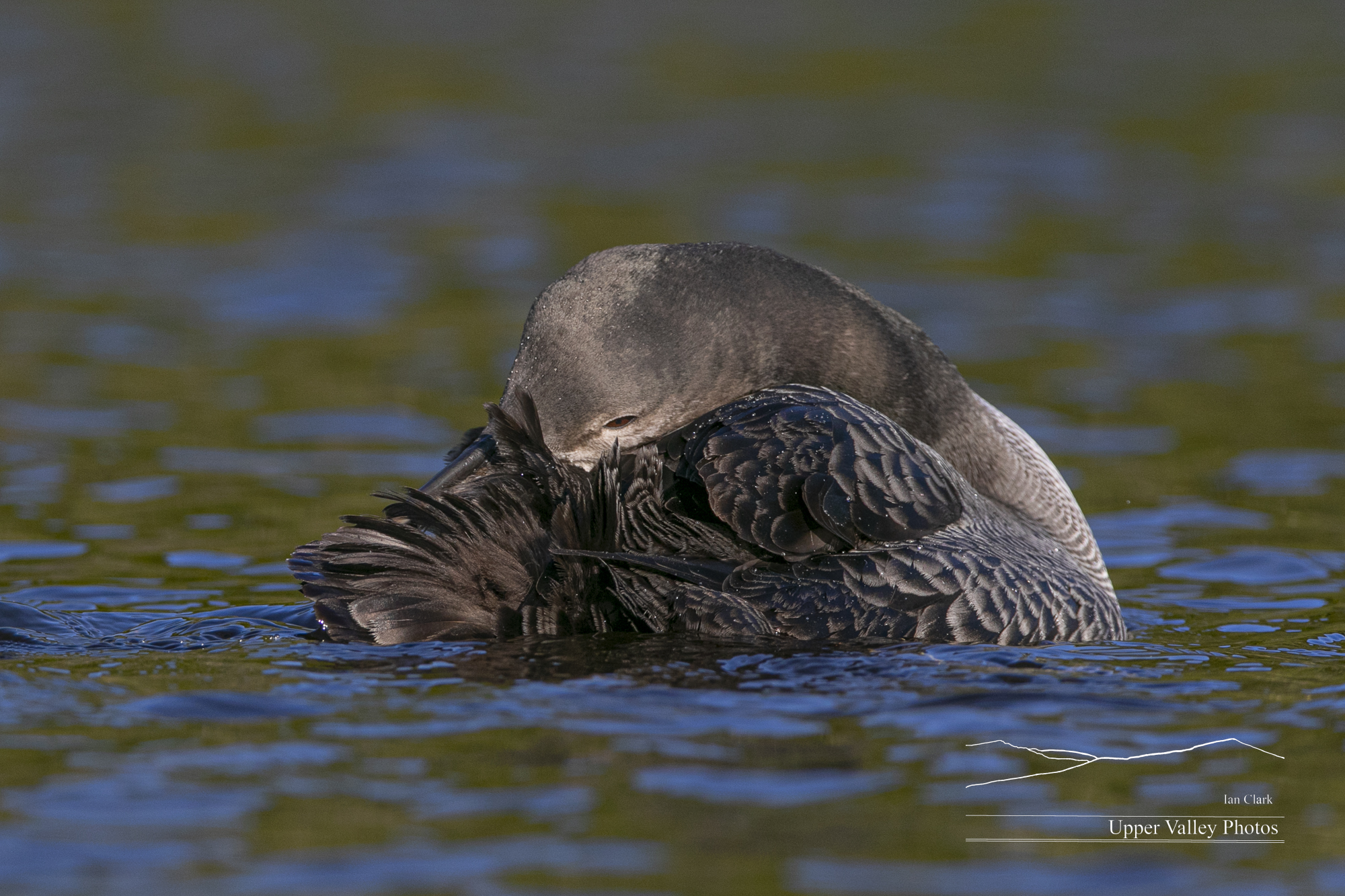
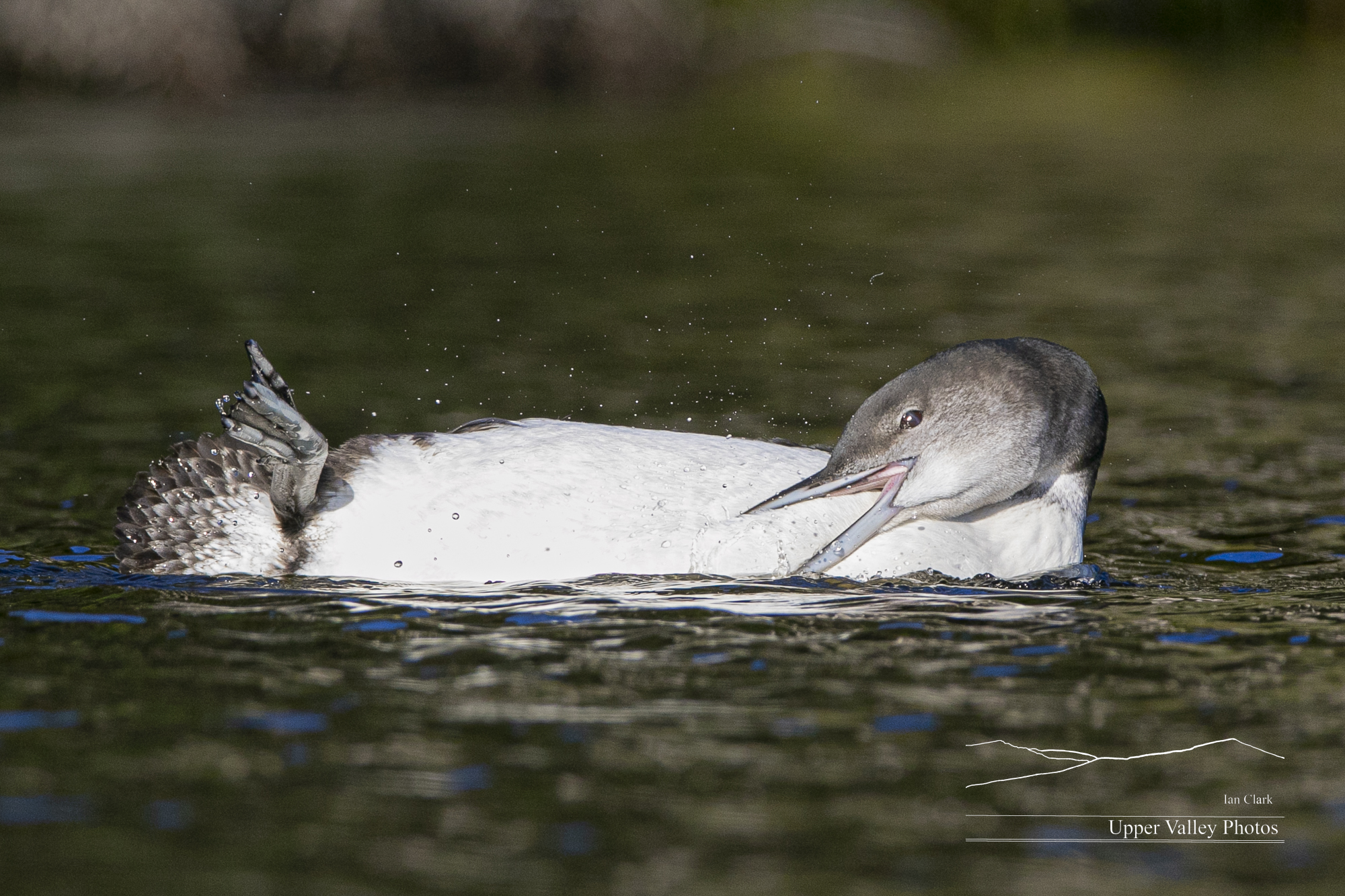
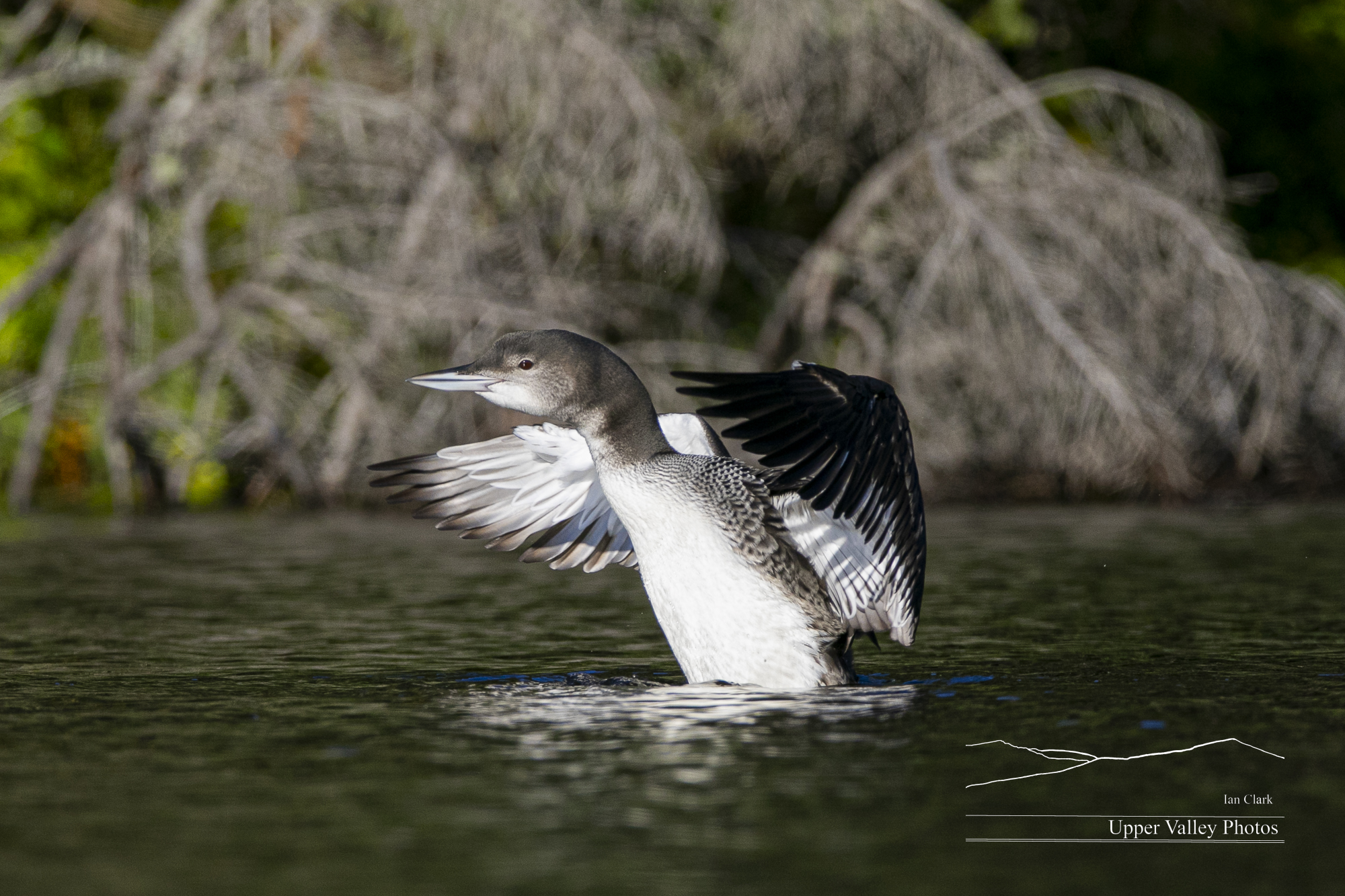
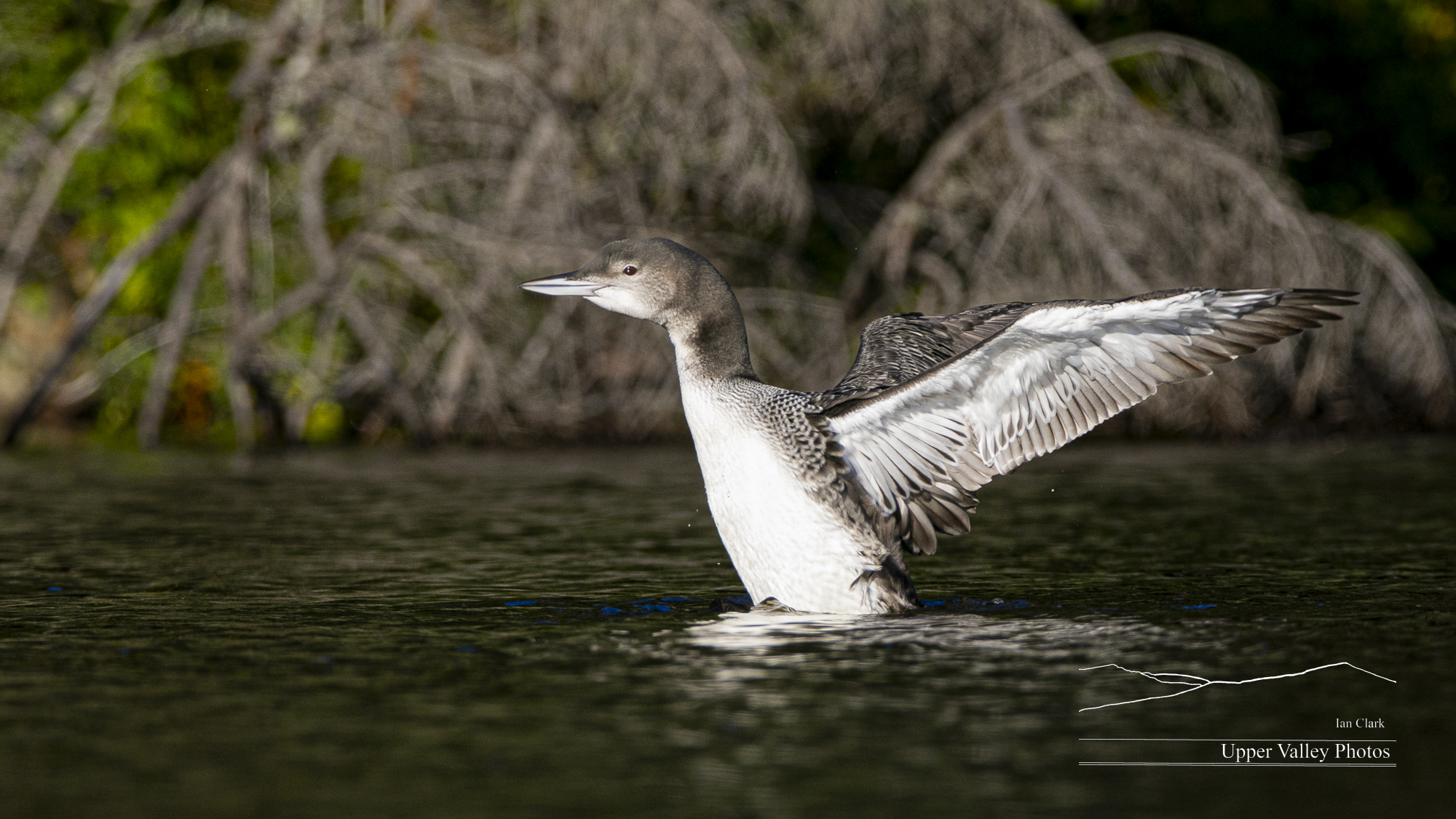
The trees on the hills around our pond are already turning a little rusty. We’ve got just a few weeks left before our family moves on.