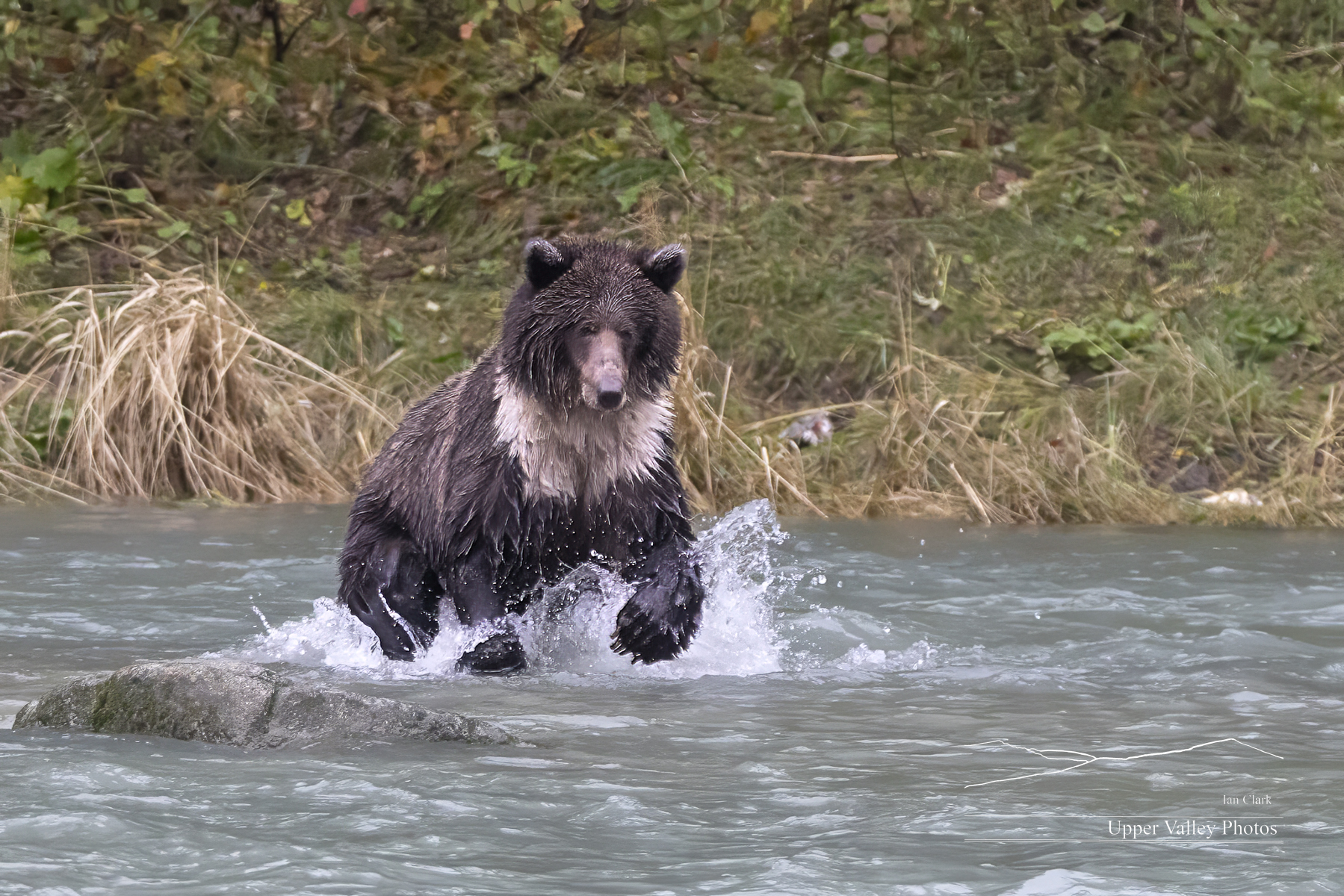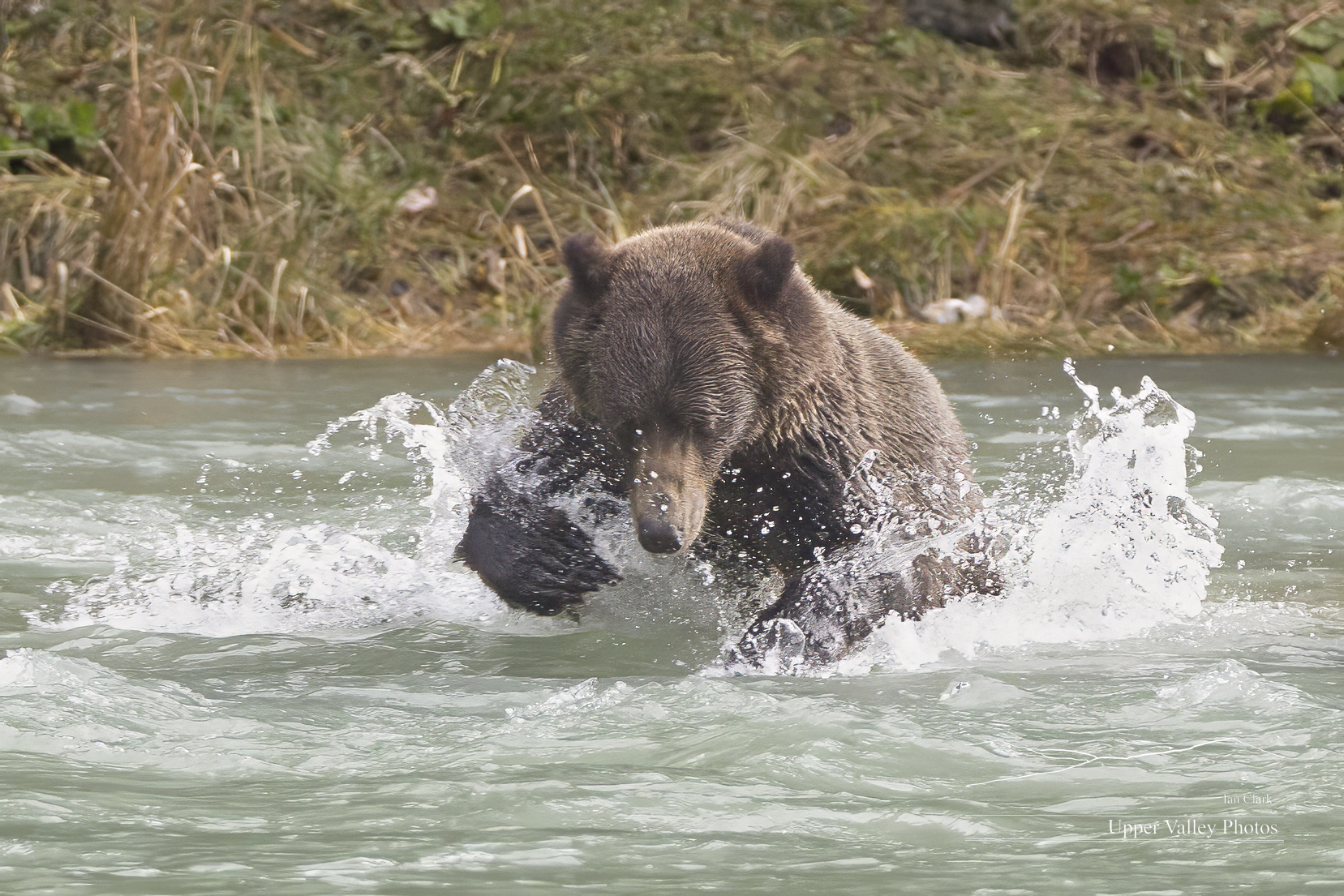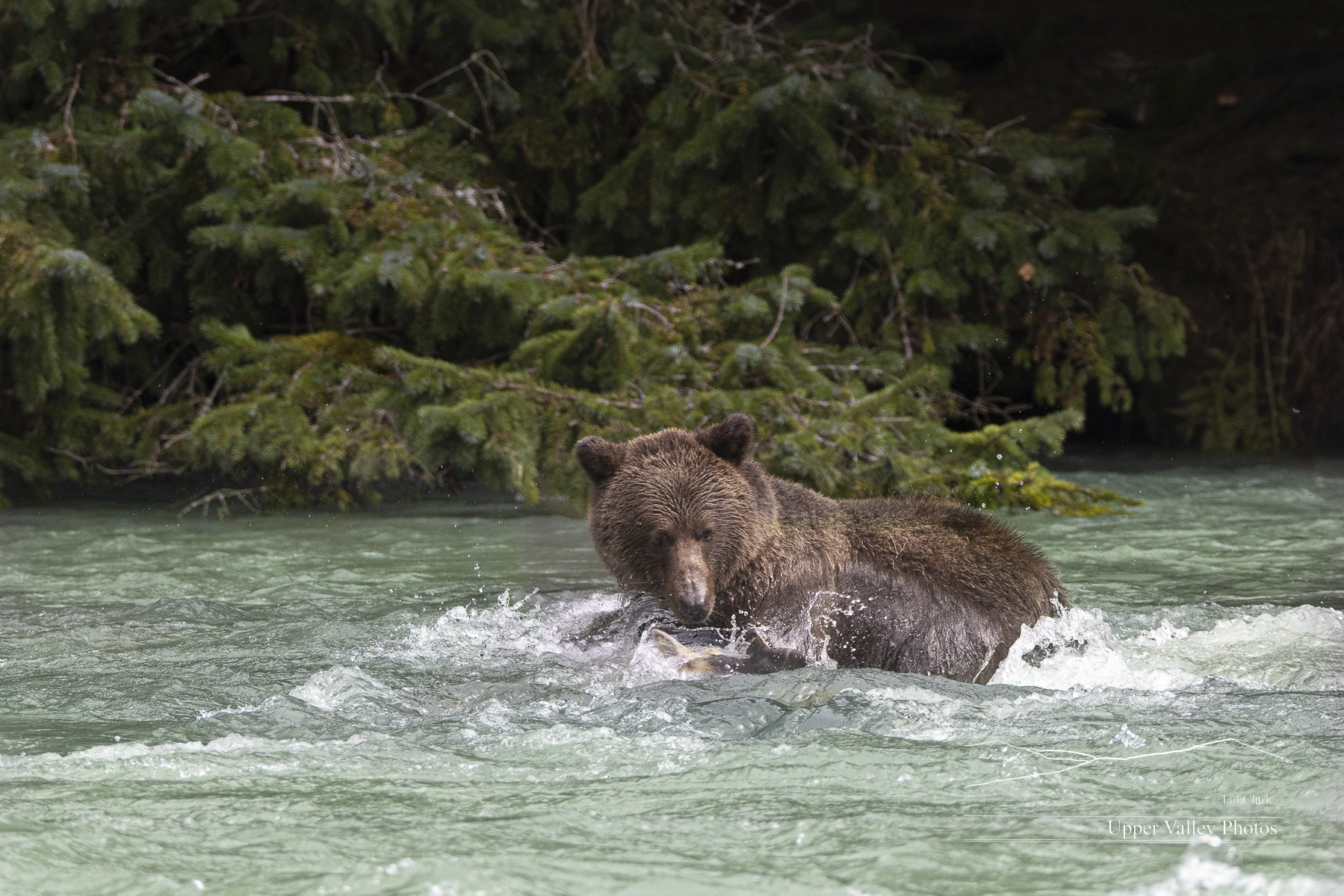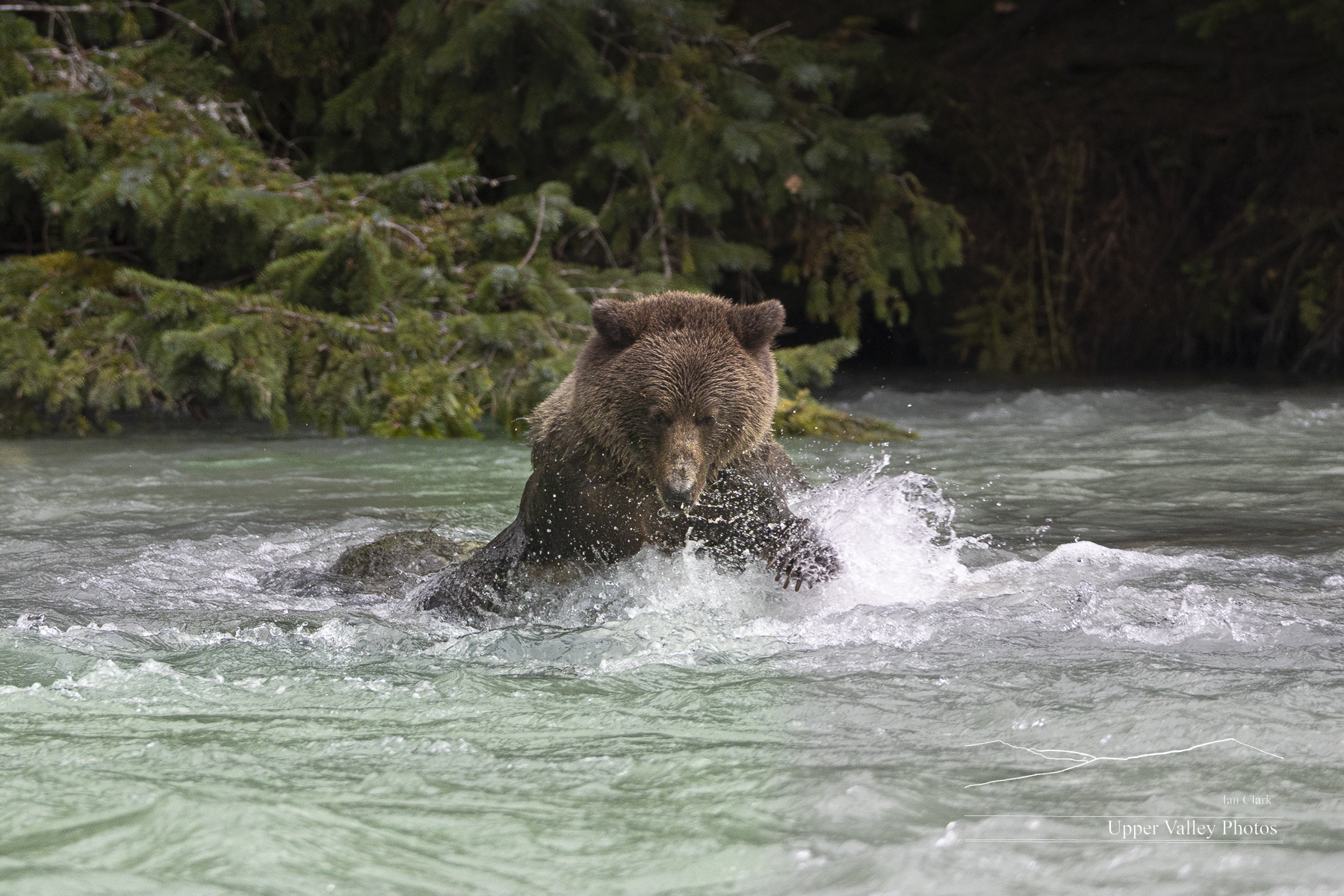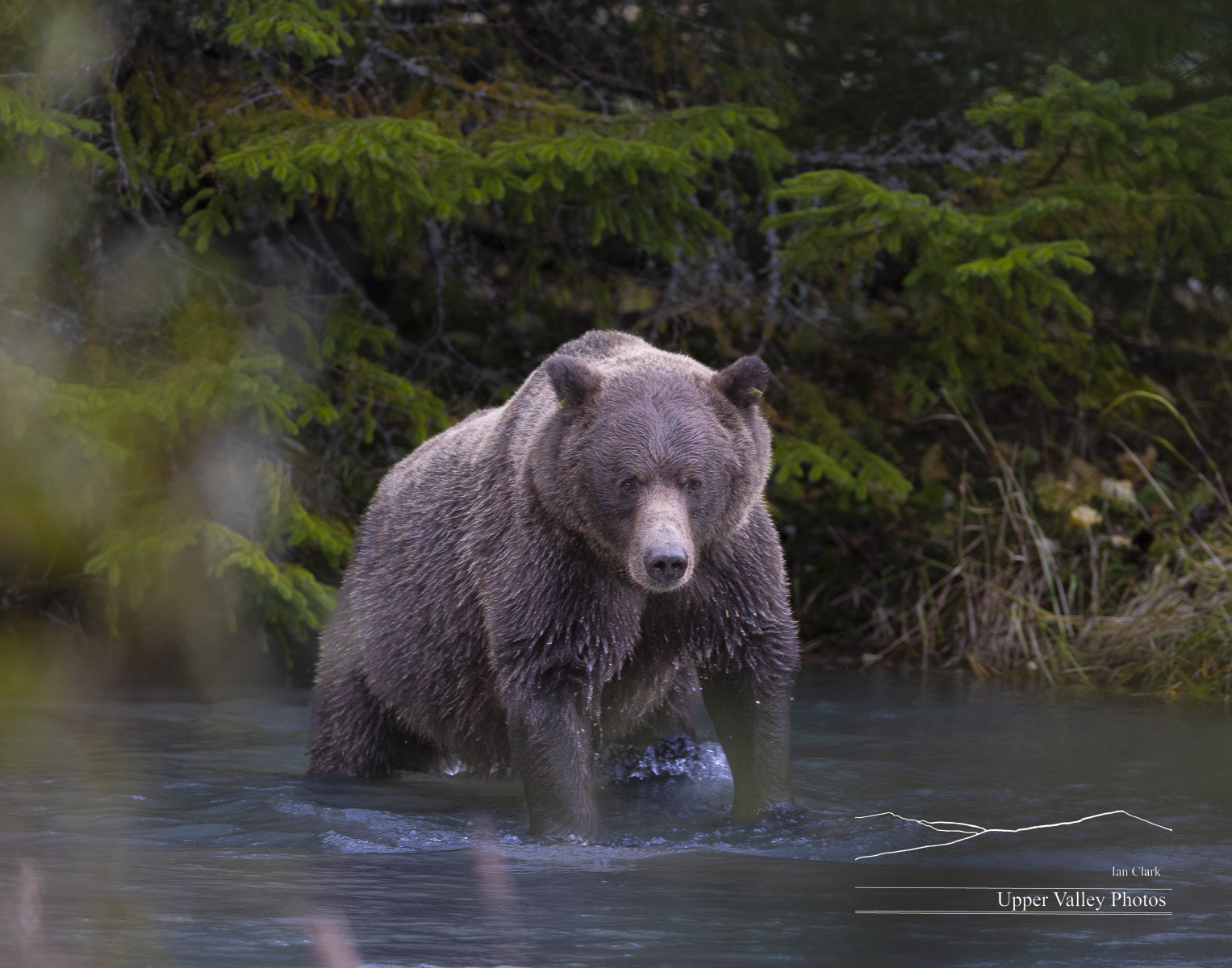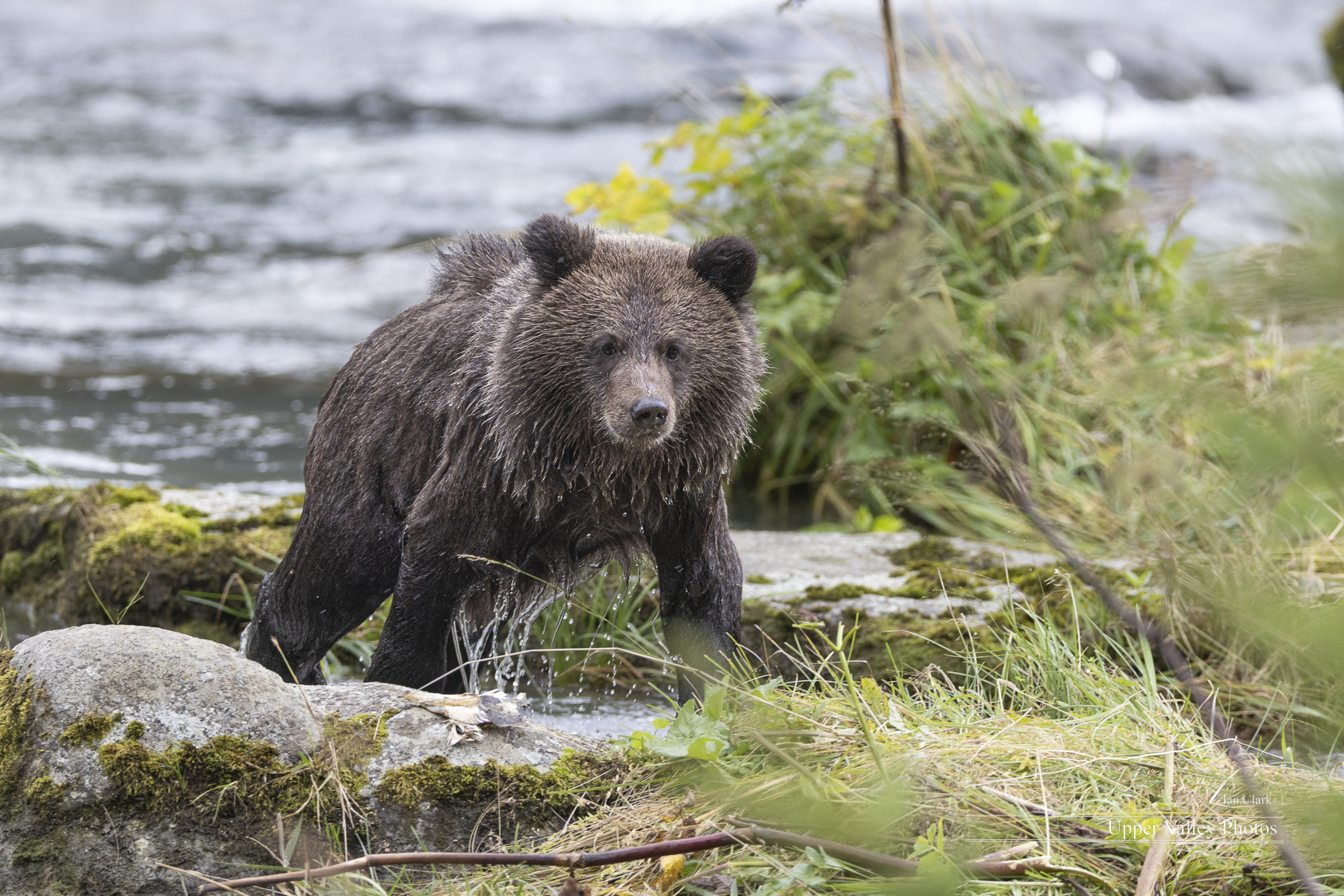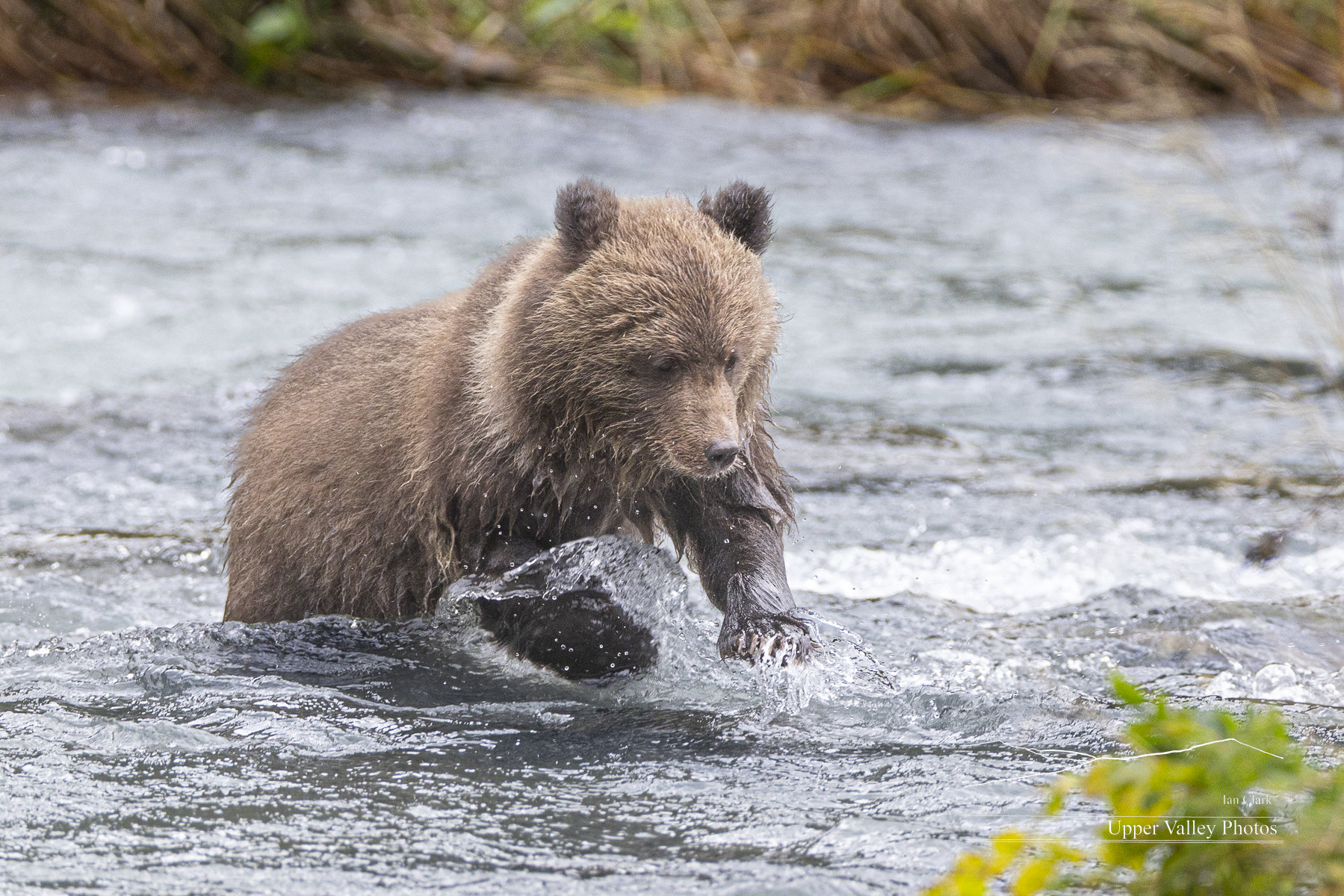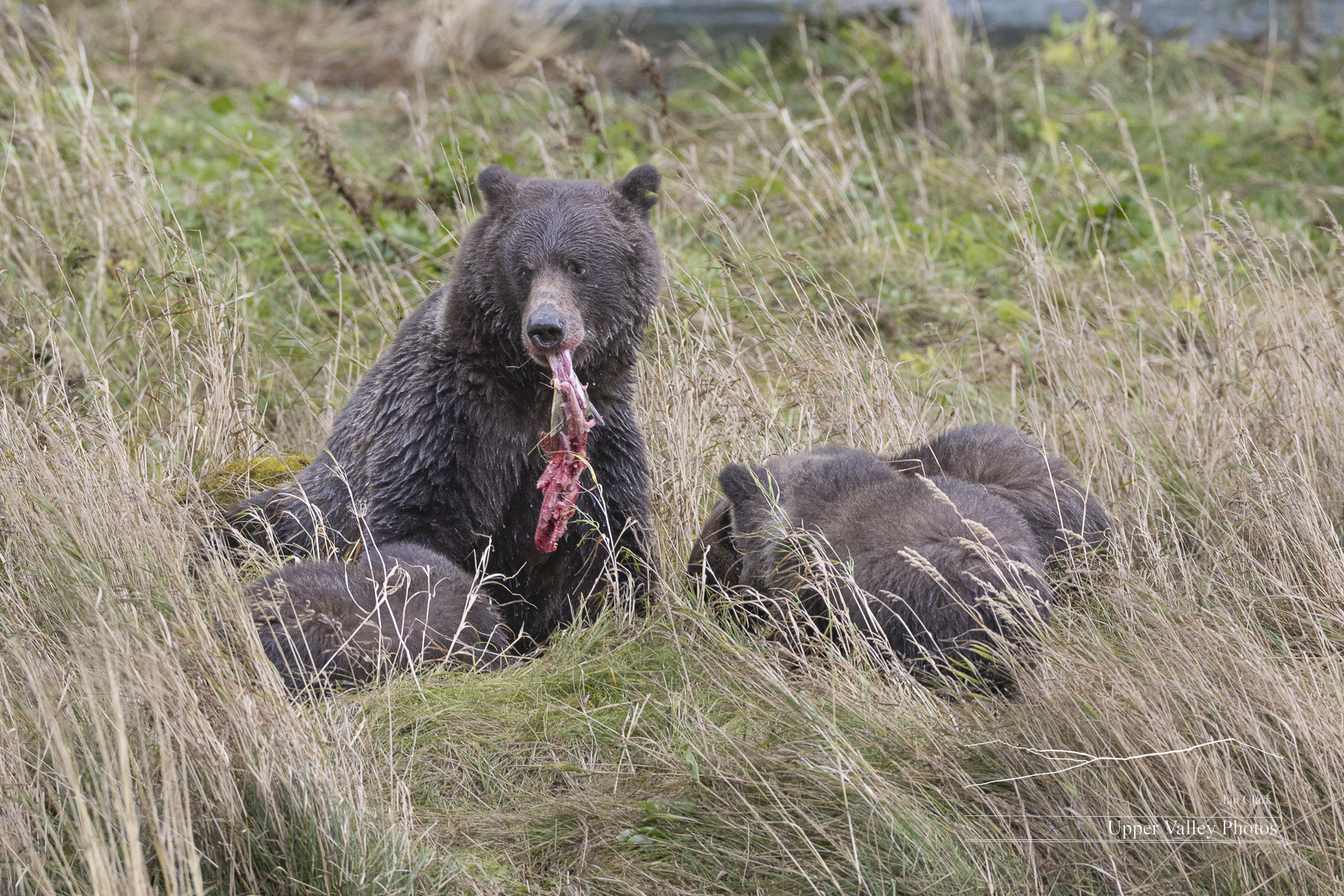
Here’s a roundup of my favorite photos from my adventures in 2025.
I’ll be showing my slideshow on visiting the puffins on Machias Seals Island at 2:30 pm on Sunday March 22 at the Tenney Memorial Library, Route 5, Newbury, VT. Free and everyone welcome. And, stay tuned, the Piermont, NH, Library wants me do a slideshow of the best of 2025. We’re checking the dates the hall is available. It should be one of the first three Sundays in March.
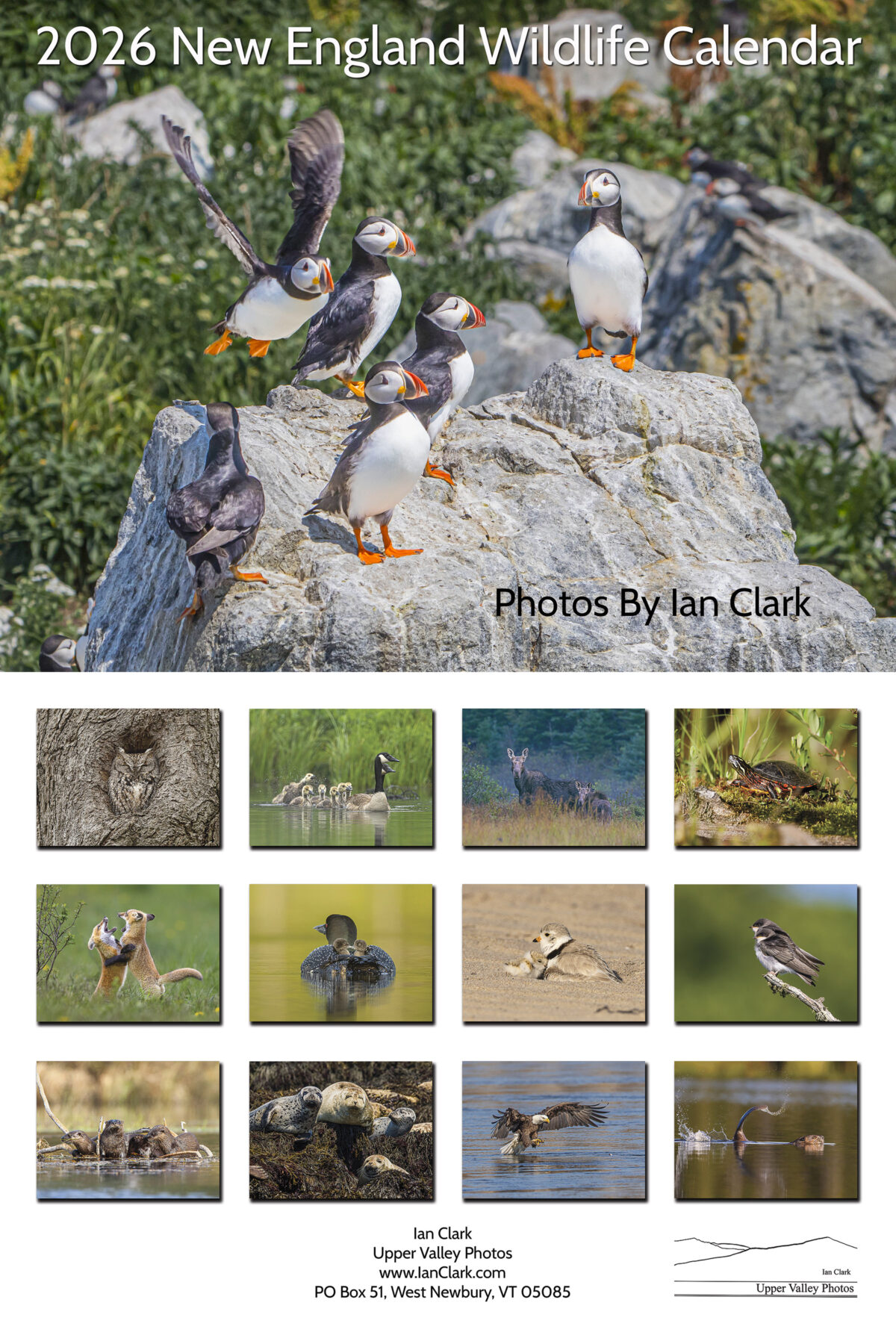
And it is last call for my 2026 Wildlife Calendar. I’ve got only a few left, you can get yours on my site here. There are lots of images available in many sizes from note cards to wall art.
OK, the critters….
Last winter, I took several trips to the Maine, New Hampshire and Massachusetts coasts. The goal was to find owls.
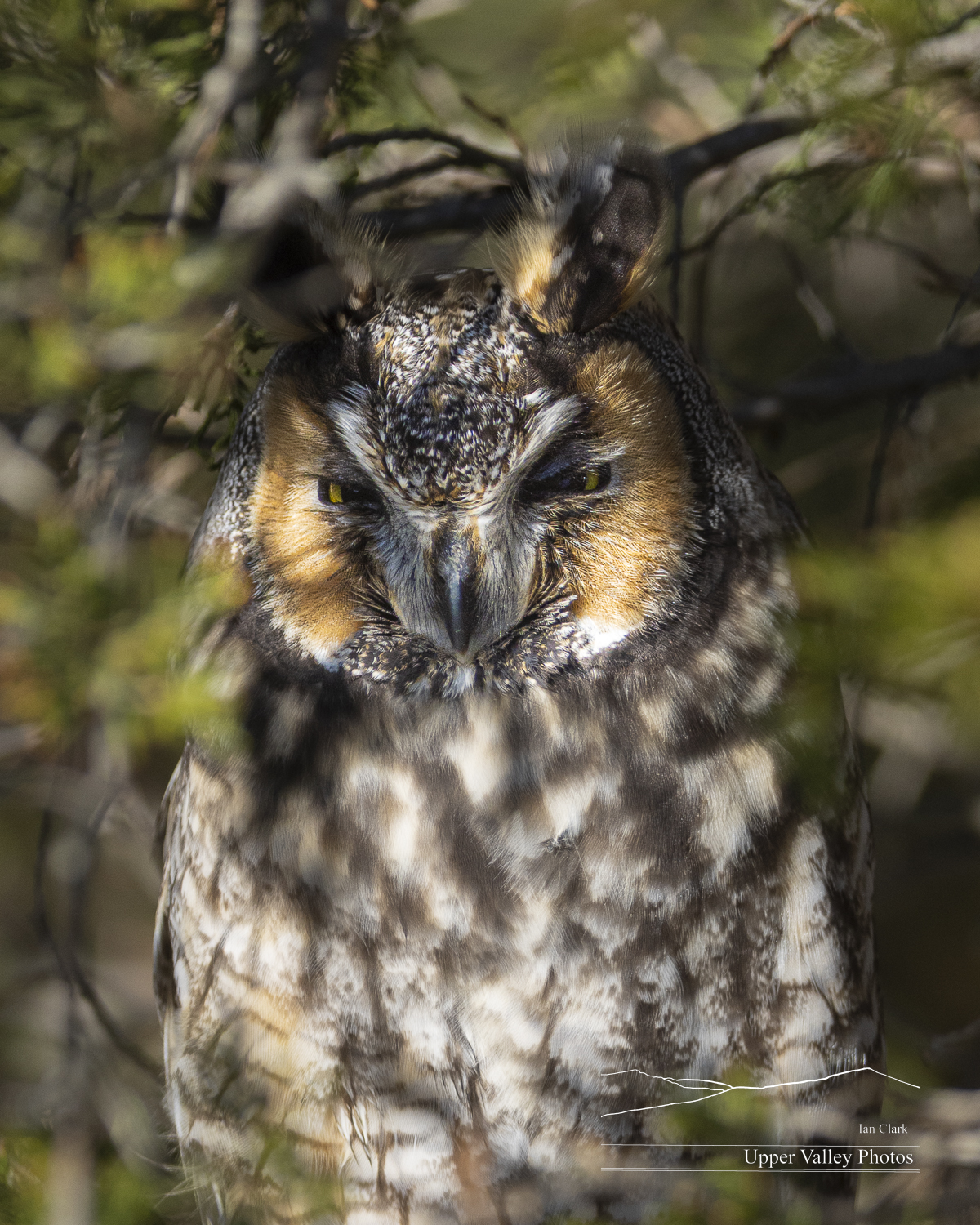
This is Leo, the long-eared owl. He’s on my list. There were three long-eared owls living in about half an acre of trees alongside a parking lot. Even in that small a hideout, they were discouragingly hard to find. I spent about 40 hours waiting for them to move out to sun themselves. Without success. And, it didn’t help that every photographer east of the Mississippi would stop by to show me shots they’d taken of all three owls sitting together in perfect light in the open. This was the clearest shot I could get.
There were several snowy owls around the coast. They all seemed to have found perches that kept the crowds at a distance.
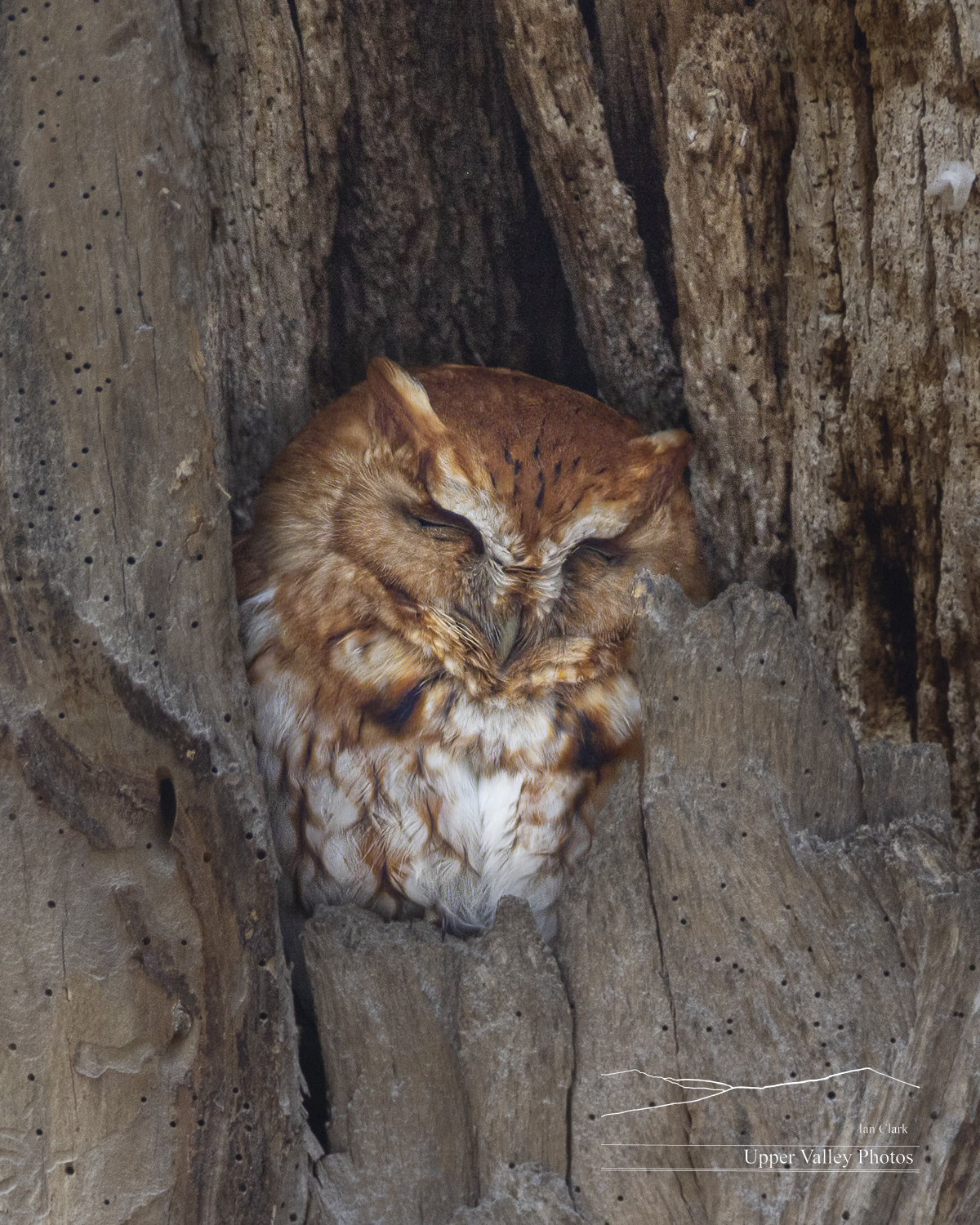
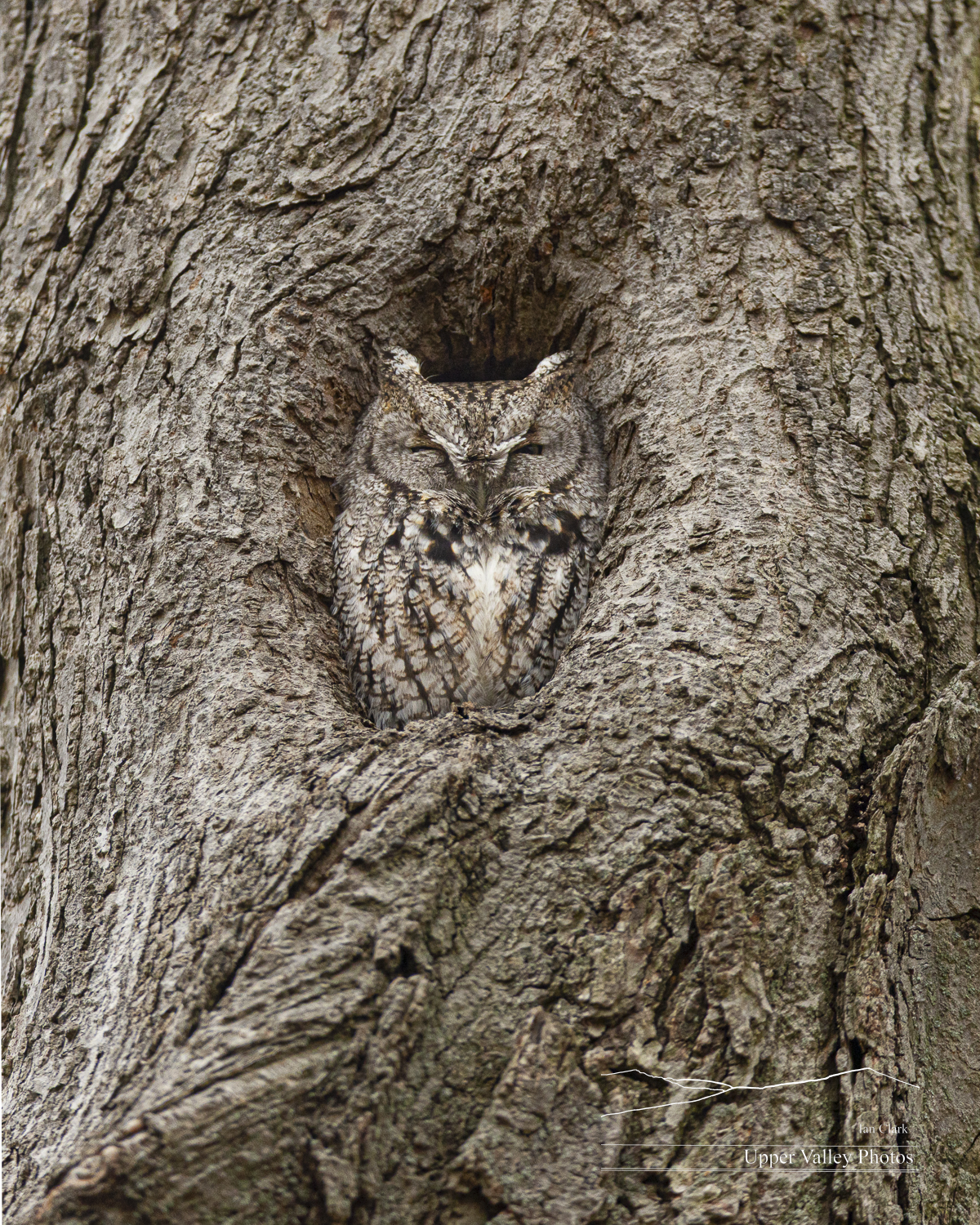
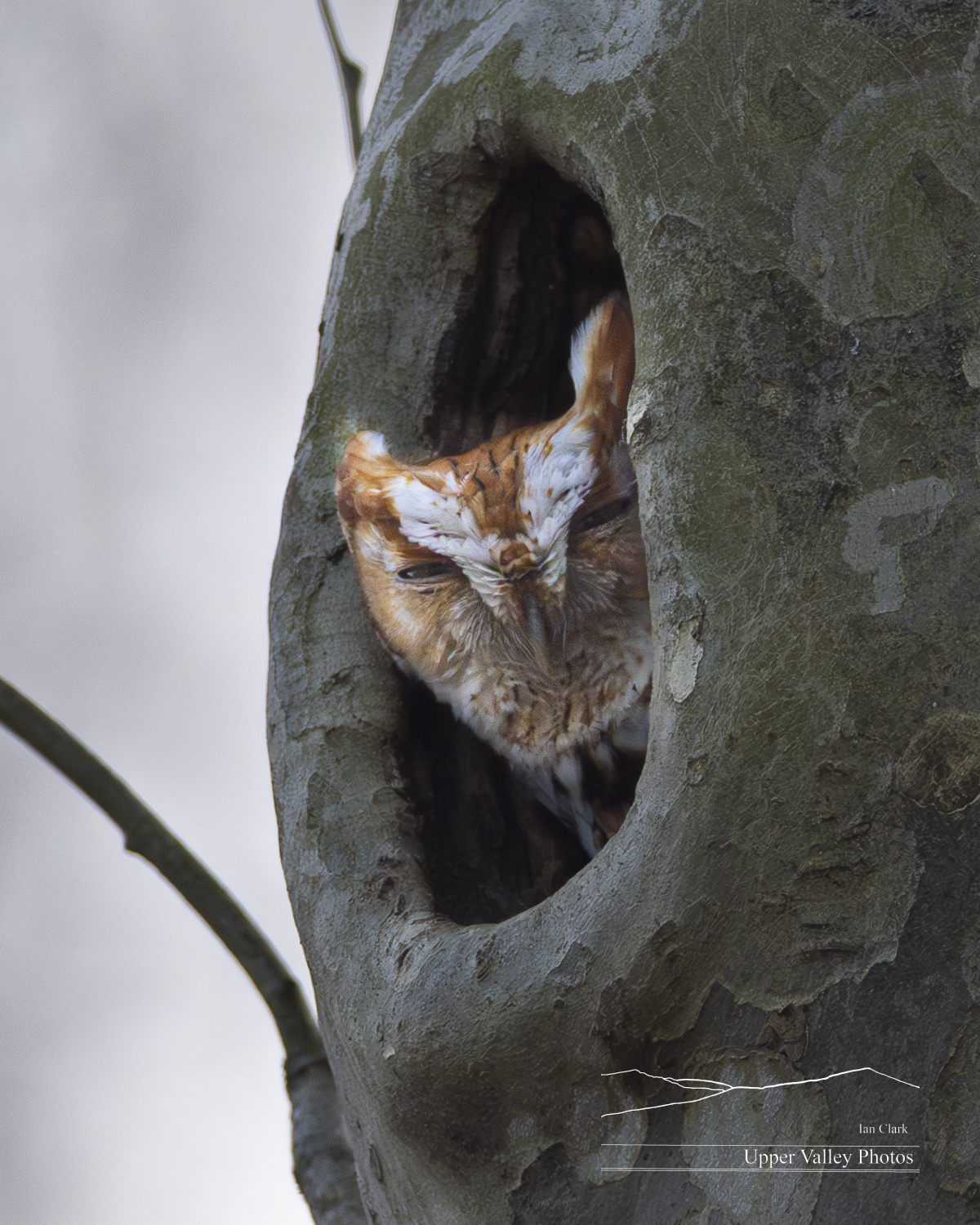
There are a couple screech owls that have gained fame with the photographers. They were more kind, snoozing in openings of their nests.
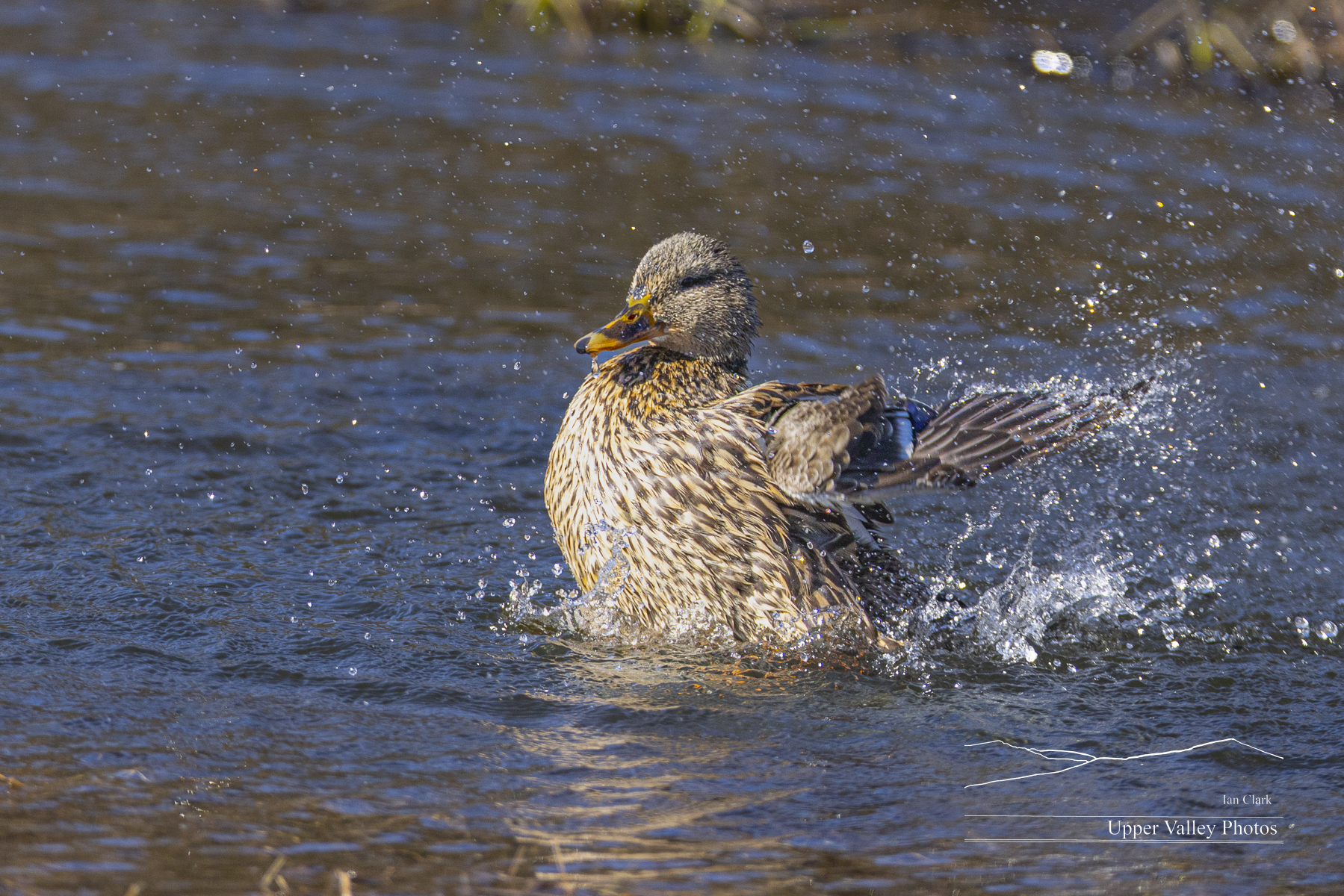
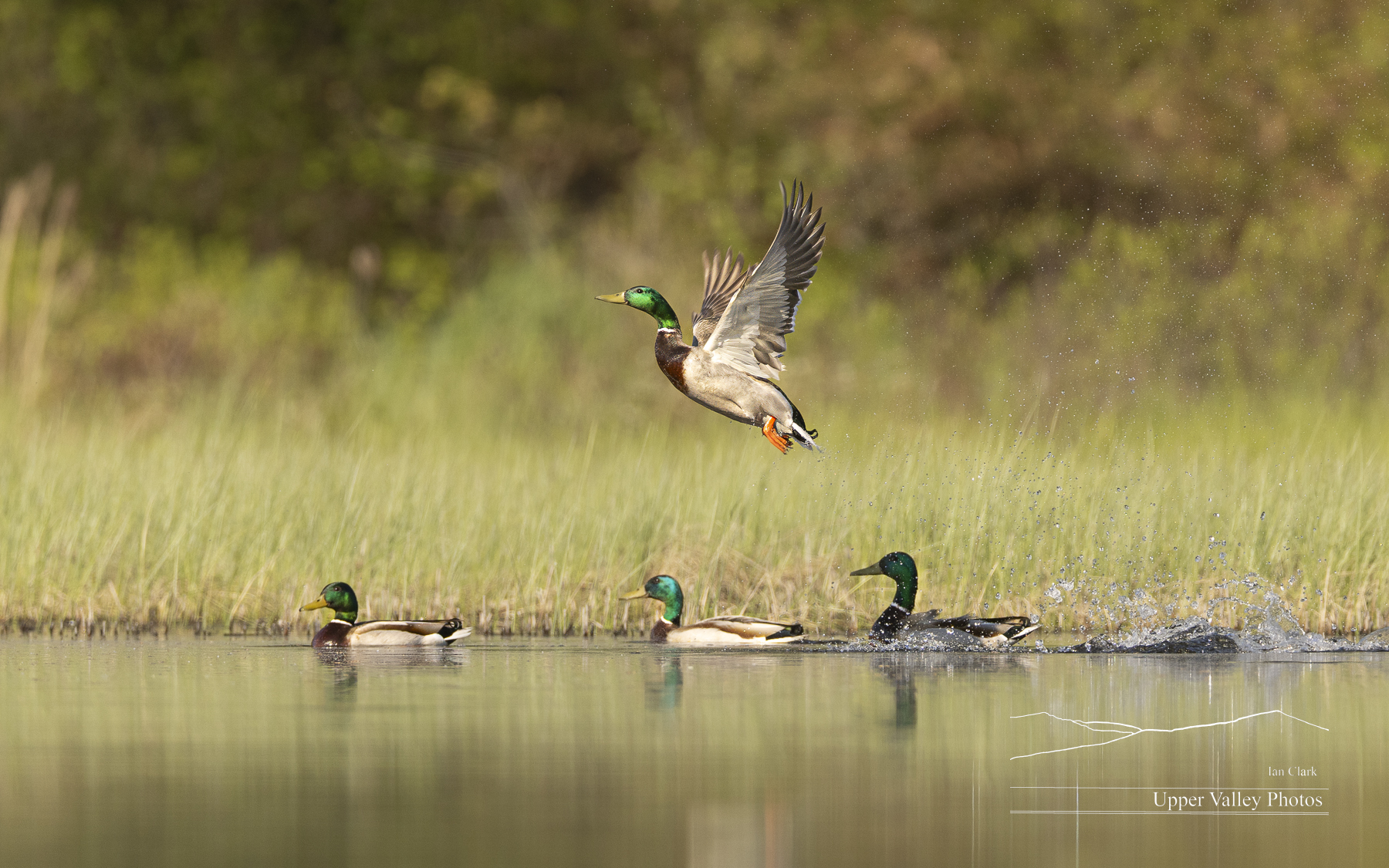
Another screech owl snoozing in his doorway. My first few excursions out in the spring found the early ducks returning. Here’s Mrs. Mallard taking a bath.
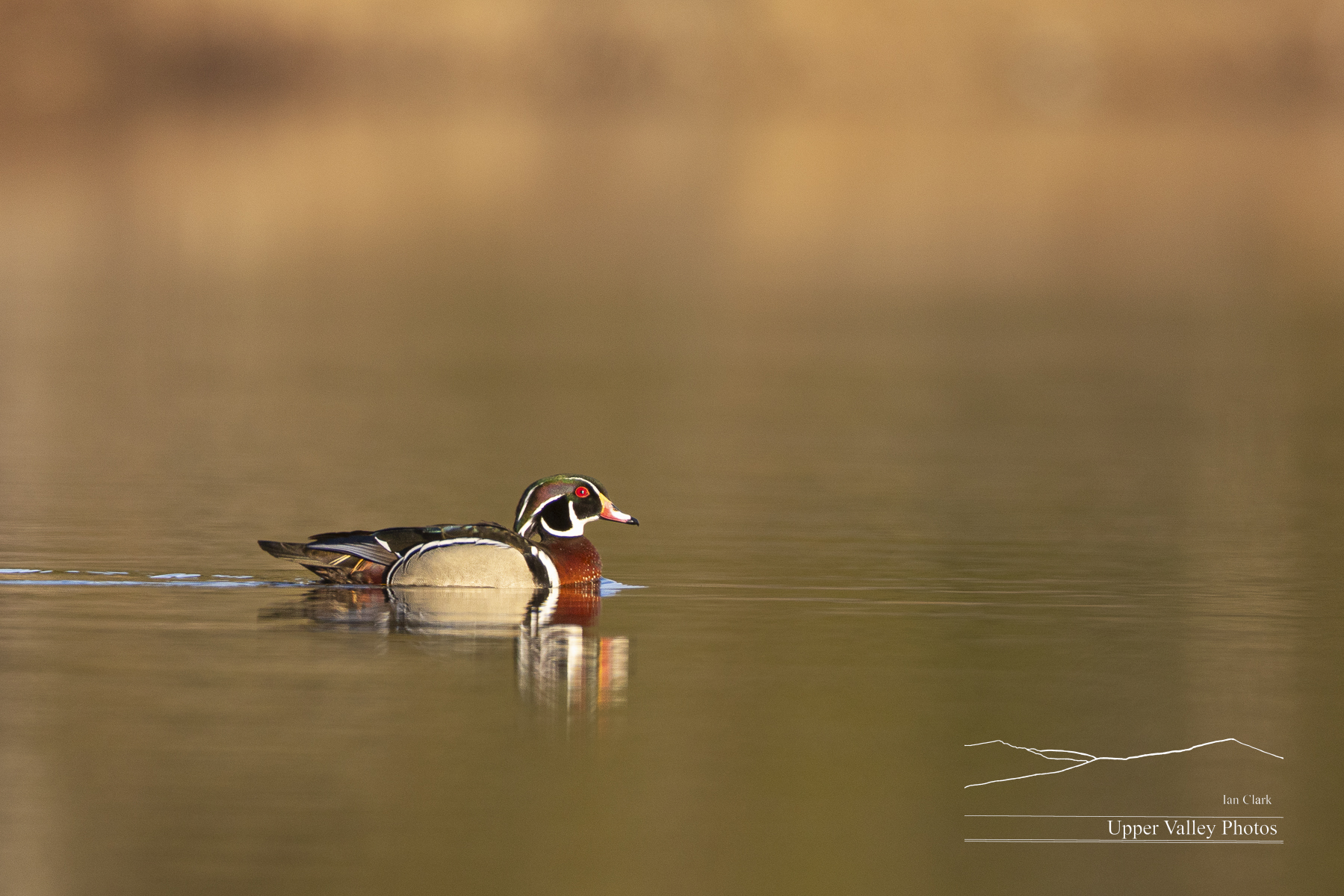
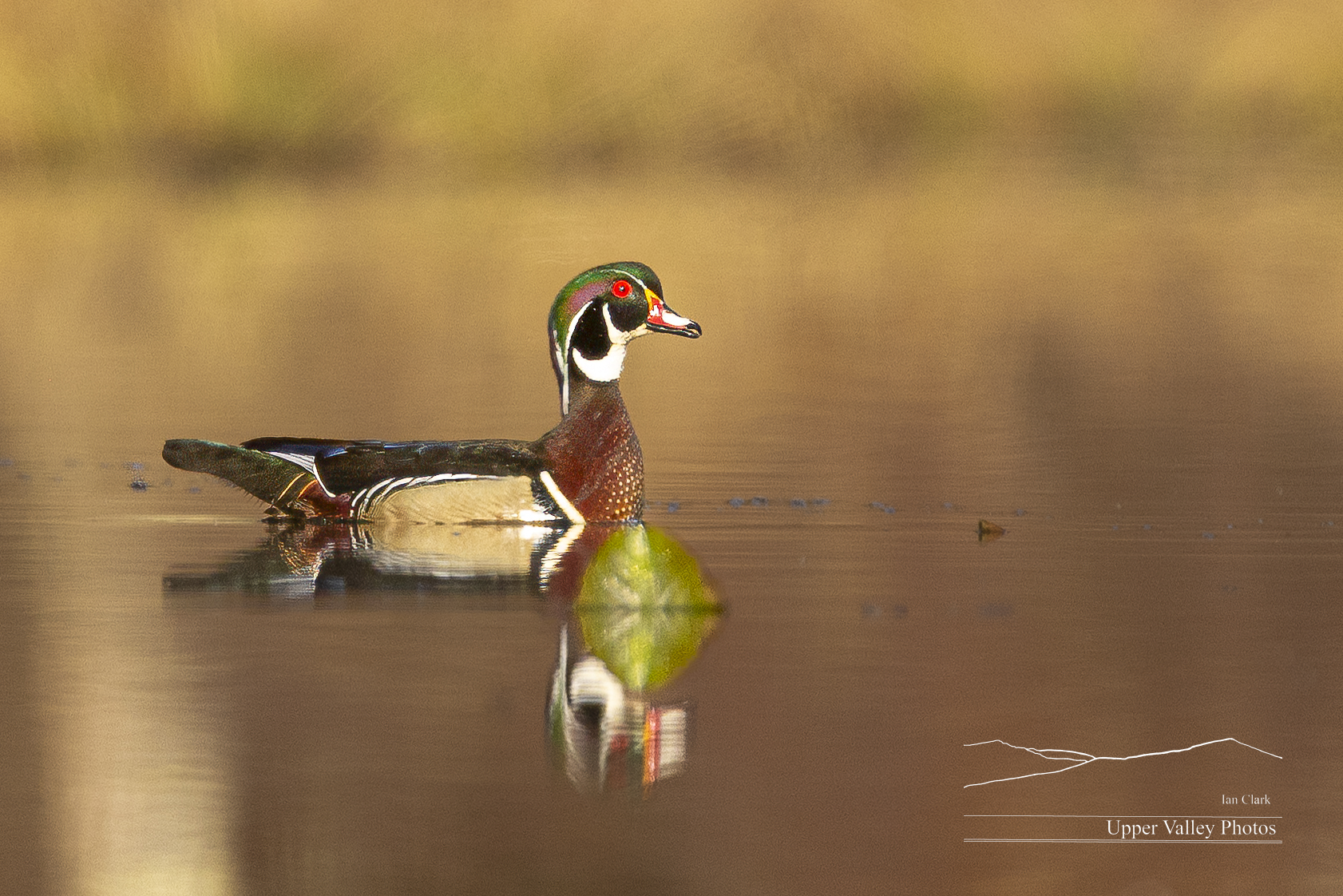
And Mr. Mallard got a little too rambunctious while bathing…..Wood ducks are always a treat to photograph.Another screech owl, this time peering out as he gets ready for an evening out.
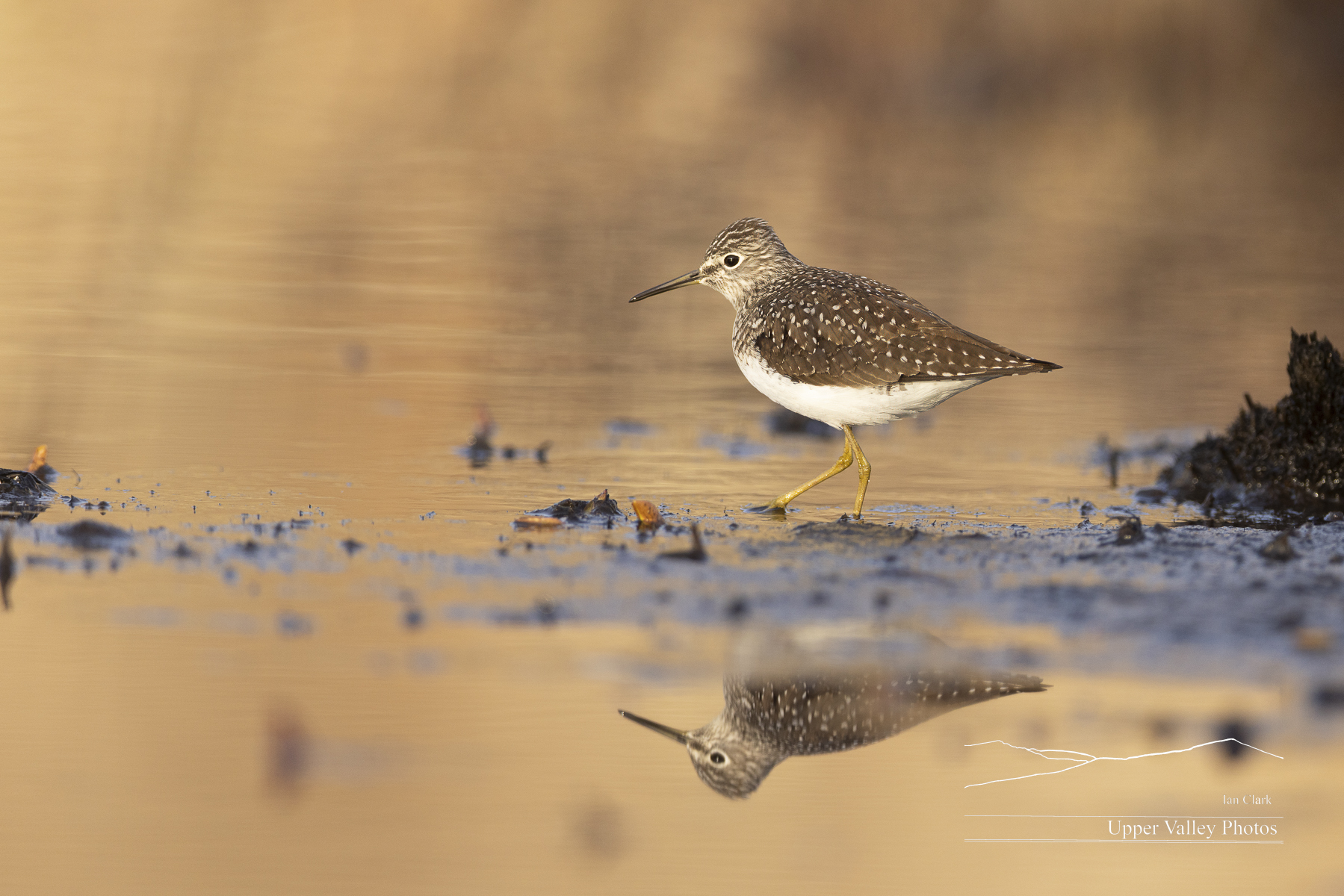
Another trip out found another wood duck.And a solitary sandpiper.
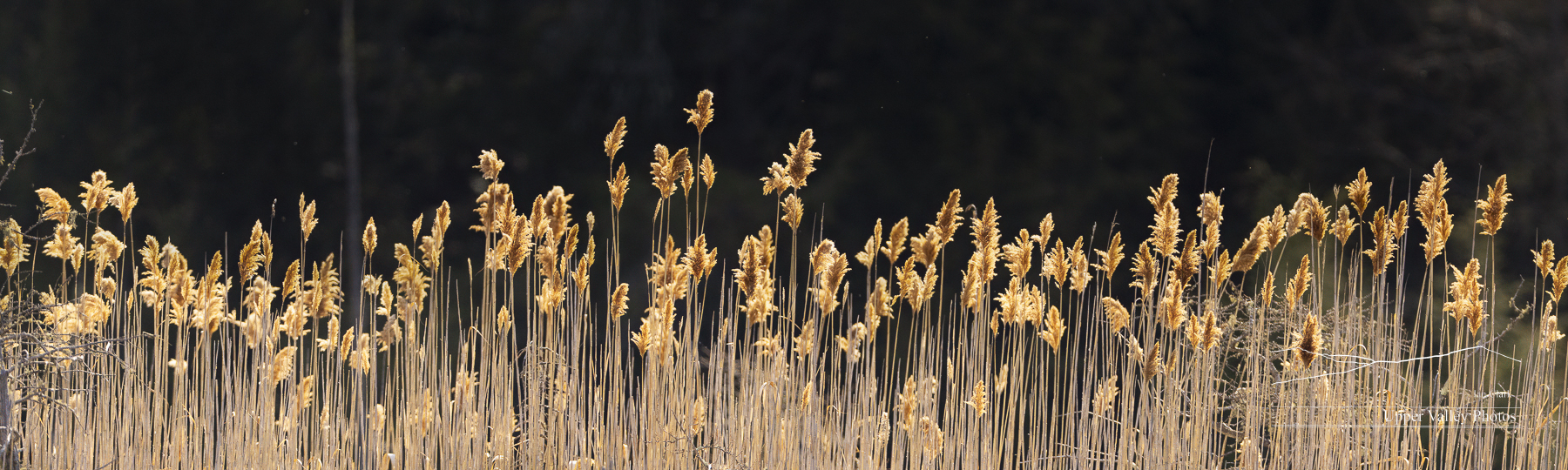
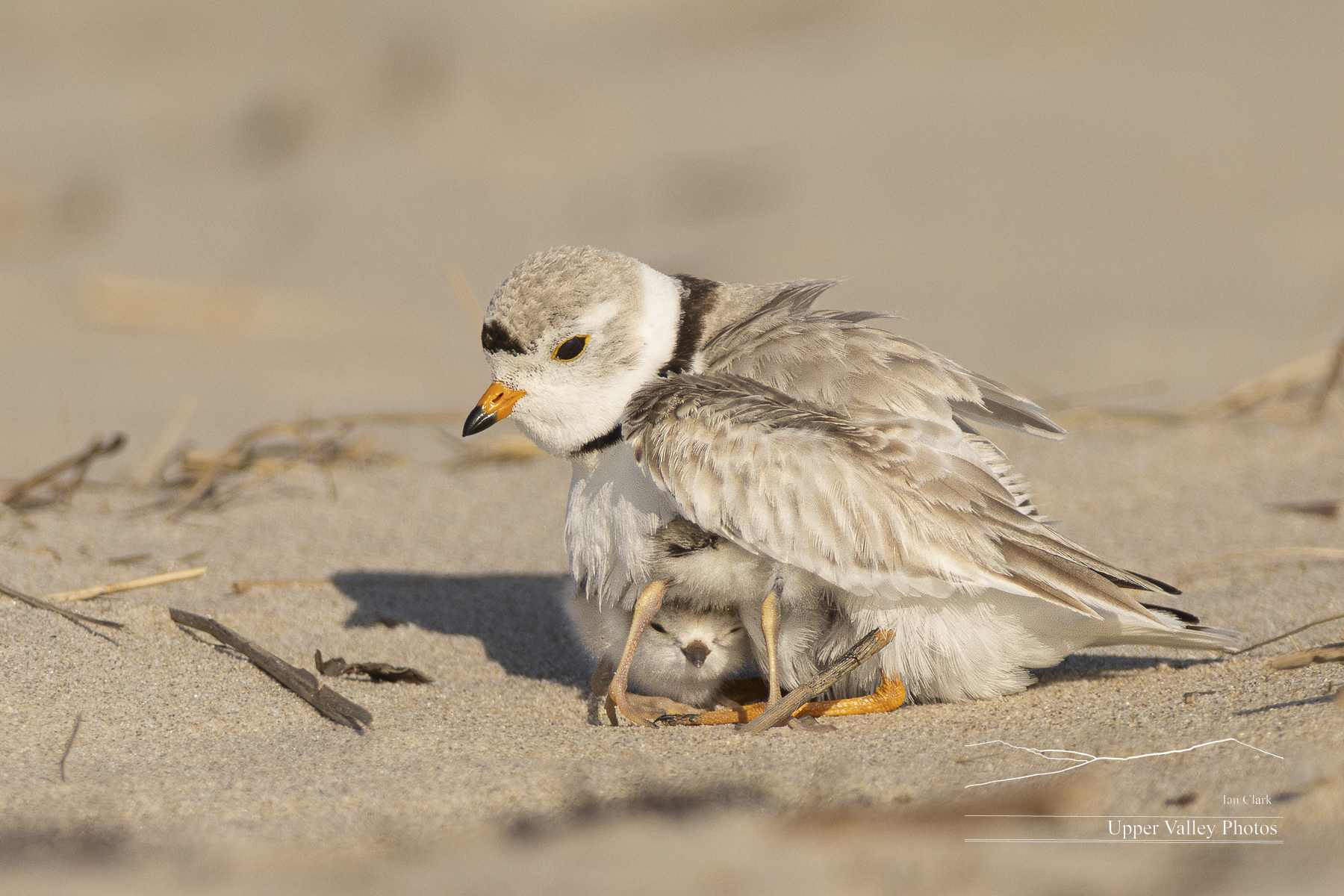
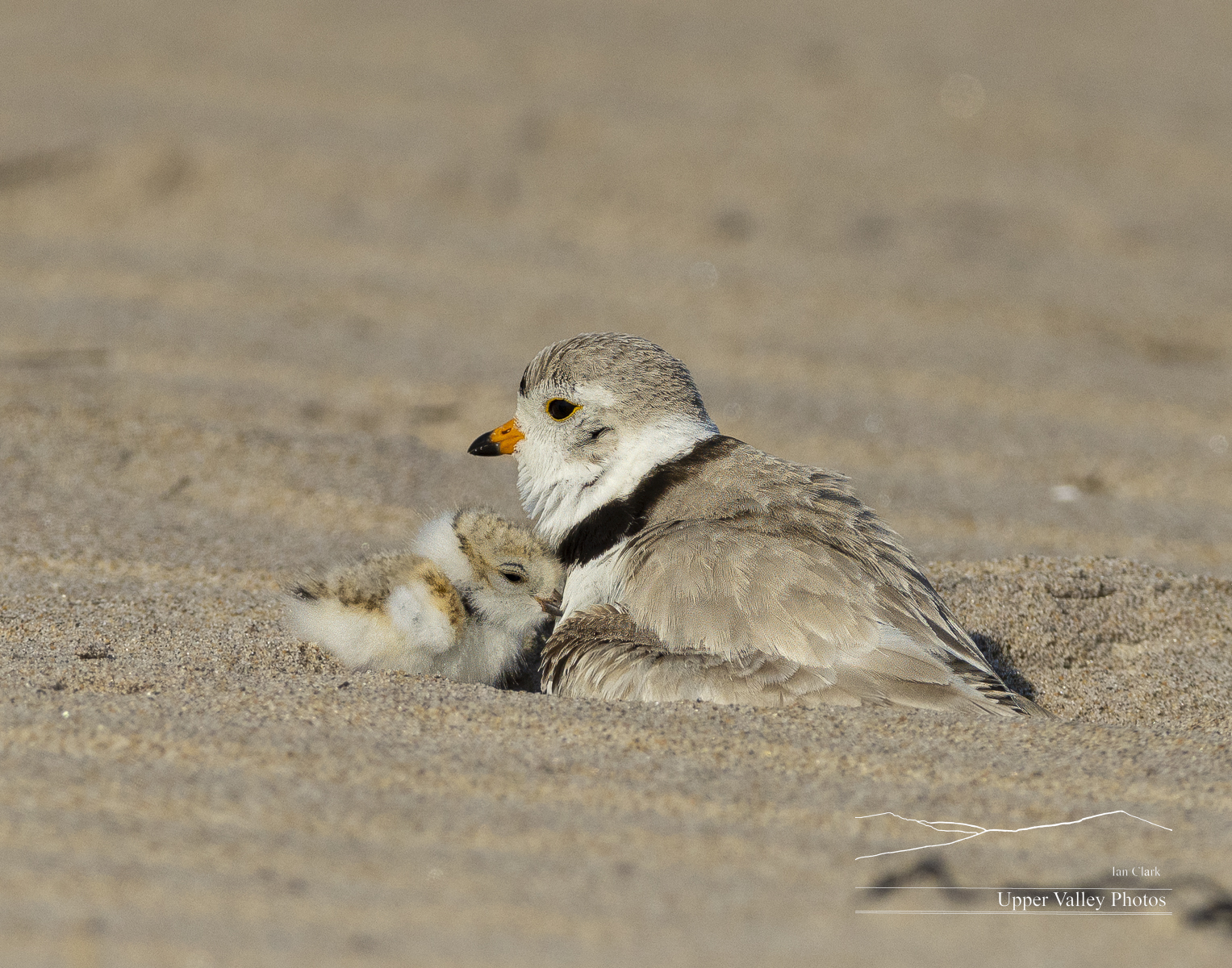
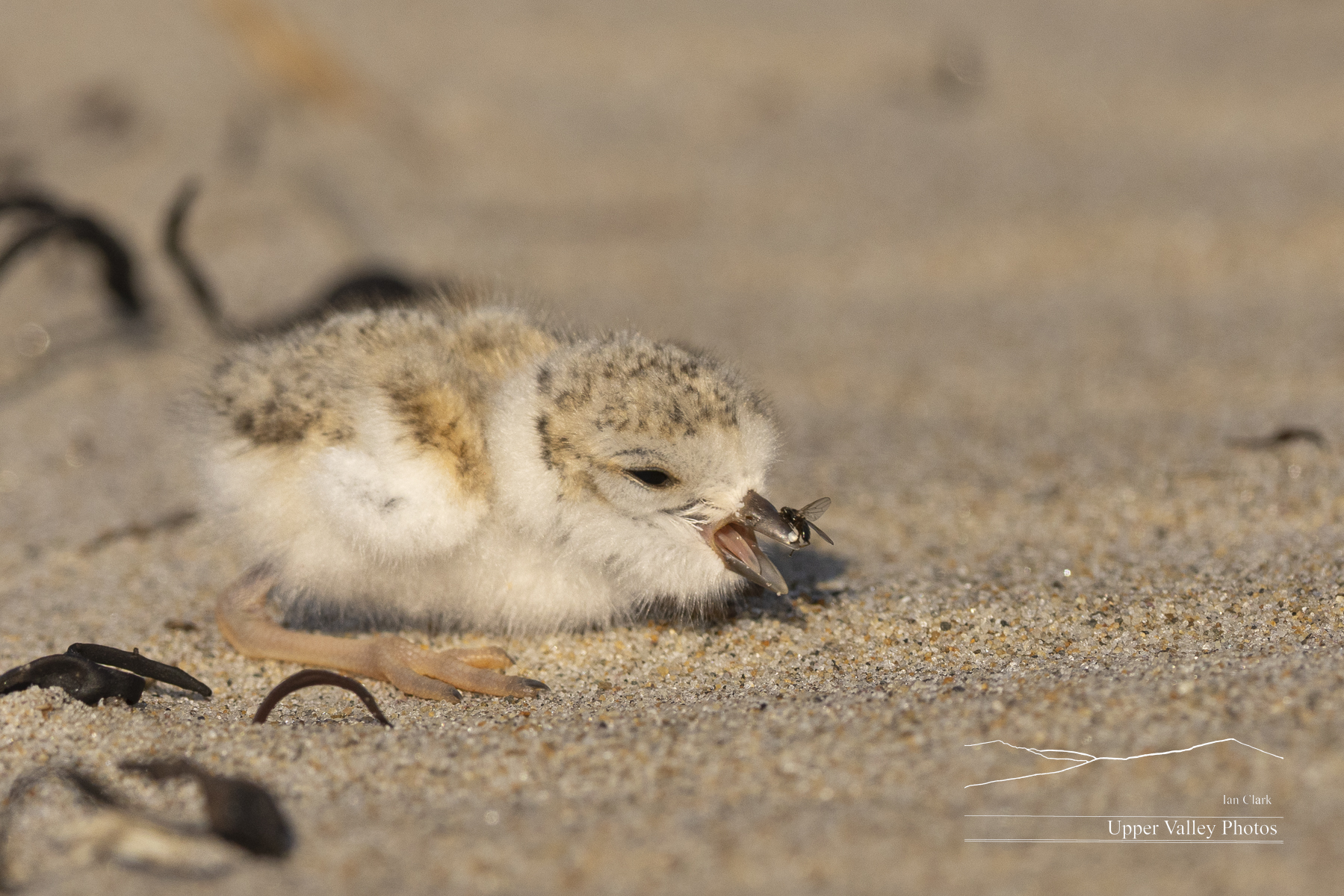
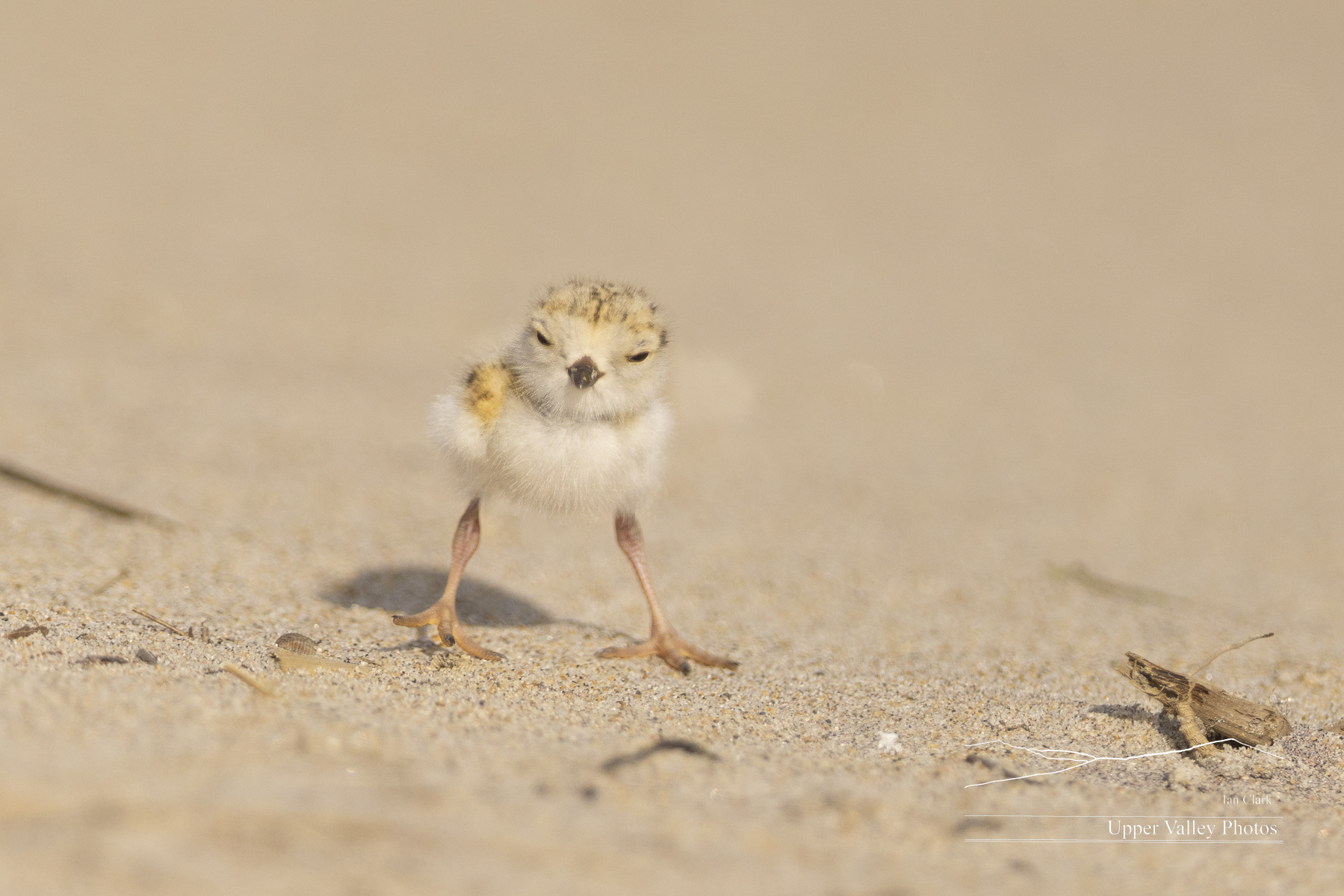
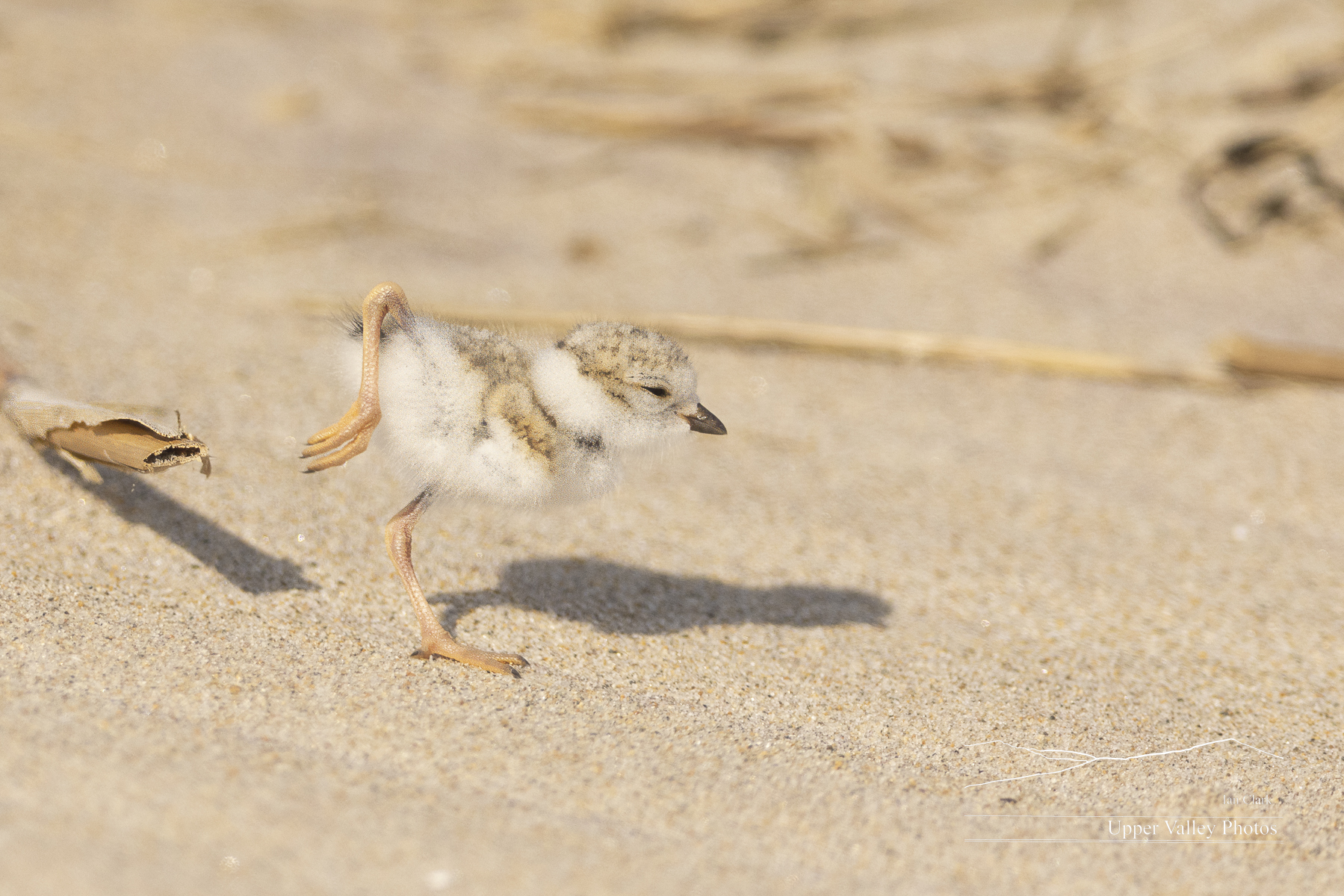
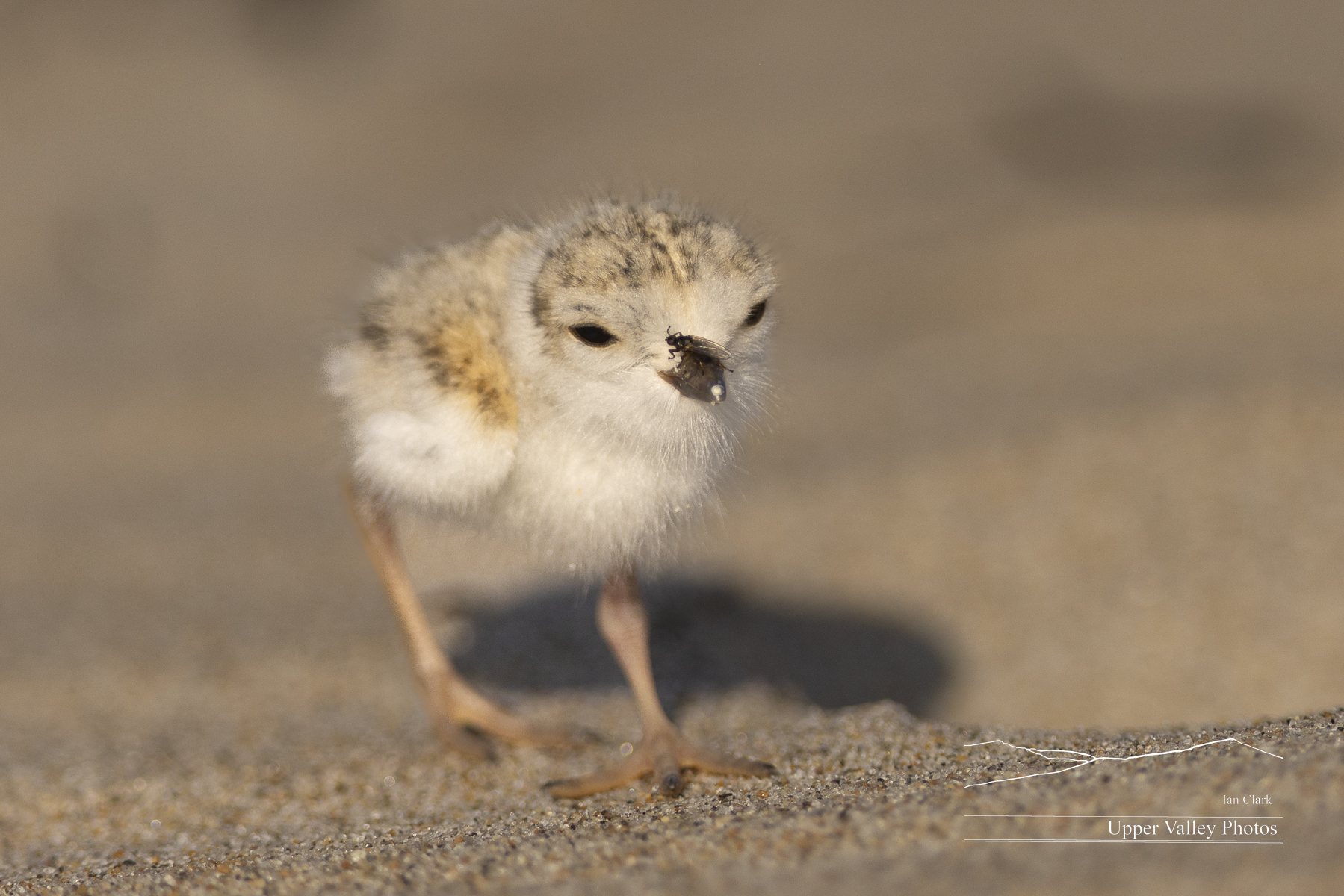
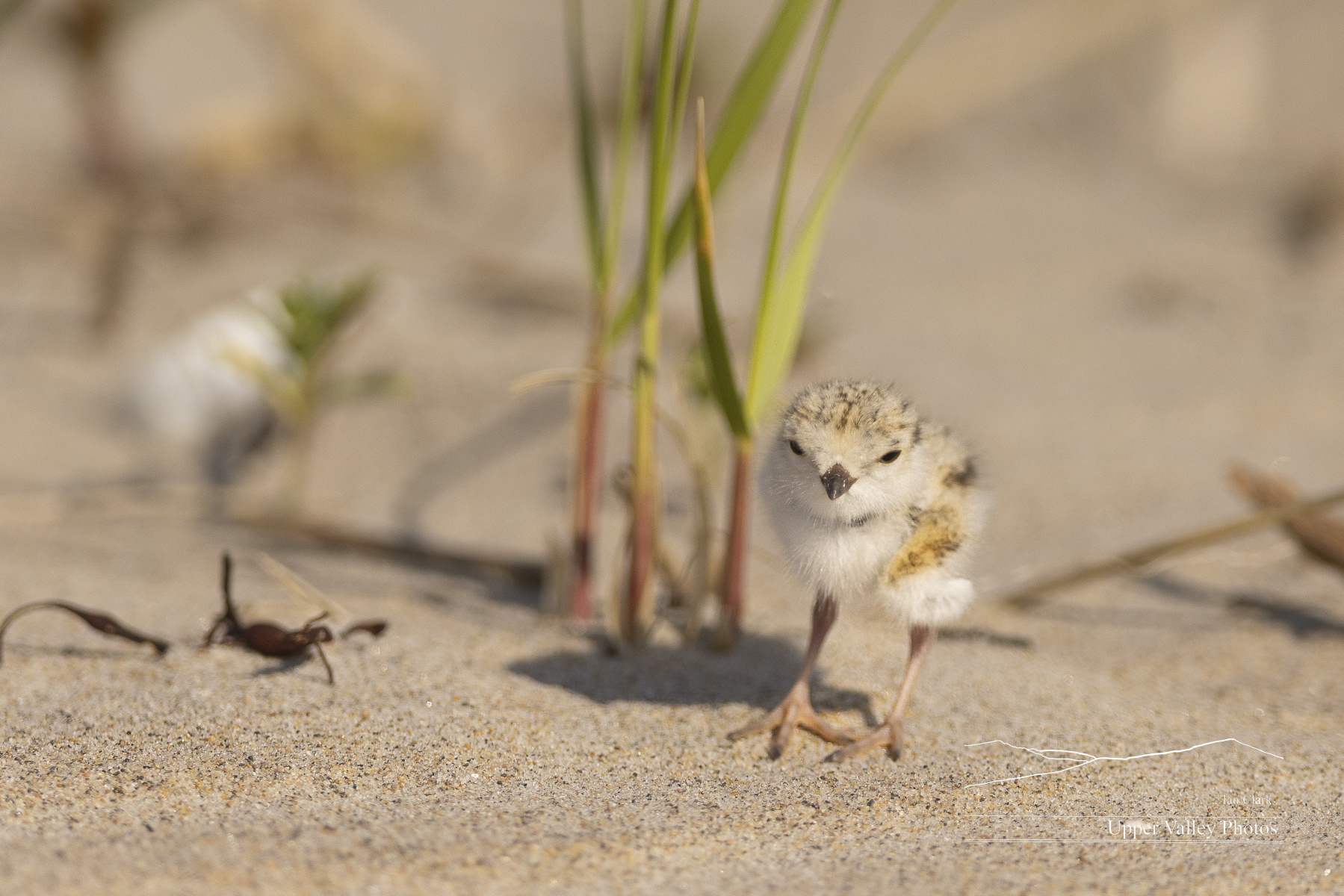
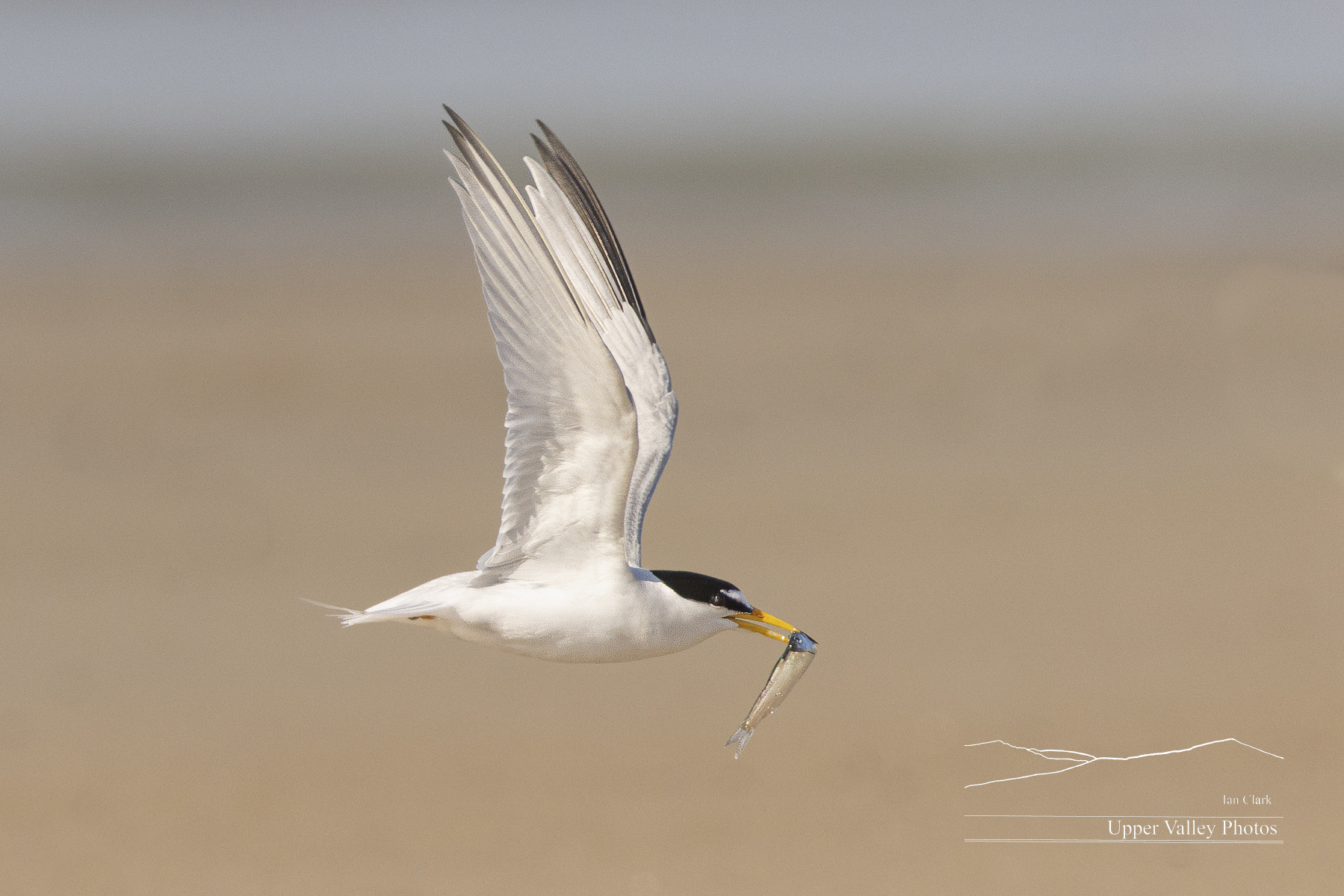
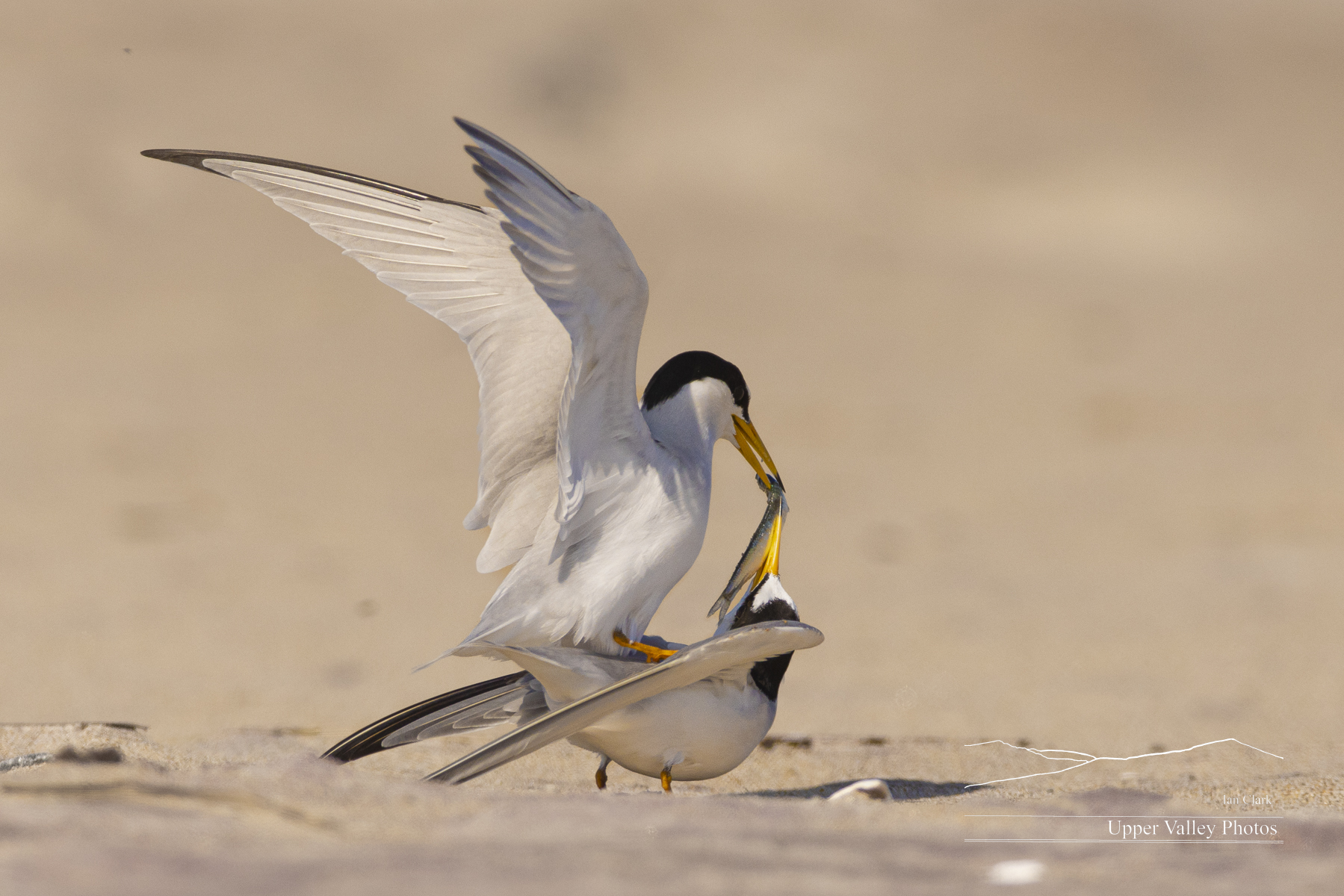
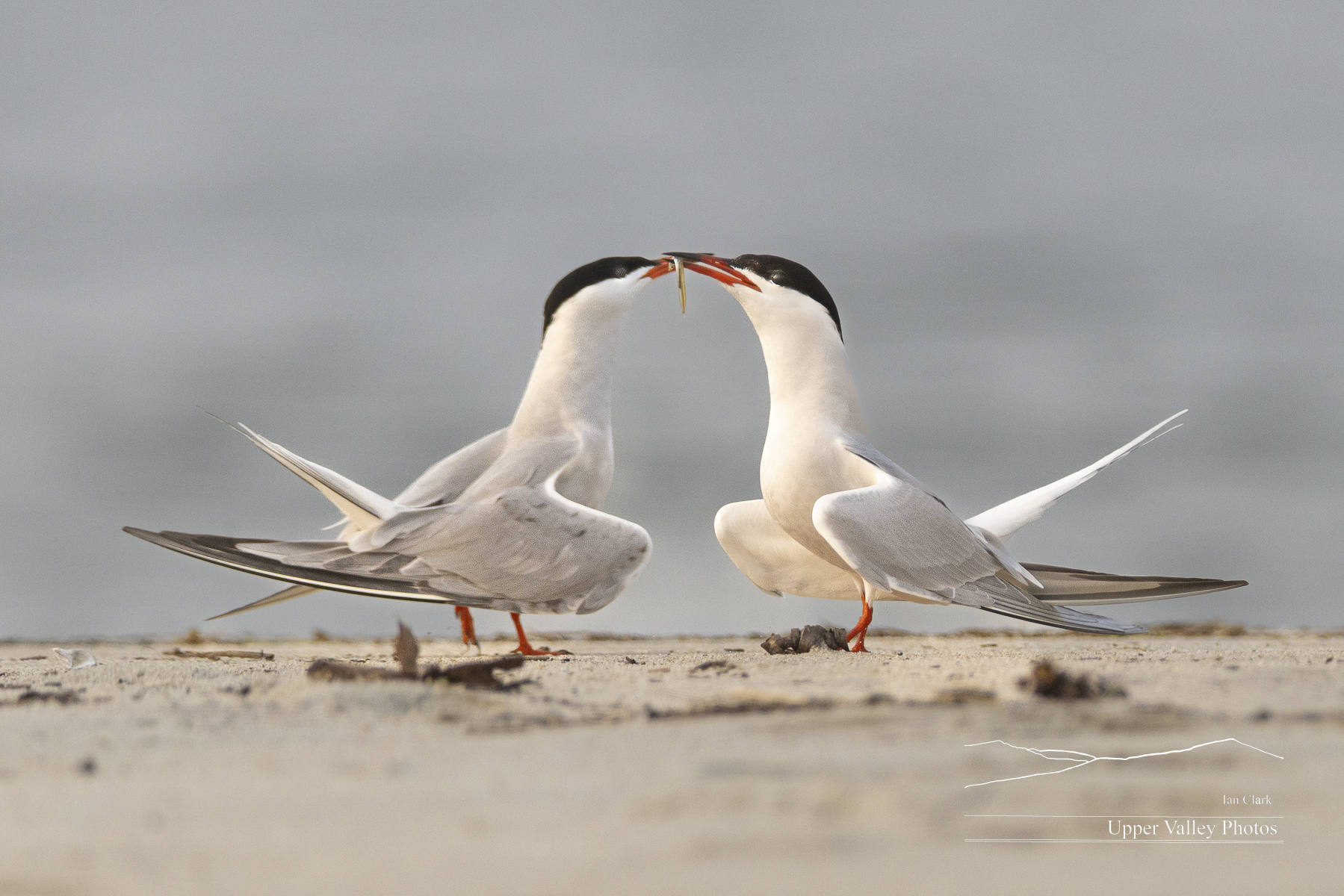
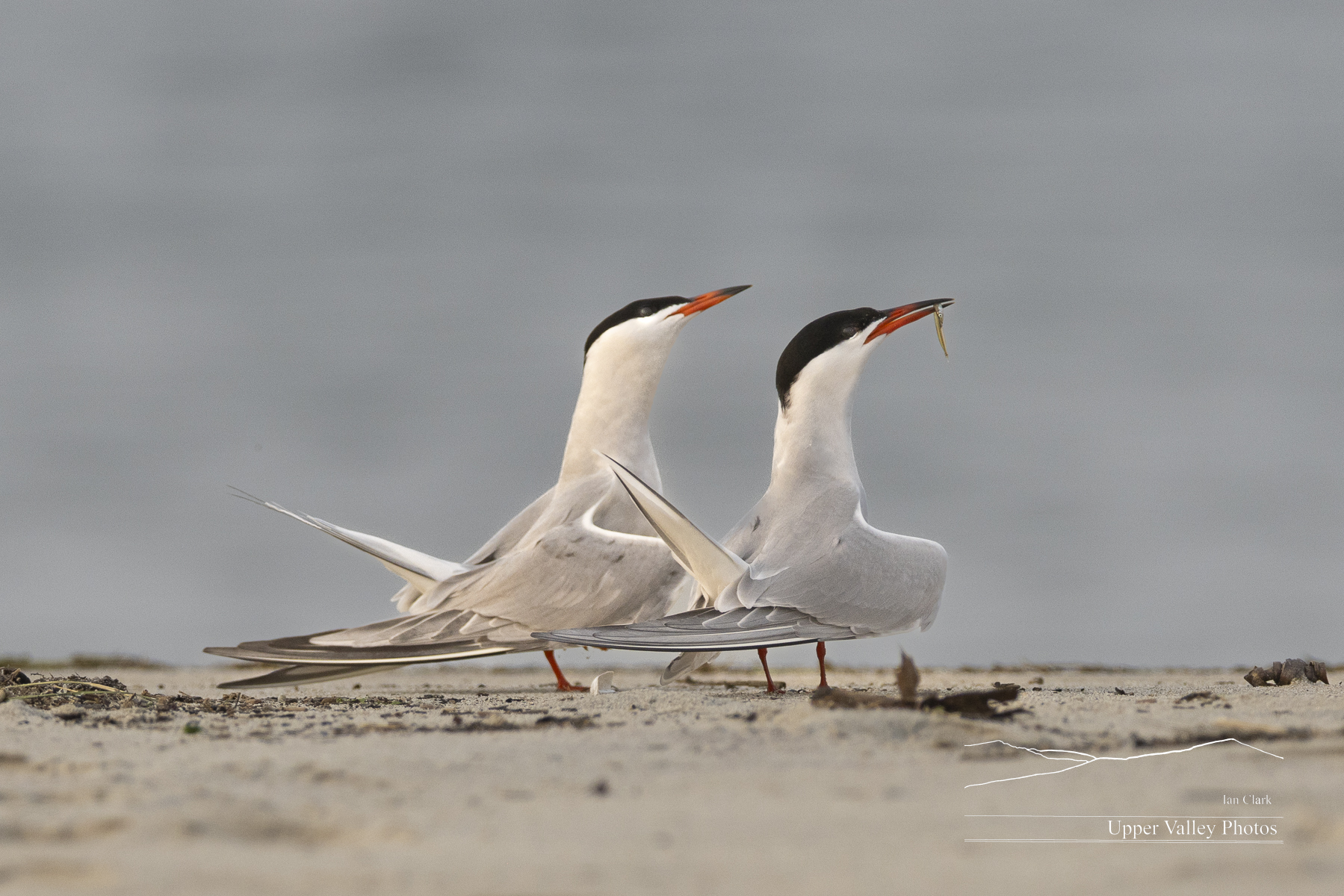
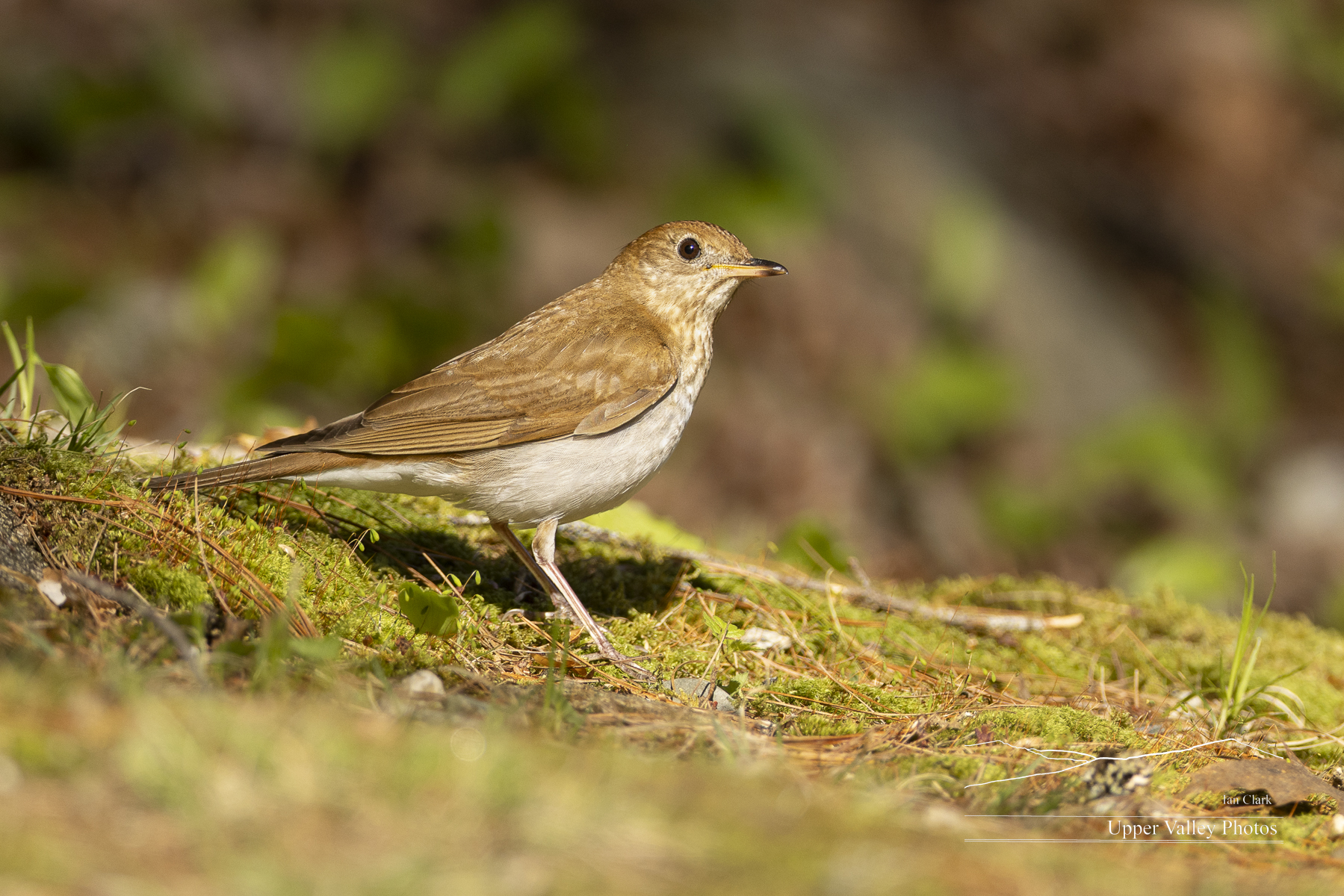
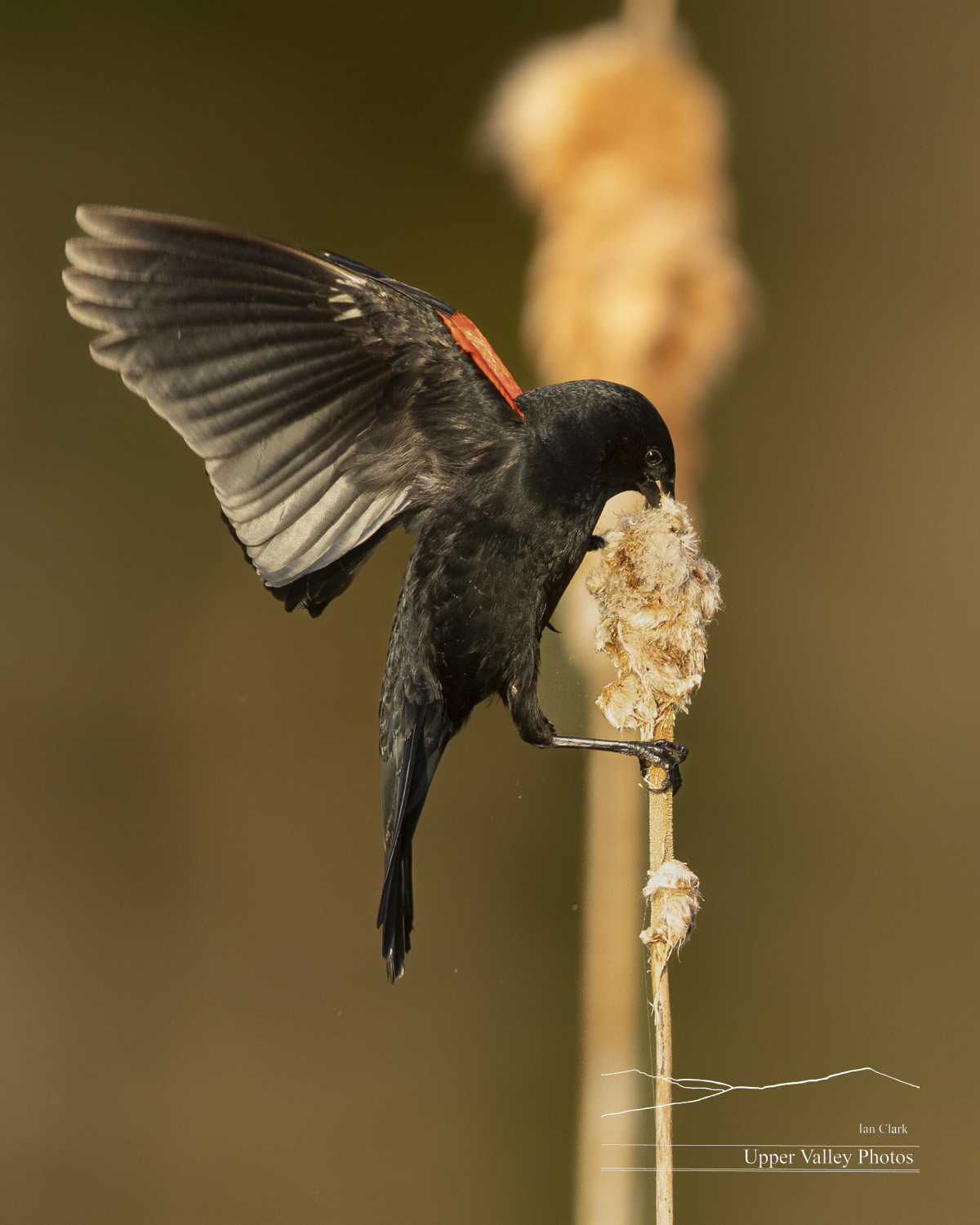
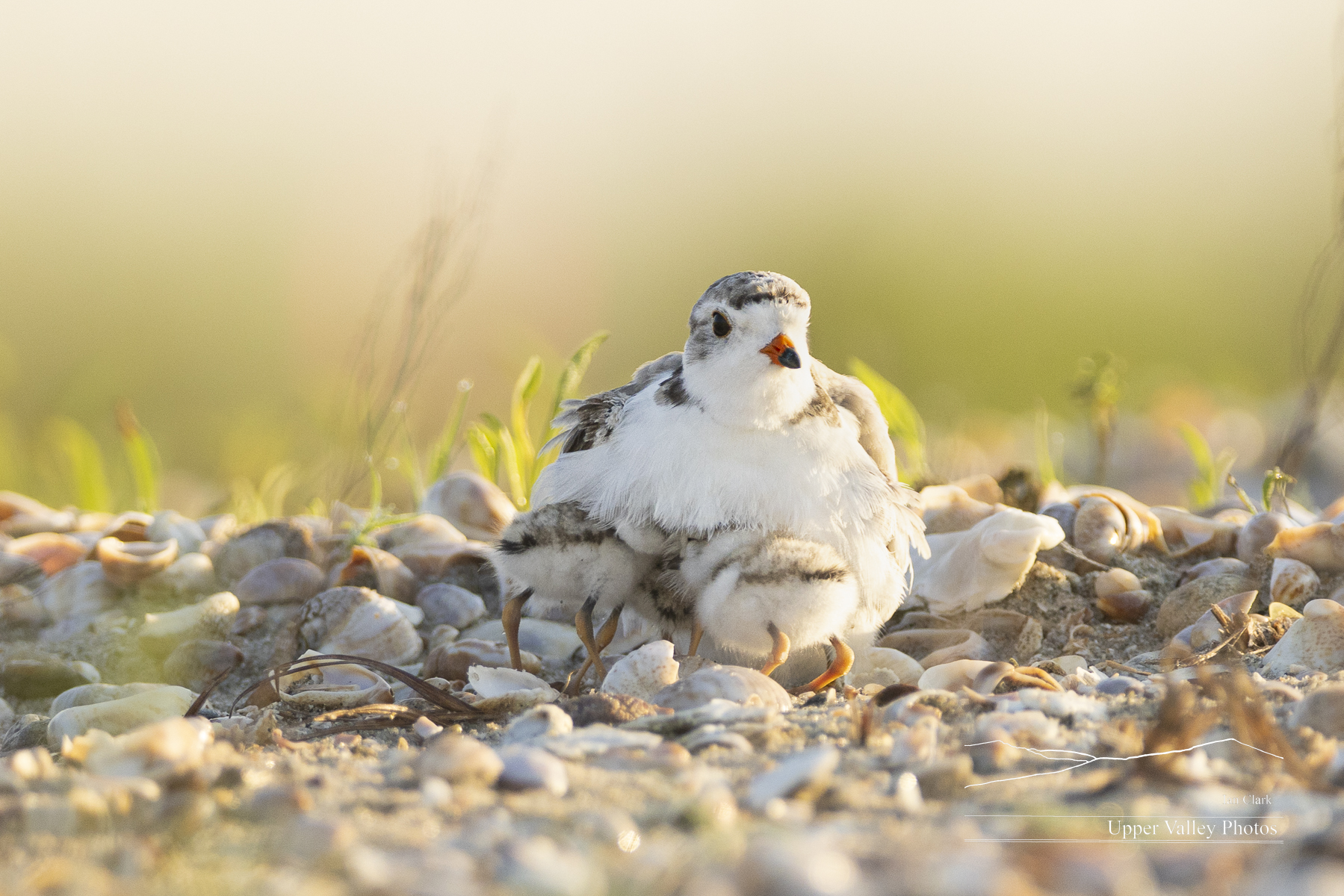
Sometimes you don’t even need a cute critter to make a nice photo.In early June, I retuned to the shore, just in time to catch the first piping plover chicks hatching. These chicks are one day old. The chicks hide under their parents for protection and to keep warm. But they’re capable of foraging by themselves. This chick attempted to nab a fly. The fly was lucky, and managed to climb atop the chick’s bill. The chick wore the fly around a bit before the fly took off to live to fly another day.The chicks are only about the size of cotton ball and don’t seem to fit their legs. They’re capable of short bursts of speed but often look awkward when they’re walking. He’ll soon get the hang of this walking stuff….This guy looks like he’s got it down.. The chicks scoot along the beach using the grass as cover. The beach also had a large colony of common and least terns. They’re constantly coming and going. And, they’re not shy about dive bombing anyone that disturbs them. The males carry fish around to present to the ladies. If the lady accepts the fish, they become a pair for the season. This may be the world’s most inept male tern. He presented the fish to his lady and she showed she was receptive. But the male didn’t catch on for some time, with the female presenting and chirping away until he figured it out. Here’s a pair of common terns doing a synchronized dance as a courtship display. And more dancing…And completing the dance just before mating. On one of my early trips out in the kayak, this veery showed up as I was loading up. He? sat on a branch that was overhanging my car, just about at eye level. He was unperturbed when I put the boat on the roof, and soon was foraging almost underfoot. I took the hint and got the camera back out. Male red-winged blackbirds are early arrivals. They’re easy to spot before the reeds grow up. This guy was finding small bugs in last year’s cattails.
And, just when I thought I had my ducks in a row…..
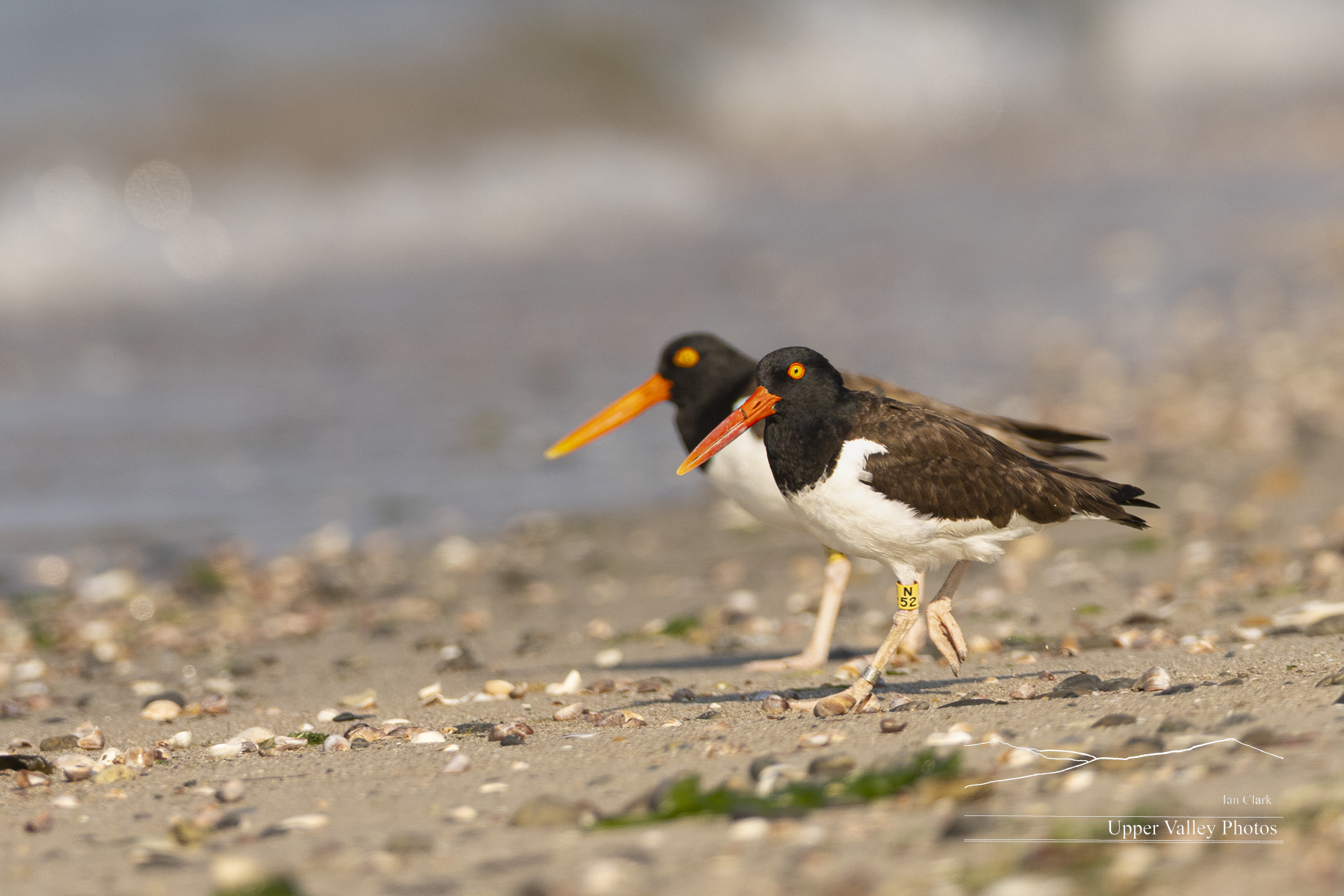
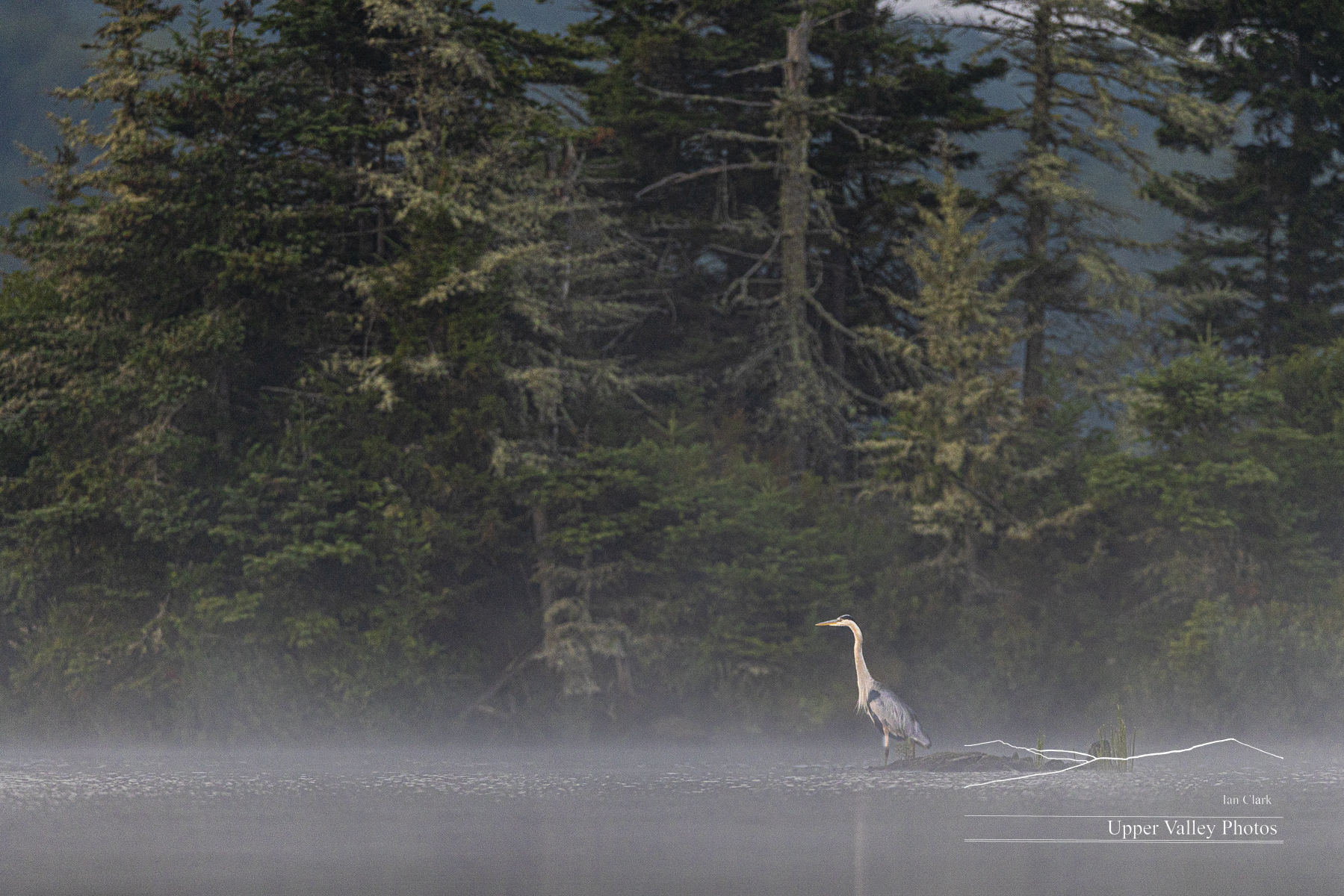
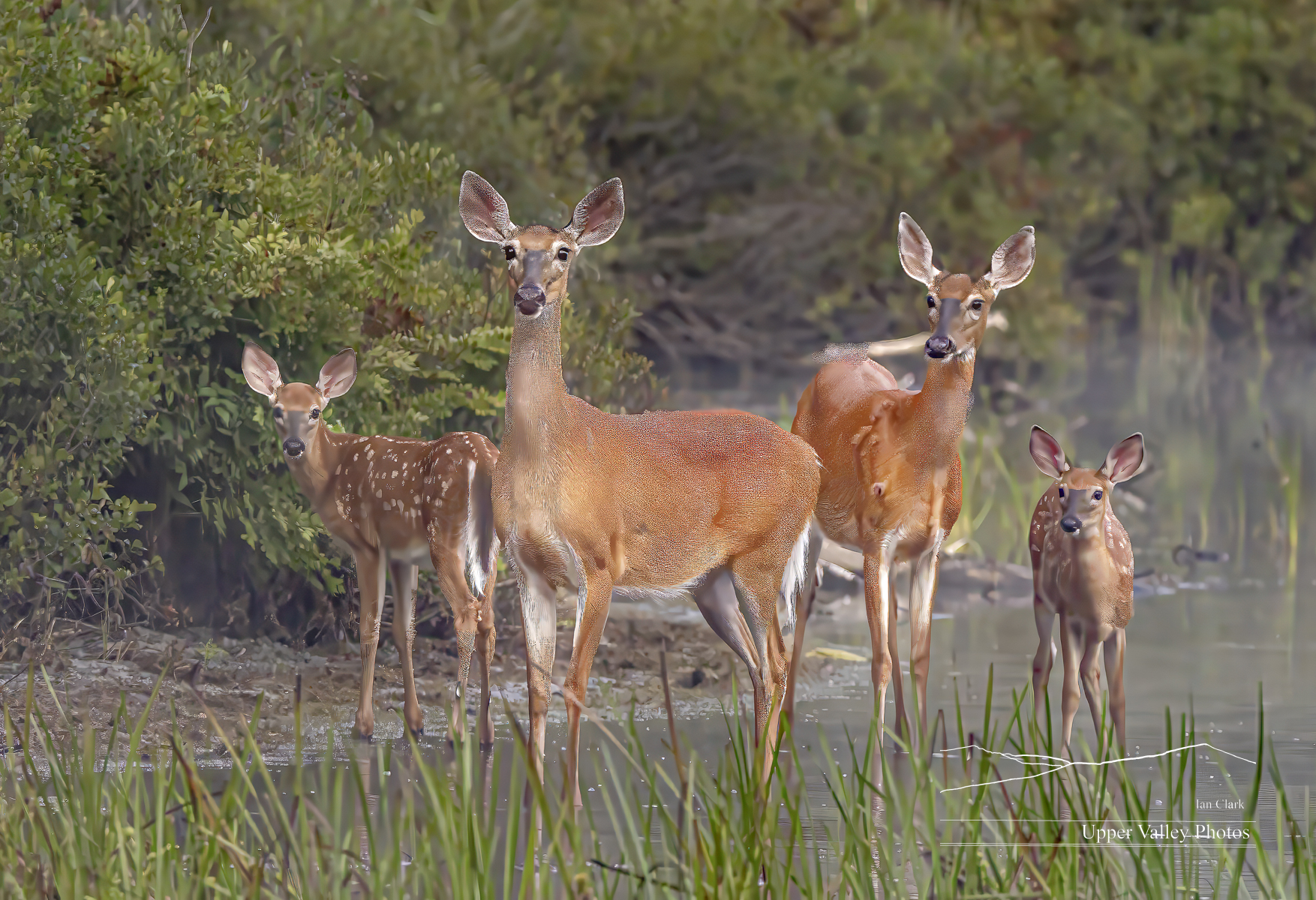
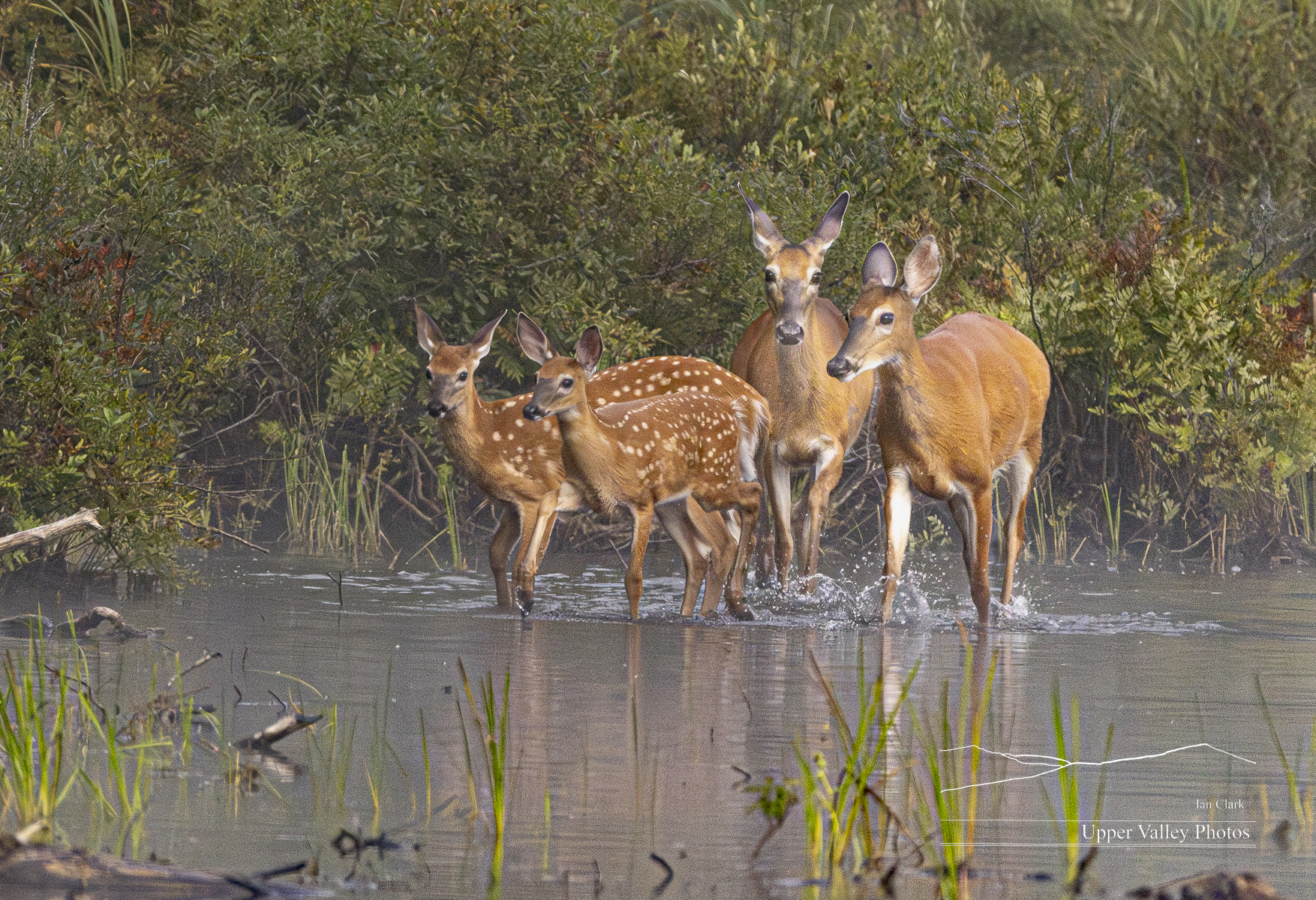
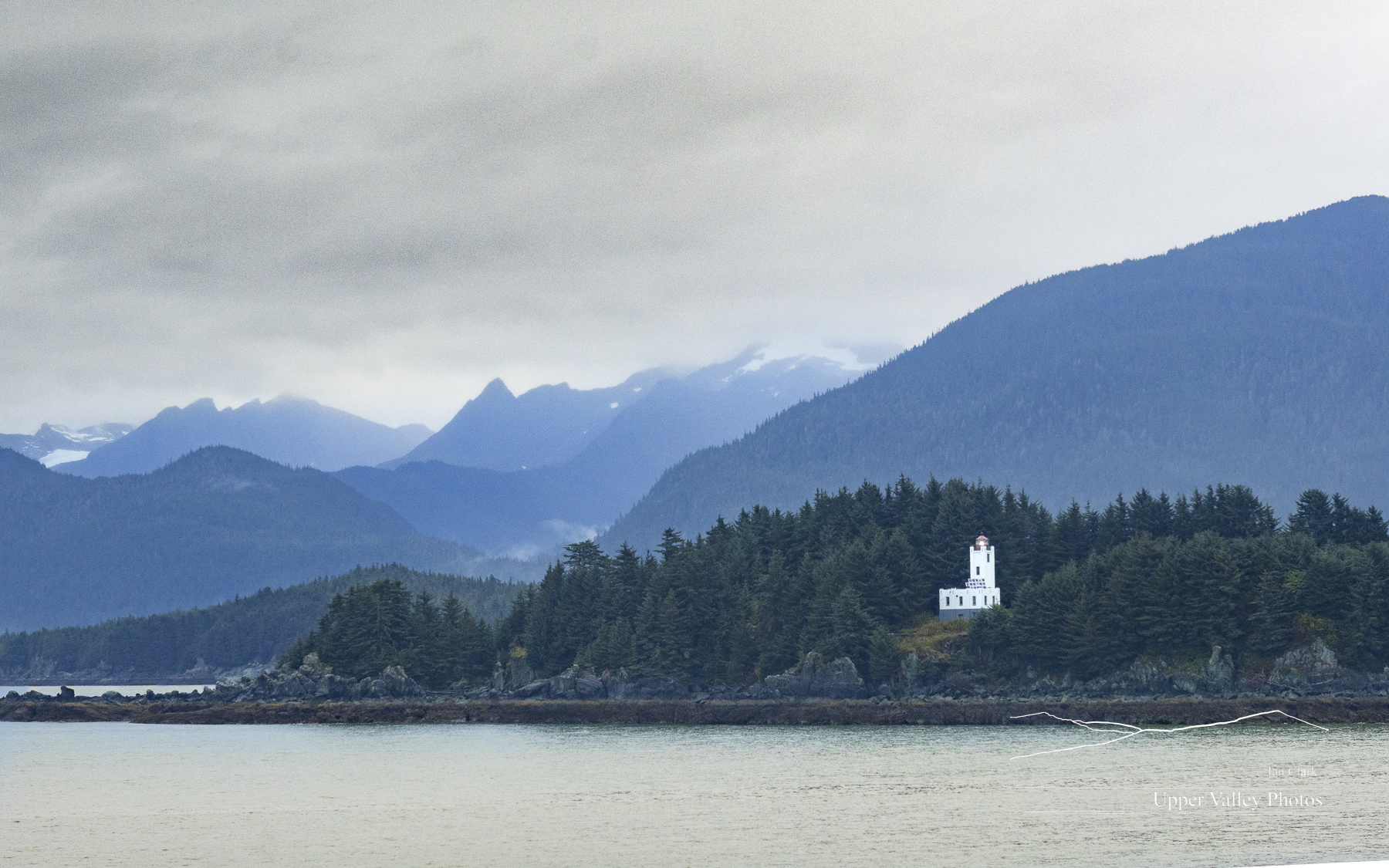
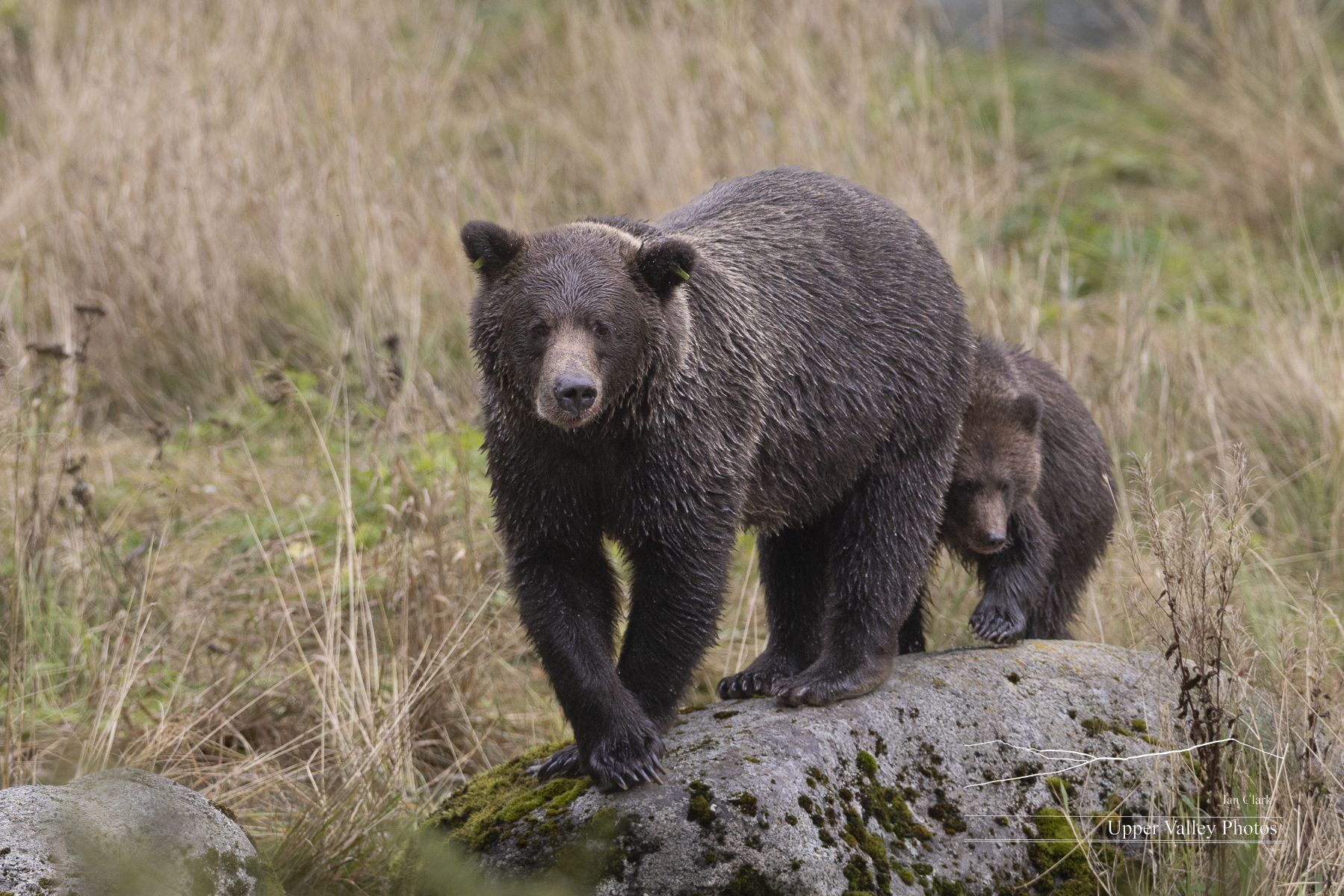
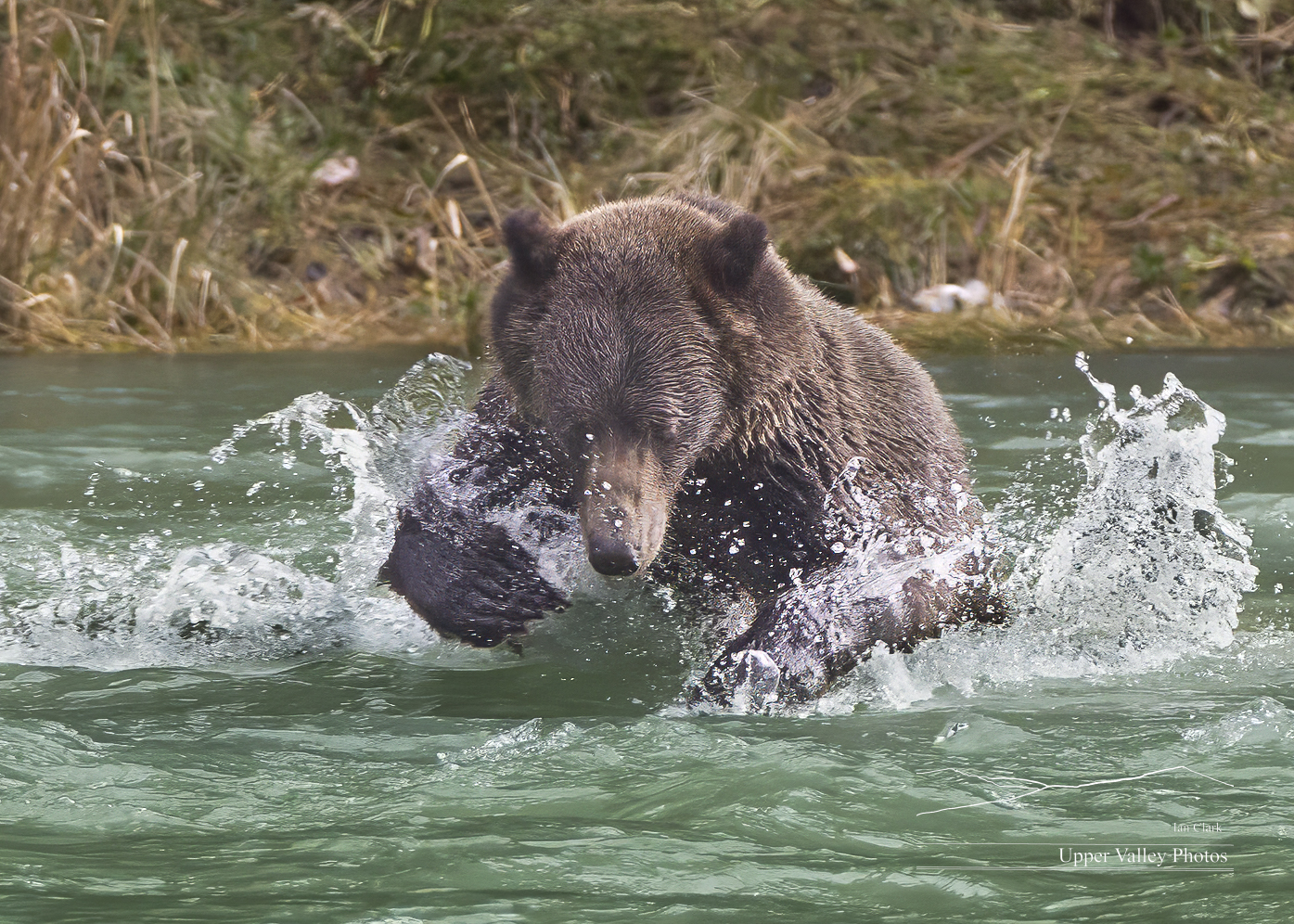
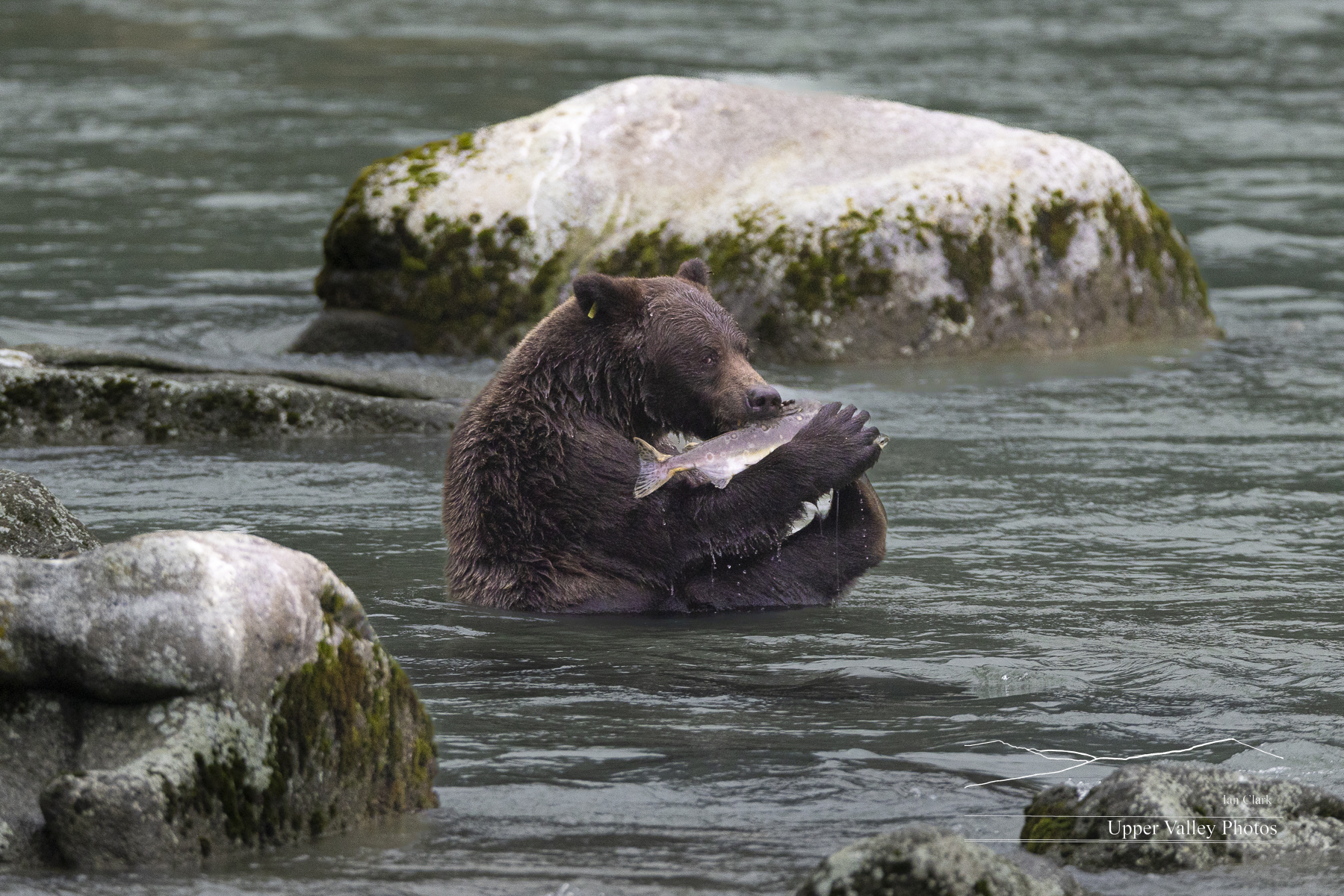
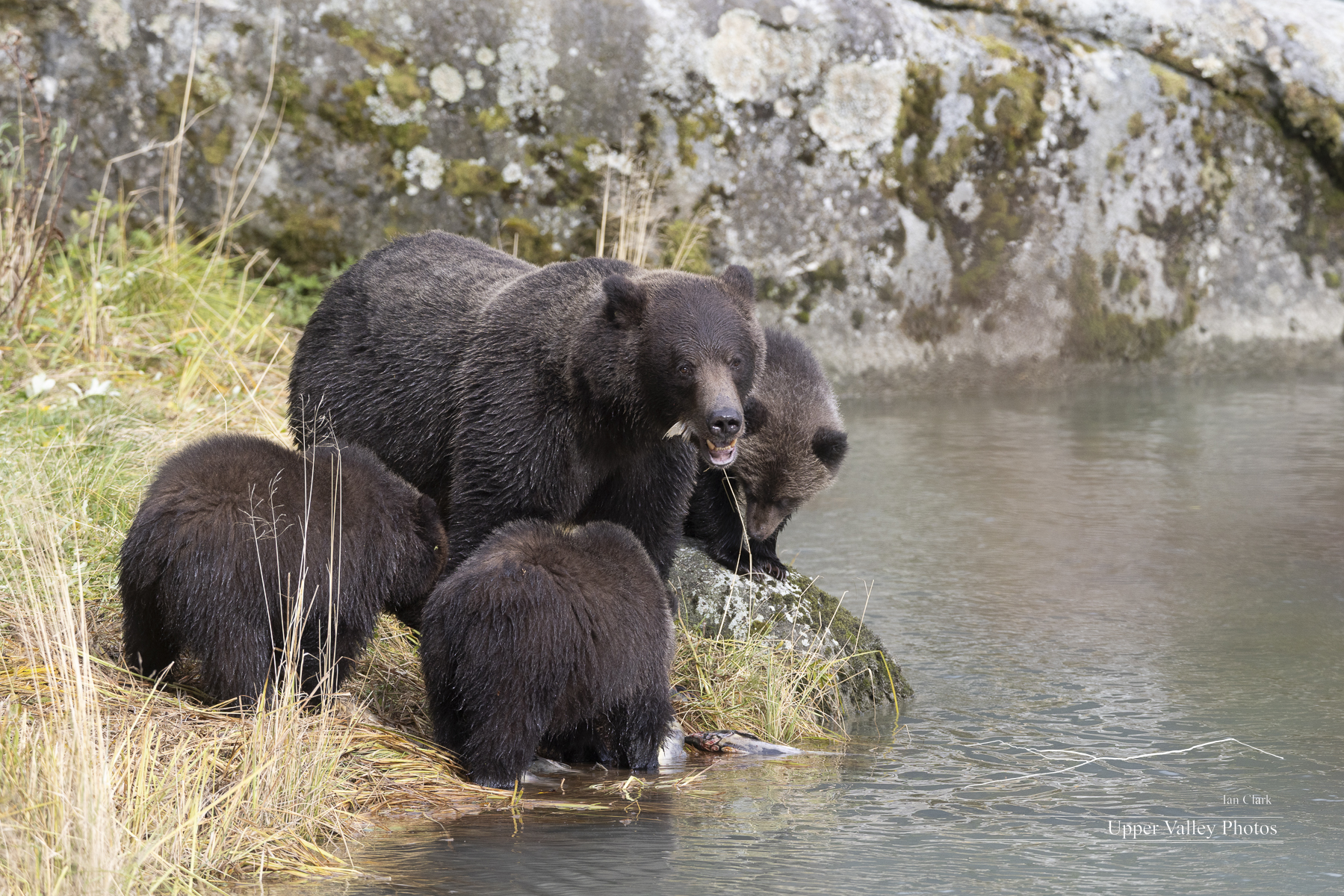
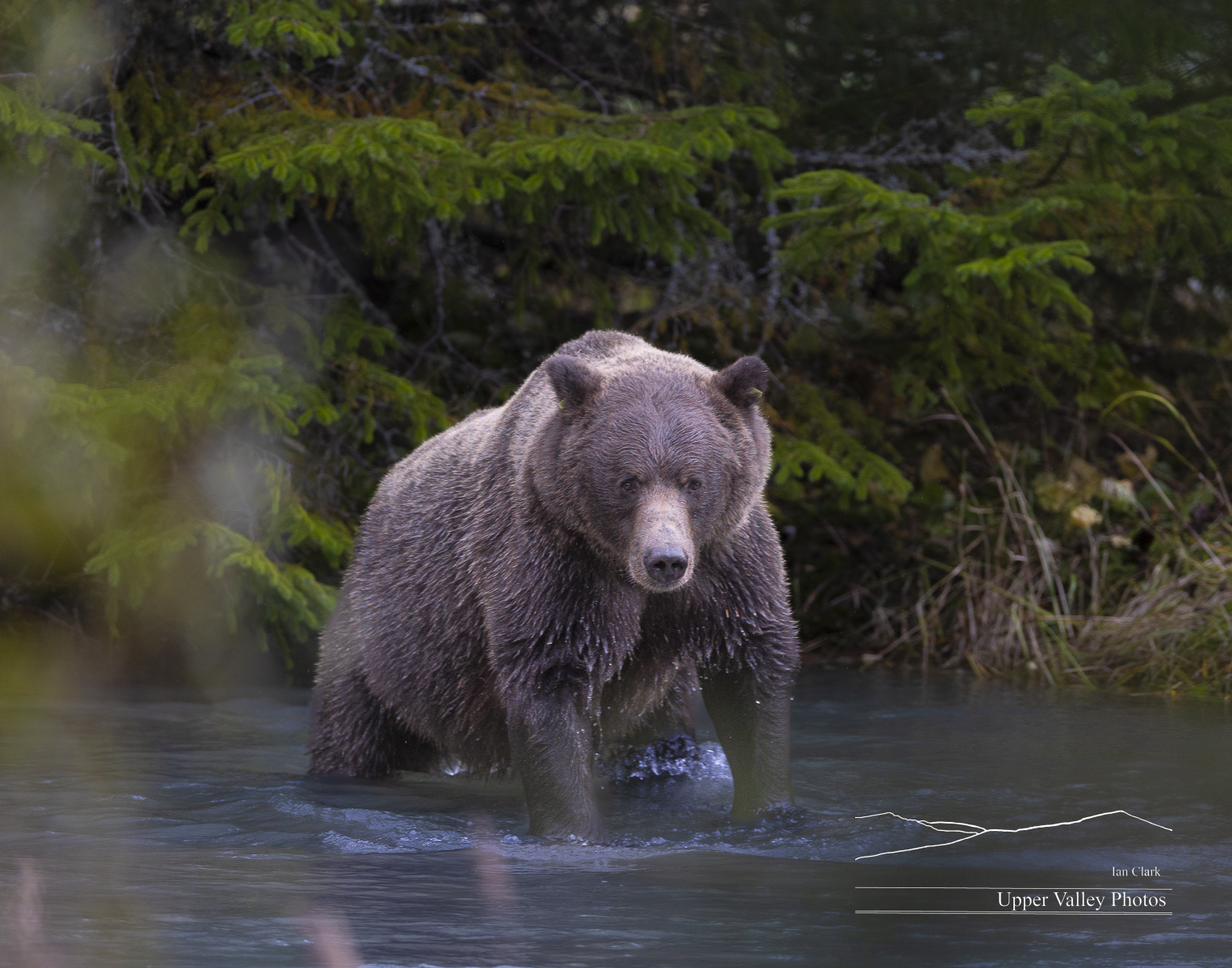
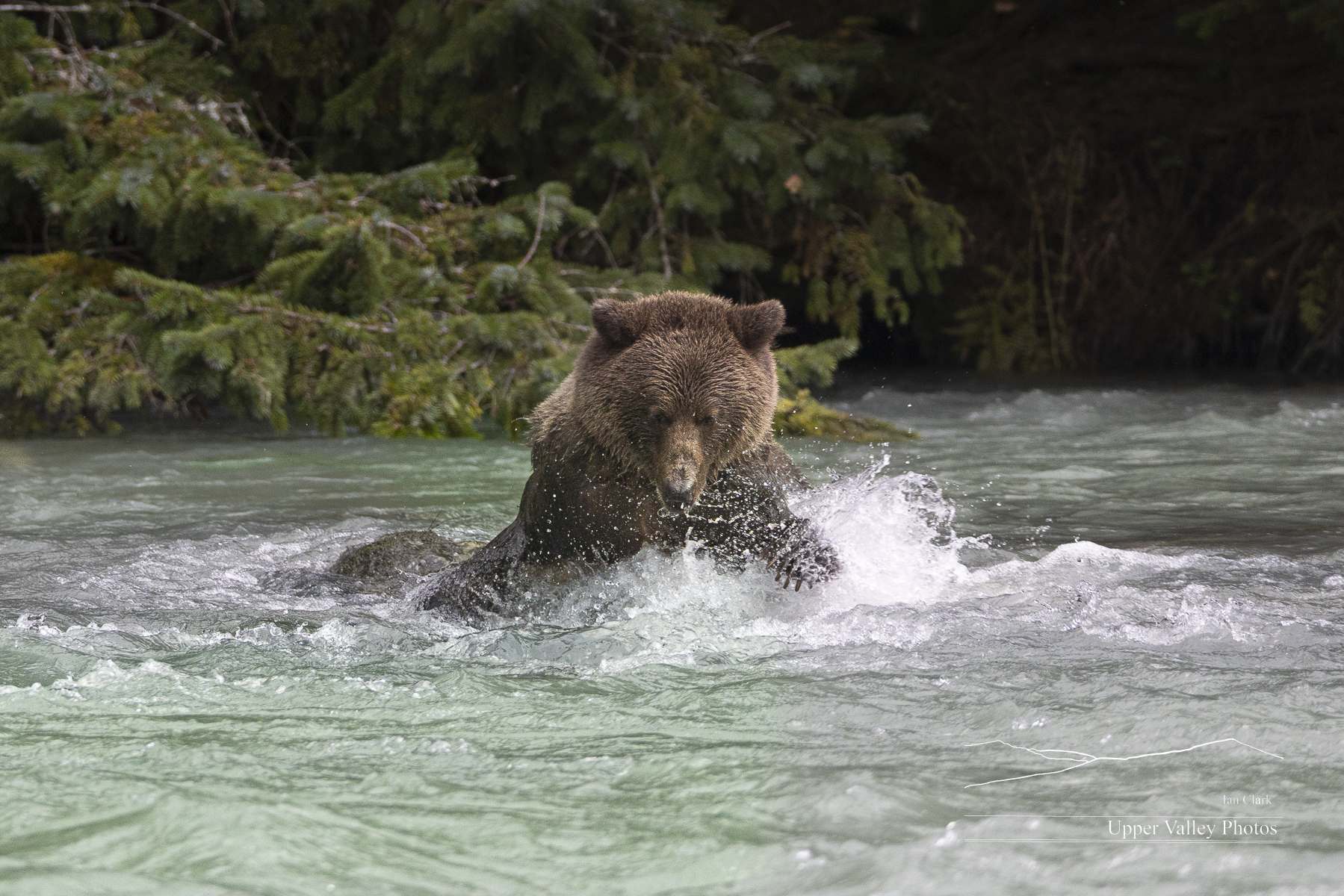
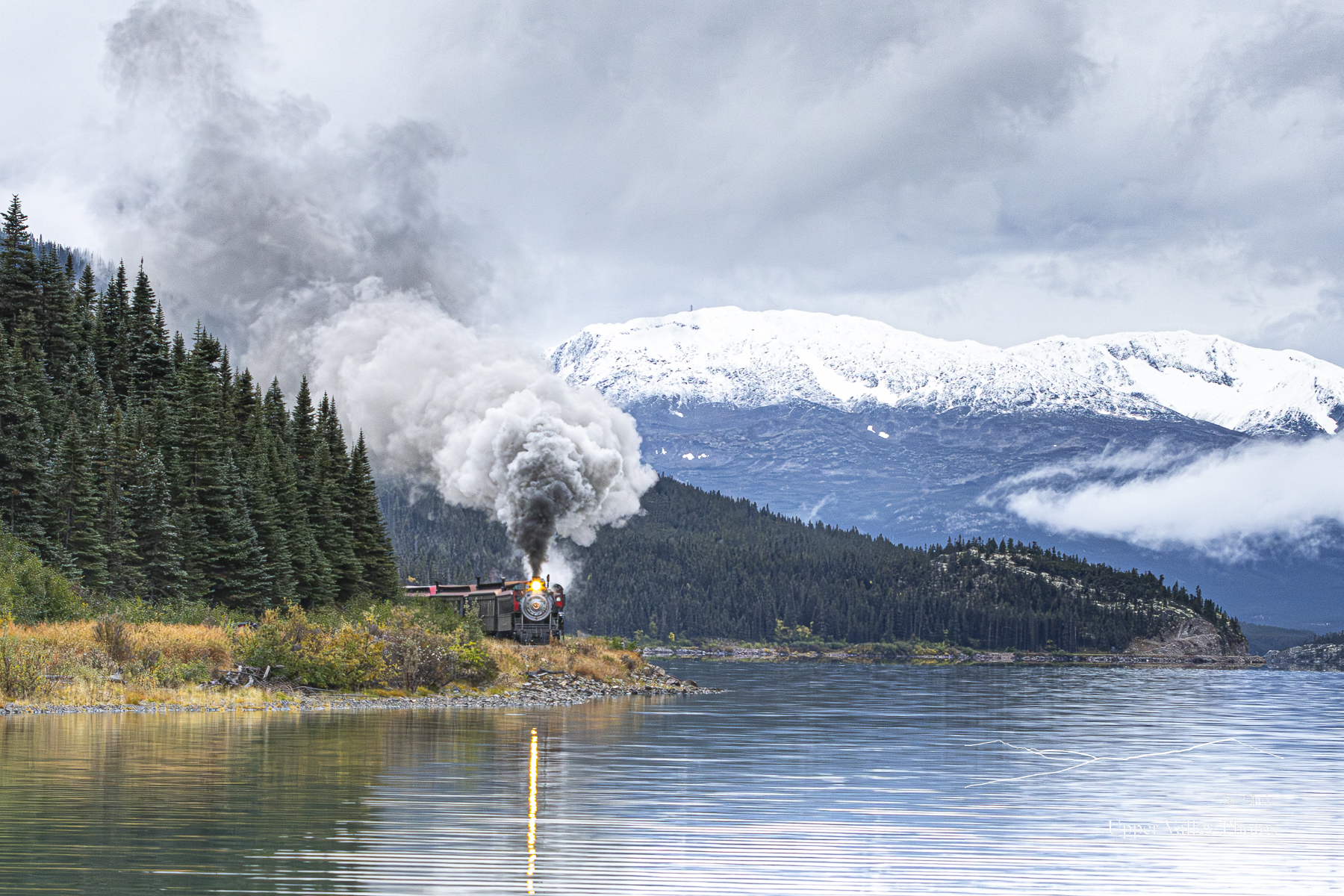
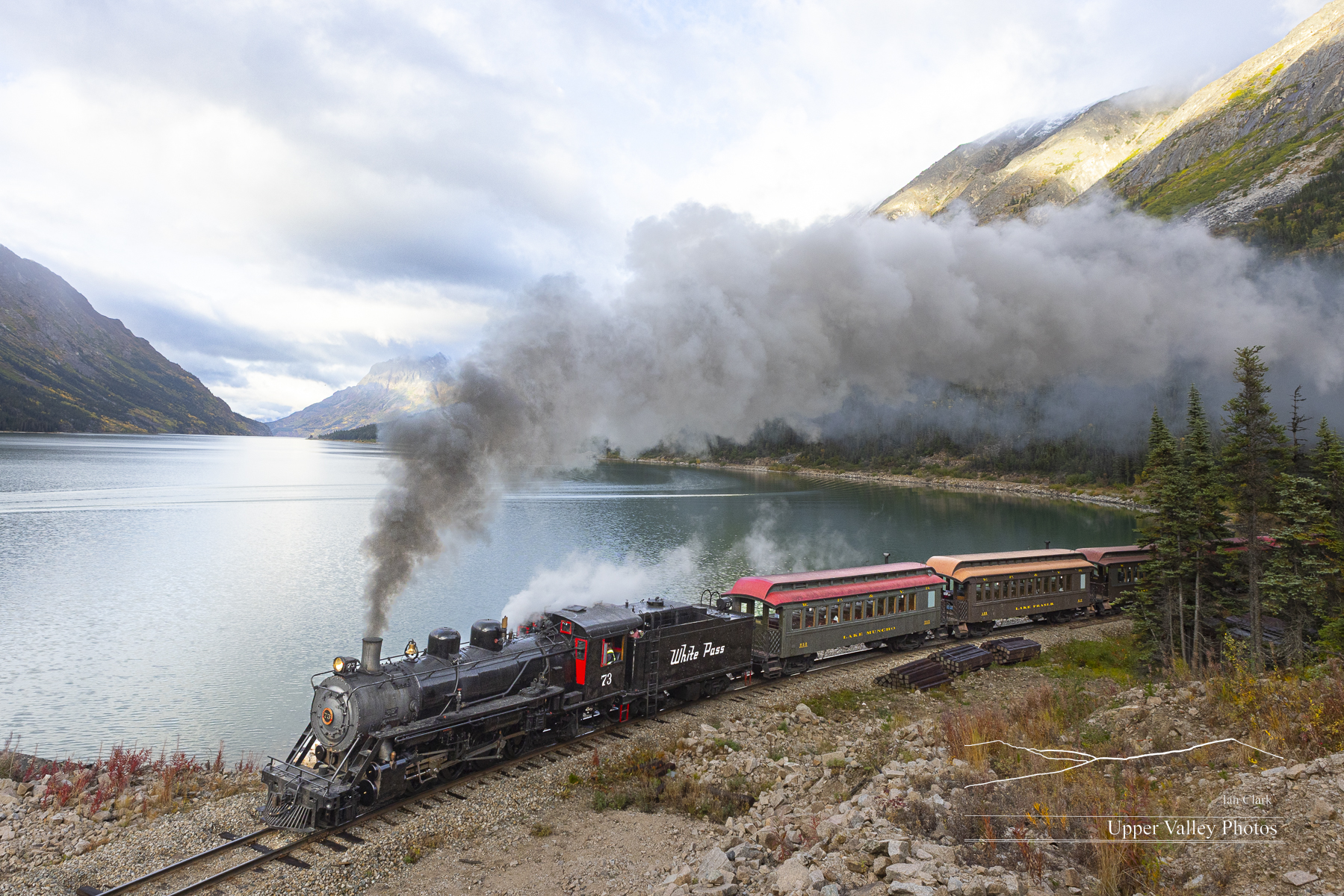
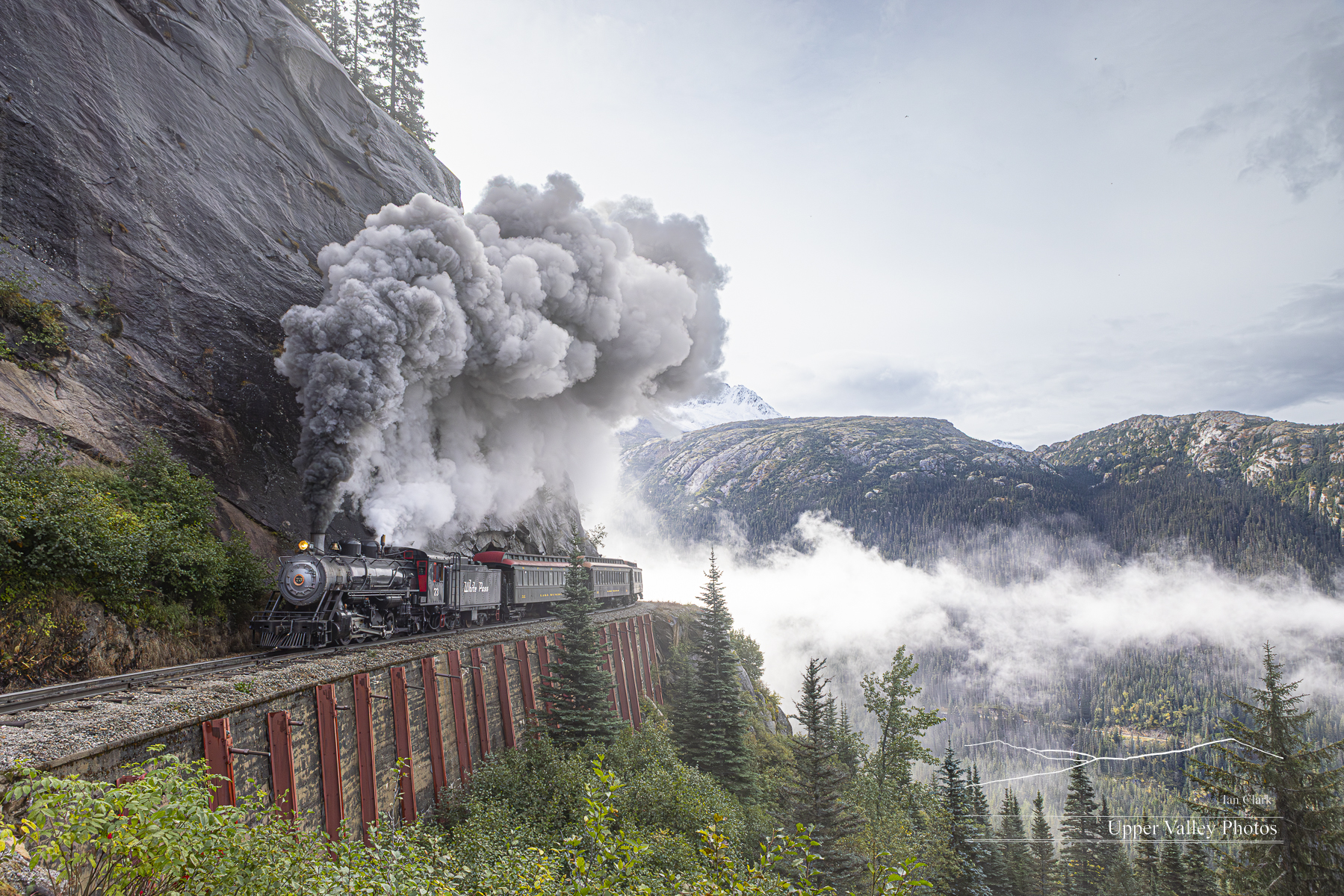
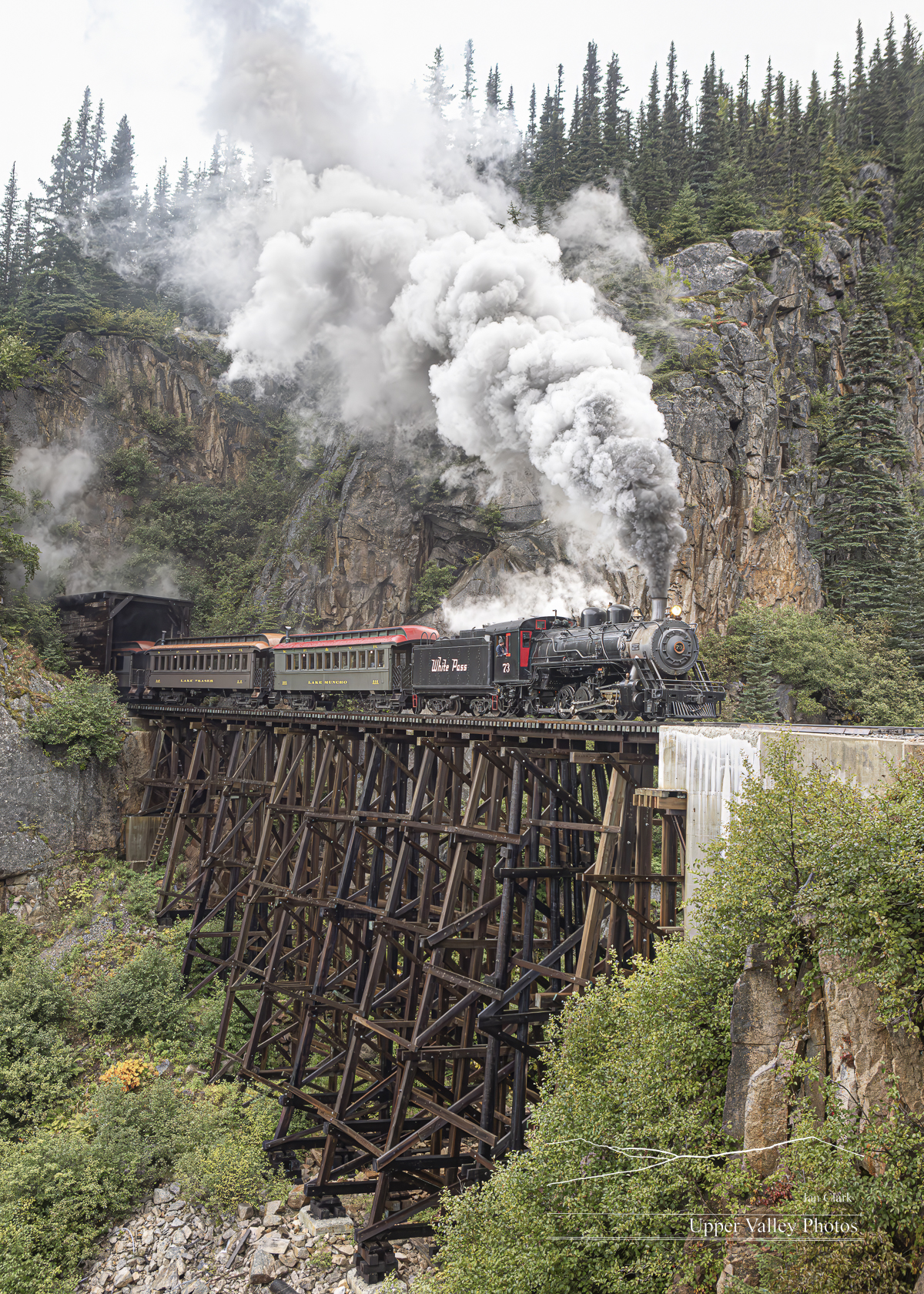
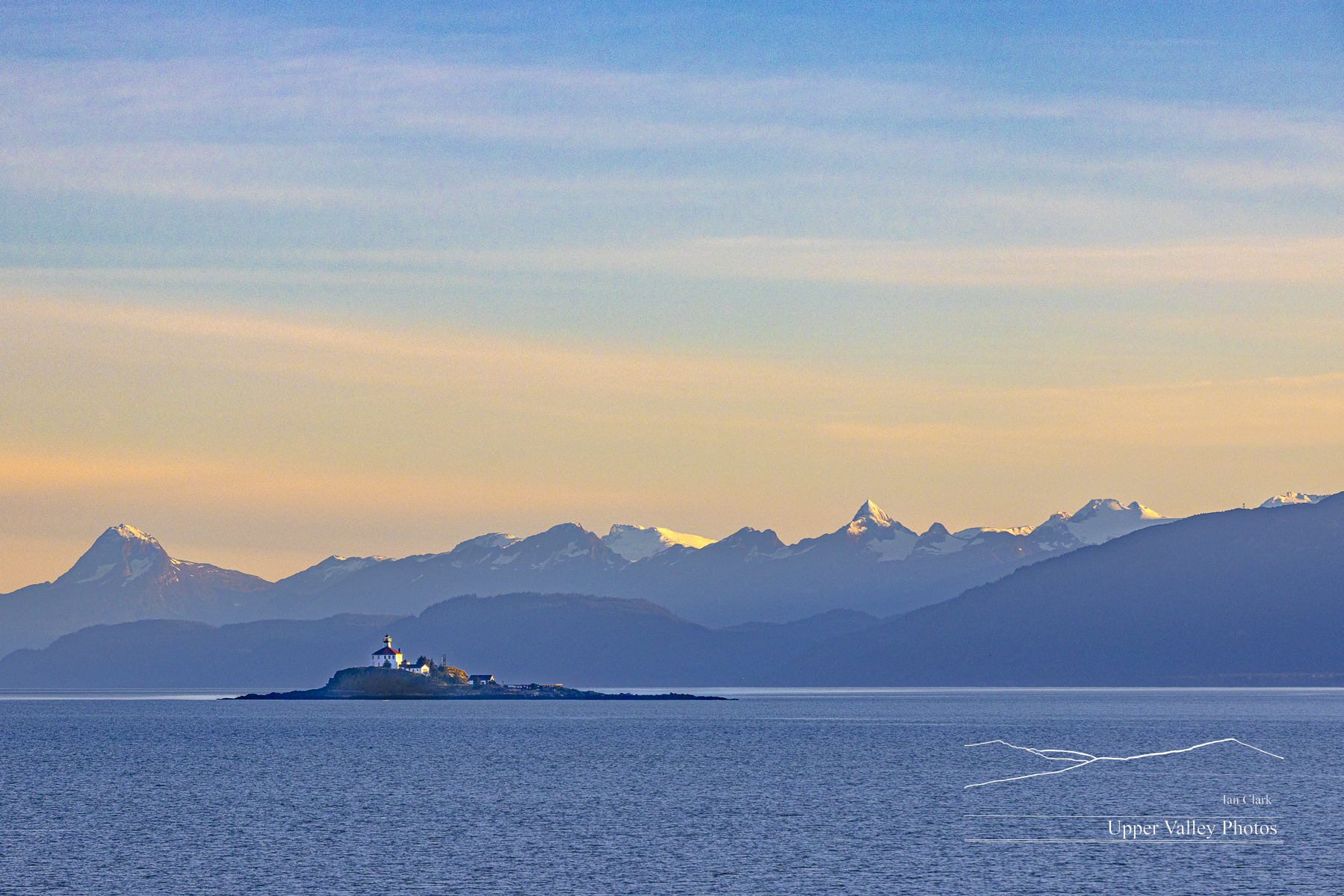
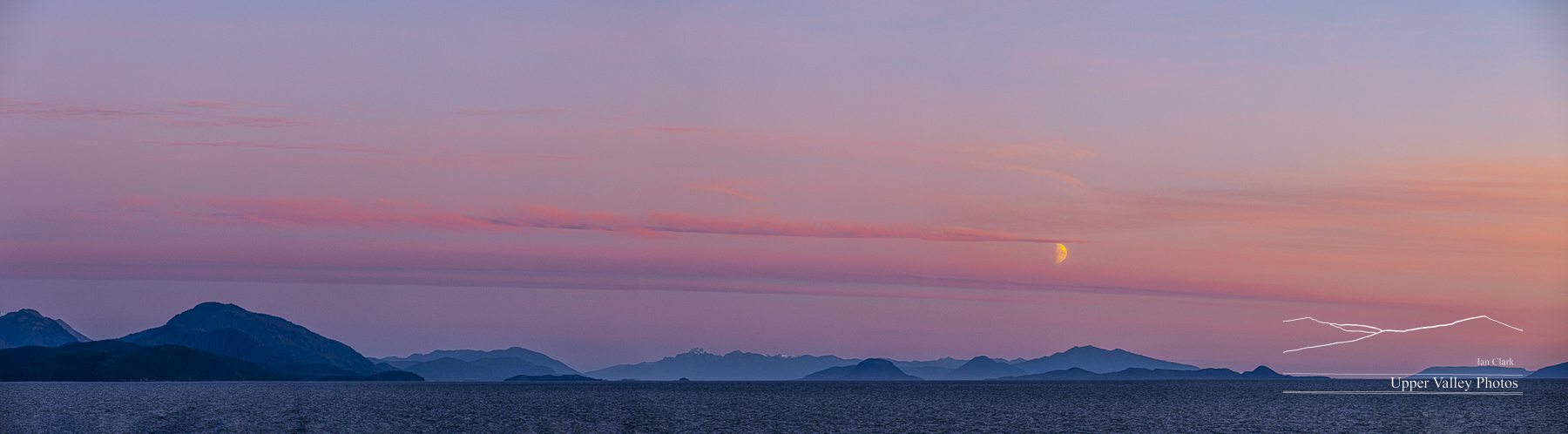
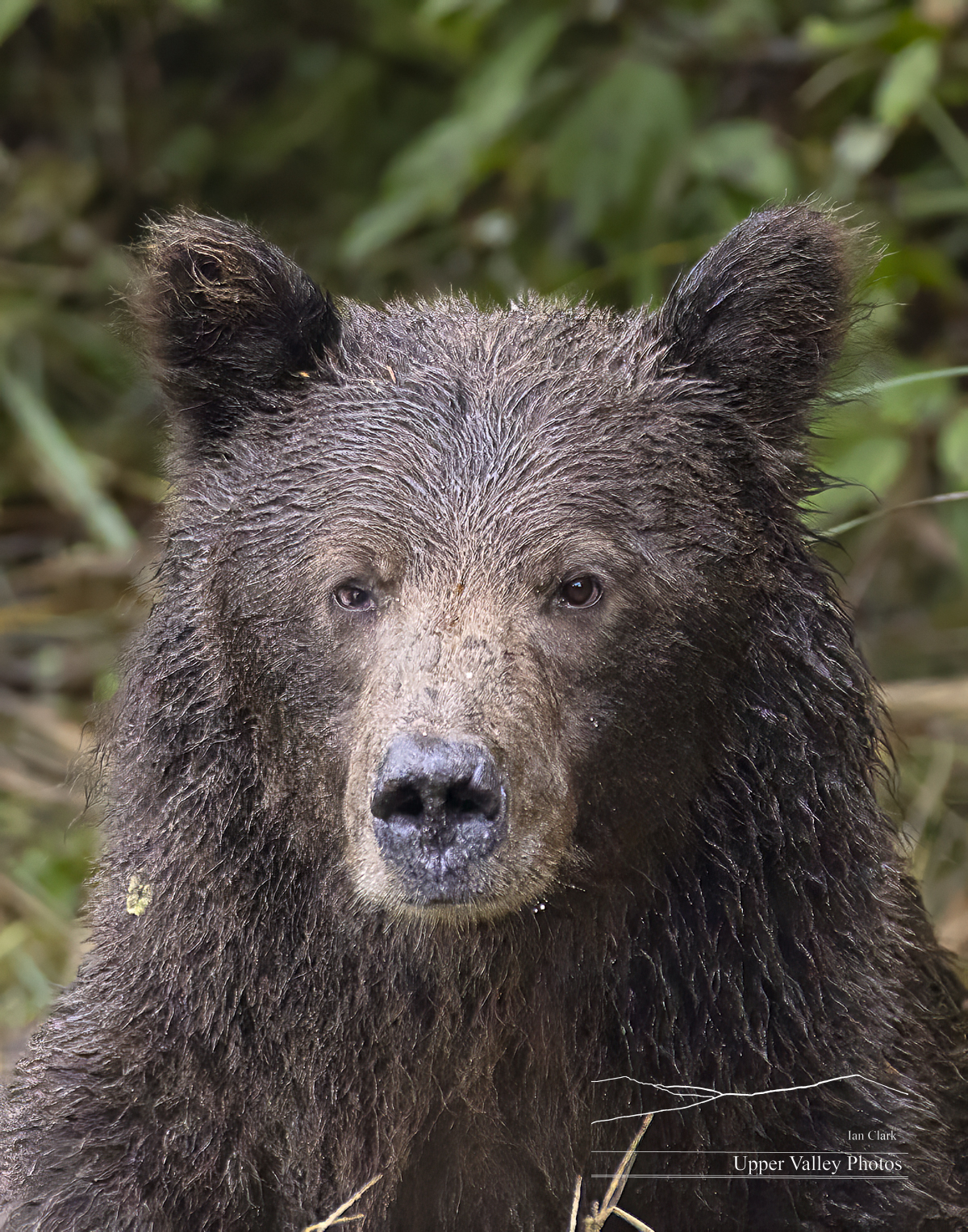
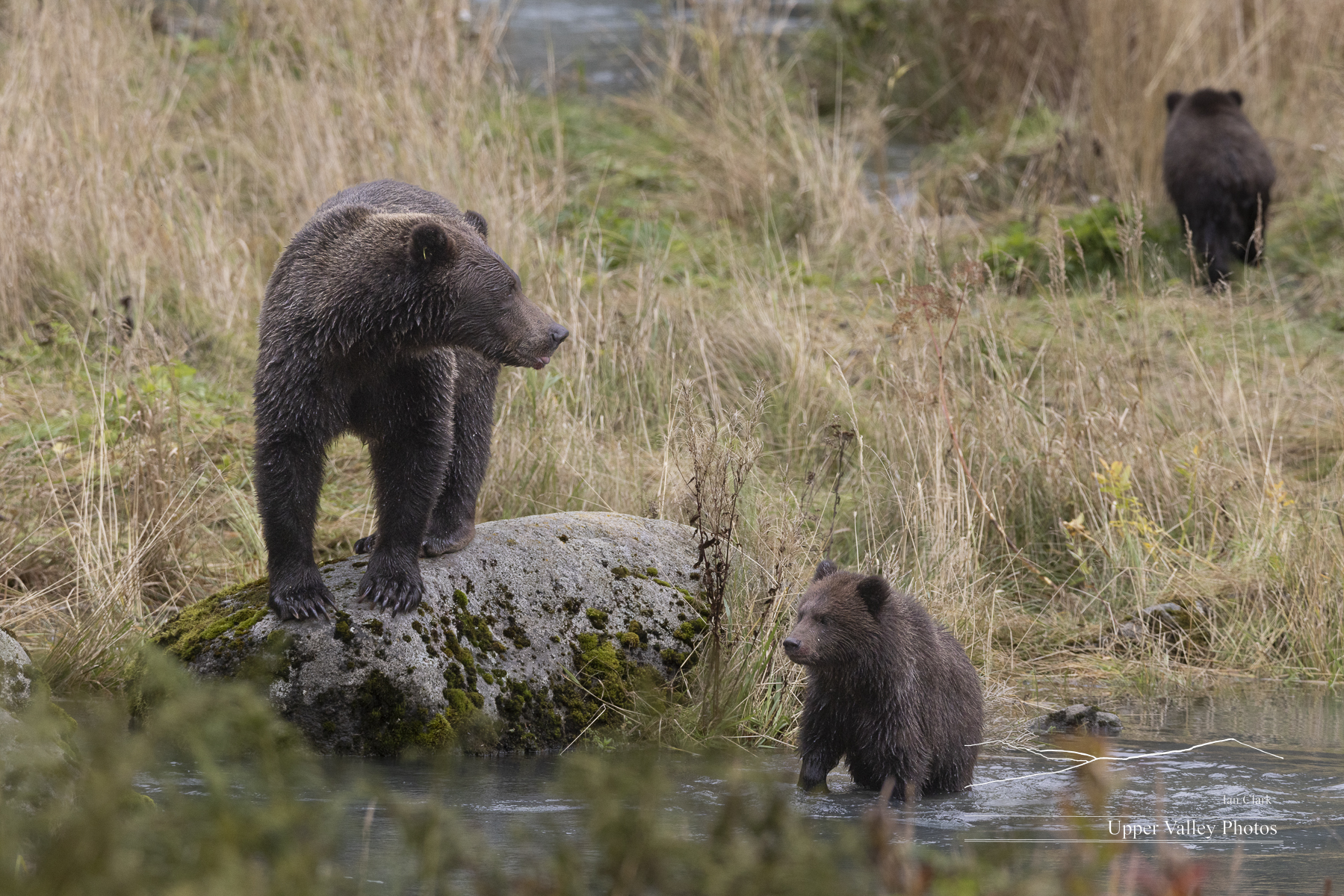
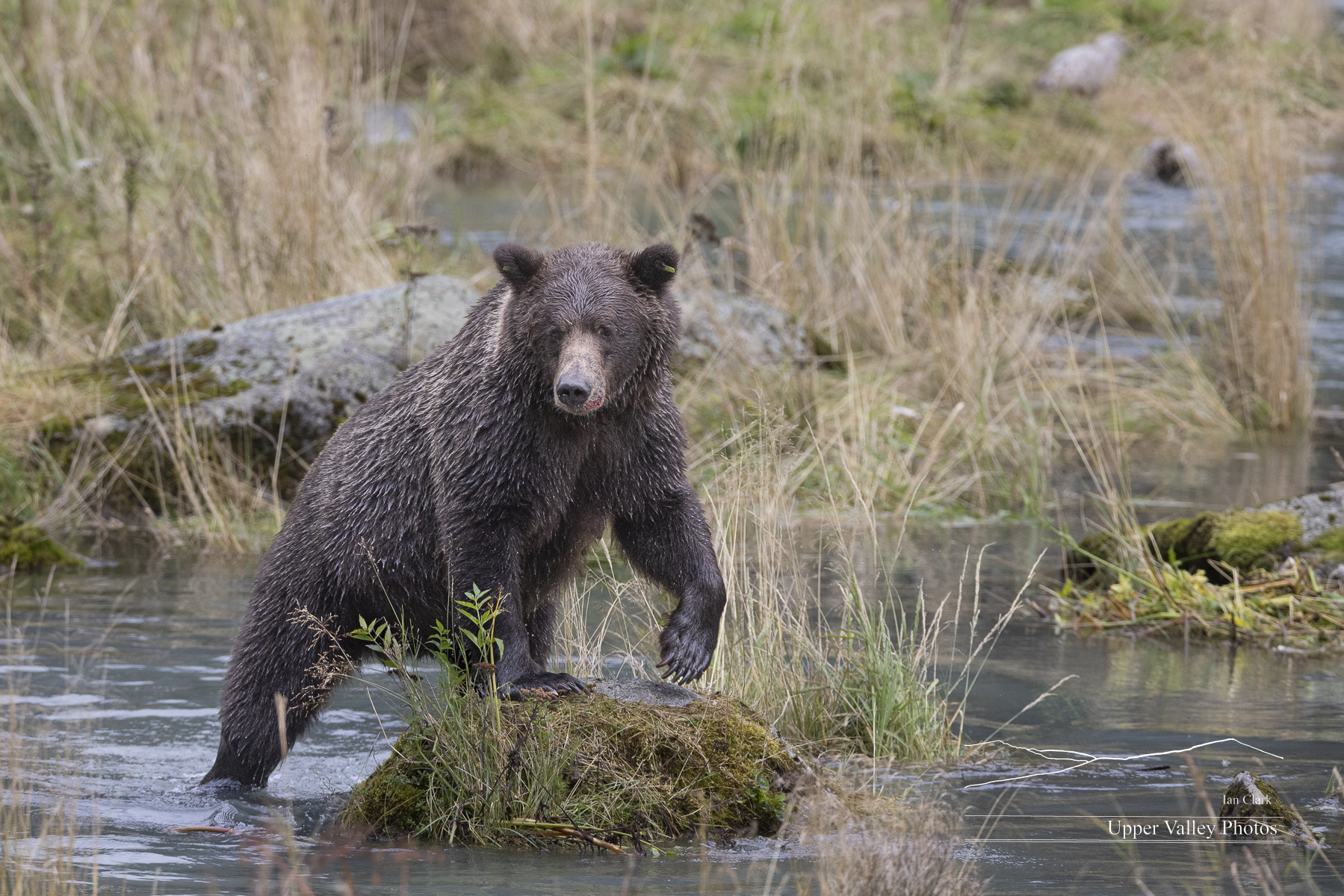
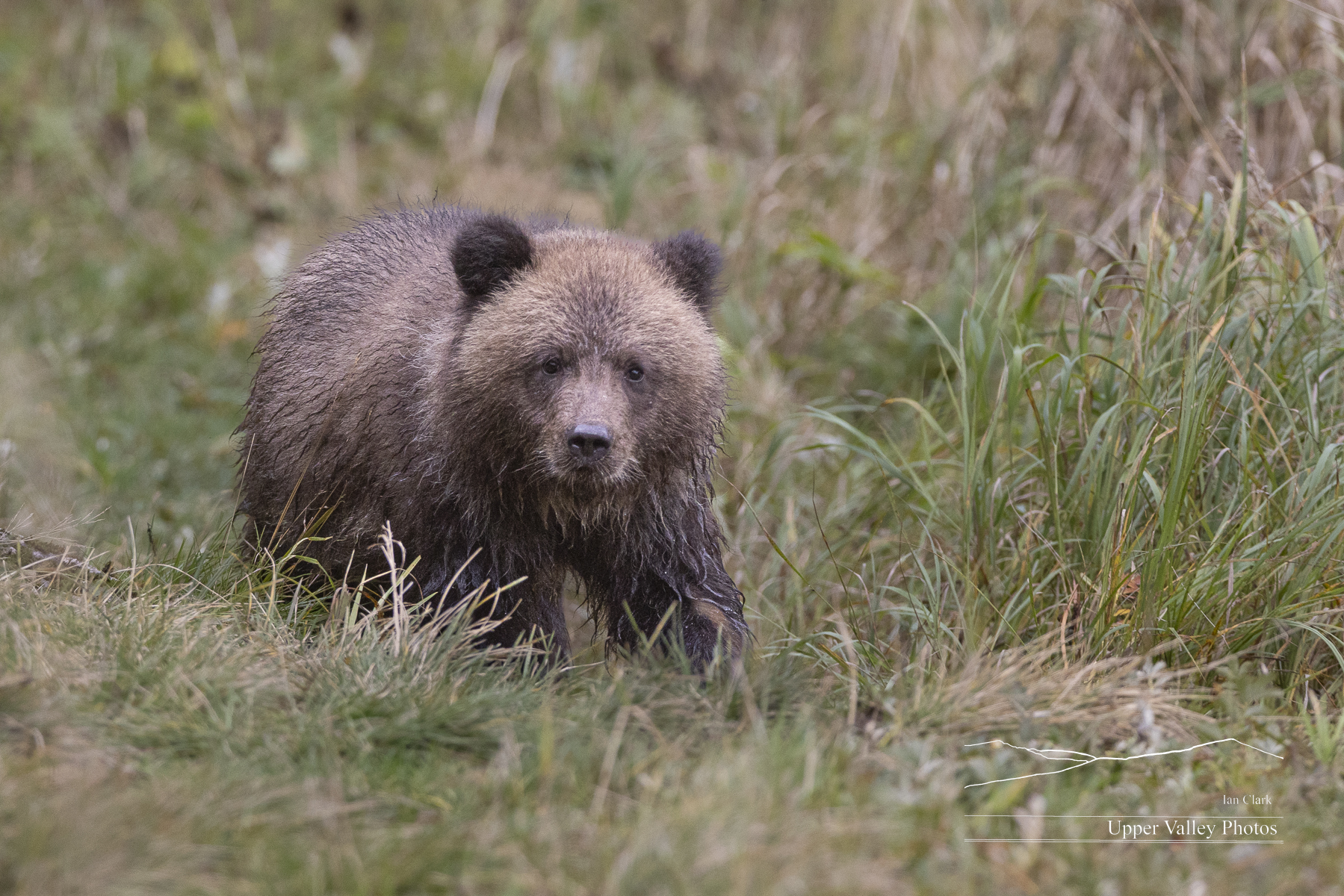
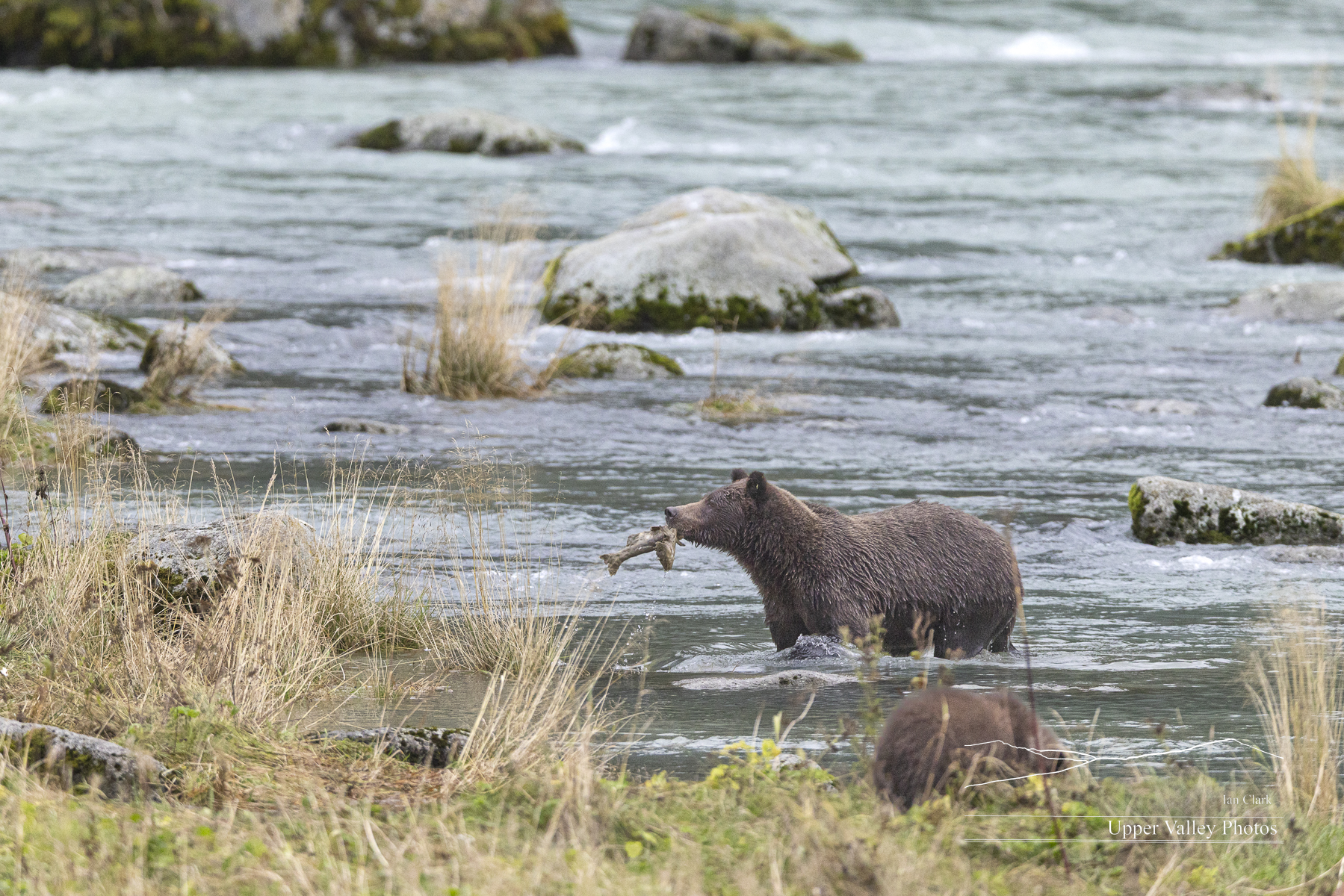
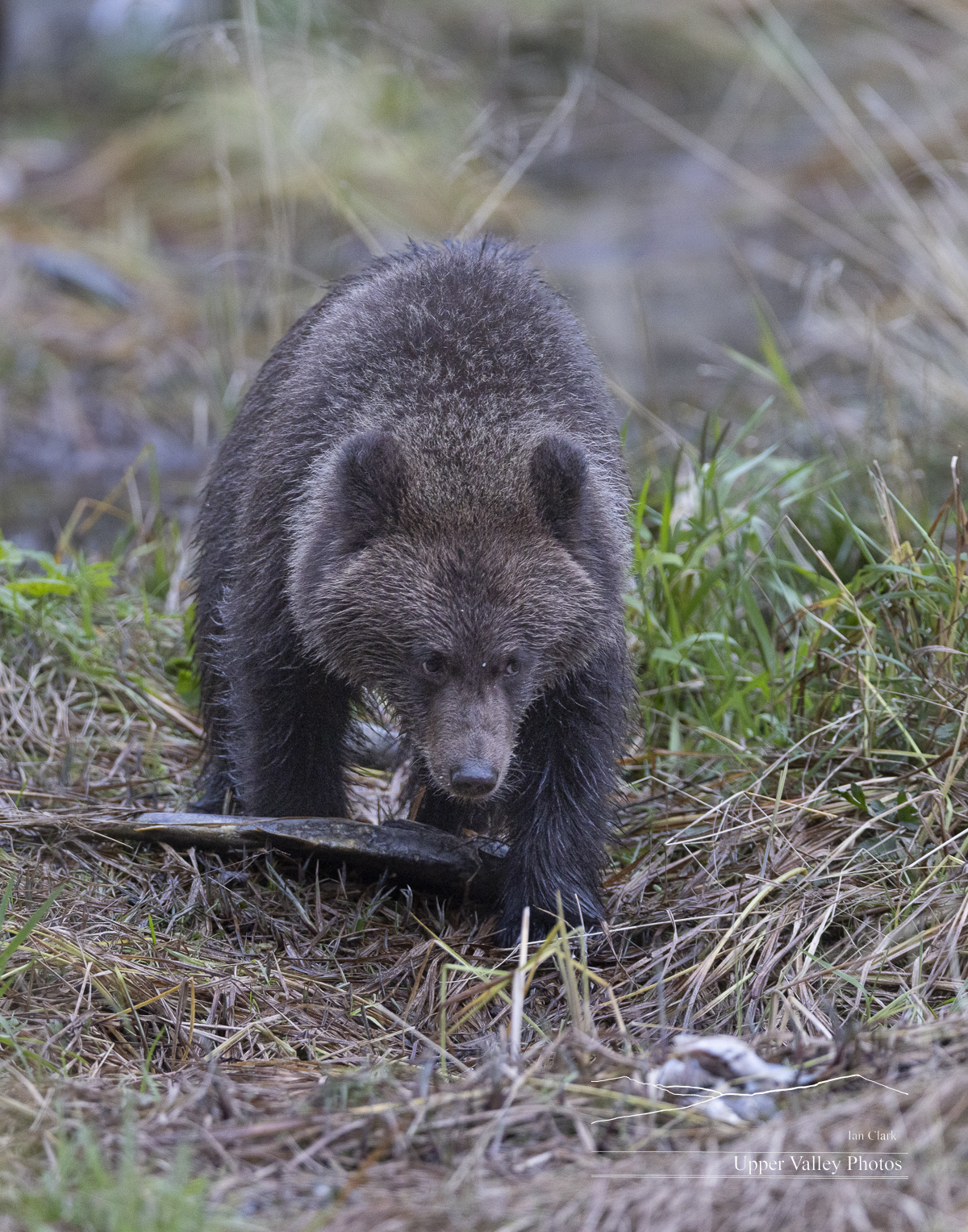
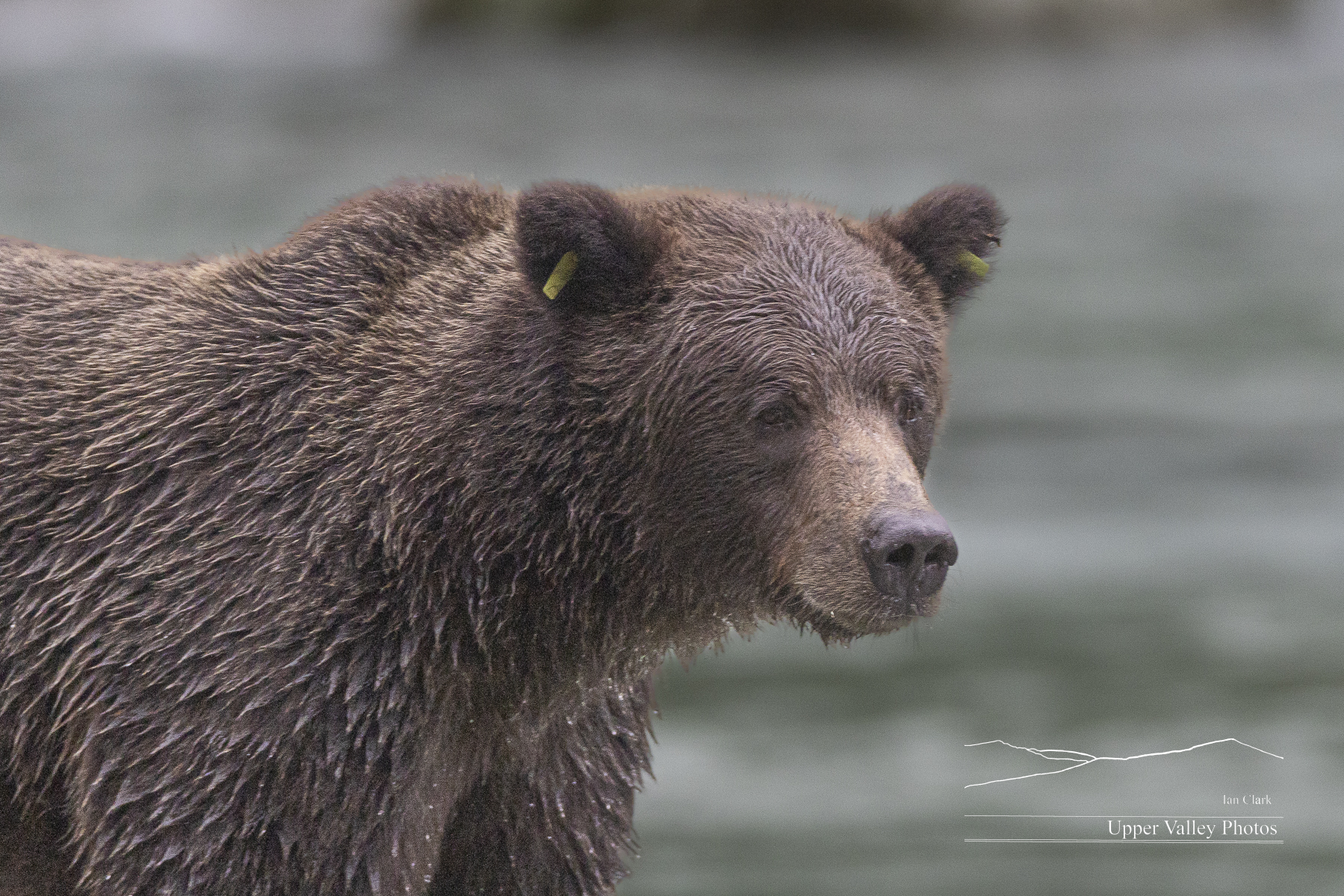
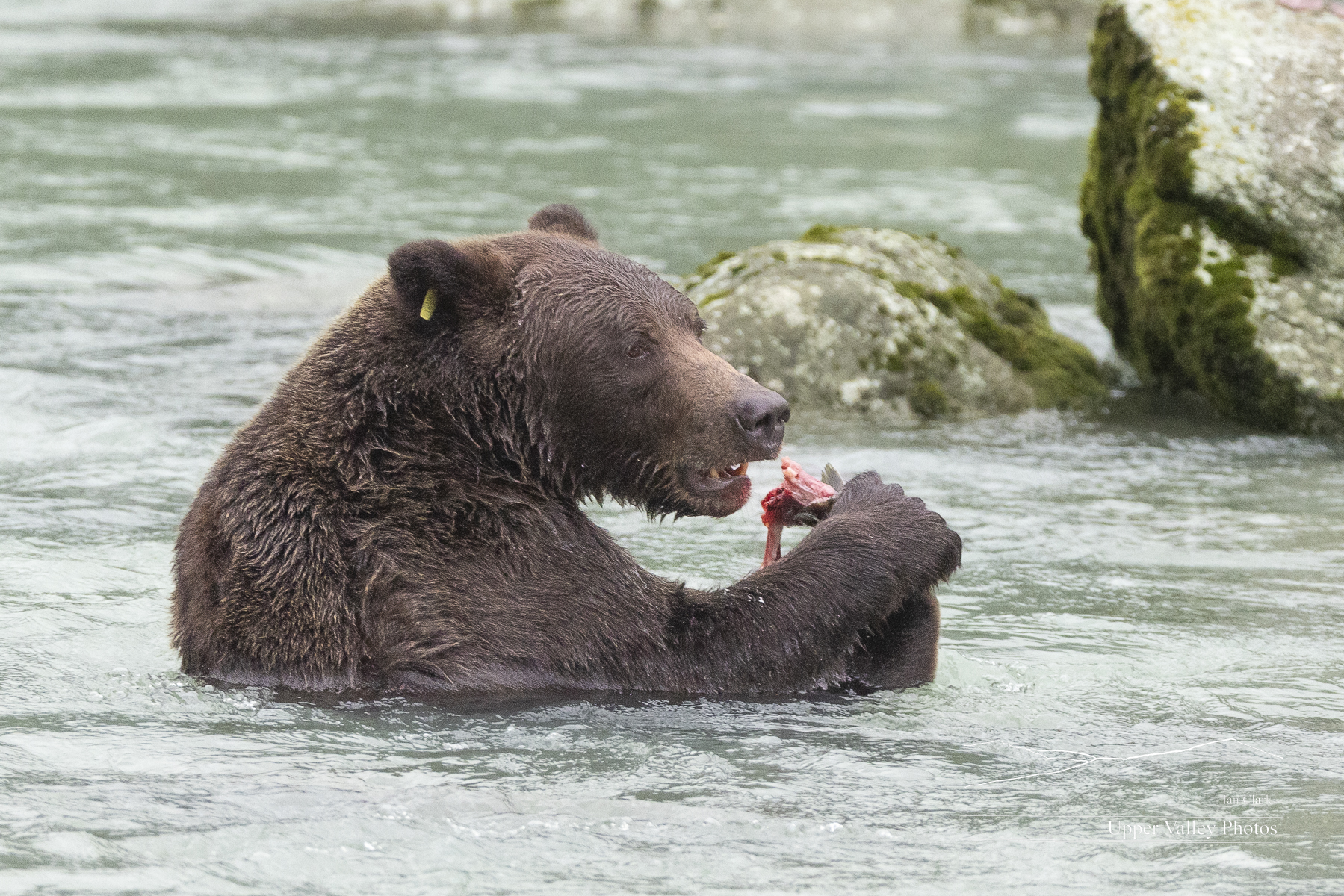
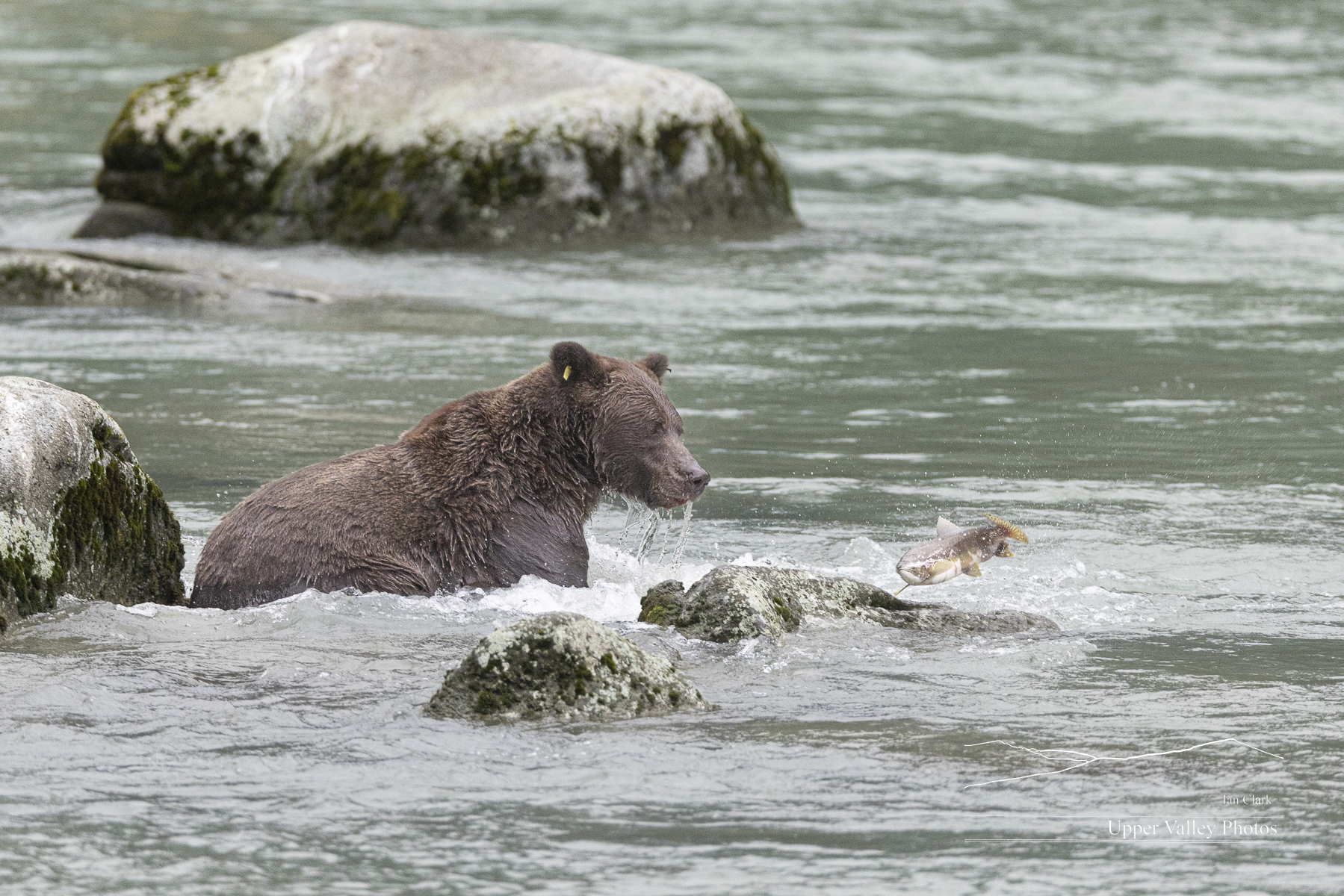
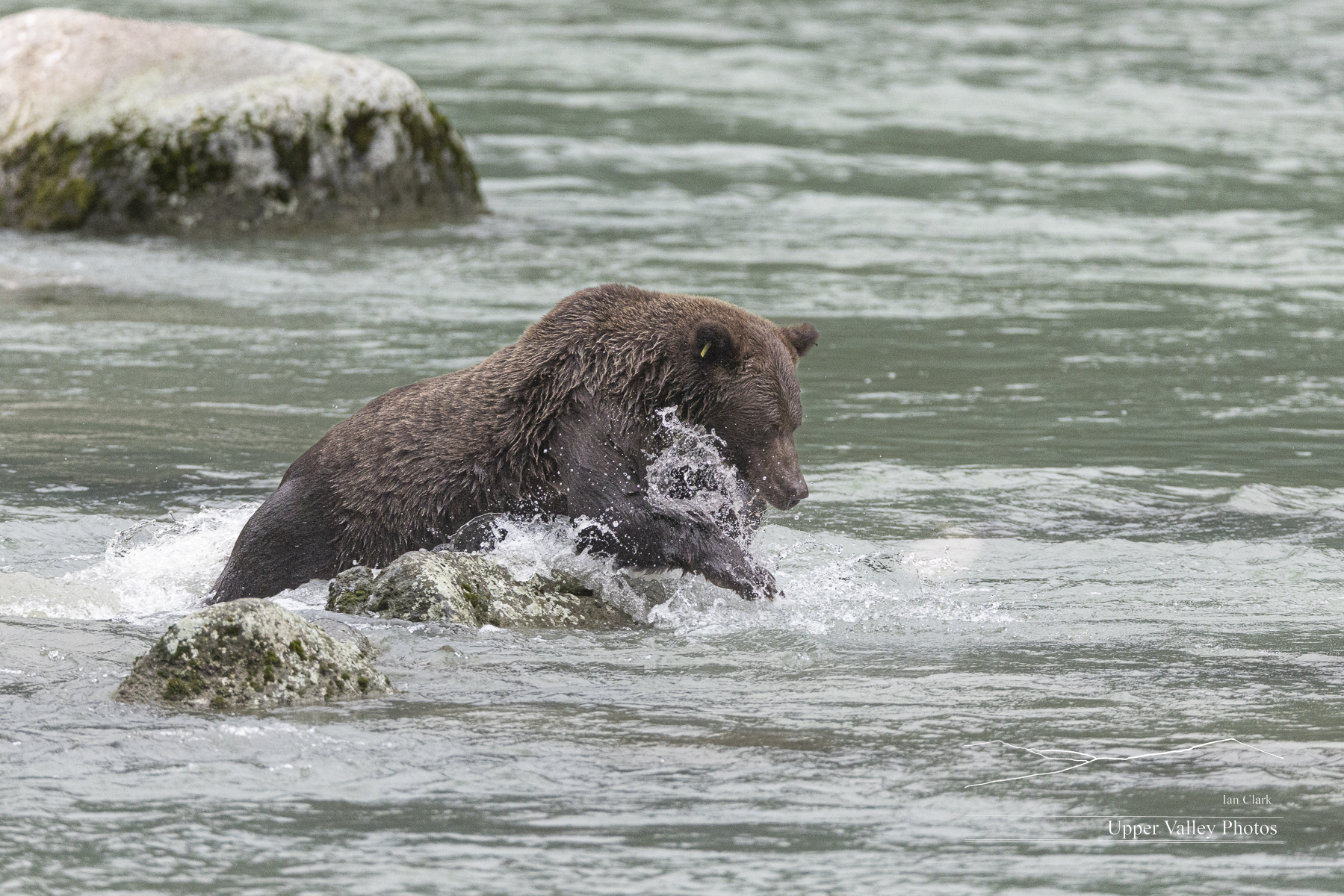
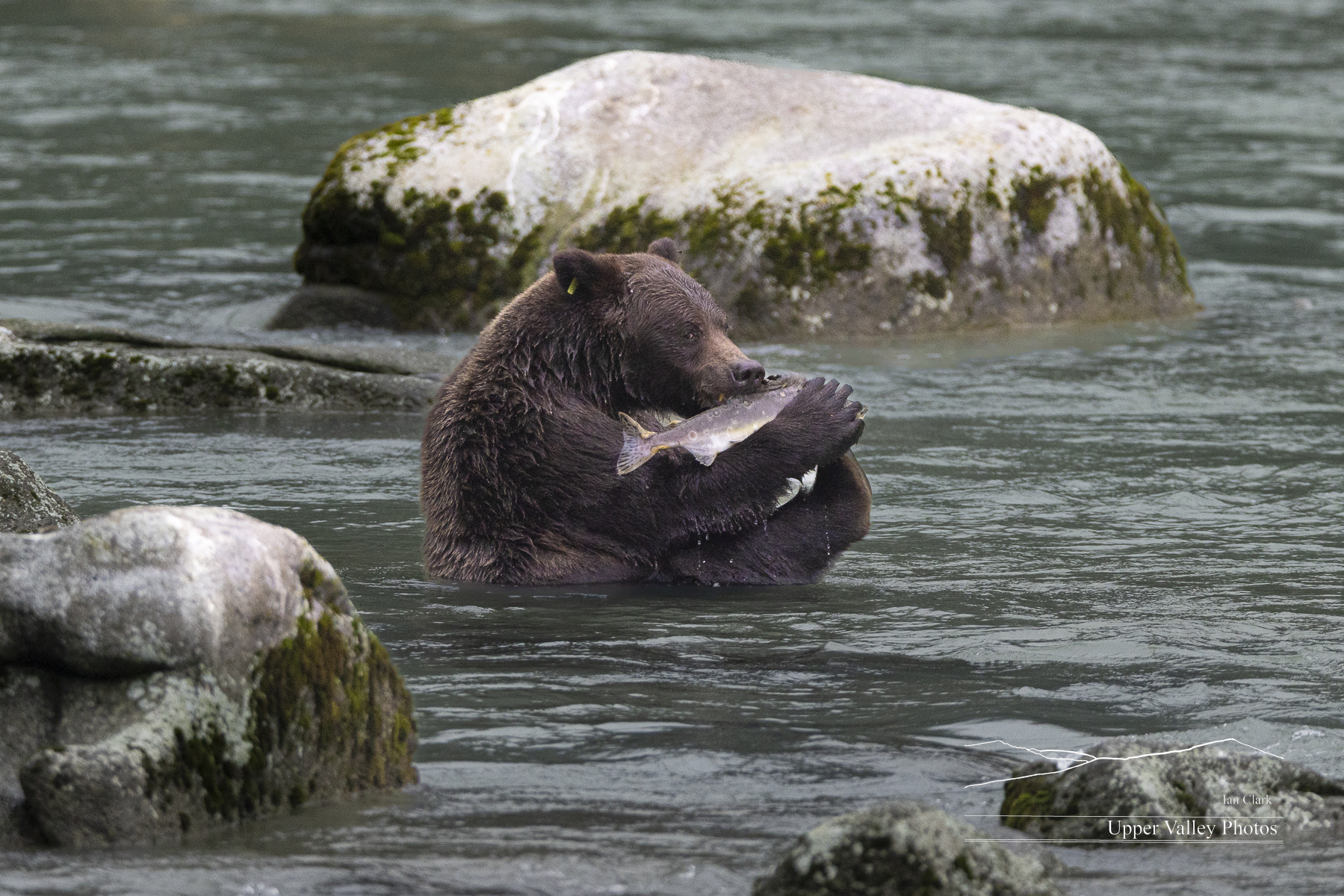
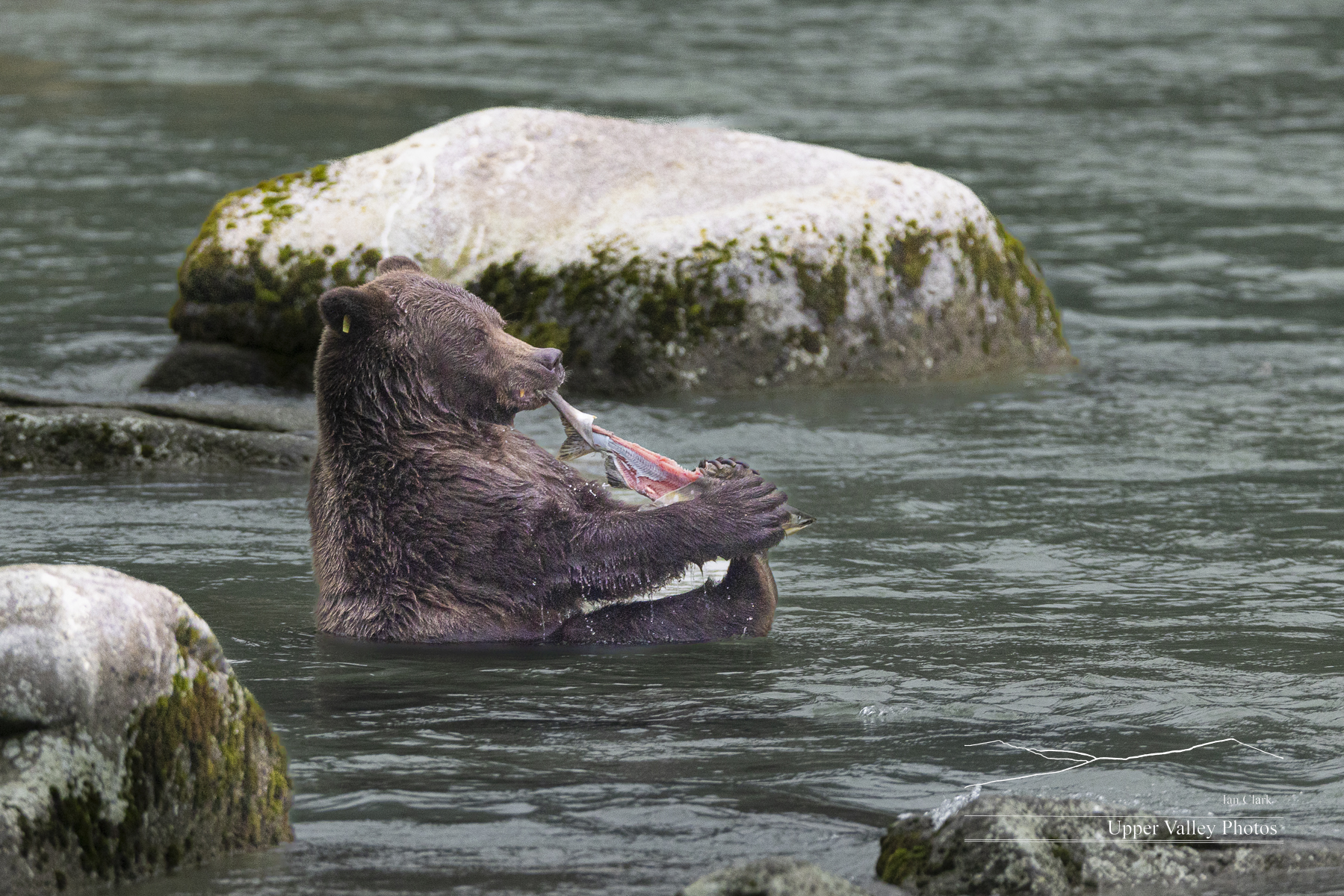
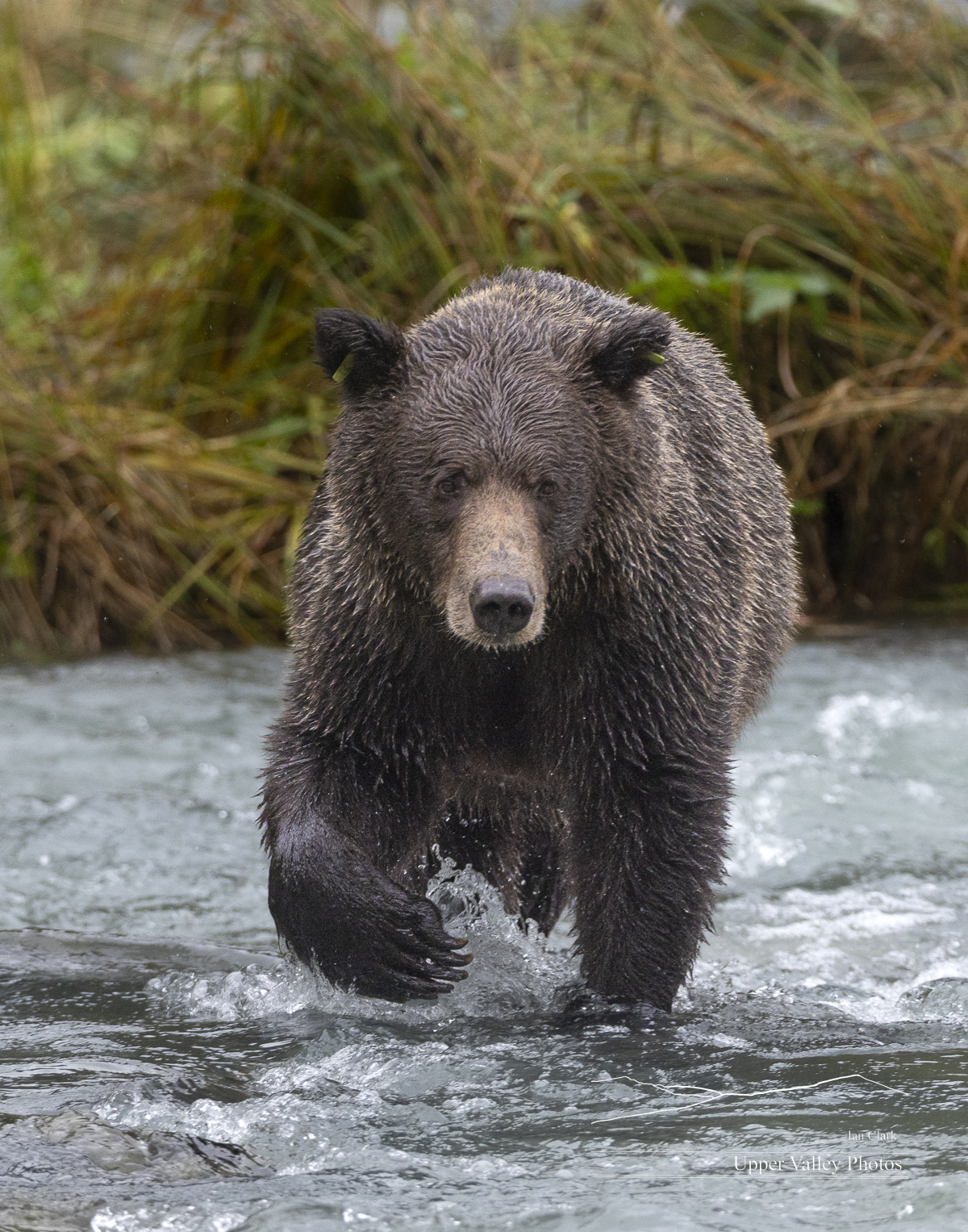
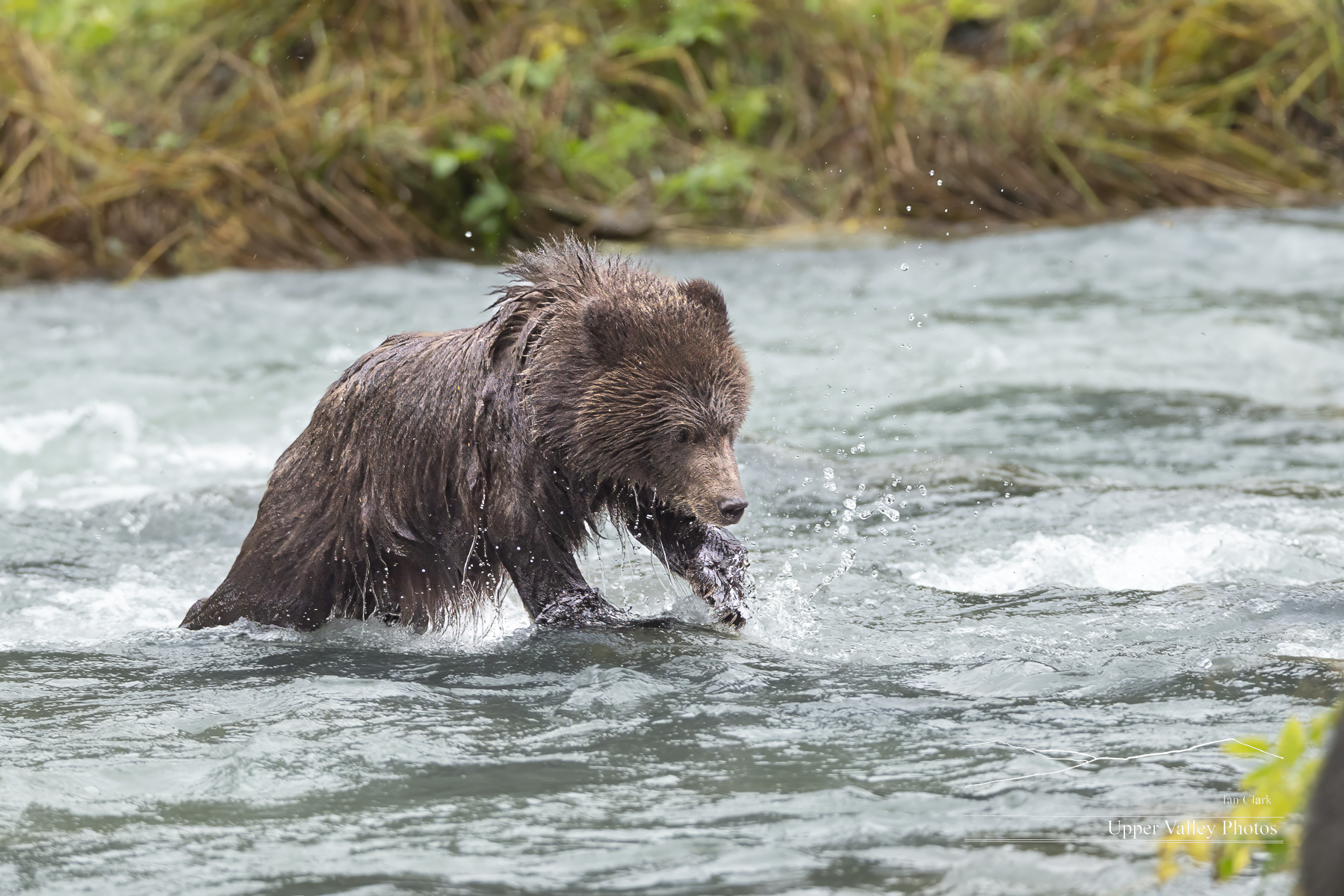
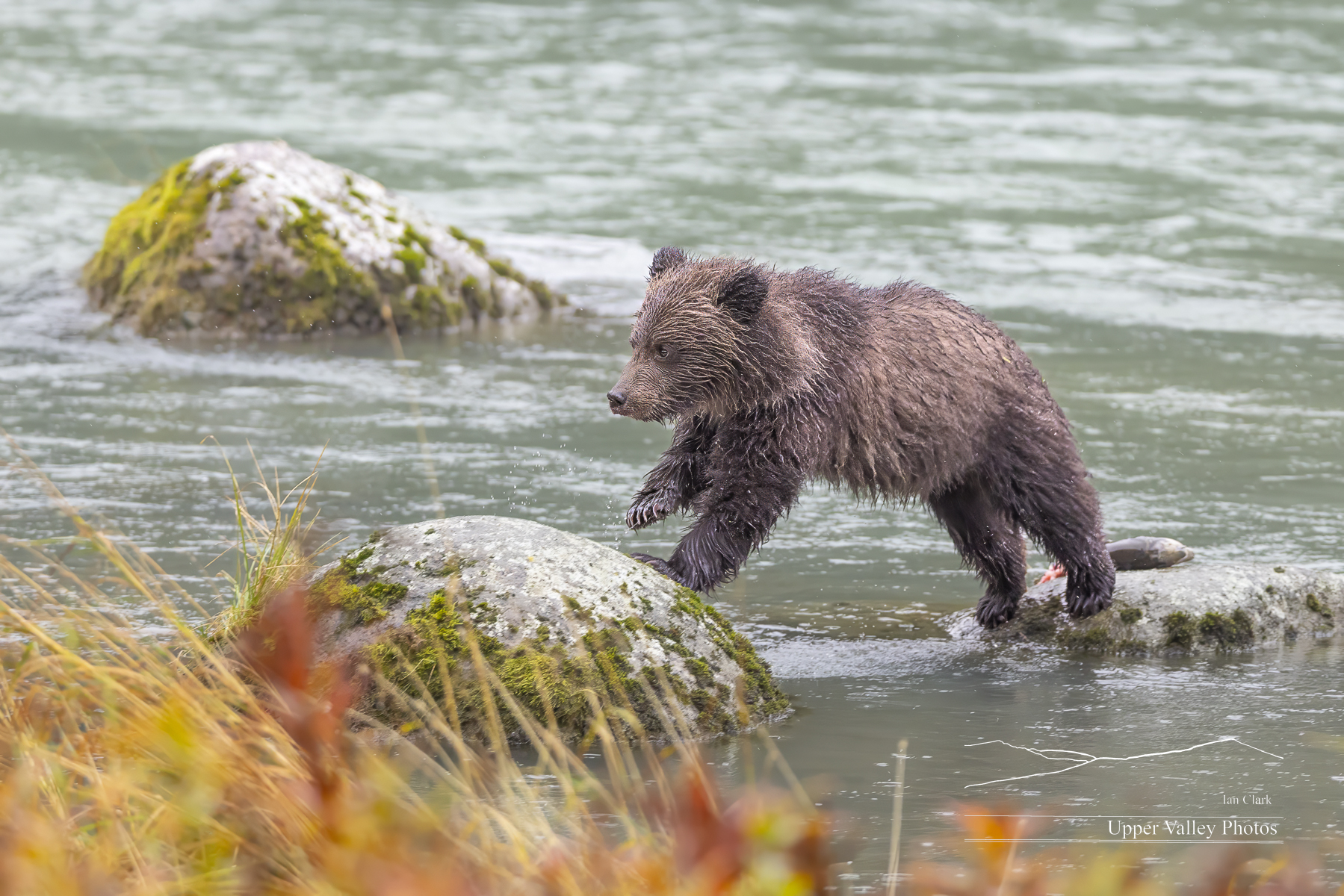
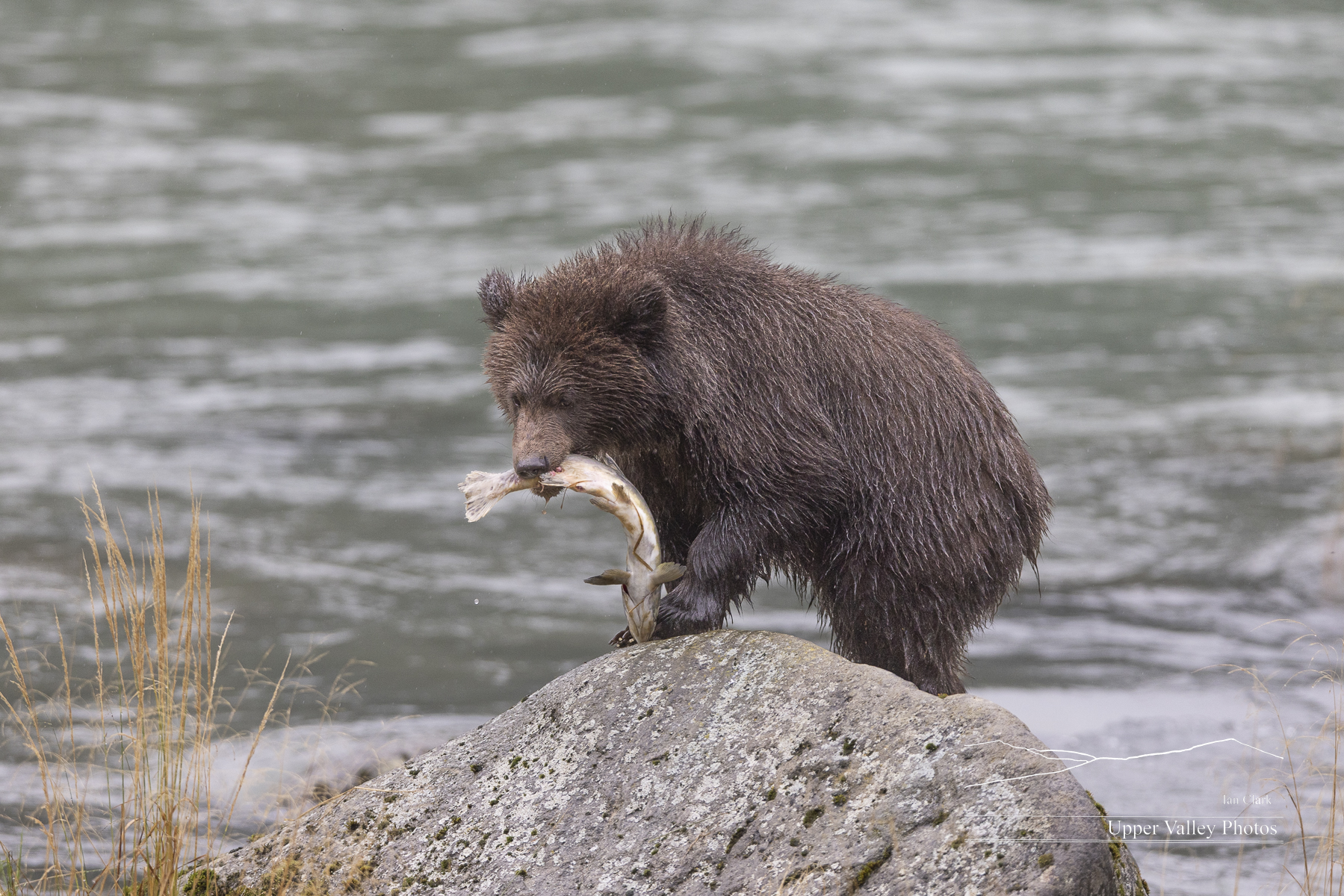
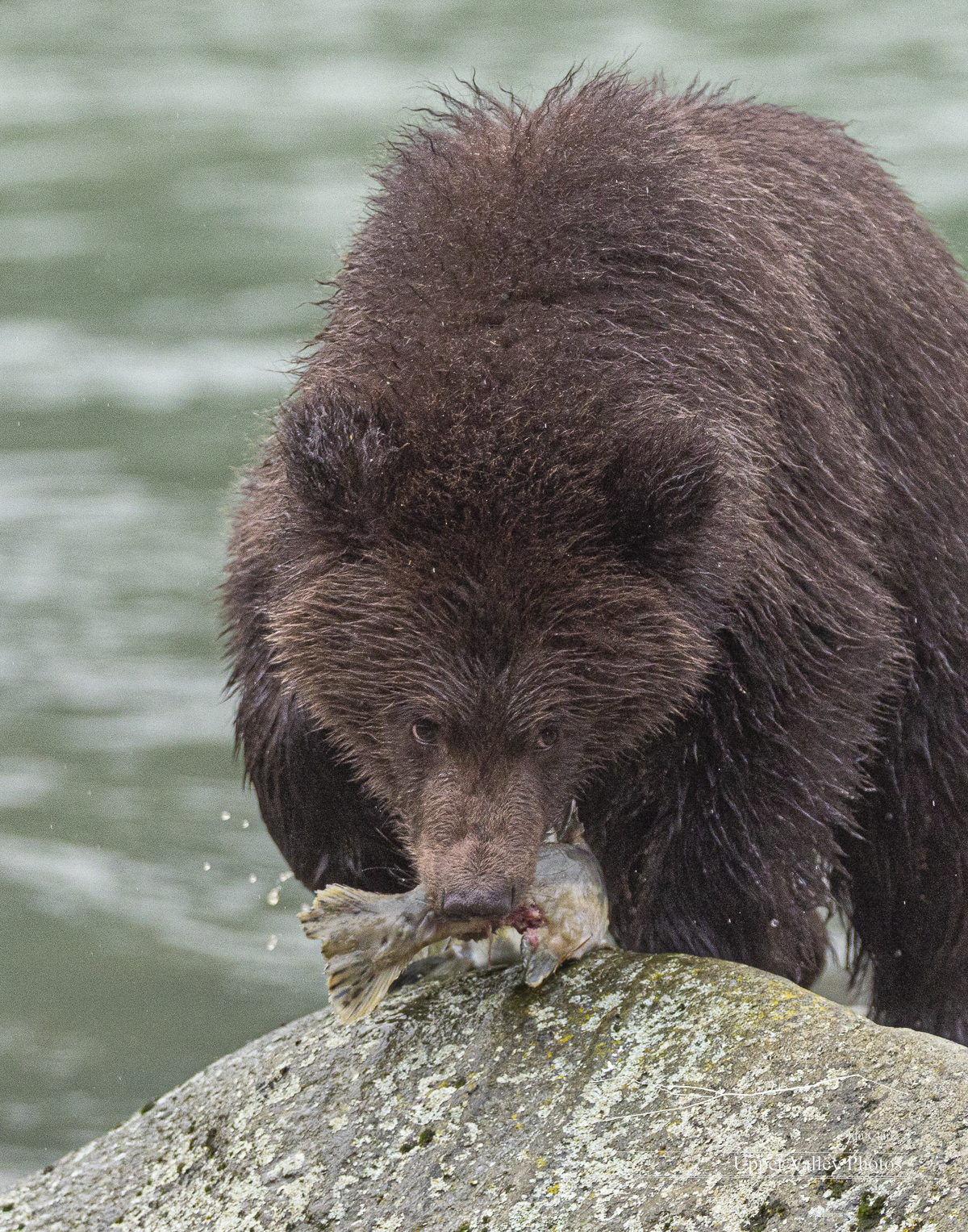
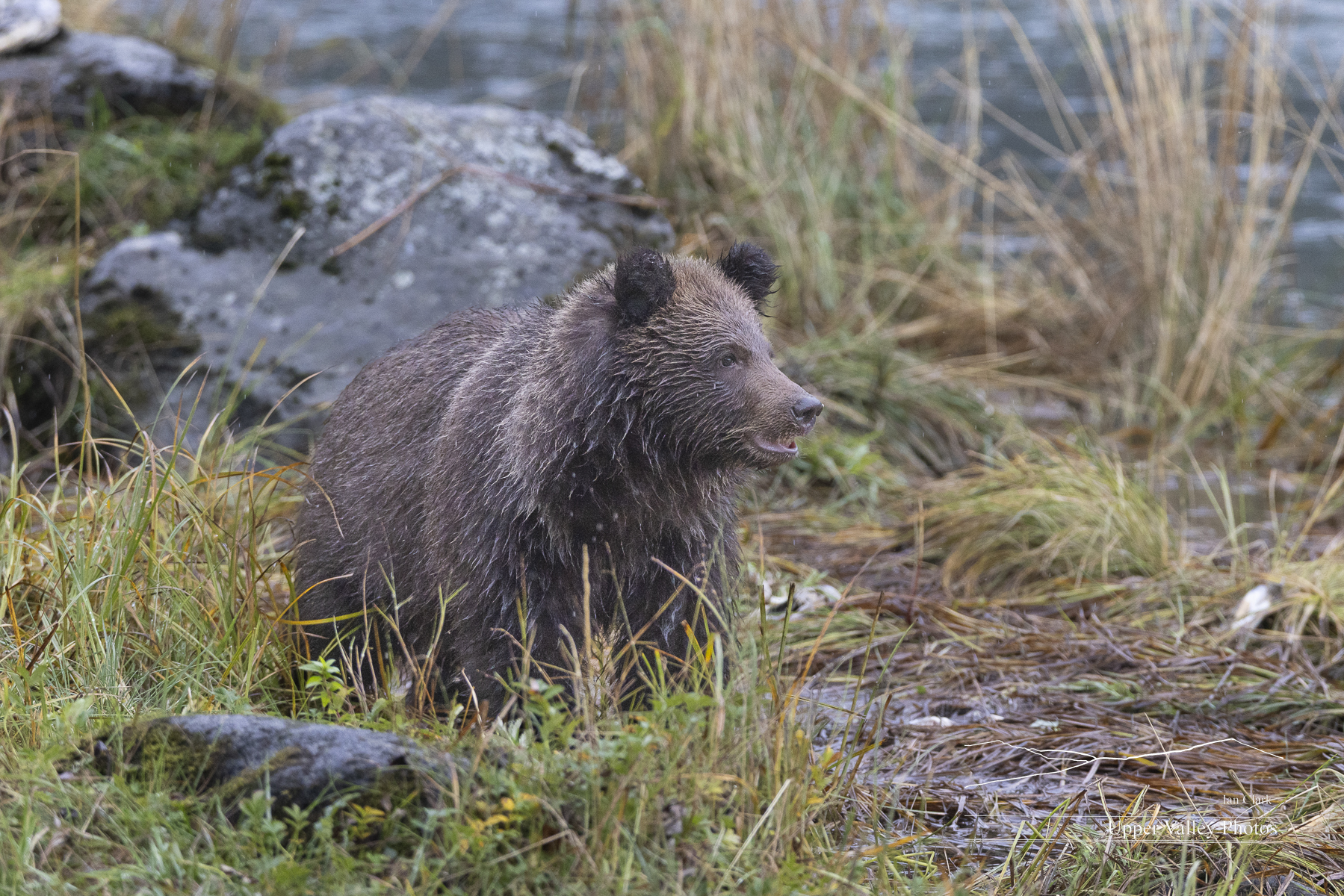
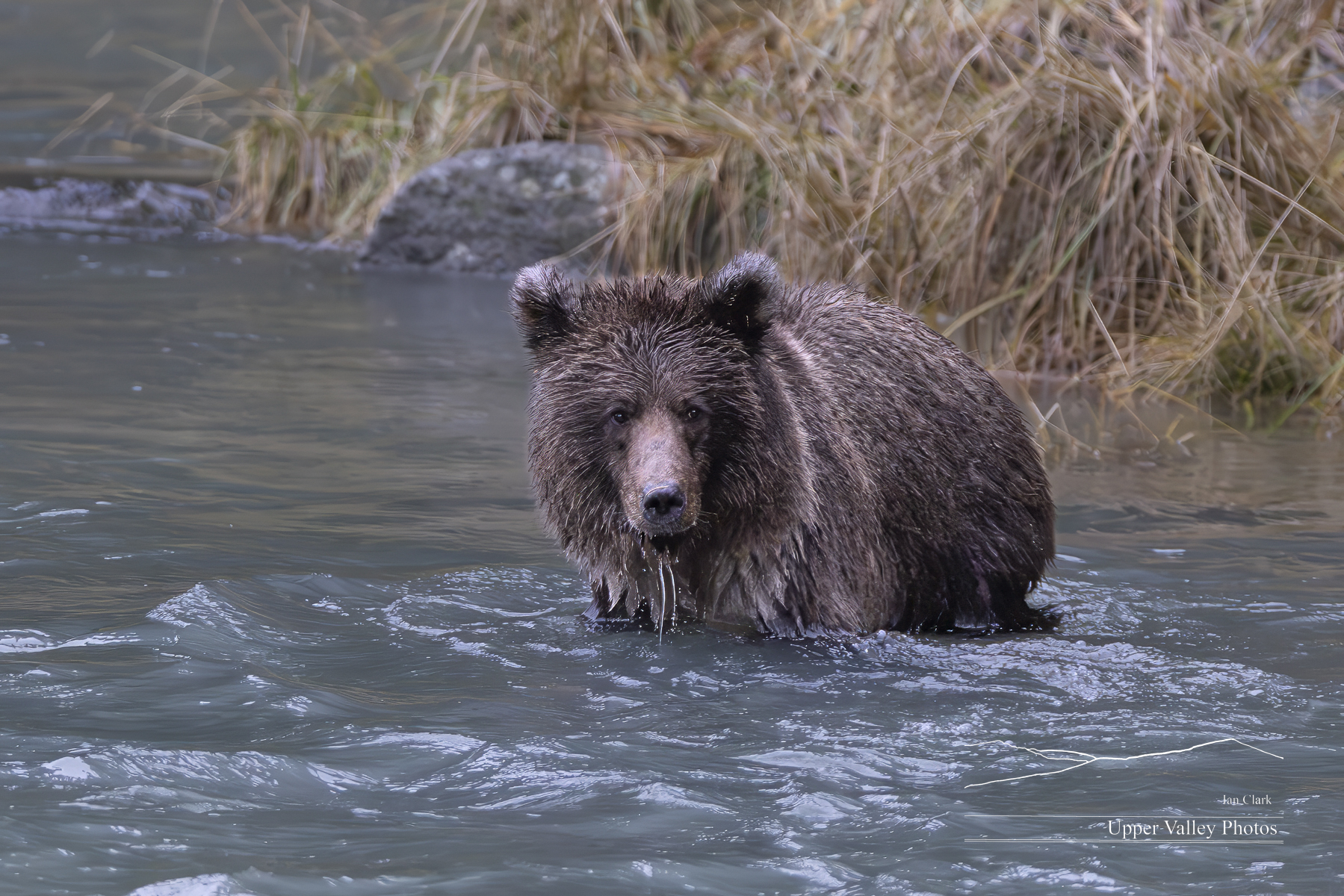
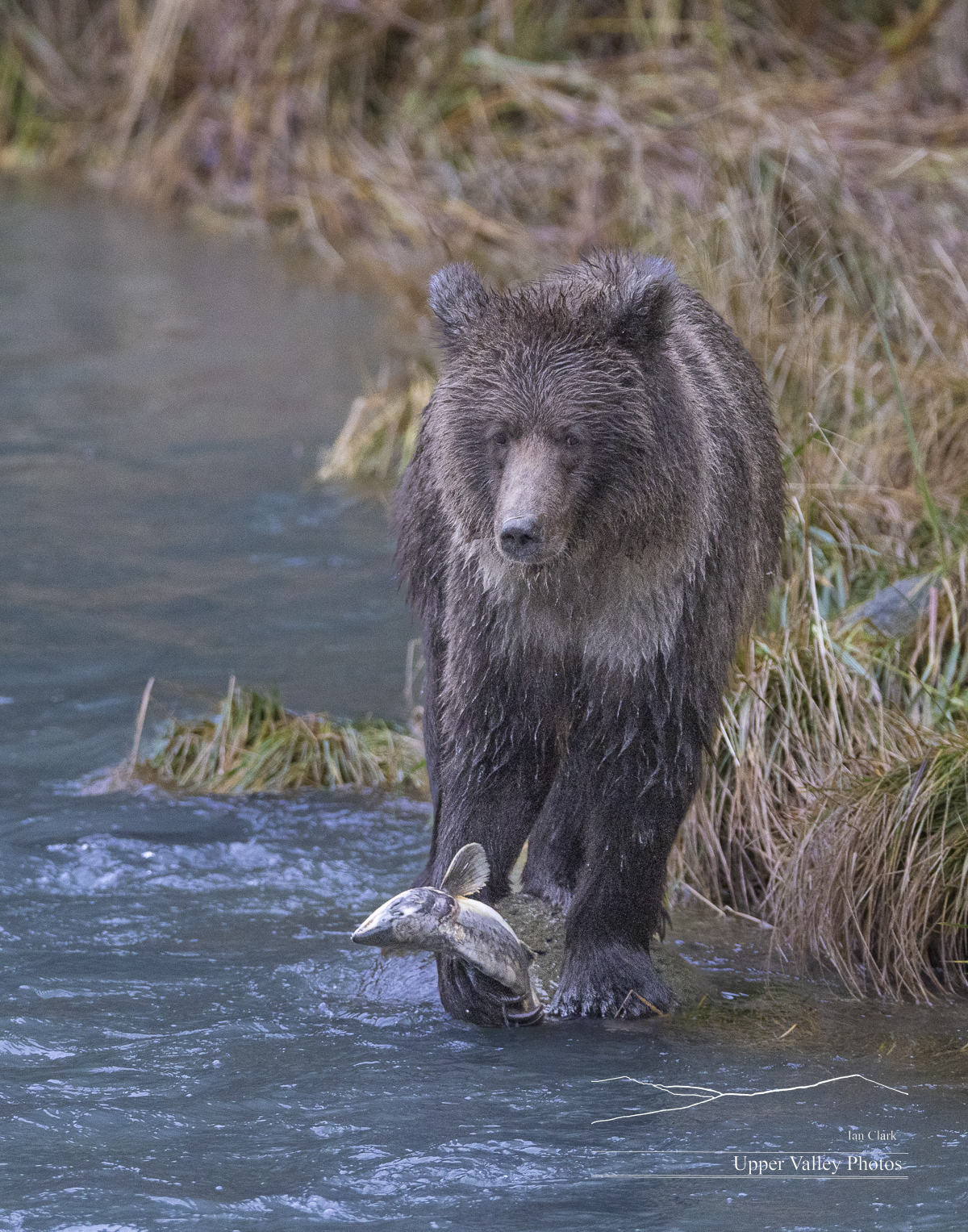
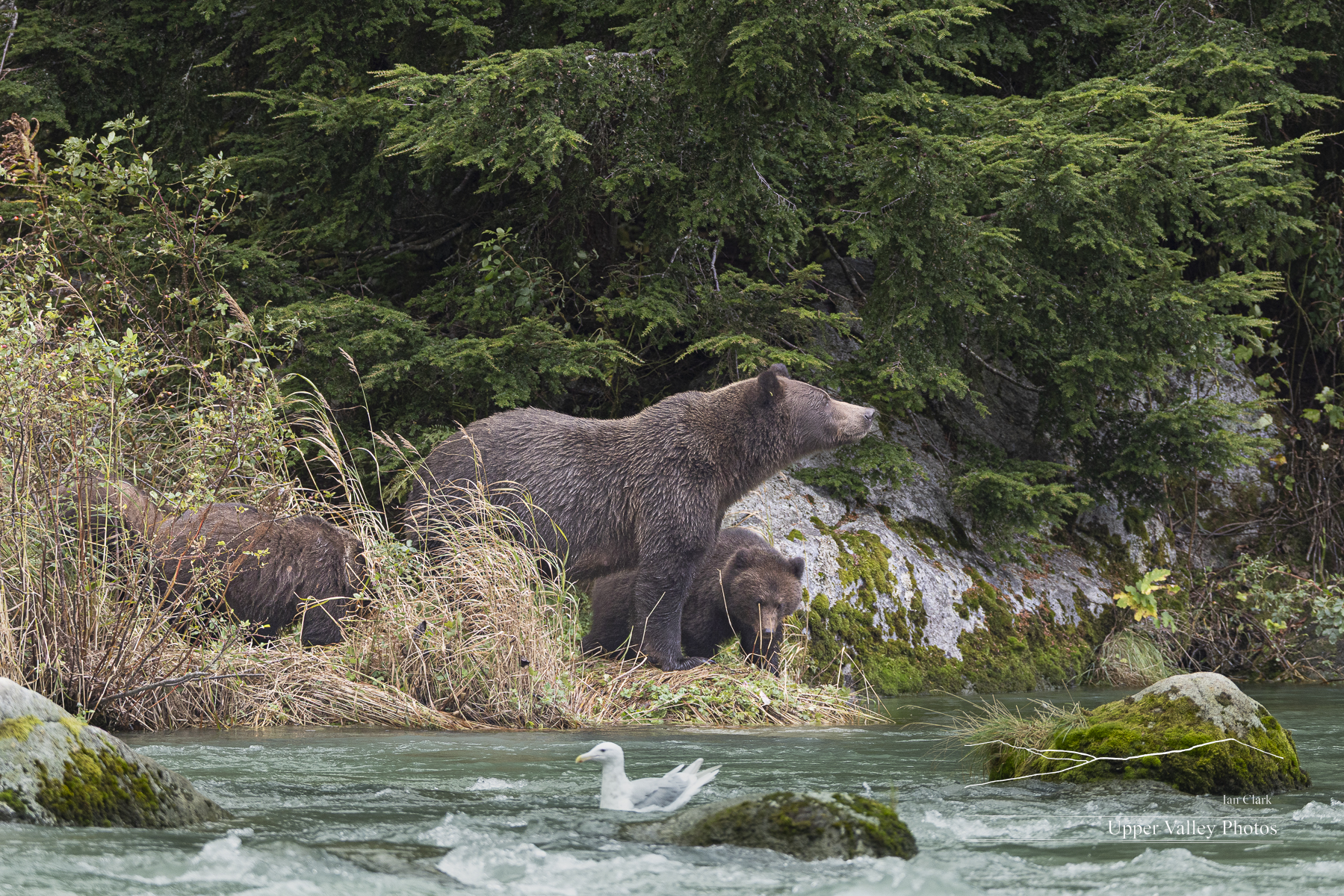
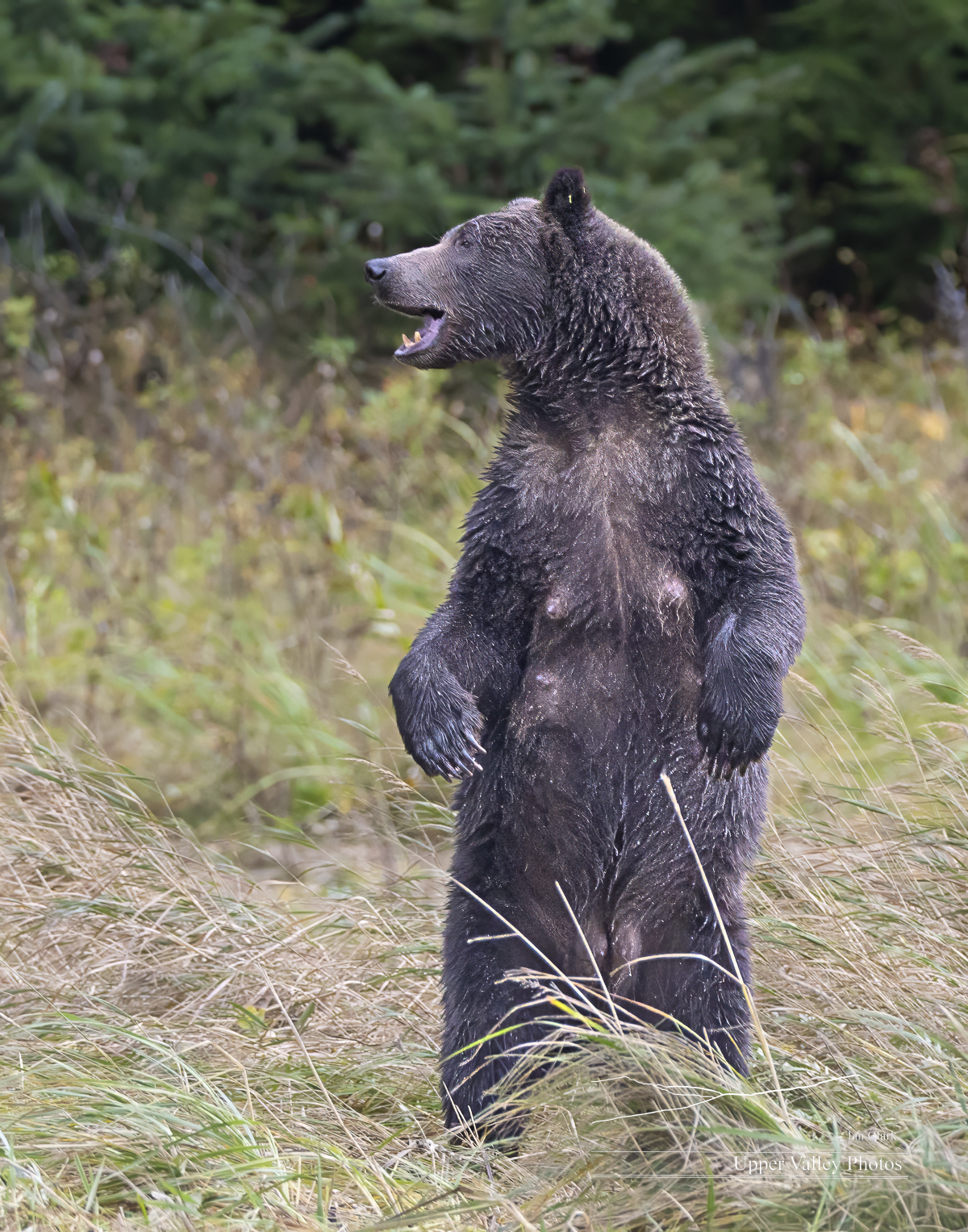
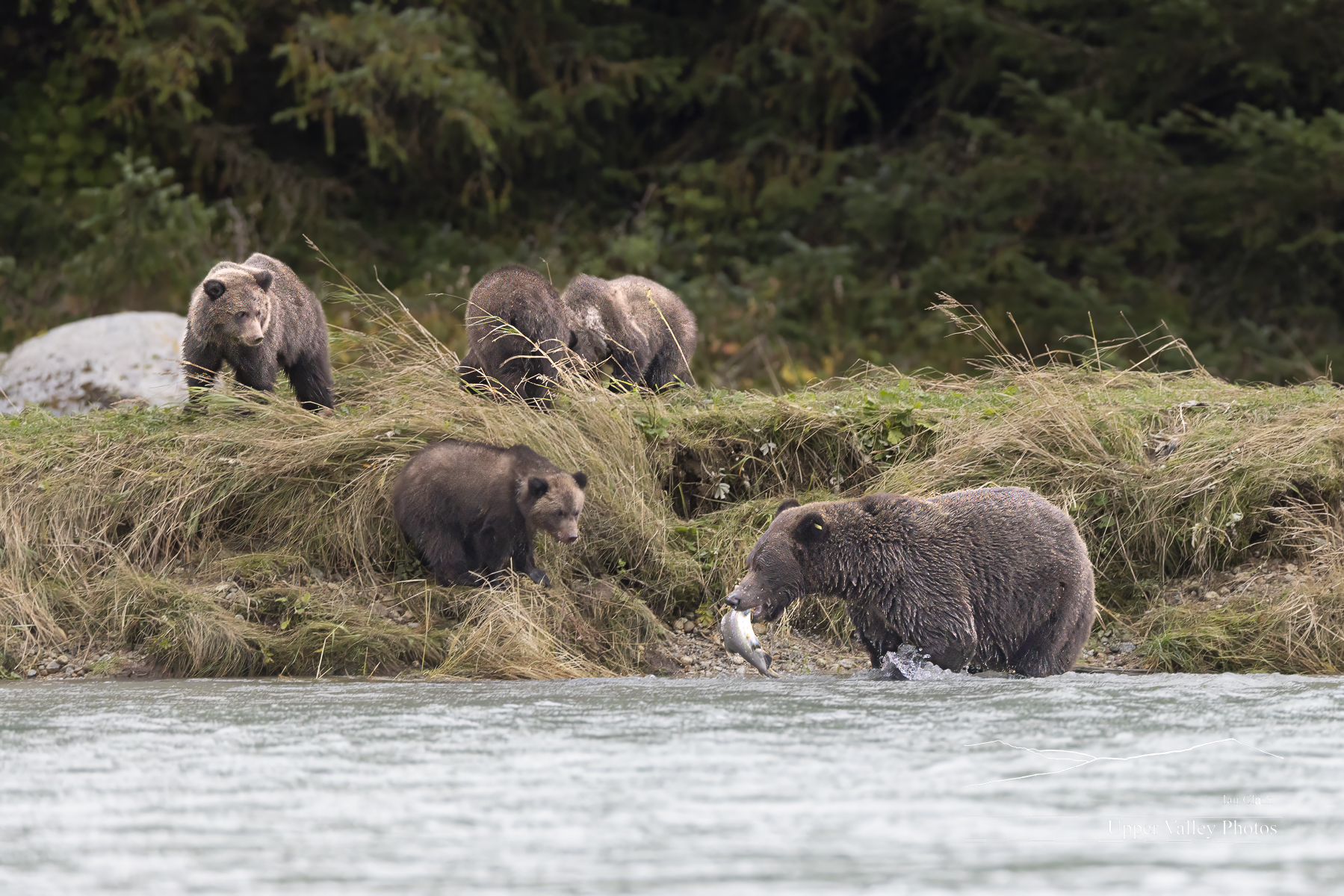
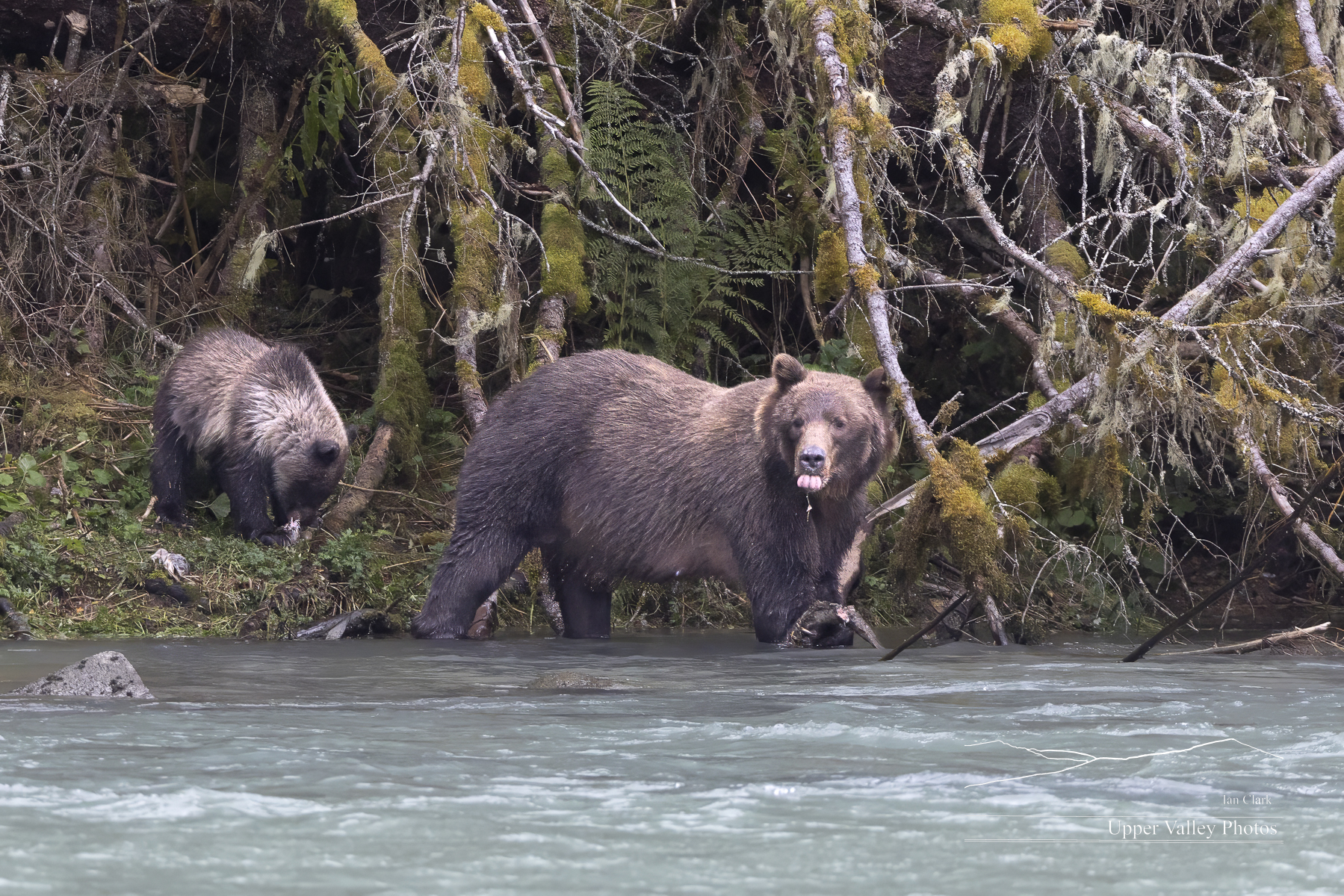
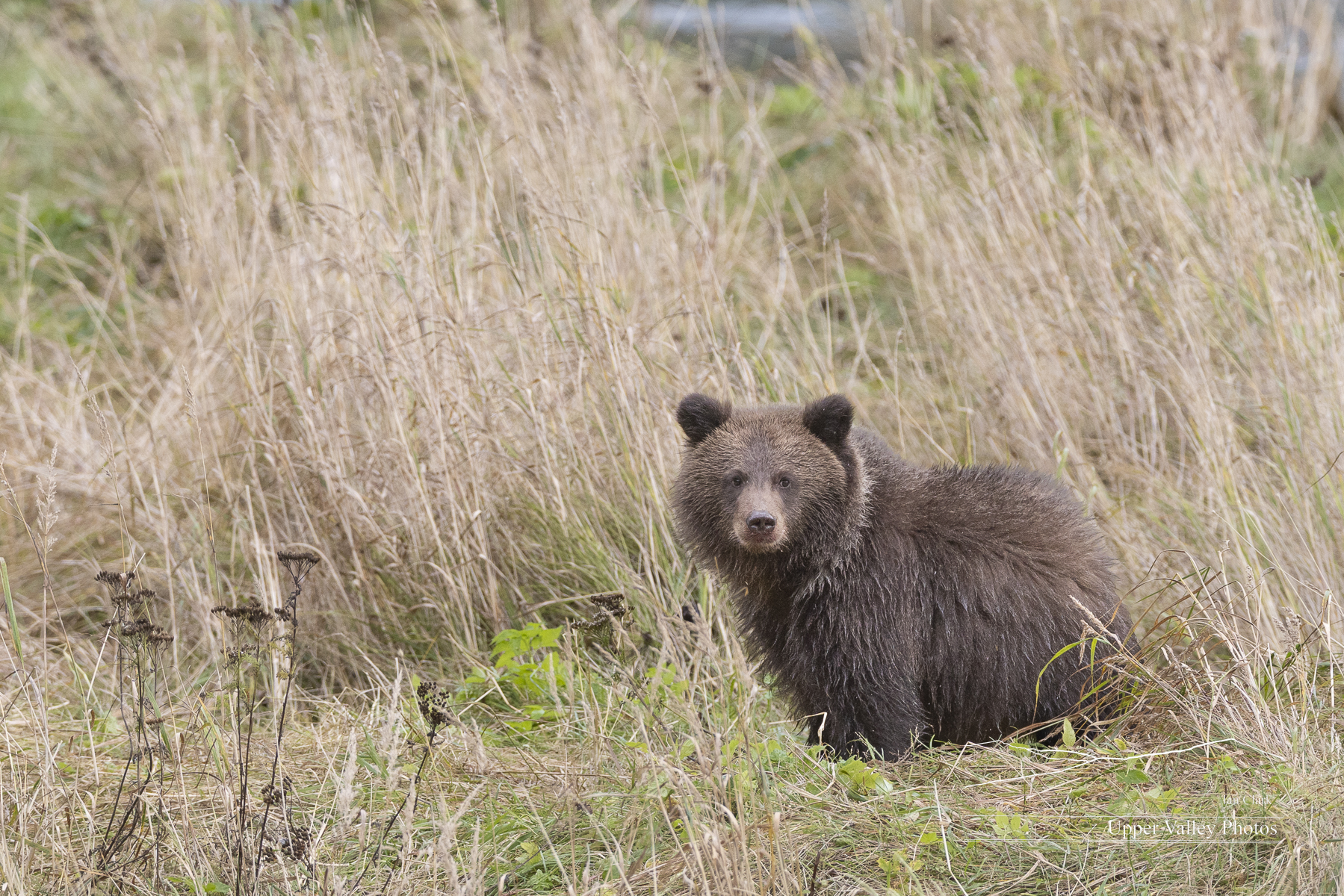
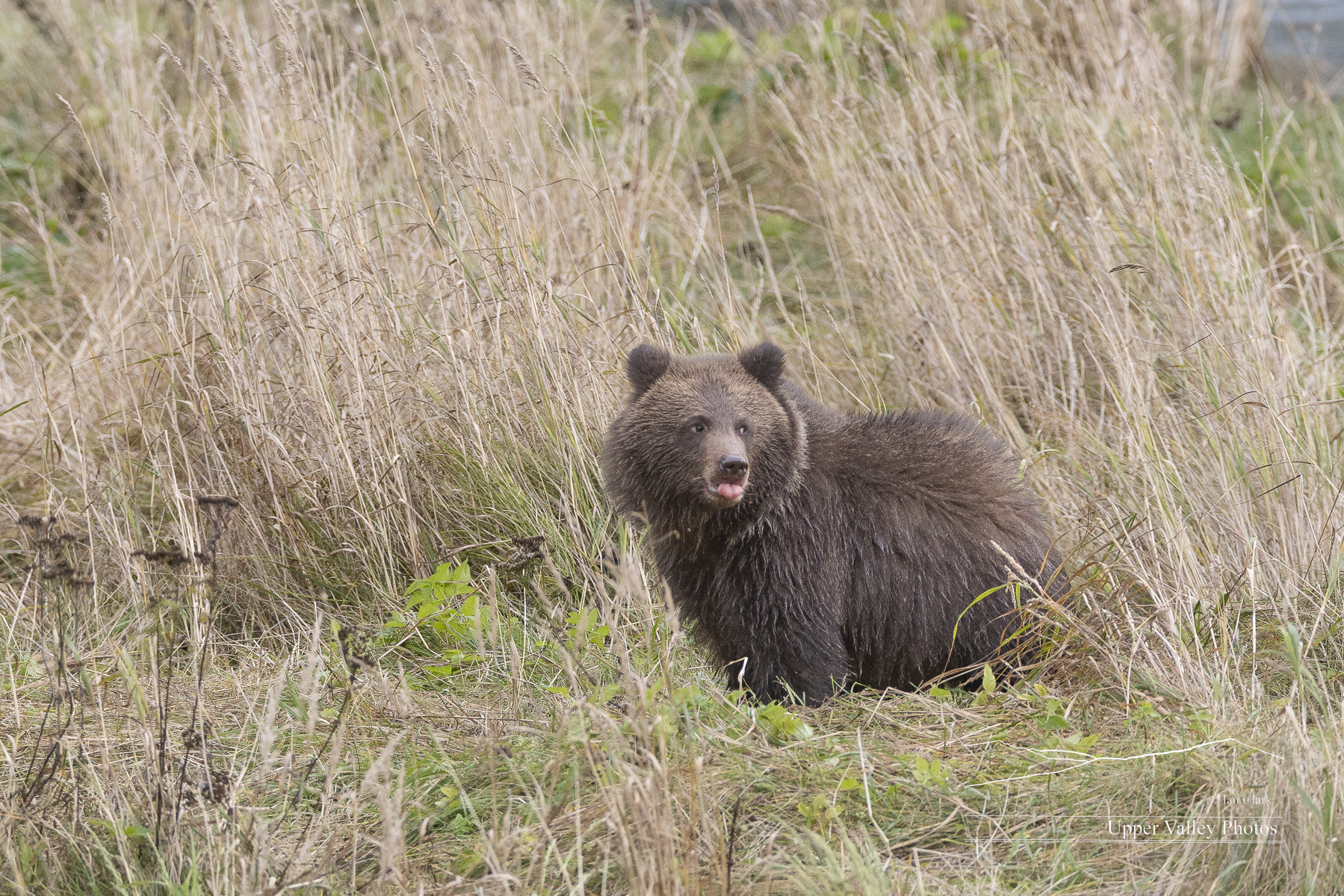
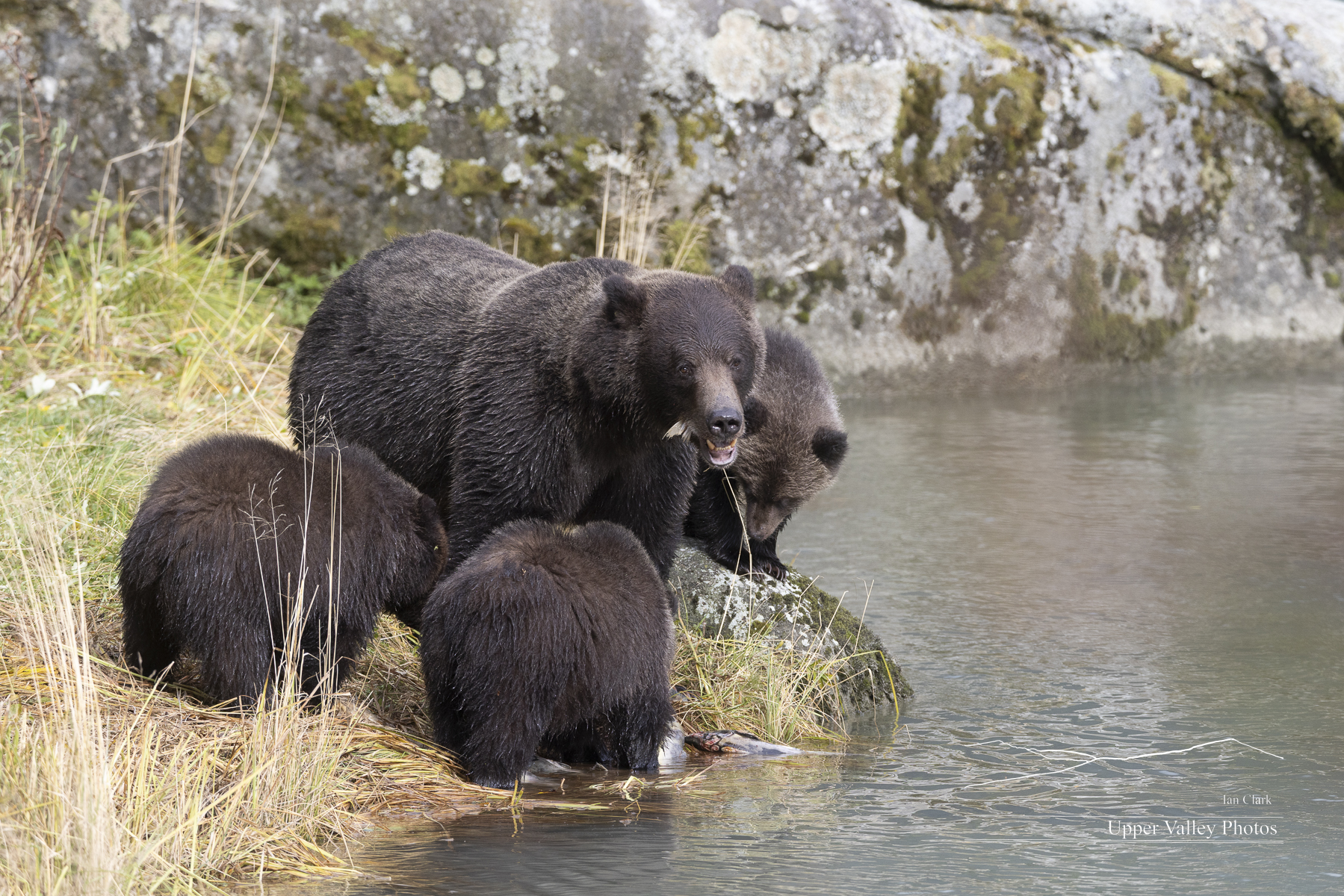
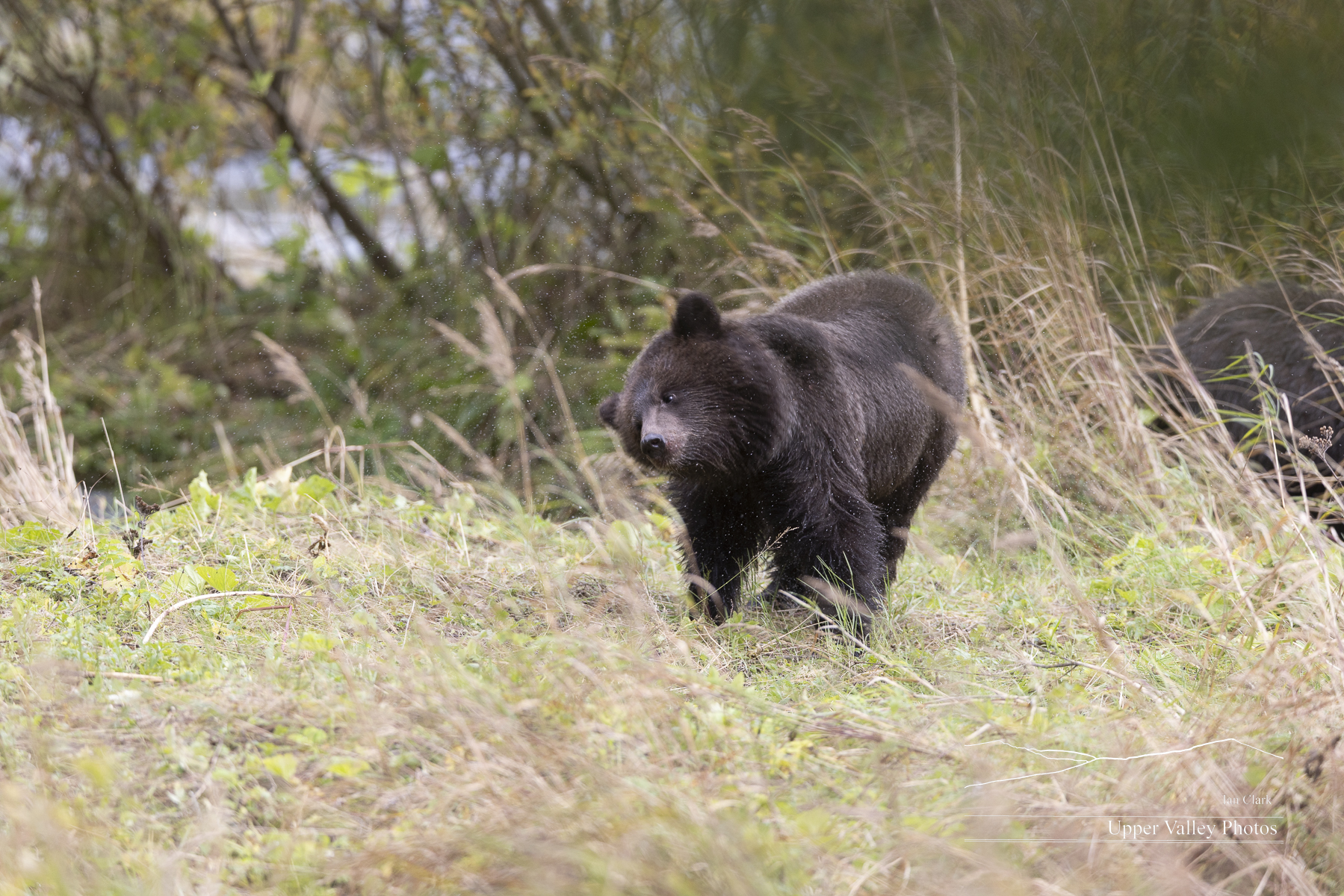
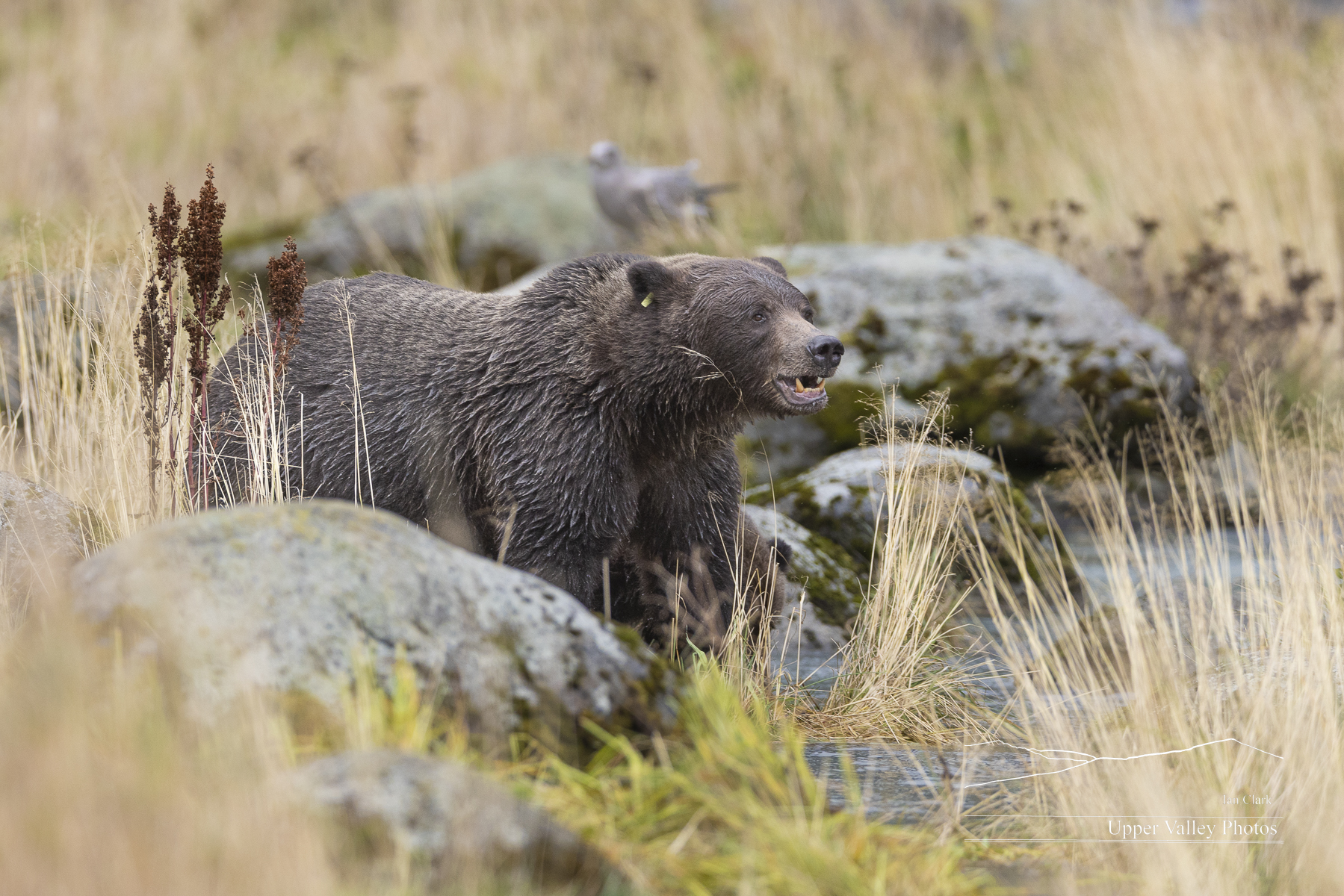
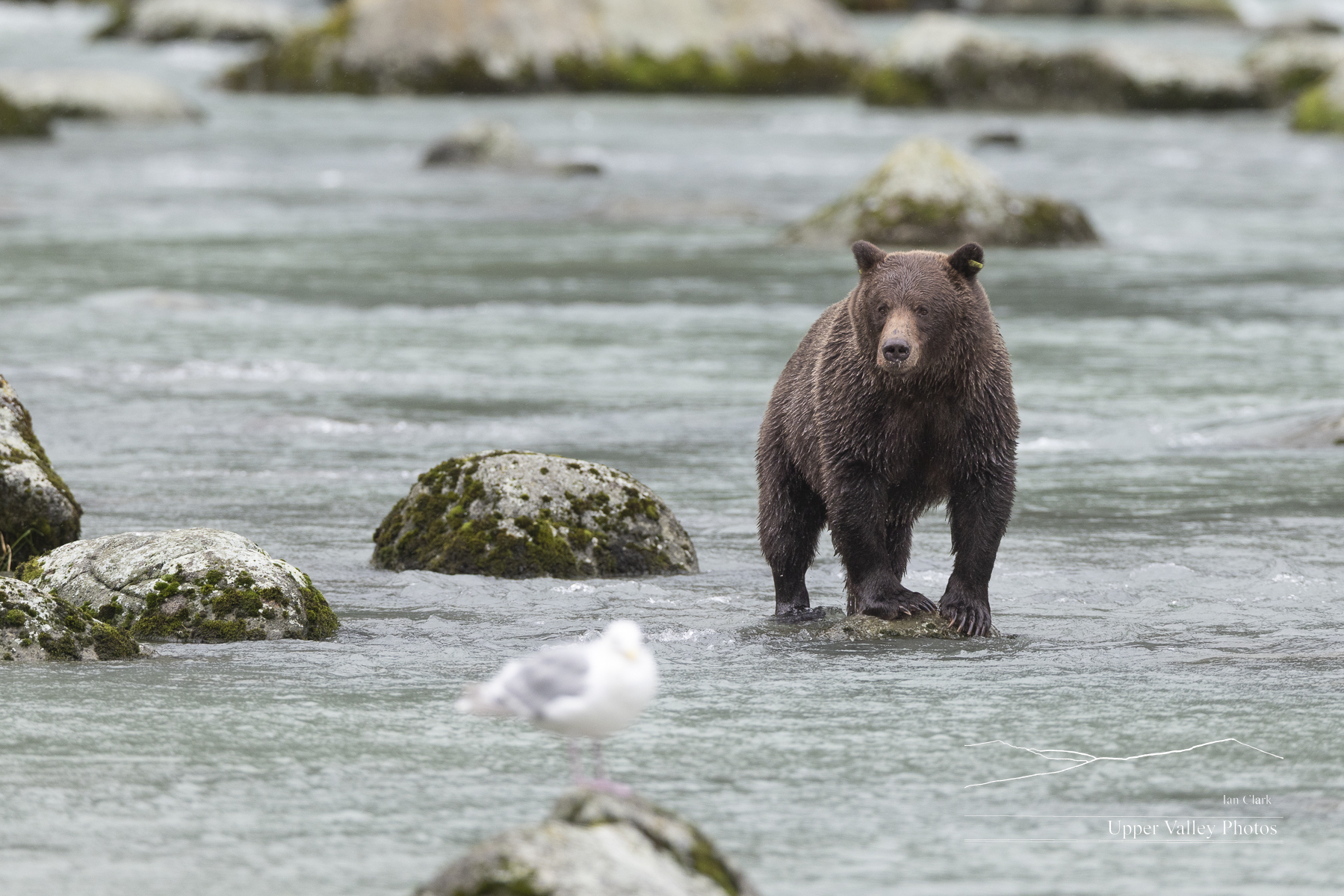
I watched a fox den for a time in the spring. There were two or three kits, but usually only one would come out at at time. A little later in the summer, I explored some of the beaches along the Connecticut shore and found more piping plover chicks. And several northern diamondback terrapins out laying eggs above the high-water mark. There were several pairs of American oystercatchers on the beaches. The oystercatcher banders are good at banding – I couldn’t find one that wasn’t banded. Hank heron made himself scarce in the spring, but by early summer he was back at his post along the loons’ pond. One foggy morning, I took just a couple photos of the loons through the thick fog. I pulled the boat out and had it atop the car when I noticed these deer had come out of the brush along the shore. I’m amazed they hadn’t spotted me in the open. I ducked behind the car and had about 20 minutes watching them forage and frolic before they finally did spot me. I think the fawns are twins, and a second doe was traveling with the family. Another morning finds Hank again posing nicely. In September, I visited southeastern Alaska. I took the ferry from Juneau to Haines before going on to Skagway. The scenery from the ferry is amazing. Here’s the Sentinel Island Lighthouse we passed north of Juneau. The attraction in Haines is the brown bears. I was able to spend four days – four rainy days – along the Chilcott River watching the bears fishing for salmon. This is a first-year cub. One of a litter of four, a real rarity for bears. This is brown bear 925 to the Alaska Fish and Wildlife Department’s biologists. Her friends call her Lulu. She’s the mother of the four cubs. There were several families around, Lulu with her four cubs, another mother with three second-year cubs and at least three mothers with twins. This is a second year cub. Still traveling with mom, but getting ready to head out on his own. One of the mothers chasing down a salmon in the river. And one of the mom’s with her catch. I double-dog dare you to try to take it away from her. One of the second-year cubs chases after a salmon. Lulu enjoying her catch while sitting in the river. I love that the fish is big enough that she has to use her back leg to help hold it up. Lulu with her four cubs. Another mom heading out to go fishing. And one of the moms in action in the water. Moving on to Skagway, I spent four days photographing the White Pass & Yukon Route Railroad. The have a working steam engine, 2-8-2 no. 73. No. 73 is a three-foot gauge Baldwin, built in Philadelphia, Pennsylvania in May 1947. The railroad put on quite a show for us. Here we’re in Pennington, British Columbia, along Lake Bennett.Still on the WP&Y, this time in Bennett, BC.The next day, again at Bennett, BC, with Lake Bennett in the background. This time in Fraser, BC with Teepee Peak and Jack Peak in the background.And back in Skagway, crossing the East Branch of the Skagway River. And no. 73 clinging to the Mountain at Inspiration Point in Skagway. And in a classic shot, we’re back in Skagway with the train coming out of a tunnel and crossing a beautiful trestle. Heading back to Juneau and my flight home, the ferry passed passed Eldred Rock Lighthouse.And we had a beautiful moonrise not long before we reached Juneau. There was a great display of the northern lights later that night – so I hear. With an early flight out, I was tucked in bed.
Back in Vermont, I again headed to the coast to hunt for owls.
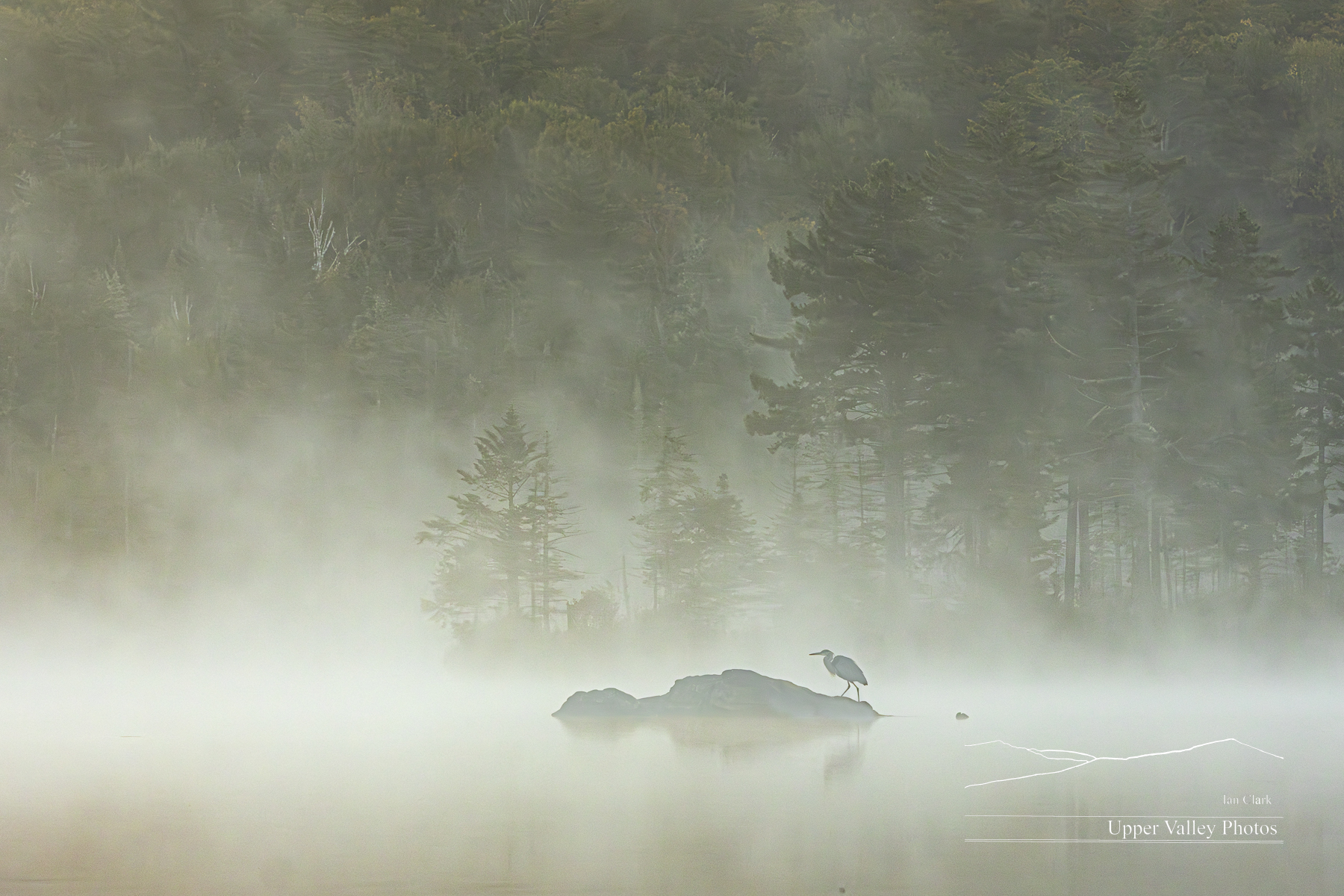
Leo had just returned for the winter. He still wouldn’t cooperate. I’m not giving up….
I’m just back from an adventure that took me from Juneau up into the Yukon. This was my first trip to Alaska. I’ll have to go back, I didn’t get to see all of it. What got me to finally get around to going was a chance to photograph the steam locomotive on the White Pass & Yukon Railway out of Skagway. Since the 1970s, I’ve been tracking down the remaining operating steam locomotives. WP&Y has been on my list for years. I’ll have a post about that when I get through editing the pix.
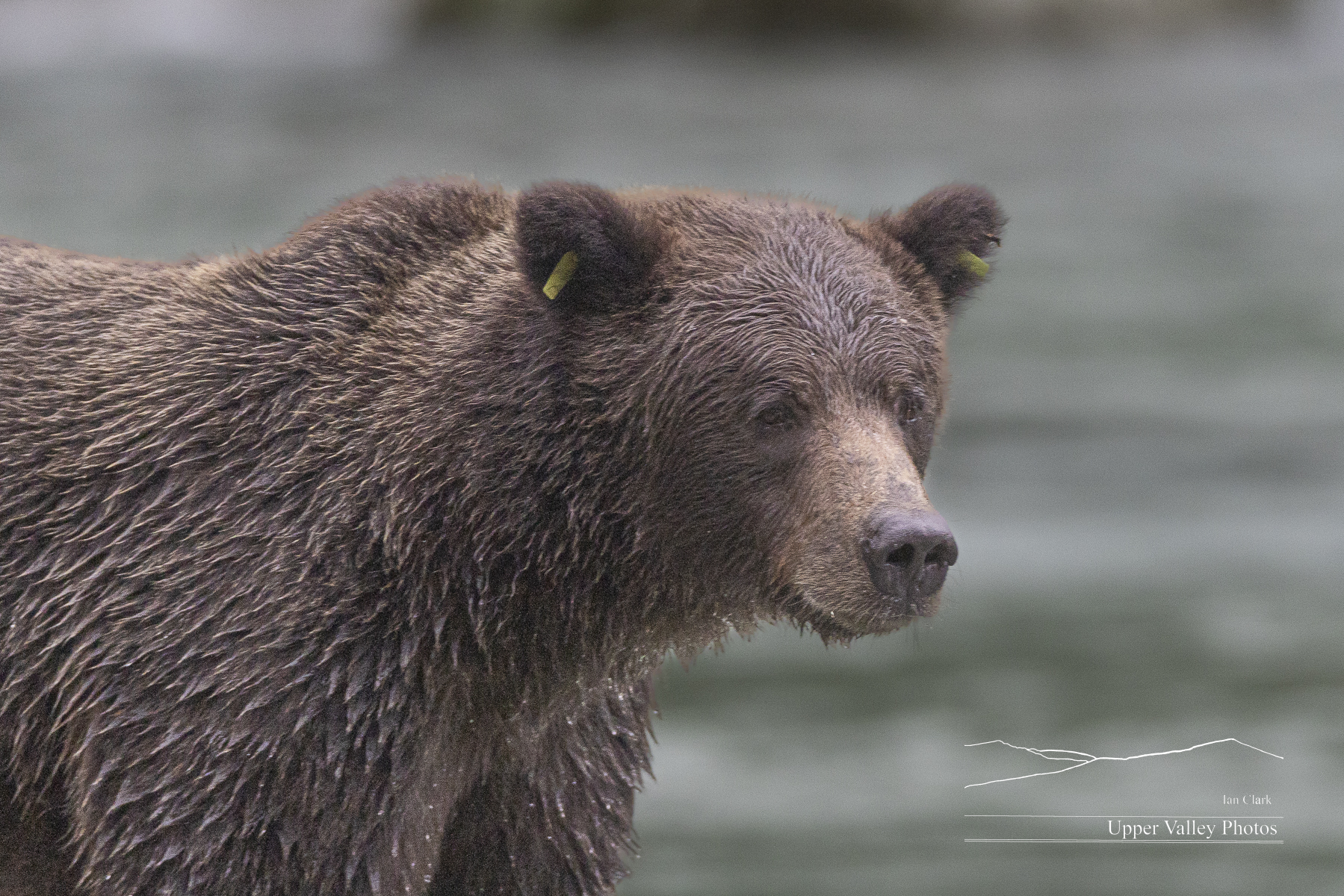
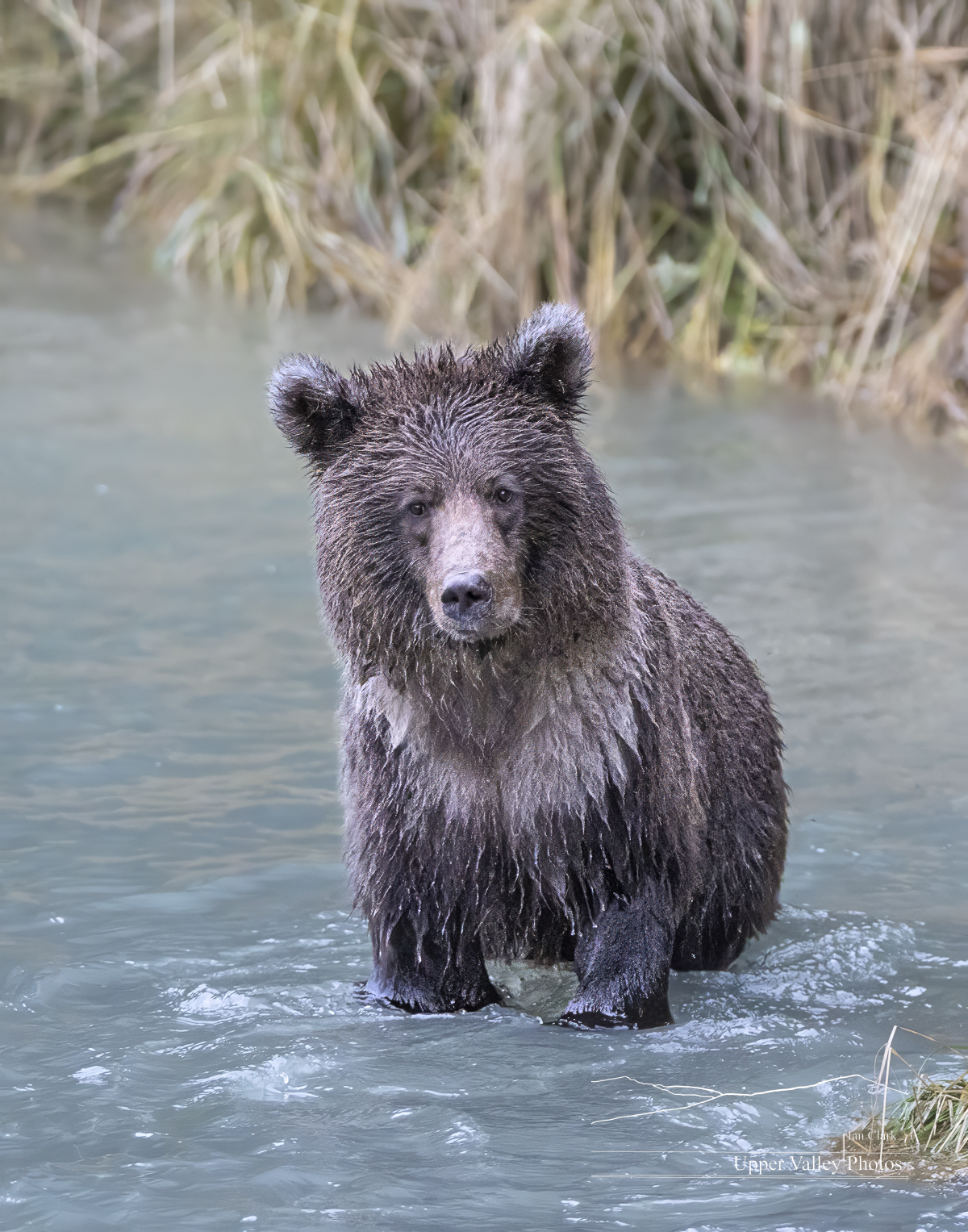
Watching the grizzly bears in the salmon streams has been another dream. I was able to take four days on my way to Skagway to stop in the Chilkoot Valley to watch the bears along the Chilkoot River. Chilkoot is described as ‘the poor man’s bear tour’ as it is much less expensive than getting to Brooks Falls in Katmai National Park. Katmai is where the bears in the Fat Bear Week come from. Chilkoot’s bears aren’t as big or as numerous as Katmai’s but I managed to see at least 24 individuals while I was there.
The bears in the Chilkoot Valley are brown bears. They’re the same species as grizzlies but biologists make a distinction between grizzlies that live inland and brown bears that live in the coastal region. Brown bears have access to additional sources of food – like salmon – that the inland bears don’t. Inland grizzlies live on plants, roots, grubs, and insects.
The summer season was winding down as I arrived in Haines. Hotels and restaurants were shuttering for the winter. With a web search, I got lucky and found the Hotel Halsingland. The hotel has combined two of the houses built for officer’s quarters at Fort Seward back in the early 1900’s. The interiors have been beautifully maintained as best they can after adding electric and plumbing. The proprietor was even kind enough to dig out a socket wrench to let me tighten up an errant tripod.
The ferry from Juneau dropped me in Haines in a steady drizzle with heavy, low clouds. Except when the rain turned to a downpour, that was what I got – until the very last morning I was in town.
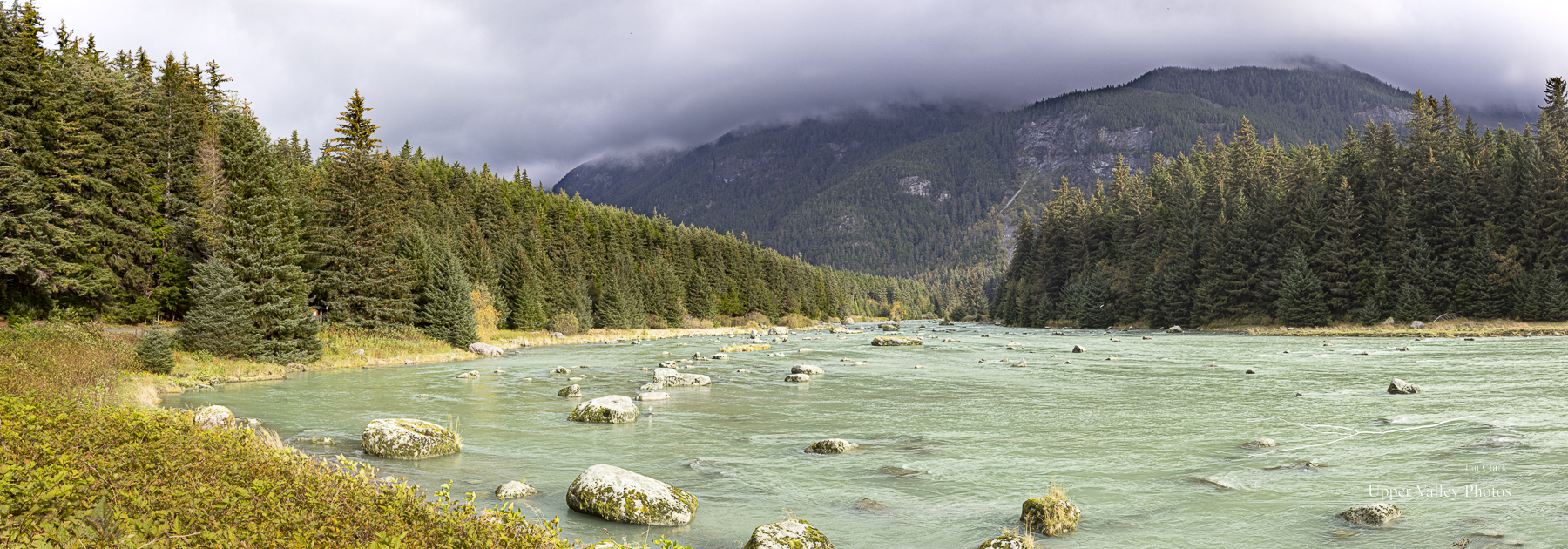
The Chilkoot River in Haines, Alaska, on the driest and brightest day of my visit.
The river hosts three species of salmon, sockeye (aka red salmon), pink (aka humpy salmon) and silver (aka coho) salmon. And the valley is home to a number of bears. While I was there the females, or ‘sows,’ were the ones out during the day. Late evening and early morning found the males, or ‘boars’, along the river. Sows with cubs avoid the boars, boars will kill cubs of other bears.
The bears are in hyperphagia – the period at the end of the summer where they need to fatten up to survive without eating through the winter.
The star of the show was a female bear with four cubs born this year. Liters of four are extremely rare for bears. The Alaska Fish and Game Department knows her as ‘Bear 925.’ Locals call her Lulu. She seemed on a regular schedule, appearing about dawn to feed for a couple hours before retreating back into the forest, presumably to nurse and rest. She’d reappear between 10:00 and 10:30 for another meal, heading back into the forest about noon. Then about 2:00 to 2:30 she’d return for another meal before heading back into the forest. Late afternoon, she’d reappear to get a meal, departing at dusk, presumably to avoid the boars.
There were other families I saw regularly. One mother with three second-year cubs, and at least three mothers with first- and second-year twins.
On to the bears… Fair warning, there are photos of bears eating fish where we see the insides of the fish on the outside of the fish…..
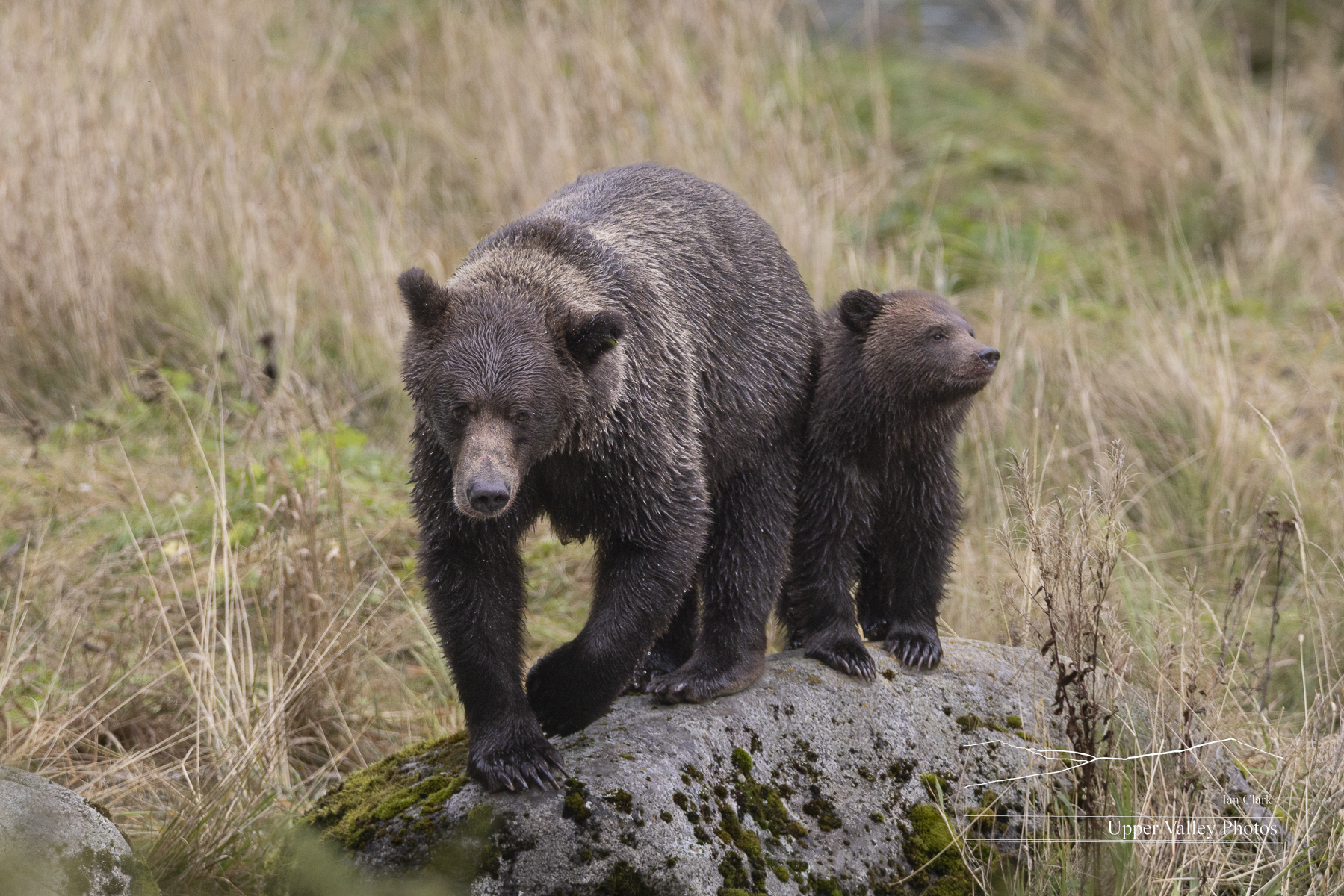
Meet Bear 925, Lulu to her friends, and one of her cubs.
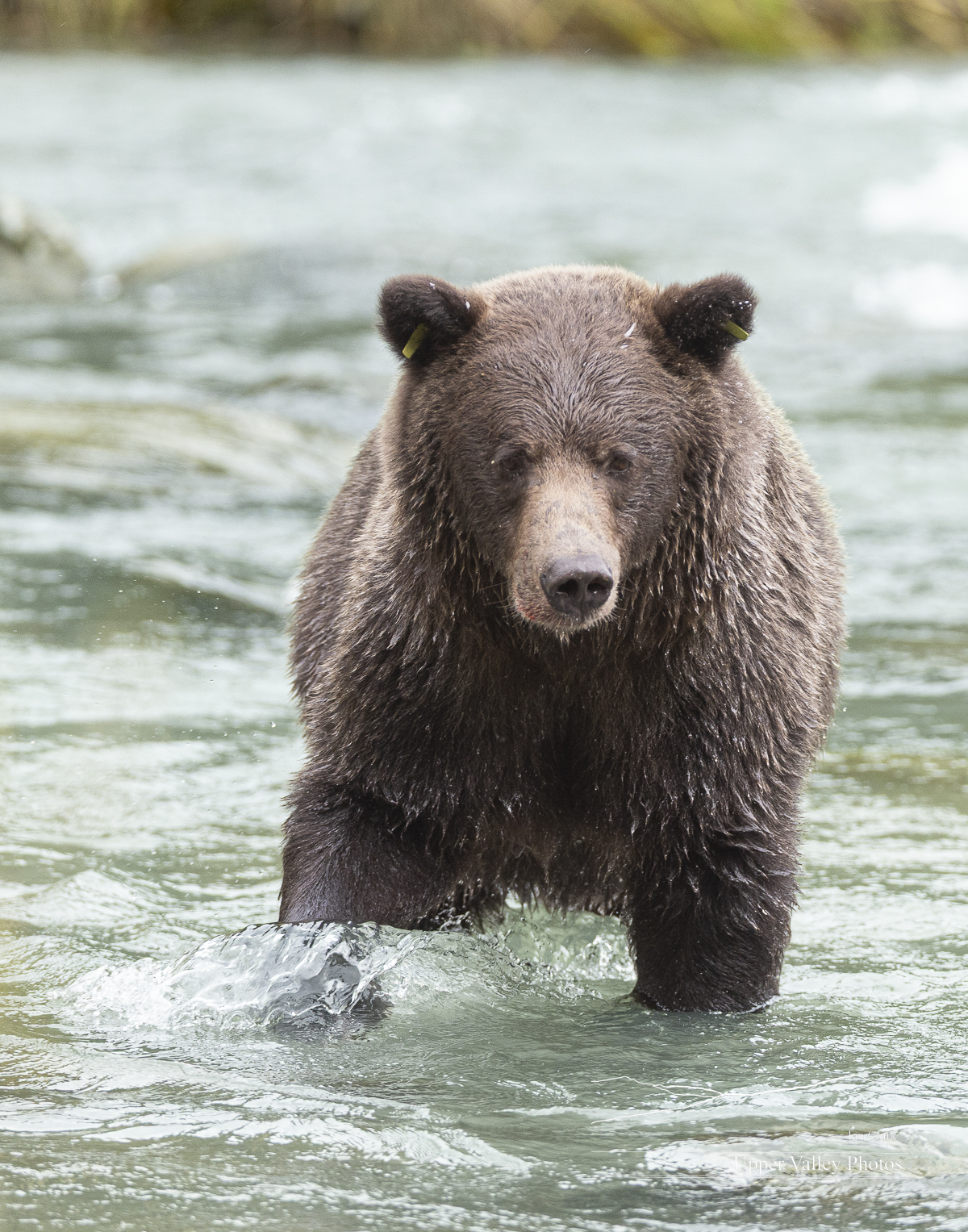
Lulu’s cubs didn’t seem thrilled with the water. They’d follow her through it, but weren’t big on wading or swimming to fish.
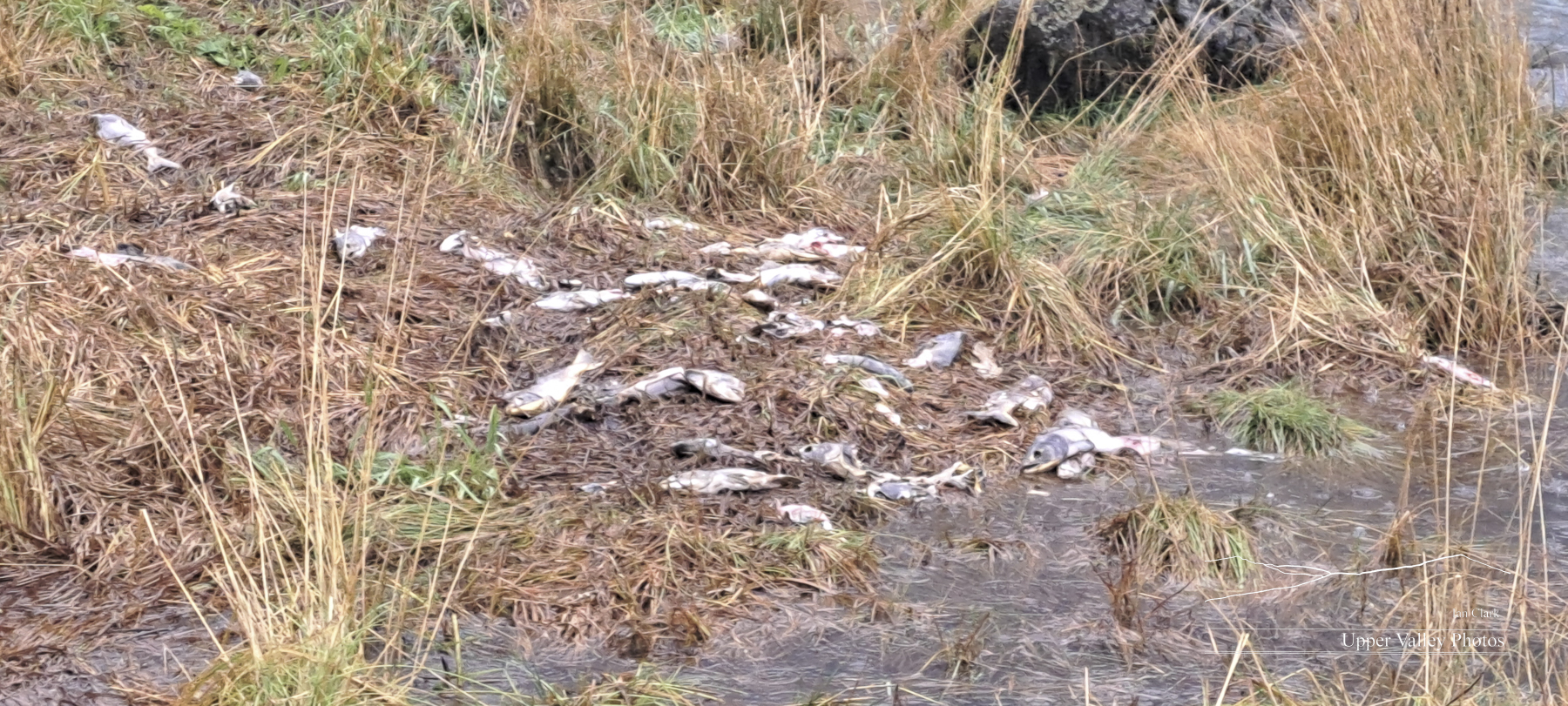
The mothers would bring fish to the cubs along the river. Between deliveries, the cubs would sort through the piles of used fish along the banks. Salmon provide so many nutrients that the forests along salmon streams have faster and denser growth than along streams that don’t host salmon. And, they make the area stink of dead fish.
Lulu watching for fish in shallow water. The runt of Lulu’s litter.
Lulu grabbing what looks like a coho salmon.
One of Lulu’s larger cubs.
Lulu. The economy of Eastern Alaska seems to consist primarily of emptying tourist’s wallets. The locals are very efficient at this. To this end, there are several companies that offer tours to passengers on the visiting cruise ships. They’d arrive in groups from six to about 40. I was very surprised at how close they got to the bears. I figured I could outrun at least one of the tourists in the group and kept not far behind them. I’m sure the bears knew exactly where we were, but they seemed to accept people as the price of the fish.
Lulu enjoying a fresh salmon.
An unwise salmon jumping in front of Lulu. That would be the last mistake that fish made.
Lulu going after the salmon…. Lulu starting in on the fish….
and Lulu finishing the salmon.
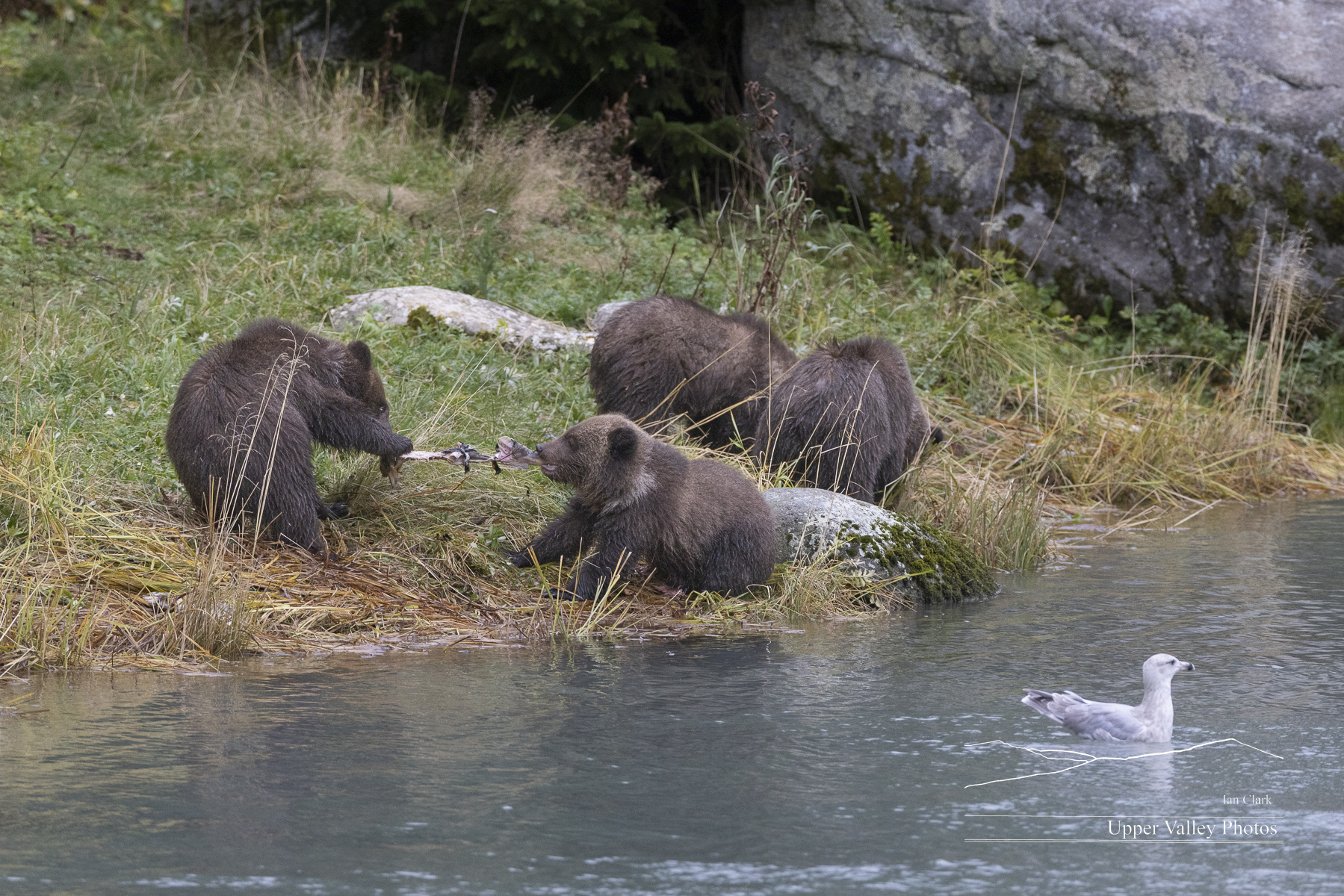
Meanwhile, back on shore, two of Lulu’s cubs were having a tug-of-war over an old fish.
Lulu crossing the river. A good good time to use a long lens.
One of Lulu’s cubs following her across.
This cub took a longer, but drier, route.
One of Lulu’s cubs with a salmon. I missed how he? acquired it. Best guess is the salmon died after spawning and was floating downstream where the cub grabbed it.
This is a second sow. She has three second-year cubs. Her cubs were foraging for their own fish. She would still catch and provide fish for them. She also ate her share.
One of the triplets sorting through the leftovers along the bank.
A second cub fishing for himself.
The third cub with a catch.
After seeing that her cubs all had fish and having a couple herself, mom plunked herself down on her butt to rest.
One of the cubs going back for seconds. The white collar is common on young brown bears, often appearing in their first year and fading out in their third.
Mom finished her rest and went back to work.
Grappling with a salmon. Some fish are worth chasing.
The afternoon of my second day, Lulu took her cubs to the other side of the river. Since they seemed reluctant to swim, she made the obvious choice and marched across the road bridge to the other side.
Lulu kept to her schedule. No matter the species, you can recognize ‘KNOCK IT OFF!’ from mom.
Lulu and her family.
Another mother with twins. And an attitude about photographers.
Her cubs were checking the leftovers on the shore while she went fishing.
One of her cubs made an unsuccessful pounce after a fish.
Another attempt to catch a fish.
Sometime overnight, Lulu brought her family back on the near side of the river. Looks like a good spot for a family picnic. One of the cubs wandered off to do some exploring.
And to taunt the photographer.
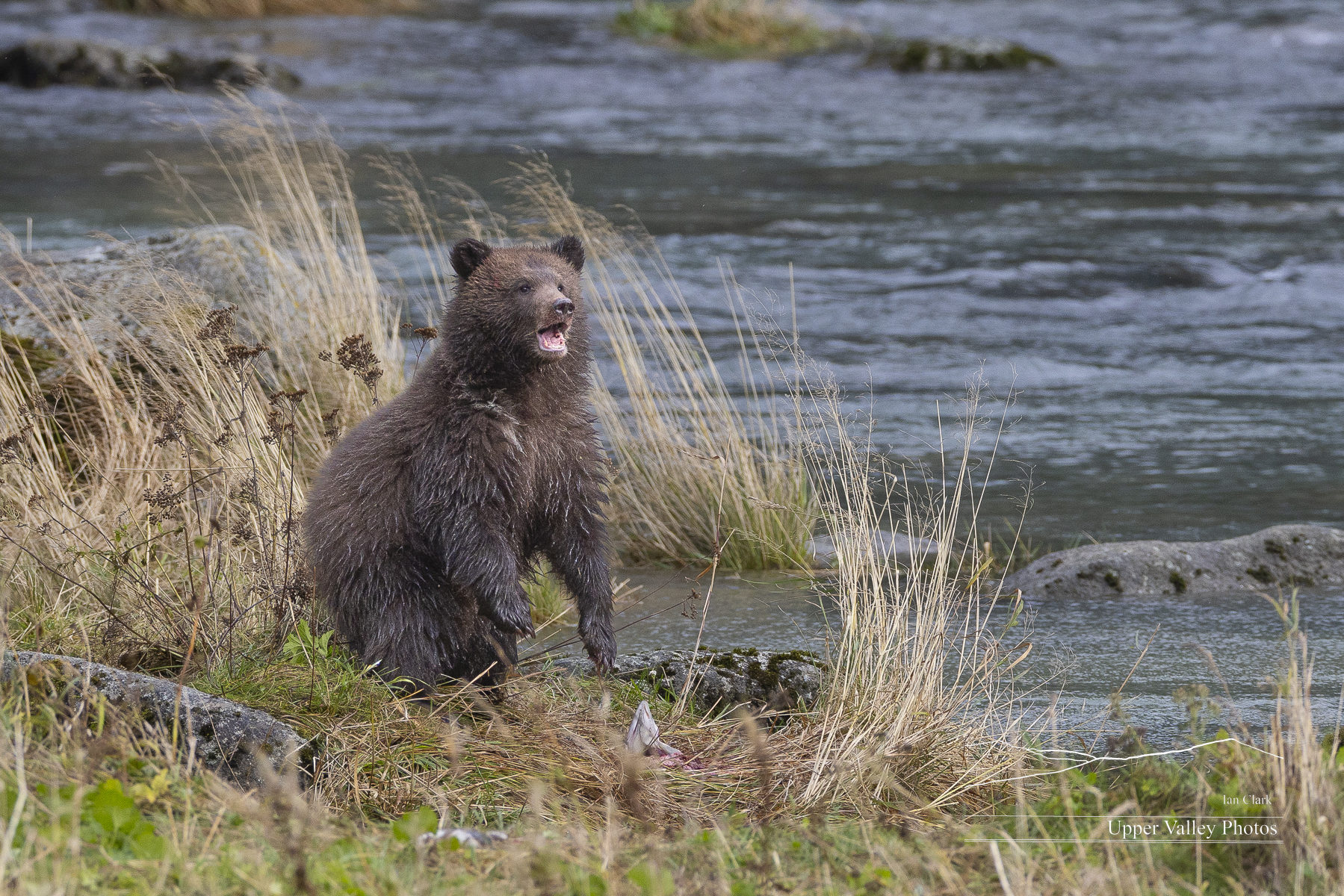
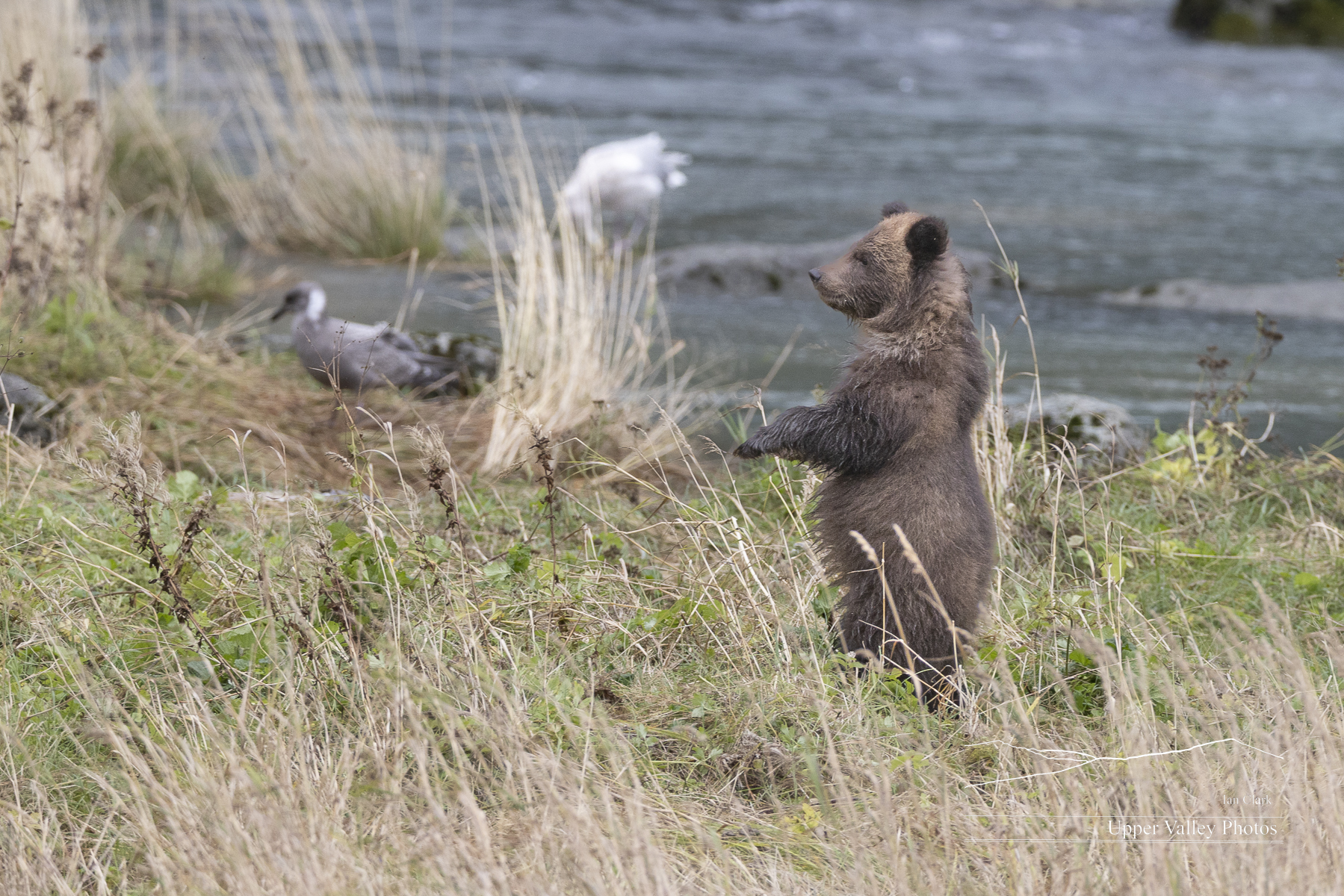
Lulu’s cubs split up and she went downstream. This cub lost track of mom and stood up to look for her while he called. He soon figured out where everyone had gone and went to join them.
Lulu and her family reconvened for another meal.
The leftovers onshore weren’t to Lulu’s liking and she went back to fishing.
One of Lulu’s cubs ventured into the water. When he came out, he shook like a dog.
Another shot of Lulu.
Lulu watching for salmon. The gulls were a constant presence along with lots of other waterfowl. I didn’t get many photos of them. It seemed unwise to be crouching near the bear’s food along the water’s edge – where the running water made it next to impossible to hear – while there were hungry bears about.
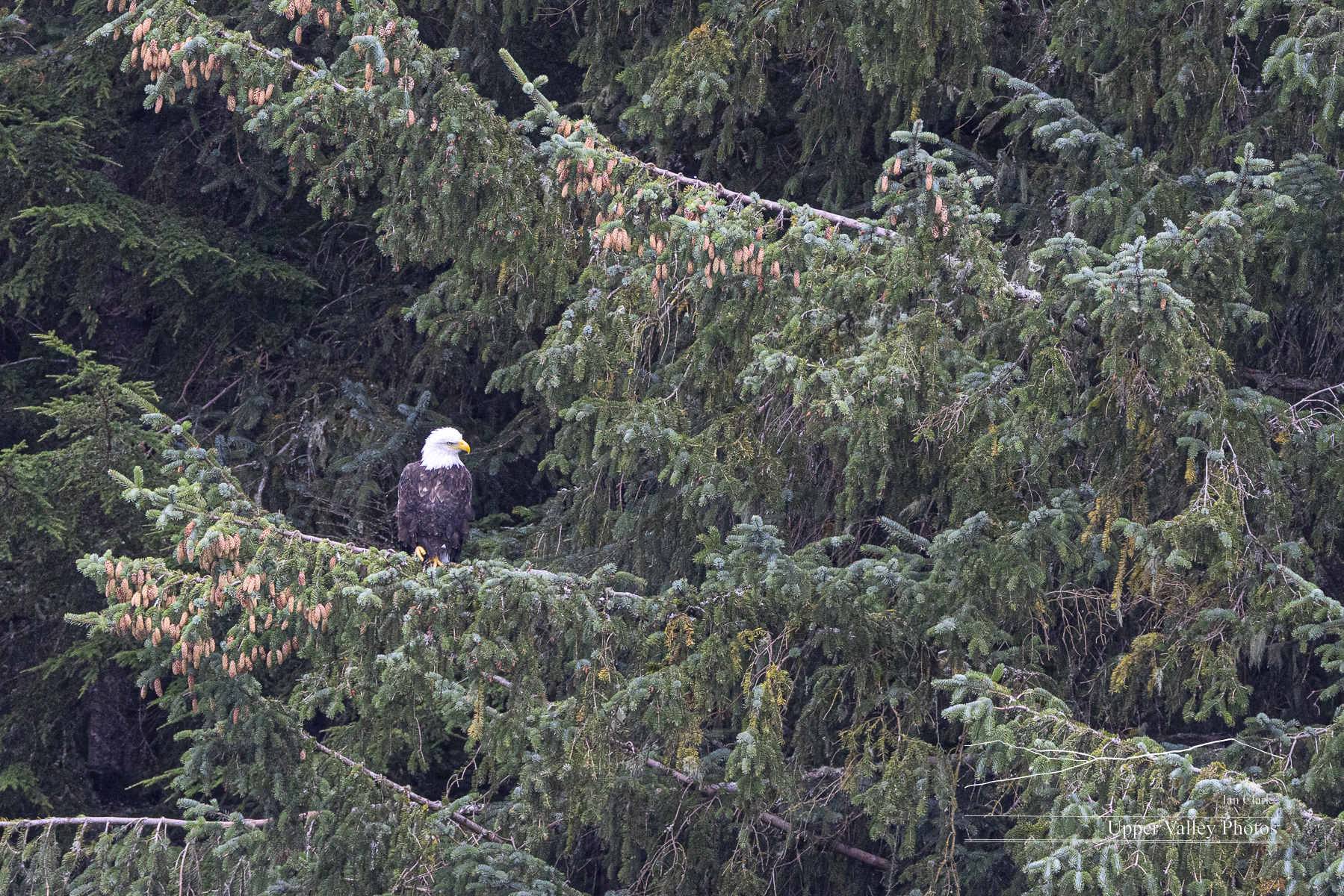
There were a couple dozen eagles by the river, mostly too far away for good photos. One of Lulu’s cubs watching to see which way the family was headed.
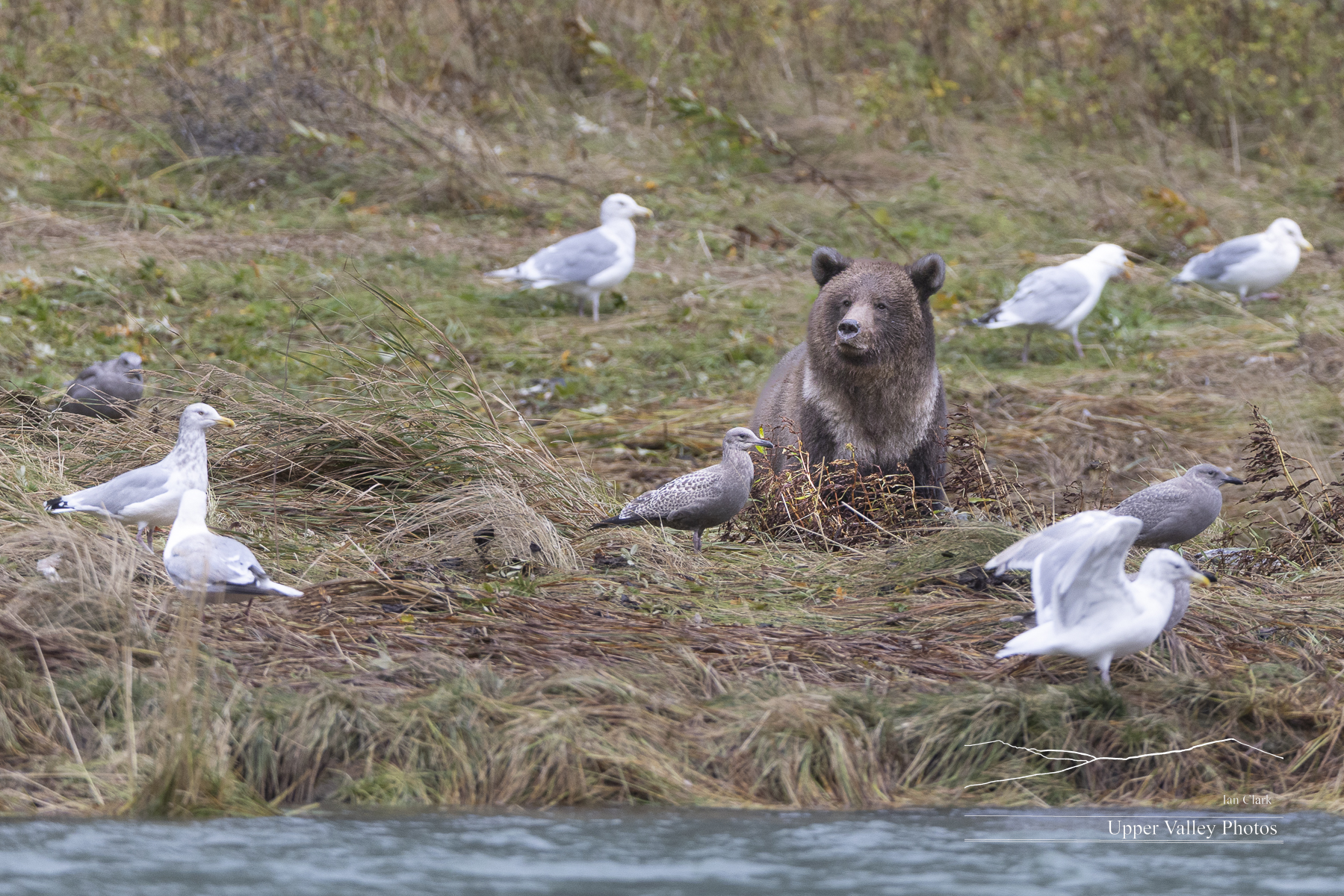
Back on the far side of the river, one of the triplets settled in for a meal. The gulls gathered waiting for scraps.
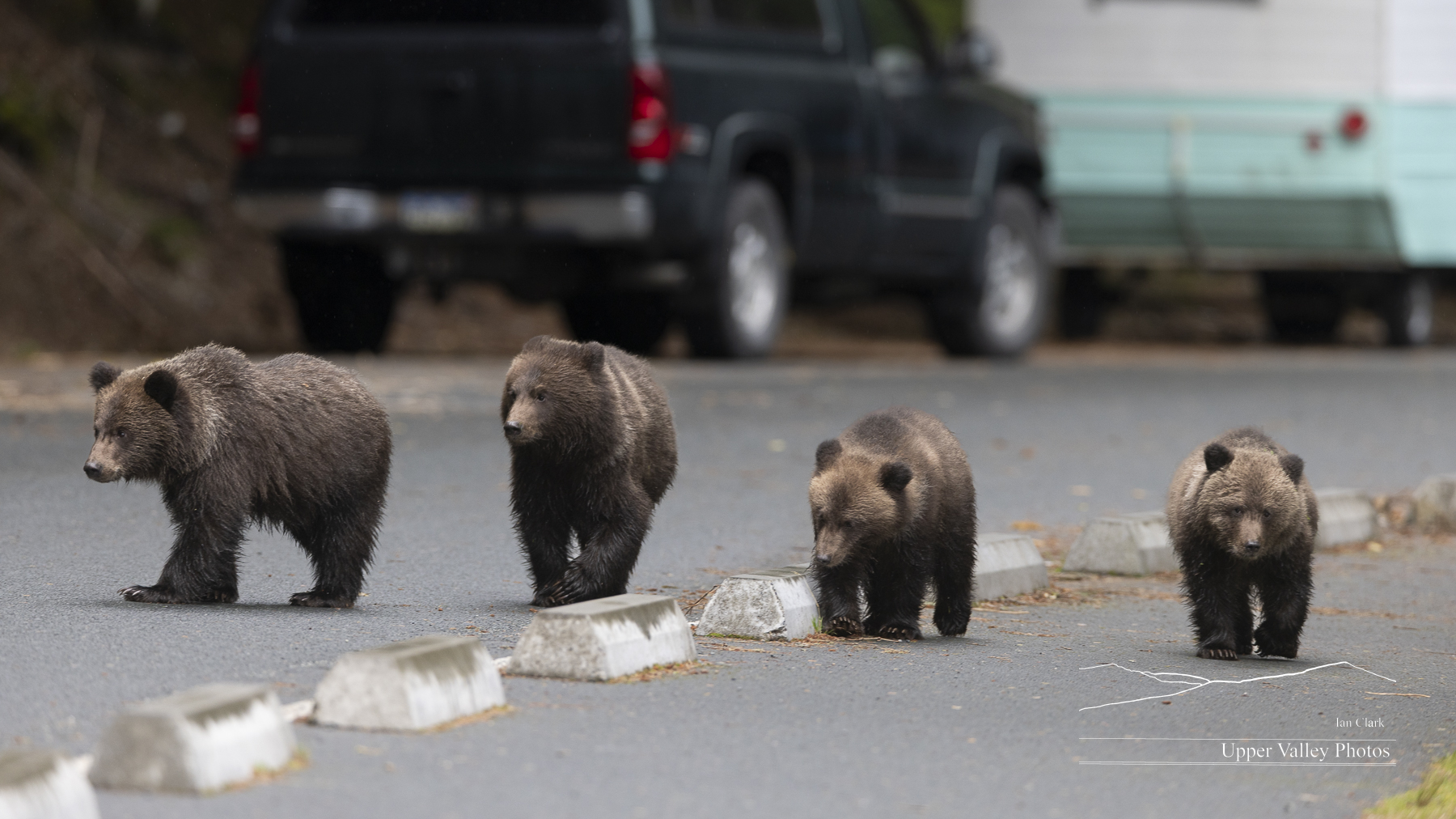
And with time to catch the ferry out of town running low, one last shot of Lulu’s family heading back up into the forest. Sort of the ursine version of the Abbey Road Album cover?
There are still several thousand images I have yet to go through. I’ll get the steam engine posted in several days and probably a post of scenery – mostly from the ferry as we went up the Lynn Canal between Juneau and Skagway.
I still have copies of my 2026 calendar. They’re available online here. If you’re around West Newbury, I’ve got a supply in my car.