Posts in Category: Wildlife Photography
Tips and advice for getting great wildlife photos
The Bluebirds Keep Us Waiting, April 15, 2021
Mrs. Bluebird made just a couple trips into her box this morning. We’re still waiting for her to start laying eggs.
We’re looking inside a nesting box with the bluebirds in West Newbury, Vermont. The camera is permanently mounted in the box and we can watch without disturbing the birds.
Checking On Our Bird Boxes, April 14, 2021
Not much action in the bluebird box today. Mrs. has shown up only four times. The first time, she settled then fussed several times, we were convinced she was laying her first egg. No such luck 🙁 Both bluebirds are around the yard, ready to protect the box should it need defending. Mrs. should lay her first egg within the next couple days.
We’re looking inside a nesting box with the bluebirds in West Newbury, Vermont. The camera is permanently mounted in the box and we can watch without disturbing the birds.
Bluebird Update April 11, 2021
Mrs. Bluebird continues working on her nest. I’d bet she’s getting close to finished. Her last trip into the box in this video shows her bringing what appear to be feathers in to line the nest.
We’re looking inside a nesting box with the bluebirds in West Newbury, Vermont. The cameras are permanently mounted in the boxes and we can watch without disturbing the birds.
Loons & Turtles – Spring Is Here!
With yesterday’s beautiful weather, I dug the kayak out of the basement and headed out. Spring has arrived.
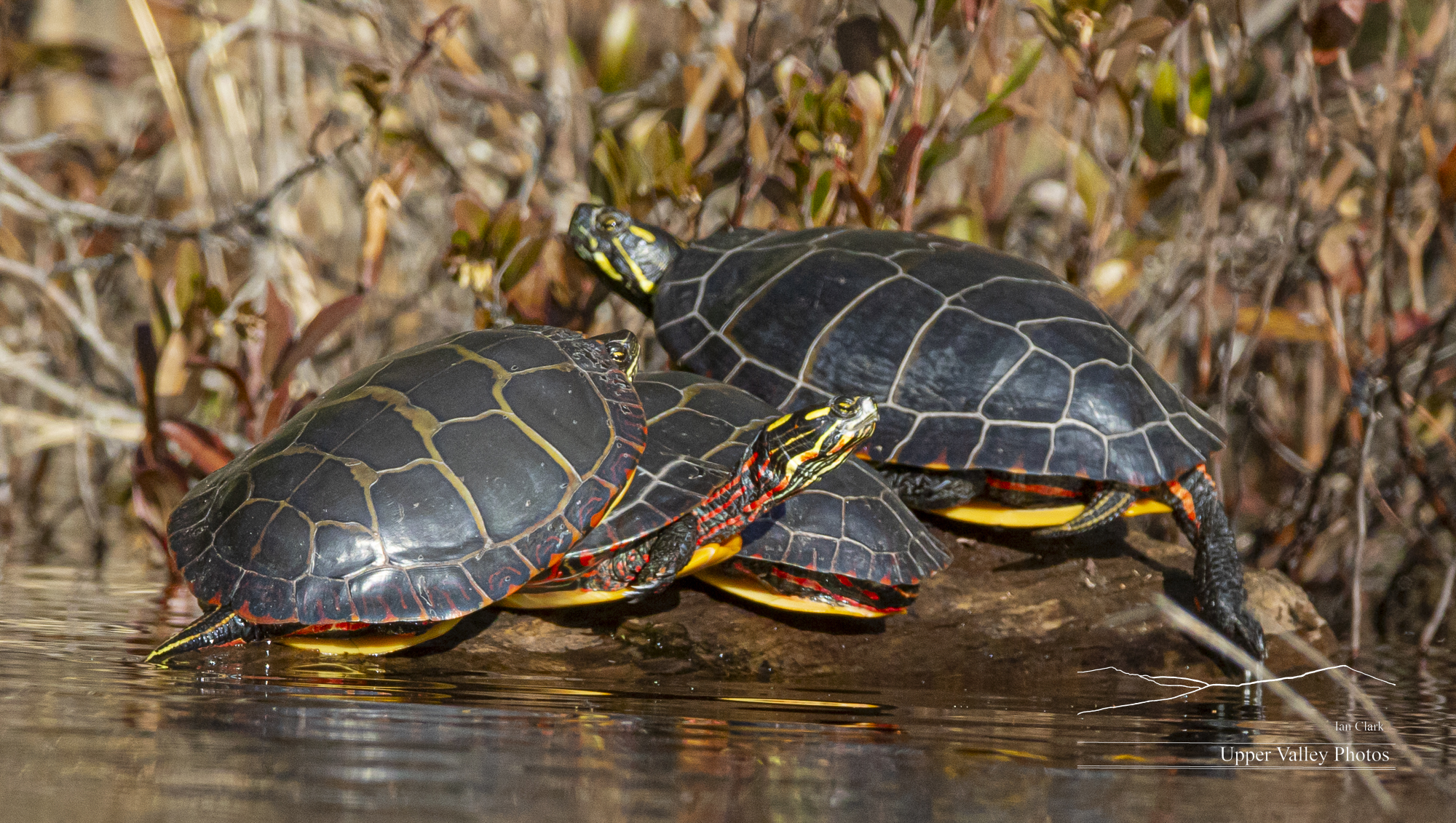
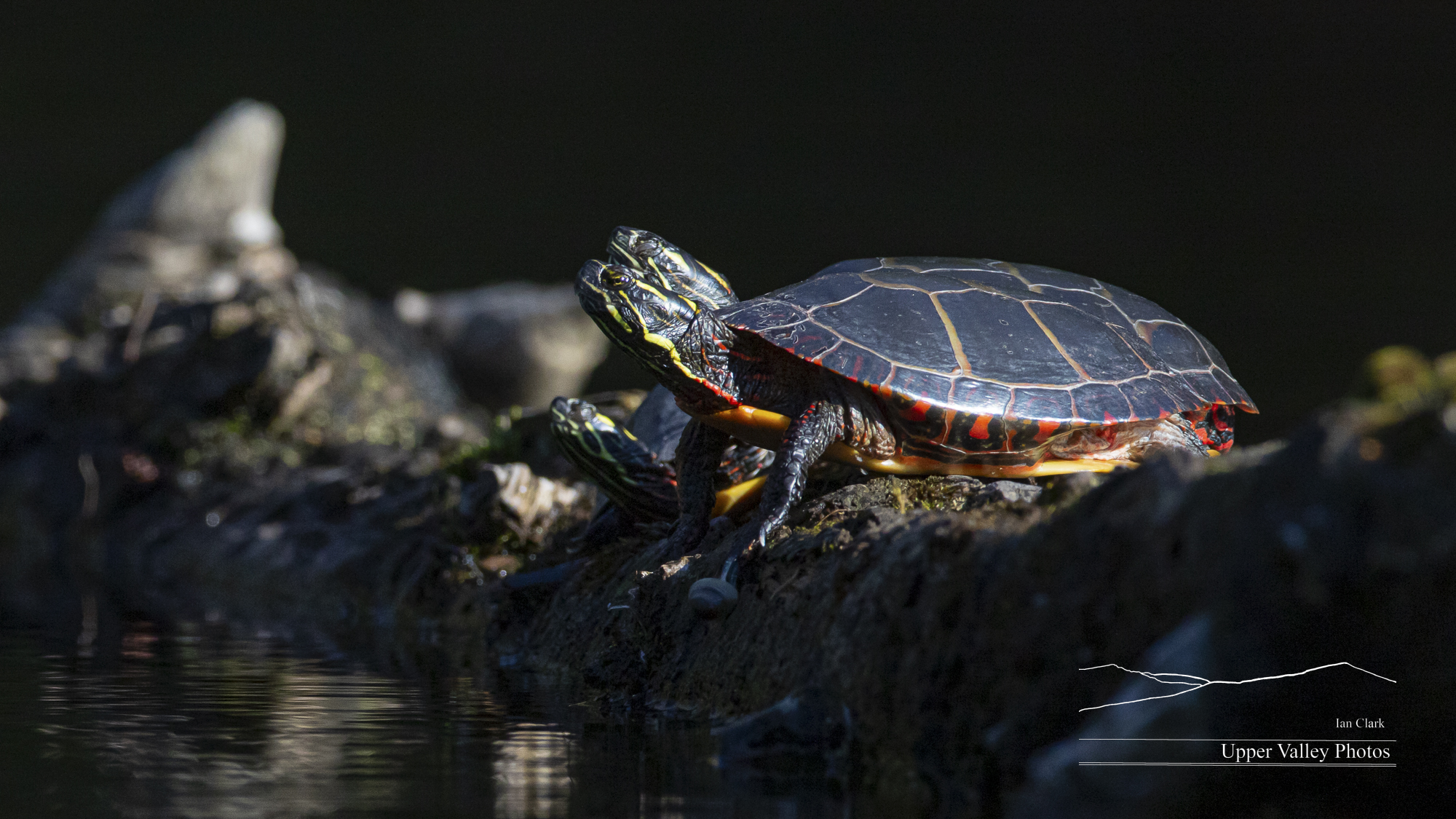
I wasn’t the only one taking advantage of the sunshine. The pond had a full battalion of painted turtles out basking. It seemed like every log and hummock had at least one, usually many more.
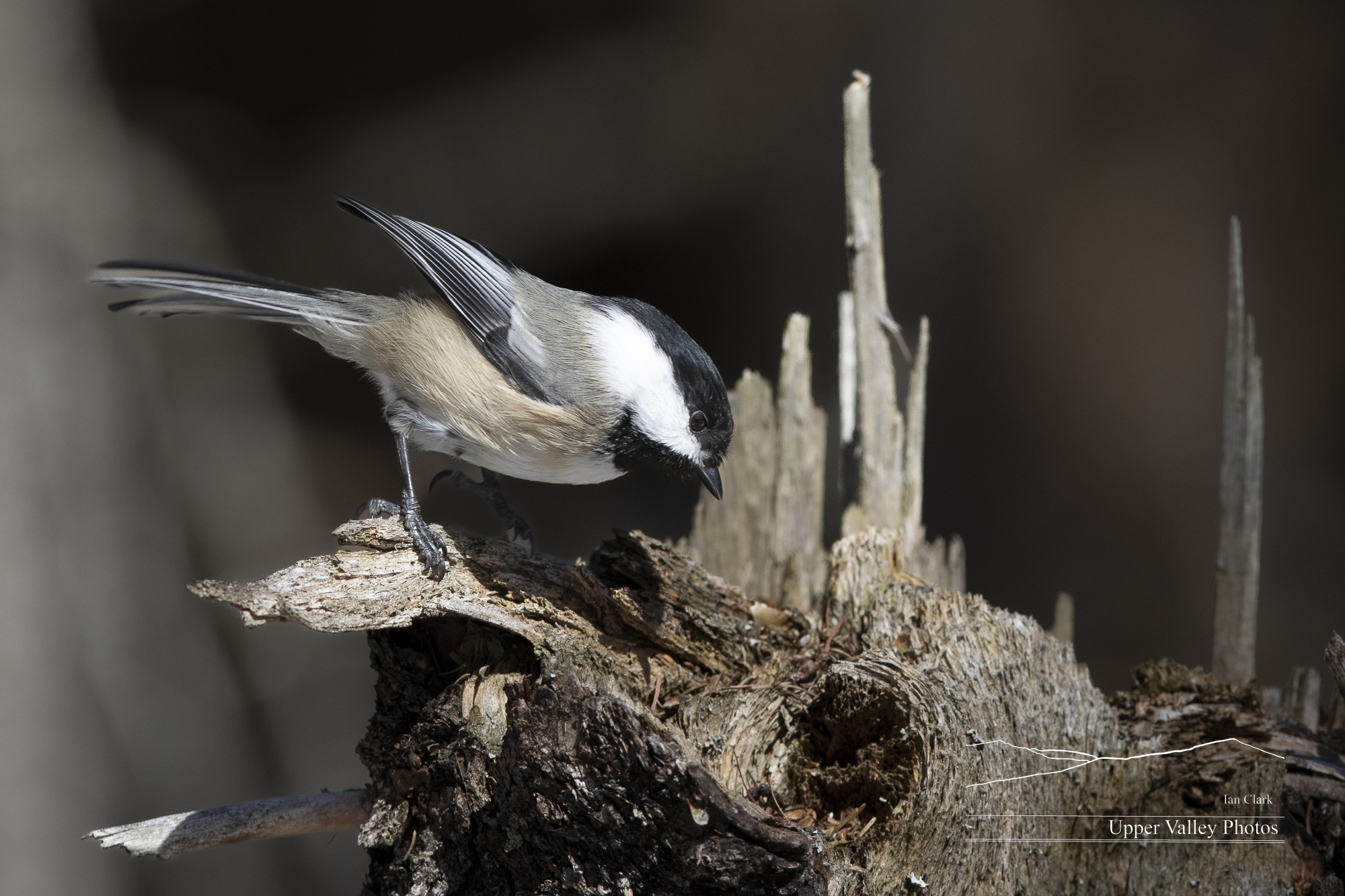
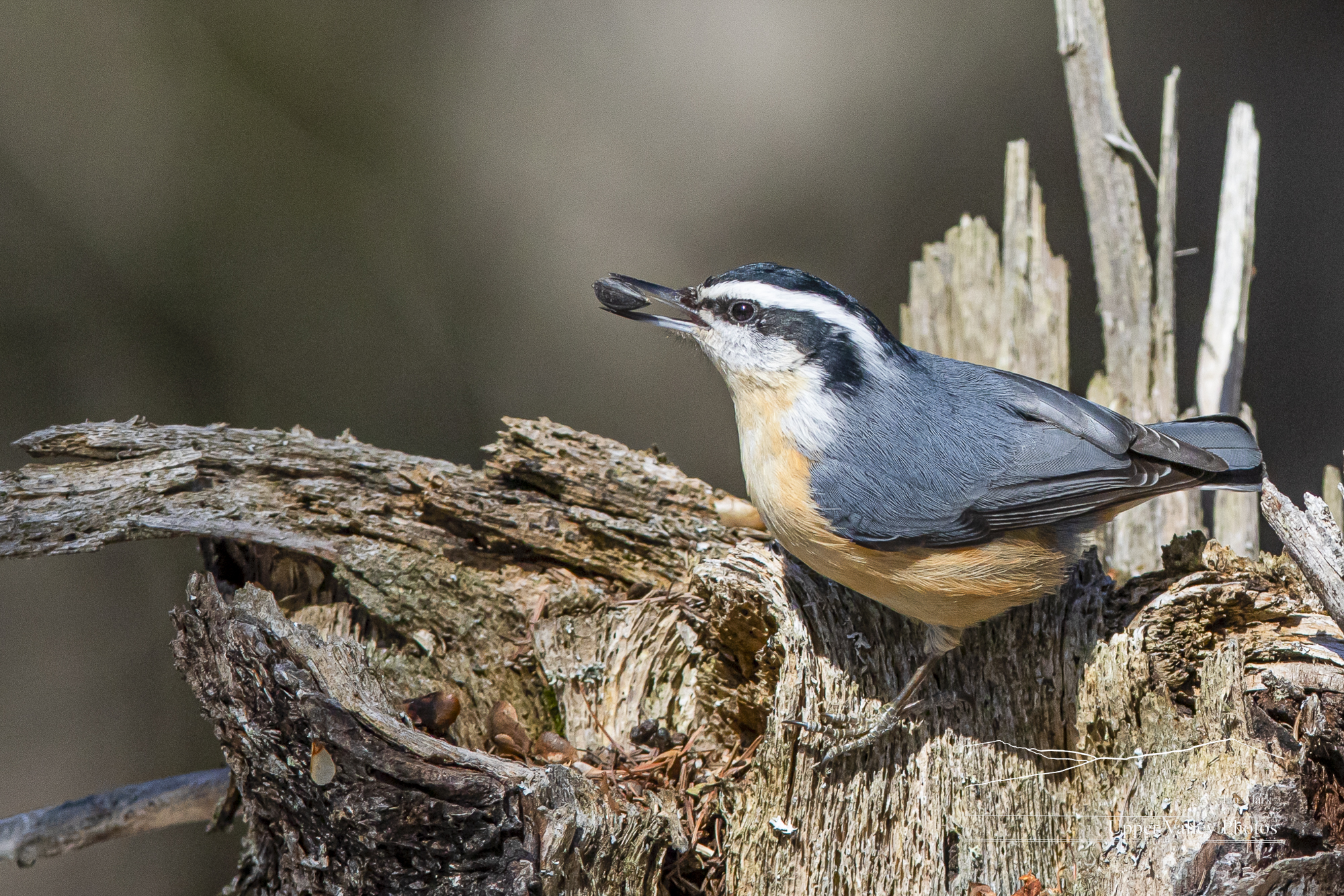
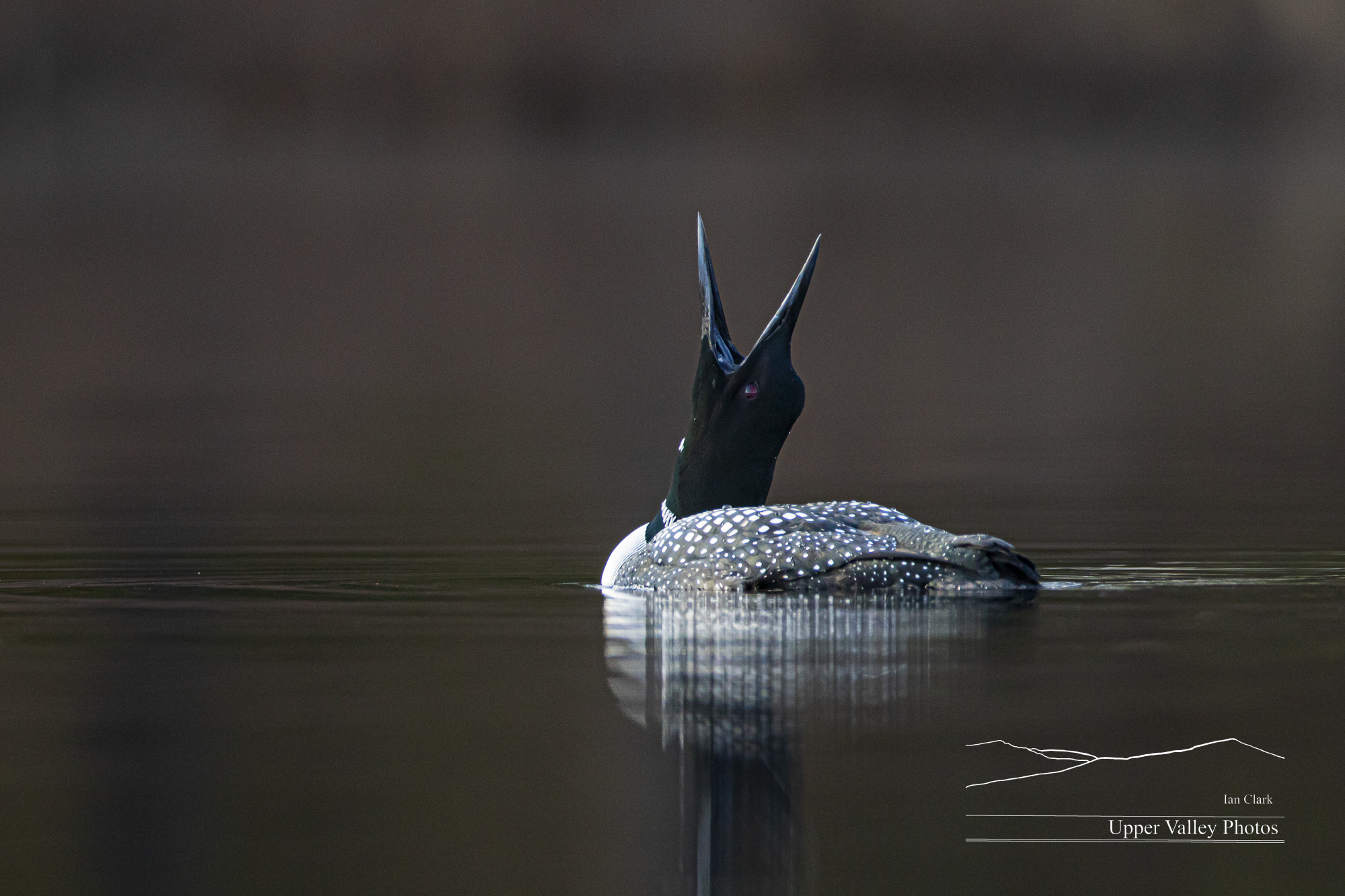
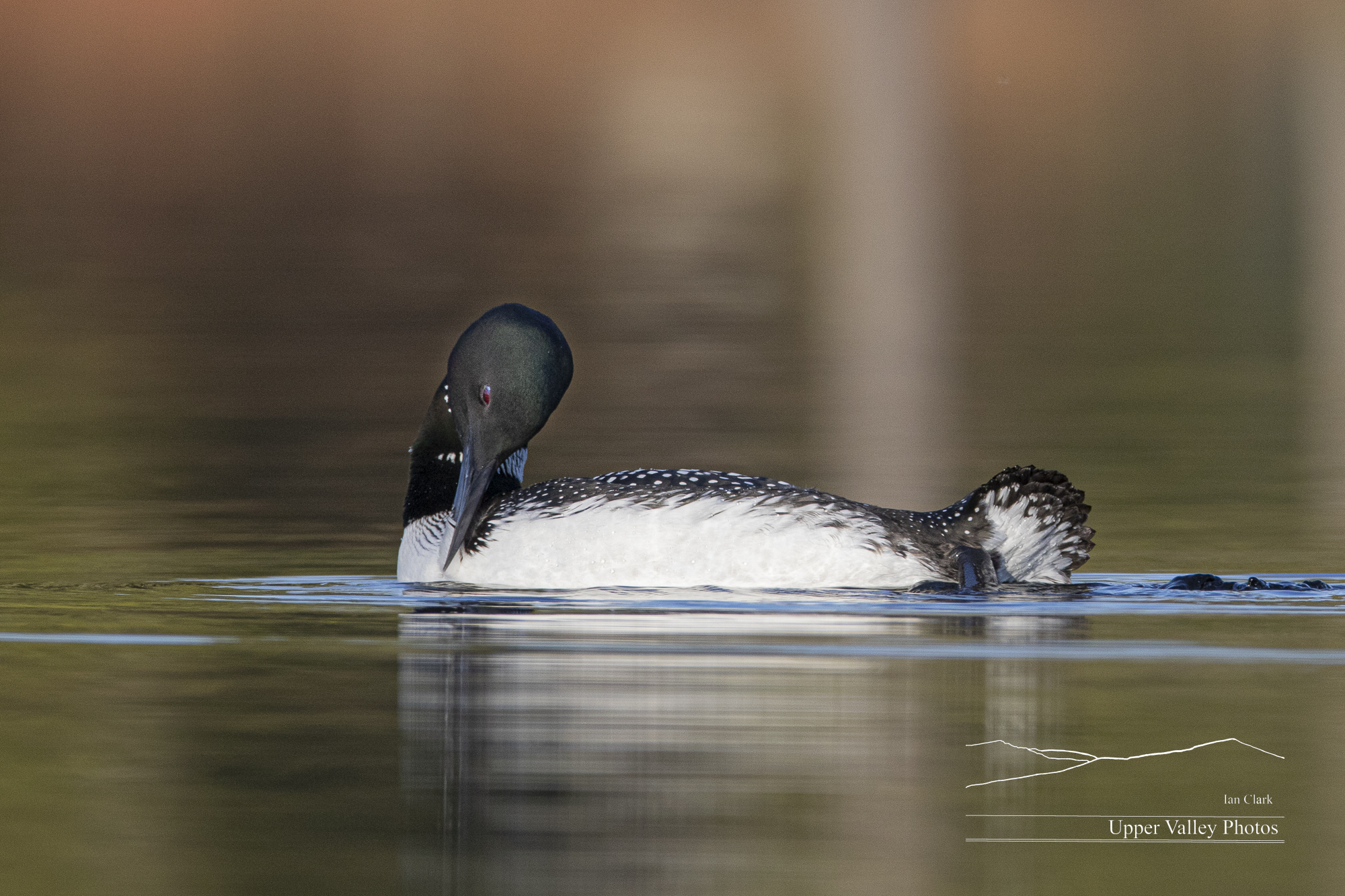
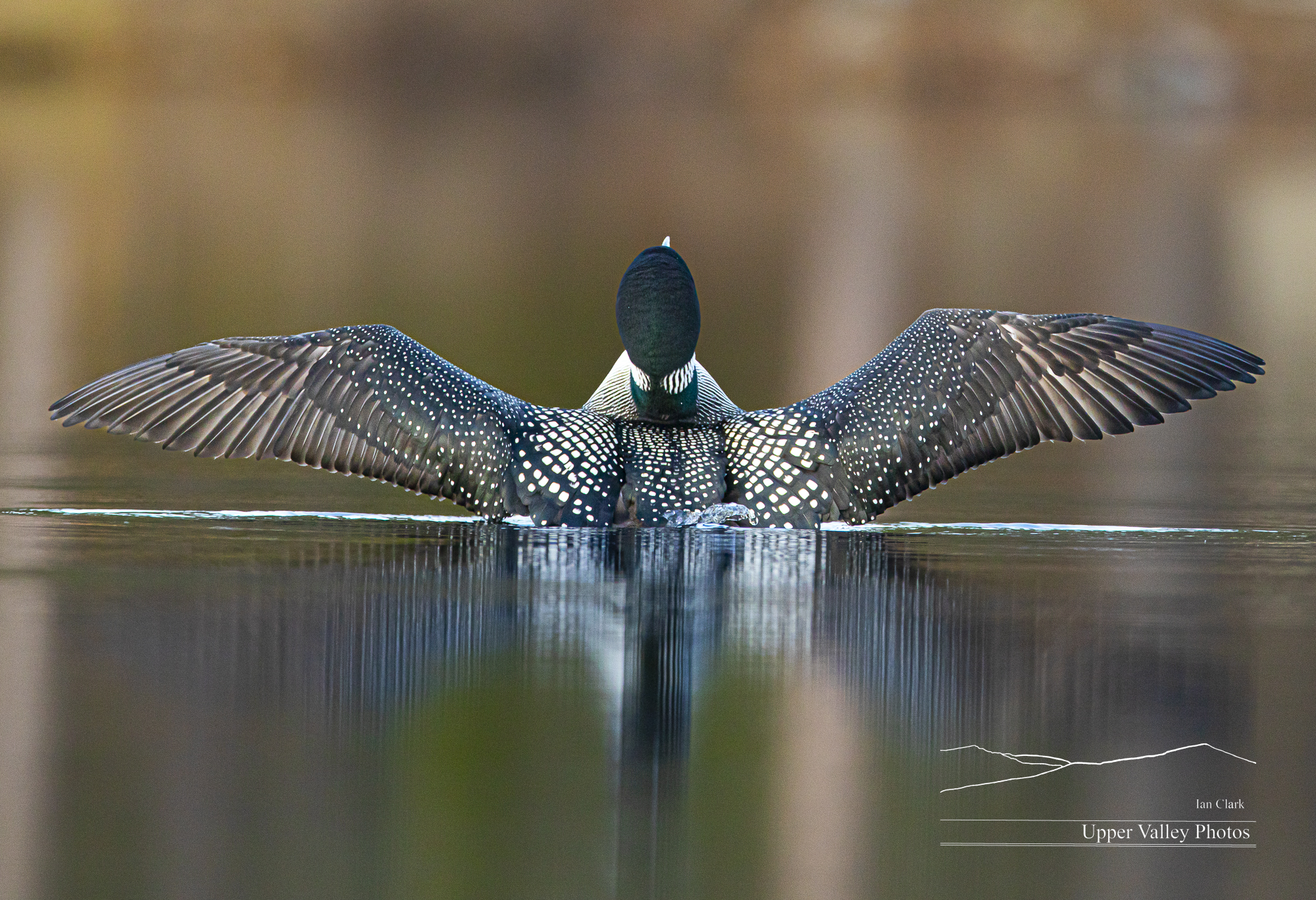
And, a loon has returned! The loon tipped its head back and opened its mouth without vocalizing many times. I can’t decide if it was stretching, yawning or something else. I’ve emailed the Loon Preservation Committee asking what they think its up to. BTW, the LPC loves to have people report notable statistics about New Hampshire loons. On the Vermont side of the river, Eric Hanson of the Vermont Center for Ecostudies collects data on Vermont loons. They like to know when loons first arrive in the spring, when they mate, when they build their nest, how many eggs they lay, how many chicks hatch and if any of them die. If you notice any of these, just send a quick email with the date, what you saw and which pond you were on. And, if you find a dead loon, they’d like to collect it to do a necropsy.
Further Work on the Bluebird Nest April 10, 2021
Mrs. Bluebird has been coming and going from the box all morning. She stopped to talk to us while we were having lunch on the deck. The nest is well along and she seems to be making just minor additions and adjustments.
We’re looking inside a nesting box with the bluebirds in West Newbury, Vermont. The chickadees are in Piermont, New Hampshire. The cameras are permanently mounted in the boxes and we can watch without disturbing the birds.
Bluebird Nest Construction Continues, April 9, 2021
Mrs. Bluebird continues to be busy building her nest in our box. She’s been making regular trips in with grass since just before sunup.
We’re looking inside a nesting box in West Newbury, Vermont. The camera is permanently mounted in the box and we can watch without disturbing the birds.
Bluebirds Continue to Build their Nest April 8, 2021
Barry and Jeans are making good progress on their nest. They work hard for a couple hours in the early morning, then wander off to tend to whatever errands they have.
We’re looking inside a nesting box in West Newbury, Vermont. The camera is permanently mounted in the box and we can watch without disturbing the birds.
Return of the Bluebirds! April 7, 2021
Our bluebirds, Barry and Jeans, have returned to claim their nest box for another season! Barry has been checking the box several times a day for the last week. On April 6, he dragged a few stalks of grass into the box. This morning, things got serious when Jeans stepped in and put her talents into organizing the building of the nest.
We’ll see Jeans come and go from the box and watch as she starts to form the cup in the nest with her breast.
Barry and Jeans have nested in the box the last two seasons. They’ve raised three broods and fledged 12 chicks. (Well, two bluebirds that look like Barry and Jeans… we have no way of knowing if this is the same pair. We just hope they are.)
We’re watching eastern bluebirds inside a nesting box in West Newbury, Vermont. The camera is permanently mounted in the box and we can watch without bothering the birds. I’ve edited the video to cut out time when nothing is happening, you may notice the video jump a couple times.
Mrs. Bluebird Continues Sitting, April 25, 2021
Mrs. Bluebird spent another day sitting on her eggs. We’re expecting them to hatch sometime between May 2 and May 10. Watch as she stirs, turns the eggs, then settles back in for a nap.
We’re looking inside a nesting box with the bluebirds in West Newbury, Vermont. The camera is permanently mounted in the box and we can watch without disturbing the birds.
Loon Fight!
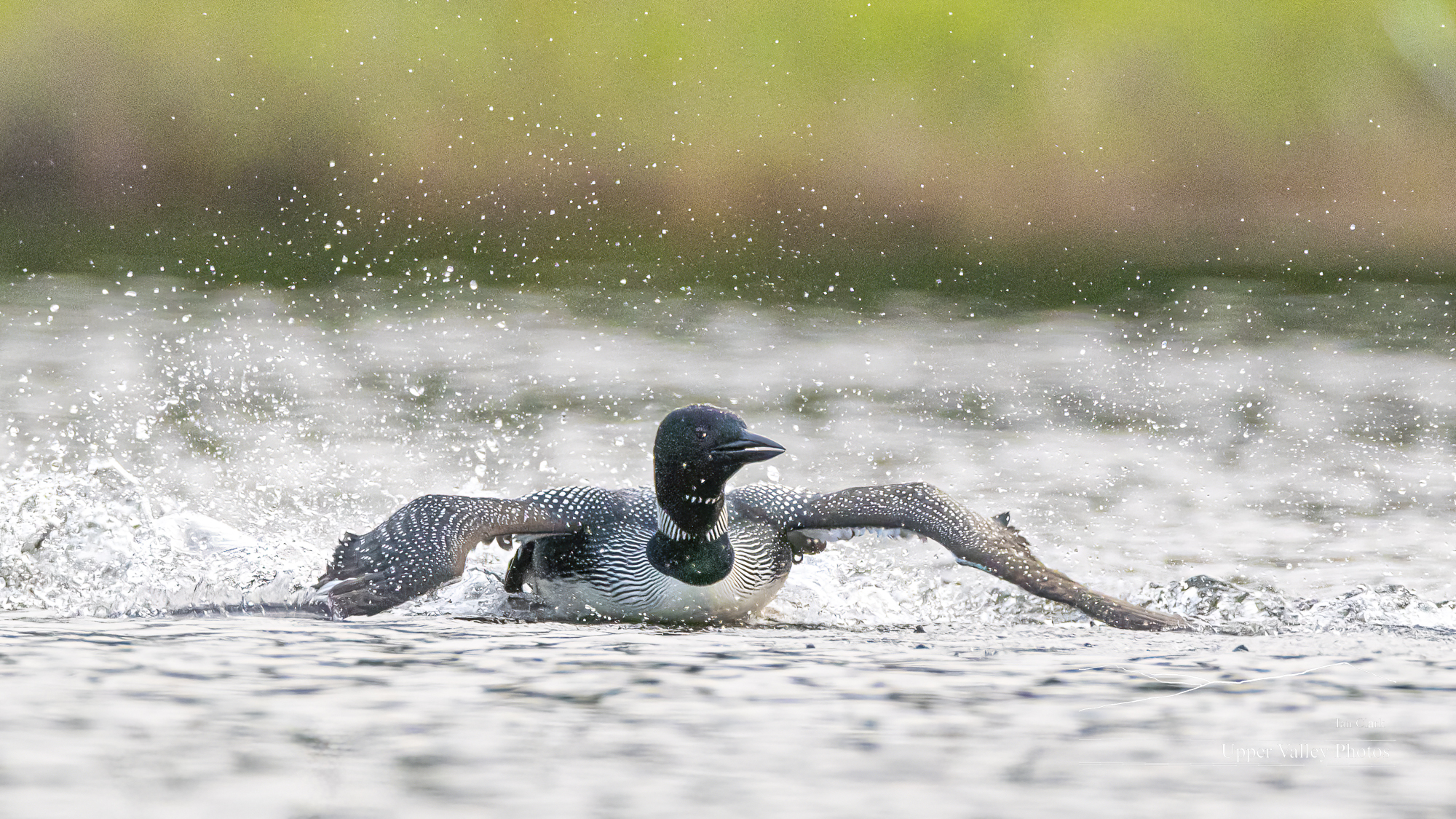
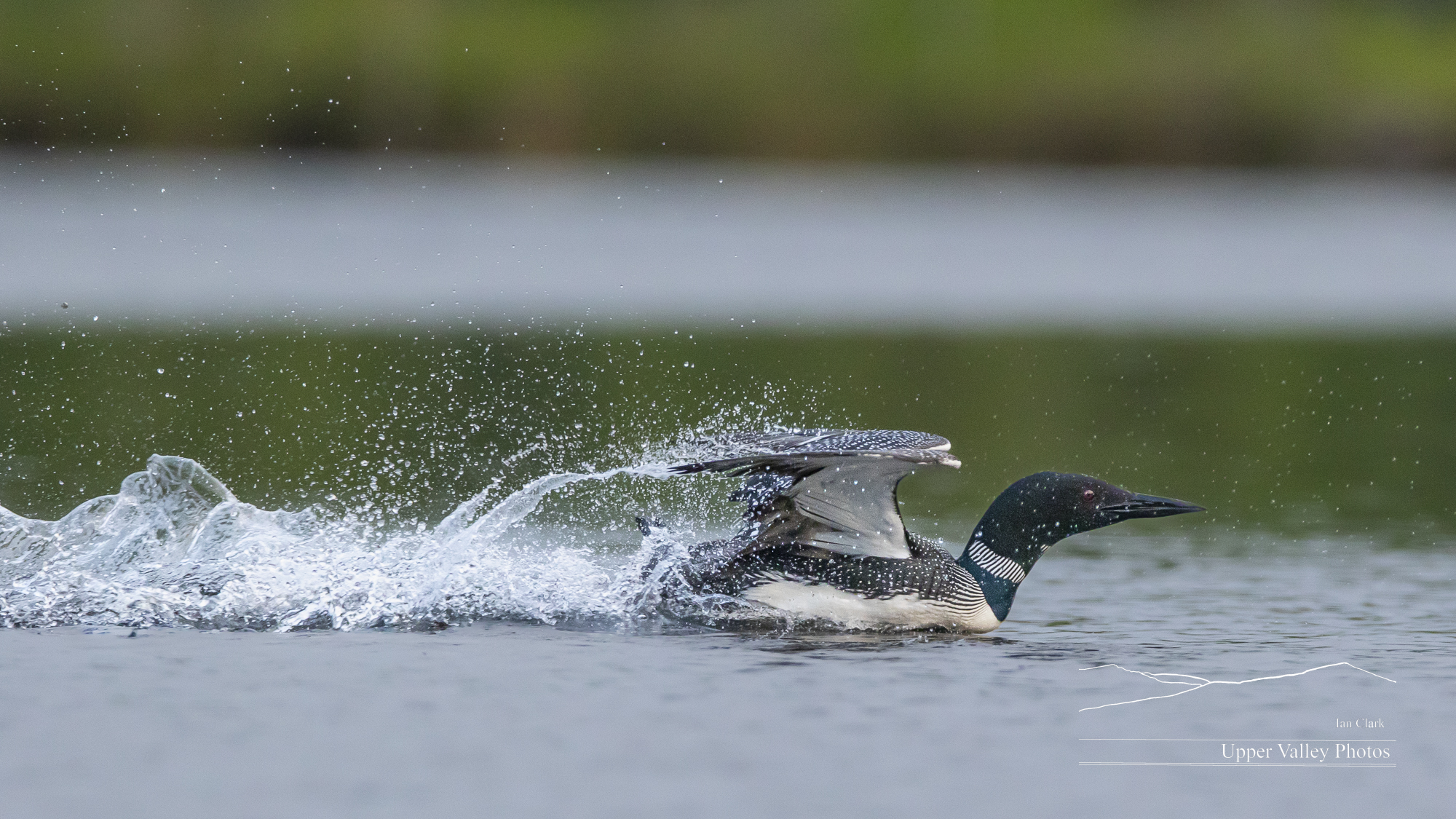
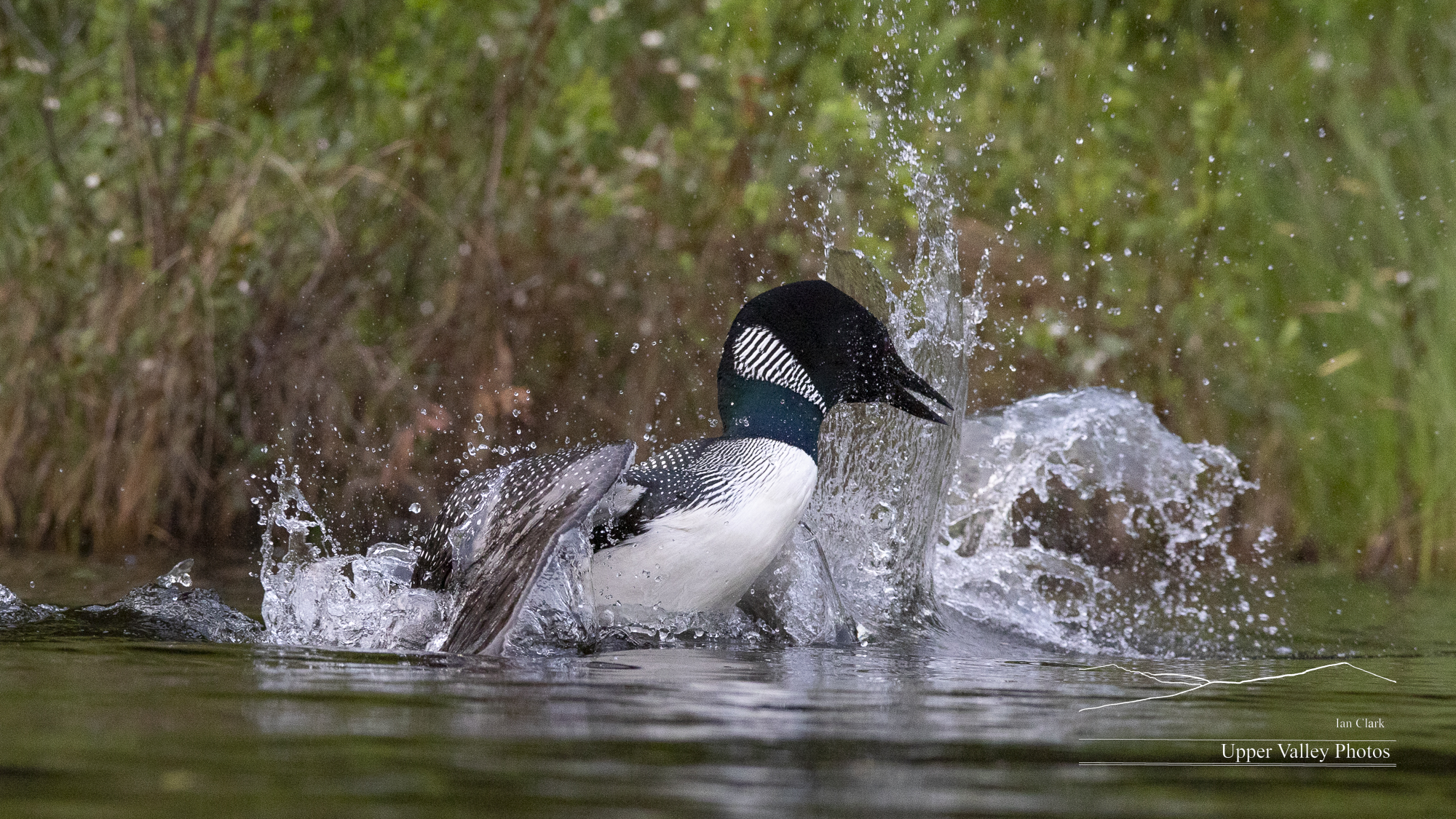
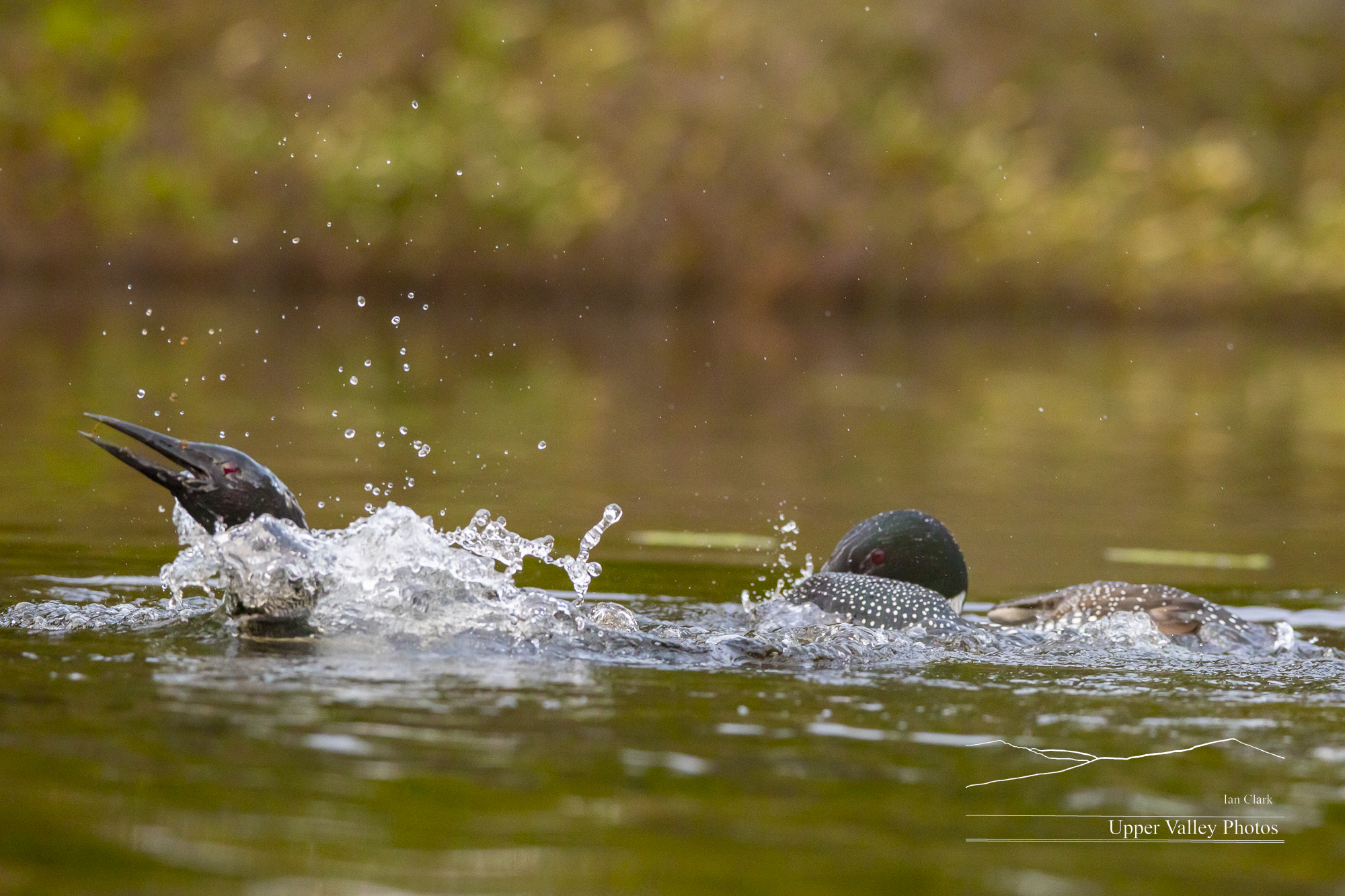
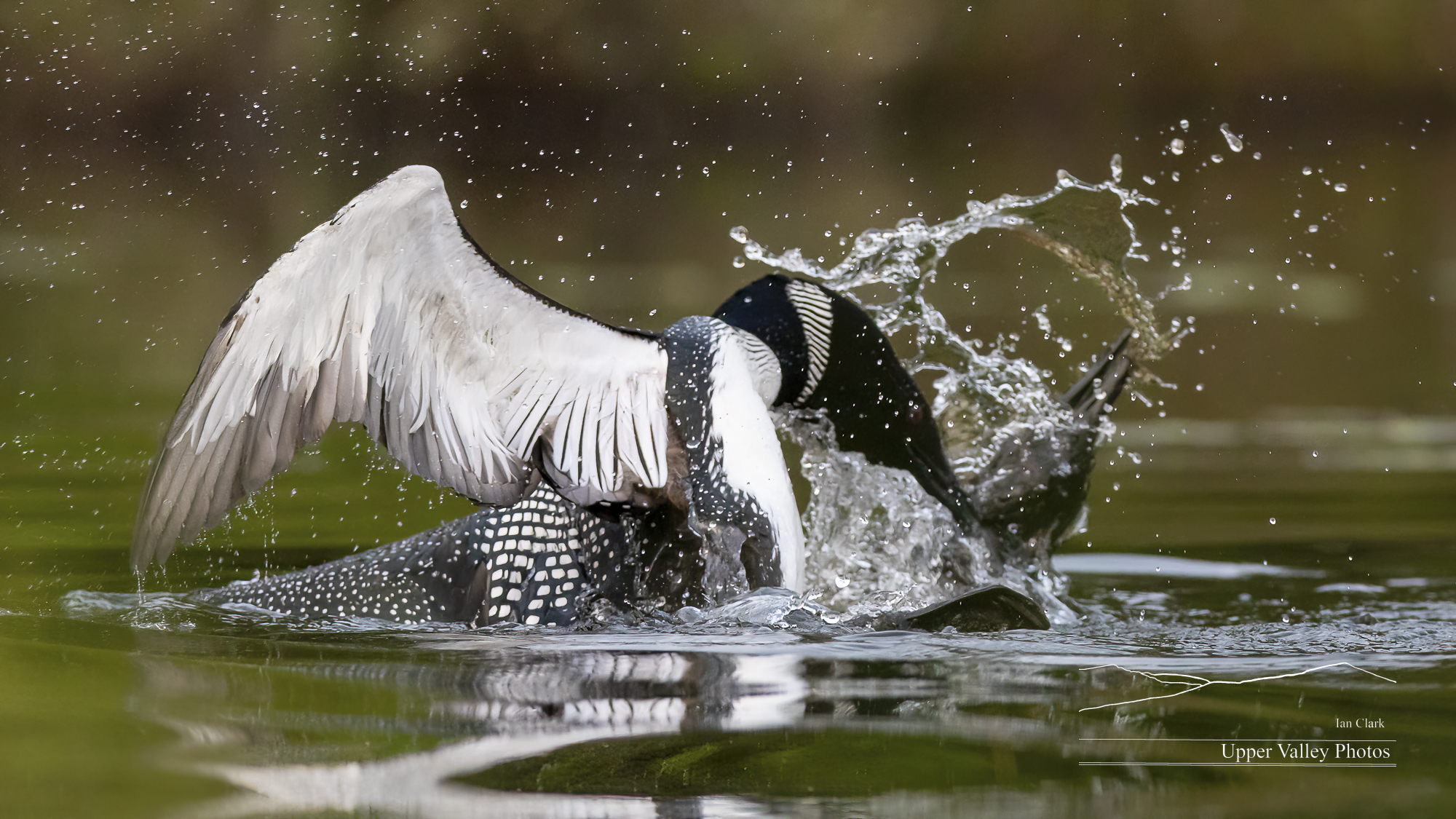
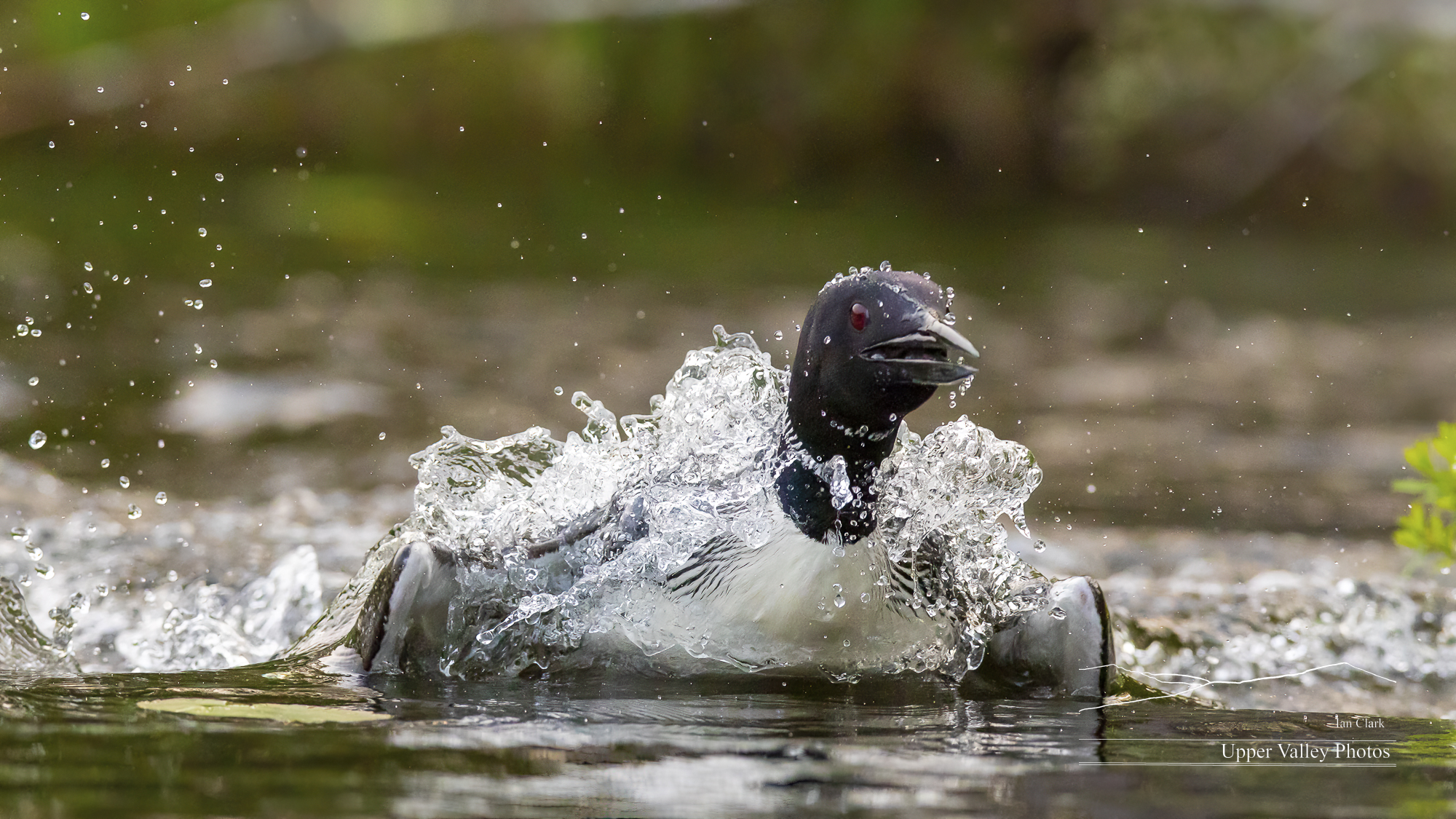
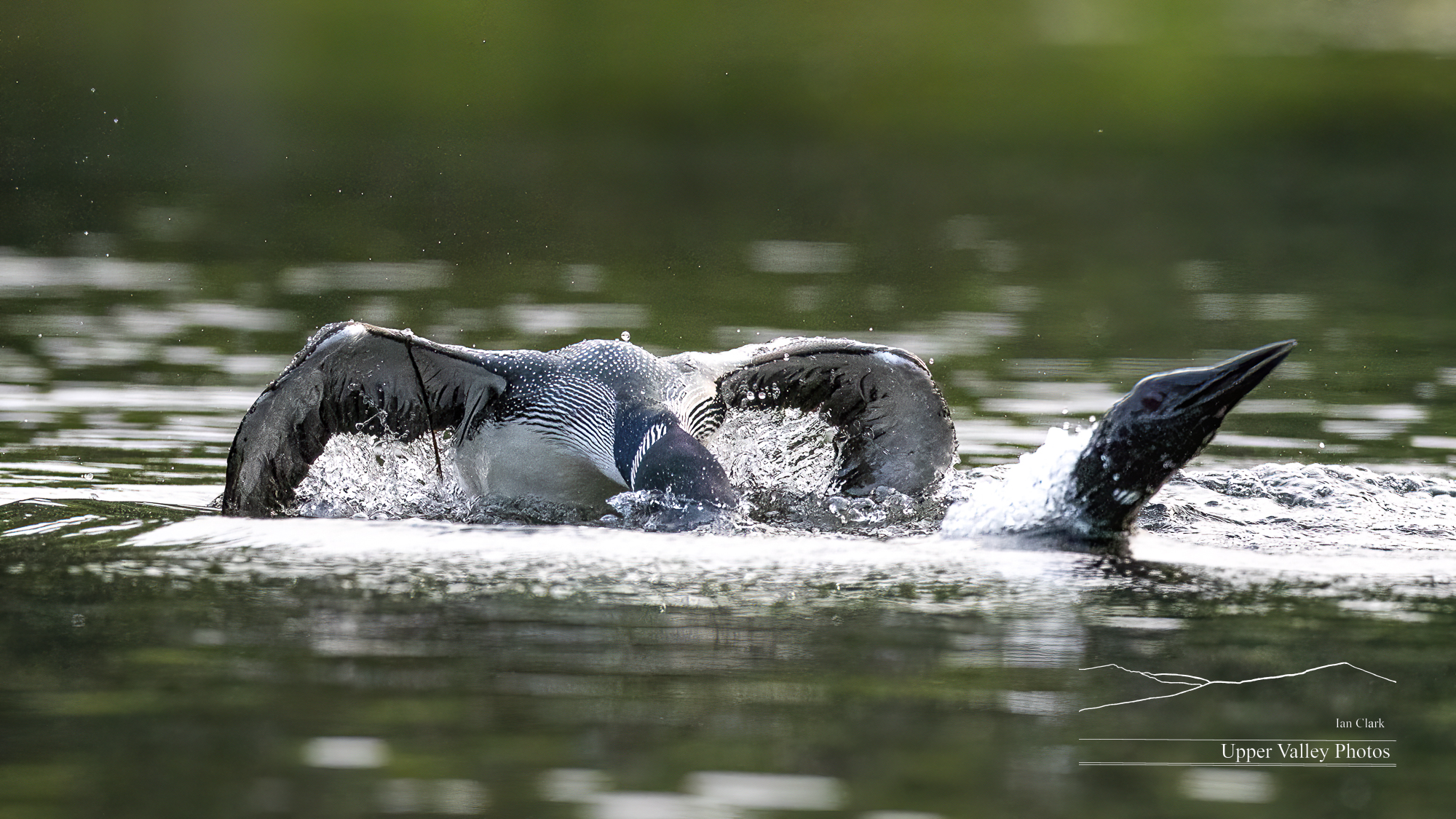
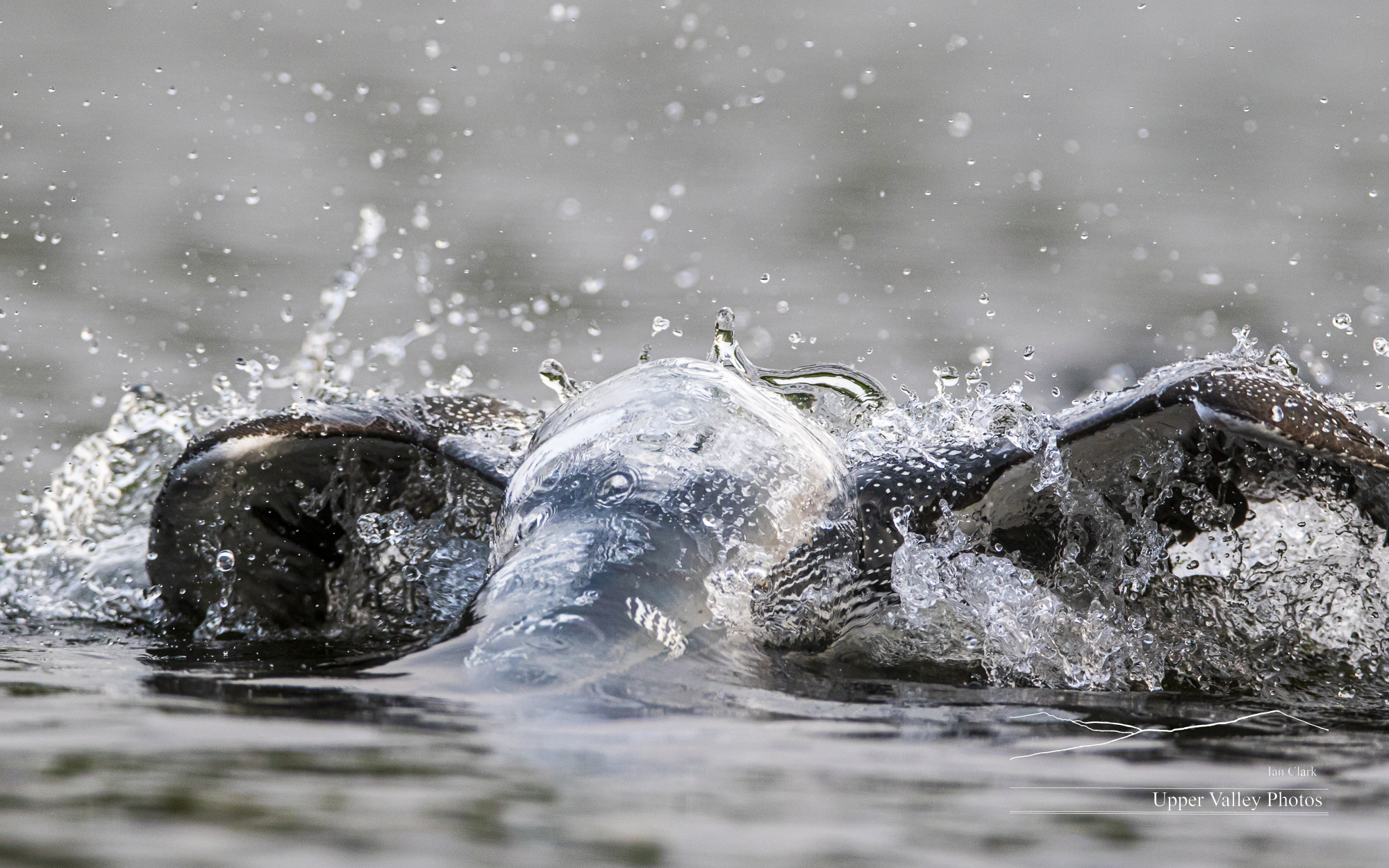
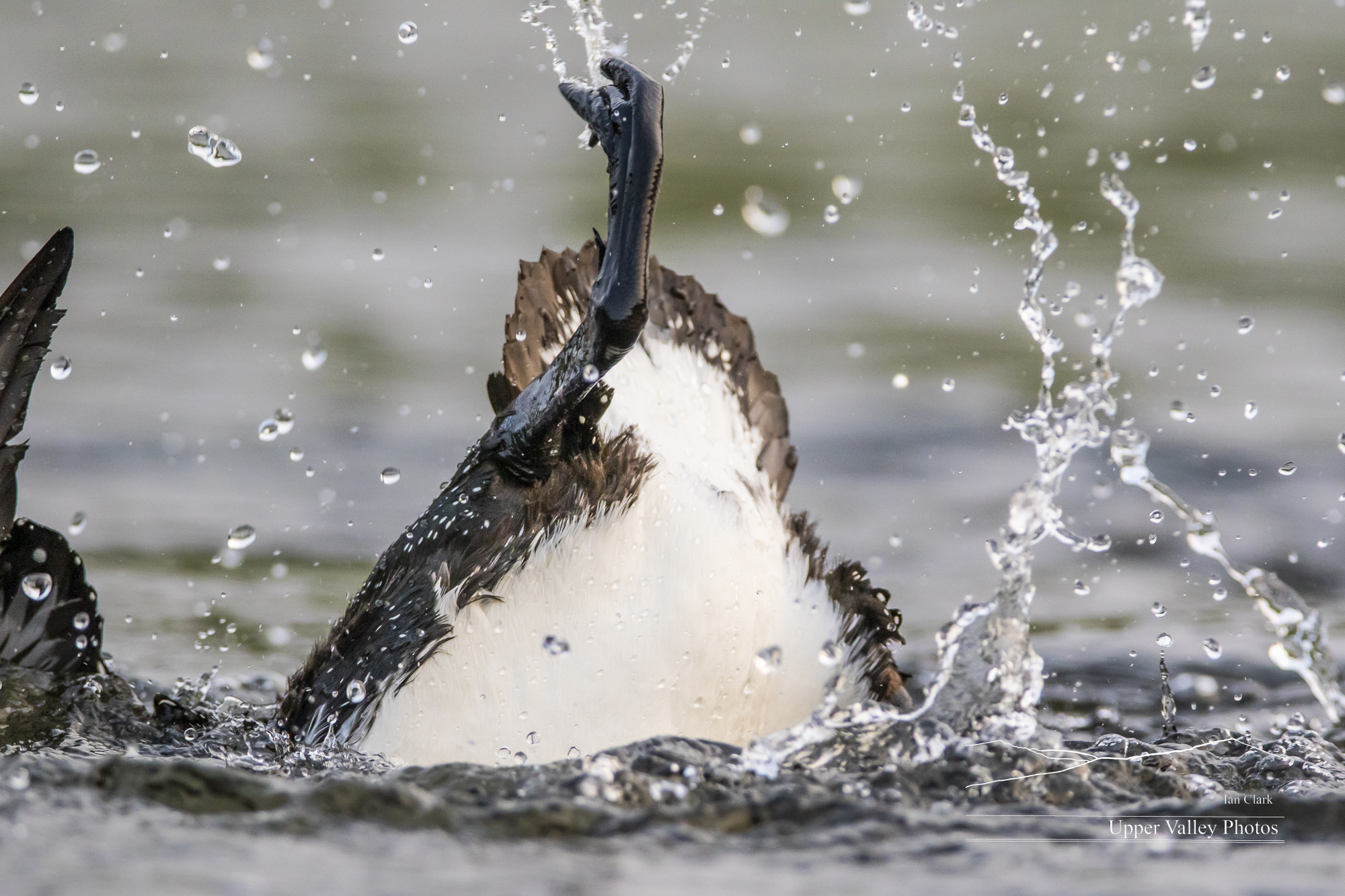
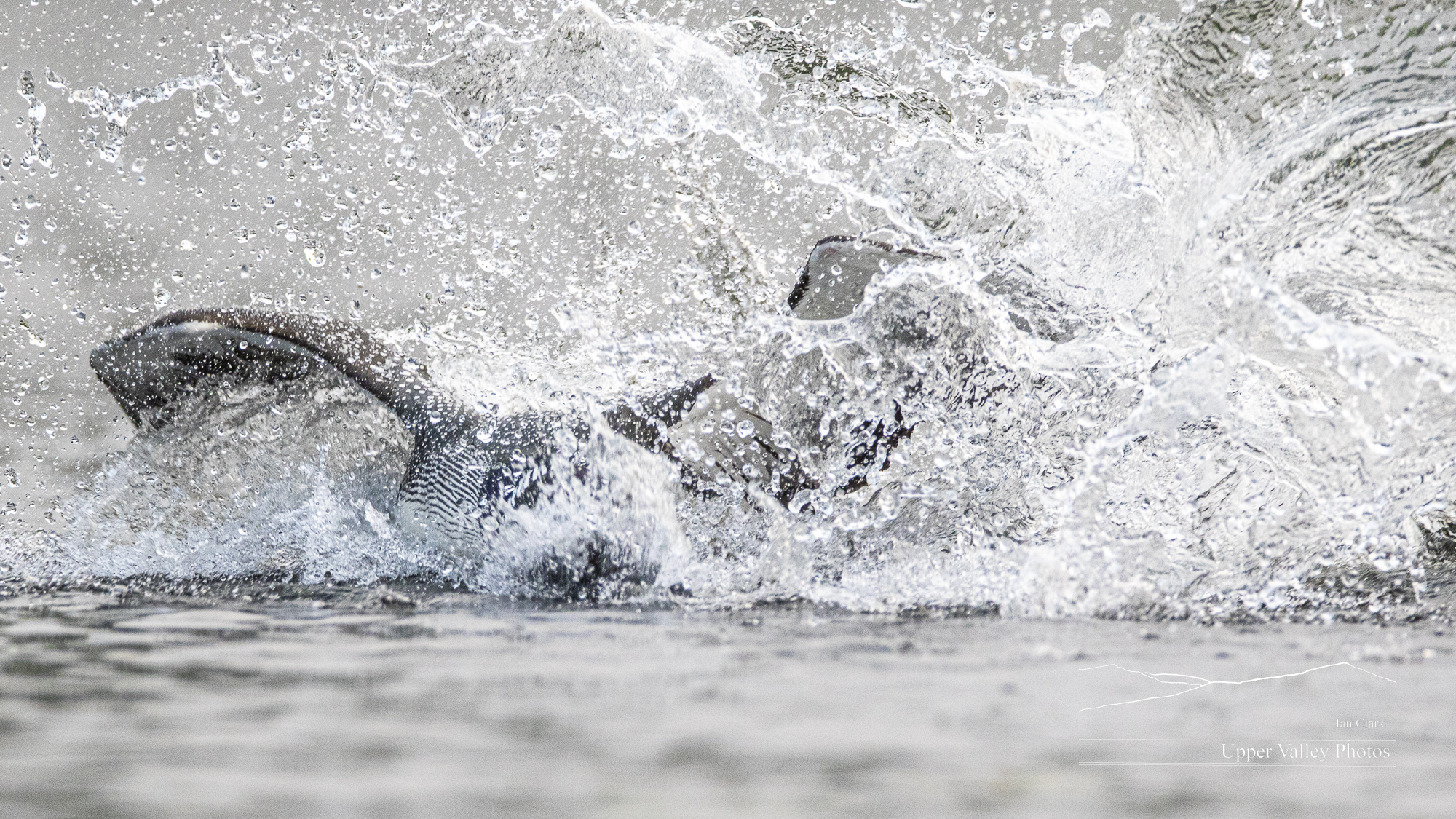
Loon families need a sizeable territory to successfully raise their chicks. A loon family with a pair of chicks will eat something like a half ton of (mostly) fish during the season. Loons will fight to defend their territory. One result of the growing loon population is more frequent disputes over territory. Most of these are settled with some vocalization and displays. Some get more serious and some are serious enough to kill one of the combatants. Here are a few shots from an all-out fight on the Weston’s pond in May 2019. The home team was an established pair with a egg in their nest.