Some Silliness, Part One
Winter has arrived here in West Newbury. A variety of things has kept me stuck at my desk, with lots of hunting through my photo archives. I’ve been setting photos aside for this post for some time, now is as good as any to get to it.
As I’ve spent hours and hours with the wildlife, I’ve gotten to know many of the cast of characters. With way too much time on my hands waiting for them, I’ve been able to find the names of many of them.
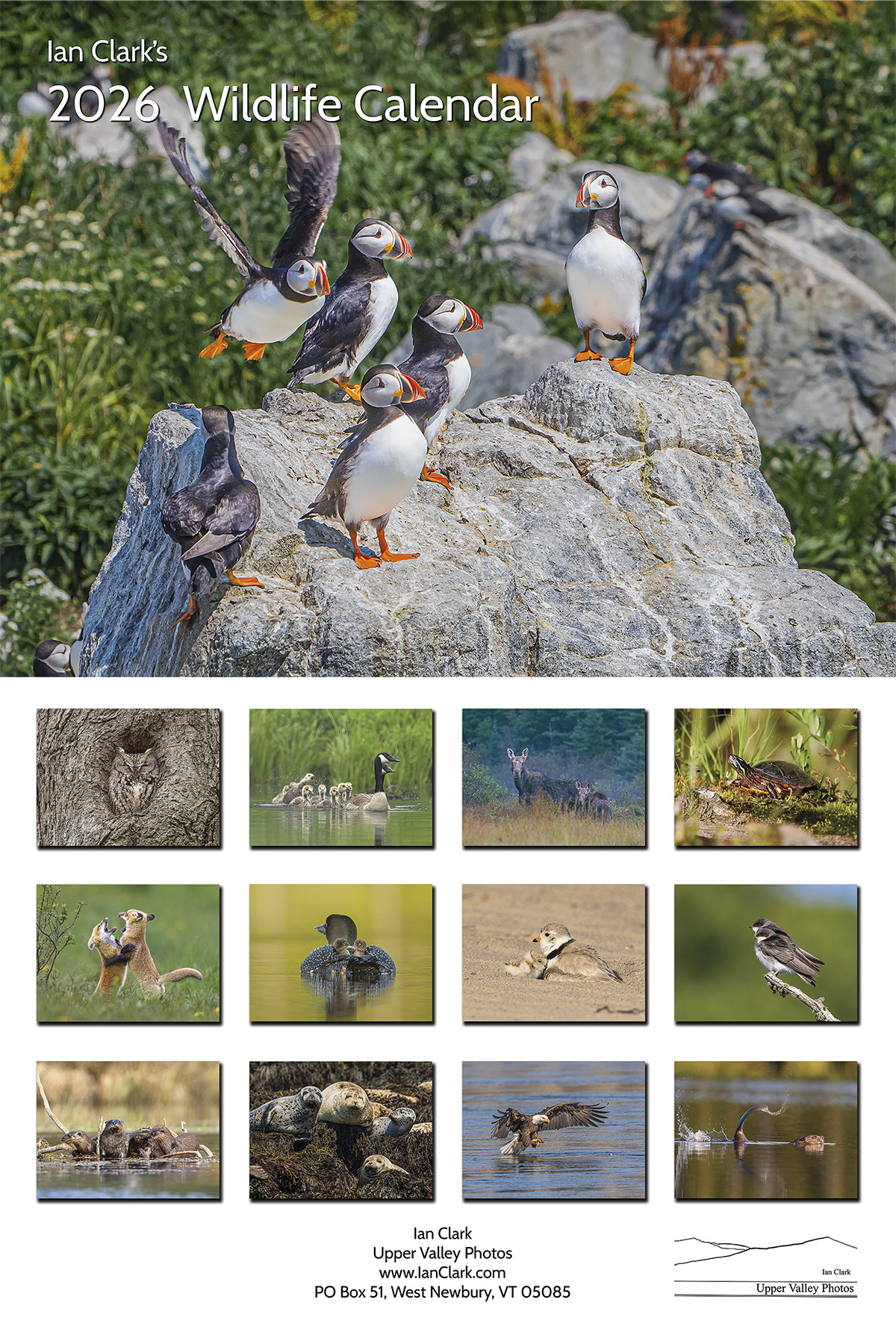
I still have a few of my 2026 Wildlife Calendars available. And, there is still time to order prints for Christmas – but hurry, anything I have to send out for printing is getting very close. Please take a look at my site: https://www.ianclark.com/.
Sadly, many of my references while fresh in my mind now seem somewhat dated. Hopefully they’ll provide a few chuckles.
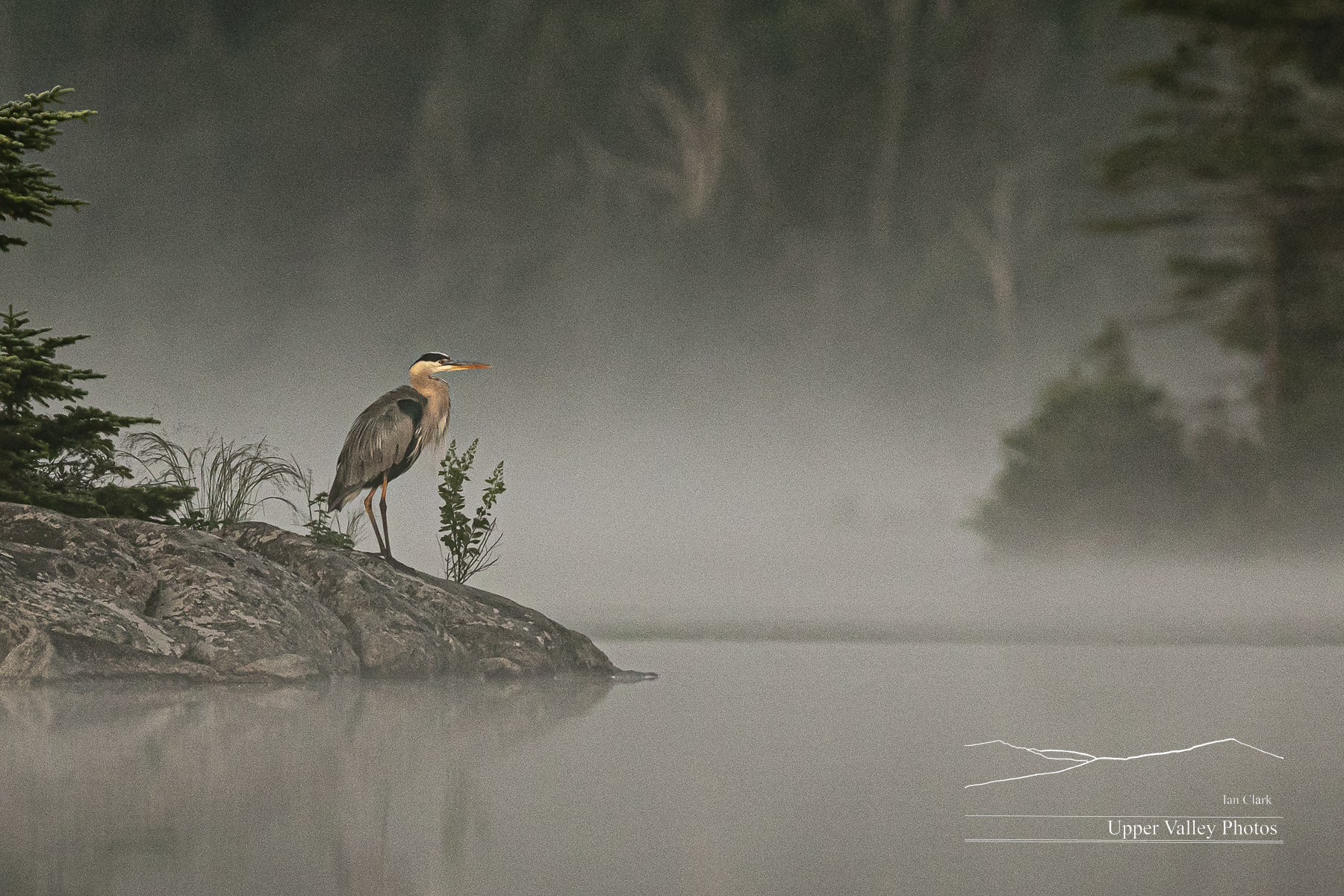
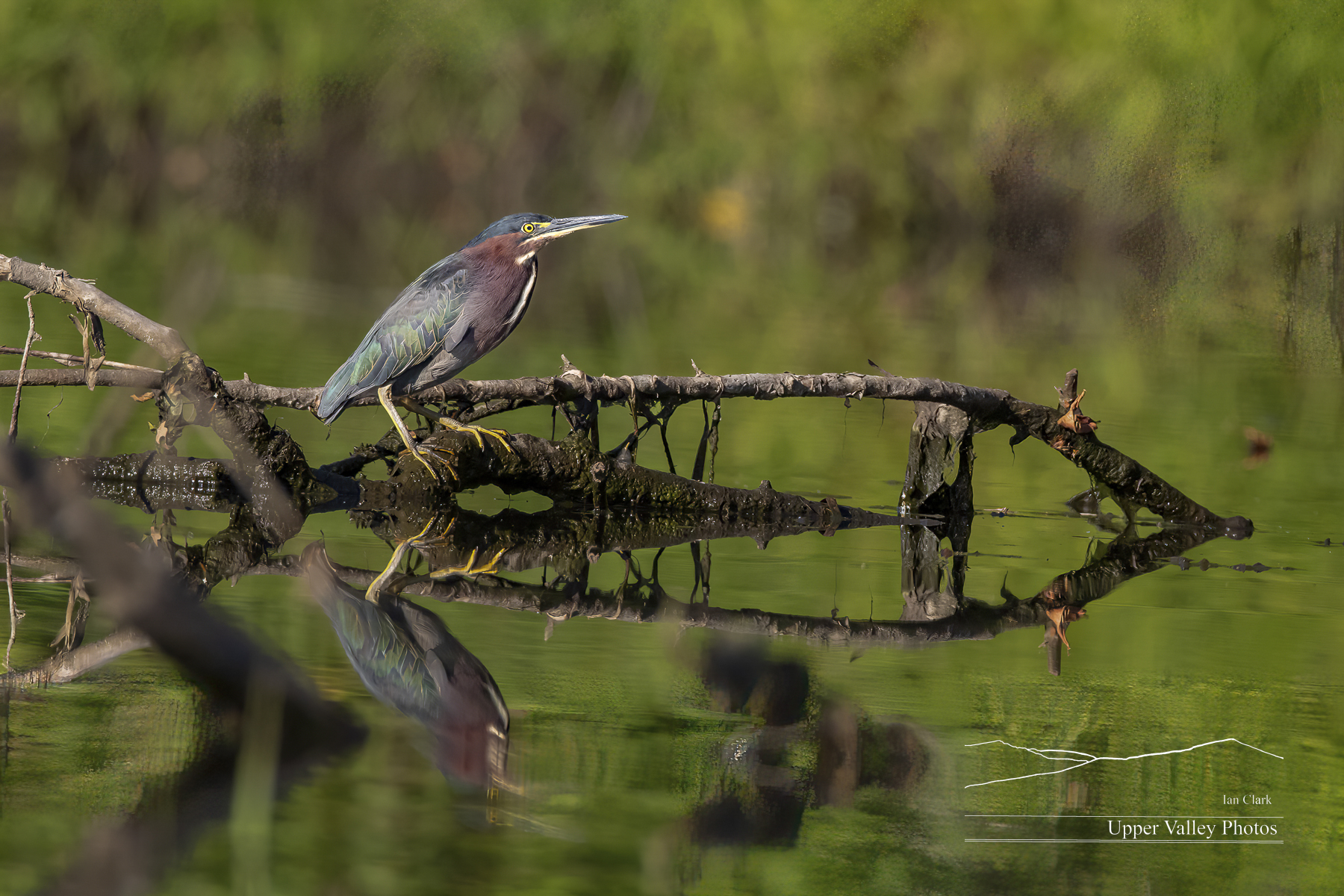
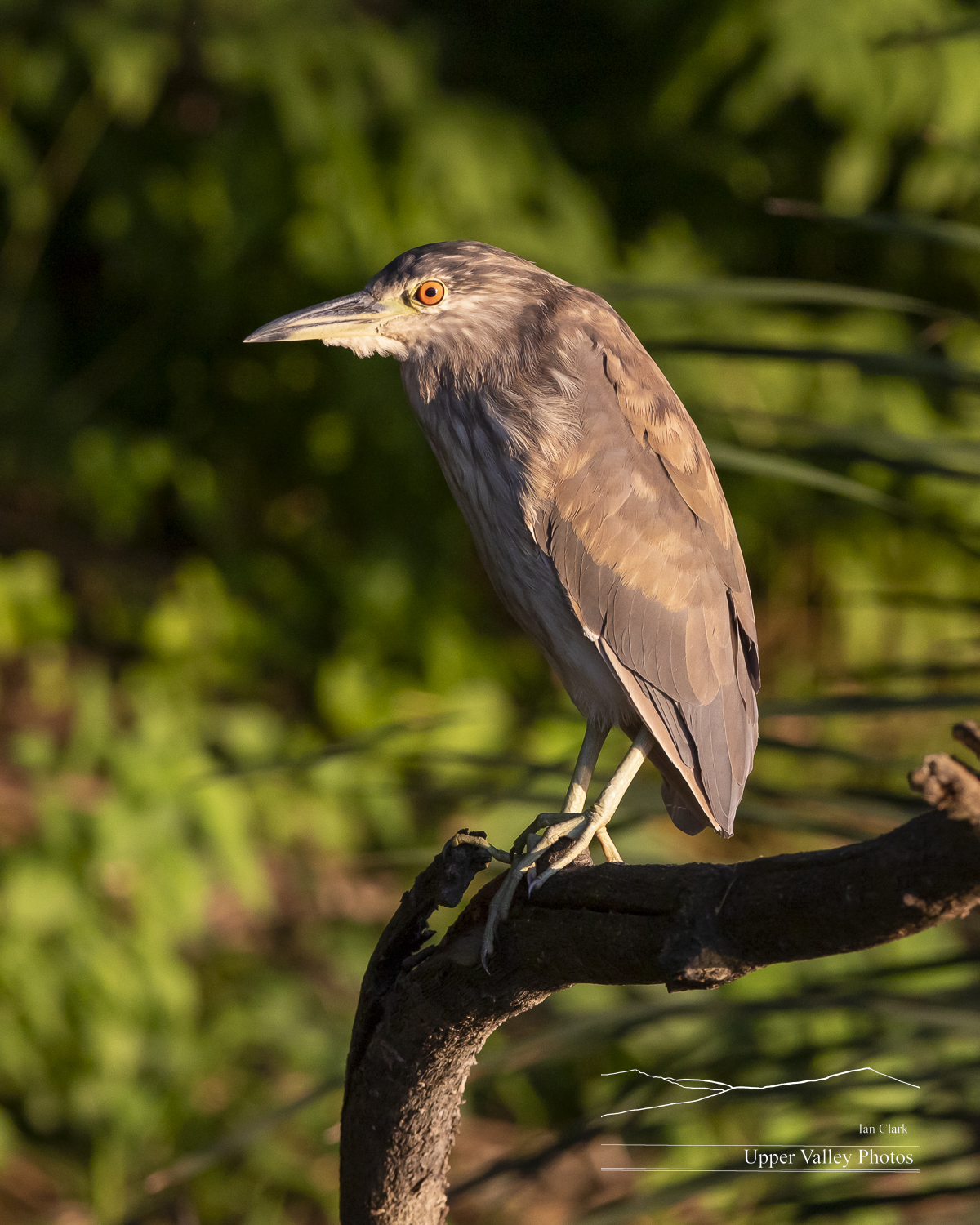
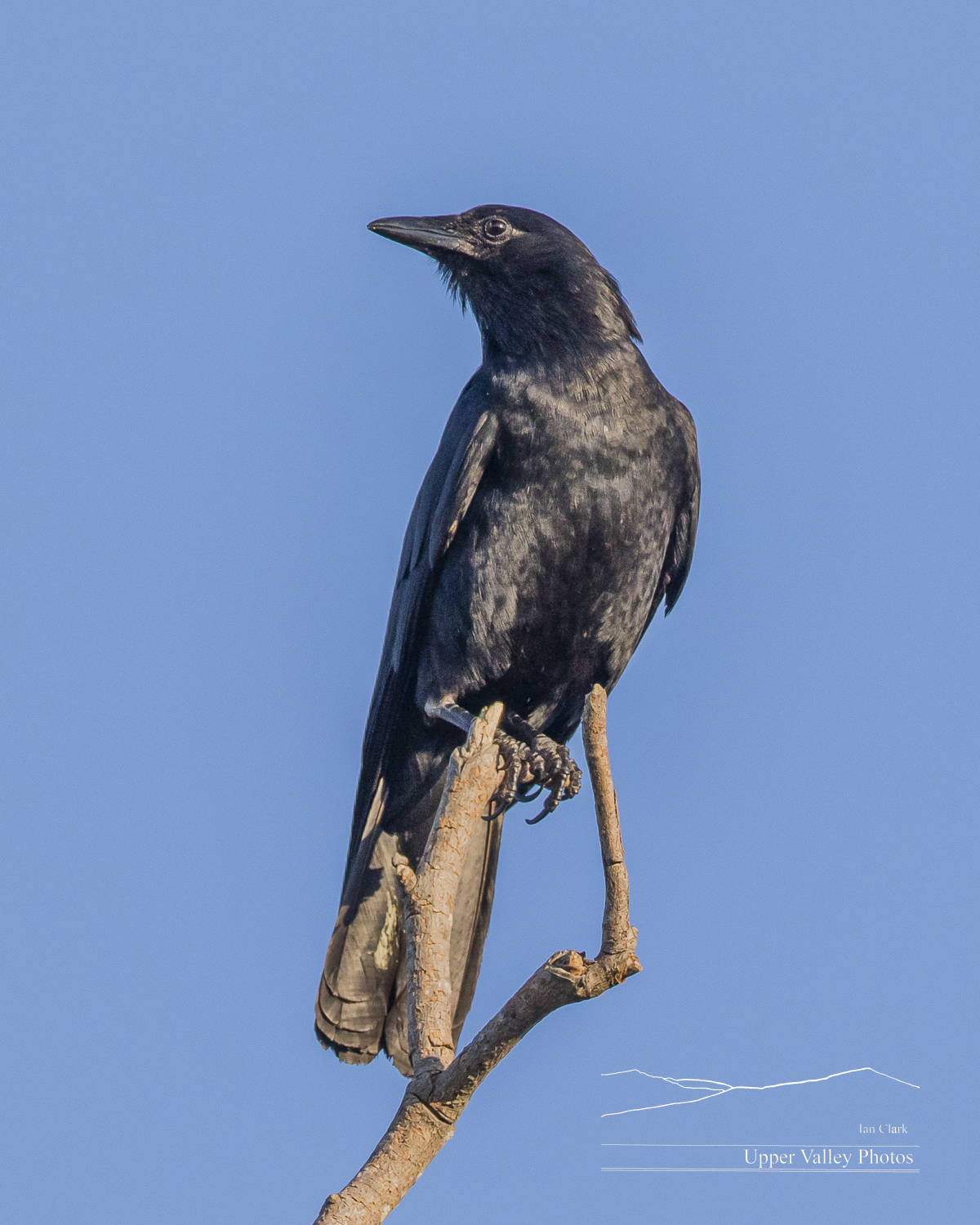
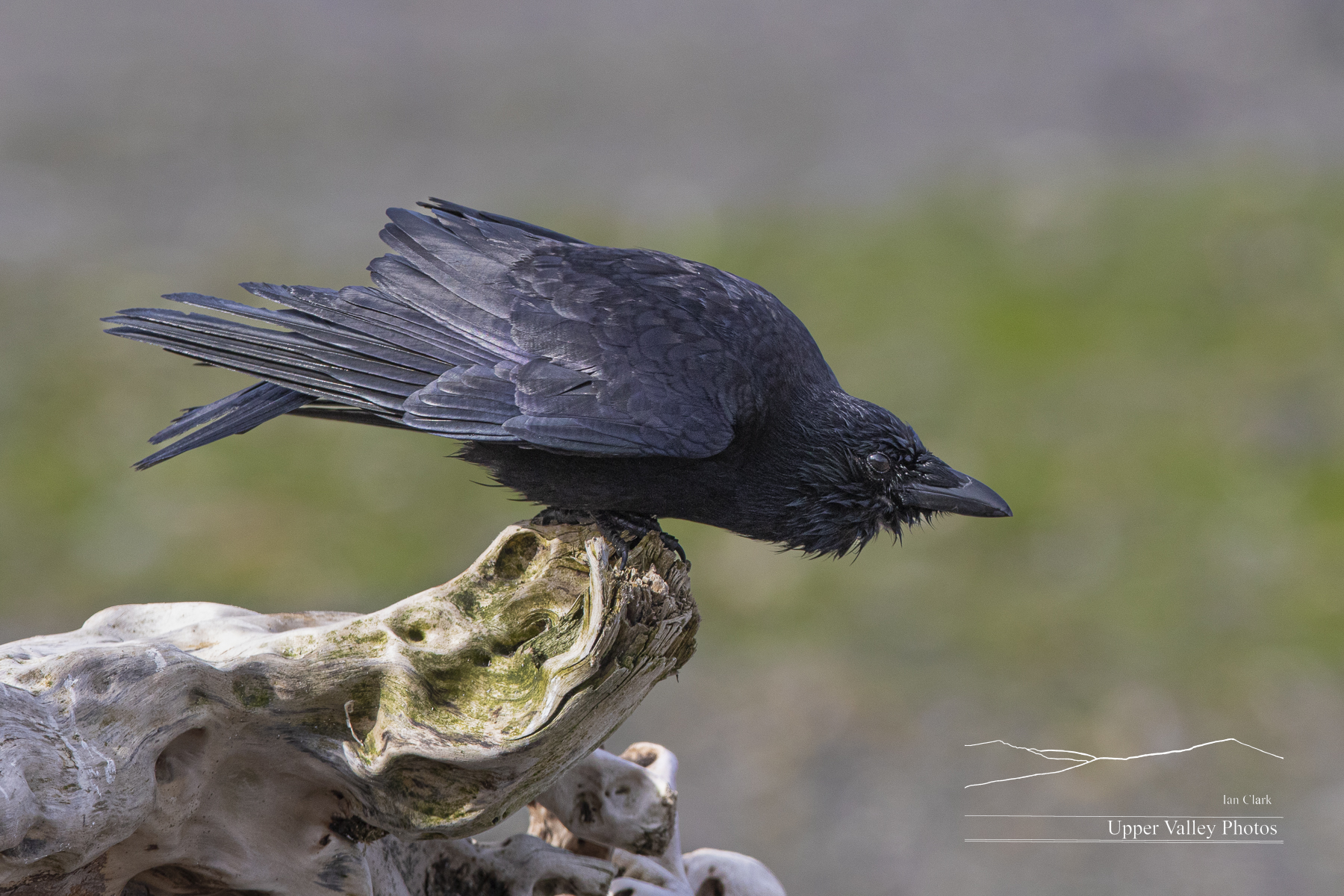
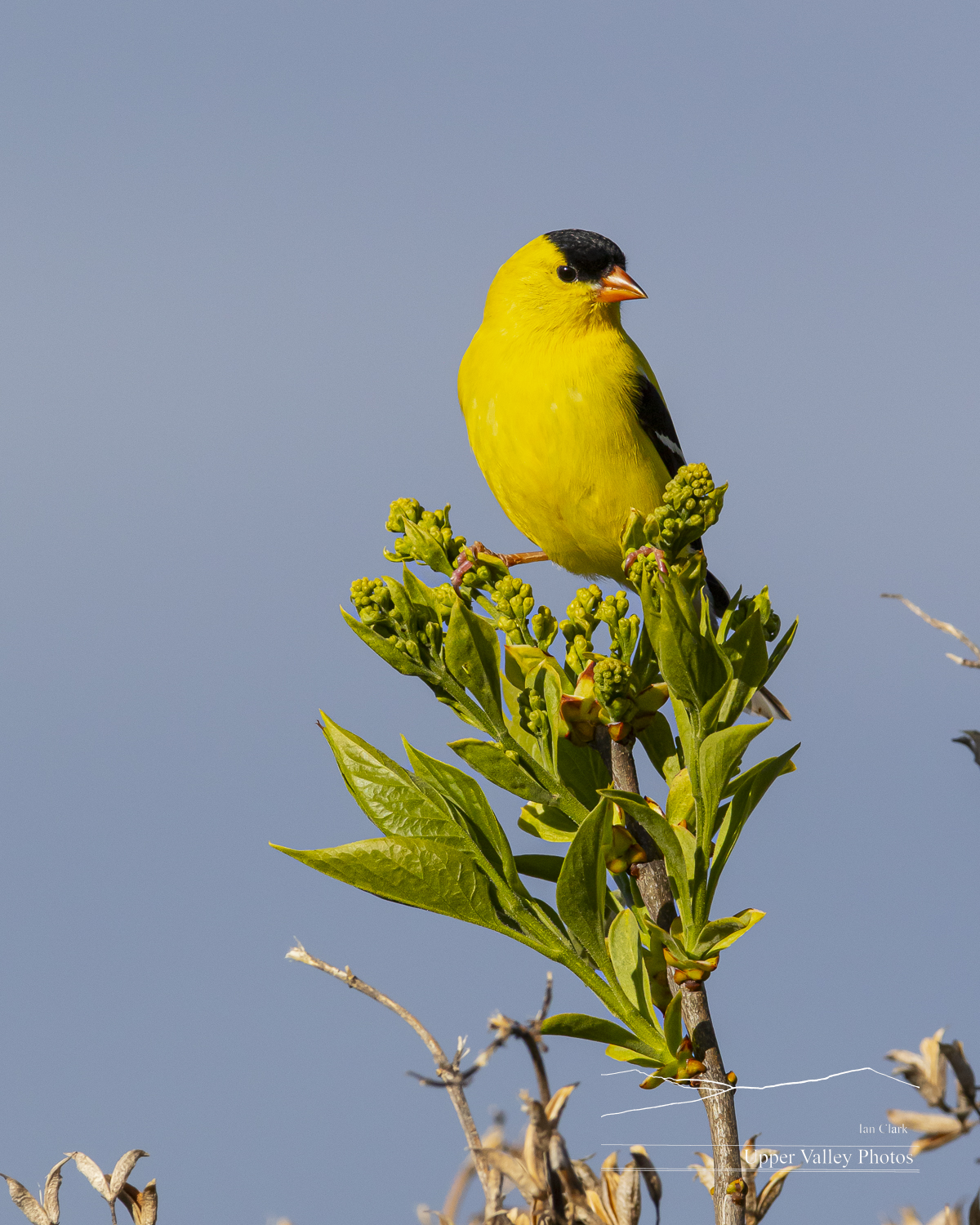
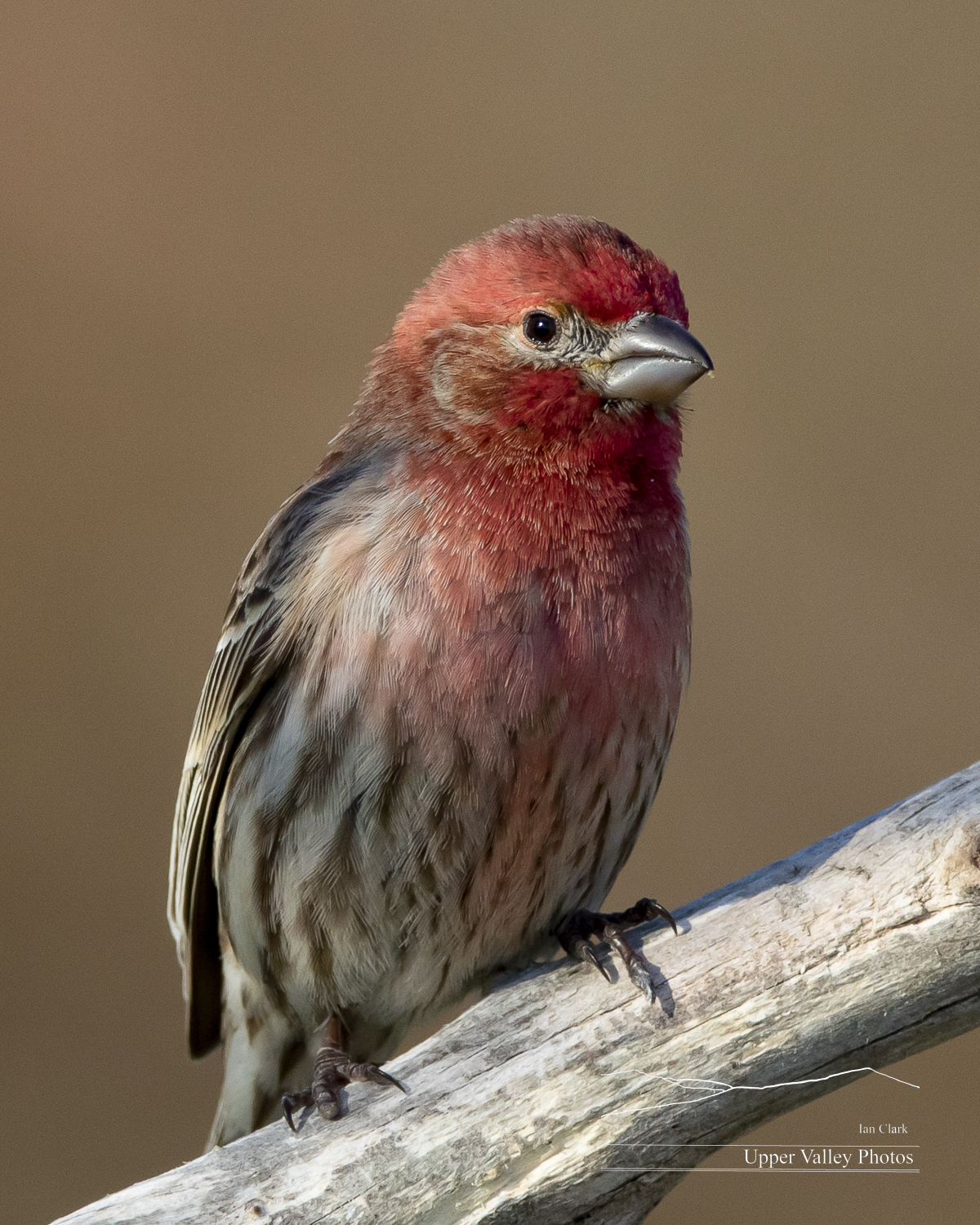
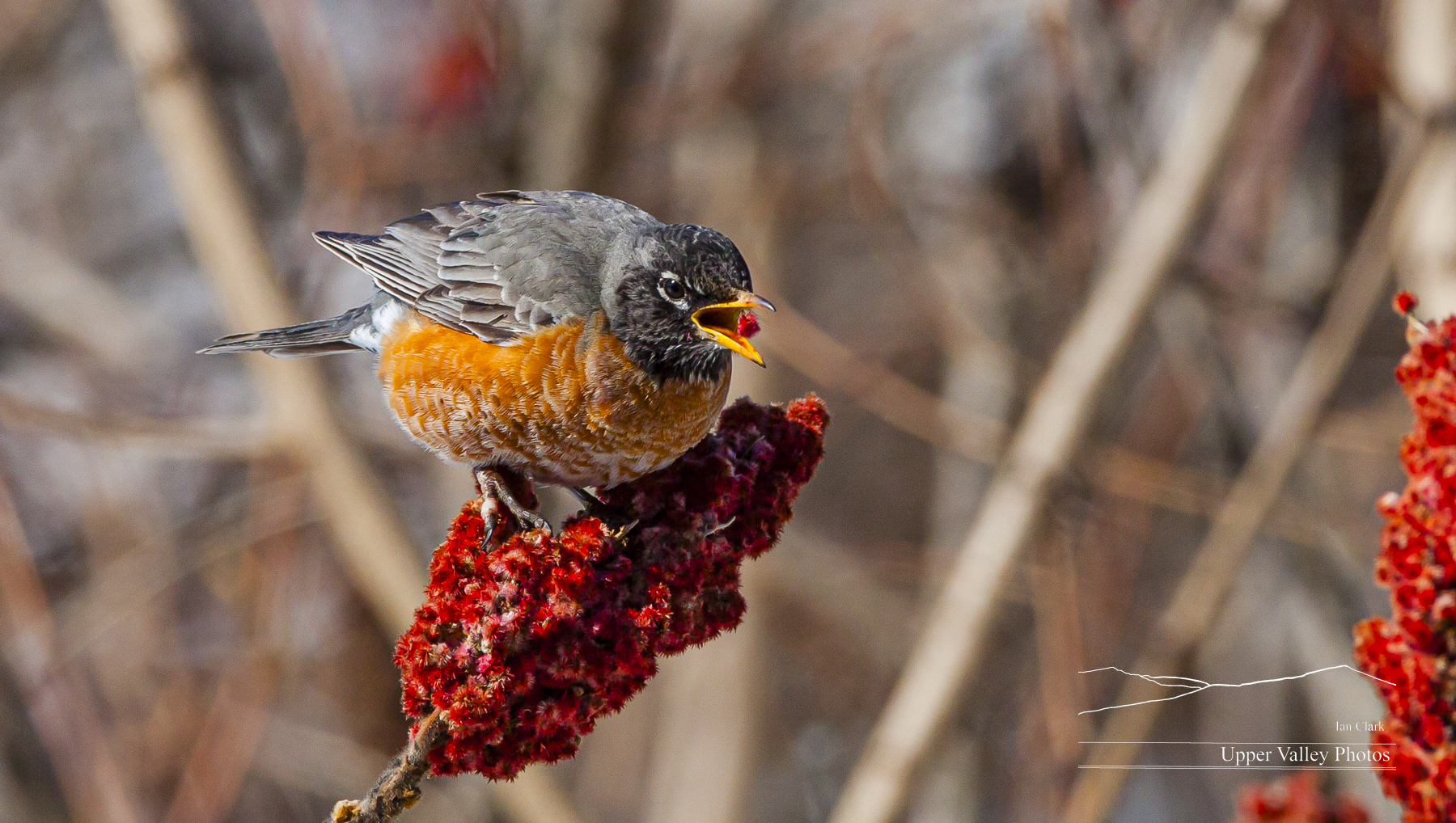

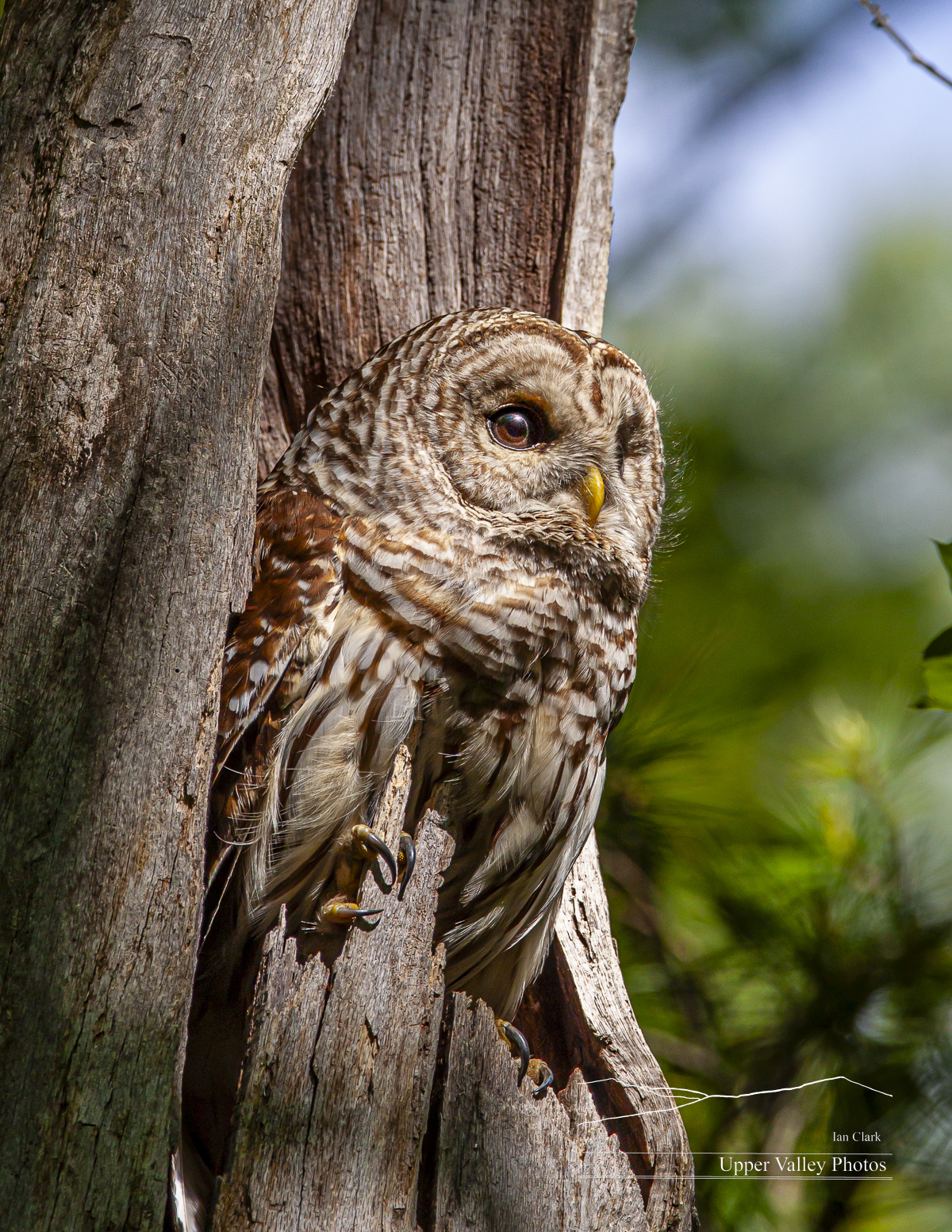
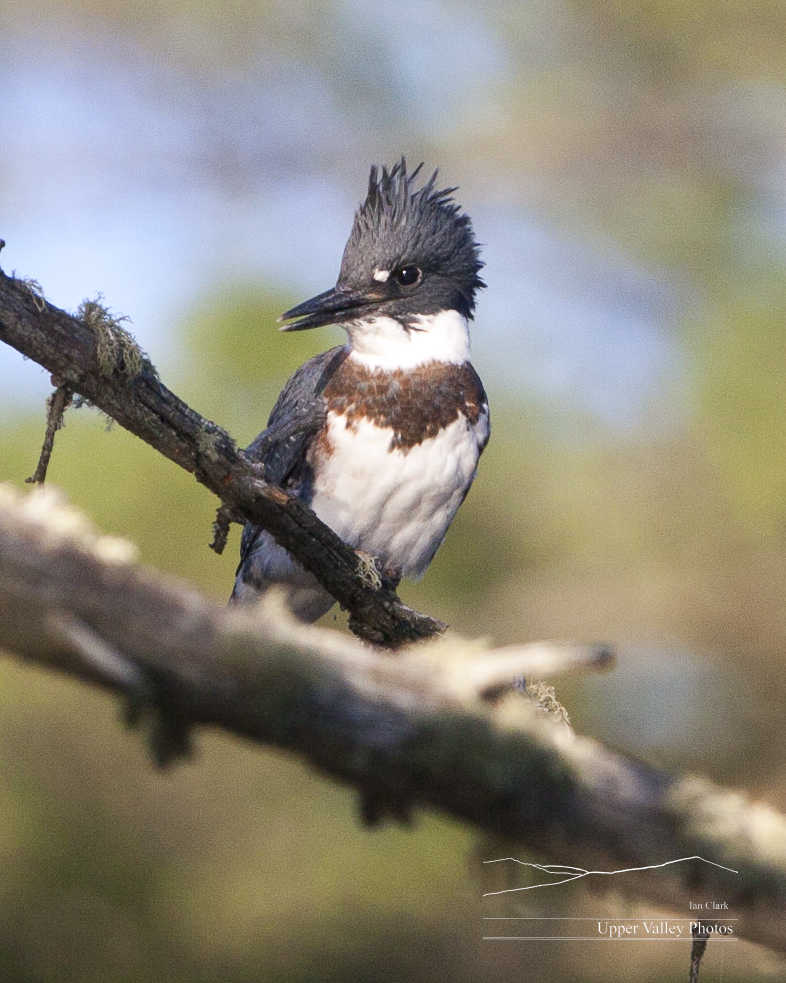
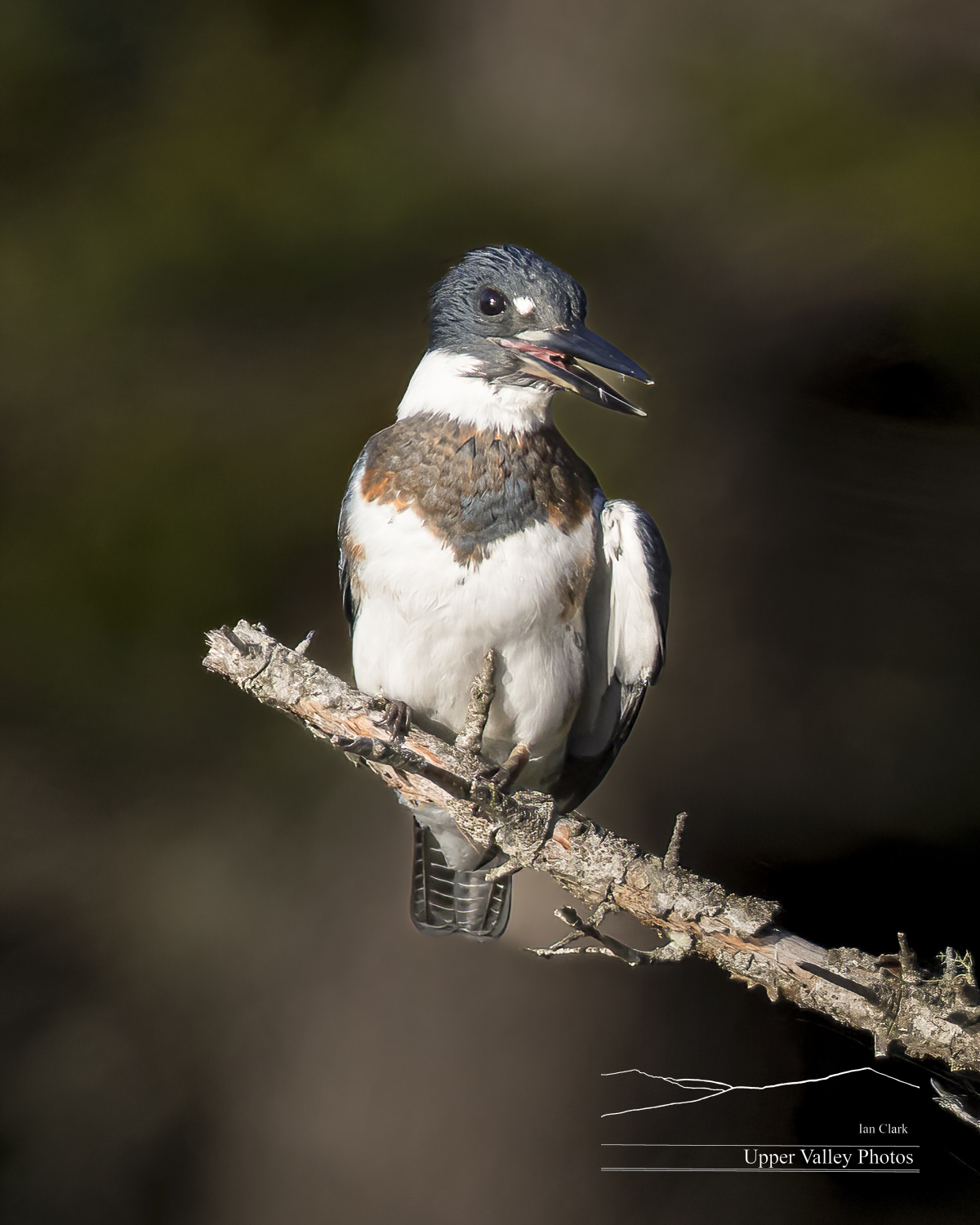
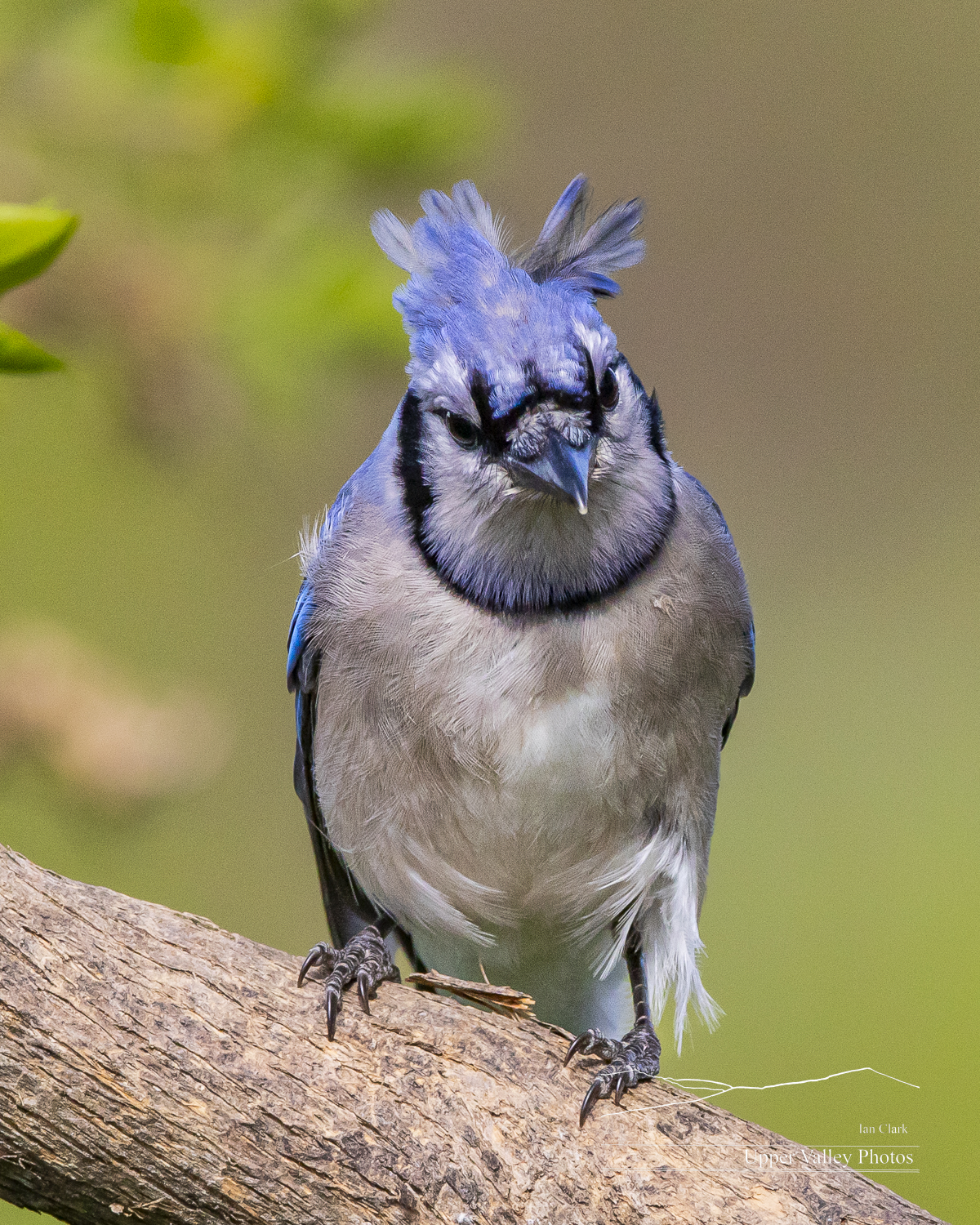
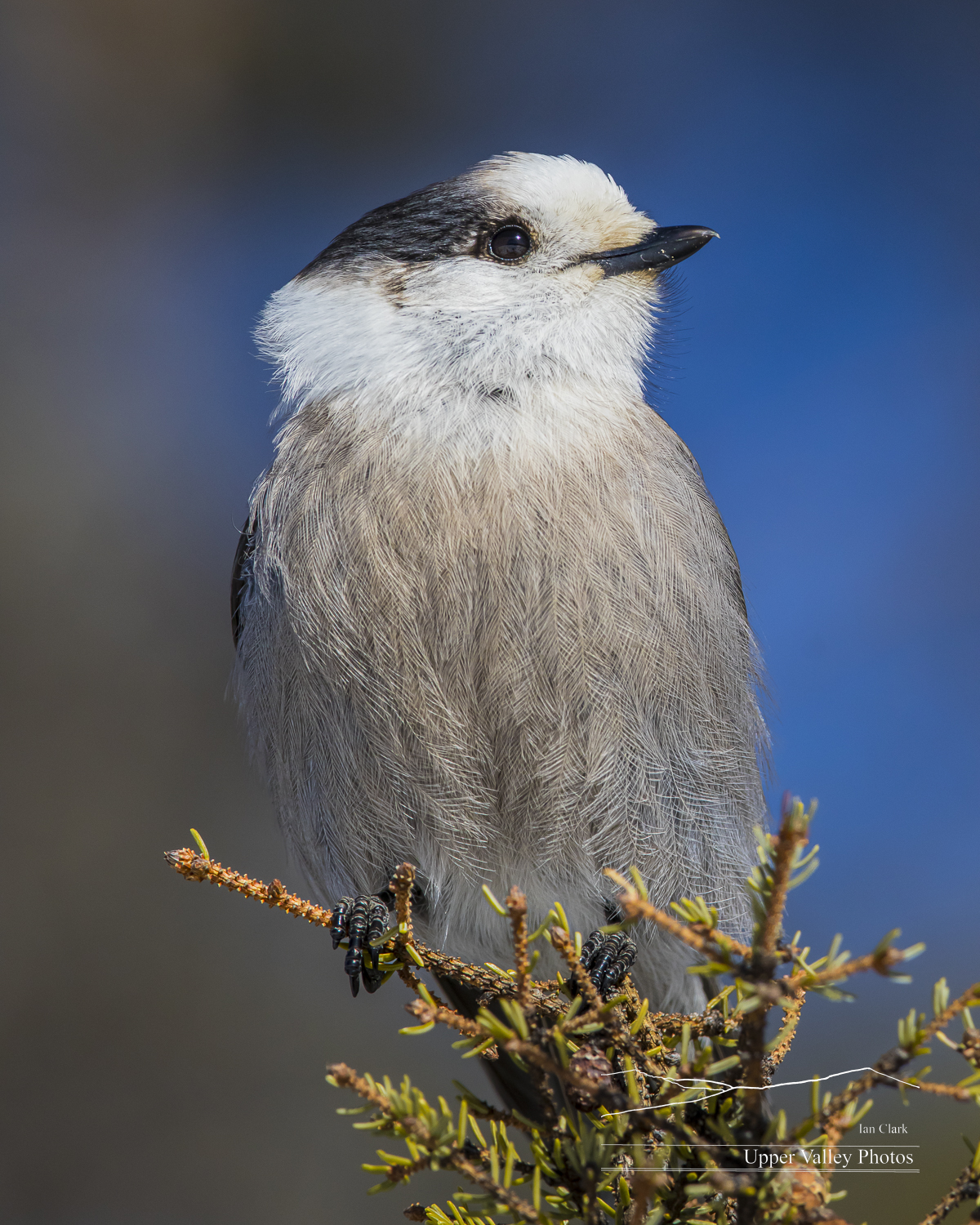
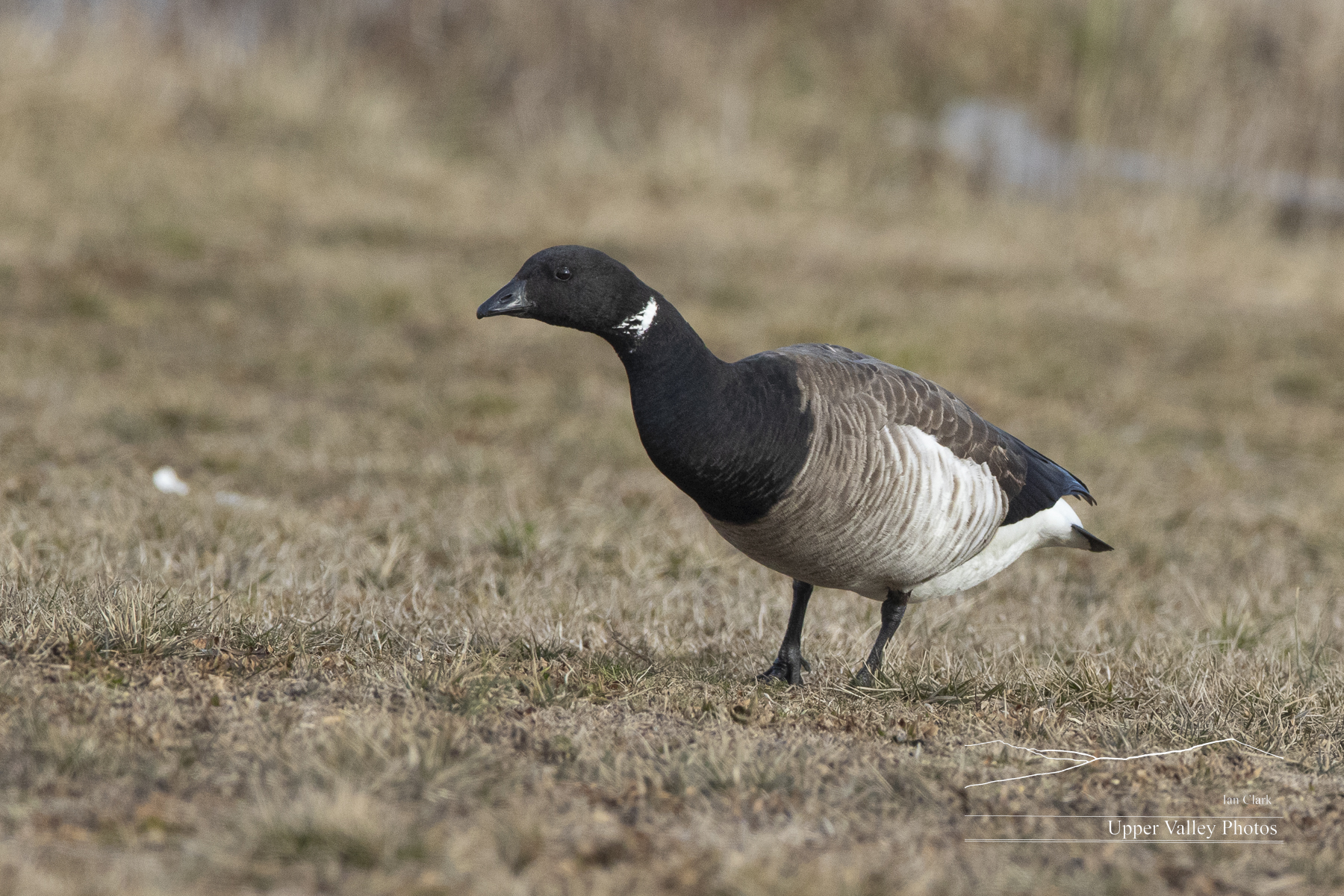
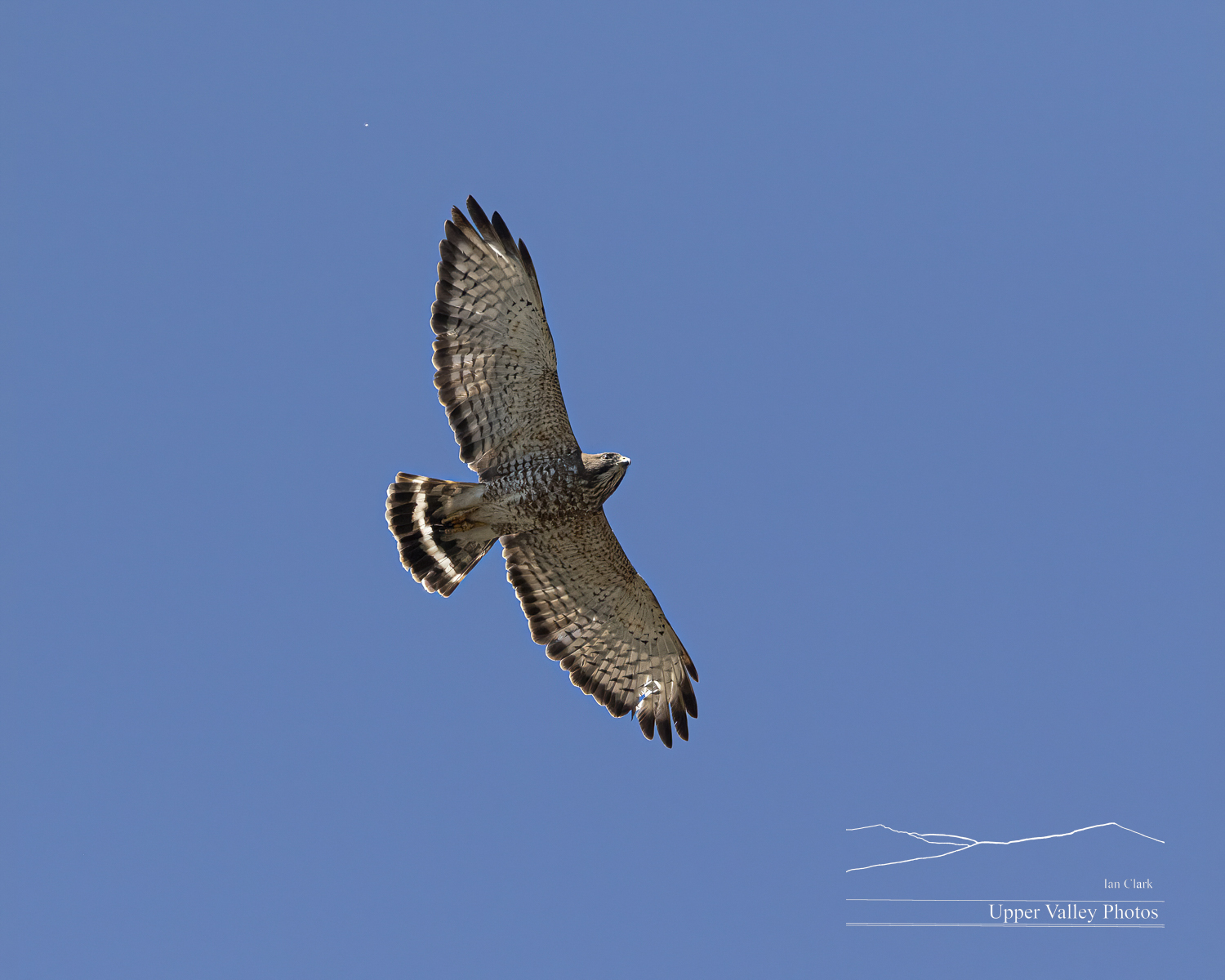
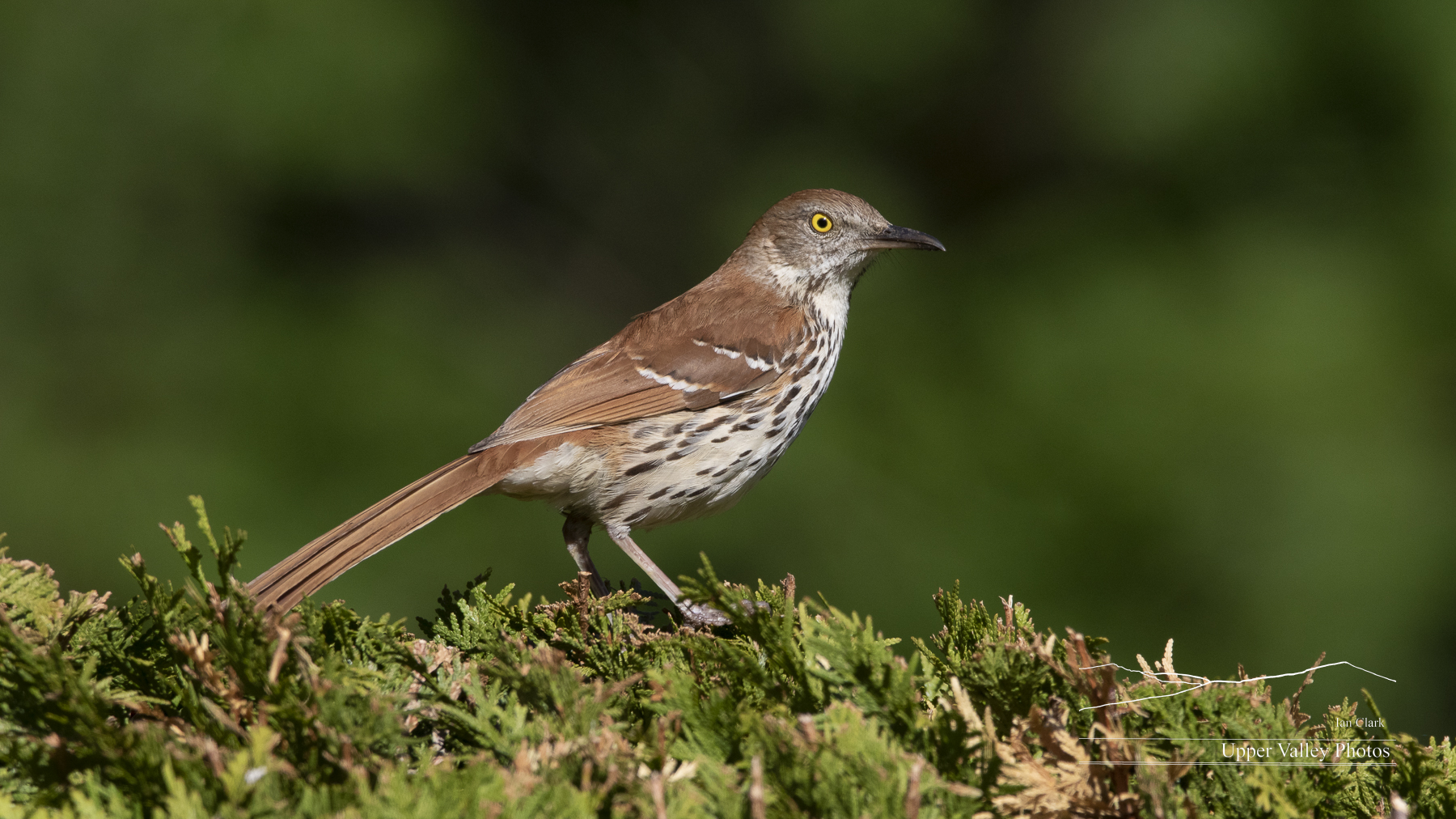
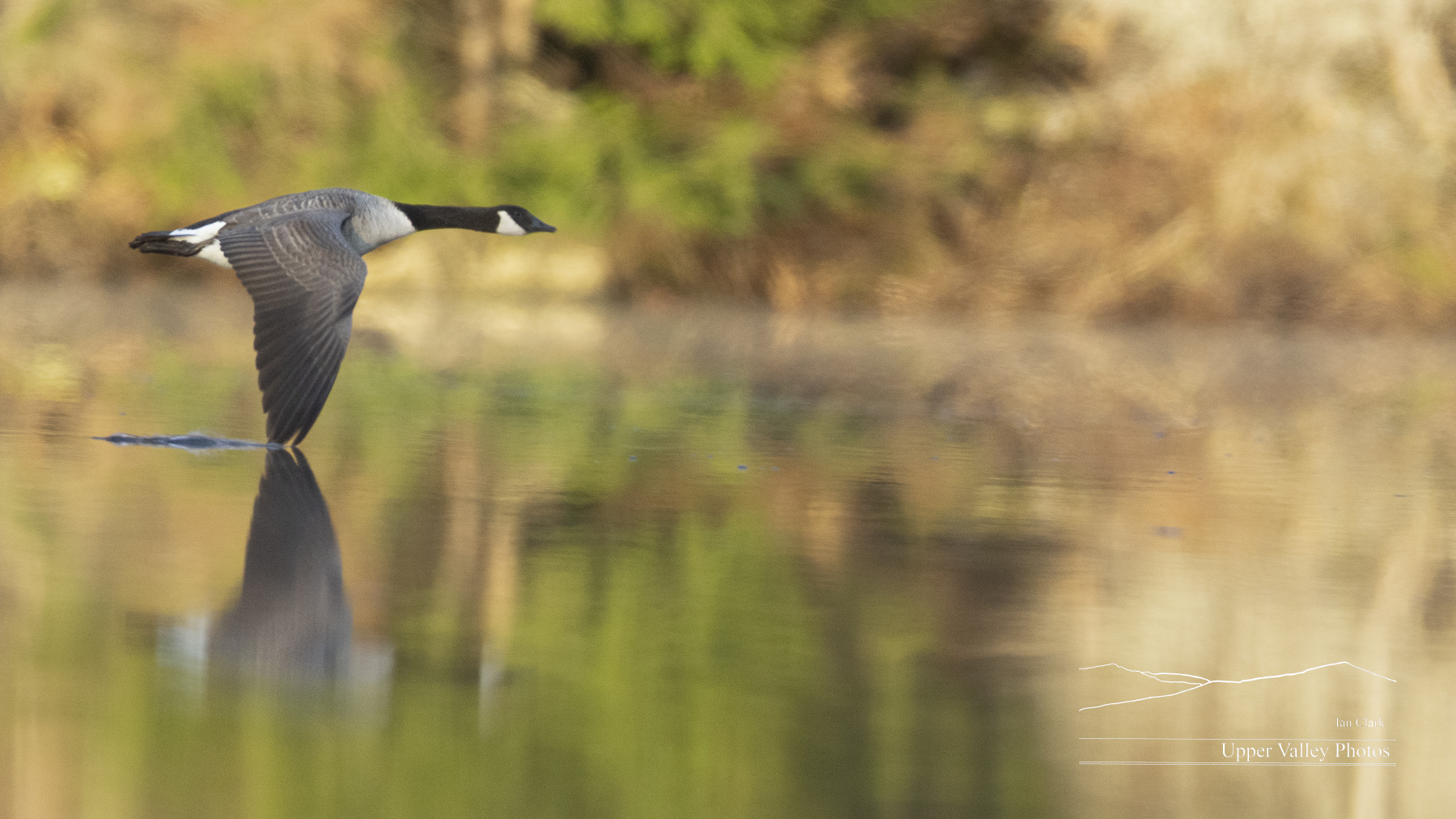
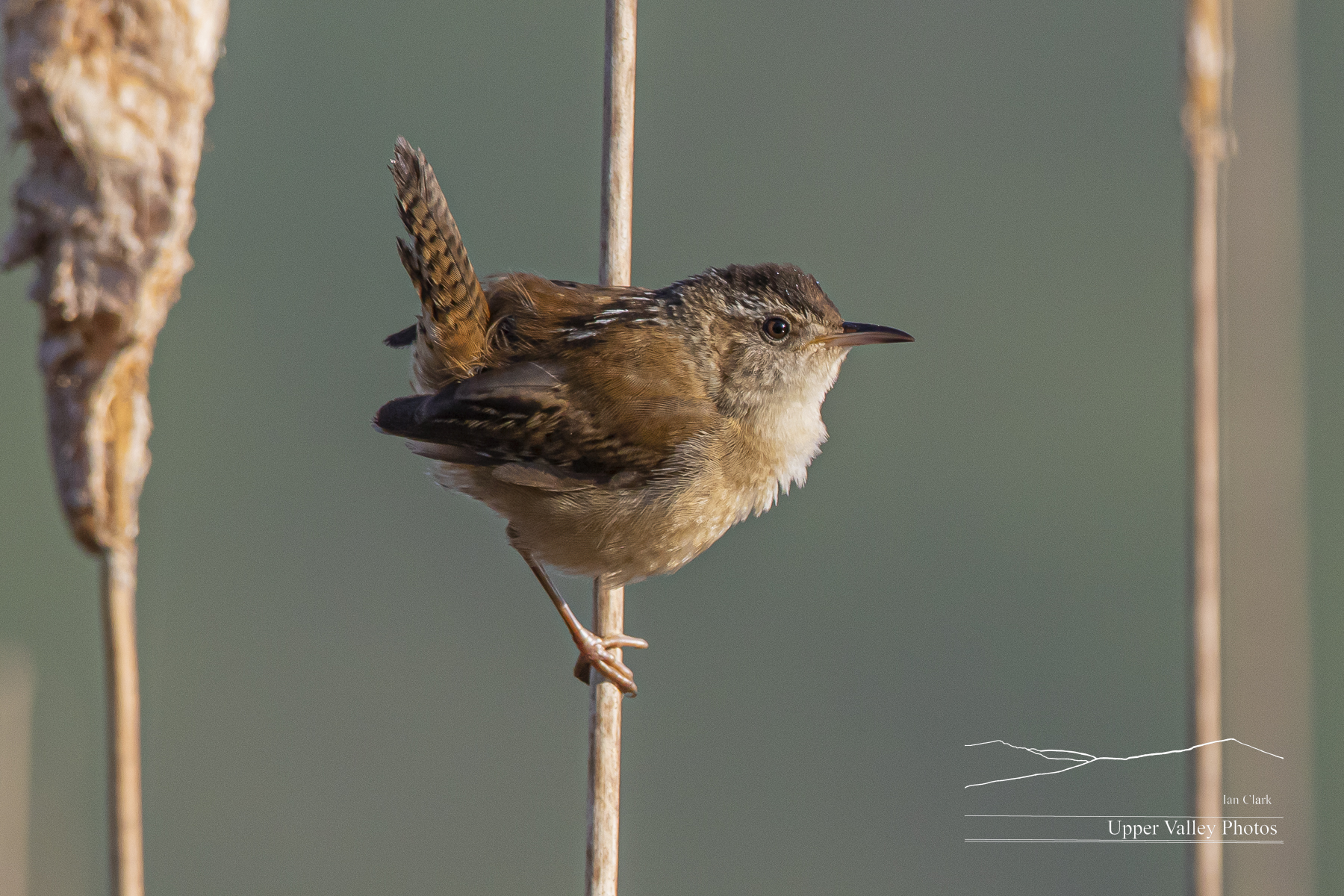
Jenny Wren could sing
But a broken heart
Took her song away
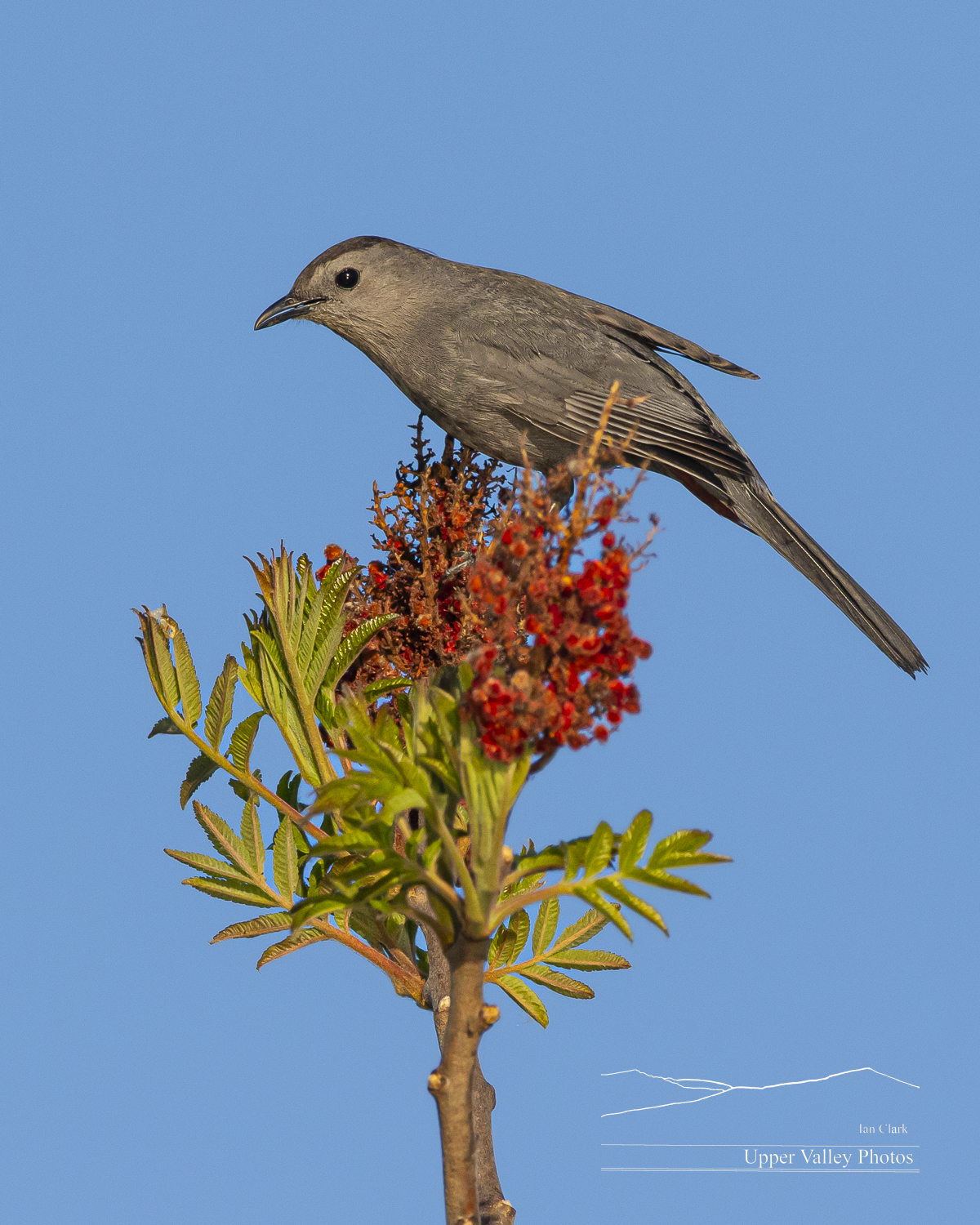
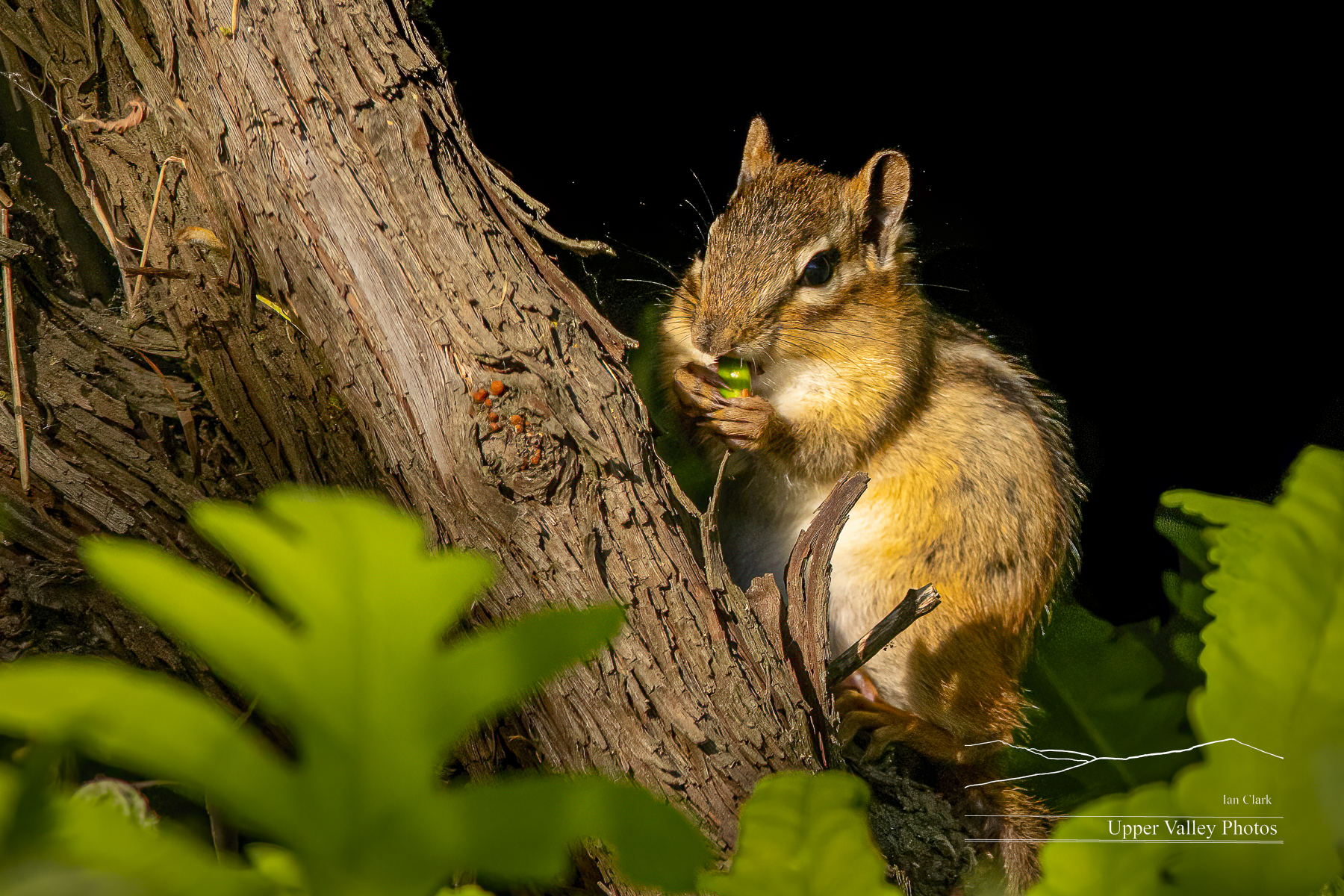
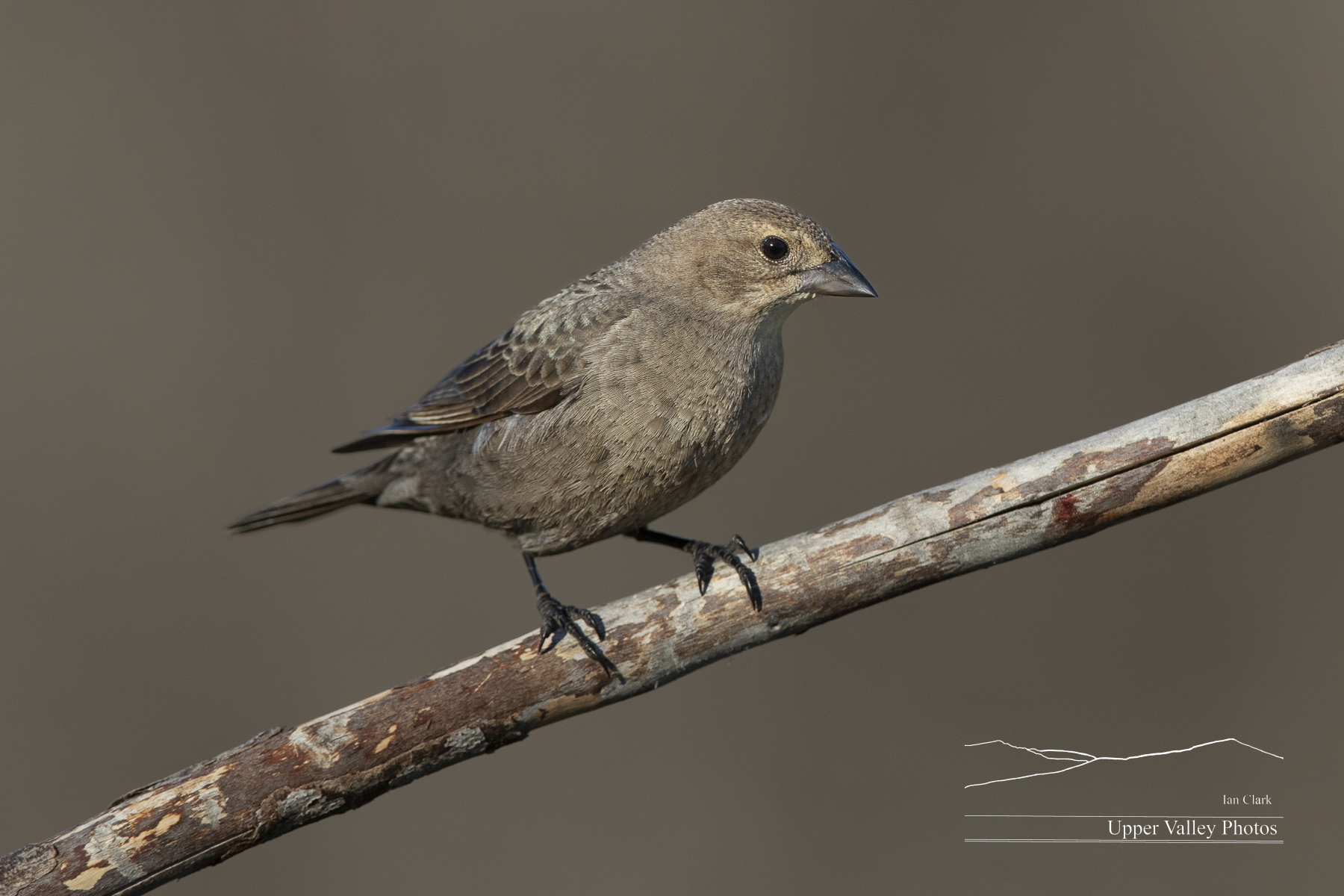
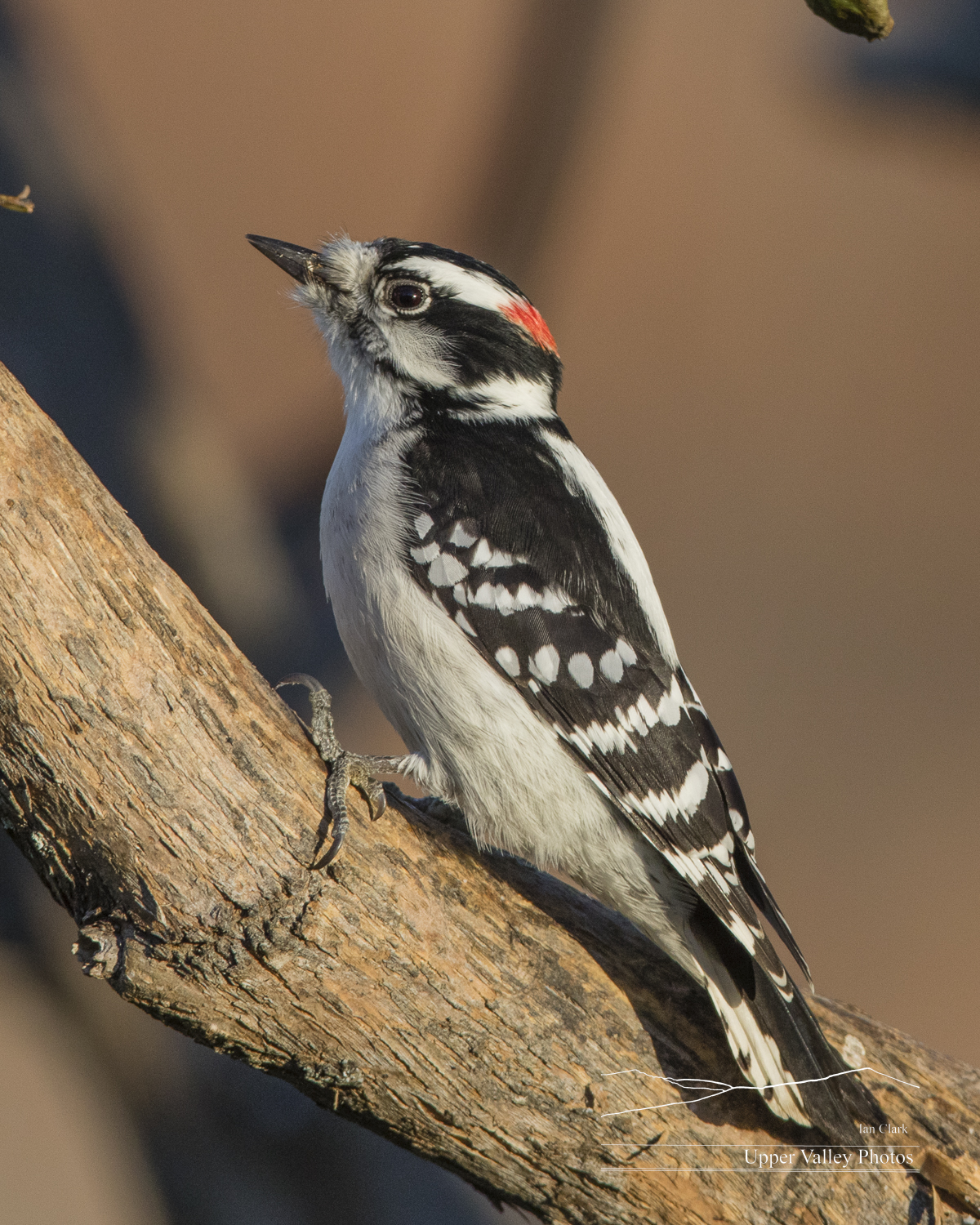

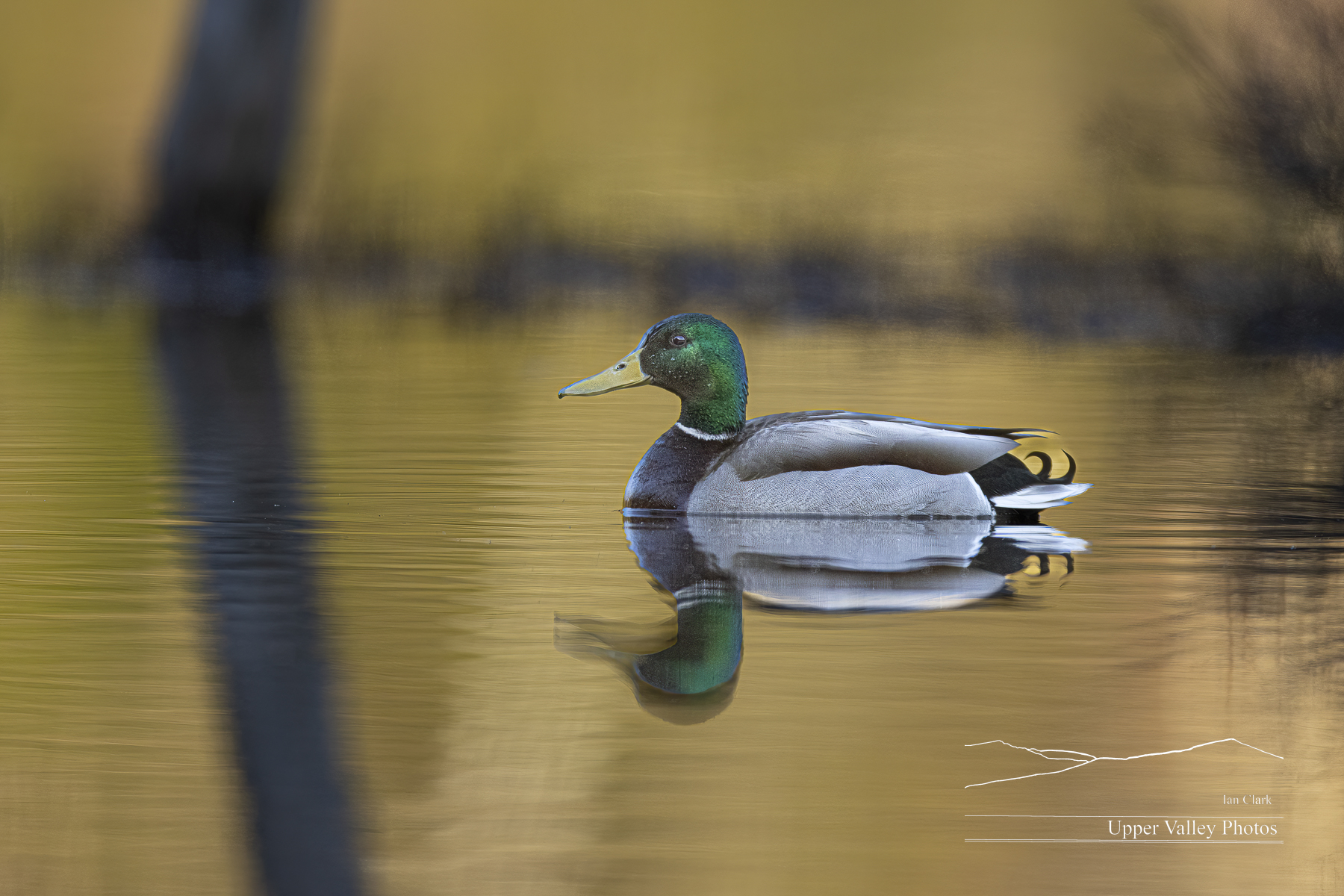
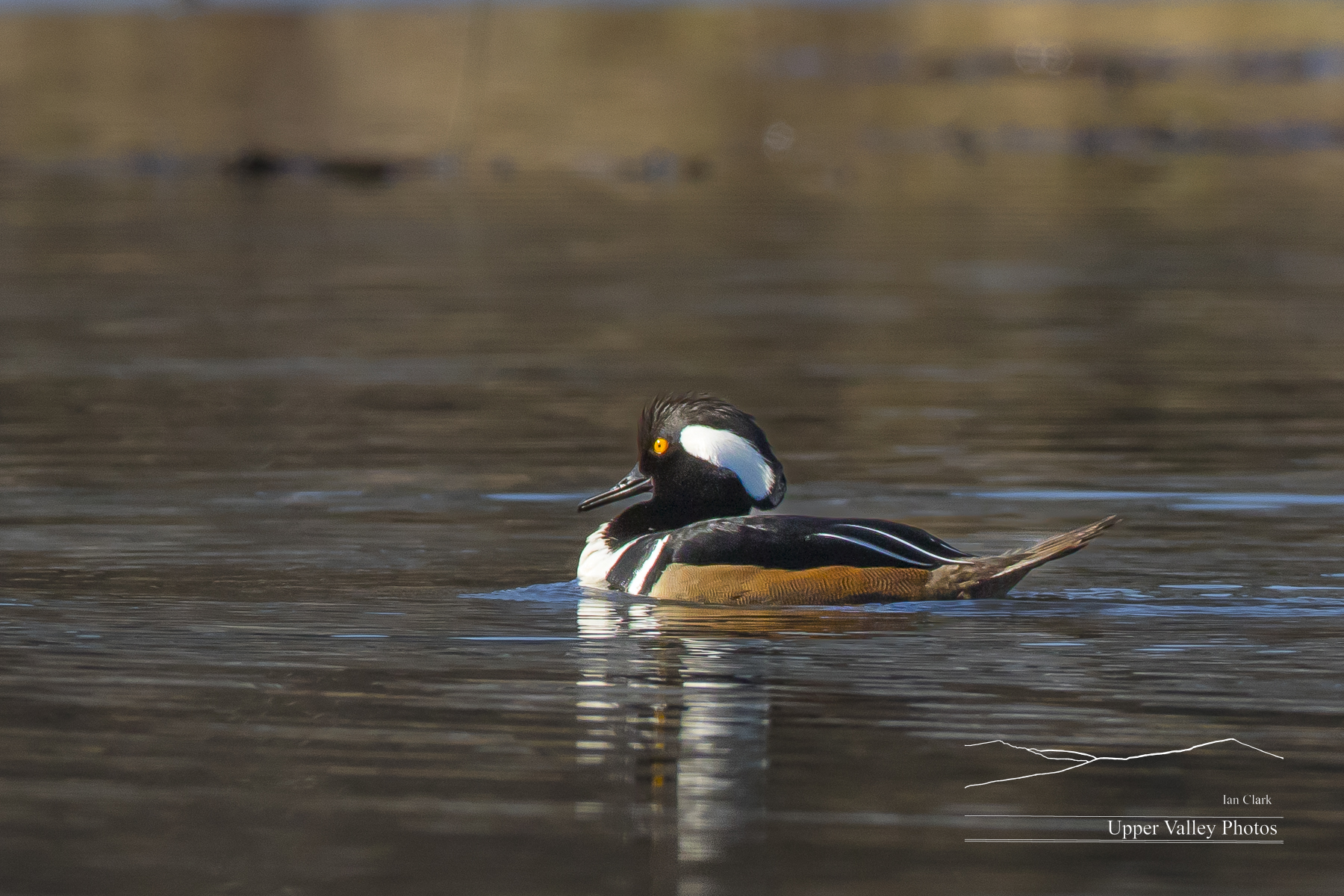
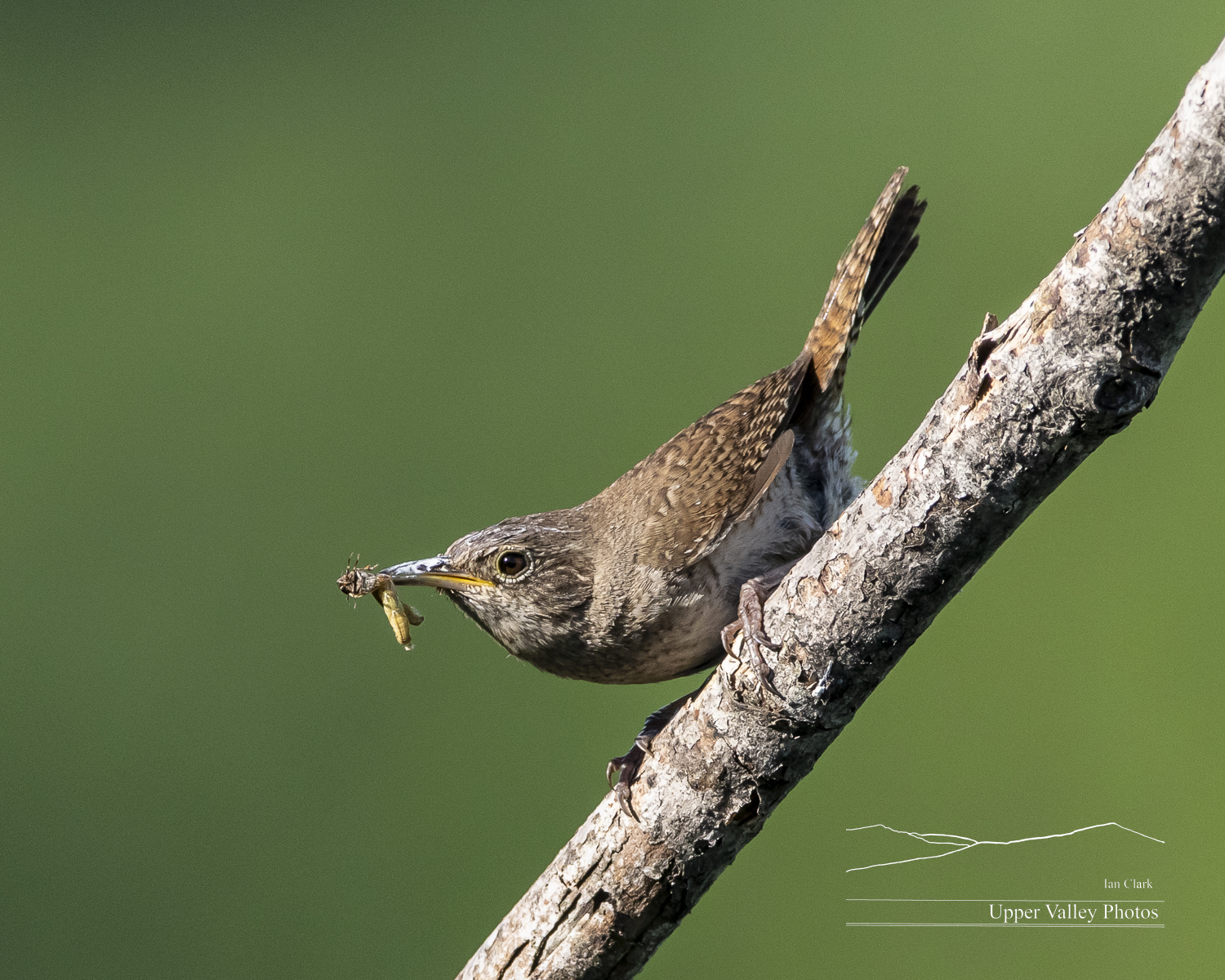
That flash at the sound of lies
And Wren Dee has wings to fly
Above the clouds above the clouds
Above the clouds above the clouds
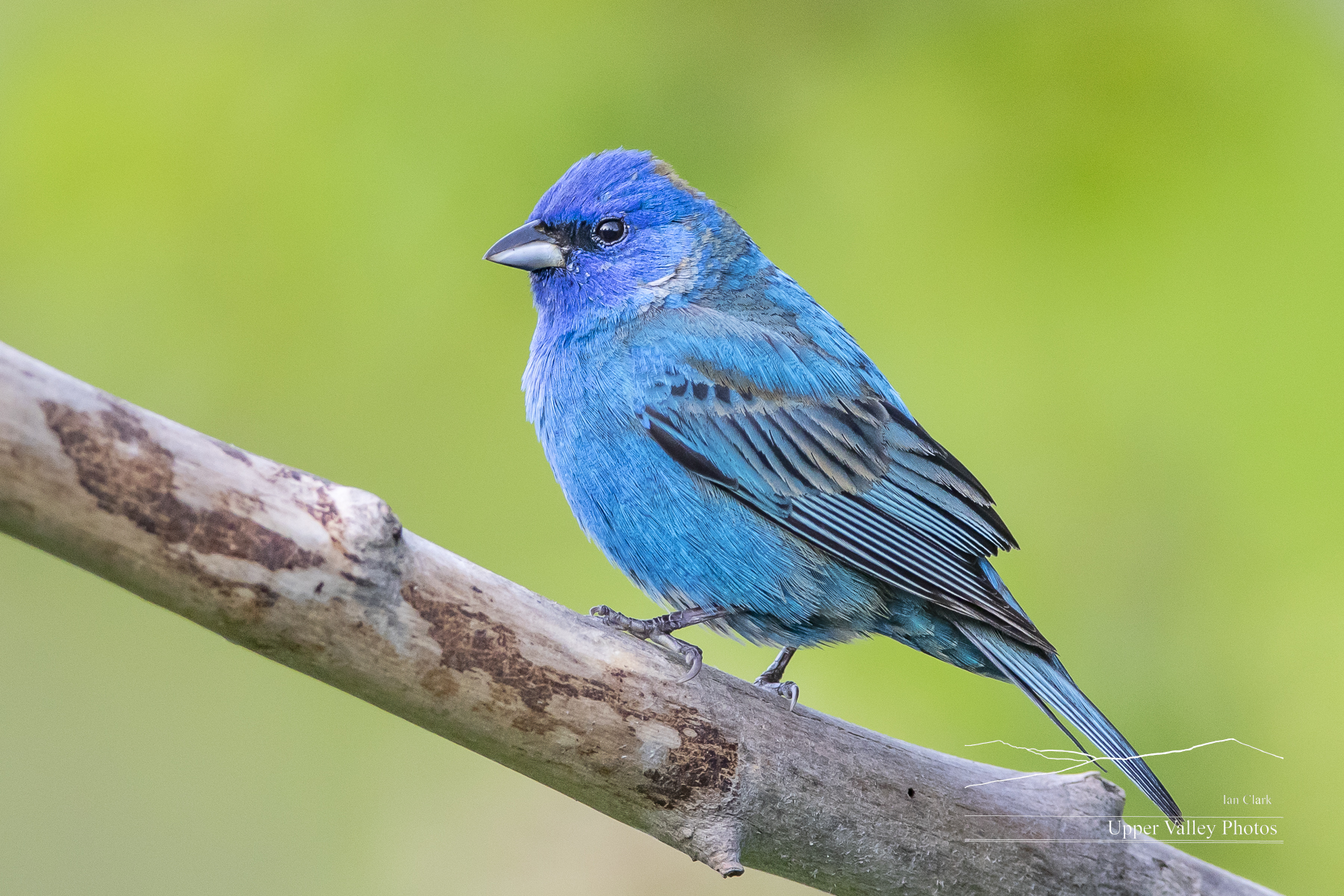
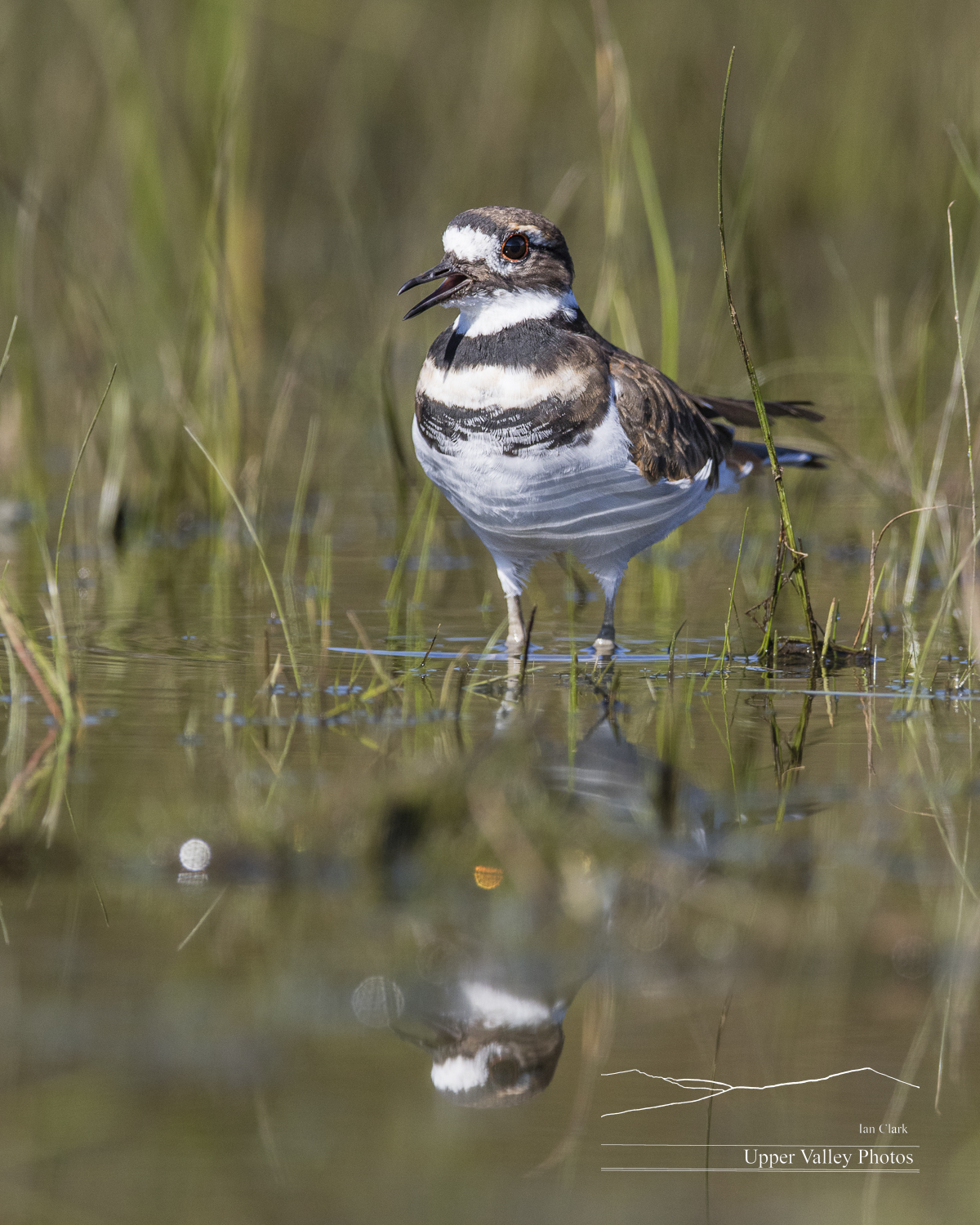
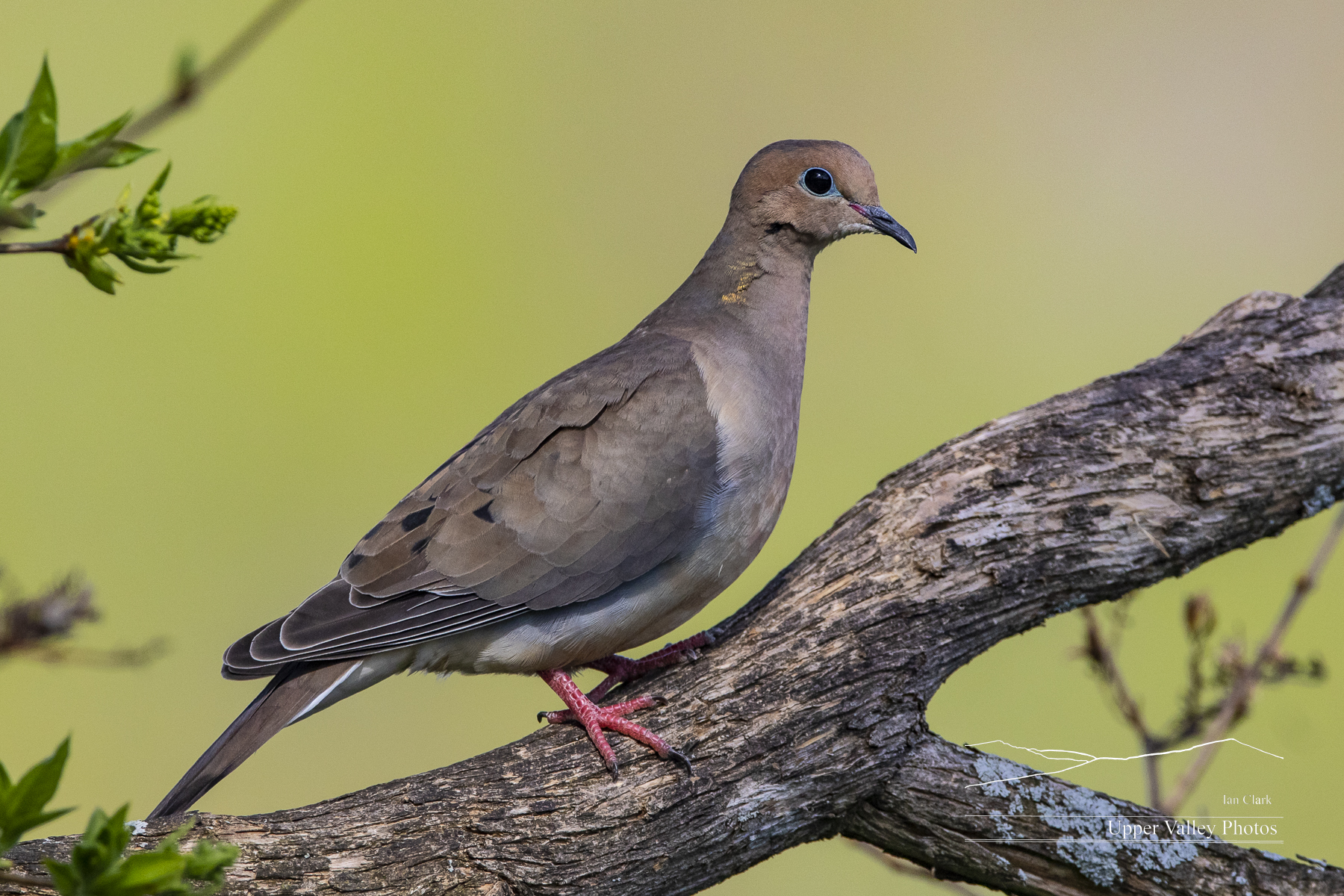

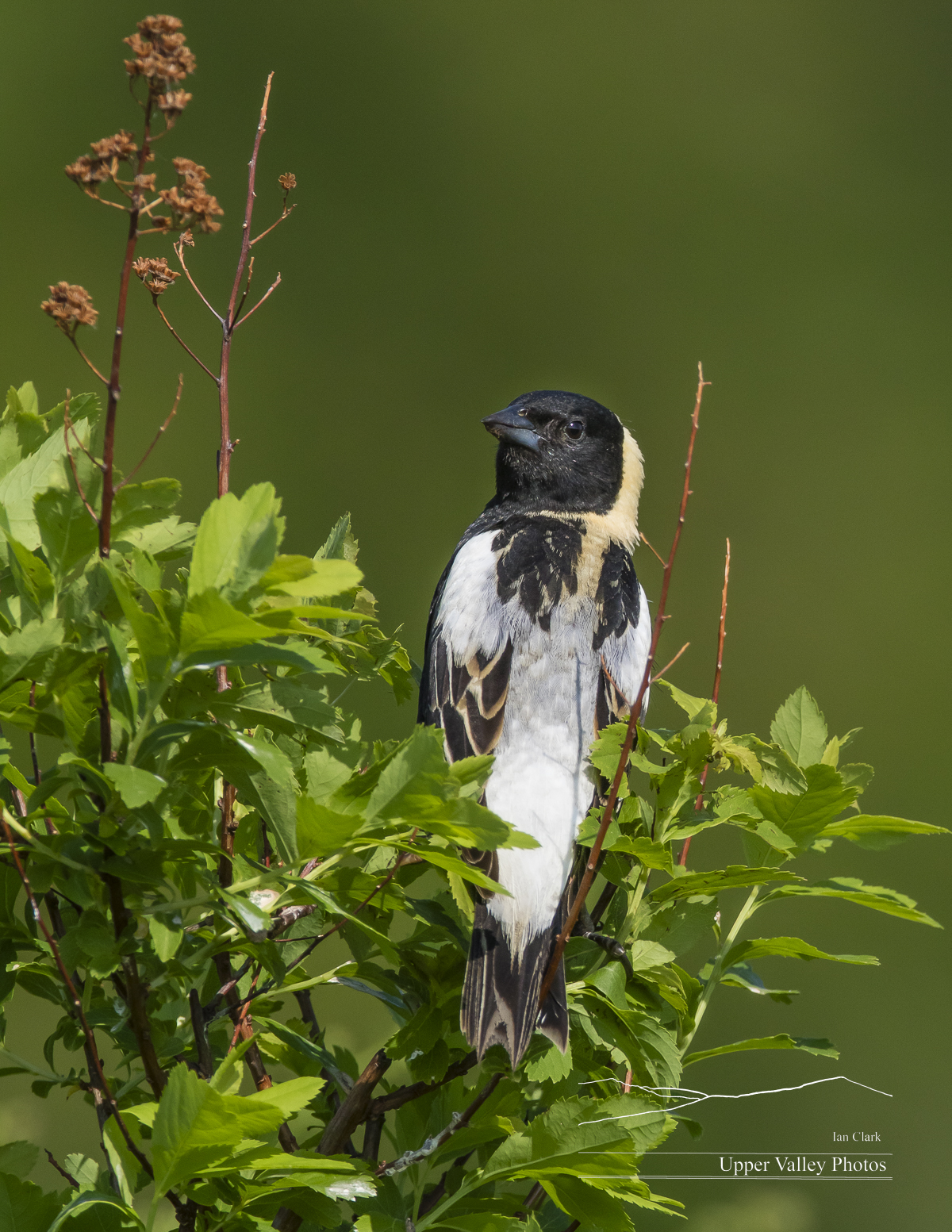
Saw Bob O’Link so I thought I’d take a chance
On Bob O’Link , Bob O’Link (bob, bob, bob, bob, Bob O’Link)
You take my hand (bob, bob, bob, bob, take my hand)
You got me rockin’ and a rollin’ (ho-oh), rockin’ and a reelin’
A very happy Hanukkah and a merry Christmas to all!
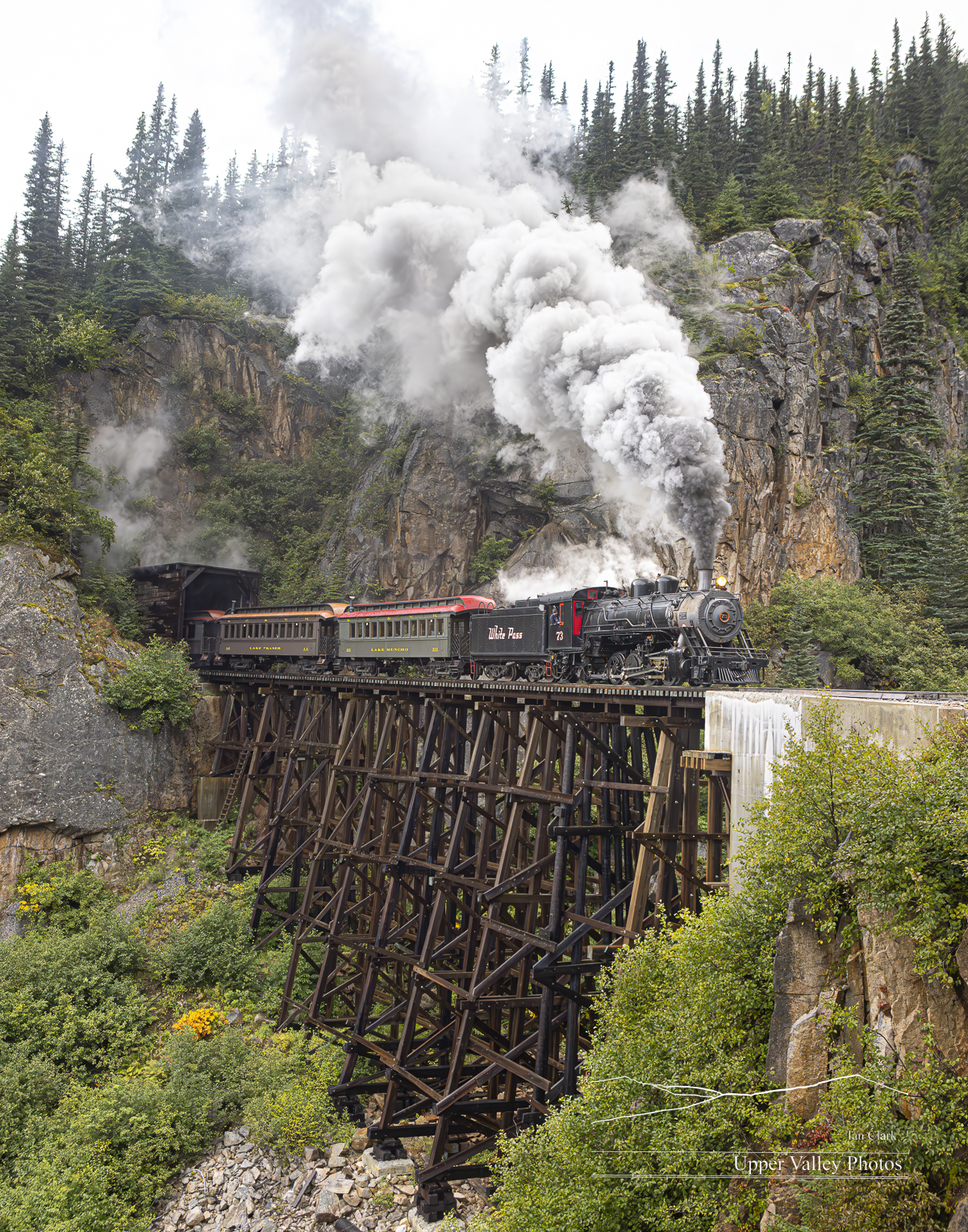
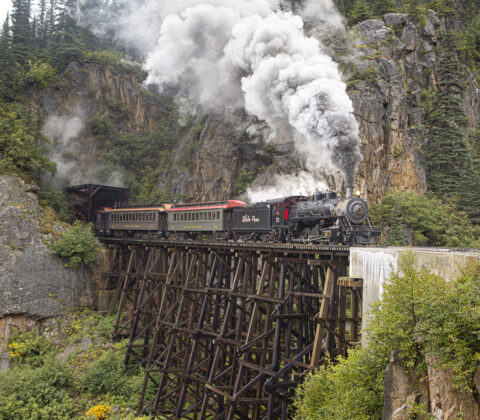
Steam on the White Pass & Yukon Route
The events of August 16, 1896 were what eventually got me to visit Alaska. In 1896 a fellow named Skookum Jim Mason and his family – nephew Dawson Charlie, sister Kate Carmack and George Carmack found gold in Rabbit Creek (now Bonanza Creek) in the Klondike region of the Yukon in Canada. Over the next two years, about 100,000 people headed that way to search for gold.
Few of them made money finding gold. Many of them made money from the people looking for gold. Canada required would-be miners entering the country to carry a year’s worth of food. That and their supplies for mining came to something like 1,000 pounds. Shops sprang up in Skagway to provide the supplies for prospectors heading north.
In another scheme to make money off prospectors, George Brackett, a civil engineer that worked on the Northern Pacific Railroad built a toll road through the White Pass above Skagway. Travelers ignored the toll gates and the project was a financial failure.
The White Pass & Yukon Railroad Company bought Brackett out and on May 28, 1898 started construction of a 3-foot gauge (the distance between the rails, standard gauge is 4′ 8.5″) railroad from Skagway to the Yukon using much of Brackett’s road for their right-of-way. Riding in a heated coach with your supplies in the luggage car proved to be more popular than hiking up the hills to get to the Yukon.
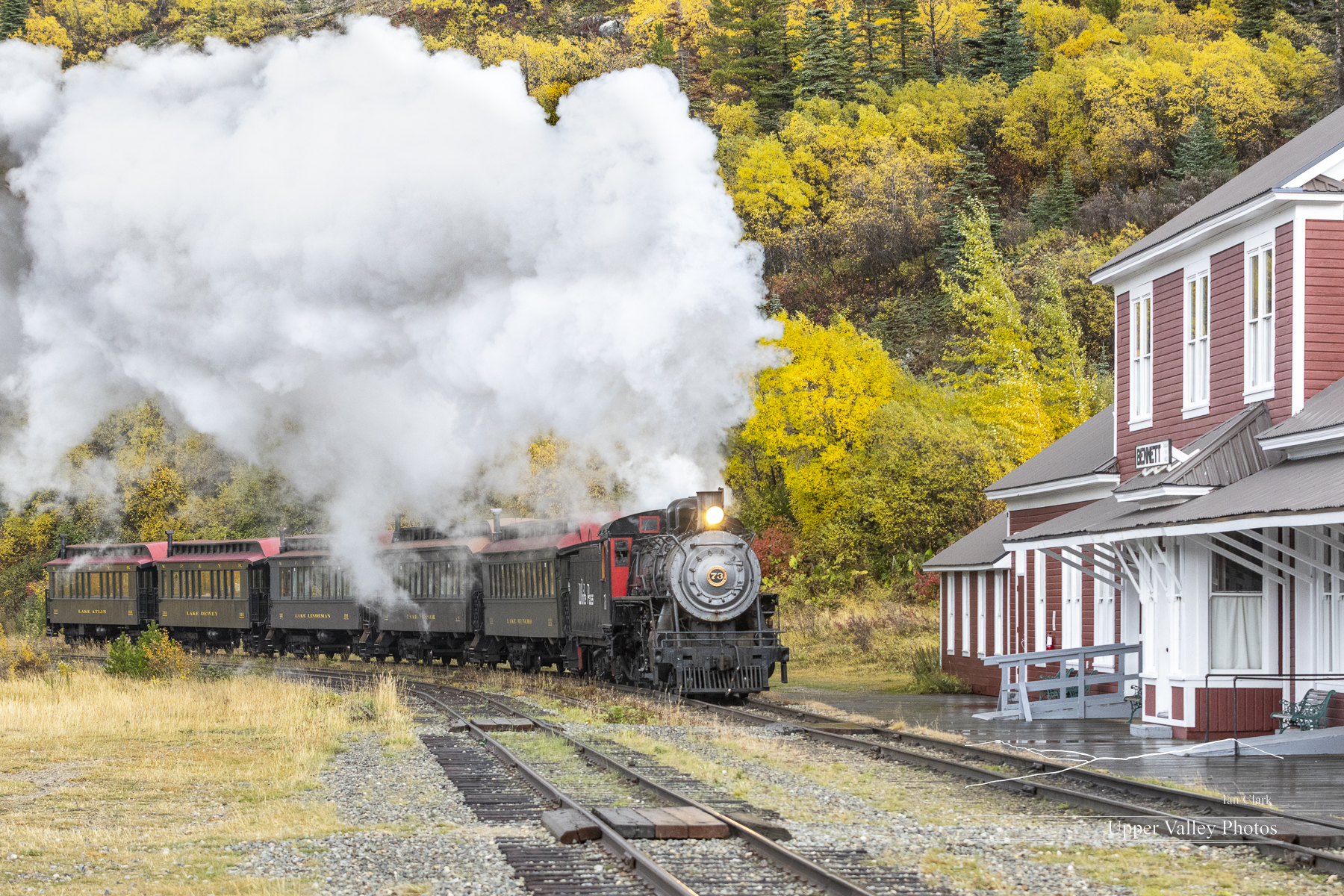
That railroad survives today as a tourist line. They’ve restored one of their steam locomotives, number 73, a 2-8-2 Mikado type built by the Baldwin Locomotive Works in Pennsylvania in May 1947.
I’ve been tracking down and photographing the remaining operational steam locomotives since the late 1970s. Getting a chance to photograph no. 73 was always on my list.
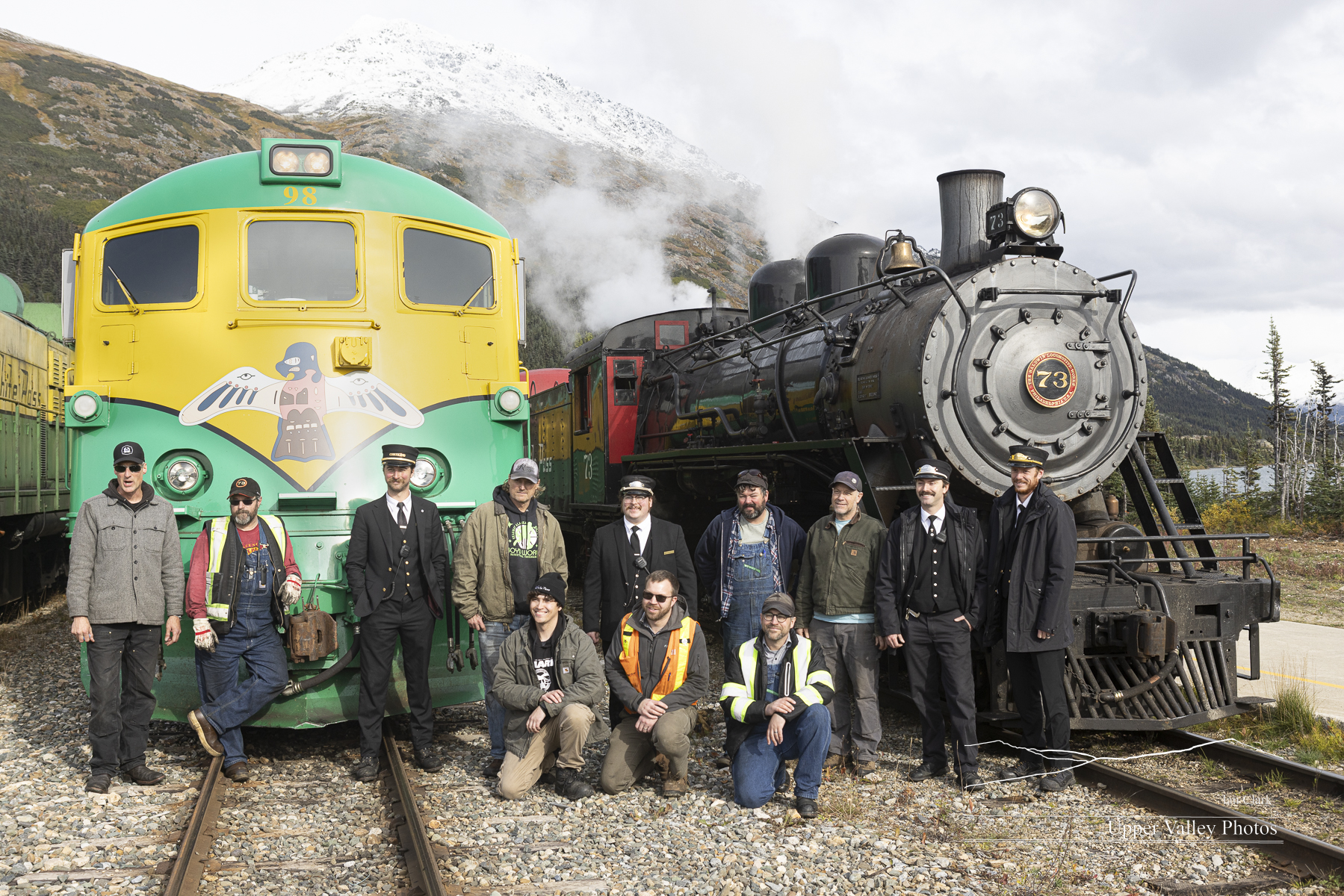
Pete Lerro of Lerro Productions organized a charter where the railroad ran the steam engine for us to photograph. Pete is an outstanding photographer who is willing to put in all the advance work to get great photos. He runs a number of workshops every year with subjects ranging from steam locomotives to air-to-air shoots of WWII vintage aircraft to lighthouse and National Park trips. If you’ve got an interest in photography, check Pete’s page out. He always runs a good shoot and he’s got the right personality for working with groups of cranky photographers. But, be forewarned. Pete is serious about getting great shots and his workshops may not be for those with a casual interest. Expect long hours – on our second day, we departed at 6:30 am and after some night shots, the train returned about 11:00 p.m.
You can ride the White Pass & Yukon most days between late April and early October every year. Most trips are powered by diesel locomotives, but no. 73 does work on some regularly scheduled trains. It is worth the trip. You’ll ride through some absolutely amazing scenery.
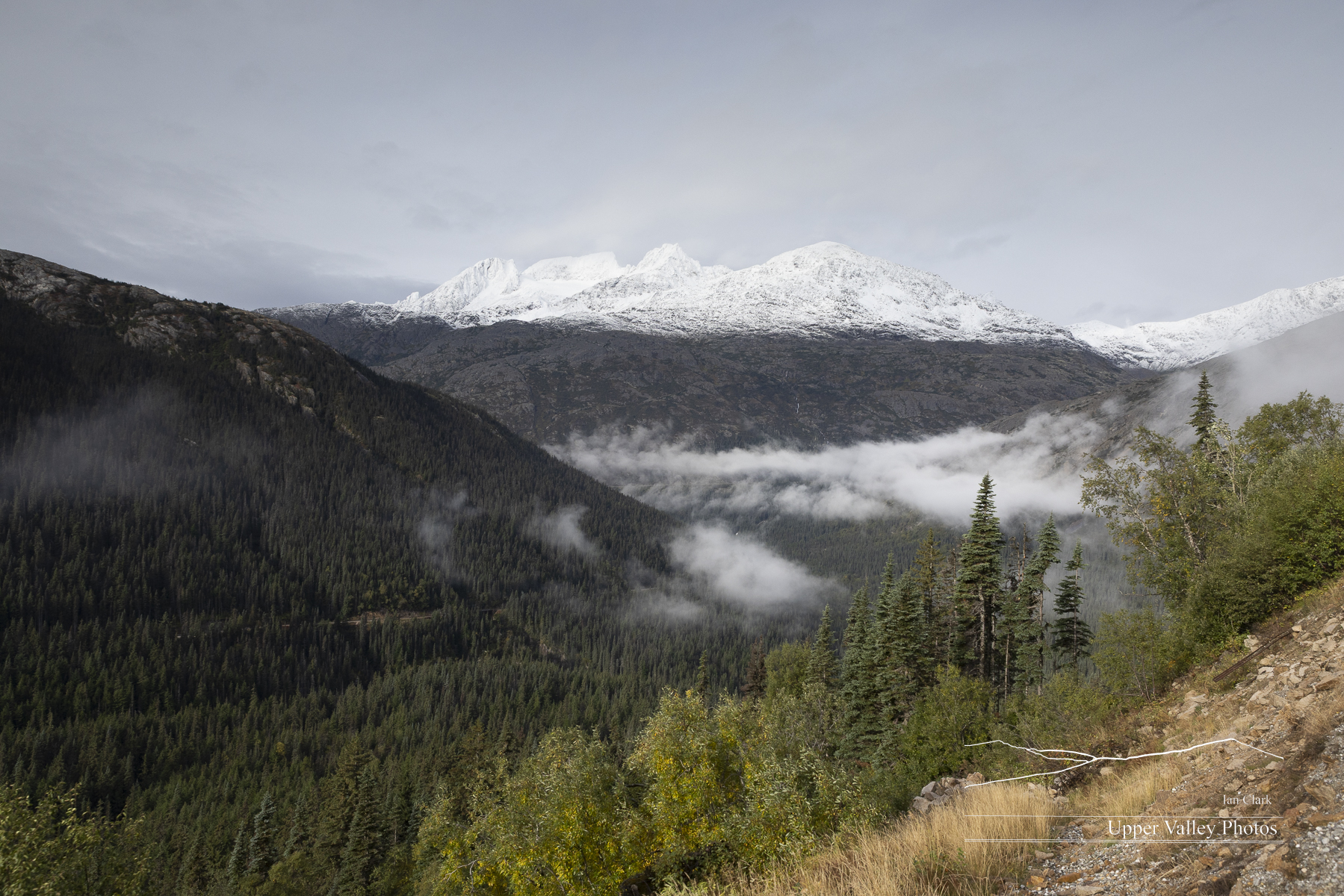
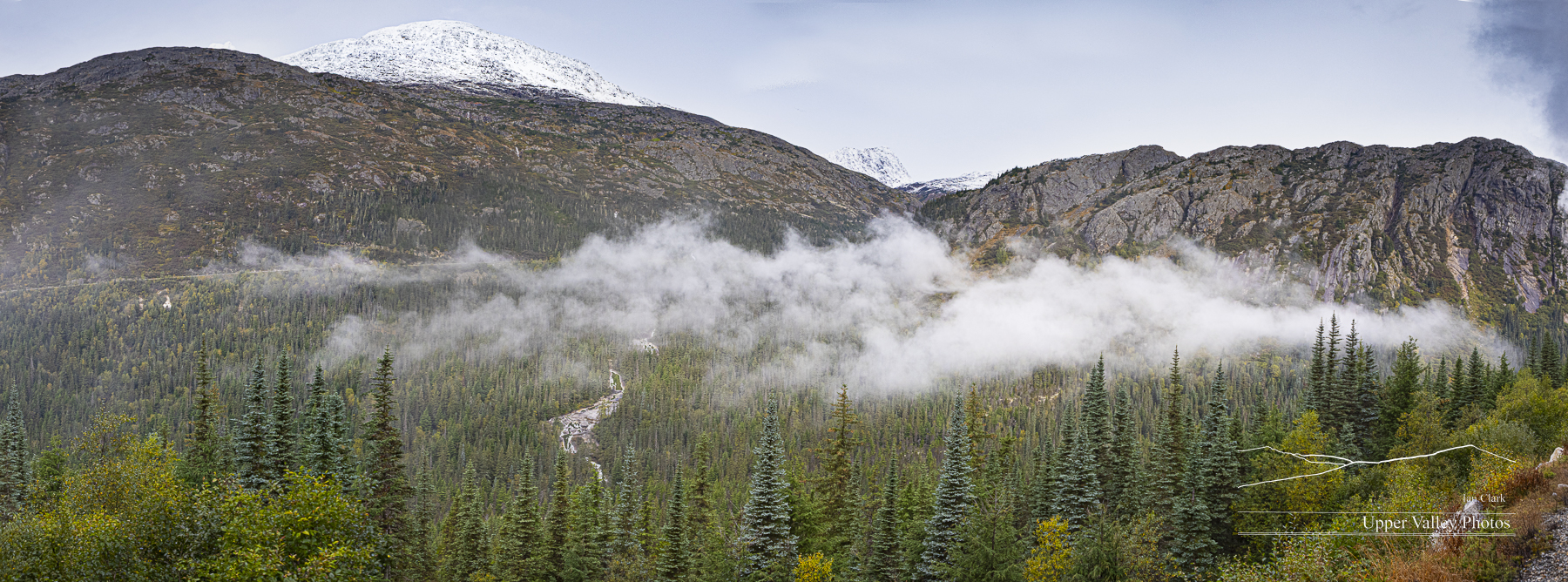
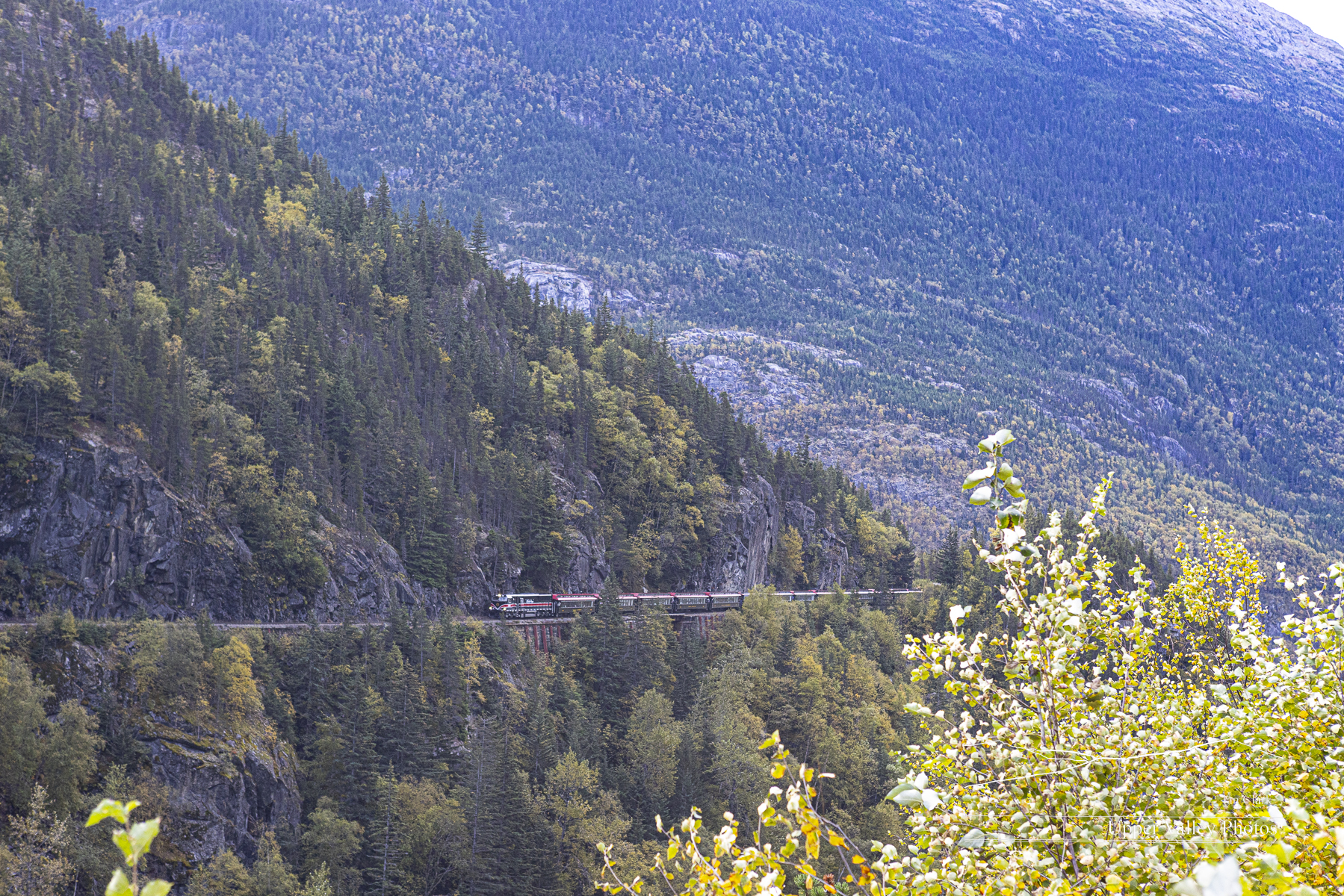
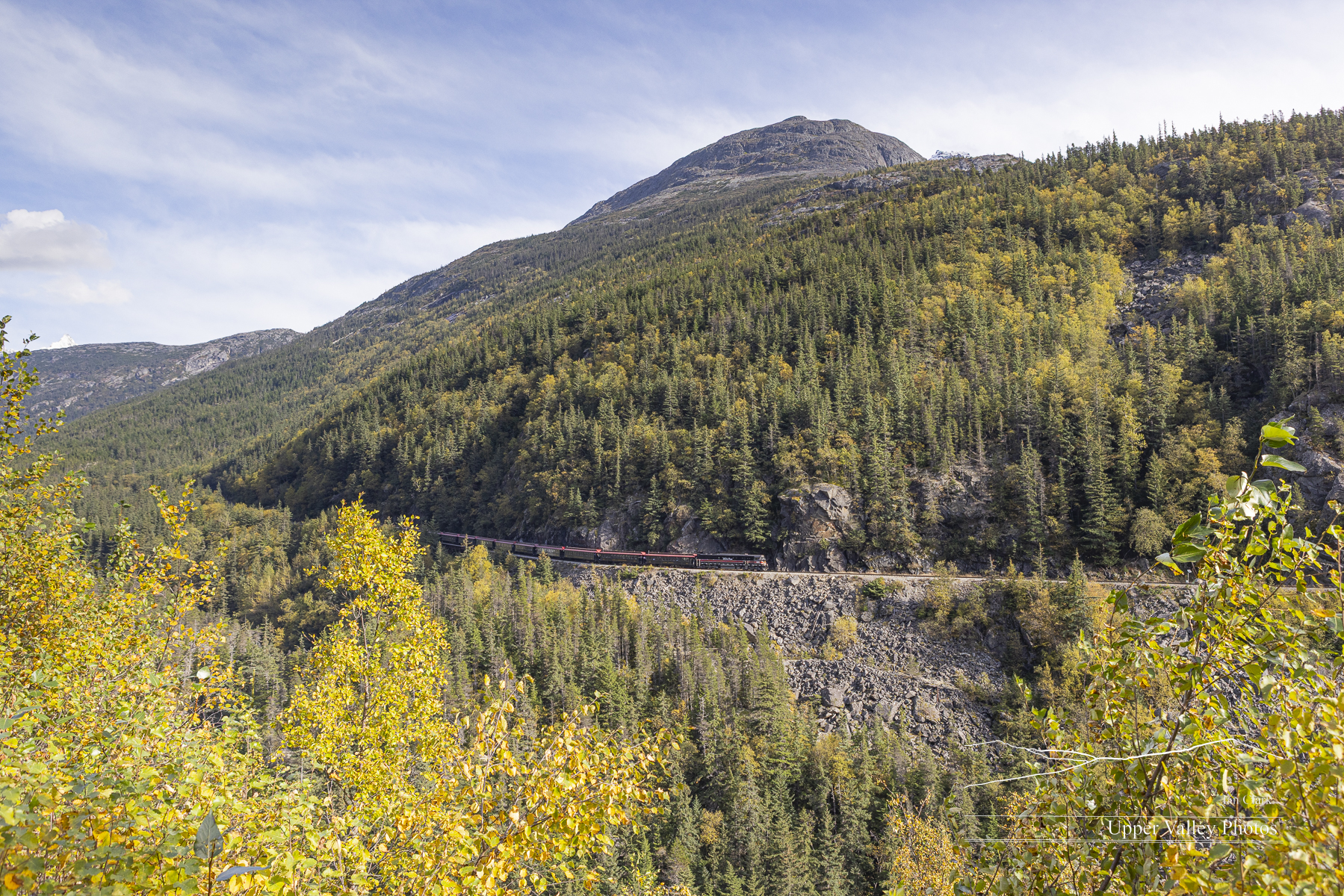
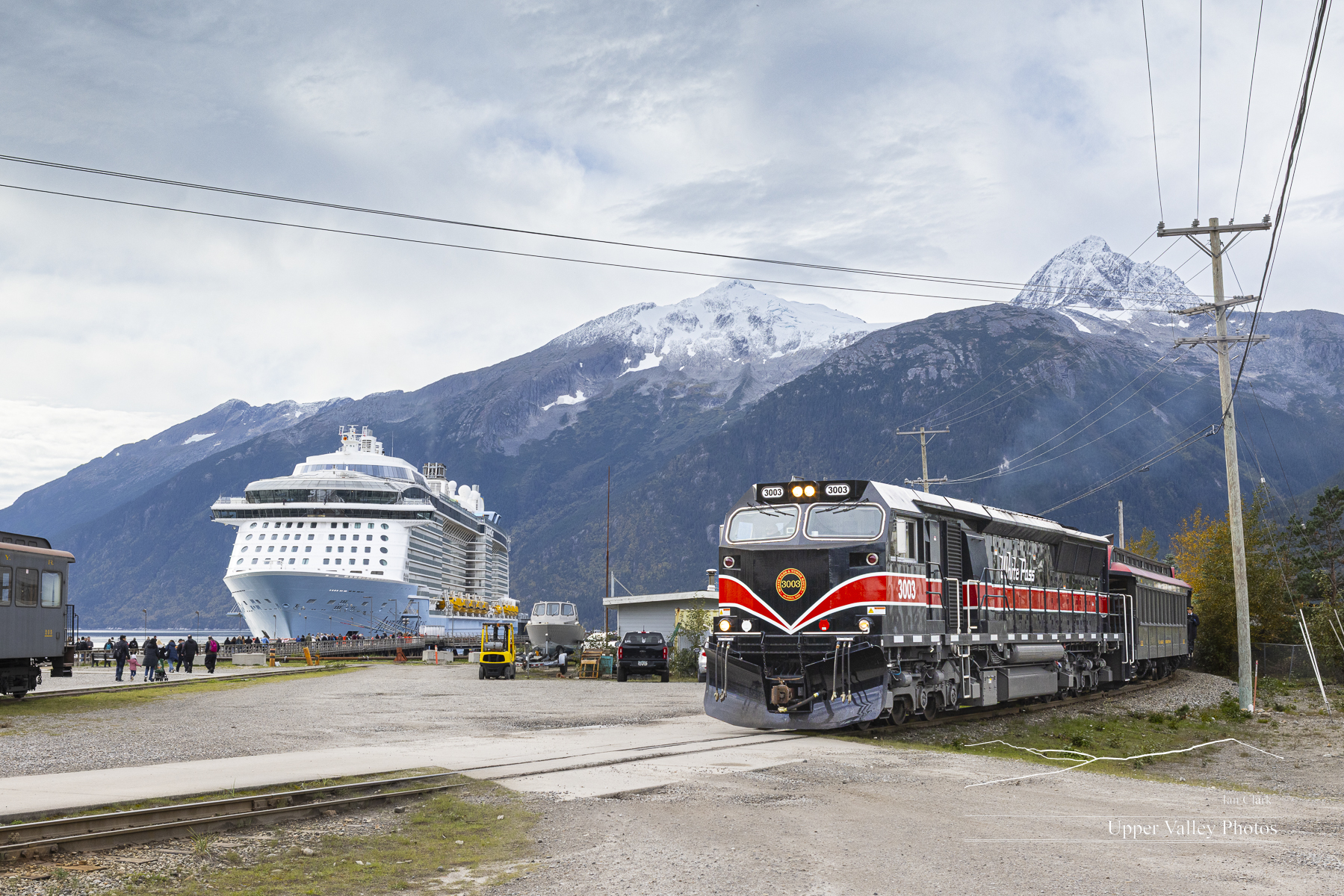
On to our excursion. The first day dawned overcast. As we headed up – unless you leave Skagway by ship, you go up – towards Carcross, Yukon, we found the weather either wet or wetter in the valleys along the way. We were ever hopeful for blue skies. We never quite got them, but mostly avoided the rain on our stops.
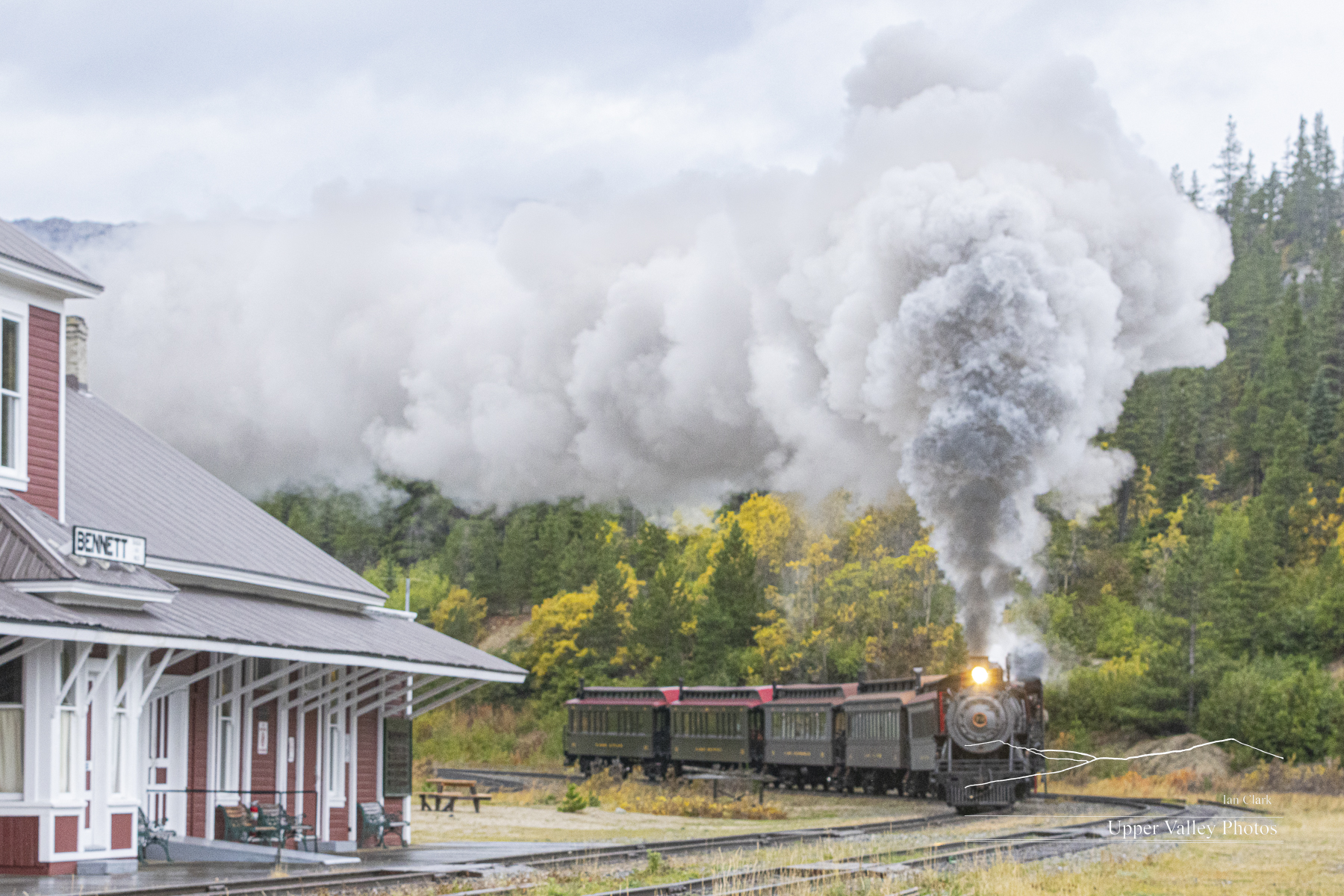
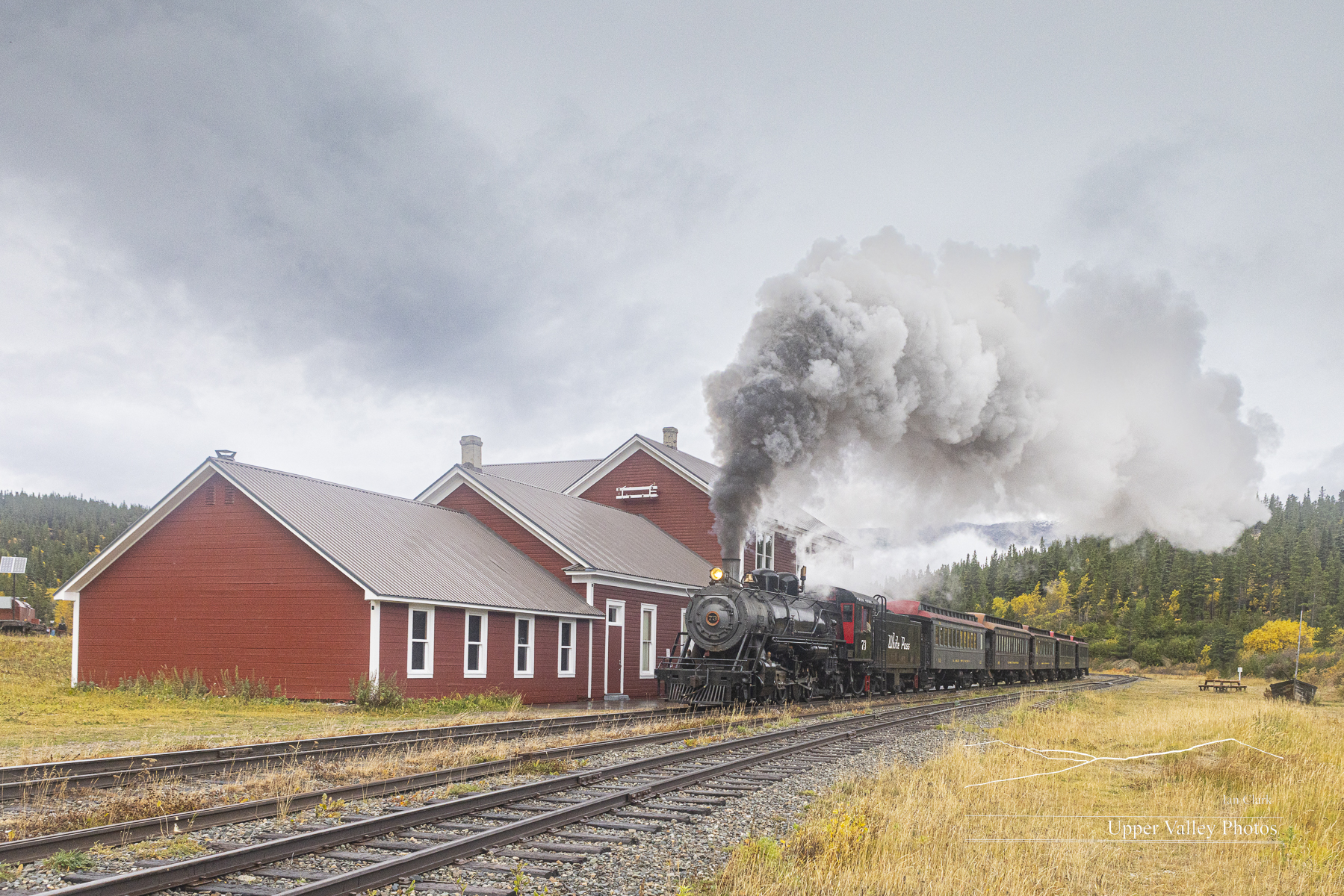
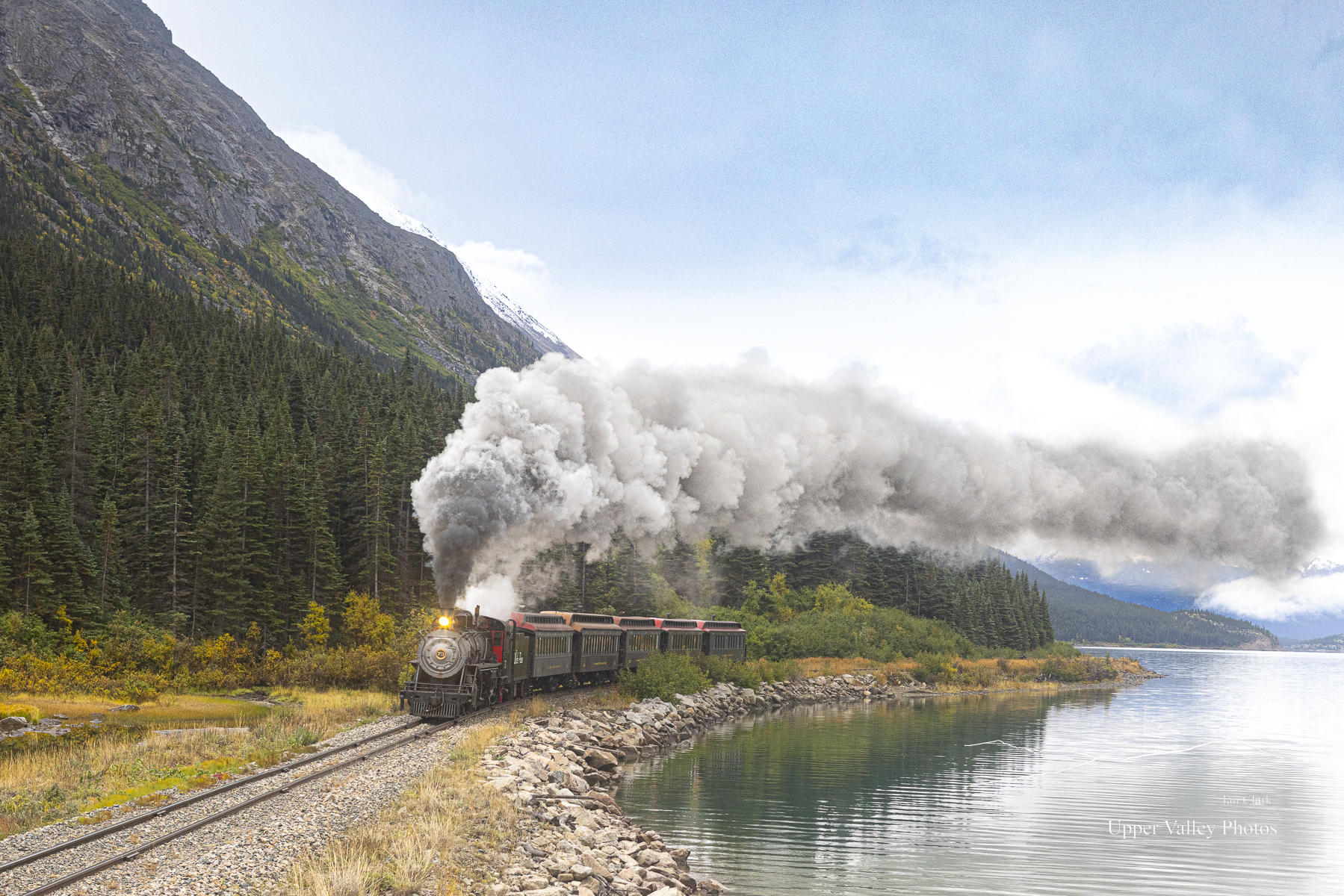
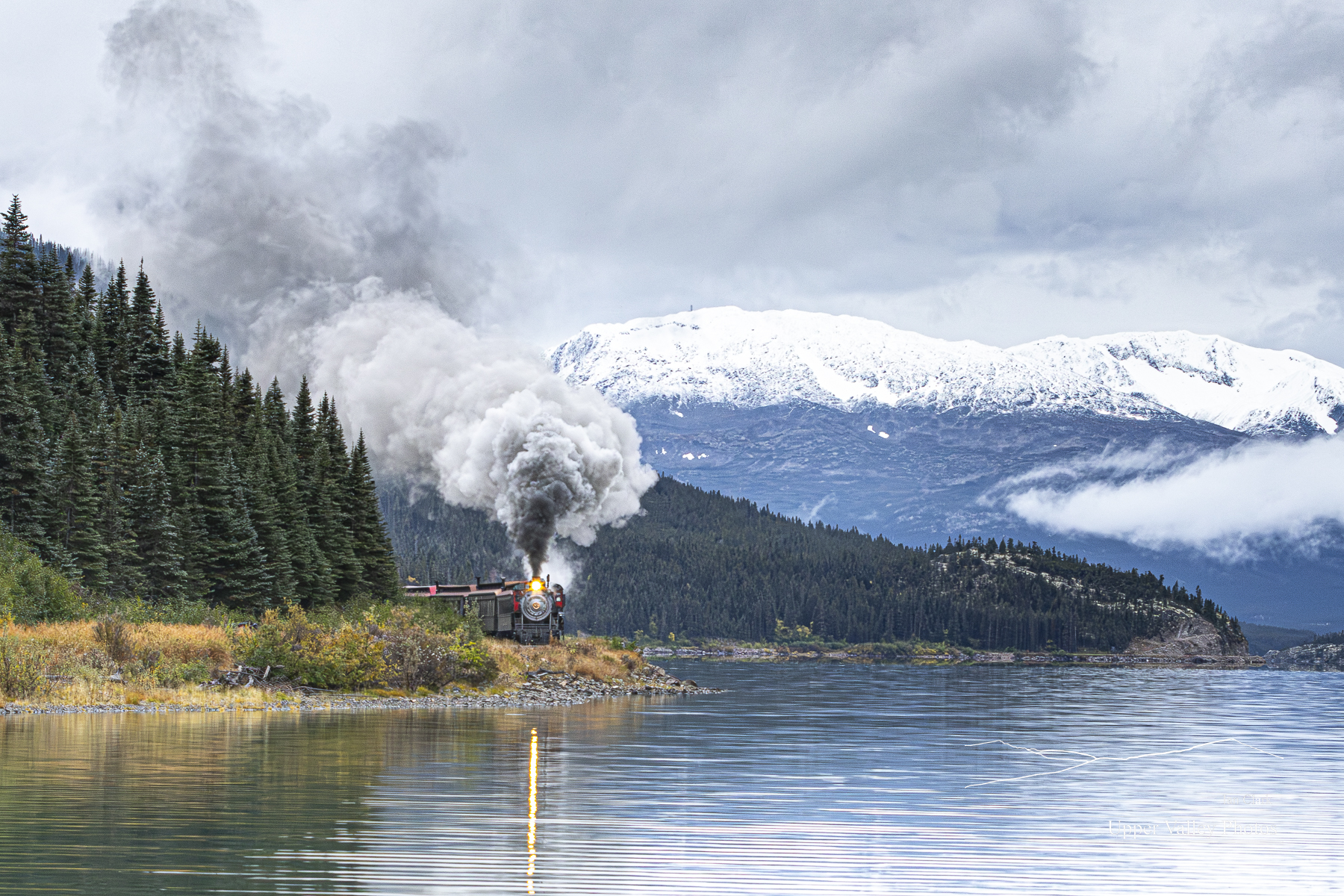
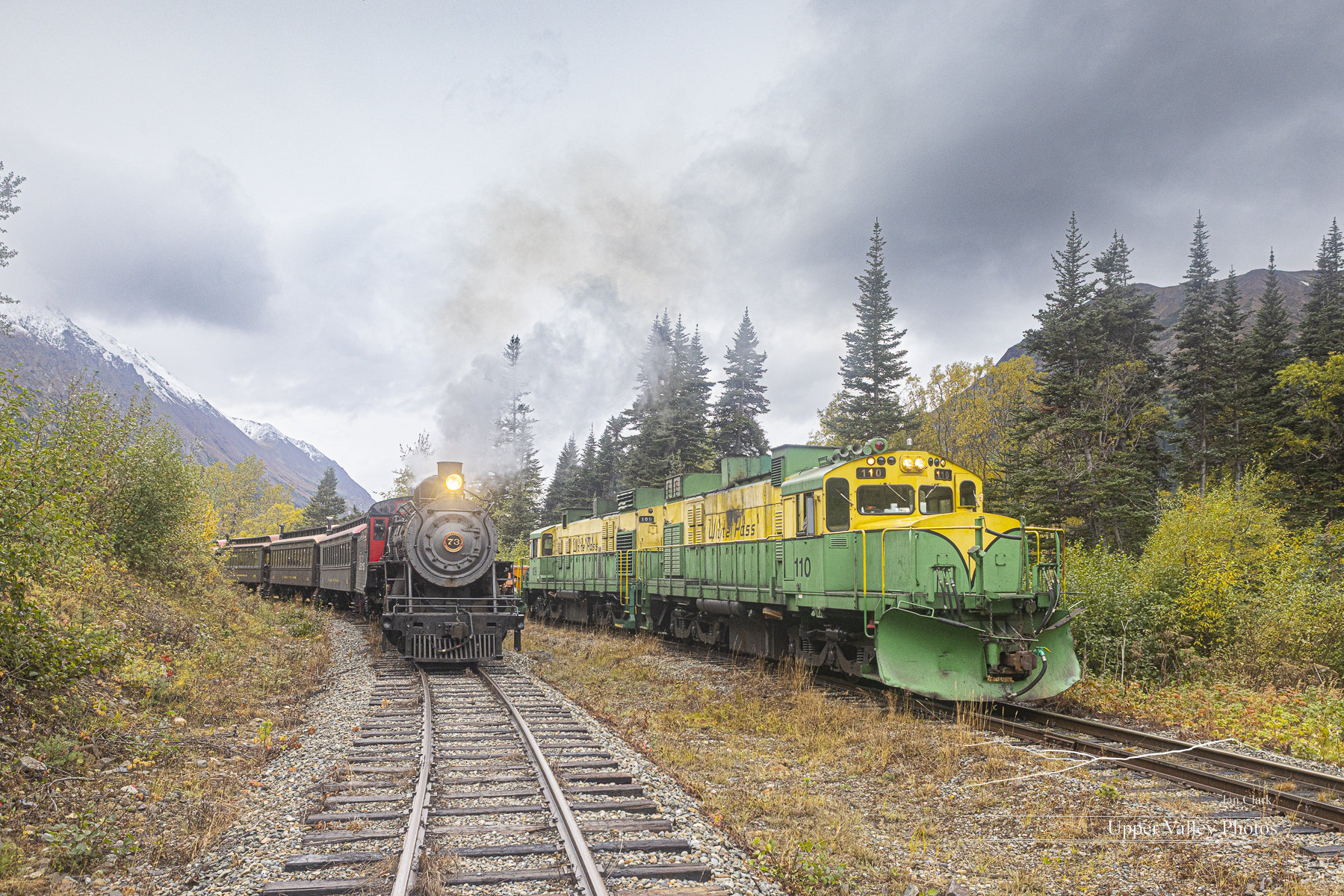
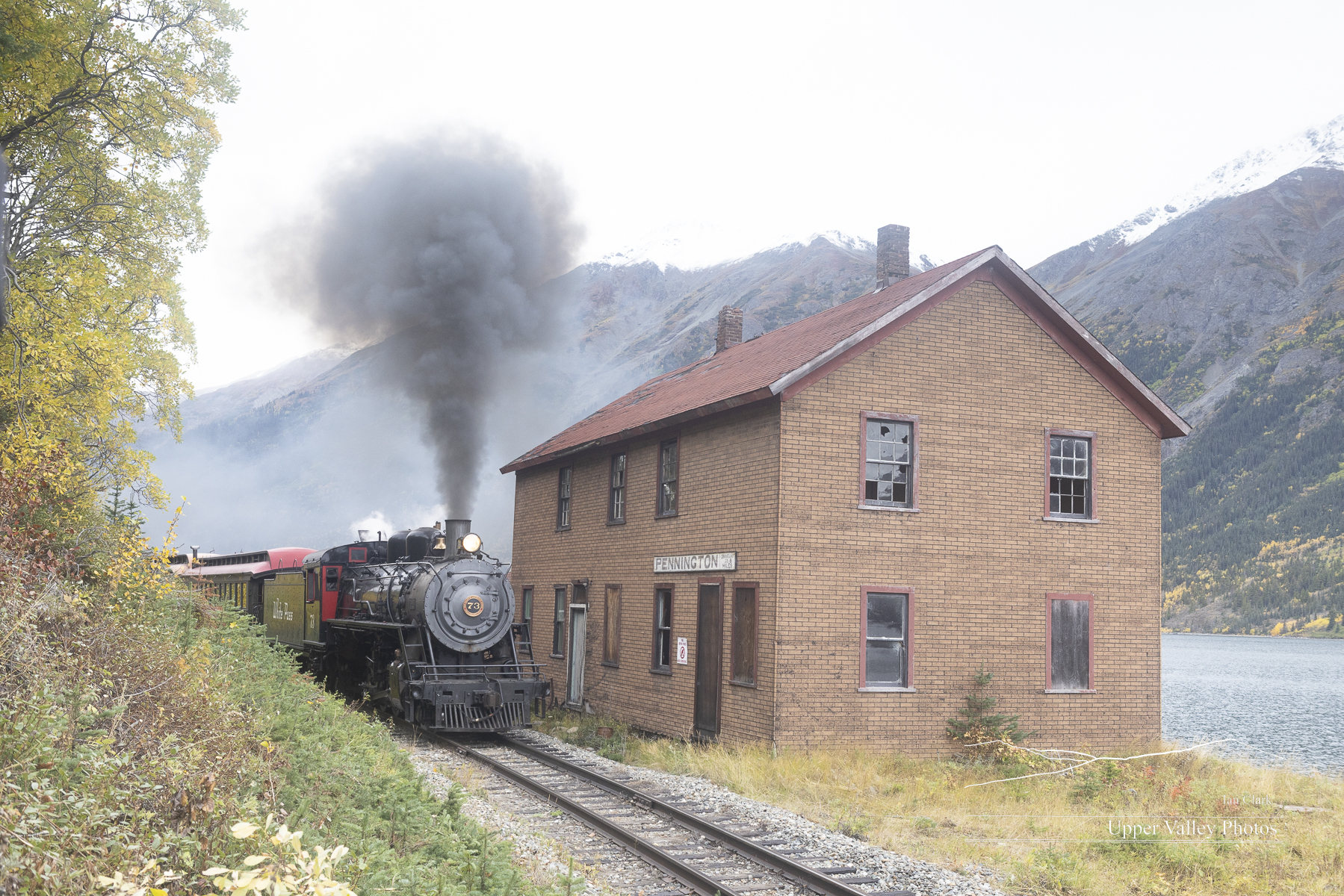
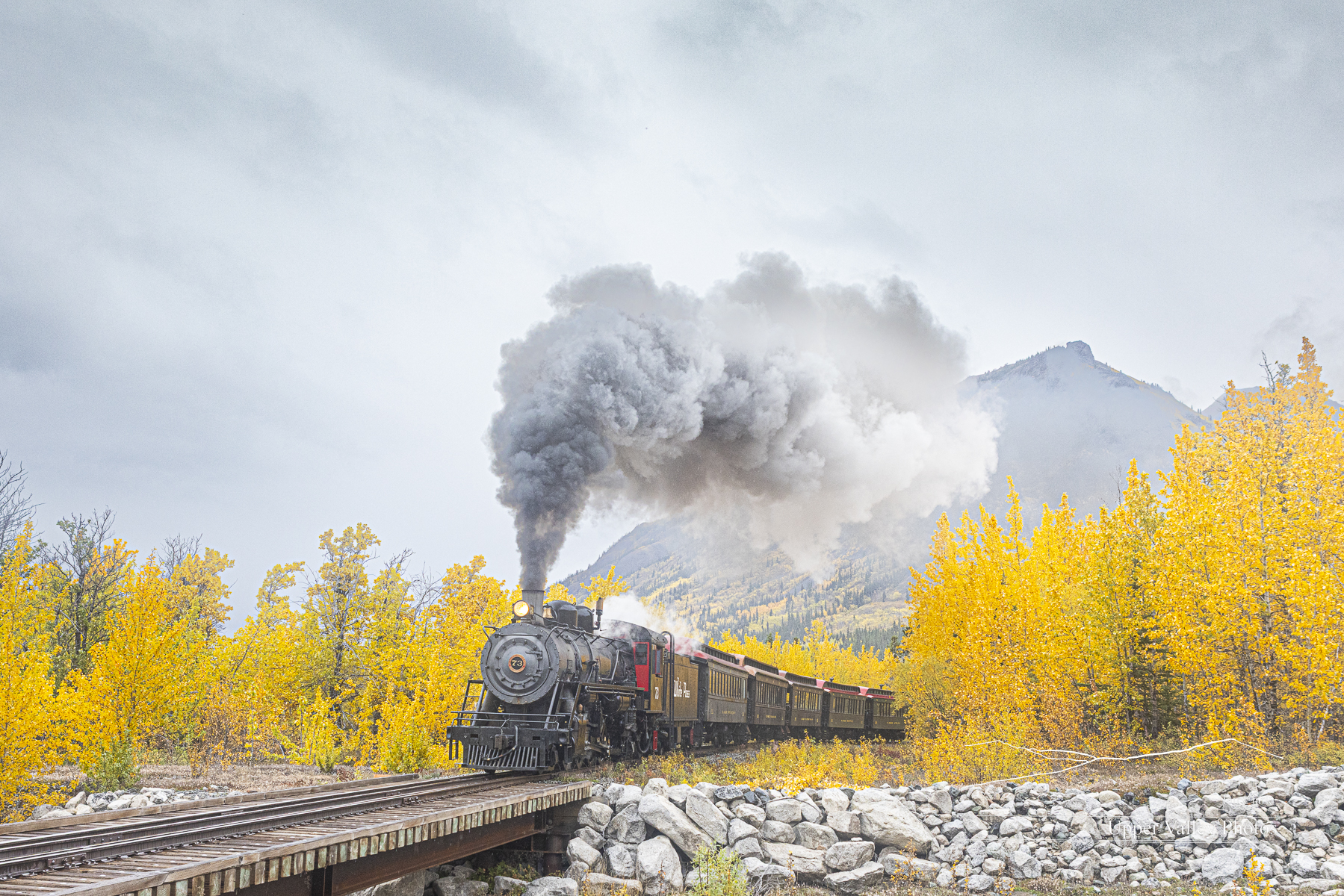
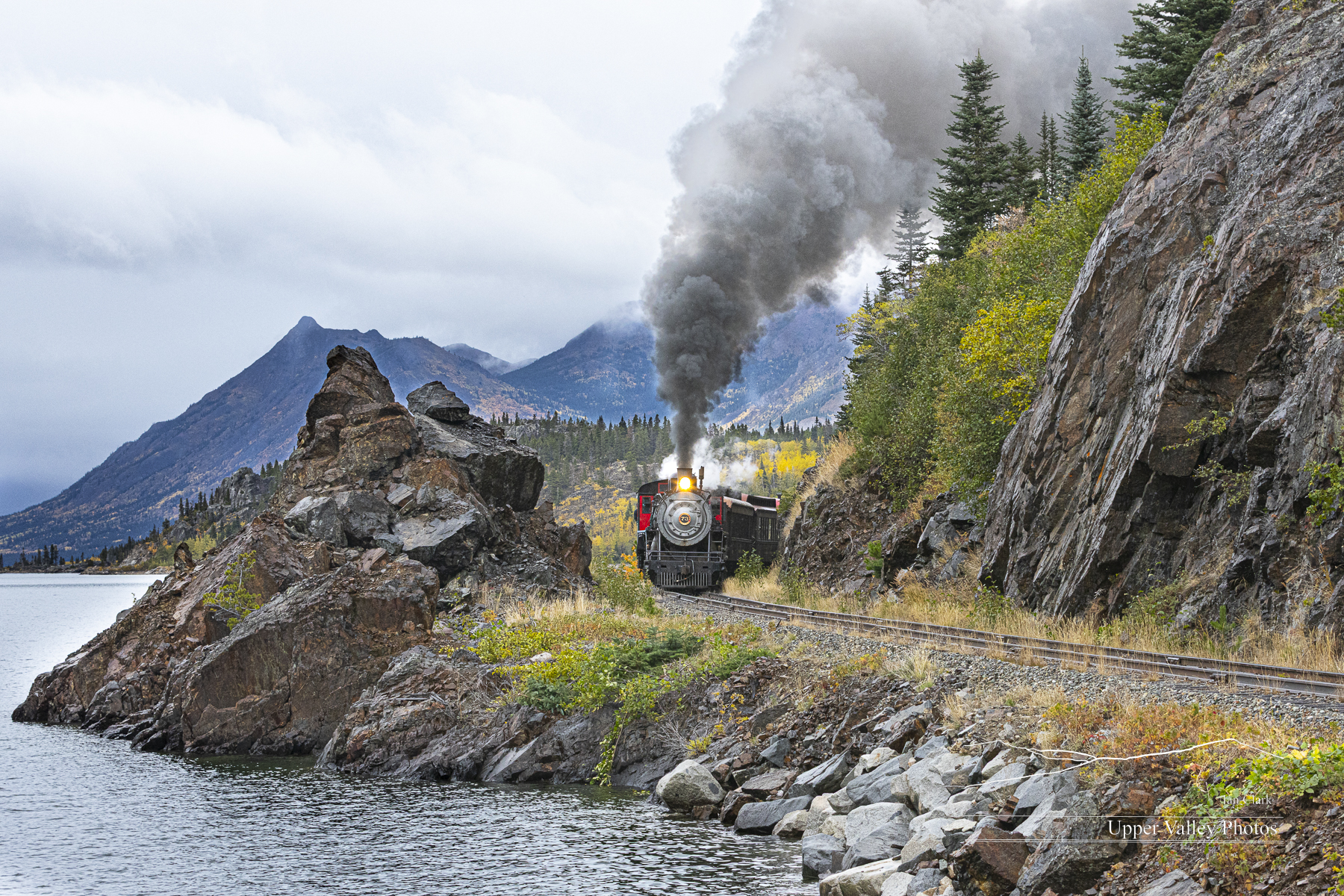
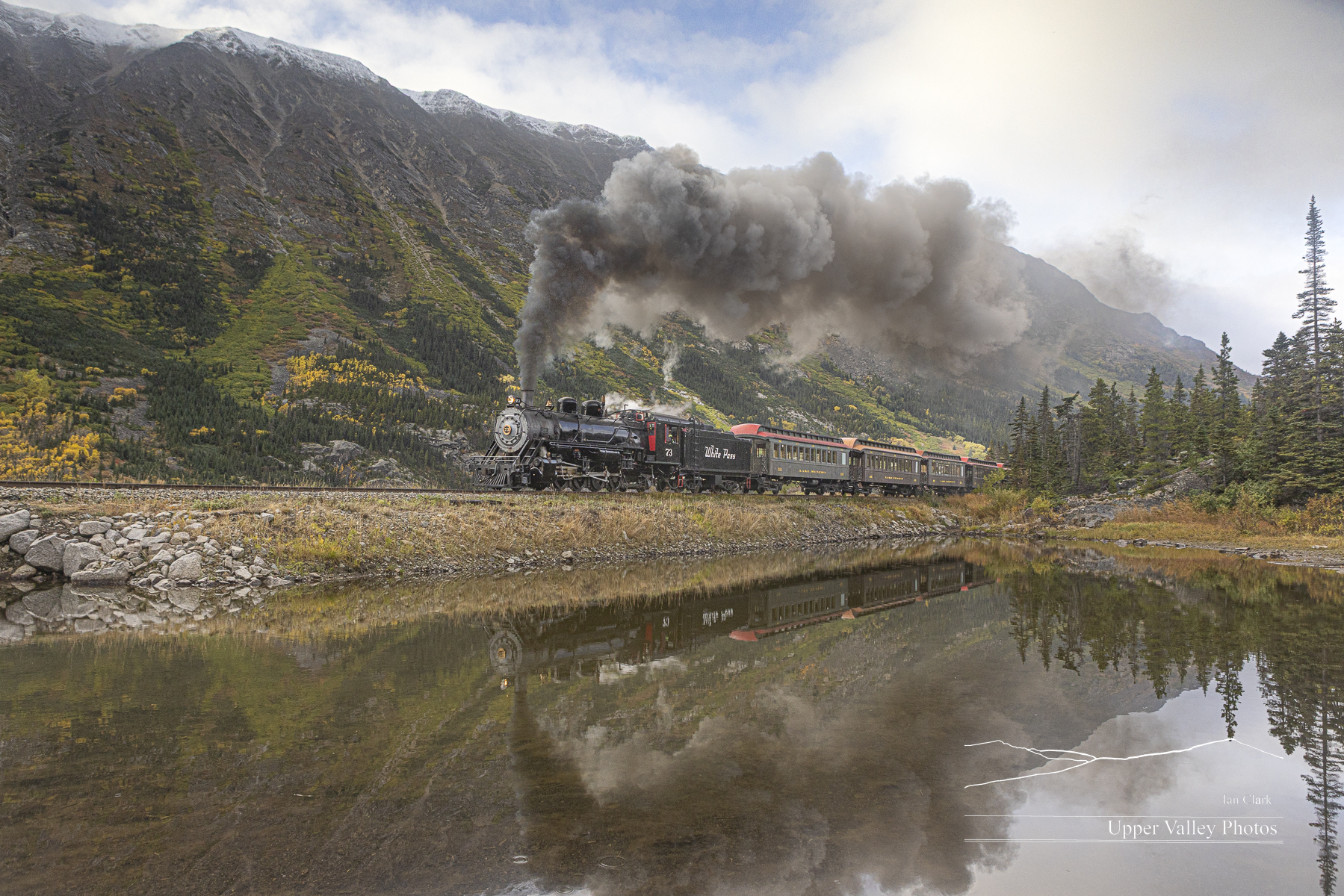
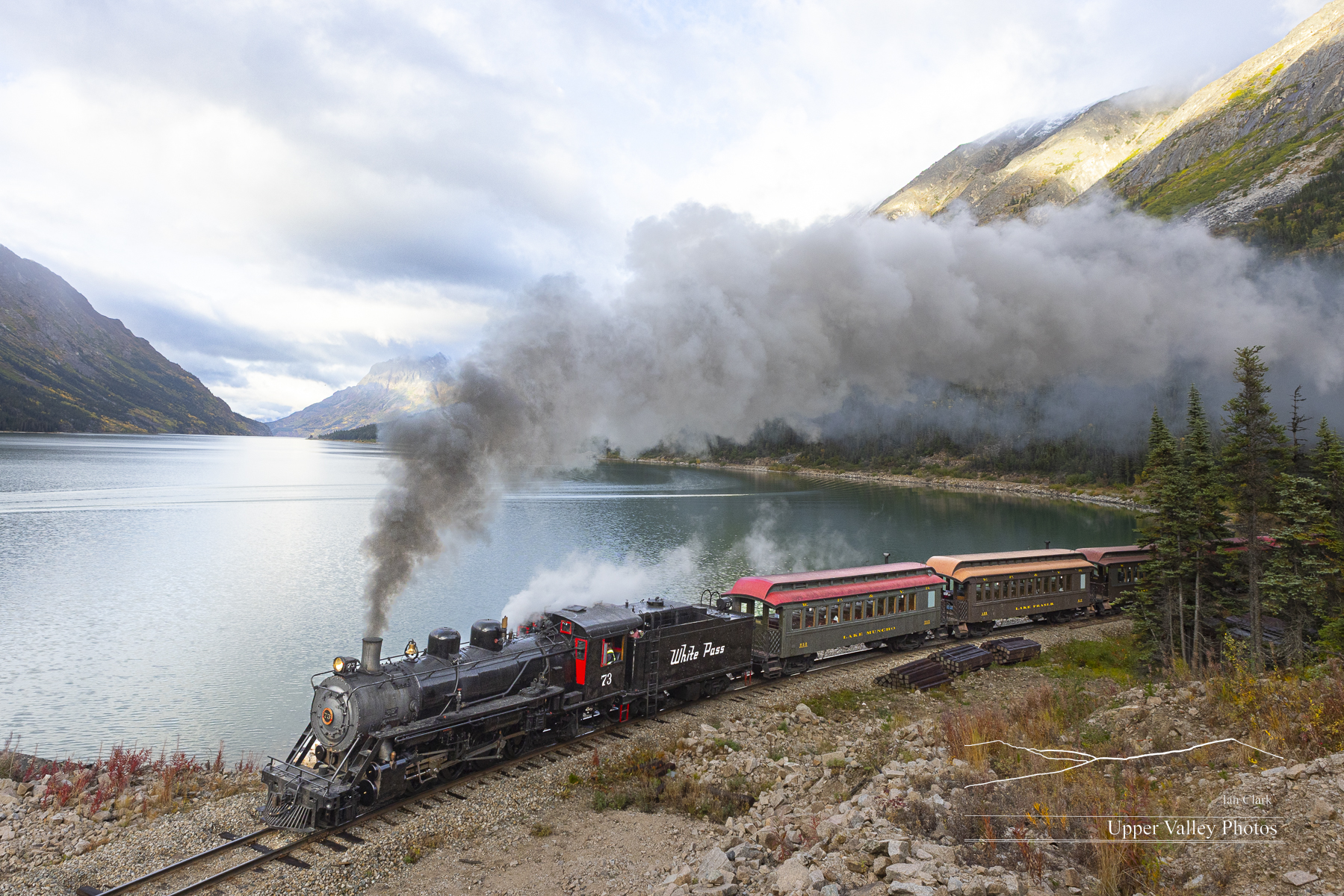
We headed back to Skagway for the night.
Our second day sort of dawned to very heavy overcast. The railroad didn’t have any regular excursion trains scheduled and we could work on the south end of the railroad without getting in the way.
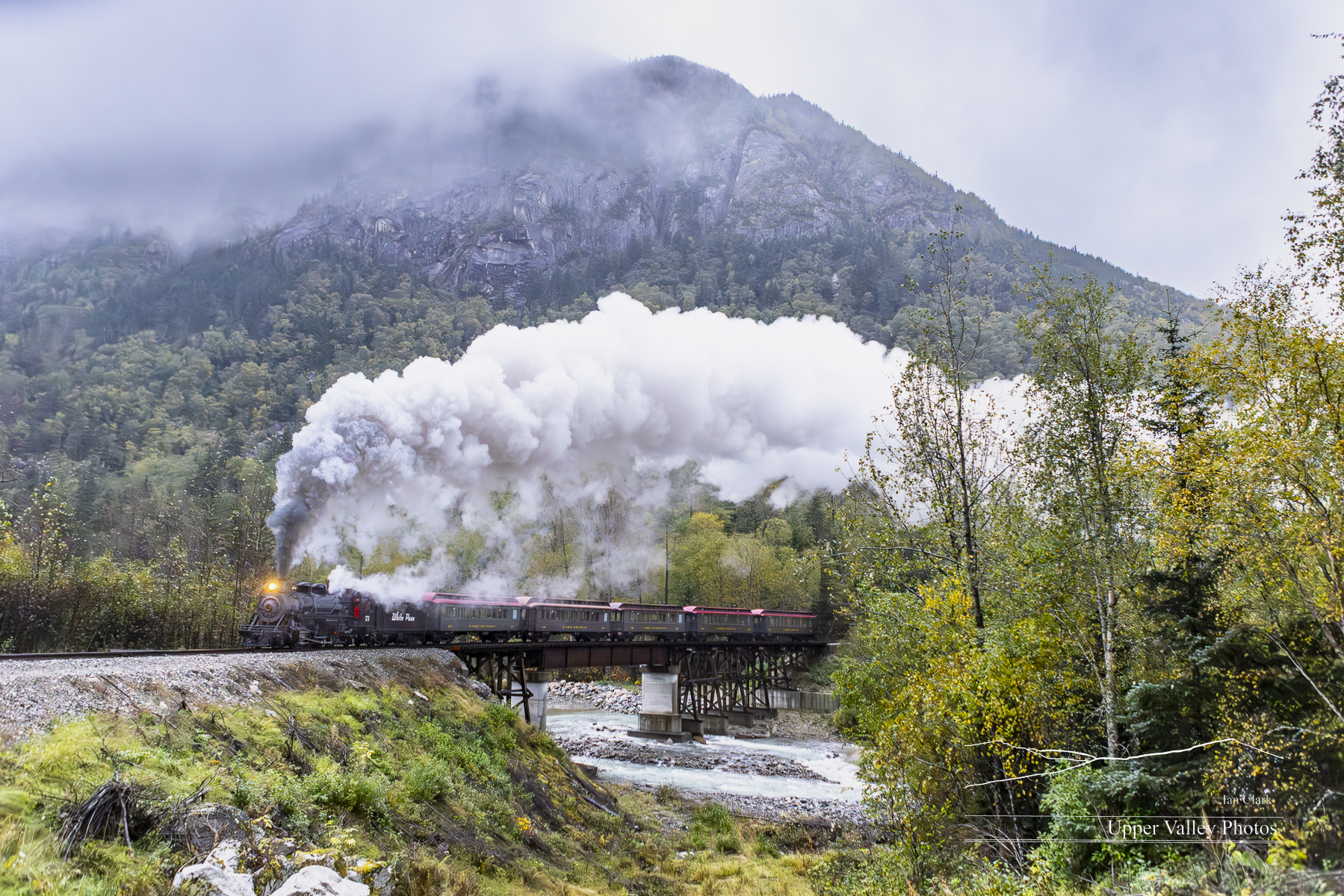
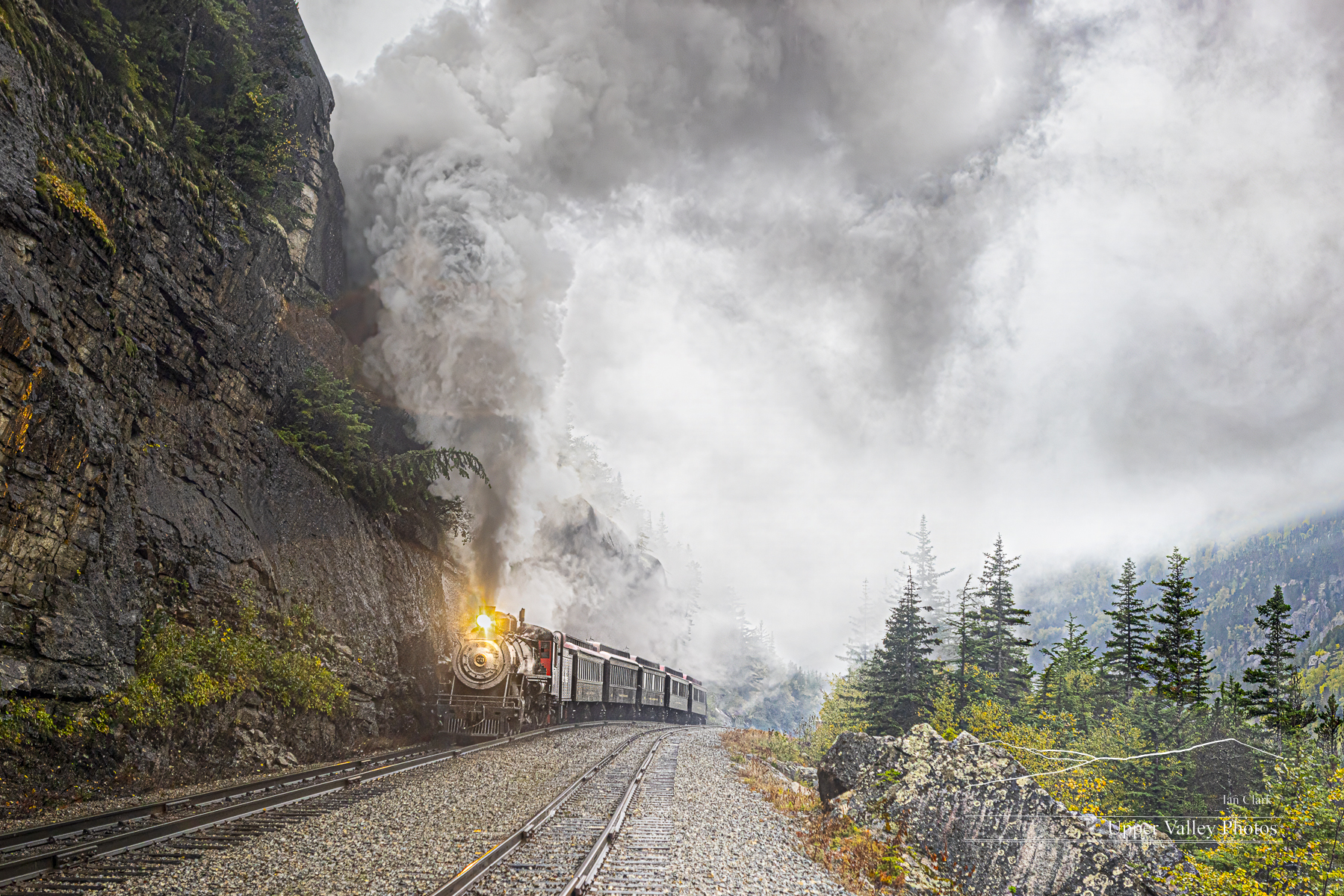
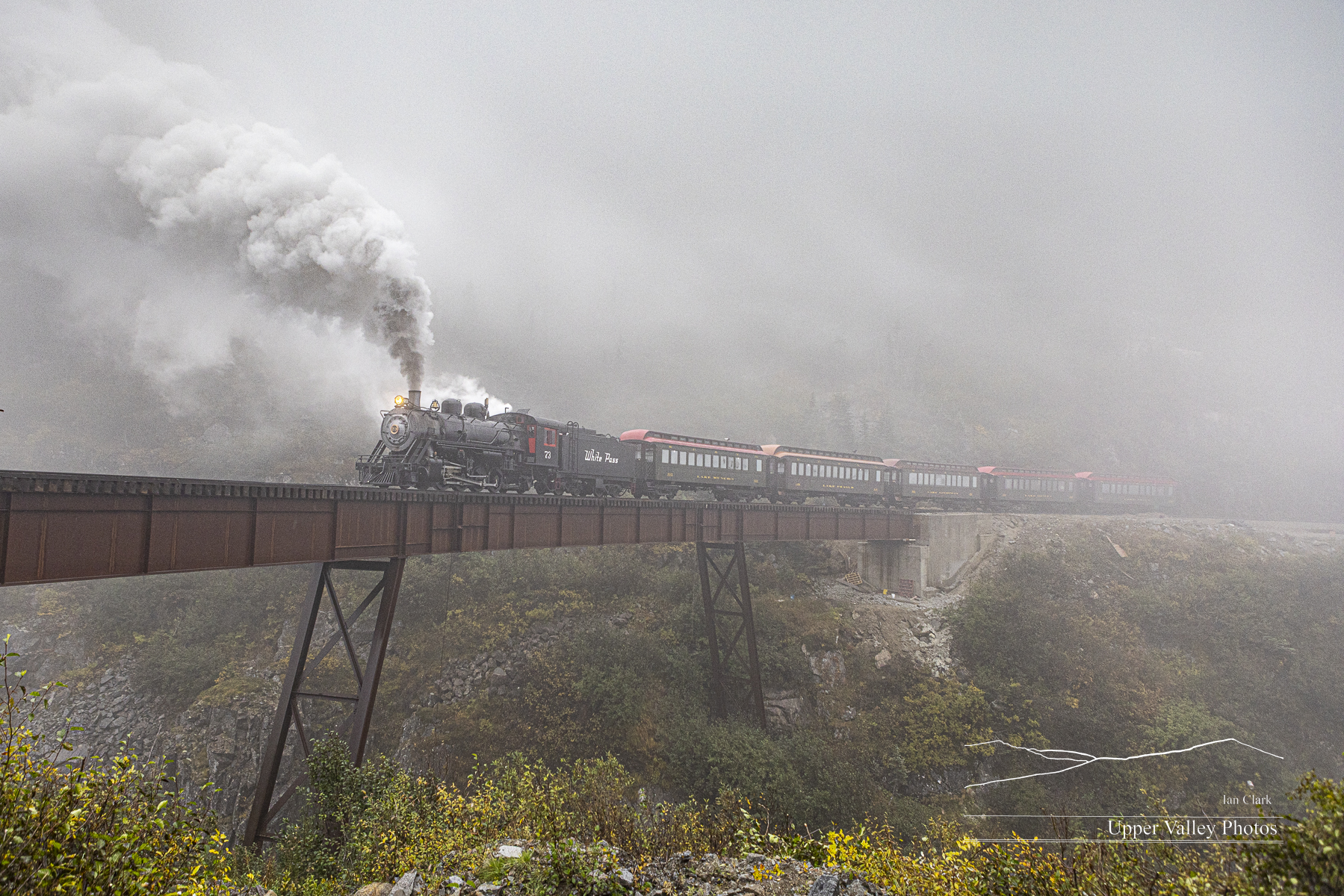
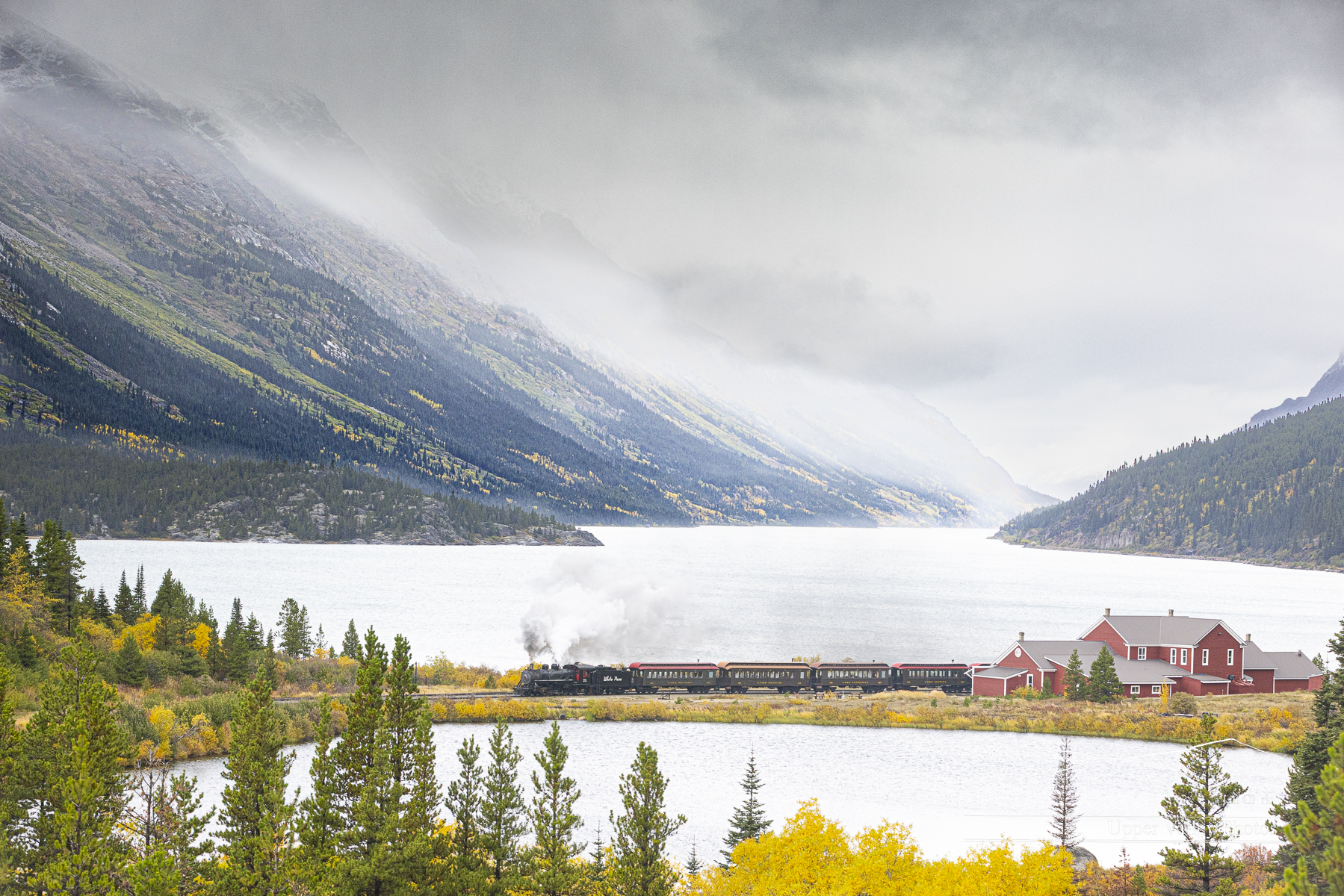
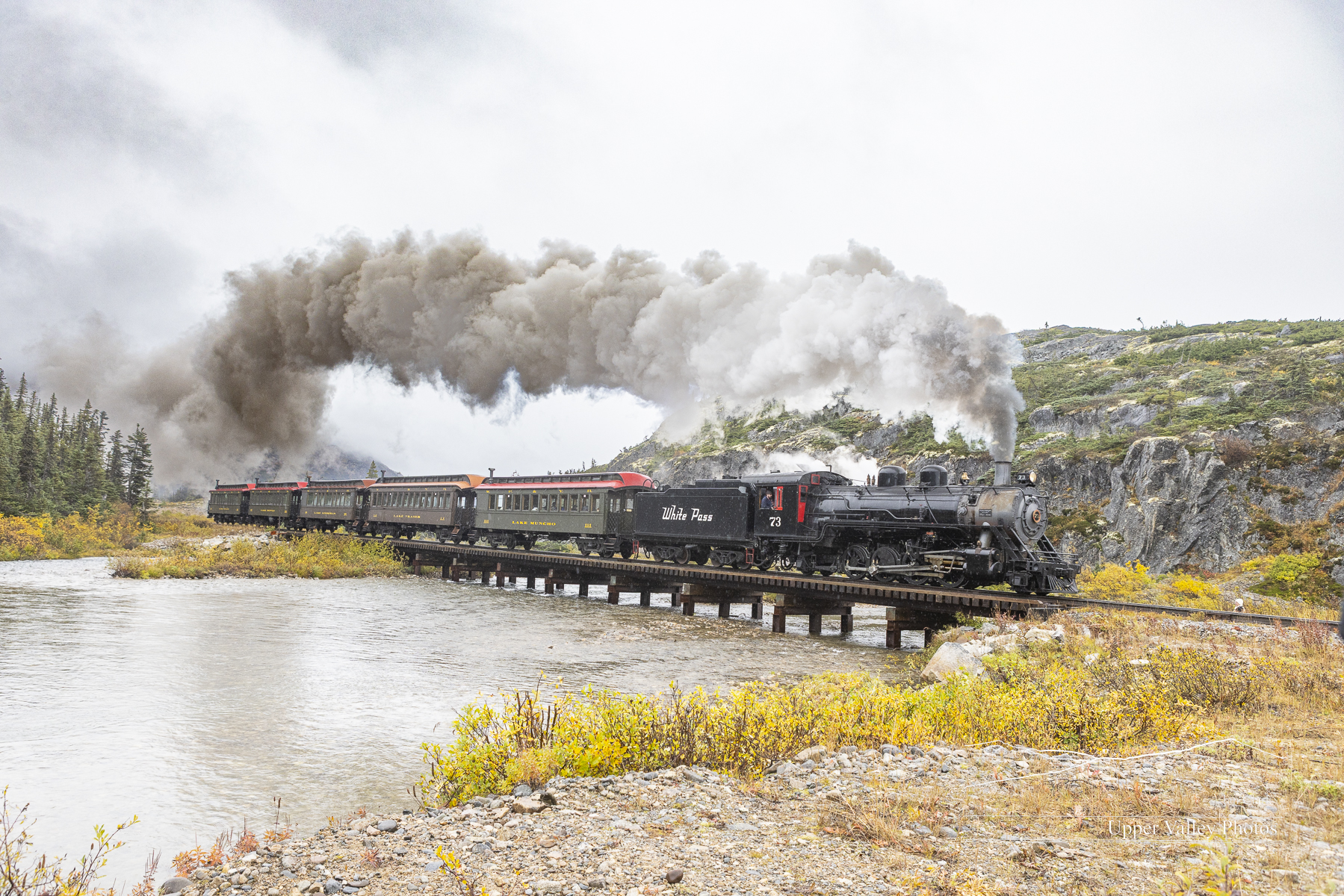
We returned to Skagway. More ambitious photographers grabbed some dinner and headed back out for some night shots. We wiser photographers went to bed.
Our last morning started brighter than the previous mornings. Which isn’t saying much…..
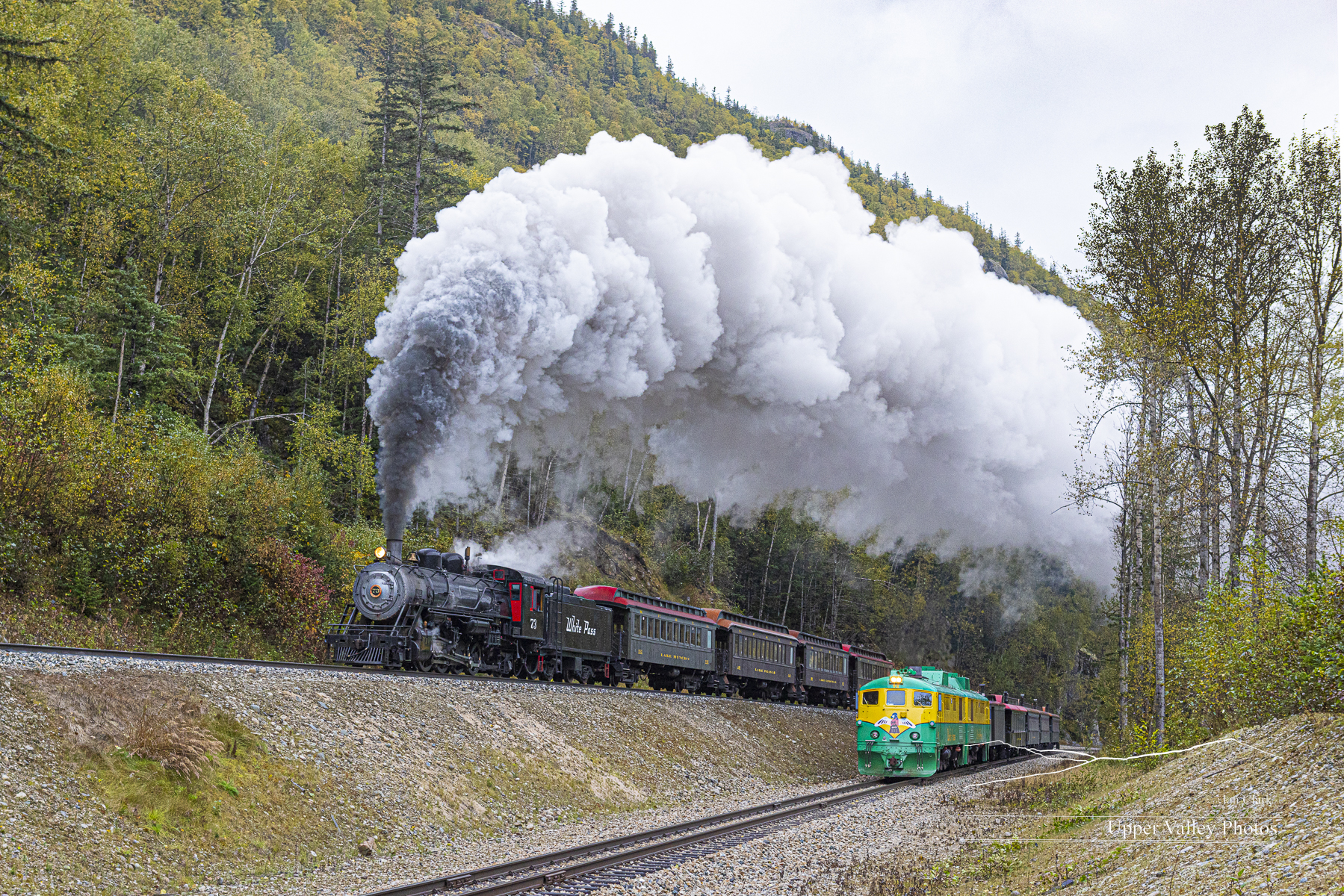
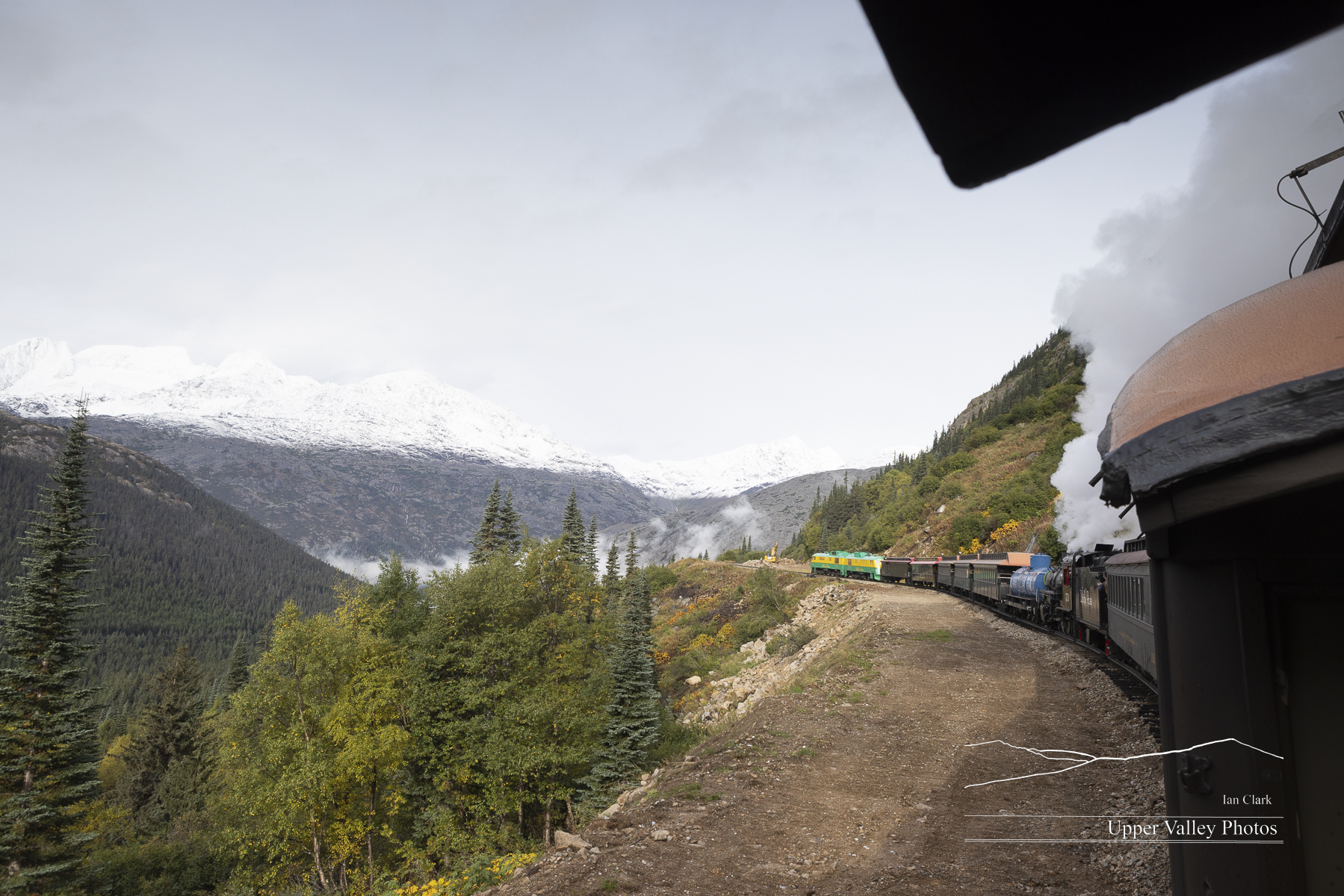
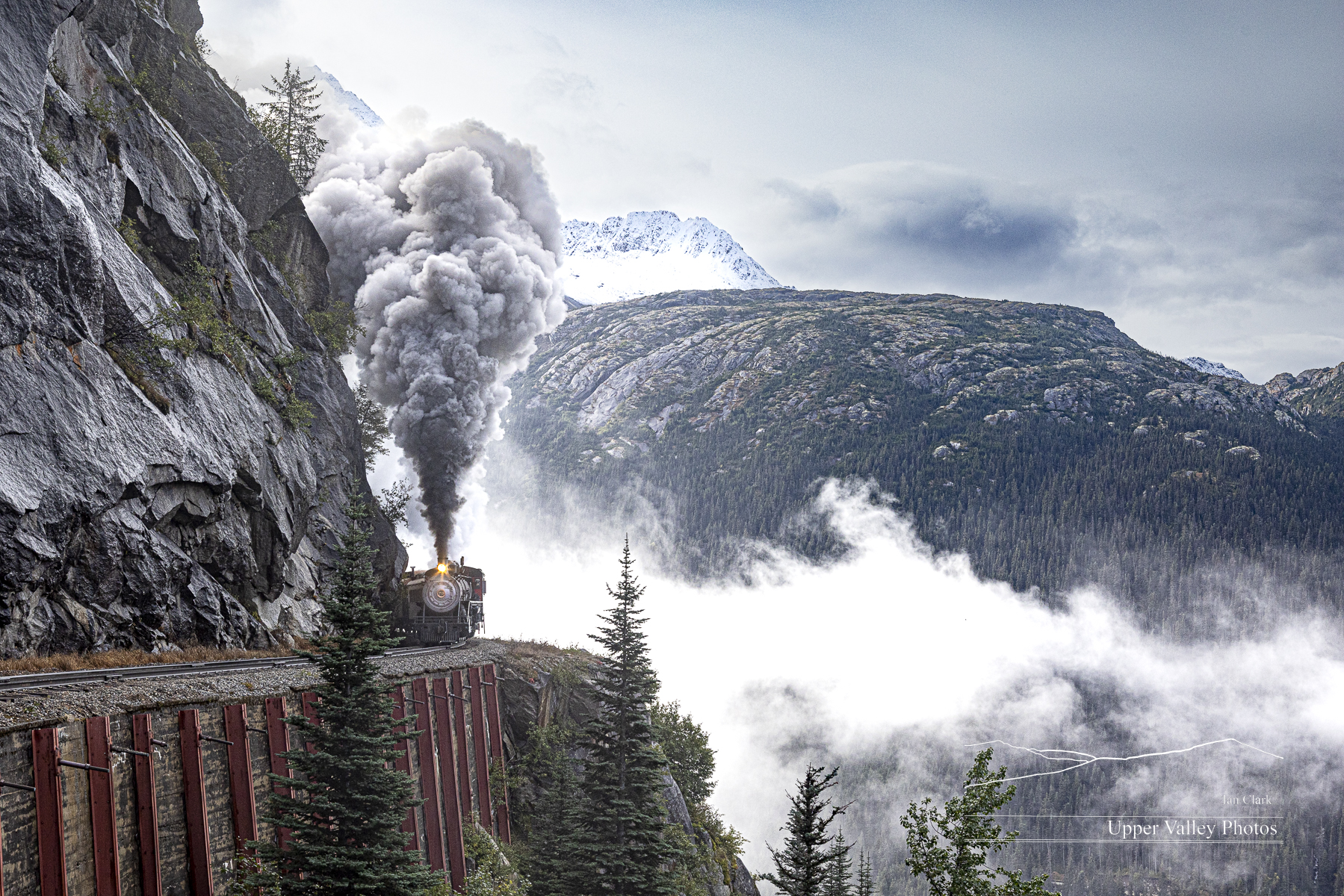
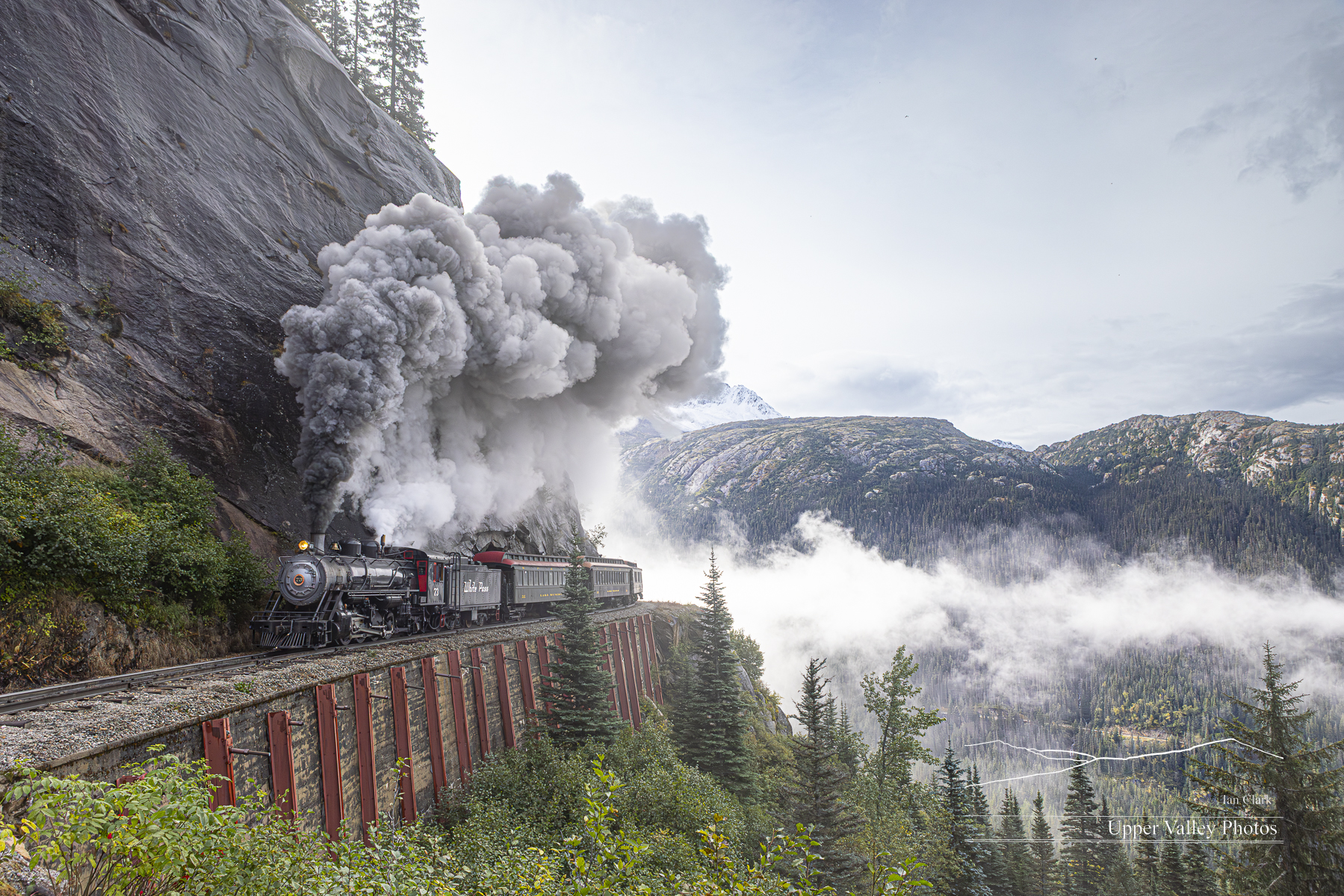
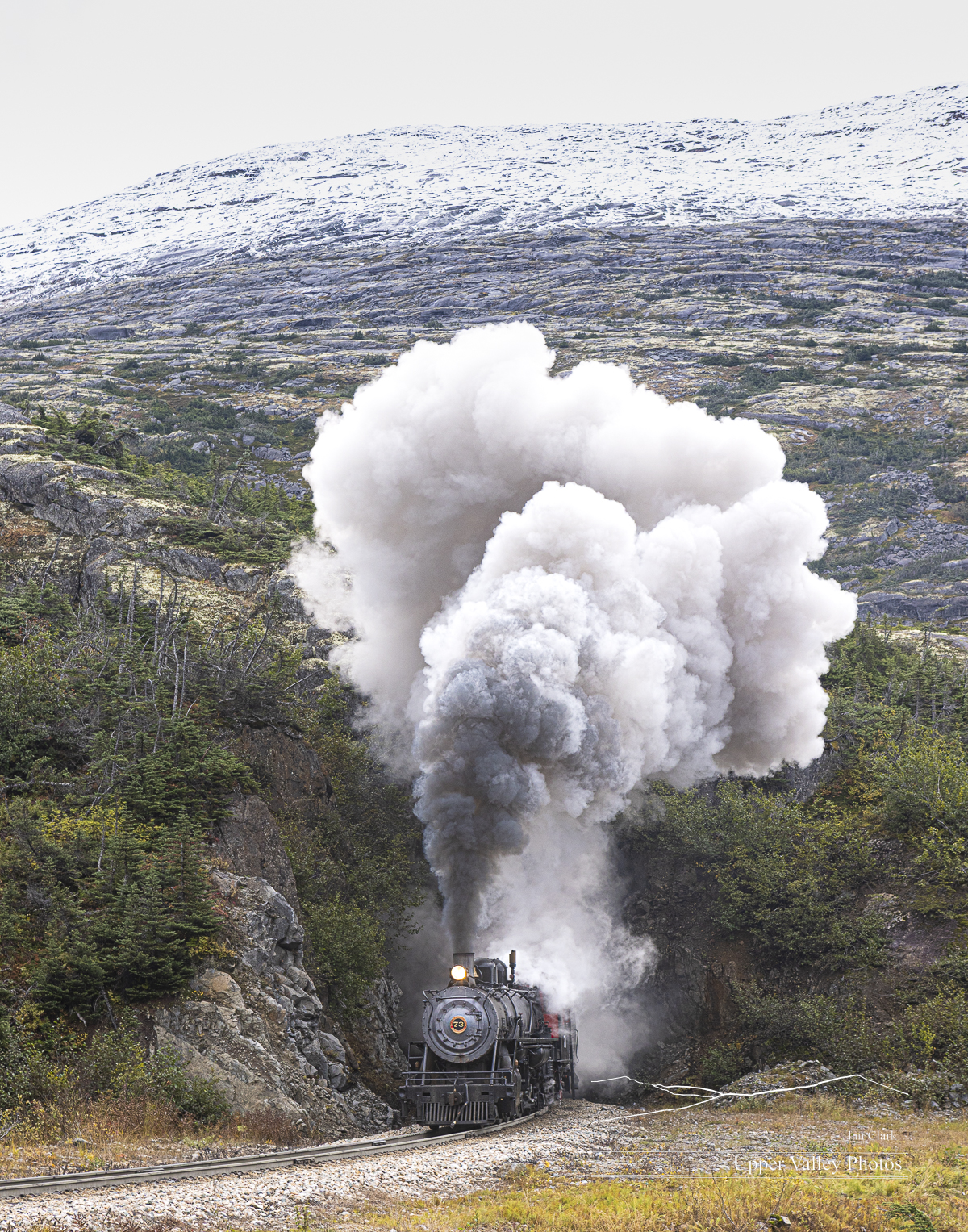
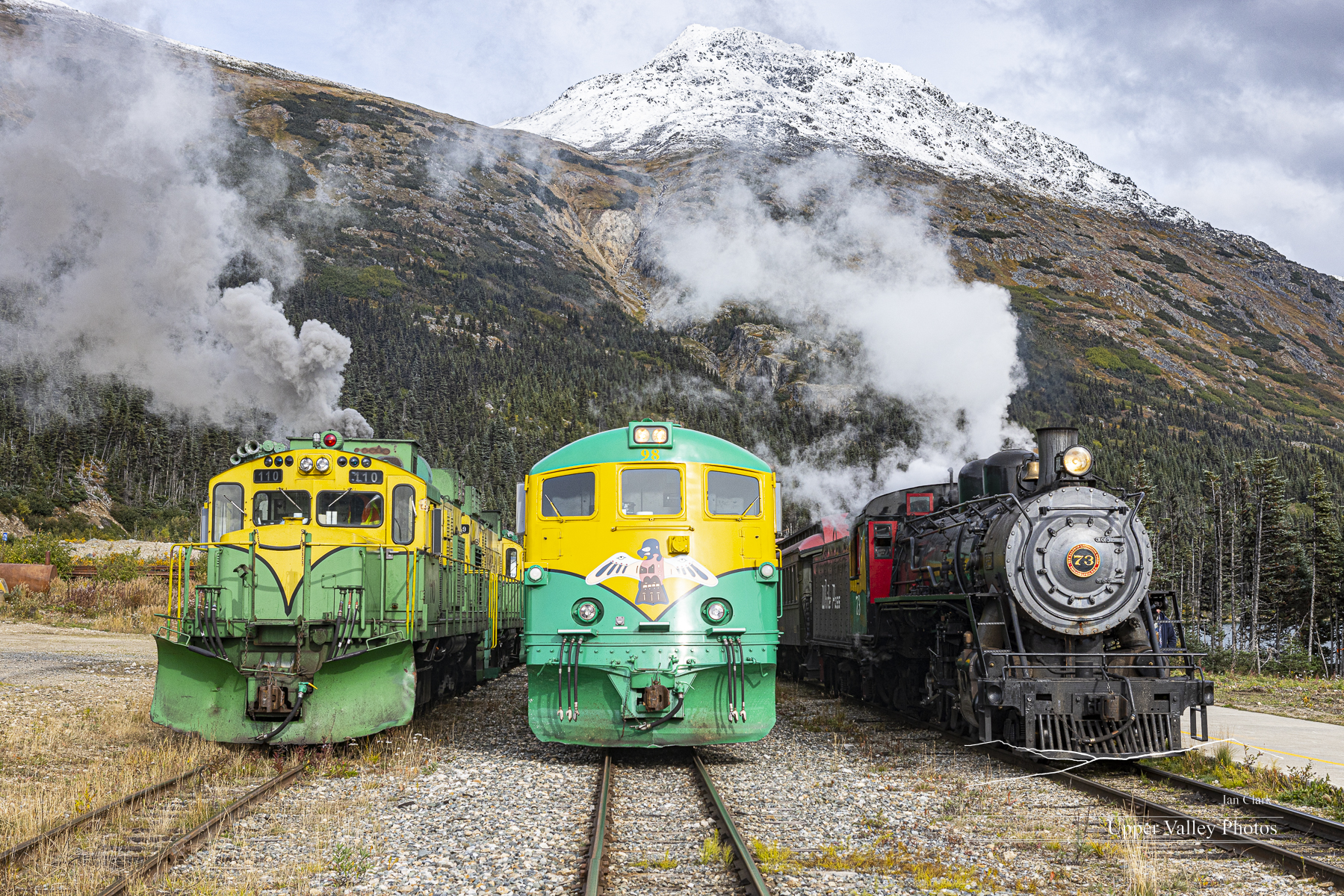
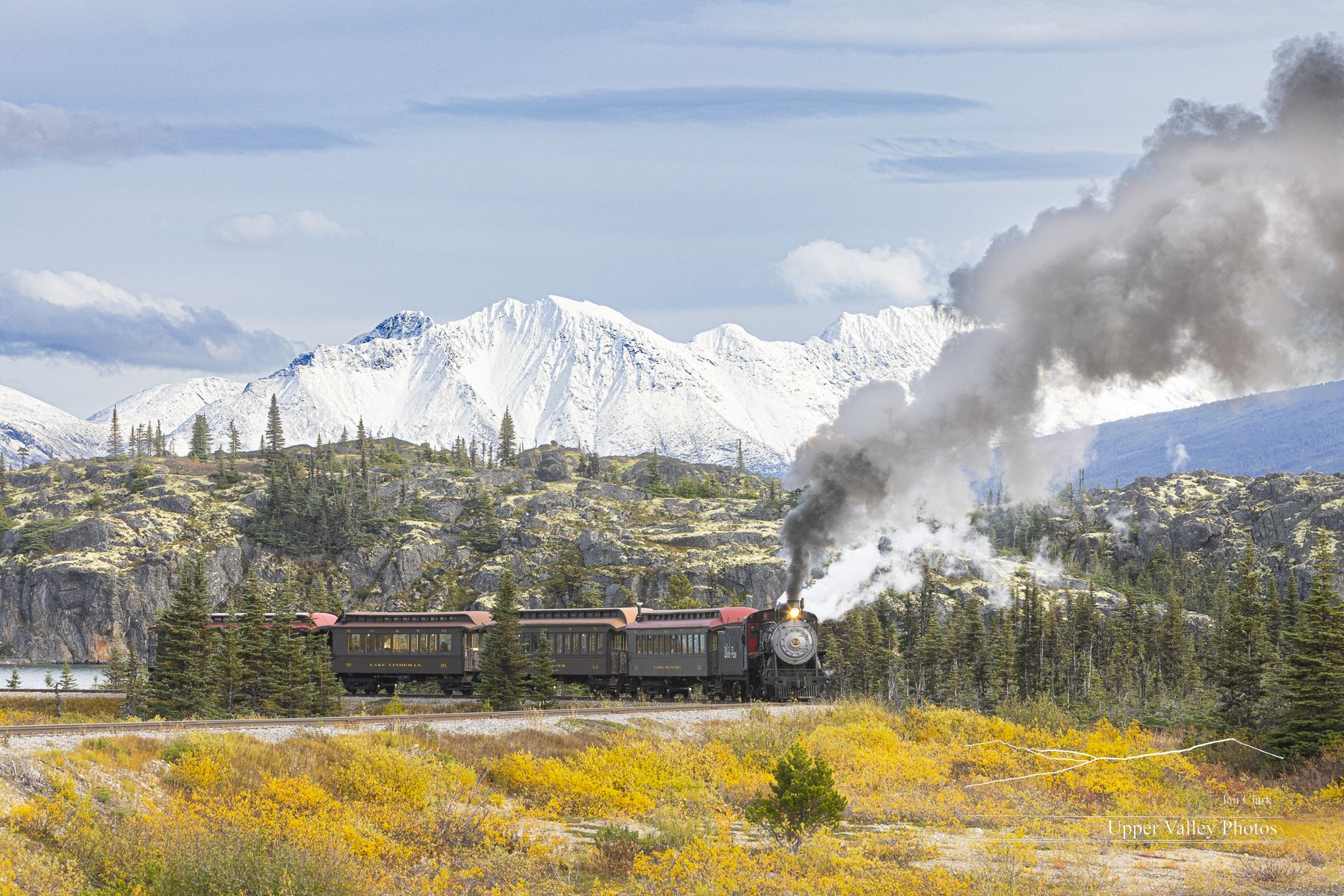
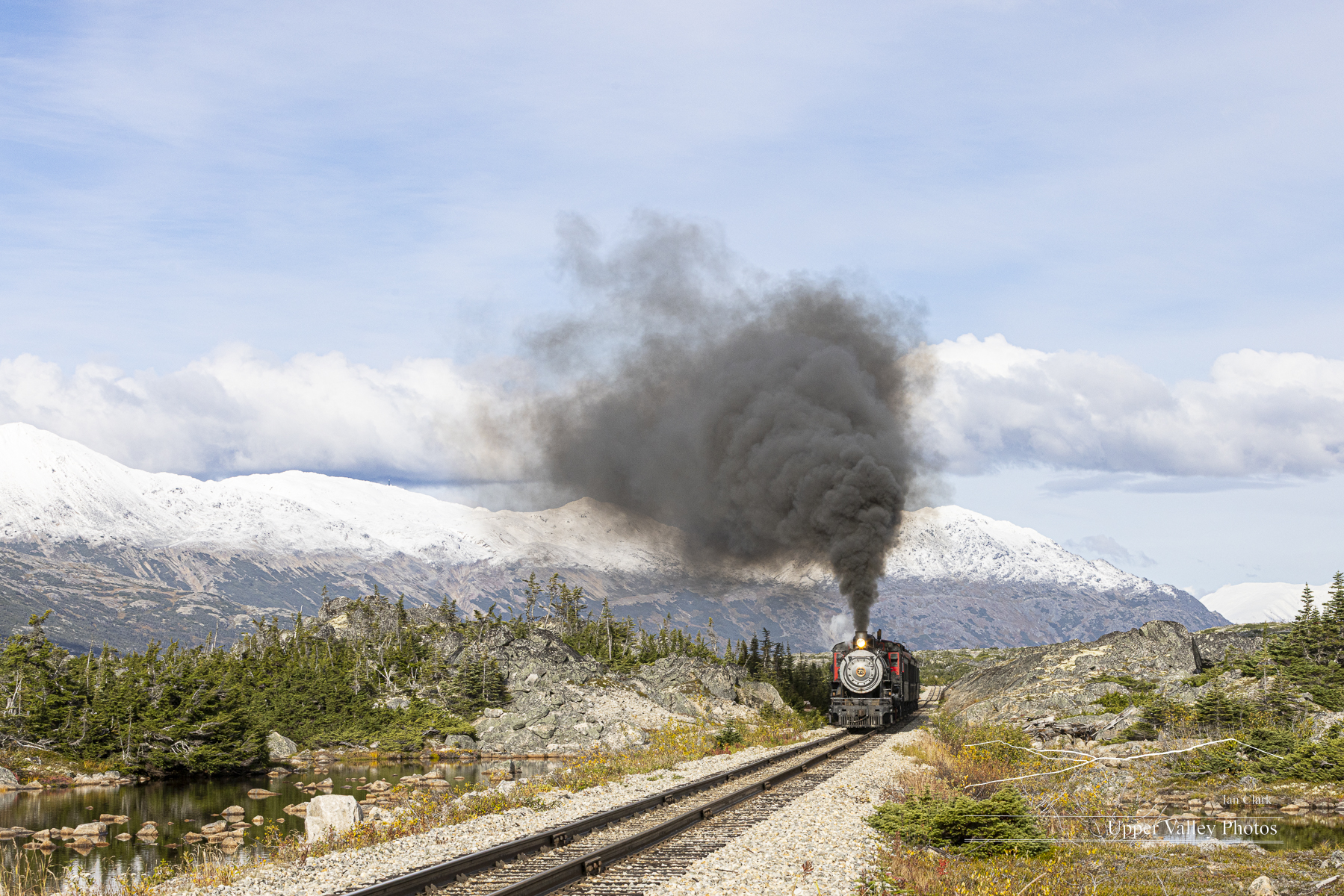
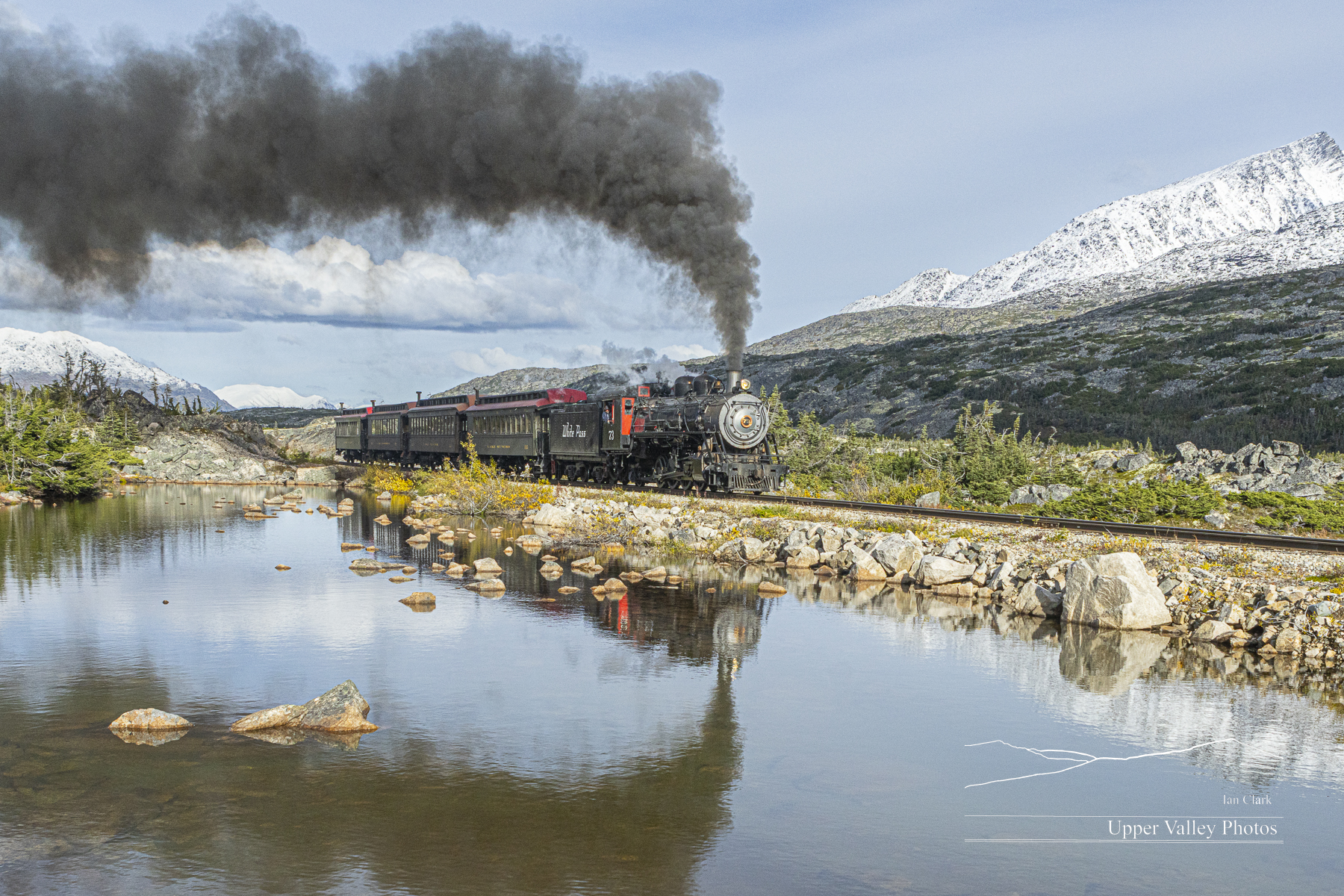
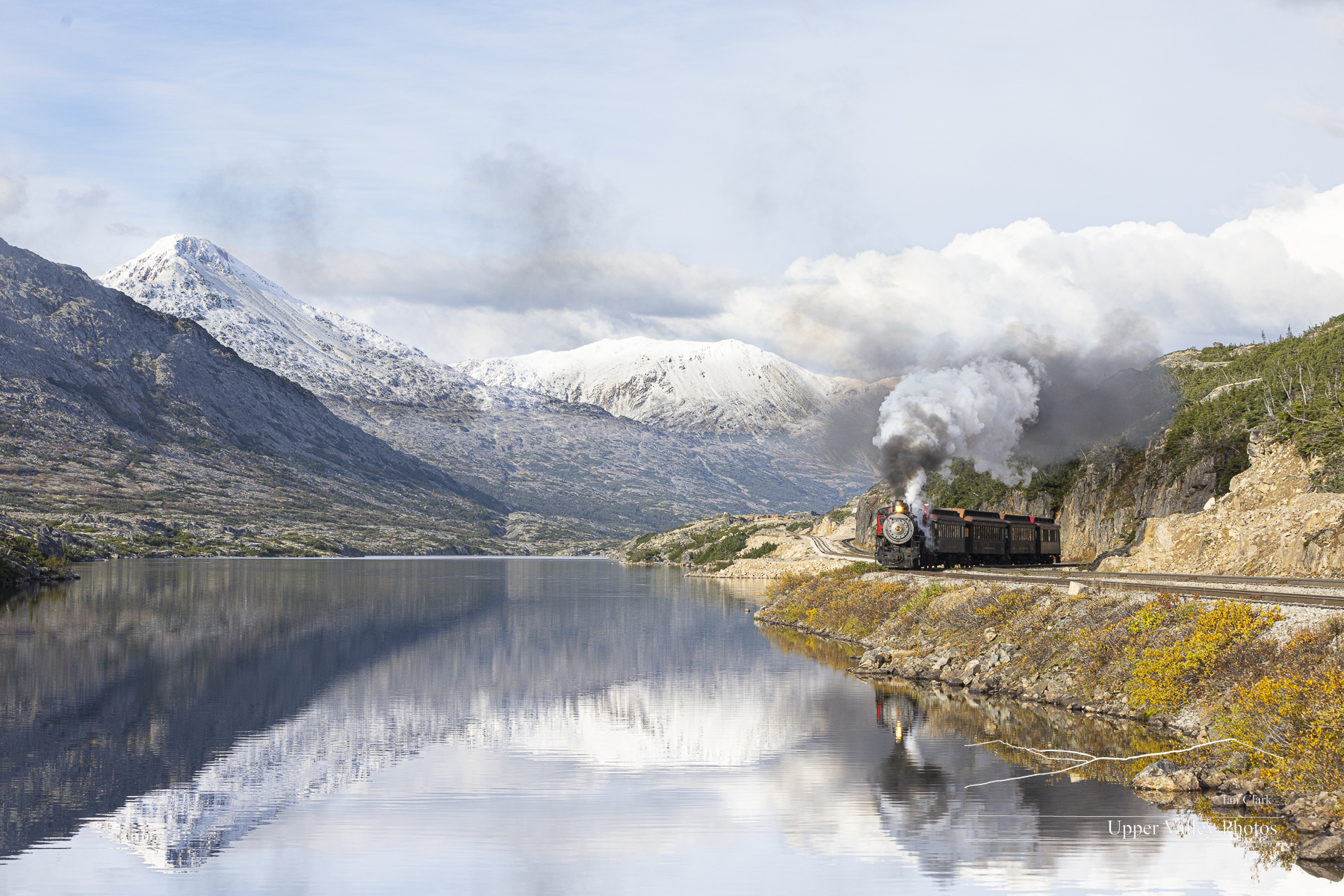
Time was running out for us and we headed further south.
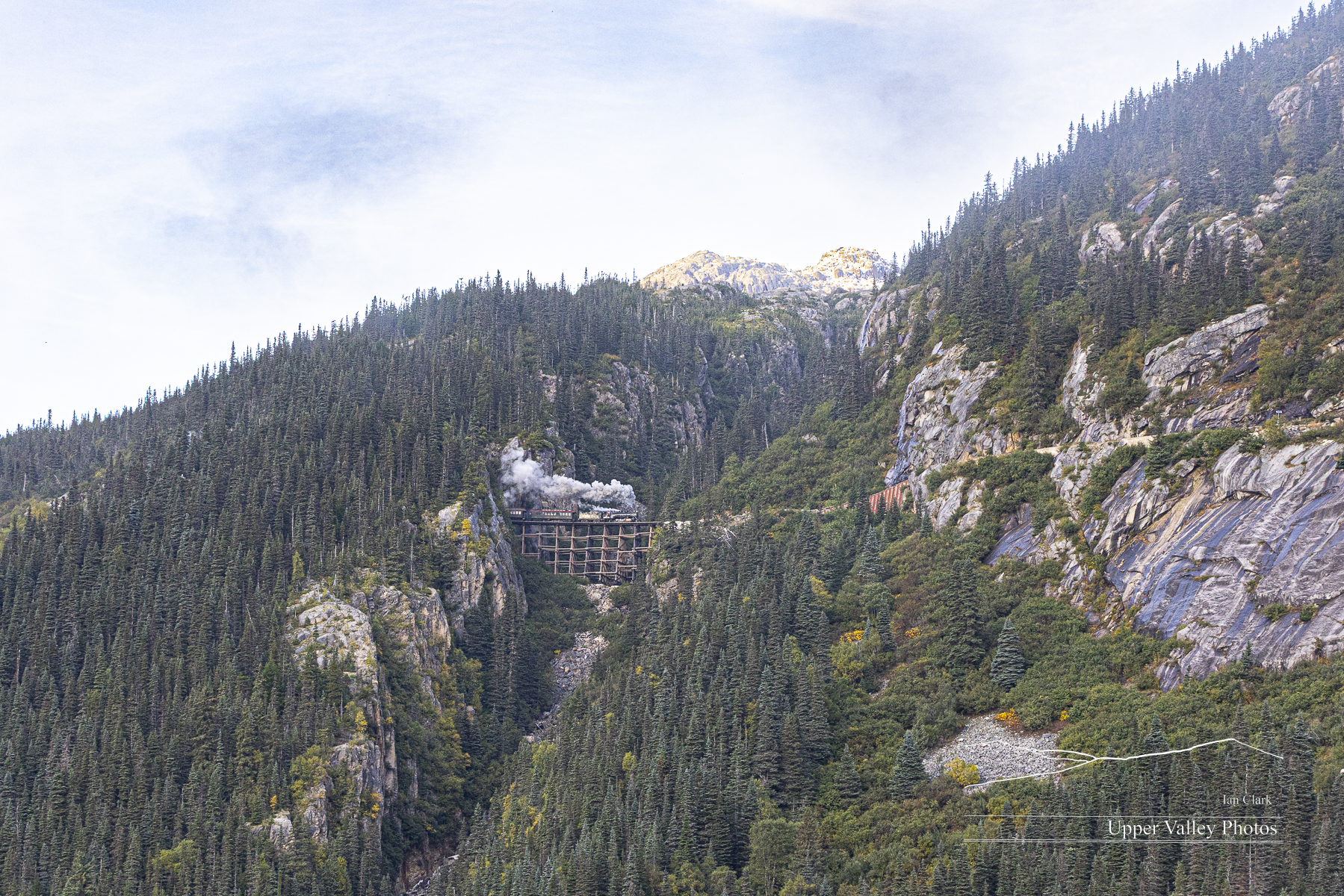
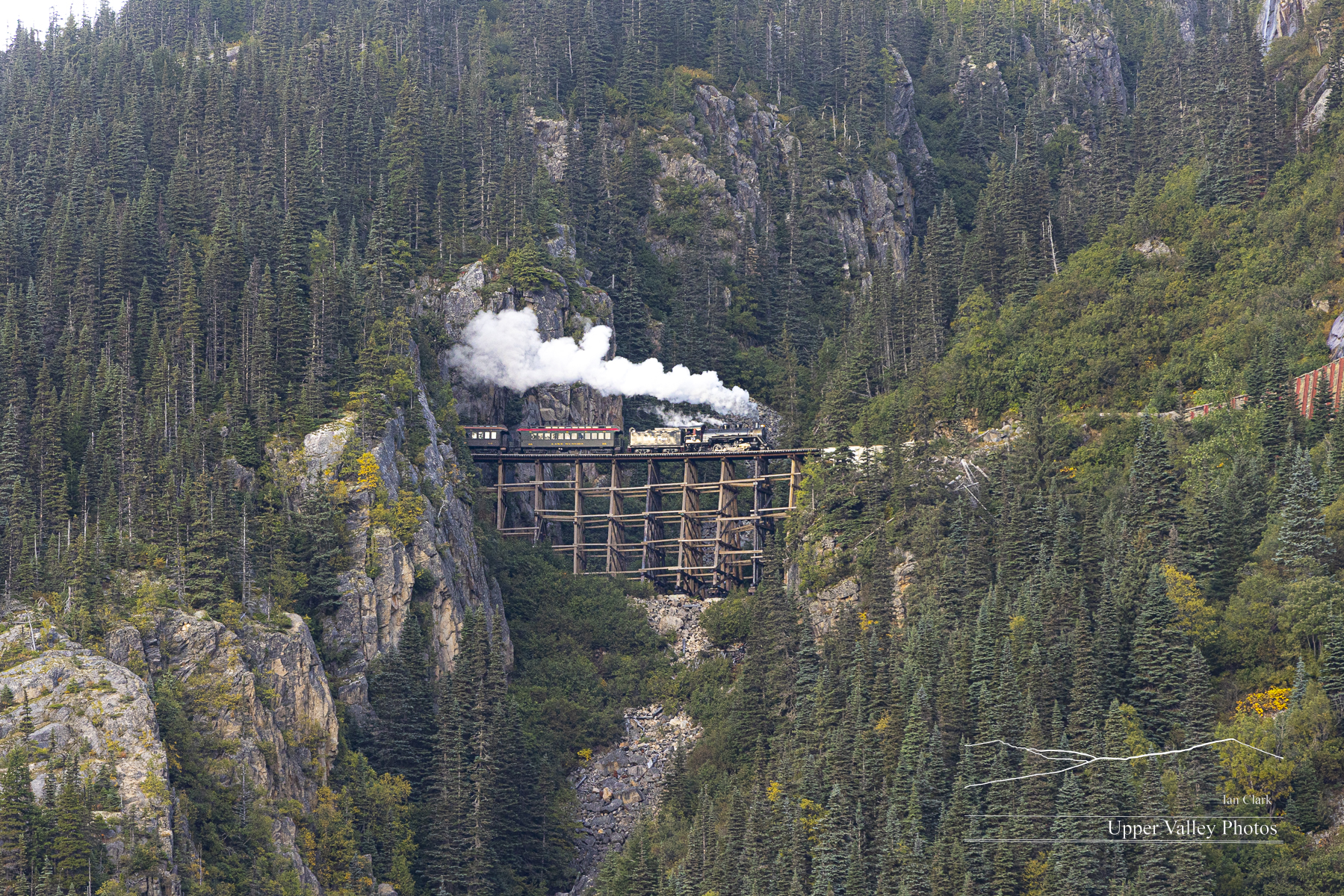
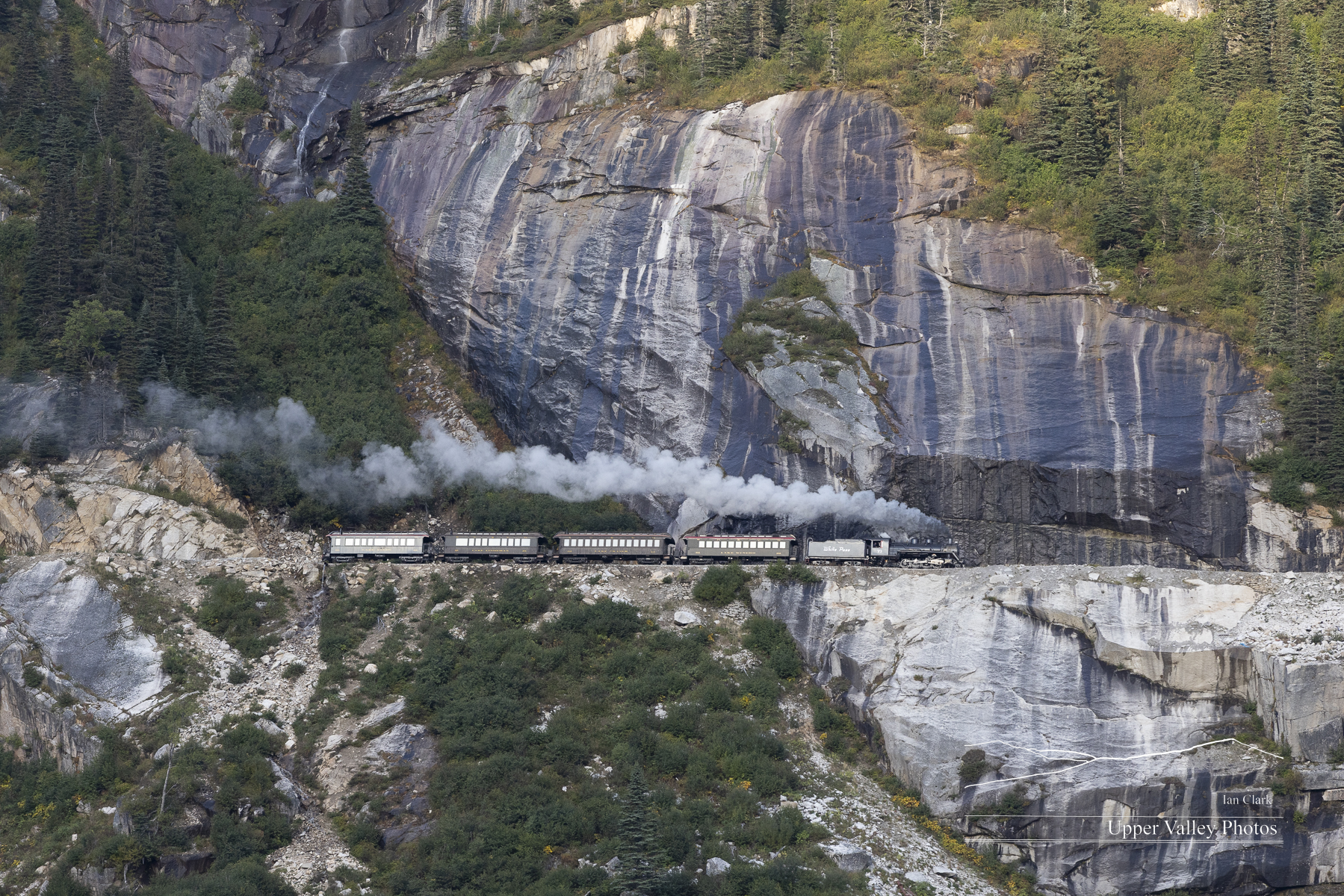
We headed back to Skagway in time for several of the photographers to get to Whitehorse, Yukon to catch flights home.
Pete and his crew as well as everyone on the railroad did an outstanding job, we had a great time and came away with some great photos. If you get up to southeastern Alaska, a visit to Skagway to ride the railroad is worth the trip.
I’ll have one more post from my trip in a few days. Mostly some of the scenery along the way.
And, I’ll be at the Celebrate Vermont show at the Doubletree in Burlington November 21-23. More details in following posts.
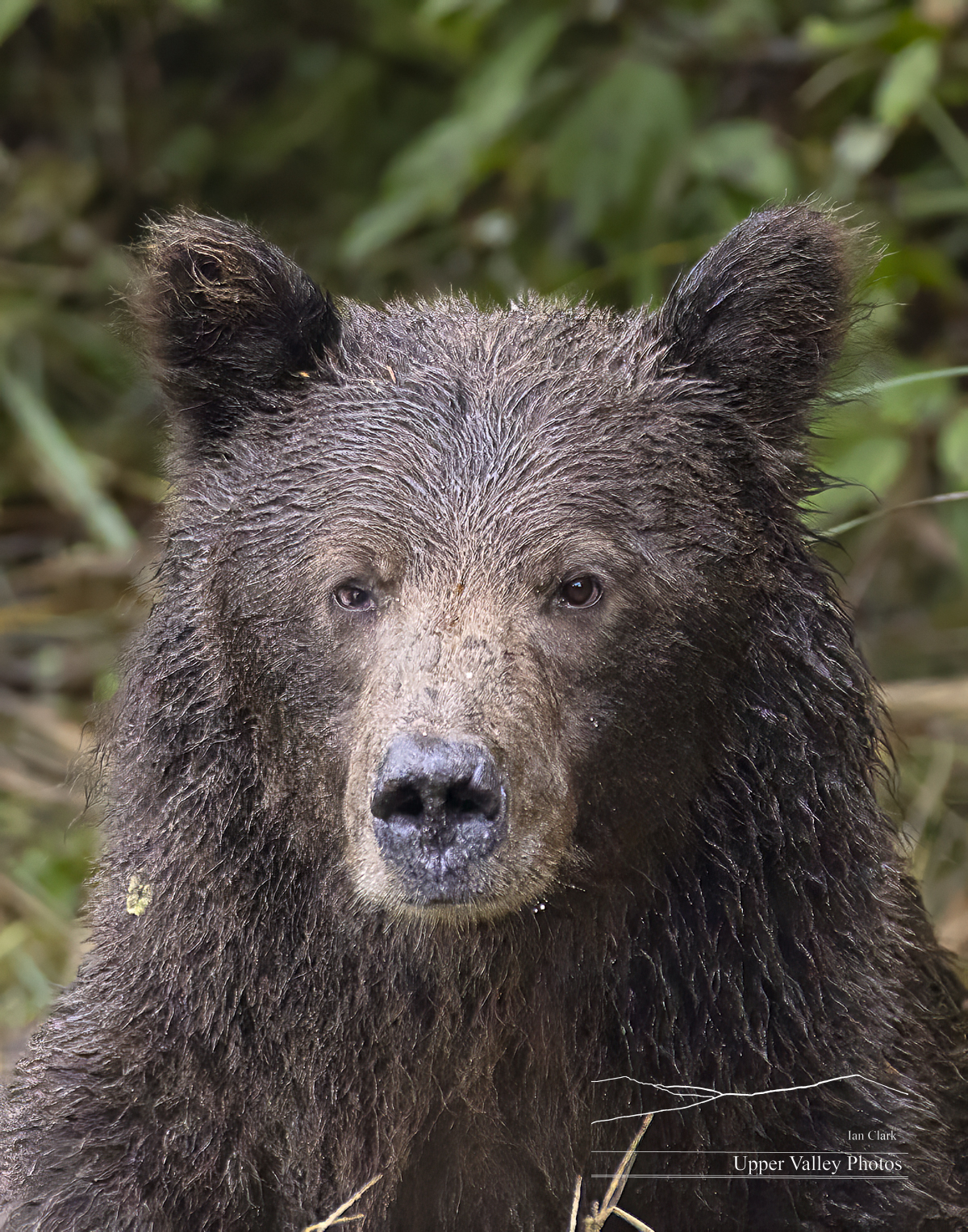
Grizzlies!
I’m just back from an adventure that took me from Juneau up into the Yukon. This was my first trip to Alaska. I’ll have to go back, I didn’t get to see all of it. What got me to finally get around to going was a chance to photograph the steam locomotive on the White Pass & Yukon Railway out of Skagway. Since the 1970s, I’ve been tracking down the remaining operating steam locomotives. WP&Y has been on my list for years. I’ll have a post about that when I get through editing the pix.
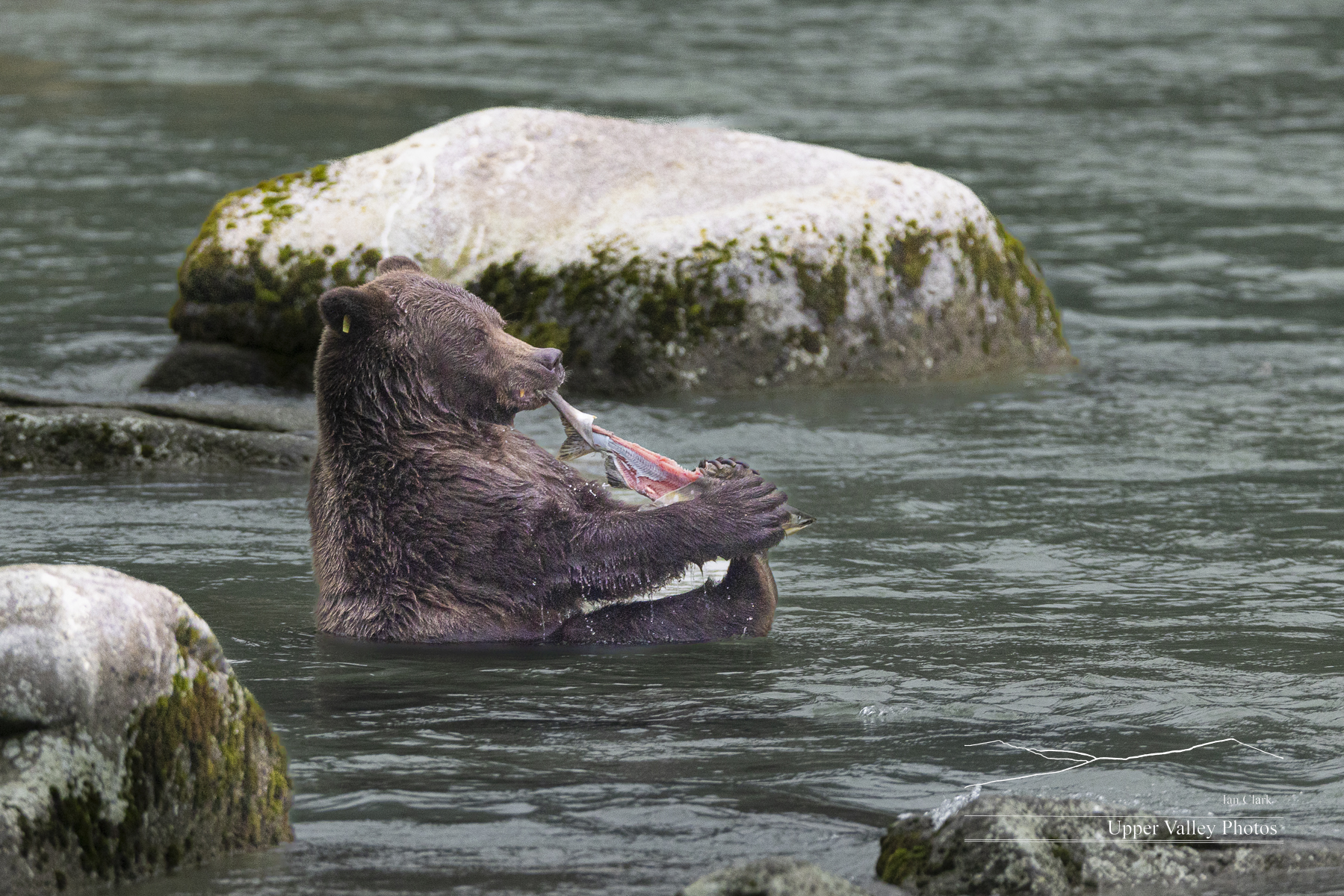
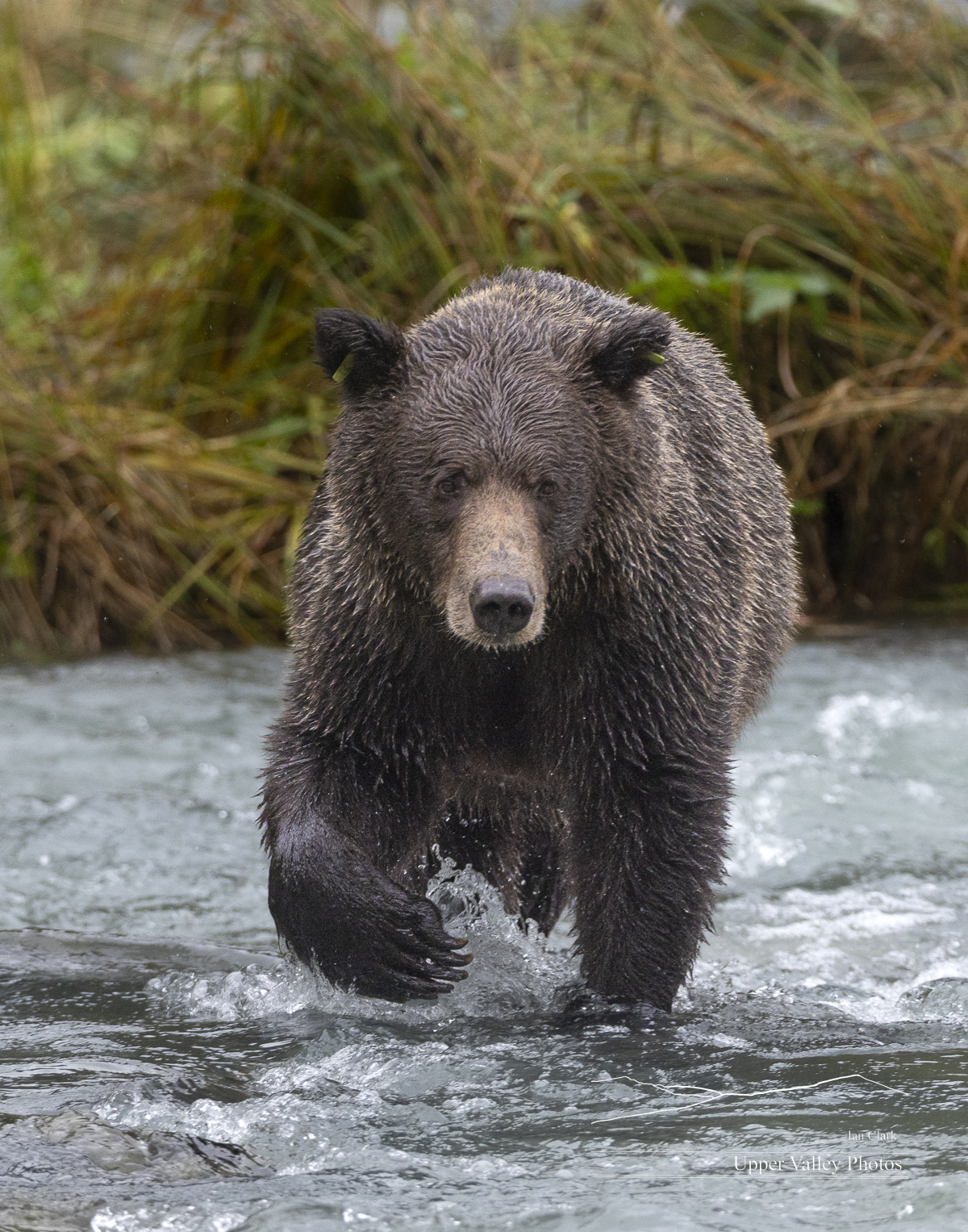
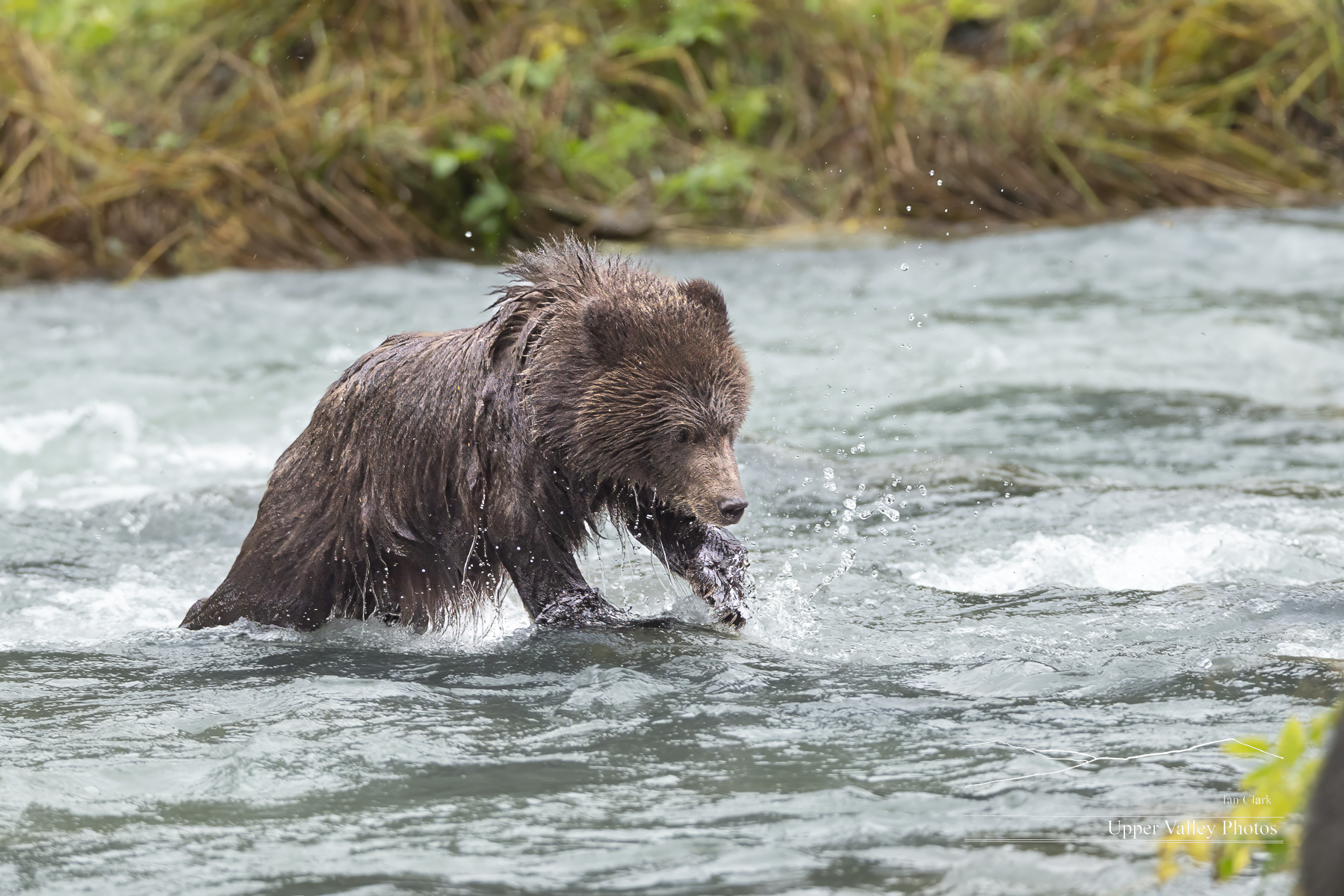
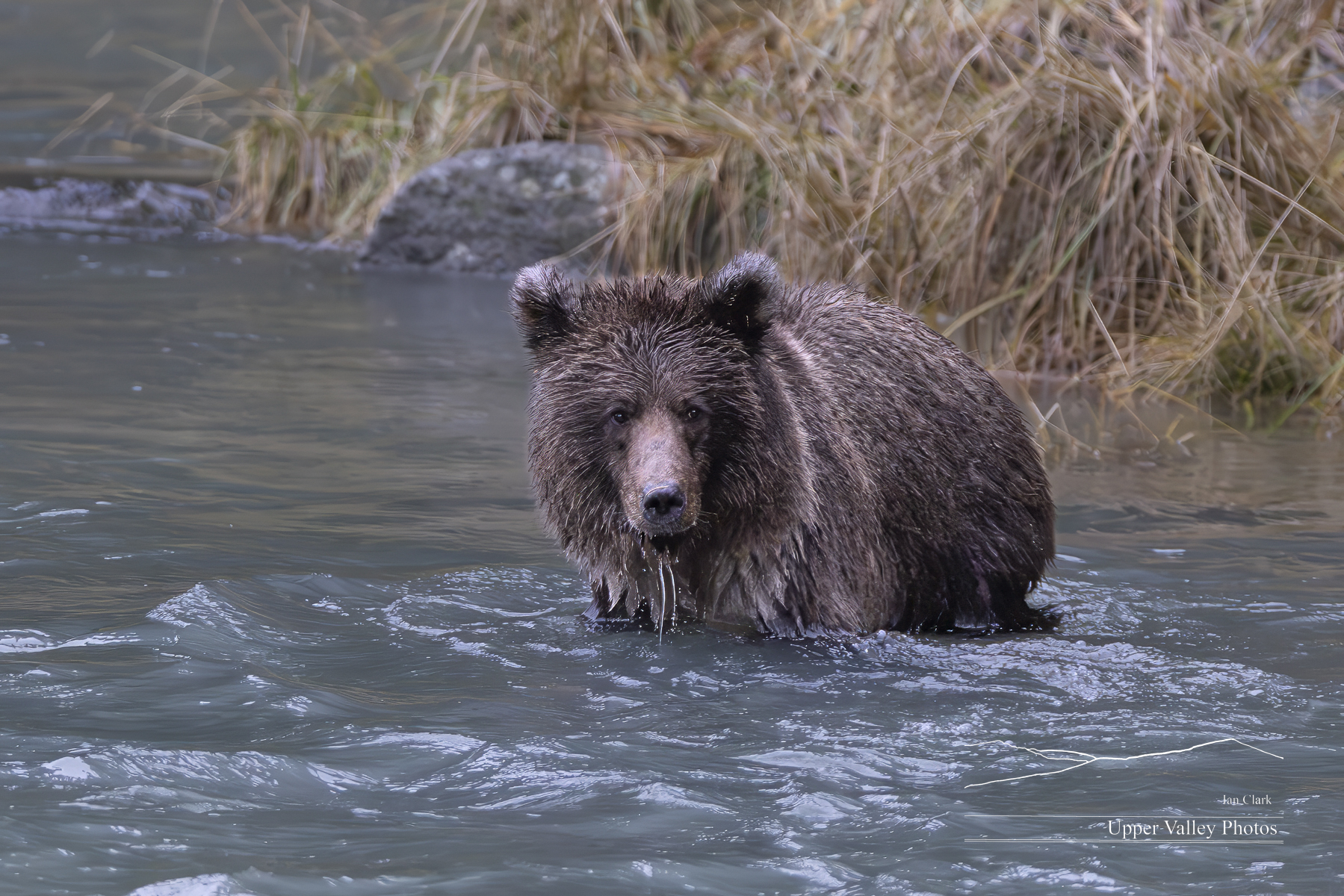
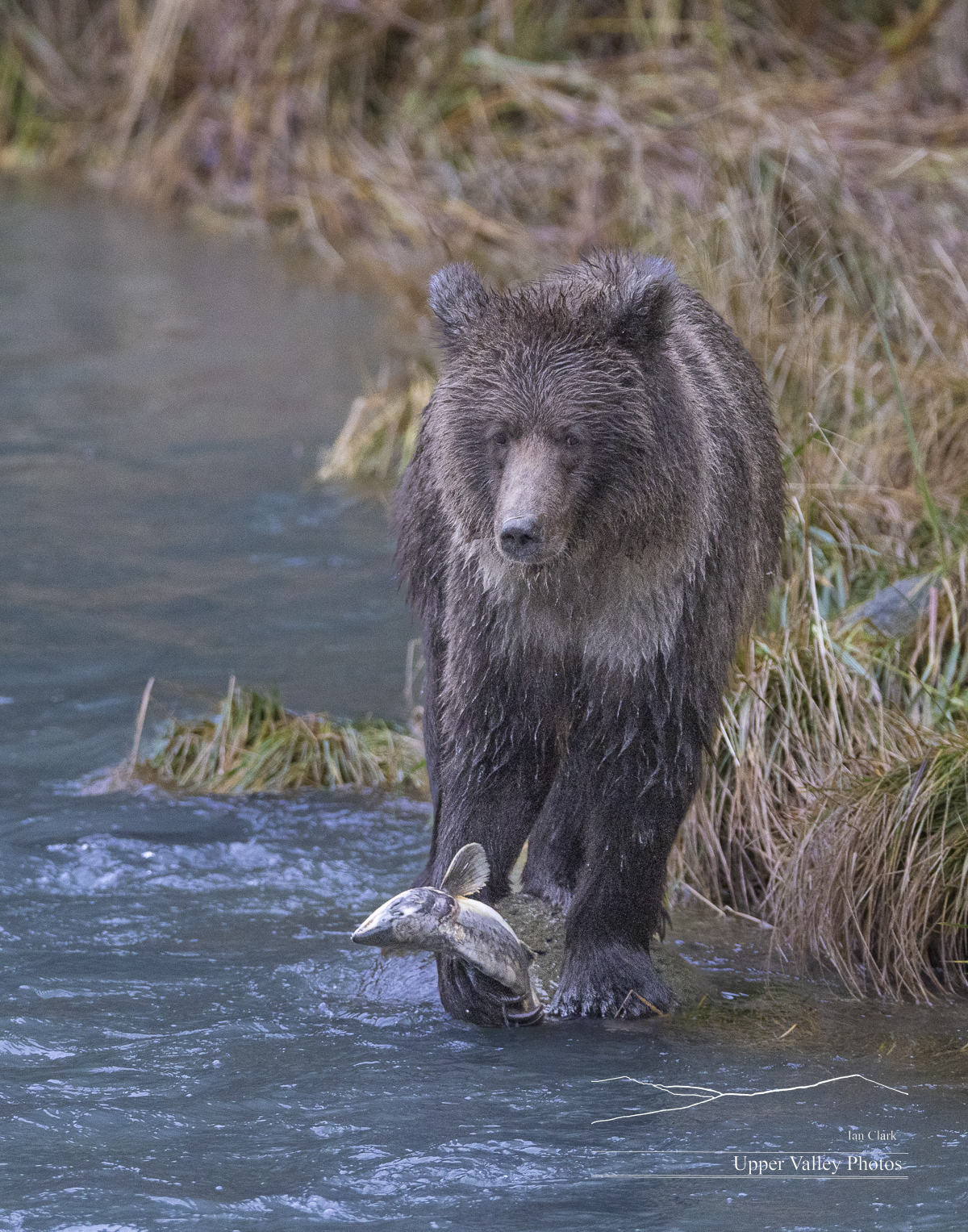
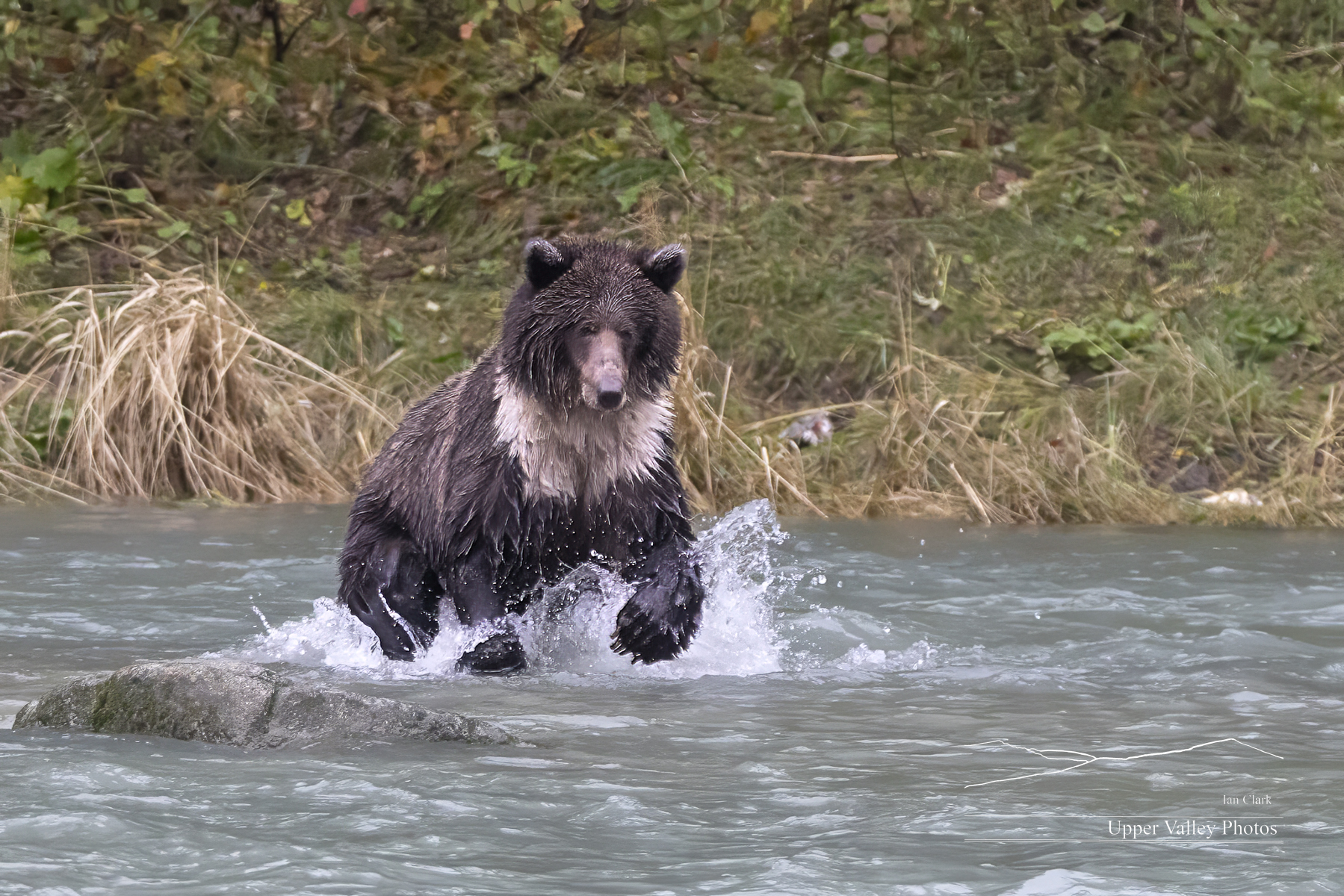
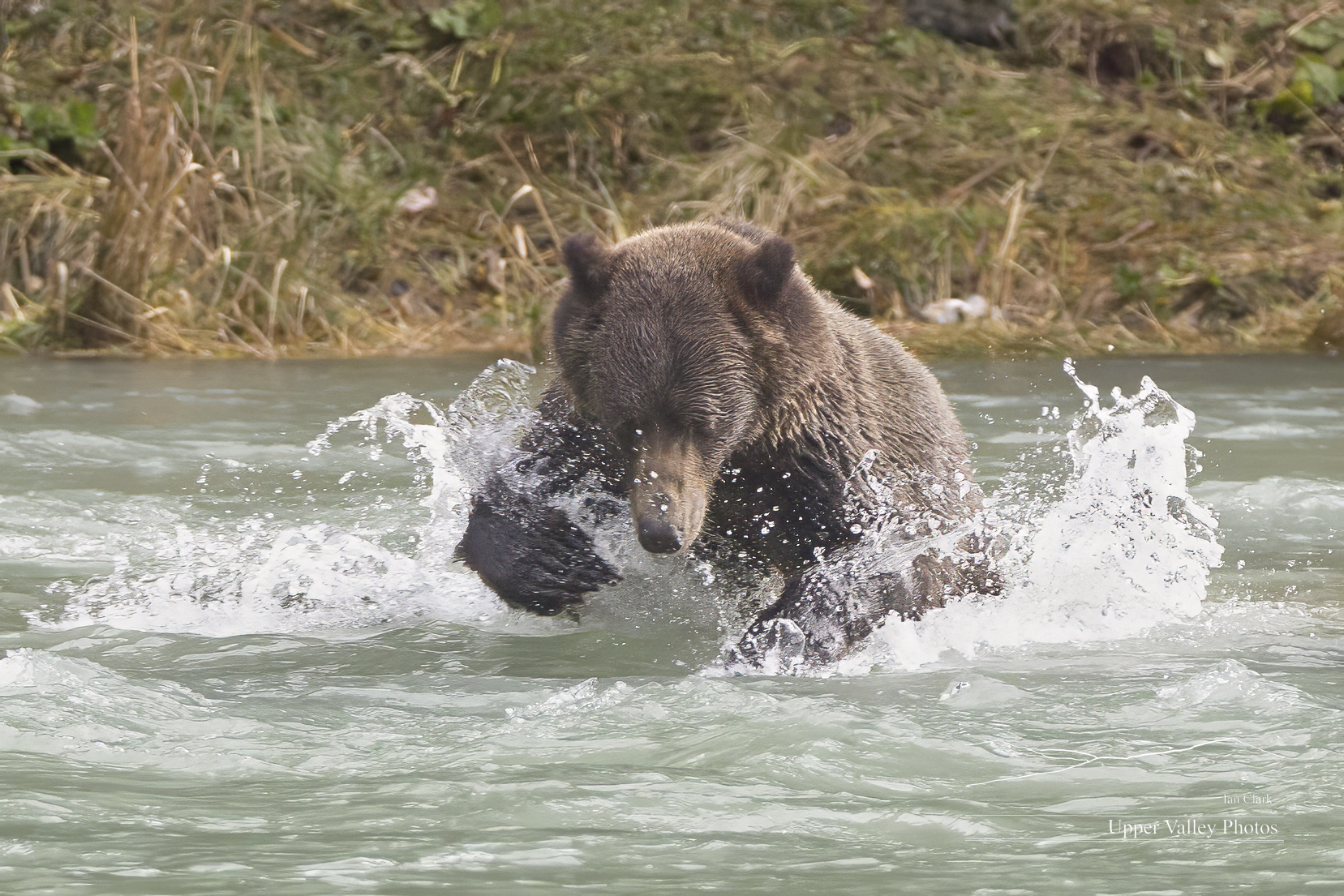
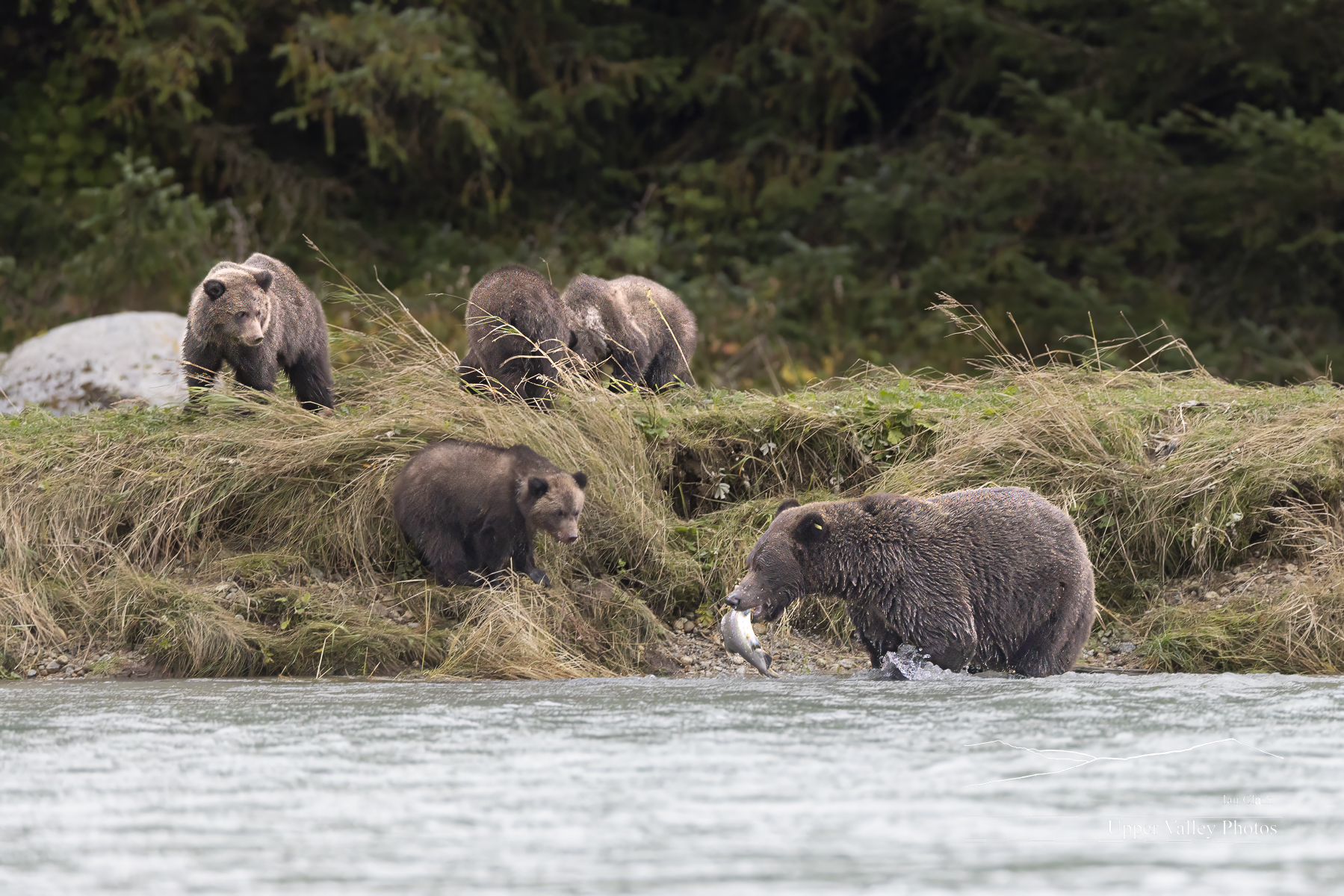
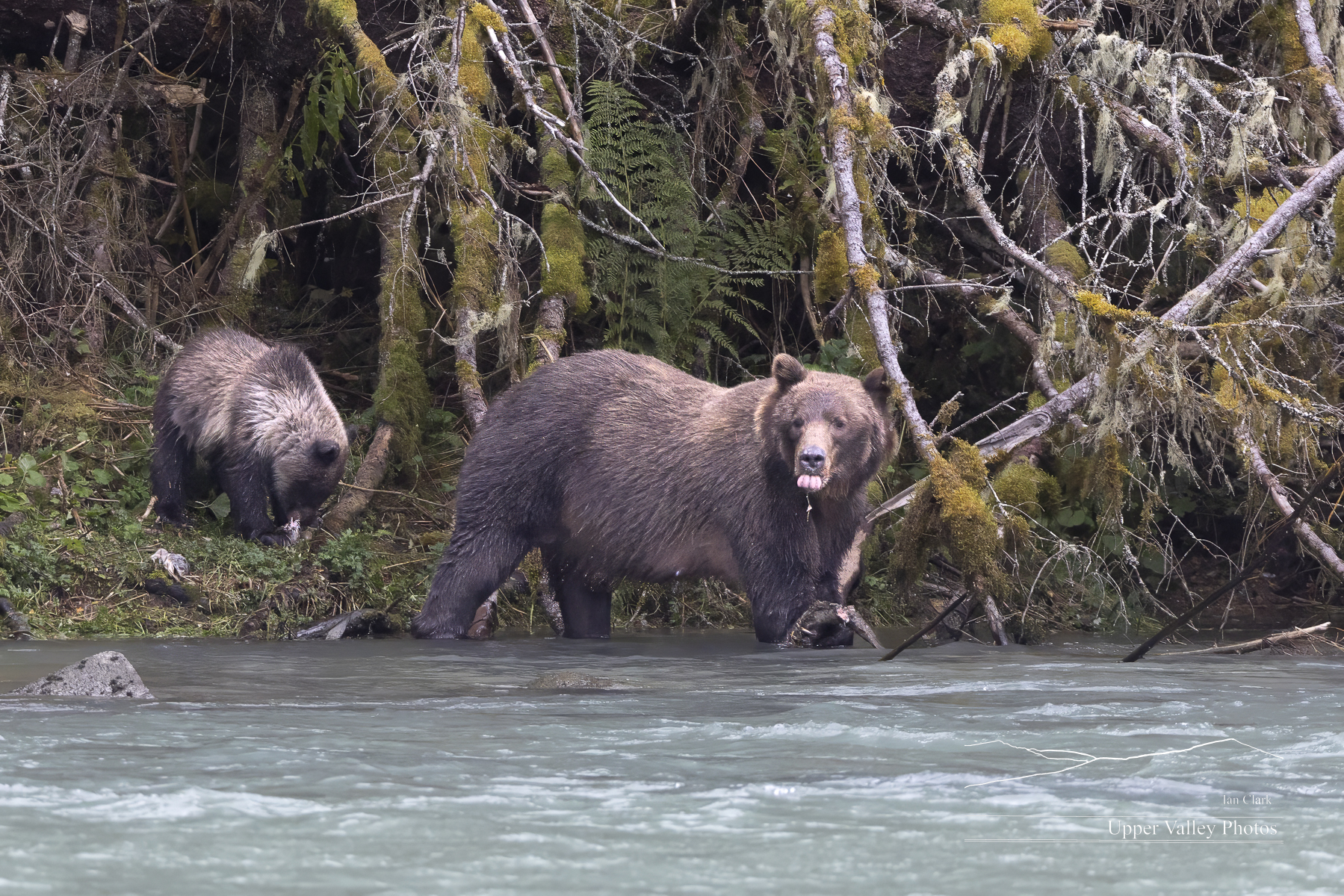
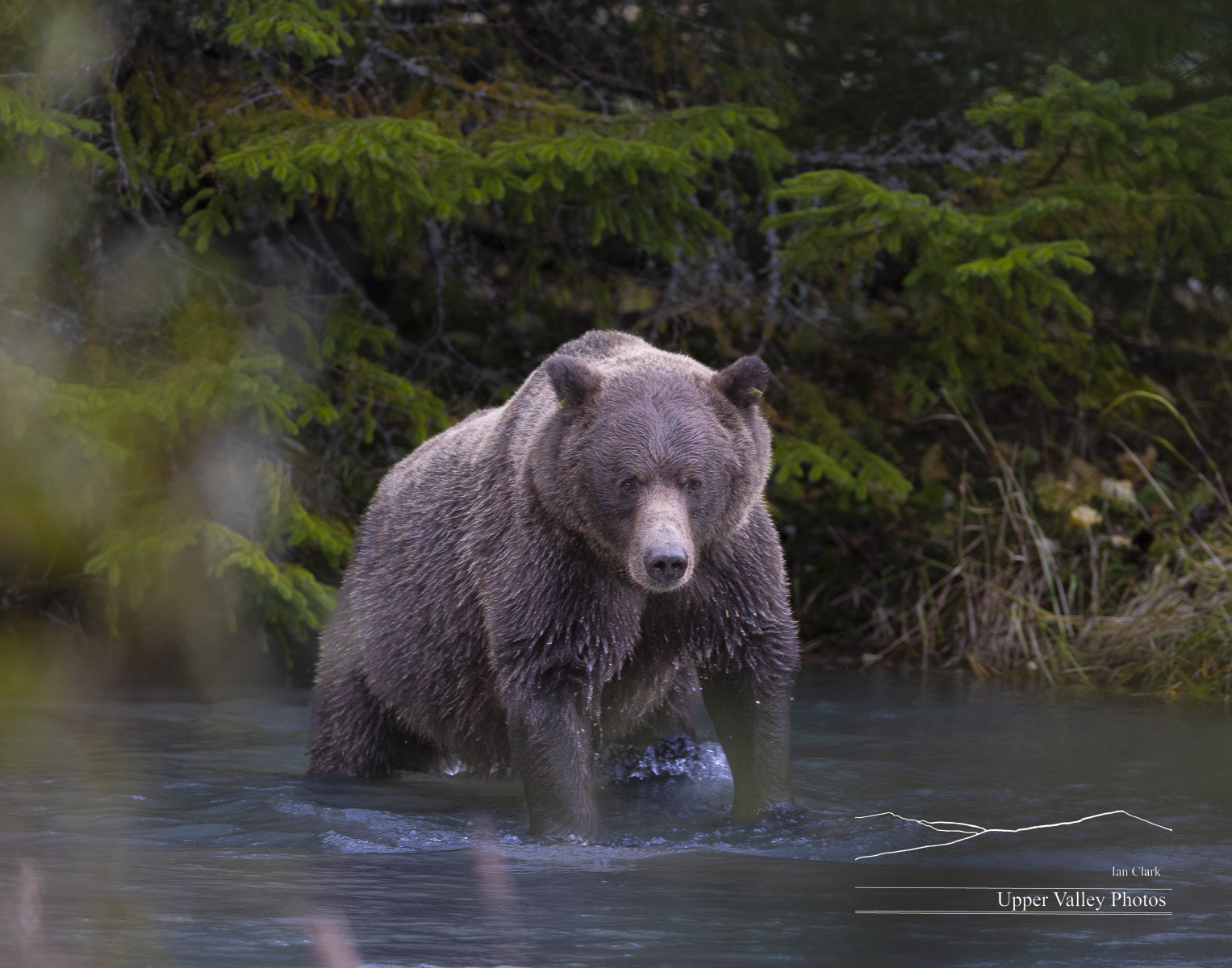
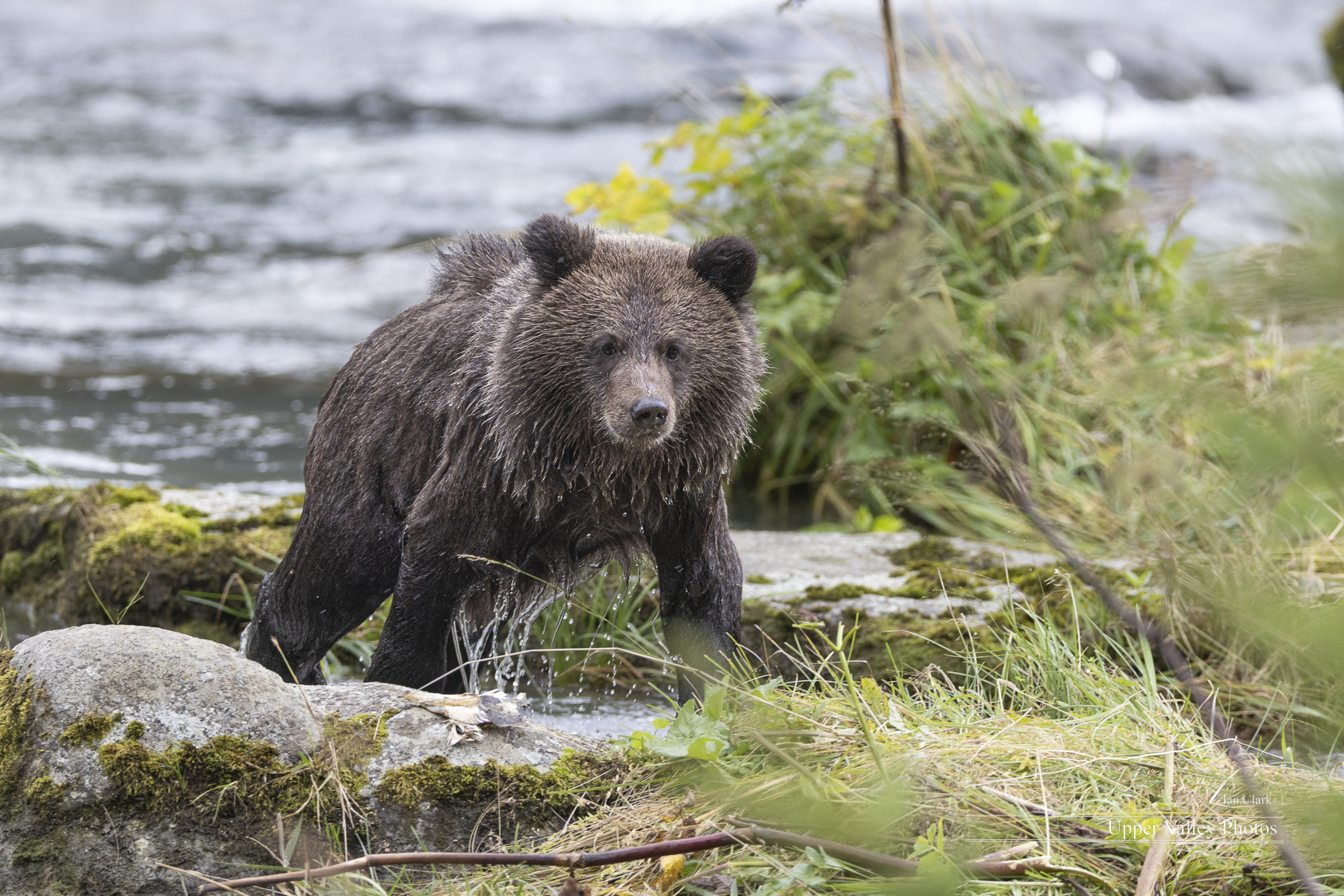
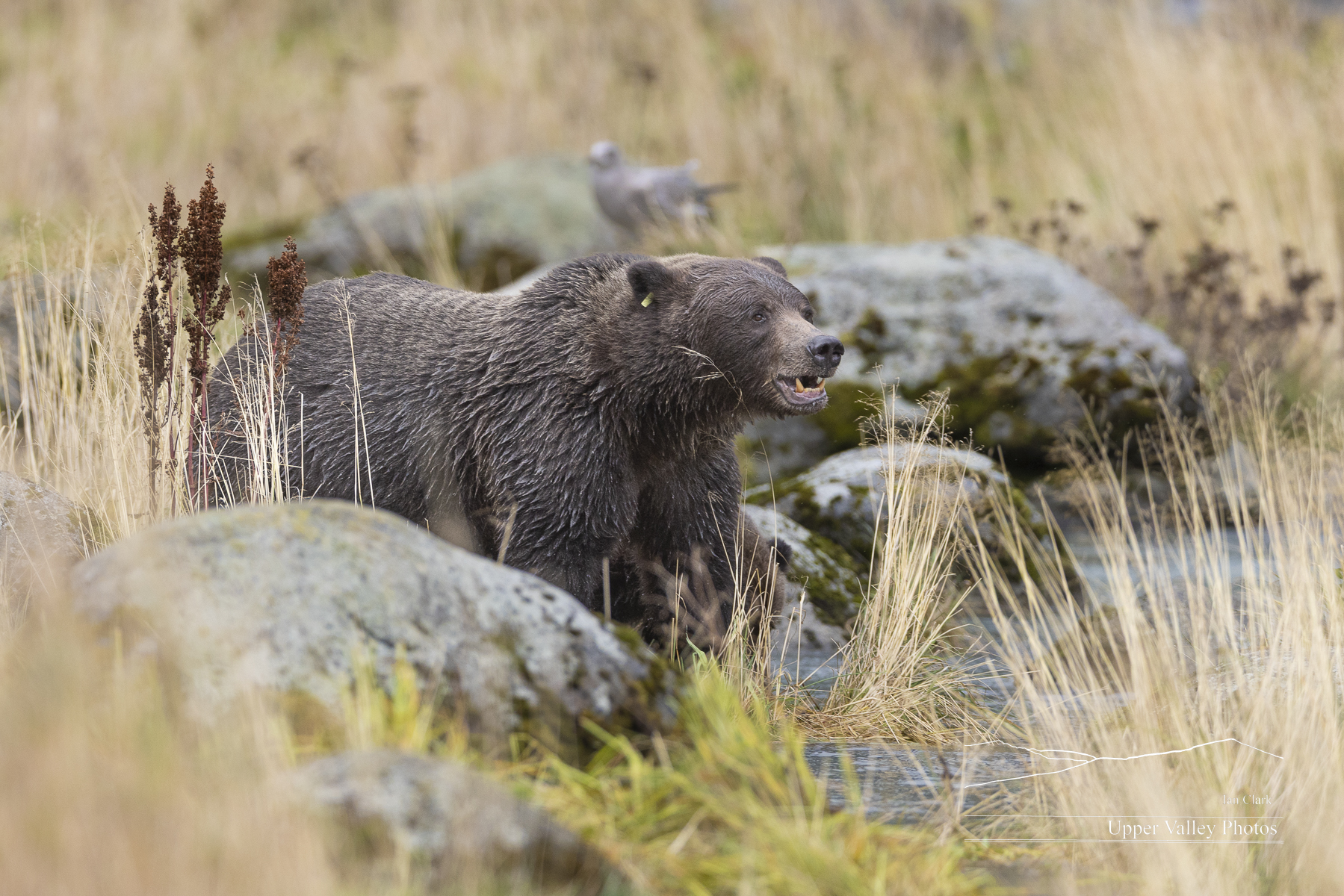
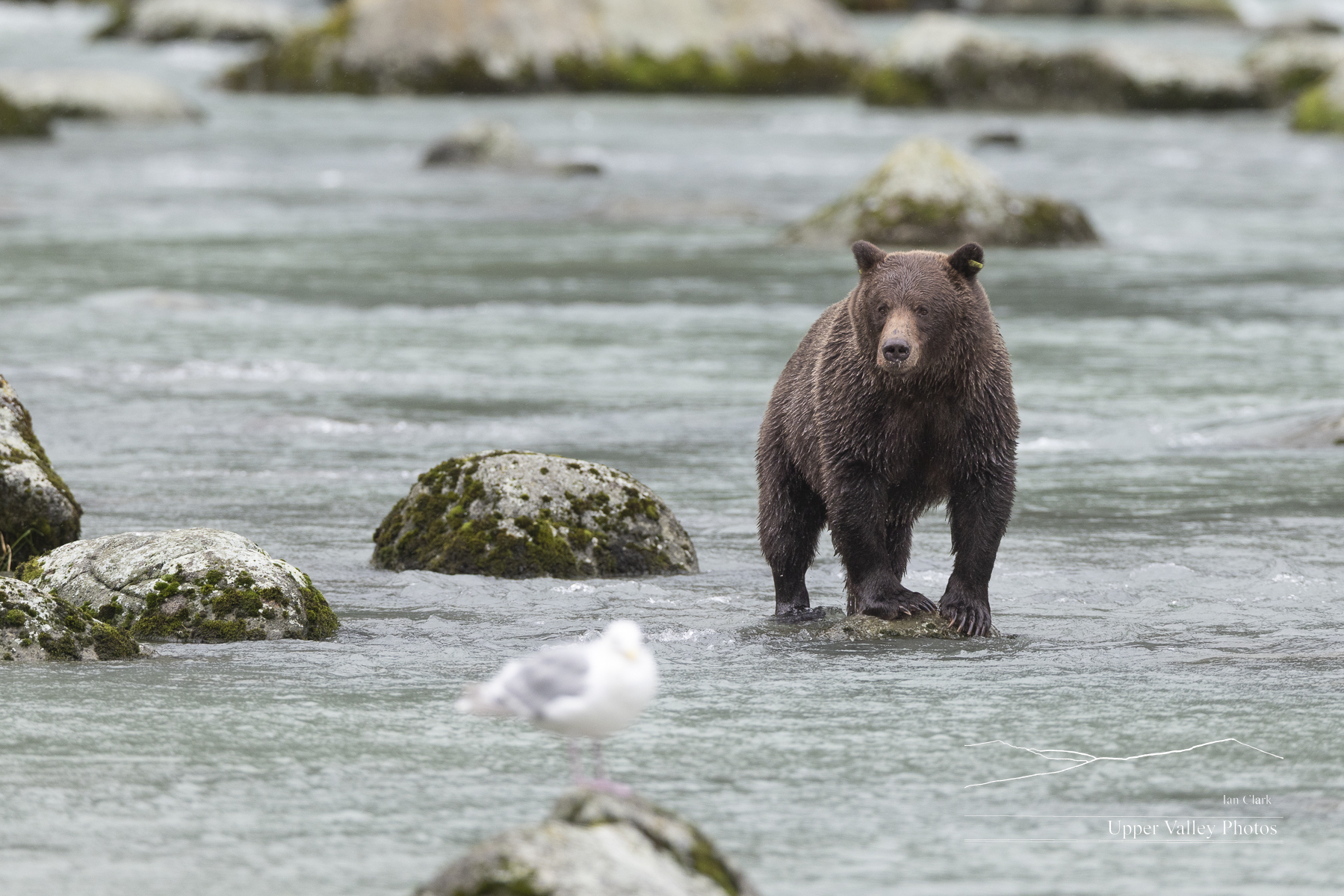
Watching the grizzly bears in the salmon streams has been another dream. I was able to take four days on my way to Skagway to stop in the Chilkoot Valley to watch the bears along the Chilkoot River. Chilkoot is described as ‘the poor man’s bear tour’ as it is much less expensive than getting to Brooks Falls in Katmai National Park. Katmai is where the bears in the Fat Bear Week come from. Chilkoot’s bears aren’t as big or as numerous as Katmai’s but I managed to see at least 24 individuals while I was there.
The bears in the Chilkoot Valley are brown bears. They’re the same species as grizzlies but biologists make a distinction between grizzlies that live inland and brown bears that live in the coastal region. Brown bears have access to additional sources of food – like salmon – that the inland bears don’t. Inland grizzlies live on plants, roots, grubs, and insects.
The summer season was winding down as I arrived in Haines. Hotels and restaurants were shuttering for the winter. With a web search, I got lucky and found the Hotel Halsingland. The hotel has combined two of the houses built for officer’s quarters at Fort Seward back in the early 1900’s. The interiors have been beautifully maintained as best they can after adding electric and plumbing. The proprietor was even kind enough to dig out a socket wrench to let me tighten up an errant tripod.
The ferry from Juneau dropped me in Haines in a steady drizzle with heavy, low clouds. Except when the rain turned to a downpour, that was what I got – until the very last morning I was in town.
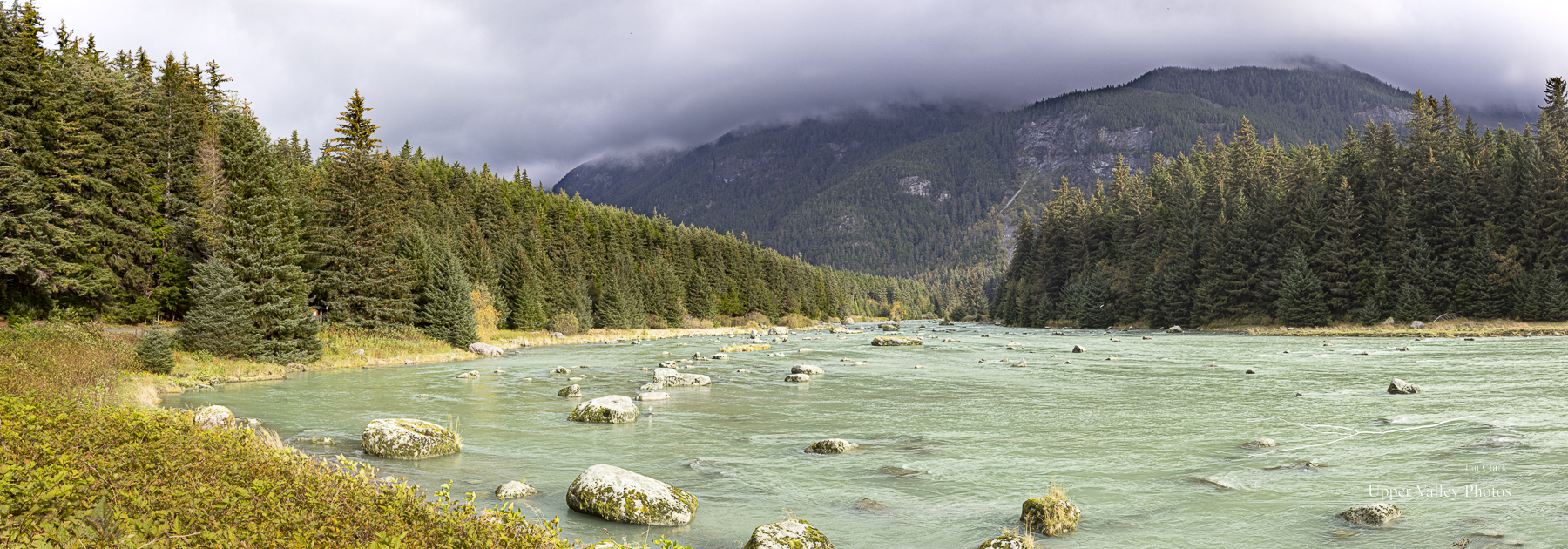
The river hosts three species of salmon, sockeye (aka red salmon), pink (aka humpy salmon) and silver (aka coho) salmon. And the valley is home to a number of bears. While I was there the females, or ‘sows,’ were the ones out during the day. Late evening and early morning found the males, or ‘boars’, along the river. Sows with cubs avoid the boars, boars will kill cubs of other bears.
The bears are in hyperphagia – the period at the end of the summer where they need to fatten up to survive without eating through the winter.
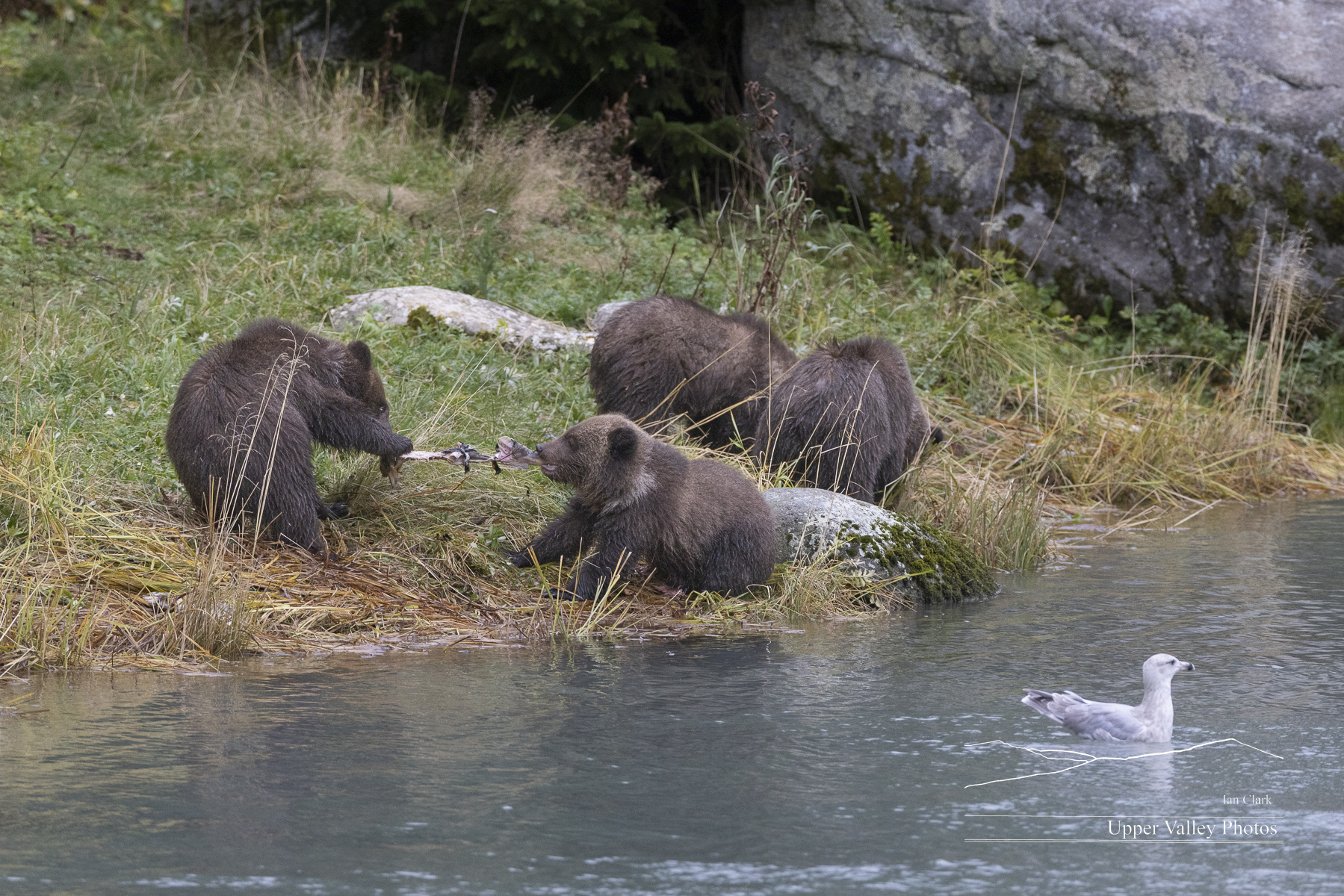
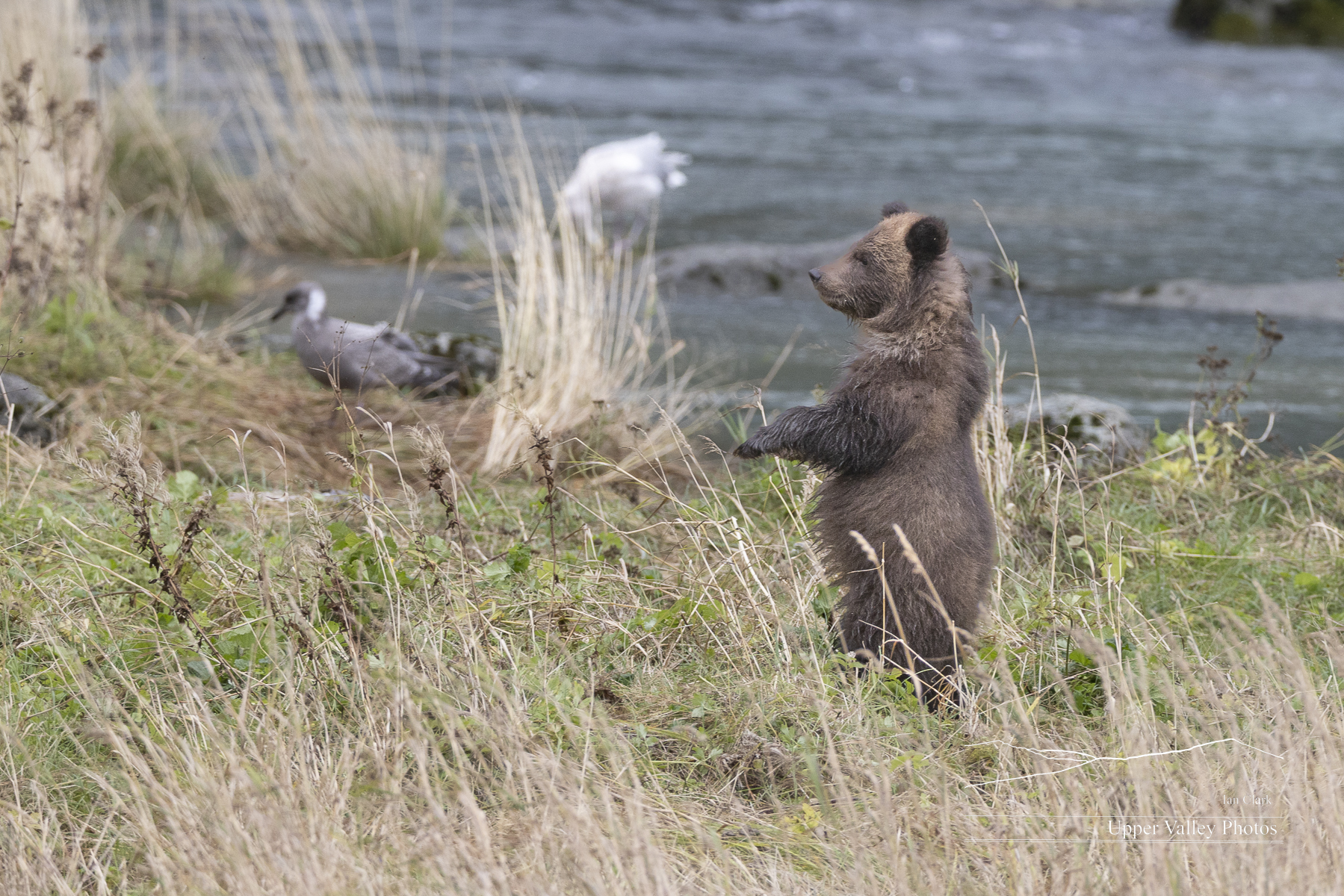
The star of the show was a female bear with four cubs born this year. Liters of four are extremely rare for bears. The Alaska Fish and Game Department knows her as ‘Bear 925.’ Locals call her Lulu. She seemed on a regular schedule, appearing about dawn to feed for a couple hours before retreating back into the forest, presumably to nurse and rest. She’d reappear between 10:00 and 10:30 for another meal, heading back into the forest about noon. Then about 2:00 to 2:30 she’d return for another meal before heading back into the forest. Late afternoon, she’d reappear to get a meal, departing at dusk, presumably to avoid the boars.
There were other families I saw regularly. One mother with three second-year cubs, and at least three mothers with first- and second-year twins.
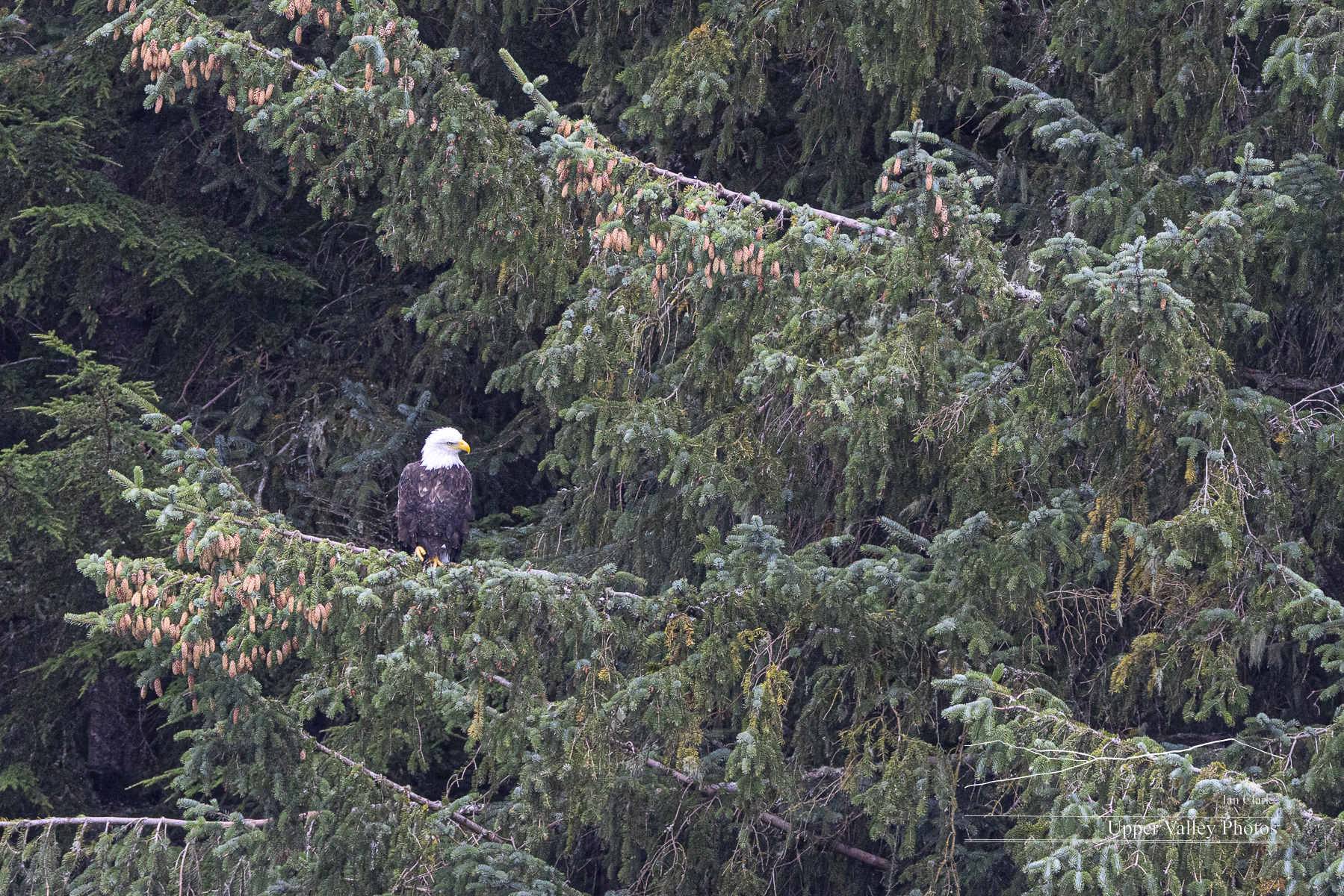
On to the bears… Fair warning, there are photos of bears eating fish where we see the insides of the fish on the outside of the fish…..
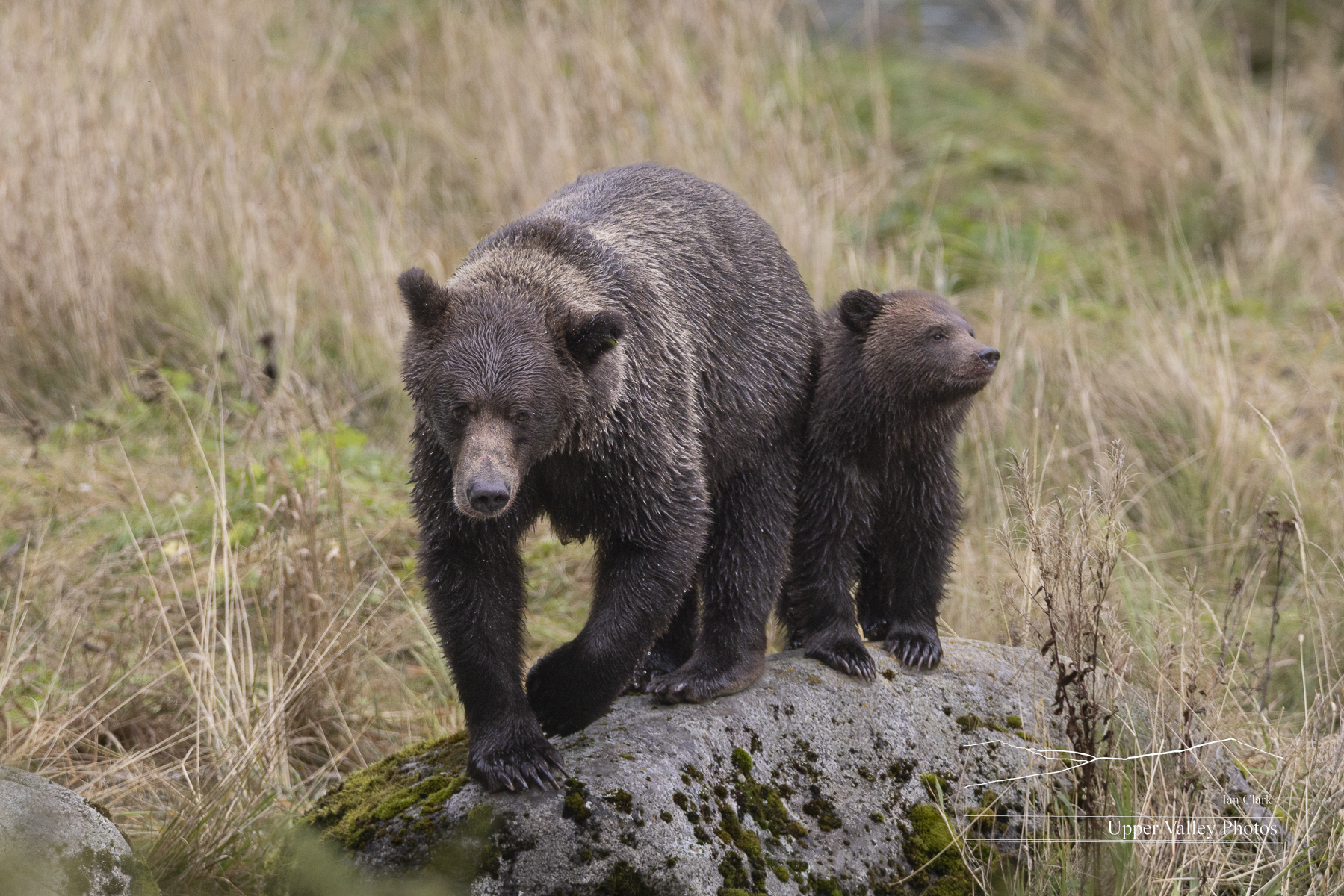
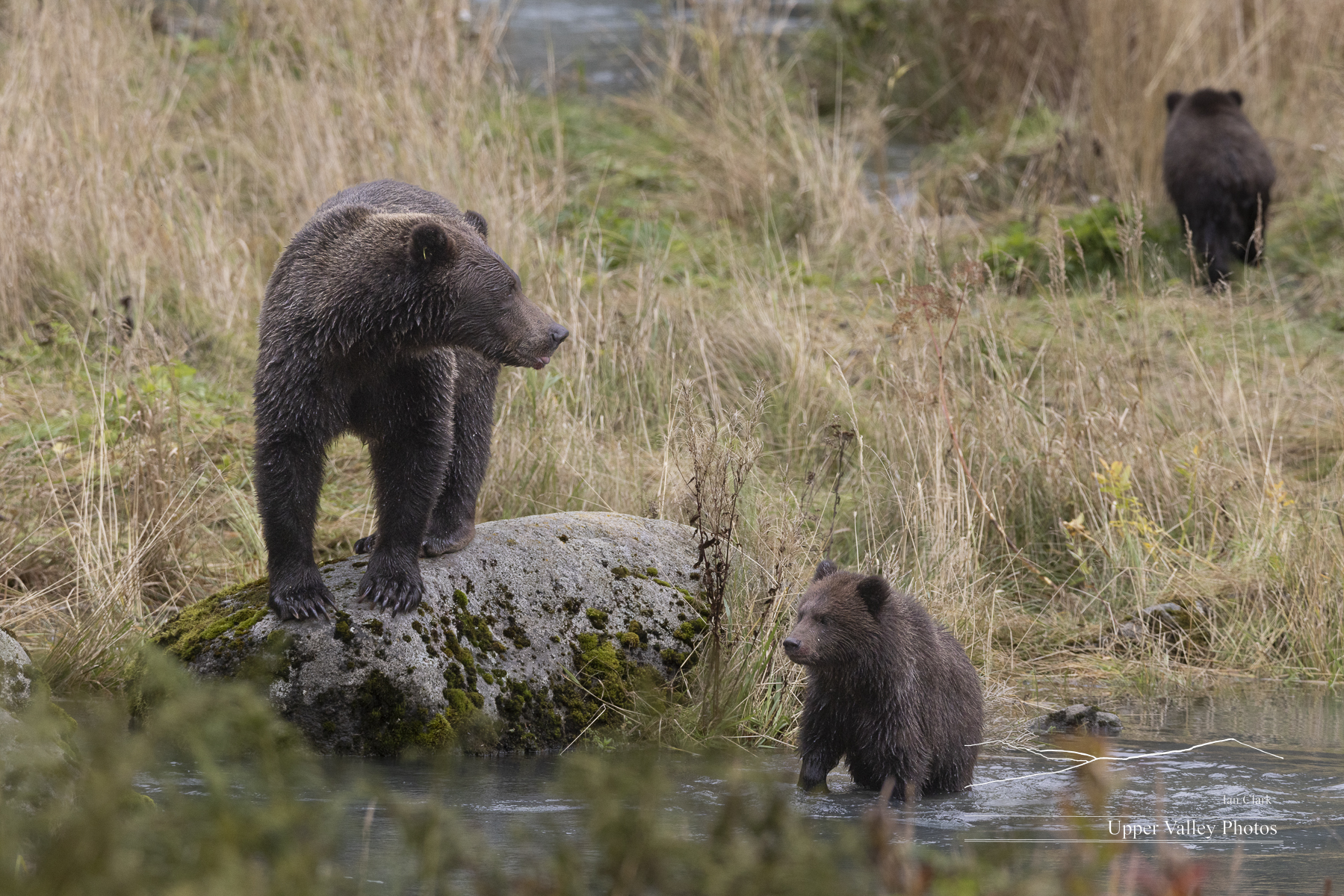
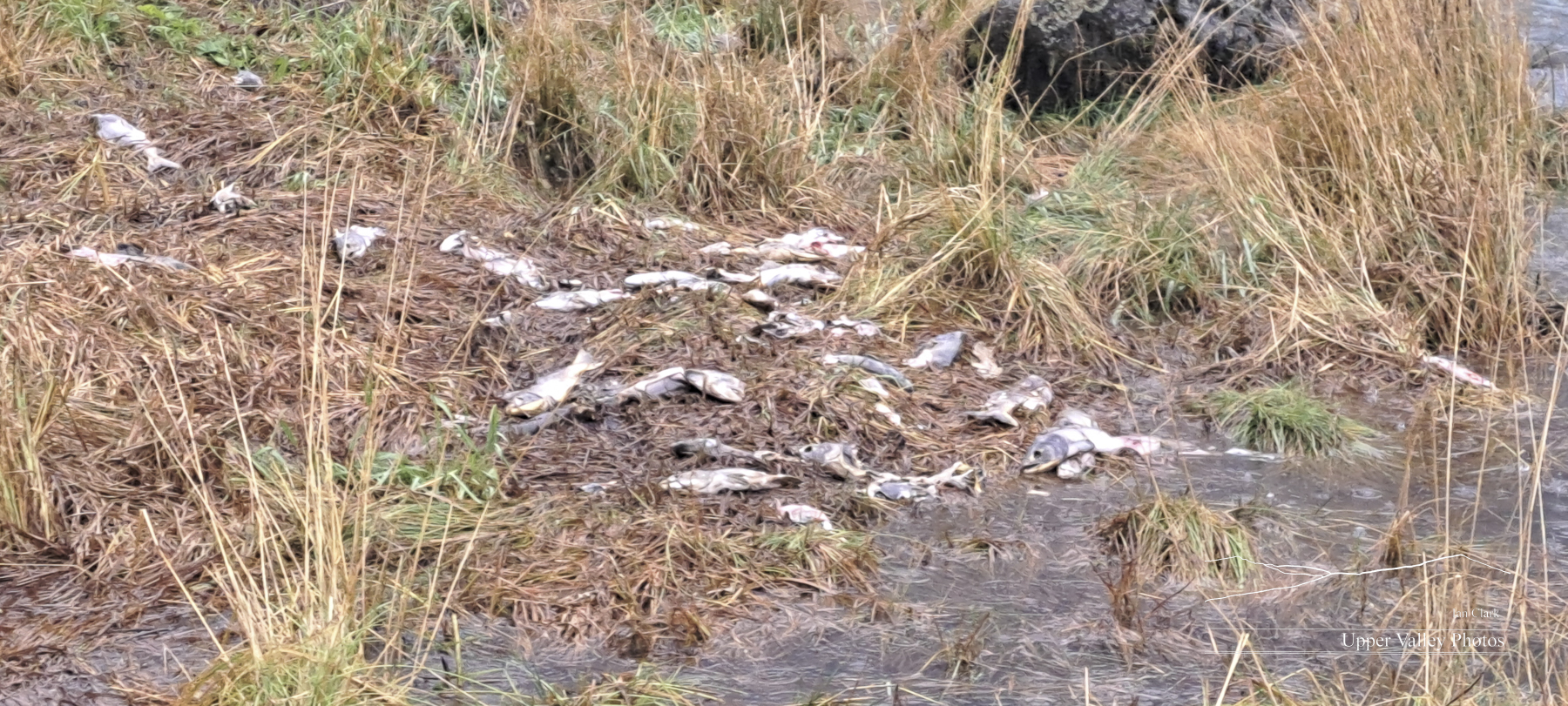
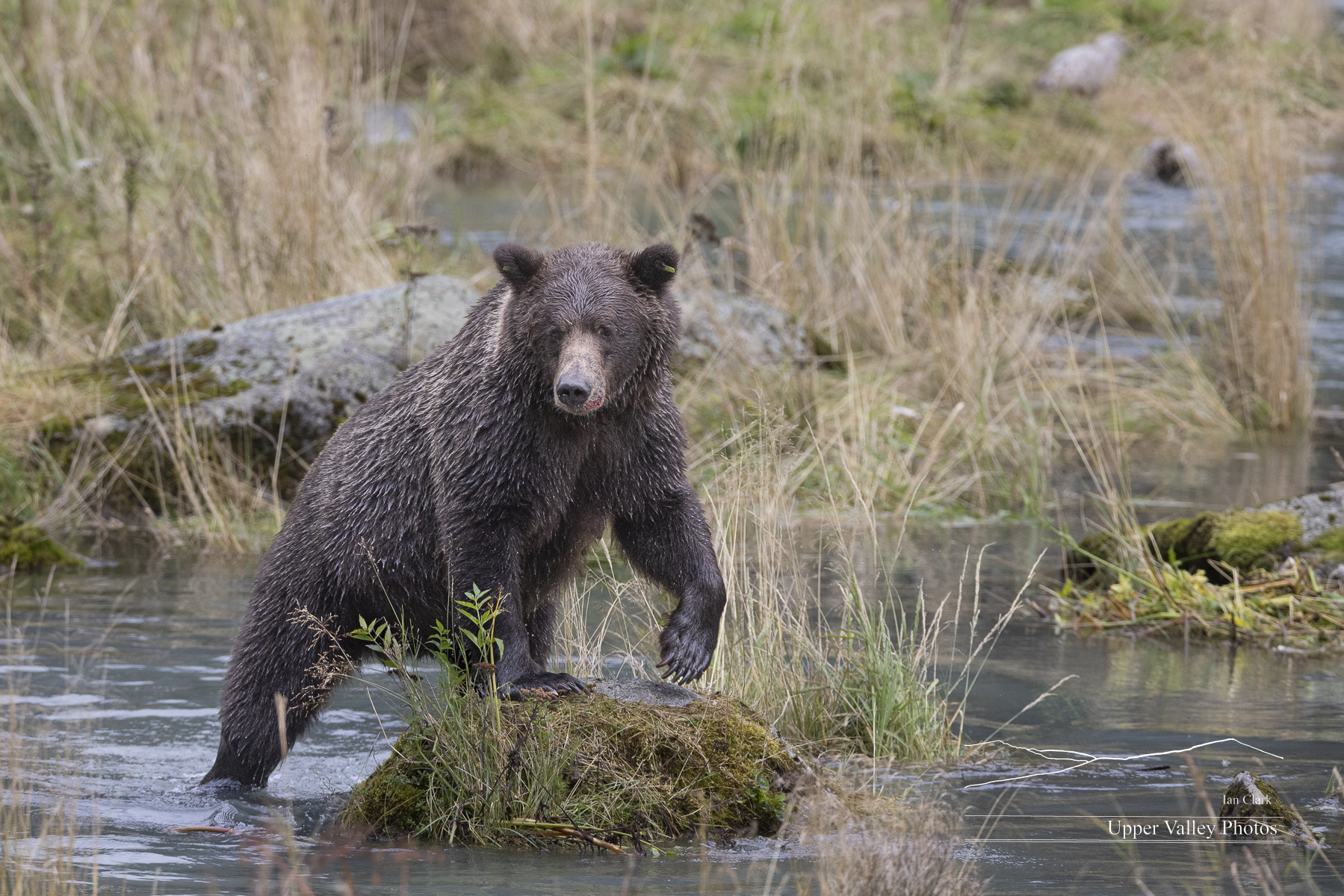
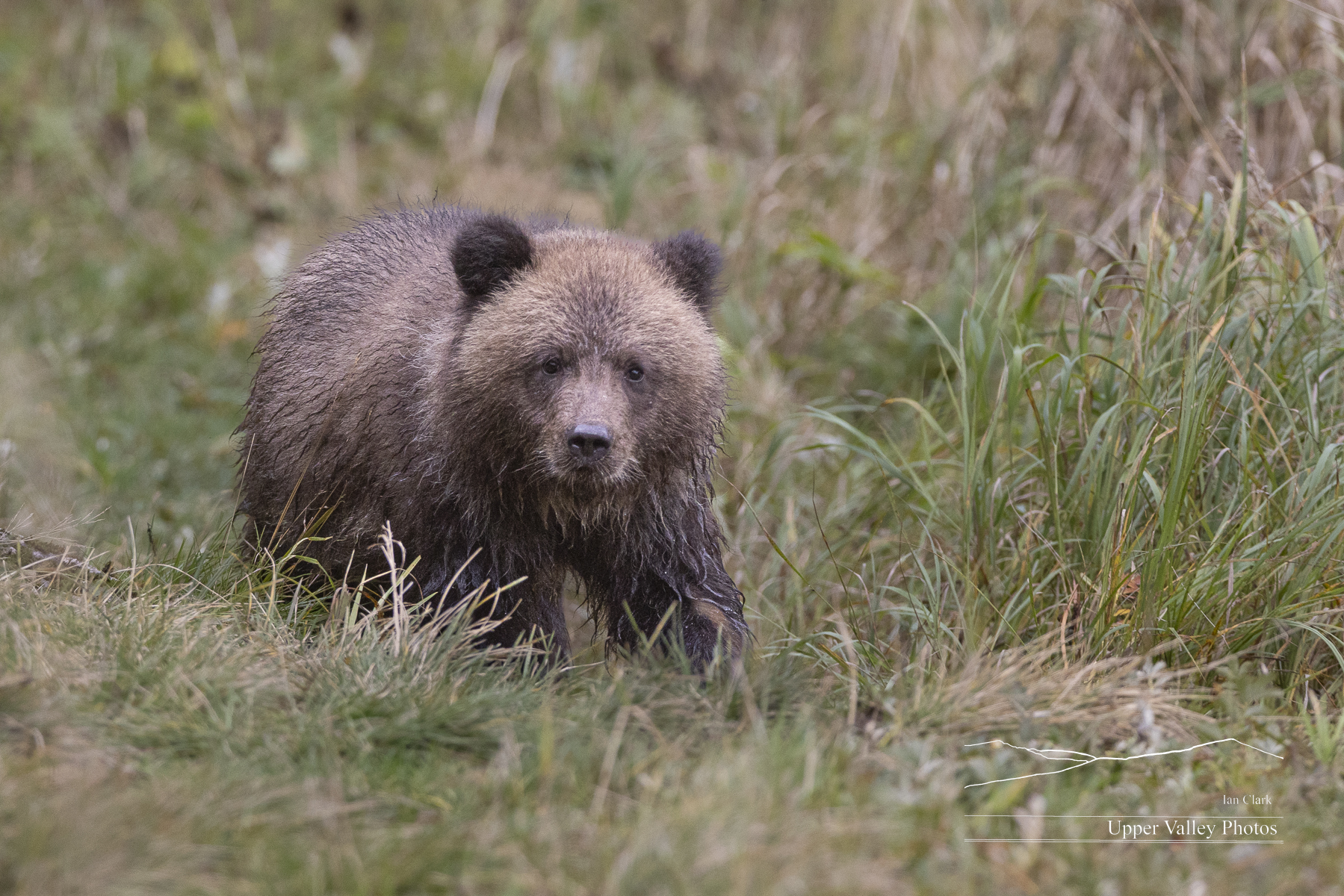
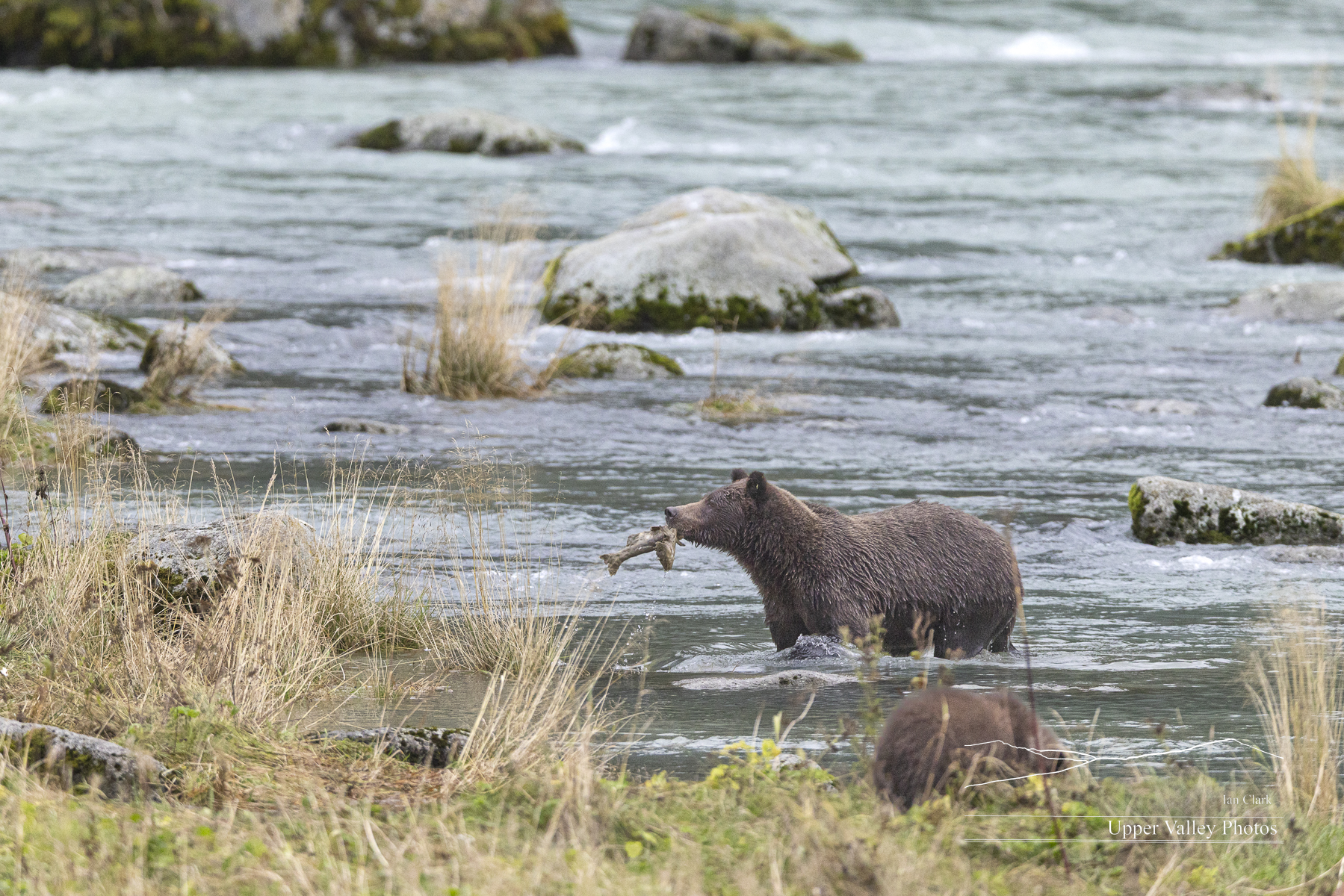
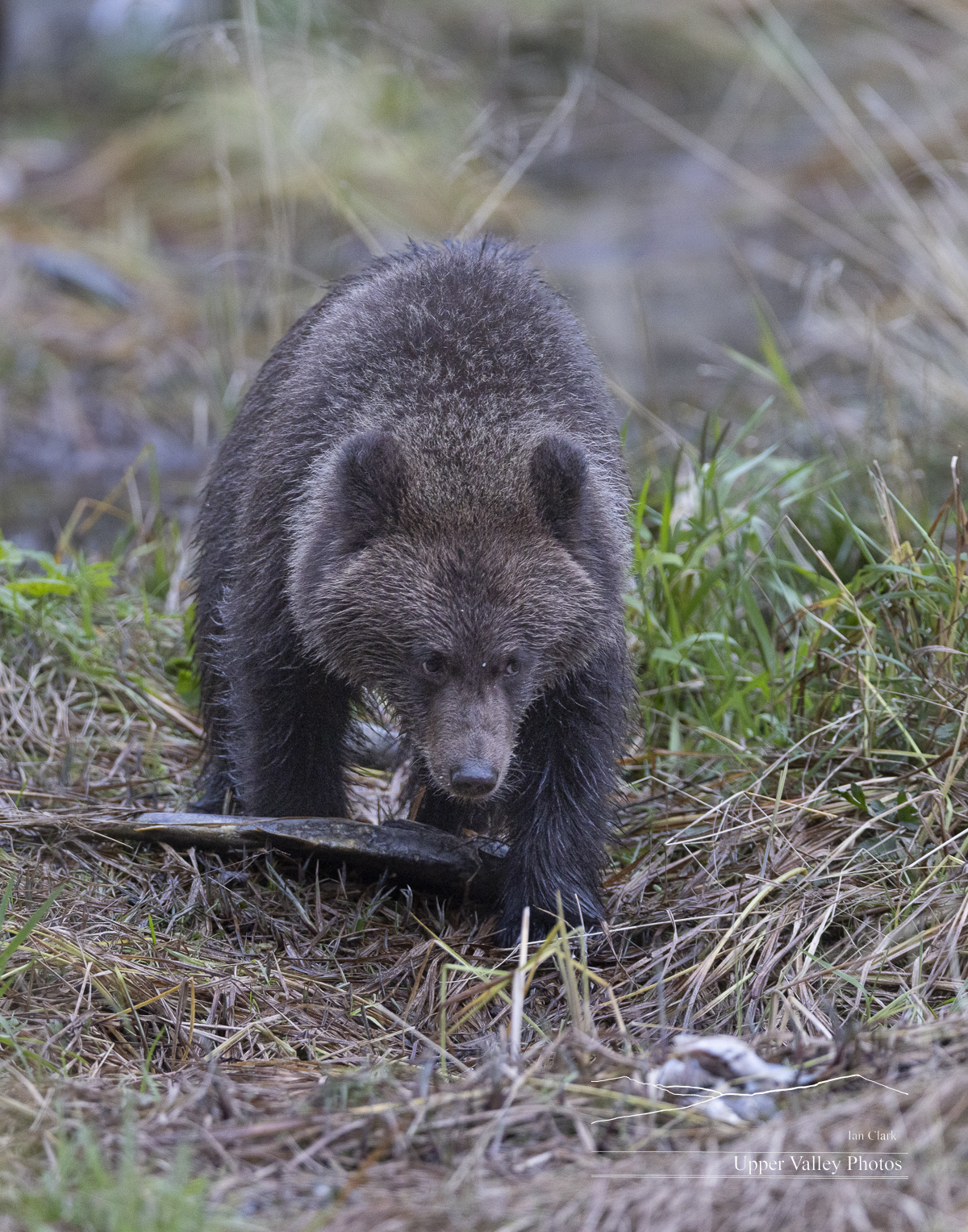
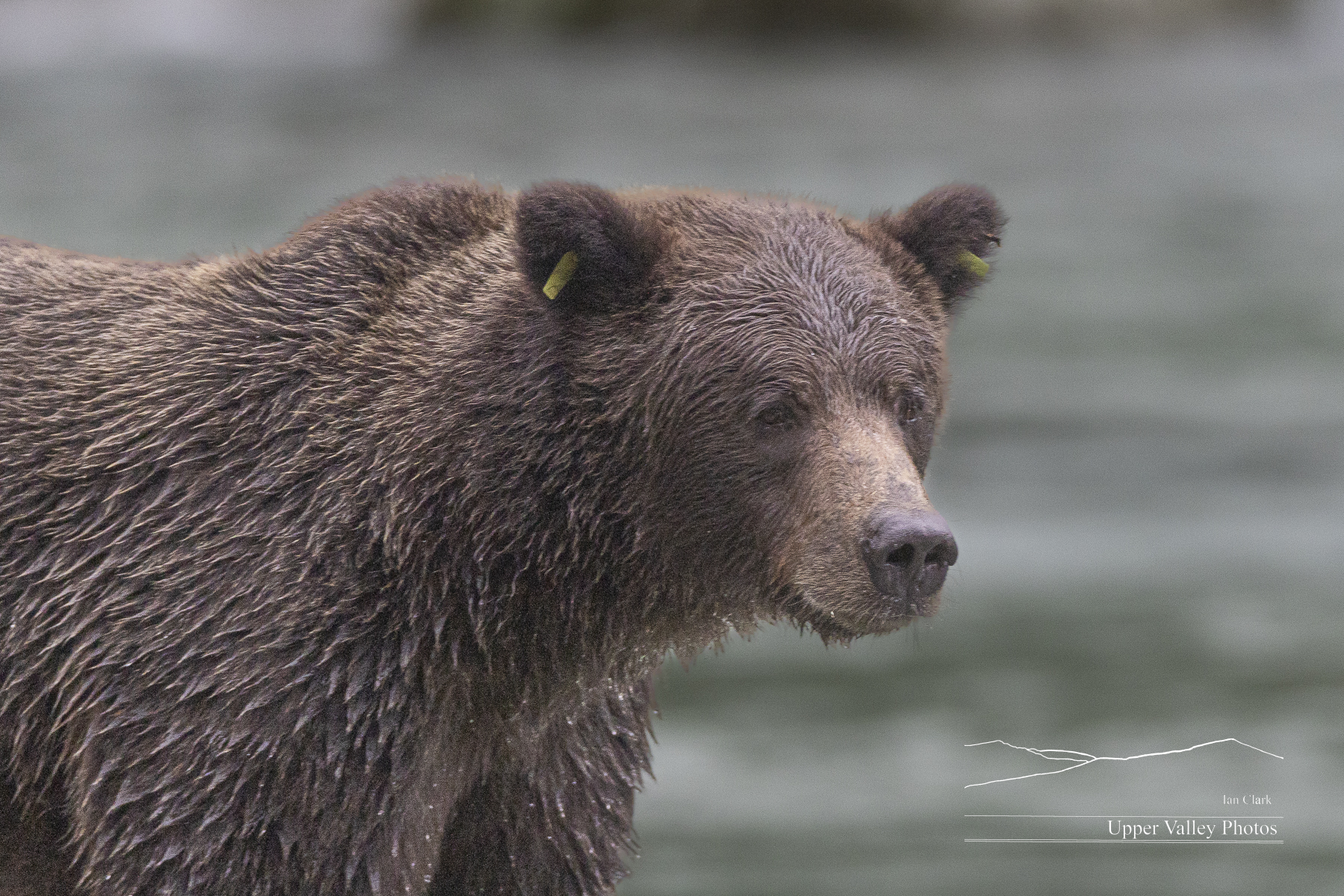
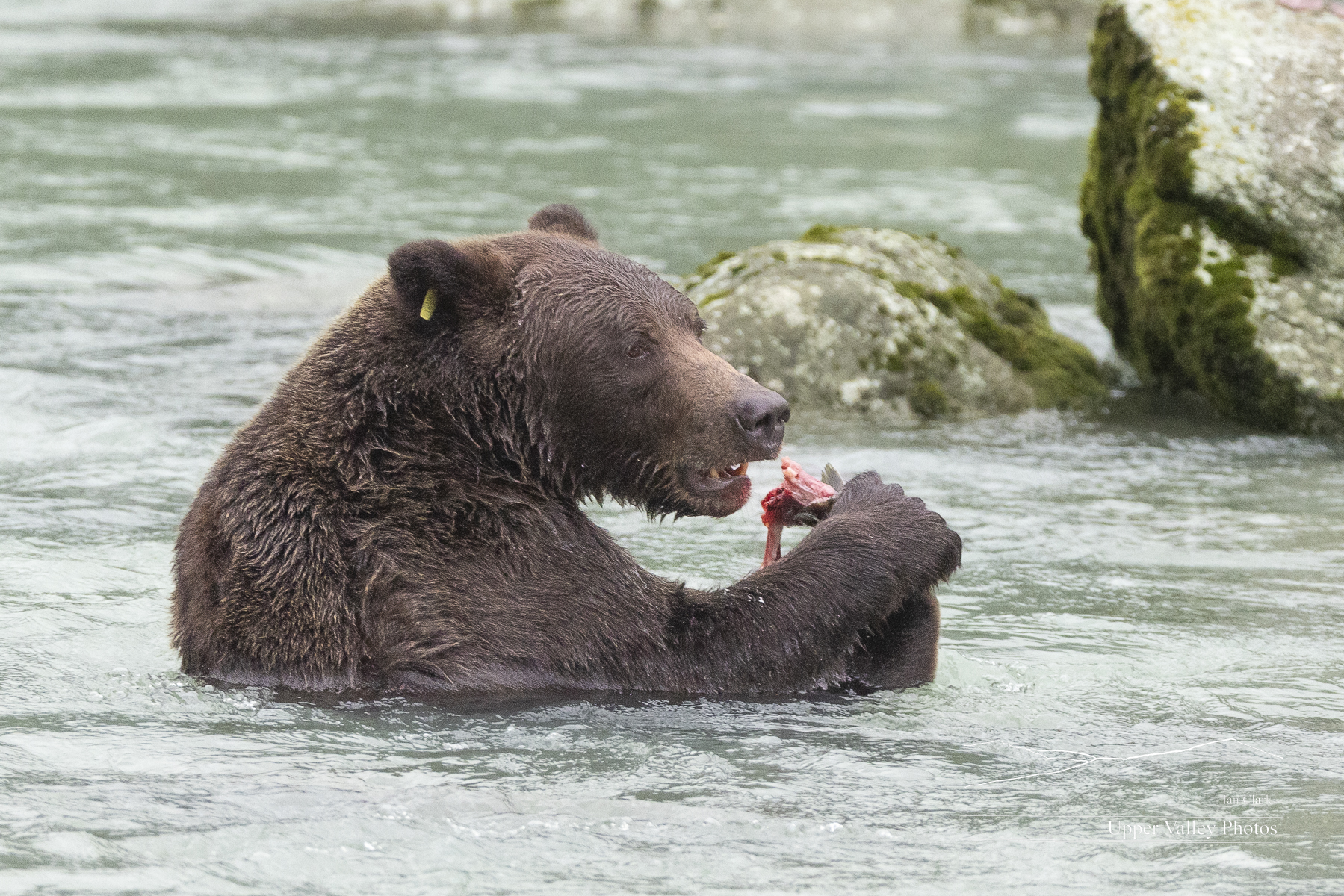
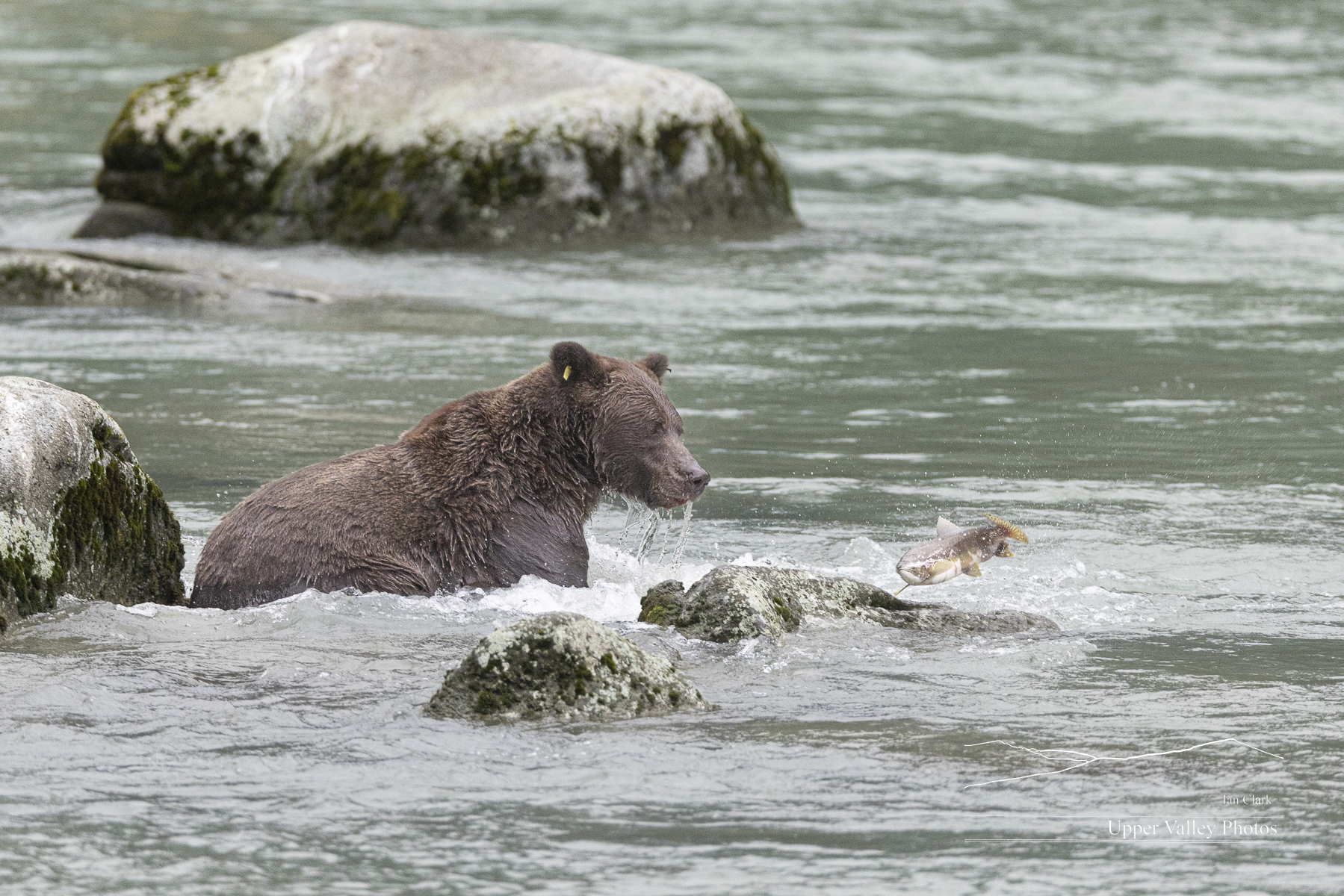
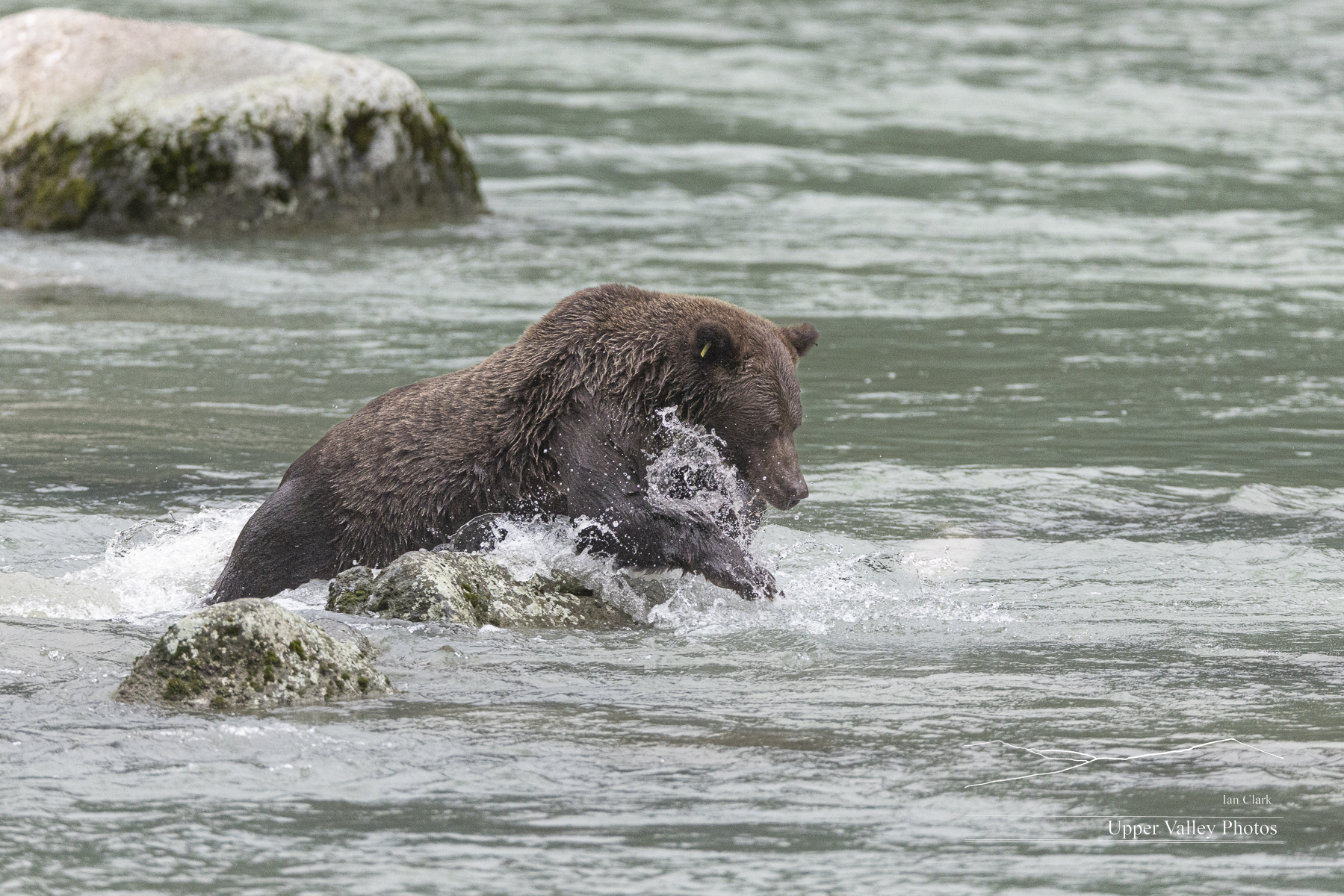
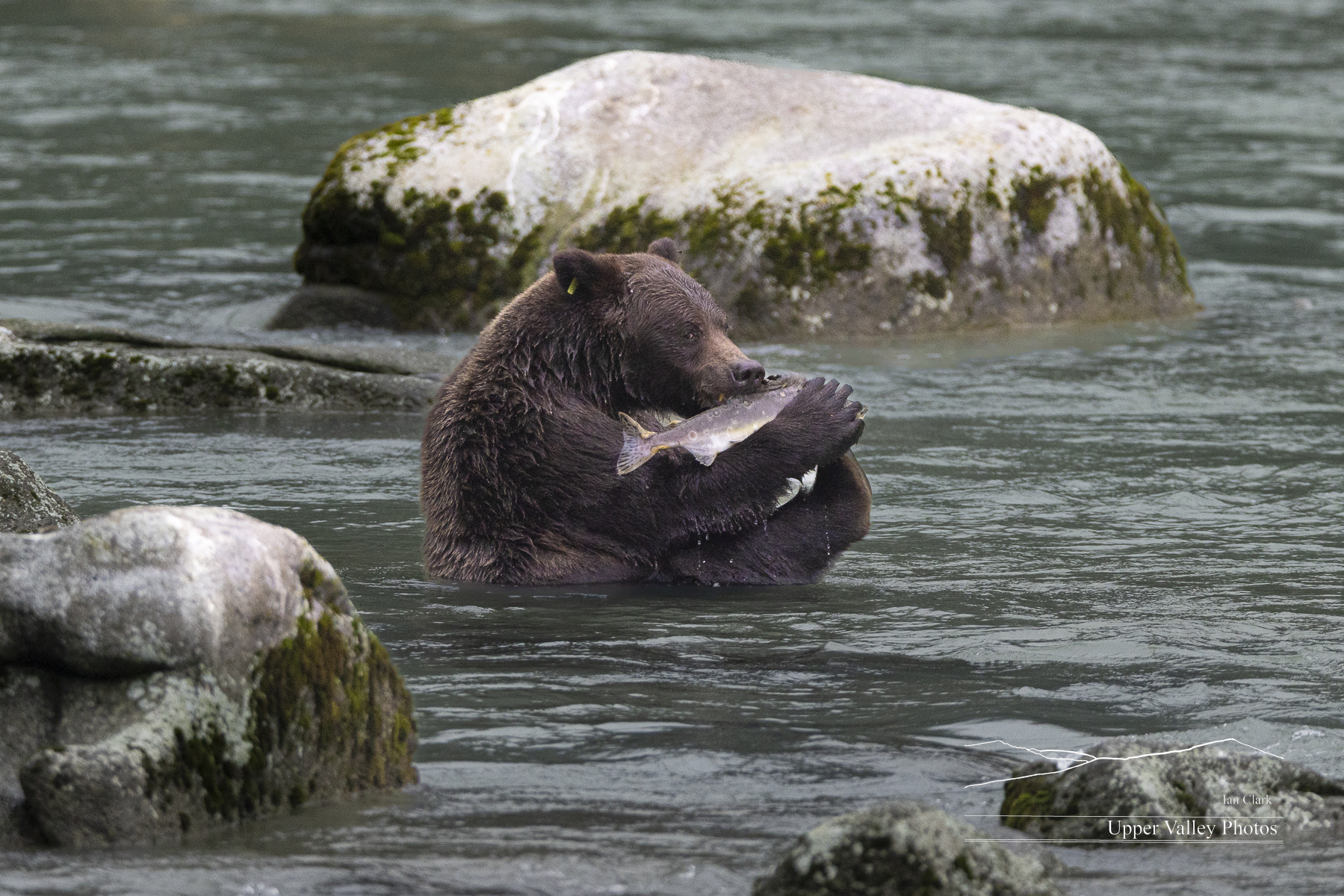
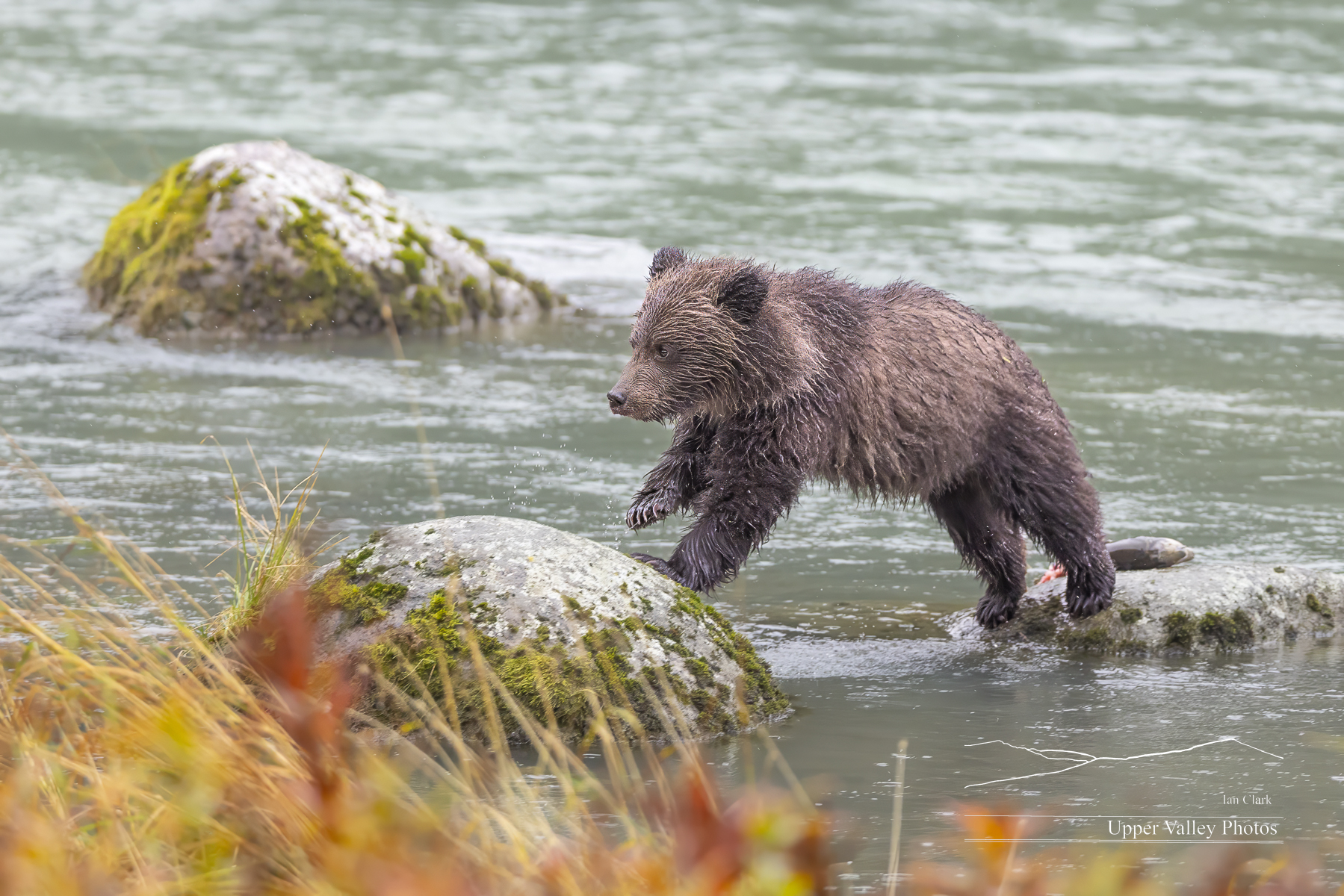
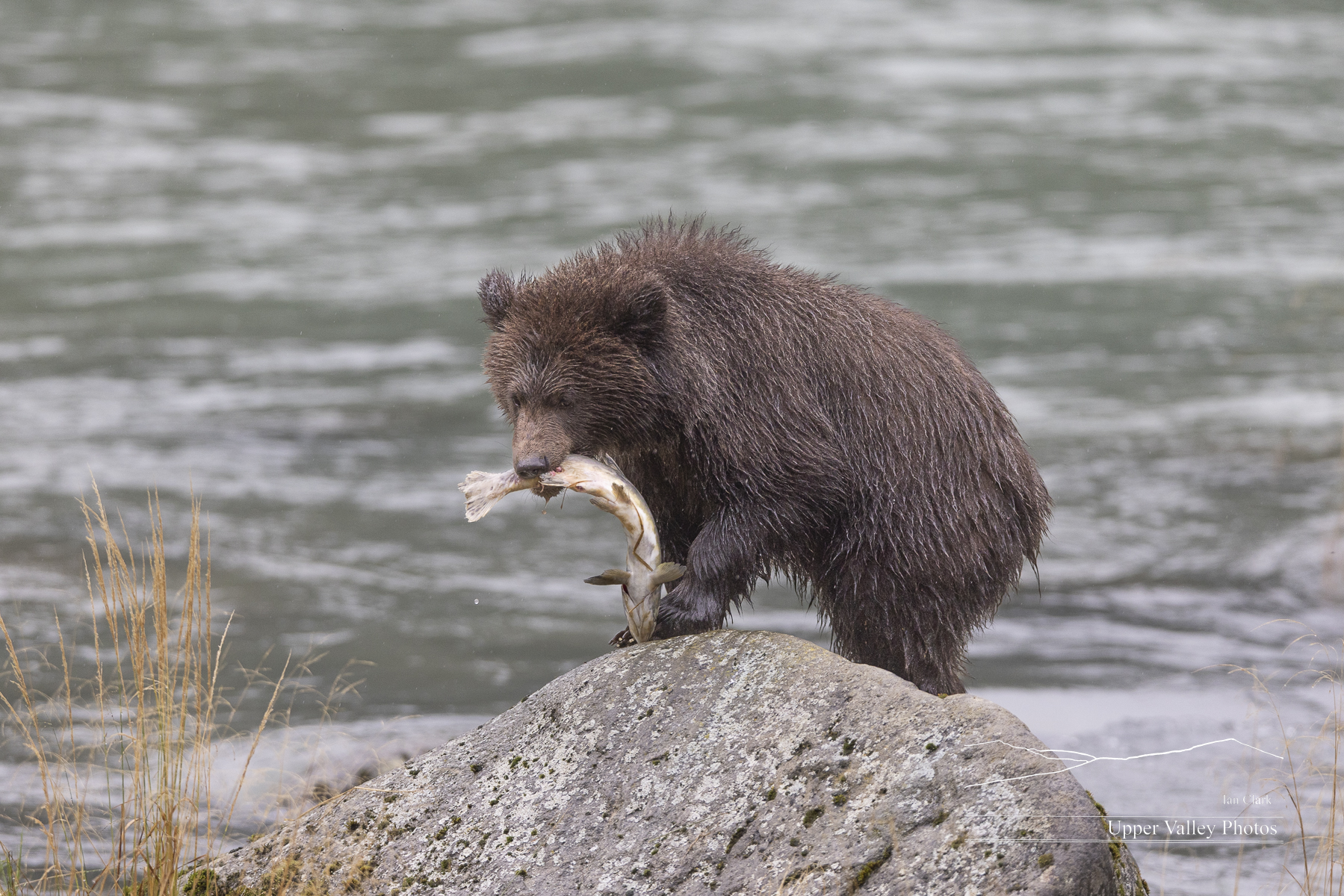
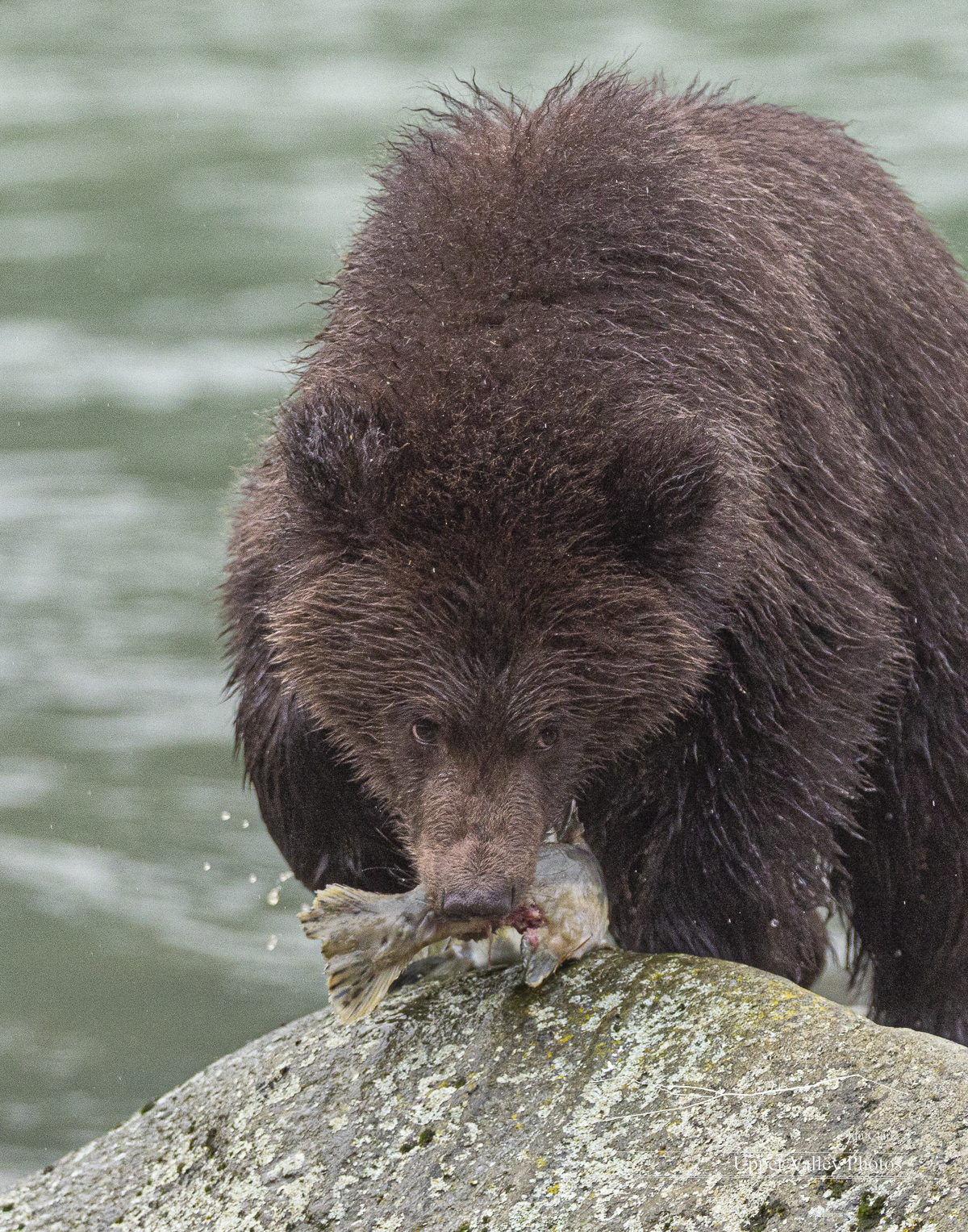
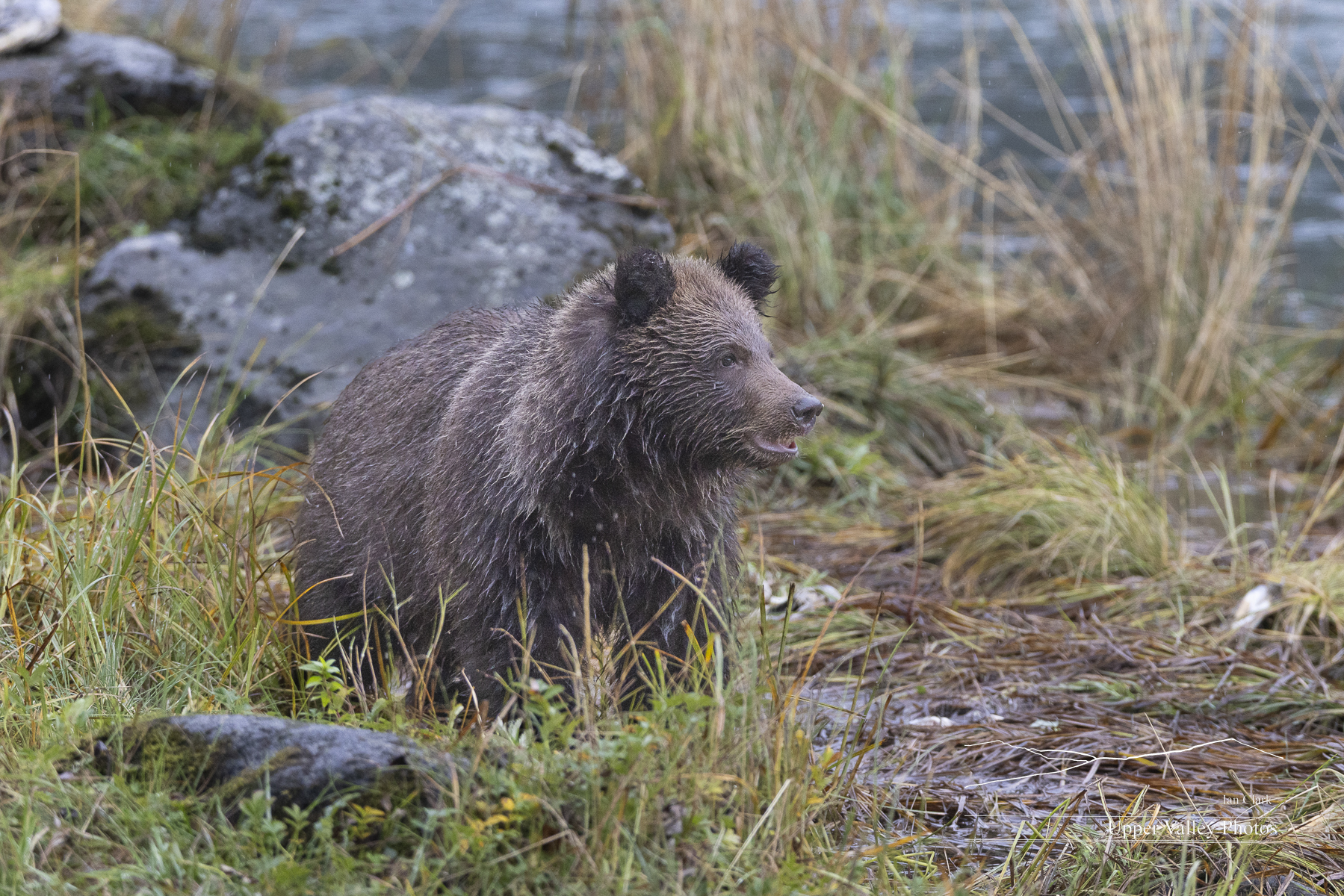
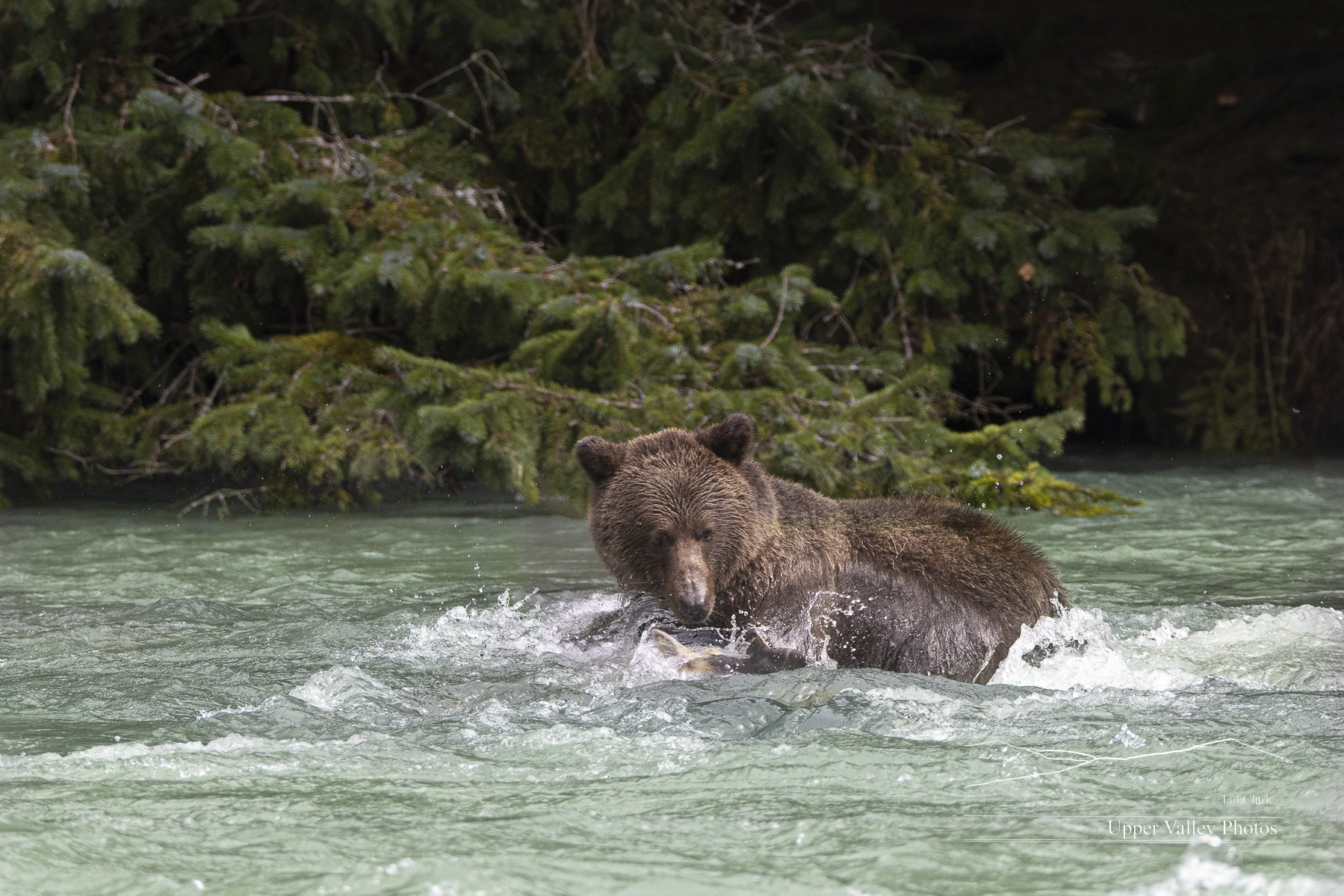
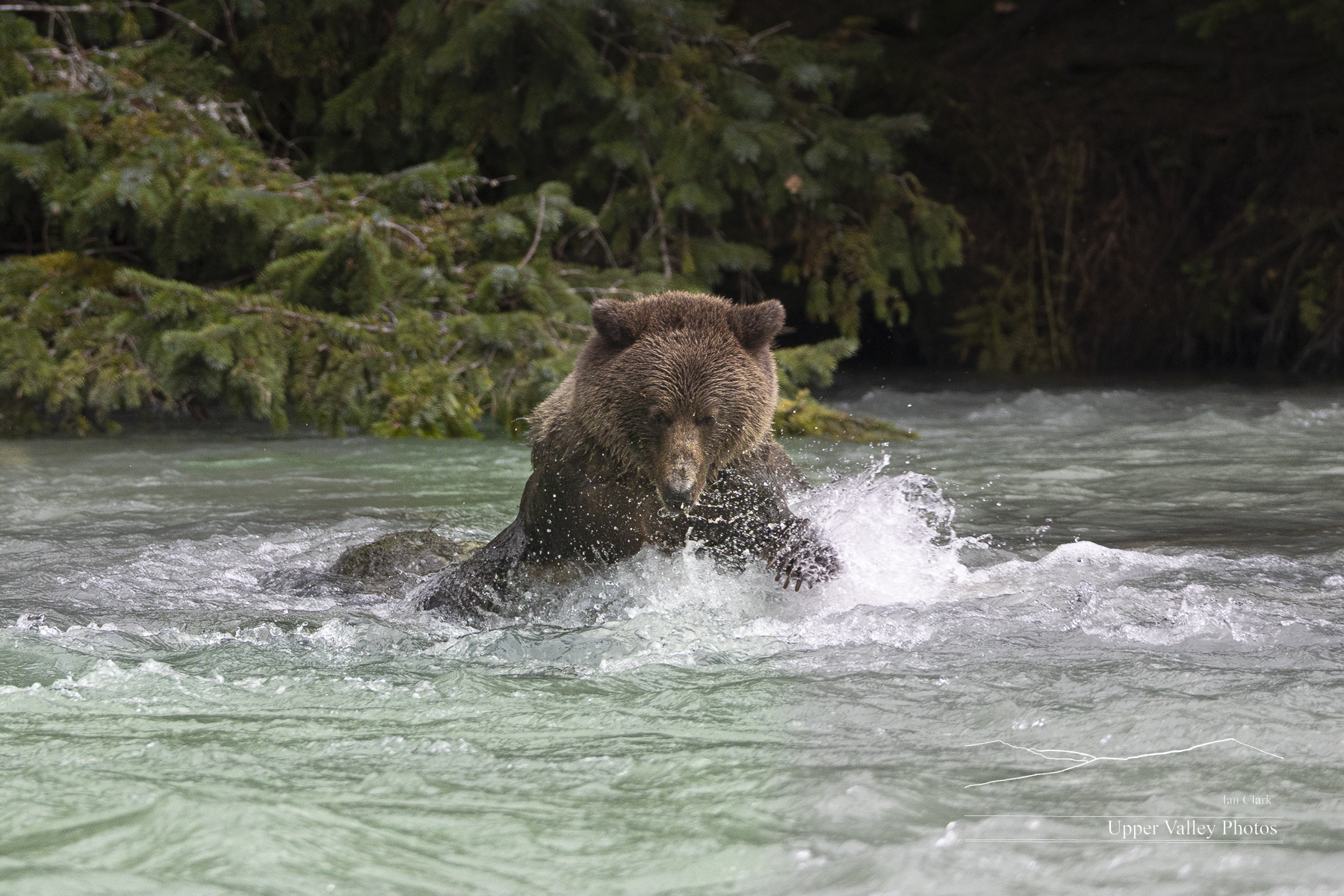
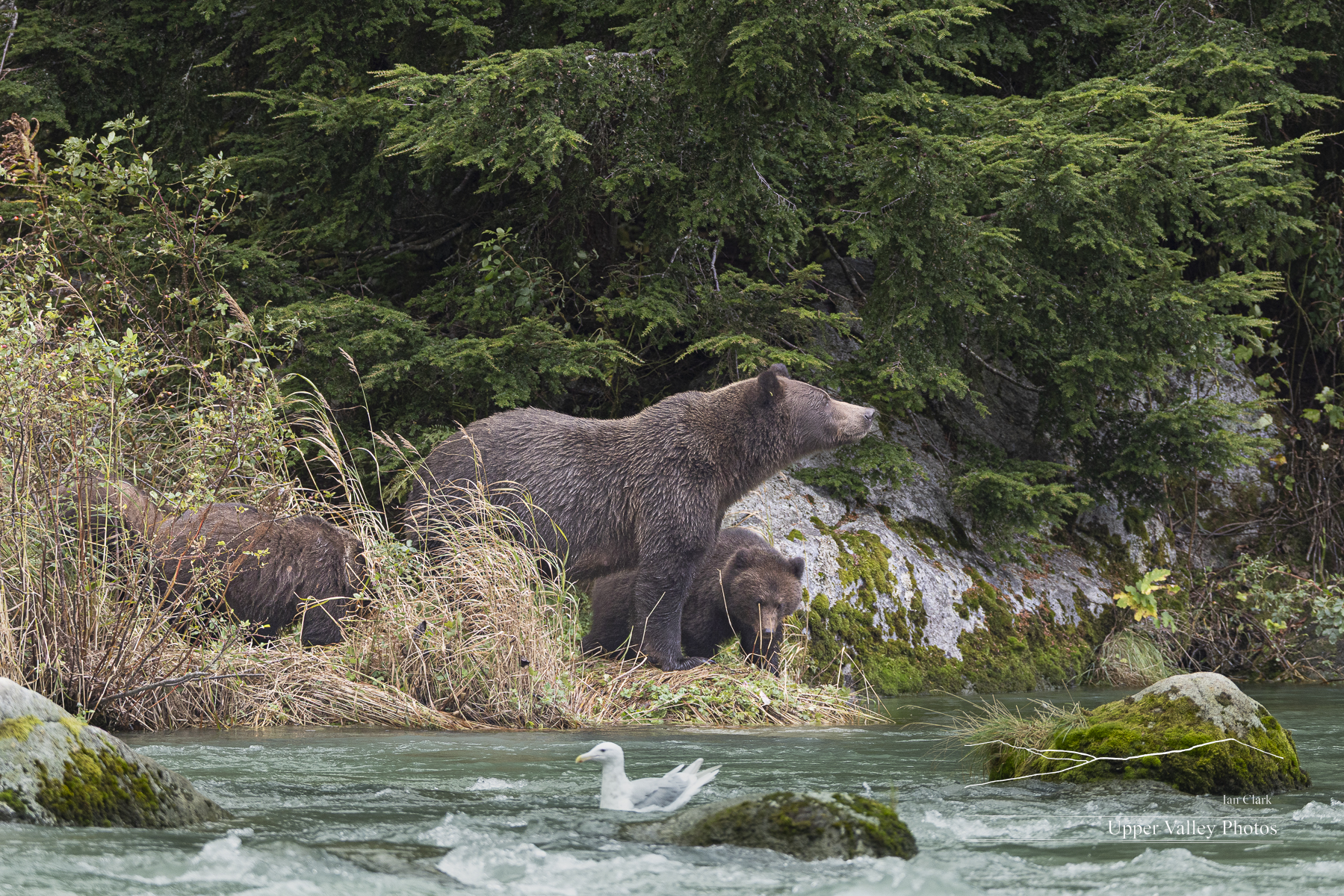
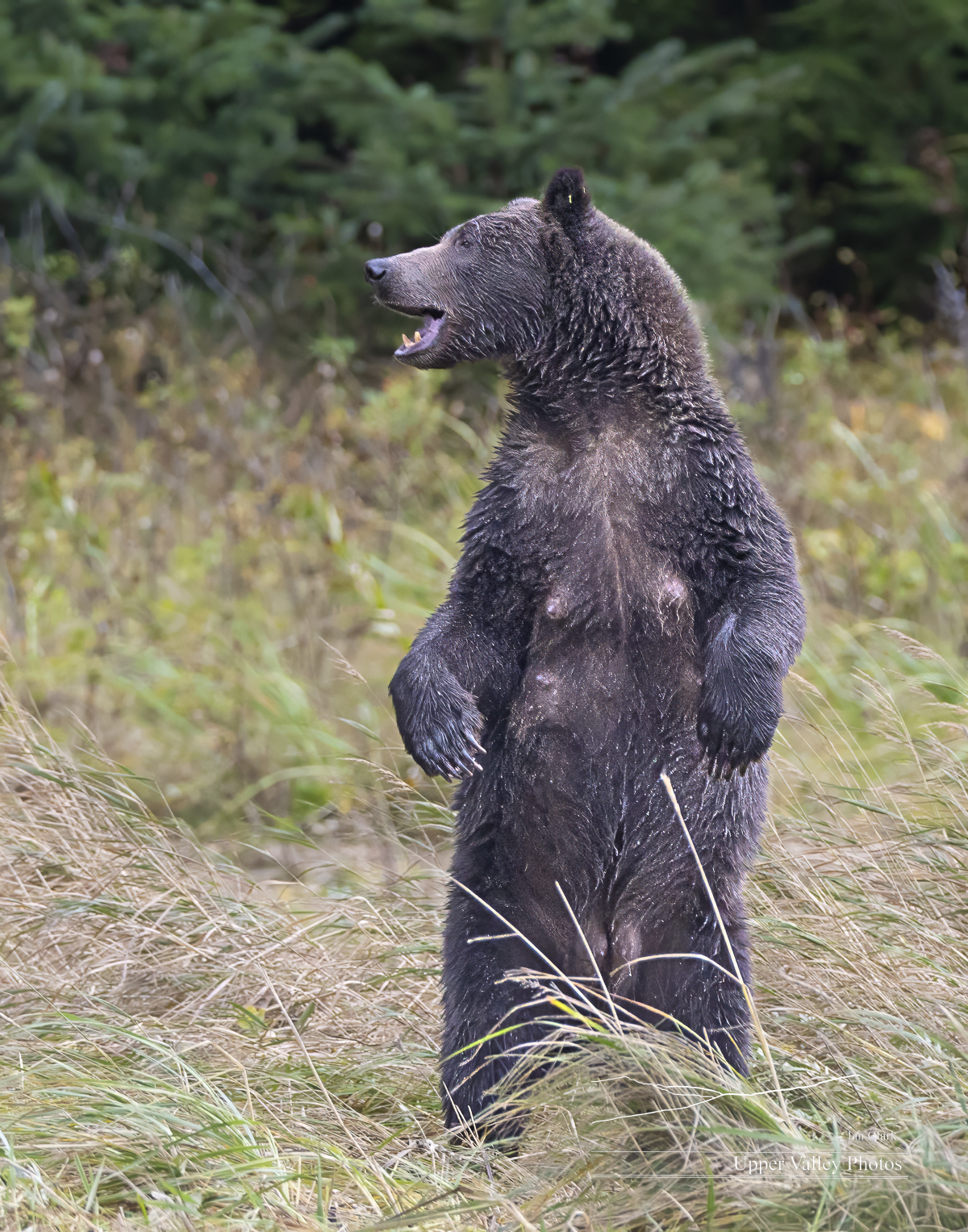
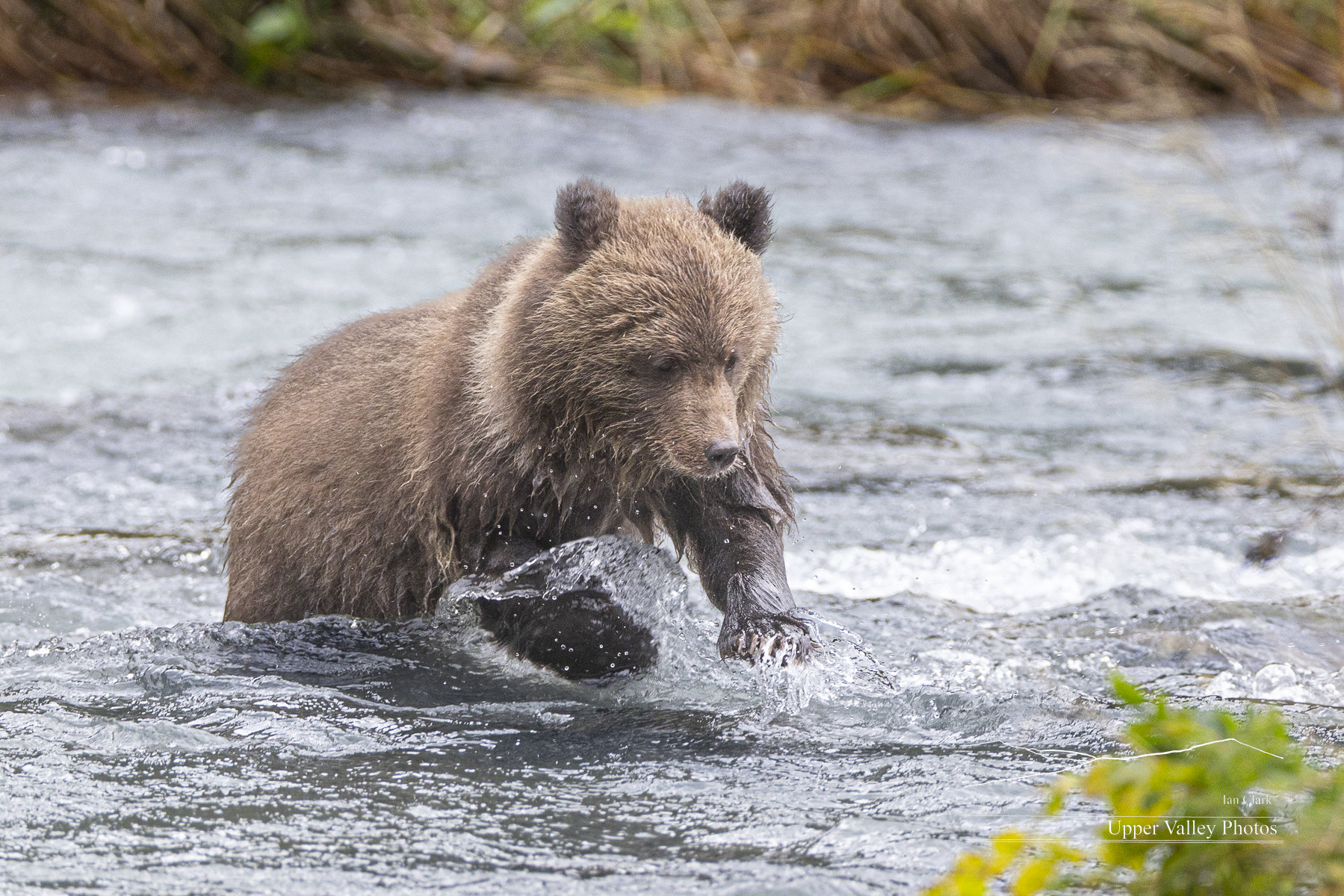
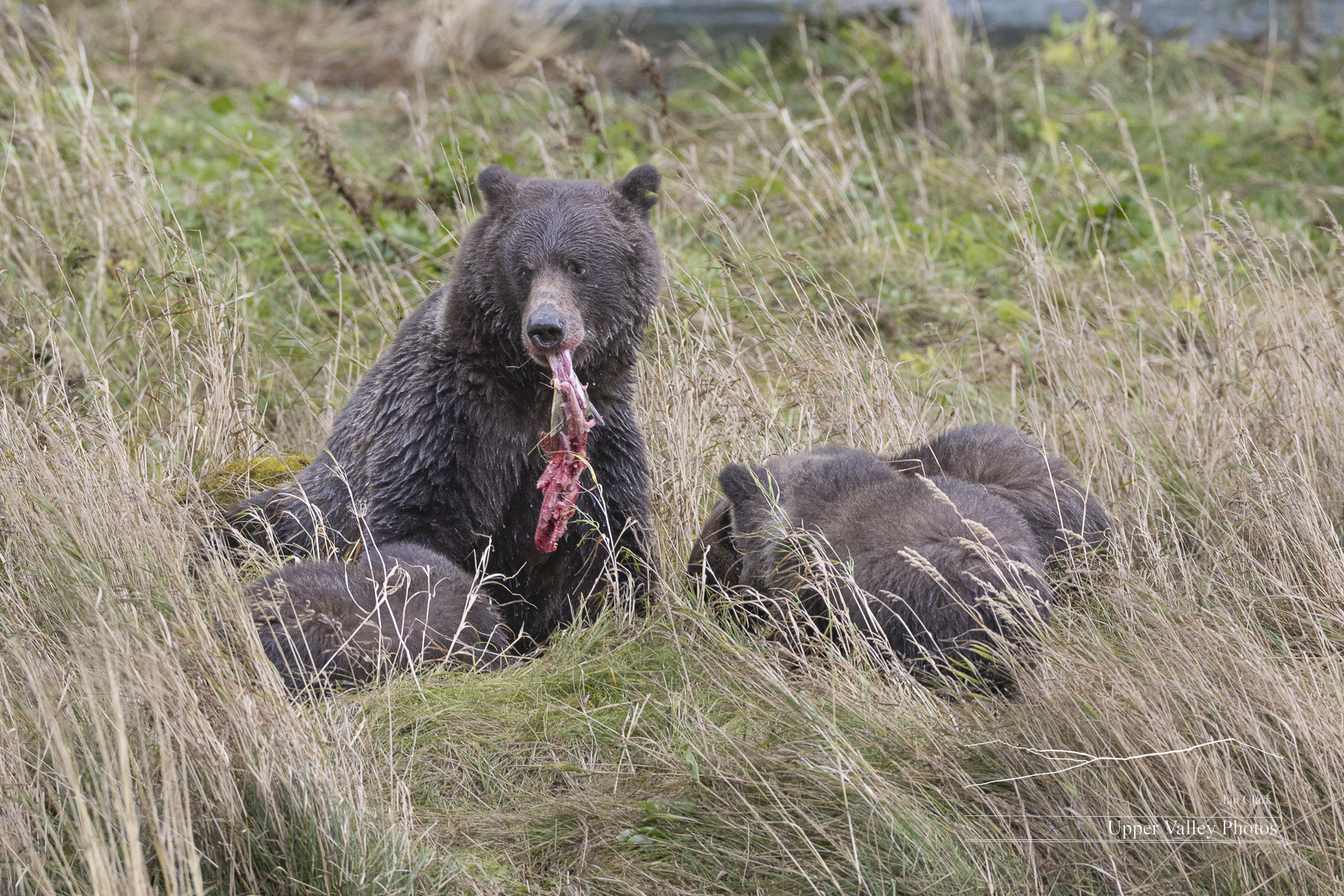
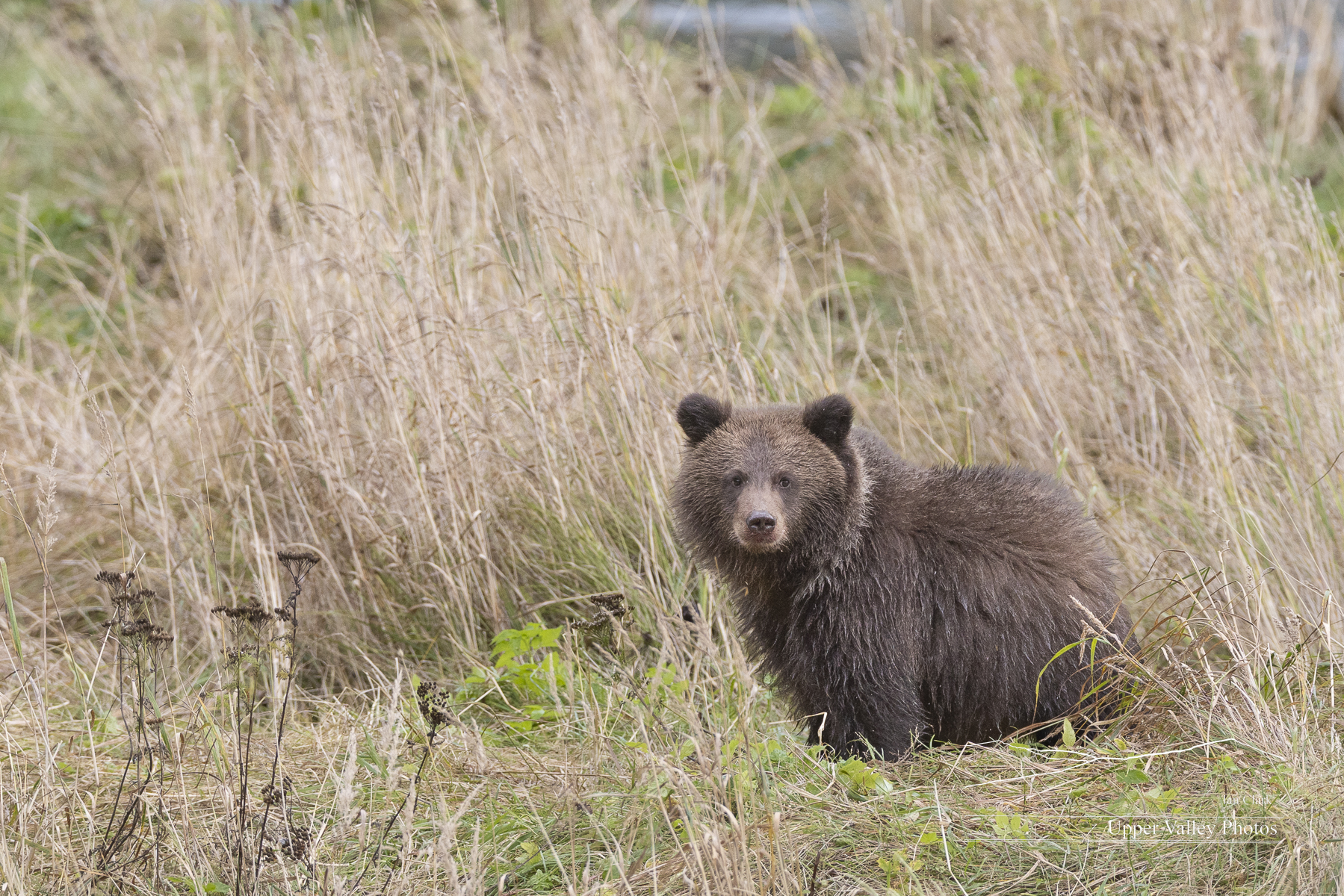
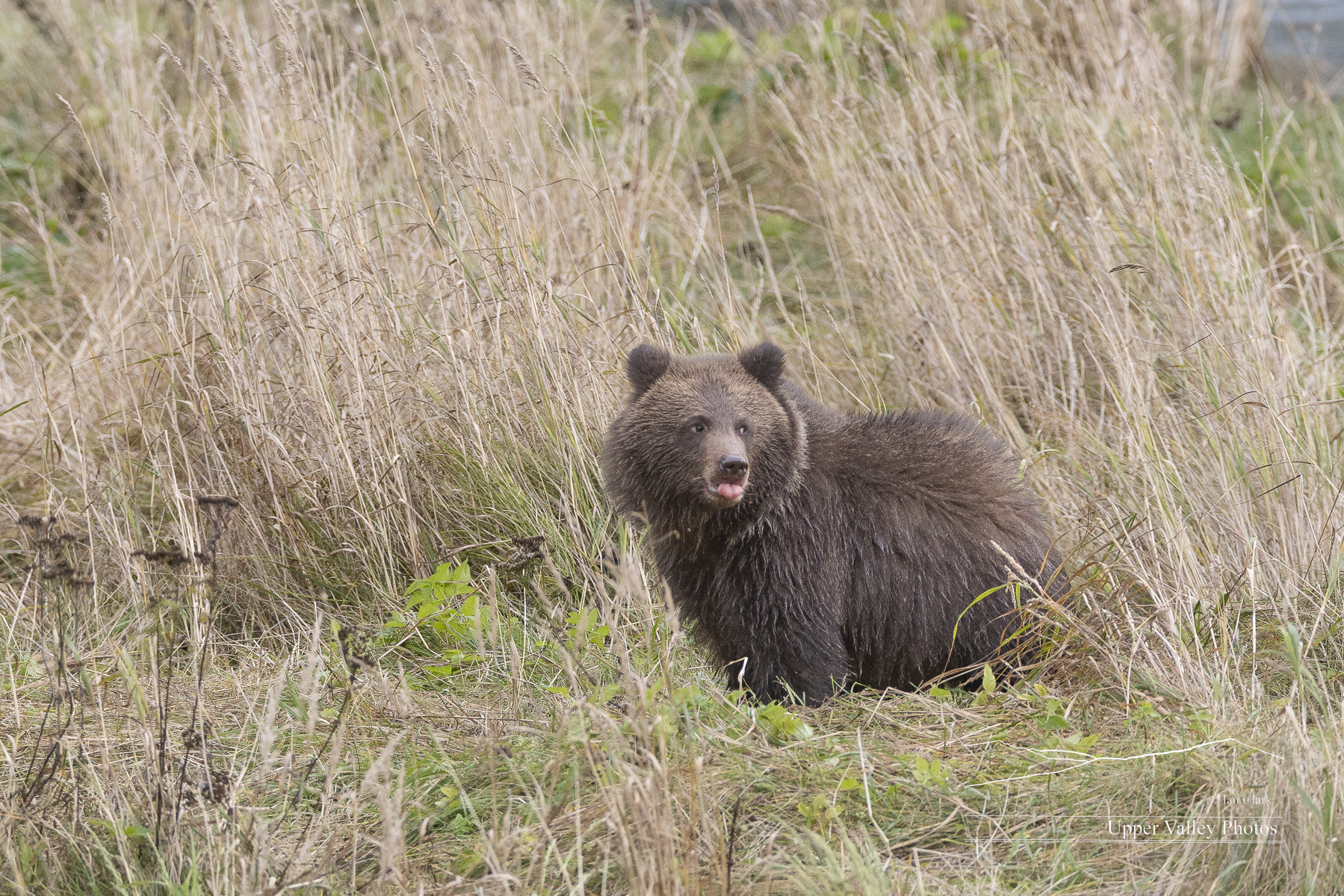
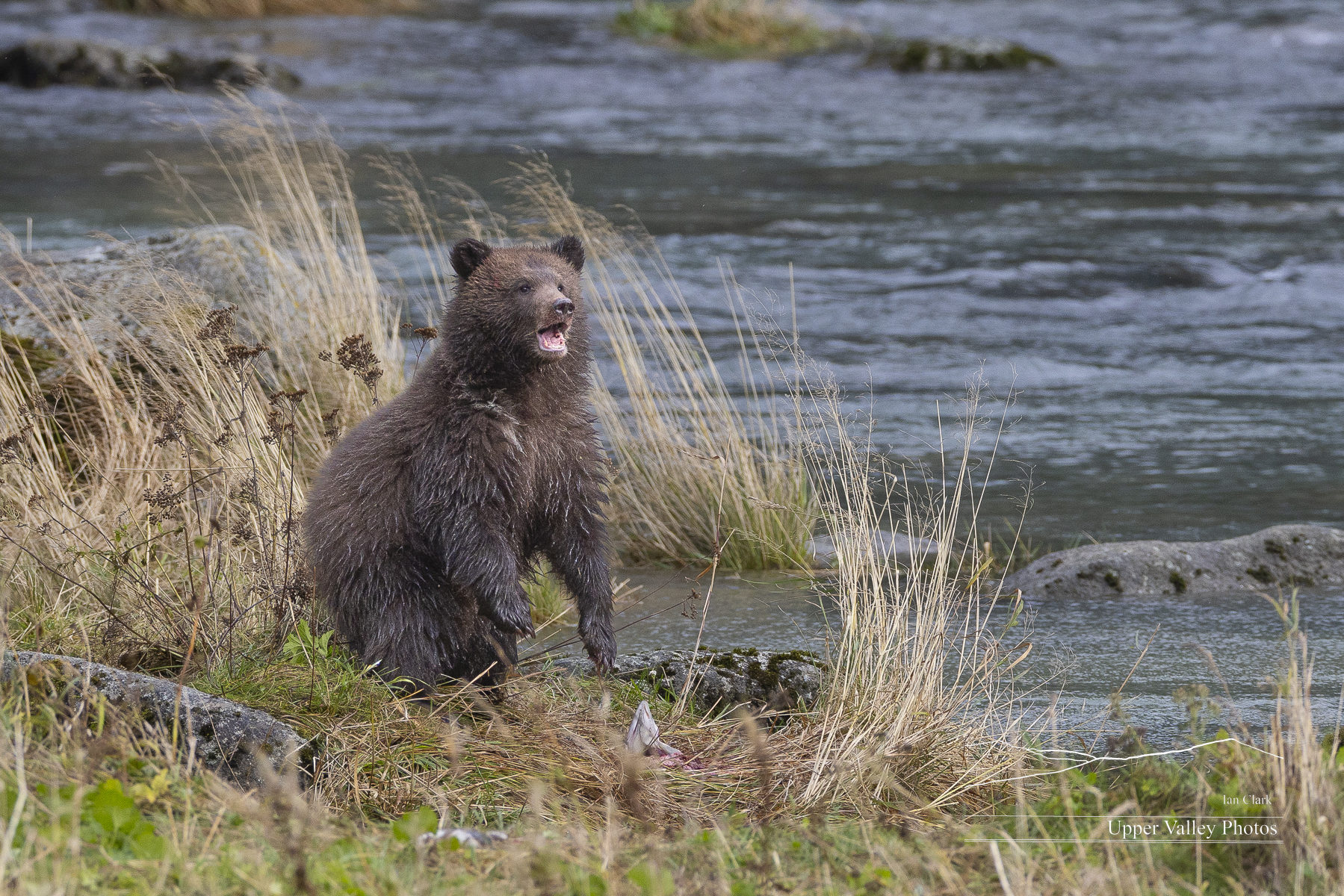
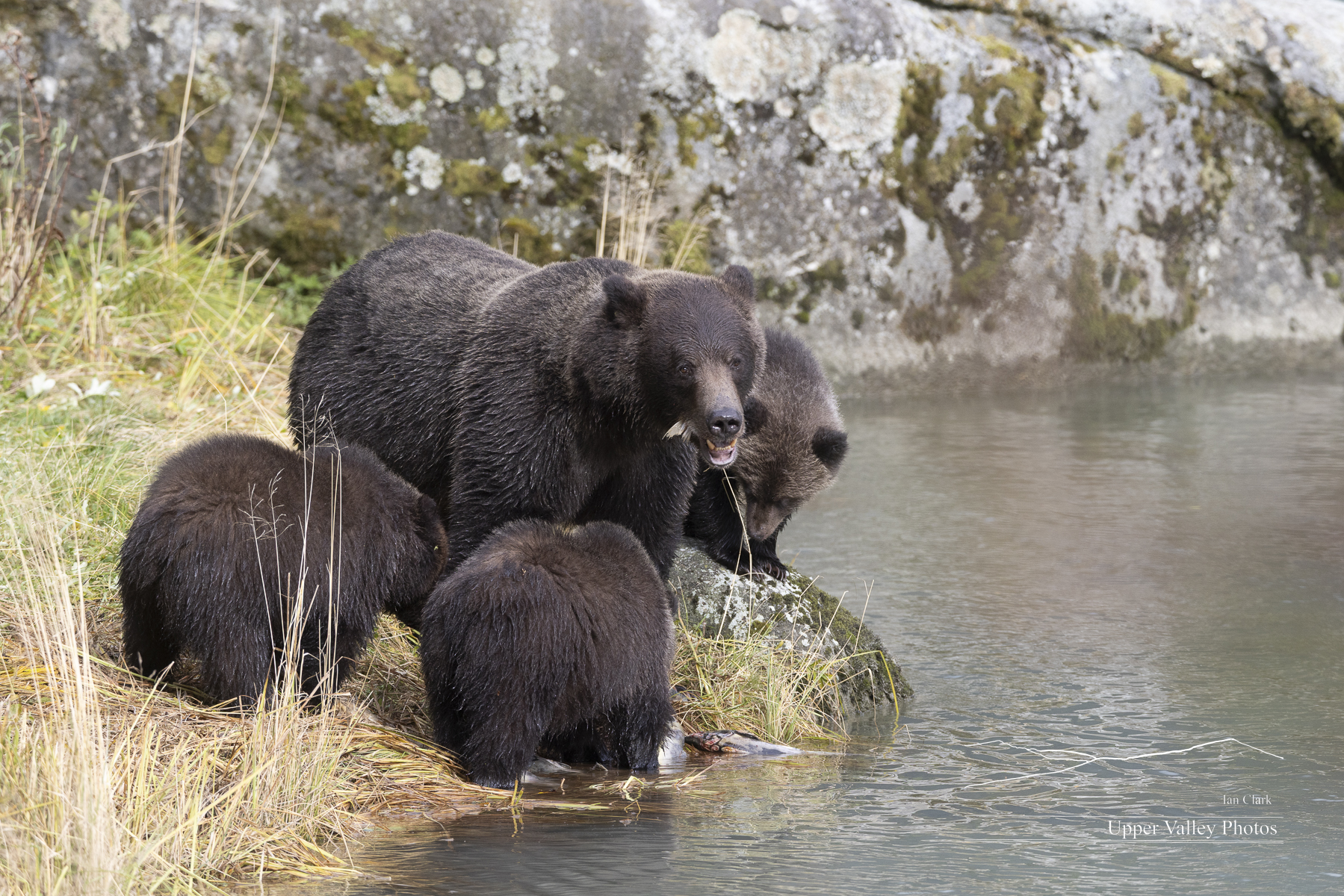
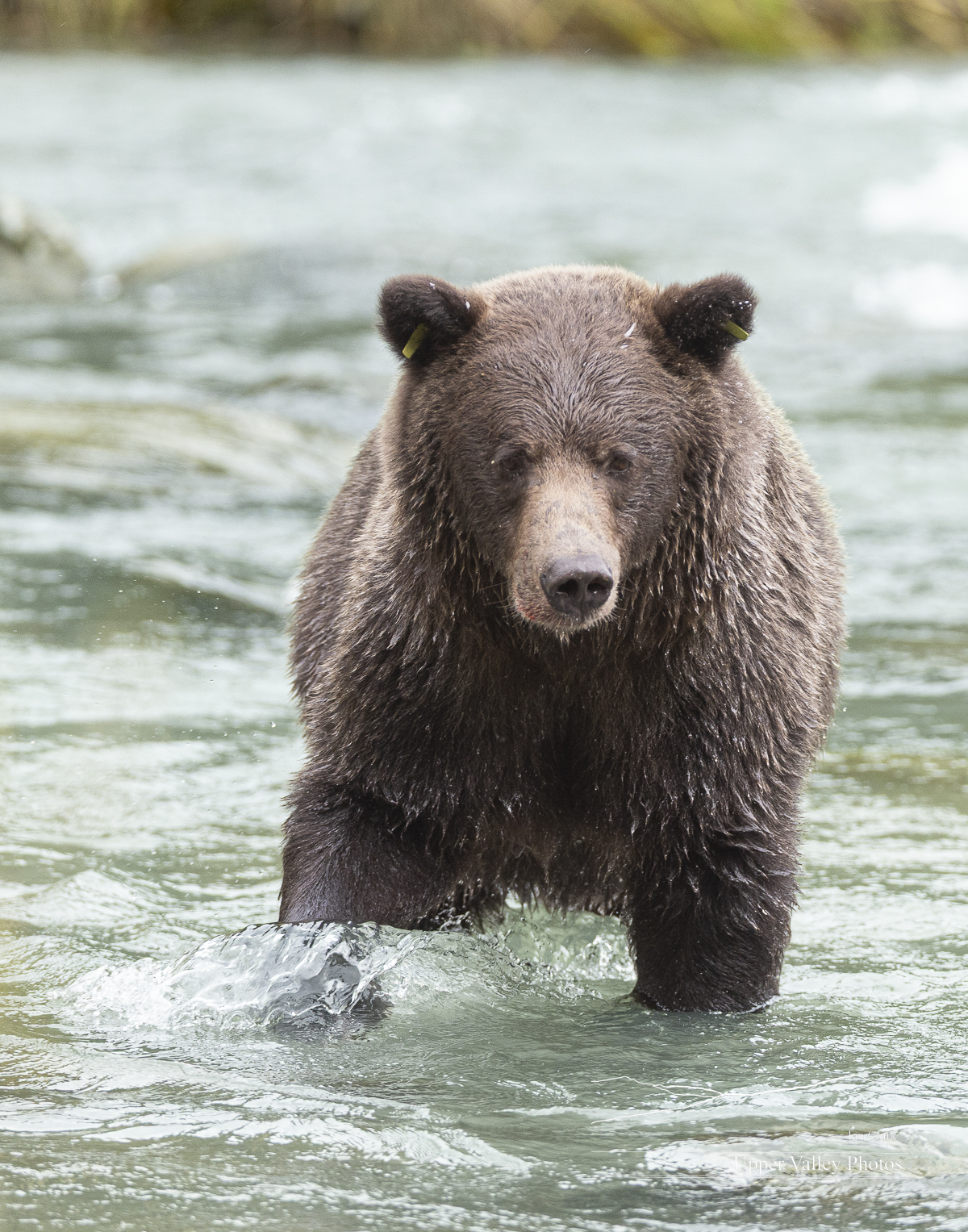
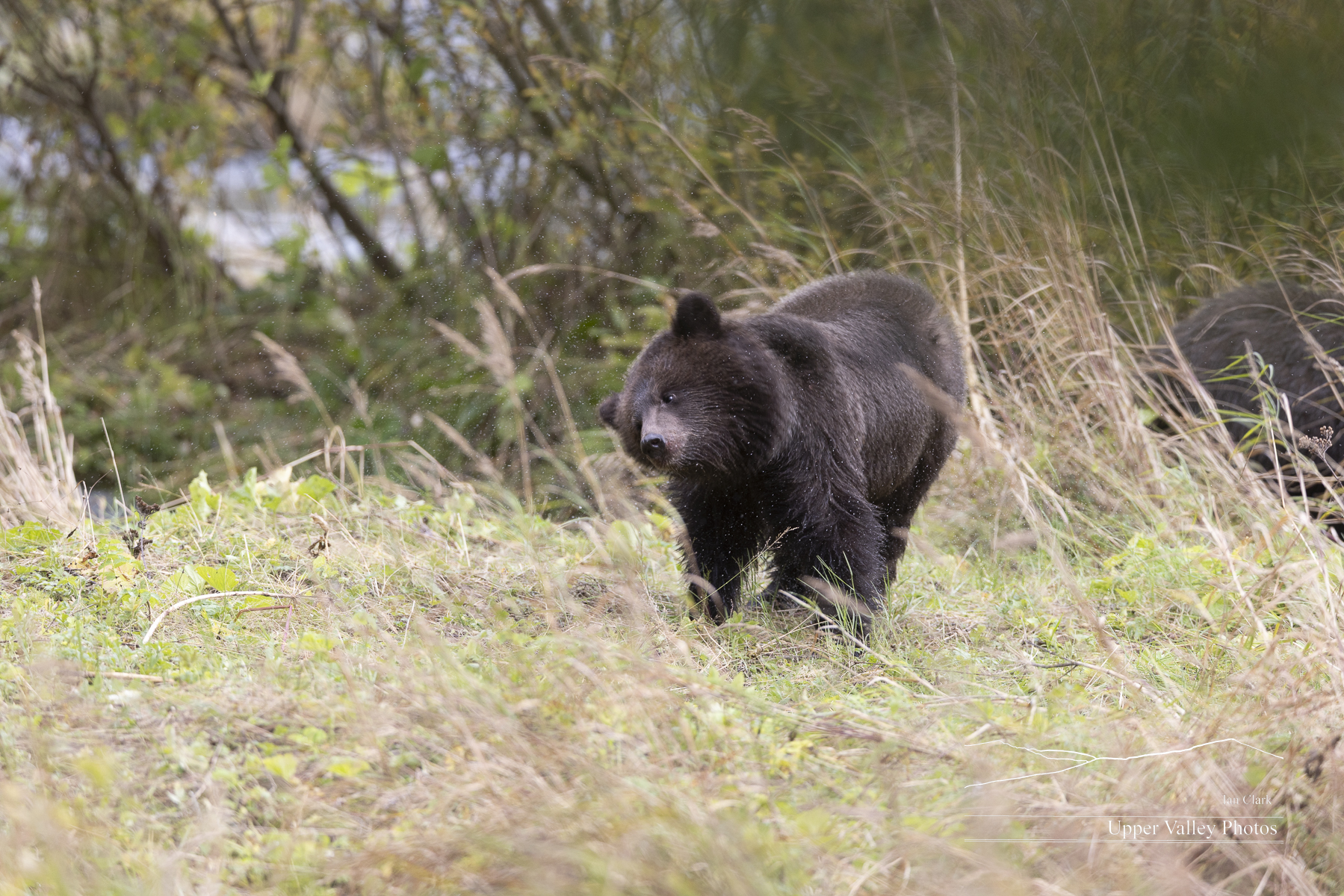
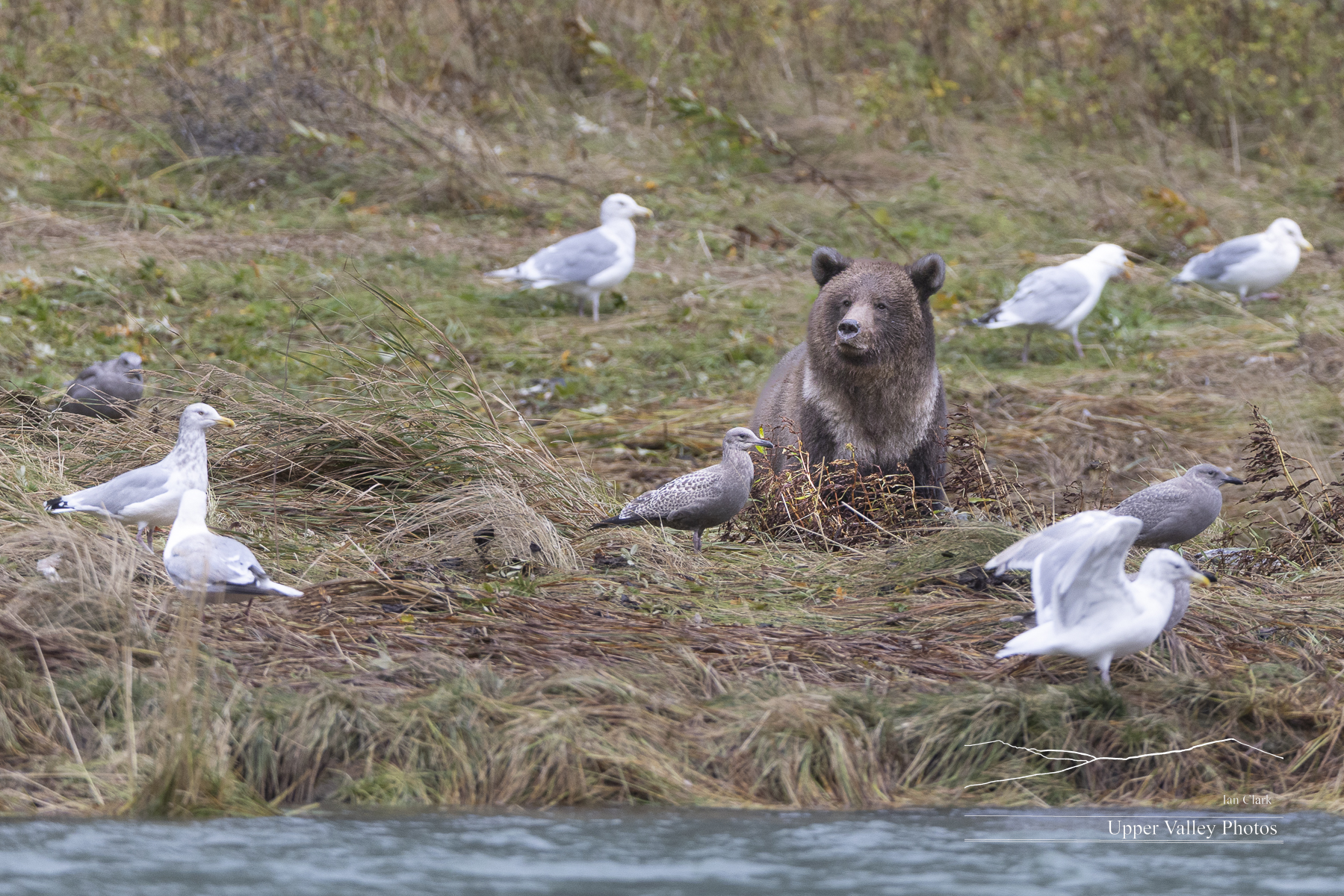
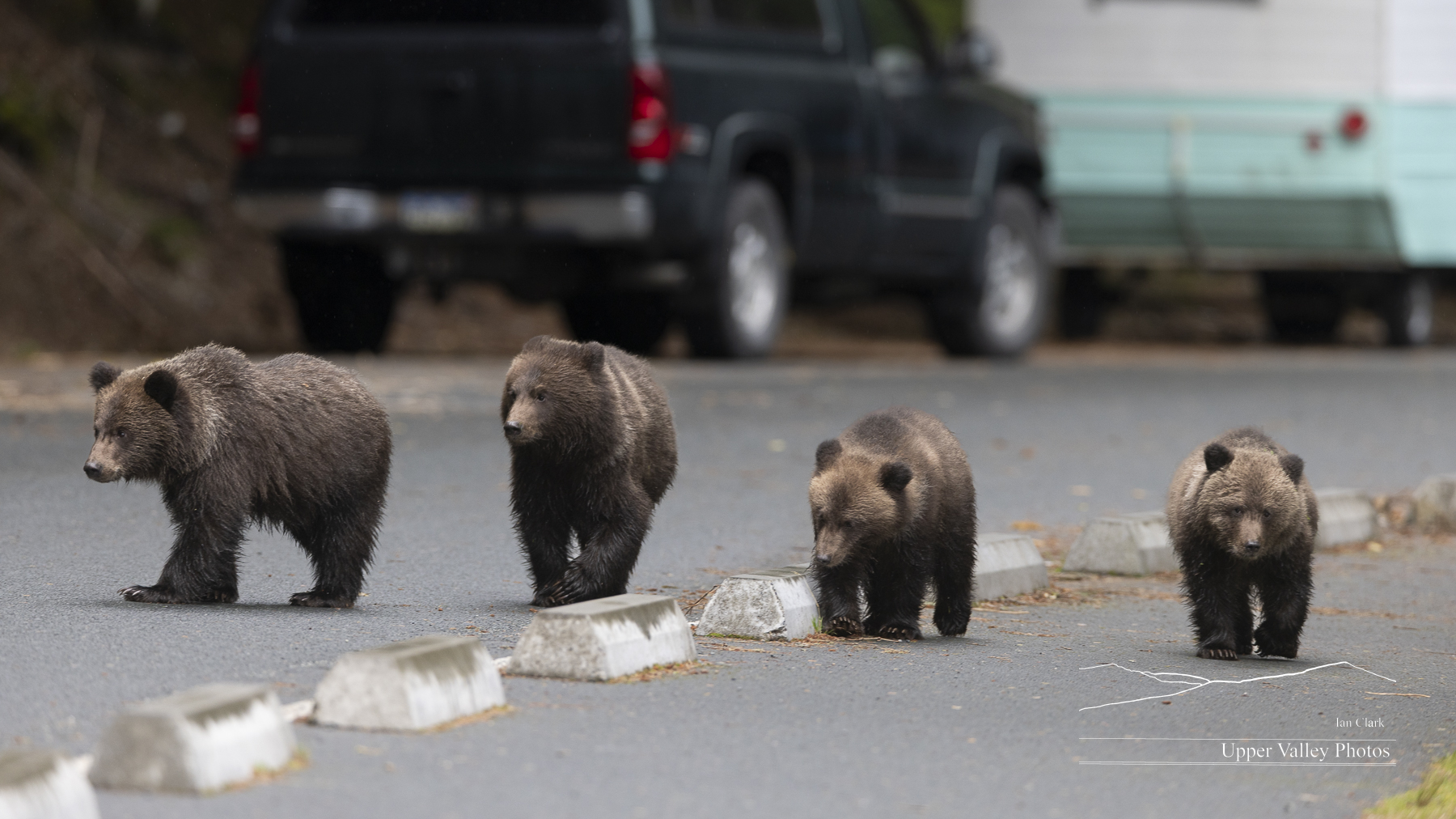
There are still several thousand images I have yet to go through. I’ll get the steam engine posted in several days and probably a post of scenery – mostly from the ferry as we went up the Lynn Canal between Juneau and Skagway.
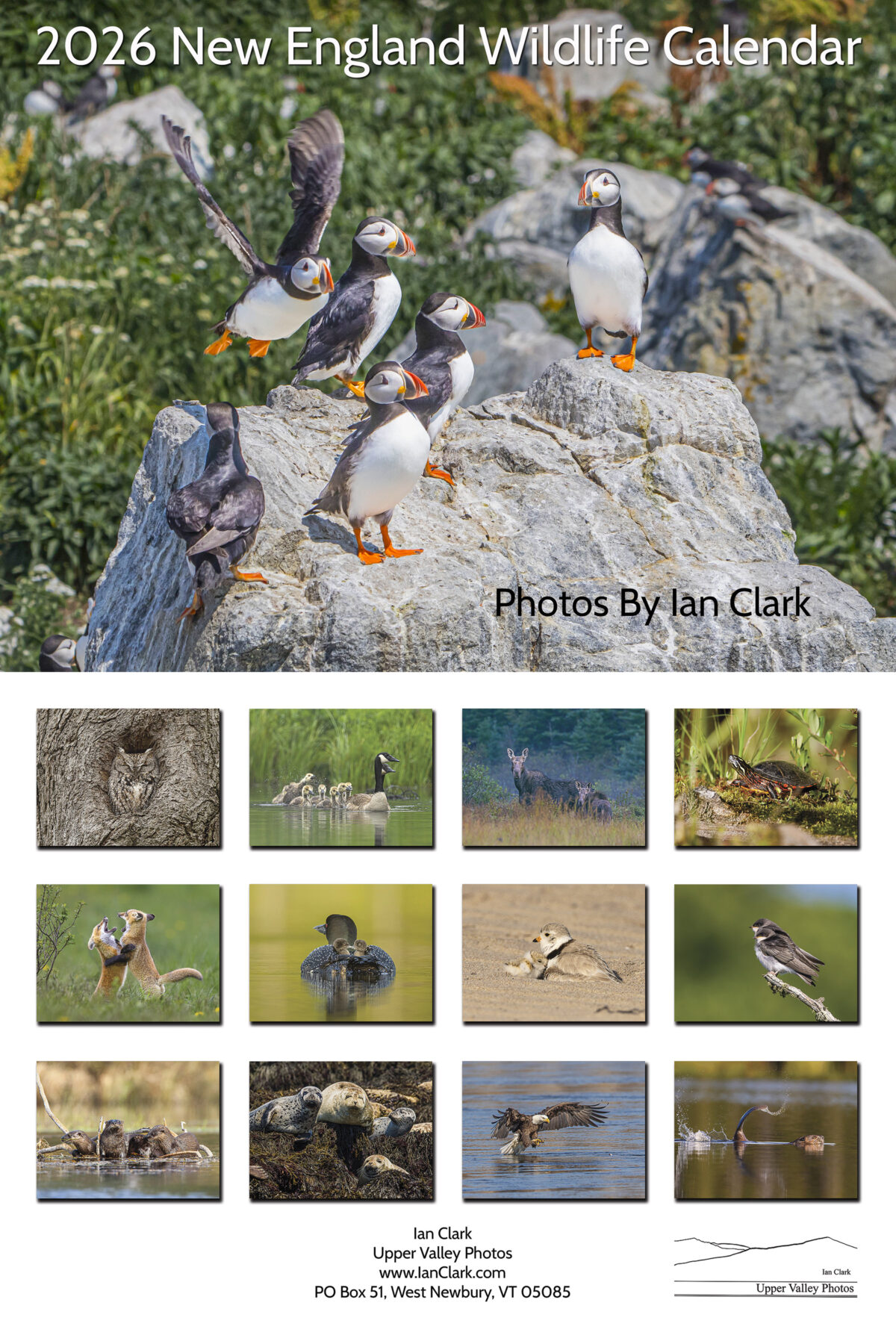
I still have copies of my 2026 calendar. They’re available online here. If you’re around West Newbury, I’ve got a supply in my car.
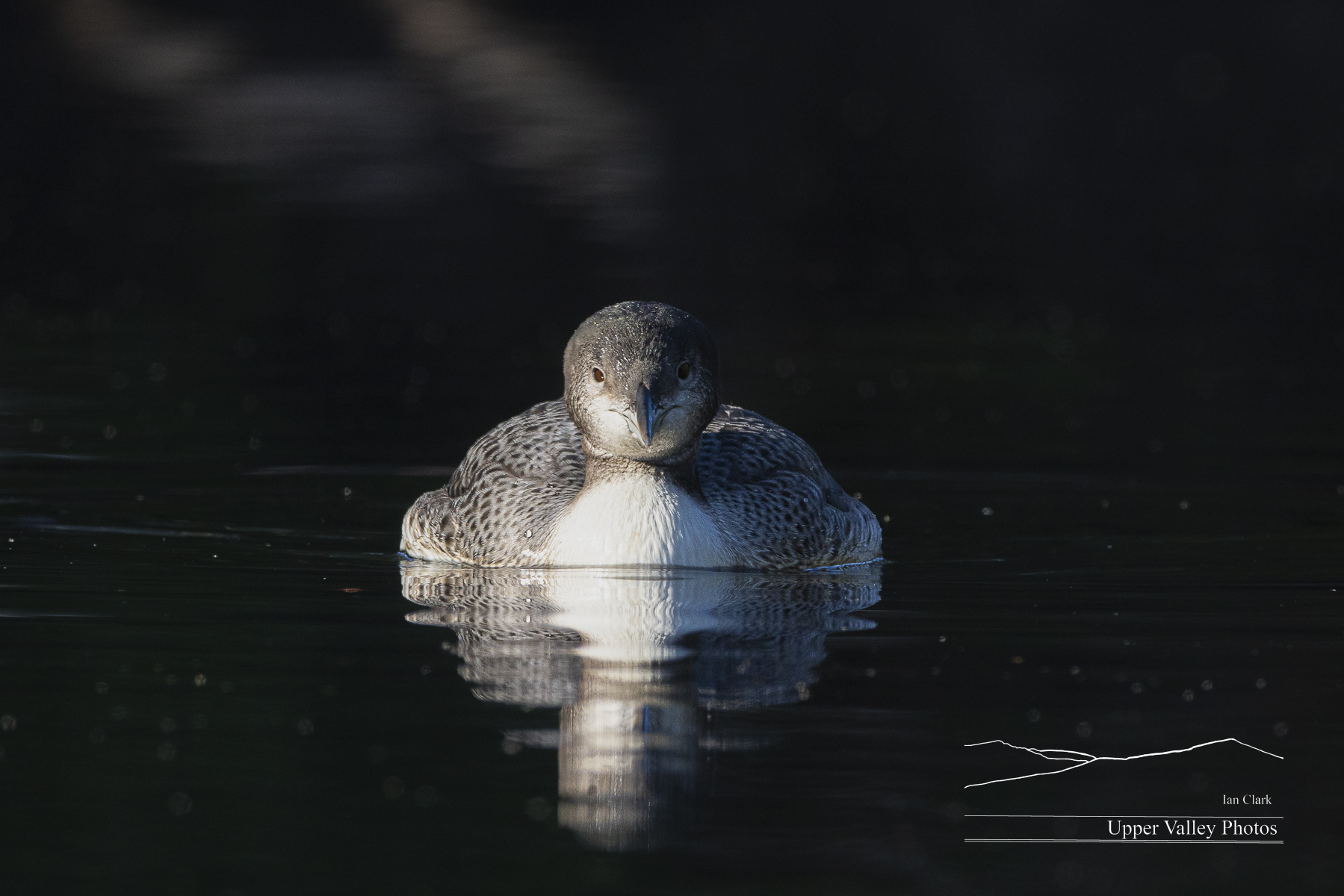
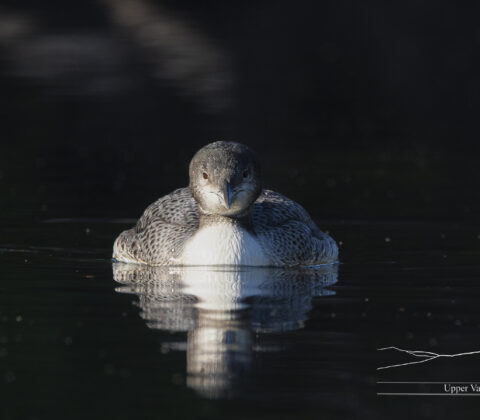
The Loons Are Moving On
We’re coming to the end of the season with the loon families. It looks like I’ve had my final visit with the Westons and Littleton is likely to leave soon. This may be the last loon post for the season. I’m going to try to get out a couple more times. But, I’m preparing to depart for an adventure next Thursday. One that – hopefully – will get enough photos for a few posts.
I’m still promoting my 2026 Wildlife Calendar, they’re available online at https://www.ianclark.com/product/2026-9-x12-wildlife-calendar-of-ians-photos/554?cs=true&cst=custom or if you’re local, I’ve got a supply in the car.
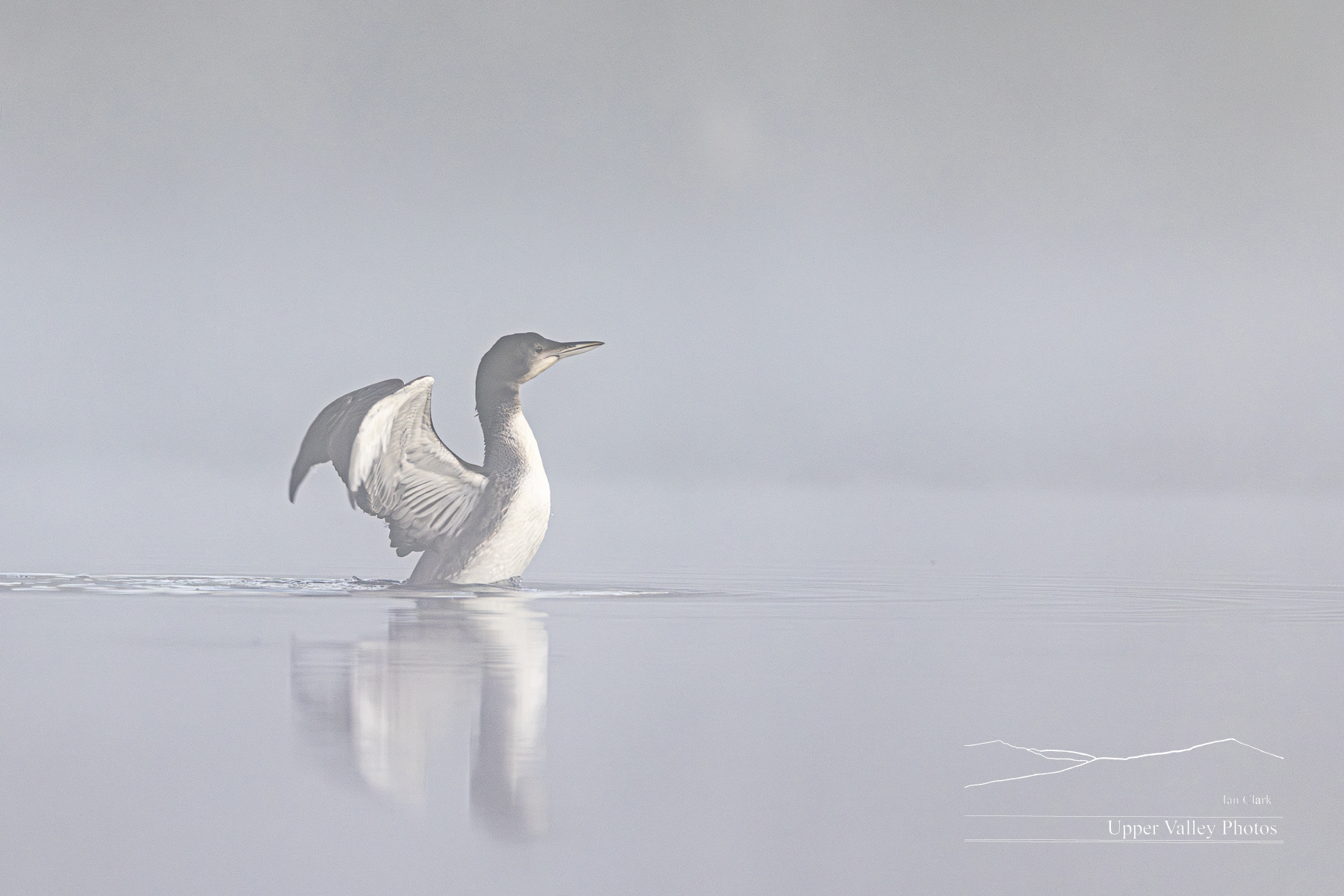
On to the loons, et al.
Back on the fourth, I dropped in to visit the Middletons. Dad wasn’t to be found (we lost mom in August) and Littleton was on his own. Dad has likely moved to a nearby pond for some rest and is likely to come and go from his pond for a couple more weeks.
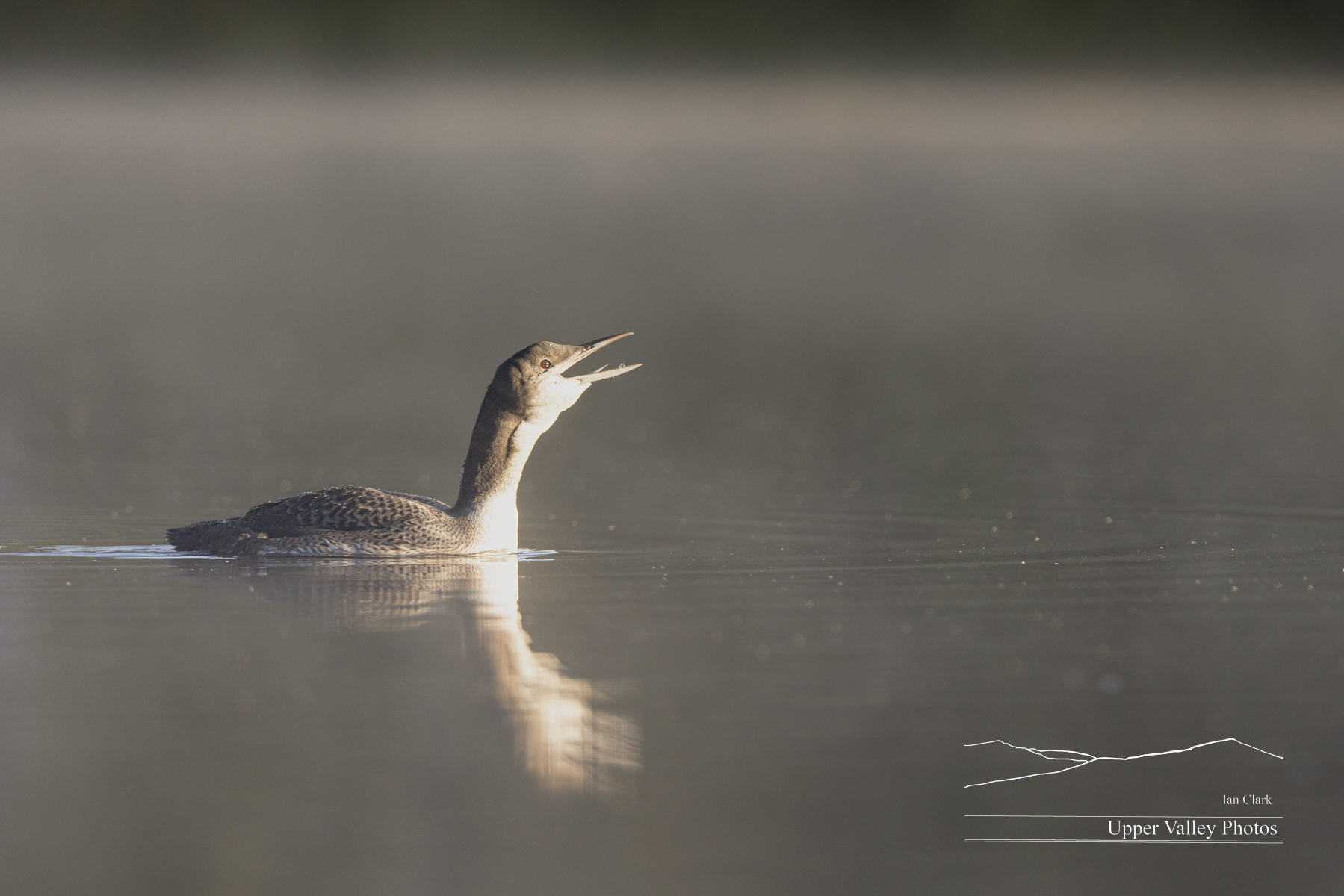
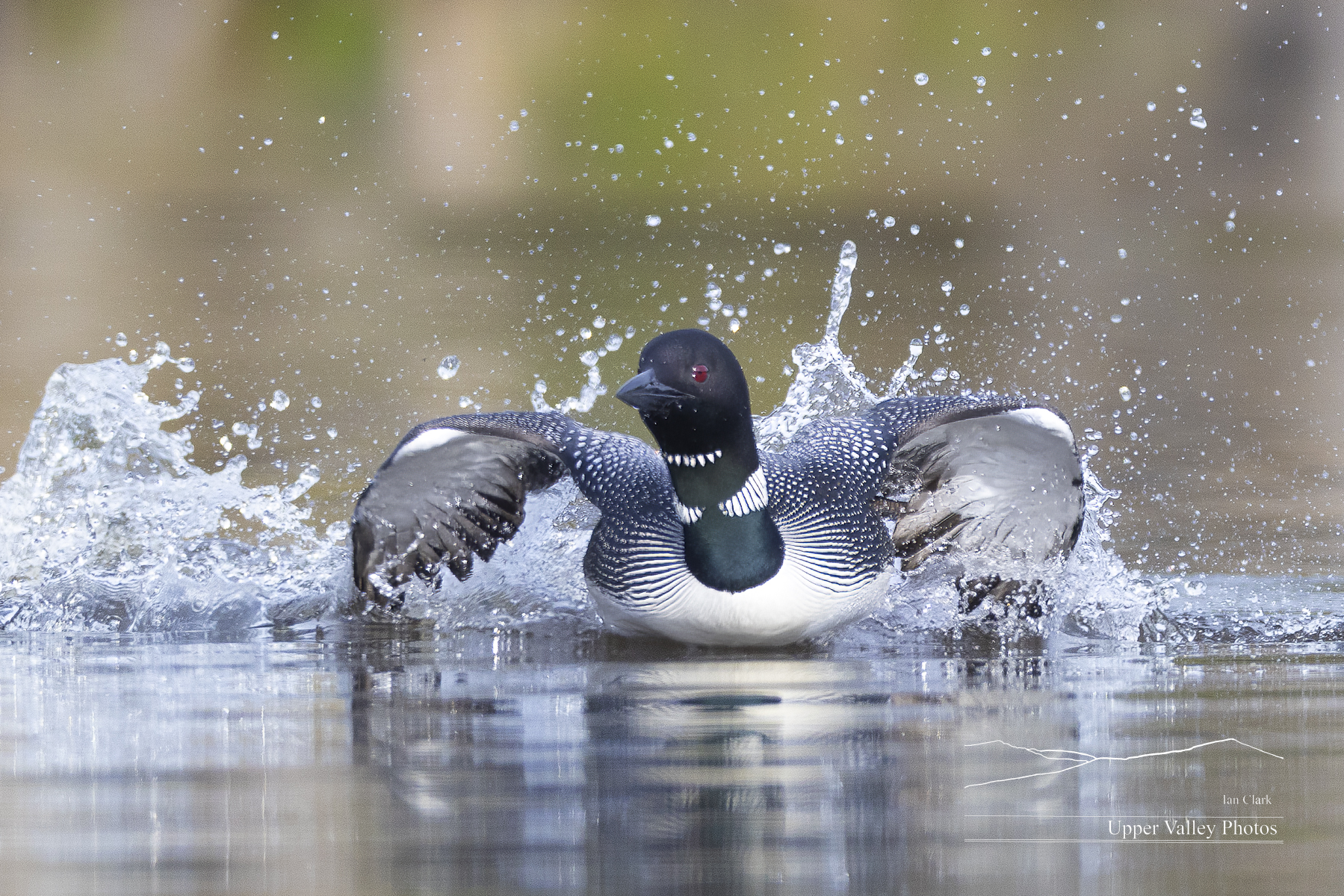
Littleton also made a few attempts to fly. His first of the morning was pathetic – he made it about 10 feet before appearing to trip over something and splashing down. He wasn’t deterred and kept trying throughout the morning.
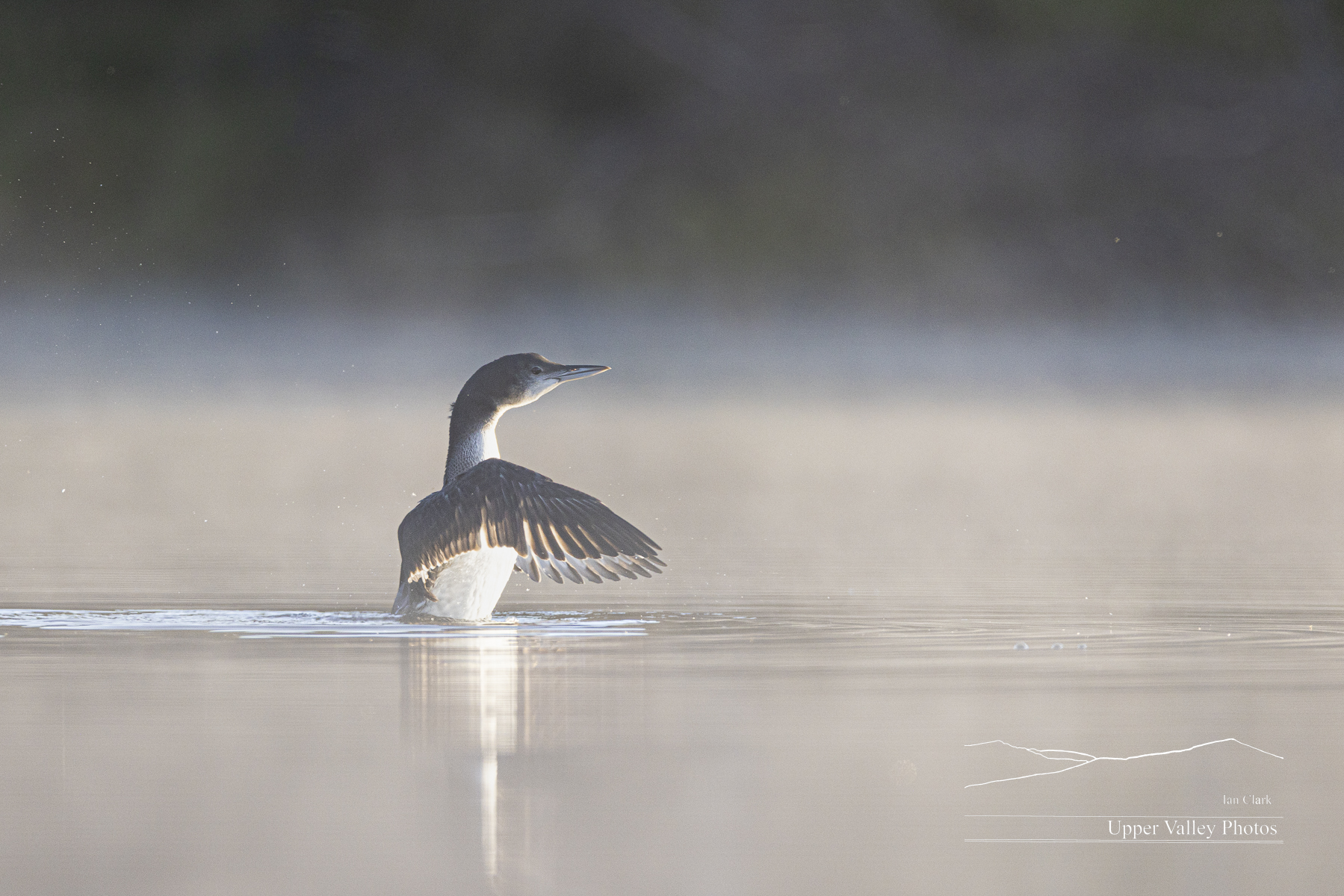
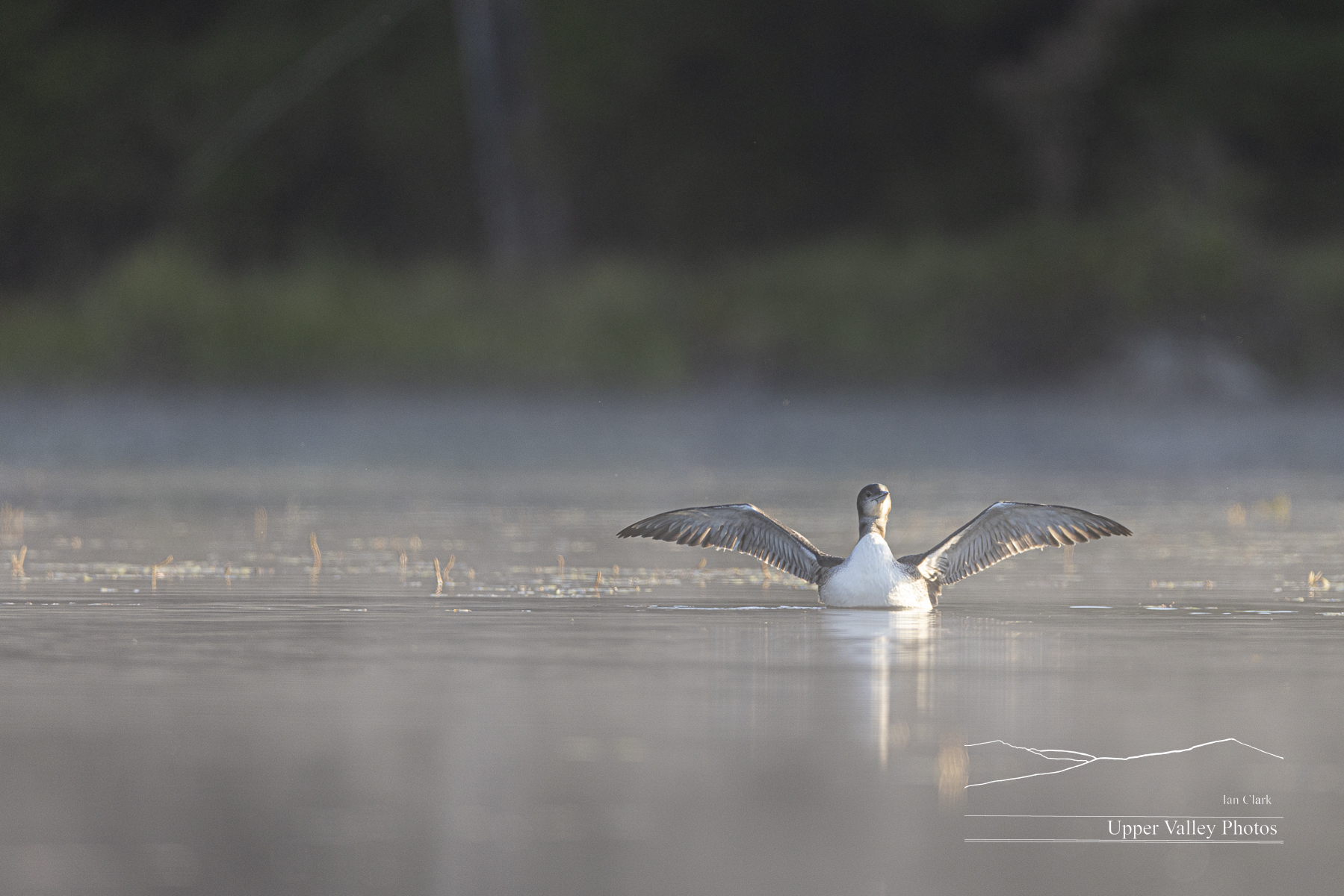
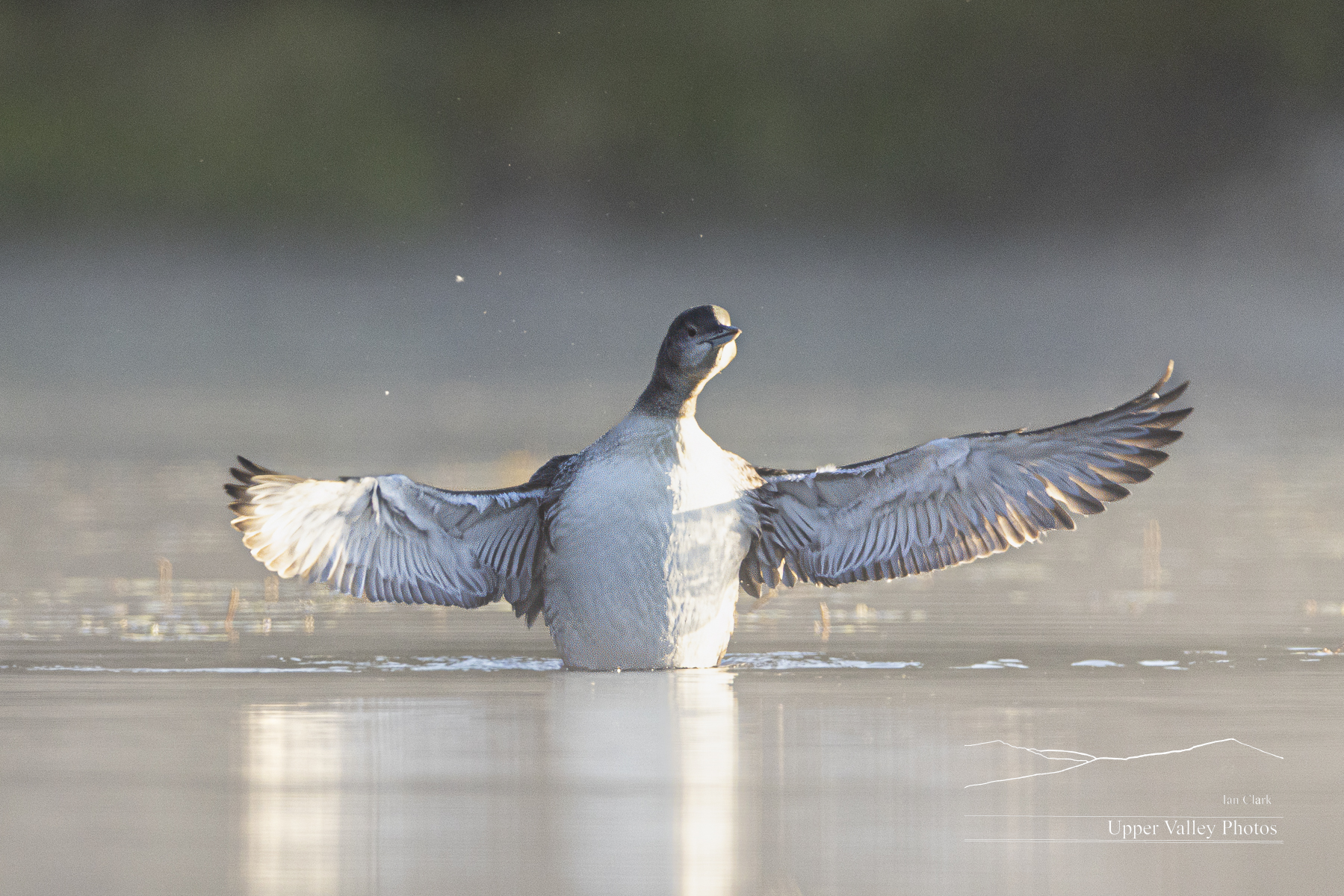
Littleton moved further away to forage. I drifted through the one sweet spot on the pond that has cell service and took a second to check my messages.
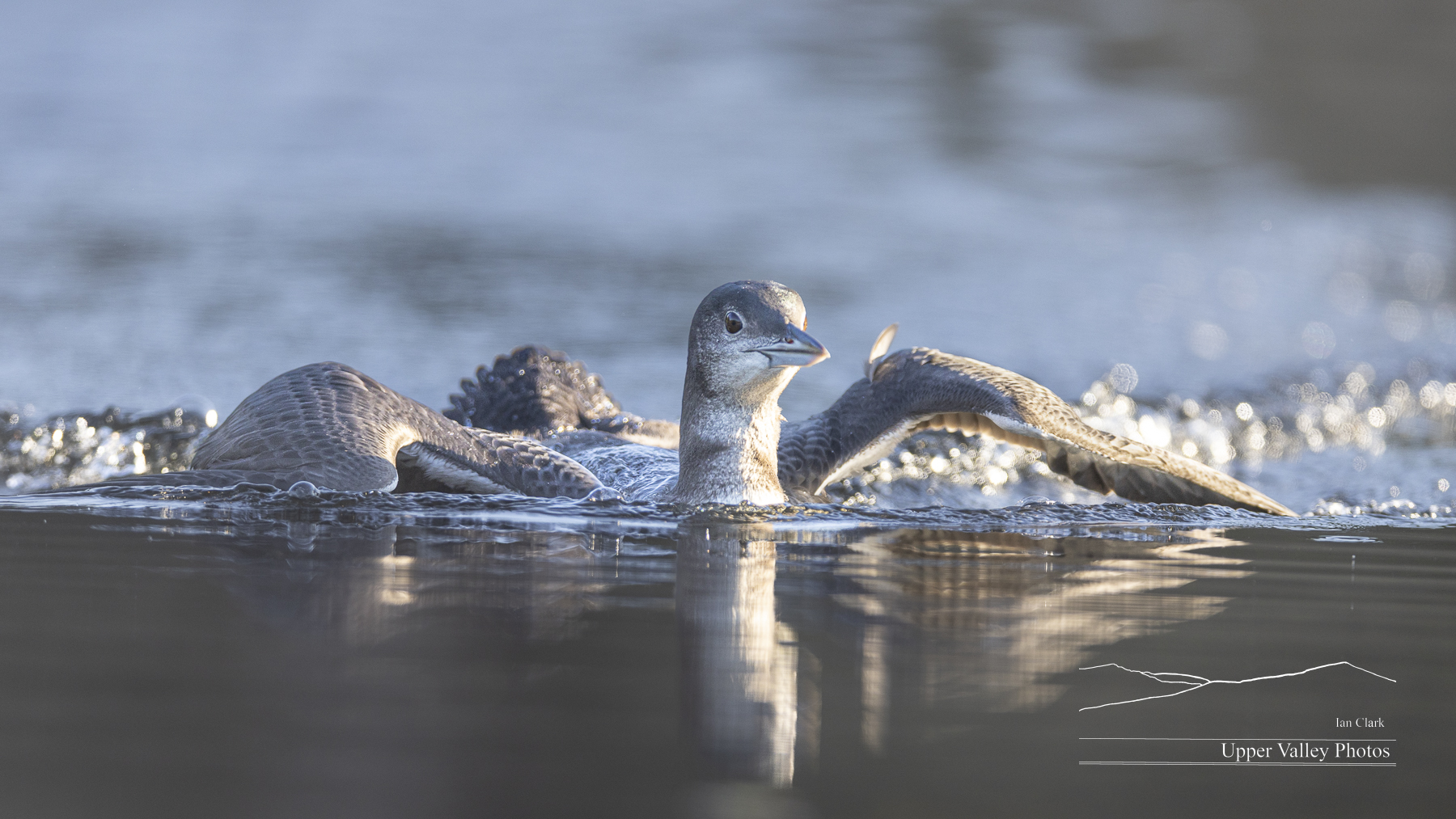
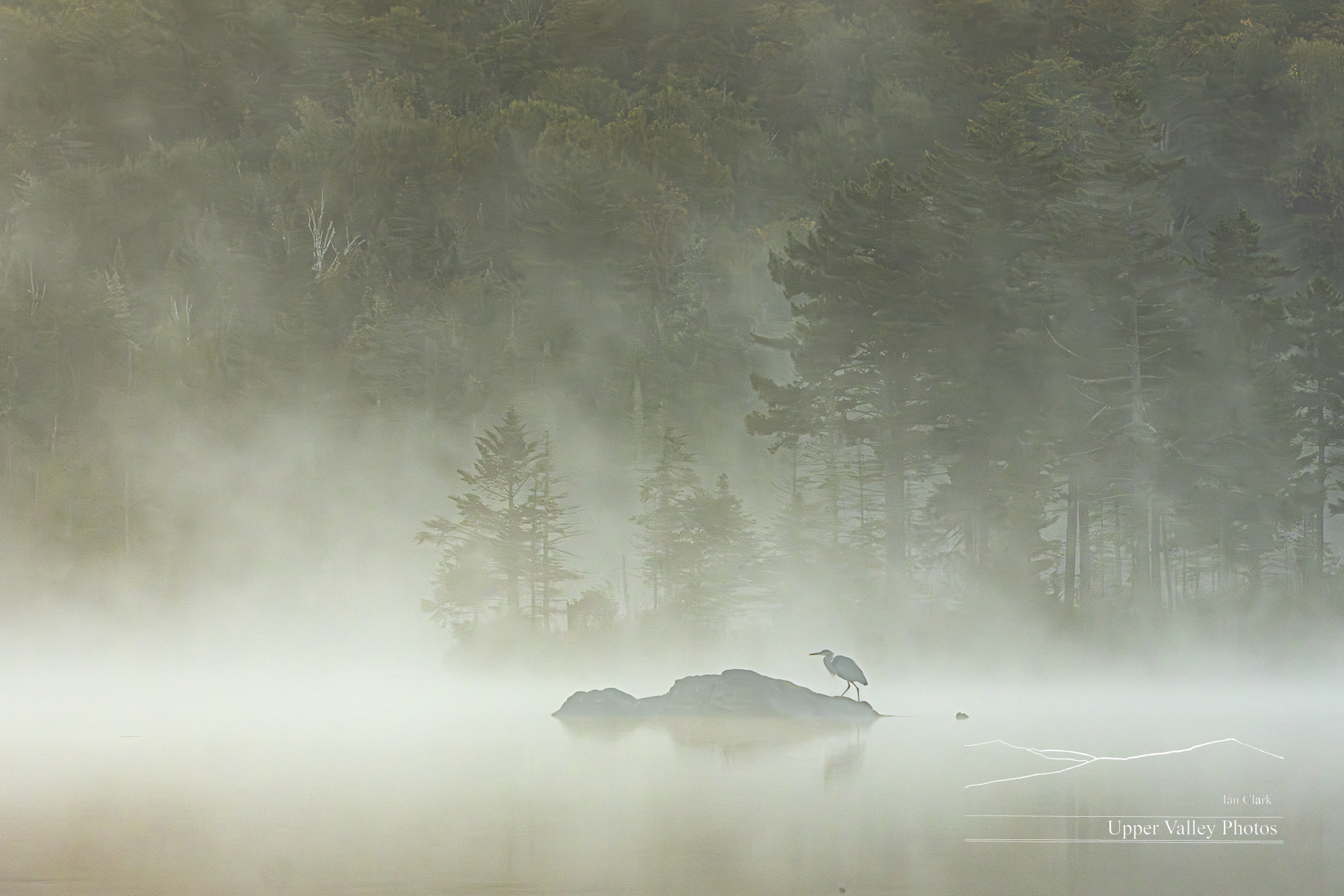
On the eighth, I headed up to visit the Eastons. It was a delightful 38° when I put in with fog coming off the pond. Mom wasn’t to be found. She has a history of scooting early and leaving dad to tend the chicks.
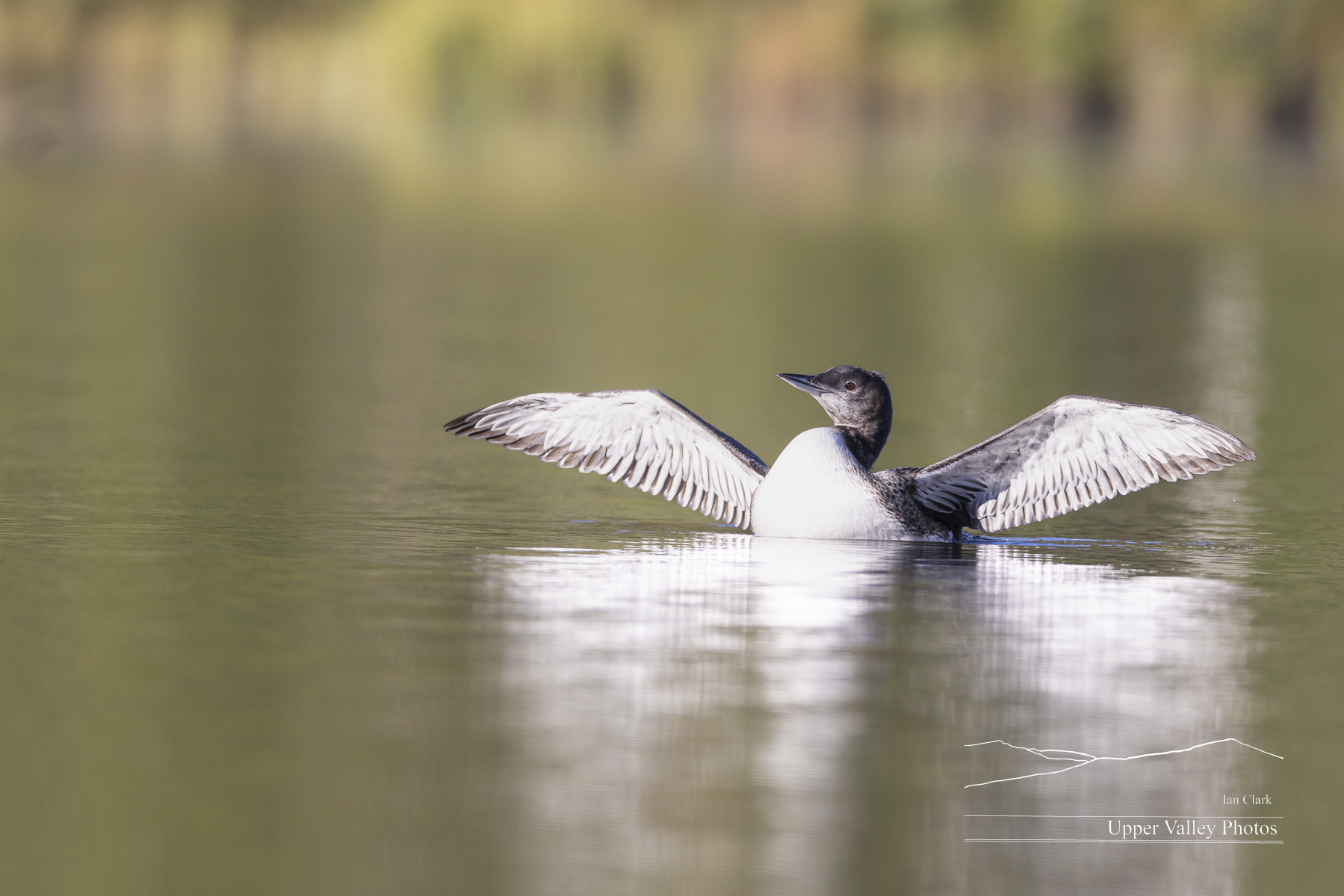
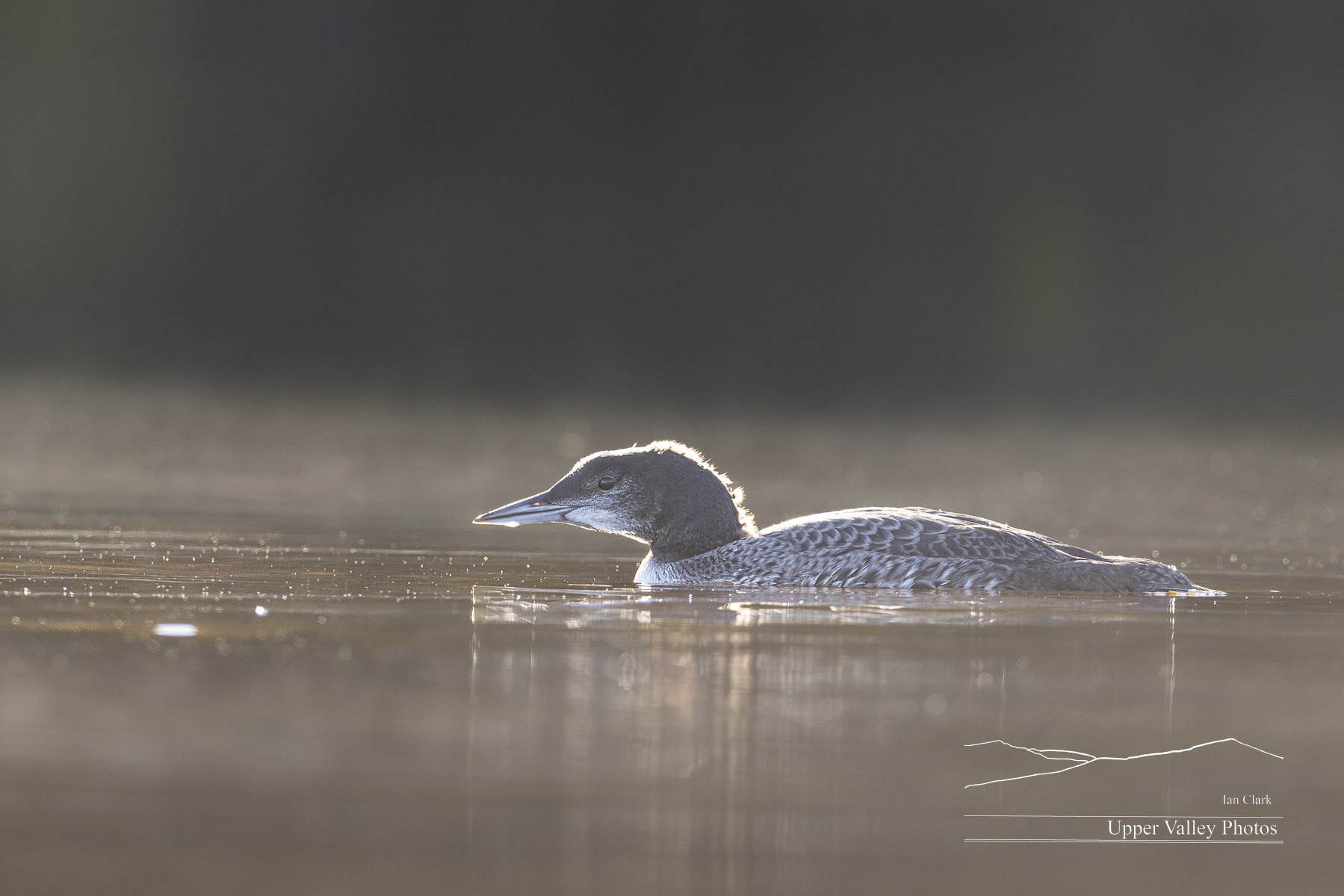
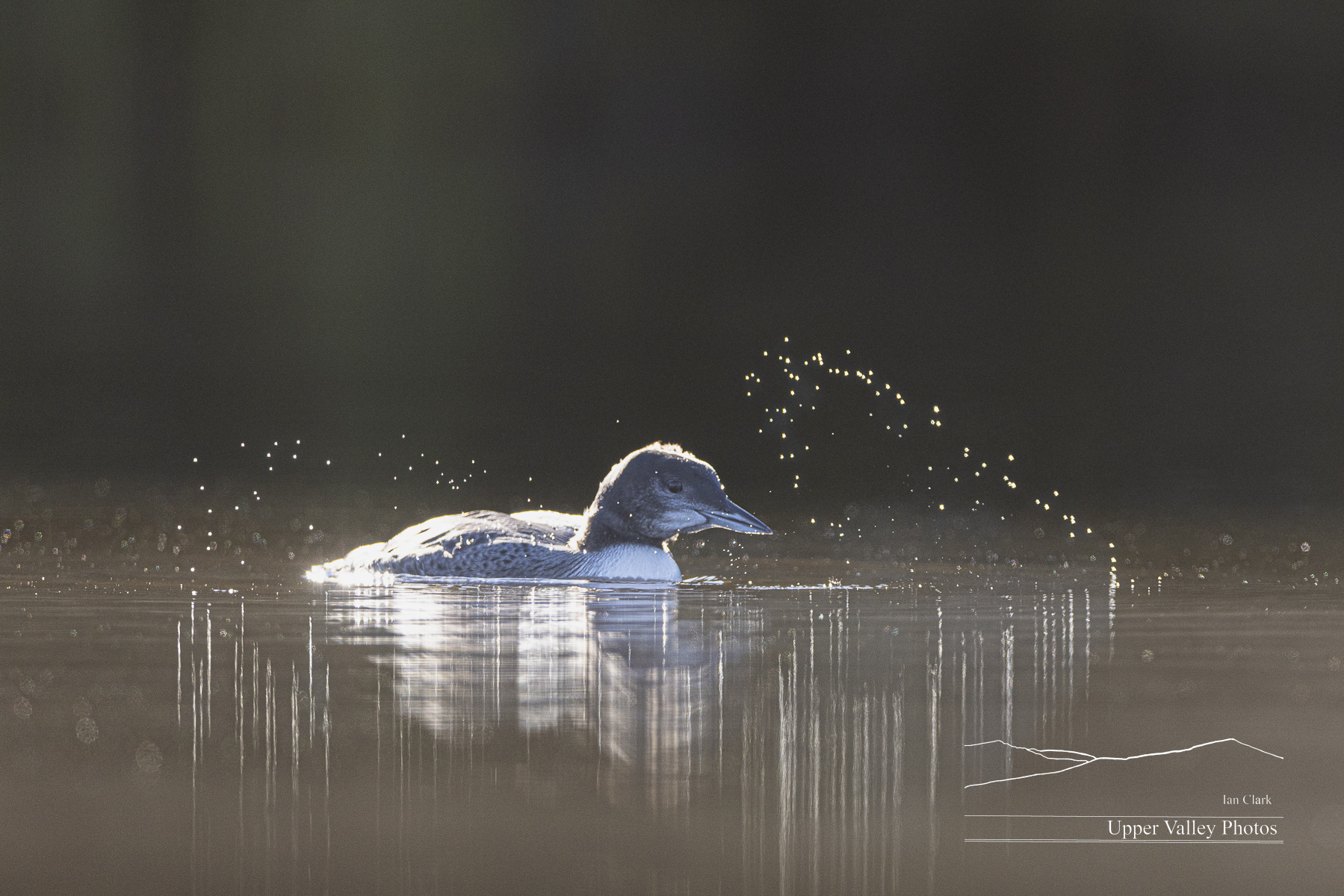
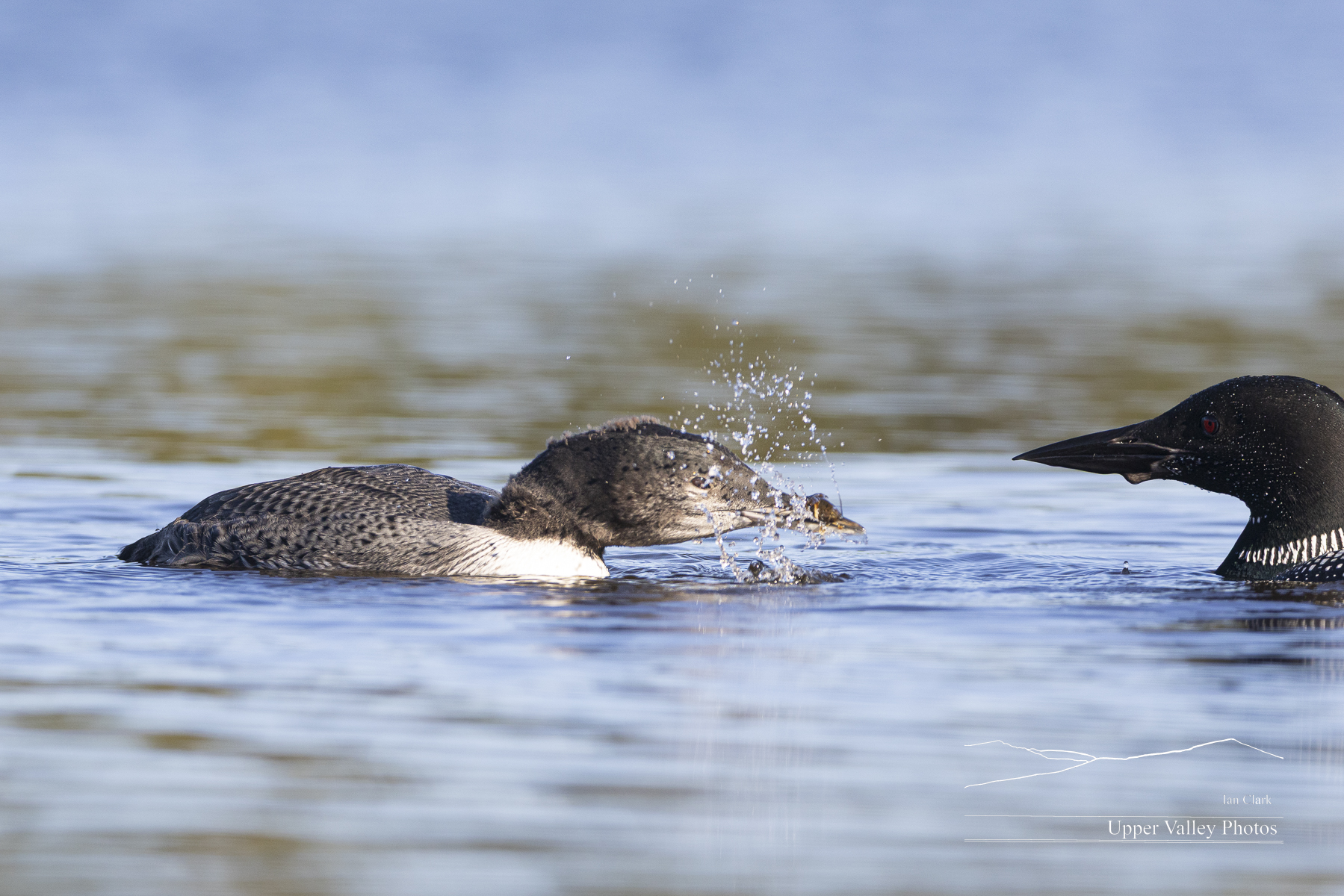
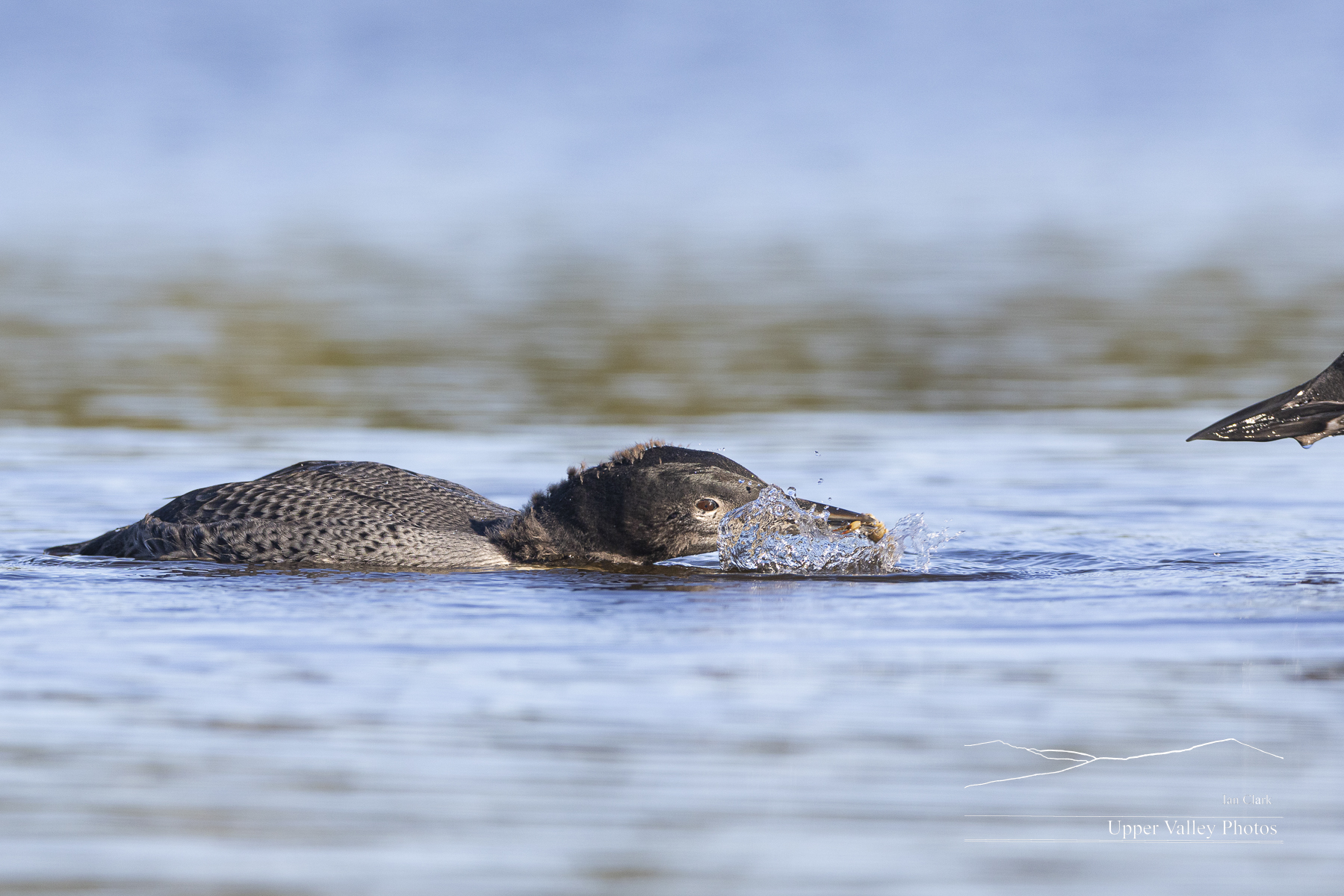
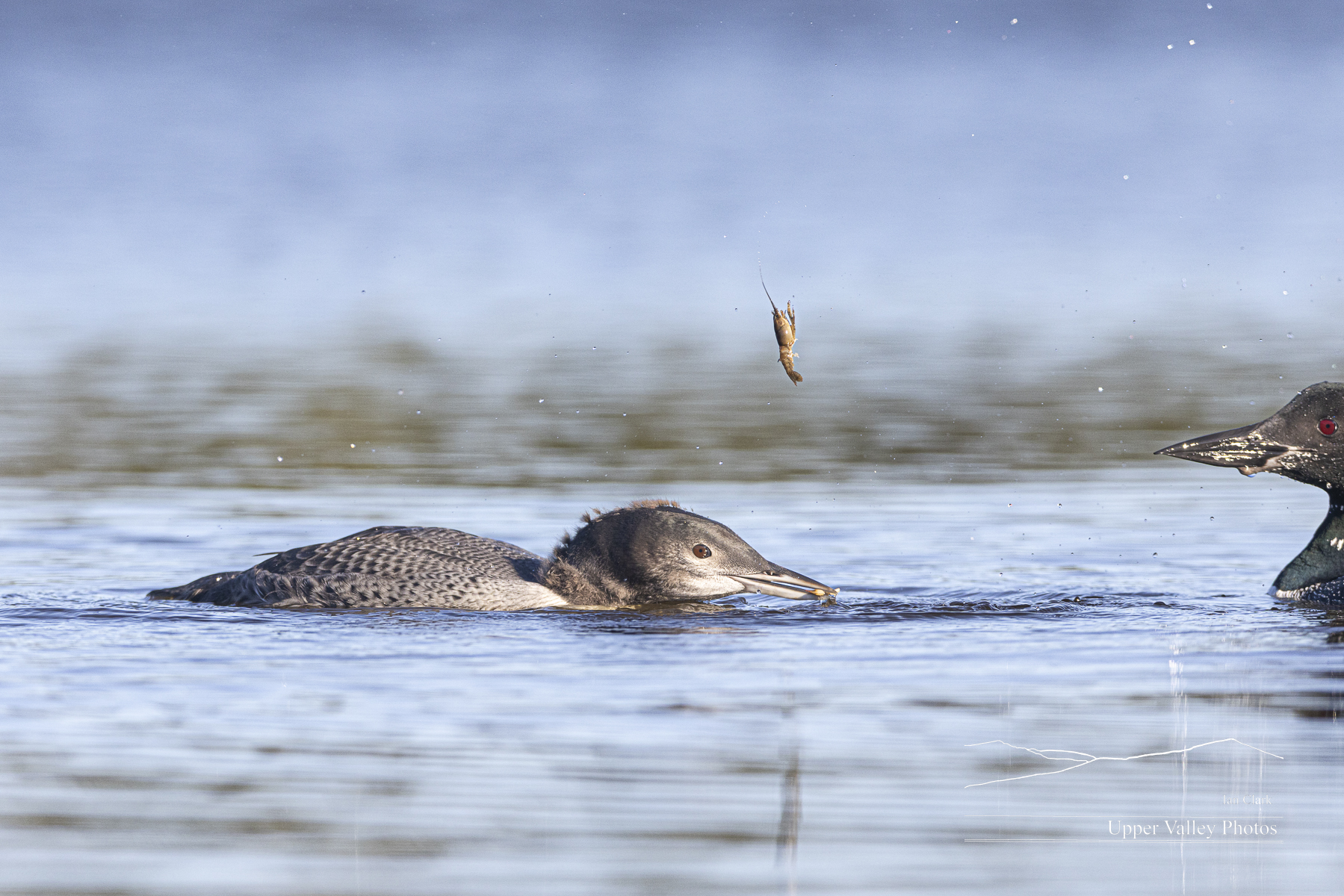
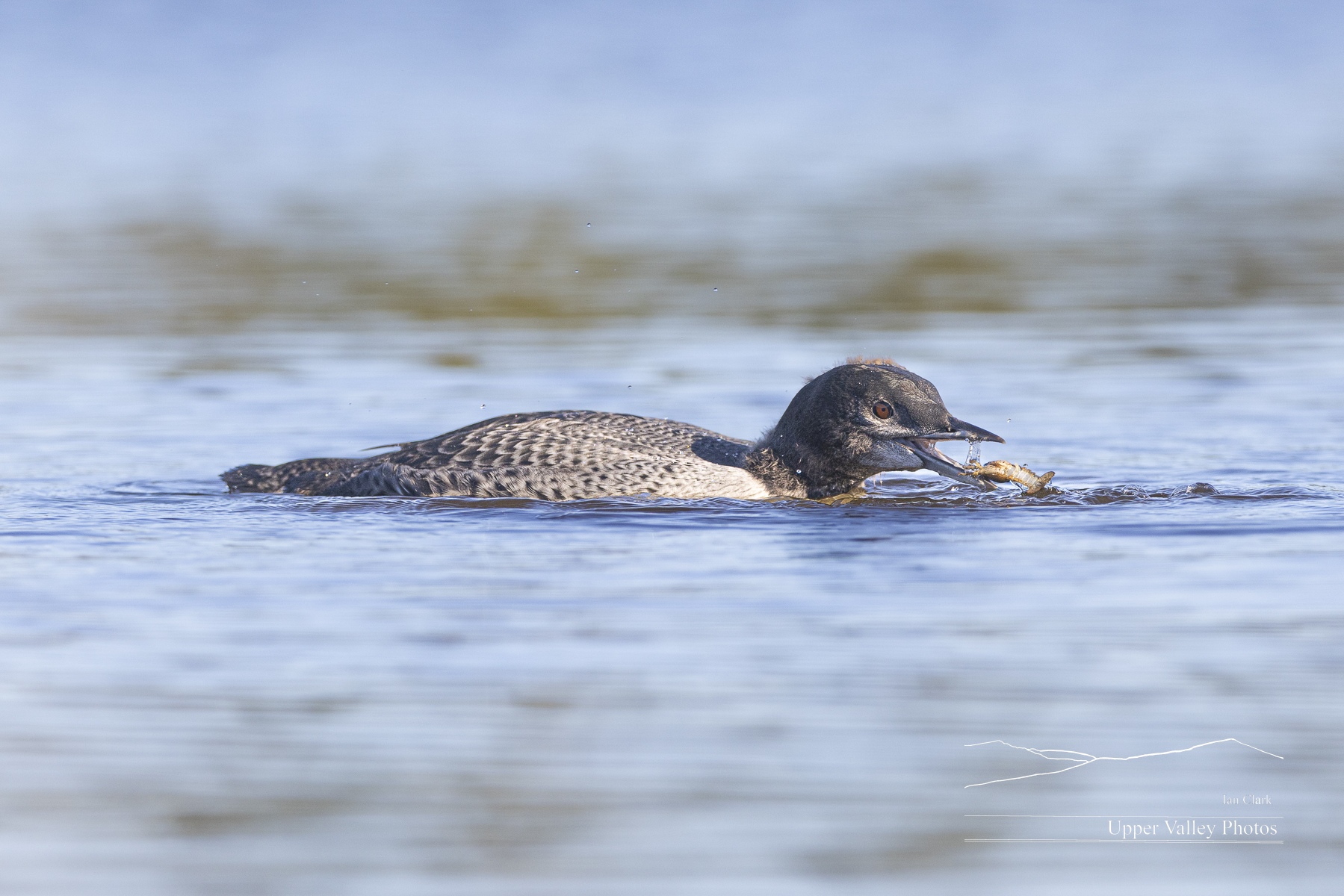
Littleton should start to try to fly this week. I’m going to try to get back to see how he’s? doing.
Tuesday was a beautiful morning on the hill, with fog hugging the Connecticut below me. I headed off to check on the Westons.
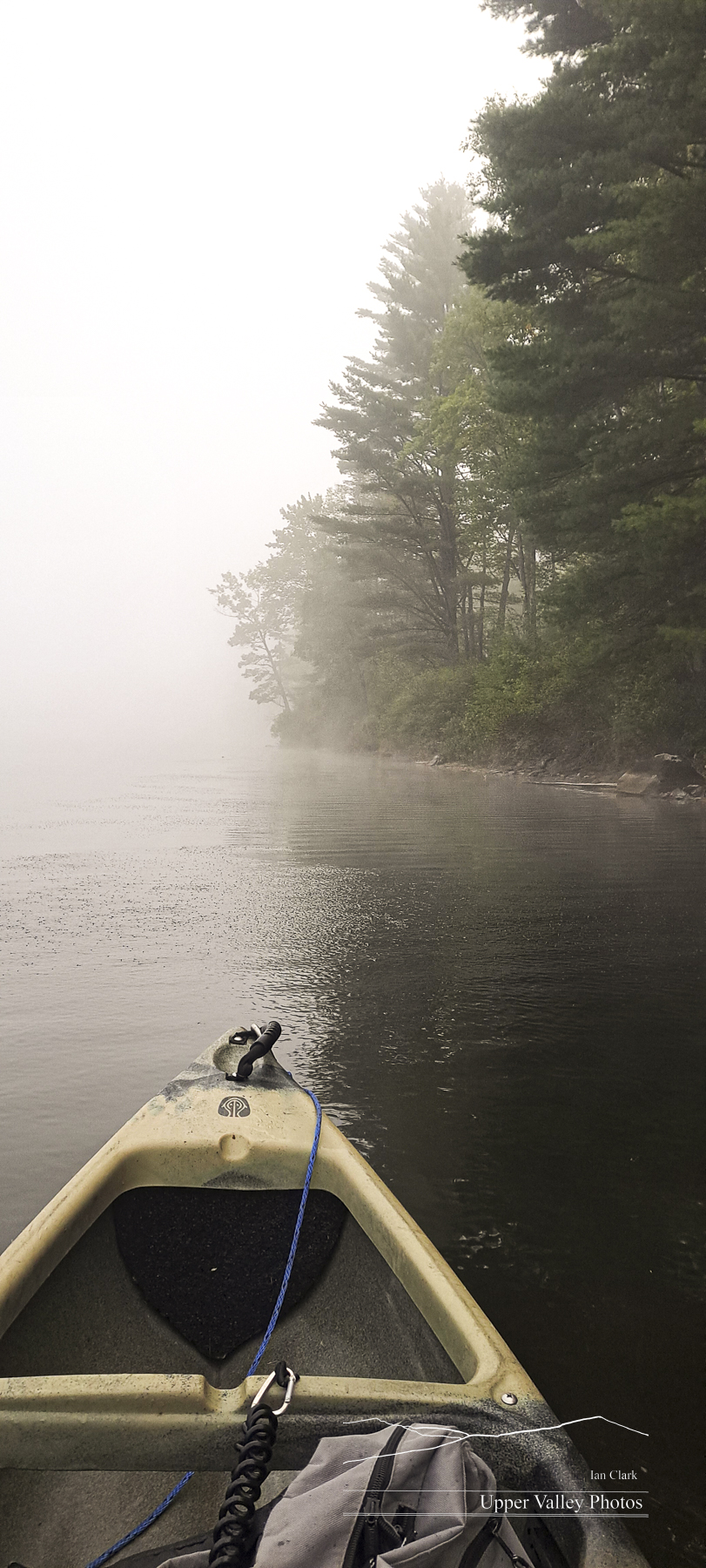
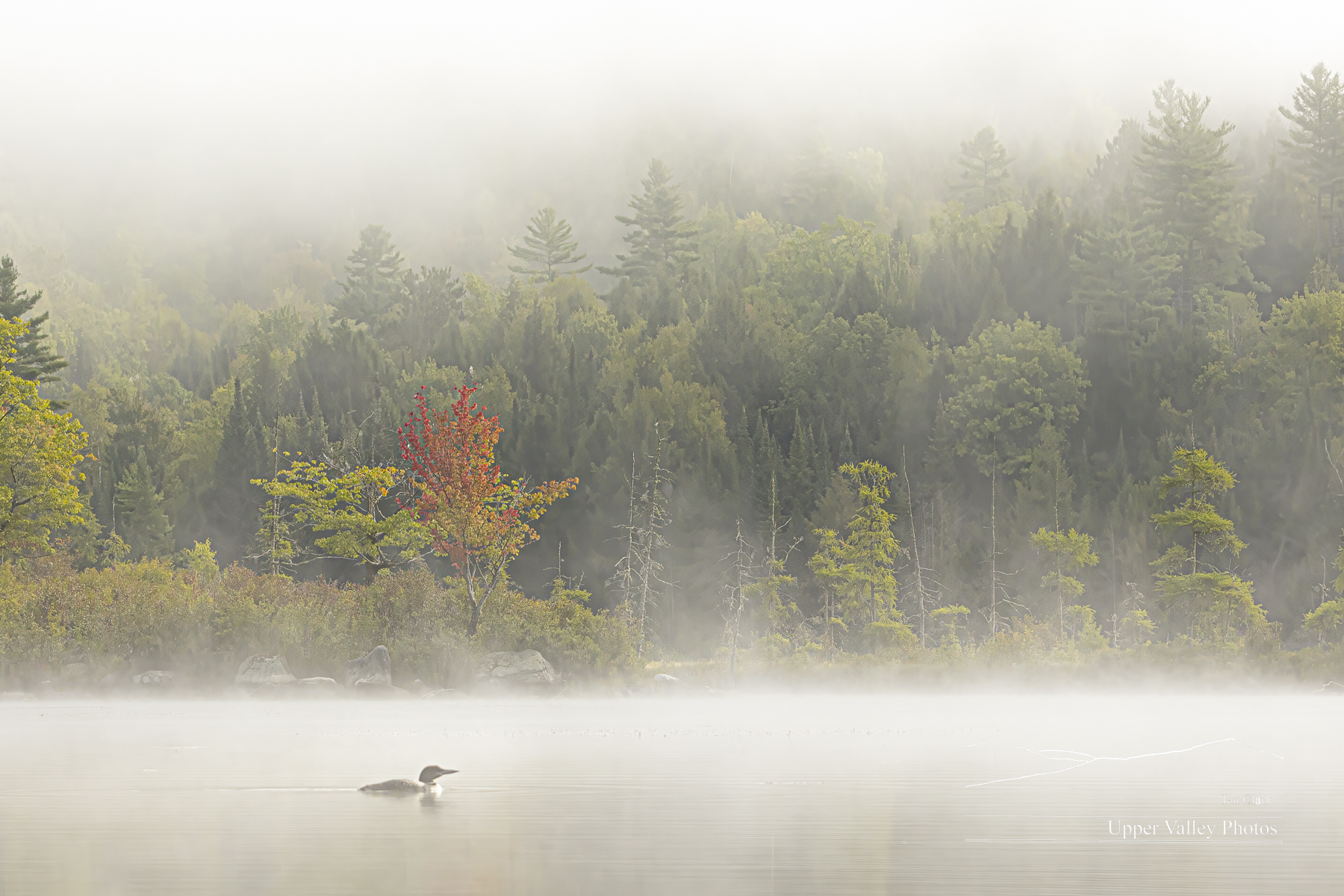
Yesterday, I went back to visit the Middletons. Again, I found only Littleton on the pond. He? seemed restless, swimming around and back and forth on his pond. He disappeared off into the fog, I went looking to see who else might want to be photographed.
I headed into one of the coves on the pond and heard something sizeable splash into the water. Too big for a turtle, too small for a deer. As I continued on, a soggy racoon appeared out of the brush, chattering at me. I have no idea what the chatter meant, but I’m fairly certain there’s now a curse on my family.
A doe and a pair of fawns were in the brush along the shore, poking their heads out randomly, never long enough for me to photograph. A pair of pileated woodpeckers worked the trees along the shore – staying hidden or in deep shadows.
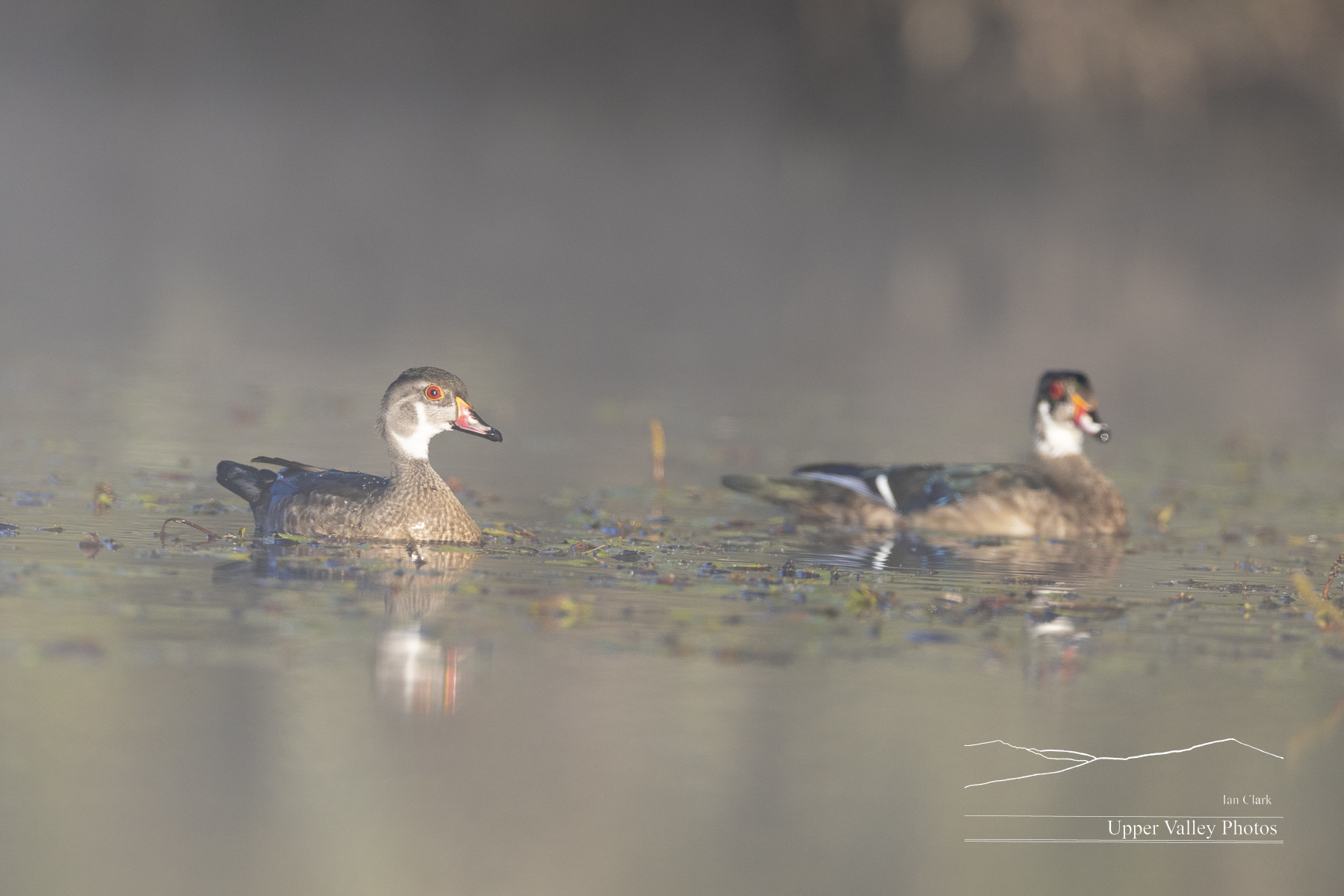
I heard Littleton make a few practice flights, getting as far as flying most of the way across the small pond. I headed down the pond to another cove that has an easy way to let me ground the boat and get out and duck behind a tree… Littleton was out on the main part of the pond when I pulled in. When I got back in the boat and got turned around, I was looking for him in the pond. It took me a few seconds to realize he’d followed me into the cove. I backed up and grounded the boat to watch.
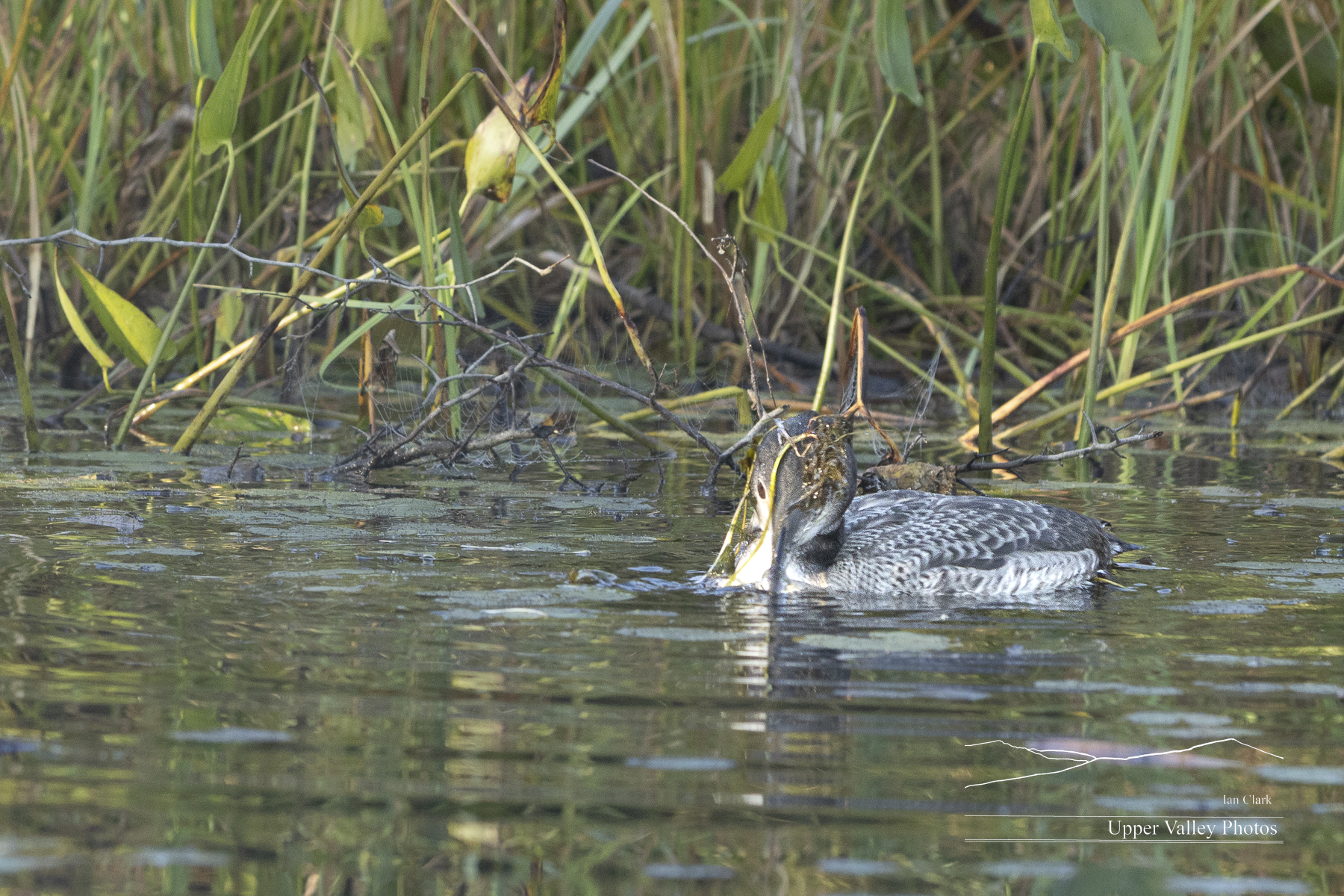
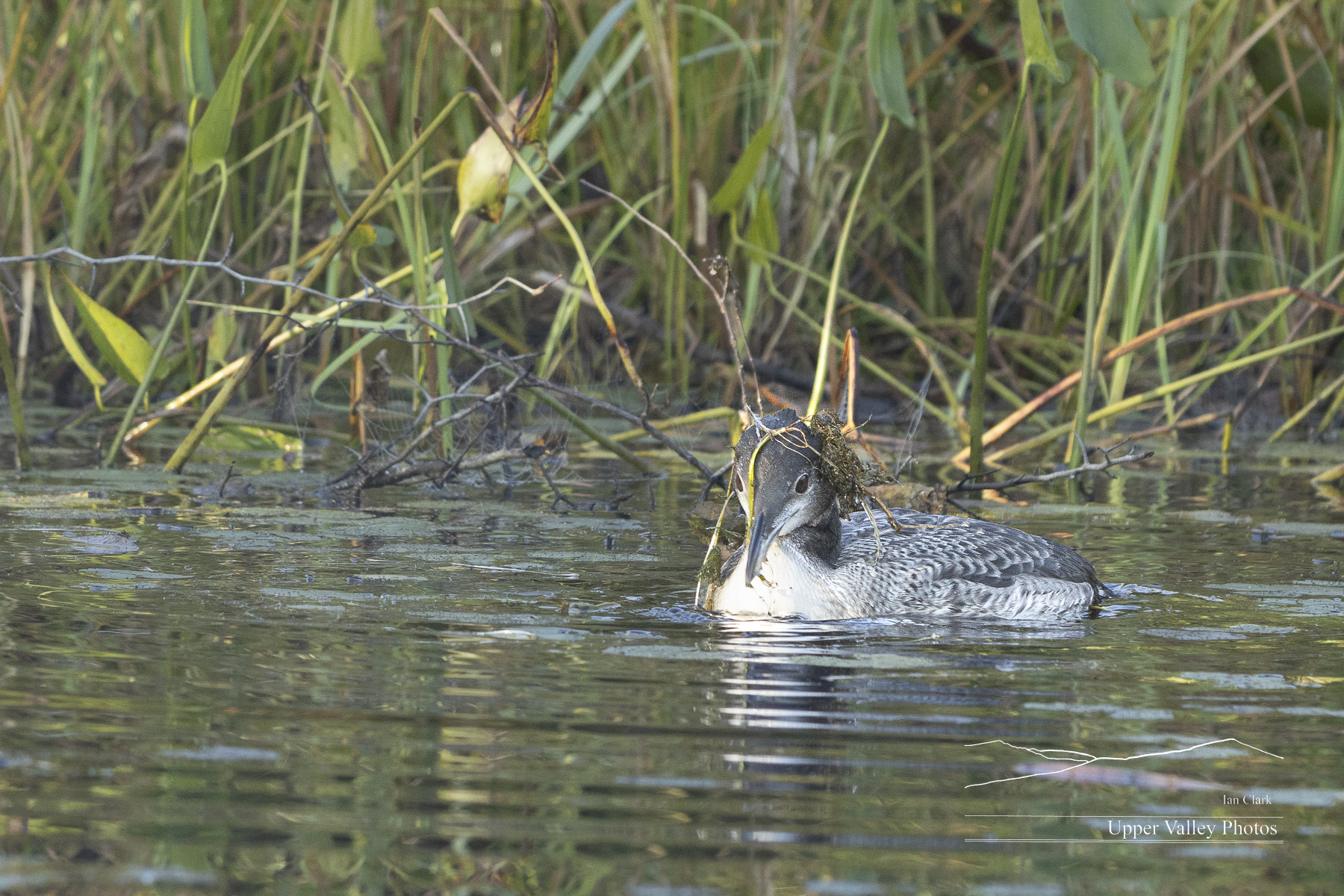
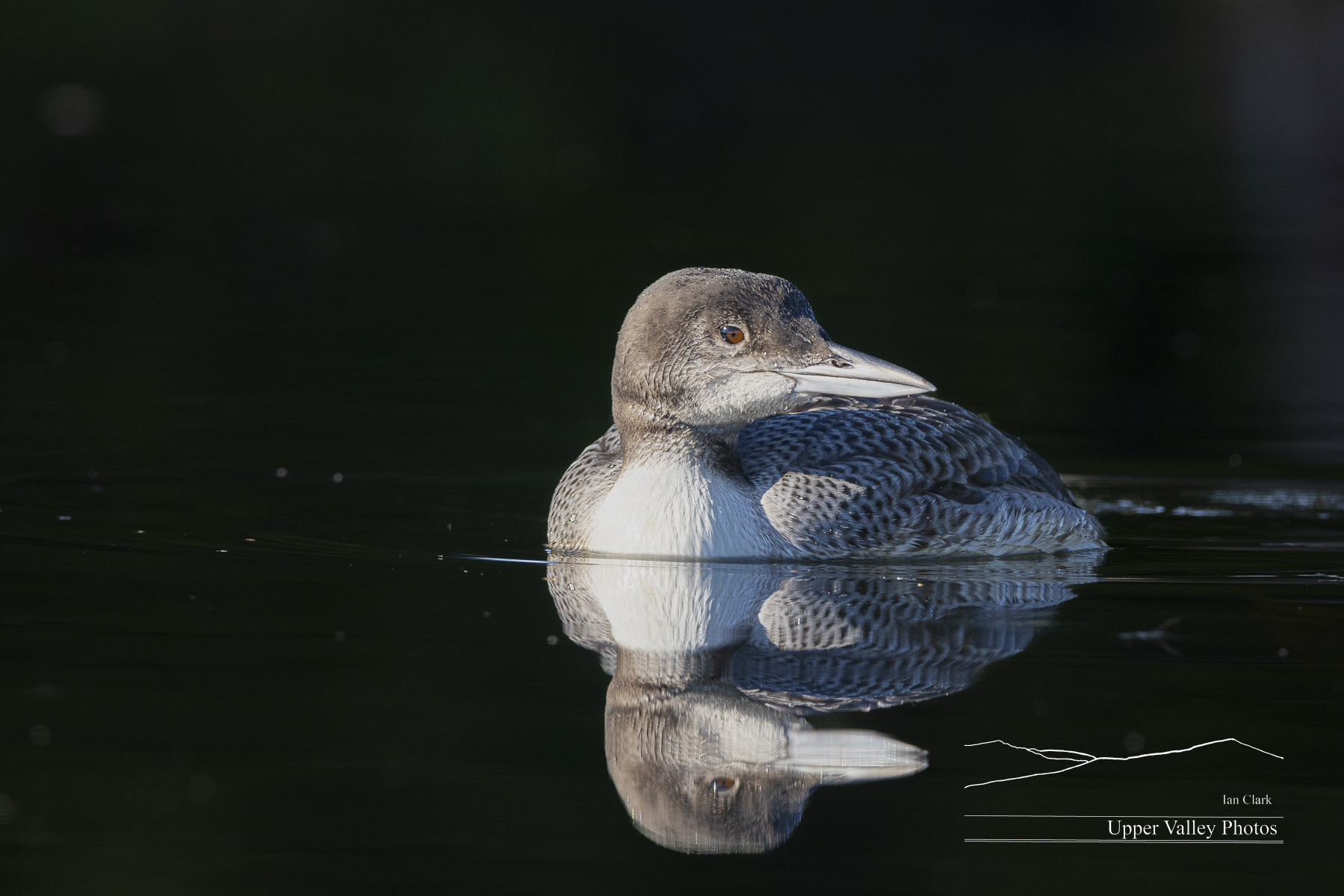
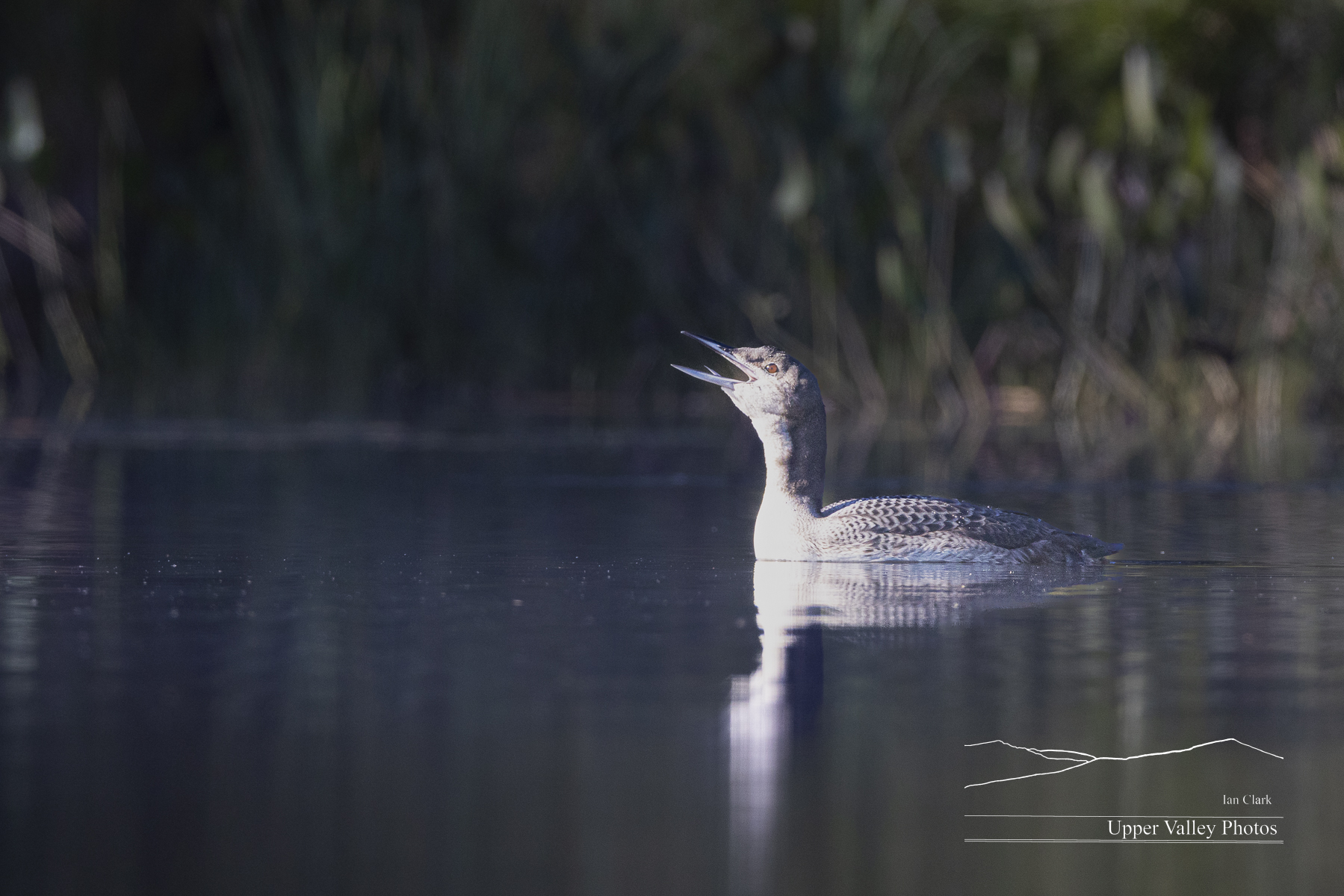
A few minutes later, an adult loon flew relatively low over the pond and made a tight loop overhead over Littleton. Littleton let out a wail – a good, adult sounding wail. The other loon didn’t answer and continued on his way. He was too far away for me to see any bands. Could this have been dad checking on him? Maybe encouraging him to try to fly? Or just a random loon on the way to somewhere else?
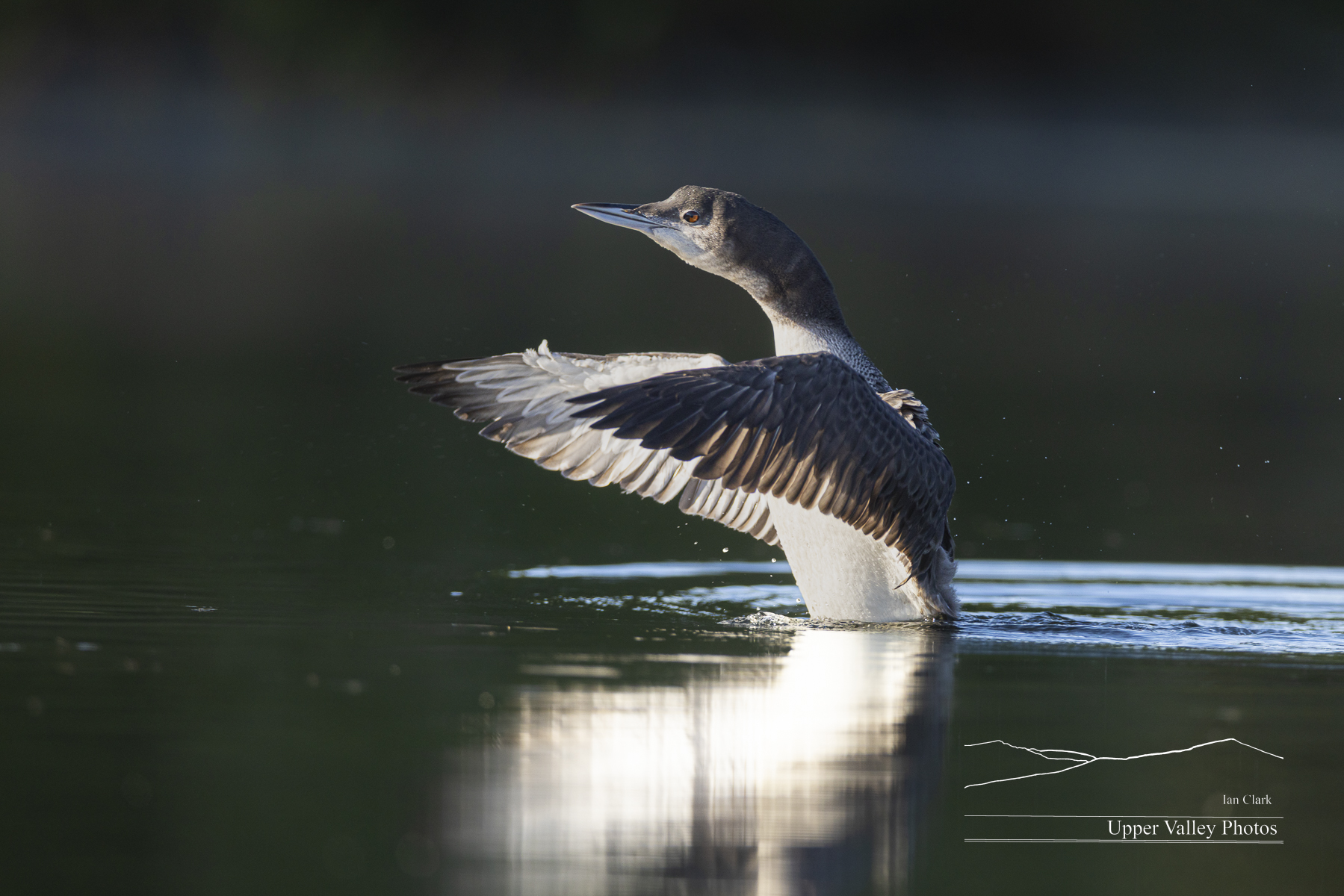
Littleton sat 20-25 feet from my boat for a bit before diving and swimming a couple circles under my boat. I had my GoPro – packed in my backpack. I cursed myself for not having it out and having missed the encounter. But, I didn’t get the camera out. Littleton repeated the dive and circling under the boat. I may have used strong words. And then I got the camera out. The next time Littleton dove, I was ready. And the next….
He surfaced close to the boat, and stayed a couple minutes before swimming downwind across the pond.
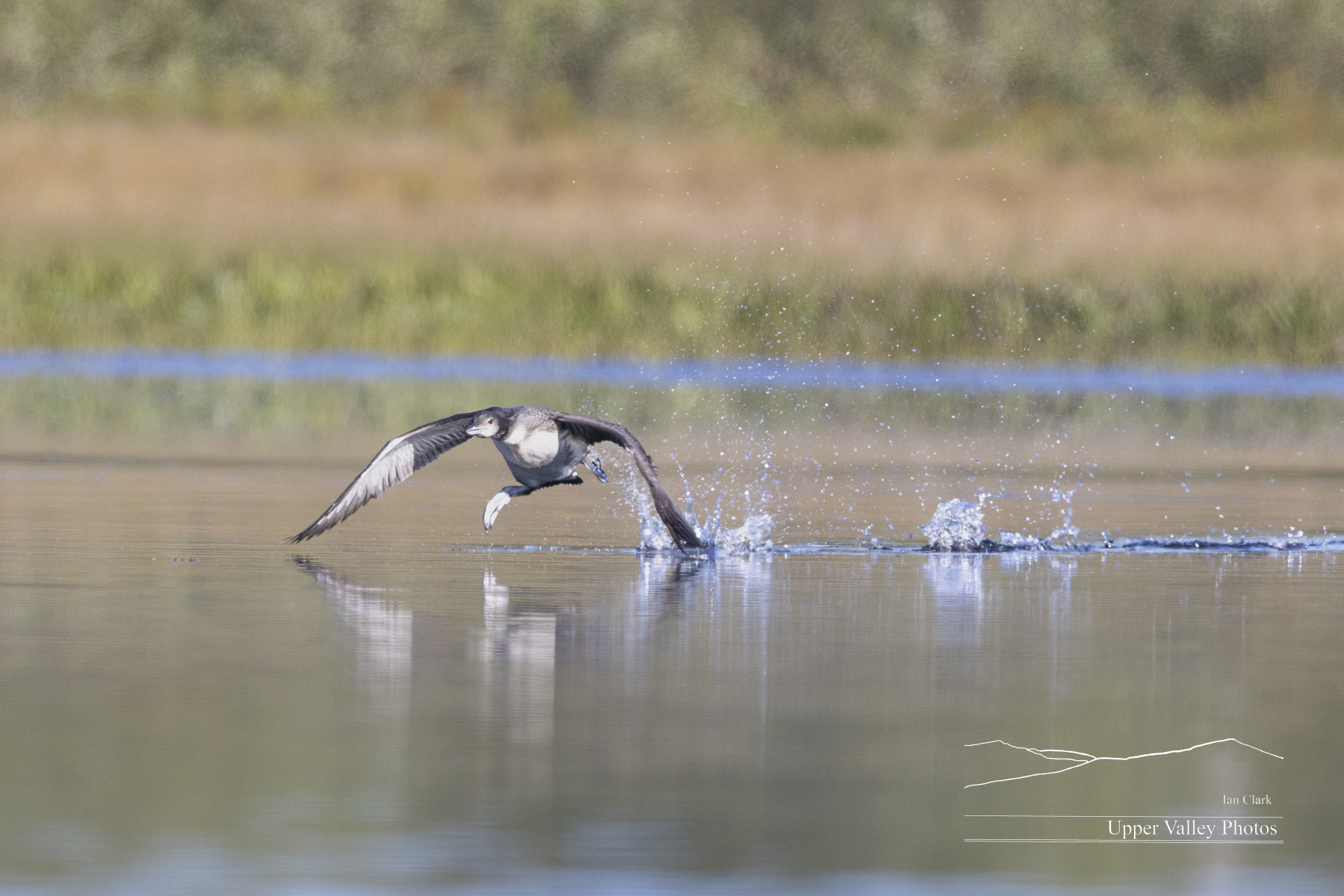
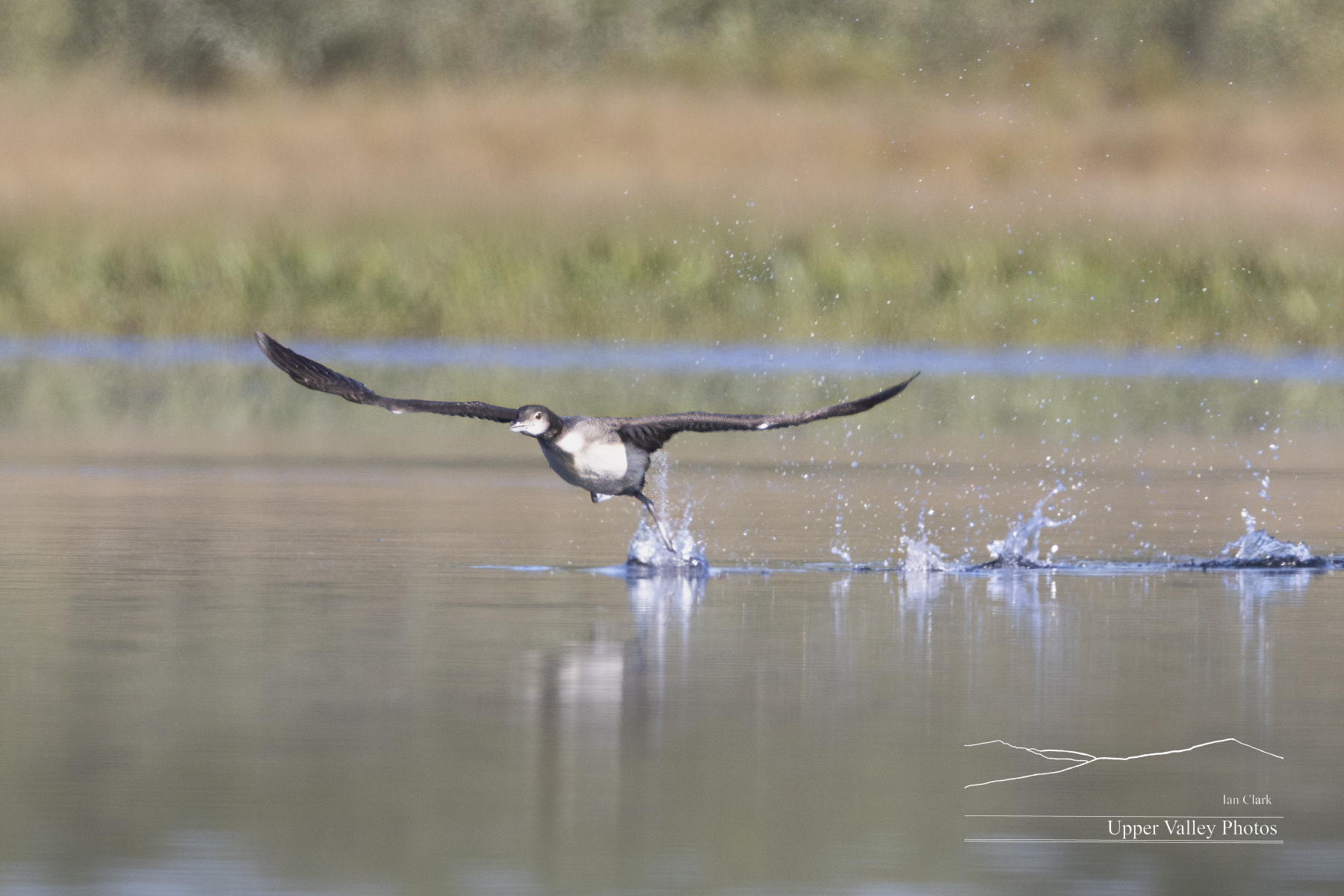
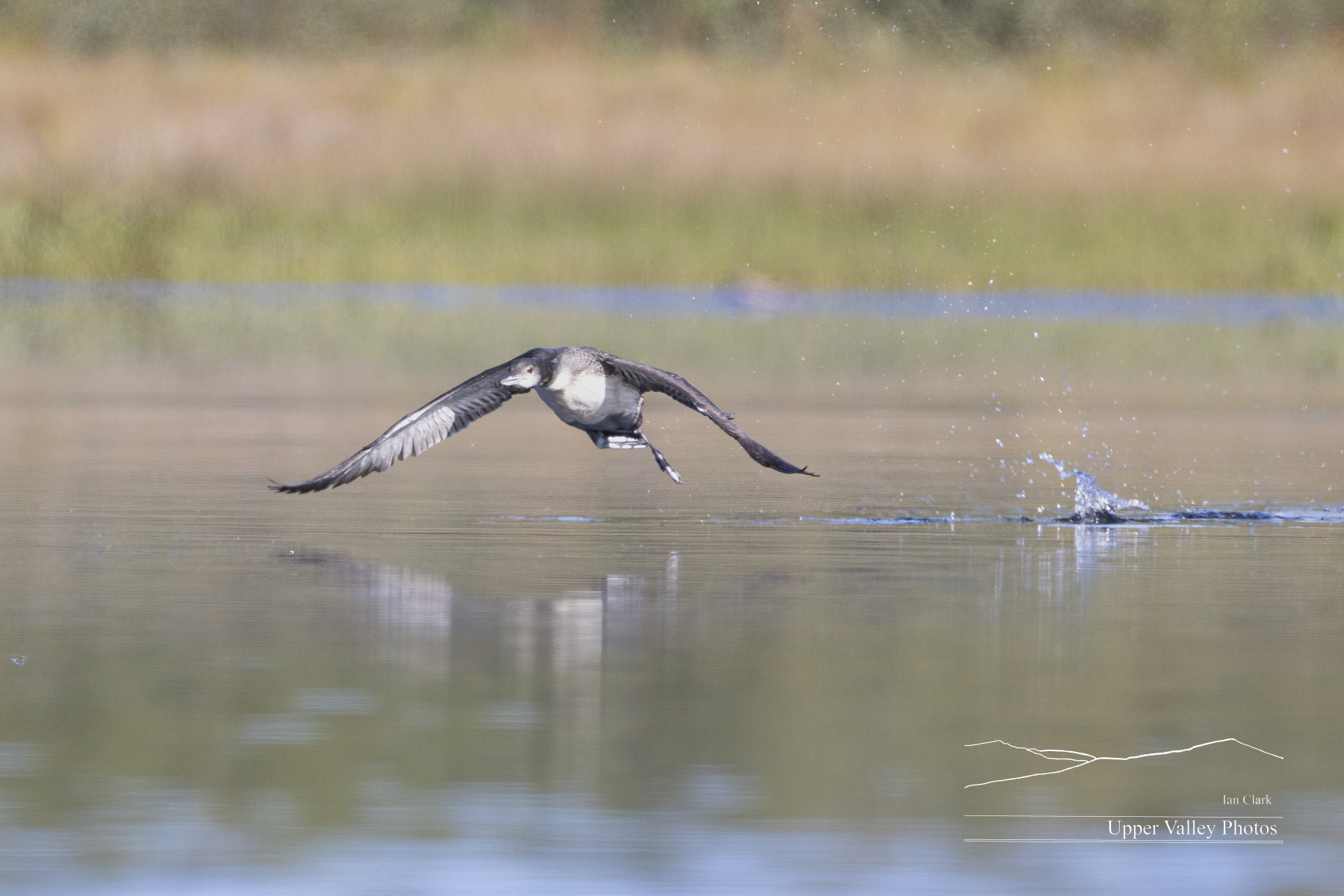
The adult loons in our neighborhood usually stick around, more or less, on their territory until the last week of September or the first few days of October. I suspect they’ll show up now and then until the end of the month. The chicks usually move on about a week or 10 days after the parents leave. Most of New England’s loons will make their way to the Atlantic for the winter. Most will stay between Cape Cod and Maine. Some will venture down further south. And, there are always a few that are adventurous and can show up anywhere.
I’m going to try to call on the Eastons again before I head out, but this is likely the last of story for this season.
Visits with the Eastons and Middletons
This past week, I had time to check in with the Eastons and the Middletons. Fall had arrived. When I put in on Tuesday to visit the Eastons, it was 41° and the hills were definitely turning rusty.
My 2026 Wildlife Calendar is here, they’re available on my site – along with lots of other of your favorite images. Please take a look.
Shortly afterwards, a loon flew in low over the pond and looked to have landed out of sight at the far end. Dad announced himself with a wail and came to join mom as they set out to challenge the intruder.
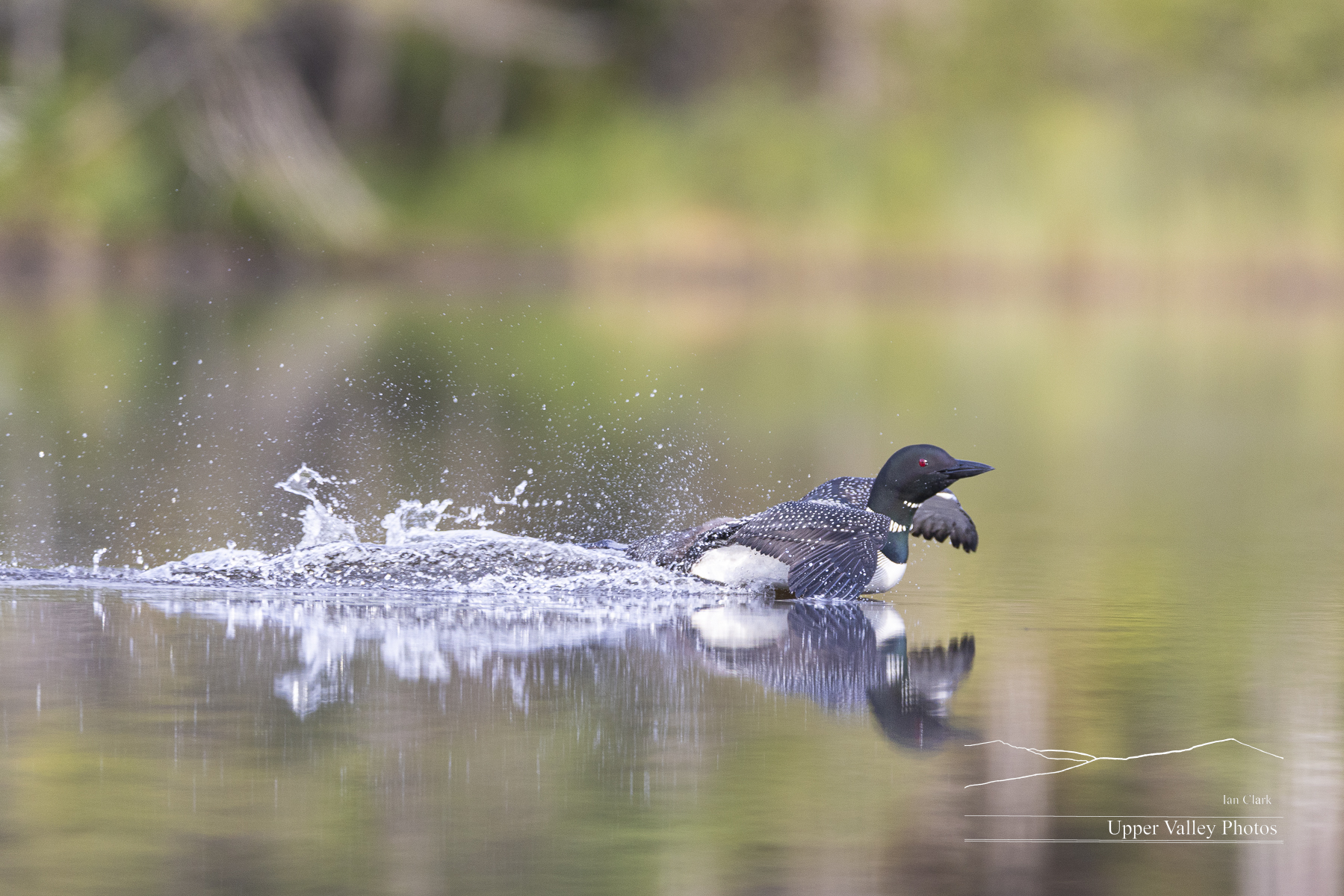
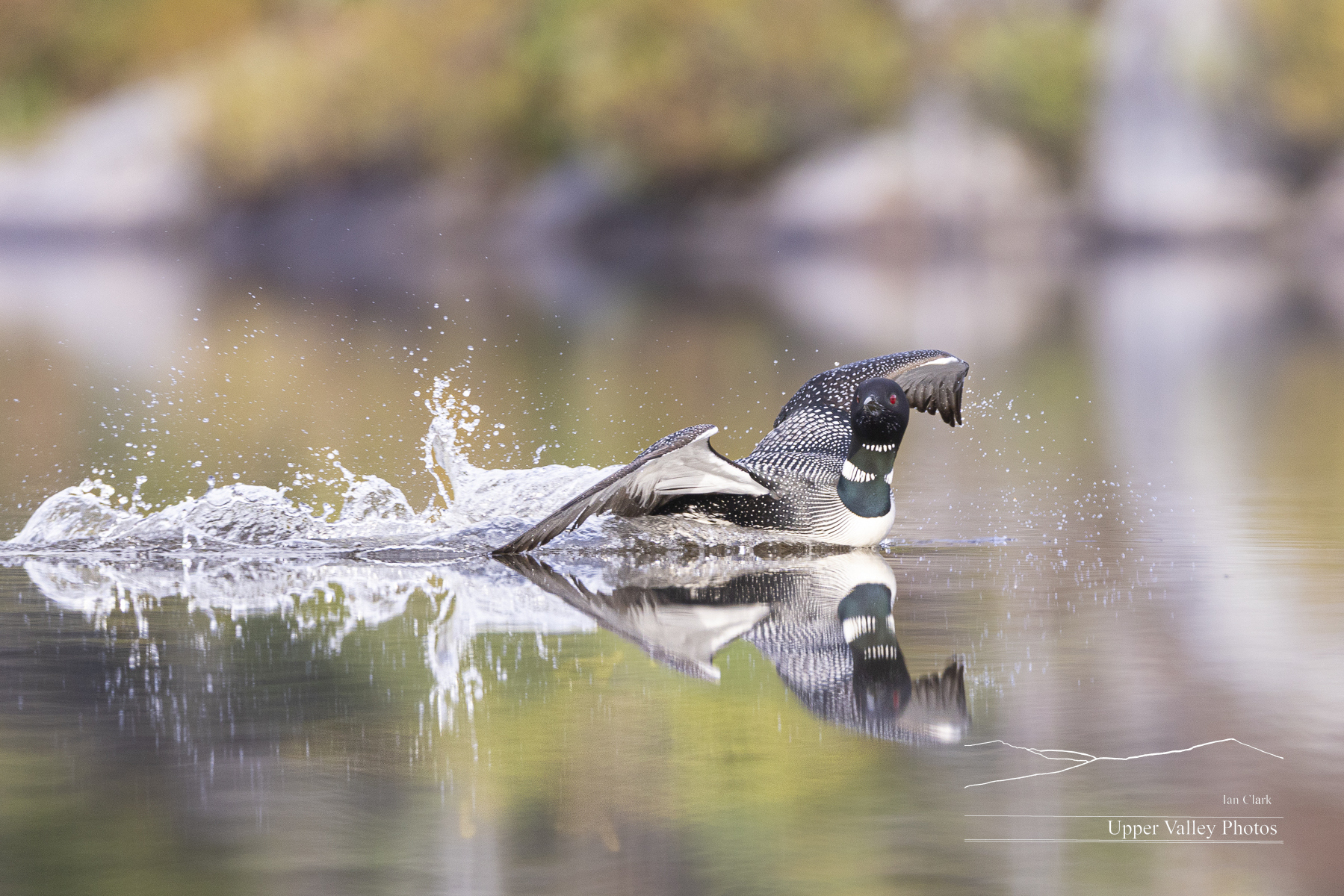
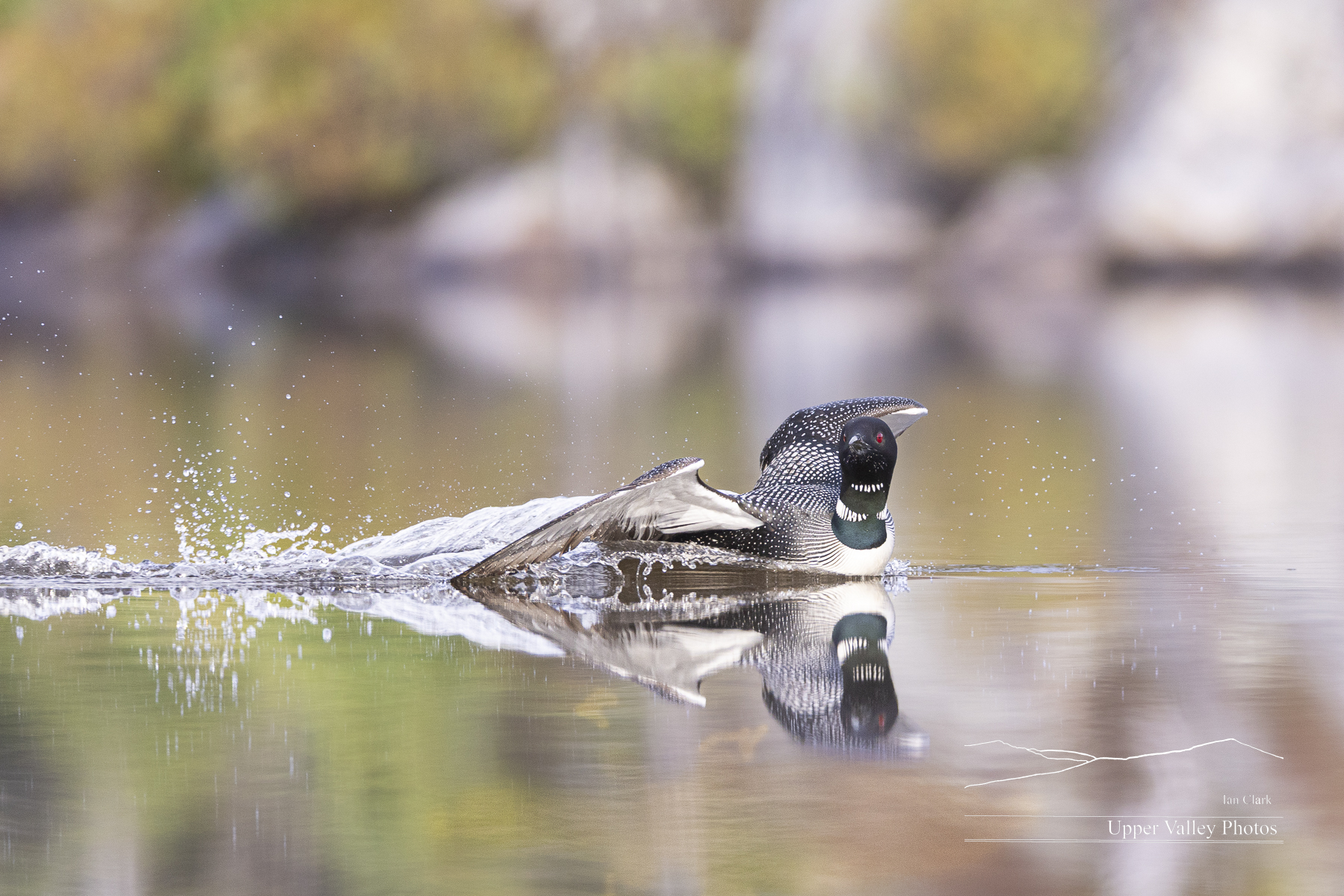
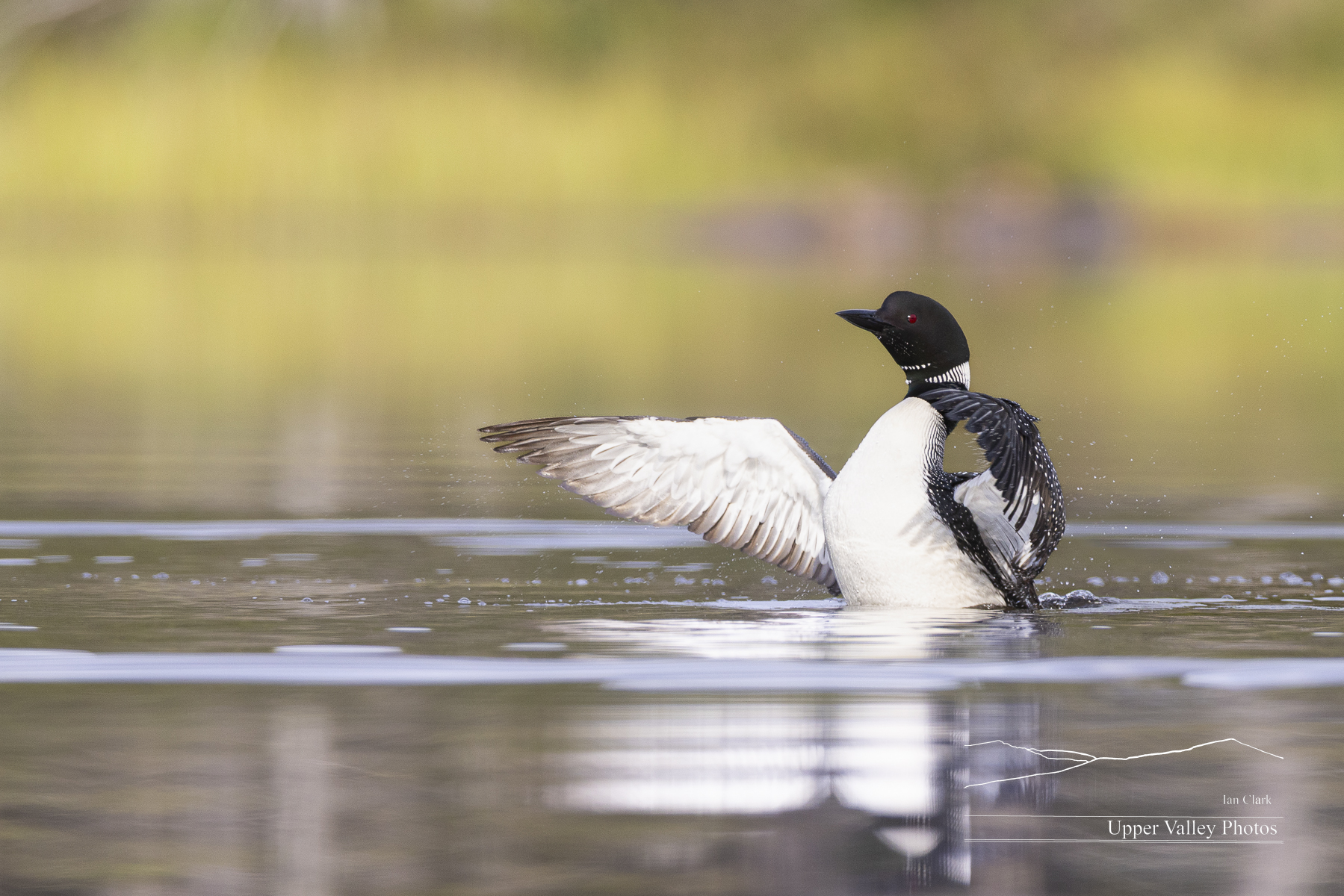
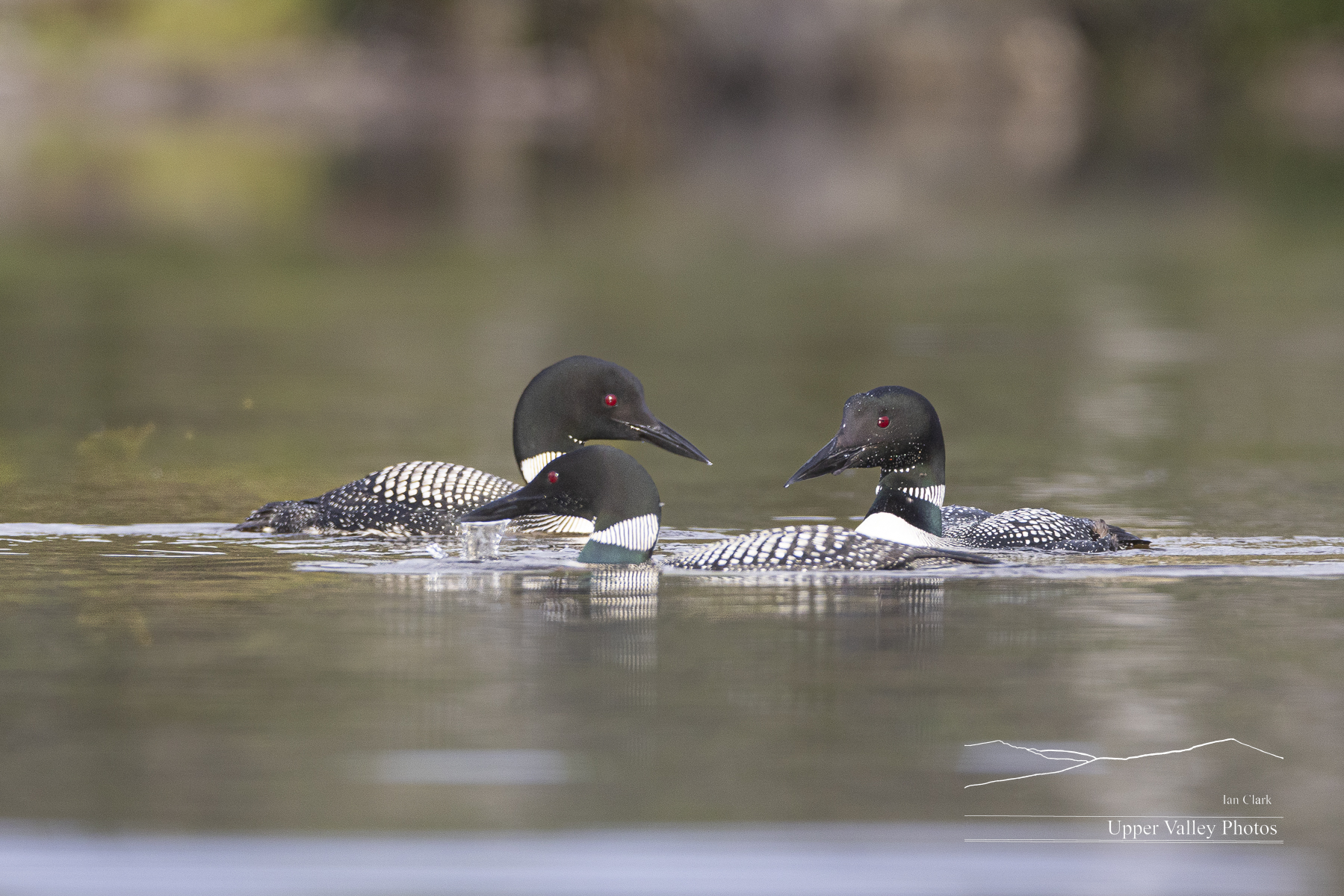
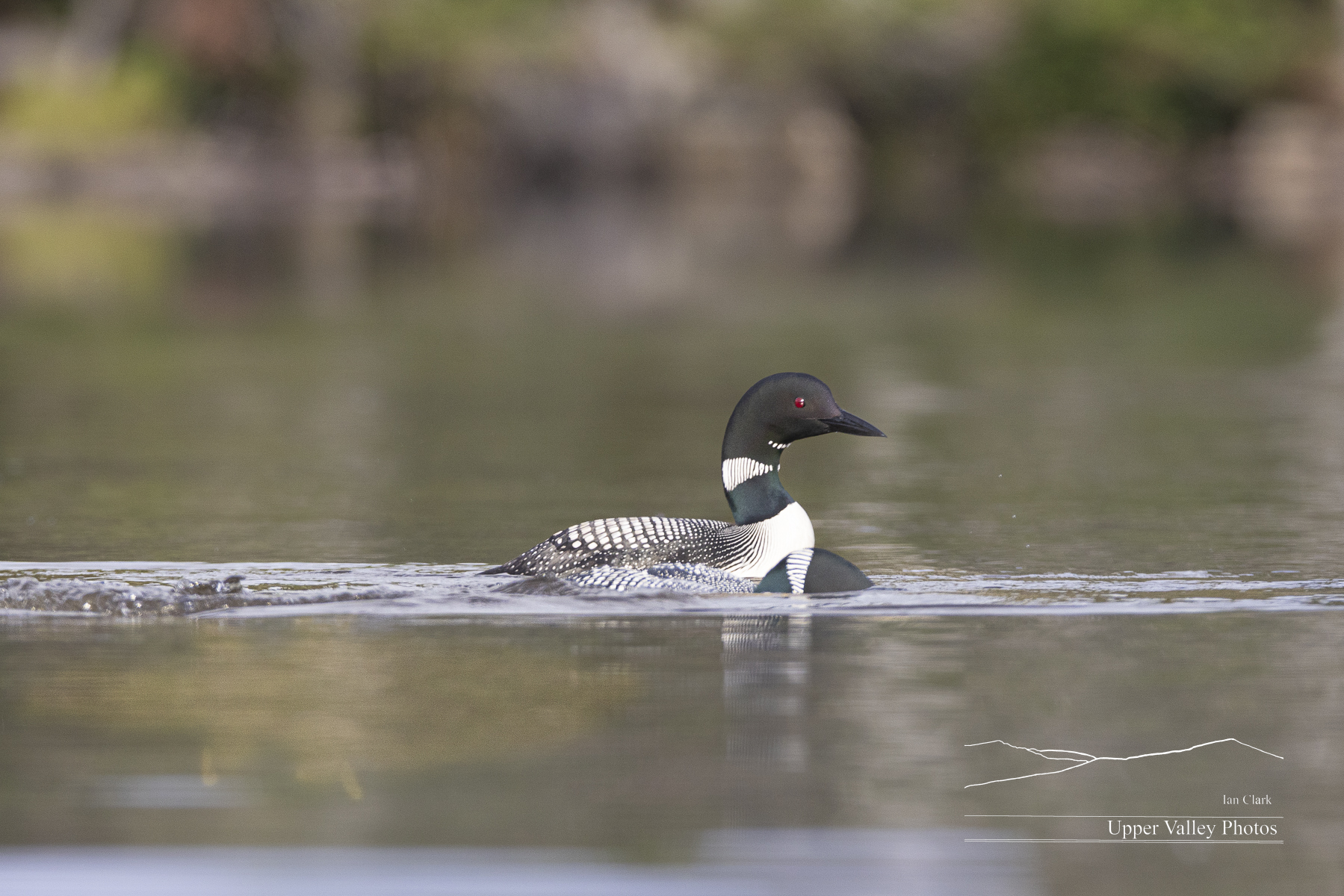
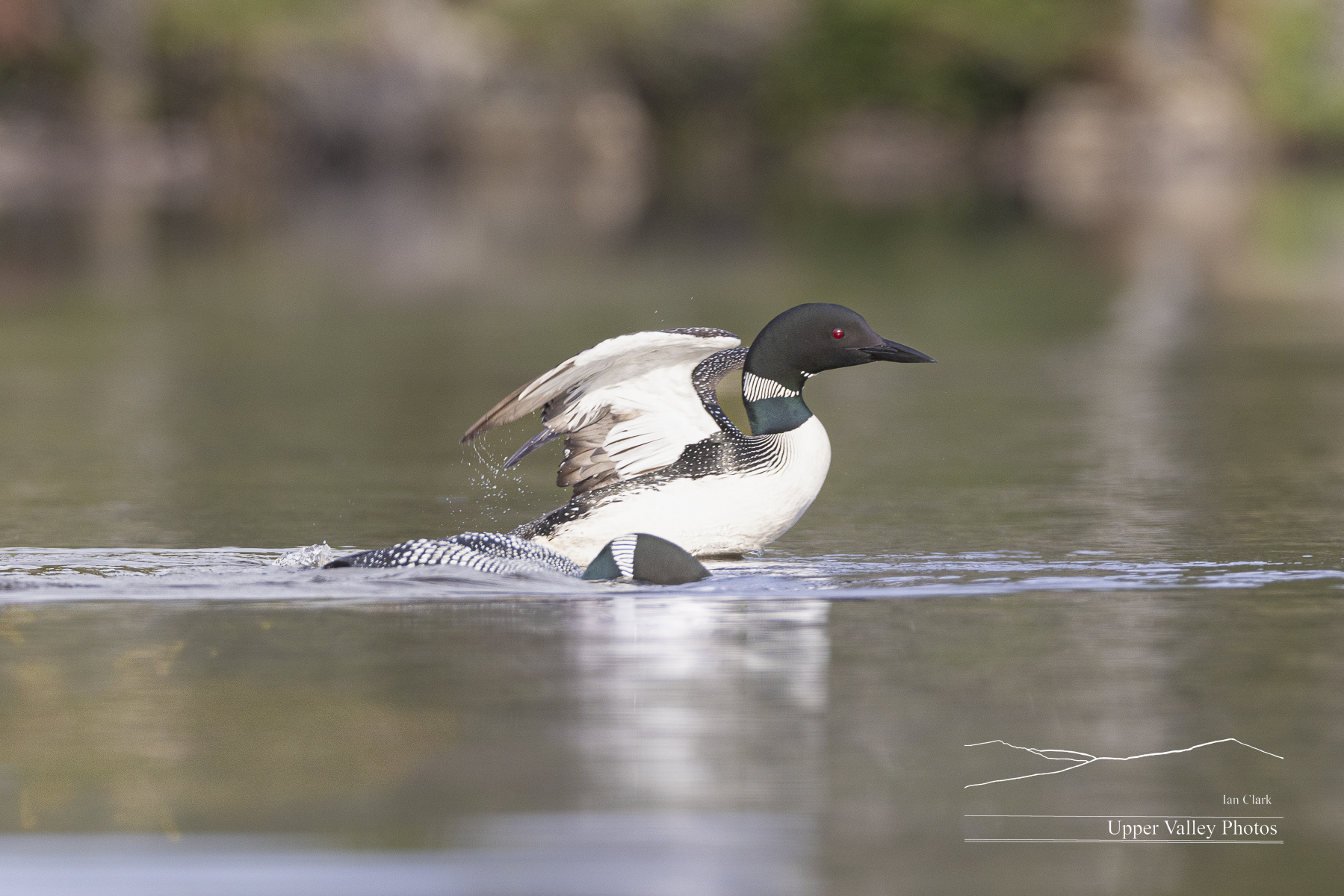
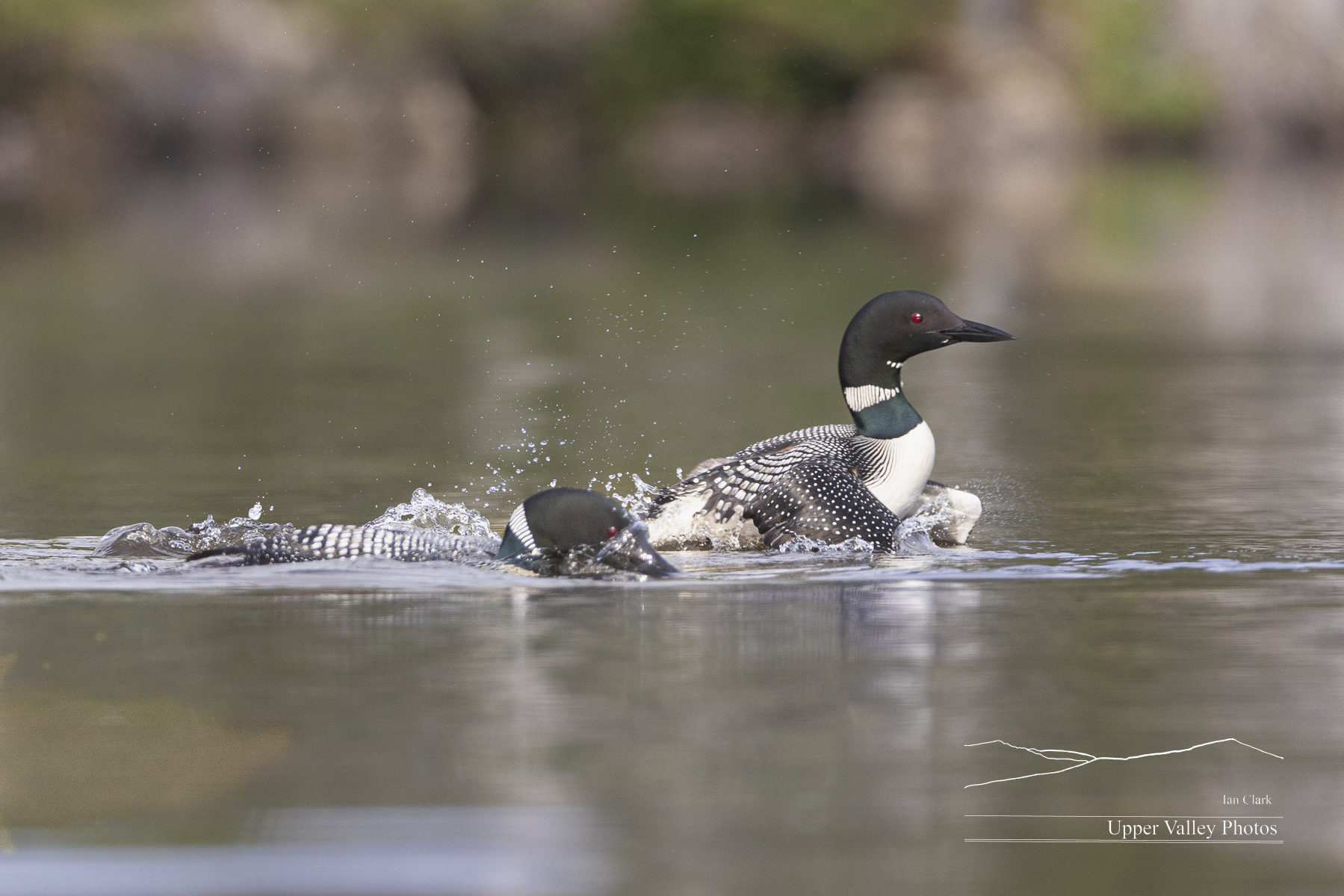
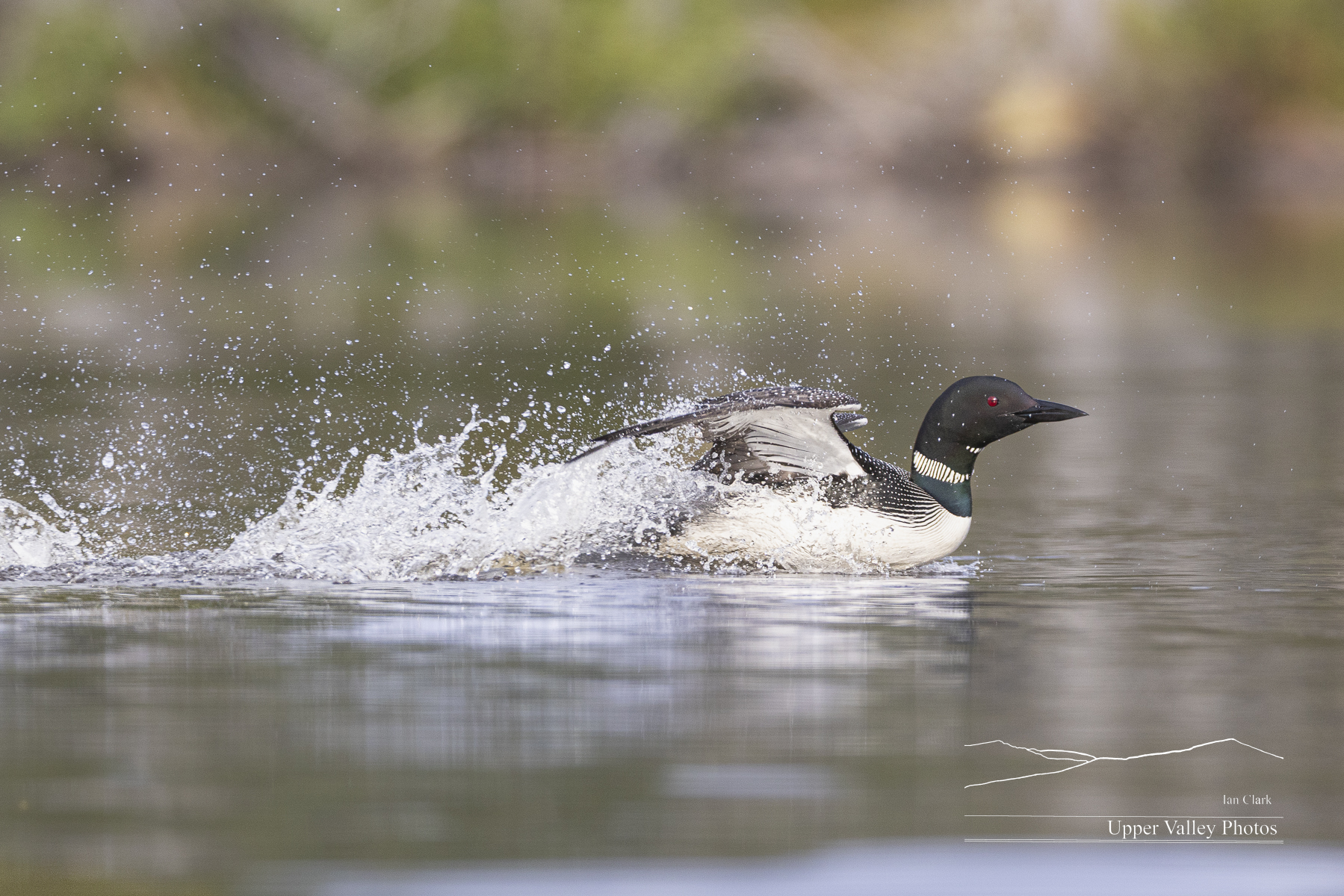
He returned to face the home team again and promptly gave up, departing the pond. I suspect he’ll be back – he circled overhead for some time calling as he flew. He was still overhead as I packed up and headed home.
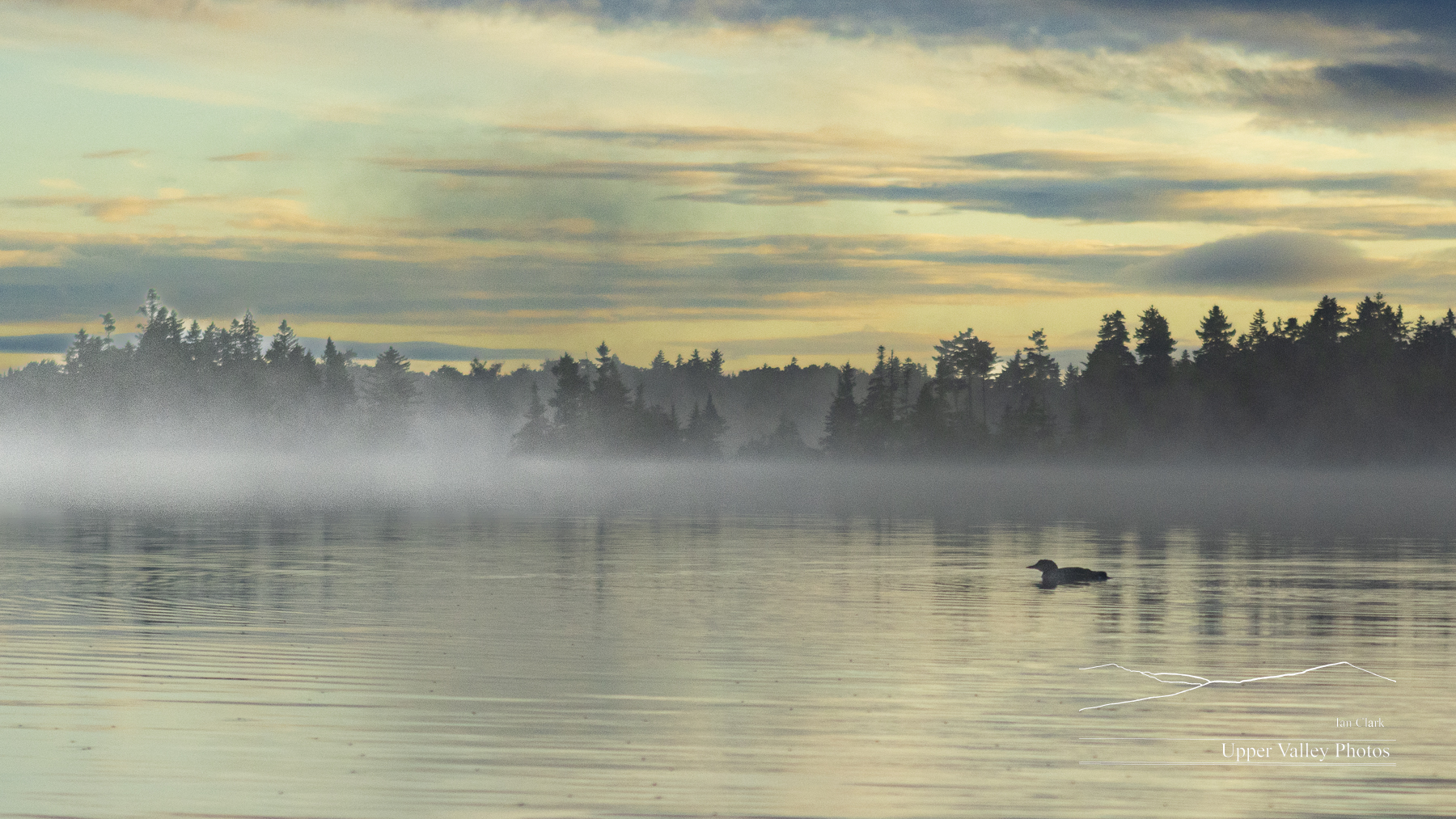
Wednesday I headed out to see the Middletons. It was chilly again – in the mid 40s – and their pond was in thick fog.
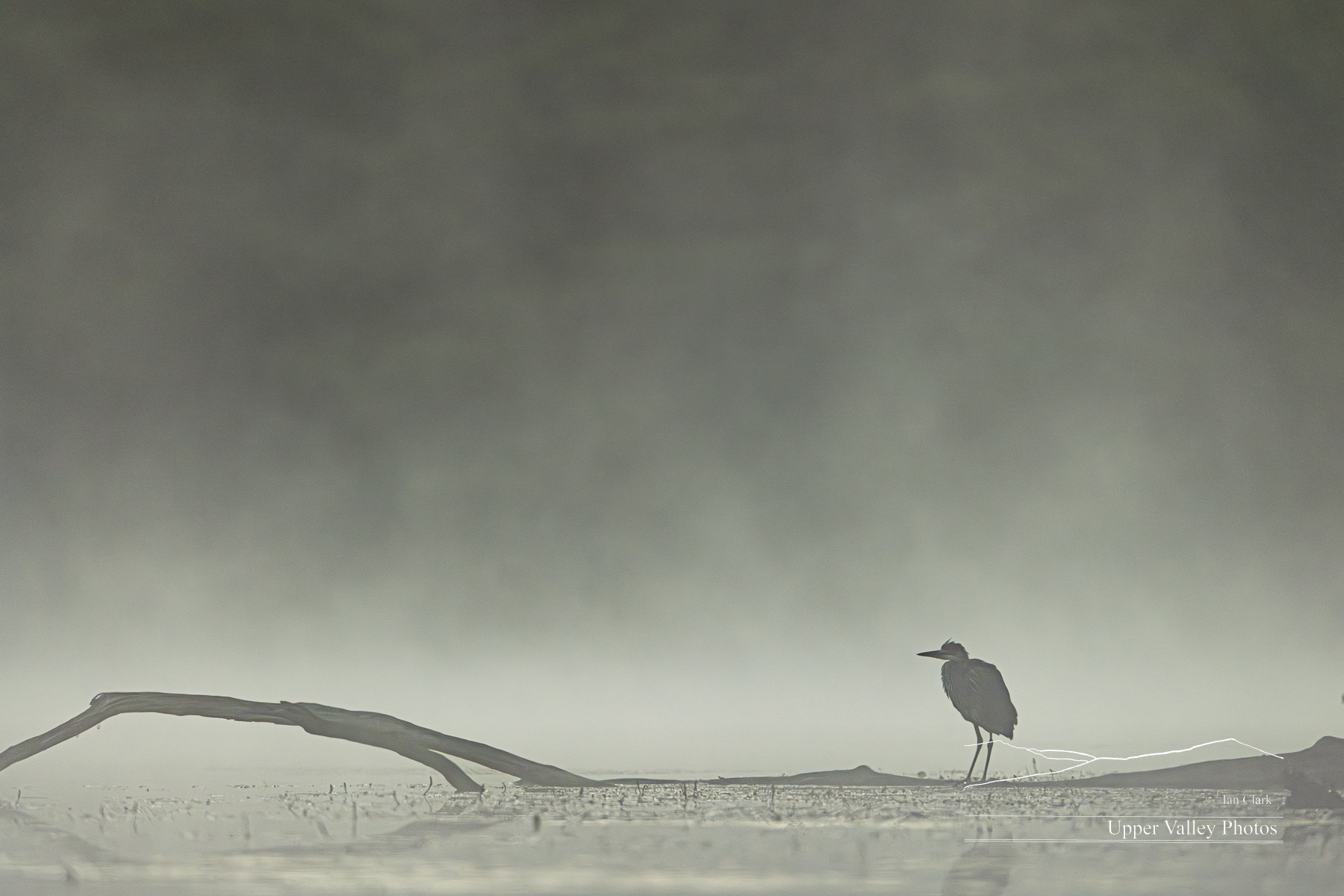
I found Littleton off on his own, just drifting along in the fog. Shortly after finding him, a loon flew into land. I suspect this was the female that drove Mrs. Middleton off the pond. She wasn’t quiet about her arrival, she tremoloed and wailed to let everyone know she’d arrived. Littleton flatted out to hide.
The new arrival started foraging and disappeared into the fog. After a bit, Littleton set out to find dad.
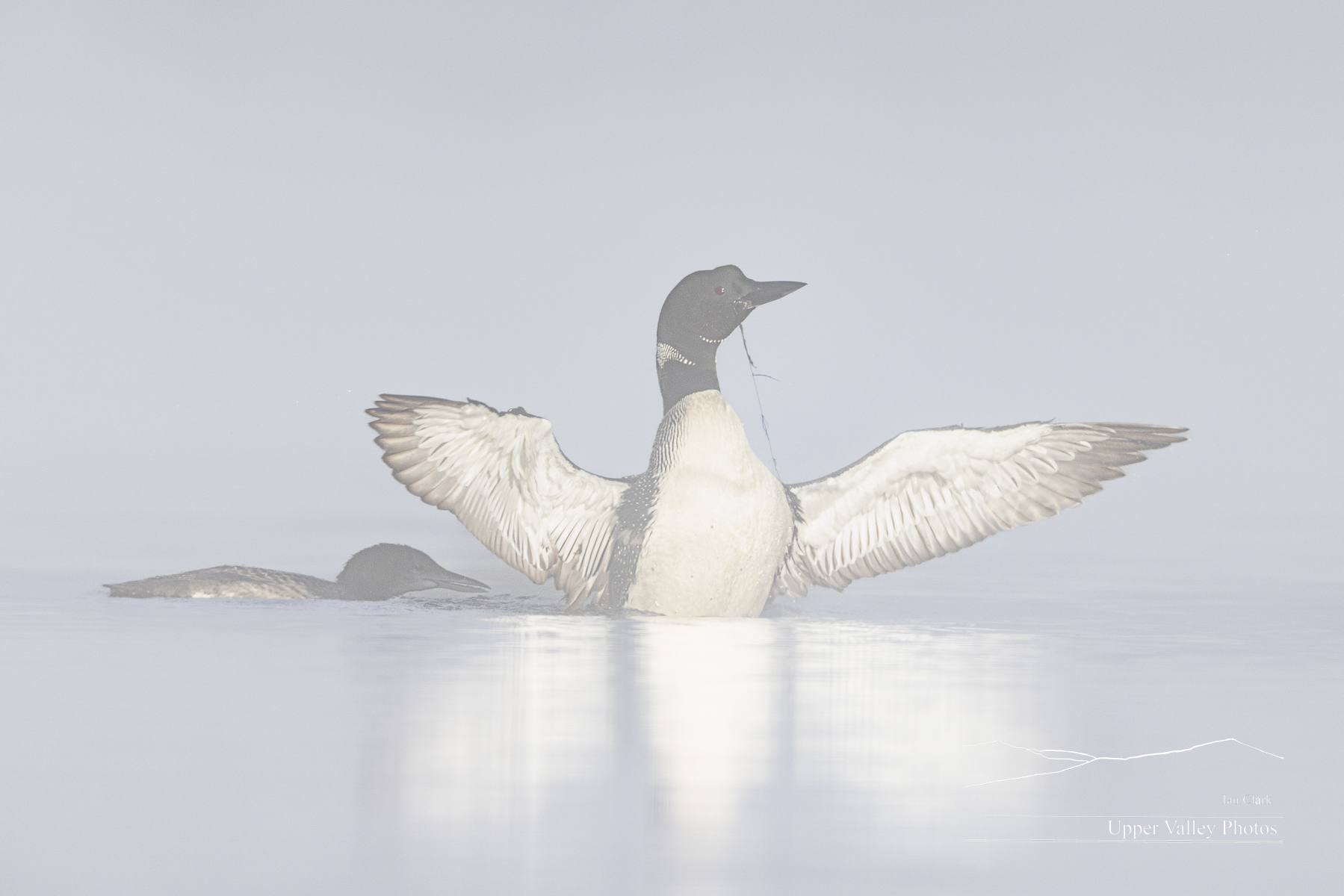
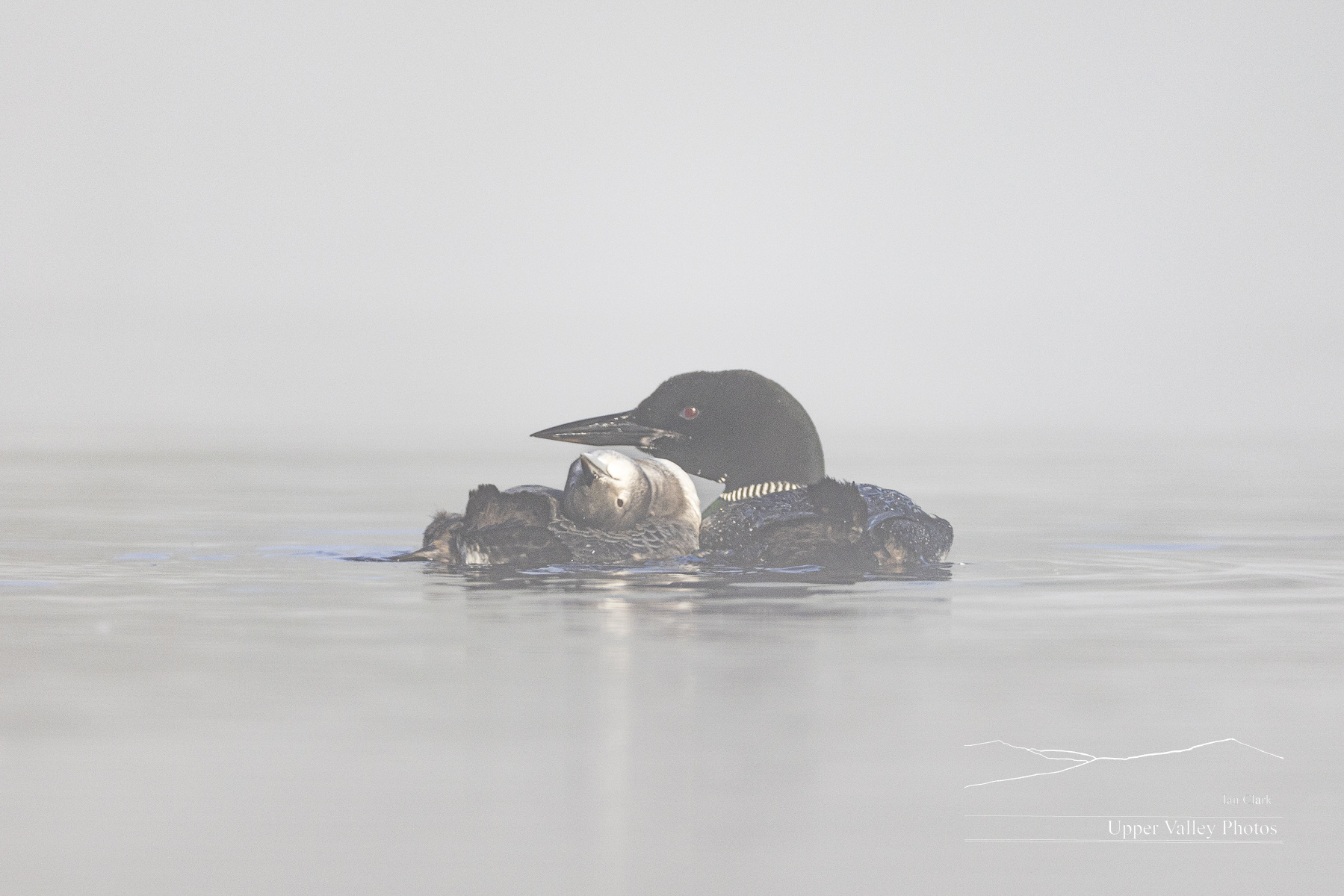
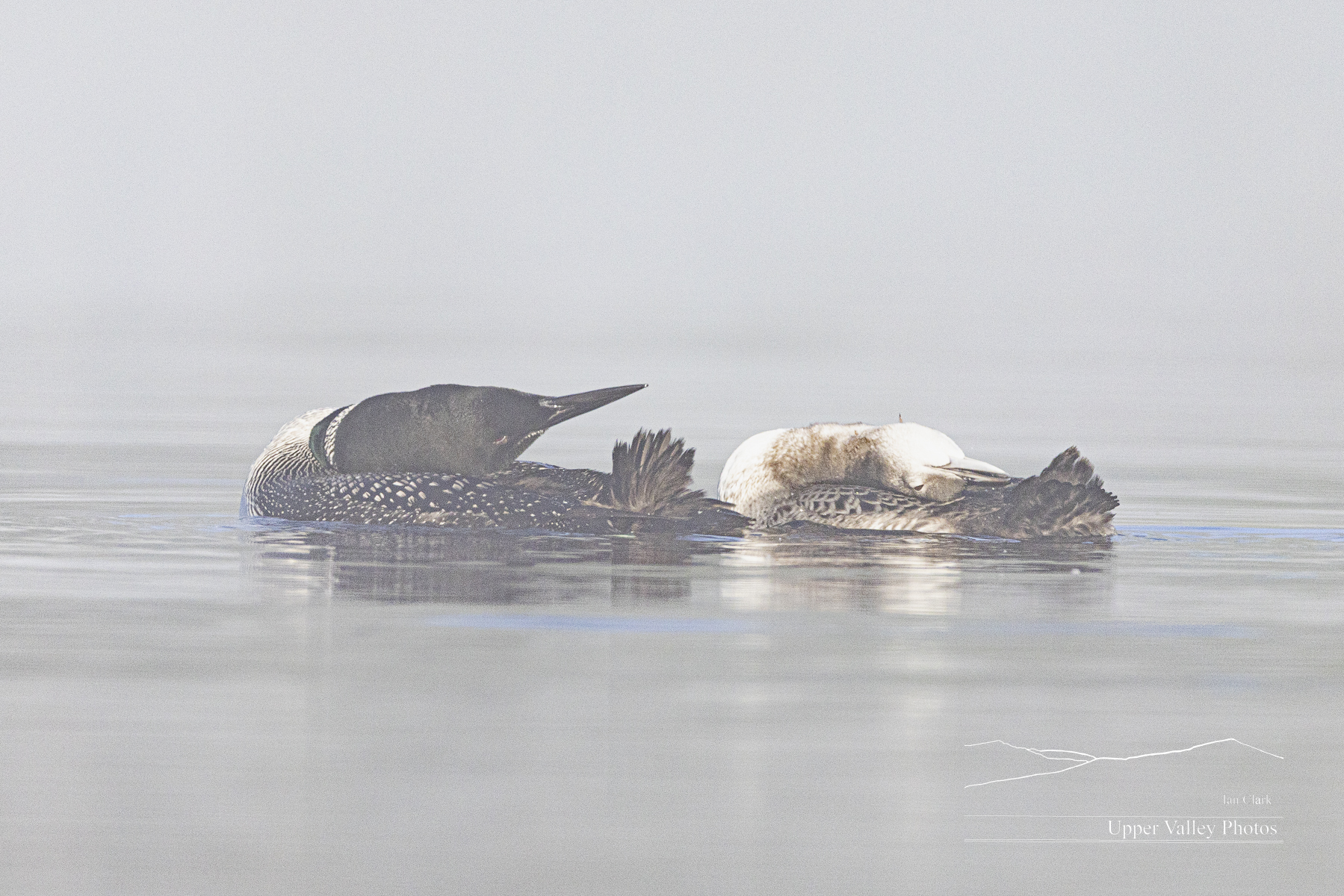
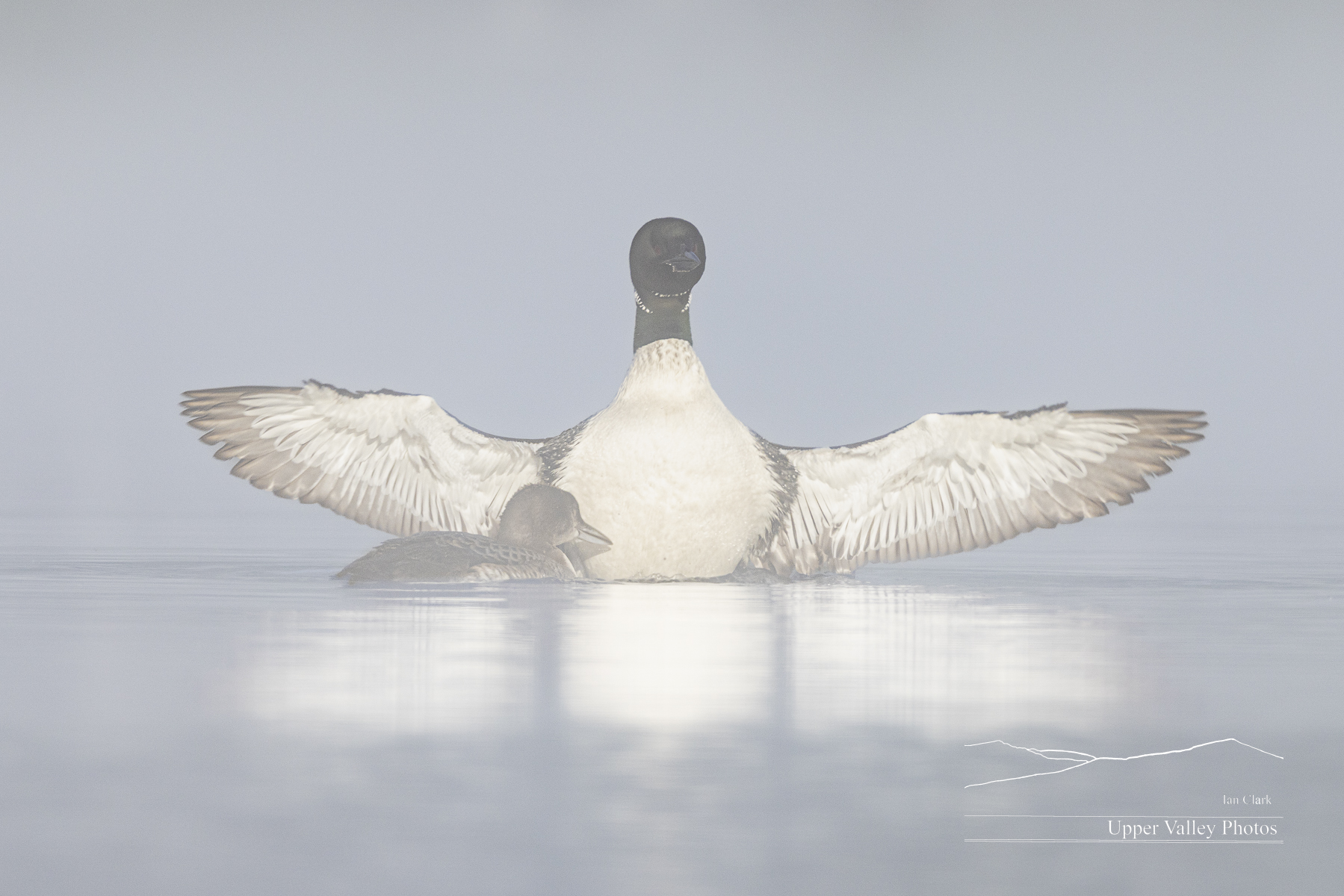
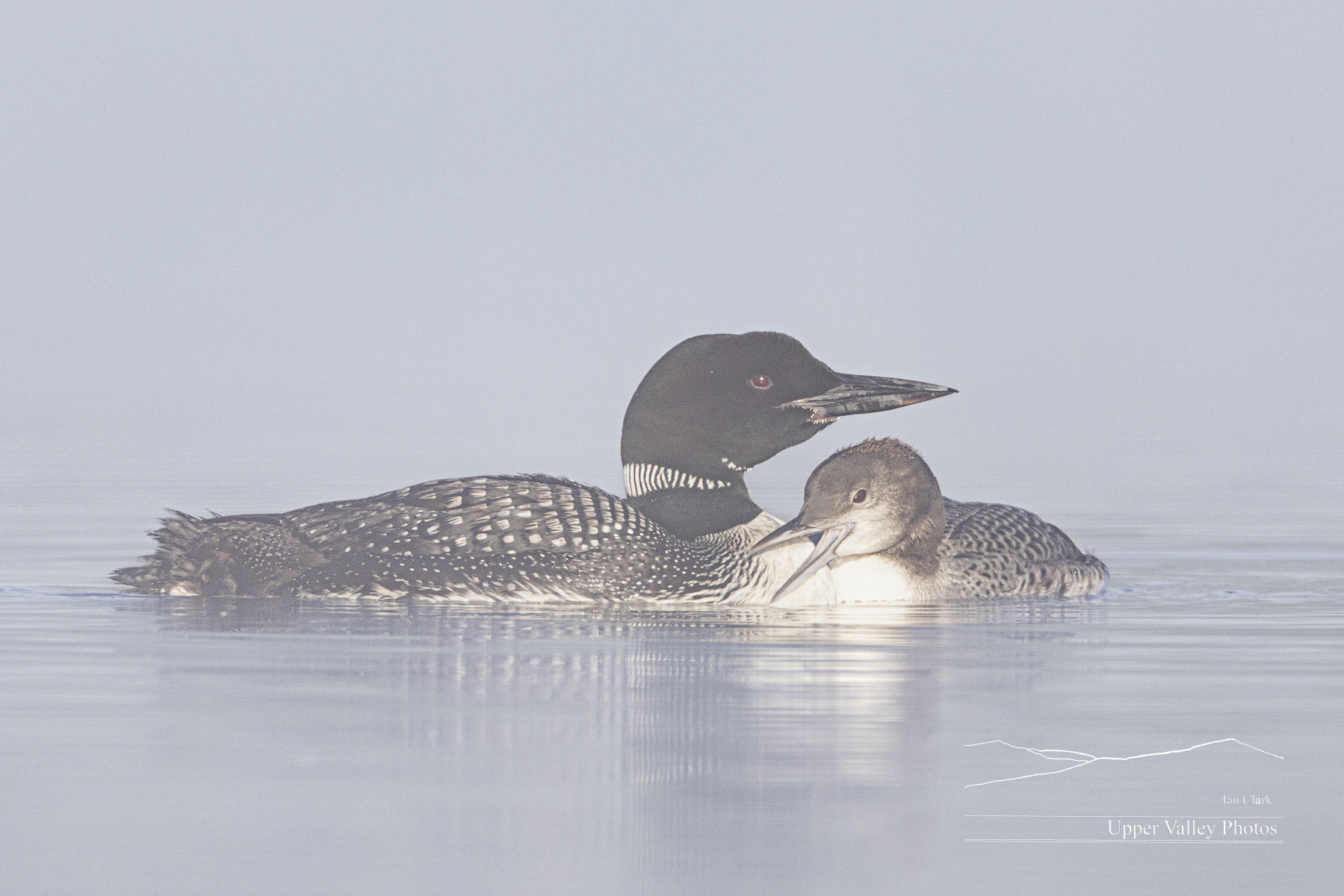
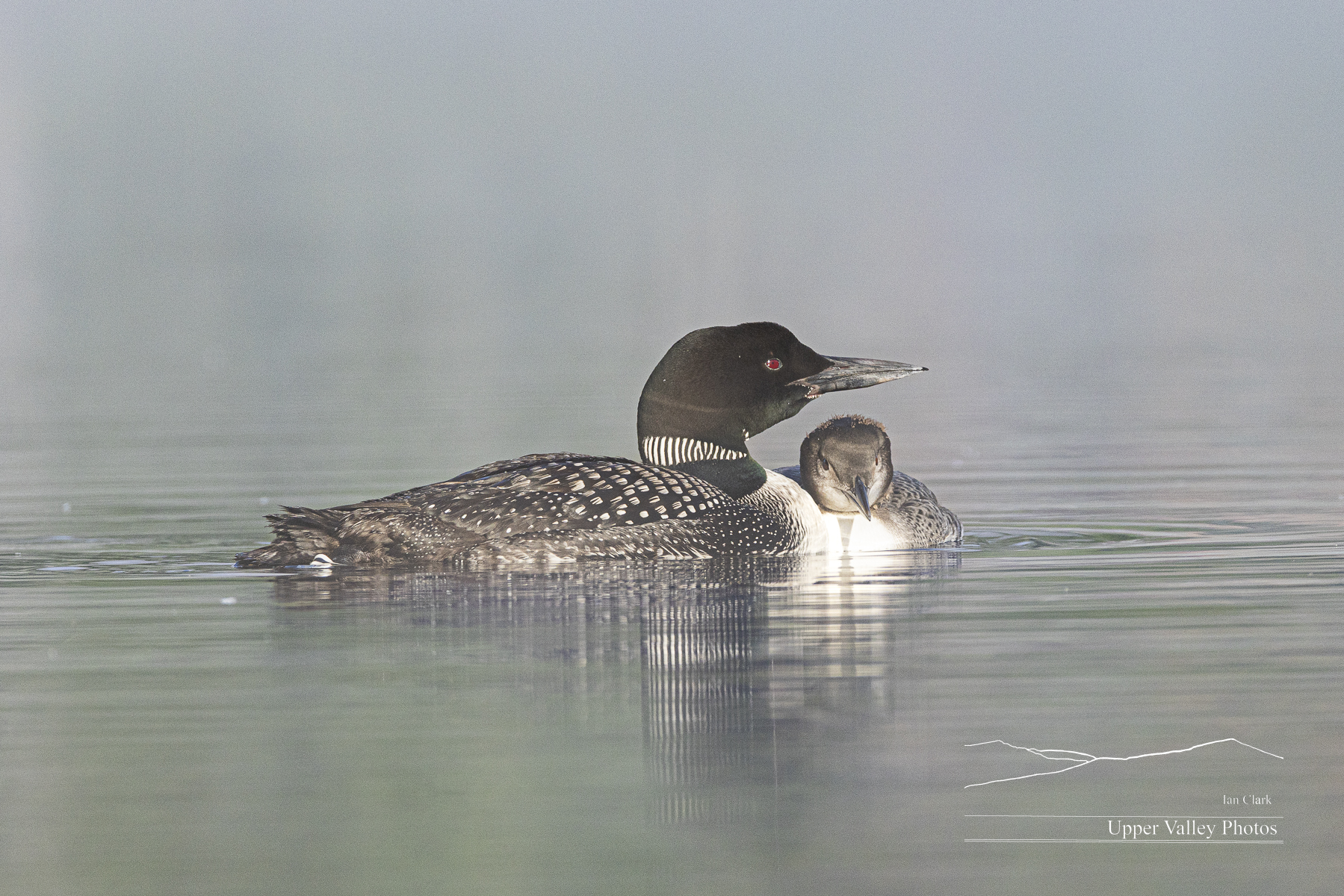
While Littleton was working on scoring more breakfast, the third loon took off and left the pond.
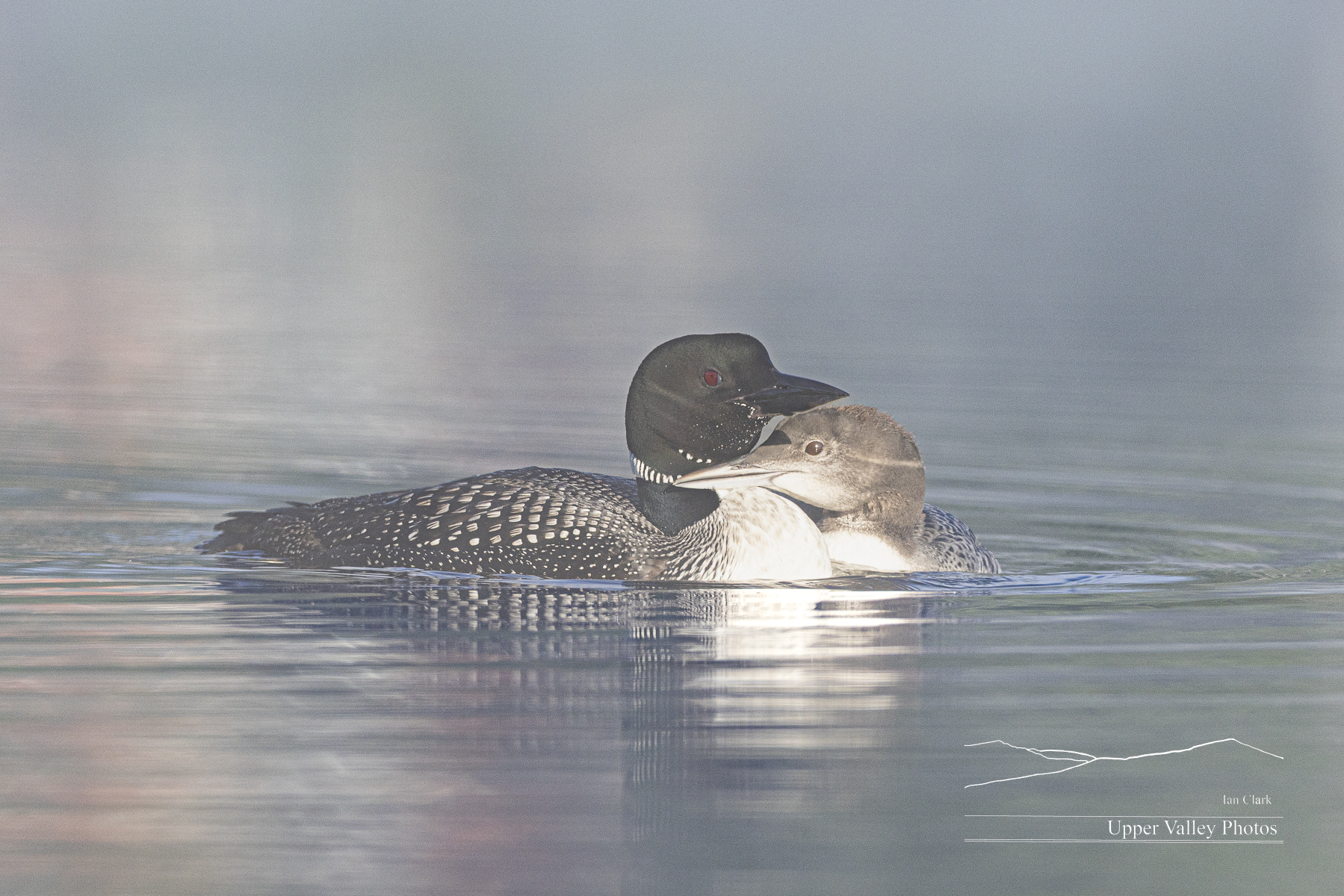
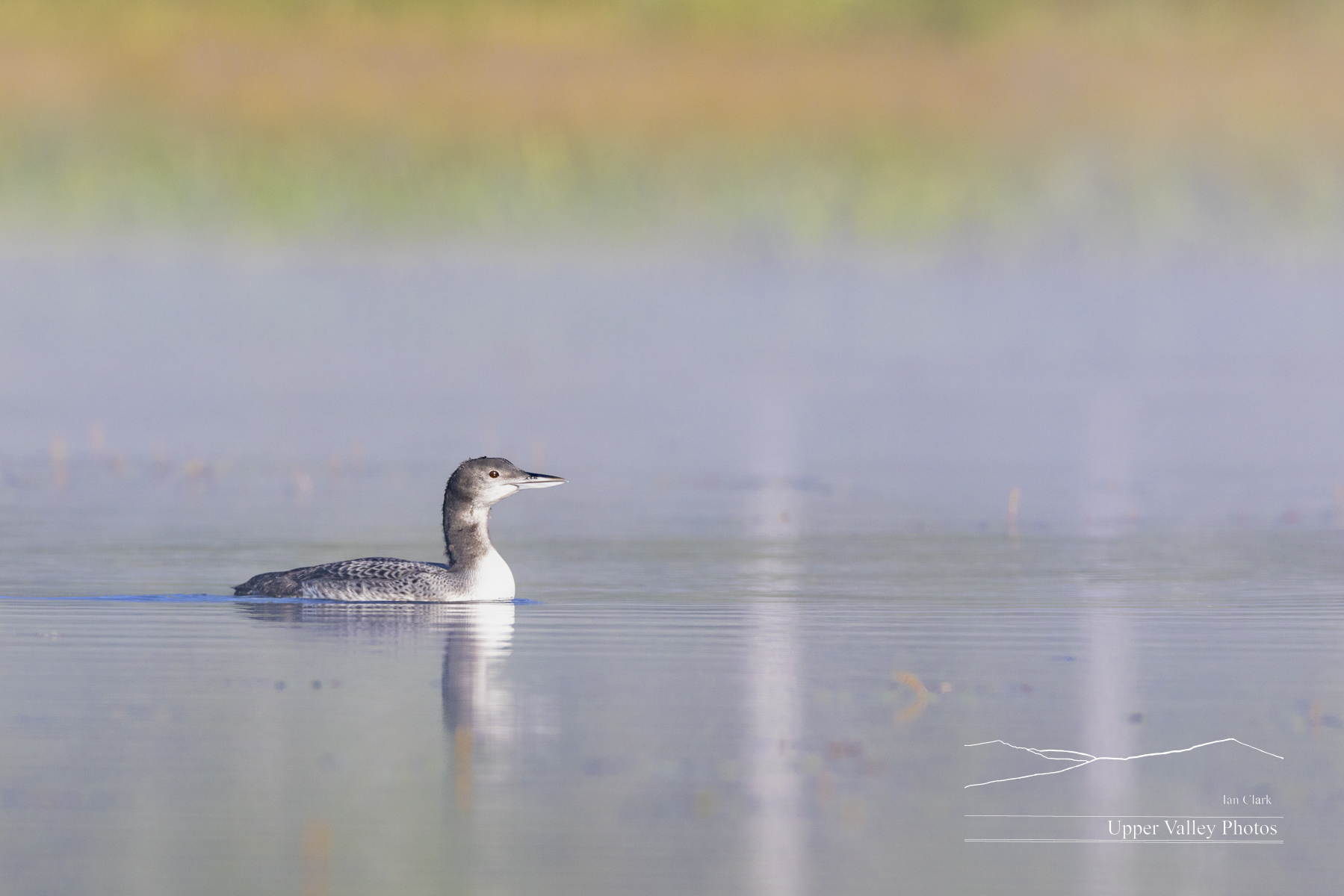
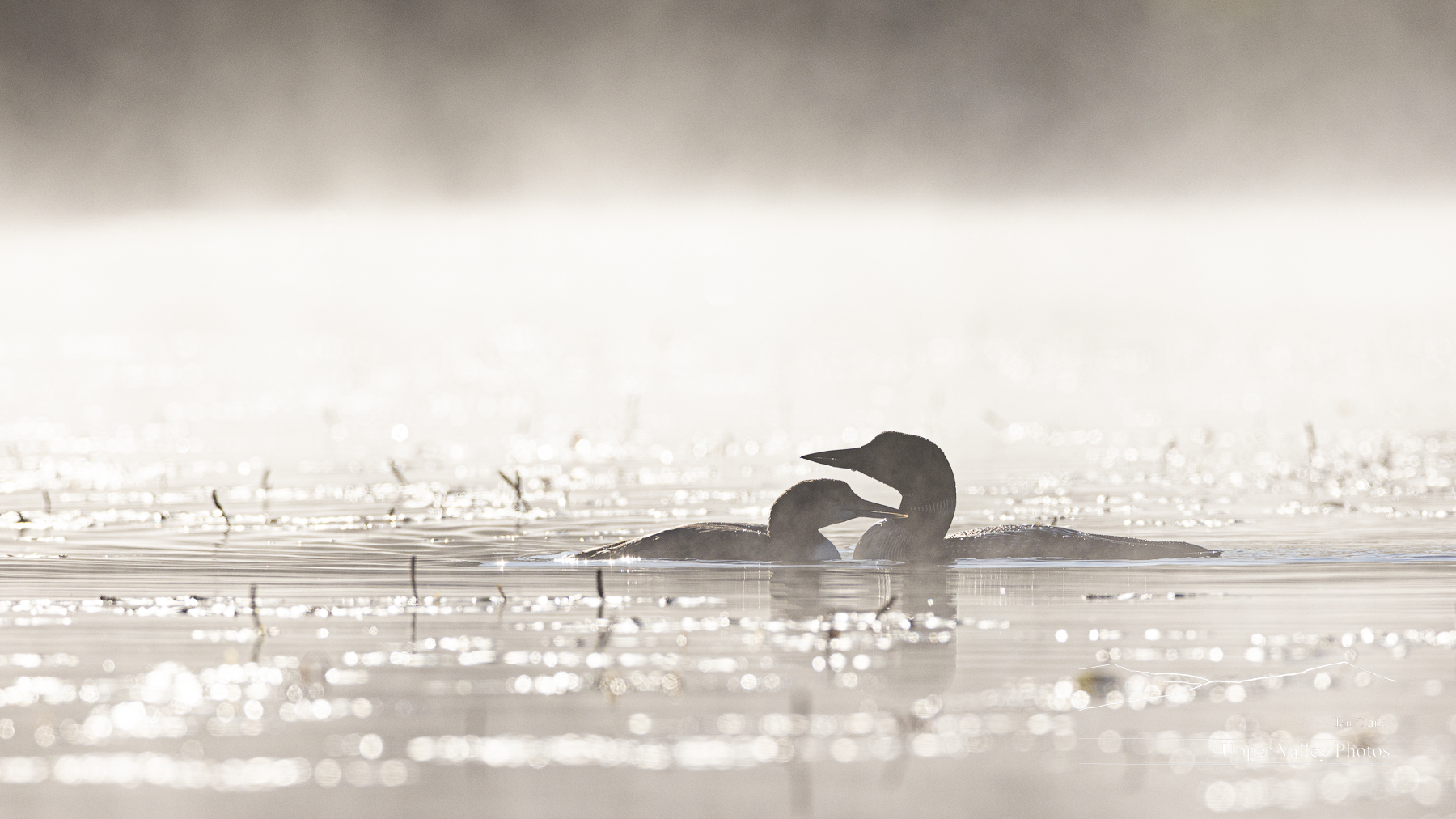
Happy Labor Day! I’m hoping the forecast holds and I’ll be able to get back out again this week.
Good and Sad News from the Loons
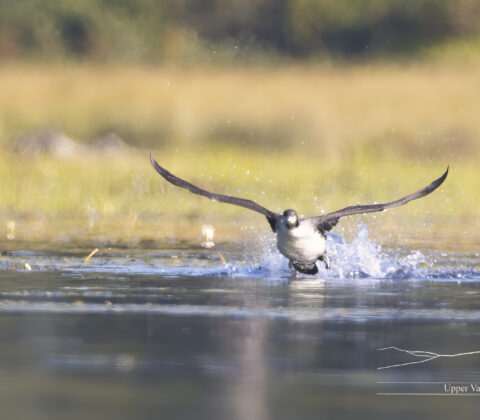
Last Tuesday, August 19, dawned with lots of stars overhead and what looked like light fog in the valley. I went to visit the Middletons. This is the family where mom was chased off the pond by an loon challenging her for the territory. Just dad and the chick were on the pond.
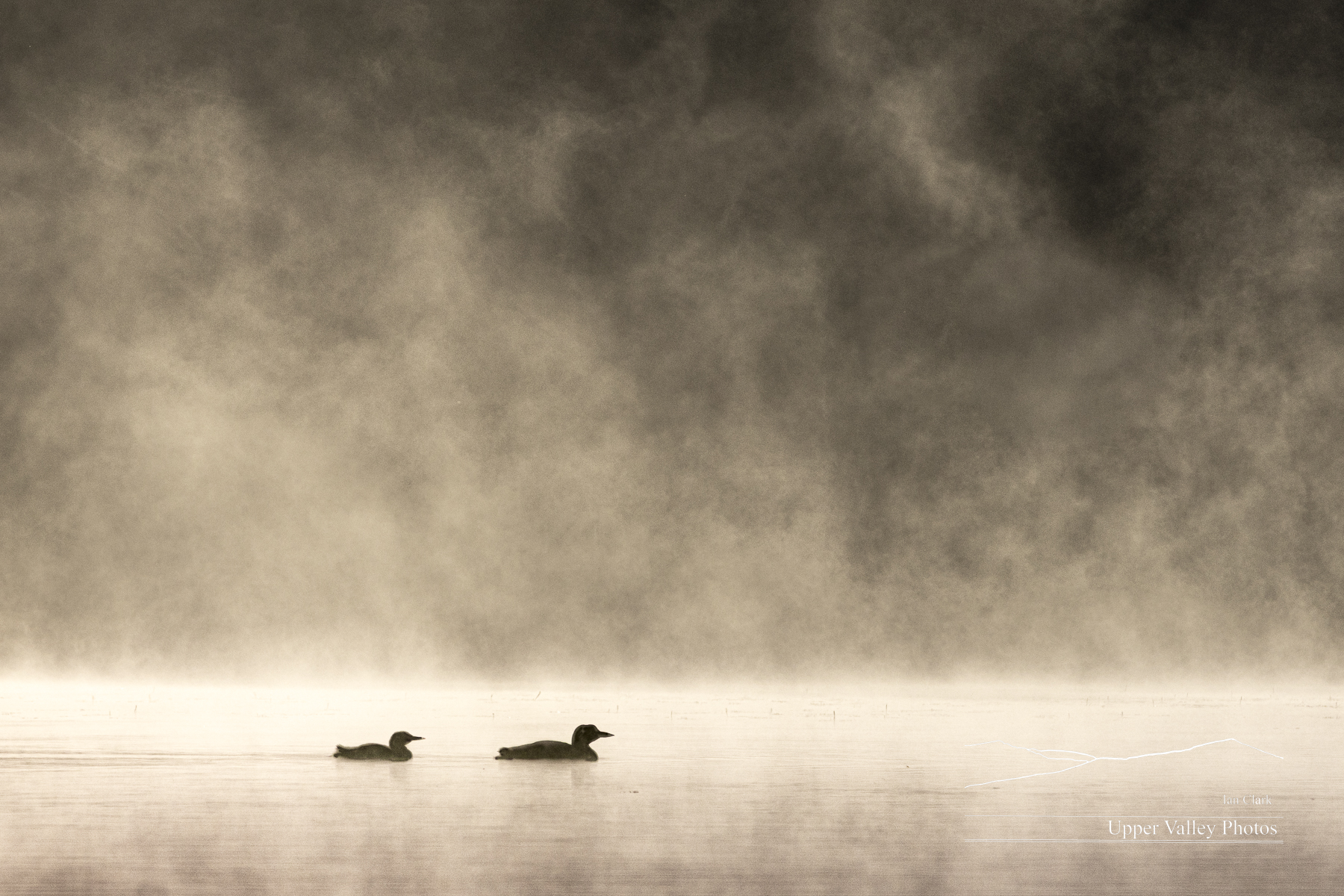
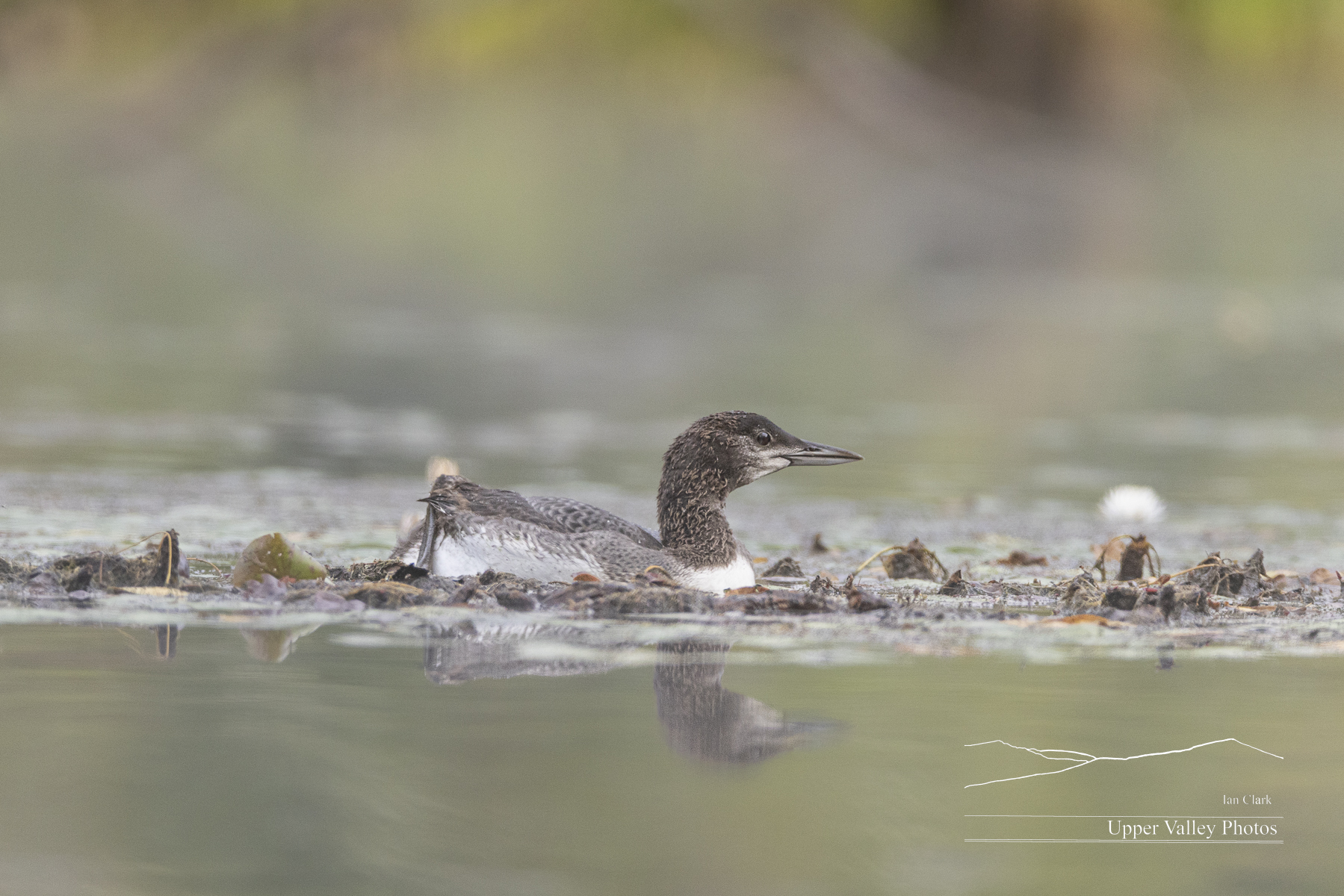
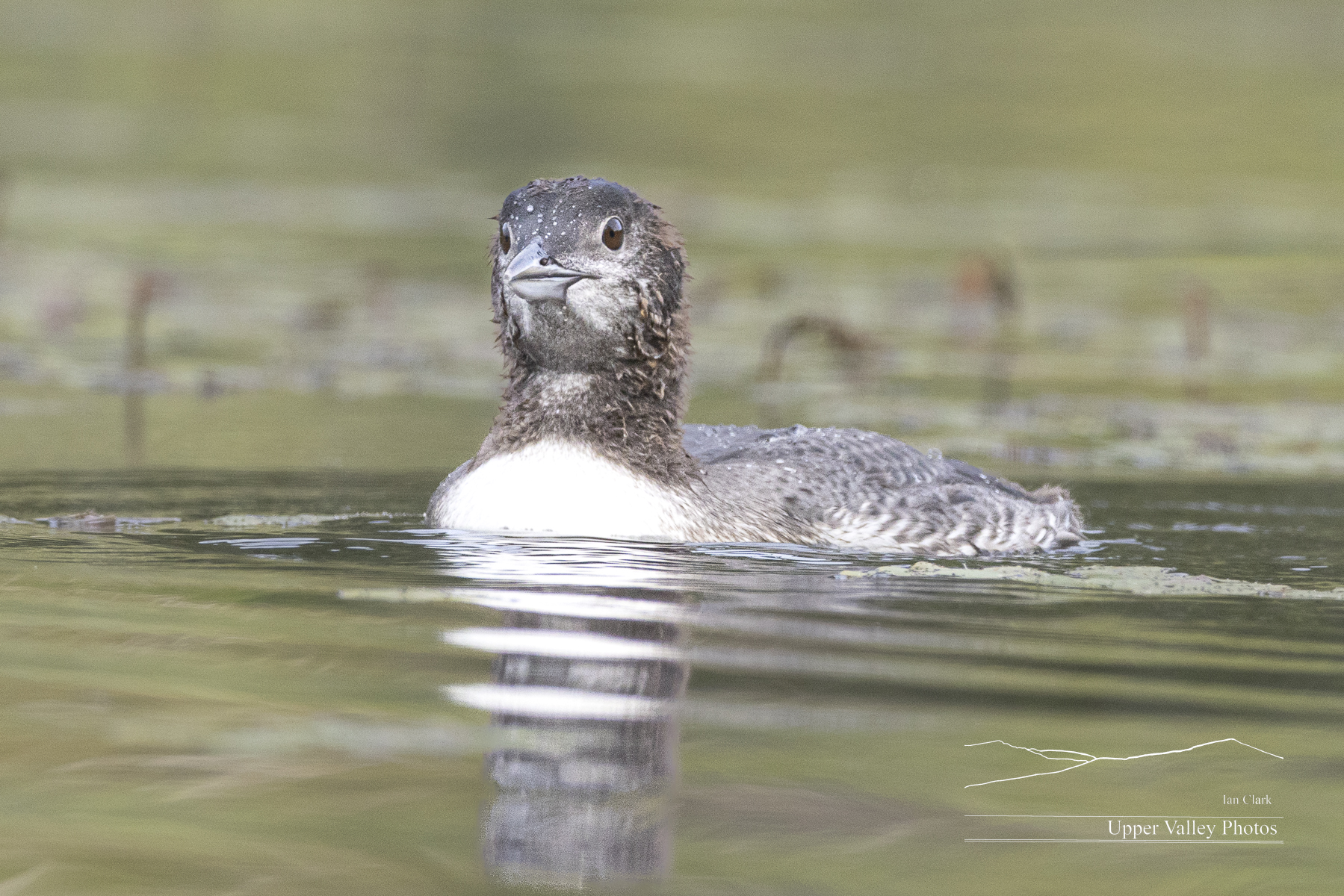
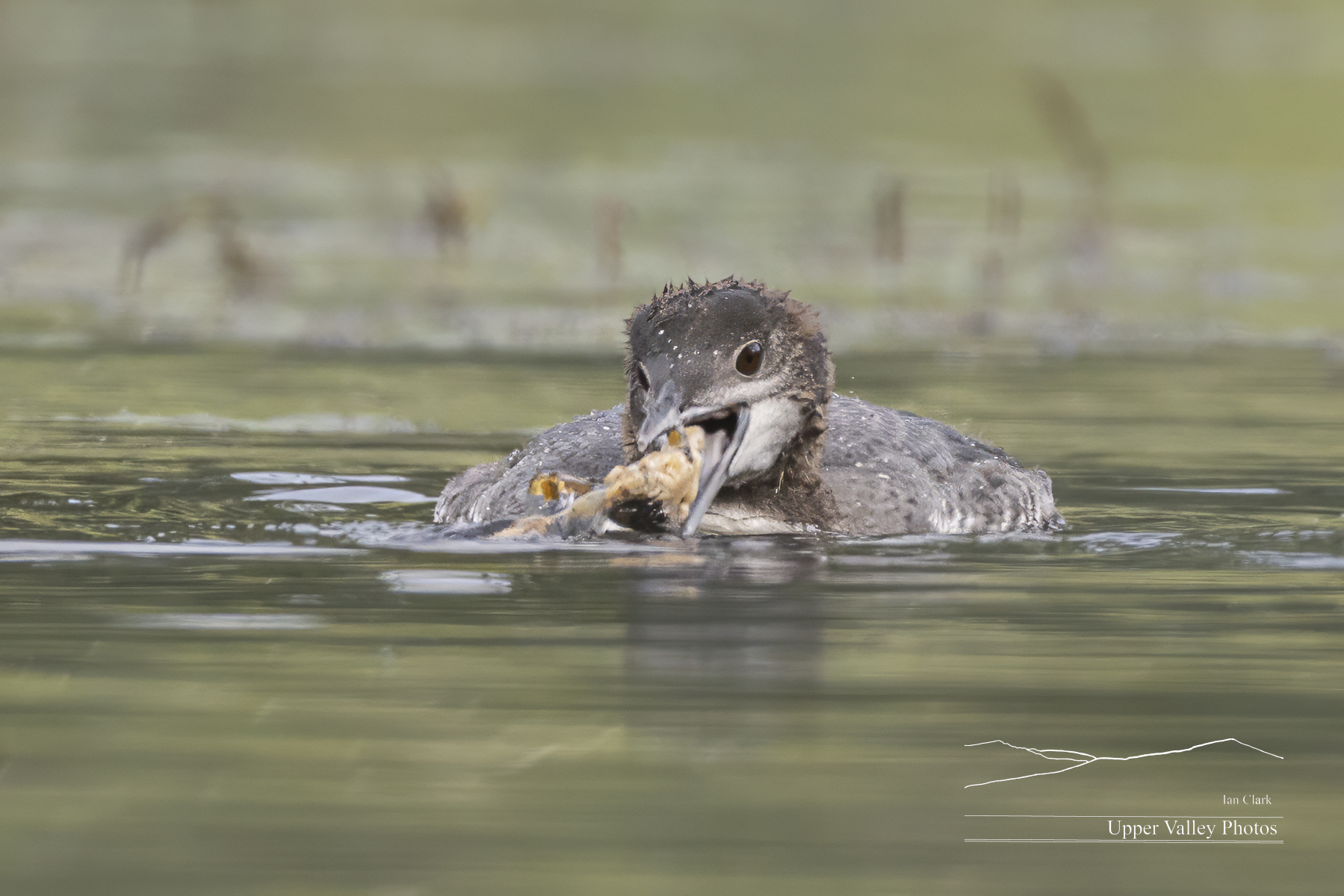
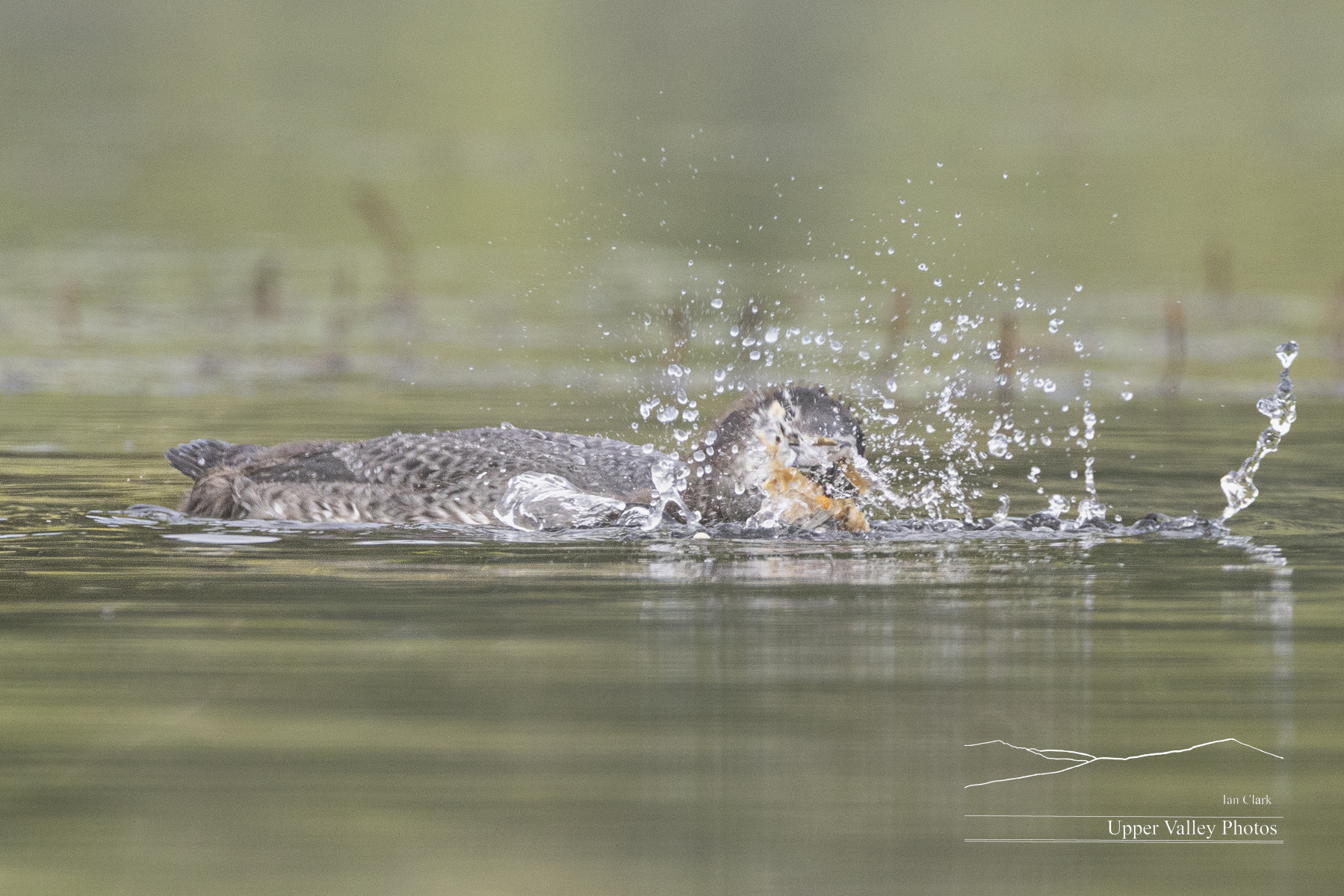
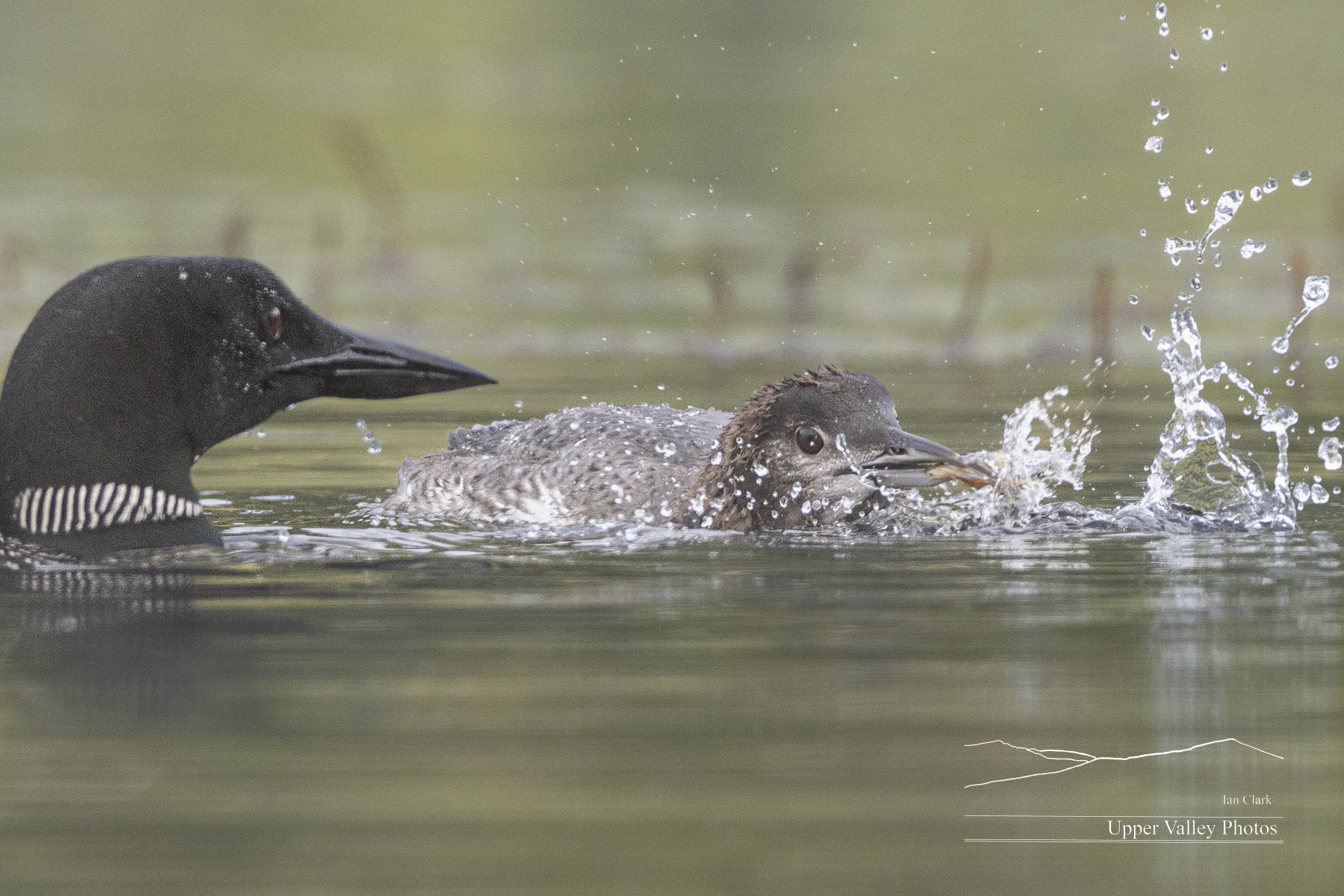
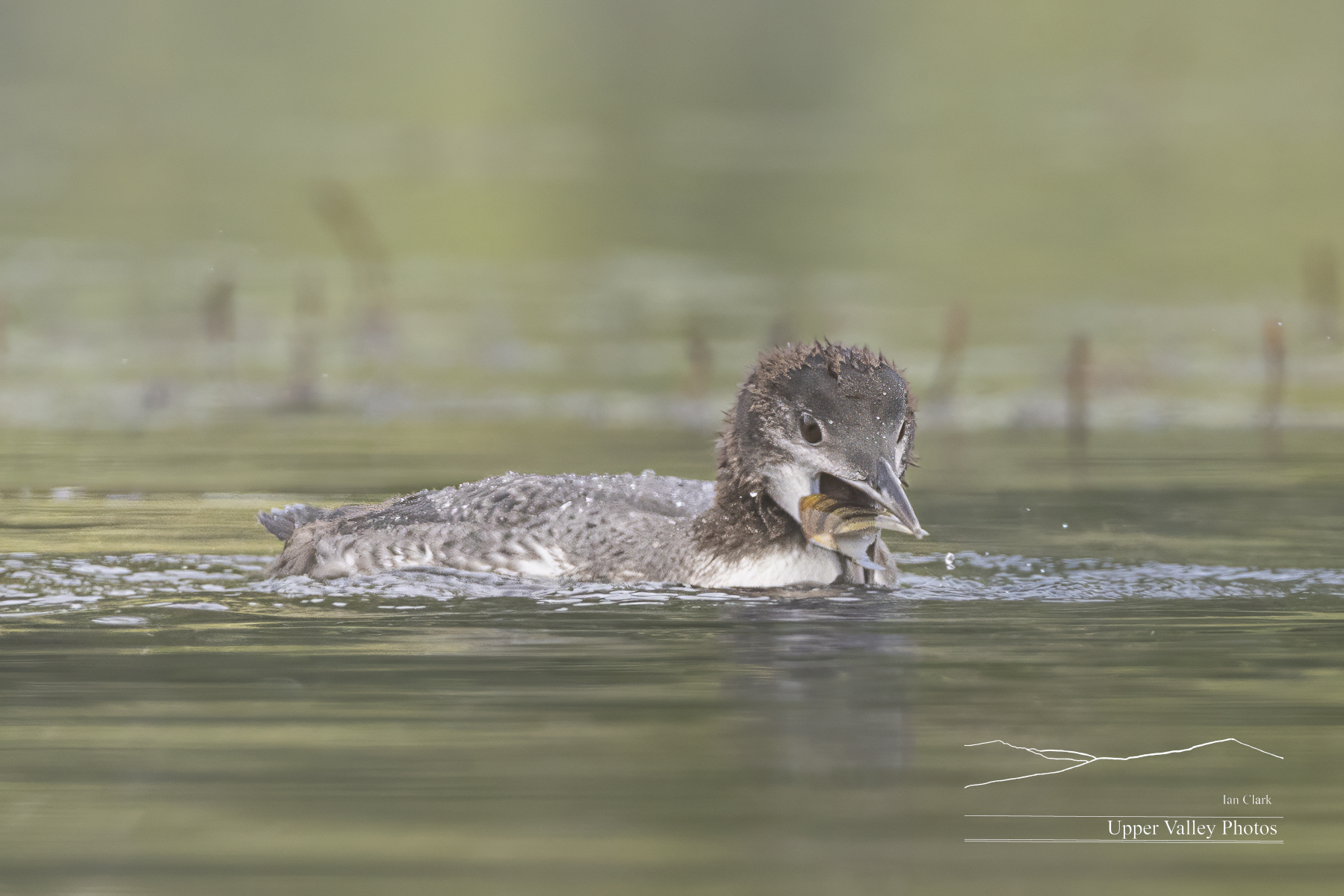
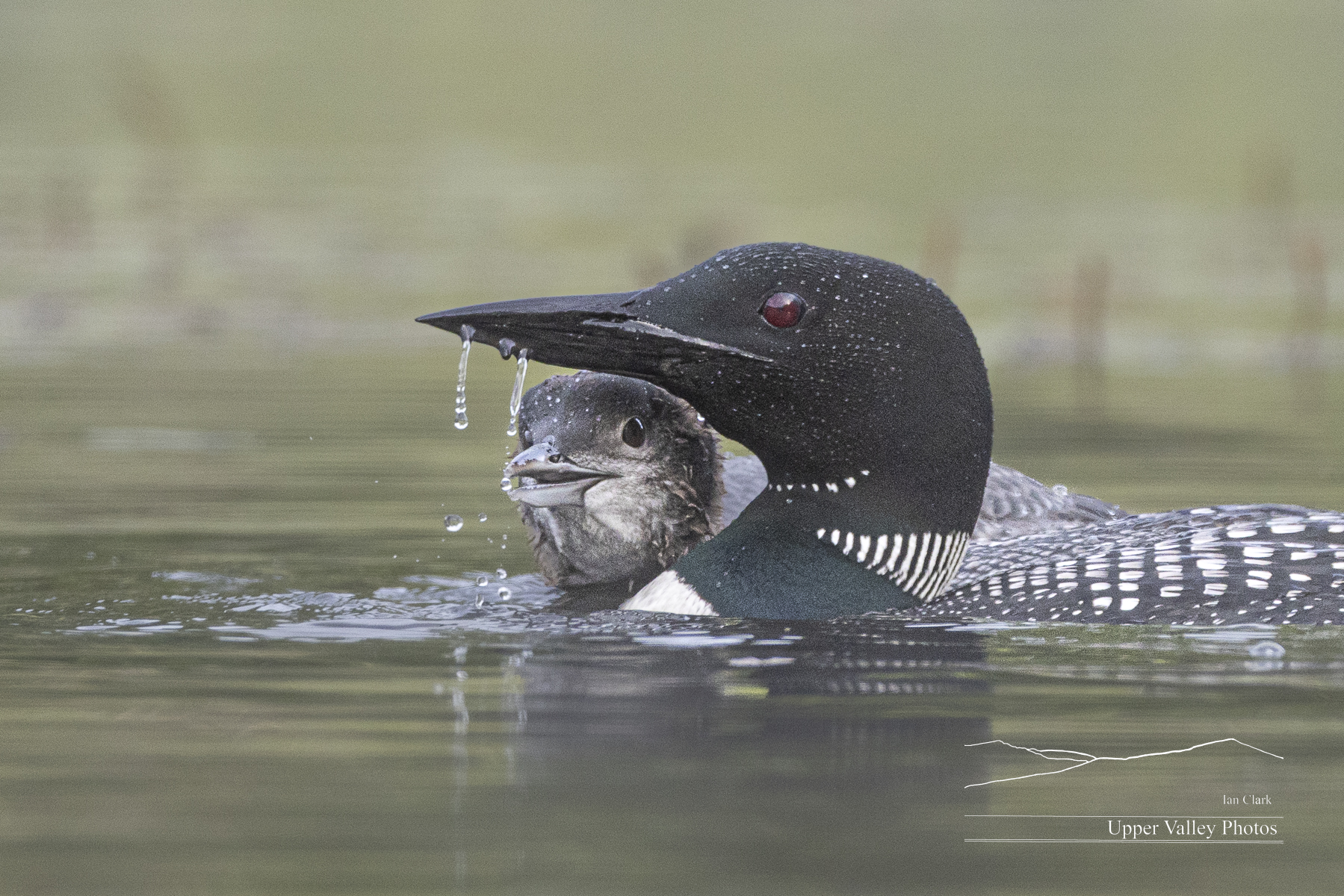
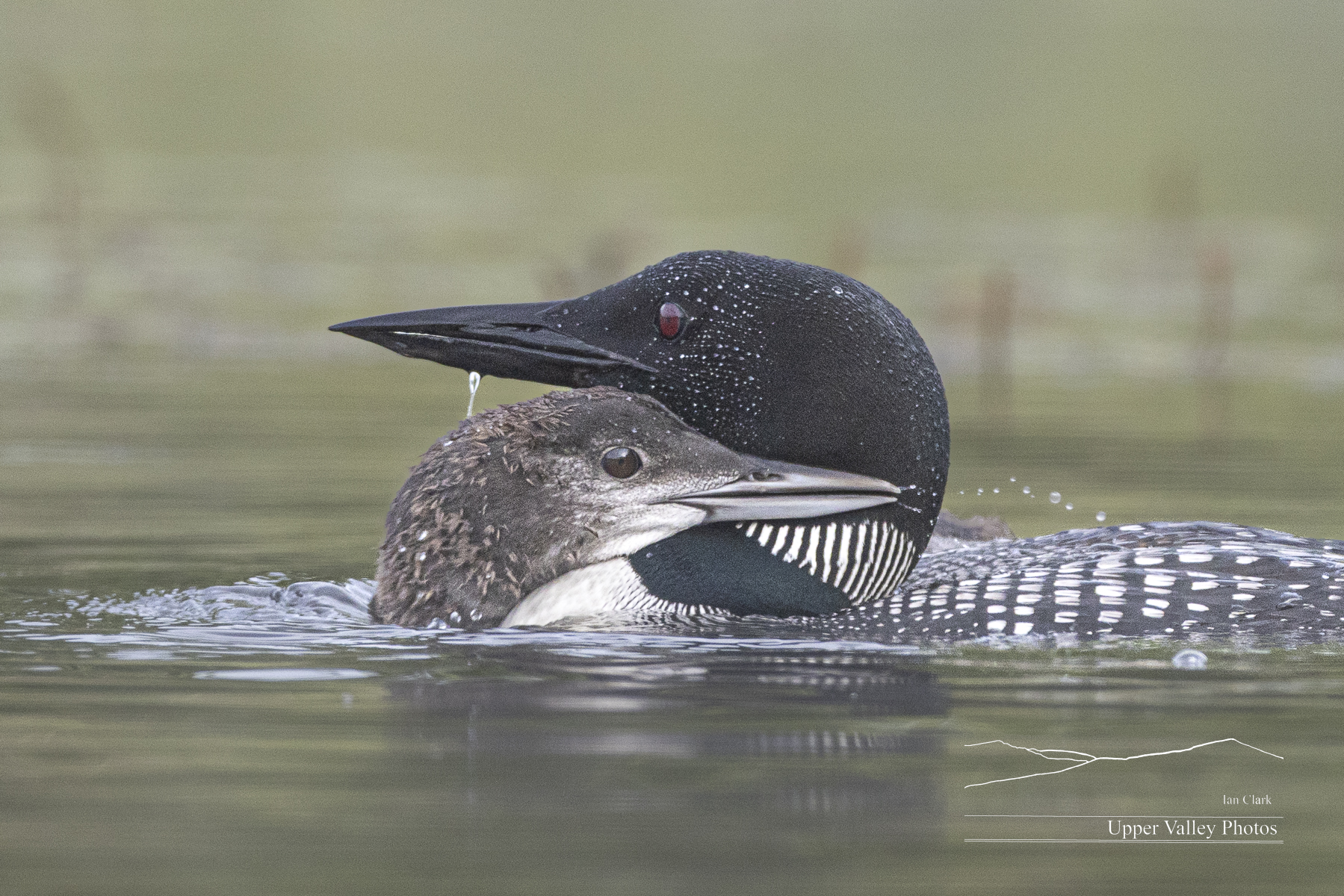
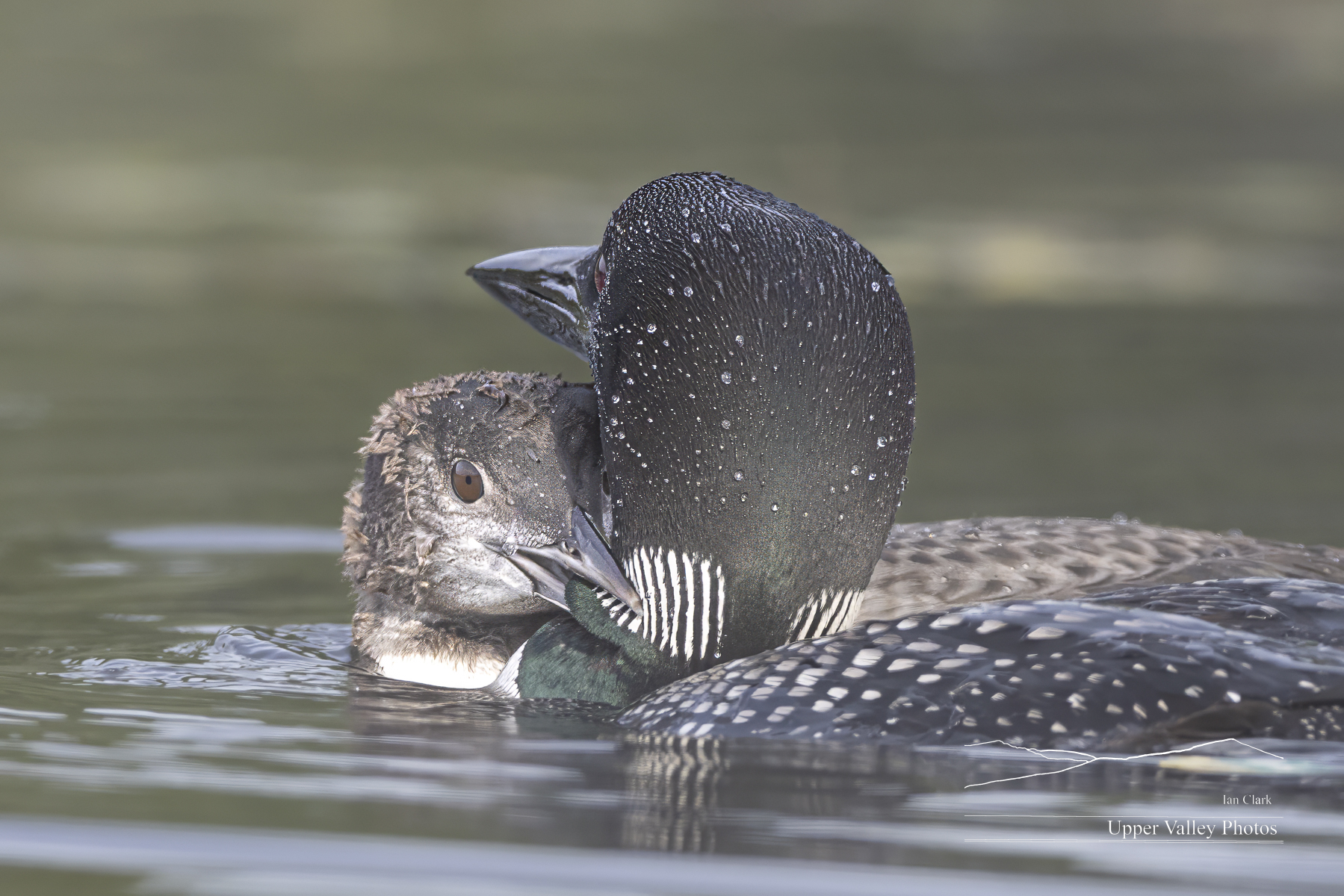
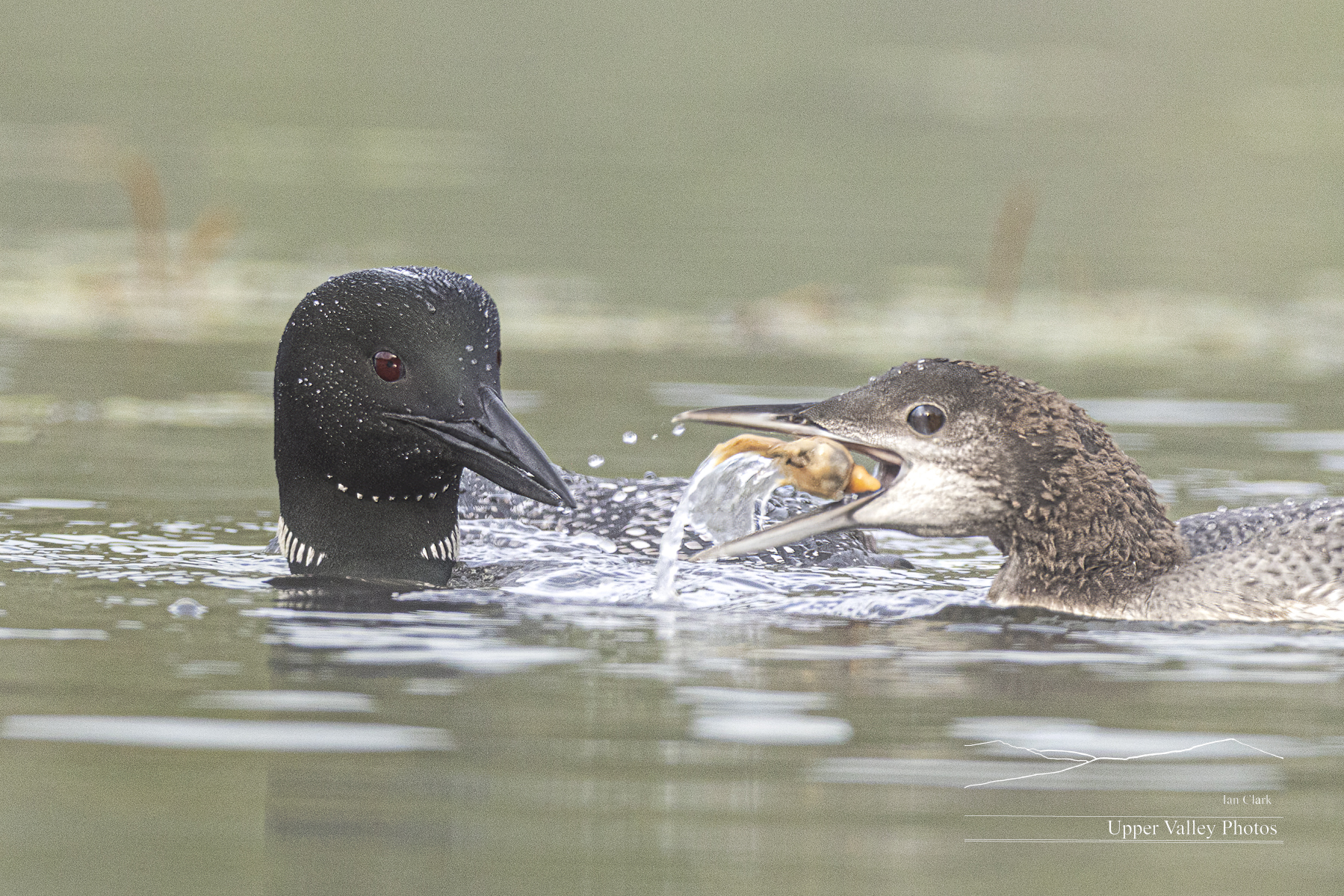
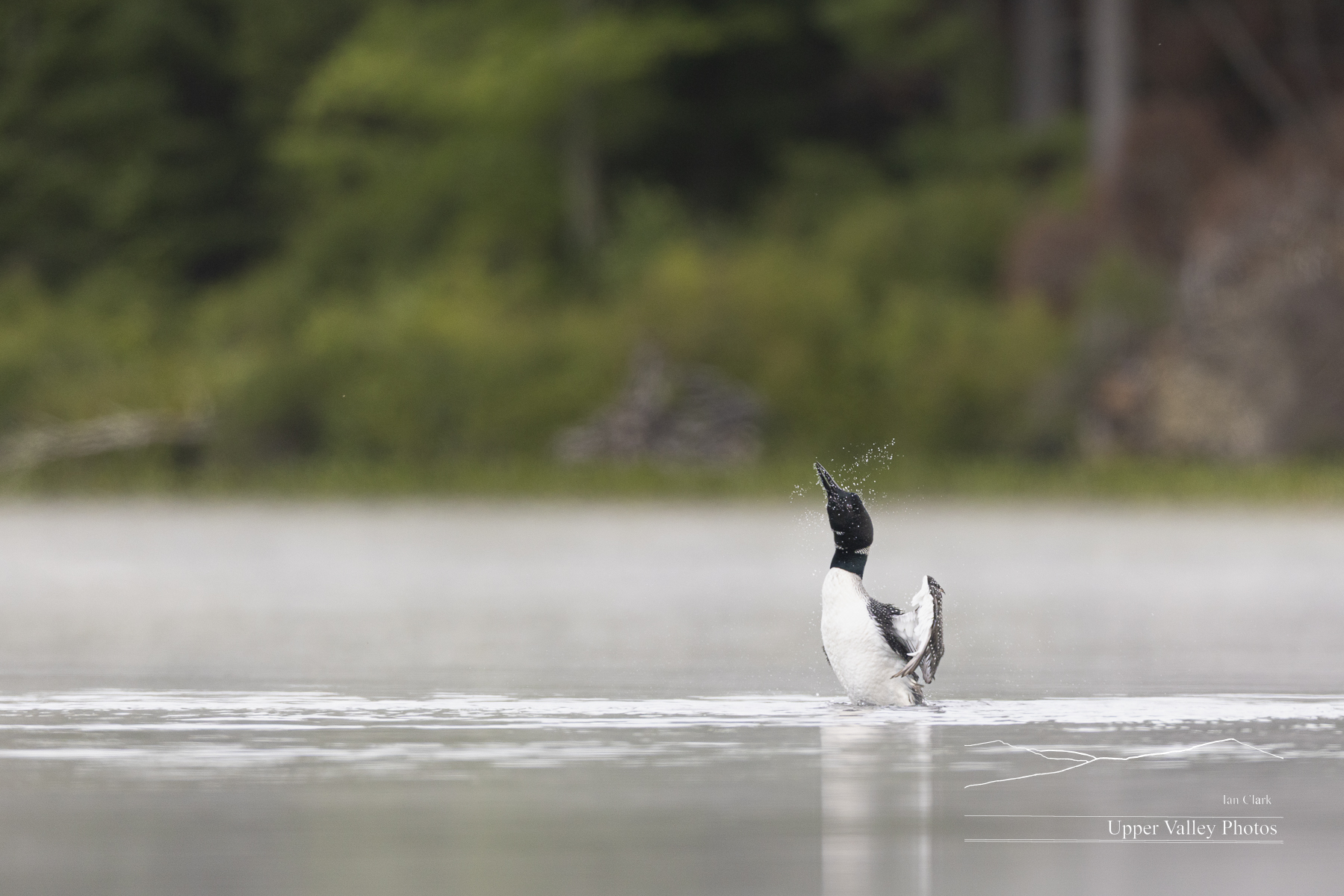
When I got home, I found an email from John Cooley at the Loon Preservation Center. Mrs. Middleton had been found dead on the pond LPC had moved her too. They did a necropsy. They didn’t find any obvious cause of death. They’re going to try to test some tissue samples to see what they learn. I suspect that notifying volunteers that ‘their’ loons died is one of LPC’s less pleasant tasks. I’m sure I’m not the only one who gets attached to their loons. A big thank you to LPC for giving Mrs. Middleton a second chance.
Wednesday morning again dawned clear, with thick fog to my northwest. It turned out to be thick over the Weston’s pond. It seemed like it was thinning and would lift as the first light hit the pond.
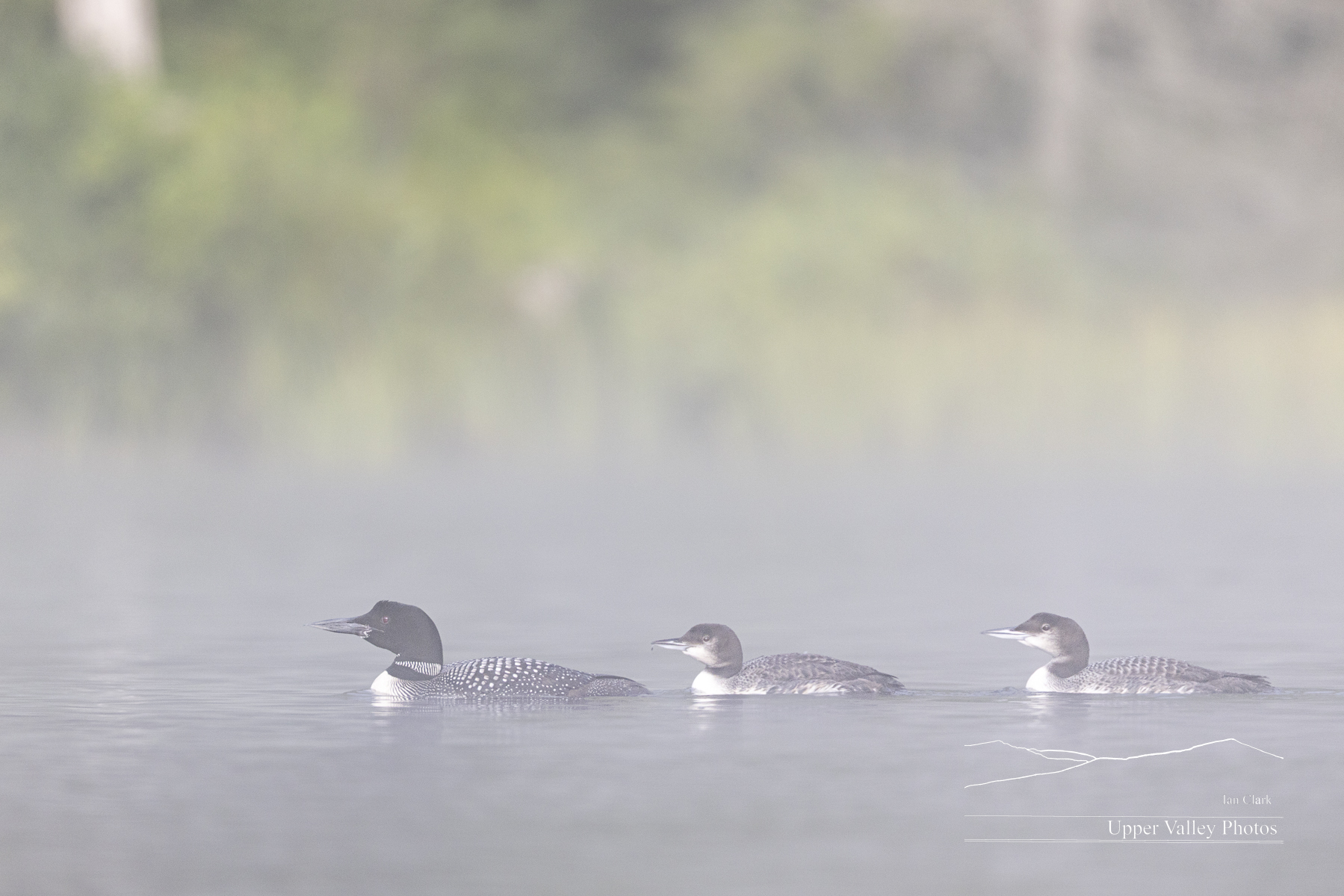
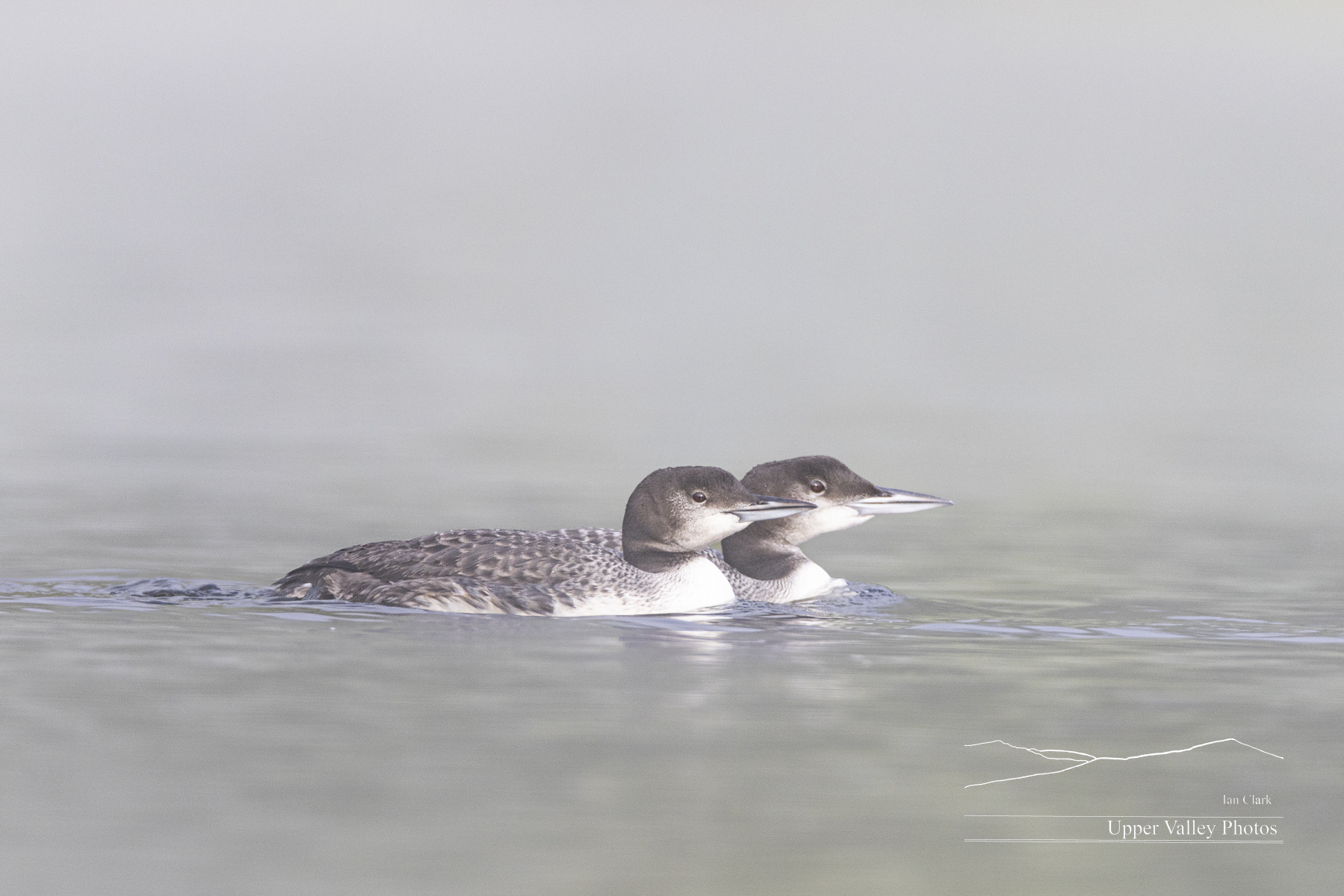
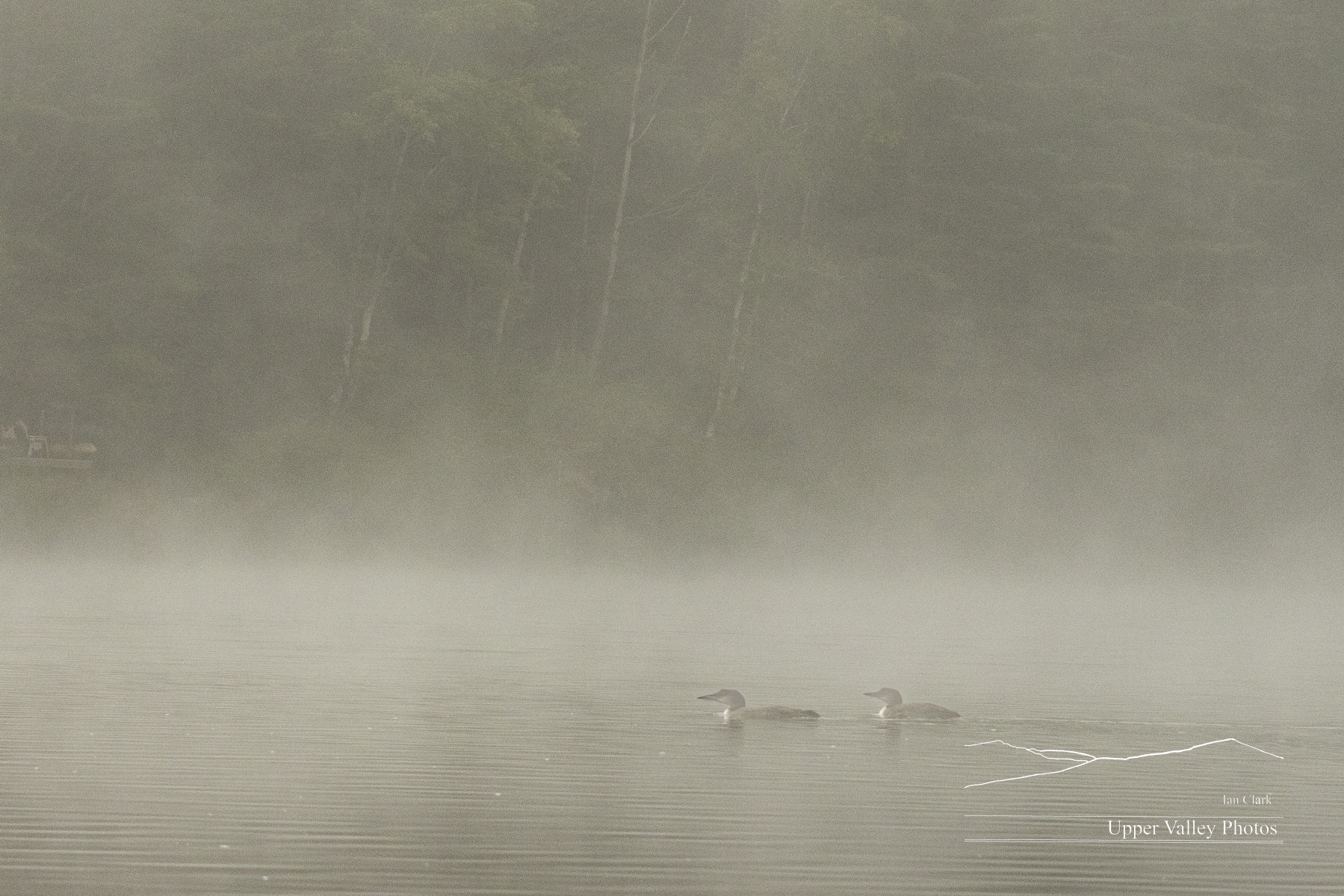
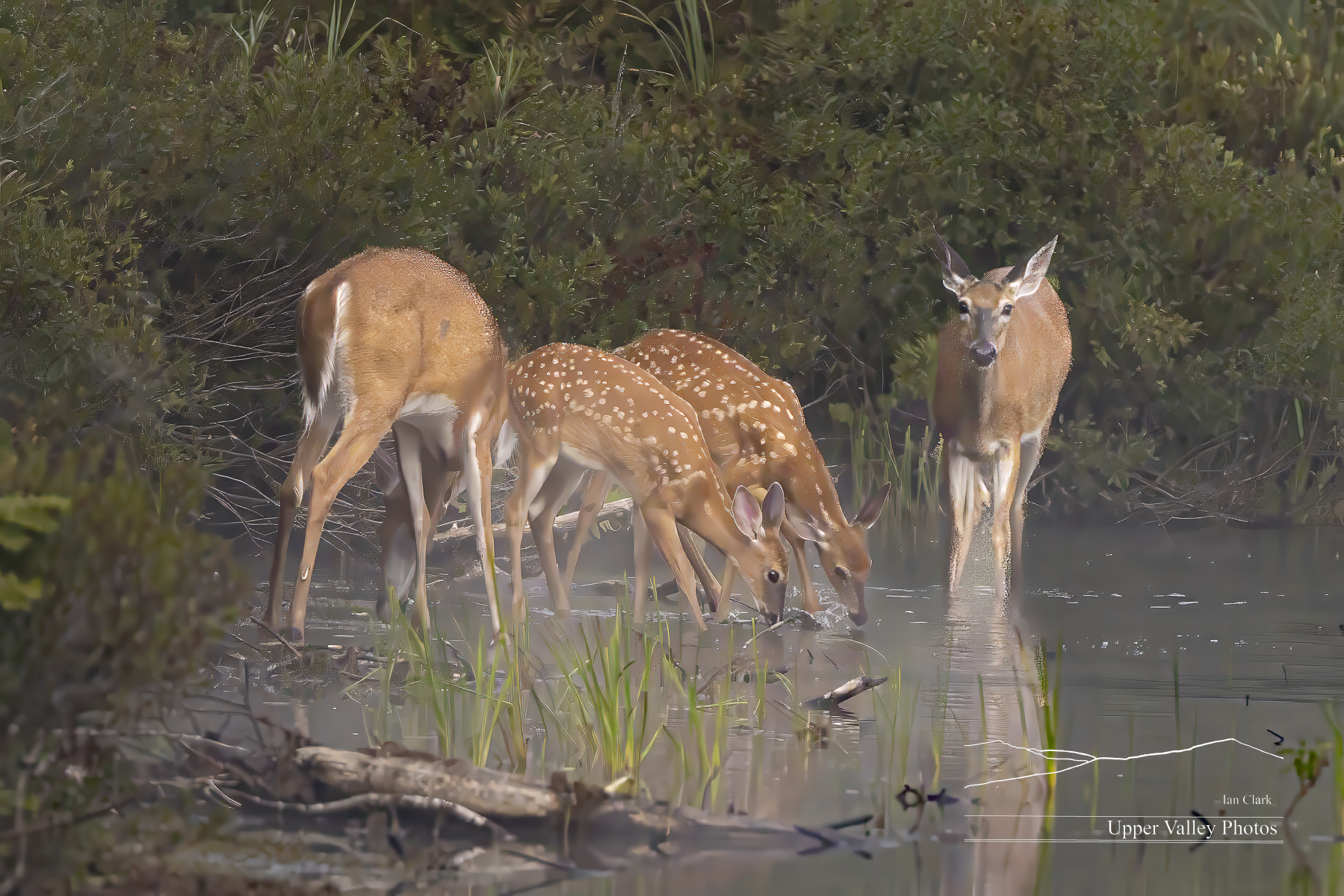
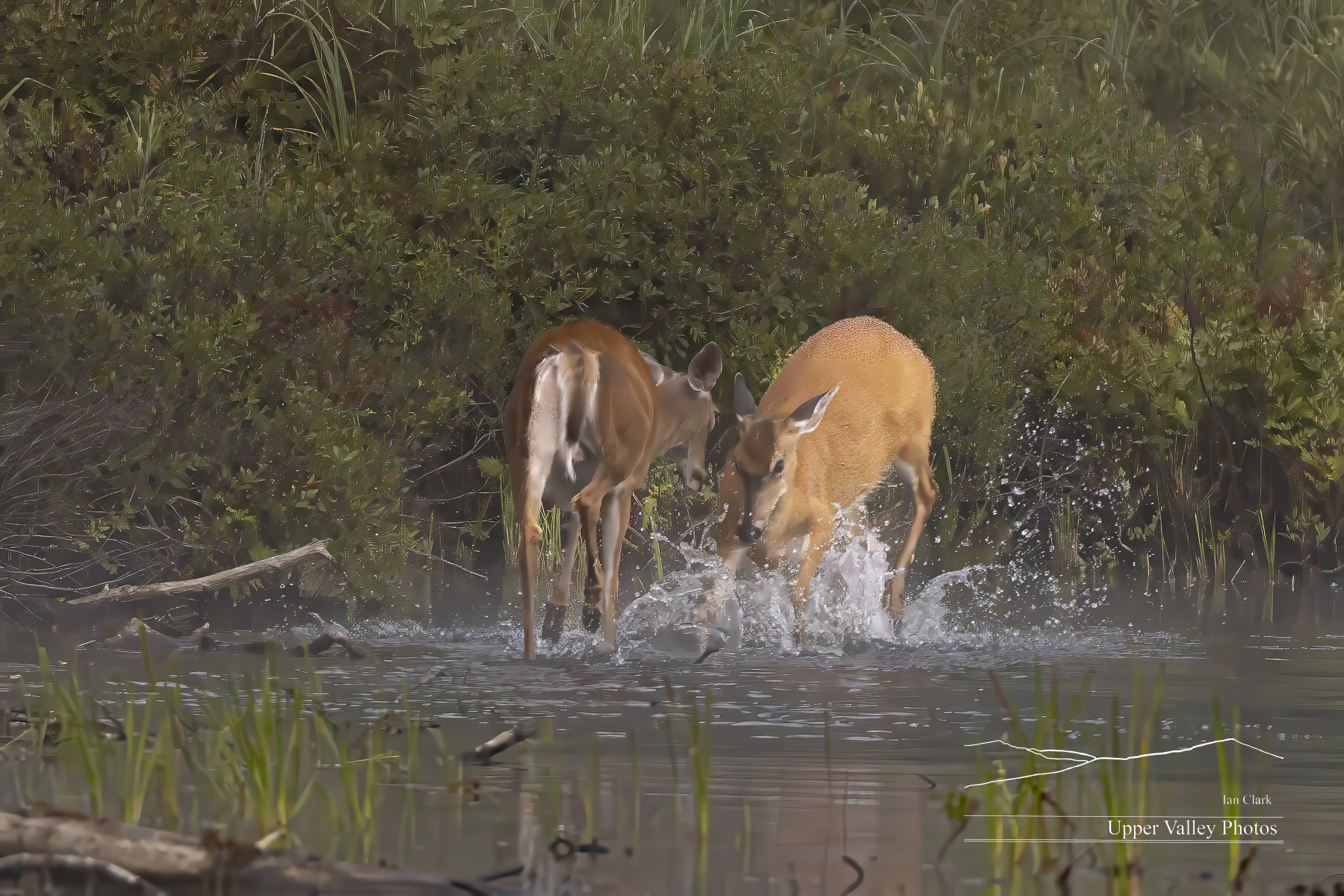
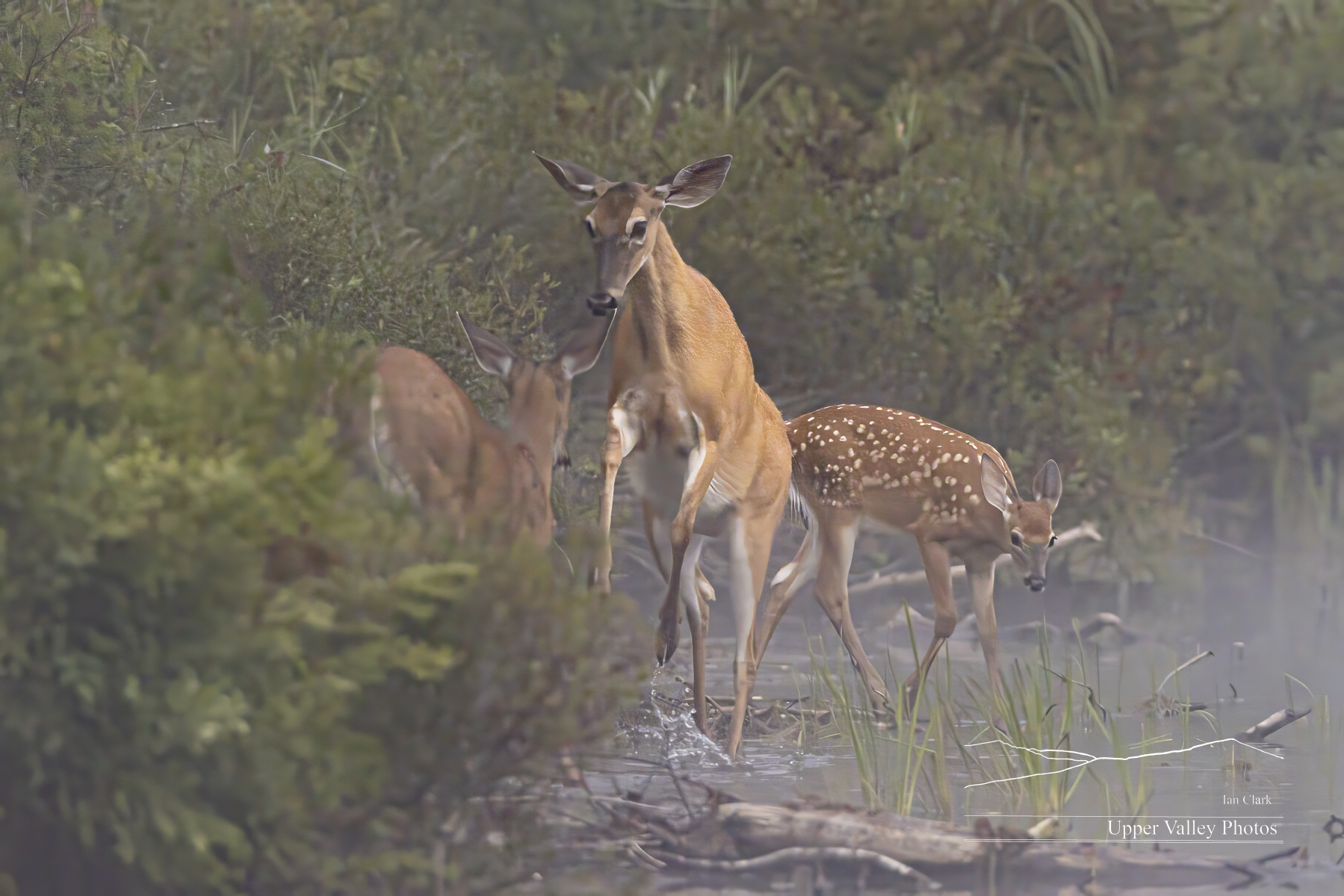
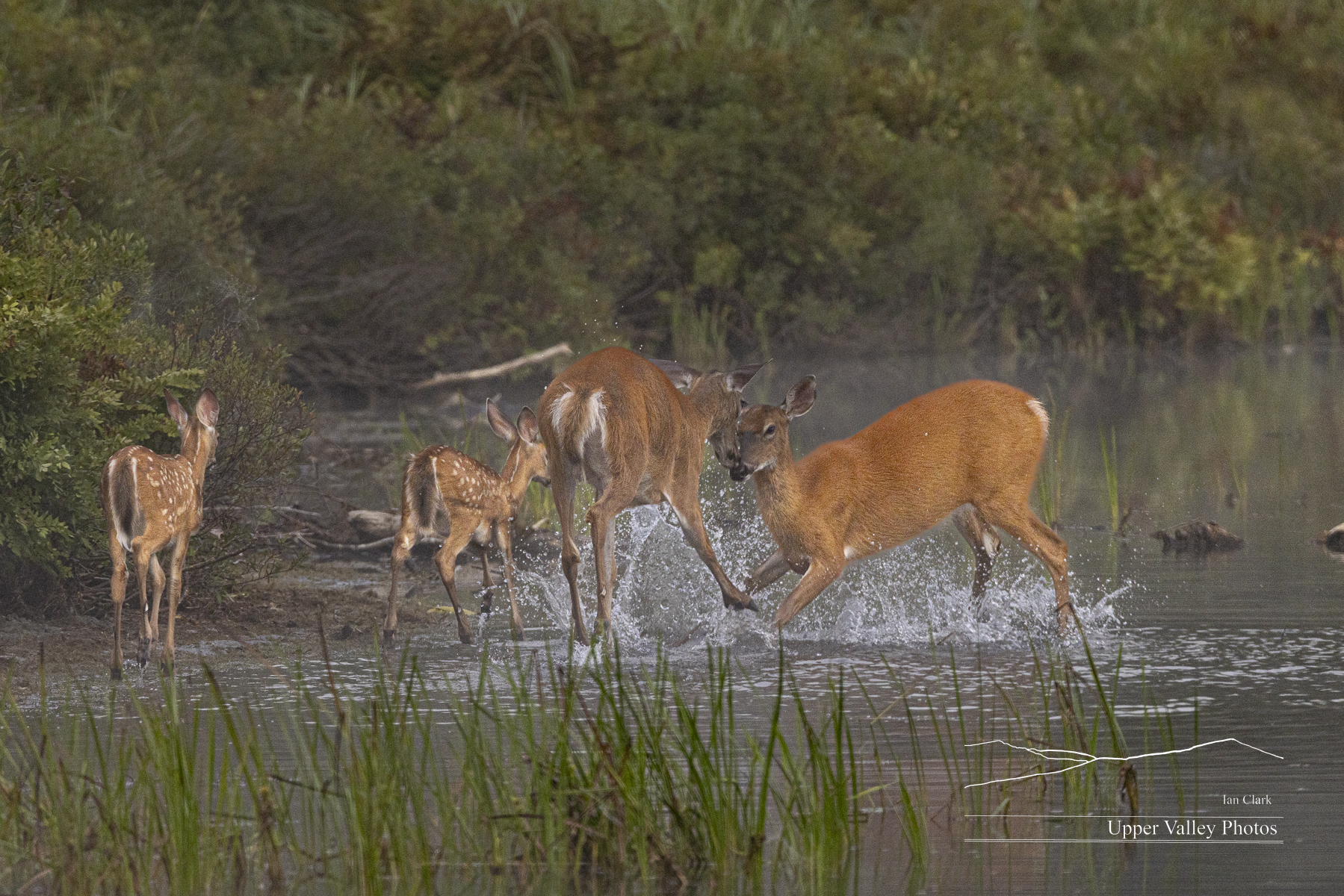
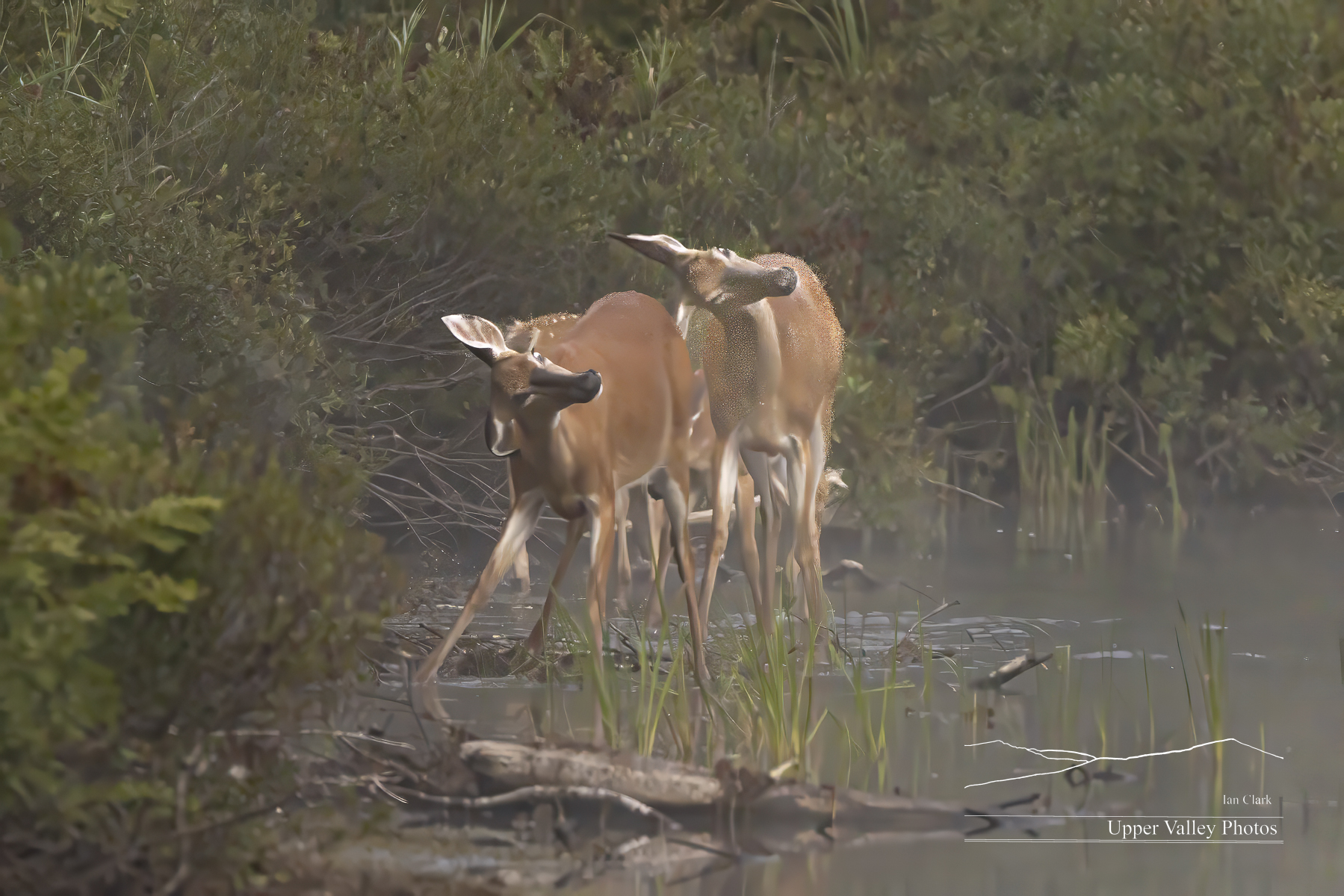
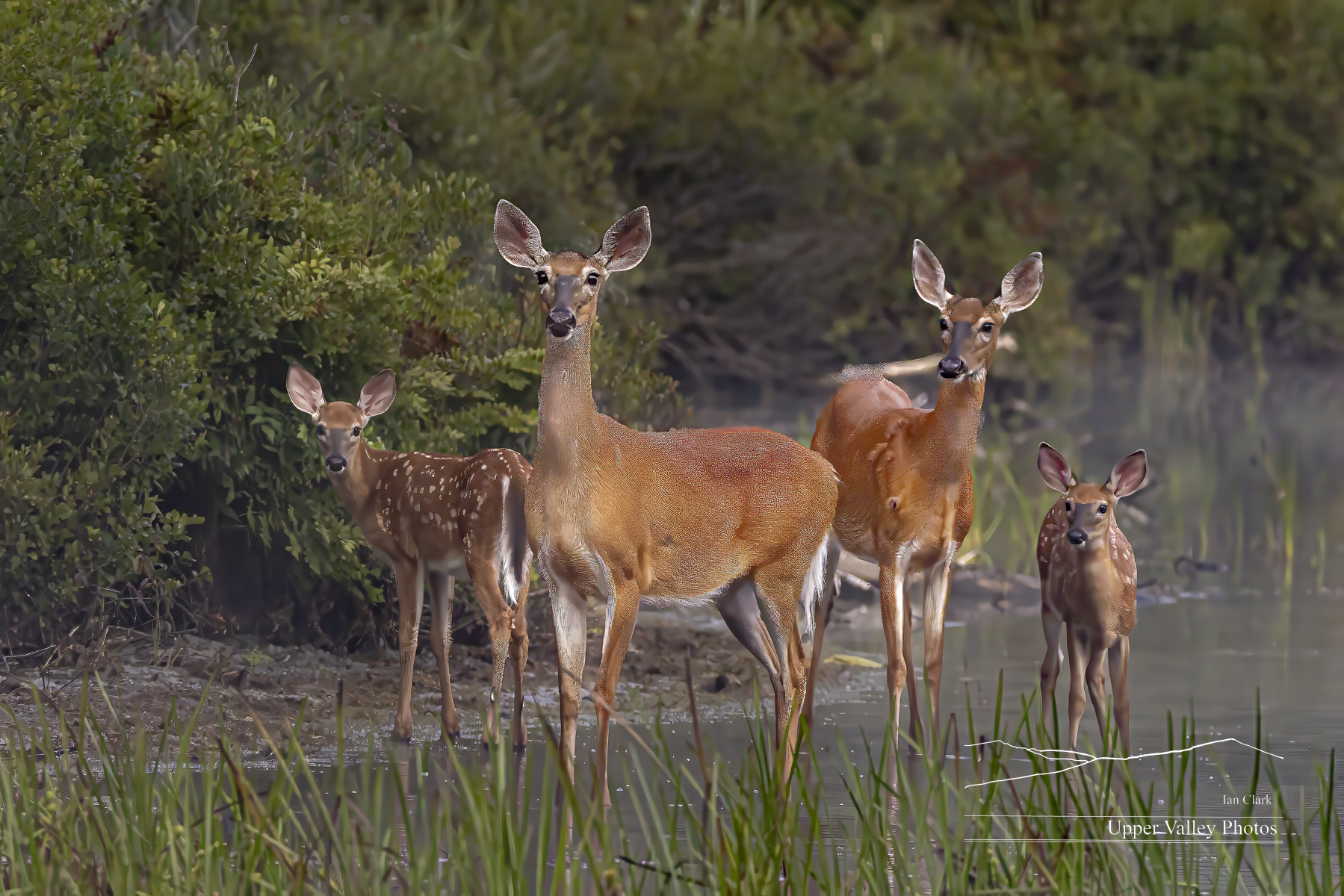
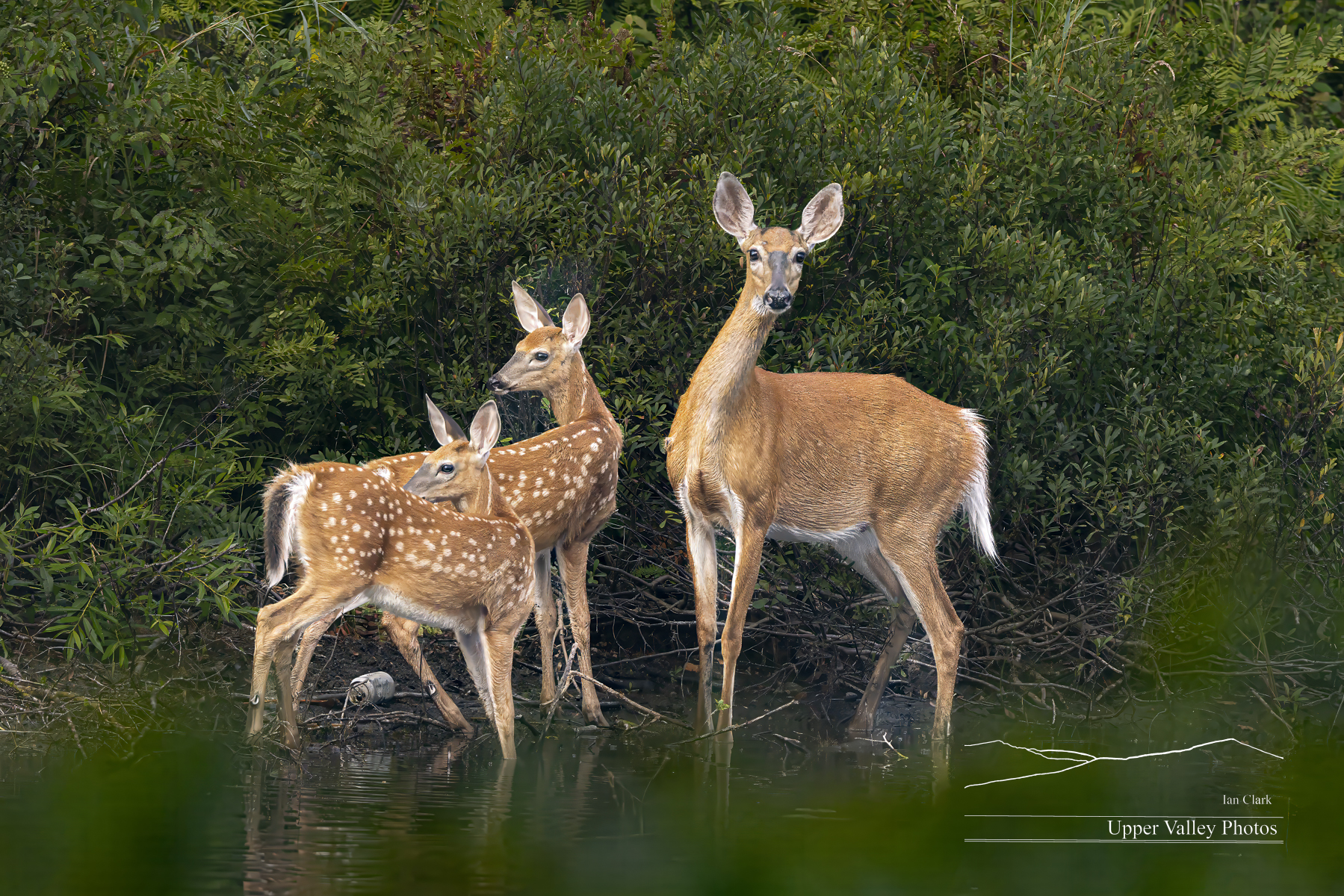
Thursday morning found me on the Easton’s pond before sunup. There was a light fog and it was lifting quickly. Dad was by himself, preening and foraging as I paddled down the pond.
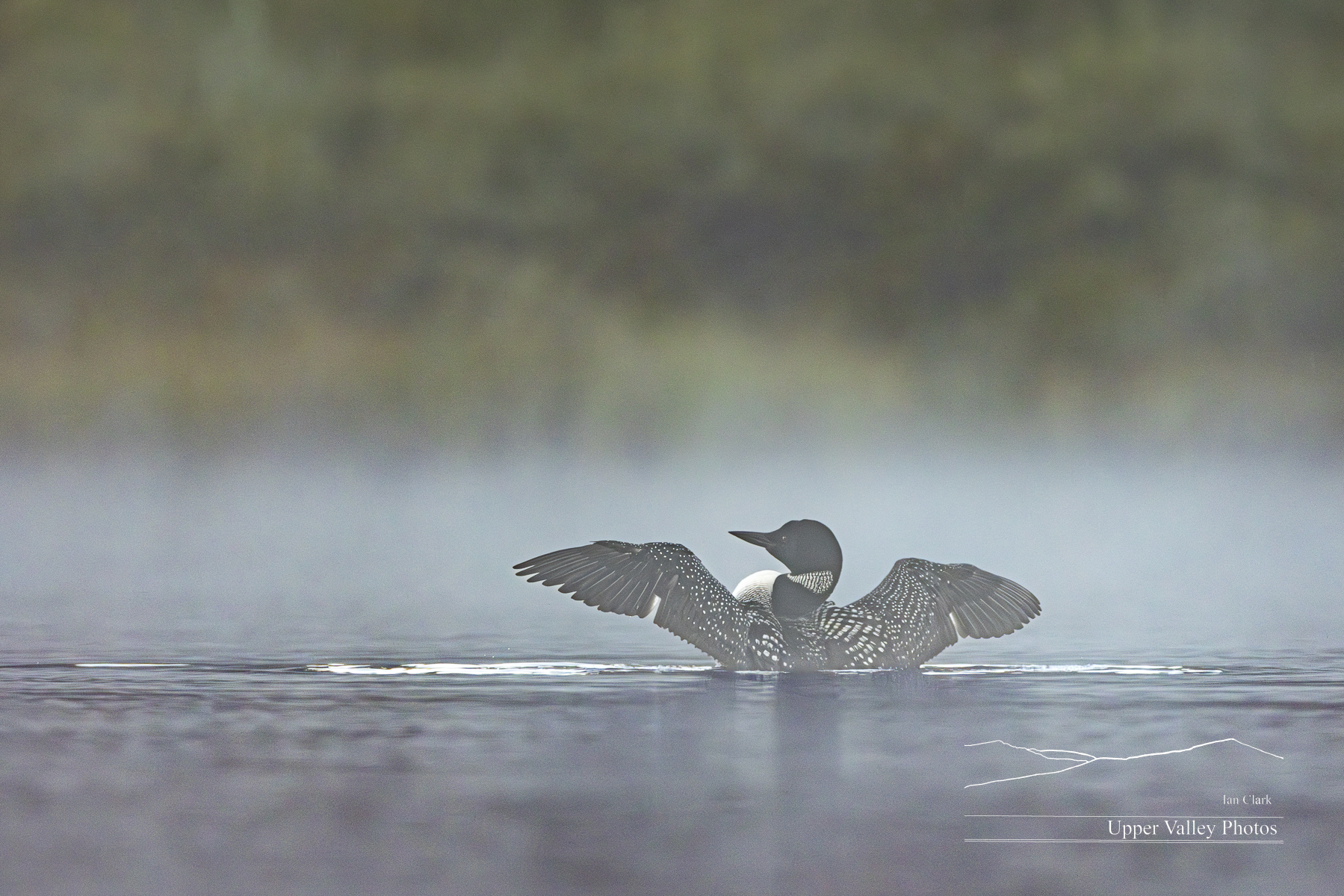
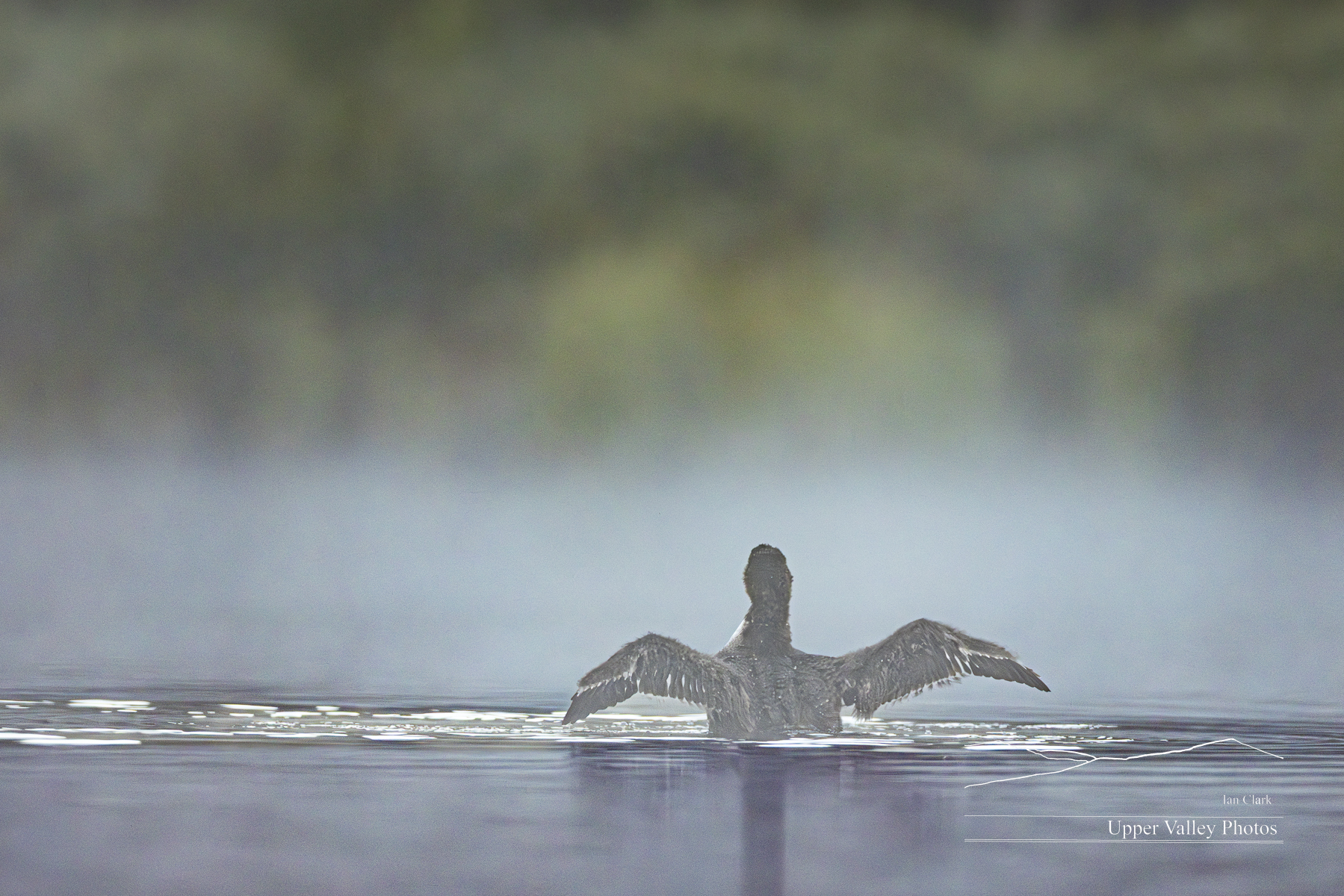
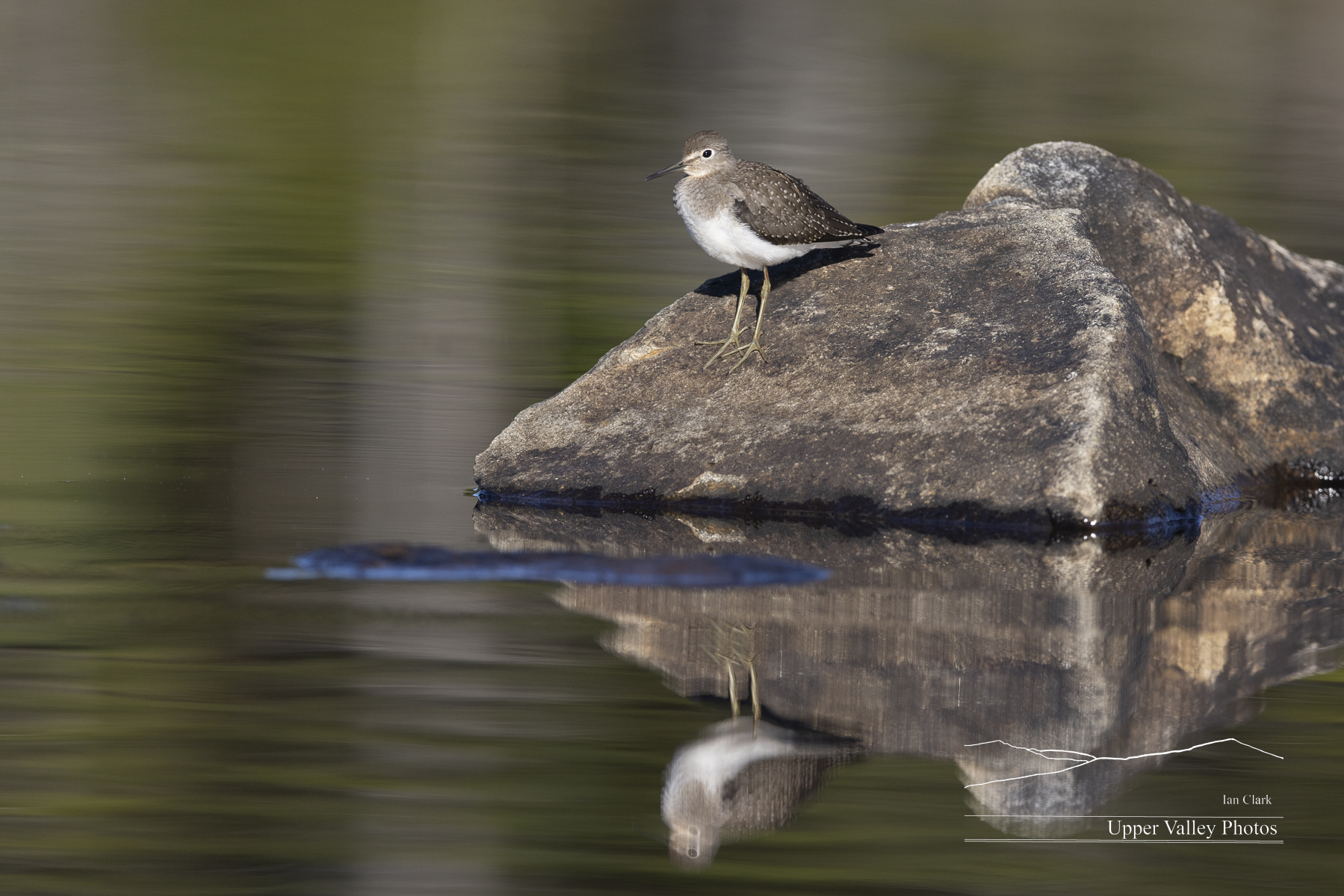
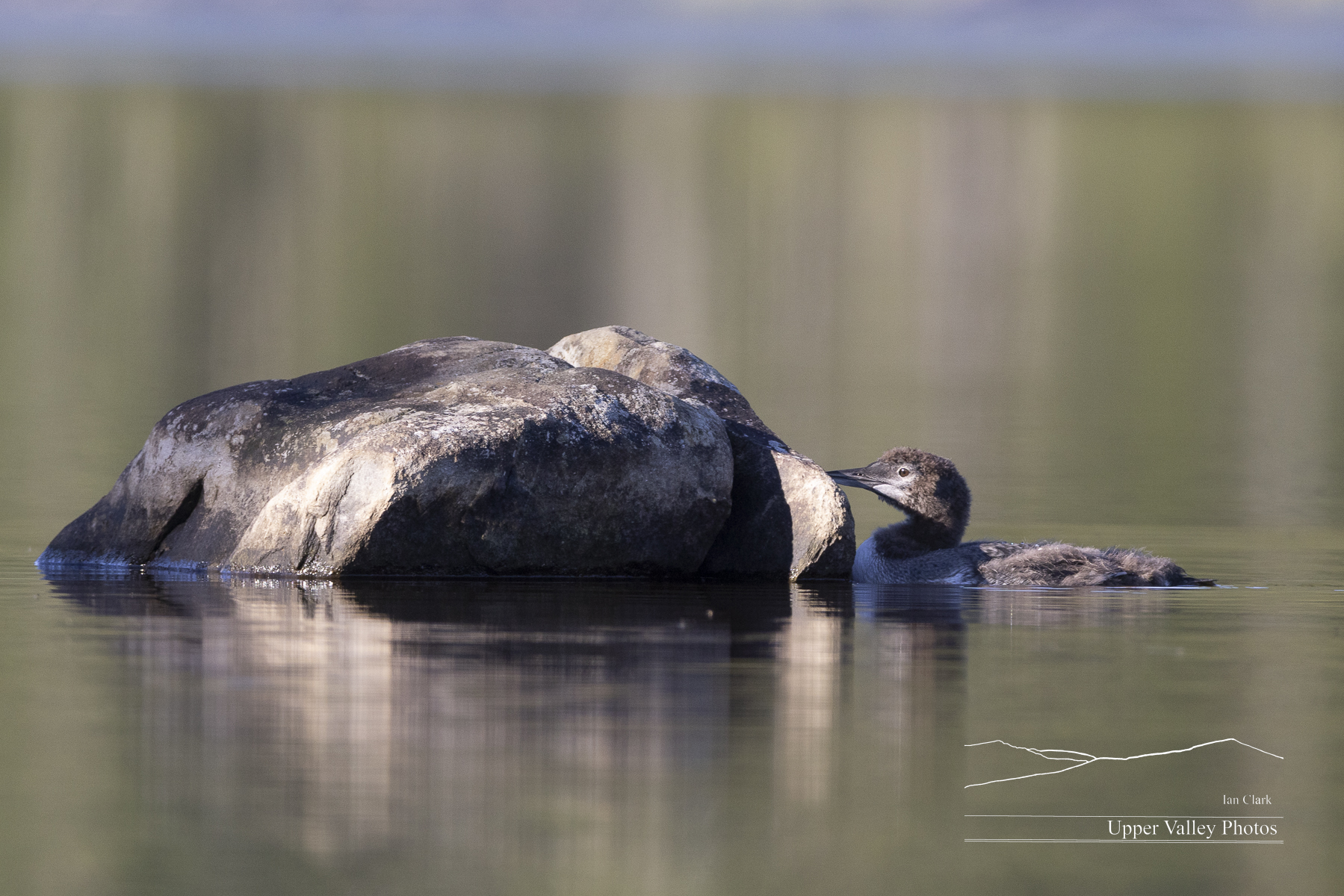
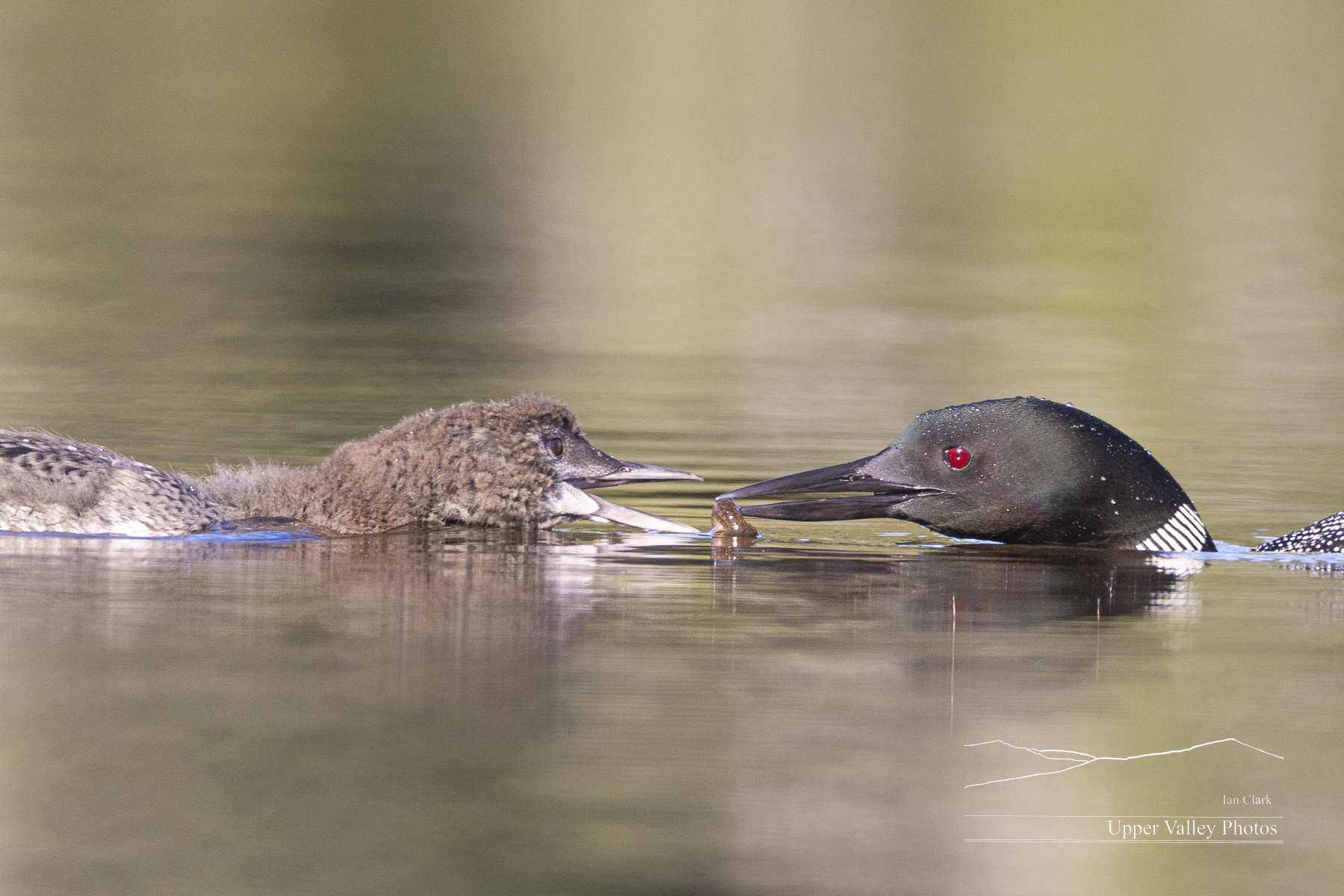
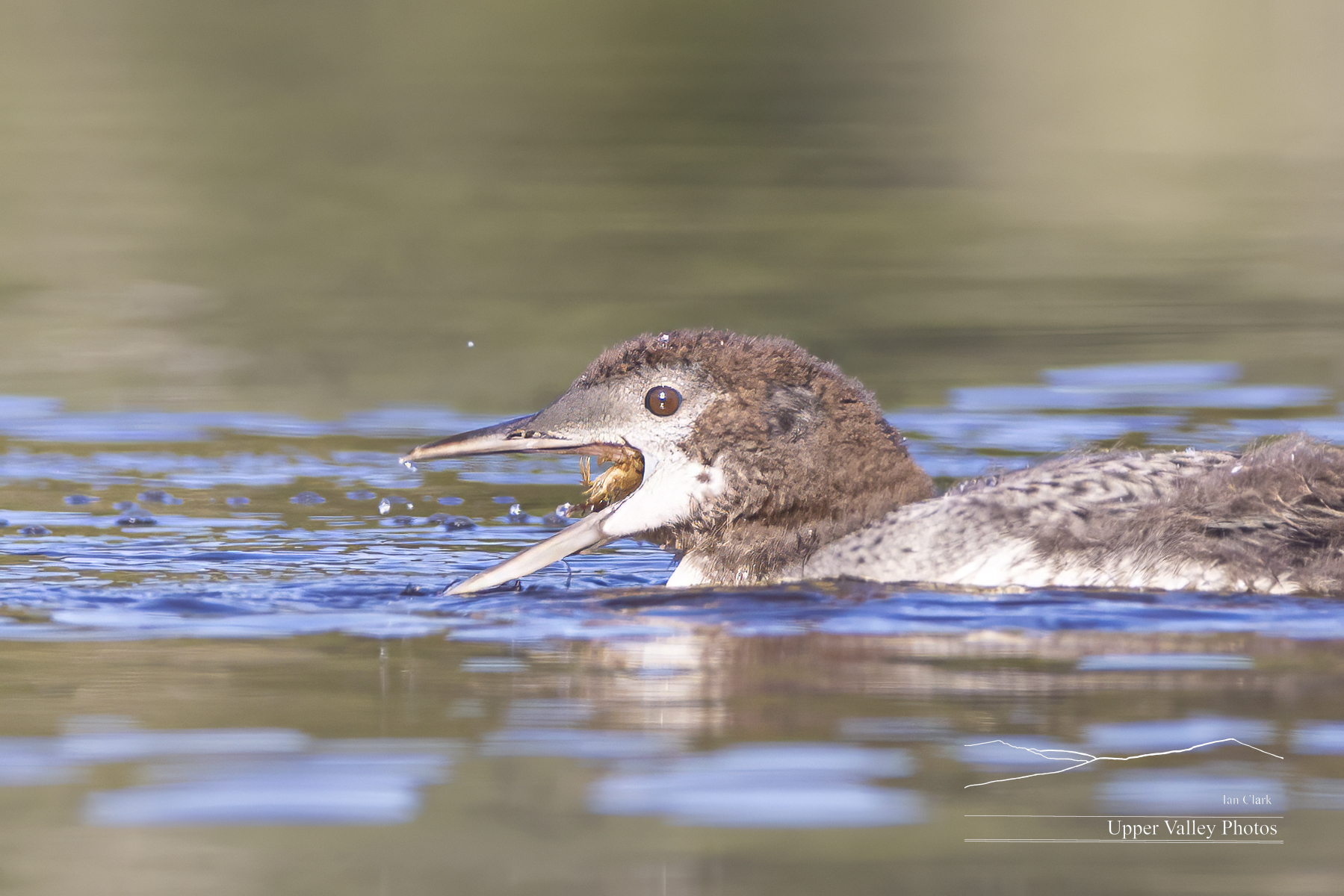
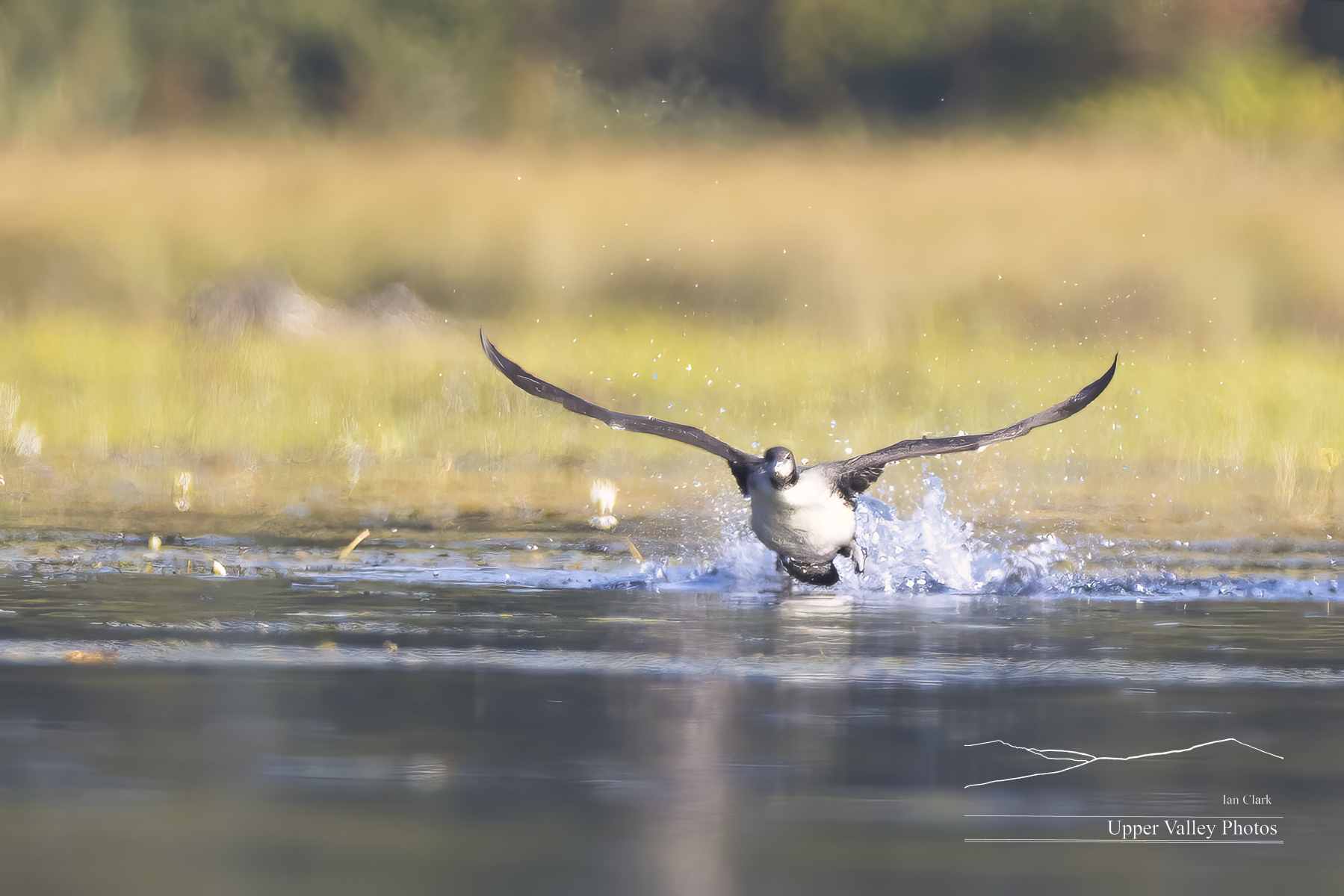
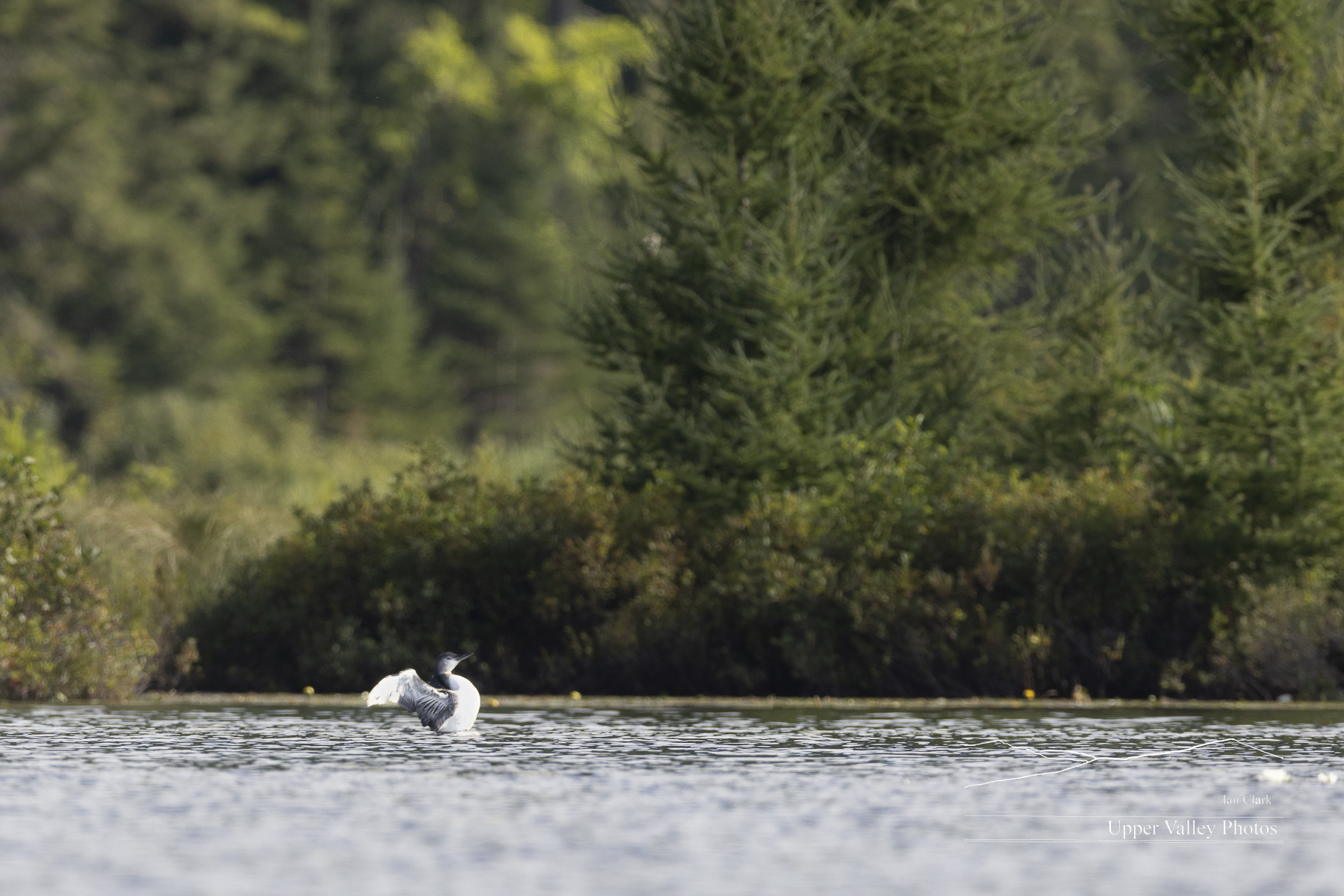
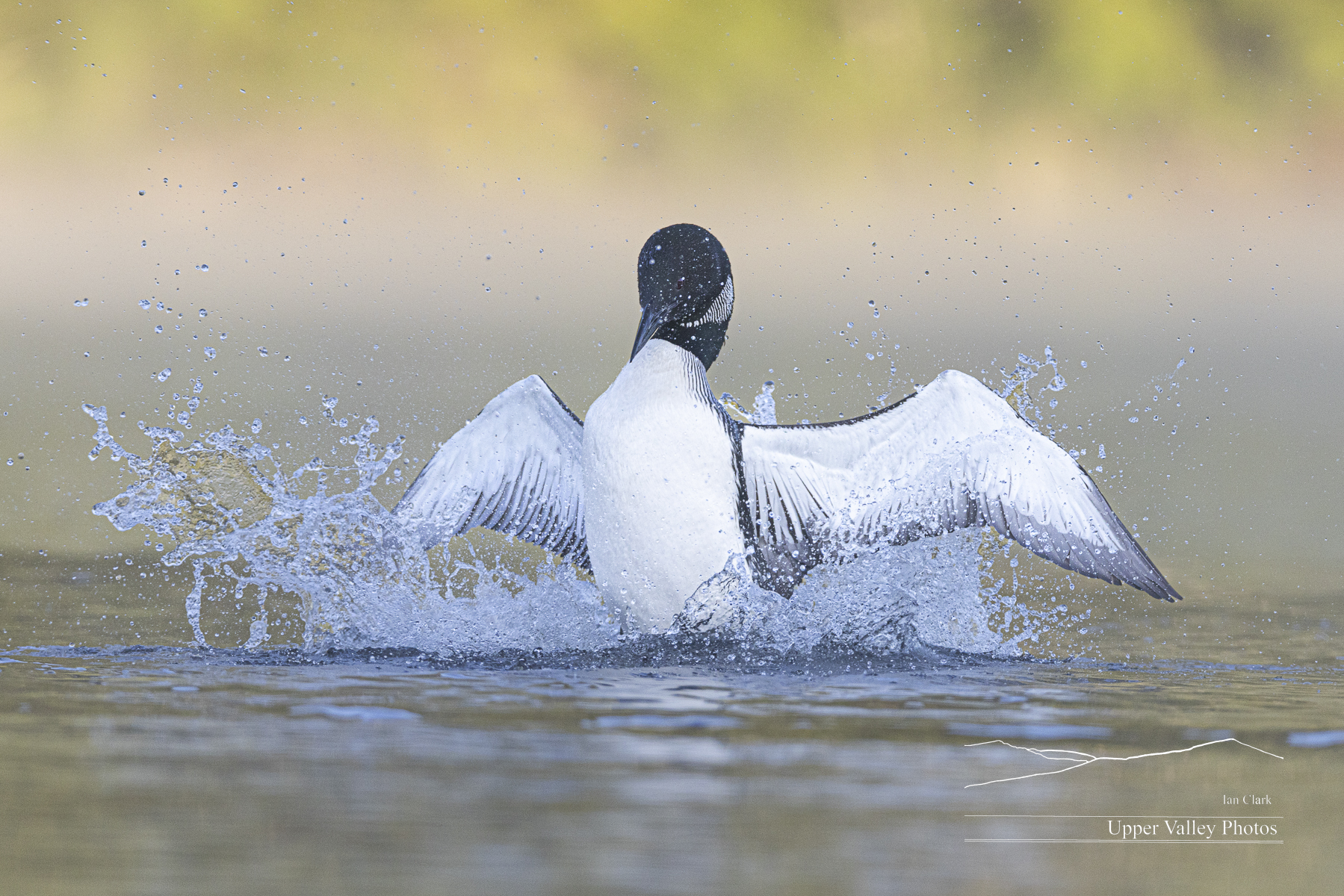
Yesterday, I headed back to check in with the Westons. It was a beautiful morning, with just a few wisps of fog and mirror flat water. The Weston chicks were foraging mostly for themselves and occasionally pressing dad into service. Early in the morning, one chick made an attempt to takeoff, without quite making it. I waited around to see if the chicks would try to fly again.
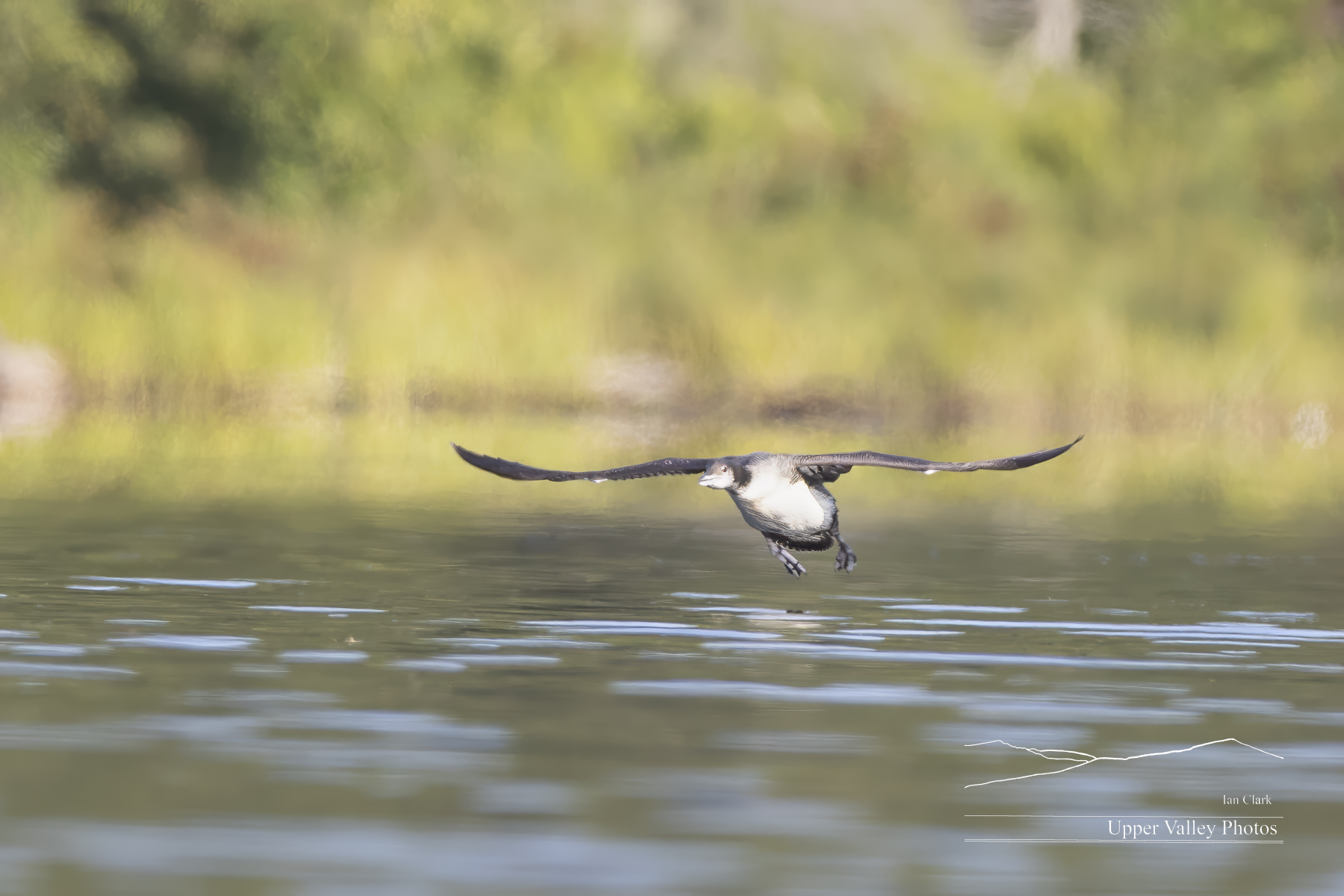
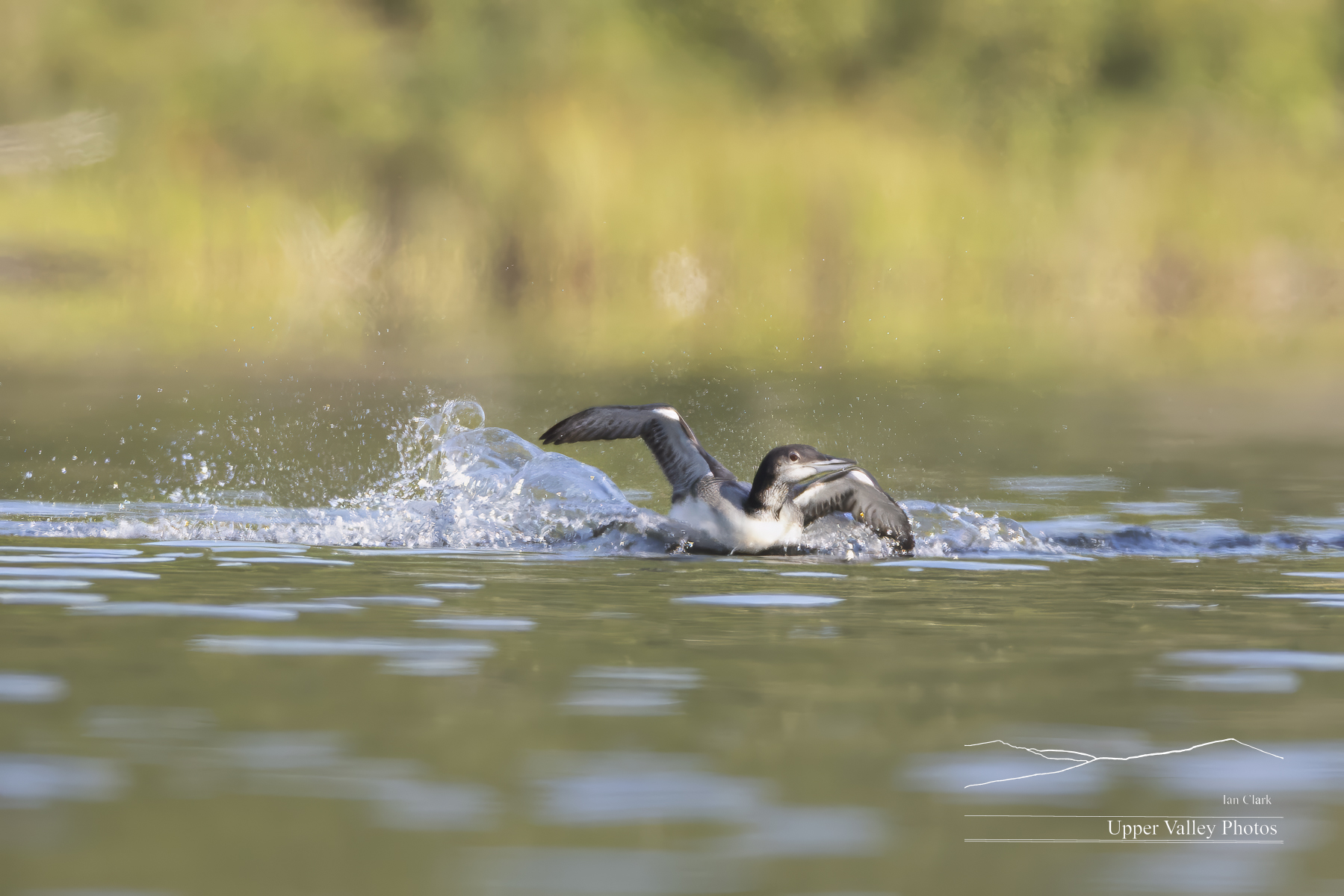
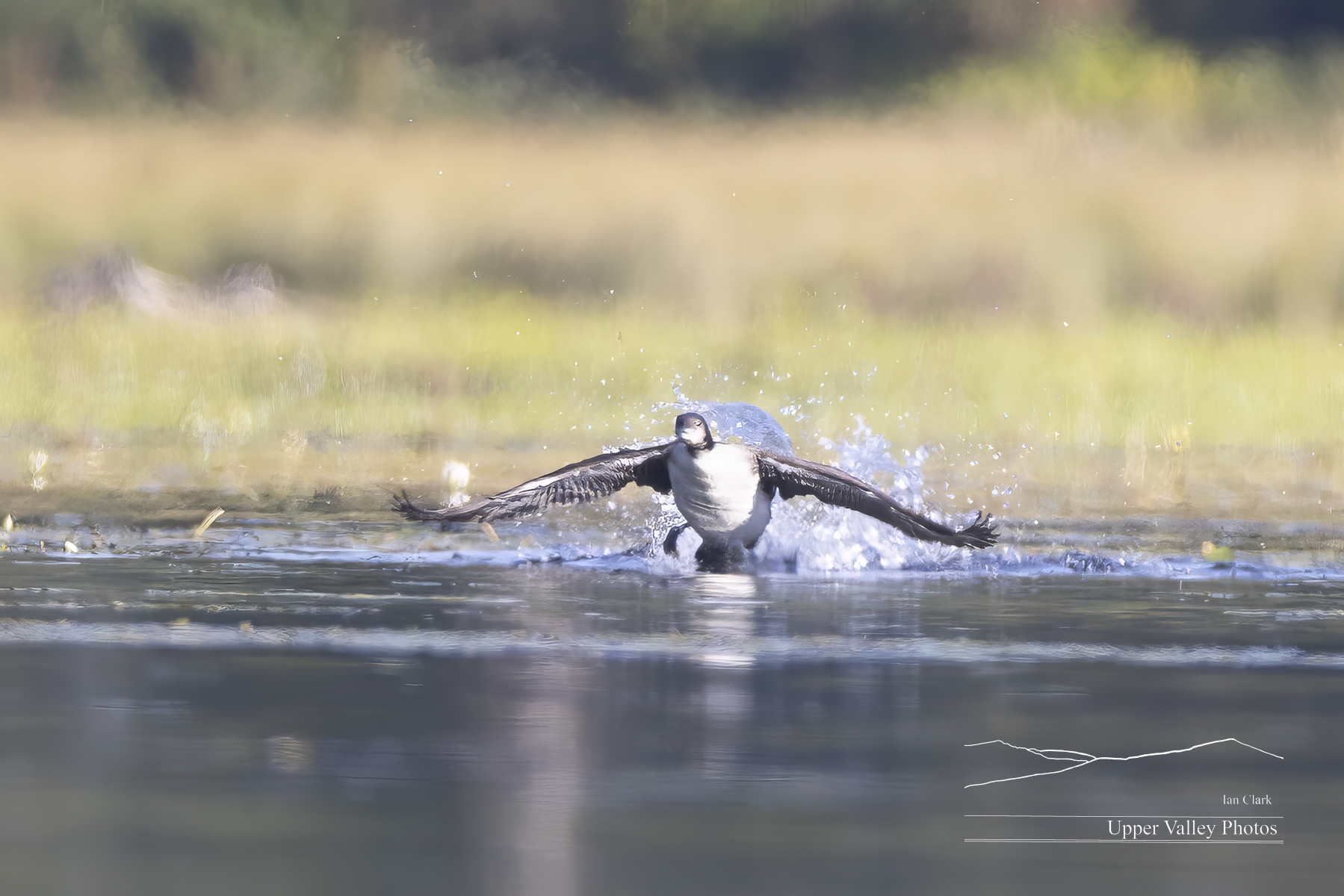
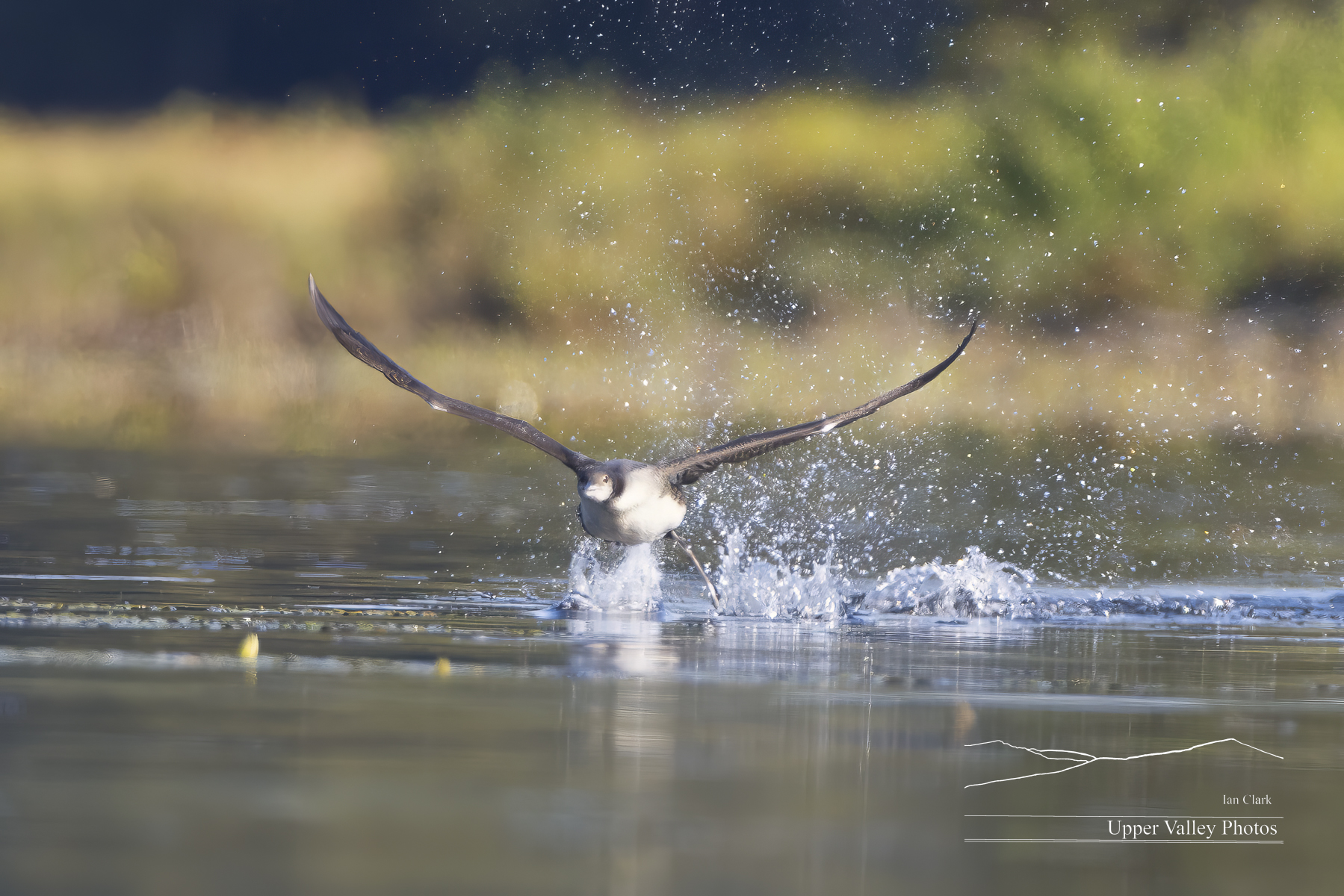
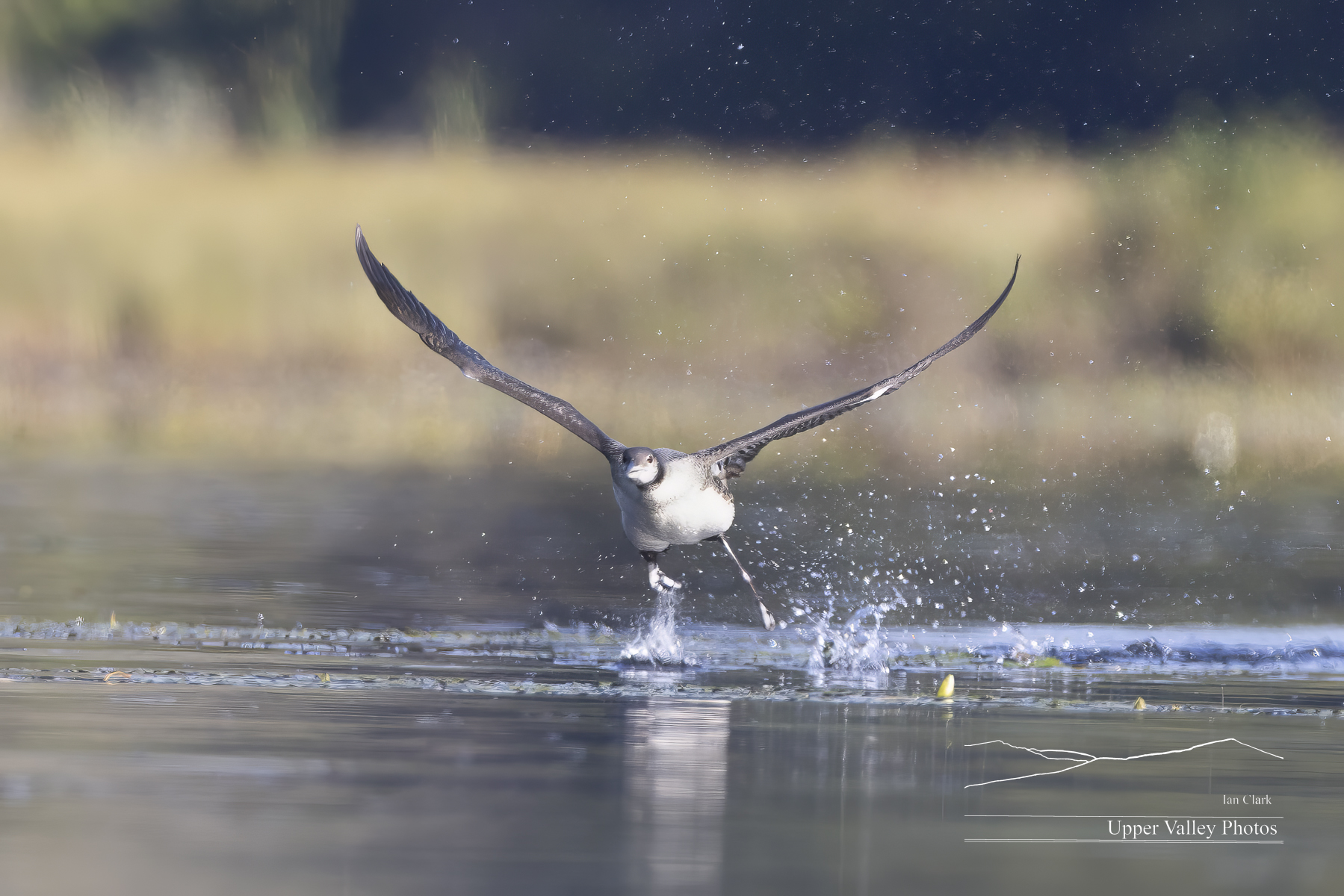
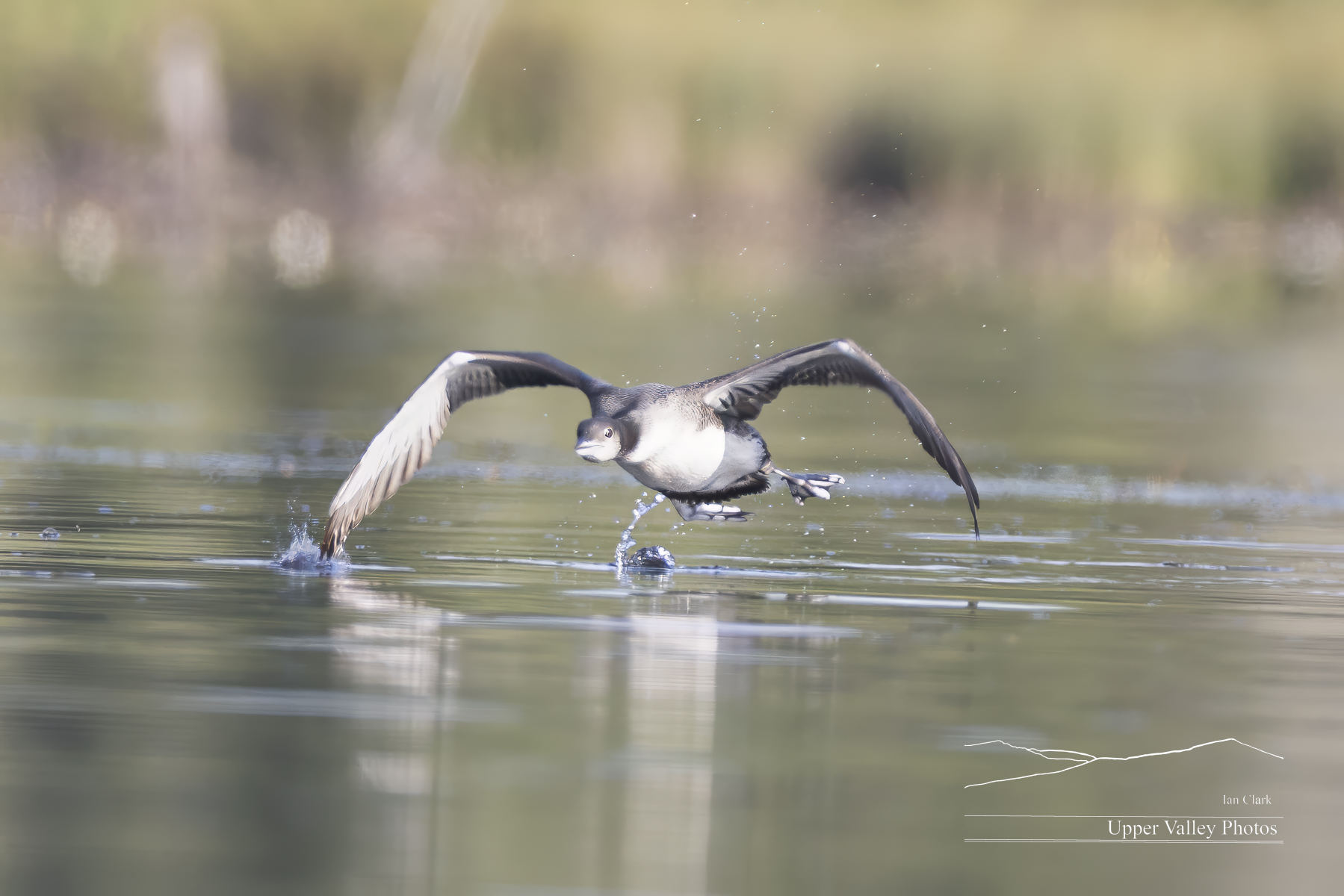
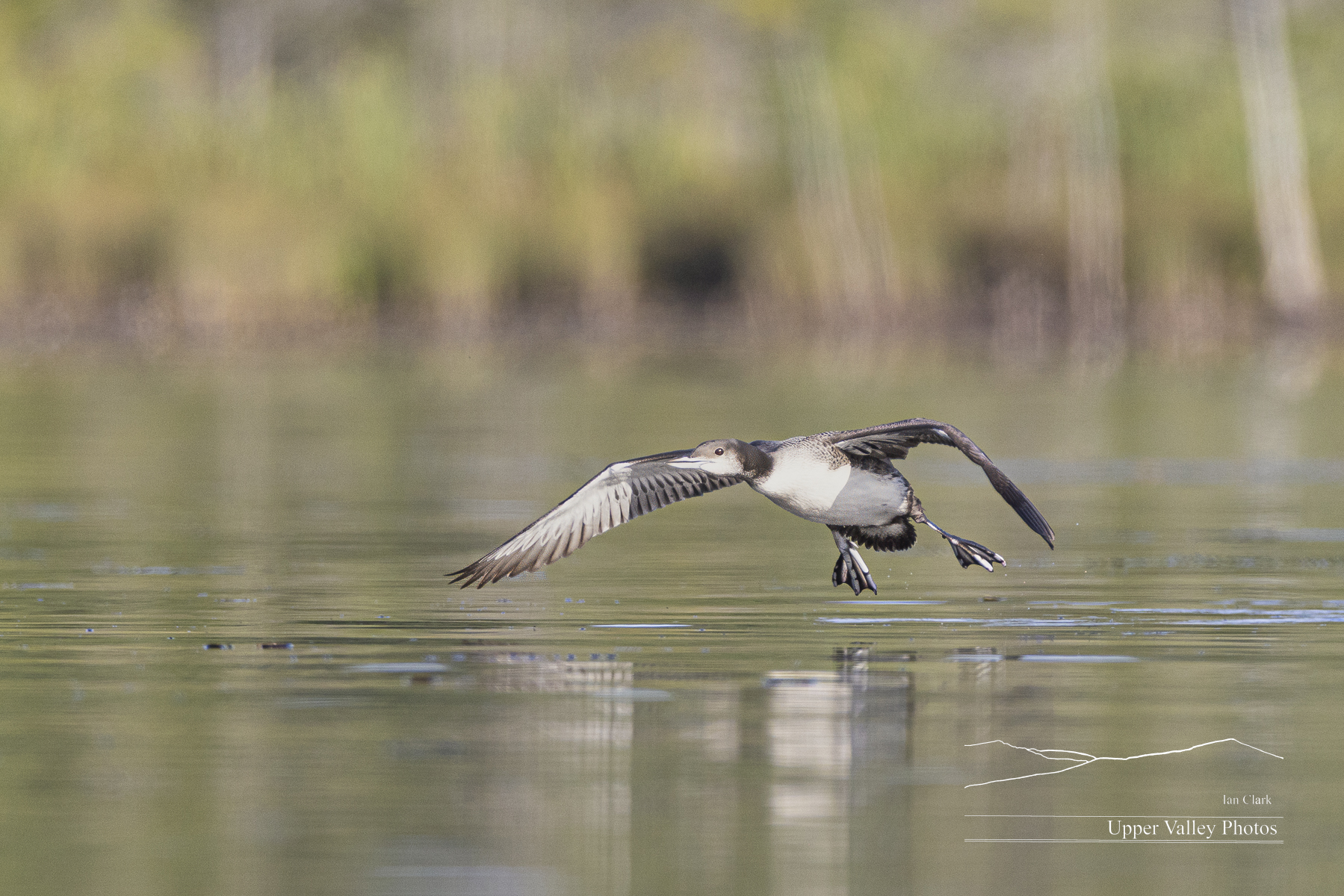
As he ran past dad, dad let out what I took to be a wail of encouragement.
And I had to head out.
It is getting very quiet on the ponds. Most of the songbirds have left. There are still kingbirds and kingfishers around. Merlin claims there are warblers in the brush. The red-winged blackbirds, grackles and most of the sparrows have already departed. I was a little surprised to hear a pair of orioles calling from opposite sides of the the Weston’s pond, they’ll be on their way shortly. I’ll probably get only a few more visits with the loons this fall.
Update on All Three Loon Families
There’s been lots of action on the Middleton’s and Weston’s ponds, the Eastons spent a quiet morning. I loved being back out on the water rather than down at the League of New Hampshire Craftsmen’s Fair.
Thanks to everyone who stopped by at the Fair, I love how devoted the loons’ fans are. I promised three people that I’d head out to see what the Westons were up to on my first trip. That plan was overcome by events, but I did get up to see them yesterday.
Last Monday, the 11th, John Cooley from the Loon Preservation Committee, emailed to say that Mrs. Middleton had been rescued after she was found sitting in the road near her pond. LPC dispatched one of their biologists after a passing motorist alerted them. The biologist rounded Mrs. Middleton up and checked her out. She didn’t appear to be injured. But, the intruding female loon that has been challenging her all summer was on the pond. Best guess for what happened is the intruder drove Mrs. Middleton off the pond and she was confused and landed in the road. LPC took Mrs. Middleton to a nearby pond and released her. I haven’t been to visit her but LPC has a couple reports that she’s doing well. John suspects we’ll see her show back up on her pond within a couple weeks. But, the intruder is still out there….
Tuesday morning, I headed to the Middleton’s pond to see what was up.
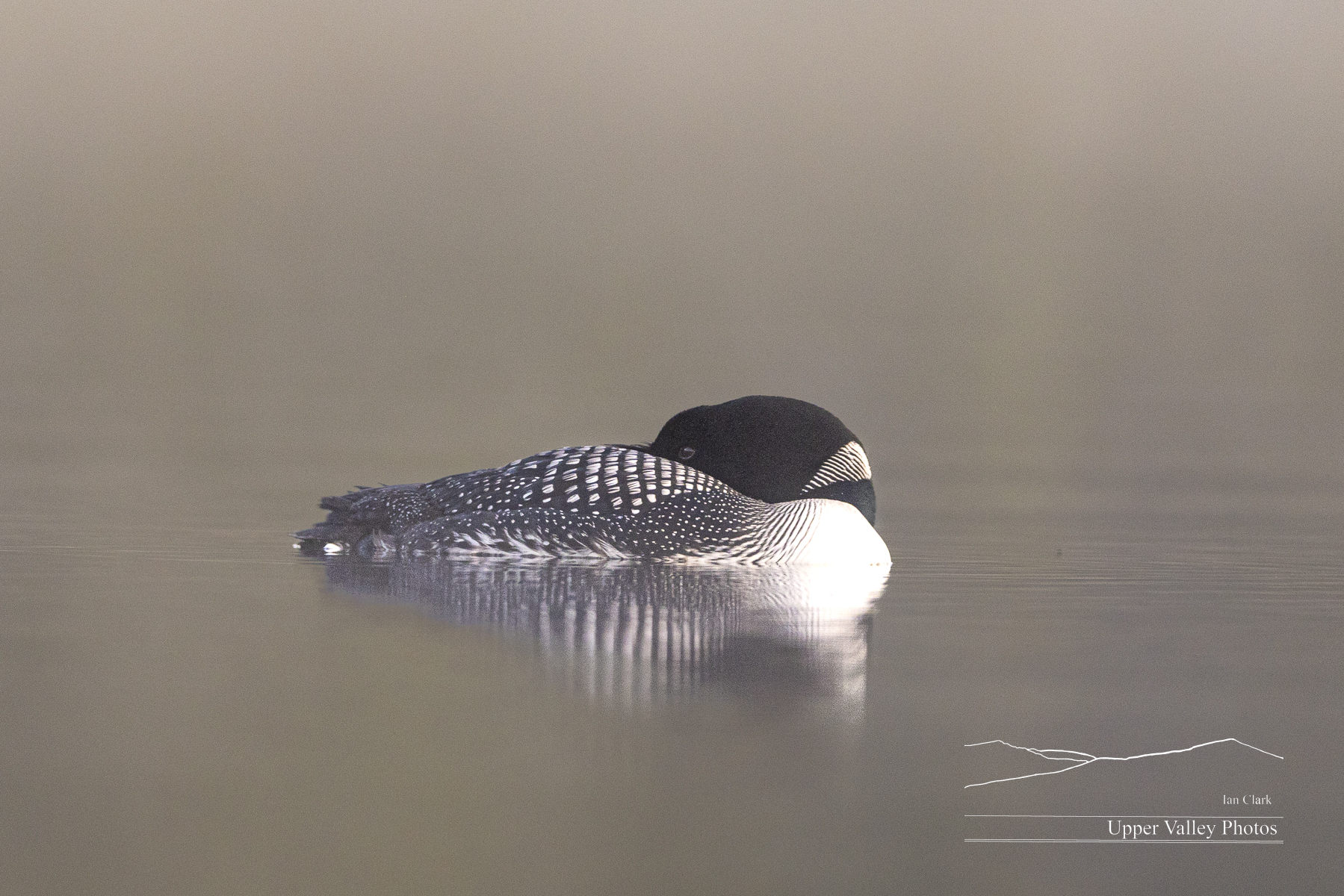
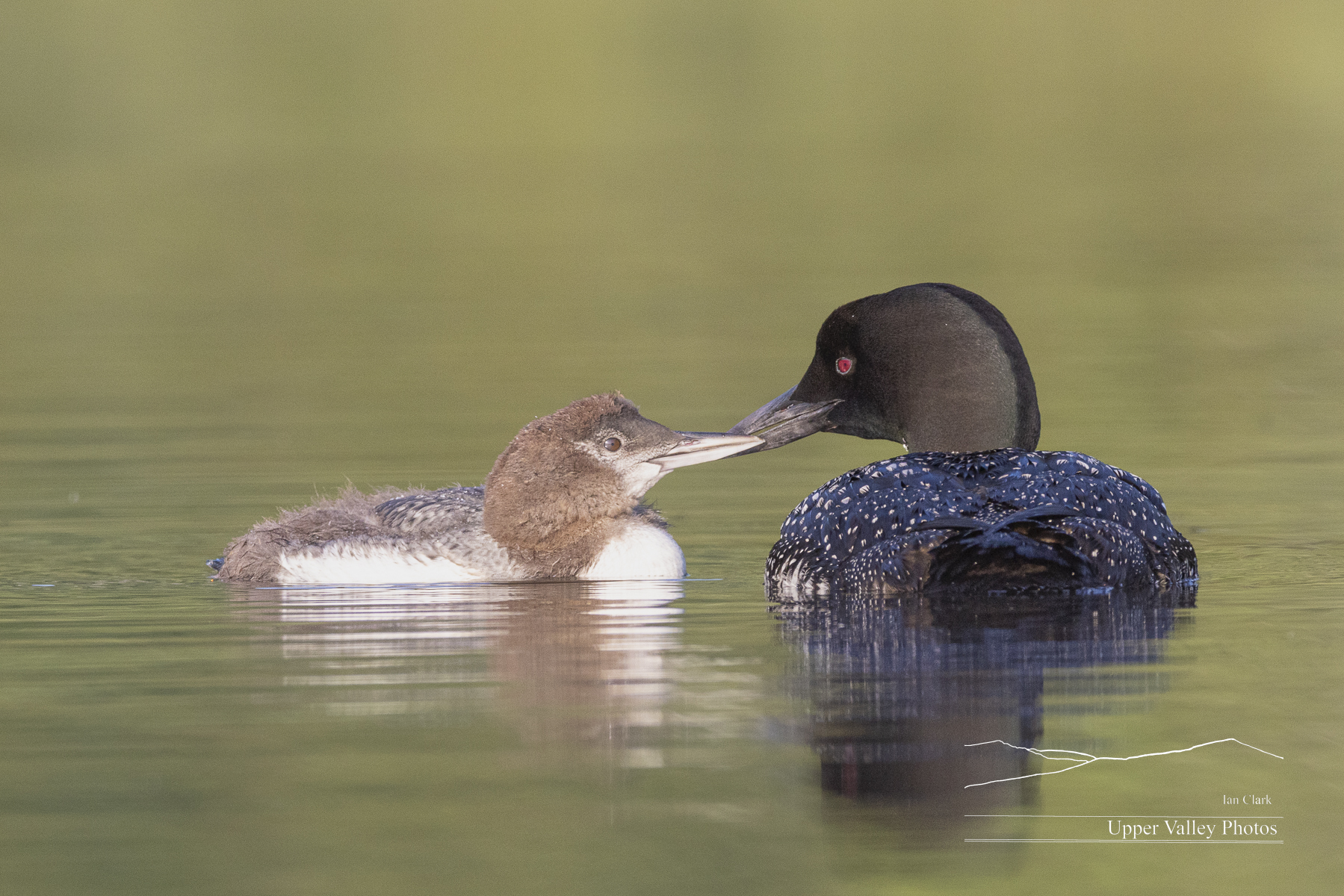
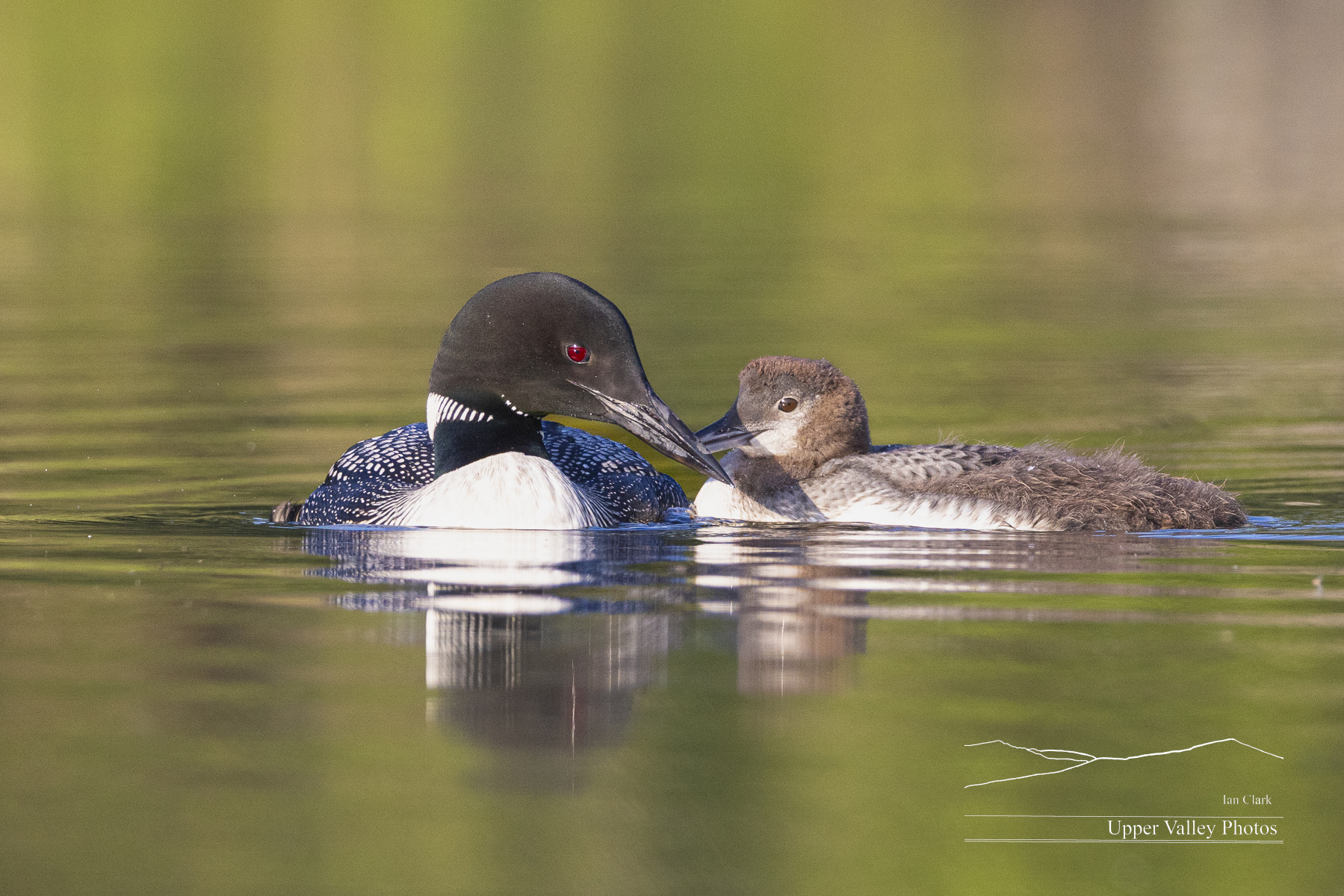
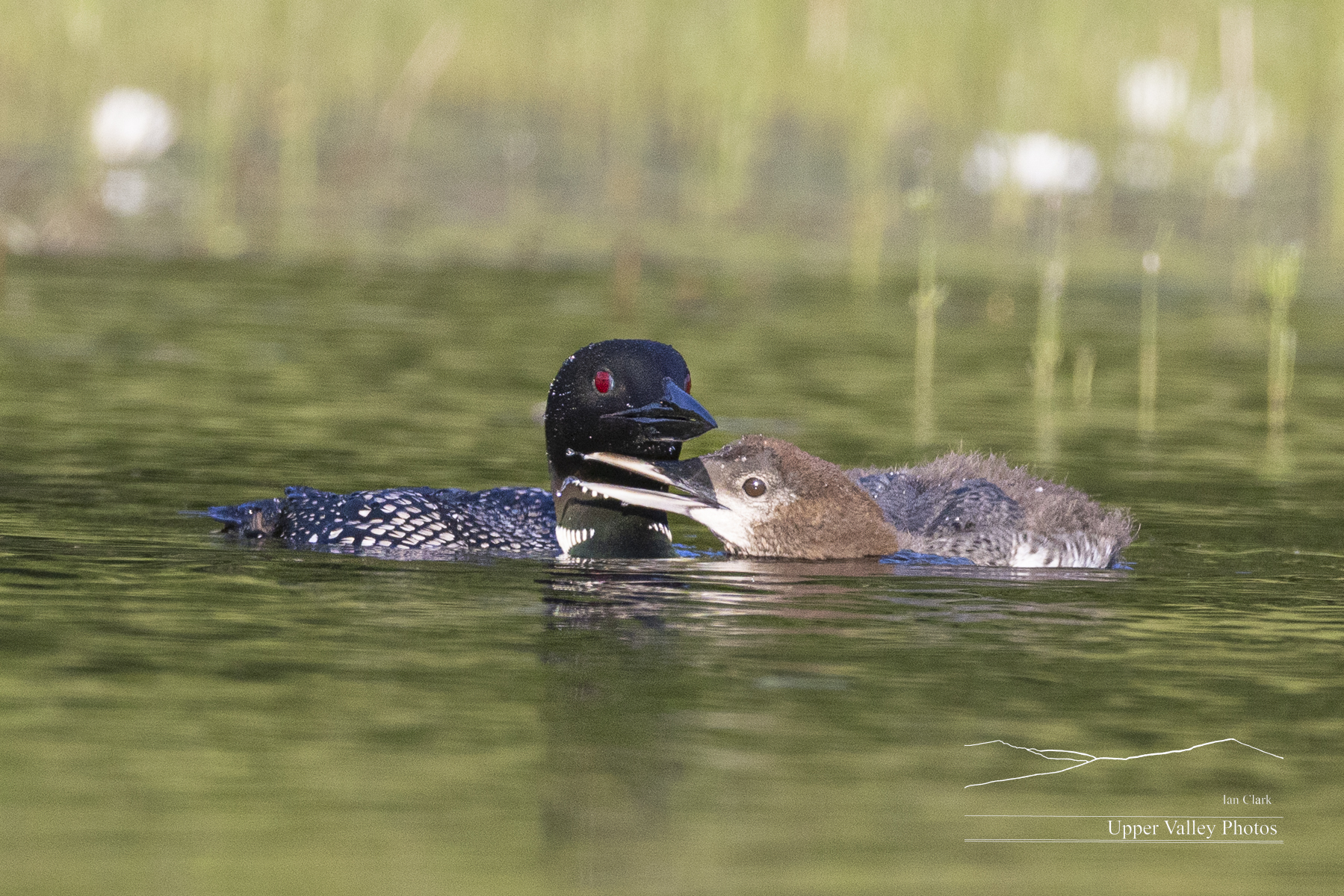
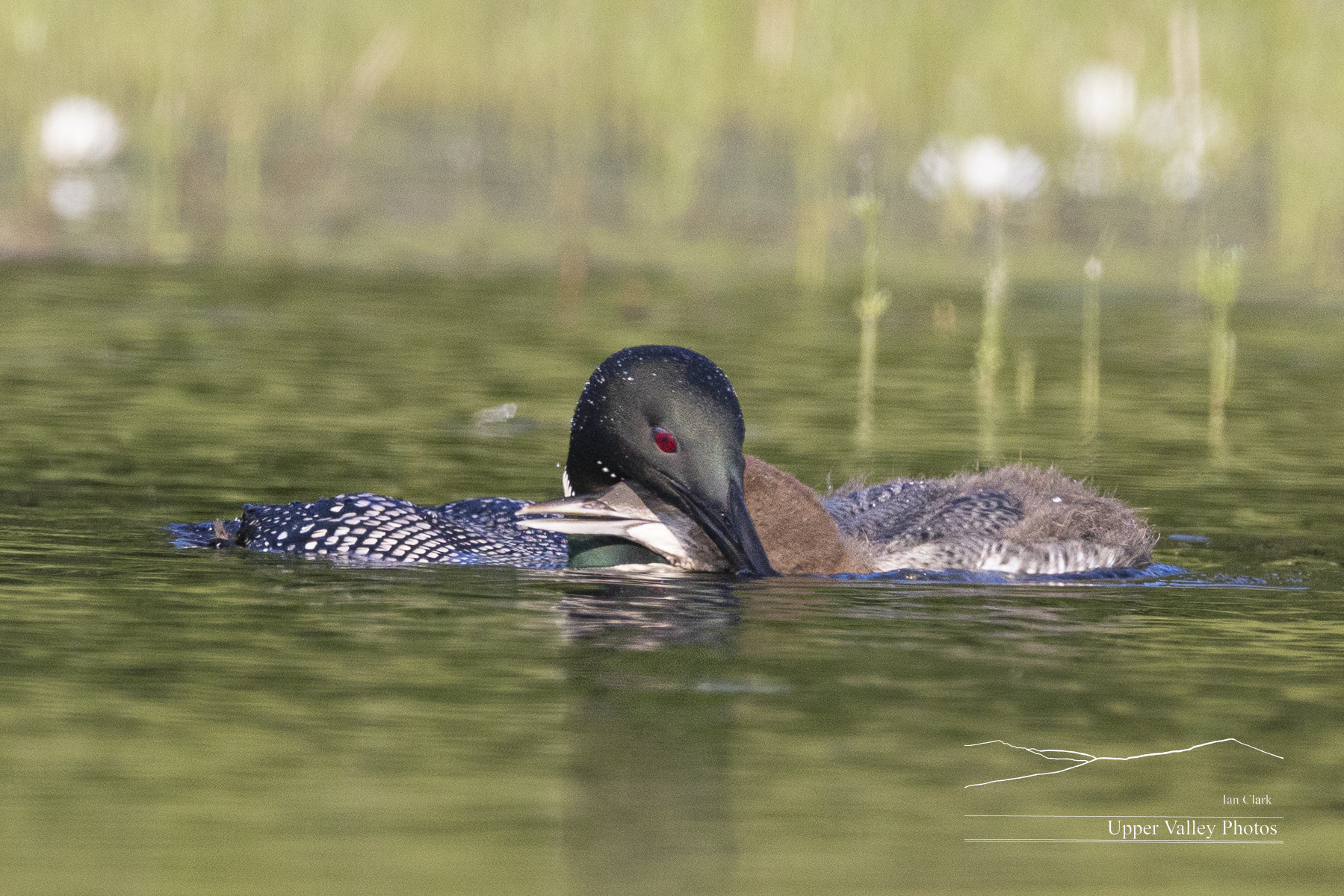
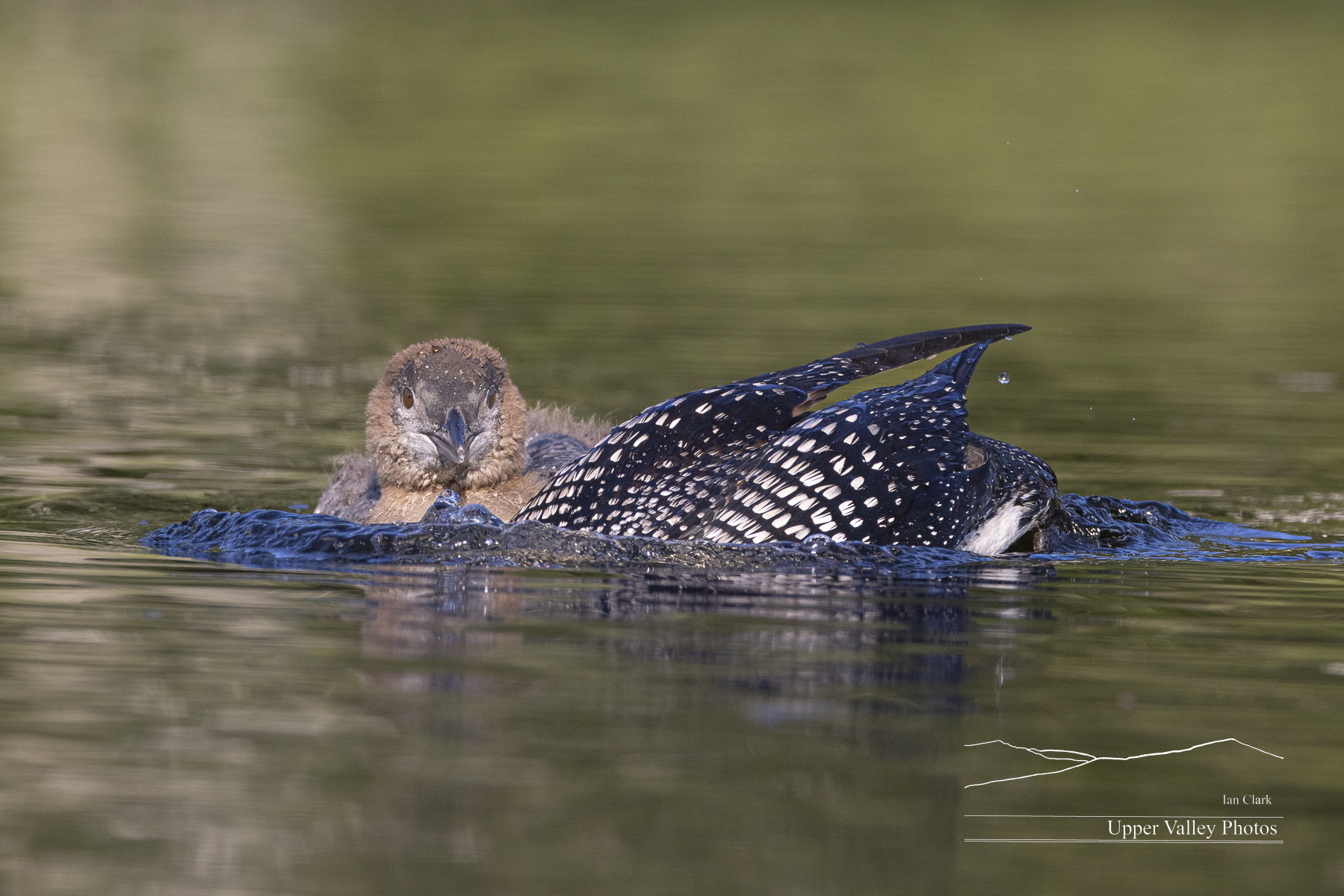
Wednesday morning I headed back up to see what was going on.
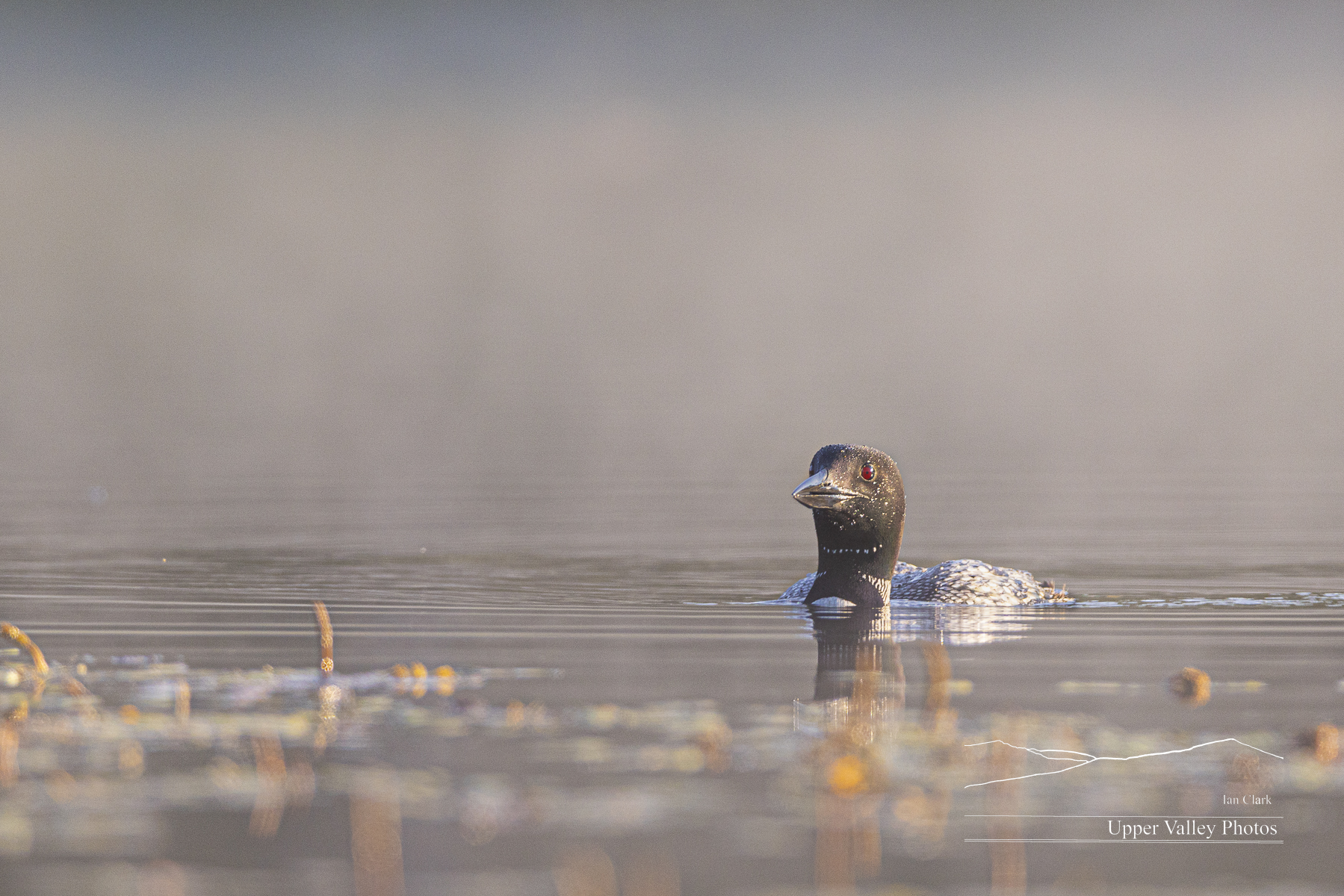
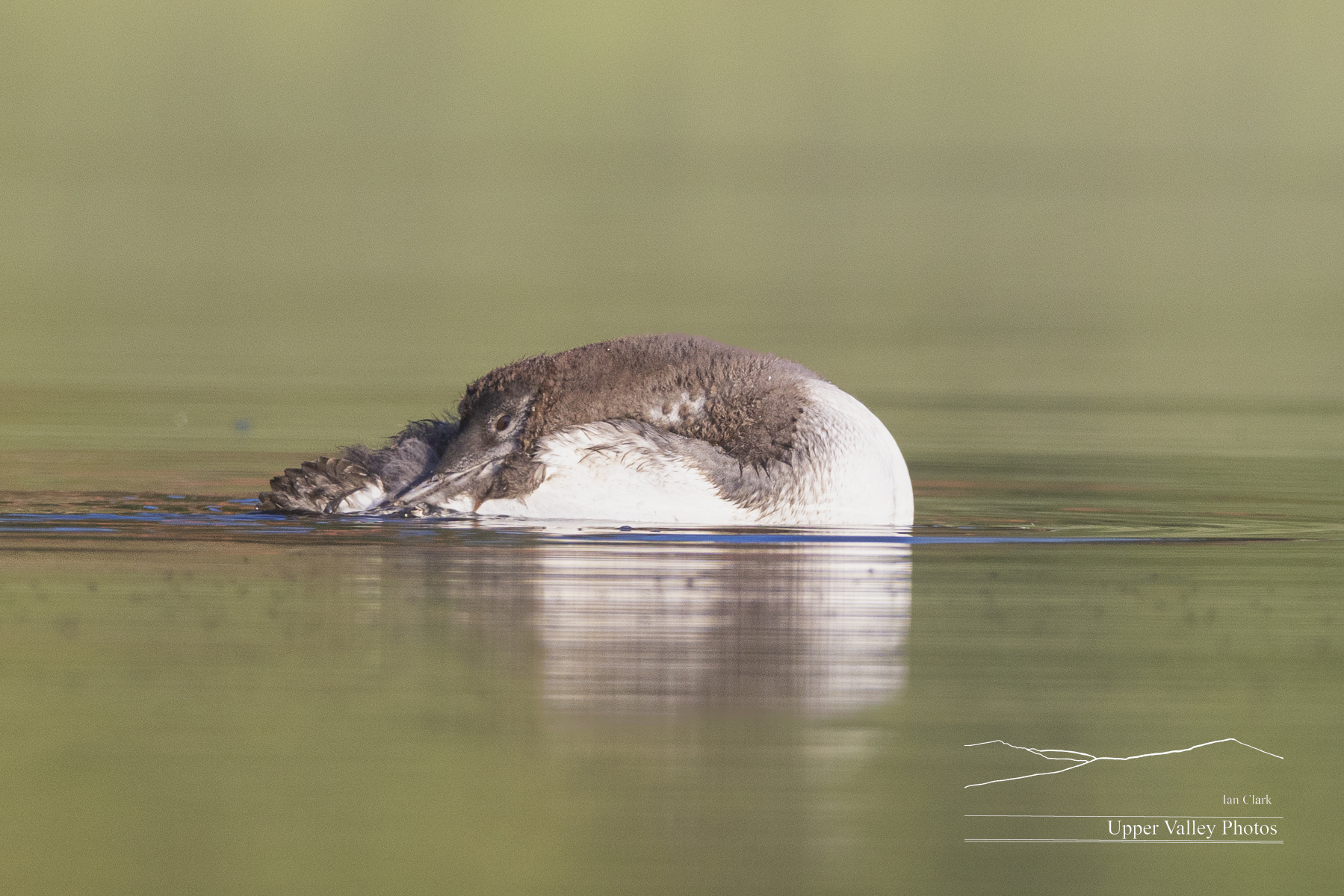
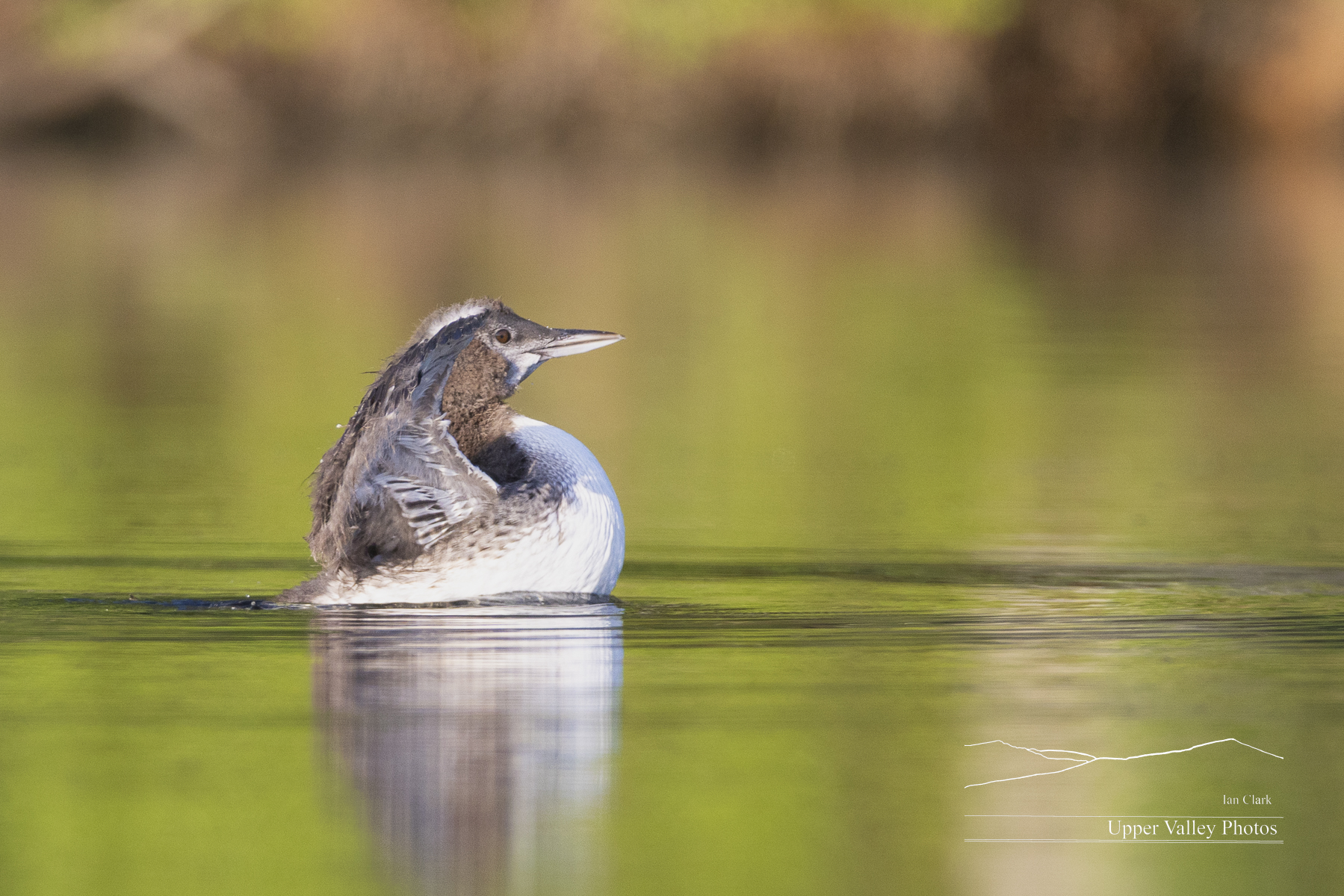
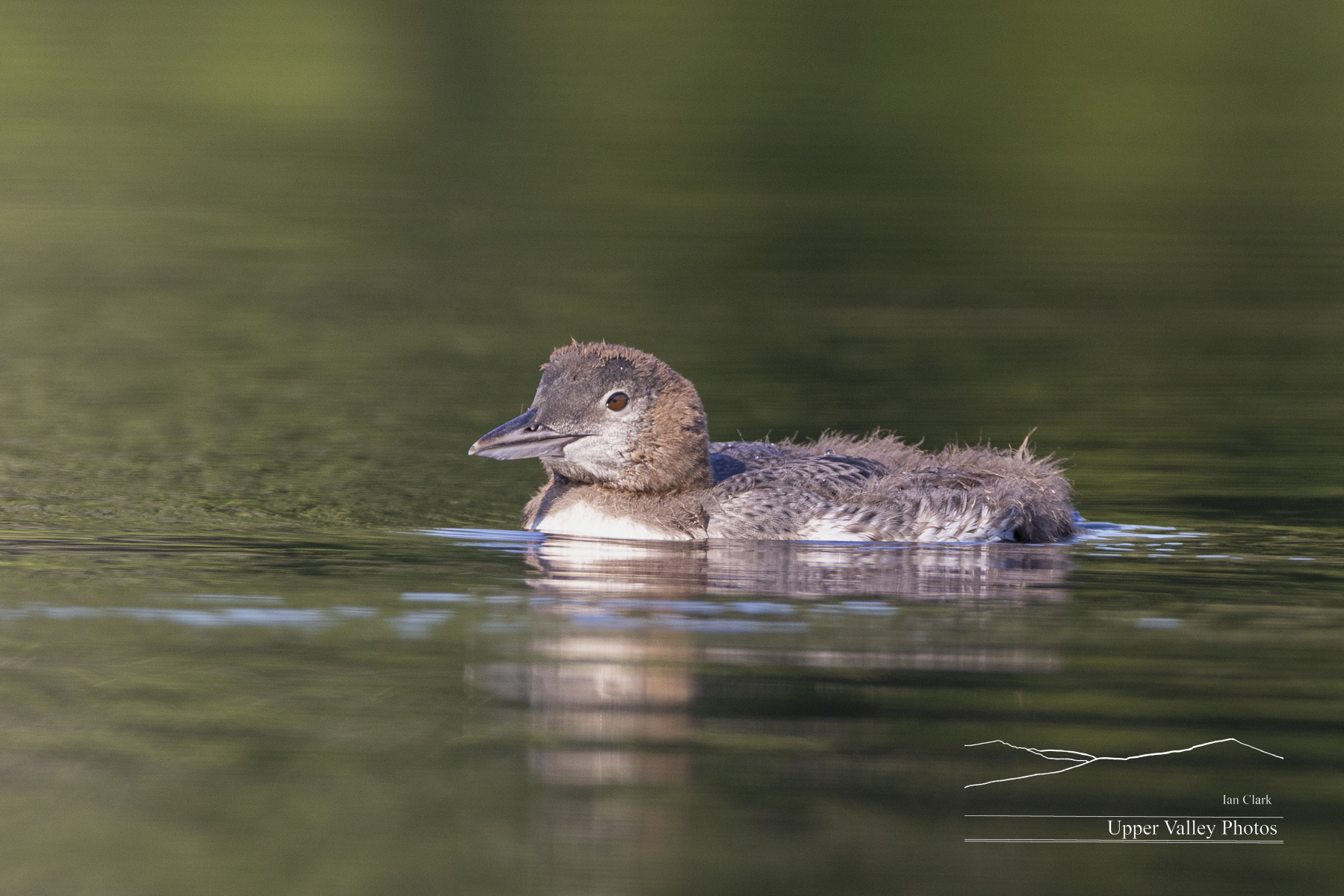
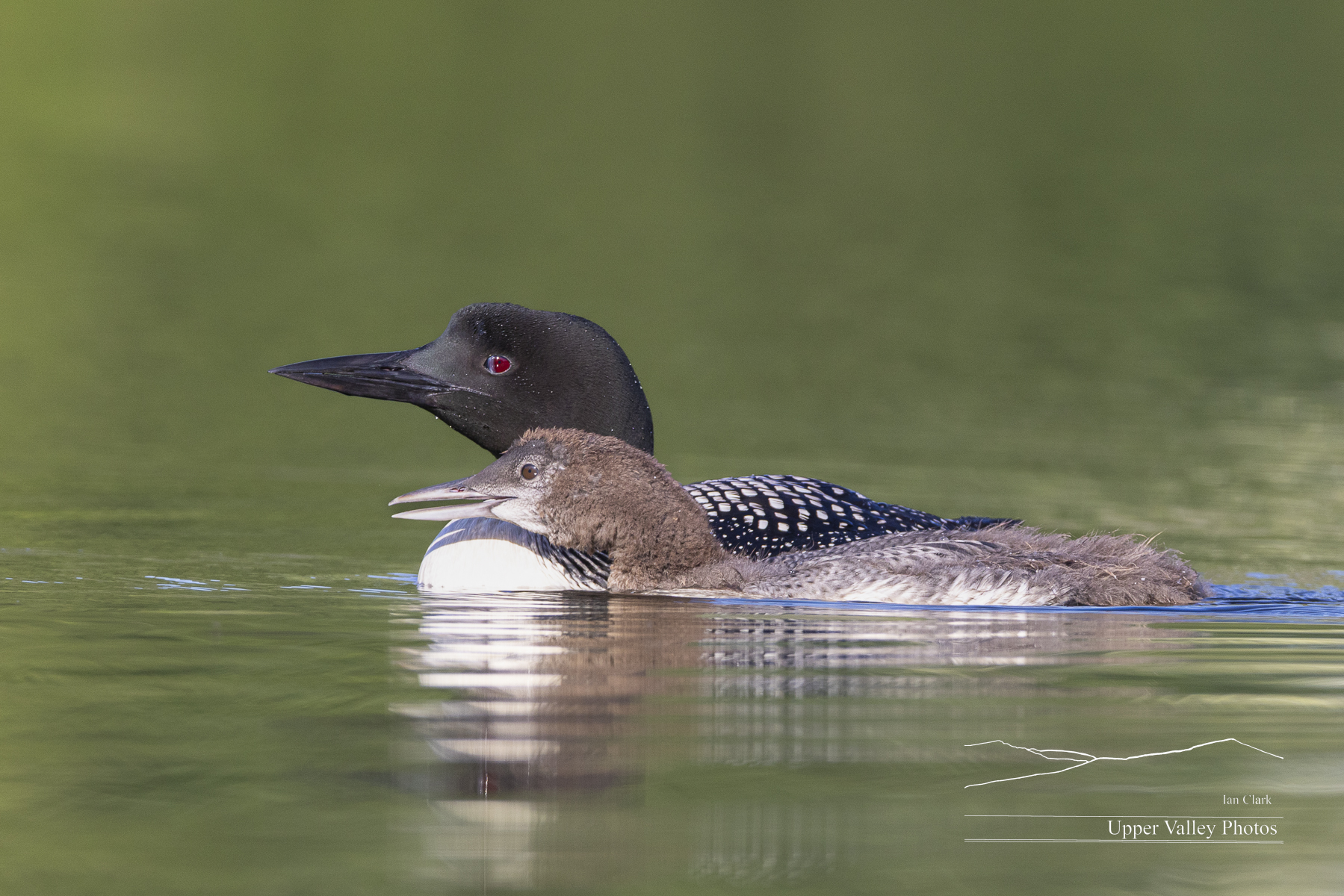
Friday morning, I headed to check in with the Eastons.
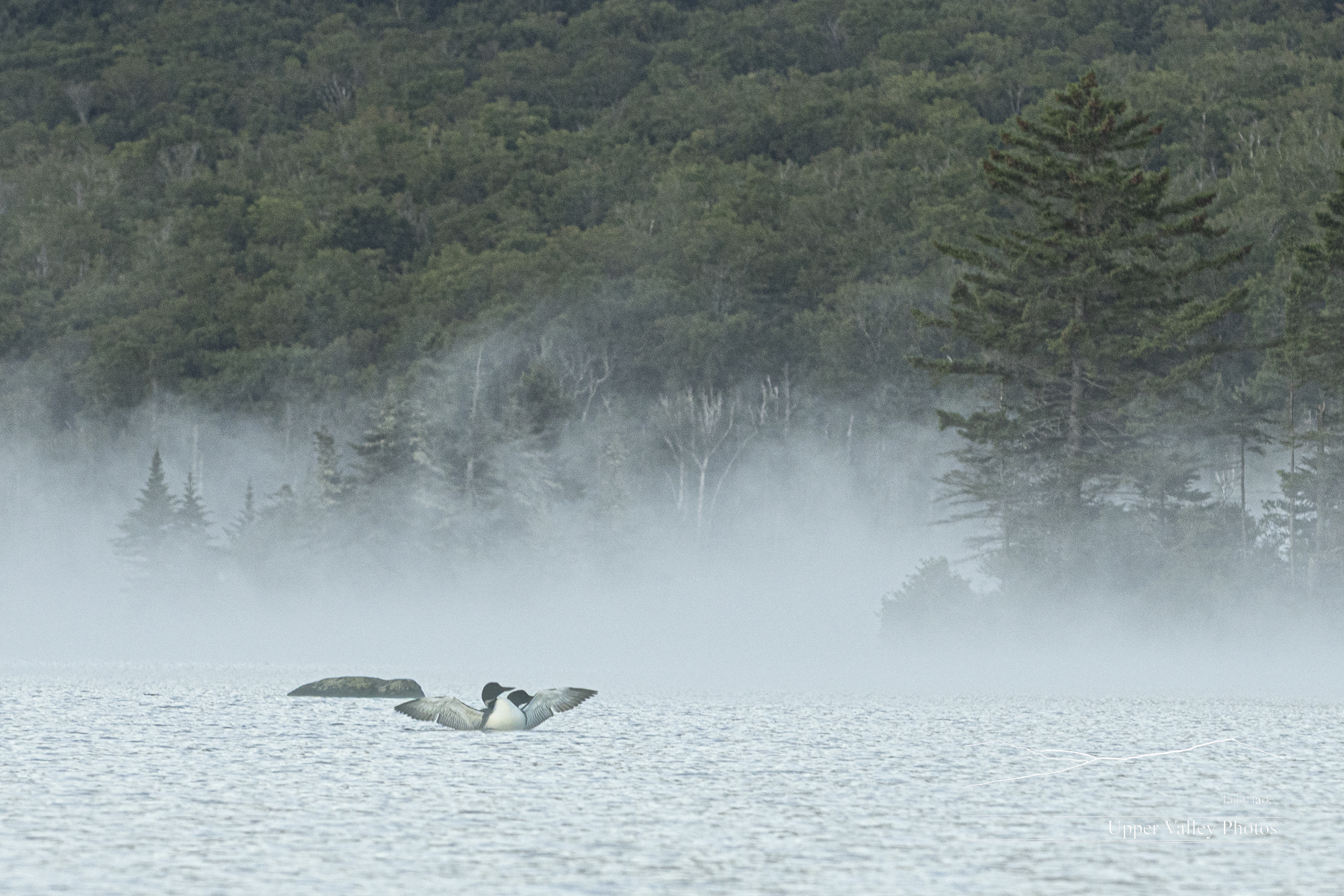
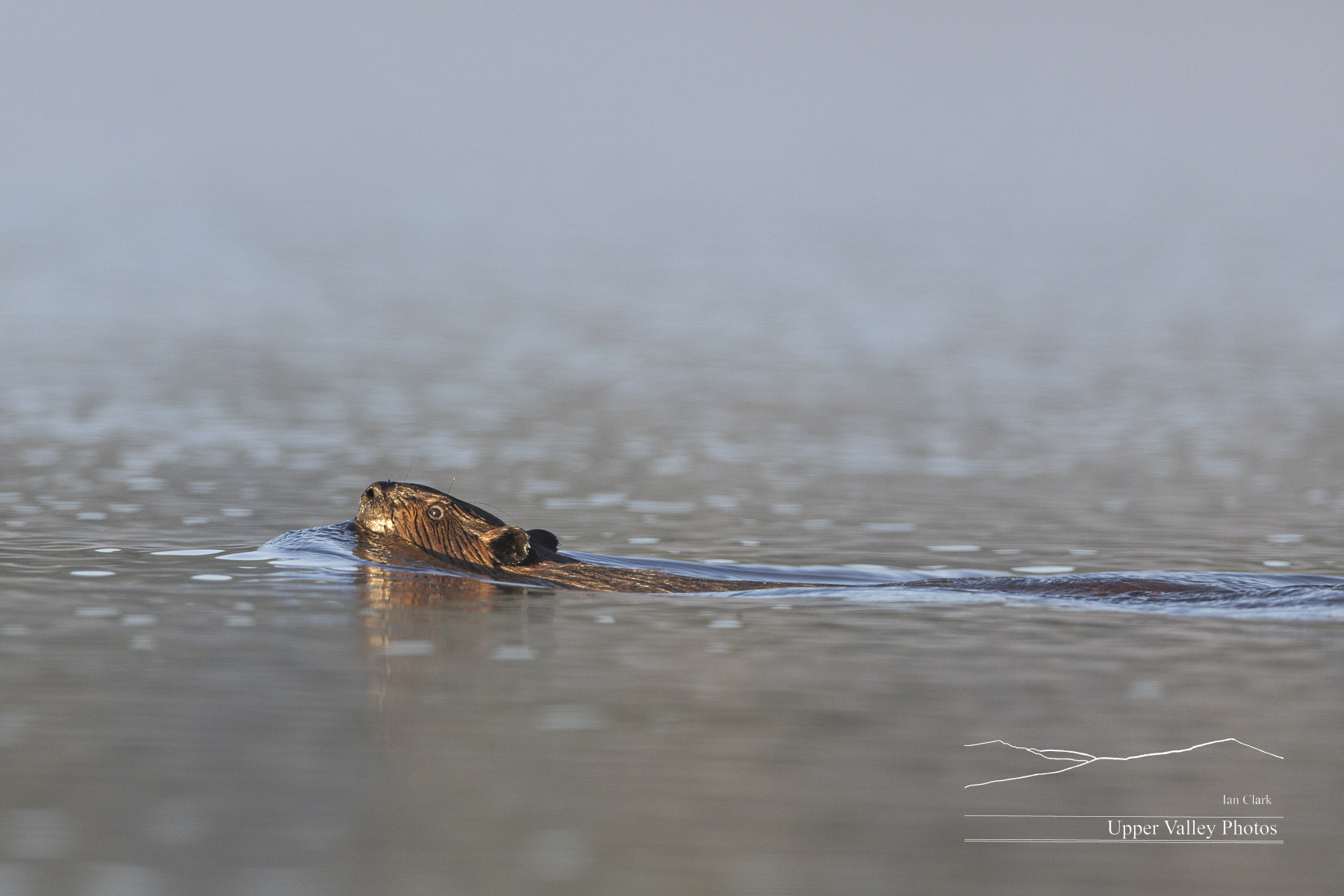
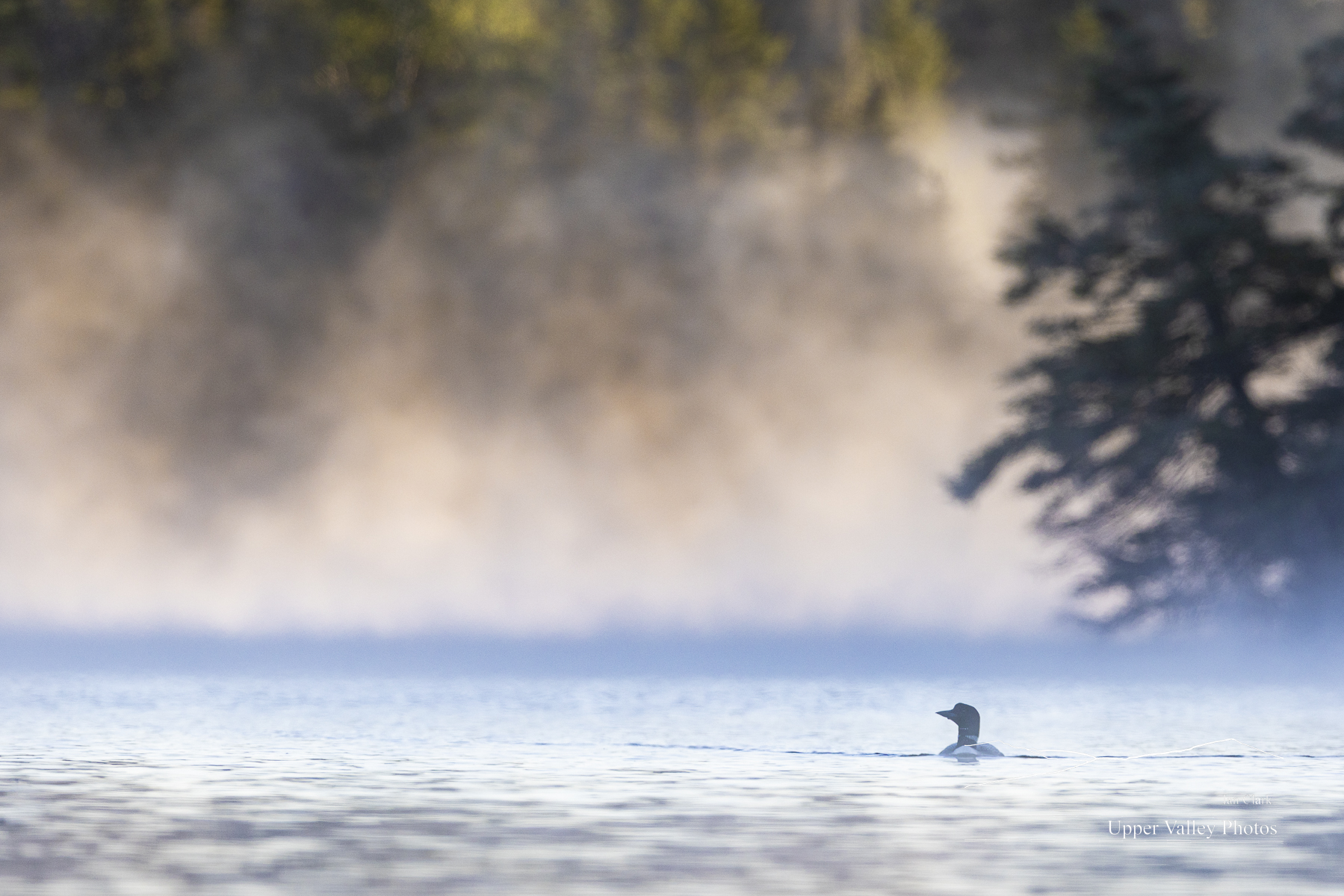
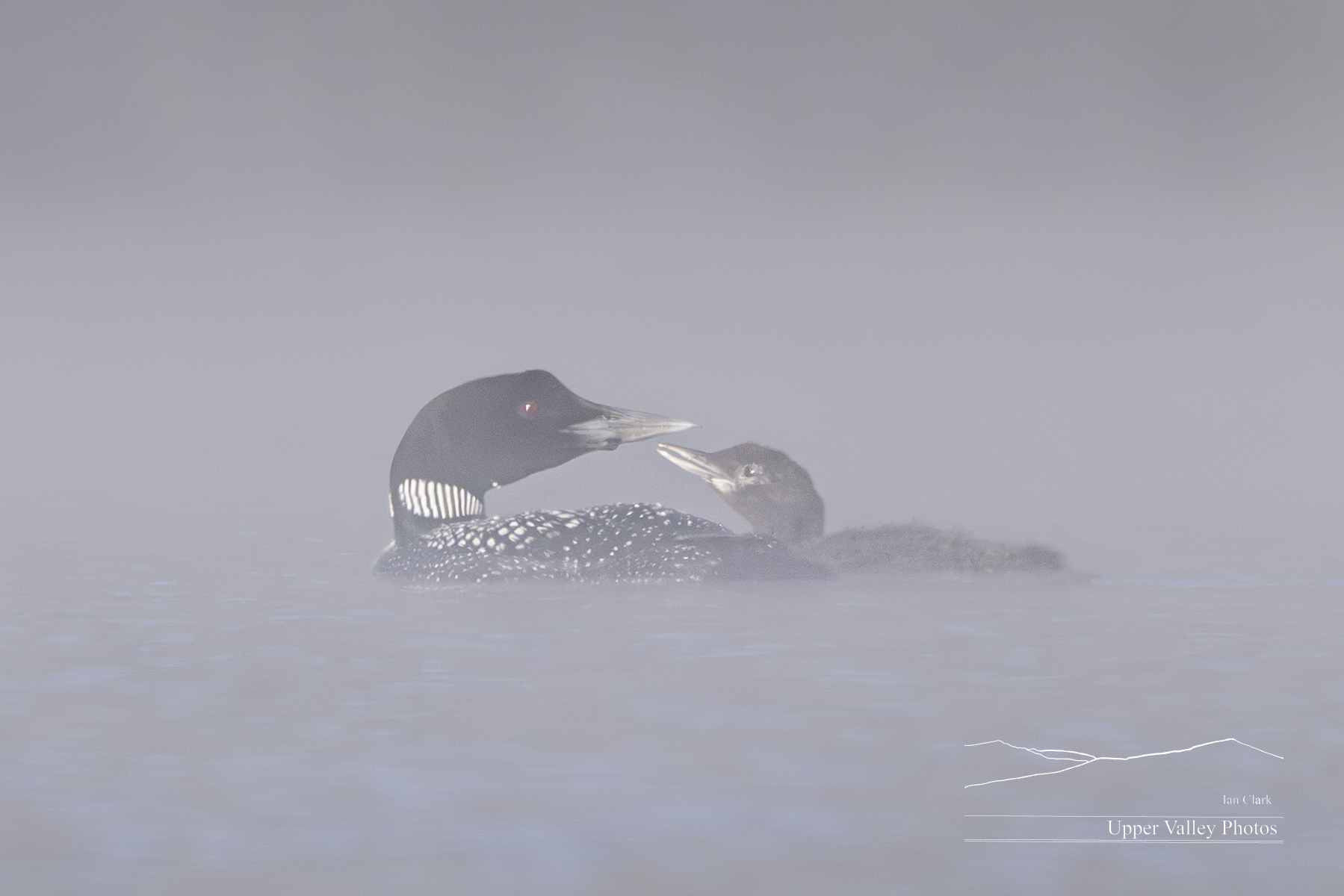
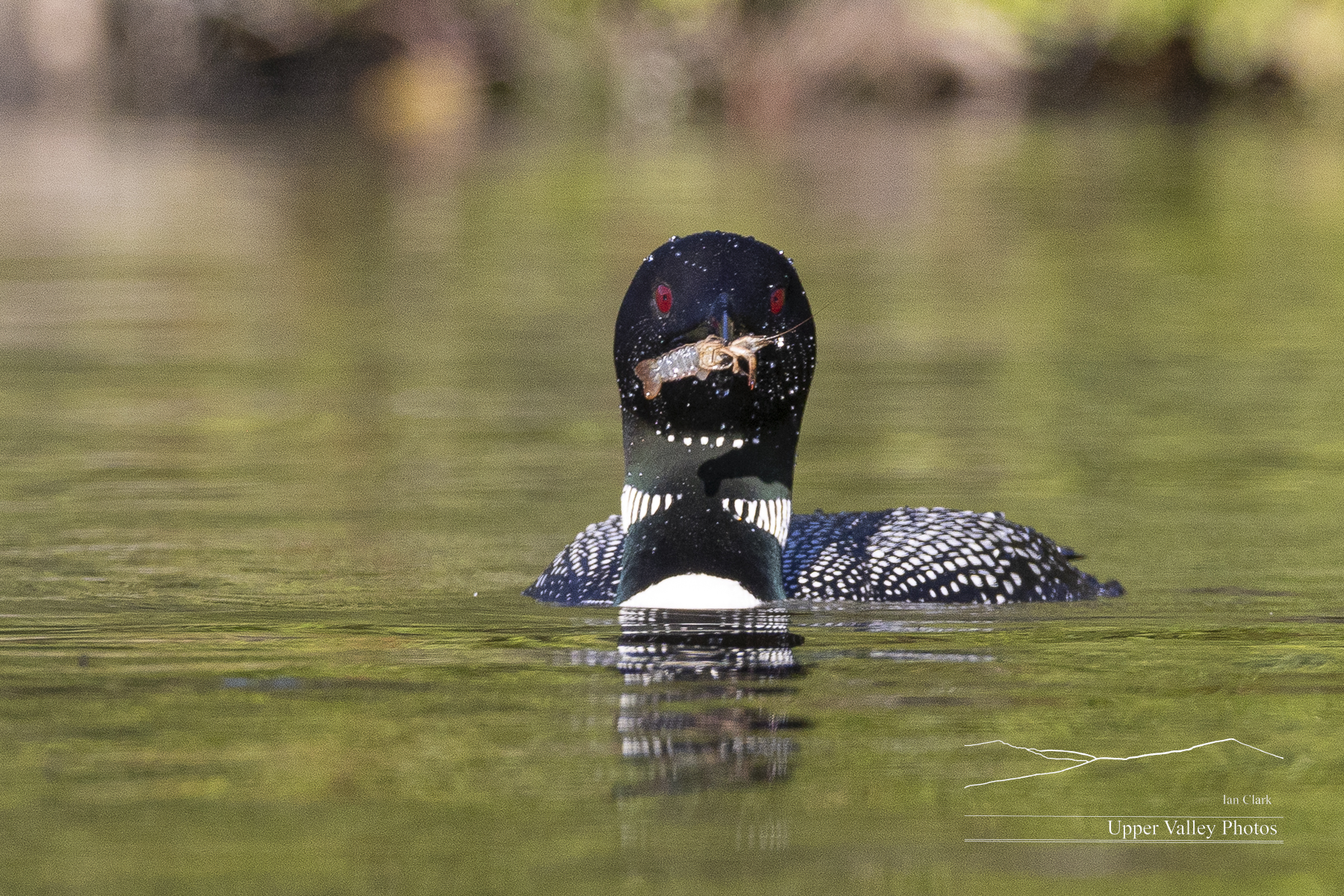
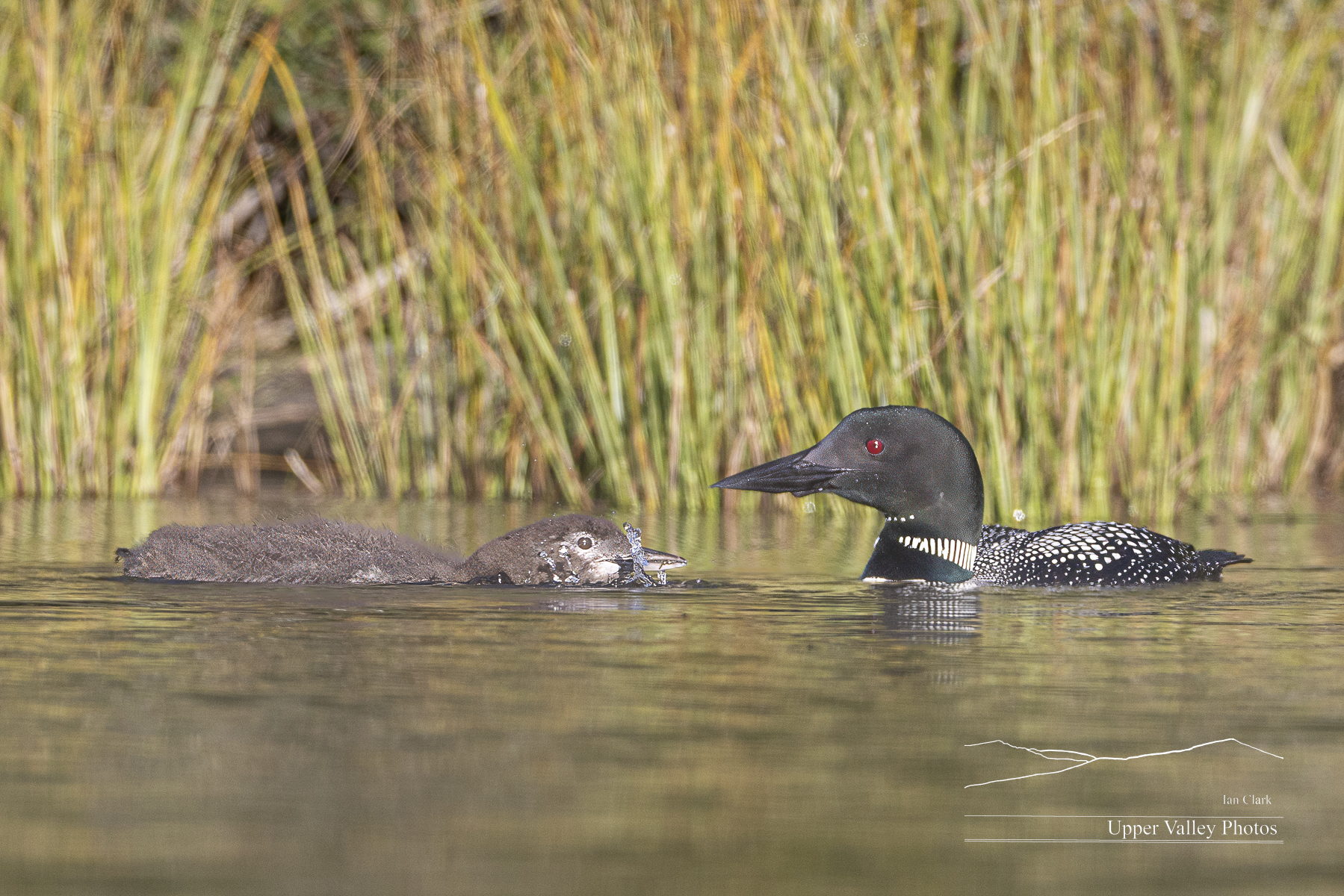
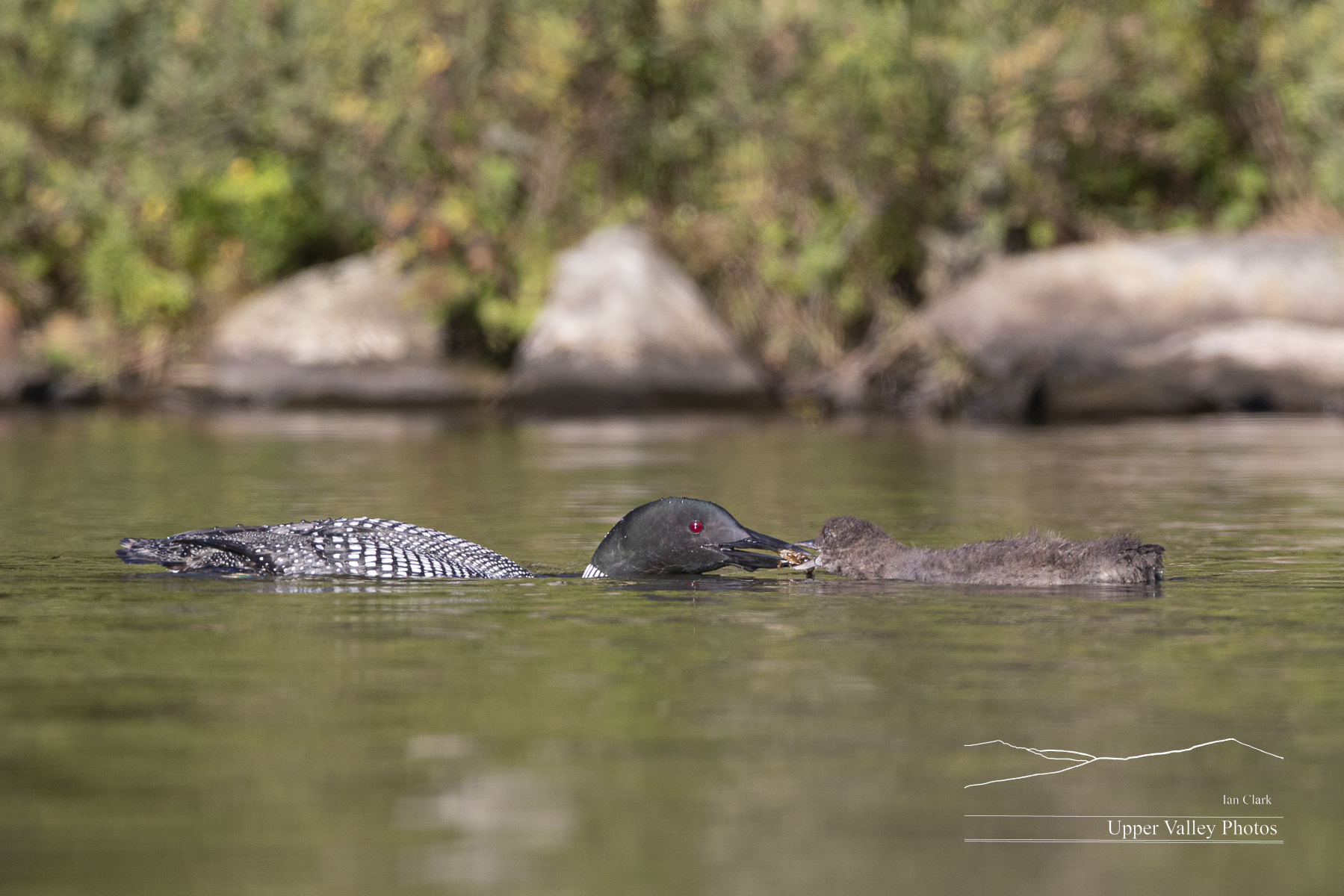
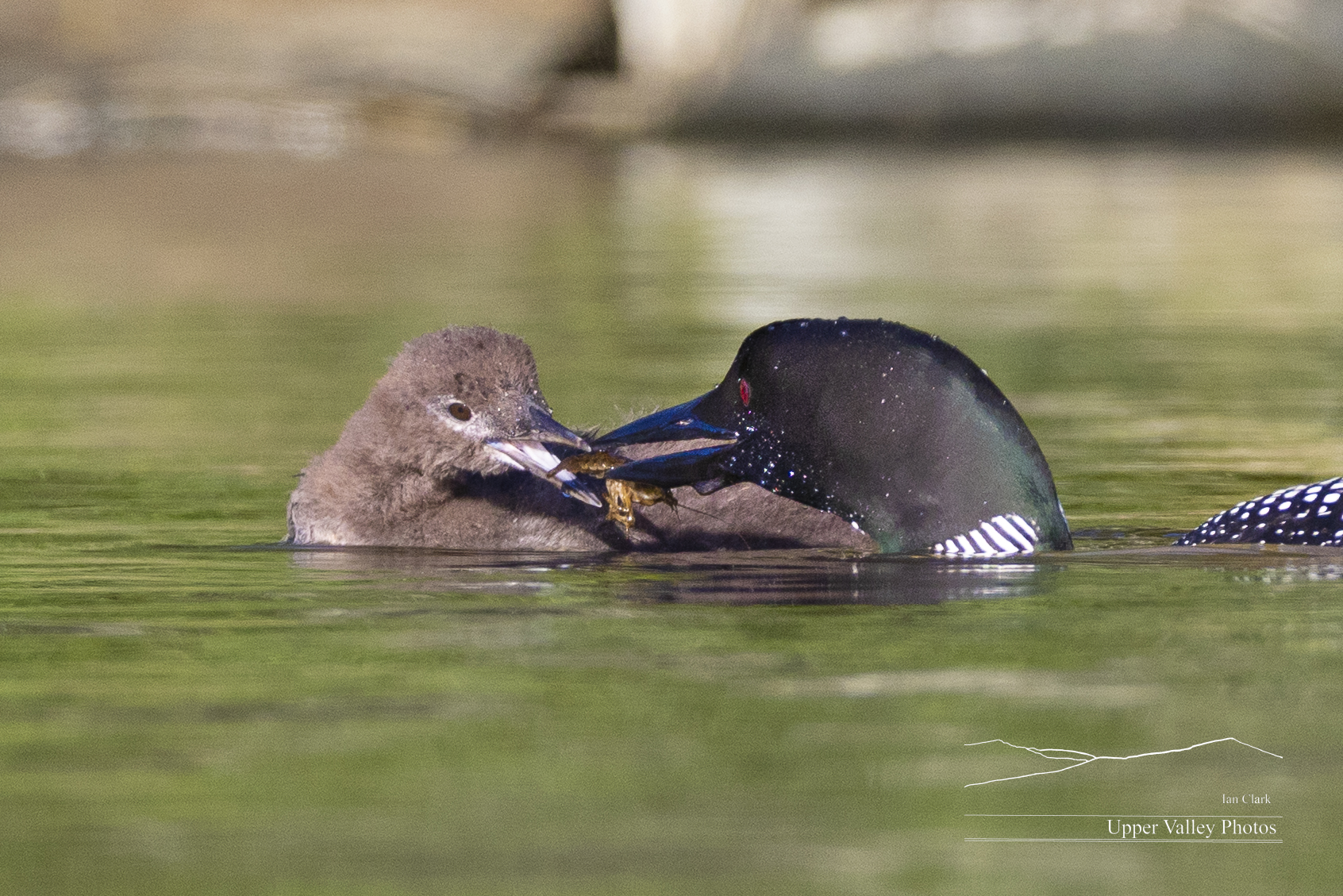
All was calm on the pond when I headed in. Saturday I made it up to check on the Westons. Dad was on the pond with the chicks. Mom wasn’t around. That’s not surprising. By this time in the season, the parents will often head off to a nearby pond where they can relax for a bit.
As I was putting the boat in, I heard both chicks practicing their wails. They produced a short, sharp call that was almost exactly unlike a wail. But, they’ll learn. As I headed up the pond, I head them practicing takeoffs. They’ll probably be airborne within a week.
Soon after I caught up with the family, a loon flew over, calling. I’d expected it was mom returning for duty. But the family flattened out – the loon overhead was an intruder. The intruder circled the pond. I was looking for him high overhead. When I spotted him, he was low, well below the tree line and lining up for a landing. He passed directly overhead at about 20 feet – the best view I’ve had of a loon in flight.
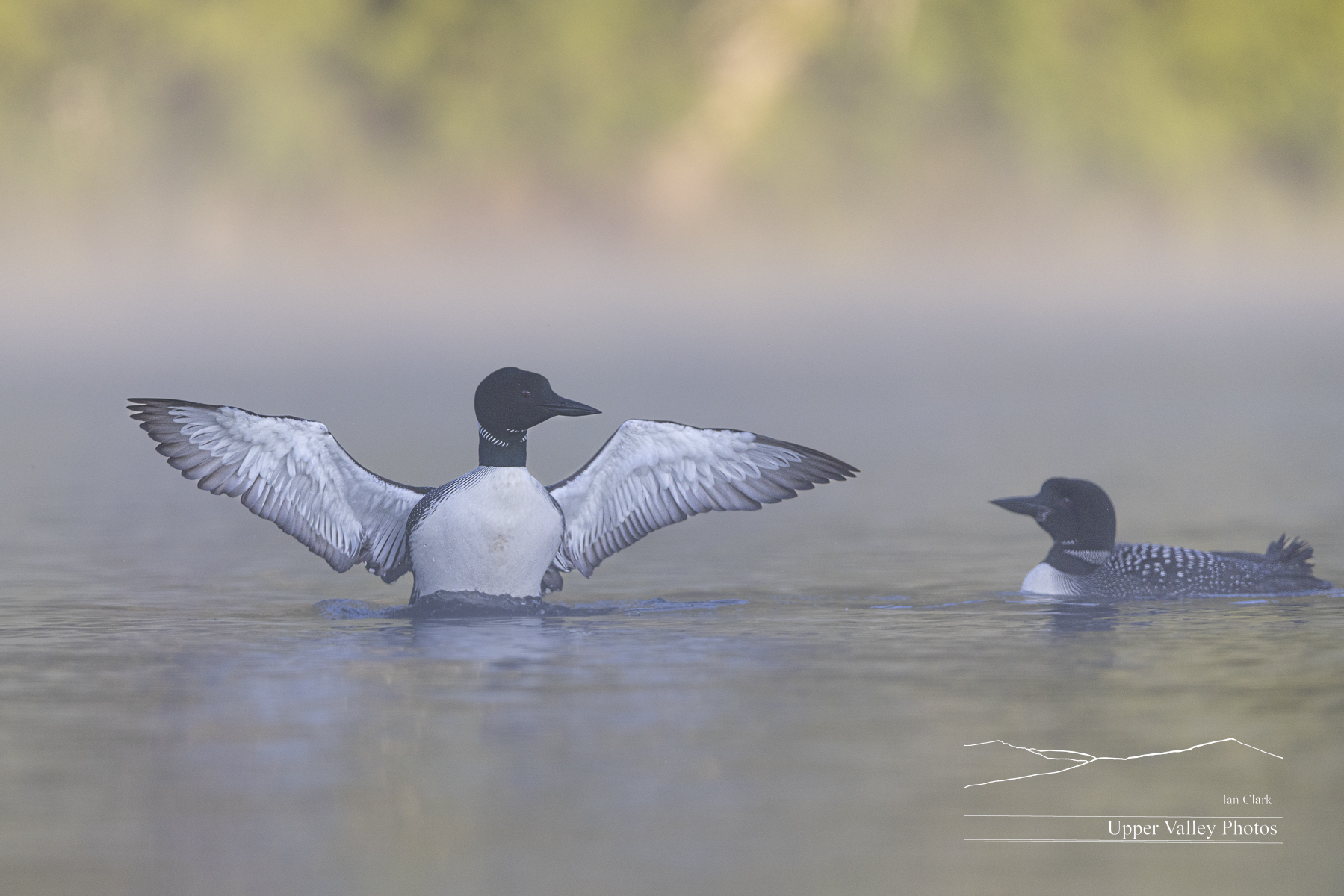
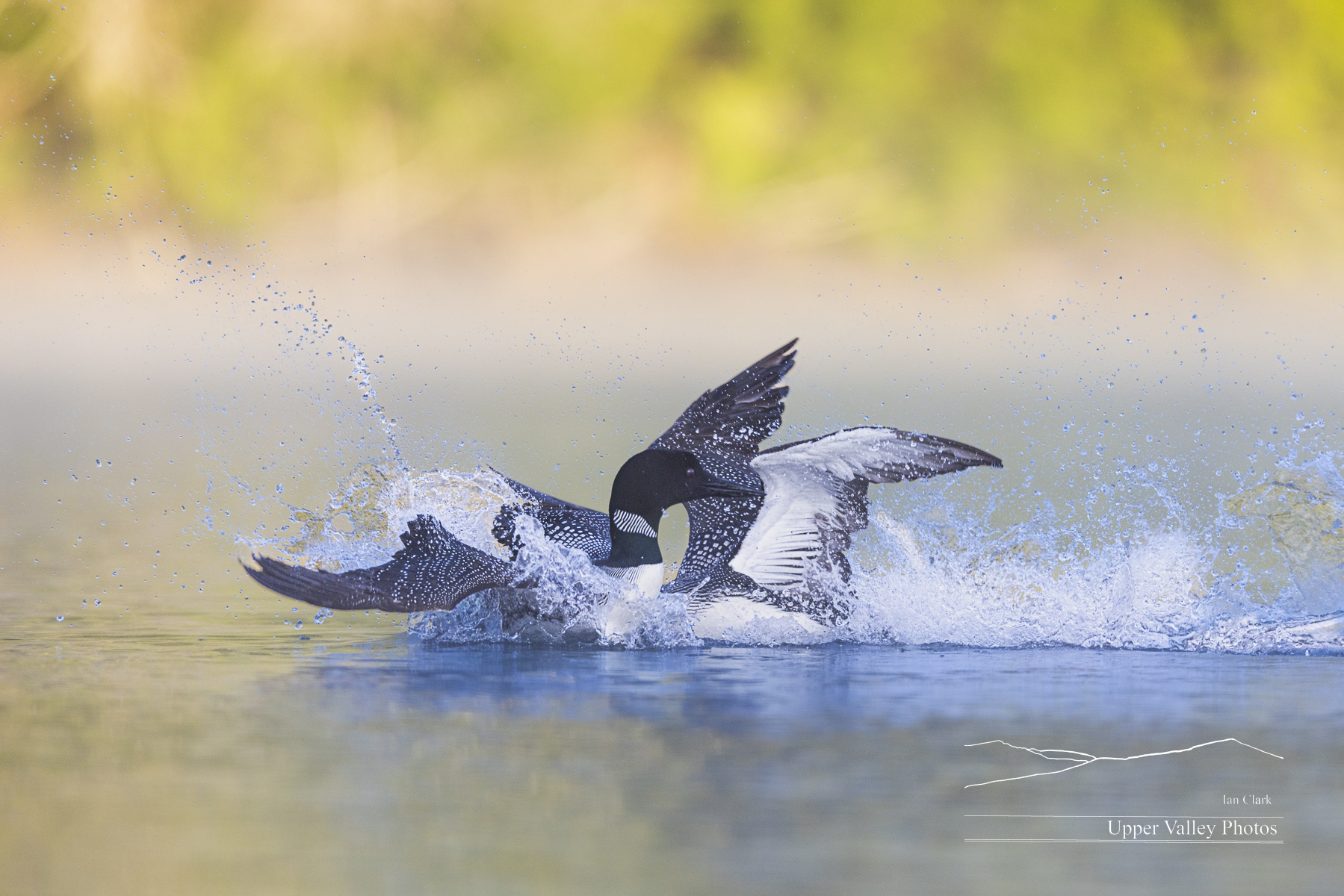
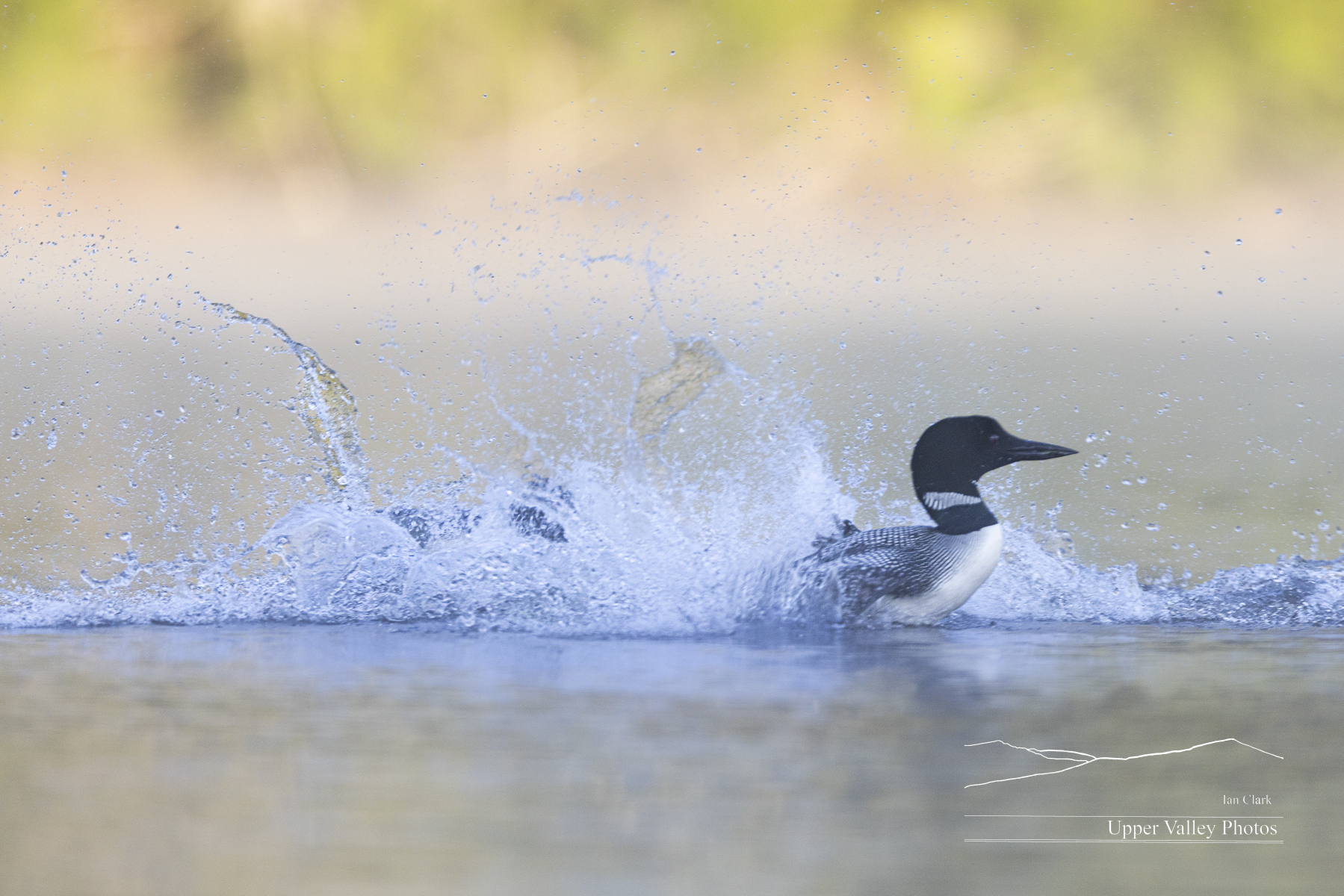
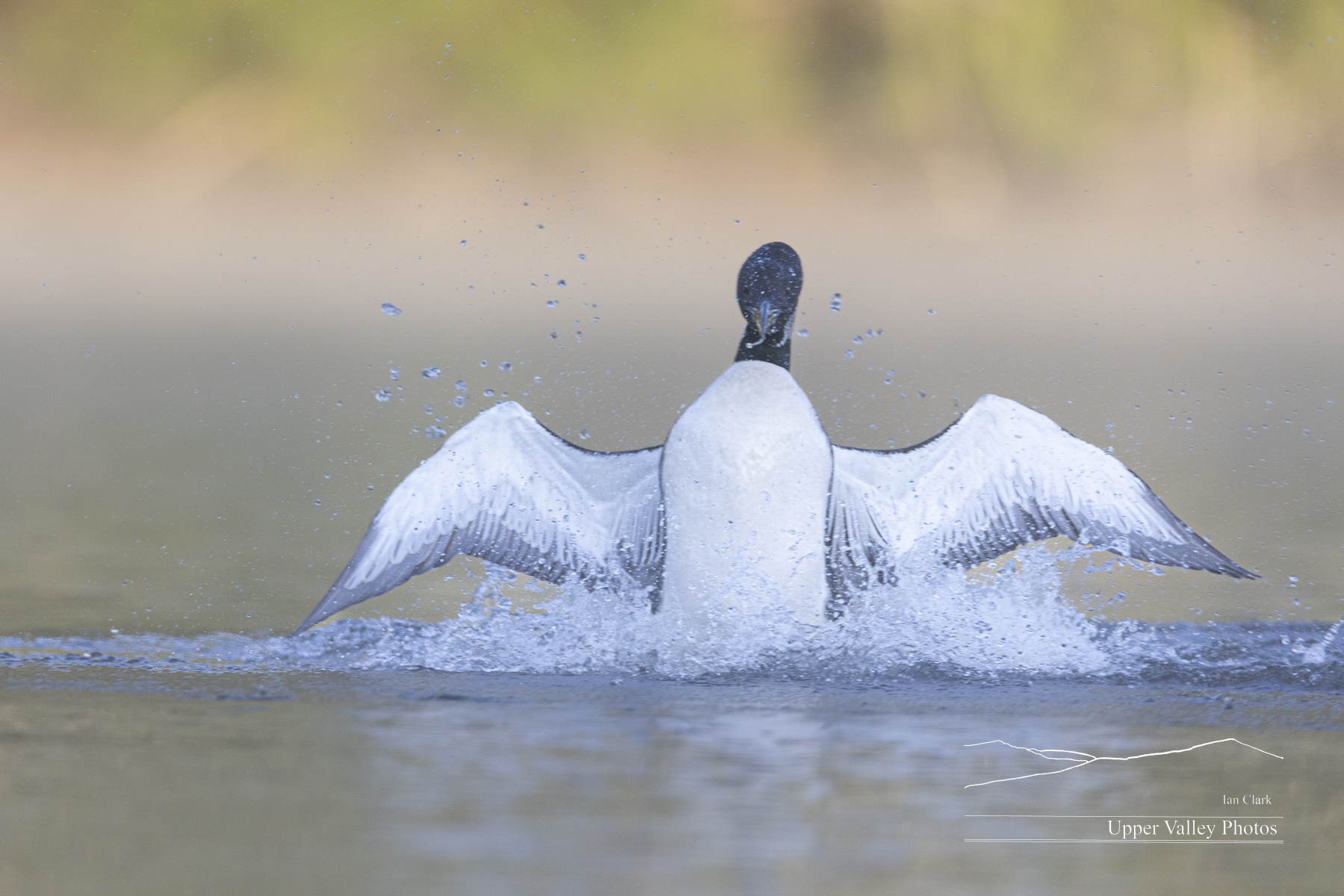
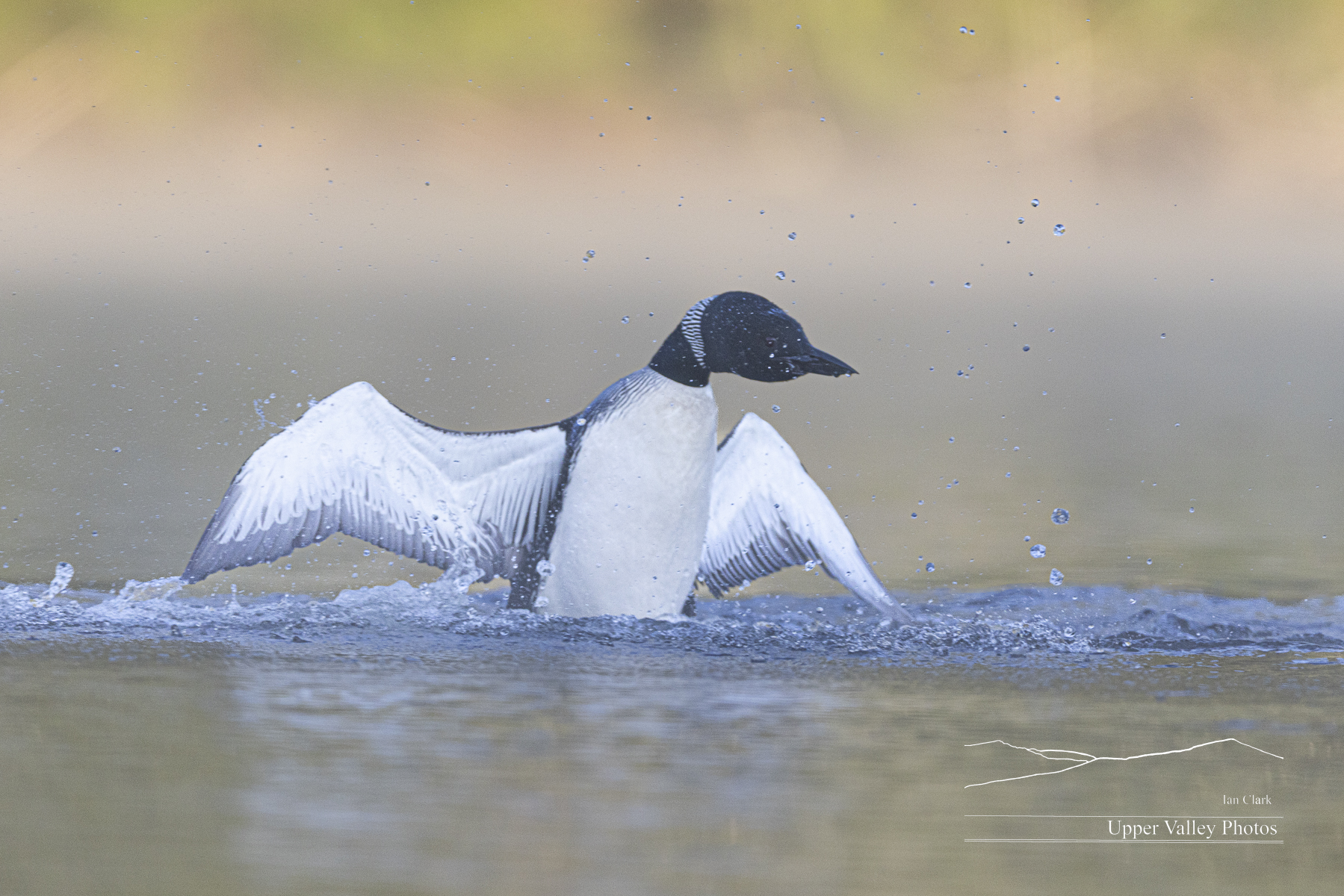
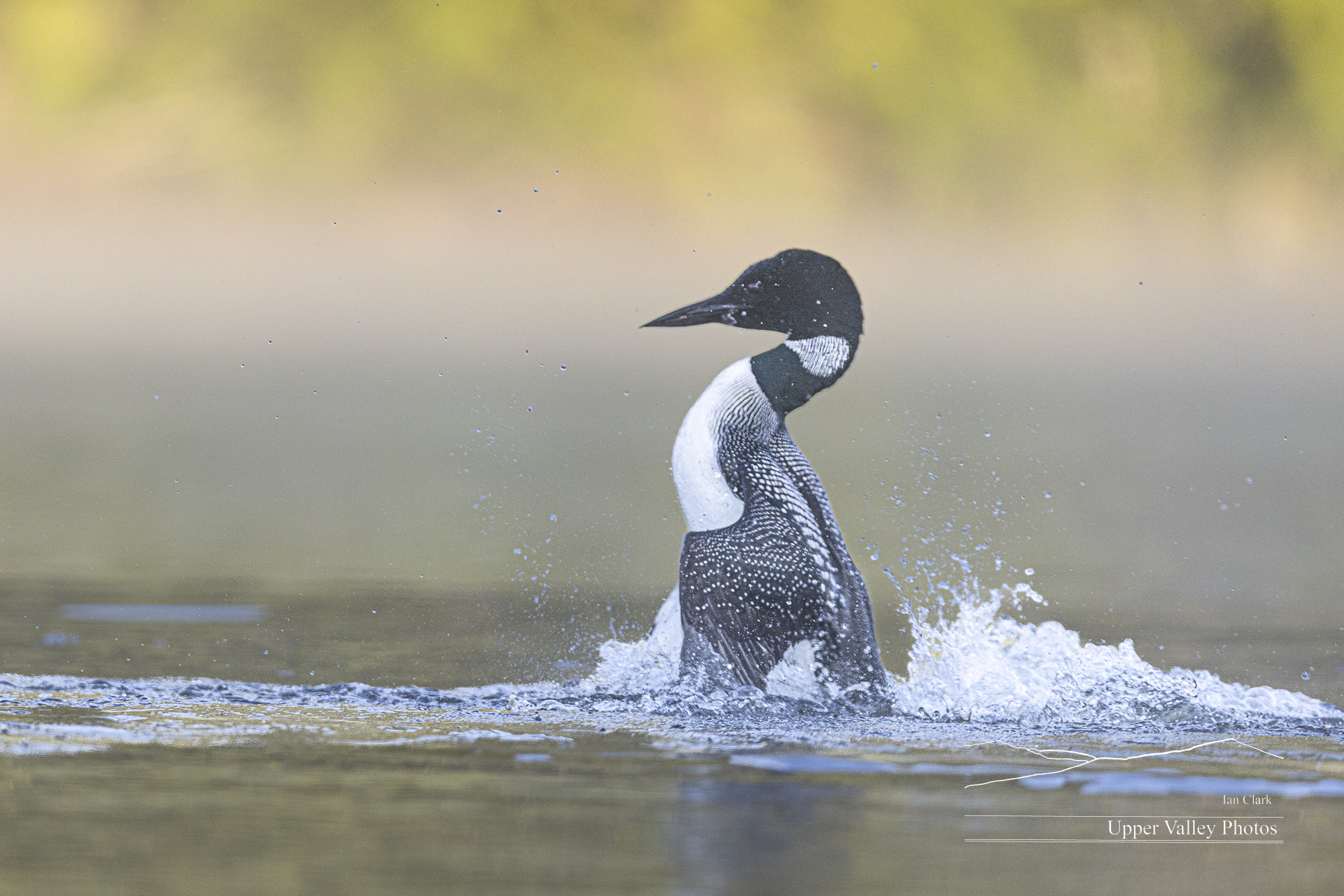
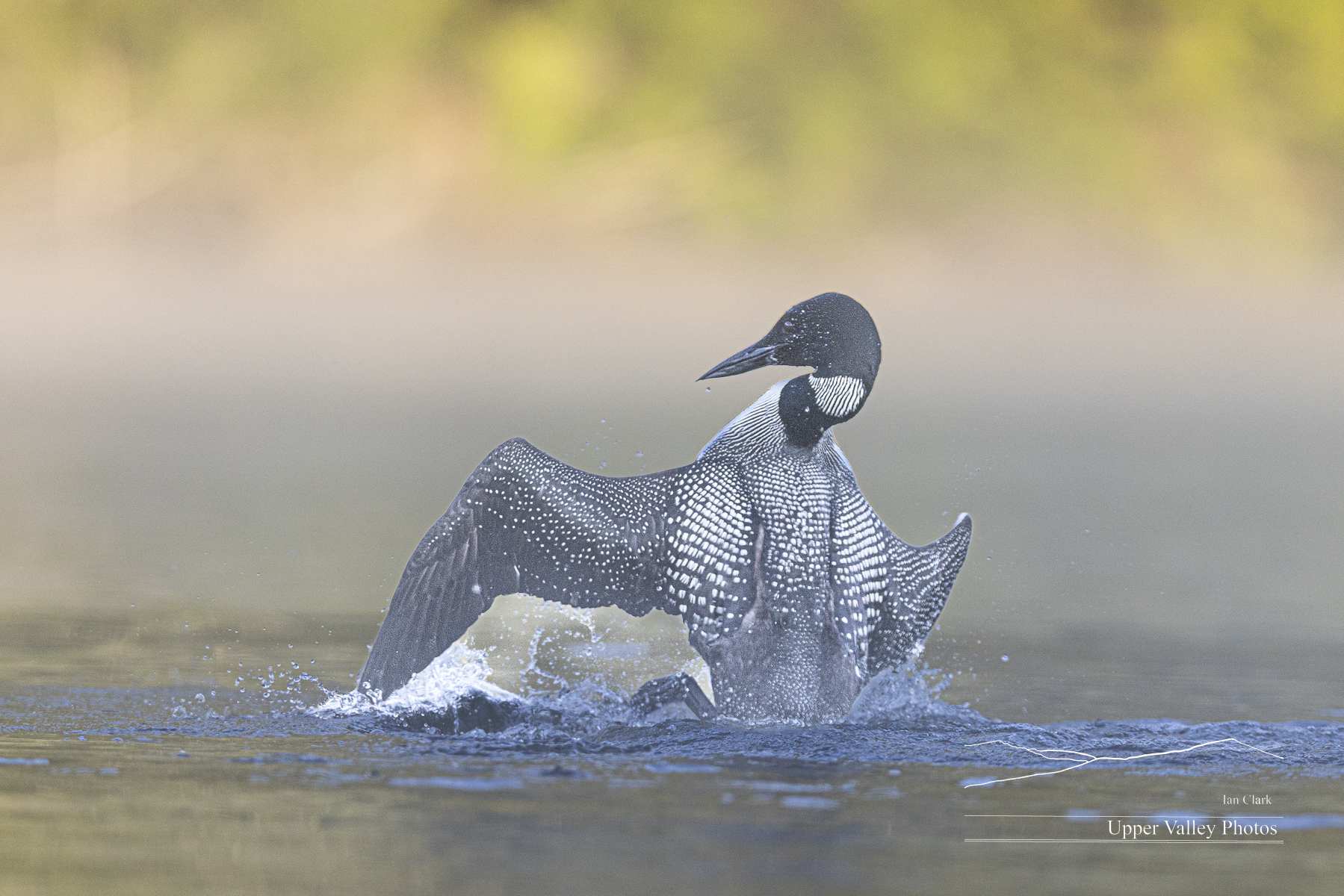
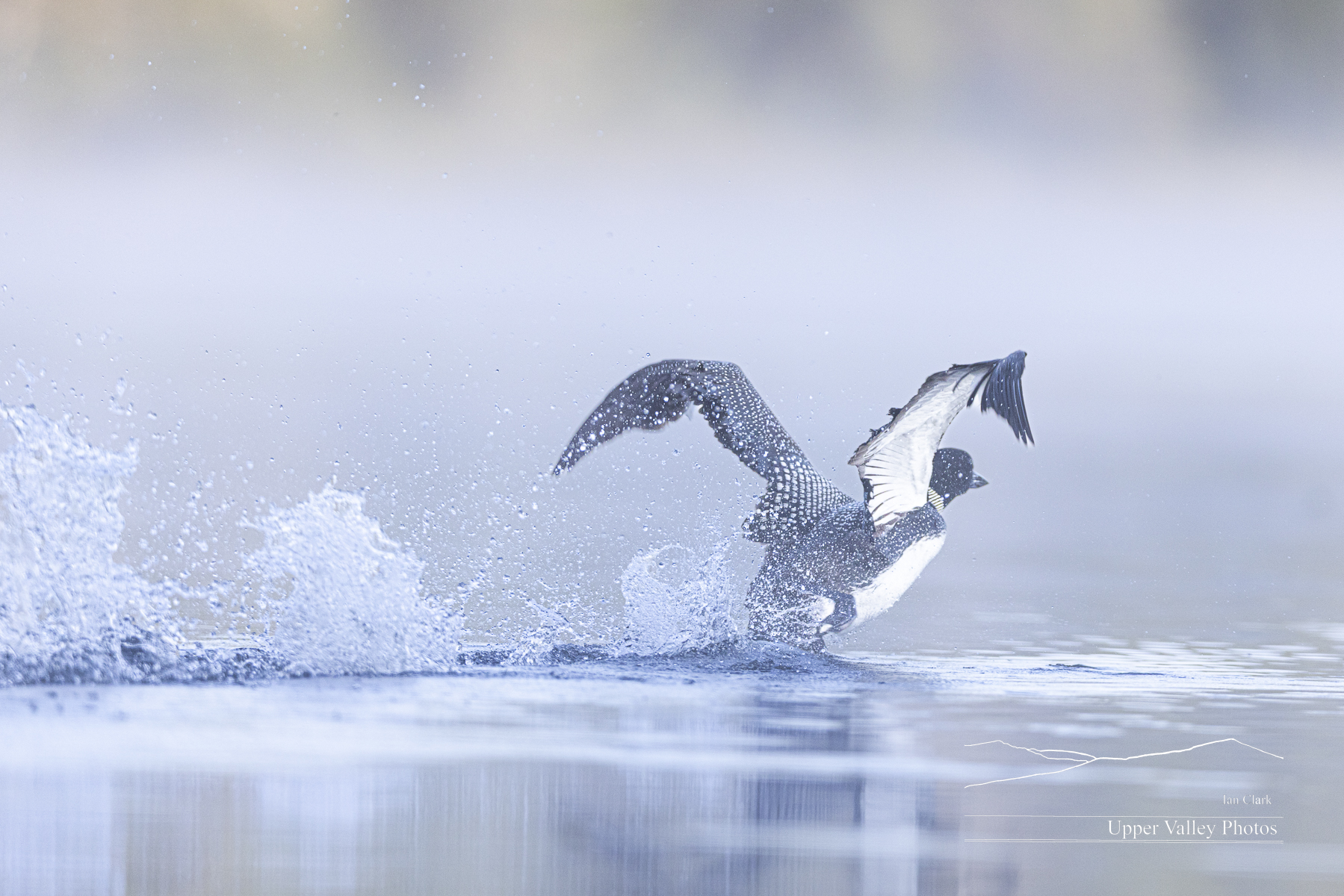
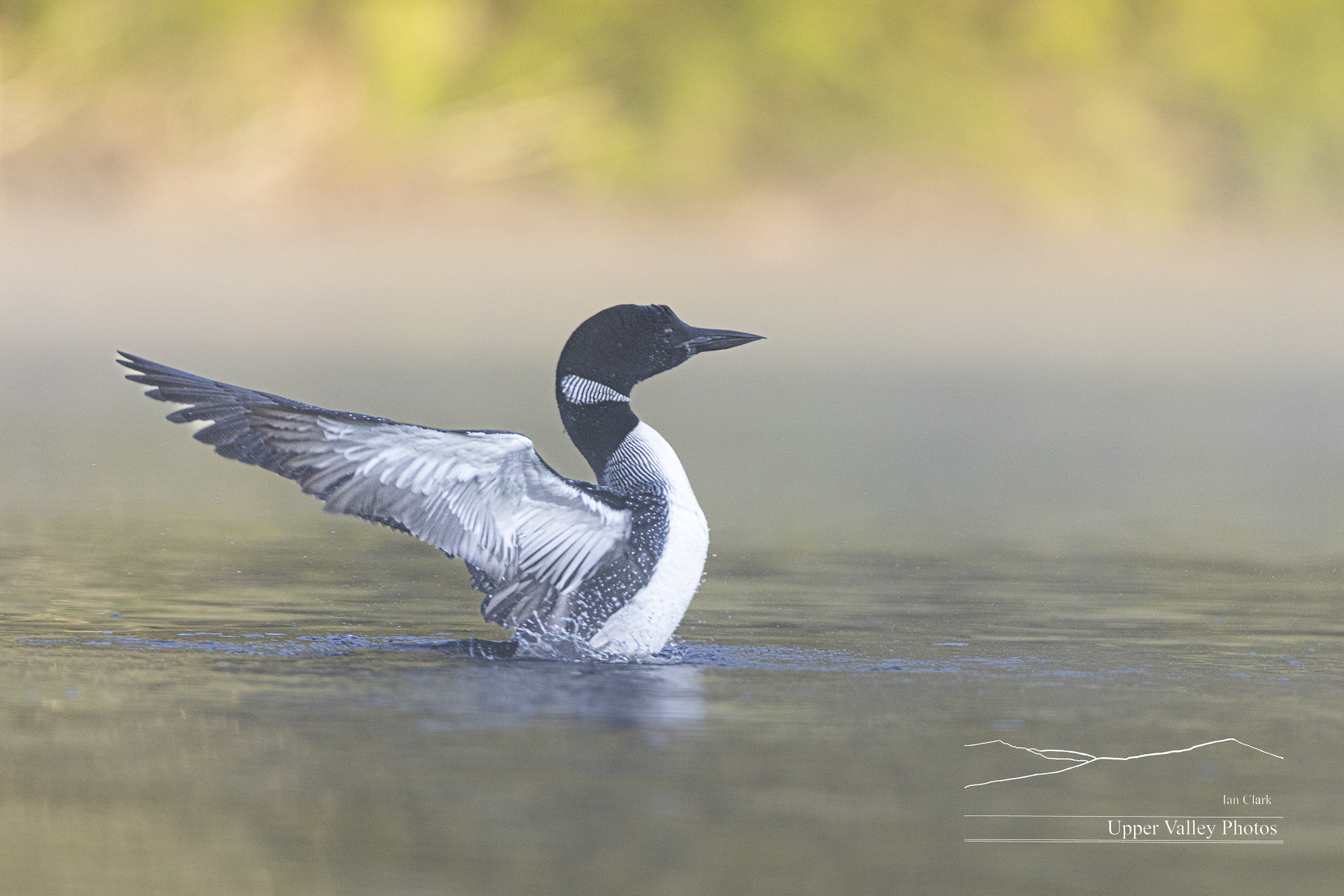
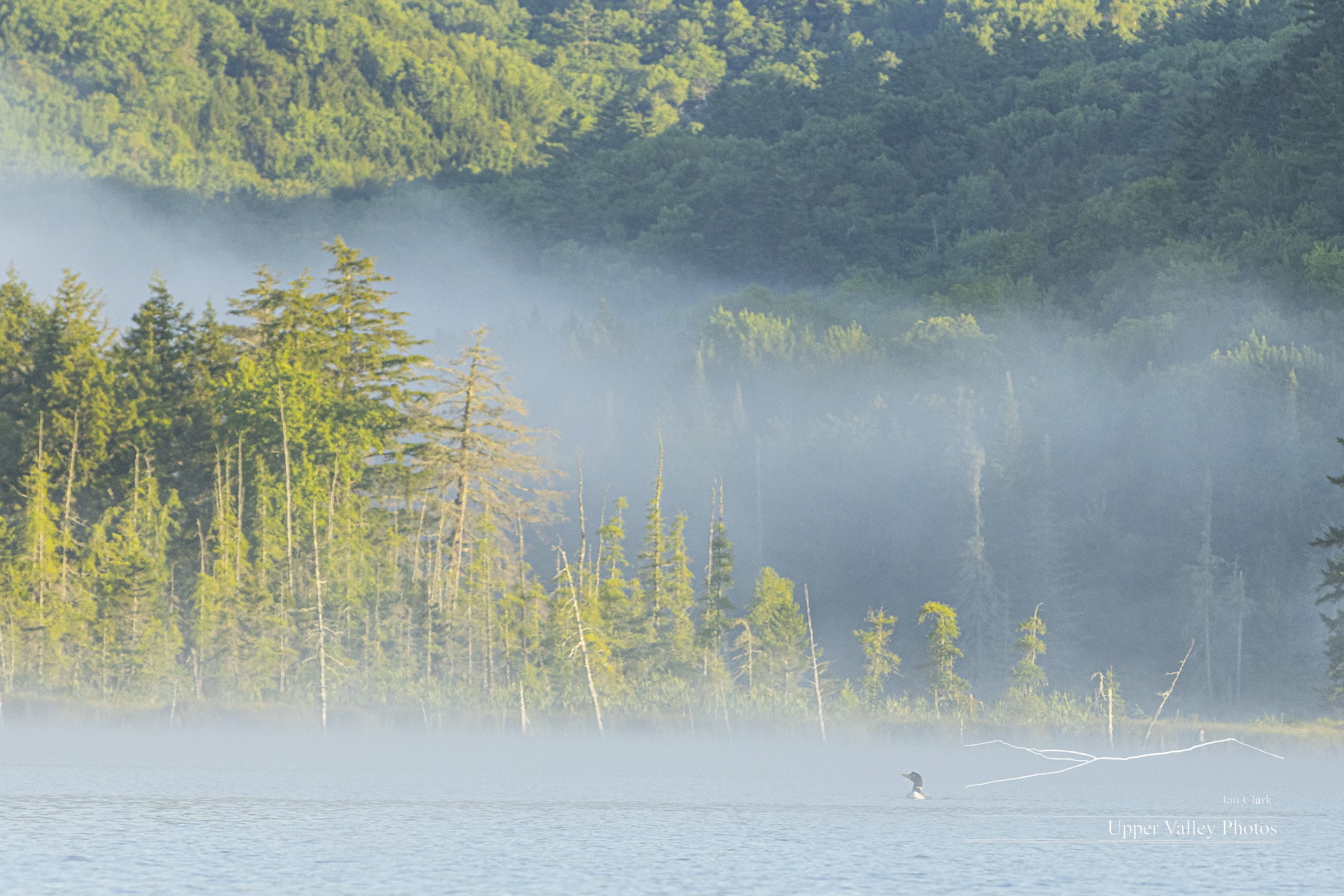
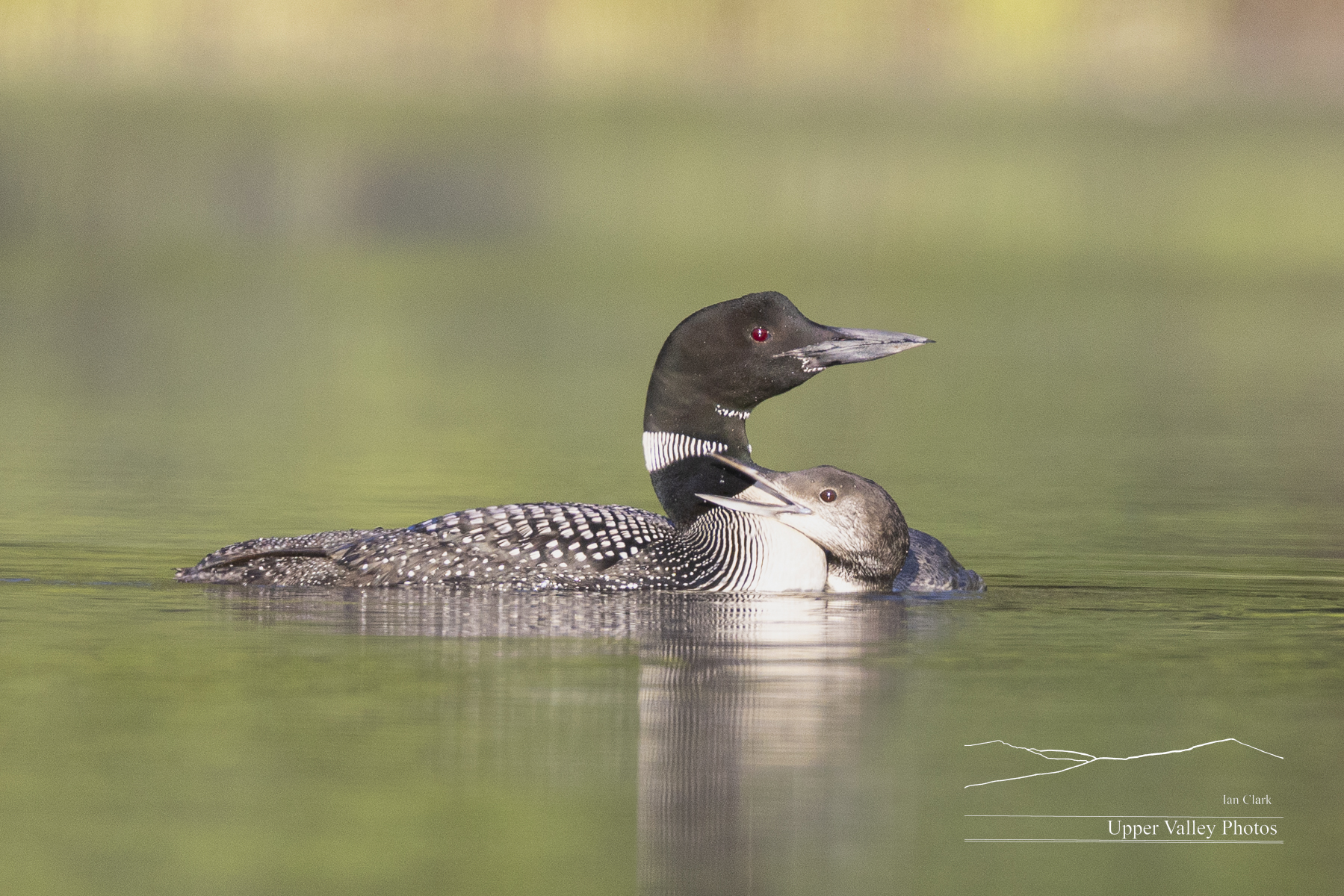
“Look, I know you’re fighting for our survival and all, but I could use a snack….” First things first…. dad ignored him and continued searching.
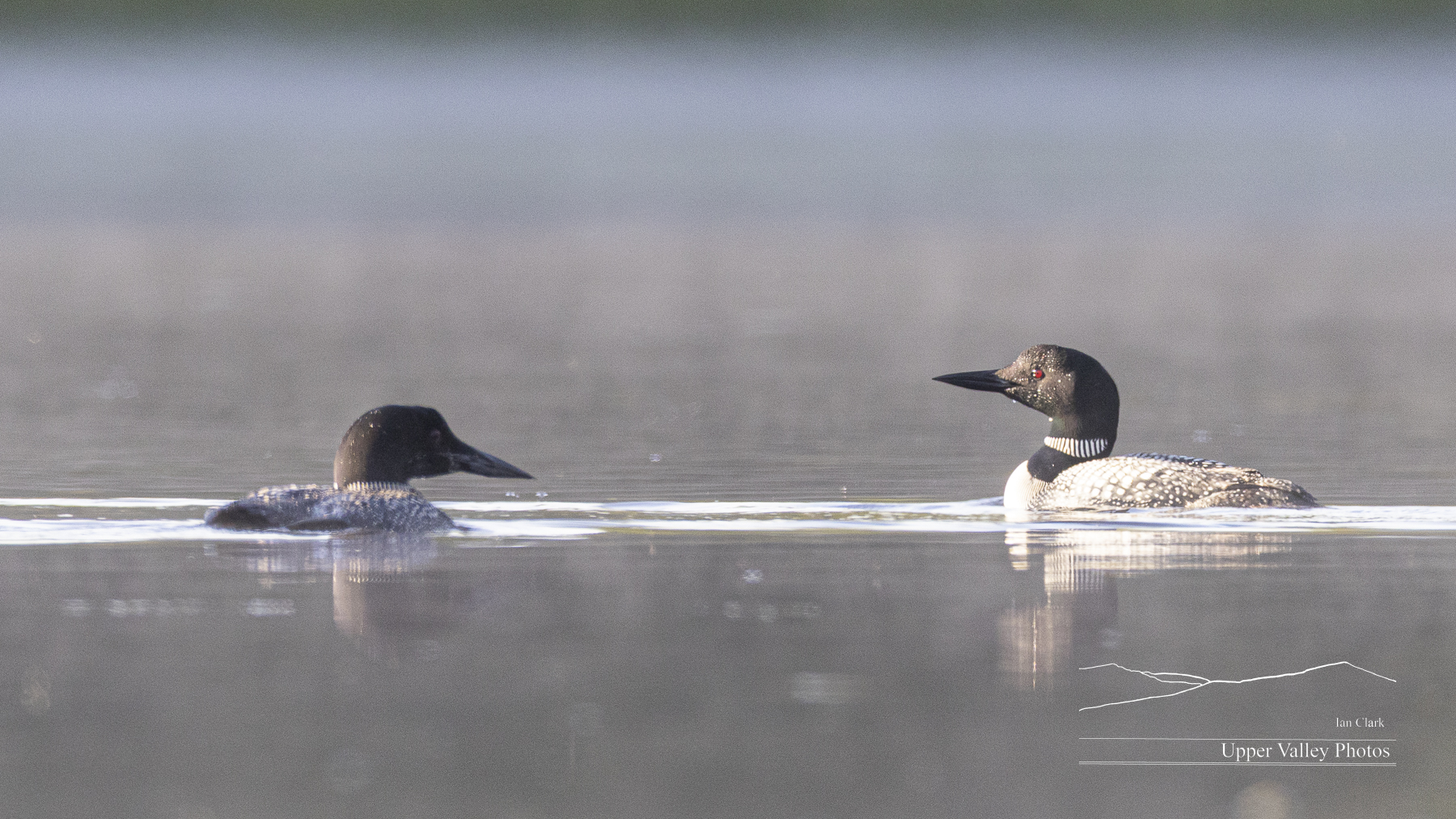
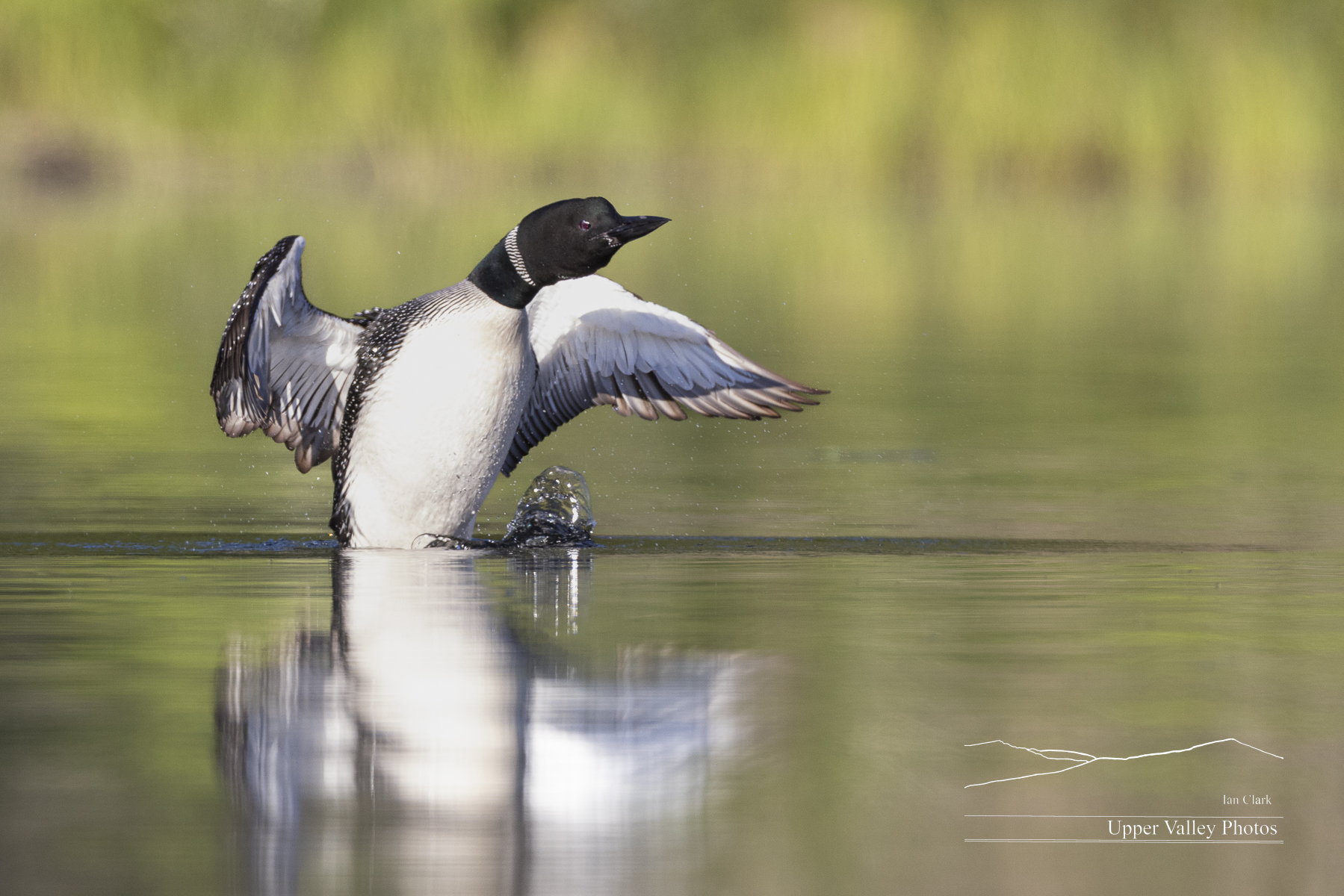
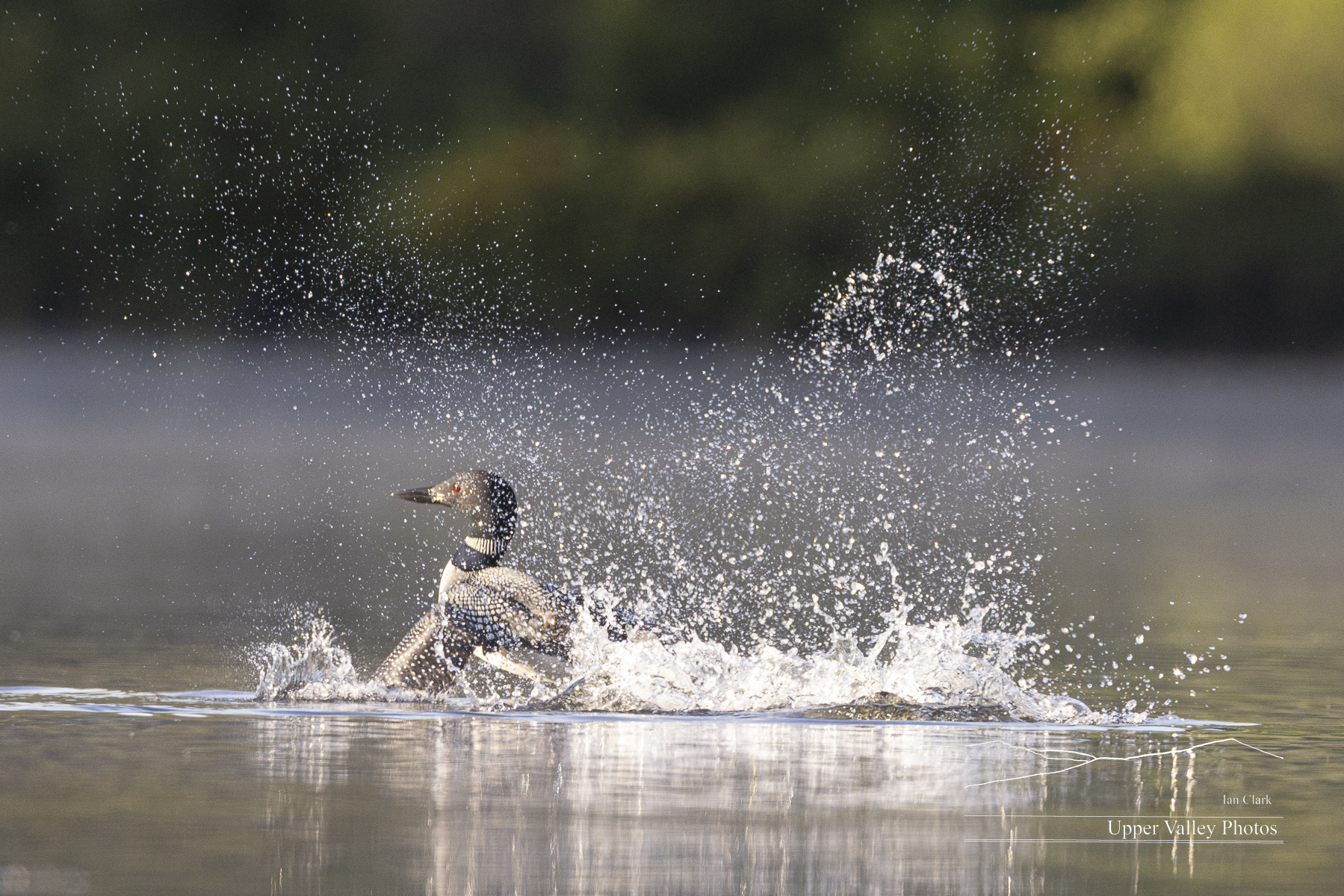
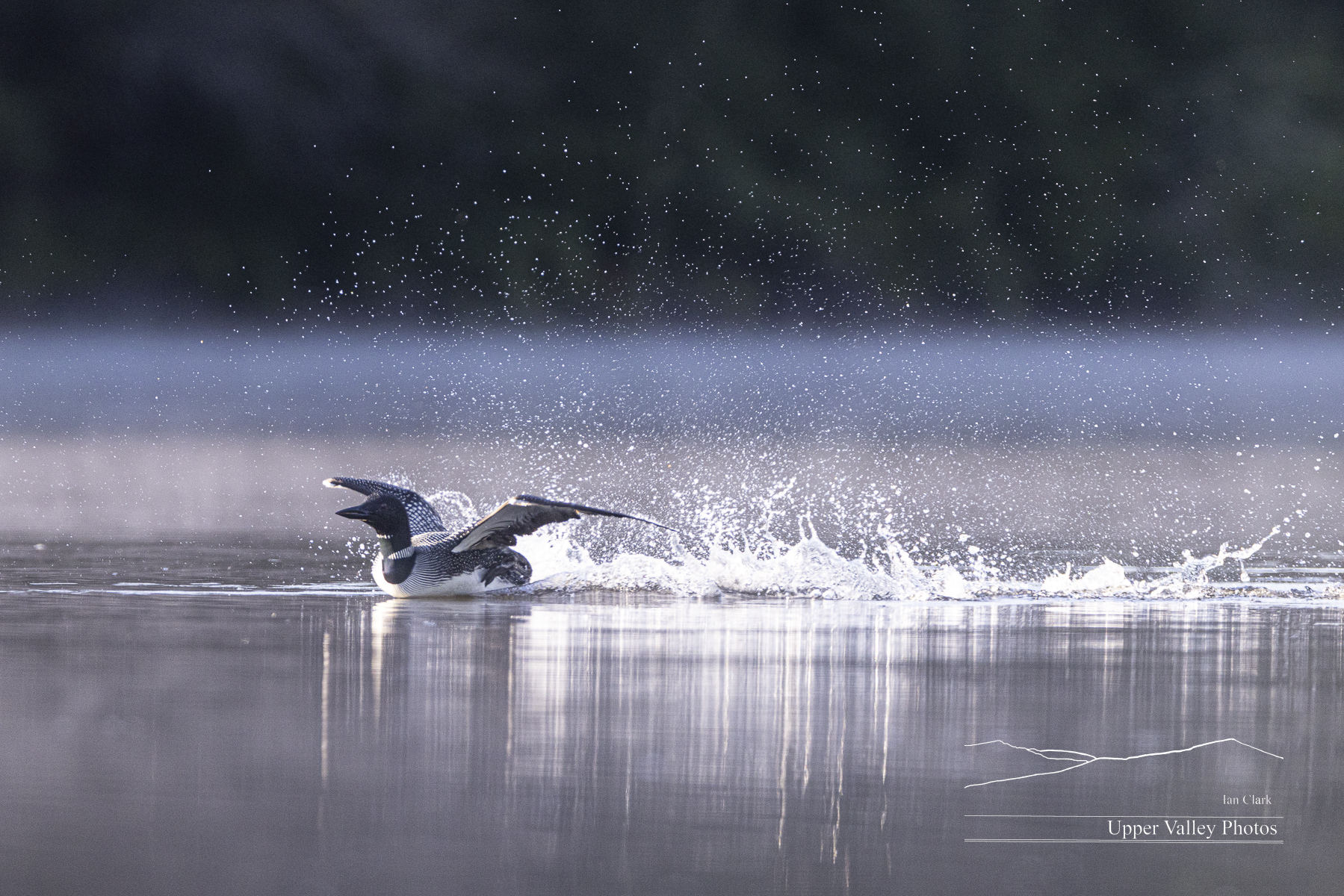
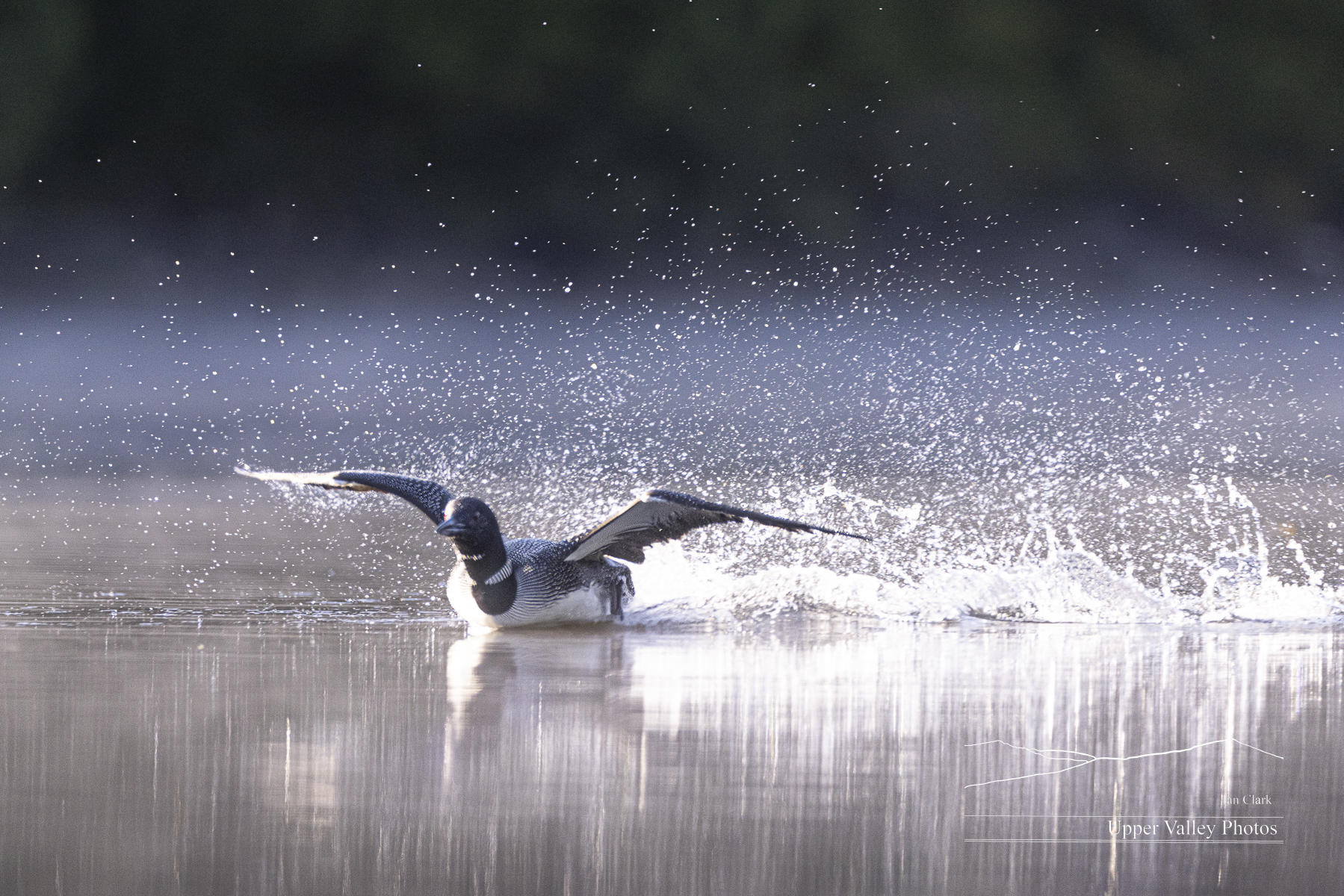
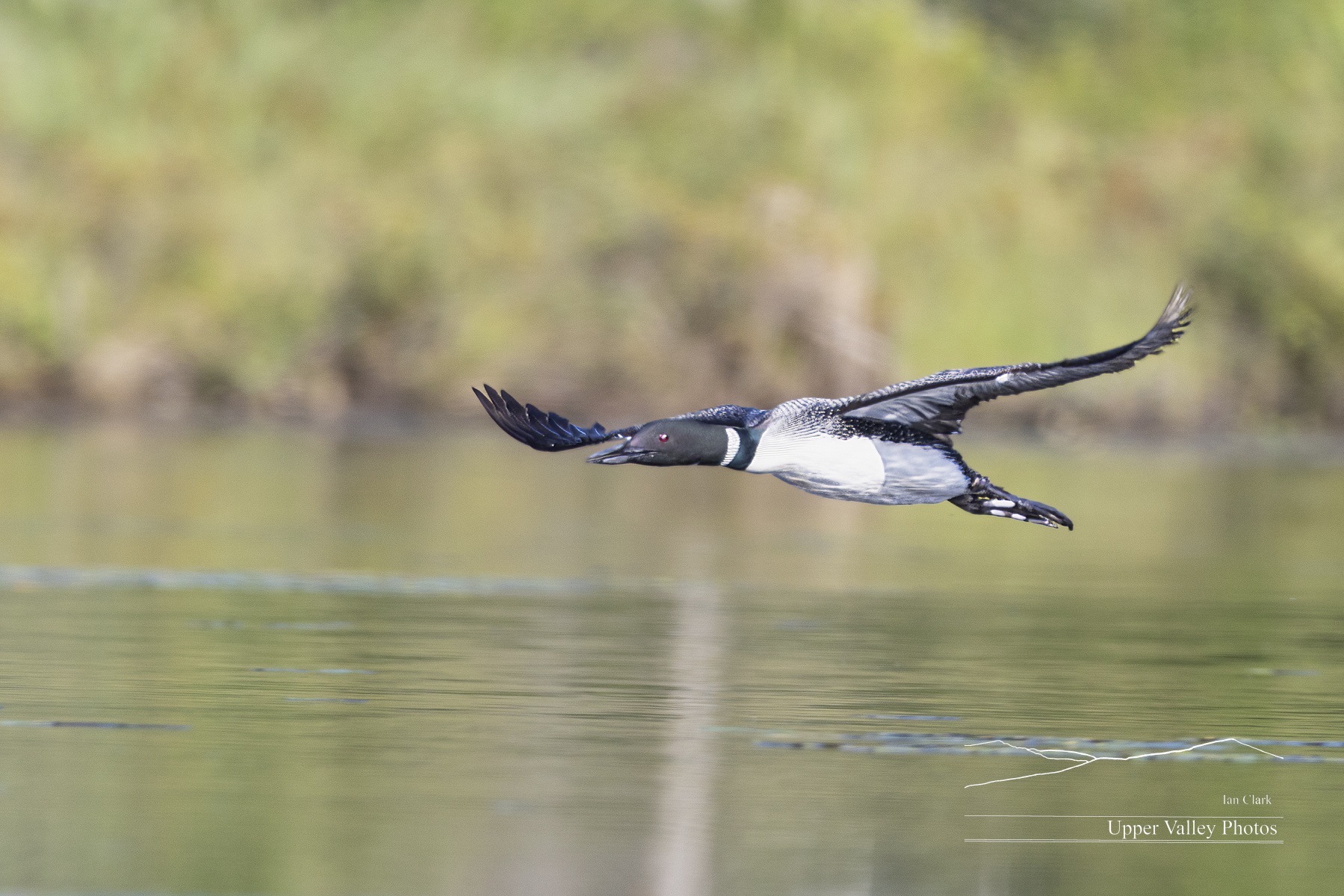
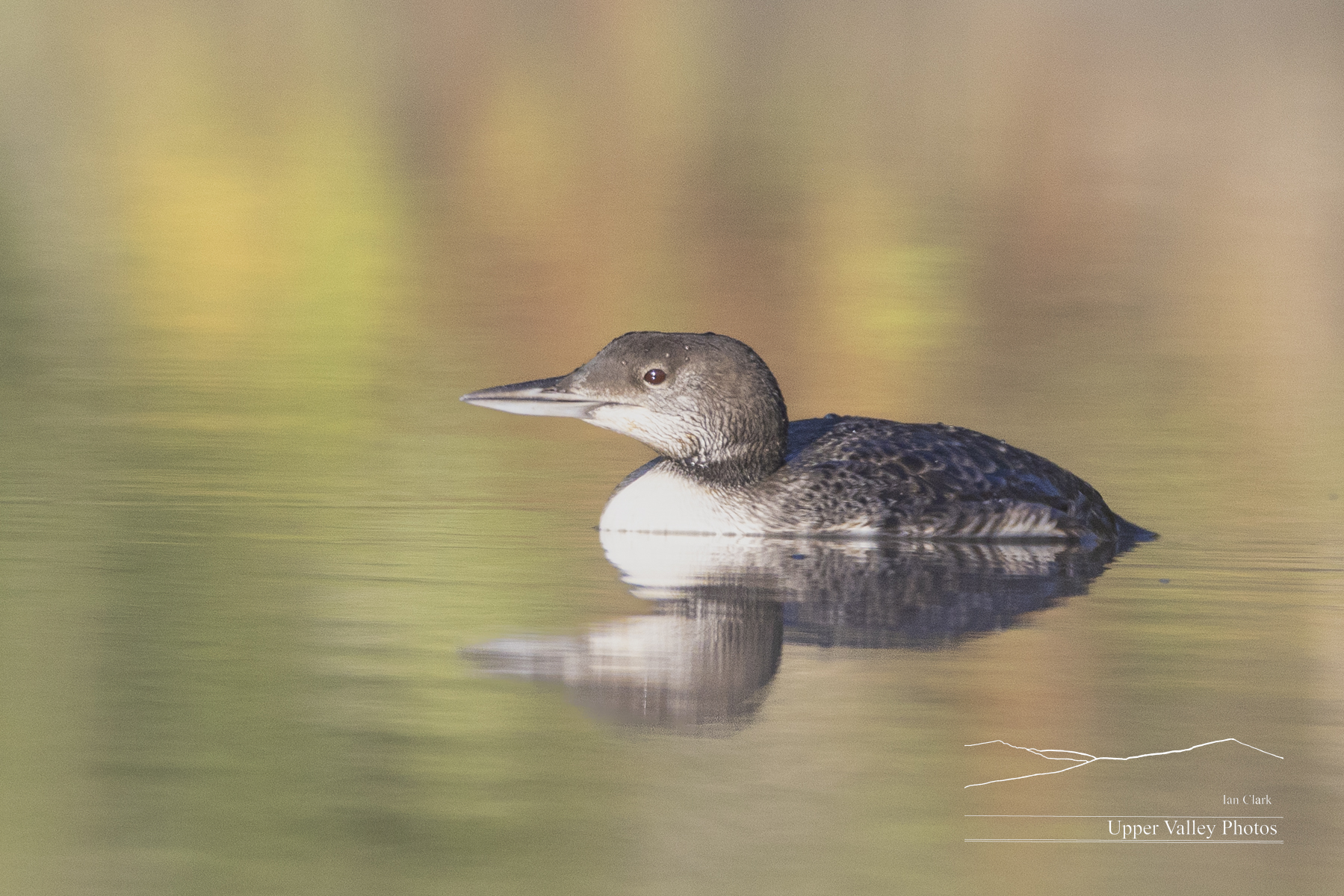
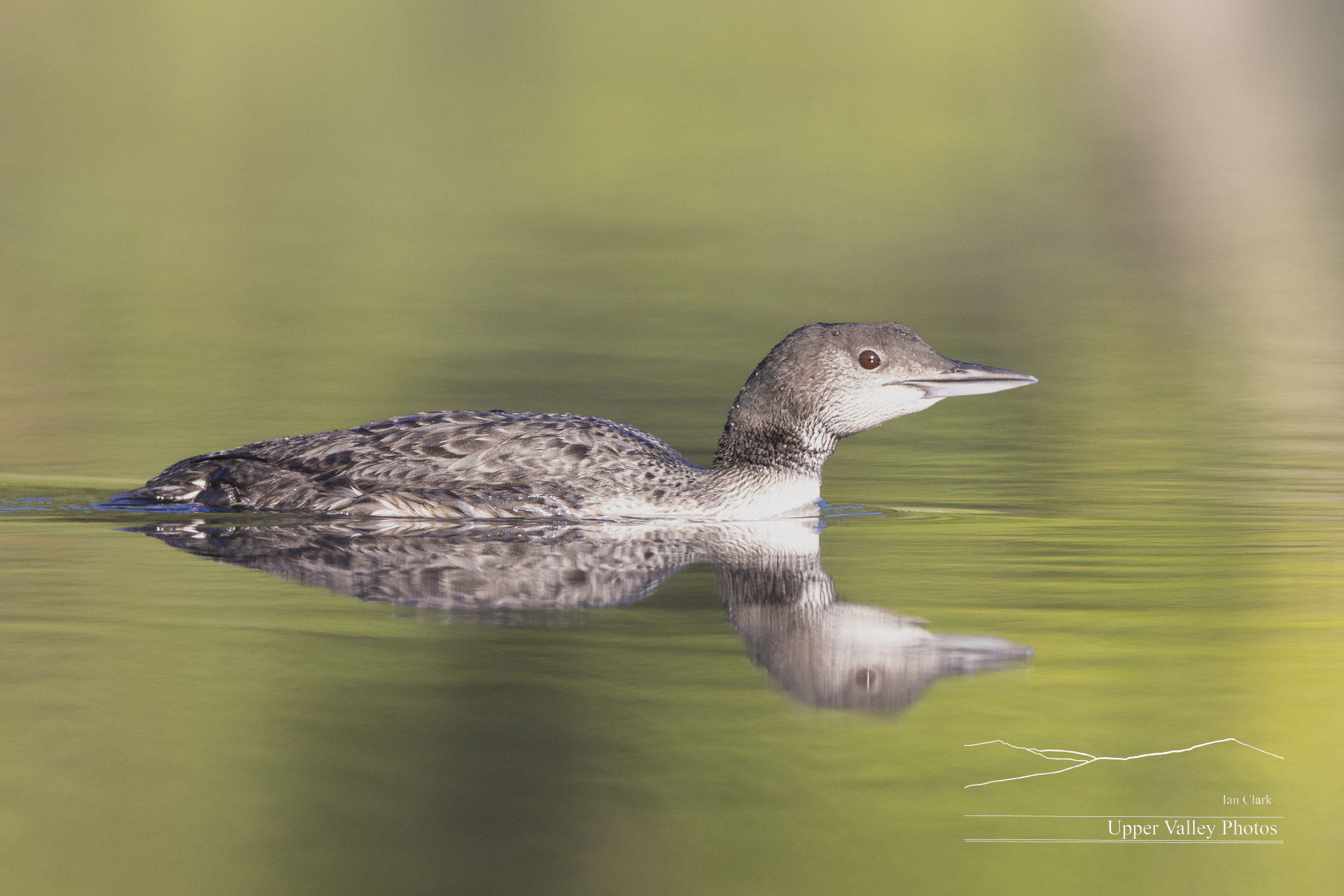
I’ll be back out again this week to see how everyone is doing.


Updates from the Eastons & Middletons
The Eastons and Middletons are doing well. I had a couple chances to visit the Eastons and one opportunity to visit the Middletons.
This will be my last post until mid-August. I’ll be at the League of New Hampshire Craftsmen’s Fair at the Mount Sunapee Resort in Newbury, NH Saturday August 2 through Sunday August 10. The Fair is open 10-5 daily. My 2026 calendars are scheduled to arrive this Wednesday and I’ll have them at the Fair. I’ve also got new note cards and prints, along with some favorites from past years. I’m in booth 718, please come by and take a look. If you can’t make it to the Fair, you can purchase my work through my web site at www.IanClark.com. All the details about the Fair are on the League’s site and you can buy your tickets at a discount online here.

There are a few more of the images I’ll have at the Fair at the bottom of the post. On to the loons….
On July 22, the Eastons’ pond was a pleasant 48° and foggy when I put the boat in.


In the previous skirmishes, dad had gone to fight off the intruder. Studies of banded birds suggest that most territorial fights are between loons of the same sex. This time mom went out to challenge the intruder. A different intruder? Mom was closer to the intruder when he landed and dad was closer to the chick. Maybe they were just being practical and let the closest loon handle it. Either way, there was a brief period of displaying before the intruder departed.


Or maybe they were just waving goodbye as I gave them best wishes and headed for home.
The next morning dawned with clear skies above home, with fog down in the Valley. I headed down to visit the Middletons, hoping the fog would lift.

The Middletons spent about half an hour foraging in their favorite breakfast cove. Without appearing to catch anything. At least nothing they surfaced with. The parents seemed to get agitated at the lack of success. When loons are foraging, they usually dive and surface gracefully, not making much of a splash. When they’re agitated as when there’s an intruder, they dive more aggressively with large splashes. This morning as they foraged, they started kicking up large splashes.
Mrs. Middleton swam close by my boat. I could see her coming and had a chance to get my GoPro in place. The bubbling sound is air bubbling out of my cheap selfie stick.


Yesterday morning, my wife joined me as we headed back to check on the Eastons.
The Loon Preservation Committee had invited me to accompany them to band Mrs. Easton on Thursday evening. I couldn’t make it and was curious to see if they’d been successful catching and banding her.


Just after stretching, dad dove. I assumed he’d gone downstairs to find some breakfast. But soon there was fast moving wake headed my way. Dad was just under the surface and making good time.
He surfaced just behind me, keeping low to stalk something. He dove again and again surfaced keeping low. I couldn’t see what he was after.


The Loon Preservation Committee manages to band something like 30 loons every summer. With a population of roughly 750 loons in New Hampshire, they’re getting a sizeable portion of the population banded. That lets them study things like how many of the loon pairs stay together year after year, how old the loons are when they’re observed doing things like nesting. There’s lots to be learned from LPC’s work.


And a few more of the images I’ll be exhibiting at the League Fair:


A pair of Guernsey cows greet visitors to their pasture.


A favorite from past years. This is dad Easton resting with the chicks as the sun rises over their pond. This image is offered in a limited edition of 12 prints.

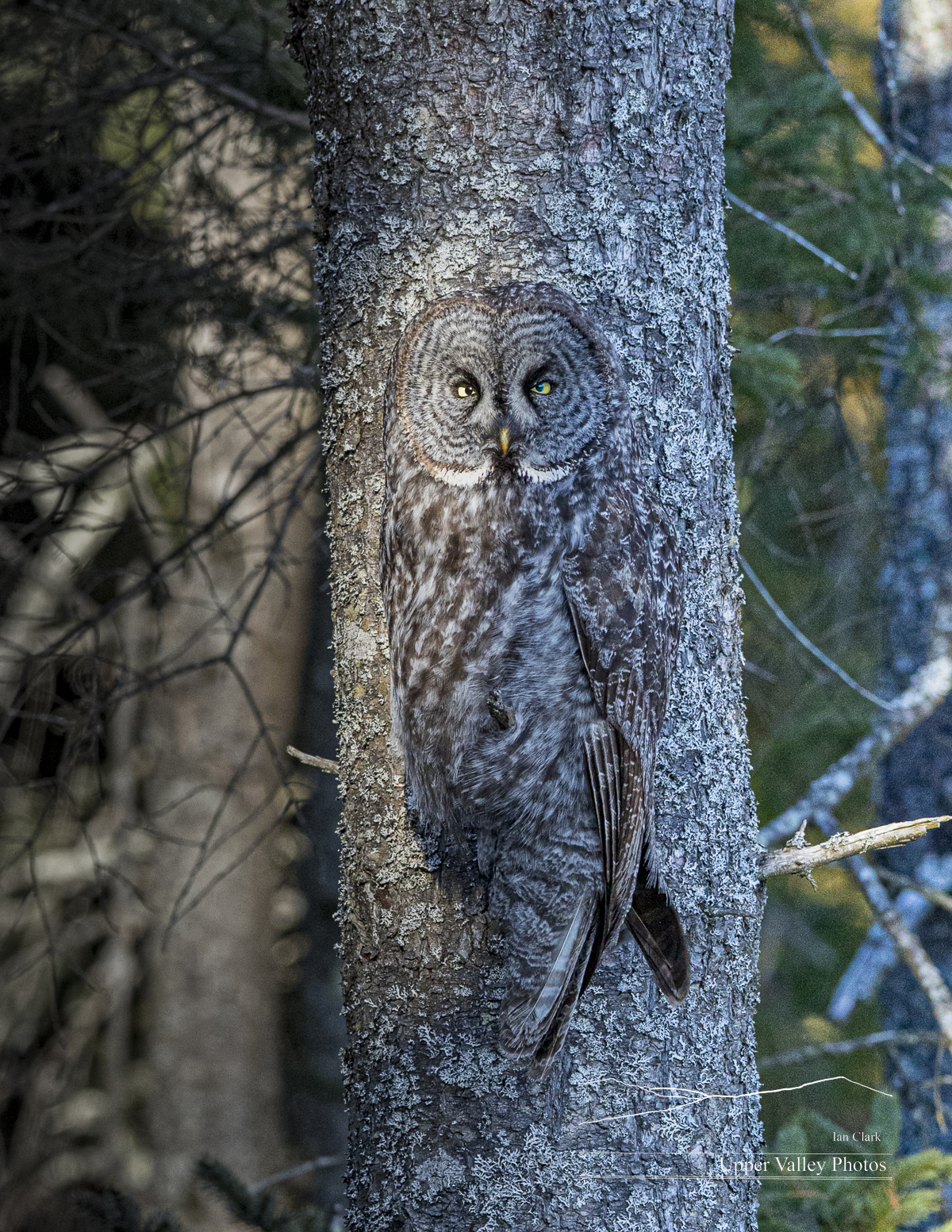
A great gray owl shows off his camouflage against a tree. Great grays are rare visitors to New England, this one visited Newbury, VT in 2018.

I’ll have lots more images along at the fair, including lots of loons. Come have a look.


The Eastons Have a Chick, Littleton Getting Big
I made it up to visit the Eastons Tuesday morning and met their chick. Wednesday found me back visiting them and yesterday I dropped in on the Middletons.
The League of New Hampshire Craftsmen’s Fair is coming up quickly. We’ll be at the Mount Sunapee Resort in Newbury, NH from Saturday August 2 to Sunday August 10. I’m in tent seven with note cards, my 2026 calendar and lots of prints. I’m busy printing new images including loons, herons, owls, a lighthouse and more. Stop by and have a look.

The Eastons got off to a late start this spring. The Middletons did too. I wonder if all the rain delayed their plans? The Eastons hatched their chicks the third weekend in June for several years. Last year, they lost their first clutch of eggs, the second clutch didn’t hatch until the third week of July. This year they laid two eggs, one didn’t hatch.
When I arrived, mom was foraging near the boat launch. She disappeared while I was unloading the boat.


Just a reminder, I’m using a 600mm lens and sitting well back to avoid bothering the loons. This image is heavily cropped.


Dad was staying away longer than usual, he was back up the pond somewhere near the boat launch. I figured I’d see him on my way out.
As headed in, I saw what I thought was dad at a distance. He was low in the water – stalking something. I had only a brief glimpse before he dove. A few seconds later, there was a loon in another direction. It seemed like he’d moved very quickly – likely too quickly. I looked around where I’d seen the low riding loon. While I was looking behind me, a ruckus broke out in front of me!


The intruder hid behind my boat for a few moments before diving. Dad dove too and I lost track of both of them. Over the next half hour, I got brief glimpses of both surfacing – staying low – stalking each other. They hadn’t come to any conclusion by the time I had to leave.
Yesterday’s forecast was for thunderstorms at dawn. When I got up and looked out, we had clear skies with some fog down in the valley. I headed out to call on the Middletons. I found the family foraging in their favorite breakfast cove well before sunup.
Mom dove. I thought she was just foraging. She popped up outside the cove. That was a bit unusual.


The clouds were moving in and the wind came up. I headed home to get to work.


Along the Connecticut Shore
Back on July 3, Chris Roberts, who runs the great Vermont birding – PLUS Facebook group, offered to show me some of his favorite spots along the Connecticut Shore. They were all well west of what little Connecticut Shore I’d explored.
Chris is a serious, hardcore birder. Meaning he’s nuts. I offered to drive and asked how early we’d have to leave to get to the shore for sunrise. He was game for me to pick him up at 0300. That’s cool, unfortunately I was going to pick him up some 80 miles south of me. Hitting the road at 0130 to be on location for sunrise isn’t all it’s cracked up to be.
Along the way to pick him up, I got my closest ever look at a black bear. I didn’t get to enjoy it as much as I’d have liked, I was too busy standing up on the brake pedal. The bear sauntered onto route 91 and stopped in my lane to see what was coming. I managed to stop with 20 or 25 feet to spare. The bear had a good look at me and continued on his errand.
We arrived at the beach as the sun rose and set out to see what we could find.


At the next spot, we found a pool with several herons and egrets. Chris spotted a tricolored heron, I saw a clump of brush. We moved on.


Lots of interesting critters to watch and photograph. I’m looking forward to getting down there again for a longer stay.