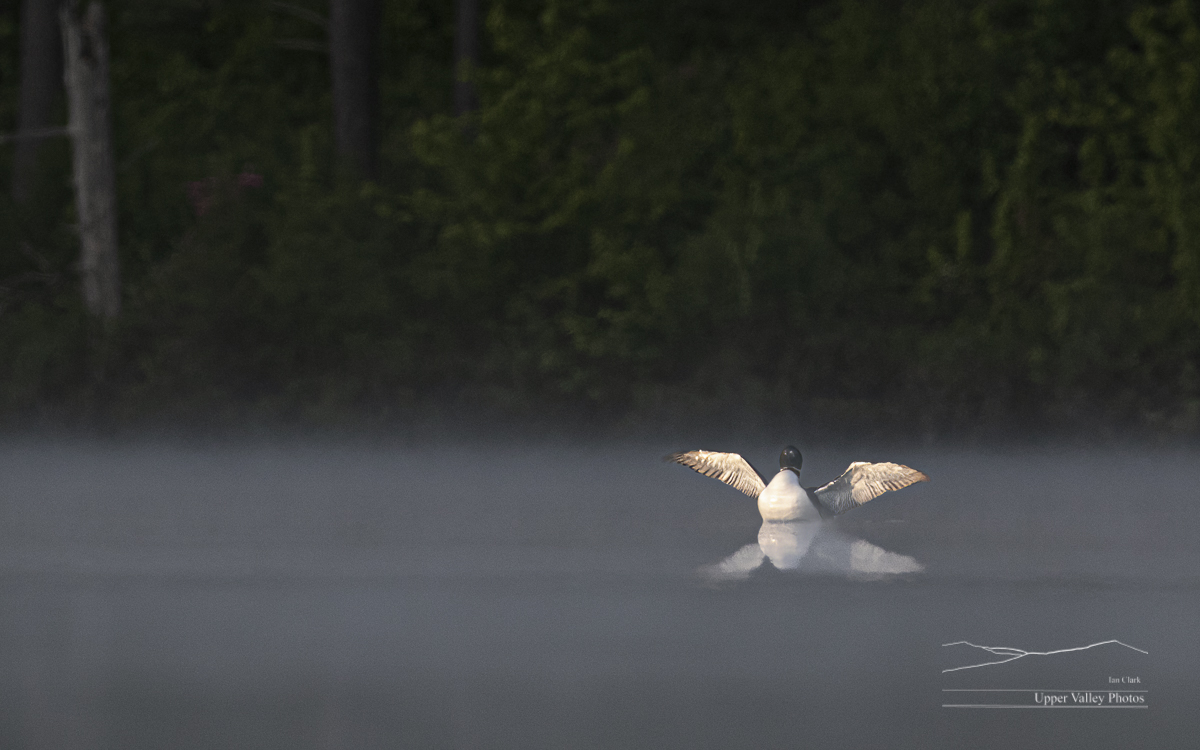
Loon Chicks Have Hatched

The strong winds over the weekend kept me home – pacing wondering how the loon chicks were doing. This morning, the wind was calm, and when I got to the pond, it was fully five degrees above having to worry about breaking ice while kayaking. I was able to check on two loon families.

First, our bluebirds are back for a second clutch. I’m not going to post daily updates for them this round, just too many things going to keep up with them.


If you’d like to see loons, take a look at the Loon Preservation Committee’s site, they host paddling trips where you visit lakes where they know there are loons with one of their biologists.

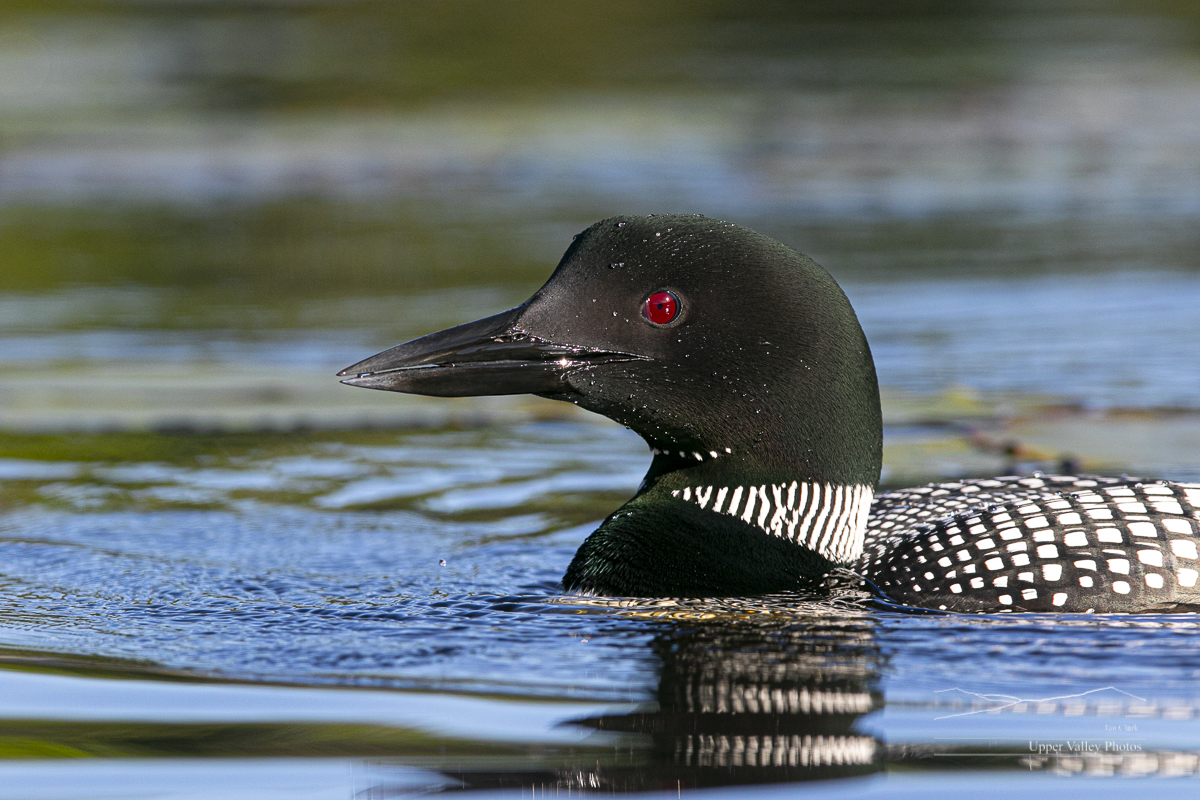
All the loon photos are taken with long telephoto lenses and cropped to let me shoot without disturbing the birds.
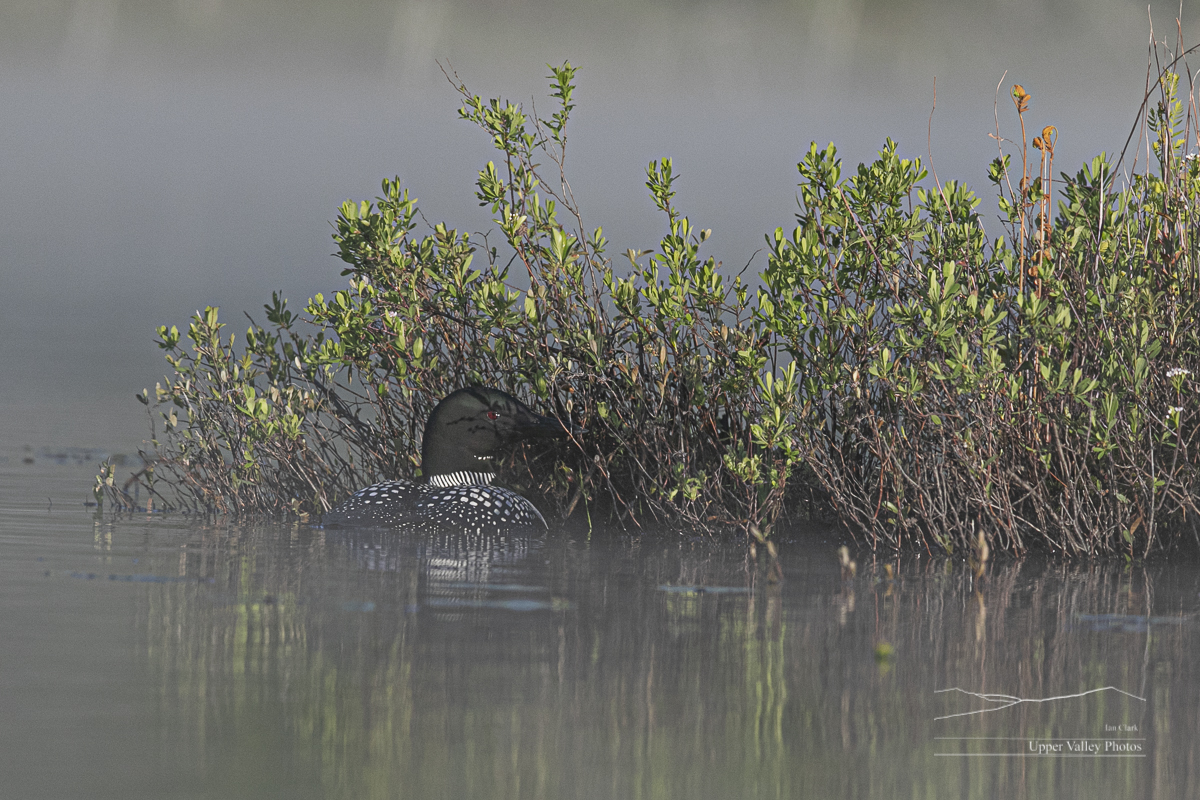
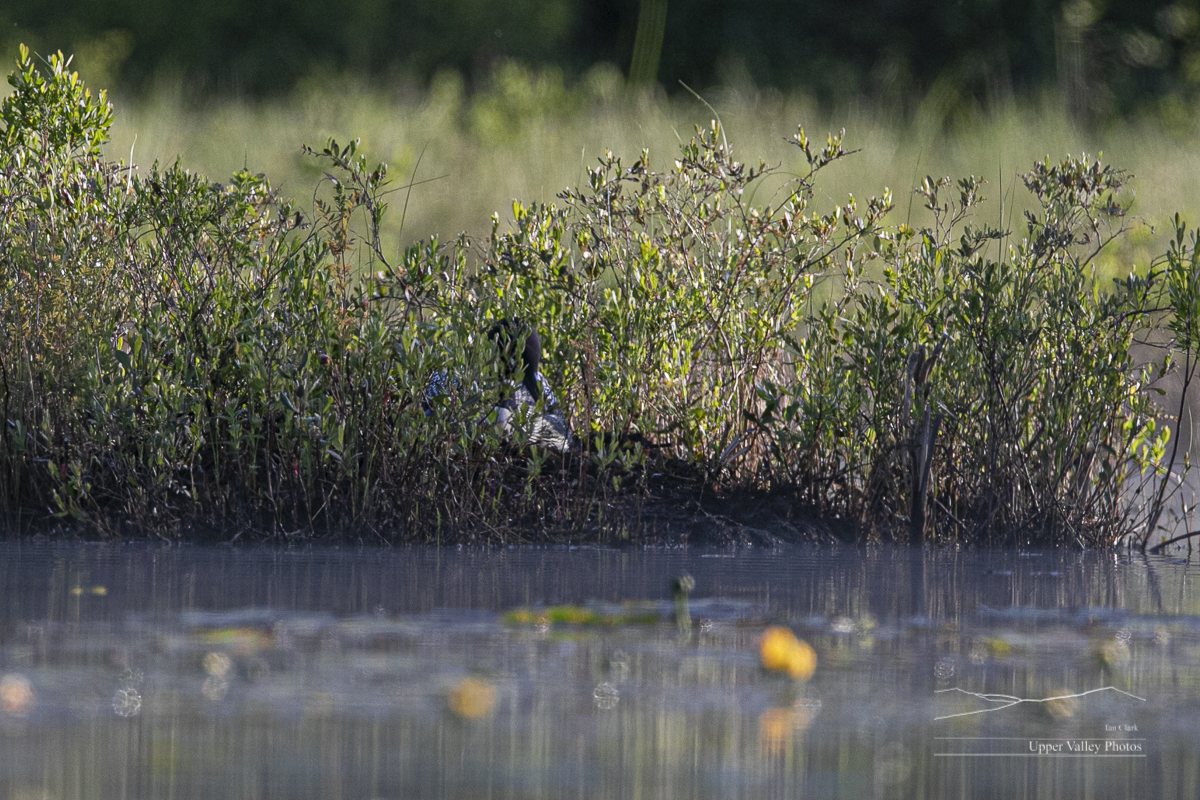
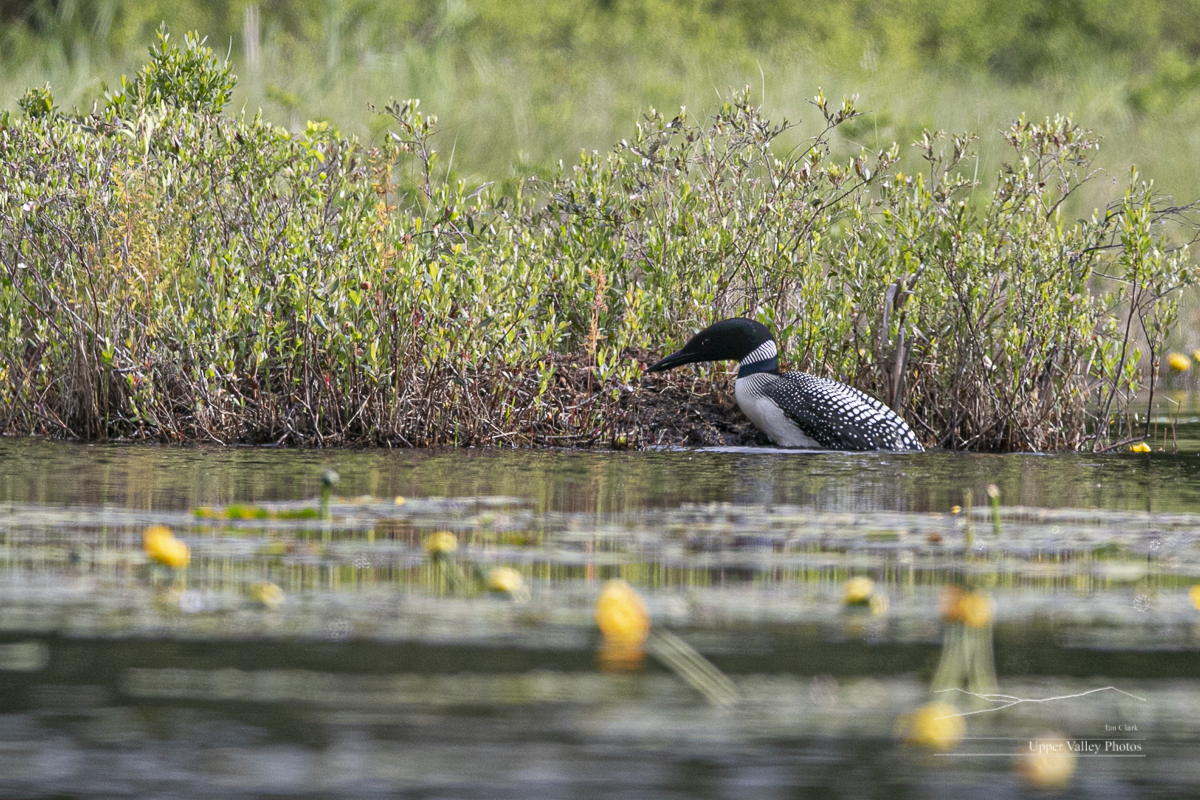
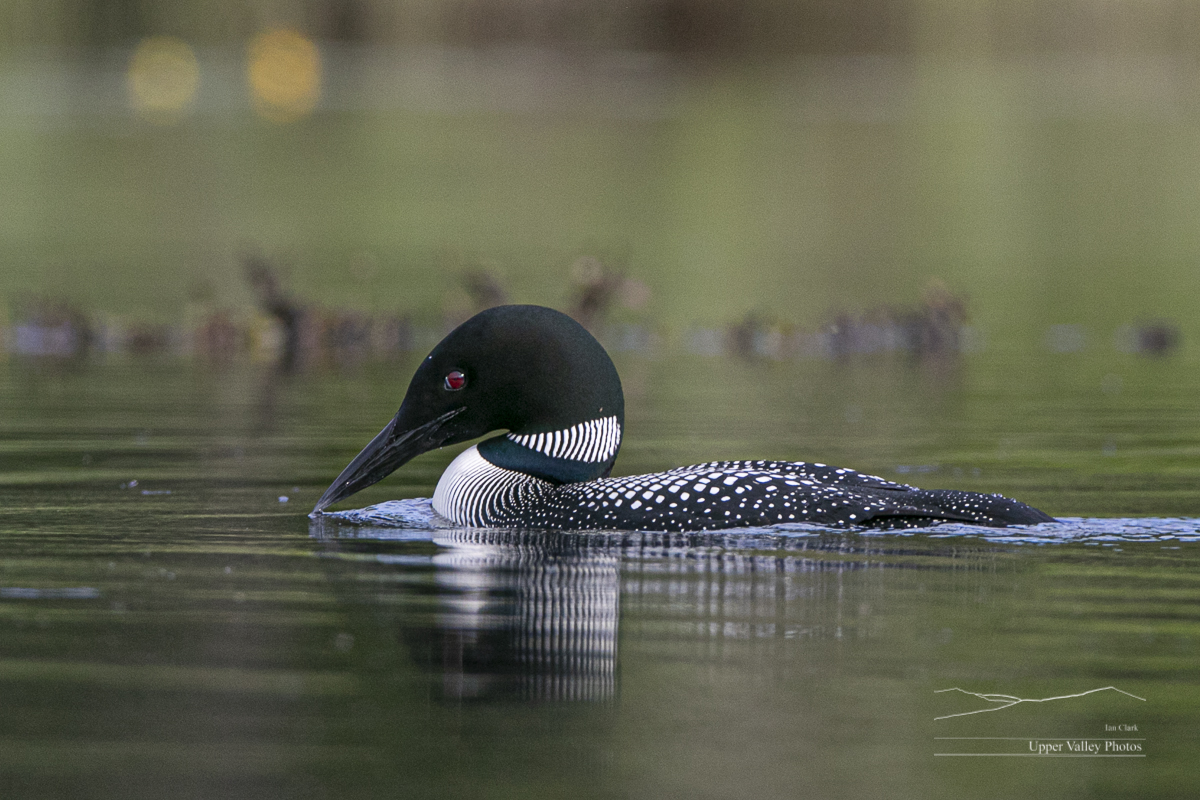
When I arrived on the pond, I found one adult preening and lazily foraging by itself and couldn’t see anyone on the nest. As I paddled down the pond, I found the second adult still on the nest. But the chicks should have hatched already….
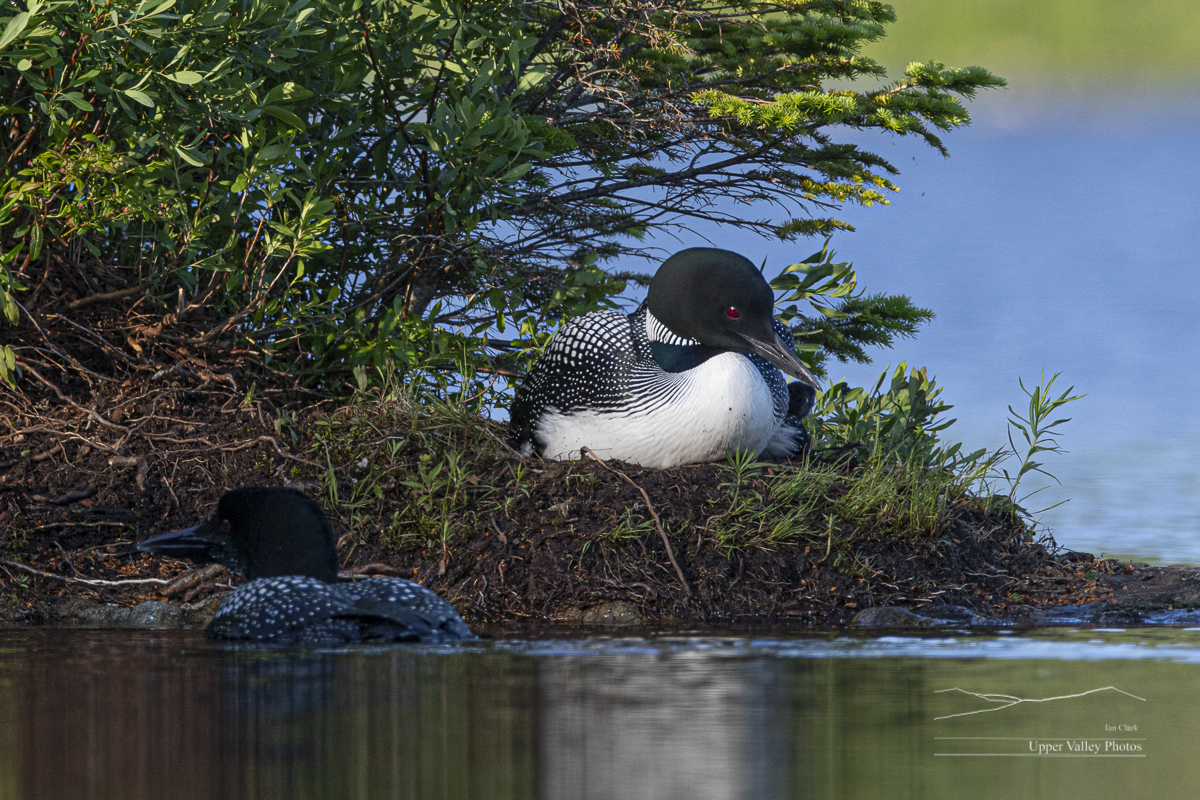
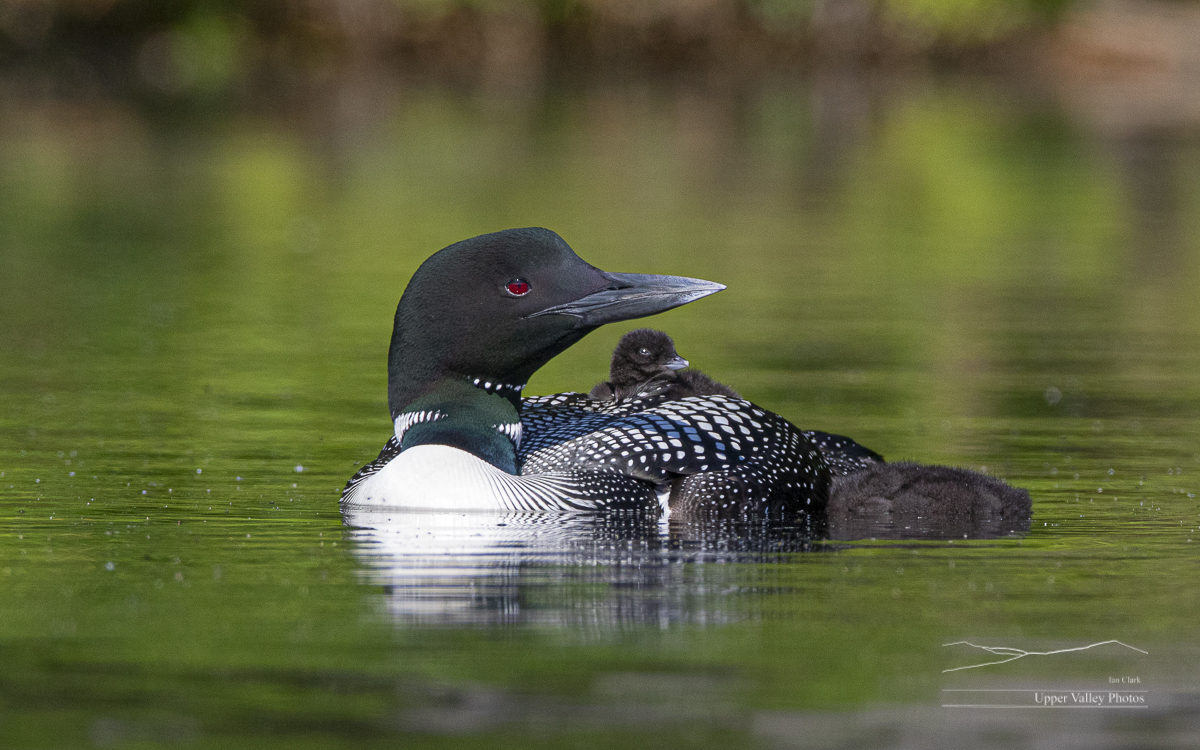
After watching a few minutes, a chick appeared from under a wing….. A little later the second one peek out.

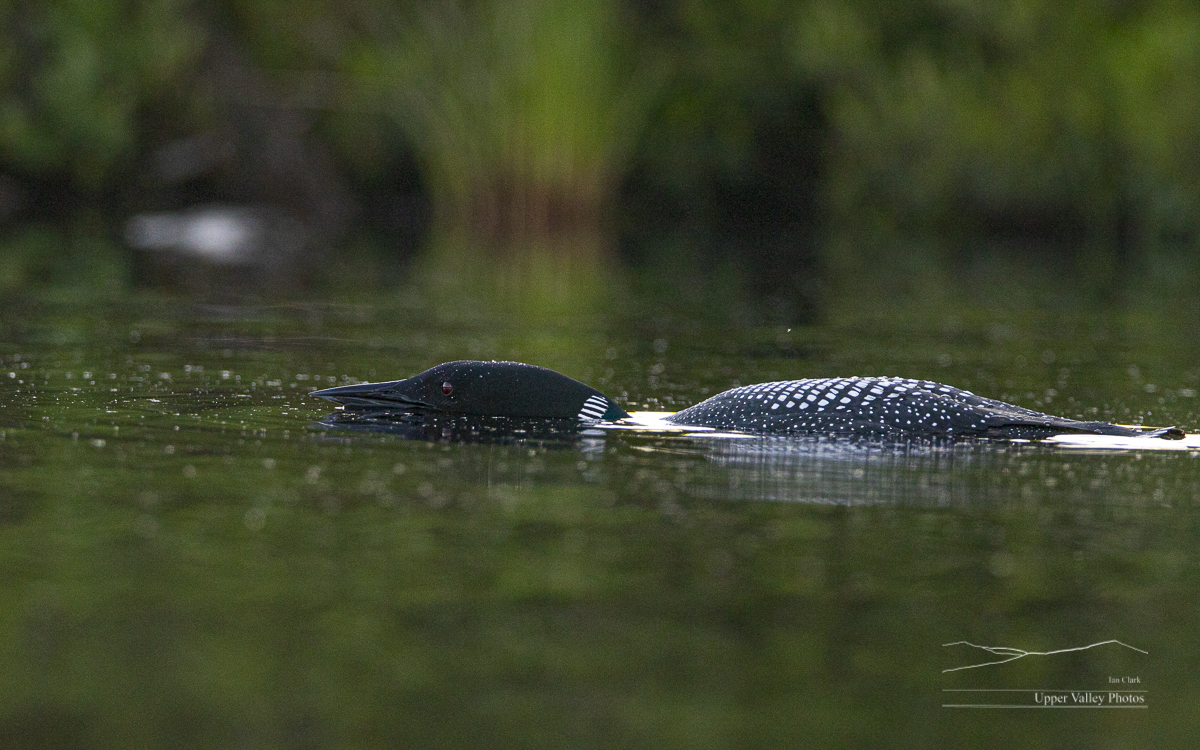
While waiting for the family to leave the nest, the second adult appeared to be hunting ducklings. The loon flattened out like there was a threat , it swam along the brush where a pair of duck families were hiding. The loon would poke into the brush and look around. The mother ducks were not happy.

With the chicks still in the nest, the odds are that one hatched Saturday and the other Sunday. Loons will leave the nest shortly after the second chick hatches. If it is late in the day, they may spend the night on the nest before heading out. The adult on this pond waited for the sun to get almost to the nest before heading out with the chicks.
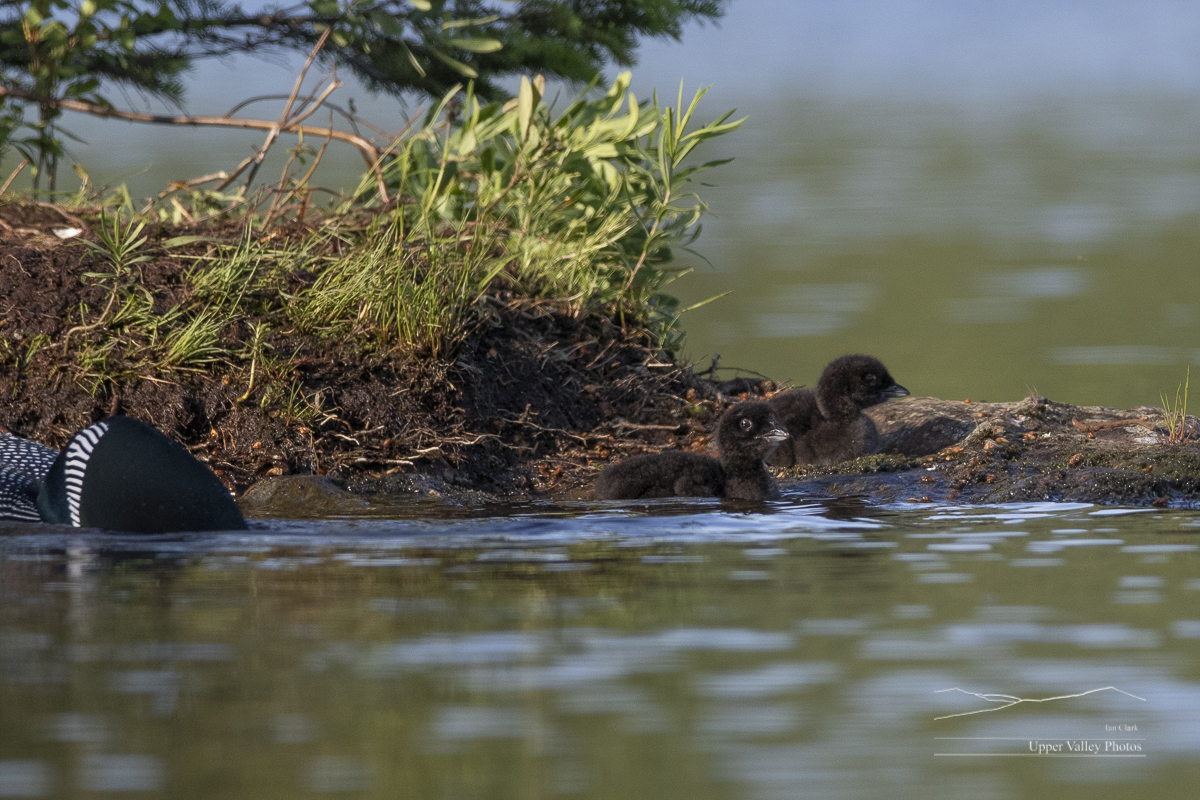
The adult that had been sitting with the chicks has left the nest and the chicks are getting ready to go.

Loon chicks are voracious. I’ve seen estimates that say a loon family will eat 500 pounds of fish, crayfish and other protein in a season.
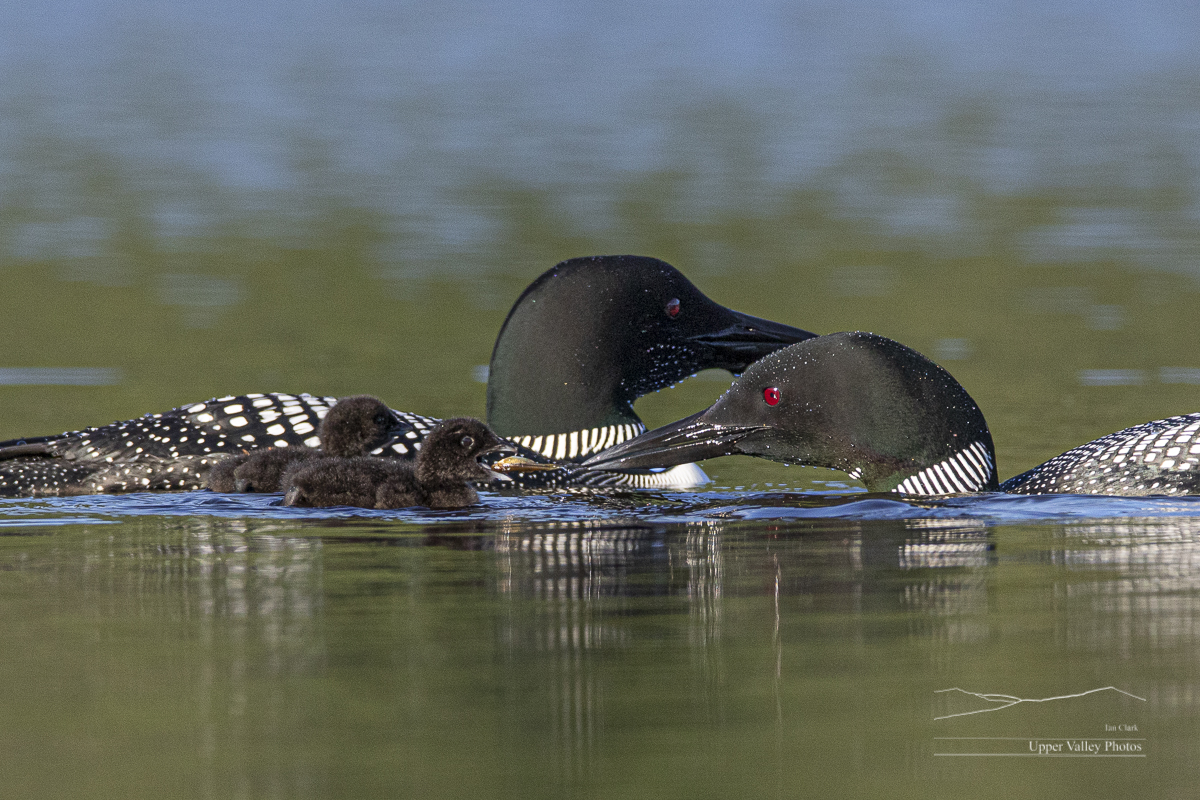
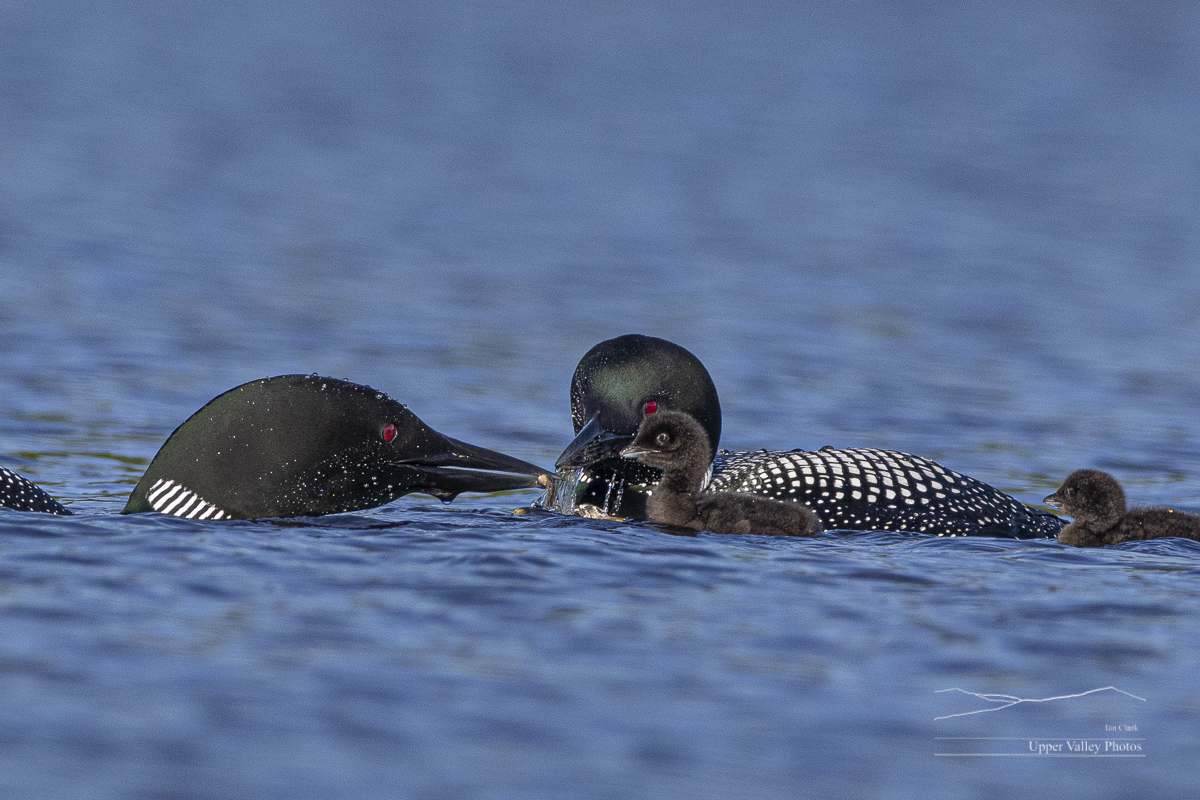
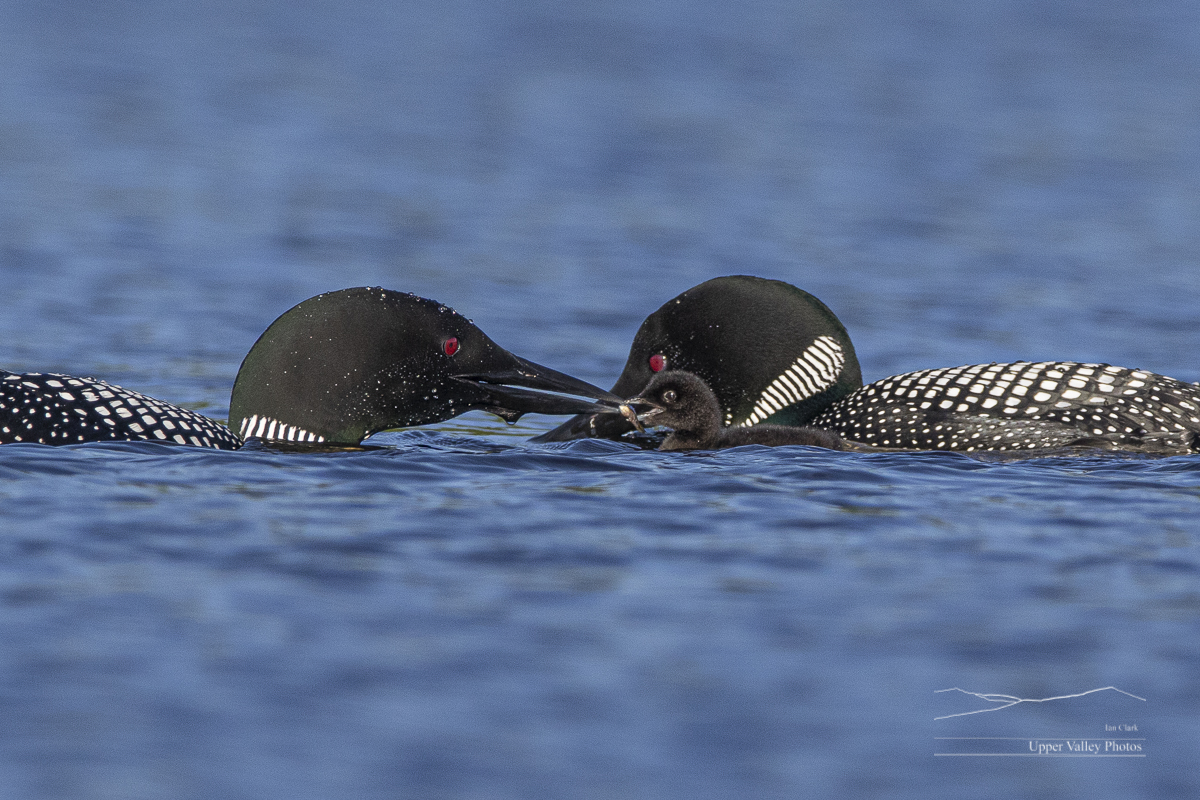
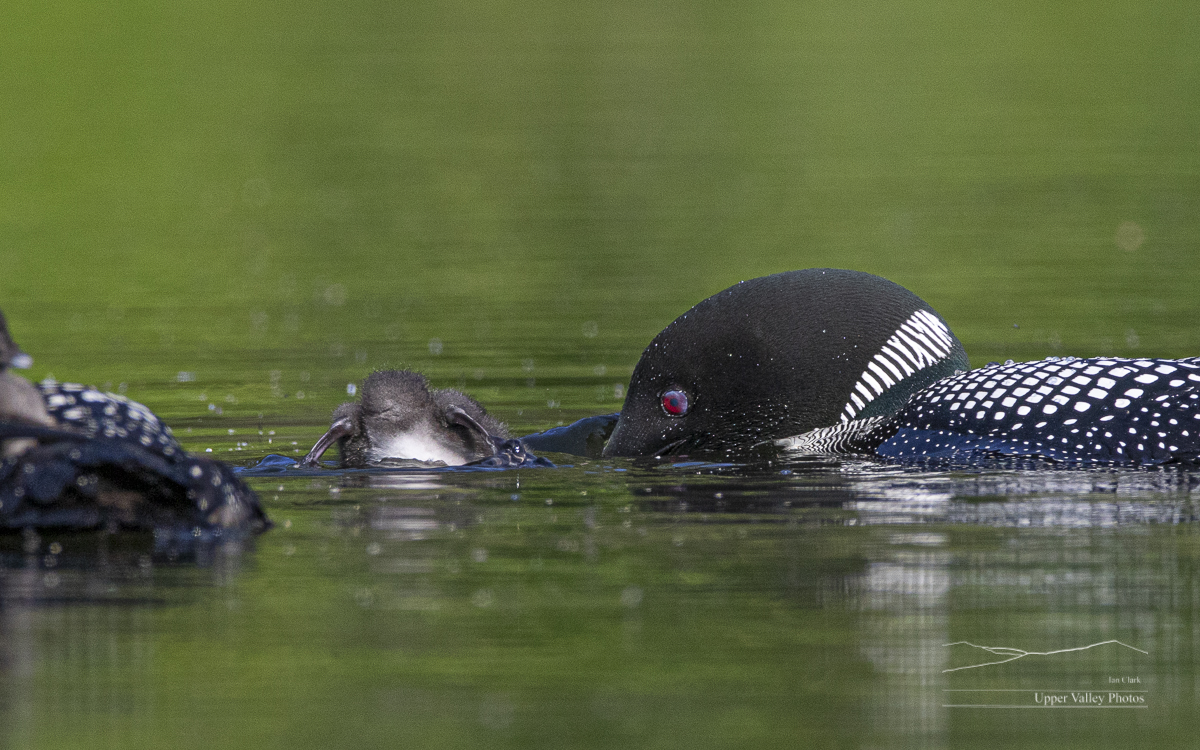
The first order of business is to feed the chicks. Both parents will spend many hours feeding the chicks throughout the summer.
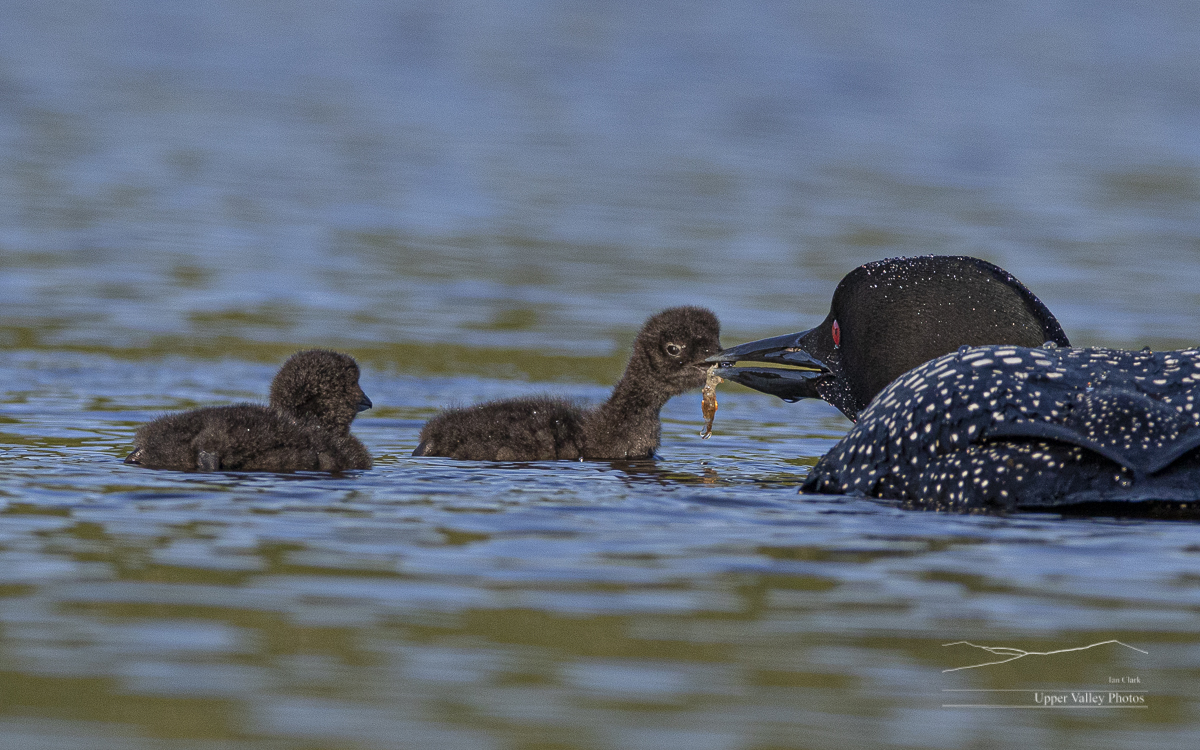
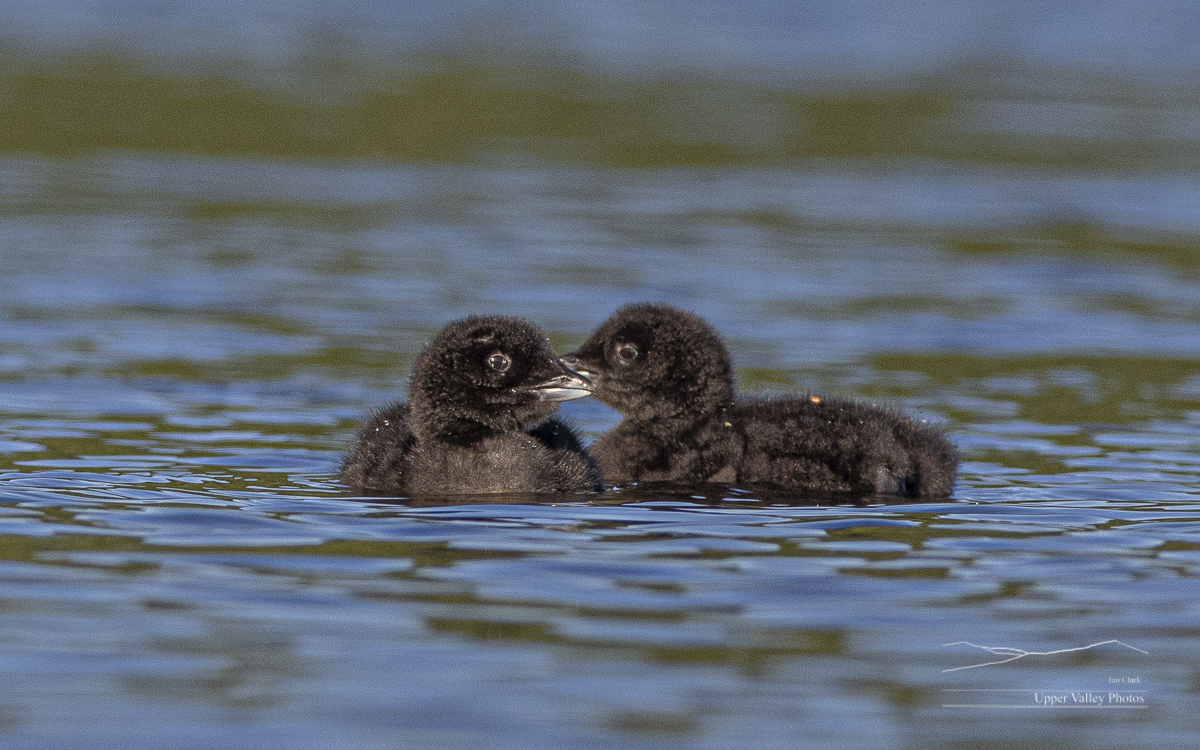
The chicks quickly picked up on the way feeding works.

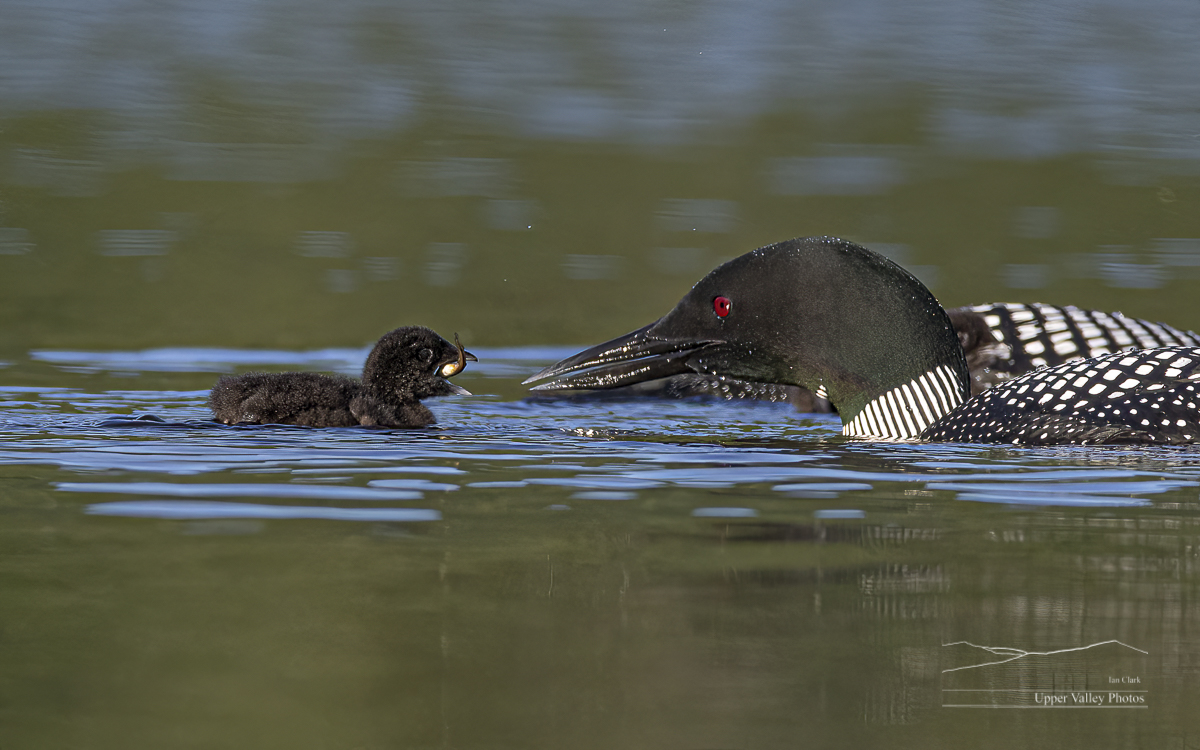
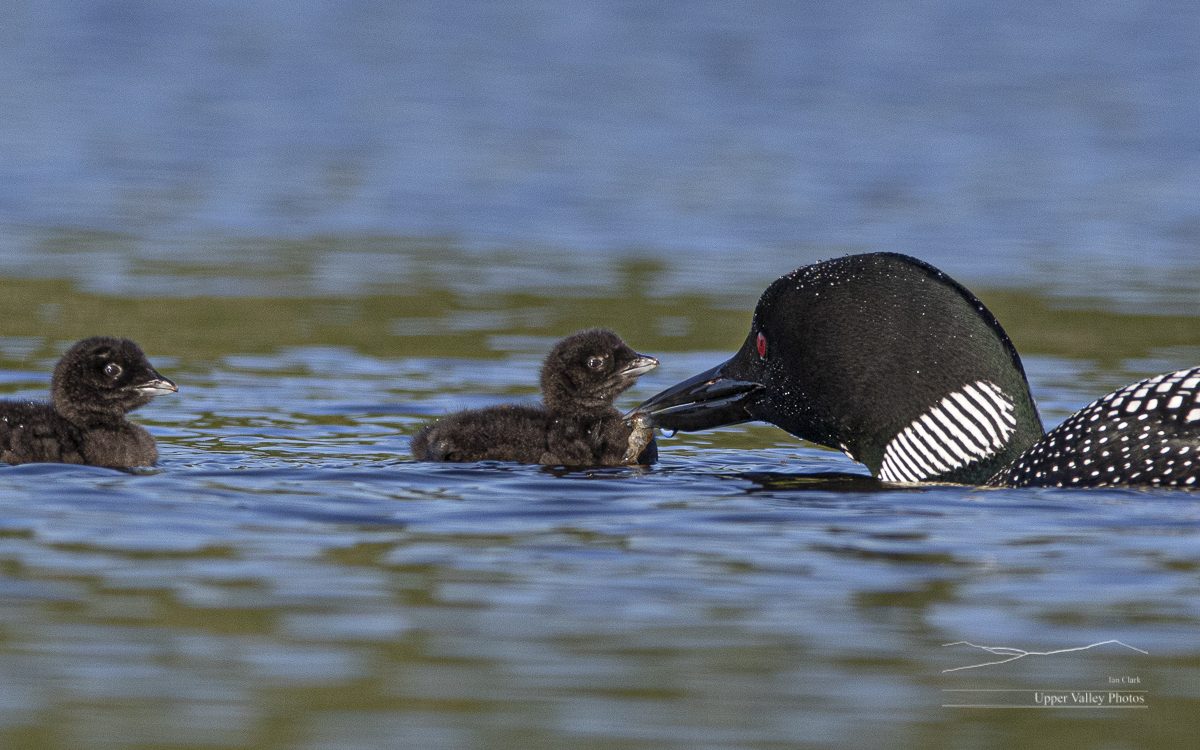
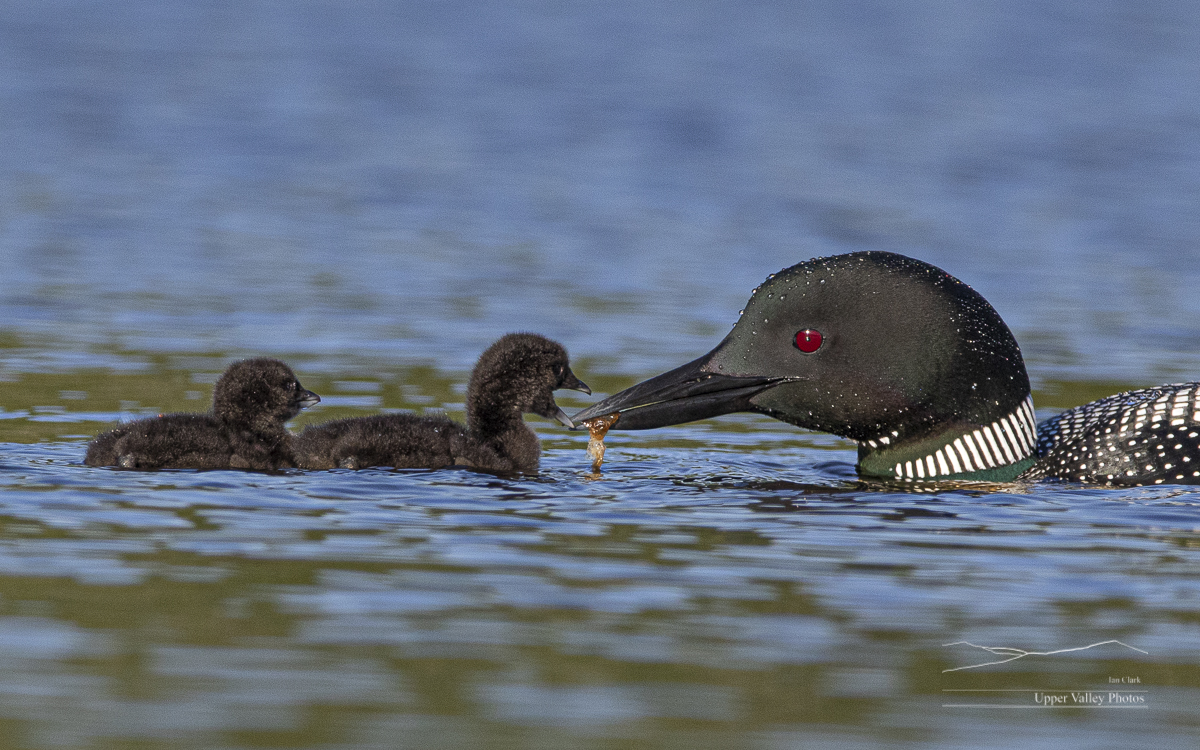
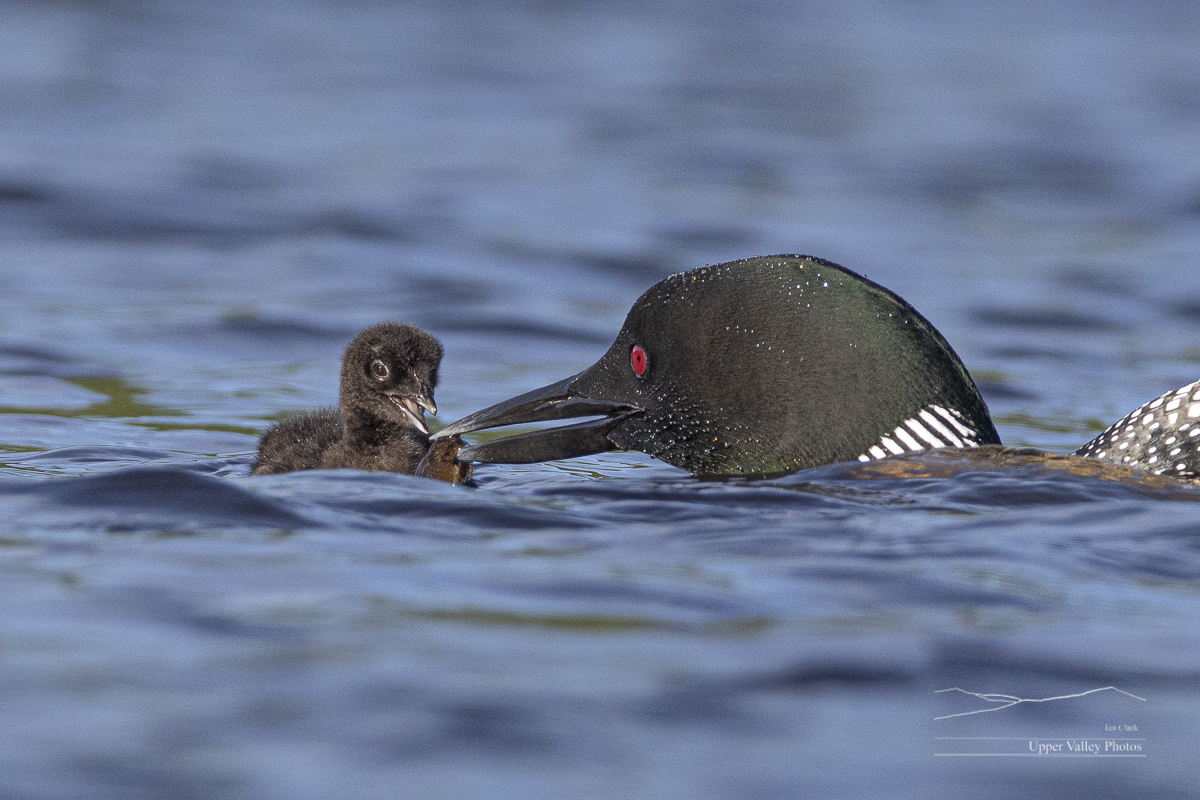
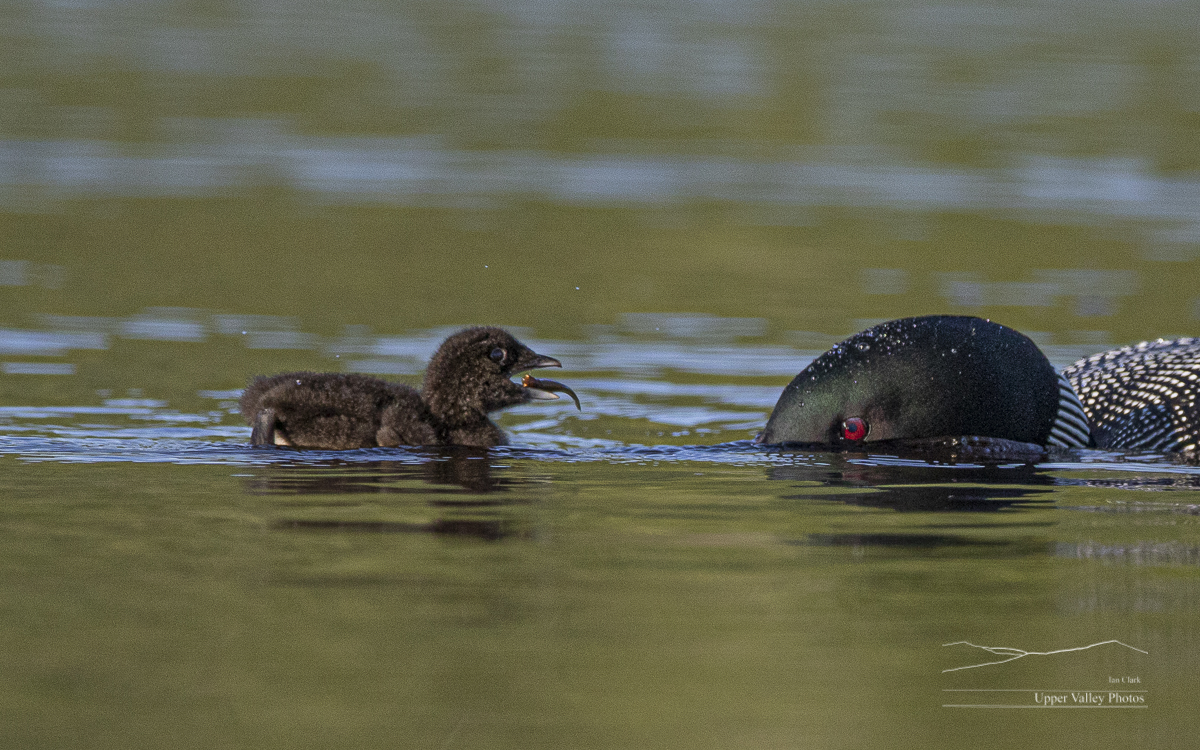
I’m not sure what the parent is offering here. It could be a small crayfish or an insect nymph. Either way, the chicks seemed skeptical. The parent had to present it a few times before a chick took it.

One chick worked up the nerve to try the offering, but promptly dropped it.

The second chick finally took the offering and ate it.


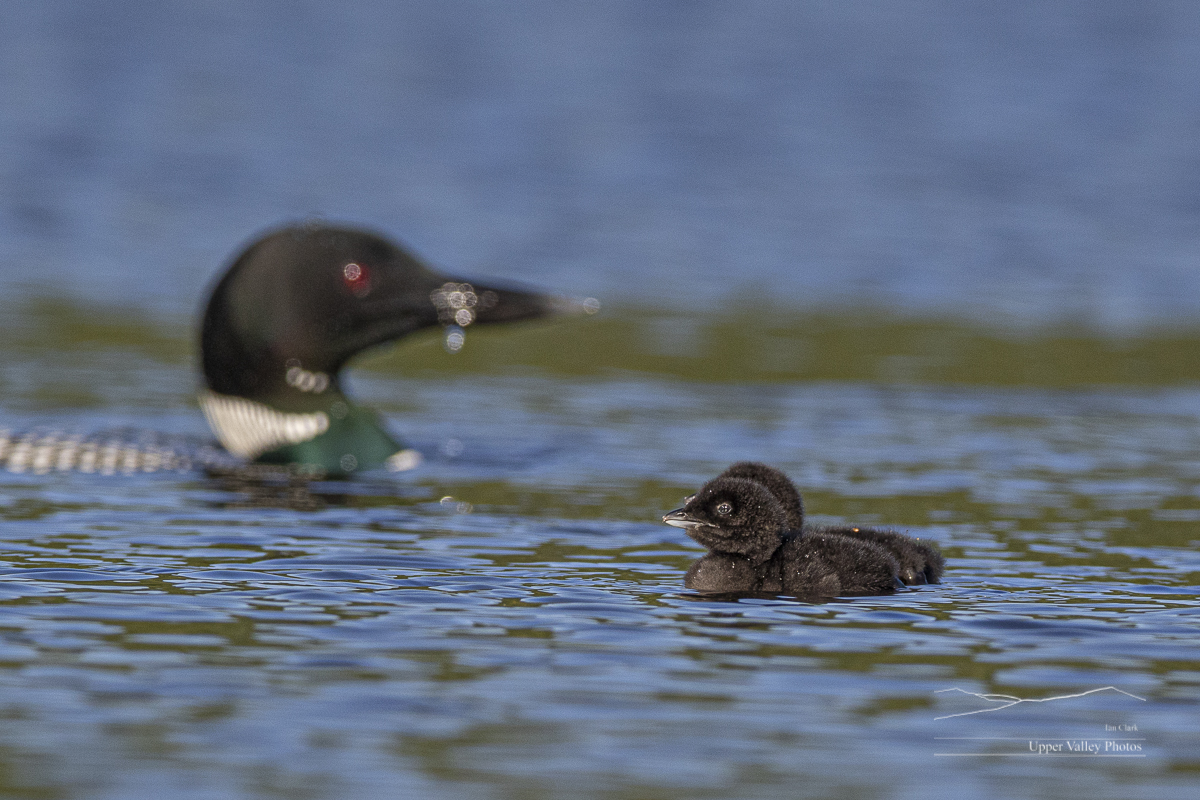
The two chicks on the surface while the parents dive to forage.
One of the parents has just surfaced behind the chicks.

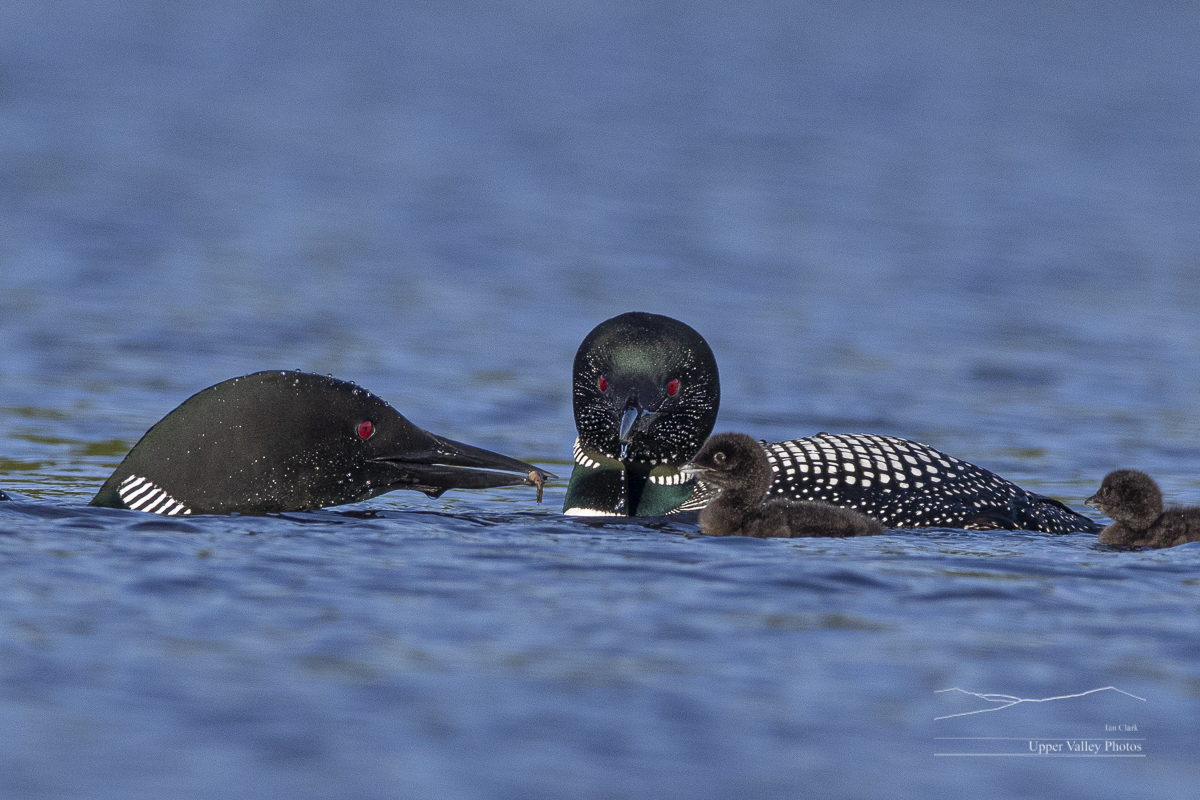
Another delivery of fish as the second parent looks on.
The second adult actually had another meal waiting just below the surface.
The chick settled down and dealt with one feeding at at time.
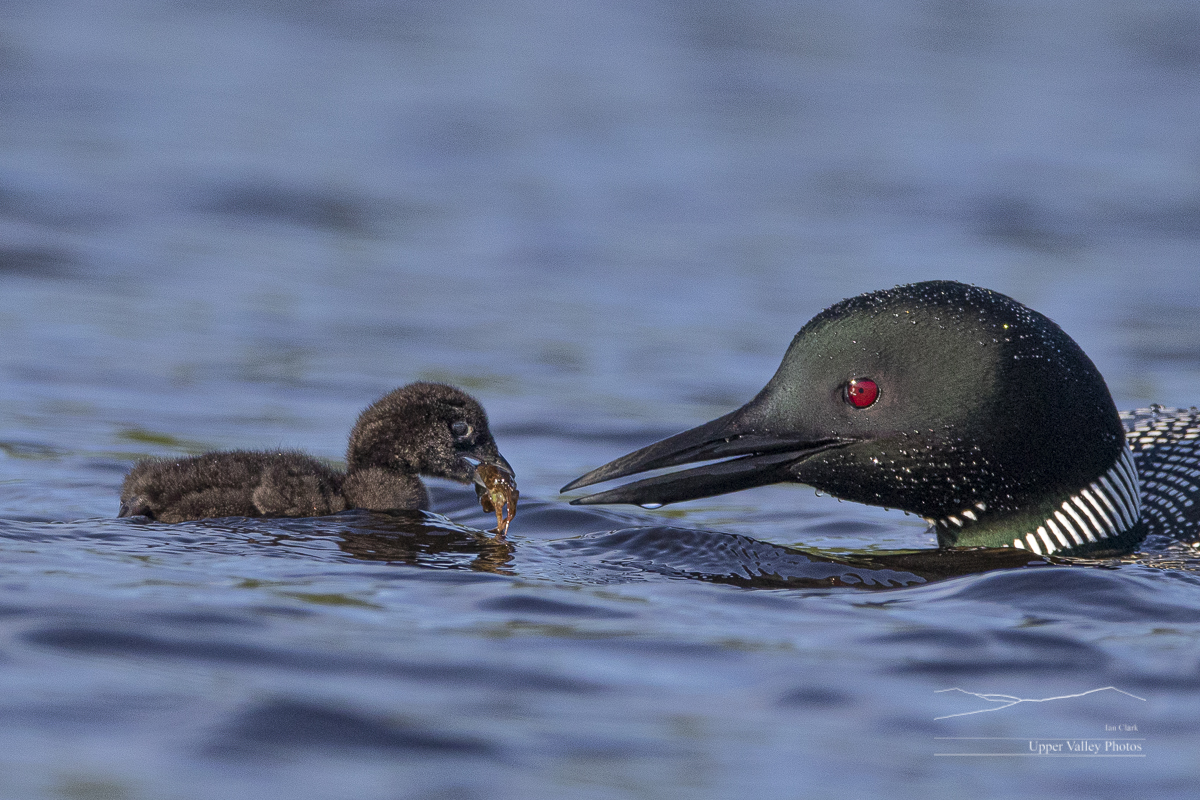
The loons on this pond last year were partial to feeding crayfish to the chicks. I’m curious if there was an abundant supply of crayfish, a shortage of fish or the parents just had a preference. One of the parents soon presented a crayfish.
The crayfish proved too large for the first chick to handle. The parent tried to give it to the second chick. The second chick couldn’t handle it either and the parent ate the crayfish.
I was able to stop at a second pond before heading home. The loons there had also hatched two chicks. They look to be just a couple days old.
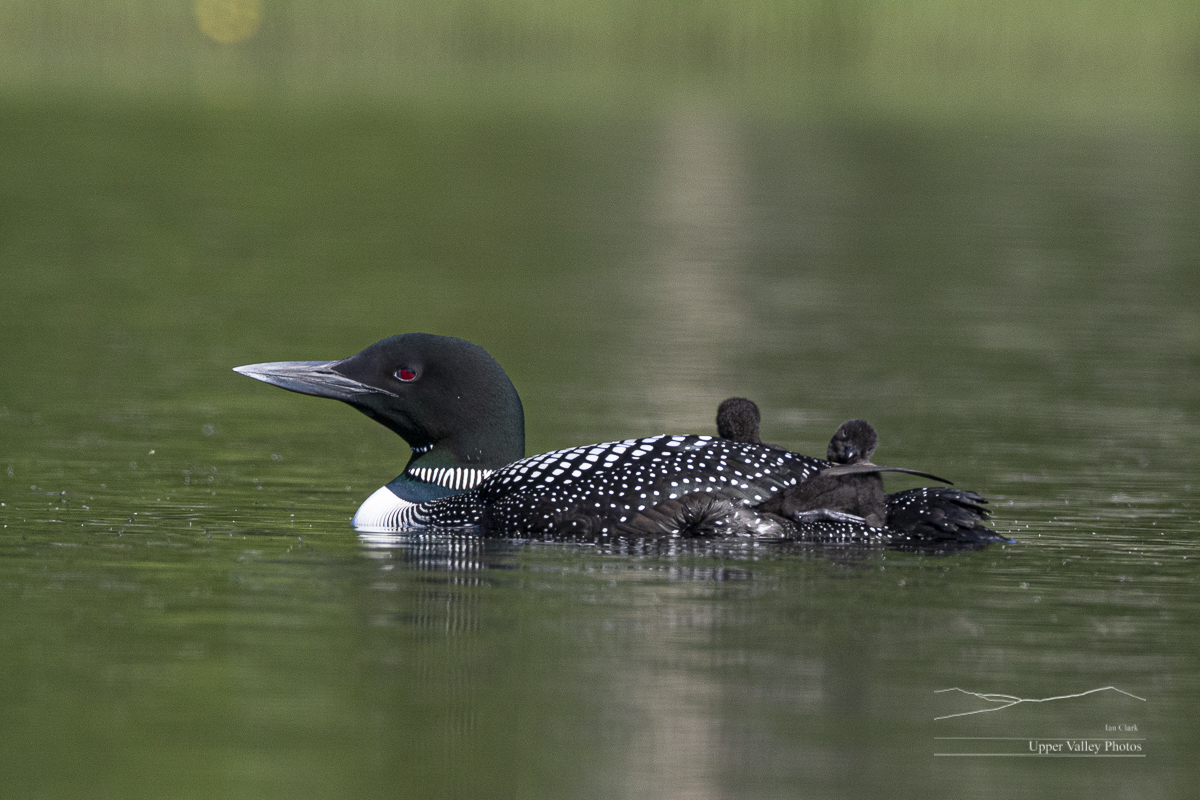
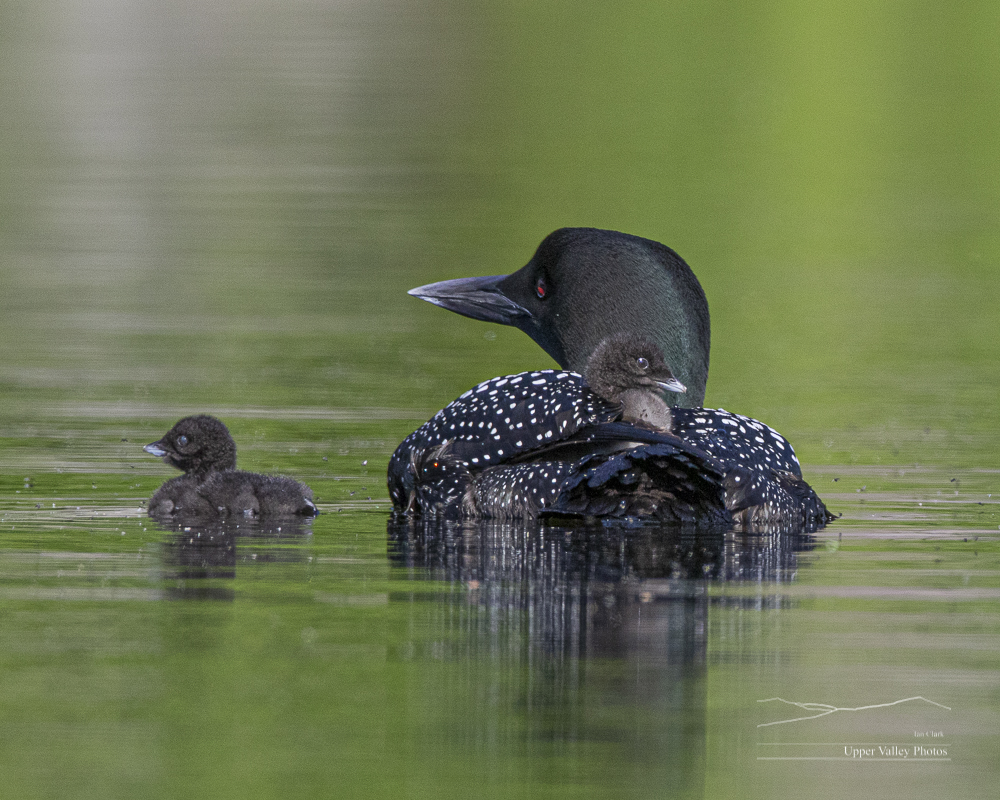
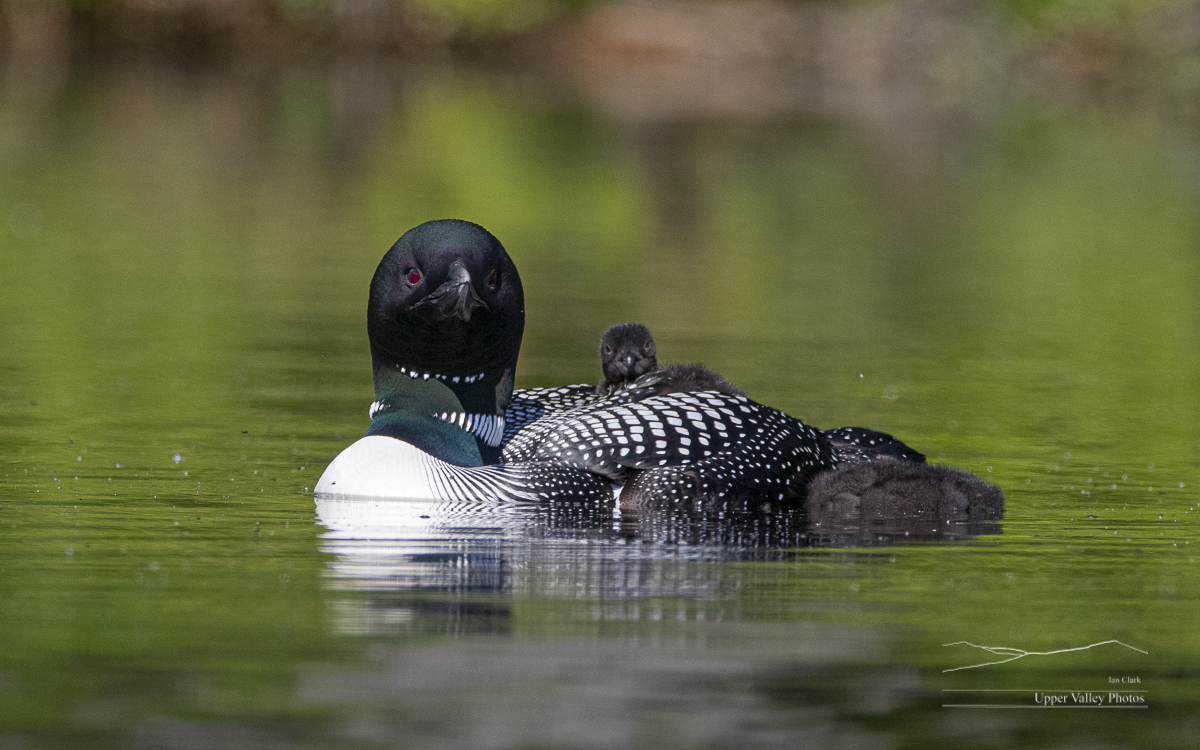
These chicks have mastered riding on the adult’s back.
The second parent brought a fish. This chick has caught on quickly – after dropping the fish, the chick attempted to dive after it.
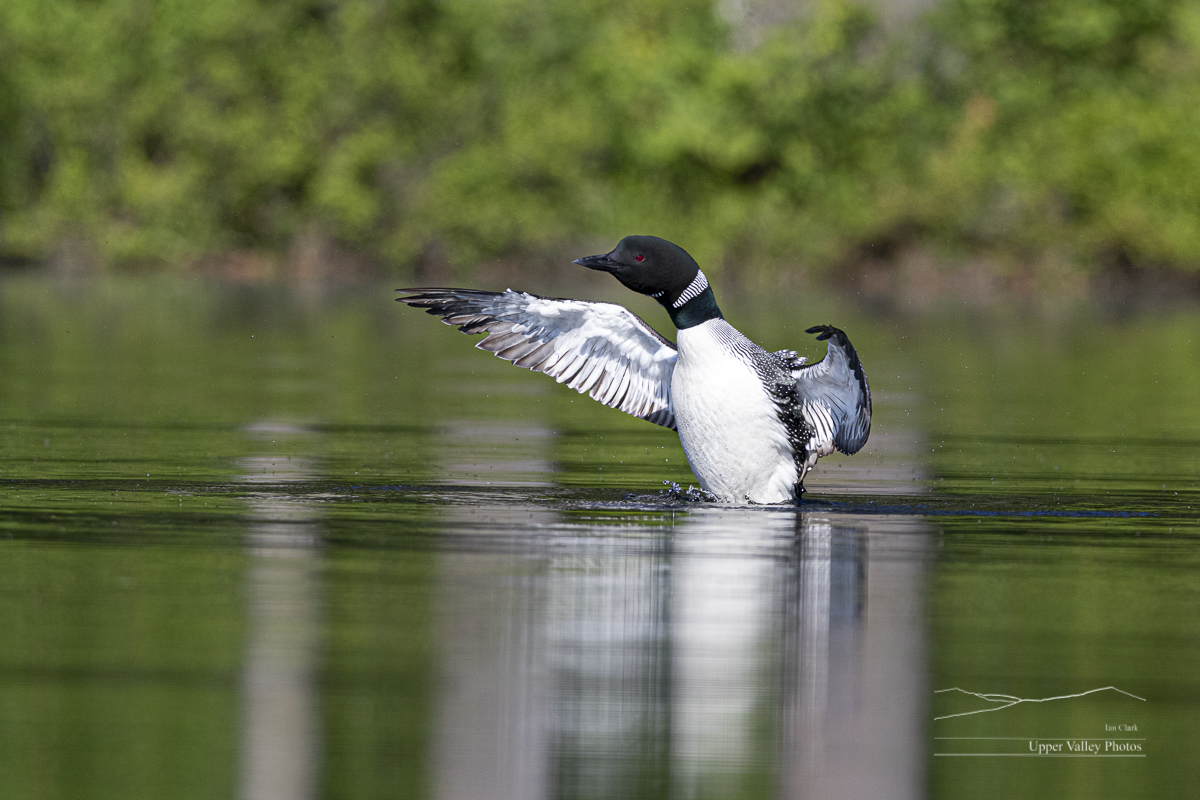
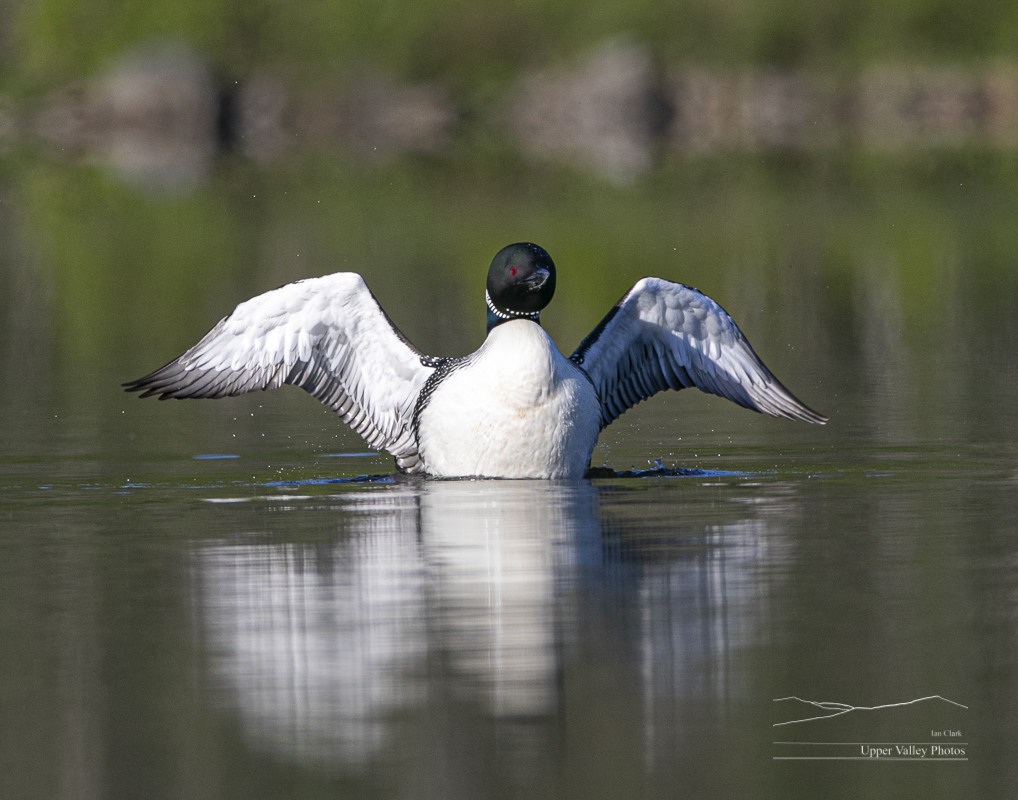
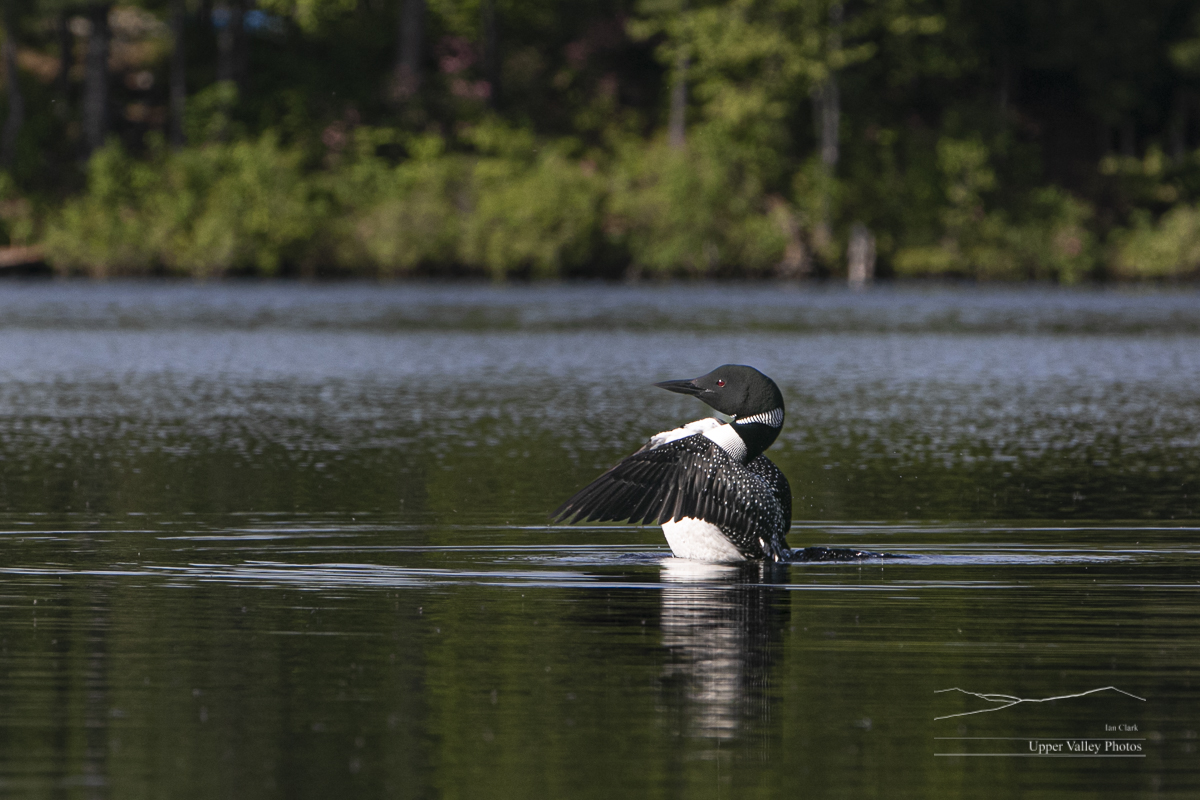
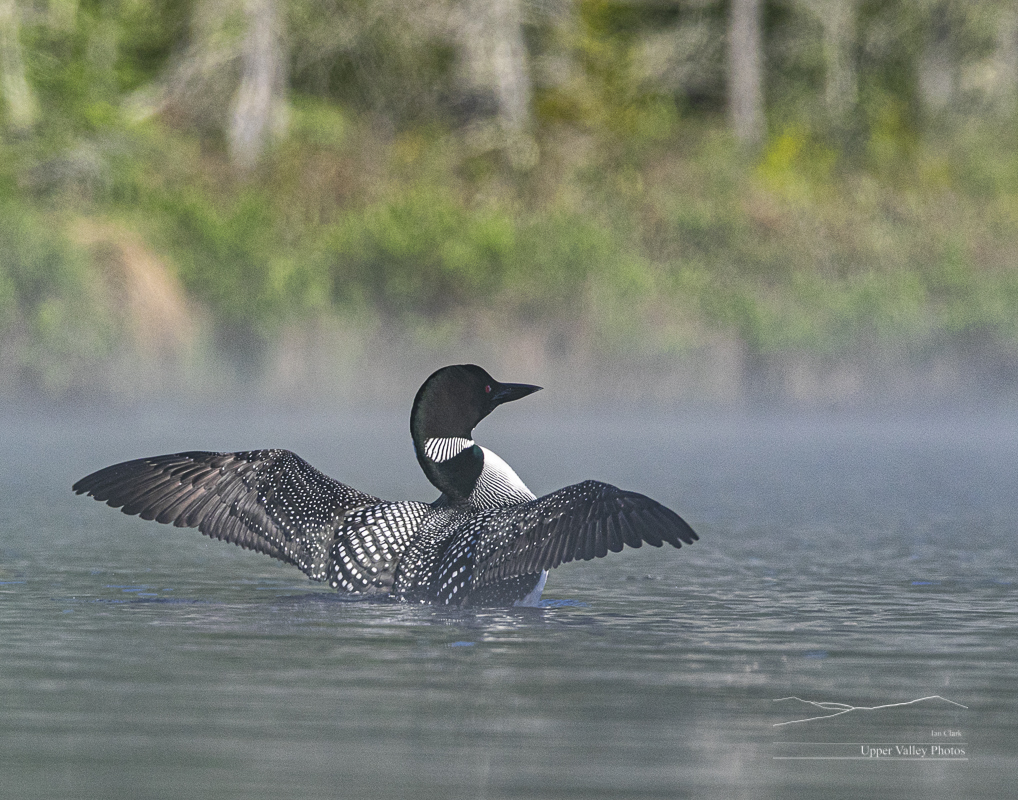
And, we have to have a stretching shot…..
The chicks pay attention to every move the parents make and will often mirror the adult’s position.

I hope to be able to follow these two families and a third through out the season. To watch them grow, sign up for updates when I add a post.

Local Wildlife

Many of the birds around the marsh are nesting, there are lots of parents hauling groceries back their nests, others still sitting on their eggs. The Canada geese have mostly moved on, making the local ponds much quieter places. Let’s see who was out and about this past week.
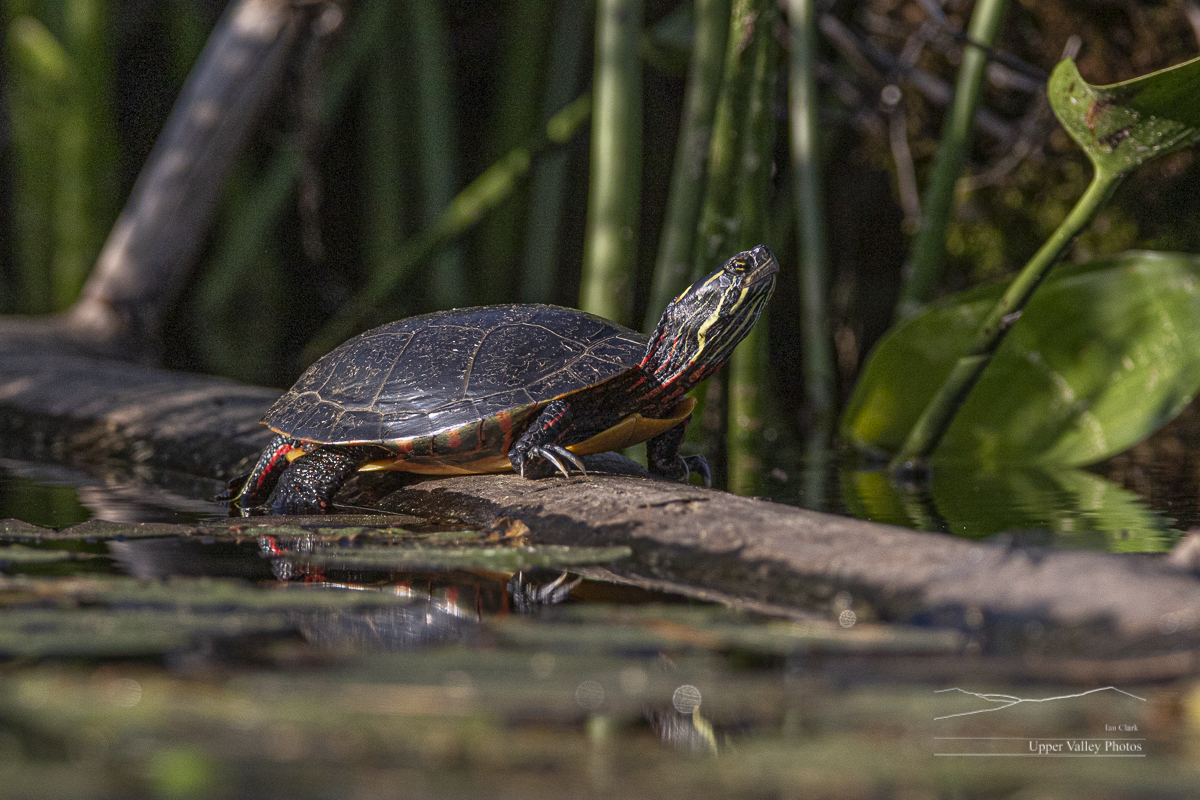
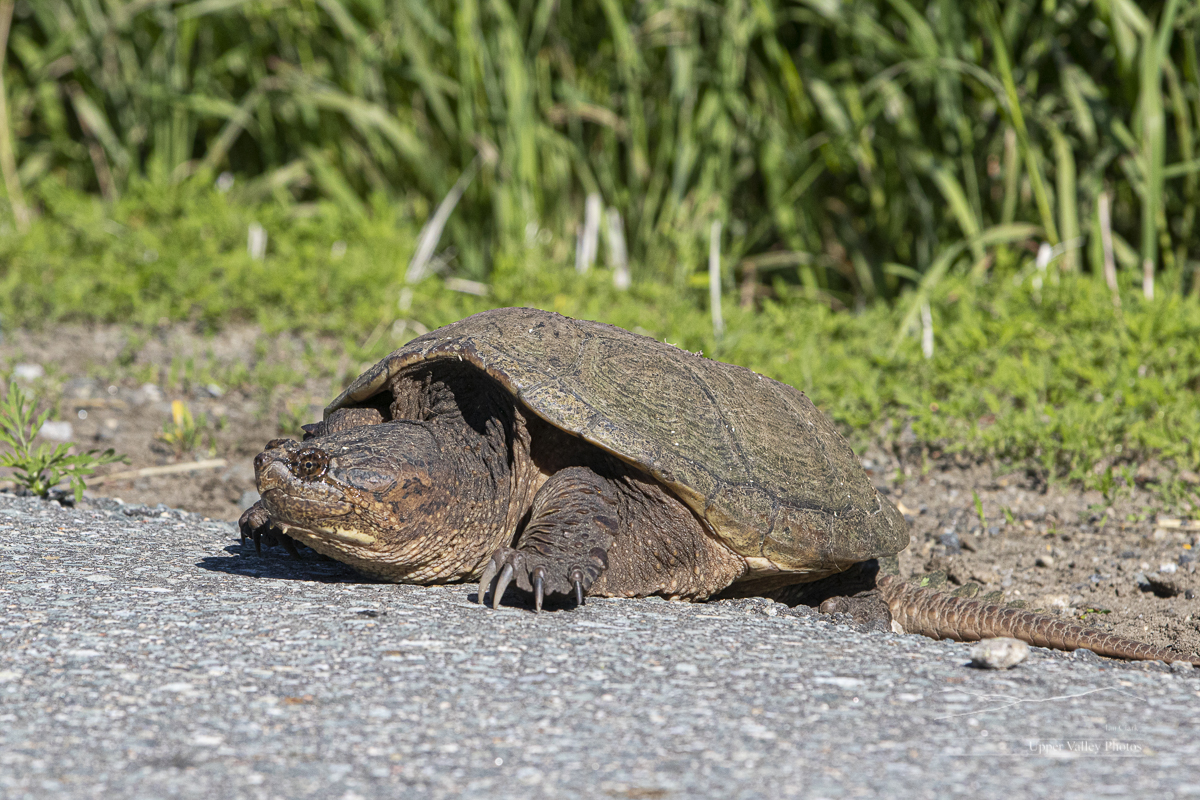
With several nice days, painted turtles were out in force basking around the local ponds and streams.
Turtles are out laying eggs around the Upper Valley. She”ll lay between 20 and 40 eggs. The eggs will take something like 80 to 90 days to hatch. The hatchling turtles may spend the winter in the hole she dug before venturing out in the spring.
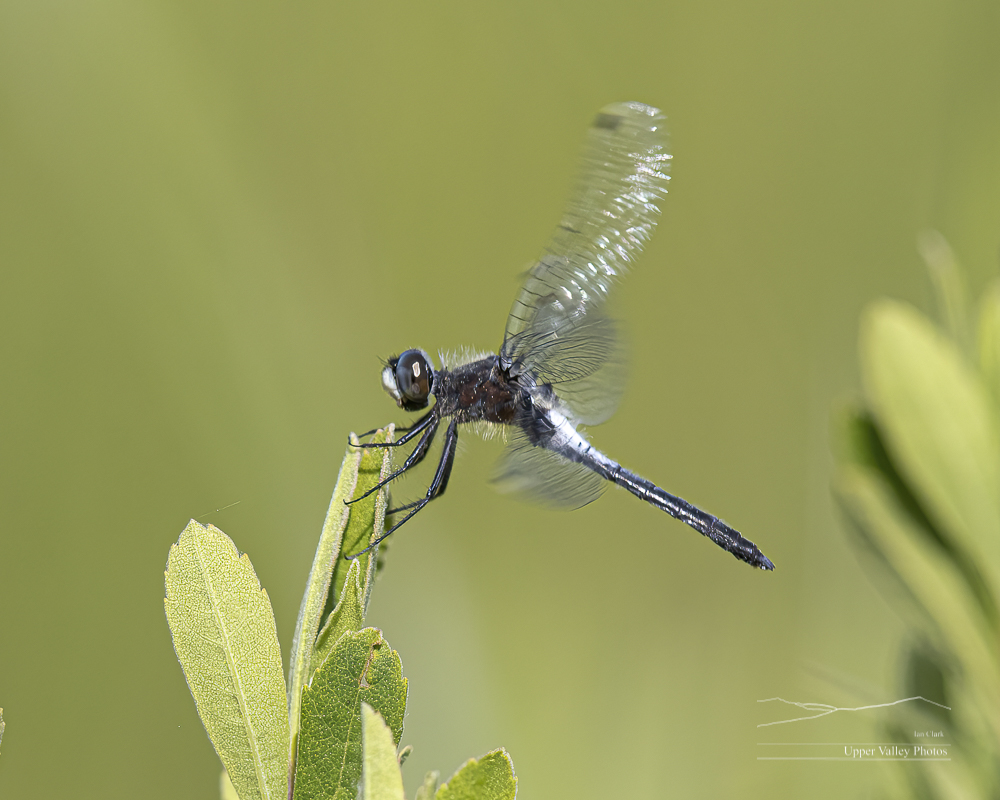
Dragonflies and damselflies are abundant this time of year. They’re great mosquito hunters and prey for many of the birds around the marsh.
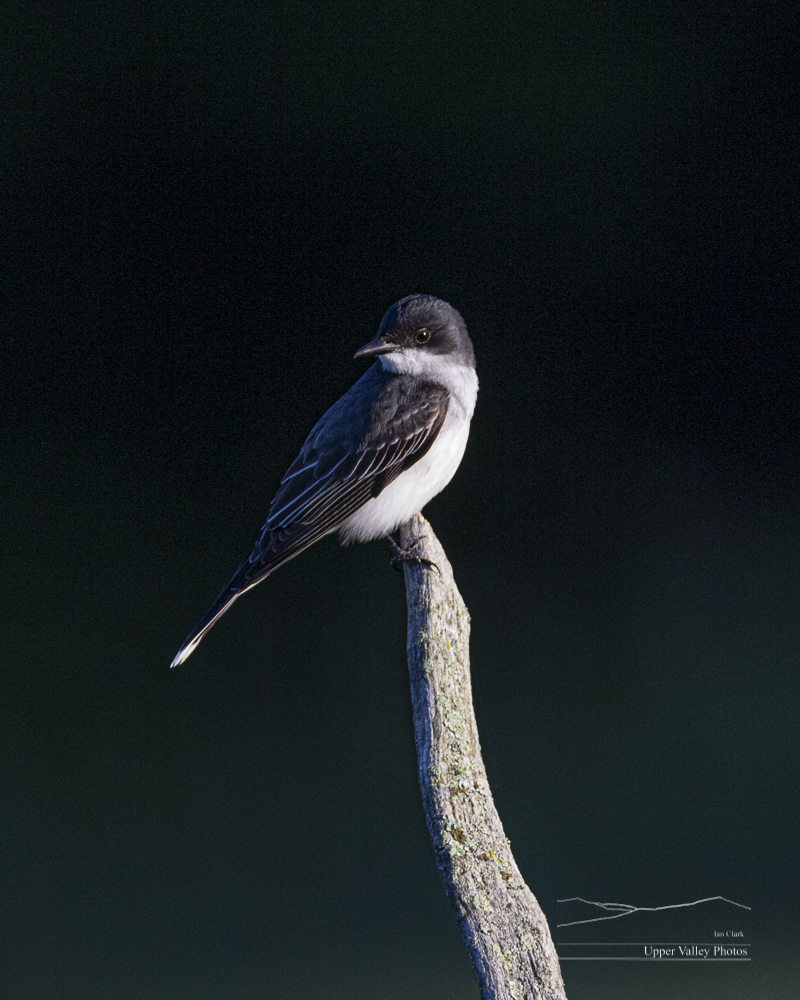
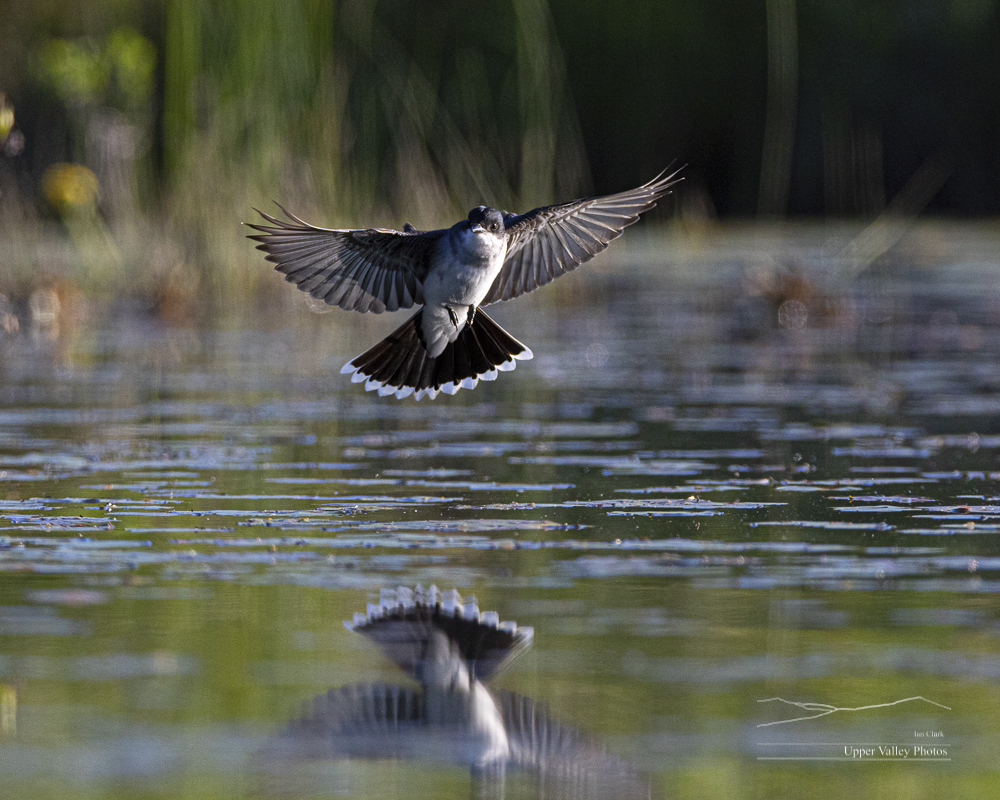
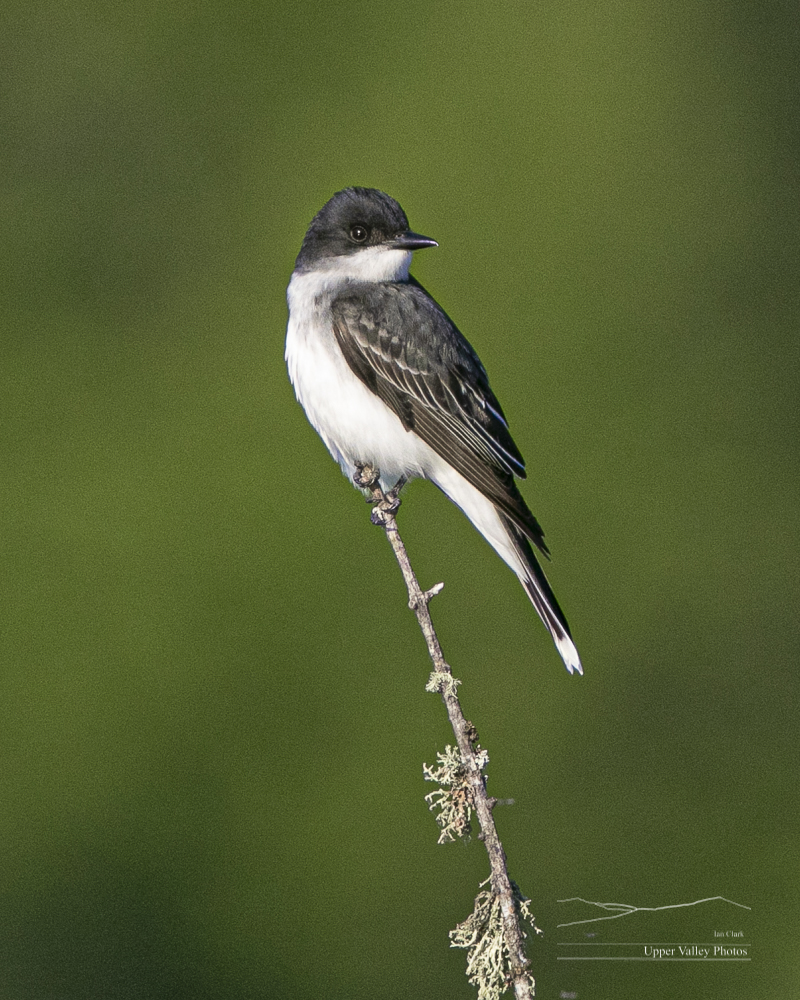
Eastern kingbirds are common around the marsh. They hunt insects, including the dragonflies and damselflies. Kingbirds will often perch on stumps or brush just above the water, darting out when a meal comes in range.
An eastern kingbird hunting insects over the water in the marsh.
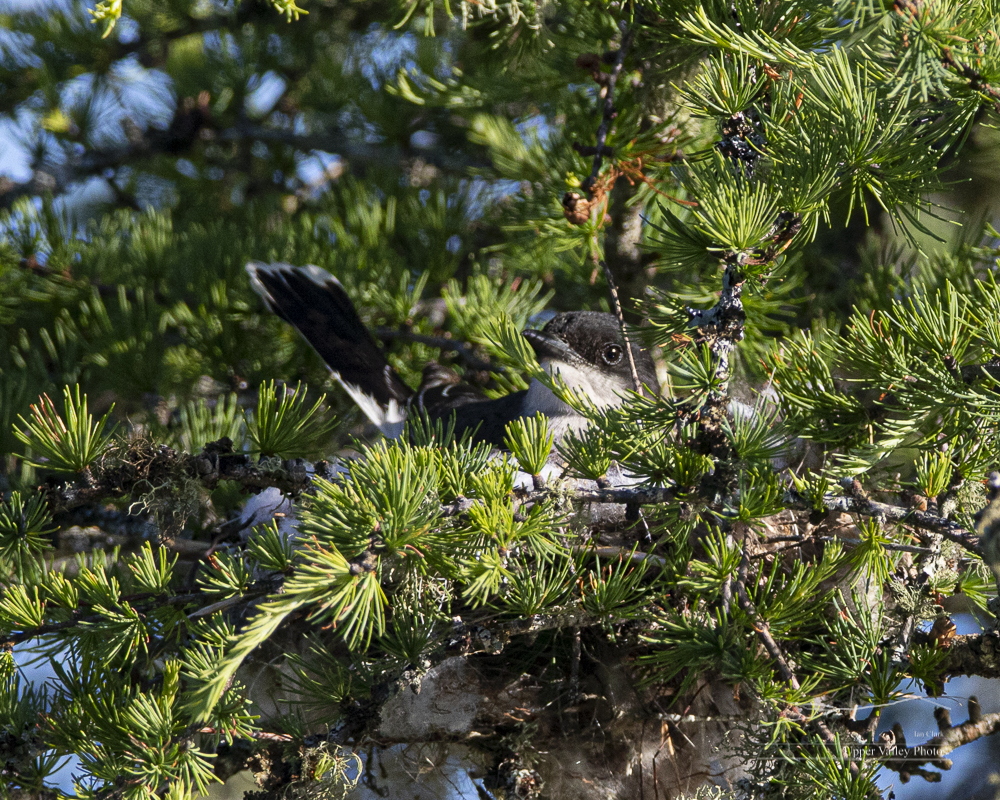
Eastern kingbirds nest in trees along the edge of the marsh or fields. The female will incubate the eggs and both will work to raise the chicks.
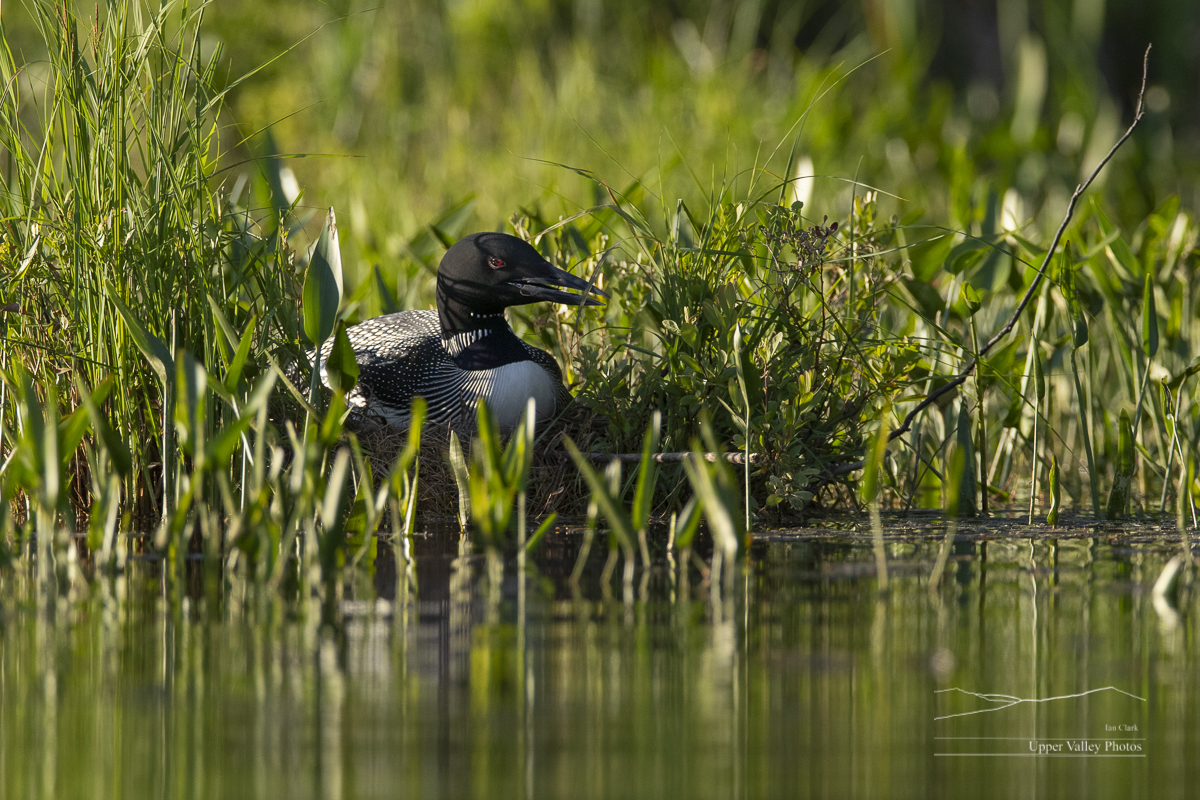
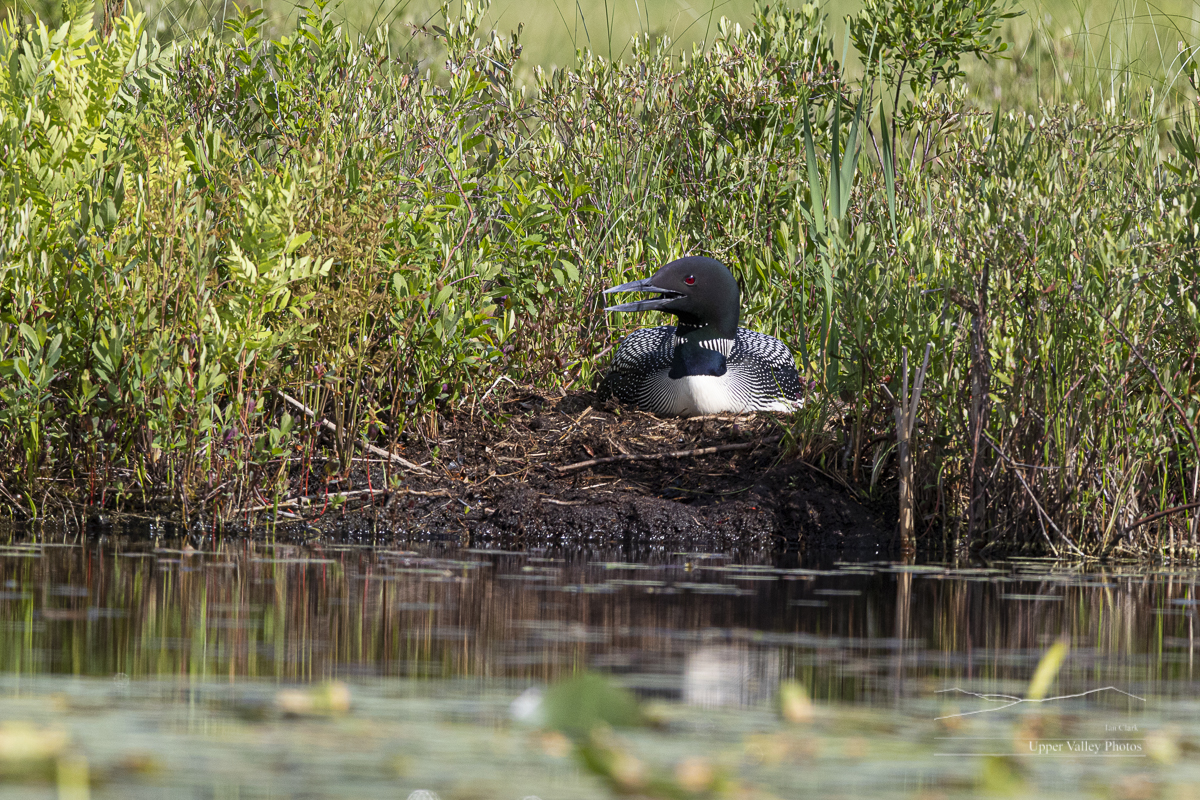
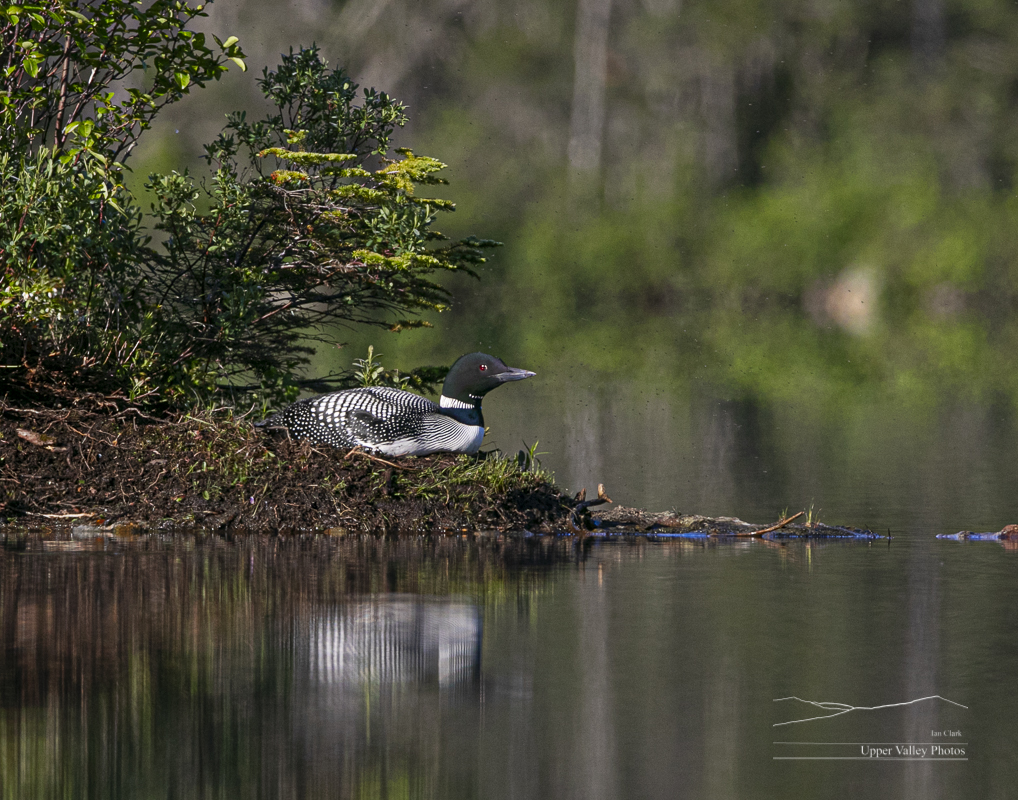
Our loons are still sitting on their eggs in the Upper Valley. They should hatch within the next few days. Please don’t approach the nest or chicks, this was taken with an 800mm lens and cropped.
Another one of the local loons sitting on the nest.

And, of course, no visit to the pond is complete without a couple photos of the loon stretching.
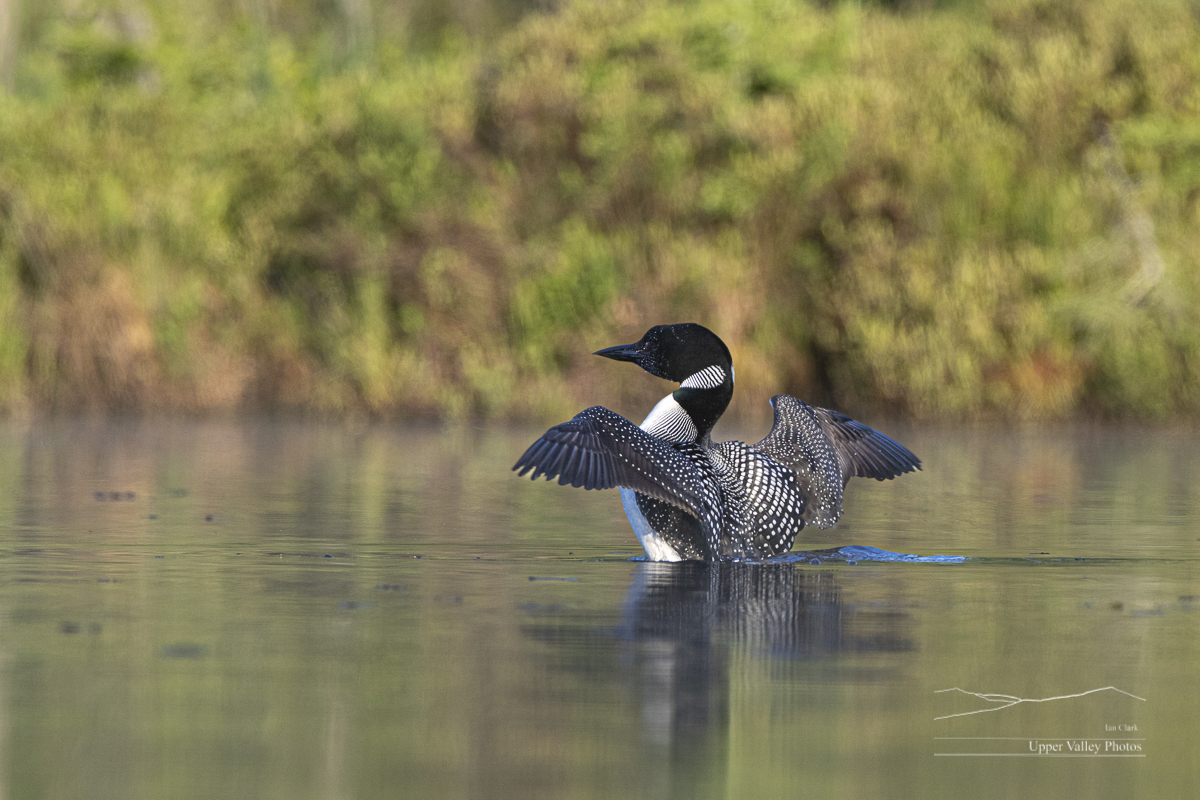
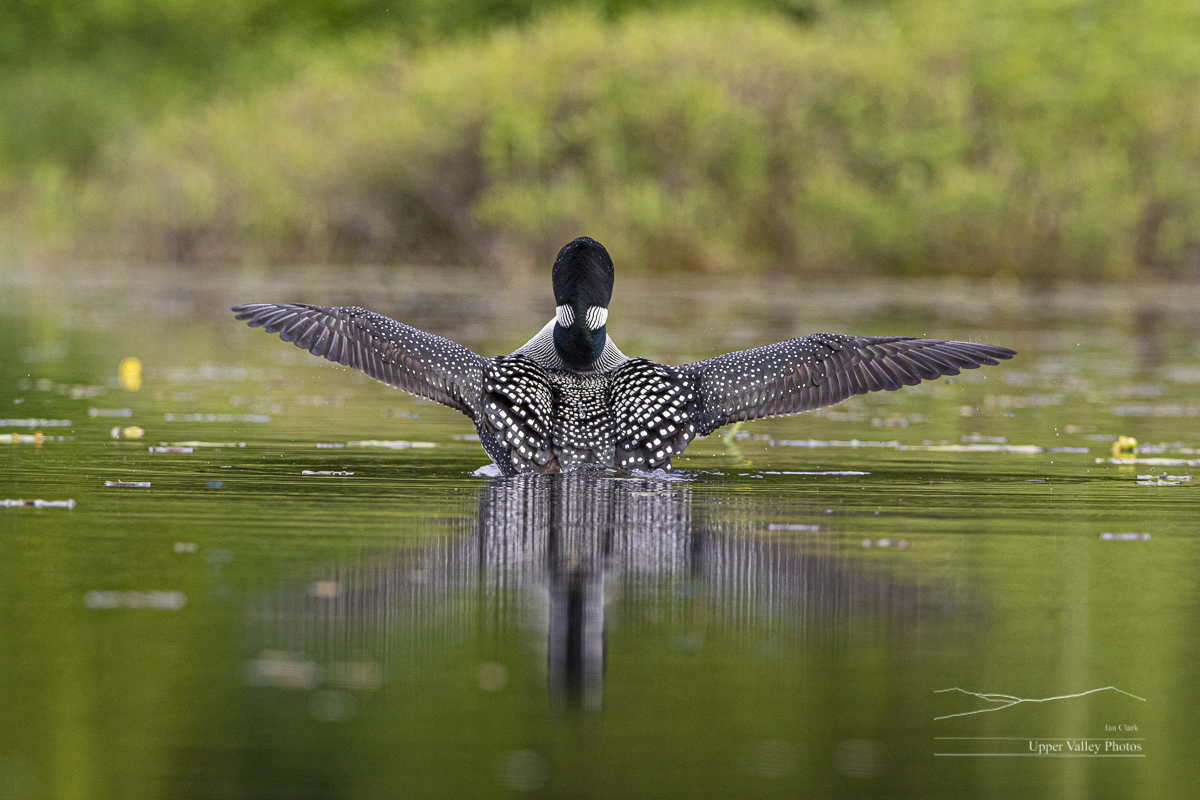
This loon has just finished a shift of nest sitting and gives a good stretch.

A Peaceful Morning With The Loons, et al, June 8, 2022

Monday morning was a beautiful spring morning to visit the loons and friends. Provided one doesn’t object to paddling about in 42° weather. Let’s see what I found.

The Adirondack Loon Center is raffling off a Hornbeck Canoe to raise funds for loon preservation in the Adirondacks. Hornbeck boats are beautiful, very light weight boats, worth taking a look.
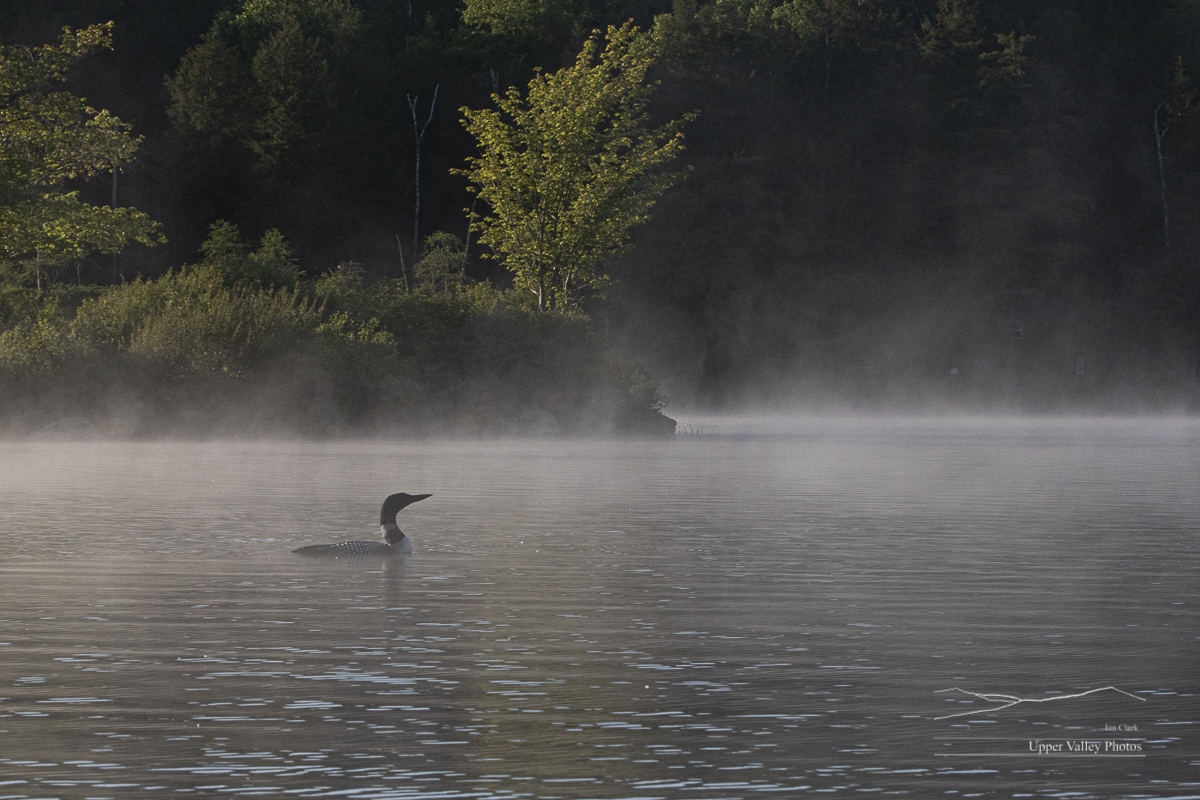
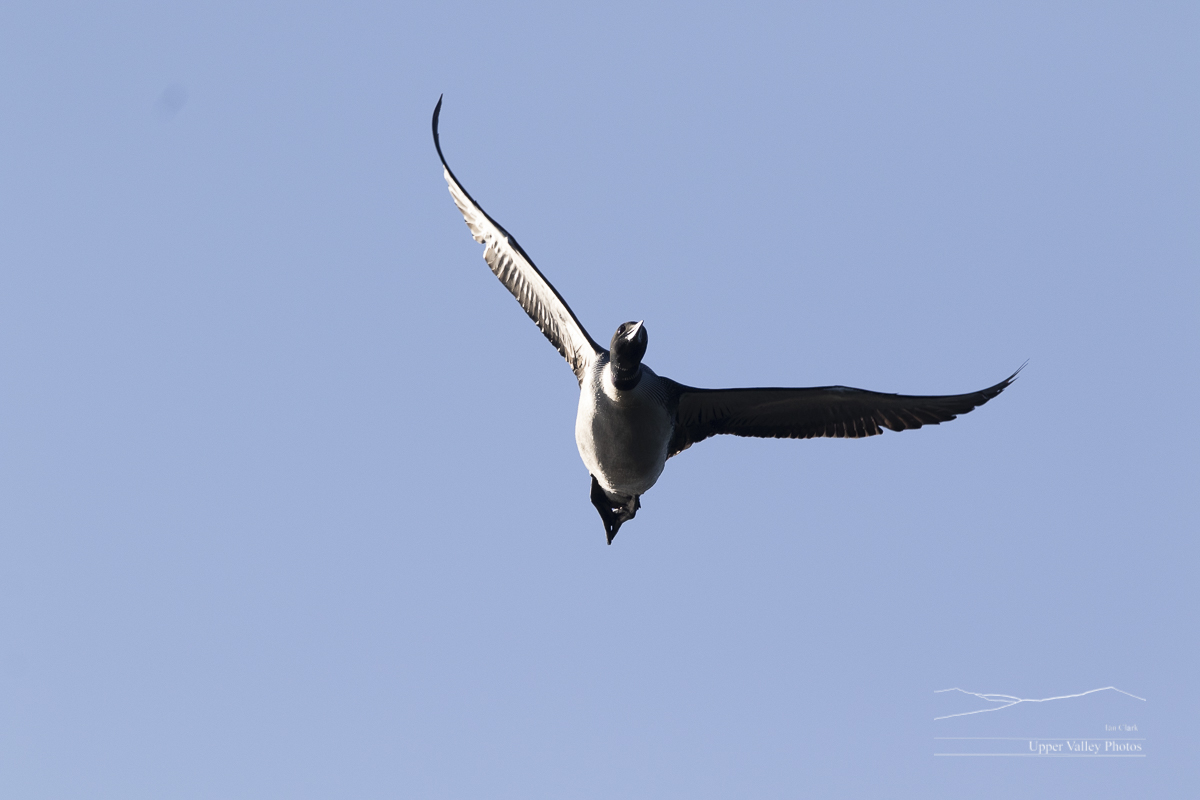
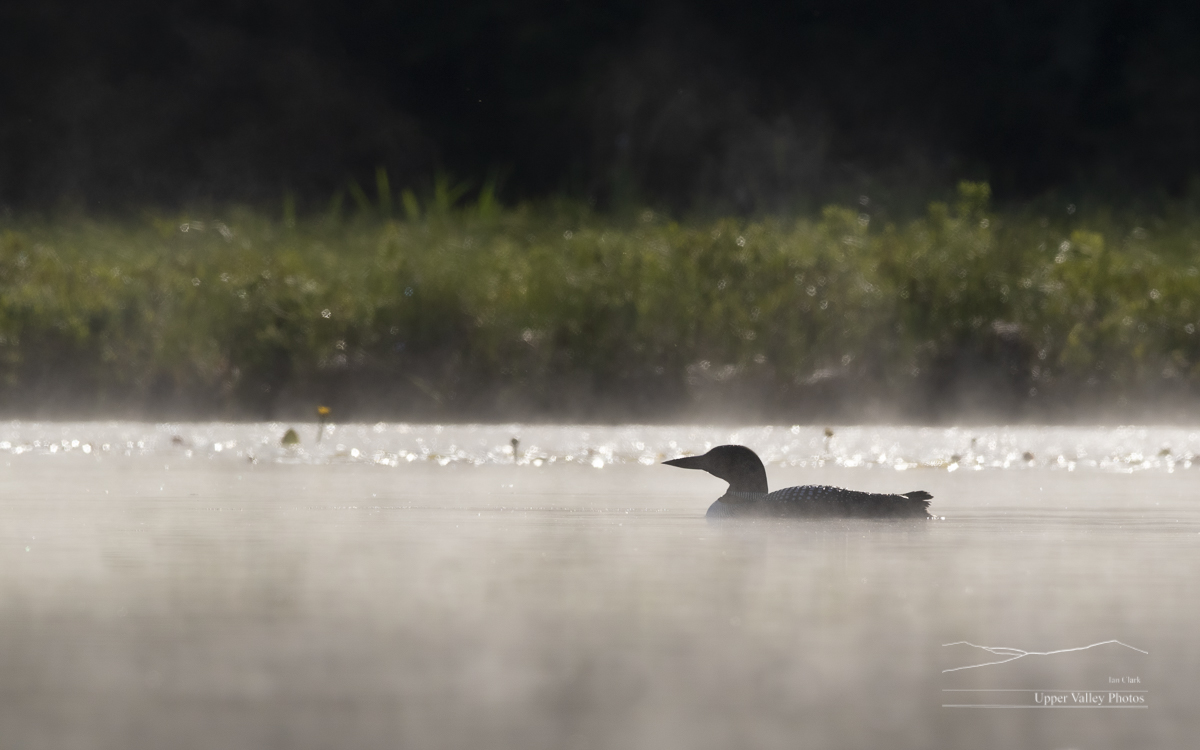
One of our pair of loons was patrolling the pond and foraging as the sun rose.
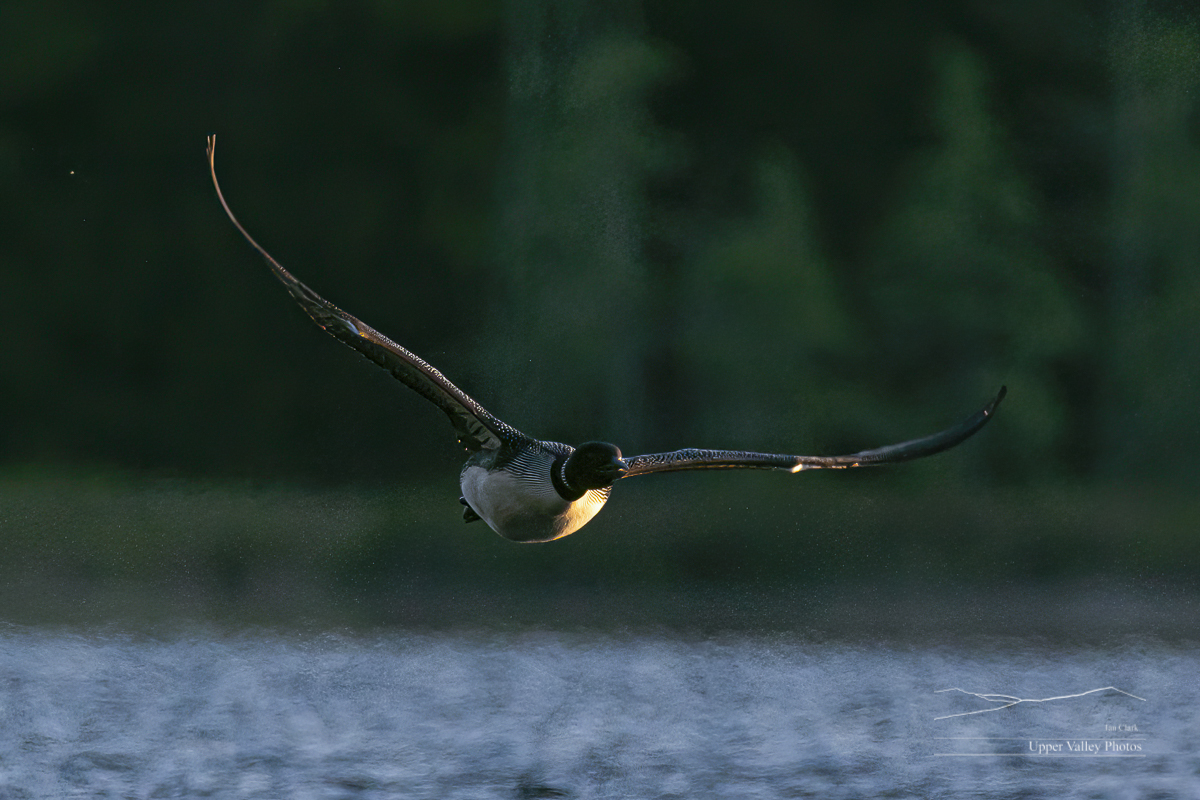
A few minutes later, the loon departed on an errand. The pond is surrounded by hills. Often departing loons have to circle the pond to gain enough altitude to clear the hills, giving me an extra change to get in flight shots.
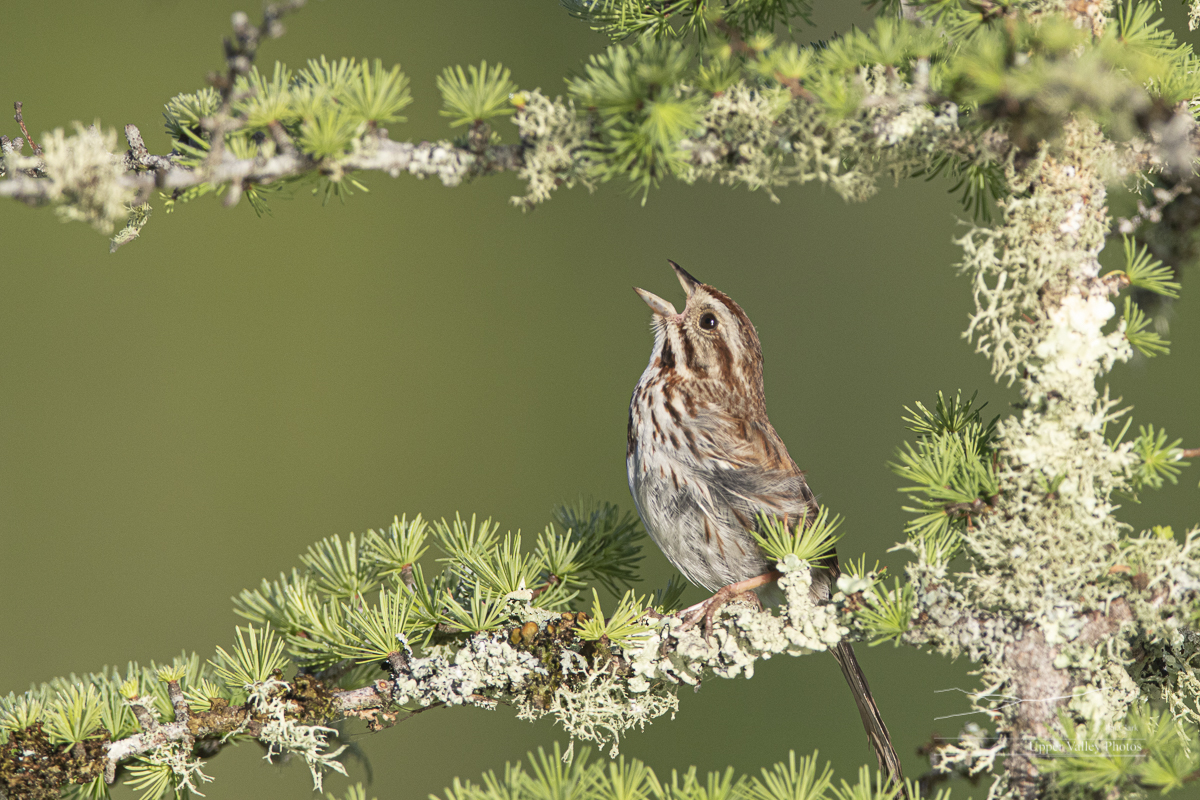
A song sparrow went through his repertoire to greet the morning.
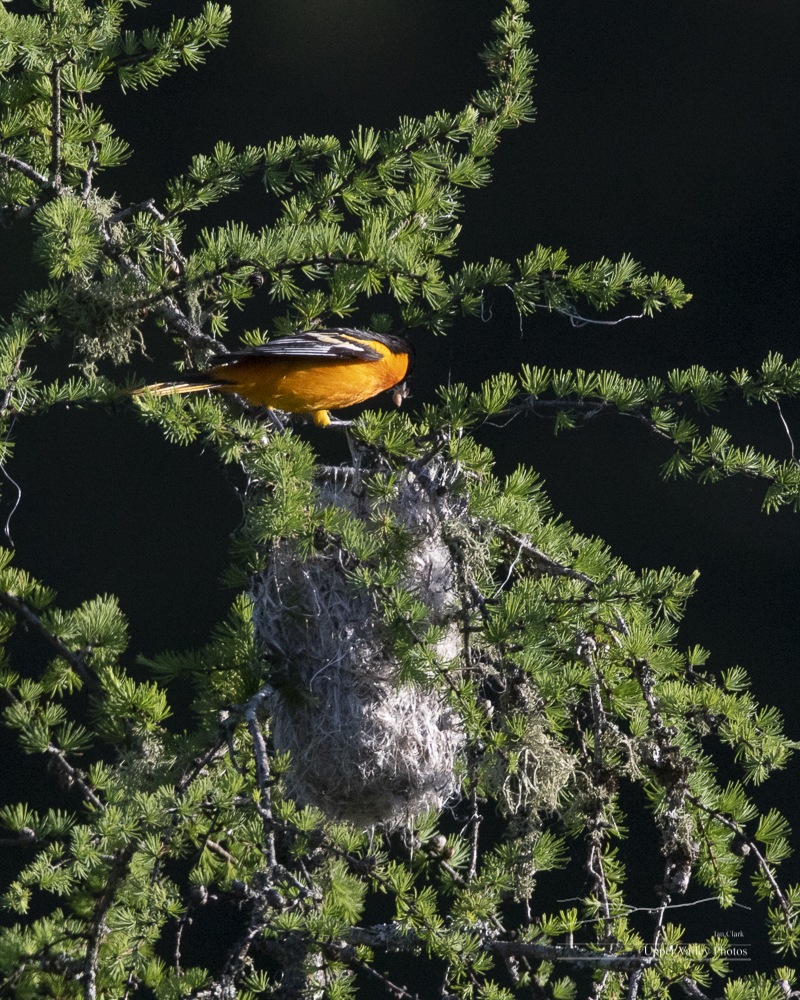
Mr. Oriole was busy hauling groceries to his nest.
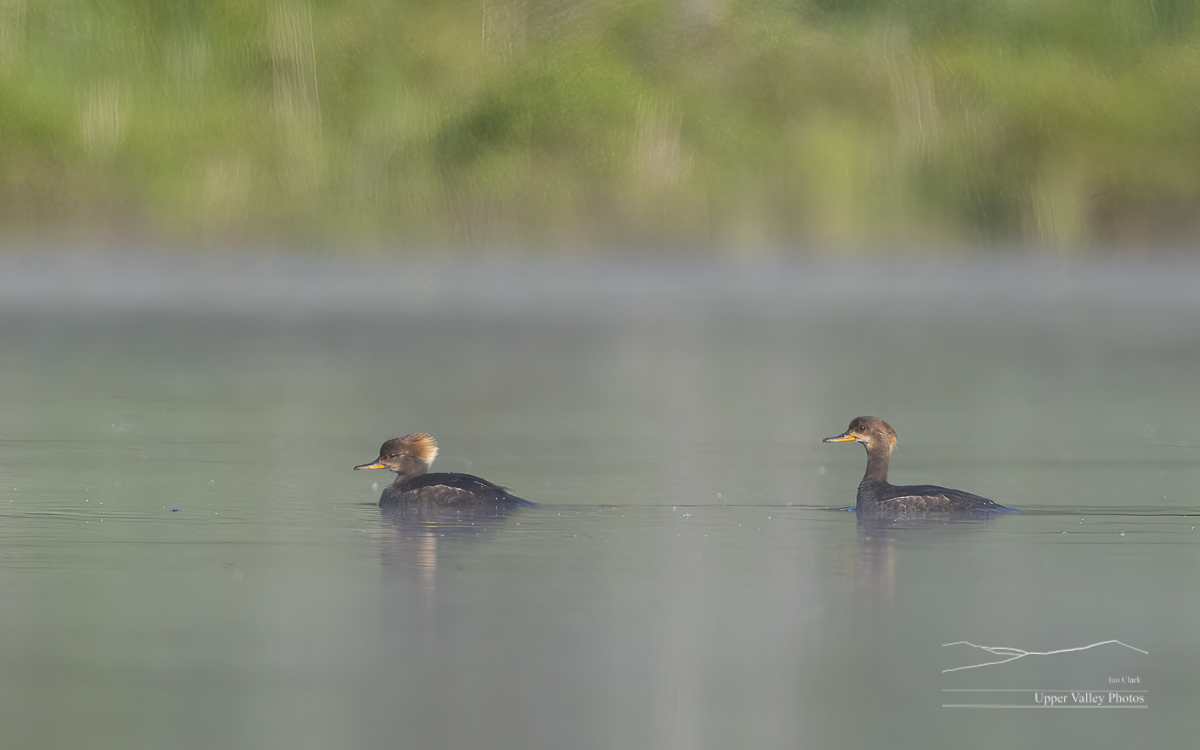
A couple mergansers promenaded around the pond.
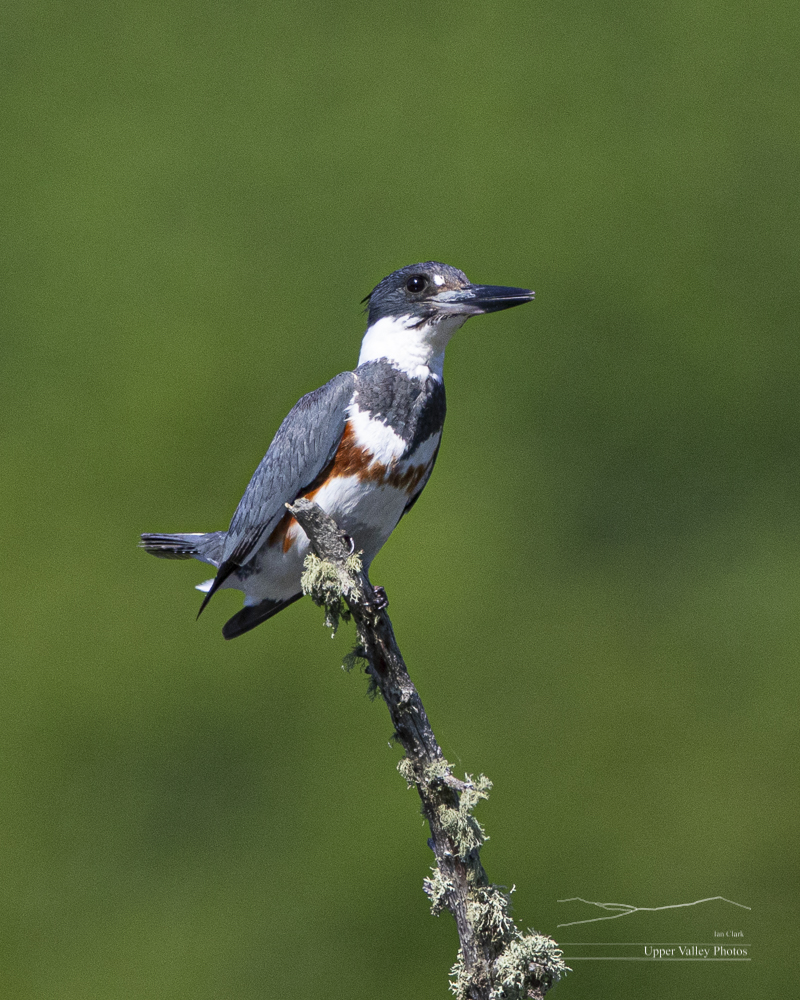
Even Mrs. Kingfisher was generous enough to hold still for a photo – quite the rare occurrence.
Our loon on nest duty took a break to stretch, preen, forage and nap after a time.
Streeeetttttcccchhhh…..
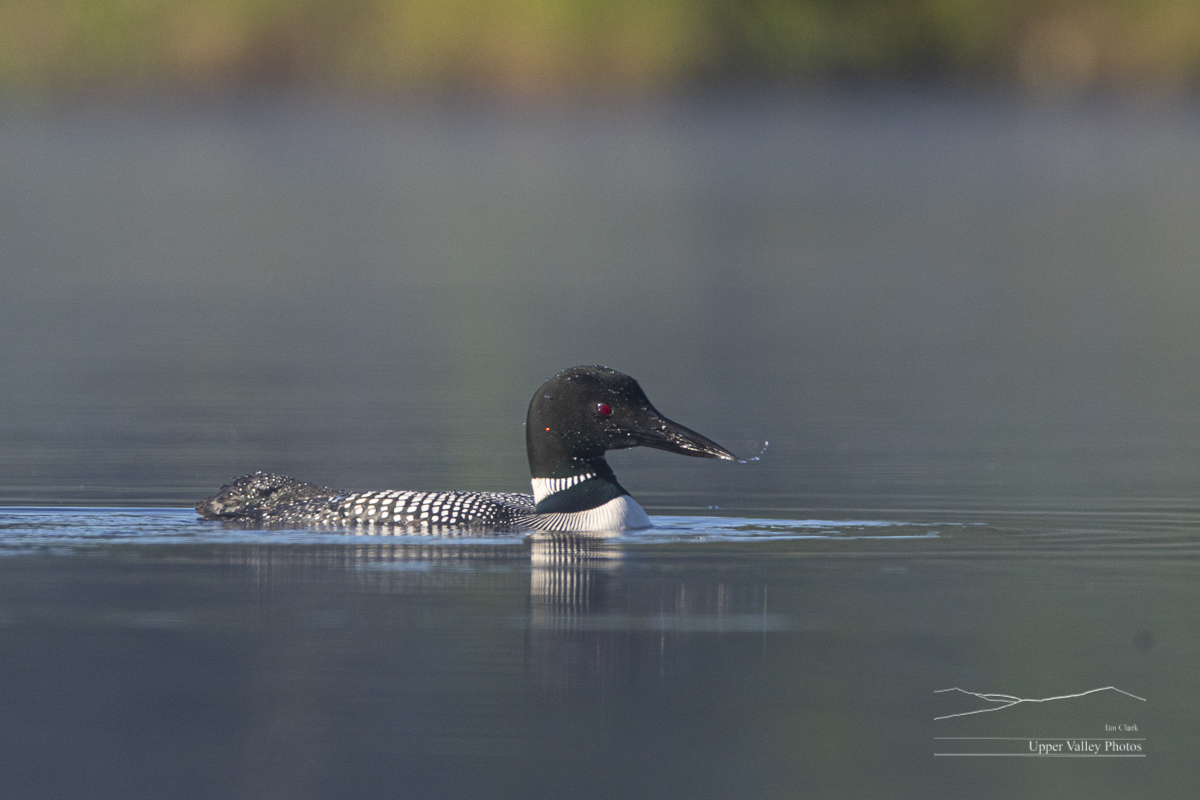
On the surface between foraging dives.
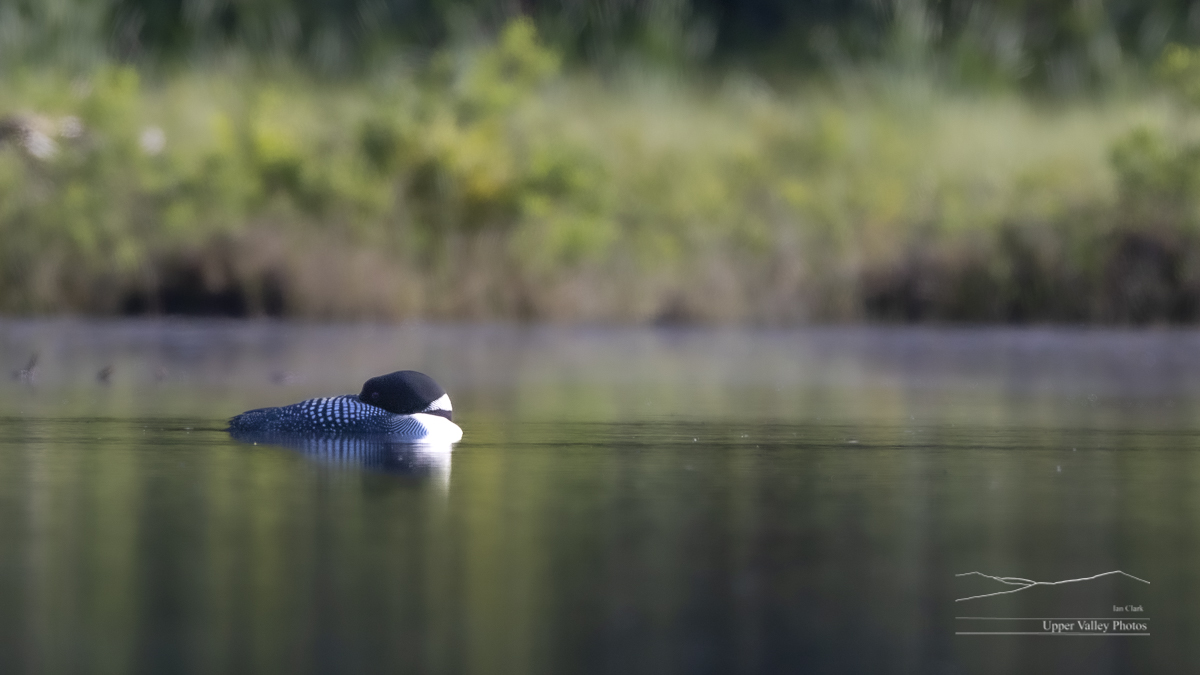
Settled in for a midmorning nap.

Loons Are Nesting, May 31, 2022

Many of the loons around the area have laid their eggs and are sitting on their nests. I’ve been out on several ponds this last week, checking on them and in some cases, putting out the loon nesting signs. Let’s see what I saw along the way.

Just a reminder to let the loons be. You may have the best intentions, but the loons don’t know what you’re up to and approaching them may stress them. And, while it may be harmless for you to approach the nest to have a quick peek, remember you could be the 20th person getting close enough to stress the loons. All the photos of the loons on or near their nest were shot with a 800mm lens and cropped – I’m back well over 100′.
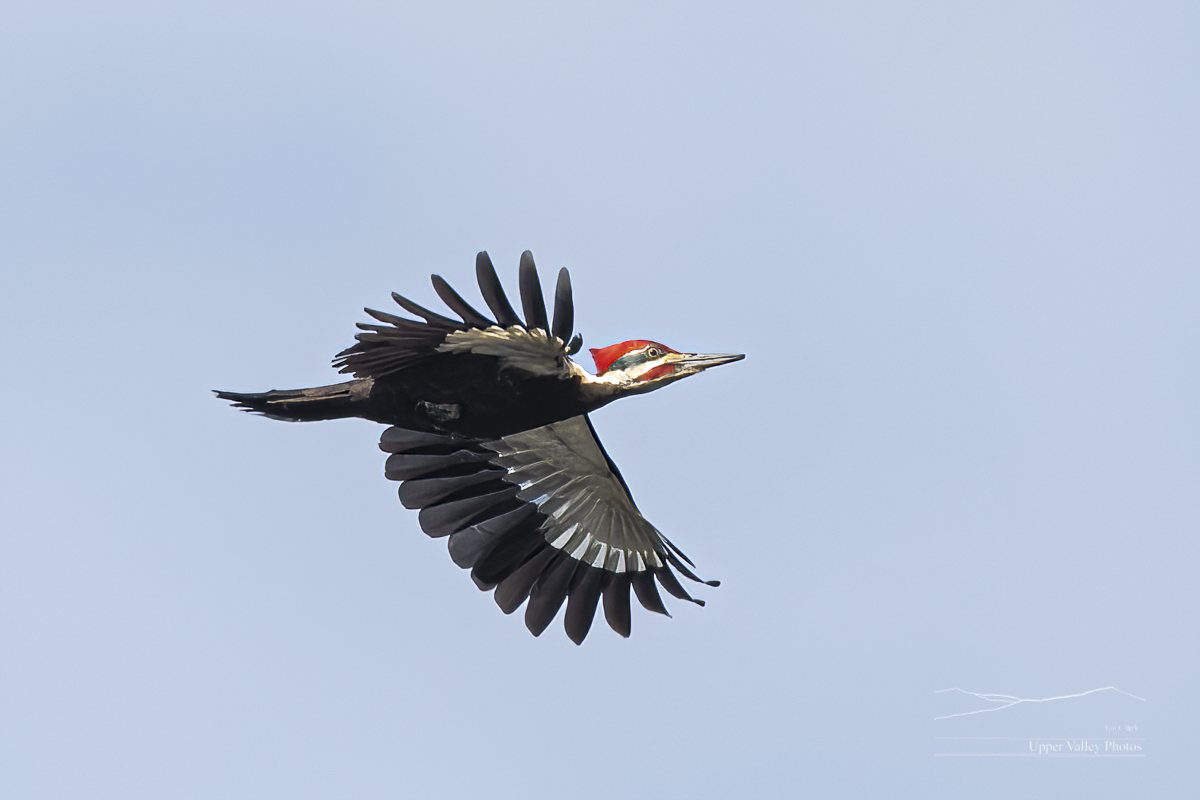
A pileated woodpecker gives me a flyby over one of the local ponds.
An eastern kingbird poses nicely not far from one of the loon nests.
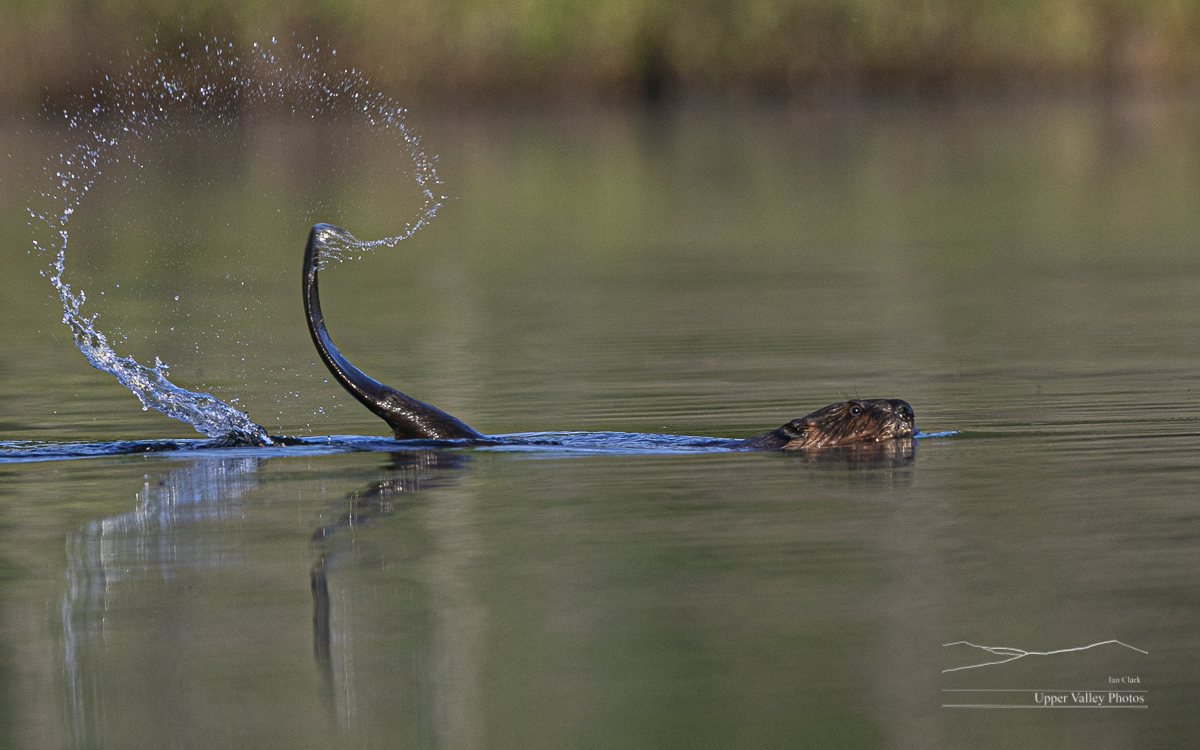
There’s a beaver lodge that I have to pass to visit the loons on one of the ponds. The beavers are sure to greet me as I pass.
When I last checked on the loons on this pond, they were still exploring real estate. The swim along the shoreline – usually on an island or check out the hummocks in the marsh. They vocalize softly while hunting for a spot. The male will eventually pick a spot. If a pair was successful hatching chicks the year before, they’re likely to pick the same spot again – if it is still available.
On my most recent visit, the loons had selected a spot near where last year’s nest was and were sitting on egg(s).
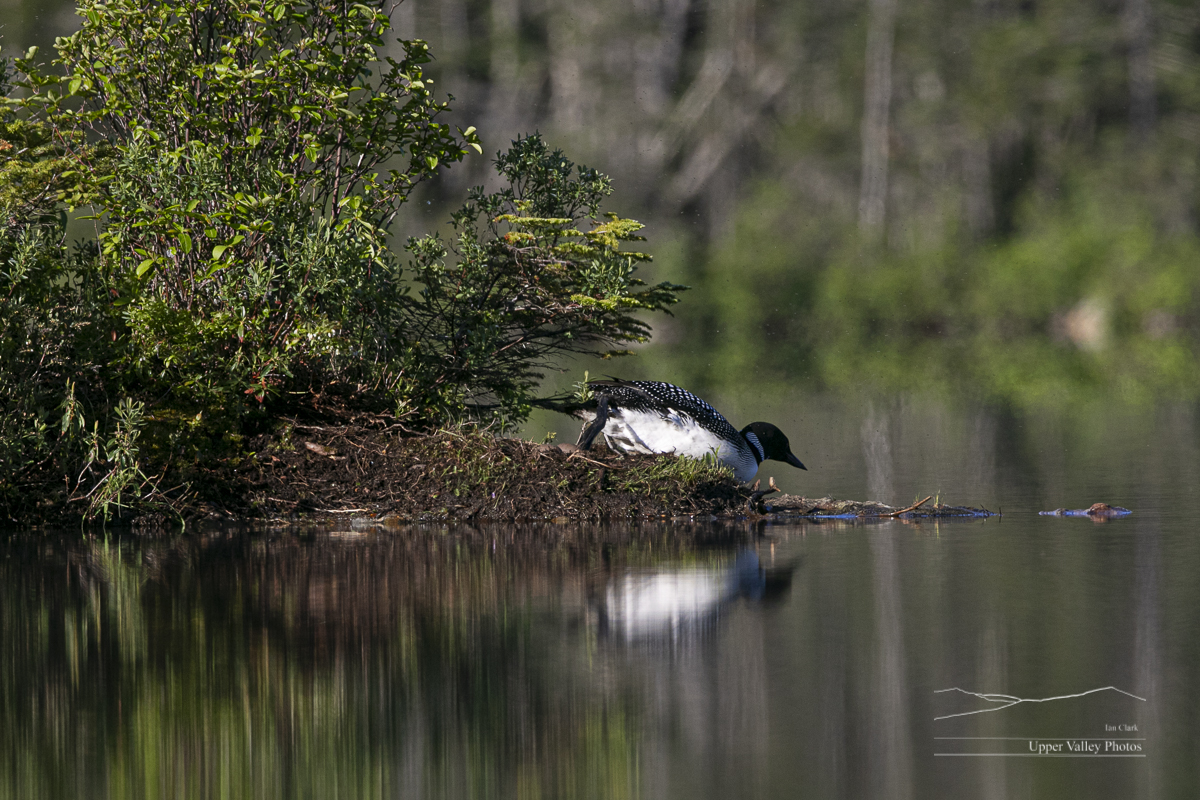
Loons’ legs are very far back on their body, making walking difficult. They’ll nest within a couple of feet of the water. This loon is climbing out of the water to take a shift sitting on the egg(s).
Both parents take turns sitting on the eggs. Females are more likely to take the night shift and spend more time sitting as incubation ends. During the day, the pair will do a handful of nest exchanges – a shift change for sitting. Often when the off duty loon returns to the area around the nest, the loons will dip their heads with the tip their bills in the water. I suspect it is a greeting, but haven’t found any documentation to back that up.
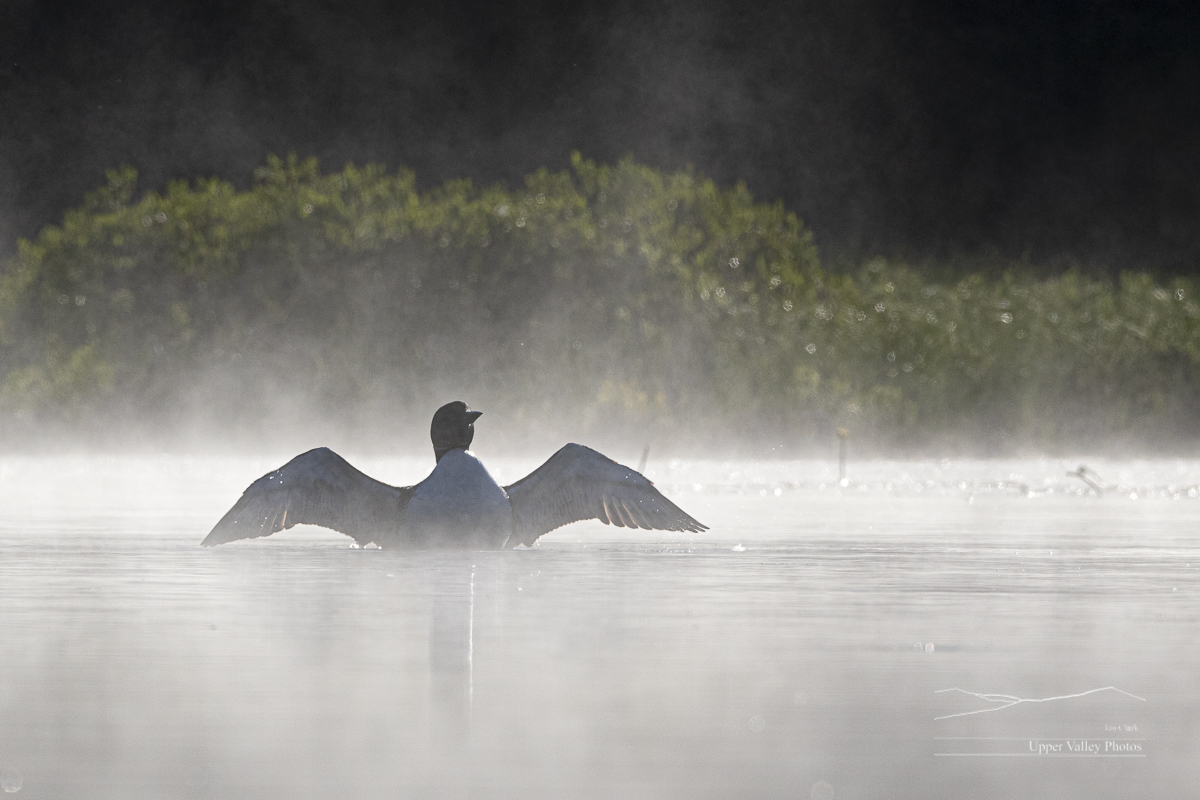
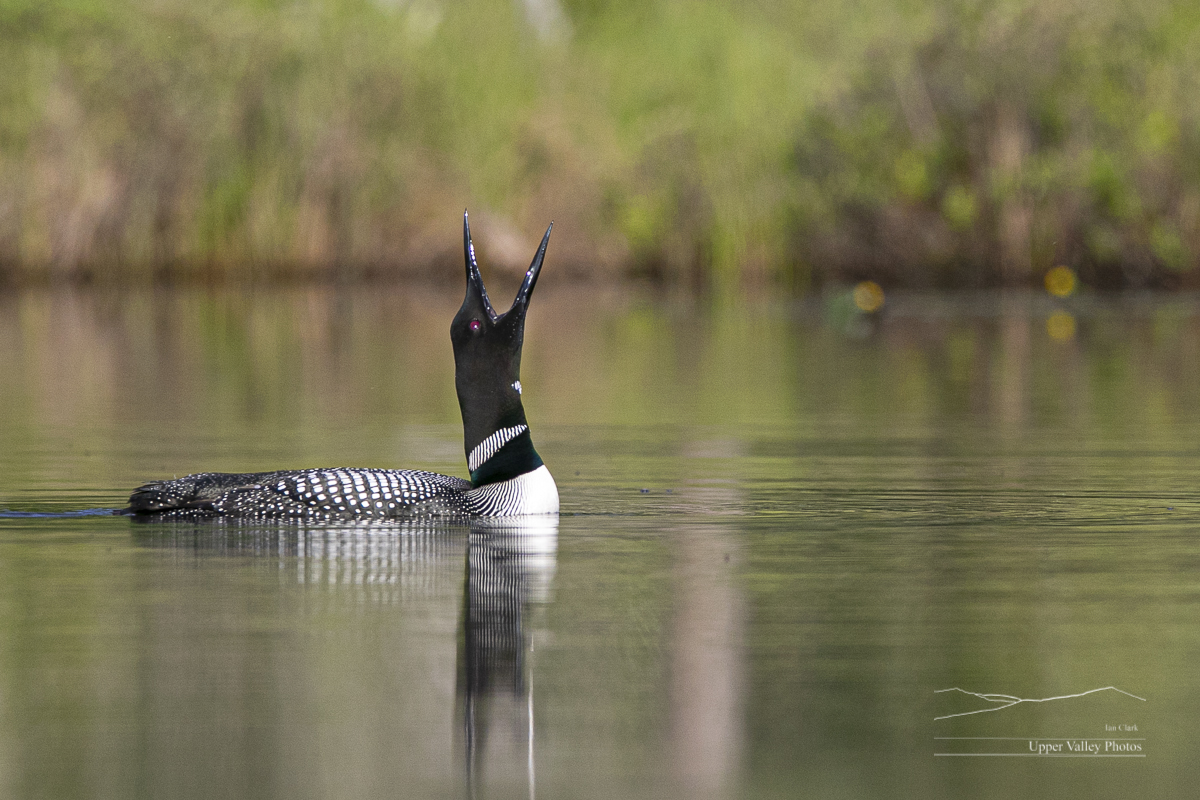
Loons coming off a shift of nest sitting will often stretch and preen a bit before heading out to forage. I think is is the loon version of a yawn, with full neck stretch.
An early morning departure for one of the loons on a local pond.
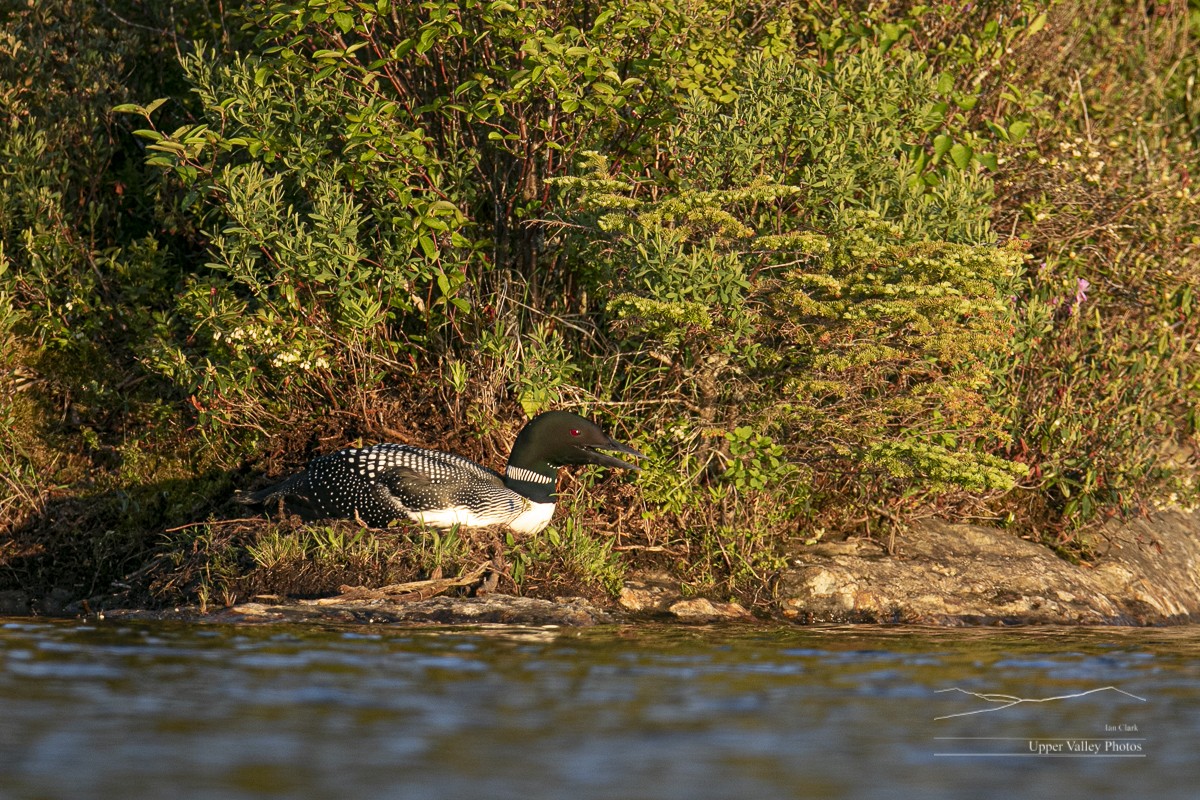
Another loon sitting on a nest. The loons on this pond were successful in raising two chicks last year, the laid their eggs in the same spot. All those black specks are black flies. It is a very good year for the flies.
Here’s the same loon leaving the nest for shift change. This shot gives you a good view of how far back their legs are.

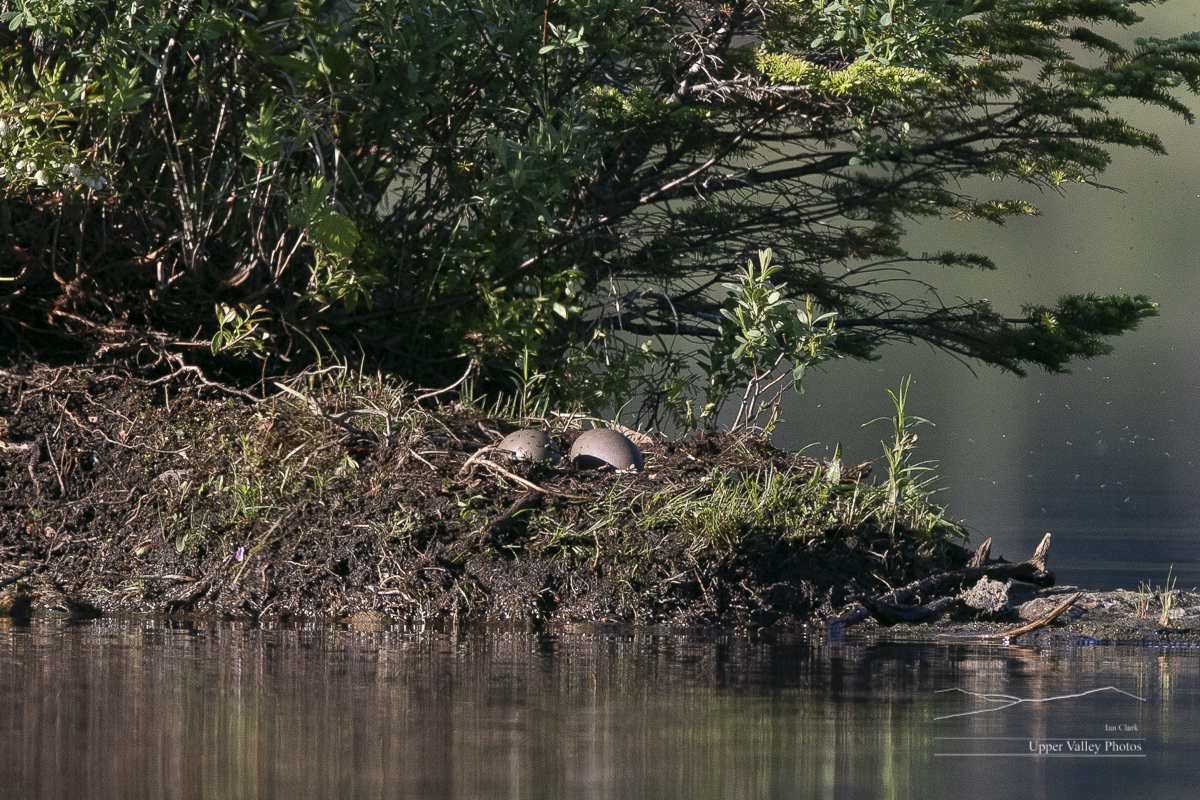
Loons lay one or two eggs in a simple nest.
Here’s the same nest late in the day. I returned to the pond with their sign to try to keep people away from the nest. Loons will pant like dogs when they’re hot. This loon has been in direct sun for several hours and is trying to cool down.
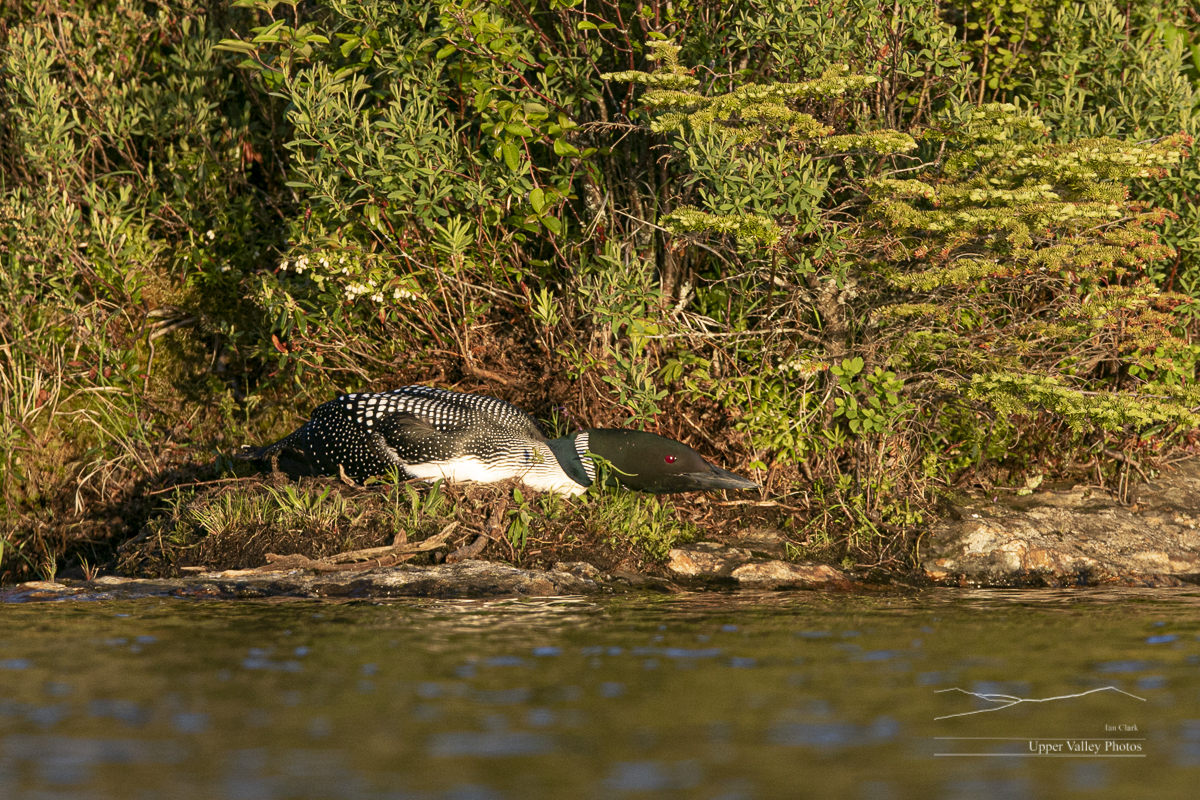
This loon is very stressed – an otter surfaced not far from the nest while I was watching. If a loon flattens out like this when you approach, you’re too close and are bothering the loon.
If you’re sitting quietly, loons will sometimes surface close to your boat.
Of course, we’re all looking for the shot of a loon stretching…

I hope to follow a couple of loon families for the rest of the summer again. Sign up for post updates to keep up with how they’re doing.

You can learn more about loons and conservation efforts on their behalf on the Loon Preservation Committee’s site, the Vermont Center for Ecostudies site or the Adirondack Center for Loon Conservation site.

We Say Goodbye To Our Chicks, May 24, 2022

The four chicks that stayed in the box yesterday held out until after lunch today. Just before 1:00, three of the four departed one after the other. The fourth left within the hour. They’re hiding in the shrubs by the deck. In years past, the parents moved them off to the brush along the side of the yard within a few hours. We’ll likely see them foraging around the yard for much of the summer. If the parents try for a new brood, these chicks may help feed the next ones.

First Chick Fledged, May 23, 2022

The first brave little chick left the nest box just before dawn this morning. By the time I realized it, the chick was hunkered down on the deck under the railing. It was easy to image it may have been wondering if it had made a mistake… The other chicks are busy looking out, but haven’t made the jump yet. Mom and dad are perched near the box calling to them. They’ve cut back on delivering food to the chicks still in the box to encourage them to get going.

We’re watching eastern bluebirds in a nest box that has a camera built in to let us watch without disturbing the birds.

Looking Out The Window, May 22, 2022

We’re having a hot day, about 90°F, today. The chicks are taking turns looking out the window of their box. Mom and dad are perched nearby calling for the chicks to come out. They’re likely to wait until at least tomorrow (Monday May 23) before heading out, but we’re watching.

We’re watching eastern bluebirds in a nesting box with a camera built in to let us watch without disturbing the birds.

Bluebird Chicks Curious About The World, May 21, 2022

Today is day 15 for our bluebird chicks. They’re stretching their wings, jockeying for position in an ever tighter space and they’re beginning to peek out of the door of the box to see what’s in store for them. They could fledge as soon as Monday.

We’re watching eastern bluebirds in a nest box with a camera installed to let us watch without disturbing the birds.

Bluebird Chicks Testing Their Wings, May 20, 2022

Today is day 14 for our baby bluebirds. They’re active, fidgeting in the nest and testing their wings. Haven’t seen mom around the yard today, but dad has been working overtime hauling in groceries. The chicks are getting loud. Their box is mounted on the deck at the front of the house, they’re easily heard in my office at the back of the house.

A pair of tree swallows explored the second box on the deck, but a third swallow objected.

We’re watching eastern bluebirds in a box with a camera built in to let us watch without disturbing the birds.

Day 13 With The Bluebird Chicks, May 19, 2022

The chicks have progressed to testing their wings. Things look like they’re getting cramped in the nesting box. The chicks should be with us until at least Monday.

We’re watching eastern bluebirds nesting in a box that has a camera installed to let us watch without disturbing the birds.

Pin It on Pinterest